Apoptosis
Los inhibidores de la apoptosis son compuestos que previenen o retrasan el proceso de muerte celular programada, conocido como apoptosis. Estos inhibidores son vitales para estudiar los mecanismos de supervivencia celular y se utilizan para investigar enfermedades donde la apoptosis está desregulada, como el cáncer, los trastornos neurodegenerativos y las enfermedades autoinmunes. Al modular la apoptosis, estos inhibidores pueden ayudar en el desarrollo de terapias dirigidas a controlar la muerte celular. En CymitQuimica, ofrecemos una amplia selección de inhibidores de la apoptosis de alta calidad para apoyar su investigación en biología celular, oncología y campos relacionados.
Subcategorías de "Apoptosis"
- ASK(6 productos)
- BCL(11 productos)
- Caspasa(125 productos)
- FOXO1(3 productos)
- IAP(66 productos)
- Mdm2(12 productos)
- PD-1 / PD-L1(125 productos)
- PDK(9 productos)
- PERK(25 productos)
- Serina / treonina quinasa(15 productos)
- Survivin(13 productos)
- TNF(92 productos)
- c-RET(51 productos)
- p53(62 productos)
Mostrar 6 subcategorías más
Se han encontrado 5600 productos de "Apoptosis"
Ordenar por
Pureza (%)
0
100
|
0
|
50
|
90
|
95
|
100
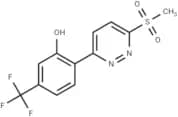
NLRP3-IN-28
CAS:<p>NLRP3-IN-28 (compound N77) serves as a potent inhibitor of NLRP3, effectively blocking Nigericin-induced pyroptosis with an EC50 of 0.07μM. Additionally, it mitigates inflammatory reactions in vivo [1].</p>Fórmula:C12H9F3N2O3SForma y color:SolidPeso molecular:318.2717-Demethoxy-reblastatin
CAS:<p>17-Demethoxy-reblastatin (17-DR) acts as an inhibitor of heat shock protein 90 (Hsp90). It suppresses the proliferation of HepG2 and SMMC7721 cancer cells, diminishes colony formation, and triggers apoptosis via a mitochondria and caspase-mediated pathway.</p>Fórmula:C28H42N2O7Forma y color:SolidPeso molecular:518.64Spliceostatin A
CAS:<p>Spliceostatin A is an anticancer agent and splicing inhibitor that induces apoptosis by inducing cell cycle arrest in the G1 and G2/M phases.</p>Fórmula:C28H43NO8Pureza:94.66%Forma y color:SolidPeso molecular:521.643Apoptosis inducer 25
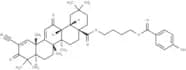
CAS:<p>Apoptosisinducer 25 (Compound 4H) demonstrates potent anticancer capabilities by inhibiting the proliferation of BGC-823 cancer cells with an IC50 of 0.37 μM. It induces apoptosis in BGC-823 cells, causes mitochondrial dysfunction, and arrests the cell cycle at the G2/M phase. Additionally, Apoptosisinducer 25 exhibits favorable pharmacokinetic properties in rats.</p>Fórmula:C42H53NO7Forma y color:SolidPeso molecular:683.87VNPP433-3β
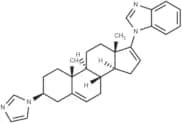
CAS:<p>VNPP433-3β acts as a molecular glue degrader, targeting the androgen receptor (AR) and its splice variants (AR-Vs) as well as MAP kinase-interacting serine/threonine protein kinase Mnk1/2. It effectively inhibits the proliferation of cancer cells LNCaP, C4-2B, and CWR22Rv1, with GI50 values of 0.2, 0.3, and 0.31 μM, respectively. Additionally, VNPP433-3β shows favorable pharmacokinetics in CD-1 mice and suppresses tumor growth in the CWR22Rv1 xenograft mouse model.</p>Fórmula:C29H34N4Forma y color:SolidPeso molecular:438.61WF-47-JS03
<p>WF-47-JS03: RET kinase inhibitor, crosses blood-brain barrier, 500x more selective for KDR, IC50: 1.7 nM in Ba/F3 cells, 5.3 nM in LC-2/ad lung cancer cells.</p>Fórmula:C30H38N6O2Forma y color:SolidPeso molecular:514.66Fosizensertib
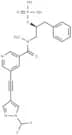
CAS:<p>Fosizensertib is an inhibitor of RIP-1 kinase and is used in research related to ulcerative colitis.</p>Fórmula:C22H21F2N4O5PForma y color:SolidPeso molecular:490.397tDHU, acid
CAS:<p>tDHU, acid is a dihydropyrimidine cereblon ligand consisting of an E3 ligase ligand and a benzoic acid linker. It serves as an E3 ubiquitin ligase ligand-linker conjugate in the development of PROTACs.</p>Fórmula:C12H12N2O4Peso molecular:248.23eIF4E-IN-4
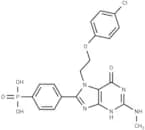
CAS:<p>eIF4E-IN-4 (Compound 33) is a selective inhibitor of the eukaryotic initiation factor 4E (eIF4E) with a biochemical activity value of 95 nM. It inhibits cap-dependent mRNA translation with an IC50 of 2.5 μM and is applicable in research on breast cancer, colon cancer, and head and neck cancer.</p>Fórmula:C20H19ClN5O5PForma y color:SolidPeso molecular:475.822TNF-α-IN-14
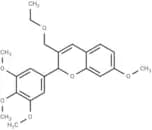
CAS:<p>TNF-α-IN-14, a potent TNFα inhibitor, exhibits a selective inhibition profile with an IC50 of 1.1 µM and demonstrates antiinflammatory properties (WO2001072735A2; compound 12) [1].</p>Fórmula:C22H26O6Forma y color:SolidPeso molecular:386.44WEHI-539
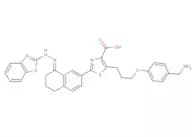
CAS:<p>WEHI-539 is a selective Bcl-XL inhibitor (IC50: 1.1 nM).</p>Fórmula:C31H29N5O3S2Pureza:98%Forma y color:SolidPeso molecular:583.72PD-1/PD-L1-IN-30
CAS:<p>PD-1/PD-L1-IN-30: Cancer research inhibitor with 0.018 μM IC50.</p>Fórmula:C29H28F3NO5Forma y color:SolidPeso molecular:527.53Bayer-18
CAS:<p>Bayer-18 is an inhibitor of TYK2. It inhibits the viability of anaplastic large cell lymphoma cells, including K299, SR786, Mac1, and Mac2a, with an IC50 ranging from 2-3 µM. Additionally, Bayer-18 induces apoptosis in K299 and SR786 cells.</p>Fórmula:C19H27FN6O2Forma y color:SolidPeso molecular:390.46Antiproliferative agent-4
<p>Antiproliferative agent-4 suppresses cancer cell growth with low toxicity, inhibits tumors in mice, and induces apoptosis in EC109 cells.</p>Fórmula:C29H35ClO8Forma y color:SolidPeso molecular:547.04HER2-IN-10
<p>HER2-IN-10 is a psoralen derivative that induces apoptosis. HER2-IN-10 shows anti-breast cancer activity and light-activated cytotoxicity [1].</p>Fórmula:C15H13NO5Forma y color:SolidPeso molecular:287.27MNK1/2-IN-6
<p>MNK1/2-IN-6: Strong, selective MNK1/2 inhibitor; IC50s: MNK1 at 2.3 nM, MNK2 at 3.4 nM; triggers dose-dependent apoptosis.</p>Fórmula:C27H24N6OForma y color:SolidPeso molecular:448.52VEGFR-2-IN-15
<p>VEGFR-2-IN-15 (Compound 14b) is a potent inhibitor of VEGFR-2. VEGFR-2-IN-15 inhibits the growth of HepG2 cells in the Pre-G1 phase and induces apoptosis.</p>Fórmula:C23H18ClN3O4SForma y color:SolidPeso molecular:467.92Cetzole
CAS:<p>Cetzole (Compound 1) acts as an inducer of ferroptosis (iron-dependent cell death) through the accumulation of ROS, leading to cell death. The compound exhibits varying half-maximal cytotoxic concentrations (CC50) against several cell lines: 2.56 μM in NCI-H522, 10.31 μM in NCI-H522 GFP-SCL7A11 #8, 2.71 μM in NCI-H522 RV-GFP, 3.07 μM in HT-1080, 14.9 μM in NARF2, and 6.28 μM in MDA-MB-231. This highlights Cetzole's potential for research in cancer therapeutics.</p>Fórmula:C11H11NOSForma y color:SolidPeso molecular:205.28NDs-IN-1
CAS:NDs-IN-1 (Compound 3g) is a novel non-covalent multi-target inhibitor that inhibits the activities of key enzymes such as hBACE-1, hAChE, and hMAO-B, and is primarily used in the study of neurodegenerative diseases [1].Fórmula:C20H18N2O2Peso molecular:318.37PI3K-IN-58
CAS:<p>PI3K-IN-58 (Compound 17f) is an inhibitor of PI3Kα with an IC50 value of 0.039 μM. It shows significant antiproliferative effects on PC-3, 22RV1, MDA-MB-231, and MDA-MB-453 cell lines with IC50 values of 3.48 μM, 1.06 μM, 2.21 μM, and 0.93 μM, respectively. PI3K-IN-58 induces apoptosis by downregulating the expression of anti-apoptotic proteins Bcl-XL and Bcl-2 while upregulating the expression of the pro-apoptotic protein BAX. This compound is applicable for research in cancer targeting through PI3K pathways.</p>Fórmula:C22H22N6O3SForma y color:SolidPeso molecular:450.51Coprostanone
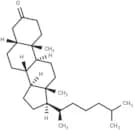
CAS:<p>Coprostanone (5β-cholestan-3-one) is an active metabolite of hydroxycholesterol and cholesterol. It induces apoptosis in primary gallbladder epithelial cells in dogs. Coprostanone holds potential for research into colon cancer or adenomatous polyps.</p>Fórmula:C27H46OForma y color:SolidPeso molecular:386.654PLK1-IN-15
CAS:<p>PLK1-IN-15 is a PLK1 inhibitor with an IC50 of 38.5 nM. It exhibits antiproliferative effects on HepG2, Huh7, H1299, and A549 cells, with IC50 values of 2.03, 2.08, 4.79, and 17.11 μM, respectively. Additionally, PLK1-IN-15 can induce cell cycle arrest in the G2/M phase and trigger apoptosis (Apoptosis), demonstrating anticancer activity.</p>Fórmula:C25H29N7O4SForma y color:SolidPeso molecular:523.61Topoisomerase inhibitor 4
CAS:<p>Topoisomerase inhibitor4 (compound 45) acts as an effective inhibitor of Topoisomerase1/2, arresting the cell cycle at the G2/M phase and inducing Apoptosis. This compound exhibits potent antitumor activity.</p>Fórmula:C30H28F3IN4O3Forma y color:SolidPeso molecular:676.47BRD4/CK2-IN-1
CAS:<p>BRD4/CK2-IN-1 is a small-molecule inhibitor targeting BRD4 and CK2, inducing apoptosis and autophagy-related cell death.</p>Fórmula:C29H30ClN5O5Pureza:99.02%Forma y color:SolidPeso molecular:564.03DPP-21
CAS:<p>DPP-21 is an inhibitor of microtubule protein polymerization (IC50: 2.4 μM). It exhibits antiproliferative activity against various cancer cell lines, with IC50 values of 0.38 nM (HCT116), 11.69 nM (B16), 5.37 nM (HeLa), 9.53 nM (MCF7), 8.94 nM (H23), and 9.37 nM (HepG2). DPP-21 induces cell cycle arrest at the G2/M phase of mitosis and subsequently triggers apoptosis in tumor cells by decreasing Bcl-2 while increasing pro-apoptotic protein Bax levels.</p>Fórmula:C17H16N4SForma y color:SolidPeso molecular:308.40Tubulin polymerization-IN-4
CAS:<p>Tubulin polymerization-IN-4: inhibits tubulin (IC50=4.6 μM), blocks G2/M phase, induces apoptosis, hinders cell cloning/migration, damages vasculature.</p>Fórmula:C21H21ClN2O4Forma y color:SolidPeso molecular:400.86c-Myc inhibitor 16 iodide
CAS:<p>c-Myc inhibitor16 iodide (Compound W11) is a selective inhibitor of the c-MycG-quadruplex (c-MycG4). It suppresses the transcription and translation of the c-Myc gene, disrupts the tumor cell cycle by halting growth at the G0/G1 phase, and activates mitochondrial apoptotic pathways, leading to early apoptosis in cancer cells. This compound shows potential for research in breast cancer.</p>Fórmula:C26H24INOForma y color:SolidPeso molecular:493.379Decarbamoylmitomycin C
CAS:<p>Decarbamoylmitomycin C, an analog of Mitomycin C (MC), functions as a DNA alkylating agent. It is capable of activating chromatin relaxation by the ataxia-telangiectasia and Rad3-related protein (ATR) in a p53-independent manner.</p>Fórmula:C14H17N3O4Forma y color:SolidPeso molecular:291.302EMT inhibitor-3
CAS:<p>EMT inhibitor-3 (compound 11i) is an epithelial-mesenchymal transition (EMT) inhibitor that effectively suppresses the proliferation, migration, and invasion of SK-N-SH neuroblastoma cells, with an IC50 value of 2.5 μM. It induces mitochondrial-mediated intrinsic apoptosis in tumor cells by enhancing the Bax/Bcl-2 protein expression ratio, promoting the release of cytochrome C from mitochondria, and activating caspase 9 and caspase 3. EMT inhibitor-3 is applicable for cancer research.</p>Fórmula:C29H21F2N3O4SeForma y color:SolidPeso molecular:592.45KMUP-1
CAS:<p>KMUP-1 is a xanthine derivative known for its vasodilatory properties. It functions as a phosphodiesterase (PDE) inhibitor and an activator of soluble guanylate cyclase (sGC), engaging the NO/sGC/cyclic guanosine monophosphate pathway. Additionally, KMUP-1 can open K+ channels and has the potential to alleviate ischemia-induced cardiac myocyte apoptosis (apoptosis). This compound is useful in cardiovascular and anti-inflammatory research.</p>Fórmula:C19H23ClN6O2Forma y color:SolidPeso molecular:402.878Isoforretin A
CAS:<p>Isoforretin A is a potent inhibitor of thioredoxin-1 (Trx1) with significant biological activity, inducing anti-tumor effects mediated by reactive oxygen species (ROS). The compound inhibits Trx1 activity by covalently binding to the activation site residues Cys32/Cys35, which triggers ROS accumulation, leading to DNA damage and apoptosis (Apoptosis) in cancer cells. Additionally, Isoforretin A has demonstrated the ability to suppress the growth of HepG2 tumors in a mouse hepatic cell carcinoma xenograft model.</p>Fórmula:C28H38O10Forma y color:SolidPeso molecular:534.6SC428
CAS:<p>SC428 acts as an inhibitor of the androgen receptor (AR), specifically targeting the N-terminal domain of AR. This compound effectively diminishes the transactivation of various AR forms, including AR-V7, ARv567es, full-length AR (AR-FL), and its LBD mutants. Additionally, SC428 significantly inhibits AR-FL nuclear translocation, chromatin binding, and AR-regulated gene transcription under androgen stimulation. In vitro, SC428 suppresses the proliferation of tumor cells. In vivo, it inhibits tumor growth in mice transplanted with 22Rv1 cells by inducing apoptosis.</p>Fórmula:C15H10F3N3OSForma y color:SolidPeso molecular:337.32Apoptosis inducer 36
CAS:<p>Apoptosisinducer 36 (Compound 42) exhibits anti-leukemic activity by reducing leukemia stem cells (LSC) and inducing differentiation. It inhibits proliferation of AML cells by causing cell cycle arrest in the G1 phase, and induces PANoptosis, which includes apoptosis, pyroptosis, and necrosis.</p>Fórmula:C23H40O3SiForma y color:SolidPeso molecular:392.647PD-L1/HDAC6-IN-1
CAS:<p>PD-L1/HDAC6-IN-1 (Compound HP29) is an inhibitor targeting both PD-L1 and HDAC6, effectively disrupting the PD-L1/PD-1 interaction and inhibiting HDAC6 activity, with IC50 values of 26.8 nM and 69 nM, respectively. This compound enhances the cytotoxicity of Jurkat T cells against HepG2 cells, exhibiting an IC50 of 3.4 μM. In rats, PD-L1/HDAC6-IN-1 demonstrates favorable pharmacokinetics, showing a drug exposure level of 871.62 ng·h/mL, and displays antitumor activity in a B16-F10 xenograft mouse model.</p>Fórmula:C27H33N3O3Forma y color:SolidPeso molecular:447.569MG28
CAS:<p>MG28 exhibits significant cytotoxic effects, likely stemming from its direct and potent DNA-damaging activity. The compound is utilized in cancer research.</p>Fórmula:C27H25NO3SForma y color:SolidPeso molecular:443.56SIJ1777
CAS:<p>SIJ1777, a derivative of GNF-7, exhibits potent anticancer effects against melanoma cells harboring BRAFI/II/III mutations. The compound significantly inhibits the activation of MEK, ERK, and AKT. Furthermore, SIJ1777 notably induces apoptosis (cell death) and effectively prevents migration, invasion, and anchorage-independent growth of melanoma cells with BRAFI/II/III mutations.</p>Fórmula:C26H23F3N8O2Forma y color:SolidPeso molecular:536.51DDO-8958
CAS:<p>DDO-8958 is an orally active and selective BET BD1 inhibitor, exhibiting a KD of 5.6 nM for BRD4 BD1. It shows low nanomolar inhibitory activity across all BET BD1 bromodomains except for BRDT BD1. DDO-8958 inhibits tumor cell proliferation and migration, induces apoptosis and cell cycle arrest, and demonstrates antitumor activity.</p>Fórmula:C22H22FN5O2Forma y color:SolidPeso molecular:407.441SIRT-IN-7
CAS:<p>SIRT-IN-7 (Compound 7ba) is a SIRT inhibitor. It effectively suppresses the expression of SIRT1, SIRT2, and SIRT3, leading to increased acetylation and activation of p53. Additionally, SIRT-IN-7 inhibits the proliferation of breast cancer cells and induces apoptosis and autophagy, demonstrating antitumor activity.</p>Fórmula:C24H16BrClN2OSForma y color:SolidPeso molecular:495.819PD-L1/VISTA-IN-1
CAS:<p>PD-L1/VISTA-IN-1 (Compound P17) is an orally active dual inhibitor targeting PD-L1 and VISTA. It effectively hinders the PD-1/PD-L1 interaction (IC50: 0.1492 μM) and the VISTA pathway (KD: 0.2723 μM), leading to the reactivation of T cells. Additionally, PD-L1/VISTA-IN-1 exhibits antitumor activity.</p>Fórmula:C22H24N4O4Forma y color:SolidPeso molecular:408.45(R)-SL18
CAS:<p>(R)-SL18 is a degrader of ANXA3 that facilitates its breakdown via ubiquitination. This compound can inhibit the proliferation, migration, invasion, and colony formation of breast cancer cells, while also inducing apoptosis. (R)-SL18 is applicable for research in triple-negative breast cancer.</p>Fórmula:C26H21ClN6O5S2Forma y color:SolidPeso molecular:597.06506:0 PE
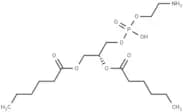
CAS:<p>06:0 PE (PE(6:0/6:0)) is a water-soluble phospholipid characterized by its short acyl chains. It possesses notable antitumor activity and can inhibit tumor progression in the body. Additionally, it exhibits antiproliferative and pro-apoptotic properties, and serves as a precursor for phosphatidylcholine and phosphatidylethanolamine.</p>Fórmula:C17H34NO8PForma y color:SolidPeso molecular:411.432-Deoxy-L-ribose
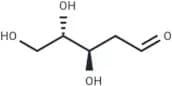
CAS:<p>2-Deoxy-L-ribose is the stereoisomer of 2-Deoxy-D-ribose and can inhibit the anti-apoptotic effects of 2-Deoxy-D-ribose. Additionally, 2-Deoxy-L-ribose is capable of suppressing tumor cell metastasis by downregulating thymidine phosphorylase overexpression.</p>Fórmula:C5H10O4Forma y color:SolidPeso molecular:134.13GPD-1116
CAS:<p>GPD-1116 is an orally active inhibitor of phosphodiesterase (PDE)4 and PDE1. The compound effectively reduces smoke-induced apoptosis in lung cells. Additionally, GPD-1116 has shown efficacy in various animal disease models, including emphysema, acute lung injury, chronic obstructive pulmonary disease (COPD), asthma, and pulmonary arterial hypertension.</p>Fórmula:C22H16N4OForma y color:SolidPeso molecular:352.39WB436B
CAS:<p>WB436B, a highly selective STAT3 inhibitor, effectively targets and inhibits STAT3-Tyr705 phosphorylation along with the expression of STAT3 target genes. It exhibits cytotoxic effects on pancreatic cancer cells by inducing apoptosis. Furthermore, WB436B suppresses tumor growth and metastasis in pancreatic cancer mouse models, thereby prolonging the survival of tumor-bearing mice.</p>Fórmula:C21H20N6O3SForma y color:SolidPeso molecular:436.49Gallium 8-Hydroxyquinolinate
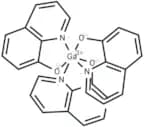
CAS:<p>Gallium 8-Hydroxyquinolinate is an inducer of apoptosis that initiates both p53-dependent and independent cell death in cancer cells through the induction of Ca2+ signaling transduction. In addition to its apoptotic properties, this compound's nanostructures exhibit excellent optical performance, making it suitable for use in tumor research.</p>Fórmula:C27H18GaN3O3Forma y color:SolidPeso molecular:502.17XSJ05
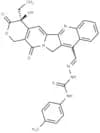
CAS:<p>XSJ05, a derivative of camptothecin (CPT), exhibits anti-cancer activity by inhibiting topoisomerase I (Topo I). This compound induces DNA double-strand breaks, leading to DNA damage. Furthermore, XSJ05 stifles the growth of colorectal cancer (CRC), halts the cell cycle in the G2/M phase, and induces apoptosis.</p>Fórmula:C29H25N5O4SForma y color:SolidPeso molecular:539.60CP-31398
CAS:<p>CP-31398 stabilizes the active conformation of p53 in cancer cells with either mutated or wild-type p53, enhancing its activity. Additionally, CP-31398 upregulates target genes of p53 such as p21WAF1/Cip1 and KILLER/DR5. This compound possesses tumor-suppressive properties.</p>Fórmula:C22H26N4OForma y color:SolidPeso molecular:362.47MI-888 TFA
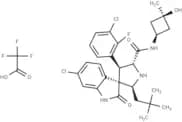
CAS:<p>MI-888 (TFA) is an orally active inhibitor of the MDM2-p53 interaction with a Ki of 0.44 nM. It can induce rapid, complete, and durable tumor regression in xenograft mouse models.</p>Fórmula:C30H33Cl2F4N3O5Forma y color:SolidPeso molecular:662.5Topoisomerase I/II inhibitor 4
<p>Topoisomerase I/II inhibitor 4 halts cell growth and spread, induces apoptosis, and is used in liver cancer research.</p>Fórmula:C27H21N5O6Forma y color:SolidPeso molecular:511.49Rezatapopt
CAS:<p>Rezatapopt (PC14586) is a p53 reactivator with antitumor activity for the study of locally advanced or metastatic solid tumors.</p>Fórmula:C28H31F4N5O2Pureza:98.12%Forma y color:SolidPeso molecular:545.57GPX4-IN-13
CAS:<p>GPX4-IN-13 (compound 16), a GPX4 inhibitor, exhibits anticancer properties by diminishing the expression of GPX4, thereby reducing thyroid cell proliferation and inducing ferroptosis. Additionally, this compound effectively inhibits the growth of three distinct thyroid cancer cell lines: N-thy-ori-3-1 (IC 50 =8.39 μM), MDA-T32 (IC 50 =10.28 μM), and MDA-T41 (IC 50 =8.18 μM).</p>Fórmula:C23H15NO3Forma y color:SolidPeso molecular:353.37ERK-MYD88 interaction inhibitor 1
CAS:<p>ERK-MYD88 Interaction Inhibitor 1, an agent that disrupts the interaction between ERK and MYD88, has demonstrated the ability to trigger an HRI-mediated integrated stress response (ISR) that specifically promotes immunogenic cell apoptosis (apoptosis) in cancer cells. Additionally, in models using Lewis lung cancer mice, this compound has been shown to stimulate anti-tumor T cell responses, thereby exhibiting significant anti-tumor activity.</p>Fórmula:C22H21N5O2Forma y color:SolidPeso molecular:387.43Thalidomide-Piperazine-PEG1-NH2
CAS:<p>Thalidomide-Piperazine-PEG1-NH2 is a synthetic E3 ligase ligand-linker conjugate, featuring a cereblon ligand based on Thalidomide and a single linker.</p>Fórmula:C21H27N5O5Peso molecular:429.47HAC-Y6
CAS:<p>HAC-Y6 exerts its anticancer effects by inducing cell cycle arrest. It prompts apoptosis in COLO 205 cells with an IC50 of 0.52 µM.</p>Fórmula:C23H22N2O4Forma y color:SolidPeso molecular:390.43Belotecan
CAS:<p>Belotecan (CKD-602) inhibits DNA topoisomerase I, blocks cell cycle, induces apoptosis, and is a camptothecin-derived anticancer agent.</p>Fórmula:C25H27N3O4Forma y color:SolidPeso molecular:433.5RIPK1-IN-24
CAS:<p>RIPK1-IN-24 is an inhibitor of receptor-interacting protein kinase 1 (RIPK1) with an IC50 of 1.3 μM. It is utilized in research on inflammatory diseases.</p>Fórmula:C26H21FN6O2Forma y color:SolidPeso molecular:468.48JND4135
CAS:<p>JND4135, a type II TRK inhibitor, exhibits IC50 values targeting TRKA, TRKB, and TRKC at 2.79, 3.19, and 3.01 nM, respectively. It can overcome resistance due to TRKxDFG and other mutations in the BaF3 stable model, inhibiting the phosphorylation of TRKs WT, xDFG mutations, and their downstream signaling molecules. Additionally, JND4135 induces G0/G1 phase arrest and cell apoptosis (apoptosis) in BaF3–CD74-TRKA-G667C cells. This compound also demonstrates antitumor activity in a BaF3-CD74-TRKA-G667C mouse xenograft model by suppressing tumor growth.</p>Fórmula:C37H39N7OForma y color:SolidPeso molecular:597.75XJTU-L453
CAS:<p>XJTU-L453, a PI3Kα inhibitor, exhibits an IC50 of 0.4 nM. It inhibits the proliferation of breast cancer cell lines T47D and MCF7, with IC50 values of 0.2 μM and 0.5 μM respectively. Additionally, XJTU-L453 disrupts the PI3K pathway, leading to cell cycle arrest and cell apoptosis (apoptosis). It also demonstrates antitumor activity in MCF7 xenograft mice.</p>Fórmula:C22H22N4O3Forma y color:SolidPeso molecular:390.44Sabialimon P
CAS:<p>Sabialimon P (compound 16), with an IC50 of 18.12 μM, functions as a NO release inhibitor and exhibits anti-inflammatory properties. It effectively diminishes the secretion of TNF-α, iNOS, IL-6, and NF-κB, and suppresses the expression of COX-2 and NF-κB/p65 in LPS-induced RAW264.7 cells.</p>Fórmula:C31H50O4Forma y color:SolidPeso molecular:486.73GA001
CAS:<p>GA001 is a potent G9a antagonist with an IC50 of 1.32 μM. It can induce autophagy and apoptosis, and is applicable in the treatment of breast cancer.</p>Fórmula:C29H24BrN3OForma y color:SolidPeso molecular:510.42YLL545
CAS:<p>YLL545 is an inhibitor of Vascular Endothelial Growth Factor Receptor 2 (VEGFR2). It inhibits VEGF-induced phosphorylation of VEGFR2 and the activation of downstream signaling mediators (such as phosphorylated STAT3 and phosphorylated ERK1/2) in human umbilical vein endothelial cells (HUVEC). Additionally, YLL545 suppresses HUVEC proliferation, migration, invasion, and angiogenesis. It also induces apoptosis and inhibits tumor growth in a mouse model of breast cancer.</p>Fórmula:C19H13F3N6O2Forma y color:SolidPeso molecular:414.34LQB-118
CAS:<p>LQB-118, an orally active compound sourced from sandalwood, demonstrates multiple therapeutic capabilities. It has shown proficiency in inhibiting glioblastoma cell migration and inducing apoptosis. Additionally, LQB-118 can curtail both migration and invasion of prostate cancer cells by modulating the AKT/GSK3β pathway and regulating MMP-9/reck gene expression. The compound is also effective against yeast polysaccharide-induced inflammation in both in vivo and in vitro settings. Notably, LQB-118 specifically triggers ROS-mediated and mitochondrial-dependent apoptosis in Leishmania amazonensis, highlighting its potential in studies focusing on inflammation, infections, and various cancers.</p>Fórmula:C19H12O4Forma y color:SolidPeso molecular:304.30BHA536
CAS:<p>BHA536 is an orally effective inhibitor of PKCα/β and the NF-kB signaling pathway. This compound inhibits the proliferation of ABC DLBCL cells harboring CD79 mutations by causing cell cycle arrest in the G1 phase and induces apoptosis in TMD8 cells. Additionally, BHA536 exhibits antitumor activity in mice.</p>Fórmula:C30H30ClN3O5Forma y color:SolidPeso molecular:548.03CB-184
CAS:<p>CB-184 is a selective ligand for sigma-2 (σ2) receptors, with Ki values of 7436 nM for sigma-1 (σ1) and 13.4 nM for sigma-2 (σ2), and it promotes apoptosis with antitumor activity.</p>Fórmula:C22H21Cl2NO2Forma y color:SolidPeso molecular:402.31SMO-IN-5
<p>SMO-IN-5 (Compound 25(B31)) is an effective inhibitor of smoothened (SMO), which suppresses the Hedgehog (Hh) signaling pathway. This compound inhibits cellular proliferation and induces apoptosis, demonstrating antitumor activity.</p>Fórmula:C25H24N6OForma y color:SolidPeso molecular:424.5Ferrostatin-1 diyne
CAS:<p>Ferrostatin-1 diyne (Fer-1 diyne) (compound 2) serves as an inhibitor of ferroptosis, accumulating in cellular lysosomes, mitochondria, and the endoplasmic reticulum. It notably inhibits ferroptosis independently of lysosomal and mitochondrial activity.</p>Fórmula:C18H22N2O2Forma y color:SolidPeso molecular:298.38Tandutinib sulfate
CAS:<p>Tandutinib (MLN518) sulfate is an effective and selective inhibitor of FLT3, with an IC50 value of 0.22 μM. It also inhibits c-Kit and PDGFR, displaying IC50 values of 0.17 μM and 0.20 μM respectively. This compound can be utilized in the treatment of acute myeloid leukemia and has the capability to cross the blood-brain barrier.</p>Fórmula:C31H44N6O8SForma y color:SolidPeso molecular:660.78CLM3
CAS:<p>CLM3, a pyrazolopyrimidine derivative, functions as a multitargeted tyrosine kinase inhibitor. It exhibits antiproliferative and proapoptotic activities on endothelial and cancer cells, activities that are synergistically enhanced by SN38. The primary mechanism of action for CLM3 involves the inhibition of phosphorylation in tyrosine kinases such as VEGFR-2, EGFR, and RET, along with their associated signaling pathways.</p>Fórmula:C21H21N5Forma y color:SolidPeso molecular:343.43(Rac)-Idroxioleic acid sodium
CAS:<p>(Rac)-Idroxioleic acid (2-Hydroxyoleic acid) sodium is a synthetic derivative of oleic acid (OA) that binds to the plasma membrane, altering lipid composition. This compound exhibits antitumor properties.</p>Fórmula:C18H33NaO3Forma y color:SolidPeso molecular:320.44Top/HDAC-IN-3
CAS:<p>Top/HDAC-IN-3 (Compound 31) is a dual inhibitor of Topoisomerase and HDAC with oral activity. It induces DNA damage by elevating reactive oxygen species (ROS) levels, consequently inhibiting the clonal formation and migration of cancer cells, and triggering apoptosis (Apoptosis) and cell cycle arrest. Top/HDAC-IN-3 demonstrates a significant antitumor effect in NSCLC models, exhibiting a tumor growth inhibition (TGI = 77.5%, 100 mg/kg) superior to that of the HDAC inhibitor SAHA and the combination of SAHA with the topoisomerase inhibitor Irinotecan.</p>Fórmula:C24H25N3O5Forma y color:SolidPeso molecular:435.47RIP3 activator 1
CAS:<p>RIP3 Activator 1 (compound C8) is an effective RIP3 activator that inhibits cell growth and induces necroptotic cell death (necroptosis) and autophagy through the RIP3/p62/Keap1 signaling pathway. Additionally, this compound enhances the expression of p-MLKL and promotes the accumulation of LC3-II and p62 proteins.</p>Fórmula:C26H50N4O3Forma y color:SolidPeso molecular:466.7NCAO
CAS:<p>N-ω-chloroacetyl-L-ornithine (NCAO) serves as a powerful reversible competitive inhibitor of ornithine decarboxylase (ODC), displaying cytotoxic and antiproliferative properties against various tumor cell lines, with EC50 values spanning from 1 to 50.6 µM. In vitro studies reveal that NCAO promotes Apoptosis and restricts tumor cell migration. Additionally, it demonstrates significant antitumor efficacy in a mouse model, targeting both solid and ascitic tumors using the myeloma (Ag8) cell line. NCAO holds promise in the development of antitumor agents.</p>Fórmula:C7H13ClN2O3Forma y color:SolidPeso molecular:208.64EGFR-IN-161
CAS:<p>EGFR-IN-161 (Compound DD-8) is a potent and reversible inhibitor of the L858R/T790M/C797S mutant EGFR kinase, with an IC50 value of 0.87 nM. EGFR-IN-161 effectively inhibits tumor cell apoptosis, G1 phase arrest, and migration.</p>Fórmula:C33H36Cl2N8O2Forma y color:SolidPeso molecular:647.597Caspase-3 activator 4
CAS:<p>Caspase-3 Activator 4 (compound 4o) is an effective caspase-3 activator that can cross the blood-brain barrier. This compound exhibits antiproliferative activity and can induce cell apoptosis (apoptosis). Additionally, Caspase-3 Activator 4 enhances the gene expression of TNF-α and reduces the expression of cleaved caspase-3/caspases 3.</p>Fórmula:C31H27N5O3Forma y color:SolidPeso molecular:517.58Tubulin polymerization-IN-68
CAS:<p>Tubulin polymerization-IN-68 (compound 32) serves as a tubulin inhibitor, disrupting cellular microtubule networks by hindering tubulin polymerization. It also upregulates PARP-1 and caspase-3 expression, thereby inducing apoptosis and exhibiting anticancer properties. Notably, Tubulin polymerization-IN-68 effectively suppresses HepG2 cells with an IC50 of 93 nM and markedly reduces the growth of HepG2 xenograft tumors in nude mice through oral administration.</p>Fórmula:C16H13N3OForma y color:SolidPeso molecular:263.29Tubulin polymerization-IN-3
<p>Tubulin polymerization-IN-3 is a potent inhibitor of microtubulin polymerization (IC50: 3.84 μM) and induces apoptosis in colon cancer cells.</p>Fórmula:C20H20ClN5O3Forma y color:SolidPeso molecular:413.86ABL-L
CAS:<p>ABL-L is able to induce apoptosis in human laryngeal cancer cells using a p53-dependent pathway.</p>Fórmula:C29H46O6Forma y color:SolidPeso molecular:490.674-Bromo A23187
CAS:<p>4-Bromo A23187 is a halogenated analog of the calcium ionophore A-23187. 4-Bromo A23187 is a calcium modulator and induces apoptosis in different cells.</p>Fórmula:C29H36BrN3O6Pureza:98%Forma y color:SolidPeso molecular:602.52PI3Kα-IN-8
<p>PI3Kα-IN-8 is a selective inhibitor of PI3Kα (IC50: 0.012 μM).</p>Fórmula:C26H27BrN4O2Forma y color:SolidPeso molecular:507.42EGFR-IN-45
<p>EGFR-IN-45: Strong EGFR/CDK2 inhibitor (IC50s: 0.4 & 1.6 μM), halts cancer cell cycle pre-G1, prompts apoptosis, also targets Topo I/II.</p>Fórmula:C28H23N7OForma y color:SolidPeso molecular:473.53AZD0424
CAS:<p>AZD0424: oral Src/Abl kinase inhibitor; potential anticancer; induces apoptosis, cell cycle arrest in lymphoma.</p>Fórmula:C25H29ClN6O5Pureza:98%Forma y color:SolidPeso molecular:528.99MD102
CAS:<p>MD102, with an IC50 value of 0.35 μM, is a potent TG2 inhibitor that stabilizes p53 by inhibiting TG2. This results in a decrease in p-AKT and p-mTOR downstream signaling, ultimately inducing tumor cell apoptosis [1].</p>Fórmula:C13H4BrCl2FN2O2Forma y color:SolidPeso molecular:389.99HSP90-IN-10
<p>HSP90-IN-10 is a potent HSP90 inhibitor, targeting HCC1954 cells (IC50: 6 μM) and inducing apoptosis, sparing normal cells.</p>Fórmula:C30H26FN3O6Forma y color:SolidPeso molecular:543.54RET-IN-11
<p>RET-IN-11 selectively inhibits RET (IC50: 6.20 nM), promotes apoptosis, and hinders cell proliferation and migration.</p>Fórmula:C27H30FN9OForma y color:SolidPeso molecular:515.59MTX-216
CAS:<p>MTX-216 is an ATP-competitive inhibitor targeting both PI3K and EGFR. It simultaneously inhibits Ki-67 and ribosomal S6 phosphorylation, inducing apoptosis in NF1LOF cells. Additionally, MTX-216 suppresses SYK kinase activity with an IC50 of 281 nM. This compound is applicable for melanoma research.</p>Fórmula:C22H14Cl2FN5O2SForma y color:SolidPeso molecular:502.348CCT369260
CAS:<p>CCT369260 (compound 1), an orally active inhibitor targeting B-cell lymphoma 6 (BCL6), demonstrates anti-tumor efficacy with an IC50 value of 520 nM [1].</p>Fórmula:C24H31ClF2N6O2Forma y color:SolidPeso molecular:508.99Anticancer agent 65
CAS:<p>Anticancer agent 65: Effective on A549 cells, IC50 1.07 μM, halts S phase, triggers apoptosis, elevates p53/p21, causes ROS and MMP collapse.</p>Fórmula:C36H63NO5Forma y color:SolidPeso molecular:589.89GL0388
<p>GL0388, a Bax activator, induces apoptosis, hinders breast cancer growth, and has IC50 of 0.299-1.57 μM.</p>Fórmula:C21H17FN2OForma y color:SolidPeso molecular:332.37Topoisomerase I/II inhibitor 3
<p>Topoisomerase I/II inhibitor 3 suppresses cell growth and induces apoptosis in liver cancer by blocking PI3K/Akt/mTOR.</p>Fórmula:C24H24N2O4Forma y color:SolidPeso molecular:404.46GLI1-IN-1
CAS:<p>GLI1-IN-1 (CBC-1), a GLI-1 inhibitor, exhibits superior water solubility and anticancer properties. It effectively induces apoptosis and inhibits colorectal cancer growth by targeting the Hedgehog (HH) pathway (IC 50 = 1.3 μM) [1].</p>Fórmula:C42H60N2O9Forma y color:SolidPeso molecular:736.93FAK-IN-2
<p>FAK-IN-2: potent oral FAK inhibitor, IC50 35 nM, reduces tumor growth, migration, and induces cell death.</p>Fórmula:C28H31ClN8O3Forma y color:SolidPeso molecular:563.05WYJ-2
CAS:<p>WYJ-2, a selective agonist for toll-like receptor 2/1 (TLR2/1), demonstrates an EC50 of 18.57 nM in HEK 293T cells transiently co-transfected with human TLR2 and TLR1. It induces pyroptosis and has shown anticancer activity against non-small cell lung cancer (NSCLC) [1].</p>Fórmula:C17H9F2N3O4Forma y color:SolidPeso molecular:357.27mTOR/HDAC6-IN-1
<p>mTOR/HDAC6-IN-1 inhibits HDAC6 (IC50: 56 nM) & mTOR (IC50: 133.7 nM), may treat TNBC by inducing autophagy and apoptosis.</p>Fórmula:C20H20ClN5O2Forma y color:SolidPeso molecular:397.86Ganoderic acid R
CAS:<p>Ganoderic acid R: potent anticancer, induces apoptosis, cytotoxic to MDR and sensitive tumor cells.</p>Fórmula:C34H50O6Forma y color:SolidPeso molecular:554.76TOPOI/PARP-1-IN-1
CAS:<p>Compound B6, also known as TOPOI/PARP-1-IN-1, is a dual inhibitor targeting TOPOI and PARP, exhibiting low cytotoxicity and oral activity with a PARP1 IC 50 of 0.09 μM. This compound effectively inhibits cancer cell proliferation and migration, induces cell cycle arrest at the G0/G1 phase, and triggers apoptosis. In murine models, TOPOI/PARP-1-IN-1 demonstrated a tumor growth inhibition rate (TGI) of 75.4% [1].</p>Fórmula:C36H38Br2N4O2Forma y color:SolidPeso molecular:718.52Apoptosis inducer 5
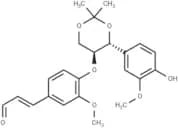
<p>Apoptosis Inducer 5, a lignan enantiomer extracted from Crataegus pinnatifida, demonstrates cytotoxic properties through inducing apoptosis and autophagy in</p>Fórmula:C23H26O7Forma y color:SolidPeso molecular:414.45RWJ-56110
CAS:<p>protease-activated receptor-1 (PAR1) antagonist</p>Fórmula:C41H43Cl2F2N7O3Pureza:98%Forma y color:SolidPeso molecular:790.73[D-Leu-4]-OB3
CAS:[D-Leu-4]-OB3 suppresses the expression of genes associated with inflammation, proliferation, and metastasis, as well as the expression of PD-L1.Fórmula:C29H50N8O12SForma y color:SolidPeso molecular:734.82Flizasertib
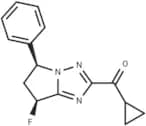
CAS:<p>Flizasertib is a serine/threonine kinase inhibitor that acts by inhibiting RIPK1, which has anti-inflammatory and therapeutic effects on immune disorders.</p>Fórmula:C15H14FN3OPureza:99.39% - 99.57%Forma y color:SolidPeso molecular:271.29LSD1/ER-IN-1
<p>LSD1/ER-IN-1 inhibits ER & LSD1 (IC50: 1.55 μM), and fights MCF-7 breast cancer (IC50: 8.79 μM).</p>Fórmula:C23H18FNO6SForma y color:SolidPeso molecular:455.46

















![[D-Leu-4]-OB3](/_next/image/?url=https%3A%2Fstatic.cymitquimica.com%2Fproducts%2FTM%2Fthumb-webp%2FT72906.webp&w=3840&q=75)