Apoptosis
Los inhibidores de la apoptosis son compuestos que previenen o retrasan el proceso de muerte celular programada, conocido como apoptosis. Estos inhibidores son vitales para estudiar los mecanismos de supervivencia celular y se utilizan para investigar enfermedades donde la apoptosis está desregulada, como el cáncer, los trastornos neurodegenerativos y las enfermedades autoinmunes. Al modular la apoptosis, estos inhibidores pueden ayudar en el desarrollo de terapias dirigidas a controlar la muerte celular. En CymitQuimica, ofrecemos una amplia selección de inhibidores de la apoptosis de alta calidad para apoyar su investigación en biología celular, oncología y campos relacionados.
Subcategorías de "Apoptosis"
- ASK(6 productos)
- BCL(11 productos)
- Caspasa(125 productos)
- FOXO1(3 productos)
- IAP(66 productos)
- Mdm2(12 productos)
- PD-1 / PD-L1(125 productos)
- PDK(9 productos)
- PERK(25 productos)
- Serina / treonina quinasa(15 productos)
- Survivin(13 productos)
- TNF(92 productos)
- c-RET(51 productos)
- p53(62 productos)
Mostrar 6 subcategorías más
Se han encontrado 5600 productos de "Apoptosis"
Ordenar por
Pureza (%)
0
100
|
0
|
50
|
90
|
95
|
100
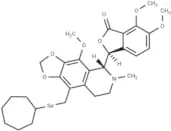
DHU-Se1
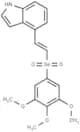
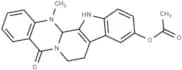
<p>DHU-Se1: potent anti-inflammatory, releases reactive selenium from macrophages, inhibits iNOS/TNF-α, blocks M0 to M1 polarization.</p>Fórmula:C23H23N3OSSeForma y color:SolidPeso molecular:468.47GGTI298
CAS:<p>GGTI298 is a potent GGTase I inhibitor; IC50 3μM for Rap1A, >20μM for Ha-Ras.</p>Fórmula:C27H33N3O3SPureza:98%Forma y color:SolidPeso molecular:479.63GNE684
CAS:<p>GNE684 inhibits RIP1; Ki app: 21 nM (human), 189 nM (mouse), 691 nM (rat).</p>Fórmula:C23H24N6O3Pureza:98%Forma y color:SolidPeso molecular:432.48EGFR/VEGFR2-IN-3
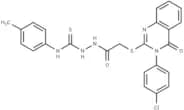
CAS:<p>EGFR/VEGFR2-IN-3 (compound 9) is an effective inhibitor of EGFR and VEGFR-2, demonstrating IC50 values of 0.129 µM for EGFR, 0.142 µM for VEGFR-2, and 3.428 µM for COX-2. This compound exhibits cytotoxic properties and induces cell apoptosis (apoptosis) as well as cell cycle arrest at the G2/M phase.</p>Fórmula:C24H20ClN5O2S2Forma y color:SolidPeso molecular:510.03Siphonaxanthin
CAS:<p>Siphonaxanthin is a carotenoid found in green algae, known for targeting the death receptor 5 (DR5) on cancer cells to induce apoptosis. In human leukemia HL-60 cells, it increases DR5 expression, reduces Bcl-2 levels, and activates caspase-3. It also inhibits fibroblast growth factor receptor-1 (FGFR-1) signaling in endothelial cells. Siphonaxanthin suppresses the proliferation, migration, and tubular formation of human umbilical vein endothelial cells (HUVECs), as well as the growth of microvessels in rat aorta rings. Additionally, it has anti-inflammatory properties by blocking the translocation of high-affinity IgE receptors (FcεRI) to lipid rafts in mast cells. Siphonaxanthin shows potential for research into diseases such as cancer, diabetic retinopathy, and rheumatoid arthritis.</p>Fórmula:C40H56O4Forma y color:SolidPeso molecular:600.87Tubulin polymerization-IN-9
CAS:<p>Tubulin-IN-9 inhibits tubulin (IC50: 1.82 μM), halts K562 cells in G2/M, induces apoptosis, and has anti-cancer effects.</p>Fórmula:C19H19NO5SeForma y color:SolidPeso molecular:420.32MLS-0053105
CAS:<p>MLS-0053105, a chloromaleimide, functions as a selective inhibitor of BFL-1, exhibiting an IC50 of 0.4 µM against Bfl-1/F-Bid. Its inhibitory potency is over tenfold lower for Bcl-W, Bcl-2, and Bcl-XL, and it shows no activity against Bcl-B and Mcl-1.</p>Fórmula:C15H14Cl3N3O2Forma y color:SolidPeso molecular:374.65ERK1/2 inhibitor 11
<p>ERK1/2 inhibitor 11 (compound L6) is a dual inhibitor of ERK1/2 that promotes the accumulation of DSBs and the degradation of ERK1/2 expression. This compound decreases BCL-2 levels and induces DNA damage by inhibiting PARP and ERK1/2. Additionally, ERK1/2 inhibitor 11 activates caspase 3 to induce apoptosis.</p>Fórmula:C15H19N5O2SForma y color:SolidPeso molecular:333.41HSP90-IN-10
<p>HSP90-IN-10 is a potent HSP90 inhibitor, targeting HCC1954 cells (IC50: 6 μM) and inducing apoptosis, sparing normal cells.</p>Fórmula:C30H26FN3O6Forma y color:SolidPeso molecular:543.54PD-1/PD-L1-IN-23
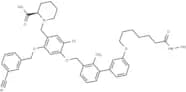
CAS:<p>PD-1/PD-L1-IN-23: potent, oral PD-1/PD-L1 inhibitor; L7's ester prodrug; exhibits strong antitumor effects.</p>Fórmula:C32H30BrCl2N3O6Forma y color:SolidPeso molecular:703.41SMO-IN-5
<p>SMO-IN-5 (Compound 25(B31)) is an effective inhibitor of smoothened (SMO), which suppresses the Hedgehog (Hh) signaling pathway. This compound inhibits cellular proliferation and induces apoptosis, demonstrating antitumor activity.</p>Fórmula:C25H24N6OForma y color:SolidPeso molecular:424.5PAK4-IN-5
<p>PAK4-IN-5 (Compound 12i) is a potent inhibitor of PAK4 (IC50: PAK4 at 7.68 nM, PAK1 at 1872.01 nM) that forms stable interactions with the PAK4 enzyme. This compound effectively inhibits the proliferation and migration potential of MDA-MB-231 cells by hindering the phosphorylation of PAK4 and LIMK1. Additionally, PAK4-IN-5 arrests the cell cycle in the G0/G1 phase, induces apoptosis, and prompts the production of reactive oxygen species. The LD50 in mice is greater than 500 mg/kg (oral).</p>Fórmula:C31H28ClN5OForma y color:SolidPeso molecular:522.04Antitumor agent-72
CAS:<p>Antitumor agent-72 (compound 6w) is a potent anticancer agent that exhibits its anticancer activity by inducing apoptosis via caspase-3 activation and PARP</p>Fórmula:C25H20ClNO6Forma y color:SolidPeso molecular:465.88K20
<p>K20 selectively inhibits KRas G12C (IC50: 1.16 nM), shows anticancer activity in H358 cells (IC50: 0.78 μM), and induces apoptosis via Erk dephosphorylation.</p>Fórmula:C24H20Cl2F4N4O2Forma y color:SolidPeso molecular:543.34Antiangiogenic agent 7
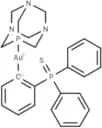
CAS:<p>Antiangiogenic agent 7 (Compound 1) induces apoptosis, elevates Reactive Oxygen Species (Reactive Oxygen Species), and inhibits the intracellular enzyme thioredoxin reductase. It exhibits anticancer activity with IC50 values ranging from 0.08 to 3.5 μM against cervical cancer cells (HeLa), prostate cancer cells (PC-3), and non-small cell lung cancer cells (A549). Additionally, Antiangiogenic agent 7 suppresses tumor growth in a mouse xenograft model.</p>Fórmula:C24H26AuN3P2SForma y color:SolidPeso molecular:647.46Oxamic acid
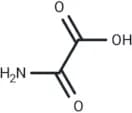
CAS:<p>Oxamic acid is an inhibitor of LDH-A and exhibits antitumor activity. It demonstrates antiproliferative effects on cancer cells and can induce apoptosis.</p>Fórmula:C2H3NO3Forma y color:SolidPeso molecular:89.05CRI9
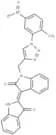
<p>CRI9 effectively inhibits the c-MET/PI3K/Akt/mTOR axis, suppressing the proliferation of hepatocellular carcinoma (HCC) cells. This compound exhibits potent cytotoxicity against HCC cells and induces apoptosis.</p>Fórmula:C26H18N6O4Forma y color:SolidPeso molecular:478.463′-Hydroxyflavanone
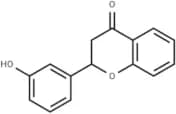
CAS:<p>3′-Hydroxyflavanone is a cyclized flavonoid with anti-tumor properties that induces apoptosis in HeLa cells.</p>Fórmula:C15H12O3Forma y color:SolidPeso molecular:240.25YL-1-9
CAS:<p>YL-1-9 is an inhibitor that prevents the degradation of p53 by MDM2 through tight binding to the crucial hydrophobic pocket of MDM2. It can induce cell cycle arrest and apoptosis in breast cancer cells [1].</p>Fórmula:C22H23F3N2O3Forma y color:SolidPeso molecular:420.425EGFR-IN-134
<p>EGFR-IN-134 (compound 3f) is a triazolo[3,4-a]quinoline derivative and functions as a potent EGFR inhibitor with an IC50 of 0.023 µM. It induces apoptosis and necrosis in cells, and causes cell cycle arrest in the G2/M and pre-G1 phases. EGFR-IN-134 modulates the expression of apoptosis-regulating proteins by downregulating anti-apoptotic protein Bcl2 and upregulating pro-apoptotic proteins p53, Bax, and caspases 3, 8, and 9, demonstrating significant antiproliferative and anticancer activities.</p>Fórmula:C36H30N6O5Forma y color:SolidPeso molecular:626.66RIP3 activator 1
CAS:<p>RIP3 Activator 1 (compound C8) is an effective RIP3 activator that inhibits cell growth and induces necroptotic cell death (necroptosis) and autophagy through the RIP3/p62/Keap1 signaling pathway. Additionally, this compound enhances the expression of p-MLKL and promotes the accumulation of LC3-II and p62 proteins.</p>Fórmula:C26H50N4O3Forma y color:SolidPeso molecular:466.7BMS-751324
CAS:<p>BMS-751324: p38α MAPK inhibitor with carbamyl-methyl, esters, phosphate from HPA. Reduces rat arthritis swelling and TNFα.</p>Fórmula:C32H35N6O10PForma y color:SolidPeso molecular:694.63TFCP2L1-IN-1
CAS:<p>TFCP2L1-IN-1 is a TFCP2L1 transcription factor inhibitor that regulates cell proliferation and promotes antitumor effect of Sorafenib by STAT3/NANOG pathway.</p>Fórmula:C15H13BrN2OSPureza:98.86%Forma y color:SolidPeso molecular:349.25LSD1/ER-IN-1
<p>LSD1/ER-IN-1 inhibits ER & LSD1 (IC50: 1.55 μM), and fights MCF-7 breast cancer (IC50: 8.79 μM).</p>Fórmula:C23H18FNO6SForma y color:SolidPeso molecular:455.46PD-L1/HDAC6-IN-1
CAS:<p>PD-L1/HDAC6-IN-1 (Compound HP29) is an inhibitor targeting both PD-L1 and HDAC6, effectively disrupting the PD-L1/PD-1 interaction and inhibiting HDAC6 activity, with IC50 values of 26.8 nM and 69 nM, respectively. This compound enhances the cytotoxicity of Jurkat T cells against HepG2 cells, exhibiting an IC50 of 3.4 μM. In rats, PD-L1/HDAC6-IN-1 demonstrates favorable pharmacokinetics, showing a drug exposure level of 871.62 ng·h/mL, and displays antitumor activity in a B16-F10 xenograft mouse model.</p>Fórmula:C27H33N3O3Forma y color:SolidPeso molecular:447.569Anticancer agent 54
<p>Anticancer agent 54 blocks cell cycle in G0/G1, induces apoptosis, and fights cancer via DNA embedding and ROS.</p>Fórmula:C33H36N6Forma y color:SolidPeso molecular:516.68FTO-IN-13
CAS:<p>FTO-IN-13 (compound 8t) is a potent FTO inhibitor with antiproliferative properties. It induces apoptosis (cell apoptosis) and reduces the expression of Bcl-2 and Caspase 3 active proteins. Additionally, FTO-IN-13 lowers the expression of MYC and CEBPA genes and demonstrates anticancer activity.</p>Fórmula:C18H12Br2N2O4Forma y color:SolidPeso molecular:480.107NiCur
CAS:<p>NiCur is an effective and selective inhibitor of CBP histone acetyltransferase (HAT), with an IC50 of 0.35 μM.</p>Fórmula:C22H16N2OPureza:99.22%Forma y color:SolidPeso molecular:324.38(S)-Purvalanol B
CAS:<p>(S)-Purvalanol B is the S enantiomer of Purvalanol B. Purvalanol B is an inhibitor of cyclin-dependent kinase(CDK) .</p>Fórmula:C20H25ClN6O3Pureza:98%Forma y color:SolidPeso molecular:432.9FAK-IN-2
<p>FAK-IN-2: potent oral FAK inhibitor, IC50 35 nM, reduces tumor growth, migration, and induces cell death.</p>Fórmula:C28H31ClN8O3Forma y color:SolidPeso molecular:563.05CAR-2
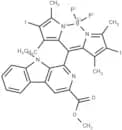
CAS:<p>CAR-2 is a BODIPY-based photosensitizer that induces ferroptosis in photodynamic therapy (PDT) by targeting the endoplasmic reticulum (ER) and lipid droplets (LD). It exhibits phototoxicity against breast cancer cells with an IC50 of 0.01-0.02 μM and demonstrates antitumor efficacy in a 4T1 xenograft mouse model.</p>Fórmula:C27H23BF2I2N4O2Forma y color:SolidPeso molecular:738.114DPP-21
CAS:<p>DPP-21 is an inhibitor of microtubule protein polymerization (IC50: 2.4 μM). It exhibits antiproliferative activity against various cancer cell lines, with IC50 values of 0.38 nM (HCT116), 11.69 nM (B16), 5.37 nM (HeLa), 9.53 nM (MCF7), 8.94 nM (H23), and 9.37 nM (HepG2). DPP-21 induces cell cycle arrest at the G2/M phase of mitosis and subsequently triggers apoptosis in tumor cells by decreasing Bcl-2 while increasing pro-apoptotic protein Bax levels.</p>Fórmula:C17H16N4SForma y color:SolidPeso molecular:308.40PSF-IN-2
CAS:<p>PSF-IN-2 (Compound (C)-30) is a PSF inhibitor with an IC50 value of 0.005 pM. It exhibits anticancer properties, inhibiting the proliferation of 22Rv1 cells with an IC50 value of 0.5 μM. PSF-IN-2 activates the p53 signaling pathway by disrupting PSF-RNA binding, inducing expression of related genes, promoting apoptosis, and inhibiting the cell cycle. This compound is applicable in cancer research.</p>Fórmula:C18H16O5Forma y color:SolidPeso molecular:312.317ZB-R-55
CAS:<p>ZB-R-55 is an oral and highly potent bimodal RIPK1 inhibitor with excellent kinase selectivity in lps-induced sepsis models for the study of SIRS and sepsis.</p>Fórmula:C25H23N5O3Pureza:98.26%Forma y color:SolidPeso molecular:441.48Antitumor agent-42
<p>Antitumor agent-42 inhibits microtubule multimerisation and NO release, exhibiting anti-angiogenic, colony-forming and apoptosis-inducing effects.</p>Fórmula:C24H19BrN2O8SForma y color:SolidPeso molecular:575.39ST362
CAS:<p>ST362, an anticancer agent, acts by disrupting DNA repair and halting growth in prostate, colon, lung and breast cancer cells.</p>Fórmula:C25H21NO6SPureza:98%Forma y color:SolidPeso molecular:463.5c-Myc inhibitor 16 iodide
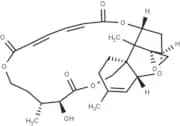
CAS:<p>c-Myc inhibitor16 iodide (Compound W11) is a selective inhibitor of the c-MycG-quadruplex (c-MycG4). It suppresses the transcription and translation of the c-Myc gene, disrupts the tumor cell cycle by halting growth at the G0/G1 phase, and activates mitochondrial apoptotic pathways, leading to early apoptosis in cancer cells. This compound shows potential for research in breast cancer.</p>Fórmula:C26H24INOForma y color:SolidPeso molecular:493.379Laulimalide
CAS:<p>Microtubule stabilizer; halts cancer cell growth (IC50: 3-30 nM); arrests cells in prometaphase; prevents bipolar spindle formation.</p>Fórmula:C30H42O7Forma y color:SolidPeso molecular:514.65FGFR4-IN-7
<p>FGFR4-IN-7 is a covalent, reversible FGFR4 inhibitor (IC50: 0.42 μM) that blocks the FGFR4 signaling pathway, thereby inducing apoptosis.</p>Fórmula:C26H25Cl2N5O3Forma y color:SolidPeso molecular:526.41Kahweol Acetate
CAS:<p>Kahweol Acetate, a semi-synthetic coffee bean derivative, inhibits osteoclasts, cancer cells, DNA damage, and oxidative stress.</p>Fórmula:C22H28O4Forma y color:SolidPeso molecular:356.46GI-Y2
CAS:<p>GI-Y2 is a GSDMD inhibitor that suppresses macrophage pyroptosis induced by oxidized low-density lipoprotein (ox-LDL). In vivo, GI-Y2 dose-dependently reduces atherosclerotic plaques and decreases lesion size and fibrosis in the aortic root of ApoE-/- mice. GI-Y2 holds potential for research in pyroptosis and cardiovascular diseases, such as atherosclerosis.</p>Fórmula:C18H14N2O6SForma y color:SolidPeso molecular:386.379Topo I/COX-2-IN-2
<p>Compound W10 is a dual inhibitor of Topo I (IC50: 0.90μM) and COX-2 (IC50: 2.31μM), inducing cancer cell apoptosis via mitochondria.</p>Fórmula:C24H25ClN4OForma y color:SolidPeso molecular:420.93GPD-1116
CAS:<p>GPD-1116 is an orally active inhibitor of phosphodiesterase (PDE)4 and PDE1. The compound effectively reduces smoke-induced apoptosis in lung cells. Additionally, GPD-1116 has shown efficacy in various animal disease models, including emphysema, acute lung injury, chronic obstructive pulmonary disease (COPD), asthma, and pulmonary arterial hypertension.</p>Fórmula:C22H16N4OForma y color:SolidPeso molecular:352.39Mcl-1 inhibitor 9
CAS:<p>Mcl-1 Inhibitor 9 (Example 2) is a potent inhibitor of myeloid cell leukemia 1 (Mcl-1), demonstrating anti-tumor activity with an IC50 value of 0.21889 nM.</p>Fórmula:C32H39ClN2O5SForma y color:SolidPeso molecular:599.18Anticancer agent 64
CAS:<p>Anticancer agent 64 (5m) induces apoptosis, has IC50 2.4μM in CCRF-CEM, activates caspases, cleaves PARP, affects mitochondria.</p>Fórmula:C31H46N2O2SForma y color:SolidPeso molecular:510.77Ran-IN-1
CAS:Ran-IN-1 (Compound M36) is an orally active and selective inhibitor of Ran GTPase. It binds allosterically with high specificity to the switch II pocket of GDP-bound Ran (RanGDP), stabilizing its inactive state and reducing the formation of active Ran-GTP. Ran-IN-1 induces apoptosis in epithelial ovarian cancer (EOC) cells and inhibits DNA repair pathways such as homologous recombination (HR) and non-homologous end joining (NHEJ). This compound shows potential for research in epithelial ovarian cancer, particularly in high-grade serous carcinoma.Fórmula:C27H26F3NO4SForma y color:SolidPeso molecular:517.56Apoptosis inducer 36
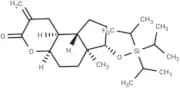
CAS:<p>Apoptosisinducer 36 (Compound 42) exhibits anti-leukemic activity by reducing leukemia stem cells (LSC) and inducing differentiation. It inhibits proliferation of AML cells by causing cell cycle arrest in the G1 phase, and induces PANoptosis, which includes apoptosis, pyroptosis, and necrosis.</p>Fórmula:C23H40O3SiForma y color:SolidPeso molecular:392.647GLUT-1-IN-4
CAS:<p>GLUT-1-IN-4 (Compound 13) is an inhibitor of the GLUT-1 glucose transporter that depends on the p53 protein. It suppresses the proliferation of various cancer cells at submicromolar IC50 levels. Additionally, GLUT-1-IN-4 can halt the cell cycle, induce oxidative stress, and promote apoptosis (cell death).</p>Fórmula:C15H10N2O3Forma y color:SolidPeso molecular:266.251HBV/HDV-IN-2
CAS:<p>HBV/HDV-IN-2 (Compd 143) functions as an inhibitor for HBV, HDV, and PD-1/PD-L1, demonstrating an EC 50 of 35 nM in T cell activation.</p>Fórmula:C38H44ClN7O5Forma y color:SolidPeso molecular:714.25β-Carotene-13C10
CAS:<p>β-Carotene-13C10 (Provitamin A-13C10) is a form of β-Carotene labeled with 13C. It is a carotenoid compound and serves as a natural precursor to vitamin A. This compound acts as a regulator of reactive oxygen species (ROS), exhibiting both antioxidant and anti-inflammatory properties. Depending on its intrinsic characteristics and the redox potential of the biological environment, β-Carotene can function either as an antioxidant or a pro-oxidant. It also possesses anticancer activity, inducing apoptosis in breast cancer cells.</p>Fórmula:C40H56Forma y color:SolidPeso molecular:546.799AQIM-I
CAS:<p>AQIM-I is a survivin inhibitor that reduces survivin expression and colony formation. It promotes reactive oxygen species (ROS) production, apoptosis, cell cycle arrest, DNA damage, and autophagy. Moreover, AQIM-I effectively inhibits nonsmall cell lung cancer cells A549, with an IC 50 value of 9 nM [1].</p>Fórmula:C17H13IN2O2Forma y color:SolidPeso molecular:404.20NF-κB-IN-4
<p>NF-κB-IN-4 (compound 17) is a potent inhibitor of NF-κB pathway which can cross blood brain barrier (BBB).</p>Fórmula:C18H15FN4OForma y color:SolidPeso molecular:322.34Lometrexol hydrate
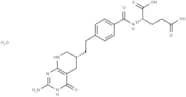
CAS:<p>Lometrexol hydrate, an antipurine antifolate, inhibits GARFT and purine synthesis, leading to cancer cell apoptosis without causing DNA breaks.</p>Fórmula:C21H27N5O7Forma y color:SolidPeso molecular:461.475pan-KRAS-IN-5
CAS:<p>Pan-KRAS-IN-5 (compound 15a) is a pan-KRAS translation inhibitor targeting 5′-UTR RNA G-quadruplexes (rG4s). It induces cell cycle arrest and promotes apoptosis in KRAS-driven cancer cells [1].</p>Fórmula:C31H36FIN4O2Forma y color:SolidPeso molecular:642.55Mcl-1 inhibitor 21
CAS:<p>Mcl-1 inhibitor21 (Example 1-36) is an Mcl-1 inhibitor with an IC50 of 328 nM. It exhibits pro-apoptotic and anti-proliferative activity against SUDHL5 and SUDHL10 cell lines, making it applicable for cancer research.</p>Fórmula:C32H33N3O4Forma y color:SolidPeso molecular:523.622OICR12694
CAS:<p>OICR12694 (JNJ-65234637) is an orally active inhibitor of B cell lymphoma 6 (BCL6) .</p>Fórmula:C29H28ClF3N8O4Forma y color:SolidPeso molecular:645.03Akt/NF-κB/JNK-IN-1
<p>Akt/NF-κB/JNK-IN-1 (Compound 2i) is an inhibitor of Akt, NF-κB and JNK signalling pathways.Akt/NF-κB/JNK-IN-1 exhibits an inhibitory effect on nitric oxide</p>Fórmula:C22H22N2O6Forma y color:SolidPeso molecular:410.42RIPK1-IN-24
CAS:<p>RIPK1-IN-24 is an inhibitor of receptor-interacting protein kinase 1 (RIPK1) with an IC50 of 1.3 μM. It is utilized in research on inflammatory diseases.</p>Fórmula:C26H21FN6O2Forma y color:SolidPeso molecular:468.48NDs-IN-1
CAS:NDs-IN-1 (Compound 3g) is a novel non-covalent multi-target inhibitor that inhibits the activities of key enzymes such as hBACE-1, hAChE, and hMAO-B, and is primarily used in the study of neurodegenerative diseases [1].Fórmula:C20H18N2O2Peso molecular:318.37Topoisomerase II inhibitor 20 TFA
<p>TopoisomeraseII Inhibitor 20 TFA is a potent inhibitor of topoisomerase II with an IC50 of 0.98 µM. It can induce cell apoptosis and exhibits broad-spectrum anticancer activity.</p>Fórmula:C24H24F5N5O4SForma y color:SolidPeso molecular:573.54DOR agonist 2
CAS:<p>Compound 3 (DOR agonist 2) acts as a Delta Opioid Receptor agonist. It inhibits the expression of TNF-α, obstructs NF-κB transportation to the nucleus, and activates the G protein-mediated ERK1/2 pathway. This compound is useful for research into neurodegenerative diseases.</p>Fórmula:C29H26N2O3Forma y color:SolidPeso molecular:450.53Topo II/HDAC-IN-1
CAS:Topo II/HDAC-IN-1 (7d) demonstrates potent dual inhibitory effects on Topo II and HDAC, while Topo II/HDAC-IN-1 (8d) effectively induces apoptosis [1].Fórmula:C15H16N4O3SForma y color:SolidPeso molecular:332.38ADH-6
CAS:<p>ADH-6, a tripyridylamide, disrupts mutant p53 aggregates in cancer cells, reviving its function and inducing apoptosis.</p>Fórmula:C29H36N8O9Forma y color:SolidPeso molecular:640.64NLRP3-IN-72
CAS:<p>NLRP3-IN-72 (Compound 2) is a benzimidazole derivative. It exhibits anti-inflammatory and antioxidant properties, with an IC50 of 0.3 μM for NLRP3 IL-1β, a PD50 of 0.4 μM for protection against cell pyroptosis, and an EC50 of 0.6 μM for inducing HO-1.</p>Fórmula:C19H20FN5OForma y color:SolidPeso molecular:353.393Antitumor agent-184
CAS:Antitumor Agent-184 (compound 12aa) triggers apoptosis in various cell lines, exhibiting IC50 values of 2.35 μM in B16-F10 cells, 7.32 μM in 4T1 cells, and 10.31 μM in CT26 cells.Fórmula:C22H16N4O2SForma y color:SolidPeso molecular:400.45Bcl-2-IN-3
CAS:<p>Bcl-2-IN-3 (Compound 10) is an inhibitor of Bcl-2, utilized in cancer research.</p>Fórmula:C16H16N2O4Forma y color:SolidPeso molecular:300.314-Hydroxyresveratrol
CAS:<p>4-Hydroxyresveratrol (3,4,5,4'-Tetrahydroxystibene) is a resveratrol analog that variably induces the expression of pro-apoptotic genes such as p53 and Bax. It triggers apoptosis in SV40 virus-transformed WI38 cells (WI38VA), but not in WI38 cells. Additionally, 4-Hydroxyresveratrol significantly increases the expression of p53, GADD45, and Bax genes in WI38VA cells, while suppressing the expression of the bcl-2 gene.</p>Fórmula:C14H12O4Forma y color:SolidPeso molecular:244.243Lonitoclax
CAS:<p>Lonitoclax is an inhibitor of B-cell lymphoma 2 (Bcl-2). It demonstrates antitumor activity in B-cell and myeloid malignancy models comparable to Venetoclax. Lonitoclax holds potential for research in relapsed or refractory chronic lymphocytic leukemia (CLL), small lymphocytic lymphoma, and certain low-grade lymphomas.</p>Fórmula:C43H45ClN4O5Forma y color:SolidPeso molecular:733.294Keap1-Nrf2-IN-4
<p>Keap1-Nrf2-IN-4 hinders MGC-803 cell growth (IC50=2.55μM), migration, and induces apoptosis with low toxicity.</p>Fórmula:C26H34N2OForma y color:SolidPeso molecular:390.56Urease-IN-20
CAS:<p>Urease-IN-20 (compound XBP2) is an inhibitor of Helicobacter pylori (H. pylori), with an IC50 of 0.14 μM for H. pylori inhibition. It effectively decreases apoptosis in GES-1 cells infected with H. pylori and reduces levels of ROS and γH2AX. Urease-IN-20 also demonstrates significant gastric mucosal protective effects, making it suitable for H. pylori research.</p>Fórmula:C14H8FNO2SeForma y color:SolidPeso molecular:320.18YCW-E11
CAS:<p>YCW-E11 is an antiapoptotic Bcl-2 family proteins inhibitor.</p>Fórmula:C25H21Cl2N3O6S2Pureza:98%Forma y color:SolidPeso molecular:594.49UCN-01
CAS:<p>inhibitor of Akt, protein kinase C, PDK1 and cyclin-dependent kinases</p>Fórmula:C28H26N4O4Pureza:98%Forma y color:SolidPeso molecular:482.53TNF-α-IN-2
CAS:<p>TNF-α-IN-2 is orally active TNFα inhibitor that distorts the TNFα trimer, causing abnormal signal transduction when it binds to TNFR1, rheumatoid arthritis.</p>Fórmula:C25H21ClF2N6OPureza:99.92%Forma y color:SolidPeso molecular:494.92PD-L1-IN-1
<p>PD-L1-IN-1, potent PD-L1 inhibitor with 115 nM IC50, suppresses tumors, boosts immune response, and spares healthy cells.</p>Fórmula:C21H23N5O2Forma y color:SolidPeso molecular:377.44p53 Stabilizer 2
CAS:<p>p53 Stabilizer 2 (Compound 17a16) is a p53 stabilizing agent. It can induce S-phase arrest and apoptosis in both p53-functional and p53-deficient cancer cells. Additionally, p53 Stabilizer 2 triggers mitochondrial stress and activates two immune checkpoint pathways: NA-PKcs dependent p53 stabilization and the ATR-Chk1 axis activation. It also inhibits tumor growth in p53-deficient xenograft models.</p>Fórmula:C30H37NO7SeForma y color:SolidPeso molecular:602.58MP-010
CAS:<p>MP-010 is an FKBP12 ligand that regulates cytosolic calcium by stabilizing RyR channel activity. It facilitates functional improvement in SOD1G93A mice with amyotrophic lateral sclerosis (ALS), evidenced by enhanced motor coordination, increased integrity of neuromuscular junctions, and significantly higher spinal motor neuron survival rates. MP-010 is applicable for research in the field of neurological disorders.</p>Fórmula:C14H20N4O2SForma y color:SolidPeso molecular:308.399TBC-1
CAS:<p>TBC-1 is a chlorophyll-a derivative that acts as a photosensitizer for photodynamic therapy (PDT). It efficiently generates type I ROS and targets the endoplasmic reticulum. TBC-1 demonstrates in vitro biocompatibility and PDT effectiveness under both normoxic and hypoxic conditions.</p>Fórmula:C31H28BrN3O3Forma y color:SolidPeso molecular:570.476CP-31398
CAS:<p>CP-31398 stabilizes the active conformation of p53 in cancer cells with either mutated or wild-type p53, enhancing its activity. Additionally, CP-31398 upregulates target genes of p53 such as p21WAF1/Cip1 and KILLER/DR5. This compound possesses tumor-suppressive properties.</p>Fórmula:C22H26N4OForma y color:SolidPeso molecular:362.47Coprostanone
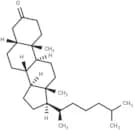
CAS:<p>Coprostanone (5β-cholestan-3-one) is an active metabolite of hydroxycholesterol and cholesterol. It induces apoptosis in primary gallbladder epithelial cells in dogs. Coprostanone holds potential for research into colon cancer or adenomatous polyps.</p>Fórmula:C27H46OForma y color:SolidPeso molecular:386.654ZIF-8
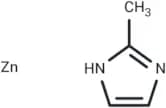
CAS:<p>ZIF-8 is an anticancer agent that can inherently trigger pyroptosis through a caspase-1/gasdermin D (GSDMD)-dependent pathway.</p>Fórmula:C4H6N2ZnForma y color:SolidPeso molecular:147.513PSP205
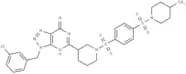
CAS:<p>PSP205 is an effective anticancer agent with cytotoxic properties. It induces apoptosis and triggers autophagy mediated by ER stress. Furthermore, PSP205 enhances the expression of LC3BII protein and increases the expression of CHOP and spliced XBP1 at both mRNA and protein levels.</p>Fórmula:C28H32ClN7O5S2Forma y color:SolidPeso molecular:646.181Nenocorilant
CAS:<p>Nenocorilant (Relacorilant) is an orally active glucocorticoid receptor (GR) antagonist (Ki: 0.15 nM). Nenocorilant can be used to study tumours.</p>Fórmula:C26H21F4N7O3SForma y color:SolidPeso molecular:587.55PD-L1/HDAC-IN-1
CAS:<p>PD-L1/HDAC-IN-1 (Compound 14) is an inhibitor of PD-L1 and HDAC, effectively blocking PD-1/PD-L1 interaction as well as HDAC2 and HDAC3 with IC50 values of 88.10, 27.98, and 14.47 nM, respectively. It exhibits mild cytotoxicity in MCF-7 cells (IC50=19.34 μM) and enhances the expression of PD-L1 and CXCL10, promoting antitumor immune responses by recruiting T cell infiltration into the tumor microenvironment (TME).</p>Fórmula:C42H46ClN3O7Forma y color:SolidPeso molecular:740.284XPO1-IN-1
<p>XPO1-IN-1: an oral MM.1S cell inhibitor (IC50: 24 nM), induces apoptosis, stable metabolism, good pharmacokinetics.</p>Fórmula:C20H15F6N5O3SForma y color:SolidPeso molecular:519.42Antitumor agent-78
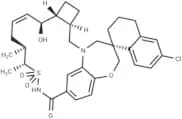
<p>Antitumor agent-78 blocks GPx-4, raises COX2, triggers apoptosis, halts EMT, and stifles cancer cell growth and migration.</p>Forma y color:SoildTopoisomerase I/II inhibitor 8
CAS:<p>TopoisomeraseI/II inhibitor 8 (Compound Ru7) is a dual catalytic inhibitor of TopoisomeraseI/II that induces DNA damage and activates PARP-1, leading to the activation of RIPK1, RIPK3, and MLKL, ultimately causing necroptosis. It shows significant anticancer activity by effectively targeting cancer cell nuclei and inducing cell death through necroptosis, offering substantial clinical potential in overcoming resistance in cancer treatment.</p>Fórmula:C14H11Br2NO5S2Forma y color:SolidPeso molecular:497.179PDEδ/NAMPT IN-1
CAS:<p>PDEδ/NAMPT IN-1 (Compound 17d) is a dual inhibitor targeting phosphodiesterase 6 (PDE6) with a dissociation constant (KD) of 0.410 nM and nicotinamide phosphoribosyltransferase (NAMPT) with an inhibitory concentration (IC50) of 2.21 nM. It disrupts KRAS-related signaling by inhibiting NAMPT's role in the synthesis of nicotinamide adenine dinucleotide (NAD+), consequently inducing apoptosis in pancreatic cancer cells with KRAS mutations. This compound holds potential for research in KRAS-mutant pancreatic cancer.</p>Fórmula:C26H30N4O4SForma y color:SolidPeso molecular:494.61p53-MDM2-IN-6
CAS:<p>p53-MDM2-IN-6, an LSM-83177 hydrazone analog, acts as an efficacious p53-MDM2 inhibitor with an IC50 of 11.08 µg/mL. This compound inhibits the p53-MDM2 interaction leading to an increase in p-53 levels while concurrently decreasing GST enzyme expression. It halts the cell cycle at the S phase and induces early and late apoptosis (Apoptosis), exhibiting antiproliferative activity against the HT29 cell line with an IC50 of 10.44 µg/mL. p53-MDM2-IN-6 holds promise for research in colorectal cancer.</p>Fórmula:C17H17N3O4Forma y color:SolidPeso molecular:327.33EGFR-IN-44
<p>EGFR-IN-44: potent EGFR kinase inhibitor, orally active, IC50 4.11 nM, 33.57% bioavailability, induces apoptosis, for lung cancer study.</p>Fórmula:C27H29ClN6O2SForma y color:SolidPeso molecular:537.08ZNU-IMB-Z15
CAS:<p>Compound Z15 (ZNU-IMB-Z15) acts as an antagonist and degrader of the androgen receptor (AR). It inhibits the proliferation of castration-resistant prostate cancer (CRPC) cell lines that are AR-positive and induces apoptosis. Compound Z15 exhibits anticancer activity both in vivo and in vitro.</p>Fórmula:C20H17N3O3S2Forma y color:SolidPeso molecular:411.5VEGFR-2-IN-15
<p>VEGFR-2-IN-15 (Compound 14b) is a potent inhibitor of VEGFR-2. VEGFR-2-IN-15 inhibits the growth of HepG2 cells in the Pre-G1 phase and induces apoptosis.</p>Fórmula:C23H18ClN3O4SForma y color:SolidPeso molecular:467.92WK88-1
CAS:<p>WK88-1, an inhibitor of Hsp90, effectively induces the degradation of various oncogenic signaling molecules, including EGFR, ErbB2, and ErbB3, in the gefitinib-resistant H1975 cell line. This leads to subsequent growth arrest and apoptosis.</p>Fórmula:C28H42N2O6Forma y color:SolidPeso molecular:502.64SLCB050
CAS:<p>SLCB050 is a compound with anticancer activity that inhibits the interaction between DX2 and p14/ARF. It decreases the viability of human lung cancer cells, particularly small cell lung cancer cells, in a p14/ARF-dependent manner, and induces cell apoptosis (apoptosis) and senescence.</p>Fórmula:C21H18O6Forma y color:SolidPeso molecular:366.36Sampangine
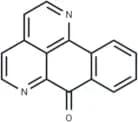
CAS:<p>Sampangine, an alkaloid, induces apoptosis by causing cell cycle arrest at the G0/G1 phase and inhibits the biosynthesis of heme.</p>Fórmula:C15H8N2OForma y color:SolidPeso molecular:232.24EMT inhibitor-3
CAS:<p>EMT inhibitor-3 (compound 11i) is an epithelial-mesenchymal transition (EMT) inhibitor that effectively suppresses the proliferation, migration, and invasion of SK-N-SH neuroblastoma cells, with an IC50 value of 2.5 μM. It induces mitochondrial-mediated intrinsic apoptosis in tumor cells by enhancing the Bax/Bcl-2 protein expression ratio, promoting the release of cytochrome C from mitochondria, and activating caspase 9 and caspase 3. EMT inhibitor-3 is applicable for cancer research.</p>Fórmula:C29H21F2N3O4SeForma y color:SolidPeso molecular:592.45RET-IN-9
CAS:<p>RET-IN-9 is a potent RET kinase inhibitor, potentially useful for studying RET-related diseases, including lung and thyroid cancer.</p>Fórmula:C26H27N9OForma y color:SolidPeso molecular:481.55PF-3837
CAS:<p>PF-3837 is an inhibitor of the Mps1 kinase, with a Ki value of 0.33 nM and an IC50 value of 5.5 nM. It disrupts cell cycle checkpoints by inhibiting the catalytic activity of Mps1, thereby reducing genomic stability and leading to cancer cell apoptosis (Apoptosis). PF-3837 is utilized in the study of breast cancer.</p>Fórmula:C21H26N8O2Forma y color:SolidPeso molecular:422.48Tubulin polymerization-IN-68
CAS:<p>Tubulin polymerization-IN-68 (compound 32) serves as a tubulin inhibitor, disrupting cellular microtubule networks by hindering tubulin polymerization. It also upregulates PARP-1 and caspase-3 expression, thereby inducing apoptosis and exhibiting anticancer properties. Notably, Tubulin polymerization-IN-68 effectively suppresses HepG2 cells with an IC50 of 93 nM and markedly reduces the growth of HepG2 xenograft tumors in nude mice through oral administration.</p>Fórmula:C16H13N3OForma y color:SolidPeso molecular:263.29Mps-BAY1
CAS:<p>Mps-BAY1, an MPS1 inhibitor, exhibits anticancer activity. It inhibits cell proliferation and induces cell apoptosis by activating mitotic aberrations in cancer cells, leading to overall aneuploidy and polyploidy. Mps-BAY1 is used in research pertaining to colorectal and cervical cancer.</p>Fórmula:C27H20N6OForma y color:SolidPeso molecular:444.49ASK1-IN-8
CAS:<p>ASK1-IN-8 (Compound 35) is an orally active inhibitor of apoptosis signal-regulating kinase 1 (ASK1) with an IC50 value of 1.8 nM. In a mouse liver injury model induced by Acetaminophen, ASK1-IN-8 significantly reduces plasma alanine aminotransferase (ALT) levels, offering liver protection. This compound is useful for research in liver disease-related fields.</p>Fórmula:C26H32N8O2Forma y color:SolidPeso molecular:488.585Autophagy-IN-1
<p>Autophagy-IN-1 blocks autophagy in cancer cells, hinders tumor growth in mice, and aids in studying colorectal cancer.</p>Fórmula:C23H25NO7Forma y color:SolidPeso molecular:427.45ONC213
CAS:<p>ONC213, an αKGDH inhibitor, functions by hindering αKGDH activity, thus suppressing mitochondrial respiration and elevating α-ketoglutarate levels, ultimately inducing apoptosis (Apoptosis) in AML cells. It is utilized in the study of acute myeloid leukemia.</p>Fórmula:C23H22F2N4OForma y color:SolidPeso molecular:408.44Cernuumolide J
CAS:<p>Cernuumolide J (TMJ-105) functions as a JAK2/STAT3 inhibitor and exhibits potent activity against HEL leukemia cells by inhibiting their growth in both time-dependent and concentration-dependent manners, with an IC 50 value of 1.79 μM. This compound effectively induces G2/M phase arrest and apoptosis by downregulating the phosphorylation of JAK2, STAT3, and Erk, while simultaneously upregulating the phosphorylation of JNK and p38 MAPK. Cernuumolide J holds potential for research applications in anti-cancer therapy.</p>Fórmula:C24H34O8Forma y color:SolidPeso molecular:450.52Caspase-3 activator 4
CAS:<p>Caspase-3 Activator 4 (compound 4o) is an effective caspase-3 activator that can cross the blood-brain barrier. This compound exhibits antiproliferative activity and can induce cell apoptosis (apoptosis). Additionally, Caspase-3 Activator 4 enhances the gene expression of TNF-α and reduces the expression of cleaved caspase-3/caspases 3.</p>Fórmula:C31H27N5O3Forma y color:SolidPeso molecular:517.58TZEP7
CAS:<p>TZEP7 functions as an EGFR kinase inhibitor in cancer cells. It exhibits cytotoxicity and induces apoptosis within these cells. TZEP7 downregulates the anti-apoptotic protein Bcl-2, upregulates the pro-apoptotic protein Bax, and increases caspase levels. This compound holds potential for research in anticancer drug development.</p>Fórmula:C27H19ClFNSForma y color:SolidPeso molecular:443.963CLM3
CAS:<p>CLM3, a pyrazolopyrimidine derivative, functions as a multitargeted tyrosine kinase inhibitor. It exhibits antiproliferative and proapoptotic activities on endothelial and cancer cells, activities that are synergistically enhanced by SN38. The primary mechanism of action for CLM3 involves the inhibition of phosphorylation in tyrosine kinases such as VEGFR-2, EGFR, and RET, along with their associated signaling pathways.</p>Fórmula:C21H21N5Forma y color:SolidPeso molecular:343.43BHA536
CAS:<p>BHA536 is an orally effective inhibitor of PKCα/β and the NF-kB signaling pathway. This compound inhibits the proliferation of ABC DLBCL cells harboring CD79 mutations by causing cell cycle arrest in the G1 phase and induces apoptosis in TMD8 cells. Additionally, BHA536 exhibits antitumor activity in mice.</p>Fórmula:C30H30ClN3O5Forma y color:SolidPeso molecular:548.03TrxR/EGFR-IN-1
CAS:<p>TrxR/EGFR-IN-1 (Compound L1Au2) is a TrxR/EGFR inhibitor with activity against both gefitinib-sensitive and -resistant lung cancer, effectively suppressing tumor proliferation and promoting apoptosis. It enhances GPX4 degradation through autophagosome-lysosome and proteasome pathways, leading to ferroptosis. Additionally, it induces endoplasmic reticulum stress and triggers immunogenic cell death, making it applicable for studies on gefitinib-resistant lung cancer.</p>Fórmula:C24H24AuClFN6O2PForma y color:SolidPeso molecular:710.878LQB-118
CAS:<p>LQB-118, an orally active compound sourced from sandalwood, demonstrates multiple therapeutic capabilities. It has shown proficiency in inhibiting glioblastoma cell migration and inducing apoptosis. Additionally, LQB-118 can curtail both migration and invasion of prostate cancer cells by modulating the AKT/GSK3β pathway and regulating MMP-9/reck gene expression. The compound is also effective against yeast polysaccharide-induced inflammation in both in vivo and in vitro settings. Notably, LQB-118 specifically triggers ROS-mediated and mitochondrial-dependent apoptosis in Leishmania amazonensis, highlighting its potential in studies focusing on inflammation, infections, and various cancers.</p>Fórmula:C19H12O4Forma y color:SolidPeso molecular:304.30Etalocib sodium
CAS:Etalocib (LY293111) sodium is an orally active leukotriene B4 (LTB4) receptor antagonist with a Ki value of 25 nM for inhibiting [3H]LTB4 binding. It exhibits an IC50 of 20 nM against LTB4-induced calcium mobilization. Additionally, Etalocib sodium can induce apoptosis.Fórmula:C33H32FNaO6Forma y color:SolidPeso molecular:566.59Decarbamoylmitomycin C
CAS:<p>Decarbamoylmitomycin C, an analog of Mitomycin C (MC), functions as a DNA alkylating agent. It is capable of activating chromatin relaxation by the ataxia-telangiectasia and Rad3-related protein (ATR) in a p53-independent manner.</p>Fórmula:C14H17N3O4Forma y color:SolidPeso molecular:291.302ZSH-512
CAS:<p>ZSH-512 is a potent inhibitor of RARγ with antiproliferative properties. It induces apoptosis and reduces the expression of CD133, NANOG, SOX2, and EPCAM proteins. ZSH-512 exhibits anticancer activity and shows potential for colorectal cancer research.</p>Fórmula:C20H21N3O3SForma y color:SolidPeso molecular:383.464NA-17
CAS:<p>NA-17 is a naphthalimide compound with antitumor activity and exhibits lower toxicity to normal cells such as HL-7702 and WI-38. It demonstrates p53-dependent inhibition selectivity in various NSCLC cells, inducing the accumulation of active p53 in the mitochondria and nuclei of these cells. NA-17 causes cell cycle arrest in the G1 phase and promotes apoptosis and cell death.</p>Fórmula:C26H27N3O4Forma y color:SolidPeso molecular:445.51VEGFR-2-IN-52
CAS:<p>VEGFR-2-IN-52 (compound 14d) serves as a powerful inhibitor of VEGFR-2, exhibiting an IC 50 of 191.1 nM. It effectively reduces the protein expression levels of p-VEGFR-2, MMP9, p-ERK1/2, and p-MEK1. In addition, VEGFR-2-IN-52 demonstrates cytotoxic properties by inducing apoptosis and arresting the cell cycle at the G0/G1 phase, and it enhances the levels of ROS.</p>Fórmula:C20H25ClN4O2SForma y color:SolidPeso molecular:420.96Evo312
CAS:<p>Evo312 is an inhibitor of protein kinase C beta I (PKCβI) with an IC50 of 117.34 nM and exhibits dose-dependent characteristics. It acts by inhibiting the expression of the PKCβI protein, which leads to cell cycle arrest and apoptosis in PANC-GR (gemcitabine-resistant pancreatic cancer cells). Evo312 also demonstrates antiproliferative effects in pancreatic cancer cells PANC-1 and PANC-GR, with IC50 values of 0.08 μM and 0.07 μM respectively, while presenting an IC50 of 2.95 μM in normal human pancreatic ductal epithelial cells HPDE6-c7. Additionally, Evo312 has shown antitumor activity in a mouse xenograft model using PANC-GR cells.</p>Fórmula:C21H19N3O3Forma y color:SolidPeso molecular:361.39Autophagy inducer 7
CAS:<p>Autophagyinducer 7 (Compound SSA) serves as an inducer of autophagy (Autophagy) and apoptosis (Apoptosis). It stimulates autophagy by inhibiting Akt/mTOR signaling and the expression of downstream proteins. Additionally, Autophagyinducer 7 suppresses DNA synthesis and causes G0-G1 cell cycle arrest, ultimately inhibiting the growth of tumor cells.</p>Fórmula:C24H27FN2OSForma y color:SolidPeso molecular:410.547Spliceostatin A
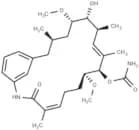
CAS:<p>Spliceostatin A is an anticancer agent and splicing inhibitor that induces apoptosis by inducing cell cycle arrest in the G1 and G2/M phases.</p>Fórmula:C28H43NO8Pureza:94.66%Forma y color:SolidPeso molecular:521.643HR-19011
CAS:<p>HR-19011 (Compound 40) is an inducer of eIF2α phosphorylation that increases expression levels of downstream proteins ATF and CHOP,antiproliferative.</p>Fórmula:C25H19F6N3O3Pureza:99.89%Forma y color:SolidPeso molecular:523.43Anticancer agent 69
<p>Anticancer agent 69 targets PC3 cells (IC50=26 nM), raises ROS, lowers EGFR, and induces apoptosis.</p>Fórmula:C19H26N8SForma y color:SolidPeso molecular:398.53EGFR-IN-161
CAS:<p>EGFR-IN-161 (Compound DD-8) is a potent and reversible inhibitor of the L858R/T790M/C797S mutant EGFR kinase, with an IC50 value of 0.87 nM. EGFR-IN-161 effectively inhibits tumor cell apoptosis, G1 phase arrest, and migration.</p>Fórmula:C33H36Cl2N8O2Forma y color:SolidPeso molecular:647.59717-Demethoxy-reblastatin
CAS:<p>17-Demethoxy-reblastatin (17-DR) acts as an inhibitor of heat shock protein 90 (Hsp90). It suppresses the proliferation of HepG2 and SMMC7721 cancer cells, diminishes colony formation, and triggers apoptosis via a mitochondria and caspase-mediated pathway.</p>Fórmula:C28H42N2O7Forma y color:SolidPeso molecular:518.64Apoptosis inducer 25
CAS:<p>Apoptosisinducer 25 (Compound 4H) demonstrates potent anticancer capabilities by inhibiting the proliferation of BGC-823 cancer cells with an IC50 of 0.37 μM. It induces apoptosis in BGC-823 cells, causes mitochondrial dysfunction, and arrests the cell cycle at the G2/M phase. Additionally, Apoptosisinducer 25 exhibits favorable pharmacokinetic properties in rats.</p>Fórmula:C42H53NO7Forma y color:SolidPeso molecular:683.87BMI-135
CAS:<p>BMI-135, a selective estrogen mimic, demonstrates agonist activity for the estrogen receptor and induces a rapid endoplasmic reticulum stress response (UPR) alongside apoptosis in breast cancer cells.</p>Fórmula:C23H13FO2SForma y color:SolidPeso molecular:372.41MRK003
CAS:<p>MRK003, a γ-secretase inhibitor, induces apoptosis, halts cell growth in myeloma/NHL, and affects notch signaling and PI3K/Akt pathway.</p>Fórmula:C25H31F6N3O2SForma y color:SolidPeso molecular:551.59YLL545
CAS:<p>YLL545 is an inhibitor of Vascular Endothelial Growth Factor Receptor 2 (VEGFR2). It inhibits VEGF-induced phosphorylation of VEGFR2 and the activation of downstream signaling mediators (such as phosphorylated STAT3 and phosphorylated ERK1/2) in human umbilical vein endothelial cells (HUVEC). Additionally, YLL545 suppresses HUVEC proliferation, migration, invasion, and angiogenesis. It also induces apoptosis and inhibits tumor growth in a mouse model of breast cancer.</p>Fórmula:C19H13F3N6O2Forma y color:SolidPeso molecular:414.34IMB5046
CAS:<p>IMB5046 is a microtubule inhibitor that induces apoptosis (cell death) by obstructing the G2/M phase of the cell cycle. It possesses antitumor properties.</p>Fórmula:C19H20N2O5SForma y color:SolidPeso molecular:388.438VEGFR-2-IN-13
<p>VEGFR-2-IN-13 (Compound 19a) is a potent VEGFR-2 inhibitor (IC50: 3.4 nM). vEGFR-2-IN-13 arrests the HepG2 cell cycle in G2/M phase and induces apoptosis.</p>Fórmula:C24H18N6O2SForma y color:SolidPeso molecular:454.5KIM-161
CAS:<p>KIM-161 is a PIK3CA inhibitor. It demonstrates significant antiproliferative activity, with IC50 values of 1.428 and 1.562 µM against PI3KCA-mutant breast cancer cell lines MCF7 and T47D, respectively. KIM-161 induces apoptosis and cell cycle arrest by inhibiting the PI3K/AKT/mTOR signaling pathway, leading to ROS production. It is applicable for research on breast cancer and its PI3KCA-mutant subtypes.</p>Fórmula:C27H25N3O3Forma y color:SolidPeso molecular:439.51MA242
CAS:<p>MA242 is a nuclear factor of activated T cells 1 (NFAT1) for Pancreatic Cancer Therapy and dual inhibitor of murine double minute 2 (MDM2).</p>Fórmula:C26H21ClF3N3O5SPureza:98%Forma y color:SolidPeso molecular:579.98FAK-IN-4
<p>FAK-IN-4 (Compound 7d) has anticancer activities that can induce cell apoptosis. FAK-IN-4 is potential inhibitor of FAK [1].</p>Fórmula:C20H22N4OForma y color:SolidPeso molecular:334.41Top/HDAC-IN-2
<p>Top/HDAC-IN-2 (45b) is a dual inhibitor of Top and HDAC that induces apoptosis and exhibits significant anti-tumour effects.</p>Fórmula:C30H32N8O4Forma y color:SolidPeso molecular:568.63GLI1-IN-1
CAS:<p>GLI1-IN-1 (CBC-1), a GLI-1 inhibitor, exhibits superior water solubility and anticancer properties. It effectively induces apoptosis and inhibits colorectal cancer growth by targeting the Hedgehog (HH) pathway (IC 50 = 1.3 μM) [1].</p>Fórmula:C42H60N2O9Forma y color:SolidPeso molecular:736.93NSD2-IN-1
CAS:<p>NSD2-IN-1: potent, selective NSD2-PWWP1 inhibitor, IC50 0.11 μM, induces gene expression changes, apoptosis, cell cycle arrest.</p>Fórmula:C29H31N5Forma y color:SolidPeso molecular:449.59PD-1/PD-L1-IN-17
<p>PD-1/PD-L1-IN-17 (Compound P20) is a potent PD-1/PD-L1 inhibitor (IC50: 26.8 nM).</p>Fórmula:C23H20ClN3O4Forma y color:SolidPeso molecular:437.88NLRP3-IN-78
CAS:<p>NLRP3-IN-78 (compound 21) is an NLRP3 inhibitor with a 46.72% inhibition rate of GSDMD-induced pyroptosis at 5 μM. It binds to the NLRP3 protein and prevents GSDMD-NT oligomerization. Additionally, NLRP3-IN-78 inhibits GSDMD cleavage and upstream NF-κB signaling, demonstrating anti-inflammatory activity.</p>Fórmula:C12H5Cl2N3O4S2Forma y color:SolidPeso molecular:390.222LL-Z 1640-4
CAS:A signal-specific JNK/p38 pathway and TAK 1 inhibitorFórmula:C19H24O7Pureza:98%Forma y color:SolidPeso molecular:364.39STAT3-IN-9
<p>STAT3-IN-9 hinders STAT3 at Tyr705, doesn't affect STAT1 Tyr701, induces apoptosis, and arrests cells in G2/M phase.</p>Fórmula:C22H21N3O4Forma y color:SolidPeso molecular:391.42CDK2-IN-9
<p>CDK2-IN-9: potent CDK2 inhibitor (IC50: 0.63 μM), anti-proliferative, arrests S/G2M cell cycle, induces apoptosis, promising for melanoma study.</p>Fórmula:C21H16ClN3O4SForma y color:SolidPeso molecular:441.893-AP-Me
CAS:<p>3-AP-Me is the dimethyl derivative of the ribonucleotide reductase inhibitor 3-AP (SML0568). It activates the endoplasmic reticulum (ER) stress pathway by promoting eIF2α phosphorylation and upregulating gene expression of transcription factors ATF4 and ATF6, thereby inducing apoptosis. Additionally, 3-AP-Me activates cellular stress kinases c-Jun N-terminal kinase (JNK) and p38 mitogen-activated protein kinase, leading to the upregulation of spliced mRNA variant XBP1. It is applicable in cancer research.</p>Fórmula:C9H13N5SForma y color:SolidPeso molecular:223.298HDAC-IN-37
<p>HDAC-IN-37 inhibits HDACs 1, 3, 8, & 6, induces histone acetylation, halts G1 to S phase, and triggers early apoptosis.</p>Fórmula:C23H24ClN7OForma y color:SolidPeso molecular:449.94GA001
CAS:<p>GA001 is a potent G9a antagonist with an IC50 of 1.32 μM. It can induce autophagy and apoptosis, and is applicable in the treatment of breast cancer.</p>Fórmula:C29H24BrN3OForma y color:SolidPeso molecular:510.42Z-3578
CAS:<p>Z-3578 is a small molecule antagonist targeting the MrgX2 (Mas-related G protein-coupled receptor X2) with notable anti-pseudoallergic properties, exhibiting a KD value of 729 nM. It effectively inhibits mast cell degranulation induced by substance P (SP) and C48/80, with IC50 values of 4.90 µM and 6.18 µM, respectively, suppresses the release of β-hexosaminidase, and significantly reduces the release of histamine and TNF-α, as well as intracellular calcium flux. Additionally, in a mouse pseudoallergy model, Z-3578 significantly alleviates foot swelling, dye leakage, and reduces serum histamine levels, indicating a strong in vivo anti-allergic effect. Z-3578 presents as a promising lead compound in the field of anti-allergic treatments, particularly for pseudoallergic reactions.</p>Fórmula:C23H16Cl2N4OSForma y color:SolidPeso molecular:467.37MD102
CAS:<p>MD102, with an IC50 value of 0.35 μM, is a potent TG2 inhibitor that stabilizes p53 by inhibiting TG2. This results in a decrease in p-AKT and p-mTOR downstream signaling, ultimately inducing tumor cell apoptosis [1].</p>Fórmula:C13H4BrCl2FN2O2Forma y color:SolidPeso molecular:389.99XJTU-L453
CAS:<p>XJTU-L453, a PI3Kα inhibitor, exhibits an IC50 of 0.4 nM. It inhibits the proliferation of breast cancer cell lines T47D and MCF7, with IC50 values of 0.2 μM and 0.5 μM respectively. Additionally, XJTU-L453 disrupts the PI3K pathway, leading to cell cycle arrest and cell apoptosis (apoptosis). It also demonstrates antitumor activity in MCF7 xenograft mice.</p>Fórmula:C22H22N4O3Forma y color:SolidPeso molecular:390.44M3258
CAS:<p>LMP7-IN-1 may used in the research of inflammatory and autoimmune diseases, neurodegenerative diseases, proliferative diseases and cancer, is an inhibitor of</p>Fórmula:C17H20BNO5Pureza:98%Forma y color:SolidPeso molecular:329.16LA-CB1
CAS:<p>LA-CB1 is a derivative of Abemaciclib that targets CDK4/6 and promotes their degradation via the ubiquitin-proteasome pathway, thereby blocking the CDK4/6-Cyclin D1-Rb-E2F axis and inducing G0/G1 cell cycle arrest and apoptosis (Apoptosis). It demonstrates antiproliferative activity against MDA-MB-231 cells with an IC50 of 0.27 µM and effectively inhibits epithelial-mesenchymal transition, cell migration, invasion, and angiogenesis. In highly invasive models like triple-negative breast cancer (TNBC), LA-CB1 significantly suppresses tumor growth, showing robust dose-dependent antitumor activity. This compound can be utilized in breast cancer research.</p>Fórmula:C28H23ClFN7OForma y color:SolidPeso molecular:527.98APD-94
CAS:<p>APD-94 is a dual inhibitor targeting tubulin and Bmi-1. It disrupts the normal polymerization of tubulin and suppresses the expression of Bmi-1. This compound induces cell cycle arrest at the G2/M phase and triggers apoptosis, thereby inhibiting cancer cell proliferation. Additionally, APD-94 inhibits the growth of HT29 cell xenograft tumors in NOD/SCID mice and is applicable to colorectal cancer research.</p>Fórmula:C18H17N3O4Forma y color:SolidPeso molecular:339.345JND4135
CAS:<p>JND4135, a type II TRK inhibitor, exhibits IC50 values targeting TRKA, TRKB, and TRKC at 2.79, 3.19, and 3.01 nM, respectively. It can overcome resistance due to TRKxDFG and other mutations in the BaF3 stable model, inhibiting the phosphorylation of TRKs WT, xDFG mutations, and their downstream signaling molecules. Additionally, JND4135 induces G0/G1 phase arrest and cell apoptosis (apoptosis) in BaF3–CD74-TRKA-G667C cells. This compound also demonstrates antitumor activity in a BaF3-CD74-TRKA-G667C mouse xenograft model by suppressing tumor growth.</p>Fórmula:C37H39N7OForma y color:SolidPeso molecular:597.75ERK-MYD88 interaction inhibitor 1
CAS:<p>ERK-MYD88 Interaction Inhibitor 1, an agent that disrupts the interaction between ERK and MYD88, has demonstrated the ability to trigger an HRI-mediated integrated stress response (ISR) that specifically promotes immunogenic cell apoptosis (apoptosis) in cancer cells. Additionally, in models using Lewis lung cancer mice, this compound has been shown to stimulate anti-tumor T cell responses, thereby exhibiting significant anti-tumor activity.</p>Fórmula:C22H21N5O2Forma y color:SolidPeso molecular:387.43Sinulatumolin E
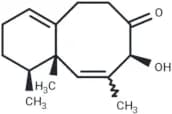
CAS:<p>Sinulatumolin E, a terpenoid, inhibits TNF-α (IC 50: 3.6 μM); has anti-inflammatory properties.</p>Fórmula:C15H22O2Forma y color:SolidPeso molecular:234.33GPX4-IN-13
CAS:<p>GPX4-IN-13 (compound 16), a GPX4 inhibitor, exhibits anticancer properties by diminishing the expression of GPX4, thereby reducing thyroid cell proliferation and inducing ferroptosis. Additionally, this compound effectively inhibits the growth of three distinct thyroid cancer cell lines: N-thy-ori-3-1 (IC 50 =8.39 μM), MDA-T32 (IC 50 =10.28 μM), and MDA-T41 (IC 50 =8.18 μM).</p>Fórmula:C23H15NO3Forma y color:SolidPeso molecular:353.37Fluvastatin sodium monohydrate
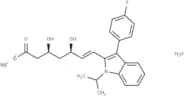
CAS:<p>Fluvastatin (XU 62-320) sodium monohydrate, a fully synthetic competitive HMG-CoA reductase inhibitor, features an IC 50 of 8 nM. This compound also safeguards vascular smooth muscle cells from oxidative stress via the Nrf2-dependent antioxidant pathway [1] [2].</p>Fórmula:C24H27FNNaO5Forma y color:SolidPeso molecular:451.46TfR-1-IN-1
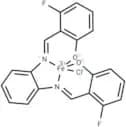
CAS:<p>TfR-1-IN-1 is a TfR-1 inhibitor, also a Fe(III) salivary phenol complex, inducing apoptosis and inhibiting tumor and normal cell growth.</p>Fórmula:C20H12ClF2FeN2O2Pureza:96.96%Forma y color:SolidPeso molecular:441.62D18
CAS:<p>D18: Dual agonist for TLR7/8, boosts PD-L1, aids tumor sensitivity to PD-1/PD-L1 inhibitors, and is a cytotoxin for ADC HE-S2.</p>Fórmula:C21H28N6Forma y color:SolidPeso molecular:364.49YK5
CAS:<p>YK5 is an allosteric inhibitor pocket of Hsp70 and represents a previously unknown chemical tool to investigate cellular mechanisms associated with Hsp70.</p>Fórmula:C18H24N8O3SPureza:98%Forma y color:SolidPeso molecular:432.50Tubulin polymerization-IN-4
CAS:<p>Tubulin polymerization-IN-4: inhibits tubulin (IC50=4.6 μM), blocks G2/M phase, induces apoptosis, hinders cell cloning/migration, damages vasculature.</p>Fórmula:C21H21ClN2O4Forma y color:SolidPeso molecular:400.86HER2-IN-10
<p>HER2-IN-10 is a psoralen derivative that induces apoptosis. HER2-IN-10 shows anti-breast cancer activity and light-activated cytotoxicity [1].</p>Fórmula:C15H13NO5Forma y color:SolidPeso molecular:287.27AKN-028 acetate
<p>AKN-028 acetate: an oral TK inhibitor for AML research, targets FLT3 with IC50 of 6 nM, inhibits autophosphorylation, and induces apoptosis.</p>Fórmula:C19H18N6O2Forma y color:SolidPeso molecular:362.39PD-1/PD-L1-IN-30
CAS:<p>PD-1/PD-L1-IN-30: Cancer research inhibitor with 0.018 μM IC50.</p>Fórmula:C29H28F3NO5Forma y color:SolidPeso molecular:527.53ASCT2-IN-1
CAS:ASCT2-IN-1 (compound 20k) is an inhibitor of ASCT2, demonstrating IC50 values of 5.6 μM in A549 cells and 3.5 μM in HEK293 cells. It induces apoptosis and inhibits tumor growth.Fórmula:C36H32Cl2N2O4Peso molecular:627.56CHI-KAT8i5
CAS:<p>CHI-KAT8i5 is a selective inhibitor of KAT8 with a KD of 19.72 μM. It induces apoptosis (Apoptosis) in a dose-dependent manner. CHI-KAT8i5 can inhibit tumor growth in esophageal squamous cell carcinoma, colon cancer, melanoma, gastric cancer, non-small cell adenocarcinoma, and liver cancer.</p>Fórmula:C23H29N3O5S3Forma y color:SolidPeso molecular:523.688Caspase-3-IN-2
CAS:<p>Caspase-3-IN-2 (Compound 4d) acts as an inhibitor of α-Chymotrypsin. It also exhibits inhibitory activity against HIV protease and caspase 3, with inhibition rates of 57% and 51% respectively at a concentration of 100 μM.</p>Fórmula:C10H6ClNO5Forma y color:SolidPeso molecular:255.611CRT0066101
CAS:<p>CRT0066101 is a potent, orally active PKD inhibitor with IC 50 values of 1 nM, 2.5 nM, and 2 nM for PKD1, PKD2, and PKD3, respectively [1]. Additionally, it inhibits PIM2 with an IC 50 of approximately 135.7 nM and demonstrates anticancer effects [2].</p>Fórmula:C18H22N6OForma y color:SolidPeso molecular:338.41Topoisomerase I/II inhibitor 4
<p>Topoisomerase I/II inhibitor 4 halts cell growth and spread, induces apoptosis, and is used in liver cancer research.</p>Fórmula:C27H21N5O6Forma y color:SolidPeso molecular:511.49microRNA-21-IN-1
CAS:<p>microRNA-21-IN-1: microRNA inhibitor, curbs HeLa/HCT-116 growth (IC50: 5.5/2.8 μM), induces HeLa apoptosis, elevates PTEN/EGR1/SLIT2, for cancer research.</p>Fórmula:C30H37FN6O3Forma y color:SolidPeso molecular:548.65MC3629
CAS:<p>MC3629, an inhibitor of the histone methyltransferase (EZH2), exhibits antitumor activity. This compound effectively inhibits the proliferation and self-renewal of SHH MB cancer cells while inducing cell apoptosis (apoptosis). MC3629 is also useful in research on tumor aggressiveness and resistance.</p>Fórmula:C19H20N4O2Forma y color:SolidPeso molecular:336.39PI3K-IN-58
CAS:<p>PI3K-IN-58 (Compound 17f) is an inhibitor of PI3Kα with an IC50 value of 0.039 μM. It shows significant antiproliferative effects on PC-3, 22RV1, MDA-MB-231, and MDA-MB-453 cell lines with IC50 values of 3.48 μM, 1.06 μM, 2.21 μM, and 0.93 μM, respectively. PI3K-IN-58 induces apoptosis by downregulating the expression of anti-apoptotic proteins Bcl-XL and Bcl-2 while upregulating the expression of the pro-apoptotic protein BAX. This compound is applicable for research in cancer targeting through PI3K pathways.</p>Fórmula:C22H22N6O3SForma y color:SolidPeso molecular:450.51PF-7006
CAS:<p>PF-7006, an Mps1 kinase inhibitor, exhibits a Ki value of 0.27 nM and an IC50 value of 2.5 nM. It disrupts cell cycle checkpoints by inhibiting the catalytic activity of Mps1, reduces histone H3 levels, and shortens the duration of mitosis, thereby inducing apoptosis (Apoptosis) in cancer cells. When used in combination with Palbociclib, the tolerance of cancer cells to PF-7006 is enhanced. PF-7006 is applicable for research on breast cancer.</p>Fórmula:C22H26N8O2Forma y color:SolidPeso molecular:434.49GPX4 activator 2
CAS:<p>GPX4 Activator 2 (Compound C3) serves as an activator of GPX4 and exhibits cardioprotective effects by inhibiting cellular iron death (ferroptosis) with an efficacy concentration (EC50) of 7.8 μM. It is used in the study of myocardial damage.</p>Fórmula:C20H26N6O2SForma y color:SolidPeso molecular:414.52N-a-Tosyl-L-lysinyl-chloromethylketone hydrochloride
CAS:<p>N-a-Tosyl-L-lysinyl-chloromethylketone hydrochloride (TLCK hydrochloride) is an irreversible serine protease inhibitor that functions by alkylating the histidine residue at the active site, thus inhibiting trypsin and trypsin-like proteases. It effectively inhibits caspase-3, caspase-6, and caspase-7 with IC50 values of 12.0, 54.5, and 19.3 μM, respectively. Additionally, N-a-Tosyl-L-lysinyl-chloromethylketone hydrochloride induces apoptosis in HL-60 cells and prevents the reduction of mitochondrial transmembrane potential during the apoptosis process.</p>Fórmula:C14H22Cl2N2O3SPeso molecular:369.31Thalidomide-O-PEG4-amine TFA
CAS:<p>Thalidomide-O-PEG4-amine TFA is a synthetic E3 ligase ligand-linker conjugate, composed of a cereblon ligand derived from Thalidomide and a single linker.</p>Fórmula:C25H32F3N3O11Peso molecular:607.53WB436B
CAS:<p>WB436B, a highly selective STAT3 inhibitor, effectively targets and inhibits STAT3-Tyr705 phosphorylation along with the expression of STAT3 target genes. It exhibits cytotoxic effects on pancreatic cancer cells by inducing apoptosis. Furthermore, WB436B suppresses tumor growth and metastasis in pancreatic cancer mouse models, thereby prolonging the survival of tumor-bearing mice.</p>Fórmula:C21H20N6O3SForma y color:SolidPeso molecular:436.49Silvestrol
CAS:<p>Silvestrol is a eukaryotic translation initiation factor 4A inhibitor. Silvestrol causes autophagy and caspase-mediated apoptosis.</p>Fórmula:C34H38O13Pureza:98%Forma y color:SolidPeso molecular:654.66Samuraciclib hydrochloride hydrate
<p>Samuraciclib (CT7001) is a potent oral CDK7 inhibitor (IC50: 41 nM) with anti-breast cancer properties.</p>Fórmula:C22H35ClN6O3Forma y color:SolidPeso molecular:521.7Antitumor agent-76
CAS:<p>Antitumor agent-76 is a water-soluble, orally active, rapid-release prodrug of Triptolide that exhibits anticancer effects.</p>Fórmula:C28H36ClNO10Forma y color:SolidPeso molecular:582.04GP130-IN-1
CAS:<p>GP130-IN-1 (compound 49) is an effective inhibitor of GP130, demonstrating significant in vitro anti-tumor activity and higher selectivity compared to Bazedoxifene. It induces ultrastructural changes in cells, leading to a time-dependent arrest of the cell cycle at the G0/G1 phase, and triggers both apoptosis and autophagy. GP130-IN-1 is useful for research on triple-negative breast cancer.</p>Fórmula:C21H10F5NO3Forma y color:SolidPeso molecular:419.30DC-U4106
CAS:<p>DC-U4106: USP8 inhibitor, Kd 4.7μM, IC50 1.2μM, degrades Erα, low-toxicity tumor suppressor for breast cancer research.</p>Fórmula:C29H27N5O5Forma y color:SolidPeso molecular:525.56TI17
CAS:<p>TI17 is a selective TRIP13 inhibitor with anticancer activity and inhibits proliferation of multiple myeloma (MM) cells</p>Fórmula:C23H22N2O3Pureza:98.00%Forma y color:SolidPeso molecular:374.43Antitumor agent-58
<p>Antitumor agent-58 suppresses tumor growth, colony formation, cell migration, and induces mitochondrial dysfunction in MGC-803 cells.</p>Fórmula:C27H28F3N9SForma y color:SolidPeso molecular:567.63HC-5404-Fu
CAS:HC-5404-Fu is an inhibitor of PERK with anti-tumor activity. This compound inhibits the signaling pathway of the endoplasmic reticulum stress response. Additionally, HC-5404-Fu increases the sensitivity of renal cell carcinoma cells to vascular endothelial growth factor (VEGF) receptor tyrosine kinase inhibitors (TKIs). It holds potential for research into renal cell carcinoma, stomach cancer, metastatic breast cancer, small cell lung cancer, and other solid tumors.Fórmula:C28H28F2N4O7Forma y color:SolidPeso molecular:570.54Verrucarin A
CAS:<p>Verrucarin A, a mycotoxin from Myrothecium verrucaria, inhibits protein synthesis, leukemia growth, and triggers apoptosis.</p>Fórmula:C27H34O9Forma y color:SolidPeso molecular:502.55NVP-CGM097 sulfate
CAS:<p>NVP-CGM097 sulfate is a potent and selective inhibitor of MDM2 (hMDM2, IC50 of 1.7±0.1 nM).</p>Fórmula:C38H49ClN4O8SPureza:98%Forma y color:SolidPeso molecular:757.34JH-XVII-10
<p>JH-XVII-10: potent, oral DYRK1A/B inhibitor (IC50: 3/5 nM), shows antitumor activity in HNSCC.</p>Fórmula:C21H16F4N8OForma y color:SolidPeso molecular:472.4MA242 free base
CAS:<p>MA242 free base is a dual MDM2/NFAT1 inhibitor that triggers apoptosis in pancreatic cancer cells.</p>Fórmula:C24H20ClN3O3SForma y color:SolidPeso molecular:465.95SIJ1777
CAS:<p>SIJ1777, a derivative of GNF-7, exhibits potent anticancer effects against melanoma cells harboring BRAFI/II/III mutations. The compound significantly inhibits the activation of MEK, ERK, and AKT. Furthermore, SIJ1777 notably induces apoptosis (cell death) and effectively prevents migration, invasion, and anchorage-independent growth of melanoma cells with BRAFI/II/III mutations.</p>Fórmula:C26H23F3N8O2Forma y color:SolidPeso molecular:536.51Thalidomide-NH-amido-PEG2-C2-NH2 hydrochloride
CAS:<p>Thalidomide-NH-amido-PEG2-C2-NH2 hydrochloride is a synthetic E3 ligase ligand-linker conjugate, comprised of a cereblon ligand based on Thalidomide and a linker, utilized in the synthesis of PROTACs.</p>Fórmula:C21H28ClN5O7Peso molecular:497.93CDK2/9-IN-1
CAS:<p>CDK2/9-IN-1 (compound 20a) is an orally active dual inhibitor of CDK2 and CDK9, with IC50 values of 0.004 μM and 0.009 μM for CDK2 and CDK9, respectively. It induces apoptosis by regulating G2/M cell cycle arrest and exhibits antitumor activity.</p>Fórmula:C14H14N6O2S2Forma y color:SolidPeso molecular:362.43SC428
CAS:<p>SC428 acts as an inhibitor of the androgen receptor (AR), specifically targeting the N-terminal domain of AR. This compound effectively diminishes the transactivation of various AR forms, including AR-V7, ARv567es, full-length AR (AR-FL), and its LBD mutants. Additionally, SC428 significantly inhibits AR-FL nuclear translocation, chromatin binding, and AR-regulated gene transcription under androgen stimulation. In vitro, SC428 suppresses the proliferation of tumor cells. In vivo, it inhibits tumor growth in mice transplanted with 22Rv1 cells by inducing apoptosis.</p>Fórmula:C15H10F3N3OSForma y color:SolidPeso molecular:337.32Thalidomide-NH-amido-PEG2-C2-NH2
CAS:<p>Thalidomide-NH-amido-PEG2-C2-NH2 is a synthetic E3 ligase ligand-linker conjugate comprising a Thalidomide-based cereblon ligand and a linker. It is utilized in the synthesis of PROTACs.</p>Fórmula:C21H27N5O7Peso molecular:461.47Isoforretin A
CAS:<p>Isoforretin A is a potent inhibitor of thioredoxin-1 (Trx1) with significant biological activity, inducing anti-tumor effects mediated by reactive oxygen species (ROS). The compound inhibits Trx1 activity by covalently binding to the activation site residues Cys32/Cys35, which triggers ROS accumulation, leading to DNA damage and apoptosis (Apoptosis) in cancer cells. Additionally, Isoforretin A has demonstrated the ability to suppress the growth of HepG2 tumors in a mouse hepatic cell carcinoma xenograft model.</p>Fórmula:C28H38O10Forma y color:SolidPeso molecular:534.6AK-295
CAS:<p>AK 295, also known as CX 295, is a dipeptide inhibitor of alpha-ketoamide calpain.</p>Fórmula:C26H40N4O6Forma y color:SolidPeso molecular:504.62DNMT1-IN-5
CAS:<p>DNMT1-IN-5 (Compound 55) is an inhibitor of DNMT, specifically targeting DNMT1 and DNMT3A, with IC50 values of 2.42 μM and 14.4 μM, respectively. It demonstrates antiproliferative effects across various cancer cell lines (TMD-8, DOHH2, MOLM-13, THP-1, RPIM-8226, and HCT116) with IC50 values ranging from 0.19 to 2.37 μM. The compound induces G2/M phase cell cycle arrest and apoptosis in TMD-8 and DOHH2 cells. Additionally, DNMT1-IN-5 exhibits antitumor efficacy in a TMD-8 xenograft mouse model.</p>Fórmula:C24H32FN7Forma y color:SolidPeso molecular:437.556Anticancer agent 14
<p>Anticancer agent 14: a potent breast cancer inhibitor; induces cell death, disrupts mito. membrane potential (IC50: 0.20-0.65 μM).</p>Fórmula:C29H34N2O3Forma y color:SolidPeso molecular:458.59SL-176
CAS:<p>SL-176, a WIP1 inhibitor, when combined with GSK-J4, can induce cell cycle arrest and apoptosis (apoptosis), thereby inhibiting tumor growth both in vitro and in vivo.</p>Fórmula:C24H48O4Si2Forma y color:SolidPeso molecular:456.806Antitumor agent-54
<p>Compound C11 inhibits 14-3-3η protein (KD: 35 μM), targets liver cancer cells, blocks G1-S phase, and induces apoptosis.</p>Fórmula:C29H32N2O3Forma y color:SolidPeso molecular:456.58Elocalcitol
CAS:<p>Elocalcitol is a calcitriol analog for inhibition of prostate cell growth.</p>Fórmula:C29H43FO2Forma y color:SolidPeso molecular:442.65Pan-Trk-IN-3
<p>Pan-Trk-IN-3: potent Trk inhibitor (IC50: 2-26 nM), effective against drug-resistant mutants, induces apoptosis, anti-tumor effects.</p>Fórmula:C29H31ClN8O3Forma y color:SolidPeso molecular:575.06TP-030-2
CAS:<p>TP-030-2 is a RIPK1 inhibitor (human K i =0.43 nM ; mouse IC 50 =100 nM) .</p>Fórmula:C23H21BrN4O3Forma y color:SolidPeso molecular:481.34Thalidomide-NH-amido-PEG1-C2-NH2 hydrochloride
CAS:<p>Thalidomide-NH-amido-PEG1-C2-NH2 hydrochloride is a synthetic E3 ligase ligand-linker conjugate that includes a thalidomide-based cereblon ligand and a linker, used in the synthesis of PROTAC.</p>Fórmula:C19H24ClN5O6Peso molecular:453.88DAPK1-IN-1
CAS:<p>DAPK1-IN-1 (compound 10) is an inhibitor of Death-associated protein kinase 1 (DAPK1), with a dissociation constant (Kd) of 0.63 μM. It is utilized in the study of Alzheimer's disease.</p>Fórmula:C15H11BrO4Forma y color:SolidPeso molecular:335.15