Apoptosis
Los inhibidores de la apoptosis son compuestos que previenen o retrasan el proceso de muerte celular programada, conocido como apoptosis. Estos inhibidores son vitales para estudiar los mecanismos de supervivencia celular y se utilizan para investigar enfermedades donde la apoptosis está desregulada, como el cáncer, los trastornos neurodegenerativos y las enfermedades autoinmunes. Al modular la apoptosis, estos inhibidores pueden ayudar en el desarrollo de terapias dirigidas a controlar la muerte celular. En CymitQuimica, ofrecemos una amplia selección de inhibidores de la apoptosis de alta calidad para apoyar su investigación en biología celular, oncología y campos relacionados.
Subcategorías de "Apoptosis"
- ASK(6 productos)
- BCL(11 productos)
- Caspasa(127 productos)
- FOXO1(3 productos)
- IAP(66 productos)
- Mdm2(12 productos)
- PD-1 / PD-L1(126 productos)
- PDK(9 productos)
- PERK(23 productos)
- Serina / treonina quinasa(15 productos)
- Survivin(13 productos)
- TNF(91 productos)
- c-RET(51 productos)
- p53(62 productos)
Mostrar 6 subcategorías más
Se han encontrado 5618 productos de "Apoptosis"
Ordenar por
Pureza (%)
0
100
|
0
|
50
|
90
|
95
|
100
UCN-01
CAS:<p>inhibitor of Akt, protein kinase C, PDK1 and cyclin-dependent kinases</p>Fórmula:C28H26N4O4Pureza:98%Forma y color:SolidPeso molecular:482.53YCW-E11
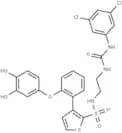
CAS:<p>YCW-E11 is an antiapoptotic Bcl-2 family proteins inhibitor.</p>Fórmula:C25H21Cl2N3O6S2Pureza:98%Forma y color:SolidPeso molecular:594.49(S)-Purvalanol B
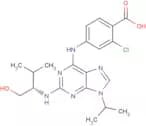
CAS:<p>(S)-Purvalanol B is the S enantiomer of Purvalanol B. Purvalanol B is an inhibitor of cyclin-dependent kinase(CDK) .</p>Fórmula:C20H25ClN6O3Pureza:98%Forma y color:SolidPeso molecular:432.9MDK-3345
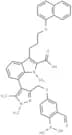
CAS:MDK-3345 is a reversible covalent inhibitor for Mcl-1.Fórmula:C36H34BN3O7Pureza:98%Forma y color:SolidPeso molecular:631.48Antitumor agent-184
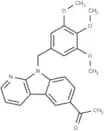
CAS:Antitumor Agent-184 (compound 12aa) triggers apoptosis in various cell lines, exhibiting IC50 values of 2.35 μM in B16-F10 cells, 7.32 μM in 4T1 cells, and 10.31 μM in CT26 cells.Fórmula:C22H16N4O2SForma y color:SolidPeso molecular:400.45Ferroptosis-IN-18
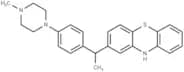
CAS:<p>Ferroptosis-IN-18 (51) is a phenothiazine derivative known for its potent anti-ferroptotic and antioxidant properties. It is useful for research related to intracerebral hemorrhage (ICH).</p>Fórmula:C25H27N3SForma y color:SolidPeso molecular:401.567HDAC-IN-81
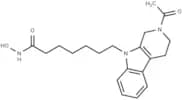
CAS:<p>HDAC-IN-81 (Compound 11g) is an HDAC inhibitor capable of effectively inhibiting HDAC1 with an IC50 value of 4.5 nM. Additionally, it exhibits anticancer activity by inhibiting cell proliferation and can induce cell apoptosis (apoptosis).</p>Fórmula:C20H27N3O3Forma y color:SolidPeso molecular:357.45NCAO
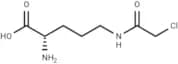
CAS:<p>N-ω-chloroacetyl-L-ornithine (NCAO) serves as a powerful reversible competitive inhibitor of ornithine decarboxylase (ODC), displaying cytotoxic and antiproliferative properties against various tumor cell lines, with EC50 values spanning from 1 to 50.6 µM. In vitro studies reveal that NCAO promotes Apoptosis and restricts tumor cell migration. Additionally, it demonstrates significant antitumor efficacy in a mouse model, targeting both solid and ascitic tumors using the myeloma (Ag8) cell line. NCAO holds promise in the development of antitumor agents.</p>Fórmula:C7H13ClN2O3Forma y color:SolidPeso molecular:208.64Sabialimon P
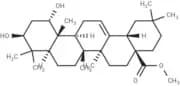
CAS:<p>Sabialimon P (compound 16), with an IC50 of 18.12 μM, functions as a NO release inhibitor and exhibits anti-inflammatory properties. It effectively diminishes the secretion of TNF-α, iNOS, IL-6, and NF-κB, and suppresses the expression of COX-2 and NF-κB/p65 in LPS-induced RAW264.7 cells.</p>Fórmula:C31H50O4Forma y color:SolidPeso molecular:486.73DOR agonist 2
CAS:<p>Compound 3 (DOR agonist 2) acts as a Delta Opioid Receptor agonist. It inhibits the expression of TNF-α, obstructs NF-κB transportation to the nucleus, and activates the G protein-mediated ERK1/2 pathway. This compound is useful for research into neurodegenerative diseases.</p>Fórmula:C29H26N2O3Forma y color:SolidPeso molecular:450.53Nur77 agonist-1
CAS:<p>Nur77 agonist-1 (Compound 8f) is an orally active Nur77 agonist. It induces ferroptosis by upregulating Nur77 protein expression, increasing reactive oxygen species (ROS) and lipid peroxidation levels, while decreasing GPX4 protein expression. Nur77 agonist-1 binds with affinity to the ligand binding domain of Nur77, with a KD of 13.80 μM. It demonstrates significant antiproliferative activity against various breast cancer cells (IC50: 2.15-3.26 μM) and exhibits low cytotoxicity towards normal cells. This compound is useful for breast cancer research.</p>Fórmula:C24H18ClN5O2Forma y color:SolidPeso molecular:443.885KMUP-1
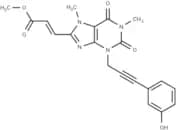
CAS:<p>KMUP-1 is a xanthine derivative known for its vasodilatory properties. It functions as a phosphodiesterase (PDE) inhibitor and an activator of soluble guanylate cyclase (sGC), engaging the NO/sGC/cyclic guanosine monophosphate pathway. Additionally, KMUP-1 can open K+ channels and has the potential to alleviate ischemia-induced cardiac myocyte apoptosis (apoptosis). This compound is useful in cardiovascular and anti-inflammatory research.</p>Fórmula:C19H23ClN6O2Forma y color:SolidPeso molecular:402.878Isoforretin A
CAS:<p>Isoforretin A is a potent inhibitor of thioredoxin-1 (Trx1) with significant biological activity, inducing anti-tumor effects mediated by reactive oxygen species (ROS). The compound inhibits Trx1 activity by covalently binding to the activation site residues Cys32/Cys35, which triggers ROS accumulation, leading to DNA damage and apoptosis (Apoptosis) in cancer cells. Additionally, Isoforretin A has demonstrated the ability to suppress the growth of HepG2 tumors in a mouse hepatic cell carcinoma xenograft model.</p>Fórmula:C28H38O10Forma y color:SolidPeso molecular:534.6SC428
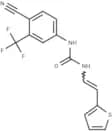
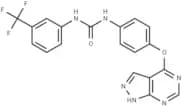
CAS:<p>SC428 acts as an inhibitor of the androgen receptor (AR), specifically targeting the N-terminal domain of AR. This compound effectively diminishes the transactivation of various AR forms, including AR-V7, ARv567es, full-length AR (AR-FL), and its LBD mutants. Additionally, SC428 significantly inhibits AR-FL nuclear translocation, chromatin binding, and AR-regulated gene transcription under androgen stimulation. In vitro, SC428 suppresses the proliferation of tumor cells. In vivo, it inhibits tumor growth in mice transplanted with 22Rv1 cells by inducing apoptosis.</p>Fórmula:C15H10F3N3OSForma y color:SolidPeso molecular:337.32SIJ1777
CAS:<p>SIJ1777, a derivative of GNF-7, exhibits potent anticancer effects against melanoma cells harboring BRAFI/II/III mutations. The compound significantly inhibits the activation of MEK, ERK, and AKT. Furthermore, SIJ1777 notably induces apoptosis (cell death) and effectively prevents migration, invasion, and anchorage-independent growth of melanoma cells with BRAFI/II/III mutations.</p>Fórmula:C26H23F3N8O2Forma y color:SolidPeso molecular:536.51HC-5404-Fu
CAS:HC-5404-Fu is an inhibitor of PERK with anti-tumor activity. This compound inhibits the signaling pathway of the endoplasmic reticulum stress response. Additionally, HC-5404-Fu increases the sensitivity of renal cell carcinoma cells to vascular endothelial growth factor (VEGF) receptor tyrosine kinase inhibitors (TKIs). It holds potential for research into renal cell carcinoma, stomach cancer, metastatic breast cancer, small cell lung cancer, and other solid tumors.Fórmula:C28H28F2N4O7Forma y color:SolidPeso molecular:570.54WB436B
CAS:WB436B, a highly selective STAT3 inhibitor, effectively targets and inhibits STAT3-Tyr705 phosphorylation along with the expression of STAT3 target genes. It exhibits cytotoxic effects on pancreatic cancer cells by inducing apoptosis. Furthermore, WB436B suppresses tumor growth and metastasis in pancreatic cancer mouse models, thereby prolonging the survival of tumor-bearing mice.Fórmula:C21H20N6O3SForma y color:SolidPeso molecular:436.49GPX4 activator 2
CAS:GPX4 Activator 2 (Compound C3) serves as an activator of GPX4 and exhibits cardioprotective effects by inhibiting cellular iron death (ferroptosis) with an efficacy concentration (EC50) of 7.8 μM. It is used in the study of myocardial damage.Fórmula:C20H26N6O2SForma y color:SolidPeso molecular:414.52PF-7006
CAS:<p>PF-7006, an Mps1 kinase inhibitor, exhibits a Ki value of 0.27 nM and an IC50 value of 2.5 nM. It disrupts cell cycle checkpoints by inhibiting the catalytic activity of Mps1, reduces histone H3 levels, and shortens the duration of mitosis, thereby inducing apoptosis (Apoptosis) in cancer cells. When used in combination with Palbociclib, the tolerance of cancer cells to PF-7006 is enhanced. PF-7006 is applicable for research on breast cancer.</p>Fórmula:C22H26N8O2Forma y color:SolidPeso molecular:434.49MC3629
CAS:<p>MC3629, an inhibitor of the histone methyltransferase (EZH2), exhibits antitumor activity. This compound effectively inhibits the proliferation and self-renewal of SHH MB cancer cells while inducing cell apoptosis (apoptosis). MC3629 is also useful in research on tumor aggressiveness and resistance.</p>Fórmula:C19H20N4O2Forma y color:SolidPeso molecular:336.39Gallium 8-Hydroxyquinolinate
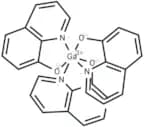
CAS:<p>Gallium 8-Hydroxyquinolinate is an inducer of apoptosis that initiates both p53-dependent and independent cell death in cancer cells through the induction of Ca2+ signaling transduction. In addition to its apoptotic properties, this compound's nanostructures exhibit excellent optical performance, making it suitable for use in tumor research.</p>Fórmula:C27H18GaN3O3Forma y color:SolidPeso molecular:502.17SPI-001
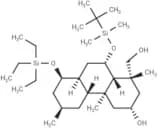
CAS:SPI-001 is a selective inhibitor of PPM1D (IC50=0.48 µM) that exhibits anticancer activity. The compound inhibits the phosphatase activity of PPM1D in human breast cancer cells overexpressing PPM1D and enhances the phosphorylation of p53. Additionally, SPI-001 suppresses cell proliferation by inducing apoptosis.Fórmula:C30H60O4Si2Forma y color:SolidPeso molecular:540.97RIPK1-IN-24
CAS:<p>RIPK1-IN-24 is an inhibitor of receptor-interacting protein kinase 1 (RIPK1) with an IC50 of 1.3 μM. It is utilized in research on inflammatory diseases.</p>Fórmula:C26H21FN6O2Forma y color:SolidPeso molecular:468.48XSJ05
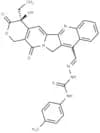
CAS:XSJ05, a derivative of camptothecin (CPT), exhibits anti-cancer activity by inhibiting topoisomerase I (Topo I). This compound induces DNA double-strand breaks, leading to DNA damage. Furthermore, XSJ05 stifles the growth of colorectal cancer (CRC), halts the cell cycle in the G2/M phase, and induces apoptosis.Fórmula:C29H25N5O4SForma y color:SolidPeso molecular:539.60HAC-Y6
CAS:<p>HAC-Y6 exerts its anticancer effects by inducing cell cycle arrest. It prompts apoptosis in COLO 205 cells with an IC50 of 0.52 µM.</p>Fórmula:C23H22N2O4Forma y color:SolidPeso molecular:390.43YL-1-9
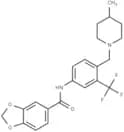
CAS:<p>YL-1-9 is an inhibitor that prevents the degradation of p53 by MDM2 through tight binding to the crucial hydrophobic pocket of MDM2. It can induce cell cycle arrest and apoptosis in breast cancer cells [1].</p>Fórmula:C22H23F3N2O3Forma y color:SolidPeso molecular:420.425TfR-1-IN-1
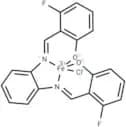
CAS:<p>TfR-1-IN-1 is a TfR-1 inhibitor, also a Fe(III) salivary phenol complex, inducing apoptosis and inhibiting tumor and normal cell growth.</p>Fórmula:C20H12ClF2FeN2O2Pureza:96.96%Forma y color:SolidPeso molecular:441.62GPX4-IN-13
CAS:<p>GPX4-IN-13 (compound 16), a GPX4 inhibitor, exhibits anticancer properties by diminishing the expression of GPX4, thereby reducing thyroid cell proliferation and inducing ferroptosis. Additionally, this compound effectively inhibits the growth of three distinct thyroid cancer cell lines: N-thy-ori-3-1 (IC 50 =8.39 μM), MDA-T32 (IC 50 =10.28 μM), and MDA-T41 (IC 50 =8.18 μM).</p>Fórmula:C23H15NO3Forma y color:SolidPeso molecular:353.37Siphonaxanthin
CAS:<p>Siphonaxanthin is a carotenoid found in green algae, known for targeting the death receptor 5 (DR5) on cancer cells to induce apoptosis. In human leukemia HL-60 cells, it increases DR5 expression, reduces Bcl-2 levels, and activates caspase-3. It also inhibits fibroblast growth factor receptor-1 (FGFR-1) signaling in endothelial cells. Siphonaxanthin suppresses the proliferation, migration, and tubular formation of human umbilical vein endothelial cells (HUVECs), as well as the growth of microvessels in rat aorta rings. Additionally, it has anti-inflammatory properties by blocking the translocation of high-affinity IgE receptors (FcεRI) to lipid rafts in mast cells. Siphonaxanthin shows potential for research into diseases such as cancer, diabetic retinopathy, and rheumatoid arthritis.</p>Fórmula:C40H56O4Forma y color:SolidPeso molecular:600.87ERK-MYD88 interaction inhibitor 1
CAS:<p>ERK-MYD88 Interaction Inhibitor 1, an agent that disrupts the interaction between ERK and MYD88, has demonstrated the ability to trigger an HRI-mediated integrated stress response (ISR) that specifically promotes immunogenic cell apoptosis (apoptosis) in cancer cells. Additionally, in models using Lewis lung cancer mice, this compound has been shown to stimulate anti-tumor T cell responses, thereby exhibiting significant anti-tumor activity.</p>Fórmula:C22H21N5O2Forma y color:SolidPeso molecular:387.43JND4135
CAS:<p>JND4135, a type II TRK inhibitor, exhibits IC50 values targeting TRKA, TRKB, and TRKC at 2.79, 3.19, and 3.01 nM, respectively. It can overcome resistance due to TRKxDFG and other mutations in the BaF3 stable model, inhibiting the phosphorylation of TRKs WT, xDFG mutations, and their downstream signaling molecules. Additionally, JND4135 induces G0/G1 phase arrest and cell apoptosis (apoptosis) in BaF3–CD74-TRKA-G667C cells. This compound also demonstrates antitumor activity in a BaF3-CD74-TRKA-G667C mouse xenograft model by suppressing tumor growth.</p>Fórmula:C37H39N7OForma y color:SolidPeso molecular:597.7506:0 PE
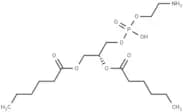
CAS:06:0 PE (PE(6:0/6:0)) is a water-soluble phospholipid characterized by its short acyl chains. It possesses notable antitumor activity and can inhibit tumor progression in the body. Additionally, it exhibits antiproliferative and pro-apoptotic properties, and serves as a precursor for phosphatidylcholine and phosphatidylethanolamine.Fórmula:C17H34NO8PForma y color:SolidPeso molecular:411.43XJTU-L453
CAS:XJTU-L453, a PI3Kα inhibitor, exhibits an IC50 of 0.4 nM. It inhibits the proliferation of breast cancer cell lines T47D and MCF7, with IC50 values of 0.2 μM and 0.5 μM respectively. Additionally, XJTU-L453 disrupts the PI3K pathway, leading to cell cycle arrest and cell apoptosis (apoptosis). It also demonstrates antitumor activity in MCF7 xenograft mice.Fórmula:C22H22N4O3Forma y color:SolidPeso molecular:390.44Elocalcitol
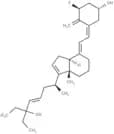
CAS:<p>Elocalcitol is a calcitriol analog for inhibition of prostate cell growth.</p>Fórmula:C29H43FO2Forma y color:SolidPeso molecular:442.65GA001
CAS:<p>GA001 is a potent G9a antagonist with an IC50 of 1.32 μM. It can induce autophagy and apoptosis, and is applicable in the treatment of breast cancer.</p>Fórmula:C29H24BrN3OForma y color:SolidPeso molecular:510.42YLL545
CAS:<p>YLL545 is an inhibitor of Vascular Endothelial Growth Factor Receptor 2 (VEGFR2). It inhibits VEGF-induced phosphorylation of VEGFR2 and the activation of downstream signaling mediators (such as phosphorylated STAT3 and phosphorylated ERK1/2) in human umbilical vein endothelial cells (HUVEC). Additionally, YLL545 suppresses HUVEC proliferation, migration, invasion, and angiogenesis. It also induces apoptosis and inhibits tumor growth in a mouse model of breast cancer.</p>Fórmula:C19H13F3N6O2Forma y color:SolidPeso molecular:414.34MG-B-28
<p>MG-B-28, a BTLA-HVEM inhibitor, demonstrates an IC50 value of 906 nM. It promotes T cell activation dose-dependently by inhibiting the interaction between BTLA and HVEM.</p>Fórmula:C28H25N5O3Forma y color:SolidPeso molecular:479.53BMI-135
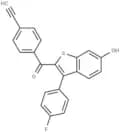
CAS:<p>BMI-135, a selective estrogen mimic, demonstrates agonist activity for the estrogen receptor and induces a rapid endoplasmic reticulum stress response (UPR) alongside apoptosis in breast cancer cells.</p>Fórmula:C23H13FO2SForma y color:SolidPeso molecular:372.41Apoptosis inducer 25
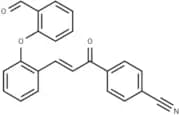
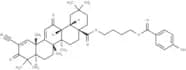
CAS:<p>Apoptosisinducer 25 (Compound 4H) demonstrates potent anticancer capabilities by inhibiting the proliferation of BGC-823 cancer cells with an IC50 of 0.37 μM. It induces apoptosis in BGC-823 cells, causes mitochondrial dysfunction, and arrests the cell cycle at the G2/M phase. Additionally, Apoptosisinducer 25 exhibits favorable pharmacokinetic properties in rats.</p>Fórmula:C42H53NO7Forma y color:SolidPeso molecular:683.87MLKL-IN-6
<p>MLKL-IN-6 (compound P28) is a mixed lineage kinase inhibitor that specifically targets the Mixed Lineage Kinase domain-like (MLKL) protein.</p>Fórmula:C20H18N4O5Pureza:98%Forma y color:SolidPeso molecular:394.3817-Demethoxy-reblastatin
CAS:<p>17-Demethoxy-reblastatin (17-DR) acts as an inhibitor of heat shock protein 90 (Hsp90). It suppresses the proliferation of HepG2 and SMMC7721 cancer cells, diminishes colony formation, and triggers apoptosis via a mitochondria and caspase-mediated pathway.</p>Fórmula:C28H42N2O7Forma y color:SolidPeso molecular:518.64TFCP2L1-IN-1
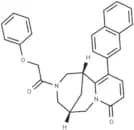
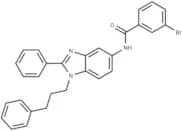
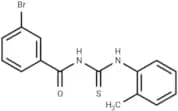
CAS:TFCP2L1-IN-1 is a TFCP2L1 transcription factor inhibitor that regulates cell proliferation and promotes antitumor effect of Sorafenib by STAT3/NANOG pathway.Fórmula:C15H13BrN2OSPureza:98.86%Forma y color:SolidPeso molecular:349.25Evo312
CAS:<p>Evo312 is an inhibitor of protein kinase C beta I (PKCβI) with an IC50 of 117.34 nM and exhibits dose-dependent characteristics. It acts by inhibiting the expression of the PKCβI protein, which leads to cell cycle arrest and apoptosis in PANC-GR (gemcitabine-resistant pancreatic cancer cells). Evo312 also demonstrates antiproliferative effects in pancreatic cancer cells PANC-1 and PANC-GR, with IC50 values of 0.08 μM and 0.07 μM respectively, while presenting an IC50 of 2.95 μM in normal human pancreatic ductal epithelial cells HPDE6-c7. Additionally, Evo312 has shown antitumor activity in a mouse xenograft model using PANC-GR cells.</p>Fórmula:C21H19N3O3Forma y color:SolidPeso molecular:361.39VEGFR-2-IN-52
CAS:<p>VEGFR-2-IN-52 (compound 14d) serves as a powerful inhibitor of VEGFR-2, exhibiting an IC 50 of 191.1 nM. It effectively reduces the protein expression levels of p-VEGFR-2, MMP9, p-ERK1/2, and p-MEK1. In addition, VEGFR-2-IN-52 demonstrates cytotoxic properties by inducing apoptosis and arresting the cell cycle at the G0/G1 phase, and it enhances the levels of ROS.</p>Fórmula:C20H25ClN4O2SForma y color:SolidPeso molecular:420.96LQB-118
CAS:<p>LQB-118, an orally active compound sourced from sandalwood, demonstrates multiple therapeutic capabilities. It has shown proficiency in inhibiting glioblastoma cell migration and inducing apoptosis. Additionally, LQB-118 can curtail both migration and invasion of prostate cancer cells by modulating the AKT/GSK3β pathway and regulating MMP-9/reck gene expression. The compound is also effective against yeast polysaccharide-induced inflammation in both in vivo and in vitro settings. Notably, LQB-118 specifically triggers ROS-mediated and mitochondrial-dependent apoptosis in Leishmania amazonensis, highlighting its potential in studies focusing on inflammation, infections, and various cancers.</p>Fórmula:C19H12O4Forma y color:SolidPeso molecular:304.30BHA536
CAS:<p>BHA536 is an orally effective inhibitor of PKCα/β and the NF-kB signaling pathway. This compound inhibits the proliferation of ABC DLBCL cells harboring CD79 mutations by causing cell cycle arrest in the G1 phase and induces apoptosis in TMD8 cells. Additionally, BHA536 exhibits antitumor activity in mice.</p>Fórmula:C30H30ClN3O5Forma y color:SolidPeso molecular:548.03CLM3
CAS:<p>CLM3, a pyrazolopyrimidine derivative, functions as a multitargeted tyrosine kinase inhibitor. It exhibits antiproliferative and proapoptotic activities on endothelial and cancer cells, activities that are synergistically enhanced by SN38. The primary mechanism of action for CLM3 involves the inhibition of phosphorylation in tyrosine kinases such as VEGFR-2, EGFR, and RET, along with their associated signaling pathways.</p>Fórmula:C21H21N5Forma y color:SolidPeso molecular:343.43RIP3 activator 1
CAS:<p>RIP3 Activator 1 (compound C8) is an effective RIP3 activator that inhibits cell growth and induces necroptotic cell death (necroptosis) and autophagy through the RIP3/p62/Keap1 signaling pathway. Additionally, this compound enhances the expression of p-MLKL and promotes the accumulation of LC3-II and p62 proteins.</p>Fórmula:C26H50N4O3Forma y color:SolidPeso molecular:466.7Caspase-3 activator 4
CAS:<p>Caspase-3 Activator 4 (compound 4o) is an effective caspase-3 activator that can cross the blood-brain barrier. This compound exhibits antiproliferative activity and can induce cell apoptosis (apoptosis). Additionally, Caspase-3 Activator 4 enhances the gene expression of TNF-α and reduces the expression of cleaved caspase-3/caspases 3.</p>Fórmula:C31H27N5O3Forma y color:SolidPeso molecular:517.58Cernuumolide J
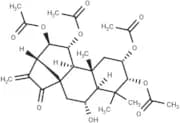
CAS:<p>Cernuumolide J (TMJ-105) functions as a JAK2/STAT3 inhibitor and exhibits potent activity against HEL leukemia cells by inhibiting their growth in both time-dependent and concentration-dependent manners, with an IC 50 value of 1.79 μM. This compound effectively induces G2/M phase arrest and apoptosis by downregulating the phosphorylation of JAK2, STAT3, and Erk, while simultaneously upregulating the phosphorylation of JNK and p38 MAPK. Cernuumolide J holds potential for research applications in anti-cancer therapy.</p>Fórmula:C24H34O8Forma y color:SolidPeso molecular:450.52