Alcoholes
Los alcoholes son una amplia gama de moléculas orgánicas derivadas de hidrocarburos que contienen uno o más grupos hidroxilo (grupo OH). Estos compuestos son esenciales en diversas reacciones químicas y se utilizan ampliamente en entornos de laboratorio para síntesis, como disolventes y en química analítica. En CymitQuimica, ofrecemos alcoholes de alta calidad preparados para uso en laboratorio, apoyando sus investigaciones y aplicaciones industriales con productos fiables y efectivos. Nuestra selección garantiza que tenga los alcoholes adecuados para sus necesidades específicas, ya sea para trabajos rutinarios de laboratorio o proyectos de investigación especializados.
Subcategorías de "Alcoholes"
Se han encontrado 5814 productos de "Alcoholes"
Ordenar por
Pureza (%)
0
100
|
0
|
50
|
90
|
95
|
100
3,5-Dichlorobenzyl alcohol
CAS:<p>3,5-Dichlorobenzyl alcohol is an organic compound that is classified as a xylene. It is used in the synthesis of chitin synthase and has shown potential for use as an anti-fungal agent. 3,5-Dichlorobenzyl alcohol is synthesized by refluxing zinc chloride in benzene with dehydrogenase. The product can be isolated by adding solid phase synthesis to the reaction mixture followed by solvent removal. 3,5-Dichlorobenzyl alcohol has been shown to be toxicologically safe in rat studies and shows enzyme specificity for chitin synthase.</p>Fórmula:C7H6Cl2OPureza:Min. 95%Forma y color:PowderPeso molecular:177.03 g/mol4-Amino-3-chlorophenol hydrochloride
CAS:<p>Intermediate in the synthesis of lenvatinib</p>Fórmula:C6H7Cl2NOPureza:Min. 95%Forma y color:PowderPeso molecular:180.03 g/molL-Homocysteine thiolactone hydrochloride
CAS:<p>L-Homocysteine thiolactone hydrochloride is a synthetic radiotracer. It has been used as a positron emission tomography (PET) radiopharmaceutical to image brain tumors and other cancers. L-homocysteine thiolactone hydrochloride is synthesized from L-cysteine and aluminium chloride. The yield of this reaction is usually low, but can be increased by addition of sodium hydroxide or tetrabutylammonium bromide. L-homocysteine thiolactone hydrochloride has been shown to be an effective radiotracer for the detection of cancerous tissue in the brain, breast, and prostate.</p>Fórmula:C4H7NOS•HClPureza:Min. 95%Forma y color:PowderPeso molecular:153.63 g/mol5-Hydroxy-2-methyl-2-adamantanol
CAS:<p>5-Hydroxy-2-methyl-2-adamantanol is a fine chemical that is used as a building block in research and development of various products. It can be used to make other substances, such as pharmaceuticals and cosmetics. 5-Hydroxy-2-methyl-2-adamantanol is also a versatile intermediate in the synthesis of complex molecules, such as peptides and polymers. This product is soluble in water and has a high quality standard. It is also an excellent reagent for many reactions, such as condensation, esterification, nitration, oxidation, reduction, and decarboxylation.</p>Fórmula:C11H18O2Pureza:Min. 95%Peso molecular:182.26 g/mol2-(4-Methylphenyl)ethanol
CAS:<p>2-(4-Methylphenyl)ethanol is a chemical compound that is used as a solvent. It is also used in the synthesis of 2-hydroxyphenylacetic acid, an intermediate in the synthesis of 4-methylbenzoic acid and 4-methylphenol. The toxicologic properties of 2-(4-methylphenyl)ethanol are not well known. However, it has been shown to inhibit tyrosinase activity and stimulate melanogenesis in rats. The chemical structure of 2-(4-methylphenyl)ethanol consists of two functional groups: a phenyl group with a methyl substitution and an alcohol group. The molecular formula for this compound is C9H12O2, which indicates that it contains one carbon atom, nine hydrogen atoms, one oxygen atom, and two hydrogens. This compound has been studied by nuclear magnetic resonance spectroscopy (NMR).</p>Fórmula:C9H12OPureza:Min. 95%Forma y color:Clear LiquidPeso molecular:136.19 g/molSumaresinolic acid
CAS:Producto controlado<p>Sumaresinolic acid is a naturally occurring triterpenoid compound, which is typically isolated from certain plant species, such as those belonging to the Sumac (Rhus) family. This compound is characterized by its complex molecular structure that endows it with various biochemical activities. Sumaresinolic acid acts primarily through anti-inflammatory and antioxidant pathways, influencing cellular signaling and modulating enzymatic activity related to inflammation and oxidative stress.</p>Fórmula:C30H48O4Pureza:Min. 95 Area-%Forma y color:PowderPeso molecular:472.7 g/mol3-((2-Mercapto-1-methylpropyl)thio)-2-butanol
CAS:<p>3-((2-Mercapto-1-methylpropyl)thio)-2-butanol is a high quality synthetic intermediate that can be used as a reagent, a building block for the synthesis of complex compounds, or as an intermediate for the production of speciality chemicals. 3-((2-Mercapto-1-methylpropyl)thio)-2-butanol is soluble in organic solvents and has a high boiling point. It is also useful as a reaction component in the synthesis of fine chemicals and research chemicals. 3-(2 Mercaptoethylthio) 2 butanol has CAS No. 54957-02-7, and may be found under various synonyms such as 1-(3 mercaptoethylthio) butane, 1-(3 mercaptoethylthiobutane), or 1-[3-(mercaptomethyl)propyl] thiobutane.</p>Fórmula:C8H18OS2Pureza:Min. 95%Forma y color:Colorless Clear LiquidPeso molecular:194.36 g/mol2-[[(4-Anilinophenyl)imino]methyl]-4,6-dichlorophenol
CAS:<p>2-[[(4-Anilinophenyl)imino]methyl]-4,6-dichlorophenol is a chemical that has been used in the synthesis of pharmaceuticals and other organic compounds. It is a versatile building block for the preparation of complex compounds and fine chemicals. This product can be used as a reagent or reaction component for research purposes. It is also useful as an intermediate or building block in the synthesis of drugs and other organic compounds. CAS No. 303215-67-0</p>Fórmula:C19H14Cl2N2OPureza:Min. 95%Forma y color:Red PowderPeso molecular:357.23 g/mol3-Hydroxy-2-methylbenzyl alcohol
CAS:<p>3-Hydroxy-2-methylbenzyl alcohol is a solvent with a high molecular weight. It is insoluble in water and has good solvency power for organic solvents. 3-Hydroxy-2-methylbenzyl alcohol has anisotropy, which means it can rotate the plane of polarization of light passing through it. 3-Hydroxy-2-methylbenzyl alcohol is used as a reagent to measure the degree of birefringence, which is the property of crystalline materials that causes light passing through them to split into two rays with different polarizations. This property can be used to identify the type and size of chains in crystals. 3HMBAA has been shown to be soluble in organic solvents, but not in water or other nonpolar solvents. The theory behind this is that molecules are generally more soluble in liquids similar to themselves than they are in liquids that are dissimilar from themselves. Hel</p>Fórmula:C8H10O2Pureza:Min. 95%Forma y color:Off-White PowderPeso molecular:138.16 g/mol3-Nitrobenzyl alcohol
CAS:<p>3-Nitrobenzyl alcohol is a low potency drug that is used for the treatment of cancer. It is a derivative of trifluoroacetic acid, which has been shown to have anti-tumor effects in animals. 3-Nitrobenzyl alcohol binds to the matrix on the surface of cells by hydrogen bonding and forms an intramolecular hydrogen bond with the nitrogen atom. This process leads to increased fluorescence intensity, which can be detected using matrix-assisted laser desorption ionization mass spectrometry (MALDI MS). The fatty acid group found in 3-nitrobenzyl alcohol increases its solubility in water and facilitates penetration into lipid bilayers. This compound exhibits cytotoxicity against monoclonal antibody-positive B cell lymphoma cells and may also have anti-inflammatory properties due to its inhibition of picolinic acid synthesis.</p>Fórmula:C7H7NO3Pureza:Min 98%Forma y color:PowderPeso molecular:153.14 g/molTretoquinol
CAS:Producto controlado<p>Tretoquinol is a bronchodilator, which is synthesized from specific chemical reactions involving quinoline derivatives. It functions primarily as a beta-adrenergic agonist, stimulating beta-2 adrenergic receptors. This activation leads to the relaxation of bronchial smooth muscle, resulting in widened air passages and improved airflow. Tretoquinol's mechanism of action involves enhancing cyclic adenosine monophosphate (cAMP) levels, which then promotes the relaxation of the bronchial and vascular musculature.</p>Fórmula:C19H23NO5Pureza:Min. 95%Peso molecular:345.39 g/mol(1R)-Endo-(+)-fenchyl alcohol
CAS:<p>(1R)-Endo-(+)-fenchyl alcohol is a chemotype of terpenes. Terpenes are hydrocarbons that are the major constituent of many essential oils and resins. The most well-known terpene is limonene, which is found in the rinds of citrus fruits. Terpenes are important for their flavors and aromas. They also have a variety of industrial uses, such as in fragrances and flavorings, paints, varnishes, and coatings. This particular chemotype has an equilibration time of 1-2 minutes at room temperature and can be prepared by evaporation or headspace techniques. (1R)-Endo-(+)-fenchyl alcohol has been detected in the aroma of grapefruit peel oil with a sensitivity of 0.5 ng/l air sample. It can be quantified using gas chromatography with flame ionization detection at 0.1 μg/l air sample or</p>Fórmula:C10H18OPureza:Min. 97%Forma y color:White PowderPeso molecular:154.25 g/mol2,2,4-Trimethyl-1,2,3,4-tetrahydroquinoline-8-carboxylic acid
CAS:<p>2,2,4-Trimethyl-1,2,3,4-tetrahydroquinoline-8-carboxylic acid is a versatile building block that can be used as a reagent or speciality chemical in research and development. It is also an intermediate for the synthesis of complex compounds with various properties. This compound has been shown to be useful as a building block for the synthesis of new compounds with potential pharmaceutical applications.</p>Fórmula:C13H17NO2Pureza:Min. 95%Forma y color:White Off-White PowderPeso molecular:219.28 g/mol2,2-Bis(hydroxymethyl)-2,2',2''-nitrilotriethanol
CAS:<p>Bis-Tris is a Bis(2-hydroxyethyl) amine buffer that forms metal chelates and can be used with proteins and nucleic acids. This buffering agent has an optimal pH range of 5.8-7.2 and a pKa of 6.46.</p>Fórmula:C8H19NO5Pureza:Min. 98%Forma y color:PowderPeso molecular:209.24 g/mol1,2,4-Thiadiazolidine-3,5-dithione barium
CAS:<p>1,2,4-Thiadiazolidine-3,5-dithione barium is a chemical building block that can be used in the synthesis of other compounds. It has been used as a reagent for research and as a speciality chemical. 1,2,4-Thiadiazolidine-3,5-dithione barium is soluble in organic solvents and is stable against heat. It can be used as an intermediate for complex compounds or as a scaffold for organic synthesis. CAS No. 82585-24-8</p>Fórmula:C2H2S3N2•BaPureza:Min. 95%Forma y color:PowderPeso molecular:287.57 g/mol2,4,5-Trifluorophenol
CAS:<p>2,4,5-Trifluorophenol is a chemical compound that is used in the production of plastics and synthetic fibers. It is also found as an environmental pollutant when released into the environment from industrial waste. Trichloroacetic acid reacts with 2,4,5-trifluorophenol to produce dibenzodioxins that are toxic and mutagenic. Trifluorophenol has been shown to activate rat hepatocytes by increasing the rate of synthesis of messenger RNA (mRNA) for proteins involved in drug metabolism. This activation may be due to its ability to induce oxidative stress or because it can react with DNA bases to form covalent adducts. The photoelectron spectrum includes bands at 1210 and 1240 cm-1 that correspond to chlorine atoms attached to arene rings.<br>2,4,5-Trifluorophenol has been shown to inhibit the growth of primary cultures of rat hepatocytes</p>Fórmula:C6H3F3OPureza:Min. 95%Forma y color:PowderPeso molecular:148.08 g/mol4-Pregnen-17α,20α,21-triol-3-one
CAS:Producto controlado<p>4-Pregnen-17alpha,20alpha,21-triol-3-one (4PT) is a versatile building block that can be used in the synthesis of complex compounds. It has been used as a reagent and speciality chemical in research chemicals and as an intermediate for pharmaceuticals and other organic syntheses. 4PT also has been shown to have high quality with a reaction component and scaffold for organic synthesis.</p>Fórmula:C21H32O4Pureza:Min. 95%Forma y color:PowderPeso molecular:348.48 g/mol1,10-Decanediol
CAS:<p>1,10-Decanediol is an organic compound that belongs to the group of glycols. It has a melting point of 117°C and a boiling point of 285°C. 1,10-Decanediol is an asymmetric molecule with two different stereoisomers: cis-1,10-decanediol and trans-1,10-decanediol. The melting point for cis-1,10-decanediol is higher than that for trans-1,10-decanediol. This indicates that the cis form is more stable at room temperature than the trans form. 1,10-Decanediol can be used in the synthesis of fatty acids and dna duplexes. It has also been shown to inhibit the replication of HIV by binding to its reverse transcriptase enzyme and preventing it from functioning properly.</p>Fórmula:C10H22O2Pureza:Min. 98 Area-%Forma y color:White PowderPeso molecular:174.28 g/molPhloroglucinol
CAS:<p>Phloroglucinol is a group P2 compound that has been shown to have significant cytotoxicity. It binds to the response element of phloroglucinol-induced chronic cough in vitro and in vivo, and inhibits the synthesis of DNA. Phloroglucinol is a dinucleotide phosphate that reacts with hydrogen bonding interactions. The chemical biology of phloroglucinol includes its ability to cause synchronous fluorescence at high concentrations. Phloroglucinol also possesses sodium citrate-dependent intermolecular hydrogen bonding properties.</p>Fórmula:C6H6O3Pureza:Min. 98 Area-%Forma y color:PowderPeso molecular:126.11 g/mol2-(2,5-Dichlorophenyl)ethanol
CAS:<p>2-(2,5-Dichlorophenyl)ethanol (2,5-DCPE) is an organic chemical that is used as a building block for the synthesis of fine chemicals and pharmaceuticals. 2,5-DCPE can be used as a reactant in synthesizing more complex compounds. It reacts with many different functional groups to form covalent bonds. The compound has been shown to have high quality and has been characterized by nuclear magnetic resonance spectroscopy and mass spectroscopy.</p>Fórmula:C8H8Cl2OPureza:Min. 95%Forma y color:PowderPeso molecular:191.05 g/mol(2S)-5-Hexen-2-ol
CAS:<p>5-Hexen-2-ol is a constituent of various natural products such as the racemosum and macrocyclic lactones. It has been found to have a broad spectrum of biological activities, including antibacterial, antifungal, antiparasitic and antimalarial activity. 5-Hexen-2-ol has also been used in the synthesis of various macrocyclic lactones and macrolactones. This compound has been found to inhibit penicillium growth by competitive inhibition of ergosterol biosynthesis.</p>Fórmula:C6H12OPureza:Min. 95%Forma y color:Clear LiquidPeso molecular:100.16 g/mol1-(Methylthio)ethanethiol
CAS:<p>1-(Methylthio)ethanethiol (MTET) is a highly volatile, naphthenic compound that has been shown experimentally to be a sulfide and ethanal precursor. It is also an ethyl cinnamate solvent. MTET is soluble in organic solvents such as chloroform and benzene. MTET has been used to produce polymers by coating sensor surfaces with polymer film and evaporating the solvent. The fluorescence of MTET increases in the presence of oxygen, which may be due to its oxidation by air.</p>Fórmula:C3H8S2Pureza:Min. 95%Forma y color:PowderPeso molecular:108.23 g/mol1,2-Dimyristoyl-sn-glycerol
CAS:<p>Dimyristoyl-sn-glycerol is a lipid that has a phase transition temperature of 42.6°C and melts at 44.6°C. It is found in the membrane of cells, where it interacts with other lipids to form structures that are essential for cellular function. Dimyristoyl-sn-glycerol has been shown to be an inhibitor of cycloheximide and can bind to the surface glycoprotein on the surface of some gram-negative bacteria, such as Escherichia coli. These interactions may play a role in protein synthesis and growth factor activation.</p>Fórmula:C31H60O5Pureza:Min. 98 Area-%Forma y color:PowderPeso molecular:512.81 g/mol4-Iodo-3-nitrophenol
CAS:<p>4-Iodo-3-nitrophenol is a chemical compound that is used in the synthesis of decanoic acid, an ester. It also has pharmacological properties and can be used as a cataleptic or neuroleptic agent. 4-Iodo-3-nitrophenol has been shown to have stimulant effects on the central nervous system, which may be due to its ability to inhibit the metabolism of acetylcholine by blocking cholinesterase enzymes. 4-Iodo-3-nitrophenol is also used in the preparation of analogues and it has been tested for use as a treatment for Parkinson's disease.</p>Fórmula:C6H4INO3Pureza:90%Forma y color:Brown Yellow PowderPeso molecular:265.01 g/mol3-Phenethyl-phenol
CAS:<p>3-Phenethylphenol is a hydrophobic, sterically-interacting compound that binds to molybdenum. It has been shown to inhibit the growth of fungi such as Poria and Coriolus. 3-Phenethylphenol also has functionalities such as peroxide, acetonitrile, and nature. This compound is not soluble in water and must be dissolved in solvents such as acetonitrile or polyvinyl acetate before use. 3-Phenethylphenol has been shown to have chromatographic properties, allowing it to be used as an adsorbent for the separation of organic compounds.</p>Fórmula:C14H14OPureza:Min. 95%Forma y color:PowderPeso molecular:198.26 g/mol3-Amino-1-adamantanol
CAS:<p>Intermediate in the synthesis of vildagliptin</p>Pureza:Min. 95%Forma y color:PowderPeso molecular:167.25 g/mol4-Amino-2-chlorophenol
CAS:<p>4-Amino-2-chlorophenol is an aminophenol that is used in the production of acetate, which is used in the manufacture of acetic acid. It is also used as a building block for organic synthesis. 4-Amino-2-chlorophenol reacts with acetyl chloride to form chloracetyl chloride, which can then be reacted with piperonyl butoxide to form 2-(4'-aminophenyl)-4,6-dichloropyridine. This reaction is catalyzed by hydrogen chloride and hydrogen bond formation with urea nitrogen. 4-Amino-2-chlorophenol has been shown to have long-term toxicity in animal studies and may be toxic when inhaled or ingested.</p>Fórmula:C6H6ClNOPureza:Min. 95%Forma y color:PowderPeso molecular:143.57 g/mol5,7-Dibromo-8-hydroxyquinoline
CAS:<p>5,7-Dibromo-8-hydroxyquinoline is a cytotoxic agent that has been shown to inhibit the growth of xenograft tumor cells. It was found to be effective in inhibiting the mitochondrial membrane potential and decrease the rate of cell proliferation. 5,7-Dibromo-8-hydroxyquinoline also showed significant cytotoxicity against carcinoma cell lines, with no effect on normal human fibroblast cells. The drug is an organophosphate compound that inhibits fatty acid synthesis by binding to an enzyme involved in fatty acid biosynthesis. This inhibition causes diarrhoea and sodium salt loss. 5,7-Dibromo-8-hydroxyquinoline can be extracted from hydrochloric acid through a solvent extraction process.</p>Fórmula:C9H5Br2NOPureza:Min. 95%Forma y color:PowderPeso molecular:302.95 g/mol1,1,1-Trifluoro-2-propanol
CAS:<p>1,1,1-Trifluoro-2-propanol (TFHP) is a molecule that contains three hydrogen atoms and two fluorine atoms. It has a frequency shift of 0.00116 cm−1 in the infrared spectrum due to the conformational properties of its hydroxyl group, which causes the OH stretching vibration to be shifted. TFHP is a weak acid that reacts with sodium trifluoroacetate to form trifluoroacetic acid and hydroxyl ions. TFHP has been shown to have biological properties in bacteria, such as inhibiting bacterial growth and suppressing protein synthesis. The molecular structure of TFHP is made up of a hydrogen atom on each nitrogen atom, which is then bonded to an intramolecular hydrogen bond and an intermolecular hydrogen bond with other TFHP molecules. The deuterium isotope can also be found in this compound, which will cause a shift in IR frequency from 0.00116 cm</p>Fórmula:C3H5F3OPureza:Min. 95%Forma y color:Clear LiquidPeso molecular:114.07 g/molL-Tyrosinol hydrochloride
CAS:<p>L-Tyrosinol hydrochloride is a chiral molecule that is the hydrogenated form of L-tyrosine. It is an intermediate in the synthesis of L-dopa, which is used to treat Parkinson's disease. The enzymatic reaction that converts L-tyrosinol hydrochloride to L-dopa requires adenosine 5'-phosphosulfate as cofactor and histidine as a catalyst. The conversion of L-tyrosinol hydrochloride to L-dopa occurs with high yield and has been shown to be stereoselective. This synthetic pathway has been shown to have an activation energy of 53 kcal/mol and a reaction time of 30 minutes at room temperature.</p>Fórmula:C9H13NO2·HClForma y color:White Off-White PowderPeso molecular:203.67 g/mol4-(tert-Butoxy)benzyl alcohol
CAS:<p>4-(tert-Butoxy)benzyl alcohol is a high quality reagent and a complex compound that can be used as an intermediate for the synthesis of other compounds. It is also a useful building block for the synthesis of speciality chemicals. This chemical has been extensively used in the synthesis of research chemicals and versatile building blocks, with applications in pharmaceuticals, agrochemicals, and materials science. 4-(tert-Butoxy)benzyl alcohol is one of the most widely used reaction components in organic synthesis due to its versatility. It has CAS number 51503-08-3.</p>Fórmula:C11H16O2Pureza:Min. 95%Forma y color:Clear LiquidPeso molecular:180.24 g/mol2-Amino-4-cyano-phenol
CAS:<p>2-Amino-4-cyano-phenol is a compound that has been shown to have antitubercular activity. It modulates the activity of cromakalim, which is a drug used for the treatment of tuberculosis. 2-Amino-4-cyano-phenol is also an antibacterial agent and has been shown to activate bacterial DNA replication and protein synthesis. The mechanism of action of this compound is thought to be due in part to its ability to bind with the ribosomes on the outside surface of cells and inhibit their function. 2-Amino-4-cyano-phenol has also been shown to have structural similarities with phenylephrine, which inhibits bacterial growth by binding to DNA gyrase, thereby preventing transcription and replication.</p>Fórmula:C7H6N2OPureza:Min. 95%Forma y color:PowderPeso molecular:134.14 g/mol(S)-(-)-1,2,4-Butanetriol
CAS:Producto controlado<p>Triphenylphosphonium is a reactive phosphonium salt that is used as an intermediate in the synthesis of 1,2,4-butanetriol. The synthesis of the triphenylphosphonium salt from the sodium salt of butyric acid and ferrocene is shown in this scheme. This synthetic route provides for planar chirality and an asymmetric synthesis. The byproduct, butyric acid, can be converted to its conjugate base with ammonium hydroxide or sodium hydroxide to provide cholic acid. Cholic acid is a hepatoprotective agent that has been used in the treatment of liver disease.</p>Fórmula:C4H10O3Pureza:Min. 95%Forma y color:Clear LiquidPeso molecular:106.12 g/mol20a-Dihydro pregnenolone
CAS:Producto controlado<p>Pregnenolone is a steroid hormone that is synthesized in the adrenal cortex. It has been used as a diagnostic agent for detecting low levels of human chorionic gonadotropin (hCG). Pregnenolone interacts with the 3β-hydroxysteroid dehydrogenase, which is an enzyme involved in the conversion of pregnenolone to progesterone. The gene encoding this enzyme has been found to be mutated in patients with hydroxylase deficiency. Pregnenolone can also be converted into other hormones such as cortisol and androstenedione by various hydroxylases. This process may be inhibited by 20a-dihydroprogesterone, leading to increased concentrations of pregnenolone in the plasma.</p>Fórmula:C21H34O2Pureza:Min. 95%Forma y color:White PowderPeso molecular:318.49 g/mol5-Bromo-3-methoxybenzyl alcohol
CAS:<p>5-Bromo-3-methoxybenzyl alcohol is a synthetic hydroxyphenyl compound that can be used as a coupling agent. It is prepared by the reaction of bromoacetaldehyde with 3-hydroxybenzyl alcohol in the presence of an amine base, such as pyridine. 5-Bromo-3-methoxybenzyl alcohol can also be used to synthesize pyridines and bromides.</p>Fórmula:C8H9BrO2Pureza:Min. 95%Forma y color:PowderPeso molecular:217.06 g/mol1-(6-Chloropyridazin-3-yl)piperidin-4-ol
CAS:<p>1-(6-Chloropyridazin-3-yl)piperidin-4-ol (CPP) is an organic compound that is used as a corrosion inhibitor. It has been shown to be effective in the presence of hydrochloric acid and chloride ions in various media. The mechanism of CPP's anti-corrosion properties is due to its ability to form a protective film on metal surfaces, which can be attributed to its electron donating ability. This film prevents the occurrence of metal dissolution or metal oxidation, thereby preventing corrosion. CPP has been shown to inhibit the growth of bacteria by binding with DNA and RNA. It also inhibits protein synthesis through competitive inhibition of ribosomes.</p>Fórmula:C9H12ClN3OPureza:(%) Min. 85%Peso molecular:213.66 g/molN-[2-(p-Cinnamylamino)ethyl]-5-isoquinolone sulfonamide
CAS:<p>N-[2-(p-Cinnamylamino)ethyl]-5-isoquinolone sulfonamide is a high quality chemical that can be used as a reagent, complex compound, and useful intermediate. N-[2-(p-Cinnamylamino)ethyl]-5-isoquinolone sulfonamide is a fine chemical that is useful in the production of speciality chemicals. It can be used as a versatile building block and reaction component to produce various compounds.</p>Fórmula:C20H21N3O2SPureza:Min. 95%Forma y color:SolidPeso molecular:367.47 g/mol(S)-Glycerol 1-benzyl ether
CAS:<p>(S)-Glycerol 1-benzyl ether is a chiral, synthesised antidepressant drug that has shown to be effective in the treatment of depression. It binds to α-adrenergic receptors and blocks the binding of norepinephrine and epinephrine, preventing the production of stress hormones. (S)-Glycerol 1-benzyl ether is also used as a reagent for the synthesis of doxazosin and d-mannitol.</p>Fórmula:C10H14O3Pureza:Min. 95%Forma y color:Colourless To White To Yellow SolidPeso molecular:182.22 g/mol3,5-Dibenzyloxybenzyl alcohol
CAS:<p>3,5-Dibenzyloxybenzyl alcohol is a flavonoid that is used for the treatment of cancer. The compound inhibits the activity of cyclooxygenase-2 (COX-2) and has been shown to inhibit the production of prostaglandin E2, which is associated with inflammation. 3,5-Dibenzyloxybenzyl alcohol also inhibits metathesis reactions in an equilibration process that can be catalyzed by palladium or platinum. It has been found to have anti-inflammatory properties due to its inhibition of COX-2 and its ability to induce apoptosis in tumor cells. 3,5-Dibenzyloxybenzyl alcohol also has anti-cancerous properties, which may be due to its ability to inhibit cell proliferation through alkylation and spiroketal conjugation reactions. This compound also binds to tannins and fatty acids as well as monomers in a reversible manner</p>Fórmula:C21H20O3Pureza:Min. 95%Peso molecular:320.38 g/molPolidocanol
CAS:<p>Polidocanol is a non-ionic surfactant that is used in the preparation of biological samples for microscopy. It can be used to separate cells from a homogenized tissue sample, and to extract lipids from cell membranes. Polidocanol has been shown to have anti-cancer activity against a number of different types of cancer including colon, breast, lung, prostate, and leukemia. This compound was found to inhibit tumor growth by interfering with the synthesis of fatty acids and proteins.<br>Polidocanol was found to be effective in preventing the formation of multicellular clusters of Candida glabrata cells on agar plates. This may be due to its ability to disrupt the surface tension between cells and water molecules, which prevents their attachment to each other. Polidocanol also has hemolytic activity that can be seen when it is added to red blood cells in solution.</p>Fórmula:C30H62O10Forma y color:Clear LiquidPeso molecular:582.81 g/mol1-(4-Methylphenyl)ethanol
CAS:<p>1-(4-Methylphenyl)ethanol is a colorless liquid that has a low energy and functional groups. It can be used as a reaction product in vitro assays and rhizosphere. 1-(4-Methylphenyl)ethanol reacts quickly with high salt, phosphatase, and silicon. The rate of the reaction increases with an increase in temperature. 1-(4-Methylphenyl)ethanol is also used for cationic polymerization, which is used to detect cirrhosis, high salt, phosphatase, and silicon by optical properties.</p>Fórmula:C9H12OPureza:Min. 95%Forma y color:Clear LiquidPeso molecular:136.19 g/mol4-Bromo-2,6-difluorobenzyl alcohol
CAS:<p>4-Bromo-2,6-difluorobenzyl alcohol (4BDFA) is a molecule that has been shown to be able to produce magnetic resonance images. It can be used in tumor diagnosis as well as in the imaging of tumors. 4BDFA is synthesized by coupling 2,6-difluoroaniline with bromoacetaldehyde diethyl acetal. The syntheses are carried out under phase transfer catalysis conditions and the reaction is monitored by thin layer chromatography.<br>The synthesis of 4BDFA starts with the preparation of 2,6-difluoroaniline via a Grignard reaction between aniline and magnesium metal. The Grignard reagent is then added to bromoacetaldehyde diethyl acetal in dichloromethane followed by addition of triethylamine dropwise to maintain pH neutrality. The product is then extracted from the organic solution using ethyl ether</p>Fórmula:C7H5BrF2OPureza:Min. 95%Forma y color:PowderPeso molecular:223.01 g/mol(6S)-5,6,7,8-Tetrahydro-6-[propyl[2-(2-thienyl)ethyl]amino]-1-naphthalenol hydrochloride
CAS:Producto controlado<p>(6S)-5,6,7,8-Tetrahydro-6-[propyl[2-(2-thienyl)ethyl]amino]-1-naphthalenol hydrochloride is a reagent that can be used as an intermediate for the synthesis of many complex compounds. It is a useful building block for the synthesis of pharmaceuticals with speciality chemicals and research chemicals. This compound has been shown to be a versatile building block in the synthesis of natural products, pharmaceuticals and other organic molecules. (6S)-5,6,7,8-Tetrahydro-6-[propyl[2-(2-thienyl)ethyl]amino]-1-naphthalenol hydrochloride is also a reaction component that can be used to synthesize many chemical substances with different functional groups.</p>Fórmula:C19H26ClNOSPureza:Min. 95%Forma y color:White PowderPeso molecular:351.93 g/mol(6α,11β,16α,17α)-6,9-Difluoro-11-hydroxy-16-methyl-spiro[androsta-1,4-diene-17,5'-[1,3]oxathiolane]-2',3,4'-trione
CAS:<p>(6α,11β,16α,17α)-6,9-Difluoro-11-hydroxy-16-methyl-spiro[androsta-1,4-diene-17,5'-[1,3]oxathiolane]-2',3,4'-trione is a fine chemical that can be used as a building block for the synthesis of complex compounds. This compound is also useful as a reagent and specialty chemical. (6α,11β,16α,17α)-6,9-Difluoro-11-hydroxy-16-methyl spiro[androsta-1,4 diene 17.beta., 5'(1'3'oxathiolane)] 2',3',4'-trione has been shown to be an excellent intermediate for organic reactions and may be used as a scaffold in drug design.</p>Fórmula:C22H24F2O5SPureza:Min. 95%Peso molecular:438.49 g/mol(R)-BoroLeu-(+)-pinanediol-trifluoroacetate
CAS:<p>(R)-BoroLeu-(+)-pinanediol-trifluoroacetate is a complex compound with CAS No. 179324-87-9 and can be used as a reagent, useful intermediate, or fine chemical. It is a versatile building block that can be used in the synthesis of speciality chemicals, research chemicals, and reaction components. This compound has been reported to be a useful scaffold for the synthesis of novel compounds that could have applications in medicine, such as anti-cancer drugs and antibiotics.</p>Fórmula:C17H29BF3NO4Forma y color:White Off-White PowderPeso molecular:379.22 g/mol(1S)-3,3'-Bis(1,1-dimethylethyl)-5,5',6,6'-tetramethyl-[1,1'-biphenyl]-2,2'-diol
CAS:<p>(1S)-3,3'-Bis(1,1-dimethylethyl)-5,5',6,6'-tetramethyl-[1,1'-biphenyl]-2,2'-diol is a reaction component that is used in the synthesis of complex compounds. It has been shown to be useful as a reagent and as a scaffold for high quality research chemicals. This compound is also used in the synthesis of versatile building blocks and fine chemicals.</p>Fórmula:C24H34O2Pureza:Min. 95%Forma y color:White PowderPeso molecular:354.53 g/mol3-Ethoxybenzyl alcohol
CAS:<p>3-Ethoxybenzyl alcohol is a lead compound that has been shown to be carcinogenic in mice. It has also been shown to have strong anti-inflammatory properties, as it inhibits the production of prostaglandins. This chemical is also able to inhibit sulfation and may be used as an analyte for high-throughput analysis in order to identify novel drugs for the treatment of asthma or other inflammatory diseases. 3-Ethoxybenzyl alcohol has a number of biological effects, including inhibition of protein synthesis and cell division, which are due to its ability to bind with sulfate ions.</p>Fórmula:C9H12O2Pureza:Min. 95%Forma y color:Clear LiquidPeso molecular:152.19 g/mol2-Palmitoylglycerol
CAS:<p>2-Palmitoylglycerol is a monoacylglycerol that is synthesized from the breakdown of dietary fats. It is also synthesized in tissues through the action of phospholipase A2 and diacylglycerol acyltransferase. 2-Palmitoylglycerol has been shown to bind to the cannabinoid receptor type 1 (CB1), which leads to activation of peroxisome proliferator-activated receptor α (PPARα). This activation induces gene expression changes that lead to increased fatty acid oxidation and decreased triglyceride synthesis in liver cells. 2-Palmitoylglycerol has been shown to reduce body weight gain and increase insulin sensitivity in mice models on high fat diets.<br>2-Palmitoylglycerol has also been shown to increase butyrate, a short chain fatty acid, levels in rats with metabolic disorders.</p>Fórmula:C19H38O4Pureza:Min. 95%Forma y color:PowderPeso molecular:330.5 g/molRanolazine
CAS:<p>Anti-anginal; anti-arrhythmic; anti-ischemic; pFOX inhibitor</p>Fórmula:C24H33N3O4Pureza:Min. 95%Forma y color:White SolidPeso molecular:427.54 g/mol3-Bromo-5-methylphenol
CAS:<p>3-Bromo-5-methylphenol is an enolate that can be used to synthesize methicillin-resistant dibenzofurans. The synthesis of these compounds is a multistep process, which includes the formation of an enolate from 3-bromo-5-methylphenol and subsequent displacement with a variety of electrophiles. The use of 3-bromo-5-methylphenol as an enolate allows for high yields in the synthesis of dibenzofurans. Further, this compound has antibacterial properties and is effective against both gram positive and negative bacteria. 3-Bromo-5-methylphenol also has chloride and sulfonation properties, which have been used to make advances in the development of antibacterial agents.</p>Fórmula:C7H7BrOPureza:Min. 95%Forma y color:PowderPeso molecular:187.03 g/mol1-(2,5-Dimethoxyphenyl)-2-nitroethanol
CAS:<p>1-(2,5-Dimethoxyphenyl)-2-nitroethanol is a chiral, asymmetric catalyst that has been shown to be effective in the enantioselective reduction of ketones. This process is important because it allows for the synthesis of chiral amino alcohols, which are then used in a variety of chemical reactions. The reaction can also be carried out with methyl amine as an amine source. 1-(2,5-Dimethoxyphenyl)-2-nitroethanol is an example of a catalyst that participates in catalysis through the lone pair on oxygen and nitrogen atoms.</p>Fórmula:C10H13NO5Pureza:Min. 95%Forma y color:White PowderPeso molecular:227.21 g/mol2-Fluoro-2-methyl-1-propanol
CAS:<p>Please enquire for more information about 2-Fluoro-2-methyl-1-propanol including the price, delivery time and more detailed product information at the technical inquiry form on this page</p>Fórmula:C4H9FOPureza:Min. 95%Forma y color:Colorless PowderPeso molecular:92.11 g/mol3,4-Dimethoxyphenyl ethanol
CAS:<p>3,4-Dimethoxyphenyl ethanol is a product of the asymmetric synthesis of 3,4-dimethoxyphenylacetic acid. It has been shown to have high redox potentials and hydrochloric acid resistance. 3,4-Dimethoxyphenyl ethanol has been used in the delignification of cellulose fibers and has also been shown to have photophysical and photochemical properties. This compound binds with hydroxyl groups on proteins, which may be due to its ability to undergo acylation reactions. The binding of 3,4-dimethoxyphenyl ethanol with human liver microsomes was found to be rapid and reversible. Kinetic analysis showed that this binding can be explained by substrate binding or acylation reaction.</p>Fórmula:C10H14O3Pureza:Min. 95%Forma y color:White PowderPeso molecular:182.22 g/mol2,6-Dichlorophenylmethyl carbinol
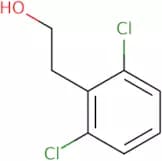
CAS:<p>2,6-Dichlorophenylmethyl carbinol is a synthetic oxidant that can be used in the oxidation of alcohols. It is used to convert alcohols into aldehydes and ketones with magnesium as a catalyst. 2,6-Dichlorophenylmethyl carbinol has been shown to be effective in the oxidation of cyclohexanone and styrene. It also has been shown to undergo homologation reactions, which are useful for the synthesis of natural products.<br>!--</p>Fórmula:C8H8Cl2OPureza:Min. 95%Forma y color:PowderPeso molecular:191.05 g/mol3-Amino-phenazin-2-ol
CAS:<p>3-Amino-phenazin-2-ol is a pesticide that has been shown to have genotoxic effects on human lymphocytes in vitro. 3-Amino-phenazin-2-ol inhibits the growth of triticum aestivum, a type of cereal plant, by binding to the aminoacids in the cell wall and disrupting its structure. This leads to cell death and inhibits the synthesis of proteins necessary for cellular growth. The herbicide has also been shown to inhibit the growth of typhimurium at high concentrations and may be used as an herbicide or pesticide. The mechanism by which 3-amino phenazin 2-ol exerts its toxicity is not fully understood, but it may be due to its ability to activate cells that are exposed to low energy levels.</p>Fórmula:C12H9N3OPureza:Min. 95%Forma y color:PowderPeso molecular:211.22 g/mol6b-Hydroxy-7a-(thiomethyl) spironolactone
CAS:<p>6b-Hydroxy-7a-(thiomethyl) spironolactone is a drug that is metabolized in the liver and excreted in the bile. It has been found to be safe and effective for the treatment of ascites due to cirrhosis. The pharmacokinetics of 6b-hydroxy-7a-(thiomethyl) spironolactone are linear, with a plasma elimination rate of 0.3 mg/kg/h. The elimination half-life for 6b-hydroxy-7a-(thiomethyl) spironolactone is about 3 hours. 6b-Hydroxy-7a-(thiomethyl) spironolactone has been found to be eliminated from the body at a constant rate, regardless of age, gender or weight. The population studied was healthy adult males who ingested 6b-hydroxy-7a-(thiometh</p>Fórmula:C23H32O4SPureza:Min. 95%Forma y color:PowderPeso molecular:404.56 g/mol1-Azidopropan-3-ol
CAS:<p>Azidopropan-3-ol is a reactive chemical that has functional groups such as hydroxyl, amino, and carboxylic acid. It can be used to synthesize polymers with azides. Azidopropan-3-ol is not toxic to cells in culture and does not affect the glycosidation process. Azidopropan-3-ol is also an excellent solvent for glycols, which are commonly used as solvents for organic synthesis. Azidopropan-3-ol can also be used as a transport agent in the lungs or kidneys because of its low viscosity and low surface tension. Azidopropan-3-ol has been shown to have anti-cancer properties by inducing apoptosis in cancer cells and inhibiting the growth of colorectal adenocarcinoma cells. This compound also has high solubility in water, which makes it suitable for use as a solvent for</p>Fórmula:C3H7N3OPureza:Min. 95%Forma y color:Colorless Clear LiquidPeso molecular:101.11 g/mol2,6-Dimethoxy-4-methylphenol
CAS:<p>2,6-dimethoxy-4-methylphenol is a synthetic chemical with potential use as an insecticide. It is a cholinesterase inhibitor that inhibits the action of acetylcholinesterase, an enzyme that breaks down acetylcholine, which is a neurotransmitter important for cognitive function and muscle control. 2,6-dimethoxy-4-methylphenol has been shown to be toxic to insects in a sensitivity test and has also shown some toxicity to rats when administered orally at high doses. This chemical has been shown to inhibit the production of fatty acids in plants and can be used as a potential insecticide for human food crops.</p>Fórmula:C9H12O3Pureza:Min. 97.0%Forma y color:White Yellow PowderPeso molecular:168.19 g/mol3,5-Dimethoxybenzyl alcohol
CAS:<p>3,5-Dimethoxybenzyl alcohol is a synthetic compound that exhibits potent inhibitory activity against carcinoma cell lines. It prevents the growth of cancer cells by inhibiting the synthesis of RNA and DNA. The activation energy for this inhibitory activity is 40.6 kJ/mol, which was determined using analytical methods. 3,5-Dimethoxybenzyl alcohol inhibits the growth of cancer cells in vitro and in vivo at concentrations between 50 and 500 µM. Its inhibitory activities are reversible and competitive with respect to chloride ions at concentrations greater than 250 µM. 3,5-Dimethoxybenzyl alcohol has been shown to be an effective inhibitor of phosphatase enzymes in Chinese medicinal herbs such as Polygonum multiflorum Thunb., Phellodendron amurense Rupr., or Pyrus pyrifolia Nakai.</p>Fórmula:C9H12O3Pureza:Min. 95%Forma y color:Off-White PowderPeso molecular:168.19 g/mol1-Acetyl-5-bromo-6-chloro-1H-indol-3-ol
CAS:<p>Please enquire for more information about 1-Acetyl-5-bromo-6-chloro-1H-indol-3-ol including the price, delivery time and more detailed product information at the technical inquiry form on this page</p>Fórmula:C10H7BrClNO2Pureza:Min. 95 Area-%Forma y color:PowderPeso molecular:288.52 g/molPiceatannol
CAS:<p>Piceatannol is a natural compound that is found in grapes, red wine, and grape seed extract. It has been shown to inhibit the injury-induced expression of proinflammatory cytokines and to protect against oxidative stress. Piceatannol has also been reported to bind DNA by competitive inhibition and to have inhibitory properties on 3T3-L1 preadipocytes. In addition, it has been shown to induce apoptosis in murine hepatoma cells and cancer tissues. Piceatannol may be an effective dietary antioxidant due to its ability to regulate gene expression by binding with response elements or through its antioxidant properties.</p>Fórmula:C14H12O4Pureza:Min. 95%Forma y color:Slightly Yellow PowderPeso molecular:244.24 g/molTrimethylolpropane trioleate
CAS:<p>Trimethylolpropane trioleate (TTOP) is a fatty acid that is derived from trimethylolpropane. It has a hydroxyl group and three oleate ester groups with one hydrochloric acid molecule. The optimal concentration of TTOP is 20%. The surface methodology for the synthesis of TTOP involves the reaction of sodium citrate with a cationic surfactant, which produces an intermediate. This intermediate can then react with an alcohol to form TTOP. The molecular weight of TTOP is 906.81 g/mol and its chemical formula is C18H36O6. The following are examples of high-quality product descriptions: "Rifapentine is an anti-tuberculosis drug that belongs to the class of rifamycins." "Tilmicosin is a macrolide antibiotic that inhibits the growth of bacteria by binding to the 50S ribosomal subunit</p>Fórmula:C60H110O6Pureza:Min. 95%Forma y color:Colorless Clear LiquidPeso molecular:927.51 g/mol4-Chloro-3-nitrobenzyl alcohol
CAS:<p>4-Chloro-3-nitrobenzyl alcohol is a synthetic chemical that reacts with hydrochloric acid to form 4-chloro-3-nitrobenzyl chloride and hydrogen. It can be used in the preparation of other chemicals, such as divinylbenzene and chloride. This compound is insoluble in water and soluble in organic solvents, such as acetone and ether. 4-Chloro-3-nitrobenzyl alcohol has two stereoisomers, one of which is more reactive than the other.</p>Fórmula:C7H6ClNO3Pureza:Min. 95%Peso molecular:187.58 g/mol3-Buten-3-ethyl-1-ol
CAS:<p>3-Buten-3-ethyl-1-ol is a versatile building block that can be used as a reagent for chemical synthesis. It is a complex compound that can be used as a reaction component or intermediate in organic synthesis. 3-Buten-3-ethyl-1-ol has been shown to have antiinflammatory properties, which may be due to the inhibition of prostaglandin synthesis.</p>Fórmula:C6H12OPureza:Min. 95%Forma y color:Clear LiquidPeso molecular:100.16 g/mol1-Stearoyl-rac-glycerol
CAS:<p>1-Stearoyl-rac-glycerol is a synthetic lipid molecule that has been shown to inhibit leukemia inhibitory factor (LIF). It also inhibits the activity of benzalkonium chloride, which is used in many household products such as laundry detergents, disinfectants, and fabric softeners. The LIF inhibitor 1-stearoyl-rac-glycerol has been shown to be effective in treating chronic oral toxicity in animal models. This drug also has clinical properties and can be used for the treatment of metabolic disorders such as diabetes mellitus.</p>Fórmula:C21H42O4Pureza:Min. 95%Forma y color:White PowderPeso molecular:358.56 g/mol2,6-Dimethylphenylmethyl carbinol
CAS:<p>2,6-Dimethylphenylmethyl carbinol is a high quality chemical that is useful as a reagent in the synthesis of complex compounds. It can be used as an intermediate for the production of fine chemicals and speciality chemicals, such as research chemicals and versatile building blocks. This compound has been used in several chemical reactions to produce various compounds with different functional groups.</p>Fórmula:C10H14OPureza:Min. 95%Forma y color:PowderPeso molecular:150.22 g/mol3,4-Dimethyl-1H-pyrazol-5-ol
CAS:<p>3,4-Dimethyl-1H-pyrazol-5-ol is a fine chemical that belongs to the category of research chemicals. It has many uses as a reagent and as a speciality chemical. 3,4-Dimethyl-1H-pyrazol-5-ol is also a versatile building block and can be used as an intermediate or scaffold in complex reactions. The CAS number for this compound is 4344-72-3.</p>Fórmula:C5H8N2OPureza:Min. 95%Forma y color:PowderPeso molecular:112.13 g/mol2-(1-Adamantyl)-4-bromophenol
CAS:<p>2-(1-Adamantyl)-4-bromophenol is a synthetic polymer that is used in the production of film. It has been used to produce chromatographic films, which are used for the separation and purification of organic compounds. 2-(1-Adamantyl)-4-bromophenol is also used to manufacture ion-exchange resins, which are used for the separation and purification of ions in water.<br>2-(1-Adamantyl)-4-bromophenol has been shown to be carcinogenic when administered orally to rats, causing human colon carcinoma. It also causes pleural mesothelioma when administered intrapleurally in rats. This chemical has been shown to have anti-inflammatory properties due to its ability to inhibit prostaglandin synthesis.</p>Fórmula:C16H19BrOPureza:Min. 95%Forma y color:PowderPeso molecular:307.23 g/mol3-Cyclohexyl-1-[4-[2-(7-methoxy -4,4-dimethyl-1,3-dioxo-isoquinolin -2-yl)ethyl]phenyl]sulfonyl-urea
CAS:<p>3-Cyclohexyl-1-[4-[2-(7-methoxy -4,4-dimethyl-1,3-dioxo-isoquinolin -2-yl)ethyl]phenyl]sulfonyl-urea is a drug that inhibits the enzyme DPPIV, which breaks down the incretin hormone glucagon-like peptide (GLP)-1. It may be used to treat diabetes by regulating blood glucose levels. This drug has been shown to reduce postprandial blood glucose levels in patients with type 2 diabetes. 3CYCSU is also capable of reducing body weight and food intake in mice. The mechanism of action of this drug is not fully understood, but it appears to have an effect on the cytosolic calcium ion concentration and may reduce inflammatory responses in cells. 3CYCSU is a promising potential treatment for infectious diseases such as Hepatitis C virus (HCV).</p>Fórmula:C27H33N3O6SForma y color:PowderPeso molecular:527.63 g/mol3,4-Dihydroxy-2-nitrobenzyl alcohol
CAS:<p>3,4-Dihydroxy-2-nitrobenzyl alcohol is a fine chemical that is useful as a scaffold and building block for organic synthesis. It is also an intermediate in the preparation of other chemicals such as reaction components. 3,4-Dihydroxy-2-nitrobenzyl alcohol has CAS No. 1017060-58-0 and belongs to the speciality chemical category. This compound can be used as a reagent or research chemical in biochemical assays and other applications. 3,4-Dihydroxy-2-nitrobenzyl alcohol is soluble in methanol, ethanol, acetone, dichloromethane, ethyl acetate, and chloroform. It is insoluble in water and ether. It is stable at pH values between 2 and 10 but decomposes when heated to 80°C or above.</p>Fórmula:C7H7NO5Pureza:Min. 95%Peso molecular:185.13 g/mol1-((6,7-dimethoxy(3,4-dihydroisoquinolyl))methoxy)-2,4-dichlorobenzene
CAS:<p>Please enquire for more information about 1-((6,7-dimethoxy(3,4-dihydroisoquinolyl))methoxy)-2,4-dichlorobenzene including the price, delivery time and more detailed product information at the technical inquiry form on this page</p>Pureza:Min. 95%(R)-(-)-3-Quinuclidinol
CAS:Producto controlado<p>Synthon for preparation of cholinergic receptor ligands; hypotensive</p>Fórmula:C7H13NOPureza:Min. 95%Forma y color:White PowderPeso molecular:127.18 g/molFlurandrenolide
CAS:<p>Flurandrenolide is a corticosteroid that is used for the treatment of bowel disease and autoimmune diseases. Flurandrenolide reduces inflammation by inhibiting the production of effector proteins, such as cytokines, chemokines, and eicosanoids. Flurandrenolide has been shown to have low potency in the treatment of lymphocyte transformation. This corticosteroid also inhibits the growth of various carcinoma cell lines. The mechanism of action of flurandrenolide is not fully understood, but it may be due to its ability to interfere with enzymes involved in cellular signaling pathways or to inhibit transcription factors. It has been found that flurandrenolide has a biocompatible polymer that can be used for sample preparation and analytical method.</p>Fórmula:C24H33FO6Pureza:Min. 95%Forma y color:White PowderPeso molecular:436.51 g/molBromophenol Red Free acid
CAS:<p>Bromophenol Red Free Acid is a synthetic substrate used in microbial infection and wastewater treatment. It has a pH of 2.0-3.0, which is acidic enough to disrupt the integrity of cellular membranes and cause cell lysis. Bromophenol Red Free Acid can be used as a lysing agent for human serum or cells in culture. This product is not soluble in water, so it must be dissolved in an organic solvent before it can be used. Bromophenol Red Free Acid reacts with hydrochloric acid to produce chemiluminescence that can be measured by luminometry, which is a quantitative technique for measuring light emission from chemical reactions. The hydroxyl group on the molecule reacts with the bromophenol group to form a bromohydrin intermediate, which reacts with hydrogen peroxide to produce chemiluminescence.</p>Fórmula:C19H12Br2O5SPureza:Min. 95%Peso molecular:512.17 g/mol3-Nitrophenylmethylcarbinol
CAS:<p>3-Nitrophenylmethylcarbinol (3NP) is a chiral molecule that is used as a versatile catalyst in organic synthesis. It has been shown to be an efficient and reusable nucleophile, which can be used for the hydrothiolation of enones. 3NP also has been shown to have high activity in asymmetric oxidation reactions, such as the conversion of alcohols to ketones or aldehydes. 3NP has been shown to be an excellent reagent for the conversion of carbinols into alkenes, due to its high oxidation potential.</p>Fórmula:C8H9NO3Pureza:Min. 95%Forma y color:PowderPeso molecular:167.16 g/molall-trans-Anhydro retinol
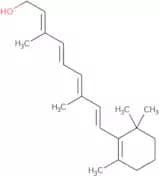
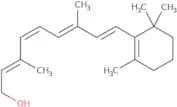
CAS:<p>All-trans-Anhydro retinol is a retinoid that is biologically active as an antioxidant, with reactive properties. It has been shown to be photodecomposable in the presence of light, and it reacts rapidly with nucleophiles. All-trans-Anhydro retinol can be used as a model system for biological studies on the mechanisms of mitochondrial membrane potential and transfer reactions. All-trans-Anhydro retinol has been shown to decrease mitochondrial membrane potential in rat liver microsomes and inhibit fatty acid synthesis in liver cells, while also being a synthetic analog of all-trans retinoic acid.</p>Fórmula:C20H28Pureza:Min. 90%Forma y color:Yellow To Light (Or Pale) Orange SolidPeso molecular:268.44 g/mol(1-Methyl-1H-indazol-3-yl)methanol
CAS:Producto controlado<p>(1-Methyl-1H-indazol-3-yl)methanol is a heterocyclic compound with a chemical formula of CHN. It is a colorless liquid that reacts violently with water or alcohols. The compound has been shown to form lithium aluminum hydride and aluminum hydride, which react vigorously with water. (1-Methyl-1H-indazol-3-yl)methanol also forms acetylated amines in the presence of thionyl chloride. This reaction is used as an example of a translation reaction in chemistry, where one molecule is converted into another through the addition of other molecules.</p>Fórmula:C9H10N2OPureza:Min. 95%Peso molecular:162.19 g/mol2-Cyclopropyl-4-(4-fluorophenyl)-quinolyl-3-methanol
CAS:<p>2-Cyclopropyl-4-(4-fluorophenyl)-quinolyl-3-methanol is a crystalline compound that has been obtained by reacting 3-methoxyquinoline with cyclopropyl bromide. It has the dihedral angle of about 120 degrees and is stabilized by hydrogen bonds. The compound crystallizes in an asymmetric unit cell with two molecules in the asymmetric unit and space group P2/n. The target compound can be obtained in high yield, and it is soluble in organic solvents such as benzene and triphenylphosphine. 2-Cyclopropyl-4-(4-fluorophenyl)-quinolyl-3-methanol can be used to suppress wastewater containing halogenated aromatic compounds, such as quinoline.</p>Fórmula:C19H16FNOPureza:Min. 95%Peso molecular:293.33 g/mol4-Diphenylmethylcarbinol
CAS:<p>4-Diphenylmethylcarbinol is an organic compound that is a primary alcohol. It can be synthesized by the hydrogenolysis of biphenyl. 4-Diphenylmethylcarbinol has been used in the Raney-type process for the production of aluminum from bauxite and as a catalyst in the dehydrating reaction. This compound has also been used as a reagent for the synthesis of enantiomers and as a solvent for acetonitrile. The transfer of 4-diphenylmethylcarbinol to benzene, chlorobenzene, and phenanthrene has been studied.</p>Fórmula:C14H14OPureza:Min. 95%Forma y color:PowderPeso molecular:198.26 g/mol9-cis-Retinol acetate
CAS:<p>9-cis-Retinol acetate is a synthetic retinoid that has been shown to have antioxidant properties. It prevents the oxidation of lipids, proteins and DNA by inhibiting the activity of enzymes such as cyclooxygenase and lipoxygenase, which are responsible for generating reactive oxygen species. 9-cis-Retinol acetate also increases glutathione levels, which scavenges reactive oxygen species. 9-cis-Retinol acetate can be used to treat oxidative injury in different tissues such as the skin, liver, bowel, lung and eye. 9-cis-Retinol acetate can be used in low doses to prevent oxidative injury in the human fetus during pregnancy or in high doses to treat oxidant injuries caused by radiation exposure or chemotherapy.</p>Fórmula:C22H32O2Pureza:Min. 95%Forma y color:Pale yellow oil.Peso molecular:328.49 g/molSorbitan monolaurate
CAS:<p>Sorbitan monolaurate is a natural compound that can be isolated from the seeds of the Cucurbitaceae family. It is used in sample preparation for biocompatible polymers, as well as for detergent compositions. Sorbitan monolaurate has been shown to act as an absorption enhancer, which may be due to its ability to form hydrogen bonds with other molecules and its capacity to interact with sodium citrate. Sorbitan monolaurate also has biological properties such as the inhibition of autoimmune diseases, malonic acid production, and bacterial growth.</p>Fórmula:C18H34O6Pureza:Min. 95%Forma y color:Slightly Yellow Clear LiquidPeso molecular:346.46 g/mol(22S,23S)-28-Homo brassinolide
CAS:<p>(22S,23S)-28-Homo brassinolide is a synthetic brassinosteroid that has been shown to have growth-promoting activity in the plant. It is synthesized by the reaction of tetroxide and 28-homobrassinolide. The structure of (22S,23S)-28-Homo brassinolide is stereoselective, with an R configuration at C2 and a S configuration at C3. The hydrogen atoms at C2 and C3 are involved in hydrogen bonds with other molecules. (22S,23S)-28-Homo brassinolide exhibits a conformation that differs from 24-epibrassinolide because it does not contain an intramolecular hydrogen bond between the two rings. This synthetic brassinosteroid also has anti-inflammatory effects due to its ability to inhibit prostaglandins.</p>Fórmula:C29H50O6Forma y color:PowderPeso molecular:494.7 g/molm-Aminophenolsulfate
CAS:<p>m-Aminophenolsulfate is a sulfonated derivative of m-aminophenol. It has been used for wastewater treatment and as an analytical reagent for the determination of p2 group substances, such as sulfa drugs. It is also used in pharmaceutical preparations and human serum. m-Aminophenolsulfate may be activated by hydrochloric acid to form a reactive intermediate (m-aminophenoxy radical) that reacts with electron acceptors such as oxygen or nitrous oxide to generate reactive oxygen species. In this way, m-aminophenolsulfate can act as a broad-spectrum antimicrobial agent against both Gram negative and Gram positive bacteria. The mechanism of this reaction is adsorption on the bacterial cell wall, which leads to cell death through osmotic lysis or disruption of membrane integrity.</p>Fórmula:C12H16N2O6SPureza:Min. 95%Forma y color:PowderPeso molecular:316.33 g/mol17-epi-Ethynyl estradiol
CAS:<p>17-epi-ethynyl estradiol is an estrogen that has osmotic effects on the blood vessels. It is a potent inhibitor of platelet aggregation and haemostasis. 17-Epi-ethynyl estradiol has been shown to increase the risk of venous thrombosis by increasing the plasma concentrations of coagulation factors II, VII, IX and X. It also decreases blood pressure. 17-epi-ethynyl estradiol can interact with other drugs such as felodipine and may lead to increased levels of coagulation proteins in the blood. The drug can be found in wastewater and may have negative effects on the environment by causing atherogenesis. 17-epi-Ethynyl estradiol can be analyzed using high performance liquid chromatography (HPLC).</p>Fórmula:C20H24O2Pureza:Min. 95%Forma y color:White Off-White PowderPeso molecular:296.4 g/mol1-Benzyl-2,3-O-isopropylidene glycerol
CAS:<p>1-Benzyl-2,3-O-isopropylidene glycerol is a chemical compound that is classified as an atypical inhibitor of protein tyrosine phosphatases. This means that it inhibits the enzyme phosphatase, which is involved in the activation of many other enzymes. It has been shown to have potential as a drug for treating Alzheimer's disease and cancer. 1-Benzyl-2,3-O-isopropylidene glycerol interacts with protein tyrosine phosphatase 1B (PTP1B) and activates this enzyme, leading to inhibition of cell growth and apoptosis. 1B has been shown to be overactive in some cancer cells and may play a role in the development of cancers such as breast cancer.</p>Fórmula:C13H18O3Pureza:Min. 95 Area-%Forma y color:Clear LiquidPeso molecular:222.28 g/mol2-(2-Methoxyphenethyl) alcohol
CAS:<p>2-(2-Methoxyphenethyl) alcohol (2MPE) is a ligand that binds to the phenylpropanoid glycosides, which are responsible for the biosynthesis of plant pigments. It has been shown to inhibit tyrosinase and tyrosinase activity in vitro. 2MPE is used in radiopharmaceuticals as a radioactive label. It has also been shown to inhibit melanogenesis and the synthesis of volatile compounds in corncob at high temperatures. 2MPE is found in rhodiola and together with 2-hydroxyphenylacetic acid, it inhibits bacterial growth by inhibiting protein synthesis.</p>Fórmula:C9H12O2Pureza:Min. 98%Forma y color:Clear LiquidPeso molecular:152.19 g/mol5-Thiazolemethanol
CAS:<p>5-Thiazolemethanol is a synthetic compound that is used as an antimicrobial agent. It inhibits bacterial growth by disrupting the cell membrane and interfering with protein synthesis. 5-Thiazolemethanol has been shown to be effective against Escherichia coli, Salmonella enterica, Pseudomonas aeruginosa, Staphylococcus aureus, and other bacteria. 5-Thiazolemethanol is not toxic to humans and does not cause irritation or sensitization. The material has been classified as a low level of toxicity in animal studies. This chemical has also been found to have no mutagenic effects on human erythrocytes.</p>Fórmula:C4H5NOSPureza:Min. 95%Forma y color:Clear LiquidPeso molecular:115.15 g/mol(S)-(-)-3-tert-Butylamino-1,2-propanediol
CAS:<p>(S)-(-)-3-tert-Butylamino-1,2-propanediol is a hydrophobic liquid that has been used as a stationary phase in chromatography. It interacts with nonaromatic compounds and has been used for the validation of high performance liquid chromatography (HPLC) detection sensitivity. It is also used as a ligand for ternary complexes and as an anion in chromatographic science. This compound's interactions are studied using evaporative light scattering, which can be used to determine the molecular weight of the compound.</p>Fórmula:C7H17NO2Pureza:Min. 95%Peso molecular:147.22 g/mol24-Methylenecycloartan-3-ol
CAS:<p>24-Methylenecycloartan-3-ol is an enzyme form of a fatty acid that is found in the leaves and bark of Eucalyptus. It has been shown to inhibit cholesterol esterase, which is an enzyme involved in the production of cholesterol. This compound also inhibits acetylcholinesterase, an enzyme that regulates the activity of acetylcholine at the neuromuscular junction. 24-Methylenecycloartan-3-ol is toxic to rats when administered orally at doses of 1 g/kg or greater. The LD50 for this compound when administered intravenously to rats was found to be 7 mg/kg.</p>Fórmula:C31H52OPureza:Min. 90 Area-%Forma y color:PowderPeso molecular:440.74 g/molCCT 241533
CAS:<p>CCT 241533 is a Chinese herb that has been shown to have anti-cancer properties. It has been demonstrated to inhibit the growth of HL-60 cells and induce apoptosis in these cells. CCT 241533 also inhibits the proliferation of epidermal growth factor (EGF) and induces cell death in response to radiation. This drug also binds to toll-like receptors, which are proteins on the surface of cells that detect pathogens and initiate an immune response. CCT 241533 has been shown to inhibit polymerase chain reactions by competitive inhibition or by binding to DNA, preventing transcription or replication. CCT 241533 may be useful for the treatment of infectious diseases, such as tuberculosis, because it can bind to bacterial 16S ribosomal RNA and inhibit protein synthesis, leading to cell death by inhibiting the production of proteins vital for cell division.<br>CCT 241533 has been shown in animal studies to be effective against cervical cancer due to its ability to bind</p>Fórmula:C23H27FN4O4Pureza:Min. 95%Peso molecular:442.48 g/mol15,16-bis-nor-LABD-11-En-13-on-8-ol
<p>15,16-bis-nor-LABD-11-En-13-on-8-ol is a fine chemical that is useful as a building block for research chemicals and as a reagent in the synthesis of speciality chemicals. This compound has been found to be an intermediate for the synthesis of various other compounds, including complex compounds and versatile building blocks. 15,16-bis-nor-LABD-11-En-13-on-8--ol is also a versatile scaffold due to its ability to undergo reactions with various functional groups.</p>Fórmula:C18H30O2Pureza:Min. 95%Peso molecular:278.43 g/molMaytansinol
CAS:<p>Maytansinol is a molecule that has potent antitumor activity. It has been shown to be effective against leukemia cells, and inhibits the growth of cells in culture by binding to the lymphatic vessels. Maytansinol is also able to bind to metal ions and forms a chelate complex with them. The effective dose of maytansinol is 3-5mg/kg body weight, which can be administered orally or intravenously. The drug has been shown to have an activity test using genus monoclonal antibody (Mab). Maytansinol hydrolyzes at alkaline pH and reacts with hydroxy groups in its structure.</p>Fórmula:C28H37ClN2O8Pureza:Min. 95 Area-%Forma y color:White PowderPeso molecular:565.05 g/molrac-Terpinen-4-ol
CAS:<p>Terpinen-4-ol is a natural compound that is found in essential oils such as tea tree oil. It has been shown to have antimicrobial activity against Gram positive bacteria, such as Staphylococcus aureus and Streptococcus pneumoniae. Terpinen-4-ol has been shown to inhibit the production of proinflammatory cytokines and chemokines, which reduces inflammation and disease activity. The antimicrobial activity of terpinen-4-ol was evaluated by its ability to inhibit the growth of Hl-60 cells. This substance also inhibits the synthesis of DNA and protein by binding to penicillin-binding proteins (PBP) on the bacterial ribosome. Terpinen-4-ol has also been shown to be an effective inhibitor of cancer cell growth in a model system for squamous cell carcinoma.</p>Fórmula:C10H18OPureza:Min. 95 Area-%Forma y color:Colorless Clear LiquidPeso molecular:154.25 g/molN-(6-Hydroxyhexyl)trifluoroacetamide
CAS:<p>6-(Trifluoroacetylamino)-1-Hexanol is a magnetic compound that has been shown to bind to liposomes and hydrophobic membranes. It is also amphipathic, meaning it contains both hydrophilic and hydrophobic properties. This compound can be used for the diagnosis of certain diseases, such as cancer, by detecting gadolinium ions in the body. 6-(Trifluoroacetylamino)-1-Hexanol is also an imidazolide ligand that binds to ribonucleotides and nucleic acid matrix proteins. This allows it to be used as a contrast agent in magnetic resonance imaging (MRI).</p>Fórmula:C8H14F3NO2Pureza:Min. 95%Forma y color:PowderPeso molecular:213.2 g/mol1-Palmitoyl-rac-glycerol
CAS:<p>1-Palmitoyl-rac-glycerol is a fatty acid that contains nitrogen atoms. It has hypoglycemic effects and is used to treat metabolic disorders. 1-Palmitoyl-rac-glycerol has been shown to have a protective effect on the liver by decreasing the levels of triglycerides in the blood and preventing lipid peroxidation. It also improves glucose metabolism and insulin sensitivity. 1-Palmitoyl-rac-glycerol is an important component of biological membranes, where it forms a hydrophobic region that helps maintain membrane structure. This compound also has hemolytic activity, which may be due to its ability to bind with phospholipids or cell membranes, leading to changes in their permeability or stability. The stability of 1-palmitoyl-rac glycerol can be tested by adding reagents such as sodium nitrite or potassium permanganate, which will cause a color change from yellow to brown if it reacts</p>Fórmula:C19H38O4Pureza:Min. 95%Forma y color:PowderPeso molecular:330.5 g/mol1-(2-Naphthyl)ethanol
CAS:<p>1-Naphthyl ethanol is a chromatographic solvent that is used in the reaction rate of lipase. It consists of two hydroxyl groups, one on each naphthalene ring. The hydroxyl groups are separated by a carbonyl group and a sterically hindered boron nitride. This compound is synthesized using triflic acid in methanol and reacts with carbinols to form functional groups. 1-Naphthyl ethanol has been shown to have stereoselective reactions with alkenes and alkynes, which may be due to its ability to form hydrogen bonds.</p>Fórmula:C12H12OPureza:Min. 95%Forma y color:PowderPeso molecular:172.22 g/mol1-(5-Isoquinolinesulfonyl)piperazine hydrochloride
CAS:<p>1-(5-Isoquinolinesulfonyl)piperazine hydrochloride (1-ISOQ-PIP) is a chemical compound that has been shown to inhibit the growth of leukemia cells. It inhibits the expression of leukemia inhibitory factor, which may be due to its ability to introduce modifications into the sequence of DNA. 1-ISOQ-PIP also inhibits pluripotent stem cells and induces adipocyte differentiation. This substance can be used for cancer treatment by inhibiting the growth of leukemia cells and inducing differentiation.</p>Fórmula:C13H16ClN3O2SPureza:Min. 95%Forma y color:PowderPeso molecular:313.8 g/mol2-[(4-Amino-2-methyl-5-nitrylbenzyl)amino]ethylalcohol
CAS:<p>2-[(4-Amino-2-methyl-5-nitrylbenzyl)amino]ethylalcohol is a reactive, hydrated, colorant that belongs to the group of hydroxy compounds. It has a chromophore and is used in the production of cosmetics. 2-[(4-Amino-2-methyl-5-nitrylbenzyl)amino]ethylalcohol is used for alkalization and in the production of particle pigments. This compound can be found in fatty acid esters, as it has a long hydrocarbon chain, which makes it soluble. It also has fatty acids and an amine group that provides color.</p>Fórmula:C9H13N3O3Pureza:Min. 95%Peso molecular:211.22 g/mol1,3-Dibenzyloxy-2-propanol
CAS:<p>1,3-Dibenzyloxy-2-propanol is a nucleophilic compound that has been shown to be effective against herpes simplex virus. This antiviral agent is also cytotoxic and has high molecular weight. It is acetylated to produce the corresponding acetate ester, which is scalable for industrial production. 1,3-Dibenzyloxy-2-propanol binds to the carbohydrate ligand on the surface of cells and inhibits the growth of viruses by trapping them in a hydrophobic environment. This drug has been shown to inhibit ganciclovir phosphorylation and can be used as an antiviral agent if combined with other drugs such as cannabinoids or nervous system agents. 1,3-Dibenzyloxy-2-propanol also reacts with endogenous ligands such as histidine, glutathione and dopamine receptors.</p>Fórmula:C17H20O3Pureza:Min. 95%Forma y color:Clear LiquidPeso molecular:272.34 g/mol3-[2-(Ethylhexyl)oxyl]-1,2-propandiol
CAS:<p>3-[2-(Ethylhexyl)oxyl]-1,2-propandiol is an organic compound that belongs to the group of sodium salts. It is used as an antimicrobial agent and preservative in cosmetic products. 3-[2-(Ethylhexyl)oxyl]-1,2-propandiol has been shown to have a synergistic effect with benzalkonium chloride, which is another antimicrobial agent. It has also been found to be effective against skin cells that are infected with the bacteria Staphylococcus aureus. 3-[2-(Ethylhexyl)oxyl]-1,2-propandiol has been shown to have an inhibitory effect on fatty acid synthesis in skin cells and may be useful for treating acne.</p>Fórmula:C11H24O3Pureza:Min. 95%Forma y color:Colorless Clear LiquidPeso molecular:204.31 g/mol2,6-Dichlorophenolindophenol
CAS:<p>2,6-Dichlorophenolindophenol is a redox indicator that can be used as an optical sensor for the measurement of hydrogen peroxide and other reactive oxygen species. It has been shown to inhibit caspase-independent cell death in carcinoma cells and is active against the opportunistic fungus Candida glabrata. The optimum concentration for this compound has been determined to be 1 mM.</p>Fórmula:C12H7Cl2NO2Pureza:Min. 95%Forma y color:Black Green PowderPeso molecular:268.09 g/molcis-(+/-)-2-[(N-Benzyl-N-methyl)aminomethyl]-1-(3-methoxyphenyl)cyclohexanol hydrochloride
CAS:<p>cis-(+/-)-2-[(N-Benzyl-N-methyl)aminomethyl]-1-(3-methoxyphenyl)cyclohexanol hydrochloride is a versatile building block that can be used in the synthesis of complex compounds. This compound is also a useful reagent, speciality chemical, and reaction component. cis-(+/-)-2-[(N-Benzyl-N-methyl)aminomethyl]-1-(3-methoxyphenyl)cyclohexanol hydrochloride has been shown to be a valuable scaffold for research chemicals with high quality.</p>Fórmula:C22H30ClNO2Pureza:Min. 95 Area-%Forma y color:PowderPeso molecular:375.93 g/molMyrtenol
CAS:<p>Myrtenol is a natural compound that contains a hydroxyl group. It has been shown to have anti-oxidative effects and can be used as an antimicrobial agent against some infectious diseases, such as chronic arthritis. Myrtenol's mechanism of action is based on its ability to react with the fatty acids in lipids and proteins in the bacterial cell wall, inhibiting their synthesis and causing cell death. Myrtenol has also been shown to inhibit the growth of bacteria by binding to the enzyme α-pinene synthase, which is involved in the production of terpenes. Myrtenol can be found in ganoderma lucidum, which is a mushroom that grows in China and Japan.</p>Fórmula:C10H16OPureza:Min. 90%Forma y color:Colorless Clear LiquidPeso molecular:152.23 g/molrac-Falcarinol
CAS:<p>Rac-falcarinol is an organic compound that has the chemical formula CH(OH)CH(COOH)(CH). It is a colorless solid and is soluble in alcohol, acetone, and ether. Rac-falcarinol has been used as a versatile building block to make complex compounds with high purity. It has also been used as a reaction component for research chemicals. The compound can be used for making fine chemicals or speciality chemicals.</p>Fórmula:C17H24OPureza:Min. 94 Area-%Forma y color:PowderPeso molecular:244.37 g/mol4-Bromoresorcinol
CAS:<p>4-Bromoresorcinol is a synthetic compound that belongs to the group of sulfonamides. It is used in the production of dyes, pharmaceuticals, and agricultural chemicals. 4-Bromoresorcinol is synthesized by sulfonation with trifluoroacetic acid followed by hydrolysis with hydrochloric acid. The polymerization kinetics of this compound have been studied using azobenzene as a model substrate. The reaction products are vignafuran and an organic solvent (e.g., methanol). In addition, 4-bromoresorcinol has potent antibacterial activity against bacteria such as Staphylococcus aureus and Mycobacterium tuberculosis. This drug has minimal inhibitory concentrations (MICs) less than 0.01 ppm for most strains of bacteria tested, including those resistant to penicillin G or erythromycin. The drug also inhibits hydroxylase enzymes</p>Fórmula:C6H5BrO2Pureza:Min. 95%Forma y color:White PowderPeso molecular:189.01 g/mol5-(3-Methoxyphenyl)-4-phenyl-4H-1,2,4-triazole-3-thiol
CAS:<p>Please enquire for more information about 5-(3-Methoxyphenyl)-4-phenyl-4H-1,2,4-triazole-3-thiol including the price, delivery time and more detailed product information at the technical inquiry form on this page</p>Fórmula:C15H13N3OSPureza:Min. 95%Forma y color:PowderPeso molecular:283.35 g/mol6-Methyl-16-dehydropregnenolone acetate
CAS:Producto controlado<p>6-Methyl-16-dehydropregnenolone acetate (6MDA) is a versatile building block that is used in the synthesis of complex compounds. 6MDA is an intermediate for research chemicals and can be used as a reagent or as a speciality chemical. It has been shown to be useful in the synthesis of many complex compounds, including steroids, nonsteroidal anti-inflammatory drugs, and antibiotics. 6MDA has been shown to have high quality and is a useful scaffold for the synthesis of other compounds.</p>Fórmula:C24H34O3Pureza:Min. 95%Forma y color:PowderPeso molecular:370.52 g/mol4-[2-[[3-(4-Hydroxyphenyl)-1-methylpropyl]amino]ethyl]-1,2-benzenediol hydrochloride
CAS:<p>Dobutamine is a beta-adrenergic agonist that causes the heart to contract and increase blood pressure. It is used for pharmacological treatment of congestive heart failure and ventricular arrhythmias, as well as during angiography of the coronary arteries. Dobutamine stimulates dopamine receptors in the heart, which increases the systolic pressure. Dobutamine has been shown to be effective in improving myocardial contractility, left ventricle function, and cardiac output in patients with chronic congestive heart failure. This drug also improves left ventricular regional wall motion, papillary muscle function, and mitral valve regurgitation. Dobutamine may cause side effects such as nausea, vomiting, headache, or chest pain.</p>Fórmula:C18H24ClNO3Pureza:Min. 95%Forma y color:PowderPeso molecular:337.84 g/molMedioresinol
CAS:<p>Medioresinol is a secondary metabolite found in plants belonging to the family Pinaceae. It is a fluorescent compound that can be seen with nmr spectroscopic data and has been identified as a fatty acid. Medioresinol has been studied for its effects on bacteria, fungi, and cancer cells. This compound has shown to inhibit the growth of the bladder cancer cell line 5637A and inhibit the growth of human leukemia cells by blocking protein synthesis. The mechanism of action of medioresinol is not yet well understood, but it may involve an interaction with p-hydroxybenzoic acid or secoisolariciresinol. Medioresinol is also known to have strong anti-inflammatory properties, which may be due to its ability to inhibit prostaglandin synthesis.</p>Fórmula:C21H24O7Pureza:Min. 95%Forma y color:White PowderPeso molecular:388.41 g/mol3-Methylpiperidin-3-ol
CAS:<p>3-Methylpiperidin-3-ol is a chemical compound that has been found to be useful as a building block for the synthesis of various complex compounds. This product is used in research and as a reagent. 3-Methylpiperidin-3-ol is also known by the CAS number 473730-88-0.</p>Fórmula:C6H13NOPureza:Min. 95%Forma y color:Yellow solid.Peso molecular:115.17 g/mol4,4'-Ethylidenebisphenol
CAS:<p>4,4'-Ethylidenebisphenol is a phenolic compound that has hydroxyl groups in its structure. It is used as a chemical intermediate in the production of resins and coatings. 4,4'-Ethylidenebisphenol is also used as an analytical reagent. It reacts with hydrogen peroxide to form a reactive radical intermediate that can be detected by electron spin resonance spectroscopy. The mechanism of this reaction involves the formation of an intermolecular hydrogen bond between the hydroxyl group on 4,4'-ethylidenebisphenol and the hydrogen peroxide molecule. The reaction solution contains 4-hydroxybenzaldehyde and 2,2-diphenyl-1-picrylhydrazyl radical as intermediates.</p>Fórmula:C14H14O2Pureza:Min. 95%Peso molecular:214.26 g/mol2-Phenyl-2-adamantanol
CAS:<p>2-Phenyl-2-adamantanol is a deuterated analog of 2-phenyl-2-adamantane (C 10 H 16 ) with an isotopic weight of 128. The FTIR spectra show the presence of a new peak at 1728 cm−1, which is attributed to C=O stretching vibrations in the hydroxyl group. The IR spectrum of 2-phenyl-2-adamantanol shows that it has an azide group and two hydrogen bonds. It also interacts competitively with carbachol, but does not interact with atropine. Preparative oriented crystallization was used to isolate this compound from benzene.</p>Fórmula:C16H20OPureza:Min. 95%Forma y color:PowderPeso molecular:228.33 g/mol4-Methoxybenzyl alcohol
CAS:<p>4-Methoxybenzyl alcohol is an inhibitor that inhibits the enzyme hydroxylase, which catalyzes the conversion of 4-methylphenol to 4-hydroxymandelic acid. The inhibition of this enzyme leads to a decrease in the production of pro-inflammatory factors, such as leukotrienes and prostaglandins. The inhibition of this enzyme also prevents the release of lysosomal enzymes, which may be a therapeutic target for degenerative diseases. Kinetic data has been collected by measuring the rate at which 4-methoxybenzyl alcohol reacts with hydroxylase in vitro and in vivo. This reaction was found to be second order with respect to substrate concentration, with a half-life of 2.8 hours at 37 degrees Celsius and pH 7.4.</p>Fórmula:C8H10O2Pureza:Min. 98%Forma y color:Clear LiquidPeso molecular:138.16 g/mol3-Hydroxy-2,4,6-tribromobenzyl alcohol
CAS:<p>3-Hydroxy-2,4,6-tribromobenzyl alcohol is a chemoenzymatic reagent that is used in the production of phenols. It is prepared from acetone and sodium bromide and catalyzes the bromination of phenols. This product has high yield and can be used as a source for 3-hydroxy-2,4,6-tribromobenzyl alcohol. 3-Hydroxy-2,4,6-tribromobenzyl alcohol is also an important reagent in the synthesis of polymers that are used in the production of paints and coatings.</p>Fórmula:C7H5Br3O2Pureza:Min. 95%Forma y color:PowderPeso molecular:360.83 g/mol11b-Hydroxy etiocholanolone
CAS:Producto controlado<p>11b-Hydroxy etiocholanolone is a major metabolite of 11-ketotestosterone. It is formed from the reaction of 11-ketotestosterone with either carbon disulphide or plasma cortisol. The physiological levels of 11b-hydroxy etiocholanolone are not well known, but it has been observed that there are higher levels in women than in men. This metabolite is an active form of testosterone and can be detected in urine samples. 11b-hydroxy etiocholanolone has been shown to have a biphasic response to testosterone treatment, where it increases at low concentrations and decreases at high concentrations. This metabolite is also involved in the synthesis of estradiol through the side chain cleavage, which leads to a chromatographic peak during gas chromatography analysis.</p>Fórmula:C19H30O3Pureza:Min. 95%Forma y color:White PowderPeso molecular:306.44 g/mol4-Chlorophenol
CAS:<p>4-Chlorophenol is a chemical compound that is found as a byproduct in the manufacturing process of phenol and acetone. It has been found to be stable in the presence of nitrogen atoms, which are present in wastewater treatment plants. The optimum concentration for 4-chlorophenol is 0.2 ppm, but it can be reduced to 0.1 ppm with the addition of malonic acid or surfactant sodium dodecyl sulfate. The reaction mechanism for 4-chlorophenol is an oxidation-reduction reaction with oxygen nucleophiles as electron acceptors and surface methodology through electrochemical impedance spectroscopy.</p>Fórmula:C6H5ClOPureza:Min. 98%Forma y color:Clear LiquidPeso molecular:128.56 g/mol4-Hydroxy-5-iodo-3-methoxybenzyl alcohol
CAS:<p>4-Hydroxy-5-iodo-3-methoxybenzyl alcohol is a polymer that has been synthesized as a model compound for lignin. It is a synthetic compound, which has not been found in nature. 4-Hydroxy-5-iodo-3-methoxybenzyl alcohol is toxic to bacteria and fungi, but not to mammalian cells. The metabolic products of this compound have not yet been identified.</p>Fórmula:C8H9IO3Pureza:Min. 95%Forma y color:PowderPeso molecular:280.06 g/molXylene cyanol
CAS:<p>Xylene cyanol is a chemical compound that belongs to the group of phenols. It has been shown to be active in vitro against human skin cancer cells, and induces cell lysis. Xylene cyanol has also been found to bind to the BCR-ABL kinase domain, which is an enzyme that plays a crucial role in the development of leukemia and other autoimmune diseases. Xylene cyanol binds to dna binding domains on the protein surface and forms an adduct with bcr-abl kinase, which inhibits its activity. This inhibition prevents activation of this enzyme and leads to cell death by preventing DNA synthesis.</p>Fórmula:C25H27N2O7S2•NaPureza:Min. 90%Forma y color:PowderPeso molecular:554.61 g/mol7-Bromo-1,2,3,4-tetrahydroquinoline
CAS:<p>7-Bromo-1,2,3,4-tetrahydroquinoline is a high quality reagent that is an intermediate for the synthesis of heterocycles. It is useful as a building block for the synthesis of complex compounds. 7-Bromo-1,2,3,4-tetrahydroquinoline has been used as a useful scaffold in the synthesis of novel and versatile molecules with biological activity. This compound can be used as a reaction component in organic chemistry and can also be used to produce speciality chemicals and research chemicals. CAS No. 114744-51-3</p>Fórmula:C9H10BrNPureza:Min. 97 Area-%Forma y color:PowderPeso molecular:212.09 g/mol3-Amino-1-adamantanol hydrochloride
CAS:<p>3-Amino-1-adamantanol hydrochloride (3AAAH) is a versatile building block that can be used for the synthesis of complex compounds. It has been shown to have a high quality and is useful as a reagent, research chemical, speciality chemical, or useful scaffold in organic synthesis.</p>Fórmula:C10H17NO·HClPureza:Min. 95%Peso molecular:203.71 g/mol4,4'-Bisbenzyl alcohol
CAS:<p>4,4'-Bisbenzyl alcohol is a colorless liquid with a faint aromatic odor. It is soluble in water and has a high boiling point. 4,4'-Bisbenzyl alcohol reacts with sodium hydroxide to form sodium 4,4'-bisbenzylate. It can be used as an intermediate in the production of dyes and pharmaceuticals. 4,4'-Bisbenzyl alcohol also reacts with chlorine to produce biphenyl. The reaction rate of this compound is dependent on the hydroxyl group present at one end of the molecule. The hydroxide solution should be adjusted using hydrochloric acid or sodium chloride solution as necessary before use.</p>Fórmula:C14H14O2Pureza:Min. 95%Forma y color:PowderPeso molecular:214.26 g/molTriamcinolone
CAS:Producto controlado<p>Triamcinolone is a synthetic corticosteroid that reduces inflammation, suppresses the immune system, and relieves pain. It inhibits the production of cytokines and other inflammatory mediators by binding to specific receptors located in the cells of the immune system. Triamcinolone acetonide is an ester prodrug that is converted to triamcinolone in vivo. This drug has a long-term efficacy because it can be released slowly over time after intravitreal injection. The pharmacokinetic properties of triamcinolone are determined by its lipophilicity and water solubility. Triamcinolone acetonide has been shown to reduce inflammation in chronic arthritis, as well as reducing symptoms of eye disorders such as uveitis or glaucoma. This drug also prevents tumor growth by inhibiting protein synthesis and gene expression at the level of transcription, which leads to decreased cell proliferation or apoptosis.</p>Fórmula:C21H27FO6Pureza:Min. 97 Area-%Forma y color:White PowderPeso molecular:394.43 g/mol1,4-Dioxane-2,5-dimethanol
CAS:<p>1,4-Dioxane-2,5-dimethanol is a low molecular weight compound that is insoluble in water. It reacts with glycidol to form ring-opening polymerization products. This compound has been shown to exhibit a variety of spectra, including peaks at ν = 3.69, 4.38, and 5.27 ppm (C-H stretching). The major configuration for 1,4-dioxane-2,5-dimethanol is the cis form due to the fact that it has two cationic rings. This substance can be used as an intermediate in the production of polyethers and polyesters. 1,4-Dioxane-2,5-dimethanol can also be used as a solvent for cellulose acetate or nitrocellulose coatings on paperboard or film base materials; however it may cause contamination by substances such as cationic ring opening products and trifluoride</p>Fórmula:C6H12O4Pureza:Min. 95%Forma y color:PowderPeso molecular:148.16 g/mol(4S)-2,2-Dimethyl-1,3-dioxane-4-methanol
CAS:<p>(4S)-2,2-Dimethyl-1,3-dioxane-4-methanol is a chemical with the CAS number 85287-64-5. It is used as a building block in organic synthesis. This chemical can be used in reactions to create more complex compounds. (4S)-2,2-Dimethyl-1,3-dioxane-4-methanol is also useful as a scaffold for larger molecules and as an intermediate in the production of other chemicals.</p>Fórmula:C7H14O3Pureza:Min. 95%Forma y color:Colourless To Pale Yellow LiquidPeso molecular:146.18 g/mol4-Bromo-2-fluorobenzyl alcohol
CAS:<p>4-Bromo-2-fluorobenzyl alcohol is a high quality chemical that is used as an intermediate to produce other useful chemicals. It is also a reagent, useful in the production of complex compounds. 4-Bromo-2-fluorobenzyl alcohol has a CAS No. 188582-62-9 and can be used as a building block for producing speciality chemicals. This compound can be used as a versatile building block for the production of new products and it is often used as a reaction component in organic synthesis.</p>Fórmula:C7H6BrFOPureza:Min. 95%Forma y color:PowderPeso molecular:205.02 g/mol4-Bromomethyl-2(1H)-quinolinone
CAS:<p>4-Bromomethyl-2(1H)-Quinolinone is a chemical compound that is used in the calibration of an HPLC system. It has been shown to be linear over a wide range of concentrations. The detection wavelength is at 230 nm, and the flow rate is 1 mL/min. The average response for 4-bromomethyl-2(1H)-quinolinone was found to be approximately 0.7 AUFS with a standard deviation of 0.3 AUFS.</p>Fórmula:C10H8BrNOPureza:Min. 95%Peso molecular:238.08 g/molFepradinol
CAS:<p>Fepradinol is a potent inhibitor of microbial infection. It is a coordination complex that inhibits the growth of bacteria, fungi, and viruses by interfering with the synthesis of proteins required for the cell-wall biosynthesis. The diameter of this particle is between 10 and 100 nanometers, with an average particle size of 20 nanometers. It has been shown to be effective against eye diseases such as choroidal neovascularization due to its anti-inflammatory activity. Fepradinol has also been shown to inhibit the production of prostaglandins in animal models, which may be responsible for its anti-inflammatory activity.</p>Fórmula:C12H19NO2Pureza:Min. 95%Forma y color:PowderPeso molecular:209.28 g/mol3-Fluoro-4-methylphenol
CAS:<p>3-Fluoro-4-methylphenol is a regiospecific, nature, activating, radiopharmaceutical, which is used in the synthesis of asymmetric formylation reagents. It can be synthesized from nitrobenzene and formaldehyde in the presence of sodium hydroxide. 3-Fluoro-4-methylphenol can be converted to 3-fluoroacetophenone by hydrogenation with palladium on charcoal. This compound has an electron withdrawing group and a nucleophilic group that are activated by a dihedral angle of 30° or less. The nitro group has the ability to accept electrons from other compounds or compounds such as ammonia or amines.</p>Fórmula:C7H7FOPureza:Min. 95%Forma y color:PowderPeso molecular:126.13 g/mol5-Methyl-1,3,4-oxadiazole-2-thiol
CAS:<p>5-Methyl-1,3,4-oxadiazole-2-thiol is an inhibitor of the reductoisomerase enzyme. It has been shown to inhibit the growth of Brassica species, leading to a herbicidal effect. This compound also has a biological activity that inhibits the biosynthesis of methionine and threonine in bacteria.</p>Fórmula:C3H4N2OSPureza:Min. 95 Area-%Forma y color:PowderPeso molecular:116.14 g/molEstradiol 17-valerate
CAS:<p>Estradiol is a form of the hormone estrogen that has been modified to be more lipophilic. It is used in combination with other drugs to treat menopausal symptoms and as an adjuvant for the treatment of breast cancer in women. Estradiol 17-valerate is also used in the treatment of schizophrenia, although not as often as estradiol valerate, because it has a shorter duration of action. The mechanism of action is thought to be due to its ability to increase the concentration of dopamine at nerve terminals by blocking reuptake or inhibiting its metabolism. This may result in relief from distal tubule dysfunction and an improvement in urinary tract symptoms associated with benign prostatic hypertrophy. There are many other possible mechanisms of action including the prevention of bone loss, increased bone age, and increased NMDA receptor binding potentials.</p>Fórmula:C23H32O3Pureza:Min. 95%Forma y color:PowderPeso molecular:356.5 g/mol4,6-Diaminoresorcinol dihydrochloride
CAS:<p>4,6-Diaminoresorcinol dihydrochloride is a white solid that has viscosity and hydrochloric acid as its structural formula. It is soluble in water and reacts with proton, monosodium salt to form a precipitate. 4,6-Diaminoresorcinol dihydrochloride reacts with phosphorus pentoxide to form the sulfonation product. The thermal expansion of this material is 2.8 x 10^-5/K and it has shown chemical stability at high temperatures up to 450°C. This compound has been found to be an element analysis for chloride (Cl), hydrogen chloride (HCl) and morphology.</p>Fórmula:C6H10N2O2Cl2Pureza:Min. 98 Area-%Peso molecular:213.06 g/mol2-Benzyl-1,2,3,4-tetrahydro-isoquinoline-3-carboxylic acid
CAS:<p>2-Benzyl-1,2,3,4-tetrahydroisoquinoline-3-carboxylic acid is a versatile building block that can be used in the synthesis of fine chemicals and pharmaceuticals. It is used as a precursor to other compounds such as 2-benzylisoquinoline and 2-(2'-benzyloxy)benzoic acid. It is also used as a reagent for various research purposes.</p>Fórmula:C17H17NO2Pureza:Min. 95%Forma y color:PowderPeso molecular:267.32 g/mol4-Ethylphenol
CAS:<p>Produces a fluorogenic signal in the presence of peroxidase</p>Fórmula:C8H10OPureza:Min. 95%Forma y color:PowderPeso molecular:122.16 g/mol7,7-Dimethyl-2,5-dioxo-1,2,5,6,7,8-hexahydroquinoline-3-carboxylic acid
CAS:<p>Please enquire for more information about 7,7-Dimethyl-2,5-dioxo-1,2,5,6,7,8-hexahydroquinoline-3-carboxylic acid including the price, delivery time and more detailed product information at the technical inquiry form on this page</p>Fórmula:C12H13NO4Pureza:Min. 95%Forma y color:PowderPeso molecular:235.24 g/mol(1R,2R,3S,5R)-Pinanediol pyrrolidine-2S-boronate hydrochloride
CAS:<p>(1R,2R,3S,5R)-Pinanediol pyrrolidine-2S-boronate hydrochloride is a reagent that can be used in the synthesis of complex compounds. It is a fine chemical with CAS No. 149716-73-4. (1R,2R,3S,5R)-Pinanediol pyrrolidine-2S-boronate hydrochloride has a number of uses including as an intermediate for the preparation of speciality chemicals and as a building block for reactions in research. This compound is also useful as a versatile building block for many reactions.</p>Fórmula:C14H25BClNO2Pureza:Min. 95%Forma y color:PowderPeso molecular:285.62 g/mol5-Bromo-5a-cholestane-3,6-diol 3-acetate
CAS:<p>Please enquire for more information about 5-Bromo-5a-cholestane-3,6-diol 3-acetate including the price, delivery time and more detailed product information at the technical inquiry form on this page</p>Fórmula:C29H49BrO3Pureza:Min. 95%Peso molecular:525.6 g/mol4-Aminobenzyl alcohol
CAS:<p>4-Aminobenzyl alcohol is an ethylene diamine derivative that is insoluble in water. It has been shown to react with sodium carbonate in aqueous solution to form a polymer. The polymer has potential as a biomarker for the early detection of cancer and other diseases. 4-Aminobenzyl alcohol has low potency and is activated by caproic acid, which is used as an inhibitor of the enzyme epidermal growth factor (EGF). This compound also reacts with azobenzene to form a primary cell line.</p>Fórmula:C7H9NOPureza:Min. 98 Area-%Forma y color:White PowderPeso molecular:123.15 g/mol(R)-(+)-Diphenyl-2-pyrrolidinemethanol
CAS:Producto controlado<p>(R)-(+)-Diphenyl-2-pyrrolidinemethanol is a chiral reagent that is used to catalyze the hydrogenolysis of esters and amides. This reaction yields a mixture of the corresponding alcohol and acid. The reagent can also be used to deprotonate azides, yielding diphenylprolinol. The product can then be hydrolyzed with an alkaline solution to form a methyl ester or an ester hydrochloride. This process is useful for the preparation of chiral alcohols and amines.</p>Fórmula:C17H19NOPureza:Min. 95%Forma y color:White PowderPeso molecular:253.34 g/mol4-Fluororesorcinol
CAS:<p>4-Fluororesorcinol is a sulfonation agent that is used to synthesize sulfones and sulfonamides. It has been shown to have anticancer activity in vitro, but its use in vivo has been limited by its high toxicity. 4-Fluororesorcinol has also been shown to inhibit the functional groups of tyrosinase, an enzyme that helps produce melanin. The oxidation products of 4-fluororesorcinol are less toxic and more photostable than the parent compound. This compound inhibits the production of melanin by tyrosinase, which may lead to potential skin care applications.</p>Fórmula:C6H5FO2Pureza:(%) Min. 98%Forma y color:White PowderPeso molecular:128.1 g/mol16-Fluoroestradiol
CAS:Producto controlado<p>16-Fluoroestradiol is a fluorinated form of estradiol that binds to the estrogen receptor. It has been shown to have high affinity for the receptor and is found in tissues such as breast, uterus, and vagina. 16-Fluoroestradiol has been used in cancer research to study uptake and metabolism of estrogens. The drug is metabolized by hydroxylation via cytochrome P450 enzymes and through the action of nucleophilic enzymes such as carboxylesterases. 16-Fluoroestradiol has also been shown to bind to muscle tissue, which may be due to its ability to inhibit uptake of glucose into cells.</p>Fórmula:C18H23FO2Pureza:Min. 95%Peso molecular:290.37 g/molGlycerol Dimethacrylate (mixture of 1,2- and 1,3-form) (stabilized with MEHQ)
CAS:<p>Glycerol Dimethacrylate is a monomer that is used in the preparation of polymeric materials. It is usually used as a cross-linking agent, but can also be used as a polymerization initiator. Glycerol Dimethacrylate is usually polymerized at temperatures from 60 to 100 °C, and it forms polymers with a wide range of properties.</p>Fórmula:C11H16O5Pureza:Min. 90.0 Area-%Forma y color:PowderPeso molecular:228.24 g/molDarunavir Ethanolate
CAS:<p>Darunavir is a HIV-1 protease inhibitor used orally in the treatment of patients with multi-drug resistant HIV-1 infection (Ghosh, 2007). It has also been shown to be effective against other infectious diseases such as hepatitis C virus and SARS coronavirus. Metabolized by cytochrome P450 3A (CYP3A) isoenzymes, darunavir is often administered together with ritonavir that prolongs its bioavaiability, giving a terminal elimination half-life (t1/2) of 15 hours (Back, 2008). The effect of darunavir on natural compounds such as matrix proteins and toll-like receptor activity has also been studied via high performance liquid chromatography (HPLC) experiments.</p>Fórmula:C27H37N3O7S·C2H6OPureza:Min. 95%Forma y color:White PowderPeso molecular:593.73 g/mol2-Phenoxybenzyl alcohol
CAS:<p>2-Phenoxybenzyl alcohol is an active compound that is a diarylamine with a phenoxy group. It has photochemistry activity, which can be used to form methanes and polyhalogenated phenoxy compounds. 2-Phenoxybenzyl alcohol has been found to react with amides and carbonyl groups in nature. This chemical also has the ability to undergo transfer and shift reactions.</p>Fórmula:C13H12O2Pureza:Min. 95%Forma y color:Clear LiquidPeso molecular:200.23 g/mol1-Linoleoyl-rac-glycerol
CAS:<p>1-Linoleoyl-rac-glycerol is a lipid with a structure similar to that of linoleic acid. The compound is used as a substrate for the study of the effects of oxygenation on lipid metabolism. 1-Linoleoyl-rac-glycerol has been shown to have anti-inflammatory properties in chronic kidney disease and pancreatitis models, which may be due to its inhibition of pancreatic lipase. 1-Linoleoyl-rac-glycerol is also used as a reaction product in sample preparation techniques, such as thin layer chromatography and high performance liquid chromatography. A variety of reactions can be performed with this compound, including hydrolysis by thrombin or trypsin, esterification with methanol or chloroform, or oxidation by potassium permanganate. 1-Linoleoyl-rac-glycerol has been shown to inhibit the growth of human lung epithelial cells (thp1</p>Fórmula:C21H38O4Pureza:Min. 95 Area-%Forma y color:Clear LiquidPeso molecular:354.52 g/mol2-Aminophenol
CAS:<p>2-Aminophenol is a water soluble redox catalyst that is used in wastewater treatment. It has been shown to be a potent antimicrobial agent against bacteria, fungi, and viruses. 2-Aminophenol is active against the Gram-positive bacteria Staphylococcus aureus and Enterococcus faecalis. The mechanism of the reaction of 2-aminophenol with picolinic acid is believed to be due to intramolecular hydrogen bonding between nitrogen atoms (N) and amines (NH). The binding site for this reaction is not well understood, but it may involve an electrochemical mechanism such as constant pressure or electrochemical impedance spectroscopy. 2-Aminophenol also participates in electron transfer reactions involving NAD+/NADH or cytochrome c/cytochrome c oxidase.</p>Fórmula:C6H7NOPureza:Min. 98 Area-%Forma y color:Brown White PowderPeso molecular:109.13 g/mol6-Amino-2,4-dichlorophenol
CAS:<p>6-Amino-2,4-dichlorophenol is an organic solution that has been shown to inhibit the uptake of quinoline derivatives by lung fibroblasts. It also inhibits cellular targets such as flavin, blood pressure and v79 cells. 6-Amino-2,4-dichlorophenol has potent antibacterial activity and a reactive nucleophilic group that can form covalent bonds with proteins in the cell membrane. 6-Amino-2,4-dichlorophenol is a reactive agent that binds to DNA and RNA in the bacterial cell's cytoplasmic membrane and inhibits protein synthesis.</p>Fórmula:C6H5Cl2NOPureza:Min. 95%Forma y color:PowderPeso molecular:178.02 g/mol4-Ethoxy-3-methoxybenzyl alcohol
CAS:<p>4-Ethoxy-3-methoxybenzyl alcohol is a metabolite of the drug benzocaine. It is formed by hydrolysis of the ester linkages in benzocaine and is then further metabolized to form 4-hydroxy-3-methoxybenzyl alcohol. 4-Ethoxy-3-methoxybenzyl alcohol has been shown to have antinociceptive effects in rats, which may be due to its ability to inhibit pain signals from the peripheral nerves.</p>Fórmula:C10H14O3Pureza:Min. 95%Forma y color:PowderPeso molecular:182.22 g/mol1,2-O-Dihexadecyl-sn-glycero-3-phosphoethanolamine
CAS:<p>1,2-O-Dihexadecyl-sn-glycero-3-phosphoethanolamine (DHEPE) is a lipid used as a fluorescent probe for the detection of carbohydrates. It has been shown to bind to high-mannose type oligosaccharides and to be stable in complex with them. DHEPE has been shown to form complexes with cell nuclei, which may be due to hydrogen bonding interactions between the sugar and phosphate head groups on the glycerol backbone. These interactions are thought to be responsible for the selectivity of DHEPE for mannose residues in cells. DHEPE also forms complexes with x-ray diffraction data, which is indicative of intermolecular hydrogen bonding between this molecule and other hydrophobic molecules. DHEPE's reaction mechanism is not clear, but it has been proposed that it reacts with proteins by reacting with amino groups on these proteins.</p>Fórmula:C37H78NO6PPureza:Min. 95%Forma y color:SolidPeso molecular:663.99 g/mol4-Nitroresorcinol
CAS:<p>4-Nitroresorcinol is a hydroxamic acid that inhibits bacterial growth by reacting with riboflavin, which is essential for the synthesis of flavoproteins and folate. This compound has been shown to have a specific growth rate on the order of 10^-5 and 10^-6 M. The reaction of 4-Nitroresorcinol with riboflavin leads to the production of nitric oxide and hydrogen peroxide, which can lead to the destruction of cells. 4-Nitroresorcinol has been synthesized in an organic solvent using various techniques such as thermal decomposition, photochemical synthesis, and hydrolysis. 4-Nitroresorcinol can be viewed under a microscope using techniques such as electron microscopy or light microscopy.</p>Fórmula:C6H5NO4Pureza:Min. 98 Area-%Forma y color:PowderPeso molecular:155.11 g/mol2,6-Dimethoxy-4-methylbenzyl alcohol
CAS:<p>2,6-Dimethoxy-4-methylbenzyl alcohol is a high quality, versatile building block that is used as a reagent. The chemical has been shown to be a useful intermediate in the production of fine chemicals and speciality chemicals. 2,6-Dimethoxy-4-methylbenzyl alcohol can be used as a reaction component in the production of research chemicals and versatile building blocks. This compound can be found on CAS registry number 875664-51-0.</p>Fórmula:C10H14O3Pureza:Min. 95%Forma y color:PowderPeso molecular:182.22 g/mol4-Chloro-2-methylbenzyl alcohol
CAS:<p>4-Chloro-2-methylbenzyl alcohol is an organic compound that has a sensor and hydroxyl group. It is used in pest control as an insecticide. 4-Chloro-2-methylbenzyl alcohol has been shown to be effective against ants, cockroaches, and other insects. There are multiple instabilities of this compound, including low oxygen stability when exposed to air, which may lead to the degradation of this chemical. Impurities in 4-chloro-2-methylbenzyl alcohol may also lead to its instability as it reacts with alkali metals at high temperatures. The instability of 4-chloro-2-methylbenzyl alcohol can be reduced by storing it at low temperatures or by adding cryogenic substances such as liquid nitrogen or carbon dioxide gas.</p>Fórmula:C8H9ClOPureza:Min. 95%Peso molecular:156.61 g/mol(3,4,5-Trimethoxyphenyl)methyl carbinol
CAS:<p>(3,4,5-Trimethoxyphenyl)methyl carbinol is a neuroprotective compound that belongs to the class of benzyl alcohols. It has been shown to have neuroprotective effects against daldinia-induced oxidative stress and biotoxicity. This compound has high electron transfer rates and can be used as an electron donor in enzymatic reactions. (3,4,5-Trimethoxyphenyl)methyl carbinol exhibits a high reactivity with alcohols and can be used in the synthesis of other compounds by transferring its alcohol group onto other molecules. The addition of deuterium atoms to this molecule has been shown to increase its reactivity with oxidants.</p>Fórmula:C11H16O4Pureza:Min. 95%Forma y color:LiquidPeso molecular:212.24 g/mol4-Bromo-2-(trifluoromethyl)phenol
CAS:<p>4-Bromo-2-(trifluoromethyl)phenol is a compound that belongs to the family of dialdehydes. It has been used in organic chemistry as an assembly reagent, a monomer in polymer synthesis, and as a building block for oligomers and duplexes. 4-Bromo-2-(trifluoromethyl)phenol is stable under basic conditions and can be used in the presence of chloroform. This compound functions as an intermediate for the synthesis of other functionalized molecules such as phosphine oxide, oxide, and diamines.</p>Fórmula:C7H4BrF3OPureza:Min. 95%Forma y color:PowderPeso molecular:241.01 g/mol1-Boc-4-piperidinol
CAS:<p>1-Boc-4-piperidinol is an inhibitor of serine proteases. It also has potent inhibitory activity against 5-HT2A receptors and inhibits the growth of cancer cells. 1-Boc-4-piperidinol is a molecule that contains a hydroxy group and a serine protease inhibitor. It reacts with hydrochloric acid to form 1-boc piperazine, which is then reacted with hydrogen chloride to form the final product. The pharmacokinetic properties of this drug are not known due to the lack of oral bioavailability in rats. However, it does show slow absorption by inhalation and subcutaneous administration, suggesting that it may be absorbed through these routes as well.</p>Fórmula:C10H19NO3Pureza:Min. 95%Forma y color:Off-White PowderPeso molecular:201.26 g/mol4-(Phenylthio)benzyl alcohol
CAS:<p>4-(Phenylthio)benzyl alcohol is a versatile building block used in the synthesis of complex compounds. It has been shown to be an effective reagent for the synthesis of polymers and other organic molecules. 4-(Phenylthio)benzyl alcohol is also a useful intermediate for the preparation of chemical compounds with high quality, such as fine chemicals, speciality chemicals, and research chemicals. This compound can be used as a reaction component in the synthesis of valuable scaffolds.</p>Fórmula:C13H12OSPureza:Min. 95%Forma y color:White To Yellow SolidPeso molecular:216.3 g/molDiethanololeamide
CAS:<p>Emulgator; stabilizing surfactant used in cosmetics, pharmaceuticals, textiles</p>Fórmula:C22H43NO3Forma y color:Yellow PowderPeso molecular:369.58 g/mol4,5-Dihydro-1H-pyrazol-3-ol hydrochloride
CAS:<p>4,5-Dihydro-1H-pyrazol-3-ol hydrochloride (DHPE) is a potent inhibitor of the uptake and transport of serotonin in the rat brain. DHPE inhibits serotonin uptake by blocking the binding of serotonin to its transporter protein and also inhibits serotonin reuptake at the synapse. It is also an inhibitor of lysine hydroxylase, which converts lysine to catecholamine neurotransmitters. This inhibition leads to decreased levels of dopamine, norepinephrine and epinephrine, which can cause depression. DHPE binds to acidic amino acids such as glycine and glutamate, potentiating their actions on postsynaptic neurons. This effect may be due to increased synaptic activity or decreased inhibitory neurotransmitter release.br><br>br><br>The environment can affect the pharmacokinetics of DHPE. DHPE has been shown to have higher concentrations in acidic environments than basic environments because it is more soluble</p>Fórmula:C3H6N2OPureza:Min. 95%Forma y color:PowderPeso molecular:86.09 g/mol(3R,8S)-Falcarindiol
CAS:<p>(3R,8S)-Falcarindiol is a glycol ether that is found in the bark of the Dichapetalum cymosum tree. It has been shown to have potent anti-infective properties and can be used as an adjuvant treatment for infectious diseases. (3R,8S)-Falcarindiol has been shown to exhibit significant cytotoxicity against HL-60 cells and dextran sulfate, which may be due to its ability to inhibit energy metabolism by blocking enzymes such as succinic dehydrogenase. The anti-inflammatory effects of (3R,8S)-falcarindiol are due to its inhibition of prostaglandin synthesis and production of nitric oxide. This compound also inhibits apoptosis in Hl-60 cells by acting as a substrate for abcg2, one of the proteins involved in apoptosis pathways. Analysis of this compound is done using preparative high performance liquid chromatography.</p>Fórmula:C17H24O2Pureza:Min. 98 Area-%Forma y color:Clear LiquidPeso molecular:260.37 g/mol4-Acetamidobenzyl alcohol
CAS:<p>4-Acetamidobenzyl alcohol is a white crystalline solid that is soluble in water. It is used as a reagent in organic synthesis, and also as a chemical intermediate. 4-Acetamidobenzyl alcohol has been shown to catalyze the oxidation of potassium with liquid phase oxygen. The mechanism of this reaction may be due to an amidation followed by an oxidative deamination or an oxidative decarboxylation of the amide. 4-Acetamidobenzyl alcohol has been shown to oxidize primary alcohols in the presence of hydrogen peroxide, yielding an acetaldehyde and a ketone.</p>Fórmula:C9H11NO2Pureza:Min. 95%Forma y color:PowderPeso molecular:165.19 g/mol8-Methoxy-2-methylquinolin-5-amine monohydrochloride
CAS:<p>8-Methoxy-2-methylquinolin-5-amine monohydrochloride is a fine chemical that is used as a versatile building block in the synthesis of complex compounds. 8-Methoxy-2-methylquinolin-5-amine monohydrochloride is an intermediate for the production of research chemicals and pharmaceuticals. It can be used to synthesize speciality chemicals, useful scaffolds, and reagents. It also has a wide range of applications as a reaction component in synthetic organic chemistry. 8-Methoxy-2-methylquinolin-5-amine monohydrochloride has high purity and quality.</p>Fórmula:C11H12N2O•HClPureza:Min. 95 Area-%Forma y color:PowderPeso molecular:224.73 g/mol5-Chloro-7-iodo-8-hydroxyquinoline
CAS:<p>5-Chloro-7-iodo-8-hydroxyquinoline is a metal chelate that has been shown to have pharmacological effects in experimental animals. It has antioxidative properties and can protect against oxidative injury. 5-Chloro-7-iodo-8-hydroxyquinoline was found to be toxic in various animal models, including the neuronal death and mitochondrial membrane potential. This toxicity may be due to its ability to inhibit the activity of DNA polymerase and protein synthesis. The compound also showed significant cytotoxicity at low concentrations, but had no significant cytotoxicity at higher concentrations. 5-Chloro-7-iodo-8-hydroxyquinoline is similar in structure to clioquinol, which has been shown to have neurotoxic effects in humans.</p>Fórmula:C9H5ClINOPureza:Min. 95 Area-%Forma y color:PowderPeso molecular:305.5 g/mol2,2'-(Methylimino)diquinolin-8-ol
CAS:<p>Please enquire for more information about 2,2'-(Methylimino)diquinolin-8-ol including the price, delivery time and more detailed product information at the technical inquiry form on this page</p>Fórmula:C19H15N3O2Pureza:Min. 95%Peso molecular:317.34 g/mol2-Chloro-1-methylquinolinium tetrafluoroborate
CAS:<p>2-Chloro-1-methylquinolinium tetrafluoroborate (2CQBF) is a synthetic compound that inhibits protein synthesis. It has been used as an analytical reagent for the determination of proteins, including those in urine samples. 2CQBF has been shown to be effective in the treatment of cancer and other diseases, such as lupus erythematosus, arthritis, and psoriasis.</p>Fórmula:C10H9ClN•BF4Pureza:Min. 95%Forma y color:White PowderPeso molecular:265.44 g/mol2-Tributyltin-allyl-1-ol
CAS:Producto controlado<p>2-Tributyltin-allyl-1-ol is a research chemical that has shown potential in various areas of study. It has been found to interact with epidermal growth factor (EGF) and may have implications in the development of new therapies targeting EGF receptors. Additionally, 2-Tributyltin-allyl-1-ol has been studied for its potential interactions with drugs such as afatinib and paroxetine, indicating its possible role in drug metabolism and pharmacokinetics.</p>Fórmula:C15H32OSnPureza:Min. 95%Forma y color:Colorless Clear LiquidPeso molecular:347.12 g/mol3-Chloro-4-methylbenzyl alcohol - Technical grade
CAS:<p>3-Chloro-4-methylbenzyl alcohol is a building block chemical that is used in the synthesis of a variety of organic compounds. It is a versatile chemical that can be used as a reagent, reaction component, and intermediate. 3-Chloro-4-methylbenzyl alcohol has been found to be useful in the synthesis of complex compounds, such as 4-chloromethoxybenzoic acid and 3-(3,5-dimethoxyphenyl)acetic acid. This chemical can also be used to produce speciality chemicals, such as 3-(2-(2,4-dichlorophenoxy)ethyl)benzonitrile.</p>Fórmula:C8H9ClOPureza:Min. 95%Forma y color:Colorless PowderPeso molecular:156.61 g/molDeoxypyridinoline chloride 3HCl
CAS:<p>Deoxypyridinoline chloride 3HCl is a fine chemical that is used as a building block in the synthesis of organic compounds. Deoxypyridinoline chloride 3HCl can be used as a reagent and speciality chemical in research laboratories, as well as in the manufacture of pharmaceuticals and other organic molecules. Deoxypyridinoline chloride 3HCl is also versatile, serving as an intermediate to produce other chemicals, or as a reaction component to produce complex products with specialized properties. The compound has been registered by the Chemical Abstracts Service (CAS) under CAS No. 204074-56-6.</p>Fórmula:C18H32Cl4N4O7Pureza:Min. 95%Forma y color:PowderPeso molecular:558.28 g/molPhloroglucinol aldehyde triethyl ether
CAS:<p>Phloroglucinol aldehyde triethyl ether is a high quality, research chemical, speciality chemical and versatile building block. It is used in the synthesis of complex compounds that are useful as intermediates or fine chemicals. The CAS No. for this compound is 59652-88-9.</p>Fórmula:C13H18O4Pureza:Min. 95%Peso molecular:238.28 g/mol8-Fluoroquinoline
CAS:<p>8-Fluoroquinoline is a quinoline derivative that has been shown to have in vitro anticancer activity against colon adenocarcinoma cells. It is a chiral molecule that can exist as two stereoisomers, (R)-8-fluoroquinoline and (S)-8-fluoroquinoline. These isomers may have different interactions with the tumorigenic cells, but both of them have anticancer activity. 8-Fluoroquinoline also interacts with cytochrome P450 enzymes, enhancing their ability to metabolize carcinogens.</p>Fórmula:C9H6FNPureza:Min. 95%Peso molecular:147.15 g/mol2-(4-Methoxyphenoxy)ethanol
CAS:<p>2-(4-Methoxyphenoxy)ethanol is a carboxylic acid. It has been used as a hydrogen peroxide donor in catalytic reactions, and as an ethylene glycol ether in the production of polyester resins. 2-(4-Methoxyphenoxy)ethanol has been shown to be useful in multilayer coatings with optimal reaction rates, and is a good oxidant for many organic compounds.</p>Fórmula:C9H12O3Pureza:Min. 95%Forma y color:PowderPeso molecular:168.19 g/molD-Phenylalaninol
CAS:<p>D-Phenylalaninol is a chiral, optically active molecule. It is a salt of hydrochloride that is used as a chemical intermediate in the synthesis of other drugs. D-Phenylalaninol has been shown to inhibit mitochondrial membrane potential and decrease hydrogen bond interactions, which may be due to its ability to bind to chloride ions. In addition, this compound has been shown to inhibit pancreatic lipase activity and l-phenylalanine oxidase activity in mammalian cells.</p>Fórmula:C9H13NOPureza:Min. 95%Peso molecular:151.21 g/molBoc-S-benzyl-L-cysteinol
CAS:<p>Please enquire for more information about Boc-S-benzyl-L-cysteinol including the price, delivery time and more detailed product information at the technical inquiry form on this page</p>Fórmula:C15H23NO3SPureza:Min. 95%Forma y color:PowderPeso molecular:297.41 g/mol4-(Trifluoromethylthio)benzyl alcohol
CAS:<p>4-(Trifluoromethylthio)benzyl alcohol (4TFABA) is a chemical that is used as a reagent in organic synthesis. It can be used to synthesize a variety of compounds, including pharmaceuticals and agrochemicals. 4TFABA has been found to be an excellent building block for the synthesis of complex molecules. It is also widely used as a reaction component in high-quality research chemicals, such as chiral ligands and heteroaryl ligands.</p>Fórmula:C8H7F3OSPureza:Min. 95%Forma y color:PowderPeso molecular:208.2 g/mol3-Bromo-5-(trifluoromethyl)phenol
CAS:<p>3-Bromo-5-(trifluoromethyl)phenol is a versatile building block that is used as a scaffold for synthesis of complex compounds. It can be used as a reaction component in the synthesis of valuable chemical products, such as fine chemicals and research chemicals. 3-Bromo-5-(trifluoromethyl)phenol is also useful for the production of speciality chemicals. This chemical has been shown to have high quality and can be used as a reagent in organic synthesis.</p>Fórmula:C7H4BrF3OPureza:Min. 95%Forma y color:Colorless Clear LiquidPeso molecular:241.01 g/mol5-Hydroxyisoquinoline
CAS:<p>5-Hydroxyisoquinoline is a quinoline derivative that is synthesized from aziridine. It has been shown to be a potent insulin sensitizing agent in mice with type 2 diabetes mellitus. 5-Hydroxyisoquinoline has been shown to inhibit the activity of purified enzymes preparations and show high selectivity for chloride channels, which are responsible for the transport of chloride ions across cell membranes. This inhibition leads to an influx of protons into the cell, which may lead to a change in the redox potential and changes in the molecular structure of the molecule. The reaction mechanism involves substitution at position 5 of the isoquinoline ring by hydroxy groups (OH).</p>Fórmula:C9H7NOPureza:Min. 95%Forma y color:Yellow PowderPeso molecular:145.16 g/molAndrostenediol diacetate
CAS:Producto controlado<p>Androstenediol diacetate is a 3β-hydroxysteroid that is the product of the metabolism of androstenedione in the body. It has been observed in animal cells, human cells, and various tissues. Androstenediol diacetate is converted to testosterone by 3β-hydroxysteroid dehydrogenase, an enzyme that converts it to 5α-androstanediol. The conversion of androstenediol diacetate to testosterone may be responsible for the clinical chemistry test for testosterone levels. Testicular cells are known to produce androstenediol diacetate from cholesterol. This conversion may be related to the side-chain cleavage of cholesterol by cell enzymes.</p>Fórmula:C23H34O4Pureza:Min. 95%Forma y color:White PowderPeso molecular:374.51 g/mol2,5-Dimethylresorcinol
CAS:<p>2,5-Dimethylresorcinol is a natural organic compound that has been shown to have the ability to inhibit the formation of reactive oxygen species. It is used in wastewater treatment and as an antioxidant. 2,5-Dimethylresorcinol has been shown to exhibit an inhibitory effect on lipid hydroperoxides and hydroxyl group binding. This compound can also be used as a substrate or product in catalytic domains. 2,5-Dimethylresorcinol is found in the form of usnic acid and orsellinic acid. The use of this compound as a catalyst for oxidation reactions has been studied extensively. It has also been shown to be an effective inhibitor for catalytic domains with a range of different metal ions.</p>Fórmula:C8H10O2Pureza:Min. 95%Forma y color:PowderPeso molecular:138.16 g/mol1,3-Cyclopentanediol
CAS:<p>1,3-Cyclopentanediol is a synthetic chemical with a variety of applications. It is an intermediate in the production of polyester polymers. It also functions as an additive for plastics, paints and coatings, and as a solvent for pharmaceuticals. The reaction rate of 1,3-cyclopentanediol is dependent on the feedstock used and reaction temperatures. 1,3-Cyclopentanediol has been shown to inhibit tyrosine kinases in vitro, which could make it a potential drug target for cancer treatment.</p>Fórmula:C5H10O2Pureza:Min. 95%Peso molecular:102.13 g/molLABD-8(17),14-dien-13,19-diol
CAS:<p>The active substances in LABD-8(17),14-dien-13,19-diol are hexane and diacetate. This product is analysed to be a decidua extract. Alcohols, coniferous extracts, oplodiol, epimanool and ozonization can also be found in this product. Structural analysis reveals that glycerides are the major component of this substance. A variety of other components were also detected in this substance such as methyl ester, aldehydes and diterpenes.</p>Fórmula:C20H34O2Pureza:Min. 95%Peso molecular:306.48 g/mol1,6-Hexanediol diglycidylether
CAS:<p>1,6-Hexanediol diglycidylether is a reactive functional group that has been used in the production of polyurethane elastomers. It is also used as a cross-linking agent and polymerization initiator. The reactive functional group has been shown to form intramolecular hydrogen bonds, which are important for the formation of polyurethanes. 1,6-Hexanediol diglycidylether is an exothermic compound that reacts with deionized water, forming carbon dioxide and hydrogen gas. This product has been shown to cause allergic reactions in clinical studies.</p>Fórmula:C12H22O4Forma y color:Clear LiquidPeso molecular:230.3 g/mol2-Nitrobenzyl alcohol
CAS:<p>2-Nitrobenzyl alcohol is a molecule with photochemical properties. It has been used as a solid catalyst and in genotoxic studies. 2-Nitrobenzyl alcohol is also toxic to liver cells, although the mechanism behind this toxicity is not yet clear. The chemical biology of this molecule is being studied, which includes its receptor binding and interactions with human liver cells.</p>Fórmula:C7H7NO3Pureza:Min. 97%Forma y color:PowderPeso molecular:153.14 g/molEthanolamine hydrochloride
CAS:<p>Ethanolamine hydrochloride is an ethylene diamine salt of ethanolamine. It has been shown to have a receptor activity in amines, such as human serum and monoclonal antibodies. Ethanolamine hydrochloride is used in sample preparation for the detection of proteins by western blotting and immunohistochemistry. It is also used for the production of monoclonal antibodies, which are used to detect antigens on cells.</p>Fórmula:C2H7NO·HClPureza:Min. 98%Forma y color:PowderPeso molecular:97.54 g/mol(R)-1-[3,5-Bis(trifluoromethyl)phenyl]ethan-1-ol
CAS:<p>(R)-1-[3,5-Bis(trifluoromethyl)phenyl]ethan-1-ol is a triazolinone that has been shown to be an efficient contactor for the removal of organic pollutants from water. It is activated by potassium t-butoxide and immobilized on silicone gels. This compound is also active against a broad range of bacteria and fungi.</p>Fórmula:C10H8F6OPureza:Min. 98%Forma y color:White PowderPeso molecular:258.16 g/molall-trans-Retinol
CAS:<p>All-trans-retinol is a form of vitamin A that is an important component of the visual system and helps maintain healthy skin. Retinol is found in many animal products and can be taken as a dietary supplement. Retinol can react with other chemicals to form all-trans-retinoic acid, which has been shown to inhibit the growth of human carcinoma cells in culture by binding to the ATP binding cassette transporter. All-trans-retinol also inhibits the uptake of retinaldehyde and retinoic acid into cells, which may be due to its ability to bind to cell membranes or react with chemical inhibitors.</p>Fórmula:C20H30OPureza:Min. 95 Area-%Forma y color:Yellow PowderPeso molecular:286.45 g/mol4-Oxo-1,4-dihydroquinoline-3-carboxylic acid
CAS:<p>4-Oxo-1,4-dihydroquinoline-3-carboxylic acid is a synthetic compound that belongs to the class of quinoline derivatives. It has been shown to inhibit HIV infection in vitro by binding to the receptor CD4 on the surface of T cells. 4-Oxo-1,4-dihydroquinoline-3-carboxylic acid has also been shown to be cytotoxic against cancer cells and other human cell lines. Powders of 4-oxo-1,4-dihydroquinoline 3 carboxylic acid have been synthesized by reacting ethyl esters with diphenyl ether in the presence of radiation or ndimethylformamide. This compound was also used as a molecular model for designing new drugs.</p>Fórmula:C10H7NO3Pureza:Min. 98 Area-%Forma y color:Off-White PowderPeso molecular:189.17 g/molAmodiaquine
CAS:<p>Amodiaquine is a drug that belongs to the class of antimalarial agents. It is used for the treatment and prevention of malaria caused by erythrocytic forms of Plasmodium falciparum. Amodiaquine has shown synergistic effects with other drugs, such as sulfadoxine and pyrimethamine, for the treatment of malaria due to P. falciparum. The mechanism of action of amodiaquine is not well understood, but it may involve inhibition of the Toll-like receptor. Amodiaquine has been shown to inhibit polymerase chain reaction in a concentration-dependent manner and also inhibits polymorphonuclear leucocytes, which are important in innate immunity. In addition, amodiaquine is a hypoglycemic agent and can be used for the treatment of bowel disease.</p>Fórmula:C20H22ClN3OPureza:Min. 95%Forma y color:Off-White PowderPeso molecular:355.86 g/molMycophenolic acid
CAS:<p>Mycophenolic acid is a guanosine monophosphate synthesis pathway blocker. It selectively inhibits inosine monophosphate dehydrogenase (IMPDH) which blocks the conversion of inosine-5-phosphate and xanthine-5-phosphate to guanosine-5-phosphate. This drug inhibits de novo purine biosynthesis. Mycophenolic acid is an immunosuppressant metabolite present in drug formulations that are used to prevent rejections after organ transplants. It has also shown to have antibacterial and antifungal properties.</p>Fórmula:C17H20O6Pureza:Min. 95%Forma y color:PowderPeso molecular:320.34 g/mol2,6-Dichlorophenethyl alcohol
CAS:<p>2,6-Dichlorophenethyl alcohol is a chlorinated primary alcohol. It undergoes intramolecular cyclization to form cyclohexenone. This reaction is catalyzed by the chloride ion and requires an intramolecular nucleophile such as methyl chloride or hydrochloric acid. The 2,6-dichlorophenethyl alcohol is functionalized by the addition of a chloride group to one of the hydroxyl groups. This functional group can then undergo an intramolecular cyclization with another molecule of 2,6-dichlorophenethyl alcohol in the presence of a chloride salt like silver chloride to produce cyclohexenone.</p>Fórmula:C8H8Cl2OPureza:Min. 95%Forma y color:PowderPeso molecular:191.05 g/mol5-Bromopentan-1-ol
CAS:<p>5-Bromopentan-1-ol is a chemical that is used in the synthesis of other organic compounds. It has been found to be a good solvent for many organic substances, and it is also used as an intermediate in organic synthesis. 5-Bromopentan-1-ol can be acetylated with acetic anhydride, which leads to the formation of 1,5-diacetoxybutane. The reaction between 5-bromopentan-1-ol and copper oxide in chlorine gas leads to the formation of 1,5 dibromohexane. This reaction product can then be hydrolyzed to produce malonic acid.<br>The structural formula for 5-bromopentan-1-ol consists of two carbon atoms connected by a single bond and three hydrogen atoms bonded to one carbon atom. The other carbon atom is bonded to two oxygen atoms (one by a double bond) and one hydrogen atom. The</p>Fórmula:C5H11BrOPureza:Min. 95%Forma y color:Clear LiquidPeso molecular:167.04 g/mol5-Aminoquinoline
CAS:<p>5-Aminoquinoline (5-AQ) is a chemical compound that was originally synthesized in the 1930s. 5-AQ is a trifluoroacetic acid derivative of quinoline, which has been used as a photographic developer and an agent for the removal of silver from photographic film. This molecule also has a fluorescence property, which can be seen when irradiated by light with a wavelength greater than 350 nm. A hydrogen bond exists between the hydroxyl group and the nitrogen atom of the amine group in 5-AQ. The reaction mechanism for 5-AQ is believed to involve the diazonium salt intermediate, which reacts with silver ions to form silver diazonide and free ammonia.<br>5-AQ is insoluble in water but soluble in organic solvents such as acetone or alcohol. It reacts with trifluoroacetic acid to form a precipitate, which may be removed by filt</p>Fórmula:C9H8N2Pureza:Min. 95%Forma y color:PowderPeso molecular:144.17 g/mol3-(Dimethylamino)phenol
CAS:<p>3-(Dimethylamino)phenol is a chemical that is used as an additive in cosmetics. It has been shown to inhibit the production of epidermal growth factor and to have a growth-inhibiting effect on cells. 3-(Dimethylamino)phenol is found in many different types of products, including sunscreens, hair dyes, shampoos, and skin lotions. It has also been used as a preservative in food products, although it can be toxic at high doses. 3- (Dimethylamino)phenol has been shown to inhibit the production of fatty acids by inhibiting the activity of the enzyme lipoxygenase.</p>Fórmula:C8H11NOPureza:Min. 98 Area-%Forma y color:PowderPeso molecular:137.18 g/mol2,2,3,3-Tetrafluoro-1-propanol
CAS:<p>2,2,3,3-Tetrafluoro-1-propanol is a solvent that has been used in the manufacture of polymers. It can be distilled from sodium trifluoroacetate at high pressure and temperature to give a constant boiling point. 2,2,3,3-Tetrafluoro-1-propanol is transported by gas or liquid diffusion. The kinetic energy of the molecules increases with increasing temperature and pressure; however, it does not have an appreciable chemical reaction with oxygen or ozone. This chemical has been used as a photoinitiator to polymerize cationic monomers such as trifluoroacetic acid and acrylamide. 2,2,3,3-Tetrafluoro-1-propanol has also been shown to react with water vapor to form hydrogen fluoride and hydrofluoric acid.</p>Fórmula:C3H4F4OPureza:Min. 98 Area-%Forma y color:Clear LiquidPeso molecular:132.06 g/mol4,4'-(2-Pyridylmethylene)bisphenol diacetate
CAS:<p>Laxative</p>Fórmula:C22H19NO4Pureza:Min. 95%Forma y color:PowderPeso molecular:361.39 g/mol11-cis-Retinol
CAS:<p>11-cis-Retinol is a retinoid that has been synthesized in the laboratory. 11-cis-Retinol has been shown to inhibit the activity of bacterial enzymes such as signal peptide, which is involved in protein synthesis. It also inhibits the growth of bacteria by inhibiting energy metabolism and atp-binding cassette transporter. Retinoids are active against infectious diseases, including HIV, and have shown anti-inflammatory properties that may be due to their ability to suppress cytokine production. 11-cis-Retinol is used as a vitamin supplement and is applied topically to treat eye disorders.</p>Fórmula:C20H30OPureza:Min. 85%Forma y color:Yellow PowderPeso molecular:286.45 g/molResorcinol bis(2-hydroxyethyl)ether
CAS:<p>Resorcinol bis(2-hydroxyethyl)ether is a chemical compound that belongs to the class of polyols. It is a colorless liquid with a strong odor and has a molecular weight of 198.22 g/mol. Resorcinol bis(2-hydroxyethyl)ether is used in the production of polyester, polyurethane, and cellulose acetate butyrate. This chemical also has an anti-oxidant effect that can be utilized in industrial processes such as oxidation polymerization, dyeing, and curing agents. The synthesis methods for resorcinol bis(2-hydroxyethyl)ether include acetaldehyde condensation with glycerol or ethylene oxide followed by hydrolysis.</p>Fórmula:C10H14O4Pureza:Min. 95%Forma y color:White PowderPeso molecular:198.22 g/mol2-(2-Chlorophenoxy)ethanol
CAS:<p>2-(2-Chlorophenoxy)ethanol is a versatile building block that can be used as a chemical reagent, speciality chemical, or useful intermediate. It is a high quality chemical with many uses in research and industrial chemistry. 2-(2-Chlorophenoxy)ethanol has been shown to be an efficient building block for the synthesis of complex compounds and has also been used as a reaction component in the synthesis of many other chemical compounds. This compound has been shown to have many applications and is worth consideration for any number of research or industrial endeavors.</p>Fórmula:C8H9ClO2Pureza:Min. 95%Forma y color:Clear LiquidPeso molecular:172.61 g/mol5-Bromo-3,4-dimethoxybenzyl alcohol
CAS:<p>5-Bromo-3,4-dimethoxybenzyl alcohol is a natural product that can be synthesized from the methyl ethers of 5-bromo-3,4-dimethoxybenzoic acid. It has been reported to have high yields and good yields for the synthesis of methyl ethers. The reaction conditions for this natural product are mild and do not require an organic solvent or a catalyst.</p>Fórmula:C9H11BrO3Pureza:Min. 98 Area-%Forma y color:PowderPeso molecular:247.09 g/mol4-Fluoroestradiol
CAS:Producto controlado<p>4-Fluoroestradiol is an estrogen with a molecular weight of 270.4 g/mol that has been shown to be carcinogenic in animal models. 4-Fluoroestradiol binds to the estrogen receptor and activates the gene product, which stimulates cell growth and proliferation. This drug has been shown to induce cancer in tissues such as the liver, biliary tract, and mammary glands when administered at doses higher than 0.3 mg/kg/day. 4-Fluoroestradiol also interacts with hydrogen bonds in enzymes such as retinol dehydrogenase, all-trans-retinoic acid (ATRA), and specific agents such as retinoic acid (RA). This interaction may inhibit the catalytic rate of these enzymes or alter their substrate specificity.</p>Fórmula:C18H23FO2Pureza:Min. 95%Forma y color:PowderPeso molecular:290.37 g/mol6-Aminopyrimidin-4-ol
CAS:<p>6-Aminopyrimidin-4-ol is an intermediate in the synthesis of orotic acid. It is also a precursor to 6-chloropurine, which is used in the manufacture of orotic acid and 6-aminopurine. 6-Aminopyrimidin-4-ol can be prepared by benzannulation of phosphorus oxychloride with orotic acid or by hydrolysis of 6-chloropurine with thiourea. The latter method is preferred because it results in less waste.<br>6-Aminopyrimidin-4-ol is labile and must be stored under an inert gas at low temperature to prevent decomposition. It undergoes inactivating reactions with strong oxidizing agents, such as chlorine dioxide, peracetic acid, hydrogen peroxide, and potassium permanganate. <br>It also reacts with nucleophiles such as ammonia or amines to form stable taut</p>Fórmula:C4H5N3OPureza:Min. 95%Forma y color:PowderPeso molecular:111.1 g/mol2-Amino-α,α-dimethylbenzyl alcohol
CAS:<p>2-Amino-α,α-dimethylbenzyl alcohol is a reagent that is useful in the synthesis of complex compounds. It is also a fine chemical and can be used as an intermediate for other compounds. 2-Amino-α,α-dimethylbenzyl alcohol has been shown to be reactive and can be used as a speciality chemical. This chemical is used as a reaction component for chemical reactions, such as Heck reactions, Suzuki couplings, and Sonogashira couplings. 2-Amino-α,α-dimethylbenzyl alcohol is versatile and can be used in many different reactions due to its high quality.</p>Fórmula:C9H13NOPureza:Min. 95%Forma y color:Clear LiquidPeso molecular:151.21 g/mol2,4-Dichloro-α-(chloromethyl)benzyl alcohol
CAS:<p>2,4-Dichloro-alpha-(chloromethyl)benzyl alcohol is an enantiopure compound that belongs to the class of acetylating agents. This drug is used in organic chemistry as a hydrophobic reagent to acetylate hydrophobic or electron-deficient carbon centers. It reacts with alcohols in the presence of aluminium and catalysts such as pyridine, 2,6-lutidine, or benzoyl chloride. The reaction time is dependent on the substrate binding and the kinetic effect. 2,4-Dichloro-alpha-(chloromethyl)benzyl alcohol has been shown to be an antifungal agent against Candida albicans. It has also been shown to be a chiral compound that can inhibit the growth of fungi by inhibiting the enzyme alcohol dehydrogenase which controls cellular levels of NADH2 and NAD+.</p>Fórmula:C8H7Cl3OPureza:Min. 95%Forma y color:SolidPeso molecular:225.5 g/mol
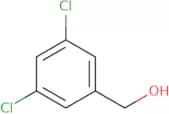

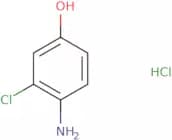
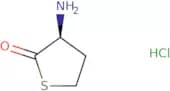
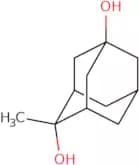
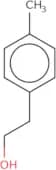
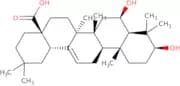
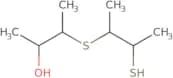
![2-[[(4-Anilinophenyl)imino]methyl]-4,6-dichlorophenol](/_next/image/?url=https%3A%2Fstatic.cymitquimica.com%2Fproducts%2F3D%2Fthumb-webp%2FFA71703.webp&w=3840&q=75)
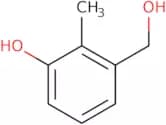
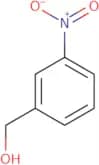
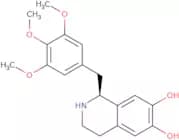
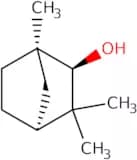
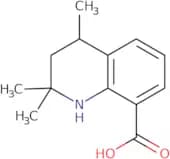

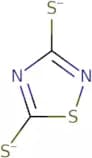
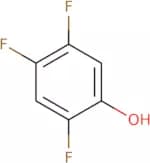
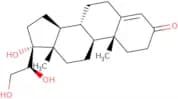

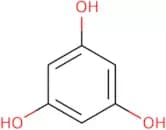
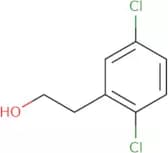
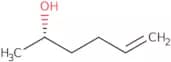
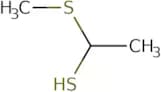

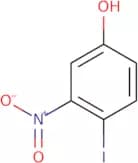
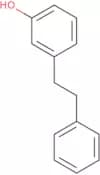
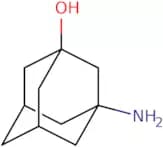

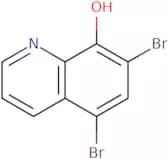
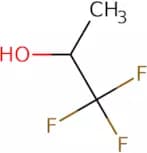

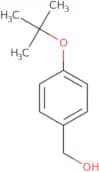
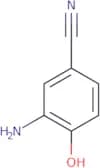
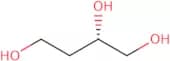
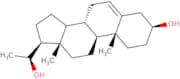
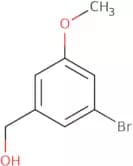
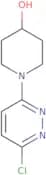
![N-[2-(p-Cinnamylamino)ethyl]-5-isoquinolone sulfonamide](/_next/image/?url=https%3A%2Fstatic.cymitquimica.com%2Fproducts%2F3D%2Fthumb-webp%2FFC20451.webp&w=3840&q=75)
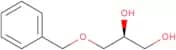
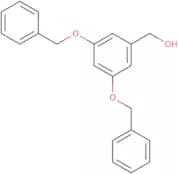

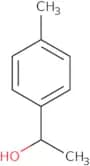
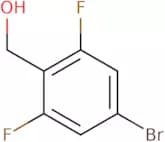
![(6S)-5,6,7,8-Tetrahydro-6-[propyl[2-(2-thienyl)ethyl]amino]-1-naphthalenol hydrochloride](/_next/image/?url=https%3A%2Fstatic.cymitquimica.com%2Fproducts%2F3D%2Fthumb-webp%2FFT27763.webp&w=3840&q=75)
![(6α,11β,16α,17α)-6,9-Difluoro-11-hydroxy-16-methyl-spiro[androsta-1,4-diene-17,5'-[1,3]oxathiolane…](/_next/image/?url=https%3A%2Fstatic.cymitquimica.com%2Fproducts%2F3D%2Fthumb-webp%2FFD103607.webp&w=3840&q=75)

![(1S)-3,3'-Bis(1,1-dimethylethyl)-5,5',6,6'-tetramethyl-[1,1'-biphenyl]-2,2'-diol](/_next/image/?url=https%3A%2Fstatic.cymitquimica.com%2Fproducts%2F3D%2Fthumb-webp%2FFB167175.webp&w=3840&q=75)
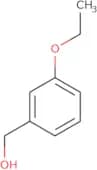

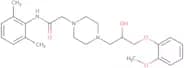

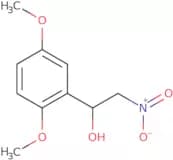
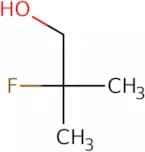
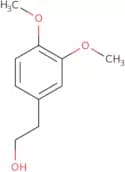
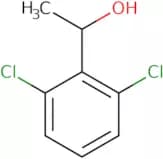
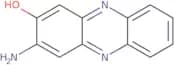
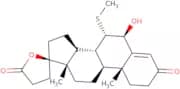
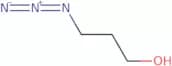
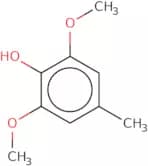
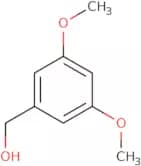
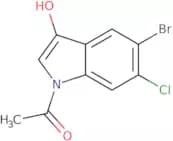
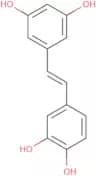

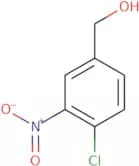
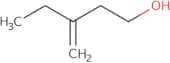

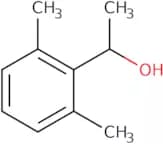
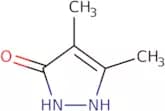
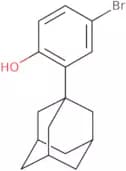
![3-Cyclohexyl-1-[4-[2-(7-methoxy -4,4-dimethyl-1,3-dioxo-isoquinolin -2-yl)ethyl]phenyl]sulfonyl-ur…](/_next/image/?url=https%3A%2Fstatic.cymitquimica.com%2Fproducts%2F3D%2Fthumb-webp%2FFG40551.webp&w=3840&q=75)
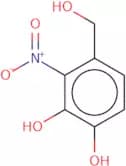
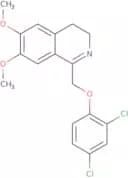
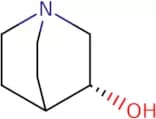
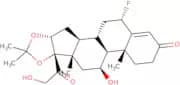

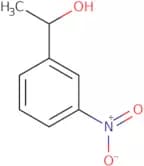
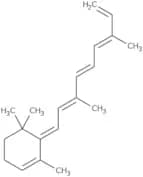
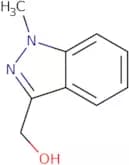
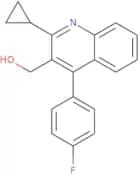
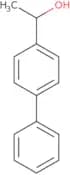
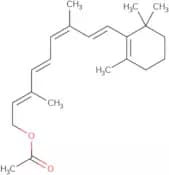

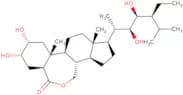
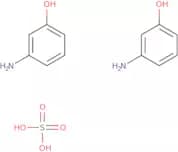
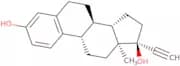
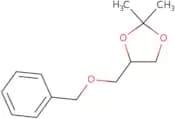
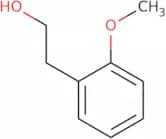
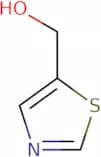

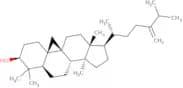

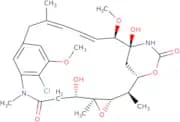
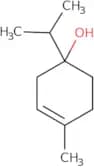
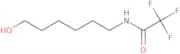

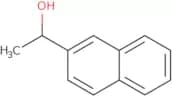
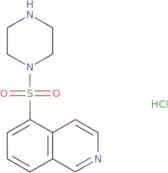
![2-[(4-Amino-2-methyl-5-nitrylbenzyl)amino]ethylalcohol](/_next/image/?url=https%3A%2Fstatic.cymitquimica.com%2Fproducts%2F3D%2Fthumb-webp%2FFA146928.webp&w=3840&q=75)

![3-[2-(Ethylhexyl)oxyl]-1,2-propandiol](/_next/image/?url=https%3A%2Fstatic.cymitquimica.com%2Fproducts%2F3D%2Fthumb-webp%2FFE151191.webp&w=3840&q=75)
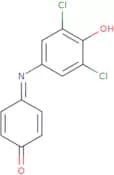
![cis-(+/-)-2-[(N-Benzyl-N-methyl)aminomethyl]-1-(3-methoxyphenyl)cyclohexanol hydrochloride](/_next/image/?url=https%3A%2Fstatic.cymitquimica.com%2Fproducts%2F3D%2Fthumb-webp%2FFB18402.webp&w=3840&q=75)
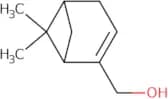
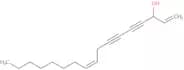
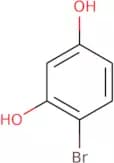

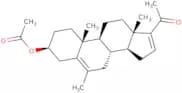
![4-[2-[[3-(4-Hydroxyphenyl)-1-methylpropyl]amino]ethyl]-1,2-benzenediol hydrochloride](/_next/image/?url=https%3A%2Fstatic.cymitquimica.com%2Fproducts%2F3D%2Fthumb-webp%2FFH27507.webp&w=3840&q=75)

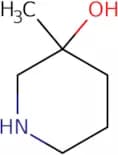
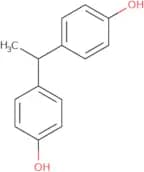
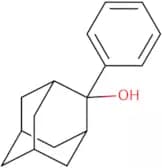
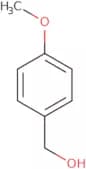
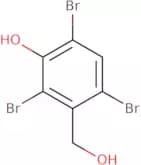


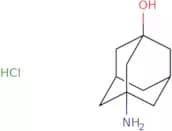
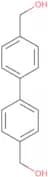
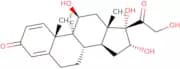
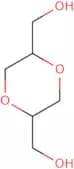
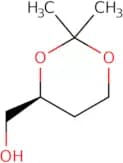
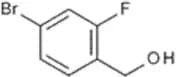
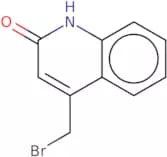
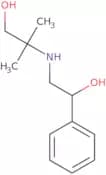
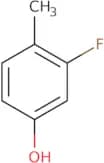
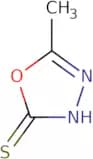
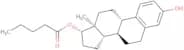

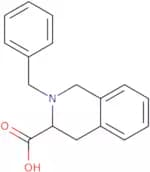
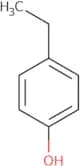
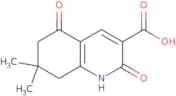

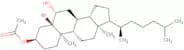
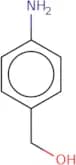

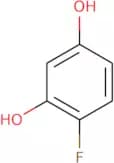
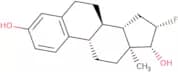
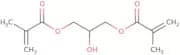
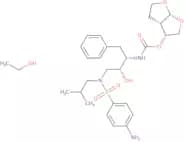
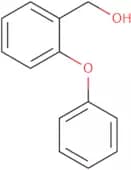
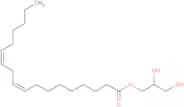
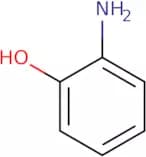
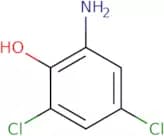
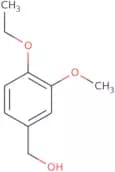
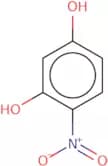


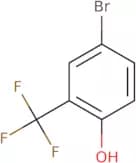
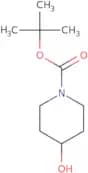
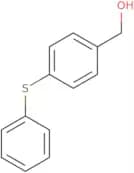
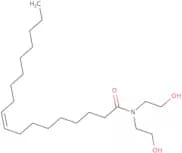
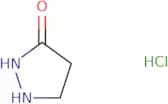
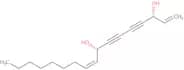
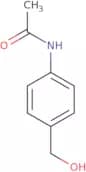
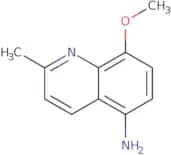
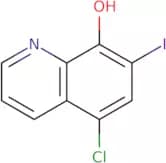
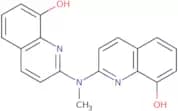


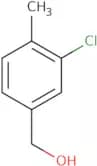
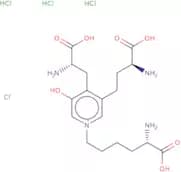
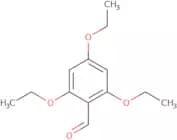

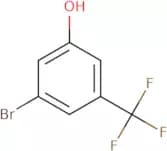
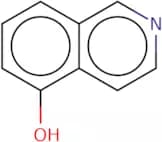
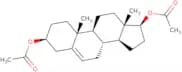
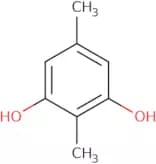
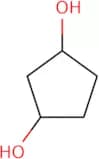
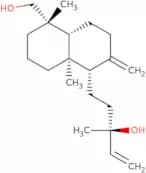
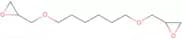
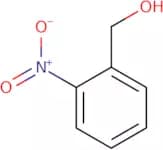
![(R)-1-[3,5-Bis(trifluoromethyl)phenyl]ethan-1-ol](/_next/image/?url=https%3A%2Fstatic.cymitquimica.com%2Fproducts%2F3D%2Fthumb-webp%2FFB43523.webp&w=3840&q=75)