Alcoholes
Los alcoholes son una amplia gama de moléculas orgánicas derivadas de hidrocarburos que contienen uno o más grupos hidroxilo (grupo OH). Estos compuestos son esenciales en diversas reacciones químicas y se utilizan ampliamente en entornos de laboratorio para síntesis, como disolventes y en química analítica. En CymitQuimica, ofrecemos alcoholes de alta calidad preparados para uso en laboratorio, apoyando sus investigaciones y aplicaciones industriales con productos fiables y efectivos. Nuestra selección garantiza que tenga los alcoholes adecuados para sus necesidades específicas, ya sea para trabajos rutinarios de laboratorio o proyectos de investigación especializados.
Subcategorías de "Alcoholes"
Se han encontrado 5814 productos de "Alcoholes"
Ordenar por
Pureza (%)
0
100
|
0
|
50
|
90
|
95
|
100
2-Chloro-1-methylquinolinium tetrafluoroborate
CAS:<p>2-Chloro-1-methylquinolinium tetrafluoroborate (2CQBF) is a synthetic compound that inhibits protein synthesis. It has been used as an analytical reagent for the determination of proteins, including those in urine samples. 2CQBF has been shown to be effective in the treatment of cancer and other diseases, such as lupus erythematosus, arthritis, and psoriasis.</p>Fórmula:C10H9ClN•BF4Pureza:Min. 95%Forma y color:White PowderPeso molecular:265.44 g/mol(S)-(+)-1-Indanol
CAS:<p>(S)-(+)-1-Indanol is a substrate for the human liver alcohol dehydrogenase and can be used to study the enzyme. The molecule has two phenyl groups that are capable of forming hydrogen bonds with other molecules. The hydrogen bond is a relatively weak, noncovalent interaction between two polar molecules. It can be formed by the donation of a lone pair of electrons from one side of an oxygen atom in one molecule to a lone pair of electrons on another oxygen atom in another molecule. This type of bond is responsible for many important biological processes, including DNA replication and protein folding. The (S)-(+)-1-Indanol can also undergo carbonyl reduction, which is the conversion of an organic compound containing a carbonyl group into a corresponding hydrocarbon derivative containing hydroxyl groups. The (S)-(+)-1-Indanol contains both hydroxyl and carbonyl functionalities that make it suitable for this process. (S)-</p>Fórmula:C9H10OPureza:Min. 95%Forma y color:PowderPeso molecular:134.18 g/mol2,6-Dimethyl-4-iodophenol
CAS:<p>2,6-Dimethyl-4-iodophenol is a small organic molecule that has been shown to be an inhibitor of the virus SARS coronavirus. 2,6-Dimethyl-4-iodophenol inhibits the virus in a specific test for inhibition activity against SARS coronavirus. The compound binds to the viral membrane and blocks a hydrogen bonding interaction with the viral envelope protein. This binding prevents the formation of an active complex with the enzyme RNA polymerase, which is required for transcription of viral RNA. 2,6-Dimethyl-4-iodophenol has also been shown to inhibit other viruses in addition to SARS coronavirus, such as influenza A virus and poliovirus.</p>Fórmula:C8H9IOPureza:Min. 95%Forma y color:PowderPeso molecular:248.06 g/mol2-[[(4-Anilinophenyl)imino]methyl]-4,6-dichlorophenol
CAS:<p>2-[[(4-Anilinophenyl)imino]methyl]-4,6-dichlorophenol is a chemical that has been used in the synthesis of pharmaceuticals and other organic compounds. It is a versatile building block for the preparation of complex compounds and fine chemicals. This product can be used as a reagent or reaction component for research purposes. It is also useful as an intermediate or building block in the synthesis of drugs and other organic compounds. CAS No. 303215-67-0</p>Fórmula:C19H14Cl2N2OPureza:Min. 95%Forma y color:Red PowderPeso molecular:357.23 g/mol[5-(4-Amino-2-bromophenyl)-2-furyl]methanol
CAS:<p>5-(4-Amino-2-bromophenyl)-2-furyl]methanol (5ABF) is a fine chemical that has been shown to be an effective building block. The compound is used as a reagent in organic synthesis and can be used as a reaction component. 5ABF is also an intermediate, which can be converted into useful building blocks. 5ABF has been shown to have versatile uses in research chemicals and speciality chemicals. This chemical's CAS number is 874592-18-4. 5ABF has a high quality and is a versatile scaffold.</p>Fórmula:C11H10BrNO2Pureza:Min. 95%Forma y color:Slightly Yellow PowderPeso molecular:268.11 g/molPhloroglucinol
CAS:<p>Phloroglucinol is a group P2 compound that has been shown to have significant cytotoxicity. It binds to the response element of phloroglucinol-induced chronic cough in vitro and in vivo, and inhibits the synthesis of DNA. Phloroglucinol is a dinucleotide phosphate that reacts with hydrogen bonding interactions. The chemical biology of phloroglucinol includes its ability to cause synchronous fluorescence at high concentrations. Phloroglucinol also possesses sodium citrate-dependent intermolecular hydrogen bonding properties.</p>Fórmula:C6H6O3Pureza:Min. 98 Area-%Forma y color:PowderPeso molecular:126.11 g/mol4-(1-Adamantyl) phenol
CAS:<p>4-(1-Adamantyl) phenol is a natural compound that is found in the essential oil of nutmeg and mace. 4-(1-Adamantyl) phenol binds to the receptor for 1-adamantanol, which is a neurotransmitter in animals and humans. This binding inhibits the response pathway of this neurotransmitter, which can lead to an inhibitory effect on pain transmission. The structure of 4-(1-Adamantyl) phenol has been determined by X-ray crystallography and molecular docking analysis. It also has been shown that this compound reacts with trifluoroacetic acid under Friedel-Crafts conditions to form 3-(2'-hydroxyethyl)-4-(1'-adamantyl)-phenol. These compounds have been shown to have an inhibitory effect on animal health.</p>Fórmula:C16H20OPureza:Min. 95%Forma y color:PowderPeso molecular:228.33 g/mol2-Oxo-1,2,3,4-tetrahydroquinoline-4-carboxylic acid
CAS:<p>2-Oxo-1,2,3,4-tetrahydroquinoline-4-carboxylic acid is a carboxylic acid that is an intermediate in the chemical synthesis of 2H and 3H tetrahydroquinolines. It can be synthesized by the oxidation of 2-(N,N-dimethylamino)benzaldehyde with hydrogen peroxide in methanol. The compound has been used to label animals for use in mass spectrometry studies and as a reactant in electron and nuclear magnetic resonance (NMR) spectroscopy experiments. In addition, 2-oxo-1,2,3,4-tetrahydroquinoline-4-carboxylic acid has been used to study equilibrium and reversible reactions as well as to identify the abundances of different spectral peaks. 2-Oxo-1,2,3,4-tetrahydroquinoline-4</p>Fórmula:C10H9NO3Pureza:Min. 95%Peso molecular:191.18 g/molCoconut diethanolamide
CAS:Producto controlado<p>Coconut diethanolamide is a chemical substance that is used as a test compound in carcinogenesis studies. It is a fatty acid and a fatty alcohol, and it has been shown to promote the growth of cancer cells. Coconut diethanolamide has not been found to be an allergen, but it has shown carcinogenic potential. The bioassay for long-term exposure to coconut diethanolamide showed epidermal hyperplasia in mice.</p>Forma y color:Brown Yellow Clear Viscous Liquid1-(6-Chloropyridazin-3-yl)piperidin-4-ol
CAS:<p>1-(6-Chloropyridazin-3-yl)piperidin-4-ol (CPP) is an organic compound that is used as a corrosion inhibitor. It has been shown to be effective in the presence of hydrochloric acid and chloride ions in various media. The mechanism of CPP's anti-corrosion properties is due to its ability to form a protective film on metal surfaces, which can be attributed to its electron donating ability. This film prevents the occurrence of metal dissolution or metal oxidation, thereby preventing corrosion. CPP has been shown to inhibit the growth of bacteria by binding with DNA and RNA. It also inhibits protein synthesis through competitive inhibition of ribosomes.</p>Fórmula:C9H12ClN3OPureza:(%) Min. 85%Peso molecular:213.66 g/mol7-[(Dimethylamino)methyl]-2,2,4-trimethyl-1,2-dihydroquinolin-6-ol
CAS:<p>7-[(Dimethylamino)methyl]-2,2,4-trimethyl-1,2-dihydroquinolin-6-ol is a chemical compound that belongs to the group of fine chemicals. It is a versatile building block and useful intermediate for research chemicals. 7-[(Dimethylamino)methyl]-2,2,4-trimethyl-1,2-dihydroquinolin-6-ol is also a speciality chemical with high purity and quality. CAS No. 300690-44-2</p>Fórmula:C15H22N2OPureza:Min. 95 Area-%Forma y color:PowderPeso molecular:246.35 g/molDiglycerol
CAS:<p>Diglycerol is a glyceride that has antimicrobial properties. It is a surface-active agent, which inhibits bacterial growth and biofilm formation by disrupting the lipid bilayer of the cell membrane. Diglycerol is also used in the production of glycerin and glycol esters, which are used in the manufacture of soaps, lotions, and other cosmetics. This compound shows anti-atherosclerotic effects at low doses in laboratory animals by inhibiting inflammation and breakdown of blood vessels. The reaction mechanism for this effect is not fully understood; however, it may be due to its ability to inhibit the release of reactive oxygen species from macrophages or cardiac muscle cells.</p>Fórmula:C6H14O5Pureza:Min. 80.0 Area-%Forma y color:Colorless Clear LiquidPeso molecular:166.17 g/molp-Menthane-3,8-diol - 95%
CAS:<p>p-Menthane-3,8-diol is a naturally occurring compound that exerts a repellent effect on insects such as mosquitos and fleas. It is a colourless solid that is extracted from Eucalyptus plants or synthesised commercially. It comes in the form a racemic mixture of cis- and trans- isomers, with the cis isomer being more active than the trans isomer as an insect repellent.</p>Fórmula:C10H20O2Pureza:Min. 95%Forma y color:Solidified MassPeso molecular:172.26 g/mol4-Nitrophenylmethylcarbinol
CAS:<p>4-Nitrophenylmethylcarbinol is a nitro compound that has been isolated from the nitration of 4-nitrophenol. It is used as a reagent to synthesize β-unsaturated ketones. The inhibitory effect of 4-nitrophenylmethylcarbinol is due to the presence of two nitro groups and one methyl group on its structure. This compound has been shown to have an inhibitory effect on glucose 6-phosphate dehydrogenase, which functions in cellular respiration by catalyzing the conversion of glucose 6-phosphate to glucose 1,6-bisphosphate. The inhibition of this enzyme leads to a reduction in the formation of ATP and NADPH, which are essential for cell growth. 4-Nitrophenylmethylcarbinol also has reductase activities that allow it to reduce phosphotriesters (e.g., DNA) and dehydrogenase deficiency (e.g., py</p>Fórmula:C8H9NO3Pureza:Min. 95%Forma y color:Orange Clear LiquidPeso molecular:167.16 g/mol6-Fluoro-2-iodobenzyl alcohol
CAS:<p>6-Fluoro-2-iodobenzyl Alcohol is a versatile building block for the synthesis of complex compounds. It is used in research and as a reagent for the synthesis of pharmaceuticals, pesticides and other organic compounds. 6-Fluoro-2-iodobenzyl alcohol has been shown to be useful in the formation of high quality and useful intermediates, reaction components, and scaffolds. The CAS number for this chemical is 911825-94-0.</p>Fórmula:C7H6FIOPureza:Min. 95%Peso molecular:252.02 g/mol10-Amino-1-decanol
CAS:Producto controlado<p>Applications 10-Amino-1-decanol (cas# 23160-46-5) is a compound useful in organic synthesis.<br>References Lee, T., et al.: J. Biol. Chem., 270, 5375 (1995),<br></p>Fórmula:C10H23NOForma y color:NeatPeso molecular:173.306-Chloro-1-hexanol
CAS:Producto controlado<p>Applications 6-Chloro-1-hexanol is used as a reagent in the synthesis of 3-(4-Chloro butyl)-1H-indole-5-carbonitrile; a key intermediate of the antidepressant drug Vilazodone (V265000).<br>References Anitha, N., et al.: Synthetic Commun., 44, 3563 (2014)<br></p>Fórmula:C6H13ClOForma y color:NeatPeso molecular:136.622,4,4-Trimethyl-1-pentanol
CAS:Producto controlado<p>Applications 2,4,4-Trimethyl-1-pentanol is the principal metabolite of 2,2,4-trimethylpentane (T796535), a general solvent used in organic synthesis..<br> Not a dangerous good if item is equal to or less than 1g/ml and there is less than 100g/ml in the package<br>References Gaur, R. et al.: Asian J. Biochem., 10, 52 (2015);<br></p>Fórmula:C8H18OForma y color:NeatPeso molecular:130.23cis-3-Dodecen-1-ol
CAS:Producto controlado<p>Applications cis-3-Dodecen-1-ol is an intermediate for the synthesis of Z-3-Dodecenyl E-Crotonate, which can be used to develop insecticides and sex pheromone trap against Sweetpotato weevil.<br>References Reddy, G. V., et al.: Environ Entomol 43, 767 (2014); McQuate, G. T.: Sci Rep 4, 4499 (2014)<br></p>Fórmula:C12H24OForma y color:NeatPeso molecular:184.32cis-3-(2-Chloro-3,3,3-trifluoro-1-propen-1-yl)-2,2-dimethyl-cyclopropanemethanol
CAS:Producto controlado<p>Applications cis-3-(2-Chloro-3,3,3-trifluoro-1-propen-1-yl)-2,2-dimethyl-cyclopropanemethanol is a reactant used in the preparation of pyrethroid compounds as pesticides.<br></p>Fórmula:C9H12ClF3OForma y color:NeatPeso molecular:228.639(E)-2-Hexadecen-1-ol
CAS:Producto controlado<p>Applications (E)-2-Hexadecen-1-ol (cas# 26993-32-8) is a compound useful in organic synthesis.<br></p>Fórmula:C16H32OForma y color:NeatPeso molecular:240.423-[(tert-Butyldimethylsilyl)oxy]-1-propanol
CAS:Producto controlado<p>Applications 3-[(tert-Butyldimethylsilyl)oxy]-1-propanol (cas# 73842-99-6) is a compound useful in organic synthesis.<br></p>Fórmula:C9H22O2SiForma y color:NeatPeso molecular:190.363-(Dimethylamino)-1,2-propanediol
CAS:Producto controlado<p>Applications 3-(Dimethylamino)-1,2-propanediol is a reagent in the synthesis of 1,2-Dioleoyl-3-trimethylammonium-propane, Chloride (D484450).<br> Not a dangerous good if item is equal to or less than 1g/ml and there is less than 100g/ml in the package<br></p>Fórmula:C5H13NO2Forma y color:NeatPeso molecular:119.162-sec-Butylphenol
CAS:Producto controlado<p>Applications 2-sec-Butylphenol is a substance used in checking the effect of different enhancers on transdermal permation of insulin. It also acts as one of the substances used as models, which are helpful for aiding screening and development of androgenic compounds.<br> Not a dangerous good if item is equal to or less than 1g/ml and there is less than 100g/ml in the package<br>References Yerramsetty, K. M., et al.: Int. J. Pharm., 398, 83 (2010); Jia, Y., et al.: isuanji Yu Yingyong Huaxue, 24, 1469 (2007)<br></p>Fórmula:C10H14OForma y color:NeatPeso molecular:150.223,4-Dimethoxyphenol
CAS:Producto controlado<p>Applications A substituted alkynyl phenoxy compound as new synergists in pesticidal compositions.<br>References Hefner,T., et al.: Bioorg. Med. Chem., 10, 1731 (2002),<br></p>Fórmula:C8H10O3Forma y color:NeatPeso molecular:154.163-Hexyne-2,5-diol
CAS:Producto controlado<p>Applications 3-Hexyne-2,5-diol is used in the synthesis of hyperbrancehed poly([1,2,3]-triazoles. Also used in the synthesis of pyrazoles and thiopyrazoles.<br>References Scheel, A. et al.: Macro. Rapid Comm., 25, 1175 (2004); Payne, A. et al.: Tetrahedron, 69, 9316 (2013);<br></p>Fórmula:C6H10O2Forma y color:NeatPeso molecular:114.141-Butanol-d
CAS:Producto controlado<p>Applications Labelled form of 1-Butanol, which is used for the production of dimethylfuran for liquid fuels.<br>References Roman-Leshkov, Y. et al.: Nature, 447, 982 (2007);<br></p>Fórmula:C4DH9OForma y color:NeatPeso molecular:75.13(S)-3-(Allyl(methyl)amino)-1-(thiophen-2-yl)propan-1-ol
Producto controlado<p>Applications (S)-3-(Allyl(methyl)amino)-1-(thiophen-2-yl)propan-1-ol is an intermediate in the syntehsis of 4-Hydroxy Duloxetine β-D-Glucuronide Sodium Salt (H941805), which is a metabolite of Duloxetine.<br>References Lantz, R.J., et al.: Drug Dispos. Metab., 31, 1142 (2003); Detke, M., et al.: J. Clin Psy., 63, 308 (2002); Bymaster, F.P., et al.: Bioorg. Med., Chem. Lett., 13, 4477 (2003);<br></p>Fórmula:C11H17NOSForma y color:NeatPeso molecular:211.324Methanol-D
CAS:Producto controlado<p>Applications Isotope labelled Methanol (M276585), which is a common chemical reagent in organic synthesis participating in a variety of reactions. Used to prepare novel triazole-polyphenol hybrid compounds as FabG4 (Rv0242c) enzyme inhibitors for the treatment of Mycobacterium Tuberculosis (1). Also used in the synthesis of prodelphinidin B1/B2/B4 which display antitumor activities against prostate cancer cells.Drinking water contaminant candidate list 3 (CCL 3) compound as per United States Environmental Protection Agency (EPA), environmental, and food contaminants.<br> Not a dangerous good if item is equal to or less than 1g/ml and there is less than 100g/ml in the package<br>References 1. Banerjee, D. et al.: Org. Biomol. Chem. 2014 Jan 7;12(1):73-85.<br></p>Fórmula:CH3DOForma y color:NeatPeso molecular:33.052-((3-Hydroxy(phenyl)methyl)benzyl)(methyl)amino)ethanol
Producto controlado<p>Applications (3-(((2-Hydroxyethyl)(methyl)amino)methyl)phenyl)(phenyl)methanone-d3 is an intermediate in the synthesis of Nefopam-d3 (N389402), a cyclized labelled analog of orphenadrine and diphenhydramine; representative of a new class of centrally acting skeletal muscle relaxants.<br>References Bassett, et al.: Br. J. Pharmacol., 37, 69 (1969), Klohs, et al.: Arzneim.-Forsch., 22, 132 (1972), Hell, et al.: Drugs, 19, 249 (1980),<br></p>Fórmula:C17D3H18NO2Forma y color:NeatPeso molecular:274.373(±)-3-Heptanol
CAS:Producto controlado<p>Applications (±)-3-Heptanol, is a volatile components of various plants, and can be used as flavor and fragrance ingredients. It is also used as building block used for the synthesis of various chemicals. It is used for the preparation of biologically active ester derivatives as potent inhibitors of the soluble epoxide hydrolase.<br> Not a dangerous good if item is equal to or less than 1g/ml and there is less than 100g/ml in the package<br>References Kim, I., et al.: Bioorg. Med. Chem. Lett., 55 (18), 5889 (2012); Gibka, J., et al.: Zeszyty Naukowe - Politechnika Lodzka, 60, 65 (1998);<br></p>Fórmula:C7H16OForma y color:NeatPeso molecular:116.21,4-Cyclohexanediol (Cis/Trans Mixture)
CAS:Producto controlado<p>Applications 1,4-Cyclohexanediol is used as a reagent in the development of noviomimetics as C-terminal Hsp90 inhibitors.<br>References Anyika, M., et al.: ACS Med. Chem. Lett., 7, 67 (2016)<br></p>Fórmula:C6H12O2Forma y color:NeatPeso molecular:116.161-(Phenylmethoxy)-3-(2-propen-1-yloxy)-2-propanol
CAS:Producto controlado<p>Applications 1-(Phenylmethoxy)-3-(2-propen-1-yloxy)-2-propanol (cas# 83016-75-5) is a compound useful in organic synthesis.<br></p>Fórmula:C13H18O3Forma y color:NeatPeso molecular:222.283-(3-(3-(Benzyloxy)propoxy)propoxy)propan-1-ol
Producto controlado<p>Applications 3-(3-(3-(Benzyloxy)propoxy)propoxy)propan-1-ol is an intermediate in the synthesis of 3,3'-[Oxybis(3,1-propanediyloxy)]bis[1-propanol] (O870290). 3,3'-[Oxybis(3,1-propanediyloxy)]bis[1-propanol] is derived from 3-(Benzyloxy)propyl 4-Toluenesulfonate (B288830), which is used as a reagent in the synthesis of Silodosin (S465000); an antidysuria drug. 3-(Benzyloxy)propyl 4-Toluenesulfonate is also used as a reagent in the preparation of aryloxyalkyl derivatives of adenine which have antiviral activity.<br>References Calogero, F., et al.: Eur. J. Org. Chem., 2015, 6011 (2015); Petrov, V.I., et al.: Chem. Heterocyc. Compd., 39, 1218 (2003)<br></p>Fórmula:C16H26O4Forma y color:NeatPeso molecular:282.375(1R,2R)-1,2-Cyclopentanedimethanol
CAS:Producto controlado<p>Applications (1R,2R)-1,2-Cyclopentanedimethanol is an intermediate in the synthesis of trans-1,2-Dimethylcyclopentane (D464925). trans-1,2-Dimethylcyclopentane was found in sedimentary rocks and was one of the hydrocarbons used to determine its maturation history.<br>References Schaefer, R.G., Littke, R.: Org. Geochem., 13, 887 (1988)<br></p>Fórmula:C7H14O2Forma y color:NeatPeso molecular:130.183-[[(1,1-Dimethylethyl)diphenylsilyl]oxy]-1,2-propanediol
CAS:Producto controlado<p>Applications 3-[[(1,1-Dimethylethyl)diphenylsilyl]oxy]-1,2-propanediol is an intermediate in the synthesis of 1,2-Dioleoyl-rac-glycerol (D482175), which is an analog of 1,3-Dioleoylglycerol (D484210) which is used in the synthesis of amphiphilic gadolinium complexes as MRI contrast agents.<br>References Accardo, A., et. al.: J. Mater. Chem. B., 1, 617 (2013)<br></p>Fórmula:C19H26O3SiForma y color:NeatPeso molecular:330.491-Ethynylcyclohexanol
CAS:Producto controlado<p>Applications 1-Ethynylcyclohexanol is used in the preparation of 9-methyladenines used as adenosine receptor antagonists. Also used in the cycloadition of alkynes to organic azides.<br> Not a dangerous good if item is equal to or less than 1g/ml and there is less than 100g/ml in the package<br>References Harada, H. et al.: J. Med. Chem. 44, 170 (2001); Zhang, L. et al.: J. Am. Chem. Soc., 127, 15998 (2005);<br></p>Fórmula:C8H12OForma y color:NeatPeso molecular:124.181,3-Bis(tert-Butyldimethylsiloxy)-2-propanol
CAS:Producto controlado<p>Applications 1,3-Bis(tert-Butyldimethylsiloxy)-2-propanol is an intermediate in the synthesis of 2-Linoleoyl-rac-glycerol (L467960), which is a atty acid monoglycerides in vegetable oils with medium unsaturation.<br>References Compton, D., et al.: J. Pharmacol. Exp. Ther., 277, 586 (1996), Devane, W., et al.: Science, 258, 1946 (1992),<br></p>Fórmula:C15H36O3Si2Forma y color:NeatPeso molecular:320.622,3-Diaminophenol
CAS:Producto controlado<p>Applications 2,3-Diaminophenol<br></p>Fórmula:C6H8N2OForma y color:NeatPeso molecular:124.143-(2-Pentyl)phenol
CAS:Producto controlado<p>Applications 3-(2-Pentyl)phenol is an intermediate in the synthesis of Bufencarb (B689385), a carbamate pesticide used mainly as an insecticide.<br>References Nesterova, T.N., et al.: J. Chem. Thermodyn., 21, 385 (1989);<br></p>Fórmula:C11H16OForma y color:NeatPeso molecular:164.245-(4-Hydroxypentyl)-1,3-benzenediol
CAS:Producto controlado<p>Applications 5-(4-Hydroxypentyl)-1,3-benzenediol is an intermediate used in the synthesis of 4''-Hydroxycannabidiol (H824830), which is a metabolite of Canabidiol (C175300), a major constituents in marijuana. 4''-Hydroxycannabidiol be used to investigate canabidiol metabolism and human liver microsomes that metabolize Canabidiol into 6α-Hydroxycannabidiol.<br>References Jiang, R., et al.: Life Sci. 89, 165 (2011); Lander, N., et al.: Science 169, 611 (1970)<br></p>Fórmula:C11H16O3Forma y color:NeatPeso molecular:196.24(2Z)-2-Penten-1-ol
CAS:Producto controlado<p>Applications (2Z)-2-Penten-1-ol is one of the aroma volatiles in basil and thyme leaves with antioxidant activity.<br>References Lee, S., et al.: Food Chem., 91 131 (2004);<br></p>Fórmula:C5H10OForma y color:NeatPeso molecular:86.132-Phenyl-4-nitrosophenol
CAS:Producto controlado<p>Applications 2-Phenyl-4-nitrosophenol is an intermediate in the synthesis of (E)-2-((6-Hydroxy-[1,1'-biphenyl]-3-yl)((6-hydroxy-[1,1'-biphenyl]-3-yl)imino)methyl)benzoic Acid which is an impurity of (S)-Cloperastine (C587195); a drug used in the treatment of chronic non-productive cough. Also antitussive.<br>References Aliprandi, P. et al.: Drugs Exp. Clin. Res., 30, 133 (2004); Aliprandi, P. et al.: Clin. Drug Invest. 22, 209 (2002)<br></p>Fórmula:C8H14OForma y color:YellowPeso molecular:126.1963-Mercapto-1-propanol
CAS:Producto controlado<p>Applications 3-Mercapto-1-propanol has been reported to be used as a label-free capacitive DNA detection system due to it’s terminating thiol end.<br>References Thipmanee O., et al.: Biosens Bioelectron., 38, 430-5 (2012);<br></p>Fórmula:C3H8OSForma y color:NeatPeso molecular:92.169-(Benzyloxy)-3,7-dimethylnona-1,7-dien-4-ol
Producto controlado<p>Applications 9-(Benzyloxy)-3,7-dimethylnona-1,7-dien-4-ol is an intermediate in the synthesis of Menaquinone 6 (M218590). Menaquinones are isoprenoid quinones of the naphthalene series and belongs to the K2 Vitamin homologs. Menaquinones were originally discovered as the anti-hemorrhagic factor and now encompasses a variety of physiological processes. Menaquinone-6 were the major isoprenoid quinones found in membrane preparations of Campylobacter jejuni and Campylobacter fetus.<br>References Kiesel, B., et al.: Biodegradation, 19, 435 (2008), Suhara, Y., et al.: Bioorg. Med. Chem., 16, 3108 (2008), Gast, G., et al.: Nut., Metab., Cardiovas., Diseases, 19, 504 (2009); Carlone G.M., et al.: J. Gen. Microbiol., 129, 3385 (1983);<br></p>Fórmula:C18H26O2Forma y color:NeatPeso molecular:274.44-Cyanophenol
CAS:Producto controlado<p>Applications 4-Cyanophenol is used in a study to assess chemical uptake into human stratum corneum.<br>References Stinchcomb, A.L., et. al.: Pharm. Res., 16, 1288 (1999)<br></p>Fórmula:C7H5NOForma y color:WhitePeso molecular:119.1210-Phthalamido-1-decanol
CAS:Producto controlado<p>Applications 10-Phthalamido-1-decanol is an intermediate used in the synthesis of 10-(t-Boc-amino)-1-decanol (B617785), which is a compound useful in organic synthesis.<br></p>Fórmula:C18H25NO3Forma y color:NeatPeso molecular:303.4N,N’-Dicyclohexylcarbodiimide Pentachlorophenol Complex
CAS:Producto controlado<p>Stability -20°C Freezer<br>Applications Useful reagent for preparing amino acid pentachlorophenol active esters.<br>References Kovacs, J., et al.: J. Am. Chem. Soc., 89, 183 (1967)<br></p>Fórmula:C19H23Cl5N2O·2C6HCl5OForma y color:NeatPeso molecular:1005.341,2-Butanediol
CAS:Producto controlado<p>Applications 1,2-Butanediol is a glycol in human serum.<br>References Imbert, L., et al.: J. Anal. Toxicol., 38, 676 (2014)<br></p>Fórmula:C4H10O2Forma y color:NeatPeso molecular:90.12Hydroxyethylthio Propanol
CAS:Producto controlado<p>Applications Hydroxyethylthio Propanol (cas# 6713-03-7) is a compound useful in organic synthesis.<br></p>Fórmula:C5H12O2SForma y color:NeatPeso molecular:136.212-Heptyn-1-ol
CAS:Producto controlado<p>Applications 2-HEPTYN-1-OL (cas# 1002-36-4) is a useful research chemical.<br></p>Fórmula:C7H12OForma y color:NeatPeso molecular:112.172,4,4-Trimethyl-2-pentanol
CAS:Producto controlado<p>Applications 2,4,4-Trimethyl-2-pentanol is an intermediate formed from incubation of Sphingomonas sp. strain with xeno-estrogenic octylphenol. It was used in study comparing the relative binding affinities of low-molecular-weight proteins from humans versus male rats.<br>References Tanghe, Tom., et al.: Biodegradation, 11, 11 (2000); Borghoff, S., et al.: Toxicol. Appl. Pharm., 119, 228 (1993);<br></p>Fórmula:C8H18OForma y color:NeatPeso molecular:130.232,2-Diethoxyethanol
CAS:Producto controlado<p>Applications 2,2-Diethoxyethanol is used in the synthesis of neooxazolomycin, part of the oxazolomycin family of antibiotics. Also used in the synthesis of pyrimidine based inhibitors of phosphodiesterase 7 (PDE7).<br>References Onyango, E. et al.: Angew. Chem. Int. Ed., 46, 6703 (2007); Kempson, J. et al.: Bioorg. Med. Chem. Lett., 15, 1829 (2005);<br></p>Fórmula:C6H14O3Forma y color:NeatPeso molecular:134.171-(Benzyloxy)-3-[[bis(benzyloxy)phosphoryl]oxy]propan-2-ol
CAS:Producto controlado<p>Applications 1-(Benzyloxy)-3-[[bis(benzyloxy)phosphoryl]oxy]propan-2-ol is an intermediate in the synthesis of Dihydroxyacetone Phosphate Lithium Salt (D450538), which is a metabolic intermediate involved in involved in a wide variety of metabolic pathways including glycolysis and lipid biosynthesis. In plants, Dihydroxyacetone phosphate is involved with the synthesis of vitamin B6.<br>References Jun Ogawa et. al.: et al.: Bioscience, biotechnology, and biochemistry, 67(4), undefined (2003-6-6); John P Richard, Biochemistry, 51(13), undefined (2012-3-14);<br></p>Fórmula:C24H27O6PForma y color:NeatPeso molecular:442.443-Hexyn-1-ol
CAS:Producto controlado<p>Applications 3-Hexyn-1-ol is an unsaturated alcohol that, when subjected to stereoselective hydrogenation, produces cis-3-Hexen-1-ol (H295005), a compound that is important in the fragrance industry. 3-Hexyn-1-ol also exhibits antifungal properties against Aspergillus oryzae, a fungus that is used to produce fermented foods and beverages in Japan.<br>References Machida, M., et al.: Nature, 438, 1157 (2005); Sachse, A., et al.: Dalt. Trans., 42, 1378 (2013); Witte, P., et al.: Stud. Surf. Sci. Catal., 175, 135 (2010)<br></p>Fórmula:C6H10OForma y color:NeatPeso molecular:98.14rac 1-O-Trimethylsilyl 3-Chloro-1,2-propanediol
CAS:Producto controlado<p>Applications rac 1-O-Trimethylsilyl 3-Chloro-1,2-propanediol (cas# 1246820-26-7) is a compound useful in organic synthesis.<br></p>Fórmula:C6H15ClO2SiForma y color:NeatPeso molecular:182.72(Z)-retro-α-Ionol
CAS:Producto controlado<p>Applications Intermediate for preparation of optically active theaspirane and β-Damascenone.<br>References Gertraut, S., et al.: J. Agric. Food Chem., 40, 1188 (1992), Campagnole, M., et al.: Syn. Comm., 37, 1077 (2007).<br></p>Fórmula:C13H22OForma y color:NeatPeso molecular:194.31rac-1-(3-Benzyloxyphenyl)-1-propanol
CAS:Producto controlado<p>Applications An intermediate used in the production of various ectoparasiticides, drug metabolites and analgesic agents.<br>References Rastogi, S., et al.: J. Med. Chem., 16, 797 (1973), Maguire, J., et al.: Drug Metab. Disposition, 9, 393 (1981),<br></p>Fórmula:C16H18O2Forma y color:NeatPeso molecular:242.313-(Diethylamino)-2,2-dimethylpropanol
CAS:Producto controlado<p>Applications 3-(Diethylamino)-2,2-dimethylpropanol is a reactant used in the preparation of herbicides, several local anesthetics and histamine H3 receptor antagonists.<br></p>Fórmula:C9H21NOForma y color:NeatPeso molecular:159.273-Mercaptophenol
CAS:Producto controlado<p>Applications 3-Mercaptophenol is a versatile reactant used in the study of mechanism and catalysis of the native chemical ligation reaction. It was also used as a reactant in the synthesis and biological evaluation of HSP90 inhibitors based on molecular dynamic calculated conformational analysis of radicicol and its analogs.<br>References Moulin, E., et al.: J. Am. Chem. Soc., 127, 6999 (2005); Johnson, E., Kent, S.: J. Am. Chem. Soc., 128, 6640 (2006);<br></p>Fórmula:C6H6OSForma y color:NeatPeso molecular:126.18(4-(tert-Butyl)-1,2-phenylene)dimethanol
CAS:Producto controlado<p>Applications (4-(tert-Butyl)-1,2-phenylene)dimethanol is an intermediate in the synthesis of 4-tert-Butyl-1,2-bis(chloromethyl)benzene (B807070). 4-tert-Butyl-1,2-bis(chloromethyl)benzene is used as a reactant in the preparation of dihydronaphthalenes/naphthalenes via cobalt-catalyzed formal [4+2] cycloaddition of α,α'-dichloro-ortho-xylenes with alkynes.<br>References Komeyama, K., et al.: Angew. Chem. Int. Ed., 53, 11325 (2014)<br></p>Fórmula:C12H18O2Forma y color:NeatPeso molecular:194.27cis-2-Hexen-1-ol
CAS:Producto controlado<p>Applications cis-2-Hexen-1-ol is used in the invention of a repellent for Oryzaephilus surinamensis.<br>References Xu, W., et al.: Faming Zhuanli Shenqing (2017), CN 107258786 A 20171020<br></p>Fórmula:C6H12OForma y color:NeatPeso molecular:100.165-Thiazolemethanol
CAS:Producto controlado<p>Applications 5-Thiazolemethanol (cas# 38585-74-9) is a compound useful in organic synthesis.<br></p>Fórmula:C4H5NOSForma y color:NeatPeso molecular:115.15Hexen-5-ol
CAS:Producto controlado<p>Applications Hexen-5-ol is an intermediate in he synthesis of 5-Chloro-1-hexene which is a reagent with difluoroacetic acid that results in the formation of 5-chloro-2-hexyl-2-d trifluoro-acetate and 1,4-chlorine shift.<br>References Peterson, P. E., et al.: J. Am. Chem. Soc., 86, 4503-4 (1964)<br></p>Fórmula:C7H4ClF3O2Forma y color:NeatPeso molecular:212.5542-Aminobenzyl Alcohol
CAS:Producto controlado<p>Applications 2-Aminobenzyl alcohol (cas# 5344-90-1) is a useful research chemical.<br></p>Fórmula:C7H9NOForma y color:NeatPeso molecular:123.152-(4-Octylphenyl)ethanol
CAS:Producto controlado<p>Applications 2-(4-Octylphenyl)ethanol (cas# 162358-05-6) is a compound useful in organic synthesis.<br></p>Fórmula:C16H26OForma y color:NeatPeso molecular:234.388-Bromooctan-1-ol
CAS:Producto controlado<p>Applications 8-Bromooctan-1-ol (cas# 50816-19-8) is a useful research chemical.<br></p>Fórmula:C8H17BrOForma y color:NeatPeso molecular:209.12N-Benzylethanolamine
CAS:Producto controlado<p>Applications N-Benzylethanolamine is used in the synthesis of imidazoles as potent calcitonin (CGRP) antagonists. Also it aids in the preparation of benzofused hydroxamix acids, as useful fragments for the synthesis of histone deacetylase inhibitors.<br>References Tora, G. et al.: Bioorg. Med. Chem. Lett., 23, 5684 (2013); Marastoni, E. et al.: Bioorg. Med. Chem. Lett., 23, 4091 (2013);<br></p>Fórmula:C9H13NOForma y color:NeatPeso molecular:151.212-(4-Acetoxyphenyl)ethanol
CAS:Producto controlado<p>Applications 2-(4-Acetoxyphenyl)ethanol is an intermediate in synthesizing Oleocanthal (O524540). It is a compound of olive oil with potential use as anti-inflammatory and chemotherapeutic agents.<br>References Scotece, M., et. al.: Drug Discovery Today, 20, 406 (2015)<br></p>Fórmula:C10H12O3Forma y color:NeatPeso molecular:180.2(S)-2-(Benzylamino)propan-1-ol
CAS:Producto controlado<p>Applications (S)-2-(Benzylamino)propan-1-ol is a useful research chemical for the preparation of cross-benzoin products of heteroaromatic aldehydes and amino aldehydes.<br>References Haghshenas, P., et al.: J. Org. Chem., 81, 12075-83 (2016);<br></p>Fórmula:C10H15NOForma y color:NeatPeso molecular:165.23Quinoline-5-carboxylic acid
CAS:<p>Quinoline-5-carboxylic acid is a peroxide that is produced by the oxidation of quinoline derivatives. Quinoline-5-carboxylic acid has been shown to have antibacterial activity, and it also has affinity values for chloride ions. The chemical isomers of quinoline-5-carboxylic acid are called quninolines, which are produced by the hydrolysis of quinoline-5-carboxylic acid. Quinolines can be obtained by the oxidation of aniline. Quinolines have been shown to catalyze reactions with carbonyl groups in organic molecules, such as the reaction between an alkoxycarbonyl group and a hydroxyl group to form an aldehyde or ketone. Kinetic data for this reaction was obtained using titration calorimetry.</p>Fórmula:C10H7NO2Pureza:Min. 95%Forma y color:White To Beige To Light Brown To Grey SolidPeso molecular:173.17 g/mol1-Isoquinolin-1-ylmethanamine dihydrochloride
CAS:<p>1-Isoquinolin-1-ylmethanamine dihydrochloride is a versatile building block that can be used for the synthesis of a wide variety of compounds. It is a reagent and speciality chemical, as well as an intermediate or reaction component in the production of pharmaceuticals, agrochemicals, plastics, dyes and other chemicals. 1-Isoquinolin-1-ylmethanamine dihydrochloride has been shown to have high purity and quality.</p>Fórmula:C10H10N2·2HClPureza:Min. 95%Forma y color:Light Blue SolidPeso molecular:231.12 g/mol1,3-Benzenedimethanol
CAS:<p>1,3-Benzenedimethanol is a diphenyl ether with the chemical formula C6H6O. It has been shown to be a good nucleophile and undergoes nucleophilic attack on a variety of substrates. The hydroxyl group in the molecule can be protonated to form the corresponding carboxylic acid or an alcohol. This compound has been shown to react with aluminium, magnesium oxide and trifluoroacetic acid in an acidic environment and undergo carbonyl reduction to form ethyl esters. 1,3-Benzenedimethanol is also soluble in water and can be extracted by gravimetric analysis.</p>Fórmula:C8H10O2Pureza:Min. 95%Forma y color:PowderPeso molecular:138.16 g/molFmoc-glycinol
CAS:<p>Fmoc-glycinol is a synthetase that is used to synthesize glycinol conjugates. It binds to the receptor on Gram-positive bacteria and blocks the synthesis of bacterial cell wall, leading to cell death. Fmoc-glycinol has been shown to have high binding constants with amines and an acyl chain, which allows it to bind with antigen. Fmoc-glycinol also has strong nucleophilic properties that allow it to react with chloride ions in water and other polar solvents. This reaction mechanism leads to the formation of a new bond between two molecules, which is called a glycinol linkage.</p>Fórmula:C17H17NO3Pureza:Min. 95%Forma y color:White PowderPeso molecular:283.32 g/mol2-(4-Bromophenyl)ethanol
CAS:<p>2-(4-Bromophenyl)ethanol is an analog of histone lysine and histone H3. It is a synthetic substrate for the acylation reaction on the carboxyl group of fatty acids. 2-(4-Bromophenyl)ethanol has been shown to have optical properties similar to those of natural fatty acids and has been used as a polymer film for cell line A549.</p>Fórmula:C8H9BrOPureza:Min. 95%Forma y color:Slightly Yellow Clear LiquidPeso molecular:201.06 g/mol4-Aminobenzyl alcohol hydrochloride
CAS:<p>4-Aminobenzyl alcohol hydrochloride is a fine chemical that is used as a building block for research chemicals, reagents, and specialty chemicals. It can be used as a versatile building block in the synthesis of many complex compounds. 4-Aminobenzyl alcohol hydrochloride is also an intermediate for the synthesis of pharmaceuticals and other useful compounds. CAS No. 170926-25-7</p>Fórmula:C7H10ClNOPureza:Min. 95%Forma y color:PowderPeso molecular:159.61 g/molN-Boc-L-phenylalaninol
CAS:<p>N-Boc-L-phenylalaninol is a monomer that has been shown to inhibit the activity of proteinases. It binds to the active site of the enzymes and inhibits their catalytic activity, thereby preventing them from cleaving peptide bonds. N-Boc-L-phenylalaninol also has hydroxyl groups that can be used for further derivatization to produce derivatives with different functional groups, such as sulfonic acids or isosteres. The carbonyl group in this compound can be used for conjugation reactions with other molecules, such as proteins or nucleic acids.</p>Fórmula:C14H21NO3Pureza:Min. 95%Forma y color:White PowderPeso molecular:251.32 g/mol5-Bromo-2-nitrophenol
CAS:<p>5-Bromo-2-nitrophenol is an organic compound that is used in the industrial production of drugs and dyes. It is soluble in ethanol, but insoluble in water. 5-Bromo-2-nitrophenol can be obtained by extracting it from the filtrate of a solution of potassium tert-butyl ether with aqueous ethanol. The extraction process involves adding morpholine to the solution, which is then heated and refluxed. This process yields high yields of 5-bromo-2-nitrophenol.</p>Fórmula:C6H4BrNO3Pureza:Min. 95%Forma y color:Yellow solid.Peso molecular:218 g/mol2,4,4-Trimethylpentan-1-ol
CAS:<p>2,4,4-Trimethylpentan-1-ol (TMP) is a chemical compound with the molecular formula CH3(CH2)3COH. It is a colorless liquid that is soluble in most organic solvents, but insoluble in water. TMP has been shown to be carcinogenic to mice and rats when it was inhaled or injected. The carcinogenic effects of TMP are due to its ability to cause bond cleavage reactions on DNA molecules and activate oxygen radicals. TMP has also been shown to have therapeutic properties as an additive for magnetic resonance imaging (MRI). When used as an MRI contrast agent, TMP helps improve the visualization of cancerous tissue by changing the relaxation time of water protons in the tissue.</p>Fórmula:C8H18OPureza:Min. 95%Forma y color:Colorless Clear LiquidPeso molecular:130.23 g/mol2,3,5-Trichlorobenzyl alcohol
CAS:<p>2,3,5-Trichlorobenzyl alcohol is a chemical compound with the chemical formula CHClBrO. It is a colorless liquid that has a sweet odor and can be used as a research chemical or as a reagent. 2,3,5-Trichlorobenzyl alcohol is also used as an intermediate in organic synthesis and as a building block for complex compounds. The CAS number of this chemical is 4681-17-8.</p>Fórmula:C7H5Cl3OPureza:Min. 95%Peso molecular:211.47 g/mol8-(N,N-Diethylamino)octan-1-ol
CAS:<p>Please enquire for more information about 8-(N,N-Diethylamino)octan-1-ol including the price, delivery time and more detailed product information at the technical inquiry form on this page</p>Fórmula:C12H27NOPureza:Min. 95%Peso molecular:201.35 g/mol2-phenyl-quinoline
CAS:<p>2-Phenyl-quinoline is a naturally occurring compound that exhibits antimicrobial activity. It has been shown to inhibit the growth of bacteria by interfering with the synthesis of ATP, which is necessary for bacterial cell division. 2-Phenyl-quinoline also possesses antioxidative properties and has been shown to have inhibitory effects on a number of bacterial strains. 2-Phenyl-quinoline has been shown to induce necrotic cell death in S. aureus strains, as well as anti-inflammatory and antinociceptive properties.</p>Fórmula:C15H11NPureza:Min. 98 Area-%Forma y color:PowderPeso molecular:205.25 g/mol4-Methylisoquinoline
CAS:<p>Isomeric 4-methylisoquinoline is a molecule that is structurally similar to protopine and berberine chloride. It has been shown to be an effective photosensitizer for the production of reactive oxygen species (ROS) in cells, which can lead to DNA damage and cell death. The functional groups on this molecule are the chloro group, which is a halogen, and the isoquinoline ring system with two methyl groups. The chemistry of this compound involves alkylation, yielding a new compound with one less methyl group than the original molecule. This process is called enamine formation.</p>Fórmula:C10H9NPureza:Min. 95%Forma y color:Yellow PowderPeso molecular:143.19 g/mol2-(2,2-Diethoxyethyl)-1,3-propanediol
CAS:Fórmula:C9H20O4Pureza:>88.0%(GC)Forma y color:Colorless to Light yellow clear liquidPeso molecular:192.26[3-Methyl-4-(2,2,2-trifluoro-ethoxy)-pyridin-2-yl]-methanol
CAS:<p>[3-Methyl-4-(2,2,2-trifluoro-ethoxy)-pyridin-2-yl]-methanol is a synthetic organic compound that is used in the synthesis of other organic compounds. It can be purified by filtration or gasification and recrystallization.</p>Pureza:Min. 95%Forma y color:Powder3-Acetoxyphenol
CAS:<p>3-Acetoxyphenol is a cholinergic. It can be used in analytical chemistry to measure the concentration of an alkanoic acid, such as hydrochloric acid, in a sample. It is also used in detergent compositions as an agent that helps break down fatty acids and proteins. 3-Acetoxyphenol has also been shown to have anti-inflammatory properties and can be used to treat skin cells for inflammatory diseases or other skin conditions.</p>Fórmula:C8H8O3Pureza:Min. 95%Forma y color:Red Clear LiquidPeso molecular:152.15 g/molBoc-(3S)-1,2,3,4-Tetrahydroisoquinoline-3-carboxylic acid
CAS:<p>Boc-(3S)-1,2,3,4-Tetrahydroisoquinoline-3-carboxylic acid is an amino acid that has the δ-opioid receptor antagonist activity. It can be synthesized by a stepwise synthesis with an asymmetric center. The δ-opioid receptor antagonist activity of Boc-(3S)-1,2,3,4-Tetrahydroisoquinoline-3-carboxylic acid was found to be comparable to naloxone in terms of affinity constants and functional groups.</p>Fórmula:C15H19NO4Pureza:Min. 95%Forma y color:SolidPeso molecular:277.32 g/mol2-Bromo-3-pyridinol
CAS:<p>2-Bromo-3-pyridinol is a nicotinic acetylcholine receptor antagonist that has anti-influenza activity. It was synthesized as an analogue of the natural product pyridostigmine, which inhibited influenza in mice. 2-Bromo-3-pyridinol binds to the nicotinic acetylcholine receptor at the same site as nicotine and prevents it from being activated by acetylcholine. This drug also inhibits tumor growth and proliferation in vitro and in vivo, showing potent cytotoxicity against carcinoma cells by inhibiting protein synthesis and cell division. 2-Bromo-3-pyridinol has been shown to inhibit Alzheimer's disease in a mouse model of this disorder. The drug inhibits amyloid plaque formation and toxicity in cultured cells, suggesting its potential for treating this disease.</p>Fórmula:C5H4BrNOPureza:Min. 95%Forma y color:White To Off-White SolidPeso molecular:174 g/mol(R)-3,3'-Bis(triphenylsilyl)-1,1'-binaphthalene-2,2'-diol
CAS:<p>(R)-3,3'-Bis(triphenylsilyl)-1,1'-binaphthalene-2,2'-diol is a high quality chemical and useful scaffold that can be used as a reagent for the synthesis of complex compounds. This compound has CAS No. 111822-69-6 and is an intermediate for the preparation of fine chemicals and speciality chemicals. It is also a versatile building block that can be used in research or as a reaction component to produce useful scaffolds.</p>Fórmula:C56H42O2Si2Pureza:Min. 95%Forma y color:White PowderPeso molecular:803.1 g/mol1-Oleoyl-rac-glycerol - 50%
CAS:<p>1-Oleoyl-rac-glycerol is a lipid that has been used in experimental studies to replace the use of animal-derived lipids for pharmaceutical applications. It can be synthesized by combining oleic acid with glycerol. 1-Oleoyl-rac-glycerol is soluble in water and has been shown to have a Langmuir adsorption isotherm, which means it can be used as a monoolein substitute. The basic protein in 1-Oleoyl-rac-glycerol has been determined using XRD data and found to be chitosan polymer. The experimental model for 1-Oleoyl-rac-glycerol was tested on rats and found not to cause toxicity, making it an ideal biocompatible polymer that can be used as an alternative to chitosan polymer.</p>Fórmula:C21H40O4Pureza:Min. 95%Forma y color:Slightly Yellow Clear LiquidPeso molecular:356.54 g/molOleic acid-biotin - solution in ethanol
CAS:<p>Oleic acid-biotin is a fine chemical that is used as a versatile building block in the synthesis of complex compounds. It can also be used as a reagent for research purposes, and is a useful building block for the synthesis of various chemicals. Oleic acid-biotin is an intermediate in organic chemistry, and can be used as a reaction component in organic synthesis. It can also act as a scaffold for drug design and development. This product has been shown to have high quality and purity, making it suitable for use in various reactions.</p>Fórmula:C28H50N4O3SPureza:Min. 95%Forma y color:Colorless PowderPeso molecular:522.79 g/mol2-Nitrophenol
CAS:<p>2-Nitrophenol has been used as an antimicrobial agent. 2-Nitrophenol is adsorbed onto the surface of an inert solid such as a metal or a ceramic, and is released when the adsorbent is contacted with water. The Langmuir adsorption isotherm for 2-nitrophenol on alumina was determined to be 1.4x10⁻³ mol/cm2. The adsorption data for 2-nitrophenol on human serum are given in Table 1.</p>Fórmula:O2NC6H4OHPureza:Min. 95%Forma y color:PowderPeso molecular:139.11 g/mol2-(2-Chlorophenyl)ethanol
CAS:<p>2-(2-Chlorophenyl)ethanol is a chemical used to synthesize aldehydes and fatty acids. It is also used to validate the purity of products, such as bulk drugs. 2-(2-Chlorophenyl)ethanol can be found in solvents, impurities, and chlorobenzene. It is not recommended for use at temperatures above 50°C or below -10°C. This chemical should not be left in contact with plastic or rubber tubing for extended periods of time because it may cause discoloration or cracking. 2-(2-Chlorophenyl)ethanol is not radioactive, but it may become so after irradiation.<br>2-(2-Chlorophenyl)ethanol can be found in solvents, impurities, and chlorobenzene. It is not recommended for use at temperatures above 50°C or below -10°C. This chemical should not be left in contact with plastic or</p>Fórmula:C8H9ClOPureza:Min. 95%Peso molecular:156.61 g/mol[(3S,4R)-4-(4-Fluorophenyl)-3-piperidinyl]methanol
CAS:<p>[(3S,4R)-4-(4-Fluorophenyl)-3-piperidinyl]methanol is a chemical with the molecular formula C10H17FN2O. It is a versatile building block that can be used as an intermediate in organic synthesis, or in the synthesis of complex compounds such as pharmaceuticals. This product has been shown to have high quality and is a useful reagent in research.</p>Fórmula:C12H16FNOPureza:Min. 95%Forma y color:PowderPeso molecular:209.26 g/mol7-Methyloctanol
CAS:<p>7-Methyloctanol is a polycarboxylic acid that is structurally similar to hydrochloric acid. It has been shown to have specific treatment effects on skin cells and light exposure, as well as an anti-inflammatory effect. 7-Methyloctanol is able to produce fatty acids by the hydroxylation of unsaturated alkyl chains, which are often used as plasticizers. The hydrophobic effect of 7-methyloctanol has also been shown to increase the permeability of liposomes.</p>Fórmula:C9H20OPureza:Min. 95%Forma y color:Colorless Clear LiquidPeso molecular:144.25 g/mol1-O-Hexadecyl-2-O-methyl-rac-glycerol
CAS:<p>1-O-Hexadecyl-2-O-methyl-rac-glycerol is a metabolite of phosphatidylethanolamine that is structurally related to the neurotransmitter serotonin. It binds to the 5HT7 receptor, which is involved in the regulation of infectious diseases and cytokine production. 1-O-Hexadecyl-2-O-methyl-racglycerol has been shown to stimulate growth factor production and protein synthesis, as well as inhibit serotonin reuptake. This compound also activates phosphorylation of PKC, which leads to an increase in cytosolic calcium levels and activation of PKC. As a result, diacylglycerol levels are increased, leading to an increase in mitochondrial membrane potential and camp levels.</p>Fórmula:C20H42O3Pureza:Min. 95%Peso molecular:330.55 g/mol3-Aminoquinoline
CAS:<p>3-Aminoquinoline is a chemical compound that inhibits the activity of the epidermal growth factor receptor (EGFR). It is a potent inhibitor of cell proliferation and has been shown to have antitumour activity. 3-Aminoquinoline has been shown to inhibit the proliferation of carcinoma cell lines. This drug binds to the EGFR receptor, preventing it from activating downstream signalling pathways that control cell growth. 3-Aminoquinoline also has biological properties, including matrix-assisted laser desorption/ionization time-of-flight mass spectrometry, analytical chemistry, sample preparation, and Suzuki coupling reaction. The molecule is structurally analyzed using chemical structures and structural analysis techniques such as thermodynamic data or proton NMR spectroscopy. 3-Aminoquinoline also interacts with sugars through hydrogen bonding and oligosaccharides. These interactions are found to be high in value in some cases.</p>Fórmula:C9H8N2Pureza:Min. 95%Forma y color:White PowderPeso molecular:144.17 g/mol1,16-Hexadecanediol
CAS:<p>1,16-Hexadecanediol is a plant hormone that is structurally related to abscisic acid and gibberellins. It is found in the tissues of plants. 1,16-Hexadecanediol has been shown to have the ability to regulate plant growth and development. The diffusional properties of this molecule suggest that it may be a model system for studying other molecules with similar properties. The conformational properties of this molecule are also important because they allow for hydrogen bonding, which stabilizes the molecule and prevents it from decomposing. This property also makes 1,16-hexadecanediol an excellent candidate as a low-energy sweetener. The molecule can be seen in nmr spectra as having two peaks at different chemical shifts because it contains intramolecular hydrogen bonds. The formula weight of 1,16-hexadecanediol is 270.27 g/mol.</p>Fórmula:C16H34O2Pureza:Min. 95%Forma y color:White/Off-White SolidPeso molecular:258.44 g/mol2,2,4-Trimethyl-1,2-dihydroquinolin-6-ol
CAS:<p>2,2,4-Trimethyl-1,2-dihydroquinolin-6-ol (TQ) is a naturally occurring phenolic compound that has been shown to inhibit lipid peroxidation in animal and human cells. TQ is an antioxidant that protects against oxidative damage by scavenging free radicals. This compound can act as a nitroxyl radical trap and inhibits the dimerization of quinones and other reactive oxygen species. TQ also has been found to have anti-inflammatory effects, which may be due to its ability to reduce the production of inflammatory cytokines.<br>A new study shows that TQ can inhibit the production of reactive oxygen species in quantum yields up to 10%. It is thought that this effect may be due to TQ’s ability to stabilize different forms of reduced glutathione.</p>Fórmula:C12H15NOPureza:Min. 95%Forma y color:PowderPeso molecular:189.25 g/mol2,3-Butanediol
CAS:<p>2,3-Butanediol is a glycol that is produced by the fermentation of sugars or carbohydrates. It is used in the synthesis of acetoin, which is an important flavor compound in various foods and beverages. The production of 2,3-butanediol from glucose was achieved through the use of a novel asymmetric synthesis reaction with inorganic acid as catalyst. 2,3-Butanediol can also be synthesized from adipic acid using aerobacter aerogenes as catalyst. This process has been shown to be efficient with wild-type strains and provides high yields under mild conditions. <br>2,3-Butanediol has been shown to have antibiotic activity against tetracycline resistant bacteria and may inhibit bacterial growth by binding to DNA gyrase and topoisomerase IV enzymes. The hydroxyl group on the molecule makes it more reactive than other glycols because it can form hydrogen bonds with water molecules.</p>Fórmula:C4H10O2Pureza:Min. 95%Forma y color:Colorless Clear LiquidPeso molecular:90.12 g/mol(1-Phenylpiperidin-4-yl)methanol
CAS:<p>1-Phenylpiperidin-4-yl)methanol is a versatile building block that is used in the synthesis of many complex compounds. It is also a reagent and intermediate for the production of fine chemicals, speciality chemicals, and research chemicals. 1-Phenylpiperidin-4-yl)methanol has a CAS number of 697306-45-9 and it's molecular formula is C14H21NO.</p>Fórmula:C12H17NOPureza:Min. 95%Forma y color:Red PowderPeso molecular:191.27 g/mol2-Bromo-4-methylphenol
CAS:<p>2-Bromo-4-methylphenol is an organic compound that has interactive effects with hydrochloric acid, molybdenum, and trifluoromethanesulfonic acid. It is soluble in water vapor, but insoluble in polyvinyl. 2-Bromo-4-methylphenol reacts with sodium hydroxide solution to form a hydroxide solution and sodium carbonate. The reaction product of 2-bromo-4-methylphenol with triterpenoid saponin produces fatty acids. This reaction occurs because the hydroxide ion from the sodium hydroxide solution attacks the ester group of the saponin, forming an alcohol group on one end and a carboxylic acid group on the other end. The benzyl groups are removed by hydrogenation to produce phenol.</p>Fórmula:C7H7BrOPureza:Min. 95%Peso molecular:187.03 g/mol(S)-3-Amino-3-phenylpropan-1-ol
CAS:<p>The enantiopure (S)-3-Amino-3-phenylpropan-1-ol is a chiral and optically pure amino alcohol compound. It is an antibiotic that inhibits the bacterial enzyme acylase, which catalyzes the hydrolysis of ester bonds in fatty acids. This drug is also an inhibitor of drug substance, as well as an active form of dapoxetine hydrochloride. The (S)-3-Amino-3-phenylpropan-1-ol has been shown to be effective against both Gram positive and Gram negative bacteria, including methicillin resistant Staphylococcus aureus (MRSA) and Mycobacterium tuberculosis.</p>Fórmula:C9H13NOPureza:Min. 95%Forma y color:Off-White PowderPeso molecular:151.21 g/molO-Aminophenol sulfate
CAS:<p>O-Aminophenol sulfate is a reagent that is used in research and synthesis of complex compounds. It has a variety of applications, such as use as a building block for speciality chemicals, as a reaction component in reactions, and to prepare fine chemicals. O-Aminophenol sulfate is soluble in water and can be used as an intermediate for other products.</p>Fórmula:C12H16N2O6SPureza:Min. 95 Area-%Forma y color:PowderPeso molecular:316.33 g/mol(1-Methyl-1H-imidazol-4-yl)methanol
CAS:<p>(1-Methyl-1H-imidazol-4-yl)methanol is a chemical that can be used as a building block for the synthesis of complex compounds. It is an intermediate in organic synthesis, and has been used as a reagent for research and as a speciality chemical. (1-Methyl-1H-imidazol-4-yl)methanol is also a versatile building block for the construction of complex molecules. This compound has been used in the manufacture of pesticides, pharmaceuticals, and dyes. The CAS number for (1-methyl-1H-imidazol-4-yl)methanol is 172892577.</p>Fórmula:C5H8N2OPureza:Min. 95%Forma y color:SolidPeso molecular:112.13 g/mol1-Naphthalene ethanol
CAS:<p>1-Naphthalene ethanol is a stabilizer that is used in the alkaline hydrolysis of primary amines. It has been shown to have fluorescence activity and has been used as a dye intermediate and chemical intermediate. 1-Naphthalene ethanol has also been shown to be an acetylation, ethylene, and dehydration agent. The compound is also a particle stabilizer and can be used as an additive for fuels. 1-Naphthalene ethanol is also a reagent that can transfer amines onto acidic chloride or chloral compounds.</p>Fórmula:C12H12OPureza:90%Forma y color:PowderPeso molecular:172.22 g/mol(E)-5-(3-Hydroxyprop-1-en-1-yl)benzene-1,3-diol
<p>(E)-5-(3-Hydroxyprop-1-en-1-yl)benzene-1,3-diol is a high quality reagent that has been used as an intermediate to synthesize other chemical compounds. It is one of the most useful scaffolds for complex compound synthesis, and a versatile building block for the production of research chemicals and speciality chemicals. The chemical can be used in reactions as a reaction component to prepare fine chemicals or useful intermediates. CAS No. is 7058-25-0.</p>Fórmula:C9H10O3Pureza:Min. 95%Forma y color:PowderPeso molecular:166.17 g/molPiperonyl alcohol
CAS:Producto controlado<p>Piperonyl alcohol is an enzyme inhibitor that blocks the oxidation of piperonal, a chemical found in many plants and fruits. It has been used as a pharmaceutical preparation to treat skin conditions such as acne and psoriasis. Piperonyl alcohol can be used in food composition as a preservative and antioxidant. This compound is also used in the production of polymers for paints, plastics, and rubber. Piperonyl alcohol inhibits melanogenesis by inhibiting tyrosinase activity and interrupting the synthesis of melanin. The use of this compound to inhibit melanin synthesis has been approved for cosmetic use in Europe.<br>Piperonyl alcohol was first synthesized by Ludwig Knorr in 1885 from piperonal, an aromatic organic compound found in many plants and fruits. The reaction solution obtained from the hydrolysis of piperonyl acetate with hydrochloric acid is reacted with cationic polymerization using sodium carbonate (NaCO) as a catalyst to produce</p>Fórmula:C8H8O3Pureza:Min. 95%Forma y color:PowderPeso molecular:152.15 g/mol2,4-Dimethoxy-5-methylbenzyl alcohol
CAS:<p>2,4-Dimethoxy-5-methylbenzyl alcohol is a high quality chemical that is used as an intermediate for the synthesis of complex compounds. It has been used as a reagent and as a building block for the synthesis of other chemicals. This compound can be used to produce fine chemicals and research chemicals. 2,4-Dimethoxy-5-methylbenzyl alcohol has been shown to be useful in the production of versatile building blocks and reaction components.</p>Fórmula:C10H14O3Pureza:Min. 95%Peso molecular:182.22 g/mol2-Boc-6-hydroxy-1,2,3,4-tetrahydroisoquinoline-1-carboxylic acid
CAS:<p>2-Boc-6-hydroxy-1,2,3,4-tetrahydroisoquinoline-1-carboxylic acid is a useful scaffold with a high quality. It can be used as a building block in the synthesis of complex compounds and fine chemicals. 2-Boc-6-hydroxy-1,2,3,4-tetrahydroisoquinoline-1-carboxylic acid is also a useful intermediate and reagent in organic synthesis. This compound has CAS number 362492-00-0.</p>Fórmula:C15H19NO5Pureza:Min. 95%Forma y color:PowderPeso molecular:293.32 g/mol4-[(5-Bromo-2-chlorophenyl)methyl]phenol
CAS:<p>Intermediate in the synthesis of empagliflozin</p>Fórmula:C13H10BrClOPureza:Min. 95%Forma y color:PowderPeso molecular:297.57 g/molFmoc-O-tert-butyl-L-threoninol
CAS:<p>Fmoc-O-tert-butyl-L-threoninol is an aminoacyl chloroformate ester that is used in the synthesis of peptides. It has a conjugate acid chloride and a disulfide bond. The chloroformate group reacts with the carboxylic acid moiety of L-threonine to form an ester, which can then be cleaved by hydrolysis to yield L-threonine. This product is also used for the synthesis of peptides in which the threonine residue is conjugated to another amino acid such as cysteine or glutamic acid.<br>Fmoc-O-tert-butyl-L-threoninol is synthesized from l-threonine and isobutene via a phase chromatography process. The synthetic intermediate Fmoc-(S)-OH is reacted with trifluoroacetic acid (TFA)</p>Fórmula:C23H29NO4Pureza:Min. 98 Area-%Forma y color:White PowderPeso molecular:383.48 g/mol3-Phenyl-2-propen-1-ol
CAS:<p>3-Phenyl-2-propen-1-ol is a cinnamyl compound that is found in plants, such as cinnamon and cassia. It has been shown to have an inhibitory effect on the enzyme activities of sorbitol dehydrogenase, which is involved in the synthesis of polysaccharides. 3-Phenyl-2-propen-1-ol also has a transcriptional regulatory effect on genes that encode enzymes involved in the synthesis of polymers. The reaction mechanism for this reaction has been proposed to be through an initial nucleophilic attack by the hydroxyl group on the electrophilic carbonyl carbon atom followed by protonation and elimination of water. <br>3-Phenyl-2-propen-1-ol has also been shown to be a signal peptide, which is used to identify proteins for transport within cells. This polymerase chain reaction (PCR) model system can be used to determine</p>Fórmula:C9H10OPureza:Min. 95%Forma y color:PowderPeso molecular:134.18 g/mol2-Ethylphenol
CAS:<p>2-Ethylphenol is a phenolic acid, which is a type of organic compound that contains an hydroxyl group (-OH) bonded directly to an aromatic hydrocarbon ring. 2-Ethylphenol is used in the production of polymers, such as polyurethane and polyester, as well as in the manufacture of other chemicals. It can also be found in some food products, such as coffee beans and cocoa beans. 2-Ethylphenol has been shown to have P450 activity by increasing the rate at which rat liver microsomes metabolize testosterone into estradiol. The kinetic constants for this reaction were determined using solid phase microextraction (SPME). A multi-walled carbon nanotube (MWCNT) was used to extract 2-ethylphenol from a water sample. The sample preparation was done with anhydrous sodium sulfate, which acted as a desiccant and was then heated to remove any remaining water vapor</p>Fórmula:C8H10OPureza:Min. 97 Area-%Forma y color:Colorless Clear LiquidPeso molecular:122.16 g/mol2,4-Hexadien-1-ol
CAS:<p>2,4-Hexadien-1-ol is an organic compound that belongs to the group of aliphatic alcohols. It is a colorless liquid with a pleasant odor and high boiling point. 2,4-Hexadien-1-ol has been shown to be a potent inhibitor of tyrosinase in vitro. This inhibition may be due to its ability to form hydrogen bonds with zirconium oxide or the hydroxyl group on its structure. 2,4-Hexadien-1-ol also has been shown to inhibit enzymes that are involved in the metabolic pathways for xenobiotics such as sodium citrate. 2,4-Hexadien-1-ol is used in wastewater treatment because it can decompose organic matter and reduce sludge volume by increasing the solubility of oils and fats.</p>Fórmula:C6H10OPureza:Min. 95%Forma y color:White PowderPeso molecular:98.14 g/mol6-(4,4,5,5-Tetramethyl-[1,3,2]dioxaborolan-2-yl)-isoquinoline
CAS:<p>6-(4,4,5,5-Tetramethyl-[1,3,2]dioxaborolan-2-yl)-isoquinoline is a versatile building block for the synthesis of complex compounds. This product is a reagent that can be used in organic synthesis as a reaction component or as a reagent to form new compounds. 6-(4,4,5,5-Tetramethyl-[1,3,2]dioxaborolan-2-yl)-isoquinoline has shown high quality in research and is useful for the synthesis of fine chemicals and speciality chemicals.</p>Fórmula:C15H18BNO2Pureza:Min. 95%Forma y color:White To Beige SolidPeso molecular:255.12 g/mol3-Methylquinoxalin-2-ol
CAS:<p>3-Methylquinoxalin-2-ol is an antimicrobial agent that exhibits a broad spectrum of activity against bacteria, fungi, and viruses. It is effective against both Gram-positive and Gram-negative bacteria, as well as yeast and mycobacteria. 3-Methylquinoxalin-2-ol has been shown to be efficacious in animal models of diabetic ulcers and also reduces the incidence of infection after surgery. The substance has been shown to have excellent bactericidal activity against streptococcus faecalis in the presence of dehydroascorbic acid. 3-Methylquinoxalin-2-ol inhibits protein synthesis by binding to amino groups on proteins and blocking their access to ATP or other amino acids. This mechanism may be exploited as a drug target for the treatment of bacterial infections.</p>Fórmula:C9H8N2OPureza:Min. 95%Peso molecular:160.063664-Fluoro-3-methylphenol
CAS:<p>4-Fluoro-3-methylphenol is a low molecular weight compound that has been shown to have antibacterial activity. It inhibits the growth of Mycobacterium tuberculosis, and this inhibition may be due to a transfer mechanism. 4-Fluoro-3-methylphenol also inhibits the enzyme activities of esterases and glutathione reductase, which may contribute to its antitubercular activity. This molecule has been shown to have vibrational and optical properties. It has been used in microscopy experiments for the detection of mineralization in bone tissue.</p>Fórmula:C7H7FOPureza:Min. 95%Peso molecular:126.13 g/mol1-Cyclopropyl-6,7-difluoro-1,4-dihydro-8-methoxy-4-oxo-3-quinolinecarboxylic acid
CAS:<p>Moxifloxacin is an analog of the antibiotic quinolone. It is a prodrug that is hydrolyzed in vivo to its active form, moxifloxacin. Moxifloxacin has been shown to be effective against a variety of bacteria, including methicillin-resistant Staphylococcus aureus (MRSA), Mycobacterium tuberculosis and Mycobacterium avium complex. The reaction yield for the synthesis of moxifloxacin is very high, with an industrial production capacity in excess of 500 tons per year. Impurities are not usually found in the final product due to the use of methyl alcohol as a solvent during the reaction process. The drug has discoloring properties and deuterium atoms are often substituted for hydrogen atoms on the molecule to make it more stable. Deuterium atoms can be easily identified by mass spectrometry analysis. Moxifloxac</p>Fórmula:C14H11F2NO4Pureza:Min. 95%Forma y color:PowderPeso molecular:295.24 g/molQuinolin-5-yl-methylamine
CAS:<p>Quinolin-5-yl-methylamine is a fine chemical that is used as a research chemical. It can be used as a reagent and as a speciality chemical. This compound has a high quality and is versatile in its use. Quinolin-5-yl-methylamine can be used in the synthesis of complex compounds, such as pharmaceuticals, agrochemicals, and polymers. It is also an intermediate that can be used to create other useful compounds, such as building blocks or scaffolds. The CAS number for this compound is 58123-57-2.</p>Fórmula:C10H10N2Pureza:Min. 95%Forma y color:SolidPeso molecular:158.2 g/mol3,4-Dimethyl-1-pentyn-3-ol
CAS:Fórmula:C7H12OPureza:>96.0%(GC)Forma y color:Colorless to Light orange to Yellow clear liquidPeso molecular:112.1717α-Hydroxypregnenolone
CAS:Producto controlado<p>17alpha-Hydroxypregnenolone is a steroid hormone that has been shown to have effects on the metabolism of lipids, glucose and protein. This compound is synthesized from progesterone by the enzyme 17alpha-hydroxylase and is converted to 17beta-hydroxyprogesterone by the enzyme 17,20 lyase. It has been shown to have an effect on body mass index in humans and model organisms such as mice. The tissue culture studies showed that 17alpha-Hydroxypregnenolone led to an increase in serum bile acids. In adrenocortical carcinoma cell lines, this compound was found to inhibit the growth of cancer cells through inhibition of DNA synthesis and protein synthesis through inhibition of RNA polymerase II activity. It also inhibits infectious diseases by decreasing virus production and increasing the production of interferon alpha. When synthesized for use in experimental models, this compound can be used as a marker for metabolic disorders or cation</p>Fórmula:C21H32O3Pureza:Min. 95%Forma y color:White PowderPeso molecular:332.48 g/molVanillyl alcohol
CAS:<p>Vanillyl alcohol is a vanillin derivative that exhibits strong antibacterial activity. It can be used in the food industry as a natural preservative, and it has synergic effects with eugenol. Vanillyl alcohol shows antimicrobial properties against Gram-positive and Gram-negative bacteria, including Staphylococcus aureus, Pseudomonas aeruginosa, Escherichia coli, and Enterococcus faecalis. Vanillyl alcohol exhibits synergic effects with eugenol. In vivo models show that vanillyl alcohol is not toxic to humans, but it may be toxic to wild-type strains of bacteria.</p>Fórmula:C8H10O3Pureza:Min. 98 Area-%Forma y color:White PowderPeso molecular:154.16 g/mol2-(Dimethylamino)phenol
CAS:<p>2-(Dimethylamino)phenol (DMP) is a neutral organic compound that is used as an analytical reagent. It reacts with hydrochloric acid to form phenols, which are then analyzed by fluorescence probe. DMP can also be used in the synthesis of aminophenols, which are used in the manufacture of dyes, pharmaceuticals, and other chemical products. It has been shown to inhibit mitochondrial functions and fatty acid synthesis. DMP binds to receptors on the surface of cells and can block the binding of drugs that target these receptors. DMP may also act as a hydrogen bond donor or acceptor depending on its environment.</p>Fórmula:C8H11NOPureza:Min. 95 Area-%Forma y color:White PowderPeso molecular:137.18 g/mol2-Amino-5-bromophenol
CAS:<p>2-Amino-5-bromophenol is a chemical that is used as a substrate in the study of intracellular Ca2+ levels. 2-Amino-5-bromophenol can also be used to study the activity of microperoxidases, enzymes that are involved in the metabolism of hydrogen peroxide and organic hydroperoxides. 2-Amino-5-bromophenol has been shown to have anticancer activity against MCF7 cells, an estrogen receptor positive cell line. The anticancer activity may be due to the inhibition of protein synthesis by 2-amino-5-bromophenol binding to DNA. This binding prevents transcription and translation of genes that code for proteins involved in cancer cell proliferation and survival.</p>Fórmula:C6H6BrNOPureza:Min. 95%Forma y color:Off-White To Brown SolidPeso molecular:188.02 g/mol2-Pyrimidinol
CAS:<p>2-Pyrimidinol is a sodium salt that is used as an antimicrobial agent. It has significant cytotoxicity against skin cancer cells and is also used to treat HIV infection. 2-Pyrimidinol inhibits the activity of inhibitor molecules, which are small molecules that inhibit the activity of important enzymes in cells. This inhibition results in increased production of ATP, which leads to cell death. 2-Pyrimidinol also binds to dna duplexes and prevents them from being opened by helicase, thus inhibiting cellular replication. The molecular structure of 2-pyrimidinol was determined using X-ray crystallography and molecular docking analysis. This compound has been shown to have a potential use in treating metabolic disorders due to its ability to inhibit glycolysis, or the breakdown of glucose, through competitive inhibition with phosphofructokinase (PFK).</p>Fórmula:C4H4N2OPureza:(%) Min. 98%Forma y color:PowderPeso molecular:96.09 g/mol3-Amino-1-adamantanol
CAS:Fórmula:C10H17NOPureza:>98.0%(GC)(T)Forma y color:White to Almost white powder to crystalPeso molecular:167.252-Aminoethanethiol HCl
CAS:<p>2-Aminoethanethiol HCl is an organosulfur compound used in the treatment of cystinosis. Cystinosis is a rare autosomal recessive metabolic disorder that leads to the accumulation of cysteine and other amino acids in the lysosomes of cells. 2-Aminoethanethiol HCl is also used for the treatment of enteritidis, a disease caused by infection with bacteria such as Salmonella typhi, Shigella dysenteriae, or Escherichia coli. It has been shown to inhibit protein synthesis in vitro and in experimental models. The mechanism of 2-aminoethanethiol HCl's inhibition may be due to its ability to reduce mitochondrial membrane potential, thereby inhibiting ATP production and inhibiting cellular respiration.<br>2-Aminoethanethiol HCl has been found to be effective against many strains of bacteria that are resistant to standard antibiotics (e</p>Fórmula:C2H7NS·HClPureza:Min. 95%Forma y color:White PowderPeso molecular:113.61 g/molEthylene Glycol Mono-m-tolyl Ether
CAS:Fórmula:C9H12O2Pureza:>98.0%(GC)Forma y color:Colorless to Almost colorless clear liquidPeso molecular:152.19(S)-Pyroglutaminol
CAS:<p>(S)-Pyroglutaminol is a chiral auxiliary that can be used to synthesize enantiopure amino acid derivatives. It is used in the synthesis of various drugs, such as antivirals and antifungals. The hydroxy group on one side of the molecule reacts with the enolate of an alpha-amino acid or a beta-keto acid to form an ester. The hydroxyl group on the other side of the molecule reacts with ethylene diamine to form an amide. Pyroglutaminol has been shown to reduce carbonyl groups in organic compounds, which may be due to its ability to act as an enantioselective catalyst for asymmetric synthesis.</p>Fórmula:C5H9NO2Pureza:Min. 95%Forma y color:White PowderPeso molecular:115.13 g/mol2-Amino-4,5-dimethylphenol
CAS:<p>2-Amino-4,5-dimethylphenol is a compound that exhibits anticancer activity. It is an arylimine that has been shown to inhibit the proliferation of cancer cells in vitro and in vivo. The mechanism of action is not fully understood, but it is believed that 2-amino-4,5-dimethylphenol may act as a nucleophile in reverse Michael addition reactions with electrophiles. This compound also has been shown to be potent against some cancer cell lines and to induce apoptosis through caspase activation. 2-Amino-4,5-dimethylphenol interacts with aminophenols in vitro, forming supramolecular complexes that are cytotoxic to cancer cells.</p>Fórmula:C8H11NOPureza:Min. 95%Forma y color:Brown SolidPeso molecular:137.18 g/molQuinoline-2,8-diol
CAS:<p>Quinoline-2,8-diol is a bacterial strain that can be used to remove fatty acids from wastewater. The recombinant cytochrome P450 in this strain can degrade fatty acids, which are carcinogenic and have been shown to cause hepatic steatosis. In addition, the quinoline-2,8-diol strain has shown an ability to inhibit xenograft tumor growth in mice by activating cytochrome P450 and inducing apoptosis. This bacterial strain also has the potential to produce xanthurenic acid from tyrosine. Xanthurenic acid is toxic and has been shown to inhibit polymerase chain reaction (PCR) amplification of DNA. Quinoline-2,8-diol may be used as a model for experimental studies of xanthurenic acid's effects on energy metabolism and DNA synthesis.</p>Fórmula:C9H7NO2Pureza:Min. 95 Area-%Forma y color:PowderPeso molecular:161.16 g/mol[5-(4-Aminophenyl)-2-furyl]methanol
CAS:<p>Please enquire for more information about [5-(4-Aminophenyl)-2-furyl]methanol including the price, delivery time and more detailed product information at the technical inquiry form on this page</p>Fórmula:C11H11NO2Pureza:Min. 95%Forma y color:Brown PowderPeso molecular:189.21 g/mol1-Methyl-1,2,3,4-tetrahydroquinolin-7-amine hydrochloride
CAS:<p>1-Methyl-1,2,3,4-tetrahydroquinolin-7-amine hydrochloride (MQ) is a fluorescent probe that has been used to study the photostability of cisplatin in real time. MQ was synthesized by reacting 3-(2'-bromoacetyl)-7-methoxy-1,2,3,4-tetrahydroquinolin with 7-aminoquinaldine. The emission spectrum of MQ peaks at 615 nm and has an extinction coefficient at 615 nm of 12.5 mM/cm. This probe has been shown to be photostable for long periods of time and can be used to visualize DNA polymerase activity in living cells.</p>Fórmula:C10H15ClN2Pureza:Min. 95%Forma y color:Off-White PowderPeso molecular:198.69 g/mol1-Boc-azetidine-3-yl-methanol
CAS:<p>Stable under physiological and chemical conditions, 1-Boc-azetidine-3-yl-methanol is a linker that forms permanent bonds in conjugates, particularly in antibody-drug conjugates (ADCs) and as a linker in PROTAC (PROteolysis TArgeting Chimera) molecules for targeted protein degradation. It is also a versatile chemical intermediate used to synthesize complex organic molecules, particularly in pharmaceuticals, agrochemicals, and research chemicals.</p>Fórmula:C9H17NO3Pureza:Min. 95%Forma y color:White PowderPeso molecular:187.24 g/mol6-Hydroxy-3,4-dihydro-1H-quinoline-2-one
CAS:<p>This is a quinoline derivative that has been shown to have inotropic and cardioprotective effects. It has been shown to increase the duration of action potentials and contractions in isolated heart muscle, as well as to improve the function of the heart by reducing the rate of myocardial oxygen consumption. 6-Hydroxy-3,4-dihydro-1H-quinoline-2-one has been shown to have anti-inflammatory properties and may be useful for treating respiratory diseases such as asthma. This compound is also used as a precursor for some pharmaceutical drugs, including chloroquine, mefloquine, amodiaquine, and primaquine. The compound is metabolized into conjugates that are recycled back into the body or excreted in human urine; this process is regulated by the balance between conjugation reactions and hydrolysis reactions.</p>Fórmula:C9H9NO2Pureza:Min. 95%Peso molecular:163.17 g/molBithionol sulfoxide
CAS:<p>Bithionol sulfoxide is a glycol ether that has been used in the treatment of endoparasites. It is a toxic chemical that is metabolized to bithionol sulfoxide glucuronide conjugate (BSG). BSG has been shown to have pharmacological effects on animals, and as such it has been used in clinical treatments. BSG has also been shown to be effective against parasites and worms, with no significant side effects. BSG is an oily liquid at room temperature that can be soluble in alcohols, fatty acids and glycol esters. Bithionol sulfoxide can be dissolved in chloroform and ethyl acetate for use as a chromatographic solvent.</p>Fórmula:C12H6Cl4O3SPureza:Min. 95%Forma y color:Off-White PowderPeso molecular:372.05 g/mol4-(Hydroxymethyl)cyclohexanol
CAS:<p>4-(Hydroxymethyl)cyclohexanol is a versatile building block that can be used in the synthesis of complex compounds. This chemical has been shown to have a high degree of purity and is a useful intermediate or reaction component for many different reactions. It is also an excellent scaffold for synthesizing other organic molecules.</p>Fórmula:C7H14O2Pureza:Min. 95%Forma y color:Clear To White To Off-White SolidPeso molecular:130.18 g/mol(-)-Bis(pinanediolato)diboron
CAS:<p>(-)-Bis(pinanediolato)diboron is a reactive component that can be used as a reagent. It reacts with alkenes to form pinacolboronates, which are useful for the synthesis of complex compounds. (-)-Bis(pinanediolato)diboron is also an intermediate in the synthesis of diboronic acid and pinacolborane. This compound has broad utility as a building block, scaffold, or intermediate in organic synthesis.<br>-Pinanediolato boron is also a versatile building block that can be used to synthesize many other chemical compounds. For example, it can be used as an intermediate to synthesize (-)-pinanediol and 3-hydroxy-1-methylpyridinium iodide (3HMPI), which are speciality chemicals.<br>-Pinanediolato boron is also an excellent building block for organic synthesis due to its ability</p>Fórmula:C20H32B2O4Pureza:Min. 95%Forma y color:White SolidPeso molecular:358.09 g/mol2-(3-Chlorophenyl)ethanol
CAS:<p>2-(3-Chlorophenyl)ethanol (CLPE) is an agonist of the beta-adrenergic receptor. It is used in the treatment of asthma and other pulmonary diseases. CLPE binds to the beta-adrenergic receptor, which increases airway opening by relaxing bronchial smooth muscle. The drug also has a backup effect on the alpha-adrenergic receptors in the lungs, which helps to overcome any adverse effects caused by beta-blockers. CLPE has been shown to be effective in treating asthma attacks that are resistant to inhaled corticosteroids and long-acting β2-agonists. It may be used as an alternative treatment for patients who cannot tolerate or have not responded well to first line treatments such as long acting β2 agonists or inhaled corticosteroids.</p>Fórmula:C8H9ClOPureza:Min. 95%Forma y color:Clear LiquidPeso molecular:156.61 g/molIsoquinoline-6-carbaldehyde
CAS:<p>Isoquinoline-6-carbaldehyde is a fine chemical that belongs to the group of research chemicals. It can be used as a reagent for organic synthesis, a speciality chemical, or a building block in complex organic molecules. Isoquinoline-6-carbaldehyde is also an intermediate for the synthesis of many pharmaceuticals and other useful compounds. Isoquinoline-6-carbaldehyde has been shown to react with 2-aminoethanol to form (2E)-3-(4-(1,1'-biphenyl)-2-yl)butanal, which is an important reaction component in the synthesis of nitroaromatics. Isoquinoline-6-carbaldehyde is also a versatile scaffold for the synthesis of other fine chemicals.</p>Fórmula:C10H7NOPureza:Min. 95%Forma y color:SolidPeso molecular:157.17 g/mol(3-Phenyl-1,2,4-oxadiazol-5-yl)methanol
CAS:<p>3-Phenyl-1,2,4-oxadiazol-5-yl)methanol is a versatile building block that has been used in the synthesis of complex compounds and research chemicals. It is also a reagent that can be used in the laboratory to synthesize other fine chemicals. 3-Phenyl-1,2,4-oxadiazol-5-yl)methanol is an intermediate that can be used to create high quality and useful building blocks for chemical reactions. This compound has many uses as a scaffold in organic synthesis and it can be used to make valuable products such as pharmaceuticals and pesticides. 3-(3'-phenyl)-1,2,4-oxadiazole 5'-amine is listed on the Chemical Abstracts Service (CAS) database with number 5543-33-9.</p>Fórmula:C9H8N2O2Pureza:Min. 95%Forma y color:PowderPeso molecular:176.17 g/mol5-Hydroxy-3,4-dihydro-2(1H)-quinolinone
CAS:<p>5-Hydroxy-3,4-dihydro-2(1H)-quinolinone is a high quality reagent with a CAS number of 30389-33-4. It has been shown to be a useful intermediate in the synthesis of complex compounds. This compound can also be used as an important building block for the synthesis of speciality chemicals and research chemicals. 5-Hydroxy-3,4-dihydro-2(1H)-quinolinone is versatile and can be used as a reaction component in many reactions that require the introduction of oxygen into molecules.</p>Fórmula:C9H9NO2Pureza:Min. 95%Forma y color:White PowderPeso molecular:163.17 g/mol1-Ethylcyclohexanol
CAS:<p>1-Ethylcyclohexanol is a palladium complex that is used to crosslink polymers. It has been shown to be an effective cross-linking agent for hyaluronic acid, spartina, and ammonium nitrate. This agent can also be used as a ligand in organic synthesis reactions involving hydrosilanes. 1-Ethylcyclohexanol has been shown to react with silicon surfaces at room temperature and at elevated temperatures, forming stable silicon complexes with alkyl substituents. 1-Ethylcyclohexanol reacts with allyl ligands in acetonitrile or tetrahydrofuran solution to form oxoalkyls.</p>Fórmula:C8H16OPureza:Min. 95%Forma y color:LiquidPeso molecular:128.21 g/molPyridine-2-ethanol
CAS:<p>Pyridine-2-ethanol is a tetranuclear compound that is composed of four pyridine rings. It can be synthesized by reacting trifluoroacetic acid with an ethyl alcohol in the presence of a base. Pyridine-2-ethanol has been shown to have acidic properties and reacts with human serum, forming hydrogen bonds. The reaction mechanism for this compound is not fully understood, but it may involve transfer reactions and intramolecular hydrogen bonding interactions between the hydroxyl group and nitrogen atoms. Pyridine-2-ethanol also forms hydrogen bonds with other molecules due to its structural analysis.</p>Fórmula:C7H9NOPureza:Min. 99%Forma y color:Clear LiquidPeso molecular:123.15 g/mol4-Amino-2-methylphenol
CAS:<p>4-Amino-2-methylphenol is a chemical substance that is used in the production of dyes, cationic surfactants, and basic dyes. It can be produced through oxidation of phenol or by dehydration of aniline. 4-Amino-2-methylphenol has been shown to have potential use as a surface enhancer for Raman spectroscopy. This compound has also been used to extract amines and ethers from organic solvents.</p>Fórmula:C7H9NOPureza:Min. 95%Forma y color:SolidPeso molecular:123.15 g/mol1,5-Naphthalenediol
CAS:<p>1,5-Naphthalenediol is a metabolite of naphthalene and has been found to be an electrochemical marker for the detection of naphthalene. It is considered a chemical indicator for naphthalene exposure, as it can be detected in urine and blood samples. 1,5-Naphthalenediol is a heterocyclic organic compound that has been shown to have potential medical uses. It has been shown to function as an anti-inflammatory agent by inhibiting prostaglandin synthesis and can also inhibit the growth of keratinocytes. The detection time for 1,5-naphthalenediol is about 2 hours after exposure.</p>Fórmula:C10H8O2Pureza:Min. 95%Peso molecular:160.17 g/mol2-(2-Bromophenyl)ethanol
CAS:<p>2-(2-Bromophenyl)ethanol is a functional group that contains a bromine atom and an ethoxy group. This compound is used to synthesize condensation products, such as the crystal x-ray diffraction of crystallized palladium complexes with acetaldehyde. The 2-(2-bromophenyl)ethanol analog was synthesized in order to study the synthesis and reactivity of a chelate ring. The hydroxyl group on this compound is useful for forming a magnesium salt or for using it as a synthetic reagent.</p>Fórmula:C8H9BrOPureza:Min. 95%Forma y color:Colorless Clear LiquidPeso molecular:201.06 g/mol4-Methyl-4H-1,2,4-triazole-3-thiol
CAS:<p>4-Methyl-4H-1,2,4-triazole-3-thiol is a corrosion inhibitor that has been used in the production of polyurethane foam. It is synthesized by the reaction of ethylene diamine with sulfur trioxide and water. This compound has a molecular weight of 184.14 g/mol and an acidic nature due to the presence of four protonated amines on its structure. The compound can be characterized by gravimetric analysis, structural analysis, and FTIR spectroscopy. 4-Methyl-4H-1,2,4-triazole-3-thiol is toxic to rats when administered orally at 2000 mg/kg and also causes irritation to rabbits when applied topically at 200 µg/ear. !--</p>Fórmula:C3H5N3SPureza:Min. 97 Area-%Forma y color:White PowderPeso molecular:115.16 g/mol3,6-Dithia-1,8-octanediol
CAS:<p>3,6-Dithia-1,8-octanediol is a coordination complex that contains four chloride ions and six water molecules. It is made up of two molecules of 3,6-dithia-1,8-octanediol coordinated with two diphenyl ethers. The molecule is planar with the two oxygen atoms of the hydroxyl group in one plane and the two carbon atoms in another plane. The hydrogen atom on the oxygen atom has an intramolecular bond to a hydrogen atom on the other oxygen atom. The molecule has a magnetic resonance spectrum that can be used for identification purposes because it is unique among other compounds. 3,6-Dithia-1,8-octanediol can react with sodium hydroxide solution to form a precipitate. This reaction can be used as an analytical chemistry technique to determine the concentration of chloride ions in plasma mass spectrometry samples.</p>Fórmula:C6H14O2S2Pureza:Min. 95%Forma y color:White PowderPeso molecular:182.31 g/mol2,4-Dichloroquinoline
CAS:<p>2,4-Dichloroquinoline is a chlorinated heterocyclic chemical compound. This drug is used as a monosubstituted palladium complex in organic synthesis. It can be obtained by refluxing 2,4-dichloroquinoline with hydrochloric acid, phosphorus oxychloride, and a terminal alkene in the presence of an excess of dichloromethane. The resulting chloroquine can be converted to the corresponding dichloroquinolines by treatment with acetonitrile in the presence of malonic acid. The final step is the demethylation of the quinoline ring using sodium methoxide in methanol. 2,4-Dichloroquinoline has been shown to exhibit antibacterial activity against gram-negative organisms such as Escherichia coli and Pseudomonas aeruginosa. Magnetic resonance analysis (NMR) has also been used to study its properties.</p>Fórmula:C9H5Cl2NPureza:Min. 95%Forma y color:SolidPeso molecular:198.05 g/mol2-Bromoquinoline
CAS:<p>2-Bromoquinoline is an antimicrobial agent that binds to bacterial receptors. It is a bifunctional molecule with two reactive groups: a hydroxyl group and a nitrogen atom. 2-Bromoquinoline has been shown to inhibit the growth of various bacteria, including Mycobacterium tuberculosis, Staphylococcus epidermidis and Streptococcus pyogenes, by preventing the formation of a proton gradient across the bacterial membrane. 2-Bromoquinoline also inhibits hyperproliferative diseases such as amyloidosis in mice by binding to amyloid fibrils. This drug has been shown to cause DNA damage in mammalian cells, which may be due to its ability to form hydrogen bonds with methyl ethyl groups on DNA bases.</p>Fórmula:C9H6BrNPureza:Min. 95%Forma y color:White To Yellow To Pink SolidPeso molecular:208.05 g/mol1-Amino-2-methyl-propan-2-ol
CAS:<p>1-Amino-2-methyl-propan-2-ol is a cytotoxic molecule that has been shown to inhibit the growth of cancer cells. It is synthesized by converting 1,4-benzenediamine and cyclopentanol into the corresponding amines. The amines are then condensed with an alkanolamine in a kinetic reaction to form 1-amino-2-methylpropan-2-ol. This product's anticancer activity may be due to its ability to induce nucleophilic attack on DNA, leading to DNA strand breakage. 1AMPP has also been shown to have antiviral properties against HIV infection.</p>Fórmula:C4H11NOPureza:Min. 95%Forma y color:Colorless Clear LiquidPeso molecular:89.14 g/mol4-(Methylthiol)-1-(isothiocyanato)butane
CAS:<p>4-(Methylthiol)-1-(isothiocyanato)butane is commonly identified as sulforaphane, which is a naturally occurring organosulfur compound. This compound is predominantly sourced from cruciferous vegetables, such as broccoli, Brussels sprouts, and cabbage. It is specifically abundant in the seeds and sprouts of these plants.</p>Fórmula:C6H11NS2Pureza:Min. 95%Forma y color:PowderPeso molecular:161.29 g/mol1,2-O-Isopropylidene-sn-glycerol
CAS:<p>1,2-O-Isopropylidene-sn-glycerol (1,2-OIPG) is a synthetic molecule. It is synthesized from potassium thioacetate and chloride in an organic solvent with hexadecyl methanesulfonate as the catalyst. The product is obtained by intramolecular hydrogenation of the glyceride to produce 1,2-OIPG. This compound has been used as a strategy to generate hydrogen bonds in asymmetric synthesis, for example in the formation of d-mannitol with activated hydrogen bonds. The compound also has potential applications in the production of fatty acids.</p>Fórmula:C6H12O3Pureza:Min. 98 Area-%Forma y color:Colorless Clear LiquidPeso molecular:132.15 g/molEthyl-2-aminoquinoline-3-carboxylate
CAS:<p>Ethyl-2-aminoquinoline-3-carboxylate is an intramolecular reductive coupling product. It was synthesized by the reductive coupling of nitrobenzene with triethylamine in the presence of a copper salt. The use of ethyl cyanoacetate as a starting material for this synthesis has been shown to produce regioselective products with high yields. Ethyl-2-aminoquinoline-3-carboxylate is used in the synthesis of quinoline derivatives and fluoroquinolone antibiotics. This compound has been shown to have optimum properties for GC/MS analysis, which makes it an advance in the field of chemistry.</p>Fórmula:C12H12N2O2Pureza:Min. 95%Forma y color:PowderPeso molecular:216.24 g/molSodium 3,5,6-trichloro-2-pyridinol
CAS:<p>Sodium 3,5,6-trichloro-2-pyridinol is an inorganic compound that has been shown to be an effective biocide for the removal of hydrogen chloride and hydroxide solution. The optimal reaction was found to be at pH 10.3 with a reaction vessel containing 1% sodium hydroxide solution and a concentration of 0.2 grams per liter of hydrogen chloride. This compound reacts with hydrogen chloride to form hydrochloric acid (HCl) and sodium 3,5,6-trichloro-2-pyridinol hydrochloride (NCTP), which can then be removed by wastewater treatment or precipitation as sodium chloride. NCTP is also used for the treatment of skin conditions such as acne and eczema.</p>Fórmula:C5HCl3NONaPureza:Min. 95%Forma y color:Off-White SolidPeso molecular:220.42 g/mol5-Oxa-2-octyne-1,7-diol
CAS:<p>5-Oxa-2-octyne-1,7-diol is a monomer that belongs to the class of heterocyclic compounds. It has been used in research studies to coat metal surfaces with silicone. This compound is also a surfactant, which can be used for cleaning and degreasing dishes, pots and pans. 5-Oxa-2-octyne-1,7-diol is resistant to degradation by sulfate ester or carboxylate ester solvents. It has shown activity as a monomer with methyl esters and alkenyls for use in polymers.</p>Fórmula:C7H12O3Pureza:Min. 95%Forma y color:PowderPeso molecular:144.17 g/molFrench maritime pine bark extract
CAS:<p>Pycnogenol is a nonsteroidal anti-inflammatory drug that is derived from the bark of the French maritime pine tree. It has been shown to reduce bowel disease activity in animal models and has been found to be as effective as ibuprofen in human studies. Pycnogenol also inhibits the expression of toll-like receptor 4, which reduces inflammation in cells. Pycnogenol has also been shown to have an anti-inflammatory effect on human polymorphonuclear leukocytes and may be useful for treating various diseases such as cancer, cardiovascular diseases, or asthma. This compound also has natural antioxidant properties that are thought to protect against oxidative damage and help regulate blood pressure by inhibiting vascular smooth muscle proliferation.</p>Pureza:Min 95%Forma y color:Powder3-Methyl-2-hydroxy-3H-imidazo[4,5-f]quinoline
CAS:<p>3-Methyl-2-hydroxy-3H-imidazo[4,5-f]quinoline is a high quality reagent that can be used as an intermediate or building block in the synthesis of other compounds. It is a fine chemical with CAS No. 144486-08-8 and can be used as a speciality chemical in research. This compound has versatile building blocks that are useful in reactions and have been shown to be a reaction component in the synthesis of various compounds.</p>Fórmula:C11H9N3OPureza:Min. 95%Forma y color:Yellow PowderPeso molecular:199.21 g/mol1,6-Hexanediol dimethacrylate - stabilized with MEHQ
CAS:<p>1,6-Hexanediol dimethacrylate - stabilized with MEHQ is a reactive chemical that is used to generate light-sensitive particles. The light exposure of these particles causes them to react and form new bonds, which can be exploited for various applications. 1,6-Hexanediol dimethacrylate - stabilized with MEHQ has been shown to cause genotoxic effects in primary cells and cell nuclei, as well as radiation-induced DNA damage in human fibroblast cells. It has also been shown to interfere with the replication of DNA in human cancer cells. This agent is chemically similar to other known carcinogens such as allyl carbonate and benzene.</p>Fórmula:C14H22O4Pureza:Min. 95%Forma y color:Clear LiquidPeso molecular:254.32 g/mol[4-(Aminomethyl)cyclohexyl]methanol
CAS:<p>4-(Aminomethyl)cyclohexyl]methanol is a dicarboxylic acid and ester with the chemical formula CH2=C(CH3)(CO2H). It is used to synthesize polycarbonates, which are polyesters that contain carbonate groups. 4-(Aminomethyl)cyclohexyl]methanol has two carboxyl groups and one hydroxyl group that can react with trimellitic anhydride to form polycarbonates. Polycarbonate is a polymer that contains bisphenol A, which is the building block of many plastics and resins. 4-(Aminomethyl)cyclohexyl]methanol can be used as a monomer in the synthesis of polyesters and copolymers.</p>Fórmula:C8H17NOPureza:Min. 95%Forma y color:Beige PowderPeso molecular:143.23 g/mol1-(3-Methoxyphenoxy)-2-propanol
CAS:Fórmula:C10H14O3Pureza:>90.0%(GC)Forma y color:Colorless to Light yellow to Light orange clear liquidPeso molecular:182.224-Phenoxybenzyl alcohol
CAS:<p>4-Phenoxybenzyl alcohol is an organic compound that is used as a reagent in the introduction of fatty acids. It has been used to study the fluidity, disulfides, and amide bonds of fatty acid chains. 4-Phenoxybenzyl alcohol also has been shown to inhibit lipase activity. In vitro assays have demonstrated that it can inhibit monoacylglycerol lipase, which is a key enzyme for the hydrolysis of endocannabinoids such as 2-arachidonoylglycerol. 4-Phenoxybenzyl alcohol has also been shown to be a potent inhibitor of potassium phosphate esterase and monoacylglycerol lipase in vitro.</p>Fórmula:C13H12O2Pureza:Min. 95%Forma y color:PowderPeso molecular:200.23 g/mol2,4-Dichlorophenol-6-sulphonyl chloride
CAS:<p>2,4-Dichlorophenol-6-sulphonyl chloride (2,4-DCP) is a molecule that has been shown to have antibacterial activity against Gram-positive and Gram-negative bacteria. It inhibits the growth of bacteria by binding to the cell wall and inhibiting enzyme activity. 2,4-DCP also has hemolytic activity in vitro. The mechanism of this effect is not well understood but may involve an interaction with membrane lipids or proteins in red blood cells. In addition, 2,4-DCP has been shown to inhibit the growth of staphylococcus and other bacterial strains in vitro. The inhibition of bacterial growth by 2,4-DCP is reversible with exposure to hydrated conditions.</p>Fórmula:C6H3Cl3O3SPureza:Min. 95%Peso molecular:261.51 g/mol1,5-Hexadiene-3,4-diol
CAS:<p>1,5-Hexadiene-3,4-diol is an organic compound that is used as a pharmaceutical intermediate. It has been shown to be effective in the treatment of infectious diseases and inflammatory diseases. 1,5-Hexadiene-3,4-diol has been shown to inhibit the transport rate of bacterial vaginosis and inflammatory diseases. The active form of this drug is soluble in water and it can be used as a vaginal gel preparation or eye drops. This drug has also been shown to have film forming properties and to act as a membrane system stabilizer. 1,5-Hexadiene-3,4-diol may also be used for the production of insoluble polymers and films.</p>Fórmula:C6H10O2Pureza:Min. 95%Forma y color:Colorless Clear LiquidPeso molecular:114.14 g/mol6-Methoxy-1H-indol-5-ol
CAS:<p>6-Methoxy-1H-indol-5-ol, also known as 5-hydroxytryptophan (5HTP) is a natural amino acid that is found in the human body. It is converted into serotonin by the enzyme tryptophan hydroxylase and becomes an intermediate in the metabolic pathway of serotonin (5HT). Serotonin affects mood and behavior and is used to treat depression. 6-Methoxy-1H-indol-5-ol has been shown to be effective in treating depression and obesity. This drug has a number of side effects, including nausea, vomiting, diarrhea, dizziness, anxiety, agitation, headache, insomnia, tachycardia (fast heartbeat), high blood pressure, mania or psychosis.</p>Fórmula:C9H9NO2Pureza:Min. 95%Peso molecular:163.17 g/mol4-Ethynylbenzyl alcohol
CAS:<p>4-Ethynylbenzyl alcohol is an organic compound that has a molecular weight of 170.4 g/mol and a density of 1.1 g/cm3. It is synthesized by reacting acetophenone with sodium metal in the presence of ethanol and sodium ethoxide. The terminal alkyne groups are responsible for its high reactivity, which can be seen through its fluorescence properties. 4-Ethynylbenzyl alcohol has been shown to inhibit the growth of human liver cancer cells in vitro, making it a potential palliative treatment for liver cancer. This compound has also been shown to have reactive sites on its surface, which make it useful for surface modification techniques such as kinetic or imaging techniques. 4-Ethynylbenzyl alcohol has helical structure with hydrogen bonding interactions between adjacent molecules that stabilize the molecule's 3D structure.</p>Fórmula:C9H8OPureza:Min. 95%Forma y color:White To Yellow To Brown SolidPeso molecular:132.16 g/mol2-(2,4-Dichlorophenyl)ethanol
CAS:<p>2-(2,4-Dichlorophenyl)ethanol is an organic compound that can be synthesized by reacting 2,4-dichlorobenzoic acid with trifluoroacetic acid in the presence of a base. The reaction scheme is:</p>Fórmula:C8H8Cl2OPureza:Min. 95%Peso molecular:191.05 g/mol2,6-Dimethylthiophenol
CAS:<p>2,6-Dimethylthiophenol is a structural analog of the natural product sumatrana. It has been shown to be an effective catalyst for the cleavage of carbon-carbon bonds in organic molecules and fatty acids. 2,6-Dimethylthiophenol is unique because it contains two sulfur atoms that are part of a thiolate group, which can easily be oxidized to a sulfoxide or sulfone. This property makes 2,6-dimethylthiophenol an excellent reductant in reactions that require a metallacycle intermediate. The reactivity of this molecule is also influenced by its redox potential and the presence of nitrogen atoms. 2,6-Dimethylthiophenol was synthesized and studied using model compounds, yielding reaction yields as high as 98%.</p>Fórmula:C8H10SPureza:Min. 95 Area-%Forma y color:Clear LiquidPeso molecular:138.23 g/mol(5Z,8Z,11Z)-5,8,11-Eicosatrienoic acid
CAS:<p>(5Z,8Z,11Z)-5,8,11-Icosatrienoic acid is a fatty acid that has anti-angiogenic effects. This compound is synthesized from arachidonic acid by the enzyme delta-5-desaturase and inhibits the formation of new blood vessels by promoting the death of endothelial cells. The synthesis of (5Z,8Z,11Z)-5,8,11-Icosatrienoic acid in liver cells is stimulated by an increase in body mass index and a decrease in fatty acids. This molecule has been shown to have physiological effects on brain function and to have anti-inflammatory properties. It also binds to the CB2 receptor.</p>Fórmula:C20H34O2Pureza:Min. 95%Peso molecular:306.48 g/mol3-Chloroisoquinoline
CAS:<p>3-Chloroisoquinoline is a thiolate, which is a reactive chemical group. 3-Chloroisoquinoline has been shown to react with trifluoromethanesulfonic acid to form a compound with biological properties. The amide and palladium complexes of 3-chloroisoquinoline have been prepared in the past. Additionally, the two isomers of 3-chloroisoquinoline are known as the halides and magnetic resonance spectroscopy of this compound has been studied. Structural isomers and functional groups of 3-chloroisoquinoline have also been studied in detail. Tautomers and lactams are structural isomers of 3-chloroisoquinoline that have also been researched extensively. Finally, trifluoroacetic acid reacts with 3-chloroisoquinoline to form an ester product.</p>Fórmula:C9H6ClNPureza:Min. 95%Peso molecular:163.6 g/mol(1S,2R)-(+)-2-Amino-1,2-diphenylethanol
CAS:Producto controlado<p>(1S,2R)-(+)-2-Amino-1,2-diphenylethanol is an enantiopure amine that has been used as a ligand in supramolecular chemistry. It can be prepared by reacting 2-chloropropane with thionyl chloride and primary alcohols. The chloride group facilitates the reaction rate and can be replaced by nitro groups to immobilize the product on a solid substrate. (1S,2R)-(+)-2-Amino-1,2-diphenylethanol has optical properties that are dependent on its environment. It can be used to label cells for studies of cell differentiation or cell migration. This compound also reacts with cyclohexane rings to form cyclic products with different optical properties than those of the reactants. The reaction yield is high in this process.</p>Fórmula:C14H15NOPureza:Min. 95%Forma y color:White To Beige SolidPeso molecular:213.28 g/mol3-Methoxyphenylmethylcarbinol
CAS:<p>3-Methoxyphenylmethylcarbinol is a hydrogen tartrate that can be used as an intermediate in the Friedel-Crafts reaction. It is also an imine, which is formed when a nitrogen atom of an amine reacts with a carbon atom of formaldehyde. 3-Methoxyphenylmethylcarbinol has been shown to have stereoselective properties in the Friedel-Crafts reaction, which means that only one product is produced from two reactants. In this case, the hydrogen tartrate and phosphorus oxychloride are reacted to produce oxone and chloride compounds. The selectivity of 3-methoxyphenylmethylcarbinol can be increased by adding triphosgene or dimethylamine to the reaction mixture. This compound dissociates easily into its component parts and can be regenerated by adding ethyl formate or ferrocene.</p>Fórmula:C9H12O2Pureza:Min. 95%Forma y color:PowderPeso molecular:152.19 g/mol(S)-(-)-2-Amino-1,1-diphenyl-1-propanol
CAS:<p>L-2-Amino-1,1-diphenyl-1-propanol is a chiral, catalytic reagent that is used in organic chemistry for the asymmetric synthesis of alcohols and other molecules. The L form of this compound can be prepared from phenylacetic acid by an alkylation reaction with propanolamine in the presence of palladium catalyst. This substance has been shown to have anthelminthic properties. It has also been shown to have a strong interaction with aminoalcohols. L-2-Amino-1,1-diphenyl-1-propanol can alkylate aromatic ketones and vicinal diols by utilizing its catalytic activity. Elemental analysis indicates that this substance contains only carbon, hydrogen, nitrogen and oxygen.</p>Fórmula:C15H17NOPureza:Min. 95%Forma y color:White PowderPeso molecular:227.3 g/mol2-Amino-9-fluorenol
CAS:<p>2-Amino-9-fluorenol is a hydrophobic compound that binds to RNA. 2-Amino-9-fluorenol has been shown to have a binding constant of 1.2 x 10, which is much higher than the binding constant for curculigoside (5.2 x 10). This substance has shown to be an effective inhibitor of RNA synthesis in HL60 cells and various bacterial strains by binding to the ribose moiety of RNA and preventing transcription. The metabolic pathway for 2-amino-9-fluorenol consists of two steps: one involving a reactive intermediate, potassium ion, and another with methylamine as the reactant. These reactions are catalyzed by enzymes such as acetaldehyde dehydrogenase and amino transferases, respectively.</p>Fórmula:C13H11NOPureza:Min. 95%Forma y color:Yellow solid.Peso molecular:197.23 g/mol3,4-Dinitrophenol
CAS:Producto controlado<p>3,4-Dinitrophenol is a yellow solid that is chemically synthesized from 2,4-dinitrobenzene and morpholine. 3,4-Dinitrophenol is a high energy compound with an activation energy of about 28 kcal/mol. The endpoints for the reaction are oligosaccharides and the acceptor is an ionisation mass. This molecule has a pyrazole ring and can be classified as belonging to group P2 on the periodic table of elements. 3,4-Dinitrophenol has been found to have biological functions in organic solvents such as acetone or benzene.</p>Fórmula:C6H4N2O5Pureza:Min. 95%Forma y color:PowderPeso molecular:184.11 g/mol2-Amino-4,6-dibromophenol
CAS:<p>2-Amino-4,6-dibromophenol is an organic compound that is used in research for the synthesis of benzoxazoles and related compounds. It is a lactam analog that can be synthesized from commercially available starting materials. 2-Amino-4,6-dibromophenol has been shown to have pharmacological activity against tumor cells. This compound has also been used to synthesize regiospecific skeletal analogs of natural products.</p>Fórmula:C6H5Br2NOPureza:Min. 95 Area-%Forma y color:Off-White PowderPeso molecular:266.92 g/molEuphadienol
CAS:Producto controlado<p>Euphadienol is a cyclic peptide that has been shown to have anti-inflammatory and pro-apoptotic properties, which may be due to its ability to bind and activate response elements in cells. It also has the potential to be used as a drug target and an oligonucleotide for the treatment of infectious diseases. The toxicological studies conducted on euphadienol show that it is not toxic at doses up to 100mg/kg body weight when given orally or intraperitoneally. Euphadienol also showed activity against various disease models, including dextran sulfate sodium-induced colitis, which is an experimental model for inflammatory bowel disease.</p>Fórmula:C30H50OPureza:Min. 98 Area-%Forma y color:White PowderPeso molecular:426.72 g/mol4-(3-Fluorophenyl)-4-piperidinol
CAS:<p>4-(3-Fluorophenyl)-4-piperidinol is a useful chemical intermediate that can be used as a versatile building block in organic synthesis. It can be used as a reaction component and can serve as a speciality chemical, complex compound, or reagent. 4-(3-Fluorophenyl)-4-piperidinol has been identified by the Chemical Abstracts Service (CAS) number 80119-54-6. This product is of high quality and is not harmful to humans.</p>Fórmula:C11H14FNOPureza:Min. 95%Forma y color:Orange PowderPeso molecular:195.23 g/mol2-Bromo-3-fluorophenol
CAS:<p>2-Bromo-3-fluorophenol is a bifunctional chemical that reacts with glycols, such as ethylene glycol, to form epoxy ethers. It is also used as a stabilizer for polyurethane plastics and rubbers. 2-Bromo-3-fluorophenol is used in the production of dibenzoyl peroxide and phenolic resins. This compound has been shown to be stable when exposed to both heat and light.</p>Fórmula:C6H4BrFOPureza:Min. 95%Forma y color:PowderPeso molecular:191 g/mol2-Bromo-5-fluorobenzyl alcohol
CAS:<p>2-Bromo-5-fluorobenzyl alcohol is a synthetic organoboron compound that can be used in the synthesis of other compounds. It has been shown to have a thermal expansion coefficient of 0.038 x 10^-6 K, which is an intermediate value for organic materials. The two polymorphic forms are monoclinic (space group P2/c) and hexagonal (P63). When 2-bromo-5-fluorobenzyl alcohol is irradiated with microwaves and magnetic fields, it undergoes anisotropic expansion, which suggests that intermolecular interactions are important in this phenomenon. This material has been shown to exhibit antifungal properties.</p>Fórmula:C7H6BrFOPureza:Min. 95%Forma y color:PowderPeso molecular:205.02 g/mol2-Bromomethylquinoline
CAS:<p>2-Bromomethylquinoline is a quinoline derivative that has been synthesized to study the interaction between metal ions, such as copper and zinc, and chelate rings. The reaction products formed by 2-bromomethylquinoline have been shown to have antifungal activity in vitro. It has been found that the addition of a fluorescent probe can be used to detect quinoline derivatives, which fluoresce when excited with light. This makes them useful as fluorescent probes for reactions involving metal ions.</p>Fórmula:C10H8BrNPureza:Min. 95%Forma y color:SolidPeso molecular:222.08 g/mol3-Heptanol
CAS:Fórmula:C7H16OPureza:>98.0%(GC)Forma y color:Colorless to Almost colorless clear liquidPeso molecular:116.208-Hydroxy-5-nitroquinoline-2-carbaldehyde
CAS:<p>8-Hydroxy-5-nitroquinoline-2-carbaldehyde is a high quality, versatile building block that can be used as a reaction intermediate or to synthesize heterocycles. It is also a useful scaffold for the synthesis of complex compounds. The CAS number of this chemical is 884497-63-6.</p>Fórmula:C10H6N2O4Pureza:Min. 95%Forma y color:PowderPeso molecular:218.17 g/mol2-Butyl-2-adamantanol
CAS:Fórmula:C14H24OPureza:>98.0%(GC)Forma y color:White to Almost white powder to crystalPeso molecular:208.353-(1,1,2,2-Tetrafluoroethoxy)phenol
CAS:<p>3-(1,1,2,2-Tetrafluoroethoxy)phenol is a versatile building block that can be used in the synthesis of complex compounds. It is also a reagent and speciality chemical and has CAS No. 53997-99-2. 3-(1,1,2,2-Tetrafluoroethoxy)phenol is a useful building block for organic synthesis and has been used as a reaction component or scaffold.</p>Fórmula:C8H6F4O2Pureza:Min. 95%Peso molecular:210.13 g/mol3-(Dibutylamino)propan-1-ol
CAS:<p>3-(Dibutylamino)propan-1-ol is an intermediate that is used in the synthesis of procainamide and procaine. It can be prepared by reaction of dibutylamine with propanol. 3-(Dibutylamino)propan-1-ol has a high stability in organic solvents, such as chloroform, as well as in bioreactors and automated synthesizers. This product is also an efficient catalyst for reactions involving esters. 3-(Dibutylamino)propan-1-ol has been shown to be effective at inhibiting the growth of Mycobacterium smegmatis and Mycobacterium tuberculosis.</p>Fórmula:C11H25NOPureza:Min. 95%Forma y color:Clear LiquidPeso molecular:187.32 g/mol4-Cyano-3,5-difluorophenol
CAS:<p>4-Cyano-3,5-difluorophenol (4CF) is a mesomorphic compound that has a number of reactions with chloride. 4CF is synthesized from 3,5-difluoroaniline and the reaction product is then heated with chlorine to produce 4CF. The optimal reaction temperature is between 100°C and 120°C. When exposed to light, 4CF will react with chloride ions in the presence of heat to form a hydrophobic chlorinated product. This product reacts with proton donors such as NaOH or KOH to produce hydrogen gas. At room temperature, 4CF can be used as a gas sensor.</p>Fórmula:C7H3F2NOPureza:Min. 95 Area-%Peso molecular:155.1 g/mol8-Methoxycarbonyloctanol
CAS:<p>8-Methoxycarbonyloctanol (8MCO) is a fatty acid molecule that has been shown to have significant inhibitory activities against Streptococcus pneumoniae in human serum. 8MCO is a synthetic molecule that can be synthesized from galactose and chloride. It has been found to have a molecular weight of 190.08 g/mol, melting point of -2°C, and boiling point of 217°C at 1 mmHg. 8MCO is soluble in water, methanol, and ethanol. This molecule can be used as an analytical tool for the detection of fatty acids by gas chromatography-mass spectrometry (GC-MS). It also exhibits enzymatic activity when incorporated into enzyme preparations such as esterases and lipases. 8MCO contains functional groups such as carbonyl (-CO), hydroxyl (-OH), carboxylic acid (-COOH), ether (-O-) and alcohol (-</p>Fórmula:C10H20O3Pureza:Min. 95%Forma y color:Clear LiquidPeso molecular:188.26 g/mol(±)-Dihydroactinidiolide
CAS:<p>Dihydroactinidiolide is a naturally occurring carotenoid that is found in the plant genus Dactylis. It has been shown to have neuroprotective effects and anticarcinogenic properties. However, it also has genotoxic effects. Dihydroactinidiolide increases the activity of two enzymes, polymerase chain reaction (PCR) and ethyl decanoate, which are involved in DNA replication and lipid synthesis. The first enzyme is important for DNA synthesis, while the second enzyme is important for cell membrane formation. In addition to these cellular processes, dihydroactinidiolide also inhibits cell death in neuronal cells by inhibiting apoptosis-inducing factor (AIF) and caspase 3 activities. Primary cells were used to measure the effects of dihydroactinidiolide on AIF activity.</p>Fórmula:C11H16O2Pureza:Min. 95%Forma y color:White PowderPeso molecular:180.24 g/mol4-Mercaptobenzyl alcohol, 90%
CAS:<p>4-Mercaptobenzyl alcohol (MBBA) is a bifunctional molecule that can act as an electron donor and electron acceptor. It has been shown to have proapoptotic activity, which may be due to its ability to interact with cellular components and induce DNA damage. MBBA has also been shown to inhibit the growth of bacteria by attacking their cell walls and inhibiting their ability to synthesize proteins. The antibacterial activity of MBBA was found to be enhanced on metal surfaces, such as aluminum and copper, which are commonly used in cancer therapy equipment or for antimicrobial resistance. MBBA also has diagnostic properties, which can be used for the detection of cancer cells or bacterial infections.<br>MBBA is absorbed into cells through the carboxylate groups on the surface of the cell membrane. Electrons are then transferred from the molecule to the cell's electron transport chain, thereby increasing ATP production and inducing apoptosis in cancer cells.</p>Fórmula:C7H8OSPureza:Min. 90%Forma y color:Off-White PowderPeso molecular:140.2 g/mol1H,1H,2H,2H-Tridecafluoro-1-n-octanol
CAS:<p>1H,1H,2H,2H-Tridecafluoro-1-n-octanol is a potent and selective halogenated hydrocarbon. It binds to DNA at the dinucleotide phosphate site, which is an important site for polymerase chain reaction (PCR) activation. 1HFN has been shown to be more effective than other halogenated hydrocarbons in vitro assays on rat liver microsomes. It has been used as an additive in wastewater treatment to remove organic contaminants and metal ions. In vivo studies have been carried out in CD-1 mice to determine the effects of 1HFN on the liver and kidneys; these studies showed no toxicological effects on these organs. 1HFN also has been shown to inhibit enzymes such as cytochrome P450 and monoamine oxidase B that are involved in drug metabolism and may lead to adverse reactions with drugs metabolized by these enzymes.</p>Fórmula:C8H5F13OPureza:Min. 95%Peso molecular:364.1 g/molDeoxynivalenol
CAS:<p>Deoxynivalenol is a mycotoxin that is produced by the fungi Fusarium graminearum and F. culmorum. It produces toxic effects in humans and animals, including human immunoglobulin E (IgE) production, acute toxicities, and cytotoxic effects on cultured human leukocytes. The analytical method for deoxynivalenol detection includes a variety of in vitro methods such as enzyme-linked immunosorbent assays (ELISA), competitive ELISA, fluorescent antibody staining assay, fluorescence polarization immunoassay (FPIA), competitive FPIA, and high performance liquid chromatography (HPLC). Deoxynivalenol binds to dna with high affinity and has been shown to have fusarial activity. The toxicity of deoxynivalenol can be confirmed by the mitochondrial membrane potential assay or by the assessment of vomitoxin levels. Colloidal gold can be used for identification of deox</p>Fórmula:C15H20O6Pureza:Min. 95%Forma y color:White PowderPeso molecular:296.32 g/mol(1S,2R,3S,5R)-2-((Benzyloxy)methyl)-6-oxabicyclo[3.1.0]hexan-3-ol
CAS:<p>(1S,2R,3S,5R)-2-((Benzyloxy)methyl)-6-oxabicyclo[3.1.0]hexan-3-ol is a fine chemical with a CAS No. of 117641-39-1. It has been used as a versatile building block in the synthesis of complex compounds, and has also been used as a useful intermediate in the production of specialty chemicals. This compound is useful for research purposes and can be used as a reaction component in the synthesis of new compounds.</p>Fórmula:C13H16O3Pureza:Min. 95%Forma y color:Clear LiquidPeso molecular:220.26 g/molMethyl 4-(2-Hydroxyethoxy)salicylate
Fórmula:C10H12O5Pureza:>98.0%(GC)Forma y color:White to Light yellow to Light orange powder to crystalPeso molecular:212.204-Isopropylresorcinol
CAS:<p>4-Isopropylresorcinol or 4-Isopropylbenzene-1,3-diol belongs to the family of alkylresorcinol. It is a synthetic molecule that has been shown to reduce tumor size and inhibit cancer cell growth in vitro and in vivo. It also inhibits the expression of heat shock protein (Hsp90), which is highly expressed in most tumor cells. A study done on human lung cancer cell lines showed that 4-isopropylresorcinol inhibited the growth of xenograft tumors with no side effects, by enhancing the sensitivity of lung cancer cells to photodynamic therapy, and arrests non-small cell lung cancer cells in the G1 phase with an associated increase in apoptosis. It also induces efflux transporters in tumor cells, which leads to a time-dependent pharmacokinetics.</p>Fórmula:C9H12O2Pureza:Min. 98 Area-%Forma y color:White Off-White PowderPeso molecular:152.19 g/molPhloroglucinol dihydrate
CAS:<p>Phloroglucinol dihydrate is a chemical substance that can be used as a denaturant, conditioner and deodorant. It is soluble in water and has been shown to have enzyme-inhibiting properties. Phloroglucinol dihydrate has been shown to have anti-inflammatory properties by inhibiting the production of prostaglandins. This compound also has optical properties, which are determined by its chromene structure. There is no phase transition temperature for this compound because it does not melt or freeze.</p>Fórmula:C6H6O3•(H2O)2Pureza:Min. 95%Forma y color:PowderPeso molecular:162.14 g/mol2-Methoxy-2-phenylethanol
CAS:<p>2-Methoxy-2-phenylethanol is a molecule that has been found to be a good catalyst for the ring-opening of epoxides. It is also used as a solid catalyst in kinetic studies and as an additive in organic syntheses. 2-Methoxy-2-phenylethanol is soluble in water and reacts with fatty acids to form acetylated products. This molecule has been shown to have an inhibitory effect on human liver alcohol dehydrogenase, which may be due to it's ability to bind to the enzyme's active site.</p>Fórmula:C9H12O2Pureza:Min. 95%Forma y color:Colorless Clear LiquidPeso molecular:152.19 g/molPalmitoleyl alcohol
CAS:<p>Palmitoleyl alcohol is a natural compound that is found in the human body and in palm oil. Palmitoleyl alcohol has been shown to have anti-inflammatory properties and may be useful for the treatment of cancer, inflammation, and other diseases. It is a cationic surfactant that is used in detergent compositions and pharmaceutical preparations. Palmitoleyl alcohol also has a reactive group that can be detected with chemical ionization. This reactive group can undergo biodegradation in the body due to its biocompatibility and hydrophilicity.</p>Fórmula:C16H32OPureza:Min. 95%Forma y color:Colorless PowderPeso molecular:240.42 g/mol


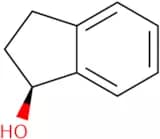
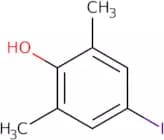
![2-[[(4-Anilinophenyl)imino]methyl]-4,6-dichlorophenol](/_next/image/?url=https%3A%2Fstatic.cymitquimica.com%2Fproducts%2F3D%2Fthumb-webp%2FFA71703.webp&w=3840&q=75)
![[5-(4-Amino-2-bromophenyl)-2-furyl]methanol](/_next/image/?url=https%3A%2Fstatic.cymitquimica.com%2Fproducts%2F3D%2Fthumb-webp%2FFA134218.webp&w=3840&q=75)
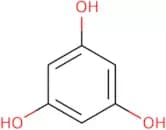
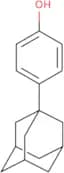
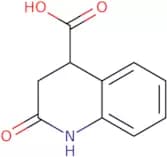
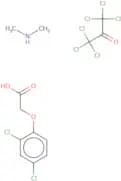
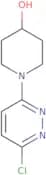
![7-[(Dimethylamino)methyl]-2,2,4-trimethyl-1,2-dihydroquinolin-6-ol](/_next/image/?url=https%3A%2Fstatic.cymitquimica.com%2Fproducts%2F3D%2Fthumb-webp%2FFD129815.webp&w=3840&q=75)
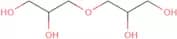
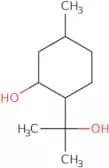
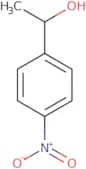
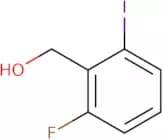



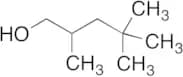



![3-[(tert-Butyldimethylsilyl)oxy]-1-propanol](/_next/image/?url=https%3A%2Fstatic.cymitquimica.com%2Fproducts%2FTR%2Fthumb-webp%2FB691575.webp&w=3840&q=75)
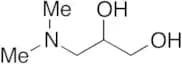
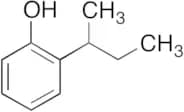

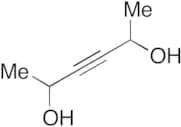

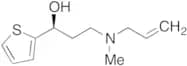

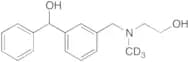
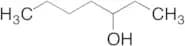

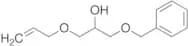

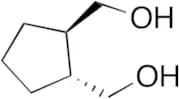
![3-[[(1,1-Dimethylethyl)diphenylsilyl]oxy]-1,2-propanediol](/_next/image/?url=https%3A%2Fstatic.cymitquimica.com%2Fproducts%2FTR%2Fthumb-webp%2FD182005.webp&w=3840&q=75)
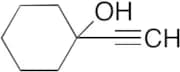
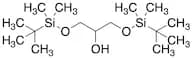
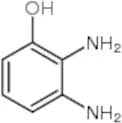
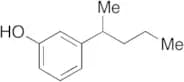
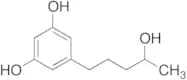
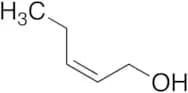
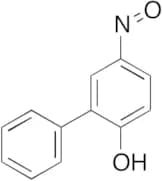

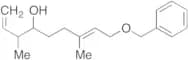
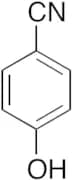
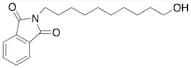
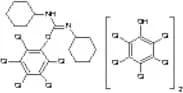
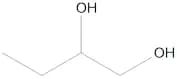
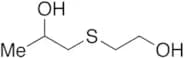

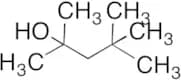
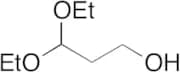
![1-(Benzyloxy)-3-[[bis(benzyloxy)phosphoryl]oxy]propan-2-ol](/_next/image/?url=https%3A%2Fstatic.cymitquimica.com%2Fproducts%2FTR%2Fthumb-webp%2FB796875.webp&w=3840&q=75)

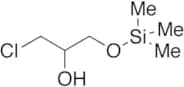
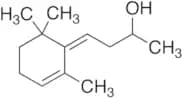
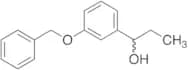
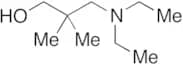
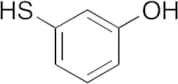
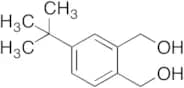

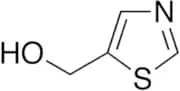
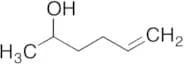
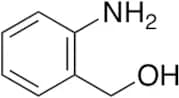



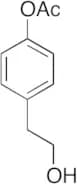
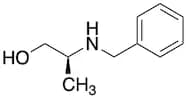
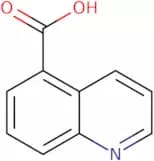
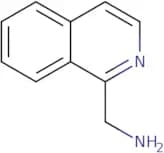
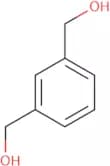
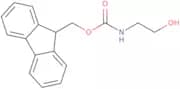
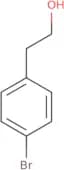
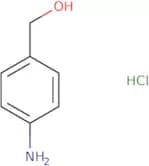
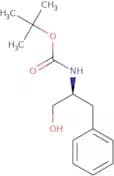

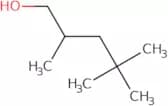
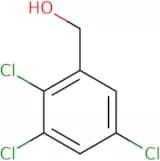
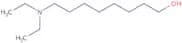
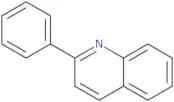
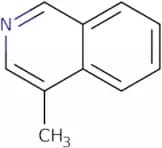


![[3-Methyl-4-(2,2,2-trifluoro-ethoxy)-pyridin-2-yl]-methanol](/_next/image/?url=https%3A%2Fstatic.cymitquimica.com%2Fproducts%2F3D%2Fthumb-webp%2FFM38829.webp&w=3840&q=75)
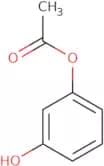
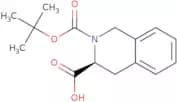

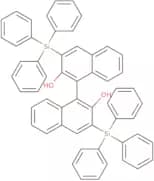
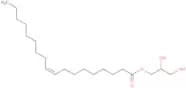

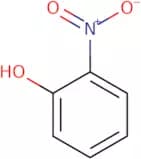
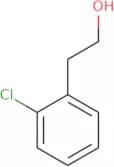
![[(3S,4R)-4-(4-Fluorophenyl)-3-piperidinyl]methanol](/_next/image/?url=https%3A%2Fstatic.cymitquimica.com%2Fproducts%2F3D%2Fthumb-webp%2FFF92100.webp&w=3840&q=75)
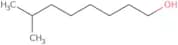



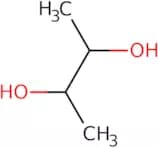
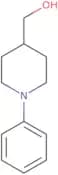


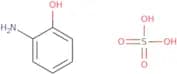
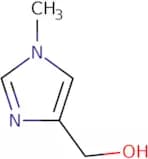
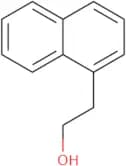
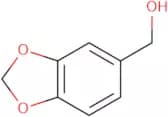
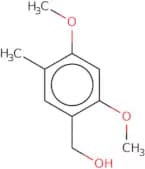

![4-[(5-Bromo-2-chlorophenyl)methyl]phenol](/_next/image/?url=https%3A%2Fstatic.cymitquimica.com%2Fproducts%2F3D%2Fthumb-webp%2FFB76123.webp&w=3840&q=75)
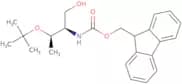
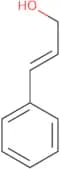
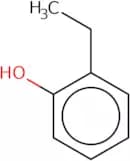

![6-(4,4,5,5-Tetramethyl-[1,3,2]dioxaborolan-2-yl)-isoquinoline](/_next/image/?url=https%3A%2Fstatic.cymitquimica.com%2Fproducts%2F3D%2Fthumb-webp%2FFT76191.webp&w=3840&q=75)
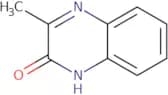

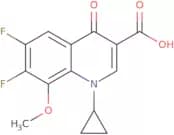
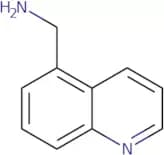
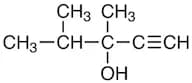
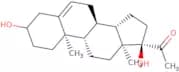
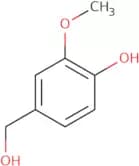
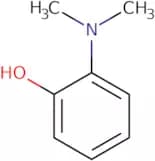
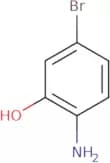
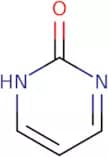

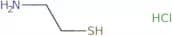
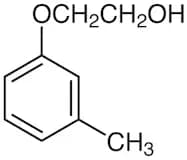
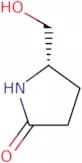
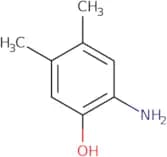
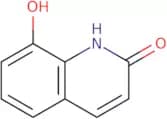
![[5-(4-Aminophenyl)-2-furyl]methanol](/_next/image/?url=https%3A%2Fstatic.cymitquimica.com%2Fproducts%2F3D%2Fthumb-webp%2FFA134137.webp&w=3840&q=75)
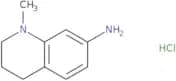
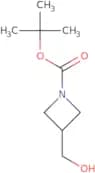
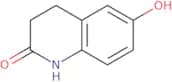
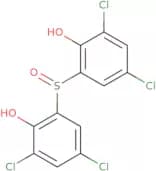

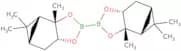
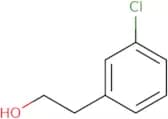
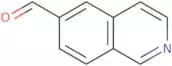

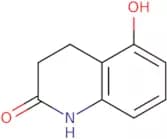
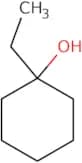
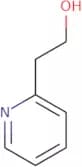
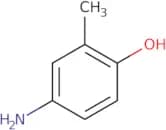
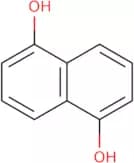
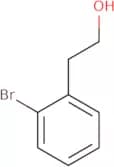
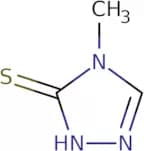

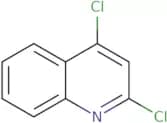

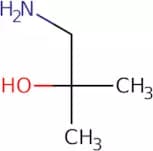

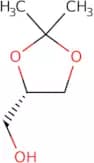
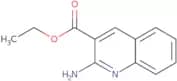
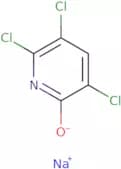
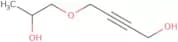
![3-Methyl-2-hydroxy-3H-imidazo[4,5-f]quinoline](/_next/image/?url=https%3A%2Fstatic.cymitquimica.com%2Fproducts%2F3D%2Fthumb-webp%2FFM25639.webp&w=3840&q=75)
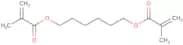
![[4-(Aminomethyl)cyclohexyl]methanol](/_next/image/?url=https%3A%2Fstatic.cymitquimica.com%2Fproducts%2F3D%2Fthumb-webp%2FFA123010.webp&w=3840&q=75)
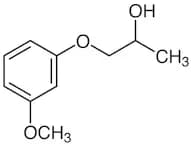



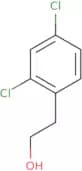
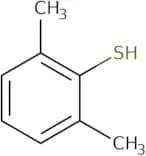

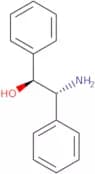

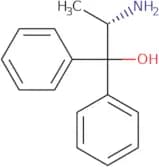
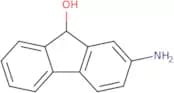
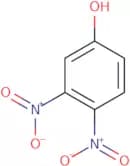
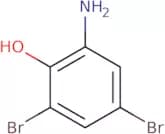
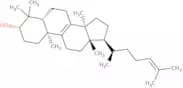
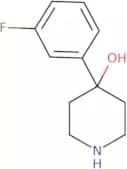

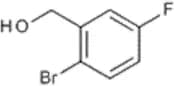
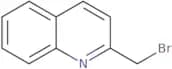
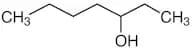
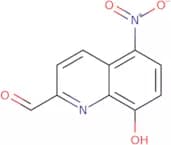
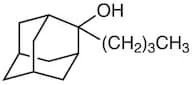
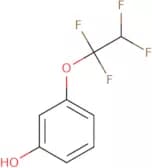
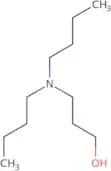
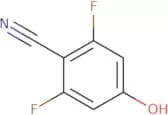

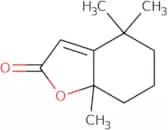
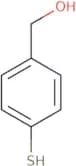
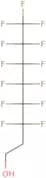
![(1S,2R,3S,5R)-2-((Benzyloxy)methyl)-6-oxabicyclo[3.1.0]hexan-3-ol](/_next/image/?url=https%3A%2Fstatic.cymitquimica.com%2Fproducts%2F3D%2Fthumb-webp%2FFB167338.webp&w=3840&q=75)