Estándares farmacéuticos
Los estándares farmacéuticos son un conjunto integral de materiales de referencia esenciales para garantizar la seguridad, eficacia y calidad de los productos farmacéuticos. Esta categoría incluye estándares para ingredientes farmacéuticos activos (APIs), que son los componentes centrales responsables de los efectos terapéuticos. Además, abarca compuestos y metabolitos relevantes tanto para las industrias farmacéutica como veterinaria, proporcionando puntos de referencia para la medición y análisis precisos de estas sustancias. Los estándares de control de nitrosaminas son cruciales para detectar y mitigar las nitrosaminas potencialmente dañinas en las formulaciones de medicamentos. Los estándares de toxicología ayudan a evaluar la seguridad y los posibles efectos adversos de los compuestos farmacéuticos. Además, los estándares de activadores e inhibidores enzimáticos son vitales para la investigación y el desarrollo, permitiendo estudios precisos de las vías bioquímicas y los mecanismos de acción de los medicamentos. Estos estándares farmacéuticos son herramientas indispensables para el cumplimiento normativo, el control de calidad y la investigación, asegurando que los productos farmacéuticos cumplan con estrictos criterios de seguridad y eficacia.
Subcategorías de "Estándares farmacéuticos"
- APIs para investigación e impurezas(274.920 productos)
- Activadores e inhibidores de enzimas(2.827 productos)
- Nitrosaminas(2.606 productos)
- Compuestos y metabolitos farmacéuticos y veterinarios(2.871 productos)
- Toxicología(13.652 productos)
Se han encontrado 7836 productos de "Estándares farmacéuticos"
Ordenar por
Pureza (%)
0
100
|
0
|
50
|
90
|
95
|
100
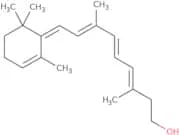
all-trans-Retro retinol
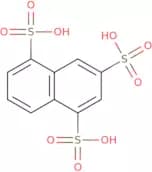
CAS:<p>All-trans-retinol is a form of vitamin A that is found in many animal tissues and some plant oils. It acts as a hormone, binding to the retinoic acid receptors (RARs) in the nucleus and activating gene transcription. All-trans-retinol has been shown to be effective against hyperproliferative diseases such as cancer, both by inducing apoptosis and by inhibiting cell growth. All-trans-retinol may also have therapeutic potential for other diseases, such as intestinal cancers and prostatic hypertrophy. This compound has been shown to induce messenger RNA (mRNA) production in cells that express RARs.</p>Fórmula:C20H30OPureza:Min. 95%Peso molecular:286.45 g/mol1,3,5-Naphthalene trisulfonic acid
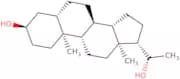
CAS:<p>1,3,5-Naphthalene trisulfonic acid is an organic compound that is the product of the sulfonation of naphthalene. It has been shown to inhibit the activity of 3β-hydroxysteroid dehydrogenase and 17β-hydroxysteroid dehydrogenase, enzymes involved in steroidogenesis. The maximal response was observed at a concentration of 500 μM with a detection time of 30 minutes. Xenopus oocytes were used for expression and chloride currents were recorded as an indicator for enzyme activity. Concentration-response curves were generated with organic solvents such as methanol and dimethyl sulfoxide (DMSO). 1,3,5-Naphthalene trisulfonic acid also inhibits the oxidative activities of some enzymes such as lipoxygenase and cyclooxygenase.</p>Fórmula:C10H8O9S3Pureza:Min. 95%Peso molecular:368.36 g/mol5a-Pregnane-3a,20a-diol
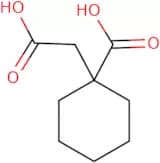
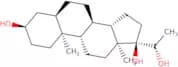
CAS:Producto controlado5a-Pregnane-3a,20a-diol is a gamma-aminobutyric acid (GABA) analogue that is used in the treatment of women with variegated hyperpigmentation. It has inhibitory properties on mutant enzymes such as disulfate reductase and other enzymes involved in the synthesis of prostaglandins. The drug binds to the enzyme GABA transaminase and this binding prevents the formation of GABA from glutamate. 5a-Pregnane-3a,20a-diol also inhibits the synthesis of prostaglandin E2 by binding to cyclooxygenase 2, leading to decreased inflammation and pain. 5a-Pregnane-3a,20a-diol is metabolized by glucuronidation or sulfation and excreted into bile or urine. This drug can also be hydrolyzed by dehydrogenases or other enzymes such as esterases.Fórmula:C21H36O2Pureza:Min. 95%Peso molecular:320.51 g/molGabapentin related compound E
CAS:Gabapentin related compound E (GRC-E) is a gabapentin analog that binds to the amine binding site of the enzyme GABA-transaminase. GRC-E is stable at temperatures up to 100°C and has a constant concentration in wastewater samples. This compound has been shown to be more thermostable than gabapentin, which may make it an appropriate candidate for use as a calibration standard for gabapentin monitoring. In addition, GRC-E has been shown to inhibit the interaction between amines and GABA-transaminase, which stabilizes the enzyme's activity.Fórmula:C9H14O4Pureza:Min. 95%Peso molecular:186.21 g/molPregnantriol
CAS:Producto controladoPregnantriol is a naturally occurring steroid hormone that is produced in the placenta and the adrenal glands. Pregnantriol has been shown to be a potent inducer of liver cells, which may be due to its ability to bind to enzymes that are involved in lipid metabolism. This compound has also been shown to have diagnostic properties and is used as a diagnostic agent for adrenocortical carcinoma, urinary tract infections, metabolic disorders, and acid formation. Pregnantriol can be detected using fluorescence detection.Fórmula:C21H36O3Pureza:Min. 95%Forma y color:PowderPeso molecular:336.51 g/mol4-Nitrophenyl Anthranilate
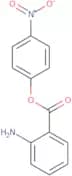
CAS:Producto controlado<p>4-Nitrophenyl anthranilate is a potent inhibitor of serine protease. It is synthesized by reacting an anthranilate with an hydroxyl group in the presence of ultraviolet light, and can be used as a fluorescent probe. 4-Nitrophenyl anthranilate binds to the active site of serine protease, and prevents the hydrolysis of proteins by blocking the cleavage of peptide bonds at the carboxylic acid termini. This compound has been shown to inhibit human serum albumin and cell nuclei in vitro. The reaction mechanism for this compound is unknown, but it is believed that it may involve a photo-induced electron transfer mechanism.</p>Fórmula:C13H10N2O4Pureza:Min. 95%Forma y color:PowderPeso molecular:258.23 g/mol4-Mercaptocinnamic acid
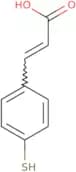
CAS:4-Mercaptocinnamic acid is a liquid crystal that belongs to the class of aromatic compounds. It is chiral and has a high melting point. 4-Mercaptocinnamic acid has been used in electronic devices, such as liquid crystal displays and ferroelectric liquid crystals, for its high boiling point and low viscosity. It can also be used as an additive for other chemicals or as a solvent for coatings. The acid group (COOH) in this compound makes it reactive with elements such as chlorine, fluorine, and bromine. It reacts with dicyclohexylcarbodiimide to form cinnamic acid derivatives and toluene to form trifluoromethylbenzenes. This chemical also has alkylthio groups (CH3S) and alkoxy groups (CH2O).Fórmula:C9H8O2SPureza:Min. 95%Peso molecular:180.22 g/mol(17α)-17-Hydroxy-3-oxo-19-norpregna-5(10),9(11)-diene-21-nitrile
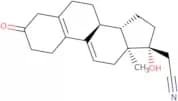
CAS:Producto controladoPlease enquire for more information about (17α)-17-Hydroxy-3-oxo-19-norpregna-5(10),9(11)-diene-21-nitrile including the price, delivery time and more detailed product information at the technical inquiry form on this pageFórmula:C20H25NO2Pureza:Min. 95%Forma y color:PowderPeso molecular:311.42 g/mol2N-Boc-2',2''-triaminotriethylamine
CAS:Please enquire for more information about 2N-Boc-2',2''-triaminotriethylamine including the price, delivery time and more detailed product information at the technical inquiry form on this pageFórmula:C11H26N4O2Pureza:Min. 95%Forma y color:Yellow PowderPeso molecular:246.35 g/molFluorescein-sp-biotin
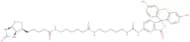
CAS:Fluorescein-sp-biotin is a biotinylated derivative of fluorescein. The conjugate is used to measure the amount of free d-biotin in samples. Fluorescein-sp-biotin binds to streptavidin, which has a high affinity for biotin, and then emits light at an excitation wavelength of 488 nm when excited with a laser. The intensity of the emitted light is proportional to the concentration of free d-biotin in the sample. The following product descriptions have been generated from this information: Rifapentine Rifapentine is an anti-tuberculosis drug that belongs to the class of rifamycins. It is the most active of the rifamycins for the treatment of tuberculosis. Rifapentine inhibits bacterial growth by binding to DNA-dependent RNA polymerase, thereby preventing transcription and replication.Fórmula:C42H50N6O8S2Pureza:Min. 95%Peso molecular:831.01 g/molDiethyl[2-(4-nitrophenoxy)ethyl]amine
CAS:Producto controladoPlease enquire for more information about Diethyl[2-(4-nitrophenoxy)ethyl]amine including the price, delivery time and more detailed product information at the technical inquiry form on this pageFórmula:C12H18N2O3Pureza:Min. 95%Peso molecular:238.28 g/mol6-O-Methyl codeine
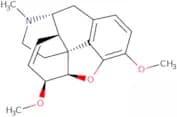
CAS:Producto controlado<p>6-O-Methyl codeine is a drug that belongs to the class of opioid analgesics. It is used to treat severe pain and coughing in patients with infectious diseases, such as pneumonia or bronchitis. 6-O-Methyl codeine may be administered by mouth, intravenously, or intramuscularly. The mechanism of action of this drug is not fully understood, but it has been shown to decrease respiratory rate in some animal studies. 6-O-Methyl codeine also has an effect on the central nervous system and may cause dizziness, drowsiness, nausea, vomiting and constipation. This drug is metabolized through oxidative reactions with oxygenated molecules like fluorine or hydrogenated aromatic hydrocarbons. 6-O-Methyl codeine is a prodrug that can be converted into morphine following cleavage by liver enzymes.</p>Fórmula:C19H23NO3Pureza:Min. 95%Peso molecular:313.39 g/molO-tert-Butyl-D-tyrosine
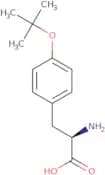
CAS:<p>O-tert-Butyl-D-tyrosine is an organogelator. It is a low molecular weight organic liquid that can form a gel when mixed with a solvent. O-tert-Butyl-D-tyrosine is soluble in hydrophobic solvents such as butanol, and insoluble in water. The gelation properties of this substance are due to its ability to interact with the surface of the solvent droplet and form a network that holds other solute molecules in place. This interaction is called physisorption, which means that it does not need any chemical bonds to form the gel. Gels formed by O-tert-Butyl-D-tyrosine are stable at room temperature, but will melt when heated or exposed to pH extremes.</p>Fórmula:C13H19NO3Pureza:Min. 95%Peso molecular:237.29 g/mol17,21Dihydroxy-16β-methylpregna-1,4,9(11)-triene-3,20-dione
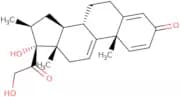
CAS:Producto controladoPlease enquire for more information about 17,21Dihydroxy-16beta-methylpregna-1,4,9(11)-triene-3,20-dione including the price, delivery time and more detailed product information at the technical inquiry form on this pageFórmula:C22H28O4Pureza:Min. 95%Peso molecular:356.46 g/mol3,5,3',5'-Tetraiodo thyroaldehyde
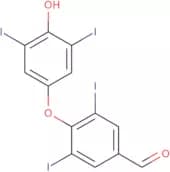
CAS:<p>Please enquire for more information about 3,5,3',5'-Tetraiodo thyroaldehyde including the price, delivery time and more detailed product information at the technical inquiry form on this page</p>Fórmula:C13H6I4O3Pureza:Min. 95%Forma y color:PowderPeso molecular:717.8 g/mol19-Hydroxy cholesterol
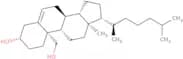
CAS:Producto controlado19-Hydroxy cholesterol is a sterol that is one of the primary products of cholesterol synthesis. It is a secondary bile acid and an oxysterol, which are produced in the liver during cholesterol metabolism. 19-Hydoxycholesterol has been shown to induce apoptosis in leukemia cells, as well as inhibit tumor cell growth. This compound can also inhibit the production of fatty acids by inhibiting β-unsaturated ketones, which are intermediates in the biosynthesis of fatty acids. The inhibition of these ketones leads to an increase in the production of n-3 fatty acids, which have been shown to have beneficial effects on human health. 19-Hydroxycholesterol can be detected using a chemical ionization method with gas chromatography and mass spectroscopy detection.Fórmula:C27H46O2Pureza:Min. 95%Forma y color:White/Off-White SolidPeso molecular:402.65 g/molCholesterol Nonyl Carbonate
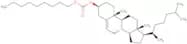
CAS:Producto controlado<p>Cholesterol Nonyl Carbonate is a fatty acid with a carbon chain of 12-18 carbons. It is a section, which enhances the microcapsules’ ability to adhere to surfaces and prevents them from being washed away by water. This compound can be used as a coating for inorganic materials, such as metals and polymers, and organic solvents, such as polypropylene. Cholesterol Nonyl Carbonate has functional groups that are polar, which allow it to dissolve in organic solvents and create coatings on objects. The molecule is comprised of an average particle diameter of 1 micrometer with a particle size distribution ranging from 0.5-10 micrometers. The treatment method for this compound involves thermal energy and conformational changes.END></p>Pureza:Min. 95%Naphthalen-2-ethanol
CAS:<p>Naphthalen-2-ethanol is a primary alcohol that has been synthesized and immobilized onto boron nitride. It can be used as a synthetic reaction rate indicator. Naphthalen-2-ethanol is soluble in organic solvents such as methanol, which can be used to determine the concentration of methanol in solution by observing the change in absorbance at 230 nm. This compound has functional groups such as carbinols, which are characterized by their high reactivity and ability to form esters, ethers, amides, or nitriles. Naphthalen-2-ethanol also reacts with lipases to produce polyamines and with chromatography to produce substitutive nomenclature.</p>Fórmula:C12H12OPureza:Min. 95%Peso molecular:172.22 g/mol5'-Amino-5'-deoxy-2',3'-O-(1-methylethylidene)-adenosine
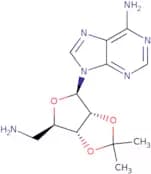
CAS:<p>Please enquire for more information about 5'-Amino-5'-deoxy-2',3'-O-(1-methylethylidene)-adenosine including the price, delivery time and more detailed product information at the technical inquiry form on this page</p>Fórmula:C13H18N6O3Pureza:Min. 95%Peso molecular:306.32 g/mol2-Chloro-2',4'-difluoroacetophenone
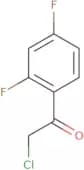
CAS:<p>2-Chloro-2',4'-difluoroacetophenone (2,4-DFAP) is an asymmetric synthesis of urea nitrogen. It has been shown to be a broad-spectrum antimicrobial, with activity against a number of fungi and bacteria. The molecular modelling of 2,4-DFAP has revealed that it has intramolecular hydrogen bonds and is a supramolecular enantiomer. Additionally, the transport properties have been studied and found to have chloride ions in the molecule. This may be responsible for its anti-fungal effects as well as its ability to inhibit the growth of cryptococcus neoformans.</p>Fórmula:C8H5ClF2OPureza:Min. 95%Peso molecular:190.57 g/mol


![Diethyl[2-(4-nitrophenoxy)ethyl]amine](/_next/image/?url=https%3A%2Fstatic.cymitquimica.com%2Fproducts%2F3D%2Fthumb-webp%2FFD21808.webp&w=3840&q=75)