Glycoscience
La glicociencia es el estudio de los carbohidratos y sus derivados, así como de las interacciones y funciones biológicas en las que participan. Este campo de investigación es crucial para comprender una amplia variedad de procesos biológicos, incluyendo el reconocimiento celular, la señalización, la respuesta inmune y el desarrollo de enfermedades. La glicociencia tiene aplicaciones importantes en la biotecnología, la medicina, y el desarrollo de nuevos fármacos y terapias. En CymitQuimica, ofrecemos una amplia selección de productos de alta calidad y pureza para la investigación en glicociencia. Nuestro catálogo incluye monosacáridos, oligosacáridos, polisacáridos, glicoconjugados, y reactivos específicos, diseñados para apoyar a los investigadores en sus estudios sobre la estructura, función y aplicaciones de los carbohidratos en sistemas biológicos. Estos recursos están destinados a facilitar descubrimientos científicos y aplicaciones prácticas en diversas áreas de la biociencia y la medicina.
Subcategorías de "Glycoscience"
- Aminoazúcares(108 productos)
- Anticuerpos relacionados con azúcares(282 productos)
- Glicolípidos(46 productos)
- Glicosaminoglicanos (GAGs)(55 productos)
- Glucósidos(419 productos)
- Monosacáridos(6.624 productos)
- Oligosacáridos(3.682 productos)
- Polisacáridos(503 productos)
Se han encontrado 11046 productos de "Glycoscience"
Ordenar por
Pureza (%)
0
100
|
0
|
50
|
90
|
95
|
100
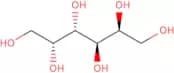
Dulcitol
CAS:<p>A metabotoxin, a neurotoxin, and a hepatotoxin at high levels</p>Fórmula:C6H14O6Pureza:Min. 98 Area-%Forma y color:White PowderPeso molecular:182.17 g/molPhenyl 4,6-O-benzylidene-3-O-(2-naphthylmethyl)-b-D-thioglucopyranoside
<p>Phenyl 4,6-O-benzylidene-3-O-(2-naphthylmethyl)-b-D-thioglucopyranoside is a synthetic sugar that has been modified by the addition of two fluorine atoms. This molecule is used in research as a model for the synthesis of complex carbohydrates. Phenyl 4,6-O-benzylidene-3-O-(2-naphthylmethyl)-b-D-thioglucopyranoside is also a major component of polysaccharides. It is available for custom synthesis and can be ordered in high purity.</p>Pureza:Min. 95%D-Cello-oligosaccharides
This mixture contains all the members of the series up to DP9Pureza:Min. 90 Area-%Forma y color:White Powder3-O-(2-Acetamido-2-deoxy-b-D-galactopyranosyl)-D-galactopyranose
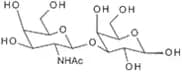
CAS:3-O-(2-Acetamido-2-deoxy-b-D-galactopyranosyl)-D-galactopyranose is a sugar molecule with biological properties such as lectin, terminal sugar, and carbohydrate. It is a specific sugar for the blood group B. This sugar is also used in assays for pneumococcus, which is a bacterium that can cause pneumonia. 3-O-(2-Acetamido-2-deoxy-b-D-galactopyranosyl)-D-galactopyranose is oxidized by enzymes called oxidases to form 3,4,6 -triacetamido galactose (3TAG) and 3,4,6 -triacetamido glucose (3TG). The disaccharide residues are then hydrolyzed into monosaccharides by glycoconjugates and polyvalent glycosidases.Fórmula:C14H25NO11Pureza:Min. 95%Forma y color:White PowderPeso molecular:383.33 g/molTrehalose octaacetate
CAS:Trehalose octaacetate is a carbohydrate that can be synthesized from trehalose and acetyl coenzyme A. It has been shown to act as an enzymatic substrate and a carbon source in the production of microparticles. Trehalose octaacetate is an antigenic molecule that can be used as a vaccine adjuvant to enhance the immune response to antigens. It also exhibits anti-inflammatory properties, which may be due to its ability to inhibit prostaglandin synthesis. Trehalose octaacetate is highly viscous, which makes it useful for the formulation of medications such as eye drops.Fórmula:C28H38O19Pureza:Min. 95%Peso molecular:678.59 g/molNA3 Glycan, 2-AB labelled
NA3 Glycan is a custom-synthesized Oligosaccharide that has been modified by the addition of 2AB labelled. This glycan contains an N-acetylglucosamine residue at its reducing end. The NA3 Glycan can be used for a wide range of applications, including glycosylation reactions, click reactions, and carbohydrate chemistry. It is also available in high purity and with fluorination on the sugar moiety.Pureza:Min. 95%3'-(N-Glycolyl-a-neuraminosyl)lactose
CAS:3'-(N-Glycolyl-a-neuraminosyl)lactose is a carbohydrate that is synthesized from lactose, which is a disaccharide composed of glucose and galactose. It is synthesized by the modification of the terminal hydroxyl group on the galactose moiety with glycolyl chloride. 3'-(N-Glycolyl-a-neuraminosyl)lactose has been shown to inhibit the growth of bacteria and fungi. It also has the potential to be used as an anti-cancer drug candidate due to its ability to inhibit protein synthesis in cells. This carbohydrate can also be modified by methylation, glycosylation, or click chemistry.Fórmula:C23H39NO20Pureza:Min. 95%Peso molecular:649.55 g/molMaltoheptaose
CAS:<p>α 1,4-glucoheptasaccharide derived from starch by hydrolysis and chromatography</p>Fórmula:C42H72O36Pureza:Min. 60%Forma y color:White PowderPeso molecular:1,153.02 g/molPhenyl a-D-glucopyranoside
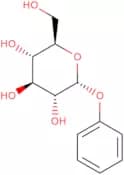
CAS:<p>Phenyl a-D-glucopyranoside is a specific inhibitor of the enzyme α-glucosidase. It is used to study the mechanism of carbohydrate metabolism and its role in diabetes. Phenyl a-D-glucopyranoside binds to the active site of α-glucosidase, which prevents it from hydrolyzing α-1,4 glycosidic bonds in carbohydrates. The compound has been shown to inhibit pancreatic α-glucosidase activity, but not the activity of intestinal enzymes such as sucrase and maltase. Phenyl a-D-glucopyranoside also inhibits β cells by preventing glucose release from glycogen stores, which may be due to an isotope effect. This compound can act as an acceptor for isotopes such as carbon 14 and deuterium oxide (heavy water).</p>Fórmula:C12H16O6Pureza:Min. 95%Forma y color:PowderPeso molecular:256.25 g/molMan-8 Glycan, 2-AB labelled
Man-8 Glycan, 2-AB labelled is a carbohydrate, modification. It is a saccharide that has been fluorinated and modified with methylation and glycosylation. It has a CAS number of 7071-83-0, and is available for custom synthesis. This product has high purity, is synthetic, and can be modified with a click modification. The molecular weight of this product is 604.Pureza:Min. 95%3-Acetamido-3-deoxy-D-glucose
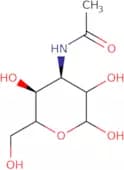
CAS:3-Acetamido-3-deoxy-D-glucose (3ADG) is a trisaccharide that is an acceptor for glycosidic reactions. It has been shown to be a good substrate for glycosidases, which hydrolyze it by cleaving the glycosidic bond between the 3rd and 4th carbon from the 3rd carbon of the D-glucose residue. The enzyme specificity for this reaction has been shown to be dependent on the stereospecificity of the enzyme. 3ADG can also be used as a synthetic precursor for oligosaccharides, such as GalNAC, where it is used as a starting material in place of glucose.Fórmula:C8H15NO6Pureza:Min. 95%Forma y color:PowderPeso molecular:221.21 g/molD-Cellobiose
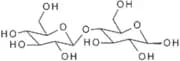
CAS:D-Cellobiose, also known as cellose, is a reducing disaccharide consisting of two β(1-4)-linked glucopyranose units. It is produced by the hydrolysis of cellulose, a homopolysaccharide of glucose with β(1-4)-linkages. Cellobiose constitutes the polar part of cellobiose lipids (CLs) that are secreted by yeasts and mycelia fungi. Their various biological activities have led to a range of applications in the food industry, pharmaceutical industry and in medicine. Cellobiose itself has been used as an indicator carbohydrate for Crohn's disease and malabsorption syndrome. In biotechnology, cellobiose is one of the sugars explored for the synthesis of biotensides.Fórmula:C12H22O11Pureza:Min. 97 Area-%Forma y color:White Off-White Crystalline PowderPeso molecular:342.30 g/molDelphinidin 3-glucoside chloride
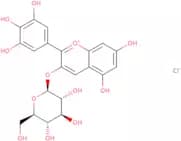
CAS:Delphinidin 3-glucoside chloride is a natural, water-soluble compound that exhibits antimicrobial activity against Staphylococcus aureus. It has been shown to inhibit the growth of this bacteria by inhibiting detoxification enzymes and intracellular cGMP production. Delphinidin 3-glucoside chloride also inhibits uptake of this bacterium by human cells, which may be due to its synergistic interaction with other compounds such as cinnamic acid derivatives. This compound has been shown to have cardiac effects in animals and is being studied for its potential use in treating heart disease.Fórmula:C21H21O12ClPureza:Min. 95%Forma y color:PowderPeso molecular:500.84 g/molCyanomethyl 2,3,4,6-tetra-O-acetyl-b-D-thiogalactopyranoside
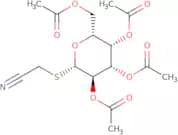
CAS:Cyanomethyl 2,3,4,6-tetra-O-acetyl-b-D-thiogalactopyranoside is an important reagent for the synthesis of glycosides and oligosaccharides. This substance has been used to synthesize a variety of modified saccharides, such as methylated sugars and fluorinated saccharides. It also has been applied to the synthesis of complex carbohydrates with the click modification.Fórmula:C16H21NO9SPureza:Min. 98 Area-%Forma y color:White Off-White PowderPeso molecular:403.41 g/molL-Ribopyranosyl thiosemicarbazide
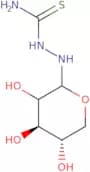
Ribopyranosyl thiosemicarbazide is a synthetic chemical compound that has glycosylation activity. It can be used for the synthesis of oligosaccharides, sugar, and complex carbohydrate. Ribopyranosyl thiosemicarbazide can be fluorinated at C-1 position and methylated in C-2 position. This product is provided with purity of >98%. CAS No.: 5288-55-8Fórmula:C6H13N3O4SPureza:Min. 95%Peso molecular:223.25 g/molD-Lyxono-1,4-lactone
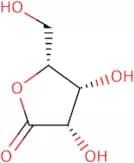
CAS:D-Lyxono-1,4-lactone is an inhibitor of the enzyme fucosidase. It competitively inhibits the enzyme, but does not inhibit other hydroxamic acids such as enantiomers of D-lyxono-1,4-lactone. D-Lyxono-1,4-lactone has been used to treat HIV and AIDS because it prevents viral replication by blocking the synthesis of glycoproteins in the virus's envelope. It also has inhibitory effects on tumor cells that are not dependent on fucosidase activity. Magnetic resonance spectroscopy (NMR) studies have shown that d-lyxono-1,4-lactone binds to human liver cells and blocks the binding site for cytotoxic molecules in these cells. The molecular modelling study has demonstrated that d-lyxono 1,4 lactone binds to a specific site on human HLA class II molecule and reduces itsFórmula:C5H8O5Pureza:(%) Min. 97%Forma y color:PowderPeso molecular:148.11 g/molUDP-D-glucose disodium salt
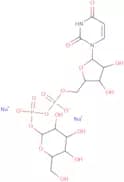
CAS:UDP-D-glucose disodium salt is a sugar-nucleotide substrate of glucosyltransferases. It’s used as the donor of glucose in the biosyntheses of glycoproteins, glycolipids and polysaccharides. It’s also used with its membrane receptor, P2RY14, to investigate innate mucosal immune responses in preventing infection in the female reproductive tract (FRT).Fórmula:C15H22N2Na2O17P2Pureza:Min. 85 Area-%Forma y color:White PowderPeso molecular:610.27 g/mol5-O-Acetyl-a-L-arabinofuranose
CAS:5-O-Acetyl-a-L-arabinofuranose (5OAA) is an acetylated aldonic acid. It is a custom synthesized, high purity, complex carbohydrate that has been modified by fluorination, monosaccharide modification, and glycosylation. This compound can be used to modify proteins and nucleic acids. 5OAA can be used in the synthesis of oligosaccharides and polysaccharides. 5OAA has been shown to have click chemistry modifications with methyl groups and sugars.Fórmula:C7H12O6Pureza:Min. 95%Peso molecular:192.17 g/molDextran 60, MW: 54,000 to 66,000
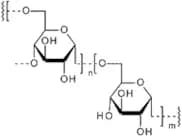
CAS:Complex glucan (a 1-6) from Leuconostoc spp.; extender in blood transfusionsFórmula:(C6H10O5)nForma y color:White Powder3’-O-Acetyl-1,2,5-tri-O-benzoyl-4-a-C-vinyl-D-ribofuranose
3’-O-Acetyl-1,2,5-tri-O-benzoyl-4-a-C-vinyl-D-ribofuranose is a modified sugar that is synthesized by the click chemistry method. It has been fluorinated and methylated on the 2’ and 3’ positions of the ribose ring. The compound is also glycosylated with a CDP chitosan to increase stability in plasma. This product has high purity and can be custom synthesized to customer specifications.Pureza:Min. 95%3,5-Dideoxy-3,5-imino-L-arabinopentitol
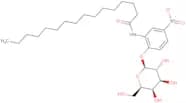
<p>3,5-Dideoxy-3,5-imino-L-arabinopentitol is a compound that belongs to the group of methylated polysaccharides. It is a custom synthesis with high purity and modification. This product has been fluorinated and saccharide modified. It has been synthesized from an oligosaccharide and polysaccharide by Click chemistry. 3,5-Dideoxy-3,5-imino-L-arabinopentitol is a complex carbohydrate that contains a sugar at its end. The sugar can be either monosaccharide or polysaccharide. This product can be used in the study of protein methylation and glycosylation and as an anti-inflammatory agent.</p>Pureza:Min. 95%2’-(N-Hexadecanoylamino)-4’-nitrophenyl-β-D-galactopyranoside
CAS:<p>2’-(N-Hexadecanoylamino)-4’-nitrophenyl-b-D-galactopyranoside is a synthetic substrate that is used to diagnose and monitor brain diseases. It can be used in the diagnosis of Alzheimer's disease by measuring the amount of amniotic fluid that leaks into the brain. The rate of hydrolysis of this substrate has been shown to be higher in patients with Alzheimer's disease than in healthy controls. This synthetic substrate is also useful for monitoring the activity of taurocholate galactohydrolase, which is an enzyme that breaks down bile salts and plays a role in cholesterol metabolism. The rate of hydrolysis has been found to be increased in patients with Parkinson's disease, but not in those with Alzheimer's disease or healthy controls. 2’-(N-Hexadecanoylamino)-4’-nitrophenyl-b-D-galactop</p>Fórmula:C28H46N2O9Pureza:Min. 95%Forma y color:PowderPeso molecular:554.67 g/mol3-Deoxy-3-fluoro-D-galactitol
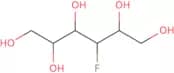
CAS:<p>3-Deoxy-3-fluoro-D-galactitol is a fluorinated sugar that is synthesized through the use of glycosylation and fluorination. This product can be used as a raw material for the production of oligosaccharides, polysaccharides, and other complex carbohydrates. It can also be used in custom synthesis and click modification. The CAS number for this product is 1241800-31-6.</p>Fórmula:C6H13FO5Pureza:Min. 95%Peso molecular:184.16 g/molD-Sedoheptulose-2,3,4,5,6,7-13C6
<p>D-sedoheptulose is a rare sugar found in certain plants and fruits, and it is not as commonly studied or utilized as other sugars like glucose or fructose. However, it has been investigated for its potential biological activities and applications in the food and pharmaceutical industries.</p>Pureza:Min. 95%N-Acetylneuraminyl-(a2-3)-D-galactopyranosyl-(b1-3)-[N-acetylneuraminyl-(a2-6)]-D-N-acetylgalactosaminyl serine
N-Acetylneuraminyl-(a2-3)-D-galactopyranosyl-(b1-3)-[N-acetylneuraminyl-(a2-6)]-D-N-acetylgalactosaminyl serine is a high purity oligosaccharide that is custom synthesized. It undergoes Click modification and fluorination to give it a specific structure.Fórmula:C39H64N4O29Pureza:Min. 95%Peso molecular:1,052.94 g/molD-Ribose
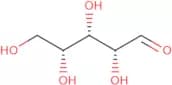
CAS:D-ribose is a pentose that is used in the metabolism of plants and humans. It has been shown to inhibit binding of inhibitors to ribose and to exhibit significant cytotoxicity against tumor cells. D-Ribose also has an important role in energy metabolism, where it is involved in the synthesis of ATP. D-Ribose has been shown to be beneficial for patients with congestive heart failure, as it improves cardiac function and reduces the size of the heart. D-Ribose may also have a role in the treatment of infectious diseases by inhibiting viral replication, as well as preventing neuronal death.Fórmula:C5H10O5Pureza:Min. 99.0 Area-%Peso molecular:150.13 g/molRef: 3D-R-5500
25gA consultar5kgA consultar10kgA consultar25kgA consultar2500gA consultar-Unit-kgkgA consultarAllyl 2,3-O-isopropylidene-a-L-rhamnopyranoside
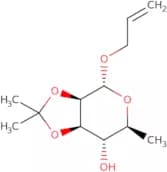
CAS:Allyl 2,3-O-isopropylidene-a-L-rhamnopyranoside is a topical antiperspirant and deodorant that is used to inhibit the production of sweat. It has been shown to be effective in combination with aluminum chloride, aluminum chlorohydrate, and other active ingredients. Allyl 2,3-O-isopropylidene-a-L-rhamnopyranoside has been shown to be more effective than glycerin or propylene glycol alone as an antiperspirant.Fórmula:C12H20O5Pureza:Min. 95%Forma y color:PowderPeso molecular:244.29 g/molMethyl a-D-glucopyranoside
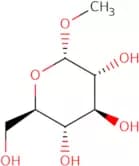
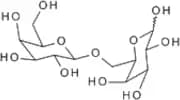
CAS:Methyl α-D- glucopyranoside is a methylated sugar used as an inhibitor of lectin-conjugate binding. Methyl α-D- glucopyranoside is commonly used in protein purification for eluting glycoproteins and other glycoconjugates from affinity chromatography columns of agarose lectin. Methyl α-D- glucopyranoside is also known as Methyl alpha-D-glucoside or alpha-Methyl-glucoside.Fórmula:C7H14O6Pureza:Min. 98 Area-%Forma y color:PowderPeso molecular:194.18 g/mol6-O-(b-D-Galactopyranosyl)-D-galactopyranose
CAS:6-O-(b-D-Galactopyranosyl)-D-galactopyranose is a natural product disaccharide obtained from acid hydrolysis of larch wood.Fórmula:C12H22O11Pureza:Min. 95 Area-%Forma y color:PowderPeso molecular:342.3 g/mol2,3-Dimethyl-a-cyclodextrin
Alpha-cyclodextrin (α-CD) derivative with a hydrophilic exterior and lipophilic cavity (smaller than β-CDs and γ-CDs) to allocate certain guest molecules. This structural characteristic enables applications in molecular encapsulation, solubility enhancement, and stabilization across multiple industries. In pharmaceuticals, it serves as a drug delivery vehicle, enhancing the bioavailability and stability of active ingredients. The food industry utilizes it as a stabilizer for flavors, colors, and nutrients, as well as a functional ingredient for its effects on lipid metabolism. In cosmetics, it acts as a complex agent for fragrances and active components. Its applications extend to analytical chemistry for chiral separation and to materials science for developing smart materials and nanosystems.Fórmula:C48H84O30Pureza:Min. 95%Peso molecular:1,141.16 g/molTriisopropylsilyl 2-azido-3-O-(2,3,4,6-tetra-O-benzoyl-b-D-galactopyranosyl)-4,6-O-benzylidene-2-deoxy-a-D-thiogalactopyranoside
<p>Triisopropylsilyl 2-azido-3-O-(2,3,4,6-tetra-O-benzoyl-b-D-galactopyranosyl)-4,6-O-benzylidene-2-deoxy--aDthiogalactopyranoside is an azido glycoside that can be used in the synthesis of oligosaccharides. It has been shown to be a potent inhibitor of bacterial growth. This compound is synthesized by reacting 2-(trimethylsilyl)ethanol with 3-[(2,3,4,6-tetraacetyl bDgalactopyranosyl)oxy]propionic acid and sodium azide in the presence of triethylamine. The reaction produces a mixture of products which are purified by chromatography. This product is then reacted with benzaldehyde to produce the desired product.</p>Fórmula:C56H61N3O13SSiPureza:Min. 95%Peso molecular:1,044.25 g/molα1,2-Galactobiosyl β-methyl glycoside
<p>a1,2-Galactobiosyl b-methyl glycoside is a methylated galactose monosaccharide that is covalently bound to the terminal amino group of b-methyl glycosides. The fluorination of the methyl group can be achieved by reacting with hydrogen fluoride in the presence of a palladium catalyst. This modification increases the stability of the compound and reduces its susceptibility to hydrolysis. The synthesis of this product is carried out using custom synthesis by clicking reaction with an azide moiety on a benzyl alcohol derivative. The resulting product has CAS No., Oligosaccharide, Polysaccharide, saccharide, Carbohydrate, Fluorination, complex carbohydrate, High purity, Modification, Monosaccharide, sugar Synthetic properties.</p>Fórmula:C13H24O11Pureza:Min. 95%Forma y color:White/Off-White SolidPeso molecular:356.32 g/mol1,2,3,4,6-Penta-O-acetyl-a-D-galactopyranose
CAS:1,2,3,4,6-Penta-O-acetyl-a-D-galactopyranose is a pentaacetate of glucose. This compound is transported in the blood and extracellular fluids and has been shown to be a substrate for hexaacetate transport. The transport of this compound by hexaacetate has been shown to bypass the intracellular k+ concentration gradient. It has also been shown to have anti-diabetic effects in animals and humans. 1,2,3,4,6-Penta-O-acetyl-a-D-galactopyranose can also be found in foods that contain beta d glucopyranoside (e.g., bananas). This compound is resistant to digestion and can be found in the stomach or intestines where it postulated to have an inhibitory effect on bacterial growth. 1,2,3,4,6-Penta-O-Fórmula:C16H22O11Pureza:Min. 95%Forma y color:White PowderPeso molecular:390.34 g/molN-Acetylneuraminyl-(a2-3)-D-galactopyranosyl-(b1-3)-[N-acetylneuraminyl-(a2-6)]-D-N-acetylgalactosaminyl serine-biotin
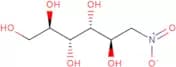
<p>N-Acetylneuraminyl-(a2-3)-D-galactopyranosyl-(b1-3)-[N-acetylneuraminyl-(a2-6)]-D-N-acetylgalactosaminyl serine (NAGPS) is a synthetic saccharide that has been modified with biotin. It has an acetylated sugar at the terminal position of the glycan and is synthesized by a click chemistry reaction. NAGPS is an oligosaccharide that consists of a disaccharide and two monosaccharides. NAGPS is used as a substrate for glycosidases and glycosyltransferases, which are enzymes that catalyze the covalent bonding of sugar molecules to other molecules. The high purity of this product enables its use in applications such as protein immobilization, enzyme inhibition, and DNA sequencing.</p>Pureza:Min. 95%1-Deoxy-1-nitro-D-mannitol
CAS:1-Deoxy-1-nitro-D-mannitol is an inorganic molecule that has a proton and a voltammetry. It is used to monitor the transport of d-arabinose across the blood vessels in the femoral vein. This compound is synthesized by the reaction of sodium nitrite with mannitol in the presence of hydrochloric acid. It can be detected using optical techniques, such as UV/VIS spectroscopy, fluorescence spectroscopy, and absorption spectroscopy. 1-Deoxy-1-nitro-D-mannitol has been shown to have a cotton effect on neurotransmitters in the frontoparietal cortex.Fórmula:C6H13NO7Pureza:Min. 95%Peso molecular:211.17 g/mol(5R, 6R, 7R, 8S) -5, 7-Dihydroxy- 8- (hydroxymethyl) - 1- azabicyclo[4.2.0] octan- 2- one
CAS:<p>This is a custom synthesis of (5R, 6R, 7R, 8S) -5, 7-dihydroxy-8- (hydroxymethyl) -1-azabicyclo[4.2.0]octan-2-one. This compound has been fluorinated and methylated and has a monosaccharide modification.</p>Pureza:Min. 95%2-Amino-2-N-carbobenzoxy-2-deoxy-D-mannose
CAS:<p>2-Amino-2-N-carbobenzoxy-2-deoxy-D-mannose is a custom synthesis product that can be produced with high purity. It has a CAS number of 137157-50-7 and is an oligosaccharide, polysaccharide, and carbohydrate. 2-Amino-2-N-carbobenzoxy-2-deoxy-D-mannose is synthesized by the methylation of 2,3,4,6 tetraaminopyrimidine with formaldehyde to give 1,4 diaminocyclohexane. This compound is then reacted with carbonyl chloride to give carbamoyl chloride. The last step in the synthesis process is reacting this compound with 2,3,4,6 tetraaminopyrimidine to give the final product.</p>Fórmula:C14H19NO7Pureza:Min. 95%Forma y color:White PowderPeso molecular:313.3 g/mol2,3,6-Trioctyl-γ-cyclodextrin
<p>This gamma-cyclodextrin (γ-CD) derivative is a modified cyclic oligosaccharide composed of eight glucose units, featuring a larger cavity size than α- and β-cyclodextrins. This structural characteristic allows γ-CDs to form inclusion complexes with a wider range of guest molecules, making it particularly versatile in various industries. In the food sector, it is used as a carrier and stabilizer for flavors, fat-soluble vitamins, and polyunsaturated fatty acids, protecting volatile compounds from evaporation. In pharmaceuticals, it enhances the solubility and bioavailability of poorly water-soluble drugs and, thanks to its larger ring size, allows for the encapsulation of larger molecules or even entire drug molecules. γ-CDs and derivatives are also used for environmental remediation and, in analytical chemistry, for the extraction and concentration of target substances.</p>Fórmula:C240H464O40Pureza:Min. 95%Peso molecular:3,990.23 g/moltrans-β-D-Glucopyranosyl methylacetoacetate
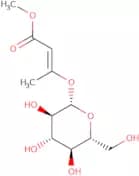
CAS:Trans-beta-D-glucopyranosyl methylacetoacetate is a carbohydrate that belongs to the group of modified sugars. It is a synthetic compound and can be custom synthesized for your specific needs. This product has a high purity and can be used in research or as a starting material for the synthesis of other compounds. Trans-beta-D-glucopyranosyl methylacetoacetate is an oligosaccharide that can be fluorinated, methylated, glycosylated, or click modified. This product is also available in various grades, such as standard and high purity.Fórmula:C11H18O8Pureza:Min. 95%Forma y color:PowderPeso molecular:278.26 g/molDapagliflozin
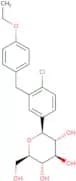
CAS:Dapagliflozin is a sodium-glucose cotransporter subtype 2 (SGLT2) inhibitor that can be used in the treatment of diabetes mellitus type 2. SGLT2 is located in the proximal convoluted tubule and when it is inhibited the reabsorption of glucose into the kidneys is prevented and instead glucose is excreted in the urine. As a result glucose levels are reduced. Dapagliflozin is metabolized into to its inactive metabolite 3-O-glucuronide by the UGT1A9 enzyme present in the liver and the kidneys. In addition, dapagliflozin has been shown to cause weight loss and decrease the risk of cardiovascular events such as congestive heart failure.Fórmula:C21H25ClO6Pureza:Min. 98 Area-%Forma y color:White Yellow PowderPeso molecular:408.87 g/molGlycyl-monosialyllacto-N-neohexose I
<p>Glycyl-monosialyllacto-N-neohexose I is a monosaccharide that is used as a building block in the synthesis of complex carbohydrates. It is custom synthesized and purified to high purity. This product can be fluorinated and methylated, which allows for the attachment of glycosyl groups. Glycyl-monosialyllacto-N-neohexose I is also a sugar with a CAS number. It has an average molecular weight of 137.14 g/mol and is made up of three atoms: carbon, hydrogen, and oxygen.</p>Fórmula:C53H89N5O39Pureza:Min. 95%Peso molecular:1,420.28 g/molCochineal
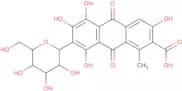
CAS:Cochineal is a natural dye that is extracted from the female cochineal insect. Cochineal is used in food and cosmetics, and as a red colorant in some pharmaceutical products. The carminic acid present in cochineal forms a stable complex with the anionic groups present in wool or silk, so it is not soluble in water. Cochineal has been shown to have genotoxic activity and can cause mutations at both the base-pairing level and at protein level. Cochineal has also been shown to be cytotoxic against human serum cells and disrupt mitochondrial membrane potential. Its optimum concentration for signal peptide detection by electrochemical impedance spectroscopy (EIS) was found to be 0.1 mM.Fórmula:C22H20O13Pureza:Min. 95%Forma y color:Red PowderPeso molecular:492.393a,4b,3a-Galactotetraose
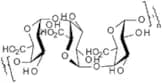
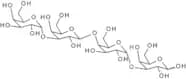
CAS:The acetolysis of carrageenan produces a polymer homologous series of oligosaccharides, [Gal α1,3 Gal, Gal β1,4 Gal], [Gal α1,3 Gal β1,4 Gal, Gal β14, Gal α1,3 Gal], [Gal α1,3 Gal β1,4 Gal α1,3 Gal, Gal β1,4Gal α1,3Gal β1,4Gal] etc. (Lawson, 1968). This is significant as it provides an entry to the α-gal series or Galili antigens due to the fact that the disaccharide Galα1,3 Gal can be isolated in quantity. The distribution of the full α-gal epitope (Galα1-3Galβ1-4GlcNAc-R) is unique in mammals, being abundantly expressed on glycoconjugates of non-primate mammals, prosimians and New World monkeys. In contrast, the α-gal epitope is not expressed on glycoconjugates of Old World monkeys, apes and humans; instead, they produce the natural anti-Gal antibody that specifically binds the α-epitope. Anti-Gal mediates the rejection of pig xenograft organs in humans and monkeys by binding α-gal epitopes on the pig cells, inducing complement mediated destruction and antibody dependent cell mediated destruction. This barrier to xenotransplantation has been eliminated by producing α1,3 glycosyltransferase to knockout pigs. Since anti-Gal is ubiquitous in humans, the α-gal epitope has clinical potential in the production of vaccines expressing α-epitopes that can be targeted to antigen presenting cells (APC), thereby increasing the immunogenicity of viral and other microbial vaccines (Macher, 2008).Fórmula:C24H42O21Pureza:Min. 95 Area-%Forma y color:White Off-White PowderPeso molecular:666.58 g/molMethyl 3-O-benzyl-4-O-(2,3,4-tri-O-benzyl-β-D-xylopyranosyl)-β-D-xylopyranoside
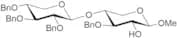
CAS:<p>A protected xylobiose analogue</p>Fórmula:C39H44O9Pureza:Min. 95%Forma y color:PowderPeso molecular:656.76 g/molO-(2,3,4,6-Tetra-O-benzyl-a-D-gal)-(1-4)-O-(2,3,6-tri-O-benzyl-b-D-gal)-(1-4)-2,3,6-tri-O-benzyl-D-glc
O-(2,3,4,6-Tetra-O-benzyl-a-D-gal)-(1-4)-O-(2,3,6-tri-O-benzyl-b-D-gal)-(1-4)-2,3,6-tri-O-benzyl D glucal is a modification of the Oligosaccharide carbohydrate. It is synthesized by custom synthesis and is high purity. The CAS number for this product is . The monosaccharide in this product is methylated and glycosylated. This product has fluorination and saccharide properties.Pureza:Min. 95%Glycyl-Lewisa
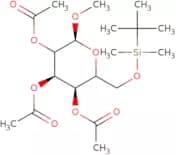
CAS:<p>Glycyl-Lewisa is a synthetic, fluorinated monosaccharide that is produced by the modification of glycerol. Glycyl-Lewisa is a fluorescent compound that can be used as a biomarker for glycosylation, methylation, and other modifications. Glycyl-Lewisa is also a substrate for polysaccharide synthesis and has been shown to have antiviral effects against HIV. This product can be custom synthesized to meet specific customer needs.</p>Fórmula:C22H39N3O15Pureza:Min. 95%Peso molecular:585.56 g/molMethyl 2,3,4-tri-O-acetyl-6-O-tert-butyldimethylsilyl-a-D-mannopyranoside
<p>Methyl 2,3,4-tri-O-acetyl-6-O-tert-butyldimethylsilyl-a-D-mannopyranoside is a fluorinated monosaccharide. It is used in the synthesis of oligosaccharides and polysaccharides. This chemical can also be used for glycosylation and click modifications. Methyl 2,3,4-tri-O-acetyl-6-O-tert-butyldimethylsilyl--a--D--mannopyranoside has CAS No.</p>Fórmula:C19H34O9SiPureza:Min. 95%Peso molecular:434.56 g/molN-Acetylneuraminyl-(a2-3)-D-galactopyranosyl-(b1-3)-D-N-acetylgalactosaminyl serine-biotin
<p>N-Acetylneuraminyl-(a2-3)-D-galactopyranosyl-(b1-3)-D-N-acetylgalactosaminyl serine-biotin is a custom synthesis of complex carbohydrates. It is an oligosaccharide with a CAS number and has been modified with methylation, glycosylation, and click chemistry. The carbohydrate has a high purity and has been fluorinated for the purpose of making it synthetic.</p>Fórmula:C36H58N4O23SPureza:Min. 95%Peso molecular:946.92 g/mol2, 4- Anhydro- 6- deoxy- L- mannonic acid methyl ester
CAS:2, 4-Anhydro-6-deoxy-L-mannonic acid methyl ester is a modified oligosaccharide that is synthesized from D-mannose. This compound can be used as a building block for the synthesis of complex carbohydrates and glycosides. It can also be used for the fluorination of saccharides and glucose derivatives. 2,4-Anhydro-6-deoxy-L-mannonic acid methyl ester is an important intermediate in the production of fluoroquinolones and other pharmaceuticals. It is also a precursor to antihistamines, antiarrhythmics, antibiotics, anticancer drugs, and antimalarial drugs.Fórmula:C7H12O5Pureza:Min. 95%Peso molecular:176.17 g/mol3,4,6-Tri-O-acetyl-D-galactal
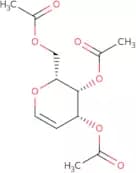
CAS:3,4,6-Tri-O-acetyl-D-galactal is a versatile building block used for the synthesis of mono- and oligosaccharides. The galactal double bond affords a ready means through which to introduce new functionality or introduce deoxy positions at the C1 and C2 positions to afford functionalised monosaccharides and also allows galactals to be used as glycosylation donors.Fórmula:C12H16O7Pureza:Min. 98 Area-%Forma y color:Slightly Yellow Clear LiquidPeso molecular:272.25 g/molD-Glucono-1,5-lactone
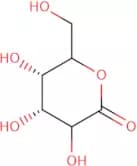
CAS:<p>D-Glucono-1,5-lactone is a chemical compound that is a member of the class of compounds known as diketones. It can be used in chemical biology and polymer chemistry to probe hydrogen bonding interactions, polymer compositions, and redox potentials. D-Glucono-1,5-lactone has been shown to inhibit the growth of cells in culture by inhibiting DNA synthesis. This inhibition is due to its ability to bind with high affinity to nucleic acids and prevent the formation of the enzyme complexes required for transcription and replication. The effects are reversible.</p>Fórmula:C6H10O6Pureza:Min. 95%Forma y color:PowderPeso molecular:178.14 g/molD-Glucose 1-13C
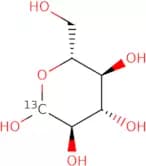
CAS:D-Glucose 1-13C is a kinetic isotope that is used to study the metabolic pathways of glucose. The presence of 13C in the molecule allows for the identification of metabolites and provides an accurate measurement of metabolic rate. This isotope has been used to study lipid metabolism in exudates from animals, as well as fatty acid synthesis in microsomes from rats. D-Glucose 1-13C has also been used in studies on yeast, specifically Saccharomyces cerevisiae strain and Saccharomyces cerevisiae strain.Fórmula:CC5H12O6Pureza:Min. 95%Forma y color:White PowderPeso molecular:181.15 g/mol3,4-O-Isopropylidene-L-arabinono-1,5-lactone
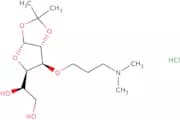
This compound is a lactone that has been synthesized by reacting the 2-deoxy-l-ribose with 3,4-O-isopropylidene-d-lactone. The resulting product has been shown to be an efficient x-ray crystal.Pureza:Min. 95%Amiprilose hydrochloride
CAS:<p>Amiprilose hydrochloride is a nonsteroidal anti-inflammatory drug (NSAID) that inhibits the production of prostaglandins. It has been shown to have antimicrobial properties against skin cells and has been used as a topical treatment for wounds. Amiprilose may also be effective in treating inflammatory diseases, such as rheumatoid arthritis and ulcerative colitis, by inhibiting the production of IL-2 receptors. This drug is also used as a diagnostic tool in infectious diseases and has been found to be active against various bacteria, including Staphylococcus aureus and Escherichia coli; fungi including Candida albicans, Saccharomyces cerevisiae, and Aspergillus niger; protozoa such as Entamoeba histolytica; and viruses such as herpes simplex virus type 1. Amiprilose can inhibit inflammation by blocking the activity of leukotrienes. It is also</p>Fórmula:C14H27NO6·HClPureza:Min. 95%Forma y color:PowderPeso molecular:341.83 g/mol2-Hydroxypropyl-b-cyclodextrin
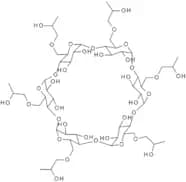
CAS:This beta-cyclodextrin (β-CD) derivative is a functionalized cyclic oligosaccharide composed of seven glucose units, characterized by a hydrophilic exterior and a lipophilic cavity (bigger than α-CD and smaller than γ-CDs), which allows it to encapsulate various guest molecules. This structural feature facilitates its use in multiple applications, including pharmaceuticals, food enhancement, and cosmetics. In the pharmaceutical industry, it enhances the solubility and stability of poorly water-soluble drugs, improving their bioavailability and efficacy while also masking unpleasant tastes. The food sector utilizes it as a stabilizer for flavors, colors, and nutrients, extending shelf life by protecting sensitive ingredients from degradation. In cosmetics, it serves as a complexing agent for fragrances and active components, ensuring their stability and controlled release. Its use expands to many other fields, including nanotechnology for drug delivery systems, environmental remediation for extracting organic pollutants, textiles for slow-release fragrances, and analytical chemistry for chiral separation.Fórmula:C42Hn)O35·(C3H7O)nPureza:Min. 98.0 Area-%Forma y color:PowderCarboxymethyl-dextran sodium salt - Average MW 70,000
CAS:<p>Sodium carboxymethyl dextran is a white, odourless and tasteless powder, which is freely soluble in water or electrolyte solutions. Applications that have been described for carboxymethyl dextran include carriers of paramagnetic contrast agents, preparation of conjugates of pharmacologically active compounds and carboxymethyl dextrans in biosensors. A number of other uses in cosmetics, agriculture, foods, paints and textiles have been the subject of patent applications.</p>Forma y color:Powdera-D-Mannose-1-phosphate dipotassium salt
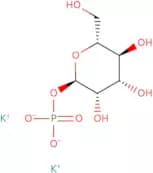
CAS:a-D-Mannose-1-phosphate dipotassium salt (DMDK) is a synthetic oligosaccharide that was designed and synthesized for use as a potential drug in the treatment of cancer. DMDK has been shown to be an inhibitor of protein glycosylation, which may lead to the prevention of tumor formation. It also has anti-inflammatory properties and can inhibit the growth of bacteria by binding to bacterial 16S ribosomal RNA and inhibiting protein synthesis.Fórmula:C6H11K2O9PPureza:Min. 95%Forma y color:PowderPeso molecular:336.32 g/molAcetobromo-D-glucose - 2% CaCO3
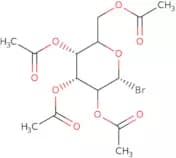
CAS:<p>Intermediate for β-glucosides; potential PET surface modification reagent</p>Fórmula:C14H19BrO9Pureza:Min. 95%Forma y color:White PowderPeso molecular:411.2 g/mol6-Azido-6-deoxy-D-glucose
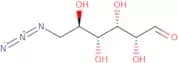
CAS:6-Azido-6-deoxy-D-glucose is a fluorescent compound that can be used as a probe for the visualization of glycosidase activity. The compound is synthesized from D-glucose by reacting it with 6-azidohexyl nitrate and sodium hydroxide in a chemoenzymatic reaction. This compound has been shown to bind to the cell nucleus, which can be observed using microscopy. The uptake of this compound into cells is dependent on the degree of polymerization, with monomers being taken up at a higher rate than oligomers or polymers. 6-Azido-6-deoxy-D-glucose is also an inhibitor of beta-cyclodextrin glycosidase, which prevents the hydrolysis of beta cyclodextrins.Fórmula:C6H11N3O5Pureza:Min. 97 Area-%Forma y color:Off-White PowderPeso molecular:205.17 g/molLewis X tetrasaccharide
CAS:<p>Lewis X tetrasaccharide (LX4) is a glycan that is found on the surface of human cells. It is an important diagnostic marker for microbial infections and has been shown to be present on the surfaces of both normal skin cells and malignant cells. The presence of LX4 can be detected using a monoclonal antibody in vitro. This glycan can also be used as a model system to study ischemia–reperfusion injury, since it has been shown to be sensitive to oxidative changes caused by reactive oxygen species generated during reperfusion. Studies have also shown that LX4 binds to enzymes such as malonic acid oxydoreductase, which are involved in the metabolism of lysine, arginine, and proline.</p>Fórmula:C26H45NO20Pureza:Min. 90%Forma y color:White PowderPeso molecular:691.64 g/mol3-O-(b-D-Mannopyranosyl)-D-mannopyranose
CAS:Synthesized by the 4,6-O-benzylidene acetal-controlled method of CrichFórmula:C12H22O11Pureza:Min. 95%Forma y color:PowderPeso molecular:342.3 g/mol(5R, 8S, 9R) -8- [(4R) - 2, 2- Dimethyl- 1, 3- dioxolan- 4- yl] - 9- hydroxy- 2, 2- dimethyl- 1, 3, 7- trioxaspiro[4.4] nonan- 6- on e
(5R, 8S, 9R) -8- [(4R) - 2, 2- Dimethyl- 1, 3- dioxolan- 4- yl] - 9- hydroxy- 2, 2- dimethyl- 1, 3, 7- trioxaspiro[4.4] nonan- 6- on e is a synthetic and fluorinated glycosylation product of an oligosaccharide with a methyl group at the C5 position. It has been shown to have excellent purity and stability in the presence of water.Pureza:Min. 95%Lumiracoxib acyl-β-D-glucuronide
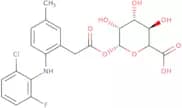
CAS:Producto controladoLumiracoxib acyl-b-D-glucuronide is a synthetic compound that is a derivative of the nonsteroidal anti-inflammatory drug lumiracoxib. It has been shown to be effective as an inhibitor of inflammation and pain in animal models, with no significant toxic effects on the liver or kidney. Lumiracoxib acyl-b-D-glucuronide is a white powder that can be synthesized by glycosylation and modification of lumiracoxib. This compound is soluble in water and ethanol, but insoluble in ether.Fórmula:C21H21ClFNO8Pureza:Min. 95%Forma y color:White To Yellow SolidPeso molecular:469.84 g/molβ-D-Galactopyranosyl amine
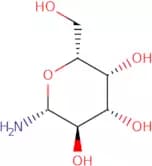
CAS:<p>Inhibitor of β-galactosidase</p>Fórmula:C6H13NO5Pureza:(¹H-Nmr) Min. 95 Area-%Forma y color:White PowderPeso molecular:179.17 g/mol6-Deoxy- 3, 5- O- [(R) - benzylidene] -L- mannonic acid g- lactone
6-Deoxy- 3, 5- O- [(R) - benzylidene] -L- mannonic acid g- lactone is an intermediate in the synthesis of a polysaccharide. It is also used as a click modification agent and can be used to synthesize oligosaccharides with custom modifications. This compound has been shown to be stable under high temperatures and gives high purity products after synthesis. The synthesis of this product can be done using only two steps and can be modified for glycosylation or fluorination.Pureza:Min. 95%Hyacinthine crystals
Hyacinthine is a sugar that is synthesized in the laboratory. It is modified with fluorine, methyl, and click chemistry. Hyacinthine has been shown to have antifungal, antiviral, and antitumour properties. It also has been shown to have anti-inflammatory effects. Hyacinthine can be used as a probe for the study of glycosylation reactions or as a model for the synthesis of complex carbohydrates.Pureza:Min. 95%a-D-Mannose-1-phosphate 3-LINKER-FITC
<p>a-D-Mannose-1-phosphate 3-LINKER-FITC is a custom synthesis, modification, and fluorination of the natural a-D-mannose monosaccharide. It is synthesized from a mixture of D-mannitol (1) and pyridine hydrochloride in the presence of triphenylphosphine (2). The methylation of 2,4,6 trichloroacetophenone with sodium methoxide in methanol yields the desired product 3. This product is then reacted with an excess of N-(3-dimethylaminopropyl)-N'-ethylcarbodiimide hydrochloride to yield 4. The reaction between 4 and 5 results in 6 which is then converted to 7 by treatment with diazomethane. 7 is then reacted with 8 to produce 9. The final product 10 is obtained by reacting 9 with three equivalents of N-(7-azab</p>Pureza:Min. 95%(-)-4-epi-Lyoniresinol-3a-O-b-D-glucopyranoside
<p>(-)-4-epi-Lyoniresinol-3a-O-b-D-glucopyranoside is a modification of the natural product, lyoniresinol, which is an Oligosaccharide. It is a Carbohydrate and its structure is complex due to the presence of a number of monosaccharides, including glucose. (-)-4-epi-Lyoniresinol-3a-O-b-D-glucopyranoside can be synthesized by methylating lyoniresinol with methanethiol in the presence of sodium methoxide to yield methyl lyoniresinolate. The methyl group is then removed by heating in boiling water to yield (-)-4-epi -lyoniresinol 3a -O -b -D -glucopyranoside. This compound has been shown to have antimicrobial activity against gram positive bacteria such as Mycob</p>Pureza:Min. 95%Laminaribiose
CAS:<p>Disaccharide; substrate for glucanases and laminaribiose phosphorylase</p>Fórmula:C12H22O11Pureza:Min. 95%Forma y color:PowderPeso molecular:342.3 g/molNA4 Glycan, 2-AB labelled
<p>NA4 Glycan, 2-AB labelled is a synthetic glycoconjugate. It is a glycosylation of an oligosaccharide and an amino acid residue with the modification of fluorination. NA4 Glycan, 2-AB labelled can be used for research purposes in methylation and Click chemistry. This product also has CAS No., which means it is custom synthesized to order. The purity of this product is high and it is synthetically produced, making it ideal for research purposes.</p>Pureza:Min. 95%Di-N-acetyl-D-lactosamine
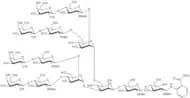
<p>Di-N-acetyl-D-lactosamine (DNL) is a sugar that is found in the mammalian tissues and can be used as a lectin to specifically bind to glycoproteins. It has been shown to have specificities for enteritis, and can be used to detect or analyze the sequences of oligosaccharides. DNL has been immobilized on silica gel, which was then reacted with lectins, such as concanavalin A, wheat germ agglutinin, and soybean agglutinin. This process allows for the detection of high-mannose-type oligosaccharides.</p>Fórmula:C28H48N2O21Pureza:Min. 95%Forma y color:PowderPeso molecular:748.68 g/mol7-O-Galloyl-D-sedoheptulose
7-O-Galloyl-D-sedoheptulose is a synthetic immunosuppressant that is orally administered. It has been shown to be synergistic with pro-inflammatory factors and fructus in mice. 7-O-Galloyl-D-sedoheptulose inhibits the production of pro-inflammatory factors by binding to the receptor α, which prevents the activation of transcription factor NFκB. This drug also inhibits the synthesis of urea nitrogen and pro-apoptotic protein. 7-O-Galloyl-D -sedoheptulose has been shown to be more effective than cyclosporine A in suppressing immune responses in mice and rats with rheumatoid arthritis.Pureza:Min. 95%Methyl α-L-acosamine
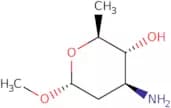
CAS:<p>Methyl a-L-acosamine is a glycosylation agent that can be used to modify complex carbohydrates. It can also be used in the methylation of saccharides, polysaccharides, and sugars. Methyl a-L-acosamine is made by reacting acetic anhydride with L-a-D-galactopyranosyl chloride. The CAS number for this product is 54623-23-3. This product can be custom synthesized to meet your specifications and has high purity.</p>Fórmula:C7H15NO3Pureza:Min. 95%Forma y color:White To Off-White SolidPeso molecular:161.2 g/mol2,6-Dideoxy-D-arabino-hexose
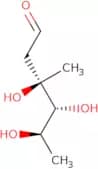
CAS:<p>2,6-Dideoxy-D-arabino-hexose is a hydrogenolysis product of 2,6-dideoxy-D-ribo-hexose. It has been shown to have a solvolytic activity and can be used for the dehalogenation of several halogenated compounds. 2,6-Dideoxy-D-arabino-hexose is also stereoselective and can be used as an estimator in population genetics. This sugar is also regulatory, catalytic, and crystalline. It is found in many carbohydrates, including weighting disaccharides such as sucrose.</p>Pureza:Min. 95%Ethyl 2,3,4,6-tetra-O-benzyl-b-D-thiogalactopyranoside
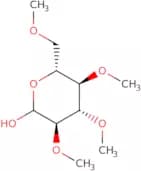
CAS:Ethyl 2,3,4,6-tetra-O-benzyl-b-D-thiogalactopyranoside is a synthetically produced saccharide typically used as a building block in oligo-saccharide synthesis.Fórmula:C36H40O5SPureza:Min. 98 Area-%Peso molecular:584.77 g/mol2,3,4,6-Tetra-O-methyl-D-glucose
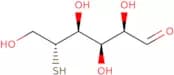
CAS:<p>methyl ether of glucose with the anomeric position free.</p>Fórmula:C10H20O6Pureza:Min. 95%Forma y color:PowderPeso molecular:236.26 g/mol5-Thio-D-glucose
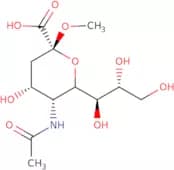
CAS:<p>Thiosugar hexokinase inhibitor; inhibits cellular transport of D-glucose</p>Fórmula:C6H12O5SPureza:Min. 97 Area-%Forma y color:White PowderPeso molecular:196.22 g/molN-Acetyl-2-O-methyl-α-D-neuraminic acid
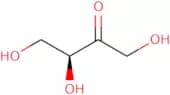
CAS:N-acetylneuraminic acid derivative and a useful tool for the study of sialic acid binding to its ligands. It was previously used for such purpose in studies on the influenza binding to hemagglutinin. This compound was also used for investigation of Clostridium botulinum toxin binding to various sugars.Fórmula:C12H21NO9Pureza:Min. 95%Forma y color:White PowderPeso molecular:323.3 g/molL-Erythrulose
CAS:<p>L-Erythrulose is an organic compound that is a sugar alcohol. It can be synthesized from the aldol reaction of glycolaldehyde and dehydroascorbic acid, which are both found in natural sources. L-Erythrulose has shown to have intramolecular hydrogen transfer (H-transfer) reactions, where the hydroxyl group migrates from one C atom to another. This kinetic data was obtained using surface methodology on model systems containing l-erythrulose and bacteria with wild-type or mutant strains. The conformational properties of L-erythrulose were also investigated by comparing its chemical structures with those of other sugars.</p>Fórmula:C4H8O4Pureza:Min. 95%Forma y color:Yellow Clear LiquidPeso molecular:120.1 g/mol6-Deoxy-L-tallose
CAS:<p>6-Deoxy-L-tallose is a heterocyclic compound that is an enol ether with a vicinal, β-unsaturated aldehyde and the correct stereochemistry. It can be synthesized from D-glucose by enolization of the hydroxyl group at C2, followed by oxidation to form an aldehyde. This reaction can also be accomplished using hydrogen peroxide in acetic acid. 6-Deoxy-L-tallose can also be synthesized from D-mannitol or D-sorbitol by reduction of the carbonyl group at C1, followed by oxidation to form an aldehyde. The synthesis of 6-deoxy L -tallose has been shown to be useful as a chiral synthon for the synthesis of other molecules.END></p>Fórmula:C6H12O5Pureza:Min. 95%Peso molecular:164.16 g/mol(1R) -1- [(2R, 3S) -3-Hydroxy- N-nonyl-1- azetidinyl] -1, 2- ethanediol
<p>(1R) -1- [(2R, 3S) -3-Hydroxy- N-nonyl-1- azetidinyl] -1, 2- ethanediol is a methylated saccharide that can be used in the synthesis of oligosaccharides. It has been shown to be an effective inhibitor of glycosylation and can be used for the modification of carbohydrates. The compound has a CAS number and is available for custom synthesis. It also has high purity and stability, as well as being a synthetic product.</p>Pureza:Min. 95%(2R, 3S, 4R) -4- Azido- 3 benzhydryloxybis(trimethylsilyloxy)silyloxy - 2- [( benzhydryloxybis(trimethylsilyloxy)silyloxy) methyl] - 1- benzyl- pyrrolidine
(2R, 3S, 4R) -4- Azido- 3 benzhydryloxybis(trimethylsilyloxy)silyloxy - 2- [(benzhydryloxybis(trimethylsilyloxy)silyloxy) methyl] - 1- benzyl- pyrrolidine is a highly pure and custom synthesized oligosaccharide. It is a methylated saccharide with a high purity. The CAS number for this compound is 102780-43-1. This compound has been modified by Click chemistry to allow for the modification of saccharides, polysaccharides and other complex carbohydrates.Pureza:Min. 95%(1S) -1- [(2S, 3R) - N-(Methoxyphenyl)methyl-3- hydroxy- 1- azetidinyl] -1, 2- ethanediol
<p>(1S) -1- [(2S, 3R) - N-(Methoxyphenyl)methyl-3- hydroxy- 1- azetidinyl] -1, 2- ethanediol is a synthetic modification of the sugar glucose. It has been fluorinated at the hydroxyl group of the C2 position to produce (1S) -1-[(2S, 3R)-N-(methoxyphenyl)methyl]-3-hydroxy-1-azetidinol. This compound can be used as an intermediate for glycosylation and methylation reactions. It is also available with high purity and custom synthesis.</p>Pureza:Min. 95%Torachrysone 8-O-glucoside
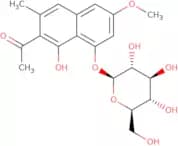
CAS:Torachrysone 8-O-glucoside is a natural product found in the rhizome of Chinese medicinal plant Rhubarb. It is an antiinflammatory that has been shown to be effective in vitro against inflammation induced by spleen, blood, and the stomach. Torachrysone 8-O-glucoside has also been shown to have protective effects on the kidney and bladder.Fórmula:C20H24O9Pureza:Min. 95%Forma y color:White PowderPeso molecular:408.4 g/mol1,4-D-Xylobiose
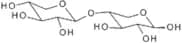
CAS:<p>1,4-D-Xylobiose, also called 4-O-(b-D-Xylopyranosyl)-D-xylopyranose, is a beta 1-4 linked disaccharide made of 2 xylose monomers. 1,4-D-Xylobiose is a low-calories sweetener that can be used as an alternative or additive to sucrose. Supplementing a high fat diet with 1,4-D-xylobiose has been shown to prevent and treat obesity in mice.</p>Fórmula:C10H18O9Pureza:Min. 95 Area-%Forma y color:White PowderPeso molecular:282.25 g/mol1,2,3,4-Tetra-O-benzoyl-6-O-triisopropylsilyl-b-D-galactopyranose
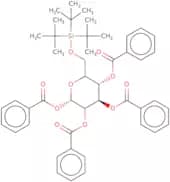
1,2,3,4-Tetra-O-benzoyl-6-O-triisopropylsilyl-b-D-galactopyranose is an oligosaccharide. The carbohydrate is a complex carbohydrate that has been custom synthesized and high purity. The CAS number for this compound is 10981-97-5. This compound is a monosaccharide that has been methylated and glycosylated. It is also a polysaccharide composed of sugar molecules with the molecular formula C8H18O6. This compound has been fluorinated and saccharided.Fórmula:C46H54O10SiPureza:Min. 95%Peso molecular:795.02 g/mol[2S- (2a, 3b, 4a, 5b) ] - 1-Benzyl - 2-methyl-3, 4, 5- piperidinetriol
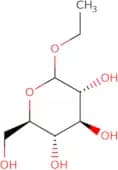
This product is a custom synthesis. It is a fluorinated, modified monosaccharide that has been synthesized by click chemistry and contains an O-glycosyl group. This product can be used in the synthesis of glycosylated polysaccharides and oligosaccharides, or as a building block for modification of complex carbohydrates to produce new compounds with novel properties, such as fluorescence.Pureza:Min. 95%Ethyl β-D-glucopyranoside
CAS:<p>Ethyl β-D-glucopyranoside is a fatty acid with the chemical formula CH 3 (CHOH) 2 CH(OH)CH 2 OH. It is a reaction product of inulin and levulinate. Ethyl β-D-glucopyranoside can be used as a control agent for urine samples to test for microbial infection. It also has an inhibitory effect on the growth of microbes, such as bacteria and fungi, which may be due to its ability to disrupt the cell membrane. Ethyl β-D-glucopyranoside is also known to have detergent properties that can be used in soaps and detergents.</p>Fórmula:C8H16O6Pureza:Min. 98 Area-%Forma y color:Clear Viscous Liquid Solidified MassPeso molecular:208.21 g/molMethyl 2,3-di-O-benzoyl-4,6-O-(4-methoxybenzylidene)-a-D-glucopyranoside
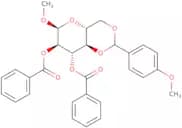
CAS:Methyl 2,3-di-O-benzoyl-4,6-O-(4-methoxybenzylidene)-a-D-glucopyranoside is a synthetic carbohydrate. The chemical name is methyl 2,3-di-O-benzoyl-4,6--O-(4--methoxybenzylidene) -a -D--glucopyranoside. It is a white or off white powder that is soluble in water and methanol. This product can be used as a monosaccharide for glycosylation or polysaccharide for saccharide modification.Fórmula:C29H28O9Pureza:Min. 95%Peso molecular:520.54 g/mol3-O-Benzyl-1,2-O-isoproylidene-4-C-(phenylmethoxy)methyl-β-L-lyxofuranose
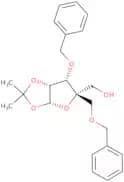
CAS:3-O-Benzyl-1,2-O-isoproylidene-4-C-(phenylmethoxy)methyl-b-L-lyxofuranose is a monosaccharide that belongs to the group of carbohydrates. It is used as a raw material in the synthesis of complex carbohydrates by click chemistry, glycosylation and methylation. 3-O-Benzyl--1,2--O--isoproylidene--4--C-(phenylmethoxy)methyl--b--L--lyxofuranose has been modified for use in fluoroformations and glycosylations. This compound can also be used as an intermediate for the synthesis of other saccharides.Fórmula:C23H28O6Pureza:Min. 95%Forma y color:PowderPeso molecular:400.46 g/molHaloperidol b-D-glucuronide
CAS:Producto controlado<p>Haloperidol b-D-glucuronide is the glucuronide conjugate of haloperidol. It is a major metabolite of haloperidol, which can be detected in urine samples and plasma concentration–time curves. It has been shown to be effective in the treatment of schizophrenic patients and is used as a marker for schizophrenia. Haloperidol b-D-glucuronide has been found to inhibit the reduction of carbonyl groups by human liver microsomes, but not rat liver microsomes. This inhibition may be due to its capacity to bind with human liver enzymes, such as cytochrome P450 reductase and glutathione reductase. Haloperidol b-D-glucuronide also inhibits the uptake of antipsychotic medications into human liver cells, but not rat liver cells.</p>Fórmula:C27H31ClFNO8Pureza:Min. 95%Peso molecular:551.99 g/molD-Glucono-1,4-lactone
CAS:<p>D-Glucono-1,4-lactone is a sugar that is produced by the action of glucoamylase on starch or cellulose. It can be used as a source of food for yeast, in the production of polyesters and plastics, and as a precursor to vitamin C. The pH optimum for D-glucono-1,4-lactone production is between 3.5 and 4.5. X-ray crystal structures have shown that the enzyme binds to crystalline cellulose via hydrogen bonding interactions, which are formed by hydroxyl groups on the enzyme and carboxyl groups on crystalline cellulose. These interactions are important for the cleavage of glucose from crystalline cellulose by D-glucono-1,4-lactone. D-glucono-1,4-lactone has been shown to reduce blood glucose levels in rats with metabolic disorders when administered orally at doses</p>Fórmula:C6H10O6Pureza:Min. 95%Forma y color:White PowderPeso molecular:178.14 g/mol1-Deoxy-D-ribose
CAS:<p>1-Deoxy-D-ribose is a sugar that is synthesized from the sugar ribose. It can be produced by reductive cleavage of the sugar sulfate adenosine, which gives rise to 1-deoxy-D-ribose and sulfite. This compound also has an important role in DNA synthesis. The natural source of this compound is D-ribose, which can be found in many sources such as yeast extract, pectin, and honey. 1-Deoxy-D-ribose is a nucleoside that has the cyclic form of ribose. This compound was first isolated in 1957 and was originally synthesized in 1891 by Emil Fischer. 1-Deoxy-D-ribose binds to adenosine with a connective bond and forms a cyclic molecule called pyrrolo[2,3]pyrimidine.</p>Fórmula:C5H10O4Pureza:Min. 95%Forma y color:PowderPeso molecular:134.2 g/molMethylphenyl 2-O-benzyl-b-D-thiogalactopyranoside
Methylphenyl 2-O-benzyl-b-D-thiogalactopyranoside (MPBGT) is a modification of the natural disaccharide, galactose. It is synthesized by the glycosylation and methylation of galactose with methyl phenyl b-D-thioglucopyranoside. MPBGT is typically used as a building block for oligosaccharides or polysaccharides. The MPBGT can be modified by fluorination or saccharide substitution to produce diverse products.Fórmula:C20H24O5SPureza:Min. 95%Peso molecular:376.47 g/mol2-Acetamido-3,4,6-tri-O-acetyl-2-deoxy-a-D-glucopyranosyl chloride - Stabilised with 2.5% CaCO3
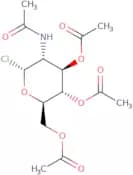
CAS:2-Acetamido-3,4,6-tri-O-acetyl-2-deoxy-a-D-glucopyranosyl chloride - Stabilised with 2.5% CaCO3 is a crystalline compound that is synthesized from acetobromosugars and has the ability to inhibit virus activity. The compound binds to the reactive sulfhydryl groups on the surface of the virus, inhibiting its infectivity. This compound can be used in biomedical research for the treatment of hepatitis.Fórmula:C14H20ClNO8Pureza:Min. 95%Forma y color:White PowderPeso molecular:365.76 g/molβ-D-(2-Acetamido-2-deoxy-D-glucopyranosyl)-2-acetamido-2-deoxy-β-D-thioglucopyranoside
b-D-(2-Acetamido-2-deoxy-D-glucopyranosyl)-2-acetamido-2-deoxy-b-D-thioglucopyranoside is an oligosaccharide that belongs to the carbohydrate class. It is a fluorinated monosaccharide with a high purity and custom synthesis. This compound is methylated and glycosylated, making it a complex carbohydrate with click modification.Fórmula:C16H28N2O10SPureza:Min. 95%Forma y color:Off-white to light brown crystals.Peso molecular:440.47 g/molVinyl a-D-lactose
<p>Vinyl a-D-lactose is a custom synthesis, fluorinated, modified monosaccharide that can be used to modify proteins and polysaccharides. It has been shown to react with proteins through the click chemistry reaction and methylation. Vinyl a-D-lactose can be used for glycosylation of saccharides and complex carbohydrates in order to synthesize oligosaccharides.</p>Pureza:Min. 95%1-Fmoc-amino-2,4-O-D-butane-2,3,4-triol
<p>1-Fmoc-amino-2,4-O-D-butane-2,3,4-triol is a custom synthesis of an oligosaccharide that is a sugar or carbohydrate. It is modified with fluorination, methylation and click chemistry. 1-Fmoc-amino-2,4-O-D-butane-2,3,4-triol has been shown to have antiangiogenic activity. This compound also has saccharide and glycosylation activity. 1Fmoc amino 2,4 O D butane 2 3 4 triol is a polysaccharide that is glycosylated with sugar and complex carbohydrates.</p>Pureza:Min. 95%D-Xylose - Syrup
CAS:Xylose (Xyl) is an aldopentose also known as wood sugar (Collins, 2006). The main sources of xylose are hemicelluloses found in hardwood and perennial plants, such as, grasses, cereals, and herbs (Petzold-Welcke, 2014) and some algae. Xylose is used in the production of xylitol, a low calory sugar substitute. Xylose is used in glycosaminoglycan (GAG) biosynthesis, which is initiated by peptide O-xylosyltransferases, which transfer xylose onto selected serine residues in the core proteins. The first enzyme in the pathway, peptide O-xylosyltransferase, catalyzes the transfer of xylose from uridine diphosphate (UDP)-α-D-xylose onto serine and thus determines the site(s) of GAG attachment on the core protein (Briggs, 2018).Fórmula:C5H10O5Pureza:Min. 95%Peso molecular:150.13 g/mol







![N-Acetylneuraminyl-(a2-3)-D-galactopyranosyl-(b1-3)-[N-acetylneuraminyl-(a2-6)]-D-N-acetylgalactos…](/_next/image/?url=https%3A%2Fstatic.cymitquimica.com%2Fproducts%2F3D%2Fthumb-webp%2FOA15250.webp&w=3840&q=75)



![N-Acetylneuraminyl-(a2-3)-D-galactopyranosyl-(b1-3)-[N-acetylneuraminyl-(a2-6)]-D-N-acetylgalactos…](/_next/image/?url=https%3A%2Fstatic.cymitquimica.com%2Fproducts%2F3D%2Fthumb-webp%2FOA15983.webp&w=3840&q=75)
![(5R, 6R, 7R, 8S) -5, 7-Dihydroxy- 8- (hydroxymethyl) - 1- azabicyclo[4.2.0] octan- 2- one](/_next/image/?url=https%3A%2Fstatic.cymitquimica.com%2Fproducts%2F3D%2Fthumb-webp%2FMD163385.webp&w=3840&q=75)







![(5R, 8S, 9R) -8- [(4R) - 2, 2- Dimethyl- 1, 3- dioxolan- 4- yl] - 9- hydroxy- 2, 2- dimethyl- 1, 3…](/_next/image/?url=https%3A%2Fstatic.cymitquimica.com%2Fproducts%2F3D%2Fthumb-webp%2FMD170676.webp&w=3840&q=75)
![6-Deoxy- 3, 5- O- [(R) - benzylidene] -L- mannonic acid g- lactone](/_next/image/?url=https%3A%2Fstatic.cymitquimica.com%2Fproducts%2F3D%2Fthumb-webp%2FMD163979.webp&w=3840&q=75)



![(1R) -1- [(2R, 3S) -3-Hydroxy- N-nonyl-1- azetidinyl] -1, 2- ethanediol](/_next/image/?url=https%3A%2Fstatic.cymitquimica.com%2Fproducts%2F3D%2Fthumb-webp%2FMH163400.webp&w=3840&q=75)
![(1S) -1- [(2S, 3R) - N-(Methoxyphenyl)methyl-3- hydroxy- 1- azetidinyl] -1, 2- ethanediol](/_next/image/?url=https%3A%2Fstatic.cymitquimica.com%2Fproducts%2F3D%2Fthumb-webp%2FMM163410.webp&w=3840&q=75)
![[2S- (2a, 3b, 4a, 5b) ] - 1-Benzyl - 2-methyl-3, 4, 5- piperidinetriol](/_next/image/?url=https%3A%2Fstatic.cymitquimica.com%2Fproducts%2F3D%2Fthumb-webp%2FMB163330.webp&w=3840&q=75)