Glycoscience
La glicociencia es el estudio de los carbohidratos y sus derivados, así como de las interacciones y funciones biológicas en las que participan. Este campo de investigación es crucial para comprender una amplia variedad de procesos biológicos, incluyendo el reconocimiento celular, la señalización, la respuesta inmune y el desarrollo de enfermedades. La glicociencia tiene aplicaciones importantes en la biotecnología, la medicina, y el desarrollo de nuevos fármacos y terapias. En CymitQuimica, ofrecemos una amplia selección de productos de alta calidad y pureza para la investigación en glicociencia. Nuestro catálogo incluye monosacáridos, oligosacáridos, polisacáridos, glicoconjugados, y reactivos específicos, diseñados para apoyar a los investigadores en sus estudios sobre la estructura, función y aplicaciones de los carbohidratos en sistemas biológicos. Estos recursos están destinados a facilitar descubrimientos científicos y aplicaciones prácticas en diversas áreas de la biociencia y la medicina.
Subcategorías de "Glycoscience"
- Aminoazúcares(108 productos)
- Anticuerpos relacionados con azúcares(282 productos)
- Glicolípidos(46 productos)
- Glicosaminoglicanos (GAGs)(55 productos)
- Glucósidos(419 productos)
- Monosacáridos(6.624 productos)
- Oligosacáridos(3.682 productos)
- Polisacáridos(503 productos)
Se han encontrado 11046 productos de "Glycoscience"
Ordenar por
Pureza (%)
0
100
|
0
|
50
|
90
|
95
|
100
(3R,4R)-2-Methyl-2,3,4,5-tetrahydroxypentane
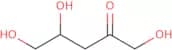
<p>(3R,4R)-2-Methyl-2,3,4,5-tetrahydroxypentane is a synthetic compound. It is a glycosylation reagent that can be used to modify the sugar moiety in oligosaccharides and complex carbohydrates. (3R,4R)-2-Methyl-2,3,4,5-tetrahydroxypentane is also used for fluorination reactions and click chemistry modifications. This product has been shown to have high purity and can be custom synthesized. The CAS number for this compound is 36610-02-6.</p>Pureza:Min. 95%6-Deoxy-D-psicose
<p>6-Deoxy-D-psicose is a sugar molecule that is made up of six carbon atoms. It is one of the two possible epimers of D-psicose, and it can be used as an alkaline equilibrating agent for the conversion of D-fructose to 1-deoxy-D-fructose. 6-Deoxy-D-psicose can also be used as a substrate in reactions with other sugars to form new compounds. 6DPSC can be transformed into rhamnose by heating it at 100°C in alkaline solution, or into l-rhamnose by heating it at 120°C in alkaline solution. The transformation process converts 6DPSC into its epimer, which is stable at high temperatures without decomposing. 6DPSC has been shown to have efficient properties for use in research and for the production of various substances.</p>Pureza:Min. 95%Methyl 2-deoxy-2-fluoro-L-arabinofuranoside
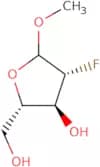
CAS:<p>Methyl 2-deoxy-2-fluoro-L-arabinofuranoside is a synthetic monosaccharide that can be used as a building block for the synthesis of oligosaccharides and polysaccharides. It has been shown to have high purity, and it can be custom synthesized. Methyl 2-deoxy-2-fluoro-L-arabinofuranoside is an excellent source of fluorine atoms, which are commonly used in glycosylation reactions. This product is also useful for click chemistry reactions with methyl groups, as well as other modifications such as oxidation, reduction, esterification, and acetylation.</p>Fórmula:C6H11FO4Pureza:Min. 95%Forma y color:PowderPeso molecular:166.15 g/molD-Allose-6-phosphate disodium
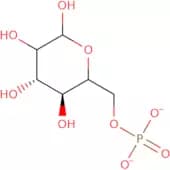
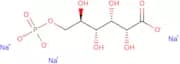
CAS:<p>D-Allose-6-phosphate disodium is a fluorinated sugar that is used in the synthesis of oligosaccharides and polysaccharides. It can be modified by methylation, fluorination, or click chemistry. This product has been custom synthesized to produce high purity and high quality.</p>Fórmula:C6H11O9PNa2Pureza:Min. 95%Forma y color:White Off-White PowderPeso molecular:304.1 g/molUDP-D-glucuronide trisodium salt
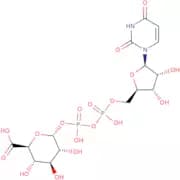
CAS:<p>Substrate for glucuronosyltransferases</p>Fórmula:C15H19N2Na3O18P2Pureza:Min. 98 Area-%Forma y color:White Off-White PowderPeso molecular:646.24 g/mol3-O-Benzyl-2-deoxy-D-arabinopyranose
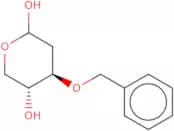
<p>3-O-Benzyl-2-deoxy-D-arabinopyranose is a modified sugar that can be used in the synthesis of oligosaccharides. It is a white powder that has a purity level of more than 99%. The CAS number for 3-O-Benzyl-2-deoxy-D-arabinopyranose is 52397-07-8. This product can be custom synthesized to meet your specific needs. It can also be methylated, glycosylated, or modified with a click chemistry reaction.</p>Fórmula:C12H16O4Pureza:Min. 95%Peso molecular:224.25 g/mol2-Acetamido-3,4,6-tri-O-acetyl-2-deoxy-β-D-glucopyranosyl amine
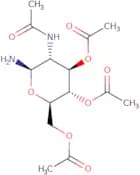
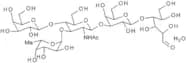
CAS:<p>2-Acetamido-3,4,6-tri-O-acetyl-2-deoxy-b-D-glucopyranosyl amine is a high purity custom synthesis sugar. It can be modified with fluorination, glycosylation, and methylation. It has CAS No. 4515-24-6 and is a synthetic oligosaccharide monosaccharide saccharide carbohydrate complex carbohydrate.</p>Fórmula:C14H22N2O8Pureza:Min. 95%Forma y color:PowderPeso molecular:346.33 g/molLacto-N-fucopentaose III
CAS:<p>Neutral pentasaccharide naturally present in human breast milk</p>Fórmula:C32H55NO25Pureza:Min. 95%Forma y color:White PowderPeso molecular:853.77 g/mol(3S, 4R) - 2- [(1S) - 1, 2- Dihydroxyethyl] - 3, 4- pyrrolidinediol
<p>(3S, 4R) - 2- [(1S) - 1, 2- Dihydroxyethyl] - 3, 4- pyrrolidinediol is a Custom synthesis of an Oligosaccharide. It is a Polysaccharide and Modification of a saccharide with Methylation and Glycosylation. This Carbohydrate has been Fluorinated and Synthetically created to be High purity.</p>Pureza:Min. 95%(+)-Lyoniresinol-3a-O-(6''-3-methoxy-4-hydroxybenzoyl)-b-D-glucopyranoside
The compound is a synthetic, complex carbohydrate composed of glucose and methyl-D-glucoside units. It can be custom synthesized to meet your specifications.Pureza:Min. 95%1,2,3,4-Tetra-O-acetyl-6-O-triisopropylsilyl-b-D-glucopyranose
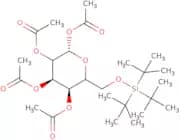
<p>1,2,3,4-Tetra-O-acetyl-6-O-triisopropylsilyl-b-D-glucopyranose is a carbohydrate molecule that can be synthesized to order. It is a synthetic compound that can be fluorinated and glycosylated. This product is a key intermediate for the synthesis of oligosaccharides and monosaccharides. 1,2,3,4-Tetra-O-acetyl-6-O-triisopropylsilyl-b-D glucopyranose has CAS No. 61453–07–5 and molecular weight of 496.07 g/mol.</p>Fórmula:C23H40O10SiPureza:Min. 95%Peso molecular:504.64 g/molk-Carradiitol sulfate sodium salt
<p>k-carrageenan derived disaccharide alcohol sulfate</p>Fórmula:C12H21O13S1NaPureza:Min. 95%Peso molecular:428.34 g/molAllitol
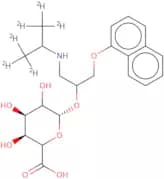
CAS:<p>Allitol is a sugar alcohol that is used as a sweetener. It can be found naturally in some fruits and vegetables, but it can also be produced by hydrogenation of xylose. Allitol is metabolized by the liver and has been shown to inhibit fatty acid synthesis. It also has insulin-resistance effects, which may be due to its ability to inhibit the conversion of glucose into fatty acids. Allitol has been shown to decrease the levels of hydrochloric acid in the stomach, which may lead to an increase in gastric pH. Allitol will react with strong bases such as sodium hydroxide or potassium hydroxide to form d-talitol and polycarboxylic acid, respectively. Magnetic resonance spectroscopy (MRS) can be used to study the biochemical properties of allitol because it has a unique magnetic resonance spectrum (MRS).</p>Fórmula:C6H14O6Pureza:Min. 98 Area-%Forma y color:PowderPeso molecular:182.17 g/molPropranolol D-glucuronide D6
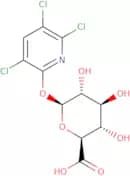
Producto controlado<p>Propranolol D-glucuronide D6 is a synthetic, fluorinated, saccharide that is a modification of propranolol. It has high purity and can be custom synthesized to meet specific requirements. Propranolol D-glucuronide D6 has been shown to inhibit the growth of bacteria by binding to the 50S ribosomal subunit. It is used in veterinary medicine to treat respiratory infections caused by Clostridium perfringens and other bacteria. The drug also has a toxic effect on respiratory system cells, which may be due to its ability to induce apoptosis.</p>Fórmula:C22H23NO8D6Pureza:Min. 95%Peso molecular:441.5 g/mol3,5,6-Trichloro-2-pyridinol β-D-glucuronide
CAS:<p>3,5,6-Trichloro-2-pyridinol b-D-glucuronide is a synthetic glycosylate that has been modified by fluorination and methylation. It is used as an intermediate in the manufacture of a variety of saccharides and oligosaccharides. The sugar has been synthesized to have a high purity. 3,5,6-Trichloro-2-pyridinol b-D-glucuronide is a complex carbohydrate that can be modified using click chemistry. Click chemistry is a modification technique that uses copper (II) ions as catalysts for the formation of carbon–carbon bonds. This process can be used to modify saccharides and oligosaccharides with functional groups such as amines, thiols, alcohols, carboxylic acids, or nitriles.</p>Fórmula:C11H10Cl3NO7Pureza:Min. 95%Forma y color:White PowderPeso molecular:374.56 g/mol4-Aminobutyl 6-O-(a-D-mannopyranosyl)-a-D-mannopyranoside
<p>4-Aminobutyl 6-O-(a-D-mannopyranosyl)-a-D-mannopyranoside is a synthetic saccharide that can be used as a substituent in the synthesis of complex carbohydrates. It is an aminobutyric acid methyl ester derivative of D-mannose with a pyranose ring. 4-Aminobutyl 6-O-(a-D-mannopyranosyl)-a-D-mannopyranoside has been shown to react with acetic anhydride and diazomethane to yield methylated derivatives of D-glucal, D-sorbitol, and DMPG. It is also used for the synthesis of oligosaccharides, glycosylations, and fluorinations.</p>Pureza:Min. 95%Anthrose - ethylene diamine-N6-hydroxylhexanoic acid - biotin linker
<p>Anthrose is a custom synthesis chemical that is used as a methylation reagent. It can be used in the synthesis of oligosaccharides and polysaccharides, which are complex carbohydrates. Anthrose has been shown to be effective for fluorination and saccharide modification. The chemical structure of anthrose consists of an ethylene diamine-N6-hydroxylhexanoic acid linker with biotin at one end and a hexose at the other.</p>Pureza:Min. 95%6-Chloro-6-deoxy-D-glucose
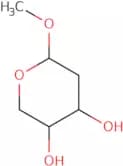
CAS:<p>6-Chloro-6-deoxy-D-glucose is a sugar that is used as a carbon source in the process of spermatozoa production. It has been shown to increase the fertility of animals by increasing the uptake of phosphorus pentachloride and ganglion cells in the testes. This drug also has contraceptive and antifertility effects, which may be due to its ability to inhibit the uptake of adenine nucleotide in cells. 6-Chloro-6-deoxy-D-glucose may have a role in ATP levels, with intracellular levels being higher than those in control analysis.</p>Fórmula:C6H11ClO5Pureza:Min. 95%Forma y color:White Off-White PowderPeso molecular:198.6 g/molMethyl 2-deoxy-b-D-ribopyranoside
CAS:<p>Methyl 2-deoxy-b-D-ribopyranoside is a synthetic monosaccharide that has been modified by fluorination, monosaccharide, and methylation. It is an oligosaccharide that belongs to the group of complex carbohydrates. This compound can be used for glycosylation reactions or as a sugar donor in click chemistry. Methyl 2-deoxy-b-D-ribopyranoside has CAS No. 17676-20-9 and it's purity is greater than 99%.</p>Fórmula:C6H12O4Pureza:Min. 95%Peso molecular:148.16 g/molIsosaccharinic acid-1,4-lactone
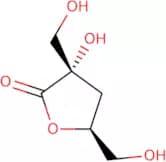
CAS:<p>Isosaccharinic acid-1,4-lactone is an organic compound that is found in human urine. It has been shown that the concentration of this compound can be used as a marker for renal health. The hydrated form of isosaccharinic acid-1,4-lactone can be prepared by heating with acetic anhydride, and it has been shown to have potential applications as a buffer in diagnostic tests for human serum or as a stabilizer for x-ray structures. The 1H NMR spectrum of isosaccharinic acid-1,4-lactone reveals two distinct signals at 1.6 and 2.0 ppm, which are assigned to the two isomers of this compound. The second order rate constant was measured to be 0.025 s−1 at pH 7 and 22 °C using acetate extract from human urine. This technique was also applied to measure rates constant for other organic acids such as formic acid</p>Fórmula:C6H10O5Pureza:Min. 98 Area-%Forma y color:White PowderPeso molecular:162.14 g/mol8-Methoxycarbonyloctyl 2-acetamido-2-deoxy-4-(a-L-fucopyranosyl)-3-O-(b-D-galactopyranosyl)-b-D-glucopyranoside
CAS:8-Methoxycarbonyloctyl 2-acetamido-2-deoxy-4-(a-L-fucopyranosyl)-3-O-(b-D-galactopyranosyl)-b-D-glucopyranoside is a custom synthetic compound that was created using click chemistry. It is an oligosaccharide, polysaccharide, saccharide, and carbohydrate. It is fluorinated and has been modified with methyl groups.Pureza:Min. 95%2-Acetamido-2-deoxy-4-O-(b-D-galactopyranosyl)-6-sulfo-b-D-glucopyranose
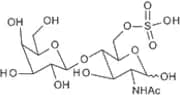
CAS:<p>2-Acetamido-2-deoxy-4-O-(b-D-galactopyranosyl)-6-sulfo-b-D-glucopyranose is a glycosaminoglycan that can be used as an immunomodulator. It has been shown to inhibit the production of tumor necrosis factor alpha (TNFα) in experimental cancer tissues and to stimulate the activity of lymphocytes, which may be due to its ability to regulate camp levels. 2A2D4OSBG also has regulatory effects on monoclonal antibodies and inhibits the immune reaction caused by autoimmune diseases.</p>Fórmula:C14H25NO14SPureza:Min. 95%Forma y color:White PowderPeso molecular:463.41 g/mola-Cyclodextrin
CAS:<p>α-Cyclodextrin is a cyclic oligosaccharide with 6 D-glucose residues which are α-1,4-linked. α-cyclodextrin is used in the food industry to encapsulate flavours and fragrances. α-cyclodextrin is also an effective inhibitor of the upstream inflammatory response induced by cholesterol crystals. Cholesterol crystal-induced complement activation is a critical step in the development of atherosclerosis, thus inhibition of complement with α-cyclodextrin has the potential to be used in the treatment of atherosclerosis.</p>Fórmula:C36H60O30Pureza:Min. 98 Area-%Forma y color:White Off-White PowderPeso molecular:972.84 g/molValibose
CAS:<p>Inhibitor of alpha-glucosidase</p>Fórmula:C10H21NO6Pureza:Min. 95%Peso molecular:251.28 g/mol1,2-O-Isopropylidene-a-D-xylofuranose
CAS:<p>Chiral building block for synthesis of carbohydrate and nucleoside derivatives</p>Fórmula:C8H14O5Pureza:(%) Min. 98%Forma y color:White PowderPeso molecular:190.19 g/molMonofucosyllacto-N-hexaose I
CAS:<p>Sialylated tetrasaccharide found in human milk, possible health benefits for the neonate by supporting resistance to pathogens, gut maturation, immune function, and cognitive development. Purity typically above 70%. Contains other oligosaccharide fragments. For a typical IC trace see datasheet section</p>Fórmula:C46H78N2O35Pureza:(By Hpaec) Min. 70%Forma y color:PowderPeso molecular:1,219.1 g/mol2,3,4,6-Tetra-O-benzyl-L-mannopyranose
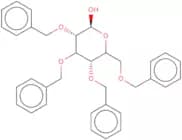
CAS:<p>2,3,4,6-Tetra-O-benzyl-L-mannopyranose is a synthetic saccharide. It is a high purity sugar that can be used as a custom synthesis and glycosylation reagent. This compound is also known as 1,2:3,4:5,6-penta-O-benzylidene-D-mannopyranose. It has CAS No. 103368-00-9 and Carbohydrate.</p>Fórmula:C34H36O6Pureza:Min. 95%Peso molecular:540.7 g/mol(1R) -1- [(2R, 3R,4S) -N-Benzyl-3- benzyloxy- 4-hydroxymethyl-1- azetidinyl] -1, 2- ethanediol
<p>(1R) -1- [(2R, 3R,4S) -N-Benzyl-3- benzyloxy- 4-hydroxymethyl-1- azetidinyl] -1, 2- ethanediol is a modification of the oligosaccharide glycogen. It is a synthetic compound that has been modified by methylation and glycosylation. This compound is soluble in water and ethanol, but insoluble in ether. It has a CAS number of 55634-00-2.</p>Pureza:Min. 95%Maltotetraitol
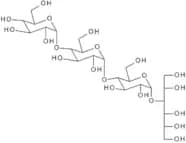
CAS:<p>Bulk sweetener; viscosity/bodying agent; humectant; cryoprotectant</p>Fórmula:C24H44O21Pureza:Min. 95%Forma y color:White PowderPeso molecular:668.59 g/molRaspberry ketone glucoside
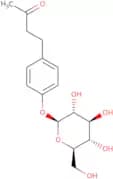
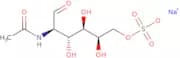
CAS:<p>Raspberry ketone glucoside is a hydrogenated, isopropyl palmitate fatty acid. It is a dietary supplement that has been shown to inhibit the activity of matrix metalloproteinases, which are enzymes that break down collagen in the skin and lead to wrinkles. Raspberry ketone glucoside also inhibits tyrosinase, an enzyme involved in the production of melanin. As a result, raspberry ketone glucoside has been shown to reduce pigmentation and inhibit UV-induced skin damage. Raspberry ketone glucoside may have an inhibitory effect on fatty acids by inhibiting the synthesis of fatty acids and reducing the number of fat cells in adipose tissue. This compound is also used as a crystallization aid for cellulose and as an organic solvent for food composition.</p>Fórmula:C16H22O7Pureza:Min. 95%Forma y color:White PowderPeso molecular:326.34 g/molN-Acetyl-D-galactosamine-6-O-sulphate sodium
CAS:<p>N-Acetyl-D-galactosamine-6-O-sulphate sodium is a carbohydrate that is used in the synthesis of oligosaccharides. The saccharide is fluorinated, methylated, and glycosylated. It also has a click modification at the reducing end. N-Acetyl-D-galactosamine-6-O-sulphate sodium is synthesized by custom synthesis and has high purity.</p>Fórmula:C8H14NO9SNaPureza:Min. 95%Forma y color:PowderPeso molecular:323.25 g/molLactose octaisobutyrate
<p>Synthetic building block for oligosaccharide synthesis</p>Fórmula:C44H70O19Pureza:Min. 95%Forma y color:PowderPeso molecular:903.02 g/mol7-Deoxy-1,2:3,4:5,6-tri-O-isopropylidene-L-glycero-L-gulo-heptitol
<p>7-Deoxy-1,2:3,4:5,6-tri-O-isopropylidene-L-glycero-L-guloheptitol is a synthetic oligosaccharide. It is a complex carbohydrate that has been synthesized from glucose and galactose. The sugar's CAS number is 81271-78-9. This product can be custom synthesized to customer specifications and it is available in high purity and high quality. 7-Deoxy-1,2:3,4:5,6 -tri -O -isopropylidene -L -glycero -L -guloheptitol has been fluorinated with chlorine gas to produce the desired product. It has also undergone methylation and glycosylation reactions.</p>Pureza:Min. 95%2-Amino-2-deoxy-3,4-O-isopropylidene-6-O-toluenesulfonyl-L-idonic acid methyl ester
<p>2-Amino-2-deoxy-3,4-O-isopropylidene-6-O-toluenesulfonyl-L-idonic acid methyl ester is a synthetic monosaccharide that has been fluorinated and glycosylated. It is under CAS number 126959-30-1 and can be used as a building block for the synthesis of complex carbohydrates. This compound is available for custom synthesis to meet your specifications.</p>Pureza:Min. 95%Xylan - from corncob, MW 300-900
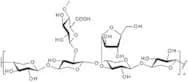
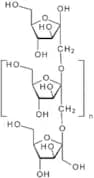
CAS:<p>In their simplest forms, xylans are linear homopolymers of β-1,4-xylose residues. In nature they are partially substituted by acetyl, 4-O-methyl-D-glucuronosyl and α-1,3 L-arabinofuranosyl residues, forming complex heterogenous and polydispersed glycans. An example of this is in the L-arabino (methyl-D-glucurono) xylan from corn cob.</p>Pureza:Min. 95 Area-%Forma y color:White Yellow PowderMethyl 2,3,4-tri-O-benzoyl-6-O-triisopropylsilyl-a-D-galactopyranoside
CAS:Methyl 2,3,4-tri-O-benzoyl-6-O-triisopropylsilyl-a-D-galactopyranoside is a custom synthesis with CAS No. 356060-82-7. It is a high purity Glycosylation and Carbohydrate that has been modified with fluorination and synthesized using the Click modification. This product is a complex carbohydrate with an Oligosaccharide and Polysaccharide structure. Methyl 2,3,4-tri-O-benzoyl-6-O-triisopropylsilyl -a -D -galactopyranoside has been methylated and glycosylated.Fórmula:C37H46O9SiPureza:Min. 95%Peso molecular:662.84 g/mol3-Deoxypentulose
CAS:<p>3-Deoxypentulose is a kinetic, reactive and chromatographic compound that belongs to the family of glycolysis. It is present in small amounts in the blood and is derived from pentose sugars. The reaction mechanism of 3-deoxypentulose can be divided into two steps: glyoxal formation and hydroxide solution modification. In the first step, 3-deoxypentulose reacts with glucose to form glyoxal. In the second step, 3-deoxypentulose reacts with hydroxide solution to form galactose, which can further react with other compounds or be modified by enzymatic reactions. This compound has been used as a tagatose substitute in food products and as an oligosaccharide modifier. Recently, it has been shown that 3-deoxypentulose may be used as a chemical probe for studying glycolic acid synthesis in bacteria.</p>Fórmula:C5H10O4Pureza:Min. 95%Forma y color:PowderPeso molecular:134.13 g/molSodium alginate, Laminaria Hyperborea
CAS:<p>Sodium alginate is a biocompatible polymer that is used in the treatment of wastewater. It is a water-soluble substance that forms a viscous solution when dissolved in water. Sodium alginate has been shown to inhibit the growth of bacteria and fungi, as well as to reduce the number of coliforms and other microorganisms in water. The potential for an alginate to be biocompatible depends on its chemical structure, with Laminaria Hyperborea being the most biocompatible. Alginates have been shown to have surface properties that are similar to those of natural tissue, making them useful for wound dressings.</p>Fórmula:C6H9NAO7Forma y color:PowderPeso molecular:216.12 g/molD-Gluconate 6-phosphate trisodium salt dihydrate
CAS:<p>D-Gluconate 6-phosphate trisodium salt dihydrate is an oxidoreductase enzyme that catalyzes the conversion of D-gluconate 6-phosphate to D-glucono-6,1'-lactone. It is found in animals, where it is located in the cytoplasm and mitochondria. D-Gluconate 6-phosphate trisodium salt dihydrate has been shown to have a high kinetic activity in homogenates of rat liver and kidney, as well as in microsomes from rat liver. The enzyme also has a high affinity for phosphatidylethanolamine and low affinity for other lipids. This enzyme is inhibited by tetrazolium chloride and fatty acids.</p>Fórmula:C6H10O10P·3Na·2H2OPureza:Min. 97%Forma y color:White PowderPeso molecular:378.11 g/mol2-Azido-2-deoxy-3,4-O-isopropylidene-L-gulonic acid methyl ester
<p>2-Azido-2-deoxy-3,4-O-isopropylidene-L-gulonic acid methyl ester is a custom synthesis that is a complex carbohydrate. It has CAS No., and can be modified with saccharide, methylation, glycosylation, and click modification. The product is of high purity and can be synthesized with fluorination or other modifications.</p>Pureza:Min. 95%Phenyl 4,6-O-benzylidene-β-D-glucopyranoside
CAS:<p>Phenyl 4,6-O-benzylidene-b-D-glucopyranoside is a white crystalline powder that belongs to the group of glycoconjugates. It has been made by the modification of glycosides and saccharides. This product can be used as a fluorination agent in organic synthesis, or as a click modification in carbohydrate chemistry. Phenyl 4,6-O-benzylidene-b-D-glucopyranoside can also be used for glycosylation reactions and methylation reactions.</p>Fórmula:C19H20O6Pureza:Min. 95%Forma y color:White to off-white solid.Peso molecular:344.36 g/mol1,6-Anhydro-b-D-cellobiose
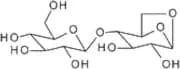
CAS:<p>Produced by the fast pyrolysis of cellulose</p>Fórmula:C12H20O10Pureza:Min. 95 Area-%Forma y color:White PowderPeso molecular:324.28 g/mol2,5-Anhydro-L-iditol
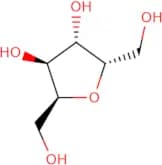
CAS:<p>2,5-Anhydro-L-iditol is a kinetic product of transglycosylation. It has been shown to be stereoselective and can be used as an acid catalyst in the synthesis of furanic compounds. 2,5-Anhydro-L-iditol is also a nucleophilic reagent that can participate in reactions with hydrogen chloride and tetraose chloride. This compound is useful for the production of polyols and glycols via dehydration reactions. 2,5-Anhydro-L-iditol has been used in carbohydrate chemistry techniques.</p>Fórmula:C6H12O5Pureza:Min. 95%Forma y color:PowderPeso molecular:164.16 g/mol2-Azido-2-deoxy-2-C-methyl-3,5-di-O-tert.butyldimethylsilyl-D-ribono-1.4-lactone
<p>2-Azido-2-deoxy-2-C-methyl-3,5-di-O-tert.butyldimethylsilyl-D-ribono-1.4-lactone is a custom synthesis that has been modified with a click chemistry reaction and fluorination. It is an oligosaccharide and polysaccharide, which are carbohydrates that contain multiple saccharides. This product also contains high purity, which means it's of the highest grade available on the market. The modification of this product is done through the use of a monosaccharide or sugar, which can be synthesized in the laboratory.</p>Pureza:Min. 95%3-Cyano-(1H)-1,2,4-triazine
<p>3-Cyano-(1H)-1,2,4-triazine is a synthetic compound that belongs to the group of complex carbohydrates. It is a monosaccharide and an oligosaccharide that can be custom synthesized and modified. 3-Cyano-(1H)-1,2,4-triazine is used as a glycosylation or polysaccharide modification agent in the synthesis of sugar molecules. It has been shown to have high purity and low toxicity.</p>Pureza:Min. 95%2-O-b-D-Glucopyranosyl-L-ascorbic acid
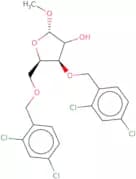
CAS:<p>L-Ascorbic acid is a white crystalline solid that can be obtained from the tissues of many fruits and vegetables. L-Ascorbic acid is soluble in water, but insoluble in alcohol. It can be found in two forms: an oxidized form (dehydroascorbic acid) and a reduced form (L-ascorbic acid). The conversion between the two forms is catalyzed by ascorbate oxidase. L-Ascorbic acid has antioxidant properties, which scavenge free radicals, and prevent the oxidation of LDL cholesterol to its more atherogenic form. This compound also helps to alkalize bodily fluids and neutralizes pollution, making it useful for treating or preventing cervical cancer or diabetes. L-Ascorbic acid also acts as a preservative by inhibiting bacterial growth.</p>Fórmula:C12H18O11Pureza:Min. 95%Peso molecular:338.26 g/molMethyl 3,5-di-O-(2,4-dichlorobenzyl)-a-D-ribofuranoside
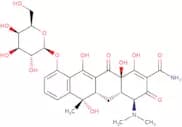
CAS:<p>Methyl 3,5-di-O-(2,4-dichlorobenzyl)-a-D-ribofuranoside is a custom synthesis that has been fluorinated and methylated. This compound is a monosaccharide with an aldehyde group at the C3 position. It is synthetically made and can be modified to form oligosaccharides or polysaccharides. The CAS number for this compound is 168427-35-8.</p>Fórmula:C20H20Cl4O5Pureza:Min. 90 Area-%Forma y color:Yellow PowderPeso molecular:482.18 g/molTetracycline 10-O-β-D-galactopyranoside
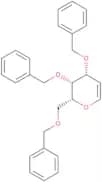
CAS:<p>Tetracycline 10-O-b-D-galactopyranoside is a tetracycline antibiotic that has been modified with a fluorinating agent to increase its water solubility. Tetracycline 10-O-b-D-galactopyranoside is the most active of the tetracyclines for the treatment of infections caused by mycoplasmas, rickettsias, and chlamydiae. It inhibits protein synthesis in these bacteria by binding to ribosomes. This drug also has an inhibitory effect on the growth of Mycobacterium tuberculosis and Mycobacterium avium complex.</p>Fórmula:C28H34N2O13Pureza:Min. 95%Forma y color:Dark red solid.Peso molecular:606.58 g/mol3,4,6-Tri-O-benzyl-D-galactal
CAS:<p>3,4,6-Tri-O-benzyl-D-galactal is a hydrogen bond donor and has been shown to have physiological activities. It was found to increase the number of lymphocytes in unimmunized mice. It also inhibits the growth of psoralea virus. The glycosidic bond between 3,4,6-tri-O-benzyl-D-galactal and glucose produces a product with an acetylated hydroxyl group and an aldehyde group. This type of bond is stereoselective and benzofuran derivatives are formed from the reaction. 3,4,6-Tri-O-benzyl-D-galactal has been shown to have anticancer activity against cancer cells in laboratory experiments.</p>Fórmula:C27H28O4Pureza:Min. 95%Forma y color:White PowderPeso molecular:416.51 g/mol(2R, 3R, 4R) -3- Benzyloxy- 1- benzyl-4- (hydroxymethyl) - 2- azetidinecarboxylic acid N-methylamide
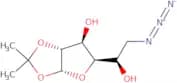
<p>(2R, 3R, 4R) -3- Benzyloxy- 1- benzyl-4- (hydroxymethyl) - 2- azetidinecarboxylic acid N-methylamide is a synthetic monosaccharide that can be used for carbohydrate modification. In addition to its use in the synthesis of saccharides and oligosaccharides, this compound has been shown to be useful as a fluorination reagent. This compound is also available with custom synthesis and high purity. (2R, 3R, 4R) -3-Benzyloxy-1-benzyl-4-(hydroxymethyl)-2-azetidinecarboxylic acid N-methylamide is an excellent methylation reagent and glycosylation agent. It can be used in the click chemistry modification of proteins and other biomolecules.</p>Pureza:Min. 95%6-Azido-6-deoxy-1,2-O-isopropylidene-α-D-glucofuranose
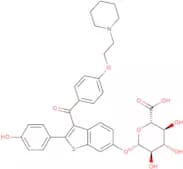
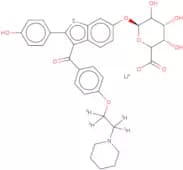
CAS:<p>6-Azido-6-deoxy-1,2-O-isopropylidene-a-D-glucofuranose is a Custom synthesis, Modification, Fluorination, Methylation, Monosaccharide, Synthetic, Click modification, Oligosaccharide, saccharide that is CAS No. 65371-16-6. It is a sugar or Carbohydrate and complex carbohydrate.</p>Fórmula:C9H15N3O5Pureza:Min. 95%Forma y color:PowderPeso molecular:245.23 g/molRaloxifene 6-D-glucuronide
CAS:<p>Raloxifene 6-D-glucuronide is a synthetic compound that consists of the sugar raloxifene and the sugar glucuronic acid. It is a complex carbohydrate with a molecular weight of 569. Raloxifene 6-D-glucuronide is soluble in water and insoluble in most organic solvents. The compound has been modified by fluorination, which increases its stability in water, and by click modification. This compound has been shown to inhibit the activity of bacterial enzymes that are responsible for the synthesis of saccharides, such as oligosaccharides and polysaccharides.</p>Fórmula:C34H35NO10SPureza:Min. 95%Forma y color:SolidPeso molecular:649.71 g/mol5-Deoxy- 5- iodo- 2, 3- O- isopropylidene -D- ribonic acid γ-lactone
<p>5-Deoxy-5-iodo-2,3-O-isopropylidene-D-ribonic acid gamma-lactone is a sugar molecule that has been modified and synthesized. It is a glycosylation product of 5'-deoxy-5'-iodoarabinose with 3,4,6-trihydroxybenzoic acid. It can be used for the synthesis of oligosaccharides and saccharides. This compound has been shown to inhibit the growth of Mycobacterium tuberculosis in culture.</p>Pureza:Min. 95%2-Deoxy-2-fluoro-L-fucose
CAS:<p>2-Deoxy-2-fluoro-L-fucose (2FF) is a fluorinated analogue of fucose that can be converted to GDP (Guanosine Diphosphate)-2FF in vitro, a competitive inhibitor of alpha-1,3-fucosyltransferase V. It can also be metabolised inside the cell to a substrate-based inhibitor of fucosyltransferases. 2FF reduces fucosylation of IgG in antibodies, which increases therapeutic efficacies of antibodies that cause antibody-dependent cellular cytotoxicity.</p>Fórmula:C6H11FO4Pureza:Min. 98.0 Area-%Forma y color:White PowderPeso molecular:166.15 g/mol1,2,3-Tri-O-benzyl-4,6-O-(4-methoxybenzylidene)-b-D-galactopyranoside
<p>1,2,3-Tri-O-benzyl-4,6-O-(4-methoxybenzylidene)-b-D-galactopyranoside is a synthetic compound that has been synthesized as an example of a fluorinated sugar. This compound is an oligosaccharide with a molecular weight of 839.</p>Fórmula:C35H36O7Pureza:Min. 95%Peso molecular:568.66 g/molD-Glucosamine-2-N,3-O-disulphate disodium salt
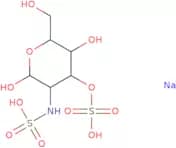
CAS:<p>D-Glucosamine-2-N,3-O-disulphate disodium salt is a carbohydrate that is a modification of the saccharide D-glucosamine. It can be synthesized by modification and fluorination of the saccharide. The complex carbohydrate is a methylated glycosylated oligosaccharide that is custom synthesized and has high purity. This product contains no detectable impurities, such as other sugars or amino acids. This carbohydrate also undergoes methylation and glycosylation to provide stability to the molecule in the presence of water or heat.</p>Fórmula:C6H11NO11S2Na2Pureza:Min. 95%Forma y color:White PowderPeso molecular:383.25 g/molL-Glucono-1,4-lactone
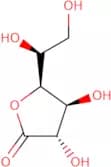
CAS:<p>L-Glucono-1,4-lactone is a substance that belongs to the group of compounds known as alpha hydroxy acids. It is produced in the body by an enzyme called l-gluconolactonase and is present in small quantities in many fruits and vegetables. L-Glucono-1,4-lactone has been shown to prevent skin aging and protect against UV light damage through its antioxidant properties. This compound can be found in sunscreens or it can be taken orally to provide protection from the sun. Clinical data on L-Glucono-1,4-lactone treatments are not yet available.</p>Fórmula:C6H10O6Pureza:Min. 95%Forma y color:PowderPeso molecular:178.14 g/mol3-O-(b-D-Galactopyranosyl)-D-arabinose
CAS:<p>3-O-(b-D-Galactopyranosyl)-D-arabinose is a disaccharide sugar that is found in mammalian tissue and many other biological systems. It binds to fatty acids, which are important for the structure of cell membranes. 3-O-(b-D-Galactopyranosyl)-D-arabinose is also an important component of oligosaccharides and glycolipids. The binding constants for this sugar have been determined by both titration calorimetry and microcalorimetry. 3-O-(b-D-Galactopyranosyl)-D arabinose has been used as an antiviral agent against Leishmania spp., which is a parasitic protozoa that causes leishmaniasis, the third most common human parasitic disease. This compound has also been shown to inhibit the growth of microalgae, such as Chlorella sorokiniana.</p>Fórmula:C11H20O10Pureza:Min. 95%Forma y color:PowderPeso molecular:312.27 g/molα-D-Galacturonic acid 1-phosphate
<p>a-D-Galacturonic acid 1-phosphate is a component of the polygalacturonate skeleton. It is an intermediate in the biosynthesis of d-galacturonic acid and galacturonic acid. This compound is also involved in cellular growth, as it is a precursor for uronic acids. The enzyme catalyzing the conversion of a-D-galacturonic acid 1-phosphate to uronic acid has been purified from Phaseolus vulgaris. It has been shown that this enzyme can be inhibited by phosphatase inhibitors such as pyridoxal phosphate, and that it can be activated by nucleotide analogs such as adenosine 5'-diphosphate (ADP) or cytidine 5'-triphosphate (CTP).</p>Fórmula:C6H11O10PPureza:Min. 95%Forma y color:PowderPeso molecular:274.12 g/mol5-Azido-6-benzylamino-N-fluorenylmethoxycarbonyl-5,6-dideoxy-1,2-O-isopropylidene-L-idofuranose
<p>5-Azido-6-benzylamino-N-fluorenylmethoxycarbonyl-5,6-dideoxy-1,2-O-isopropylidene-L-idofuranose is a custom synthesis that is used in the methylation of saccharides. It is also used for Click and azide modifications as well as fluorination. 5ABAFM is soluble in methanol and DMSO and has a CAS number of 2591402.</p>Pureza:Min. 95%5,6-O-Isopropylidene-L-gulono-1,4-lactone
CAS:<p>5,6-O-Isopropylidene-L-gulono-1,4-lactone is a glycerol derivative that has potent cytotoxic activity. It is able to inhibit the growth of cancer cells and induce apoptosis in human cell lines. 5,6-O-Isopropylidene-L-gulono-1,4-lactone can be used as an anti-cancer drug for the treatment of various types of cancers. The drug also has an ability to inhibit polyurethane synthesis and introduce new functional groups into polyurethanes. 5,6-O-Isopropylidene L gulono 1,4 lactone is not toxic to healthy cells because it does not bind to DNA or RNA; however it binds to polymers such as proteins and polyurethane chains. This compound has been shown to have a skeleton consisting of triterpenoid structures.</p>Fórmula:C9H14O6Peso molecular:218.20 g/molRef: 3D-I-7971
5gA consultar10gA consultar25gA consultar50gA consultar100gA consultar-Unit-ggA consultarRaloxifene-6-D-glucuronide D4 lithium salt
Producto controlado<p>This is a custom synthesis of an oligosaccharide with a 6-D-glucuronide D4 lithium salt. It is a complex carbohydrate that has been modified with methylation and glycosylation. This compound can be used as a synthetic intermediate for the production of other compounds or it can be used as a pharmaceutical agent.</p>Fórmula:C34H30NO10SD4·LiPureza:Min. 95%Peso molecular:659.66 g/molFructooligosaccharide
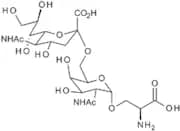
CAS:<p>Fructooligosaccharide is a natural carbohydrate that is used in dietary supplements and as an additive to food products. It is a prebiotic, meaning it stimulates the growth of beneficial bacteria in the colon. Fructooligosaccharide has been shown to be effective against bowel disease by up-regulating protein genes and enzyme activities. Fructooligosaccharide also has significant anti-inflammatory properties. The anti-inflammatory effects may be due to its ability to inhibit prostaglandin synthesis.</p>Pureza:Min. 95 Area-%Forma y color:White Powder2-Acetamido-6-O-(a-2-N-acetylneuraminyl)-2-deoxy-a-D-galactopyranosyl serine
CAS:<p>2-Acetamido-6-O-(a-2-N-acetylneuraminyl)-2-deoxy-a-D-galactopyranosyl serine is a monosaccharide sugar that is the terminal sugar at the nonreducing end of the glycosidic linkage in gangliosides. It has been shown to be a marker for colorectal adenocarcinoma and may be used as a prognostic marker. 2-Acetamido-6-O-(a-2-N-acetylneuraminyl)-2-deoxy--aDgalactopyranosyl serine, along with other gangliosides, has been found to be elevated in maternal blood and human serum during bowel diseases such as ulcerative colitis. This molecule has also been shown to have structural similarities to antigens that are associated with infectious diseases such as malaria.</p>Fórmula:C22H37N3O16Pureza:Min. 95 Area-%Forma y color:White PowderPeso molecular:599.54 g/molPregelatinized starch
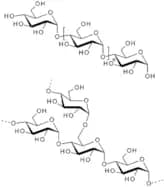
CAS:<p>Starch is a two component polysaccharide mixture of amylose and amylopectin. Amylose is a linear polysaccharide of α (1,4)-linked glucose residues and averages 20 to 30% of the total in most native starches. Amylopectin is a highly branced glucan containing both a (1,4) and a (1,6) linkages. The number of glucose residues in a single starch molecule can vary from five hundred to several hundred thousand, depending on the type of starch. Starch is the major storage form of energy in plants, just as glycogen is the storage form of energy for animals. The plant directs the starch molecules to the amyloplasts, where they are deposited to form granules. Thus, both in plants and in the extracted concentrate, starch exists as granules varying in diameter from 2 to 130 μm.</p>Pureza:Min. 95%Forma y color:Powder5-Deoxy-L-arabonic acid 1,4-lactone
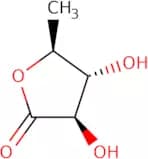
CAS:<p>5-Deoxy-L-arabonic acid 1,4-lactone is a phytochemical present in the flowers of some plants. It has been shown to have anti-cancer properties in lung cancer cells by inhibiting the growth of these cells. 5-Deoxy-L-arabonic acid 1,4-lactone inhibits cell division and induces apoptosis by binding to DNA, preventing replication. This compound also inhibits the production of prostaglandins that promote inflammation, which may be related to its anti-cancer effects. 5-Deoxy-L-arabonic acid 1,4-lactone has been shown to inhibit the production of phenolic compounds such as vanillic acid and apigenin in lung cancer cell lines. These compounds have been shown to have chemopreventive activities against various cancers including breast cancer and colon cancer.</p>Fórmula:C5H8O4Pureza:Min. 95%Forma y color:PowderPeso molecular:132.12 g/mol2-Azido- 2- deoxy- 5, 6- O- isopropylidene -L- gulonic acid g- lactone
<p>2-Azido-2-deoxy-5,6-O-isopropylidene-L-gulonic acid g-lactone is a synthetic compound that is used as a building block in the synthesis of various saccharides. It can be modified to form glycosylation products and complex carbohydrates. The chemical name for this compound is 2-azido-2,3,4,5,6 -pentafluoroethane sulfonic acid. This molecule has a molecular weight of 162.14 and a molecular formula of C9H9F7O4S. It has an empirical formula of C8H12FO5S. 2-Azido-2,3,4,5,6 -pentafluoroethane sulfonic acid is soluble in water and ethanol and can be stored at room temperature for up to one year without decomposing.</p>Pureza:Min. 95%1,2-Dideoxy-3,5-di-O-toluoyl-D-ribose
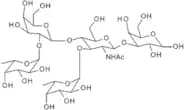
CAS:<p>1,2-Dideoxy-3,5-di-O-toluoyl-D-ribose is a synthetic sugar that can be used in the synthesis of complex carbohydrates. It has been modified with fluorine, methylation, and click chemistry. It is also available as a high purity product. 1,2-Dideoxy-3,5-di-O-toluoyl-D-ribose is an oligosaccharide that is used in glycosylation reactions to form polysaccharides or saccharides. Click chemistry allows for the modification of this sugar with other molecules such as amino acids or peptides. This modification may be useful for studying protein interactions or for drug development.</p>Fórmula:C21H22O5Pureza:Min. 95%Peso molecular:354.4 g/molLewis Y pentasaccharide
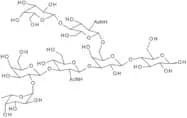
<p>Lewis Y pentasaccharide is a carbohydrate antigen that is expressed on the surface of cells in the cancer, tissue and lymphatic system. It has been shown to be a polyvalent carbohydrate ligand for lectins, which are proteins that bind carbohydrates. Lewis Y pentasaccharide has a high affinity for erythrocytes of blood group A and B, which makes it useful as an antigen for detection of these blood groups. The binding of Lewis Y pentasaccharide to glycolipids on tumor cells initiates complement-dependent cytotoxicity (CDC) by activating the classical pathway of the immune system. CDC can be used as an adjuvant therapy in cancer treatment.</p>Fórmula:C32H55NO24Pureza:Min. 95%Forma y color:PowderPeso molecular:837.79 g/molN-Glycolylneuraminic acid dimer sodium salt
<p>N-Glycolylneuraminic acid dimer sodium salt is a synthetic sugar that is a glycosylat of N-glycolylneuraminic acid. It is soluble in water and has a CAS number of 1114-12-3. The product has been modified with methyl groups and is available for custom synthesis. It can be used as an intermediate for the synthesis of oligosaccharides, or it can be modified to form complex carbohydrates. This product has been fluorinated and is high purity, making it ideal for use in Click chemistry applications.</p>Pureza:Min. 95%1,1,1,1-Kestohexose
CAS:<p>Non-reducing sucrose analog containing glucose and fructose</p>Fórmula:C36H62O31Pureza:Min. 90%Forma y color:White PowderPeso molecular:990.86 g/molHyaluronic acid sodium salt - Low molecular weight 10,000 - 50,000
CAS:<p>Gycosaminoglycan in many organs; joint lubricant and shock absorber</p>Fórmula:(C14H20NO11Na)nPureza:Min. 95.0%Forma y color:Powder(Hydroxypropyl)methyl cellulose - Viscocity 2600-5600 cP
CAS:<p>Hydroxypropyl methylcellulose (HPMC or hypromellose) is a semisynthetic, inert and viscoelastic polymer that is used as eye drops and as semi-synthetic substitute for tear-films. When applied, a hypromellose solution acts to swell and absorb water, by increasing the thickness of the tear-film, resulting in decreased eye irritation. In addition to its use in ophthalmic liquids, hypromellose has been used as an excipient in oral tablet and capsule formulations, where, depending on the grade, it functions as controlled-release agent. It is also used as a binder and as a component of tablet coatings. Hypromellose in aqueous solution, unlike methylcellulose, exhibits thermal gelation properties. HPMC is approved as a food additive, emulsifier, thickening and suspending agent, and as an alternative to animal gelatin (Codex Alimentarius code (E number) is E464).</p>Forma y color:White Powder1,2,3,4,6-Penta-O-acetyl-5-thio-b-D-galactopyranoside
<p>The 1,2,3,4,6-Penta-O-acetyl-5-thio-b-D-galactopyranoside is a custom synthesis. The compound is a complex carbohydrate that belongs to the group of Oligosaccharides. It is a saccharide with six hydroxyl groups and one acetate ester group. The CAS number for this compound is CID:270145-25-0. This compound has been modified by methylation and glycosylation. The 1,2,3,4,6-Penta-O-acetyl-5-thio-b-D-galactopyranoside can be used as an intermediate in the synthesis of other compounds with similar structures.</p>Pureza:Min. 95%3,4:5,6-Di-O-isopropylidene-D-idonic acid methyl ester
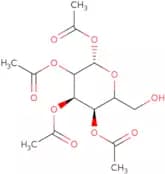
<p>3,4:5,6-Di-O-isopropylidene-D-idonic acid methyl ester is a modified sugar. It is a complex carbohydrate which is synthesized from D-glyceraldehyde and D-ribose. This product can be used in the production of glycosylated proteins or as an intermediate for custom synthesis. 3,4:5,6-Di-O-isopropylidene-D-idonic acid methyl ester has high purity and can be ordered with custom synthesis.<br>3,4:5,6-Di-O-isopropylidene-D-idonic acid methyl ester is soluble in water and alcohols. It can be used as a reagent for click chemistry modification.</p>Pureza:Min. 95%1,2,3,4-Tetra-O-acetyl-D-mannopyranose
CAS:<p>1,2,3,4-Tetra-O-acetyl-D-mannopyranose is a modified monosaccharide that is synthesized by the Click reaction. This compound has been shown to be useful in the synthesis of oligosaccharides and polysaccharides. It can also be used for protein modification or the fluorination of saccharides. It is also a high purity product that can be used as an intermediate for custom synthesis.</p>Fórmula:C14H20O10Pureza:Min. 95%Peso molecular:348.3 g/molPhenyl b-L-thiofucopyranoside
<p>Phenyl b-L-thiofucopyranoside is a custom-synthesized, fluorinated, modified sugar that is used in the synthesis of oligosaccharides and polysaccharides. This compound is an excellent choice for methylation reactions due to its high reactivity and stability under harsh conditions. Phenyl b-L-thiofucopyranoside can be used as a precursor for the synthesis of saccharide derivatives, such as monosaccharides and complex carbohydrates. It has been shown to be stable to heat and pH extremes, making it ideal for use in organic syntheses.</p>Fórmula:C12H16O4SPureza:Min. 95%Forma y color:PowderPeso molecular:256.32 g/molGlobo-N-tetraose
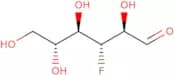
CAS:Tetrasaccharide associated with the glycolipid globosideFórmula:C26H45NO21Pureza:Min. 95 Area-%Forma y color:White PowderPeso molecular:707.63 g/mol3-Deoxy-3-fluoro-D-allose
CAS:<p>3-Deoxy-3-fluoro-D-allose is a chemical compound with the molecular formula CHNO. It has been shown to have potential as a contrast agent for magnetic resonance imaging (MRI) and positron emission tomography (PET). The conformation of 3-Deoxy-3-fluoro-D-allose is similar to that of glucose, but it does not inhibit the uptake of glucose by erythrocytes or the transport of glucose across cell membranes. 3DFA has been shown to be taken up by cells in the brain, kidney, and liver. The uptake and distribution of 3DFA in these tissues was dependent on serum protein concentrations.</p>Fórmula:C6H11FO5Forma y color:PowderPeso molecular:182.15 g/mol(1S) -1- [(2R, 3S) -3- Benzyloxy-N-butyl- 1- azetidinyl] -1, 2- ethanediol
<p>(1S) -1- [(2R, 3S) -3- Benzyloxy-N-butyl- 1- azetidinyl] -1, 2- ethanediol is a synthetic compound that has been modified on the sugar moiety. It is a fluorinated oligosaccharide with an Oligosaccharide group consisting of an alpha (1→4) glycosidic linkage between two glucose molecules and a beta (1→6) glycosidic linkage between two galactose molecules. This compound can be custom synthesized to meet the needs of your project.</p>Pureza:Min. 95%Chitosan - Molecular weight 190,000-310,000
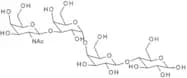
CAS:<p>Chitosan is the deacetylated form of chitin. The polysaccharide is deacetylated in order to render it soluble, which is then possible at pH values of less than 7 (normally in dilute acid). This then allows the material to be used in a number of industrial applications as a binder and film former.</p>Forma y color:Off-White Powder4'-O-(2-Acetamido-2-deoxy-3-O-(b-D-galactopyranosyl)-b-D-galactopyanosyl)-b-D-lactose
<p>4'-O-(2-Acetamido-2-deoxy-3-O-(b-D-galactopyranosyl)-b-D-galactopyanosyl) -b-D-lactose is a modified saccharide that belongs to the group of polysaccharides. It has a CAS number and can be custom synthesized by our company. This product is classified as a carbohydrate, sugar, or synthetic. It can be used in click modification, modification, or glycosylation reactions. 4'-O-(2-Acetamido-2-deoxy-3-O-(b-D-galactopyranosyl)-b -D -galactopyanosyl) -b -D -lactose is also fluorinated with trifluoromethanesulfonic acid and can be used for complex carbohydrate synthesis.</p>Fórmula:C26H45NO21Pureza:Min. 95%Forma y color:White PowderPeso molecular:707.63 g/molHeparin derived dp18 saccharide ammonium salt
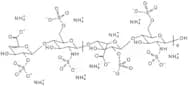
<p>Heparin derived dp18 saccharide ammonium salt is a complex carbohydrate that has been modified with methylation, custom synthesis, click modification, and fluorination. It is used as an anticoagulant to prevent the formation of blood clots. Modification of the sugar chain on the heparin molecule can be achieved through either monosaccharide or polysaccharide substitution. The monosaccharides most commonly found in heparin are glucosamine and N-acetylglucosamine. The polysaccharides that can be found in heparin include chondroitin sulfate, dermatan sulfate, keratan sulfate, and heparan sulfate.<br>Heparin derived dp18 saccharide ammonium salt is a high purity product that has been modified to have a higher degree of efficacy for use in clinical applications. This product is available for purchase at a cost-effective price point.</p>Pureza:Min. 95%Forma y color:PowderPeso molecular:~ 5200 (average)Isoprimeverose
CAS:<p>Isoprimeverose is a covalently linked polysaccharide with a molecular weight of about 5,000. It has been shown to have an optimum pH at around 7.5 and is soluble in water. Isoprimeverose was found to be highly immunogenic in rats and mice, producing high levels of polyclonal antibodies against the protein target. The carbohydrate moiety of isoprimeverose contains galacturonic acid, which may play a role in its uptake by mammalian cells. The hydroxyl group on the sugar molecule may also play a role in this process. Isoprimeverose can be used as an artificial sweetener because it does not contain any sugars or carbohydrates that can cause tooth decay or other dental problems.</p>Fórmula:C11H20O10Pureza:Min. 95%Forma y color:White PowderPeso molecular:312.27 g/molUDP-α-D-galacturonic acid
CAS:<p>UDP-α-D-galacturonic acid is a biochemical precursor for the synthesis of UDP-glucuronic acid. It is an intermediate in the biosynthesis of glycosaminoglycans, proteoglycans and lipopolysaccharides. This compound has been shown to inhibit the growth of cancer cells by inducing apoptosis in vitro. The presence of this compound may be detected by its ability to act as a substrate for glucuronidation reactions.</p>Fórmula:C15H22N2O18P2Pureza:Min. 95%Forma y color:White Off-White PowderPeso molecular:580.29 g/molN-Benzyl-3,5-dideoxy-3,5-imino-1,2-O-isopropylidene-a-D-gluco(b-L-ido)furanose
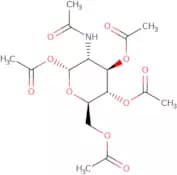
<p>N-Benzyl-3,5-dideoxy-3,5-imino-1,2-O-isopropylidene-a-D-gluco(b-L-ido)furanose is a methylated saccharide that is used in the synthesis of complex carbohydrates. This synthetic compound is classified as a sugar and can be modified with a variety of chemical reactions. The carbonyl group on the C6 position can be fluorinated to produce N-(2,4,6'-trifluoroacetyl)-benzyl--3,5-dideoxy--3,5--imino--1,2--O--isopropylidene--a-(D)--gluco(b)--L--ido)furanose. This compound has CAS Number 58424–52–0 and is available for custom synthesis.</p>Pureza:Min. 95%2-Acetamido-1,3,4,6-tetra-O-acetyl-2-deoxy-a-D-glucopyranose
CAS:<p>2-Acetamido-1,3,4,6-tetra-O-acetyl-2-deoxy-a-D-glucopyranose (2AAT) is a synthetic nucleoside that binds to the same sequence of n-acetylgalactosamine in the cell wall of Gram positive bacteria. It was found to be effective against bacterial strains that produce beta lactamase enzymes. 2AAT has been shown to inhibit the growth of Gram positive bacteria and is able to penetrate tissues. It also prevents bacterial DNA gyrase and topoisomerase IV from binding with their respective substrates. 2AAT is made up of four parts: two ribose molecules, one deoxyribose molecule and one acetamido group. This last part is what makes it bind to the bacterial cell wall and inhibits protein synthesis by preventing mRNA from being translated into proteins.</p>Fórmula:C16H23NO10Pureza:Min. 98 Area-%Forma y color:White PowderPeso molecular:389.36 g/mol(2S, 3R, 4R) -3- Hydroxy- 4- (hydroxymethyl) - 2- azetidinecarboxylic acid
<p>(2S, 3R, 4R) -3- Hydroxy- 4- (hydroxymethyl) - 2- azetidinecarboxylic acid is a carbohydrate that has been modified for use in research and the biomedical industry. It is a monosaccharide that can be used as a building block for custom synthesis of saccharides or oligosaccharides. This product is also available with fluorination, methylation, glycosylation, or click modification.</p>Pureza:Min. 95%4-(b-D-Mannopyranosyl)-D-rhamnose
<p>4-(b-D-Mannopyranosyl)-D-rhamnose is a glycosylation agent that can be methylated and fluorinated. It is also capable of being modified with the Click reaction to add polysaccharide or oligosaccharide moieties. 4-(b-D-Mannopyranosyl)-D-rhamnose is an important building block for complex carbohydrates, which are important in many aspects of life. This product is available in custom synthesis, high purity, and CAS No.</p>Pureza:Min. 95%3-Azido-3-deoxy-5, 6- O- isopropylidene- D- gulonic acid g- lactone
CAS:<p>3-Azido-3-deoxy-5, 6-O-isopropylidene-Dgulonic acid g-lactone is a fluorinated monosaccharide. It is synthesized by the reaction between 3,4,6,7 tetra fluorobenzaldehyde and 5,6 O isopropylidene Dgulonic acid. It can be used for glycosylation reactions in order to produce oligosaccharides. The modification of this product can be achieved through methylation and sugar modification techniques. This product has CAS No. 244057-17-8 and is highly pure with a purity of 99%.</p>Fórmula:C9H13N3O5Pureza:Min. 95%Peso molecular:243.22 g/molGD2-Ganglioside
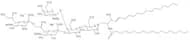
CAS:<p>GD2 (shown as sodium salt) has a core trisaccharide structure (GalNAc-b-1,4-Gal-b-1,4-Glc) with its two sialic acids linked b-2,3/b-2,8 to the inner galactose residue and ceramide linked to position 1 on the reducing terminal glucose residue. GD2 ganglioside is expressed at a low concentration in the central nervous system, nerves, skin melanocytes and stem cells in healthy adults. On the other hand, GD2 is overexpressed in a number of tumors, including: neuroblastoma, melanoma, small cell lung carcinoma and brain tumors. Recently, it has been found in low concentrations on breast cancer stem cells (CSC) that possess: self-renewal properties (division without disrupting the undifferentiated state), and tumor-initiating capabilities. It has been suggested that GD2 ganglioside may be developed as an effective target antigen for CSC immunotherapy (Fleurence, 2017).</p>Fórmula:C78H138N4O34·xNaPureza:Min. 95 Area-%Forma y color:PowderPeso molecular:1,675.94 g/molSodium stibogluconate
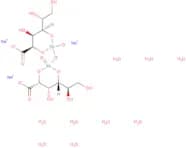
CAS:<p>Sodium stibogluconate is a drug that has been widely used in the treatment of leishmaniasis. It is administered as an intramuscular injection or intravenous infusion, depending on the severity of the infection. The drug targets the parasite by inhibiting its DNA topoisomerase, which disrupts DNA replication and transcription. Clinical data have shown that this drug is effective against infantum and other strains of leishmania.</p>Fórmula:C12H20O17Sb2•(Na)3•(H2O)9Pureza:Min. 95%Forma y color:PowderPeso molecular:910.9 g/molGanglioside GM1
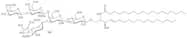
CAS:<p>Ganglioside GM1 has a core tetrasaccharide structure (Galβ1,3GalNAcβ1,4Galβ1,4Glc) with sialic acid linked α2,3 to the inner galactose residue, ceramide linked β to position 1 on the reducing terminal glucose residue (Ledeen, 2009), and is abundant in all mammalian brains, where it covers 10%-20% of the total ganglioside mixture. Ganglioside GM1 is found in epithelial membranes and is a key element for the detection of bacterial toxicity and viral infection. It is the intestinal receptor for cholera toxin, the B-subunits of heat-labile toxin (LTB) from E.coli, for rotavirus, and simian virus 40. GM1 functions as a neurotrophic and neuroprotective compound and has been used therapeutically for diabetic and peripheral neuropathies. It also has the ability to bind amyloid-β proteins and is involved in Alzheimer’s pathogenesis (Chiricozzi, 2020).</p>Fórmula:C73H131N3O31·xNaPureza:Min. 95 Area-%Forma y color:White PowderPeso molecular:1,546.82 g/mol3,5-Di-O-benzoyl-2-deoxy-2-fluoro-α-D-arabinofuranosyl bromide
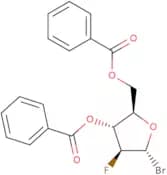
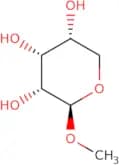
CAS:<p>Intermediate in the synthesis of clofarabine</p>Fórmula:C19H16BrFO5Pureza:Min. 95%Forma y color:PowderPeso molecular:423.24 g/mol1-O-Methyl-β-D-xylopyranoside
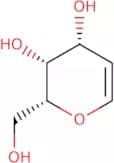
CAS:<p>1-O-Methyl-beta-D-xylopyranoside is a glycoside that consists of a glucose molecule linked to the hydroxyl group of p-hydroxybenzoic acid through an alpha glycosidic bond. It is found in many plants, such as in the leaves of the common bay tree (Laurus nobilis) and in the bark of the cinnamon tree (Cinnamomum verum). 1-O-Methyl-beta-D-xylopyranoside is used as a sweetener and flavoring agent. It is also used in some pharmaceutical drugs, including antiulcer agents and antidiarrheal agents. This compound has been shown to have an effective dose of 5 mg/kg when given orally to humans.</p>Fórmula:C6H12O5Pureza:Min. 98.0 Area-%Peso molecular:164.16 g/molD-Galactal
CAS:<p>Building block for oligosaccharide synthesis</p>Fórmula:C6H10O4Pureza:Min. 98 Area-%Forma y color:White Off-White PowderPeso molecular:146.14 g/molPhenyl-beta-D-glucopyranoside
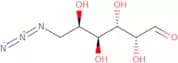
CAS:<p>Phenyl-beta-D-glucopyranoside is a phenolic compound that can be found in plant cell walls. It is a monosaccharide with an ester linkage, which is hydrolyzed by esterases to yield protocatechuic acid. Phenyl-beta-D-glucopyranoside is an inhibitor of sugar transport and has been shown to have protective effects on the liver when it is exposed to toxic substances. This sugar also binds to proteins, which may alter the function of these proteins. Phenyl-beta-D-glucopyranoside has been shown to inhibit glycolysis in hepatic tissues and tannins are released from erythrocytes treated with this substance. Phenyl-beta-D-glucopyranoside has been shown to be chemically stable under acidic conditions.</p>Fórmula:C12H16O6Peso molecular:256.26 g/mol6-Azido-6-deoxy-D-galactose
CAS:<p>6-Azido-6-deoxy-D-galactose is a mutagenic compound that is used as a carbon source in the synthesis of other compounds. It has been shown to have mutagenicity in TA100 cells and to be active against Staudinger's naphthol. The compound is synthesised by chemoenzymatic methods, which involve the use of alcohols and an acetyl group. 6-Azido-6-deoxy-D-galactose can be used as a mutagenic agent for the production of mutants with desired properties.</p>Fórmula:C6H11N3O5Pureza:Min. 95%Forma y color:White PowderPeso molecular:205.17 g/mol(2R, 3S, 4S) -3- Fluoro- 4- (hydroxymethyl) - N- methyl- 1- (phenylmethyl) -2- azetidinecarboxamide
CAS:<p>(2R, 3S, 4S) -3- Fluoro- 4- (hydroxymethyl) - N- methyl- 1- (phenylmethyl) -2- azetidinecarboxamide is an oligosaccharide that can be synthesized by glycosylation and fluorination. It is a high purity chemical with a custom synthesis and sugar modification. This product is synthesized by Click modification and methylation. The synthesis of this product starts with glycogen which is modified to produce monosaccharides and saccharides. These sugars are then further modified to produce the desired product. As an oligosaccharide, it has many applications including as a sugar for complex carbohydrate research.</p>Pureza:Min. 95%Methyl 6-O-tert-butyldiphenylsilyl-2,3,4-tri-O-pivaloyl-a-D-glucopyranoside
<p>Methyl 6-O-tert-butyldiphenylsilyl-2,3,4-tri-O-pivaloyl-a-D-glucopyranoside is an Oligosaccharide that is a complex carbohydrate. It has CAS number and it is synthesized using the Modification and Glycosylation techniques. This product is highly pure, fluorinated, and synthetic.</p>Fórmula:C38H56O9SiPureza:Min. 95%Peso molecular:684.95 g/mol



![(3S, 4R) - 2- [(1S) - 1, 2- Dihydroxyethyl] - 3, 4- pyrrolidinediol](/_next/image/?url=https%3A%2Fstatic.cymitquimica.com%2Fproducts%2F3D%2Fthumb-webp%2FMD163525.webp&w=3840&q=75)





![(1R) -1- [(2R, 3R,4S) -N-Benzyl-3- benzyloxy- 4-hydroxymethyl-1- azetidinyl] -1, 2- ethanediol](/_next/image/?url=https%3A%2Fstatic.cymitquimica.com%2Fproducts%2F3D%2Fthumb-webp%2FMB163369.webp&w=3840&q=75)













![(1S) -1- [(2R, 3S) -3- Benzyloxy-N-butyl- 1- azetidinyl] -1, 2- ethanediol](/_next/image/?url=https%3A%2Fstatic.cymitquimica.com%2Fproducts%2F3D%2Fthumb-webp%2FMB163382.webp&w=3840&q=75)