Glycoscience
La glicociencia es el estudio de los carbohidratos y sus derivados, así como de las interacciones y funciones biológicas en las que participan. Este campo de investigación es crucial para comprender una amplia variedad de procesos biológicos, incluyendo el reconocimiento celular, la señalización, la respuesta inmune y el desarrollo de enfermedades. La glicociencia tiene aplicaciones importantes en la biotecnología, la medicina, y el desarrollo de nuevos fármacos y terapias. En CymitQuimica, ofrecemos una amplia selección de productos de alta calidad y pureza para la investigación en glicociencia. Nuestro catálogo incluye monosacáridos, oligosacáridos, polisacáridos, glicoconjugados, y reactivos específicos, diseñados para apoyar a los investigadores en sus estudios sobre la estructura, función y aplicaciones de los carbohidratos en sistemas biológicos. Estos recursos están destinados a facilitar descubrimientos científicos y aplicaciones prácticas en diversas áreas de la biociencia y la medicina.
Subcategorías de "Glycoscience"
- Aminoazúcares(108 productos)
- Anticuerpos relacionados con azúcares(282 productos)
- Glicolípidos(46 productos)
- Glicosaminoglicanos (GAGs)(55 productos)
- Glucósidos(419 productos)
- Monosacáridos(6.622 productos)
- Oligosacáridos(3.682 productos)
- Polisacáridos(503 productos)
Se han encontrado 11041 productos de "Glycoscience"
Ordenar por
Pureza (%)
0
100
|
0
|
50
|
90
|
95
|
100
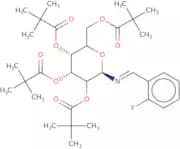
N-(2-Fluorobenzyliden)imino-2,3,4,6-tetra-O-pivaloyl-b-D-glucopyranoside
<p>N-(2-Fluorobenzyliden)imino-2,3,4,6-tetra-O-pivaloyl-b-D-glucopyranoside is a custom synthesis of a high purity glycosylated oligosaccharide. It is modified with fluorine and has a methyl group on the 2' position of the sugar. The CAS number for this product is 1093457-52-1.</p>Fórmula:C33H48FNO9Pureza:Min. 95%Peso molecular:621.73 g/molEthyl 4,6-O-benzylidene-β-D-thioglucopyranoside
CAS:<p>A protected thioglucose sugar</p>Fórmula:C15H20O5SPureza:Min. 95%Forma y color:PowderPeso molecular:312.38 g/molL-Iduronic acid-1,6-13C2
<p>L-Iduronic acid-1,6-13C2 is a modified oligosaccharide that can be used in the synthesis of complex carbohydrates. The carbons in this compound are 13C and 2H labeled.</p>Fórmula:C2C4H10O7Pureza:Min. 95%Peso molecular:196.14 g/molDaunorubicinol-D3
<p>Daunorubicinol-D3 is a synthetic drug that is a fluorinated analogue of daunorubicin. It has been designed to be more stable and resistant to degradation in the body, as well as being resistant to the drug's own metabolism. Daunorubicinol-D3 is used in the treatment of leukemia, lymphoma, and other cancers. This drug is a large molecule that contains many sugars or saccharides including an oligosaccharide and polysaccharide. The modification of this molecule includes methylation, click chemistry modifications, and fluorination. Daunorubicinol-D3 has high purity with a low level of impurities such as monosaccharides, sugars, or synthetic compounds.</p>Pureza:Min. 95%[1S- (1a, 2a, 8a, 8ab) ] -2, 3, 8, 8a-Tetrahydro- 1, 2, 8- trihydroxy-5(1H) - indolizinone
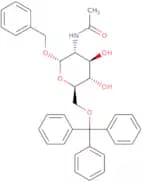
CAS:<p>Methylation of the C-2' and C-8a positions of a 2,3,8,8a tetrahydroindolizinone derivative affords a methylated saccharide. A fully fluorinated analogue is obtained by performing a click modification on the C-2' position. The methylated saccharide has been used in the synthesis of oligosaccharides and glycosylations. This product is high purity and custom synthesis.</p>Fórmula:C8H11NO4Pureza:Min. 95%Peso molecular:185.18 g/molBenzyl 2-acetamido-2-deoxy-6-O-trityl-a-D-glucopyranoside
CAS:<p>Benzyl 2-acetamido-2-deoxy-6-O-trityl-a-D-glucopyranoside is a glycosylation of benzyl 2,3,4,6-tetraacetamido-2,3,4,6-tetra deoxyglucopyranoside. It is a complex carbohydrate that can be modified with methyl groups or fluorine atoms. This product is often used in Click chemistry and as a building block for oligosaccharides and polysaccharides. Benzyl 2-acetamido-2-deoxy 6O trityl a D glucopyranoside has CAS number 33493 71 9 and can be custom synthesized to meet individual requirements.</p>Fórmula:C34H35NO6Pureza:Min. 95%Forma y color:White PowderPeso molecular:553.64 g/mol(Ribo) 3,4-O-Isopropylidene-2,4-di-C-methyl-L-ribono-1.5-lactone
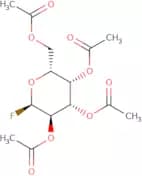
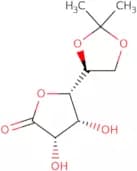
<p>(Ribo) 3,4-O-Isopropylidene-2,4-di-C-methyl-L-ribono-1.5-lactone is a custom synthesis that can be produced in various quantities and with various modifications to meet your needs. It is a high purity compound that is available for both research and industrial use. This compound has been fluorinated and modified to create a complex carbohydrate. It is an oligosaccharide of polysaccharide that can be used as a monosaccharide or sugar in the synthesis of polysaccharides or saccharides. This product is not intended for medical use.</p>Pureza:Min. 95%2,3,4,6-Tetra-O-acetyl-a-D-galactopyranosyl fluoride
CAS:<p>2,3,4,6-Tetra-O-acetyl-a-D-galactopyranosyl fluoride is a custom synthesis of Monosaccharide, Oligosaccharide and Polysaccharides. The product can be modified by Fluorination, Methylation and Click modification. It has CAS No. 4163-44-4. It is used as a Modification in saccharides and Carbohydrates.</p>Fórmula:C14H19O9FPureza:Min. 95%Forma y color:PowderPeso molecular:350.29 g/mol(2S, 3S, 4S) -4- (Hydroxymethyl) - N- methyl- 3- (phenylmethoxy) - 1- (phenylmethyl) -2- azetidinecarboxamide
CAS:<p>(2S, 3S, 4S) -4- (Hydroxymethyl) - N- methyl- 3- (phenylmethoxy) - 1- (phenylmethyl) -2- azetidinecarboxamide is a synthetic glycosylinase inhibitor. It is an Oligosaccharide which contains a sugar and a saccharide. The synthesis of this product can be customized according to the customer's needs. This product has been fluorinated and custom synthesized. It is a high purity, complex carbohydrate with click modification.</p>Fórmula:C20H24N2O3Pureza:Min. 95%Peso molecular:340.42 g/molMono-(2,3-di-O-benzyl)-(2,3,6-tri-O-benzyl)-γ-cyclodextrin
<p>This gamma-cyclodextrin (γ-CD) derivative is a modified cyclic oligosaccharide composed of eight glucose units, featuring a larger cavity size than α- and β-cyclodextrins. This structural characteristic allows γ-CDs to form inclusion complexes with a wider range of guest molecules, making it particularly versatile in various industries. In the food sector, it is used as a carrier and stabilizer for flavors, fat-soluble vitamins, and polyunsaturated fatty acids, protecting volatile compounds from evaporation. In pharmaceuticals, it enhances the solubility and bioavailability of poorly water-soluble drugs and, thanks to its larger ring size, allows for the encapsulation of larger molecules or even entire drug molecules. γ-CDs and derivatives are also used for environmental remediation and, in analytical chemistry, for the extraction and concentration of target substances.</p>Fórmula:C209H218O40Pureza:Min. 95%Peso molecular:3,369.94 g/molIsoprimeverose
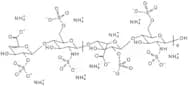
CAS:<p>Isoprimeverose is a covalently linked polysaccharide with a molecular weight of about 5,000. It has been shown to have an optimum pH at around 7.5 and is soluble in water. Isoprimeverose was found to be highly immunogenic in rats and mice, producing high levels of polyclonal antibodies against the protein target. The carbohydrate moiety of isoprimeverose contains galacturonic acid, which may play a role in its uptake by mammalian cells. The hydroxyl group on the sugar molecule may also play a role in this process. Isoprimeverose can be used as an artificial sweetener because it does not contain any sugars or carbohydrates that can cause tooth decay or other dental problems.</p>Fórmula:C11H20O10Pureza:Min. 95%Forma y color:White PowderPeso molecular:312.27 g/molHeparin derived dp18 saccharide ammonium salt
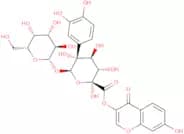
<p>Heparin derived dp18 saccharide ammonium salt is a complex carbohydrate that has been modified with methylation, custom synthesis, click modification, and fluorination. It is used as an anticoagulant to prevent the formation of blood clots. Modification of the sugar chain on the heparin molecule can be achieved through either monosaccharide or polysaccharide substitution. The monosaccharides most commonly found in heparin are glucosamine and N-acetylglucosamine. The polysaccharides that can be found in heparin include chondroitin sulfate, dermatan sulfate, keratan sulfate, and heparan sulfate.<br>Heparin derived dp18 saccharide ammonium salt is a high purity product that has been modified to have a higher degree of efficacy for use in clinical applications. This product is available for purchase at a cost-effective price point.</p>Pureza:Min. 95%Forma y color:PowderPeso molecular:~ 5200 (average)2-(3,4-Dihydroxyphenyl)-5,7-dihydroxy-4-oxo-4H-1-benzopyran-3-yl O-b-D-galactopyranosyl-b-D-glucopyranosiduronic acid
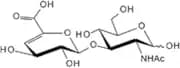
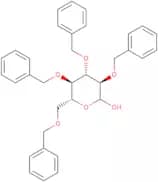
CAS:<p>This is a custom synthesis that is a complex carbohydrate. It has been modified, glycosylated, and methylated to create a saccharide with an Oligosaccharide and Polysaccharide. This product is fluorinated, custom synthesized, and has high purity. The CAS number for this product is 77154-70-2.</p>Fórmula:C27H28O18Pureza:Min. 95%Peso molecular:640.5 g/mol2,3,4,6-Tetra-O-benzyl-D-glucopyranose
CAS:<p>2,3,4,6-Tetra-O-benzyl-D-glucopyranose is a selectively protected intermediate, where the anomeric 1-O-hydroxyl group is free. This hemiacetal has been used successfully as an intermediate for glucosylation couplings, where it was converted into 2,3,4,6-tetra-O-benzyl-D-glucopyranose trichloroacetimidate using trichloroacetonitrile in the presence of a base such as potassium carbonate and DBU. Importantly, this imidate donor with no neighbouring participating groups is commonly used for the selective formation of α-glucosides. 2,3,4,6-tetra-O-benzyl-D-glucopyranose can also be oxidized to the lactone, or reduced to give the open chain form. Additionally, 2,3,4,6-tetra-O-benzyl-D-glucopyranose can be used for the preparation of glucono-1,5-lactone hydrazine, which was used, in-turn, to form a glucosylidene-spirocyclopropane.</p>Fórmula:C34H36O6Pureza:Min. 97 Area-%Forma y color:White PowderPeso molecular:540.65 g/molLactose SPRAY-DRIED
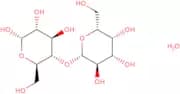
CAS:<p>Lactose is the principal sugar in human and most other mammalian milks, ( 4-O-(beta-d-galactopyranosyl)-d-glucopyranose). Lactose undergoes mutarotation; it is a reducing sugar and is significantly less soluble in water than sucrose. Lactose is much less sweet than sucrose (at ~1% about 0.15 (sucrose=1). The enzyme lactase (beta-galactosidase), which is present in the small intestine, catalyzes hydrolysis of lactose to form glucose and galactose. Anhydrous lactose is an excipient, filler, diluent, and bulking agent in a wide variety of pharmaceutical tablets, capsules, powders and other preparations. Lactose also has applications as a nutrient and multi-functional ingredient in infant formulae, geriatric, dietetic and health foods.</p>Fórmula:C12H22O11·H2OPureza:Min. 96 Area-%Forma y color:White Off-White PowderPeso molecular:360.31 g/mol5-S-Methyl-5-thio-D-xylose
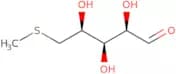
CAS:<p>5-S-Methyl-5-thio-D-xylose is a carbohydrate that can be synthesized from 5,5’ -dithiobis(2-nitrobenzoic acid) and D-xylose. It is a high purity, custom synthesis product. This carbohydrate has been modified with fluorination at the 5 position of the sugar ring and methylation of the alpha carbon to form a methylated xylose. The molecular weight is 488.1 g/mol and it has a CAS number of 53458-58-5. This product can be used to modify saccharides and oligosaccharides with fluorination and methylation reactions.</p>Fórmula:C6H12O4SPureza:Min. 95%Peso molecular:180.22 g/mol5'-O-(2-Amino-2-deoxy-b-D-glucopyranosyl)-uridine
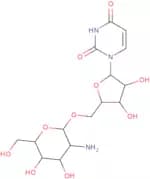
CAS:<p>5'-O-(2-Amino-2-deoxy-b-D-glucopyranosyl)-uridine is a carbohydrate that is synthesized from uridine and 5'-amino-2,3,4,6-tetra-O-(2-deoxy-b-D-glucopyranosyl)uridine. It has a high purity and can be custom synthesized to meet your specifications. Carbohydrates are saccharides that are composed of monosaccharides linked by glycosidic bonds. They are often used as energy sources for living organisms and play an important role in the immune system. 5'-O-(2-Amino-2-deoxy-b-D - glucopyranosyl)-uridine can be methylated at the 2' position or glycosylated at either the 2' or 3' position. It is also a complex carbohydrate that can be modified with fluor</p>Fórmula:C15H23N3O10Pureza:Min. 95%Peso molecular:405.36 g/molCanagliflozin
CAS:<p>Canagliflozin is a drug that has been approved for the treatment of type 2 diabetes. It is an inhibitor of sodium glucose transporter 2 (SGLT2) and reduces blood glucose levels by increasing urinary glucose excretion. Canagliflozin has been shown to have cardiac effects, which may be due to its ability to increase serum natriuretic peptide levels and decrease heart rate. This drug has also been shown to reduce cardiovascular disease activity in patients with type 2 diabetes. Canagliflozin is not active against c. glabrata, but it does inhibit SGLT1 in this organism.</p>Fórmula:C24H25FO5SPureza:Min. 95%Forma y color:PowderPeso molecular:444.52 g/molD-Erythrulose - 1M Aqueous solution
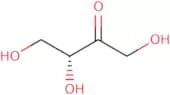
CAS:<p>D-erythrulose is a monosaccharide with the chemical structure of erythrose. It is structurally related to glycolaldehyde, which is a precursor in the biosynthesis of ribose. D-Erythrulose has been used for diagnosis and identification of various bacteria, such as C. glutamicum and Brucella species, by serological tests, as well as for the detection of gene products in E. coli K-12 cells. The determination of ATP levels in Brucella species has also been performed using magnetic resonance spectroscopy (MRS) after incubation with D-erythrulose.</p>Fórmula:C4H8O4Pureza:Min. 90 Area-%Forma y color:Clear LiquidPeso molecular:120.1 g/mol2-C-Azidomethyl-2,3-O-isopropylidene-L-erythrono-1,4-lactone
<p>2-C-Azidomethyl-2,3-O-isopropylidene-L-erythrono-1,4-lactone is a glycosylation agent that can be used in the synthesis of saccharide and oligosaccharide. It has been shown to react with various carbohydrates by methylation, click modification, and fluorination. 2CAS is also able to modify polysaccharides. This compound is synthesized from erythronolide B and azidomethane, which are both commercially available compounds. The high purity of this product makes it ideal for use in industries such as pharmaceuticals and biotechnology.</p>Pureza:Min. 95%D-Maltose monohydrate - Low endotoxin
CAS:<p>D-Maltose monohydrate is a glycosylation product of maltose. It is a complex carbohydrate that has been methylated, fluorinated, and modified with Click chemistry. D-Maltose monohydrate has the CAS number of 3647-20-3 and can be custom synthesized to meet your specifications. This product is free from endotoxins and can be made in high purity.</p>Pureza:Min. 95%N-(Succinyl)-O-b-D-galactopyranosylhydroxylamine
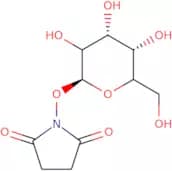
<p>N-(Succinyl)-O-b-D-galactopyranosylhydroxylamine is a custom synthesis of an oligosaccharide with a modified sugar. The modification includes fluorination and succinylation of the hydroxyl group at the b position on the galactose ring. This sugar is also known as a complex carbohydrate and is found in saccharides, carbohydrates, and sugars. This product is synthesized to provide high purity with a click modification for use in methylation reactions.</p>Fórmula:C10H15NO8Pureza:Min. 95%Peso molecular:277.23 g/mol1,2,3,4,6-Penta-O-benzoyl-D-mannopyranose
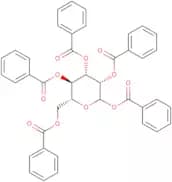
CAS:<p>1,2,3,4,6-Penta-O-benzoyl-D-mannopyranose is a high purity sugar that is custom synthesized to be used in glycosylation reactions. It has been shown to be effective for Click chemistry and can be fluorinated or methylated. 1,2,3,4,6-Penta-O-benzoyl-D-mannopyranose is a synthetic sugar that can be modified by glycosylation reactions. This sugar has the CAS No. 96996-90-6 and is known as Methyl 1-(1'-methylpropyl)-1H-[1',2',3',4',5',6']pentaoxacyclohexane.</p>Fórmula:C41H32O11Pureza:Min. 95%Forma y color:White PowderPeso molecular:700.69 g/molMethyl 2,3-di-O-acetyl-4,6-O-benzylidene-a-D-galactopyranoside
CAS:<p>Methyl 2,3-di-O-acetyl-4,6-O-benzylidene-a-D-galactopyranoside is a custom synthesis of a complex carbohydrate that can be modified with a methyl group on the C2 position. This compound has been fluorinated and glycosylated in the laboratory. This product has high purity and is insoluble in water.</p>Fórmula:C18H22O8Pureza:Min. 95%Peso molecular:366.37 g/molGlucosamine sulfate potassium chloride
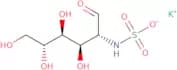
CAS:<p>Glucosamine sulfate potassium chloride is a reaction solution that contains glucosamine and hydrochloric acid. It is used in the treatment of osteoarthritis and related diseases, as well as for the prevention of cardiovascular disease. Glucosamine sulfate potassium chloride has been shown to reduce pain and improve the clinical response in patients with osteoarthritis. The synergic effect of glucosamine sulfate potassium chloride may be due to its ability to inhibit the degradation of collagen by hydrochloric acid. This drug also increases the production of glycoside derivatives from glucose, which are important for basic protein synthesis. Glucosamine sulfate potassium chloride can be used as a dietary supplement for infants, who have fatty acid deficiencies.</p>Fórmula:(C6H14NO5)2SO4•(KCl)2Pureza:Min. 95%Peso molecular:605.52 g/molChitosan - Molecular weight 190,000-310,000
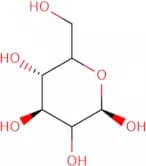
CAS:<p>Chitosan is the deacetylated form of chitin. The polysaccharide is deacetylated in order to render it soluble, which is then possible at pH values of less than 7 (normally in dilute acid). This then allows the material to be used in a number of industrial applications as a binder and film former.</p>Forma y color:Off-White Powderb-D-Glucose - 95%
CAS:<p>B-D-glucose is a monosaccharide with the molecular formula C6H12O6. It is the major form of glucose in plants, and is one of the simplest carbohydrates. B-D-glucose is synthesized by photosynthesis in plants and used as an energy source for cellular respiration. The hydroxyl group of b-D-glucose reacts with p-hydroxybenzoic acid to form a new compound called glucopyranosiduronic acid. The hydroxyl group also reacts with sodium citrate to form sodium hydrogen citrate. This reaction can be used to measure the concentration of b-D-glucose in an unknown solution using high performance liquid chromatography (HPLC). B-D-glucose has been shown to have antidiabetic activity, as it improves insulin sensitivity, reduces blood glucose levels, and decrease body mass index (BMI) in animal models. A model system</p>Fórmula:C6H12O6Pureza:Min. 95 Area-%Forma y color:PowderPeso molecular:180.16 g/mol3,4-Di-O-acetyl-2,6-di-O-(3,4,6-tri-O-acetyl-2-deoxy-2-phthalimido-β-D-glucopyranosyl)-α-D-mannopyranose
<p>3,4-Di-O-acetyl-2,6-di-O-(3,4,6-tri-O-acetyl-2-deoxy-2-phthalimido-b-D-glucopyranosyl)-a-D mannopyranose is a modification of the carbohydrate oligosaccharide. It is a custom synthesis that has high purity and CAS number. The structure of the molecule is an Oligosaccharide with a Carbohydrate. This molecule is an example of a complex carbohydrate. The monosaccharide in this compound is glucose and it has been methylated and glycosylated. This molecule also has a polysaccharide sugar which can be fluorinated or saccharided.</p>Fórmula:C50H54N2O26Pureza:Min. 95%Peso molecular:1,098.96 g/mol5,6-O-Isopropylidene-L-gulonic acid-1,4-lactone
CAS:<p>5,6-O-Isopropylidene-L-gulonic acid-1,4-lactone is a synthetic monosaccharide with the molecular formula C8H14O5. It has a CAS number of 94697-68-4 and is available for custom synthesis. The chemical structure of 5,6-O-Isopropylidene-L-gulonic acid-1,4-lactone consists of a methyl group attached to the hydroxyl at position 1 and a fluoro group attached to the hydroxyl at position 4. 5,6--O--Isopropylidene--L--gulonic acid--1,4--lactone is not naturally occurring and is made by modification of glycosides. This compound can be used in click chemistry or complex carbohydrate reactions.</p>Fórmula:C9H14O6Pureza:Min. 99 Area-%Forma y color:White PowderPeso molecular:218.2 g/mol1,2:4,5-Di-O-cyclohexylidene-b-D-fructopyranose
CAS:<p>1,2:4,5-Di-O-cyclohexylidene-b-D-fructopyranose is a modification of the natural carbohydrate 1,2:4,5-di-O-isopropylidene-b-D-fructopyranose. It is an oligosaccharide composed of three units of b-D-fructofuranose linked by α-(1,2) and β-(1,4) glycosidic bonds. The methylation and glycosylation of this saccharide can be customized to produce a wide range of products with different properties. 1,2:4,5 Di O cyclohexylidene b D fructopyranose can be used in applications such as pharmaceuticals and agrochemicals.<br>The molecular formula for this compound is C10H14O8 and its CAS number is 18608-92-9.</p>Fórmula:C18H28O6Pureza:Min. 95%Peso molecular:340.41 g/molGum karaya
CAS:<p>Gum karaya is exuded from Sterculia urens, a bushy tree found in dry regions of North India. Due to its extensive swelling capacity in water it is used as a laxative and as a denture adhesive. The structure consists of D-galactose, D-glucuronic acid and L-rhamnose but the detailed molecular structure is still incompletely known.</p>Pureza:Min. 95%Forma y color:Powder1,2,3,4-Tetra-O-benzyl-6-O-tert-butyldiphenylsilyl-a-D-mannopyranose
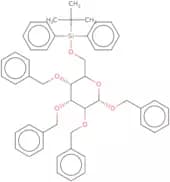
CAS:<p>1,2,3,4-Tetra-O-benzyl-6-O-tert-butyldiphenylsilyl-a-D-mannopyranose is a synthetic glycoside that can be used as a building block for the synthesis of complex carbohydrates. It is a fluorinated sugar that can be modified with methyl groups and other functional groups. This product is available in high purity and can be custom synthesized to meet your specific needs.</p>Fórmula:C50H54O6SiPureza:Min. 95%Peso molecular:779.07 g/mol3'-Sialyllactose-BSA
<p>3'-Sialyllactose-BSA binds to human serum albumin. It is used in the detection of tumour cells in blood samples, and has been shown to be sensitive for the detection of malignant cells in sera from patients with metastatic breast cancer. 3'-Sialyllactose-BSA can also be used as a probe for the identification of glycosphingolipids in animal tissues. The antibody's specificity for glycosphingolipids was demonstrated by its ability to bind selectively to glycosphingolipid-containing liposomes, but not lipid vesicles without glycosphingolipids.</p>Forma y color:PowderPeso molecular:75,595.6 g/molD-Salicin
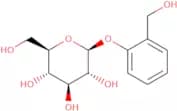
CAS:<p>D-Salicin is a naturally occurring compound, classified as a biologically active glycoside. It is acquired from the bark of willow trees, primarily species within the genus Salix. The primary mode of action of D-Salicin involves its metabolic conversion into salicylic acid within the human body. This conversion occurs in the gastrointestinal tract and bloodstream, ultimately displaying effects similar to non-steroidal anti-inflammatory drugs (NSAIDs).</p>Fórmula:C13H18O7Pureza:Min. 98 Area-%Forma y color:White Off-White PowderPeso molecular:286.28 g/molb-D-Maltose octaacetate
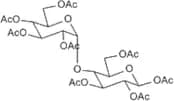
CAS:<p>Useful CO2-philic compounds with potential uses as pharmaceutical excipients, controlled release agents, and surfactants for microemulsion systems in CO2-based processes.</p>Fórmula:C28H38O19Pureza:Min. 98 Area-%Forma y color:White PowderPeso molecular:678.59 g/mol6-Azido-6-deoxy-L-galactose
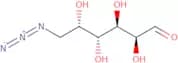
CAS:<p>6-Azido-6-deoxy-L-galactose is an analog of the natural L-galactose. It has been shown to inhibit the growth and survival of a number of human pathogens, including those that cause tuberculosis, staphylococcal infections, and meningitis. 6-Azido-6-deoxygalactose is reactive with cellular structures and glycoconjugates, which may have contributed to its antimicrobial activity in tissue culture. 6A6DG blocks fatty acid synthesis by inhibiting enzymes called acyltransferases. It also inhibits glycolysis by interfering with the conversion of glucose into glycogen through inhibition of glycogen synthase kinase 3β (GSK3β), which leads to decreased levels of ATP in cells. This compound also inhibits glutaminase activity in the brain, leading to impaired neurotransmitter release and subsequent neuronal cell death.</p>Fórmula:C6H11N3O5Pureza:Min. 95%Forma y color:White PowderPeso molecular:205.17 g/mol2,3,4,6-Tetra-O-acetyl-β-D-glucopyranosyl trichloroacetimidate
CAS:<p>Gadolinium is a magnetic, paramagnetic metal that is used to enhance the contrast in magnetic resonance imaging (MRI) and has been shown to be effective in ectopic expression of gene products. Gadolinium-enhanced MRI has been shown to be a more sensitive method for detection of pancreatic cancer cells than CT scans. Gadolinium also binds to monoclonal antibodies and can be detected using immunohistochemical staining. Gadolinium is a prohormone that is converted into its active form by cleavage of the glycosidic bond between carbons 2 and 3 in the 6-phosphate position. The gadolinium ion is chemically neutral, which may account for its lack of toxicity in vivo.</p>Fórmula:C16H20Cl3NO10Pureza:Min. 98 Area-%Forma y color:PowderPeso molecular:492.69 g/molIndole-3-acetyl β-D-glucopyranose
CAS:<p>Indole-3-acetyl b-D-glucopyranose is a synthetic substrate that is used in the enzyme catalysis of indole glucosyl transferase. This enzyme catalyzes the reaction between indole and D-glucose to form an acetylated glucose. The gene product for this enzyme has a low expression in tissues, but high expression in plants. The gene product for this enzyme has been shown to be involved in plant physiology, where it may play a role in population growth.</p>Fórmula:C16H19NO7Pureza:Min. 95%Peso molecular:337.33 g/mol1,2-O-Di-O-acetyl-5-O-benzoyl-3-deoxy-D-ribofuranose
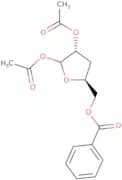
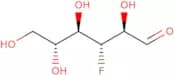
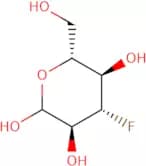
CAS:<p>1,2-O-Di-O-acetyl-5-O-benzoyl-3-deoxy-D-ribofuranose is a carbohydrate that is used as a building block in the synthesis of oligosaccharides and polysaccharides. The compound is also used to modify glycoproteins to increase their stability and to improve their solubility. 1,2-O-Di-O-acetyl-5-O-benzoyl--3 -deoxy--D--ribofuranose has been modified with fluorination, saccharide methylation, glycosylation and polysaccharide synthesis.</p>Fórmula:C16H18O7Pureza:Min. 90%Forma y color:PowderPeso molecular:322.31 g/mol3-Deoxy-3-fluoro-D-allose
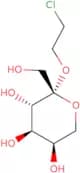
CAS:<p>3-Deoxy-3-fluoro-D-allose is a chemical compound with the molecular formula CHNO. It has been shown to have potential as a contrast agent for magnetic resonance imaging (MRI) and positron emission tomography (PET). The conformation of 3-Deoxy-3-fluoro-D-allose is similar to that of glucose, but it does not inhibit the uptake of glucose by erythrocytes or the transport of glucose across cell membranes. 3DFA has been shown to be taken up by cells in the brain, kidney, and liver. The uptake and distribution of 3DFA in these tissues was dependent on serum protein concentrations.</p>Fórmula:C6H11FO5Forma y color:PowderPeso molecular:182.15 g/mol2-Chloroethyl-b-D-fructopyranoside
CAS:<p>2-Chloroethyl-b-D-fructopyranoside is a stable reagent that is used to prepare 2,4-dichloroacetophenone (2,4-DAAP), which can be used as a crosslinking agent. This reagent is reactive and should be handled with care. It forms a hemoglobin adduct by reacting with the amino groups of hemoglobin. The reaction can be catalyzed by dialdehydes. Affinities for tissue proteins are created through stepwise reactions involving ring-opening reactions or methemoglobin formation. 2-Chloroethyl-b-D-fructopyranoside can be used to synthesize a polymerized affinity column by using the ring opening reaction in an affinity chromatography process.</p>Fórmula:C8H15ClO6Pureza:Min. 95%Forma y color:PowderPeso molecular:242.65 g/mol4-Methoxyphenyl 4-O-{4-O-[[3-O-[2,4-di-O-(3,4,6-tri-O-acetyl-2-deoxy-2-phthalimido-β-D-glucopyranosyl)-3,6-di-O-benzyl-α-D-mannopyra nosyl]-4,6-O-benzylidene-2-O-levulinoyl-β-D-glucopyranosyl]]-3,6-di-O-benzyl-2-deoxy-2-phthalimido-β-D-glucopyranosyl}
<p>4-Methoxyphenyl 4-O-{4-O-[3,6-di-O-(3,4,6-tri-O-acetyl-2-deoxy-2-phthalimido-bDglucopyranosyl)-2,4,6-trihydroxybenzylidene]-aDmannopyra nosyl} -3,6diO(benzyl) -2deoxy2phthalimido -bDglucopyranoside is a high purity synthetic oligosaccharide. It is a complex carbohydrate with a high degree of polymerization. This product has been synthesized by Click modification and fluorination. The product contains an acetate group at the reducing end of the sugar chain and may be glycosylated. The CAS number for this product is</p>Fórmula:C161H160N4O48Pureza:Min. 95%Peso molecular:2,918.99 g/molEthyl 2,3,4-tri-O-benzyl-L-thiofucopyranoside
CAS:<p>Ethyl 2,3,4-tri-O-benzyl-L-thiofucopyranoside is a glycosylation agent that is used in the synthesis of complex carbohydrates. It can also be used in the methylation and click modification of saccharides. Ethyl 2,3,4-tri-O-benzyl-L-thiofucopyranoside has been shown to have a high purity and can be custom synthesized to fit the needs of the customer. This product has a CAS number of 169532-17-6 and it is available in both monosaccharides and oligosaccharides.</p>Fórmula:C29H34O4SPureza:Min. 95%Forma y color:White Off-White PowderPeso molecular:478.64 g/mol3,4,6-Tri-O-acetyl-1,2-O-(1-isopropoxy-1-alkoxyethylidene)-b-D-mannopyranose
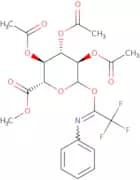
<p>This is a synthetic, high purity, and custom synthesis oligosaccharide that is used in the modification of complex carbohydrates. It is an O-acetylated form of 1,2-O-(1-isopropoxy-1-alkoxyethylidene)-b-D-mannopyranose. The CAS number for this product is 306928-06-3.</p>Pureza:Min. 95%1-(2,2,2-Trifluoro-N-phenylethanimidate)-2,3,4-tri-O-acetyl-D-glucopyranuronic acid methyl ester
CAS:<p>1-(2,2,2-Trifluoro-N-phenylethanimidate)-2,3,4-tri-O-acetyl-D-glucopyranuronic acid methyl ester is a methylated variant of an oligosaccharide. It has been synthesized by the click modification of an oligosaccharide with a monosaccharide and a fluorinated saccharide. This compound has been shown to have antiviral activity against the influenza virus in vitro. The antiviral activity may be due to its ability to inhibit the viral polymerase and RNA synthesis or to prevent virus assembly and release.</p>Fórmula:C21H22F3NO10Pureza:Min. 95%Peso molecular:505.4 g/molBis(p-methylbenzylidene)sorbitol
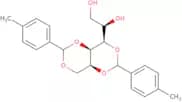
CAS:<p>Bis(p-methylbenzylidene)sorbitol is an organic solvent that has been used in a variety of applications, including polyolefin production, as an additive for plastics, and as a surface treatment for metals. Bis(p-methylbenzylidene)sorbitol also has been used to reduce the weight of paper and textiles. It is synthesized by the reaction of vinyl alcohol with dibenzylidene sorbitol in the presence of base. Bis(p-methylbenzylidene)sorbitol can be identified by its crystalline structure, which consists of three molecules of glucose linked together. Bis(p-methylbenzylidene)sorbitol is a colorless liquid that has no odor or taste and it has a low viscosity. This chemical is also soluble in organic solvents such as benzene or ethylene glycol ethers.</p>Fórmula:C22H26O6Pureza:Min. 95%Forma y color:PowderPeso molecular:386.44 g/mol2,3,4-Tri-O-acetyl-b-L-arabinopyranosyl azide
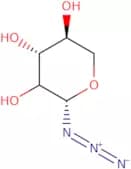
<p>2,3,4-Tri-O-acetyl-b-L-arabinopyranosyl azide is a custom synthesis that is modified with fluorination, methylation, and monosaccharide. It can be synthesized using click modification and oligosaccharide. This compound is a carbohydrate that has saccharide as its main component. Carbohydrate is the most abundant organic molecule in the human body. Complex carbohydrates are polysaccharides made up of many monosaccharides linked together. Polysaccharides are also called glycans or glycosaminoglycans (GAGs). Glycosylation is the process by which sugars are attached to proteins or lipids.</p>Fórmula:C5H9N3O4Pureza:Min. 95%Peso molecular:175.14 g/mol5-Deoxy-iso-DMDP HCl
<p>5-Deoxy-iso-DMDP HCl is a custom synthesis sugar that can be modified with Click chemistry. It is fluorinated, glycosylated, and methylated. The CAS number for 5-Deoxy-iso-DMDP HCl is 97790-10-2. This oligosaccharide has a molecular weight of about 607.5 Daltons and contains monosaccharides and saccharides. The carbohydrate complex has a molecular weight of about 1201 Daltons and includes complex carbohydrates such as polysaccharides, glycoproteins, glycogen, and polysaccharolytic enzymes.</p>Pureza:Min. 95%3-Deoxy-3-fluoro-D-glucose
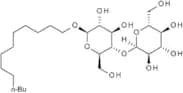
CAS:<p>Fluorinated glucose analog</p>Fórmula:C6H11FO5Pureza:Min. 95%Forma y color:White PowderPeso molecular:182.15 g/molDecyl b-D-thiomaltopyranoside
CAS:<p>Decyl b-D-thiomaltopyranoside is a glycosylation product of the monosaccharide, maltose. It is a complex carbohydrate that consists of two glucose molecules linked by alpha (1-4) glycosidic bonds. Decyl b-D-thiomaltopyranoside has been modified with methyl groups and fluorine atoms. This product is CAS No. 148565-56-4, and it can be custom synthesized to meet your specifications. The purity of this product ranges from 98% to 99%.</p>Fórmula:C22H42O10SPureza:Min. 95%Forma y color:White To Off-White SolidPeso molecular:498.63 g/mol1-O -Acetyl-2,5-di-O-benzoyl-3-fluoro-3-deoxy-b-D-ribofuranoside
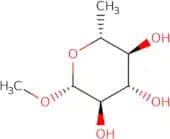
CAS:<p>1-O -Acetyl-2,5-di-O-benzoyl-3-fluoro-3-deoxy-b-D-ribofuranoside is a synthetic sugar that belongs to the class of saccharides. It is a modification of fluorinated sugar that has been modified with acetylation and benzoylation. This compound can be used as an intermediate in the synthesis of oligosaccharides and glycosylations.</p>Pureza:Min. 95%Methyl 6-deoxy-β-D-glucopyranoside
CAS:<p>Methyl 6-deoxy-b-D-glucopyranoside is a custom synthesis that produces methylated sugars. It is a high purity, complex carbohydrate with a molecular weight of 312.06 g/mol and CAS No. 6340-52-9. Methyl 6-deoxy-b-D-glucopyranoside is produced by the click modification of glucose, which is an oligosaccharide composed of six molecules of glucose linked together. This product has been used in the synthesis of polysaccharides and saccharides.</p>Fórmula:C7H14O5Pureza:Min. 95%Forma y color:PowderPeso molecular:178.18 g/mol1,2-Di-O-acetyl-3,5-di-O-benzoyl-D-ribofuranose
CAS:<p>1,2-Di-O-acetyl-3,5-di-O-benzoyl-D-ribofuranose is a fluorinated carbohydrate that is synthesized through a glycosylation reaction. It has been shown to be stable in the presence of strong acid and base. The molecular weight of 1,2-Di-O-acetyl-3,5-di-O-benzoyl-D -ribofuranose is 694.49 g/mol. The purity of this compound is >99%.</p>Pureza:Min. 95%Decyl maltose neopentyl glycol
CAS:<p>Decyl maltose neopentyl glycol is a model system for studying the interaction of light with carotenoids. The decyl maltose neopentyl glycol molecule has been shown to react with light to produce reactive molecules, such as singlet oxygen and superoxide, which are responsible for tissue damage caused by exposure to sunlight. Decyl maltose neopentyl glycol is also a non-heme iron compound that can be used in x-ray crystal structures to study protein-ligase interactions. Decyl maltose neopentyl glycol is synthesized from fatty acids, which are present in the membrane of cells and play an important role in their interactions with proteins. Decyl maltose neopentyl glycol is used as a model system for plant physiology and sample preparation and has been shown to inhibit protein synthesis in vitro.</p>Fórmula:C43H80O22Pureza:Min. 95 Area-%Forma y color:PowderPeso molecular:949.08 g/mol1,3,4,6-Tetra-O-acetyl-2-deoxy-2-fluoro-D-glucopyranose
CAS:<p>1,3,4,6-Tetra-O-acetyl-2-deoxy-2-fluoro-D-glucopyranose is a sugar that can be used as a starting material for the synthesis of other sugars. It has been shown to crystallize in a number of different forms, including monoclinic and hexagonal crystals. Crystals are grown from solvents such as silver nitrate or chloride. The molecule has three stereoisomers, which are mirror images of each other. These isomers have different chemical properties and react differently with various substances. This property can be utilized to synthesize desired compounds with desired functionalities.</p>Fórmula:C14H19FO9Pureza:Min. 95 Area-%Forma y color:PowderPeso molecular:350.29 g/molMethyl syringate 4-O-β-D-gentiobiose
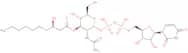
<p>Methyl syringate 4-O-beta-D-gentiobiose is a modification, which is an oligosaccharide carbohydrate complex. It is synthesized by custom synthesis and has a high purity. It is a CAS number and has the molecular formula C12H20O9. This compound can be found in nature as a monosaccharide or polysaccharide sugar. The methylation of this compound can produce methyl syringate 4-O-beta-D-gentiobiose.</p>Fórmula:C22H22O15Peso molecular:526.4 g/molUDP-3-O-(R-3-hydroxydecanoyl)-GlcNAc sodium salt
CAS:<p>Substrate for UDP-3-O-acyl-GlcNAc deacetylase</p>Fórmula:C27H43N3O19P2·xNaPureza:Min. 90 Area-%Forma y color:White Off-White Solidified MassPeso molecular:777.6 g/mol2,3:5,6-Di-O-isopropylidene-α-D-mannofuranose
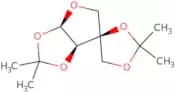
CAS:<p>2,3:5,6-Di-O-isopropylidene-a-D-mannofuranose is a nutrient solution that can be used in tissue culture. It is a complex sugar with an active hydroxyl group and a hydrogen bond. This compound has been shown to have antiviral activity against HIV in the laboratory. 2,3:5,6-Di-O-isopropylidene-a-D-mannofuranose is also able to inhibit the growth of liver cells and can be used for diagnostic purposes.</p>Fórmula:C12H20O6Pureza:Min. 95%Forma y color:PowderPeso molecular:260.28 g/molTridecyl β-D-maltopyranoside
CAS:<p>Tridecyl b-D-maltopyranoside is a high purity, custom synthesis sugar that can be fluorinated, glycosylated, methylated, and modified. It has CAS No. 93911-12-7 and can be used as an oligosaccharide or monosaccharide in the synthesis of complex carbohydrates. Tridecyl b-D-maltopyranoside is also used in click modifications.</p>Fórmula:C25H48O11Pureza:Min. 95%Forma y color:PowderPeso molecular:524.64 g/molTetraethylene glycol monooctyl ether
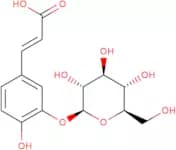
CAS:<p>Tetraethylene glycol monooctyl ether (TEGMOOE) is a surfactant and antimicrobial agent. It is a non-ionic surfactant that is used in many industrial applications, including as an emulsifier, dispersing agent, wetting agent, and defoamer. TEGMOOE has been shown to inhibit the multidrug efflux pump in some bacterial cells by binding to the signal peptide. This binding prevents the formation of an antibiotic-inhibitor complex with the enzyme cell wall synthesis that is required for cell wall biosynthesis, inhibiting protein synthesis and cell division. TEGMOOE also has been shown to have antimicrobial properties against tissue culture bacteria such as Staphylococcus aureus and Enterococcus faecalis. TEGMOOE can also be used as a calibration standard for titration calorimetry or flow systems by adding fatty acid to TEGMOOE solution</p>Fórmula:C16H34O5Pureza:Min. 95%Forma y color:LiquidPeso molecular:306.44 g/molCaffeic acid 3-O-b-D-glucopyranoside
CAS:<p>Caffeic acid 3-O-b-D-glucopyranoside is a naturally occurring phenolic compound found in plants. It is a white to off-white powder that is soluble in methanol, ethanol, and water. Caffeic acid 3-O-b-D-glucopyranoside has been shown to have antioxidant properties by increasing the mitochondrial membrane potential in erythrocytes and reducing free radicals. It also may have anticancer activity due to its ability to inhibit tumor growth in vivo studies.</p>Fórmula:C15H18O9Pureza:Min. 98 Area-%Forma y color:Off-White PowderPeso molecular:342.3 g/mol2,6-Di-O-tert-butyldimethylsilyl)-b-cyclodextrin
CAS:<p>This beta-cyclodextrin (β-CD) derivative is a functionalized cyclic oligosaccharide composed of seven glucose units, characterized by a hydrophilic exterior and a lipophilic cavity (bigger than α-CD and smaller than γ-CDs), which allows it to encapsulate various guest molecules. This structural feature facilitates its use in multiple applications, including pharmaceuticals, food enhancement, and cosmetics. In the pharmaceutical industry, it enhances the solubility and stability of poorly water-soluble drugs, improving their bioavailability and efficacy while also masking unpleasant tastes. The food sector utilizes it as a stabilizer for flavors, colors, and nutrients, extending shelf life by protecting sensitive ingredients from degradation. In cosmetics, it serves as a complexing agent for fragrances and active components, ensuring their stability and controlled release. Its use expands to many other fields, including nanotechnology for drug delivery systems, environmental remediation for extracting organic pollutants, textiles for slow-release fragrances, and analytical chemistry for chiral separation.</p>Fórmula:C126H266O35Si14Pureza:Min. 95%Peso molecular:2,734.64 g/mol3, 4- O- [(R) -Benzylidene] -2-O-trifluormethansulfonyl-D- ribonic acid d- lactone
<p>3, 4- O- [(R) -Benzylidene] -2-O-trifluormethansulfonyl-D- ribonic acid d- lactone is a sugar derivative that is used as a reagent in organic synthesis. It has been used as a building block for the preparation of acetonitrile derivatives, which are useful for the synthesis of heterocycles. 3, 4- O- [(R) -Benzylidene] -2-O-trifluormethansulfonyl-D- ribonic acid d- lactone has also been shown to be an active site for catalyzing the reaction between nitroglycerin and trinitrate with dioxane as solvent. This compound can also be used to synthesize the antihypertensive drug hydroxypropanolamine by reacting with hydroxylamine and acetone in acidic conditions.</p>Pureza:Min. 95%Hyaluronic acid disaccharide sodium salt
CAS:<p>The hyaluronic acid discaccharide and other enzymatically produced polymer homologs from hyaluronic acid have been of value in the study of hyaluronic acid metabolism in healthy and diseased tissues (Hascall, 2019). Hyaluronic acid is a polysaccharide containing repeating disaccharide units of β-1,3-N-acetyl glucosamine and β-1, 4-glucuronic acid. The unsaturated disaccharide hyalobiuronic acid is released from hyaluronic acid by the action of hyaluronidase on umbilical cord (Weissman, 1954).</p>Fórmula:C14H20NNaO11Pureza:Min. 95 Area-%Forma y color:PowderPeso molecular:401.3 g/molDecyl α-D-maltopyranoside
CAS:<p>Decyl a-D-maltopyranoside is a low molecular weight alcohol that is used in the synthesis of glycoproteins. It has been shown to bind to the peptides and proteins of the cell membranes, which may be due to its hydrophobic character. Decyl a-D-maltopyranoside is also capable of coordinating with the membrane, which may be due to its high affinity for lipids. Decyl a-D-maltopyranoside can be used as an electrode material because it is more stable than other materials.</p>Fórmula:C22H42O11Pureza:Min. 95%Forma y color:White/Off-White SolidPeso molecular:482.56 g/mol3-O-Acetyl-1,2-O-isopropylidene-α-D-glucofuranose
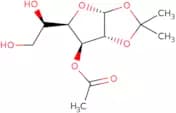
CAS:<p>3-O-Acetyl-1,2-O-isopropylidene-a-D-glucofuranose is a synthetic sugar that can be custom synthesized and modified. It has been shown to be an excellent substrate for glycosylation, where it can be used as a sugar donor or acceptor. This sugar can also be fluorinated and complexed with other sugars. 3-O-Acetyl-1,2-O-isopropylidene-a-D-glucofuranose is a high purity carbohydrate with CAS No. 24807-96-3.</p>Fórmula:C11H18O7Pureza:Min. 95%Forma y color:White To Off-White SolidPeso molecular:262.26 g/mol(2S, 3S, 4S, 5R) -3,4-Dihydroxy-2, 5- pyrrolidinedimethano l
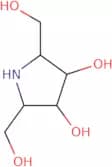
CAS:<p>Disrupting agents are compounds that inhibit the function of a protein. These agents are able to bind to proteins and disrupt their normal function, leading to cell death. Picolinic acid is one such agent, which binds to proteins that contain an active site with a metal ion. It has been shown to be effective in reducing tumor cells and drug efficacy. Disrupting agents have also been shown to induce apoptosis by activating caspases, which are proteases that process proteins in cells. Research on these agents has shown anticancer potential in drug research and cancer treatment.</p>Pureza:Min. 95%4-Methoxyphenyl 3-O-(2,3,4,6-Tetra-O-acetyl-b-D-galactopyranosyl)-2-azido-4,6-O-benzylidene-2-deoxy-b-D-galactopyranoside
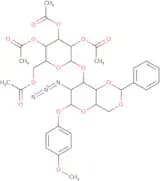
<p>4-Methoxyphenyl 3-O-(2,3,4,6-Tetra-O-acetyl-b-D-galactopyranosyl)-2-azido-4,6-O-benzylidene-2-deoxy-b -D -galactopyranoside is a sugar that can be methylated or modified with other saccharides. It has CAS No. 91485 and can be synthesized by Click chemistry. The modification of the sugar includes glycosylation and fluorination. This compound is a complex carbohydrate that is used in synthetic chemistry.</p>Pureza:Min. 95%2-Aminophenyl 2,3,4-tri-O-acetyl-β-D-glucuronide methyl ester
CAS:<p>2-Aminophenyl 2,3,4-tri-O-acetyl-b-D-glucuronide methyl ester is a glycosylation reagent and can be used in synthesis of oligosaccharides and sugar. This chemical has been modified with fluorination, methylation and monosaccharide modification to provide a high purity product. It is also available in complex carbohydrate form.</p>Fórmula:C19H23NO10Pureza:Min. 95%Forma y color:White to off-white solid.Peso molecular:425.39 g/molOctanoyl D-glucopyranoside
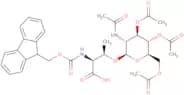
CAS:<p>Octanoyl D-glucopyranoside is a potent inhibitor of histidine-mediated endocytosis and the activation of NF-κB signaling in human osteoarthritic chondrocytes. It has also been shown to inhibit viral replication by adenovirus. Octanoyl D-glucopyranoside inhibits the activity of several enzymes, including protein kinase C (PKC), nf-kappa B (NF-κB), and photolyase, which are all involved in inflammation. This compound also inhibits transcription, polymerization, and genotype expression. Octanoyl D-glucopyranoside has been shown to be effective against necrosis factor alpha (TNFα) and interleukin 1 beta (IL1β).</p>Fórmula:C14H26O7Pureza:Min. 95%Forma y color:White to off-white solid.Peso molecular:306.35 g/mol2-Acetamido-3,4,6-tri-O-acetyl-2-deoxy-β-D-glucopyranosyl-Fmoc threonine
CAS:<p>Custom synthesis, Modification, Fluorination, Methylation, Monosaccharide, CAS No. 160168-40-1, Click modification, Oligosaccharide, Synthetic, saccharide, Polysaccharide, Glycosylation, sugar</p>Fórmula:C33H38N2O13Pureza:Min. 95 Area-%Peso molecular:670.66 g/molBlood group A type 3/4 linear trisaccharide
<p>GalNAca1-3Galb1-3GalNAc</p>Fórmula:C22H38N2O16Pureza:Min. 95%Peso molecular:586.54 g/mol2,3,4,6-Tetra-O-acetyl-α-D-mannopyranose
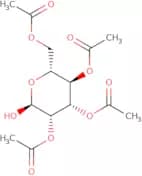
CAS:<p>2,3,4,6-Tetra-O-acetyl-a-D-mannopyranose is a phosphorylated glycolipid that inhibits the activity of transferases and endoplasmic reticulum enzymes. This compound has been shown to inhibit the activity of mannosyltransferase and glycosyltransferase in the endoplasmic reticulum. This inhibition may be due to steric hindrance by the acetyl group. The diastereoselectivity of this compound is also notable. It is one of a few compounds that have shown to be chiral phosphoramidites, which are used in the synthesis of DNA.</p>Fórmula:C14H20O10Pureza:Min. 95%Forma y color:PowderPeso molecular:348.3 g/molPalatinose hydrate
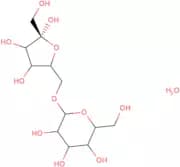
CAS:<p>Palatinose hydrate is a polyol that is produced by the hydrolysis of inulin. It has been shown to have antibacterial activity against Lactococcus lactis, an important probiotic bacteria. Palatinose hydrate also has an amine group that can react with the carbonyl group of other compounds. This makes it effective against bacteria such as Echinocandin, which contains a reactive carbonyl group. Palatinose hydrate is used in food products and has been shown to have anti-viral properties. The viscosity of this compound can be increased by mixing with glycerol or sorbitol.</p>Fórmula:C12H22O11·xH2OPureza:Min. 95%Forma y color:PowderPeso molecular:342.3 g/mol2-((4,4,5,5,5-Pentafluoropentyl)oxy)octyl b-D-maltopyranoside
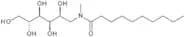
<p>2-((4,4,5,5,5-Pentafluoropentyl)oxy)octyl ?-D-maltopyranoside is a fluorinated surfactant that can be used as a substitute for traditional detergents in holding membranes proteins in the soluble fraction and improve their stability.</p>Fórmula:C25H43F5O12Pureza:Min. 95%Forma y color:SolidPeso molecular:630.59 g/molN-Decanoyl-N-methylglucamine
CAS:<p>N-Decanoyl-N-methylglucamine is a fatty acid that is used as a cationic surfactant in detergents and cleaning products. It has been shown to have conformational properties that can be influenced by the acyl chain length. N-Decanoyl-N-methylglucamine has also been shown to bind to antibodies and other proteins, which may lead to antibody response or changes in their conformation. N-Decanoyl-N-methylglucamine binds to receptors on cells, triggering cell lysis and monoclonal antibody production. The optimum pH for this chemical is between 5 and 6, and it has been shown to undergo titration calorimetry at temperatures greater than 100°C.</p>Fórmula:C17H35NO6Pureza:Min. 95%Forma y color:White PowderPeso molecular:349.47 g/mol3,4-Di-O-acetyl-L-rhamnal
CAS:<p>3,4-Di-O-acetyl-L-rhamnal is a synthetic sugar with the molecular formula C9H11F2N3O8. It can be used as a monomer for the synthesis of oligosaccharides or polysaccharides. 3,4-Di-O-acetyl-L-rhamnal is fluorinated and methylated to produce the desired product. This sugar can be synthesized in custom quantities and has a high purity level.</p>Fórmula:C10H14O5Peso molecular:214.22 g/molTara gum
CAS:<p>Tara gum is a galactomannan that is obtained from the seeds of the tara shrub Caesalpinia spinosa which is a native of the northern regions of Africa and South America. The gum is described as having a backbone of (1,4)-linked β-D-mannopyranosyl units one third of which possess a single unit side chain of (1,6)-linked α-D-galactopyranose. The gum forms gels with carrageenan and xanthan in a similar manner to guar and locust bean gum. Currently, only small quantities of tara gum are sold for use as food thickeners and stabilisers.</p>Pureza:Min. 95%Forma y color:Powder2,3-O-Isopropylidene-D-apiose
CAS:<p>2,3-O-Isopropylidene-D-apiose is a high purity product that can be custom synthesized. It is a sugar that can be modified with fluorination, glycosylation, and methylation. 2,3-O-Isopropylidene-D-apiose has been shown to be an effective synthetic carbohydrate and can be used as a drug delivery system. This product is soluble in methanol and water and has the CAS number 94943-41-6.</p>Fórmula:C11H18O5Pureza:Min. 98 Area-%Forma y color:PowderPeso molecular:230.26 g/molCyanidin-3-O-lathyroside chloride
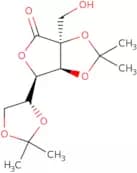
CAS:<p>Cyanidin-3-O-lathyroside chloride is a synthetic compound with antioxidant and anti-inflammatory effects. It is activated by the chloride ion, leading to increased bioavailability of the molecule. Cyanidin-3-O-lathyroside chloride has been shown to have anticancer properties, as well as an ability to activate calcium metabolism in cells. This compound also has a low bioavailability, which may be due to its hydrophobic nature and the fact that it is not orally active. This compound has been shown to be beneficial for cancer therapy because of its ability to inhibit cancer growth, induce apoptosis in cancer cells, and reduce tumor size. Cyanidin-3-O-lathyroside chloride has also been shown to have positive effects on fertility when taken at high doses orally.</p>Fórmula:C26H29O15•ClPureza:Min. 95%Forma y color:PowderPeso molecular:616.95 g/mol2C-Hydroxymethyl-2,3:5,6-di-O-isopropylidene-D-mannono-1,4-lactone
CAS:<p>2C-Hydroxymethyl-2,3:5,6-di-O-isopropylidene-D-mannono-1,4-lactone is a synthetic monosaccharide with a CAS number of 70147-48-7. This compound has been modified to include the hydroxymethyl group and the 2C designation. It is used as an ingredient in the synthesis of complex carbohydrates.</p>Fórmula:C13H20O7Pureza:Min. 95%Forma y color:PowderPeso molecular:288.29 g/molD-Galacturonic acid monohydrate
CAS:<p>Please enquire for more information about D-Galacturonic acid monohydrate including the price, delivery time and more detailed product information at the technical inquiry form on this page</p>Fórmula:C6H12O8Peso molecular:212.16 g/molRef: 3D-G-2280
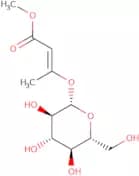
5gA consultar10gA consultar25gA consultar50gA consultar100gA consultar-Unit-kgkgA consultartrans-β-D-Glucopyranosyl methylacetoacetate
CAS:<p>Trans-beta-D-glucopyranosyl methylacetoacetate is a carbohydrate that belongs to the group of modified sugars. It is a synthetic compound and can be custom synthesized for your specific needs. This product has a high purity and can be used in research or as a starting material for the synthesis of other compounds. Trans-beta-D-glucopyranosyl methylacetoacetate is an oligosaccharide that can be fluorinated, methylated, glycosylated, or click modified. This product is also available in various grades, such as standard and high purity.</p>Fórmula:C11H18O8Pureza:Min. 95%Forma y color:PowderPeso molecular:278.26 g/molTetra-mannuronic acid sodium
<p>Tetra-mannuronic acid sodium salt (β-1,4-linked sodium mannuronotetraose) is one of a number of oligosaccharides obtained from alginate which is a polysaccharide in brown seaweeds containing: blocks of repeating mannuronic acid sequences (M-M-M-M etc), repeating guluronic acid sequences (G-G-G-G etc), and alternating M-G-M-G sequences. Oligosaccharides can be released using several methods (Lua, 2015; Yanga, 2004) and claims have been published that mannuronic acid oligosaccharides for example, can be effective in the prophylaxis and treatment of Alzheimer's disease, or for the prophylaxis and treatment of diabetes (USP 8835403B2, 2014).</p>Fórmula:C24H30O25Na4Pureza:Min. 97 Area-%Forma y color:Off-White PowderPeso molecular:810.44 g/molb-D-Allopyranose
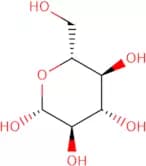
CAS:<p>b-D-Allopyranose is a monosaccharide that has been modified with fluorine. It is used as a substrate for the production of oligosaccharides and polysaccharides, which are important biomolecules in cell walls and membranes. b-D-Allopyranose can be customized to suit your needs with Click chemistry, Methylation, or other modifications. We offer high purity b-D-Allopyranose at competitive prices.</p>Fórmula:C6H12O6Pureza:Min. 97 Area-%Forma y color:PowderPeso molecular:180.16 g/molNonyl β-D-thiomaltopyranoside
CAS:<p>Nonyl b-D-thiomaltopyranoside is a custom synthesis of an oligosaccharide and polysaccharide. It is prepared by the modification of saccharides with methylation, glycosylation and carbamylation. The compound has CAS No. 148565-55-3 and can be used as a fluorescent probe for carbohydrate binding proteins. Nonyl b-D-thiomaltopyranoside is a high purity synthetic sugar that has been fluorinated. Click modification has been performed on this sugar to create a fluorescent probe for carbohydrate binding proteins. This sugar has also been synthesized using the technique of glycosylation, which involves the addition of monosaccharides to form disaccharides or polysaccharides.</p>Fórmula:C21H40O10SPureza:Min. 95%Forma y color:White PowderPeso molecular:484.6 g/mol2-Azido-2-deoxy-3,4-O-isopropylidene-6-O-toluenesulfonyl-L-idonic acid methyl ester
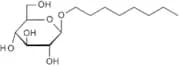
<p>2-Azido-2-deoxy-3,4-O-isopropylidene-6-O-toluenesulfonyl-L-idonic acid methyl ester is a synthetic sugar that has the CAS number of 2147690. It is a modified saccharide that can be used for glycosylation and click chemistry. This product is also available in custom synthesis, high purity, and fluorination.</p>Pureza:Min. 95%Octyl b-D-glucopyranoside
CAS:<p>Octyl beta-D-glucopyranoside (OG), also known as octyl glucoside or caprylyl glucoside, is an alkylglycoside non-ionic detergent that is one of the most commonly used reagents in membrane protein isolation. As it is uncharged, OG is unlikely to cause protein denaturation or refolding issues, allowing for the isolation of intact macromolecular complexes without affecting protein-protein interactions. It forms small, uniformed micelles and has an aggregation number of between 27-100. It is readily dialyzable from membrane protein preparations due to its high Critical Micelle Concentration (CMC) of 18-20 mM. Octyl beta-D-glucopyranoside has similar uses and properties to that of another frequently used surfactant, Octyl beta-D-thioglucopyranoside.</p>Fórmula:C14H28O6Pureza:Min. 98 Area-%Forma y color:White PowderPeso molecular:292.37 g/molMaltopentadecaose
CAS:<p>Produced from starch by transglycosylation-15 a-(1,4) linked glucose residues</p>Fórmula:C90H152O76Pureza:Min. 85 Area-%Forma y color:White PowderPeso molecular:2,450.12 g/mol(3S, 5S) -1-Isopropyl-3, 4, 5- piperidinetriol
<p>(3S, 5S) -1-Isopropyl-3, 4, 5- piperidinetriol is a synthetic oligosaccharide that has been modified by fluorination and glycosylation. It is synthesized from a sugar that is then methylated. This compound has a CAS number of 85314-88-5. It is used as an ingredient in food products to provide sweetness and bulk to baked goods.</p>Pureza:Min. 95%Lactobionic acid ethyl ester
<p>Lactobionic acid ethyl ester is a custom synthesis of an oligosaccharide that is modified by fluorination, methylation, and click modification. Lactobionic acid ethyl ester is synthesized from the sugar D-glucose and the monosaccharide D-galactose. This product can be used as a substitute for sucrose in food products as it has similar taste, texture and sweetness. It also has many other applications such as being used in the manufacture of polysaccharides and complex carbohydrates.</p>Pureza:Min. 95%Maltotriose monohydrate
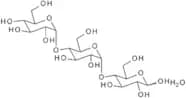
CAS:<p>Shortest chain oligosaccharide that can be classified as a maltodextrin. A component of liquid glucose (a commercial sweetener composed of glucose, maltose, maltotriose and maltotetrose).</p>Fórmula:C18H32O16·H2OPureza:Min. 90 Area-%Forma y color:White Off-White PowderPeso molecular:522.45 g/mol1,2,3,6-Tetra-O-acetyl-4-O-[2,4,6-tri-O-acetyl-3-O-(2-acetamido-3,4,6-tri-O-acetyl-2-deoxy-b-D-glucopyranosyl)-b-D-galactoyranosyl]- b-D-thioglucopyranose
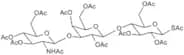
<p>This is a custom synthesis of a complex carbohydrate. The modification, fluorination, methylation, and monosaccharide composition of this carbohydrate have been modified by the Click modification technique. This carbohydrate has the CAS No. 59057-77-4 and a molecular weight of 1,914. It is an oligosaccharide saccharide with glycosylation and sugar composition that are classified as carbohydrates.</p>Fórmula:C40H55NO25SPureza:Min. 95%Peso molecular:981.92 g/mol2-Acetamido-2-deoxy-6-O-(b-D-galactopyranosyl)-D-galactopyranose
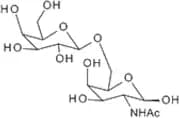
CAS:<p>2-Acetamido-2-deoxy-6-O-(b-D-galactopyranosyl)-D-galactopyranose is a model organism that is used in the study of virus replication. It is a substrate for viral glycosylation and has been shown to be involved in mammalian cell growth. 2-Acetamido-2-deoxy-6-O-(b-D-galactopyranosyl)-D-galactopyranose is an iron oxide and it can be used as a contrast agent for magnetic resonance imaging (MRI) or computed tomography (CT). The gene product has not yet been identified, but it has been shown to be involved in fatty acid metabolism and cancer. This molecule also plays a role in the life cycle of some infectious diseases, such as influenza A virus.</p>Fórmula:C14H25NO11Pureza:Min. 95%Forma y color:White PowderPeso molecular:383.35 g/molTri-b-GalNAcAc3-NHCbz
CAS:<p>This peracetylated tri-b-GalNAcAc3-NHCbz, a triantennary N-acetylgalactosamine (GalNAc) ligand with protected functionalities, serves as a valuable building block for ASGPR-targeted therapies. Its three branches or arms, each ending in a GalNAc sugar, ensure strong binding to hepatocyte ASGPR. However, the key feature lies in its protective groups: acetylated sugars allow for controlled removal to expose reactive sites for conjugation, while the Cbz-protected amine provides stability and can be selectively cleaved to introduce a reactive amine group for further biomolecule attachment, ultimately enabling researchers to tailor Tri-b-GalNAcAc3-NHCbz into customized conjugates for specific therapeutic applications.</p>Fórmula:C87H134N10O38Pureza:Min. 97 Area-%Peso molecular:1,928.04 g/mol4-Cyclohexylbutyl-4-O-(α-D-glucopyranosyl)-β-D-glucopyranoside
CAS:<p>For more than two decades, there has been substantial interest in developing novel membrane mimics specifically targeted for the biochemical and biophysical characterization of membrane proteins. Examples include new types of detergents, such as cycloalkyl maltosides (CYMAL detergents).</p>Fórmula:C22H40O11Forma y color:PowderPeso molecular:480.55 g/mol1,2:3,4-Di-O-isopropylidene-α-D-galactopyranose
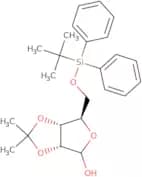
CAS:<p>1,2:3,4-Di-O-isopropylidene-a-D-galactopyranose, also known as diacetone-D-galactose and galactose diacetonide, is a partially protected monosaccharide building block with isopropylidene groups on the 1,2 and 3,4 hydroxyls. The 6-hydroxyl is unprotected and able to undergo a variety of chemical transformations, such as glycosylation acting as a glycosyl acceptor to form 1,6-linked disaccharides.</p>Fórmula:C12H20O6Pureza:Min. 96.5 Area-%Peso molecular:260.29 g/mol5-O-tert-Butyldiphenylsilyl-2,3-O-isopropylidene-D-ribofuranose
CAS:<p>5-O-tert-Butyldiphenylsilyl-2,3-O-isopropylidene-D-ribofuranose is a synthetic compound that is an inhibitor of adenosine deaminase. This drug has been shown to inhibit the synthesis of nucleic acids and other biological molecules such as amino acids and proteins. 5-O-tert-Butyldiphenylsilyl-2,3-O-isopropylidene ribofuranose is used in organic chemistry as a chiral analog for naturally occurring compounds such as adenosine. 5BPSSIROdR inhibits the enzyme adenosine deaminase by binding to its active site and preventing it from converting adenosine into inosine.</p>Fórmula:C24H32O5SiPureza:Min. 95%Forma y color:PowderPeso molecular:428.59 g/mol1,2-O-Isopropylidene-a-D-glucofuranose
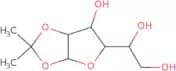
CAS:<p>1,2-O-Isopropylidene-a-D-glucofuranose (IPDF) is a natural compound that has been isolated from the leaves of the plant Cinnamomum camphora. IPDF has been shown to have biological properties such as inhibiting hl-60 cells and inducing apoptosis in leukemia cells. The metabolic rate of IPDF was studied in isolated hearts and it was found that the compound slows fatty acid oxidation. The enzyme substrate specificity of IPDF was also tested by adding trifluoroacetic acid, which yielded no reaction.</p>Fórmula:C9H16O6Forma y color:White Off-White PowderPeso molecular:220.22 g/molN-(5-Carboxypentyl)-deoxymannojirimycin hydrochloride
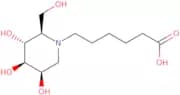
CAS:<p>N-(5-Carboxypentyl)-deoxymannojirimycin hydrochloride is a high purity, custom synthesis, CAS No. 104154-10-1. It is a sugar that contains the Click modification, fluorination, glycosylation, and synthetic modifications. It contains methylation, modification and oligosaccharide or monosaccharide saccharides. This compound has been modified by Carbohydrate Complex.</p>Fórmula:C12H23NO6·HClPureza:Min. 95%Forma y color:PowderPeso molecular:313.77 g/mol


![[1S- (1a, 2a, 8a, 8ab) ] -2, 3, 8, 8a-Tetrahydro- 1, 2, 8- trihydroxy-5(1H) - indolizinone](/_next/image/?url=https%3A%2Fstatic.cymitquimica.com%2Fproducts%2F3D%2Fthumb-webp%2FMT163925.webp&w=3840&q=75)



















![3, 4- O- [(R) -Benzylidene] -2-O-trifluormethansulfonyl-D- ribonic acid d- lactone](/_next/image/?url=https%3A%2Fstatic.cymitquimica.com%2Fproducts%2F3D%2Fthumb-webp%2FMB163971.webp&w=3840&q=75)