Glycoscience
La glicociencia es el estudio de los carbohidratos y sus derivados, así como de las interacciones y funciones biológicas en las que participan. Este campo de investigación es crucial para comprender una amplia variedad de procesos biológicos, incluyendo el reconocimiento celular, la señalización, la respuesta inmune y el desarrollo de enfermedades. La glicociencia tiene aplicaciones importantes en la biotecnología, la medicina, y el desarrollo de nuevos fármacos y terapias. En CymitQuimica, ofrecemos una amplia selección de productos de alta calidad y pureza para la investigación en glicociencia. Nuestro catálogo incluye monosacáridos, oligosacáridos, polisacáridos, glicoconjugados, y reactivos específicos, diseñados para apoyar a los investigadores en sus estudios sobre la estructura, función y aplicaciones de los carbohidratos en sistemas biológicos. Estos recursos están destinados a facilitar descubrimientos científicos y aplicaciones prácticas en diversas áreas de la biociencia y la medicina.
Subcategorías de "Glycoscience"
- Aminoazúcares(108 productos)
- Anticuerpos relacionados con azúcares(282 productos)
- Glicolípidos(46 productos)
- Glicosaminoglicanos (GAGs)(55 productos)
- Glucósidos(419 productos)
- Monosacáridos(6.624 productos)
- Oligosacáridos(3.682 productos)
- Polisacáridos(503 productos)
Se han encontrado 11046 productos de "Glycoscience"
Ordenar por
Pureza (%)
0
100
|
0
|
50
|
90
|
95
|
100
4-Cyclohexylbutyl-4-O-(α-D-glucopyranosyl)-β-D-glucopyranoside
CAS:<p>For more than two decades, there has been substantial interest in developing novel membrane mimics specifically targeted for the biochemical and biophysical characterization of membrane proteins. Examples include new types of detergents, such as cycloalkyl maltosides (CYMAL detergents).</p>Fórmula:C22H40O11Forma y color:PowderPeso molecular:480.55 g/mol(3S, 5S) -1-Isopropyl-3, 4, 5- piperidinetriol
<p>(3S, 5S) -1-Isopropyl-3, 4, 5- piperidinetriol is a synthetic oligosaccharide that has been modified by fluorination and glycosylation. It is synthesized from a sugar that is then methylated. This compound has a CAS number of 85314-88-5. It is used as an ingredient in food products to provide sweetness and bulk to baked goods.</p>Pureza:Min. 95%Maltopentadecaose
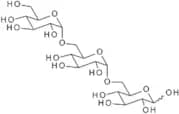
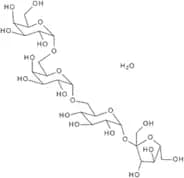
CAS:<p>Produced from starch by transglycosylation-15 a-(1,4) linked glucose residues</p>Fórmula:C90H152O76Pureza:Min. 85 Area-%Forma y color:White PowderPeso molecular:2,450.12 g/molIsomaltotriose
CAS:<p>Produced from high maltose syrup by treatment with transglucosidase</p>Fórmula:C18H32O16Pureza:Min. 97 Area-%Forma y color:White Off-White PowderPeso molecular:504.44 g/molDapagliflozin
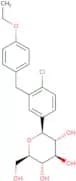
CAS:Dapagliflozin is a sodium-glucose cotransporter subtype 2 (SGLT2) inhibitor that can be used in the treatment of diabetes mellitus type 2. SGLT2 is located in the proximal convoluted tubule and when it is inhibited the reabsorption of glucose into the kidneys is prevented and instead glucose is excreted in the urine. As a result glucose levels are reduced. Dapagliflozin is metabolized into to its inactive metabolite 3-O-glucuronide by the UGT1A9 enzyme present in the liver and the kidneys. In addition, dapagliflozin has been shown to cause weight loss and decrease the risk of cardiovascular events such as congestive heart failure.Fórmula:C21H25ClO6Pureza:Min. 98 Area-%Forma y color:White Yellow PowderPeso molecular:408.87 g/mol(S)-3-((2R,3S,5S)-5-Allyl-3-(benzyloxy)-4-oxotetrahydrofuran-2-yl)propane-1,2-diyl dibenzoate
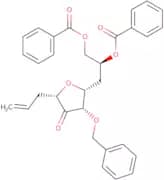
CAS:<p>(S)-3-((2R,3S,5S)-5-Allyl-3-(benzyloxy)-4-oxotetrahydrofuran-2-yl)propane-1,2-diyl dibenzoate is a small molecule that inhibits the activity of the epidermal growth factor receptor (EGFR). The EGFR is a transmembrane protein that binds to and signals through growth factor proteins. Inhibition of EGFR signaling prevents activation of downstream proteins such as extracellular signal regulated kinase 1/2 and phosphatidylinositol 3 kinase. This stabilized form has been shown to inhibit the growth of tumor cells in vitro and in vivo.</p>Pureza:Min. 95%(2R, 3S, 4S) -4- (Azidomethyl) - 3- fluoro- 1- (phenylmethyl) -2- azetidinecarboxylic acid methyl ester
CAS:(2R, 3S, 4S) -4- (Azidomethyl) - 3- fluoro- 1- (phenylmethyl) -2- azetidinecarboxylic acid methyl ester is a synthetic saccharide which is used in the synthesis of oligosaccharides and monosaccharides. It has been shown to be useful for glycosylation reactions and click chemistry. This compound is also fluorinated and has a purity of 98%.Fórmula:C13H15FN4O2Pureza:Min. 95%Peso molecular:278.28 g/moltrans-β-D-Glucopyranosyl methylacetoacetate
CAS:Trans-beta-D-glucopyranosyl methylacetoacetate is a carbohydrate that belongs to the group of modified sugars. It is a synthetic compound and can be custom synthesized for your specific needs. This product has a high purity and can be used in research or as a starting material for the synthesis of other compounds. Trans-beta-D-glucopyranosyl methylacetoacetate is an oligosaccharide that can be fluorinated, methylated, glycosylated, or click modified. This product is also available in various grades, such as standard and high purity.Fórmula:C11H18O8Pureza:Min. 95%Forma y color:PowderPeso molecular:278.26 g/molN-Methyl-L-glucosamine
CAS:N-Methyl-L-glucosamine is a monosaccharide that is used as a building block for glycosaminoglycans. It can be synthesized by the enzyme glucoamylase from glucose and UDP-N-acetylglucosamine, or supplied exogenously as a dietary supplement. N-Methyl-L-glucosamine is stable in the presence of light and resistant to microbial degradation. This agent has been shown to be effective in inhibiting skin cancer in mice when combined with other agents such as hydroquinone, retinoic acid, and tretinoin. N-Methyl-L-glucosamine has been shown to have antiangiogenic properties on tubule cells, which may be due to its ability to inhibit the production of vascular endothelial growth factor (VEGF) in these cells.Fórmula:C7H15NO5Pureza:Min. 95%Peso molecular:193.2 g/mol2,3,6-Trioctyl-γ-cyclodextrin
<p>This gamma-cyclodextrin (γ-CD) derivative is a modified cyclic oligosaccharide composed of eight glucose units, featuring a larger cavity size than α- and β-cyclodextrins. This structural characteristic allows γ-CDs to form inclusion complexes with a wider range of guest molecules, making it particularly versatile in various industries. In the food sector, it is used as a carrier and stabilizer for flavors, fat-soluble vitamins, and polyunsaturated fatty acids, protecting volatile compounds from evaporation. In pharmaceuticals, it enhances the solubility and bioavailability of poorly water-soluble drugs and, thanks to its larger ring size, allows for the encapsulation of larger molecules or even entire drug molecules. γ-CDs and derivatives are also used for environmental remediation and, in analytical chemistry, for the extraction and concentration of target substances.</p>Fórmula:C240H464O40Pureza:Min. 95%Peso molecular:3,990.23 g/mol2-Amino-2-N-carbobenzoxy-2-deoxy-D-mannose
CAS:<p>2-Amino-2-N-carbobenzoxy-2-deoxy-D-mannose is a custom synthesis product that can be produced with high purity. It has a CAS number of 137157-50-7 and is an oligosaccharide, polysaccharide, and carbohydrate. 2-Amino-2-N-carbobenzoxy-2-deoxy-D-mannose is synthesized by the methylation of 2,3,4,6 tetraaminopyrimidine with formaldehyde to give 1,4 diaminocyclohexane. This compound is then reacted with carbonyl chloride to give carbamoyl chloride. The last step in the synthesis process is reacting this compound with 2,3,4,6 tetraaminopyrimidine to give the final product.</p>Fórmula:C14H19NO7Pureza:Min. 95%Forma y color:White PowderPeso molecular:313.3 g/mol2-Deoxy-2-fluoro-3,4:5,6-di-O-isopropylidene-L-idonic acid methyl ester
2-Deoxy-2-fluoro-3,4:5,6-di-O-isopropylidene-L-idonic acid methyl ester is a synthetic compound that has been used as an intermediate in the synthesis of saccharides and oligosaccharides. It can also be used to modify carbohydrate structures. 2DFFDLIEME is a white crystalline solid with a melting point of 190°C. This product is soluble in water and ethanol.Pureza:Min. 95%N-Benzyl-3,5-dideoxy-3,5-imino-D-lyxofuranose
<p>N-Benzyl-3,5-dideoxy-3,5-imino-D-lyxofuranose is a fluorinated sugar with a complex carbohydrate. It is synthesized by glycosylation of N-benzylglycine and D-lyxofuranose. This compound can be used for the synthesis of glycoproteins, polysaccharides and other complex carbohydrates. It has been modified using methylation and click chemistry to produce a wide range of derivatives. The compound can be used for research purposes in glycobiology, biochemistry, and materials science.</p>Pureza:Min. 95%N-Acetyl-D-mannosamine
CAS:N-Acetyl D-mannosamine (ManNAc) is an aldohexose (2-acetamido-2-deoxymannose) in which the axial hydroxyl group at position 2 is replaced by a N-acetyl group (Collins, 2006). It has been reported that N-acetyl D-mannosamine supplementation, may provide novel means to break the link between obesity and hypertension (Peng, 2019). N-Acetyl-D-mannosamine and N-acetyl-D-glucosamine are the essential precursors of sialic acid, the specific monomer of polysialic acid, a bacterial pathogenic determinant, for example, Escherichia coli K1 uses both amino sugars as carbon sources. Glycoproteins normally have some level of glycan sialylation, but incomplete sialylation can reduce their therapeutic effect when produced recombinantly. To improve performance, cell lines and culture media can be adjusted. The GNE enzyme controls the efficiency of sialylation in human cell lines, making it crucial for producing effective recombinant glycoprotein drugs. Adding ManNAc and other supplements to culture media improves sialylation, which boosts drug yield, increases stability and half-life, and lowers immune reactions by reducing antibody formation.It has also been reported that ManNAc can be used as a treatment for hereditary inclusion body myopathy, an adult-onset, progressive neuromuscular disorder and also for renal disorders involving proteinuria and hematuria due to podocytopathy and/or segmental splitting of the glomerular basement membrane (Galeano, 2007).Fórmula:C8H15NO6Pureza:Min. 97.5 Area-%Peso molecular:221.21 g/mol(5R, 6R, 7R, 8S) -5, 7-Dihydroxy- 8- (hydroxymethyl) - 1- azabicyclo[4.2.0] octan- 2- one
CAS:<p>This is a custom synthesis of (5R, 6R, 7R, 8S) -5, 7-dihydroxy-8- (hydroxymethyl) -1-azabicyclo[4.2.0]octan-2-one. This compound has been fluorinated and methylated and has a monosaccharide modification.</p>Pureza:Min. 95%(1R) -1- [(2S, 3R,4R) -4-(Acetylamino)methyl-N-butyl-3- hydroxy- 1- azetidinyl] -1, 2- ethanediol
<p>(1R) -1- [(2S, 3R,4R) -4-(Acetylamino)methyl-N-butyl-3- hydroxy- 1- azetidinyl] -1, 2- ethanediol is a Glycosylation that is synthesized by the Click modification of a polysaccharide. It is custom synthesis with high purity and CAS No.</p>Pureza:Min. 95%1,2,3,6,2',3',6'-Hepta-O-acetyl-4'-O-(2,3,4,6-tetra-O-acetyl-a-D-galactopyranosyl)-b-D-lactopyranoside
<p>1,2,3,6,2',3',6'-Hepta-O-acetyl-4'-O-(2,3,4,6-tetra-O-acetyl-a-D-galactopyranosyl)-b-D-lactopyranoside is a custom synthesis of a complex carbohydrate. It is an Oligosaccharide and a Polysaccharide. 1,2,3,6,2',3',6'-Hepta-O-acetyl-4'-O-(2,3,4,6-tetra-O-acetyl-a-D-galactopyranosyl)-b -D -lactopyranoside has CAS No. and a Methylation and Glycosylation modification. This product is Modification and saccharide with High purity and Fluorination. 1,2,3,6,2',3',</p>Pureza:Min. 95%Methyl 2,4-di-O-methyl-α-D-galactopyranoside
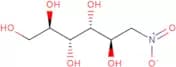
CAS:Methyl 2,4-di-O-methyl-α-D-galactopyranoside is a synthetic saccharide that has been modified with methyl groups at the C2 and C4 positions.Fórmula:C9H18O6Pureza:Min. 95%Forma y color:PowderPeso molecular:222.24 g/mol1-Deoxy-1-nitro-D-mannitol
CAS:1-Deoxy-1-nitro-D-mannitol is an inorganic molecule that has a proton and a voltammetry. It is used to monitor the transport of d-arabinose across the blood vessels in the femoral vein. This compound is synthesized by the reaction of sodium nitrite with mannitol in the presence of hydrochloric acid. It can be detected using optical techniques, such as UV/VIS spectroscopy, fluorescence spectroscopy, and absorption spectroscopy. 1-Deoxy-1-nitro-D-mannitol has been shown to have a cotton effect on neurotransmitters in the frontoparietal cortex.Fórmula:C6H13NO7Pureza:Min. 95%Peso molecular:211.17 g/molN-Acetylneuraminyl-(a2-3)-D-galactopyranosyl-(b1-3)-[N-acetylneuraminyl-(a2-6)]-D-N-acetylgalactosaminyl serine-biotin
<p>N-Acetylneuraminyl-(a2-3)-D-galactopyranosyl-(b1-3)-[N-acetylneuraminyl-(a2-6)]-D-N-acetylgalactosaminyl serine (NAGPS) is a synthetic saccharide that has been modified with biotin. It has an acetylated sugar at the terminal position of the glycan and is synthesized by a click chemistry reaction. NAGPS is an oligosaccharide that consists of a disaccharide and two monosaccharides. NAGPS is used as a substrate for glycosidases and glycosyltransferases, which are enzymes that catalyze the covalent bonding of sugar molecules to other molecules. The high purity of this product enables its use in applications such as protein immobilization, enzyme inhibition, and DNA sequencing.</p>Pureza:Min. 95%Benzyl 4-O-(b-D-galactopyranosyl)-b-D-xylopyranoside
CAS:<p>Benzyl 4-O-(b-D-galactopyranosyl)-b-D-xylopyranoside is a synthetic monosaccharide that has been modified with fluorine. This compound is used to modify complex carbohydrates like glycosaminoglycans and glycoproteins. It is also used in the synthesis of oligosaccharides and polysaccharides, as well as in click chemistry. Benzyl 4-O-(b-D-galactopyranosyl)-b-D-xylopyranoside is available for custom synthesis, and can be ordered in high purity.</p>Fórmula:C18H26O10Pureza:Min. 95%Forma y color:PowderPeso molecular:402.39 g/mol2,3,4,6-Tetra-O-acetyl-5-thio-D-galactopyranosyl trichloroacetimidate
<p>2,3,4,6-Tetra-O-acetyl-5-thio-D-galactopyranosyl trichloroacetimidate is a carbohydrate that is modified with acetylation at the 2' and 3' positions of the 5'-hydroxyl group of the sugar. This modification can be used for oligosaccharides, complex carbohydrates, and synthetic carbohydrates. The CAS number for this product is 4862-90-8.</p>Fórmula:C16H20Cl3NO9SPureza:Min. 95%Forma y color:PowderPeso molecular:508.76 g/mol3,6-Di-O-acetyl-5-S-acetyl-5-deoxy-1,2-O-isopropylidene-α-D-glucofuranose
CAS:3,6-Di-O-acetyl-5-S-acetyl-5-deoxy-1,2-O-isopropylidene-a-D-glucofuranose is an acetal sugar. It is custom synthesized for research purposes. The sugar has a purity of >99% and was synthesized by click chemistry as well as fluorination and glycosylation. This product is offered in a variety of modifications including methylation, modification, and oligosaccharide. 3,6 Di O Acetyl 5 S Acetyl 5 Deoxy 1 2 O Isopropylidene A D Glucurono Furanose can be used to produce saccharides or complex carbohydrates in the laboratory setting.Fórmula:C15H22O8SPureza:Min. 95%Forma y color:PowderPeso molecular:362.4 g/molMethyl (E)-2-(a-D-ribosfuranosyl)acrylate
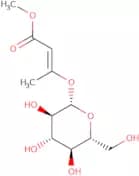
<p>Methyl (E)-2-(a-D-ribosfuranosyl)acrylate is a synthetic monomer that undergoes glycosylation to form a complex carbohydrate. It is used in the synthesis of saccharides and oligosaccharides, as well as the modification of proteins and nucleic acids. This product is highly pure with low impurity levels.</p>Pureza:Min. 95%3-O-(a-D-Mannopyranosyl)-D-mannopyranose 1-O-propylamine acetate salt
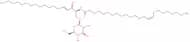
3-O-(a-D-Mannopyranosyl)-D-mannopyranose 1-O-propylamine acetate salt is a methylated saccharide. It is an oligosaccharide that can be synthesized from D-mannose and pyruvic acid, with the addition of a proton donor. This product is used in the synthesis of polysaccharides due to its high purity and low cost. The methyl group on this molecule reacts with the carbonyl group on the sugar to form an ester, which makes it resistant to hydrolysis by enzymes. 3-O-(a-D-Mannopyranosyl)-D-mannopyranose 1-O-propylamine acetate salt is also fluorinated and can be used as a click modification in proteins or carbohydrates.Fórmula:C17H33O13NPureza:Min. 95%Forma y color:Colourless To White SolidPeso molecular:459.44 g/molD-glucosyl-β-1,1'-N-nervonoyl-D-erythro-sphingosine
CAS:D-glucosyl-β-1,1'-N-nervonoyl-D-erythro-sphingosine is a mouse metabolite that was found to be an acyl group. This metabolite was shown to be a mouse metabolite.Fórmula:C48H91NO8Pureza:Min. 98 Area-%Forma y color:PowderPeso molecular:810.24 g/molD-Glucuronic acid, sodium salt monohydrate
CAS:<p>Chiral D-Glucuronic acid is the most basic building bloc of hyaluronic acid and chondroitin sulfate and precursor of Vitamin C, the chief detoxifying agent in both plants and animals. Humectant in skin care products.</p>Fórmula:C6H11NaO8Peso molecular:234.14 g/molBlood group A type 3/4 linear trisaccharide
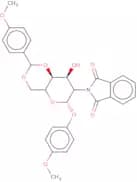
<p>GalNAca1-3Galb1-3GalNAc</p>Fórmula:C22H38N2O16Pureza:Min. 95%Peso molecular:586.54 g/mol4-Methoxyphenyl 2-deoxy-4,6-O-(4-methoxybenzylidene)-2-phthalimido-β-D-glucopyranoside
<p>4-Methoxyphenyl 2-deoxy-4,6-O-(4-methoxybenzylidene)-2-phthalimido-b-D-glucopyranoside is a complex carbohydrate that has been modified with methylation and glycosylation. This product can be used for custom synthesis and is a high purity product. It is soluble in water. The CAS number for this compound is 57810-97-0. The molecular weight of this product is 576. The chemical formula for this compound is C24H28N2O8F3O7, which corresponds to an empirical formula of C24H28N2O8F3O7.</p>Fórmula:C29H27NO9Pureza:Min. 95%Peso molecular:533.53 g/mol1,2,3,4,6-Penta-O-acetyl-a-D-galactopyranose
CAS:1,2,3,4,6-Penta-O-acetyl-a-D-galactopyranose is a pentaacetate of glucose. This compound is transported in the blood and extracellular fluids and has been shown to be a substrate for hexaacetate transport. The transport of this compound by hexaacetate has been shown to bypass the intracellular k+ concentration gradient. It has also been shown to have anti-diabetic effects in animals and humans. 1,2,3,4,6-Penta-O-acetyl-a-D-galactopyranose can also be found in foods that contain beta d glucopyranoside (e.g., bananas). This compound is resistant to digestion and can be found in the stomach or intestines where it postulated to have an inhibitory effect on bacterial growth. 1,2,3,4,6-Penta-O-Fórmula:C16H22O11Pureza:Min. 95%Forma y color:White PowderPeso molecular:390.34 g/molα1,2-Galactobiosyl β-methyl glycoside
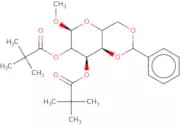
<p>a1,2-Galactobiosyl b-methyl glycoside is a methylated galactose monosaccharide that is covalently bound to the terminal amino group of b-methyl glycosides. The fluorination of the methyl group can be achieved by reacting with hydrogen fluoride in the presence of a palladium catalyst. This modification increases the stability of the compound and reduces its susceptibility to hydrolysis. The synthesis of this product is carried out using custom synthesis by clicking reaction with an azide moiety on a benzyl alcohol derivative. The resulting product has CAS No., Oligosaccharide, Polysaccharide, saccharide, Carbohydrate, Fluorination, complex carbohydrate, High purity, Modification, Monosaccharide, sugar Synthetic properties.</p>Fórmula:C13H24O11Pureza:Min. 95%Forma y color:White/Off-White SolidPeso molecular:356.32 g/molMethyl 4,6-O-benzylidene-2,3-di-O-pivaloyl-a-D-mannopyranoside
<p>Methyl 4,6-O-benzylidene-2,3-di-O-pivaloyl-a-D-mannopyranoside is a synthetic carbohydrate. It is a methylated saccharide that has been modified with a click modification and an Oligosaccharide. This product is also fluorinated and complexed with other sugars.</p>Fórmula:C24H34O8Pureza:Min. 95%Peso molecular:450.53 g/molMethyl 2,3,4-tri-O-benzoyl-α-D-glucopyranoside
CAS:Methyl 2,3,4-tri-O-benzoyl-α-D-glucopyranoside is a glycosylation agent that is used for the synthesis of complex carbohydrates and monosaccharides. This product is also used in Click chemistry as a reactive group. Methyl 2,3,4-tri-O-benzoyl-α-D-glucopyranoside can be fluorinated or saccharified to produce high purity sugars for use in pharmaceuticals. Methyl 2,3,4-tri-O-benzoyl -αD -glucopyranoside has CAS number 52621–71–3. It is synthesized through the reaction of benzaldehyde with glycerol in the presence of sodium hydroxide and potassium carbonate.Fórmula:C28H26O9Pureza:Min. 95%Forma y color:PowderPeso molecular:506.5 g/mol3α,4β-Galactotriose
CAS:Obtained by the partial acetolysis of lambda-carrageenanFórmula:C18H32O16Pureza:Min. 95 Area-%Forma y color:White PowderPeso molecular:504.44 g/mol2, 4-Anhydro-5-O-tert.butyldimethylsilyl- 6- deoxy- L- mannonic acid methyl ester
2, 4-Anhydro-5-O-tert.butyldimethylsilyl-6-deoxy-L-mannonic acid methyl ester is a modification of mannose. It is an oligosaccharide with a complex carbohydrate structure. 2, 4-Anhydro-5-O-tert.butyldimethylsilyl-6-deoxy-L-mannonic acid methyl ester has been synthesized using custom synthesis methods. This product has high purity and CAS number: 29674–84–3.Pureza:Min. 95%1,3-Diazido-1,2,3-trideoxy-4-O-(2,6-diazido-2,6-dideoxy-a-D-glucopyranosyl)-D-myo-inositol
CAS:1,3-Diazido-1,2,3-trideoxy-4-O-(2,6-diazido-2,6-dideoxy-a-D-glucopyranosyl)-D-myo--inositol is a synthetic sugar that is used for glycosylation. It can be modified with fluorine to produce a fluorinated sugar. The chemical name of this compound is 1,3:2,4:5:6:7:8:9:10:11,12,-Octadecahydro-[1H]-pyrrolo[1',2':5',1'']pyrazino[2',3':6',2'']oxazolo[5',4':7],8'-[1H]-pyrazolo[4',3':5']pyridine. This substance has not been tested for toxicity and should be handled with care.Fórmula:C12H18N12O6Pureza:Min. 95%Peso molecular:426.35 g/molTriisopropylsilyl 2-azido-3-O-(2,3,4,6-tetra-O-benzoyl-b-D-galactopyranosyl)-4,6-O-benzylidene-2-deoxy-a-D-thiogalactopyranoside
<p>Triisopropylsilyl 2-azido-3-O-(2,3,4,6-tetra-O-benzoyl-b-D-galactopyranosyl)-4,6-O-benzylidene-2-deoxy--aDthiogalactopyranoside is an azido glycoside that can be used in the synthesis of oligosaccharides. It has been shown to be a potent inhibitor of bacterial growth. This compound is synthesized by reacting 2-(trimethylsilyl)ethanol with 3-[(2,3,4,6-tetraacetyl bDgalactopyranosyl)oxy]propionic acid and sodium azide in the presence of triethylamine. The reaction produces a mixture of products which are purified by chromatography. This product is then reacted with benzaldehyde to produce the desired product.</p>Fórmula:C56H61N3O13SSiPureza:Min. 95%Peso molecular:1,044.25 g/molStachyose hydrate - 98%
CAS:<p>Non-reducing storage and transport sugar in woody plants; used as a sweetener</p>Fórmula:C24H42O21·xH2OPureza:Min. 98 Area-%Forma y color:White Off-White PowderPeso molecular:666.58 g/mol2-Deoxy-D-ribose
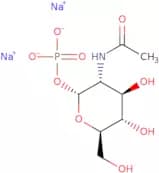
CAS:<p>Used in synthetic organic chemistry and natural product synthesis. Induces apoptosis by inhibiting the synthesis and increasing the efflux of glutathione. It is used for synthesis of optically active dipyrrolyl alkanols from pyrroles on the surface of montmorillonite KSF clay.</p>Fórmula:C5H10O4Pureza:Min. 98 Area-%Forma y color:White PowderPeso molecular:134.13 g/molN-Acetyl-a-D-glucosamine-1-phosphate disodium salt
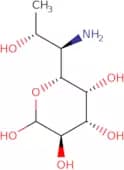
CAS:<p>N-Acetyl-a-D-glucosamine-1-phosphate disodium salt (NACP) is a complex carbohydrate that is used as a synthetic sugar. It can be used to modify saccharide, glycosylations, or methylations. NACP has been shown to be stable at high temperatures and pressures. The compound has been fluorinated and click modified for the synthesis of other sugars. NACP has CAS No. 31281-59-1, which is the molecular formula of C8H14FO6Na2O11P2.</p>Fórmula:C8H14NO9P·2NaPureza:Min. 95 Area-%Forma y color:White PowderPeso molecular:345.15 g/molLincosamine
CAS:<p>Lincosamine is a nitrogen nucleophile that reacts with the electrophilic carbon of an activated aromatic ring in a chemical reaction. Lincosamine has been shown to be effective against infectious diseases caused by bacteria, such as Staphylococcus and Streptococcus, but not against viruses. The glycosidic bond between lincosamine and glucose is stereoselective. Lincosamine binds to the hybridoma cell strain through its monoclonal antibody and can be used for pharmacokinetic properties studies. Lincosamine has been used as an antimicrobial agent in biological samples such as urine, blood, and sputum.</p>Fórmula:C8H17NO6Pureza:Min. 95%Peso molecular:223.22 g/molD-Glucose 6-phosphate, monosodium salt
CAS:<p>D-Glucose 6-phosphate, monosodium salt is a natural compound found in honeybush (Cyclopia species) and other plants. The compound is also found in the human body as a result of its synthesis from glucose. D-Glucose 6-phosphate, monosodium salt is an inhibitor of NADPH cytochrome P450 reductase, which is an enzyme that converts NADPH to NADP+. This inhibition prevents the formation of nadph and causes an accumulation of reduced nicotinamide adenine dinucleotide (NADH), which leads to the inhibition of cell growth. D-Glucose 6-phosphate, monosodium salt has been shown to inhibit cancer cells and bacterial growth. It does this by inhibiting enzymes such as cytosolic phosphoglycerate kinase and phosphofructokinase.</p>Fórmula:C6H12O9PNaPureza:Min. 98.0 Area-%Peso molecular:282.12 g/molN-(2,4-Dinitrophenyl-deoxynojirimycin
<p>N-2,4-Dinitrophenyl-deoxynojirimycin (DNPDNJ) is a methylated derivative of deoxynojirimycin. It is an inhibitor of glycosylation that can be used to study the structure and function of carbohydrates. DNPDNJ is a synthetic saccharide that can be custom synthesized. Click modification and modification with Oligosaccharides are common modifications for DNPDNJ. DNPDNJ is available in high purity and has been fluorinated for use in fluorescence studies.</p>Pureza:Min. 95%Gemfibrozil b-D-glucuronide
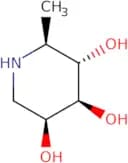
CAS:<p>Major metabolite of Gemfibrozil; irreversible inhibitor of CYP2C8</p>Fórmula:C21H30O9Pureza:Min. 95%Forma y color:White PowderPeso molecular:426.47 g/molDideoxyrhamnojirimycin
CAS:<p>Dideoxyrhamnojirimycin is a synthetic drug that has been modified to have the same structure as natural dideoxyribonucleosides. It is used in the treatment of myelodysplastic syndrome and thalassemia major. Dideoxyrhamnojirimycin inhibits DNA synthesis by blocking the incorporation of deoxyribonucleotides into DNA, which prevents cell division and stops the spread of cancer cells. Dideoxyrhamnojirimycin also has anti-inflammatory effects by inhibiting prostaglandin synthesis.</p>Pureza:Min. 95%2-Azido-2-deoxy-L-xylonic acid
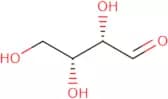
<p>2-Azido-2-deoxy-L-xylonic acid is a synthetic monosaccharide and a member of the xylonic acid family. It is used in the synthesis of glycosides and oligosaccharides, as well as being used to modify proteins. 2-Azido-2-deoxy-L-xylonic acid has been fluorinated and then glycosylated with a variety of saccharides including maltose, cellobiose, and sucrose. This compound is also methylated at the hydroxyl group to give an azidomethyl ester derivative. The chemical name for this compound is 2-[(2S)-2-(diethylamino)ethylamino]pentanedioic acid, 2-[1-(diethylamino)ethyl]azide].</p>Pureza:Min. 95%D-(-)-Threose
CAS:<p>Popular resource for chiral-pool based organic syntheses<br>Sold as an aqueous solution and by weight of active material</p>Fórmula:C4H8O4Pureza:Min. 90 Area-%Forma y color:Colorless Clear LiquidPeso molecular:120.1 g/mol2-Azido-2-deoxy-3,5-O-benzylidene-D-lyxono-1,4-lactone
<p>2-Azido-2-deoxy-3,5-O-benzylidene-D-lyxono-1,4-lactone is a custom synthesis that is methylated with an azide group. It has been modified with a click reaction to attach an oligosaccharide or polysaccharide and then fluorinated. The modification of this product is not limited to methylation, but includes many other modifications such as fluoroquinolone resistance. 2-Azido-2-deoxy-3,5-O-benzylidene -D-lyxono--1,4--lactone can be used for the preparation of complex carbohydrates. This product can also be used in the synthesis of monosaccharides and sugars.</p>Pureza:Min. 95%α-D-Galactose 1-phosphate, dipotassium salt pentahydrate
CAS:Alpha-D-galactose 1-phosphate, dipotassium salt pentahydrate is a carbon source that can be used in biochemical and chemical ionization methods. It has been shown to inhibit the growth of lung fibroblasts. This compound is an inhibitor of glycolysis and inhibits the biosynthesis of galactose residues. Alpha-D-galactose 1-phosphate, dipotassium salt pentahydrate also inhibits the formation of glycogen and glucose from galactose residues as well as inhibiting the activity of enzymes involved in galactose metabolism. The inhibition of these enzymes leads to decreased galactose levels in diabetic patients.Fórmula:C6H21K2O14PPeso molecular:426.40 g/molBlood Group H disaccharide, spacer-biotin conjugate
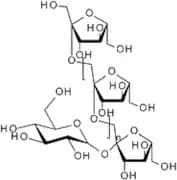
<p>The blood group H disaccharide is a custom synthesis, complex carbohydrate with an Oligosaccharide and CAS No. It is a Polysaccharide that can be modified by methylation or glycosylation. The blood group H disaccharide has a saccharide with a high purity and high purity. It is fluorinated at the 2' position of the sugar moiety in the backbone. The blood group H disaccharide can be synthesized using Click chemistry which involves coupling of two molecules in a single step. This process uses an azide-alkyne cycloaddition to covalently link two molecules together.</p>Fórmula:C31H54N4O13SPureza:Min. 95%Peso molecular:722.85 g/molLevan - from Erwinia herbicola
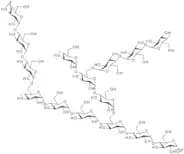
CAS:Levan is a (2,6)-linked fructan produced by Erwinia herbicola. The polysaccharide contains branches every 10-12 fructose residues linked (1,2) and is reported to have a molecular weight in excess of 1000 KDa. Potential industrial applications of levan have been proposed as an emulsifier, formulation aid, stabilizer and thickener, surface-finishing agent, encapsulating agent, and carrier for flavor and fragrances. In addition, levan is promising in medicine as a plasma substitute, drug activity prolongator and antihyperlipidemic agent.Pureza:Min. 95%Forma y color:PowderNGA3B N-Glycan
CAS:<p>NGA3B N-Glycan is a high purity, custom synthesis, methylation and fluorination modification of the product. This product is an oligosaccharide that is composed of saccharides and sugars. It has a CAS No. 1620146-04-4.</p>Fórmula:C66H110N6O46Pureza:Min. 95%Forma y color:SolidPeso molecular:1,723.59 g/molN- [(3R, 4R, 5R) - 1- Butyl- 4- hydroxy- 5- (hydroxymethyl) - 3- pyrrolidinyl] -acetamide
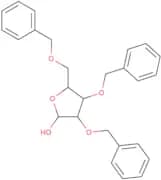
Glycosylation, methylation, and fluorination of natural and synthetic saccharides is the basis for a number of chemical modifications. The incorporation of these modifications into glycoproteins has been shown to be important in the modification and stabilization of protein-carbohydrate interactions. This process can be used to modify polysaccharides to form oligosaccharides for use as drugs or as substrates for industrial enzymes.Pureza:Min. 95%2,3,5-Tri-O-benzyl-L-lyxofuranose
CAS:<p>2,3,5-Tri-O-benzyl-L-lyxofuranose is an acetal that is prepared by hydrolysis of 2,3,5-tri-O-benzylglycol with sodium methoxide in methanol. It can be made from the dimethyl acetal by displacement with sulphonate. The aldehyde group can be converted to an acetal by reaction with ethylene glycol and hydrochloric acid. The displacement of the aldehyde group with methoxide produces the acetal. Dimethyl acetals are also displaced by methyl iodide to produce aldehydes. Acetals are readily hydrolysed and acidic hydrolysis produces the corresponding alcohols.</p>Fórmula:C26H28O5Pureza:Min. 95%Peso molecular:420.5 g/mol2-Acetamido-2-deoxy-4-O-(β-D-mannopyranosyl)-D-glucopyranose
CAS:2-Acetamido-2-deoxy-4-O-(b-D-mannopyranosyl)-D-glucopyranose (MDP) is a complex carbohydrate that has been modified by methylation, glycosylation, and carbocation. MDP is a saccharide that can be used in the synthesis of polysaccharides or as an intermediate for other chemical syntheses. It is also possible to modify MDP with fluorination, which may be useful in the synthesis of new types of pharmaceuticals.Fórmula:C14H25NO11Pureza:Min. 95 Area-%Forma y color:PowderPeso molecular:383.35 g/mol2,3-Dimethyl-a-cyclodextrin
Alpha-cyclodextrin (α-CD) derivative with a hydrophilic exterior and lipophilic cavity (smaller than β-CDs and γ-CDs) to allocate certain guest molecules. This structural characteristic enables applications in molecular encapsulation, solubility enhancement, and stabilization across multiple industries. In pharmaceuticals, it serves as a drug delivery vehicle, enhancing the bioavailability and stability of active ingredients. The food industry utilizes it as a stabilizer for flavors, colors, and nutrients, as well as a functional ingredient for its effects on lipid metabolism. In cosmetics, it acts as a complex agent for fragrances and active components. Its applications extend to analytical chemistry for chiral separation and to materials science for developing smart materials and nanosystems.Fórmula:C48H84O30Pureza:Min. 95%Peso molecular:1,141.16 g/mol6-O-(b-D-Galactopyranosyl)-D-galactopyranose
CAS:6-O-(b-D-Galactopyranosyl)-D-galactopyranose is a natural product disaccharide obtained from acid hydrolysis of larch wood.Fórmula:C12H22O11Pureza:Min. 95 Area-%Forma y color:PowderPeso molecular:342.3 g/mol(2S, 3S, 4R) -3- [[[(2S, 3S, 4R) - 3- Azido- 4- [[[(1, 1- dimethylethyl) dimethylsilyl] oxy] methyl] - 1- (phenylmethyl) - 2- azetid inyl] carbonyl] amino] - 4- [[[(1, 1- dimethylethyl) dimethylsilyl] oxy] methyl] - 1- (phenylmethyl) -2- azetidinecarb
CAS:<p>The product is a custom synthesis of the amino acid azetidine-2-carboxylic acid. It is synthesized from 2-acetamido-3,4-dihydroxybenzoic acid and 1,1'-dimethylethyl dimethylsilyl ether as starting materials. The product is used in glycosylation reactions to form complex carbohydrates with sugars. The product has been shown to be useful in Click chemistry, which is a type of chemical reaction where biotinylated molecules are used to attach other molecules in lab experiments. The CAS number for the product is 1992035-15-0.</p>Fórmula:C37H58N6O5Si2Pureza:Min. 95%Peso molecular:723.06 g/mol2-Azidoethyl N-acetyl-D-lactosamine
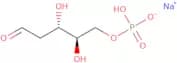
CAS:<p>2-Azidoethyl N-acetyl-D-lactosamine is a custom synthesis that is a complex carbohydrate. It has been modified to include methylation and glycosylation. The saccharide is composed of several sugar molecules, including glucose and galactose, which are linked by alpha (1→4) or beta (1→3) bonds. The carbohydrate can be fluorinated, which increases its stability in the presence of oxygen. This compound has CAS number 338971-38-3. 2-Azidoethyl N-acetyl-D-lactosamine is a high purity product that can be used in the modification of other carbohydrates with click chemistry.</p>Fórmula:C16H28N4O11Pureza:Min. 95%Forma y color:PowderPeso molecular:452.41 g/mol2-Deoxy-D-ribose 5-phosphate sodium salt
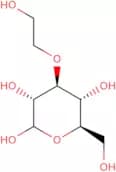
CAS:<p>2-Deoxy-D-ribose 5-phosphate sodium salt is a mutant of ribose 5-phosphate. It is an intermediate in the pentose phosphate pathway, which generates ribose 5-phosphate and NADPH. The 2nd step of this pathway is catalyzed by deacetylase, which converts acetaldehyde to acetyl CoA. 2-deoxy-D-ribose 5-phosphate sodium salt is also an oxidant that can react with hydrogen peroxide to form hydroxyl radicals. This intermediate has been shown to inhibit the growth of E. coli by causing mutations in the DNA and protein synthesis machinery, as well as by catalase activation.</p>Fórmula:C5H11O7P·xNaPureza:Min. 95%Forma y color:PowderPeso molecular:214.11 g/mol3-O-Hydroxyethyl-D-glucose
CAS:3-O-Hydroxyethyl-D-glucose (3HEG) is a hexose sugar that can be synthesized from D-glucose and glycerol. It is an important precursor for the synthesis of polyethylene glycols for drug delivery and has been shown to be a potent inhibitor of glucose uptake in Xenopus oocytes. 3HEG is also a good carbon source for cell growth, but it can only be metabolised by cells with the appropriate enzymes. Glucofuranose, which is structurally similar to 3HEG, can inhibit uptake of glucose by binding to glucose transporters on the cell membrane surface. This inhibition may be due to the structural similarities between these two sugars. Mechanistic studies indicate that this inhibition may occur as a result of competitive inhibition or allosteric modulation, but further research is required to elucidate this mechanism.Fórmula:C8H16O7Pureza:Min. 98 Area-%Forma y color:Yellow PowderPeso molecular:224.21 g/mol5-O-Acetyl-1,2-O-isopropylidene-a-D-xylofuranose
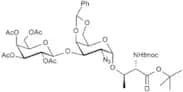
CAS:5-O-Acetyl-1,2-O-isopropylidene a-D-xylofuranose is a fluorinated carbohydrate that is synthesized from acetylene gas and the sugar 1,2-O-isopropylidene. It is a complex carbohydrate that can be used as an additive in the food industry. 5-O Acetyl 1,2-O isopropylidene a D xylofuranose has been shown to act as an inhibitor of bacterial growth. It also has the ability to inhibit methylation and glycosylation reactions by competitively binding to the enzyme UDP-Nacetylglucosamine pyrophosphorylase. 5 O Acetyl 1,2 - O isopropylidene a D xylofuranose can be custom synthesized with high purity and it can be modified with methylation or glycosylation.Fórmula:C10H16O6Pureza:Min. 95%Forma y color:White to off-white solid.Peso molecular:232.23 g/mol3-O-(2,3,4,6-Tetra-O-acetyl-b-D-galactopyranosyl)-2-azido-4,6-O-benzylidene-2-deoxy-a-D-galactopyranosyl-Fmoc threonine tert-butyl e ster
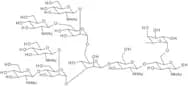
CAS:3-O-(2,3,4,6-Tetra-O-acetyl-b-D-galactopyranosyl)-2-azido-4,6-O-benzylidene-2-deoxy-a-D--galactopyranosyl (TBS) is a synthetic carbohydrate that has been modified with fluorine and methyl groups. It is a complex carbohydrate that can be used as an intermediate in the synthesis of oligosaccharides and other saccharides. TBS is a monosaccharide that can be glycosylated or methylated to form many different products. This product can be custom synthesized to meet specific customer needs.Fórmula:C50H58N4O18Pureza:Min. 95%Peso molecular:1,003.01 g/mol2-Acetamido-4-O-{2-acetamido-4-O-[[3-O-[2,4-di-O-(2-acetamido-2-deoxy-b-D-glucopyranosyl)-a-D-mannopyranosyl]-6-O-[2,6-di-O-(2-aceta mido-2-deoxy-b-D-glucopyranosyl)-b-D-mannopyranosyl]-b-D-mannopyranosyl]]-2-deoxy-b-D-glucopyranosyl}-6-O-(a-L-fucopyr
<p>2-Acetamido-4-O-{2-acetamido-4-O-[3-O-[2,4-di-O-(2-acetamido-2,6-dideoxyb -D-glucopyranosyl)-a,D -mannopyranosyl]-6-O-[2,6 -di(2 -acetamido)-b -D -glucopyranosyl]-b D mannopyranosyl]] b D mannopyranosyl} 2,6 dideoxy b D glucopyranosyl} 6 O-(a L fucopyranosyl)}</p>Fórmula:C72H120N6O49SPureza:Min. 95%Peso molecular:1,885.8 g/molPolygalacturonic acid
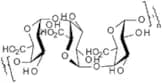
CAS:<p>Polygalacturonic acid is a linear carbohydrate polymer of monomeric galacturonic acid.</p>Fórmula:(C6H8O6)nPeso molecular:25,000.00 g/molRef: 3D-P-7000
1kgA consultar5kgA consultar250gA consultar500gA consultar2500gA consultar-Unit-kgkgA consultarFucoidan, ecklonia
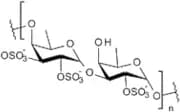
CAS:<p>A fucan sulphate found in brown marine algae (Phaeophyta-typically Fucus vesiculotus, Ecklonia (illustrated), Alaria and Cladosiphon) and has been shown to have anticoagulant activity. The main constituents are α-1,4 and α-1,2 linked L-fucose sulphates although galactose also occurs and there are many variations of the basic structure found in different species of Phaeophyta.<br>The fucose content of this fucan is approx. 19.0% and it also contains galactose (approx. 12.0%), uronic acid (approx. 25.5%) and sulfate (approx. 19.1%).<br>The image was kindly provided by Prof Mike Guiry from Cork who runs ‘The Seaweed Site’.</p>Pureza:Min. 95%Forma y color:White PowderMethyl a-D-glucopyranoside
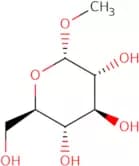
CAS:Methyl α-D- glucopyranoside is a methylated sugar used as an inhibitor of lectin-conjugate binding. Methyl α-D- glucopyranoside is commonly used in protein purification for eluting glycoproteins and other glycoconjugates from affinity chromatography columns of agarose lectin. Methyl α-D- glucopyranoside is also known as Methyl alpha-D-glucoside or alpha-Methyl-glucoside.Fórmula:C7H14O6Pureza:Min. 98 Area-%Forma y color:PowderPeso molecular:194.18 g/mola-D-Mannose-1-phosphate ammonium salt
CAS:<p>a-D-Mannose-1-phosphate ammonium salt is a modification of an oligosaccharide, a carbohydrate that is complex in structure. It is a custom synthesis and has high purity. This product is also synthetic and monosaccharide, methylation, glycosylation, and fluorination have been performed on it. The CAS No. for this compound is 1388225-12-4.</p>Fórmula:C6H19O9PN2Pureza:Min. 95%Forma y color:PowderPeso molecular:294.2 g/mol1-Chloro-2-deoxy-3,5-di-O-(p-chlorobenzoyl)-L-ribofuranose
1-Chloro-2-deoxy-3,5-di-O-(p-chlorobenzoyl)-L-ribofuranose is a fluorinated sugar that is synthesized by the glycosylation of 1,2:3,4:6-dianhydrohexitol (1) with chloroacetone followed by selective protection of the anomeric position. The compound can be used to study the effects of fluorination on carbohydrate chemistry and biology. 1,2:3,4:6-Dianhydrohexitol (1) was first prepared by methylation of 5-(p-chlorobenzoyl)-L-ribofuranose (2). The 2'-position was then protected as a trityl ether in order to prevent further glycosylation. The final product was obtained after removal of the protecting group from the anomeric position.Pureza:Min. 95%D-Glucose 6-phosphate, barium salt
CAS:D-Glucose 6-phosphate is a high purity, custom synthesis sugar. It is a synthetic glycoside that is used in the production of fluorinated saccharides and oligosaccharides. D-Glucose 6-phosphate can be modified with methyl groups, fluorine atoms, and/or glycosylation. This compound has been shown to have properties as an antiviral agent against herpes simplex virus type 1 (HSV1) and cytomegalovirus (CMV).Fórmula:C6H11BaO9PPeso molecular:395.46 g/molRef: 3D-G-3300
25gA consultar50gA consultar100gA consultar250gA consultar500gA consultar-Unit-ggA consultar3,5-Di-O-benzoyl-2-deoxy-2,2-difluoro-1-O-methanesulfonyl-a-D-ribofuranoside - 75% alpha purity
CAS:<p>3,5-Di-O-benzoyl-2-deoxy-2,2-difluoro-1-O-methanesulfonyl-aDribofuranoside is a glycosylation agent that reacts with the reducing end of glycogen to form a glycosidic linkage. The compound is used in the synthesis of complex carbohydrates and saccharides. 3,5-Di-O-benzoyl-2,2,-difluoro 1,1'-O-(methanesulfonyl) aDribofuranoside is often methylated at the 3' position to obtain 3,5diOBenzoyl 2,2'-difluoro 1,1'-O-(methylsulfonyl)-aDribofuranoside. This compound can be used for click chemistry reactions and modification of polysaccharides. It has been shown to have antiinflammatory effects on</p>Fórmula:C20H18F2O8SPureza:Min. 95%Forma y color:PowderPeso molecular:456.41 g/molMethyl 2-O-methyl-α-D-xylofuranoside
CAS:<p>A partially protected methyl xyloside</p>Fórmula:C7H14O5Pureza:Min. 95%Forma y color:PowderPeso molecular:178.18 g/molLactose 6'-sulfate
CAS:<p>Lactose 6'-sulfate is a custom synthesis of a complex carbohydrate and an oligosaccharide. It is modified by methylation and glycosylation, which can be altered to create other saccharides such as galactose. Lactose 6'-sulfate has been fluorinated in the alpha position and contains a sulfate group that is attached with a click chemistry reaction. Lactose 6'-sulfate has CAS number 1015758-24-3 and is high purity.</p>Fórmula:C12H22O14SPureza:Min. 95%Forma y color:PowderPeso molecular:422.36 g/mol2, 3:5, 6- Di- O- isopropylidene- D- mannofuranose
2, 3:5, 6-Di-O-isopropylidene-D-mannofuranose is a fluorinated monosaccharide that is used in glycosylation and polysaccharide modification. This compound has an O-methyl group on the hydroxyl group of the C2 position and a methyl group on the hydroxyl group of the C3 position. It is a white to off-white powder with a molecular weight of 332.37 g/mol. 2, 3:5, 6-Di-O-isopropylidene-D-mannofuranose has been shown to be stable at high temperatures and pH levels. It has a CAS number of 8061-93-0.Pureza:Min. 95%D-Melezitose hydrate
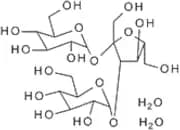
CAS:<p>Melezitose is a non-reducing trisaccharide that is produced by many plant sap-consuming insects, such as aphids (e.g. Cinara pilicornis). Melezitose is a component of honeydew which acts as an attractant for ants and also as food for bees. Partial hydrolysis of melizitose releases glucose and turanose, an isomer of sucrose.</p>Fórmula:C18H32O16•(H2O)xPureza:Min. 95%Forma y color:White PowderPeso molecular:504.44 g/mol3'-Sialyl Lewis X 1-N-methyl-N-hydroxyethylamine
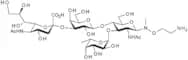
<p>3'-Sialyl Lewis X 1-N-methyl-N-hydroxyethylamine is a custom synthesis of a monosaccharide that contains an N-hydroxymethyl group. The fluorination and methylation reactions are examples of modifications that can be done to this molecule. This monosaccharide can be modified by the click chemistry reaction, which involves the use of azide and alkyne reagents. 3'-Sialyl Lewis X 1-N-methyl-N-hydroxyethylamine is used in glycosylation with complex carbohydrates such as polysaccharides and saccharides, which are large sugars or sugar chains.</p>Fórmula:C34H60N4O23Pureza:Min. 95%Forma y color:PowderPeso molecular:892.85 g/mol(1S) -1- [(2S, 3S,4R) -N-Benzyl-4-hydroxymethyl-3- hydroxy- 1- azetidinyl] -1, 2- ethanediol
<p>The synthesis of 1,2-ethanediol is accomplished by the reaction of benzaldehyde with ethanol. This product is a synthetic sugar that is used in the modification of polysaccharides and glycosylation. The molecular weight of this product ranges from 200 to 400 Daltons. It has a CAS number of 730-25-6.</p>Pureza:Min. 95%Methyl N-benzyl-4,6-dideoxy-4,6-imino-2,3-O-isopropylidene-b-D-talopyranoside
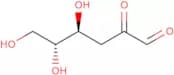
<p>Methyl N-benzyl-4,6-dideoxy-4,6-imino-2,3-O-isopropylidene-b-D-talopyranoside is a fluorinated monosaccharide with a custom synthesis. It is a synthetic oligosaccharide that has undergone glycosylation and polysaccharide modification. This compound has been modified by methylation, click chemistry, and sugar formation. It is available in high purity with a CAS number of 29059-07-1.</p>Pureza:Min. 95%3-Deoxy-D-glucosone
CAS:3-Deoxy-D-glucosone is a compound that belongs to the group of monosaccharides and has a basic structure. It can be found in many types of biological samples, including blood. The x-ray diffraction data for 3-deoxy-D-glucosone shows an asymmetric unit of two molecules with a coordination geometry of 2.3. This compound is known to have high protein oxidation rates, which are caused by dna binding activity. 3-Deoxyglucosone has been shown to be involved in the pathogenic mechanism of many types of cancers.Fórmula:C6H10O5Pureza:Min. 95%Forma y color:PowderPeso molecular:162.14 g/molChondroitin sulfate sodium salt
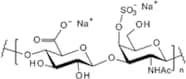
CAS:Chondroitin sulphate is the most abundant glycosaminoglycan in mammalian tissues and occurs both in skeletal and soft connective tissue. The disaccharide repeat unit consists of N-acetyl galactosamine sulphate linked β1,4 to glucuronic acid.Pureza:Min. 95%Forma y color:White Off-White Powder2,5-Anhydro- 3- deoxy-D- ribo- hexonic acid
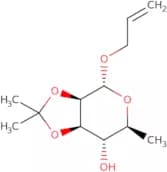
<p>2,5-Anhydro-3-deoxy-D-ribohexonic acid is a fluorinated monosaccharide. It is synthesized by the modification of 2,5-anhydro-3-deoxyglucose with N-(2'-fluoroethyl)trimethoxysilane (FETS). This synthetic compound can be used as a glycosylation or polysaccharide building block in the synthesis of complex carbohydrates. The FETS modification allows for the introduction of various functional groups on C1 and C2 while maintaining the high purity.</p>Pureza:Min. 95%Allyl 2,3-O-isopropylidene-a-L-rhamnopyranoside
CAS:Allyl 2,3-O-isopropylidene-a-L-rhamnopyranoside is a topical antiperspirant and deodorant that is used to inhibit the production of sweat. It has been shown to be effective in combination with aluminum chloride, aluminum chlorohydrate, and other active ingredients. Allyl 2,3-O-isopropylidene-a-L-rhamnopyranoside has been shown to be more effective than glycerin or propylene glycol alone as an antiperspirant.Fórmula:C12H20O5Pureza:Min. 95%Forma y color:PowderPeso molecular:244.29 g/molD-Ribose
CAS:D-ribose is a pentose that is used in the metabolism of plants and humans. It has been shown to inhibit binding of inhibitors to ribose and to exhibit significant cytotoxicity against tumor cells. D-Ribose also has an important role in energy metabolism, where it is involved in the synthesis of ATP. D-Ribose has been shown to be beneficial for patients with congestive heart failure, as it improves cardiac function and reduces the size of the heart. D-Ribose may also have a role in the treatment of infectious diseases by inhibiting viral replication, as well as preventing neuronal death.Fórmula:C5H10O5Pureza:Min. 99.0 Area-%Peso molecular:150.13 g/molRef: 3D-R-5500
25gA consultar5kgA consultar10kgA consultar25kgA consultar2500gA consultar-Unit-kgkgA consultar(5S)-3-Benzyloxycarbonylamino-5-(hydroxymethyl)-2(5H)-furanone
(5S)-3-Benzyloxycarbonylamino-5-(hydroxymethyl)-2(5H)-furanone, also known as (5S)-3-benzyloxycarbonylamino-5-(hydroxymethyl)furan-2(5H)one or 5′,6′-dihydroxy-3′,4′,5′-trimethoxyacetophenone is a modification of the carbohydrate with an Oligosaccharide. This modification is a custom synthesis that has been synthesized and provided in high purity and CAS number. It is a monosaccharide that can be methylated or glycosylated and has many different uses including in polysaccharides such as sugar. The fluorination of this saccharide provides it with an extra protection against degradation.Pureza:Min. 95%UDP-6-amino-6-deoxy-D-glucose
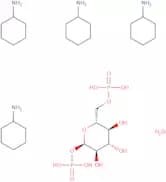
CAS:<p>UDP-6-Amino-6-deoxyglucose is a fluorinated monosaccharide that can be used as a glycosylation or polysaccharide modification reagent. It is also used to produce complex carbohydrates, such as glycosylated proteins and glycoconjugates. The synthesis of this product involves the use of Click chemistry, which allows for the selective attachment of any molecule with an amine group. This product has been shown to have high purity and is ideal for use in pharmaceuticals, agrochemicals, food additives, and other applications.</p>Pureza:Min. 95%a-D-Glucose-1,6-diphosphate tetra(cyclohexylammonium) salt hydrate
CAS:<p>a-D-Glucose-1,6-diphosphate tetra(cyclohexylammonium) salt hydrate is a synthetic sugar that can be used as a building block for polymer synthesis. It is an oligosaccharide that is synthesized by the click reaction of methylated glucose and cyclohexane diamine. This compound has been shown to be effective in the synthesis of polysaccharides and glycoproteins.</p>Fórmula:C6H14O12P2·4C6H13N·H2OPureza:Min. 95%Forma y color:PowderPeso molecular:754.83 g/molGalacto-N-biose-sp-biotin
<p>Galacto-N-biose-sp-biotin is a carbohydrate that can be custom synthesized. It is a sugar with a biotin moiety at the reducing end of the chain. It can be modified by fluorination, glycosylation, methylation, and other chemical modifications. Galacto-N-biose-sp-biotin has CAS number 55810-06-5.</p>Fórmula:C33H57N5O14SPureza:Min. 95%Forma y color:White/Off-White SolidPeso molecular:779.9 g/molIxoroside
CAS:Ixoroside is a coumarin derivative that has been shown to inhibit the activity of an enzyme called epidermal growth factor receptor. The chemical diversity of this compound has made it difficult to study its biological properties and mechanisms. Ixoroside has been studied in vitro for its effects on eye disorders and for its potential to be used as a monoclonal antibody. It has also been shown to have toxicological studies with no significant adverse effects observed. Ixoroside is found in the genus Nepeta, where it is mainly found in Nepeta cataria and Fructus ixorii species plants, which are used in traditional Chinese medicine. It can also be found in other plants such as Eucalyptus globulus, which is commonly used in cough suppressants.Fórmula:C16H24O9Pureza:Min. 95%Peso molecular:360.36 g/molN-Acetylneuraminyl-(a2-3)-D-galactopyranosyl-(b1-3)-[N-acetylneuraminyl-(a2-6)]-D-N-acetylgalactosaminyl serine
N-Acetylneuraminyl-(a2-3)-D-galactopyranosyl-(b1-3)-[N-acetylneuraminyl-(a2-6)]-D-N-acetylgalactosaminyl serine is a high purity oligosaccharide that is custom synthesized. It undergoes Click modification and fluorination to give it a specific structure.Fórmula:C39H64N4O29Pureza:Min. 95%Peso molecular:1,052.94 g/molD-Sedoheptulose-2,3,4,5,6,7-13C6
<p>D-sedoheptulose is a rare sugar found in certain plants and fruits, and it is not as commonly studied or utilized as other sugars like glucose or fructose. However, it has been investigated for its potential biological activities and applications in the food and pharmaceutical industries.</p>Pureza:Min. 95%Amylopectin - from potato starch
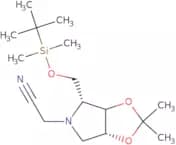
CAS:<p>Starch component; highly branched glucan</p>Forma y color:White Off-White Powder5-O-tert-Butyldimethylsilyl-N-cyanomethyl-1,4-dideoxy-1,4-imino-2,3-O-isopropylidene-D-ribitol
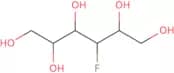
CAS:5-O-tert-Butyldimethylsilyl-N-cyanomethyl-1,4-dideoxy-1,4-imino-2,3-O-isopropylidene--D ribitol is a fluorinated glycosylation product of 5-(O-(tertbutyldimethylsilyl)cyanomethyl)-1,4 dihydroxy imino 2,3 O isopropylidene D ribitol. It is a high purity complex carbohydrate that can be synthesized by click modification of 5-(O-(tertbutyldimethylsilyl)cyanomethyl)-1,4 dihydroxy imino 2,3 O isopropylidene D ribitol with ethynyltrifluoroborate and osmium tetroxide. This compound has CAS No. 577978-59-7.Fórmula:C16H30N2O3SiPureza:Min. 95%Peso molecular:326.51 g/mol3-Deoxy-3-fluoro-D-galactitol
CAS:<p>3-Deoxy-3-fluoro-D-galactitol is a fluorinated sugar that is synthesized through the use of glycosylation and fluorination. This product can be used as a raw material for the production of oligosaccharides, polysaccharides, and other complex carbohydrates. It can also be used in custom synthesis and click modification. The CAS number for this product is 1241800-31-6.</p>Fórmula:C6H13FO5Pureza:Min. 95%Peso molecular:184.16 g/mol1,4-b-D-Mannotetraose
CAS:<p>Isolated from ivory-nut mannan, Picea glauca and Pinus strobus glucomannans</p>Fórmula:C24H42O21Pureza:Min. 95 Area-%Forma y color:White PowderPeso molecular:666.58 g/molMethyl β-D-maltopyranoside
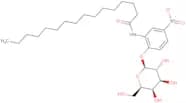
CAS:Methyl β-D-maltopyranoside is a disaccharide that is an aglycon of maltosides. It has been shown to bind to the active site of alpha-d-glucopyranosidases, which are enzymes that hydrolyze alpha-d-glucopyranosides. Methyl β-D-maltopyranoside has also been shown to interact with dihedral angles and hydroxyl groups in the enzyme binding region, which may be due to conformational changes in the enzyme's active site. The kinetic constants for methyl β-D-maltopyranoside have been calculated by using an algorithm.Fórmula:C13H24O11Pureza:(%) Min. 98%Forma y color:PowderPeso molecular:356.32 g/mol2’-(N-Hexadecanoylamino)-4’-nitrophenyl-β-D-galactopyranoside
CAS:<p>2’-(N-Hexadecanoylamino)-4’-nitrophenyl-b-D-galactopyranoside is a synthetic substrate that is used to diagnose and monitor brain diseases. It can be used in the diagnosis of Alzheimer's disease by measuring the amount of amniotic fluid that leaks into the brain. The rate of hydrolysis of this substrate has been shown to be higher in patients with Alzheimer's disease than in healthy controls. This synthetic substrate is also useful for monitoring the activity of taurocholate galactohydrolase, which is an enzyme that breaks down bile salts and plays a role in cholesterol metabolism. The rate of hydrolysis has been found to be increased in patients with Parkinson's disease, but not in those with Alzheimer's disease or healthy controls. 2’-(N-Hexadecanoylamino)-4’-nitrophenyl-b-D-galactop</p>Fórmula:C28H46N2O9Pureza:Min. 95%Forma y color:PowderPeso molecular:554.67 g/mol6-Chloro-6-deoxy-D-mannono-1,4-lactone
<p>6-Chloro-6-deoxy-D-mannono-1,4-lactone is a saccharide that belongs to the group of polysaccharides. It can be custom synthesized and modified to meet your needs. 6CMDL is a synthetic carbohydrate product with high purity, which can be used in the synthesis of glycosylations or as a fluorinated mannose analogue.<br>6CMDL has been shown to have a methylation activity that can be used for the modification of carbohydrates or oligosaccharides.</p>Fórmula:C6H9ClO5Pureza:Min. 95%Peso molecular:196.59 g/molPhenyl-β-D-thioglucuronic acid
CAS:<p>Phenyl-beta-D-thioglucuronic acid is a drug that is used to treat inflammatory diseases and autoimmune diseases. It is a basic structure that has been shown to have anti-estrogenic effects in vitro, although the mechanism of action is not well understood. Phenyl-beta-D-thioglucuronic acid can be crosslinked with proteins to form a matrix for wound healing. This drug has also been shown to be a potent inhibitor of proteases, and may inhibit other enzymes such as matrix metalloproteinases and serine proteases.</p>Fórmula:C12H14O6SPeso molecular:286.31 g/molRef: 3D-P-4300
1gA consultar5gA consultar10gA consultar500mgA consultar2500mgA consultar-Unit-ggA consultar3,5-Dideoxy-3,5-imino-L-arabinopentitol
<p>3,5-Dideoxy-3,5-imino-L-arabinopentitol is a compound that belongs to the group of methylated polysaccharides. It is a custom synthesis with high purity and modification. This product has been fluorinated and saccharide modified. It has been synthesized from an oligosaccharide and polysaccharide by Click chemistry. 3,5-Dideoxy-3,5-imino-L-arabinopentitol is a complex carbohydrate that contains a sugar at its end. The sugar can be either monosaccharide or polysaccharide. This product can be used in the study of protein methylation and glycosylation and as an anti-inflammatory agent.</p>Pureza:Min. 95%








![(5R, 6R, 7R, 8S) -5, 7-Dihydroxy- 8- (hydroxymethyl) - 1- azabicyclo[4.2.0] octan- 2- one](/_next/image/?url=https%3A%2Fstatic.cymitquimica.com%2Fproducts%2F3D%2Fthumb-webp%2FMD163385.webp&w=3840&q=75)
![(1R) -1- [(2S, 3R,4R) -4-(Acetylamino)methyl-N-butyl-3- hydroxy- 1- azetidinyl] -1, 2- ethanediol](/_next/image/?url=https%3A%2Fstatic.cymitquimica.com%2Fproducts%2F3D%2Fthumb-webp%2FMA163407.webp&w=3840&q=75)

![N-Acetylneuraminyl-(a2-3)-D-galactopyranosyl-(b1-3)-[N-acetylneuraminyl-(a2-6)]-D-N-acetylgalactos…](/_next/image/?url=https%3A%2Fstatic.cymitquimica.com%2Fproducts%2F3D%2Fthumb-webp%2FOA15983.webp&w=3840&q=75)

















![N- [(3R, 4R, 5R) - 1- Butyl- 4- hydroxy- 5- (hydroxymethyl) - 3- pyrrolidinyl] -acetamide](/_next/image/?url=https%3A%2Fstatic.cymitquimica.com%2Fproducts%2F3D%2Fthumb-webp%2FMB163547.webp&w=3840&q=75)

![(2S, 3S, 4R) -3- [[[(2S, 3S, 4R) - 3- Azido- 4- [[[(1, 1- dimethylethyl) dimethylsilyl] oxy] methy…](/_next/image/?url=https%3A%2Fstatic.cymitquimica.com%2Fproducts%2F3D%2Fthumb-webp%2FMA163463.webp&w=3840&q=75)





![(1S) -1- [(2S, 3S,4R) -N-Benzyl-4-hydroxymethyl-3- hydroxy- 1- azetidinyl] -1, 2- ethanediol](/_next/image/?url=https%3A%2Fstatic.cymitquimica.com%2Fproducts%2F3D%2Fthumb-webp%2FMB163383.webp&w=3840&q=75)




![N-Acetylneuraminyl-(a2-3)-D-galactopyranosyl-(b1-3)-[N-acetylneuraminyl-(a2-6)]-D-N-acetylgalactos…](/_next/image/?url=https%3A%2Fstatic.cymitquimica.com%2Fproducts%2F3D%2Fthumb-webp%2FOA15250.webp&w=3840&q=75)