Flavonoides
Subcategorías de "Flavonoides"
- Antocianidinas(46 productos)
- Antocianina(46 productos)
- Catequina(88 productos)
- Chalconas(237 productos)
- Pterocarpan(28 productos)
Se han encontrado 2410 productos de "Flavonoides"
Syringetin
CAS:Syringetin is a flavonoid compound, which is derived from natural sources such as grapes and other plants. This compound belongs to the class of polyphenolic compounds known as flavonols, which are secondary metabolites found abundantly in nature. Syringetin exhibits its mode of action primarily through its strong antioxidant properties, which allow it to neutralize free radicals and reduce oxidative stress in biological systems. This activity can contribute to the protection of cells and biomolecules from oxidative damage, a process implicated in aging and various diseases.Fórmula:C17H14O8Pureza:Min. 95%Forma y color:PowderPeso molecular:346.29 g/molGarciniflavanone
CAS:Garciniflavanone is a naturally occurring flavonoid compound, which is primarily derived from plants in the Garcinia genus. It acts as an antioxidant through the scavenging of free radicals, thereby mitigating oxidative stress within cellular environments. Additionally, garciniflavanone influences various cellular signaling pathways, contributing to its anti-inflammatory and potential anticancer effects.Fórmula:C30H22O13Pureza:Min. 95%Peso molecular:590.49 g/molEpimedin C
CAS:Epimedin C is a flavonoid compound, which is derived from natural sources, specifically from plants belonging to the genus Epimedium. It is a bioactive constituent commonly found in traditional Chinese medicinal herbs known as "Horny Goat Weed." The mode of action of Epimedin C involves the modulation of various biological pathways, including the inhibition of specific enzymes and interaction with estrogen receptors. These actions contribute to its potential effects on bone health, cardiovascular function, and sexual health.Fórmula:C39H50O19Pureza:Min. 95%Forma y color:PowderPeso molecular:822.8 g/mol3-Hydroxy-6,3'-dimethoxyflavone
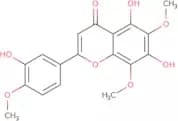
CAS:3-Hydroxy-6,3'-dimethoxyflavone is a naturally occurring flavone, which is a type of polyphenolic compound found in various plants. As a product of plant secondary metabolism, this flavone is often sourced from medicinal herbs and fruits, where it contributes to the plant's defense mechanisms.Fórmula:C17H14O5Pureza:Min. 95%Peso molecular:298.29 g/molKaempferol
CAS:Kaempferol is a naturally occurring flavonoid, which is a type of plant secondary metabolite, prevalent in a variety of fruits, vegetables, and plants such as kale, beans, tea, broccoli, apples, and grapes. It belongs to the class of flavonols, which are compounds that contribute to the pigments of plants. Kaempferol is typically sourced through plant extraction processes and is often found in significant amounts in dietary sources.Fórmula:C15H10O6Pureza:Min. 95%Forma y color:Yellow PowderPeso molecular:286.24 g/mol3',4'-Dihydroxyflavone
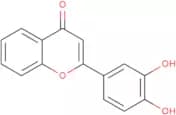
CAS:3',4'-Dihydroxyflavone is a type of flavonoid compound, which is naturally found in various plants. These secondary metabolites are crucial for plant health and defense mechanisms. Known for their antioxidative and anti-inflammatory properties, flavonoids play a significant role in moderating oxidative stress and inflammation.Fórmula:C15H10O4Pureza:Min. 95%Forma y color:PowderPeso molecular:254.24 g/molDihydropunctatin
CAS:Dihydropunctatin is a natural compound, which is an organic molecule derived from specific fungal sources. The biosynthesis of Dihydropunctatin typically occurs in endophytic fungi, which inhabit the internal tissues of plants and contribute to the host's adaptability and survival. These fungi are known for producing a diverse range of secondary metabolites with potential bioactive properties.Fórmula:C20H26O7Pureza:Min. 95%Peso molecular:378.42 g/molPoncirin
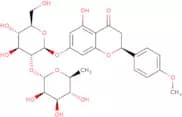
CAS:Poncirin is a natural flavonoid glycoside, which is derived from the fruit of Poncirus trifoliata, commonly known as bitter orange. This compound is extracted from the plant materials using solvents followed by purification processes to isolate the active flavonoid.Fórmula:C28H34O14Pureza:Min. 95%Forma y color:PowderPeso molecular:594.56 g/molSakuranetin
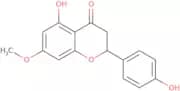
CAS:Sakuranetin is a flavonoid, which is a natural compound derived predominantly from cherry blossoms and various citrus plants. As a phytochemical, it is primarily sourced from plants where it functions as a natural defense mechanism against environmental stressors. The mode of action of sakuranetin involves the inhibition of key pro-inflammatory pathways, notably blocking the activation of NF-κB, a protein complex that plays a crucial role in controlling the transcription of DNA, cytokine production, and cell survival.Fórmula:C16H14O5Pureza:Min. 95%Forma y color:PowderPeso molecular:286.28 g/molAcerosin
CAS:Acerosin is a naturally derived antibiotic compound, sourced from Streptomyces bacteria, with a unique dual mode of action. It exhibits both antimicrobial activity and anti-inflammatory effects. The antimicrobial action is primarily achieved through disruption of bacterial cell wall synthesis, leading to bacterial cell lysis. Additionally, Acerosin modulates immune responses by inhibiting the production of pro-inflammatory cytokines, which reduces inflammation at the site of infection.Pureza:Min. 95%Baicalein-6-glucuronide - from Scutellaria galericulata (skullcap)
CAS:Baicalein-6-glucuronide is a glucuronide derivative of the flavonoid baicalein, derived from the herb Scutellaria galericulata, commonly known as skullcap. This flavonoid is intricately bound with a glucuronic acid moiety, which enhances its solubility and bioavailability compared to its parent compound. The source, Scutellaria galericulata, is a perennial herbaceous plant native to wetlands and known for its rich phytochemical profile.Fórmula:C21H18O11Pureza:Min. 95%Forma y color:Yellow PowderPeso molecular:446.36 g/mol5',3'''-Dihydroxyrobustaflavone
CAS:5',3'''-Dihydroxyrobustaflavone is a naturally occurring biflavonoid, which is a type of polyphenolic compound known for its diverse biological activities. It is derived from various plant sources, often found in species belonging to the Moraceae family, among others. The compound's chemical structure comprises multiple flavonoid units linked together, contributing to its unique properties.Fórmula:C30H18O12Pureza:Min. 95%Peso molecular:570.46 g/mol4'-Hydroxyflavone
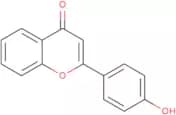
CAS:4'-Hydroxyflavone is a hydroxylated flavone, which is a type of organic compound belonging to the flavonoid family. These compounds are naturally found in a variety of plants, such as fruits, vegetables, and herbs, where they often contribute to pigmentation. This particular flavonoid possesses a hydroxyl group on its fourth carbon, structurally distinguishing it and potentially altering its biological activity compared to other flavones.Fórmula:C15H10O3Pureza:Min. 95%Forma y color:PowderPeso molecular:238.24 g/mol6,3'-Dihydroxydaidzein
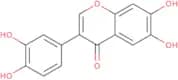
CAS:6,3'-Dihydroxydaidzein is an isoflavonoid compound, which is a type of naturally occurring polyphenol. This compound is primarily sourced from plants, particularly legumes like soybeans, where it functions as a metabolite in the daidzein biosynthesis pathway. Mechanistically, 6,3'-Dihydroxydaidzein exhibits antioxidant properties by scavenging free radicals and inhibiting oxidative stress at the cellular level.Fórmula:C15H10O6Pureza:Min. 95%Forma y color:Brown PowderPeso molecular:286.24 g/molApigenin-7-neohesperidoside
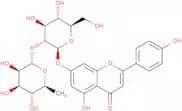
CAS:Apigenin-7-neohesperidoside is a flavonoid glycoside, which is derived primarily from certain plant species, including members of the Rutaceae family. It is characterized by its glycosidic linkage to apigenin, a well-known flavonoid. The source of this compound is often plant-derived extracts, where it is isolated using advanced phytochemical techniques.
Fórmula:C27H30O14Pureza:Min. 98 Area-%Forma y color:PowderPeso molecular:578.52 g/mol6-Prenylnaringenin
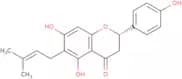
CAS:6-Prenylnaringenin is a prenylflavonoid, which is a type of isoflavonoid, primarily derived from hops (Humulus lupulus). It is recognized for its potent phytoestrogenic properties, functioning as a selective agonist for estrogen receptors. By binding to estrogen receptors, 6-Prenylnaringenin can modulate estrogenic activities within the body, influencing various biological processes.Fórmula:C20H20O5Pureza:Min 98%Forma y color:PowderPeso molecular:340.37 g/molLupinalbin A
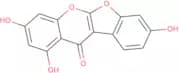
CAS:Lupinalbin A is a natural compound, which is a type of phenolic compound, sourced from white lupin (Lupinus albus) seeds. This compound exhibits significant biological activity primarily through its ability to modulate cellular signaling pathways. Its mode of action includes the inhibition of specific kinases and transcription factors, which are crucial in the progression of inflammatory and cancerous processes.Fórmula:C15H8O6Pureza:Min. 95%Forma y color:PowderPeso molecular:284.22 g/molFluoxastrobin
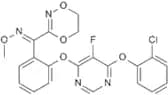
CAS:Fluoxastrobin is a systemic fungicide, which is a synthetic chemical compound designed for use in agriculture. Its source is derived from laboratory synthesis, specifically created to inhibit key fungal pathogens. The mode of action of Fluoxastrobin involves disrupting mitochondrial respiration by targeting the pathogens' electron transport chain, thereby inhibiting energy production and ultimately halting their growth and proliferation.
Fórmula:C21H16ClFN4O5Pureza:Min. 95%Forma y color:PowderPeso molecular:458.83 g/mol7,8-Dihydroxyflavone
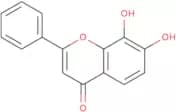
CAS:7,8-Dihydroxyflavone is a synthetic flavonoid, which is derived from naturally occurring compounds found in plants. It is known to act as a tropomyosin receptor kinase B (TrkB) agonist, mimicking the action of brain-derived neurotrophic factor (BDNF). By selectively binding to TrkB receptors, it activates downstream signaling pathways involved in neuronal survival, differentiation, and synaptic plasticity.Fórmula:C15H10O4•(H2O)xPureza:Min. 95%Forma y color:PowderPeso molecular:254.24 g/mol5,2'-Dimethoxyflavone
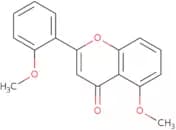
CAS:5,2'-Dimethoxyflavone is a synthetic or naturally occurring flavone, which is derived from certain plants. It belongs to the class of polyphenolic compounds found predominantly in the plant kingdom. As a secondary metabolite, this compound is linked to the plant's defense mechanisms, typically sourced from herbs known for their therapeutic potential.Fórmula:C17H14O4Pureza:Min. 95%Forma y color:PowderPeso molecular:282.29 g/mol