Flavonoides
Subcategorías de "Flavonoides"
- Antocianidinas(46 productos)
- Antocianina(46 productos)
- Catequina(88 productos)
- Chalconas(237 productos)
- Pterocarpan(28 productos)
Se han encontrado 2410 productos de "Flavonoides"
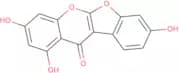
Lupinalbin A
CAS:Lupinalbin A is a natural compound, which is a type of phenolic compound, sourced from white lupin (Lupinus albus) seeds. This compound exhibits significant biological activity primarily through its ability to modulate cellular signaling pathways. Its mode of action includes the inhibition of specific kinases and transcription factors, which are crucial in the progression of inflammatory and cancerous processes.Fórmula:C15H8O6Pureza:Min. 95%Forma y color:PowderPeso molecular:284.22 g/molFluoxastrobin
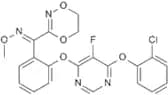
CAS:Fluoxastrobin is a systemic fungicide, which is a synthetic chemical compound designed for use in agriculture. Its source is derived from laboratory synthesis, specifically created to inhibit key fungal pathogens. The mode of action of Fluoxastrobin involves disrupting mitochondrial respiration by targeting the pathogens' electron transport chain, thereby inhibiting energy production and ultimately halting their growth and proliferation.
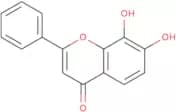
Fórmula:C21H16ClFN4O5Pureza:Min. 95%Forma y color:PowderPeso molecular:458.83 g/mol7,8-Dihydroxyflavone
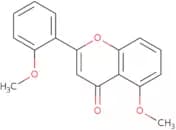
CAS:7,8-Dihydroxyflavone is a synthetic flavonoid, which is derived from naturally occurring compounds found in plants. It is known to act as a tropomyosin receptor kinase B (TrkB) agonist, mimicking the action of brain-derived neurotrophic factor (BDNF). By selectively binding to TrkB receptors, it activates downstream signaling pathways involved in neuronal survival, differentiation, and synaptic plasticity.Fórmula:C15H10O4•(H2O)xPureza:Min. 95%Forma y color:PowderPeso molecular:254.24 g/mol5,2'-Dimethoxyflavone
CAS:5,2'-Dimethoxyflavone is a synthetic or naturally occurring flavone, which is derived from certain plants. It belongs to the class of polyphenolic compounds found predominantly in the plant kingdom. As a secondary metabolite, this compound is linked to the plant's defense mechanisms, typically sourced from herbs known for their therapeutic potential.Fórmula:C17H14O4Pureza:Min. 95%Forma y color:PowderPeso molecular:282.29 g/molLuteolin 3′,7-diglucoside
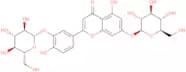
CAS:Luteolin 3′,7-diglucoside is a flavonoid compound, which is predominantly found in a variety of plant species. It acts as an antioxidant, which is significant in its ability to neutralize free radicals, thereby potentially reducing oxidative stress at the cellular level. This compound is derived from natural sources such as fruits, vegetables, and herbs, where it exists as a glycosylated form of luteolin, bonded with glucose molecules.
Fórmula:C27H30O16Pureza:Min. 95%Forma y color:PowderPeso molecular:610.52 g/mol3,7,8,2',4'-Pentamethoxyflavone
CAS:3,7,8,2',4'-Pentamethoxyflavone is a naturally occurring flavonoid, which is a type of polyphenolic compound, broadly found in various plants. This compound is typically isolated from plant sources known for their rich bioactive profiles, such as certain species within the Rutaceae and other plant families. The distinctive feature of flavonoids, including 3,7,8,2',4'-Pentamethoxyflavone, lies in their diverse biological activities, which are attributed to their multi-targeted mode of action.Fórmula:C20H20O7Pureza:Min. 95%Peso molecular:372.37 g/molFlavanone hydrazone - 99%
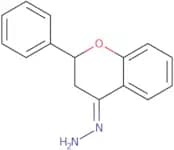
CAS:Flavanone hydrazone - 99% is a highly pure chemical compound that serves as an important intermediate in organic synthesis. It originates primarily from synthetic processes involving hydrazides and flavanones, which are derivatives of flavonoids noted for their wide range of biological activities. The mode of action of flavanone hydrazone involves the introduction of a hydrazone group, which can facilitate the formation of various heterocyclic compounds. This makes it valuable in the construction of complex organic molecules, a process crucial in the fields of medicinal chemistry and drug discovery.
Fórmula:C15H14N2OPureza:(%) Min. 99%Forma y color:PowderPeso molecular:238.28 g/mol2'-O-Methylisoliquiritigenin
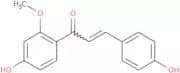
CAS:2'-O-Methylisoliquiritigenin is a methylated flavonoid, which is a specialized biologically active compound found naturally in certain plants, most notably in licorice species. It is an analog of isoliquiritigenin, produced through methylation at the 2' position of the molecule, which enhances its chemical stability and potential bioactivity. The primary mode of action for 2'-O-Methylisoliquiritigenin involves the modulation of various biological pathways, including anti-inflammatory and antioxidant mechanisms. It has been shown to interact with key cellular signaling pathways influencing gene expression, cell cycle regulation, and apoptosis.
Fórmula:C16H14O4Pureza:Min. 95%Forma y color:PowderPeso molecular:270.28 g/molCupressuflavone
CAS:Cupressuflavone is a naturally occurring biflavonoid compound, which is an organic molecule composed of two flavonoid units linked together. Its source is predominantly from the Cupressaceae family, specifically from plants such as cypress trees. This compound is characterized by its potent antioxidant properties, which allow it to scavenge free radicals and reduce oxidative stress in biological systems.Fórmula:C30H18O10Pureza:Min. 95%Peso molecular:538.46 g/molEucomnalin
CAS:Eucomnalin is a synthetic compound, which is derived from a carefully controlled chemical synthesis process. Its mode of action involves modulation of specific biochemical pathways, targeting enzymes critical for cellular processes. This modulation allows it to influence various cellular functions, potentially rectifying imbalances or dysfunctions present in certain disease states.Fórmula:C17H14O6Pureza:Min. 95%Peso molecular:314.29 g/molButin
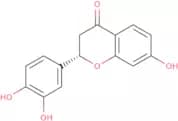
CAS:Butin is a flavonoid compound, which is naturally derived from certain plants and is characterized by a chalcone structure. This compound acts as an antifungal agent by disrupting the cell membrane integrity of pathogenic fungi, ultimately inhibiting their growth and reproduction. The mechanism is thought to involve interference with key enzymatic pathways essential for cell wall synthesis, though precise molecular interactions are still under investigation.Fórmula:C15H12O5Pureza:Min. 95%Forma y color:PowderPeso molecular:272.25 g/molKaempferol-3,7,4'-trimethyl ether
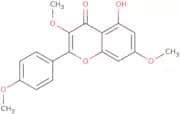
CAS:Kaempferol-3,7,4'-trimethyl ether is a methylated flavonoid compound, which is naturally derived from various plant sources known for their rich polyphenol content. This compound is characterized by its three methoxy groups attached to the kaempferol structure, enhancing its hydrophobic nature and overall stability. The primary mode of action of Kaempferol-3,7,4'-trimethyl ether involves modulation of various cellular signaling pathways, including those related to antioxidant and anti-inflammatory processes. It exerts its effects by interacting with key enzymes and receptors, leading to the modulation of gene expression linked to cellular stress responses.
Fórmula:C18H16O6Pureza:Min. 98 Area-%Forma y color:PowderPeso molecular:328.32 g/mol6-O-Acetylgenistin
CAS:6-O-Acetylgenistin is a natural compound, classified as an acetylated isoflavone. It is sourced from soybeans, where it is naturally present as part of the plant's secondary metabolites. Isoflavones like 6-O-Acetylgenistin are known for their structural similarity to estrogens and are consequently categorized as phytoestrogens.Fórmula:C23H22O11Pureza:Min. 95 Area-%Forma y color:White PowderPeso molecular:474.41 g/mol3'-Hydroxy-8-O-methylretusin
CAS:3'-Hydroxy-8-O-methylretusin is a naturally occurring flavonoid, which is derived from various plant sources, primarily within the Leguminosae family. It exhibits a range of bioactivities attributed to its molecular structure, characterized by hydroxylation and methylation processes that enhance its stability and reactivity.Fórmula:C17H14O6Pureza:Min. 95%Peso molecular:314.29 g/molMyricitrin dihydrate
CAS:Myricitrin dihydrate is a flavonoid glycoside, which is a naturally occurring compound primarily found in the bark, leaves, and fruits of certain plants such as Myrica species. The source of this compound is botanical, extracted from plant material through various methods that preserve its structural integrity and bioactivity.Fórmula:C21H20O12Pureza:Min. 95%Peso molecular:464.38 g/mol5-Methoxyflavanone
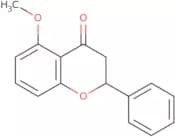
CAS:5-Methoxyflavanone is a synthetic flavonoid compound, which is derived from chemical modifications of naturally occurring flavonoids. These modifications often enhance bioavailability and activity compared to their natural counterparts. This compound functions primarily through its antioxidant activity, scavenging free radicals and reducing oxidative stress within biological systems. This mode of action is vital in cellular protection against damage caused by oxidative agents.Fórmula:C16H14O3Pureza:Min. 95%Forma y color:White PowderPeso molecular:254.28 g/molLotisoflavan
CAS:Phytoalexin isolated from the fungus-inoculated leaflets of Lotus angustissimus
Fórmula:C17H18O5Pureza:Min. 95%Forma y color:PowderPeso molecular:302.32 g/mol5,7-Dihydroxyflavone
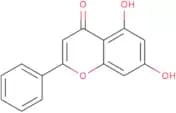
CAS:5,7-Dihydroxyflavone is a naturally occurring flavonoid, which is derived from various plant sources, including herbs and fruits. With its structure characterized by hydroxyl groups at positions 5 and 7, it serves as a bioactive compound with strong antioxidant properties. This flavonoid is known to interact with cellular pathways by scavenging free radicals and modulating enzyme activity, thereby protecting cells from oxidative stress and potential damage.Fórmula:C15H10O4Pureza:Min. 95%Forma y color:Yellow PowderPeso molecular:254.24 g/mol2'-Hydroxyflavanone
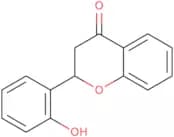
CAS:2'-Hydroxyflavanone is a flavonoid, which is a type of polyphenolic compound found naturally in a variety of plants. These compounds are widely distributed in the plant kingdom and are particularly abundant in fruits, vegetables, and certain herbs. The source of 2'-Hydroxyflavanone can be traced back to its presence in citrus fruits and other plant materials, where it serves as a secondary metabolite.Fórmula:C15H12O3Pureza:Min. 98 Area-%Forma y color:PowderPeso molecular:240.25 g/mol4',5-Dihydroxyflavone
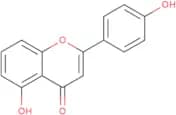
CAS:4',5-Dihydroxyflavone is a naturally occurring flavone, which is a type of polyphenolic compound. It is derived from various plant sources, particularly those rich in flavonoids, such as certain fruits, vegetables, and herbal extracts. The compound's mode of action primarily involves its ability to act as an antioxidant, scavenging free radicals and reducing oxidative stress in biological systems. This antioxidant activity is often linked to neuroprotective properties, as it may help mitigate damage to neurons caused by oxidative stress.
Fórmula:C15H10O4Pureza:Min. 98%Forma y color:PowderPeso molecular:254.24 g/mol