Monosacáridos
Subcategorías de "Monosacáridos"
- Allosas(11 productos)
- Arabinosas(21 productos)
- Eritrosas(11 productos)
- Fructosas(9 productos)
- Fucosas(36 productos)
- Galactosamina(41 productos)
- Galactosa(261 productos)
- Glucosas(365 productos)
- Ácidos glucurónicos(52 productos)
- Glico-sustratos para enzimas(78 productos)
- Gulosas(6 productos)
- Idosas(4 productos)
- Inositoles(15 productos)
- Lyxosas(4 productos)
- Manosas(65 productos)
- O-glicanos(48 productos)
- Psicosas(3 productos)
- Ramnosas(10 productos)
- Ribosas(61 productos)
- Ácidos siálicos(100 productos)
- Sorbosas(4 productos)
- Azúcares(173 productos)
- Tagatosis(4 productos)
- Taloses(8 productos)
- Xilosas(20 productos)
Se han encontrado 6088 productos de "Monosacáridos"
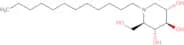
N-Dodecyldeoxynojirimycin
CAS:Dodecyldeoxynojirimycin is a polyketide natural product that has been shown to be a potent inhibitor of the synthesis of mannose-containing glycoproteins, including glucans and chitooligosaccharides. It binds to the active site of glucan synthetase and prevents the formation of glucose residues, which blocks glucan biosynthesis. Dodecyldeoxynojirimycin has also been shown to have anti-inflammatory properties.
Fórmula:C18H37NO4Pureza:Min. 95 Area-%Forma y color:White PowderPeso molecular:331.49 g/molD-Glucose-13C6
CAS:D-Glucose-13C6 is a complex carbohydrate, which is composed of a glucose molecule with one carbon atom labeled as C6. It is used to study the structure of carbohydrates and their interactions with proteins. D-Glucose-13C6 also has applications in the study of diseases such as Alzheimer's disease, Parkinson's disease, diabetes mellitus type 2, and cancer. In addition, this molecule can be used to measure plasma glucose concentrations in humans or animals. D-Glucose-13C6 is not active against bacteria such as Pseudomonas aeruginosa or Escherichia coli. The synthesis of D-glucose-13C6 requires anhydrous dextrose and unlabeled glucose.Fórmula:C6H12O6Pureza:Min. 98 Area-%Forma y color:White PowderPeso molecular:186.11 g/molPhenyl 2-acetamido-2-deoxy-α-D-glucopyranoside
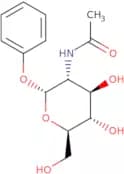
CAS:Phenyl 2-acetamido-2-deoxy-a-D-glucopyranoside is a fluorinated sugar that was synthesized by chemical modification of a natural sugar. It is a white, crystalline powder and has an odorless taste. This product is custom synthesized and can be used as an intermediate in the production of other saccharides. Phenyl 2-acetamido-2-deoxy-a-D-glucopyranoside has been modified to include methyl groups and glycosyl groups, which are not present in the natural product.Fórmula:C14H19NO6Pureza:Min. 95%Forma y color:SolidPeso molecular:297.3 g/molPoly-D-galacturonic acid methyl ester
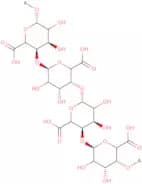
CAS:Poly-D-galacturonic acid methyl ester (PDGME) is a natural compound that has been shown to possess anti-inflammatory and anti-diabetic properties. PDGME has been shown to increase the expression of pro-apoptotic proteins in mouse macrophages, as well as inhibit the activity of toll-like receptor 4, which may be due to its ability to induce caspase-independent cell death. PDGME also inhibits the growth of Clostridium difficile and other bacteria by inhibiting their enzyme activities. PDGME is water soluble and can be used as a reagent for biochemical studies.Pureza:Min. 98 Area-%Forma y color:White Off-White PowderCalcium L-threonate
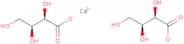
CAS:Calcium L-threonate is a four carbon monosaccharideFórmula:C8H14CaO10Pureza:Min. 98 Area-%Forma y color:PowderPeso molecular:310.27 g/mol2-Amino-2-N-carbobenzoxy-2-deoxy-D-mannose
CAS:2-Amino-2-N-carbobenzoxy-2-deoxy-D-mannose is a custom synthesis product that can be produced with high purity. It has a CAS number of 137157-50-7 and is an oligosaccharide, polysaccharide, and carbohydrate. 2-Amino-2-N-carbobenzoxy-2-deoxy-D-mannose is synthesized by the methylation of 2,3,4,6 tetraaminopyrimidine with formaldehyde to give 1,4 diaminocyclohexane. This compound is then reacted with carbonyl chloride to give carbamoyl chloride. The last step in the synthesis process is reacting this compound with 2,3,4,6 tetraaminopyrimidine to give the final product.
Fórmula:C14H19NO7Pureza:Min. 95%Forma y color:White PowderPeso molecular:313.3 g/molEthyl 3-O-allyl-4,6-O-benzylidene-b-D-thiogalactopyranoside
Ethyl 3-O-allyl-4,6-O-benzylidene-b-D-thiogalactopyranoside is an oligosaccharide that has been synthesized by a modified Click reaction. It is a white powder with a melting point of 116°C and a molecular weight of 554. The purity of this compound is greater than 98%. Ethyl 3-O-allyl-4,6-O-benzylidene-b-D-thiogalactopyranoside can be used for glycosylation reactions. This product can be custom synthesized to meet your specific needs.Pureza:Min. 95%3-O-Benzyl-D-glucopyranose
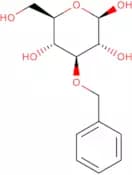
CAS:3-O-Benzyl-D-glucopyranose is a molecule that has been optimized for its autodock score. It binds to the active site of peptidases, which are enzymes that break down proteins in the body. 3-O-Benzyl-D-glucopyranose is a nauclea that can be used as a pharmacokinetic (PK) or pharmacodynamic (PD) inhibitor. Nauclea have shown effectiveness against diabetes by preventing the breakdown of glucose, which is an important energy source for cells. 3-O-Benzyl-D-glucopyranose has also been found to be an effective inhibitor of DPPIV, which is an enzyme involved in breaking down insulin and other hormones in blood circulation. In vitro studies have shown that it may also have antiaging properties due to its ability to inhibit production of inflammatory cytokines such as IL1β, IL6, and TNFα.Fórmula:C13H18O6Pureza:Min. 95%Forma y color:PowderPeso molecular:270.28 g/molQuercetin 3-b-galactoside-2'-O-gallate
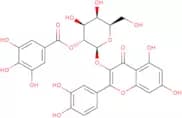
CAS:Quercetin 3-b-galactoside-2'-O-gallate is a compound that has been shown to have hepatoprotective effects, inhibiting the mitochondrial membrane potential and microbial infection. Quercetin 3-b-galactoside-2'-O-gallate also has anti-inflammatory properties and reduces the production of inflammatory cells, such as hepg2 cells. The mechanism of action for its protective effect is due to the inhibition of mapk activation, which leads to decreased necrosis factor and interleukin (IL) production. Quercetin 3-b-galactoside-2'-O-gallate can be used in the treatment of acute liver injury induced by LPS.Fórmula:C28H24O16Pureza:Min. 95%Forma y color:Yellow PowderPeso molecular:616.48 g/molSuberoylanilide-D5 hydroxamic acid b-D-glucuronide
Producto controladoSuberoylanilide-D5 hydroxamic acid b-D-glucuronide is a modification of sucrose. It is a complex carbohydrate that has been modified with an Oligosaccharide and Carbohydrate. This compound is synthesized with Custom synthesis, Synthetic, High purity, CAS No., Monosaccharide, Methylation, Glycosylation, Polysaccharide, sugar and Fluorination. Suberoylanilide-D5 hydroxamic acid b-D-glucuronide is a fluorinated saccharide that can be used as a sugar for glycosylation or methylation.Fórmula:C20H23N2O9D5Pureza:Min. 95%Forma y color:White to off-white solid.Peso molecular:445.47 g/molTelmisartan acyl-b-D-glucuronide
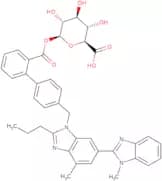
CAS:Telmisartan acyl-b-D-glucuronide is a drug metabolite that is formed by the conjugation of telmisartan with glucuronic acid. Telmisartan acyl-b-D-glucuronide is activated in vivo and reversibly inhibits the enzyme creatine kinase, which is involved in the metabolism of creatine to creatinine. The effective dose for this compound has been shown to be 10 mg/kg (orally) in humans. Telmisartan acyl-b-D-glucuronide has been shown to be an at1 receptor antagonist and may have some antihypertensive effects via modulation of ion channels. This drug also appears to have some proliferative effects on cells that are inhibited by radiation.Fórmula:C39H38N4O8Pureza:Min. 95%Forma y color:Off-White PowderPeso molecular:690.74 g/molD-Threonic acid-1,4,-lactone
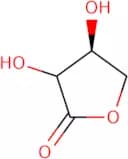
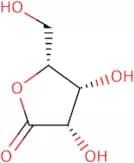
CAS:D-Threonic acid-1,4,-lactone is a methylated saccharide that is prepared by the oxidation of D-threo-aldose. It can be used as a building block in the synthesis of glycosylates, oligosaccharides, and polysaccharides. The compound has been shown to inhibit the growth of Mycobacterium tuberculosis and Mycobacterium avium complex. D-Threonic acid-1,4,-lactone can also be fluorinated for use as an imaging agent for positron emission tomography (PET).Fórmula:C4H6O4Pureza:Min. 95%Forma y color:PowderPeso molecular:118.08 g/molGlucotropaeolin potassium
CAS:Glucotropaeolin potassium is a dietary compound that is found in plants. It contains the flavonoids progoitrin, glucosinolates, and isothiocyanates. Glucotropaeolin potassium can be extracted from plant tissue using a stable isotope to increase the quantity of extract. This extract can then be analyzed by high-performance liquid chromatography (HPLC) and colorimetric methods for its content of glucoraphanin and gluconapin. The profile of this extract can also be determined using silver ions.Fórmula:C14H18NO9S2·KPureza:Min. 98 Area-%Forma y color:PowderPeso molecular:447.52 g/molD-Maltose 1-phosphate dipotassium salt
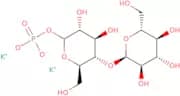
CAS:D-Maltose 1-phosphate dipotassium salt is a disaccharide that can be used in the synthesis of oligosaccharides and polysaccharides. It is also an excellent candidate for further modification.Fórmula:C12H21O14PK2Pureza:Min. 95%Peso molecular:498.46 g/molSimvastatin acyl-b-D-glucuronide
CAS:Simvastatin acyl-b-D-glucuronide is a synthetic compound that is not naturally occurring. It has a molecular weight of 571.67 and the CAS number 463962-56-3. The chemical formula for this compound is C30H44O8 and its structural formula is shown below. The purity of this product is >99% and it has been modified with fluorination to improve solubility in water.Fórmula:C31H48O12Pureza:Min. 95%Peso molecular:612.71 g/mol2,3,4,6-Tetra-O-acetyl-b-D-thiogalactopyranose
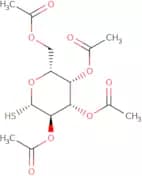
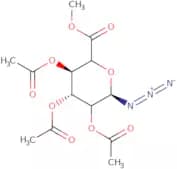
CAS:2,3,4,6-Tetra-O-acetyl-b-D-thiogalactopyranose is a synthetic sugar that is prepared by the fluorination of D-galactopyranose and subsequent acetylation. This compound can be used for glycosylation reactions and as a substrate for click chemistry. It is an oligosaccharide with four monosaccharides in its backbone. The CAS number of 2,3,4,6-Tetra-O-acetyl-b-D-thiogalactopyranose is 50615-66-2.Fórmula:C14H20O9SPureza:Min. 95%Forma y color:PowderPeso molecular:364.37 g/molMethyl 2,3,4-tri-O-acetyl-b-D-galactopyranuronosyl azide
This is a custom synthesis of a carbohydrate. It is a methylated, glycosylated, fluorinated, complex carbohydrate that can be synthesized to any desired degree of substitution. This product has been designed for use as a fluorescent tag or label in biochemistry and cell biology research. It is modified at the anomeric position with an acetyl group and an azide group. The acetyl group confers solubility in water, while the azide group confers fluorescence. The modifications also allow for click chemistry reactions, which are used in protein labeling and activation studies.Fórmula:C13H17N3O9Pureza:Min. 95%Forma y color:PowderPeso molecular:359.29 g/mol1,2,3,4-Tetra-O-acetyl-6-S-acetyl-6-deoxy-6-thio-b-D-glucopyranose
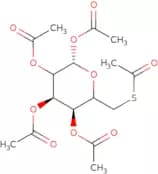
1,2,3,4-Tetra-O-acetyl-6-S-acetyl-6-deoxy-6-thio-b-D-glucopyranose is a synthetic compound that is used as a building block for the synthesis of other compounds. It is an acetylated oligosaccharide that can be modified with fluorine atoms to form 1,2,3,4-tetra-[F]fluoro-[F]deoxy-[F]thio-[F]hexose. This product has high purity and can be used in glycosylation reactions.
Fórmula:C16H22O10SPureza:Min. 95%Peso molecular:406.41 g/mol3-O-Methanesulfonyl-D-glucopyranose
CAS:3-O-Methanesulfonyl-D-glucopyranose is a high purity, custom synthesis sugar that can be modified with fluorination, glycosylation, methylation and modification. It is also synthesized from glycoaldehyde and methanesulfonic acid in the presence of sodium hydroxide and sodium acetate. 3-O-Methanesulfonyl-D-glucopyranose can be used to synthesize saccharides and oligosaccharides. This compound is soluble in water and has a boiling point of 218°C at 760 mmHg. It is slightly soluble in methanol, ethanol and acetone. 3-O-Methanesulfonyl-D-glucopyranose has a CAS number of 40631-95-6.Fórmula:C7H14O8SPureza:Min. 95%Forma y color:PowderPeso molecular:258.25 g/molBenzoyl 2,3-O-isopropylidene-D-lyxofuranoside
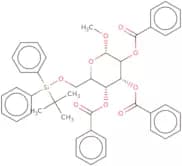
CAS:Benzoyl 2,3-O-isopropylidene-D-lyxofuranoside is a high purity custom synthesis sugar. This compound can be synthesized by Click modification, fluorination, and glycosylation. It has CAS No. 110808-28-1. The molecular formula is C12H14O8 and the molecular weight is 360.2 g/mol. Benzoyl 2,3-O-isopropylidene-D-lyxofuranoside is used as an intermediate in the synthesis of saccharides including complex carbohydrates such as oligosaccharides and monosaccharides.Fórmula:C15H18O6Pureza:Min. 95%Peso molecular:294.3 g/molMethyl 2,3,4-tri-O-benzoyl-6-O-tert-butyldiphenylsilyl-a-D-glucopyranoside
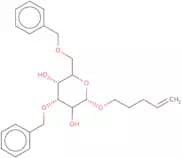
Methyl 2,3,4-tri-O-benzoyl-6-O-tert-butyldiphenylsilyl-a-D-glucopyranoside is an oligosaccharide that has been modified with methylation and fluorination. The modification of the sugar with a methyl group at the 6 position on the glucopyranoside ring gives it increased stability against hydrolysis. This product can be used as a reagent in glycosylation or polysaccharide synthesis.Fórmula:C44H44O9SiPureza:Min. 95%Peso molecular:744.92 g/mol4-Pentenyl 3,6-di-O-benzyl-a-D-mannopyranoside
CAS:4-Pentenyl 3,6-di-O-benzyl-a-D-mannopyranoside is a synthetic oligosaccharide containing a single monosaccharide. It is fluorinated at the C4 position and methylated at the C6 position. This product is available for custom synthesis and modification to meet specific customer needs. It has not been evaluated by the FDA and should be used only in research settings.Fórmula:C25H32O6Pureza:Min. 95%Peso molecular:428.52 g/molL-Xylonic acid-1,4-lactone
CAS:L-Xylonic acid-1,4-lactone is an enzyme that functions as a glycolytic enzyme. It catalyzes the conversion of D-xylose to L-xylonic acid and L-xylonic acid-1,4-lactone. This enzyme is expressed in leukemia HL60 cells and is activated by acidic conditions. L-Xylonic acid-1,4-lactone has been shown to be catabolized by the enzyme xylanase. The kinetic properties of this reaction have been studied using mass spectrometric techniques and biochemical methods. The rate of the reaction was found to be dependent on the presence of divalent cations (Mg2+ or Ca2+) or monovalent ions (Na+ or K+). L-Xylonic acid 1,4 lactone also catabolizes glucose with a similar rate constant.
Fórmula:C5H8O5Pureza:Min. 95 Area-%Forma y color:White PowderPeso molecular:148.11 g/molEthyl 4,6-O-benzylidene-2-O-levulinoyl-b-D-thioglucopyranoside
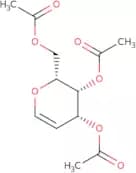
Ethyl 4,6-O-benzylidene-2-O-levulinoyl-b-D-thioglucopyranoside is a highly functionalized glycoside that is synthesized from levulinic acid as the starting material. It is an important chemical intermediate for various applications in biotechnology and medicine. Ethyl 4,6-O-benzylidene-2-O-levulinoyl-b-D-thioglucopyranoside can be used to modify saccharides, oligosaccharides, and polysaccharides with fluorine or methyl groups. This product has been custom synthesized to specifications and is of high purity.Fórmula:C20H26O7SPureza:Min. 95%Peso molecular:410.48 g/mol3,4,6-Tri-O-acetyl-D-galactal - non-animal origin
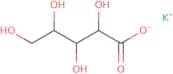
CAS:Building block for synthesis of oligosaccharidesFórmula:C12H16O7Pureza:Min. 98 Area-%Forma y color:White PowderPeso molecular:272.25 g/molArabinonic acid potassium salt
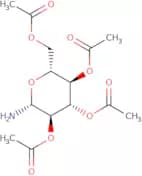
CAS:Arabinonic acid potassium salt is a fluorinated monosaccharide that is used as a building block for the synthesis of oligosaccharides and polysaccharides. Arabinonic acid potassium salt is chemically synthesized by the glycosylation of 2-deoxy-D-ribose with arabinonitrile followed by hydrolysis to form arabinonic acid. This chemical can also be modified with methyl groups, nitro groups, or other functional groups. It has CAS number 36232-89-0 and molecular weight of 176.17 g/mol. Arabinonic acid potassium salt is a high purity product with 98% minimum purity and no detectable impurities.Fórmula:C5H9KO6Pureza:Min. 95%Forma y color:PowderPeso molecular:204.22 g/mol2,3,4,6-Tetra-O-acetyl-b-D-glucopyranosyl amine
CAS:2,3,4,6-Tetra-O-acetyl-b-D-glucopyranosyl amine is an artificial carbohydrate with a fluorinated sugar. It is synthesized by reacting 2,3,4,6-tetra-O-acetyl-b-D-glucopyranosyl chloride with ammonia and methyl iodide. The compound can be used to modify the sugar residues of glycosides or polysaccharides. It has been shown to have high purity and can be used in the synthesis of complex carbohydrates.Fórmula:C14H21NO9Pureza:Min. 98 Area-%Forma y color:White PowderPeso molecular:347.32 g/mol2,4-O-Benzylidene-D-threitol
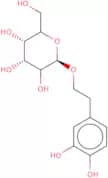
2,4-O-Benzylidene-D-threitol is a sugar that can be custom synthesized according to the specific requirements of our customers. It has been used in the synthesis of oligosaccharides and monosaccharides. 2,4-O-Benzylidene-D-threitol is also used as a building block for glycosylation and methylation reactions. This product comes with CAS No. 129330-36-2, 98% purity, and can be purchased from our company at competitive prices.Pureza:Min. 95%2-(3,4-Dihydroxyphenyl)ethyl b-D-glucopyranoside
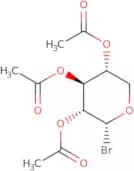
CAS:2-(3,4-Dihydroxyphenyl)ethyl b-D-glucopyranoside (2,3,4-DHPEB) is a naturally occurring phenolic acid. It has been shown to have antidepressant activity in mice and rats. 2,3,4-DHPEB inhibits the growth of Streptococcus faecalis by inhibiting fatty acid biosynthesis. This compound also has anti-inflammatory properties that may be due to its ability to inhibit prostaglandin synthesis. 2,3,4-DHPEB is a ligand for PPAR receptors and activates their transcriptional activity in cells. It has been shown to have chemopreventive effects against colon cancer cell lines and is able to induce apoptosis in tumor cells.Fórmula:C14H20O8Pureza:Min. 95%Forma y color:PowderPeso molecular:316.3 g/mol2,3,4-Tri-O-acetyl-a-D-xylopyranosyl bromide - Stabilised with 2.5% CaCO3
CAS:2,3,4-Tri-O-acetyl-a-D-xylopyranosyl bromide - Stabilised with 2.5% CaCO3 is a chiral compound that is a drug for the treatment of estrogen deficiency in postmenopausal women. It is synthesized from D-xylose and acetone by reductive elimination using an organotin catalyst. The resulting product has a nitro group at the 4 position and can be activated as a priming agent for DNA synthesis. This compound has been shown to be effective in treating intestinal disorders such as ulcerative colitis.
2,3,4-Tri-O-acetyl-a-D-xylopyranosyl bromide - Stabilised with 2.5% CaCO3 has been used to conjugate estrogens with various drugs to create new compounds that are more potent than free estrogens alone. Bioavailability of these conjugates hasFórmula:C11H15BrO7Pureza:(%) Min. 85%Forma y color:PowderPeso molecular:339.14 g/mol2-Azido-2-deoxy-2,4-di-C-methyl-L-lyxono-1.4-lactone
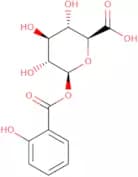
2-Azido-2-deoxy-2,4-di-C-methyl-L-lyxono-1.4-lactone is a synthetic sugar that belongs to the group of carbohydrates. It is a monosaccharide that has been modified with fluorination and glycosylation. This carbohydrate has also been methylated, which makes it useful for click chemistry reactions. 2-Azido-2-deoxy-2,4-diCmethyl L -lyxono 1,4 -lactone is used in the synthesis of complex carbohydrates and oligosaccharides. !--END-->Pureza:Min. 95%Salicylic acid-acyl-b-D-glucuronide
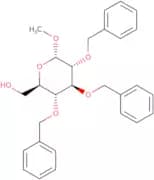
CAS:Salicylic acid-acyl-b-D-glucuronide is an anti-inflammatory compound that is found in the urine of diabetic patients. It has been shown to inhibit the production of a number of proinflammatory compounds, including prostaglandin E2 (PGE2), in human serum. Salicylic acid-acyl-b-D-glucuronide is formed by the reaction of salicylic acid with acetylsalicylic acid. The rate of formation is dependent on the concentration of salicylic acid and pH. The reactive product can form covalent adducts with tyrosinase and other proteins, leading to inhibition of tyrosinase activity and melanin synthesis.Fórmula:C13H14O9Pureza:Min. 95%Forma y color:White PowderPeso molecular:314.24 g/molMethyl 2,3,4-tri-O-benzyl-α-D-glucopyranoside
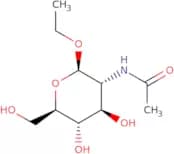
CAS:Resource for the 6-O-modification of Glc e.g. in glucuronic acid synthesisFórmula:C28H32O6Pureza:Min. 95%Forma y color:White PowderPeso molecular:464.55 g/molEthyl 2-acetamido-2-deoxy-β-D-glucopyranoside
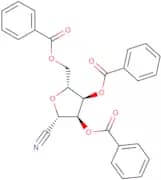
CAS:Ethyl 2-acetamido-2-deoxy-β-D-glucopyranoside is an anomeric sugar that contains a substituent at C4. It is used in the synthesis of oxazolidinones and thiazolidinones.Fórmula:C10H19NO6Pureza:Min. 98 Area-%Forma y color:PowderPeso molecular:249.26 g/mol2,3,5-Tri-O-benzoyl-β-D-ribofuranosyl cyanide
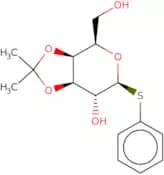
CAS:Building block for C-nucleoside synthesisFórmula:C27H21NO7Pureza:Min. 98 Area-%Forma y color:White PowderPeso molecular:471.46 g/molPhenyl 3,4-O-isopropylidene-b-D-thiogalactopyranoside
CAS:Phenyl 3,4-O-isopropylidene-b-D-thiogalactopyranoside is a custom synthesis of the complex carbohydrate Oligosaccharide, Polysaccharide. It belongs to Modification, saccharide, Methylation, Glycosylation, Carbohydrate. Phenyl 3,4-O-isopropylidene-b-D-thiogalactopyranoside can be used for Click modification, sugar and High purity. This compound is Fluorinated and Synthetic.
Fórmula:C15H20O5SPureza:Min. 95%Forma y color:PowderPeso molecular:312.38 g/mol(2E) -3-((2,3:5,6-Di-O-isopropylidene)-D-mannit-1-yl)-2- butenoic acid methyl ester (or tert.butyl ester)
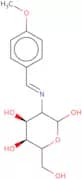
(2E) -3-((2,3:5,6-Di-O-isopropylidene)-D-mannit-1-yl)-2- butenoic acid methyl ester (or tert.butyl ester) is a synthetic compound that is used in the modification of complex carbohydrates and sugars. It is an ester of 2,3:5,6-di-O-(isopropylidene)-D-mannitol and 2,2’-(propane 1,3 diol). The CAS number for this product is 53724-59-8.Pureza:Min. 95%2-Deoxy-2-(4-methoxybenzyliden)imino-D-glucose
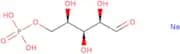
CAS:2-Deoxy-2-(4-methoxybenzyliden)imino-D-glucose is a modified carbohydrate that is used for the synthesis of oligosaccharides, polysaccharides, and glycosaminoglycans. This compound is also used as a substrate for methylation reactions. It can be synthesized from D-glucose by the addition of a 2-(4-methoxybenzylidene) group to the 2′ position of the carbon atom on the anomeric carbon. The structure of this compound has been determined by X-ray crystallography.Fórmula:C14H19NO6Pureza:Min. 95%Forma y color:White to off-white solid.Peso molecular:297.3 g/molD-Xylose-5-phosphate disodium
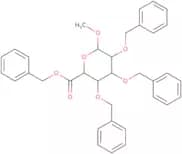
CAS:D-Xylose-5-phosphate disodium salt is a Custom synthesis that has been fluorinated, methylated, and modified with a click reaction. D-Xylose-5-phosphate disodium salt is also an oligosaccharide and polysaccharide. The CAS No. for this compound is 1083083-57-1.Fórmula:C5H11O8P•Na2Pureza:(%) Min. 80%Forma y color:White/Off-White SolidPeso molecular:276.09 g/molMethyl 2,3,4-tri-O-benzyl-α-D-glucuronide benzyl ester
CAS:Methyl 2,3,4-tri-O-benzyl-α-D-glucuronide benzyl ester is a Carbohydrate. It is soluble in water and insoluble in alcohol. The molecular weight of Methyl 2,3,4-tri-O-benzyl-α-D-glucuronide benzyl ester is 584.1 g/mol. The CAS Registry Number for Methyl 2,3,4-tri-O-benzyl-α-D-glucuronide benzyl ester is 14279733.Fórmula:C35H36O7Pureza:Min. 95%Forma y color:Colorless Clear LiquidPeso molecular:568.66 g/molD-Xylose - Syrup
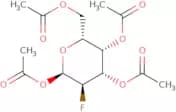
CAS:Xylose (Xyl) is an aldopentose also known as wood sugar (Collins, 2006). The main sources of xylose are hemicelluloses found in hardwood and perennial plants, such as, grasses, cereals, and herbs (Petzold-Welcke, 2014) and some algae. Xylose is used in the production of xylitol, a low calory sugar substitute. Xylose is used in glycosaminoglycan (GAG) biosynthesis, which is initiated by peptide O-xylosyltransferases, which transfer xylose onto selected serine residues in the core proteins. The first enzyme in the pathway, peptide O-xylosyltransferase, catalyzes the transfer of xylose from uridine diphosphate (UDP)-α-D-xylose onto serine and thus determines the site(s) of GAG attachment on the core protein (Briggs, 2018).Fórmula:C5H10O5Pureza:Min. 95%Peso molecular:150.13 g/mol1,3,4,6-Tetra-O-acetyl-2-deoxy-2-fluoro-D-galactopyranose
CAS:1,3,4,6-Tetra-O-acetyl-2-deoxy-2-fluoro-D-galactopyranose is a fluorinated sugar that is used in the synthesis of glycosides. It is a synthetic compound that is prepared by reacting 1,3,4,6-tetraacetyl galactose with potassium bifluoride and diethyl oxalate in presence of anhydrous sodium sulfate. The product obtained has the following structural formula: The chemical name for this compound is 1,3,4,6-Tetraacetyl -2-[(1R)-1-(ethoxycarbonyl)propyl]-2-(fluorooxymethyl) -D-galactopyranose. The CAS number for this compound is 83697–45–4.Fórmula:C14H19FO9Pureza:(As Sum Of Anomers) Min. 98 Area-%Forma y color:White PowderPeso molecular:350.3 g/mol3,4,6-Tri-O-acetyl-2-azido-2-deoxy-D-galactose
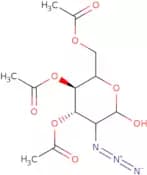
CAS:3,4,6-Tri-O-acetyl-2-azido-2-deoxy-D-galactose is a sialylated glycoside with a carbohydrate and an amino sugar. It is a stereoselective analog of sialoside, which is the product of the reaction between neuraminic acid with D-galactose. The enzyme that catalyzes this reaction is called sialoglycolysis. 3,4,6-Tri-O-acetyl-2-azido-2-deoxy -D -galactose has been shown to be an efficient catalyst for the synthesis of glycosylamines from disaccharides and trifluoromethanesulfonate in solid phase.Fórmula:C12H17N3O8Pureza:Min. 98 Area-%Forma y color:PowderPeso molecular:331.28 g/mol2-Acetamido-2-deoxy-b-D-thioglucopyranose
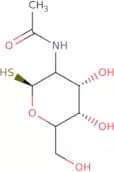
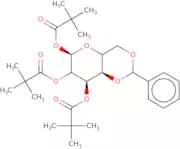
CAS:2-Acetamido-2-deoxy-b-D-thioglucopyranose is a sugar with the chemical formula C6H14O7. It has been synthesized by Click chemistry to have an acetamido group on one of the carbon atoms and a 2,3,5-triiodo substituent on the other. The methylene protons at the 3 and 5 positions of the glycosidic linkage are fluorinated to give this modified sugar. It is also glycosylated with glucose to form a complex carbohydrate. 2-Acetamido-2-deoxy-b-D-thioglucopyranose has CAS number 781581-10-0 and a molecular weight of 318.19 g/mol.Fórmula:C8H15NO5SPureza:Min. 95%Forma y color:PowderPeso molecular:237.27 g/mol4,6-O-Benzylidene-1,2,3-tri-O-pivaloyl-a-D-mannopyranose
4,6-O-Benzylidene-1,2,3-tri-O-pivaloyl-a-D-mannopyranose is an oligosaccharide that is synthesized by the fluorination of a monosaccharide. It can be used for glycosylation and polysaccharide synthesis. The product has a CAS number of 53487-04-9 and a high purity level of 98%.Fórmula:C28H40O9Pureza:Min. 95%Peso molecular:520.61 g/molSorbitan monostearate
CAS:Sorbitan monostearate is a lipid-soluble compound that is used as a surfactant and emulsifier in food products. It has been found to be nontoxic when administered at concentrations up to 5000 mg/kg of body weight for 28 days. Sorbitan monostearate has been shown to be nontoxic in vitro, but the long-term toxicity of this compound has not been established. Sorbitan monostearate also exhibits hydrogen bonding interactions with calcium pantothenate, sodium salts, and coumarin derivatives. The model system used was an artificial membrane composed of chitosan quaternary ammonium and monolaurate. This study found that sorbitan monostearate is able to permeabilize the membrane at an optimum concentration.Fórmula:C24H46O6Forma y color:White PowderPeso molecular:430.62 g/mol5-Bromo-5,6-dideoxy-3-O-benzoyl-D-gulono-1.4-lactone
5-Bromo-5,6-dideoxy-3-O-benzoyl-D-gulono-1.4-lactone is a Carbohydrate with the molecular formula C8H12Br2O7 and a molecular weight of 338. The CAS number for this compound is 9061-52-8. This compound is an Oligosaccharide with a molecular weight of 334. The structure of this compound is related to the structure of the natural sugar, glucose. 5-Bromo-5,6-dideoxy-3-O-(benzoyl)-D--gulono--1.4--lactone has been synthesized from 5,6 dideoxy erythrose in which one hydroxyl group has been replaced by bromine and one hydroxyl group has been replaced by benzoyl chloride. It has also been methylated and glycosylated.Pureza:Min. 95%2,3,5-Tri-O-benzyl-L-xylofuranose
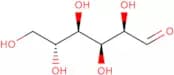
CAS:2,3,5-Tri-O-benzyl-L-xylofuranose is a sugar molecule that has been modified to inhibit glycosidases. 2,3,5-Tri-O-benzyl-L-xylofuranose is an iminosugar that inhibits the enzyme β-glucosidase and α-galactosidase. The compound is not metabolized and it binds to the enzyme's active site. 2,3,5-Tri-O-benzyl L xylofuranose has been shown to be effective at inhibiting all of the glycosidases tested in this study with inhibition potencies ranging from 0.1 mM to 10 mM. This compound also inhibits epoxides and cyclic enzymes such as azido reductase and dihydropyrimidine dehydrogenase.Fórmula:C26H28O5Pureza:Min. 95%Forma y color:PowderPeso molecular:420.5 g/molD-Glucose - anhydrous
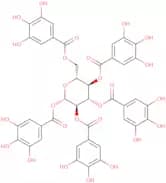
CAS:Glucose (Glu) is the most common carbohydrate on the planet, found in all living organisms and is the major source of metabolic energy for plants and animals. Glucose is a building block in numerous oligosaccharides and polysaccharides. It is present in blood and milk, in gangliosides and in N- and O-linked glycans (Collins, 2006). Glucose is wrongly called a simple sugar because in solution it exists in five forms: two six membered rings (α/β), two five membered rings (α/β) and a straight chain form, a system known as mutarotation (Robyt, 2012). The proportions of different glucose forms are dictated by temperature and pH. D-Glucose is optically active (dextrorotary) and L-Glucose is its enantiomer (Levorotary). Its hydroxyl groups are all equatorial, providing maximum stability, according to Hudsons rules (Hudson, 1948).Fórmula:C6H12O6Pureza:Min. 96 Area-%Forma y color:White PowderPeso molecular:180.16 g/mol1,2,3,4,6-Penta-O-galloyl-β-D-glucopyranose
CAS:A gallotannin found in plants, with various biological activities. Its anti-cancer effect has been demonstrated in several cancer cell lines, mediated by inhibition of DNA replication, proliferation and angiogenesis. Elicits anti-inflammatory, antioxidative and anti-diabetic effects. Recently, it has been identified as an inhibitor of c-Myc in hepatocellular carcinoma and multiple myeloma cells.Fórmula:C41H32O26Pureza:Min. 96 Area-%Forma y color:PowderPeso molecular:940.68 g/mol2,3,4-Tri-O-acetyl-1,6-anhydro-b-D-galactopyranose
CAS:2,3,4-Tri-O-acetyl-1,6-anhydro-b-D-galactopyranose is a sugar that has been modified with fluorination. This modification is done in an effort to increase the solubility of this product. It is also used as the backbone for other sugars in order to create complex carbohydrates or polysaccharides. In addition, 2,3,4-Tri-O-acetyl-1,6-anhydro-b-D-galactopyranose can be methylated and glycosylated in order to modify its properties. This product is available for custom synthesis and has a purity level of 99%.
Fórmula:C12H16O8Pureza:Min. 95%Forma y color:PowderPeso molecular:288.25 g/mol2-Acetamido-2,6-dideoxy-D-galactose
CAS:2-Acetamido-2,6-dideoxy-D-galactose (2ADG) is a structural analogue of the natural monosaccharide 2,6-dideoxy-D-galactose. It has been shown to have an antimicrobial effect against aerobacter aerogenes in vitro. 2ADG is metabolized by glycosidases and methyl glycosides to form 1,4-anhydro-2,3,4,6 tetraacetamido-2,4,6 dideoxy D galactose. This compound inhibits the growth of bacterial strains that are resistant to polymyxin b., such as Pseudomonas aeruginosa. The inhibition of these bacteria is due to the inhibition of the synthesis of their outer membrane lipopolysaccharides by 2ADG. The antibacterial activity is also attributed to its ability to inhibit the metabolism of glycan molecules in some bacteria
Fórmula:C8H15NO5Pureza:Min. 95%Forma y color:White PowderPeso molecular:205.21 g/mol2C-Hydroxymethyl-2,3:5,6-di-O-isopropylidene-D-mannono-1,4-lactone
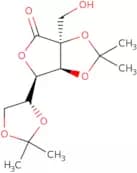
CAS:2C-Hydroxymethyl-2,3:5,6-di-O-isopropylidene-D-mannono-1,4-lactone is a synthetic monosaccharide with a CAS number of 70147-48-7. This compound has been modified to include the hydroxymethyl group and the 2C designation. It is used as an ingredient in the synthesis of complex carbohydrates.Fórmula:C13H20O7Pureza:Min. 95%Forma y color:PowderPeso molecular:288.29 g/mol1,2-O-Isopropylidene-a-D-xylofuranose
CAS:Chiral building block for synthesis of carbohydrate and nucleoside derivativesFórmula:C8H14O5Pureza:(%) Min. 98%Forma y color:White PowderPeso molecular:190.19 g/molChenodeoxycholic acid 24-acyl-b-D-glucuronide
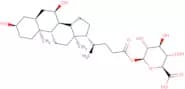
CAS:Chenodeoxycholic acid 24-acyl-b-D-glucuronide (CDCA) is a drug that is used to treat gallstones and primary biliary cirrhosis. CDCA has been shown to be effective in treating gallstones by reducing the amount of cholesterol and other bile salts in the bile. It is also prescribed for patients with primary biliary cirrhosis, which is an autoimmune disease that causes inflammation of the small intestine. CDCA has been shown to decrease cholesterol levels and improve liver function in clinical studies. It also has a low toxicity profile, making it safe for long-term treatment. The major side effects are nausea, vomiting, headache, and diarrhea. CDCA binds to fatty acids in the liver cells and prevents their uptake into the cells by blocking fatty acid transporters such as LPL or FATP4 receptors. This increases the amount of free fatty acids available for oxidation by increasing β-oxidation rates within the cellFórmula:C30H48O10Pureza:Min. 95%Forma y color:White Off-White PowderPeso molecular:568.7 g/molD-Xylulose - Aqueous solution
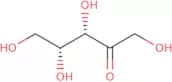
CAS:D-Xylulose is a sugar monomer found in the cell walls of bacteria. It is also present in human blood, where it is converted to xylitol. D-Xylulose has been shown to be an important component of bacterial cell wall synthesis and can be used as a probiotic for humans. The enzyme xylitol dehydrogenase catalyses the conversion of D-xylulose to xylitol. The reaction mechanism is thought to be similar to that of other enzymes in the glycolysis pathway, such as ribitol dehydrogenase, which converts ribitol to ribose 5-phosphate. This conversion can be achieved through two different methods: hydrogen fluoride or sodium hydroxide. D-Xylulose can also be used for analytical purposes, such as in the detection of trifluoroacetic acid (TFA) by gas chromatography and mass spectrometry.Fórmula:C5H10O5Pureza:Min. 99 Area-%Forma y color:Clear LiquidPeso molecular:150.13 g/molMethyl b-D-thiogalactopyranoside
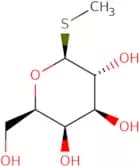
CAS:Methyl b-D-thiogalactopyranoside (MTGP) is a cell lysis agent that can be used for diagnostic purposes to measure enzyme activities in cells. It is also used to determine the kinetic of an enzyme reaction, as well as its acid formation. MTGP has been shown to inhibit sugar transport and metabolism by binding to the sugar molecule and preventing it from passing through cellular membranes. This inhibition prevents the accumulation of proton gradients across the membrane, which disrupts ATP production and leads to cell death. MTGP is also an inhibitor of glucose-6-phosphate dehydrogenase (G6PDH), which converts glucose into sorbitol. Sorbitol accumulates intracellularly and leads to cell death by osmotic lysis.Fórmula:C7H14O5SPureza:Min. 98 Area-%Forma y color:PowderPeso molecular:210.25 g/mol1,5-Anhydro-2,3,4-tri-O-benzoyl-6-deoxy-D-arabino-hex-1-enitol
CAS:1,5-Anhydro-2,3,4-tri-O-benzoyl-6-deoxy-D-arabino-hex-1-enitol is a high purity sugar with a click modification. It is a synthetic monosaccharide that is an important building block for complex carbohydrates. This compound can be modified through methylation, glycosylation, and custom synthesis to produce desired compounds. The 1,5 Anhydro 2,3,4 tri O benzoyl 6 deoxy D arabino hex 1 enitol has shown activity against the fluoroquinolone resistant bacteria Staphylococcus aureus and Mycobacterium tuberculosis. It has also been shown to inhibit the growth of cancer cells in vitro and in vivo.Fórmula:C27H22O7Pureza:Min. 95%Forma y color:PowderPeso molecular:458.46 g/molD-Lyxono-1,4-lactone
CAS:D-Lyxono-1,4-lactone is an inhibitor of the enzyme fucosidase. It competitively inhibits the enzyme, but does not inhibit other hydroxamic acids such as enantiomers of D-lyxono-1,4-lactone. D-Lyxono-1,4-lactone has been used to treat HIV and AIDS because it prevents viral replication by blocking the synthesis of glycoproteins in the virus's envelope. It also has inhibitory effects on tumor cells that are not dependent on fucosidase activity. Magnetic resonance spectroscopy (NMR) studies have shown that d-lyxono-1,4-lactone binds to human liver cells and blocks the binding site for cytotoxic molecules in these cells. The molecular modelling study has demonstrated that d-lyxono 1,4 lactone binds to a specific site on human HLA class II molecule and reduces itsFórmula:C5H8O5Pureza:(%) Min. 97%Forma y color:PowderPeso molecular:148.11 g/mol3,5,6-Tri-O-benzyl-1,2-O-Isopropylidene-a-D-glucofuranose
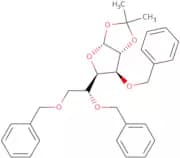
CAS:3,5,6-Tri-O-benzyl-1,2-O-isopropylidene-a-D-glucofuranose is a synthetic monosaccharide that has been fluorinated at the C3 position. It is an oligosaccharide with a complex carbohydrate structure. This glycosylation product can be custom synthesized and has been modified by methylation. 3,5,6-Tri-O-benzyl-1,2-O-isopropylidene Glucuronic acid can be used in the synthesis of polysaccharides or as a sugar for click chemistry. The chemical formula is C13H28O4F3 and its molecular weight is 322.32 g/mol.Fórmula:C30H34O6Pureza:Min. 95%Forma y color:PowderPeso molecular:490.59 g/mol3-O-Benzyl-6-O-tert-butyldimethylsilyl-1,2-O-isopropylidene-a-D-glucofuranose
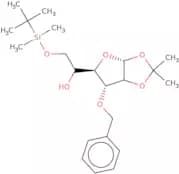
3-O-Benzyl-6-O-tert-butyldimethylsilyl-1,2-O-isopropylidene-a-D-glucofuranose is a custom synthesis of a monosaccharide. It is synthesized by fluorinating the hydroxyl group on C3 and then methylating the benzyl group. The resulting product is a glycosylation that can be used as a carbohydrate for biosynthesis or as a research tool for studying saccharides.Fórmula:C22H36O6SiPureza:Min. 95%Peso molecular:424.6 g/mol2,3,4,6-Tetra-O-benzyl-a-D-glucopyranosyl fluoride
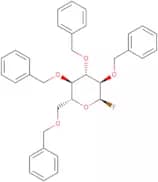
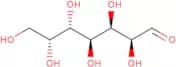
CAS:2,3,4,6-Tetra-O-benzyl-a-D-glucopyranosyl fluoride is a modification of a carbohydrate. It is a complex carbohydrate that has the CAS No. 89025-46-7 and is custom synthesized. The product contains an oligosaccharide and high purity that are synthetic and monosaccharides that are methylated, glycosylated, and polysaccharides that are sugars with fluorination. The product also contains saccharides with glycosylation and polysaccharide sugar units.Fórmula:C34H35FO5Pureza:Min. 95%Forma y color:White To Off-White SolidPeso molecular:542.64 g/molb-D-Galactoheptose
CAS:B-D-Galactoheptose is a short-chain carbohydrate that is found in Citrus. It can be used as a food additive, but it also serves as an intermediate in the synthesis of other sugars. The stereospecificity of this sugar is determined by the orientation of its hydroxyl group on carbon atom 2. This sugar has been shown to inhibit the growth of food-borne pathogens, such as Salmonella and Staphylococcus, and has been shown to have anti-inflammatory properties. The biosynthesis of b-D-galactoheptose begins with the conversion of glucose into erythrose 4 phosphate. This process requires ATP and pyruvate kinase and proceeds through two reactions: erythrose 4 phosphate dehydrogenase, which converts erythrose 4 phosphate into erythronate 4 phosphate; and aldolase, which converts erythronate 4 phosphate into b-DFórmula:C7H14O7Pureza:Min. 95%Forma y color:PowderPeso molecular:210.18 g/mol2,3,4,6-Tetra-O-pivaloyl-a-D-glucopyranosyl bromide - stabilised with CaCO3
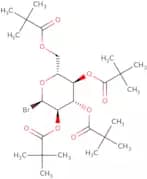
CAS:Intermediate in the synthesis of dapagliflozinFórmula:C26H43BrO9Pureza:Min. 95%Forma y color:White To Off-White SolidPeso molecular:579.52 g/mol3,5-Di-O-benzoyl-2-deoxy-2-fluoro-2C-methyl-D-ribono-1,4-lactone
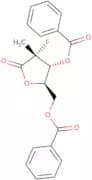
CAS:3,5-Di-O-benzoyl-2-deoxy-2-fluoro-2C-methyl-D-ribono-1,4-lactone is a synthetic compound with the molecular formula C6H12F6O8. It has a molecular weight of 536.14 and an empirical formula of C24H32F6O8. 3,5-Di-O-benzoyl -2,3,4,5,-tetra-, 2C-, methyl -D-, ribo-, 1,4-, lactone is soluble in water and it can be synthesized from D-(+)-glucose and methyl 4-(trifluoromethyl)benzoate in three steps. The structure of 3,5 Di O benzoic acid was first determined by XRD analysis. The compound is a white crystalline solid with melting point at 180°C to 181°C and boilingFórmula:C20H17FO6Pureza:Min. 97 Area-%Forma y color:White Off-White PowderPeso molecular:372.34 g/mol3-Azido-3-deoxy-1,2:5,6-di-O-isopropylidene-a-D-glucofuranose
CAS:3-Azido-3-deoxy-1,2:5,6-di-O-isopropylidene-a-D-glucofuranose is a synthetic sugar that has been modified by Fluorination, Monosaccharide, Synthetic, Oligosaccharide, complex carbohydrate, CAS No. 13964-23-3 and Glycosylation. It is also a Polysaccharide with modifications of Click modification and Methylation. 3A3DG can be used to modify the sugar content of glycoproteins and glycolipids in order to study their role in cellular processes such as transcriptional regulation and apoptosis. This product is available for custom synthesis in quantities from milligrams to kilograms.Fórmula:C12H19N3O5Pureza:Min. 95%Forma y color:Yellow PowderPeso molecular:285.3 g/molRaspberry ketone glucoside
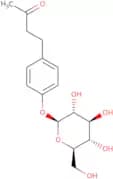
CAS:Raspberry ketone glucoside is a hydrogenated, isopropyl palmitate fatty acid. It is a dietary supplement that has been shown to inhibit the activity of matrix metalloproteinases, which are enzymes that break down collagen in the skin and lead to wrinkles. Raspberry ketone glucoside also inhibits tyrosinase, an enzyme involved in the production of melanin. As a result, raspberry ketone glucoside has been shown to reduce pigmentation and inhibit UV-induced skin damage. Raspberry ketone glucoside may have an inhibitory effect on fatty acids by inhibiting the synthesis of fatty acids and reducing the number of fat cells in adipose tissue. This compound is also used as a crystallization aid for cellulose and as an organic solvent for food composition.Fórmula:C16H22O7Pureza:Min. 95%Forma y color:White PowderPeso molecular:326.34 g/molMethyl 2,3,4,6-tetra-O-benzyl-D-galactopyranoside
CAS:Methyl 2,3,4,6-tetra-O-benzyl-D-galactopyranoside is a trisaccharide that binds to the fluorescent chromophore. It has been shown to have strong binding activity and can be used for the labeling of carbohydrates. Methyl 2,3,4,6-tetra-O-benzyl-D-galactopyranoside is also used in assays to detect toxins or as a fluorescent label for polymers. This compound can be synthesized by reacting methyl 4,6-dibenzyloxybenzoate with glucose in methanol.
Fórmula:C35H38O6Pureza:Min. 95%Forma y color:PowderPeso molecular:554.67 g/molN-Methyl-D-glucamine HCl
CAS:N-Methyl-D-glucamine HCl is a salt of N-methylglucamine and hydrochloric acid. It is used as a buffer to maintain the pH of solutions at a desired level. N-Methyl-D-glucamine HCl has an inhibition constant (Ki) of 0.5 mM for glutamate, which can be used to measure the concentration of glutamate in tissue samples or reaction mixtures. This compound also inhibits locomotor activity, and its effect on blood pressure may be due to its ability to inhibit amines. The Ki for chloride is approximately 2 mM, and it can be used to measure the concentration of chloride in solution.Fórmula:C7H17NO5·HClForma y color:PowderPeso molecular:231.67 g/molN-[N-[N-[2,4-Anhydro-3-azido-3-deoxy-5-O-tert-butyldimethylsilyl-D-arabinonoyl-]-3-amino-2,4-anhydro-5-O-tert-butyldimethylsilyl-D-a rabinonoyl-]-3-amino-2,4-anhydro-5-O-tert-butyldimethylsilyl-D-arabinonoyl-]-3-amino-2,4-anhydro-5-O-tert-butyldimethy
N-[N-[N-[2,4-Anhydro-3-azido-3-deoxy-5-O-tert-butyldimethylsilyl-D-arabinonoyl]-3 amino]-2,4 anhydro -5 O -tert -butyldimethylsilyl D arabinonoyl]-3 amino]-2,4 anhydro -5 O -tert -butyldimethylsilyl D arabinonoyl]-3 amino]-2,4 anhydro -5 O -tertPureza:Min. 95%Methyl 4-O-methyl-α-D-glucopyranoside
CAS:Methyl 4-O-methyl-α-D-glucopyranoside is a methyl glucoside analogueFórmula:C8H16O6Pureza:Min. 95%Forma y color:PowderPeso molecular:208.21 g/molD-Fructose-1,6-diphosphate
CAS:D-Fructose-1,6-diphosphate is a chemical that is found in the cytosol of cells. It is an intermediate in the metabolism of fructose and also has an important role in the synthesis of fatty acids and phospholipids. D-Fructose-1,6-diphosphate is an effective inhibitor of sodium succinate dehydrogenase, which converts succinate to fumarate. D-Fructose-1,6-diphosphate has a neutral pH profile and is not affected by changes in pH levels. The optimum pH for this compound is between 6.5 and 7.5. D-Fructose-1,6-diphosphate binds to proteins with unsaturated alkyl chains such as creatine kinase and glutamate dehydrogenase. It has been shown to have hemolytic effects on erythrocytes (red blood cells) at high concentrations, which may be due to its ability to bindFórmula:C6H14O12P2Pureza:(¹H-Nmr) Min. 95 Area-%Forma y color:White PowderPeso molecular:340.12 g/mol2-Propynyl-2,3,4,6-tetra-O-acetyl-b-D-glucopyranoside
CAS:2-Propynyl-2,3,4,6-tetra-O-acetyl-b-D-glucopyranoside is a carbohydrate. It is an oligosaccharide that contains a glucose molecule with four acetyl groups at the 2 position. This type of modification can be used to create high purity compounds for research purposes. 2-Propynyl-2,3,4,6-tetra-O-acetyl-b-D-glucopyranoside also has methylation and glycosylation sites available for custom synthesis.Fórmula:C17H22O10Pureza:Min. 95%Forma y color:White PowderPeso molecular:386.35 g/molN-[(4'-Nitrophenyl)-1-propenyl]imino-2,3,4,6-tetra-O-pivaloyl-D-glucopyranoside
N-[(4'-Nitrophenyl)-1-propenyl]imino-2,3,4,6-tetra-O-pivaloyl-D-glucopyranoside is a synthetic polysaccharide. It is a complex carbohydrate that is modified by methylation and glycosylation. The monomeric unit of this polysaccharide is a 6-(nitrophenoxy)hexose. N-[(4'-Nitrophenyl)-1-propenyl]imino-2,3,4,6-tetra-O-pivaloyl-D-glucopyranoside has been shown to have antiviral effects in the past.Fórmula:C35H50N2O11Pureza:Min. 95%Peso molecular:674.78 g/molRepaglinide acyl-D-glucuronide
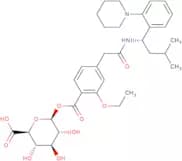
CAS:Repaglinide is a drug that belongs to the class of drugs called meglitinides. It is used in the treatment of type 2 diabetes mellitus and has been shown to lower blood sugar levels. Repaglinide is metabolized to repaglinide acyl-D-glucuronide, its active form, by esterases in the liver. The majority of this metabolite is excreted in urine as an acyl glucuronide. A small amount of this metabolite is excreted into bile and undergoes enterohepatic circulation, resulting in reabsorption and conjugation with glucuronic acid. This process results in a decrease in the amount of repaglinide acyl-D-glucuronide that circulates through the body and prolongs its activity.Fórmula:C33H44N2O10Pureza:(%) Min. 97%Forma y color:White PowderPeso molecular:628.71 g/molAtractyloside dipotassium salt
CAS:Atractyloside dipotassium salt is a chemical compound that acts as a potent mitochondrial toxin. It is primarily derived from plant sources, notably from the Atractylis gummifera species. This compound functions by specifically inhibiting the adenine nucleotide translocase (ANT) located in the inner mitochondrial membrane, thereby obstructing the exchange of ADP and ATP across this membrane. This blockade disrupts ATP synthesis, leading to alterations in cellular bioenergetics and apoptotic pathways.Fórmula:C30H44K2O16S2Pureza:Min. 95 Area-%Peso molecular:802.99 g/molD-Mannose-6-O-sulphate sodium salt
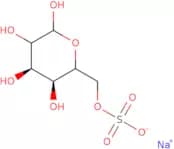
CAS:D-Mannose-6-O-sulphate sodium salt (DMS) is a synthetic sugar that is used in the preparation of biopolymers. It is a complex carbohydrate that is composed of both saccharide and phosphate groups. DMS has been modified to contain methyl groups, which can be used for click chemistry reactions. The CAS number for this compound is 204575-08-6. DMS has been shown to be useful as a fluorination reagent. It has also been synthesized using click chemistry, which allows it to be incorporated into polymers and other organic compounds.Fórmula:C6H11O9SNaPureza:Min. 95%Forma y color:PowderPeso molecular:282.2 g/molSucrose-6-acetic ester
CAS:Sucrose-6-acetic ester is a product of the reaction between sucrose and acetic anhydride. It is a white crystalline compound that reacts with chlorinating agents to form sulfoxide compounds. Sucrose-6-acetic ester can be converted to acetylsalicylic acid, which is used to synthesize aspirin. The reaction selectivity of this process relies on the enzyme catalysis of acetylation and triphosgene as well as an acidic or basic catalyst. Acetylation is carried out in organic solvents and requires a crystallization process for purification. This product also has fatty acid properties, which are insoluble in water and other polar solvents.
Fórmula:C14H24O12Pureza:Min. 95%Forma y color:White PowderPeso molecular:384.33 g/molMethyl 4,6-O-benzylidene-2,3-di-O-pivaloyl-a-D-galactopyranoside
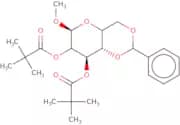
Methyl 4,6-O-benzylidene-2,3-di-O-pivaloyl-a-D-galactopyranoside is a custom synthesis of methyl 4,6-O-benzylidene-2,3-di-O-(pivaloyl)-a-D galactopyranoside. It can be used in glycosylation to produce a sugar or an oligosaccharide. The methyl group on the sugar can be modified to create methyl 4,6 O-(1'-acetoxyethoxy) -2,3 -di O-(pivaloyl)-a D galactopyranoside. This product has CAS No. and is listed as an oligosaccharide.Fórmula:C24H34O8Pureza:Min. 95%Peso molecular:450.53 g/mol4-Acetamidophenyl-2,3,4-tri-O-acetyl-β-D-glucuronide methyl ester
CAS:4-Acetamidophenyl-2,3,4-tri-O-acetyl-b-D-glucuronide methyl ester is a modified sugar with a saccharide at the 2' position and an acetamidophenol group at the 4' position. It can be used in a variety of synthetic methods, such as the Click modification and glycosylation. This product is custom synthesized and has high purity, making it a good choice for many research applications.Fórmula:C21H25NO11Pureza:Min. 95%Peso molecular:467.42 g/mol4-Toluoyl 2,3-di-O-benzyl-4,6-O-benzylidene-b-D-thioglucopyranoside
4-Toluoyl 2,3-di-O-benzyl-4,6-O-benzylidene-b-D-thioglucopyranoside is a modified carbohydrate. It is an oligosaccharide that can be synthesized through the chemical modification of a saccharide molecule. The synthesis of this compound may involve methylation, saccharide, and click modification. This product has CAS No. 627072 and its molecular weight is 574.5. This product is available for custom synthesis in order to meet your needs.
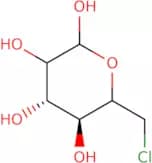
Pureza:Min. 95%6-Chloro-6-deoxy-D-altrose
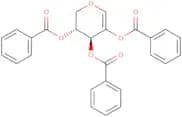
6-Chloro-6-deoxy-D-altrose is a modification of the 6-deoxy -D-altrose. It is an oligosaccharide, carbohydrate complex carbohydrate, which is synthesized using custom synthesis. The CAS No. for this product is 8863-07-8. This product has a high purity and methylation and glycosylation can be done to it. It has a molecular weight of 565.25 and its chemical formula is C12H24O11F2Na2. The molecular formula can be written as C12H22O11F2Na2 with the molecular weight being 565.25 g/mol.Fórmula:C6H11ClO5Pureza:Min. 95%Peso molecular:198.6 g/mol1,5-Anhydro-2,3,4-tri-O-benzoyl-D-threo-pent-1-enitol
CAS:1,5-Anhydro-2,3,4-tri-O-benzoyl-D-threo-pent-1-enitol is a high purity compound that is synthesized from D-threo pent 1 enitol. It is a sugar that belongs to the category of complex carbohydrates. This product can be custom synthesized and modified according to customer requirements.
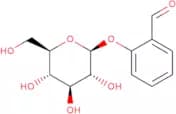
Fórmula:C26H207Pureza:Min. 95%Forma y color:PowderPeso molecular:444.43 g/mol2-Formylphenyl b-D-glucopyranoside
CAS:2-Formylphenyl b-D-glucopyranoside is a phenolic compound that has been shown to have high resistance to transport. It has been shown to possess surface methodology and this property can be used for the delivery of compounds. 2-Formylphenyl b-D-glucopyranoside has also been shown to inhibit plant enzyme activities such as detoxification enzymes and carbohydrate chemistry, which are important in the uptake of natural compounds. In addition, it is able to bind with amines and hydroxyl groups on cells, which may be due to its receptor cell properties. 2-Formylphenyl b-D-glucopyranoside can be synthesized by reacting trifluoroacetic acid with an amine and a hydroxyl group in the presence of glycol ethers or natural compounds.
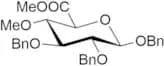
Fórmula:C13H16O7Pureza:Min. 95%Forma y color:PowderPeso molecular:284.26 g/molMethyl (benzyl 2,3-di-O-benzyl-4-O-methyl-β-D-glucopyranoside)uronate
CAS:A useful glucuronide building blockFórmula:C29H32O7Pureza:Min. 95%Forma y color:PowderPeso molecular:492.56 g/mol(3R, 5R) -1-Benzyl-3, 4, 5- piperidinetriol
(3R, 5R) -1-Benzyl-3, 4, 5- piperidinetriol is a modification of the parent compound. The modification of the parent compound is accomplished by the introduction of a benzyl group at the 3' and 5' positions of the molecule. This modification can be used to synthesize oligosaccharides, which are complex carbohydrates. (3R, 5R) -1-Benzyl-3, 4, 5- piperidinetriol is synthesized from high purity (99%) monosaccharide methylated with formaldehyde in aqueous solution with hydrochloric acid and sodium hydroxide as catalysts. It has CAS number 8056-97-2 and molecular weight of 231.24 grams per mole.Pureza:Min. 95%Methyl 4-deoxy-4-fluoro-a-D-glucose
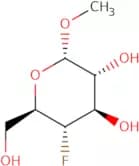
CAS:Methyl 4-deoxy-4-fluoro-a-D-glucose is a synthetic and custom synthesis monosaccharide for use in glycosylation, polysaccharide modification, and click chemistry. It is a fluorinated sugar that can be used in the synthesis of oligosaccharides and complex carbohydrates. Methyl 4-deoxy-4-fluoro-a-D-glucose has CAS number 56926-53-5.Fórmula:C7H13FO5Pureza:Min. 98 Area-%Forma y color:PowderPeso molecular:196.17 g/molMethyl 2-O-acetyl-4,6-O-benzylidene-a-D-glucopyranoside
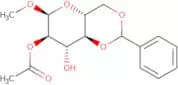
CAS:Methyl 2-O-acetyl-4,6-O-benzylidene-a-D-glucopyranoside is a sugar with the molecular formula C9H10O5. It is an Oligosaccharide, Synthetic, Glycosylation, Fluorination, Custom synthesis, Methylation, Monosaccharide, Polysaccharide and saccharide. Methyl 2-O-acetyl-4,6-O-benzylidene-a-D-glucopyranoside has a Click modification and complex carbohydrate. This product has high purity and can be modified to meet your needs.Fórmula:C16H20O7Pureza:Min. 95%Peso molecular:324.33 g/mol2,3,4-Tri-O-benzyl-D-glucuronide benzyl ester
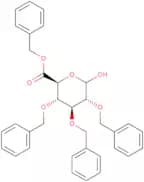
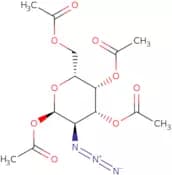
CAS:2,3,4-Tri-O-benzyl-D-glucuronide benzyl ester is a synthetic glycosylation product. It has been custom synthesized and modified with fluorination and methylation. This compound is an oligosaccharide that can be used as a pharmaceutical intermediate or in the synthesis of complex carbohydrates. 2,3,4-Tri-O-benzyl-D-glucuronide benzyl ester has been shown to have high purity and can be used for research purposes.Fórmula:C34H34O7Pureza:Min. 95%Forma y color:PowderPeso molecular:554.63 g/mol1,3,4,6-Tetra-O-acetyl-2-azido-2-deoxy-a-D-galactopyranose
CAS:1,3,4,6-Tetra-O-acetyl-2-azido-2-deoxy-a-D-galactopyranose is an azide sugar that is resistant to the activity of sulfide and can be used as a probe for sulfide in the distal colon. It has been shown that this sugar binds to recombinant human erythrocyte enzymes and inhibits their activities. The hydrolysis of this sugar by pancreatic enzymes has been shown to be dependent on the conformational state of the enzyme. This sugar also inhibits salivary amylase and intestinal sucrase activities.Fórmula:C14H19N3O9Pureza:Min. 95%Forma y color:White PowderPeso molecular:373.32 g/mol2-Deoxy-2-fluoro-L-fucose
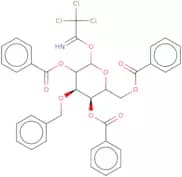
CAS:2-Deoxy-2-fluoro-L-fucose (2FF) is a fluorinated analogue of fucose that can be converted to GDP (Guanosine Diphosphate)-2FF in vitro, a competitive inhibitor of alpha-1,3-fucosyltransferase V. It can also be metabolised inside the cell to a substrate-based inhibitor of fucosyltransferases. 2FF reduces fucosylation of IgG in antibodies, which increases therapeutic efficacies of antibodies that cause antibody-dependent cellular cytotoxicity.Fórmula:C6H11FO4Pureza:Min. 98.0 Area-%Forma y color:White PowderPeso molecular:166.15 g/mol2,4,6-Tri-O-benzoyl-3-benzyl-D-mannopyranosyl trichloroacetimidate
2,4,6-Tri-O-benzoyl-3-benzyl-D-mannopyranosyl trichloroacetimidate is a synthetic glycosylation compound. It can be used for the synthesis of complex carbohydrates, such as polysaccharides and oligosaccharides. This product is a high purity, custom synthesis that has been modified with fluorination and methylation. CAS No.: 59978-06-0Fórmula:C36H30Cl3NO9Pureza:Min. 95%Peso molecular:726.98 g/mol1,2,3,4,6-Penta-O-benzyl-β-D-thiogalactopyranoside
CAS:1,2,3,4,6-Penta-O-benzyl-b-D-thiogalactopyranoside is a custom synthesis that is a complex carbohydrate. It has a CAS number of 210358-01-3 and a molecular weight of 603. It is modified with saccharide, methylation, glycosylation, and carbonyl groups. This product is available in high purity and without fluorination or synthetic modification.
Fórmula:C41H42O5SPureza:Min. 95%Forma y color:PowderPeso molecular:646.84 g/mol2-Amino-1,6-anhydro-2-deoxy-β-D-glucopyranose
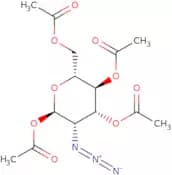
CAS:Please enquire for more information about 2-Amino-1,6-anhydro-2-deoxy-β-D-glucopyranose including the price, delivery time and more detailed product information at the technical inquiry form on this pageFórmula:C6H11NO4Pureza:Min. 95%Peso molecular:161.16 g/mol1,3,4,6-Tetra-O-acetyl-2-azido-2-deoxy-α-D-mannopyranose
CAS:1,3,4,6-Tetra-O-acetyl-2-azido-2-deoxy-a-D-mannopyranose (1,3,4,6-TA) is a stable analog of the glycosidic sugar 2,6-dideoxymannose. This compound has been shown to be a potent inhibitor of the synthesis of Neisseria meningitidis capsular polysaccharides and an effective vaccine adjuvant against Mycobacterium tuberculosis. 1,3,4,6-TA is also a competitive inhibitor for the enzyme mycothiol and other thioglycosidic enzymes that are involved in the biosynthesis of mycolic acids. 1,3,4,6-TA was synthesized from 2-(N'-bromoacetamido)-2'-deoxymannose by reaction with sodium azide in acetone. The structure is bicyclic with twoFórmula:C14H19N3O9Pureza:Min. 95%Forma y color:White PowderPeso molecular:373.32 g/molPhenyl α-D-thiomannopyranoside
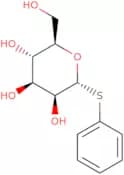
CAS:Phenyl α-D-thiomannopyranoside is a saccharide that can be modified to produce various derivatives. Phenyl α-D-thiomannopyranoside is a high purity, custom synthesis carbohydrate. This product is synthesized by the methylation and glycosylation of phenyl α-D-mannopyranoside. The carbohydrate has been fluorinated for the production of fluorinated derivatives. Phenyl α-D-thiomannopyranoside is an oligosaccharide and sugar that belongs to the class of carbohydrates. It can be used in protein modification and complex carbohydrate synthesis.Fórmula:C12H16O5SPureza:Min. 95%Forma y color:White PowderPeso molecular:272.32 g/molMethyl 3,4,6-tri-O-acetyl-2-deoxy-2-phthalimido-β-D-glucopyranoside
CAS:Methyl 3,4,6-tri-O-acetyl-2-deoxy-2-phthalimido-b-D-glucopyranoside is a high purity natural carbohydrate. It is an oligosaccharide that can be custom synthesized to meet your requirements. Methyl 3,4,6-tri-O-acetyl-2-deoxy-2-phthalimido b D glucopyranoside has many modifications including click and fluorination. Its CAS number is 76101 13 8. This product can be used for modification, glycosylation and fluorination in the synthesis of complex carbohydrates. !-- --> !-- -->Fórmula:C21H23NO10Pureza:Min. 95%Forma y color:White to off-white solid.Peso molecular:449.41 g/mol1,2,3-Tri-O-benzoyl-4,6-O-benzylidene-b-D-galactopyranose
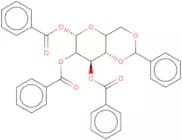
1,2,3-Tri-O-benzoyl-4,6-O-benzylidene-b-D-galactopyranose is a synthetic glycosylate that can be used for the introduction of oligosaccharide chains onto proteins. It is a monosaccharide and part of a complex carbohydrate. 1,2,3-Tri-O-benzoyl-4,6-O-benzylideneb -D galactopyranose can be methylated and fluorinated. The synthesis of this compound is custom, making it possible to order in high purity.Fórmula:C34H28O9Pureza:Min. 95%Peso molecular:580.58 g/mol2,3,5-Tri-O-p-chlorobenzoyl-a-D-ribofuranosyl chloride
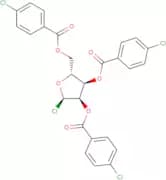
CAS:2,3,5-Tri-O-p-chlorobenzoyl-a-D-ribofuranosyl chloride is a sugar derivatized with chlorine. It is a high purity product that can be custom synthesized to meet your needs. This compound has been used in the synthesis of saccharides and oligosaccharides with click modification, fluorination, glycosylation, methylation, and modification.
2,3,5-Tri-O-p-chlorobenzoyl-a-D-ribofuranosyl chloride is an important intermediate for the synthesis of complex carbohydrates. The chemical structure of this molecule consists of three parts: an aromatic ring (benzene), a glycosylation site (glycine), and a carboxylic acid group (carboxylic acid). The aromatic ring allows 2,3,5-Tri-O-p-chlorobenzoyl-a-DFórmula:C26H18Cl4O7Pureza:Min. 95%Forma y color:PowderPeso molecular:584.23 g/mol2,5-Di-O-acetyl-3-deoxy-D-threo-pentono-1,4-lactone
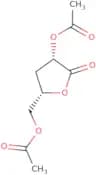
CAS:2,5-Di-O-acetyl-3-deoxy-D-threo-pentono-1,4-lactone is a monosaccharide with the molecular formula C5H8O4. It is a carbohydrate that can be found in natural products such as honey and sugar cane. 2,5-Di-O-acetyl-3,6,-dideoxyhexose can be custom synthesized to order. Carbohydrates are polymers of glycosidic bonds between monosaccharides. Glycosylation refers to the attachment of a sugar molecule (glycosyl donor) to another molecule (glycosyl acceptor). This process is often catalyzed by enzymes called glycosyltransferases. The modification of carbohydrates can be achieved through glycosylation, which results in the formation of an oligosaccharide or a complex carbohydrate. 2,5 Di-O acetyl 3,6 -Fórmula:C9H12O6Pureza:Min. 95%Peso molecular:216.19 g/mol

















![N-[N-[N-[2,4-Anhydro-3-azido-3-deoxy-5-O-tert-butyldimethylsilyl-D-arabinonoyl-]-3-amino-2,4-anhyd…](/_next/image/?url=https%3A%2Fstatic.cymitquimica.com%2Fproducts%2F3D%2Fthumb-webp%2FMA168719.webp&w=3840&q=75)
![N-[(4'-Nitrophenyl)-1-propenyl]imino-2,3,4,6-tetra-O-pivaloyl-D-glucopyranoside](/_next/image/?url=https%3A%2Fstatic.cymitquimica.com%2Fproducts%2F3D%2Fthumb-webp%2FMN08501.webp&w=3840&q=75)