Monosacáridos
Subcategorías de "Monosacáridos"
- Allosas(11 productos)
- Arabinosas(21 productos)
- Eritrosas(11 productos)
- Fructosas(9 productos)
- Fucosas(36 productos)
- Galactosamina(41 productos)
- Galactosa(261 productos)
- Glucosas(365 productos)
- Ácidos glucurónicos(52 productos)
- Glico-sustratos para enzimas(78 productos)
- Gulosas(6 productos)
- Idosas(4 productos)
- Inositoles(15 productos)
- Lyxosas(4 productos)
- Manosas(65 productos)
- O-glicanos(48 productos)
- Psicosas(3 productos)
- Ramnosas(10 productos)
- Ribosas(61 productos)
- Ácidos siálicos(100 productos)
- Sorbosas(4 productos)
- Azúcares(173 productos)
- Tagatosis(4 productos)
- Taloses(8 productos)
- Xilosas(20 productos)
Se han encontrado 6088 productos de "Monosacáridos"
2,3,4,6-Tetra-O-acetyl-β-D-glucopyranosyl fluoride
CAS:2,3,4,6-Tetra-O-acetyl-b-D-glucopyranosyl fluoride is a fluorinated carbohydrate. It is a complex carbohydrate that consists of the sugar galactose. The glycosylation and polysaccharide modifications are used to synthesize this compound. These modifications are done by chemical reactions that include methylation, click chemistry, and glycosylation. This chemical has not been evaluated for safety in humans or animals, but it has been shown to be safe in rats when administered at doses up to 500 mg/kg. 2,3,4,6-Tetra-O-acetyl-b-D-glucopyranosyl fluoride can be found under CAS No. 2823-46-3 and is soluble in water at 25 °C with a solubility of 1 g/L.Fórmula:C14H19FO9Pureza:Min. 95%Forma y color:PowderPeso molecular:350.29 g/molMethyl 2,3,4-tri-O-benzoyl-α-D-glucopyranoside
CAS:Methyl 2,3,4-tri-O-benzoyl-α-D-glucopyranoside is a glycosylation agent that is used for the synthesis of complex carbohydrates and monosaccharides. This product is also used in Click chemistry as a reactive group. Methyl 2,3,4-tri-O-benzoyl-α-D-glucopyranoside can be fluorinated or saccharified to produce high purity sugars for use in pharmaceuticals. Methyl 2,3,4-tri-O-benzoyl -αD -glucopyranoside has CAS number 52621–71–3. It is synthesized through the reaction of benzaldehyde with glycerol in the presence of sodium hydroxide and potassium carbonate.Fórmula:C28H26O9Pureza:Min. 95%Forma y color:PowderPeso molecular:506.5 g/mol5,6-O-Isopropylidene-L-ascorbic acid
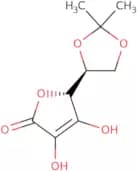
CAS:5,6-O-Isopropylidene-L-ascorbic acid is an access to the vitamin C molecule. It can be synthesized from L-ascorbic acid by reacting with isopropyl iodide and hydrochloric acid. Cryo-electron microscopy has been used to identify the location of 5,6-O-Isopropylidene-L-ascorbic acid in human ganglion cells. This compound has a number of physiological activities and is one of the most powerful antioxidants found in humans. 5,6-O-Isopropylidene-L-ascorbic acid is a precursor to retinoic acid and hydrogen chloride, which are important for erythropoietin production in the kidneys. Dehydroascorbate (DHA) is formed when 5,6-O-Isopropylidene-L-ascorbic acid reacts with hydrogen chloride. DFórmula:C9H12O6Pureza:Min. 95%Peso molecular:216.19 g/mol3-O-Benzyl-1,2-O-isopropylidene-D-xylose
3-O-Benzyl-1,2-O-isopropylidene-D-xylose is a synthetic sugar that can be used as a monosaccharide or an oligosaccharide. It has a CAS number and is a member of the Carbohydrate family. 3-O-Benzyl-1,2-O-isopropylidene-D-xylose can be custom synthesized and is available in high purity. It also has a click modification, which makes it more stable to oxidative conditions. This carbohydrate can be used for glycosylation or methylation.Pureza:Min. 95%(3S, 5S) -1-Isopropyl-3, 4, 5- piperidinetriol
(3S, 5S) -1-Isopropyl-3, 4, 5- piperidinetriol is a synthetic oligosaccharide that has been modified by fluorination and glycosylation. It is synthesized from a sugar that is then methylated. This compound has a CAS number of 85314-88-5. It is used as an ingredient in food products to provide sweetness and bulk to baked goods.Pureza:Min. 95%D-Glucoheptonic acid-1,4-lactone
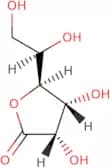
CAS:D-Glucoheptonic acid-1,4-lactone is a chiral compound that can be used as an enantiomer of the natural sugar glucose. The human liver has been shown to metabolize this compound into proton and an analog of glucofuranose. This means that D-Glucoheptonic acid-1,4-lactone is able to be broken down by glycosidases. D-Glucoheptonic acid-1,4-lactone also inhibits α-L-rhamnosidase and other enzymes responsible for the breakdown of carbohydrates. This inhibition may lead to increased blood glucose levels in humans. D-Glucoheptonic acid-1,4-lactone has been shown to have inhibitory activities against both bacterial and mammalian enzymes. Hydrogen fluoride (HF) was used as a catalyst in the synthesis of this compound with benzylidene acetal
Fórmula:C7H12O7Pureza:Min. 95%Forma y color:PowderPeso molecular:208.17 g/molPhenyl 3,4-di-O-acetyl-2-O-benzyl-a-L-thiofucopyranoside
CAS:This compound is a glycosylation product of the monosaccharide fucose and the disaccharide 2-O-benzyl-a-L-thiofucopyranoside. It is a custom synthesis that has been modified by fluorination, methylation and click chemistry. This product is available in high purity and with a CAS No. 183051-73-2.Pureza:Min. 95%2,3:4,5-Di-O-isopropylidene-D-arabinose
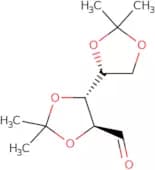
CAS:Synthetic building blockFórmula:C11H18O5Pureza:Min. 95%Forma y color:Colorless PowderPeso molecular:230.26 g/mol2-Azido-((R)-3,5-O-benzylidene)-2,6-dideoxy- L-gluco-hexitol
2-Azido-((R)-3,5-O-benzylidene)-2,6-dideoxy-L-gluco-hexitol is a modified sugar that is synthesized from the natural sugar D-glucose. It has been fluorinated at the 2 position of the carbon chain to create an azido group. The chemical modification of this sugar allows for its use in a variety of applications, such as click chemistry, Methylation and Polysaccharide synthesis.Pureza:Min. 95%Methyl 2,3,4-tri-O-benzoyl-6-O-triisopropylsilyl-a-D-glucopyranoside
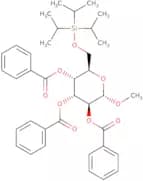
CAS:Methyl 2,3,4-tri-O-benzoyl-6-O-triisopropylsilyl-a-D-glucopyranoside is a Custom synthesis that is a complex carbohydrate. It is an Oligosaccharide with a Polysaccharide that is modified by Methylation and Glycosylation. This saccharide has CAS No. 356060-80-5 and can be found in Click modification and Synthetic. Methyl 2,3,4-tri-O-benzoyl-6-O-triisopropylsilyl-a-D -glucopyranoside has a high purity and fluorination level.Fórmula:C37H46O9SiPureza:Min. 95%Peso molecular:662.86 g/mol(2R, 3S, 4R) -4- Azido- 3 benzhydryloxybis(trimethylsilyloxy)silyloxy - 2- [( benzhydryloxybis(trimethylsilyloxy)silyloxy) methyl] - 1- benzyl- pyrrolidine
(2R, 3S, 4R) -4- Azido- 3 benzhydryloxybis(trimethylsilyloxy)silyloxy - 2- [(benzhydryloxybis(trimethylsilyloxy)silyloxy) methyl] - 1- benzyl- pyrrolidine is a highly pure and custom synthesized oligosaccharide. It is a methylated saccharide with a high purity. The CAS number for this compound is 102780-43-1. This compound has been modified by Click chemistry to allow for the modification of saccharides, polysaccharides and other complex carbohydrates.Pureza:Min. 95%2-O-Benzyl-2,4-di-C-methyl-3,4-O-isopropylidene-L-arabinonic acid γ-lactone
2-O-Benzyl-2,4-di-C-methyl-3,4-O-isopropylidene-L-arabinonic acid gamma-lactone is a custom synthesis of a complex carbohydrate. It has CAS No. and can be modified by methylation and glycosylation. This product is high purity, fluorinated, and synthetic.Pureza:Min. 95%1,2,3-Tri-O-acetyl-5-deoxy-b-D-ribofuranose
CAS:1,2,3-Tri-O-acetyl-5-deoxy-b-D-ribofuranose is a fluoropyrimidine prodrug. It can be converted to 5-fluorocytosine in vivo and has been shown to have antitumor properties. The positron emission from 1,2,3-triacetyl-5-deoxyribofuranose is used as a radiotracer for colorectal cancer.Fórmula:C11H16O7Pureza:Min. 95%Forma y color:White PowderPeso molecular:260.24 g/molLiothyronine-acyl-D-glucuronide
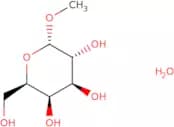
Liothyronine-acyl-D-glucuronide is a synthetic compound that is used as a replacement therapy for hypothyroidism. It has been shown to be effective in the treatment of myxedema coma and thyroid storm. Liothyronine-acyl-D-glucuronide is a complex carbohydrate with a sugar moiety attached to its side chain, which may be modified by reactions such as fluorination, monosaccharide synthesis, oligosaccharide synthesis, glycosylation, polysaccharide synthesis, or click modification. This product has high purity and is custom synthesized to your specifications for research purposes only.Fórmula:C21H20I3NO10Pureza:Min. 95%Peso molecular:827.1 g/mol1-O-Methyl-alpha-D-galactopyranoside monohydrate
CAS:Inhibitor of Gal-dependent lectin binding; used for synthesis of galactosesFórmula:C7H16O7Pureza:Min. 98 Area-%Forma y color:PowderPeso molecular:212.2 g/mol3-(2,3,5-Tri-O-benzyl-1-b-D-ribofuranosyl)benzamide
CAS:3-(2,3,5-Tri-O-benzyl-1-b-D-ribofuranosyl)benzamide is a sugar derivative with the chemical formula C14H19N5O6. This compound belongs to the group of saccharides and is a synthetic glycoside. 3-(2,3,5-Tri-O-benzyl-1-b-D-ribofuranosyl)benzamide is used in the synthesis of oligosaccharides and polysaccharides for use in medical applications. It can be custom synthesized and has a purity level of >99%.Fórmula:C33H33NO5Pureza:Min. 95%Peso molecular:523.62 g/mol5-Azido-6-benzylamino-N-fluorenylmethoxycarbonyl-5,6-dideoxy-1,2-O-isopropylidene-L-idofuranose
5-Azido-6-benzylamino-N-fluorenylmethoxycarbonyl-5,6-dideoxy-1,2-O-isopropylidene-L-idofuranose is a custom synthesis that is used in the methylation of saccharides. It is also used for Click and azide modifications as well as fluorination. 5ABAFM is soluble in methanol and DMSO and has a CAS number of 2591402.Pureza:Min. 95%1-Deoxy-L-tagatose
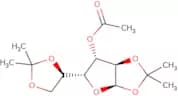
1-Deoxy-L-tagatose is a sugar that can be used as a substrate for enzymes in the glycolysis pathway. It can also be converted to d-psicose, which has been shown to have anti-inflammatory properties and may be useful as a therapeutic agent in the treatment of asthma. 1-Deoxy-L-tagatose can be used as an equilibrating agent in reactions with different sugars such as d-fructose and L-rhamnose. 1-Deoxy-L tagatose is not an isomer of L tagatose because it has one less hydroxyl group on carbon 3 on the ring. The conversion of 1 deoxy L tagatose to d psicose, however, does require hydrolysis of the epimeric bond between C1 and C2.Pureza:Min. 95%3-O-Acetyl-1,2:5,6-di-O-isopropylidene-α-D-glucofuranose
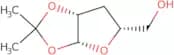
CAS:3-O-Acetyl-1,2:5,6-di-O-isopropylidene-a-D-glucofuranose is a synthetic sugar that contains an acetyl group at the C3 position and an isopropylidene group at the C6 position. It can be fluorinated at either the C3 or C6 position to produce 3-fluoro-, 3,5-, or 3,6-diacetyl derivatives. This molecule has a molecular weight of 514.2 g/mol and a melting point of 158 °C. It has been used in glycosylation reactions to prepare oligosaccharides for use as nonfouling materials and as biomaterials for drug delivery.Fórmula:C14H22O7Pureza:Min. 95%Forma y color:PowderPeso molecular:302.32 g/mol3-Deoxy-1,2-O-isopropylidene-b-L-threopentofuranose
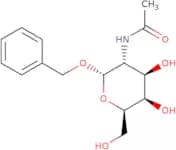
CAS:3-Deoxy-1,2-O-isopropylidene-b-L-threopentofuranose is a carbohydrate that is a synthetic sugar. It has been modified with fluorination and methylation reactions. 3DIOBTP also has glycosylation and click modifications. This product is made to order and can be custom synthesized to meet the needs of your application. The purity of this product is high, making it useful for applications such as enzyme assays or other biochemical experiments.Pureza:Min. 95%Benzyl 2-acetamido-2-deoxy-α-D-galactopyranoside
CAS:N-acetyl-β-D-glucosaminyltransferase substrate;inhibits O-linked glycosylationFórmula:C15H21NO6Pureza:Min. 95%Forma y color:PowderPeso molecular:311.33 g/mol6-Deoxy- 3, 5- O- [(R) - benzylidene] -L- mannonic acid g- lactone
6-Deoxy- 3, 5- O- [(R) - benzylidene] -L- mannonic acid g- lactone is an intermediate in the synthesis of a polysaccharide. It is also used as a click modification agent and can be used to synthesize oligosaccharides with custom modifications. This compound has been shown to be stable under high temperatures and gives high purity products after synthesis. The synthesis of this product can be done using only two steps and can be modified for glycosylation or fluorination.Pureza:Min. 95%Allitol
CAS:Allitol is a sugar alcohol that is used as a sweetener. It can be found naturally in some fruits and vegetables, but it can also be produced by hydrogenation of xylose. Allitol is metabolized by the liver and has been shown to inhibit fatty acid synthesis. It also has insulin-resistance effects, which may be due to its ability to inhibit the conversion of glucose into fatty acids. Allitol has been shown to decrease the levels of hydrochloric acid in the stomach, which may lead to an increase in gastric pH. Allitol will react with strong bases such as sodium hydroxide or potassium hydroxide to form d-talitol and polycarboxylic acid, respectively. Magnetic resonance spectroscopy (MRS) can be used to study the biochemical properties of allitol because it has a unique magnetic resonance spectrum (MRS).Fórmula:C6H14O6Pureza:Min. 98 Area-%Forma y color:PowderPeso molecular:182.17 g/molPhenyl-beta-D-glucopyranoside
CAS:Phenyl-beta-D-glucopyranoside is a phenolic compound that can be found in plant cell walls. It is a monosaccharide with an ester linkage, which is hydrolyzed by esterases to yield protocatechuic acid. Phenyl-beta-D-glucopyranoside is an inhibitor of sugar transport and has been shown to have protective effects on the liver when it is exposed to toxic substances. This sugar also binds to proteins, which may alter the function of these proteins. Phenyl-beta-D-glucopyranoside has been shown to inhibit glycolysis in hepatic tissues and tannins are released from erythrocytes treated with this substance. Phenyl-beta-D-glucopyranoside has been shown to be chemically stable under acidic conditions.
Fórmula:C12H16O6Peso molecular:256.26 g/mol2,6-Dideoxy-D-arabino-hexose
CAS:2,6-Dideoxy-D-arabino-hexose is a hydrogenolysis product of 2,6-dideoxy-D-ribo-hexose. It has been shown to have a solvolytic activity and can be used for the dehalogenation of several halogenated compounds. 2,6-Dideoxy-D-arabino-hexose is also stereoselective and can be used as an estimator in population genetics. This sugar is also regulatory, catalytic, and crystalline. It is found in many carbohydrates, including weighting disaccharides such as sucrose.
Pureza:Min. 95%1-Deoxy-D-tagatose
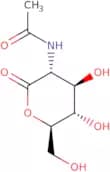
CAS:1-Deoxy-D-tagatose (1Dt) is a competitive inhibitor of glycolysis, which blocks the conversion of glucose to pyruvate. 1Dt has been shown to inhibit the growth of strain CAEN on media containing l-arabinose and d-xylose as carbon sources. 1Dt also inhibits the activity of dehydrogenase enzymes in C. elegans, leading to inhibition of mitochondrial respiration and impaired locomotion. It has been shown that 1Dt can be used as a substrate for bioproduction, with hydrazone as an intermediate product. Larger molecules are produced after hydrolysis and decarboxylation of 1Dt. The most common products are tagatose, l-fucitol, and l-arabinose. 1Dt has been shown to have anti-inflammatory properties in animal models by inhibiting the production of reactive oxygen species that are generated during inflammationFórmula:C6H12O5Pureza:Min. 95%Peso molecular:164.16 g/mol2-Acetamido-2-deoxy-D-glucono-1,5-lactone
CAS:2-Acetamido-2-deoxy-D-glucono-1,5-lactone is a diagnostic agent that inhibits the activities of enzymes such as protein synthesis and cell division. It can be used to identify viral infections in animals, plants and marine microorganisms. 2-Acetamido-2-deoxy-D-glucono-1,5-lactone has been shown to inhibit the biochemical activity of enzymes in cells grown in culture. 2AADG is also a diagnostic agent that can be used to detect tumors in subcutaneous tissues due to its ability to inhibit the production of proteins essential for cell division.Fórmula:C8H13NO6Pureza:Min. 95%Forma y color:PowderPeso molecular:219.19 g/mol3,4,6-Tri-O-acetyl-1,2-O-ethylidene-b-D-mannopyranose
3,4,6-Tri-O-acetyl-1,2-O-ethylidene-b-D-mannopyranose is a synthetic glycoside that has been fluorinated and methylated. The compound is a versatile building block for the synthesis of complex carbohydrates. It is most commonly used in the synthesis of Oligosaccharides as well as sugar derivatives such as Methylation and Monosaccharide. 3,4,6-Tri-O-acetyl-1,2-O-ethylidene-b-D-mannopyranose has a CAS number of 118810.Pureza:Min. 95%(2R, 3R, 4R) -3, 4- Dihydroxy- 2- (hydroxymethyl) - 1- pyrrolidineacetic acid
CAS:(2R, 3R, 4R) -3, 4- Dihydroxy- 2- (hydroxymethyl) - 1- pyrrolidineacetic acid is a synthetic monosaccharide that can be modified with fluorine and methylation. This compound is a carbohydrate that can be used for the synthesis of oligosaccharides and polysaccharides. It has been shown to be useful for glycosylation reactions and in the synthesis of complex carbohydrates.Pureza:Min. 95%α-L-Rhamnose monohydrate
CAS:a-L-Rhamnose monohydrate is a white crystalline solid that is soluble in water. It has a molecular weight of 296.03, a melting point of 117 °C, and a density of 1.5 g/cm3. The solubility of this compound in water is dependent on the concentration and temperature; it exhibits the highest solubility at 25 °C and concentrations between 0.1% and 2%. The solubility decreases with increasing pH, but increases with increasing ionic strength or proton concentration.Fórmula:C6H12O5•H2OPureza:Min. 98 Area-%Forma y color:PowderPeso molecular:182.17 g/mol2, 4-Anhydro-5-O-tert.butyldimethylsilyl- 6- deoxy- L- mannonic acid methyl ester
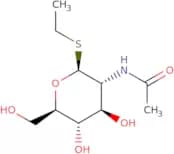
2, 4-Anhydro-5-O-tert.butyldimethylsilyl-6-deoxy-L-mannonic acid methyl ester is a modification of mannose. It is an oligosaccharide with a complex carbohydrate structure. 2, 4-Anhydro-5-O-tert.butyldimethylsilyl-6-deoxy-L-mannonic acid methyl ester has been synthesized using custom synthesis methods. This product has high purity and CAS number: 29674–84–3.Pureza:Min. 95%Ethyl 2-acetamido-2-deoxy-β-D-thioglucopyranoside
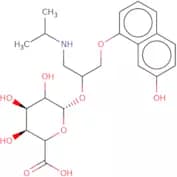
CAS:Ethyl 2-acetamido-2-deoxy-b-D-thioglucopyranoside is a sugar that is used in the synthesis of glycosylates. It has been shown to be modified by Click chemistry, which allows for the introduction of fluorine atoms onto the sugar molecule. This compound can also be modified with methyl groups, which are added to the hydroxyl group on C2. Ethyl 2-acetamido-2-deoxy-b-D-thioglucopyranoside is an oligosaccharide that can be used as a building block for polysaccharides and saccharides. This product is typically used in high purity and in custom synthesis.Fórmula:C10H19NO5SPureza:Min. 95%Forma y color:White To Off-White SolidPeso molecular:265.33 g/mol7'-Hydroxypropranolol-b-D-glucuronide
7'-Hydroxypropranolol-b-D-glucuronide is a synthetic compound with a molecular formula of C21H28F3NO6. It has a melting point of 155 °C, and it is soluble in water. 7'-Hydroxypropranolol-b-D-glucuronide is an intermediate in the synthesis of other compounds, and it can be used as a building block for custom synthesis. This compound can be modified with click chemistry or saccharide linkages, providing additional opportunities for modification.Fórmula:C22H29NO9Pureza:Min. 95%Peso molecular:451.47 g/mol1,5-Diepi-adenophorine
1,5-Diepi-adenophorine is a fluorinated monosaccharide. It is synthesized by an asymmetric glycosylation with 1,5-dideoxyadenosine and α-D-mannose as the donors. The synthesis of this compound requires custom synthesis and high purity. 1,5-Diepi-adenophorine can be modified with methyl groups or click chemistry to make it more suitable for use in biochemistry research.Pureza:Min. 95%6-Deoxy-L-piscose
6-Deoxy-L-piscose is a synthetic monosaccharide that has been fluorinated to 6-fluoro-D-piscose. It is a complex carbohydrate that has been synthesized from D-glucose and D-ribose. The glycosylation reaction was conducted with N,N'-diacetylchitobioglycine and the methylation reaction with sodium methoxide. Click modification was performed by reacting 6-deoxy L-piscose with 2-(2′,4′,5′,7′,8′)-octamethyltrigonal bipyramid (OMeTBP) in dry DMF at 120°C for 10 minutes. The chemical structure of this sugar is shown below:
Pureza:Min. 95%1,6:3,4-Di-O-anhydro-2-O-benzyl-b-D-altropyranose
CAS:1,6:3,4-Di-O-anhydro-2-O-benzyl-b-D-altropyranose is a custom synthesis of a high purity glycosylation sugar. It is synthesized by methylation and click modification of the starting material 1,6:3,4-Di-O-(2′,3′,4′,5′)-tri-O-(benzyl)b D -altropyranose. The product is a complex carbohydrate that has been shown to be effective in inhibiting the growth of bacteria.Pureza:Min. 95%3-O-Benzyl-2-deoxy-1,6-di-O-methoxyphenyl-2-phthalimido-β-D-glucopyranoside
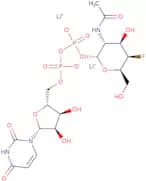
3-O-Benzyl-2-deoxy-1,6-di-O-methoxyphenyl-2-phthalimido-b-D-glucopyranoside is a synthetic glycosylation agent. It is a sugar with an Oligosaccharide structure. 3-O-Benzyl--2'-deoxy--1,6'-di--O--methoxyphenyl--2'-phthalimido--b--D--glucopyranoside has been synthesized by fluorination of the sugar and methylation of the benzyl group. Click modification can be used to modify the carbohydrate to create complex carbohydrates. This compound is made from natural ingredients and has a high purity level. Molecular weight: 592.24 g/mol CAS Number: 251300 EINECS Number: 208–831–3 Melting Point: 130°C (decFórmula:C35H33NO9Pureza:Min. 95%Peso molecular:611.64 g/molUDP-2-Acetamido-2,4-dideoxy-4-fluorogalactose
CAS:UDP-2-Acetamido-2,4-dideoxy-4-fluorogalactose is a Custom synthesis of a Modification, Fluorination, Methylation, Monosaccharide, Synthetic, Click modification and Oligosaccharide. It is an oligosaccharide with a saccharide and polysaccharide sugar. The Carbohydrate is a complex carbohydrate that has been shown to have anticancer properties in vitro. UDP-2-acetamido-2,4-dideoxy-4-fluorogalactose has been shown to inhibit the growth of cancer cells without harming healthy cells. This can be attributed to its ability to induce apoptosis in cancer cells by inhibiting DNA synthesis and RNA transcription.Fórmula:C17H24FLi2N3O16P2Pureza:Min. 95%Peso molecular:621.21 g/mol1-O-Benzoyl-2,4-O-benzylidene-D-threitol
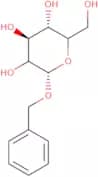
1-O-Benzoyl-2,4-O-benzylidene-D-threitol is a high purity custom synthesis sugar with click modification, fluorination, glycosylation, and methylation. It has CAS number and is an Oligosaccharide. 1-O-Benzoyl-2,4-O-benzylidene-D-threitol Monosaccharide saccharide Carbohydrate complex carbohydrate. It is also Glycosylated and Synthetic.Pureza:Min. 95%Benzyl D-glucopyranoside
CAS:Benzyl D-glucopyranoside is a synthetic reagent that is used in the synthesis of carbohydrates. The benzyl group is an important part of this molecule, as it can be used to synthesize homologues by substituting the hydroxyl group with other groups. This chemical has been shown to inhibit bacterial disease and carbohydrate antigen production in cells. The stereoisomers are not active against bacteria, but the D-glucopyranoside form is more effective than the L-glucopyranoside form. Benzyl D-glucopyranoside also inhibits lipid peroxidation, which is an indication of its antioxidant activity.Fórmula:C13H18O6Pureza:Min. 95%Forma y color:White To Off-White SolidPeso molecular:270.28 g/mol(3R, 5R) -1-Benzyl-3, 4, 5- piperidinetriol hydrochloride
(3R, 5R) -1-Benzyl-3, 4, 5- piperidinetriol hydrochloride is a synthetic compound that is used for the production of oligosaccharides and saccharides. This molecule is a part of the glycosylation reaction and has been modified to produce a variety of carbohydrate products. The CAS number for this compound is 6078-73-5 and it can be synthesized in various lengths. The chemical name for this compound is (3R, 5R)-1-(benzyloxycarbonyl)-3,4,5-piperidinetriol hydrochloride.Pureza:Min. 95%D-Gluconic acid calcium salt
CAS:D-Gluconic acid calcium salt is a chemical that inhibits the activity of enzymes in the pathway of methyl glycosides. It has been shown to inhibit cortisol production and reduce the concentration of this hormone in cell culture. D-Gluconic acid calcium salt also inhibits enzyme activities, such as cholesterol esterase and lipase, which are involved in lipid metabolism. This chemical has been shown to be an effective inhibitor of benzalkonium chloride (a disinfectant used for sterilization) and chinese herb (used as a traditional medicine). D-Gluconic acid calcium salt can also inhibit locomotor activity and lower cholesterol levels in mice.Fórmula:C6H11O7CaPureza:Min. 95%Forma y color:White PowderPeso molecular:215.19 g/molD-Talono-1,4-lactone
CAS:D-Talono-1,4-lactone is a stereoselective drug that inhibits the synthesis of c-glycosides and is used to study the mechanisms of action of these compounds. It has been shown to have antibacterial activity against gram-negative pathogens such as Escherichia coli, Salmonella typhi, Klebsiella pneumoniae, and Acinetobacter baumannii. D-Talono-1,4-lactone also has inhibitory activities against gram negative bacteria. This compound may be a potential biomarker for the detection of gram negative bacteria in water samples. The mechanism of action of this drug is not known but it is likely due to its ability to inhibit bacterial growth.
Fórmula:C6H10O6Pureza:Min. 95%Forma y color:PowderPeso molecular:178.14 g/mol4'-Demethylpodophyllotoxin-2,3-Di-O-dichloroacetyl-4,6-O-ethylidene-b-D-glucopyranoside
4'-Demethylpodophyllotoxin-2,3-Di-O-dichloroacetyl-4,6-O-ethylidene-b-D-glucopyranoside is a glycoside of podophyllotoxin with an OCHOCHCHCl group. It is a modification of the natural product and can be used as a building block for the synthesis of polysaccharides. It has CAS number 109710-33-5 and can be custom synthesized to meet your specifications. This compound is very pure and has been modified to have high purity. It is also very stable in solution due to its chemical stability. This compound is a synthetic sugar that can be used in glycosylation reactions, making it applicable for many uses including the synthesis of oligosaccharides.Pureza:Min. 95%1,6-Bis- O- Tert.butyldimethylsilyl- 3, 4- O-isopropylidene)-2,5-O-methanesulfonyl-D- mannitol
1,6-Bis-O-tert.butyldimethylsilyl-3,4-O-isopropylidene)-2,5-O-methanesulfonyl-D-mannitol is a sugar that is used as a starting material for the synthesis of glycosides. This compound has been shown to react with click chemistry and undergo fluorination, glycosylation, methylation, and modification reactions. It has been shown to be useful in the synthesis of oligosaccharides and monosaccharides. The chemical formula for 1,6-Bis-O-tert.butyldimethylsilyl-3,4-O-[isopropylidene)-2,5 - O]-methanesulfonyl--D--mannitol is C14H30OSiMesO8S2.Pureza:Min. 95%Ixoroside
CAS:Ixoroside is a coumarin derivative that has been shown to inhibit the activity of an enzyme called epidermal growth factor receptor. The chemical diversity of this compound has made it difficult to study its biological properties and mechanisms. Ixoroside has been studied in vitro for its effects on eye disorders and for its potential to be used as a monoclonal antibody. It has also been shown to have toxicological studies with no significant adverse effects observed. Ixoroside is found in the genus Nepeta, where it is mainly found in Nepeta cataria and Fructus ixorii species plants, which are used in traditional Chinese medicine. It can also be found in other plants such as Eucalyptus globulus, which is commonly used in cough suppressants.Fórmula:C16H24O9Pureza:Min. 95%Peso molecular:360.36 g/mol(2a, 3b, 4a) -N-Benzyl-3- benzyloxy-2, 4-azetidinedimethanol
(2a, 3b, 4a) -N-Benzyl-3- benzyloxy-2, 4-azetidinedimethanol is a custom synthesis of glycosylation. It is an oligosaccharide that has been synthesized by reacting methylated glycosylations with a fluorinated saccharide. The molecular weight of this product is approximately 540 g/mol and the CAS No. is 82408-19-8. This product can be used for Methylation and Click modification. This product is highly pure and has been custom synthesized to meet your specifications.Pureza:Min. 95%D-Mannose
CAS:D-mannose is an organic compound and a naturally occurring sugar that is found in many plants. It has been shown to inhibit the growth of bacteria such as Escherichia coli, Staphylococcus aureus, and Klebsiella pneumoniae by binding to bacterial cells. D-mannose inhibits bacterial cell wall synthesis by acting as an alternative substrate for glycolysis, which leads to inhibition of protein synthesis. D-mannose may also act as a competitive inhibitor of certain enzymes such as proteases. This product has been shown to be effective against drug-resistant strains of bacteria by inhibiting the production of fatty acid synthase and other proteins involved in the synthesis of antimicrobial resistance.Fórmula:C6H12O6Pureza:Min. 99 Area-%Peso molecular:180.16 g/molRef: 3D-M-1001
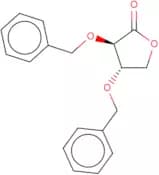
-Unit-kgkgA consultar1kgA consultar5kgA consultar250gA consultar500gA consultar2500gA consultar2,3-Di-O-benzyl-L-threonic acid-1,4-lactone
CAS:2,3-Di-O-benzyl-L-threonic acid-1,4-lactone is a custom synthesis of an Oligosaccharide. It has CAS No. 150575-74-9 and is Polysaccharide, Modification, saccharide, Methylation, Glycosylation, Carbohydrate. 2,3-Di-O-benzyl-L-threonic acid-1,4-lactone has Click modification and is Fluorination and Synthetic.Fórmula:C18H18O4Pureza:Min. 95%Peso molecular:298.33 g/molD-myo-inositol 3-phosphate
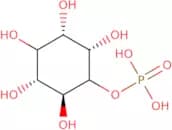
CAS:D-myo-inositol 3-phosphate (IP3) is a molecule that is involved in the metabolism of carbohydrates, fats, and proteins. It is synthesized from D-myo-inositol 1,4,5-trisphosphate through the action of an enzyme called phosphatidylinositol kinase. IP3 binds to the calmodulin protein and has been shown to have biological properties, such as cytosolic or chloroplastic localization and transcriptional regulation. IP3 also participates in the synthesis of DNA and RNA. The sequence of IP3 has been determined for plants such as Solanum tuberosum and Arabidopsis thaliana.Fórmula:C6H13O9PPureza:Min. 95%Peso molecular:260.14 g/mol1,2,3,4-Tetra-O-benzoyl-6-O-trityl-b-D-galactopyranose
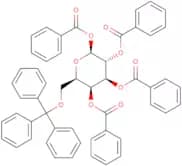
CAS:1,2,3,4-Tetra-O-benzoyl-6-O-trityl-b-D-galactopyranose is a custom synthetic sugar that can be modified using a variety of glycosylation and modification techniques. This product has been synthesized and purified to high purity standards. It is an Oligosaccharide, Polysaccharide, Modification, saccharide with CAS No. 100740-75-8.Fórmula:C53H42O10Pureza:Min. 95%Peso molecular:838.89 g/molCalcium L(-)-arabonate tetrahydrate
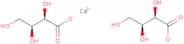
CAS:Calcium L-Arabonate is a calcium salt of arabic acid. Calcium L-Arabonate is an absorbable form of calcium that has been shown to be effective in the prevention and treatment of osteoporosis. This compound was discovered in 1867, but was not used for medicinal purposes until the early 1900s when it was found to be effective in treating the symptoms of rickets.Fórmula:C10H20O12·Ca·(H2O)4Pureza:Min. 95%Forma y color:White PowderPeso molecular:444.38 g/mol6-O-Acetylglycitin
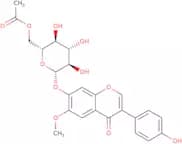
CAS:6-O-Acetylglycitin is a bioactive compound that has been shown to have many physiological activities. It is the acetylated form of glycitin, which is a precursor in the synthesis of glycogen in the liver. 6-O-Acetylglycitin has been shown to promote the repair mechanism of hepatic steatosis and exhibits anti-cancer effects by inhibiting poly(ADP-ribose) polymerase chain reaction (PCR) and uvb-induced polymerase chain reaction (PCR). This compound also inhibits growth of cancer cells in vitro. 6-O-Acetylglycitin has been shown to have an analog with pharmaceutical preparations.
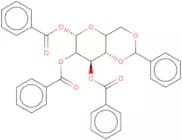
Fórmula:C24H24O11Pureza:Min. 98 Area-%Forma y color:PowderPeso molecular:488.44 g/mol1,2,3-Tri-O-benzoyl-4,6-O-benzylidene-b-D-galactopyranose
1,2,3-Tri-O-benzoyl-4,6-O-benzylidene-b-D-galactopyranose is a synthetic glycosylate that can be used for the introduction of oligosaccharide chains onto proteins. It is a monosaccharide and part of a complex carbohydrate. 1,2,3-Tri-O-benzoyl-4,6-O-benzylideneb -D galactopyranose can be methylated and fluorinated. The synthesis of this compound is custom, making it possible to order in high purity.Fórmula:C34H28O9Pureza:Min. 95%Peso molecular:580.58 g/mol1,3,4,6-Tetra-O-acetyl-2-{2-[(2-aminoethyl)amino]-acetamido]}-2-deoxy-D-glucopyranose
1,3,4,6-Tetra-O-acetyl-2-{2-[(2-aminoethyl)amino]-acetamido}-2-deoxy-D-glucopyranose is a custom synthetic sugar that has been modified to include fluorine atoms in the 1,3 and 4 positions. This sugar can be used as a fluorescent probe for DNA methylation. The fluorine atoms in 1,3 and 4 positions provide increased stability and prevent the sugar from being hydrolyzed by esterases.Pureza:Min. 95%(2S,3R,4R,5S)-3-O-Benzyl-3,4,5-trihydroxypiperidine-2-carboxylic acid
(2S,3R,4R,5S)-3-O-Benzyl-3,4,5-trihydroxypiperidine-2-carboxylic acid is a synthetic compound. It is a fluorinated glycosylated oligosaccharide with the molecular formula C14H21FNO6. This compound has been modified with methylation, monosaccharide and polysaccharide modifications. It is also a complex carbohydrate that can be custom synthesized and purified to high purity. CAS No.: 366864-11-1Pureza:Min. 95%(3R, 5R) -1-Benzyl-3, 4, 5- piperidinetriol
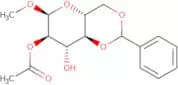
(3R, 5R) -1-Benzyl-3, 4, 5- piperidinetriol is a modification of the parent compound. The modification of the parent compound is accomplished by the introduction of a benzyl group at the 3' and 5' positions of the molecule. This modification can be used to synthesize oligosaccharides, which are complex carbohydrates. (3R, 5R) -1-Benzyl-3, 4, 5- piperidinetriol is synthesized from high purity (99%) monosaccharide methylated with formaldehyde in aqueous solution with hydrochloric acid and sodium hydroxide as catalysts. It has CAS number 8056-97-2 and molecular weight of 231.24 grams per mole.Pureza:Min. 95%Methyl 2-O-acetyl-4,6-O-benzylidene-a-D-glucopyranoside
CAS:Methyl 2-O-acetyl-4,6-O-benzylidene-a-D-glucopyranoside is a sugar with the molecular formula C9H10O5. It is an Oligosaccharide, Synthetic, Glycosylation, Fluorination, Custom synthesis, Methylation, Monosaccharide, Polysaccharide and saccharide. Methyl 2-O-acetyl-4,6-O-benzylidene-a-D-glucopyranoside has a Click modification and complex carbohydrate. This product has high purity and can be modified to meet your needs.Fórmula:C16H20O7Pureza:Min. 95%Peso molecular:324.33 g/mol2,4,6-Tri-O-benzoyl-3-benzyl-D-mannopyranosyl trichloroacetimidate
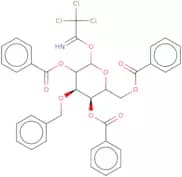
2,4,6-Tri-O-benzoyl-3-benzyl-D-mannopyranosyl trichloroacetimidate is a synthetic glycosylation compound. It can be used for the synthesis of complex carbohydrates, such as polysaccharides and oligosaccharides. This product is a high purity, custom synthesis that has been modified with fluorination and methylation. CAS No.: 59978-06-0Fórmula:C36H30Cl3NO9Pureza:Min. 95%Peso molecular:726.98 g/mol(2R,3S,4R)-4-C-((2R,3S)-N-Benzyl-3-tert.butylsilyloxy-2-azetidinyl)-3-O-tert.butyldimethylsilyl-2,3,4-trihydroxybutanoic acid methyl ester
(2R,3S,4R)-4-C-((2R,3S)-N-Benzyl-3-tert.butylsilyloxy-2-azetidinyl)-3-O-tert.butyldimethylsilyl-2,3,4-trihydroxybutanoic acid methyl ester is a synthetic glycosylation that has been modified with fluorination and custom synthesis. It is a high purity product at CAS No. 90132-76-6 that can be modified with click chemistry. The product is sold by the gram and has a purity of >98%.Pureza:Min. 95%N-[(4'-Nitrophenyl)-1-propenyl]imino-2,3,4,6-tetra-O-pivaloyl-D-glucopyranoside
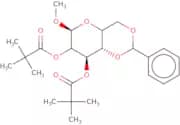
N-[(4'-Nitrophenyl)-1-propenyl]imino-2,3,4,6-tetra-O-pivaloyl-D-glucopyranoside is a synthetic polysaccharide. It is a complex carbohydrate that is modified by methylation and glycosylation. The monomeric unit of this polysaccharide is a 6-(nitrophenoxy)hexose. N-[(4'-Nitrophenyl)-1-propenyl]imino-2,3,4,6-tetra-O-pivaloyl-D-glucopyranoside has been shown to have antiviral effects in the past.Fórmula:C35H50N2O11Pureza:Min. 95%Peso molecular:674.78 g/molMethyl 4,6-O-benzylidene-2,3-di-O-pivaloyl-a-D-galactopyranoside
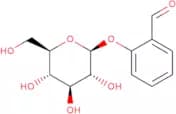
Methyl 4,6-O-benzylidene-2,3-di-O-pivaloyl-a-D-galactopyranoside is a custom synthesis of methyl 4,6-O-benzylidene-2,3-di-O-(pivaloyl)-a-D galactopyranoside. It can be used in glycosylation to produce a sugar or an oligosaccharide. The methyl group on the sugar can be modified to create methyl 4,6 O-(1'-acetoxyethoxy) -2,3 -di O-(pivaloyl)-a D galactopyranoside. This product has CAS No. and is listed as an oligosaccharide.Fórmula:C24H34O8Pureza:Min. 95%Peso molecular:450.53 g/mol2-Formylphenyl b-D-glucopyranoside
CAS:2-Formylphenyl b-D-glucopyranoside is a phenolic compound that has been shown to have high resistance to transport. It has been shown to possess surface methodology and this property can be used for the delivery of compounds. 2-Formylphenyl b-D-glucopyranoside has also been shown to inhibit plant enzyme activities such as detoxification enzymes and carbohydrate chemistry, which are important in the uptake of natural compounds. In addition, it is able to bind with amines and hydroxyl groups on cells, which may be due to its receptor cell properties. 2-Formylphenyl b-D-glucopyranoside can be synthesized by reacting trifluoroacetic acid with an amine and a hydroxyl group in the presence of glycol ethers or natural compounds.
Fórmula:C13H16O7Pureza:Min. 95%Forma y color:PowderPeso molecular:284.26 g/mol6-Deoxy-L-altritol
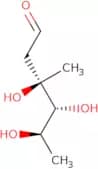
6-Deoxy-L-altritol is a carbohydrate that belongs to the class of saccharides. It is a synthetic carbohydrate, and its structure is similar to that of D-mannitol. 6-Deoxy-L-altritol can be used for medical purposes as it inhibits bacterial growth and is an anti-inflammatory agent. 6-Deoxy-L-altritol has been modified with fluorine atoms to give it potent antibacterial activity against Gram negative bacteria, such as Salmonella typhi, Escherichia coli, and Pseudomonas aeruginosa. This modification also makes 6-deoxy L-altritol stable at high temperatures and resistant to acid hydrolysis.Pureza:Min. 95%Propargyl b-D-galactopyranoside
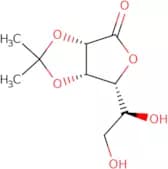
CAS:Propargyl b-D-galactopyranoside is a custom synthesis that is a modified form of galactose. The modification was accomplished by adding fluorine to the sugar. Methylation of the sugar was also done, and it has been shown to have anti-tuberculosis properties. It also has been shown to inhibit the growth of bacteria in vitro and in vivo, including Mycobacterium tuberculosis.Fórmula:C9H14O6Pureza:Min. 95%Forma y color:PowderPeso molecular:218.2 g/mol2,3-O-Isopropylidene-L-gulonic acid-1,4-lactone
CAS:2,3-O-Isopropylidene-L-gulonic acid-1,4-lactone is a synthetic sugar that has been fluorinated. The methyl group at the C2 position of this compound can be modified by various methods to give different derivatives. 2,3-O-Isopropylidene-L-gulonic acid-1,4-lactone is an oligosaccharide that is found in natural glycosides and saccharides. It is also used for click chemistry modifications in complex carbohydrate chemistry. This compound is CAS number 94840-08-1.Fórmula:C9H14O6Pureza:Min. 95%Forma y color:White To Off-White SolidPeso molecular:218.21 g/mol2-Acetamido-1,3,6-tri-O-acetyl-2-deoxy-a-D-glucopyranose
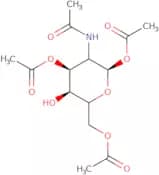
CAS:2-Acetamido-1,3,6-tri-O-acetyl-2-deoxy-a-D-glucopyranose is a synthetic monosaccharide that can be used as an intermediate in the preparation of oligosaccharides. The compound is fluorinated and then reacted with acetyl chloride to produce an acetamido derivative. This product can be used for glycosylation reactions with polysaccharides. It has been shown to react with diols and triols to form methyl ethers via the Click chemistry reaction. 2-Acetamido-1,3,6-tri-O-acetyl-2,5,6,-triiodohexanoic acid is a modification of this product that has been shown to inhibit bacterial growth in vitro.Fórmula:C14H21NO9Pureza:Min. 95%Forma y color:Clear oil.Peso molecular:347.32 g/molPhenylethyl β-D-galactopyranoside
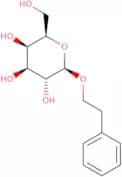
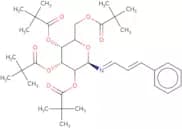
CAS:Phenylethyl b-D-galactopyranoside is a galactose compound that can be hydrolyzed by esterases in the presence of water. It is toxic to organisms, such as E. coli and S. typhimurium, at high concentrations and can be used for the treatment of infections caused by these bacteria. Phenylethyl b-D-galactopyranoside has been shown to have a permeability effect on cells, which may be due to its ability to inhibit the production of ATP in the cell membrane by blocking specific enzymes that are responsible for ATP synthesis.Fórmula:C14H20O6Pureza:Min. 95%Forma y color:PowderPeso molecular:284.31 g/molN-(Phenyl-1-propenyl)imino-2,3,4,6-tetra-O-pivaloyl-D-glucopyranoside
N-(Phenyl-1-propenyl)imino-2,3,4,6-tetra-O-pivaloyl-D-glucopyranoside (NPG) is a synthetic oligosaccharide. It is an Methylation and Click modification of the natural glycosylation product of glucose with pivalic acid. NPG has been shown to inhibit the Glycosylation enzyme by methylating it and preventing it to be able to catalyze the attachment of a sugar molecule to an amino acid residue. This inhibition prevents the production of complex carbohydrates in bacteria. NPG is also fluorinated at the 2,3,4,6 positions on the glucose ring which allows for better binding to bacterial cells. NPG has been shown to bind specifically to mycobacterial cell wall glycolipids and inhibit their synthesis as well as other bacterial cells such as staphylococcus aureus.Fórmula:C35H51NO9Pureza:Min. 95%Peso molecular:629.78 g/molEthyl 3,5,6-tri-O-benzyl-D-glucofuranoside
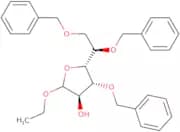
CAS:Ethyl 3,5,6-tri-O-benzyl-D-glucofuranoside is a modification of the natural carbohydrate D-glucose and has been synthesized by methylation. This product has a purity of 99% and is made up of three monosaccharides: D-glucose, D-mannose, and D-galactose. It also contains an oligosaccharide chain that consists of 6 sugar units. Ethyl 3,5,6-tri-O-benzyl-D-glucofuranoside is insoluble in water but soluble in acetone. The molecular weight of this product is 522.2 g/mol.Fórmula:C29H34O6Pureza:Min. 95%Forma y color:Yellow Clear LiquidPeso molecular:478.58 g/mol1,2,3-Tri-O-methyl-α-D-glucopyranose
CAS:1,2,3-Tri-O-methyl-a-D-glucopyranose is a sugar that is used in glycosylation and fluorination reactions. This product can be custom synthesized to your specifications. It is available in high purity and with a variety of modifications. 1,2,3-tri-O-methyl-a-D-glucopyranose has been modified with methyl groups at the C1 and C6 positions. These modifications are useful for studies on glycosylation and fluorination reactions.Fórmula:C9H18O6Pureza:Min. 95%Forma y color:PowderPeso molecular:222.24 g/mol5-Azido- 5, 6- dideoxy- 2, 3- O-isopropylidene- D- gulonic acid-1,4-lactone
CAS:5-Azido-5,6-dideoxy-2,3-O-isopropylidene-D-gulonic acid-1,4-lactone is a carbohydrate that belongs to the group of saccharides. It is a synthetic sugar that has been modified with fluorine atoms on the 2 and 3 position of the sugar. 5-Azido-5,6-dideoxygulonic acid 1,4lactone has been shown to be resistant to enzymatic degradation by α amylase and β amylase. The compound also has a high level of purity (>98%) and custom synthesis capabilities.Pureza:Min. 95%(1R) -1- [(2S, 3R) - 3- Hydroxy- 1- methyl - 2- azetidinyl] -1, 2- ethanediol
(1R) -1- [(2S, 3R) - 3- Hydroxy- 1- methyl - 2- azetidinyl] -1, 2- ethanediol is a fluorinated sugar that is used in the synthesis of oligosaccharides and polysaccharides. This synthetic monosaccharide can be modified by glycosylation, methylation, and click chemistry. It has an CAS number and a high purity.Pureza:Min. 95%(3aS, 6aS) -Dihydro- 2, 2, 6a- trimethyl-furo[3, 4- d] - 1, 3- dioxol- 4(3aH) - one
(3aS, 6aS) -Dihydro-2,2,6a-trimethyl-furo[3,4-d]-1,3-dioxol-4(3aH)-one is a white crystalline powder that is soluble in chloroform and ether. It can be used as a synthetic intermediate for the preparation of other products. It has been shown to be effective in methylation reactions on saccharides and polysaccharides. This product is available with custom synthesis options and can be modified with click chemistry or fluorination. This product is also available with high purity levels and fluorescence properties.Pureza:Min. 95%4-(4-(2-(trifluoromethyl)phenyl)-3-(E)-buten-2-one-1-yl)piperidine-2,6-dione
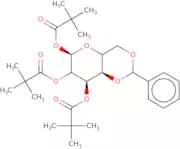
4-(4-(2-(trifluoromethyl)phenyl)-3-(E)-buten-2-one-1-yl)piperidine-2,6-dione is a custom synthesis that can be modified to include fluorination, methylation, and monosaccharide modifications. This molecule has been shown to have click modification and oligosaccharide modifications with saccharides. It is a polysaccharide that is glycosylated with carbohydrate.Pureza:Min. 95%4,6-O-Benzylidene-1,2,3-tri-O-pivaloyl-a-D-mannopyranose
4,6-O-Benzylidene-1,2,3-tri-O-pivaloyl-a-D-mannopyranose is an oligosaccharide that is synthesized by the fluorination of a monosaccharide. It can be used for glycosylation and polysaccharide synthesis. The product has a CAS number of 53487-04-9 and a high purity level of 98%.Fórmula:C28H40O9Pureza:Min. 95%Peso molecular:520.61 g/molBenzoyl 2,3-O-isopropylidene-D-lyxofuranoside
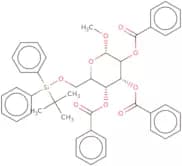
CAS:Benzoyl 2,3-O-isopropylidene-D-lyxofuranoside is a high purity custom synthesis sugar. This compound can be synthesized by Click modification, fluorination, and glycosylation. It has CAS No. 110808-28-1. The molecular formula is C12H14O8 and the molecular weight is 360.2 g/mol. Benzoyl 2,3-O-isopropylidene-D-lyxofuranoside is used as an intermediate in the synthesis of saccharides including complex carbohydrates such as oligosaccharides and monosaccharides.Fórmula:C15H18O6Pureza:Min. 95%Peso molecular:294.3 g/molMethyl 2,3,4-tri-O-benzoyl-6-O-tert-butyldiphenylsilyl-a-D-glucopyranoside
Methyl 2,3,4-tri-O-benzoyl-6-O-tert-butyldiphenylsilyl-a-D-glucopyranoside is an oligosaccharide that has been modified with methylation and fluorination. The modification of the sugar with a methyl group at the 6 position on the glucopyranoside ring gives it increased stability against hydrolysis. This product can be used as a reagent in glycosylation or polysaccharide synthesis.Fórmula:C44H44O9SiPureza:Min. 95%Peso molecular:744.92 g/mol2,4-O-Benzylidene-D-threitol
2,4-O-Benzylidene-D-threitol is a sugar that can be custom synthesized according to the specific requirements of our customers. It has been used in the synthesis of oligosaccharides and monosaccharides. 2,4-O-Benzylidene-D-threitol is also used as a building block for glycosylation and methylation reactions. This product comes with CAS No. 129330-36-2, 98% purity, and can be purchased from our company at competitive prices.Pureza:Min. 95%2-Azido-2-deoxy-2,4-di-C-methyl-L-lyxono-1.4-lactone
2-Azido-2-deoxy-2,4-di-C-methyl-L-lyxono-1.4-lactone is a synthetic sugar that belongs to the group of carbohydrates. It is a monosaccharide that has been modified with fluorination and glycosylation. This carbohydrate has also been methylated, which makes it useful for click chemistry reactions. 2-Azido-2-deoxy-2,4-diCmethyl L -lyxono 1,4 -lactone is used in the synthesis of complex carbohydrates and oligosaccharides. !--END-->Pureza:Min. 95%Methyl 4-O-methyl-α-D-glucopyranoside
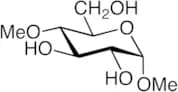
CAS:Methyl 4-O-methyl-α-D-glucopyranoside is a methyl glucoside analogueFórmula:C8H16O6Pureza:Min. 95%Forma y color:PowderPeso molecular:208.21 g/molMethyl 3,4-di-O-acetyl-D-glucuronal
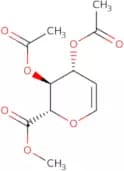
CAS:Methyl 3,4-di-O-acetyl-D-glucuronal is a sugar that has been synthesized in the laboratory. It is a functional sugar that can be used as a building block for other sugars. The conformation of this molecule was determined by conformational studies. This molecule has two benzyl groups that are oriented in different ways, which simplifies the parameters for this compound. Methyl 3,4-di-O-acetyl-D-glucuronal is an anomeric sugar and can be found in the pyranose ring. Methyl 3,4-di-O-acetyl-D-glucuronal also has a conformational theory that was developed to optimize its orientations and predict its geometries.Fórmula:C11H14O7Pureza:Min. 95%Forma y color:White PowderPeso molecular:258.22 g/mol1,2,3,4-Tetra-O-acetyl-6,7-dideoxy-L-galacto-hept-6-enopyranose
CAS:1,2,3,4-Tetra-O-acetyl-6,7-dideoxy-L-galacto-hept-6-enopyranose is a custom synthesis for the modification of saccharides. This compound has high purity and is synthesized by methylation of 1,2,3,4 tetra O acetyl 6,7 dideoxy L galacto hept 6 enopyranose with acetic anhydride and pyridine. The CAS number for this compound is 1193251-65-8.Pureza:Min. 95%Methyl 3,5-di-O-acetyl-2,4-anhydro-D-arabinonate
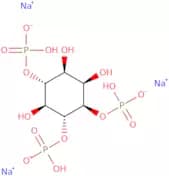
Methyl 3,5-di-O-acetyl-2,4-anhydro-D-arabinonate is a custom synthesis of a complex carbohydrate. It is modified with methylation, glycosylation and click modification. This product has been fluorinated to provide high purity and is used in the preparation of other saccharides. Methyl 3,5-di-O-acetyl-2,4-anhydro-D-arabinonate belongs to the category of carbohydrates and sugars. This product is made up of a saccharide that contains three carbon atoms (C3H7O6) and one oxygen atom (O). The chemical formula for this compound is C3H5(COOC2H5)3.Pureza:Min. 95%D-myo-Inositol 1,4,6-triphosphate sodium salt
CAS:D-myo-Inositol 1,4,6-triphosphate sodium salt (DMIPS) is an alkaline polymer. It is a high capacity, rechargeable electrode material that can be used in electrochemical cells. DMIPS has been shown to have the highest energy density and power density of any known polymer and can operate at low temperatures. This material has been shown to be effective in polymer electrolyte membrane fuel cells, as well as being used as a separator in lithium ion batteries.Fórmula:C6H12O15P3·xNaPureza:Min. 95%Peso molecular:417.07 g/mol5-O-tert-Butyldimethylsilyl-N-cyanomethyl-1,4-dideoxy-1,4-imino-2,3-O-isopropylidene-D-ribitol
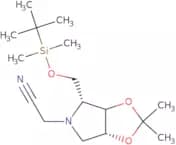
CAS:5-O-tert-Butyldimethylsilyl-N-cyanomethyl-1,4-dideoxy-1,4-imino-2,3-O-isopropylidene--D ribitol is a fluorinated glycosylation product of 5-(O-(tertbutyldimethylsilyl)cyanomethyl)-1,4 dihydroxy imino 2,3 O isopropylidene D ribitol. It is a high purity complex carbohydrate that can be synthesized by click modification of 5-(O-(tertbutyldimethylsilyl)cyanomethyl)-1,4 dihydroxy imino 2,3 O isopropylidene D ribitol with ethynyltrifluoroborate and osmium tetroxide. This compound has CAS No. 577978-59-7.Fórmula:C16H30N2O3SiPureza:Min. 95%Peso molecular:326.51 g/molTrehalose octaacetate
CAS:Trehalose octaacetate is a carbohydrate that can be synthesized from trehalose and acetyl coenzyme A. It has been shown to act as an enzymatic substrate and a carbon source in the production of microparticles. Trehalose octaacetate is an antigenic molecule that can be used as a vaccine adjuvant to enhance the immune response to antigens. It also exhibits anti-inflammatory properties, which may be due to its ability to inhibit prostaglandin synthesis. Trehalose octaacetate is highly viscous, which makes it useful for the formulation of medications such as eye drops.Fórmula:C28H38O19Pureza:Min. 95%Peso molecular:678.59 g/molMethyl 2,3,4-tri-O-acetyl-6-O-triisopropylsilyl-a-D-glucopyranoside
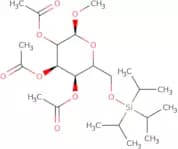
CAS:Methyl 2,3,4-tri-O-acetyl-6-O-triisopropylsilyl-a-D-glucopyranoside is a glycosylation product of D-glucose and methyl 2,3,4,6 triacetate. This product is a fluorinated sugar with the following chemical structure:Fórmula:C22H40O9SiPureza:Min. 95%Peso molecular:476.64 g/molCalcium L-threonate
CAS:Calcium L-threonate is a four carbon monosaccharideFórmula:C8H14CaO10Pureza:Min. 98 Area-%Forma y color:PowderPeso molecular:310.27 g/mol5-Keto-D-gluconic acid hemicalcium salt
CAS:5-Keto-D-gluconic acid hemicalcium salt (5KDG) is an intermediate in the pentose phosphate pathway. It is a molecule that contains five carbon atoms, one double bond, and two hydroxyl groups. 5KDG has been found to be an effective inhibitor of gluconobacter, a type of bacteria which produces D-gluconic acid. The enzyme 5KDG dehydrogenase catalyzes the conversion of 5KDG into D-gluconate. 5KDG has been shown to have antiepileptic effects and can be used for the treatment of epilepsy.Fórmula:C6H9O7CaPureza:Min. 95%Forma y color:PowderPeso molecular:213.17 g/molL-Iduronic acid
CAS:L-Iduronic acid is a monosaccharide that is a component of the glycosaminoglycans. It is a sodium ion salt, which can be found in the extracellular matrix as part of the glycosaminoglycan heparan sulfate. Iduronic acid has been shown to have hypoglycemic effects in rats and mice and inhibitory properties against human osteosarcoma cells. L-Iduronic acid inhibits the synthesis of methyl glycosides by inhibiting the enzyme glucosyltransferase, which catalyzes the formation of glucuronoxylorxylan from glucose and xylose. The oligosaccharides are composed of iduronic acid units linked by α-1,4 linkages with β-1,4 linkages between adjacent iduronic acid units. The conformational properties of iduronic acid have been analyzed using X-ray crystallography and nuclear magnetic resonance spectroscopy (NMRFórmula:C6H10O7Pureza:Min. 98 Area-%Forma y color:White PowderPeso molecular:194.14 g/molDulcitol
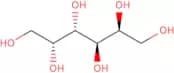
CAS:A metabotoxin, a neurotoxin, and a hepatotoxin at high levels
Fórmula:C6H14O6Pureza:Min. 98 Area-%Forma y color:White PowderPeso molecular:182.17 g/molDapagliflozin
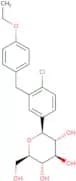
CAS:Dapagliflozin is a sodium-glucose cotransporter subtype 2 (SGLT2) inhibitor that can be used in the treatment of diabetes mellitus type 2. SGLT2 is located in the proximal convoluted tubule and when it is inhibited the reabsorption of glucose into the kidneys is prevented and instead glucose is excreted in the urine. As a result glucose levels are reduced. Dapagliflozin is metabolized into to its inactive metabolite 3-O-glucuronide by the UGT1A9 enzyme present in the liver and the kidneys. In addition, dapagliflozin has been shown to cause weight loss and decrease the risk of cardiovascular events such as congestive heart failure.Fórmula:C21H25ClO6Pureza:Min. 98 Area-%Forma y color:White Yellow PowderPeso molecular:408.87 g/mol1,2,3,4-Tetra-O-acetyl-6-O-(tert-butyldiphenylsilyl)-b-D-galactopyranose
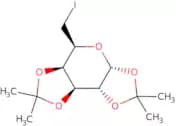
1,2,3,4-Tetra-O-acetyl-6-O-(tert-butyldiphenylsilyl)-b-D-galactopyranose is a custom synthesis of an oligosaccharide. It is a polysaccharide saccharide that is a carbohydrate with the molecular formula C18H29NO9. This compound can be fluorinated or modified to create a high purity monosaccharide sugar. The methylation of this compound will lead to the production of Methyl 1,2,3,4-Tetra-O-acetyl-6-O-(tert-butyldiphenylsilyl)-b-D galactopyranoside.Fórmula:C20H34O10SiPureza:Min. 95%Peso molecular:462.56 g/mol6-Deoxy-1,2:3,4-di-O-isopropylidene-6-iodo-α-D-galactopyranose
CAS:This is a carbohydrate compound with the CAS number 4026-28-2. It is a modification of the sugar galactose, which has been modified by a process called fluorination. This modification has increased its stability and resistance to hydrolysis.
Fórmula:C12H19IO5Pureza:Min. 95%Forma y color:White to off-white solid.Peso molecular:370.18 g/mol2-Deoxy-2-fluoro-3,4:5,6-di-O-isopropylidene-L-idonic acid methyl ester
2-Deoxy-2-fluoro-3,4:5,6-di-O-isopropylidene-L-idonic acid methyl ester is a synthetic compound that has been used as an intermediate in the synthesis of saccharides and oligosaccharides. It can also be used to modify carbohydrate structures. 2DFFDLIEME is a white crystalline solid with a melting point of 190°C. This product is soluble in water and ethanol.Pureza:Min. 95%1,2-Di-O-benzyl-4,6-O-benzylidene-a-D-mannopyranoside
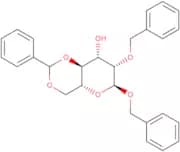
CAS:1,2-Di-O-benzyl-4,6-O-benzylidene-a-D-mannopyranoside is a custom synthesis that belongs to the class of polysaccharides. It is a synthetic modification of D-mannose. The 1,2 position on the glucose moiety has been fluorinated and the 6 position on the mannose moiety has been methylated. This sugar is a monosaccharide with a molecular weight of 587. The glycosylation pattern includes saccharide units linked by glycosidic bonds between the 1 and 2 positions on adjacent sugars in linear or branched chains. This product can be used as an intermediate for other syntheses or as a pharmaceutical drug.Fórmula:C27H28O6Pureza:Min. 95%Peso molecular:448.51 g/mol1,2,3,4-Tetra-O-pivaloyl-6-O-trityl-b-D-galactopyranose
Tetra-O-pivaloyl-6-O-trityl-b-D-galactopyranose is a sugar that can be used in the synthesis of glycosylation, complex carbohydrate, methylation, click modification, polysaccharide, fluorination, saccharide and modification. Tetra-O-pivaloyl-6-O-trityl-b-D-galactopyranose is a white or colorless crystalline powder that has a melting point of about 160°C. The chemical formula for this compound is C24H34N2O4 and its molecular weight is 432.53 g/mol. Tetra -O -pivaloyl -6 - O -trityl -b - D -galactopyranose has CAS No. 15892–06–8 (EINECS No. 259–737–3) and it can be customFórmula:C45H58O10Pureza:Min. 95%Peso molecular:758.94 g/mol1-Deoxy-1-nitro-D-mannitol
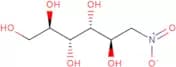
CAS:1-Deoxy-1-nitro-D-mannitol is an inorganic molecule that has a proton and a voltammetry. It is used to monitor the transport of d-arabinose across the blood vessels in the femoral vein. This compound is synthesized by the reaction of sodium nitrite with mannitol in the presence of hydrochloric acid. It can be detected using optical techniques, such as UV/VIS spectroscopy, fluorescence spectroscopy, and absorption spectroscopy. 1-Deoxy-1-nitro-D-mannitol has been shown to have a cotton effect on neurotransmitters in the frontoparietal cortex.Fórmula:C6H13NO7Pureza:Min. 95%Peso molecular:211.17 g/molUDP-D-glucose disodium salt
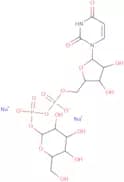
CAS:UDP-D-glucose disodium salt is a sugar-nucleotide substrate of glucosyltransferases. It’s used as the donor of glucose in the biosyntheses of glycoproteins, glycolipids and polysaccharides. It’s also used with its membrane receptor, P2RY14, to investigate innate mucosal immune responses in preventing infection in the female reproductive tract (FRT).Fórmula:C15H22N2Na2O17P2Pureza:Min. 85 Area-%Forma y color:White PowderPeso molecular:610.27 g/mol





![6-Deoxy- 3, 5- O- [(R) - benzylidene] -L- mannonic acid g- lactone](/_next/image/?url=https%3A%2Fstatic.cymitquimica.com%2Fproducts%2F3D%2Fthumb-webp%2FMD163979.webp&w=3840&q=75)









![1,3,4,6-Tetra-O-acetyl-2-{2-[(2-aminoethyl)amino]-acetamido]}-2-deoxy-D-glucopyranose](/_next/image/?url=https%3A%2Fstatic.cymitquimica.com%2Fproducts%2F3D%2Fthumb-webp%2FMT145162.webp&w=3840&q=75)
![N-[(4'-Nitrophenyl)-1-propenyl]imino-2,3,4,6-tetra-O-pivaloyl-D-glucopyranoside](/_next/image/?url=https%3A%2Fstatic.cymitquimica.com%2Fproducts%2F3D%2Fthumb-webp%2FMN08501.webp&w=3840&q=75)


![(1R) -1- [(2S, 3R) - 3- Hydroxy- 1- methyl - 2- azetidinyl] -1, 2- ethanediol](/_next/image/?url=https%3A%2Fstatic.cymitquimica.com%2Fproducts%2F3D%2Fthumb-webp%2FMH163529.webp&w=3840&q=75)
![(3aS, 6aS) -Dihydro- 2, 2, 6a- trimethyl-furo[3, 4- d] - 1, 3- dioxol- 4(3aH) - one](/_next/image/?url=https%3A%2Fstatic.cymitquimica.com%2Fproducts%2F3D%2Fthumb-webp%2FMD170601.webp&w=3840&q=75)