Monosacáridos
Subcategorías de "Monosacáridos"
- Allosas(11 productos)
- Arabinosas(21 productos)
- Eritrosas(11 productos)
- Fructosas(9 productos)
- Fucosas(36 productos)
- Galactosamina(41 productos)
- Galactosa(261 productos)
- Glucosas(365 productos)
- Ácidos glucurónicos(52 productos)
- Glico-sustratos para enzimas(78 productos)
- Gulosas(6 productos)
- Idosas(4 productos)
- Inositoles(15 productos)
- Lyxosas(4 productos)
- Manosas(65 productos)
- O-glicanos(48 productos)
- Psicosas(3 productos)
- Ramnosas(10 productos)
- Ribosas(61 productos)
- Ácidos siálicos(100 productos)
- Sorbosas(4 productos)
- Azúcares(173 productos)
- Tagatosis(4 productos)
- Taloses(8 productos)
- Xilosas(20 productos)
Se han encontrado 6088 productos de "Monosacáridos"
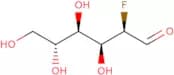
2-Deoxy-2-fluoro-D-glucose
CAS:Inhibitor of hexokinase isozymes and cellular glycosylation
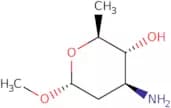
Fórmula:C6H11FO5Pureza:Min. 95%Forma y color:White PowderPeso molecular:182.15 g/molMethyl α-L-acosamine
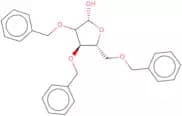
CAS:Methyl a-L-acosamine is a glycosylation agent that can be used to modify complex carbohydrates. It can also be used in the methylation of saccharides, polysaccharides, and sugars. Methyl a-L-acosamine is made by reacting acetic anhydride with L-a-D-galactopyranosyl chloride. The CAS number for this product is 54623-23-3. This product can be custom synthesized to meet your specifications and has high purity.Fórmula:C7H15NO3Pureza:Min. 95%Forma y color:White To Off-White SolidPeso molecular:161.2 g/mol2,3,5-Tri-O-benzyl-b-D-xylofuranose
CAS:2,3,5-Tri-O-benzyl-b-D-xylofuranose is a synthetic carbohydrate with a complex structure. It is an oligosaccharide that has been modified by methylation and glycosylation. It has a molecular weight of 582.16 g/mol and the CAS number is 1174234-12-8.Fórmula:C26H28O5Pureza:Min. 95%Forma y color:PowderPeso molecular:420.5 g/mol1-O-Galloyl-b-D-glucose
CAS:1-O-Galloyl-b-D-glucose is a molecule that is found in plants and has been used as an inhibitor of p-hydroxybenzoic acid (PHBA) enzyme activities. 1OGG inhibits the growth of viruses by inhibiting the enzymatic activity of their RNA polymerases. It also inhibits mitochondrial membrane potential, which is vital for cellular respiration. 1OGG has shown to be active against urinary infections and opportunistic fungal infections such as Candida glabrata. In vitro assays have shown that it may have anti-inflammatory properties.Fórmula:C13H16O10Pureza:Min. 98 Area-%Forma y color:White PowderPeso molecular:332.26 g/molKifunensine
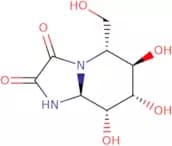
CAS:Kifunensine is a potent and specific inhibitor of plant and animal α-mannosidase I with IC50 in nanomolar range. It inhibits the enzyme isoforms in Golgi apparatus (GMI) and endoplasmatic reticulum (ERMI). The compound prevents mannose trimming on glycoproteins and shifts the glycoform content from complex to oligomannose type. It's used for the production of recombinant therapeutic glycoproteins with mannose rich N-linked glycans.Fórmula:C8H12N2O6Pureza:Min. 99 Area-%Forma y color:PowderPeso molecular:232.19 g/mol9-O-Acetyl-N-acetyl-neuraminic acid
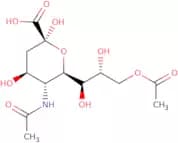
CAS:9-O-Acetyl-N-acetyl-neuraminic acid is a sialic acid produced by the human body. It can be found in human serum and has been shown to have inhibitory properties against viruses, such as hepatitis B and C viruses. 9-O-Acetyl-N-acetylneuraminic acid binds to the α1-acid glycoprotein in the blood, which can reduce its ability to bind to other molecules. This leads to a lower concentration of 9-O-acetylneuraminic acid in the blood. This molecule also has chemical biology properties that are being studied for their effects on biological processes such as histological analysis, receptor molecule binding, polymerase chain reaction (PCR), and mucin gene transcription. 9-O-Acetylneuraminic acid also has antihistamine activities that may be due to its ability to block histamine receptors or inhibit histamine release.Fórmula:C13H21NO10Pureza:Min. 75 Area-%Forma y color:White Off-White PowderPeso molecular:351.31 g/molN-Acetyl-D-mannosamine
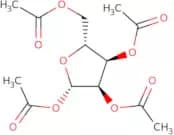
CAS:N-Acetyl D-mannosamine (ManNAc) is an aldohexose (2-acetamido-2-deoxymannose) in which the axial hydroxyl group at position 2 is replaced by a N-acetyl group (Collins, 2006). It has been reported that N-acetyl D-mannosamine supplementation, may provide novel means to break the link between obesity and hypertension (Peng, 2019). N-Acetyl-D-mannosamine and N-acetyl-D-glucosamine are the essential precursors of sialic acid, the specific monomer of polysialic acid, a bacterial pathogenic determinant, for example, Escherichia coli K1 uses both amino sugars as carbon sources. Glycoproteins normally have some level of glycan sialylation, but incomplete sialylation can reduce their therapeutic effect when produced recombinantly. To improve performance, cell lines and culture media can be adjusted. The GNE enzyme controls the efficiency of sialylation in human cell lines, making it crucial for producing effective recombinant glycoprotein drugs. Adding ManNAc and other supplements to culture media improves sialylation, which boosts drug yield, increases stability and half-life, and lowers immune reactions by reducing antibody formation.It has also been reported that ManNAc can be used as a treatment for hereditary inclusion body myopathy, an adult-onset, progressive neuromuscular disorder and also for renal disorders involving proteinuria and hematuria due to podocytopathy and/or segmental splitting of the glomerular basement membrane (Galeano, 2007).Fórmula:C8H15NO6Pureza:Min. 97.5 Area-%Peso molecular:221.21 g/mol1,2,3,5-Tetra-O-acetyl-β-D-ribofuranose
CAS:Important resource for RNA- and DNA-related syntheses including ribosylationFórmula:C13H18O9Pureza:Min. 95%Forma y color:White PowderPeso molecular:318.28 g/molIsorhamnetin 3-O-galactoside
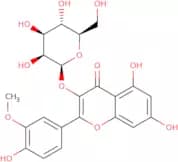
CAS:Isorhamnetin 3-O-galactoside is a flavonoid derivative that is found in plant tissue. It has antioxidant properties and has been shown to inhibit leucaena seed germination, growth, and the production of reactive oxygen species (ROS). Isorhamnetin 3-O-galactoside can be extracted from fruit by using an aqueous solution of potassium hydroxide. It is also used as a dietary supplement for its potent inhibitory activity on ROS. Isorhamnetin 3-O-galactoside is found in plants with other flavonoids such as quercetin and kaempferol. The chemical structure of this compound consists of a hydroxyl group at the C3 position and an O-glycosidic linkage to galactose at the C2 position. This compound can be detected by mass spectrometric methods such as electron ionization or electrospray ionization because it
Fórmula:C22H22O12Pureza:Min. 95%Peso molecular:478.4 g/molL-Mannonic acid-1,4-lactone
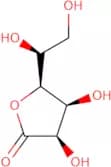
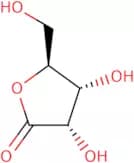
CAS:L-Mannonic acid-1,4-lactone is an acidic compound that has kinetic properties. It is used in the assays of chloride ions and neutral pH. L-Mannonic acid-1,4-lactone also has conjugates with hydrolytic activity and can be used as a synthetic intermediate for other organic compounds. L-Mannonic acid-1,4-lactone can be found in group P2 of the periodic table because it contains a hydroxyl group and an organic group with a methyl ethyl side chain. L-Mannonic acid-1,4-lactone hydrolyzes at high temperatures and may exhibit synergistic effects when combined with other agents. This product is also used to incubate cells such as k562 cells.
Fórmula:C6H10O6Pureza:Min. 95%Forma y color:PowderPeso molecular:178.14 g/molD-Rhamnose
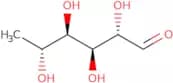
CAS:Chiral-pool sugar used to mirror syntheses based on natural L-RhaFórmula:C6H12O5Pureza:Min. 97 Area-%Forma y color:White PowderPeso molecular:164.16 g/molD-Glucuronic acid methyl ester
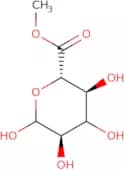
CAS:D-Glucuronic acid methyl ester is an acidic, carbohydrate-binding molecule. It has been shown to bind to sugar residues in proteins and form covalent linkages with ester linkages. D-Glucuronic acid methyl ester has also been shown to be effective for the treatment of pentosan polysulfate sodium (PPS) induced inflammation in animal models. D-Glucuronic acid methyl ester binds to the monoclonal antibodies that are used for structural analysis of glycosidic bonds and oligosaccharides. The hydroxyl group on the molecule can form hydrogen bonds with other molecules, which may explain its usefulness as a magnetic resonance spectroscopy probe.Fórmula:C7H12O7Pureza:Min. 90 Area-%Forma y color:Yellow PowderPeso molecular:208.17 g/mol2,3,4,6-Tetra-O-benzyl-1-deoxynojirimycin hydrochloric acid salt
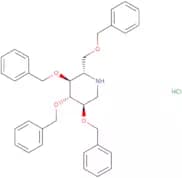
CAS:2,3,4,6-Tetra-O-benzyl-1-deoxynojirimycin hydrochloric acid salt is a synthetic monosaccharide. It was originally synthesized by the methylation of a native oligosaccharide before being subjected to click chemistry. The resulting product is a complex carbohydrate with an aromatic ring in place of the sugar alcohol moiety. 2,3,4,6-Tetra-O-benzyl-1-deoxynojirimycin hydrochloric acid salt has CAS number 72983-76-7 and is soluble in water. This product is also available as a custom synthesis service and can be modified to meet your needs.Fórmula:C34H38ClNO4Pureza:Min. 95 Area-%Forma y color:PowderPeso molecular:560.12 g/mol1,6-Anhydro-3,4-O-isopropylidene-b-D-galactopyranose
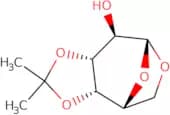
CAS:1,6-Anhydro-3,4-O-isopropylidene-b-D-galactopyranose is a custom synthesis of a complex carbohydrate that has been modified with methylation and glycosylation. It is a saccharide with the CAS number 52579-97-2. This product is highly pure and can be fluorinated for synthesizing other sugars or carbohydrates. The purity of this product is greater than 98%.Fórmula:C9H14O5Pureza:Min. 95%Forma y color:White PowderPeso molecular:202.2 g/molL-Ribonic acid-1,4-lactone
CAS:L-Ribonic acid-1,4-lactone is a synthetic process that is used as an antiviral agent. It is a sugar reactant in the production of riboflavin. L-Ribonic acid-1,4-lactone has been shown to inhibit the synthesis of viral RNA and DNA, which prevents replication of the virus. The mechanism of L-ribonic acid lactone's antiviral activity is not currently known.
Fórmula:C5H8O5Pureza:(%) Min. 90%Forma y color:PowderPeso molecular:148.12 g/mol6-O-Desmethyl donepezil glucuronide sodium (Mixture of Diastereomers)
CAS:Please enquire for more information about 6-O-Desmethyl donepezil glucuronide sodium (Mixture of Diastereomers) including the price, delivery time and more detailed product information at the technical inquiry form on this pageFórmula:C29H35NO9•NaPureza:Min. 95%Peso molecular:540.59 g/mol1,5-Anhydro-2,3,4-tri-O-benzoyl-6-deoxy-D-arabino-hex-1-enitol
CAS:1,5-Anhydro-2,3,4-tri-O-benzoyl-6-deoxy-D-arabino-hex-1-enitol is a high purity sugar with a click modification. It is a synthetic monosaccharide that is an important building block for complex carbohydrates. This compound can be modified through methylation, glycosylation, and custom synthesis to produce desired compounds. The 1,5 Anhydro 2,3,4 tri O benzoyl 6 deoxy D arabino hex 1 enitol has shown activity against the fluoroquinolone resistant bacteria Staphylococcus aureus and Mycobacterium tuberculosis. It has also been shown to inhibit the growth of cancer cells in vitro and in vivo.Fórmula:C27H22O7Pureza:Min. 95%Forma y color:PowderPeso molecular:458.46 g/mol2-(3,4-Dihydroxyphenyl)ethyl b-D-glucopyranoside
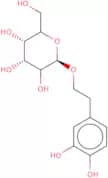
CAS:2-(3,4-Dihydroxyphenyl)ethyl b-D-glucopyranoside (2,3,4-DHPEB) is a naturally occurring phenolic acid. It has been shown to have antidepressant activity in mice and rats. 2,3,4-DHPEB inhibits the growth of Streptococcus faecalis by inhibiting fatty acid biosynthesis. This compound also has anti-inflammatory properties that may be due to its ability to inhibit prostaglandin synthesis. 2,3,4-DHPEB is a ligand for PPAR receptors and activates their transcriptional activity in cells. It has been shown to have chemopreventive effects against colon cancer cell lines and is able to induce apoptosis in tumor cells.Fórmula:C14H20O8Pureza:Min. 95%Forma y color:PowderPeso molecular:316.3 g/molMethyl b-D-thiogalactopyranoside
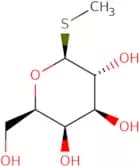
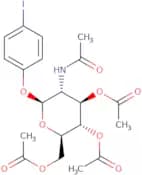
CAS:Methyl b-D-thiogalactopyranoside (MTGP) is a cell lysis agent that can be used for diagnostic purposes to measure enzyme activities in cells. It is also used to determine the kinetic of an enzyme reaction, as well as its acid formation. MTGP has been shown to inhibit sugar transport and metabolism by binding to the sugar molecule and preventing it from passing through cellular membranes. This inhibition prevents the accumulation of proton gradients across the membrane, which disrupts ATP production and leads to cell death. MTGP is also an inhibitor of glucose-6-phosphate dehydrogenase (G6PDH), which converts glucose into sorbitol. Sorbitol accumulates intracellularly and leads to cell death by osmotic lysis.Fórmula:C7H14O5SPureza:Min. 98 Area-%Forma y color:PowderPeso molecular:210.25 g/mol4-Iodophenyl 2-acetamido-3,4,6-tri-O-acetyl-2-deoxy-b-D-glucopyranoside
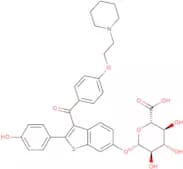
CAS:4-Iodophenyl 2-acetamido-3,4,6-tri-O-acetyl-2-deoxy-b-D-glucopyranoside is a white crystalline powder. It is a glycosylation product of 4-(iodophenyl)-2-(acetamido)-3,4,6,-triacetylaminohexose. This compound can be used for the synthesis of complex carbohydrates and saccharides. This compound is also used in the modification of polysaccharides and oligosaccharides. The purity of this compound is greater than 98%.Fórmula:C20H24INO9Pureza:Min. 95%Forma y color:PowderPeso molecular:549.31 g/molRaloxifene 6-D-glucuronide
CAS:Raloxifene 6-D-glucuronide is a synthetic compound that consists of the sugar raloxifene and the sugar glucuronic acid. It is a complex carbohydrate with a molecular weight of 569. Raloxifene 6-D-glucuronide is soluble in water and insoluble in most organic solvents. The compound has been modified by fluorination, which increases its stability in water, and by click modification. This compound has been shown to inhibit the activity of bacterial enzymes that are responsible for the synthesis of saccharides, such as oligosaccharides and polysaccharides.Fórmula:C34H35NO10SPureza:Min. 95%Forma y color:SolidPeso molecular:649.71 g/molL-Gluconic acid calcium
CAS:L-Gluconic acid calcium salt is a white crystalline powder. It is soluble in water and slightly soluble in alcohol. The structure of this compound has not been fully elucidated, but it is known to be a modification of L-gluconic acid, which is a monosaccharide. This product can be used as a biochemical reagent for the synthesis of oligosaccharides and polysaccharides.
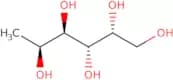
Fórmula:(C6H12O7)2•CaPureza:Min. 95%Forma y color:PowderPeso molecular:432.39 g/molL-Fucitol
CAS:L-Fucitol is a sugar that is found in the form of D-arabinose and D-xylitol. It is used in flow systems for the detection of herpes simplex virus type 1 (HSV1) glycoproteins and can be used to measure xylitol dehydrogenase activity. L-Fucitol has been shown to inhibit the growth of bacteria that are resistant to penicillin, ampicillin, and erythromycin. L-Fucitol also inhibits enzymes such as galactocerebrosidase, which breaks down galactocerebroside, a myelin constituent. This inhibition leads to accumulation of galactitol, an inhibitor of oligosaccharide synthesis. L-Fucitol also inhibits enzyme activities such as glycosidases and glycosyltransferases, which affect metabolic profiles by inhibiting the breakdown or synthesis of sugars. L-Fucitol is a monosac
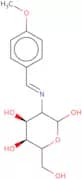
Fórmula:C6H14O5Pureza:Min. 95%Forma y color:White Off-White PowderPeso molecular:166.17 g/mol2-Deoxy-2-(4-methoxybenzyliden)imino-D-glucose
CAS:2-Deoxy-2-(4-methoxybenzyliden)imino-D-glucose is a modified carbohydrate that is used for the synthesis of oligosaccharides, polysaccharides, and glycosaminoglycans. This compound is also used as a substrate for methylation reactions. It can be synthesized from D-glucose by the addition of a 2-(4-methoxybenzylidene) group to the 2′ position of the carbon atom on the anomeric carbon. The structure of this compound has been determined by X-ray crystallography.Fórmula:C14H19NO6Pureza:Min. 95%Forma y color:White to off-white solid.Peso molecular:297.3 g/molβ-D-Galactopyranosyl amine
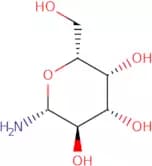
CAS:Inhibitor of β-galactosidase
Fórmula:C6H13NO5Pureza:(¹H-Nmr) Min. 95 Area-%Forma y color:White PowderPeso molecular:179.17 g/molLumiracoxib acyl-β-D-glucuronide
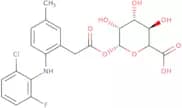
CAS:Producto controladoLumiracoxib acyl-b-D-glucuronide is a synthetic compound that is a derivative of the nonsteroidal anti-inflammatory drug lumiracoxib. It has been shown to be effective as an inhibitor of inflammation and pain in animal models, with no significant toxic effects on the liver or kidney. Lumiracoxib acyl-b-D-glucuronide is a white powder that can be synthesized by glycosylation and modification of lumiracoxib. This compound is soluble in water and ethanol, but insoluble in ether.Fórmula:C21H21ClFNO8Pureza:Min. 95%Forma y color:White To Yellow SolidPeso molecular:469.84 g/molMethyl 2-acetamido-2-deoxy-b-D-glucopyranoside
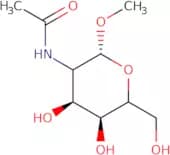
CAS:Methyl 2-acetamido-2-deoxy-b-D-glucopyranoside is a xylose sugar that is found in the leaves of Nepeta cataria. It has shown to inhibit bacterial growth by binding to DNA and RNA, as well as inhibit transcription, translation, and replication. Methyl 2-acetamido-2-deoxy-b-D-glucopyranoside also binds to cardiac channels and inhibits their activity. This compound has been shown to have anti cancer effects on prostate cancer cells in mice. Furthermore, it inhibits microbial metabolism in vitro by inhibiting the enzyme acetolactate synthase. Methyl 2-acetamido-2-deoxy-b-D -glucopyranoside has also been shown to be an effective treatment for autoimmune diseases such as multiple sclerosis and rheumatoid arthritis in mice.Fórmula:C9H17NO6Pureza:Min. 95%Forma y color:White Off-White PowderPeso molecular:235.24 g/mol2-Acetamido-2-deoxy-4,6-O-isopropylidene-D-glucopyranose
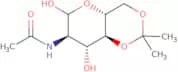
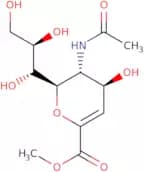
CAS:2-Acetamido-2-deoxy-4,6-O-isopropylidene-D-glucopyranose is a modification of 2,3,4,5,6 tetraacetamido 1,2,3,4,5 pentaoxo 1,2 deoxy D glucose. It is an oligosaccharide that has been synthesized for the first time in 1977. The monosaccharide can be methylated and glycosylated to form polysaccharides such as mannans and galactans. The chemical structure of this product can be modified with fluorination or saccharide substitution.Fórmula:C11H19NO6Pureza:Min. 95%Peso molecular:261.27 g/molN-Acetyl-2,3-dehydro-2-deoxyneuraminic acid methyl ester
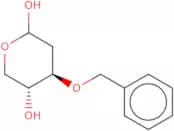
CAS:N-Acetyl-2,3-dehydro-2-deoxyneuraminic acid methyl ester (NAD) is a natural product that is produced by the human body. NAD has been shown to induce apoptosis in cancer cells and modulate gene expression. This compound also plays a role in the development of stem cells, which are important for tissue regeneration. NAD has been shown to have therapeutic effects on paraplegia and angiogenesis. It also has anti-inflammatory properties that may be related to its ability to regulate mesenchymal stem cells.Fórmula:C12H19NO8Pureza:Min. 95%Forma y color:PowderPeso molecular:305.29 g/mol3-O-Benzyl-2-deoxy-D-arabinopyranose
3-O-Benzyl-2-deoxy-D-arabinopyranose is a modified sugar that can be used in the synthesis of oligosaccharides. It is a white powder that has a purity level of more than 99%. The CAS number for 3-O-Benzyl-2-deoxy-D-arabinopyranose is 52397-07-8. This product can be custom synthesized to meet your specific needs. It can also be methylated, glycosylated, or modified with a click chemistry reaction.
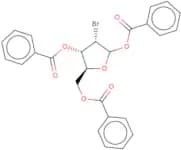
Fórmula:C12H16O4Pureza:Min. 95%Peso molecular:224.25 g/mol1,3,5-Tri-O-benzoyl-2-deoxy-2-bromo-alpha-L-arabinofuranose
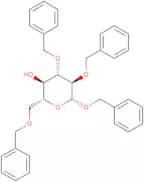
1,3,5-Tri-O-benzoyl-2-deoxy-2-bromo-alpha-L-arabinofuranose is a complex monosaccharide that can be used as a building block in the synthesis of various compounds. It is a derivative of the sugar arabinose, with the addition of benzoyl and bromo groups at specific positions. The compound has potential applications in the fields of organic chemistry and medicinal chemistry and is available for research.Fórmula:C26H21BrO7Pureza:Min. 95%Peso molecular:524.04 g/mol1,2,3,6-Tetra-O-benzyl-β-D-glucopyranoside
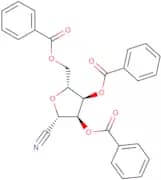
CAS:1,2,3,6-Tetra-O-benzyl-β-D-glucopyranoside is a synthetic compound that is produced by the modification of natural sugars. It was first synthesized by a team of chemists led by Professor Robert Burns Woodward. This molecule has been modified with methyl groups and fluorine atoms to improve its stability and to provide a more convenient method for its analysis. 1,2,3,6-Tetra-O-benzyl-β-D-glucopyranoside can be used in the synthesis of oligosaccharides and polysaccharides.Fórmula:C34H36O6Pureza:Min. 95%Forma y color:PowderPeso molecular:540.65 g/mol2,3,5-Tri-O-benzoyl-β-D-ribofuranosyl cyanide
CAS:Building block for C-nucleoside synthesisFórmula:C27H21NO7Pureza:Min. 98 Area-%Forma y color:White PowderPeso molecular:471.46 g/molD-Glucal
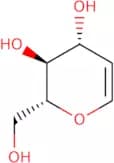
CAS:D-Glucal is a protonated d-glucal, which is a simple sugar. It reacts with the electron acceptor oxygen to form an oxidized product. This product can be reduced back to the original molecule by using a reducing agent, such as sodium borohydride or sodium dithionite. D-Glucal has been shown to inhibit the growth of tumor cells in mice that are resistant to other anticancer drugs. D-Glucal inhibits transcription and replication of DNA by binding to the DNA-dependent RNA polymerase and blocking its ability to transcribe messenger RNA (mRNA). The enzyme is also inhibited by glycosidic bond architectures that prevent it from binding to the DNA template strand. D-Glucal also has an effect on protein synthesis because it binds to proteins and prevents them from performing their normal functions. D-Glucal has been used as a model system for studying cellular processes in mammalian cells, such as oxidationFórmula:C6H10O4Pureza:Min. 98 Area-%Forma y color:White Off-White PowderPeso molecular:146.14 g/mol1,2,3,4,6-Penta-O-benzoyl-D-glucopyranoside
CAS:Penta-O-benzoyl-D-glucopyranoside is a carbohydrate that has been prepared in a preparative scale. It is an organic compound and the structural formula is C12H22O11. The diameter of this molecule is around 1.5 nm, which makes it mesoporous. Penta-O-benzoyl-D-glucopyranoside has been analysed by high performance liquid chromatography (HPLC) and mass spectrometry (MS). The tree ring processability of this product is good and can be processed thermally.Fórmula:C41H32O11Pureza:Min. 95%Peso molecular:700.69 g/molPhenyl 4,6-O-benzylidene-β-D-glucopyranoside
CAS:Phenyl 4,6-O-benzylidene-b-D-glucopyranoside is a white crystalline powder that belongs to the group of glycoconjugates. It has been made by the modification of glycosides and saccharides. This product can be used as a fluorination agent in organic synthesis, or as a click modification in carbohydrate chemistry. Phenyl 4,6-O-benzylidene-b-D-glucopyranoside can also be used for glycosylation reactions and methylation reactions.Fórmula:C19H20O6Pureza:Min. 95%Forma y color:White to off-white solid.Peso molecular:344.36 g/molMethyl 3,5-di-O-benzyl-D-xylofuranoside
CAS:Methyl 3,5-di-O-benzyl-D-xylofuranoside can also be used as an intermediate in the synthesis of other xylo or oligo related compounds.Fórmula:C20H24O5Pureza:Min. 95%Forma y color:PowderPeso molecular:344.4 g/molD-Fructose
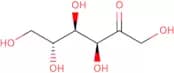
CAS:D-Fructose (Fru) is the most common reducing keto-hexose and is often known as levulose, arabino-hexulose, fruit sugar (Collins, 2006). In an aqueous solution, fructose exhibits mutarotation (approx., 70-75% β-pyranose, 20-23% β-furanose, 5% α-furanose, 2% α-pyranose, 0.7% open chain) (Angyal, 1984). Sucrose from sugar cane and sugar beet is made up of 50% fructose and is found in many fruits and vegetables; it is the predominant sugar in apples, grapes, oranges and watermelon, as well as comprising of up to half of the total sugars in honey. High fructose corn syrup (HFCS) containing around 50% fructose is an important food ingredient produced from glucose syrup by the action of the enzyme glucose isomerase (Hanover, 1993). However, dietary sugars including fructose, have long been implicated in the epidemic of obesity. Evidence to link the relation of foods and beverages containing fructose with overweight or obesity has recently been obtained (Zurbau, 2020).Fórmula:C6H12O6Pureza:Min. 99 Area-%Forma y color:White PowderPeso molecular:180.16 g/mol2,3,5-Tri-O-benzyl-1-O-(4-nitrobenzoyl)-D-arabinofuranose
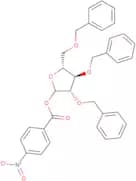
CAS:2,3,5-Tri-O-benzyl-1-O-(4-nitrobenzoyl)-D-arabinofuranose is an organic compound that belongs to the group of furan derivatives. The configuration of this molecule was determined to be (2S,3S) by the use of stereoselective synthesis. It can be synthesized from a benzaldehyde and a ribofuranosyl chloride with a yield of about 95%. This compound has been shown to react with azides in a catalytic transfer reaction yielding yields of up to 100%.Fórmula:C33H31NO8Pureza:Min. 95%Forma y color:PowderPeso molecular:569.6 g/molGDP-L-fucose disodium salt
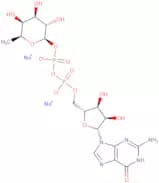
CAS:GDP-L-fucose is a natural fucosyl donor and substrate for fucosyltransferases (FUT) that catalyses the fucosylation of, for example, human milk oligosaccharides or glycoproteins. GDP-L-fucose is widely used in (chemo)enzymatic synthesis of glycans. Cymit Quimicaesis of GDP-L-fucose, a nucleotide sugar consisting of an L-fucose that is β-glycosidically linked to the nucleotide guanosine diphosphate (GDP), is achieved either through de novo synthesis via GDP-mannose or through a salvage pathway from free fucose. Fucosylation is catalysed by fucosyltransferases (~ 13 FUT genes have been identified in the human genome to date) to generate α-1,2, α-1,3, α-1-4 and α-1-6 linkages of fucose to other sugars, as well as direct linkages to peptides, with release of GDP (Lairson, 2008).Fórmula:C16H23N5O15P2Na2Pureza:Min. 90 Area-%Forma y color:White Off-White PowderPeso molecular:633.31 g/molMycophenolic acid acyl-b-D-glucuronide
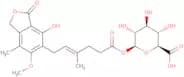
CAS:Mycophenolic acid acyl-b-D-glucuronide is a prodrug of mycophenolic acid that is metabolized by esterases to its active form. This compound has been shown to inhibit the activity of drug receptors, including those for immunosuppressants and anticonvulsants. Mycophenolic acid acyl-b-D-glucuronide has also been found to have a matrix effect on the concentration–time curve of other drugs in human serum. This drug is used for the treatment of bowel disease, autoimmune diseases, and for the prevention of organ transplant rejection. It can be administered orally or intravenously and has been shown to be well tolerated with few adverse effects.Fórmula:C23H28O12Pureza:Min. 90%Forma y color:PowderPeso molecular:496.47 g/molD-Xylose-1-phosphate triethylammonium
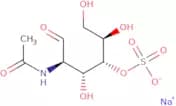
CAS:D-Xylose-1-phosphate triethylammonium is a synthetic compound that is used as an intermediate in the synthesis of oligosaccharides and polysaccharides. It has been shown to be a substrate for glycosylation reactions, with the potential to form glycosidic bonds with a variety of monosaccharides and polysaccharides. This product can also be fluorinated or methylated, and can undergo click modification or other modifications to make it suitable for use in various applications. D-Xylose-1-phosphate triethylammonium is available in high purity and can be custom synthesized according to customer specifications.Fórmula:C5H11O8PPureza:Min. 95%Forma y color:PowderPeso molecular:230.11 g/molN-Acetyl-D-galactosamine-4-O-sulphate sodium
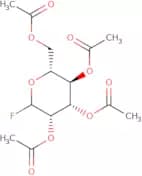
CAS:N-Acetyl-D-galactosamine-4-O-sulphate sodium salt is a carbohydrate, modification. It is a synthetic, custom synthesis, high purity, monosaccharide, glycosylation and methylation product. The CAS number of this product is 660839-03-2.Fórmula:C8H15NO9S•NaPureza:Min. 95%Forma y color:PowderPeso molecular:324.26 g/mol2,3,4,6-Tetra-O-acetyl-D-mannopyranosyl fluoride
CAS:2,3,4,6-Tetra-O-acetyl-D-mannopyranosyl fluoride is a methylated, fluorinated oligosaccharide. It is a custom synthesis and can be used as a monosaccharide to modify polysaccharides or saccharides. The modification of the sugar with 2,3,4,6-Tetra-O-acetyl-D-mannopyranosyl fluoride increases the water solubility of the complex carbohydrate and its ability to be synthesized into other compounds. This product is high purity and has been modified with fluorine for better stability.
Fórmula:C14H19FO9Pureza:Min. 95%Peso molecular:350.29 g/mol3-Deoxy-D-glucosone
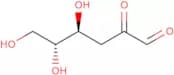
CAS:3-Deoxy-D-glucosone is a compound that belongs to the group of monosaccharides and has a basic structure. It can be found in many types of biological samples, including blood. The x-ray diffraction data for 3-deoxy-D-glucosone shows an asymmetric unit of two molecules with a coordination geometry of 2.3. This compound is known to have high protein oxidation rates, which are caused by dna binding activity. 3-Deoxyglucosone has been shown to be involved in the pathogenic mechanism of many types of cancers.Fórmula:C6H10O5Pureza:Min. 95%Forma y color:PowderPeso molecular:162.14 g/mol3-Deoxy-3-fluoro-D-xylopyranose
3-Deoxy-3-fluoro-D-xylopyranose is a carbohydrate, modification, saccharide and oligosaccharide. It is an Oligosaccharide sugar that has a CAS number of 104863-98-2. 3DFX can be custom synthesized in high purity with methylation and glycosylation. This product can be used for click modification with the desired molecule.Pureza:Min. 95%Ethyl 4,6-O-benzylidene-2-O-levulinoyl-b-D-thioglucopyranoside
Ethyl 4,6-O-benzylidene-2-O-levulinoyl-b-D-thioglucopyranoside is a highly functionalized glycoside that is synthesized from levulinic acid as the starting material. It is an important chemical intermediate for various applications in biotechnology and medicine. Ethyl 4,6-O-benzylidene-2-O-levulinoyl-b-D-thioglucopyranoside can be used to modify saccharides, oligosaccharides, and polysaccharides with fluorine or methyl groups. This product has been custom synthesized to specifications and is of high purity.Fórmula:C20H26O7SPureza:Min. 95%Peso molecular:410.48 g/mol1-D-4-O-Methyl-myo-inositol
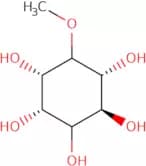
CAS:1-D-4-O-Methyl-myo-inositol is a compound that belongs to the group of biological compounds. It has been shown to have hypoglycemic effects in a model system and to inhibit 3t3-l1 preadipocyte differentiation. This compound also inhibits the activity of enzymes involved in metabolic pathways, and has an effect on lipid metabolism in kidney beans. 1-D-4-O-Methyl-myo-inositol has been shown to have antiobesity properties as well as antihyperglycemic activities.
Fórmula:C7H14O6Pureza:Min. 95%Forma y color:White Off-White PowderPeso molecular:194.18 g/molBenzyl 2-acetamido-2-deoxy-6-O-trityl-a-D-glucopyranoside
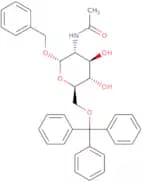
CAS:Benzyl 2-acetamido-2-deoxy-6-O-trityl-a-D-glucopyranoside is a glycosylation of benzyl 2,3,4,6-tetraacetamido-2,3,4,6-tetra deoxyglucopyranoside. It is a complex carbohydrate that can be modified with methyl groups or fluorine atoms. This product is often used in Click chemistry and as a building block for oligosaccharides and polysaccharides. Benzyl 2-acetamido-2-deoxy 6O trityl a D glucopyranoside has CAS number 33493 71 9 and can be custom synthesized to meet individual requirements.
Fórmula:C34H35NO6Pureza:Min. 95%Forma y color:White PowderPeso molecular:553.64 g/molN-Acetyl-D-glucosamine-6-phosphate disodium
CAS:Intracellular form of GlcNAc; substrate for GlcNAc-phosphate deacetylaseFórmula:C8H16NO9P•Na2Pureza:Min. 98 Area-%Forma y color:White Off-White PowderPeso molecular:347.17 g/mol