Monosacáridos
Subcategorías de "Monosacáridos"
- Allosas(11 productos)
- Arabinosas(21 productos)
- Eritrosas(11 productos)
- Fructosas(9 productos)
- Fucosas(36 productos)
- Galactosamina(41 productos)
- Galactosa(261 productos)
- Glucosas(365 productos)
- Ácidos glucurónicos(52 productos)
- Glico-sustratos para enzimas(78 productos)
- Gulosas(6 productos)
- Idosas(4 productos)
- Inositoles(15 productos)
- Lyxosas(4 productos)
- Manosas(65 productos)
- O-glicanos(48 productos)
- Psicosas(3 productos)
- Ramnosas(10 productos)
- Ribosas(61 productos)
- Ácidos siálicos(100 productos)
- Sorbosas(4 productos)
- Azúcares(173 productos)
- Tagatosis(4 productos)
- Taloses(8 productos)
- Xilosas(20 productos)
Se han encontrado 6088 productos de "Monosacáridos"
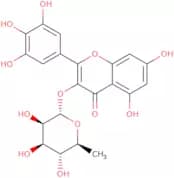
Myricitrin
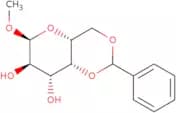
CAS:Myricitrin is a natural compound that is found in the bark of the Myrica tree. It has been shown to have antioxidant effects and pro-apoptotic activities. Myricitrin has been shown to induce apoptosis in HL-60 cells through activation of the caspase-3 pathway, which includes cleavage of poly (ADP-ribose) polymerase and activation of caspases. In addition, myricitrin induces apoptosis by binding to DNA and inhibiting transcription. The physiological effects of myricetin are similar to those of myricitrin due to their structural similarity. However, there is no data available on the anti-inflammatory properties or hypoglycemic effect of myricetin.Fórmula:C21H20O12Pureza:Min. 95%Forma y color:White PowderPeso molecular:464.38 g/molMethyl 4,6-O-benzylidene-a-D-galactopyranoside
CAS:Methyl 4,6-O-benzylidene-a-D-galactopyranoside is a high purity, custom synthesis, sugar modified product. It has a CAS No. 72904-85-9, and can be synthesized by the click modification of methyl 1,4-O-diacetyl D-mannopyranoside. The fluorination of the glucose moiety in this molecule is accomplished using NCS/BF3 complex in acetonitrile. Glycosylation is achieved using NEM/HBTU and DCC in DMF. The saccharide is then modified with methyl 4,6-O-benzylidene alditol acetate to yield Methyl 4,6-O-benzylidene a D galactopyranoside. This product can also be synthesized by the glycosylation of methyl 2,5 dihydroxyacetophenone with methylFórmula:C14H18O6Pureza:Min. 95%Forma y color:White to off-white solid.Peso molecular:282.29 g/molBenzyl 2-acetamido-4,6-O-benzylidene-2-deoxy-α-D-glucopyranoside
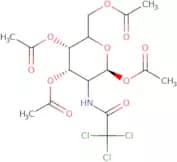
CAS:Please enquire for more information about Benzyl 2-acetamido-4,6-O-benzylidene-2-deoxy-α-D-glucopyranoside including the price, delivery time and more detailed product information at the technical inquiry form on this pageFórmula:C22H25NO6Pureza:Min. 98 Area-%Forma y color:White PowderPeso molecular:399.44 g/mol1,3,4,6-Tetra-O-acetyl-2-deoxy-2-trichloroacetamido-b-D-glucopyranose
CAS:1,3,4,6-Tetra-O-acetyl-2-deoxy-2-trichloroacetamido-b-D-glucopyranose is a synthetic polysaccharide. It is a monosaccharide that has been custom synthesized and modified with methylation and fluorination. The chemical structure of this product is an oligosaccharide composed of six glucose units linked by acetal bonds. 1,3,4,6-Tetra-O-acetyl-2-deoxy-2-trichloroacetamido b D glucopyranose is available for sale as a research chemical in the US and Canada.
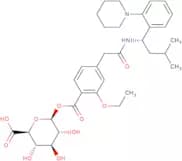
1,3,4,6 Tetra O Acetyl 2 Deoxy 2 Trichloroacetamido b D Glucopyranose (1)Fórmula:C16H20Cl3NO10Pureza:Min. 95%Forma y color:White To Off-White SolidPeso molecular:492.69 g/molRepaglinide acyl-D-glucuronide
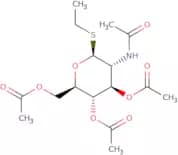
CAS:Repaglinide is a drug that belongs to the class of drugs called meglitinides. It is used in the treatment of type 2 diabetes mellitus and has been shown to lower blood sugar levels. Repaglinide is metabolized to repaglinide acyl-D-glucuronide, its active form, by esterases in the liver. The majority of this metabolite is excreted in urine as an acyl glucuronide. A small amount of this metabolite is excreted into bile and undergoes enterohepatic circulation, resulting in reabsorption and conjugation with glucuronic acid. This process results in a decrease in the amount of repaglinide acyl-D-glucuronide that circulates through the body and prolongs its activity.Fórmula:C33H44N2O10Pureza:(%) Min. 97%Forma y color:White PowderPeso molecular:628.71 g/molEthyl 2-acetamido-3,4,6-tri-O-acetyl-2-deoxy-b-D-thioglucopyranoside
CAS:Ethyl 2-acetamido-3,4,6-tri-O-acetyl-2-deoxy-b-D-thioglucopyranoside is a modified carbohydrate that has been synthesized by the click modification of an acetylated triose. This chemical was synthesized by reacting ethyl 2-(2'-deoxy-(1->4)-beta--D--glucopyranoside) with trimethylsilylacetamide and copper(I) chloride in dry tetrahydrofuran. This product has high purity and is used as a research tool for glycobiology.
Fórmula:C16H25NO8SPureza:Min. 95%Forma y color:White PowderPeso molecular:391.44 g/molD-Arabinaric acid dipotassium salt
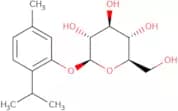
CAS:D-Arabinaric acid dipotassium salt is a custom synthesis with complex carbohydrate, which can be modified by methylation, glycosylation, and carbonylation. It has CAS number 6703-05-5 and a high purity. This product is also fluorinated, which makes it an excellent synthetic reagent.Fórmula:C5H6K2O7Pureza:Min. 95 Area-%Forma y color:White Off-White PowderPeso molecular:256.29 g/molThymol-β-D-glucopyranoside
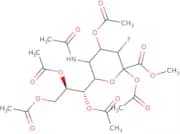
CAS:Thymol-b-D-glucopyranoside is a bactericidal agent that is resistant to encapsulation. It has been shown to be effective against animals and typhimurium in an incubated population and endogenous deaminase inhibitor strategy. The porcine activated food chemistry and abattoir experiments show that thymol-b-D-glucopyranoside has the potential to reduce populations of bacteria in the gastrointestinal tract by inhibiting protein synthesis.Fórmula:C16H24O6Pureza:Min. 95%Forma y color:PowderPeso molecular:312.36 g/mol2,4,7,8,9-Penta-O-acetyl-N-acetyl-3-fluoro-b-D-neuraminic acid methyl ester
CAS:Inhibitor of sialyltransferases
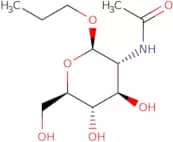
Fórmula:C36H54N18O24Pureza:Min. 90 Area-%Forma y color:White PowderPeso molecular:551.47 g/molPropyl 2-acetamido-2-deoxy-β-D-glucopyranoside
CAS:Propyl 2-acetamido-2-deoxy-b-D-glucopyranoside is a synthetic monosaccharide that has been fluorinated and methylated. It is a custom synthesis and can be modified to suit your needs. This compound has been glycosylated and click modified. The purity of this product is high and it's molecular weight is 798 Da.Fórmula:C11H21NO6Pureza:Min. 95%Forma y color:White to off-white solid.Peso molecular:263.3 g/molD-Glucose 3-sulfate sodium salt
CAS:D-Glucose 3-sulfate sodium salt is a fluorinated, monosaccharide that can be used as a synthetic, oligosaccharide or complex carbohydrate. It is custom synthesized with glycosylation and polysaccharides and has been shown to be useful in click modification. D-Glucose 3-sulfate sodium salt is also methylated and sugar modified. The CAS number for this product is 89830-83-1. It has high purity and can be purchased at any lab supply store.Fórmula:C6H11NaO9SPureza:Min. 98 Area-%Forma y color:PowderPeso molecular:282.2 g/mol4'-Hydroxypropanolol D-glucuronide D5
Producto controlado4'-Hydroxypropanolol D-glucuronide D5 is a custom synthesis.
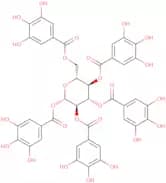
Fórmula:C22H24NO9D5Pureza:Min. 95%Peso molecular:456.51 g/mol1,2,3,4,6-Penta-O-galloyl-β-D-glucopyranose
CAS:A gallotannin found in plants, with various biological activities. Its anti-cancer effect has been demonstrated in several cancer cell lines, mediated by inhibition of DNA replication, proliferation and angiogenesis. Elicits anti-inflammatory, antioxidative and anti-diabetic effects. Recently, it has been identified as an inhibitor of c-Myc in hepatocellular carcinoma and multiple myeloma cells.Fórmula:C41H32O26Pureza:Min. 96 Area-%Forma y color:PowderPeso molecular:940.68 g/molPhenyl 2,3,4-tri-O-benzyl-b-L-thiofucopyranose
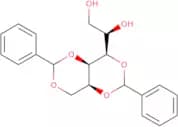
CAS:Phenyl 2,3,4-tri-O-benzyl-b-L-thiofucopyranose is a synthetic monosaccharide that is modified with fluorine. It is also known as 3,4,6-tri-O-benzyl-2,3,4,6-tetra-O-(trifluoromethyl) fucopyranose. This compound is a complex carbohydrate that belongs to the group of glycoconjugates and polysaccharides. Phenyl 2,3,4-tri-O-benzyl-b-L-thiofucopyranose has been shown to be useful in glycosylation reactions as well as in click chemistry reactions. This compound can be used for the synthesis of oligosaccharides and polysaccharides with custom modifications. Phenyl 2,3,4 tri O benzyl b L thiofFórmula:C33H34O4SPureza:Min. 95%Forma y color:PowderPeso molecular:526.69 g/mol1,3:2,4-Bis(O-benzylidene)-D-sorbitol
CAS:1,3:2,4-Bis(O-benzylidene)-D-sorbitol is a hydrogenated derivative of sorbitol. It is used in fatty acid devices and as a surfactant in hydrogenation reactions. 1,3:2,4-Bis(O-benzylidene)-D-sorbitol is an acidic compound that has a low molecular mass and is soluble in water. It reacts with magnesium oxide to form the corresponding magnesium salt. This derivative is also used in silicone residue removal and as an activated organic base.Fórmula:C20H22O6Forma y color:White PowderPeso molecular:358.39 g/molMetrizamide
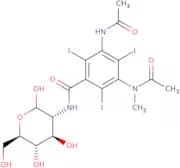
CAS:Radiopaque contrast agent; diagnostic aid for myelographyFórmula:C18H22I3N3O8Pureza:(%) Min. 95%Forma y color:White PowderPeso molecular:789.1 g/mol3,4,6-Tri-O-acetyl-D-galactal
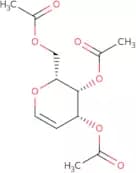
CAS:3,4,6-Tri-O-acetyl-D-galactal is a versatile building block used for the synthesis of mono- and oligosaccharides. The galactal double bond affords a ready means through which to introduce new functionality or introduce deoxy positions at the C1 and C2 positions to afford functionalised monosaccharides and also allows galactals to be used as glycosylation donors.Fórmula:C12H16O7Pureza:Min. 98 Area-%Forma y color:Slightly Yellow Clear LiquidPeso molecular:272.25 g/mol1,2,4-Tri-O-acetyl-3-O-benzyl-D-xylopyranoside
1,2,4-Tri-O-acetyl-3-O-benzyl-D-xylopyranoside is a carbohydrate that has been modified with fluorine. The chemical formula is C12H21FO5. It has CAS number: 90693-24-9 and molecular weight of 356.35 g/mol. There are many uses for this compound, including being a synthetic sugar for use in pharmaceuticals, being a custom synthesis for research purposes, or as an intermediate in the production of other compounds. 1,2,4-Tri-O-acetyl-3-O-benzyl--D--xylopyranoside is also used as a fluorescence probe to detect saccharides and oligosaccharides because it emits light when bound to these compounds due to its high purity. 1,2,4 Tri O acetyl 3 O benzyl D xylopyranoside can be used toPureza:Min. 95%1,2,3,4-Tetra-O-pivaloyl-6-O-trityl-b-D-glucopyranose
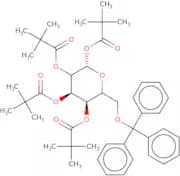
CAS:1,2,3,4-Tetra-O-pivaloyl-6-O-trityl-b-D-glucopyranose is a trityl derivative of glucose that can be used as a diagnostic agent for the assessment of cancer. When labeled with radioactive iodine, 1,2,3,4-Tetra-O-pivaloyl-6-O-trityl-b-D-glucopyranose has been shown to accumulate in bile and esophageal cancer cells. Magnetic resonance imaging (MRI) was used to evaluate the distribution of 1,2,3,4 tetra O pivaloyl 6 O trityl b D glucopyranose in patients with cirrhosis. The results suggest that this compound can be used as an indicator for the diagnosis of liver disease.Fórmula:C45H58O10Pureza:Min. 95%Peso molecular:758.94 g/molBenzyl D-glucuronate
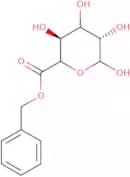
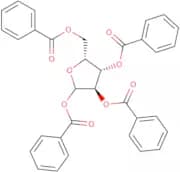
CAS:Used for the synthesis of 1β-O-acyl glucuronidesFórmula:C13H16O7Pureza:Min. 95%Forma y color:White PowderPeso molecular:284.26 g/molMethyl 2,3,5-tri-O-benzoyl-b-D-arabinofuranoside
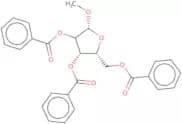
CAS:Methyl 2,3,5-tri-O-benzoyl-b-D-arabinofuranoside is a custom synthesis of an Oligosaccharide with a molecular formula of C12H22O11. It has CAS No. 1093344-99-0 and Methylation, Glycosylation, Carbohydrate, Click modification, saccharide, sugar. This product is a high purity product that is Fluorination and Synthetic.Fórmula:C27H24O8Pureza:Min. 95%Forma y color:White to off-white solid.Peso molecular:476.47 g/mol3-Deoxy-D-manno-2-octulosonic acid ammonium
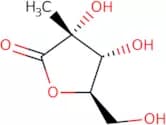
CAS:3-Deoxy-D-manno-2-octulosonic acid ammonium is a bioreactor that is used in the delipidation of fatty acids. It is one of the most effective natural compounds for removing lipids, and it has been shown to be effective in reducing the levels of galactose and cholesterol. 3-Deoxy-D-manno-2-octulosonic acid ammonium has also been shown to be an effective antigen that can be used as a marker for various microorganisms, such as typhimurium, enterobacter, and lettuce.Fórmula:C8H17NO8Pureza:Min. 95 Area-%Forma y color:White PowderPeso molecular:255.22 g/mol2-C-Methyl-D-ribono-1,4-lactone
CAS:2-C-Methyl-D-ribono-1,4-lactone is a ketose which is formed from the thermal rearrangement of d-xylose. It has been shown to be an acceptor for episulfide and an 1-deoxy-d-ribulose. 2-C-Methyl-D-ribono-1,4-lactone has been found to yield dimethylamine when heated with magnesium. This compound can be ion exchanged with calcium and magnesium. 2CMR was first synthesized by the reaction of L(+) lactic acid with dimethylamine in the presence of magnesium chloride. The product was purified by crystallization from water, yielding a white powder that melts at 230°C.Fórmula:C6H10O5Pureza:Min. 95%Forma y color:White Clear LiquidPeso molecular:162.14 g/molSorbitan monostearate
CAS:Sorbitan monostearate is a lipid-soluble compound that is used as a surfactant and emulsifier in food products. It has been found to be nontoxic when administered at concentrations up to 5000 mg/kg of body weight for 28 days. Sorbitan monostearate has been shown to be nontoxic in vitro, but the long-term toxicity of this compound has not been established. Sorbitan monostearate also exhibits hydrogen bonding interactions with calcium pantothenate, sodium salts, and coumarin derivatives. The model system used was an artificial membrane composed of chitosan quaternary ammonium and monolaurate. This study found that sorbitan monostearate is able to permeabilize the membrane at an optimum concentration.Fórmula:C24H46O6Forma y color:White PowderPeso molecular:430.62 g/mol1,2,3,4,6-Penta-O-galloyl-a-D-glucopyranose
CAS:1,2,3,4,6-Penta-O-galloyl-a-D-glucopyranose is a natural compound that inhibits the Cox-2 enzyme and has anti-cancer properties. It induces cell death by increasing oxidative injury and suppressing autophagy. 1,2,3,4,6-Penta-O-galloyl-a-D-glucopyranose has been shown to reduce xenograft tumor growth in mice while causing no observable toxic effects on normal tissues. This compound also inhibits the proapoptotic protein Bax and promotes the expression of Bcl2 in 3T3L1 preadipocytes. The mechanism of action may be related to its ability to inhibit basic fibroblast proliferation and induce apoptosis in k562 cells.Fórmula:C41H32O26Pureza:Min. 95%Forma y color:Off-White PowderPeso molecular:940.68 g/mol1,2,3,5-Tetra-O-benzoyl-a-D-xylofuranose
CAS:1,2,3,5-Tetra-O-benzoyl-a-D-xylofuranose is a glycosylated oligosaccharide with a tetra-O-benzoyl group at the nonreducing end. It can be synthesized by reacting benzaldehyde with 1,2,3,5-tetraacetyl xylose in the presence of sodium methoxide and acetic acid. The product can be fluorinated or methylated to produce other derivatives. This product is soluble in water and methanol and has a CAS number of 5432-87-1. It is available as a custom synthesis from catalog number SYN0000011. !-- -->!-- -->!-- -->!-- --> !-- -->!-- -->!-- -->!-- --> !-- -->!-- -->!--Fórmula:C33H26O9Pureza:Min. 95%Forma y color:White PowderPeso molecular:566.55 g/molD-Glucosamine sulfate sodium chloride
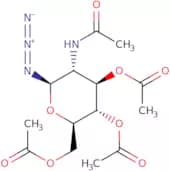
CAS:D-Glucosamine sulfate is a sugar that belongs to the group of polysaccharides. It is a natural compound that is found in the human body and is important for the synthesis of glycosaminoglycans, which are found in cartilage and synovial fluid. D-Glucosamine sulfate can also be used as a raw material for the production of methylated compounds or saccharides. This product can be custom synthesized in different forms (D-glucosamine sulfate sodium chloride, D-glucosamine sulfate potassium salt, D-glucosamine sulfate calcium salt) and with different purity levels depending on your requirements.Fórmula:C6H13NO5xNaClxH2SO4Pureza:Min. 98 Area-%Forma y color:White PowderPeso molecular:179.17 g/mol2-Acetamido-3,4,6-tri-O-acetyl-2-deoxy-β-D-glucopyranosyl azide
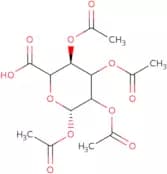
CAS:2-Acetamido-3,4,6-tri-O-acetyl-2-deoxy-β-D-glucopyranosyl azide is a custom synthesis that is a complex carbohydrate. It is a glycosylation product of 2,3,4,6-tetraacetyl α--D--glucose and 2,3,6 -tri--O--acetyl--2--deoxy--β--D--glucopyranose. This compound has been modified by Click chemistry with 4-(dimethylamino)pyridine (DMAP). The modification has produced an acetamido group at the C2 position of the glucopyranoside moiety. The compound is available in high purity for research purposes.Fórmula:C14H20N4O8Pureza:Min. 95%Forma y color:White PowderPeso molecular:372.33 g/mol1,2,3,4-Tetra-O-acetyl-b-D-glucuronide
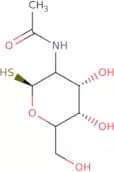
CAS:1,2,3,4-Tetra-O-acetyl-b-D-glucuronide is a chemical compound that is used as an acetylating agent in organic synthesis. It is produced by the reaction of pyridine and acetic anhydride with sodium hydroxide as a catalyst. The acetylation process takes place in two steps: first, the pyridine reacts with the acetic anhydride to form 4-(pyridinium) acetate; second, this intermediate reacts with sodium hydroxide to form 1,2,3,4-tetra-O-acetyl-b-D-glucuronide. Acetylation reactions are important because they can be used to introduce functional groups onto molecules that would not otherwise have them. Acetylated compounds are also often more soluble in water than nonacetylated compounds. This product is used in medicines and other chemical processes.Fórmula:C14H18O11Pureza:Min. 95 Area-%Forma y color:White Clear LiquidPeso molecular:362.29 g/mol2-Acetamido-2-deoxy-b-D-thioglucopyranose
CAS:2-Acetamido-2-deoxy-b-D-thioglucopyranose is a sugar with the chemical formula C6H14O7. It has been synthesized by Click chemistry to have an acetamido group on one of the carbon atoms and a 2,3,5-triiodo substituent on the other. The methylene protons at the 3 and 5 positions of the glycosidic linkage are fluorinated to give this modified sugar. It is also glycosylated with glucose to form a complex carbohydrate. 2-Acetamido-2-deoxy-b-D-thioglucopyranose has CAS number 781581-10-0 and a molecular weight of 318.19 g/mol.Fórmula:C8H15NO5SPureza:Min. 95%Forma y color:PowderPeso molecular:237.27 g/mol1,2,3,4-Tetra-O-acetyl-α-L-fucopyranose
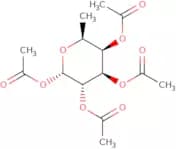
CAS:1,2,3,4-Tetra-O-acetyl-α-L-fucopyranose is a chiral compound and it has been used as a biocatalyst in the industrial production of L-amino acids. The enantiomers are obtained by enzymatic hydrolysis of the racemic mixture with lipases. It has been shown that 1,2,3,4-Tetra-O-acetyl-α-L-fucopyranose is an enantioselective substrate for lipolytic enzymes. Lipolytic enzymes are also screened for lipase activity using this compound as a surrogate.Fórmula:C14H20O9Pureza:Min. 95%Forma y color:White Off-White PowderPeso molecular:332.3 g/mol1-Bromo-2,3,4-tri-O-acetyl-a-D-glucuronide methyl ester
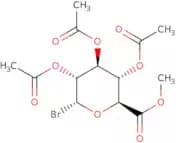
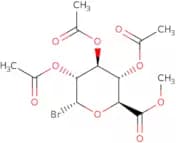
CAS:1-Bromo-2,3,4-tri-O-acetyl-a-D-glucuronide methyl ester is a protected D-glucoronic acid with an alpha bromide at the anomeric position ready to undergo glycosylation reactions with suitable glycoside acceptors. Pharmaceutically active compounds have been used as acceptors to form β-linked D-glucuronide prodrugs which can be used to modify pharmacokinetics, improve solubility and lower the toxicity of the drug.Fórmula:C13H17BrO9Pureza:Min. 80%Peso molecular:397.17 g/mol1,3,4,6-Tetra-O-acetyl-2-azido-2-deoxy-b-D-galactopyranose
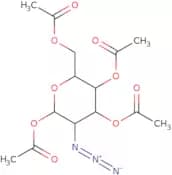
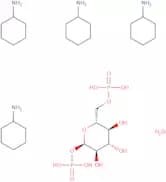
CAS:1,3,4,6-Tetra-O-acetyl-2-azido-2-deoxy-b-D-galactopyranose (TAZ) is an aromatic heterocyclic sugar compound that is used in pharmaceutical formulations. It has low toxicity and can be synthesized using a number of methods. TAZ has been shown to have antifungal effects against Candida albicans and antitumor effects against cancer cells. TAZ also inhibits the activity of teniposide, which is a drug used for the treatment of leukemia. TAZ may be effective against cancer cells by acting as an amido donor and changing the conformation of the cyclic peptide.Fórmula:C14H19N3O9Pureza:Min. 95%Forma y color:PowderPeso molecular:373.32 g/mola-D-Glucose-1,6-diphosphate tetra(cyclohexylammonium) salt hydrate
CAS:a-D-Glucose-1,6-diphosphate tetra(cyclohexylammonium) salt hydrate is a synthetic sugar that can be used as a building block for polymer synthesis. It is an oligosaccharide that is synthesized by the click reaction of methylated glucose and cyclohexane diamine. This compound has been shown to be effective in the synthesis of polysaccharides and glycoproteins.Fórmula:C6H14O12P2·4C6H13N·H2OPureza:Min. 95%Forma y color:PowderPeso molecular:754.83 g/mol4-Methylphenyl 2,3,4-tri-O-benzyl-β-L-thiofucopyranoside
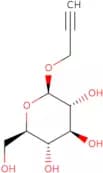
4-Methylphenyl 2,3,4-tri-O-benzyl-b-L-thiofucopyranoside is a custom synthesis of an oligosaccharide. It is a complex carbohydrate with CAS No. that belongs to the class of saccharide and sugar. Polysaccharides are made up of several monosaccharides linked together by glycosidic bonds, which are formed by the action of enzymes called glycosyltransferases or glycosidases. Glycosylation is the process in which a sugar molecule (usually glucose) is added to another molecule by means of a glycosidic bond. Carbohydrates are one type of macromolecule and they are important sources of energy in living things. They also play important roles in cell walls and as structural components in plants and animals. The chemical modification carried out on this compound is methylation, which refers to the addition of one or more methylFórmula:C34H36O4SPureza:Min. 95%Peso molecular:540.71 g/molPropargyl β-D-glucopyranoside
CAS:A beta glycoside with an alkyne handle suitable to click chemistry
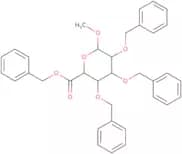
Fórmula:C9H14O6Pureza:Min. 95%Forma y color:PowderPeso molecular:218.2 g/molMethyl 2,3,4-tri-O-benzyl-α-D-glucuronide benzyl ester
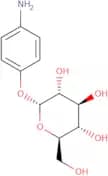
CAS:Methyl 2,3,4-tri-O-benzyl-α-D-glucuronide benzyl ester is a Carbohydrate. It is soluble in water and insoluble in alcohol. The molecular weight of Methyl 2,3,4-tri-O-benzyl-α-D-glucuronide benzyl ester is 584.1 g/mol. The CAS Registry Number for Methyl 2,3,4-tri-O-benzyl-α-D-glucuronide benzyl ester is 14279733.Fórmula:C35H36O7Pureza:Min. 95%Forma y color:Colorless Clear LiquidPeso molecular:568.66 g/mol4-Aminophenyl a-D-glucopyranoside
CAS:4-Aminophenyl a-D-glucopyranoside is an alkoxycarbonyl analog that can be used in the preparation of antigens. It is a small, water-soluble molecule that can be used to induce antibody production and to identify antigenic determinants. 4-Aminophenyl a-D-glucopyranoside has been shown to react with glutamicum and corynebacterium cells in vitro. The compound binds to the bacterial cell surface by reacting with amino groups, inducing the production of acid molecules, which leads to bacterial death. 4-Aminophenyl a-D-glucopyranoside also reacts with methoxy residues on the ribosomal RNA molecule and corynebacterium DNA molecules. This allows it to be used as an expression vector for proteins and nucleic acids in Corynebacterium glutamicum (a bacterium commonly found in soil). SpectroscFórmula:C12H17NO6Pureza:Min. 95%Forma y color:PowderPeso molecular:271.27 g/mol1,6-Anhydro-beta-D-glucopyranose
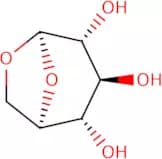
CAS:Used for preparation of biologically active compoundsFórmula:C6H10O5Pureza:Min. 98 Area-%Forma y color:White PowderPeso molecular:162.14 g/mol2-Methyl-(1,2-dideoxy-a-D-glucopyrano)-[2,1-d]-2-oxazoline
CAS:2-Methyl-(1,2-dideoxy-a-D-glucopyrano)-[2,1-d]-2-oxazoline is a high purity, custom synthesis carbohydrate. It has been fluorinated and methylated to increase its stability and resistance to proteases. This compound is used in the synthesis of oligosaccharides and polysaccharides. It can be glycosylated or click modified with thiol groups.Fórmula:C8H13NO5Pureza:Min. 95%Forma y color:PowderPeso molecular:203.19 g/molMethyl 4-azido-2,3-di-O-benzoyl-4-deoxy-6-O-trityl-α-D-glucopyranoside
CAS:Methyl 4-azido-2,3-di-O-benzoyl-4-deoxy-6-O-trityl-a-Dglucopyranoside is a synthetic carbohydrate. It is used in the synthesis of complex carbohydrates. Methyl 4-azido-2,3-diObenzoyl4deoxy6OtritylAglucopyranoside is an intermediate in the chemical synthesis of oligosaccharides and polysaccharides. This product is custom synthesized to meet customer specifications.Fórmula:C40H35N3O7Pureza:Min. 95%Forma y color:White to off-white solid.Peso molecular:669.72 g/mol2-Amino-1,6-anhydro-2-deoxy-β-D-glucopyranose
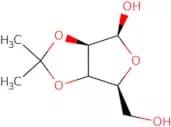
CAS:Please enquire for more information about 2-Amino-1,6-anhydro-2-deoxy-β-D-glucopyranose including the price, delivery time and more detailed product information at the technical inquiry form on this pageFórmula:C6H11NO4Pureza:Min. 95%Peso molecular:161.16 g/mol2,3-O-Isopropylidene-L-ribofuranose
CAS:2,3-O-Isopropylidene-L-ribofuranose is a chiral building block for the synthesis of α-amino acids. This compound can be obtained from l-arabinose and l-rhamnose by kinetic resolution reactions with reagents such as (R)-1,2,3,4,5,6-hexahydrobenzo[b]thiophene or (S)-1,2,3,4,5,6-hexahydrobenzo[b]thiophene. The product is an enantiospecifically pure mixture of 2,3-O-isopropylidene L-ribofuranose and its antipode. The use of acid catalysts such as sulfuric acid or hydrochloric acid will yield a higher yield of the desired product.Fórmula:C8H14O5Pureza:Min. 95 Area-%Forma y color:PowderPeso molecular:190.19 g/molDL-myo-Inositol-1-phosphate
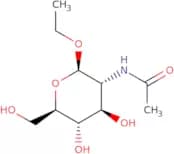
CAS:Inositol-1-phosphate is a precursor of inositol and is involved in the regulation of cell signalling. It has been shown to inhibit neuronal death by decreasing intracellular calcium levels. Inositol-1-phosphate also inhibits epidermal growth factor induced cytosolic calcium increase in hybridoma cells. Inositol-1-phosphate has been shown to be neuroprotective, which may be due to its ability to stimulate p2y receptors and inhibit neurokinin-1 receptor activities.Fórmula:C6H13O9PPureza:Min. 95%Forma y color:PowderPeso molecular:260.14 g/molEthyl 2-acetamido-2-deoxy-β-D-glucopyranoside
CAS:Ethyl 2-acetamido-2-deoxy-β-D-glucopyranoside is an anomeric sugar that contains a substituent at C4. It is used in the synthesis of oxazolidinones and thiazolidinones.Fórmula:C10H19NO6Pureza:Min. 98 Area-%Forma y color:PowderPeso molecular:249.26 g/molL-Fructose
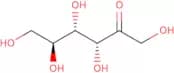
CAS:L-Fructose is a non-reducing sugar that is found in many plants, including honey and fruits. It plays an important role in energy metabolism, as it can be converted to L-glyceraldehyde 3-phosphate by the enzyme aldolase. L-Fructose has also been used in the synthesis of oligosaccharides and other carbohydrates. The analytical method for determining L-fructose involves hydrolysis with acid followed by measurement of the released hydrogen peroxide. The cell culture technique can be used to measure the growth of bacteria that contain fructose as their sole carbon source.Fórmula:C6H12O6Pureza:90%Forma y color:White PowderPeso molecular:180.16 g/mol1-Bromo-2,3,4-tri-O-acetyl-a-D-glucuronide methyl ester - 1% CaCO3
CAS:1-Bromo-2,3,4-tri-O-acetyl-a-D-glucuronide methyl ester is a protected D-glucoronic acid with an alpha bromide at the anomeric position ready to undergo glycosylation reactions with suitable glycoside acceptors. Pharmaceutically active compounds have been used as acceptors to form β-linked D-glucuronide prodrugs which can be used to modify pharmacokinetics, improve solubility and lower the toxicity of the drug.Fórmula:C13H17BrO9Pureza:Min. 98 Area-%Forma y color:White Off-White PowderPeso molecular:397.17 g/moltrans-β-D-Glucopyranosyl methylacetoacetate
CAS:Trans-beta-D-glucopyranosyl methylacetoacetate is a carbohydrate that belongs to the group of modified sugars. It is a synthetic compound and can be custom synthesized for your specific needs. This product has a high purity and can be used in research or as a starting material for the synthesis of other compounds. Trans-beta-D-glucopyranosyl methylacetoacetate is an oligosaccharide that can be fluorinated, methylated, glycosylated, or click modified. This product is also available in various grades, such as standard and high purity.Fórmula:C11H18O8Pureza:Min. 95%Forma y color:PowderPeso molecular:278.26 g/mol1,2,3,5-Tetra-O-acetyl-D-xylofuranose
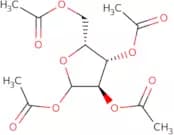
CAS:1,2,3,5-Tetra-O-acetyl-D-xylofuranose is a lectin that has been shown to have an affinity for bacterial cells. It has been shown to be effective against Gram-positive and Gram-negative bacteria, with the exception of mycobacteria. 1,2,3,5-Tetra-O-acetyl-D-xylofuranose binds to the terminal sugar of the cell wall carbohydrate chains of these cells by means of its oligosaccharide side chain. The binding causes conformational changes in the bacterial membrane and disrupts the ion gradient across it. This leads to an influx of water into the cell and subsequent death.Fórmula:C13H18O9Pureza:Min. 95%Forma y color:Colorless PowderPeso molecular:318.28 g/molL-Ribulose
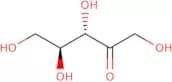
CAS:Valuable chiral building block; rare sugar applied in wood preservation
Fórmula:C5H10O5Pureza:Min. 97 Area-%Forma y color:Slightly Yellow Clear LiquidPeso molecular:150.13 g/mol










![2-Methyl-(1,2-dideoxy-a-D-glucopyrano)-[2,1-d]-2-oxazoline](/_next/image/?url=https%3A%2Fstatic.cymitquimica.com%2Fproducts%2F3D%2Fthumb-webp%2FMM10955.webp&w=3840&q=75)