Monosacáridos
Los monosacáridos son la forma más simple de los carbohidratos y sirven como bloques fundamentales para azúcares más complejos y polisacáridos. Estas moléculas de azúcar única juegan roles críticos en el metabolismo energético, la comunicación celular y los componentes estructurales de las células. En esta sección, encontrará una amplia variedad de monosacáridos esenciales para la investigación en bioquímica, biología molecular y glicociencia. Estos compuestos son cruciales para estudiar las rutas metabólicas, los procesos de glucosilación y el desarrollo de agentes terapéuticos. En CymitQuimica, ofrecemos monosacáridos de alta calidad para apoyar sus necesidades de investigación, asegurando precisión y fiabilidad en sus investigaciones científicas.
Subcategorías de "Monosacáridos"
- Allosas(11 productos)
- Arabinosas(21 productos)
- Eritrosas(11 productos)
- Fructosas(9 productos)
- Fucosas(36 productos)
- Galactosamina(41 productos)
- Galactosa(260 productos)
- Glucosas(365 productos)
- Ácidos glucurónicos(51 productos)
- Glico-sustratos para enzimas(77 productos)
- Gulosas(6 productos)
- Idosas(4 productos)
- Inositoles(15 productos)
- Lyxosas(4 productos)
- Manosas(65 productos)
- O-glicanos(48 productos)
- Psicosas(3 productos)
- Ramnosas(10 productos)
- Ribosas(61 productos)
- Ácidos siálicos(100 productos)
- Sorbosas(4 productos)
- Azúcares(173 productos)
- Tagatosis(4 productos)
- Taloses(8 productos)
- Xilosas(20 productos)
Mostrar 17 subcategorías más
Se han encontrado 6088 productos de "Monosacáridos"
Ordenar por
Pureza (%)
0
100
|
0
|
50
|
90
|
95
|
100
1-O-Acetyl-3,5-bis(4-chlorobenzoyl)-2-deoxy-D-ribose
CAS:<p>1-O-Acetyl-3,5-bis(4-chlorobenzoyl)-2-deoxy-D-ribose is a methylated saccharide that can be synthesized from D-ribose and 4-(chloromethyl)benzaldehyde. It has been used for the modification of polysaccharides with click chemistry to produce oligosaccharides. This compound has also been used in the synthesis of glycosyls such as N,N'-diacetylchitobiose and N,N'-diacetylchitotriose. 1-O-Acetyl 3,5 bis (4 chlorobenzoyl)-2 deoxy D ribose is an Oligosaccharide that is soluble in water and is stable at high temperatures. The purity of this compound exceeds 99% and it's CAS number is 1207459-15-1.</p>Fórmula:C21H18Cl2O7Pureza:(%) Min. 95%Forma y color:White PowderPeso molecular:453.27 g/molD-Galactose non-animal origin
CAS:<p>D-Galactose is a monosaccharide that is found in the cells of plants and animals. It can be synthesized from D-glucose by adding a D-galactose molecule to the alpha carbon of an existing glucose molecule. The resulting bond is called a glycosidic linkage. This process is called glycosylation. Glycosylation occurs when a sugar molecule reacts with another molecule, such as an amino acid, lipid, or nucleotide, to form what is known as a glycoside linkage. In this case, the sugar is D-galactose and the other molecules are either amino acids or lipids. The reaction between D-galactose and other molecules often results in polysaccharides and complex carbohydrates such as cellulose, chitin, and glycogen.<br>Methylation of D-galactose can produce methyl galactoside (CAS No. 1881-42-7), which</p>Fórmula:C6H12O6Pureza:Min. 98 Area-%Peso molecular:180.16 g/molADP-D-glucose disodium salt
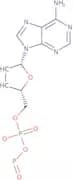
CAS:<p>ADP-D-glucose disodium salt is a synthetic saccharide with the chemical formula C6H14N2O8. It is used as a building block for the synthesis of complex carbohydrates, such as polysaccharides and oligosaccharides. ADP-D-glucose disodium salt can be modified to create methylated, glycosylated, and fluorinated derivatives. These modifications allow ADP-D-glucose disodium salt to be used in Click chemistry and other advanced applications.br>br>ADP-D-glucose disodium salt is also known by its CAS number 102129-65-7.br>br> br>br></p>Fórmula:C16H23N5O15P2·2NaPureza:Min. 95%Forma y color:PowderPeso molecular:633.31 g/mol6-Azido-6-deoxy-L-galactose
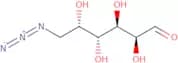
CAS:<p>6-Azido-6-deoxy-L-galactose is an analog of the natural L-galactose. It has been shown to inhibit the growth and survival of a number of human pathogens, including those that cause tuberculosis, staphylococcal infections, and meningitis. 6-Azido-6-deoxygalactose is reactive with cellular structures and glycoconjugates, which may have contributed to its antimicrobial activity in tissue culture. 6A6DG blocks fatty acid synthesis by inhibiting enzymes called acyltransferases. It also inhibits glycolysis by interfering with the conversion of glucose into glycogen through inhibition of glycogen synthase kinase 3β (GSK3β), which leads to decreased levels of ATP in cells. This compound also inhibits glutaminase activity in the brain, leading to impaired neurotransmitter release and subsequent neuronal cell death.</p>Fórmula:C6H11N3O5Pureza:Min. 95%Forma y color:White PowderPeso molecular:205.17 g/mol2-C-(Hydroxymethyl)-2,3-O-isopropylidene-L-lyxono-1.4-lactone
<p>2-C-(Hydroxymethyl)-2,3-O-isopropylidene-L-lyxono-1.4-lactone is a synthetic modification of the oligosaccharide, 2,3-O-isopropylidene L-lyxonic acid lactone. It is a white to off-white crystalline powder that is soluble in water. This product has been custom synthesized and can be used as a monosaccharide or methylated in the glycosylation step. The CAS number for this product is 72893-21-6 and it has a molecular weight of 252.24 g/mol.</p>Pureza:Min. 95%2,3-O-Isopropylidene-D-lyxofuranose
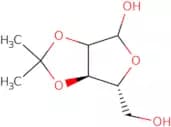
CAS:<p>2,3-O-Isopropylidene-D-lyxofuranose is a synthetic disaccharide that is used as an antiinflammatory agent. It has been shown to inhibit the production of e-selectin, a protein that mediates inflammation by binding to cells in the vicinity of the site of injury. This compound has also been shown to inhibit diacetate formation from oxocarbenium ions and glycosidic linkage formation. 2,3-O-Isopropylidene-D-lyxofuranose may be synthesized via a Wittig reaction with phytosphingosine or wittig reaction with acetone.</p>Fórmula:C8H14O5Pureza:Min. 98 Area-%Forma y color:White PowderPeso molecular:190.19 g/mol3,4-O-(1',1',3',3'-Tetraisopropyl-1,3-disiloxanediyl)-L-rhamnal
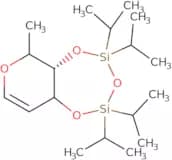
CAS:<p>3,4-O-(1',1',3',3'-Tetraisopropyl-1,3-disiloxanediyl)-L-rhamnal is a synthetic sugar that is used as a building block for the synthesis of glycoproteins and other polymers. It can be methylated to give 3,4-O-(1',1',3',3'-tetramethyl-1,3-disiloxanediyl)-L-rhamnal, which is an inhibitor of protein glycosylation. 3,4-O-(1',1',3',3'-Tetraisopropyl-1,3-disiloxanediyl)-L-rhamnal has been fluorinated to give 3,4-O-(2'-fluoroethylidene) -L-rhamnal and used in Click chemistry reactions.</p>Fórmula:C18H36O4Si2Pureza:Min. 95%Peso molecular:372.65 g/molMethyl 2,3,4-tri-O-benzoyl-6-O-trityl-a-D-glucopyranoside
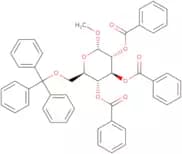
CAS:<p>Methyl 2,3,4-tri-O-benzoyl-6-O-trityl-a-D-glucopyranoside is a synthetic compound that has been modified. This modification includes the addition of fluorine at the 6th carbon on the right side of the molecule. The methylation and tritylation of the molecule have also been performed to create a new product with a better stability. Methyl 2,3,4-tri-O-benzoyl-6-O-trityl-aDglucopyranoside can be used as a monosaccharide or oligosaccharide in glycosylation reactions. It can also be used as an intermediate in the synthesis of complex carbohydrate molecules.</p>Fórmula:C47H40O9Pureza:Min. 95%Peso molecular:748.84 g/mol(1R,4R,5S)-4-tert-Butyldimethylsiloxymethyl-5-tert-butyldimethylsilyloxycyclohex-2en-1-ol
<p>(1R,4R,5S)-4-tert-Butyldimethylsiloxymethyl-5-tert-butyldimethylsilyloxycyclohex-2en-1-ol is a custom synthesis of a monosaccharide with a fluorine atom at the 4 position. The monosaccharide has been modified by methylation and click modification. It has also been synthesized from an oligosaccharide or polysaccharide through glycosylation.</p>Pureza:Min. 95%Ducheside A pentaacetate
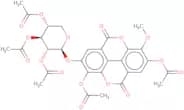
<p>Ducheside A pentaacetate is a fluorescent sugar that can be used as a fluorescent probe to study the glycosylation of proteins. This compound has been shown to be effective in inhibiting the growth of Gram-positive bacteria such as Mycobacterium tuberculosis, Clostridium perfringens, and Streptococcus pyogenes. Ducheside A pentaacetate is synthesized from duchesidin I and an acetyl group, which is then fluorinated with N-fluorobenzenesulfonamide. The product can be modified through methylation or click chemistry reactions. Ducheside A pentaacetate is soluble in water and has a molecular weight of 585.5 g/mol. It has CAS number 314965-07-8 and purity greater than 99%.</p>Pureza:Min. 95%1,3,5-Tri-O-benzoyl-a-L-ribofuranose
CAS:<p>1,3,5-Tri-O-benzoyl-a-L-ribofuranose is a synthetic sugar with a complex carbohydrate structure. It is synthesized by the sequential addition of benzoyl groups to the alditol acetal of ribose. The molecular weight of this compound is 598.6 g/mol and its CAS number is 171866-30-1. 1,3,5-Tri-O-benzoyl-a-L-ribofuranose has been shown to be an excellent substrate for glycosylation and methylation reactions due to the presence of three reactive hydroxyl groups that can react with nucleophiles such as amines or thiols. Methylation reactions are typically carried out in the presence of sodium methoxide in methanol at room temperature for several hours. Glycosylation reactions require the use of activated glycosyl donors such as UDP glucose, UDP galactose</p>Fórmula:C26H22O8Pureza:Min. 97 Area-%Forma y color:PowderPeso molecular:462.45 g/molDeferiprone 3-O-β-D-glucuronide
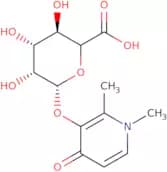
CAS:<p>Deferiprone 3-O-b-D-glucuronide is a modification of deferiprone. It is synthesized by methylation, glycosylation, and polysaccharide modification with fluorine. Deferiprone 3-O-b-D-glucuronide is monosaccharide in nature and has high purity and custom synthesis.</p>Fórmula:C13H17NO8Pureza:Min. 95%Forma y color:Light (Or Pale) Yellow SolidPeso molecular:315.28 g/mol3,4-O-Isopropylidene-L-arabinose
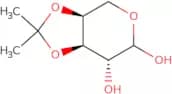
CAS:<p>3,4-O-Isopropylidene-L-arabinose (3,4-OIRA) is an isopropylidene derivative of L-arabinose. 3,4-OIRA has been shown to be a substrate for glycosylation reactions with various other sugars. It can also undergo methylation reactions and has been modified by fluorination. 3,4-OIRA is a food additive that belongs to the category of complex carbohydrates.</p>Fórmula:C8H14O5Pureza:Min. 98 Area-%Forma y color:PowderPeso molecular:190.19 g/molPalatinose hydrate
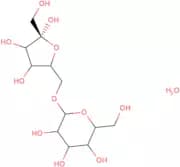
CAS:<p>Palatinose hydrate is a polyol that is produced by the hydrolysis of inulin. It has been shown to have antibacterial activity against Lactococcus lactis, an important probiotic bacteria. Palatinose hydrate also has an amine group that can react with the carbonyl group of other compounds. This makes it effective against bacteria such as Echinocandin, which contains a reactive carbonyl group. Palatinose hydrate is used in food products and has been shown to have anti-viral properties. The viscosity of this compound can be increased by mixing with glycerol or sorbitol.</p>Fórmula:C12H22O11·xH2OPureza:Min. 95%Forma y color:PowderPeso molecular:342.3 g/mol2-Amino- 2- deoxy- 3, 4- di- O- methyl-D- glucose
CAS:<p>2-Amino- 2-deoxy-3,4-di-O-methyl-D-glucose is a sugar that belongs to the group of carbohydrates. It has been custom synthesized and modified with fluorine and methyl groups. This product is available in high purity, which can be used as a building block for glycosylation or click modification.</p>Fórmula:C8H17NO5Pureza:Min. 95%Peso molecular:207.22 g/mol3'-(5'-Deoxy-a-D-ribofuranoyl capecitabine
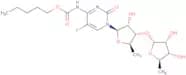
CAS:<p>3'-(5'-Deoxy-a-D-ribofuranoyl capecitabine is a modified form of the anticancer drug capecitabine, which is used in the treatment of breast cancer and metastatic colorectal cancer. 3'-(5'-Deoxy-a-D-ribofuranoyl capecitabine is synthesized by modification of the sugar moiety with a fluorinated methyl group, followed by glycosylation with a saccharide. The fluorination increases the lipophilicity and enhances the solubility of this compound, while retaining its cytotoxic activity. It has been shown to have an IC50 value of 0.1 μM against human colon carcinoma cells.</p>Fórmula:C20H30FN3O9Pureza:Min. 95%Peso molecular:475.47 g/mol2,4-Dideoxy-2,4-difluoro-D-glucose
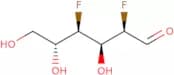
CAS:<p>2,4-Dideoxy-2,4-difluoro-D-glucose is a fluorinated glucose analog that has been synthesized to be used as an imaging agent for positron emission tomography (PET) and single photon emission computed tomography (SPECT). It is labeled with fluorine-18 and can be metabolically incorporated into the cellular glycolytic pathway. 2,4-Dideoxy-2,4-difluoro-D-glucose emits positrons that are detected by PET or SPECT cameras. The incorporation of 2,4-dideoxy-2,4-difluoro--D--glucose into the glycolytic pathway allows it to be used as a marker for positron emission tomography.</p>Fórmula:C6H10F2O4Pureza:Min. 95%Forma y color:PowderPeso molecular:184.14 g/molD-Galactal
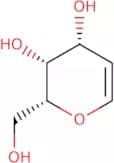
CAS:<p>Building block for oligosaccharide synthesis</p>Fórmula:C6H10O4Pureza:Min. 98 Area-%Forma y color:White Off-White PowderPeso molecular:146.14 g/mol1-Deoxy-1-nitro-D-galactitol
CAS:<p>1-Deoxy-1-nitro-D-galactitol is a methoxide that exhibits mutagenic activity. It reacts with nitromethane to form an intermediate, which then reacts with sodium methoxide to produce the final product. This product can be used as a precursor for other compounds.</p>Fórmula:C6H13NO7Pureza:Min. 95%Peso molecular:211.17 g/mol5-Keto-D-gluconic acid potassium salt
CAS:<p>5-Keto-D-gluconic acid potassium salt is a custom synthesis of 5-keto-D-gluconic acid, which is a monosaccharide. It is modified with fluorination and methylation at the C5 position. The chemical formula for 5-keto-D-gluconic acid potassium salt is C6H7O6K2. This compound has been used in the synthesis of oligosaccharides, saccharides, and polysaccharides.</p>Fórmula:C6H9KO7Pureza:Min. 99.0%Peso molecular:232.23 g/mol2,3:4,6-Di-O-isopropylidene-α-L-sorbofuranose
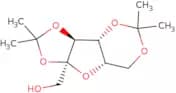
CAS:<p>2,3:4,6-Di-O-isopropylidene-α-L-sorbofuranose is a furanose sugar that is structurally similar to sorbose. It is a five membered ring with two stereocenters. The conformation of this molecule encompasses the techniques of dialkyl and furanose synthesis. This compound can be used as a vitamin and can be degraded by ozonation in water. 2,3:4,6-Di-O-isopropylidene-α-L-sorbofuranose is biodegradable and has been shown to have antiinflammatory properties.</p>Fórmula:C12H20O6Pureza:Min. 95%Forma y color:White PowderPeso molecular:260.28 g/molD-Lyxono-1,4-lactone
CAS:<p>D-Lyxono-1,4-lactone is a 4-deoxy-l-fucose derivative that is a potent inhibitor of bacterial growth. It is a highly effective antibiotic with a broad spectrum of activity against Gram-positive and Gram-negative bacteria. D-Lyxono-1,4-lactone has been shown to be active against multivorans, including Escherichia coli and Salmonella enterica serovar Typhimurium. This compound was found to be more active than antibiotics such as penicillin and streptomycin. The structure of D-Lyxono-1,4-lactone includes two hydroxamic acid groups that are connected by an acetal linkage to form the benzylidene acetal moiety. The optical enantiomers of this molecule have been characterized using high resolution NMR spectroscopy and magnetic resonance spectroscopy techniques.BR><br>Dosis: 250</p>Fórmula:C5H8O5Pureza:Min. 95.0 Area-%Peso molecular:148.11 g/molRef: 3D-W-201380
5gA consultar10gA consultar25gA consultar50gA consultar2500mgA consultar-Unit-ggA consultar2, 4- Anhydro- N-benzyl-3,5-O-[(R)-benzylidene]- 6-deoxy-D- mannonamide
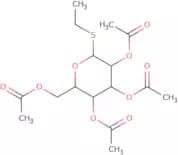
<p>2, 4-Anhydro-N-benzyl-3,5-O-[(R)-benzylidene]-6-deoxy-D-mannonamide is a sugar. It has high purity and can be custom synthesized to suit your needs. This sugar can be modified with a click modification or fluorination. It can also be glycosylated or methylated for your desired outcome. The CAS number for this sugar is 29098-86-2. The molecular weight of this sugar is 359.8 g/mol and the chemical formula is C14H27NO4. The Oligosaccharide content for this sugar is between 1% and 10%. The Monosaccharide content for this sugar is between 100% and 90%. This product has been classified as complex carbohydrate by the IUPAC nomenclature system.</p>Pureza:Min. 95%Ethyl 2,3,4,6-tetra-O-acetyl-a-D-thiogalactopyranoside
CAS:<p>Ethyl 2,3,4,6-tetra-O-acetyl-a-D-thiogalactopyranoside is a compound that belongs to the group of natural products. It has been shown to be an inhibitor of retrotransposons and retroviruses. This effect may be due to its ability to inhibit the enzymatic activity of reverse transcriptase, which is needed for the synthesis of viral RNA. The compound also inhibits stoloniferum, a plant pathogen that causes phytophthora root rot. Ethyl 2,3,4,6-tetra-O-acetyl-a-D-thiogalactopyranoside can induce epigenetic modifications in human malignant cells and may have potential as a chemotherapeutic agent for malignant melanoma cells.</p>Fórmula:C16H24O9SPureza:Min. 95%Forma y color:PowderPeso molecular:392.42 g/mol2-C-Azidomethyl-5-O-benzyl-1-O-tert.butyldimethylsilyl-D-lyxitol
<p>2-C-Azidomethyl-5-O-benzyl-1-O-tert.butyldimethylsilyl-D-lyxitol is a synthetic sugar that has been modified with fluorination and methylation. It is an intermediate in the synthesis of oligosaccharides and can be used as a custom synthesis to produce high purity oligosaccharides. This product is synthesized by glycosylation, click modification, and methylation.</p>Pureza:Min. 95%(2S, 3S, 4S) -2- (Hydroxymethyl) - 2- methyl- 3, 4- pyrrolidinediol
CAS:<p>The product is a Carbohydrate, Modification, saccharide, Oligosaccharide. It is an artificial sugar that has been synthesized and modified for use in the food industry. The material is a complex carbohydrate with a high purity level and custom synthesis. It can be used in the production of sweeteners or as a flavor enhancer. The product is fluorinated to slow down its rate of degradation, which allows it to be used as an ingredient in processed foods. The product also has glycosylation sites that can be methylated or click-modified.</p>Fórmula:C6H13NO3Pureza:Min. 95%Peso molecular:147.17 g/mol1,2,3-Tri-O-benzyl-4,6-O-(4-methoxybenzylidene)-b-D-galactopyranoside
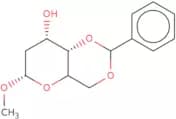
<p>1,2,3-Tri-O-benzyl-4,6-O-(4-methoxybenzylidene)-b-D-galactopyranoside is a synthetic compound that has been synthesized as an example of a fluorinated sugar. This compound is an oligosaccharide with a molecular weight of 839.</p>Fórmula:C35H36O7Pureza:Min. 95%Peso molecular:568.66 g/molMethyl 4,6-O-benzylidene-2-deoxy-a-D-glucopyranoside
<p>Methyl 4,6-O-benzylidene-2-deoxy-a-D-glucopyranoside is a modification of the sugar, glucopyranose. This modified sugar can be used to produce complex carbohydrates or polysaccharides. It is synthesized by reacting methyl groups with the hydroxyl group at position 6 of glucopyranose and then reacting with an aldehyde group at position 2. Methyl 4,6-O-benzylidene-2-deoxy-a-D-glucopyranoside is also known as DMBG for its chemical name. This compound has CAS number 537894 and a molecular weight of 264.24 g/mol. It has a purity of 99% and can be used in various applications such as glycosylation reactions and fluorination reactions.</p>Fórmula:C14H18O5Pureza:Min. 95%Peso molecular:266.3 g/mol6-Deoxy-L-tallitol
<p>6-Deoxy-L-tallitol is a sugar that is synthesized from the natural sugar, L-taloheptulose. This product is custom synthesized and can be modified to suit the needs of the customer. It can be fluorinated, glycosylated, or methylated as required. 6-Deoxy-L-tallitol can be used in a variety of applications such as pharmaceuticals, agrochemicals, and food products. This product has a CAS number, Oligosaccharide, Monosaccharide, saccharide Carbohydrate, complex carbohydrate.</p>Pureza:Min. 95%1-Deoxy-3,4-O-isopropylidene-L-tagatose
<p>1-Deoxy-3,4-O-isopropylidene-L-tagatose is a synthetic sugar that is modified by the addition of a fluorine atom at the 1 position. This modification prevents the enzyme glycosidase from cleaving this sugar and releasing glucose. 1DILT can be used to produce glycans with different structures, including complex carbohydrates. The CAS number for this product is 7062-93-5.</p>Pureza:Min. 95%2, 3:6, 7- Bis- O- (1- methylethylidene) -D- glycero- L- talo- heptitol
<p>2, 3:6, 7- Bis- O- (1- methylethylidene) -D- glycero- L- talo- heptitol is a high purity oligosaccharide. It is a complex carbohydrate that has been modified with fluorination. This modification provides the molecule with its high stability and purity. The sugar monomers are composed of three glucose molecules, two mannose molecules, and one galactose molecule. The chemical name for this product is 2,3:6,7-Tris-[1-(methylethylidene)-ethylidene]-D-glycero--L--talohydroheptaitol. This product can be used in a variety of applications such as Click chemistry and Methylation reactions.</p>Pureza:Min. 95%GDP-D-mannose disodium salt
CAS:<p>GDP-D-mannose is a natural mannosyl donor and substrate for mannosyltransferases that catalyses mannosylation, for instance during the synthesis of the trimannoside core of complex, high-mannose or hybrid N-glycans. GDP-D-mannose is widely used in (chemo)enzymatic synthesis of oligosaccharides and its biosynthesis occurs from glucose-6-phosphate over several steps. GDP-D-mannose consists of a D-mannose unit, α-glycosydically linked to the nucleotide guanosine diphosphate (GDP). Examples of this important reaction would be the transfer of mannosyl moieties onto the dolichol-P-P-GlcNAc2 precursor of N-glycans in the endoplasmatic reticulum, with release of GDP, or the mannosylation reactions during GPI-anchor (bio)synthesis. GDP-D-mannose has also been used for the in vitro synthesis of b-mannan oligosaccharides.</p>Fórmula:C16H23N5O16P2Na2Pureza:Min. 90 Area-%Forma y color:White PowderPeso molecular:649.3 g/mol(3R, 4R, 5R) -3, 4- Dihydroxy- 5- (hydroxymethyl) - L- proline
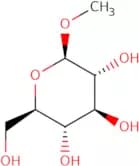
CAS:<p>The chemical compound (3R, 4R, 5R) -3, 4- Dihydroxy-5-(hydroxymethyl)-L-proline is a synthetic amino acid that contains a methyl group at the C4 position. It has been shown to have antiinflammatory and analgesic effects in animal models. The synthesis of this compound has been reported in the journal Tetrahedron. This compound is also an intermediate for the synthesis of other compounds that contain fluorine atoms.</p>Pureza:Min. 95%Methyl b-D-glucopyranoside
CAS:<p>Inhibitor of Man/Glc-dependent lectin binding; used for synthesis of glucoses</p>Fórmula:C7H14O6Pureza:Min. 99.0 Area-%Forma y color:White Off-White PowderPeso molecular:194.18 g/mol2,3,4,6-Tetra-O-acetyl-β-D-glucopyranosyl fluoride
CAS:<p>2,3,4,6-Tetra-O-acetyl-b-D-glucopyranosyl fluoride is a fluorinated carbohydrate. It is a complex carbohydrate that consists of the sugar galactose. The glycosylation and polysaccharide modifications are used to synthesize this compound. These modifications are done by chemical reactions that include methylation, click chemistry, and glycosylation. This chemical has not been evaluated for safety in humans or animals, but it has been shown to be safe in rats when administered at doses up to 500 mg/kg. 2,3,4,6-Tetra-O-acetyl-b-D-glucopyranosyl fluoride can be found under CAS No. 2823-46-3 and is soluble in water at 25 °C with a solubility of 1 g/L.</p>Fórmula:C14H19FO9Pureza:Min. 95%Forma y color:PowderPeso molecular:350.29 g/molMethyl 2,3,4-tri-O-benzoyl-α-D-glucopyranoside
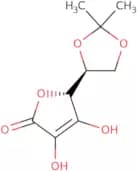
CAS:<p>Methyl 2,3,4-tri-O-benzoyl-α-D-glucopyranoside is a glycosylation agent that is used for the synthesis of complex carbohydrates and monosaccharides. This product is also used in Click chemistry as a reactive group. Methyl 2,3,4-tri-O-benzoyl-α-D-glucopyranoside can be fluorinated or saccharified to produce high purity sugars for use in pharmaceuticals. Methyl 2,3,4-tri-O-benzoyl -αD -glucopyranoside has CAS number 52621–71–3. It is synthesized through the reaction of benzaldehyde with glycerol in the presence of sodium hydroxide and potassium carbonate.</p>Fórmula:C28H26O9Pureza:Min. 95%Forma y color:PowderPeso molecular:506.5 g/mol5,6-O-Isopropylidene-L-ascorbic acid
CAS:<p>5,6-O-Isopropylidene-L-ascorbic acid is an access to the vitamin C molecule. It can be synthesized from L-ascorbic acid by reacting with isopropyl iodide and hydrochloric acid. Cryo-electron microscopy has been used to identify the location of 5,6-O-Isopropylidene-L-ascorbic acid in human ganglion cells. This compound has a number of physiological activities and is one of the most powerful antioxidants found in humans. 5,6-O-Isopropylidene-L-ascorbic acid is a precursor to retinoic acid and hydrogen chloride, which are important for erythropoietin production in the kidneys. Dehydroascorbate (DHA) is formed when 5,6-O-Isopropylidene-L-ascorbic acid reacts with hydrogen chloride. D</p>Fórmula:C9H12O6Pureza:Min. 95%Peso molecular:216.19 g/mol3-O-Benzyl-1,2-O-isopropylidene-D-xylose
<p>3-O-Benzyl-1,2-O-isopropylidene-D-xylose is a synthetic sugar that can be used as a monosaccharide or an oligosaccharide. It has a CAS number and is a member of the Carbohydrate family. 3-O-Benzyl-1,2-O-isopropylidene-D-xylose can be custom synthesized and is available in high purity. It also has a click modification, which makes it more stable to oxidative conditions. This carbohydrate can be used for glycosylation or methylation.</p>Pureza:Min. 95%(3S, 5S) -1-Isopropyl-3, 4, 5- piperidinetriol
<p>(3S, 5S) -1-Isopropyl-3, 4, 5- piperidinetriol is a synthetic oligosaccharide that has been modified by fluorination and glycosylation. It is synthesized from a sugar that is then methylated. This compound has a CAS number of 85314-88-5. It is used as an ingredient in food products to provide sweetness and bulk to baked goods.</p>Pureza:Min. 95%D-Glucoheptonic acid-1,4-lactone
CAS:<p>D-Glucoheptonic acid-1,4-lactone is a chiral compound that can be used as an enantiomer of the natural sugar glucose. The human liver has been shown to metabolize this compound into proton and an analog of glucofuranose. This means that D-Glucoheptonic acid-1,4-lactone is able to be broken down by glycosidases. D-Glucoheptonic acid-1,4-lactone also inhibits α-L-rhamnosidase and other enzymes responsible for the breakdown of carbohydrates. This inhibition may lead to increased blood glucose levels in humans. D-Glucoheptonic acid-1,4-lactone has been shown to have inhibitory activities against both bacterial and mammalian enzymes. Hydrogen fluoride (HF) was used as a catalyst in the synthesis of this compound with benzylidene acetal</p>Fórmula:C7H12O7Pureza:Min. 95%Forma y color:PowderPeso molecular:208.17 g/mol6-O-(4,7-Di-O-methyl-N-acetyl-α-neuraminosyl)-D-galactopyranoside
<p>6-O-(4,7-Di-O-methyl-N-acetyl-alpha-neuraminosyl)-D-galactopyranoside is a complex carbohydrate that is used in the synthesis of glycoprotein and saccharide. It has been modified with methylation, Click reaction, and fluorination to provide an improved product for research purposes. This chemical has CAS No. 68450-29-1 and can be custom synthesized to meet your needs.</p>Pureza:Min. 95%Phenyl 3,4-di-O-acetyl-2-O-benzyl-a-L-thiofucopyranoside
CAS:<p>This compound is a glycosylation product of the monosaccharide fucose and the disaccharide 2-O-benzyl-a-L-thiofucopyranoside. It is a custom synthesis that has been modified by fluorination, methylation and click chemistry. This product is available in high purity and with a CAS No. 183051-73-2.</p>Pureza:Min. 95%2,3:4,5-Di-O-isopropylidene-D-arabinose
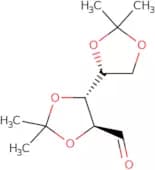
CAS:<p>Synthetic building block</p>Fórmula:C11H18O5Pureza:Min. 95%Forma y color:Colorless PowderPeso molecular:230.26 g/mol2-Azido-((R)-3,5-O-benzylidene)-2,6-dideoxy- L-gluco-hexitol
<p>2-Azido-((R)-3,5-O-benzylidene)-2,6-dideoxy-L-gluco-hexitol is a modified sugar that is synthesized from the natural sugar D-glucose. It has been fluorinated at the 2 position of the carbon chain to create an azido group. The chemical modification of this sugar allows for its use in a variety of applications, such as click chemistry, Methylation and Polysaccharide synthesis.</p>Pureza:Min. 95%Methyl 2,3,4-tri-O-benzoyl-6-O-triisopropylsilyl-a-D-glucopyranoside
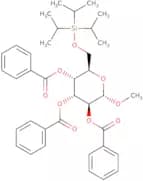
CAS:<p>Methyl 2,3,4-tri-O-benzoyl-6-O-triisopropylsilyl-a-D-glucopyranoside is a Custom synthesis that is a complex carbohydrate. It is an Oligosaccharide with a Polysaccharide that is modified by Methylation and Glycosylation. This saccharide has CAS No. 356060-80-5 and can be found in Click modification and Synthetic. Methyl 2,3,4-tri-O-benzoyl-6-O-triisopropylsilyl-a-D -glucopyranoside has a high purity and fluorination level.</p>Fórmula:C37H46O9SiPureza:Min. 95%Peso molecular:662.86 g/mol(2R, 3S, 4R) -4- Azido- 3 benzhydryloxybis(trimethylsilyloxy)silyloxy - 2- [( benzhydryloxybis(trimethylsilyloxy)silyloxy) methyl] - 1- benzyl- pyrrolidine
<p>(2R, 3S, 4R) -4- Azido- 3 benzhydryloxybis(trimethylsilyloxy)silyloxy - 2- [(benzhydryloxybis(trimethylsilyloxy)silyloxy) methyl] - 1- benzyl- pyrrolidine is a highly pure and custom synthesized oligosaccharide. It is a methylated saccharide with a high purity. The CAS number for this compound is 102780-43-1. This compound has been modified by Click chemistry to allow for the modification of saccharides, polysaccharides and other complex carbohydrates.</p>Pureza:Min. 95%2-O-Benzyl-2,4-di-C-methyl-3,4-O-isopropylidene-L-arabinonic acid γ-lactone
<p>2-O-Benzyl-2,4-di-C-methyl-3,4-O-isopropylidene-L-arabinonic acid gamma-lactone is a custom synthesis of a complex carbohydrate. It has CAS No. and can be modified by methylation and glycosylation. This product is high purity, fluorinated, and synthetic.</p>Pureza:Min. 95%1,2,3-Tri-O-acetyl-5-deoxy-b-D-ribofuranose
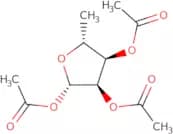
CAS:<p>1,2,3-Tri-O-acetyl-5-deoxy-b-D-ribofuranose is a fluoropyrimidine prodrug. It can be converted to 5-fluorocytosine in vivo and has been shown to have antitumor properties. The positron emission from 1,2,3-triacetyl-5-deoxyribofuranose is used as a radiotracer for colorectal cancer.</p>Fórmula:C11H16O7Pureza:Min. 95%Forma y color:White PowderPeso molecular:260.24 g/molLiothyronine-acyl-D-glucuronide
<p>Liothyronine-acyl-D-glucuronide is a synthetic compound that is used as a replacement therapy for hypothyroidism. It has been shown to be effective in the treatment of myxedema coma and thyroid storm. Liothyronine-acyl-D-glucuronide is a complex carbohydrate with a sugar moiety attached to its side chain, which may be modified by reactions such as fluorination, monosaccharide synthesis, oligosaccharide synthesis, glycosylation, polysaccharide synthesis, or click modification. This product has high purity and is custom synthesized to your specifications for research purposes only.</p>Fórmula:C21H20I3NO10Pureza:Min. 95%Peso molecular:827.1 g/mol1-O-Methyl-α-D-galactopyranoside monohydrate
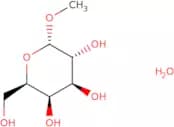
CAS:<p>Inhibitor of Gal-dependent lectin binding; used for synthesis of galactoses</p>Fórmula:C7H16O7Pureza:Min. 98 Area-%Forma y color:PowderPeso molecular:212.2 g/mol






![2, 4- Anhydro- N-benzyl-3,5-O-[(R)-benzylidene]- 6-deoxy-D- mannonamide](/_next/image/?url=https%3A%2Fstatic.cymitquimica.com%2Fproducts%2F3D%2Fthumb-webp%2FMA163977.webp&w=3840&q=75)