APIs para investigación e impurezas
Los ingredientes farmacéuticos activos (API) son las sustancias en los medicamentos responsables de sus efectos terapéuticos. En esta sección, encontrarás una amplia variedad de API destinados a uso en investigación. Estos compuestos son esenciales para el desarrollo, prueba y validación de nuevas formulaciones farmacéuticas. En CymitQuimica, ofrecemos API de alta calidad para apoyar la investigación en el descubrimiento y desarrollo de fármacos.
Subcategorías de "APIs para investigación e impurezas"
- Aminoácidos y derivados(12.328 productos)
- Antraquinonas y derivados(405 productos)
- Derivados de Benzimidazol e Imidazol(10.441 productos)
- Derivados de Benzodiazepinas(335 productos)
- Carbohidratos y glucoconjugados(5.017 productos)
- Ésteres y derivados(42.240 productos)
- Ácidos Grasos y Derivados Lipídicos(32.399 productos)
- Flavonoides y Polifenoles(17.087 productos)
- Radicales libres y agentes oxidantes/reductores(213 productos)
- Cetonas y Derivados(2.404 productos)
- Antibióticos naturales y semisintéticos(6.381 productos)
- Nitrilos y Cianoderivados(3.067 productos)
- Nitrosaminas y derivados(55 productos)
- Nucleósidos y Nucleótidos(3.432 productos)
- Fosfatos y Fosfonatos Orgánicos(1.202 productos)
- Sulfonatos y Sulfatos Orgánicos(10.435 productos)
- Organometálicos(4.422 productos)
- Otros(6.293 productos)
- Péptidos y Proteínas(3.160 productos)
- Polímeros y derivados(100 productos)
- Derivados de Purinas y Pirimidinas(8.948 productos)
- Derivados de Quinazolina y Quinolina(65.983 productos)
- Quinonas y derivados(24.349 productos)
- Sales y derivados de API(79.725 productos)
- Esteroides y derivados(4.975 productos)
- Sulfonamidas y derivados(2.595 productos)
- Terpenoides y derivados(3.846 productos)
- Tiazolidinedionas y Tiopiranos(2.752 productos)
- Compuestos β-adrenérgicos(230 productos)
Mostrar 21 subcategorías más
Se han encontrado 57040 productos de "APIs para investigación e impurezas"
Ordenar por
Pureza (%)
0
100
|
0
|
50
|
90
|
95
|
100
(7Alpha,17Alpha)- 9,17-Dihydroxy-3-oxo-pregn-4-ene-7,21-dicarboxylic acid di-gamma-lactone
CAS:<p>(7Alpha,17Alpha)- 9,17-Dihydroxy-3-oxo-pregn-4-ene-7,21-dicarboxylic acid di-gamma-lactone is a synthetic analogue of progesterone. It is used as a drug product for research and development purposes. The product has been shown to be metabolized through the 3beta hydroxysteroid dehydrogenase pathway or the side chain cleavage enzyme pathways. This product has not been evaluated in humans and should not be used for any human applications. (7Alpha,17Alpha)- 9,17-Dihydroxy-3-oxo-pregn-4-ene-7,21 -dicarboxylic acid di gamma lactone is an impurity standard for HPLC analysis of progesterone in urine.</p>Fórmula:C23H28O5Pureza:Min. 95%Peso molecular:384.50 g/molRef: 3D-JIA25367
Producto descatalogadoN-Methyl-4-phenylpiperidine
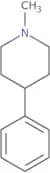
CAS:<p>N-Methyl-4-phenylpiperidine is a synthetic drug that acts as a stimulant. It is a structural analog of the neurotransmitter acetylcholine and has been shown to have similar effects in knockout mice. N-Methyl-4-phenylpiperidine is metabolized by hydrolysis of the amide group, leading to the formation of alphaprodine and hydroxyphenylacetic acid. This drug has been shown to inhibit dopamine and serotonin uptake in rats, which may be related to its psychostimulant effects. Clinical pharmacology studies have shown that this drug can increase blood pressure, heart rate, and respiration rates in humans.</p>Fórmula:C12H17N·HClPureza:Min. 95%Peso molecular:211.73 g/mol(1-Ethyl-1-methylpropyl)benzene
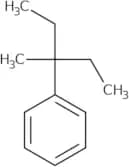
CAS:<p>(1-Ethyl-1-methylpropyl)benzene is an impurity of some drugs. It is a metabolite of the drug, and can be found in urine or blood samples as a result of its excretion from the body. (1-Ethyl-1-methylpropyl)benzene is used as an analytical standard for HPLC analysis. This chemical is not on the USP list of impurities, but it is listed on the pharmacopoeia. The CAS number for (1-Ethyl-1-methylpropyl)benzene is 1985-97-3.</p>Fórmula:C12H18Pureza:Min. 95%Peso molecular:162.27 g/molCelosin I
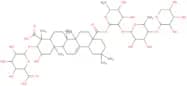
CAS:<p>Celosin I is a potent kinase inhibitor and analog that has been shown to have significant anticancer properties. It works by inhibiting the activity of kinases, which are enzymes involved in cell signaling pathways that regulate cell growth and division. Celosin I has been found to induce apoptosis, or programmed cell death, in cancer cells, making it a promising therapeutic agent for the treatment of various types of tumors. This medicinal compound has been isolated from the urine of Chinese individuals and has been extensively studied for its potential as an anticancer drug. Celosin I is a promising candidate for further development as a cancer therapy due to its high potency and selectivity towards cancer cells.</p>Fórmula:C53H82O24Pureza:Min. 95%Peso molecular:1,103.2 g/molRef: 3D-HXC73238
Producto descatalogadoPBT Impurity 2
CAS:<p>Please enquire for more information about PBT Impurity 2 including the price, delivery time and more detailed product information at the technical inquiry form on this page</p>Fórmula:C36H38O13Peso molecular:678.69 g/molRef: 3D-FP184416
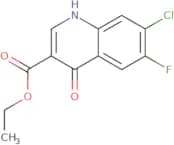
Producto descatalogado7-Chloro-6-fluoro-1,4-dihydro-4-oxo-3-quinolinecarboxylic acid ethyl ester
CAS:<p>7-Chloro-6-fluoro-1,4-dihydro-4-oxo-3-quinolinecarboxylic acid ethyl ester is a synthetic compound that has not been evaluated in humans. Studies have shown that the drug can be hydrolyzed to 7-chloro-6-fluoroquinoline 1,1′-(ethylenedioxy)bis(ethane), which is an impurity of norfloxacin. The ethyl esters of 7-chloroquinoline are also known to condense with formaldehyde and hydrolyze to 7-chloroquinolinic acid. This product may contain solvents such as acetone, chloroform, and alcohols that are used during the synthesis process. Decarboxylation of the drug occurs when it is heated at high temperatures in the presence of a catalyst, such as pyridine or sodium methoxide. It decarboxyl</p>Fórmula:C12H9ClFNO3Pureza:Min. 95%Peso molecular:269.65 g/molRef: 3D-ADA07315
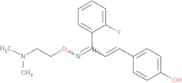
Producto descatalogadoEplivanserin
CAS:<p>Eplivanserin is a potent tumor inhibitor that belongs to the class of indirubin kinase inhibitors. It has shown great promise as an anticancer agent due to its ability to induce apoptosis in cancer cells and inhibit their growth cycle. Eplivanserin has been found to be effective against a variety of cancers, including breast, lung, and prostate cancer. This medicinal compound is derived from Chinese herbs and has been extensively studied for its potential in cancer treatment. In addition, eplivanserin has been found in urine samples from humans, indicating that it may have potential as a diagnostic tool for cancer detection. Its protein targets are still being investigated, but it is believed that eplivanserin works by inhibiting key enzymes involved in cell signaling pathways that promote cancer cell growth and survival.</p>Fórmula:C19H21FN2O2Pureza:Min. 95%Peso molecular:328.4 g/molRef: 3D-FFA58113
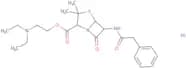
Producto descatalogadoBenzylpenicillin diethylaminoethyl ester hydroiodide
CAS:<p>Benzylpenicillin diethylaminoethyl ester hydroiodide is a potent broad-spectrum antimicrobial agent that inhibits the growth of bacteria by inhibiting protein synthesis. It is used to treat microbial infections and has been shown to be effective against Streptococcus species, including Streptococcus pneumoniae, Streptococcus pyogenes, and Streptococcus viridans. Benzylpenicillin diethylaminoethyl ester hydroiodide binds to the 50S ribosome subunit of bacteria and prevents the formation of an antibiotic-inhibitor complex with the enzyme cell wall synthesis that is required for cell wall biosynthesis. This binding prevents protein synthesis and cell division.</p>Fórmula:C22H32IN3O4SPureza:Min. 95%Peso molecular:561.5 g/molMethiotepa
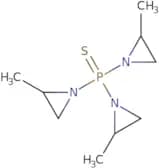
CAS:<p>Methiotepa is a potent anticancer drug that has been used for the treatment of various types of tumors. It is a Chinese hamster ovary (CHO) cell-derived analog of chitin, which inhibits the activity of protein kinase C. Methiotepa induces apoptosis in cancer cells by inhibiting DNA synthesis and repair, leading to cell death. This drug has also been shown to be a potent inhibitor of heparin-induced platelet aggregation in human blood. Methiotepa has been found to be effective against a wide range of cancers, including breast, lung, ovarian, and bladder cancer, among others. Its use as an anticancer agent may be due to its ability to inhibit the activity of various kinases and other enzymes involved in cancer cell proliferation and survival.</p>Fórmula:C9H18N3PSPureza:Min. 95%Peso molecular:231.3 g/molRef: 3D-AAA07696
Producto descatalogadoFenticonazole sulfone nitric acid salt
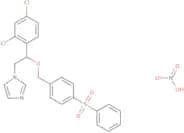
CAS:<p>Fenticonazole sulfone nitric acid salt is an analog of dabigatran, which is a protein kinase inhibitor that has shown potential in the treatment of cancer. It induces apoptosis in human cancer cells and inhibits the activity of various kinases involved in tumor growth and proliferation. Fenticonazole sulfone nitric acid salt has been studied extensively for its anticancer properties, showing promising results in Chinese hamster ovary cells and urine samples from cancer patients. This drug also exhibits inhibitory effects on protein kinases that are involved in the regulation of cell cycle progression, angiogenesis, and metastasis. Overall, Fenticonazole sulfone nitric acid salt holds great promise as a potential anticancer agent.</p>Fórmula:C24H21Cl2N3O6SPureza:Min. 95%Peso molecular:550.4 g/molRef: 3D-FDA67629
Producto descatalogadoN-Desmethyl trimeprazine
CAS:<p>N-Desmethyl trimeprazine is a synthetic compound, which is an impurity of the drug product. It is not active and does not possess any biological activity. It is a metabolite of the parent drug, Trimeprazine. N-Desmethyl trimeprazine has been studied for its pharmacological properties and metabolism in the body, but no conclusive results have been found. The chemical structure and purity of N-Desmethyl trimeprazine are not listed in the USP or BP. This compound can be custom synthesized on request.</p>Fórmula:C17H20N2SPureza:Min. 95%Peso molecular:284.40 g/molRef: 3D-XAA73204
Producto descatalogadoSLMP53-1
CAS:<p>SLMP53-1 is an anticancer agent that has been shown to induce apoptosis in cancer cells. It works by inhibiting kinases, which are enzymes involved in cell signaling pathways that regulate cell growth and division. SLMP53-1 has been found to be effective against a variety of tumors, including those of the bladder, breast, and lung. In addition, it has shown promising results as a potential treatment for Chinese hamster ovary (CHO) cells and human cancer cell lines. SLMP53-1 is also an analog of hepcidin, a protein that regulates iron metabolism in the body. Its unique structure allows it to bind specifically to cancer cells without affecting healthy cells, making it a promising candidate for targeted cancer therapy.</p>Fórmula:C20H18N2O2Pureza:Min. 95%Peso molecular:318.4 g/molRef: 3D-TQC46917
Producto descatalogadoaR453588
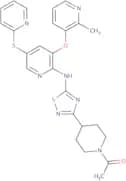
CAS:<p>aR453588 is a human analog of Voriconazole, which has been found to have anticancer properties. This compound is a kinase inhibitor that works by inducing apoptosis in cancer cells. It has been shown to be effective against various types of tumors, including those resistant to other inhibitors. aR453588 also inhibits the growth of cancer cells by blocking protein synthesis and cell division. This compound is derived from cellulose and can be detected in urine samples after administration. Overall, aR453588 shows great promise as a potential treatment for cancer.</p>Fórmula:C25H25N7O2S2Pureza:Min. 95%Peso molecular:519.6 g/molRef: 3D-QSB60900
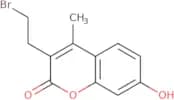
Producto descatalogado3-(2-Bromoethyl)-7-hydroxy-4-methyl-coumarin
CAS:<p>Please enquire for more information about 3-(2-Bromoethyl)-7-hydroxy-4-methyl-coumarin including the price, delivery time and more detailed product information at the technical inquiry form on this page</p>Fórmula:C12H11BrO3Pureza:Min. 95%Peso molecular:283.12 g/molRef: 3D-KAA18503
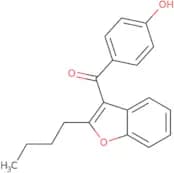
Producto descatalogadoAmiodarone impurity E
CAS:<p>Amiodarone impurity E is a nucleophilic compound that is synthesized by the acylation of a diazonium salt with an amine. It has been shown to be active against staphylococci, but not against subtilis. The reaction may be catalyzed by acid or chloride. Amiodarone impurity E is also demethylated and dehydrated to form the final product, amiodarone.</p>Fórmula:C19H18O3Pureza:Min. 95%Forma y color:PowderPeso molecular:294.34 g/molSitagliptin monohydrochloride monohydrate
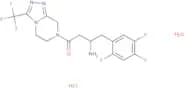
CAS:<p>Sitagliptin monohydrochloride monohydrate is an inhibitor of dipeptidyl peptidase-4 (DPP-4), which is responsible for the degradation of incretin hormones. It is used in the treatment of type 2 diabetes mellitus, as it increases insulin secretion and reduces blood glucose levels. Recent studies have shown that Sitagliptin has anticancer properties, as it induces apoptosis in cancer cells. It also inhibits protein kinases, which are involved in tumor growth and metastasis. Capsaicin, a compound found in chili peppers, has been shown to enhance the anticancer activity of Sitagliptin in Chinese hamster ovary cells. The drug is excreted primarily through urine and has a low potential for drug interactions with other kinase inhibitors. Overall, Sitagliptin monohydrochloride monohydrate shows great promise as both a diabetes medication and an anticancer agent.</p>Fórmula:C16H18ClF6N5O2Pureza:Min. 95%Forma y color:PowderPeso molecular:461.79 g/molAmlodipine EP Impurity F maleate
CAS:<p>Amlodipine EP Impurity F maleate is an impurity of amlodipine, a drug product. It is a natural substance that has been classified as an API impurity in the United States Pharmacopeia (USP). The chemical name for this drug is 3-(2-chlorophenyl)-1-methyl-5-(o-tolyloxy)-2,4-dihydro-6H-[1,3]thiazolo[3,2-a]pyrimidin-7-one. Amlodipine EP Impurity F maleate has the following properties: C12H9ClNO2S and a melting point of 210°C with a purity of 99.5%. This compound was synthesized by custom synthesis and is used as an analytical standard for HPLC. This compound was also used during the development of amlodipine to determine its metabolism studies.</p>Fórmula:C19H23ClN2O5•C4H4O4Pureza:Min. 95%Peso molecular:510.92 g/molEmtricitabine impurity 17
CAS:<p>Please enquire for more information about Emtricitabine impurity 17 including the price, delivery time and more detailed product information at the technical inquiry form on this page</p>Fórmula:C8H10FN3O4SPureza:Min. 95%Peso molecular:263.24 g/mol2,2',4,4',6,6'-Hexachlorobiphenyl
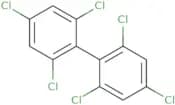
CAS:Producto controlado<p>2,2',4,4',6,6'-Hexachlorobiphenyl (PCB-136) is a potent anticancer agent that has been shown to induce apoptosis in cancer cells. It acts as a kinase inhibitor by blocking the activity of specific kinases involved in tumor growth and progression. PCB-136 has been studied extensively in human and Chinese hamster ovary cells and has been found to be highly effective against various types of cancer. This medicinal analog also exhibits inhibitory effects on the protein kinases that regulate cell division and proliferation, making it a promising candidate for cancer therapy. In addition, PCB-136 shows potential for use as a urinary biomarker for exposure to environmental pollutants due to its persistence in the environment and ability to accumulate in body tissues.</p>Fórmula:C12H4Cl6Pureza:Min. 95%Peso molecular:360.9 g/mol(-)-Sabinene
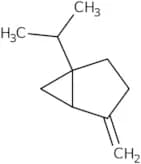
CAS:<p>(-)-Sabinene is a natural compound found in urine and various medicinal plants, including Chinese herbs. It has been identified as an analog of another natural compound that exhibits potent anticancer activity. (-)-Sabinene has been shown to inhibit the activity of certain proteins involved in cell cycle regulation and apoptosis, which are important processes for the growth and survival of cancer cells. In addition, (-)-Sabinene has been found to have inhibitory effects on tumor kinase activity, making it a promising candidate for the development of new anticancer drugs. Studies have shown that (-)-Sabinene can effectively inhibit the growth of various types of cancer cells, making it a potential therapeutic agent for the treatment of cancer.</p>Fórmula:C10H16Pureza:Min. 95%Forma y color:Clear LiquidPeso molecular:136.23 g/molRef: 3D-KAA40816
Producto descatalogado