APIs para investigación e impurezas
Los ingredientes farmacéuticos activos (API) son las sustancias en los medicamentos responsables de sus efectos terapéuticos. En esta sección, encontrarás una amplia variedad de API destinados a uso en investigación. Estos compuestos son esenciales para el desarrollo, prueba y validación de nuevas formulaciones farmacéuticas. En CymitQuimica, ofrecemos API de alta calidad para apoyar la investigación en el descubrimiento y desarrollo de fármacos.
Subcategorías de "APIs para investigación e impurezas"
- Aminoácidos y derivados(12.278 productos)
- Antraquinonas y derivados(405 productos)
- Derivados de Benzimidazol e Imidazol(10.376 productos)
- Derivados de Benzodiazepinas(333 productos)
- Carbohidratos y glucoconjugados(5.014 productos)
- Ésteres y derivados(42.045 productos)
- Ácidos Grasos y Derivados Lipídicos(32.246 productos)
- Flavonoides y Polifenoles(17.012 productos)
- Radicales libres y agentes oxidantes/reductores(213 productos)
- Cetonas y Derivados(2.394 productos)
- Antibióticos naturales y semisintéticos(6.366 productos)
- Nitrilos y Cianoderivados(3.045 productos)
- Nitrosaminas y derivados(55 productos)
- Nucleósidos y Nucleótidos(3.430 productos)
- Fosfatos y Fosfonatos Orgánicos(1.201 productos)
- Sulfonatos y Sulfatos Orgánicos(10.406 productos)
- Organometálicos(4.400 productos)
- Otros(6.280 productos)
- Péptidos y Proteínas(3.141 productos)
- Polímeros y derivados(99 productos)
- Derivados de Purinas y Pirimidinas(8.902 productos)
- Derivados de Quinazolina y Quinolina(65.644 productos)
- Quinonas y derivados(24.239 productos)
- Sales y derivados de API(79.472 productos)
- Esteroides y derivados(4.968 productos)
- Sulfonamidas y derivados(2.592 productos)
- Terpenoides y derivados(3.839 productos)
- Tiazolidinedionas y Tiopiranos(2.733 productos)
- Compuestos β-adrenérgicos(230 productos)
Mostrar 21 subcategorías más
Se han encontrado 56814 productos de "APIs para investigación e impurezas"
Ordenar por
Pureza (%)
0
100
|
0
|
50
|
90
|
95
|
100
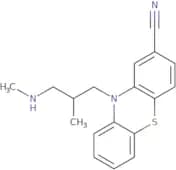
N-Demethylcyamemazine maleate
CAS:<p>Please enquire for more information about N-Demethylcyamemazine maleate including the price, delivery time and more detailed product information at the technical inquiry form on this page</p>Fórmula:C18H19N3SPureza:Min. 95%Peso molecular:309.4 g/mol5-Amino-6-hydroxy-2-(propylthio)-4(3H)-pyrimidinone
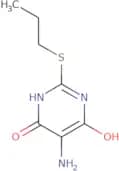
CAS:<p>Please enquire for more information about 5-Amino-6-hydroxy-2-(propylthio)-4(3H)-pyrimidinone including the price, delivery time and more detailed product information at the technical inquiry form on this page</p>Fórmula:C7H11N3O2SPureza:Min. 95%Peso molecular:201.25 g/molUCB-9260
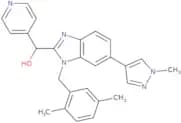
CAS:<p>UCB-9260 is a potent inhibitor of kinases that has been shown to have anticancer properties. It is a medicinal compound that was originally isolated from Chinese urine and has since been synthesized as an analog for research purposes. UCB-9260 inhibits the activity of protein kinases, which play a key role in cell signaling pathways and are often dysregulated in cancer cells. This inhibition leads to apoptosis, or programmed cell death, in tumor cells. UCB-9260 has been tested on human cancer cell lines and has shown promising results as an anticancer agent. Its specificity for certain kinases makes it a valuable tool for studying the role of these enzymes in cancer development and progression.</p>Fórmula:C26H25N5OPureza:Min. 95%Peso molecular:423.5 g/mol6-Chloro-2-(chloromethyl)-4-phenyl-quinazoline
CAS:<p>6-Chloro-2-(chloromethyl)-4-phenyl-quinazoline is a phenyl ring with an oxide group at the 6 position and a chlorodiazepoxide group at the 2 position. It is used in dermatitis, as it inhibits the release of histamines. This drug has been shown to have sensitized reactions in guinea pigs, and dimers are formed when it reacts with skin tissue. 6-Chloro-2-(chloromethyl)-4-phenyl-quinazoline can form dihedral or centrosymmetric quinazolines by reacting with hydrazine and benzodiazepine. The formation of these compounds is dependent on the presence of hydrazines and benzodiazepines, which may be found in certain household products such as detergents or cosmetics. This compound also forms supramolecular assemblies that stack on top of one another like a deck of cards, which may be due to</p>Fórmula:C15H10Cl2N2OPureza:Min. 95%Peso molecular:305.2 g/mol(R)-2-Phenylchroman-4-one
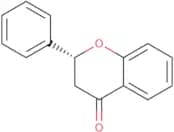
CAS:<p>(R)-2-Phenylchroman-4-one is a flavonoid glycoside that has been shown to be metabolized by human liver enzymes. It can be found in the seeds of plants such as Cassia occidentalis, Cinchona pubescens, and Cinchona suksdorfii. The molecule contains a phenolic hydroxyl group with an esterified sugar, which is connected to the aromatic ring through an alpha carbon. The sugar moiety can be either glucose or rhamnose. (R)-2-Phenylchroman-4-one has been shown to inhibit the enzyme cytochrome P450, which is a vital component of drug metabolism in humans. This inhibition may lead to significant changes in pharmacokinetics and efficacy of drugs such as cyclosporin A and erythromycin estolate that are metabolized by this enzyme. In addition, (R)-2-phenylchroman</p>Fórmula:C15H12O2Pureza:Min. 95%Peso molecular:224.25 g/molRedaporfin
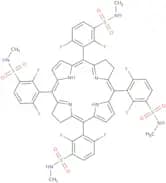
CAS:Redaporfin is an analog of the protein kinase inhibitor quetiapine, which has shown potential as an anticancer agent. It works by inhibiting kinases that are involved in cancer cell growth and proliferation. Redaporfin has been shown to induce apoptosis in human tumor cells, making it a promising candidate for cancer treatment. This drug has also been found to be effective against Chinese hamster ovary cells when tested in urine samples. Additionally, Redaporfin has been found to have inhibitory effects on other proteins, making it a versatile tool for researchers studying protein interactions and signaling pathways.Fórmula:C48H38F8N8O8S4Pureza:Min. 95%Peso molecular:1,135.1 g/molFOS-MEA-10
CAS:<p>Please enquire for more information about FOS-MEA-10 including the price, delivery time and more detailed product information at the technical inquiry form on this page</p>Fórmula:C13H29NO4PPureza:Min. 95%Peso molecular:294.35 g/mol3’-Epi gemcitabine 3’,5’-dibenzoate
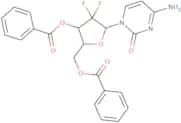
CAS:Please enquire for more information about 3’-Epi gemcitabine 3’,5’-dibenzoate including the price, delivery time and more detailed product information at the technical inquiry form on this pageFórmula:C23H19F2N3O6Pureza:Min. 95%Peso molecular:471.4 g/molTri-o-(tert-butyldimethylsilyl) ractopamine
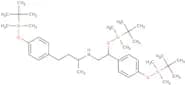
CAS:<p>Tri-o-(tert-butyldimethylsilyl) ractopamine is a compound that has been studied for its potential biological effects. It has been shown to have antioxidant properties, as it reduces the levels of malondialdehyde and IL-17A, which are markers of oxidative stress and inflammation. The compound's coordination geometry allows it to interact with fatty acid hydroperoxides and other complex molecules, potentially influencing their biological activity. Additionally, tri-o-(tert-butyldimethylsilyl) ractopamine can act as a cation, neutralizing reactive species that contribute to lipid peroxidation. Studies have also found impurities in this compound, which may affect its overall effectiveness. Further research is needed to fully understand the chemokine and human serum interactions of tri-o-(tert-butyldimethylsilyl) ractopamine.</p>Fórmula:C36H65NO3Si3Pureza:Min. 95%Peso molecular:644.2 g/molEndothion
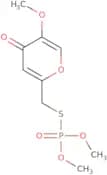
CAS:<p>Endothion is a medicinal compound that has shown promising anticancer properties. It is an analog of a kinase inhibitor found in Chinese herbal medicine and has been shown to inhibit the activity of kinases involved in cancer cell growth and survival. Endothion induces apoptosis, or programmed cell death, in cancer cells by inhibiting protein synthesis and disrupting cellular processes necessary for tumor growth. Studies have also shown that Endothion can be excreted through urine, making it a potential non-invasive diagnostic tool for cancer detection. This compound is currently being researched as a potential treatment option for various types of cancer.</p>Fórmula:C9H13O6PSPureza:Min. 95%Peso molecular:280.24 g/mol(R)-Penbutolol sulfate
CAS:<p>(R)-Penbutolol sulfate is a racemic mixture of the two enantiomers of penbutolol. Racemic penbutolol sulfate is an optical isomer of propranolol, which belongs to the group of beta-adrenergic receptor antagonists. It has a matrix effect, which means that it can be used in tablet form and will not dissolve in the stomach acid. Racemic penbutolol sulfate blocks pro-inflammatory signaling by inhibiting the activity of pcsk9 (proprotein convertase subtilisin/kexin type 9), which prevents cholesterol from being converted into bile acids. This drug has been shown to lower blood pressure in humans and is used to treat hypertension and heart failure. Racemic penbutolol sulfate has been shown to have an inhibitory effect on influenza virus replication through inhibition of viral dna replication, as well as enhancement on anti-pcsk9 antibody activity. In clinical trials</p>Fórmula:C36H58N2O4(H2SO4)Pureza:Min. 95%Peso molecular:582.86 g/mol3-Sulfanilamidoisoxazole sodium
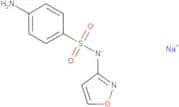
CAS:3-Sulfanilamidoisoxazole sodium is a Chinese medicinal compound that has shown promising results in the treatment of cancer. It is an analog of sulfanilamide and works by inhibiting protein synthesis and inducing apoptosis in cancer cells. 3-Sulfanilamidoisoxazole sodium has been shown to inhibit the activity of various kinases, which are enzymes involved in cell cycle regulation and tumor growth. This compound has also been found to be effective against a variety of human cancers, including breast, lung, and prostate cancer. Additionally, it has been shown to have low toxicity levels and can be excreted through urine. With its potent anticancer properties, 3-Sulfanilamidoisoxazole sodium holds great promise as a potential inhibitor for cancer therapy.Fórmula:C9H8N3NaO3SPureza:Min. 95%Peso molecular:261.24 g/mol2,3-Dichloro-6-(2,4-dichlorophenoxy)phenol
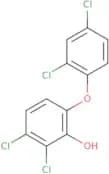
CAS:<p>Please enquire for more information about 2,3-Dichloro-6-(2,4-dichlorophenoxy)phenol including the price, delivery time and more detailed product information at the technical inquiry form on this page</p>Fórmula:C12H6Cl4O2Pureza:Min. 95%Peso molecular:324 g/molNileprost
CAS:<p>Nileprost is a medicinal inhibitor of protein kinases that has shown promising results in the treatment of cancer. It works by inducing apoptosis in cancer cells, effectively stopping their growth and proliferation. Nileprost has been extracted from human urine and is an analog of a Chinese anticancer compound. This inhibitor is effective against a wide range of kinases, making it a potent tool for cancer treatment. Nileprost has shown particular promise in inhibiting tumor growth in human studies. Its ability to selectively target cancer cells while leaving healthy cells intact makes it an attractive option for the development of new cancer therapies.</p>Fórmula:C22H33NO5Pureza:Min. 95%Peso molecular:391.5 g/mol3’,4’-Di-o-methoxy 3,7-bis(benzyloxy) quercetin
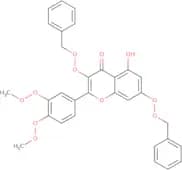
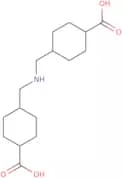
CAS:<p>Please enquire for more information about 3’,4’-Di-o-methoxy 3,7-bis(benzyloxy) quercetin including the price, delivery time and more detailed product information at the technical inquiry form on this page</p>Fórmula:C31H26O11Pureza:Min. 95%Peso molecular:574.5 g/moltrans-trans-4,4'-Iminodimethylenedi(cyclohexanecarboxylic acid)
CAS:<p>Trans-trans-4,4'-Iminodimethylenedi(cyclohexanecarboxylic acid) is a hydrophobic particle that is soluble in water. It has an average particle diameter of 20 nm and a viscosity of 10 cps. Trans-trans-4,4'-Iminodimethylenedi(cyclohexanecarboxylic acid) is used in skin care products as a thickener and viscosity enhancer. It provides a silky feel to the skin and improves the skin's elasticity. This product also helps to protect the skin from UV radiation by forming a barrier on the surface of the skin. The natural polymer can be produced from glycerin or amide to produce different properties for different applications. Trans-trans-4,4'-Iminodimethylenedi(cyclohexanecarboxylic acid) is an amphoteric molecule that can react with both acidic</p>Fórmula:C16H27NO4Pureza:Min. 95%Peso molecular:297.39 g/molSW076956
CAS:<p>SW076956 is a potent inhibitor that targets cancer cells. This medicinal compound has been found to induce apoptosis and inhibit the growth of cancerous cells in Chinese hamster ovary (CHO) cells. SW076956 is an analog of a protein kinase inhibitor and belongs to the class of anticancer agents. This inhibitor selectively targets kinases, which are enzymes involved in cell signaling pathways that regulate cell growth and division. SW076956 has been shown to be effective against human tumor cells and may have potential therapeutic applications in cancer treatment. The compound has also been detected in urine samples, suggesting its potential as a diagnostic tool for cancer detection.</p>Fórmula:C22H21N3O4SPureza:Min. 95%Peso molecular:423.5 g/molDeterenol-d7 hydrochloride
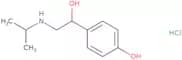
CAS:<p>Deterenol-d7 hydrochloride is a drug product that is an analytical standard. Deterenol-d7 hydrochloride is used in metabolism studies and has been shown to be natural, with the CAS number of 1246817-36-6. Deterenol-d7 hydrochloride also has impurities that are identified as synthetic, which may have an impact on its potency. Deterenol-d7 hydrochloride can be used for Custom synthesis and Drug development, as well as Research and Development. The drug product is a niche compound, with a high purity level of 99%. Deterenol-d7 hydrochloride is a HPLC standard and complies with pharmacopoeia guidelines.</p>Fórmula:C11H18ClNO2Pureza:Min. 95%Peso molecular:238.76 g/mol4-(1,1-Dimethylpropyl)-alpha-methyl-benzenepropanal
CAS:<p>4-(1,1-Dimethylpropyl)-alpha-methyl-benzenepropanal is a synthetic compound that is used as an impurity standard for the measurement of purity in drug products. It can also be used to monitor the metabolism of drugs, and may contribute to their side effects. 4-(1,1-Dimethylpropyl)-alpha-methyl-benzenepropanal has shown little evidence of toxicity in animal studies.</p>Fórmula:C15H22OPureza:Min. 95%Peso molecular:218.33 g/mol(RS)-N-[(1-Ethylpyrrolidin-2-yl)methyl]-2-hydroxy-5-sulphamoylbenzamide
CAS:<p>(RS)-N-[(1-Ethylpyrrolidin-2-yl)methyl]-2-hydroxy-5-sulphamoylbenzamide is a white to off-white crystalline powder. It is soluble in methanol and ethanol, but insoluble in water. It has an assay of >98% (HPLC), and a purity of >99% (HPLC). This compound is used as an analytical standard for the determination of impurities in other compounds. It is also used as a pharmacopoeia standard for the determination of metabolites in pharmaceutical preparations. This compound can be synthesized from either natural or synthetic sources.</p>Fórmula:C14H21N3O4SPureza:Min. 95%Peso molecular:327.4 g/molo-Desisopropyl-o-ethyl cefpodoxime proxetil
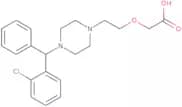
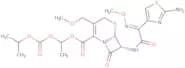
CAS:<p>o-Desisopropyl-o-ethyl cefpodoxime proxetil is a drug product that is used in the treatment of infections caused by bacteria. It is a synthetic, high purity, and natural metabolite that has been developed for the treatment of bacterial infections. This drug product has been shown to have an analytical purity of >99.5% and a pharmacopoeia purity of >99%. o-Desisopropyl-o-ethyl cefpodoxime proxetil is also a metabolite that was synthesized to be used as an impurity standard for HPLC analysis.</p>Fórmula:C20H25N5O9S2Pureza:Min. 95%Peso molecular:543.60 g/molCetirizine impurity C
CAS:<p>Cetirizine impurity C is a potential impurity of cetirizine. It is used in the synthesis of cetirizine and as a drug substance. Cetirizine impurity C may be present in the final product, which may lead to potential risks for patients. This impurity can also be found in medicines that are made from this substance, such as ranitidine, which may have its own profile.</p>Fórmula:C21H25ClN2O3Pureza:Min. 95%Peso molecular:388.89 g/molEnalaprilat tert-butyl ester
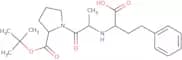
CAS:<p>Enalaprilat tert-butyl ester is a synthetic compound and impurity standard used in the synthesis of drug product. Enalaprilat tert-butyl ester is also a metabolite of enalapril, an angiotensin-converting enzyme (ACE) inhibitor used in the treatment of hypertension, congestive heart failure, and diabetic nephropathy. Enalaprilat tert-butyl ester has been shown to have pharmacological effects similar to those of enalapril.</p>Fórmula:C22H32N2O5Pureza:Min. 95%Peso molecular:404.5 g/molrac-Pregabalin N-acrylamide
CAS:<p>Pregabalin is an anticonvulsant drug that is used to treat epilepsy, neuropathic pain, and generalized anxiety disorder. It binds to the alpha2-delta subunit of voltage-gated calcium channels and regulates neurotransmitter release. Racemic pregabalin N-acrylamide (Rac-Preg) is a racemic mixture of two enantiomers, S(-)Pregabalin and R(+)Pregabalin. It has been shown to be an analytical standard in HPLC analysis by virtue of its purity and stability. Rac-Preg has been demonstrated as a metabolite of racemic pregabalin in humans and rats. Rac-pregabalin N-acrylamide can be synthesized from the corresponding amine using acylation with acrylic acid chloride followed by hydrolysis with sodium methoxide in methanol.</p>Fórmula:C11H19NO3Pureza:Min. 95%Peso molecular:213.27 g/mol3-Hydroxy darifenacin
CAS:<p>3-Hydroxy darifenacin is a metabolite of the drug Darifenacin. It is an impurity standard for use in the manufacture of drug products and as a research standard for pharmacopoeia, drug development, and analytical methods. 3-Hydroxy darifenacin is not a natural product.</p>Fórmula:C28H30N2O3Pureza:Min. 95%Peso molecular:442.50 g/molCefpodoxime proxetil impurity D
CAS:<p>Cefpodoxime proxetil impurity D is a cephalosporin antibiotic that is an oral prodrug. It is used to treat infections of the mouth, throat, skin, and respiratory tract caused by gram-positive bacteria such as Streptococcus pyogenes (group A), Streptococcus pneumoniae (group B), or Staphylococcus aureus. Cefpodoxime proxetil impurity D can be converted into the active form cefpodoxime in the body. The oral absorption of this drug has been found to be rapid and complete in humans with streptococcal pharyngitis. This drug has been shown to have antibacterial efficacy against penicillin-resistant strains of group A streptococci and Staphylococcus aureus.</p>Fórmula:C21H27N5O9S2Pureza:Min. 95%Peso molecular:557.6 g/mol7-o-Benzyl luteolin
CAS:<p>7-o-Benzyl luteolin is a synthetic compound that is used as an impurity standard for the pharmaceutical industry. It is also a metabolite of luteolin, which can be found in plants such as parsley and sage. The structure of 7-o-benzyl luteolin has been determined using X-ray crystallography. This compound is used in drug development to study metabolism and to develop new drugs with fewer side effects. 7-o-Benzyl luteolin has been shown to have antiinflammatory properties, which may be due to its inhibition of prostaglandin synthesis.END></p>Fórmula:C22H16O6Pureza:Min. 95%Peso molecular:376.4 g/molSimotinib
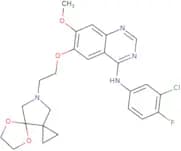
CAS:<p>Simotinib is a kinase inhibitor that has shown promising results in the treatment of various types of cancer. It targets specific proteins that are involved in the growth and survival of tumor cells, leading to apoptosis (cell death) and inhibition of cancer cell proliferation. This medicinal compound is an analog of cyclin-dependent kinases inhibitors and has been extensively studied in Chinese patients with lung cancer. Simotinib works by blocking the activity of certain enzymes that promote tumor growth, making it an effective anticancer agent. It has also been found to have potential therapeutic applications in other types of cancer, including breast and prostate cancer. Overall, Simotinib shows great promise as a targeted therapy for cancer treatment.</p>Fórmula:C25H26ClFN4O4Pureza:Min. 95%Peso molecular:500.9 g/mol8-Hydroxymethylriboflavin
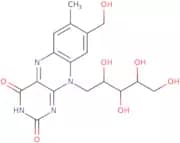
CAS:<p>8-Hydroxymethylriboflavin is a metabolite of riboflavin that has been shown to be important in the metabolism of this vitamin. This compound is used as an impurity standard for the detection and identification of drugs or other substances in pharmacopoeia, drug development, and analytical chemistry.</p>Fórmula:C17H20N4O7Pureza:90%MinPeso molecular:392.4 g/molN-Ethyl fluprostenol carboxamide
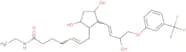
CAS:<p>N-Ethyl fluprostenol carboxamide is a synthetic compound with a chemical formula of C17H21NO4. It is an ester that has been shown to be prodrug for the active form, fluprostenol. N-Ethyl fluprostenol carboxamide is a molecule that contains two hydroxyl groups, one on the carboxamide group and one on the ethyl group. The chemical structure also contains a halogen atom and an ester group.</p>Fórmula:C25H34F3NO5Pureza:Min. 95%Peso molecular:485.5 g/molIothalamic acid-d3
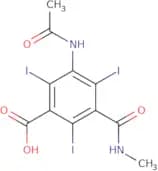
CAS:<p>Iothalamic acid-d3 is a drug product that is a natural, synthetic, and API impurity. It is used as an analytical standard in metabolism studies and for the quality control of natural Iothalamic acid-d4. Iothalamic acid-d3 also has pharmacopoeia standards for HPLC and high purity.</p>Fórmula:C11H9I3N2O4Pureza:Min. 95%Peso molecular:616.93 g/molEthyl p-aminobenzoate-N-D-mannose
CAS:<p>CAS No. 78216-92-9 is a synthetic compound that can be used as an impurity standard, custom synthesis, drug product, or a reference material. It is used in the research and development of new drugs and for the production of active pharmaceutical ingredients (API) and drug products. CAS No. 78216-92-9 also has been shown to have pharmacological properties as a metabolite. It is a metabolite of ethyl p-amino benzoate in humans and other mammals. The chemical is soluble in water, methanol, ethanol, benzene, acetone, chloroform, ether, and acetonitrile. The solubility of CAS No. 78216-92-9 in water at 37°C (98.6°F) is 2 g/L; at 20°C (68°F) - 1 g/L; at 0°C (32°F) - 0.2 g</p>Fórmula:C15H21NO7Pureza:Min. 95%Peso molecular:327.33 g/molDehydro benidipine
CAS:<p>Dehydro benidipine is a drug product that has been manufactured to the HPLC standard and is CAS No. 118935-44-7. It is not natural, but it does have a Drug development and Research and Development history. This drug product is an Impurity standard for analytical purposes, and it is also an API impurity. Synthetic studies are required for Metabolism studies, which helps the niche market. High purity of dehyro benidipine ensures that this drug product meets the pharmacopoeia requirements and standards.</p>Fórmula:C28H28N3O6Pureza:Min. 95%Peso molecular:502.5 g/mol3'-Acetyl-4'-(2,3-epoxypropoxy)butyranilide
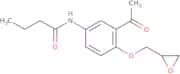
CAS:<p>3'-Acetyl-4'-(2,3-epoxypropoxy)butyranilide is an impurity found in the drug product of 3'-acetyl-4'-(2,3-epoxypropoxy)butyranilide hydrochloride. It has a molecular weight of 268.9 and chemical formula C12H18O6N2. 3'-Acetyl-4'-(2,3-epoxypropoxy)butyranilide is a synthetic compound that can be used as an analytical reference material for HPLC standardization or as an impurity standard for synthesis.</p>Fórmula:C15H19NO4Pureza:Min. 95%Peso molecular:277.32 g/molVigabatrin EP Impurity B
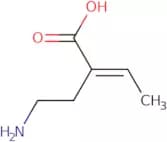
CAS:<p>Vigabatrin EP Impurity B is a research and development impurity standard that belongs to the class of drugs. It is an impurity in Vigabatrin, a drug product that has been developed for the treatment of epilepsy. Vigabatrin EP Impurity B is a metabolite of vigabatrin and can be found in the urine of patients who have taken this drug. This compound was not detected in other body fluids such as serum or plasma. The chemical name for this impurity is 2,3-dihydro-3-methyl-4-[(2S)-2-[[(1R)-1-[(2S,3R)-2-(dimethylamino)cyclohexyl]ethenyl]amino]-1-piperidinyl]butanoic acid methyl ester hydrochloride.</p>Fórmula:C6H11NO2Pureza:Min. 95%Peso molecular:129.16 g/molTetrahydrocurcumin monoglucuronide
CAS:<p>Tetrahydrocurcumin monoglucuronide is an analog of curcumin, a natural compound found in turmeric. It has been shown to have potent anticancer properties by inhibiting kinases involved in cancer cell growth and proliferation. Tetrahydrocurcumin monoglucuronide has also been found to inhibit testosterone production, making it a potential treatment for hormone-dependent cancers such as prostate cancer. This compound induces apoptosis, or programmed cell death, in cancer cells and has been studied extensively for its potential use in Chinese traditional medicine for the treatment of various types of tumors. Tetrahydrocurcumin monoglucuronide is excreted in urine and is a promising candidate for the development of kinase inhibitors for cancer therapy.</p>Fórmula:C27H32O12Pureza:Min. 95%Peso molecular:548.5 g/molBrimonidine-2,3-dione
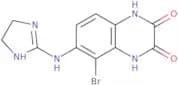
CAS:<p>Brimonidine-2,3-dione is a synthetic compound that is used as an impurity standard in the research and development of drugs. It has a CAS number of 182627-95-8. The synthesis of Brimonidine-2,3-dione is not disclosed to the public. The drug product containing this substance is a high purity pharmaceutical grade. It has been shown to be metabolized in animal studies.</p>Fórmula:C11H10BrN5O2Pureza:Min. 95%Peso molecular:324.13 g/molDesacetyl cefathiamidine
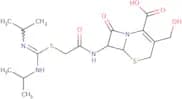
CAS:<p>Desacetyl cefathiamidine is a preparation of desacetyl cefathiamidine. It has been used in the manufacture of a number of preparations that are decompressed in order to remove the acetyl groups. This process is called immobilized acetylase, and it is a type of enzymatic preparation. Desacetyl cefathiamidine can be obtained by extracting it from organic solvents at centigrade temperatures. Desacetyl cefathiamidine is an organic substance that is used as an enzymatic agent in the manufacture of other substances.</p>Fórmula:C17H26N4O5S2Pureza:Min. 95%Peso molecular:430.5 g/molSsr 180711 hydrochloride
CAS:<p>Ssr 180711 hydrochloride is a synthetic compound with a molecular weight of 557.5. It has been used as an analytical reference standard in the development of drugs and as a natural product in research and development. Ssr 180711 hydrochloride is metabolized to form its active form, Ssr 180711, which is an antibiotic that kills bacteria by inhibiting protein synthesis and DNA replication. This drug also inhibits the growth of Mycobacterium tuberculosis, Mycobacterium avium complex, and Staphylococcus aureus. The purity of this product is 99.0% pure (HPLC).</p>Fórmula:C14H18BrClN2O2Pureza:Min. 95%Peso molecular:361.66 g/mol(R,R)-Solifenacin succinate
CAS:(R,R)-Solifenacin succinate is a pharmaceutical agent that acts as an antimuscarinic drug. It has been shown to be effective in wastewater treatment, where it was found to reduce the amount of solifenacin and optimised organic chemicals in the water. This drug has also been shown to have antagonist properties against the muscarinic receptor M3.Fórmula:C23H26N2O2•C4H6O4Pureza:Min. 95%Forma y color:PowderPeso molecular:480.55 g/mol2,2'-Bisnalmefene
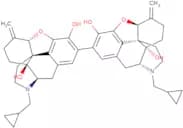
CAS:Producto controlado<p>2,2'-Bisnalmefene is a short-acting opioid antagonist that has been used for the treatment of alcohol dependence. It is effective in reducing alcohol intake and craving and it may be used to help maintain abstinence from alcohol. 2,2'-Bisnalmefene is an injectable drug that can be administered intravenously or intramuscularly. The drug should not be injected into a vein or artery because this will cause serious adverse effects. The most common adverse effect of 2,2'-bisnalmefen is respiratory depression followed by nausea and vomiting.</p>Fórmula:C42H48N2O6Pureza:Min. 95%Peso molecular:676.84 g/mol5,7,4'-Trimethoxy-4-phenylcoumarin
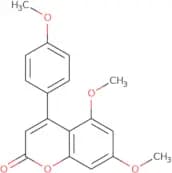
CAS:<p>5,7,4'-Trimethoxy-4-phenylcoumarin is a potent anticancer agent that has been shown to inhibit cancer cell growth and induce apoptosis. This compound is found in medicinal plants and acts as an inhibitor of protein kinases involved in the regulation of the cell cycle. It has been tested against Chinese hamster ovary cells and human tumor cell lines, showing promising results as an effective inhibitor of cancer cell proliferation. 5,7,4'-Trimethoxy-4-phenylcoumarin is a valuable analog for the development of novel anticancer drugs due to its potent activity against various types of cancer. Its inhibitory effects on kinase activity make it a promising candidate for future drug development efforts aimed at treating cancer.</p>Fórmula:C18H16O5Pureza:Min. 95%Peso molecular:312.3 g/mol4-Descyano-4-bromo-letrozole
CAS:<p>4-Descyano-4-bromo-letrozole is a white crystalline powder with a purity of 99.5% or greater. This product is used as an analytical reference standard in the detection of impurities in pharmaceutical products and as a research and development intermediate in the synthesis of other organic compounds. 4-Descyano-4-bromo-letrozole is a metabolite that can be produced by cytochrome P450 enzymes, such as CYP1A2, CYP3A4, and CYP3A5. The chemical name for this drug product is 4-[(2,6-dichlorophenyl)amino]-4-[(2,6-dichlorophenyl)amino]benzoic acid bromide. CAS No. 143030-54-0</p>Fórmula:C16H11BrN4Pureza:Min. 95%Peso molecular:339.19 g/molLeuprolide acetate ep impurity D
CAS:<p>Leuprolide acetate ep impurity D is an analytical standard that is used to calibrate HPLC. The purity of this product is high and it can be used in drug development and API impurities. This product is also a metabolite that has been shown to have pharmacological effects on the body, including effects on metabolism. Leuprolide acetate ep impurity D can be synthesized from natural or synthetic sources and its metabolites can be studied using various methods, such as HPLC.</p>Fórmula:C63H87F3N16O15Pureza:Min. 95%Peso molecular:1,365.5 g/mol6-Hydroxydopaquinone
CAS:<p>6-Hydroxydopaquinone (6HDQ) is a drug product that is used as an analytical standard. It is a natural compound and an impurity of the drug product, 6-Hydroxydopamine hydrochloride. The chemical name of 6-Hydroxydopaquinone is 3,4-Dihydroxybenzoic acid methyl ester. The CAS number for this compound is 135791-48-9. Metabolism studies have been conducted on rats to determine whether 6HDQ is metabolized by cytochrome P450 enzymes or conjugated with glucuronic acid. This substance has not been shown to be a substrate for human enzymes and does not form any metabolites in vitro, making it suitable for use as an impurity standard for HPLC analysis. 6HDQ has also been synthesized from commercially available starting materials and can be custom synthesized upon request because it is not commercially available.</p>Fórmula:C9H9NO5Pureza:Min. 95%Peso molecular:211.17 g/molImidafenacin metabolite M4
CAS:<p>Imidafenacin metabolite M4 is a synthetic impurity of imidafenacin. It is an API impurity as it is produced during the synthesis of this drug. Imidafenacin metabolite M4 has been shown to be present in high purity and is used as a pharmacopoeia standard. The compound has been studied for its metabolism, which includes studies on its ability to inhibit cytochrome P450 enzymes and other drug-metabolizing enzymes, as well as its potential to cause drug interactions.</p>Fórmula:C18H19N3O3Pureza:Min. 95%Peso molecular:325.40 g/molN-Demethyl eszopiclone hydrochloride
CAS:<p>N-Demethyl eszopiclone hydrochloride is a metabolite of zopiclone, which is a drug used for the treatment of insomnia. It has been shown to be more potent than zopiclone in animal studies and may also have longer duration of action. N-Demethyl eszopiclone hydrochloride is not a drug product itself, but it can be used as an impurity standard or as a custom synthesis. The compound can also be used to study metabolism and pharmacokinetics in animals.</p>Fórmula:C16H16Cl2N6O3Pureza:Min. 95%Peso molecular:411.2 g/molTenofovir dimer triethylammonium salt
CAS:Tenofovir dimer triethylammonium salt is a potent inhibitor of protein kinase that has been shown to induce apoptosis in cancer cells. This Chinese medicinal analog has been found to be effective against various types of cancer, including bladder, prostate, and breast cancer. Tenofovir dimer triethylammonium salt works by inhibiting the activity of enzymes involved in cell cycle regulation and inducing cell death through apoptotic pathways. This drug is also an effective inhibitor of HIV-1 replication and is used as an antiviral agent. In addition to being an anticancer and antiviral drug, Tenofovir dimer triethylammonium salt has also been reported to have potential therapeutic applications for other diseases such as hepatitis B virus infection and osteoporosis.Fórmula:C18H26N10O7P2Pureza:Min. 95%Peso molecular:556.4 g/molDe(diethylaminoethyl-5-iodo) Amiodarone
CAS:<p>Amiodarone is a drug that belongs to the group of annular compounds. It has been used in the treatment of cardiac arrhythmias, such as atrial fibrillation (AF) and ventricular tachycardia (VT). Amiodarone has been shown to have a high affinity for specific genes, including those involved in the regulation of the heart. This drug is also used in animals, such as dogs and rats. Amiodarone has been shown to have toxic effects on cardiac tissue and other organs, which may be due to its ability to inhibit the metabolism of thyroid hormones by deiodination. Amiodarone also inhibits synthesis of protein by binding to DNA, inhibiting transcription and translation.</p>Fórmula:C19H17IO3Pureza:Min. 95%Forma y color:PowderPeso molecular:420.24 g/molDesmethyl dehydro lercanidipine
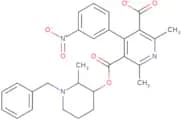
CAS:<p>Desmethyl dehydro lercanidipine is a metabolite of lercanidipine, an antihypertensive agent. Lercanidipine is a dihydropyridine calcium channel blocker that inhibits the influx of calcium ions into cardiac muscle cells and vascular smooth muscle cells. The desmethyl form of lercanidipine has been shown to have anti-inflammatory effects in rats with experimental arthritis. It has also been shown to inhibit the production of inflammatory cytokines in lipopolysaccharide-stimulated human peripheral blood mononuclear cells.</p>Fórmula:C35H37N3O6Pureza:Min. 95%Peso molecular:595.70 g/molN-Benzyl-N-[2-(benzylamino)-2-oxoethyl]-2-chloroacetamide
CAS:<p>Please enquire for more information about N-Benzyl-N-[2-(benzylamino)-2-oxoethyl]-2-chloroacetamide including the price, delivery time and more detailed product information at the technical inquiry form on this page</p>Fórmula:C18H19ClN2O2Pureza:Min. 95%Peso molecular:330.8 g/mol2'-Epi-lamivudine
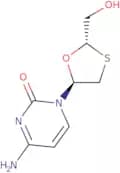
CAS:<p>2'-Epi-lamivudine is a chiral, racemic mixture of the two enantiomers of lamivudine. The synthesis and purification of 2'-epi-lamivudine is achieved by using a chiralpak column to separate the optical isomers from each other and then an immunoaffinity column to remove the undesired enantiomer (the S-enantiomer). The final product is a mixture of both enantiomers in a 1:1 ratio, which has been shown to have antiviral activity against HIV.<br>2'-Epi-lamivudine has been shown to be more potent than its parent compound lamivudine and is less toxic. This antiviral agent inhibits HIV replication by inhibiting reverse transcriptase, which is an enzyme that synthesizes viral DNA from viral RNA. It also has anti-inflammatory properties that may be due to inhibition of prostaglandin synthesis.</p>Fórmula:C8H11N3O3SPureza:Min. 95%Peso molecular:229.26 g/molDinosam
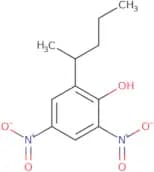
CAS:<p>Dinosam is a medicinal compound that has been found to possess potent anticancer properties. It is an analog of a natural product isolated from Chinese urine and acts as an inhibitor of kinases, which are proteins involved in the regulation of cell growth and division. Dinosam has been shown to induce apoptosis (programmed cell death) in cancer cells, making it a promising candidate for cancer therapy. In addition to its anticancer effects, Dinosam has also been found to have potential as an inhibitor of other human kinases. Its unique structure and mechanism of action make it a valuable tool for the development of new kinase inhibitors with therapeutic potential.</p>Fórmula:C11H14N2O5Pureza:Min. 95%Peso molecular:254.24 g/molDeltan-benzyloxycarbonyl aliskiren
CAS:<p>Deltan-benzyloxycarbonyl aliskiren is a drug product that is custom synthesized for research and development purposes. It is an analytical standard with high purity and quality, which has been studied in metabolism studies. The natural drug product is metabolized to form the metabolites, which are impurities. Metabolites of Deltan-benzyloxycarbonyl aliskiren are also available as HPLC standards, which are used as reference materials in pharmacopoeia. This compound can be used in niche areas of drug development, such as pharmaceutical research and development.</p>Fórmula:C38H59N3O8Pureza:Min. 95%Peso molecular:685.90 g/molLabetalol EP impurity D
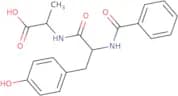
CAS:<p>Labetalol EP impurity D is a metabolite of labetalol that is used as an impurity standard for HPLC. This impurity has been identified in the drug product and also in the drug development process. Labetalol EP impurity D is one of many metabolites that can be formed by cytochrome P450 enzymes. Labetalol EP impurity D is a natural metabolite of labetalol, which can be found in the urine of humans and other mammals. It is also present in various plants and fungi, including mushrooms, lichens, yeast, and barley. Synthetic labetalol EP impurity D can also be produced by various chemical reactions.</p>Fórmula:C9H12N2O3Pureza:Min. 95%Peso molecular:196.2 g/molN-(N-Benzoyl-L-tyrosyl)-L-alanine-13C6
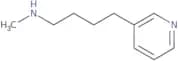
CAS:<p>Please enquire for more information about N-(N-Benzoyl-L-tyrosyl)-L-alanine-13C6 including the price, delivery time and more detailed product information at the technical inquiry form on this page</p>Fórmula:C19H20N2O5Pureza:Min. 95%Peso molecular:362.33 g/molN-Methyl-3-pyridinebutanamine dihydrochloride
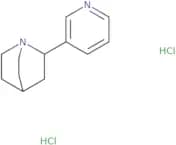
CAS:<p>N-Methyl-3-pyridinebutanamine dihydrochloride is a drug product that has been custom synthesized. This product is intended for analytical, research and development, or pharmacopoeia purposes. The CAS number of this substance is 3000-74-6. This product includes impurities at levels below 1% (w/w). The purity level of this product is >98% (w/w).</p>Fórmula:C10H18Cl2N2Pureza:Min. 95%Peso molecular:237.17 g/molPropamidine monoamide isethionate
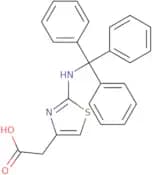
CAS:<p>Please enquire for more information about Propamidine monoamide isethionate including the price, delivery time and more detailed product information at the technical inquiry form on this page</p>Fórmula:C19H26N4O6SPureza:Min. 95%Peso molecular:438.5 g/mol2-(Tritylamino)-4-thiazolylacetic acid
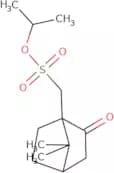
CAS:<p>Please enquire for more information about 2-(Tritylamino)-4-thiazolylacetic acid including the price, delivery time and more detailed product information at the technical inquiry form on this page</p>Fórmula:C24H20N2O2SPureza:Min. 95%Peso molecular:400.5 g/molIsopropyl (1S)-(+)-10-camphorsulfate
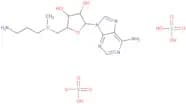
CAS:<p>Isopropyl (1S)-(+)-10-camphorsulfate is an analytical standard that is used in the preparation of aqueous solutions with a purity of at least 99.5%. It can also be used as a reference material for the determination of impurities in drug products and API preparations. Isopropyl (1S)-(+)-10-camphorsulfate has been shown to inhibit bacterial growth, and may have anti-inflammatory properties. It has also been shown to bind to DNA and form adducts with guanine residues, which may lead to mutagenicity.</p>Fórmula:C13H22O4SPureza:Min. 95%Peso molecular:274.38 g/molDecarboxylated S-adenosylmethionine sulfate
CAS:<p>Decarboxylated S-adenosylmethionine sulfate is a synthetic, high purity, pharmacopoeia grade impurity standard used in the research and development of drugs. This drug product is also used as a metabolite in metabolism studies. Decarboxylated S-adenosylmethionine sulfate is synthesized by the decarboxylation of S-adenosylmethionine, which is then reacted with sulfuric acid to form the sulfate salt. Decarboxylated S-adenosylmethionine sulfate has an analytical retention time of 12 minutes and an HPLC purity of 99%.</p>Fórmula:C14H26N6O11S3Pureza:Min. 95%Peso molecular:550.6 g/molAgomelatine dimer acetamide
CAS:<p>Agomelatine dimer acetamide is an impurity of agomelatine, an antidepressant that is used in the treatment of major depressive disorder. Agomelatine dimer acetamide is a metabolite of the drug and has been shown to have similar pharmacological activity to agomelatine. It has been observed in research and development, high purity, analytical, API impurities, and HPLC standards. Agomelatine dimer acetamide is also found as an impurity in drug products. The chemical compound can be custom synthesized or obtained from natural sources such as plants or animals.</p>Fórmula:C28H29NO3Pureza:Min. 95%Peso molecular:427.5 g/molDasatinib impurity
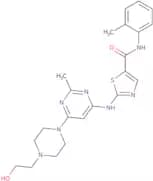
CAS:<p>Dasatinib is a cancer drug that is used to treat patients with chronic myeloid leukemia and Philadelphia chromosome-positive acute lymphoblastic leukemia. It inhibits the activity of tyrosine kinases, in particular Bcr-Abl and Src. Dasatinib is a structural analog of imatinib, which has been shown to be effective against chronic myeloid leukemia by inhibiting the activity of Bcr-Abl. Dasatinib impurity is an unwanted substance found in dasatinib. It can be synthesized from formic acid, chloride and chlorine using a series of industrial processes. The salt form of dasatinib impurity is acidic and synthetic.</p>Fórmula:C22H27N7O2SPureza:Min. 95%Peso molecular:453.56 g/mol1-C-4-Chloro-3-[(4-ethoxyphenyl)methyl]phenyl]-D-glucopyranose
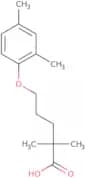
CAS:<p>1-C-4-Chloro-3-[(4-ethoxyphenyl)methyl]phenyl]-D-glucopyranose is a natural product. It is an API impurity that has been synthesized by the custom synthesis process. 1-C-4-Chloro-3-[(4-ethoxyphenyl)methyl]phenyl]-D-glucopyranose has been shown to have pharmacological activity in research and development studies and as a potential drug product.</p>Fórmula:C21H25ClO7Pureza:Min. 95%Peso molecular:424.87 g/moliso-Gemfibrozil
CAS:<p>iso-Gemfibrozil is a natural, synthetic drug product. It is an impurity standard for the pharmacopoeia and analytical standards for HPLC. iso-Gemfibrozil is metabolized in the liver to its active form, gemfibrozil. Impurities are not detected by HPLC and can be found in low levels in the API impurity standard. It has been used as a research and development candidate in clinical studies on atherosclerosis, hyperlipidemia, and diabetes mellitus.</p>Fórmula:C15H22O3Pureza:Min. 95%Peso molecular:250.33 g/mol(S)-5-Chloronaproxen
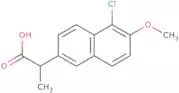
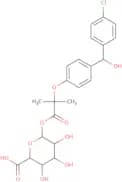
CAS:<p>(S)-5-Chloronaproxen is a synthetic drug product with a purity of 99.9%. It has been synthesized from natural, custom synthesis and analytical grade raw materials. Metabolism studies have been conducted to determine the metabolic pathways of (S)-5-chloronaproxen. The metabolite profile was analyzed by HPLC, and the impurity standard was developed for use in pharmacopoeia, niche research and development, and quality control laboratories.</p>Fórmula:C14H13ClO3Pureza:Min. 95%Peso molecular:264.7 g/molFenirofibrate acyl-β-D-glucuronide
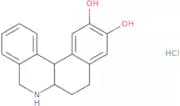
CAS:<p>Please enquire for more information about Fenirofibrate acyl-β-D-glucuronide including the price, delivery time and more detailed product information at the technical inquiry form on this page</p>Fórmula:C23H25ClO10Pureza:Min. 95%Peso molecular:496.9 g/molDihydrexidine hydrochloride
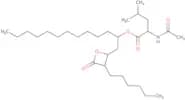
CAS:<p>Dihydrexidine hydrochloride is a phosphate ion transport inhibitor that binds to the acetylcholine transporter, and inhibits the uptake of acetylcholine in the brain. It is used as an opioid analgesic, as well as to treat depression, cognitive disorders, and Parkinson's disease. Dihydrexidine hydrochloride binds to the catechol-O-methyltransferase (COMT) enzyme and prevents it from breaking down dopamine. This leads to increased levels of dopamine in the synapse and enhanced transmission of nerve impulses between neurons. Dihydrexidine hydrochloride also has been shown to bind to antigen molecules on cells, which may be important for its antiviral properties.</p>Fórmula:C17H18ClNO2Pureza:Min. 95%Peso molecular:303.8 g/molN-Desformyl N-acetyl (S,S,R,S)-orlistat (orlistat impurity)
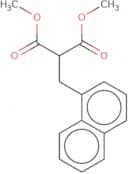
CAS:Please enquire for more information about N-Desformyl N-acetyl (S,S,R,S)-orlistat (orlistat impurity) including the price, delivery time and more detailed product information at the technical inquiry form on this pageFórmula:C30H55NO5Pureza:Min. 95%Peso molecular:509.8 g/molDiethyl (1-naphthylmethyl)malonate
CAS:<p>Diethyl (1-naphthylmethyl)malonate is an impurity of the drug product. It is a metabolite that has been found in rat urine and feces. Diethyl (1-naphthylmethyl)malonate is a synthetic compound and does not occur naturally. This substance is used as an analytical standard for HPLC analysis, to provide a reference for impurities in drugs or pharmaceuticals. It is also used as a chemical intermediate in the synthesis of other compounds. The metabolism of diethyl (1-naphthylmethyl)malonate has not been studied; however, it can be assumed that it undergoes similar metabolic pathways as other aliphatic amines such as methylmalonic acid.</p>Fórmula:C18H20O4Pureza:Min. 95%Peso molecular:300.35 g/molIso propyl ether aberaterone
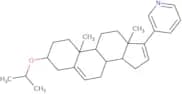
CAS:Producto controlado<p>Iso propyl ether abiraterone is a medicinal compound that has shown promising results in the treatment of cancer. It is an inhibitor of CYP17A1, which is a protein involved in the production of androgens such as testosterone. By inhibiting this protein, iso propyl ether abiraterone can reduce the levels of androgens in the body, which can slow or stop the growth of certain types of cancer cells. This compound has been shown to induce apoptosis (cell death) in cancer cells and has demonstrated anticancer activity in both human and Chinese hamster ovary cell lines. Iso propyl ether abiraterone is an analog of other kinase inhibitors and has potential for use in combination with other anticancer drugs.</p>Fórmula:C27H37NOPureza:Min. 95%Peso molecular:391.6 g/mol(3S,4R)-3-((Benzo[D][1,3]dioxol-5-yloxy)methyl)-4-(4-fluorophenyl)piperidine hydrochloride
CAS:Producto controlado<p>(3S,4R)-3-((Benzo[D][1,3]dioxol-5-yloxy)methyl)-4-(4-fluorophenyl)piperidine hydrochloride is a potent inhibitor of kinase proteins in humans. It is an analog of tumor inhibitors that induce apoptosis in cancer cells. This compound has been shown to be a selective inhibitor of cyclin-dependent kinases (CDKs) and can be used as an anticancer drug. It has been tested on Chinese hamster ovary cells and has demonstrated strong inhibition of CDK activity. In addition, it has been shown to inhibit the growth of cancer cells and promote apoptosis in vitro. This compound also has potential therapeutic applications for certain types of cancers and is excreted in urine after administration.</p>Fórmula:C19H21ClFNO3Pureza:Min. 95%Peso molecular:365.8 g/molMesalamine impurity S
CAS:<p>Mesalamine impurity S is a mesalamine metabolite that has been identified as an impurity in the drug product. Mesalamine impurity S is an analytical standard that is used for HPLC analysis and can be used as a reference material for the pharmacopoeia. Mesalamine impurity S can also be synthesized from natural or synthetic sources.</p>Fórmula:C14H12N2O5Pureza:Min. 95%Forma y color:Green SolidPeso molecular:288.26 g/molN-(4-Aminobenzenesulfonyl) sulfamethoxazole N-acetate
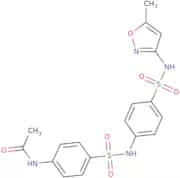
CAS:<p>4-aminobenzenesulfonyl sulfamethoxazole N-acetate is a drug product that has been approved for use in humans. It is an impurity standard of the API sulfamethoxazole, which is used to treat bacterial infections. 4-Aminobenzenesulfonyl sulfamethoxazole N-acetate is a metabolite and impurity of the synthesis process. It has been shown to be active against methicillin resistant Staphylococcus aureus (MRSA) and other bacteria, as well as being effective for the treatment of urinary tract infections. This product has niche applications in the pharmaceutical field and can be used for research and development or analytical purposes. 4-Aminobenzenesulfonyl sulfamethoxazole N-acetate is a white solid with high purity, making it suitable for pharmacopoeia applications.</p>Fórmula:C18H18N4O6S2Pureza:Min. 95%Peso molecular:450.5 g/molTobramycin impurity 3
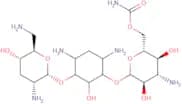
<p>Tobramycin impurity 3 is a natural product that belongs to the class of antibiotics. It is an impurity in the drug tobramycin, which is used for the treatment of respiratory tract infections. Tobramycin impurity 3 has been shown as a major metabolite of tobramycin by HPLC and GC-MS. The chemical structure is not known, but it has been identified as a metabolite based on its similarity to other metabolites. Metabolism studies are required to elucidate the metabolic pathway and identify the enzyme responsible for its formation.</p>Pureza:Min. 95%4'-Acetyl simvastatin
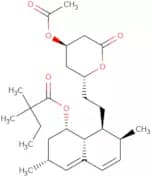
CAS:<p>4'-Acetyl simvastatin is a synthetic statin that inhibits cholesterol synthesis by competitively inhibiting the enzyme HMG-CoA reductase. The reaction yield of 4'-acetyl simvastatin is high, and it has been shown to be effective at a lower dose than other statins. Impurities are not detected in this drug, and it has a low toxicity profile. Some impurities may be formed during the synthesis process due to reactions with acid catalysts, esterases, or expressed chloride. Other impurities such as hydroxyanisole and amination reaction products can be found in this drug due to its manufacturing process, which includes methyl alcohol and chemoenzymatic reactions.</p>Fórmula:C27H40O6Pureza:Min. 95%Forma y color:PowderPeso molecular:460.6 g/mol[6-Hydroxy-2-(4-hydroxyphenyl)benzo[b]thien-3-yl](4-hydroxyphenyl)-methanone
CAS:<p>MDM2 inhibitors are a class of cancer drugs that inhibit the activity of MDM2, which is an oncoprotein that prevents the degradation of p53. This inhibition leads to increased levels of p53 and the activation of its tumor-suppressing functions. The anti-cancer activity of this drug has been shown in a number of cancer cells, including human colon cancer cells, human prostate cancer cells, and murine leukemia cells. Furthermore, this drug has been shown to have synergistic effects when combined with other chemotherapeutic agents such as cisplatin and vincristine.</p>Fórmula:C21H14O4SPureza:Min. 95%Peso molecular:362.4 g/molLenvatinib impurity 2
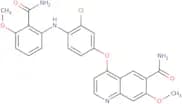
CAS:<p>Lenvatinib impurity 2 is a drug product that is used as an HPLC standard. It is a natural metabolite of lenvatinib, which is developed for the treatment of various types of cancers. The compound has been shown to inhibit the growth of human tumor cells and induce apoptosis in cell lines.<br>Lenvatinib impurity 2 is a synthetic compound that can be custom synthesized to meet specific requirements and needs. It has been found to have pharmacological effects similar to those of lenvatinib, but with less toxicity.<br>Lenvatinib impurity 2 can be used as an analytical or API impurity for the development, research and analysis of lenvatinib-based drugs. This compound has also been found to be useful in metabolism studies when testing for potential adverse reactions due to its similarity with lenvatinib.</p>Fórmula:C25H21ClN4O5Pureza:Min. 95%Peso molecular:492.9 g/mol3-[4-(2-Pyridylsulfamoyl)phenyl] sulfasalazine
CAS:<p>3-[4-(2-Pyridylsulfamoyl)phenyl] sulfasalazine is an analytical standard and a metabolite of sulfasalazine. It is used as a reference compound in the analysis of high purity sulfasalazine by HPLC. 3-[4-(2-Pyridylsulfamoyl)phenyl] sulfasalazine is also used as an impurity in the drug product, API, and drug development. The CAS number for 3-[4-(2-Pyridylsulfamoyl)phenyl] sulfasalazine is 1391062-34-2.</p>Fórmula:C29H22N6O7S2Pureza:Min. 95%Peso molecular:630.65 g/molN-(4-Amino-3-pyridinyl)-acetamide hydrochloride
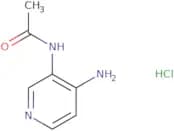
CAS:N-(4-Amino-3-pyridinyl)-acetamide hydrochloride is a white, crystalline solid. It is soluble in water, methanol and ethanol. The chemical formula for this compound is C6H8N2O2. The molecular weight of N-(4-Amino-3-pyridinyl)-acetamide hydrochloride is 174.16. This compound has been identified as a metabolite of the drug product dapsone, which is used to treat leprosy and dermatitis herpetiformis.Fórmula:C7H10ClN3OPureza:Min. 95%Peso molecular:187.63 g/molTetrahydro-α-(1-naphthalenylmethyl)-2-furanpropanoic acid
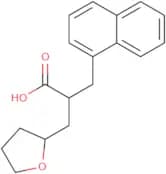
CAS:<p>Tetrahydro-α-(1-naphthalenylmethyl)-2-furanpropanoic acid is a reagent that is used in analytical procedures for the determination of phosphate and potassium. Tetrahydro-α-(1-naphthalenylmethyl)-2-furanpropanoic acid can be used to determine the concentrations of phosphate and potassium in human plasma, serum, or other biological fluids. It reacts with phosphates to form an insoluble salt which can be detected by fluorimetry. Tetrahydro-α-(1-naphthalenylmethyl)-2-furanpropanoic acid can also be used as an analytical standard in high performance liquid chromatography (HPLC) to measure the concentration of phosphate.</p>Fórmula:C18H20O3Pureza:Min. 95%Peso molecular:284.3 g/molLevovirin
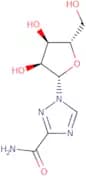
CAS:Producto controlado<p>Levovirin is an antiviral agent that belongs to the class of ribonucleotide reductase inhibitors. It is a potent inhibitor of hepatitis C virus replication and has been shown to be active against HIV in vitro. Levovirin acts as a competitive inhibitor of the NS3 protease, which is responsible for processing viral proteins. This inhibition prevents the production of new virus particles and the spread of infection. Levovirin also has immunomodulatory effects, which may provide therapeutic benefits in autoimmune diseases such as rheumatoid arthritis or Crohn's disease.</p>Fórmula:C8H12N4O5Pureza:Min. 95%Peso molecular:244.2 g/molrac Enterodiol-d6
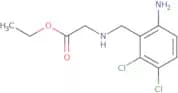
CAS:<p>Racemic Enterodiol-d6 is a high purity synthetic racemic compound that is used as an impurity standard for use in HPLC. The CAS number for Racemic Enterodiol-d6 is 104411-12-3. Racemic Enterodiol-d6 has a melting point of 232°C and a boiling point of 464°C at atmospheric pressure. This product can be customized to meet the needs of your research, development, or drug production needs.</p>Fórmula:C18H22O4Pureza:Min. 95%Peso molecular:308.4 g/molEthyl 2-(6-amino-2,3-dichlorobenzyl)glycine
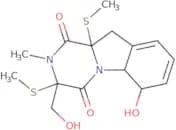
CAS:<p>Ethyl 2-(6-amino-2,3-dichlorobenzyl)glycine is a drug product with a CAS number of 70406-92-7. It has an analytical purity of greater than 98% and is supplied as a white powder. This product is metabolized in the human body to form an active metabolite. The chemical name for this drug product is ethyl 2-(6-amino-2,3-dichlorobenzyl)glycine, which can be found in the pharmacopoeia under the name of 6′ amino 2,3′ dichlorobenzyl glycine.</p>Fórmula:C11H14Cl2N2O2Pureza:Min. 95%Peso molecular:277.15 g/molBis(methylthio)gliotoxin (fr-49175)
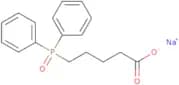
CAS:<p>Bis(methylthio)gliotoxin (fr-49175) is a metabolite of the neurotoxin, gliotoxin. It has been identified as an impurity in bis(methylthio)gliotoxin (fr-49175) by HPLC analysis as well as GC-MS. Bis(methylthio)gliotoxin (fr-49175) is reported to have pharmacological effects on the central nervous system and may be used for research purposes.</p>Fórmula:C15H20N2O4S2Pureza:Min. 95%Peso molecular:356.5 g/molSodium 5-(diphenylphosphinyl)pentanoate
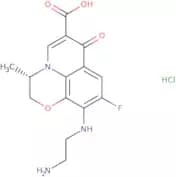
CAS:<p>Sodium 5-(diphenylphosphinyl)pentanoate is an impurity present in the drug product and is an analytical reference material for metabolism studies. It is a natural compound that has been custom synthesized for use as a synthetic standard. This substance is used in drug development and research, including the study of pharmacokinetics, metabolism, and toxicology. Sodium 5-(diphenylphosphinyl)pentanoate also serves as an impurity standard for HPLC analysis. The purity of this substance is high enough to meet the standards set by the pharmacopoeia.</p>Fórmula:C17H18NaO3PPureza:Min. 95%Peso molecular:324.29 g/molLevofloxacin diamine impurity
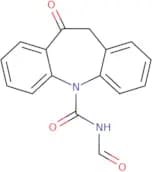
CAS:<p>Levofloxacin is a synthetic fluoroquinolone antibiotic. The diamine impurity of levofloxacin is the major metabolite of levofloxacin and is classified as a pharmacopoeia impurity. Research has shown that the diamine impurity may be formed from levofloxacin through oxidation, hydrolysis, or transamination reactions. Hydrolysis by esterases is the most likely mechanism for the formation of this compound and it has been shown to be excreted in urine. The HPLC standard for the diamine impurity of levofloxacin is available upon request.</p>Pureza:Min. 95%N-Formyl oxcarbazepine
CAS:<p>N-Formyl oxcarbazepine is a metabolite of carbamazepine which is a drug product for the treatment of epilepsy. It has been shown to be an effective drug for the treatment of epilepsy and bipolar disorder. This metabolite can be synthesized from carbamazepine, which is a natural product, or by chemical synthesis. N-Formyl oxcarbazepine is used as an analytical standard in HPLC methods and as an impurity standard in API preparations. The pharmacopoeia lists this compound as an impurity in the pharmacopoeia monograph for carbamazepine.</p>Fórmula:C16H12N2O3Pureza:Min. 95%Peso molecular:280.28 g/mol2-Bromo-N-(4-chlorophenethyl)propan-1-amine hydrobromide
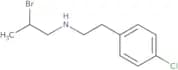
CAS:<p>Please enquire for more information about 2-Bromo-N-(4-chlorophenethyl)propan-1-amine hydrobromide including the price, delivery time and more detailed product information at the technical inquiry form on this page</p>Fórmula:C11H15BrClNPureza:Min. 95%Peso molecular:276.6 g/molPf 3084014 hydrobromide
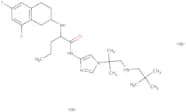
CAS:<p>Pf 3084014 hydrobromide is a pluripotent, non-tumorigenic, and self-renewing cell line that can differentiate into cells of all three germ layers. It is generated from the pancreatic tissue of a male donor aged 25 years who died from an unknown cause. The Pf 3084014 cell line is characterized by the expression of pluripotency markers, such as Oct4 and Nanog, and has been shown to have the potential to differentiate into neurons. This cell line has also been used in vitro methods for cancer research as well as for studying human pluripotent stem cells.</p>Fórmula:C27H43Br2F2N5OPureza:Min. 95%Peso molecular:651.5 g/molAlbendazole sulfone
CAS:<p>Albendazole sulfone is a metabolite of the drug albendazole. It is used as an analytical standard to measure the concentration of albendazole in human plasma and urine samples. The concentration-time curve for albendazole sulfone can be determined using a nonlinear regression analysis, with the rate constant being calculated from the slope and intercept. This method has been shown to be accurate for predicting pharmacokinetic parameters in humans. Albendazole sulfone is also used as a probe in wastewater treatment studies, where it binds to colloidal gold particles that are used to visualize the removal of small particles by microorganisms.</p>Fórmula:C12H15N3O4SPureza:Min. 95 Area-%Forma y color:PowderPeso molecular:297.33 g/molSodium sulfoxone
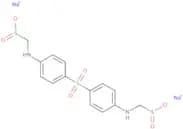
CAS:<p>Sodium sulfoxone is a sulfa drug that is used in the treatment of a number of conditions, including cancer and inflammatory skin diseases. It works by blocking the synthesis of DNA and RNA in bacterial cells, thereby inhibiting cell growth. Sodium sulfoxone has been shown to be effective against a wide variety of microorganisms, including Escherichia coli, Pseudomonas aeruginosa, Staphylococcus aureus, Streptococcus pyogenes and Enterococcus faecalis. Sodium sulfoxone can also be used as an eye drop to treat eye disorders such as choroidal neovascularization.</p>Fórmula:C14H14N2Na2O6S3Pureza:Min. 95%Peso molecular:448.5 g/molBalsalazide Isopropyl ester
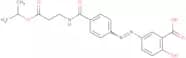
CAS:<p>Balsalazide Isopropyl ester is a synthetic compound that is used as an active pharmaceutical ingredient in the treatment of irritable bowel syndrome. Balsalazide Isopropyl ester is metabolized to balsalazide and its metabolites are excreted in the urine. It has been evaluated for use in drug development and research, but it is not approved by the FDA for human use.</p>Fórmula:C20H21N3O6Pureza:Min. 95%Peso molecular:399.4 g/mol3,4-Diphenylmethylidene luteolin
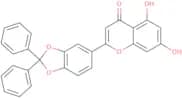
CAS:<p>3,4-Diphenylmethylidene luteolin is a synthetic compound with pharmacological activity. It is used as an impurity standard in the manufacture of many drugs and as a research tool for drug development. 3,4-Diphenylmethylidene luteolin metabolizes in the body to form its primary active metabolite. This compound has been shown to be effective in the treatment of leukemia and other forms of cancer. 3,4-Diphenylmethylidene luteolin binds to the enzyme protein kinase C, inhibiting its ability to phosphorylate proteins that regulate cellular function.</p>Fórmula:C28H18O6Pureza:Min. 95%Peso molecular:450.4 g/molFusidic acid EP Impurity C
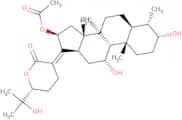
<p>Fusidic acid EP Impurity C is an impurity found in Fusidic acid EP. It is a natural product with CAS No. 598-10-3 and molecular weight of 225.24 g/mol. It is a synthetic product with CAS No. 477-81-8 and molecular weight of 219.25 g/mol. This impurity has been shown to be pharmacologically active and may account for the observed activity of the drug product in some cases, but not all cases. This impurity can be synthesized from commercially available starting materials or by custom synthesis as required by customers' specifications.</p>Pureza:Min. 95%6-Hydroxy melatonin-d4 (major)
CAS:Producto controlado<p>6-Hydroxy melatonin is a metabolite of the hormone melatonin. It is used as a research and development impurity standard for drug product, as well as a custom synthesis. 6-Hydroxy melatonin is synthesized from the amino acid tryptophan, which is converted to serotonin in the pineal gland by the enzyme tryptophan hydroxylase. This conversion occurs through two steps: tryptophan hydroxylase converts tryptophan to 5-hydroxytryptamine (serotonin), and then 5-hydroxytryptamine to 6-hydroxytryptamine (6-OHMT). 6-OHMT can be methylated to form 6-methoxyindoleacetic acid (6-MITA) or oxidized to form melatonin.</p>Fórmula:C13H12D4N2O3Pureza:Min. 95%Peso molecular:252.3 g/molRjr 2429 dihydrochloride
CAS:<p>Rjr 2429 dihydrochloride is a tumor promoter that has been shown to induce tumor growth in tissues and in cell culture. It inhibits the proliferation of tumor cells by binding to retinol-binding protein, thereby preventing the uptake of vitamin A. Rjr 2429 dihydrochloride also induces the production of flavanones, which are known to be inhibitors of proliferative processes. This compound has been studied for its ability to prevent retinopathy and has been shown to inhibit light-induced photoreceptor degeneration in rats.</p>Fórmula:C12H18Cl2N2Pureza:Min. 95%Peso molecular:261.19 g/mol7β,25-Dihydroxycholesterol
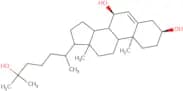
CAS:Producto controlado<p>7β,25-Dihydroxycholesterol is a steroid precursor that is synthesized in the liver and is converted to other steroid hormones. It has been shown to be important in immune function and as a regulator of cholesterol metabolism. In addition, 7β,25-Dihydroxycholesterol can bind to follicle cells and immune cells, activating signalling pathways. This compound has been shown to have an immunosuppressive effect on the humoral immune response by blocking antibody production. The receptor for 7β,25-Dihydroxycholesterol has been identified as GPER1. Knockout mice studies have shown that this receptor plays a role in regulating the number of plasma cells and oxysterols.</p>Fórmula:C27H46O3Pureza:Min. 95%Peso molecular:418.65 g/molErythromycin A 9,11-imino ether
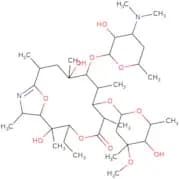
CAS:<p>Erythromycin A 9,11-imino ether is a natural product that is used as an antibiotic and anti-inflammatory agent. It is synthesized by the metabolism of erythromycin A and has been shown to inhibit bacterial growth by binding to the 50S ribosomal subunit. Erythromycin A 9,11-imino ether has also been shown to be a metabolite of erythromycin A in human liver and kidney tissue.</p>Fórmula:C37H66N2O12Pureza:Min. 95%Peso molecular:730.93 g/mol3,3'-Bisdemethylpinoresinol
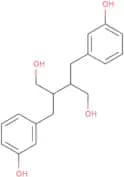
CAS:<p>3,3'-Bisdemethylpinoresinol is a phenylpropanoid that has been shown to have antioxidant properties. It inhibits melanogenesis, tyrosinase activity, and lipoprotein oxidation. 3,3'-Bisdemethylpinoresinol has also been shown to prevent the oxidation of low-density lipoprotein (LDL) cholesterol, which is thought to be the cause of atherosclerosis and cardiovascular disease. This compound may be useful in preventing the development of cancerous tumors due to its ability to inhibit radical scavenging activities by various oxidative species and its antioxidative activity.</p>Fórmula:C18H18O6Pureza:Min. 95%Peso molecular:330.33 g/mol




![(RS)-N-[(1-Ethylpyrrolidin-2-yl)methyl]-2-hydroxy-5-sulphamoylbenzamide](/_next/image/?url=https%3A%2Fstatic.cymitquimica.com%2Fproducts%2F3D%2Fthumb-webp%2FIE145489.webp&w=3840&q=75)




![N-Benzyl-N-[2-(benzylamino)-2-oxoethyl]-2-chloroacetamide](/_next/image/?url=https%3A%2Fstatic.cymitquimica.com%2Fproducts%2F3D%2Fthumb-webp%2FRFC05179.webp&w=3840&q=75)



![1-C-4-Chloro-3-[(4-ethoxyphenyl)methyl]phenyl]-D-glucopyranose](/_next/image/?url=https%3A%2Fstatic.cymitquimica.com%2Fproducts%2F3D%2Fthumb-webp%2FIC181108.webp&w=3840&q=75)
![(3S,4R)-3-((Benzo[D][1,3]dioxol-5-yloxy)methyl)-4-(4-fluorophenyl)piperidine hydrochloride](/_next/image/?url=https%3A%2Fstatic.cymitquimica.com%2Fproducts%2F3D%2Fthumb-webp%2FFFA85516.webp&w=3840&q=75)

![[6-Hydroxy-2-(4-hydroxyphenyl)benzo[b]thien-3-yl](4-hydroxyphenyl)-methanone](/_next/image/?url=https%3A%2Fstatic.cymitquimica.com%2Fproducts%2F3D%2Fthumb-webp%2FIH44805.webp&w=3840&q=75)
![3-[4-(2-Pyridylsulfamoyl)phenyl] sulfasalazine](/_next/image/?url=https%3A%2Fstatic.cymitquimica.com%2Fproducts%2F3D%2Fthumb-webp%2FIP145663.webp&w=3840&q=75)