APIs para investigación e impurezas
Los ingredientes farmacéuticos activos (API) son las sustancias en los medicamentos responsables de sus efectos terapéuticos. En esta sección, encontrarás una amplia variedad de API destinados a uso en investigación. Estos compuestos son esenciales para el desarrollo, prueba y validación de nuevas formulaciones farmacéuticas. En CymitQuimica, ofrecemos API de alta calidad para apoyar la investigación en el descubrimiento y desarrollo de fármacos.
Subcategorías de "APIs para investigación e impurezas"
- Aminoácidos y derivados(12.278 productos)
- Antraquinonas y derivados(405 productos)
- Derivados de Benzimidazol e Imidazol(10.376 productos)
- Derivados de Benzodiazepinas(333 productos)
- Carbohidratos y glucoconjugados(5.014 productos)
- Ésteres y derivados(42.045 productos)
- Ácidos Grasos y Derivados Lipídicos(32.246 productos)
- Flavonoides y Polifenoles(17.012 productos)
- Radicales libres y agentes oxidantes/reductores(213 productos)
- Cetonas y Derivados(2.394 productos)
- Antibióticos naturales y semisintéticos(6.366 productos)
- Nitrilos y Cianoderivados(3.045 productos)
- Nitrosaminas y derivados(55 productos)
- Nucleósidos y Nucleótidos(3.430 productos)
- Fosfatos y Fosfonatos Orgánicos(1.201 productos)
- Sulfonatos y Sulfatos Orgánicos(10.406 productos)
- Organometálicos(4.400 productos)
- Otros(6.280 productos)
- Péptidos y Proteínas(3.141 productos)
- Polímeros y derivados(99 productos)
- Derivados de Purinas y Pirimidinas(8.902 productos)
- Derivados de Quinazolina y Quinolina(65.644 productos)
- Quinonas y derivados(24.239 productos)
- Sales y derivados de API(79.472 productos)
- Esteroides y derivados(4.968 productos)
- Sulfonamidas y derivados(2.592 productos)
- Terpenoides y derivados(3.839 productos)
- Tiazolidinedionas y Tiopiranos(2.733 productos)
- Compuestos β-adrenérgicos(230 productos)
Mostrar 21 subcategorías más
Se han encontrado 56814 productos de "APIs para investigación e impurezas"
Ordenar por
Pureza (%)
0
100
|
0
|
50
|
90
|
95
|
100
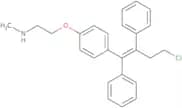
N-Desmethyltoremifene
CAS:<p>N-Desmethyltoremifene is an anti-estrogen that has been shown to have genotoxic effects. It inhibits DNA synthesis and protein synthesis in human breast cancer cells. N-Desmethyltoremifene is a potent inducer of CYP3A4, which metabolizes many drugs. This drug also binds to α1-acid glycoprotein, which can lead to reduced plasma concentrations and pharmacokinetics. N-Desmethyltoremifene has been shown to inhibit the growth of renal cell carcinoma in animals, but not normal tissue, at high doses.</p>Fórmula:C25H26ClNOPureza:Min. 95%Peso molecular:391.93 g/mol(R)-2-Phenylchroman-4-one
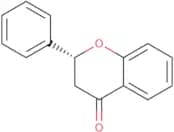
CAS:<p>(R)-2-Phenylchroman-4-one is a flavonoid glycoside that has been shown to be metabolized by human liver enzymes. It can be found in the seeds of plants such as Cassia occidentalis, Cinchona pubescens, and Cinchona suksdorfii. The molecule contains a phenolic hydroxyl group with an esterified sugar, which is connected to the aromatic ring through an alpha carbon. The sugar moiety can be either glucose or rhamnose. (R)-2-Phenylchroman-4-one has been shown to inhibit the enzyme cytochrome P450, which is a vital component of drug metabolism in humans. This inhibition may lead to significant changes in pharmacokinetics and efficacy of drugs such as cyclosporin A and erythromycin estolate that are metabolized by this enzyme. In addition, (R)-2-phenylchroman</p>Fórmula:C15H12O2Pureza:Min. 95%Peso molecular:224.25 g/molLabetalol 1-carboxylic Acid
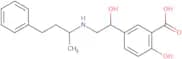
CAS:<p>Labetalol is a carboxylic acid that is used as a drug to lower blood pressure. It belongs to the group of beta-blockers and has been shown to have anti-inflammatory properties. Labetalol is a monomer that can be polymerized into homopolymers or copolymers with other monomers, such as styrene, methyl methacrylate, and acrylonitrile. Labetalol has the ability to polymerize by radical polymerization. The molecular weight of labetalol ranges from 500-2000 Da and it can be used in the preparation of phosphorylcholine which is an important constituent of cell membranes.</p>Fórmula:C19H23NO4Pureza:Min. 95%Peso molecular:329.39 g/mol2,2',3,3'-Tetrachlorobiphenyl
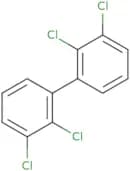
CAS:Producto controlado<p>2,2',3,3'-Tetrachlorobiphenyl is an inhibitor that has been shown to have anticancer properties. It inhibits the growth of tumor cells by blocking the activity of protein kinases, which are enzymes that regulate cell division and proliferation. This compound has been tested in Chinese hamster ovary cells and has been found to induce apoptosis in cancer cells. Additionally, 2,2',3,3'-Tetrachlorobiphenyl has analog inhibitors that have been tested in human urine samples and have shown potential as anticancer agents. These analogs inhibit cyclin-dependent kinases (CDKs), which play a crucial role in regulating the cell cycle. The inhibition of CDKs leads to the suppression of cancer cell growth and division, making this compound a promising candidate for future cancer treatments.</p>Fórmula:C12H6Cl4Pureza:Min. 95%Peso molecular:292 g/molN-Formyl-L-leucine (3S,4S,6S)-3-hexyltetrahydro-2-oxo-6-undecyl-2H-pyran-4-yl ester
CAS:Producto controlado<p>N-Formyl-L-leucine (3S,4S,6S)-3-hexyltetrahydro-2-oxo-6-undecyl-2H-pyran-4-yl ester is a synthetic compound that has been used as an impurity standard and as a pharmacopoeia. It is also used in drug development and metabolism studies. The CAS number of this compound is 130676-65-2. HPLC analysis of this compound is available upon request.</p>Fórmula:C29H53NO5Pureza:Min. 95%Peso molecular:495.73 g/molBortezomib impurity 76
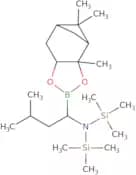
CAS:<p>Bortezomib impurity 76 is an analytical reference material that is used in the development and production of pharmaceuticals. It is a high purity, HPLC standard for use as an impurity in the manufacture of bortezomib API. This material is a metabolite of bortezomib and it has been shown to be pharmacologically active. Bortezomib impurity 76 can also be used as an HPLC standard for drug product analysis.</p>Fórmula:C21H44BNO2Si2Pureza:Min. 95%Forma y color:PowderPeso molecular:409.56 g/molFluocortolone Impurity 8
<p>Fluocortolone Impurity 8 is a drug product. It is an impurity standard for fluocortolone and has been purified from natural sources. Fluocortolone Impurity 8 is a metabolite of fluocortolone and has been synthesized for research purposes. Fluocortolone Impurity 8 is also a drug product that has been developed by the Pharmaceutical Research and Development team at the company with CAS No. 87-69-2. Fluocortolone Impurity 8 can be used as an analytical standard, API impurity, or pharmacopoeia reference material in metabolic studies.</p>Pureza:Min. 95%Donepezil benzyl bromide (donepezil impurity)
CAS:<p>Donepezil benzyl bromide is a by-product of donepezil hydrochloride, which is an industrially important drug used to treat Alzheimer's disease. It has been shown to be more efficient than its hydrochloride form. Donepezil benzyl bromide is a crystalline substance that is insoluble in water and soluble in organic solvents such as acetone or ethanol. The compound can be purified through recrystallization from an appropriate solvent.</p>Fórmula:C31H36BrNO3Pureza:Min. 95%Peso molecular:550.53 g/molButyric difluocortolone
CAS:Producto controlado<p>Butyric difluocortolone is a research and development, impurity standard, custom synthesis, drug product, synthetic, high purity, pharmacopoeia, drug development, and CAS No. 61633-73-6. It has the following characteristics: Metabolite, niche analytical; Natural; Metabolism studies HPLC standard.</p>Pureza:Min. 95%6,7,8,9-Tetrahydro-3-[2-[4-(6-methoxy-1,2-benzisoxazol-3-yl)-1-piperidinyl]ethyl]-2-methyl-4H-pyrido[1,2-a]pyrimidin-4-one
CAS:<p>A custom synthesis of 6,7,8,9-tetrahydro-3-[2-[4-(6-methoxy-1,2-benzisoxazol-3-yl)-1-piperidinyl]ethyl]-2-methyl-4H-[1]pyrido[1,2-a]pyrimidin-4one<br>A synthetic analog of the natural product erythromycin A.<br>Metabolite: 3-[2-[4-(6-Methoxybenzo[d][1,3]dioxol-5(4H)-yl)-1piperidinyl)ethyl]-6,7,8,9 tetrahydro 4H pyrido [1',2' a] pyrimidin 4 one<br>Impurity: 1-(6 methoxy benzisoxazol 3 yl) piperidine<br>Custom synthesis: yes<br>High purity: yes</p>Fórmula:C24H30N4O3Pureza:Min. 95%Peso molecular:422.52 g/mol4-[4-[4-[4-[[(3R,5R)-5-(2,4-difluorophenyl)-5-(1,2,4-triazol-1-ylmethyl)oxolan-3-yl]methoxy]phenyl]piperazin-1-yl]phenyl]-2-pentan-3 -yl-1,2,4-triazol-3-one
CAS:<p>4-[4-[4-[4-[[(3R,5R)-5-(2,4-difluorophenyl)-5-(1,2,4-triazol-1-ylmethyl)oxolan-3-yl]methoxy]phenyl]piperazin-1-yl]phenyl]-2-pentan-3 -yl-1,2,4-triazol-3-one is a synthetic drug product. It has not been evaluated in humans or animals. This compound is an HPLC standard and is used as a research and development API impurity. The CAS number for this drug is 161532–65–6. The molecular weight of the drug substance is 681.3 g/mol with a purity of 99%.</p>Fórmula:C37H42F2N8O3Pureza:Min. 95%Peso molecular:684.80 g/mol4-Hydroxy ketorolac
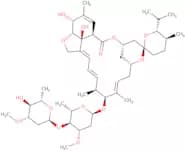
CAS:<p>4-Hydroxy ketorolac is a nonsteroidal anti-inflammatory drug (NSAID) that belongs to the class of phenylacetic acid derivatives. Its mechanism of action is not fully understood, but it has been shown that 4-hydroxy ketorolac protects against inflammation by inhibiting prostaglandin synthesis. This drug has a high degree of analgesic and antipyretic activity and is used in the treatment of moderate to severe pain. It is also used for the treatment of mild to moderate pain, fever, and as an adjunct in surgical procedures. 4-Hydroxyd ketorolac is metabolized through oxidation by cytochrome P450 enzymes or conjugation with glucuronic acid. Metabolites may be identified using analytical methods such as HPLC.<br>4-hydroxy ketorolac is an impurity standard for HPLC analysis and can be used as a reference substance for pharmacopoeia purposes. This drug product</p>Fórmula:C15H13NO4Pureza:Min. 95%Peso molecular:271.27 g/mol22,23-Dihydroavermectin B1b (Ivermectin B1b)
CAS:<p>Ivermectin is a drug that belongs to the anthelmintic class of drugs. It is active against roundworms, pinworms, and hookworms. Ivermectin has been shown to have an effect on autoimmune diseases such as multiple sclerosis, systemic lupus erythematosus, and rheumatoid arthritis by inhibiting the inflammatory response. The drug has been shown to inhibit matrix metalloproteinases in vitro and in vivo. The matrix effect is seen when the drug binds to proteins in the blood plasma or tissue matrix, where it inhibits their activity. This inhibition prevents the degradation of collagen, which can lead to tissue damage or renal failure. Ivermectin also binds to striatal dopamine receptors and inhibits dry weight gain in animals infected with Ostertagia ostertagi. Ivermectin is given orally in a single dose of 200 micrograms/kg body weight for treatment of intestinal worms (roundworm,</p>Fórmula:C47H72O14Pureza:Min. 95%Peso molecular:861.07 g/molTecloftalam imide
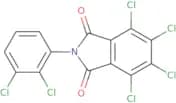
CAS:Tecloftalam imide is a drug product that is an analytical standard. It is a natural product, which can be obtained from the fermentation of Streptomyces sp. (CAS No. 26491-30-5). Tecloftalam imide is also an impurity in some APIs. It can be synthesized, and has been used as an impurity standard for HPLC, with a purity of >99%. Tecloftalam imide has been used in drug development and research and development. It has been shown to have niche applications in pharmacopoeia.Fórmula:C14H3Cl6NO2Pureza:Min. 95%Peso molecular:429.9 g/molVenlafaxine Impurity F HCl
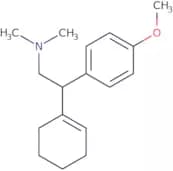
CAS:Producto controlado<p>b-1-Cyclohexen-1-yl-4-methoxy-N,N-dimethylbenzeneethanamine is a drug product that is used in the development of drugs. It is a metabolite of cyclizine and has been shown to have antihistaminic effects. This chemical compound is an impurity standard for HPLC analyses of other substances. b-1-Cyclohexen-1-yl-4-methoxy-N,N-dimethylbenzeneethanamine has also been shown to be a synthetic intermediate in the synthesis of pharmaceuticals.</p>Fórmula:C17H25NO·HClPureza:Min. 95%Peso molecular:295.85 g/mol6-Des(1-methyl-2-benzimidazolyl)-6-carboxy telmisartan
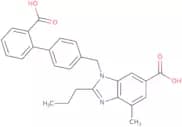
CAS:<p>Telmisartan is a drug that belongs to the class of angiotensin II receptor antagonists and is used in the treatment of hypertension. Telmisartan can be quantitatively analyzed with high sensitivity by liquid chromatography. Impurities in telmisartan can be analyzed qualitatively and quantitatively by liquid chromatography, which requires a shorter time than GC analysis.</p>Fórmula:C26H24N2O4Pureza:Min. 95%Peso molecular:428.48 g/molAmlodipine besilate impurity D
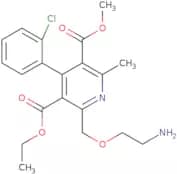
CAS:<p>Amlodipine besilate impurity D is a diluent, additive, and stabilizer. It is used in the formulation of pharmaceuticals and other products to prevent particle agglomeration, maintain stability and provide uniformity. Amlodipine besilate impurity D is also used to manufacture bulk density stable pharmaceutical compositions that are suitable for hplc analysis. This product contains magnesium hydroxide as an impurity.</p>Fórmula:C20H23ClN2O5Pureza:Min. 95%Peso molecular:406.86 g/molBenzathine ampicillin
CAS:<p>Benzathine ampicillin is a penicillin antibiotic that belongs to the group of β-lactam antibiotics. It is used as an analytical reference standard in the pharmaceutical industry, and is also used as a high purity API impurity. Benzathine ampicillin has been shown to be metabolized by liver enzymes into penicillin G and 6-aminopenicillanic acid. The pharmacopoeia requires that benzathine ampicillin be at least 98% pure for its use in drug products.</p>Fórmula:C48H58N8O8S2Pureza:Min. 95%Peso molecular:939.20 g/molCefoperazone Impurity 17
<p>Cefoperazone Impurity 17 is a drug product that is used as an analytical standard for the impurity Cefoperazone Impurity 17. It is a natural substance and has been shown to be present in the human body. Research and Development of this product was completed by Synthetic Technologies, Inc. in the year 2000. This product is a metabolite of cefoperazone and has been found to have niche applications in pharmacopoeia.</p>Pureza:Min. 95%Alverine EP Impurity E
CAS:<p>Alverine EP Impurity E is a nitrogen containing compound with the molecular formula C9H10N. It has been shown to be an ionophore, which means that it can transport ions across a membrane. Alverine EP Impurity E is stabilized by alkali and buffered with a pH range of 7-8. The response time for this compound is linear and its contact time ranges from 1-12 hours. This impurity has a phenyl group and a ph range of 6-7. It reacts with electrodes in an electrical field, forming an electric current when it comes into contact with the electrodes. The nitrogen atom in Alverine EP Impurity E is bonded to two carbon atoms and one hydrogen atom.</p>Fórmula:C27H33NPureza:Min. 95%Peso molecular:371.56 g/molApigenin 5-o-β-D-glucuronide
CAS:<p>Apigenin 5-o-β-D-glucuronide is a natural compound derived from the Chinese herb scutellaria baicalensis. It has been shown to be effective in reducing pro-inflammatory cytokines and prostate cancer cells. Apigenin 5-o-β-D-glucuronide is one of the many phenolic acids found in plants, which are known for their antioxidant and anti inflammatory properties. The plant metabolizes apigenin 5-o-β-D-glucuronide by conjugating it with glucuronic acid, forming the glucuronide conjugate. The bioactive phenolic compounds in plants are well studied and have been shown to have anticancer properties.</p>Fórmula:C21H18O11Pureza:Min. 95%Peso molecular:446.36 g/molTat 14 peptide (nrf2 activator III)
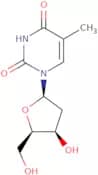
CAS:<p>Tat 14 peptide is a synthetic peptide that activates the nuclear factor-erythroid 2-related factor 2 (Nrf2) pathway. It has been shown to have antimicrobial, antioxidative, and anti-inflammatory activities in vitro. Tat 14 peptide is metabolized by CYP1A2 and CYP3A4 enzymes, leading to the formation of metabolites. Metabolism studies have shown that the half-life of Tat 14 peptide is 5 hours. The CAS number for this compound is 1362661-34-4.</p>Fórmula:C137H230N48O39Pureza:Min. 95%Peso molecular:3,173.6 g/mol1-(2-Deoxy-beta-D-xylofuranosyl)-5-methyluracil
CAS:<p>1-(2-Deoxy-beta-D-xylofuranosyl)-5-methyluracil (1DXP) is a nucleoside that inhibits the enzyme UDP glucose pyrophosphorylase. This enzyme is involved in the synthesis of uridine nucleotides, which are required for RNA and DNA synthesis. 1DXP has been shown to be effective against hepatitis B virus and lymphocytic leukemia cells in vitro. The mechanism of action of 1DXP is not well understood, but it may be related to the inhibition of protein synthesis or cellular metabolism. It may also inhibit the enzyme amino transferase, which is important for the synthesis of aromatic amino acids such as phenylalanine and tyrosine.</p>Fórmula:C10H14N2O5Pureza:Min. 95%Peso molecular:242.23 g/molOxybutynin impurity C
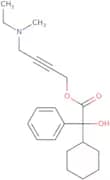
CAS:<p>Oxybutynin impurity C is a metabolite of the drug product Oxybutynin (CAS No. 1199574-70-3). It is an analytical standard for HPLC, and a natural impurity in the synthesis of Oxybutynin. This is a synthetic compound that has been shown to be metabolized through oxidation by cytochrome P450 enzymes, reduction by glutathione reductase, or conjugation with glucuronic acid. Oxybutynin impurity C has been used as an analytical reference material for drug development and research and development.</p>Pureza:Min. 95%(aR)-a-Methyl-N-[3-[4-(trifluoromethyl)phenyl]propyl]-1-naphthalenemethanamine
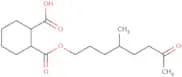
CAS:<p>(aR)-a-Methyl-N-[3-[4-(trifluoromethyl)phenyl]propyl]-1-naphthalenemethanamine is a synthetic drug product that is used in research and development. It has been shown to have an analytical purity of 99.8%.</p>Fórmula:C22H22F3NPureza:Min. 95%Peso molecular:357.41 g/mol2-(((4-Methyl-7-oxyooctyl)oxy)carbonyl)cyclohexanecarboxylic acid
CAS:<p>2-(((4-Methyl-7-oxyooctyl)oxy)carbonyl)cyclohexanecarboxylic acid (2MEOCA) is a metabolite of progesterone which has been detected in human urine. 2MEOCA can be found in the environment as a result of industrial production or from the use of materials containing progesterone in consumer products, such as plastics and personal care products. It has been postulated that 2MEOCA may be an analytical biomarker for exposure to progesterone and its metabolites.<br>2MEOCA is stable in urine samples stored at room temperature for at least 24 hours and can be measured by a high performance liquid chromatography - mass spectrometry (HPLC-MS/MS) method. The median concentration of 2MEOCA was found to be 0.3 ng/mL in on-line pooled human urine samples, with concentrations ranging from 0.1 ng/mL</p>Fórmula:C17H28O5Pureza:Min. 95%Peso molecular:312.4 g/mol3-(Methylamino)-5,6-dihydro-2H-1,4-thiazin-2-one oxime hydrochloride
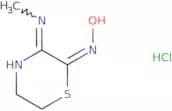
CAS:<p>3-(Methylamino)-5,6-dihydro-2H-1,4-thiazin-2-one oxime hydrochloride is an analytical reagent used for HPLC analysis of the impurities in pharmaceutical products. It is a white crystalline solid with a melting point of 235°C. 3-(Methylamino)-5,6-dihydro-2H-1,4-thiazin-2-one oxime hydrochloride is used as a reference standard and has been assigned CAS No. 112233-23-5 by the Chemical Abstracts Service (CAS). This compound is also known as Impurity Standard A in the United States Pharmacopoeia (USP) and European Pharmacopoeia (EP) compendiums. 3-(Methylamino)-5,6-dihydro-2H-1,4-thiazin-2-one oxime</p>Fórmula:C5H9N3OS•HClPureza:Min. 95%Forma y color:PowderPeso molecular:195.67 g/molRaloxifene dimesylate hydrochloride
CAS:<p>Raloxifene dimesylate hydrochloride is a drug product that is a synthetic estrogen. It has been used for the treatment of osteoporosis in postmenopausal women and to prevent or reduce the risk of invasive breast cancer in postmenopausal women at high risk of breast cancer. Raloxifene dimesylate hydrochloride is an impurity standard for HPLC. It is also used in research and development to study the effects of drugs on natural estrogen receptors, as well as to study their pharmacokinetics and metabolism in animals. Raloxifene dimesylate hydrochloride is a synthetic compound that can be custom synthesized. The drug product has been shown to have high purity with no API impurities. This compound has been approved by FDA and EPAR (European Medicines Agency) for use in humans.</p>Fórmula:C30H32ClNO8S3Pureza:Min. 95%Peso molecular:666.20 g/molN,N'-Dicyclohexylcarbamimidothioic acid (5,6-dihydro-6,6-dimethylimidazo[2,1-b]thiazol-3-yl)methyl ester hydrochloride
CAS:<p>N,N'-Dicyclohexylcarbamimidothioic acid (5,6-dihydro-6,6-dimethylimidazo[2,1-b]thiazol-3-yl)methyl ester hydrochloride is a chemokine that binds to the CXCR4 receptor. It also interacts with other chemokines and heteromers. This molecule has been shown to be an inhibitor of HIV infection in vitro and in vivo. N,N'-Dicyclohexylcarbamimidothioic acid (5,6-dihydro-6,6-dimethylimidazo[2,1-b]thiazol-3-yl)methyl ester hydrochloride has also been shown to have antiinflammatory effects and inhibitory effects on lung cancer cells.</p>Fórmula:C21H34N4S2Pureza:Min. 95%Peso molecular:406.7 g/mol13-Cis acitretin o-β-D-glucuronide
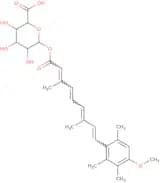
CAS:Producto controlado<p>Please enquire for more information about 13-Cis acitretin o-β-D-glucuronide including the price, delivery time and more detailed product information at the technical inquiry form on this page</p>Fórmula:C27H34O9Pureza:Min. 95%Peso molecular:502.6 g/molN-Formyl-D-leucine (1R)-1-[[(2R,3R)-3-Hexyl-4-oxo-2-oxetanyl]methyl]dodecyl ester
CAS:<p>N-Formyl-D-leucine (1R)-1-[[(2R,3R)-3-Hexyl-4-oxo-2-oxetanyl]methyl]dodecyl ester is a synthetic metabolite that is used as an impurity standard for the analysis of N-formylmetabolites in drugs. It is also used to study the metabolism of drugs. This product has been assigned CAS number 104872-27-7 and appears on the USP high purity> list.</p>Fórmula:C29H53NO5Pureza:Min. 95%Peso molecular:495.73 g/mol3-[(4-Amino-2-methylpyrimidin-5-yl)methyl]-5-(2-chloroethyl)-4-methyl-1,3-thiazol-3-ium
CAS:<p>3-[(4-Amino-2-methylpyrimidin-5-yl)methyl]-5-(2-chloroethyl)-4-methyl-1,3-thiazol-3-ium is a drug product that belongs to the group of synthetic drugs. It is metabolized by the liver and has an oral bioavailability of 100%. 3-[(4-Amino-2-methylpyrimidin-5-yl)methyl]-5-(2-chloroethyl)-4-methylthiazol 3 -ium is used in research and development for pharmacopoeia standard. This compound is an impurity in the synthesis of other compounds, such as quetiapine.</p>Fórmula:C12H16ClN4SPureza:Min. 95%Forma y color:PowderPeso molecular:283.8 g/mol3,4-Dimethoxy-a-(1-methylethyl)benzeneacetonitrile
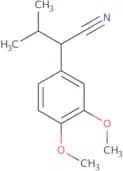
CAS:<p>3,4-Dimethoxy-a-(1-methylethyl)benzeneacetonitrile (DXM) is a synthetic phenylethylamine that is usually found in cough suppressant preparations. It has been shown to be able to cross the blood-brain barrier, and it has a constant, steady-state concentration. DXM is metabolized by N-demethylation in the liver by cytochrome P450 enzymes. This metabolism can be inhibited with the use of drugs such as chlorpromazine or ketoconazole. Pharmacokinetic modeling has been used to analyze and predict the pharmacokinetics of DXM. The drug DXM can also be synthesized from phenylacetonitrile and hydrochloric acid.</p>Fórmula:C13H17NO2Pureza:Min. 95%Forma y color:PowderPeso molecular:219.28 g/molAzilsartan Dimer
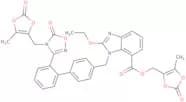
CAS:<p>Azilsartan Dimer is a crystalline solid with a melting point of 95-98°C. It is insoluble in water and soluble in acetone, acetonitrile, and dimethyl sulfoxide. Azilsartan Dimer has shown antihypertensive effects in animal models. The chemical structure of Azilsartan Dimer is based on the alkyl ester of azilsartan and an acetone solvent.</p>Fórmula:C35H28N4O11Pureza:Min. 95%Peso molecular:680.62 g/molAnhydro galanthamine
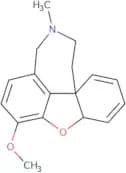
CAS:Producto controlado<p>Anhydro galanthamine is a drug product that is custom synthesized to meet the needs of researchers. The purity of this compound can range from 99% to 99.99%. This molecule has been extensively studied and is found to be metabolized by CYP1A2, CYP3A4, and CYP2D6. Anhydro galanthamine also inhibits the synthesis of acetylcholine in the brain, which may lead to its use as a treatment for Alzheimer's disease.</p>Fórmula:C17H19NO2Pureza:Min. 95%Peso molecular:269.34 g/mol9-Bromo-6,11-dihydro-8-hydroxy-6,6-dimethyl-11-oxo-5H-benzo[b]carbazole-3-carbonitrile
CAS:<p>9-Bromo-6,11-dihydro-8-hydroxy-6,6-dimethyl-11-oxo-5H-benzo[b]carbazole-3-carbonitrile is an analytical standard for HPLC. It is a metabolite of the drug product BROMAZEPAM, CAS No. 1256579-06-2. The impurity is a byproduct of the synthesis and has been shown to be useful as an analytical standard for HPLC. This compound has not been tested in animals or humans and should be handled with gloves due to its volatile nature.</p>Fórmula:C19H13BrN2O2Pureza:Min. 95%Peso molecular:381.2 g/mola-Ribavirin (impurity B)
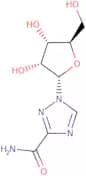
CAS:Producto controlado<p>Ribavirin is an antiviral drug that inhibits the synthesis of RNA and DNA. It is used to treat human immunodeficiency virus (HIV) infection, hepatitis B, and influenza A. Ribavirin is a nucleoside analog that acts as an antimetabolite by inhibiting acid synthesis in the host cell and therefore blocking viral replication. Ribavirin has been shown to inhibit dna viruses like herpes simplex virus type 1 and 2, as well as RNA viruses like influenza A and respiratory syncytial virus. Ribavirin also binds to the ribonucleotide reductase enzyme, which is necessary for the production of deoxyribonucleotides from ribonucleotides during DNA synthesis, thereby interfering with DNA replication.</p>Fórmula:C8H12N4O5Pureza:Min. 95%Peso molecular:244.2 g/molEnalapril maleate impurity A
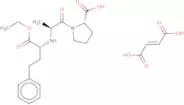
CAS:<p>Enalapril maleate impurity A is an enzyme inhibitor that blocks the action of angiotensin-converting enzyme (ACE). ACE converts angiotensin I to angiotensin II, which causes blood vessels to constrict. Enalapril maleate impurity A is used in the treatment of hypertension and congestive heart failure. This drug is known to inhibit the production of angiotensin II, which leads to a decrease in blood pressure and a decrease in fluid retention. Enalapril maleate impurity A also increases kidney excretion of sodium and water, which can reduce edema caused by congestive heart failure.</p>Fórmula:C24H32N2O9Pureza:Min. 95%Peso molecular:492.52 g/mol(5E)-Calcipotriene
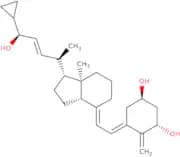
CAS:<p>(5E)-Calcipotriene is a synthetic, natural, and analytical chemical. It is a white to off-white powder with a melting point of about 122 °C. (5E)-Calcipotriene has been used as an analytical standard for HPLC and as an impurity in the synthesis of calcitriol. The International Union of Pure and Applied Chemistry (IUPAC) name for this compound is 5Z,7Z,11Z,15Z-eicosapentaenoic acid. It can also be found in the form of 5Z,8Z,11Z,14E-eicosapentaenoic acid.</p>Fórmula:C27H40O3Pureza:Min. 95%Peso molecular:412.6 g/molDv 7028 hydrochloride
CAS:<p>Dv-7028 is a synthetic, natural, and/or semi-synthetic compound that is used in research and development. It can be used as an analytical standard or HPLC standard. Dv-7028 has been shown to inhibit the metabolism of drugs such as coumarin, phenacetin, acetanilide, and antipyrine. It also serves as an impurity standard for the pharmacopoeia. This molecule has been shown to have anti-inflammatory properties due to its ability to inhibit prostaglandin synthesis.</p>Fórmula:C21H25FN4O3·HClPureza:Min. 95%Peso molecular:400.45 g/mol4-Epi-dolutegravir
CAS:<p>4-Epi-dolutegravir is the active metabolite of dolutegravir. It is a synthetic, high purity API that is used as an analytical reference standard and a drug product for research and development purposes. The CAS number for 4-epi-dolutegravir is 1357289-37-2. 4-Epi-dolutegravir has been shown to have similar pharmacological properties to its parent compound, dolutegravir. Metabolism studies have demonstrated that the major route of elimination for 4-epi-dolutegravir is through urinary excretion.</p>Fórmula:C20H19F2N3O5Pureza:Min. 95%Peso molecular:419.40 g/molN,S-Carboxymethyl cysteine hydrochloride
CAS:<p>N,S-Carboxymethyl cysteine hydrochloride (NCC) is a drug product that is synthesized from cysteine. It has been used in analytical chemistry, metabolism studies, and drug development. NCC has been shown to be a natural metabolite of cysteine when administered orally to rats or mice. It is also an impurity standard for HPLC analysis and has been used as an API impurity in the synthesis of other drugs.<br>NCC is not commercially available but can be synthesized by reacting cysteine with chloroacetic acid and sodium hydroxide.</p>Fórmula:C7H11NO6S·HClPureza:Min. 95%Peso molecular:273.69 g/mol1-Palmitoyl-2-hydroxy-sn-glycero-3-phosphoinositol ammonium salt
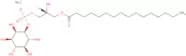
CAS:<p>1-Palmitoyl-2-hydroxy-sn-glycero-3-phosphoinositol ammonium salt is a drug product for research and development in the niche market. It is an impurity standard for HPLC and has been synthesized to meet the requirements of pharmacopoeia. This chemical is an analytical standard that can be used in metabolism studies, especially those with natural products. 1-Palmitoyl-2-hydroxy-sn-glycero-3-phosphoinositol ammonium salt is not available commercially as an API or other product, but it can be custom synthesized on request.</p>Fórmula:C25H49O12P·(NH3)Pureza:Min. 95%Peso molecular:572.63 g/mol5'-Epi lamivudine
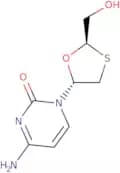
CAS:<p>Lamivudine epimer</p>Fórmula:C8H11N3O3SPureza:Min. 95%Peso molecular:229.26 g/molNad 299 hydrochloride
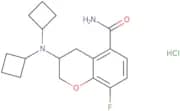
CAS:<p>Nad 299 hydrochloride is a prodrug that is hydrolyzed in vivo to the active drug nadolol. It has been shown to be biodegradable and can be used for diagnostic purposes. Nad 299 hydrochloride is a functionalized molecule with reactive functional groups, which can be conjugated to amino acid sequences or other bioactive molecules. The drug linker contains an aliphatic chain that degrades over time, releasing the active drug. Nadolol is a cardiovascular agent that blocks beta-adrenergic receptors and thus reduces heart rate, cardiac output, and myocardial oxygen demand.</p>Fórmula:C18H24ClFN2O2Pureza:Min. 95%Peso molecular:354.8 g/molDiethyl methylphenylmalonate
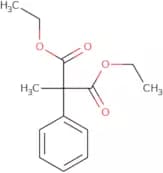
CAS:<p>Diethyl methylphenylmalonate is a halogenated organic compound that can be prepared by the reaction of magnesium with diethyl malonate and methylbromide. Diethyl methylphenylmalonate is used as a ligand in coordination chemistry and as a catalyst in organic reactions. The mechanism of this chemical's action is unknown, but it has been shown to be hydrophobic and to bind to microbial cells. It also has been demonstrated to have an oxidation catalyst activity. Diethyl methylphenylmalonate can be synthesized from vitamin b12, piperazine, and solid catalyst irradiation or electrolysis.</p>Fórmula:C14H18O4Pureza:Min. 95%Peso molecular:250.29 g/moltert-Butyl β-carboline-3-carboxylate
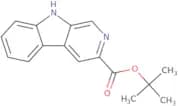
CAS:<p>Tert-butyl β-carboline-3-carboxylate is a GABAergic drug that binds to the benzodiazepine receptor and has been shown to be a nonselective antagonist. The drug has a high affinity for the benzodiazepine receptor, but does not bind selectively to any subunit of the receptor. Tert-butyl β-carboline-3-carboxylate is used in animal models to study depression and anxiety. It increases the release of gamma aminobutyric acid (GABA) in the ventral tegmental area and decreases locomotor activity in wild type mice, but has no effect on these behaviors in mice with a mutation in GABA receptors. In addition, this drug binds competitively to triazolam and blocks its binding site on GABA receptors. Tert-butyl β-carboline-3-carboxylate also inhibits ethanol consumption by wild type mice, but not by mutant mice lacking the</p>Fórmula:C16H16N2O2Pureza:Min. 95%Peso molecular:268.31 g/molRemdesivir impurity 1
CAS:<p>Remdesivir impurity 1 is a drug product, analytical and Metabolism studies. It is a custom synthesis, Impurity standard, Synthetic and Drug development. Remdesivir impurity 1 is an API impurity that is a natural and has CAS No. 1355049-95-4. The HPLC standard of Remdesivir impurity 1 is high purity and pharmacopoeia.</p>Fórmula:C12H13N5O4Pureza:Min. 95%Peso molecular:291.26 g/molN-[1-[3-(4-Ethoxyphenyl)-3,4-dihydro-4-oxopyrido[2,3-d]pyrimidin-2-yl]ethyl]-4-fluoro-N-(3-pyridinylmethyl)-3-(trifluoromethyl)-benz eneacetamide
CAS:<p>N-[1-[3-(4-Ethoxyphenyl)-3,4-dihydro-4-oxopyrido[2,3-d]pyrimidin-2-yl]ethyl]-4-fluoro-N-(3-pyridinylmethyl)-3-(trifluoromethyl)-benz eneacetamide is a drug product that is used in the development of new drugs. It is an analytical standard for HPLC and was created as a natural metabolite from the antibiotic Cefazolin. N-[1-[3-(4-Ethoxyphenyl)-3,4-dihydro-4-oxopyrido[2,3-d]pyrimidin-2-yl]ethyl]-4 -fluoro -N-(3 -pyridinylmethyl) - 3 (trifluoromethyl) - benzeneacetic acid has been shown to inhibit</p>Fórmula:C32H27F4N5O3Pureza:Min. 95%Peso molecular:605.6 g/molTorasemide Impurity E
CAS:<p>Torasemide Impurity E is a drug product that belongs to the group of impurities. It is a natural product and can be found in the environment. Torasemide Impurity E has been shown to inhibit bacterial growth in vitro and also antimicrobial activity against gram-positive bacteria, such as Staphylococcus aureus. Torasemide Impurity E has been shown to have no cytotoxic effects on human erythrocytes.</p>Fórmula:C15H17N3O4SPureza:Min. 95%Peso molecular:335.38 g/molOlodaterol benzyl ether
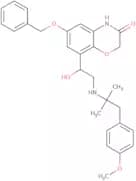
CAS:<p>Olodaterol is a drug product that has been synthesized using natural and synthetic methods. It is an API impurity that is present in the CAS No. 869478-13-7, which is a custom synthesis of olanzapine. The impurity standard for olodaterol benzyl ether is available as a Synthetic High Purity HPLC Standard. The purity of this product has been tested by HPLC and found to be > 98%. Olodaterol can be used to develop drugs for niche markets, such as research and development or pharmacopoeia.</p>Fórmula:C28H32N2O5Pureza:Min. 95%Peso molecular:476.6 g/molQuinovin
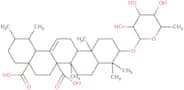
CAS:Quinovin is a Chinese medicinal compound that has been shown to have potent anticancer properties. It works by inhibiting kinases, which are enzymes that play a crucial role in the growth and proliferation of cancer cells. Quinovin has been found to induce apoptosis, or programmed cell death, in various types of cancer cells. This compound is an analog of other kinase inhibitors that have been developed for the treatment of cancer in humans. Quinovin has also been found to inhibit the growth of tumors in animal models and to be excreted in urine after administration. Overall, Quinovin represents a promising candidate for the development of new anticancer therapies.Fórmula:C36H56O9Pureza:Min. 95%Peso molecular:632.8 g/molSecologanin acetal
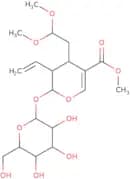
CAS:<p>Secologanin acetal is a lonicerae japonicae schisandrae fruit extract that is used in traditional Chinese medicines. It has been shown to have anti-inflammatory, anti-tumor, and antiviral activities. Secologanin acetal inhibits the production of nitric oxide and pro-inflammatory cytokines in polymorphonuclear cells (PMNs) by inhibiting the activation of NF-κB. Structural formula:</p>Fórmula:C19H30O11Pureza:Min. 95%Peso molecular:434.4 g/molFexofenadine Impurity F
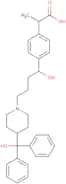
CAS:<p>Impurity F is a metabolite of Fexofenadine. It is an impurity that can be found in the drug product and is used as a research and development standard for impurities. Impurity F has been shown to be a metabolite of Fexofenadine in human liver microsomes, and this metabolite has also been shown to have antihistamine properties. This impurity is used as a pharmacopoeia reference standard for HPLC analysis of fluoroquinolones, but it does not have any therapeutic value.</p>Fórmula:C31H37NO4Pureza:Min. 95%Peso molecular:487.6 g/mol2-[(2-Cyclopentylphenoxy)methyl]-oxirane
CAS:Please enquire for more information about 2-[(2-Cyclopentylphenoxy)methyl]-oxirane including the price, delivery time and more detailed product information at the technical inquiry form on this pageFórmula:C14H18O2Pureza:Min. 95%Peso molecular:218.29 g/molN-(1-Oxobutyl)-N-[[2'-(2H-tetrazol-5-yl)[1,1'-biphenyl]-4-yl]methyl]-L-valine
CAS:<p>N-(1-Oxobutyl)-N-[[2'-(2H-tetrazol-5-yl)[1,1'-biphenyl]-4-yl]methyl]-L-valine (GW1929) is a potent vasodilator that is used for the treatment of hypertension. It is synthesized by condensation of sodium hydroxide with 2-(4′-chlorophenyl)piperazine followed by methyl esterification and chloride acylation. The synthesis of GW1929 has been accomplished in two steps: carbonate cyclization and valsartan hydrolysis. In the first step, the carboxylic acid group of GW1929 was converted to its corresponding chloride compound which was then reacted with methyl bromide to yield the desired product. The second step involved hydrolysis of GW1929 with potassium carbonate, after which it was oxidized with azide to form an ester. Sodium</p>Fórmula:C23H27N5O3Pureza:Min. 95%Forma y color:White PowderPeso molecular:421.49 g/mol1,3-Bis(9H-carbazol-4-yloxy)-2-propanol(carvedilol impurity)
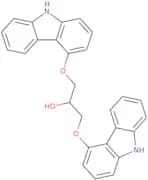
CAS:<p>1,3-Bis(9H-carbazol-4-yloxy)-2-propanol is a metabolite of carvedilol. It is not active as a drug, but may have pharmacological effects. 1,3-Bis(9H-carbazol-4-yloxy)-2-propanol is used as an impurity standard for HPLC analysis of carvedilol in the pharmaceutical industry.</p>Fórmula:C27H22N2O3Pureza:Min. 95%Peso molecular:422.5 g/molImipramine N-oxide hydrate
CAS:<p>Imipramine N-oxide hydrate is a drug product that is used in the synthesis of other drugs. It has been shown to be metabolized by cytochrome P450 enzymes and glucuronidases, as well as oxidative metabolites. Imipramine N-oxide hydrate is a metabolite of imipramine.</p>Fórmula:C19H26N2O2Pureza:Min. 95%Peso molecular:314.40 g/mol1-[4-[4-(2,3-Dichlorophenyl)piperazin-1-yl]butyl]-7-hydroxy-1,2,3,4-tetrahydro-carbostyril
CAS:<p>1-[4-[4-(2,3-Dichlorophenyl)piperazin-1-yl]butyl]-7-hydroxy-1,2,3,4-tetrahydro-carbostyril (1HHC) is a synthetic drug that is used as a research tool in the study of metabolism. It has been shown to be metabolized through a number of metabolic transformations, including hydrolysis by esterases or glucuronidases, oxidation by cytochrome P450 enzymes, reduction by glutathione reductase, or conjugation with glucuronic acid. 1HHC also specifically binds to markers expressed at high levels in Mycobacterium tuberculosis strains (e.g., ESX-1 secretion system protein) and inhibits cell growth in culture.</p>Fórmula:C23H29Cl2N3O2Pureza:Min. 95%Peso molecular:450.40 g/mol4-Desmethyl 5-methyl vortioxetine hydrochloride
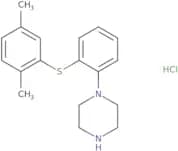
CAS:<p>Please enquire for more information about 4-Desmethyl 5-methyl vortioxetine hydrochloride including the price, delivery time and more detailed product information at the technical inquiry form on this page</p>Fórmula:C18H23ClN2SPureza:Min. 95%Peso molecular:334.9 g/mol(5aR,10aR)-Tetrahydro-3H,5H,8H,10H-bisthiazolo[3,4-a:3',4'-d]pyrazine-5,10-dione
CAS:<p>(5aR,10aR)-Tetrahydro-3H,5H,8H,10H-bisthiazolo[3,4-a:3',4'-d]pyrazine-5,10-dione is a drug product that is an impurity standard for the API (Active Pharmaceutical Ingredient) 5α-tetrahydrospiro[benzofuran-1(3H),2'(3'H)]pyrido-[2,1'-cyclohexan]-6β,7β-(1'H)-dione. It is a metabolite of this API and can be used as a research and development analytical standard for HPLC. The CAS number for this compound is 72744-67-3. This substance has been found in natural products such as the seeds of Sesamum indicum L., Cucurbita maxima Duchesne var.</p>Fórmula:C8H10N2O42S2Pureza:Min. 95%Peso molecular:870.29 g/molVinorelbine N-methiodide
CAS:<p>Vinorelbine N-methiodide is a drug product that is used for the treatment of various types of cancer. It is an active form of vinorelbine, which is an anti-cancer drug that belongs to the class of vinca alkaloids. Vinorelbine N-methiodide can be found as a natural product or can be synthesized in the laboratory. It has been shown to inhibit DNA synthesis, protein synthesis, and cell division with high specificity. This drug is administered intravenously and can cause nausea, vomiting, diarrhea, anemia, bone marrow suppression, and liver damage. The most common side effects are anemia and constipation.</p>Fórmula:C46H57IN4O8Pureza:Min. 95%Peso molecular:920.87 g/mol(5E)-2,2-Dimethyl-7-[methyl(1-naphthalenylmethyl)amino]-5-hepten-3-ynoic acid
CAS:<p>(5E)-2,2-Dimethyl-7-[methyl(1-naphthalenylmethyl)amino]-5-hepten-3-ynoic acid is a drug product that has been custom synthesized. It is available in high purity (>98%) and with analytical data. This chemical is metabolized through a number of metabolic transformations, including hydrolysis by esterases or glucuronidases, oxidation by cytochrome P450 enzymes, reduction by glutathione reductase, or conjugation with glucuronic acid. (5E)-2,2-Dimethyl-7-[methyl(1-naphthalenylmethyl)amino]-5-hepten-3-ynoic acid has been shown to have pharmacological activity on the central nervous system and may be used as an antidepressant drug candidate.</p>Fórmula:C21H23NO2Pureza:Min. 95%Peso molecular:321.41 g/molDapoxetine N-oxide
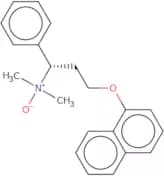
CAS:<p>Dapoxetine N-oxide is a pharmaceutical agent that inhibits serotonin reuptake and has been shown to be effective in the treatment of premature ejaculation. It is a metabolite of dapoxetine, which is an antidepressant drug. Dapoxetine N-oxide has a terminal half-life of about 10 hours, which is shorter than that of its parent compound. Dapoxetine N-oxide also has a lower carcinogenic potential than its parent compound. This agent can inhibit the activity of rat liver microsomes, as well as human liver microsomes at high concentrations. It also has no effect on plasma concentrations at low doses, but does show dose proportionality at higher doses. Dapoxetine N-oxide also does not have any impurities or other drugs added to it.</p>Fórmula:C21H23NO2Pureza:Min. 95%Peso molecular:321.41 g/molN-Demethyl pazopanib
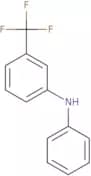
CAS:<p>N-Demethyl pazopanib is a synthetic drug that has been researched and developed for the treatment of cancer. It is an impurity standard, custom synthesis, and drug product. Synthetic N-demethyl pazopanib is used in clinical trials as a research and development tool to explore the metabolism of this drug and its metabolites. High purity N-demethyl pazopanib is used as a pharmacopoeia reference material for HPLC analysis in pharmacological studies. The metabolite of N-demethyl pazopanib has been found to be carcinogenic in animal studies. Metabolism studies have shown that N-demethyl pazopanib undergoes extensive hydroxylation and glucuronidation, which are detoxification pathways for xenobiotics in mammals.</p>Fórmula:C20H21N7O2SPureza:Min. 95%Peso molecular:423.5 g/molN-(3-Trifluoromethylphenyl)-phenylamine
CAS:<p>N-(3-Trifluoromethylphenyl)-phenylamine is a research and development drug product that is used as an analytical impurity standard. It has a CAS number of 101-23-5 and is classified under the trade name 3TFPPA. The chemical formula for N-(3-Trifluoromethylphenyl)-phenylamine is C12H8F3NO. This compound can be synthesized from phenylamine, 3-trifluoromethylaniline, and hydrochloric acid. The molecular weight of this compound is 197.19 g/mol, which falls within the range of 195 to 200 g/mol. N-(3-Trifluoromethylphenyl)-phenylamine can be found in the following pharmacopoeia: USP (United States Pharmacopeia), EP (European Pharmacopoeia), JP (Japanese Pharmacopeia), BP</p>Fórmula:C13H10F3NPureza:Min. 95%Peso molecular:237.22 g/molMethyl 4-methyl-3-[2-(propylamino)acetamido)thiophene-2-carboxylate
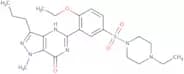
CAS:<p>Methyl 4-methyl-3-[2-(propylamino)acetamido]thiophene-2-carboxylate is an impurity that can be found in the drug product. It is a metabolite of clozapine, which is used to treat schizophrenia and other psychiatric disorders. This impurity can be detected by HPLC or LC/MS analysis and quantified using a calibration curve generated from standards. Methyl 4-methyl-3-[2-(propylamino)acetamido]thiophene-2-carboxylate may also be found in the urine as an indicator of clozapine use.</p>Fórmula:C12H18N2O3SPureza:Min. 95%Peso molecular:270.35 g/molHomo sildenafil-d5
CAS:Sildenafil is the active ingredient in a prescription drug called Viagra. It is an inhibitor of cGMP-specific phosphodiesterase type 5 (PDE5) and it is used to treat erectile dysfunction. Sildenafil has been shown to be metabolized by CYP3A4 and CYP2C9 into N-desmethylsildenafil, which has lower affinity for PDE5 than sildenafil. The metabolism of sildenafil can also be inhibited by drugs that inhibit either CYP3A4 or CYP2C9, such as erythromycin, ketoconazole, and grapefruit juice.Fórmula:C23H27D5N6O4SPureza:Min. 95%Peso molecular:493.63 g/molSambacolignoside
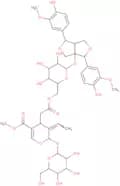
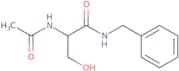
CAS:<p>Sambacolignoside is a natural compound that has been shown to have bioactivities. Sambacolignoside has been shown to inhibit the growth of cancer cells in vitro, including bladder, prostate and breast cancer cells. This compound is also able to induce apoptosis in these cells. Sambacolignoside can be used as a dietary supplement or as part of a profiling study for bladder cancer.</p>Fórmula:C43H54O22Pureza:Min. 95%Peso molecular:922.9 g/mol2-Acetamido-N-benzyl-3-hydroxypropanamide
CAS:<p>2-Acetamido-N-benzyl-3-hydroxypropanamide is an analog of a Chinese kinase inhibitor that has been shown to have anticancer properties. This compound induces apoptosis in human cancer cells by inhibiting the activity of protein kinases that are involved in cell growth and division. It has also been shown to inhibit the growth of prostate cancer cells by blocking the synthesis of testosterone, which is a hormone that promotes tumor growth. 2-Acetamido-N-benzyl-3-hydroxypropanamide is a potential candidate for developing new anticancer drugs due to its ability to selectively target cancer cells while sparing healthy cells.</p>Fórmula:C12H16N2O3Pureza:Min. 95%Peso molecular:236.27 g/mol4',4'''-[(4'-Methyl-2'-propyl[2,6'-bi-1H-benzimidazole]-1,1'-diyl)bis(methylene)]bis[1,1'-biphenyl]-2-carboxylic acid
CAS:<p>4',4'''-[(4'-Methyl-2'-propyl[2,6'-bi-1H-benzimidazole]-1,1'-diyl)bis(methylene)]bis[1,1'-biphenyl]-2-carboxylic acid is an analytical reagent that is used in research and development as a drug product impurity standard. This compound has been shown to be metabolized by cytochrome P450 1A1 and 2C8 to form 4-hydroxybenzoic acid and 4,4''-[(4'-methyl-2' propyl-[2,6']bi-1H-benzimidazol-1,1' diyl)bis(methylene)]bis[3-(4-hydroxyphenyl)-propionic acid], respectively. 4',4''-[(4'-Methyl-2' propyl-[2,6']bi-1</p>Fórmula:C46H38N4O4Pureza:Min. 95%Peso molecular:710.82 g/molDescyclopropyl lenvatinib
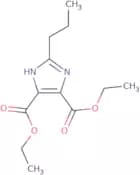
CAS:<p>Descyclopropyl lenvatinib is a synthetic drug candidate that is being developed for the treatment of cancer. It is a metabolite of lenvatinib and has shown to have similar pharmacological activity, including inhibition of protein synthesis. Descyclopropyl lenvatinib also has been shown to inhibit the metabolism of other drugs, such as irinotecan, which may be due to its ability to inhibit cytochrome P450 enzymes.</p>Fórmula:C18H15ClN4O4Pureza:Min. 95%Peso molecular:386.80 g/molDiethyl 2-propylimidazole-4,5-dicarboxylate
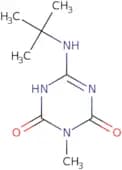
CAS:<p>Diethyl 2-propylimidazole-4,5-dicarboxylate is a synthesized intermediate that can be used in the synthesis of other organic compounds. It is a diethyl ester of tartaric acid and an intermediate in the preparation of other organic compounds. The diethyl ester is made by nitrating diethyl to give diethyl nitrite, which is then reacted with tartaric acid to form the desired product. Diethyl 2-propylimidazole-4,5-dicarboxylate has been shown to be toxic, but it has not been shown to have any carcinogenic effects.</p>Fórmula:C12H18N2O4Pureza:Min. 95%Peso molecular:254.28 g/mol6-(tert-Butylamino)-3-methyl-1,3,5-triazine-2,4(1H,3H)-dione
CAS:Please enquire for more information about 6-(tert-Butylamino)-3-methyl-1,3,5-triazine-2,4(1H,3H)-dione including the price, delivery time and more detailed product information at the technical inquiry form on this pageFórmula:C8H14N4O2Pureza:Min. 95%Peso molecular:198.22 g/mol(2S,4S)-tert-Butyl 2-(5-(2-((2S,5S)-1-((S)-2-((methoxycarbonyl)amino)-3-methylbutanoyl)-5-methylpyrrolidin-2-yl)-1,11-dihydroisochro meno[4',3':6,7]naphtho[1,2-d]imidazol-9-yl)-1H-imidazol-2-yl)-4-(methoxymethyl)pyrrolidine-1-carboxylate
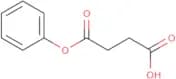
CAS:<p>(2S,4S)-tert-Butyl 2-(5-(2-((2S,5S)-1-((S)-2-((methoxycarbonyl)amino)-3-methylbutanoyl)-5-methylpyrrolidin-2-yl)-1,11-dihydroisochro meno[4',3':6,7]naphtho[1,2-d]imidazol-9-yl)-1H-imidazol-2-yl)-4-(methoxymethyl)pyrrolidine-1-carboxylate is a drug product that has been synthesized and is being developed for the treatment of cancer. (2S,4S)-tert–Butyl 2-(5-(2-[(2R,5R)-1-[(R) -2-[(methoxycarbonyl)amino]-</p>Fórmula:C44H53N7O7Pureza:Min. 95%Peso molecular:791.9 g/molMonophenyl succinate
CAS:<p>Monophenyl succinate is an organic compound that is a derivative of succinic acid. It contains a hydroxyl group, which reacts with hydrogen chloride to form a cross-linking agent. The diameters of the particles are between 1 and 100 nm. Monophenyl succinate can be used as a cross-linking agent in polymers and coatings, as well as an antihypertensive drug. The hydroxy group on the monophenyl group has ester linkages with the methyl and ethoxycarbonyl groups on the phenyl group. This compound also has methoxy groups and chlorine atoms attached to it. The reaction products of this compound are hydrogen chloride, hydroxyl group, and diameter.</p>Fórmula:C10H10O4Pureza:Min. 95%Peso molecular:194.18 g/molMKK7-COV-9
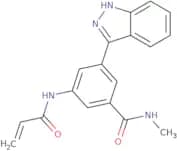
CAS:<p>MKK7-COV-9 is a potent inhibitor of kinases that plays a critical role in apoptosis, also known as programmed cell death. It has been extensively studied in Chinese and human tumor cells and has been shown to be an effective anticancer agent. MKK7-COV-9 is an analog of the cyclin-dependent kinase (CDK) inhibitors and has been found to inhibit the growth of cancer cells by blocking the activity of CDKs. This protein kinase inhibitor has also been found in urine samples from cancer patients, suggesting its potential as a biomarker for cancer diagnosis and treatment. The inhibitory effect of MKK7-COV-9 on tumor cell proliferation makes it a promising candidate for developing novel anticancer drugs.</p>Fórmula:C18H16N4O2Pureza:Min. 95%Peso molecular:320.3 g/mol4'-(Bromomethyl)-[1,1'-biphenyl]-2-carboxamide
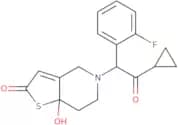
CAS:<p>4'-(Bromomethyl)-[1,1'-biphenyl]-2-carboxamide is a custom synthesis drug product. It is used as an analytical standard and has been shown to be metabolized in vitro. The main metabolites are 4'-hydroxymethyl-[1,1'-biphenyl]-2-carboxamide and 4'-carboxy-[1,1'-biphenyl]-2-carboxamide. The drug product is also a natural product and can be found in the human body.</p>Fórmula:C14H12BrNOPureza:Min. 95%Peso molecular:290.16 g/molPrasugrel hydroxy thiolactone
CAS:<p>Prasugrel hydroxy thiolactone is a drug product, analytical and Metabolism studies. It is an impurity standard for Synthetic, Custom synthesis, Drug development, Research and Development of Impurity standard. Prasugrel hydroxy thiolactone is synthesized by acid-catalyzed condensation of 2-aminothiophenol with acetyl chloride in the presence of zinc chloride. The resulting compound can be purified by recrystallization from ethanol/ether or extraction with diethyl ether.<br>Prasugrel hydroxy thiolactone has been used as a reference material for HPLC standards and pharmacopoeia.</p>Fórmula:C18H18FNO3SPureza:Min. 95%Peso molecular:347.4 g/molPNU-248686a
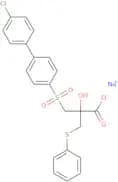
CAS:<p>PNU-248686a is a potent anticancer drug that induces apoptosis in cancer cells. It is an analog of indirubin, a natural protein kinase inhibitor found in Chinese traditional medicine. PNU-248686a has been shown to inhibit the activity of various kinases involved in tumor growth and progression, making it a promising candidate for cancer treatment. This drug has demonstrated significant efficacy against human cancer cell lines and tumors in preclinical studies. PNU-248686a is metabolized and excreted primarily through urine, making it a suitable option for patients with renal impairment. Its ability to selectively target cancer cells while sparing healthy cells makes it an ideal candidate for targeted therapy against various types of cancers.</p>Fórmula:C22H18ClNaO5S2Pureza:Min. 95%Peso molecular:485 g/mol2'-Deoxy-5,6-didehydro-2',2'-difluoro-6-hydroxyuridine
<p>2'-Deoxy-5,6-didehydro-2',2'-difluoro-6-hydroxyuridine is an analytical standard that is used in research and development of drugs. This compound has been designated as an impurity in a drug product. It has also been used as a reference standard for HPLC analysis. 2'-Deoxy-5,6-didehydro-2',2'-difluoro-6-hydroxyuridine is a metabolite of the drug product. This compound is not found in nature and has been synthesized artificially.</p>Fórmula:C9H12F2N2O6Pureza:Min. 95%Peso molecular:282.2 g/molEfavirenz-d5
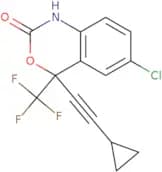
CAS:<p>Please enquire for more information about Efavirenz-d5 including the price, delivery time and more detailed product information at the technical inquiry form on this page</p>Fórmula:C14H9ClF3NO2Pureza:Min. 95%Peso molecular:320.7 g/molBenzamide-d5
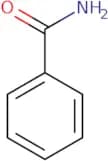
CAS:<p>Please enquire for more information about Benzamide-d5 including the price, delivery time and more detailed product information at the technical inquiry form on this page</p>Fórmula:C7H7NOPureza:Min. 95%Peso molecular:126.17 g/mol3-Hydroxy darifenacin
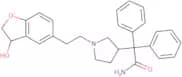
CAS:Producto controlado<p>3-Hydroxy darifenacin is a synthetic drug that is a prodrug of darifenacin. It has a niche application in the treatment of overactive bladder. This compound has been shown to be metabolized by CYP3A4 and CYP2D6. 3-Hydroxy darifenacin is an impurity standard for the HPLC assay of darifenacin and its metabolites.</p>Fórmula:C28H30N2O3Pureza:Min. 95%Peso molecular:442.5 g/molDidemethyl rizatriptan hydrochloride
CAS:<p>Didemethyl rizatriptan hydrochloride is a potent anticancer agent that belongs to the indirubin analog family. It acts as a selective inhibitor of various kinases, including cyclin-dependent kinase (CDK), glycogen synthase kinase-3β (GSK-3β), and casein kinase 1 (CK1). This drug has been shown to induce apoptosis in various human cancer cell lines, including breast, prostate, and colon cancers. Didemethyl rizatriptan hydrochloride has also demonstrated significant tumor growth inhibition in animal models of cancer. Moreover, this drug can be detected in urine samples of Chinese patients with cancer who have received treatment with this inhibitor. Overall, didemethyl rizatriptan hydrochloride shows great promise as an effective protein kinase inhibitor for the treatment of cancer.</p>Fórmula:C13H16ClN5Pureza:Min. 95%Peso molecular:277.75 g/mol(R)-2-(3-(1-Aminoethyl)phenyl)-N,8-dimethyl-8H-imidazo[4,5-d]thiazolo[5,4-b]pyridin-5-amine
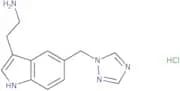
CAS:(R)-2-(3-(1-Aminoethyl)phenyl)-N,8-dimethyl-8H-imidazo[4,5-d]thiazolo[5,4-b]pyridin-5-amine is a synthetic compound that belongs to the family of drugs for research and development. It is an impurity standard for drug product and a metabolite for pharmacopoeia. This compound has been used in metabolism studies and analytical work. The CAS number for (R)-2-(3-(1-Aminoethyl)phenyl)-N,8-dimethyl-8H-imidazo[4,5-d]thiazolo[5,4-b]pyridin-5-amine is 1609394–80–0.Fórmula:C17H18N6SPureza:Min. 95%Peso molecular:338.4 g/molQuincarbate
CAS:<p>Quincarbate is a medicinal compound that acts as an inhibitor of kinase enzymes. Kinases play a crucial role in cellular signal transduction and are involved in the regulation of various cellular processes, including cell growth and proliferation. Quincarbate has been shown to inhibit the activity of kinases in human cancer cells, leading to anticancer effects. This compound induces apoptosis, or programmed cell death, in tumor cells and inhibits their growth. Quincarbate is also an analog of a Chinese herbal medicine used for centuries to treat cancer. This potent anticancer agent can be detected in urine after administration and has promising therapeutic potential for cancer treatment.</p>Fórmula:C17H18ClNO6Pureza:Min. 95%Peso molecular:367.8 g/molPogostol
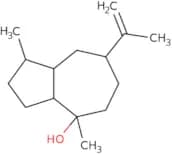
CAS:<p>Pogostol is a potent anticancer agent that has been shown to inhibit the growth of tumor cells in humans. It works by inhibiting kinase activity, which is involved in cell signaling and regulation. Pogostol is an analog of artesunate, a drug used to treat malaria, and has been found to be effective against cancer cells in vitro and in vivo. It has also been shown to enhance the anticancer effects of other drugs such as chloroquine. Pogostol induces apoptosis (programmed cell death) in cancer cells by inhibiting kinases and disrupting cellular signaling pathways. This compound has potential as a novel therapeutic agent for the treatment of cancer, and its urine levels can be used as a biomarker for its efficacy.</p>Fórmula:C15H26OPureza:Min. 95%Peso molecular:222.37 g/molrac-Keto labetalol
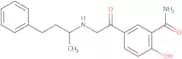
CAS:<p>Rac-keto labetalol is an active substance that belongs to the group of pyrazole derivatives. It is a racemic mixture of two enantiomers, (+)-labetalol and (-)-labetalol. Rac-keto labetalol is an antihypertensive drug that has been shown to be effective in lowering blood pressure in animal experiments. Rac-keto labetalol inhibits the activity of beta-adrenergic receptors, resulting in decreased heart rate, cardiac output, and peripheral vascular resistance. Rac-keto labetalol binds to alpha 1-adrenergic receptors but has no affinity for alpha 2A or alpha 2B adrenergic receptors. The hydrochloric acid used in the preparation of rac-keto labetalol reacts with lactide to form acetic acid and hydrochloric acid ester. This reaction is catalyzed by triphosgene, which also serves as a solvent for the</p>Fórmula:C19H22N2O3Pureza:Min. 95%Peso molecular:326.4 g/mol2-(4-(Benzylamino)-2-ethylbutyl)-5,6-dimethoxy-2,3-dihydroinden-1-one hydrochloride
CAS:<p>2-(4-(Benzylamino)-2-ethylbutyl)-5,6-dimethoxy-2,3-dihydroinden-1-one hydrochloride is a drug product used as an analytical standard for HPLC. It is a natural metabolite from the metabolism of lisinopril and other prodrugs. This impurity is found in drugs that are metabolized by cytochrome P450 enzymes including lisinopril, captopril, enalapril and benazepril. The impurity may be present in drugs with a niche market such as captopril and benazepril or drugs with a high purity such as enalapril. 2-(4-(Benzylamino)-2-ethylbutyl)-5,6-dimethoxy-2,3-dihydroinden-1-one hydrochloride is typically synthesized by the reaction of 4-(benzylamino</p>Fórmula:C24H31NO3•HClPureza:Min. 95 Area-%Forma y color:PowderPeso molecular:417.97 g/mol1,4-Bis(trichloromethyl)-2-chlorobenzene
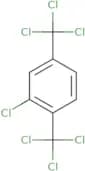
CAS:Please enquire for more information about 1,4-Bis(trichloromethyl)-2-chlorobenzene including the price, delivery time and more detailed product information at the technical inquiry form on this pageFórmula:C8H3Cl7Pureza:Min. 95%Peso molecular:347.3 g/molPTGR2-IN-1
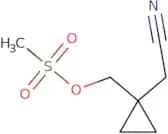
CAS:Producto controlado<p>Please enquire for more information about PTGR2-IN-1 including the price, delivery time and more detailed product information at the technical inquiry form on this page</p>Fórmula:C19H22N2O2Pureza:Min. 95%Peso molecular:310.4 g/mol(1-(Cyanomethyl)cyclopropyl)methyl methanesulfonate
CAS:<p>(1-(Cyanomethyl)cyclopropyl)methyl methanesulfonate is a potent inhibitor of kinases, which are enzymes that play a critical role in tumor growth and replication. This compound has been shown to inhibit the activity of several cancer cell lines, including those resistant to methotrexate, by inducing apoptosis. It is an analog of astaxanthin, a natural antioxidant found in Chinese urine. This compound has potential as a cancer therapeutic due to its ability to selectively target cancer cells while sparing normal human cells. Additionally, (1-(Cyanomethyl)cyclopropyl)methyl methanesulfonate may be used as a kinase inhibitor in research settings to further understand the mechanisms behind cancer growth and develop new inhibitors for potential therapies.</p>Fórmula:C7H11NO3SPureza:Min. 95%Peso molecular:189.23 g/molDi-destriazole anastrozole dimer impurity
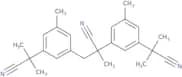
CAS:<p>Di-destriazole anastrozole dimer impurity is a synthetic impurity that is created during the synthesis of anastrozole. It has been studied as a possible metabolite of the drug, but its role in metabolism is not well understood. Di-destriazole anastrozole dimer impurity is soluble in water and methanol and has a melting point of between 1°C to 2°C. The purity of this compound is typically at least 99% with a specific gravity of 1.043 g/mL.</p>Fórmula:C26H29N3Pureza:Min. 95%Peso molecular:383.53 g/molEvixapodlin
CAS:<p>Please enquire for more information about Evixapodlin including the price, delivery time and more detailed product information at the technical inquiry form on this page</p>Fórmula:C34H36Cl2N8O4Pureza:Min. 95%Peso molecular:691.6 g/molMoclobemide N-oxide
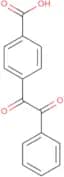
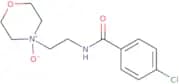
CAS:<p>Moclobemide N-oxide is a metabolite of moclobemide, an antidepressant drug. It is a white to off-white crystalline powder with a molecular formula of C14H14N2O4 and a molecular weight of 237.3. Moclobemide N-oxide is used in the treatment of depression, but it has not been approved for clinical use in the United States. Moclobemide N-oxide is extensively metabolized by cytochrome P450 enzymes, which may lead to variations in its activity among patients.</p>Fórmula:C13H17ClN2O3Pureza:Min. 95%Peso molecular:284.74 g/mol4-[(Dimethylamino)iminomethyl]benzoic acid
CAS:<p>Please enquire for more information about 4-[(Dimethylamino)iminomethyl]benzoic acid including the price, delivery time and more detailed product information at the technical inquiry form on this page</p>Fórmula:C10H12N2O2Pureza:Min. 95%Peso molecular:192.21 g/mol(-)-Neoisomenthol
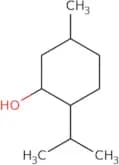
CAS:<p>(-)-Neoisomenthol is a drug product that is a natural product and is found in peppermint oil. It has been shown to have anti-inflammatory and analgesic properties. (-)-Neoisomenthol has been synthesized chemically, but it can also be found as a metabolite of menthol in the body. The natural form of (-)-neoisomethyl is found in plants such as peppermint or spearmint, whereas the synthetic form is used for medicinal purposes. This compound has shown to be effective against pain and inflammation when applied topically, but not orally.</p>Fórmula:C10H20OPureza:Min. 95%Peso molecular:156.26 g/molFlumethasone Impurity 10
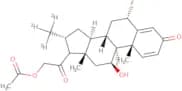
CAS:Producto controlado<p>Flumethasone Impurity 10 is a synthetic drug product. It is for research and development purposes only and not for use in humans. Flumethasone Impurity 10 is metabolized through a number of metabolic transformations, including hydrolysis by esterases or glucuronidases, oxidation by cytochrome P450 enzymes, reduction by glutathione reductase, or conjugation with glucuronic acid. Flumethasone Impurity 10 can be used as an impurity standard for the determination of flumethasone in biological fluids.</p>Pureza:Min. 95%D-Fuculose
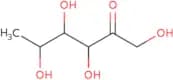
CAS:<p>D-Fuculose is a medicinal compound that has shown anticancer properties in various studies. It is a kinase inhibitor that targets specific kinases involved in cancer cell growth and survival. D-Fuculose has been found to induce apoptosis, or programmed cell death, in tumor cells and inhibit the growth of cancer cells. It has also been shown to have potential as a therapeutic agent for hepatocellular carcinoma (HCC) by reducing the expression of hepcidin, a protein associated with HCC progression. D-Fuculose can be found in Chinese herbal medicine and has been detected in urine samples from healthy individuals, indicating its potential as a natural anticancer agent.</p>Fórmula:C6H12O5Pureza:Min. 95%Peso molecular:164.16 g/mol




![6,7,8,9-Tetrahydro-3-[2-[4-(6-methoxy-1,2-benzisoxazol-3-yl)-1-piperidinyl]ethyl]-2-methyl-4H-pyri…](/_next/image/?url=https%3A%2Fstatic.cymitquimica.com%2Fproducts%2F3D%2Fthumb-webp%2FIT81401.webp&w=3840&q=75)
![4-[4-[4-[4-[[(3R,5R)-5-(2,4-difluorophenyl)-5-(1,2,4-triazol-1-ylmethyl)oxolan-3-yl]methoxy]phenyl…](/_next/image/?url=https%3A%2Fstatic.cymitquimica.com%2Fproducts%2F3D%2Fthumb-webp%2FLGA53265.webp&w=3840&q=75)



![(aR)-a-Methyl-N-[3-[4-(trifluoromethyl)phenyl]propyl]-1-naphthalenemethanamine](/_next/image/?url=https%3A%2Fstatic.cymitquimica.com%2Fproducts%2F3D%2Fthumb-webp%2FIM101358.webp&w=3840&q=75)
![N,N'-Dicyclohexylcarbamimidothioic acid (5,6-dihydro-6,6-dimethylimidazo[2,1-b]thiazol-3-yl)methyl…](/_next/image/?url=https%3A%2Fstatic.cymitquimica.com%2Fproducts%2F3D%2Fthumb-webp%2FPJB67755.webp&w=3840&q=75)
![N-Formyl-D-leucine (1R)-1-[[(2R,3R)-3-Hexyl-4-oxo-2-oxetanyl]methyl]dodecyl ester](/_next/image/?url=https%3A%2Fstatic.cymitquimica.com%2Fproducts%2F3D%2Fthumb-webp%2FIF26576.webp&w=3840&q=75)
![3-[(4-Amino-2-methylpyrimidin-5-yl)methyl]-5-(2-chloroethyl)-4-methyl-1,3-thiazol-3-ium](/_next/image/?url=https%3A%2Fstatic.cymitquimica.com%2Fproducts%2F3D%2Fthumb-webp%2FIA181779.webp&w=3840&q=75)
![9-Bromo-6,11-dihydro-8-hydroxy-6,6-dimethyl-11-oxo-5H-benzo[b]carbazole-3-carbonitrile](/_next/image/?url=https%3A%2Fstatic.cymitquimica.com%2Fproducts%2F3D%2Fthumb-webp%2FGAC57906.webp&w=3840&q=75)

![N-[1-[3-(4-Ethoxyphenyl)-3,4-dihydro-4-oxopyrido[2,3-d]pyrimidin-2-yl]ethyl]-4-fluoro-N-(3-pyridin…](/_next/image/?url=https%3A%2Fstatic.cymitquimica.com%2Fproducts%2F3D%2Fthumb-webp%2FYTA72268.webp&w=3840&q=75)
![2-[(2-Cyclopentylphenoxy)methyl]-oxirane](/_next/image/?url=https%3A%2Fstatic.cymitquimica.com%2Fproducts%2F3D%2Fthumb-webp%2FDBA16340.webp&w=3840&q=75)
![N-(1-Oxobutyl)-N-[[2'-(2H-tetrazol-5-yl)[1,1'-biphenyl]-4-yl]methyl]-L-valine](/_next/image/?url=https%3A%2Fstatic.cymitquimica.com%2Fproducts%2F3D%2Fthumb-webp%2FIO28664.webp&w=3840&q=75)
![1-[4-[4-(2,3-Dichlorophenyl)piperazin-1-yl]butyl]-7-hydroxy-1,2,3,4-tetrahydro-carbostyril](/_next/image/?url=https%3A%2Fstatic.cymitquimica.com%2Fproducts%2F3D%2Fthumb-webp%2FRFC05474.webp&w=3840&q=75)
![(5aR,10aR)-Tetrahydro-3H,5H,8H,10H-bisthiazolo[3,4-a:3',4'-d]pyrazine-5,10-dione](/_next/image/?url=https%3A%2Fstatic.cymitquimica.com%2Fproducts%2F3D%2Fthumb-webp%2FIT145578.webp&w=3840&q=75)
![(5E)-2,2-Dimethyl-7-[methyl(1-naphthalenylmethyl)amino]-5-hepten-3-ynoic acid](/_next/image/?url=https%3A%2Fstatic.cymitquimica.com%2Fproducts%2F3D%2Fthumb-webp%2FID19739.webp&w=3840&q=75)
![4',4'''-[(4'-Methyl-2'-propyl[2,6'-bi-1H-benzimidazole]-1,1'-diyl)bis(methylene)]bis[1,1'-biphenyl…](/_next/image/?url=https%3A%2Fstatic.cymitquimica.com%2Fproducts%2F3D%2Fthumb-webp%2FIM28023.webp&w=3840&q=75)
![4'-(Bromomethyl)-[1,1'-biphenyl]-2-carboxamide](/_next/image/?url=https%3A%2Fstatic.cymitquimica.com%2Fproducts%2F3D%2Fthumb-webp%2FIB19246.webp&w=3840&q=75)

![(R)-2-(3-(1-Aminoethyl)phenyl)-N,8-dimethyl-8H-imidazo[4,5-d]thiazolo[5,4-b]pyridin-5-amine](/_next/image/?url=https%3A%2Fstatic.cymitquimica.com%2Fproducts%2F3D%2Fthumb-webp%2FJPC39480.webp&w=3840&q=75)
![4-[(Dimethylamino)iminomethyl]benzoic acid](/_next/image/?url=https%3A%2Fstatic.cymitquimica.com%2Fproducts%2F3D%2Fthumb-webp%2FUJA25776.webp&w=3840&q=75)