


APIs para investigación e impurezas
Los ingredientes farmacéuticos activos (API) son las sustancias en los medicamentos responsables de sus efectos terapéuticos. En esta sección, encontrarás una amplia variedad de API destinados a uso en investigación. Estos compuestos son esenciales para el desarrollo, prueba y validación de nuevas formulaciones farmacéuticas. En CymitQuimica, ofrecemos API de alta calidad para apoyar la investigación en el descubrimiento y desarrollo de fármacos.
Subcategorías de "APIs para investigación e impurezas"
- Aminoácidos y derivados(12.278 productos)
- Antraquinonas y derivados(405 productos)
- Derivados de Benzimidazol e Imidazol(10.376 productos)
- Derivados de Benzodiazepinas(333 productos)
- Carbohidratos y glucoconjugados(5.013 productos)
- Ésteres y derivados(42.045 productos)
- Ácidos Grasos y Derivados Lipídicos(32.246 productos)
- Flavonoides y Polifenoles(17.012 productos)
- Radicales libres y agentes oxidantes/reductores(213 productos)
- Cetonas y Derivados(2.394 productos)
- Antibióticos naturales y semisintéticos(6.364 productos)
- Nitrilos y Cianoderivados(3.045 productos)
- Nitrosaminas y derivados(55 productos)
- Nucleósidos y Nucleótidos(3.429 productos)
- Fosfatos y Fosfonatos Orgánicos(1.201 productos)
- Sulfonatos y Sulfatos Orgánicos(10.406 productos)
- Organometálicos(4.401 productos)
- Otros(6.279 productos)
- Péptidos y Proteínas(3.129 productos)
- Polímeros y derivados(99 productos)
- Derivados de Purinas y Pirimidinas(8.902 productos)
- Derivados de Quinazolina y Quinolina(65.630 productos)
- Quinonas y derivados(24.239 productos)
- Sales y derivados de API(79.473 productos)
- Esteroides y derivados(4.967 productos)
- Sulfonamidas y derivados(2.592 productos)
- Terpenoides y derivados(3.839 productos)
- Tiazolidinedionas y Tiopiranos(2.733 productos)
- Compuestos β-adrenérgicos(230 productos)
Mostrar 21 subcategorías más
Se han encontrado 56797 productos de "APIs para investigación e impurezas"
Ordenar por
Pureza (%)
0
100
|
0
|
50
|
90
|
95
|
100
Losartan imidazo[1,5-b]isoquinoline impurity
CAS:<p>Losartan is a drug product that belongs to the class of losartan impurity. It is an impurity standard for research and development, as well as a custom synthesis. Losartan is also used in the synthesis of other drugs, such as losartan potassium, which is classified as a niche compound. Losartan impurity has been shown to be metabolized by several enzymes including CYP2C9 and CYP3A4. The metabolite identified from this study was N-desmethyl losartan.</p>Fórmula:C22H21ClN6Pureza:Min. 95%Peso molecular:404.9 g/mol(2E)-3-[4-(Acetyloxy)-3-methoxyphenyl]-2-propenoyl chloride
CAS:<p>Please enquire for more information about (2E)-3-[4-(Acetyloxy)-3-methoxyphenyl]-2-propenoyl chloride including the price, delivery time and more detailed product information at the technical inquiry form on this page</p>Fórmula:C12H11ClO4Pureza:Min. 95%Peso molecular:254.66 g/mol(10E,12E)-10,12-Hexadecadienol
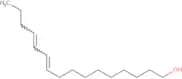
CAS:<p>(10E,12E)-10,12-Hexadecadienol is an analog of a Chinese herbal compound that has been shown to have anticancer properties. It acts as an inhibitor of kinases, which are enzymes involved in cell signaling pathways that regulate cell growth and division. This compound has been found to induce apoptosis, or programmed cell death, in cancer cells. (10E,12E)-10,12-Hexadecadienol has also been shown to inhibit the growth of tumors in human studies. Additionally, this compound has been identified in urine samples from individuals taking the diabetes medication vildagliptin, suggesting its potential use as a biomarker for drug efficacy. Overall, (10E,12E)-10,12-Hexadecadienol shows promising potential as a natural anticancer agent with multiple therapeutic applications.</p>Fórmula:C16H30OPureza:Min. 95%Peso molecular:238.41 g/mol4-(1,1-Dimethylpropyl)-α-methyl-benzenepropanal
CAS:<p>4-(1,1-Dimethylpropyl)-alpha-methyl-benzenepropanal is a synthetic compound that is used as an impurity standard for the measurement of purity in drug products. It can also be used to monitor the metabolism of drugs, and may contribute to their side effects. 4-(1,1-Dimethylpropyl)-alpha-methyl-benzenepropanal has shown little evidence of toxicity in animal studies.</p>Fórmula:C15H22OPureza:Min. 95%Peso molecular:218.33 g/molCefdinir impurity H
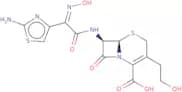
<p>Cefdinir impurity H is a metabolite of the drug cefdinir. It is an impurity in the drug product that was discovered during research and development of cefdinir. Cefdinir impurity H has a CAS number, which indicates that it is a drug product. It also has high purity and can be used for analytical purposes or as a metabolism study standard. Metabolism studies have been conducted on this compound to determine its pharmacological effects. This metabolite is not natural, but synthetic and may be considered a niche compound due to its limited use in research and development.br><br>This impurity may be found in the form of an HPLC standard and can be used for developing new drugs against bacterial infections such as tuberculosis, which are caused by Mycobacterium tuberculosis.br>br></p>Fórmula:C14H15N5O6S2Pureza:Min. 95%Peso molecular:413.43 g/mol(E/Z)-It-603
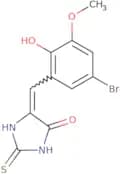
CAS:<p>Please enquire for more information about (E/Z)-It-603 including the price, delivery time and more detailed product information at the technical inquiry form on this page</p>Fórmula:C11H9BrN2O3SPureza:Min. 95%Peso molecular:329.17 g/molLinagliptin Impurity 18
CAS:Producto controlado<p>Please enquire for more information about Linagliptin Impurity 18 including the price, delivery time and more detailed product information at the technical inquiry form on this page</p>Fórmula:C22H23N7O2Pureza:Min. 95%Peso molecular:417.46 g/molrac-Des(isopropylamino) acebutolol diol
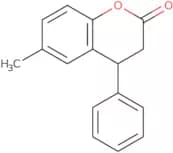
CAS:<p>rac-Des(isopropylamino) acebutolol diol is a synthetic drug substance that is used for research and development purposes. It has a purity of 99% or greater, does not contain any impurities, and is manufactured using the latest technology. The rac-Des(isopropylamino) acebutolol diol is a pharmaceutical grade product with high purity and quality standards that have been verified by HPLC analysis. This compound is an analytical standard that can be used to calibrate mass spectrometry instruments. Rac-Des(isopropylamino) acebutolol diol is also metabolized into the natural metabolite noracebutanol by cytochrome P450 enzymes in humans.</p>Fórmula:C15H21NO5Pureza:Min. 95%Peso molecular:295.33 g/mol6-Methyl-4-phenyl-3,4-dihydro-1-benzopyran-2-one
CAS:<p>6-Methyl-4-phenyl-3,4-dihydro-1-benzopyran-2-one is an analog of the natural product zearalenone, which can be used as an acid catalyst for the synthesis of various pharmaceuticals. It has a linear range and is structurally similar to a number of other analogs. The chloride ion is involved in the optimization of the extraction parameters and can be replaced by other c1-4 alkyl groups. 6-Methyl-4-phenyl-3,4-dihydro-1 -benzopyran 2 one is typically prepared using a preparative high performance liquid chromatography technique that involves dehydration.</p>Fórmula:C16H14O2Pureza:Min. 95%Peso molecular:238.28 g/molZoniporide dihydrochloride
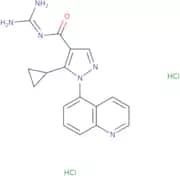
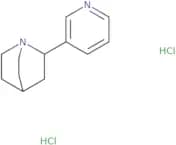
CAS:<p>Zoniporide dihydrochloride is a drug that belongs to the group of nonsteroidal anti-inflammatory drugs. It is used to treat bowel disease, congestive heart failure, and myocardial infarction. Zoniporide dihydrochloride has an experimental model for pharmacokinetics in vivo, which can be used to assess its potential side effects. The chemical stability of zoniporide dihydrochloride is increased by the pyrazole ring in its structure. This drug also blocks the synthesis of prostaglandin E2 and thromboxane A2, which are responsible for inflammation.</p>Fórmula:C17H18Cl2N6OPureza:Min. 95%Peso molecular:393.3 g/molPralnacasan
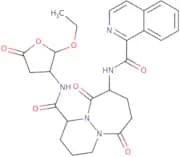
CAS:<p>Pralnacasan is an inhibitor that has been shown to induce apoptosis in cancer cells. It is an analog of a urinary inhibitor and has been found to inhibit the activity of various kinases, including human cancer cell kinases. Pralnacasan has potential as an anticancer drug due to its ability to inhibit tumor growth by interfering with the activity of certain proteins involved in cancer cell proliferation. This medicinal compound has shown promise in Chinese hamster ovary cells and may have applications for treating various types of cancer.</p>Fórmula:C26H29N5O7Pureza:Min. 95%Peso molecular:523.5 g/mol5-Desthiopropyl-5-hydroxy-ticagrelor
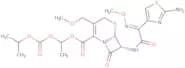
CAS:<p>5-Desthiopropyl-5-hydroxy-ticagrelor is a synthetic and new chemical entity, which is a prodrug. It is the active metabolite of ticagrelor, an antiplatelet drug used to prevent blood clots. Ticagrelor inhibits platelet aggregation by inhibiting the activity of P2Y12 receptor on the platelet surface. 5-Desthiopropyl-5-hydroxy-ticagrelor has an analytical purity of >97% and a pharmacopoeia grade purity of >99%. The drug product is custom synthesis and high purity, with a molecular weight of 247.9 Da. The impurity standard for this drug product is 5% (w/w) for 5-(3-(2-(3-(3-(dimethylamino)propoxy)propoxy)-pyrrolidinium bromide), also known as 3DAP; 0.1% (w</p>Fórmula:C20H22F2N6O5Pureza:Min. 95%Peso molecular:464.40 g/molCefpodoxime proxetil impurity D
CAS:<p>Cefpodoxime proxetil impurity D is a cephalosporin antibiotic that is an oral prodrug. It is used to treat infections of the mouth, throat, skin, and respiratory tract caused by gram-positive bacteria such as Streptococcus pyogenes (group A), Streptococcus pneumoniae (group B), or Staphylococcus aureus. Cefpodoxime proxetil impurity D can be converted into the active form cefpodoxime in the body. The oral absorption of this drug has been found to be rapid and complete in humans with streptococcal pharyngitis. This drug has been shown to have antibacterial efficacy against penicillin-resistant strains of group A streptococci and Staphylococcus aureus.</p>Fórmula:C21H27N5O9S2Pureza:Min. 95%Peso molecular:557.6 g/mol1-[[3-Methyl-4-(2,2,2-trifluoroethoxy)-2-pyridinyl]methyl]-2-[[[3-methyl-4-(2,2,2-trifluoroethoxy)-2-pyridinyl]methyl]thio]-1H-benzi midazole
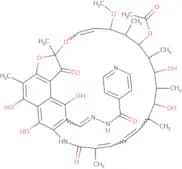
CAS:<p>1-[[3-Methyl-4-(2,2,2-trifluoroethoxy)-2-pyridinyl]methyl]-2-[[[3-methyl-4-(2,2,2-trifluoroethoxy)-2-pyridinyl]methyl]thio]-1H-benzi midazole is a high purity analytical standard that is used to calibrate HPLC. It is found as an impurity in the drug product and as a metabolite. 1-[(3-Methyl-4-(2,2,2 -trifluoroethoxy) - 2 - pyridinyl) methyl] - 2 - [[[3 - methyl (4 ( 2 , 2 , 2 - trifluoroethoxy) - 2 pyridinyl) methyl] thio] - 1 H benzimidazole is the IUPAC name for this compound. This chemical has been synthesized</p>Fórmula:C25H22F6N4O2SPureza:Min. 95%Peso molecular:556.52 g/mol3-(Isonicotinoylhydrazonomethyl) rifamycin
CAS:<p>3-(Isonicotinoylhydrazonomethyl) rifamycin is a metabolite of rifamycin. It is synthesized from the natural product, which is purified as an impurity standard and used as a research and development tool for drugs. 3-(Isonicotinoylhydrazonomethyl)rifamycin has been shown to have antibiotic activity against Mycobacterium tuberculosis and Clostridium perfringens.</p>Fórmula:C44H52N4O13Pureza:Min. 95%Peso molecular:844.9 g/molIothalamic acid-d3
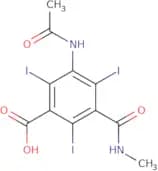
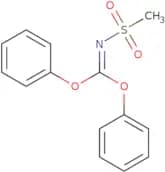
CAS:<p>Iothalamic acid-d3 is a drug product that is a natural, synthetic, and API impurity. It is used as an analytical standard in metabolism studies and for the quality control of natural Iothalamic acid-d4. Iothalamic acid-d3 also has pharmacopoeia standards for HPLC and high purity.</p>Fórmula:C11H9I3N2O4Pureza:Min. 95%Peso molecular:616.93 g/molN-(Diphenoxymethylene)-methanesulfonamide
CAS:<p>N-(Diphenoxymethylene)-methanesulfonamide is a potent cancer kinase inhibitor that has been shown to induce apoptosis in human cancer cells. It is an analog of the anticancer drug staurosporine and inhibits a wide range of kinases, including cyclin-dependent kinases (CDKs) and protein kinase C. N-(Diphenoxymethylene)-methanesulfonamide has demonstrated significant activity against various tumor types in Chinese hamster ovary cells and has been shown to be effective in inhibiting the growth of several different cancer cell lines. This inhibitor can also be found in urine samples, indicating its potential use as a biomarker for cancer diagnosis and treatment monitoring. Overall, N-(Diphenoxymethylene)-methanesulfonamide represents a promising new class of anticancer agents with broad-spectrum kinase inhibition activity.</p>Fórmula:C14H13NO4SPureza:Min. 95%Peso molecular:291.32 g/molNicergoline EP Impurity B
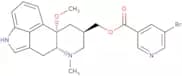
CAS:<p>Nicergoline EP Impurity B is a metabolite of nicergoline, a drug product. It has been synthesized for use as an impurity standard for analytical and pharmacopoeia purposes. Nicergoline EP Impurity B is not found in nature and has been shown to be metabolically stable in vitro. It can be used as a reference substance for the determination of nicergoline concentrations in human plasma samples.</p>Pureza:Min. 95%Quetiapine Impurity 8
CAS:<p>Quetiapine Impurity 8 is a drug product that is used as an analytical standard for drug metabolism studies. It is a natural impurity found in the API Quetiapine, which has the CAS number 1977-09-9. Quetiapine Impurity 8 is also an impurity standard for HPLC and has been shown to be a synthetic compound. This compound can be custom synthesized and is often used in research and development of new drugs. Quetiapine Impurity 8 has high purity and pharmacopoeia grade, making it suitable for use in niche markets such as drug development, research, and analysis.</p>Fórmula:C18H19N3SPureza:Min. 95%Peso molecular:309.4 g/molSMS2-IN-1
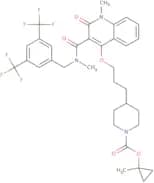
CAS:<p>SMS2-IN-1 is a nuclear ginseng propionate monoester inhibitor that has shown promising antiviral properties. It has been found to inhibit the activity of galacturonic acid, which is crucial for viral replication. Additionally, SMS2-IN-1 has been studied in molecular docking experiments and has shown potential as an inhibitor of tenofovir disoproxil fumarate, a widely used antiviral drug. This compound also exhibits cytotoxic effects on certain cells and has been explored for its potential in recombination studies. It is important to note that SMS2-IN-1 may contain impurities, including the compound ivermectin.</p>Fórmula:C34H37F6N3O5Pureza:Min. 95%Peso molecular:681.7 g/mol1-[2,3-O-Isopropylidene-b-D-ribofuranosyl]-1,2,4-triazole-3-carboxylic acid methyl ester
CAS:<p>1-[2,3-O-Isopropylidene-b-D-ribofuranosyl]-1,2,4-triazole-3-carboxylic acid methyl ester is a synthetic compound that has been shown to inhibit the growth of Mycobacterium tuberculosis in culture. The metabolite is used as an impurity standard for HPLC analysis of this active compound. It has not yet been approved for use as a drug product.</p>Fórmula:C12H17N3O6Pureza:Min. 95%Peso molecular:299.28 g/mol2,2'-Bisnalmefene
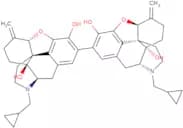
CAS:Producto controlado<p>2,2'-Bisnalmefene is a short-acting opioid antagonist that has been used for the treatment of alcohol dependence. It is effective in reducing alcohol intake and craving and it may be used to help maintain abstinence from alcohol. 2,2'-Bisnalmefene is an injectable drug that can be administered intravenously or intramuscularly. The drug should not be injected into a vein or artery because this will cause serious adverse effects. The most common adverse effect of 2,2'-bisnalmefen is respiratory depression followed by nausea and vomiting.</p>Fórmula:C42H48N2O6Pureza:Min. 95%Peso molecular:676.84 g/mol(R)-Diphenyl (((1-(6-amino-9H-purin-9-yl)propan-2-yl)oxy)methyl)phosphonate
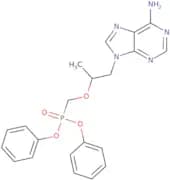
CAS:<p>(R)-Diphenyl (((1-(6-amino-9H-purin-9-yl)propan-2-yl)oxy)methyl)phosphonate is a high purity, analytical, API impurity, HPLC standard, drug development, niche and drug product. It is an impurity standard for the pharmacopoeia. It is also synthesized from natural or synthetic sources.</p>Fórmula:C21H22N5O4PPureza:Min. 95%Peso molecular:439.4 g/molHyoscyamine related compound A
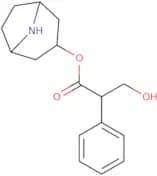
CAS:<p>Hyoscyamine related compound A is a pure, synthetic chemical compound that is used as an impurity standard and can be custom synthesized to meet the requirements of a customer's research and development. Hyoscyamine related compound A is also known as a metabolite in the body, which means it is created from another substance. It is created from the breakdown of Hyoscyamine, which is found in plants such as jimson weed, mandrake, and henbane. Hyoscyamine related compound A has a CAS number of 537-29-1. It can be used to create drug product or pharmacopoeia standards. It has been classified as a custom synthesis by the FDA because it has not been approved for use in humans or animals.</p>Fórmula:C16H21NO3Pureza:Min. 95%Peso molecular:275.35 g/molCarvedilol tetra(alkylpyrocatechol) impurity
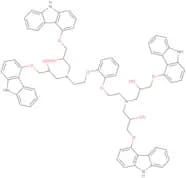
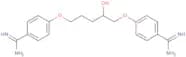
CAS:<p>Please enquire for more information about Carvedilol tetra(alkylpyrocatechol) impurity including the price, delivery time and more detailed product information at the technical inquiry form on this page</p>Fórmula:C70H68N6O10Pureza:Min. 95%Peso molecular:1,153.3 g/mol1,5-Bis(4-amidinophenoxy)-2-pentanol
CAS:<p>Please enquire for more information about 1,5-Bis(4-amidinophenoxy)-2-pentanol including the price, delivery time and more detailed product information at the technical inquiry form on this page</p>Fórmula:C19H24N4O3Pureza:Min. 95%Peso molecular:356.4 g/molN-Demethyl eszopiclone hydrochloride
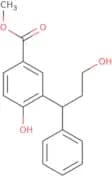
CAS:<p>N-Demethyl eszopiclone hydrochloride is a metabolite of zopiclone, which is a drug used for the treatment of insomnia. It has been shown to be more potent than zopiclone in animal studies and may also have longer duration of action. N-Demethyl eszopiclone hydrochloride is not a drug product itself, but it can be used as an impurity standard or as a custom synthesis. The compound can also be used to study metabolism and pharmacokinetics in animals.</p>Fórmula:C16H16Cl2N6O3Pureza:Min. 95%Peso molecular:411.2 g/mol3-((1R)-3-Hydroxy-1-phenyl-propyl)-4-hydroxy-benzoic acid methyl ester
CAS:<p>3-((1R)-3-Hydroxy-1-phenyl-propyl)-4-hydroxy-benzoic acid methyl ester is a drug product that is used to synthesize standards for HPLC. It is an impurity in the API, Metabolism studies, Natural, CAS No. 1292905-33-9. This compound has been synthesized and can be custom synthesized. The purity of this compound is high with a purity of 99% or greater for the 3-(2′,4′-dihydroxyphenyl)propionic acid methyl ester.</p>Fórmula:C17H18O4Pureza:Min. 95%Peso molecular:286.32 g/mol1,3-Dihydro-6-methylfuro[3,4-c]pyridin-7-ol
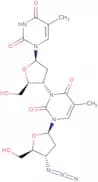
CAS:<p>1,3-Dihydro-6-methylfuro[3,4-c]pyridin-7-ol is a compound that contains impurities such as fatty acids and uridine. It has been found to be an inhibitor of α-mangostin adduct formation with fatty acids. Additionally, it has been shown to inhibit the activity of GSK-3β, an enzyme involved in various cellular processes. This compound also exhibits inhibitory effects on monascus and safranal, two enzymes involved in the production of certain compounds. Furthermore, it has been found to inhibit calpain, an enzyme responsible for protein degradation. The compound can be used in various research applications involving electrode modification and polylysine immobilization. It may also have potential interactions with other drugs such as cefdinir.</p>Fórmula:C8H9NO2Pureza:Min. 95%Peso molecular:151.16 g/mol3'-[3-(3-Azido-2,3-dideoxy-b-D-erythro-pentofuranosyl)-3,6-dihydro-5-methyl-2,6-dioxo-1(2H)-pyrimidinyl]-3'-deoxy-thymidine
CAS:<p>3'-[3-(3-Azido-2,3-dideoxy-b-D-erythro-pentofuranosyl)-3,6-dihydro-5-methyl-2,6-dioxo-1(2H)-pyrimidinyl]-3'-deoxythymidine is an analytical standard used in the R&D and drug development of 3'-azido derivatives of thymidine. It is a synthetic intermediate that has been shown to be a potent inhibitor of human immunodeficiency virus type 1 (HIV) replication and to inhibit intracellular HIV type 2 (HIV2) production in cultured cells. 3'-[3-(3-Azido-2,3,-dideoxy--b erythro--pentofuranosyl)-3,6--dihydro--5--methyl--2,6--dioxo--1(2H)--pyrimidinyl]-</p>Fórmula:C20H25N7O8Pureza:95%NmrPeso molecular:491.45 g/molrac-7-Oxo-pramipexole hydrochloride
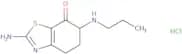
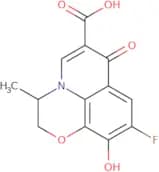
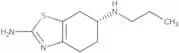
CAS:<p>Please enquire for more information about rac-7-Oxo-pramipexole hydrochloride including the price, delivery time and more detailed product information at the technical inquiry form on this page</p>Fórmula:C10H16ClN3OSPureza:Min. 95%Peso molecular:261.77 g/molLevofloxacin impurity 19
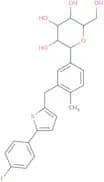
CAS:<p>Please enquire for more information about Levofloxacin impurity 19 including the price, delivery time and more detailed product information at the technical inquiry form on this page</p>Fórmula:C13H10FNO5Pureza:Min. 95%Peso molecular:279.22 g/molEpi-canagliflozin
CAS:<p>Epi-canagliflozin is a drug product that is manufactured by HPLC. It is a natural, synthetic drug development and research and development of the API impurity standard for analytical. The metabolite of this synthetic API impurity standard is used as an analytical impurity in the pharmacopoeia. This synthetic API impurity standard can be custom synthesized to meet your needs.</p>Fórmula:C24H25FO5SPureza:Min. 95%Peso molecular:444.5 g/mol5-[(Hydroxyacetyl)amino]-N,N'-bis [2-hydroxy-1-(hydroxymethyl)ethyl]-2,4,6-triiodo-1,3-benzenedicarboxamide
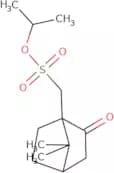
CAS:<p>5-[(Hydroxyacetyl)amino]-N,N'-bis [2-hydroxy-1-(hydroxymethyl)ethyl]-2,4,6-triiodo-1,3-benzenedicarboxamide is a drug product that was synthesized for research purposes. It is an analytical standard for HPLC and has not been approved for clinical use. 5-[(Hydroxylacetyl)amino]-N,N'-bis [2-hydroxy-1-(hydroxymethyl)ethyl]-2,4,6-triiodo-1,3-benzenedicarboxamide is a compound with natural origin and has been classified as an API impurity. This synthetic drug product is custom synthesized to meet the requirements of pharmacopoeia standards.</p>Fórmula:C16H20I3N3O8Pureza:Min. 95%Peso molecular:763.06 g/molIsopropyl (1S)-(+)-10-camphorsulfate
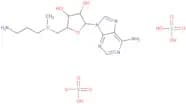
CAS:<p>Isopropyl (1S)-(+)-10-camphorsulfate is an analytical standard that is used in the preparation of aqueous solutions with a purity of at least 99.5%. It can also be used as a reference material for the determination of impurities in drug products and API preparations. Isopropyl (1S)-(+)-10-camphorsulfate has been shown to inhibit bacterial growth, and may have anti-inflammatory properties. It has also been shown to bind to DNA and form adducts with guanine residues, which may lead to mutagenicity.</p>Fórmula:C13H22O4SPureza:Min. 95%Peso molecular:274.38 g/molDecarboxylated S-adenosylmethionine sulfate
CAS:<p>Decarboxylated S-adenosylmethionine sulfate is a synthetic, high purity, pharmacopoeia grade impurity standard used in the research and development of drugs. This drug product is also used as a metabolite in metabolism studies. Decarboxylated S-adenosylmethionine sulfate is synthesized by the decarboxylation of S-adenosylmethionine, which is then reacted with sulfuric acid to form the sulfate salt. Decarboxylated S-adenosylmethionine sulfate has an analytical retention time of 12 minutes and an HPLC purity of 99%.</p>Fórmula:C14H26N6O11S3Pureza:Min. 95%Peso molecular:550.6 g/molSalbutamol EP Impurity F
CAS:<p>Salbutamol EP Impurity F is a drug impurity that is an analytical standard and pharmacopoeia reference material. It is used in the manufacture of pharmaceuticals to ensure that the product meets quality standards. Salbutamol EP Impurity F has been shown to be a metabolite of salbutamol, which is produced as a result of oxidative metabolism by cytochrome P450 enzymes such as CYP3A4. The compound has also been observed in human urine and plasma.</p>Fórmula:C26H40N2O5Pureza:Min. 95%Peso molecular:460.61 g/molAgomelatine dimer acetamide
CAS:<p>Agomelatine dimer acetamide is an impurity of agomelatine, an antidepressant that is used in the treatment of major depressive disorder. Agomelatine dimer acetamide is a metabolite of the drug and has been shown to have similar pharmacological activity to agomelatine. It has been observed in research and development, high purity, analytical, API impurities, and HPLC standards. Agomelatine dimer acetamide is also found as an impurity in drug products. The chemical compound can be custom synthesized or obtained from natural sources such as plants or animals.</p>Fórmula:C28H29NO3Pureza:Min. 95%Peso molecular:427.5 g/molDasatinib impurity
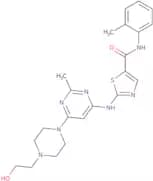
CAS:<p>Dasatinib is a cancer drug that is used to treat patients with chronic myeloid leukemia and Philadelphia chromosome-positive acute lymphoblastic leukemia. It inhibits the activity of tyrosine kinases, in particular Bcr-Abl and Src. Dasatinib is a structural analog of imatinib, which has been shown to be effective against chronic myeloid leukemia by inhibiting the activity of Bcr-Abl. Dasatinib impurity is an unwanted substance found in dasatinib. It can be synthesized from formic acid, chloride and chlorine using a series of industrial processes. The salt form of dasatinib impurity is acidic and synthetic.</p>Fórmula:C22H27N7O2SPureza:Min. 95%Peso molecular:453.56 g/molRemsesivir related compound 11
CAS:<p>Remsesivir related compound 11 is a research and development chemical that is used as an analytical, drug development, or impurity standard. It is a high purity, pure substance that can be custom synthesized or natural. Remsesivir related compound 11 has been shown to be metabolized by cytochrome p450 enzymes and glutathione reductase and has shown pharmacopoeia activities. Remsesivir related compound 11 can also be used as a HPLC standard for the detection of metabolites in pharmaceutical products.</p>Fórmula:C15H23Cln04pPureza:Min. 95%Peso molecular:347.78 g/molNor doxepin-d3 hydrochloride
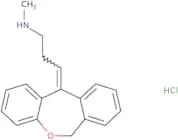
CAS:<p>Nor doxepin-d3 hydrochloride is a high purity, API impurity, HPLC standard and metabolite. Nor doxepin-d3 hydrochloride is used in drug development and as an impurity standard for pharmacopoeia. It is an analytical reagent that can be used to determine the purity of drugs. Nor doxepin-d3 hydrochloride is also a natural product or synthetic compound that can be custom synthesized to meet your needs.</p>Fórmula:C18H17D3ClNOPureza:Min. 95%Peso molecular:304.83 g/molRavidasvir
CAS:<p>Ravidasvir is a protein inhibitor that targets tumor kinases to induce apoptosis in cancer cells. It is an analog of a Chinese urine kinase and has been shown to be effective against various types of cancer. Ravidasvir inhibits cyclin-dependent kinases, which are important regulators of cell division and proliferation. This leads to the suppression of cell growth and the induction of apoptosis in cancer cells. Ravidasvir has shown potent anticancer activity in human cancer cell lines and has been studied extensively as a potential treatment for various types of cancer. Its unique mechanism of action makes it a promising candidate for further development as an anticancer agent.</p>Fórmula:C42H50N8O6Pureza:Min. 95%Peso molecular:762.9 g/molIbuprofen lysinate
CAS:<p>Ibuprofen lysinate is a drug product that is used in research and development as a synthetic intermediate. Ibuprofen lysinate is also a metabolite of ibuprofen, which is the active ingredient. Ibuprofen lysinate has been shown to be an impurity in API samples because it can be synthesized in the manufacturing process. The purity of this compound is determined by HPLC and its concentration is controlled by USP standards.</p>Fórmula:C19H32N2O4Pureza:Min. 95%Peso molecular:352.50 g/molSerotonin β-D-glucuronide
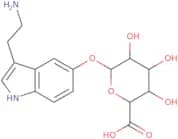
CAS:Producto controlado<p>Serotonin β-D-glucuronide (5-HIAA) is a major metabolite of serotonin that is excreted in the urine. It can be used as an indicator for the presence of serotonin in tissues and other substances. 5-HIAA is mainly formed by the hydrolysis of serotonin by β-glucosidase, which converts it to 5-hydroxyindoleacetic acid (5-HIAA). This compound is also found in some foods, such as bananas and avocados. Serotonin β-D-glucuronide must undergo conjugation with glucuronic acid before it can be excreted from the body. The physiological effects of this compound are not well understood, but it may have a role in controlling blood sugar levels.</p>Fórmula:C16H20N2O7Pureza:Min. 95%Peso molecular:352.34 g/mol8-Hydroxy-6,9-diphenyl-10H-pyrido[1,2-a]quinoxalin-10-one
CAS:<p>Please enquire for more information about 8-Hydroxy-6,9-diphenyl-10H-pyrido[1,2-a]quinoxalin-10-one including the price, delivery time and more detailed product information at the technical inquiry form on this page</p>Fórmula:C24H16N2O2Pureza:Min. 95%Peso molecular:364.4 g/molIso propyl ether aberaterone
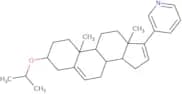
CAS:Producto controlado<p>Iso propyl ether abiraterone is a medicinal compound that has shown promising results in the treatment of cancer. It is an inhibitor of CYP17A1, which is a protein involved in the production of androgens such as testosterone. By inhibiting this protein, iso propyl ether abiraterone can reduce the levels of androgens in the body, which can slow or stop the growth of certain types of cancer cells. This compound has been shown to induce apoptosis (cell death) in cancer cells and has demonstrated anticancer activity in both human and Chinese hamster ovary cell lines. Iso propyl ether abiraterone is an analog of other kinase inhibitors and has potential for use in combination with other anticancer drugs.</p>Fórmula:C27H37NOPureza:Min. 95%Peso molecular:391.6 g/molDeacetyl-N,o-didemethyldiltiazem
CAS:<p>Deacetyl-N,o-didemethyldiltiazem is a drug product that is used for the treatment of hypertension. It is a synthetic compound and has not been found in nature. The impurity standard for this product is an analytical chemical that can be used to identify the presence of impurities in a sample. Deacetyl-N,o-didemethyldiltiazem can be synthesized from commercially available starting materials using custom synthesis methods. It is an API impurity and can be developed into a drug by researching and developing it as a niche therapy for hypertension. This compound has high purity and can be used as an HPLC standard.</p>Fórmula:C18H20N2O3SPureza:Min. 95%Peso molecular:344.40 g/mol5-Amino-2-(phenylmethoxy)benzoic acid methyl ester
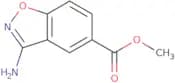
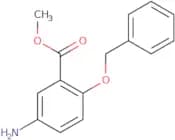
CAS:<p>Please enquire for more information about 5-Amino-2-(phenylmethoxy)benzoic acid methyl ester including the price, delivery time and more detailed product information at the technical inquiry form on this page</p>Fórmula:C15H15NO3Pureza:Min. 95%Peso molecular:257.28 g/molToremifene-N-oxide
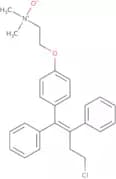
CAS:<p>Toremifene-N-oxide is a drug that has been shown to have genotoxic effects in human liver cells in an incubated system. Toremifene-N-oxide is the active form of toremifene, which is a selective estrogen receptor modulator (SERM). Toremifene-N-oxide is metabolized by peroxidases and can react with reactive oxygen species (ROS) to produce DNA damage. It also binds to DNA at the site of supercoiled DNA, leading to changes in the molecule's structure. Toremifene-N-oxide has been shown to have an optimum pH of 7.4 and ionization mass of 367. This drug binds to lactoperoxidase found in human liver cells and produces reactive molecules that cause oxidative DNA damage.</p>Fórmula:C26H28ClNO2Pureza:Min. 95%Peso molecular:421.96 g/molPSI 352707 Ammonium Salt
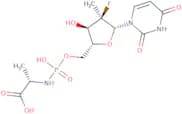
CAS:<p>PSI 352707 Ammonium Salt is a drug product that has been custom synthesized and is high purity with CAS No. 1233335-78-8. It has analytical and metagenomic studies, as well as pharmacopoeia and metabolite standards. This drug product is used for drug development and research & development purposes as an impurity standard for HPLC.</p>Fórmula:C13H19FN3O9PxNH3Pureza:Min. 95%Peso molecular:411.28 g/mol(5S)-5-(Aminomethyl)-3-[3-fluoro-4-(4-morpholinyl)phenyl]-1,3-oxazolidin-2-one
CAS:<p>(5S)-5-(Aminomethyl)-3-[3-fluoro-4-(4-morpholinyl)phenyl]-1,3-oxazolidin-2-one is a molecule with a broad spectrum of antimicrobial activity. It is a potent inhibitor of the enzyme metallo-β-lactamase, which is found in Streptococcus faecalis and other bacteria. This molecule also has antibacterial activity against Streptococcus pyogenes and Staphylococcus aureus. (5S)-5-(Aminomethyl)-3-[3-fluoro-4-(4-morpholinyl)phenyl]-1,3-oxazolidin-2 -one is an amide with mass spectrometric and spectroscopic properties that can be used as analytical methods to identify it in biological samples.</p>Fórmula:C14H18FN3O3Pureza:Min. 95%Forma y color:Off-White PowderPeso molecular:295.31 g/molTrandolaprilat diketopiperazine
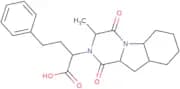
CAS:<p>Trandolaprilat diketopiperazine is an analog of trandolapril, a medication used to treat high blood pressure. Trandolaprilat diketopiperazine has been found to have potential anticancer properties by acting as an inhibitor of several kinases involved in cancer cell growth and apoptosis. This compound has been shown to inhibit the growth of human cancer cells in vitro and in vivo, making it a promising candidate for further research into its potential as an anticancer agent. Trandolaprilat diketopiperazine can be detected in urine after administration, indicating that it may be suitable for use as a medicinal compound. Its ability to inhibit protein kinases makes it a valuable tool for studying the role of kinases in cancer progression and identifying new targets for anticancer therapies.</p>Fórmula:C22H28N2O4Pureza:Min. 95%Peso molecular:384.5 g/molN-(5,6-Dichloro-1,4-dihydro-2-quinazolinyl)-2,3-dihydroxypropanamide 2,2,2-trifluoroacetate
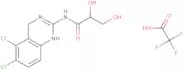
CAS:<p>N-(5,6-Dichloro-1,4-dihydro-2-quinazolinyl)-2,3-dihydroxypropanamide 2,2,2-trifluoroacetate is an analytical reference standard that can be used as a high purity drug product impurity in HPLC. It also has niche application as an API impurity and is a metabolite of the drug quinine.</p>Fórmula:C13H12Cl2F3N3O5Pureza:Min. 95%Peso molecular:418.15 g/molDes-chloromeclozine-d9
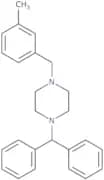
CAS:<p>Des-chloromeclozine-d9 is a research and development impurity standard. It is used as an impurity in the synthesis of meclozine, a drug product. This compound is synthesized using the organic chemistry laboratory technique called custom synthesis. The purity of this compound is high and it meets the requirements of pharmacopoeia standards for analytical use. Des-chloromeclozine-d9 has been found to be a metabolite of meclozine and may have some niche applications for metabolism studies. This synthetic compound has CAS number 16896-82-5.</p>Fórmula:C25H28N2Pureza:Min. 95%Peso molecular:356.5 g/molRacecadotril Impurity G
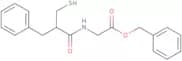
CAS:<p>Racecadotril Impurity G is an analytical impurity found in the drug Racecadotril. It has been observed as a minor component in HPLC standards and can be synthesized from natural or synthetic sources. Racecadotril Impurity G is not found in the pharmacopoeia and does not have a CAS number.</p>Fórmula:C19H21NO3SPureza:Min. 95%Peso molecular:343.44 g/molEthyl 6-[4-[(5-chloro-1-oxopentyl)amino]phenyl]-4,5,6,7-tetrahydro-1-(4-methoxyphenyl)-7-oxo-1H-pyrazolo[3,4-c]pyridine-3-carboxylat e
CAS:<p>Ethyl 6-[4-[(5-chloro-1-oxopentyl)amino]phenyl]-4,5,6,7-tetrahydro-1-(4-methoxyphenyl)-7-oxo-1H-pyrazolo[3,4-c]pyridine-3-carboxylate is a chemical compound with various applications. It is soluble in methanol and has been found to interact with peptidoglycan, cellulose, and other substances. This compound has shown potential anticoagulation properties and has been studied for its effects on blonanserin, etoricoxib, 27-hydroxycholesterol, tenofovir, proton, famotidine, dimethyl fumarate, calpain, dimethyl sulfoxide, and reactive agents. Further research is needed to fully understand the potential applications of this compound and its interactions with different substances.</p>Fórmula:C27H29ClN4O5Pureza:Min. 95%Peso molecular:525 g/molL-733,060 Hydrochloride
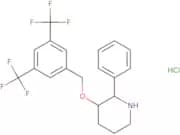
CAS:<p>L-733,060 Hydrochloride is a drug product that was custom synthesized for the purpose of research and development. It is a white to off-white crystalline powder with a melting point of 178.5°C. The purity of L-733,060 Hydrochloride is greater than or equal to 98% by analytical HPLC. L-733,060 Hydrochloride has been studied in metabolism studies and has been shown to be metabolized by cytochrome P450 enzymes, oxidative metabolites, hydrolysis by esterases, glutathione reductase, or conjugation with glucuronic acid. It also specifically binds to markers expressed at high levels in Mycobacterium tuberculosis strains (e.g., ESX-1 secretion system protein) and inhibits cell growth in culture.</p>Fórmula:C20H20ClF6NOPureza:Min. 95%Peso molecular:439.8 g/mol7α,24(S)-Dihydroxycholesterol
CAS:Producto controlado<p>7α,24(S)-Dihydroxycholesterol (7α,24(S)-DHCH) is a fatty acid that is produced by the liver and is an intermediate in cholesterol biosynthesis. 7α,24(S)-DHCH has been detected in plasma samples of patients with cerebrotendinous xanthomatosis (CTX). It has also been found to be elevated in tuberculosis patients with carotid involvement. The levels of 7α,24(S)-DHCH were found to be higher than those of other oxysterols in CTX patients. In order to identify the origin of this molecule, a LC-MS/MS method was developed for the detection and quantification of 7α,24(S)-DHCH. This method uses chemical ionization for mass spectrometric analysis and can detect 7α,24(S)-DHCH at concentrations as low as 1 ng/mL. Histological analyses were conducted on human tissue samples</p>Fórmula:C27H46O3Pureza:Min. 95%Peso molecular:418.65 g/molLisinopril (8R,S)-diketopiperazine
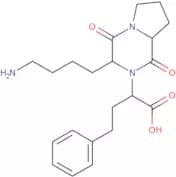
CAS:<p>Lisinopril is a drug product that is used to treat high blood pressure, heart failure and other conditions. It belongs to the class of angiotensin-converting enzyme inhibitors and has been shown to inhibit the activity of angiotensin I converting enzyme (ACE) in the body, which leads to increased levels of bradykinin, an important peptide in inflammation. Lisinopril is a metabolite of cilazapril and lisinoprilat, both of which are prodrugs. Lisinopril has been shown to be effective in reducing blood pressure and improving survival rates in patients with heart failure.</p>Fórmula:C21H29N3O4Pureza:Min. 95%Peso molecular:387.5 g/molN-(4-Amino-3-pyridinyl)-acetamide hydrochloride
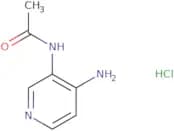
CAS:<p>N-(4-Amino-3-pyridinyl)-acetamide hydrochloride is a white, crystalline solid. It is soluble in water, methanol and ethanol. The chemical formula for this compound is C6H8N2O2. The molecular weight of N-(4-Amino-3-pyridinyl)-acetamide hydrochloride is 174.16. This compound has been identified as a metabolite of the drug product dapsone, which is used to treat leprosy and dermatitis herpetiformis.</p>Fórmula:C7H10ClN3OPureza:Min. 95%Peso molecular:187.63 g/molCp-66713 mesylate
CAS:<p>Cp-66713 mesylate is a synthetic drug product with a molecular formula of C17H19NO2 and a molecular weight of 269.34. It has the following CAS number: 91896-58-1. The purity of this compound is >99% (HPLC).</p>Fórmula:C15H10ClN5Pureza:Min. 95%Peso molecular:295.72 g/molDexamethasone Impurity A
<p>Impurity A is an impurity of the drug product, dexamethasone. The impurity is a natural metabolite of dexamethasone that is found in the urine of patients taking this medication. Impurity A is chemically identified using HPLC and its purity verified using GC-MS and LC-MS. This impurity can be used as a reference standard for analytical purposes and as an impurity standard for pharmacopoeia testing.</p>Fórmula:C22H29FO5Pureza:Min. 95 Area-%Forma y color:White Off-White PowderPeso molecular:392.46 g/mol4-Hydroxy mepivacaine
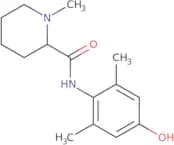
CAS:<p>4-Hydroxy mepivacaine is a drug product that belongs to the group of local anesthetics. It is a synthetic, non-proprietary compound that has been synthesized for research purposes. 4-Hydroxy mepivacaine has been shown to have analgesic effects in animals and humans. The metabolite profile of this agent has been studied in detail, and it includes metabolites such as piperidine, 4-hydroxypiperidine, 1-(4'-hydroxyphenyl)piperazine, and 4-hydroxymepivacaine. Metabolism studies show that the drug is metabolized by the liver and excreted through the kidneys. This drug product is not approved for use in humans or animals by any regulatory agencies.</p>Fórmula:C15H22N2O2Pureza:Min. 95%Forma y color:PowderPeso molecular:262.35 g/mol2'-(2,3-Epoxypropoxy)-3-phenylpropiophenone
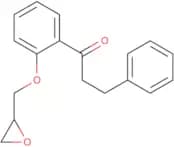
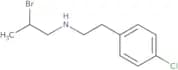
CAS:<p>2'-(2,3-Epoxypropoxy)-3-phenylpropiophenone is a research and development impurity standard. It is used as an impurity standard for HPLC analysis of the drug product, in pharmacopoeia, and in drug development. This compound has been shown to be metabolized by cytochrome P450 enzymes into unidentified metabolites. 2'-(2,3-Epoxypropoxy)-3-phenylpropiophenone may also act as a substrate for human epoxide hydrolase or for erythrocyte esterases.</p>Fórmula:C18H18O3Pureza:Min. 95%Forma y color:PowderPeso molecular:282.33 g/mol2-Bromo-N-(4-chlorophenethyl)propan-1-amine hydrobromide
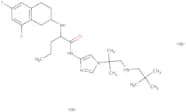
CAS:<p>Please enquire for more information about 2-Bromo-N-(4-chlorophenethyl)propan-1-amine hydrobromide including the price, delivery time and more detailed product information at the technical inquiry form on this page</p>Fórmula:C11H15BrClNPureza:Min. 95%Peso molecular:276.6 g/molPf 3084014 hydrobromide
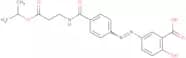
CAS:<p>Pf 3084014 hydrobromide is a pluripotent, non-tumorigenic, and self-renewing cell line that can differentiate into cells of all three germ layers. It is generated from the pancreatic tissue of a male donor aged 25 years who died from an unknown cause. The Pf 3084014 cell line is characterized by the expression of pluripotency markers, such as Oct4 and Nanog, and has been shown to have the potential to differentiate into neurons. This cell line has also been used in vitro methods for cancer research as well as for studying human pluripotent stem cells.</p>Fórmula:C27H43Br2F2N5OPureza:Min. 95%Peso molecular:651.5 g/molBalsalazide Isopropyl ester
CAS:<p>Balsalazide Isopropyl ester is a synthetic compound that is used as an active pharmaceutical ingredient in the treatment of irritable bowel syndrome. Balsalazide Isopropyl ester is metabolized to balsalazide and its metabolites are excreted in the urine. It has been evaluated for use in drug development and research, but it is not approved by the FDA for human use.</p>Fórmula:C20H21N3O6Pureza:Min. 95%Peso molecular:399.4 g/molN-4,5[Acetylamino)methyl]desmopressin
<p>N-4,5[Acetylamino)methyl]desmopressin is a synthetic drug product that is used as an analytical standard for the identification and quantitation of desmopressin in pharmaceutical preparations. It is also used as an impurity standard for HPLC analysis. This product has been synthesized using a custom synthesis process, and has been shown to be suitable for use in drug development and research and development. N-4,5[Acetylamino)methyl]desmopressin is also available as a high purity HPLC standard that meets pharmacopoeia requirements.</p>Pureza:Min. 95%Fusidic acid EP Impurity C
<p>Fusidic acid EP Impurity C is an impurity found in Fusidic acid EP. It is a natural product with CAS No. 598-10-3 and molecular weight of 225.24 g/mol. It is a synthetic product with CAS No. 477-81-8 and molecular weight of 219.25 g/mol. This impurity has been shown to be pharmacologically active and may account for the observed activity of the drug product in some cases, but not all cases. This impurity can be synthesized from commercially available starting materials or by custom synthesis as required by customers' specifications.</p>Pureza:Min. 95%6-Hydroxy melatonin-d4 (major)
CAS:Producto controlado<p>6-Hydroxy melatonin is a metabolite of the hormone melatonin. It is used as a research and development impurity standard for drug product, as well as a custom synthesis. 6-Hydroxy melatonin is synthesized from the amino acid tryptophan, which is converted to serotonin in the pineal gland by the enzyme tryptophan hydroxylase. This conversion occurs through two steps: tryptophan hydroxylase converts tryptophan to 5-hydroxytryptamine (serotonin), and then 5-hydroxytryptamine to 6-hydroxytryptamine (6-OHMT). 6-OHMT can be methylated to form 6-methoxyindoleacetic acid (6-MITA) or oxidized to form melatonin.</p>Fórmula:C13H12D4N2O3Pureza:Min. 95%Peso molecular:252.3 g/molRjr 2429 dihydrochloride
CAS:<p>Rjr 2429 dihydrochloride is a tumor promoter that has been shown to induce tumor growth in tissues and in cell culture. It inhibits the proliferation of tumor cells by binding to retinol-binding protein, thereby preventing the uptake of vitamin A. Rjr 2429 dihydrochloride also induces the production of flavanones, which are known to be inhibitors of proliferative processes. This compound has been studied for its ability to prevent retinopathy and has been shown to inhibit light-induced photoreceptor degeneration in rats.</p>Fórmula:C12H18Cl2N2Pureza:Min. 95%Peso molecular:261.19 g/molVarenicline N-oxide
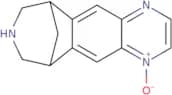
CAS:<p>Varenicline N-oxide is a synthetic drug product. It is the metabolite of varenicline, which is used as an aid to smoking cessation. Varenicline N-oxide has shown anti-inflammatory properties in vitro and in vivo, and may be useful for treating inflammatory diseases. Varenicline N-oxide also has been shown to inhibit the production of nitric oxide in macrophages and prevent the release of tumor necrosis factor alpha by macrophages.</p>Fórmula:C13H13N3OPureza:Min. 95%Peso molecular:227.26 g/molp-Iodoclonidine hydrochloride
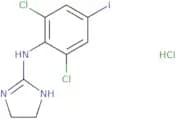
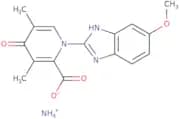
CAS:<p>p-Iodoclonidine hydrochloride is a cholinergic agent that binds to both acetylcholine and dopamine receptors. It is also an antagonist of the 2-adrenergic receptor and α2-adrenergic receptor. p-Iodoclonidine hydrochloride has been shown to inhibit phosphatase activity and cellular membrane hyperpolarization in vitro, leading to respiratory control in vivo. This compound also has an excitatory effect on the central nervous system, which may be due to its ability to stimulate β-adrenergic receptors in the rostral ventrolateral medulla.</p>Fórmula:C9H9Cl3IN3Pureza:Min. 95%Peso molecular:392.4 g/mol1,4-Dihydro-1-(5-methoxy-1H-benzimidazol-2-yl)-3,5-dimethyl-4-oxo-2-pyridinecarboxylic acid ammonium salt
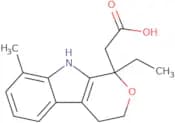
CAS:<p>1,4-Dihydro-1-(5-methoxy-1H-benzimidazol-2-yl)-3,5-dimethyl-4-oxo-2-pyridinecarboxylic acid ammonium salt is a drug product that is custom synthesized to meet the requirements of our customers. It has high purity and analytical properties. Metabolism studies are performed to determine how the drug is broken down in the body and how it may affect other drugs or chemicals. The natural form of this chemical is found in plants and animals. Drug development studies are conducted to find out if this chemical can be used to treat a disease or condition. Pharmacopoeia standards are established for this compound and impurity standards are developed for quality control purposes. CAS No. 2227107-89-1</p>Fórmula:C16H18N4O4Pureza:Min. 95%Peso molecular:330.34 g/mol8-Methyl etodolac
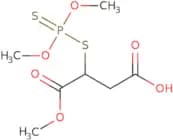
CAS:<p>8-Methyl etodolac is an impurity of etodolac that is used in the drug development and analytical chemistry industry. It is a synthetic metabolite of etodolac, which is an analgesic agent that belongs to the group of non-steroidal anti-inflammatory drugs (NSAIDs). 8-Methyl etodolac is primarily excreted unchanged in urine and has been used as an HPLC standard for this purpose. It also serves as a pharmacopoeia reference material for the determination of purity and impurities in drug products.</p>Fórmula:C16H19NO3Pureza:Min. 95%Peso molecular:273.33 g/molo-Methyl malathion β-monoacid
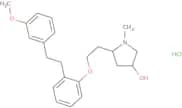
CAS:<p>Please enquire for more information about o-Methyl malathion β-monoacid including the price, delivery time and more detailed product information at the technical inquiry form on this page</p>Fórmula:C7H13O6PS2Pureza:Min. 95%Peso molecular:288.3 g/molR-96544 Hydrochloride
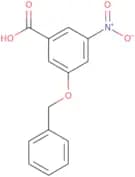
CAS:<p>R-96544 Hydrochloride is an analytical standard used in HPLC analysis. It is also a metabolite of R-96544, which is an investigational drug for the treatment of schizophrenia. The impurity standard is a mixture of the racemic form and the pure enantiomeric form. This product is available in both natural and synthetic forms.</p>Fórmula:C22H30ClNO3Pureza:Min. 95%Peso molecular:391.9 g/mol3-(Benzyloxy)-5-nitrobenzoic acid
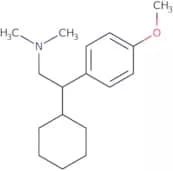
CAS:<p>3-(Benzyloxy)-5-nitrobenzoic acid is a benzimidazole derivative that is synthesized in three steps. It can be formed by reacting potassium chloride, formic acid and 3-hydroxy-5-nitrobenzoic acid. The reaction yields are dependent on the concentration of the reactants. The isomeric mixture can be separated by distillation into two fractions; one fraction contains the desired product and the other fraction contains the undesired product. This compound has been shown to have antibacterial activity against both Gram-positive and Gram-negative bacteria, as well as antifungal activity against Candida albicans. 3-(Benzyloxy)-5-nitrobenzoic acid binds to ribosomes of bacteria, inhibiting protein synthesis by preventing peptide bond formation between amino acids. This compound also reacts with sulfate ion to produce sulfate ester, which inhibits bacterial growth by disrupting membrane integrity.</p>Fórmula:C14H11NO5Pureza:Min. 95%Peso molecular:273.24 g/mol2-Cyclohexyl-2-(4-methoxyphenyl)-N,N-dimethylethanamine
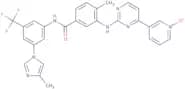
CAS:Producto controlado<p>2-Cyclohexyl-2-(4-methoxyphenyl)-N,N-dimethylethanamine is a synthetic research and development impurity standard. This compound is used as an analytical reference in pharmacopoeia to determine the purity of synthesized drugs. 2-Cyclohexyl-2-(4-methoxyphenyl)-N,N-dimethylethanamine is also a metabolite of other compounds and can be used for metabolism studies.</p>Fórmula:C17H27NOPureza:Min. 95%Peso molecular:261.4 g/molNilotinib N-oxide
CAS:<p>Nilotinib N-oxide is a bosutinib metabolite that is categorized as a profile 1B inhibitor. It has a chemical structure similar to imatinib and dasatinib. The metabolite of nilotinib N-oxide, which is an active form, focuses on the inhibition of chronic myeloid leukemia (CML) cells by targeting the oncoprotein BCR-ABL. Nilotinib N-oxide has been shown to have cardiac toxicity, which may be due to its ability to inhibit the synthesis of uridine and reduce thrombocytopenia. It also has the potential for toxicities such as pancreatitis and hepatotoxicity.</p>Fórmula:C28H22F3N7O2Pureza:Min. 95%Peso molecular:545.5 g/molCapecitabine 2',3'-cyclic carbonate
CAS:<p>Capecitabine is a prodrug that is converted to 5-fluorouracil in the body. It has been used for many years in the treatment of breast cancer and colorectal cancer. Capecitabine 2',3'-cyclic carbonate is an analytical standard, research and development tool, high purity drug product, and impurity standard for HPLC analysis. This compound is also used as a pharmacopoeia reference material for quality control testing. Capecitabine 2',3'-cyclic carbonate can be custom synthesized or purified from natural or synthetic sources.</p>Fórmula:C16H20FN3O7Pureza:Min. 95%Peso molecular:385.34 g/molOlivil 4'-o-β-D-glucopyranoside
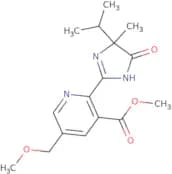
CAS:<p>Olivil is a natural compound that belongs to the class of catechins. It is found in Eucommia, Ajugol and other plants. Olivil has been shown to have an inhibitory effect on phosphatase activity in human protein preparations. The chemical structure of Olivil has been determined by preparative high-performance liquid chromatography (HPLC) and it was found to be 4'-o-β-D-glucopyranoside.</p>Fórmula:C26H34O12Pureza:Min. 95%Peso molecular:538.54 g/molImazamox methyl ester
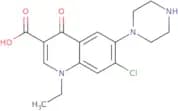
CAS:<p>Imazamox methyl ester is a sulphonate herbicide that is used as an intermediate in the synthesis of other herbicides. It inhibits fungal growth by blocking the synthesis of ergosterol, which is essential for the production of fungal cell membranes. Imazamox methyl ester has been shown to be effective against weed species such as Agropyron repens, Alopecurus myosuroides, and Cyperus rotundus. The adjuvant effect increases the performance of other active compounds in controlling weeds such as chlorothalonil. Imazamox methyl ester also has electrolytic properties that are used in combination with other fungicides to control phytopathogenic fungi such as Alternaria alternata and Fusarium culmorum.</p>Fórmula:C16H21N3O4Pureza:Min. 95%Peso molecular:319.36 g/mol6-Defluoro-piperazinyl 7-depiperazinyl-chloro norfloxacin hydrochloride
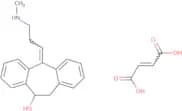
CAS:<p>6-Defluoro-piperazinyl 7-depiperazinyl-chloro norfloxacin hydrochloride is a drug product that is Custom synthesized and has High purity. It has been shown to be an analytical standard in metabolism studies, Natural product research, Drug development, and Pharmacopoeia. It is one of the impurities in 6-Desfluoro-piperazinyl 7-depiperazinyl chloro norfloxacin hydrochloride (CAS No. 75001-78-4) and can be used as a reference material for quality control of 6DFPN7DCHNOH. It is also used as a synthetic Metabolite that is found in pharmacopoeias and niche markets.</p>Fórmula:C16H18ClN3O3Pureza:Min. 95%Peso molecular:335.78 g/mol10-Hydroxy nortriptyline maleate
CAS:<p>10-Hydroxy nortriptyline maleate is a drug product that is manufactured in high purity. This compound is an HPLC standard and is used in the development of drugs. 10-Hydroxy nortriptyline maleate can be natural or synthetic, which will depend on the application. The impurity standard for this compound is 10-hydroxynortriptyline. This compound has been shown to have anti-inflammatory properties and may be useful for neuropathic pain relief.</p>Fórmula:C23H25NO5Pureza:Min. 95%Peso molecular:395.4 g/mol(R)-2-Amino-2-methyl-N-[4-phenyl-1-[[4-[2-[2-(1H-tetrazol-5-yl)ethyl]phenyl]-1-piperidinyl]carbonyl]butyl]propanamide
CAS:(R)-2-Amino-2-methyl-N-[4-phenyl-1-[[4-[2-[2-(1H-tetrazol-5-yl)ethyl]phenyl]-1-piperidinyl]carbonyl]butyl]propanamide is a synthetic drug that has been used in research and development. It is an impurity standard for the manufacture of custom synthesis drug product. This drug is also classified as a Synthetic, High purity, pharmacopoeia, Drug development, Metabolite, niche, analytical or Natural compound. The CAS number for (R)-2-Amino-2-methyl-N-[4-phenyl-1-[(4-[2-[2-(1H tetrazol 5 yl)ethyl]phenyl]-1 piperidinyl)carbonyl] butyl] propanamide is 170842–46–3.Fórmula:C29H39N7O2Pureza:Min. 95%Peso molecular:517.67 g/molCarbonic acid, methyl 1-methylene-2-oxopropyl ester
CAS:<p>Carbonic acid, methyl 1-methylene-2-oxopropyl ester is a drug product that is custom synthesized for research and development. It has high purity and analytical data. Metabolism studies are required for this drug product. This drug product is natural and synthetic. CAS No. 146897-17-8 is the impurity standard for this drug product. Research and Development (R&D) needs to be conducted on this drug product in order to develop a pharmacopoeia standard. Synthetic methods are used in the manufacture of this drug product, which also has a niche market.br></p>Fórmula:C6H8O4Pureza:Min. 95%Peso molecular:144.12 g/mol(R)-Pramipexole 2HCl
CAS:Producto controlado<p>Dopamine (D2 and D3) receptor agonist; has anti-parkinsonian effects</p>Fórmula:C10H19Cl2N3SPureza:Min. 95%Peso molecular:283.06767Etoricoxib Dimer Impurity
<p>Etoricoxib is a non-steroidal anti-inflammatory drug that is used to treat the pain and inflammation of arthritis. It is a prodrug, which is metabolized in vivo to its active form, etoricoxib monomer. Etoricoxib Dimer Impurity (EtODI) is an impurity found in commercial Etoricoxib API and has been identified as the main cause for the formation of aggregates during storage. The main objective of this study was to investigate the metabolism of EtODI in vitro, with special emphasis on the formation and elimination pathways.</p>Fórmula:C31H27N3O4S2Pureza:Min. 95%Peso molecular:569.7 g/molFingolimod phosphate d4
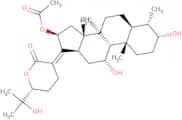
CAS:Producto controlado<p>Fingolimod is a drug product that belongs to the class of synthetic drugs. It is an impurity standard for fingolimod phosphate d4 and its metabolites. Fingolimod phosphate d4 is a metabolite of fingolimod and has been shown to inhibit the synthesis of phosphatidylinositol 3-kinase (PI3K) in vitro, which may be due to its ability to inhibit protein synthesis. The pharmacopoeia for fingolimod phosphate d4 is CAS No. 1794828-93-5.</p>Fórmula:C19H30D4NO5PPureza:Min. 95%Peso molecular:391.48 g/molAscolactone
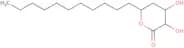
CAS:<p>Ascolactone is a natural compound with potent anticancer properties. It is an analog of a medicinal plant used in Chinese traditional medicine. Ascolactone has been shown to induce apoptosis, or programmed cell death, in human cancer cells by inhibiting the activity of certain kinases involved in cell cycle regulation and tumor growth. Ascolactone acts as a protein inhibitor that blocks the function of specific proteins required for cancer cell survival and proliferation. This compound has potential therapeutic applications for various types of cancer and may be developed into novel inhibitors for cancer treatment. Ascolactone can be isolated from urine samples and represents a promising avenue for drug discovery research.</p>Fórmula:C16H30O4Pureza:Min. 95%Peso molecular:286.41 g/mol4'-Hydroxy aceclofenac
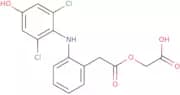
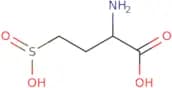
CAS:<p>Aceclofenac is a nonsteroidal anti-inflammatory drug (NSAID) that inhibits the production of prostaglandins, which are produced by inflammatory cells in response to tissue injury. It is used to treat pain and inflammation. Aceclofenac is absorbed quickly from the gastrointestinal tract and has a high bioavailability. The maximum plasma concentration is reached within 1 hour after oral administration. Aceclofenac has a short half-life of about 2 hours. This drug binds to fatty acids and hepatoprotective substances, such as polymers, pyruvic transaminase, acetate extract, and humans. It also inhibits the transcription of cyclooxygenase-2 (COX-2), which produces prostaglandins that are involved in various aspects of inflammation.</p>Fórmula:C16H13Cl2NO5Pureza:Min. 95%Peso molecular:370.18 g/molL-Homocysteinesulfinic acid
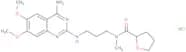
CAS:<p>L-Homocysteinesulfinic acid is an endogenous metabolite of the amino acid homocysteine. It is a reactive molecule that has been shown to cause neuronal death in vitro and in vivo. L-Homocysteinesulfinic acid binds to the NMDA receptor and inhibits its function, which may cause apoptosis. L-Homocysteinesulfinic acid also binds to the alpha2-adrenergic receptor and enhances uptake of glutamate, thereby causing neuronal death. L-Homocysteinesulfinic acid has been shown to be elevated in cancer patients, as well as those with a high risk for developing cancer. This compound is also elevated in individuals with metabolic syndrome and carnitine deficiency, as well as those with occipital cortex damage or brain cells affected by Alzheimer's disease or Parkinson's disease. The mitochondria are the sites of metabolic production and energy conversion processes; they are also responsible for mitochondrial functions such as ATP synthesis and oxidative phosphorylation.</p>Fórmula:C4H9NO4SPureza:Min. 95%Peso molecular:167.19 g/molN2-Methyl alfuzosin-D7 hydrochloride
CAS:<p>N2-Methyl alfuzosin-D7 is a drug product that belongs to the group of alfuzosin, which is a selective inhibitor of the enzyme phosphodiesterase type 5 (PDE5) and is used for the treatment of benign prostatic hyperplasia. It has been designed to reduce the risk of adverse effects associated with other PDE5 inhibitors, such as erectile dysfunction and urinary retention. N2-Methyl alfuzosin-D7 has been shown to be effective in animal studies and in vitro experiments. However, its metabolism remains unknown.</p>Fórmula:C19H21D7ClN5O4Pureza:Min. 95%Peso molecular:432.95 g/mol5-[(Desloratadine)methyl] rupatadine
CAS:<p>Desloratadine is a drug that belongs to the group of antihistamines and is indicated for the treatment of allergic rhinitis. It has been shown to be as effective as loratadine, cetirizine, and fexofenadine in clinical trials. Desloratadine is metabolized by cytochrome P450 enzymes including CYP2D6 to its active form, desloratadine N-oxide. The metabolites are excreted in the urine.</p>Fórmula:C45H43Cl2N5Pureza:Min. 95%Peso molecular:724.80 g/molN-(4-Hydroxyphenyl)propanamide
CAS:<p>The N-(4-hydroxyphenyl)propionamide (HPPA) is a synthetic drug that binds to the human liver. It has been shown to be effective in preventing implantation of fertilized eggs, and can be used as a diagnostic agent for determining the presence of HPPA in human liver tissue. HPPA is also used as a diluent for other drugs. The HPPA binds to chromatographic components and can be detected using electrochemical detection, which allows it to be used as a targetable probe for cancer research. HPPA is also used to study iontophoretic transport of ions across reconstituted membranes in vitro.</p>Fórmula:C9H11NO2Pureza:(%) Min. 97%Peso molecular:165.19 g/mol(S)-Aspartimide
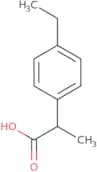
CAS:<p>(S)-Aspartimide is a drug product that is used in the synthesis of pharmaceuticals. Its purity should be greater than 99% and it should be free from detectable impurities. (S)-Aspartimide is metabolized by esterases, glutathione reductase, cytochrome P450 enzymes, and conjugation with glucuronic acid. It has been shown to inhibit the growth of bacteria that are resistant to penicillin, ampicillin, erythromycin, and gatifloxacin. (S)-Aspartimide has been found to have an anti-inflammatory effect due to its inhibition of prostaglandin synthesis.</p>Fórmula:C4H6N2O2Pureza:Min. 95%Peso molecular:114.10 g/mol2-(4-Ethylphenyl)-propanoic acid - Racemic
CAS:<p>2-(4-Ethylphenyl)-propanoic acid is a supplement that is used to relieve pain and inflammation. It belongs to the group of non-steroidal anti-inflammatory drugs (NSAIDs). This drug has been shown to be efficacious in the treatment of osteoarthritis, rheumatoid arthritis, and bronchitis. 2-(4-Ethylphenyl)-propanoic acid inhibits both prostaglandin synthesis and leukotriene synthesis by inhibiting cyclooxygenase 1, which converts arachidonic acid into prostaglandins, and 5-lipoxygenase, which converts arachidonic acid into leukotrienes. This drug has also been shown to inhibit COX-2 production in human monocytes. The active form of this drug is metabolized through a number of metabolic transformations including hydrolysis by esterases or glucuronidases, oxidation by cytochrome P450 enzymes,</p>Fórmula:C11H14O2Pureza:Min. 95%Peso molecular:178.23 g/mol3-[4-(Methylsulfonyl)-1-piperazinyl]-1,2-benzisothiazole
CAS:<p>Please enquire for more information about 3-[4-(Methylsulfonyl)-1-piperazinyl]-1,2-benzisothiazole including the price, delivery time and more detailed product information at the technical inquiry form on this page</p>Fórmula:C12H15N3O2S2Pureza:Min. 95%Peso molecular:297.4 g/mol2-[2-[4-(5,5-Dioxidodibenzo[b,f][1,4]thiazepin-11-yl)-1-piperazinyl]ethoxy]ethanol
CAS:<p>Quetiapine is a drug that belongs to the class of sulfoxides. It is usually administered orally, but can also be given intravenously or intramuscularly. Quetiapine has been studied for its clinical use in the treatment of schizophrenia and bipolar disorder. The plasma concentrations of quetiapine are determined by high-performance liquid chromatography (HPLC) with tandem mass spectrometry (LC-MS/MS) detection. Validation studies have shown that the HPLC-MS/MS method is accurate and precise, with good linearity over a range of concentrations. Analysis was performed on plasma samples from healthy volunteers who were administered either 2 mg or 10 mg doses of quetiapine by intravenous injection. Concentrations were calculated and compared to those found in patients with schizophrenia and bipolar disorder who had been given oral doses of 300 mg per day for four weeks, yielding a therapeutic plasma concentration range from 100 to 300 ng/mL.</p>Fórmula:C21H25N3O4SPureza:Min. 95%Peso molecular:415.51 g/mol
![Losartan imidazo[1,5-b]isoquinoline impurity](/_next/image/?url=https%3A%2Fstatic.cymitquimica.com%2Fproducts%2F3D%2Fthumb-webp%2FIL24943.webp&w=3840&q=75)

![(2E)-3-[4-(Acetyloxy)-3-methoxyphenyl]-2-propenoyl chloride](/_next/image/?url=https%3A%2Fstatic.cymitquimica.com%2Fproducts%2F3D%2Fthumb-webp%2FFCA88265.webp&w=3840&q=75)

![1-[[3-Methyl-4-(2,2,2-trifluoroethoxy)-2-pyridinyl]methyl]-2-[[[3-methyl-4-(2,2,2-trifluoroethoxy)…](/_next/image/?url=https%3A%2Fstatic.cymitquimica.com%2Fproducts%2F3D%2Fthumb-webp%2FIM25690.webp&w=3840&q=75)
![1-[2,3-O-Isopropylidene-b-D-ribofuranosyl]-1,2,4-triazole-3-carboxylic acid methyl ester](/_next/image/?url=https%3A%2Fstatic.cymitquimica.com%2Fproducts%2F3D%2Fthumb-webp%2FNI16557.webp&w=3840&q=75)

![1,3-Dihydro-6-methylfuro[3,4-c]pyridin-7-ol](/_next/image/?url=https%3A%2Fstatic.cymitquimica.com%2Fproducts%2F3D%2Fthumb-webp%2FID27319.webp&w=3840&q=75)
![5-[(Hydroxyacetyl)amino]-N,N'-bis [2-hydroxy-1-(hydroxymethyl)ethyl]-2,4,6-triiodo-1,3-benzenedica…](/_next/image/?url=https%3A%2Fstatic.cymitquimica.com%2Fproducts%2F3D%2Fthumb-webp%2FIH138513.webp&w=3840&q=75)



![8-Hydroxy-6,9-diphenyl-10H-pyrido[1,2-a]quinoxalin-10-one](/_next/image/?url=https%3A%2Fstatic.cymitquimica.com%2Fproducts%2F3D%2Fthumb-webp%2FMCA63850.webp&w=3840&q=75)
![(5S)-5-(Aminomethyl)-3-[3-fluoro-4-(4-morpholinyl)phenyl]-1,3-oxazolidin-2-one](/_next/image/?url=https%3A%2Fstatic.cymitquimica.com%2Fproducts%2F3D%2Fthumb-webp%2FIA58038.webp&w=3840&q=75)
![Ethyl 6-[4-[(5-chloro-1-oxopentyl)amino]phenyl]-4,5,6,7-tetrahydro-1-(4-methoxyphenyl)-7-oxo-1H-py…](/_next/image/?url=https%3A%2Fstatic.cymitquimica.com%2Fproducts%2F3D%2Fthumb-webp%2FWGC82320.webp&w=3840&q=75)


![N-4,5[Acetylamino)methyl]desmopressin](/_next/image/?url=https%3A%2Fstatic.cymitquimica.com%2Fproducts%2F3D%2Fthumb-webp%2FIA173214.webp&w=3840&q=75)


![(R)-2-Amino-2-methyl-N-[4-phenyl-1-[[4-[2-[2-(1H-tetrazol-5-yl)ethyl]phenyl]-1-piperidinyl]carbony…](/_next/image/?url=https%3A%2Fstatic.cymitquimica.com%2Fproducts%2F3D%2Fthumb-webp%2FVGA84246.webp&w=3840&q=75)
![5-[(Desloratadine)methyl] rupatadine](/_next/image/?url=https%3A%2Fstatic.cymitquimica.com%2Fproducts%2F3D%2Fthumb-webp%2FZYB51572.webp&w=3840&q=75)

![3-[4-(Methylsulfonyl)-1-piperazinyl]-1,2-benzisothiazole](/_next/image/?url=https%3A%2Fstatic.cymitquimica.com%2Fproducts%2F3D%2Fthumb-webp%2FQMD68018.webp&w=3840&q=75)
![2-[2-[4-(5,5-Dioxidodibenzo[b,f][1,4]thiazepin-11-yl)-1-piperazinyl]ethoxy]ethanol](/_next/image/?url=https%3A%2Fstatic.cymitquimica.com%2Fproducts%2F3D%2Fthumb-webp%2FID27366.webp&w=3840&q=75)