APIs para investigación e impurezas
Los ingredientes farmacéuticos activos (API) son las sustancias en los medicamentos responsables de sus efectos terapéuticos. En esta sección, encontrarás una amplia variedad de API destinados a uso en investigación. Estos compuestos son esenciales para el desarrollo, prueba y validación de nuevas formulaciones farmacéuticas. En CymitQuimica, ofrecemos API de alta calidad para apoyar la investigación en el descubrimiento y desarrollo de fármacos.
Subcategorías de "APIs para investigación e impurezas"
- Aminoácidos y derivados(12.278 productos)
- Antraquinonas y derivados(405 productos)
- Derivados de Benzimidazol e Imidazol(10.376 productos)
- Derivados de Benzodiazepinas(333 productos)
- Carbohidratos y glucoconjugados(5.013 productos)
- Ésteres y derivados(42.045 productos)
- Ácidos Grasos y Derivados Lipídicos(32.246 productos)
- Flavonoides y Polifenoles(17.012 productos)
- Radicales libres y agentes oxidantes/reductores(213 productos)
- Cetonas y Derivados(2.394 productos)
- Antibióticos naturales y semisintéticos(6.364 productos)
- Nitrilos y Cianoderivados(3.045 productos)
- Nitrosaminas y derivados(55 productos)
- Nucleósidos y Nucleótidos(3.429 productos)
- Fosfatos y Fosfonatos Orgánicos(1.201 productos)
- Sulfonatos y Sulfatos Orgánicos(10.406 productos)
- Organometálicos(4.401 productos)
- Otros(6.279 productos)
- Péptidos y Proteínas(3.129 productos)
- Polímeros y derivados(99 productos)
- Derivados de Purinas y Pirimidinas(8.902 productos)
- Derivados de Quinazolina y Quinolina(65.630 productos)
- Quinonas y derivados(24.239 productos)
- Sales y derivados de API(79.473 productos)
- Esteroides y derivados(4.967 productos)
- Sulfonamidas y derivados(2.592 productos)
- Terpenoides y derivados(3.839 productos)
- Tiazolidinedionas y Tiopiranos(2.733 productos)
- Compuestos β-adrenérgicos(230 productos)
Mostrar 21 subcategorías más
Se han encontrado 56797 productos de "APIs para investigación e impurezas"
Ordenar por
Pureza (%)
0
100
|
0
|
50
|
90
|
95
|
100
3-[2-[4-(2,4-Difluorobenzoyl)piperidin-1-yl]ethyl]-2-methyl-6,7,8,9-tetrahydro-pyrido[1,2-a]pyrimidin-4-one
CAS:<p>Roflumilast is a drug used to treat chronic obstructive pulmonary disease. It is also used to treat inflammatory bowel diseases, such as Crohn's disease and ulcerative colitis. Roflumilast inhibits the enzyme cytochrome P450 in the liver, which is responsible for metabolizing certain drugs and other substances. This inhibition reduces the metabolism of these substances, leading to increased levels of these substances in the body. This can lead to side effects such as nausea, vomiting, dizziness, headache, and itching. Roflumilast also has an anti-inflammatory effect on the intestines by regulating the production of inflammatory cytokines and inhibiting the activity of pro-inflammatory enzymes.</p>Fórmula:C23H27F2N3O2Pureza:Min. 95%Peso molecular:415.48 g/mol14-Epiandrographolide
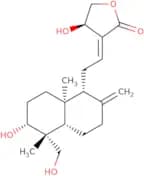
CAS:<p>14-Epiandrographolide is a natural product that can be found in the plant Andrographis paniculata. It has been shown to have anti-inflammatory, anticancer, and antibacterial properties. 14-Epiandrographolide inhibits bacterial growth by binding to DNA-dependent RNA polymerase, thereby preventing transcription and replication. The high frequency of human activity has been shown using a patch-clamp technique on human erythrocytes. This active form is metabolized through a number of metabolic transformations, including hydrolysis by esterases or glucuronidases, oxidation by cytochrome P450 enzymes, reduction by glutathione reductase, or conjugation with glucuronic acid. Rifapentine also specifically binds to markers expressed at high levels in Mycobacterium tuberculosis strains (e.g., ESX-1 secretion system protein) and inhibits cell growth in culture.</p>Fórmula:C20H30O5Pureza:Min. 95%Peso molecular:350.45 g/molBu 224 hydrochloride
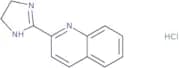
CAS:<p>Bu 224 hydrochloride is an exogenous ligand that binds to the imidazoline I1 receptor. It is a potent and selective agonist for this receptor, which has been shown to be located in cardiac tissue. Bu 224 hydrochloride has been shown to increase the release of noradrenaline from cardiac cells, resulting in cardiostimulant effects. The binding of Bu 224 hydrochloride to the I1 receptor also increases blood pressure, heart rate, and myocardial contractility. The effect on blood pressure is dose-dependent: low doses result in a mild increase in blood pressure, whereas higher doses can lead to severe hypertension.</p>Fórmula:C12H12ClN3Pureza:Min. 95%Peso molecular:233.69 g/molD-Phe-Phe-Arg chloromethylketone trifluoroacetic acid
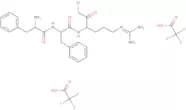
CAS:<p>D-Phe-Phe-Arg chloromethylketone trifluoroacetic acid is an organophosphorus compound that is used as an analytical standard and in the development of pharmaceuticals and other drugs. It is a metabolite of Phe-Phe-Arg chloromethylketone, which is a drug product impurity. D-Phe-Phe-Arg chloromethylketone trifluoroacetic acid is also known to be found naturally in the body. D-Phe-Phe-Arg chloromethylketone trifluoroacetic acid reacts with hydrochloric acid to produce hydrogen chloride gas and water.</p>Fórmula:C29H35ClF6N6O7Pureza:Min. 95%Peso molecular:729.1 g/molAllopurinol impurity E
CAS:<p>This product is a synthetic impurity of Allopurinol. It is a cyclization reaction product of dimethylhydrazine and allopurinol in the presence of an organic solvent such as DMF.</p>Fórmula:C7H9N3O3Pureza:Min. 95%Peso molecular:183.16 g/molTrimethoprim 3-N-oxide
CAS:<p>Trimethoprim 3-N-oxide is a metabolite of trimethoprim, which is used to treat urinary tract infections. It is excreted in the urine and its concentration can be measured by gas chromatography. Trimethoprim 3-N-oxide has been shown to inhibit bacterial growth in vitro and has been found to be effective against methicillin resistant Staphylococcus aureus (MRSA).</p>Fórmula:C14H18N4O4Pureza:Min. 95%Peso molecular:306.32 g/molN-Formyl-D-leucine (1R)-1-[[(2S,3S)-3-hexyl-4-oxo-2-oxetanyl]methyl]dodecyl ester
CAS:<p>N-Formyl-D-leucine (1R)-1-[[(2S,3S)-3-hexyl-4-oxo-2-oxetanyl]methyl]dodecyl ester is a research and development impurity standard that can be custom synthesized for drug product development. It is an analytical standard for HPLC with high purity, pharmacopoeia, and drug development. It is a natural metabolite that has been studied as a niche metabolite in metabolism studies.</p>Fórmula:C29H53NO5Pureza:Min. 95%Peso molecular:495.73 g/molImatinib para-diaminomethylbenzene
CAS:<p>Imatinib is a kinase inhibitor that inhibits the kinase activity of tyrosine-protein phosphatase receptor (c-Abl) and platelet-derived growth factor receptor (PDGFR), which are both involved in tumor cell proliferation. Imatinib has been shown to be effective in treating leukemia and other types of cancer, as well as regulating the production of cytokines and protein tyrosine phosphatases. It is also being studied for use in Alzheimer's disease. Imatinib has selectivity for c-Abl over PDGFR, which makes it an attractive drug candidate for cancer therapy.</p>Fórmula:C29H31N7OPureza:Min. 95%Peso molecular:493.6 g/molTolvaptan γ-oxobutanoic acid impurity
CAS:<p>Tolvaptan is a drug that is used for the treatment of hyponatremia. It is classified as an anti-diuretic, which blocks the release of water from the kidneys and can lead to increased levels of sodium in the blood. Tolvaptan has been shown to be metabolized by cytochrome P450 enzymes, forming the gamma-oxobutanoic acid impurity (tolvaptan-goc). This impurity has been found to have similar pharmacological activity to tolvaptan, but with a longer half-life. The gamma-oxobutanoic acid impurity may be detected in urine using HPLC techniques and can be used as an analytical standard or as a reference material for research and development purposes.</p>Fórmula:C26H23ClN2O5Pureza:Min. 95%Peso molecular:478.90 g/molDefluoro flunarizine dihydrochloride
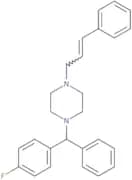
CAS:<p>Defluoro flunarizine dihydrochloride is a research and development drug product that is synthetic. It is an impurity standard, which is used as an analytical reference to determine the purity of a drug product. Defluoro flunarizine dihydrochloride is also an API impurity. The metabolite of this compound has not been fully characterized, but it may be similar to the natural metabolite of Flunarizine. HPLC standards are used for quality control during analysis and synthesis of drugs in the pharmaceutical industry.</p>Fórmula:C26H27FN2Pureza:Min. 95%Peso molecular:386.5 g/mol4-Hydroxy guanabenz hydrochloride
CAS:<p>Please enquire for more information about 4-Hydroxy guanabenz hydrochloride including the price, delivery time and more detailed product information at the technical inquiry form on this page</p>Fórmula:C8H9Cl3N4OPureza:Min. 95%Peso molecular:283.5 g/molDapoxetine N-oxide
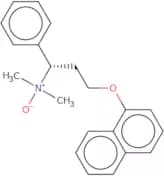
CAS:<p>Dapoxetine N-oxide is a pharmaceutical agent that inhibits serotonin reuptake and has been shown to be effective in the treatment of premature ejaculation. It is a metabolite of dapoxetine, which is an antidepressant drug. Dapoxetine N-oxide has a terminal half-life of about 10 hours, which is shorter than that of its parent compound. Dapoxetine N-oxide also has a lower carcinogenic potential than its parent compound. This agent can inhibit the activity of rat liver microsomes, as well as human liver microsomes at high concentrations. It also has no effect on plasma concentrations at low doses, but does show dose proportionality at higher doses. Dapoxetine N-oxide also does not have any impurities or other drugs added to it.</p>Fórmula:C21H23NO2Pureza:Min. 95%Peso molecular:321.41 g/mol4'-[(4'Methyl-2'-propyl[2,6'-bi-1H-benzimidazol]-1'-yl)methyl][1,1'-biphenyl]-2-carboxylic acid
CAS:<p>Gatifloxacin is a fluoroquinolone antibiotic that inhibits the DNA gyrase and topoisomerase IV, which are enzymes that maintain the integrity of bacterial DNA. It binds to bacterial 16S ribosomal RNA and inhibits protein synthesis, leading to cell death by inhibiting the production of proteins vital for cell division. Gatifloxacin has been shown to be effective against methicillin-resistant Staphylococcus aureus (MRSA) and Clostridium perfringens, although is not active against acid-fast bacteria such as Mycobacterium tuberculosis or Mycobacterium avium complex. Gatifloxacin has shown anti-inflammatory properties, which may be due to its inhibition of prostaglandin synthesis.<br>4'-[(4'Methyl-2'-propyl[2,6'-bi-1H-benzimidazol]-1'-yl)methyl][</p>Fórmula:C32H28N4O2Pureza:Min. 95%Peso molecular:500.59 g/mol6α-Hydroxy-17β-estradiol 17-valerate
CAS:<p>6Alpha-Hydroxy-17beta-estradiol 17-valerate is a drug product that is custom synthesized and has a purity of 98.5%. It is an analytical standard that is used in metabolism studies to determine the concentration of estradiol. 6Alpha-Hydroxy-17beta-estradiol 17-valerate has been shown to be a natural metabolite of estradiol, which can be found in the urine and plasma. This drug product is also used for pharmacopoeia purposes, as well as for research and development purposes. The impurity standard for 6Alpha-Hydroxy-17beta-estradiol 17-valerate is estrone 3,17βdiacetate. HPLC standards are also available for this product.</p>Fórmula:C23H32O4Pureza:Min. 95%Peso molecular:372.50 g/mol2-[4-(Dimethylamino)-1-(2-methylphenyl)butyl]-phenol
CAS:<p>Please enquire for more information about 2-[4-(Dimethylamino)-1-(2-methylphenyl)butyl]-phenol including the price, delivery time and more detailed product information at the technical inquiry form on this page</p>Fórmula:C19H25NOPureza:Min. 95%Peso molecular:283.4 g/mol23,24-Anhydro tacrolimus
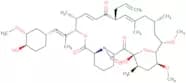
CAS:<p>23,24-Anhydro tacrolimus is a synthetic prodrug of the immunosuppressant drug tacrolimus. It has the same pharmacological effects as the parent compound and can be used in its place to avoid adverse reactions. The metabolite of 23,24-anhydro tacrolimus is a natural metabolite of tacrolimus and has been synthesized for research purposes or for use as an analytical standard. 23,24-Anhydro tacrolimus is not an impurity standard, but rather a niche product that is not commercially available from suppliers.</p>Fórmula:C44H67NO11Pureza:Min. 95%Forma y color:White PowderPeso molecular:786 g/molCefotaxime sodium impurity C
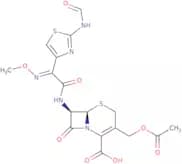
CAS:<p>Cefotaxime sodium impurity C is a by-product of the synthesis of cefotaxime. It is an impurity standard for drug product, custom synthesis and research and development. The CAS number for this substance is 66403-32-5. This compound has been shown to be a metabolite in metabolism studies. Impurity standard compounds are used in analytical methods such as HPLC.</p>Fórmula:C17H17N5O8S2Pureza:Min. 95%Peso molecular:483.48 g/molEthopropazine hydrochloride
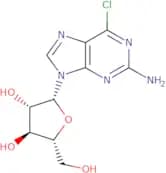
CAS:<p>Ethopropazine hydrochloride is a drug that inhibits the enzyme activity of acetylcholinesterase, which is involved in the breakdown of acetylcholine. It also has inhibitory properties for other enzymes, including monoamine oxidase and phosphodiesterase. Ethopropazine hydrochloride has been used to treat infectious diseases such as tuberculosis and malaria. Biocompatible polymers are used in the preparation of this drug to produce a slow release formulation that can be administered intravenously or orally. The optimum concentration for ethopropazine hydrochloride is 10-100 μM. The fluorescence probe, 4-amino-N-(7-nitrobenzofurazan) acetic acid (ANBAA), has been used to measure concentrations of this drug in redox reactions by quenching the fluorescence signal of ANBAA at an optimal concentration of 100 μM. Group P2 axonal growth was increased with ethop</p>Fórmula:C19H25ClN2SPureza:Min. 95%Peso molecular:348.9 g/mol9-b-D-Arabinofuranosyl-6-chloro-9H-purin-2-amine
CAS:<p>9-b-D-Arabinofuranosyl-6-chloro-9H-purin-2-amine is a synthetic compound that has been used as an impurity standard for the drug product. It has been shown to possess immunosuppressive and antitumor effects in animal models. 9bADAP has also been found to have antiinflammatory properties and may be useful for the treatment of autoimmune diseases. Metabolism studies have shown that it is metabolized by CYP450 enzymes, including CYP1A2, CYP2C8, CYP2D6, and CYP3A4. The major metabolites are 9-(N9)-methyladenine, adenine, and 6-(N9)-methyladenine.</p>Fórmula:C10H12ClN5O4Pureza:Min. 95%Forma y color:PowderPeso molecular:301.69 g/molN-Methyl metribuzin
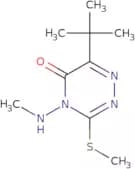
CAS:<p>N-Methyl metribuzin is a drug product that belongs to the class of organic compounds known as phenylureas. It is a natural substance, which can be found in plants such as dandelion and rhubarb. Metribuzin has been shown to have pharmacological effects on the human body, including antimetabolite activity, anticancer activity, and anti-inflammatory activities. Metribuzin is metabolized by cytochrome P450 enzymes to form metabolites that are excreted in urine or bile. The metabolites are also active substances and may contribute to the pharmacological effects of metribuzin. Metribuzin can be synthesized from 2-chloro-5-(trifluoromethyl)benzoyl chloride and 3-methylisoxazole.<br>Metribuzin is used as an analytical standard for HPLC analysis because it has a high purity level and analytical quality. It is also used in</p>Fórmula:C9H16N4OSPureza:Min. 95%Forma y color:PowderPeso molecular:228.32 g/molPinaverium bromide impurity 11
CAS:<p>Pinaverium bromide impurity 11 is a drug product that is used in the development of new drugs. It is an analytical standard for pharmacopoeia and research purposes. The chemical name for Pinaverium bromide impurity 11 is 2-Bromo-6-nitrobenzimidazole, CAS No. 1970218-70-2, which can be found in the NIST Mass Spectral Library. This compound has a molecular weight of 226.12 and melting point of 191°C (decomposes). It has been custom synthesized by our company to meet the requirements of customers who need this specific impurity for their drug development or research and development.</p>Pureza:Min. 95%Mch-1 antagonist 1
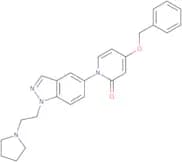
CAS:<p>Mch-1 antagonist 1 is a drug product that is custom synthesized and is available in high purity. This compound is analytical, and it has been shown to be metabolized in vivo. Metabolism studies have been performed using this compound for the purposes of drug development. CAS No. 1039825-68-7 is the unique identification number for this compound, and it appears on the U.S. Drug Enforcement Administration's list of controlled substances as a natural product. It can be found in the pharmacopoeia as both a synthetic and natural product, with its synthetic form being an impurity standard for HPLC analysis. Mch-1 antagonist 1 has also been studied for its potential use in niche areas such as research and development of drugs or as an analytical standard for HPLC analysis.</p>Fórmula:C25H26N4O2Pureza:Min. 95%Peso molecular:414.5 g/molN-(5,6-Dichloro-1,4-dihydro-2-quinazolinyl)-2,3-dihydroxypropanamide 2,2,2-trifluoroacetate
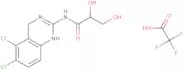
CAS:<p>N-(5,6-Dichloro-1,4-dihydro-2-quinazolinyl)-2,3-dihydroxypropanamide 2,2,2-trifluoroacetate is an analytical reference standard that can be used as a high purity drug product impurity in HPLC. It also has niche application as an API impurity and is a metabolite of the drug quinine.</p>Fórmula:C13H12Cl2F3N3O5Pureza:Min. 95%Peso molecular:418.15 g/molHydrocortisone Impurity G
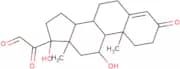
CAS:Producto controlado<p>Hydrocortisone impurity G is a hydrocortisone derivative that has been shown to be an inhibitor of the estradiol dehydrogenase, which is responsible for converting estradiol to estrone. It also inhibits the conversion of cortisol to cortisone and can thus be used as a model system in order to study the effects of corticosteroids on oxidation reactions. Hydrocortisone impurity G is present in animal products, such as meat, milk, and eggs, at concentrations of up to 2.5%. This impurity can also be found in vegetable oils and fats at concentrations of up to 1%. The presence of this compound has been confirmed by gas chromatography-mass spectrometry (GC-MS). Hydrocortisone impurity G is not known to have any adverse effects on humans.</p>Fórmula:C21H28O5Pureza:Min. 95%Peso molecular:360.4 g/molLosartan related compound E
CAS:<p>Losartan is a drug that is used to treat high blood pressure and congestive heart failure. It is an angiotensin II receptor antagonist that blocks the binding of angiotensin II to its receptor, preventing the activation of protein kinase A and the release of aldosterone. Losartan is also known as losartan-related compound E (LZE). LZE has been shown to have a papain-like protease activity with a light chain. This activity may be responsible for its anti-diabetic effects. LZE has been shown to inhibit hyperglycemia in mice by reducing serum glucose levels and increasing insulin sensitivity. In addition, LZE has been shown to reduce cardiac death in rats by activating nuclear factor erythroid 2-related factor 2 (Nrf2), which induces expression of antioxidant enzymes such as heme oxygenase 1 and superoxide dismutase 1 (SOD1).</p>Fórmula:C44H43Cl2KN12OPureza:Min. 95%Peso molecular:865.9 g/molN-Formyl-L-leucine (3S,4S,6S)-3-hexyltetrahydro-2-oxo-6-undecyl-2H-pyran-4-yl ester
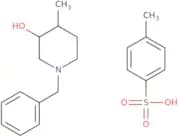
CAS:Producto controlado<p>N-Formyl-L-leucine (3S,4S,6S)-3-hexyltetrahydro-2-oxo-6-undecyl-2H-pyran-4-yl ester is a synthetic compound that has been used as an impurity standard and as a pharmacopoeia. It is also used in drug development and metabolism studies. The CAS number of this compound is 130676-65-2. HPLC analysis of this compound is available upon request.</p>Fórmula:C29H53NO5Pureza:Min. 95%Peso molecular:495.73 g/mol1-Benzyl-4-methylpiperidin-3-ol 4-methylbenzenesulfonate
CAS:<p>Please enquire for more information about 1-Benzyl-4-methylpiperidin-3-ol 4-methylbenzenesulfonate including the price, delivery time and more detailed product information at the technical inquiry form on this page</p>Fórmula:C20H27NO4SPureza:Min. 95%Peso molecular:377.5 g/mol4-Descyano-4-bromo-letrozole
CAS:<p>4-Descyano-4-bromo-letrozole is a white crystalline powder with a purity of 99.5% or greater. This product is used as an analytical reference standard in the detection of impurities in pharmaceutical products and as a research and development intermediate in the synthesis of other organic compounds. 4-Descyano-4-bromo-letrozole is a metabolite that can be produced by cytochrome P450 enzymes, such as CYP1A2, CYP3A4, and CYP3A5. The chemical name for this drug product is 4-[(2,6-dichlorophenyl)amino]-4-[(2,6-dichlorophenyl)amino]benzoic acid bromide. CAS No. 143030-54-0</p>Fórmula:C16H11BrN4Pureza:Min. 95%Peso molecular:339.19 g/molRocuronium EP Impurity G
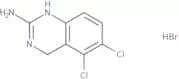
CAS:<p>Rocuronium EP Impurity G is a drug product that contains an impurity of Rocuronium EP. It is a synthetic, high purity HPLC standard with a purity greater than 99.5% and a CAS number of 119302-20-4. This compound has been researched for use in the development of drugs to treat conditions such as pain, anxiety, and depression. Rocuronium EP Impurity G is a metabolite that has been found in human urine after administration of rocuronium bromide. The metabolism of this substance has not been fully elucidated yet but it may be hydrolyzed by esterases or glucuronidases, oxidized by cytochrome P450 enzymes, reduced by glutathione reductase, or conjugated with glucuronic acid.</p>Fórmula:C27H46N2O3Pureza:Min. 95%Peso molecular:446.67 g/mol2-Amino-5,6-dichloro-3,4-dihydroquinazoline hydrobromide
CAS:<p>2-Amino-5,6-dichloro-3,4-dihydroquinazoline hydrobromide is a metabolite of the drug product 2-[2-(2,4-dichlorophenyl)-2-(1H-1,2,4-triazol-1-ylmethyl)ethylamino]benzeneacetic acid. It has been shown to inhibit protein synthesis in vitro and in vivo.</p>Fórmula:C8H8BrCl2N3Pureza:Min. 95%Peso molecular:296.98 g/molN-Methyl omeprazole (Mixture of isomers with the methylated nitrogens of imidazole)
<p>Please enquire for more information about N-Methyl omeprazole (Mixture of isomers with the methylated nitrogens of imidazole) including the price, delivery time and more detailed product information at the technical inquiry form on this page</p>Fórmula:C18H21N3O3SPureza:Min. 95%Peso molecular:359.44 g/moltert-Butyl 4-(4-amino-6,7-dimethoxyquinazolin-2-yl)piperazine-1-carboxylate
CAS:<p>tert-Butyl 4-(4-amino-6,7-dimethoxyquinazolin-2-yl)piperazine-1-carboxylate is an impurity that is found in the production of tert-butyl 4-(4,5,6,7,8,9,10-hexahydrobenzo[a]pyrido[1,2:4,3]triazin-2(3H)-yl)piperazine-1 carboxylate. It has been used as a reference standard for HPLC. This compound is not active when administered orally and does not exhibit any pharmacological activity.</p>Fórmula:C19H27N5O4Pureza:Min. 95%Peso molecular:389.4 g/mol13-Ethyl-17-hydroxy-18,19-dinor-17a-pregn-5(10)-en-20-yn-3-one - EP
CAS:Producto controlado<p>13-Ethyl-17-hydroxy-18,19-dinor-17a-pregn-5(10)-en-20-yn-3-one EP is an analytical standard and an impurity. It is used as the reference substance for HPLC drug analysis. It is also a metabolite that can be found in drugs such as metoprolol, clonidine, and propranolol. 13EP was first synthesized by a custom synthesis company to meet the needs of niche drug products. The synthetic compound has been shown to be natural and it is not chemically related to any other compounds.</p>Fórmula:C21H28O2Pureza:Min. 95%Peso molecular:312.45 g/molVaniliprole
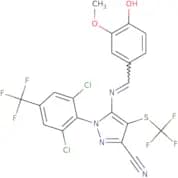
CAS:<p>Vaniliprole is a vitamin analog that exhibits anticancer properties by inhibiting tumor growth and inducing apoptosis in cancer cells. It acts as a protein kinase inhibitor, which prevents the activation of kinases that play a crucial role in cell division and proliferation. Vaniliprole has been shown to be effective against various types of cancer cells, including those derived from humans and Chinese hamsters. This compound is excreted through urine and has potential as an anticancer agent for future drug development.</p>Fórmula:C20H10Cl2F6N4O2SPureza:Min. 95%Peso molecular:555.3 g/molDes(oxopentyl) valsartan benzyl ester
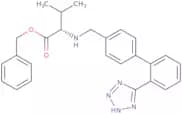
CAS:<p>Des(oxopentyl) Valsartan Benzyl Ester is an analytical standard for the drug valsartan. It is a white to off-white, crystalline powder that is soluble in methanol and acetone. This compound can be used as an HPLC standard, or as an impurity standard in the development of valsartan drugs. Des(oxopentyl) Valsartan Benzyl Ester also has niche uses in natural product isolation and synthetic organic chemistry. It is a metabolite of des(oxopentyl)valsartan, which is a prodrug of valsartan.</p>Fórmula:C26H27N5O2Pureza:Min. 95%Peso molecular:441.53 g/molUnc-926 hydrochloride
CAS:<p>Unc-926 is a pluripotent stem cell (PSC) that can differentiate into cells from all three germ layers. Unc-926 cells have been shown to be glucose-dependent and utilize the mitochondrial respiratory chain for respiration. These cells are capable of differentiating into insulin-producing beta cells and pancreatic islet cells, which can be used in the treatment of diabetes.</p>Fórmula:C16H22BrClN2OPureza:Min. 95%Peso molecular:373.7 g/mola-[3-[[2-(3,4-Dimethoxyphenyl)ethyl]methylamino]propyl]-3,4-dimethoxy-a-propyl-benzeneacetonitrile
CAS:<p>a-[3-[[2-(3,4-Dimethoxyphenyl)ethyl]methylamino]propyl]-3,4-dimethoxy-a-propyl-benzeneacetonitrile is a drug product that is custom synthesized and has been shown to have high purity. It is also used in analytical studies, metabolism studies, and natural drug development. This compound can also be found as an impurity standard for HPLC or as an API impurity.</p>Fórmula:C27H38N2O4Pureza:Min. 95%Peso molecular:454.6 g/mol(2S,2R,Trans)-saxagliptin
CAS:<p>(2S,2R,Trans)-saxagliptin is an analytical standard that is used in the development of drug products. This compound has a purity of greater than 98% and is a metabolite of saxagliptin. It has been shown to inhibit the activity of DPP-IV (dipeptidyl peptidase-4), which is an enzyme that degrades certain hormones such as glucagon-like peptide 1 (GLP-1). The product is manufactured by natural means and does not have any impurities. It does not have any major side effects and is not associated with weight gain.</p>Fórmula:C18H25N3O2Pureza:Min. 95%Peso molecular:315.40 g/molHexadecanedioic acid mono-L-carnitine ester chloride
CAS:<p>Hexadecanedioic acid mono-L-carnitine ester chloride is an analog of a naturally occurring compound that has been found to have medicinal properties. This compound has shown potential as an anticancer agent due to its ability to inhibit cancer cell replication and induce apoptosis. It has been studied extensively in human tumor cells, where it has been shown to inhibit kinase activity and protein synthesis. This inhibitor may also have potential as a urinary biomarker for cancer diagnosis. Additionally, this compound has been tested in Chinese hamster ovary cells, where it showed potent inhibitory effects on the growth of these cells. Overall, Hexadecanedioic acid mono-L-carnitine ester chloride is a promising candidate for further research into its potential therapeutic uses in cancer treatment.</p>Fórmula:C23H44NO6Pureza:Min. 95%Peso molecular:430.6 g/mol(5E)-2,2-Dimethyl-7-[methyl(1-naphthalenylmethyl)amino]-5-hepten-3-ynoic acid
CAS:<p>(5E)-2,2-Dimethyl-7-[methyl(1-naphthalenylmethyl)amino]-5-hepten-3-ynoic acid is a drug product that has been custom synthesized. It is available in high purity (>98%) and with analytical data. This chemical is metabolized through a number of metabolic transformations, including hydrolysis by esterases or glucuronidases, oxidation by cytochrome P450 enzymes, reduction by glutathione reductase, or conjugation with glucuronic acid. (5E)-2,2-Dimethyl-7-[methyl(1-naphthalenylmethyl)amino]-5-hepten-3-ynoic acid has been shown to have pharmacological activity on the central nervous system and may be used as an antidepressant drug candidate.</p>Fórmula:C21H23NO2Pureza:Min. 95%Peso molecular:321.41 g/molL-Homocysteinesulfinic acid
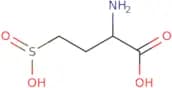
CAS:<p>L-Homocysteinesulfinic acid is an endogenous metabolite of the amino acid homocysteine. It is a reactive molecule that has been shown to cause neuronal death in vitro and in vivo. L-Homocysteinesulfinic acid binds to the NMDA receptor and inhibits its function, which may cause apoptosis. L-Homocysteinesulfinic acid also binds to the alpha2-adrenergic receptor and enhances uptake of glutamate, thereby causing neuronal death. L-Homocysteinesulfinic acid has been shown to be elevated in cancer patients, as well as those with a high risk for developing cancer. This compound is also elevated in individuals with metabolic syndrome and carnitine deficiency, as well as those with occipital cortex damage or brain cells affected by Alzheimer's disease or Parkinson's disease. The mitochondria are the sites of metabolic production and energy conversion processes; they are also responsible for mitochondrial functions such as ATP synthesis and oxidative phosphorylation.</p>Fórmula:C4H9NO4SPureza:Min. 95%Peso molecular:167.19 g/mol5-[(Desloratadine)methyl] rupatadine
CAS:<p>Desloratadine is a drug that belongs to the group of antihistamines and is indicated for the treatment of allergic rhinitis. It has been shown to be as effective as loratadine, cetirizine, and fexofenadine in clinical trials. Desloratadine is metabolized by cytochrome P450 enzymes including CYP2D6 to its active form, desloratadine N-oxide. The metabolites are excreted in the urine.</p>Fórmula:C45H43Cl2N5Pureza:Min. 95%Peso molecular:724.80 g/molCarbonic acid, methyl 1-methylene-2-oxopropyl ester
CAS:<p>Carbonic acid, methyl 1-methylene-2-oxopropyl ester is a drug product that is custom synthesized for research and development. It has high purity and analytical data. Metabolism studies are required for this drug product. This drug product is natural and synthetic. CAS No. 146897-17-8 is the impurity standard for this drug product. Research and Development (R&D) needs to be conducted on this drug product in order to develop a pharmacopoeia standard. Synthetic methods are used in the manufacture of this drug product, which also has a niche market.br></p>Fórmula:C6H8O4Pureza:Min. 95%Peso molecular:144.12 g/mol4-Glutathionyl cyclophosphamide
CAS:<p>4-Glutathionyl cyclophosphamide is an analog of the anticancer drug cyclophosphamide that has been modified to include a glutathione moiety. This modification enhances the drug's ability to inhibit cancer cell growth by acting as a kinase inhibitor, which prevents cancer cells from dividing and proliferating. In addition, 4-Glutathionyl cyclophosphamide has been shown to induce apoptosis in human tumor cells, leading to their death. This drug also inhibits the activity of dabigatran, a protein involved in blood clotting. 4-Glutathionyl cyclophosphamide is excreted in urine and can be used as a potential biomarker for monitoring cancer treatment efficacy. This drug may also have synergistic effects when used in combination with other chemotherapeutic agents such as chloroquine.</p>Fórmula:C17H30Cl2N5O8PSPureza:Min. 95%Peso molecular:566.4 g/mol2-[(Tetrahydropyran-2-yl)oxy]ethyl p-toluenesulfonate
CAS:<p>2-[(Tetrahydropyran-2-yl)oxy]ethyl p-toluenesulfonate is a drug product. The compound is an impurity in the API, which is a metabolite of the synthetic chemical 2-[(Tetrahydropyran-2-yl)oxy]ethyl p-toluenesulfonate (CAS No. 65338-95-6). This impurity has been identified by HPLC analysis and was found to have natural origin. It has been detected in various batches of the API, although at different concentrations. It may also be present as an analytical or impurity standard for HPLC analysis.</p>Fórmula:C14H22O6SPureza:Min. 95%Peso molecular:318.39 g/mol11β-Hydroxy-5α-pregnane-3,20-dione
CAS:Producto controlado<p>11β-Hydroxy-5α-pregnane-3,20-dione is a medicinal compound that has been found to have potential anticancer properties. It is a steroid analog that inhibits protein kinases, which are enzymes involved in the regulation of cell cycle and tumor growth. This compound has shown promising results as an inhibitor of various cancer cells in Chinese hamster ovary cells and human urine-derived bladder cancer cells. 11β-Hydroxy-5α-pregnane-3,20-dione may also have applications as an inhibitor of other kinases involved in cancer growth and progression. Its unique chemical structure makes it a promising candidate for further research into its potential therapeutic applications.</p>Fórmula:C21H32O3Pureza:Min. 95%Peso molecular:332.5 g/mol5-O-Desethyl amlodipine
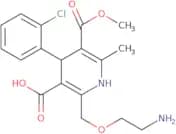
CAS:<p>5-O-Desethyl amlodipine is a metabolite of amlodipine. It has been used as an analytical reference standard for the determination of amlodipine and its metabolites in human plasma and urine. 5-O-Desethyl amlodipine has been reported to be excreted in human breast milk at a concentration that is about 20% of that found in maternal plasma. The drug product is manufactured by HPLC and is classified as a high purity pharmaceutical drug, which means it is free from extraneous substances such as other drugs, proteins, or bacteria.</p>Fórmula:C18H21ClN2O5Pureza:Min. 95%Peso molecular:380.82 g/mol(R)-2-Amino-2-methyl-N-[4-phenyl-1-[[4-[2-[2-(1H-tetrazol-5-yl)ethyl]phenyl]-1-piperidinyl]carbonyl]butyl]propanamide
CAS:(R)-2-Amino-2-methyl-N-[4-phenyl-1-[[4-[2-[2-(1H-tetrazol-5-yl)ethyl]phenyl]-1-piperidinyl]carbonyl]butyl]propanamide is a synthetic drug that has been used in research and development. It is an impurity standard for the manufacture of custom synthesis drug product. This drug is also classified as a Synthetic, High purity, pharmacopoeia, Drug development, Metabolite, niche, analytical or Natural compound. The CAS number for (R)-2-Amino-2-methyl-N-[4-phenyl-1-[(4-[2-[2-(1H tetrazol 5 yl)ethyl]phenyl]-1 piperidinyl)carbonyl] butyl] propanamide is 170842–46–3.Fórmula:C29H39N7O2Pureza:Min. 95%Peso molecular:517.67 g/molLansoprazole impurity H
CAS:<p>Lansoprazole impurity H is a metabolite of lansoprazole, a proton pump inhibitor that inhibits the production of stomach acid. Lansoprazole impurity H is used in research and development as an analytical standard to measure lansoprazole concentrations in drug products. It is also used as an impurity standard for pharmacopoeia purposes. Lansoprazole impurity H is not known to be toxic, but it has not been evaluated for carcinogenicity or reproductive toxicity.</p>Fórmula:C23H16F3N5OSPureza:90%MinPeso molecular:467.47 g/molEnniatin B2
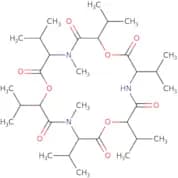
CAS:<p>Enniatin B2 is a natural cyclic hexadepsipeptide that has been isolated from Chinese medicinal herbs. It is an analog of enniatin, which is known to be a potent inhibitor of protein kinase C. Enniatin B2 has been shown to induce apoptosis in cancer cells and inhibit tumor growth in human cell lines. It exerts its anticancer effects by disrupting the cell cycle and inhibiting the activity of various protein kinases involved in cell signaling pathways. Enniatin B2 also exhibits inhibitory effects on urease, which makes it a potential therapeutic agent for urinary tract infections caused by urease-producing bacteria. Its unique characteristics make it a promising candidate for further research into its potential as an anticancer and antimicrobial agent.</p>Fórmula:C32H55N3O9Pureza:Min. 95%Peso molecular:625.8 g/molPregabalin impurity PD 0312236 and Pregabalin impurity PD 0312237 (mixture of tautomeric isomers)
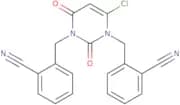
CAS:<p>Lactose conjugate degradation product of pregabalin</p>Fórmula:C20H35NO11Pureza:Min. 95%Peso molecular:465.49 g/molN,N’-Bis(2’-cyanobenzyl)-6-chloro-2,4-dioxopyrimidine
CAS:<p>N,N'-Bis(2'-cyanobenzyl)-6-chloro-2,4-dioxopyrimidine is a drug product that is used as an HPLC standard. It has CAS No. 1618644-29-3 and a molecular mass of 309.35 g/mol. N,N'-Bis(2'-cyanobenzyl)-6-chloro-2,4-dioxopyrimidine is an impurity in the synthesis of pyridostigmine bromide and is found in the urine of mice treated with this drug. This impurity can be determined by GC/MS and LC/MS techniques. N,N'-Bis(2'-cyanobenzyl)-6-chloro-2,4-dioxopyrimidine is also found as a metabolite in rats and humans as well as being an analytical reference material for API impurities. The metabolite may be formed</p>Fórmula:C20H13ClN4O2Pureza:Min. 95%Peso molecular:376.8 g/mol[9-Glycine]desmopressin
<p>9-Glycine Desmopressin is a drug product that has been custom synthesized for use in research and development. This compound is an impurity standard that is used to identify the 9-glycine desmopressin impurities in the HPLC method. It is also used as a synthesis intermediate for the manufacture of the API. The CAS number for this compound is [CAS NO.]. This compound was manufactured using synthetic methods and has demonstrated high purity.</p>Pureza:Min. 95%RS 67506 hydrochloride
CAS:<p>RS 67506 hydrochloride is a biochemical that is used in experimental and descriptor studies. The ketone group has been found to be an important part of the molecular structure. RS 67506 hydrochloride has been shown to have a number of biological properties, including inhibition of the synthesis of neurotransmitters such as dopamine, serotonin and norepinephrine; it also has anti-nervous system activity. This chemical was also found to inhibit the synthesis of prostaglandin E2 in human neutrophils. It is hypothesized that RS 67506 hydrochloride may inhibit phospholipase A2, which would prevent the release of arachidonic acid from phospholipids into the cell membrane and block the production of eicosanoids.</p>Fórmula:C18H29Cl2N3O4SPureza:Min. 95%Peso molecular:454.4 g/mol4-Acetyloxy-N-despropyl ropivacaine
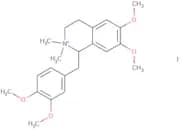
CAS:<p>Please enquire for more information about 4-Acetyloxy-N-despropyl ropivacaine including the price, delivery time and more detailed product information at the technical inquiry form on this page</p>Fórmula:C16H22N2O3Pureza:Min. 95%Peso molecular:290.36 g/mol(R)-N-Methyl-laudanosine iodide
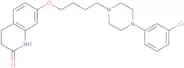
CAS:<p>(R)-N-Methyl-laudanosine iodide is an impurity that has been reported in the product of a custom synthesis. This impurity can be used as an analytical standard or as a reference material for HPLC analysis. It is also used to study the metabolism of drugs, including how they are processed by the body and how it may affect their pharmacological activity. (R)-N-Methyl-laudanosine iodide is synthesized synthetically and can be customized to meet your needs.</p>Fórmula:C22H30INO4Pureza:Min. 95%Peso molecular:499.38 g/mol2-Deschloro aripiprazole
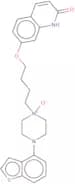
CAS:<p>2-Deschloro aripiprazole is a drug that belongs to the class of antipsychotics. It is an atypical antipsychotic with a high affinity for human albumin and α1-acid glycoprotein, which are plasma proteins. 2-Deschloro aripiprazole has been shown to interact with human albumin and α1-acid glycoprotein in vitro, and it has been suggested that this interaction may be responsible for its pharmacological effects. 2-Deschloro aripiprazole has also been shown to bind to the dopamine D2 receptor, which is thought to be responsible for its therapeutic effects as an antipsychotic. The molecular interactions between 2-deschloro aripiprazole and human albumin have been studied using isothermal titration calorimetry (ITC) and molecular docking studies. These studies have helped us understand how 2-deschloro aripiprazole binds to human album</p>Fórmula:C23H28ClN3O2Pureza:Min. 95%Peso molecular:413.94 g/mol4-Hydroxy-α1-[[[6-(3-phenylpropoxy)hexyl]amino]methyl]-1,3-benzenedimethanol-d3
CAS:<p>4-Hydroxy-α1-[[[6-(3-phenylpropoxy)hexyl]amino]methyl]-1,3-benzenedimethanol (4OHBZ) is a metabolite of the drug product 4OHBZ. It is an impurity standard for HPLC analysis of the drug product 4OHBZ. The impurity has been characterized by LCMS and MS studies. The purity of this compound is >99%.</p>Fórmula:C24H35NO4Pureza:Min. 95%Peso molecular:401.5 g/molDoxazosin-d8 hydrochloride
CAS:<p>Doxazosin-d8 hydrochloride is an analytical reference standard for HPLC and LCMS, and a drug development impurity. It is a metabolite of doxazosin that is used as an impurity in the manufacture of doxazosin. Doxazosin-d8 hydrochloride has been shown to be a substrate for CYP3A4, where it undergoes oxidation to form 2-(2-hydroxyphenyl)-N-[(1S)-1-[[(2R)-2-methylpropyl]sulfonyl]-2,3-dihydro-1H-pyrrolo[2,3-b]pyridin-5-yl]-N-(2,6 dimethylphenyl)acetamide (CYP3A4). This metabolite may contribute to the pharmacological activity of doxazosin.</p>Fórmula:C23H18D8ClN5O5Pureza:Min. 95%Peso molecular:495.99 g/molHexahydrophenyl cinacalcet hydrochloride
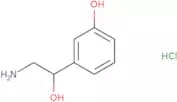
CAS:<p>Hexahydrophenyl cinacalcet hydrochloride (HPC) is a synthetic compound that is used as an impurity standard in the manufacture of other drugs. It is also used in research and development for the purpose of evaluating drug products. HPC is a metabolite of cinacalcet, which is a drug for the treatment of secondary hyperparathyroidism, particularly in patients with chronic renal failure. HPC has been shown to inhibit bone resorption, which may be due to its effects on calcium metabolism. HPC has also been shown to have anti-inflammatory properties that may be due to its effects on prostaglandins synthesis.</p>Fórmula:C22H28F3NPureza:Min. 95%Peso molecular:363.50 g/molrac-Norphenylephrine hydrochloride
CAS:Producto controlado<p>Racemic norphenylephrine hydrochloride is a sympathomimetic amine. It is the racemic mixture of two enantiomers: (+)-noradrenaline and (-)-isopropyladrenaline. Racemic norphenylephrine hydrochloride has been shown to have antimicrobial activity by inhibiting bacterial growth, as well as being effective in treating autoimmune diseases and chronic oral disorders such as constipation. Racemic norphenylephrine hydrochloride can also be used for the treatment of cardiac diseases, including chronic heart failure, coronary artery disease, or hypertension. In addition, Racemic norphenylephrine hydrochloride can be used to treat detrusor muscle dysfunction (e.g., urinary incontinence).</p>Fórmula:C8H12ClNO2Pureza:Min. 95%Peso molecular:189.64 g/molRel-(3R,5R)-fluvastatin sodium
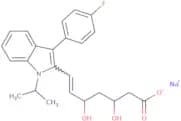
CAS:<p>Rel-(3R,5R)-fluvastatin sodium is an impurity standard of fluvastatin that is used in the development of new drugs. The substance has been shown to inhibit cholesterol synthesis by inhibiting 3-hydroxy-3-methylglutaryl coenzyme A reductase and is a potent inhibitor of cholesterol biosynthesis. Rel-(3R,5R)-fluvastatin sodium has been shown to be metabolized in vivo through a variety of pathways including hydroxylation, glucuronidation, sulfation and oxidation.</p>Fórmula:C24H25FNNaO4Pureza:Min. 95%Peso molecular:433.4 g/mol3,5-Diiodo-4-hydroxy-DL-phenyllactic acid
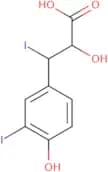
CAS:<p>Please enquire for more information about 3,5-Diiodo-4-hydroxy-DL-phenyllactic acid including the price, delivery time and more detailed product information at the technical inquiry form on this page</p>Fórmula:C9H8I2O4Pureza:Min. 95%Peso molecular:433.97 g/molOlmesartan methyl ketone
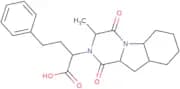
CAS:<p>Olmesartan methyl ketone is a synthetic drug product that is used as an analytical reference standard. It has been shown to be metabolized in vivo to its active form, olmesartan. The chemical structure of this compound is similar to the active metabolite of other angiotensin II receptor blockers, such as losartan and valsartan. This compound is an impurity in the API Olmesartan medoxomil, which is a potent angiotensin II receptor blocker used for the treatment of hypertension (high blood pressure).</p>Fórmula:C25H28N6O2Pureza:Min. 95%Peso molecular:444.5 g/molDiclofenac dimer impurity
CAS:<p>Diclofenac dimer impurity is a synthetic impurity that is used as a research and development, impurity standard, custom synthesis, drug product, and analytical standard. It is a high purity, CAS No. 1609187-30-5, pharmacopoeia (USP), Drug development (DSD), Metabolite (MET), niche, analytical standard. Diclofenac dimer impurity is a natural metabolite of diclofenac in humans and other animals. The chemical name for the metabolite is 2-(dichlorophenyl) propionic acid or 2-[2-chloro-4-(2,2-dichlorovinyl)phenoxy]propanoic acid. Diclofenac dimer impurity may be synthesized by reacting diclofenac with paraformaldehyde followed by hydrolysis with sodium hydroxide or potassium hydroxide. HPLC analysis</p>Fórmula:C28H20Cl4N2O4Pureza:Min. 95%Peso molecular:590.30 g/molToremifene-N-oxide
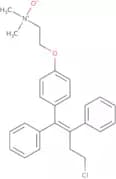
CAS:<p>Toremifene-N-oxide is a drug that has been shown to have genotoxic effects in human liver cells in an incubated system. Toremifene-N-oxide is the active form of toremifene, which is a selective estrogen receptor modulator (SERM). Toremifene-N-oxide is metabolized by peroxidases and can react with reactive oxygen species (ROS) to produce DNA damage. It also binds to DNA at the site of supercoiled DNA, leading to changes in the molecule's structure. Toremifene-N-oxide has been shown to have an optimum pH of 7.4 and ionization mass of 367. This drug binds to lactoperoxidase found in human liver cells and produces reactive molecules that cause oxidative DNA damage.</p>Fórmula:C26H28ClNO2Pureza:Min. 95%Peso molecular:421.96 g/molDapagliflozin Impurity 17
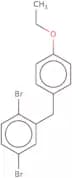
CAS:<p>Dapagliflozin Impurity 17 is a research and development impurity standard for HPLC. It is a natural product and is registered under CAS No. 1807632-93-4. Dapagliflozin Impurity 17 is a metabolite of dapagliflozin, an oral anti-diabetic drug that has been shown to be effective in the treatment of type 2 diabetes. This impurity standard has been synthesized as a research tool for the study of metabolism and pharmacokinetics, as well as analytical methods validation.</p>Fórmula:C15H14Br2OPureza:Min. 95%Peso molecular:370.08 g/mol3-Oxo-1,2-benzoisothiazoline-2-acetic acid methyl ester 1,1-dioxide
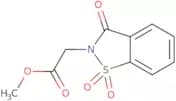
CAS:<p>Meloxicam is a nonsteroidal anti-inflammatory drug that is used in the treatment of osteoarthritis and rheumatoid arthritis. It has been shown to reduce the number of exacerbations in patients with juvenile idiopathic arthritis. Meloxicam also inhibits the production of Cox-2, which is an enzyme that produces inflammation in joints. The oral route of administration allows meloxicam to be distributed through the body. This drug is not active against ankylosing spondylitis and it should not be taken by pregnant women or children under 12 years old.</p>Fórmula:C10H9NO5SPureza:Min. 95%Peso molecular:255.25 g/molTrandolaprilat diketopiperazine
CAS:<p>Trandolaprilat diketopiperazine is an analog of trandolapril, a medication used to treat high blood pressure. Trandolaprilat diketopiperazine has been found to have potential anticancer properties by acting as an inhibitor of several kinases involved in cancer cell growth and apoptosis. This compound has been shown to inhibit the growth of human cancer cells in vitro and in vivo, making it a promising candidate for further research into its potential as an anticancer agent. Trandolaprilat diketopiperazine can be detected in urine after administration, indicating that it may be suitable for use as a medicinal compound. Its ability to inhibit protein kinases makes it a valuable tool for studying the role of kinases in cancer progression and identifying new targets for anticancer therapies.</p>Fórmula:C22H28N2O4Pureza:Min. 95%Peso molecular:384.5 g/molApoatropine
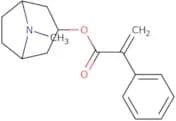
CAS:<p>Apoatropine is a quaternary ammonium compound that is used as an antidote for the treatment of anticholinesterase poisoning. Apoatropine binds to acetylcholine receptors and prevents further stimulation by acetylcholine, which will eventually lead to paralysis and death. The drug product is available as an HPLC standard, with analytical standards available for impurities such as apoatropine sulfate and apoatropine hydrochloride. Apoatropine is metabolized in vivo to atropine and scopolamine, which are also present as impurities in this drug product.</p>Fórmula:C17H21NO2Pureza:Min. 95%Peso molecular:271.35 g/molPseudomonic acid B
CAS:<p>Pseudomonic acid B is a metabolite of pseudomonic acid A and is used as an impurity standard for the pharmacopoeia. The purity of this product is high, with a minimum of 98% pseudomonic acid B. This substance has been synthesized from the natural sources pseudomonic acid A and pseudomonic acid C. Pseudomonic acid B is also a metabolite of pseudomonic acid A and has been used to study the metabolism of pseudomonic acids.</p>Fórmula:C26H44O10Pureza:Min. 95%Peso molecular:516.60 g/molN-Ethylcarbamic acid 3-[(1S)-1-(dimethylamino)ethyl]phenyl ester-d6
CAS:<p>N-Ethylcarbamic acid 3-[(1S)-1-(dimethylamino)ethyl]phenyl ester-d6 is a drug product that is used as an analytical standard for the determination of natural and synthetic impurities in API. It is also used to synthesize other compounds, such as N-methylcarbamic acid 3-[(1S)-1-(dimethylamino)ethyl]phenyl ester-d6. The CAS number for this compound is 1070660-34-2. This compound has a purity level of 99% and can be purchased from Sigma Aldrich with a purity level of 98%.</p>Fórmula:C13H14D6N2O2Pureza:Min. 95%Peso molecular:242.35 g/molLamivudine S-oxide
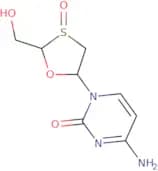
CAS:<p>Lamivudine is an antiviral drug that belongs to the group of nucleoside analogues. It is a prodrug that is activated by intracellular phosphorylation to form the active compound, lamivudine triphosphate (L-TTP). L-TTP inhibits viral replication by competing with natural substrates for incorporation into viral DNA. The antiviral activity of L-TTP has been shown in animals and humans with hepatitis B virus or human immunodeficiency virus type 1 (HIV-1) infections. Lamivudine S-oxide is a stereoselective form of lamivudine, which can be used for chemoprophylaxis against the pandemic H1N1 virus. This drug has shown to have a lower toxicity profile than other drugs used for this purpose.</p>Fórmula:C8H11N3O4SPureza:Min. 95%Peso molecular:245.26 g/molN-[2-(2,4-Dichlorophenyl)-2-[(2,4-dichlorophenyl)methoxy]ethyl]-formamide
CAS:<p>N-[2-(2,4-Dichlorophenyl)-2-[(2,4-dichlorophenyl)methoxy]ethyl]-formamide is an analytical standard that is used for the determination of formamide in pharmaceutical formulations. N-[2-(2,4-Dichlorophenyl)-2-[(2,4-dichlorophenyl)methoxy]ethyl]-formamide is a synthetic compound and has a natural impurity which may be present at levels up to 10%. The CAS number for this compound is 911805-54-4. N-[2-(2,4-Dichlorophenyl)-2-[(2,4-dichlorophenyl)methoxy]ethyl]-formamide is an impurity standard for HPLC analysis. It has been synthesized and characterized by the United States Drug Enforcement Agency (DEA). It can be used as a reference substance in pharmacopoeia standards.</p>Fórmula:C16H13Cl4NO2Pureza:Min. 95%Peso molecular:393.1 g/molMontelukast impurity I
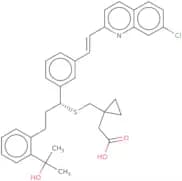
CAS:<p>Montelukast impurity I is an impurity found in the drug product, Montelukast. It is a natural substance and is produced as a result of metabolism studies. The chemical name for this impurity is 3-hydroxy-4-(2-methylpropyl)-5-(4-methoxyphenyl)pentanoic acid. This impurity can be used as an analytical standard and can be synthesized for use in pharmacopoeia. This compound has not been shown to have any therapeutic effects on humans or animals. This impurity has been shown to cause nausea, vomiting, and diarrhea in some patients.</p>Fórmula:C35H36ClNO4SPureza:Min. 95%Peso molecular:602.18 g/molAceclofenac benzyl ester
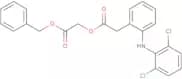
CAS:<p>Aceclofenac is a nonsteroidal anti-inflammatory drug (NSAID) that belongs to the propionic acid derivative group. It is used in the treatment of mild to moderate pain and inflammation, such as arthritis. Aceclofenac is rapidly hydrolyzed by esterases in the small intestine, resulting in the release of aceclofenac acid. Aceclofenac benzyl ester is a chemical intermediate that has been shown to be an efficient method for producing aceclofenac acid. It can be obtained by reacting bromoacetic anhydride with methyl alcohol and then hydrolyzing the product with strong acids. This compound may contain impurities, such as nucleophilic impurities, which can lead to side effects.</p>Fórmula:C23H19Cl2NO4Pureza:Min. 95%Peso molecular:444.31 g/molBromfenac sodium imp-B
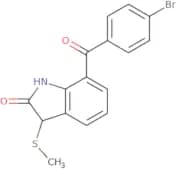
CAS:<p>Bromfenac sodium imp-B is an analytical standard that is used in drug development and research to measure the concentration of bromfenac in pharmaceutical products. Bromfenac sodium imp-B is a white to off-white crystalline powder with a melting point of about 230°C. It is soluble in methanol, ethanol, and acetone, but insoluble in water. Bromfenac sodium imp-B can be synthesized from the corresponding bromo acid chloride.</p>Fórmula:C16H12BrNO2SPureza:Min. 95%Peso molecular:362.24 g/molDespropoxy ethoxy udenafil
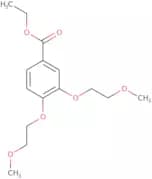
CAS:<p>Despropoxy ethoxy udenafil is a synthetic drug product with high purity. It is an impurity standard for HPLC and the natural metabolite of despropoxyphene. Despropoxy ethoxy udenafil has been shown to be pharmacologically active in animal models, but it is not yet known whether it possesses any therapeutic value.</p>Fórmula:C24H34N6O4SPureza:Min. 95%Peso molecular:502.60 g/mol3,4-Bis(2-methoxyethoxy)benzoic acid ethyl ester
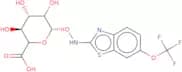
CAS:<p>3,4-Bis(2-methoxyethoxy)benzoic acid ethyl ester is a compound that has been shown to have bactericidal activity against Gram-positive bacteria. It is currently being evaluated for use in the preparation of samples for microbiological analysis and as an antimicrobial agent. 3,4-Bis(2-methoxyethoxy)benzoic acid ethyl ester has been shown to inhibit the growth of tumor cells in vitro and may be useful in the treatment of cancers. This compound also inhibits the production of nitric oxide by nitro groups and hydrogen bonds with amino acids on proteins or carbohydrates that are required for bacterial cell wall biosynthesis.</p>Fórmula:C15H22O6Pureza:Min. 95%Peso molecular:298.33 g/molN-Hydroxy riluzole O-b-D-glucuronide
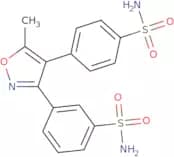
CAS:<p>N-Hydroxy riluzole O-b-D-glucuronide is an analytical standard and drug development metabolite. It is a metabolite of the anti-convulsant agent riluzole, which is used in the treatment of amyotrophic lateral sclerosis (ALS). Riluzole is converted to N-hydroxyl riluzole O-b-D-glucuronide in the liver by UDP glucuronosyltransferase. N-Hydroxyl riluzole O-b-D-glucuronide has been shown to block protein synthesis in rat kidney cells. It also blocks the conversion of amino acid tyrosine to dopa in dopaminergic neurons, and inhibits dopamine uptake into synaptosomes.</p>Fórmula:C14H13F3N2O8SPureza:Min. 95%Peso molecular:426.32 g/molValdecoxib impurity I
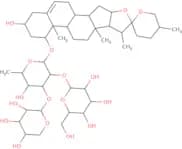
CAS:<p>Valdecoxib impurity I is a synthetic compound that is used as an impurity standard for the drug product Valdecoxib. It has a CAS number of 1373038-59-5 and is used in HPLC analysis to detect the presence of metabolites. Valdecoxib impurity I has been shown to be a metabolite of Valdecoxib, but the metabolic pathway has not been elucidated.</p>Fórmula:C16H15N3O5S2Pureza:Min. 95%Peso molecular:393.44 g/molLiriope muscari saponin C
CAS:<p>Liriope muscari saponin C is a saponin from the roots of Liriope muscari. The stereoisomers of this compound have been shown to be effective in reversing leukemia cells in mice. Moreover, it has been shown to have anticancer properties in a clinical study that was conducted on human subjects. This compound also has antibacterial properties, which are due to its ability to form conjugates with bacterial cell wall proteins and organic solvents. Furthermore, Liriope muscari saponin C has an anti-inflammatory effect that is mediated by inhibition of prostaglandin synthesis.</p>Fórmula:C44H70O17Pureza:Min. 95%Peso molecular:871 g/mol(R)-4-Chloro-3-hydroxy butanamide
CAS:<p>The 4-chloro-3-hydroxy butanamide is a white crystalline powder that is soluble in water, ethanol, and chloroform. It has an analytical purity of 99.5% and a research and development purity of 99.0%. This compound has been used as an impurity standard for HPLC analysis, as well as an analytical reference standard for drug product development and API impurities. The chemical formula is C7H10ClNO2 with a molecular weight of 164.24 g/mol. CAS No. 226213-72-5. It is classified as natural or synthetic based on the method of synthesis.</p>Fórmula:C4H8ClNO2Pureza:Min. 95%Peso molecular:137.56 g/molVortioxetine Impurity 25
CAS:<p>Vortioxetine Impurity 25 is a drug product that is an analytical impurity. It is a natural impurity found in the synthetic process of Vortioxetine, which is an active pharmaceutical ingredient (API). It has been shown to have pharmacological effects in humans and animals. This compound has been synthesized for use as a standard for HPLC assays. The CAS number for this substance is 1639263-80-1.</p>Fórmula:C18H22N2O2SPureza:Min. 95%Peso molecular:330.4 g/molPindolol EP Impurity F
CAS:<p>Pindolol EP Impurity F is a metabolite of the drug pindolol. It is an impurity found in the product or in the analytical sample. Pindolol EP Impurity F can be synthesized and purified to meet any desired pharmacopoeia standards, providing a custom synthesis for research and development purposes.</p>Fórmula:C11H12ClNO2Pureza:Min. 95%Peso molecular:225.67 g/mol7-Chloro-3-(piperazin-1-yl)benzol[D]isothiazole
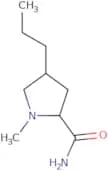
CAS:<p>Please enquire for more information about 7-Chloro-3-(piperazin-1-yl)benzol[D]isothiazole including the price, delivery time and more detailed product information at the technical inquiry form on this page</p>Fórmula:C11H12ClN3SPureza:Min. 95%Peso molecular:253.75 g/molL-Trans-1-methyl-4-propyl-2-pyrrolidinecarboxamide
CAS:<p>Please enquire for more information about L-Trans-1-methyl-4-propyl-2-pyrrolidinecarboxamide including the price, delivery time and more detailed product information at the technical inquiry form on this page</p>Fórmula:C9H18N2OPureza:Min. 95%Peso molecular:170.25 g/molAmoxicillin trihydrate impurity H
CAS:<p>Amoxicillin trihydrate impurity H is an impurity of amoxicillin that is a potent bactericide. The impurity has been observed to have bactericidal activity against gram-negative bacteria and gram-positive bacteria, as well as potent activity against gram-negative bacteria. The process development of this compound has shown it to be an elemental substance. It can be found in the form of a hydroxyphenyl group attached to the amoxicillin molecule. Impurities such as this one are often removed from the final product by ion exchange chromatography or other methods.</p>Fórmula:C13H17NO4Pureza:Min. 95%Peso molecular:251.28 g/mol15-Epi travoprost
CAS:<p>15-Epi travoprost is a synthetic, natural, and impurity standard drug product. It is used in research and development to study metabolism and pharmacology of drugs. 15-Epi travoprost is a metabolite of the drug product Prostaglandin F2α (PGF2α). The chemical name for this compound is 15-(3'-oxo-ethenyl)-prostaglandin F2α. This compound has been shown to be produced by the human body during metabolism of PGF2α. The CAS number for this compound is 1420791-14-5.</p>Fórmula:C26H35F3O6Pureza:Min. 95%Peso molecular:500.5 g/molTenofovir disoproxil
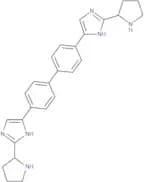
CAS:<p>Tenofovir disoproxil is the disoproxil fumarate salt of tenofovir. It is a nucleoside reverse transcriptase inhibitor that has been shown to be effective in the treatment of chronic hepatitis B virus (HBV) in combination with emtricitabine and as a single agent in the treatment of HIV-1 infection. Tenofovir disoproxil is available as tablets, capsules, or oral solution. The drug has been shown to cause an increase in serum creatinine levels, which may be due to inhibition of renal tubular secretion of creatinine by tenofovir. This drug should not be used with alafenamide and tenofovir because it can lead to kidney failure and death.</p>Fórmula:C17H28N5O7P·(C4H4O4)Pureza:Min. 95%Peso molecular:445.41 g/mol4,4'-Bis(2-((S)-pyrrolidin-2-yl)-1H-imidazol-5-yl)-1,1'-biphenyl
CAS:<p>4,4'-Bis(2-((S)-pyrrolidin-2-yl)-1H-imidazol-5-yl)-1,1'-biphenyl is a drug product that has been custom synthesized to meet the needs of specific research and development. The CAS number for this compound is 1007882-27-0. It has a purity of ≥99%. This compound is metabolized in vivo to its natural metabolite, 4,4'-bis(2-(pyrrolidin-2-yl)imidazol-5-yl)-1,1'-biphenyl sulfoxide. Metabolism studies have been conducted on rats.</p>Fórmula:C26H28N6Pureza:Min. 95%Peso molecular:424.5 g/molClindamycin Phosphate EP Impurity I
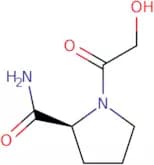
<p>Clindamycin is a semisynthetic antibiotic that inhibits bacterial protein synthesis by binding to the 50S ribosomal subunit. Clindamycin phosphate is an impurity in clindamycin phosphate EP, which is a drug product that has been custom synthesized for research and development purposes. The impurity standard for this product is CAS No. 997-06-4 and Impurity Standard: 99.0%. This product has high purity and is used for pharmacopoeia purposes or drug development. Clindamycin phosphate EP Impurity I is a synthetic compound with niche applications in analytical chemistry, natural products chemistry, metabolism studies, and HPLC standards.</p>Pureza:Min. 95%1-Glycoloyl-L-prolinamide
CAS:<p>1-Glycoloyl-L-prolinamide is a drug product that is an analytical standard for the impurity 1-glycoloyl-L-proline (CAS No. 96166-39-1) in the API 1,4,5,6-tetrahydrobenzothiazole (CAS No. 86687-93-0). It has been synthesized to be used as an impurity standard and is provided at a purity of 98.0% or greater by weight. This chemical compound can be used in research and development for the production of drugs as well as in pharmaceutical manufacturing.</p>Fórmula:C7H12N2O3Pureza:Min. 95%Peso molecular:172.18 g/molSceptrin dihydrochloride
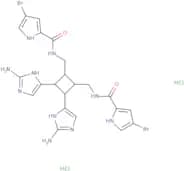
CAS:<p>Sceptrin dihydrochloride is a natural product that is the first asymmetric synthesis of the sceptrin molecule. It has been shown to have anti-inflammatory properties and can be used for the treatment of inflammatory bowel disease. Sceptrin dihydrochloride inhibits the activity of leukotriene A4 hydrolase, which is an enzyme that controls the production of leukotrienes. This inhibition leads to decreased levels of leukotrienes and reduced inflammation in the gastrointestinal tract. Sceptrin dihydrochloride has also been shown to have an effect on skeleton cells, where it can inhibit bone resorption by activating osteoclasts and inhibiting osteoblasts.<br>Sceptrin dihydrochloride belongs to a group of compounds called fatty acid esters and has a chemical structure consisting of nitrogen atoms with two chiral centers. The synthesis was carried out using an asymmetric synthesis method that involved reaction with a chiral catalyst and</p>Fórmula:C22H26Br2Cl2N10O2Pureza:Min. 95%Peso molecular:693.2 g/molPyrrolo[1,2-f][1,2,4]triazin-4-amine
CAS:<p>Pyrrolo[1,2-f][1,2,4]triazin-4-amine is a small molecule that inhibits the proliferation of leukemia cells as well as other tumor cells. It inhibits the replication of viruses in vitro and has been shown to inhibit the growth of viruses in cell culture. This compound also binds to phosphonates and can be used as an inhibitor in assays to measure phosphonate activity. Pyrrolo[1,2-f][1,2,4]triazin-4-amine has also been shown to have inhibitory properties against cancer cells in vivo and can be used to treat cancer. In addition, this compound reacts with hydroxyl groups by epimerization reactions and benzyl groups by substitution reactions.</p>Fórmula:C6H6N4Pureza:Min. 95%Forma y color:Off-White PowderPeso molecular:134.14 g/mol2-[[2-(Acetyloxy)benzoyl]oxy]benzoic acid 2-carboxyphenyl ester
CAS:<p>2-[[2-(Acetyloxy)benzoyl]oxy]benzoic acid 2-carboxyphenyl ester is a synthetic compound that has anti-inflammatory and anti-cancer properties. It inhibits the production of prostaglandins by inhibiting phospholipase A2, which leads to an increase in cyclooxygenase levels. This may be due to the inhibition of the enzyme's activity or its induction by other compounds. The drug also has cytostatic and cytotoxic effects on cancer cells. It is used for the treatment of muscle spasms, hepatitis, cancer, skin cancers and autoimmune diseases. 2-[[2-(Acetyloxy)benzoyl]oxy]benzoic acid 2-carboxyphenyl ester is administered transdermally or systemically.</p>Fórmula:C23H16O8Pureza:Min. 95%Peso molecular:420.4 g/molLosartan related compound D
CAS:<p>Losartan related compound D is an antihypertensive agent that has been shown to reduce blood pressure in experimental animals. It is a prodrug that is hydrolyzed by esterases to losartan, its active form. Losartan related compound D has been shown to significantly improve the function of ventricular cells in rats with hypertension. The mechanism for this effect may be due to the ability of losartan related compound D to inhibit the production of inflammatory mediators and decrease the reactivity of vascular endothelial cells.<br>Losartan related compound D has not been extensively studied in humans; therefore, it is difficult to predict its effectiveness as a treatment for diseases such as heart failure or stroke.</p>Fórmula:C44H43Cl2KN12OPureza:Min. 95%Peso molecular:865.9 g/mol2-Demethoxy-2-chloro urapidil
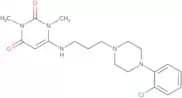
CAS:<p>2-Demethoxy-2-chloro urapidil is an analytical standard that is used in drug development and research. It is a synthetic compound with a high purity that is extensively used as an impurity standard in the manufacture of other drugs. The CAS number for 2-demethoxy-2-chloro urapidil is 34661-73-9.</p>Fórmula:C19H26ClN5O2Pureza:Min. 95%Peso molecular:391.89 g/molDeltan-benzyloxycarbonyl aliskiren
CAS:<p>Deltan-benzyloxycarbonyl aliskiren is a drug product that is custom synthesized for research and development purposes. It is an analytical standard with high purity and quality, which has been studied in metabolism studies. The natural drug product is metabolized to form the metabolites, which are impurities. Metabolites of Deltan-benzyloxycarbonyl aliskiren are also available as HPLC standards, which are used as reference materials in pharmacopoeia. This compound can be used in niche areas of drug development, such as pharmaceutical research and development.</p>Fórmula:C38H59N3O8Pureza:Min. 95%Peso molecular:685.90 g/molBrexpiprazole impurity 3
CAS:<p>Brexpiprazole impurity 3 is a drug product that has been custom synthesized for research purposes. The purity of this product is high and it has been analyzed using analytical methods. This product can be used to study the metabolism of brexpiprazole, which is an atypical antipsychotic medication. Brexpiprazole impurity 3 also has pharmacopoeia standards, which can be used to develop new drugs or as a quality control standard in research and development.</p>Fórmula:C25H27N3O3SPureza:Min. 95%Peso molecular:449.57 g/mol
![3-[2-[4-(2,4-Difluorobenzoyl)piperidin-1-yl]ethyl]-2-methyl-6,7,8,9-tetrahydro-pyrido[1,2-a]pyrimi…](/_next/image/?url=https%3A%2Fstatic.cymitquimica.com%2Fproducts%2F3D%2Fthumb-webp%2FID21865.webp&w=3840&q=75)


![N-Formyl-D-leucine (1R)-1-[[(2S,3S)-3-hexyl-4-oxo-2-oxetanyl]methyl]dodecyl ester](/_next/image/?url=https%3A%2Fstatic.cymitquimica.com%2Fproducts%2F3D%2Fthumb-webp%2FIF26577.webp&w=3840&q=75)

![4'-[(4'Methyl-2'-propyl[2,6'-bi-1H-benzimidazol]-1'-yl)methyl][1,1'-biphenyl]-2-carboxylic acid](/_next/image/?url=https%3A%2Fstatic.cymitquimica.com%2Fproducts%2F3D%2Fthumb-webp%2FIM21329.webp&w=3840&q=75)
![2-[4-(Dimethylamino)-1-(2-methylphenyl)butyl]-phenol](/_next/image/?url=https%3A%2Fstatic.cymitquimica.com%2Fproducts%2F3D%2Fthumb-webp%2FUDA43254.webp&w=3840&q=75)






![a-[3-[[2-(3,4-Dimethoxyphenyl)ethyl]methylamino]propyl]-3,4-dimethoxy-a-propyl-benzeneacetonitrile](/_next/image/?url=https%3A%2Fstatic.cymitquimica.com%2Fproducts%2F3D%2Fthumb-webp%2FID145564.webp&w=3840&q=75)

![(5E)-2,2-Dimethyl-7-[methyl(1-naphthalenylmethyl)amino]-5-hepten-3-ynoic acid](/_next/image/?url=https%3A%2Fstatic.cymitquimica.com%2Fproducts%2F3D%2Fthumb-webp%2FID19739.webp&w=3840&q=75)
![5-[(Desloratadine)methyl] rupatadine](/_next/image/?url=https%3A%2Fstatic.cymitquimica.com%2Fproducts%2F3D%2Fthumb-webp%2FZYB51572.webp&w=3840&q=75)

![2-[(Tetrahydropyran-2-yl)oxy]ethyl p-toluenesulfonate](/_next/image/?url=https%3A%2Fstatic.cymitquimica.com%2Fproducts%2F3D%2Fthumb-webp%2FQCA33895.webp&w=3840&q=75)

![(R)-2-Amino-2-methyl-N-[4-phenyl-1-[[4-[2-[2-(1H-tetrazol-5-yl)ethyl]phenyl]-1-piperidinyl]carbony…](/_next/image/?url=https%3A%2Fstatic.cymitquimica.com%2Fproducts%2F3D%2Fthumb-webp%2FVGA84246.webp&w=3840&q=75)
![[9-Glycine]desmopressin](/_next/image/?url=https%3A%2Fstatic.cymitquimica.com%2Fproducts%2F3D%2Fthumb-webp%2FIG173262.webp&w=3840&q=75)

![4-Hydroxy-α1-[[[6-(3-phenylpropoxy)hexyl]amino]methyl]-1,3-benzenedimethanol-d3](/_next/image/?url=https%3A%2Fstatic.cymitquimica.com%2Fproducts%2F3D%2Fthumb-webp%2FUDA74911.webp&w=3840&q=75)
![N-Ethylcarbamic acid 3-[(1S)-1-(dimethylamino)ethyl]phenyl ester-d6](/_next/image/?url=https%3A%2Fstatic.cymitquimica.com%2Fproducts%2F3D%2Fthumb-webp%2FVSB66034.webp&w=3840&q=75)
![N-[2-(2,4-Dichlorophenyl)-2-[(2,4-dichlorophenyl)methoxy]ethyl]-formamide](/_next/image/?url=https%3A%2Fstatic.cymitquimica.com%2Fproducts%2F3D%2Fthumb-webp%2FLLB80554.webp&w=3840&q=75)
![7-Chloro-3-(piperazin-1-yl)benzol[D]isothiazole](/_next/image/?url=https%3A%2Fstatic.cymitquimica.com%2Fproducts%2F3D%2Fthumb-webp%2FEDC83554.webp&w=3840&q=75)


![Pyrrolo[1,2-f][1,2,4]triazin-4-amine](/_next/image/?url=https%3A%2Fstatic.cymitquimica.com%2Fproducts%2F3D%2Fthumb-webp%2FFP55646.webp&w=3840&q=75)
![2-[[2-(Acetyloxy)benzoyl]oxy]benzoic acid 2-carboxyphenyl ester](/_next/image/?url=https%3A%2Fstatic.cymitquimica.com%2Fproducts%2F3D%2Fthumb-webp%2FKDA53116.webp&w=3840&q=75)