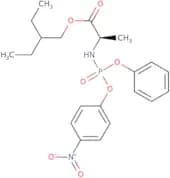
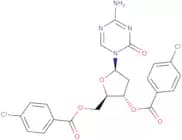
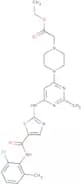
APIs para investigación e impurezas
Los ingredientes farmacéuticos activos (API) son las sustancias en los medicamentos responsables de sus efectos terapéuticos. En esta sección, encontrarás una amplia variedad de API destinados a uso en investigación. Estos compuestos son esenciales para el desarrollo, prueba y validación de nuevas formulaciones farmacéuticas. En CymitQuimica, ofrecemos API de alta calidad para apoyar la investigación en el descubrimiento y desarrollo de fármacos.
Subcategorías de "APIs para investigación e impurezas"
- Aminoácidos y derivados(12.278 productos)
- Antraquinonas y derivados(405 productos)
- Derivados de Benzimidazol e Imidazol(10.376 productos)
- Derivados de Benzodiazepinas(333 productos)
- Carbohidratos y glucoconjugados(5.014 productos)
- Ésteres y derivados(42.045 productos)
- Ácidos Grasos y Derivados Lipídicos(32.246 productos)
- Flavonoides y Polifenoles(17.012 productos)
- Radicales libres y agentes oxidantes/reductores(213 productos)
- Cetonas y Derivados(2.394 productos)
- Antibióticos naturales y semisintéticos(6.366 productos)
- Nitrilos y Cianoderivados(3.045 productos)
- Nitrosaminas y derivados(55 productos)
- Nucleósidos y Nucleótidos(3.430 productos)
- Fosfatos y Fosfonatos Orgánicos(1.201 productos)
- Sulfonatos y Sulfatos Orgánicos(10.406 productos)
- Organometálicos(4.400 productos)
- Otros(6.280 productos)
- Péptidos y Proteínas(3.141 productos)
- Polímeros y derivados(99 productos)
- Derivados de Purinas y Pirimidinas(8.902 productos)
- Derivados de Quinazolina y Quinolina(65.644 productos)
- Quinonas y derivados(24.239 productos)
- Sales y derivados de API(79.472 productos)
- Esteroides y derivados(4.968 productos)
- Sulfonamidas y derivados(2.592 productos)
- Terpenoides y derivados(3.839 productos)
- Tiazolidinedionas y Tiopiranos(2.733 productos)
- Compuestos β-adrenérgicos(230 productos)
Mostrar 21 subcategorías más
Se han encontrado 56814 productos de "APIs para investigación e impurezas"
Ordenar por
Pureza (%)
0
100
|
0
|
50
|
90
|
95
|
100
Dioctyl carbonate
CAS:<p>Dioctyl carbonate is a pharmaceutical preparation used to treat skin conditions. It is a fatty acid ester of carbonic and carbonyl groups in which the two esters are in the same molecule. Dioctyl carbonate is a reaction product obtained by reacting an inorganic acid, such as hydrochloric acid or sulfuric acid, with an alcohol containing two hydroxyl groups and one double bond. This reaction may be facilitated by heating. The film-forming polymer may be polyvinylpyrrolidone, polyvinyl alcohol, or polyacrylic acid. Dioctyl carbonate has been shown to stimulate colony-stimulating factor production and inhibit the proliferation of human epidermal keratinocytes.</p>Fórmula:C17H34O3Pureza:Min. 95%Forma y color:Clear LiquidPeso molecular:286.4 g/mol(+/-)-trans-Lamivudine
CAS:<p>Lamivudine is an antiviral drug that belongs to the group of nucleoside analogues. It can be used as a single agent or in combination with other antiviral drugs for the treatment of HIV infection. Lamivudine is a prodrug that is converted to its active form, which inhibits viral DNA synthesis by competing with natural substrates for incorporation into viral DNA by inhibiting viral polymerase activity and causing chain termination. The long-term toxicity of lamivudine has been studied in animals and humans. Although it does not cause any serious side effects, it can cause hepatitis and reactivation of hepatitis B virus (HBV). Lamivudine has been shown to inhibit the IL-2 receptor on T cells, which may contribute to its beneficial effect on HBV.</p>Fórmula:C8H11N3O3SPureza:Min. 95%Peso molecular:229.26 g/mol4-Chloro-3-hydroxybutyric acid
CAS:<p>4-Chloro-3-hydroxybutyric acid (4C3HB) is an analytical, research and development, high purity, synthetic, API impurity and HPLC standard. 4C3HB is a metabolite of the drug clofibric acid. It also serves as an impurity standard for clofibric acid. 4C3HB has been used in the synthesis of some drugs such as risperidone and carbamazepine. The chemical formula for 4C3HB is C9H13ClO2. CAS No. 95574-97-3</p>Fórmula:C4H7ClO3Pureza:Min. 95%Peso molecular:138.55 g/mol1-[4-(4-Amino-6,7-dimethoxy-2-quinazolinyl)-1-piperazinyl]-2-hydroxy-1-pentanone
CAS:<p>1-[4-(4-Amino-6,7-dimethoxy-2-quinazolinyl)-1-piperazinyl]-2-hydroxy-1-pentanone (DMPP) is an analog of the antiarrhythmic drugs flecainide and propafenone. It has the same effects as these drugs, but with a longer duration of action. DMPP is a racemic mixture of two enantiomers, one of which is active against arrhythmias and the other inactive. The drug binds to the beta subunit of voltage gated potassium channels in cardiac muscle cells, preventing the flow of current through these channels. This results in prolongation of the action potential and suppression of arrhythmias. DMPP also inhibits cellulase activity and may be used as an agent for treatment of bacterial infections caused by methicillin resistant Staphylococcus aureus (MRSA).</p>Fórmula:C19H27N5O4Pureza:Min. 95%Peso molecular:389.45 g/molPBDE 202
CAS:Producto controlado<p>PBDE 202 is a potent inhibitor of kinases, specifically protein kinases. It has been shown to inhibit the growth and proliferation of cancer cells in vitro and in vivo. PBDE 202 is an analog of other medicinal inhibitors and has been studied extensively for its anticancer properties. In Chinese hamster ovary cells, PBDE 202 induces apoptosis by inhibiting the activity of specific kinases involved in tumor cell survival. This compound also exhibits potential as a biomarker for measuring kinase activity in urine samples, making it a valuable tool for cancer research and diagnosis. Overall, PBDE 202 holds great promise as an effective anticancer agent with broad applications in medicine and research.</p>Fórmula:C12H2Br8OPureza:Min. 95%Peso molecular:801.4 g/mol1-(1-Cyclohexen-1-yl)-cyclohexanecarboxylic acid
CAS:<p>Please enquire for more information about 1-(1-Cyclohexen-1-yl)-cyclohexanecarboxylic acid including the price, delivery time and more detailed product information at the technical inquiry form on this page</p>Fórmula:C13H20O2Pureza:Min. 95%Peso molecular:208.3 g/mol6,7,8,9-Tetrahydro-3-[2-[4-(6-hydroxy-1,2-benzisoxazol-3-yl)-1-piperidinyl]ethyl]-2-methyl-4H-pyrido[1,2-a]pyrimidin-4-one
CAS:<p>Tetrahydro-3-[2-[4-(6-hydroxy-1,2-benzisoxazol-3-yl)-1-piperidinyl]ethyl]-2-methyl-4H-pyrido[1,2-a]pyrimidin-4-one (THPP) is a drug product that belongs to the class of drugs used for research and development. It has been shown to have antiinflammatory properties in animal models. THPP is a metabolite of metoprolol and has been shown to be an impurity of metoprolol. The analytical properties of THPP are not yet known. Tetrahydro-3-[2-[4-(6-hydroxy-1,2-benzisoxazol-3--yl)-1--piperidinyl]ethyl]-2--methyl--4H--pyrido[1,2--a]pyrimidin--4one</p>Fórmula:C23H28N4O3Pureza:Min. 95%Peso molecular:408.49 g/molBalsalazide 3-isomer
CAS:<p>Balsalazide 3-isomer (BZ3) is a diacid that is used as an anti-hypertensive drug. BZ3 has been shown to be a prodrug of balsalazide, which is converted in vivo to the active form by hydrolysis of the ester linkage. The prodrug approach was designed to provide an orally available agent for use in patients with colitis and ulcerative colitis. The synthetic process begins with the reaction of salicylic acid and bisoprolol to form the ester product, which then undergoes a second reaction with acetyl chloride to form the acyl chloride intermediate. This intermediate reacts with balsalazide and yields BZ3 when heated to high temperatures. BZ3 contains no impurities because it is synthesized from pure starting materials, whereas commercially available balsalazide may contain impurities such as salicylic acid or colitis.</p>Fórmula:C17H15N3O6Pureza:Min. 95%Peso molecular:357.32 g/molRizatriptan impurity-A
CAS:Rizatriptan impurity-A is an analog of Rizatriptan that has shown potential as an anticancer agent. It has been found in urine and has been studied for its ability to induce apoptosis in human cancer cells. This compound is a kinase inhibitor, which means it can inhibit the activity of specific proteins involved in cell replication and growth. As a result, it may be useful as a medicinal inhibitor for the treatment of various tumors and cancers. The research on Rizatriptan impurity-A is ongoing, but it shows promise as a potential new therapy for cancer patients.Fórmula:C28H35N7Pureza:Min. 95%Peso molecular:469.6 g/mol(R)-1-Trichloromethyl-1,2,3,4-tetrahydro-β-carboline
CAS:<p>(R)-1-Trichloromethyl-1,2,3,4-tetrahydro-β-carboline is a potent inhibitor of kinases that play key roles in cancer. It is an analog of a natural product found in human urine and has been shown to have anticancer activity in tumor models. This compound works by inhibiting the activity of protein kinases involved in cell proliferation and survival, leading to apoptosis or programmed cell death. (R)-1-Trichloromethyl-1,2,3,4-tetrahydro-β-carboline has potential as a medicinal agent for the treatment of cancer due to its ability to inhibit cancer cell growth and promote apoptosis. Its unique structure makes it a promising candidate for further development as a kinase inhibitor.</p>Fórmula:C12H11Cl3N2Pureza:Min. 95%Peso molecular:289.6 g/molWH-4-025
CAS:<p>WH-4-025 is a potent kinase inhibitor that has shown promising results in the treatment of various cancers. It is derived from Chinese medicinal herbs and has been extensively studied for its anticancer properties. WH-4-025 works by inhibiting the activity of specific kinases that are involved in tumor growth and cell cycle regulation. It has been shown to induce apoptosis in cancer cells, leading to their death, and also inhibit the growth of leukemia cells. This protein inhibitor has been found to be effective against a wide range of human cancers and is currently being investigated as a potential therapy for cancer patients. WH-4-025 is excreted through urine, making it an attractive candidate for further development as an anticancer drug.</p>Fórmula:C39H38F3N7O5Pureza:Min. 95%Peso molecular:741.8 g/molHexyl ((4-aminophenyl)(imino)methyl)carbamate hydrochloride
CAS:<p>Hexyl ((4-aminophenyl)(imino)methyl)carbamate hydrochloride is a research and development impurity standard that has been shown to be synthetically derived. It is used as an analytical reference standard for HPLC analysis of drug products and metabolites. Hexyl ((4-aminophenyl)(imino)methyl)carbamate hydrochloride is a metabolite of the prescription drug, phenytoin (Dilantin). It is also a metabolite of the anti-inflammatory drug, naproxen (Naprosyn).</p>Fórmula:C14H22ClN3O2Pureza:Min. 95%Peso molecular:299.79 g/molN2-Losartanyl-losartan
CAS:<p>N2-Losartanyl-losartan is a drug product that has a CAS number of 230971-72-9. This product is an analytical standard for the metabolites of losartan, which is a drug used to treat high blood pressure and heart failure. Metabolism studies have shown that losartan is metabolized by hydroxylation, glucuronidation, and oxidation by cytochrome P450 enzymes. Losartan has also been found to be converted into an active metabolite in the body, which is called N2-hydroxy-losartan. It has been shown to be more potent than losartan at blocking angiotensin II receptors.</p>Fórmula:C44H44Cl2N12OPureza:Min. 95%Peso molecular:827.81 g/molH3Resca-TFP
CAS:<p>Please enquire for more information about H3Resca-TFP including the price, delivery time and more detailed product information at the technical inquiry form on this page</p>Fórmula:C27H28F4N2O8Pureza:Min. 95%Peso molecular:584.5 g/molBazedoxifene 5-β-D-glucuronide
CAS:<p>Bazedoxifene 5-β-D-glucuronide is an analog of bazedoxifene, a selective estrogen receptor modulator used in the treatment of osteoporosis. This compound has shown promising anticancer properties and has been studied extensively in Chinese hamster ovary cells. Bazedoxifene 5-β-D-glucuronide has been found to induce apoptosis in cancer cells and inhibit the activity of kinases involved in tumor growth. It is a potent inhibitor of several human protein kinases, including cyclin-dependent kinase 2 (CDK2) and glycogen synthase kinase 3 beta (GSK3β), which are important targets for medicinal chemists developing kinase inhibitors. This compound is excreted primarily in urine and may have potential as a therapeutic agent for various types of cancer.</p>Fórmula:C36H42N2O9Pureza:Min. 95%Forma y color:PowderPeso molecular:646.7 g/molTrazodone Hydrochloride BP Impurity A
CAS:<p>Trazodone Hydrochloride BP Impurity A is an unproven impurity of Trazodone. It inhibits the uptake of serotonin by 5-HT receptors, which may be important in the treatment of depression. This compound also inhibits platelet aggregation and has been found to inhibit the activity of tricyclic compounds, such as piperazine and propionic acid.</p>Fórmula:C19H22CIN5O2Pureza:Min. 95%Peso molecular:491.33 g/molNP-AHD-13C3
CAS:<p>Please enquire for more information about NP-AHD-13C3 including the price, delivery time and more detailed product information at the technical inquiry form on this page</p>Fórmula:C10H8N4O4Pureza:Min. 95%Peso molecular:251.17 g/mol6’-Hydroxy-amiodarone hydrochloride
CAS:<p>Please enquire for more information about 6’-Hydroxy-amiodarone hydrochloride including the price, delivery time and more detailed product information at the technical inquiry form on this page</p>Fórmula:C25H29I2NO4Pureza:Min. 95%Peso molecular:661.3 g/mol4-(N,N-Dipropylsulfamoyl)benzamide
CAS:Please enquire for more information about 4-(N,N-Dipropylsulfamoyl)benzamide including the price, delivery time and more detailed product information at the technical inquiry form on this pageFórmula:C13H20N2O3SPureza:Min. 95%Peso molecular:284.38 g/mol2,3,6,7-Tetrachlorobiphenylene
CAS:<p>2,3,6,7-Tetrachlorobiphenylene is a potent inhibitor of kinases that are involved in cancer cell growth and proliferation. It is an analog of tolvaptan, a drug used to treat hyponatremia by increasing urine output. This compound has been shown to induce apoptosis in cancer cells and inhibit tumor growth. Studies have found that 2,3,6,7-Tetrachlorobiphenylene inhibits the activity of human protein kinases and may be effective against various types of cancer. This Chinese compound has promising anticancer properties and could potentially be used as a therapeutic agent for cancer treatment.</p>Fórmula:C12H4Cl4Pureza:Min. 95%Peso molecular:290 g/molN-Hydroxy-6-(trifluoromethoxy)-2-benzothiazolamine
CAS:<p>N-Hydroxy-6-(trifluoromethoxy)-2-benzothiazolamine (NHTB) is a drug that has been shown to have clinical use as an anticonvulsant. NHTB is a metabolite of diazepam, which is used to treat seizures and anxiety. It binds to the GABA receptor and increases the duration of time that the chloride channel remains open, leading to inhibition of neural activity and in turn seizure control. NHTB has been found to be more potent than diazepam and has also been shown to bind to other receptors, such as dopamine receptors.</p>Fórmula:C8H5F3N2O2SPureza:Min. 95%Peso molecular:250.2 g/molErythromycin impurity K
CAS:<p>Erythromycin impurity K is a synthetic impurity of erythromycin, which is an antibiotic drug product. It is typically found in pharmaceutical products that are made from natural sources and is used as a research and development (R&D) standard for the pharmacopoeia. Erythromycin impurity K can be purified by HPLC or other means to create high purity standards for analytical purposes. The chemical name of this compound is 3-[[[3-(2-Amino-4-thiazolyl)-1,2,4-triazol-5-yl]amino]methyl]-1H-indole.</p>Fórmula:C36H65NO12Pureza:Min. 95%Peso molecular:703.9 g/molN-tert-Butyloxycarbonyl hydroxy brimonidine
CAS:<p>Please enquire for more information about N-tert-Butyloxycarbonyl hydroxy brimonidine including the price, delivery time and more detailed product information at the technical inquiry form on this page</p>Fórmula:C16H20BrN5O3Pureza:Min. 95%Peso molecular:410.27 g/mol5-Eicosene
CAS:<p>5-Eicosene is an analog that has been shown to have potent anticancer properties. It acts as an inhibitor of various protein kinases, including cyclin-dependent kinases, which are essential for cancer cell growth and division. Studies have demonstrated that 5-Eicosene induces apoptosis in Chinese hamster ovary cells and human cancer cells, suggesting its potential as an effective anticancer agent. Additionally, this compound inhibits the activity of certain urinary protein kinases, which may be valuable in the diagnosis and treatment of cancer. Overall, 5-Eicosene shows promise as a potent inhibitor with therapeutic potential against various types of cancer.</p>Fórmula:C20H40Pureza:Min. 95%Peso molecular:280.5 g/molGPI-16552
CAS:<p>GPI-16552 is an inhibitor that has shown potential as an anticancer agent. It induces apoptosis in cancer cells by disrupting the cell cycle and inhibiting the activity of certain proteins. Studies have shown that GPI-16552 can inhibit tumor growth in human cancer cell lines, making it a promising candidate for future cancer treatments. Additionally, this inhibitor has been found in Chinese urine samples and may have potential as a natural source of vitamin-like compounds. Overall, GPI-16552 is a powerful inhibitor with exciting potential for both cancer research and health supplementation.</p>Fórmula:C33H30N2O3Pureza:Min. 95%Peso molecular:502.6 g/mol1-[2-(3-Chloro-2-hydroxypropoxy)phenyl]-3-phenyl-1-propanone
CAS:<p>1-[2-(3-Chloro-2-hydroxypropoxy)phenyl]-3-phenyl-1-propanone is a synthetic drug product. It is an impurity standard for HPLC, and drug development and research. This compound is also used as an analytical reference. The CAS number for this chemical is 165279-79-8.</p>Fórmula:C18H19ClO3Pureza:Min. 95%Peso molecular:318.79 g/molDC-5163
CAS:<p>DC-5163 is a protein analog that has shown potent anticancer activity in preclinical studies. It inhibits the activity of kinases, which are enzymes involved in cancer cell growth and survival. DC-5163 has been shown to induce apoptosis, or programmed cell death, in various types of cancer cells, including those from human tumors and Chinese hamster ovary cells. This compound also acts as a toxin for cancer cells by interfering with their ability to divide and grow. In addition, DC-5163 has shown promising results as an inhibitor of tumor growth in animal models. Its potential as a therapeutic agent for cancer treatment is currently being investigated.</p>Fórmula:C18H20ClN3OSPureza:Min. 95%Peso molecular:361.9 g/molrac 6-Bromo phenylephrine hydrochloride
CAS:<p>Please enquire for more information about rac 6-Bromo phenylephrine hydrochloride including the price, delivery time and more detailed product information at the technical inquiry form on this page</p>Fórmula:C9H13BrClNO2Pureza:Min. 95%Peso molecular:282.56 g/mol2′,4′′-Bis-O-(trimethylsilyl)-erythromycin 9-[O-(1-ethoxy-1-methylethyl)oxime]
CAS:<p>Please enquire for more information about 2′,4′′-Bis-O-(trimethylsilyl)-erythromycin 9-[O-(1-ethoxy-1-methylethyl)oxime] including the price, delivery time and more detailed product information at the technical inquiry form on this page</p>Fórmula:C48H94N2O14Si2Pureza:Min. 95%Peso molecular:979.44 g/molErgoline-8β-carboxylic acid methyl ester hydrochloride
CAS:<p>Ergoline-8β-carboxylic acid methyl ester hydrochloride is a drug product that has been developed for research and development. It is an analytical standard, impurity standard, and HPLC standard. Ergoline-8β-carboxylic acid methyl ester hydrochloride is a metabolite of ergometrine, which is an ergot alkaloid with pharmacological properties similar to those of ergonovine. Ergoline-8β-carboxylic acid methyl ester hydrochloride is used as an impurity in the synthesis of ergometrine. The purity of this compound meets the requirements of pharmacopoeia standards for use as an analytical reference substance.</p>Fórmula:C16H18N2O2•HClPureza:Min. 95%Forma y color:PowderPeso molecular:306.79 g/molN-Desmethyl (E)-α-hydroxy tamoxifen
CAS:<p>N-Desmethyl (E)-α-hydroxy tamoxifen is a metabolite of tamoxifen. This drug has been shown to be more reactive than its parent compound, with the potential for enhanced toxicity. N-Desmethyl (E)-α-hydroxy tamoxifen is thought to be responsible for the toxic effects of tamoxifen in women and rats. The metabolites are excreted in the bile, with 50% being reabsorbed from the gastrointestinal tract and then excreted into the urine. In human liver cells, N-desmethyl (E)-α-hydroxy tamoxifen inhibits the growth of cancer cells and induces apoptosis by binding to DNA. It also causes increased production of reactive oxygen species in liver cells, which may contribute to hepatotoxicity.</p>Fórmula:C25H27NO2Pureza:Min. 95%Peso molecular:373.5 g/molAcyclovir EP impurity R
CAS:<p>Acyclovir EP impurity R is a by-product of acyclovir, which has been shown to be stable in acidic and alkaline conditions. It is also linear with high reproducibility and low detection limits. Acyclovir EP impurity R can be detected using a validated RP-HPLC method with an acidified mobile phase. The compound is not photolyzed under the conditions of the assay. This impurity has been detected in batches of acyclovir that have been produced on two different production lines for more than 5 years without any changes in quality or yield.</p>Fórmula:C13H21CIN6O4Pureza:Min. 95%Peso molecular:464.26 g/molDefluoro paroxetine hydrochloride
CAS:<p>Please enquire for more information about Defluoro paroxetine hydrochloride including the price, delivery time and more detailed product information at the technical inquiry form on this page</p>Fórmula:C19H21NO3Pureza:Min. 95%Peso molecular:311.4 g/mol2,3,4-Trichloro-6-(2,4-dichlorophenoxy)phenol
CAS:<p>2,3,4-Trichloro-6-(2,4-dichlorophenoxy)phenol is a potent tumor inhibitor that has been shown to be effective against various types of cancer cells. It works by inhibiting the activity of certain proteins in the cell that are essential for cancer cell growth and survival. This compound has been tested on different cancer cell lines and has demonstrated apoptosis-inducing properties. In addition to its anticancer effects, 2,3,4-Trichloro-6-(2,4-dichlorophenoxy)phenol has also been found to have vitamin-like properties and is commonly found in Chinese urine as a natural anticancer agent. It regulates the cell cycle and plays an important role in preventing the growth and spread of cancer cells. Overall, this compound shows great potential as a therapeutic agent for the treatment of various types of cancer.</p>Fórmula:C12H5Cl5O2Pureza:Min. 95%Peso molecular:358.4 g/mol3-Amino-6-chloro-4-(4-pyridinyl)-2-quinolinone hydrazone
CAS:<p>Please enquire for more information about 3-Amino-6-chloro-4-(4-pyridinyl)-2-quinolinone hydrazone including the price, delivery time and more detailed product information at the technical inquiry form on this page</p>Fórmula:C15H13ClN4Pureza:Min. 95%Peso molecular:284.74 g/molHSL-IN-1
CAS:<p>HSL-IN-1 is an inhibitor analog of nalbuphine that has shown potential as an anticancer agent. It works by inhibiting the activity of certain kinases that are involved in tumor growth and survival. HSL-IN-1 induces apoptosis, or programmed cell death, in cancer cells by disrupting their protein synthesis and causing DNA damage. This compound has been found to be effective against a variety of human cancers, including breast, lung, and colon cancer. HSL-IN-1 is derived from Chinese medicinal urine and is one of several promising inhibitors currently being studied for their potential use as anticancer agents.</p>Fórmula:C19H13BClF3N2O4Pureza:Min. 95%Peso molecular:436.6 g/mol1-[2-[2-Hydroxy-3-(propylamino)propoxy]phenyl]-3-phenyl-2-propen-1-one
CAS:<p>N-Propyl-1-[2-[2-hydroxy-3-(propylamino)propoxy]phenyl]-3-phenyl-2-propenamide is a drug that belongs to the group of beta blockers. It inhibits the action of catecholamines on β receptors, which in turn reduces cardiac output, heart rate and myocardial oxygen consumption. N-Propyl-1-[2-[2-hydroxy-3-(propylamino)propoxy]phenyl]-3-phenyl-2-propenamide has been used in experimental studies to investigate its effects on metabolism.</p>Fórmula:C21H25NO3Pureza:Min. 95%Peso molecular:339.43 g/mol(S)-(E,Z)-1-(4-Chlorobenzylideneamino)-3-chloropropan-2-ol
CAS:<p>Please enquire for more information about (S)-(E,Z)-1-(4-Chlorobenzylideneamino)-3-chloropropan-2-ol including the price, delivery time and more detailed product information at the technical inquiry form on this page</p>Fórmula:C10H11Cl2NOPureza:Min. 95%Peso molecular:232.1 g/molSLMP53-1
CAS:<p>SLMP53-1 is an anticancer agent that has been shown to induce apoptosis in cancer cells. It works by inhibiting kinases, which are enzymes involved in cell signaling pathways that regulate cell growth and division. SLMP53-1 has been found to be effective against a variety of tumors, including those of the bladder, breast, and lung. In addition, it has shown promising results as a potential treatment for Chinese hamster ovary (CHO) cells and human cancer cell lines. SLMP53-1 is also an analog of hepcidin, a protein that regulates iron metabolism in the body. Its unique structure allows it to bind specifically to cancer cells without affecting healthy cells, making it a promising candidate for targeted cancer therapy.</p>Fórmula:C20H18N2O2Pureza:Min. 95%Peso molecular:318.4 g/mol2-Desmethylene-2-chloromethyl ethacrynic acid
CAS:<p>Please enquire for more information about 2-Desmethylene-2-chloromethyl ethacrynic acid including the price, delivery time and more detailed product information at the technical inquiry form on this page</p>Fórmula:C13H13Cl3O4Pureza:Min. 95%Peso molecular:339.6 g/mol7-Chloro-6-fluoro-1,4-dihydro-4-oxo-3-quinolinecarboxylic acid ethyl ester
CAS:<p>7-Chloro-6-fluoro-1,4-dihydro-4-oxo-3-quinolinecarboxylic acid ethyl ester is a synthetic compound that has not been evaluated in humans. Studies have shown that the drug can be hydrolyzed to 7-chloro-6-fluoroquinoline 1,1′-(ethylenedioxy)bis(ethane), which is an impurity of norfloxacin. The ethyl esters of 7-chloroquinoline are also known to condense with formaldehyde and hydrolyze to 7-chloroquinolinic acid. This product may contain solvents such as acetone, chloroform, and alcohols that are used during the synthesis process. Decarboxylation of the drug occurs when it is heated at high temperatures in the presence of a catalyst, such as pyridine or sodium methoxide. It decarboxyl</p>Fórmula:C12H9ClFNO3Pureza:Min. 95%Peso molecular:269.65 g/mol2-[1-[2-Cyclopropyl-1-(2-fluorophenyl)-2-oxoethyl]-4-(methylthio)-3-piperidinylidene]acetic acid
CAS:<p>2-[1-[2-Cyclopropyl-1-(2-fluorophenyl)-2-oxoethyl]-4-(methylthio)-3-piperidinylidene]acetic acid is an inhibitor of protein kinases that has shown promising results in the treatment of cancer. This compound has been found to induce apoptosis, or programmed cell death, in cancer cells by targeting specific kinases involved in tumor growth and survival. Additionally, studies have shown that 2-[1-[2-Cyclopropyl-1-(2-fluorophenyl)-2-oxoethyl]-4-(methylthio)-3-piperidinylidene]acetic acid can inhibit the growth of tumors in human models. This compound can be detected in urine samples after administration, and its absorption can be enhanced by co-administration with D-xylose. Overall, this anticancer agent shows great potential for the development of novel cancer therapies.</p>Fórmula:C19H22FNO3SPureza:Min. 95%Peso molecular:363.4 g/mol17-Acetoxy-6-chloro-3-ethoxypregna-3,5-dien-20-one
CAS:Producto controlado<p>Please enquire for more information about 17-Acetoxy-6-chloro-3-ethoxypregna-3,5-dien-20-one including the price, delivery time and more detailed product information at the technical inquiry form on this page</p>Fórmula:C25H35ClO4Pureza:Min. 95%Peso molecular:435 g/molNicotinic acid-13C1 )
CAS:<p>Nicotinic acid-13C1 is a nicotinic acid analog that is used to study the metabolism of nicotinic acid in humans. The 13C isotope is incorporated into the molecule, making it easier to detect and quantify using mass spectrometry. Nicotinic acid-13C1 can also be used as a high purity standard for HPLC analysis and as an impurity standard for pharmacopoeia testing. Nicotinic acid-13C1 can also be custom synthesized or obtained from natural sources such as yeast extract or synthetic sources such as 13C labeled acetone.</p>Fórmula:C513CH5NO2Pureza:---Forma y color:PowderPeso molecular:124.1 g/molMethiotepa
CAS:<p>Methiotepa is a potent anticancer drug that has been used for the treatment of various types of tumors. It is a Chinese hamster ovary (CHO) cell-derived analog of chitin, which inhibits the activity of protein kinase C. Methiotepa induces apoptosis in cancer cells by inhibiting DNA synthesis and repair, leading to cell death. This drug has also been shown to be a potent inhibitor of heparin-induced platelet aggregation in human blood. Methiotepa has been found to be effective against a wide range of cancers, including breast, lung, ovarian, and bladder cancer, among others. Its use as an anticancer agent may be due to its ability to inhibit the activity of various kinases and other enzymes involved in cancer cell proliferation and survival.</p>Fórmula:C9H18N3PSPureza:Min. 95%Peso molecular:231.3 g/mol3-[Methyl(1-naphthalenylmethyl)amino]-1-phenyl-1-propanone
CAS:<p>3-[Methyl(1-naphthalenylmethyl)amino]-1-phenyl-1-propanone is a versatile compound that has various applications in different industries. It is commonly used as an acetyltransferase inhibitor in the production of chamomile extract. This compound also acts as a cellulose biomass enhancer, promoting the growth and yield of cellulose-based materials. Additionally, it has been found to enhance the solubility of sulfadiazine, making it more effective in pharmaceutical formulations.</p>Fórmula:C21H21NOPureza:Min. 95%Peso molecular:303.4 g/molBis(o-ethylbenzylamine) catechol dihydrochloride
CAS:<p>Bis(o-ethylbenzylamine) catechol dihydrochloride is a potent inhibitor of protein kinases that play a crucial role in the regulation of the cell cycle. It has been shown to induce apoptosis in various human cancer cell lines, including leukemia and Chinese hamster ovary cells. This compound inhibits the activity of several kinases, including indoleamine 2,3-dioxygenase (IDO), which is involved in tumor immune evasion. Bis(o-ethylbenzylamine) catechol dihydrochloride also acts as an inhibitor of other key proteins involved in the growth and proliferation of cancer cells. Its unique mode of action makes it a promising candidate for the development of novel anticancer therapies.</p>Fórmula:C24H30Cl2N2O2Pureza:Min. 95%Peso molecular:449.4 g/molCarbamazepine impurity
CAS:<p>Carbamazepine is a drug that has been used to treat epileptic seizures and trigeminal neuralgia. Impurities in the drug are removed by using chromatographic methods, such as high-performance liquid chromatography (HPLC). The rotarod test is an animal model of motor coordination and balance that can be used to assess the effects of drugs on these functions. Carbamazepine impurities may cause depression and have an epileptic effect on animals. Chronic exposure to carbamazepine can lead to drug reactions and gene polymorphisms, which may alter the metabolism of the drug. Analytical methods for determining carbamazepine impurities include HPLC, gas chromatography mass spectrometry (GC-MS), and thin-layer chromatography (TLC).</p>Fórmula:C15H14N2OPureza:Min. 95%Peso molecular:238.28 g/molSdz Ser 082 fumarate
CAS:<p>Sdz Ser 082 fumarate is a 5-hydroxytryptamine (5-HT) receptor agonist that acts on the central nervous system. It is an experimental substance for the treatment of depression and other skin conditions. Sdz Ser 082 fumarate has been shown to have synergistic effects with gamma-aminobutyric acid, which may be due to its ability to inhibit gaba transporter activity. This drug also has anti-inflammatory properties, which may be due to its ability to block the release of proinflammatory cytokines like IL-6, TNF-α, and IL-8.</p>Fórmula:C19H24N2O4Pureza:Min. 95%Peso molecular:344.4 g/molAmoxicillin EP Impurity E
CAS:<p>Amoxicillin EP Impurity E is an impurity found in Amoxicillin EP, which is a β-lactam antibiotic. It belongs to the group of β-lactam antibiotics and has antibacterial activity. Amoxicillin EP Impurity E is found by applying validation methods to measure the concentration of this product. The analytical method used for this impurity is a wavelength measurement or a magnetic field measurement. This impurity can be determined using chromatographic or elution methods. The chromatographic methods used are high performance liquid chromatography (HPLC) and gas chromatography (GC). Method development is required for determining the level of this impurity, as well as validation procedures for measuring it with various methods.</p>Fórmula:C15H21N3O4SPureza:Min. 95%Peso molecular:339.41 g/molNeriifolin
CAS:<p>Neriifolin is a potent anticancer compound that has been isolated from the Chinese plant, Nerium oleander. It belongs to the class of xylan analogs and has been shown to inhibit the growth of cancer cells by inducing apoptosis. Neriifolin targets the cell cycle and inhibits the activity of protein kinases, which are essential for cell division. It has demonstrated significant inhibitory effects on tumor growth in human cancer cell lines, making it a promising candidate for cancer therapy. In addition, Neriifolin has been found to be a potent inhibitor of several key enzymes involved in cancer progression, making it an attractive target for developing new cancer therapies. Its effectiveness as an anticancer agent makes Neriifolin an important tool in the fight against cancer.</p>Fórmula:C30H46O8Pureza:Min. 95%Peso molecular:534.7 g/molBGC-20-1531
CAS:<p>BGC-20-1531 is a medicinal compound that has been found to be an effective inhibitor of kinases in cancer cells. This Chinese-derived analog has shown potent anticancer activity in human tumor models and induces apoptosis in cancer cells. It works by inhibiting the protein kinase activity that is essential for cancer cell survival, leading to cell death. BGC-20-1531 has been shown to be effective against a wide range of cancer types and can be used as a potential therapeutic agent for cancer treatment. Additionally, this compound has been found in human urine and may have potential as a biomarker for cancer diagnosis and prognosis. With its unique characteristics, BGC-20-1531 is an exciting new prospect for the development of novel anticancer drugs.</p>Fórmula:C26H24N2O6SPureza:Min. 95%Peso molecular:492.5 g/molPentalenolactone O
CAS:<p>Pentalenolactone O is a natural product, which is used as an analytical standard for the determination of metabolites in drug development and research. It can be synthesized from pentalenolactone A by hydrogenation with Raney nickel catalyst. Pentalenolactone O is also a synthetic compound that has been developed as an impurity standard for HPLC analysis. The purity of this compound is high, and it complies with the requirements of pharmacopoeias such as USP and BP.</p>Fórmula:C15H18O6Pureza:Min. 95%Peso molecular:294.3 g/molClobetasol Propionate - Impurity C
CAS:Producto controlado<p>21-Chloro-9-fluoro-11beta,17-dihydroxy-16alpha-methylpregna-1,4-diene-3,20-dione 17-propionate is an ester of ketoconazole and the propionic acid. It is used as a pharmaceutical formulation and has been shown to be stable in an HPLC method. This compound also has an optical isomer that was validated by a stability test. This product has been shown to have antiinflammatory properties and may be used as a topical treatment for skin disorders such as clobetasol propionate.</p>Fórmula:C25H32ClFO5Pureza:Min. 95%Peso molecular:466.97 g/molα-(4-Chlorophenyl)-2-ethyl-1,3-dioxolane-2-acetonitrile
CAS:<p>α-(4-Chlorophenyl)-2-ethyl-1,3-dioxolane-2-acetonitrile is a metabolite of the drug product α-[4-(chlorophenyl)phenoxy]ethanol. It has been used as an impurity standard for HPLC and as a pharmacopoeia.<br>!--</p>Fórmula:C13H14ClNO2Pureza:Min. 95%Peso molecular:251.71 g/molButibufen-d5
CAS:<p>Please enquire for more information about Butibufen-d5 including the price, delivery time and more detailed product information at the technical inquiry form on this page</p>Fórmula:C14H20O2Pureza:Min. 95%Peso molecular:225.34 g/mol2-Isopropoxy-5-phenyl-1,3,4-oxadiazole
CAS:2-Isopropoxy-5-phenyl-1,3,4-oxadiazole is a potent anticancer agent that has been extensively studied for its ability to inhibit tumor growth in humans. This compound belongs to the class of kinase inhibitors and has been shown to induce apoptosis in cancer cells. It is an analog of a medicinal compound that was first identified in Chinese herbal medicine. 2-Isopropoxy-5-phenyl-1,3,4-oxadiazole specifically inhibits certain protein kinases involved in cancer cell signaling pathways, leading to a decrease in cell proliferation and survival. This compound has demonstrated significant activity against various types of cancer cells and may have potential as a therapeutic agent for the treatment of cancer. Its presence can be detected in human urine after administration.Fórmula:C11H12N2O2Pureza:Min. 95%Peso molecular:204.22 g/molHydroxyvarenicline N-oxide
CAS:<p>Hydroxyvarenicline N-oxide is a drug product with a purity of 98.0%. It is an analytical standard used in metabolism studies, drug development, and pharmacopoeia. It has been shown to be metabolized by CYP450 enzymes to form its metabolite hydroxyvarenicline N-oxide sulfate. The CAS number for this compound is 2306217-11-6.</p>Pureza:Min. 95%Amoxicillin EP Impurity L
CAS:<p>Amoxicillin EP Impurity L is an impurity standard for amoxicillin. It is a synthetic compound that is used to ensure the quality of amoxicillin drug products. Amoxicillin EP Impurity L has been shown to be metabolized through a number of metabolic transformations, including hydrolysis by esterases or glucuronidases, oxidation by cytochrome P450 enzymes, reduction by glutathione reductase, or conjugation with glucuronic acid. This impurity has also been shown to have anti-inflammatory properties and may be due to its inhibition of prostaglandin synthesis.</p>Fórmula:C24H29N5O7S2Pureza:Min. 95%Peso molecular:563.65 g/molSalmeterol fluticasone propionate
CAS:Producto controlado<p>Salmeterol fluticasone propionate is a medicinal product that is used to treat respiratory disorders such as asthma and chronic obstructive pulmonary disease (COPD). It contains two active ingredients, salmeterol and fluticasone propionate. Salmeterol works by relaxing the muscles in the airways, while fluticasone propionate reduces inflammation in the lungs. This combination medication has been shown to improve lung function and reduce symptoms of wheezing and shortness of breath.</p>Fórmula:C50H68F3NO9SPureza:Min. 95%Peso molecular:916.1 g/molN-Acetyl-9-(acetylamino)-9-deoxyneuraminic acid
CAS:<p>Please enquire for more information about N-Acetyl-9-(acetylamino)-9-deoxyneuraminic acid including the price, delivery time and more detailed product information at the technical inquiry form on this page</p>Fórmula:C13H22N2O9Pureza:Min. 95%Peso molecular:350.32 g/molVU 0465350
CAS:<p>Please enquire for more information about VU 0465350 including the price, delivery time and more detailed product information at the technical inquiry form on this page</p>Fórmula:C19H18N4OPureza:Min. 95%Peso molecular:318.4 g/mol9,10-Dioxo ketotifen
CAS:<p>9,10-Dioxo ketotifen is a drug product that belongs to the category of HPLC standards. It has been shown to be a metabolite of ketotifen and also an impurity in ketotifen. 9,10-Dioxo ketotifen has been shown to possess antihistamine activity and may have potential as a lead compound for the development of new drugs.</p>Fórmula:C19H17NO2SPureza:Min. 95%Forma y color:PowderPeso molecular:323.41 g/mol5-Chloro-N-4-pyridinyl-2,1-benzisothiazole-3-carboxamide
CAS:<p>Please enquire for more information about 5-Chloro-N-4-pyridinyl-2,1-benzisothiazole-3-carboxamide including the price, delivery time and more detailed product information at the technical inquiry form on this page</p>Fórmula:C13H8ClN3OSPureza:Min. 95%Peso molecular:289.74 g/molRemdesivir impurity 8
<p>Remdesivir impurity 8 is a metabolite of remdesivir, a drug product that belongs to the class of synthetic compounds. Remdesivir impurity 8 has been used as a research and development standard for HPLC analysis. It is also used as an impurity standard in pharmacopoeia and drug development. This impurity has shown natural activity in metabolism studies, but it is not known if this activity is due to the compound itself or an artifact from its synthesis.</p>Fórmula:C30H39N6O8PPureza:Min. 95%Peso molecular:642.64 g/molEthylene terephthalate cyclic pentamer-d20
CAS:<p>The ethylene terephthalate cyclic pentamer is a polyester that is used in the manufacture of polyester fibers and polyester films. It is extracted from the raw material, which is a mixture of dimethyl terephthalate, ethylene glycol, and 1,4-butanediol. The extruder heats the raw material to 240°C in order to convert it into its liquid form. The crystallization process takes place at room temperature and produces a white solid product called oligomer. Extraction removes impurities from the oligomer by washing it with water. Linear polyester is obtained by heating the purified oligomer at 260°C for 40 minutes, while extruded polyester undergoes a heat treatment of 230°C for 20 minutes. Extrusion produces pellets that are then processed into filaments or sheets.</p>Fórmula:C50H20D20O20Pureza:Min. 95%Peso molecular:980.96 g/molRemdesivir related compound 9
CAS:<p>Remdesivir related compound 9 is a drug product that is an analytical standard. It is a natural API impurity, which has been synthesized for use as an impurity standard. This compound has been custom synthesized to be used as a research and development chemical. CAS No. 1439900-56-7 is the number of this synthetic drug product. It can be used in HPLC standards and it meets pharmacopoeia requirements for purity. The niche market for this compound is high purity analytical standards, including HPLC standards.</p>Fórmula:C21H27N2O7PPureza:Min. 95%Peso molecular:450.42 g/molExo-tropine-3-thiol hydrochloride
CAS:<p>Please enquire for more information about Exo-tropine-3-thiol hydrochloride including the price, delivery time and more detailed product information at the technical inquiry form on this page</p>Fórmula:C8H16ClNSPureza:Min. 95%Peso molecular:193.74 g/molPyrimido[1,2-a]purin-10(1H)-one
CAS:<p>Pyrimido[1,2-a]purin-10(1H)-one is a cytotoxic drug used in the treatment of various cancers. It is an analog of purine nucleoside and has been shown to inhibit mitochondrial functions and nuclear DNA synthesis, as well as to induce malondialdehyde production. Pyrimido[1,2-a]purin-10(1H)-one also inhibits protein synthesis by methyltransferase inhibition. The detection sensitivity of pyrimido[1,2-a]purin-10(1H)-one has been demonstrated using titration calorimetry on sephadex g-100 columns. This compound is not active against E. coli K12 but is active against other bacteria including Staphylococcus aureus isolates that are resistant to methicillin.</p>Fórmula:C8H5N5OPureza:Min. 95%Peso molecular:187.16 g/mol6-Benzoyl-2,3-dihydro-1H-pyrrolizine-1-carboxylic acid, racemic
CAS:<p>6-Benzoyl-2,3-dihydro-1H-pyrrolizine-1-carboxylic acid, racemic is a drug product that is used as an analytical standard in the development of new drugs. It is also used to study the metabolism of drugs. 6BPDC has been shown to inhibit bacterial growth by binding to DNA and RNA, thereby preventing transcription and replication. This metabolite can be synthesized in the laboratory.</p>Fórmula:C15H13NO3Pureza:Min. 95%Peso molecular:255.27 g/molThromboxane A2 potassium salt
CAS:<p>Please enquire for more information about Thromboxane A2 potassium salt including the price, delivery time and more detailed product information at the technical inquiry form on this page</p>Fórmula:C20H31KO5Pureza:Min. 95%Peso molecular:390.6 g/molN-Acetyl zonisamide
CAS:<p>N-Acetyl zonisamide is a drug that is used in the treatment of epilepsy. It has a broad spectrum of activity and has been shown to be effective against seizures caused by both genetic and acquired conditions. N-Acetyl zonisamide's mechanism of action is not fully understood, but it may involve inhibition of carbonic anhydrase, modulation of serotonergic systems, and antagonism at adenosine receptors. Zonisamide also binds to glutamate and dopamine receptors in the brain, which may contribute to its clinical effects.</p>Fórmula:C10H10N2O4SPureza:Min. 95%Forma y color:PowderPeso molecular:254.26 g/mol3-Bromo-N-desethyl-N-benzyl lidocaine
CAS:<p>Please enquire for more information about 3-Bromo-N-desethyl-N-benzyl lidocaine including the price, delivery time and more detailed product information at the technical inquiry form on this page</p>Fórmula:C19H23BrN2OPureza:Min. 95%Peso molecular:375.3 g/molDihydro lafutidine
CAS:<p>Dihydro lafutidine is a drug product that is used in the treatment of acid-related disorders. It is an analytical standard and impurity control compound for HPLC. Dihydro lafutidine has been shown to inhibit the production of gastric acid by blocking the histamine H2 receptor, which is involved in regulating stomach pH. It also inhibits the growth of Helicobacter pylori, which may be due to its ability to bind to bacterial 16S ribosomal RNA and inhibit protein synthesis.</p>Fórmula:C22H31N3O4SPureza:Min. 95%Peso molecular:433.60 g/molTorasemide EP Impurity D
CAS:<p>Torasemide EP Impurity D is a drug product or impurity. It is an analytical standard for purity testing of torasemide. Torasemide EP Impurity D is also a metabolite of torasemide and can be found in urine as well as other tissues. It is natural, but not naturally occurring. Research and Development studies of this impurity are ongoing to determine its pharmacological activity and niche applications.</p>Fórmula:C17H22N4O3SPureza:Min. 95%Peso molecular:362.45 g/molVu 0469650 hydrochloride
CAS:<p>Vu 0469650 hydrochloride is a white to off-white, crystalline powder. It is a synthetic compound that is used as an impurity standard and custom synthesis. Vu 0469650 hydrochloride has been shown to be stable in biological fluids and tissues, such as plasma, urine, bile, and brain tissue. The purity of this drug product can be determined through HPLC analysis.</p>Fórmula:C22H29ClN4OPureza:Min. 95%Peso molecular:400.9 g/molNaltrexone hydrochloride EP Impurity G
<p>Naltrexone Impurity G is a synthetic impurity found in naltrexone. It is used as an impurity standard and can be custom synthesized to meet the needs of researchers, developers, and manufacturers of drug products. Naltrexone Impurity G is a metabolite that has been shown to have pharmacological effects similar to those of naltrexone. It is used in metabolism studies. Naltrexone Impurity G has a purity level of 99% or higher and can be ordered as a methanol solution or powder.</p>Fórmula:C20H23NO5Pureza:Min. 95%Forma y color:PowderPeso molecular:357.4 g/molScirpentriol
CAS:<p>Scirpentriol is an analog of a compound found in Chinese herbal medicine that has been shown to have potent anticancer activity. It inhibits cyclin-dependent kinases, which are enzymes involved in regulating the cell cycle and proliferation. Scirpentriol has been shown to induce apoptosis, or programmed cell death, in human cancer cells. This compound also inhibits the activity of certain protein kinases that are involved in tumor growth, making it a promising candidate for the development of new cancer therapies. Scirpentriol has potential as an inhibitor of urinary tract tumors due to its ability to block kinase activity and promote apoptosis.</p>Fórmula:C15H22O5Pureza:Min. 95%Peso molecular:282.33 g/mol5-Oxo atorvastatin
CAS:<p>5-Oxo atorvastatin is an impurity standard for atorvastatin. It is a synthetic metabolite that has been observed in the urine of patients receiving atorvastatin. 5-Oxo atorvastatin can be used as a reference compound to calibrate HPLC measurements and as an analytical standard in pharmacopoeia testing.</p>Fórmula:C33H33FN2O5Pureza:Min. 95%Peso molecular:556.6 g/mol(R)-3-((1-Methylpyrrolidin-2-yl)methyl)-5-vinyl-1H-indole
CAS:<p>Please enquire for more information about (R)-3-((1-Methylpyrrolidin-2-yl)methyl)-5-vinyl-1H-indole including the price, delivery time and more detailed product information at the technical inquiry form on this page</p>Fórmula:C16H20N2Pureza:Min. 95%Peso molecular:240.34 g/molDescyclopropyl-2-oxopropyl prasugrel
CAS:<p>Descyclopropyl-2-oxopropyl prasugrel is a metabolite of the prodrug prasugrel. It is a synthetic compound that has been shown to have pharmacological activity similar to its parent drug. Descyclopropyl-2-oxopropyl prasugrel has a purity of >98% and is available as an API standard in impurity grade and as custom synthesis. The chemical name for descyclopropyl-2-oxopropyl prasugrel is 2-[4-(4,4,5,5-tetramethyl-[1,3,2]dioxaborolan-2- yl)butoxy]-N-(3S)-(3aR*,8aS*)-octahydroindole-1,3(2H)-dione.</p>Fórmula:C18H18FNO3SPureza:Min. 95%Peso molecular:347.40 g/molTrans-carboxy glimepiride
CAS:Trans-carboxy glimepiride is a drug with the chemical name of (2S,4R)-2-[(1E)-2-[[(1E)-1-(carboxy)butyl]oxy]ethyl]glycine. It is an impurity found in the drug product Glimepiride. The impurity standard for trans-carboxy glimepiride is prepared by dissolving 1 g of the substance in water and diluting to 10 mL with water. It is used as an HPLC standard and has been shown to be a metabolite of Glimepiride.Fórmula:C24H32N4O7SPureza:Min. 95%Peso molecular:520.60 g/mol2-[3-[4-(3-Chloro-4-ethylphenyl)-1-piperazinyl]propyl]-1,2,4-triazolo[4,3-a]pyridin-3(2H)-one
CAS:<p>2-[3-[4-(3-Chloro-4-ethylphenyl)-1-piperazinyl]propyl]-1,2,4-triazolo[4,3-a]pyridin-3(2H)-one is a research and development impurity standard. Impurities are the substances that are not intentionally added to the drug product but can be generated from the synthesis process or from the raw materials. This substance has been used as a synthetic intermediate in the production of other drugs and as an analytical reference for HPLC analysis. It is used to help develop new drugs by providing data about metabolites and possible toxic effects on humans.</p>Pureza:Min. 95%Benzilic acid 1-ethyl-3-pyrrolidinyl ester
CAS:Producto controladoPlease enquire for more information about Benzilic acid 1-ethyl-3-pyrrolidinyl ester including the price, delivery time and more detailed product information at the technical inquiry form on this pageFórmula:C20H23NO3Pureza:Min. 95%Peso molecular:325.4 g/molBenz[A]anthracene-7-acetic acid
CAS:<p>Please enquire for more information about Benz[A]anthracene-7-acetic acid including the price, delivery time and more detailed product information at the technical inquiry form on this page</p>Fórmula:C20H14O2Pureza:Min. 95%Peso molecular:286.3 g/mol2-((2-Methyl-1-(propionyloxy)propoxy)(4-phenylbutyl)phosphoryl)acetic acid
CAS:<p>2-((2-Methyl-1-(propionyloxy)propoxy)(4-phenylbutyl)phosphoryl)acetic acid (KZPBA) is a zoonotic antibiotic that has been shown to be active against agalactiae. It is a prodrug, which is metabolized to the active form, KZPBA, in humans and other mammals. The mechanism of action of KZPBA is not yet known; however, it has been hypothesized that its activity may be due to inhibition of DNA gyrase and topoisomerase IV. This drug has also been shown to have an effect on mastitis in dairy cows.</p>Fórmula:C19H29O6PPureza:Min. 95%Peso molecular:384.4 g/mol6,8-Disulfo-2-naphthalenediazonium
CAS:6,8-Disulfo-2-naphthalenediazonium (6,8-DN) is a Chinese anticancer protein analog that has been shown to induce apoptosis in cancer cells. It is an inhibitor of the antibiotic linezolid and has been found to be effective against various types of human cancer cells. 6,8-DN has been detected in urine samples from patients with tumors and may serve as a potential biomarker for cancer diagnosis. It also acts as a kinase inhibitor, which can affect the regulation of cell growth and division. The inhibition of kinases by 6,8-DN may play a role in its anticancer activity.Fórmula:C10H7N2O6S2Pureza:Min. 95%Peso molecular:315.3 g/mol1-Hydroxy-3-nitrodeamino fingolimod
CAS:<p>1-Hydroxy-3-nitrodeamino fingolimod is a drug product that belongs to the class of drugs known as immunosuppressants. It is a synthetic, non-natural compound that belongs to the family of drugs known as sphingosine analogues. The HPLC standard for 1-hydroxy-3-nitrodeamino fingolimod is available and can be used in research and development or analytical studies. This drug has been shown to have niche applications in the treatment of multiple sclerosis, but it is not yet included in any pharmacopoeia.</p>Fórmula:C19H31NO5Pureza:Min. 95%Peso molecular:353.5 g/mol(-)-Bornyl ferulate
CAS:Producto controlado<p>(-)-Bornyl ferulate is a natural compound, specifically a type of ferulic acid ester, which is a secondary metabolite found in certain plants. Its source is primarily the essential oils and resins of various coniferous species, where it contributes to the plant's defense mechanisms. The mode of action of (-)-Bornyl ferulate involves its ability to scavenge free radicals, thus exhibiting antioxidant activity. It also modulates inflammatory pathways, suggesting possible anti-inflammatory effects.</p>Fórmula:C20H26O4Pureza:Min. 95%Peso molecular:330.42 g/molRos 234 dioxalate
CAS:<p>Ros 234 is a dioxalate salt of rosiglitazone, and is an anti-cancer agent that inhibits the growth of cancer cells. Ros 234 has been shown to inhibit inflammatory conditions such as asthma, rheumatoid arthritis, and colitis. It also modulates immune and autoimmune responses.</p>Fórmula:C17H19N5O8Pureza:Min. 95%Peso molecular:421.4 g/molDeschloro amlodipine
CAS:<p>Deschloro amlodipine is a drug that is used for the treatment of high blood pressure. It belongs to a group of drugs called calcium channel blockers. Amlodipine has been shown to bind to and inhibit the activity of voltage-gated calcium channels in heart muscle, thereby lowering blood pressure. Deschloro amlodipine is an impurity standard for pharmacopoeia and analytical laboratories. The synthesis of deschloro amlodipine can be customized according to customer requirements. This product will be shipped as soon as possible after purchase.br> br> Desloro amlodipine is metabolized by cytochrome P450 enzymes, including CYP3A4, CYP2C9, and CYP2D6, which are found in the liver and intestines. These enzymes convert desloro amlodipine into two metabolites: 4-hydroxyamlodipine and 4</p>Fórmula:C20H26N2O5Pureza:Min. 95%Peso molecular:374.43 g/molTyk2-in-5
CAS:Please enquire for more information about Tyk2-in-5 including the price, delivery time and more detailed product information at the technical inquiry form on this pageFórmula:C21H19FN8O2Pureza:Min. 95%Peso molecular:434.4 g/molOPC-167832
CAS:<p>OPC-167832 is a potent medicinal compound that has shown promising results in the treatment of cancer. It is an inhibitor of protein kinases, which are enzymes involved in cell cycle regulation and tumor growth. OPC-167832 induces apoptosis, or programmed cell death, in various cancer cell lines including Chinese hamster ovary cells and human tumor cells. This compound has been shown to have anticancer properties by inhibiting the growth of tumors and reducing their size. Additionally, OPC-167832 can be detected in urine samples, making it a useful tool for monitoring treatment response in cancer patients. Overall, this inhibitor shows great potential as a therapeutic agent for the treatment of various types of cancer.</p>Fórmula:C21H20ClF3N2O4Pureza:Min. 95%Peso molecular:456.8 g/molNaproxen EP Impurity D
CAS:<p>Naproxen EP Impurity D is a research and development impurity standard that is used for pharmacopoeia drug product, synthetic, high purity, and analytical purposes. Naproxen EP Impurity D is a metabolite of naproxen and has been shown to be an active form of the drug in animal studies. The CAS number for Naproxen EP Impurity D is 116883-62-6.</p>Fórmula:C14H13IO3Pureza:Min. 95%Peso molecular:356.16 g/molN-Desmethyl N-hydroxymethyl regorafenib
CAS:<p>N-Desmethyl N-hydroxymethyl regorafenib is a drug product that is used in the development of new drugs. It is a chemical intermediate that has been synthesized to produce a desired metabolite. The molecule contains two methyl groups, two hydroxyl groups, and one carboxylic acid group on the aromatic ring. This product has been purified to high purity by analytical methods.</p>Fórmula:C21H15ClF4N4O4Pureza:Min. 95%Peso molecular:498.80 g/molN-Methyl-N'-[2-[(5-methyl-1H-imidazol-4-yl)methylhio]ethyl]guanidine dihydrochloride
CAS:<p>N-Methyl-N'-[2-[(5-methyl-1H-imidazol-4-yl)methylhio]ethyl]guanidine dihydrochloride is an analytical standard used in HPLC. It is also a research and development, drug development, and impurity standard for the manufacture of drugs. CAS No. 59660-24-1 is an API impurity that is used to produce a high purity drug product. Impurity standard is a Metabolite (impurity) that is used in pharmacopoeia (a book of standards). Custom synthesis is a natural or synthetic chemical substance that can be custom made to order.</p>Fórmula:C9H17N5S·2HClPureza:Min. 95%Peso molecular:300.25 g/mol11-Oxo-betamethasone-17-carboxylic acid
CAS:Producto controlado<p>Please enquire for more information about 11-Oxo-betamethasone-17-carboxylic acid including the price, delivery time and more detailed product information at the technical inquiry form on this page</p>Fórmula:C21H25FO5Pureza:Min. 95%Peso molecular:376.4 g/molHydrolyzed pomalidomide M10
CAS:<p>Hydrolyzed pomalidomide M10 is an impurity standard that is used to generate the typical chromatographic profile of a drug product. It is a metabolite of pomalidomide, which is a chemotherapeutic drug used in the treatment of multiple myeloma. Hydrolyzed pomalidomide M10 has CAS number 918314-45-1 and is a natural or synthetic compound.<br>Hydrolyzed pomalidomide M10 has been shown to be an analytical standard for HPLC methods, as well as being an impurity standard for pharmacopoeia and custom synthesis. The high purity and potency of this compound make it ideal for drug development, research and analysis.</p>Fórmula:C13H13N3O5Pureza:Min. 95%Peso molecular:291.26 g/molCeftazidime impurity H
CAS:<p>Ceftazidime impurity H is a by-product that can be found in the synthesis of ceftazidime. It has been detected using magnetic separation and UV detection. Ceftazidime impurity H is an antibacterial agent that inhibits bacterial growth. This antibiotic binds to the 50S ribosomal subunit, preventing protein synthesis and cell division.</p>Fórmula:C23H24N6O7S2Pureza:Min. 95%Peso molecular:560.6 g/mol1-[[4-(3-Methoxypropoxy)-3-methyl-2-pyridinyl]methyl]-2-[[[4-(3-methoxypropoxy)-3-methyl-2-pyridinyl]methyl]thio]-1H-benzimidazole
CAS:<p>1-[[4-(3-Methoxypropoxy)-3-methyl-2-pyridinyl]methyl]-2-[[[4-(3-methoxypropoxy)-3-methyl-2-pyridinyl]methyl]thio]-1H-benzimidazole is a drug product with analytical applications. It has been shown to have natural and synthetic origins, as well as impurities of its own. It is a custom synthesis and research and development compound that is used for HPLC standardization. The compound has been synthesized for the purpose of drug development and it is intended for niche use.</p>Fórmula:C29H36N4O4SPureza:Min. 95%Peso molecular:536.69 g/molcis-4-[[(2-Amino-3,5-dibromophenyl)methyl]amino]cyclohexanol
CAS:<p>Cis-4-[[(2-Amino-3,5-dibromophenyl)methyl]amino]cyclohexanol (cis-DBCL) is a drug that has been shown to be effective in the treatment of lung diseases. It has been shown to improve lung function and reduce the amount of lung damage caused by surfactant deficiency in rats. Cis-DBCL also improves endothelial function and reduces inflammation in mice with chronic pulmonary fibrosis. The antiinflammatory effect of cis-DBCL is due to its ability to inhibit the production of prostaglandin E2 and nitric oxide.</p>Fórmula:C13H18Br2N2OPureza:Min. 95%Peso molecular:378.1 g/molPhenobarbital impurity A
CAS:<p>Phenobarbital impurity A is a drug product that can be synthesized by Custom synthesis, and is available in high purity. It has been used for metabolic studies and as an analytical standard. Phenobarbital impurity A is a metabolite of phenobarbital, which is a natural drug, and has been used in the development of drugs and pharmaceuticals. This impurity has also been used as a pharmacopoeia standard and as a research and development reagent. CAS No. 69125-70-8</p>Fórmula:C12H14N4OPureza:Min. 95%Forma y color:PowderPeso molecular:230.27 g/mol2-[3,5-Bis(2-hydroxyphenyl)-1H-1,2,4-triazol-1-yl]benzoic acid
CAS:<p>Please enquire for more information about 2-[3,5-Bis(2-hydroxyphenyl)-1H-1,2,4-triazol-1-yl]benzoic acid including the price, delivery time and more detailed product information at the technical inquiry form on this page</p>Fórmula:C21H15N3O4Pureza:Min. 95%Peso molecular:373.4 g/molPhenproxide
CAS:<p>Phenproxide is an analog of testosterone that has been used traditionally in Chinese medicine to treat tumors. It has been found to induce apoptosis in cancer cells by inhibiting kinases, which are enzymes that regulate cellular processes such as cell division and growth. Phenproxide has also been shown to inhibit the activity of somatostatin, a hormone that regulates the release of other hormones. This inhibition may contribute to its anti-cancer properties. In addition, Phenproxide has been shown to have an effect on hyaluronan metabolism, a substance involved in tissue repair and inflammation. It is excreted in urine and may be used as a potential biomarker for cancer diagnosis or monitoring.</p>Fórmula:C15H14ClNO4SPureza:Min. 95%Peso molecular:339.8 g/molPF-04856264
CAS:<p>PF-04856264 is an anticancer drug that belongs to the class of protein kinase inhibitors. It has been shown to inhibit the growth of cancer cells by inducing apoptosis, which is a process of programmed cell death. PF-04856264 is a medicinal analog of nalbuphine and has been tested in human urine for its effectiveness against various types of cancer. This drug specifically targets tumor cells and inhibits their growth by blocking the activity of certain kinases that are involved in cell division. PF-04856264 has also been found to be effective against Chinese hamster ovary cells, making it a promising candidate for further cancer research.</p>Fórmula:C20H15N5O3S2Pureza:Min. 95%Peso molecular:437.5 g/mol2-(Naphthalen-2-ylmethyl)-4,5-dihydro-1H-imidazole
CAS:<p>2-(Naphthalen-2-ylmethyl)-4,5-dihydro-1H-imidazole is a medicinal compound that has shown promising results in cancer research. It works as an inhibitor of cyclin-dependent kinases, which are essential for cancer cell proliferation. This compound induces apoptosis in cancer cells by inhibiting the activity of certain proteins involved in tumor growth. Studies have shown that 2-(Naphthalen-2-ylmethyl)-4,5-dihydro-1H-imidazole analogs have potent anticancer activity and can inhibit the growth of human cancer cells. This compound has also been found to be present in urine samples from Chinese patients with cancer. Further research on this compound may lead to the development of new and effective treatments for various types of cancers.</p>Fórmula:C14H14N2Pureza:Min. 95%Peso molecular:210.27 g/molRS 39604 hydrochloride
CAS:<p>RS 39604 hydrochloride is a mitochondrial function inhibitor that blocks the uptake of mitochondrial substrates, thereby inhibiting the synthesis of ATP. RS 39604 hydrochloride is also an inhibitor of 5-HT1A receptors, which are found in the striatal membranes and play a role in regulating dopamine release. These properties make RS 39604 hydrochloride a potential therapeutic agent for conditions such as Parkinson's disease and cardiac arrhythmia.</p>Fórmula:C16H24Cl2N2O3Pureza:Min. 95%Peso molecular:363.3 g/mol(3-Methyl-4-(2,2,2-trifluoroethoxy)pyridin-2-yl)methyl acetate
CAS:<p>Please enquire for more information about (3-Methyl-4-(2,2,2-trifluoroethoxy)pyridin-2-yl)methyl acetate including the price, delivery time and more detailed product information at the technical inquiry form on this page</p>Fórmula:C11H12F3NO3Pureza:Min. 95%Peso molecular:263.21 g/molDes-acetyl apremilast
CAS:<p>Apremilast is a drug product that belongs to the class of drugs called phosphodiesterase 4 inhibitors. It acts by inhibiting the enzyme phosphodiesterase 4 (PDE4) and therefore blocks the degradation of specific signaling molecules, such as cyclic adenosine monophosphate (cAMP). Apremilast has been shown to have anti-inflammatory properties in preclinical studies and is being developed for the treatment of inflammatory diseases, including rheumatoid arthritis. Apremilast is not active against gram-positive bacteria or some other types of bacteria. Apremilast has been shown to have a low potential for drug interactions with other drugs metabolized by cytochrome P450 enzymes.</p>Fórmula:C20H22N2O6SPureza:Min. 95%Peso molecular:418.50 g/molEthyl 4-(2-N-Boc-2-aminoethyl)benzenesulfonamide carbamate
CAS:<p>Please enquire for more information about Ethyl 4-(2-N-Boc-2-aminoethyl)benzenesulfonamide carbamate including the price, delivery time and more detailed product information at the technical inquiry form on this page</p>Fórmula:C16H24N2O6SPureza:Min. 95%Peso molecular:372.4 g/mol1,4-Dihydro-4-oxo-3-quinolinecarbonyl chloride
CAS:Please enquire for more information about 1,4-Dihydro-4-oxo-3-quinolinecarbonyl chloride including the price, delivery time and more detailed product information at the technical inquiry form on this pageFórmula:C10H6ClNO2Pureza:Min. 95%Peso molecular:207.61 g/molEnniatin K1
CAS:<p>Enniatin K1 is an analog of a natural compound found in Chinese medicinal herbs. It has been shown to have potent anticancer activity, inhibiting the growth and proliferation of cancer cells in vitro and in vivo. Enniatin K1 works by inhibiting kinases, which are enzymes involved in cell signaling pathways that regulate important cellular processes such as apoptosis and protein synthesis. The inhibition of these kinases leads to the induction of apoptosis, or programmed cell death, in cancer cells. Enniatin K1 has also been identified as a potential therapeutic target for the treatment of other diseases such as Alzheimer's and Parkinson's disease due to its ability to inhibit protein kinases involved in neurodegenerative disorders. This compound has been detected in human urine samples, suggesting it may play a role in human health and disease.</p>Fórmula:C32H55N3O9Pureza:Min. 95%Peso molecular:625.8 g/molHPK1-IN-7
CAS:HPK1-IN-7 is a growth factor derived from chamomile extract. It is widely used in the industrial sector for various applications. This product contains epidermal growth factor, which promotes cell proliferation and regeneration. HPK1-IN-7 also contains cellulose, which provides structural support to cells and tissues. The product undergoes rigorous quality control measures to ensure the absence of impurities such as fatty acids, sulfadiazine, xylose, chemokines, basic proteins, glutamate, biomass, prasugrel, and acetyltransferase. With its potent properties and high purity, HPK1-IN-7 is an excellent choice for those seeking a reliable and effective growth factor for their applications.Fórmula:C24H22N6O4Pureza:Min. 95%Peso molecular:458.5 g/molN-Hydroxymethyl rizatriptan fumarate
CAS:<p>Please enquire for more information about N-Hydroxymethyl rizatriptan fumarate including the price, delivery time and more detailed product information at the technical inquiry form on this page</p>Fórmula:C20H25N5O5Pureza:Min. 95%Peso molecular:415.4 g/mol3-Hydroxy citalopram oxalate
CAS:<p>3-Hydroxy citalopram oxalate (3HCO) is a drug product that is used as an analytical standard and impurity standard. It is synthesized in the laboratory by reacting 3,4-dihydroxyphenylacetic acid with citalopram, followed by esterification with oxalic acid. The purity of the final product is typically >98%.</p>Fórmula:C22H23FN2O6Pureza:Min. 95%Peso molecular:430.4 g/molHydrocortisone 17-valerate 21-acetate
CAS:Producto controlado<p>Please enquire for more information about Hydrocortisone 17-valerate 21-acetate including the price, delivery time and more detailed product information at the technical inquiry form on this page</p>Fórmula:C28H40O7Pureza:Min. 95%Peso molecular:488.6 g/molPhenyl di-p-tert-butylphenyl phosphate
CAS:<p>Phenyl di-p-tert-butylphenyl phosphate is a synthetic compound that is used in the optimization of analytical methods, such as sample preparation, and for the analysis of chlorine levels in water samples. Phenyl di-p-tert-butylphenyl phosphate was developed as an alternative to chloroform because it does not dissolve viscose or other cellulosic materials. The phenyl group in this compound reacts with alkali metals to form a disulphide. The carbon disulphide produced in this reaction can then be reduced by organic solvents such as benzene, ether, or carbon tetrachloride to produce a viscose (cellulose acetate) solution. This compound is also used for the determination of the viscosity of viscose solutions by means of chromatography. Sensitivity tests have been performed on phenyl di-p-tert-butylphenyl phosphate using gas chromatography and mass spectrom</p>Fórmula:C26H31O4PPureza:Min. 95%Peso molecular:438.5 g/mol3-(Aminomethylene)-6-phenyl-2,5-piperazinedione
CAS:<p>3-(Aminomethylene)-6-phenyl-2,5-piperazinedione is a potent anticancer agent that has shown promising results in inhibiting cancer cell growth. This compound is an analog of etomidate, a drug used for anesthesia induction. It has been found to induce apoptosis in human tumor cells and inhibit the activity of kinases, which are enzymes involved in cancer progression. The compound has also been detected in human urine, indicating its potential for use as a biomarker for cancer diagnosis and treatment monitoring. Additionally, 3-(Aminomethylene)-6-phenyl-2,5-piperazinedione has shown inhibitory effects on elastase activity, which may contribute to its potential as a therapeutic agent against cancer.</p>Fórmula:C11H11N3O2Pureza:Min. 95%Peso molecular:217.22 g/molN-9H-Fluoren-2-yl-N-hydroxy-acetamide
CAS:<p>N-9H-Fluoren-2-yl-N-hydroxyacetamide is a prodrug that is hydrolyzed in vivo to form 2-(2,6-dichloro-4-(p-nitrophenoxy)phenoxy)-N,N-dimethylethylene diamine (N,9H-diiodofluorene). N,9H-diiodofluorene is an active metabolite that inhibits the activity of the enzyme glutamate dehydrogenase. This inhibition leads to accumulation of ammonia and cell death. N,9H Diiodofluorene has been shown to inhibit the growth of typhimurium in vitro.</p>Fórmula:C15H13NO2Pureza:Min. 95%Peso molecular:239.27 g/molTriacetyl aloe-emodin (impurity A)
CAS:<p>Triacetyl aloe-emodin (impurity A) is an impurity found in the Triacetyl Aloe-Emodin HPLC standard, which is a drug product. It is not approved for use as a drug and should be used only for research and development purposes. The impurity can be custom synthesized or purchased from a specialty chemical supplier. Impurities are not typically found in the final drug product but can occur during synthesis or purification of the API. This impurity is not present in any pharmacopoeia and has no known biological activity. The CAS number of this impurity is 25395-11-3.</p>Fórmula:C21H16O8Pureza:Min. 95%Peso molecular:396.35 g/mol2-[(4-Chlorophenyl)methylene]-N-phenylhydrazinecarbothioamide
CAS:<p>2-[(4-Chlorophenyl)methylene]-N-phenylhydrazinecarbothioamide is a potent Chinese medicinal compound that has been shown to be an effective inhibitor of cancer cell growth. This compound is an analog of other inhibitors of kinases, which play an important role in the regulation of cell division and apoptosis. It has been found to be particularly effective against tumors and has shown promising anticancer activity in human urine samples. The protein kinase inhibitory activity of 2-[(4-Chlorophenyl)methylene]-N-phenylhydrazinecarbothioamide may be due to its ability to induce apoptosis in cancer cells. This makes it a valuable tool for the development of new cancer therapies.</p>Fórmula:C14H12ClN3SPureza:Min. 95%Peso molecular:289.8 g/molMSC2360844
CAS:<p>MSC2360844 is a Chinese medicinal analog that has shown potent anticancer activity against various types of tumors. It functions as an inhibitor of kinases, which are proteins involved in cell signaling and growth regulation. MSC2360844 induces apoptosis, or programmed cell death, in cancer cells by inhibiting the activity of specific kinases. This inhibitor has been shown to be effective against multiple cancer cell lines and has potential therapeutic applications for the treatment of cancer. MSC2360844 is excreted through urine after administration and shows promising results in preclinical studies as a potential anticancer agent.</p>Fórmula:C26H27FN4O5SPureza:Min. 95%Peso molecular:526.6 g/molBenz[A]anthracene-7-acetic acid methyl ester
CAS:Please enquire for more information about Benz[A]anthracene-7-acetic acid methyl ester including the price, delivery time and more detailed product information at the technical inquiry form on this pageFórmula:C21H16O2Pureza:Min. 95%Peso molecular:300.3 g/molN-Methyl carvedilol hydrochloride
CAS:<p>N-Methyl carvedilol hydrochloride is a drug product that is an analytical standard for the impurity N-methylcarvedilol. The CAS number for this compound is 1346599-33-4. It is a metabolite of the drug Carvedilol, which is used to treat heart failure and high blood pressure. Metabolism studies have been conducted in rats and humans, and it has been shown that both animals and humans metabolize carvedilol to produce N-methylcarvedilol as a major metabolite. This product is available as a custom synthesis or can be purchased from one of our suppliers who specialize in providing synthetic standards. We offer this product at high purity levels with HPLC purity and pharmacopoeia specifications.</p>Fórmula:C25H29ClN2O4Pureza:Min. 95%Peso molecular:456.96 g/molTymazoline hydrochloride
CAS:<p>Tymazoline hydrochloride is a medicine that belongs to the class of imidazolines. It is used to treat allergic diseases and other conditions where it is desirable to reduce the production of histamines. Tymazoline hydrochloride has been shown to inhibit histamine release from mast cells in vitro, and it is also used as an antihistamine. Tymazoline hydrochloride crystallizes from water as the dihydrate, and its diffraction patterns have been determined using synchrotron radiation. The molecule has an orthorhombic crystal structure with spacings of 0.7-0.8 nm between planes and intensities of 5-6 cm-1 in the X-ray region. Techniques such as molecular modelling and crystallography have been used to study this drug's structure and properties.</p>Fórmula:C14H21ClN2OPureza:Min. 95%Peso molecular:268.78 g/molN-Desmethyl azithromycin B
CAS:<p>N-Desmethyl azithromycin B is a metabolite of the macrolide antibiotic azithromycin. It is an impurity in the drug product, and is present as an analytical standard for HPLC. N-Desmethyl azithromycin B can be found in the urine of patients taking azithromycin, but at much lower concentrations than the parent drug. This impurity is not toxicologically relevant, but may interfere with some analytical methods.</p>Fórmula:C37H70N2O11Pureza:Min. 95%Peso molecular:718.96 g/mol2-(Aminomethyl)-1-ethylpyrrolidine
CAS:<p>2-(Aminomethyl)-1-ethylpyrrolidine is a pharmaceutical preparation that has been used in the analytical method for determining impurities in pharmaceuticals. It has also been used as an intermediate for pharmaceutical dosage preparations and as a reagent for chromatographic analysis of various substances. 2-(Aminomethyl)-1-ethylpyrrolidine is produced by acylation of pyrrole with ethyl chloride, followed by hydrolysis with sodium carbonate and hydrochloric acid. The substance can be separated into its two components using chromatography, which is based on the difference in their polarity. 2-(Aminomethyl)-1-ethylpyrrolidine is a dopamine receptor antagonist that blocks uptake of dopamine into cells by inhibiting the dopamine transporter (DAT). This leads to increased levels of extracellular dopamine and subsequent activation of postsynaptic D2 receptors.</p>Fórmula:C7H16N2Pureza:Min. 95%Forma y color:Clear LiquidPeso molecular:128.22 g/molFensulfothion Oxon Sulfide
CAS:<p>Fensulfothion oxon sulfide is a drug product that can be used as an analytical reference material. It has been shown to be metabolized in animal studies. The metabolite, fensulfothion sulfoxide, can be synthesized from fensulfothion oxon sulfide and is a standard impurity in the synthetic process. Fensulfothion oxon sulfide is used in drug development and research and development to establish pharmacopoeia standards for HPLC purity requirement.</p>Fórmula:C11H17O4PSPureza:Min. 95%Peso molecular:276.29 g/molN-[[2-[[[4-[[[(Hexyloxy)carbonyl]amino]carbonyl]phenyl]amino]methyl]-1-methyl-1H-benzimidazol-5-yl]carbonyl]-N-2-pyridinyl-β-alanine ethyl ester
CAS:<p>This is an analytical standard for the impurity N-[[2-[[[4-[[(hexyloxy)carbonyl]amino]carbonyl]phenyl]amino]-methyl]-1-methyl-1H-benzimidazol-5-yl]carbonyl]-N-2-pyridinyl-β-alanine ethyl ester. It has a purity of >98% by HPLC and is available in quantities of 5g.</p>Fórmula:C34H40N6O6Pureza:Min. 95%Peso molecular:628.7 g/molErlotinib-3-vinyl hydrochloride
CAS:<p>Erlotinib-3-vinyl hydrochloride is a drug product that is used in the treatment of cancer, including non-small cell lung cancer. It is an impurity standard for HPLC and analytical testing. Erlotinib-3-vinyl hydrochloride is also used as an API impurity and metabolite in metabolism studies. Erlotinib-3-vinyl hydrochloride can be synthesized from 4-(4'-vinylphenoxy)butanal, which is a natural compound obtained from plants like apple trees. This synthetic process can be done by the reduction of 4-(4'-vinylphenoxy)butanal with sodium borohydride, followed by reaction with vinyl chloride. The compound is also found as a metabolite in humans after oral administration of erlotinib, which has been shown to inhibit protein synthesis and DNA synthesis.</p>Fórmula:C22H26ClN3O4Pureza:Min. 95%Peso molecular:431.9 g/mol2-(2-Chlorobenzoyl)benzoic acid
CAS:<p>Please enquire for more information about 2-(2-Chlorobenzoyl)benzoic acid including the price, delivery time and more detailed product information at the technical inquiry form on this page</p>Fórmula:C14H9ClO3Pureza:Min. 95%Peso molecular:260.67 g/molEnalaprilat benzyl ester
CAS:<p>Enalaprilat benzyl ester is a drug product that is custom synthesized according to the customer's specifications. It is a white or off-white crystalline powder and has a purity of 99%. Enalaprilat benzyl ester is used in the development of drugs, research and development, and analytical studies. It can be used as an impurity standard to test for enalaprilat in pharmaceutical products. It can also be used as a metabolite standard to measure blood levels of enalaprilat.</p>Fórmula:C25H30N2O5Pureza:Min. 95%Peso molecular:438.52 g/molN-Methyl metribuzin
CAS:<p>N-Methyl metribuzin is a drug product that belongs to the class of organic compounds known as phenylureas. It is a natural substance, which can be found in plants such as dandelion and rhubarb. Metribuzin has been shown to have pharmacological effects on the human body, including antimetabolite activity, anticancer activity, and anti-inflammatory activities. Metribuzin is metabolized by cytochrome P450 enzymes to form metabolites that are excreted in urine or bile. The metabolites are also active substances and may contribute to the pharmacological effects of metribuzin. Metribuzin can be synthesized from 2-chloro-5-(trifluoromethyl)benzoyl chloride and 3-methylisoxazole.<br>Metribuzin is used as an analytical standard for HPLC analysis because it has a high purity level and analytical quality. It is also used in</p>Fórmula:C9H16N4OSPureza:Min. 95%Forma y color:PowderPeso molecular:228.32 g/molN-Desmethyl 3-hydroxy mepivacaine
CAS:<p>N-Desmethyl 3-hydroxy mepivacaine is a metabolite of mepivacaine. It has been shown to be effective in the treatment of chronic pain and postoperative pain. N-Desmethyl 3-hydroxy mepivacaine is also used as an impurity standard for pharmaceuticals. The CAS number for this product is 247061-17-2. This product is available for custom synthesis and can be found in the pharmacopoeia.</p>Fórmula:C14H20N2O2Pureza:Min. 95%Forma y color:PowderPeso molecular:248.32 g/mol23,24-Anhydro tacrolimus
CAS:<p>23,24-Anhydro tacrolimus is a synthetic prodrug of the immunosuppressant drug tacrolimus. It has the same pharmacological effects as the parent compound and can be used in its place to avoid adverse reactions. The metabolite of 23,24-anhydro tacrolimus is a natural metabolite of tacrolimus and has been synthesized for research purposes or for use as an analytical standard. 23,24-Anhydro tacrolimus is not an impurity standard, but rather a niche product that is not commercially available from suppliers.</p>Fórmula:C44H67NO11Pureza:Min. 95%Forma y color:White PowderPeso molecular:786 g/mol2-[4-(Dimethylamino)-1-(2-methylphenyl)butyl]-phenol
CAS:<p>Please enquire for more information about 2-[4-(Dimethylamino)-1-(2-methylphenyl)butyl]-phenol including the price, delivery time and more detailed product information at the technical inquiry form on this page</p>Fórmula:C19H25NOPureza:Min. 95%Peso molecular:283.4 g/molN4-(5-Chloro-4-quinolinyl)-N1,N1-diethyl-1,4-pentanediamine
CAS:<p>N4-(5-Chloro-4-quinolinyl)-N1,N1-diethyl-1,4-pentanediamine is a synthetic compound that is used as an impurity standard in the synthesis of a number of drugs. It is also used for research and development purposes. N4-(5-Chloro-4-quinolinyl)-N1,N1-diethyl-1,4-pentanediamine can be used as an analytical reference material for high performance liquid chromatography (HPLC) methods. This compound was synthesized from 5-(chloromethyl)quinoline and diethylamine.</p>Fórmula:C18H26ClN3Pureza:Min. 95%Peso molecular:319.9 g/mol3,4-Difluoro-2-(trifluoromethyl)-benzenamine
CAS:<p>Please enquire for more information about 3,4-Difluoro-2-(trifluoromethyl)-benzenamine including the price, delivery time and more detailed product information at the technical inquiry form on this page</p>Fórmula:C7H4F5NPureza:Min. 95%Peso molecular:197.1 g/molBu 224 hydrochloride
CAS:<p>Bu 224 hydrochloride is an exogenous ligand that binds to the imidazoline I1 receptor. It is a potent and selective agonist for this receptor, which has been shown to be located in cardiac tissue. Bu 224 hydrochloride has been shown to increase the release of noradrenaline from cardiac cells, resulting in cardiostimulant effects. The binding of Bu 224 hydrochloride to the I1 receptor also increases blood pressure, heart rate, and myocardial contractility. The effect on blood pressure is dose-dependent: low doses result in a mild increase in blood pressure, whereas higher doses can lead to severe hypertension.</p>Fórmula:C12H12ClN3Pureza:Min. 95%Peso molecular:233.69 g/molPrizidilol
CAS:<p>Prizidilol is a medicinal inhibitor that has shown promising results as an anticancer agent. It works by inhibiting protein kinases, which are enzymes involved in cell cycle regulation and apoptosis. Prizidilol has been found to be effective against cancer cells in both Chinese hamster and human urine tumor models. This inhibitor has also been shown to have potential as an analog for other inhibitors used in cancer research. Its ability to induce apoptosis in cancer cells makes it a promising candidate for future cancer therapies.</p>Fórmula:C17H25N5O2Pureza:Min. 95%Peso molecular:331.4 g/mol2-Des(5-methyl-1,3,4-oxadiazole-2-carboxamide) 2-(2-amino-2-oxoacetic acid) raltegravir
CAS:Raltegravir is a drug that inhibits HIV-1 protease. It is an analytical standard for HPLC, and can be used in the development of drugs, including as an impurity standard. Raltegravir has shown promising results in clinical trials, but it is not available commercially. The chemical compound 2-des(5-methyl-1,3,4-oxadiazole-2-carboxamide) 2-(2-amino-2-oxoacetic acid) raltegravir has CAS No. 1064706-98-4 and is a natural product.Fórmula:C18H19FN4O6Pureza:Min. 95%Peso molecular:406.40 g/molPregabalin inhouse impurity (RS-mme)
CAS:<p>Please enquire for more information about Pregabalin inhouse impurity (RS-mme) including the price, delivery time and more detailed product information at the technical inquiry form on this page</p>Fórmula:C11H20O4Pureza:Min. 95%Peso molecular:216.27 g/mol1-Stearoyl-2-arachidonoyl-sn-glycero-3-phosphoinositol
CAS:1-Stearoyl-2-arachidonoyl-sn-glycero-3-phosphoinositol (1SA2AP) is a glycerophospholipid that is the major phosphatidylinositol in platelets. 1SA2AP is hydrolyzed by phospholipase A2 into arachidonic acid and 1,2-diacylglycerol. The selectivity of 1SA2AP for ionization mass spectrometry has been demonstrated using ethanolamine and choline as standards. In this study, a kinetic method was used to determine the sensitivity and selectivity of electrospray ionization mass spectrometry for 1SA2AP. Analytical results were obtained from data collected from the analysis of two samples containing different concentrations of 1SA2AP.Fórmula:C47H83O13PPureza:Min. 95%Peso molecular:887.13 g/mol4-Hydoxymethyl-5-methylimidazol
CAS:<p>4-Hydroxymethyl-5-methylimidazol (HMMI) is a corrosion inhibitor that is used in the production of nanomaterials. It has been shown to be an effective treatment for wastewater containing hydrochloric acid and organic solvents. The reaction between HMMI and the acids in wastewater forms a complex that prevents the corrosion of metal surfaces. HMMI can be synthesized by reacting aesculus with formaldehyde in an organic solvent, such as acetone or chloroform, at room temperature. HMMI has also been shown to have antiviral potency and is used in skin care products, such as lotions and shampoos, due to its ability to penetrate the skin barrier. Magnetic resonance spectroscopy (MRS) was used to study the effect of HMMI on skin cells, while electrochemical methods were used to investigate how it inhibits viral activity.</p>Fórmula:C5H8N2OPureza:Min. 95%Peso molecular:112.13 g/molSacubitril methyl ester
CAS:<p>Sacubitril methyl ester is a drug product that belongs to the group of angiotensin receptor blockers. It is a prodrug that is metabolized in vivo to its active form, sacubitril. Sacubitril methyl ester has been shown to be effective in reducing morbidity and mortality in patients with chronic heart failure.</p>Fórmula:C23H27NO5Pureza:Min. 95%Forma y color:PowderPeso molecular:397.47 g/mol1-(2-Pyridinyl)cyclobutylamine
CAS:<p>Please enquire for more information about 1-(2-Pyridinyl)cyclobutylamine including the price, delivery time and more detailed product information at the technical inquiry form on this page</p>Fórmula:C9H12N2Pureza:Min. 95%Peso molecular:148.2 g/molDehydro nicardipine hydrochloride
CAS:<p>Please enquire for more information about Dehydro nicardipine hydrochloride including the price, delivery time and more detailed product information at the technical inquiry form on this page</p>Fórmula:C26H28ClN3O6Pureza:Min. 95%Peso molecular:514 g/molMeropenem-d6
CAS:<p>Meropenem-d6 is an inhibitor that targets hepcidin, a protein involved in iron metabolism. It also inhibits kinase activity in human cells, which can play a role in tumor growth and apoptosis. Meropenem-d6 has been studied as a potential anticancer agent, showing promise in inhibiting the growth of cancer cells in Chinese hamsters. In addition to its anticancer properties, Meropenem-d6 has also been used as an inhibitor of ranitidine metabolism and excretion in urine. Overall, Meropenem-d6 holds potential for both cancer research and pharmaceutical development.</p>Fórmula:C17H19D6N3O5SPureza:90%MinForma y color:PowderPeso molecular:389.5 g/molN-[(6-Chloropyridin-3-yl)methyl]-N-methylacetamide
CAS:<p>N-[(6-Chloropyridin-3-yl)methyl]-N-methylacetamide (CAS No. 864628-19-3) is a drug product that has a natural and synthetic origin. Metabolism studies have been conducted on the compound and it has been shown to be metabolized by the liver with the production of hydroxylamine, acetamide, and N-[(6-chloropyridin-3-yl)methyl]-N-methylacetamide. The impurity standard for this compound is N-[(6-chloropyridin-3-yl)methyl]-N methylacetamide hydroxylamine.</p>Fórmula:C9H11ClN2OPureza:Min. 95%Peso molecular:198.65 g/mol5-Nitro-2-(pyridin-4-yl)-2,3-dihydro-1H-isoindole-1,3-dione
CAS:<p>Please enquire for more information about 5-Nitro-2-(pyridin-4-yl)-2,3-dihydro-1H-isoindole-1,3-dione including the price, delivery time and more detailed product information at the technical inquiry form on this page</p>Fórmula:C13H7N3O4Pureza:Min. 95%Peso molecular:269.21 g/mol5-(Aminosulfonyl)-2-methoxy-benzoic acid methyl ester
CAS:<p>5-(Aminosulfonyl)-2-methoxy-benzoic acid methyl ester is a synthetic compound that is used for pharmaceutical preparations. It is typically prepared by the reaction of ethylene and chloroacetic acid in the presence of an organic solvent. The reaction time can be adjusted to produce the desired amount of 5-(aminosulfonyl)-2-methoxy-benzoic acid methyl ester. This synthetic compound has been shown to have a high yield, with minimal contaminating impurities. It has also been shown to be effective in both pharmaceutical dosage and calibration.</p>Fórmula:C9H11NO5SPureza:Min. 95%Peso molecular:245.25 g/molm-Glimepiride impurity
CAS:<p>m-Glimepiride impurity is a chemical substance that belongs to the sulfonylurea family. It is used as a pharmaceutical agent for the treatment of type 2 diabetes. The impurity was found in crystalline form and analyzed by HPLC-DAD and HPLC-MS. The purity of m-Glimepiride impurity was determined to be 99%. It is not known whether this impurity has any biological activity.</p>Fórmula:C24H34N4O5SPureza:Min. 95%Peso molecular:490.62 g/molMirtazapine N-oxide
CAS:<p>Mirtazapine N-oxide is an antidepressant agent that is metabolized to mirtazapine. Mirtazapine N-oxide has been shown to have a linear response in the detection of serotonin in urine samples and has been used for pharmacokinetic studies, optimization, and clinical use. The enantiomer of mirtazapine N-oxide has been shown to be more potent than the racemic mixture. The drug is excreted unchanged into the urine with a half-life of 2 hours. Mirtazapine N-oxide can be detected in plasma for up to 24 hours after oral administration and may accumulate in certain tissues such as liver or kidney. This drug has also been shown to cause death in mice at very high doses.</p>Fórmula:C17H19N3OPureza:Min. 95%Peso molecular:281.35 g/molDorzolamide impurity C hydrochloride
<p>Impurity C is a by-product of dorzolamide hydrochloride. It is used as an analytical reference material, in drug development and as an impurity standard for HPLC. It is also used to generate a pharmacopoeia monograph. The CAS number for Impurity C is 70585-27-5.</p>Pureza:Min. 95%Mycophenolate mofetil N-oxide - EP
CAS:<p>Mycophenolate mofetil N-oxide is a metabolite that is formed during the synthesis of mycophenolic acid, a drug used for the treatment of autoimmune disorders such as rheumatoid arthritis. Mycophenolate mofetil N-oxide is a white solid with an mp of about 155°C. It has been shown to inhibit protein synthesis in cells, and has been investigated for its potential use in cancer therapy.</p>Fórmula:C23H31NO8Pureza:Min. 95%Peso molecular:449.49 g/molFluvoxketone
CAS:Fluvoxketone is a drug that belongs to the class of selective non-steroidal anti-inflammatory drugs. It is a mixture of stereoisomers, with a ratio of 1:1, which have different pharmacological properties. Fluvoxketone has an average elution time of 18 minutes and can be detected in the sodium dodecyl sulphate-polyacrylamide gel electrophoresis (SDS-PAGE) profile at around 10 minutes. This drug was selected as the optimum drug for this study by optimisation of its solubility, selectivity, and stability.Fórmula:C13H15F3O2Pureza:Min. 95%Peso molecular:260.25 g/molOzagrel impurity III
CAS:<p>Please enquire for more information about Ozagrel impurity III including the price, delivery time and more detailed product information at the technical inquiry form on this page</p>Fórmula:C13H16O2Pureza:Min. 95%Peso molecular:204.26 g/mol2-Dodecenol
CAS:<p>2-Dodecenol is an analog of a natural compound found in Chinese medicinal herbs. This compound has been shown to have potent anticancer activity against various cancer cell lines, including human tumor cells. 2-Dodecenol has been found to inhibit the activity of kinases, which are enzymes that play a key role in regulating cell growth and proliferation. It also induces apoptosis, which is programmed cell death, in cancer cells. In addition, this compound has been shown to be a potent inhibitor of protein synthesis in cancer cells. Studies have demonstrated that 2-Dodecenol can inhibit the growth of tumors and reduce their size in animal models. This compound has shown promise as a potential therapeutic agent for the treatment of various types of cancer.</p>Fórmula:C12H24OPureza:Min. 95%Peso molecular:184.32 g/molTalsupram hydrochloride
CAS:<p>Talsupram is an alkynyl alkenyl compound that is a selective serotonin reuptake inhibitor. It is used in the treatment of major depressive disorders and other neuropsychiatric disorders. Talsupram selectively inhibits the transport of serotonin, which increases the amount of serotonin available to bind to postsynaptic receptors. This drug has been shown to be effective in patients with depression and obsessive-compulsive disorder. Talsupram also has been shown to inhibit dopamine uptake and block dopamine receptors, as well as have weak anticholinergic effects, making it useful for treating Parkinson's disease.</p>Fórmula:C20H26ClNSPureza:Min. 95%Peso molecular:347.9 g/molo-Phenylphenol glucuronide
CAS:<p>O-Phenylphenol glucuronide (OPPG) is a metabolite of the drug product o-phenylphenol. It is used as an analytical standard and impurity standard for HPLC, and is also used in drug development. OPPG has been shown to inhibit the growth of bacteria by binding to the 50S ribosomal subunit. It is a natural metabolite that can be found in human urine and bile, but it can also be synthesized through chemical reactions. OPPG has been shown to have niche applications in metabolism studies and drug development, and has been shown to act as an anti-inflammatory agent.</p>Fórmula:C18H18O7Pureza:Min. 95%Peso molecular:346.3 g/molN-Acetyl-o-tert-butoxycarbonyl serotonin
CAS:<p>Please enquire for more information about N-Acetyl-o-tert-butoxycarbonyl serotonin including the price, delivery time and more detailed product information at the technical inquiry form on this page</p>Fórmula:C17H22N2O4Pureza:Min. 95%Peso molecular:318.4 g/mol1-Hexacosene
CAS:<p>1-Hexacosene is a medicinal compound with potential anticancer properties. It has been shown to inhibit the activity of certain kinases, which are enzymes involved in cell signaling and regulation. This inhibition leads to increased apoptosis, or programmed cell death, in cancer cells. 1-Hexacosene has also demonstrated inhibitory effects on tumor growth in Chinese hamsters. In addition, this compound has been found in human urine and may have potential as a biomarker for cancer diagnosis or monitoring. Further research is needed to fully understand the therapeutic potential of 1-Hexacosene as an inhibitor of protein kinases in cancer treatment.</p>Fórmula:C26H52Pureza:Min. 95%Peso molecular:364.7 g/molBetanidine
CAS:<p>Betanidine or betanidine is a glycosidic dye or pigment responsible to provide their color to the plant. It belongs to the family of betalain and is used as coloring agent in the food industry. Betadinine is also involved in the in the metabolism of betalains via tyrosinase regulation. It has high antioxidant properties and in certains studies in mice it has been proved to be involved in the regulation of blood glucose levels.</p>Fórmula:C18H16N2O8Pureza:Min. 95%Peso molecular:388.3 g/molStilbamidine
CAS:<p>Stilbamidine is a potent inhibitor of cancer cell growth that has been shown to induce apoptosis in Chinese hamster ovary cells. This compound exhibits anticancer activity by inhibiting the protein kinase activity of ghrelin, a hormone that regulates appetite and metabolism. Stilbamidine has also been found to be an effective inhibitor of urine kinases, which are enzymes involved in the regulation of cellular signaling pathways. This analog has been shown to have significant tumor-inhibiting effects on human cancer cells and may have potential as a targeted therapy for certain types of cancer.</p>Fórmula:C16H16N4Pureza:Min. 95%Peso molecular:264.32 g/molRAD51-IN-2
CAS:<p>Please enquire for more information about RAD51-IN-2 including the price, delivery time and more detailed product information at the technical inquiry form on this page</p>Fórmula:C27H40N4O6S2Pureza:Min. 95%Peso molecular:580.8 g/mol4-Methyl-2,4-bis(4-hydroxyphenyl)pent-1-ene
CAS:<p>4-Methyl-2,4-bis(4-hydroxyphenyl)pent-1-ene is a synthetic intermediate for use in the preparation of an HPLC standard. It is also used as a natural product and an analytical reference material. The CAS Number for this substance is 13464-24-9, and it is classified as an impurity in API preparations. 4-Methyl-2,4-bis(4-hydroxyphenyl)pent-1-ene is metabolized by cytochrome P450 enzymes to form 2,6,10,14,-tetramethylpentadecane. This compound has been found to have antiinflammatory activity.</p>Fórmula:C18H20O2Pureza:Min. 95%Peso molecular:268.3 g/molPhyscion-d3
CAS:<p>Please enquire for more information about Physcion-d3 including the price, delivery time and more detailed product information at the technical inquiry form on this page</p>Fórmula:C16H12O5Pureza:Min. 95%Peso molecular:287.28 g/molN-Boc-4-nitro-L-phenylalanine t-butyl ester
CAS:<p>Please enquire for more information about N-Boc-4-nitro-L-phenylalanine t-butyl ester including the price, delivery time and more detailed product information at the technical inquiry form on this page</p>Fórmula:C18H26N2O6Pureza:Min. 95%Peso molecular:366.4 g/mol(2Z)-1-[5,6-Dihydro-3-(trifluoromethyl)-1,2,4-triazolo[4,3-α]pyrazin-7(8H)-yl]-4-(2,4,5-trifluorophenyl)-2-buten-1-one
CAS:Please enquire for more information about (2Z)-1-[5,6-Dihydro-3-(trifluoromethyl)-1,2,4-triazolo[4,3-α]pyrazin-7(8H)-yl]-4-(2,4,5-trifluorophenyl)-2-buten-1-one including the price, delivery time and more detailed product information at the technical inquiry form on this pageFórmula:C16H12F6N4OPureza:Min. 95%Peso molecular:390.28 g/molCefazolinamide
CAS:<p>Please enquire for more information about Cefazolinamide including the price, delivery time and more detailed product information at the technical inquiry form on this page</p>Fórmula:C14H15N9O3S3Pureza:Min. 95%Peso molecular:453.5 g/mol(1aS,4S,6aR,7aS)-6-Amino-1,1a,4,6a,7,7a-hexahydro-4-(3-hydroxytricyclo[3.3.1.13,7]dec-1-yl)-3H-Cyclopropa[4,5]pyrrolo[1,2-a]pyrazin- 3-one
CAS:(1aS,4S,6aR,7aS)-6-Amino-1,1a,4,6a,7,7a-hexahydro-4-(3-hydroxytricyclo[3.3.1.13,7]dec-1-yl)-3H-Cyclopropa[4,5]pyrrolo[1,2- a]pyrazin-3-one is an HPLC standard that is used in the development of drugs and pharmaceuticals. It is an impurity found in API's and is also known as a metabolite. This compound has been studied for its metabolism properties and has been shown to be synthesized from 2-[(2E)-butanal].Fórmula:C18H25N3O2Pureza:Min. 95%Peso molecular:315.41 g/molDiornithine
CAS:<p>Diornithine is a medicinal compound that has been identified as an analog of ornithine, a non-essential amino acid found in human urine. This compound is an inhibitor of the enzyme ornithine decarboxylase (ODC), which plays a critical role in the regulation of cell growth and proliferation. Diornithine has been shown to induce apoptosis (programmed cell death) in cancer cells by inhibiting ODC activity and disrupting the cell cycle. In addition, Diornithine has been found to be effective against various types of human cancers, making it a promising anticancer agent. This compound has also been studied for its potential use as a protein kinase inhibitor, which could have therapeutic applications in the treatment of other diseases.</p>Fórmula:C10H22N4O3Pureza:Min. 95%Peso molecular:246.31 g/molL-Allysine
CAS:<p>L-Allysine is an analog of L-lysine and a potent inhibitor of kinases. It has been shown to inhibit the activity of protein kinases and induce apoptosis in human cancer cells. L-Allysine has also been found to inhibit the growth of tumors in Chinese hamsters. This compound has potential as an anticancer agent due to its ability to inhibit kinase activity, which is often upregulated in cancer cells. Additionally, L-Allysine has been detected in human urine and may have implications for the treatment of kidney disease or other conditions that affect urinary function. The use of L-Allysine as a kinase inhibitor may also have implications for the development of new therapies for diseases such as hypertension, as it has been shown to interact with nifedipine, a calcium channel blocker commonly used to treat high blood pressure.</p>Fórmula:C6H11NO3Pureza:Min. 95%Peso molecular:145.16 g/molN-Piperacillinyl ampicillin
CAS:<p>N-Piperacillinyl ampicillin is a drug product that is used for research and development. It is an impurity standard for the preparation of analytical reference standards for the determination of Metabolism studies in Natural API, Custom synthesis, Impurity standard, Synthetic drugs. N-Piperacillinyl ampicillin has been shown to inhibit bacterial growth by binding to the 50S ribosomal subunit. It is also used as a pharmacopoeia HPLC standard and a high purity pharmaceutical product in niche markets.</p>Fórmula:C39H44N8O10S2Pureza:Min. 95%Peso molecular:848.9 g/molMm 77 dihydrochloride
CAS:<p>Mm 77 is a blocker of serotonin. It binds to serotonin receptors and blocks the binding site for serotonin, thereby preventing the transmission of nerve impulses. Mm 77 has been shown to be effective in treating hepatitis.</p>Fórmula:C19H29Cl2N3O3Pureza:Min. 95%Peso molecular:418.4 g/molN-(3,3-Diethoxypropyl)acetamide
CAS:<p>N-(3,3-Diethoxypropyl)acetamide is a custom synthesis drug product. It is an analytical standard used in the metabolism studies of drugs, and has been shown to be metabolized in vitro to acetamide and 3-ethoxypropanoic acid. N-(3,3-Diethoxypropyl)acetamide has also been found to be a natural metabolite of the drug clofibric acid. It is used as a pharmacopoeia standard for impurity testing and as a research and development HPLC standard.</p>Fórmula:C9H19NO3Pureza:Min. 95%Peso molecular:189.25 g/mol2-Desethoxy-2-hydroxy-1H-1-ethyl candesartan cilexetil-d5
CAS:<p>Please enquire for more information about 2-Desethoxy-2-hydroxy-1H-1-ethyl candesartan cilexetil-d5 including the price, delivery time and more detailed product information at the technical inquiry form on this page</p>Fórmula:C33H34N6O6Pureza:Min. 95%Peso molecular:615.7 g/mol2-Hydroxy-5-methyl-gamma-phenylbenzenepropanol
CAS:<p>2-Hydroxy-5-methylphenylbenzenepropanol is an aliphatic phenol that is used as a treatment for benzene poisoning. It is also used as a precursor to other compounds, such as the chlorides and alkylates of 2-hydroxy-5-methylphenylbenzenepropanol. This compound can be synthesized by reacting ethyl benzoylacetate with diisopropylamine in the presence of oxygen and chlorine gas. It is often immobilized using nutrients, l-tartaric acid, or cinnamic acid.</p>Fórmula:C16H18O2Pureza:Min. 95%Peso molecular:242.31 g/molBrobactam
CAS:<p>Brobactam is a potent inhibitor of beta-lactamase enzymes and is often used in combination with other antibiotics to enhance their efficacy. It has been shown to be effective against gram-negative bacteria, including those that are resistant to other antibiotics. Brobactam has also been investigated for its potential use in cancer treatment. Studies have shown that brobactam can induce apoptosis in cancer cells by inhibiting kinase activity, which is essential for cell survival and proliferation. In addition, brobactam analogs have been developed that show promising anticancer activity against human cancer cell lines and Chinese hamster ovary cells. Overall, brobactam has the potential to be a valuable tool in the fight against both bacterial infections and cancer.</p>Fórmula:C8H10BrNO3SPureza:Min. 95%Peso molecular:280.14 g/molCinacalcet impurity B
CAS:<p>Cinacalcet impurity B is an amine that is a by-product of the manufacturing process for cinacalcet. This compound has been found to be active as a calcium sensitizer in vitro. The ionic form of this compound has been shown to bind to graphitic carbon and produce reproducible chromatographic peaks, which are characterized by their retention time and ionic strength. Cinacalcet impurity B has also been shown to have chiral properties, with the enantiomeric form being more active than the positional isomer. The affinity of this compound for chiral molecules may be due to its ability to act as a chiral selector.</p>Fórmula:C19H19NPureza:Min. 95%Peso molecular:261.36 g/molSimvastatin EP Impurity K
CAS:<p>Please enquire for more information about Simvastatin EP Impurity K including the price, delivery time and more detailed product information at the technical inquiry form on this page</p>Fórmula:C25H40O5Pureza:Min. 95%Peso molecular:420.59 g/molSimvastatin impurity K
<p>Simvastatin impurity K is a research and development substance that is used for the synthesis of drug products. This compound is custom synthesized, and its CAS number is 607-33-0. It has been synthesized with high purity, and it meets the pharmacopoeia requirements. Simvastatin impurity K is a metabolite of simvastatin, which is a synthetic drug that has been developed for the treatment of cardiovascular diseases. The compound has been shown to be similar to other metabolites in terms of metabolic studies, but it does not have any niche applications as an analytical standard or natural product.</p>Fórmula:C25H40O5Pureza:Min. 95%Peso molecular:420.58 g/molAztreonam Impurity B TFA salt
CAS:<p>Aztreonam Impurity B (AZTB) is a synthetic, non-natural impurity that has been identified in Aztreonam. The CAS number for AZTB is 102586-36-7. Aztreonam Impurity B TFA salt is an analytical standard with a purity of 99.9%. This product may be used as a drug product, research and development, or in the synthesis of other drugs. HPLC analysis of AZTB reveals an Rf value of 0.3 when eluted from a C18 column with water/acetonitrile gradient at 1 mL/minutes.</p>Fórmula:C13H19N5O6SPureza:Min. 95%Peso molecular:373.39 g/molTopiramate impurity C
CAS:<p>Topiramate impurity C is an analytical reference standard, which is primarily sourced from the chemical synthesis of topiramate-related compounds. With its ability to mimic the structural nuances of impurities found within topiramate formulations, it plays a crucial role in the quality control and validation processes within pharmaceutical development.Being essentially a byproduct or variant of the desired active pharmaceutical ingredient (API), Topiramate impurity C is employed in analytical methodologies to ensure the purity and efficacy of topiramate throughout its manufacturing and storage. Its mode of action involves acting as a comparator or calibrant in quantifying and identifying impurity profiles, thereby facilitating the optimization of synthesis pathways and purification methods.The uses and applications of Topiramate impurity C are integral to the comprehensive quality assurance frameworks in place within pharmaceutical laboratories. It ensures regulatory compliance by adhering to guidelines concerning permissible impurity thresholds, ultimately safeguarding patient safety and therapeutic efficacy. Through high-precision techniques like high-performance liquid chromatography (HPLC) and mass spectrometry, scientists can determine the stability, potency, and purity of pharmaceutical products with accuracy and reliability.</p>Fórmula:C12H19ClO8SPureza:Min. 95%Peso molecular:358.79 g/mol4-Chloro-4-methyl-5-methylene-1,3-dioxolan-2-one
CAS:<p>4-Chloro-4-methyl-5-methylene-1,3-dioxolan-2-one is a synthetic metabolite that is used as an impurity standard for the drug product 4-[4-(4,5-dichloro-1H,3H)-imidazolinyl]-N-[(dimethylamino)sulfonyl]benzamide. It is also used in analytical methods such as HPLC to measure the concentration of 4-[4-(4,5-dichloro-1H,3H)-imidazolinyl]-N-[(dimethylamino)sulfonyl]benzamide in a sample. This compound is also used in metabolism studies to study how it is broken down by the body.</p>Fórmula:C5H5ClO3Pureza:Min. 95%Peso molecular:148.54 g/molDoxorubicin Impurity 15
CAS:<p>Doxorubicin impurity 15 is a natural product that is used as an analytical reference standard in pharmacopoeia. It has been synthesized for use in drug development and research and development, and is available as a high-purity HPLC standard. Doxorubicin impurity 15 has a CAS number of 131086-18-5.</p>Fórmula:C31H38BrNO11Pureza:Min. 95%Peso molecular:680.54 g/mol(5Alpha)-Androst-9(11)-ene-3,17-dione
CAS:<p>5α-Androst-9(11)-ene-3,17-dione is a drug product that has been custom synthesized for research and development purposes. This compound is a natural metabolite of testosterone. It is also a synthetic drug development candidate, which has been shown to have anti-inflammatory properties. 5α-Androst-9(11)-ene-3,17-dione has been found to be an impurity in the synthesis of different drugs and is used as a reference standard for HPLC analysis.</p>Fórmula:C19H26O2Pureza:Min. 95%Peso molecular:286.40 g/molTolvaptan gamma-oxobutanoic acid impurity
CAS:<p>Tolvaptan is a drug that is used for the treatment of hyponatremia. It is classified as an anti-diuretic, which blocks the release of water from the kidneys and can lead to increased levels of sodium in the blood. Tolvaptan has been shown to be metabolized by cytochrome P450 enzymes, forming the gamma-oxobutanoic acid impurity (tolvaptan-goc). This impurity has been found to have similar pharmacological activity to tolvaptan, but with a longer half-life. The gamma-oxobutanoic acid impurity may be detected in urine using HPLC techniques and can be used as an analytical standard or as a reference material for research and development purposes.</p>Fórmula:C26H23ClN2O5Pureza:Min. 95%Peso molecular:478.90 g/molHydroxy carisoprodol
CAS:Hydroxy carisoprodol is a muscle relaxant that is used to treat muscle spasms, stiffness, and pain. It works by blocking nerve impulses (or pain sensations) that are sent to the brain. Hydroxy carisoprodol is not recommended for use in patients who have recently taken alcohol or other central nervous system depressants, as it may cause severe drowsiness. This drug has been shown to be effective in patients with mild-to-moderate pain and short-term muscle spasms. Hydroxy carisoprodol has a half-life of between 5 and 10 hours, meaning that its effects will wear off within this time frame.Fórmula:C12H24N2O5Pureza:Min. 95%Peso molecular:276.33 g/molRemdesivir impurity 11
CAS:<p>CAS No. 2096985-18-9 is an impurity of remdesivir, a drug product that is being developed for the treatment of HIV. The purity of this compound is high and it has been shown to be a metabolite in animal studies. Remdesivir impurity 11 has also been shown to have the same pharmacological activities as remdesivir. This compound may be used as an analytical standard or as a research and development tool.</p>Fórmula:C21H23N6O8PPureza:Min. 95%Peso molecular:518.42 g/molN,N’-Bis(2’-cyanobenzyl)-6-chloro-2,4-dioxopyrimidine
CAS:<p>N,N'-Bis(2'-cyanobenzyl)-6-chloro-2,4-dioxopyrimidine is a drug product that is used as an HPLC standard. It has CAS No. 1618644-29-3 and a molecular mass of 309.35 g/mol. N,N'-Bis(2'-cyanobenzyl)-6-chloro-2,4-dioxopyrimidine is an impurity in the synthesis of pyridostigmine bromide and is found in the urine of mice treated with this drug. This impurity can be determined by GC/MS and LC/MS techniques. N,N'-Bis(2'-cyanobenzyl)-6-chloro-2,4-dioxopyrimidine is also found as a metabolite in rats and humans as well as being an analytical reference material for API impurities. The metabolite may be formed</p>Fórmula:C20H13ClN4O2Pureza:Min. 95%Peso molecular:376.8 g/molN-Ethylcarbamic acid 3-[(1S)-1-(dimethylamino)ethyl]phenyl ester-d6
CAS:<p>N-Ethylcarbamic acid 3-[(1S)-1-(dimethylamino)ethyl]phenyl ester-d6 is a drug product that is used as an analytical standard for the determination of natural and synthetic impurities in API. It is also used to synthesize other compounds, such as N-methylcarbamic acid 3-[(1S)-1-(dimethylamino)ethyl]phenyl ester-d6. The CAS number for this compound is 1070660-34-2. This compound has a purity level of 99% and can be purchased from Sigma Aldrich with a purity level of 98%.</p>Fórmula:C13H14D6N2O2Pureza:Min. 95%Peso molecular:242.35 g/mol[6-Hydroxy-2-(4-hydroxyphenyl)-7-[4-(2-piperidin-1-yl-ethoxy)benzoyl]-benzo[b]thien-3-yl]-[4-[2-(1-piperidinyl)ethoxy]phenyl]methano ne
CAS:<p>(6-Hydroxy-2-(4-hydroxyphenyl)-7-[4-(2-piperidin-1-yl-ethoxy)benzoyl]-benzo[b]thien-3-yl]-[4-[2-(1-piperidinyl)ethoxy]phenyl]methano ne) is a synthetic drug product that has been custom synthesized for the purpose of research and development. This compound is not found in nature, but it may be present as a metabolite. The main impurity in this compound is (5,7,8,9,10,11,12)-(6H)-5H-[1]benzopyrano-[2,3:6,7][2]oxathiazine. Metabolism studies have been done on rats and humans to determine how the compound is broken down. It was determined that the liver enzyme CYP3A4 was responsible for the</p>Fórmula:C42H44N2O6SPureza:Min. 95%Peso molecular:704.87 g/molα-Glycerophosphoric acid dicyclohexylammonium salt
CAS:<p>Please enquire for more information about α-Glycerophosphoric acid dicyclohexylammonium salt including the price, delivery time and more detailed product information at the technical inquiry form on this page</p>Fórmula:C9H22NO6PPureza:Min. 95%Peso molecular:271.25 g/molAmino albendazole
CAS:<p>Albendazole is a sulfoxide anthelmintic drug that is used to treat worm infections in livestock and pets. Albendazole inhibits the synthesis of the parasitic cell membrane, which disrupts the integrity of the cell and leads to death. The analytical method for measuring albendazole includes extraction with hexane followed by analysis using gas chromatography. In humans, albendazole may be used to treat cancer, especially when it occurs in cavities or fatty tissues. It can also be used as a treatment for certain types of parasitic infections, such as toxoplasmosis, amebiasis, and cysticercosis. Albendazole is absorbed well after oral administration and plasma concentrations are proportional to dosage levels. The most common side effects are nausea and headache.</p>Fórmula:C10H13N3SPureza:Min. 95%Peso molecular:207.3 g/mol(6R)-Folinic acid
CAS:<p>(6R)-Folinic acid is an impurity standard and a metabolite of folic acid. It is synthesized by the body in the liver, where it is converted to 5,10-methylenetetrahydrofolate (5,10-MTHF). This metabolite is used to convert homocysteine into methionine, which can then be converted into S-adenosylmethionine (SAMe), a compound that has been shown to have antidepressant properties. The methylation of folate also helps to regulate DNA synthesis and repair. (6R)-Folinic acid has been used in research as a drug development tool for studying folate metabolism and its effects on the central nervous system. High purity standards are available for use in HPLC analysis of this compound.</p>Fórmula:C20H23N7O7Pureza:Min. 95%Peso molecular:473.40 g/molDiphenyl sulfone-3,3'-disulfonyl chloride
CAS:<p>Please enquire for more information about Diphenyl sulfone-3,3'-disulfonyl chloride including the price, delivery time and more detailed product information at the technical inquiry form on this page</p>Fórmula:C12H8Cl2O6S3Pureza:Min. 95%Peso molecular:415.3 g/molRemdesivir impurity 5
CAS:<p>Remdesivir impurity 5 is a metabolite that is generated in the body following metabolism and excretion of remdesivir. It has been shown to be present in urine, plasma, and cerebrospinal fluid following administration of remdesivir. Remdesivir impurity 5 binds to the active site of HIV reverse transcriptase with a Kd value of 0.5 nM. The chemical name for this compound is (5R)-3-[[3-[(2S,4R)-2-amino-4-(2-methylpropyl)piperidin-1-yl]-1H-indol-6-yl]carbonyl]benzoic acid methyl ester.</p>Fórmula:C21H27N2O7PPureza:Min. 95%Peso molecular:450.42 g/mol3',5'-Di-O-p-chlorobenzoyl-2-deoxy-5-azacytosine
CAS:<p>3',5'-Di-O-p-chlorobenzoyl-2-deoxy-5-azacytosine is a drug product that is an impurity in the synthesis of 5'-azacytosine. The chemical name for 3',5'-Di-O-p-chlorobenzoyl-2-deoxy-5-azacytosine is 3,3'-di(O,O'-dichlorobenzyl)-2,5'-dideoxycytidine. It has a molecular weight of 302.7 g/mol and a melting point of 130°C. This chemical compound has been shown to be metabolized by human liver microsomes to a number of metabolites, including 2-, 3-, and 4-(hydroxymethyl)uracil and 4-(aminomethyl)uracil. 3',5'-Di-O-p-chlorobenzoyl -2 deoxy</p>Fórmula:C22H18Cl2N4O6Pureza:Min. 95%Peso molecular:505.31 g/molDasatinib carboxylic acid ethyl ester
CAS:<p>Dasatinib is an inhibitor of tyrosine kinases, which are enzymes that transmit signals from outside the cell to inside the cell. Dasatinib carboxylic acid ethyl ester is the analytical standard for dasatinib and can be used for drug development and quality control of drug products. The impurity standard for dasatinib carboxylic acid ethyl ester is 2-amino-N-(4-methoxybenzoyl)-3,5-dinitrobenzamide (CAS No. 106560-78-1).</p>Fórmula:C24H28ClN7O3SPureza:Min. 95%Peso molecular:530 g/mol


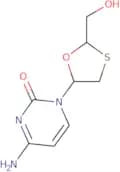
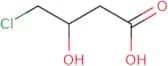
![1-[4-(4-Amino-6,7-dimethoxy-2-quinazolinyl)-1-piperazinyl]-2-hydroxy-1-pentanone](/_next/image/?url=https%3A%2Fstatic.cymitquimica.com%2Fproducts%2F3D%2Fthumb-webp%2FIA63849.webp&w=3840&q=75)


![6,7,8,9-Tetrahydro-3-[2-[4-(6-hydroxy-1,2-benzisoxazol-3-yl)-1-piperidinyl]ethyl]-2-methyl-4H-pyri…](/_next/image/?url=https%3A%2Fstatic.cymitquimica.com%2Fproducts%2F3D%2Fthumb-webp%2FIT21195.webp&w=3840&q=75)
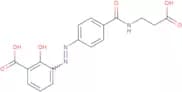

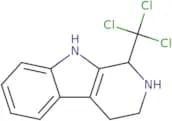
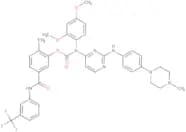
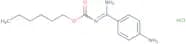
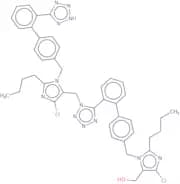
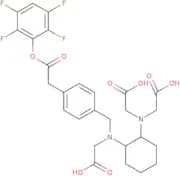
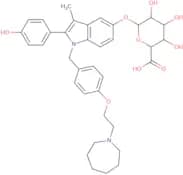


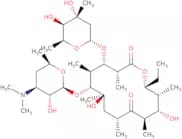
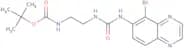


![1-[2-(3-Chloro-2-hydroxypropoxy)phenyl]-3-phenyl-1-propanone](/_next/image/?url=https%3A%2Fstatic.cymitquimica.com%2Fproducts%2F3D%2Fthumb-webp%2FIC21067.webp&w=3840&q=75)
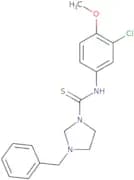
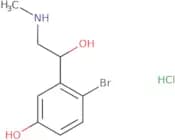
![2′,4′′-Bis-O-(trimethylsilyl)-erythromycin 9-[O-(1-ethoxy-1-methylethyl)oxime]](/_next/image/?url=https%3A%2Fstatic.cymitquimica.com%2Fproducts%2F3D%2Fthumb-webp%2FIB183163.webp&w=3840&q=75)

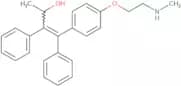
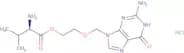
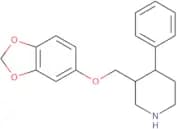
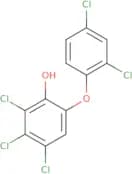
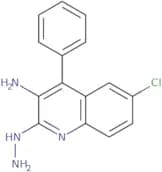
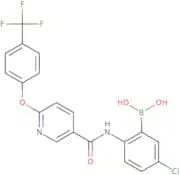
![1-[2-[2-Hydroxy-3-(propylamino)propoxy]phenyl]-3-phenyl-2-propen-1-one](/_next/image/?url=https%3A%2Fstatic.cymitquimica.com%2Fproducts%2F3D%2Fthumb-webp%2FIH63816.webp&w=3840&q=75)
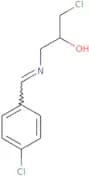

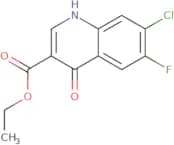
![2-[1-[2-Cyclopropyl-1-(2-fluorophenyl)-2-oxoethyl]-4-(methylthio)-3-piperidinylidene]acetic acid](/_next/image/?url=https%3A%2Fstatic.cymitquimica.com%2Fproducts%2F3D%2Fthumb-webp%2FRLB59927.webp&w=3840&q=75)
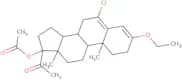
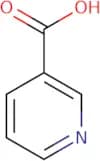
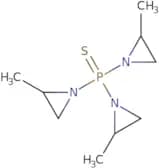
![3-[Methyl(1-naphthalenylmethyl)amino]-1-phenyl-1-propanone](/_next/image/?url=https%3A%2Fstatic.cymitquimica.com%2Fproducts%2F3D%2Fthumb-webp%2FYDA97793.webp&w=3840&q=75)
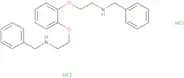

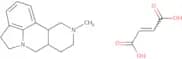
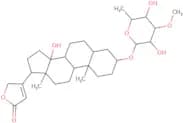
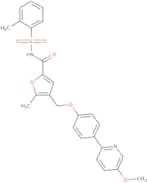
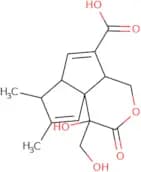
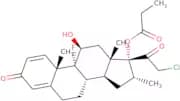
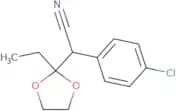
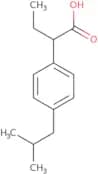
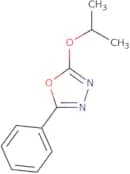
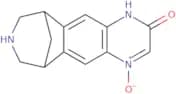
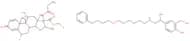
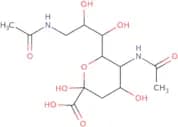
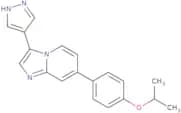
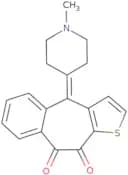
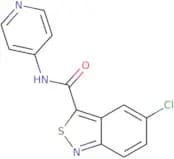
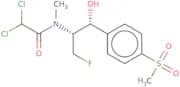
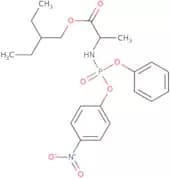
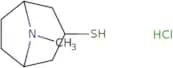
![Pyrimido[1,2-a]purin-10(1H)-one](/_next/image/?url=https%3A%2Fstatic.cymitquimica.com%2Fproducts%2F3D%2Fthumb-webp%2FDEA40845.webp&w=3840&q=75)
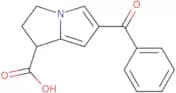
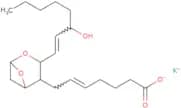
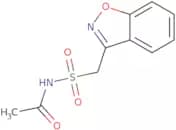
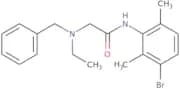
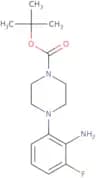

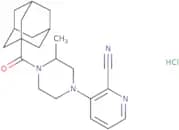
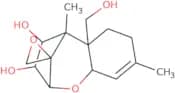
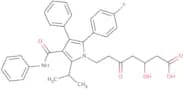
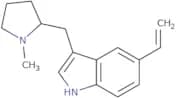
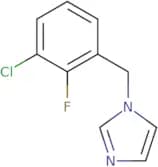
![2-[3-[4-(3-Chloro-4-ethylphenyl)-1-piperazinyl]propyl]-1,2,4-triazolo[4,3-a]pyridin-3(2H)-one](/_next/image/?url=https%3A%2Fstatic.cymitquimica.com%2Fproducts%2F3D%2Fthumb-webp%2FIC171026.webp&w=3840&q=75)
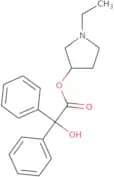
![Benz[A]anthracene-7-acetic acid](/_next/image/?url=https%3A%2Fstatic.cymitquimica.com%2Fproducts%2F3D%2Fthumb-webp%2FVAA31612.webp&w=3840&q=75)
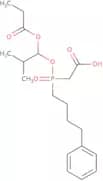
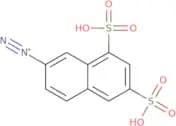
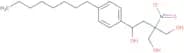
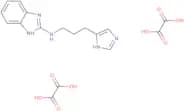
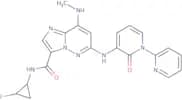
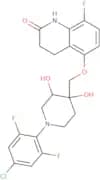

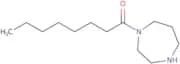
![N-Methyl-N'-[2-[(5-methyl-1H-imidazol-4-yl)methylhio]ethyl]guanidine dihydrochloride](/_next/image/?url=https%3A%2Fstatic.cymitquimica.com%2Fproducts%2F3D%2Fthumb-webp%2FIM58261.webp&w=3840&q=75)
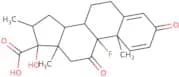
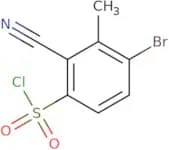
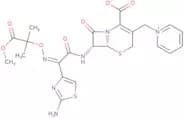
![1-[[4-(3-Methoxypropoxy)-3-methyl-2-pyridinyl]methyl]-2-[[[4-(3-methoxypropoxy)-3-methyl-2-pyridin…](/_next/image/?url=https%3A%2Fstatic.cymitquimica.com%2Fproducts%2F3D%2Fthumb-webp%2FIM25351.webp&w=3840&q=75)
![cis-4-[[(2-Amino-3,5-dibromophenyl)methyl]amino]cyclohexanol](/_next/image/?url=https%3A%2Fstatic.cymitquimica.com%2Fproducts%2F3D%2Fthumb-webp%2FIA156916.webp&w=3840&q=75)
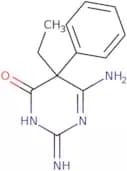
![2-[3,5-Bis(2-hydroxyphenyl)-1H-1,2,4-triazol-1-yl]benzoic acid](/_next/image/?url=https%3A%2Fstatic.cymitquimica.com%2Fproducts%2F3D%2Fthumb-webp%2FBIA53078.webp&w=3840&q=75)
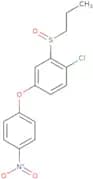
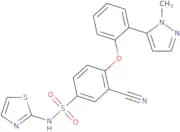
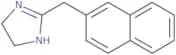
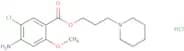
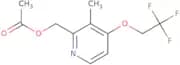
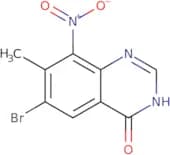
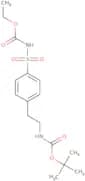
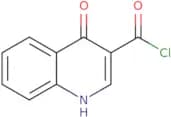
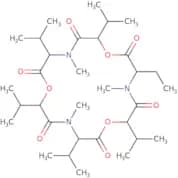
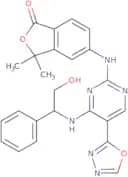

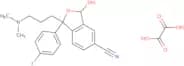
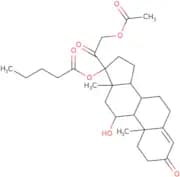
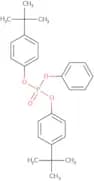
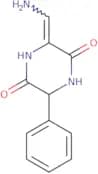
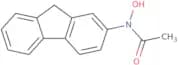
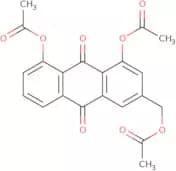
![2-[(4-Chlorophenyl)methylene]-N-phenylhydrazinecarbothioamide](/_next/image/?url=https%3A%2Fstatic.cymitquimica.com%2Fproducts%2F3D%2Fthumb-webp%2FZCA95965.webp&w=3840&q=75)
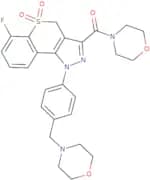
![Benz[A]anthracene-7-acetic acid methyl ester](/_next/image/?url=https%3A%2Fstatic.cymitquimica.com%2Fproducts%2F3D%2Fthumb-webp%2FNCA01840.webp&w=3840&q=75)
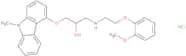
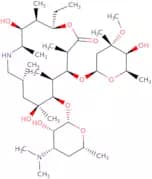
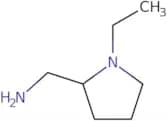
![N-[[2-[[[4-[[[(Hexyloxy)carbonyl]amino]carbonyl]phenyl]amino]methyl]-1-methyl-1H-benzimidazol-5-yl…](/_next/image/?url=https%3A%2Fstatic.cymitquimica.com%2Fproducts%2F3D%2Fthumb-webp%2FIGC23840.webp&w=3840&q=75)
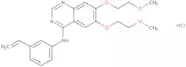
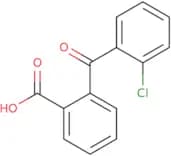
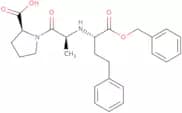
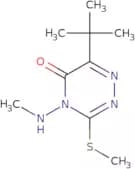
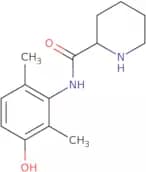
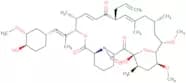
![2-[4-(Dimethylamino)-1-(2-methylphenyl)butyl]-phenol](/_next/image/?url=https%3A%2Fstatic.cymitquimica.com%2Fproducts%2F3D%2Fthumb-webp%2FUDA43254.webp&w=3840&q=75)
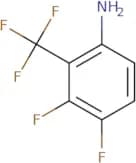
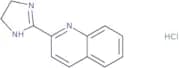
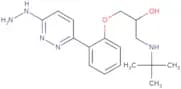
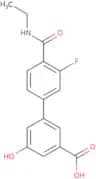
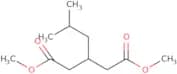

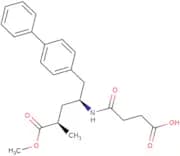
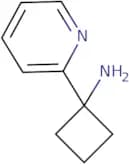
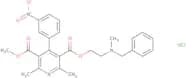
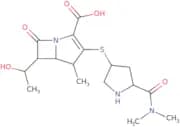
![N-[(6-Chloropyridin-3-yl)methyl]-N-methylacetamide](/_next/image/?url=https%3A%2Fstatic.cymitquimica.com%2Fproducts%2F3D%2Fthumb-webp%2FIC171311.webp&w=3840&q=75)
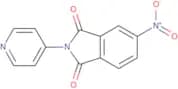
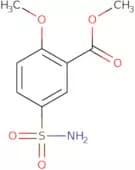
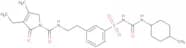
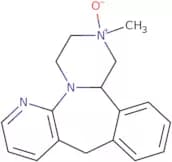
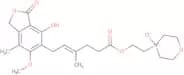

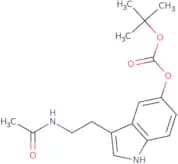

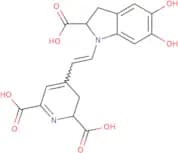
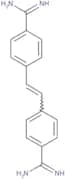
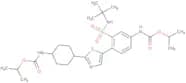
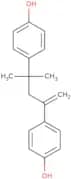
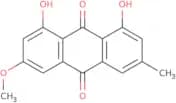
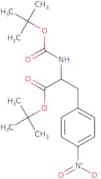
![(2Z)-1-[5,6-Dihydro-3-(trifluoromethyl)-1,2,4-triazolo[4,3-α]pyrazin-7(8H)-yl]-4-(2,4,5-trifluorop…](/_next/image/?url=https%3A%2Fstatic.cymitquimica.com%2Fproducts%2F3D%2Fthumb-webp%2FID183167.webp&w=3840&q=75)
![(1aS,4S,6aR,7aS)-6-Amino-1,1a,4,6a,7,7a-hexahydro-4-(3-hydroxytricyclo[3.3.1.13,7]dec-1-yl)-3H-Cyc…](/_next/image/?url=https%3A%2Fstatic.cymitquimica.com%2Fproducts%2F3D%2Fthumb-webp%2FAEC80076.webp&w=3840&q=75)
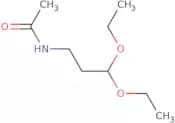
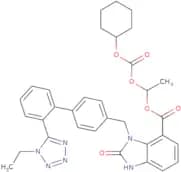
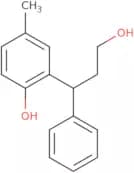
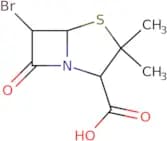


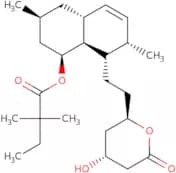
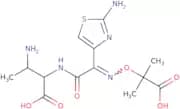

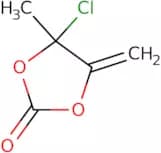
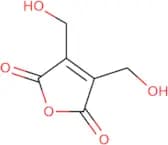
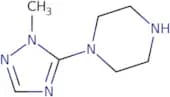
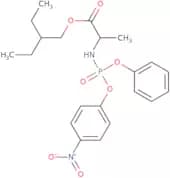
![N-Ethylcarbamic acid 3-[(1S)-1-(dimethylamino)ethyl]phenyl ester-d6](/_next/image/?url=https%3A%2Fstatic.cymitquimica.com%2Fproducts%2F3D%2Fthumb-webp%2FVSB66034.webp&w=3840&q=75)
![[6-Hydroxy-2-(4-hydroxyphenyl)-7-[4-(2-piperidin-1-yl-ethoxy)benzoyl]-benzo[b]thien-3-yl]-[4-[2-(1…](/_next/image/?url=https%3A%2Fstatic.cymitquimica.com%2Fproducts%2F3D%2Fthumb-webp%2FIH45164.webp&w=3840&q=75)