Oligosaccharides
Les oligosaccharides sont des glucides composés d'un petit nombre d'unités monosaccharidiques liées par des liaisons glycosidiques. Ces molécules jouent des rôles importants dans divers processus biologiques, notamment la reconnaissance cellulaire, la signalisation et les réponses immunitaires. Dans cette section, vous trouverez une large sélection d'oligosaccharides essentiels pour la recherche en glycosciences, biochimie et biologie moléculaire. Ces composés sont essentiels pour étudier les structures complexes des glucides, leurs fonctions et leurs interactions avec d'autres biomolécules. Chez CymitQuimica, nous proposons des oligosaccharides de haute qualité pour répondre à vos besoins en recherche et développement, garantissant des résultats précis et fiables dans vos expériences.
Sous-catégories appartenant à la catégorie "Oligosaccharides"
- Aminoéthyl Glycosides, Aminopropyl Glycosides(14 produits)
- Glycanes liant les Asn(33 produits)
- Oligosaccharides biotinées(13 produits)
- Groupes sanguins et antigènes de Lewis(11 produits)
- Oligosaccharides du groupe sanguin(13 produits)
- Cellooligosaccharides(1 produits)
- Cyclodextrines(183 produits)
- Disaccharides(192 produits)
- Oligosaccharides d'épitopes(19 produits)
- Fructooligosaccharides(2 produits)
- Oligosaccharides fonctionnels(554 produits)
- Oligosaccharides fonctionnalisés(1 produits)
- Galactosamine(41 produits)
- Galactoses(261 produits)
- Galb (1-3) GalNAc(21 produits)
- Série Ganglio(11 produits)
- Séries Globo et Isoglobo(17 produits)
- Glucosamine(128 produits)
- Acides glucuroniques(51 produits)
- Glycoprotéines, Glycopeptides(59 produits)
- Glycosaminoglycane(26 produits)
- Oligosaccharides du lait maternel(22 produits)
- O-Glycanes marqués(9 produits)
- Oligosaccharides marqués(36 produits)
- LacNAc(53 produits)
- Séries Lacto et Néolacto(14 produits)
- Lacto-N-biose(10 produits)
- Lactooligosaccharides(7 produits)
- Liaison attachée aux oligosaccharides(19 produits)
- Maltooligosaccharides(6 produits)
- Oligosaccharides du lait(31 produits)
- N-Glycanes(149 produits)
- Glycosides naturels(177 produits)
- Oligosaccharides naturels(103 produits)
- O-Glycane(18 produits)
- Building Blocks d’Oligosaccharides(7 produits)
- Remplacement des oligosaccharides(2 produits)
- Oligosaccharides par composant Sucre(225 produits)
- Oligoses(24 produits)
- Autres Oligosaccharides(14 produits)
- Oligomères de PEG(33 produits)
- Sucres phosphatés(17 produits)
- Sucres protégés(526 produits)
- Réactifs pour la synthèse d'oligosaccharides(254 produits)
- Glycanes de liaison Ser, Thr(9 produits)
- Oligosaccharides sialylés(3 produits)
- Sphingoglycolipides(42 produits)
- Acides aminés de sucre, Peptides de sucre(20 produits)
- Antigènes de sucre(31 produits)
- Building Blocks Sucrés par Oligosaccharides Cibles(225 produits)
- Conjugués de sucre(100 produits)
- Sucres sulfatés(16 produits)
- Tétrasaccharides(34 produits)
- Trisaccharides et autres(95 produits)
- Xylooligosaccharides(5 produits)
Affichez 47 plus de sous-catégories
2278 produits trouvés pour "Oligosaccharides"
Trier par
Degré de pureté (%)
0
100
|
0
|
50
|
90
|
95
|
100
Man-6 Glycan, 2-AB labelled
<p>Man-6 Glycan, 2-AB labelled is a custom synthesis of mannose-6-phosphate, a monosaccharide. The molecule contains six carbons and one phosphate group. It can be modified with fluorination, methylation, or click modification. This glycan is synthesized by the addition of an oligosaccharide to a polysaccharide. Mannose-6-phosphate is an Oligosaccharide that carries out glycosylation reactions in the body. It is used as a precursor for other glycans such as N-Acetylglucosamine and N-Acetylgalactosamine.</p>Degré de pureté :Min. 95%N-GlcNAc-Biotin
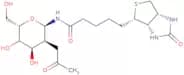
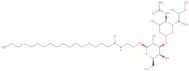
CAS :N-GlcNAc-Biotin is a biotin analog that is used for the detection of cancer. It is used as an outpatient diagnostic tool to detect chest deformity, asymmetry, and other signs of lung or breast cancer. N-GlcNAc-Biotin binds to the receptor for biotin, which is expressed on many cancers cells. The molecule then emits radiation at a specific wavelength that can be detected by a waveguide device. A recrystallized form of this compound was developed to enhance its sensitivity and specificity for diagnosis.END>Formule :C18H30N4O7SCouleur et forme :PowderMasse moléculaire :446.52 g/molChondroitin disaccharide di-4S disodium
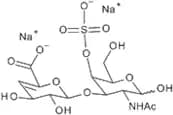
CAS :<p>Chondroitin disaccharide Δdi-4S disodium salt (α-ΔUA-[1→3]-GalNAc-4S) comprises a sulfated N-acetylgalactosamine (GalNAc) and a dehydro glucuronic acid (GlcA) unit by the [1→3] linkage . It can used as a substrate for the identification and characterization of enzymes such as Clostridium perfringens unsaturated glucuronyl hydrolase.</p>Formule :C14H19NO14SNa2Degré de pureté :Min. 95 Area-%Couleur et forme :PowderMasse moléculaire :503.34 g/molSodium alginate, Laminaria Hyperborea
CAS :<p>Sodium alginate is a biocompatible polymer that is used in the treatment of wastewater. It is a water-soluble substance that forms a viscous solution when dissolved in water. Sodium alginate has been shown to inhibit the growth of bacteria and fungi, as well as to reduce the number of coliforms and other microorganisms in water. The potential for an alginate to be biocompatible depends on its chemical structure, with Laminaria Hyperborea being the most biocompatible. Alginates have been shown to have surface properties that are similar to those of natural tissue, making them useful for wound dressings.</p>Formule :C6H9NAO7Couleur et forme :PowderMasse moléculaire :216.12 g/molMaltohexaose eicosaacetate
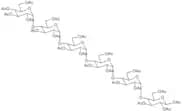
CAS :<p>CO2-philic compound; used in pharmaceuticals and CO2-based processes</p>Formule :C76H102O51Degré de pureté :Min. 90.0 Area-%Couleur et forme :White PowderMasse moléculaire :1,831.59 g/molBenzyl 4- O- b- D- glucuronyl-b- D- xylopyranoside
<p>Benzyl 4- O- b- D- glucuronyl-b- D- xylopyranoside is a synthetic derivative of benzyl 4- O- b- D- glucuronylxylose. It has been shown to be a good substrate for glycosylation, click modification and fluorination. This product has been custom synthesized for the synthesis of complex carbohydrate, which is an oligosaccharide. It is also used in methylation reactions.</p>Degré de pureté :Min. 95%Monosialyllacto-N-neohexaose
<p>Monosialyllacto-N-neohexaose is a postulated sugar that has been suggested to be a membrane potential stabilizer. It has been shown to have a linear response in analytical methods, such as mitochondrial membrane potential and glycosidic bond. Monosialyllacto-N-neohexaose has also been investigated for use in diabetic patients because it may help to improve the membrane potential of cells. This sugar has also been studied for use in colostrum and infant formula due to its ability to stimulate the production of TNF-α, which is important for immune system development.</p>Formule :C51H85N3O39Degré de pureté :Min. 95%Masse moléculaire :1,364.22 g/molk-Carrahexaitol trisulfate trisodium salt
<p>k-carrageenan derived hexasaccharide alcohol trisulfate+(3-6 anhydrogalactose)</p>Formule :C36H55O37S3Na3Degré de pureté :Min. 95%Masse moléculaire :1,244.97 g/molGentiobiose
CAS :<p>Used to differentiate microorganisms based on their metabolic properties.</p>Formule :C12H22O11Degré de pureté :Min. 98.0 Area-%Masse moléculaire :342.30 g/molMaltose syrup
<p>Used for making baked goods, soft drinks, sweets, alcoholic drinks, and infant food. It is also used to produce the sugar substitute maltitol.</p>Degré de pureté :Min. 95%Thiodiglucoside
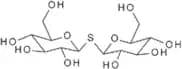
CAS :<p>Thiodiglucoside is a plant glycoside that is used as a preparative agent for the isolation of active substances from lymphocytes. It can be used in chromatographic and inhibition studies to determine the binding sites on lymphocytes. Thiodiglucoside has been shown to bind to lectins and inhibit protein synthesis in activated lymphocytes. This glycoside also inhibits the constriction of smooth muscle cells, which may be due to its inhibition of protein synthesis. The physiological function of thiodiglucoside is not yet fully understood; however, it is known that this compound binds to macropores and affects subunits within the cell membrane.</p>Formule :C12H22O10SDegré de pureté :Min. 95%Couleur et forme :PowderMasse moléculaire :358.36 g/molk-Carraoctaitol tetrasulfate tetrasodium salt
<p>k-carrageenan derived octasaccharide alcohol tetrasulfate+(3-6 anhydrogalactose)</p>Formule :C48H72O49S4Na4Degré de pureté :Min. 95%Masse moléculaire :1,653.28 g/molα-D-Cellobiose octaacetate
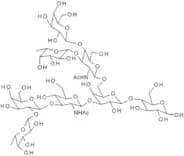
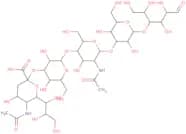
CAS :<p>Fully acetylated cellohexoses, part of a polymer homologous series of oligosaccharides isolated from cellulose by acetolysis followed by chromatography.</p>Formule :C28H38O19Degré de pureté :Min. 98 Area-%Masse moléculaire :678.60 g/molMonosialyl, monofucosyllacto-N-neohexaose
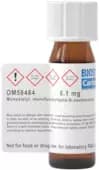
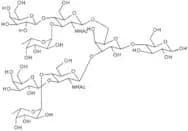
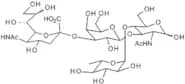
Monosialyl, monofucosyllacto-N-neohexaose is a synthetic oligosaccharide. It has a molecular weight of 1205. The compound has been modified with a click modification and fluorination, and has been shown to be stable in the presence of acid, base, and heat. The compound is also high purity and can be synthesized on request. Monosialyl, monofucosyllacto-N-neohexaose is an example of a complex carbohydrate that contains both a sugar and polysaccharide component. The sugar component is composed of one monosaccharide: sialic acid. The polysaccharide component consists of six disaccharides: two lactose molecules linked with one glucose molecule each. Monosialyl, monofucosyllacto-N-neohexaose is used as an artificial sweetener in food products such as cookies or cakesFormule :C57H95N3O43Degré de pureté :Min. 95%Couleur et forme :PowderMasse moléculaire :1,510.36 g/molGlycyl-asialo, galactosylated biantennary
Glycyl-asialo, galactosylated biantennary is a high purity custom synthesis of sugar. Glycyl-asialo, galactosylated biantennary is custom synthesized by the click modification of glycosylation and fluorination with methylation and modification. The CAS number for glycyl-asialo, galactosylated biantennary is **********.Formule :C64H108N6O46Degré de pureté :Min. 95%Masse moléculaire :1,697.56 g/molGalNAcb(1-3)Gala(1-3)Galb(1-4)Glc-b-pNP
<p>GalNAcb(1-3)Gala(1-3)Galb(1-4)Glc-b-pNP is a synthetic glycoconjugate that is a glycosylated complex carbohydrate. It has been modified by Click chemistry and fluorination, and contains the monosaccharides galactose, galactosamine, glucose, and glucuronic acid. GalNAcb(1-3)Gala(1-3)Galb(1-4)Glc-b-pNP is used as a substrate for enzyme assays to study the activity of glycosyltransferases such as galactosyltransferase. This product can be used for research purposes in immunology, molecular biology, biochemistry and other fields.</p>Formule :C32H48N20O23Degré de pureté :Min. 95%Masse moléculaire :1,080.84 g/mol5-O-β-D-Glucopyranosyl-D-xylitol
CAS :<p>5-O-β-D-Glucopyranosyl-D-xylitol is a disaccharide that is synthesized for use in research.</p>Formule :C11H22O10Degré de pureté :Min. 95%Couleur et forme :PowderMasse moléculaire :314.29 g/molLacto-N-difucohexaose IV
<p>Lacto-N-difucohexaose IV is a pentasaccharide with a lacto-n-difucohexaose backbone that has been shown to have inhibitory activities against human red blood cells. This pentasaccharide is a glycosaminoglycan, which is a type of carbohydrate that consists of an oligosaccharide and protein. Lacto-N-difucohexaose IV specifically binds to the antigen on the surface of human red blood cells, inhibiting their proliferation. The pentasaccharide is also known as Hansson's hapten or Hapten IV. The pentasaccharides are found in group O blood and are not found in groups A, B, or AB.</p>Formule :C38H65NO29Degré de pureté :Min. 95%Masse moléculaire :999.91 g/molGlycyl-sialyllacto-N-tetraose c
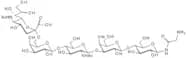
<p>Glycyl-sialyllacto-N-tetraose c is a custom synthesis of the carbohydrate polysaccharide glycyl-sialyllacto-N-tetraose. It is a complex carbohydrate that has been modified for use in biochemical research. Glycyl-sialyllacto-N-tetraose c contains four sugars, including erythrose and threose, and has been fluorinated at the C5 position. The modification of this carbohydrate was achieved through a click reaction. This product has been purified to be greater than 95% pure and is ready for use as an organic solvent or chemical reagent in laboratory experiments.</p>Formule :C39H66N4O29Degré de pureté :Min. 95%Masse moléculaire :1,054.95 g/molLacto-N-triose I
CAS :<p>Lacto-N-triose I is a carbohydrate antigen that is used as an acceptor in the synthesis of trisaccharides. Lacto-N-triose I has been shown to have acidic hydrolysis and gel permeation chromatography. It can be used for the synthesis of oligosaccharides, which are important for glycosylation reactions. Lacto-N-triose I also has a glycosylation reaction that can be activated by desulfurization.</p>Formule :C20H35NO16Degré de pureté :Min. 95%Masse moléculaire :545.49 g/molSialyllacto-N-fucopentaose I
<p>Sialyllacto-N-fucopentaose I is a high purity, custom synthesis, fluorinated carbohydrate that has been modified by methylation and click chemistry. This oligosaccharide is composed of a saccharide with a molecular weight of 908.5 g/mol and an enantiomeric purity of 99%. Sialyllacto-N-fucopentaose I is an Oligosaccharide with a CAS number of 61497-04-8. It is used in the synthesis of polysaccharides or as a monosaccharide or sugar substitute to produce high purity products.</p>Formule :C43H72N2O33Degré de pureté :Min. 95%Masse moléculaire :1,145.03 g/molHuman milk neutral di- to -tetrasaccharides
This mixture contains some of the lower oligosaccharides found in human milk. There are small amounts of lactose but the bulk of the mixture are tri- and tetrasaccharides. 3-Fucosyllactose, 3'-Sialyllactose, 6'-Sialyllactose, Lacto-N-tetraose, Sialyllacto-N-tetraose b, Sialyllacto-N-tetraose b and Blood Group A tetrasaccharide type V are the major components that have been found in the mixture by chromatography but there may be other minor components not mentioned here.Degré de pureté :Min. 95%GQ3-Oligosaccharide
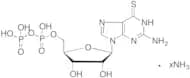
<p>GQ3 oligosaccharide is the carbohydrate moiety in the GQ3 ganglioside. Breast cancer cells MCF-7 were found to express a complex pattern of neutral and sialylated glycosphingolipids from the globo- and ganglio-series, including unusual tetrasialylated and pentasialylated lactosylceramide derivatives, and GQ3 (II3Neu5Ac4-Gg2Cer) (Steenackers, 2012).</p>Formule :C56H86N4O43Na4Degré de pureté :Min. 95%Masse moléculaire :1,595.24 g/molThioguanosine Diphosphate Ammonium Salt
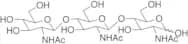
Produit contrôléFormule :C10H15N5O10P2S•xNH3Couleur et forme :NeatMasse moléculaire :459.27 (free acid)N,N’,N’’-Triacetyl Chitotriose
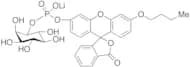
CAS :Produit contrôlé<p>Applications N,N’,N’’-Triacetyl Chitotriose is a multivalent glycosides with strong crosslinking activity for lectin as a specific coagulant.<br>References Bhattacharyya, L., et al.: Biochemistry, 29, 7523 (1990), Sacchettini, J., et al.: Biochemistry, 40, 3009 (2001), Maierhofer, C., et al.: Bioorg. Med. Chem., 15, 7661 (2007),<br></p>Formule :C24H41N3O16Couleur et forme :NeatMasse moléculaire :627.60D,L-myo-Inositol-1-(n-butylfluoresceinylphosphate) Lithium Salt, ~80%
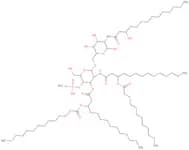
CAS :Produit contrôléFormule :C30H30LiO13PDegré de pureté :~80%Couleur et forme :NeatMasse moléculaire :636.47Monophosphoryl 3- deacyl lipid A ammonium
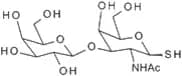
CAS :<p>Synthetic MPLA analog equivalent derived from bacterial LPS</p>Formule :C82H155N2O20P•NH3Degré de pureté :Min. 95%Couleur et forme :PowderMasse moléculaire :1,537.11 g/mol2-Acetamido-3-O-(b-D-galactopyranosyl)-2-deoxy-D-thiogalactopyranose
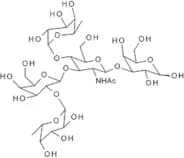
2-Acetamido-3-O-(b-D-galactopyranosyl)-2-deoxy-D-thiogalactopyranose is a synthetic disaccharide analog designed for research in glycoscience and biochemistry, particularly for applications in glycosylation-related studies. This compound is synthesized in the laboratory and is not derived from natural sources, allowing for precise structural modifications that facilitate detailed analyses of glycan interactions.The mode of action of this compound involves its role as a mimic of natural glycans, enabling the examination of carbohydrate-protein interactions, enzymatic activity, and glycan recognition processes with high specificity. It can be leveraged as a probe in structural biology to elucidate the mechanisms underlying biological recognition and signaling events mediated by carbohydrate molecules.This compound finds applications in the study of enzymatic hydrolysis, as an inhibitor of glycosidases, and in the synthesis of glycan-based drugs. It is of particular interest in the field of glycobiology for developing therapeutic agents and probing molecular pathways. The high specificity and structural fidelity of 2-Acetamido-3-O-(b-D-galactopyranosyl)-2-deoxy-D-thiogalactopyranose make it an invaluable tool for advancing our understanding of the intricate roles glycans play in biology.Formule :C14H25NO10SDegré de pureté :Min. 95%Masse moléculaire :399.42 g/molLewis B pentasaccharide
CAS :<p>Lewis B pentasaccharide is a custom-synthesized carbohydrate that belongs to the Modification, saccharide, Oligosaccharide, sugar category. It is an oligosaccharide with a non-reducing end and a reducing end. Lewis B pentasaccharide is a complex carbohydrate that is synthesized from monosaccharides by glycosylation and methylation reactions. This product has high purity and it can be used in research for its fluoroquinolone resistance properties.</p>Formule :C32H55NO24Degré de pureté :Min. 95%Couleur et forme :White SolidMasse moléculaire :837.79 g/molCarboxymethyl-dextran sodium 20-30% COOH - Average molecular weight 70000
CAS :Drug carrier for cancer therapy & imaging, biocompatible, soluble, biodegradableCouleur et forme :PowderD-Melezitose, monohydrate
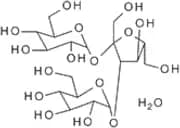
CAS :Melezitose is a non-reducing trisaccharide that is produced by many plant sap-consuming insects, such as aphids (e.g. Cinara pilicornis). Melezitose is a component of honeydew which acts as an attractant for ants and also as food for bees. Partial hydrolysis of melizitose releases glucose and turanose, an isomer of sucrose.Formule :C18H34O17Degré de pureté :Min. 98 Area-%Couleur et forme :White PowderMasse moléculaire :522.45 g/molN-Acetylneuraminic acid tetramer sodium salt
N-Acetylneuraminic acid tetramer sodium salt is a synthetic carbohydrate that belongs to the group of complex carbohydrates. It is a glycosylation product of N-acetylneuraminic acid and has been modified with fluorine, methylation, and click chemistry. N-Acetylneuraminic acid tetramer sodium salt is used as a reagent in the synthesis of oligosaccharides and has been shown to be useful for structural analysis. The CAS number for this compound is:Formule :C44H66N4O33Na4Degré de pureté :Min. 95%Couleur et forme :PowderMasse moléculaire :1,270.96 g/molb-Lactose - min 70% b-anomer
CAS :<p>70% β-D-Lactose is used in the pharmaceutical industry to produce tablets. It acts as a nutrient and as a filler in pills. It is also utilized in the dilution of heroin and to sweeten some beers.</p>Formule :C12H22O11Couleur et forme :White PowderMasse moléculaire :342.3 g/molDifucosyllacto-N-hexaose (b)
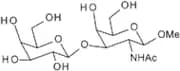
CAS :Neutral octasasaccharide naturally present in human breast milk.Formule :C52H88N2O39Degré de pureté :Min. 90 Area-%Couleur et forme :PowderMasse moléculaire :1,365.25 g/molMethyl 2-acetamido-2-deoxy-3-O-(b-D-galactopyranosyl)-b-D-galactopyranoside
CAS :<p>Methyl 2-acetamido-2-deoxy-3-O-(b-D-galactopyranosyl)-b-D-galactopyranoside is a carbohydrate that is modified by the addition of fluorine at the 3 position. It has CAS number 88274-25-3 and belongs to the group of oligosaccharides. Methyl 2-acetamido-2-deoxy-3-(b, b'-D, galactopyranosyl)-b, D galactopyranoside is a synthetic polymer that is glycosylated with methyl groups. This product can be custom synthesized for your needs.</p>Formule :C15H27NO11Degré de pureté :Min. 95%Couleur et forme :PowderMasse moléculaire :397.38 g/molGala1-3Galb1-3GlcNAc-HSA
<p>Gala1-3Galb1-3GlcNAc-HSA is a synthetic glycosylation product of Galactose, Glucose and Galactosamine with Hexose. It is a complex carbohydrate that can be used to modify proteins with the sugar group. The sugar group is synthesized by the Click modification of a monosaccharide and then methylated. The sugar group is attached to HSA via an N-acetylhexosamine linker. This product has been shown to have high purity and can be used in many applications such as fluorination, methylation, click modification, or complex carbohydrate research.</p>Degré de pureté :Min. 95%Difucosyllacto-N-hexaose (a)
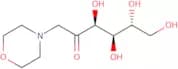
CAS :<p>Neutral octasasaccharide naturally present in human breast milk</p>Formule :C52H88N2O39Degré de pureté :Min. 95%Couleur et forme :PowderMasse moléculaire :1,365.25 g/mol1-Deoxy-1-morpholino-D-fructose
CAS :1-Deoxy-1-morpholino-D-fructose is a drug that has been shown to have an inhibitory effect on the production of dinitrophenol, leading to a decrease in the level of reactive oxygen species. The drug binds to lysine residues of proteins and forms adducts with physiological function. 1-Deoxy-1-morpholino-D-fructose also inhibits human serum albumin concentration, which may be due to its ability to inhibit oxidative DNA damage. This drug has been shown to be effective in vivo for treating autoimmune diseases and diabetes.Formule :C10H19NO6Degré de pureté :Min. 95%Masse moléculaire :249.26 g/molGD1b-Oligosaccharide
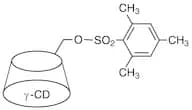
<p>GD1b oligosaccharide (shown as ammonium salt) is the carbohydrate moiety in one of the major gangliosides in neuronal and glial membranes; it has a core tetrasaccharide structure (Galβ1,3GalNAcβ1,4Galβ1,4Glc) with its two sialic acids linked α2,3/α2,8 to the inner galactose residue (Ledeen, 2009). GD1b ganglioside acts as a receptor for BK virus as well as for heat-labile LTII-a toxin, produced by enteropathogenicâ¯E. coli. GD1b ganglioside also interacts with tetanus neurotoxin (TeNT) and is crucial for its entry into cells (Kolter, 2012). The functional significance of ammonia in the brain is not yet fully understood. However, NH4 + stimulates Na+, K+ activated ATPase causing stabilization of the neuronal membranes of which gangliosides are major structural components. Further, ammonia is known to inhibit lysosomal enzymes which include enzymes degrading gangliosides (Modi, 1994).</p>Formule :C48H77N3O37Na2Degré de pureté :Min. 90%Couleur et forme :White PowderMasse moléculaire :1,334.1 g/molMono-6-O-mesitylenesulfonyl-γ-cyclodextrin
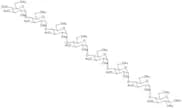
CAS :Formule :C57H90O42SDegré de pureté :>90.0%(HPLC)Couleur et forme :White to Almost white powder to crystalMasse moléculaire :1,479.37Maltooctaose hexacosaacetate
CAS :<p>CO2-philic compound; used in pharmaceuticals and CO2-based processes</p>Formule :C100H134O67Degré de pureté :Min. 95%Couleur et forme :PowderMasse moléculaire :2,408.09 g/molGM2-Ganglioside
CAS :GM2 ganglioside (sodium salt) has a core trisaccharide structure (GalNAcβ1,4Galβ1,4Glc) with sialic acid linked α2,3 to the central galactose residue and ceramide linked β to position 1 on the reducing terminal glucose residue (Ledeen, 2009). GM2 ganglioside is present on neuronal cells and plays a key role in the regulation of dendritogenesis in cortical pyramidal neurons. In lysosomal storage disorders, such as, Tay-Sachs and Sandhoff disease, where hexosaminases A and B are deficient, GM2 ganglioside accumulates in the nervous system (Cachon-Gonzalez, 2018). GM2 ganglioside is also overexpressed in melanomas and other tumours of neuro-ecto origin (Yoshida, 2020). Moreover, the sugar moiety of the GM2 ganglioside is a receptor allowing the viral infection of cells with reovirus and rotavirus (Zhu, 2018).Degré de pureté :Min. 96%Couleur et forme :PowderDextran 150 - MW: 135,000 to 165,000
CAS :Complex glucan (a 1-6) from Leuconostoc spp.; extender in blood transfusionsCouleur et forme :PowderHyaluronic acid octasaccharide ammonium salt
Hyaluronic acid is a polysaccharide containing repeating disaccharide units of β-1,3-N-acetyl glucosamine and β-1, 4-glucuronicâ¯acid. A series of unsaturated oligosaccharides (oligouronic acids) are released from hyaluronic acid by the action of hyaluronidase on the umbilical cord (Weissman, 1954). This octasaccharide ammonium salt and other enzymatically produced polymer homologs have been of value in the study of hyaluronic acid metabolism in both healthy and diseased tissues (Hascall, 2019).Formule :C56H86N4O45Degré de pureté :Min. 95 Area-%Couleur et forme :PowderMasse moléculaire :1,535.3 g/molMaltodextrin - dextrose equivalent 4.0-7.0
CAS :Ex starch-partial hydrolysis,food ingredient, moderatly sweet, easily digestedDegré de pureté :Min. 95%Couleur et forme :White PowderLipopolysaccharides - from Escherichia coli O55:B5
CAS :Lipopolysaccharides are a heterogeneous group of molecules that include endotoxins, lipid A, and core oligosaccharide. They are released from the cell wall of gram-negative bacteria as a result of bacterial lysis. Lipopolysaccharides are potent activators of immune cells, inducing the secretion of pro-inflammatory cytokines such as tumor necrosis factor-α (TNF-α) and interleukin-1β (IL-1β). TNF-α is also known to induce the production of other pro-inflammatory cytokines including IL-6, IL-8, IL-10, and IL-12. Lipopolysaccharides have been shown to cause liver damage in animals by increasing plasma alanine aminotransferase levels. This may also be due to their ability to induce the production of malondialdehyde and c-reactive protein.Couleur et forme :Off-White PowderGlycosaminoglycans
CAS :Glycosaminoglycans (GAGs) are polysaccharides that are found in the extracellular matrix and on the surface of cells. GAGs consist of a linear chain of repeating disaccharide units, with one or more sugar molecules linked by a glycosidic bond. They have been shown to be important for the function and structure of tissues, including those in the gastrointestinal tract. GAGs have been shown to stimulate cellular growth, regulate inflammatory responses, and promote wound healing. They have also been shown to inhibit activity of polymorphonuclear leucocytes (PMN), which play an important role in inflammation. One type of GAG is dextran sulfate, which has been used as a biological scaffold for tissue engineering applications. Glycosaminoglycans may also play a role in regulating immune responses through interaction with toll-like receptor 4 (TLR4).Degré de pureté :Min. 95%1,6-α-D-Mannotriose
CAS :<p>Produced by the reverse hydrolysis of a mannose substrate</p>Formule :C18H32O16Degré de pureté :Min. 94 Area-%Couleur et forme :PowderMasse moléculaire :504.44 g/molIsomaltulose
CAS :<p>Occurs by epimerisation of maltose and transglucosylation</p>Formule :C12H22O11Degré de pureté :Min. 95%Couleur et forme :White PowderMasse moléculaire :342.3 g/molGD1b-Ganglioside ammonium
CAS :<p>GD1b ganglioside (shown as ammonium salt) is one of the major gangliosides in neuronal and glial membranes. It has a core tetrasaccharide structure (Galβ1,3GalNAcβ1,4Galβ1,4Glc) with its two sialic acids linked α2,3/α2,8 to the inner galactose residue, and ceramide linked β to position 1 on the reducing terminal glucose residue (Ledeen, 2009). GD1b ganglioside acts as a receptor for BK virus, as well as for heat-labile LTII-a toxin, produced by enteropathogenicâ¯E. coli. GD1b ganglioside also interacts with tetanus neurotoxin (TeNT) and is crucial for its entry into cells (Kolter, 2012). The functional significance of ammonia in the brain is not yet fully understood: see (Modi 1994).</p>Degré de pureté :Min. 95%Lacto-N-fucopentaose I-BSA
Lacto-N-fucopentaose I-BSA is a Glycosylation, Oligosaccharide, sugar, Synthetic, Fluorination, Custom synthesis, Methylation, Monosaccharide, Polysaccharide, saccharide.Degré de pureté :Min. 95%Tri-guluronic acid sodium salt
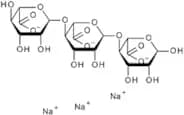
CAS :<p>Tri-guluronic acid sodium salt (1,4-linked α-L-sodium guluronotriose) is one of a number of oligosaccharides obtained from alginate which is a polysaccharide in brown seaweeds containing: blocks of repeating mannuronic acid sequences (M-M-M-M etc), repeating guluronic acid sequences (G-G-G-G etc), and alternating M-G-M-G sequences. This oligosaccharide can be released by acid hydrolysis (Shimokawa, 1996) and a number of biological activities have been discussed in a recent review (Xing, 2020).</p>Formule :C18H23O19Na3Degré de pureté :Min. 98 Area-%Couleur et forme :White PowderMasse moléculaire :612.33 g/mol2-Hydroxypropyl-b-cyclodextrin - Endotoxin level below 20 EU/g
CAS :<p>2-Hydroxypropyl-b-cyclodextrin is a water-soluble drug that is chemically stable in aqueous media. It has been shown to be safe for use in the eye, with no significant side effects. 2-Hydroxypropyl-b-cyclodextrin has been shown to have anti-inflammatory properties and will not cause hemolytic activity. 2-Hydroxypropyl-b-cyclodextrin binds to retinoic acid receptors, which are found on cells of the corneal surface and in human spermatozoa. The binding of retinoic acid inhibits the production of enzymes that break down retinoids and prevents cell proliferation. This agent also interacts with other cellular components such as proteins, lipids, carbohydrates, nucleic acids, and hormones.</p>Formule :C42•(H)70n•O35•(C3H7)nDegré de pureté :Min. 95%N-Glycolylneuraminic acid-spacer-BSA
<p>N-Glycolylneuraminic acid-spacer-BSA is a synthetic, monosaccharide oligosaccharide, complex carbohydrate. The glycosylation of BSA with N-glycolylneuraminic acid has been shown to be an effective method for the protection of biomolecules against fluoroquinolones. Glycosylation with N-glycolylneuraminic acid can be used as a method for the protection of biomolecules from fluoroquinolone antibiotics and other chemical reagents that are known to react with sugars.</p>Degré de pureté :Min. 95%Couleur et forme :Powder2,6-Di-O-methyl-β-cyclodextrin
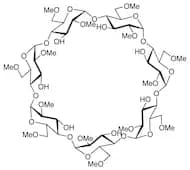
CAS :Formule :C56H98O35Degré de pureté :>95.0%(HPLC)Couleur et forme :White to Light yellow powder to crystalMasse moléculaire :1,331.37GM4-Ganglioside
CAS :<p>GM4-ganglioside (sodium salt) is a disaccharide of sialic acid linked α2,4 to galactose and ceramide linked β to position 1 on the galactose (Ledeen, 2009). Demyelinated plaques in multiple sclerosis have decreased amounts of GM4-ganglioside, localized in myelin and oligodendroglia of the central nervous system. It has been found that the myelin basic protein is capable of releasing large quantities of entrapped [14C]glucose from multilamellar liposomes containing GM4. If the conformation of GM4 ganglioside in liposomal membranes resembles that of GM4 ganglioside in its natural environment, basic protein and GM4 may be associated within the myelin sheath of the central nervous system and their interactions are altered in demyelinating diseases, such as, multiple sclerosis (Mullin, 1981).</p>Formule :C57H106N2O17·xNaDegré de pureté :Min. 95%Masse moléculaire :1,091.45 g/molLividamine
CAS :<p>Lividamine is a protein synthesis inhibitor that has biphasic responses in animal studies. Lividamine inhibits the enzyme catalysis of aminoglycosides, which are used for the treatment of bacterial infections. It also blocks the biosynthesis of polypeptides, which are essential for cell growth and division. Lividamine binds to the hydroxyl group or carboxylate group on an amino acid, cleaving it from the peptide chain and stopping protein synthesis. Lividamine has been shown to be effective against bacteria in vitro assays. Further research is required to determine its clinical properties.</p>Formule :C12H25N3O6Degré de pureté :Min. 95%Masse moléculaire :307.34 g/molMonofucosyl-para-lacto-N-hexaose IV
CAS :<p>Monofucosyl-para-lacto-N-hexaose IV is a trisaccharide that belongs to the group of blood group antigens. It is found in human milk and can be used as an indicator for infant nutrition. Monofucosyl-para-lacto-N-hexaose IV is found in the cells of streptococcus, lactobacillus, and clostridium. It has been shown to be a potential biomarker for inflammatory bowel disease (IBD). This molecule has been used as an antigen in immunological assays. The sequences of monofucosyl-para-lacto-N-hexaose IV have been determined using chromatograms and profiles.</p>Formule :C46H78N2O35Degré de pureté :Min. 95%Couleur et forme :PowderMasse moléculaire :1,219.11 g/mol3'-Sialyl Lewis A
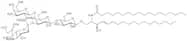
CAS :<p>Tetrasaccharide; tumor-associated antigen; prognostic factor</p>Formule :C31H52N2O23Degré de pureté :Min. 95%Couleur et forme :White PowderMasse moléculaire :820.74 g/molLactosylceramide
CAS :<p>Asialylated glycosphingolipid and precursor for ganglioside biosynthesis. The compound is a major glycosphingolipid in human neutrophils and is involved in the regulation of superoxides as well as nitric oxide. Moreover, lactosylceramide accumulates in atherosclerotic plaques and is also found elevated in familial hypercholesterolemia and polycystic kidney disease. Animal studies revealed that lactosylceramide induces hypertrophy in cardiomyocytes via signal transduction pathway that is oxygen-sensitive.</p>Formule :C53H101NO13Degré de pureté :Min. 90 Area-%Couleur et forme :White Yellow PowderMasse moléculaire :960.37 g/molLewis Y tetrasaccharide
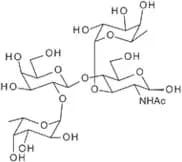
CAS :Lewis Y tetrasaccharide is a type of antigen that is used as a pharmacological agent. It has been shown to be effective in treating carcinoma cell lines and primary sclerosing cholangitis. Lewis Y tetrasaccharide has also been shown to be an antigen for the mouse monoclonal antibody, which is used in cancer research. The Lewis Y tetrasaccharide stimulates the immune system by interacting with certain cells called dendritic cells and macrophages, which are responsible for activating T-cells. This interaction promotes the production of chemoattractant proteins, which are proteins that attract white blood cells to fight infection and promote healing. Lewis Y tetrasaccharide has also been shown to cause cancer cell death by lysing cells through apoptosis or necrosis depending on the tissue type.Formule :C26H45NO19Degré de pureté :(%) Min. 95%Couleur et forme :PowderMasse moléculaire :675.64 g/molFructooctasaccharide
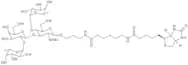
<p>Fructo-octasaccharide (FOS) is a synthetic, high-purity carbohydrate that is used in the production of various food and beverage products. FOS is produced by enzymatic synthesis from sucrose and has been modified to include a fluorination step. FOS can be used as a sugar substitute and is found in many foods such as breads, beverages, yogurt, ice cream, candy, and chewing gum. FOS has been shown to stimulate the growth of beneficial bacteria in the gastrointestinal tract and may help promote healthy digestion.</p>Formule :C48H82O41Degré de pureté :Min. 95%Couleur et forme :PowderMasse moléculaire :1,315.14 g/mol6'-Sialyllactose-sp-biotin
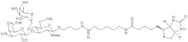
CAS :<p>6'-Sialyllactose-sp-biotin is a custom synthesis of a 6'-sialyllactose with a biotin moiety attached to the reducing end. The modification was done through fluorination, methylation, and monosaccharide synthesis. This product has CAS No. 1384441-62-6 and is an oligosaccharide saccharide that is polysaccharide containing glycosylated sugar. It is also a complex carbohydrate that contains many sugars in one molecule.</p>Formule :C42H71N5O22SDegré de pureté :Min. 95%Couleur et forme :White PowderMasse moléculaire :1,030.1 g/molInulin lauryl carbamate - 25% in glycerol
CAS :Emulsifier used in the cosmetic industryCouleur et forme :PowderMonofucosyl (1-2)-iso-lacto-N-octaose I
<p>Monofucosyl (1-2)-iso-lacto-N-octaose I is an oligosaccharide found in human milk</p>Degré de pureté :Min. 95%Difucosyl (1-2,1-2)-iso-lacto-N-octaose (DFiLNO (1-2,1-2))
<p>Difucosyl (1-2,1-2)-iso-lacto-N-octaose (DFiLNO (1-2,1-2)) is an oligosaccharide that is found in human milk</p>Degré de pureté :Min. 95%α-D-Lactose 1-phosphate barium salt
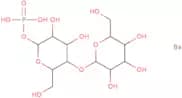
CAS :<p>a-D-Lactose 1-phosphate barium salt is a modification of a D-lactose monosaccharide. It is a complex carbohydrate that has been synthesized using the polyol method. The CAS number for this product is 103404-65-5. This product is available in high purity and the molecular weight of this compound is 576. a-D-Lactose 1-phosphate barium salt can be used as an ingredient in pharmaceuticals, food products, and cosmetics. It has been shown to have anticariogenic activities and may be used as a substitute for sucrose in food products.</p>Formule :C12H21O14P·BaDegré de pureté :Min. 95%Couleur et forme :PowderMasse moléculaire :557.59 g/mol1,3-α-1,6-α-D-Mannotriose 1-O-propylamine acetate
<p>1,3-a-1,6-a-D-Mannotriose 1-O-propylamine acetate salt is a modified oligosaccharide. It has been synthesized by the reaction of 1,3-a-1,6-a-D-mannopyranosyl bromide with proline amine acetate. This product is 98% pure and can be used as a complex carbohydrate in research or as a food additive. The CAS number for this product is 712092-14-8.</p>Formule :C23H43O18NDegré de pureté :Min. 95%Couleur et forme :PowderMasse moléculaire :621.58 g/molLewis Y-PAA-biotin
<p>Lewis Y-PAA-biotin is a complex carbohydrate which is synthesized using Click chemistry. This compound has been modified to include a biotin moiety. Lewis Y-PAA-biotin has been shown to be resistant to enzymatic degradation and can be used as a saccharide in the synthesis of polysaccharides. Lewis Y-PAA-biotin is synthesized by attaching poly(acrylamide) (PAA) chains to the sugar moieties of Lewis Y. The carbonyl group on the PAA chains can be fluorinated, which makes it useful for click modification reactions with fluorinated compounds.</p>Degré de pureté :Min. 95 Area-%Couleur et forme :White PowderMasse moléculaire :732.7 g/molD-Maltitol
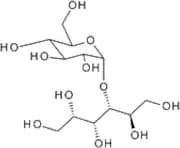
CAS :<p>Bulk sweetener; viscosity/bodying agent; humectant; cryoprotectant</p>Formule :C12H24O11Degré de pureté :Min. 95%Couleur et forme :White PowderMasse moléculaire :344.31 g/molN,N',N'',N'''-Tetraacetylchitotetraose
CAS :<p>Tetraose composed of four N-acetylglucosamine residues.</p>Formule :C32H54N4O21Degré de pureté :Min. 95 Area-%Couleur et forme :White PowderMasse moléculaire :830.79 g/molDigalacturonic acid
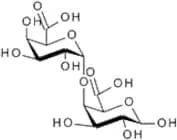
CAS :<p>Digalacturonic acid (DGA) (α-1,4 galacturonobiose), is derived from pectin or pectic acid, by enzymatic or partial acid hydrolysis. It is used in the co-crystallization of enzymes such as proteinase K. It is also used in galacturonic acid metabolism research as a substrate to identify, differentiate, and characterized endo- and exopolygalacturonase(s), and gluconase(s).</p>Formule :C12H18O13Degré de pureté :Min. 95%Couleur et forme :White PowderMasse moléculaire :370.26 g/molLactose-6'-phosphate
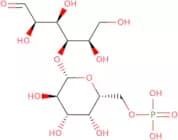
CAS :<p>Lactose-6'-phosphate is a sugar phosphate</p>Formule :C12H23O14PDegré de pureté :Min. 95%Masse moléculaire :422.28 g/molBlood group H pentaose type II
CAS :Blood group H pentaose type II is a carbohydrate. It is a saccharide with the molecular formula C5H11O4. The saccharide can be modified, for example by fluorination, methylation and glycosylation. The CAS number for this compound is 30517-76-1. This product is custom synthesized and has high purity and good quality.Formule :C32H55NO25Degré de pureté :Min. 90%Couleur et forme :PowderMasse moléculaire :853.77 g/molFructodecasaccharide
<p>Fructodecasaccharide is a methylated, custom-synthesized oligosaccharide that is a polysaccharide with the molecular formula C10H17O11. Fructodecasaccharide is a complex carbohydrate that consists of a monosaccharide and two disaccharides. It has been modified to include fluorine atoms in the glycosidic linkages between the sugar residues. This modification can alter the physical properties of fructodecasaccharide, such as increasing its solubility and stabilizing its structure. Fructodecasaccharide is used in many industries as a high-purity, synthetic product for use in medical applications, including pharmaceuticals and cosmetics.</p>Formule :C60H102O51Degré de pureté :Min. 95%Couleur et forme :PowderMasse moléculaire :1,639.42 g/molIsomaltohexaose
CAS :<p>Produced from high maltose syrup by treatment with transglucosidase</p>Formule :C36H62O31Degré de pureté :Min. 90 Area-%Couleur et forme :White PowderMasse moléculaire :990.9 g/molInulotriose
CAS :<p>Inulotriose is a non-digestible carbohydrate that is found in plants. It is composed of fructose molecules linked together by β-2,1 glycosidic bonds. Inulotriose has been shown to have physiological activities such as antiviral and antifungal effects. It also has the ability to produce beneficial bacteria in the gut, which can help with digestion and absorption of nutrients. Inulotriose is a functional sweetener because it does not raise blood sugar levels and may be used as an alternative to sugar in diabetic diets.</p>Formule :C18H32O16Degré de pureté :Min 85%Couleur et forme :PowderMasse moléculaire :504.44 g/mol3'-Sialyl Lewis X-sp-biotin
<p>3'-Sialyl Lewis X-sp-biotin is a Custom synthesis, Modification, Fluorination, Methylation, Monosaccharide, Synthetic, Click modification, Oligosaccharide, saccharide that can be modified to have a variety of different functions. It can be used as a building block for the synthesis of complex carbohydrates and glycoconjugates. 3'-sialyl Lewis X-sp-biotin is also used in the production of oligosaccharides and glycoproteins.</p>Formule :C50H84N6O26SDegré de pureté :Min. 95%Couleur et forme :White PowderMasse moléculaire :1,217.29 g/molLewis A trisaccharide-sp-biotin
CAS :Lewis A trisaccharide-sp-biotin is a custom synthesis that is modified with fluorination, methylation, and click modification. This product is synthesized from a monosaccharide, which is then glycosylated with sugar to form an oligosaccharide. The saccharide is then polysaccharided with different sugars to produce a complex carbohydrate. This product has high purity and can be used in the area of glycosylation.Formule :C39H67N5O18SDegré de pureté :Min. 95%Couleur et forme :PowderMasse moléculaire :926.04 g/mol3'-Sialyllacto-N-neotetraose
CAS :Component of human milk; antimicrobial activity against bacterial pathogensFormule :C37H62N2O29Degré de pureté :Min. 95%Couleur et forme :PowderMasse moléculaire :998.88 g/mol[1-13C]D-Cellobiose
<p>[1-13C]D-Cellobiose is a custom synthesis, modification, and fluorination of cellobiose. It is a monosaccharide that can be modified by methylation, monosaccharide, and click modification. Cellobiose can be synthesized from the saccharides glucose, fructose, and maltose. Cellobiose is an important component of complex carbohydrates such as glycogen and starch.</p>Formule :CC11H22O11Degré de pureté :Min. 95%Masse moléculaire :343.30 g/molLewis B tetrasaccharide-sp-biotin
CAS :<p>Lewis B tetrasaccharide-sp-biotin is a high purity, custom synthesis of saccharides. The saccharide is modified with a Click modification and fluorination. Glycosylation, methylation, and other modifications are also present in this product. Lewis B tetrasaccharide-sp-biotin is used in research for the glycosylation of proteins and to study carbohydrate binding proteins.</p>Formule :C45H77N5O22SDegré de pureté :Min. 95%Couleur et forme :White PowderMasse moléculaire :1,072.18 g/mol2-Acetamido-2-deoxy-4-O-(6-sulfo-b-D-galactopyranosyl)-6-sulfo-D-glucopyranose disodium salt
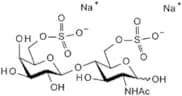
CAS :<p>2-Acetamido-2-deoxy-4-O-(6-sulfo-b-D-galactopyranosyl)-6-sulfo-D-glucopyranose disodium salt is a custom synthesis of a carbohydrate. It is a complex carbohydrate that is an oligosaccharide with the CAS No. 321897-68-1, modification of saccharide, and glycosylation. This compound has methylation and fluorination as well as click modification. The purity of this compound is high, and it can be synthesized by following the steps of glycosylation, carbonylation, and oxidation.</p>Formule :C14H23NO17S2·2NaDegré de pureté :Min. 95%Couleur et forme :PowderMasse moléculaire :587.44 g/molGalacturonan oligosaccharide DP8 sodium, 40% HPAEC-PAD
<p>Please enquire for more information about Galacturonan oligosaccharide DP8 sodium, 40% HPAEC-PAD including the price, delivery time and more detailed product information at the technical inquiry form on this page</p>Formule :C48H58O49Na8Degré de pureté :(%) Min. 40%Couleur et forme :PowderMasse moléculaire :1,602.87 g/molNigerotriose
CAS :<p>Nigerotriose is a monosaccharide that belongs to the family of neutral oligosaccharides. It is found in plants, fungi, and bacteria. Nigerotriose has been shown to stimulate mitochondrial biogenesis through the activation of protein kinase A and glycogen synthase kinase-3beta. This activity has been demonstrated using a magnetic resonance spectroscopy technique. Nigerotriose also shares structural similarities with other molecules, including isomaltose oligosaccharides, which are effective disinfectants. However, the molecular weight of nigerotriose makes it less reactive than its isomaltose counterpart. The effective dose for nigerotriose has not yet been determined.</p>Formule :C18H32O16Degré de pureté :Min. 95%Couleur et forme :PowderMasse moléculaire :504.44 g/molN-Acetyl-D-lactosamine ethyl fluorescein 5-thiourea
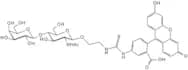
N-Acetyl-D-lactosamine ethyl fluorescein 5-thiourea is a carbohydrate that is custom synthesized by our company. It is a high purity, methylated, glycosylated, and fluorinated compound. This compound has CAS number 476-02-8. N-Acetyl-D-lactosamine ethyl fluorescein 5-thiourea is used in the modification of saccharides and oligosaccharides to study their interactions with enzymes such as glycosidases and nucleases.Formule :C37H41N3O16SDegré de pureté :Min. 95%Masse moléculaire :815.8 g/molBlood Group B Trisaccharide-BSA
<p>Gala1-3(Fuca1-2)Gal Conjugated to BSA-good antibody elicitor</p>Degré de pureté :(%) Min. 95%Couleur et forme :Powder3'-Sialyl Lewis X-PAA-biotin
A polyacrylamide polymer with a mol.wt. of approximately 30kd containing 5% mol biotin and 20% mol carbohydrate.Degré de pureté :Min. 95 Area-%Couleur et forme :PowderDermatan sulphate octasaccharide ammonium salt
<p>Dermatan sulphate octasaccharide ammonium salt is a complex carbohydrate that is synthesized using a custom synthesis. The chemical formula of this compound is CHNO, and it has a molecular weight of 683.97 g/mol. Dermatan sulfate octasaccharide ammonium salt is also known as an Oligosaccharide, Polysaccharide, saccharide, Carbohydrate, Fluorination, complex carbohydrate or High purity. This compound can be modified with Click modification or monosaccharide. Dermatan sulphate octasaccharide ammonium salt is a Modification or Synthetic that has the following CAS Number: 12956-92-6.</p>Couleur et forme :PowderLacto-N-fucopentaose VI
CAS :<p>Neutral monofuco hexasasaccharide naturally present in human breast milk</p>Formule :C32H55NO25Degré de pureté :Min. 90%Couleur et forme :PowderMasse moléculaire :853.77 g/mol6-Deoxy-6-iodo-a-cyclodextrin
CAS :<p>6-Deoxy-6-iodo-a-cyclodextrin is a cavity-forming agent that is used in the treatment of dental cavities. It has been shown to be effective against Streptococcus mutans and is less toxic than other cavity treatments. 6-Deoxy-6-iodo-a-cyclodextrin also has phosphorescence and can be used as a fluorescent tracer. This molecule has been shown to form complexes with 3-bromoquinoline, which are good substrates for cyclodextrin synthesis. In addition, it reacts with 6-bromo2 naphthol to form a complex that includes an electron donor and an electron acceptor. The complex absorbs light at wavelengths of 400 nm or more and emits light at wavelengths of 500 nm or less, making it useful for luminescent imaging systems.</p>Formule :C36H54I6O24Degré de pureté :Min. 95%Masse moléculaire :1,632.23 g/molLewis A-PAA-biotin
Lewis A-PAA-biotin is a modified carbohydrate that is synthesized by the chemical method. It has a purity of 99% and can be used in the fields of medicine, chemistry, and biology. Lewis A-PAA-biotin has many applications including glycosylation, methylation, and click modification. This product can also be used as a high-quality reference standard for organic synthesis.Degré de pureté :Min. 95 Area-%Couleur et forme :Off-White Powder3'-Sulpho Lewis X-BSA
3'-Sulpho Lewis X-BSA is a high purity and custom synthesis of 3'-sulpho Lewis X-BSA. This product is also fluorinated, which prevents the product from being degraded by plasma enzymes. The oligosaccharide and polysaccharide are complex carbohydrates, which are saccharides that have many monosaccharides. The product is composed of a single monosaccharide, which is a sugar. 3'-Sulpho Lewis X-BSA has been modified with methylation, click modification, and CAS No.Couleur et forme :PowderMethyl a-D-lactose
CAS :<p>Methyl a-D-lactose is a carbohydrate which can be used in the synthesis of glycoproteins and glycolipids. It is also used for the synthesis of complex carbohydrates, such as glycogen, and for the modification of saccharides with fluorine. Methyl a-D-lactose can also be custom synthesized to meet specific needs. This product is available in high purity and has been methylated and glycosylated.</p>Formule :C13H24O11Degré de pureté :Min. 95%Masse moléculaire :356.32 g/molNGA2 N-Glycan
CAS :NGA2 N-glycan is an ethane molecule that has been shown to be a good candidate for water treatment. It is hydrophobic and can adsorb on the surface of water, which can reduce the loss of water through evaporation. The water permeability of NGA2 glycan was measured using HL-60 cells. Metal carbonyls have been shown to react with NGA2 glycan, leading to a decrease in its binding properties with water vapor. Transcriptional regulation of genes is altered by methyl ethyl glycerol (MEG) and dimethyl glycerol (DMG). These two molecules are used to synthesize NGA2 glycan and are found in bowel disease patients. The polymerase chain reaction (PCR) technique was used to study wild-type strains that produce NGA2 glycan and the mutation rate was calculated.Formule :C50H84N4O36Degré de pureté :Min. 95%Masse moléculaire :1,317.21 g/molBlood group H disaccharide-BSA
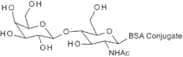
<p>Blood group H disaccharide-BSA is a complex carbohydrate BSA conjugate.</p>Degré de pureté :Min. 95%Couleur et forme :PowderN-Acetyl-D-lactosamine-BSA (14 atom spacer)
<p>N-Acetyl-D-lactosamine-BSA (14 atom spacer) is a modification of the natural oligosaccharide, N-acetyl-D-lactosamine. It is a complex carbohydrate that is synthesized with high purity. This compound has fluoroquinolone resistance and can be used as a research tool. CAS No. for this compound is not available.</p>Couleur et forme :Powder6-Deoxy-D-talose
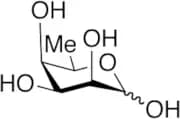
CAS :Produit contrôlé<p>Stability Hygroscopic<br>Applications 6-Deoxy-D-talose is an derivative of D-Talose (T005560), a monosaccharide sugar that can convert between aldose and ketose forms in pyridine in the presence of aluminum oxide.<br>References Davies, S.G., et al.: Org. Biomolec. Chem., 3, 348 (2005);<br></p>Formule :C6H12O5Couleur et forme :NeatMasse moléculaire :164.162-Acetamido-2-deoxy-4-O-(α-L-fucopyranosyl)-D-glucopyranose
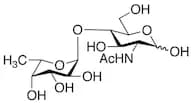
CAS :Produit contrôlé<p>Applications Oligosaccharide which participates in cell adhesion between bacterial and eukaryotic cells<br>References Perret, S., et al.: Biochem. J., 389, 325 (2005), Marotte, K., et al.: ChemMedChem., 2, 1328 (2007),<br></p>Formule :C14H25NO10Couleur et forme :NeatMasse moléculaire :367.35

















![[1-13C]D-Cellobiose](/_next/image/?url=https%3A%2Fstatic.cymitquimica.com%2Fproducts%2F3D%2Fthumb-webp%2FOC76730.webp&w=3840&q=75)