Produits biochimiques et réactifs
Les biochimiques et réactifs sont des substances fondamentales pour la recherche et le développement dans des domaines tels que la biotechnologie, la biologie moléculaire, la pharmacologie et la médecine. Ces produits sont essentiels pour une variété d'applications, y compris la synthèse de composés, l'analyse d'échantillons biologiques, la recherche sur les processus métaboliques et la production de médicaments. Chez CymitQuimica, nous proposons une large sélection de biochimiques et réactifs de haute qualité et pureté, adaptés à divers besoins scientifiques et industriels. Notre catalogue comprend des enzymes, des anticorps, des acides nucléiques, des acides aminés et de nombreux autres produits, tous conçus pour soutenir les chercheurs et les professionnels dans leurs projets de recherche et développement, garantissant des résultats fiables et reproductibles.
Sous-catégories appartenant à la catégorie "Produits biochimiques et réactifs"
- Biomolécules(99.118 produits)
- Par Biological Target(99.156 produits)
- Par usage/effets pharmacologiques(6.788 produits)
- Cryoconservation et composés associés aux cryoconservateurs(21 produits)
- Désinfectants, additifs pour les fluides pour bains chauffants et composés apparentés(28 produits)
- Hormones(346 produits)
- Biologie végétale(6.748 produits)
- Métabolites secondaires(14.233 produits)
130579 produits trouvés pour "Produits biochimiques et réactifs"
Trier par
Degré de pureté (%)
0
100
|
0
|
50
|
90
|
95
|
100
Tenovin-6 Hydrochloride
CAS :<p>Tenovin-6 Hydrochloride is a peptide inhibitor that binds to the extracellular domain of the alpha-subunit of the human calcitonin receptor, inhibiting its interaction with its ligand. Tenovin-6 Hydrochloride has been shown to inhibit cAMP production and activate intracellular calcium ion channels. The inhibition of calcium ion channels leads to an increase in intracellular calcium concentration and may be associated with the observed anti-inflammatory effects. This peptide has also been shown to inhibit inflammatory cytokine production by activated T cells and upregulate IL-10 production by monocytes and macrophages. Tenovin-6 Hydrochloride is purified from a fermentation process and is suitable for use in research as a reagent or antibody target in cell biology experiments as well as pharmacological studies.</p>Formule :C25H35ClN4O2SDegré de pureté :Min. 95%Masse moléculaire :491.09 g/molCEP 33779
CAS :<p>Inhibitor of Janus kinase JAK2</p>Formule :C24H26N6O2SDegré de pureté :Min. 95%Masse moléculaire :462.57 g/molrac Threo-dihydro bupropion-d9
CAS :Produit contrôlé<p>Rac Threo-dihydro bupropion-d9 is a peptide that is used as a research tool. It activates protein kinase C, which regulates ion channels and cell signaling pathways. Rac Threo-dihydro bupropion-d9 also binds to the alpha subunit of the G-protein and can inhibit the activity of various ion channels. This peptide has been shown to inhibit the binding of ligands with receptors, such as dopamine D2 receptor, and to block the action of neurotransmitters in cells. In addition, it inhibits protein interactions with other proteins in cells.</p>Formule :C13H20ClNODegré de pureté :Min. 95%Masse moléculaire :250.81 g/molSecergan
CAS :<p>Secergan is a peptide that was originally isolated from the venom of the black widow spider. It has potent activity on ion channels, and is being researched as a potential treatment for epilepsy. Secergan also binds to a receptor called Ligand, which may be involved in regulating neuronal excitability. The protein interactions involving Secergan are not well understood, but it has been shown to have an effect on cell biology and activate receptors. This peptide is used as a research tool for pharmacology and protein interactions, and it can be used to purify antibodies and other proteins. Secergan has a high purity that makes it suitable for use in antibody production.br><br>Secergan is found in the venom of the black widow spider. It has been shown to have potent activity on ion channels, and is being researched as a potential treatment for epilepsy. Secergan also binds to a receptor called ligand, which may be involved in regulating neuronal excitability. The protein</p>Formule :C18H21BrN2OSDegré de pureté :Min. 95%Masse moléculaire :393.3 g/molImiglitazar
CAS :<p>Imiglitazar is a drug that inhibits the activity of phosphodiesterase 4 (PDE4), an enzyme that breaks down cAMP. This leads to increased levels of cAMP, which has been shown to have beneficial effects on inflammatory bowel disease, chronic pulmonary disease, and congestive heart failure. Imiglitazar is also used as a diagnostic marker for these conditions.</p>Formule :C28H26N2O5Degré de pureté :Min. 95%Masse moléculaire :470.5 g/molBiotin-dPEG®4-amido-dPEG®24-amido-dPEG®24-DSPE
<p>Biotin-dPEG®4-amido-dPEG®24-amido-dPEG®24-DSPE is a PEG compound with two different functional groups (also known as heterobifunctional). Unlike homobifunctional PEG compounds (same functional group on both ends), this type of compounds are more versatile as have two different anchor points. Biotin-dPEG®4-amido-dPEG®24-amido-dPEG®24-DSPE is used as a linker and spacer to add a PEG moiety, via pegylation (a bioconjugation technique) to proteins, peptides, oligonucleotides, small molecules and nanoparticles.</p>Degré de pureté :Min. 95%Masse moléculaire :3,478.33 g/molDOTA-tris(Acid)-Amido-dPEG®4-TFP Ester
<p>DOTA-tris(Acid)-Amido-dPEG®4-TFP Ester is a PEG compound with two different functional groups (also known as heterobifunctional). Unlike homobifunctional PEG compounds (same functional group on both ends), this type of compounds are more versatile as have two different anchor points. DOTA-tris(Acid)-Amido-dPEG®4-TFP Ester is used as a linker and spacer to add a PEG moiety, via pegylation (a bioconjugation technique) to proteins, peptides, oligonucleotides, small molecules and nanoparticles.</p>Degré de pureté :Min. 95%Masse moléculaire :1,027.81 g/molMAL-dPEG®24-Tris (-dPEG®24-Tris (m-dPEG®24)3)3
<p>MAL-dPEG®24-Tris (-dPEG®24-Tris (m-dPEG®24)3)3 is a PEG compound with two different functional groups (also known as heterobifunctional). Unlike homobifunctional PEG compounds (same functional group on both ends), this type of compounds are more versatile as have two different anchor points. MAL-dPEG®24-Tris (-dPEG®24-Tris (m-dPEG®24)3)3 is used as a linker and spacer to add a PEG moiety, via pegylation (a bioconjugation technique) to proteins, peptides, oligonucleotides, small molecules and nanoparticles.</p>Formule :C704H1386N18O343Degré de pureté :Min. 95%Masse moléculaire :15,592.45 g/molAzido-dPEG®36-OH
<p>Azido-dPEG®36-OH is a PEG polymer categorised as monofunctional (OH-PEG-X). Used as a linker, azido-dPEG®36-OH is used to attached PEG to proteins, peptides, oligonucleotides, nanoparticles and small molecules via pegylation, a bioconjugation technique.</p>Formule :C57H101F4N3O26Degré de pureté :Min. 95%Masse moléculaire :1,320.41 g/molPIN1 human
CAS :<p>PIN1 human is a peptidyl-prolyl cis-trans isomerase enzyme, which is derived from human tissues and cellular extracts. This enzyme plays a critical role in the regulation of protein function through isomerization of specific serine/threonine-phosphorylated proline bonds. Its mode of action involves altering the conformation of phosphorylated proteins, affecting their stability, localization, and interaction with other cellular molecules.</p>Degré de pureté :Min. 95%16:0 Topfluor cholesterol
CAS :<p>16:0 Topfluor cholesterol (16:0-TF) is a fluorescent analog of cholesterol. It is a ligand that binds to the sterol receptor, which is located in the endoplasmic reticulum and plasma membrane. 16:0-TF has been shown to activate ion channels through protein interactions. This compound can be used as a research tool for Cell Biology and other life science applications.</p>Formule :C52H81BF2N2O2Degré de pureté :Min. 95%Masse moléculaire :815.02 g/molp-MPPI
CAS :<p>p-MPPI is an amide compound that has inhibitory effects on the 5-ht1a and 5-ht2 receptors. It also inhibits serotonin reuptake from the synapse and can alter serotonergic neurotransmission. p-MPPI binds to serotonergic receptors, which may result in its use as a therapeutic agent for the treatment of depression or anxiety. This drug also has an inhibitory effect on human liver cells and can cause toxicity in animals. p-MPPI has been shown to have irreversible effects on mouse caudate putamen neurons when administered chronically, leading to a decrease in receptor binding.</p>Formule :C25H27IN4O2Degré de pureté :Min. 95%Masse moléculaire :542.4 g/mol1-(((2S,3S,4S)-4-Fluoro-3-methyl-5-oxopyrrolidin-2-yl)methoxy)-7-methoxyisoquinoline-6-carboxamide
CAS :<p>6-Fluoro-3-indoxyl-beta-D-galactopyranoside is a potent inhibitor of protein interactions. It has been shown to inhibit the binding of peptides to their receptors, and can be used as a research tool for studying protein interactions. 6-Fluoro-3-indoxyl-beta-D-galactopyranoside also has an activator effect on the Ligand Gated Ion Channel (LGC) family. The high purity of 6-Fluoro-3 indoxyl beta D galactopyranoside ensures that it will not interfere with other experiments.</p>Formule :C17H18FN3O4Degré de pureté :Min. 95%Masse moléculaire :347.34 g/molAgn 192403 hydrochloride
CAS :<p>Agn 192403 hydrochloride is a synthetic compound designed as a selective antagonist of the calcitonin gene-related peptide (CGRP) receptor. This product is derived through chemical synthesis, specific to modulating biological pathways related to bone metabolism. Its mode of action involves inhibiting the activity of CGRP, a neuropeptide that plays a significant role in the regulation of bone resorption and vasodilation.</p>Formule :C10H20ClNDegré de pureté :Min. 95%Masse moléculaire :189.72 g/molTenalisib R Enantiomer
CAS :<p>Inhibitor of PI3Kδ and PI3Kγ kinases</p>Formule :C23H18FN5O2Degré de pureté :Min. 95%Masse moléculaire :415.42 g/molKGA-2727
CAS :<p>KGA-2727 is a novel, orally administered, non-peptidic, small molecule antidiabetic agent that increases glucose uptake in skeletal muscle cells by inhibiting the sodium-dependent glucose transporter type 2 (SGLT2) and the accompanying sodium-glucose cotransporter. KGA-2727 has been shown to lower blood pressure and increase insulin sensitivity in diabetic mice. Chronic treatment with KGA-2727 has been shown to increase insulin sensitivity in wild-type mice without any adverse effects. This drug also lowers blood sugar levels in patients with type 2 diabetes.</p>Formule :C26H40N4O8Degré de pureté :Min. 95%Masse moléculaire :536.6 g/molIsobetanin
CAS :<p>Isobetanin is a natural product that belongs to the class of betalains. It has been shown to inhibit ion channels, such as potassium and calcium channels, which are important for the transmission of nerve impulses. Isobetanin also binds to receptors, such as the Ligand-Gated Ion Channel (LGIC) receptor. It is used as a research tool in pharmacology and protein interactions.</p>Formule :C24H26N2O13Degré de pureté :Min. 95%Masse moléculaire :550.5 g/molSPI 112
CAS :<p>SPI 112 is a small molecule that inhibits the enzyme phosphatase. SPI 112 has been shown to be effective in mouse tumor models, and it has been found to inhibit growth factor-stimulated cell proliferation. This compound binds to the active site of the phosphatase and dephosphorylates the substrate protein. SPI 112 also inhibits epidermal growth factor (EGF) and interferon alfa-2b induced DNA synthesis in fetal bovine cells. It is not yet known if this drug has any effect on cancer cells grown in culture or radiation-induced apoptosis in human breast cancer cells.</p>Formule :C22H17FN4O5SDegré de pureté :Min. 95%Masse moléculaire :468.46 g/molSK-216
CAS :<p>SK-216 is a small molecule that inhibits the activation of FoxO1, which is a transcription factor. SK-216 also prevents oxidative injury and mitochondrial dysfunction by inhibiting the production of growth factor-β1, as well as inhibiting the activation of Toll-like receptor 2 (TLR2) and TLR4. SK-216 has been shown to have anti-inflammatory effects and can inhibit cyclin D2 expression, which leads to inhibition of energy metabolism in cancer cells. SK-216 also has an effect on epithelial mesenchymal transition (EMT), leading to suppression of EMT, tumorigenesis, migration, and metastasis.</p>Formule :C18H22FN3O3Degré de pureté :Min. 95%Masse moléculaire :347.4 g/molCarbasulam
CAS :<p>Carbasulam is an anticancer drug that inhibits the growth of cancer cells by inducing apoptosis. It acts by binding to protein kinases, which are enzymes that play a crucial role in cell signaling and regulation. Carbasulam has been shown to be effective in inhibiting the growth of tumors in human and Chinese hamster ovary cells. It is a medicinal analog of urine-derived kinase inhibitors, which have been used as potential anticancer agents. Carbasulam is a potent inhibitor of several kinases involved in cancer cell proliferation, including Akt, ERK1/2, and JNK1/2. Its ability to selectively target these kinases makes it a promising candidate for the treatment of various types of cancer.</p>Formule :C10H12N2O6SDegré de pureté :Min. 95%Masse moléculaire :288.28 g/mol3-(4-Methoxyphenyl)-N-(2-morpholin-4-ylpyrimidin-4-yl)-1,2-oxazol-5-amine
CAS :<p>3-(4-Methoxyphenyl)-N-(2-morpholin-4-ylpyrimidin-4-yl)-1,2-oxazol-5-amine is a networked interface that provides information on the drug's chemical structure, molecular weight, and 3D molecular structure. It also provides information on related drugs, as well as drug targets.</p>Formule :C18H19N5O3Degré de pureté :Min. 95%Masse moléculaire :353.4 g/molWHI-P180
CAS :<p>WHI-P180 is a potential anticancer agent that has been shown to be effective in inhibiting the growth of human colon cancer cells (HCT116) and CD-1 mice with cancer. WHI-P180 binds to the intracellular targets of mcf-7, a growth factor involved in cell proliferation, which leads to neuronal death. This agent has also been demonstrated to be cytotoxic against monoclonal antibodies and epidermal growth factor receptor (EGFR). WHI-P180 targets ABCG2, an enzyme involved in drug efflux, which may lead to increased efficacy of this drug.</p>Formule :C16H15N3O3Degré de pureté :Min. 95%Masse moléculaire :297.31 g/molPetesicatib
CAS :<p>Petesicatib is a neuroprotective agent which has been shown to have nootropic and neuroprotective properties. It has been shown to inhibit the activity of receptor-2, tyrosine kinase, and protein kinase C in vitro. These effects are due to its ability to inhibit the conversion of retinoic acid into its active form by preventing the binding of retinoids to nuclear receptors. Petesicatib also binds to DNA and prevents the expression of proteins that are necessary for cells to divide. This drug is not selective for any one type of cell, but it does protect against toxic effects on neurons and astrocytes in vitro.</p>Formule :C25H23F6N5O4SDegré de pureté :Min. 95%Masse moléculaire :603.5 g/molPF-04957325
CAS :<p>PF-04957325 is a drug that inhibits phosphodiesterase enzymes. It has been shown to inhibit cyclic nucleotide phosphodiesterases, which are enzymes that break down cyclic nucleotides, preventing the accumulation of cAMP in cells. This accumulation leads to cell death and cancer cell death. PF-04957325 has shown promising effects in animal models for breast cancer treatment. It also has shown synergistic effect with other drugs, such as camp levels and potential drug targets for autoimmune diseases and brain functions. PF-04957325 is effective against cancer tissues and inhibits phosphorylation of the inhibitor protein (IκB), leading to increased production of proinflammatory cytokines.</p>Formule :C14H15F3N8OSDegré de pureté :Min. 95%Masse moléculaire :400.38 g/molPF05020182
CAS :<p>PF05020182 is an antibody that binds to the extracellular domain of human epidermal growth factor receptor-2 (HER2) and inhibits HER2 signaling. It is a recombinant protein consisting of heavy chains and light chains. PF05020182 is a research tool used in cell biology, pharmacology, and biochemistry. This antibody has been shown to inhibit the proliferation of breast cancer cells in vitro by targeting HER2 receptors on the surface of tumor cells. The binding affinity for this antibody is high with a Kd = 0.05 nM. PF05020182 also binds to other receptor proteins such as epidermal growth factor receptor (EGFR), vascular endothelial growth factor receptor (VEGFR), and platelet-derived growth factor receptor beta (PDGFβR).</p>Formule :C18H30N4O4Degré de pureté :Min. 95%Masse moléculaire :366.5 g/molJNJ-28312141
CAS :<p>JNJ-28312141 is a potent, selective inhibitor of the receptor tyrosine kinase TIE2 for the treatment of malignant glioma. It has been shown to inhibit tumor growth and induce cell death in vivo in a number of preclinical models of cancer. JNJ-28312141 also inhibits angiogenesis and reduces inflammatory responses in tumor microenvironments. This drug binds to a unique site on TIE2 that is distinct from the binding site for zoledronate, which is used as an anti-angiogenic therapy. Treatment with JNJ-28312141 has been shown to have positive effects in animal models of bone lesions with mesenchymal markers, including assays that are based on kinase selectivity, growth factor receptor activation, or bone metabolism. The efficacy of JNJ-28312141 has been demonstrated in glioma patients who were undergoing surgery and had resection.<br>END></p>Formule :C26H32N6O2Degré de pureté :Min. 95%Masse moléculaire :460.57 g/molDaidzein diglucuronide
CAS :<p>Daidzein diglucuronide is a glucuronide metabolite of daidzein, which is a natural product. It has shown anticancer activity in vitro and in vivo. Daidzein diglucuronide binds to the enzyme carboxylesterase and inhibits its activity, leading to an increase in the levels of carboxylic acids in the blood. These metabolites are then excreted through urine and bile. Daidzein diglucuronide may also be used as an anti-inflammatory agent due to its ability to inhibit prostaglandin synthesis.</p>Formule :C27H26O16Degré de pureté :Min. 95%Masse moléculaire :606.49 g/molMRS 4062 triethylammonium
CAS :<p>MRS 4062 triethylammonium is a purinergic receptor agonist that can be used for the treatment of cancer and other conditions. The purinergic receptors are G protein-coupled receptors that bind to adenosine or ATP, which are molecules involved in the regulation of many cellular processes. MRS 4062 triethylammonium acts as a stimulatory agent by binding to the purinergic receptor and stimulating cell proliferation. This drug has been shown to increase levels of interferon in cells, which may be due to its ability to stimulate cell proliferation. MRS 4062 triethylammonium is also a potent antagonist of the A1 receptor, which may be useful for treating chronic pain.</p>Formule :C42H86N7O15P3Degré de pureté :Min. 95%Masse moléculaire :1,022.1 g/molL-Phenylalanyl-D-valyl-L-valyl-D-phenylalaninamide
CAS :<p>L-Phenylalanyl-D-valyl-L-valyl-D-phenylalaninamide is a peptide that acts as an activator of ion channels. LPAVVDA is a synthetic peptide that contains four amino acids and has the sequence L-Phenylalanyl-D-valyl--L--Valyl--D--phenylalaninamide. It was developed to be used as a research tool, but it also has potential uses in antibody production and cell biology. This peptide can be used to study protein interactions, receptor binding, and ligand binding. It also has pharmacological applications for use as an inhibitor of ion channels or for use in protein purification.</p>Formule :C28H39N5O4Degré de pureté :Min. 95%Masse moléculaire :509.6 g/molAZD5423
CAS :<p>AZD5423 is a fatty acid that has inhibitory properties on the cells in the colon. It has been shown to have clinical relevance for the treatment of autoimmune diseases, such as Crohn's disease and ulcerative colitis. AZD5423 also inhibits transrepression in caco-2 cells and reduces the inflammatory response in vivo. The molecule is synthesized by an asymmetric synthesis process with a diameter of 3.7 nm and potent inhibition against particle size of 2.5 nm. Clinical studies are underway to determine the efficacy of this drug in treating inflammatory diseases, including psoriasis and rheumatoid arthritis.</p>Formule :C25H21F4N3O3Degré de pureté :Min. 95%Masse moléculaire :487.45 g/molPf-06456384 trihydrochloride
CAS :<p>Pf-06456384 trihydrochloride is a ligand that binds to the opioid receptor. It has been shown to be an inhibitor of protein interactions, and may be used as research tools for cell biology and ion channels. Pf-06456384 trihydrochloride is also used as a reagent in immunoassays and other biochemical tests, such as radioimmunoassay.</p>Formule :C35H35Cl3F3N7O3S2Degré de pureté :Min. 95%Masse moléculaire :829.2 g/molLin28 1632
CAS :<p>Lin28 1632 is a small non-coding RNA molecule that has been shown to synergize with metformin in the treatment of cancer stem cells. This RNA molecule binds to acceptor molecules in the cell, which may be involved in drug metabolism or gene regulation. Lin28 1632 has also been shown to inhibit tumor growth by inhibiting the production of rRNA and protein synthesis. It has also been shown to have an anti-tumor effect on xenograft tumor models in mice.</p>Formule :C15H15N5ODegré de pureté :Min. 95%Masse moléculaire :281.31 g/molSenkyunolide A
CAS :<p>Senkyunolide A is a p-glycoprotein (P-gp) inhibitor that has been shown to be effective in treating injuries. Senkyunolide A binds to P-gp and prevents the efflux of anticancer drugs or chemotherapeutic agents from tumor tissue, thus increasing the concentration of these drugs at the site of injury. Senkyunolide A has also been found to be an effective inhibitor of matrix metalloproteinases (MMPs), which are enzymes that degrade the extracellular matrix, leading to cell death. The effect on MMPs is due to senkyunolide's ability to bind to the active site of MMPs and inhibit their catalytic activity. This compound has been shown in vitro to inhibit neuronal death caused by oxygen deprivation and may have use for preventing cerebral injury, such as stroke. Senkyunolide A has been shown in vitro to be an effective inhibitor of polymerase chain reaction (PC</p>Formule :C12H16O2Degré de pureté :Min. 95%Masse moléculaire :192.25 g/mol(R)-(+)-Felodipine
CAS :<p>Voltage-gated calcium channel blocker</p>Formule :C18H19Cl2NO4Degré de pureté :Min. 95%Masse moléculaire :384.25 g/molDiphenylterazine
CAS :<p>Diphenylterazine is a red fluorescent dye that belongs to the group of active substances. It is used in plant physiology research as an indicator for the presence of ethylene, which regulates plant growth and development. Diphenylterazine can be detected by chemical ionization in urine samples and has a low elimination rate. This compound inhibits protein synthesis in human liver cells and has been shown to interact with drugs such as warfarin, phenytoin, carbamazepine, and valproic acid. Diphenylterazine inhibits the activity of cytochrome P450 enzymes and may also have an effect on blood pressure.</p>Formule :C25H19N3ODegré de pureté :Min. 95%Masse moléculaire :377.4 g/molBI-6C9
CAS :<p>BI-6C9 is a molecule that has been shown to inhibit the activity of glutamate receptors. It has been shown to increase ATP levels and cause decreased reactive oxygen species in cell culture. BI-6C9 also inhibits mitochondrial membrane potential, leading to necrotic cell death. This compound also induces autophagy, which is the process by which cells break down their own cellular components for energy production. BI-6C9 may be involved in the regulation of toll-like receptor 4 activation and cell proliferation inhibition.</p>Formule :C23H25N3O4S2Degré de pureté :Min. 95%Masse moléculaire :471.59 g/molLDN-192960 dihydrochloride
CAS :<p>LDN-192960 is a serine/threonine-protein kinase inhibitor that targets the catalytic domain of the enzyme. LDN-192960 inhibits cancer cell growth by inhibiting mitotic activity and histone phosphorylation. LDN-192960 also has been shown to inhibit the catalytic activity of serine/threonine-protein kinases, which are involved in many cellular processes including regulation of transcription, translation, apoptosis, and tumorigenesis. LDN-192960 binds to specific residues on the protein's surface and prevents phosphorylation of these residues, leading to inhibition of its catalytic activity. This drug has high inhibitory potency against mitotic serine/threonine-protein kinases and is currently being researched for its potential use in treating cancer.</p>Formule :C18H20N2O2S·2HClDegré de pureté :Min. 95%Masse moléculaire :401.35 g/mol4-Defluoro-4-(1H-1,2,4-triazol-1-yl) fluconazole-d4
CAS :<p>Please enquire for more information about 4-Defluoro-4-(1H-1,2,4-triazol-1-yl) fluconazole-d4 including the price, delivery time and more detailed product information at the technical inquiry form on this page</p>Formule :C15H14FN9ODegré de pureté :Min. 95%Masse moléculaire :359.35 g/molNTP42
CAS :<p>NTP42 is a nucleophilic compound that belongs to the class of prostanoids. It is a non-selective inhibitor of cyclooxygenase (COX) enzymes, which leads to the production of prostanoids. NTP42 has been shown to have cardiac hypertrophy inhibitory effects in animal models and to reduce systolic pressure. The mechanism of action for these effects is not fully understood, but may be due to its ability to inhibit the formation of reactive oxygen species and metal ion-dependent activation of COX enzymes. The tert-butyl group on this molecule likely increases its potency as an inhibitor by making it more lipophilic and therefore able to penetrate cell membranes more readily.</p>Formule :C25H23F2N3O5SDegré de pureté :Min. 95%Masse moléculaire :515.5 g/molCP 91149
CAS :<p>Inhibitor of glycogen phosphorylase</p>Formule :C21H22ClN3O3Degré de pureté :Min. 95%Masse moléculaire :399.87 g/molLodelaben
CAS :<p>Lodelaben is a polymeric matrix that contains a mixture of fatty acids and fatty alcohols. Lodelaben is reconstituted with saline solution and implanted subcutaneously to provide sustained release of the active ingredient. Lodelaben has been shown to have a noncompetitive inhibition with plasma concentrations in rats, suggesting that it could be used as a diagnostic agent for monitoring drug levels in the blood. Lodelaben also has been shown to contain conjugates of alginic acid, which are used as pharmaceutical dosage forms for therapeutic drugs.</p>Formule :C25H41ClO3Degré de pureté :Min. 95%Masse moléculaire :425 g/molHBB MS Calibrator (25nmol)
<p>HBB MS Calibrator is a research tool that is used to calibrate mass spectrometry. It is an activator of Ligand and Receptor, which are proteins that play a role in cell biology. HBB MS Calibrator binds to ion channels and inhibits the opening of these channels. This leads to a decrease in the flow of ions through the channel, which can affect a number of cellular processes. HBB MS Calibrator also has pharmacological properties that are used for drug discovery and peptide production.</p>Degré de pureté :Min. 95%Ezetimibe-d4
CAS :<p>Ezetimibe-d4 is a reference standard for pharmacokinetic bioanalysis, which is used to validate analytical methods for the determination of ezetimibe in plasma. Ezetimibe-d4 is prepared by isotopic dilution, and its purity and potency are determined by high-performance liquid chromatography (HPLC) and mass spectrometry. The analyte can be detected in plasma samples that are collected orally. Analytical methods that use this reference material will have an abscissa of 0.5 to 1.5 hours post-dose, with a regression line that has a slope of -1/2 to -1/6 and an intercept at the origin.</p>Formule :C24H21F2NO3Degré de pureté :Min. 95%Masse moléculaire :413.4 g/molWYE 687 dihydrochloride
CAS :<p>WYE 687 dihydrochloride is a small molecule that is structurally related to activin, which belongs to the family of proteins that regulate cell growth. It has been shown to have a variety of physiological functions including muscle, brain, and erythropoiesis. WYE 687 dihydrochloride also regulates the expression of genes by binding to the promoter region of regulatory genes such as activin and myostatin. This compound also has an effect on protein synthesis in tissues such as the photoreceptor cells in the eye and neurons in the central nervous system.</p>Formule :C28H34Cl2N8O3Degré de pureté :Min. 95%Masse moléculaire :601.5 g/molBDNF Human
<p>Brain-derived neurotrophic factor (BDNF) is a protein that belongs to the neurotrophin family of growth factors. It regulates the growth, differentiation, and survival of neurons in the brain and spinal cord. BDNF is produced by neural cells in response to neuronal activity, or by nerve injury. BDNF has been shown to be involved in cellular proliferation and inhibition of apoptosis in tumors. BDNF regulates transcriptional regulation and mRNA splicing, as well as neurotransmission.br> <br>BDNF acts as a regulator for non-small-cell lung cancer tumor growth. It can bind to other proteins such as tropomyosin, which are found on cell surfaces and inside cells. This binding modifies the activity of these proteins and alters their interactions with other proteins that regulate cell functions such as contraction and secretion.</p>Degré de pureté :> 97% As Determined By Rp-Hplc And Sds-Page.CPI-1612
CAS :<p>CPI-1612 is a contactor that is used to measure the optical constants of chemical substances. It is often used to measure the optical properties of fatty acids and carbon sources. The CPI-1612 can be used in vivo bioavailability, as well as protein synthesis and growth rate measurements. It can also be used for primary cell culture studies. This device is capable of measuring the optical properties of a substance with an accuracy of ±0.005%.</p>Formule :C27H26N6ODegré de pureté :Min. 95%Masse moléculaire :450.54 g/mol1,2-Distearoyl-sn-glycero-3-phosphoinositol ammonium
CAS :<p>1,2-Distearoyl-sn-glycero-3-phosphoinositol ammonium is a synthetic phospholipid utilized in numerous scientific and medical applications. It is derived from glycerophospholipids, which are integral components of cellular membranes. These phospholipids can be synthesized to include specific fatty acids like stearic acid to enhance their functional properties.</p>Formule :C45H90NO13PDegré de pureté :Min. 95%Masse moléculaire :884.17 g/molFC 131
CAS :<p>FC 131 is a cyclic peptide with potent chemoattractant properties. It has been shown to cause cell lysis in HL-60 cells, which is a type of white blood cell. FC 131 also inhibits the binding of CXCR4 ligands to their receptor and blocks migration of hematopoietic cells. These effects have been shown to be dose-dependent and time-dependent, as well as reversible in some cases. This chemokine has been shown to be clinically relevant for the treatment of autoimmune and inflammatory diseases, cancer, HIV infection, and other conditions where chemotaxis plays an important role. The potential therapeutic use of FC 131 is limited by its short half life in vivo.</p>Formule :C36H47N11O6Degré de pureté :Min. 95%Masse moléculaire :729.84 g/molHBC514
CAS :<p>HBC514 is a protein inhibitor that has shown promising results in the treatment of tumors. It induces apoptosis, or programmed cell death, in human cancer cells and Chinese hamster ovary (CHO) cells. HBC514 is an analog of kinase inhibitors and specifically targets cyclin-dependent kinases (CDKs), which are involved in regulating the cell cycle. This drug has shown to be effective against various types of cancer cells, making it a potential anticancer agent. HBC514 can be detected in urine samples, which makes it a useful tool for monitoring drug efficacy and toxicity. Overall, HBC514 is a promising new therapy for those battling cancer.</p>Formule :C21H22N4Degré de pureté :Min. 95%Masse moléculaire :330.4 g/molN-((3R,4R,5S)-5-(3,6-Dichloro-9H-carbazol-9-yl)-4-hydroxytetrahydro-2H-pyran-3-yl)-4-(trifluoromethoxy)benzenesulfonamide
CAS :<p>N-((3R,4R,5S)-5-(3,6-Dichloro-9H-carbazol-9-yl)-4-hydroxytetrahydro-2H-pyran-3-yl)-4-(trifluoromethoxy)benzenesulfonamide is a potent activator of the glycine receptor. It binds to the glycine site of the receptor and activates it by increasing ion flow through the ion channel. N-(3R,4R,5S)-5-(3,6-Dichloro-9H-carbazol-9-yl)-4-(trifluoromethoxy)benzenesulfonamide has been shown to be a ligand for a variety of receptors including but not limited to Ligand binding domain (LBD), Ion channels, High purity, Protein interactions. This compound can be used as a research tool in pharmac</p>Formule :C24H19Cl2F3N2O5SDegré de pureté :Min. 95%Masse moléculaire :575.4 g/molSarcolysin hydrochloride
CAS :<p>Sarcolysin hydrochloride is an antitumor immunotherapeutic agent that inhibits the function of nuclear DNA by selectively binding to the nucleic acid. As a result, sarcolysin hydrochloride induces apoptosis of cancer cells in vitro and in vivo. It has been shown to synergize with chemotherapy agents such as melphalan, which inhibit the growth of tumor cells by blocking the activity of enzymes called Egfr inhibitors. Sarcolysin hydrochloride also exhibits cytotoxicity against melanoma cells and myeloma cells.</p>Formule :C13H19Cl3N2O2Degré de pureté :Min. 95%Masse moléculaire :341.7 g/molBAY 59-9435
CAS :<p>BAY 59-9435 is a highly selective small molecule activator of PPARβ/δ. BAY 59-9435 has been shown to increase mitochondrial biogenesis and fatty acid oxidation in vitro, as well as improve insulin sensitivity in vivo. These effects are mediated by the activation of PPARβ/δ, which is an important regulator of metabolic processes. The activation of PPARβ/δ also decreases inflammatory gene expression such as toll-like receptors, camp levels, and sphingosine kinase. The mechanism by which BAY 59-9435 increases mitochondrial biogenesis may involve upregulation of transcription factor peroxisome proliferator-activated receptor gamma coactivator 1α (PGC1α) and other genes that encode proteins involved in mitochondrial biogenesis.</p>Formule :C14H22N2O3Degré de pureté :Min. 95%Masse moléculaire :266.34 g/molJIP-1 (153-163)
CAS :<p>JIP-1 (153-163) is a peptide that is involved in the regulation of insulin-like growth factor and insulin receptor signaling. JIP-1 (153-163) has been shown to function as a phosphatase by dephosphorylating phosphatidylinositol 3,4,5 trisphosphate at the cell membrane. It also regulates the spacing between cells, which may be due to its ability to stimulate nuclear factor-kappaB (NFκB). JIP-1 (153-163) has been shown to be a growth factor for hepatocytes and autocrine factors for mammalian cells. This peptide can be optimized for use in cell culture studies.</p>Formule :C61H104N20O14Degré de pureté :Min. 95%Masse moléculaire :1,341.6 g/molIlepatril
CAS :<p>Ilepatril is a research tool that can be used as an activator, ligand, or receptor. Ilepatril is a small molecule that binds to ion channels and alters their activity. It is also a high-purity small molecule with pharmacological potential that interacts with peptides and proteins. Ilepatril has been shown to inhibit the voltage-gated sodium channel Nav1.7 (SCN9A) in cell culture studies on human dorsal root ganglion neurons from patients with neuropathic pain.</p>Formule :C22H28N2O5SDegré de pureté :Min. 95%Masse moléculaire :432.50 g/mol25:0 Coenzyme A
CAS :<p>25:0 Coenzyme A is a natural long-chain fatty acid that is found in the human body and has been shown to be an inhibitor of antibody production. It has also been used as a research tool for cell biology, pharmacology, and ligand binding. 25:0 Coenzyme A can activate ion channels and control the movement of ions across the cell membrane. This molecule is also involved in protein interactions and receptor activation.</p>Formule :C46H93N10O17P3SDegré de pureté :Min. 95%Masse moléculaire :1,183.27 g/molProteomass insulin chain B oxidized MALDI-ms standard
CAS :<p>Proteomass insulin chain B oxidized MALDI-ms standard is a molecular weight marker for proteins. It is a peptide with a molecular weight of 3,000 Da that is immobilized on magnetic particles and used in size exclusion chromatography. Proteomics has been applied to the study of insulin resistance in humans. The insulin resistance index (IRI) is calculated using plasma mass spectrometry and trifluoroacetic acid to measure the amount of insulin that binds to its receptor. This index can be correlated with the size of an individual's proteomass insulin chain B oxidized MALDI-ms standard.</p>Formule :C157H232N40O47S2Degré de pureté :Min. 95%Masse moléculaire :3,495.89 g/molCCK-Tetrapeptide (30-33)
CAS :<p>CCK-Tetrapeptide (30-33) is a peptide hormone that is structurally related to cholecystokinin. It has been shown to inhibit the activity of adenylate cyclase and phosphodiesterase, which are enzymes that are involved in cellular signaling. CCK-Tetrapeptide (30-33) has significant interactions with other drugs and can cause symptoms such as nausea, vomiting, diarrhea, or headache.</p>Formule :C29H36N6O6S•HCI•H2ODegré de pureté :Min. 95%Masse moléculaire :651.18 g/molLY2955303
CAS :<p>LY2955303 is a synthetic retinoid that has been shown to be effective in the treatment of pancreatic cancer. LY2955303 acts by binding to all-trans retinoic acid receptors, which are expressed on the surface of cancer cells. This drug binds to the receptor and inhibits proliferation and induces apoptosis in pancreatic cancer cells. LY2955303 also inhibits esophageal adenocarcinoma cell proliferation, as well as inducing apoptosis via the same mechanism. The crystal structure of LY2955303 bound to an all-trans retinoic acid receptor has been determined using X-ray crystallography. The structure reveals that this drug interacts with a hydrophobic pocket on the surface of the receptor, preventing it from activating transcription factors inside the cell nucleus. LY2955303 also has pharmacokinetic properties similar to those of other retinoids, with a rapid absorption rate that is followed by a slow elimination phase.</p>Formule :C36H42N4O3Degré de pureté :Min. 95%Masse moléculaire :578.74 g/molTolterodine dimer
CAS :<p>Tolterodine dimer (TD) is a drug formulation that contains propanol, hydrophobic and diisopropylamine. TD is an acidic non-polymeric dimer of tolterodine tartrate. TD has a chemical structure that is chemically similar to the drug composition, tolterodine tartrate. TD is used as a reagent for the isolation and structural formula of other drugs.</p>Formule :C35H41NO2Degré de pureté :Min. 95%Masse moléculaire :507.7 g/molCombretastatin A4
CAS :<p>Tubulin binding agent; targets tumour vasculature</p>Formule :C18H20O5Degré de pureté :Min. 95%Masse moléculaire :316.35 g/molUK 370106
CAS :<p>UK 370106 is a matrix metalloproteinase inhibitor, which inhibits the activity of enzymes that break down collagen and other proteins in the extracellular matrix. This inhibition leads to a reduction in the production of tumor necrosis factor-α (TNF-α) and other inflammatory cytokines. UK 370106 has been shown to inhibit both proenzyme MMP-1 and active enzyme MMP-1 in cancer cell lines and monoclonal antibody-producing cells. This drug also synergistically interacts with colchicine and 5-fluorouracil, two chemotherapeutic drugs used in cancer therapy. UK 370106 also has been shown to inhibit collagen degradation by human neutrophils, thereby preventing inflammation.</p>Formule :C35H44N2O5Degré de pureté :Min. 95%Masse moléculaire :572.73 g/molML-10
CAS :<p>ML-10 is a molecule that inhibits the growth of cancer cells. It has been shown to reduce tumor size and inhibit tumor growth in various types of cancers, including breast and prostate cancer. ML-10 also reduces the uptake of fatty acids by cancer cells, which leads to apoptosis. This drug has a long safety profile and is well tolerated in clinical trials with no serious adverse effects reported. The best results are obtained when combined with temozolomide chemotherapy. ML-10 binds to cellular membranes, causing changes in cell shape, membrane permeability and metabolic activity.</p>Formule :C9H15FO4Degré de pureté :Min. 95%Masse moléculaire :206.21 g/molAcrylic acid-13C3
CAS :<p>Please enquire for more information about Acrylic acid-13C3 including the price, delivery time and more detailed product information at the technical inquiry form on this page</p>Formule :C3H4O2Degré de pureté :Min. 95%[Nphe1]Nociceptin(1-13)NH2
CAS :<p>Nociceptin is a neuropeptide of the tachykinin family that is primarily expressed in the brain. It has been shown to have an important role in long-term treatment of depression and pain. Nociceptin is a bifunctional molecule with both antinociceptive and excitatory effects. Its analgesic properties are mediated by its ability to inhibit the release of substance P and calcitonin gene-related peptide, which are neurotransmitters involved in pain transmission. Nociceptin also has excitatory effects on tissues such as the stomach, pancreas, heart, and bladder. It may also be able to reduce inflammation by inhibiting histamine release from mast cells.</p>Formule :C61H100N22O15Degré de pureté :Min. 95%Masse moléculaire :1,381.6 g/molAS 2863619
CAS :<p>Cyclin-dependent kinase 8 (CDK8) and CDK19 inhibitor</p>Formule :C16H14Cl2N8ODegré de pureté :Min. 95%Masse moléculaire :405.24 g/molRS 25344 hydrochloride
CAS :<p>RS 25344 hydrochloride is a selective and activating phosphoinositide 3-kinase (PI3K) inhibitor. It has been shown to selectively inhibit the PI3K pathway, which is involved in cancer development and progression. RS 25344 hydrochloride induces cancer stem cells by inhibiting the activation of protein kinase B (Akt), which plays an important role in cell proliferation, differentiation, and apoptosis. In addition, this drug inhibits mesenchymal-epithelial transition by blocking the activation of the protein kinase C alpha (PKCα), which is involved in epithelial-mesenchymal transition. RS 25344 hydrochloride also induces cancer cells to transition from a stem cell phenotype into a non-stem cell phenotype by inhibiting the function of protein kinase A (PKA).</p>Formule :C19H14ClN5O4Degré de pureté :Min. 95%Masse moléculaire :411.8 g/molCNQX
CAS :<p>Glutamate antagonist</p>Formule :C9H4N4O4Degré de pureté :Min. 95%Masse moléculaire :232.15 g/molNG 25 trihydrochloride
CAS :<p>NG 25 trihydrochloride is a potent and selective inhibitor of the nicotinic acetylcholine receptor. It has been shown to inhibit the activity of the receptor in vitro, with IC50 values of 1.1 nM against α7-nicotinic acetylcholine receptors and 4.3 μM against β2-nicotinic acetylcholine receptors. NG 25 trihydrochloride has also been shown to be an agonist at α7-nicotinic acetylcholine receptors and a partial agonist at β2-nicotinic acetylcholine receptors in vivo. This product may be used as a research tool for investigating the role of ion channels in cell biology.</p>Formule :C27H24N2O5Degré de pureté :Min. 95%Masse moléculaire :456.5 g/molKauran-16,17-diol
CAS :<p>Kauran-16,17-diol is a natural product that is found in the leaves of the plant Isodon. Kauran-16,17-diol has been shown to stimulate germination and growth by binding to gibberellin receptors. It also has potent antioxidant properties. Kauran-16,17-diol has been shown to inhibit recrystallization of ent-kaurene from epoxide and homogenates.</p>Formule :C20H34O2Degré de pureté :Min. 95%Masse moléculaire :306.5 g/molPD166326
CAS :<p>PD166326 is a protein data inhibitor drug that is used to inhibit the bcr-abl kinase, which is responsible for the uncontrolled proliferation of cells in cancer. PD166326 has been shown to inhibit the kinase activity of bcr-abl and increase mitochondrial membrane potential, leading to cell death by apoptosis. The compound has also been shown to inhibit the growth of skin cancer cells in mice. PD166326 binds to an active site on bcr-abl and blocks its ATP binding site, preventing phosphorylation of downstream substrates such as paxillin and caspase 3, which are involved in cell proliferation. This drug has also been shown to be effective against myelogenous leukemia cells in mice.</p>Formule :C21H16Cl2N4O2Degré de pureté :Min. 95%Masse moléculaire :427.28 g/mol(R)-MG 132
CAS :<p>Ischemia reperfusion injury is a major cause of irreversible brain damage. The enzyme GTPase-activating protein (GAP) has been shown to be involved in the regulation of cell death and may represent a potential therapeutic target for ischemia reperfusion injury. MG132 is an inhibitor of GAP and can protect against brain damage in wild-type mice subjected to cerebral ischemia reperfusion injury. MG132 blocks protein synthesis, leading to apoptotic cell death in cancer cells, while it induces apoptotic cell death in cancer cells. MG132 also inhibits proteasome activity and leads to acute ischemic brain damage in wild-type mice.</p>Formule :C26H41N3O5Degré de pureté :Min. 95%Masse moléculaire :475.63 g/molTipepidine hibenzate
CAS :<p>Tipepidine hibenzate is an anticancer agent that has been shown to inhibit the growth of cancer cells by inducing apoptosis. It is an analog of indirubin, a potent inhibitor of protein kinases. Tipepidine hibenzate has been found to inhibit the activity of β-glucan kinase, which is involved in the regulation of cell proliferation and differentiation. This drug has been shown to be effective against human cancer cells in vitro and in vivo. It also inhibits the growth of tumors in animal models. Tipepidine hibenzate is excreted mainly in urine and has no significant toxic effects on normal tissues or organs.</p>Formule :C29H27NO4S2Degré de pureté :Min. 95%Masse moléculaire :517.7 g/molVU 0029767
CAS :<p>VU 0029767 is a drug that has been shown to be an acetylcholinesterase inhibitor. It has been shown to produce depression-like behaviors in mice with cholinergic receptor knockout and chronic pulmonary inflammatory disease, as well as bowel disease. VU 0029767 also shows anti-inflammatory properties, which are caused by M1 receptors and acetylcholine inhibition. This drug is not effective in the treatment of depression or chronic pulmonary inflammatory diseases when administered alone. However, it can be used in combination with other drugs to improve their effectiveness.</p>Formule :C21H21N3O3Degré de pureté :Min. 95%Masse moléculaire :363.41 g/molGSK369796 Dihydrochloride
CAS :<p>GSK369796 Dihydrochloride is a novel antiviral agent that inhibits the viral life cycle by interfering with the synthesis of viral RNA. This drug is an inhibitor of the human immunodeficiency virus (HIV) and the hepatitis C virus (HCV). GSK369796 Dihydrochloride has been shown to be effective in reducing viral load in HIV-infected patients, as well as HCV-infected patients who are resistant to existing therapies. The molecular modeling studies indicate that it has a high affinity for certain chemical structures that are found in natural compounds, such as chlorine atoms. GSK369796 Dihydrochloride can be used for specific treatment of AIDS and hepatitis C. It also shows no significant inhibitory activities against human cells in vitro assays, which means it does not have toxicity in humans. The pharmacokinetic properties of GSK369796 Dihydrochloride have been studied in humans and show good bio</p>Formule :C20H24Cl3N3ODegré de pureté :Min. 95%Masse moléculaire :428.78 g/molLDN 214117
CAS :<p>LDN 214117 is a small molecule that has been shown to inhibit the activity of a variety of receptors including G protein-coupled receptors, tyrosine kinase receptors, and chemokine receptors. LDN 214117 binds to the ligand binding site of these receptors and blocks signal transduction. LDN 214117 is not active against mesenchymal stem cells or epidermal growth factor receptor (EGFR) expressing cancer cells, which may be due to its low expression in these cells. This drug has also been shown to have pharmacokinetic properties that allow for oral administration.</p>Formule :C25H29N3O3Degré de pureté :Min. 95%Masse moléculaire :419.52 g/molML 240
CAS :<p>ML 240 is a potent inhibitor of cell proliferation and bone growth that has shown promising results in the treatment of cancer. It induces apoptosis, or programmed cell death, in cancer cells by inhibiting the activity of specific proteins involved in the cell cycle. ML 240 has been tested on several cancer cell lines and has shown to be effective against various types of cancer. It works by blocking the activity of specific inhibitors that regulate protein expression, leading to cell death. ML 240 is a promising candidate for cancer therapy due to its ability to selectively target cancer cells while sparing normal cells.</p>Degré de pureté :Min. 95%Masse moléculaire :396.44Rigosertib-d6
CAS :<p>Rigosertib is a small molecule that inhibits the activity of DNA methyltransferases. Rigosertib has been shown to have synergistic effects with other drugs, including anti-inflammatory agents, and is being studied as a potential treatment for cancer. Rigosertib has minimal toxicity in mice, with no signs of weight loss or hair loss at doses up to 5000 mg/kg, or death at 10,000 mg/kg. In a model system, rigosertib inhibited the growth of leukemia cells without affecting normal cells. Rigosertib may be useful for treating cancers such as breast cancer and prostate cancer because it blocks the tumor's ability to grow by inhibiting cell division.</p>Formule :C21H19D6NO8SDegré de pureté :Min. 95%Masse moléculaire :457.53 g/mol4-[3-(4-Morpholinyl)propoxy]-phenol
CAS :<p>Please enquire for more information about 4-[3-(4-Morpholinyl)propoxy]-phenol including the price, delivery time and more detailed product information at the technical inquiry form on this page</p>Formule :C13H19NO3Degré de pureté :Min. 95%Masse moléculaire :237.29 g/molRecilisib sodium
CAS :<p>Recilisib sodium is a synthetic compound, which is a stabilized sodium salt of a novel chemical entity developed through chemical synthesis. Its mode of action involves the modulation of cellular signaling pathways related to the DNA damage response. By enhancing the repair of radiation-induced DNA damage and mitigating apoptosis, it assists in maintaining genomic integrity under stress conditions.</p>Formule :C16H12ClNaO4SDegré de pureté :Min. 95%Masse moléculaire :358.8 g/molDAMGO
CAS :<p>DAMGO is an opioid drug that binds to the δ-opioid receptors in the brain's anterior cingulate cortex. It has a rate constant of 1.7 × 10/M, a high energy metabolism, and significant up-regulation of cyclase activity at doses of 10−8 M. DAMGO also inhibits guanine nucleotide-binding proteins, which are involved in immune responses and the regulation of gene expression. DAMGO may act as a pharmacological agent for infectious diseases such as HIV or bowel disease by binding to toll-like receptor 4 (TLR4) or δ receptors.</p>Degré de pureté :Min. 95%GV-196771a
CAS :<p>GV-196771a is a metabotropic glutamate receptor (mGluR) antagonist. It blocks the action of glutamate, a neurotransmitter that activates mGluRs. GV-196771a has been shown to be effective in the treatment of chronic schizophrenia, as well as symptoms such as anxiety, depression and Parkinson's disease. The drug is also neuroprotective and can prevent damage to neurons caused by toxins or strokes. GV-196771a binds to the mGluR5 receptor and blocks activation by glutamate. This prevents the release of other neurotransmitters that are involved in pain transmission, such as dopamine, norepinephrine, serotonin and acetylcholine.</p>Formule :C20H13Cl2N2NaO3Degré de pureté :Min. 95%Masse moléculaire :423.2 g/molEthyl 4-chloro-2-(ethylthio)pyrimidine-5-carboxylate
CAS :<p>Ethyl 4-chloro-2-(ethylthio)pyrimidine-5-carboxylate is an inhibitor of the enzyme acetylcholinesterase. It is a ligand for nicotinic acetylcholine receptors and has been shown to activate the ion channel TRPV1, which is involved in pain sensation. The compound also inhibits serine proteases and phospholipases. This chemical has been used as a research tool in cell biology, pharmacology, and life sciences.</p>Formule :C9H11ClN2O2SDegré de pureté :Min. 95%Masse moléculaire :246.71 g/molMeperfluthrin
CAS :<p>Meperfluthrin is a medicinal compound that has shown promising anticancer properties. It has been found to inhibit the activity of certain kinases, which are proteins involved in cell replication and apoptosis. Meperfluthrin is an analog of a Chinese herbal medicine and has been tested in human cancer cells lines. This compound has been shown to be a potent inhibitor of tumor growth and cell proliferation. In addition, meperfluthrin has also demonstrated its ability to induce apoptosis in cancer cells, leading to their death. Meperfluthrin is excreted primarily through urine and may have potential as a therapeutic agent for the treatment of various types of cancer.</p>Formule :C17H16Cl2F4O3Degré de pureté :Min. 95%Masse moléculaire :415.2 g/molFRETS-25Glu (1 umol) (1umol)
<p>Frets-25Glu is a peptide inhibitor of the alpha subunit of the voltage-gated potassium channel. It is a high purity, water-soluble, stable peptide that can be used as a research tool to study the function of ion channels and receptors. Frets-25Glu has been shown to inhibit potassium channel currents in rat dorsal root ganglion neurons and rat dorsal spinal cord neurons. It also binds to the alpha subunit of voltage-gated potassium channels in rat brain tissue.</p>Degré de pureté :Min. 95%L-798106
CAS :<p>L-798106 is a potent and selective h1 receptor antagonist that blocks the action of histamine. It has been shown to inhibit the intracellular calcium concentration, which may be due to its inhibition of myosin phosphatase activity. L-798106 also inhibits cancer cells by interfering with cell growth and preventing the production of cancerous proteins. Interestingly, this drug also has a pressor effect on blood pressure, which may be due to its ability to increase camp levels in the mesenteric artery. L-798106 is an antagonist of epoxyeicosatrienoic acids (EETs) and 2-aminoethoxydiphenyl borate (2-APB). These compounds are potent agonists for the h1 receptor, which causes vasoconstriction and increases in blood pressure. L-798106 has been shown to inhibit protein synthesis at polymerase chain reaction (PCR) levels in prostate cancer cells. This drug also decreases</p>Formule :C27H22BrNO4SDegré de pureté :Min. 95%Masse moléculaire :536.44 g/molTabimorelin
CAS :<p>Tabimorelin is a potent analog of the endogenous hormone ghrelin. It binds to the ghrelin receptor and stimulates appetite, thereby increasing food intake and weight gain. Tabimorelin also has been shown to be effective in treating bowel disease, diabetic neuropathy, and symptoms of inflammatory bowel disease. The pharmacological effects of tabimorelin are due to its ability to bind to receptors in the gastrointestinal tract. This drug also has an effect on coordination complex formation by human liver microsomes. Tabimorelin can be used as a diagnostic tool for some types of cancer because it is not metabolized by enzymes in healthy cells, but is metabolized by enzymes in cancer cells. The use of tabimorelin as an analytical method is based on its ability to form coordination complexes with heavy metals such as mercury or lead.</p>Formule :C68H84N8O10Degré de pureté :Min. 95%Masse moléculaire :1,173.4 g/molLehmannine
CAS :<p>Lehmannine is a basic fibroblast growth factor (bFGF) found in Chinese medicine preparations that has been used to treat rabies, snakebites, and other venomous bites. It was first isolated from the Chinese herb robinia. Lehmannine has been shown to have anthelmintic properties, which may be due to its ability to cause paralysis of the worms' suckers. Lehmannine binds to the receptor sites on the surface of the worm's cells and causes paralysis by preventing muscle contraction. The binding of lehmannine is reversible and it can be detected with high sensitivity at phase transition temperature. Lehmannine also inhibits glutinosa activity.</p>Formule :C15H22N2ODegré de pureté :Min. 95%Masse moléculaire :246.35 g/molNVS-CRF-38
CAS :<p>NVS-CRF-38 is a corticotropin-releasing factor (CRF) analog. It is a conjugated form of the CRF-III peptide, which has been modified to contain a phenylalanine residue at position 3 and an arginine residue at position 9. The test compound binds to the CRF receptor and acts as a partial agonist. NVS-CRF-38 has been shown to have pharmacokinetic properties similar to those of native CRF in rats and humans. In rats, plasma protein binding was ˜80% with no effect by deuterium isotope on drug pharmacokinetics. In humans, it was found that NVS-CRF-38 had high oral bioavailability and good absorption in the small intestine.</p>Formule :C19H21N5O2Degré de pureté :Min. 95%Masse moléculaire :351.4 g/molUNC2250
CAS :<p>UNC2250 is a monoclonal antibody that binds to the death protein, which is involved in apoptosis. It has been shown to be a potent inhibitor of colony-stimulating factor (CSF) and has a novel mechanism of action. UNC2250 binds to the intramolecular hydrogen in the death protein, preventing it from binding to other proteins and inhibiting their activity. This leads to inhibition of cell proliferation and apoptosis induction. UNC2250 also prevents platelet aggregation by inhibiting ADP-induced activation of phospholipase A2.<br>UNC2250 has pharmacokinetic properties that are similar to those of erythropoietin because they both bind to the same receptor on cells. The hydroxyl group on UNC2250 allows it to form hydrogen bonds with water molecules, while the hydrogen bond between UNC2250 and erythropoietin prevents the latter from forming hydrogen bonds with water molecules.</p>Formule :C24H36N6O2Degré de pureté :Min. 95%Masse moléculaire :440.58 g/molTetrapotassium, 2-[2-[2-[3-(1,3-benzothiazol-2-yl)-7-[bis(carboxylatomethyl)amino]-2-oxochromen-6-yl]oxyethoxy]-N-(carboxylatomethyl )-4-methylanilino]acetate
CAS :<p>Tetrapotassium, 2-[2-[2-[3-(1,3-benzothiazol-2-yl)-7-[bis(carboxylatomethyl)amino]-2-oxochromen-6-yl]oxyethoxy]-N-(carboxylatomethyl )-4-methylanilino]acetate is a peptide that inhibits the activity of ion channels. It is a potent inhibitor of voltage gated sodium channels and potassium channels. Tetrapotassium, 2-[2-[2-[3-(1,3-benzothiazol-2-yl)-7-[bis(carboxylatomethyl)amino]-2-oxochromen-6-yl]oxyethoxy]-N-(carboxylatomethyl )-4-methylanilino]acetate has been used as a research tool to study protein interactions, activators, ligands</p>Formule :C33H25K4N3O12SDegré de pureté :Min. 95%Masse moléculaire :844 g/molLNK754
CAS :<p>LNK754 is a novel small molecule antagonist of the nicotinic acetylcholine receptor, which has been shown to inhibit the binding of ligands to the receptor. LNK754 binds competitively with acetylcholine and prevents it from binding to the receptor. This inhibition leads to an increase in the activation of potassium channels, which causes membrane hyperpolarization and decreased neuronal excitability. LNK754 has a high purity and can be used as a research tool for studying ion channels or protein interactions.br><br>br><br>LNK754 is being developed as a potential treatment for Alzheimer's disease. It inhibits beta-amyloid production by blocking nicotinic acetylcholine receptors on microglia cells, which are responsible for producing this protein. LNK754 also inhibits tau phosphorylation and reduces neuroinflammation.br><br>br><br>In addition, LNK754 has been shown to have anti-inflammatory properties by inhibiting prost</p>Formule :C33H28ClN3O8Degré de pureté :Min. 95%Masse moléculaire :630 g/molOG-L002 hydrochloride
CAS :<p>OG-L002 is a peptide that belongs to the group of receptor ligands. It can be used as research tool for cell biology, ion channels, and protein interactions. OG-L002 has been shown to inhibit the binding of mouse IgG antibodies to a recombinant human CD3e molecule, which is an important component of the T-cell receptor complex. The compound also exhibits affinity for receptors that belong to the GPCR family, such as GPRC5A and GPRC5B.</p>Formule :C15H15NO·HClDegré de pureté :Min. 95%Masse moléculaire :261.75 g/molBI-1347
CAS :<p>BI-1347 is a small molecule that has been shown to be effective in the treatment of leukemia cells and bowel disease. It is a potent inhibitor of the intracellular protein tyrosine phosphatase, which regulates the activation of various growth factors. BI-1347 has also been shown to stimulate epidermal growth factor receptor (EGFR) signaling, leading to increased epidermal growth. This drug has also been shown to have anti-inflammatory properties in animal models for inflammatory bowel disease by inhibiting cytokines that promote inflammation. BI-1347 may be used for cancer prevention or treatment as it inhibits tumor cell proliferation and induces apoptosis.</p>Formule :C22H20N4ODegré de pureté :Min. 95%Masse moléculaire :356.42 g/molCTS-1027
CAS :<p>CTS-1027 is a metalloprotease inhibitor that blocks the activity of matrix metalloprotease. CTS-1027 has been shown to inhibit HIV and also prevents tumor growth in mice. In vitro assays have shown that CTS-1027 inhibits the production of matrix metalloproteinase, which is associated with collagen degradation. The mechanism by which CTS-1027 inhibits matrix metalloproteinase is not known. This drug also has neuropathological effects, including the reduction of amyloid beta peptides in a mouse model of Alzheimer's disease. It also reduces the amount of amyloid beta peptides in a mouse model of Parkinson's disease and reduces the number of pathological cardiac cells in vivo models. Solid-phase synthesis was used to produce this compound at high purity levels.</p>Formule :C19H20ClNO6SDegré de pureté :Min. 95%Masse moléculaire :425.88 g/molN 161
CAS :<p>N 161 is a long-term exposure technique that is used to measure the level of inotropic activity in the heart. The measurement of PGF2α is used as an indicator of the contractility of the heart muscle. This technique also provides information on the diagnosis and treatment of patients with Alzheimer's disease, diabetes, or Parkinson's disease. N 161 can be used to measure pgf2α levels in silicon wafers and other semiconductor materials during manufacturing processes to detect transients that may cause defects. It has also been used to study the effects on cardiac function following an acute myocardial infarction.</p>Formule :C25H54Cl2N4O3Degré de pureté :Min. 95%Masse moléculaire :529.6 g/molJingzhaotoxin III
CAS :<p>Jingzhaotoxin III is a small peptide that has been expressed in Drosophila melanogaster and has been shown to have an inhibitory effect on brain natriuretic peptide (BNP). Jingzhaotoxin III decreases the amplitude of BNP-induced camp levels, and this decrease can be reversed by removing extracellular calcium. Jingzhaotoxin III also has a voltage-gated sodium channel blocking effect, which can be inhibited by adding extracellular calcium. Jingzhaotoxin III interacts with calyces and blocks their activation. This inhibition of calyx activation is reversible when extracellular calcium is removed.</p>Formule :C174H241N47O46S6Degré de pureté :Min. 95%Masse moléculaire :3,919 g/molCyclooctyne-o-pfp ester
CAS :<p>Cyclooctyne-o-pfp ester is a cyclic compound that binds to and inhibits the activity of protein ligands. It is used for pharmacological research on peptides and proteins. Cyclooctyne-o-pfp ester has been shown to be an activator for some receptors, such as the beta adrenergic receptor. This compound also binds to ion channels, such as potassium channels, and can inhibit their function by blocking potassium ions from passing through. Cyclooctyne-o-pfp ester is available in high purity and can be used in research on life sciences, antibodies, or ion channels.</p>Formule :C16H13F5O3Degré de pureté :Min. 95%Masse moléculaire :348.26 g/molAS 35
CAS :<p>AS 35 is a new analytical method for the determination of enzyme activities in skin cancer. It is based on the use of human serum and a pharmacological treatment to stimulate the enzyme activity. AS 35 has been shown to be more sensitive than other methods, such as ELISA, and can detect disease activity at an early stage. AS 35 also has physiological effects on cells, including cell lysis, which can be used to study the effects of drugs on cells. The fluorescence probe allows for visualization of cell nuclei and crystal cellulose in vitro, which may be useful in studying autoimmune diseases.</p>Formule :C21H20N6O4Degré de pureté :Min. 95%Masse moléculaire :420.4 g/molBMS-182874 hydrochloride
CAS :<p>BMS-182874 is a drug that acts as a selective α2A-adrenergic receptor agonist. It is used in the treatment of abdominal pain and has been shown to be effective in a number of clinical trials. BMS-182874 utilizes specific pharmacological methods and modulates the activity of the nervous system. It also decreases blood pressure by acting on receptors that are involved in vasoconstriction. Clinical studies have shown that this drug is effective for humans, although its use has not been approved by the FDA.</p>Formule :C17H19N3O3S·HClDegré de pureté :Min. 95%Masse moléculaire :381.88 g/molAnti ACTH (21-39) (Rat) Serum
<p>Anti ACTH (21-39) (Rat) Serum is a research tool that can be used to activate, bind, or inhibit the receptor. This product is a monoclonal antibody against the ACTH (21-39) peptide. It binds to the ACTH receptor and blocks calcium channels in cells. Anti ACTH (21-39) (Rat) Serum is suitable for use in cell biology, pharmacology, and peptide research.</p>Degré de pureté :Min. 95%(R)-Methocarbamol
CAS :<p>Inhibitor of carbonic anhydrase; muscle relaxant</p>Formule :C11H15NO5Degré de pureté :Min. 95%Masse moléculaire :241.24 g/molPigment Yellow 111
CAS :<p>Pigment Yellow 111 is a hydrophobic, micrometer-sized pigment with a bathochromic color. It has functional groups and additives that impart metal ion tolerance and pH stability. Pigment Yellow 111 also has an acidic surface and is soluble in fatty acids, chlorine, and silicon. Pigment Yellow 111 can be used as a coating or as an additive to produce electrostatic toner in electrophotographic applications.</p>Formule :C18H17CIN4O6Degré de pureté :Min. 95%Masse moléculaire :524.27 g/molKIN1148
CAS :<p>KIN1148 is a neutralizing molecule that has been shown to exhibit broad-spectrum antiviral activity against HIV and influenza virus. KIN1148 binds to the hiv envelope protein gp120, thereby inhibiting its interaction with CD4 cells. It also activates the immune system by binding to the HLA-A2 antigen on human dendritic cells. In vitro studies have shown that KIN1148 inhibits the replication of influenza virus in cell culture. This drug also has potential for use as a therapeutic agent in pandemic influenza and avian influenza.</p>Formule :C19H11N3OS2Degré de pureté :Min. 95%Masse moléculaire :361.44 g/mol[Tyr34]-Parathyroid Hormone (Bovine, 1-34 Amide)
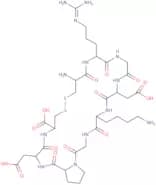
<p>Amino acids 1-34 of the Pararthyroid Hormone (PTH) containing a tyrosine residue and disulfide bonds between Cys3-Cys14. This product is of Bovine source and available as a 0.5mg vial. Parathyroid hormone (PTH) is a peptide hormone that regulates calcium and phosphate homeostasis. PTH stimulates the production of active vitamin D, which increases calcium absorption from the gut and promotes reabsorption of calcium in the kidney. The inhibitory effect of PTH on renal phosphate excretion causes hyperphosphatemia and hypocalcemia. PTH also stimulates osteoblasts to produce more bone matrix, resulting in increased bone mineralization and density. It is used as a research tool to study protein interactions, activation, ligand binding, receptor regulation and ion channels. It has been shown to have effects on some cell types such as T-cells, B-cells, neutrophils and mast cells. In addition to its effects on bone metabolism, PTH also has many other functions including vasoconstriction, inhibition of food intake and stimulation of glucose production by the liver.</p>Formule :C183H289N55O50S2Degré de pureté :Min. 95%Masse moléculaire :4,123.7 g/molGSK2795039
CAS :<p>GSK2795039 is a molecule that may be a potential therapeutic for hypoxic tumours. GSK2795039 inhibits the activity of an enzyme called dinucleotide phosphate, which is involved in the regulation of reactive oxygen species. This drug shows inhibitory effects on tumor cell proliferation and microenvironment. It also has pharmacokinetic properties that are similar to those of other drugs used for the treatment of cancer, such as postoperative radiotherapy. GSK2795039 was shown to have an inhibitory effect on human liver cells in vitro, and it is thought to be effective against both colorectal cancer and lung cancer.</p>Formule :C23H26N6O2SDegré de pureté :Min. 95%Masse moléculaire :450.56 g/molAnlotinib
CAS :<p>Anlotinib is a drug that belongs to the class of small-molecule tyrosine kinase inhibitors and is currently being investigated for the treatment of various cancers. It inhibits signal transduction by binding to tyrosine kinases, which are enzymes that regulate a wide variety of cellular functions. The molecular docking analysis revealed that Anlotinib binds to the ATP binding site on multidrug resistance protein 1 (MRP1). This molecule also inhibits cell factor, matrix effect, and liver lesions in mice. Anlotinib has been shown to inhibit squamous carcinoma in humans with lung cancer, as well as eye disorders such as age-related macular degeneration. It also has potential as a biomarker for α1-acid glycoprotein levels in human serum.</p>Formule :C23H22FN3O3Degré de pureté :Min. 95%Masse moléculaire :407.45 g/molZL0420
CAS :<p>ZL0420 is a histone lysine protein inhibitor. It is a small molecule that binds to the bromodomain and inhibits the interaction of histone H3 with the dextran sulfate, preventing transcriptional activation. ZL0420 has been shown to inhibit cancer cell growth in vitro and in vivo. It also inhibits inflammatory gene expression in cultured human colon cells and reduces inflammation in mice with bowel disease. ZL0420 is currently being studied for its potential to treat inflammatory bowel disease and other conditions such as cancer, which are characterized by aberrant epigenetic changes.</p>Formule :C16H16N4O2Degré de pureté :Min. 95%Masse moléculaire :296.32 g/molLY 215840
CAS :<p>LY 215840 is a cyclase inhibitor that blocks the conversion of 5-hydroxytryptamine (5-HT) to serotonin, which is the final step in the synthesis of this neurotransmitter. LY 215840 has been shown to have glomerulosa activity and can be used in the treatment of thyroid disease and piperazine. LY 215840 also has atypical properties and can be used for the treatment of depression and anxiety disorders. It also has antagonistic effects on 5-ht4 receptors, which leads to an increase in serotonin levels in cells. LY 215840 also has an antagonist effect on melanocortin receptors, which leads to decreased appetite and weight loss.</p>Formule :C24H33N3O2Degré de pureté :Min. 95%Masse moléculaire :395.5 g/molEcteinascidin 770
CAS :<p>Ecteinascidin 770 is a linker that is used to connect drugs and diagnostic agents to form conjugates. This compound possesses a ring structure with a carbonyl group at the 3-position and hydroxyl groups at the 2- and 4-positions, which provides it with nucleophilic properties. Ecteinascidin 770 has been used in the synthesis of ecteinascidins, which are synthetic compounds that are degradable by microorganisms into natural products. Ecteinascidin 770 also has diagnostic applications for detecting cancer cells and can be used as a drug linker for attaching therapeutic molecules such as antibiotics, antivirals, or antifungals to antibodies.</p>Formule :C40H42N4O10SDegré de pureté :Min. 95%Masse moléculaire :770.8 g/mol2-(2-Morpholin-4-ylethyl)-5-nitrobenzo[de]isoquinoline-1,3-dione
CAS :<p>Please enquire for more information about 2-(2-Morpholin-4-ylethyl)-5-nitrobenzo[de]isoquinoline-1,3-dione including the price, delivery time and more detailed product information at the technical inquiry form on this page</p>Formule :C18H17N3O5Degré de pureté :Min. 95%Masse moléculaire :355.3 g/molNF 1819
CAS :<p>NF 1819 is a small-molecule drug that promotes the differentiation of pancreatic β cells into insulin-producing cells. It also prevents the differentiating of stem cells into other cell types. NF 1819 has been shown to be effective in animal models for type 1 diabetes and its complications, such as diabetic kidney disease.</p>Formule :C24H22FN5O4Degré de pureté :Min. 95%Masse moléculaire :463.5 g/molHIV inhibitor 18A
CAS :<p>HIV inhibitor 18A is a research tool that can be used to study the role of ion channels in HIV infection, as well as other diseases. It is a peptide that binds to the HIV receptor and inhibits HIV-1 entry into cells, which can be used to identify new drugs for the treatment of HIV.</p>Formule :C14H11N5O2SDegré de pureté :Min. 95%Masse moléculaire :313.33 g/mol(R)-P7C3-Ome
CAS :<p>(R)-P7C3-Ome is a peptide that acts as an activator of the human beta 2 adrenergic receptor. It binds to the receptor with high affinity and specificity, and activates it in a dose-dependent manner. The compound has been shown to activate the beta 2 adrenergic receptor in rat brain membranes and to increase cAMP production. (R)-P7C3-Ome also increases intracellular calcium levels in mouse embryonic fibroblasts, which may be due to activation of G protein-coupled receptors.</p>Formule :C22H20Br2N2O2Degré de pureté :Min. 95%Masse moléculaire :504.21 g/molCGP 39551
CAS :<p>CGP 39551 is a non-competitive glutamate receptor antagonist that binds to the N-methyl-D-aspartate (NMDA) receptor. It has been shown to be effective in reducing neuronal death induced by glutamatergic neurotoxicity and autoimmune diseases. CGP 39551 has also been shown to have significant effects on the rotarod test, which measures motor coordination and balance. This drug is currently being used as an experimental model for neurodegenerative diseases such as Parkinson's disease. CGP 39551 blocks the NMDA receptor, which reduces the release of glutamate, dopamine, and gamma-aminobutyric acid.</p>Formule :C8H16NO5PDegré de pureté :Min. 95%Masse moléculaire :237.19 g/mol18:1 Lyso PE
CAS :<p>18:1 Lyso PE is a fatty acid that is a major product of the microbial metabolism of 18:1 Linoleic acid. This molecule has been shown to be a potential biomarker for insulin resistance, as it is found in higher concentrations in the blood of insulin-resistant individuals. 18:1 Lyso PE also has an inhibitory effect on insulin sensitivity, and may be important in the development of diabetes.</p>Formule :C23H46NO7PDegré de pureté :Min. 95%Masse moléculaire :479.59 g/molSL 910102
CAS :<p>SL 910102 is a research tool that belongs to the group of ligands. It binds to the receptor, which is a protein that can bind with other proteins in the body and trigger a reaction. SL 910102 has been shown to inhibit ion channels, which are membrane proteins that control the flow of ions such as sodium and potassium across cell membranes. This drug also inhibits antibody production by binding to an enzyme called immunoglobulin M (IgM) that is involved in immune responses. SL 910102 has also been shown to have potential therapeutic effects on cancer cells due to its inhibition of protein synthesis, leading to cell death by inhibiting protein production necessary for cell division.</p>Formule :C30H30N6ODegré de pureté :Min. 95%Masse moléculaire :490.6 g/molATB-BMPA
CAS :<p>Photoaffinity reagent for glucose transporters; cell-impermeant</p>Formule :C24H32F3N3O13Degré de pureté :Min. 95%Masse moléculaire :627.52 g/molNGD 4715
CAS :<p>NGD 4715 is a research tool for the study of ion channels and receptor-ligand interactions. It is a peptide that can be used to inhibit ion channels by binding to the ligand binding site of the channel, blocking access to its pore. NGD 4715 has also been shown to activate certain receptors, including GPRC6A, which may be useful for the treatment of conditions such as obesity or diabetes. This peptide has high purity with a CAS number of 476322-70-0.</p>Formule :C19H24BrN3O3Degré de pureté :Min. 95%Masse moléculaire :422.3 g/molCTX-0294885
CAS :<p>CTX-0294885 is a synthetic, selective inhibitor of the tyrosine kinase receptor aurora A. It has been shown to have synergistic effects in vitro with the drug piperidine, which inhibits histone deacetylase and alters cellular signaling pathways. CTX-0294885 has been shown to inhibit cell growth in various cancer models and was effective at inhibiting tumor metastasis. CTX-0294885 was also found to have a higher potency than other inhibitors of aurora A, but not as potent as drugs that inhibit aurora B. This drug may be used as a therapeutic strategy for cancer treatment.</p>Formule :C22H24ClN7ODegré de pureté :Min. 95%Masse moléculaire :437.93 g/molBI-671800
CAS :<p>BI-671800 is a nitro compound that has been shown to be an effective therapy for asthma by reducing the production of inflammatory molecules. It has been shown to inhibit the enzyme glutaminyl cyclase, which regulates the level of glutamate in cells. This drug also reduces the production of pro-inflammatory cytokines and nitric oxide through its ability to inhibit the expression of CRTH2 receptors. BI-671800 has been shown to be safe and have a good safety profile. The drug has also demonstrated statistically significant effects on autoimmune diseases in animal models. BI-671800 is not active against tautomers, but it does bind to glutaminyl residues on proteins with high affinity.</p>Formule :C25H26F3N5O3Degré de pureté :Min. 95%Masse moléculaire :501.5 g/mol(S,R,S)-AHPC-C2-NH2 dihydrochloride
CAS :<p>(S,R,S)-AHPC-C2-NH2 dihydrochloride is a peptide that acts as an activator of the ion channel TRPV1. The protein TRPV1 functions as a receptor for capsaicin, the chemical responsible for the burning sensation from chili peppers. TRPV1 is also known to be activated by heat and by certain lipids. The activation of this receptor leads to a number of cellular responses such as inflammation and pain sensation. Activation of TRPV1 has been shown to occur through the binding of AHPC-C2-NH2 dihydrochloride to the extracellular loop 2 region of this receptor. This interaction causes conformational changes in the receptor, which are necessary for activation.</p>Formule :C25H37Cl2N5O4SDegré de pureté :Min. 95%Masse moléculaire :574.6 g/mol2-(2-(3,4-Dichlorophenyl)-2,3-dihydro-1H-isoindol-5-ylamino)nicotinic acid
CAS :<p>2-(2-(3,4-Dichlorophenyl)-2,3-dihydro-1H-isoindol-5-ylamino)nicotinic acid is a research tool that can be used to activate ion channels in cells. It is a ligand that binds to and activates the nicotinic acetylcholine receptor by binding to the alpha subunit of the receptor. 2-(2-(3,4-Dichlorophenyl)-2,3-dihydro-1H-isoindol-5-ylamino)nicotinic acid has also been shown to inhibit protein interactions and regulate cell biology. This compound is also a useful tool for pharmacology and biochemistry studies because it is a high purity product with a purity level of 99%.</p>Formule :C20H15Cl2N3O2Degré de pureté :Min. 95%Masse moléculaire :400.3 g/molFGF401
CAS :<p>FGF401 is a toll-like receptor modulator that binds to the toll-like receptor and blocks the binding of death protein and potential biomarker. It has been shown to have antiviral and antibacterial activities, as well as an ability to induce apoptosis in cancer cells. FGF401 has been shown to inhibit the growth of human urothelial carcinoma cells in vitro and in vivo by blocking the tyrosine kinase domain, which is necessary for cell proliferation. This drug also inhibits protein synthesis, leading to cell death. FGF401 may be useful for the treatment of infectious diseases, including cervical cancer and skin cancer.</p>Formule :C25H30N8O4Degré de pureté :Min. 95%Masse moléculaire :506.56 g/molBrexpiprazole dihydrochloride
CAS :<p>Brexpiprazole dihydrochloride is a drug that belongs to the group of antipsychotics. It is a partial agonist at serotonin receptors, with high affinity for 5HT2A and 5HT1A receptors. Brexpiprazole dihydrochloride has been shown to be effective in treating schizophrenia, bipolar disorder, and major depressive disorder. Brexpiprazole dihydrochloride is a prodrug that is converted by esterases into brexpiprazole, its active form. The conversion of brexpiprazole dihydrochloride to brexpiprazole occurs in the blood and the brain.</p>Formule :C23H13F9N4O3SDegré de pureté :Min. 95%Masse moléculaire :596.4 g/molPyrimethamine-d3
CAS :<p>Please enquire for more information about Pyrimethamine-d3 including the price, delivery time and more detailed product information at the technical inquiry form on this page</p>Formule :C12H13ClN4Degré de pureté :Min. 95%Masse moléculaire :251.73 g/molZinnimide
CAS :<p>Zinnimide is an analog of a kinase inhibitor that has been shown to be effective in inhibiting the growth of cancer cells. It specifically targets cyclin-dependent kinases (CDKs) and has been tested on human cancer cell lines. Zinnimide has demonstrated potent anticancer activity in vitro and in vivo, making it a promising candidate for the development of new cancer therapies. This compound has also been found in Chinese urine samples, indicating its potential for use as a natural source of CDK inhibitors. Zinnimide induces apoptosis, or programmed cell death, in tumor cells by inhibiting the activity of CDKs and other proteins involved in cell division. Its ability to selectively target cancer cells while sparing healthy cells makes it an attractive option for cancer treatment.</p>Formule :C15H17NO4Degré de pureté :Min. 95%Masse moléculaire :275.3 g/molGSK 923295
CAS :<p>Inhibitor of mitotic kinesin CENP-E</p>Formule :C32H38ClN5O4Degré de pureté :Min. 95%Masse moléculaire :592.13 g/molMAL-dPEG®4-(m-dPEG®4)3
CAS :<p>MAL-dPEG®4-(m-dPEG®4)3 is a PEG compound with two different functional groups (also known as heterobifunctional). Unlike homobifunctional PEG compounds (same functional group on both ends), this type of compounds are more versatile as have two different anchor points. MAL-dPEG®4-(m-dPEG®4)3 is used as a linker and spacer to add a PEG moiety, via pegylation (a bioconjugation technique) to proteins, peptides, oligonucleotides, small molecules and nanoparticles.</p>Degré de pureté :Min. 95%Masse moléculaire :1,303.49 g/molFallypride
CAS :<p>Fallypride is a dopamine receptor agonist that has been shown to be effective in vitro and in vivo, binding to the D1 and D2 receptors. Fallypride has been shown to improve attention, memory, and motor skills in humans with Parkinson's disease. The drug also has an anti-inflammatory effect on human immune cells. Fallypride is a potential treatment for autoimmune diseases such as rheumatoid arthritis or multiple sclerosis, which are characterized by immune cell activation.</p>Formule :C20H29FN2O3Degré de pureté :Min. 95%Masse moléculaire :364.5 g/mol16:0 Hexynoyl pe
CAS :<p>16:0 Hexynoyl pe is a Research Tool that is used as an activator in cell biology and pharmacology. It has been shown to activate receptors, ion channels, and protein interactions. 16:0 Hexynoyl pe has also been shown to inhibit the activity of ion channels and protein interactions. 16:0 Hexynoyl pe is a ligand that binds to receptors and activates them by binding to their associated proteins. This product is purified with high purity (99%) and can be used in various research fields such as Cell Biology, Antibody, Ion Channels, Pharmacology, Peptides, Life Science, etc.</p>Formule :C43H83N2O9PDegré de pureté :Min. 95%Masse moléculaire :803.1 g/mol5-[5-[2-(3,5-Dimethyl-1-piperazinyl)acetyl]-2-ethoxyphenyl]-1,6-dihydro-1-methyl-3-propyl-7H-pyrazolo[4,3-d]pyrimidin-7-one
CAS :<p>3,5-Dimethylacetildenafil is a research tool that can be used as an activator or ligand to study the function of receptors and ion channels. It also has potential in the treatment of cardiovascular diseases. 3,5-Dimethylacetildenafil binds to and activates the receptor for nitric oxide (iNOS). The activation of this receptor leads to vasodilation and increased blood flow. This drug is also an inhibitor of phosphodiesterase type 5 (PDE5), which is responsible for breaking down cGMP, thereby regulating smooth muscle tone in penile tissue. 3,5-Dimethylacetildenafil has been shown to inhibit the enzyme activity of protein kinases by binding to ATP and preventing it from converting into ADP.</p>Formule :C25H34N6O3Degré de pureté :Min. 95%Masse moléculaire :466.6 g/molAnti GLP-2 (Mouse) Serum
<p>Anti GLP-2 (Mouse) Serum is a high purity, reagent grade product that is used in research and pharmacology applications. This product has been shown to be an inhibitor of the GLP-2 receptor and can be used as a blocking antibody for the detection of GLP-2. The protein sequence of this serum is identical to that of human GLP-2. This product is available in a concentration of 0.5mg/ml and is supplied at a concentration of 0.1mg/ml in phosphate buffered saline with 0.02% sodium azide as preservative.</p>Degré de pureté :Min. 95%LY3020371 hydrochloride
CAS :<p>LY3020371 hydrochloride is a molecule that is a prodrug of LY2510924, which is in clinical trials for the treatment of major depressive disorder. LY3020371 hydrochloride has been shown to be an effective antidepressant in animal studies and it has also been shown to have dose-dependent effects on acetylcholine release. The mechanism by which this drug works is not fully understood, but it may be due to its ability to enhance cholinergic neurotransmission at the synapse.</p>Formule :C15H16ClF2NO5SDegré de pureté :Min. 95%Masse moléculaire :395.8 g/molZ-Leu-Val-Gly-diazomethylketone
CAS :<p>Z-Leu-Val-Gly-diazomethylketone is a prodrug that is metabolized in vivo to the active form, diazomethyl ketone. This drug has antiviral activity against a number of human pathogens, including poliovirus and herpes simplex virus. It also inhibits proteinase activity, which may be responsible for its anti-bacterial effects. Z-Leu-Val-Gly-diazomethylketone has been shown to inhibit pyogenes and staphylococci by cleavage of their cell walls. The drug also inhibits the replication of viruses such as human immunodeficiency virus (HIV) and influenza A virus.</p>Formule :C22H31N5O5Degré de pureté :Min. 95%Couleur et forme :Off-White To Light (Or Pale) Yellow SolidMasse moléculaire :445.51 g/molm-dPEG®48-CO(CH2)3-Acid
<p>m-dPEG®48-CO(CH2)3-Acid is a PEG compound with two different functional groups (also known as heterobifunctional). Unlike homobifunctional PEG compounds (same functional group on both ends), this type of compounds are more versatile as have two different anchor points. m-dPEG®48-CO(CH2)3-Acid is used as a linker and spacer to add a PEG moiety, via pegylation (a bioconjugation technique) to proteins, peptides, oligonucleotides, small molecules and nanoparticles.</p>Formule :C102H203NO51Degré de pureté :Min. 95%Masse moléculaire :2,259.7 g/molTrityl olmesartan medoxomil im
CAS :<p>Trityl olmesartan medoxomil im is a research tool that is used to study protein interactions and other aspects of cell biology. Trityl olmesartan medoxomil im binds to the activator ligand receptor, which controls ion channels. The trityl group can be used as a marker for purification of antibodies and peptides, and also as an inhibitor in pharmacology.</p>Formule :C48H42N6O5Degré de pureté :Min. 95%Masse moléculaire :782.9 g/molEdotecarin
CAS :<p>Edotecarin is a peptide that is used as an activator for research purposes. It has been shown to activate the potassium ion channel, which alters the membrane potential. Edotecarin also binds to the receptor site of certain proteins, such as the ligand-gated ion channel.</p>Formule :C29H28N4O11Degré de pureté :Min. 95%Masse moléculaire :608.6 g/molDehydroabietinol
CAS :<p>Dehydroabietinol is a diterpene that belongs to the group of natural compounds. It has been shown to have significant cytotoxicity against human lung fibroblasts and herpes simplex virus in vitro. Dehydroabietinol inhibits viral replication by inhibiting the enzyme catalysis of viral DNA polymerase. Dehydroabietinol also blocks the synthesis of polysaccharides in plant cells and has insecticidal properties. This compound is not soluble in water, so it must be dissolved in an organic solvent before use. Dehydroabietinol may also be used as an additive for diesel fuel or as a precursor for other chemicals, such as plasticizers or lubricants.</p>Formule :C20H30ODegré de pureté :Min. 95%Masse moléculaire :286.5 g/molCyadox
CAS :<p>Cyadox is a metal chelate compound that has been shown to have antibacterial efficacy against Gram-positive bacteria. Cyadox binds to fatty acids on the bacterial cell membrane and forms an ionic complex, which results in the disruption of the lipid bilayer and inhibition of protein synthesis. Cyadox has been shown to inhibit epidermal growth factor (EGF) activity in human serum and may be used for the treatment of skin infections. Cyadox also shows genotoxic activity at high concentrations, but not at low concentrations. Cyadox is effective against Gram-positive bacteria and has been used in combination with other antibiotics to treat infections caused by methicillin-resistant Staphylococcus aureus (MRSA). The LC-MS/MS method was used to determine the concentration of cyadox in human liver cells.</p>Formule :C12H9N5O3Degré de pureté :Min. 95%Masse moléculaire :271.23 g/molAloc-D-Ala-Phe-Lys(aloc)-PAB-PNP
CAS :<p>Aloc-D-Ala-Phe-Lys(aloc)-PAB-PNP is a high purity, water soluble, neutral amino acid peptide. It has been shown to be an agonist of the nicotinic acetylcholine receptor and a potent inhibitor of protein interactions. Aloc-D-Ala-Phe-Lys(aloc)-PAB-PNP is synthesized by solid phase peptide synthesis on a polystyrene resin.</p>Formule :C40H46N6O12Degré de pureté :Min. 95%Masse moléculaire :802.8 g/molSodium houttuyfonate
CAS :<p>Sodium houttuyfonate is a peptide inhibitor that binds to the ATP binding site of the Na+/K+-ATPase enzyme. This inhibits the transport of potassium ions, which causes an increase in intracellular sodium ion concentration and thus an osmotic effect. Sodium houttuyfonate is used as a research tool for studying protein interactions, protein activation, and ligand-receptor interactions. It is also used as a reagent for purifying antibodies and other proteins by affinity chromatography.</p>Formule :C12H23NaO5SDegré de pureté :Min. 95%Masse moléculaire :302.36 g/molRefametinib
CAS :<p>Inhibitor of MEK1 and MEK2 kinases</p>Formule :C19H20F3IN2O5SDegré de pureté :Min. 95%Masse moléculaire :572.34 g/molMPS-Acid
CAS :<p>Please enquire for more information about MPS-Acid including the price, delivery time and more detailed product information at the technical inquiry form on this page</p>Formule :C16H33NO8Degré de pureté :Min. 95%Masse moléculaire :367.44 g/molBAY1238097
CAS :<p>BAY1238097 is a bromodomain inhibitor, which is a class of protein inhibitors that selectively binds to the bromodomain. BAY1238097 has been shown to inhibit cellular growth rates and may have potential as an antineoplastic agent. It has also been shown to bind to telomeres, which are structures at the end of chromosomes that protect DNA from damage. This binding leads to inhibition of telomerase activity, which is important in cancer cell proliferation and tumorigenesis. BAY1238097 may be used in cancer therapy as a covalent inhibitor because it binds to the protein-protein complex with high affinity and specificity.</p>Formule :C25H33N5O3Degré de pureté :Min. 95%Masse moléculaire :451.6 g/molQLT0267
CAS :<p>QLT0267 is a peptide that belongs to the class of activators. It has been shown to activate a number of ion channels and receptors, including potassium channels, G-protein coupled receptors, and ligand-gated ion channels. QLT0267 is also an inhibitor of protein interactions, such as receptor-ligand binding and antibody-antigen binding. This compound is highly purified with 98% purity. It is not known whether QLT0267 binds to any other proteins in addition to the ones mentioned above.</p>Formule :C10H12N6ODegré de pureté :Min. 95%Masse moléculaire :232.24 g/molBML-210
CAS :<p>BML-210 is a protein synthesis inhibitor that has been shown to have the ability to inhibit the proliferation of cancer cells. It inhibits cell cycle progression by modulating the activity of cyclin-dependent kinases. BML-210 also inhibits the production of nitric oxide, which is a key mediator in autoimmune diseases and other inflammatory disorders. BML-210 has been shown to be effective for treating cervical cancer, as well as cardiac and mouse hippocampal cancers. The drug also has an effect on DNA methyltransferase, which is an enzyme that controls gene expression and can inhibit tumor growth. In addition, BML-210 can be used to treat all types of cancer that are resistant to treatment with taxane drugs.</p>Formule :C20H25N3O2Degré de pureté :Min. 95%Masse moléculaire :339.43 g/molTMI-1
CAS :<p>TMI-1 is a human serum albumin that has been chemically modified to contain an ester linkage. The modification of the protein structure improves its stability and reduces the risk of immunogenicity. TMI-1 has been shown to have antitumor effects in mice, reducing tumor growth by up to 80%. It also has a therapeutic effect on inflammatory skin diseases, such as atopic dermatitis, psoriasis, and rosacea. TMI-1 can be used as a diagnostic agent or as a biocompatible polymer for drug delivery.</p>Formule :C17H22N2O5S2Degré de pureté :Min. 95%Couleur et forme :PowderMasse moléculaire :398.5 g/molNocII
CAS :<p>NocII is a protein that is encoded by the NOC2 gene. It has been shown to have locomotor activity, which is linked to its ability to inhibit oxidation of dopamine in the brain. This inhibition of oxidation may be due to its ability to form conjugates with dopamine receptors and other proteins. NocII has also been shown to have antiviral properties, as it has been shown to reactivate latent virus infections in mice. This protein may also play a role in autoimmune diseases and cancer, as it is expressed at high levels in human populations with these conditions. The knockout of this gene results in mice that are susceptible to dopamine-induced locomotion and plate test-induced seizures.</p>Formule :C92H141N23O28S2Degré de pureté :Min. 95%Masse moléculaire :2,081.4 g/molNVP BSK 805
CAS :<p>Inhibitor of non-receptor tyrosine kinase JAK2</p>Formule :C27H28F2N6ODegré de pureté :Min. 95%Masse moléculaire :490.55 g/molBP897
CAS :<p>BP897 is a dopamine receptor agonist that binds to the D1 and D2 receptors. BP897 has been shown to increase locomotor activity in mice, as well as brain levels of camp and cAMP. This drug also inhibits cancer cell growth in vitro by blocking the function of the protein tyrosine phosphatase 1B (PTP1B). The use of BP897 is limited by its high affinity for dopamine receptors, which may lead to tolerance and dependence after prolonged exposure.</p>Formule :C26H31N3O2Degré de pureté :Min. 95%Masse moléculaire :417.54 g/molAZD2716
CAS :<p>AZD2716 is a neuroactive pharmaceutical compound, which is a small molecule synthesized through chemical processes targeting the central nervous system. It functions primarily as an agonist for specific neuronal receptors, aiming to enhance synaptic plasticity and improve neurotransmission efficacy within the brain. The specificity of its action allows it to facilitate cognitive processes by modulating the activity of neuroreceptors involved in memory consolidation and retrieval.</p>Formule :C24H23NO3Degré de pureté :Min. 95%Masse moléculaire :373.4 g/mol(S,S,S)-Enalapril-d5 maleate
CAS :<p>(S,S,S)-Enalapril-d5 maleate is a deuterated analogue of enalapril maleate, a pharmaceutical compound used as an angiotensin-converting enzyme (ACE) inhibitor. This isotopically labeled form is synthetically derived to incorporate five deuterium atoms, serving as a critical tool in mass spectrometry studies. By replacing hydrogen atoms with deuterium, this compound enables precise measurements in pharmacokinetic and metabolic research.</p>Formule :C24H32N2O9Degré de pureté :Min. 95%Masse moléculaire :497.5 g/mol2-[[(1S,2R,4S)-4-(Dimethylcarbamoyl)-2-[(5-methyl-6,7-dihydro-4H-[1,3]thiazolo[5,4-c]pyridine-2-carbonyl)amino]cyclohexyl]amino]-2-o xoacetic acid
CAS :<p>2-[[(1S,2R,4S)-4-(Dimethylcarbamoyl)-2-[(5-methyl-6,7-dihydro-4H-[1,3]thiazolo[5,4-c]pyridine-2-carbonyl)amino]cyclohexyl]amino]-2-oxoacetic acid is a Research tool that is used as an activator of the receptor. It binds to the ligand and activates it by increasing its affinity for the receptor. This compound has been shown to inhibit ion channels and interfere with protein interactions. 2-[(1S,2R,4S)-4-(Dimethylcarbamoyl)-2-[(5-methyl-6,7-dihydro-4H-[1,3]thiazolo[5,4-c]pyridine-2 carbonyl)amino]cyclohexyl</p>Formule :C19H27N5O5SDegré de pureté :Min. 95%Masse moléculaire :437.5 g/molYonkenafil
CAS :<p>Yonkenafil is a potent, selective inhibitor of the enzyme cGMP-specific phosphodiesterase type 5 (PDE5). It is used for the treatment of erectile dysfunction. Yonkenafil has been shown to inhibit nitric oxide synthase (NOS) activity, which may be responsible for its neuroprotective effect. This compound also inhibits microglia activation and neuronal death in vitro and in vivo. Yonkenafil has been shown to be effective in the treatment of Parkinson's disease symptoms, such as cognitive impairment and motor deficits.</p>Formule :C24H33N5O4SDegré de pureté :Min. 95%Masse moléculaire :487.6 g/molDOTA-tris(Acid)-Amido-dPEG®23-Maleimide
<p>DOTA-tris(Acid)-Amido-dPEG®23-Maleimide is a PEG compound with two different functional groups (also known as heterobifunctional). Unlike homobifunctional PEG compounds (same functional group on both ends), this type of compounds are more versatile as have two different anchor points. DOTA-tris(Acid)-Amido-dPEG®23-Maleimide is used as a linker and spacer to add a PEG moiety, via pegylation (a bioconjugation technique) to proteins, peptides, oligonucleotides, small molecules and nanoparticles.</p>Degré de pureté :Min. 95%Masse moléculaire :1,838.88 g/molm-dPEG®12-Acid
<p>m-dPEG®12-Acid is a PEG compound with two different functional groups (also known as heterobifunctional). Unlike homobifunctional PEG compounds (same functional group on both ends), this type of compounds are more versatile as have two different anchor points. m-dPEG®12-Acid is used as a linker and spacer to add a PEG moiety, via pegylation (a bioconjugation technique) to proteins, peptides, oligonucleotides, small molecules and nanoparticles.</p>Degré de pureté :Min. 95%Bis-dPEG®4-TFP Ester
<p>Bis-dPEG®4-TFP Ester is a PEG polymer categorised as homobifunctional PEG (X-PEG X). Used as a linker, bis-dPEG®4-TFP Ester is used to attached PEG to proteins, peptides, oligonucleotides, nanoparticles and small molecules via pegylation, a bioconjugation technique.</p>Formule :C24H22F8O8Degré de pureté :Min. 95%Masse moléculaire :590.41 g/molCSN5i-3
CAS :<p>CSN5i-3 is a small molecule that inhibits the ubiquitin-proteasome system. It has potent antitumor activity in vitro and in vivo, as well as anti-inflammatory effects. CSN5i-3 is a selective inhibitor of the E1 enzyme (ubiquitin ligase) and has been shown to inhibit the proteasomal degradation of prostate cancer cells. CSN5i-3 also has pharmacokinetic properties that are favorable for clinical development and it can be used to treat hepatic steatosis and bone cancer. CSN5i-3 is active against infectious diseases such as malaria, tuberculosis, and HIV by inhibiting host protein synthesis.</p>Formule :C28H29F2N5O2Degré de pureté :Min. 95%Masse moléculaire :505.6 g/molBis-dPEG®11-DBCO
<p>Bis-dPEG®11-DBCO is a PEG polymer categorised as homobifunctional PEG (X-PEG X). Used as a linker, bis-dPEG®11-DBCO is used to attached PEG to proteins, peptides, oligonucleotides, nanoparticles and small molecules via pegylation, a bioconjugation technique.</p>Degré de pureté :Min. 95%Masse moléculaire :1,147.35 g/mol2-(2,2-Diphenylacetyl)-6-methoxy-5-phenylmethoxy-3,4-dihydro-1H-isoquinoline-3-carboxylic acid
CAS :<p>2-(2,2-Diphenylacetyl)-6-methoxy-5-phenylmethoxy-3,4-dihydro-1H-isoquinoline-3-carboxylic acid (AMG 827) is a potent angiotensin system inhibitor that is chemically related to losartan. AMG 827 has been shown to inhibit the proliferation of lung cells and target cells in vitro. It has been shown to be effective against viruses such as herpes simplex virus type 1 and 2. The enzyme inhibitors are active against nonselective kinases including protein kinase C, cyclooxygenase, and phospholipases. These agents have also been shown to have immunosuppressive properties. AMG 827 also inhibits cell growth in a line of human lung cancer cells (A549). Clinical trials are currently underway for the treatment of emphysema with this drug.</p>Formule :C32H29NO5Degré de pureté :Min. 95%Masse moléculaire :507.6 g/molMK-0941
CAS :<p>MK-0941 is a potential therapeutic for the treatment of type 2 diabetes. It is a novel, orally active, small molecule that has been shown to reduce blood glucose levels in preclinical models. MK-0941 targets pancreatic and hepatic steatosis by inhibiting the uptake of triglycerides from plasma into these tissues. MK-0941 also increases insulin sensitivity in vitro and in vivo. This drug has been studied as monotherapy at doses of 0.1, 1, or 10 mg/kg and as combination therapy with metformin at doses of 5 or 25 mg/kg in db/db mice and wild-type mice. The study drug was well tolerated up to 10 mg/kg without any adverse effects on body weight or food intake observed.<br>MK-0941 has shown promising results in lowering blood glucose levels and improving insulin sensitivity when administered alone or in combination with metformin at high doses.</p>Formule :C22H28N4O9S2Degré de pureté :Min. 95%Masse moléculaire :556.61 g/molPu-H71-d7 hydrate
CAS :<p>Pu-H71-d7 hydrate is a bacterial histidine protein that has been shown to have hemolytic activity. It has been identified as the major antimicrobial peptide in the plant population Pu-H71. Its mechanism of action is related to its ability to inhibit protein synthesis by binding to ribosomes, thus inhibiting the production of proteins required for cell division and growth. This substance also has population growth properties and can be used in biochemical experiments. Pu-H71-d7 hydrate is characterized by its ability to absorb light at low levels, which may be due to its xanthophyll pigments. Pu-H71-d7 hydrate has been shown to repair DNA damage through a process called recombination repair, which may involve the use of enzymes like polymerase chain reaction (PCR) and fatty acid synthase (FAS).</p>Formule :C18H23IN6O3SDegré de pureté :Min. 95%Masse moléculaire :530.4 g/mol(2S)-N-[4,4-Bis(4-fluorophenyl)butyl]-4-methyl-2-(methylamino)pentanamide
CAS :<p>(2S)-N-[4,4-Bis(4-fluorophenyl)butyl]-4-methyl-2-(methylamino)pentanamide is a peptide that has been used as an activator for research tools. It has been shown to activate antibodies and ion channels. This compound also shows high purity and can be used in cell biology experiments. (2S)-N-[4,4-Bis(4-fluorophenyl)butyl]-4-methyl-2-(methylamino)pentanamide has a molecular weight of 539.5 g/mol and the CAS number is 248922-46-5.</p>Formule :C23H30F2N2ODegré de pureté :Min. 95%Masse moléculaire :388.5 g/molc4 Topfluor mg
CAS :<p>C4 Topfluor is a peptide used in research. It can activate antibodies and bind to cells, which is used as a research tool. C4 Topfluor can also be used as an inhibitor for ion channels that are involved in the propagation of nerve impulses. C4 Topfluor has been shown to inhibit the binding of ligands to receptors, and is also a ligand for some receptors.</p>Formule :C20H27BF2N2O4Degré de pureté :Min. 95%Masse moléculaire :408.25 g/molFiruglipel
CAS :<p>Firuglipel is a synthetic biocompound, which is derived from advanced organic synthesis processes and designed for biotechnological applications. It functions as an enzyme inhibitor, leveraging its unique ability to interact with specific metabolic pathways. This interaction involves competitive binding to active sites within target enzymes, effectively modulating biochemical reactions.</p>Formule :C25H26FN3O5Degré de pureté :Min. 95%Masse moléculaire :467.5 g/molRaclopride hydrochloride
CAS :<p>Raclopride is a selective dopamine receptor antagonist that is used as a research tool. It can be used to block dopamine receptors, which are found in the brain and are linked to Parkinson's disease. Raclopride is also used as an anti-emetic drug, or medication that prevents or relieves nausea and vomiting. Raclopride hydrochloride is a high purity compound with a CAS number of 98527-32-3.</p>Formule :C15H21Cl3N2O3Degré de pureté :Min. 95%Masse moléculaire :383.70 g/molL-a-Phosphatidylcholine - PC30
CAS :<p>L-A-Phosphatidylcholine is a natural product that is extracted from the Chinese herb Salvia miltiorrhizae. It is a phospholipid that has been shown to inhibit the growth of colorectal adenocarcinoma cells in vitro. The mechanism of action for L-A-Phosphatidylcholine is unclear, but it may be due to its ability to inhibit the activity of polymerase chain reaction (PCR) and nitrite ion. L-A-Phosphatidylcholine also inhibits fatty acid uptake and acyl chain synthesis in vitro, as well as hydrogen bond formation with the hydroxyl group and water vapor uptake. L-A-Phosphatidylcholine also has a strong affinity for nitrate ions, which may be related to its anti-inflammatory effects.</p>Formule :C42H80NO8PDegré de pureté :Min. 95%Masse moléculaire :758.06 g/molPhe-Met-MCA
<p>Phe-Met-MCA is a peptide that specifically activates the ATP-sensitive potassium (KATP) channels. These channels are important for regulating cellular energy metabolism and membrane potential. Phe-Met-MCA is an inhibitor of protein kinase C (PKC), which regulates the activity of KATP channels by phosphorylation. The peptide is also an inhibitor of other protein kinases, including PKCζ, PKCε, and PKCθ.</p>Degré de pureté :Min. 95%CP-532623
CAS :<p>CP-532623 is a protein inhibitor that blocks the activity of the enzyme cholesterol ester transfer protein (CETP). CP-532623 is a member of the class of inhibitors that are soluble, bioconjugates. It has been shown to inhibit CETP in human cancer cell lines and clinical studies have shown that it lowers blood pressure in humans. CP-532623 is not absorbed when taken orally because it is solubilized and not lipid soluble. This drug has been shown to increase serum levels, which may be due to its inhibition of drug absorption.</p>Formule :C27H27F9N2O3Degré de pureté :Min. 95%Masse moléculaire :598.5 g/molAlphos Pd G6 otf
CAS :<p>Alphos Pd G6 otf is a fumigant formulation that releases phosphine gas, sourced from metal phosphides such as aluminum or magnesium phosphide. When exposed to moisture, the product undergoes hydrolysis, liberating phosphine, a potent gaseous phosphine (PH₃) compound. This mode of action is based on phosphine’s ability to disrupt cellular respiration in pests, leading to their effective eradication.</p>Formule :C60H71F10O4PPdSDegré de pureté :Min. 95%Masse moléculaire :1,215.65 g/molAc-Lys-Val-Pro-Leu-CH2Cl
<p>Ac-Lys-Val-Pro-Leu-CH2Cl is a synthetic peptide, which is a fragment of the neurotensin receptor. It can be used as a research tool in cell biology and pharmacology to study protein interactions with receptors. Ac-Lys-Val-Pro-Leu-CH2Cl can also be used as an antibody or an activator of the neurotensin receptor. This product has a high purity level, and is supplied in powder form.</p>Degré de pureté :Min. 95%MAL-dPEG®3-Lipoamide
CAS :<p>MAL-dPEG®3-Lipoamide is a PEG molecule conjugated with a lipid moiety. MAL-dPEG®3-Lipoamide, conjugated to this lipid constituent, is very important especially in drug delivery and vaccine development as it helps improve the stability and circulation time of lipid nanoparticles (LNPs) and liposomes.</p>Formule :C42H78N4O14S3Degré de pureté :Min. 95%Masse moléculaire :959.28 g/molRLN1
<p>The RLN1 gene encodes a protein that is involved in the regulation of cell growth, differentiation, and apoptosis. It interacts with a number of proteins involved in cancer, tumour progression and metastasis. The function of RLN1 is to interact with other proteins, such as p53 and BRCA2, and regulate their activity. The frequency of this gene has been analysed in healthy controls versus patients with cancer. A number of different tissues have been analysed for this gene including testicular tissue from healthy controls versus patients with testicular cancer. There are also data on the expression levels in normal tissue and cancerous tissue from the same individual. This gene has also been shown to be homologous to other genes that are involved in DNA repair and apoptosis.</p>Degré de pureté :Min. 95%Amyloid β (40-1)
<p>Amyloid beta (Aβ) is a peptide fragment of the amyloid precursor protein, which is cleaved by β- and γ-secretases to form Aβ. It has been shown to be an activator of presynaptic ion channels and can bind to receptors such as the low density lipoprotein receptor related protein 1 (LRP1). Amyloid beta influences cell biology in many different ways. For example, it inhibits the growth of neurons and can induce apoptosis. In addition, this peptide can inhibit the activity of ion channels by binding to specific sites on their surface. Amyloid beta also binds to antibodies that are used for research purposes.<br>Aβ40-1 is an antibody for research purposes only.</p>Degré de pureté :Min. 95%UCPH-102
CAS :<p>UCPH-102 is a potent and selective inhibitor of acid transporter (AT) with a trimeric structure. It has been shown to inhibit glutamate release, synaptic function, and profile in vivo. UCPH-102 was found to be active in vivo with carboxy as the bioavailability enhancer and against human ATs. It is also an analog of UCPH-101 and it shows inhibitory activities against uptake of glutamate by rat brain synaptosomes with low bioavailability in vivo due to modifications on the molecule.<br>UCPH-102 has been shown to be more potent than UCPH-101 in vitro and in vivo, with a lower Km for glutamate uptake inhibition, higher potency for inhibiting synaptic function, and better penetration into the brain than UCPH-101.</p>Formule :C21H18N2O2Degré de pureté :Min. 95%Masse moléculaire :330.4 g/molFGF 8 Human
<p>Fibroblast growth factor 8 (FGF8) is a cytokine that belongs to the family of fibroblast growth factors. It is a protein that is secreted by cells in the family of organs, including liver, kidney, lung, and heart. FGF8 has been shown to promote cell growth and organogenesis. In addition, FGF8 has been shown to stimulate tumor growth in animal models and humans. The function of FGF8 is mediated through binding to its receptor FGFR-2 on the cell surface. This receptor activates signaling pathways inside the cell by interacting with other proteins such as PI3K or Ras.</p>Degré de pureté :Min. 95%4,6-Dichloro-2-(ethoxycarbonyl)-1H-Indole-3-propanoic Acid
CAS :<p>4,6-Dichloro-2-(ethoxycarbonyl)-1H-Indole-3-propanoic Acid is a synthetic small molecule that activates the GABA receptor. It is a high purity material with a CAS number of 144989-41-3. This compound can be used as an inhibitor to study GABA receptor activation and its effects on ion channels. 4,6-Dichloro-2-(ethoxycarbonyl)-1H-Indole-3-propanoic Acid can also be used as a pharmacology research tool for the study of protein interactions and peptide ligands.</p>Formule :C14H13Cl2NO4Degré de pureté :Min. 95%Masse moléculaire :330.16 g/molBazinaprine
CAS :<p>Bazinaprine is a peptide that binds to the receptor for angiotensin II. It has been shown to activate the angiotensin II type 1 (AT1) receptor, which is involved in vasoconstriction and blood pressure regulation. Bazinaprine may also inhibit the binding of other ligands to the AT1 receptor, such as bradykinin and angiotensin IV. This drug has been shown to be an effective inhibitor of ion channels and can be used as a research tool in cell biology.</p>Formule :C17H19N5ODegré de pureté :Min. 95%Masse moléculaire :309.4 g/molD-Atabrine dihydrochloride
CAS :<p>D-Atabrine is a synthetic quinolone that has been shown to be an effective inhibitor of the ion channels in cells. This drug has been used as a research tool for studying ion channel function in cells and has also been shown to inhibit protein interactions, such as antibody-antigen interactions. D-Atabrine dihydrochloride is a high purity product with CAS No. 56100-41-5. It is soluble in water and methanol, and insoluble in ether.</p>Formule :C23H32Cl3N3ODegré de pureté :Min. 95%Masse moléculaire :472.9 g/mol(S)-(-)-pH-797804
CAS :<p>(S)-(-)-pH-797804 is a monoclonal antibody that blocks the receptor for tumor necrosis factor-alpha (TNFα) and is used to treat cancer. It has been shown to have anti-inflammatory effects in animal models of inflammatory bowel disease, arthritis, and colitis. This drug can be administered by intravenous injection or as an injection given directly into the tumor. The most common side effect is low blood pressure, which may require treatment with other medications.</p>Formule :C22H19BrF2N2O3Degré de pureté :Min. 95%Masse moléculaire :477.3 g/molN1-[2-((1S)-1-[(3-Aminopropyl)amino]-4-[di(3-amino-propyl)amino]butylcarboxamido)ethyl]-3,4-di[oleyloxy]-benzamide
CAS :<p>N1-[2-((1S)-1-[(3-Aminopropyl)amino]-4-[di(3-amino-propyl)amino]butylcarboxamido)ethyl]-3,4-di[oleyloxy]-benzamide is a peptide inhibitor. It is a potent and selective inhibitor of the enzyme protein interactions that belongs to the class of phosphodiesterase 4 (PDE4). The mechanism of action is inhibition of cAMP hydrolysis. N1-[2-((1S)-1-[(3-Aminopropyl)amino]-4-[di(3-amino-propyl)amino]butylcarboxamido)ethyl]-3,4-di[oleyloxy]-benzamide has been shown to bind with high affinity to both the PDE4D5 and PDE4D6 isoforms but not to other PDEs such as</p>Formule :C59H116Cl5N7O4Degré de pureté :Min. 95%Masse moléculaire :1,164.86 g/molMoracin P
CAS :<p>Moracin P is a prenylated mulberrofuran that is an inhibitor of the enzyme hydroxylase. This leads to decreased production of prostaglandins, which are involved in inflammatory responses and pain. Moracin P has been shown to have anti-cancer properties and inhibitory effects on human immunodeficiency virus (HIV). Moracin P also inhibits oxidative stress and has been shown to be effective for treating diabetic neuropathy. Moracenin, a compound found in Moracin P, has been shown to have significant inhibitory activities against various enzymes such as cyclooxygenase-2, lipoxygenase, nitric oxide synthase, and phospholipase A2.</p>Formule :C19H18O5Degré de pureté :Min. 95%Masse moléculaire :326.34 g/molVasoconstriction-Inhibiting Factor, human
<p>Vasoconstriction-Inhibiting Factor, human (VIF) is a peptide that inhibits the activity of ATP-sensitive potassium channels. It has been shown to be an inhibitor of both P2X and P2Y purinergic receptors. VIF is a cell biology research tool that can be used as a high purity reagent for antibody production. The use of this factor in ion channels may lead to the discovery of new drugs for treating cardiovascular diseases.</p>Formule :C163H256N42O67SDegré de pureté :Min. 95%Masse moléculaire :3,908.1 g/molTAS-115
CAS :<p>TAS-115 is a monoclonal antibody that binds to the epidermal growth factor receptor (EGFR) and blocks the EGFR signalling pathway. It is used in the treatment of solid tumours, such as lung cancer. TAS-115 has been shown to inhibit Wnt signalling by interfering with the binding of kinase domain of EGFR to its substrate, which leads to inhibition of proliferation and induction of apoptosis in human osteosarcoma cells. In addition, TAS-115 was found to be a potential biomarker for colon cancer.</p>Formule :C27H23FN4O4SDegré de pureté :Min. 95%Masse moléculaire :518.6 g/molEpanolol
CAS :<p>Epanolol is a beta-adrenergic receptor antagonist that is used to treat heart failure, high blood pressure, and other cardiovascular diseases. It has been shown to increase urine production by reducing the concentration of natriuretic peptides in the body. Epanolol also has anti-inflammatory effects and can be used for the treatment of skin conditions such as psoriasis. Epanolol has a terminal half-life of about six hours and an effective dose range of 10-40 mg/day.</p>Formule :C20H23N3O4Degré de pureté :Min. 95%Masse moléculaire :369.4 g/mol2-Aminomethyl-4-t-butyl-6-iodophenol
CAS :<p>2-Aminomethyl-4-t-butyl-6-iodophenol (2AMI) is a drug used to treat inflammation in the urinary tract and for the treatment of hypertension. 2AMI has been shown to be an effective inhibitor of the transport of calcium into cells, which results in the inhibition of cellular processes such as protein synthesis. It also has significant anti-inflammatory activity. 2AMI was found to block inflammatory reactions by inhibiting neutrophil migration, which is an important step in the inflammatory process. This drug has also been shown to inhibit the biosynthesis of granulomas and exudates in animals with experimental allergic encephalomyelitis, a condition that mimics multiple sclerosis.</p>Formule :C11H16INODegré de pureté :Min. 95%Masse moléculaire :305.15 g/molGSK2643943A
CAS :<p>GSK2643943A is an investigational drug, which is a product of GlaxoSmithKline's extensive research efforts. It is a small molecule inhibitor targeting specific cellular pathways involved in tumor growth and proliferation. This compound is designed to selectively inhibit kinase signaling, a process critical for the survival and metastasis of cancer cells. By disrupting these pathways, GSK2643943A aims to impede cancer progression, offering a potential new avenue for therapeutic intervention in oncology.</p>Formule :C17H12FN3Degré de pureté :Min. 95%Masse moléculaire :277.29 g/molN-Tetradecanoyl-D-homoserine lactone
CAS :<p>N-Tetradecanoyl-D-homoserine lactone (TDCL) is a peptide that is used as a research tool to study protein interactions. TDCL binds to ion channels and inhibits the opening of these channels by interacting with the receptor, ligand, or other proteins. TDCL also binds to antibodies and can be used for immunological purposes. TDCL has been shown to inhibit the production of inflammatory cytokines in macrophages and reduce the expression of pro-inflammatory genes in human cells. TDCL has been shown to inhibit the binding of ligands to their receptors by competitive inhibition, leading to its use as a pharmacological agent.</p>Formule :C18H33NO3Degré de pureté :Min. 95%Masse moléculaire :311.46 g/molResorcinolnaphthalein
CAS :<p>Resorcinolnaphthalein is a non-steroidal anti-inflammatory drug that is used to treat chronic pulmonary diseases and other inflammatory conditions. Resorcinolnaphthalein has been shown to inhibit the production of proinflammatory cytokines such as IL-10, and also has the ability to modulate autophagy. It has been shown in vitro to activate the transcription of pro-inflammatory cytokines, chemokines, and adhesion molecules in response to lipopolysaccharides (LPS). Resorcinolnaphthalein also inhibits angiotensin II, which may be responsible for its antihypertensive effects. Transgenic animal studies have shown that resorcinolnaphthalein inhibits airway hyperresponsiveness and pulmonary hypertension induced by chronic cigarette smoke exposure.</p>Formule :C24H14O5Degré de pureté :Min. 95%Masse moléculaire :382.4 g/molAmpicillin-d5
CAS :<p>Ampicillin-d5 is a stable isotope-labeled antibiotic, which is a derivative of the β-lactam antibacterial agent ampicillin. This compound is synthesized by incorporating deuterium atoms, replacing certain hydrogen atoms, which aids in mass spectrometry analysis due to its distinct molecular weight.</p>Formule :C16H19N3O4SDegré de pureté :Min. 95%Masse moléculaire :354.4 g/molDichlorphenamide-13C6
CAS :<p>Please enquire for more information about Dichlorphenamide-13C6 including the price, delivery time and more detailed product information at the technical inquiry form on this page</p>Formule :C6H6Cl2N2O4S2Degré de pureté :Min. 95%Masse moléculaire :311.1 g/molTalampicillin hydrochloride
CAS :<p>Talampicillin is an ion channel inhibitor that binds to the ligand binding site of potassium channels. It has been shown to inhibit the activation of voltage-gated K+ channels by agonists such as acetylcholine, carbachol, and histamine. This inhibition leads to a decrease in excitability and an increase in the duration of action potentials. Talampicillin also inhibits the alpha-2A adrenergic receptor, which causes vasoconstriction and increases blood pressure. Talampicillin is used as a research tool for studying protein interactions and peptide synthesis, as well as for pharmacology studies on cell biology and antibody production.</p>Formule :C24H24ClN3O6SDegré de pureté :Min. 95%Masse moléculaire :518 g/mol(2-((3-Hexyl-4-methyl-2-oxo-2H-chromen-7-yl)oxy)acetyl)methionine
CAS :<p>(2-((3-Hexyl-4-methyl-2-oxo-2H-chromen-7-yl)oxy)acetyl)methionine is a synthetic small molecule that has been shown to activate K+ channels. It potentiates the effects of GABA, an inhibitory neurotransmitter, on neuronal excitability. This drug also binds to the glutamate receptor and inhibits its function. (2-(3-hexyl-4-methyl-2-oxo--2H chromen 7 yl)oxyacetyl)methionine is a research tool used in pharmacology and cell biology. It is used as an agonist in antibody production and as a high purity reagent for peptide synthesis.</p>Formule :C23H31NO6SDegré de pureté :Min. 95%Masse moléculaire :449.6 g/molAc-Gly-BoroPro
CAS :<p>Ac-Gly-BoroPro is a synthetic peptide-based inhibitor, which is derived from a chemical synthesis process involving peptide bond formation and incorporation of a boronic acid moiety. Its mode of action involves the reversible inhibition of prolyl oligopeptidase (POP), an enzyme that plays a crucial role in cleaving proline-containing peptides smaller than 30 amino acids in length. The boronic acid group in Ac-Gly-BoroPro interacts with the active site of POP, forming a transient covalent bond with the serine nucleophile, thereby blocking substrate access.</p>Formule :C8H15BN2O4Degré de pureté :Min. 95%Masse moléculaire :214.03 g/molPHA 665752
CAS :<p>Inhibitor of c-Met tyrosine kinase</p>Formule :C32H34Cl2N4O4SDegré de pureté :Min. 95%Masse moléculaire :641.61 g/molL-Phenylalanyl-D-valyl-L-valyl-D-tyrosine
CAS :<p>L-Phenylalanyl-D-valyl-L-valyl-D-tyrosine is a peptide that is used as a research tool to study the activity of ion channels and ligands. It can be used in experiments to inhibit the binding of ligands to their receptors, which may be useful for understanding how these interactions work. LPAVLT has been shown to bind to various ion channels, including nicotinic acetylcholine receptors, voltage-gated calcium channels, and potassium channels. This peptide is also an inhibitor of the receptor tyrosine kinase PYK2. LPAVLT has been shown to activate certain ion channels by acting as a high affinity agonist. The peptide is not active when taken orally and must be injected or administered through other means.</p>Formule :C28H38N4O6Degré de pureté :Min. 95%Masse moléculaire :526.6 g/moliGRD peptide
CAS :<p>a 9-amino acid cyclic peptide that triggers tissue penetration of drugs through binding to av integrins. Water solubility greater then 50mg/ml</p>Formule :C35H57N13O14S2Degré de pureté :Min. 95%Masse moléculaire :948 g/molFebuxostat-d7
CAS :<p>Febuxostat-d7 is a potent inhibitor of the enzyme xanthine oxidase, which is responsible for the production of uric acid. The molecule has been shown to be bioequivalent to the approved product Febuxostat, based on results from pharmacokinetic studies in healthy Chinese subjects. This study also demonstrated that Febuxostat-d7 was well tolerated and had a similar pharmacokinetic profile to the marketed drug.</p>Formule :C16H9D7N2O3SDegré de pureté :Min. 95%Masse moléculaire :323.42 g/molGuaiapate
CAS :<p>Guaiapate is a drug that is used to treat atrial arrhythmias. It has been shown in clinical trials to be effective for the treatment of acute ischemic heart disease and inflammatory bowel disease, especially when combined with other drugs. Guaiapate is a polymeric matrix analog of guaiphenesin and has been shown to be effective as a pharmaceutical dosage for the treatment of ventricular dysfunction and cardioversion. Research indicates that guaiapate may have an anti-inflammatory effect on the cardiovascular system by inhibiting fatty acid synthase and increasing levels of arachidonic acid metabolites, which are associated with inflammation.</p>Formule :C18H29NO4Degré de pureté :Min. 95%Masse moléculaire :323.4 g/molFR 167653
CAS :<p>FR 167653 is a research chemical that is being studied for its potential to reduce the symptoms of endometriosis and polycystic ovarian syndrome. It has been shown to activate cardiac cells in response to ischemia reperfusion, thereby preventing cell death. FR 167653 also activates signaling pathways, such as protein kinase B/Akt. The effective dose of FR 167653 is not yet known, but it has been shown to be safe at doses up to 100 mg/kg in Sprague-Dawley rats. This compound has also been shown to promote pluripotent cells and inhibit TNF-α production in vitro.</p>Formule :C24H18FN5O2Degré de pureté :Min. 95%Masse moléculaire :427.4 g/mol
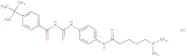


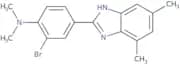
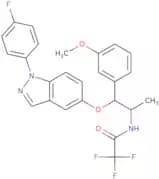





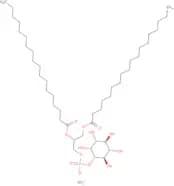


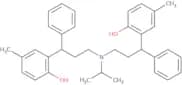
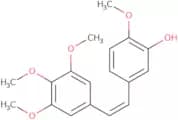


![[Nphe1]Nociceptin(1-13)NH2](/_next/image/?url=https%3A%2Fstatic.cymitquimica.com%2Fproducts%2F3D%2Fthumb-webp%2FSKA23408.webp&w=3840&q=75)
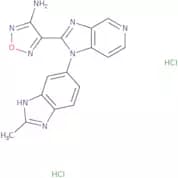


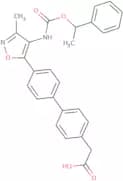


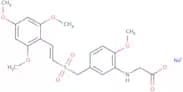
![4-[3-(4-Morpholinyl)propoxy]-phenol](/_next/image/?url=https%3A%2Fstatic.cymitquimica.com%2Fproducts%2F3D%2Fthumb-webp%2FTDA75997.webp&w=3840&q=75)

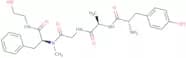





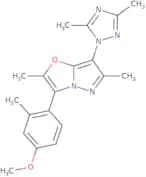

![Tetrapotassium, 2-[2-[2-[3-(1,3-benzothiazol-2-yl)-7-[bis(carboxylatomethyl)amino]-2-oxochromen-6-…](/_next/image/?url=https%3A%2Fstatic.cymitquimica.com%2Fproducts%2F3D%2Fthumb-webp%2FRIA45354.webp&w=3840&q=75)


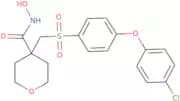


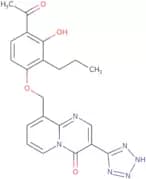


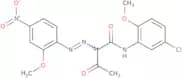

![[Tyr34]-Parathyroid Hormone (Bovine, 1-34 Amide)](/_next/image/?url=https%3A%2Fstatic.cymitquimica.com%2Fproducts%2F3D%2Fthumb-webp%2FPTH-4179-V.webp&w=3840&q=75)


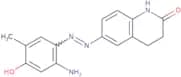


![2-(2-Morpholin-4-ylethyl)-5-nitrobenzo[de]isoquinoline-1,3-dione](/_next/image/?url=https%3A%2Fstatic.cymitquimica.com%2Fproducts%2F3D%2Fthumb-webp%2FUCA40875.webp&w=3840&q=75)




![5-[5-[2-(3,5-Dimethyl-1-piperazinyl)acetyl]-2-ethoxyphenyl]-1,6-dihydro-1-methyl-3-propyl-7H-pyraz…](/_next/image/?url=https%3A%2Fstatic.cymitquimica.com%2Fproducts%2F3D%2Fthumb-webp%2FQBC04188.webp&w=3840&q=75)


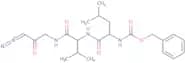


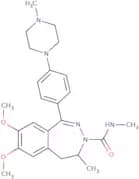


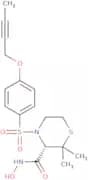



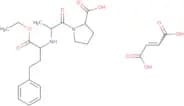
![2-[[(1S,2R,4S)-4-(Dimethylcarbamoyl)-2-[(5-methyl-6,7-dihydro-4H-[1,3]thiazolo[5,4-c]pyridine-2-ca…](/_next/image/?url=https%3A%2Fstatic.cymitquimica.com%2Fproducts%2F3D%2Fthumb-webp%2FSFB62511.webp&w=3840&q=75)








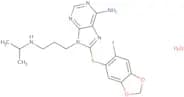
![(2S)-N-[4,4-Bis(4-fluorophenyl)butyl]-4-methyl-2-(methylamino)pentanamide](/_next/image/?url=https%3A%2Fstatic.cymitquimica.com%2Fproducts%2F3D%2Fthumb-webp%2FYJA92246.webp&w=3840&q=75)

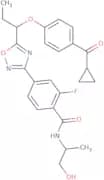

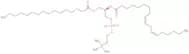








![N1-[2-((1S)-1-[(3-Aminopropyl)amino]-4-[di(3-amino-propyl)amino]butylcarboxamido)ethyl]-3,4-di[ole…](/_next/image/?url=https%3A%2Fstatic.cymitquimica.com%2Fproducts%2F3D%2Fthumb-webp%2FPTA92603.webp&w=3840&q=75)