Composés aliphatiques et dérivés
Les composés aliphatiques et leurs dérivés sont des composés organiques caractérisés par des structures en chaîne droite ou ramifiée, par opposition aux structures en anneau trouvées dans les composés aromatiques. Ces composés incluent les alcanes, alcènes, alkynes et leurs dérivés fonctionnalisés, jouant un rôle essentiel dans divers processus chimiques et applications industrielles. Chez CymitQuimica, nous offrons une sélection diversifiée de composés aliphatiques de haute pureté et de leurs dérivés, méticuleusement sélectionnés et testés pour répondre aux exigences strictes des besoins de recherche et industriels. Notre catalogue couvre une large gamme de composés, y compris des hydrocarbures, alcools, aldéhydes, cétones et acides, chacun connu pour sa réactivité et sa polyvalence en synthèse organique, en pharmacie et en science des matériaux. En fournissant des composés aliphatiques et dérivés de haute qualité, nous soutenons les chercheurs et les professionnels dans la réalisation de transformations chimiques précises et efficaces, favorisant l'innovation et les avancées dans de nombreux domaines scientifiques et technologiques.
8718 produits trouvés pour "Composés aliphatiques et dérivés"
Trier par
Degré de pureté (%)
0
100
|
0
|
50
|
90
|
95
|
100
2-Methyl-1,3-propanediol
CAS :<p>2-Methyl-1,3-propanediol is a glycol ether that is used in sample preparation for chemical analysis. It is an antimicrobial agent that has been shown to be active against bacteria such as Escherichia coli and Staphylococcus aureus. 2-Methyl-1,3-propanediol has also been shown to have the ability to inhibit the growth of epidermal cells. This chemical has been shown to be effective in treating skin lesions caused by dermatophytes, fungi and bacterial infections. 2-Methyl-1,3-propanediol inhibits the synthesis of glycol esters, fatty acids and epidermal growth factor through competition with hydroxyl groups on cell membranes. It also chelates metal ions such as Cu2+, Zn2+, Cd2+ and Pb2+.</p>Formule :C4H10O2Degré de pureté :Min. 95%Couleur et forme :Colorless PowderMasse moléculaire :90.12 g/mol6-Azido-hexan-1-ol
CAS :<p>6-Azido-hexan-1-ol is an organic compound with the chemical formula CH3CH2OCH2CH2N3. It is a colorless liquid that boils at 29°C and has a melting point of -60°C. 6-Azido-hexan-1-ol has been shown to be a reactive site in polymerization kinetics, with a kinetic rate constant of 2.0x10^5 M^(-1)s^(-1). This compound also exhibits high reactivity when used as a substrate for ring opening polymerization, which may be due to its hydroxy group and functional groups. 6-Azido-hexan-1-ol can be synthesized by reacting 4 vinylbenzyl alcohol with hydrazine hydrate in the presence of an acid catalyst, such as sulfuric acid or pyridine. The reaction can be monitored using matrix assisted laser desorption ionization time of flight (MALDI</p>Formule :C6H13N3ODegré de pureté :Min. 95%Couleur et forme :Clear LiquidMasse moléculaire :143.19 g/molCyclopentylmethanol
CAS :<p>Cyclopentylmethanol is a chemical compound with the molecular formula CH3OH. It is a colorless liquid that is soluble in water and has a distinctive, sweet odor. Cyclopentylmethanol is used as an intermediate in organic synthesis and as a solvent for nitrocellulose, cellulose acetate, cellulose nitrate, and similar materials. It reacts with chlorine at high temperatures to form chlorinated cyclopentylmethanols. This reaction can be used to synthesize hydroxyapatite (a mineral) from calcium phosphate (a mineral). Cyclopentylmethanol also reacts with nicotinic acetylcholine receptors in the brain, causing them to desensitize. Hydroxyapatite can also be synthesized by reacting cyclopentylmethanol with dinucleotide phosphate and hydroxyl group containing compounds such as esters or soluble guanylate cyclase enzymes. The reactions produce hydrogen</p>Formule :C6H12ODegré de pureté :Min. 95%Couleur et forme :Clear Colourless LiquidMasse moléculaire :100.16 g/molCyclamic acid
CAS :<p>Artificial sweetener</p>Formule :C6H13NO3SCouleur et forme :PowderMasse moléculaire :179.24 g/mol(+)-Diacetyl-D-tartaric acid
CAS :<p>(+)-Diacetyl-D-tartaric acid is a chiral organic compound that is soluble in organic solvents. It can be used as a catalyst for the asymmetric synthesis of organic compounds and has been shown to cleave bonds with high stereoselectivity. (+)-Diacetyl-D-tartaric acid also exhibits mesomorphic properties, meaning it changes from liquid to solid and vice versa at certain temperatures. The optical activity of this compound can be seen by its magnetic resonance spectrum, which displays two peaks at different wavelengths. This molecule has been shown to have potential uses in microscopy, as well as for the preparation of monomers for magnetic materials.</p>Formule :C8H10O8Degré de pureté :Min. 95%Couleur et forme :White PowderMasse moléculaire :234.16 g/mol1,3-Adamantanediacetic acid
CAS :<p>1,3-Adamantanediacetic acid is a linker molecule that is used in analytical chemistry. It is a bifunctional reagent that reacts with trifluoroacetic acid and triflic acid to form a chelate ring. This reaction product can be analyzed using analytical methods such as gas chromatography or nuclear magnetic resonance spectroscopy. 1,3-Adamantanediacetic acid has been shown to react with amides and hydrogen bonding interactions to form supramolecular structures. The introduction of this compound into the synthesis of peptides has allowed for the elucidation of the structural analysis of these molecules.</p>Formule :C14H20O4Degré de pureté :Min. 98 Area-%Couleur et forme :PowderMasse moléculaire :252.31 g/molBis(trifluoromethane)sulfonimide lithium salt
CAS :<p>Please enquire for more information about Bis(trifluoromethane)sulfonimide lithium salt including the price, delivery time and more detailed product information at the technical inquiry form on this page</p>Formule :C2F6LiNO4S2Masse moléculaire :287.09 g/molRef: 3D-Q-101273
1kgÀ demander5kgÀ demander250gÀ demander500gÀ demander2500gÀ demander-Unit-kgkgÀ demanderTrimethylolpropane tris(2-mercaptoacetate)
CAS :<p>Trimethylolpropane tris(2-mercaptoacetate) (TMPTMA) is a functional group that is used as an actuator in organic solvent-based inkjet printing. It has been shown to be a cross-linking agent and a treatment effect modifier. TMPTMA has been shown to be a hydroxyl group donor and has the ability to form vinyl groups. In addition, it can act as an organic acid by donating protons and carboxyl groups. TMPTMA can also function as a heat energy absorber and has low molecular weight, making it highly reactive with other substances. The alicyclic structure of TMPTMA makes it susceptible to ring opening reactions with strong acids or bases.</p>Formule :C12H20O6S3Degré de pureté :Min. 95%Couleur et forme :PowderMasse moléculaire :356.48 g/mol2-Chloroethyl isocyanate
CAS :<p>Inhibitor of DNA repair mechanisms</p>Formule :C3H4ClNODegré de pureté :Min. 98%Couleur et forme :Colorless Clear LiquidMasse moléculaire :105.52 g/mol4-Bromo-1-butene
CAS :<p>4-Bromo-1-butene is a colorless liquid with a boiling point of 102°C. It is soluble in ethanol, acetone, and chloroform. 4-Bromo-1-butene undergoes an acid-catalyzed phase transition to the solid form at temperatures below its melting point. 4-Bromobutene can be synthesized by reacting ethyl bromide with 1-butene in the presence of a catalyst such as copper or silver oxide. The kinetic energy of the reaction is determined by measuring the rate of evolution of hydrogen bromide gas from the reaction mixture. The β-unsaturated ketone reacts with dimethyl fumarate in the presence of sodium hydroxide to produce 4-bromobutene and 2,2'-difluoroethanol. This product has been shown to have IR spectra similar to those for other products containing a hydroxyl group such as phenol and</p>Formule :C4H7BrDegré de pureté :Min. 95%Couleur et forme :Colorless Clear LiquidMasse moléculaire :135 g/mol1,2,5,6-Diepoxycyclooctane
CAS :<p>1,2,5,6-Diepoxycyclooctane is a chemical compound that has been used as a crosslinking agent for the polymerization of epoxies. It is also used as a reactive intermediate in organic synthesis. 1,2,5,6-Diepoxycyclooctane can be prepared by reacting epichlorohydrin with ethylene oxide and then hydrogenation. This chemical compound is stable to ultraviolet light and does not react with cationic surfactants. 1,2,5,6-Diepoxycyclooctane can form monoadducts or diploid adducts when it reacts with chemicals such as dioxane and benzene. The nmr spectra of 1,2,5,6-diepoxycyclooctane show signals characteristic of epoxides.</p>Formule :C8H12O2Degré de pureté :Min. 95%Couleur et forme :PowderMasse moléculaire :140.18 g/molCyclohexane-1,2-dione
CAS :<p>Cyclohexane-1,2-dione is a natural compound that can be found in kidney beans and other plants. It has been shown to inhibit the growth of tumor cells in vitro. Cyclohexane-1,2-dione binds to DNA polymerase, preventing replication and transcription. This reaction mechanism is similar to that of the rifamycins. Cyclohexane-1,2-dione has also been shown to bind enzymes such as nitrite ion reductase with high affinity and inhibit their activity. Cyclohexane-1,2-dione is chemically stable and does not react with metal ions or form stable complexes with biological molecules. The redox potentials for this molecule are -0.42 V (5/6) under aerobic conditions and -0.52 V (5/6) under anaerobic conditions.</p>Formule :C6H8O2Degré de pureté :Min. 96.5%Couleur et forme :PowderMasse moléculaire :112.13 g/mol6-(Fmoc-amino)-1-hexanol
CAS :<p>6-(Fmoc-amino)-1-hexanol is a high quality chemical that can be used as an intermediate in the synthesis of many complex compounds, such as pharmaceuticals, fine chemicals and research chemicals. It is often used as a building block in the synthesis of other useful chemicals and has been shown to have versatile reactions with many functional groups. 6-(Fmoc-amino)-1-hexanol can be used in reactions involving nucleophilic substitution, elimination, amination, esterification and transesterification.</p>Formule :C21H25NO3Degré de pureté :Min. 95%Couleur et forme :PowderMasse moléculaire :339.43 g/molAgaricinic acid
CAS :<p>Organic tricarboxylic acid; inducer of MPT</p>Formule :C22H40O7Degré de pureté :Min. 95%Couleur et forme :PowderMasse moléculaire :416.55 g/mol1-Iododecane - Stabilized with copper chip
CAS :<p>Precursor to prepare 9-nonadecanone</p>Formule :C10H21IDegré de pureté :Min. 98 Area-%Couleur et forme :Colorless Clear LiquidMasse moléculaire :268.18 g/mol11-Mercaptoundecanoic acid
CAS :<p>11-Mercaptoundecanoic acid (11MUA) is a fluorescence probe that reacts with the amide group of proteins. It has been used to study HIV-1 infection and the early stages of human immunodeficiency virus (HIV) replication. 11MUA can be detected by fluorescence spectrometry and gives a strong, selective signal in human serum. This compound is also used as a model system for studying protease activity and electrochemical impedance spectroscopy. 11MUA is stable in solution and can be detected at very low levels, making it an excellent probe for protein degradation studies. The reaction solution containing 11MUA can be prepared using trifluoroacetic acid (TFA), which facilitates the formation of esters from carboxylic acids, or by adding TFA to an acyl chloride derivative of 11-mercaptoundecanoic acid.</p>Formule :C11H22O2SDegré de pureté :Min. 95%Couleur et forme :White PowderMasse moléculaire :218.36 g/mol2-Oxa-7-azaspiro[3.5]nonane hemioxalate
CAS :<p>2-Oxa-7-azaspiro[3.5]nonane hemioxalate is a fine chemical that is used as a building block in research and development of complex compounds, such as pharmaceuticals, agrochemicals, and polymers. It has been shown to be useful in the synthesis of heterocycles, such as pyrrolidines, piperazines, indoles, and benzoxazoles. 2-Oxa-7-azaspiro[3.5]nonane hemioxalate can serve as a versatile building block for the preparation of various scaffolds with different functionalities. 2-Oxa-7-azaspiro[3.5]nonane hemioxalate is a reagent that can be used for the preparation of other compounds and intermediates as well.</p>Formule :C7H13NOC2H2O4Degré de pureté :Min. 95%Couleur et forme :Off-White Clear LiquidMasse moléculaire :172.2 g/mol1-Bromo-2-(trifluoromethoxy)ethane
CAS :<p>1-Bromo-2-(trifluoromethoxy)ethane is a chemical compound with the formula CBrFO. It is a colorless liquid that reacts violently with water and alkali metals. 1-Bromo-2-(trifluoromethoxy)ethane has been used as a precursor to 2-chloroethyl peroxide, which can be used in organic synthesis as an oxidant or in solvents to produce chloroprene. The bromine atom in this molecule can be replaced by fluorine or chlorine atoms, forming 1-fluoro-2-(trifluoromethoxy)ethane and 1,1,1-trichloroethylene.</p>Formule :C3H4BrF3ODegré de pureté :Min. 95%Couleur et forme :PowderMasse moléculaire :192.96 g/mol1-Methoxy-2-methyl-2-propanol
CAS :<p>1-Methoxy-2-methyl-2-propanol is a ligand that is used in coordination chemistry and catalysis. It can be prepared by the metathesis reaction of zirconium dichloride and terminal alkynes at high temperatures. The compound has been shown to have properties as a phase equilibrium catalyst and a mononuclear ligand. 1-Methoxy-2-methyl-2-propanol is soluble in organic solvents, but insoluble in water. It has a melting point of about -20°C and a boiling point of about 190°C, with supercritical fluid properties between these two points. It can be used for reactions at low temperatures or high temperatures, depending on the solvent used.</p>Formule :C5H12O2Degré de pureté :Min. 95%Couleur et forme :Colorless Clear LiquidMasse moléculaire :104.15 g/molOctyl isocyanate
CAS :<p>Octyl isocyanate is a non-steroidal anti-inflammatory drug that belongs to the class of isocyanates. The biological activity of octyl isocyanate has been studied extensively, and it has been shown to inhibit the polymerase chain reaction (PCR). Octyl isocyanate also inhibits the growth of bacteria in vitro through metal chelation and polymyxin B., which are antibiotics that bind metal ions and disrupt bacterial cell membranes. Octyl isocyanate has been shown to be reactive in vivo, leading to autophagy and necrosis.</p>Formule :C9H17NODegré de pureté :Min. 97 Area-%Couleur et forme :Clear LiquidMasse moléculaire :155.24 g/mol1-Octanesulfonic acid sodium salt
CAS :<p>1-Octanesulfonic acid sodium salt is a chemical compound that can be used to prepare surfactants. It has been shown to have a high optimum concentration for the formation of stable foam and is compatible with blood sampling, hydrophobic effect, and ester hydrochloride. 1-Octanesulfonic acid sodium salt has also been used as an analytical method for detecting sulfate ion in the presence of other ions on the basis of its reactivity with potassium permanganate. The detection limit is 0.1 ppm with a reaction solution containing 1% octanesulfonic acid sodium salt and 3% potassium permanganate. The chemical stability at pH 2 is higher than that at pH 7 because the sulfonate group acts as a buffer at low pH. 1-Octanesulfonic acid sodium salt can be quantified by means of fluorescence detector or electrochemical detector after it reacts with phenolphthalein in an acidic solution.</p>Formule :C8H18O3S•NaDegré de pureté :Min. 98%Couleur et forme :White PowderMasse moléculaire :217.28 g/mol2-Methylamino-2-phenylbutanol hydrochloride
CAS :<p>2-Methylamino-2-phenylbutanol hydrochloride is a fine chemical that can be used in the production of research chemicals, pharmaceuticals, and other specialty chemicals. It is a versatile building block with many applications in organic synthesis. 2-Methylamino-2-phenylbutanol hydrochloride is an intermediate for the production of other useful compounds and has many reactions that are applicable to complex compounds. 2-Methylamino-2-phenylbutanol hydrochloride can also be used as a reagent and has high quality standards.</p>Formule :C11H17NO•HClDegré de pureté :(%) Min. 95%Couleur et forme :PowderMasse moléculaire :215.72 g/mol2-Azido-ethanol
CAS :<p>2-Azido-ethanol is a chemical compound that is used to synthesize ethylene diamine. It can be produced by reacting ethanol with sodium azide in the presence of an acid catalyst. 2-Azido-ethanol is stable under most conditions and has minimal toxicity, which makes it an attractive option for ethylene diamine production. The compound reacts with a variety of substrates, including diazido, amide, and β-unsaturated ketone compounds. Magnetic resonance spectroscopy (MRS) studies have shown that 2-azido-ethanol binds to water molecules at the site of its β-unsaturated ketone group and creates a new carbon source. This product also exhibits ft-ir spectroscopy properties, which can be used to measure the transport properties and photoelectron emission from the π* orbitals of its carbon atoms.</p>Formule :C2H5N3ODegré de pureté :Min. 95%Couleur et forme :Colorless Slightly Yellow Clear LiquidMasse moléculaire :87.08 g/molcis-4,7,10,13,16,19-Docosahexaenoic acid
CAS :<p>cis-4,7,10,13,16,19-Docosahexaenoic acid (also known as DHA or cervonic acid) is one of the omega-3 fatty acids (a group of highly unsaturated fatty acids). As for most omega-3 fatty acids, good sources of DHA include fish oils and other seafoods. DHA plays a key role in human brain development and function and is also found in high concentration in the retina, central nervous system and skin. As such DHA is a key nutrient which is widely used as a dietary supplement, particularly for infants and pregnant women, with its potential health benefits currently being investigated across a number of different disease areas.</p>Formule :C22H32O2Degré de pureté :Min. 80 Area-%Couleur et forme :Yellow Clear LiquidMasse moléculaire :328.49 g/mol(S)-(+)-2-Amino-3-methylbutane
CAS :<p>(S)-(+)-2-Amino-3-methylbutane is a chiral, optically active pyruvate. It can be used as an optical reagent to determine the configuration of an amino acid in the presence of a hydrazone or amine. The 2-amino group is attached to the C1 carbon atom and the methyl group is attached to the C4 carbon atom. Hydrogenolysis of (S)-(+)-2-amino-3-methylbutane produces ethyl pyruvate and hydrogen gas.</p>Formule :C5H13NDegré de pureté :Min. 95%Couleur et forme :Clear LiquidMasse moléculaire :87.17 g/molTrifluoromethanesulfonic anhydride
CAS :<p>Trifluoromethanesulfonic anhydride is more frequently known as triflic anhydride, since it derives from triflic acid. It is a versatile and strong electrophile used to insert the triflyl group (represented as Tf-) into chemical molecules (Ouyang, 2018). For example, trifluoromethane sulfonic anhydride interacts with some alkylsulfides to form stable salts that are used in the oxidation of alcohols. Moreover, trifluoromethane sulfonic anhydride has successfully shown high activity as a promoter in glycosylation reactions to obtain disaccharides (Tatai, 2007).</p>Formule :C2F6O5S2Degré de pureté :Min. 95%Couleur et forme :Colorless Slightly Brown Clear LiquidMasse moléculaire :282.14 g/mol2-Azidoacetic acid
CAS :<p>2-Azidoacetic acid is a versatile chemical building block that can be used to form amides by reaction of the carboxylic acid with a suitable coupling reagent and amine. The azide group can undergo copper(I) catalysed or Huisgen 1,3-dipolar cycloadditin reactions to form triazoles, a common example of click chemistry.</p>Formule :C2H3N3O2Degré de pureté :Min. 97.0 Area-%Couleur et forme :Colorless Slightly Yellow Clear Liquid PowderMasse moléculaire :101.06 g/molEthyl propiolate
CAS :<p>Ethyl propiolate is a halide that is structurally related to the alkylating agent trifluoroacetic acid. Ethyl propiolate inhibits the activity of several enzymes including phosphofructokinase and pyruvate kinase, which are important for energy metabolism in cells. It also has been shown to have beneficial effects on autoimmune diseases such as lupus erythematosus. The mechanism of action of ethyl propiolate is due to its ability to react with activated oxygen and form an intramolecular hydrogen bond with carbon atoms in the substrate molecule. The reaction between ethyl propiolate and diethyl ketomalonate results in the formation of diethyl 2-propiolate, which can then be hydrolyzed by water into acetaldehyde and diethyl ketomalonate.</p>Formule :C5H6O2Degré de pureté :Min. 98 Area-%Couleur et forme :Colorless Clear LiquidMasse moléculaire :98.1 g/mol2-Chloroethyl isocyanate
CAS :<p>Please enquire for more information about 2-Chloroethyl isocyanate including the price, delivery time and more detailed product information at the technical inquiry form on this page</p>Formule :C3H4ClNODegré de pureté :Min. 99.0 Area-%Masse moléculaire :105.52 g/mol2-Methyl-3-biphenylmethanol
CAS :<p>2-Methyl-3-biphenylmethanol (2MBPM) is a low potency chemical that is used as a surrogate for 2,4,6-trinitrotoluene (TNT). It has been shown to bind to the same sites on the death protein as TNT and other nitroaromatic compounds. 2MBPM can be synthesized by coupling biphenyl with methylmagnesium bromide in the suzuki coupling reaction. 2MBPM inhibits the growth of cancer cells by inhibiting PD-L1 expression. This compound also has oxidative properties and can act as an oxidation catalyst.</p>Formule :C14H14ODegré de pureté :Min. 95%Couleur et forme :PowderMasse moléculaire :198.26 g/molDiphenylmethane
CAS :<p>Diphenylmethane is a chemical that has been used in the synthesis of pharmaceuticals and other organic compounds. It is also a useful reagent for the preparation of synthetic amines. Diphenylmethane can be used to synthesize drugs such as epidermal growth factor, which stimulates the growth and differentiation of keratinocytes. This chemical also has a number of potential therapeutic uses for metabolic disorders and infectious diseases, including hepatitis. The mechanism by which this compound reacts with nitrogen atoms is not fully understood, but it may involve the formation of diphenylmethanesulfinic acid.</p>Formule :C13H12Degré de pureté :Min. 99 Area-%Couleur et forme :White PowderMasse moléculaire :168.23 g/mol1-Adamantane carbonitrile
CAS :<p>1-Adamantane carbonitrile is a compound that has been shown to have high binding constants to the covid-19 pandemic. The compound has been shown to be a good candidate for oxidation catalysts and radiation. 1-Adamantane carbonitrile is also a metastable molecule, which means it can exist in two different states with different energy levels. This compound has been found to bind to an endogenous enzyme, as well as being crystalline and having a coordination complex. It has been shown that 1-Adamantane carbonitrile reacts with hydrogen chloride and produces reactive intermediates such as hydrogen chloride. 1-Adamantane carbonitrile has also been shown to have antiviral properties against influenza virus with nmr spectra data showing the presence of this compound in the active site of the influenza virus.</p>Formule :C11H15NDegré de pureté :Min. 96.0%Couleur et forme :PowderMasse moléculaire :161.24 g/molcis-2-Decenoic acid
CAS :<p>cis-2-Decenoic acid is a fatty acid that acts as an antimicrobial agent. It has been shown to inhibit the growth of many human pathogens, including methicillin-resistant Staphylococcus aureus, Pseudomonas aeruginosa, and Candida albicans. cis-2-Decenoic acid also inhibits the production of proinflammatory cytokines by lipopolysaccharide and stimulates the production of anti-inflammatory cytokines. cis-2-Decenoic acid was also found to be effective against diabetic neuropathy biofilm in mice and may be useful for treatment of this condition.</p>Formule :C10H18O2Degré de pureté :Min. 98 Area-%Couleur et forme :Clear LiquidMasse moléculaire :170.25 g/molChloro-1-propanol
CAS :<p>Chloro-1-propanol is a product that is used as an organic solvent and a reaction medium. It can be used in the synthesis of chlorinated compounds, such as epoxides, chloride gas, and oxetane. Chloro-1-propanol is not carcinogenic, although it does contain traces of impurities that are carcinogenic. Chloro-1-propanol has a high yield with relatively low cost and can be obtained by reacting chlorine with alcohols or phenols. This product is hydrophobic and reacts well with other molecules that are also hydrophobic. The reactivity of chloro-1-propanol increases when it reacts with chloride gas or hydrochloric acid to form divalent ions.</p>Formule :C3H7ClODegré de pureté :Min. 95%Couleur et forme :Colorless Clear LiquidMasse moléculaire :94.54 g/mol6-Mercapto-1-hexanol
CAS :<p>6-Mercapto-1-hexanol is a redox active molecule that has been shown to be a potent inhibitor of human immunodeficiency virus type 1 reverse transcriptase. It has also been shown to inhibit the polymerase chain reaction and transfer reactions, including those mediated by DNA-dependent RNA polymerase. 6-Mercapto-1-hexanol can be detected with high sensitivity in human serum, which is its main application for the diagnosis of HIV infection. This compound reacts with molecular oxygen to form superoxide radicals, which are responsible for its redox potential. The rate constant for this reaction has been shown to be dependent on pH and temperature. 6-Mercapto-1-hexanol can also form stable complexes with proteins such as albumin or human immunoglobulin G (IgG). These complexes have been shown to exhibit electrochemical impedance spectroscopy activity at low concentrations and chemical stability in biological media.</p>Formule :C6H14OSDegré de pureté :Min. 96%Couleur et forme :Clear LiquidMasse moléculaire :134.24 g/molN-(4-Aminobutyl)-1,4-butanediamine trihydrochloride
CAS :<p>N-(4-Aminobutyl)-1,4-butanediamine trihydrochloride (N(4)ABDAT) is a fine chemical and versatile building block. It can be used as an intermediate in the synthesis of pharmaceuticals and other organic chemicals. N(4)ABDAT is also a useful reagent for research purposes. The compound has a CAS number of 189340-78-1. It was originally synthesized by reacting 4-aminobutyric acid with 1,4-butanediamine, which yielded N(4)ABDAT as the major product. The chemical properties of N(4)ABDAT have been studied extensively including its reaction with potassium hydroxide, hydrochloric acid and sodium hydroxide to form different compounds.</p>Formule :C8H24Cl3N3Degré de pureté :Min. 95%Couleur et forme :White PowderMasse moléculaire :268.65 g/molCyclopentanecarbaldehyde
CAS :<p>Cyclopentanecarbaldehyde is a reactive molecule that is used as a ligand in coordination chemistry. It has been shown to bind to the toll-like receptor and may be useful for treating autoimmune diseases. Cyclopentanecarbaldehyde binds with nitrogen atoms in the active site of chelate ligands, which can cause changes in coordination geometry. This reaction mechanism is similar to that of other heterocycles such as 2-picolylhydrazine and 4-picolylhydrazine, which have been shown to be effective in treating Parkinson's disease.</p>Formule :C6H10ODegré de pureté :Min. 95%Couleur et forme :Colorless Yellow Clear LiquidMasse moléculaire :98.14 g/mol1,1,1,3,3,3-Hexafluoro-2-propanol
CAS :<p>Hexafluoroisopropanol is a chemical compound that is used in the laboratory to study biological properties. It reacts with hydrogen fluoride, forming hydrogen hexafluoride gas and a fluorescent derivative. This reaction solution can be titrated using calorimetric techniques, which involves measuring the heat released by the reaction. Fluorescence probe studies can also be done to determine the conformational properties of hexafluoroisopropanol. Studying this molecule under different conditions can yield important thermodynamic data for its use in structural biology and fluorescence probe experiments.</p>Formule :C3H2F6ODegré de pureté :Min. 98.5%Couleur et forme :Clear LiquidMasse moléculaire :168.04 g/molPhentolamine methanesulfonate
CAS :<p>Phentolamine is a synthetic mesylate that is used as an antihypertensive agent, and for the treatment of Raynaud's syndrome and pheochromocytoma. Phentolamine is also used to prevent frostbite and to treat various types of shock. Phentolamine blocks alpha-2-adrenergic receptors, thereby decreasing sympathetic nerve impulses to the heart, blood vessels, kidneys, and other organs. This drug also acts as a histamine antagonist by blocking H1-receptors on vascular smooth muscle cells. Phentolamine has been shown to have no significant effects on 5-hydroxytryptamine (5HT) release in vitro or in vivo.</p>Formule :C18H23N3O4SDegré de pureté :Min. 95%Couleur et forme :White PowderMasse moléculaire :377.46 g/mol(R,R)-2,8-Diazabicyclo[4.3.0]nonane
CAS :<p>(R,R)-2,8-Diazabicyclo[4.3.0]nonane is an antibacterial agent that is synthesized from piperazine and fluoroquinolone derivatives. It has a high yield of (R,R)-2,8-diazabicyclo[4.3.0]nonane and a low reaction time in the microwave amination reaction. This compound can be used to replace environmentally hazardous chemicals such as mercury(II) chloride in the synthesis of (R,R)-2,8-diazabicyclo[4.3.0]nonane by avoiding the use of toxic mercury compounds and reducing the cost of production by using microwave irradiation.</p>Formule :C7H14N2Degré de pureté :Min. 95%Couleur et forme :PowderMasse moléculaire :126.2 g/molSodium pyruvate
CAS :<p>Pyruvate is an intermediary organic acid metabolite in glycolysis and the first of the Embden Meyerhoff pathways that can pass readily in or out of the cell. Thus, the addition of sodium pyruvate to tissue culture medium provides both an energy source and a carbon skeleton for anabolic processes. Furthermore, it assists with maintaining certain specialized cells, is useful when cloning, and may be necessary when the serum concentration is reduced in the medium.</p>Formule :C3H3O3NaDegré de pureté :Min. 95%Couleur et forme :Crystalline PowderMasse moléculaire :110.04 g/molO-Allyl-N-(9-anthracenylmethyl)cinchonidinium bromide
CAS :Degré de pureté :97%Masse moléculaire :604.209Potassium allyltrifluoroborate
CAS :Formule :C3H5BF3KDegré de pureté :95%Couleur et forme :Solid, Chunks or Crystalline PowderMasse moléculaire :147.982-[Bis[2-(1-methylethyl)phenyl]phosphino]-N-[(9R)-6′-methoxycinchonan-9-yl]benzamide
CAS :Degré de pureté :98%Masse moléculaire :695.8882,4-Difluoro-1-vinylbenzene
CAS :Formule :C8H6F2Degré de pureté :95%(stabilized with TBC)Couleur et forme :Liquid, No data available.Masse moléculaire :140.133Ethyl 2,4-Dioxopentanoate
CAS :Formule :C7H10O4Degré de pureté :96%Couleur et forme :LiquidMasse moléculaire :158.1534-Vinyl-2,3-dihydrobenzofuran
CAS :Formule :C10H10ODegré de pureté :97% (stabilized with TBC)Couleur et forme :LiquidMasse moléculaire :146.189Fmoc-Lys(Alloc)-OH
CAS :<p>M06250 - Fmoc-Lys(Alloc)-OH</p>Formule :C25H28N2O6Degré de pureté :97%Couleur et forme :Solid, Beige powderMasse moléculaire :452.507(2E)-3-(Dimethylamino)-1-(naphthalen-2-yl)prop-2-en-1-one
CAS :Degré de pureté :97%Masse moléculaire :225.29100048-Bromo-1-octene
CAS :Formule :C8H15BrDegré de pureté :96.0%Couleur et forme :ClearMasse moléculaire :191.112Octavinyl-T8-silsequioxane
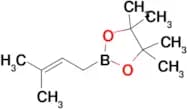
CAS :<p>S25251 - Octavinyl-T8-silsequioxane</p>Formule :C16H24O12Si8Degré de pureté :95%Couleur et forme :SolidMasse moléculaire :633.0362-(3-Methoxyprop-1-en-2-yl)-4,4,5,5-tetramethyl-1,3,2-dioxaborolane
CAS :Degré de pureté :98%Masse moléculaire :198.07000731,4-Dibromo-2-butene
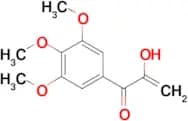
CAS :Formule :C4H6Br2Degré de pureté :98.0%Couleur et forme :SolidMasse moléculaire :213.9N-[4-cyano-3-(trifluoromethyl)phenyl]-2-hydroxyprop-2-enamide
CAS :Degré de pureté :98%Masse moléculaire :256.184(2-(4-Ethynylphenyl)ethene-1,1,2-triyl)tribenzene
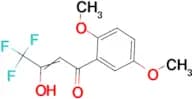
CAS :Degré de pureté :96%Couleur et forme :SolidMasse moléculaire :356.46798714,4,4-Trifluoro-1-(2-methoxy-phenyl)-butane-1,3-dione
CAS :Formule :C11H9F3O3Degré de pureté :97%Couleur et forme :SolidMasse moléculaire :246.185Ref: 10-F026136
1g256,00€5g768,00€10g1.155,00€2.5g479,00€50mg69,00€100mg78,00€250mg117,00€500mg199,00€Ethyl 2-(bromomethyl)acrylate
CAS :Degré de pureté :95%Couleur et forme :LiquidMasse moléculaire :193.04Iron(III) acetylacetonate
CAS :Formule :C15H21FeO6Degré de pureté :95%Couleur et forme :Solid, Dark red powderMasse moléculaire :353.1724-Vinylbenzenesulfonamide
CAS :Degré de pureté :97% (stabilized with TBC)Masse moléculaire :183.2299957(E)-5-(2,6,6-Trimethylcyclohex-1-en-1-yl)pent-4-en-2-ynenitrile
CAS :Degré de pureté :97%Masse moléculaire :199.2974-Cyanophenyl 4-((6-(acryloyloxy)hexyl)oxy)benzoate
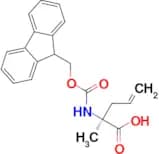
CAS :Degré de pureté :98%Masse moléculaire :393.4389954(S)-2-((tert-Butoxycarbonyl)amino)-2-methylpent-4-enoic acid
CAS :Degré de pureté :98%Masse moléculaire :229.2760014,4,4-Trifluoro-1-(pyridine-4-yl)-1,3-butanedione
CAS :Formule :C9H6F3NO2Degré de pureté :95%Couleur et forme :SolidMasse moléculaire :217.147Deca-1,9-diene
CAS :Formule :C10H18Degré de pureté :95%Couleur et forme :Liquid, No data available.Masse moléculaire :138.2544,4′-(Propane-2,2-diyl)bis(2-allylphenol)
CAS :Formule :C21H24O2Degré de pureté :95.0%Couleur et forme :LiquidMasse moléculaire :308.421Ethyl (E)-4-(((benzyloxy)carbonyl)amino)but-2-enoate
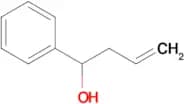
CAS :Degré de pureté :98%Couleur et forme :LiquidMasse moléculaire :263.29299931-Phenyl-3-buten-1-ol
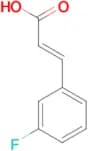
CAS :Formule :C10H12ODegré de pureté :97% (stabilized with MEHQ)Couleur et forme :LiquidMasse moléculaire :148.2053-(2-Fluoro-4-(trifluoromethyl)phenyl)acrylic acid
CAS :Degré de pureté :98%Masse moléculaire :234.1499939(R)-2-((((9H-Fluoren-9-yl)methoxy)carbonyl)amino)hept-6-enoic acid
CAS :Formule :C22H23NO4Degré de pureté :95%Couleur et forme :No data available.Masse moléculaire :365.429Methacryloxypropylmethyldimethoxysilane (inhibited with MEHQ)
CAS :<p>S10660 - Methacryloxypropylmethyldimethoxysilane (inhibited with MEHQ)</p>Formule :C10H20O4SiDegré de pureté :95%Couleur et forme :Liquid, Clear to straw liquidMasse moléculaire :232.351(E)-2-(2-(4-(DIMETHYLAMINO)STYRYL)-6-METHYL-4H-PYRAN-4-YLIDENE)MALONONITRILE
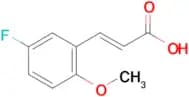
CAS :Formule :C19H17N3ODegré de pureté :95%Masse moléculaire :303.3655-Bromo-2-fluorocinnamic acid
CAS :Formule :C9H6BrFO2Degré de pureté :97%Couleur et forme :SolidMasse moléculaire :245.047Methyl (E)-3-(4-(4,4,5,5-tetramethyl-1,3,2-dioxaborolan-2-yl)phenyl)acrylate
CAS :Degré de pureté :95%Masse moléculaire :288.14999396-(4-((tert-Butoxycarbonyl)oxy)phenoxy)hexyl acrylate
Degré de pureté :98%Masse moléculaire :364.43798832-Chlorocinnamic acid
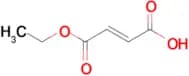
CAS :Formule :C9H7ClO2Degré de pureté :98%Couleur et forme :Solid, White to light yellow crystal powderMasse moléculaire :182.6(E)-4-Ethoxy-4-oxobut-2-enoic acid
CAS :Formule :C6H8O4Degré de pureté :95%Couleur et forme :SolidMasse moléculaire :144.1264,4,4-Trifluoro-1-p-tolyl-butane-1,3-dione
CAS :Formule :C11H9F3O2Degré de pureté :97%Couleur et forme :Low Melting SolidMasse moléculaire :230.1863-(3,4-Dihydroxyphenyl)acrylic acid
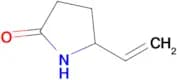
CAS :Formule :C9H8O4Degré de pureté :95%Couleur et forme :Solid, Yellow powderMasse moléculaire :180.1594-VINYLDIHYDROFURAN-2(3H)-ONE
CAS :Formule :C6H8O2Degré de pureté :98% (stabilized with TBC)Masse moléculaire :112.128Tetrakis(vinyldimethylsiloxy)silane
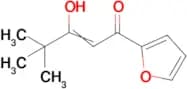
CAS :<p>S15910 - Tetrakis(vinyldimethylsiloxy)silane</p>Formule :C16H36O4Si5Degré de pureté :95%Couleur et forme :Liquid, ClearMasse moléculaire :432.8851-cyclohexyl-1-hydroxy-4-methylpent-1-en-3-one
CAS :Degré de pureté :98%Masse moléculaire :196.2899933Ref: 10-F682005
1g474,00€5g1.227,00€10g1.818,00€2.5g888,00€50mg400,00€100mg418,00€250mg438,00€500mg455,00€(S)-3-(3-(Allyloxy)phenyl)-2-((tert-butoxycarbonyl)amino)propanoic acid
CAS :Formule :C17H23NO5Degré de pureté :97%(stabilized with TBC)Masse moléculaire :321.373(2E)-3-methylhex-2-enoic acid
CAS :Formule :C7H12O2Degré de pureté :95%Couleur et forme :Low Melting SolidMasse moléculaire :128.171methyl 2-hydroxy-4-(2-methoxyphenyl)-4-oxobut-2-enoate
CAS :Degré de pureté :97%Masse moléculaire :236.22300729,10-BIS((E)-2-(PYRIDIN-4-YL)VINYL)ANTHRACENE
CAS :Degré de pureté :98%Masse moléculaire :384.48199461-(4-tert-butylbenzenesulfonyl)prop-1-en-2-ol
CAS :Degré de pureté :96%Masse moléculaire :254.3399963(E)-3-(2-chloro-4-(ethylamino)pyrimidin-5-yl)acrylic acid
Degré de pureté :98%Masse moléculaire :227.6499939(R)-Ethyl 5-([1,1′-biphenyl]-4-yl)-4-((tert-butoxycarbonyl)amino)-2-methylpent-2-enoate
CAS :Degré de pureté :98%Masse moléculaire :409.526001Ethyl 2,2-difluoropent-4-enoate
CAS :Formule :C7H10F2O2Degré de pureté :98% (stabilized with MEHQ)Masse moléculaire :164.152