


Alcools
Les alcools sont une large gamme de molécules organiques dérivées des hydrocarbures et contenant un ou plusieurs groupes hydroxyle (groupe OH). Ces composés sont essentiels dans diverses réactions chimiques et sont largement utilisés en laboratoire pour la synthèse, comme solvants et en chimie analytique. Chez CymitQuimica, nous proposons des alcools de haute qualité préparés pour une utilisation en laboratoire, soutenant vos recherches et applications industrielles avec des produits fiables et efficaces. Notre sélection garantit que vous disposez des alcools adaptés à vos besoins spécifiques, que ce soit pour des travaux de laboratoire de routine ou des projets de recherche spécialisés.
Sous-catégories appartenant à la catégorie "Alcools"
5814 produits trouvés pour "Alcools"
Trier par
Degré de pureté (%)
0
100
|
0
|
50
|
90
|
95
|
100
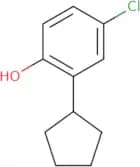
2-Cyclopentyl-4-chlorophenol
CAS :<p>2-Cyclopentyl-4-chlorophenol is a synthetic fatty acid that is used as an antiviral agent. It inhibits the synthesis of fatty acids by inhibiting the conversion of 2,4-dienoyl CoA to 3-hydroxyacyl CoA. 2-Cyclopentyl-4-chlorophenol has been shown to be effective against a number of test organisms, including bacteria such as staphylococcus and virus such as herpes simplex virus. 2-Cyclopentyl-4-chlorophenol inhibits viral protein synthesis by blocking the action of host enzymes required for this process. The target cell for this drug is the host cell infected with a virus. This drug also has antihelminthic properties and can be used to treat parasitic infections caused by schistosoma haematobium and clonorchis sinensis worms. 2CPCP's structural formula is shown below:</p>Formule :C11H13ClODegré de pureté :Min. 95%Masse moléculaire :196.67 g/mol3-O-Benzyl estriol
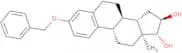
CAS :Produit contrôlé3-O-Benzyl estriol is a synthetic estrogen that is used to treat menopausal symptoms. This drug has been shown to have a high affinity for the estrogen receptor, and it is also able to activate the estrogen receptor in cells. 3-O-Benzyl estriol has been shown to be more potent than other estrogens such as estrone or estriol and has been shown to increase the synthesis of proteins by increasing RNA synthesis. 3-O-Benzyl estriol is conjugated with glucuronic acid and excreted in the bile. It also has a number of metabolic transformations, including pyrolysis, which produces cyanamid and triethylamine.Formule :C25H30O3Degré de pureté :Min. 95%Masse moléculaire :378.5 g/mol3,4-Dimethoxythiophenol
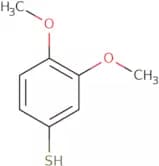
CAS :<p>3,4-Dimethoxythiophenol is a chemical compound that is used as a fluorescence probe to study biological functions in cells. It reacts with hydroxyl groups and other reactive sites on proteins, including sulfhydryl groups, thiols, and amines. 3,4-Dimethoxythiophenol has been shown to inhibit the viability of cancer cells (e.g., prostate cancer cells) by interfering with the function of dehydrogenase enzymes. 3,4-Dimethoxythiophenol also inhibits growth of microglia (cells that protect neurons) in vitro. This inhibition is due to the production of reactive oxygen species by the microglial cells. The chemical structure of this compound includes a hydroxyl group and two methoxy groups.</p>Formule :C8H10O2SDegré de pureté :Min. 95%Couleur et forme :Clear LiquidMasse moléculaire :170.23 g/mol(2-(Bromomethyl)phenyl)methanol
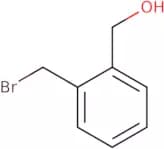
CAS :(2-(Bromomethyl)phenyl)methanol is an acceptor of a palladium complex. It is used in the synthesis of amides and other functional groups, as well as in catalysis. 2-(Bromomethyl)phenyl)methanol can be quaternized with methyl iodide to form a bromoalkylamine. The reaction proceeds via an amide group on the bromoalkylamine and a hydrogen atom from the alkyl halide. This process is known as "supramolecular" or "intermolecular" hydrogen bonding. It has been found that 2-(Bromomethyl)phenyl)methanol forms complexes with palladium through intermolecular hydrogen bonding, which are more stable than those formed by other ligands such as phosphines and cyanides.Formule :C8H9BrODegré de pureté :95%NmrMasse moléculaire :201.06 g/molAllopurinol-d2
CAS :<p>Allopurinol-d2 is an inhibitor of xanthine oxidase, which is an enzyme that catalyzes the conversion of hypoxanthine to xanthine and then to uric acid. Allopurinol-d2 is used for the treatment of gout and hyperuricemia. The compound was expressed in Escherichia coli and purified by electrospray ionization mass spectrometry. It has been shown to inhibit methyltransferase activity, thereby decreasing the production of urate. Allopurinol-d2 has also been shown to decrease disease activity in animal models of colitis and ulcerative colitis.</p>Formule :C5H2D2N4ODegré de pureté :Min. 95%Masse moléculaire :138.12 g/molResorcinol
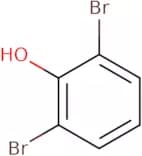
CAS :A phenolic compoundFormule :C6H6O2Degré de pureté :Min. 98 Area-%Couleur et forme :PowderMasse moléculaire :110.11 g/mol2,6-Dibromophenol
CAS :<p>2,6-Dibromophenol is a chemical compound that is used as an analytical reagent in the determination of bromide ion concentrations. It can be prepared by the debromination of 2-bromophenols using hydrochloric acid and heating to 150°C. This reaction mechanism is best described by kinetic data and a model system. The reaction product of this process is 2,6-dibromo-3-hydroxyphenol. This compound has been shown to have a higher dry weight in strains with high levels of hydroxy group activity.</p>Formule :C6H4Br2ODegré de pureté :Min. 95%Masse moléculaire :251.9 g/mol5-Nitrosoquinolin-8-ol
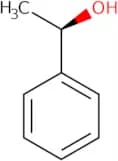
CAS :5-Nitrosoquinolin-8-ol is a chemical inhibitor that can be used in the study of enzyme function. It reacts with the active site of the enzymes and prevents them from carrying out their normal functions. 5-Nitrosoquinolin-8-ol has been shown to inhibit the growth of cancer cells and to have antiinflammatory properties. 5-Nitrosoquinolin-8-ol has been shown to bind to sephadex G-100 and potassium dichromate, which are both types of ion exchangers. The redox potential for this compound is -0.84 V. This means it will not react easily with other compounds, which makes it a good candidate for use as an inhibitor in biochemical studies. The nitrogen atoms in this compound are reactive, which means they can form covalent bonds with other molecules in a reaction called nitrosation. Structural biology is a branch of science that deals with studying the three dimensional structure of biological macFormule :C9H6N2O2Degré de pureté :Min. 95%Couleur et forme :Yellow To Green SolidMasse moléculaire :174.16 g/mol(R)-1-Phenylethanol
CAS :<p>(R)-1-Phenylethanol is an organic compound that belongs to the class of aldehydes. It has an optimal redox potential and is used as a reactive intermediate in surface methodology. The kinetic data for this compound have been reported, including its reaction solution, kinetic, and stereoselective properties. (R)-1-Phenylethanol can be used to synthesize aromatic hydrocarbons with acyl chains or amines, using enzymatic reactions. It can also be used as an asymmetric synthesis reagent for the preparation of chiral alcohols and amines.</p>Formule :C8H10ODegré de pureté :Min. 95%Couleur et forme :Colourless To Yellow LiquidMasse moléculaire :122.16 g/mol1-[(2-Chlorophenyl)-N-(methylimino)methyl]cyclopentanol hydrochloride
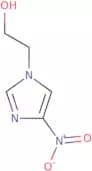
CAS :Produit contrôlé<p>Please enquire for more information about 1-[(2-Chlorophenyl)-N-(methylimino)methyl]cyclopentanol hydrochloride including the price, delivery time and more detailed product information at the technical inquiry form on this page</p>Formule :C13H16ClNO•HClDegré de pureté :Min. 95%Masse moléculaire :274.19 g/mol4-Nitro-1H-imidazole-1-ethanol
CAS :<p>Please enquire for more information about 4-Nitro-1H-imidazole-1-ethanol including the price, delivery time and more detailed product information at the technical inquiry form on this page</p>Formule :C5H7N3O3Degré de pureté :Min. 95%Couleur et forme :Beige PowderMasse moléculaire :157.13 g/mol1-Phenylcyclohexanol
CAS :Produit contrôlé<p>1-Phenylcyclohexanol (1-PC) is an organic compound that is used as a reagent in the synthesis of other compounds. It is a colorless liquid with a pleasant odor. 1-PC has been shown to have synergic effects when reacted with various types of oxidizing agents, such as magnesium and boron trichloride. The reaction products are cyclohexanol, dehydration, and modifiers. When 1-PC reacts with phenylcyclohexene, it forms the antigen hemiketal.</p>Formule :C12H16ODegré de pureté :Min. 95%Masse moléculaire :176.25 g/mol2-Chlorothiophenol
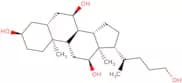
CAS :2-Chlorothiophenol is a chemical compound that belongs to the group of fatty acids. It is synthesized by reacting phosphorus pentachloride with 2-chloroethanol in the presence of magnesium salt. The corresponding molecule has a diameter of 4.8 Å and a thermal expansion coefficient of 1.5×10 K−1, which is similar to the thermal expansion coefficients of fatty acids. 2-Chlorothiophenol reacts with carbonyl groups in the presence of oxygen to form 2-chlorophenol and hydrogen chloride gas, which are products that can be detected using spectroscopic techniques such as infrared or nuclear magnetic resonance spectroscopy. The reaction mechanism for this reaction is not well understood, but it is thought that the intramolecular hydrogen acts as an electron donor to form a pi bond between carbon atoms on adjacent molecules, leading to formation of an oxygenated molecule. 2-Chlorothiophenol also has proteinFormule :C6H5ClSDegré de pureté :Min. 95%Couleur et forme :Clear Colourless LiquidMasse moléculaire :144.62 g/molPetromyzonol
CAS :Produit contrôlé<p>Petromyzonol is an analytical agent for the determination of insulin resistance. It has been shown to be a potent inhibitor of ATP-binding cassette transporter A1 (ABCA1), which is responsible for the transport of cholesterol from peripheral tissues to the liver. Petromyzonol has also been shown to inhibit fatty acid and cholesterol synthesis, which may be due to its ability to bind disulfate groups and inhibit structural studies.</p>Formule :C24H42O4Degré de pureté :Min. 95%Masse moléculaire :394.59 g/mol3-Benzyl-phenol
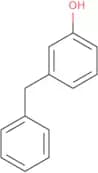
CAS :3-Benzyl-phenol is a formaldehyde and aliphatic compound that is used as a chemical intermediate. It can be synthesized from 3-phenylglycine, which is an amino acid with the formula CH(CH)CONH. The hydroxyl group of 3-benzyl-phenol can be converted to a sulphonic or salicylic acid by hydrolysis with hydrochloric acid or salicylic acid respectively. 3-Benzyl phenol also catalyzes the reaction between paraformaldehyde and hexamine in the presence of water, yielding acetaldehyde and hydrogen gas.Degré de pureté :Min. 95%11α-Methylandrostan-17β-ol-3-one
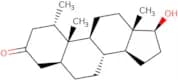
CAS :Produit contrôlé11alpha-Methylandrostan-17beta-ol-3-one is a pharmacological agent that belongs to the group of androgens. It is an oral preparation and has been used in the treatment of infectious diseases, autoimmune diseases, and metabolic disorders. It has also been used as a matrix effect control in biological samples. The biological effects of 11alpha-Methylandrostan-17beta-ol-3-one are mediated by its direct action on cells or through conversion to testosterone or dihydrotestosterone (DHT). These effects include increasing protein synthesis, promoting bone formation, lowering cholesterol levels, stimulating the production of red blood cells, and decreasing fat deposition. The main side effects are acne vulgaris, male pattern baldness, prostate enlargement, increased risk for prostate cancer, and increased risk for developing breast cancer.Formule :C20H32O2Degré de pureté :Min. 95%Couleur et forme :PowderMasse moléculaire :304.47 g/mola,a-Diphenyl-2-pyridinemethanol hydrochloride
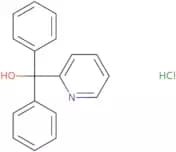
CAS :Produit contrôléPlease enquire for more information about a,a-Diphenyl-2-pyridinemethanol hydrochloride including the price, delivery time and more detailed product information at the technical inquiry form on this pageFormule :C18H16ClNODegré de pureté :Min. 95%Masse moléculaire :297.78 g/molEltrombopag olamine
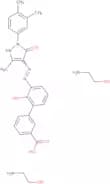
CAS :Eltrombopag olamine is an orally active drug that belongs to the class of thiazolidinones. It has been used for the treatment of thrombocytopenia in patients with chronic liver disease and myelodysplastic syndrome. Eltrombopag olamine inhibits platelet aggregation by binding to glycoprotein IIb/IIIa receptors on the surface of platelets. The drug is a prodrug that is metabolized in vivo to its active form, eltrombopag. This conversion is catalysed by CYP3A4 and CYP2D6 enzymes and can be inhibited by drugs that inhibit these enzymes, such as trifluoroacetic acid and hydroxyl group-containing compounds. Eltrombopag olamine binds to erythrocytes, which may be due to its ability to form intramolecular hydrogen bonds with nitrogen atoms. The synthesis of eltFormule :C25H22N4O4•(C2H7NO)2Degré de pureté :Min. 95%Couleur et forme :PowderMasse moléculaire :564.63 g/mol1,4-Pentanediol
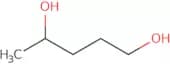
CAS :<p>1,4-Pentanediol is a diol that is used in the manufacture of polyurethanes and other organic compounds. It is produced by the oxidation of benzene with oxygen in the presence of a catalyst such as manganese dioxide. 1,4-Pentanediol can also be prepared from levulinic acid or glycol ethers. 1,4-Pentanediol reacts with an aromatic hydrocarbon in the presence of a homogeneous catalyst to produce viscosity and polycarboxylic acids. The reaction mechanism for this process begins with the addition of water to form hydrogen peroxide and acetaldehyde. Hydrogen peroxide then reacts with an aromatic hydrocarbon to produce glycol ether and hydroxy group. The hydroxyl group then reacts with another aromatic hydrocarbon to produce viscosity and polycarboxylic acid. The reaction products are isolated by distillation or vacuum evaporation, after which they are purified by recrystall</p>Formule :C5H12O2Degré de pureté :Min. 95%Couleur et forme :Colorless Clear LiquidMasse moléculaire :104.15 g/molSodium methanethiolate - 15% aqueous solution
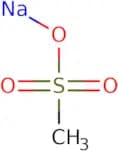
CAS :<p>Sodium methanethiolate is an antimicrobial agent that is a white, crystalline solid. It reacts with trifluoroacetic acid and water to produce the active form of sodium trifluoroacetate. The reaction mechanism is likely due to the formation of a bicyclic heterocycle that has been shown to be effective against a number of bacteria. Sodium methanethiolate has been used for the treatment of infectious diseases, such as respiratory infections and skin infections, as well as autoimmune diseases and cardiovascular disorders. The oxidation catalyst in this compound may also have physiological effects on the body's cells and tissues.</p>Formule :CH3NaSDegré de pureté :Min. 95%Couleur et forme :Clear LiquidMasse moléculaire :70.09 g/mol4-Bromo-1-butanol
CAS :4-Bromo-1-butanol is a synthetic fatty acid used as a reagent in the synthesis of glycyrrhetinic acid. It is a colorless liquid with a strong odor. This substance has impurities that are not specified. It reacts with n-hexane and thionyl chloride to form bromobutanoic acid, which can be used as an intermediate in the production of other substances. 4-Bromo-1-butanol is also used in the synthesis of polyvinyl pyrrolidone, which is an organic polymer that is soluble in water and polar solvents such as alcohols and acetone. The molecular weight of this compound ranges from 300 to 3,000 g/mol, with a melting point below 100 °C. Formamide is another substance that can be synthesized using 4-bromo-1 butanol. Formamide is a colorless liquid with a pungent odor and it hasFormule :C4H9BrODegré de pureté :80%MinCouleur et forme :Colorless Clear LiquidMasse moléculaire :153.02 g/mol(aR)-a-[[[2-(4-Nitrophenyl)ethyl]amino]methyl]benzenemethanol
CAS :<p>(aR)-a-[[[2-(4-Nitrophenyl)ethyl]amino]methyl]benzenemethanol is a chiral, carbonyl compound that has been used in the synthesis of mirabegron. It is synthesized by reacting an amide with a hydrochloric acid salt. The product yield of (aR)-a-[[[2-(4-Nitrophenyl)ethyl]amino]methyl]benzenemethanol is high and it does not react with aluminium or amide impurities. This compound can be used for the industrial synthesis of mirabegron, which is a drug for the treatment of urinary incontinence. The reduction reaction and hydrolysis reactions are both important to this process.</p>Degré de pureté :Min. 95%6-Methoxy-2-methylquinolin-4(1H)-one
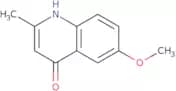
CAS :6-Methoxy-2-methylquinolin-4(1H)-one is a heterocyclic molecule that has the ability to undergo oxidation reactions. It is an intermediate in the synthesis of other molecules, such as 4-hydroxyquinoline and 4-hydroxybenzaldehyde. The acidity of 6-methoxy-2-methylquinolin-4(1H)-one can be increased by adding alkali, which will cause it to react with hydroxyl and form a phenylhydrazine. When heated with hydrazine, 6-methoxy-2-methylquinolin-4(1H)-one undergoes tautomerism and forms 2-(phenylhydrazinyl) quinoline. The chemical structure of 6-methoxy-2 methylquinolin 4(1H)-one can be detected by analyzing its spectrum (i.e., absorption or emission spectra). This chemical shows bandsFormule :C11H11NO2Degré de pureté :Min. 95%Masse moléculaire :189.21 g/mol(16α,17β)-16-Fluoroestra-1,3,5(10)-triene-3,17-diol
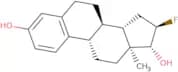
CAS :Produit contrôlé16alpha,17beta)-16-Fluoroestra-1,3,5(10)-triene-3,17-diol is a potent estrogen receptor modulator that has been shown to inhibit tumor growth in clinical oncology. It acts by binding to the estrogen receptor and blocking its ability to activate gene transcription. This compound can also be used as a pharmaceutical preparation in liquid chromatography. 16alpha,17beta)-16-Fluoroestra-1,3,5(10)-triene-3,17-diol is a liquid at room temperature and can be soluble in organic solvents such as chloroform or acetone. It does not react with hydrochloric acid.Formule :C18H23FO2Degré de pureté :Min. 95%Couleur et forme :PowderMasse moléculaire :290.37 g/mol(S)-(+)-2-Butanol
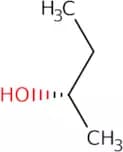
CAS :Produit contrôlé<p>The compound (S)-(+)-2-Butanol is a chiral molecule that is used in the synthesis of benzodiazepines. The (+) enantiomer of 2-butanol has been shown to bind to the GABA receptor and has an inhibitory effect on benzodiazepine binding. It is also a competitive inhibitor for the enzyme dehydrogenase, which converts 2-butanol to acetaldehyde. The (-) enantiomer of 2-butanol does not have any effect on the GABA receptor or dehydrogenase activity. This means that the (+) enantiomer is responsible for the activation energy and stereoselectivity of this reaction. The activation energy for this reaction can be calculated by measuring the amount of heat released during the reaction. This process can be done through vibrational spectroscopy or by running control experiments with a known concentration of reactants and products. There are many ways to determine whether this reaction follows an elimination or dehydration mechanism,</p>Formule :C4H10ODegré de pureté :Min. 95%Couleur et forme :Clear LiquidMasse moléculaire :74.12 g/mol4-(Decyloxy)butan-1-ol
CAS :Produit contrôléPlease enquire for more information about 4-(Decyloxy)butan-1-ol including the price, delivery time and more detailed product information at the technical inquiry form on this pageFormule :C14H30O2Degré de pureté :Min. 95%Masse moléculaire :230.39 g/mol2-Methylaminoethanol
CAS :<p>2-Methylaminoethanol is a colorless, water-soluble liquid. It is an alkanolamine that has a dipole moment of 1.8 debye. 2-Methylaminoethanol can be synthesized by reacting potassium dichromate with ethanolamine in the presence of borohydride and ammonia. The reaction yield for this process is about 50%. 2-Methylaminoethanol reacts with maleic acid to form maleate salt. Maleate salt molecules have two amine groups attached to a carbonyl group, which are used as raw materials for the production of various other chemicals like nylon 11, nylon 12, and polyethylene terephthalate (PET). Maleates also serve as intermediates in the manufacture of esters and nitrites from alcohols and phenols. 2-Methylaminoethanol has been shown to cause blood pressure reduction in mammals due to its ability to inhibit vasoconstriction caused by</p>Formule :C3H9NODegré de pureté :Min. 95%Couleur et forme :Clear LiquidMasse moléculaire :75.11 g/mol2-Methoxy-4-methylbenzenethiol
CAS :<p>Please enquire for more information about 2-Methoxy-4-methylbenzenethiol including the price, delivery time and more detailed product information at the technical inquiry form on this page</p>Formule :C8H10OSDegré de pureté :Min. 95%Masse moléculaire :154.23 g/molEstra-1,3,5(10),6-tetraene-3,17-diol
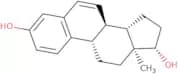
CAS :Produit contrôlé<p>Estra-1,3,5(10),6-tetraene-3,17-diol is a sulfonated derivative of estradiol. It is used as a ligand in binding assays to measure the affinity of various compounds for estrogens. Estra-1,3,5(10),6-tetraene-3,17-diol binds with high affinity to 17β-estradiol and other estrogens at the estrogen receptor. The binding of estradiol and its derivatives to the receptor leads to a conformational change that causes dissociation of heat shock proteins from the receptor. This results in an increase in transcriptional activity of the receptor and increased synthesis of mRNA.</p>Formule :C18H22O2Degré de pureté :Min. 95%Masse moléculaire :270.37 g/mol(17b)-4,17-Dimethyl-androsta-2,4-dieno[2,3-d]isoxazol-17-ol
CAS :Produit contrôléPlease enquire for more information about (17b)-4,17-Dimethyl-androsta-2,4-dieno[2,3-d]isoxazol-17-ol including the price, delivery time and more detailed product information at the technical inquiry form on this pageFormule :C22H31NO2Degré de pureté :Min. 95%Masse moléculaire :341.49 g/molGanodermanontriol
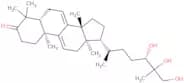
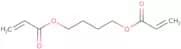
CAS :Produit contrôlé<p>Ganodermanontriol is a natural compound that is extracted from the roots of Ganderma applanatum. It has potent anticomplement activity and has been shown to have transcriptional regulation activity. Ganodermanontriol binds to DNA with high affinity, which leads to inhibition of transcription and replication. Ganodermanontriol also inhibits the activity of enzymes such as protein kinase C, phosphodiesterase, and phosphatases. This inhibitory effect on these enzymes may be due to its hydroxyl group, which can donate hydrogen bonds.</p>Formule :C30H48O4Degré de pureté :Min. 95%Masse moléculaire :472.7 g/mol1,4-Butanediol biscrylate - Hydroquinone as inhibitor
CAS :Produit contrôlé<p>1,4-Butanediol biscrylate - Hydroquinone as inhibitor is a glycol ester that is used in the process of laser ablation. It has been shown to be a biocompatible polymer that can be used for surface methodology. This polymer is synthesized by reacting monosodium salt of butanediol with hydroquinone and sodium carbonate in aqueous solution. 1,4-Butanediol biscrylate - Hydroquinone as inhibitor has been tested using cervical cancer cells and it was found to have a cytotoxic effect on these cells.</p>Formule :C10H14O4Degré de pureté :Min. 95%Masse moléculaire :198.22 g/molN-[1-(2,3-Dioleoyloxy)propyl]-n,n,n-trimethylammonium methyl-sulfate
CAS :Dioleoyloxypropyl-N,N,N-trimethylammonium methylsulfate (DOTAP) is an antibacterial agent that disrupts the bacterial membrane. It has been shown to inhibit the uptake of chlamydia by inhibiting the binding of chlamydia to cells and enhancing the detection of chlamydia in cells. DOTAP also has pharmacological properties that are related to its ability to interfere with cellular membranes. DOTAP can be used as a strategy for developing antibacterial agents because it inhibits bacterial growth by disrupting their cellular membranes. This results in a decrease in phosphatidylethanolamine levels, leading to increased cell death.Formule :C43H83NO7SDegré de pureté :Min. 95%Masse moléculaire :758.19 g/mol1-Dodecanol
CAS :Dodecanol is a saturated fatty alcohol that has the molecular formula CH(CH)CHOH. It has two hydroxyl groups and exists as a colourless liquid at room temperature. Dodecanol is used in the preparation of sodium citrate, which is sometimes used in the treatment of kidney stones. Dodecanol reacts with sodium citrate to form dodecanedioic acid and hydrogen bonding interactions between dodecanedioic acid and linoleyl alcohol occur. This reaction mechanism can be explained by kinetic data. Dodecanol also has high values for chemical stability, sample preparation, hydroxyl group, and alcohol residue. The phase transition temperature of dodecanol ranges from -98°C to -42°C. Dodecanol can be oxidized by catalysts such as potassium permanganate or potassium dichromate.Formule :C12H26ODegré de pureté :Min. 98 Area-%Couleur et forme :White PowderMasse moléculaire :186.33 g/molH-Leucinol-2-chlorotrityl resin
<p>Please enquire for more information about H-Leucinol-2-chlorotrityl resin including the price, delivery time and more detailed product information at the technical inquiry form on this page</p>Degré de pureté :Min. 95%Couleur et forme :Light (Or Pale) Yellow To Brown Solid(20R)-Pregn-4-ene-3,17,20-triol
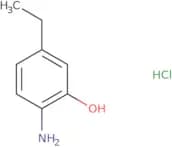
CAS :Produit contrôlé<p>Please enquire for more information about (20R)-Pregn-4-ene-3,17,20-triol including the price, delivery time and more detailed product information at the technical inquiry form on this page</p>Formule :C21H34O3Degré de pureté :Min. 95%Masse moléculaire :334.49 g/mol2-Amino-5-ethylphenol hydrochloride
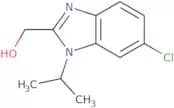
CAS :Please enquire for more information about 2-Amino-5-ethylphenol hydrochloride including the price, delivery time and more detailed product information at the technical inquiry form on this pageFormule :C8H12ClNODegré de pureté :Min. 95%Masse moléculaire :173.64 g/mol(6-Chloro-1-isopropyl-1H-benzimidazol-2-yl)methanol
CAS :Produit contrôléPlease enquire for more information about (6-Chloro-1-isopropyl-1H-benzimidazol-2-yl)methanol including the price, delivery time and more detailed product information at the technical inquiry form on this pageFormule :C11H13ClN2ODegré de pureté :Min. 95%Masse moléculaire :224.69 g/mol2-Cyclohexyl-4,6-dinitrophenol
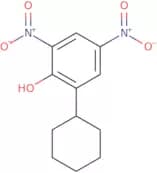
CAS :2-Cyclohexyl-4,6-dinitrophenol is a chemical that inhibits the synthesis of viral DNA. It has been shown to have minimal toxicity in animal models and may be used for the treatment of metabolic disorders, such as hepatic steatosis or hepatitis. 2-Cyclohexyl-4,6-dinitrophenol has also been shown to inhibit the toll-like receptor (TLR) pathway and induce an antiviral state in vitro. In addition, it was found to have an effect on mitochondrial membrane potential, which may explain its antiviral activity. 2-Cyclohexyl-4,6-dinitrophenol has also been shown to inhibit viral replication in cells infected with HIV and other viruses such as Hepatitis C virus.Formule :C12H14N2O5Degré de pureté :Min. 95%Masse moléculaire :266.25 g/molCloprednol
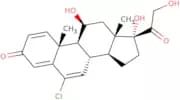
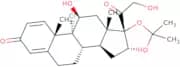
CAS :Produit contrôlé<p>Cloprednol is an anti-infective agent that belongs to the group of aziridine derivatives. It is a synthetic analog of prednisolone, which has been shown to inhibit the inflammatory response in the intestine. Cloprednol has been shown to be highly biocompatible and its long-term efficacy against microbial infection has been demonstrated by kinetic data. This drug also inhibits choroidal neovascularization, which is a major cause of blindness in patients with age-related macular degeneration. Cloprednol is used for the treatment of bowel diseases such as Crohn’s disease and ulcerative colitis. It also has been shown to be effective in treating autoimmune diseases such as psoriasis, rheumatoid arthritis, and systemic lupus erythematosus.</p>Formule :C21H25ClO5Degré de pureté :Min. 95%Masse moléculaire :392.87 g/mol3-[4-(2-Chlorophenyl)-9-methyl-6H-thieno[3,2-f][1,2,4]triazolo[4,3-a][1,4]diazepin-2-yl]-2-propyn-1-ol
CAS :Produit contrôlé<p>Please enquire for more information about 3-[4-(2-Chlorophenyl)-9-methyl-6H-thieno[3,2-f][1,2,4]triazolo[4,3-a][1,4]diazepin-2-yl]-2-propyn-1-ol including the price, delivery time and more detailed product information at the technical inquiry form on this page</p>Formule :C18H13ClN4OSDegré de pureté :Min. 95%Masse moléculaire :368.84 g/mol2-Hydroxy-4-methylquinoline
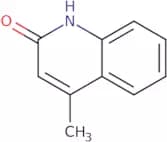
CAS :<p>2-Hydroxy-4-methylquinoline is an organic compound that has a chelate ring. It is soluble in deionized water and reacts with metal ions to form a fluorescent product. The molecule also has antibacterial activity, which may be due to its ability to inhibit the growth of bacteria by acting as a metal ion chelator. 2-Hydroxy-4-methylquinoline can react with halides and ammonium persulfate to form isomeric products, such as 4,5-dihydroxyquinoline, which have been shown to have antimicrobial properties. 2-Hydroxy-4-methylquinoline can also react with phosphorus oxychloride and alkylating agents such as chloroethane or chloroform to form substituted derivatives.</p>Formule :C10H9NODegré de pureté :Min. 95%Couleur et forme :PowderMasse moléculaire :159.18 g/molEstradiol 3-valerate
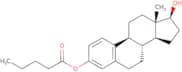
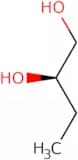
CAS :Produit contrôlé<p>Please enquire for more information about Estradiol 3-valerate including the price, delivery time and more detailed product information at the technical inquiry form on this page</p>Formule :C23H32O3Degré de pureté :Min. 95%Couleur et forme :PowderMasse moléculaire :356.5 g/mol(R)-1,2-Butanediol
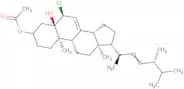
CAS :<p>(R)-1,2-Butanediol is a chemical compound that is classified as a diol. It has two hydroxyl groups and is an active substance. The (R)-1,2-Butanediol molecule consists of two asymmetric carbon atoms. In the presence of oxygen, it can form a ternary complex with copper and the hydroxyl group. This ternary complex catalyzes the conversion of various substrates such as L-xylulose to its corresponding ketones or L-arabinose to its corresponding acetals. The reaction proceeds via substrate binding to the active site on the ternary complex and subsequent functional group participation in the reaction.</p>Formule :C4H10O2Degré de pureté :Min. 95%Masse moléculaire :90.12 g/mol3b-Acetoxy-6a-chloroergosta-7,22-dien-5a-ol
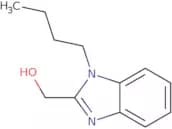
CAS :Produit contrôléPlease enquire for more information about 3b-Acetoxy-6a-chloroergosta-7,22-dien-5a-ol including the price, delivery time and more detailed product information at the technical inquiry form on this pageFormule :C30H47ClO3Degré de pureté :Min. 95%Masse moléculaire :491.15 g/mol(1-Butyl-1H-benzimidazol-2-yl)methanol
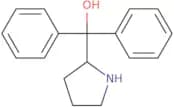
CAS :Produit contrôléPlease enquire for more information about (1-Butyl-1H-benzimidazol-2-yl)methanol including the price, delivery time and more detailed product information at the technical inquiry form on this pageFormule :C12H16N2ODegré de pureté :Min. 95%Masse moléculaire :204.27 g/molDiphenylprolinol
CAS :Produit contrôléDiphenylprolinol is a synthetic cannabinoid that is used as an agonist of the CB1 and CB2 receptors in the brain. It has been shown to have high affinity for both the CB1 and CB2 receptors, with Ki values of 0.07 and 0.05 nM respectively. Diphenylprolinol is a full agonist of the CB1 receptor, but only a partial agonist of the CB2 receptor. Diphenylprolinol binds to these receptors in a manner that resembles endocannabinoids, which are endogenous cannabinoids produced by animals. This drug has shown antipsychotic effects through its binding to serotonin reuptake inhibitors and its ability to block dopamine release in the prefrontal cortex. Diphenylprolinol also acts as a potent growth factor by stimulating cell proliferation via activation of protein kinase C (PKC). PKC activation leads to increased levels of intracellular calcium ions (Ca2+) and stimulates growth factor production such asDegré de pureté :Min. 95%3,4-Dihydroisoquinolin-2(1H)-ylacetic acid
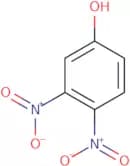
CAS :<p>3,4-Dihydroisoquinolin-2(1H)-ylacetic acid is a chemical compound with the molecular formula of C8H11NO2. It is a useful scaffold for the synthesis of complex compounds and research chemicals. 3,4-Dihydroisoquinolin-2(1H)-ylacetic acid is also a versatile building block for the preparation of fine chemicals. It is used as a reaction component in many organic reactions and can be used as a speciality chemical or reagent due to its high quality.</p>Formule :C11H13NO2Degré de pureté :Min. 95%Couleur et forme :PowderMasse moléculaire :191.23 g/mol3,4-Dinitrophenol
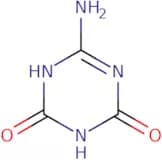
CAS :Produit contrôlé<p>3,4-Dinitrophenol is a yellow solid that is chemically synthesized from 2,4-dinitrobenzene and morpholine. 3,4-Dinitrophenol is a high energy compound with an activation energy of about 28 kcal/mol. The endpoints for the reaction are oligosaccharides and the acceptor is an ionisation mass. This molecule has a pyrazole ring and can be classified as belonging to group P2 on the periodic table of elements. 3,4-Dinitrophenol has been found to have biological functions in organic solvents such as acetone or benzene.</p>Formule :C6H4N2O5Degré de pureté :Min. 95%Couleur et forme :PowderMasse moléculaire :184.11 g/mol6-Amino-1,3,5-triazine-2,4-diol
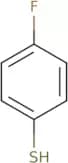
CAS :6-Amino-1,3,5-triazine-2,4-diol is a chemical that is soluble in water and has been shown to be an effective inhibitor of cyanuric acid degradation. It has been used in wastewater treatment and as a model system for the study of melamine and cyanuric acid interactions. 6-Amino-1,3,5-triazine-2,4-diol binds to cyanuric acid by forming a complex with it. This prevents the formation of reactive intermediates that lead to the degradation of cyanuric acid. 6-Amino-1,3,5-triazine-2,4-diol also inhibits the oxidation catalyst activity of sodium carbonate at pH 8.5. The toxicity of this chemical has been studied in rats and was found to be low.Formule :C3H4N4O2Degré de pureté :Min. 95%Masse moléculaire :128.09 g/mol4-Fluorothiophenol
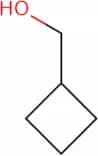
CAS :<p>4-Fluorothiophenol is a reactive chemical that can be used as a monomer for the synthesis of polymers. It has been shown to polymerize with acrylonitrile and methacrylate in the presence of an initiator to form polyacrylonitrile and polymethacrylate, respectively. 4-Fluorothiophenol reacts with unsaturated fatty acids to form thiolates, which are useful intermediates in organic synthesis. 4-Fluorothiophenol also reacts with sulfur transfer agents such as thiourea or mercaptoethanol, leading to S-sulfides that are useful intermediates in organic synthesis. These reactions can be followed by kinetic energy spectroscopy (photoelectron) and nuclear magnetic resonance spectroscopy (NMR). 4-Fluorothiophenol has been shown to undergo intramolecular hydrogen transfer reactions with second order rate constants ranging from</p>Formule :C6H5FSDegré de pureté :Min. 95%Masse moléculaire :128.17 g/molCyclobutanemethanol
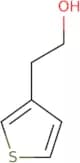
CAS :<p>Cyclobutanemethanol is a drug used to treat inflammatory diseases. It is an uptake inhibitor that blocks the transport of uridine into cells, preventing the activation of G-protein coupled receptors and the subsequent production of inflammatory mediators. Cyclobutanemethanol has been shown to have anti-inflammatory properties by inhibiting the CB2 receptor, which is found in large quantities in inflammatory tissues. Cyclobutanemethanol also prevents dehydration and increases blood flow to inflamed areas by acting on vascular endothelial cells. It can be synthesized from two molecules of hydrochloric acid and one molecule of cyclobutane. The synthesis pathway includes removal of a hydroxy group and addition of an alkynyl group via hydrogen bonding interactions with chloride ions. Cyclobutanemethanol has been shown to inhibit influenza virus replication in vitro, but not in vivo.</p>Formule :C5H10ODegré de pureté :Min. 95%Masse moléculaire :86.13 g/mol3-Thiopheneethanol
CAS :<p>3-Thiopheneethanol is a synthetic polymer that can be used as an insoluble polymer. It has been shown to undergo chemical reactions with hydroxy groups, which form a polymer film. The untreated control group did not show any change in the film thickness, but the electrochemical methods group showed a significant increase in the film thickness. 3-Thiopheneethanol may have potential applications in medical devices and sensors. The detection time of 3-thiopheneethanol was found to be longer than that of other polymers, such as polystyrene sulfonic acid (PSSA).</p>Formule :C6H8OSDegré de pureté :Min. 95%Masse moléculaire :128.19 g/molDL-Panthenol
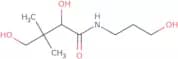
CAS :<p>DL-Panthenol is a form of pantothenic acid. It is used in combination with sodium citrate and calcium pantothenate to prevent cisplatin-induced nephrotoxicity. DL-Panthenol has been shown to protect against cisplatin-induced nephrotoxicity. DL-Panthenol has also been shown to be effective in solid tumours, where it exerts its anticancer effects by regulating signal pathways and inhibiting the growth of cancer cells via benzalkonium chloride. DL-Panthenol is an antimicrobial agent that can be used as an experimental model for bowel disease. This drug also exhibits anti-inflammatory properties, which are due to its ability to inhibit gsh-px activities and laser ablation in an experimental model.</p>Formule :C9H10NO4Degré de pureté :Min. 95%Masse moléculaire :196.18 g/mol4-Phenylphenol
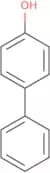
CAS :<p>4-Phenylphenol is a phenolic compound that is used in the synthesis of other compounds. 4-Phenylphenol was found to react with rat liver microsomes and showed a hydroxyl group as its reactive site. 4-Phenylphenol also inhibited the activities of enzymes such as diazonium salt, sodium carbonate, monoclonal antibodies, analytical methods, light emission and p-hydroxybenzoic acid. The reaction mechanism of 4-Phenylphenol involves hydrogen bonding with human serum biphenyl.</p>Formule :C12H10ODegré de pureté :Min. 95%Couleur et forme :PowderMasse moléculaire :170.21 g/molAzetidin-3-ol
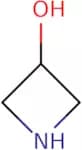
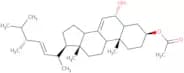
CAS :<p>Azetidin-3-ol is an amide. It can be synthesized by the acylation reaction of 3-hydroxypropanoic acid with an amine. Azetidin-3-ol is a chiral molecule and has two enantiomers. The maleate salt of azetidin-3-ol is used as a drug to treat Parkinson's disease. Azetidin-3-ol has been shown to have potent inhibition against the wild type strain of Clostridium botulinum, but not against its intermolecular hydrogen bonding mutant.</p>Formule :C3H7NODegré de pureté :Min. 95%Masse moléculaire :73.09 g/mol3b-Acetoxyergosta-7,22-dien-5a-ol
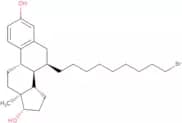
CAS :Produit contrôléPlease enquire for more information about 3b-Acetoxyergosta-7,22-dien-5a-ol including the price, delivery time and more detailed product information at the technical inquiry form on this pageFormule :C30H48O3Degré de pureté :Min. 95%Masse moléculaire :456.7 g/mol(7a,17beta)-7-(9-Bromononyl)estra-1,3,5(10)-triene-3,17-diol
CAS :Produit contrôlé<p>Please enquire for more information about (7a,17beta)-7-(9-Bromononyl)estra-1,3,5(10)-triene-3,17-diol including the price, delivery time and more detailed product information at the technical inquiry form on this page</p>Formule :C27H41BrO2Degré de pureté :Min. 95%Masse moléculaire :477.52 g/molKushenol W
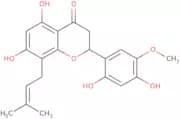
CAS :Kushenol W is a flavonoid compound, which is derived from the root of the Sophora flavescens plant. This plant, commonly known as "Kushen," is an important component in traditional Chinese medicine. The mode of action of Kushenol W involves multiple biological pathways, primarily exerting its effects through anti-inflammatory and anti-tumor activities. It interacts with various molecular targets, modulating pathways associated with oxidative stress and cell proliferation.Degré de pureté :Min. 95%1,2,3,4-Tetrahydro-4,6-dihydroxy-2-methyl-isoquinoline
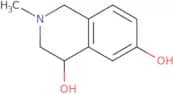
CAS :<p>1,2,3,4-Tetrahydro-4,6-dihydroxy-2-methyl-isoquinoline is a useful building block in the synthesis of various compounds such as pharmaceuticals and pesticides. It is an intermediate for the preparation of other valuable chemicals such as the antihistamine diphenhydramine, which is used to treat allergies. Tetrahydroisoquinoline can also be used as a reagent to synthesize other chemical compounds. This compound has been used in research as well as commercial applications. Tetrahydroisoquinoline is also a versatile scaffold that can be modified to produce different derivatives with different properties.</p>Formule :C10H13NO2Degré de pureté :Min. 95%Couleur et forme :White PowderMasse moléculaire :179.22 g/mol9-Chloro triamcinolone acetonide
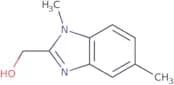
CAS :Please enquire for more information about 9-Chloro triamcinolone acetonide including the price, delivery time and more detailed product information at the technical inquiry form on this pageFormule :C24H31ClO6Degré de pureté :Min. 95%Masse moléculaire :450.95 g/mol(1,5-Dimethyl-1H-benzimidazol-2-yl)methanol
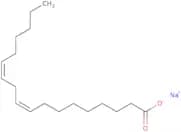
CAS :Produit contrôléPlease enquire for more information about (1,5-Dimethyl-1H-benzimidazol-2-yl)methanol including the price, delivery time and more detailed product information at the technical inquiry form on this pageFormule :C10H12N2ODegré de pureté :Min. 95%Masse moléculaire :176.22 g/molSodium linoleate
CAS :<p>Sodium linoleate is a model system for studying the effect of radiation on tumorigenesis. Sodium linoleate is used to study the relationship between light exposure and cancer. It has been shown to inhibit Cox-2 expression in carcinoma cell lines, which may be due to its ability to inhibit cox-2 activity by preventing the production of prostaglandins E2 (PGE2). The increased levels of PGE2 can lead to an increase in inflammation and cancer growth. Sodium linoleate has also been shown to have a synergic effect with sodium carbonate in inhibiting tumour growth, which is due to the inhibition of nuclear DNA transcription and protein synthesis.</p>Formule :C18H32O2·NaDegré de pureté :Min. 95%Couleur et forme :PowderMasse moléculaire :303.44 g/molrac 1,2-Bis-palmitoyl-3-chloropropanediol-D5
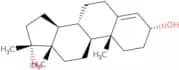
CAS :Produit contrôlé<p>Rac-1,2-Bis-palmitoyl-3-chloropropanediol (rac1,2BPC) is a dispersive compound that has been used in the experimental phase of extraction. It has been shown to be efficient in the quantification and screening of fatty acids. Rac1,2BPC has also been used as a spiking agent for food samples to identify contaminants. The recoveries have been validated and linearity has been demonstrated. Rac1,2BPC is an anion that can be quantified by liquid chromatography with wavelength detection at 202 nm.</p>Formule :C35H62D5ClO4Degré de pureté :Min. 95%Masse moléculaire :592.38 g/mol17-Methyl-4-androstene-3a,17a-diol
CAS :Produit contrôléPlease enquire for more information about 17-Methyl-4-androstene-3a,17a-diol including the price, delivery time and more detailed product information at the technical inquiry form on this pageFormule :C20H32O2Degré de pureté :Min. 95%Masse moléculaire :304.47 g/molToluene-3,4-dithiol
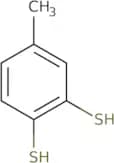
CAS :<p>Toluene-3,4-dithiol is a reactive dithiol that has been shown to have synergistic effects with other organic compounds. It is used in the preparation of methyl ethyl and its derivatives. Toluene-3,4-dithiol has also been shown to inhibit both the activity of enzymes and the growth of bacteria. The biological properties of this compound are not well understood, but it can be used as a model system for studying disulfide bonds and their role in protein folding. Studies have shown that this compound inhibits enzymatic activity and reduces bacterial growth without affecting cell viability.</p>Formule :C7H8S2Degré de pureté :Min. 95%Masse moléculaire :156.27 g/mol5,25r-Cholesten-3β,26-diol
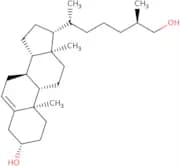
CAS :Produit contrôlé5,25-Cholesten-3β,26-diol (5,25-DHD) is a hormone that belongs to the group of angiotensin system inhibitors. It is a potent antagonist of the angiotensin II type 1 receptor (AT1R). 5,25-DHD has been shown to inhibit hepatic steatosis and improve mitochondrial function in mice with high blood pressure. This drug also has significant cytotoxicity against tumor cells and acts as an effector protein for toll-like receptor 4 (TLR4). 5,25-DHD can bind to iron ions and transport them across the plasma membrane by binding to the ATP binding cassette transporter A1 (ABCA1). 5,25-DHD has been shown to have significant effects on brain functions such as neuronal death and growth factor β1.Formule :C27H46O2Degré de pureté :Min. 95%Couleur et forme :PowderMasse moléculaire :402.65 g/mol2-Morpholinoethanol
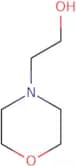
CAS :<p>2-Morpholinoethanol is a potent inhibitor of the enzyme nitric oxide synthase, which is involved in the synthesis of nitric oxide. Nitric oxide is an important molecule that regulates many physiological processes, such as inflammation and blood flow. 2-Morpholinoethanol has been shown to have high resistance to thermal expansion, due to its intramolecular hydrogen bonding. It also inhibits the activity of amine oxidases, which are enzymes that catalyze reactions involving amines and oxygen. The mechanism of action of 2-morpholinoethanol has been studied by using group P2 fatty acids and amines as substrates for nitric oxide synthase.</p>Formule :C6H13NO2Degré de pureté :Min. 95%Masse moléculaire :131.17 g/molrac-5,6,7,8-tetrahydro-6-(propylamino)-1-naphthalenol
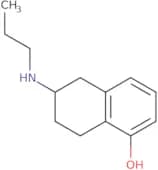
CAS :Produit contrôléRotigotine is a substance that belongs to the class of active compounds. It has been shown to have optical activity, but this property is not well understood. Rotigotine is a racemic mixture with two enantiomers, which are mirror images of each other. The optical rotation of rac-5,6,7,8-tetrahydro-6-(propylamino)-1-naphthalenol is given as +28°. This property can be determined by measuring the angle of rotation when light passes through the substance in solution in contact with a polarizer and analyzer.Formule :C13H19NODegré de pureté :Min. 95%Masse moléculaire :205.3 g/molDoxorubicinol hydrochloride - Mixture of Diasteromers
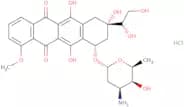
CAS :Please enquire for more information about Doxorubicinol hydrochloride - Mixture of Diasteromers including the price, delivery time and more detailed product information at the technical inquiry form on this pageFormule :C27H32ClNO11Degré de pureté :Min. 95%Masse moléculaire :582 g/mol3-Methyl-1-butanethiol
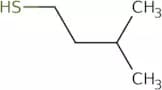
CAS :<p>3-Methyl-1-butanethiol is a chemical compound that belongs to the class of sulfonic acids. It has been shown to be an effective inhibitor of the formation of sulfonated compounds in urine samples. 3-Methyl-1-butanethiol also possesses a hydroxyl group and chlorine atom, which are responsible for its inhibitory effects on the polymerization initiator. The hydroxyl group is involved in the synthesis of 3-methyl-1-butanol and 3,3′,5′-trimethylhexane by reacting with methanol and ethylene oxide respectively. The chlorine atom acts as a nucleophile in the reaction with sodium chloride to form chloroacetic acid. This chemical compound also contains a divalent magnesium ion that can act as a cocatalyst for polymerization reactions.</p>Formule :C5H12SDegré de pureté :Min. 95%Masse moléculaire :104.21 g/mol4-[2-(Cyclopropylmethoxy)ethyl]phenol
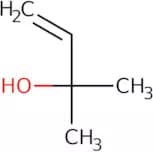
CAS :<p>4-[2-(Cyclopropylmethoxy)ethyl]phenol is a potent beta-blocker that has been used as an antiglaucoma drug. This substance has been shown to have cardiovascular effects, such as vasodilation and peripheral vasoconstriction, that are mediated by its blockade of beta-adrenergic receptors. 4-[2-(Cyclopropylmethoxy)ethyl]phenol also reduces intraocular pressure in the eye, which may be due to its inhibition of prostaglandin synthesis.</p>Formule :C12H16O2Degré de pureté :Min. 95%Masse moléculaire :192.25 g/mol2-Methyl-3-buten-2-ol
CAS :<p>2-Methyl-3-buten-2-ol is a reactive oxygenated compound that can be found in the environment. It is produced by the oxidation of glyoxal, glycolaldehyde, and other simple sugars. 2-Methyl-3-buten-2-ol has been found to have toxic effects on wild type strains of Escherichia coli, including inhibition of growth and induction of cell death. In addition, 2-methyl-3 buten 2 ol has been shown to react with other molecules in the environment to produce epoxides. This compound can also be found in some foods and beverages as a result of its presence as a natural component or from contamination during processing. !-- END--></p>Formule :C5H10ODegré de pureté :Max. 98%Masse moléculaire :86.13 g/mol2-Bromo-4-nitrophenol
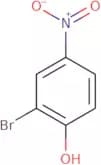
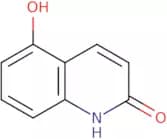
CAS :2-Bromo-4-nitrophenol is a byproduct of the reaction between hydrogen peroxide and sodium bromate. It can be detected in the presence of hydrochloric acid, which reacts with 2-bromo-4-nitrophenol to form an orange color that can be detected spectrophotometrically. 2-Bromo-4-nitrophenol has been shown to inhibit the growth of various strains of bacteria, including Escherichia coli, Bacillus subtilis, and Pseudomonas aeruginosa. This compound binds to flavin adenine dinucleotide (FAD) as well as other nucleophilic cofactors such as thioredoxin reductase. The binding affinity is increased when carbon sources are present. This property makes it a useful inhibitor for catalytic reduction reactions in biotechnology and synthetic chemistry applications.br>br> 2B4NP is a byFormule :C6H4BrNO3Degré de pureté :Min. 95%Couleur et forme :PowderMasse moléculaire :218 g/mol5-Hydroxyquinolin-2(1H)-one
CAS :<p>5-Hydroxyquinolin-2(1H)-one is a chalcone that can be synthesized from 2,5-dihydroxybenzaldehyde and quinoline. It is a bacteriostatic agent that inhibits bacterial growth by binding to the 50S ribosomal subunit, blocking the formation of an antibiotic-substrate complex with the enzyme cell wall synthesis that is required for cell wall biosynthesis, inhibiting protein synthesis and cell division. 5-Hydroxyquinolin-2(1H)-one has shown activity against methicillin resistant Staphylococcus aureus (MRSA) and methicillin resistant Enterococcus faecium. 5-Hydroxyquinolin-2(1H)-one also represses the expression of DNA topoisomerase II genes, which may be associated with its inhibitory effects on bacterial growth.</p>Formule :C9H7NO2Degré de pureté :Min. 95%Masse moléculaire :161.16 g/mol(16b,17a)-Estra-1,3,5(10)-triene-3,16,17-triol
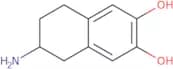
CAS :Produit contrôlé(16b,17a)-Estra-1,3,5(10)-triene-3,16,17-triol is a molecule that belongs to the group of estrogens. Its structure is similar to 17β-estradiol and it has been shown to have inhibitory properties against bacterial growth. This compound has been found in human breast tissue and urine samples. 16b,17a)-Estra-1,3,5(10)-triene-3,16,17-triol has been shown to be active against colistin resistant bacteria. (16b,17a)-Estra-1,3,5(10)-triene-3,16,17-triol is also active against methicillin resistant staphylococcus aureus isolates. The optimum pH for this compound is 4.8 and it can be used for diagnostic purposes as it stains cells with a blue color in Gram's stain test.Formule :C18H24O3Degré de pureté :Min. 95%Masse moléculaire :288.38 g/mol6-Amino-5,6,7,8-tetrahydronaphthalene-2,3-diol
CAS :Produit contrôlé<p>6-Amino-5,6,7,8-tetrahydronaphthalene-2,3-diol is a potent dopamine D2 receptor antagonist. It has been shown to inhibit the light emission of dopamine in vitro. This compound also has a high affinity for 5-HT receptors and has been shown to be a potent agonist at these sites. 6-Amino-5,6,7,8-tetrahydronaphthalene-2,3-diol has been found to induce pluripotent stem cells from human fibroblasts. These cells can differentiate into virtually any cell type in the body and may be used to study diseases such as Parkinson's disease and cancer.</p>Formule :C10H13NO2Degré de pureté :Min. 95%Masse moléculaire :179.22 g/mol5-Methoxyquinoline
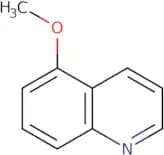
CAS :5-Methoxyquinoline (5MQ) is a chemical compound that belongs to the quinoline derivatives. It has shown anticancer activity in tumor models through a proton-transfer mechanism. 5MQ reacts with an acidic proton, such as the hydronium ion, to produce a reactive intermediate that can react with DNA and other cellular macromolecules. The drug also has been shown to inhibit the growth of bacteria by inhibiting protein synthesis. This inhibition is due to its ability to transfer protons from one molecule to another, which alters the charge distribution on that molecule and prevents it from reacting with other molecules.Formule :C10H9NODegré de pureté :Min. 95%Couleur et forme :LiquidMasse moléculaire :159.18 g/molL-Alaninol-2-chlorotrityl resin
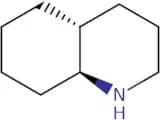
<p>Please enquire for more information about L-Alaninol-2-chlorotrityl resin including the price, delivery time and more detailed product information at the technical inquiry form on this page</p>Degré de pureté :Min. 95%trans-Decahydroquinoline
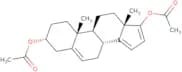
CAS :<p>Trans-decahydroquinoline is a chiral compound that can be synthesized by an asymmetric synthesis. It is an amide with a carbonyl group and a dialkylamino group. Trans-decahydroquinoline can be used to synthesize different compounds, such as enantiopure drugs, pharmaceuticals, and agrochemicals. The synthesis of trans-decahydroquinoline can be accomplished through the aldol cyclization or the addition of an acid to the carbonyl group. The magnetic resonance spectroscopy (NMR) and molecular modeling techniques have been used to study its structure and properties.</p>Formule :C9H17NDegré de pureté :Min. 95%Masse moléculaire :139.24 g/mol3,17-Di-O-acetyl androsta-5,14,16-triene-3b,17-diol
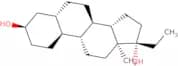
CAS :Produit contrôléPlease enquire for more information about 3,17-Di-O-acetyl androsta-5,14,16-triene-3b,17-diol including the price, delivery time and more detailed product information at the technical inquiry form on this pageFormule :C23H30O4Degré de pureté :Min. 95%Masse moléculaire :370.48 g/mol(3a,5a,17a)-19-Norpregnane-3,17-diol
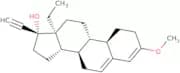
CAS :Produit contrôléPlease enquire for more information about (3a,5a,17a)-19-Norpregnane-3,17-diol including the price, delivery time and more detailed product information at the technical inquiry form on this pageFormule :C20H34O2Degré de pureté :Min. 95%Masse moléculaire :306.48 g/mol(17a)-13-Ethyl-3-methoxy-18,19-dinorpregna-3,5-dien-20-yn-17-ol
CAS :Produit contrôléPlease enquire for more information about (17a)-13-Ethyl-3-methoxy-18,19-dinorpregna-3,5-dien-20-yn-17-ol including the price, delivery time and more detailed product information at the technical inquiry form on this pageFormule :C22H30O2Degré de pureté :Min. 95%Masse moléculaire :326.47 g/mol3-Acetyl-1-propanol
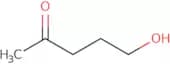
CAS :<p>3-Acetyl-1-propanol is a chemical substance that contains a hydroxy group and a hydrogen chloride molecule. The kinetic data for the reaction of 3-acetyl-1-propanol with water vapor has been found to be constant. This reaction is a nucleophilic attack on the C=O bond, which is followed by an intramolecular hydrogen transfer from one of the OH groups to the other. The product of this reaction is 3-hydroxypropanoic acid, which can be converted back to 3-acetyl propanol by hydrolysis. Hydrochloric acid is used as a catalyst in this process.</p>Formule :C5H10O2Degré de pureté :Min. 95%Couleur et forme :Colourless To Light (Or Pale) Yellow To Red-Brown LiquidMasse moléculaire :102.13 g/molp,a,a-Trimethylbenzyl alcohol
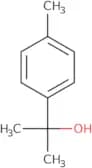
CAS :p,a,a-Trimethylbenzyl alcohol is a naturally occurring compound that is found in the essential oils of plants. It has been shown to have an antifungal effect on Streptococcus faecalis and Candida glabrata. p,a,a-Trimethylbenzyl alcohol also inhibits the growth of bacteria by binding to fatty acids. The mechanism of action for this inhibition is unknown but may be due to its ability to interfere with various enzymatic reactions that are necessary for lipid synthesis. This alcohol has been shown to be a potent inhibitor of bacterial growth with minimal inhibitory concentrations below 1ug/ml and has also been shown to have anti-inflammatory effects in animal studies.Formule :C10H14ODegré de pureté :Min. 90%Couleur et forme :Colorless Clear LiquidMasse moléculaire :150.22 g/mol2-Hydroxy ethynyl estradiol
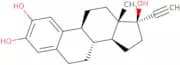
CAS :<p>2-Hydroxy ethynyl estradiol is a synthetic estrogen that has been used in animal studies to study the effects of estrogens on the brain. It is active as an antiestrogen at high doses and has been shown to be a potent inhibitor of brain norepinephrine uptake. 2-Hydroxy ethynyl estradiol has been used as a marker for cytochrome P450 enzymes and NADPH-cytochrome P450 reductase in rat brain. This compound also binds to estrogen receptors in women, although it does not have any biological activity due to its lack of a 17β-hydroxyl group. The drug has also been shown to inhibit noradrenergic neurons in the central nervous system.</p>Formule :C20H24O3Degré de pureté :Min. 95%Masse moléculaire :312.4 g/mol4-(Methylthio)benzyl Alcohol
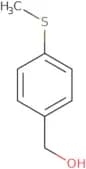
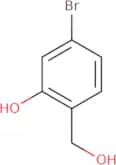
CAS :<p>4-(Methylthio)benzyl Alcohol (MSBA) is a sulfate salt of 4-(methylthio)benzol, which is used as an inhibitor for cytochrome P450 enzymes. MSBA forms a covalent bond with cytochrome P450 and inhibits the oxidation of substrates to form reactive metabolites. This inhibitor can also be used to identify the active site of cytochrome P450 enzymes by docking analysis. The inhibition by MSBA has been demonstrated in recombinant cytochrome P450s using acetonitrile and stilbene derivatives as substrates. The inhibitory potency of MSBA is related to its methoxy groups and sulfate salt groups, which are important for binding with the enzyme. MSBA has been shown to metabolize into primary alcohols, such as 2-propynyl ethyl alcohol, that have inhibitory activities against cytochrome P450 enzymes.</p>Formule :C8H10OSDegré de pureté :Min. 95%Masse moléculaire :154.23 g/mol5-Bromo-2-(hydroxymethyl)phenol
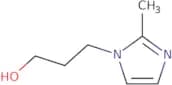
CAS :<p>5-Bromo-2-(hydroxymethyl)phenol (5-BHP) is a synthetic small molecule that activates the death receptor CD95. It has been shown to induce tumor regression in experimental models of cancer. 5-BHP can be used as a cancer therapeutic or for the treatment of inflammatory conditions such as rheumatoid arthritis and psoriasis. 5-BHP binds to the death protein pd-l1, which initiates downstream signaling pathways that lead to activation of caspases and apoptosis. This agent also interacts with programmed death ligand 1 (PD-L1), which is expressed on activated T cells and may be involved in antitumor responses. These interactions are being investigated for their potential use in drug development, including optimization and biochemical techniques to characterize the binding affinity of 5-BHP with PD-L1.</p>Formule :C7H7BrO2Degré de pureté :Min. 95%Masse moléculaire :203.03 g/mol3-(2-Methyl-1H-imidazol-1-yl)propan-1-ol hydrochloride
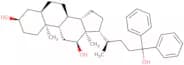
CAS :<p>Please enquire for more information about 3-(2-Methyl-1H-imidazol-1-yl)propan-1-ol hydrochloride including the price, delivery time and more detailed product information at the technical inquiry form on this page</p>Formule :C7H12N2ODegré de pureté :Min. 95%Masse moléculaire :140.18 g/mol3,12-Dihydroxy-nor-cholanyldiphenylcarbinol
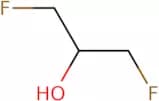
CAS :Produit contrôléPlease enquire for more information about 3,12-Dihydroxy-nor-cholanyldiphenylcarbinol including the price, delivery time and more detailed product information at the technical inquiry form on this pageFormule :C36H50O3Degré de pureté :Min. 95%Masse moléculaire :530.78 g/mol1,3-Difluoro-2-propanol
CAS :<p>1,3-Difluoro-2-propanol is a hydrogen bond donor. It is used as an animal repellent and insecticide. It has been shown to be effective against the larvae of mosquitoes and flies. 1,3-Difluoro-2-propanol has also been found to be effective against some fungi, although it is not active against bacteria. The octanol/water partition coefficient (log Kow) of 1,3-difluoro-2-propanol is -0.86. 1,3-Difluoro-2-propanol has been shown to inhibit biochemical reactions in animals by inhibiting ATPase and phosphate uptake in mitochondria. This inhibition leads to the accumulation of metabolites such as lactic acid and pyruvic acid which are responsible for the symptoms seen with exposure to this chemical. 1,3-Difluoro-2-propanol has also been shown</p>Formule :C3H6F2ODegré de pureté :Min. 99 Area-%Couleur et forme :Colorless Clear LiquidMasse moléculaire :96.08 g/mol3-Amino-2-methylpropan-1-ol
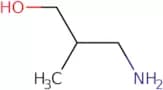
CAS :<p>3-Amino-2-methylpropan-1-ol is a reactive chemical that can be used as a reactant in the synthesis of other chemicals. It is an alkanolamine and can be found in small amounts in water vapor. 3-Amino-2-methylpropan-1-ol has been shown to have low energy and it reacts with water vapor to form 3,4-dihydroxybutanal, which is a product that can be converted into other useful chemicals. 3-Amino-2-methylpropan-1-ol also reacts with high energy photons to form new substances, such as 3,4,5,6 tetrahydroxymethylbenzaldehyde. 3Amino - 2 - methylpropan - 1 - ol has been shown to have many uses including the production of low molecular weight polymers and resins for paints and coatings.</p>Formule :C4H11NODegré de pureté :Min. 95%Masse moléculaire :89.14 g/mol2,2,4-Trimethyl-1,2-dihydroquinolin-6-yl phenylacetate
CAS :Produit contrôlé<p>Please enquire for more information about 2,2,4-Trimethyl-1,2-dihydroquinolin-6-yl phenylacetate including the price, delivery time and more detailed product information at the technical inquiry form on this page</p>Formule :C20H21NO2Degré de pureté :Min. 95%Masse moléculaire :307.39 g/mol9-cisRetinol
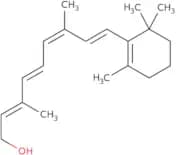
CAS :<p>9-cisRetinol is a form of vitamin A that plays an important role in the synthesis of lipids and proteins. It has been shown to inhibit acid formation in the liver and to stimulate growth in some types of cancer cells. 9-cisRetinol is converted to all-trans retinoic acid, which is a nuclear hormone receptor that regulates gene expression. It also has been shown to be effective in clinical studies for the treatment of congenital amaurosis and cancer. 9-cisRetinol can inhibit phospholipase A2, which prevents the release of arachidonic acid from membrane phospholipids, as well as inhibit prostaglandin synthesis. The optimum pH for 9-cisRetinol activity is between 7 and 8.</p>Formule :C20H30ODegré de pureté :Min. 95%Masse moléculaire :286.45 g/molEupalinolide A
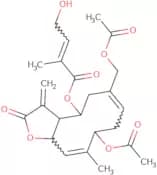
CAS :<p>Eupalinolide A is a sesquiterpene lactone that is extracted from Eupatorium. It has been shown to have anti-inflammatory and antioxidant properties, as well as the ability to activate caspase-9 in cells. This drug also inhibits the production of reactive oxygen species (ROS) by inhibiting mitochondrial membrane potential, which leads to cell death. Eupalinolide A also has the ability to inhibit collagen synthesis and can be used for the treatment of chronic bronchitis, hepatitis, and liver cirrhosis.</p>Formule :C24H30O9Degré de pureté :Min. 95%Masse moléculaire :462.49 g/mol(1S,2S)-(+)-2-Amino-1-phenyl-1,3-propanediol
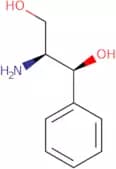
CAS :<p>(1S,2S)-(+)-2-Amino-1-phenyl-1,3-propanediol is a synthetic compound that has been synthesized and studied as an amide. It has a hydroxy group on the skeleton of the molecule. The enantiomer of this compound is (1R,2R)-(-)-2-amino-1-phenyl-1,3-propanediol. This compound contains two chiral centers and four stereoisomers. These stereoisomers are not mirror images of each other. (1S,2S)-(+)-2-Amino-1-phenyl-1,3-propanediol has been shown to be effective against cryptococcus neoformans in cell culture experiments.</p>Formule :C9H13NO2Degré de pureté :Min. 95%Masse moléculaire :167.21 g/mol1,3-Dioleoyl-2-palmitoylglycerol
CAS :Dipalmitoylglycerol is a fatty acid that is naturally found in catfish. The optimal conditions for the synthesis of dipalmitoylglycerol from tripalmitin have been determined by surface methodology to be at pH 5 and at 0°C. Dipalmitoylglycerol has been shown to bind to the enzyme acetyl-CoA carboxylase, which is involved in the synthesis of fatty acids, and prevent its activation. As a result, there is no production of malonyl CoA, which is an important precursor in the synthesis of fatty acids. This may be beneficial for infants because it prevents them from developing allergies and asthma.Formule :C55H102O6Degré de pureté :Min. 95%Masse moléculaire :859.39 g/mol1,4-Bis[3,4-dihydro-2(1H)-quinolinon-7-oxy]butane
CAS :Produit contrôléPlease enquire for more information about 1,4-Bis[3,4-dihydro-2(1H)-quinolinon-7-oxy]butane including the price, delivery time and more detailed product information at the technical inquiry form on this pageFormule :C22H24N2O4Degré de pureté :Min. 95%Masse moléculaire :380.44 g/mol1-(2-Nitrophenyl)-1,2-ethanediol
CAS :1-(2-Nitrophenyl)-1,2-ethanediol is a chemical that has been shown to inhibit the glutamate-induced increase in cytosolic Ca2+ concentration. It also prevents the loss of membrane integrity and protects against cell death by inhibiting apoptosis. 1-(2-Nitrophenyl)-1,2-ethanediol also inhibits amp-activated protein kinase activity and increases ATP production. These effects may be due to its ability to reduce intracellular Ca2+ levels and prevent Ca2+ overload in mitochondria. 1-(2-Nitrophenyl)-1,2-ethanediol has been shown to have a protective effect on isolated heart cells and ventricular myocytes from hypoxia/reoxygenation injury and is an effective model system for investigating biochemical properties of glutamate excitotoxicity.Formule :C8H9NO4Degré de pureté :Min. 95%Couleur et forme :PowderMasse moléculaire :183.16 g/mol(S)-5,6,6a,7-Tetrahydro-6-methyl- 4H-dibenzo[de,g]quinoline-10,11-diol hydrochloride
CAS :Produit contrôléPlease enquire for more information about (S)-5,6,6a,7-Tetrahydro-6-methyl- 4H-dibenzo[de,g]quinoline-10,11-diol hydrochloride including the price, delivery time and more detailed product information at the technical inquiry form on this pageFormule :C17H17NO2·HClDegré de pureté :Min. 95%Couleur et forme :SolidMasse moléculaire :303.78 g/mol




![1-[(2-Chlorophenyl)-N-(methylimino)methyl]cyclopentanol hydrochloride](/_next/image/?url=https%3A%2Fstatic.cymitquimica.com%2Fproducts%2F3D%2Fthumb-webp%2FFC146990.webp&w=3840&q=75)



![(aR)-a-[[[2-(4-Nitrophenyl)ethyl]amino]methyl]benzenemethanol](/_next/image/?url=https%3A%2Fstatic.cymitquimica.com%2Fproducts%2F3D%2Fthumb-webp%2FFN75044.webp&w=3840&q=75)


![(17b)-4,17-Dimethyl-androsta-2,4-dieno[2,3-d]isoxazol-17-ol](/_next/image/?url=https%3A%2Fstatic.cymitquimica.com%2Fproducts%2F3D%2Fthumb-webp%2FFD22349.webp&w=3840&q=75)
![N-[1-(2,3-Dioleoyloxy)propyl]-n,n,n-trimethylammonium methyl-sulfate](/_next/image/?url=https%3A%2Fstatic.cymitquimica.com%2Fproducts%2F3D%2Fthumb-webp%2FFD157467.webp&w=3840&q=75)


![3-[4-(2-Chlorophenyl)-9-methyl-6H-thieno[3,2-f][1,2,4]triazolo[4,3-a][1,4]diazepin-2-yl]-2-propyn-…](/_next/image/?url=https%3A%2Fstatic.cymitquimica.com%2Fproducts%2F3D%2Fthumb-webp%2FFC20335.webp&w=3840&q=75)


![4-[2-(Cyclopropylmethoxy)ethyl]phenol](/_next/image/?url=https%3A%2Fstatic.cymitquimica.com%2Fproducts%2F3D%2Fthumb-webp%2FFC20740.webp&w=3840&q=75)



![1,4-Bis[3,4-dihydro-2(1H)-quinolinon-7-oxy]butane](/_next/image/?url=https%3A%2Fstatic.cymitquimica.com%2Fproducts%2F3D%2Fthumb-webp%2FFB18792.webp&w=3840&q=75)

![(S)-5,6,6a,7-Tetrahydro-6-methyl- 4H-dibenzo[de,g]quinoline-10,11-diol hydrochloride](/_next/image/?url=https%3A%2Fstatic.cymitquimica.com%2Fproducts%2F3D%2Fthumb-webp%2FFT46165.webp&w=3840&q=75)