Acides carboxyliques
12457 produits trouvés pour "Acides carboxyliques"
Potassium oxirane-2-carboxylate
CAS :Potassium oxirane-2-carboxylate is a chiral, silicon containing compound that inhibits the enzyme glucose 6-phosphate dehydrogenase. It has been shown to inhibit the formation of 6-phosphate in tubule cells. This inhibition leads to renal toxicity and may be due to its ability to catalyze primary alcohols into chloroacetone and malate. Potassium oxirane-2-carboxylate is an organosilicon compound that can be used as a catalyst for enzymatic reactions, such as dehydrogenation.Formule :C3H3KO3Degré de pureté :Min. 95 Area-%Couleur et forme :PowderMasse moléculaire :126.15 g/mol1,2-Naphthoquinone-4-sulfonic acid sodium salt
CAS :1,2-Naphthoquinone-4-sulfonic acid sodium salt is a fluorescent probe that reacts with the hydroxyl groups of amino acids and proteins. It has been used to measure glucose levels by injecting it into a living organism and examining the fluorescence emitted in response to an excitation wavelength. The redox potential of this molecule is -0.29 volts, which indicates that it is nucleophilic. 1,2-Naphthoquinone-4-sulfonic acid sodium salt can be used as a dye for labeling amines and other compounds with strong electron withdrawing groups. This compound is often used as a reagent in the synthesis of pharmaceutical preparations such as ceftriaxone. 1,2-Naphthoquinone-4-sulfonic acid sodium salt also reacts with hydrochloric acid to produce amines such as benzeneamine or ethylamine.Formule :C10H5O5S·NaDegré de pureté :Min. 98 Area-%Couleur et forme :Yellow PowderMasse moléculaire :260.2 g/molFlumethasone acetate
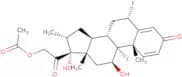
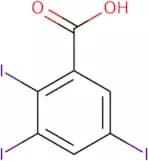
CAS :Produit contrôléFlumethasone acetate is a synthetic corticosteroid that has anti-inflammatory, antipruritic, and vasoconstrictive properties. It is used in the treatment of various skin disorders, including psoriasis, eczema and atopic dermatitis. Flumethasone acetate binds to the cytosolic glucocorticoid receptor (GR) and inhibits the transcription of genes that encode proteins involved in inflammation. The drug also has potent anti-inflammatory activity, but lacks the mineralocorticoid activity of hydrocortisone or cortisone. Flumethasone acetate does not bind significantly to the sex hormone binding globulin (SHBG), which is important for its use in females as it will not interfere with estrogen production.Formule :C24H30F2O6Degré de pureté :Min. 95%Couleur et forme :White/Off-White SolidMasse moléculaire :452.49 g/mol2,3,5-Triiodobenzoic acid
CAS :Inhibitor of auxin transport in plantsFormule :C7H3I3O2Degré de pureté :Min. 98 Area-%Couleur et forme :PowderMasse moléculaire :499.81 g/molL-Valyl-L-glutamic acid
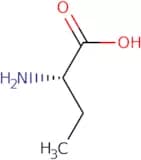
CAS :L-Valyl-L-glutamic acid is a versatile building block that can be used in the synthesis of complex compounds, research chemicals, and reagents. It is a high quality, useful intermediate for the production of speciality chemicals or reaction components. L-Valyl-L-glutamic acid is also a useful scaffold for the synthesis of new drugs. The CAS number for this compound is 3062-07-5.Formule :C10H18N2O5Degré de pureté :Min. 95 Area-%Couleur et forme :White Off-White PowderMasse moléculaire :246.26 g/molL-2-Aminobutyric acid
CAS :L-2-Aminobutyric acid is a nonessential amino acid that serves as a substrate for enzymes that catalyze the alpha-elimination of hydroxyl groups. This process is used in the synthesis of proteins and other biological molecules. The L-2-Aminobutyric acid is also an analog to 2-aminoethanol, which has been shown to inhibit amyloid protein production in human serum. A synthetic route for the preparation of L-2-Aminobutyric acid has been developed using anhydrous sodium hydroxide and blood sampling from a bacterial strain. L-2-Aminobutyric acid inhibits protease activity and has been shown to have antibacterial properties. The optimum pH for this compound is 5.5, with an approximate intramolecular hydrogen bond distance of 3.1 angstroms.
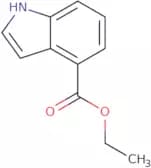
Formule :C4H9NO2Degré de pureté :Min. 95%Couleur et forme :White PowderMasse moléculaire :103.12 g/molEthyl indole-4-carboxylate
CAS :Ethyl indole-4-carboxylate is an organic compound that belongs to the group of sulfonium salts. It has a ring system, an ether and a sulfone group. The chemical structure also includes two sulfones. This compound has shown nematicidal activity and can be used as a fungicide. In addition, it can be used as an intermediate in the synthesis of other compounds, such as therapeutics and fungicides.Formule :C11H11NO2Degré de pureté :Min. 95%Couleur et forme :Brown PowderMasse moléculaire :189.21 g/mol2,4-Dihydroxybutanoic acid calcium
2,4-Dihydroxybutanoic acid calcium is a versatile building block that can be used as a reagent or speciality chemical in research. It has many uses as a building block for complex compounds, such as pharmaceuticals and agrochemicals. 2,4-Dihydroxybutanoic acid calcium is also an important intermediate for reactions to produce useful scaffolds. This product is of high quality and can be used in many applications.Formule :(C4H7O4)2•CaDegré de pureté :(¹H-Nmr) Min. 95 Area-%Couleur et forme :White PowderMasse moléculaire :278.27 g/mol2-(2-Nitrophenoxy)acetic acid
CAS :2-(2-Nitrophenoxy)acetic acid (NPAA) is a molecule that has been found in plants of the genus Balanites. It has been shown to be an intramolecular hydrogen bond acceptor, which may contribute to its chemical structure and stability. NPAA has also been shown to have a constant pKa value of 4.7, which means it is slightly acidic. NPAA is used as an industrial process sample preparation agent and can be synthesized by reacting phenol with nitric acid.
Formule :C8H7NO5Masse moléculaire :197.14 g/mol4-Aminobenzoic acid sodium salt
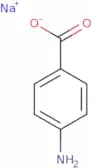
CAS :4-Aminobenzoic acid sodium salt is an aminobenzoic acid that is used as a pharmaceutical intermediate. It is soluble in water and alcohol and has a pH of 4.5. The compound has been shown to inhibit the growth of bacteria by binding to enzymes involved in fatty acid synthesis, which prevents the formation of fatty acids and results in cell death. The compound also inhibits allergic reactions through its inhibition of histamine release from mast cells. 4-Aminobenzoic acid sodium salt has been found to have anti-inflammatory properties, which may be due to its ability to bind to epidermal growth factor receptors on the surface of keratinocytes, leading to increased cell proliferation and less inflammation.Formule :C7H6NO2NaDegré de pureté :Min. 95%Couleur et forme :PowderMasse moléculaire :159.12 g/mol2-Aminoterephthalic acid dimethyl ester
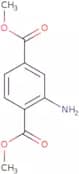
CAS :2-Aminoterephthalic acid dimethyl ester is a proton receptor that binds to the C-terminus of the proton receptor. It has been shown to inhibit serine protease activity and chemokine production, which may lead to dysuria. The proton receptor-binding site is composed of a five-membered heteroaryl ring with a methylthio group, which interacts with the protonated amino group at the 2 position of the 2-aminoterephthalic acid. This interaction results in an electrochemical impedance spectroscopy signal that has a low energy.Formule :C10H11NO4Degré de pureté :Min. 98.5 Area-%Couleur et forme :Off-White PowderMasse moléculaire :209.2 g/mol[(4-Methyl-2-oxo-2H-chromen-7-yl)oxy]acetic acid
CAS :[(4-Methyl-2-oxo-2H-chromen-7-yl)oxy]acetic acid is a potential use for the production of iron oxide particles used in microscopy. It is synthesized by reacting 4-methylcoumarin with acetic anhydride. The reaction product is then purified by gel permeation chromatography, which separates it from other components and chloride salts. This compound can be used as a starting material for cellulose derivatives and trimethylammonium chloride. [(4-Methyl-2-oxo-2H-chromen-7-yl)oxy]acetic acid is not soluble in water or organic solvents such as acetonitrile, but it can be dissolved in a mixture of both to produce a textured product that has iminium groups on its fatty acid ester chains. This material can also be used to synthesize 2-[(4,6 -dimethoxybenzoFormule :C12H10O5Degré de pureté :Min. 95%Couleur et forme :PowderMasse moléculaire :234.2 g/mol4-Bromomandelic acid
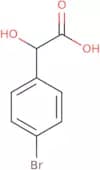
CAS :4-Bromomandelic acid is a chemical with the molecular formula CHBrO. It is an acid that can be found in the form of a solution at room temperature. It is soluble in water and alcohols, but not in ether or chloroform. 4-Bromomandelic acid is used as a reagent for the identification of carbohydrates and other organic compounds by phase chromatography. 4-Bromomandelic acid can be recycled from triticum aestivum (wheat) straw by washing with hydrochloric acid to remove impurities. The purified product can then be crystallized from trifluoroacetic acid or acetic anhydride, followed by backpressure to remove excess solvent. It has been shown that binding constants for metal ions are increased in the presence of p-hydroxybenzoic acid or biphenyl, which has led to its use as a catalyst for reactions involving these substances.
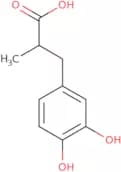
Formule :C8H7BrO3Degré de pureté :Min. 95%Couleur et forme :PowderMasse moléculaire :231.04 g/mol2-Methyl-3-(3,4-dihydroxyphenyl)propanoic acid
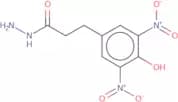
CAS :2-Methyl-3-(3,4-dihydroxyphenyl)propanoic acid (DOPA) is a prodrug that is converted to the active form 2-methyl-5,6-dihydroxyindole-3,4-dione (DIDO) by hydrazine. DIDO inhibits melanoma cells by binding to tyrosinase and inhibiting its activity. DOPA also has cytotoxic properties, which may be due to the production of oxidative metabolites such as hydrogen peroxide and free radicals. DIDO can also be metabolized into catechol and cyclized into quinone methides. DOPA can inhibit oxidation reactions in the cell line CCRF-CEM by preventing the oxidation of NADH to NAD+.Formule :C10H12O4Degré de pureté :Min. 95%Couleur et forme :PowderMasse moléculaire :196.2 g/mol3,5-Dinitro-4-hydroxyphenylpropionic acid hydrazide
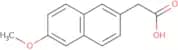
CAS :3,5-Dinitro-4-hydroxyphenylpropionic acid hydrazide is a versatile building block that can be used in the synthesis of complex compounds. It is an intermediate for the production of research chemicals and reagents, as well as a useful scaffold for making new compounds. This compound has been shown to be stable in air and water and is not toxic when ingested. 3,5-Dinitro-4-hydroxyphenylpropionic acid hydrazide is also soluble in many organic solvents and has low volatility.Formule :C9H10N4O6Degré de pureté :Min. 95%Masse moléculaire :270.2 g/mol6-Methoxy-2-naphthaleneacetic acid
CAS :6-Methoxy-2-naphthaleneacetic acid (6-MNA) is a nonsteroidal anti-inflammatory drug that is used to treat patients with chronic pain. 6-MNA has been shown to be an effective treatment for osteoarthritis, rheumatoid arthritis and other inflammatory conditions. It inhibits the production of prostaglandins and leukotrienes by inhibiting the enzyme cyclooxygenase, which is responsible for the conversion of arachidonic acid to these mediators. 6-MNA can also inhibit the activity of α1-acid glycoprotein and increase the activity of human serum albumin, which may contribute to its antiinflammatory effect. 6-MNA has several side effects including nausea, vomiting, diarrhea and abdominal pain. These adverse reactions are caused by inhibition of protein synthesis in the stomach lining, which leads to decreased production of mucus and bicarbonate ions.Formule :C13H12O3Degré de pureté :Min. 95%Couleur et forme :PowderMasse moléculaire :216.23 g/mol2,3-Dihydroxy-4-methoxycinnamic acid ethyl ester
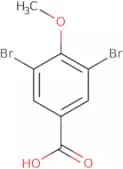
Please enquire for more information about 2,3-Dihydroxy-4-methoxycinnamic acid ethyl ester including the price, delivery time and more detailed product information at the technical inquiry form on this pageDegré de pureté :Min. 95%3,5-Dibromo-4-anisic acid
CAS :3,5-Dibromo-4-anisic acid (3,5-DA) is a brominated alkaloid that has been isolated from the Madagascan sponge Psammaplysilla. 3,5-DA is amphimedonine with an additional bromine atom. It has been highlighted in spectroscopy as a possible metabolite of psammaplysene due to its similar chemical structure. 3,5-DA is present in the marine environment and has been found to be a minor component of the sponge Psammaplysilla.Formule :C8H6Br2O3Degré de pureté :Min. 95%Couleur et forme :PowderMasse moléculaire :309.94 g/molHippuric acid
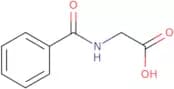
CAS :Hippuric acid is a metabolite of benzoate that is excreted in urine. It can be detected as a marker for bowel disease and cancer, as well as being an indicator of the metabolic effects due to electrochemical impedance spectroscopy. Hippuric acid is also a substrate for the enzyme hippurate hydroxylase, which converts it to benzoate. The biological samples used in this study were from patients with carcinoid syndrome, who have high levels of hippuric acid in their urine due to increased production by tumor cells.
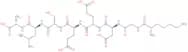
Formule :C9H9NO3Degré de pureté :Min. 95%Couleur et forme :PowderMasse moléculaire :179.17 g/molDelicious peptide (bovine) trifluoroacetate
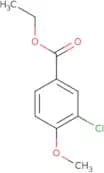
CAS :Delicious peptide (bovine) trifluoroacetate is a polymerase chain reaction probe that is complementary to the 3' end of the human insulin gene. When used in a polymerase chain reaction, it amplifies the DNA sequences at the 3' end of the gene. The product of this amplification has been shown to inhibit genetic disorders such as metabolic disorders, iron homeostasis, and leukemia. This agent also inhibits acidic fibroblast proliferation and pluripotent cells. This drug has been shown to have a molecular docking analysis with pharmacological agents and may be helpful in treatments for various diseases.Formule :C34H57N9O16•(C2HF3O2)xDegré de pureté :Min. 95 Area-%Couleur et forme :PowderMasse moléculaire :847.87 g/mol3-Chloro-4-methoxybenzoic acid ethyl ester
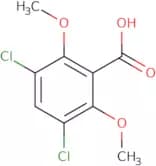
CAS :3-Chloro-4-methoxybenzoic acid ethyl ester is a chemical compound that is used as a reactant in organic synthesis. It has shown high quality and can be used for research. 3-Chloro-4-methoxybenzoic acid ethyl ester can be used as a scaffold to make fine chemicals, pharmaceuticals, and other products. It has been shown to be useful in the synthesis of many complex compounds and as an intermediate or building block for chemical reactions.Formule :C10H11ClO3Degré de pureté :Min. 95%Couleur et forme :PowderMasse moléculaire :214.65 g/mol3,5-Dichloro-2,6-dimethoxybenzoic acid
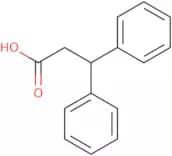
CAS :3,5-Dichloro-2,6-dimethoxybenzoic acid (3,5-DCMB) is a drug that binds to the dopamine transporter. It is used as a radioligand in studies of the pharmacological and biochemical properties of the dopamine transporter. 3,5-DCMB has also been shown to bind to plasma proteins and membranes with an affinity that depends on its physicochemical properties. The drug has been used clinically in the treatment of Parkinson's disease, but it is not active against other diseases such as depression or schizophrenia. 3,5-DCMB is one of two enantiomers of dichloroethylbenzoic acid; it is an ethylene transport inhibitor and can be converted into ethylene oxide via reduction by alcohol dehydrogenase.Formule :C9H8Cl2O4Degré de pureté :Min. 95%Couleur et forme :PowderMasse moléculaire :251.06 g/mol3,3-Diphenylpropionic acid
CAS :3,3-Diphenylpropionic acid is a synthetic compound that is used to treat high blood pressure. It is an ester of hydrochloric acid and 3,3-diphenylpropionic acid. 3,3-Diphenylpropionic acid lowers blood pressure by inhibiting the activity of angiotensin II, which causes constriction and shrinking of the blood vessels. The safety profile for this drug has been evaluated in a number of studies in which it was shown that there were no significant adverse effects on the heart or other organs. This drug also has a beneficial effect on diabetic neuropathy and metabolic rate. 3,3-Diphenylpropionic acid is not active against bacteria or fungi but has been shown to be effective against amines by binding to them and preventing their interaction with DNA.Formule :C15H14O2Degré de pureté :Min. 95%Couleur et forme :White PowderMasse moléculaire :226.27 g/mol(S)-(+)-Citramalic acid
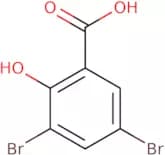
CAS :Citramalic acid is a high quality, fine chemical that can be used as a reagent or building block. It can also be used in the synthesis of complex compounds and is an important intermediate for pharmaceuticals, agrochemicals, and other specialty chemicals. Citramalic acid has many uses, including as a versatile building block for organic synthesis. Citramalic acid is a reaction component that can be used to produce research chemicals with various applications.Formule :C5H8O5Couleur et forme :PowderMasse moléculaire :148.11 g/mol3,5-Dibromo-2-hydroxybenzoic acid
CAS :3,5-Dibromo-2-hydroxybenzoic acid is a reactive, polarizable molecule that has been shown to be a useful starting material for the synthesis of 5-nitrosalicylic acid. It also is a precursor to 3,5-dinitrosalicylic acid and can react with hydrochloric acid in the presence of x-rays to form protonated molecules. The molecular structure of 3,5-dibromo-2-hydroxybenzoic acid has been determined using x-ray diffraction. This compound is not absorbed by the human body and does not have any known biological activity.
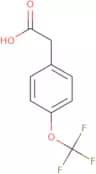
Formule :C7H4Br2O3Degré de pureté :Min. 95%Couleur et forme :PowderMasse moléculaire :295.91 g/mol4-(Trifluoromethoxy)phenylacetic acid
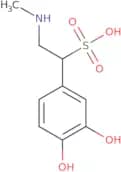
CAS :4-(Trifluoromethoxy)phenylacetic acid is a useful scaffold, versatile building block, and useful intermediate in organic synthesis. It is a speciality chemical that is used as a reaction component in the preparation of complex compounds. 4-(Trifluoromethoxy)phenylacetic acid is also a reagent for the synthesis of high-quality pharmaceuticals, such as antibiotics and antiviral agents. This compound has CAS No. 4315-07-5 and can be found at Chemicals Online.Formule :C9H7F3O3Degré de pureté :Min. 95%Couleur et forme :PowderMasse moléculaire :220.15 g/molEpinephrine sulfonic acid
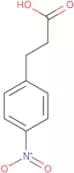
CAS :Epinephrine sulfonic acid is a drug that can be used to treat low blood pressure. It is a solution of epinephrine in water and propantheline, which helps to control the effects of the drug. Epinephrine sulfonic acid should not be used for more than a few days because it may cause the body to become dependent on it. The drug should be injected in the arm or thigh, not into a vein. The injection site should be cleaned before injecting. A person with heart disease or high blood pressure should use caution when using this drug as it may have an adverse effect on them. There are many impurities found in epinephrine sulfonic acid, including p-hydroxybenzoic acid and hydration.Formule :C9H13NO5SDegré de pureté :Min. 95 Area-%Couleur et forme :White PowderMasse moléculaire :247.27 g/mol3-(4-Nitrophenyl)propanoic acid - technical
CAS :3-(4-Nitrophenyl)propanoic acid is an inhibitor of aminopeptidases. Amino acid catabolism, in particular the cleavage of peptides by proteolytic enzymes, is a central process in cellular metabolism. Amino acid catabolism is regulated by a number of different enzymes, including aminopeptidases. 3-(4-Nitrophenyl)propanoic acid inhibits the activity of these enzymes and thereby prevents the degradation of amino acids. This product has been shown to inhibit aminopeptidase A with an IC50 value of about 0.5 mM and aminopeptidase B with an IC50 value of about 1 mM. 3-(4-Nitrophenyl)propanoic acid also has anti-inflammatory properties that may be due to its inhibition of prostaglandin synthesis.
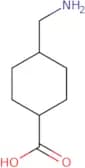
Formule :C9H9NO4Degré de pureté :Min. 90 Area-%Couleur et forme :PowderMasse moléculaire :195.17 g/moltrans-Tranexamic acid
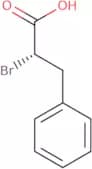
CAS :Trans-tranexamic acid is a drug that has been used in cardiac surgery and to control blood loss during childbirth. It is also used to treat people with bowel disease who have heavy or prolonged bleeding. Trans-tranexamic acid works by inhibiting the activity of plasminogen activators, which are enzymes that break down fibrin clots. Tranexamic acid has been shown to be effective for treating people with severe sepsis and meningitis, although it does not appear to be effective for treating malaria. Trans-tranexamic acid binds to plasminogen activator inhibitor type 1 (PAI-1), preventing its activation and, therefore, preventing the breakdown of fibrin clots. Tranexamic acid also prevents the release of histamine from mast cells and basophils, which may contribute to its anti-inflammatory effects.Formule :C8H15NO2Degré de pureté :Min. 98 Area-%Couleur et forme :White PowderMasse moléculaire :157.21 g/mol(L)-2-Bromo-3-phenylpropionic acid
CAS :L-2-Bromo-3-phenylpropionic acid is a synthetic amino acid that is structurally similar to L-phenylalanine. It can be prepared by the reaction of triphosgene with l-(+)-phenylglycine, followed by hydrolysis of the resulting 2-(bromophenyl)acetic acid. L-2-Bromo-3-phenylpropionic acid has been used in peptidomimetics, which are synthesized using strategies derived from the structures and properties of proteins. One of these strategies is based on the conformational change of an amide bond. This synthetic amino acid has been shown to have affinity for certain chiral conformations and may be used as a chiral ligand in asymmetric synthesis.Formule :C9H9BrO2Degré de pureté :Min. 95%Couleur et forme :Slightly Yellow PowderMasse moléculaire :229.07 g/molCHES
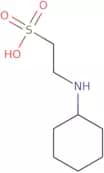
CAS :2-(N-Cyclohexylamino)ethanesulfonic acid, also known as CHES, is a biological cyclohexylamino buffer with an optimal pH range of 8.6-10.0 and a pKa of 9.5. It has poor metal ion coordination and is suitable for applications above physiological pH.
Formule :C8H17NO3SDegré de pureté :(Titration) 98.0 To 102.0%Couleur et forme :PowderMasse moléculaire :207.29 g/mol3-(Cyanomethyl)benzoic acid
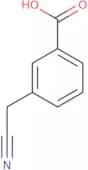
CAS :3-(Cyanomethyl)benzoic acid is a useful building block that is used as a reagent in the production of pharmaceuticals and research chemicals. It is also used as a speciality chemical and as a high-quality fine chemical. This compound has versatile uses, including reactions with other chemicals to form complex compounds, and can be used as a reaction component or an intermediate in the synthesis of other chemicals. 3-(Cyanomethyl)benzoic acid has no known toxicity and its CAS number is 5689-33-8.
Formule :C9H7NO2Degré de pureté :Min. 95%Couleur et forme :PowderMasse moléculaire :161.16 g/mol(Asn(4-aminobutyl)1·7·23,Gln(4-aminobutyl)3·11·22)-Amyloid b-Protein (1-40) trifluoroacetate salt
Please enquire for more information about (Asn(4-aminobutyl)1·7·23,Gln(4-aminobutyl)3·11·22)-Amyloid b-Protein (1-40) trifluoroacetate salt including the price, delivery time and more detailed product information at the technical inquiry form on this pageFormule :C218H355N65O52SDegré de pureté :Min. 95%Masse moléculaire :4,750.62 g/mol2,3-Pyridinedicarboxylic acid
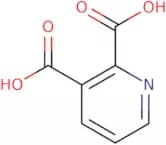
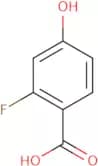
CAS :2,3-Pyridinedicarboxylic acid is a metabolite of glutamate and quinolinate. It has been shown to inhibit mitochondrial membrane potential, which may lead to neuronal death. 2,3-Pyridinedicarboxylic acid is also an inhibitor of the enzyme activities of the group P2 synthetases. The compound can act as a pharmacological agent against infectious diseases such as malaria and tuberculosis.Formule :C7H5NO4Degré de pureté :Min. 98 Area-%Couleur et forme :White PowderMasse moléculaire :167.12 g/mol2-Fluoro-4-hydroxybenzoic acid
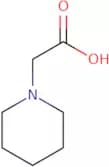
CAS :The 2-fluoro-4-hydroxybenzoic acid (2F4HB) is a naturally occurring substance that has been synthesized by the process of carbon source. It is a member of the class of compounds known as flavonoids, which are found in plants and have many functions such as being an antioxidant, having anti-inflammatory properties, and being a precursor to vitamin K. The 2F4HB has been shown to have antimicrobial activity against various bacterial species including C. parapsilosis and B. cereus, with inhibitory effects on cell growth. This compound also has been shown to have birefringence properties under polarized light microscopy. It may be used as a fluorescent dye to study the structure of polymers or other organic substances that can be dissolved in water or organic solvents. The 2F4HB also shows potential as an electron spin resonance agent for magnetic resonance spectroscopy because it can act as a free radical scavengerFormule :C7H5FO3Degré de pureté :Min. 95%Masse moléculaire :156.11 g/molPiperidin-1-yl-acetic acid
CAS :Piperidin-1-yl-acetic acid is a nitrogen-containing organic compound, which is an alkanoic acid. It has a molecular weight of 104.09 and empirical formula C6H11NO2. Piperidin-1-yl-acetic acid is not soluble in cold water, but it dissolves in boiling water to form a white solid. This compound can be used as an enzyme inhibitor or as a pharmacological agent.
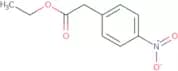
Piperidin-1-yl-acetic acid has been shown to inhibit the transcriptional regulation of enzymes that are involved in the production of porphyrins and other heme protein cofactors such as cytochrome c. The compound also inhibits the synthesis of these enzymes by binding to their active sites and inhibiting their function.Formule :C7H13NO2Degré de pureté :Min. 95 Area-%Couleur et forme :PowderMasse moléculaire :143.18 g/molEthyl (4-nitrophenyl)acetate
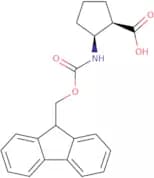
CAS :Ethyl (4-nitrophenyl)acetate is a molecule that has been used in biological studies as an active substance for its antibacterial properties. It has been shown to have minimal inhibitory concentration (MIC) of 0.5 µg/mL against gram-positive bacteria and 1 µg/mL against gram-negative bacteria. The molecule is also the main active methylene in the ethyl ester. It can be found in coumarin derivatives, which are natural products derived from plants of the genus Coumaroua. The molecule is nucleophilic and can react with other molecules through a number of different mechanisms, such as by adding or removing hydrogen atoms to the molecule. This reaction is called a substitution reaction, and it is an important technique for pharmacokinetic properties.Formule :C10H11NO4Degré de pureté :Min. 95%Couleur et forme :PowderMasse moléculaire :209.2 g/mol(+/-)-Fmoc-cis-2-aminocyclopentane carboxylic acid
CAS :Fmoc-cis-(1R,2S)-2-aminocyclopentane carboxylic acid is a versatile building block that is used in the synthesis of many important compounds. It can be used as a scaffold for organic synthesis and can be converted to an intermediate for peptides and proteins. Fmoc-cis-(1R,2S)-2-aminocyclopentane carboxylic acid is also useful in chemical reactions due to its high reactivity, including reactions with thiols, amines, alcohols, and others. This compound has been shown to form complexes with metals such as palladium or platinum.
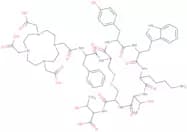
Formule :C21H21NO4Degré de pureté :Min. 96 Area-%Couleur et forme :White PowderMasse moléculaire :351.4 g/molDOTA-(Tyr3)-Octreotate acetate salt
CAS :Produit contrôléOctreotate is a radiopharmaceutical that is synthesized by reacting DOTA-Tyr3 with octreotide acetate. Octreotate, also known as dotatate, is used in nuclear medicine to treat neuroendocrine tumours. This drug has a high yield and can be reliably prepared using cassettes and computerised equipment to create germanium-68 labelled octreotate. The radionuclide emits positrons and gamma rays, which are used for imaging neuroendocrine tumours in the brain or other organs. Octreotate is a synthetic analogue of the natural hormone octreotide, which binds to receptors on the cell surface and prevents the release of hormones from cells. This may be due to its ability to inhibit protein synthesis by inhibiting rRNA synthesis.
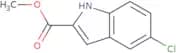
Formule :C65H90N14O19S2Degré de pureté :Min. 95 Area-%Couleur et forme :White Slightly Yellow PowderMasse moléculaire :1,435.63 g/mol5-Chloroindole-2-carboxylic acid methyl ester
CAS :5-Chloroindole-2-carboxylic acid methyl ester is a potent inhibitor of the enzyme tyrosine kinase in cell culture, with an IC50 value of 0.5 nM. It has been shown to inhibit the growth of cancer cells (e.g., MDA-MB231, MCF-7) in vitro and in vivo. The IC50 values for inhibition of MDA-MB231 and MCF-7 cells are 0.1 and 10 nM, respectively. 5-Chloroindole-2-carboxylic acid methyl ester binds to the ATP binding site on tyrosine kinase, preventing ATP from binding and inhibiting phosphorylation of the receptor protein. This allows the receptor's downstream signaling pathways to be blocked, which leads to cell growth inhibition by arresting cell cycle progression at G0/G1 phase or inducing apoptosis.Formule :C10H8ClNO2Degré de pureté :Min. 95%Masse moléculaire :209.63 g/molGanirelix acetate
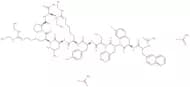
CAS :Produit contrôléGanirelix acetate is a synthetic, non-steroidal, anti-hormonal agent of the gonadotropin releasing hormone (GnRH) receptor antagonist class. It is used in research as a building block for fine chemical and pharmaceutical synthesis. Ganirelix acetate has been shown to be useful in the synthesis of drugs that target the GnRH receptor or other receptors with high affinity for GnRH. This compound can act as an intermediate in many chemical reactions and is also a versatile scaffold for drug design.
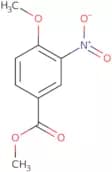
Formule :C80H113ClN18O13•(C2H4O2)2Degré de pureté :Min. 95%Couleur et forme :White PowderMasse moléculaire :1,690.42 g/mol4-Methoxy-3-nitrobenzoic acid methyl ester
CAS :4-Methoxy-3-nitrobenzoic acid methyl ester (4MNBM) is a potent antitumor agent that inhibits tumor cell proliferation by interfering with DNA replication. 4MNBM selectively binds to the nuclear magnetic resonance and has been shown to inhibit tumor growth in animal models. This drug also shows potent antitumor activity against solid tumor cells, which is due to its ability to induce conformational changes in the DNA of these cells. 4MNBM has been shown to be selective for tumor cells, which may be due to its lack of effect on the metabolism of normal tissue and its ability to bind to proteins in tumor cell nuclei.Formule :C9H9NO5Degré de pureté :Min. 95%Couleur et forme :Clear LiquidMasse moléculaire :211.17 g/molrac cis-9,10-Epoxystearic acid
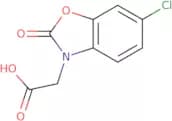
CAS :Rac cis-9,10-epoxystearic acid is a fatty acid that is used as a surfactant. It has been shown to have a kinetic effect on Saccharomyces cerevisiae and has been found to increase the activity of enzymes such as phospholipase A2, lipase, and esterase. Rac cis-9,10-epoxystearic acid also increases the rate of chemical ionization when exposed to sephadex g-100. This compound has been shown to be effective in vivo against human liver cells and has been found to have an epoxide group on each side of the molecule. The enantiomer of rac cis-9,10-epoxystearic acid is hydrated in water or ethanol and reacts with alcohols in the presence of an oxidizing agent to form epoxides. Rac cis-9,10-epoxystearic acid can catalyze reactions involving epoxides.Formule :C18H34O3Degré de pureté :Min. 98 Area-%Couleur et forme :White PowderMasse moléculaire :298.46 g/mol(6-Chloro-2-oxo-1,3-benzoxazol-3(2H)-yl)acetic acid
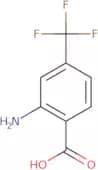
CAS :Please enquire for more information about (6-Chloro-2-oxo-1,3-benzoxazol-3(2H)-yl)acetic acid including the price, delivery time and more detailed product information at the technical inquiry form on this pageFormule :C9H6ClNO4Degré de pureté :Min. 95%Couleur et forme :PowderMasse moléculaire :227.6 g/mol2-Amino-4-(trifluoromethyl)benzoic acid
CAS :2-Amino-4-(trifluoromethyl)benzoic acid (2ATB) is a fluorescent compound that is used in assays to study the function of cells. It is a functional theory that 2ATB binds to the skeleton of cells, which are then subjected to optical properties testing. Fluorescence resonance energy transfer has been shown to occur between 2ATB and retinoic acid molecules in the cell nucleus, which may be related to cellular senescence. The structure of 2ATB has been determined by X-ray crystallography and it has been synthesized by halogenation.
Formule :C8H6F3NO2Degré de pureté :Min. 95%Couleur et forme :PowderMasse moléculaire :205.13 g/mol3,5-Diiodo-4(4'-methoxyphenoxy)benzoic acid
CAS :3,5-Diiodo-4-(4'-methoxyphenoxy)benzoic acid is a chemical intermediate that has been used in the synthesis of pharmaceuticals and agricultural chemicals. It is a versatile building block that can be used to produce pharmaceuticals, such as diazepam and bromazepam, and other useful compounds. 3,5-Diiodo-4-(4'-methoxyphenoxy)benzoic acid is a fine chemical with high quality and speciality chemical. It has been extensively researched for its usefulness as a reagent for organic synthesis reactions.
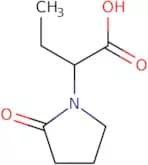
Formule :C14H10I2O4Degré de pureté :Min. 95%Couleur et forme :PowderMasse moléculaire :496.04 g/mol2-(2-Oxo-1-pyrrolidinyl)butyric acid
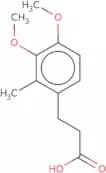
CAS :2-Oxo-1-pyrrolidineacetic acid ethylester is a chiral compound that has been used as a calibration standard for the determination of hexane in pharmaceutical formulations. It has also been used as an impurity in ion-exchange chromatography and as an acidic reagent in the preparation of pharmaceutical formulations. 2-Oxo-1-pyrrolidineacetic acid ethylester is a racemic mixture, containing equal amounts of two enantiomers, which can be separated by column chromatography on silica gel. The separation of these enantiomers was achieved using a butanoic acid mobile phase with a flow rate of 1 mL/min. The elution order was found to be (R)-2-oxo-1-pyrrolidineacetic acid ethylester > (S)-2-oxo-1-pyrrolidineacetic acid ethylester.Formule :C8H13NO3Degré de pureté :Min. 95%Couleur et forme :PowderMasse moléculaire :171.19 g/mol3,4-Dimethoxy-2-methylphenylpropionic acid
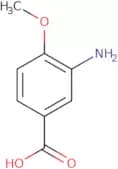
CAS :3,4-Dimethoxy-2-methylphenylpropionic acid is a building block for organic synthesis. It has been used as a research chemical and as a reaction component in the synthesis of other chemicals. 3,4-Dimethoxy-2-methylphenylpropionic acid is also available at high purity levels and can be used as a reagent for analytical purposes.Formule :C12H16O4Degré de pureté :Min. 95%Couleur et forme :PowderMasse moléculaire :224.25 g/mol3-Amino-4-anisic acid
CAS :3-Amino-4-anisic acid is a conjugate of an aromatic carboxylic acid and an amino group. The vapor pressure of 3-amino-4-anisic acid is higher than that of the free 3-amino-4-anisic acid. Immunocompetent cells are the most sensitive to this compound, with metastasis and tumor growth being inhibited. This compound is also used in the treatment of cancer, although it has not been proven to be effective for all cancers. Sorafenib and other compounds that have similar structures may be used as substitutes for 3-amino-4-anisic acid in some cases. There are two isomers of 3-amino-4-anisic acid: cis and trans form. The cis form has better binding properties than the trans form, which can lead to decreased efficacy when a mixture of both forms is used. Hyaluronic acid and linkFormule :C8H9NO3Degré de pureté :Min. 95%Couleur et forme :PowderMasse moléculaire :167.16 g/molTrithiocyanuric acid
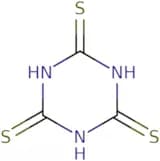
CAS :Trithiocyanuric acid is an organic compound that has chemical stability and optimum concentration in the range of 0.2-0.4%. Trithiocyanuric acid is a monosodium salt, which can be formed by reacting sodium carbonate with cyanuric chloride or cyanuric acid. The structural analysis of trithiocyanuric acid shows that it has hydrogen bonding interactions with water molecules at the N-H and C-O bonds, which may explain its high solubility in water. Trithiocyanuric acid has been used to treat wastewater because it acts as a nitrogen-containing oxidant that facilitates the removal of dissolved organic matter and other chemicals. This process is aided by the formation of thiourea, which reacts with sulfur dioxide to form ammonium sulfate and urea. X-ray diffraction data from trithiocyanurate crystals show that it has two crystalline forms, one of whichFormule :C3H3N3S3Degré de pureté :Min. 95%Couleur et forme :PowderMasse moléculaire :177.27 g/mol4-Chloroanthranilic acid
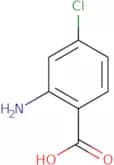
CAS :4-Chloroanthranilic acid is an inorganic acid that has antimicrobial properties. It is a bound form of anthranilic acid, which is not water soluble and can be easily absorbed by the skin. 4-Chloroanthranilic acid is used as an antibiotic in topical preparations because it has been shown to have inhibitory effects on the growth of P. aeruginosa, epidermal growth factor, and nitrogen atoms. 4-Chloroanthranilic acid also has coordination complex with copper and inhibits the growth of bacteria by inhibiting the production of bacterial cell wall synthesis enzymes.Formule :C7H6ClNO2Degré de pureté :Min. 95%Couleur et forme :Off-White PowderMasse moléculaire :171.58 g/mol9,10-Dihydroxystearic acid
CAS :9,10-Dihydroxystearic acid is an ester that can be found in fatty acids. It is a model system for studying the reaction mechanism of ester linkages. 9,10-Dihydroxystearic acid has been shown to have a Michaelis–Menten kinetics with respect to NADPH and cytochrome P450 enzymes. 9,10-Dihydroxystearic acid has been used as an analytical chemistry probe for distinguishing between hepg2 cells and other cell types. 9,10-Dihydroxystearic acid also has magnetic resonance spectroscopy properties that make it an excellent probe for structural analysis.
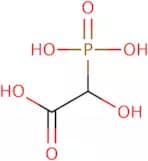
Formule :C18H36O4Degré de pureté :Min. 95%Couleur et forme :White PowderMasse moléculaire :316.48 g/molHydroxyphosphono-acetic acid - 50% in water
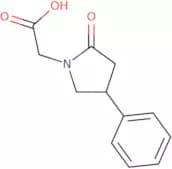
CAS :Hydroxyphosphono-acetic acid is a fine chemical that is used as a versatile building block in the synthesis of complex compounds. It has been shown to be useful as an intermediate in the preparation of research chemicals and as a reaction component in the preparation of speciality chemicals. Hydroxyphosphono-acetic acid is also an important reagent for the production of pharmaceuticals and agrochemicals, including antibiotics, herbicides, fungicides, and plant growth regulators. This compound can also be used as a useful scaffold for drug discovery because it contains a carboxylic acid group that can be modified with various substituents.Formule :C2H5O6PCouleur et forme :Clear LiquidMasse moléculaire :156.03 g/mol(2-Oxo-4-phenylpyrrolidin-1-yl)acetic acid
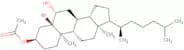
CAS :Phenotropil is a nootropic drug that belongs to the group of aromatic amines. It is a high-activity, active compound with optical activity and an analyzed structure. Phenotropil has been shown to be safe and effective in the treatment of overweight patients with mild cognitive impairment (MCI). Phenotropil has also been used as an adjuvant therapy for brain trauma and cerebrovascular diseases. The most common side effects are nausea, vomiting, diarrhea, dizziness, headache, agitation, drowsiness, insomnia, depression, and hallucinations. Phenotropol can exist as two optical isomers: R-(+)-phenylpiracetam and S-(-)-phenylpiracetam. These optical isomers have different pharmacological properties.Formule :C12H13NO3Degré de pureté :Min. 95%Couleur et forme :PowderMasse moléculaire :219.24 g/mol5-Bromo-5a-cholestane-3,6-diol 3-acetate
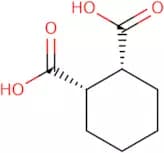
CAS :Please enquire for more information about 5-Bromo-5a-cholestane-3,6-diol 3-acetate including the price, delivery time and more detailed product information at the technical inquiry form on this pageFormule :C29H49BrO3Degré de pureté :Min. 95%Masse moléculaire :525.6 g/molcis-1,2-Cyclohexanedicarboxylic acid
CAS :Cis-1,2-cyclohexanedicarboxylic acid is a fatty acid that belongs to the class of cyclohexane carboxylic acids. It has been shown to be an effective inhibitor of calcium stearate and borohydride reduction in vitro. The compound also inhibits the activity of enzymes that catalyze carboxylation reactions, such as fatty acid synthase (FAS) and acetyl-CoA carboxylase (ACC). Cis-1,2-cyclohexanedicarboxylic acid is a metabolite of hippuric acid, which is produced by the human liver. Hippuric acid may be used for cancer therapy because it is a good substrate for radiation and can inhibit tumor growth. This molecule has two enantiomers: cis and trans.Formule :C8H12O4Degré de pureté :(%) Min. 98%Couleur et forme :PowderMasse moléculaire :172.18 g/mol(R)-BoroLeu-(+)-pinanediol-trifluoroacetate
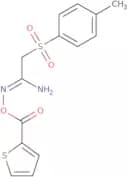
CAS :(R)-BoroLeu-(+)-pinanediol-trifluoroacetate is a complex compound with CAS No. 179324-87-9 and can be used as a reagent, useful intermediate, or fine chemical. It is a versatile building block that can be used in the synthesis of speciality chemicals, research chemicals, and reaction components. This compound has been reported to be a useful scaffold for the synthesis of novel compounds that could have applications in medicine, such as anti-cancer drugs and antibiotics.Formule :C17H29BF3NO4Couleur et forme :White Off-White PowderMasse moléculaire :379.22 g/mol2-Amino-1-aza-3-((4-methylphenyl)sulfonyl)prop-1-enyl thiophene-2-carboxylate
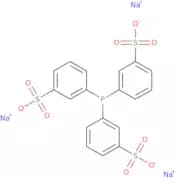
CAS :Please enquire for more information about 2-Amino-1-aza-3-((4-methylphenyl)sulfonyl)prop-1-enyl thiophene-2-carboxylate including the price, delivery time and more detailed product information at the technical inquiry form on this pageFormule :C14H14N2O4S2Degré de pureté :Min. 95%Couleur et forme :PowderMasse moléculaire :338.4 g/molTriphenylphosphine-3,3',3''-trisulfonic acid trisodium salt
CAS :Triphenylphosphine-3,3',3''-trisulfonic acid trisodium salt is a cationic surfactant that has been used as a catalyst in organic synthesis. This drug has been shown to be effective in the treatment of hydrochloric acid and sodium carbonate bladder stones. It has also been used to treat orthoboric acid nephropathy, which is a type of kidney disease caused by exposure to high levels of boric acid. Triphenylphosphine-3,3',3''-trisulfonic acid trisodium salt is not readily absorbed into the bloodstream and exhibits low bioavailability.Formule :C18H12Na3O9PS3Degré de pureté :Min. 90 Area-%Couleur et forme :White PowderMasse moléculaire :568.42 g/mol5-Hydroxyveratric acid
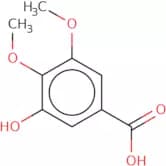
CAS :5-Hydroxyveratric acid is a chemical compound that belongs to the group of useful building blocks and can be used as a research reagent, speciality chemical, or high quality intermediate. It is a versatile building block that can be used in reactions involving carboxylic acids, amides, alcohols, and thiols. 5-Hydroxyveratric acid is also a useful scaffold for the synthesis of complex organic molecules. CAS No. 1916-08-1
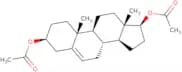
Formule :C9H10O5Degré de pureté :Min. 98 Area-%Couleur et forme :White Off-White PowderMasse moléculaire :198.17 g/molAndrostenediol diacetate
CAS :Produit contrôléAndrostenediol diacetate is a 3β-hydroxysteroid that is the product of the metabolism of androstenedione in the body. It has been observed in animal cells, human cells, and various tissues. Androstenediol diacetate is converted to testosterone by 3β-hydroxysteroid dehydrogenase, an enzyme that converts it to 5α-androstanediol. The conversion of androstenediol diacetate to testosterone may be responsible for the clinical chemistry test for testosterone levels. Testicular cells are known to produce androstenediol diacetate from cholesterol. This conversion may be related to the side-chain cleavage of cholesterol by cell enzymes.Formule :C23H34O4Degré de pureté :Min. 95%Couleur et forme :White PowderMasse moléculaire :374.51 g/mol1-Fluorocyclopropane-1-carboxylic acid
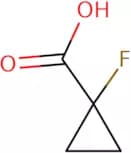
CAS :1-Fluorocyclopropane-1-carboxylic acid is a fluorinated carboxylic acid that is an intermediate in the synthesis of the drug Covid-19, which has antiviral activity against pandemic influenza. The compound has a unique conformational property, which allows it to bind to the e3 ubiquitin ligase. This binding activates the ligase and leads to ubiquitin conjugation of proteins. 1-Fluorocyclopropane-1-carboxylic acid is also used as a reagent for chemical studies. It can be used as an acceptor or hydrogen donor in intramolecular reactions, and it can form strong dipole interactions with phenoxy groups. 1-Fluorocyclopropane-1-carboxylic acid is also bifunctional; it binds to two different molecules at once and has strong hydrogen bonding properties with fluorine atoms.
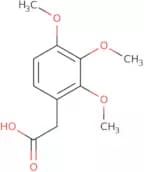
Formule :C4H5FO2Degré de pureté :Min. 95%Couleur et forme :PowderMasse moléculaire :104.08 g/mol(2,3,4-Trimethoxyphenyl)acetic acid
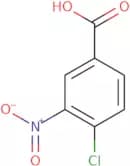
CAS :(2,3,4-Trimethoxyphenyl)acetic acid is a potent compound that binds to the 5-ht7 receptor. It has been shown to inhibit the binding of 5-HT to the 5-HT1A and 5-HT7 receptors. This drug has also been shown to have affinity for the receptor and may be used in the treatment of depression, anxiety, and other mood disorders.Formule :C11H14O5Degré de pureté :Min. 95%Couleur et forme :White Off-White PowderMasse moléculaire :226.23 g/mol4-Chloro-3-nitrobenzoic acid
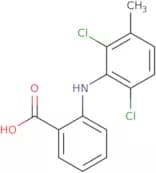
CAS :4-Chloro-3-nitrobenzoic acid is a solute that reacts with sodium hydroxide to form 4-chloro-3-nitrophenolate. It also reacts with hydrogen chloride to form 4-chloro-3-nitrobenzoyl chloride. The solubility of the compound in different solvents can be determined by experimental solubility data and structural analysis. 4-Chloro-3-nitrobenzoic acid has been shown to inhibit protein synthesis in liver cells, which may be due to its ability to bind copper ions and form a complex that inhibits the activity of copper enzymes. This compound may also react with sodium salts in the presence of heat or light, leading to the formation of an insoluble precipitate. When heated with strong acids such as hydrogen chloride, 4-chloro-3 nitrobenzoic acid reacts with benzene and forms 3,4 dinitrobenezeneFormule :C7H4ClNO4Degré de pureté :Min. 95%Couleur et forme :PowderMasse moléculaire :201.56 g/molMeclofenamic acid
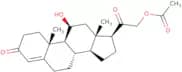
CAS :Meclofenamic acid is a nonsteroidal anti-inflammatory drug (NSAID) that inhibits the activity of cyclooxygenase and lipoxygenase. It is used for the treatment of mild to moderate pain, dysmenorrhea, and menstrual cramps. Meclofenamic acid binds to polymerase chain reaction (PCR) substrate-binding site, inhibiting DNA synthesis in rat hippocampal neurons. This drug has also been shown to suppress disease activity in animals with experimental arthritis. Meclofenamic acid can be administered orally or intravenously without altering its effect on disease activity or blood sampling results. The drug is rapidly metabolized by hydroxylation and conjugation with glucuronic acid, followed by excretion in urine or feces. Meclofenamic acid significantly cytotoxic to human polymorphonuclear leukocytes at high concentrations, which may be due to its ability to modify RNA synthesis and protein synthesis.Formule :C14H11Cl2NO2Degré de pureté :Min. 95%Couleur et forme :White PowderMasse moléculaire :296.15 g/molCorticosterone 21-acetate
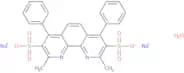
CAS :Produit contrôléCorticosterone 21-acetate is a fatty acid that has been used as a pharmaceutical preparation for the treatment of high blood pressure. It also has antihypertensive activity and can be used to treat congestive heart failure. Corticosterone 21-acetate binds to the distal tubule cells in the kidney, causing an increase in the production of hydroxyproline, which leads to increased synthesis of collagen. This drug has been shown to inhibit the growth of some types of cancerous cells and may have synergistic interactions with other drugs that are used to treat cancer. Corticosterone 21-acetate is bound to corticosteroid binding globulin in the blood plasma, preventing it from crossing into tissues.Formule :C23H32O5Degré de pureté :Min. 95%Couleur et forme :SolidMasse moléculaire :388.5 g/molBathocuproine disulfonic acid disodium salt hydrate
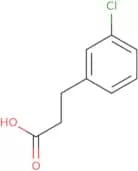
CAS :Bathocuproine disulfonic acid disodium salt hydrate is a copper complex that can be used for the analysis of urine samples. It is a multicellular animal-specific enzyme inhibitor that binds to phosphatase, which is an important component in the metabolism of carbohydrates and proteins. Bathocuproine disulfonic acid disodium salt hydrate inhibits the activity of this enzyme by forming a stable copper complex, thereby preventing the hydrolysis of phosphoric esters. Bathocuproine disulfonic acid disodium salt hydrate has been shown to inhibit growth factor activity in human serum, while inhibiting the reaction vessel corrosion process. This compound also contains functional groups such as sulfonic acid, carboxylate and sulfonamide groups.Formule :C26H18N2Na2O6S2·xH2ODegré de pureté :Min. 95%Couleur et forme :White PowderMasse moléculaire :584.57 g/mol3-Chlorophenyl-3-propanoic acid
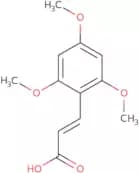
CAS :3-Chlorophenyl-3-propanoic acid is an organic compound that is used in the synthesis of a variety of drugs, including analgesics and antibacterials. It is synthesized by reacting chlorides with alcohols. 3-Chlorophenyl-3-propanoic acid acts as a surfactant, which reduces surface tension between two liquids or between a liquid and a solid. It can also be used as an intermediate in the synthesis of other drugs. 3-Chlorophenyl-3-propanoic acid has been shown to have antibacterial properties mediated by its ability to inhibit the enzymes responsible for bacterial fatty acid synthesis. It may have neuroprotective effects, which are due to its inhibition of acetylcholinesterase (AChE) and carboxylesterase (CES). 3-Chlorophenyl-3-propanoic acid also has analgesic properties through its ability to inhibit lipases and monoamineFormule :C9H9ClO2Degré de pureté :Min. 95%Couleur et forme :PowderMasse moléculaire :184.62 g/mol2,4,6-Trimethoxycinnamic acid
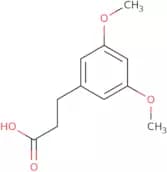
CAS :2,4,6-Trimethoxycinnamic acid is a cinnamoyl compound that can be isolated from the seeds of Garcinia gummi-guta. This compound has been synthesised and optimised for use as an antioxidant in food and cosmetic products. 2,4,6-Trimethoxycinnamic acid has a high product yield under isothermal conditions using β-cyclodextrin as a solvent. It also shows good stability in the presence of light. 2,4,6-Trimethoxycinnamic acid has been shown to be efficient in preventing oxidation reactions by acting as a scavenger of singlet oxygen and peroxyl radicals. The analytical data obtained from this study suggests that 2,4,6-Trimethoxycinnamic acid will not produce any moieties or photostability problems when used in these applications.Formule :C12H14O5Degré de pureté :Min. 95%Couleur et forme :PowderMasse moléculaire :238.24 g/mol3-(3,5-Dimethoxyphenyl)propionic acid
CAS :3-(3,5-Dimethoxyphenyl)propionic acid is a metabolite of the drug aminorex that has been found to be a potent cannabinoid receptor agonist. It is an oxygenated analogue of 3,5-dimethoxyamphetamine and is synthesised by demethylation of aminorex followed by alkylation of the resulting 3-(3,5-dimethoxyphenyl)propionyl chloride with methanol. The compound has been found in rat microflora and human intestinal contents.Formule :C11H14O4Degré de pureté :Min. 95%Couleur et forme :PowderMasse moléculaire :210.23 g/mol(R)-(-)-3-Hydroxybutyric acid ethyl ester
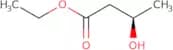
CAS :(R)-(-)-3-Hydroxybutyric acid ethyl ester is an enantiomer of 3-hydroxybutyric acid. It is synthesized from diethyl succinate in a one-pot, stereoselective, high-yield process by using asymmetric synthesis and hydrogenation. The reaction vessel used for this synthesis is a reaction solution that has been optimized to be resistant to high pressure and temperature. This product can be used as a renewable feedstock in the production of polyesters and other polymers.Formule :C6H12O3Degré de pureté :Min. 95%Couleur et forme :Colorless Clear LiquidMasse moléculaire :132.16 g/mol4,6-Dichloro-1H-indole-2-carboxylic acid ethyl ester
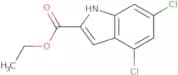
CAS :4,6-Dichloro-1H-indole-2-carboxylic acid ethyl ester is a synthetic compound that functions as an agonist of the indole 2 receptor. It has been shown to have affinity for cortical and brain membranes, with a greater affinity for acidic regions of the membrane. 4,6-Dichloro-1H-indole-2-carboxylic acid ethyl ester is also capable of binding to the indole 2 receptor and activating it. The carboxyl group in this compound is substituted with benzene rings, which are connected by a moiety containing two carboxylic groups. 4,6-Dichloro-1H-indole-2-carboxylic acid ethyl ester was synthesised from 1H -indole acetic acid and chloroethane in four steps.Formule :C11H9Cl2NO2Degré de pureté :Min. 95%Couleur et forme :SolidMasse moléculaire :258.1 g/molrac trans-3-amino-1-oxyl-2,2,5,5-tetramethylpyrrolidine-4-carboxylic acid
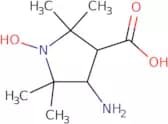
CAS :Rac-trans-3-amino-1-oxyl-2,2,5,5-tetramethylpyrrolidine 4-carboxylic acid (rac TAT) is an axial chiral compound. It has a molecular weight of 246.36 and the empirical formula C11H19N3O4. Rac TAT is soluble in water and alcohols. Rac TAT crystallizes as a racemic mixture of enantiomers (Rac=50% + 50%). Rac TAT has been used as a probe for cyclic secondary amines with high resolution. Rac TAT also shows high selectivity for β-amino acids over α-amino acids. The configuration of the molecule is determined by the configuration of the biphenyl substituents at C4 and C5. Rac TAT can be synthesized from racemic trans 3 amino 1 oxyl 2 2 5 5 tetramethyl pyrrolidin 4Formule :C9H17N2O3Degré de pureté :Min. 95%Couleur et forme :PowderMasse moléculaire :201.24 g/mol(1R,2S,3S,5S)-3-(4-Iodophenyl)-8-methyl-8-azabicyclo[3.2.1]octane-2-carboxylicacid methyl ester
CAS :Produit contrôlé(1R,2S,3S,5S)-3-(4-Iodophenyl)-8-methyl-8-azabicyclo[3.2.1]octane-2-carboxylicacid methyl ester is a molecule that has been shown to be effective in lowering the symptoms of Parkinson's disease. It also prevents the uptake of dopamine and serotonin in the brain by binding to dopamine and serotonin transporters on the cell membrane. This drug has been shown to be safe at doses up to 100 mg/kg/day in rats, but has not been tested in humans. The drug is stable in neutral pH environments and does not degrade upon exposure to light or oxygen.Formule :C16H20INO2Degré de pureté :Min. 95%Masse moléculaire :385.24 g/mol7-Methoxycoumarin-4-acetic acid N-succinimidyl ester
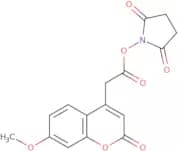
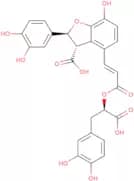
CAS :7-Methoxycoumarin-4-acetic acid N-succinimidyl ester is a fluorescent probe for the detection of metalloproteinases. It has been used in assays to measure matrix metalloproteinase activity and to study the kinetics of these enzymes. This compound can be used as a fluorescence focus for the study of extracellular matrix regulation. 7-Methoxycoumarin-4-acetic acid N-succinimidyl ester inhibits matrix metalloproteinases by binding to their active site and blocking access to substrates, preventing the breakdown of extracellular matrix proteins.Formule :C16H13NO7Degré de pureté :Min. 97 Area-%Couleur et forme :Off-White PowderMasse moléculaire :331.28 g/molLithospermic acid
CAS :Lithospermic acid is a natural product that belongs to the family of benzoquinones. It has been shown to inhibit the growth of cells by binding to their DNA polymerase and preventing it from synthesizing DNA. Lithospermic acid also binds to the surface of cells and inhibits cell cycle progression. This product is used in coronary heart disease treatment due to its ability to inhibit oxidative injury and improve lipid metabolism. Lithospermic acid inhibits cyclin D2, which is an important protein for tumor formation. The drug has also been shown to have anti-inflammatory effects in rat models of colitis and arthritisFormule :C27H22O12Degré de pureté :Min. 95%Couleur et forme :Slightly Brown PowderMasse moléculaire :538.46 g/molBis[2-[Ethyl[(Heptadecafluorooctyl)Sulphonyl]Amino]Ethyl] (4-Methyl-1,3-Phenylene)Biscarbamate
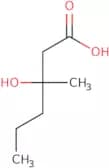
CAS :Produit contrôléBis[2-[Ethyl[(heptadecafluorooctyl)sulphonyl]amino]ethyl] (4-methyl-1,3-phenylene)biscarbamate is a sulfonate that is used as a chemical intermediate. It is a mixture of bis[2-[ethyl(heptadecafluorooctyl)sulphonyl]amino]ethyl (4-methyl-1,3-phenylene)biscarbamate and bis[2-[ethyl(hexadecafluoroheptyl)sulphonyl]amino]ethyl (4-methyl-1,3-phenylene)biscarbamate.Formule :C33H26F34N4O8S2Degré de pureté :Min. 95%Couleur et forme :PowderMasse moléculaire :1,316.66 g/mol3-Hydroxy-3-methylhexanoic acid
CAS :3-Hydroxy-3-methylhexanoic acid is a fatty acid that is one of the metabolic products of leukocytes. It is formed in the body by conjugation with an acid and is excreted in urine. 3-Hydroxy-3-methylhexanoic acid has been shown to be a substrate for bacterial enzymes, such as corynebacterium, which can convert it to isovaleric acid. The analytical method for measuring 3-hydroxy-3-methylhexanoic acid in urine has been developed and validated on women.
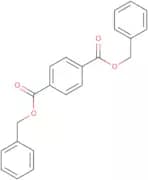
Formule :C7H14O3Degré de pureté :Min. 95%Couleur et forme :Clear LiquidMasse moléculaire :146.18 g/molTerephthalic acid dibenzyl ester
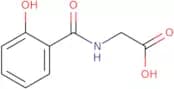
CAS :Terephthalic acid dibenzyl ester is a reactive dye that changes color when it reacts with metals. It is used in the preparation of polyvinyl chloride (PVC) and other polymers. Terephthalic acid dibenzyl ester has a low energy, which means that it does not emit much heat or light when heated or exposed to light. This property makes it useful for recording devices such as thermometers and recorders. The hydroxyl group on the aromatic hydrocarbon allows this compound to react with unsaturated alkyls, which are compounds containing carbon-to-carbon double bonds. Terephthalic acid dibenzyl ester has been shown to increase insulin sensitivity in rats by increasing glucose uptake into skeletal muscle cells.Formule :C22H18O4Degré de pureté :Min. 95%Couleur et forme :PowderMasse moléculaire :346.38 g/mol2-Hydroxyhippuric acid
CAS :2-Hydroxyhippuric acid (2HPA) is a metabolite of salicylic acid. 2HPA is used to measure the concentration of salicylic acid in urine, which can be used as a biomarker for disease activity. When 2HPA is present in the urine, it indicates that the body has been exposed to salicylic acid. The concentration of 2HPA in urine correlates with the amount of salicylic acid taken orally and excreted by the kidneys. The analytical method for determining 2HPA in urine involves measuring the concentration of 2HPA and its derivatives with high pressure liquid chromatography or gas chromatography-mass spectrometry. Some biological samples that can be tested include blood, serum, plasma, saliva, sweat, or hair. Pharmacological agents that may affect 2HPA levels include other drugs such as nonsteroidal anti-inflammatory drugs (NSAIDs) or aspirin. The model system for this metabolite is humanFormule :C9H9NO4Degré de pureté :Min. 94 Area-%Couleur et forme :White PowderMasse moléculaire :195.17 g/molL-Aspartic acid
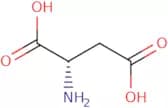
CAS :L-Aspartic acid is an amino acid that plays a role in the biochemical reactions of energy metabolism. This amino acid is also important for the synthesis of proteins, such as enzymes and structural proteins. L-Aspartic acid is synthesized from oxaloacetate by transamination. It can also be synthesized from glutamate by the action of aspartate aminotransferase using pyridoxal phosphate as a cofactor. L-Aspartic acid has been shown to play a role in neuronal death, particularly in primary sclerosing cholangitis, and may have potential therapeutic use for this condition. L-Aspartic acid has been used as a model system to study polymerase chain reaction (PCR) methods and analytical methods in biochemistry research.Formule :C4H7NO4Degré de pureté :Min. 95%Couleur et forme :White Off-White PowderMasse moléculaire :133.1 g/mol2-Methoxypropyl acetate
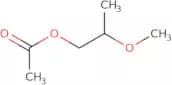
CAS :2-Methoxypropyl acetate is a cross-linking agent that is used in water treatment. It is used as an additive to deionized water and can be found in high concentrations in wastewater. 2-Methoxypropyl acetate reacts with xylene to produce light emission, which makes it suitable for use as a chemical marker. The optimum dose of 2-methoxypropyl acetate ranges from 0.025% to 0.2%. 2-Methoxypropyl acetate has been shown to be toxic when injected into rats at doses of 100 mg/kg body weight, but not at doses of 25 mg/kg body weight or less. This compound was also shown to cause protrusion and necrosis of the nasal septum in rats after administration at doses of 500 mg/kg body weight.Formule :C6H12O3Degré de pureté :Min. 95%Couleur et forme :Colourless LiquidMasse moléculaire :132.16 g/molMeclofenamic acid sodium salt
CAS :Meclofenamic acid is a non-steroidal anti-inflammatory drug that is used to treat pain and inflammation. It inhibits the production of prostaglandin, which is a natural chemical produced by the body that causes pain, fever, and inflammation. Meclofenamic acid sodium salt can be administered orally or topically. The drug has been shown to reduce disease activity in patients with rheumatoid arthritis and other inflammatory conditions. Meclofenamic acid sodium salt is also used for the treatment of gouty arthritis, osteoarthritis, ankylosing spondylitis, and dysmenorrhea. Meclofenamic acid sodium salt has been shown to have cardiac effects such as bradycardia and heart blockage when taken at high doses over a long period of time.
Formule :C14H10Cl2NNaO2Degré de pureté :Min. 95%Couleur et forme :White PowderMasse moléculaire :318.13 g/mol4-Hydroxy-3-nitrophenylacetic acid
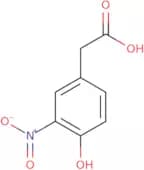
CAS :4-Hydroxy-3-nitrophenylacetic acid is a metabolite of caproic acid in the mouse. It is also an analytical marker for caproic acid in human serum and a biochemical marker for 4-hydroxybenzoic acid in human urine. The affinity of 4-hydroxy-3-nitrophenylacetic acid to antibodies has been shown by its ability to be titrated calorimetrically with antibodies, which are used as a model system. The antibody response has been studied by immunizing mice with 4-hydroxybenzoic acid, which resulted in the production of antibodies that had the same reactivity as those against 4-hydoxy-3-nitrophenylacetic acid. The reaction mechanism of hydrolysis of 4-hydroxybenzoic acid by monoclonal antibodies has been proposed and was supported by the results obtained from titration calorimetry experiments.
Formule :C8H7NO5Degré de pureté :Min. 95%Couleur et forme :Off-White PowderMasse moléculaire :197.14 g/molD-(-)-Tartaric acid
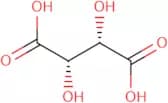
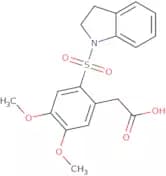
CAS :Used in the preparation of enantiospecific homochiral cis-4-formyl b-lactamsFormule :C4H6O6Degré de pureté :Min 98.5%Couleur et forme :White PowderMasse moléculaire :150.09 g/mol2-(4,5-Dimethoxy-2-(indolin-1-ylsulfonyl)phenyl)acetic acid
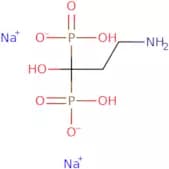
CAS :Please enquire for more information about 2-(4,5-Dimethoxy-2-(indolin-1-ylsulfonyl)phenyl)acetic acid including the price, delivery time and more detailed product information at the technical inquiry form on this pageDegré de pureté :Min. 95%Pamidronic acid sodium salt hydrate
CAS :Farnesyl diphosphate synthase inhibitor
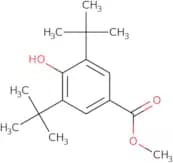
Formule :C3H9NNa2O7P2·xH2ODegré de pureté :Min. 95%Couleur et forme :PowderMasse moléculaire :279.03 g/mol3,5-Di-tert-Butyl-4-hydroxybenzoic acid methyl ester
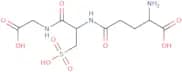
CAS :3,5-Di-tert-Butyl-4-hydroxybenzoic acid methyl ester is a chemical that belongs to the group of low molecular weight solvents. It is used as an intermediate in organic synthesis and as a solvent for paints, lacquers, and varnishes. 3,5-Di-tert-Butyl-4-hydroxybenzoic acid methyl ester has been found to be resistant to radiation and ultraviolet light. This chemical has also been shown to have no mutagenic effects on calf thymus DNA.Formule :C16H24O3Degré de pureté :Min. 95%Couleur et forme :PowderMasse moléculaire :264.36 g/molGlutathionesulfonic acid
CAS :Glutathionesulfonic acid is a thiolate that can be synthesized by the reaction of iodoacetic acid with glutathione. This compound is used for the analysis of acids, using a liquid chromatography method and fluorescence analysis to detect the oxidation of aliphatic hydrocarbons. Glutathionesulfonic acid is also used as a target enzyme in biomimetic studies, where it reacts with metal surfaces to form an irreversible bond. It has been shown to have sublethal doses when combined with amino acids, which may be due to its ability to form disulfide bonds.
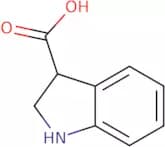
Formule :C10H17N3O9SDegré de pureté :Min. 95%Couleur et forme :PowderMasse moléculaire :355.32 g/mol1H-Indoline-3-carboxylic acid
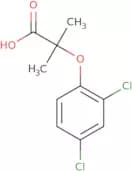
CAS :1H-Indoline-3-carboxylic acid is a molecule with the chemical formula C8H6N2O2. It is an aromatic carboxylic acid and one of the three enantiopure isomers of indoline. 1H-Indoline-3-carboxylic acid has two tautomers, cis (cis) and trans (trans). The stereoisomer cis is found in nature, while trans can be synthesized. 1H-Indoline-3-carboxylic acid can be cleaved to form phenylacetic acid and benzoic acid in reactions catalyzed by acids at high temperatures. Kinetic studies have shown that 1H-indoline-3-carboxylic acid undergoes biotransformation to form methylbenzene, ethylbenzene, propylbenzene, butylbenzene, pentylbenzene and hexylbenzene.Formule :C9H9NO2Degré de pureté :Min. 95%Couleur et forme :PowderMasse moléculaire :163.17 g/mol2-(2,4-Dichlorophenoxy)-2-methylpropanoic acid
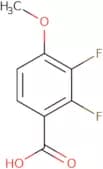
CAS :2,4-Dichlorophenoxyacetic acid is a plant growth regulator that inhibits the transfer of auxin from the shoot to the root. It does this by preventing synthesis of 2,4-dichlorophenoxyacetic acid (2,4-D) and its conversion to 2,4-dichlorophenoxypropionic acid (2,4-DP). The 2,4-D then binds to the auxin transport proteins in the plasma membrane and prevents their passage through the cell wall. The mechanism of action of 2,4-D is not well understood but it is thought that it may inhibit or interfere with indoleacetic acid production or metabolism. Auxins are also mediators of plant physiology and play a role in many processes such as phototropism and phytochrome sensitivity. 2,4-D has been shown to block photosynthesis and respiration in plants by inhibiting chlorophyll synthesis. Indoleacetic acidFormule :C10H10Cl2O3Degré de pureté :Min. 95%Couleur et forme :Clear LiquidMasse moléculaire :249.09 g/mol2,3-Difluoro-4-methoxybenzoic acid
CAS :2,3-Difluoro-4-methoxybenzoic acid is a versatile building block that can be used to make complex compounds. This compound is a high quality, useful intermediate and reaction component that can be used in the synthesis of pharmaceuticals and other chemical products. 2,3-Difluoro-4-methoxybenzoic acid is a reagent that can be used for research purposes or as a speciality chemical. It has been shown to have many uses as a scaffold for making new compounds with different structures.Formule :C8H6F2O3Degré de pureté :Min. 95%Couleur et forme :PowderMasse moléculaire :188.13 g/mol5-[(3αR,6S,6αS)-2,5,5-trioxo-1,3,3α,4,6,6α-hexahydrothieno[3,4-d]imidazol-6-yl]pentanoic acid
CAS :The compound 5-[(3aR,6S,6aS)-2,5,5-trioxo-1,3,3a,4,6,6a-hexahydrothieno[3,4-d]imidazol-6-yl]pentanoic acid (TIPA) is a diagnostic marker for the diagnosis of urinary tract infections. The compound is present in urine and can be detected with an antibody response. TIPA is excreted by human kidneys in a circadian pattern and has a maximum concentration at pH 7.0. This compound is taken up by bacteria in the urinary tract and its presence can be used to diagnose UTI. TIPA also binds to biotin and polyclonal antibodies that are used for immunohistochemical assays.Formule :C10H16N2O5SDegré de pureté :Min. 95%Couleur et forme :White To Off-White SolidMasse moléculaire :276.31 g/mol3-(3-Methyl-3H-diazirine-3-yl)propionic acid
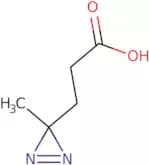
CAS :3-(3-Methyl-3H-diazirine-3-yl)propionic acid (3MDZ) is a fluorophore that can be used in cancer research. It has been shown to bind to the active site of human SIRT1 and inhibit its activity, which leads to cell death by deacylating histone H3. 3MDZ is also able to bind to carbenes, which are highly reactive molecules that have been implicated in aging and cancer. 3MDZ has shown chemopreventive effects against tumor formation and growth by binding to the carbenes and preventing them from forming reactive oxygen species. It can be used as a fluorescent probe for studying the interactions between carbenes and nucleic acids.Formule :C5H8N2O2Degré de pureté :Min. 95%Couleur et forme :Clear LiquidMasse moléculaire :128.13 g/mol4-Hydroxybutane-1-sulfonic acid
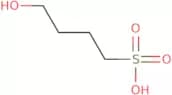
CAS :4-Hydroxybutane-1-sulfonic acid (4HBS) is a small molecule antibiotic that has been shown to have antimicrobial activity against Gram-negative bacteria. 4HBS has been shown to be effective in inhibiting the growth of bacteria such as Escherichia coli, Pseudomonas aeruginosa, and Klebsiella pneumoniae. 4HBS has also been found to have a role in the normalization of reaction time in labile samples. This compound is stable under autoclave conditions and can be used for clinical applications.Formule :C4H10O4SDegré de pureté :Min. 95%Couleur et forme :White Off-White PowderMasse moléculaire :154.19 g/molHydroxocobalamin acetate
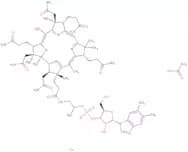
CAS :Hydroxocobalamin acetate is a water-soluble form of hydroxocobalamin, a vitamin B12 prodrug. It is an insoluble polymer that dissolves slowly in an acidic environment. Hydroxocobalamin acetate has been shown to inhibit the growth of human carcinoma cells in culture and can be used as a test compound for anticancer drugs. Hydroxocobalamin acetate is also used as a mouth rinse agent to prevent or treat dental cavities. In addition, it can be used to relieve the symptoms of gastroesophageal reflux disease (GERD) by reducing the acidity of gastric contents. This drug has been shown to stimulate vasoactive intestinal polypeptide release from enterochromaffin cells and can be used for the treatment of irritable bowel syndrome (IBS). Hydroxocobalamin acetate is poorly soluble in neutral pH environments and should not be given orally.Formule :C64H91CoN13O16PDegré de pureté :Min. 90 Area-%Couleur et forme :Red PowderMasse moléculaire :1,388.39 g/mol4-(4-Ethoxyphenyl)-2-indol-3-yl-4-oxobutanoic acid
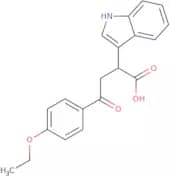
CAS :Please enquire for more information about 4-(4-Ethoxyphenyl)-2-indol-3-yl-4-oxobutanoic acid including the price, delivery time and more detailed product information at the technical inquiry form on this page
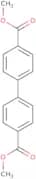
Degré de pureté :Min. 90%Dimethyl 4,4'-biphenyldicarboxylate
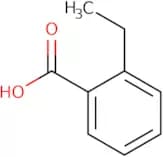
CAS :Dimethyl 4,4'-biphenyldicarboxylate is a chemical that has been used to study chronic viral hepatitis. It is known to have an effect on the nuclear DNA and signal pathways, which are involved in the regulation of energy metabolism. Dimethyl 4,4'-biphenyldicarboxylate has been shown to have hepatoprotective properties by protecting against hepatic steatosis and hepatocarcinogenesis in mice.Formule :C16H14O4Degré de pureté :Min. 95%Couleur et forme :PowderMasse moléculaire :270.28 g/mol2-Ethylbenzoic acid
CAS :2-Ethylbenzoic acid is a fatty acid that is found in plants, animals and microorganisms. It dissolves in water to form an amorphous drug with a molecular weight of about 170. 2-Ethylbenzoic acid has been shown to inhibit the activity of several enzymes, such as protein kinases and phospholipases. It also inhibits the activity of liver enzymes involved in the metabolism of drugs and other xenobiotics, such as phenylpropionic acid and malic acid. This drug has been shown to have an inhibitory effect on glucose uptake by cells and may be used as an anti-diabetic agent.
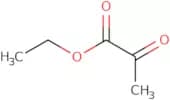
Formule :C9H10O2Degré de pureté :Min. 95%Couleur et forme :PowderMasse moléculaire :150.17 g/molPyruvic acid ethyl ester
CAS :Ethyl pyruvate, also known as 2-oxo-propionic acid ethyl ester, is a colourless transparent liquid at room temperature with a fresh, sweet, floral aroma. Ethyl pyruvate is a novel anti-inflammatory agent for the treatment of critical inflammatory conditions as it has potent anti-inflammatory properties and tissue protection activity, in multiple animal models of disease including: pancreatitis, ischemia-reperfusion injury, sepsis, renal injury, and endotoxemia.Formule :C5H8O3Degré de pureté :Min. 95%Couleur et forme :Colorless Clear LiquidMasse moléculaire :116.12 g/mol



![[(4-Methyl-2-oxo-2H-chromen-7-yl)oxy]acetic acid](/_next/image/?url=https%3A%2Fstatic.cymitquimica.com%2Fproducts%2F3D%2Fthumb-webp%2FFM124388.webp&w=3840&q=75)





![(1R,2S,3S,5S)-3-(4-Iodophenyl)-8-methyl-8-azabicyclo[3.2.1]octane-2-carboxylicacid methyl ester](/_next/image/?url=https%3A%2Fstatic.cymitquimica.com%2Fproducts%2F3D%2Fthumb-webp%2FFI76761.webp&w=3840&q=75)
![Bis[2-[Ethyl[(Heptadecafluorooctyl)Sulphonyl]Amino]Ethyl] (4-Methyl-1,3-Phenylene)Biscarbamate](/_next/image/?url=https%3A%2Fstatic.cymitquimica.com%2Fproducts%2F3D%2Fthumb-webp%2FFB101999.webp&w=3840&q=75)

![5-[(3αR,6S,6αS)-2,5,5-trioxo-1,3,3α,4,6,6α-hexahydrothieno[3,4-d]imidazol-6-yl]pentanoic acid](/_next/image/?url=https%3A%2Fstatic.cymitquimica.com%2Fproducts%2F3D%2Fthumb-webp%2FFB64039.webp&w=3840&q=75)