Glycosciences
Sous-catégories appartenant à la catégorie "Glycosciences"
- Aminosucres(108 produits)
- Anticorps Glyco-Related(284 produits)
- Glycolipides(46 produits)
- Glycosaminoglycanes (GAGs)(55 produits)
- Glycosides(419 produits)
- Monosaccharides(6.622 produits)
- Oligosaccharides(3.699 produits)
- Polysaccharides(506 produits)
11035 produits trouvés pour "Glycosciences"
Hydroxyethyl cellulose - Viscosity 2400 to 2800(1% aqueous solution)
CAS :Water thickener; rheological control additive; has industrial appplications
Degré de pureté :Min. 95%N-Acetyl-L-talosaminuronic acid
CAS :N-Acetyl-L-talosaminuronic acid is a natural product that has been shown to have anti-inflammatory activity in experimental models of inflammatory bowel disease. N-Acetyl-L-talosaminuronic acid inhibits the production of proinflammatory cytokines, such as tumor necrosis factor alpha (TNFα), by binding to TNFα receptors on the surface of cells. This can be attributed to its ability to inhibit ATP levels and reduce oxidative stress, which are both factors that contribute to inflammation. N-Acetyl-L-talosaminuronic acid also has been shown to inhibit inflammatory responses in human monocytes and neutrophils. It binds specifically to her2+ breast cancer cells and inhibits their growth in culture. Furthermore, it has been shown to have cytotoxic effects on bladder cancer cells and can be used for the treatment of bladder cancer.
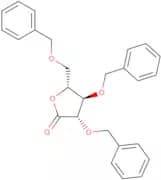
Formule :C8H13NO7Degré de pureté :Min. 95 Area-%Couleur et forme :PowderMasse moléculaire :235.19 g/mol2,3,5-Tri-O-benzyl-D-arabino-1,4-lactone
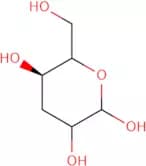
CAS :2,3,5-Tri-O-benzyl-D-arabino-1,4-lactone is a carbonyl compound that has been used to synthesize carbonyl compounds. It has been shown to catalyze the formation of benzaldehyde from acetoacetic ester in the presence of hydrochloric acid. The melting point of 2,3,5-tri-O-benzyl-D-arabino-1,4--lactone is reported to be between 138° and 141°C.Formule :C26H26O5Degré de pureté :Min. 95%Couleur et forme :PowderMasse moléculaire :418.48 g/mol2-Deoxy-D-ribose
CAS :Used in synthetic organic chemistry and natural product synthesis. Induces apoptosis by inhibiting the synthesis and increasing the efflux of glutathione. It is used for synthesis of optically active dipyrrolyl alkanols from pyrroles on the surface of montmorillonite KSF clay.
Formule :C5H10O4Degré de pureté :Min. 98 Area-%Couleur et forme :White PowderMasse moléculaire :134.13 g/molRef: 3D-MD04977
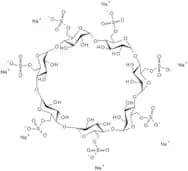
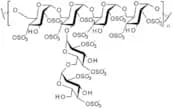
Produit arrêtéDextran sulfate sodium - MW 8,000
CAS :Dextran sulphate is a dextran derivative whose ulcer (colitis) -causing properties were first reported in hamsters and extrapolated a few years later to mice and rats. The exact mechanisms through which dextran sulphate induces intestinal inflammation are unclear but may be the result of direct damage of the monolayer of epithelial cells in the colon, leading to the crossing of intestinal contents (for e.g. commensal bacteria and their products) into underlying tissue and therefore induction of inflammation. The dextran sulphate sodium induced ulceration model in laboratory animals has some advantages, when compared to other animal models of colitis, due to its simplicity and similarities to human inflammatory bowel disease.
Couleur et forme :White PowderMasse moléculaire :8000.0Butyl α-D-glucopyranoside
CAS :Butyl a-D-glucopyranoside is an antimicrobial agent that inhibits the growth of photosynthetic organisms. It has been shown to have high cytotoxicity against Gram-positive bacteria, including Enterobacter and Bacillus. Butyl a-D-glucopyranoside also exhibits strong antimicrobial activity against Gram-negative bacteria such as Escherichia coli, Salmonella enterica, Klebsiella pneumoniae, and Pseudomonas aeruginosa. This compound also has potent activity against fungi and yeast. The mechanism of action is not known but may involve the inhibition of tyrosol synthesis or the disruption of microbial membranes.
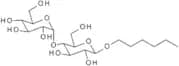
Formule :C10H20O6Degré de pureté :Min. 95%Couleur et forme :PowderMasse moléculaire :236.26 g/molHexyl b-D-maltopyranoside
CAS :Hexyl b-D-maltopyranoside is a biopharmaceutical that is used in drug development. It is used as a ligand for the μ-opioid receptor, which is a class of opioid receptors that are activated by morphine and endogenous peptides such as endorphins, dynorphins, and enkephalins. This ligand can be immobilized on a surface for use in immunoassays or other methods of detection. Hexyl b-D-maltopyranoside has been shown to have pharmacological effects in animal studies, although it has not yet been approved for clinical use in humans.
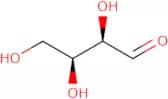
Formule :C18H34O11Degré de pureté :Min. 95%Couleur et forme :White PowderMasse moléculaire :426.46 g/molL-Threose - aqueous solution
CAS :L-Threose is a sugar molecule that is used as a structural component of DNA and RNA. It is also an important part of the energy metabolism in cells. L-Threose can be enzymatically inactivated by glycosidases, which are enzymes that hydrolyze glycosidic bonds. The inhibition of glycosidases by L-threose may be useful for the prevention or treatment of diseases associated with enzyme activity, such as diabetes mellitus type II. L-Threose has been shown to have inhibitory properties against sephadex G-100, a membrane protein found in bacteria. L-Threose may be useful as a control agent for research into the response element of polymerase chain reaction (PCR).
Formule :C4H8O4Degré de pureté :Min. 60 Area-%Couleur et forme :Clear LiquidMasse moléculaire :120.1 g/molRef: 3D-MT06722
Produit arrêté6-Deoxy-L-allitol
6-Deoxy-L-allitol is a white crystalline solid that melts at 122°C. It has an amorphous character and may be present as a mixture of rotations, form, and crystalline polymorphs. 6-Deoxy-L-allitol can be oxidized to its diol derivative by hydrogen peroxide or sodium periodate. This compound is soluble in water, methanol, and acetone. The molecular weight of this compound is 179.06 g/mol.
Degré de pureté :Min. 95%1,1,1,1-Kestohexose
CAS :Non-reducing sucrose analog containing glucose and fructose
Formule :C36H62O31Degré de pureté :Min. 90%Couleur et forme :White PowderMasse moléculaire :990.86 g/molDextran sulfate sodium salt - MW 9,000-16,000
CAS :Dextran sulfate sodium salt is a water-soluble polymer that is used as a drug carrier and has many applications in the pharmaceutical industry. It is an oligosaccharide with an average molecular weight of 9,000 to 16,000 Daltons. Dextran sulfate sodium salt can be used for the treatment of cavities, especially those that are infected or in which there is a risk of infection. It can also be used for intubation and has been shown to be effective at reducing allergic reactions by blocking the release of histamine by mast cells. Dextran sulfate sodium salt also has kinetic properties and can be used to study enzymatic reactions. This polymer is not toxic because it cannot be absorbed through the skin or gastrointestinal tract.
Formule :(C6H7Na3O14S3)n4-Acetamido-4-deoxy-D-glucose
CAS :4-Acetamido-4-deoxy-D-glucose is a custom synthesis of a monosaccharide that is modified with fluorine and methyl groups. It is synthesized by the Click modification, which involves the addition of an azide to an alkyne in a copper catalyzed reaction. 4-Acetamido-4-deoxy-D-glucose can be used as a building block for complex carbohydrate synthesis. 4-Acetamido-4-deoxy-D-glucose has shown effectiveness against fluoroquinolone resistance, as well as activity against methicillin resistant Staphylococcus aureus (MRSA) and Clostridium perfringens.
Formule :C8H15NO6Degré de pureté :Min. 95%Couleur et forme :PowderMasse moléculaire :221.21 g/mol3-Deoxy-D-gluconic acid
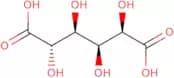
CAS :3-Deoxy-D-gluconic acid is a chemical compound that has the chemical structure of C6H12O6. It is a white crystalline solid that can be found in nature as a reaction product of glucose and oxygen. 3-Deoxy-D-gluconic acid can also be synthesized by reacting D-glucose with nitrous acid or sulfur dioxide. 3-Deoxy-D-gluconic acid is an organic acid and has been shown to inhibit the growth of filamentous fungi by acting on their glycosidic bonds. This chemical compound has not been shown to have any adverse health effects in humans, although it may cause irritation if it comes into contact with skin or eyes.
Formule :C6H12O6Degré de pureté :Min. 95%Masse moléculaire :180.16 g/molCalcium D-saccharate tetrahydrate
CAS :Calcium D-saccharate is the calcium salt of saccharic acid, also known as glucaric acid. Calcium D-saccharate has been evaluated for chemopreventive activity in a rat tracheal epithelial cell following exposure to the carcinogen benzo[a]pyrene. Addition of calcium D-saccharate to sugarcane juice during liming enhanced clarification as high molecular weight components were removed by filtration.
Formule :C6H8O8·Ca·(H2O)4Couleur et forme :PowderMasse moléculaire :320.26 g/molGDP-D-mannose disodium salt
CAS :GDP-D-mannose is a natural mannosyl donor and substrate for mannosyltransferases that catalyses mannosylation, for instance during the synthesis of the trimannoside core of complex, high-mannose or hybrid N-glycans. GDP-D-mannose is widely used in (chemo)enzymatic synthesis of oligosaccharides and its biosynthesis occurs from glucose-6-phosphate over several steps. GDP-D-mannose consists of a D-mannose unit, α-glycosydically linked to the nucleotide guanosine diphosphate (GDP). Examples of this important reaction would be the transfer of mannosyl moieties onto the dolichol-P-P-GlcNAc2 precursor of N-glycans in the endoplasmatic reticulum, with release of GDP, or the mannosylation reactions during GPI-anchor (bio)synthesis. GDP-D-mannose has also been used for the in vitro synthesis of b-mannan oligosaccharides.
Formule :C16H23N5O16P2Na2Degré de pureté :Min. 95 Area-%Masse moléculaire :649.3 g/molGalactosyl isomaltol
CAS :Galactosyl isomaltol is a sugar molecule that is produced by the enzymatic hydrolysis of lactose. It has been shown to have antimicrobial activity against human pathogens and can be used as an antioxidant. Galactosyl isomaltol binds to lysine residues on bacterial cell walls, preventing the formation of new cells and causing cell death by interfering with protein synthesis. The addition of galactosyl isomaltol to food decreases the levels of phycocyanin, which are a type of fluorescent pigment found in blue green algae. This compound also has magnetic resonance analysis properties that could be used for diagnosis.
Formule :C12H16O8Degré de pureté :Min. 95%Couleur et forme :PowderMasse moléculaire :288.25 g/molAllyl 4-O-benzyl-2,3-di-O-levulinyl-a-L-rhamnopyranoside
Allyl 4-O-benzyl-2,3-di-O-levulinyl-a-L-rhamnopyranoside is a custom synthesis of an oligosaccharide with a complex carbohydrate backbone. It is modified by methylation and glycosylation and fluorinated to give it high purity.
Degré de pureté :Min. 95%k-Carrahexaitol trisulfate trisodium salt
k-carrageenan derived hexasaccharide alcohol trisulfate+(3-6 anhydrogalactose)
Formule :C36H55O37S3Na3Degré de pureté :Min. 95%Masse moléculaire :1,244.97 g/molUDP-2-deoxy-2-fluoro-D-mannose
CAS :UDP-2-deoxy-2-fluoro-D-mannose is a modified monosaccharide that is synthesized from D-mannose. It can be used for the synthesis of glycosyls and polysaccharides as well as for the modification of complex carbohydrates. UDP-2-deoxy-2-fluoro-D-mannose has been shown to be an excellent substrate for methylation, glycosylation, and fluorination reactions. This compound can also be used to modify high purity oligosaccharides with a high degree of substitution.
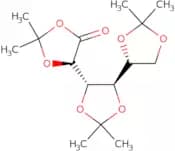
Formule :C15H23FN2O16P2Degré de pureté :Min. 95%Masse moléculaire :568.29 g/mol2,3:4,5:6,7-Tri-O-isopropylidene-D-glycero-D-ido-heptonic acid methyl ester
2,3:4,5:6,7-Tri-O-isopropylidene-D-glycero-D-ido-heptonic acid methyl ester is an oligosaccharide that is a synthetic glycosylation product. It is a complex carbohydrate that has a high purity and CAS No. This compound can be custom synthesized to your specifications and modified in the lab with fluorination or methylation.
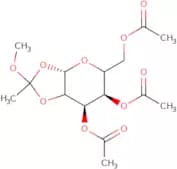
Degré de pureté :Min. 95%2,3,4,6-Tetra-O-acetyl-D-mannopyranose
CAS :2,3,4,6-Tetra-O-acetyl-D-mannopyranose is a glycosylated polysaccharide. It is a complex carbohydrate with a methylated D-mannopyranose backbone and an acetylated 2,3,4,6-tetraose sidechain. This product can be fluorinated or saccharified to make it more reactive for click chemistry. 2,3,4,6-Tetra-O-acetyl-D-mannopyranose has been custom synthesized in a high purity form that is suitable for use in various applications including polymeric materials and pharmaceuticals.
Formule :C14H20O10Degré de pureté :Min. 95%Masse moléculaire :348.3 g/molGinsenoside Ft1
Ginsenoside Ft1 is a saponin and bioactive compound, which is derived from the roots of Panax notoginseng, a plant known for its traditional medicinal uses. The mode of action of Ginsenoside Ft1 involves multiple biochemical pathways, including the modulation of signaling pathways related to inflammation, apoptosis, and angiogenesis. Its ability to influence these pathways underpins its potential therapeutic applications.
Degré de pureté :Min. 95%n-Dodecyl-β-D-maltoside
CAS :Dodecyl maltoside (DDM) is a non-ionic detergent that consists of a hydrophilic maltose head and a hydrophobic long chain alkyl tail. It has a relatively low critical micelle concentration of 0.17 mM and is considered a gentle but powerful detergent. DDM is often the best tool for solubilising/crystallising membrane proteins. Membrane proteins usually have α-helical structures that are easily destroyed when the protein is released from its membrane environment. DDM can often preserve these structures during the solubilisation. In addition, membrane proteins can often be renatured when isolated with DDM.
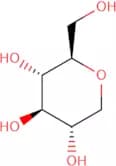
Formule :C24H46O11Masse moléculaire :510.63 g/mol1,5-Anhydro-D-glucitol
CAS :Short-term marker of glycemic control
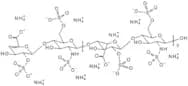
Formule :C6H12O5Degré de pureté :Min. 95%Couleur et forme :White Off-White PowderMasse moléculaire :164.16 g/molHeparin derived dp8 saccharide ammonium salt
Heparin is a glycosaminoglycan which is a complex carbohydrate that contains repeating disaccharide units of glucosamine and N-acetylglucosamine. Heparin has been shown to inhibit the activity of bacterial enzymes involved in fibrinolysis, such as plasminogen activator inhibitor 1 (PAI-1), and may act as an anticoagulant. Heparin is often used as an anticoagulant in patients with thrombotic disorders, including deep vein thrombosis, pulmonary embolism, or heart attack. Heparin also acts as a cofactor for the activation of clotting factors II (thrombin), VII, IX, X, XI and XII. In addition, it inhibits the activation of factor XIII by preventing its conversion from its inactive form into active factor XIIIa. The molecular weight of heparin is approximately 10 kilodaltons (kDa) and it has a molecular formula
Degré de pureté :Min. 95%Couleur et forme :PowderMasse moléculaire :~2400 (Average)6-Bromo-6-deoxy-a-cyclodextrin
CAS :Alpha-cyclodextrin (α-CD) derivative with a hydrophilic exterior and lipophilic cavity (smaller than β-CDs and γ-CDs) to allocate certain guest molecules. This structural characteristic enables applications in molecular encapsulation, solubility enhancement, and stabilization across multiple industries. In pharmaceuticals, it serves as a drug delivery vehicle, enhancing the bioavailability and stability of active ingredients. The food industry utilizes it as a stabilizer for flavors, colors, and nutrients, as well as a functional ingredient for its effects on lipid metabolism. In cosmetics, it acts as a complex agent for fragrances and active components. Its applications extend to analytical chemistry for chiral separation and to materials science for developing smart materials and nanosystems.
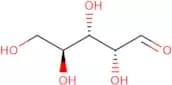
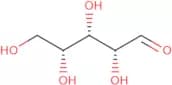
Formule :C36H54Br6O24Degré de pureté :Min. 95%Masse moléculaire :1,350.22 g/molDL-Arabinose
CAS :Arabinose is a pentose sugar that has been shown to have antimicrobial properties. It inhibits the growth of bacteria by binding to their ribosomes and interfering with protein synthesis. Arabinose has also been shown to inhibit the growth of bone cancer cells in mice, which may be due to its ability to stimulate the production of growth factor-β1. The biochemical properties of arabinose are similar to those of d-arabinose, an active analogue that is used as a water vapor pump inhibitor. X-ray crystal structures have been obtained for both compounds, and they show that they differ in the position of one hydrogen atom on the sugar ring.
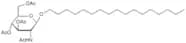
Formule :C5H10O5Degré de pureté :Min. 95%Couleur et forme :White Off-White PowderMasse moléculaire :150.1 g/molHeptadecyl 2-acetamido-3,4,6-tri-O-acetyl-2-deoxy-b-D-glucopyranoside
CAS :Heptadecyl 2-acetamido-3,4,6-tri-O-acetyl-2-deoxy-b-D-glucopyranoside is a custom synthesis, fluorinated carbohydrate.
Formule :C31H55NO9Degré de pureté :Min. 95%Masse moléculaire :585.77 g/molD-Fructose 1-phosphate disodium
CAS :Please enquire for more information about D-Fructose 1-phosphate disodium including the price, delivery time and more detailed product information at the technical inquiry form on this page
Formule :C6H11Na2O9PDegré de pureté :90%Couleur et forme :PowderMasse moléculaire :304.1 g/mol1,2:3,4:5,6-Tri-O-isopropylidene-D-gluconate
CAS :1,2:3,4:5,6-Tri-O-isopropylidene-D-gluconate is a chain sugar that is extracted from plant sources. It is a product of the methylenation of D-glucose and can be converted to D-mannitol. The reaction mixture yields dimethyl 2,3,4,5,6-tetra-O-methylene erythritol phosphate (DMEP) and diphosphate 1,2:3,4:5,6-tri-O-isopropylidene erythritol (DITEP). The DMEP can be hydrolyzed to form DME and phosphorylated to form DMPP. The crystal structure of this compound has been determined. In the elimination pathway for this compound, the gluconate group is eliminated as carbon dioxide and water with the release of energy in the form of heat. This
Formule :C15H24O7Degré de pureté :Min. 95%Masse moléculaire :316.35 g/mol3-Epicasuarine
CAS :3-Epicasuarine is an Oligosaccharide, which is a carbohydrate with a low molecular weight. It has two monosaccharides, which are the structural units of carbohydrates. 3-Epicasuarine is a glycosylation product of sucrose and glycine and has been fluorinated at the 8-position. The chemical formula for 3-Epicasuarine is C6H14FO4S2. This compound can be custom synthesized to meet your specifications or it can be purchased from us at a reasonable price.
A variety of modifications are available including methylation, click chemistry, and modification with saccharride residues such as maltose or glucose.
3-Epicasuarine may be used in the synthesis of oligosaccharides or as an intermediate in the synthesis of complex carbohydrates. It has been shown to have high purity and can be synthesized at any desired purity level.Formule :C8H15NO5Degré de pureté :Min. 95%Masse moléculaire :205.21 g/molDisialyl-TF
CAS :Disialyl-TF is a monoclonal antibody that binds to the CD33 antigen on the surface of all types of cancer cells, including breast cancer cells. Disialyl-TF has been shown to reduce the growth and spread of prostate cancer cells in mice, reducing tumor size and weight. Disialyl-TF is also active against infectious diseases such as HIV, which may be due to its ability to inhibit the expression of glycan receptors. The mechanism by which it works is not yet known. Disialyl-TF has been shown to bind with high affinity to erythrocytes bearing A or B blood group antigens, making it an excellent diagnostic tool for detecting these antigens in patients with acute myeloid leukemia or other cancers.
Formule :C36H59N3O27Degré de pureté :Min. 95%Masse moléculaire :965.86 g/molLewis X trisaccharide
CAS :Milk oligosaccharide; antigen; expressed on gastric mucosa and cancer cells
Formule :C20H35NO15Degré de pureté :Min. 90 Area-%Couleur et forme :PowderMasse moléculaire :529.49 g/molPhenyl 2,3,4-tri-O-acetyl-b-D-thioglucuronide methyl ester
CAS :Phenyl 2,3,4-tri-O-acetyl-b-D-thioglucuronide methyl ester is a custom synthesis. It is a complex carbohydrate with an Oligosaccharide and Polysaccharide structure. The modification of saccharides with Methylation, Glycosylation, or Carbohydrate changes the chemical properties of this compound. Phenyl 2,3,4-tri-O-acetyl-b-D-thioglucuronide methyl ester has a CAS No. 62812-42-2 and is also known as sugar. This compound is fluorinated at the phenolic hydroxyl group to produce a stable molecule with high purity.
Degré de pureté :Min. 95%D-Glucuronic acid, sodium salt monohydrate
CAS :Chiral D-Glucuronic acid is the most basic building bloc of hyaluronic acid and chondroitin sulfate and precursor of Vitamin C, the chief detoxifying agent in both plants and animals. Humectant in skin care products.
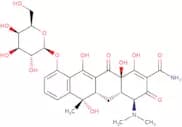
Formule :C6H11NaO8Masse moléculaire :234.14 g/molTetracycline 10-O-β-D-galactopyranoside
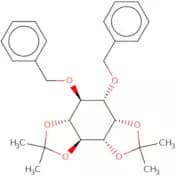
CAS :Tetracycline 10-O-b-D-galactopyranoside is a tetracycline antibiotic that has been modified with a fluorinating agent to increase its water solubility. Tetracycline 10-O-b-D-galactopyranoside is the most active of the tetracyclines for the treatment of infections caused by mycoplasmas, rickettsias, and chlamydiae. It inhibits protein synthesis in these bacteria by binding to ribosomes. This drug also has an inhibitory effect on the growth of Mycobacterium tuberculosis and Mycobacterium avium complex.Formule :C28H34N2O13Degré de pureté :Min. 95%Couleur et forme :Dark red solid.Masse moléculaire :606.58 g/mol2,3:4,5-Di-O-isopropylidene-1,6-di-O-benzyl-D-myo-inositol
2,3:4,5-Di-O-isopropylidene-1,6-di-O-benzyl-D-myo-inositol is a complex carbohydrate and a sugar. It is an oligosaccharide with two monosaccharides and a glycosidic linkage. It has been modified by methylation, fluorination and Click chemistry. This compound has been custom synthesized for high purity.
Formule :C26H32O6Degré de pureté :Min. 95%Masse moléculaire :440.53 g/molD-Mannonic acid-1,4-lactone
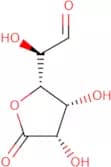
CAS :D-Mannonic acid-1,4-lactone is a recombinant carbohydrate that is synthesized from l-ribose and l-arabinose. It has lysozyme inhibitory activity. D-Mannonic acid-1,4-lactone can be used to study the synthesis of lactones by escherichia coli and their inhibitory effects on lysozyme. The compound consists of two stereoisomers: dl-mannonic acid and ldl-mannonic acid. It can be detected by liquid chromatography (LC) and electrophoresis.
Formule :C6H10O6Degré de pureté :Min. 95%Couleur et forme :White PowderMasse moléculaire :178.14 g/molPetunidin 3-glucoside chloride
CAS :Petunidin 3-glucoside chloride is a natural compound found in the human serum and in kidney beans. It is structurally similar to chlorogenic acid, a major phenolic acid in coffee. Petunidin 3-glucoside chloride is extracted using hydrochloric acid and then purified by a surface methodology. The main degradation products of this compound are protocatechuic acid, fluorescence detector, procyanidin B4, and malonic acid. This compound can be used as an antioxidant or chemoattractant protein. It has been shown to have high levels of anthocyanins and trifluoroacetic acid (TFA) when exposed to sunlight.
Formule :C22H23O12ClDegré de pureté :Min. 95%Couleur et forme :PowderMasse moléculaire :514.86 g/molSucrose stearate - 25-33% monostearate
CAS :The "tallowate" esters are probably the best known derivatives of sucrose and many attempts have been made to commercialise them in order to exploit their excellent surfactant functionalities. The most functional products are the mono- and diesters of the tallow acids (stearic, palmitic, oleic) with hydrophile-lipophile balance (HLB) values that lend themselves to surfactant applications in foods and cosmetics. They also have other uses, for example in coating fruits with a semipermeable membrane that acts as a preservative. Manufacturing economics have prevented these products from mass production and they remain in niche applications.
Formule :C30H56O12Couleur et forme :White PowderMasse moléculaire :608.77 g/molLosartan N2-glucuronide
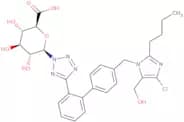
CAS :Losartan N2-glucuronide is a custom synthesis that has been modified by fluorination, methylation, and monosaccharide modification. It is synthesized with click chemistry to create an oligosaccharide. This product is synthesized from saccharides (carbohydrates) and polysaccharides. Losartan glucuronide is a complex carbohydrate that has been glycosylated and sugar modified for high purity.
Formule :C28H31ClN6O7Degré de pureté :Min. 95%Couleur et forme :White To Off-White SolidMasse moléculaire :599.03 g/molb-D-Thiogalactose
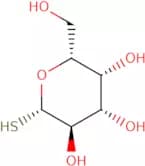
CAS :Thiogalactose is a naturally occurring disaccharide that has been shown to have anti-inflammatory properties. It inhibits the production of inflammatory cytokines, such as tumor necrosis factor-α (TNF-α), and suppresses the growth of experimental colitis in mice. Thiogalactose also denatures fatty acids and prevents 3t3-l1 preadipocytes from undergoing cellular transformation. This compound also inhibits the uptake of bovine serum albumin by macrophages, which may be due to its alkylthio group. Thiogalactose has been shown to inhibit proliferation of cultured human cells, including monocytic leukemia cells, when used at concentrations less than 10 mM.
Formule :C6H12O5SDegré de pureté :Min. 95%Couleur et forme :PowderMasse moléculaire :196.22 g/mol1,6-Anhydro-N,N’-diacetylchitobiose
CAS :1,6-Anhydro-N,N’-diacetylchitobiose is an anhydrosugar that can be used in the synthesis of oligosaccharides
Formule :C16H26N2O10Degré de pureté :Min. 95%Couleur et forme :PowderMasse moléculaire :406.39 g/mol2-Azido-2-deoxy-L-lyxono-1,4-lactone
2-Azido-2-deoxy-L-lyxono-1,4-lactone is a fluorinated monosaccharide. It is synthesized using the Curtius rearrangement of 2-azidoethyl 4,6-dioxohexanoate and a Lewis acid. This compound is used as an intermediate in the synthesis of glycosylides and polysaccharides. The methylation of this molecule has been shown to be useful for the modification of carbohydrates, such as polysaccharides. The product purity can be as high as 98% when it is custom synthesized to order.
Degré de pureté :Min. 95%D-Glucuronolactone
CAS :D-Glucuronolactone is supposed to be involved in detoxification processes.
Formule :C6H8O6Masse moléculaire :176.13 g/molUDP-a-D-galactose disodium salt
CAS :UDP-a-D-galactose disodium salt is a nucleotide sugar that is used in the synthesis of oligosaccharides. It is also used to identify mammalian cells that express UDP-galactose:quinone oxidoreductase, which are responsible for synthesizing the sugar. It is a building block of the influenza virus and has been shown to inhibit viral growth by interfering with RNA synthesis. This compound can be synthesized using solid-phase synthesis or multienzyme strategy.
Formule :C15H22N2O17P2·2NaDegré de pureté :Min. 95 Area-%Masse moléculaire :610.27 g/mol6'-Fucosyllactose
CAS :6'-Fucosyllactose is a fucosylated form of lactose, which is a complex carbohydrate. It is a custom synthesis and has been synthesized in high purity. 6'-Fucosyllactose has CAS No. 80756-86-1 and can be found as an oligosaccharide or polysaccharide. 6'-Fucosyllactose is a monosaccharide that has been methylated and glycosylated to increase its stability. The saccharides are modified with fluorination to make it more soluble in water and to improve its solubility in organic solvents.
Formule :C18H32O15Degré de pureté :Min. 95%Couleur et forme :PowderMasse moléculaire :488.44 g/molMethyl 3,6-di-O-benzyl-2-deoxy-a-D-glucopyranoside
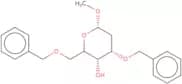
Methyl 3,6-di-O-benzyl-2-deoxy-a-D-glucopyranoside is a sugar derived from the natural carbohydrate sucrose. It is custom synthesized and glycosylated with an oligosaccharide. Methyl 3,6-di-O-benzyl-2-deoxy-a-D-glucopyranoside can be used in the synthesis of polysaccharides and other carbohydrates. This product has been modified using click chemistry to attach a methyl group at the C3 position of the glucose moiety. This modification is useful for glycosylation reactions that require a specific location on the sugar for attachment of an amino acid or peptide. Methyl 3,6-, di-, O-, benzyl--2, deoxy--A--D--glucopyranoside has CAS number 51139–03–5 and is available in high purity.
Formule :C21H26O5Degré de pureté :Min. 95%Masse moléculaire :358.43 g/mol(3aS, 7S, 9S, 9aR, 9bR) -9- [[(1, 1- Dimethylethyl) dimethylsilyl] oxy] - 2, 2- diethylhexahydro- 7- methyl-1, 3- dioxolo[4, 5- a] i ndolizin- 6(4H) - one
(3aS, 7S, 9S, 9aR, 9bR) -9- [[(1, 1- Dimethylethyl) dimethylsilyl] oxy] - 2, 2- diethylhexahydro- 7- methyl-1, 3- dioxolo[4, 5- a] i ndolizin- 6(4H) - one is an oligosaccharide made of sugar and saccharide. This compound is synthesized in the laboratory by clicking modification. It has a high purity and is custom synthesis. The CAS No. for this compound is 251788-72-8.
Degré de pureté :Min. 95%Raloxifene-4'-D-glucuronide D4 lithium salt
Produit contrôléRaloxifene-4'-D-glucuronide D4 lithium salt is a synthetic glycosylate drug, which belongs to the group of anti-estrogens. Raloxifene-4'-D-glucuronide D4 lithium salt is used for the treatment of postmenopausal osteoporosis and prevention of osteoporotic fractures in women with intact uterus. It has been shown to inhibit bone resorption, increase bone mineral density and reduce the incidence of vertebral fractures in postmenopausal women. Raloxifene-4'-D-glucuronide D4 lithium salt can be synthesized using a click chemistry reaction which involves the addition of an azide to an alkyne followed by copper catalysis and subsequent reduction with sodium borohydride. Synthesis of this compound can be achieved without any purification steps due to its high purity.
Formule :C34H30NO10SD4·LiDegré de pureté :Min. 95%Masse moléculaire :659.66 g/molUDP-b-L-arabinopyranose
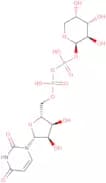
CAS :UDP-b-L-arabinopyranose is a nucleotide sugar that is used in the synthesis of proteins and other macromolecules. It is synthesized from uridine and d-ribulose 5-phosphate by the enzyme ribulokinase. The reaction between UDP, b-L-arabinofuranose, and ATP, catalyzed by arabinofuranosyl transferase, produces UDP-b-L-arabinopyranose. This nucleotide sugar can be converted to UDP-b-(1→4)-glucuronate by the enzyme glucuronosyltransferase. This process plays an important role in plant physiology as well as in cell wall biosynthesis. The optimal pH for this conversion is 7.5 to 8.2.
Formule :C14H22N2O16P2Degré de pureté :Min. 95%Couleur et forme :PowderMasse moléculaire :536.28 g/mol5-O-Lauryl-D-xylofuranose
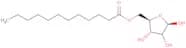
CAS :5-O-Lauryl-D-xylofuranose is a lipase that can hydrolyze pentoses and hexoses. This enzyme has been shown to be active at temperatures between 0°C and 40°C, with optimal activity at 30°C. 5-O-Lauryl-D-xylofuranose is also thermostable and can be immobilized on silica gel or alumina. It is used in the manufacture of lysine, L-arabinose, and D-xylose. The enzyme catalyzes the reaction by removing a hydroxyl group from the pentoses or hexoses through an ester linkage with a dodecanoate group. The aliphatic chain of 5-O-lauryl dodecanoate is attached to the pentose or hexose molecule in an ester linkage by a thioether bond.
Formule :C17H32O6Degré de pureté :Min. 95%Masse moléculaire :332.43 g/molD-Maltose monohydrate
CAS :Please enquire for more information about D-Maltose monohydrate including the price, delivery time and more detailed product information at the technical inquiry form on this page
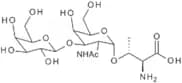
Formule :C12H24O12Degré de pureté :Min. 98 Area-%Masse moléculaire :360.31 g/mol2-Acetamido-2-deoxy-3-O-(β-D-galactopyranosyl)-α-D-galactopyranosyl-1-O-L-threonine
CAS :2-Acetamido-2-deoxy-3-O-(b-D-galactopyranosyl)-a-D-galactopyranosyl-1-O-L-threonine is a fluorinated monosaccharide that is used as a building block for the synthesis of complex carbohydrates. This compound can be used to synthesize glycoproteins, glycolipids, and other glycoconjugates. 2-Acetamido-2-deoxy -3 -O-(b -D -galactopyranosyl) -a -D -galactopyranosyl 1 O L threonine has been modified with methylation and click chemistry reactions.
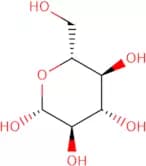
Formule :C18H32N2O13Degré de pureté :Min. 95%Couleur et forme :White to light yellow solid.Masse moléculaire :484.45 g/molb-D-Glucose - 95%
CAS :B-D-glucose is a monosaccharide with the molecular formula C6H12O6. It is the major form of glucose in plants, and is one of the simplest carbohydrates. B-D-glucose is synthesized by photosynthesis in plants and used as an energy source for cellular respiration. The hydroxyl group of b-D-glucose reacts with p-hydroxybenzoic acid to form a new compound called glucopyranosiduronic acid. The hydroxyl group also reacts with sodium citrate to form sodium hydrogen citrate. This reaction can be used to measure the concentration of b-D-glucose in an unknown solution using high performance liquid chromatography (HPLC). B-D-glucose has been shown to have antidiabetic activity, as it improves insulin sensitivity, reduces blood glucose levels, and decrease body mass index (BMI) in animal models. A model system
Formule :C6H12O6Degré de pureté :Min. 95 Area-%Couleur et forme :PowderMasse moléculaire :180.16 g/molD-Xylose
CAS :Xylose (Xyl) is an aldopentose also known as wood sugar (Collins, 2006). The main sources of xylose are hemicelluloses found in hardwood and perennial plants, such as, grasses, cereals, and herbs (Petzold-Welcke, 2014) and some algae. Xylose is used in the production of xylitol, a low calory sugar substitute. Xylose is used in glycosaminoglycan (GAG) biosynthesis, which is initiated by peptide O-xylosyltransferases, which transfer xylose onto selected serine residues in the core proteins. The first enzyme in the pathway, peptide O-xylosyltransferase, catalyzes the transfer of xylose from uridine diphosphate (UDP)-α-D-xylose onto serine and thus determines the site(s) of GAG attachment on the core protein (Briggs, 2018).
Formule :C5H10O5Degré de pureté :Min. 98.0 Area-%Couleur et forme :White PowderMasse moléculaire :150.13 g/molMethyl 3-O-benzyl-b-D-xylopyranoside
Methyl 3-O-benzyl-b-D-xylopyranoside is a modified oligosaccharide that is used in the synthesis of complex carbohydrate structures. It has been shown to be a good substrate for glycosylation. Methyl 3-O-benzyl-b-D-xylopyranoside is also a monosaccharide, and can be fluorinated to produce a saccharide with potential antiholistic properties.
Degré de pureté :Min. 95%Glycyl-disialyllacto-N-tetraose
Glycyl-disialyllacto-N-tetraose is a complex carbohydrate that contains a glycosidic bond between two monosaccharides. It has the molecular formula C9H18O4N2O8 and CAS number 327977-92-3. This compound can be modified with methylation, glycosylation, or fluorination to increase solubility and stability. Glycyl-disialyllacto-N-tetraose is also known as Oligosaccharide, CAS No., Polysaccharide, Modification, saccharide, Methylation, Glycosylation, Click modification and Carbohydrate.
Formule :C50H83N5O37Degré de pureté :Min. 95%Masse moléculaire :1,346.21 g/molHeparin disaccharide III-A disodium salt
CAS :Heparin disaccharide III-A is a synthetic heparin that is modified with the addition of a sugar molecule. Heparin disaccharide III-A disodium salt (HDS) is a high purity, custom synthesized product and has been fluorinated to improve its stability. HDS has been shown to be an effective inhibitor of glycosylation in bacteria cells, leading to decreased production of bacterial enzymes and proteins. It also inhibits protein synthesis by preventing the methylation of ribosomes and reducing the number of saccharides available for glycosylation. The HDS molecule is composed of two sugars: N-acetylglucosamine and D-glucuronic acid. This compound also has anti-inflammatory properties due to its ability to inhibit prostaglandin synthesis.
Formule :C14H19NO14SNa2Degré de pureté :Min. 95%Couleur et forme :White PowderMasse moléculaire :503.34 g/molSimvastatin acyl-b-D-glucuronide
CAS :Simvastatin acyl-b-D-glucuronide is a modification of simvastatin that has been synthesized and modified to provide high purity. It is a white, crystalline solid with a melting point of about 200°C. This compound can be used as an intermediate in the synthesis of oligosaccharides, polysaccharides, or other carbohydrate derivatives.
Formule :C31H48O12Degré de pureté :Min. 97 Area-%Couleur et forme :White Off-White PowderMasse moléculaire :612.71 g/molL-Rhamnose diethyl mercaptal
CAS :L-Rhamnose diethyl mercaptal is an antiperspirant and deodorant that is used in combination with other ingredients to reduce or eliminate body odor. It is a supplement, often found in combinations with other compounds such as neodymium and radium. This compound works by preventing the formation of sweat from the apocrine glands, which reduces underarm wetness and body odor. L-Rhamnose diethyl mercaptal also has antimicrobial properties that help prevent bacterial growth on the skin surface.
Formule :C10H22O4S2Degré de pureté :Min. 95%Couleur et forme :PowderMasse moléculaire :270.41 g/mol6'-Galactosyllactose
CAS :Galactosyllactose attenuated NF-κB inflammatory signaling in human intestinal epithelial cells and in human immature intestine. Thus, galactosyllactoses are strong anti-inflammatory agents in human colostrum and early milk, contributing to innate immune modulation. The potential clinical utility of galactosyllactose warrants investigation.
Formule :C18H32O16Degré de pureté :Min. 95 Area-%Couleur et forme :White PowderMasse moléculaire :504.43 g/molNGA3 Glycan, 2-AB labelled
NGA3 Glycan, 2-AB labelled is an oligosaccharide that is a complex carbohydrate. It is a polysaccharide that contains saccharides, which are sugars. The saccharides in this compound are monosaccharides, which are single sugar units. This compound has been modified and can be used for the detection of methylation.
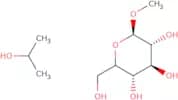
Degré de pureté :Min. 95%Methyl β-D-mannopyranoside isopropylate
CAS :Produit contrôléMethyl b-D-mannopyranoside isopropylate is a high purity synthetic oligosaccharide. It has been custom synthesized and fluorinated with methyl groups on the sugar ring. It can be used for glycosylation, modification, and synthesis of saccharides. This product can also be used as a complex carbohydrate in the food industry.
Formule :C7H14O6•C3H8ODegré de pureté :Min. 95%Couleur et forme :White PowderMasse moléculaire :254.28 g/mol1,4-Anhydro-D-glucitol
CAS :Intermediate in the synthesis of prostaglandins
Formule :C6H12O5Degré de pureté :Min. 97 Area-%Couleur et forme :White Off-White PowderMasse moléculaire :164.16 g/mol2-Keto-D-gluconic acid hemicalcium monohydrate
CAS :Enhances dissolution of soil minerals; intermediate in L-ascorbic acid syntheses
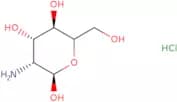
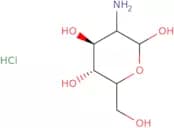
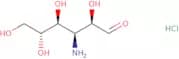
Formule :C6H9O7•(Ca)•H2ODegré de pureté :Min. 99 Area-%Couleur et forme :White PowderMasse moléculaire :231.19 g/mol3-Amino-3-deoxy-D-glucose HCl
CAS :3-Amino-3-deoxy-D-glucose HCl is a synthetic compound that inhibits the efflux of glucose from cells. It has been shown to inhibit growth in Saccharomyces cerevisiae, which may be due to its ability to inhibit the function of an efflux pump. 3-Amino-3-deoxy-D-glucose HCl has also shown antifungal activity against Candida albicans and Aspergillus fumigatus.
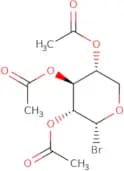
Formule :C6H13NO5·HClDegré de pureté :Min. 98 Area-%Couleur et forme :Slightly Yellow PowderMasse moléculaire :215.63 g/mola-Acetobromo-D-xylose
CAS :a-Acetobromo-D-xylose is an oligosaccharide sugar used in glycosylation and polysaccharide modifications. It is synthesized by the fluorination of xylose with acetic acid, bromine, and a base. The product is purified by vacuum distillation and recrystallization. In addition to its use as a carbohydrate, this product can be modified using methylation or click chemistry to create derivatives.
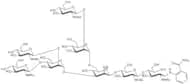
Formule :C11H15BrO7Degré de pureté :Min. 95%Masse moléculaire :339.14 g/molNGA3B N-Glycan
CAS :NGA3B N-Glycan is a high purity, custom synthesis, methylation and fluorination modification of the product. This product is an oligosaccharide that is composed of saccharides and sugars. It has a CAS No. 1620146-04-4.
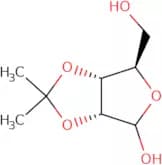
Formule :C66H110N6O46Degré de pureté :Min. 95%Couleur et forme :SolidMasse moléculaire :1,723.59 g/mol2,3-O-Isopropylidene-D-ribofuranose
CAS :Pharmaceutical intermediate
Formule :C8H14O5Degré de pureté :Min. 95%Couleur et forme :PowderMasse moléculaire :190.19 g/mol2-Azido-2-deoxy-2-C-methyl-3,5-di-O-tert.butyldimethylsilyl-D-ribono-1.4-lactone
2-Azido-2-deoxy-2-C-methyl-3,5-di-O-tert.butyldimethylsilyl-D-ribono-1.4-lactone is a custom synthesis that has been modified with a click chemistry reaction and fluorination. It is an oligosaccharide and polysaccharide, which are carbohydrates that contain multiple saccharides. This product also contains high purity, which means it's of the highest grade available on the market. The modification of this product is done through the use of a monosaccharide or sugar, which can be synthesized in the laboratory.
Degré de pureté :Min. 95%Carboxymethyl curdlan
CAS :Carboxymethyl curdlan is widely used in the preparation of nanoparticles for biomedical applications. Following the synthesis of superparamagnetic iron oxide nanoparticles (SPIN) capped with carboxymethyl curdlan for use in cellular and in vivo imaging applications, the stability and dispersibility of SPIN in water were greatly improved with the introduction of the carboxymethyl curdlan moiety. Recently, a green and simple route was proposed to synthesize Ag nanoparticles using carboxymethylcurdlan under UV irradiation.
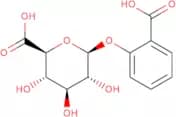
Couleur et forme :PowderSalicylic acid D-glucuronide
CAS :Salicylic acid D-glucuronide is the major metabolite of aspirin, which is formed by hydrolysis of acetylsalicylic acid. It has been demonstrated to have anti-inflammatory and analgesic effects. Salicylic acid D-glucuronide is excreted in urine and can be detected in human serum. The formation rate of this metabolite varies with the individual's age, sex, and kidney function.
Salicylic acid D-glucuronide can be formed in vitro using hydrochloric acid and acetylsalicylic acid as substrates. This reaction is catalyzed by the enzyme uridine diphosphate glucuronyltransferase (UGT). Salicylic acid D-glucuronide has been shown to form covalent adducts with hydroxyl groups from other molecules in vivo and in vitro, including proteins (e.g., albumin) and DNA bases (e.g.,Formule :C13H14O9Degré de pureté :Min. 95%Couleur et forme :PowderMasse moléculaire :314.24 g/molGDP-L-fucose disodium
CAS :Please enquire for more information about GDP-L-fucose disodium including the price, delivery time and more detailed product information at the technical inquiry form on this page
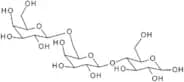
Formule :C16H23N5O15P2Na2Degré de pureté :Min. 90 Area-%Masse moléculaire :633.31 g/molGlobotriose
CAS :an important cell surface epitope that acts as the receptor for Shiga-like toxin
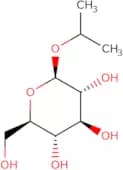
Formule :C18H32O16Degré de pureté :Min. 95%Couleur et forme :PowderMasse moléculaire :504.44 g/molIsopropyl beta-D-glucopyranoside
CAS :Isopropylbeta-D-glucopyranoside is a chemical compound that has been studied for its antibacterial activity. It has been shown to inhibit the growth of bacteria by reacting with fatty acids in the cell membrane, which leads to the disruption of the cell membrane and death. Isopropylbeta-D-glucopyranoside is a member of the sugar alcohols class, and it can be synthesized from glucose, fatty acid, and hydrochloric acid using an acid catalyst. The reaction system is typically carried out in microcapsules.
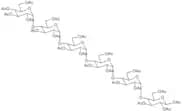
Formule :C9H18O6Degré de pureté :Min. 95%Couleur et forme :PowderMasse moléculaire :222.24 g/molMaltohexaose eicosaacetate
CAS :CO2-philic compound; used in pharmaceuticals and CO2-based processes
Formule :C76H102O51Degré de pureté :Min. 90.0 Area-%Couleur et forme :White PowderMasse moléculaire :1,831.59 g/mol2,5-Di-O-acetyl-3-C-methyl-D-lyxono-1,4-lactone
2,5-Di-O-acetyl-3-C-methyl-D-lyxono-1,4-lactone is a hydrogen bonded lactone. The crystal structure of the compound has been determined by X-ray crystallography and found to be a hydrogen bonded dimer with two molecules of water located between the two monomers. This compound is also known as 3,6,9,12,15,18,21 hexaoxahexacontane 1,4-lactone or DAL.
Formule :C10H14O7Degré de pureté :Min. 95%Masse moléculaire :246.21 g/molMannan (ex Saccharomyces cerevisiae)
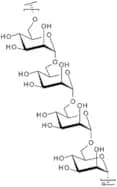
CAS :The main cell-wall components of baker’s yeast (Saccharomyces cerevisiae) as well as β-glucan are mannans with an α-1,6 mannose backbone and α-1,2 and α-1,3 mannose branches.
The image was kindly provided by Dr. Chris Lawson.Couleur et forme :White Slightly Brown PowderRef: 3D-YM63069
Produit arrêté4-O-[(2-Azidoethoxyimino)-6-deoxy-β-D-galactopyranosyl]-2-deoxy-α-D-glucopyranose-2,1-oxazoline
CAS :Please enquire for more information about 4-O-[(2-Azidoethoxyimino)-6-deoxy-β-D-galactopyranosyl]-2-deoxy-α-D-glucopyranose-2,1-oxazoline including the price, delivery time and more detailed product information at the technical inquiry form on this page
Formule :C16H25N5O10Degré de pureté :Min. 95%Masse moléculaire :447.4 g/mol3,4,6-Tri-O-acetyl-b-D-mannopyranose 1,2-(methyl orthoacetate)
CAS :3,4,6-Tri-O-acetyl-b-D-mannopyranose 1,2-(methyl orthoacetate) is a glycosylation product that is used in the synthesis of oligosaccharides. 3,4,6-Tri-O-acetyl-b-D-mannopyranose 1,2-(methyl orthoacetate) is synthesized by the reaction of 3,4,6-triacetyl b D mannopyranose with methyl orthoacetate in aqueous solution containing an acid catalyst. This compound can be used to modify saccharides and complex carbohydrates. It is also used in click chemistry to create modified sugars. The molecular weight of this compound ranges from 200 to 600 grams per mole and it has a CAS number of 4435 05 6.Formule :C15H22O10Degré de pureté :Min. 95%Couleur et forme :PowderMasse moléculaire :362.33 g/mol1,4-Anhydro-D-erythritol
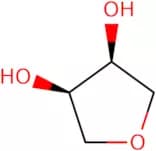
CAS :1,4-Anhydro-D-erythritol is a sugar alcohol that can be found in various plants and fruits. It is a reaction product of D-erythrose and glycerol, with an average formation rate of 10%. The hydroxyl group on the 1,4-anhydro-D-erythritol molecule reacts with methyl glycosides to produce an ester. Trifluoromethanesulfonic acid is used as a catalyst in this process, which activates the hydroxyl group on the molecule. The reaction mechanism for this process involves three steps: elimination of water, dehydration of the hydroxyl group, and addition of methyl glycoside. This process results in a new molecule called 1,4-anhydro-D-erythritol methyl ester (AEME). AEME has been shown to have conformational properties that are different from those of its parent compound. The conformational
Formule :C4H8O3Degré de pureté :Min. 95%Couleur et forme :Clear LiquidMasse moléculaire :104.1 g/molSophoricoside
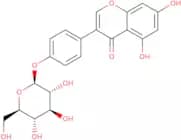
CAS :Sophoricoside is a natural compound present in the fructus of Sophora flavescens and is used as an anti-diabetic medicine. It has been shown to have genotoxic effects, which may be due to its ability to induce reactive oxygen species (ROS) and DNA damage. Sophoricoside also has a matrix effect on radiation. This effect has been shown in rat cardiac cells and human serum. Sophoricoside also exhibits hepatoprotective properties by reducing hepatic steatosis, which may be due to its ability to inhibit lipogenesis and stimulate fat oxidation. In addition, sophoricoside has been shown to have anti-inflammatory activities.
Formule :C21H20O10Degré de pureté :Min. 95%Couleur et forme :PowderMasse moléculaire :432.38 g/molOctyl 3,4,6-tri-O-benzoyl-a-D-mannopyranoside
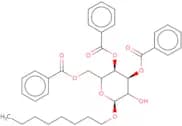
CAS :Octyl 3,4,6-tri-O-benzoyl-a-D-mannopyranoside is a carbohydrate that has been custom synthesized. It has a molecular weight of 614.4 g/mol and the chemical formula C30H50O8. This compound is an oligosaccharide with a polysaccharide backbone. Octyl 3,4,6-tri-O-benzoyl-a-D-mannopyranoside is soluble in water and ethanol, but insoluble in hexane or ether. It has CAS No. 19308-45-3 and can be modified by methylation or glycosylation. The molecule contains three sugar residues that have been linked through glycosidic bonds to form a triose sugar (a sugar containing three carbon atoms). The molecule also contains an acetal group at the C1 position of the mannose moiety that can be fluorinated with b
Formule :C35H40O9Degré de pureté :Min. 95%Masse moléculaire :604.69 g/molb-Cyclodextrin hydrogen sulfate, sodium salt
CAS :This beta-cyclodextrin (β-CD) derivative is a functionalized cyclic oligosaccharide composed of seven glucose units, characterized by a hydrophilic exterior and a lipophilic cavity (bigger than α-CD and smaller than γ-CDs), which allows it to encapsulate various guest molecules. This structural feature facilitates its use in multiple applications, including pharmaceuticals, food enhancement, and cosmetics. In the pharmaceutical industry, it enhances the solubility and stability of poorly water-soluble drugs, improving their bioavailability and efficacy while also masking unpleasant tastes. The food sector utilizes it as a stabilizer for flavors, colors, and nutrients, extending shelf life by protecting sensitive ingredients from degradation. In cosmetics, it serves as a complexing agent for fragrances and active components, ensuring their stability and controlled release. Its use expands to many other fields, including nanotechnology for drug delivery systems, environmental remediation for extracting organic pollutants, textiles for slow-release fragrances, and analytical chemistry for chiral separation.
Degré de pureté :Min. 95%Couleur et forme :Powder2-Amino-2,6-dideoxy-L-mannose hydrochloride
2-Amino-2,6-dideoxy-L-mannose hydrochloride is a high purity and custom synthesis sugar. It is synthesized from 2,6-Dideoxymannose with the use of Click chemistry. This modification allows for a variety of fluorinations, glycosylations, and methylations to be used in the synthesis process. The CAS number for this compound is 107625-00-3.
Degré de pureté :Min. 95%D-Galactosamine hydrochloride
CAS :D-Galactosamine (GalN) is an aldohexose (2-Amino-2-deoxygalactose) in which the hydroxyl group at position 2 is replaced by an amino group (Collins, 2006). Galactosamine (as the N-Acetyl derivative) forms a key part of both N- and O-linked glycoproteins, glycolipids and glycosaminoglycans. Treatment of experimental animals with D-galactosamine / lipopolysaccharide causes lethal liver injury characterized by apoptosis of the hepatocyte and it is used as a laboratory model to study the effect of therapeutic agents (Hirono, 2001).
Formule :C6H14ClNO5Masse moléculaire :215.63 g/molDeoxygalactonojirimycin acetonide
Deoxygalactonojirimycin acetonide is a custom-synthesized, complex carbohydrate that belongs to the group of Oligosaccharides. It is a modified saccharide with methylation and glycosylation. Deoxygalactonojirimycin acetonide is an active ingredient that has been synthesized for use in cancer research. This compound is a high-purity, fluorinated sugar with Click modification that can be used to study the structure-activity relationships of carbohydrate-based drugs.
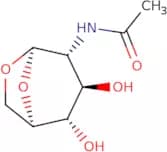
Degré de pureté :Min. 95%2-Acetamido-1,6-anhydro-2-deoxy-β-D-glucopyranose
CAS :2-Acetamido-1,6-anhydro-2-deoxy-b-D-glucopyranose is widely used in carbohydrate chemistry. It is used as reagent for the synthesis of oligosaccharides and also as a precursor in the synthesis of oligopeptides. 2-Acetamido-1,6-anhydro-2-deoxy-b-D-glucopyranose is an analog of levoglucosan, a compound that is often used to trace for biomass burning in enviromental chemistry studies.
Formule :C8H13NO5Degré de pureté :Min. 95%Couleur et forme :PowderMasse moléculaire :203.19 g/mol3-Deoxy-D-galactopyranose
CAS :3-Deoxy-D-galactopyranose is a galectin that has been synthetically produced. It has shown to be an antagonist of galactoside, which may be useful in the treatment of type 2 diabetes. The synthetic method for this molecule is still being developed.
Formule :C6H12O5Degré de pureté :Min. 95%Couleur et forme :PowderMasse moléculaire :164.16 g/mol2-C-Methyl- 2, 3- O- isopropylidene - D- ribonic acid g- lactone
2-C-Methyl- 2, 3- O- isopropylidene - D- ribonic acid g- lactone (2CMP) is a modification of the sugar D- ribose that has been found to be useful in the synthesis of oligosaccharides. It can be synthesized from 2,3-O-isopropylidene -D-ribofuranose and methyl iodide. 2CMP is used as a building block for glycosylation reactions because it is easily converted to different sugars by methylation, fluorination, or saccharide modification.
Degré de pureté :Min. 95%Methyl 3,5-di-O-(p-chlorobenzoyl)-2-deoxy-b-D-ribofuranoside
Methyl 3,5-di-O-(p-chlorobenzoyl)-2-deoxy-b-D-ribofuranoside is a synthetic oligosaccharide. It has been synthesized by the modification of the glycosylation site on an existing saccharide with a methyl group and fluorination at the 3’ position. This molecule is a monosaccharide with a p-chlorobenzoyl group attached to its 2’ position.
Degré de pureté :Min. 95%Cyclohexyl b-D-glucopyranoside
Cyclohexyl b-D-glucopyranoside is a synthetic sugar that is modified with fluorine. Cyclohexyl b-D-glucopyranoside can be custom synthesized to meet your specific needs. This product has a high purity and is methylated and glycosylated. Cyclohexyl b-D-glucopyranoside's CAS number is 113488-25-8.
Degré de pureté :Min. 95%D-Galactosamine hydrochloride
CAS :D-Galactosamine (GalN) is an aldohexose (2-amino-2-deoxygalactose) in which the hydroxyl group at position 2 is replaced by an amino group (Collins, 2006). Galactosamine (as the N-acetyl derivative) forms a key part of both N- and O-linked glycoproteins, glycolipids and glycosaminoglycans. Treatment of experimental animals with D-galactosamine / lipopolysaccharide causes lethal liver injury characterized by apoptosis of the hepatocyte and it is used as a laboratory model to study the effect of therapeutic agents (Hirono, 2001).
Formule :C6H13NO5·HClDegré de pureté :Min. 98 Area-%Couleur et forme :White Off-White PowderMasse moléculaire :215.63 g/molL-Idose - Aqueous solution
CAS :L-Idose is an aqueous solution of dextrose and anhydrous dextrose. It is a carbohydrate that provides energy to the body. L-Idose can be used to minimize the effects of certain organisms, such as bacteria, yeast, and fungi. It also helps to maintain blood glucose levels in people with diabetes by providing a source of glucose for their metabolism. L-Idose can be found in fruits and other foods that contain carbohydrates, such as breads, cereals, pastas, rice, potatoes, pasta sauces, chips, and crackers.
Formule :C6H12O6Degré de pureté :Min. 98 Area-%Couleur et forme :Colorless Clear LiquidMasse moléculaire :180.16 g/molD-Altrose
CAS :D-Altrose is an alpha-hydroxy acid that is synthesized from D-arabinose and trifluoroacetic acid. It has been shown to be a substrate for the synthesis of oligosaccharides, which are important in carbohydrate chemistry. This molecule can also be used as a reagent in the preparation of carbohydrates with a specific configuration at C2. One use of this product is in generating analytical methods that can distinguish between D-altrose and D-arabinose by monitoring the ratio of hydrogen fluoride to carbonyl group signals. D-Altrose may also be used in asymmetric synthesis, where it is a useful chiral building block for the construction of galacturonic acid derivatives.
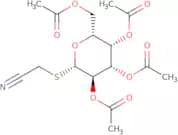
Formule :C6H12O6Degré de pureté :Min. 98 Area-%Couleur et forme :White PowderMasse moléculaire :180.16 g/molCyanomethyl 2,3,4,6-tetra-O-acetyl-b-D-thiogalactopyranoside
CAS :Cyanomethyl 2,3,4,6-tetra-O-acetyl-b-D-thiogalactopyranoside is an important reagent for the synthesis of glycosides and oligosaccharides. This substance has been used to synthesize a variety of modified saccharides, such as methylated sugars and fluorinated saccharides. It also has been applied to the synthesis of complex carbohydrates with the click modification.Formule :C16H21NO9SDegré de pureté :Min. 98 Area-%Couleur et forme :White Off-White PowderMasse moléculaire :403.41 g/molN-Methyl-D-glucosamine
CAS :N-Methyl-D-glucosamine is a nucleotide that is found in the adenine nucleotide pool. It can be synthesized from glucose, which is converted to glucosamine-6-phosphate by the enzyme glucosamine synthetase. This compound can also be obtained from dietary sources. N-Methyl-D-glucosamine has been shown to have cytotoxic activity against mouse tumor cells and inhibit skin cancer in mice. It binds with DNA and inhibits cell growth through a glycosidic bond with terminal residues of DNA, preventing transcription and replication. N-Methyl-D-glucosamine has also been shown to inhibit the growth of resistant microorganisms such as C. glabrata, including antibiotic resistant strains, and bacteria such as E. coli and P. aeruginosa when used in combination with an experimental model of biocompatible polymers.
NMTG has been shown toFormule :C7H15NO5Degré de pureté :Min. 95%Couleur et forme :PowderMasse moléculaire :193.2 g/molBlood group A type 4 linear trisaccharide-NGL
Useful oligosaccharide-lipid conjugate for raising antibodies.
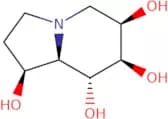
Degré de pureté :Min. 95%6-Epi-castanospermine
CAS :6-Epi-castanospermine is a nitro compound that is synthesized by the allylic oxidation of castanospermine. It has been shown to inhibit glycosidases and glycosidase inhibitors in vitro, including those from the families of α-amylase, α-L-arabinofuranosidases, β-hexosaminidases, α-glucuronidases, and phytases. 6-Epi-castanospermine has also been used as an intermediate for the synthesis of chiral polyhydroxylated compounds. The 13C NMR spectrum of this compound was found to be diagnostic for its structural assignment.
Formule :C8H15NO4Degré de pureté :Min. 95 Area-%Couleur et forme :White Off-White PowderMasse moléculaire :189.21 g/mol



















![(3aS, 7S, 9S, 9aR, 9bR) -9- [[(1, 1- Dimethylethyl) dimethylsilyl] oxy] - 2, 2- diethylhexahydro- …](/_next/image/?url=https%3A%2Fstatic.cymitquimica.com%2Fproducts%2F3D%2Fthumb-webp%2FMD168732.webp&w=3840&q=75)










![4-O-[(2-Azidoethoxyimino)-6-deoxy-β-D-galactopyranosyl]-2-deoxy-α-D-glucopyranose-2,1-oxazoline](/_next/image/?url=https%3A%2Fstatic.cymitquimica.com%2Fproducts%2F3D%2Fthumb-webp%2FOA183930.webp&w=3840&q=75)