Glycosciences
La glycosciences est l'étude des glucides et de leurs dérivés, ainsi que des interactions et des fonctions biologiques auxquelles ils participent. Ce domaine de recherche est crucial pour comprendre une grande variété de processus biologiques, y compris la reconnaissance cellulaire, la signalisation, la réponse immunitaire et le développement des maladies. La glycosciences a des applications importantes en biotechnologie, en médecine et dans le développement de nouveaux médicaments et thérapies. Chez CymitQuimica, nous proposons une large sélection de produits de haute qualité et pureté pour la recherche en glycosciences. Notre catalogue comprend des monosaccharides, des oligosaccharides, des polysaccharides, des glyconjugués et des réactifs spécifiques, conçus pour soutenir les chercheurs dans leurs études sur la structure, la fonction et les applications des glucides dans les systèmes biologiques. Ces ressources sont destinées à faciliter les découvertes scientifiques et les applications pratiques dans divers domaines des biosciences et de la médecine.
Sous-catégories appartenant à la catégorie "Glycosciences"
- Aminosucres(108 produits)
- Anticorps Glyco-Related(282 produits)
- Glycolipides(46 produits)
- Glycosaminoglycanes (GAGs)(55 produits)
- Glycosides(419 produits)
- Monosaccharides(6.624 produits)
- Oligosaccharides(3.682 produits)
- Polysaccharides(503 produits)
11046 produits trouvés pour "Glycosciences"
Trier par
Degré de pureté (%)
0
100
|
0
|
50
|
90
|
95
|
100
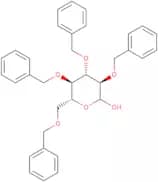
2,3,4,6-Tetra-O-benzyl-D-glucopyranose
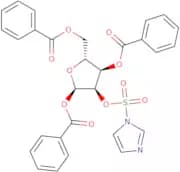
CAS :<p>2,3,4,6-Tetra-O-benzyl-D-glucopyranose is a selectively protected intermediate, where the anomeric 1-O-hydroxyl group is free. This hemiacetal has been used successfully as an intermediate for glucosylation couplings, where it was converted into 2,3,4,6-tetra-O-benzyl-D-glucopyranose trichloroacetimidate using trichloroacetonitrile in the presence of a base such as potassium carbonate and DBU. Importantly, this imidate donor with no neighbouring participating groups is commonly used for the selective formation of α-glucosides. 2,3,4,6-tetra-O-benzyl-D-glucopyranose can also be oxidized to the lactone, or reduced to give the open chain form. Additionally, 2,3,4,6-tetra-O-benzyl-D-glucopyranose can be used for the preparation of glucono-1,5-lactone hydrazine, which was used, in-turn, to form a glucosylidene-spirocyclopropane.</p>Formule :C34H36O6Degré de pureté :Min. 97 Area-%Couleur et forme :White PowderMasse moléculaire :540.65 g/mol1,3,5-Tri-O-benzoyl-2-O-(1H-imidazole-1-sulfonate)-a-D-ribofuranose
CAS :<p>1,3,5-Tri-O-benzoyl-2-O-(1H-imidazole-1-sulfonate)-a-D-ribofuranose (TBIR) is a fatty acid that is synthesized by the condensation of 1,3,5-triacetylbenzene with 2,4,6,-trichlorobenzoyl chloride in the presence of triethylamine and sodium methoxide. TBIR has been shown to be suitable for fabricating polyesters and polyamides. TBIR also has the ability to modify membranes. This modification occurs when TBIR reacts with phospholipids in the membrane bilayer by inserting itself into the membrane bilayer. The mesoporous nature of TBIR allows for diffusional transport through its pores as well as an increased surface area for reactions. It also has a large diameter and branched chains that make it suitable for</p>Formule :C29H24N2O10SDegré de pureté :Min. 95%Couleur et forme :White PowderMasse moléculaire :592.57 g/molN-Acetyl-D-glucosamine-3-O-sulphate sodium
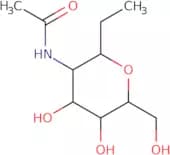
<p>N-Acetyl-D-glucosamine-3-O-sulphate sodium (NADG) is a type of high purity, monosaccharide that is synthesized from D-glucosamine and sulphuric acid. NADG is a synthetic carbohydrate that can be used in the synthesis of complex carbohydrates. It has been modified to contain fluorine atoms at the 3rd and 4th carbon positions. This modification prevents NADG from being hydrolyzed by aminoglycosides such as kanamycin and neomycin, which are used in chemotherapy treatment.</p>Formule :C8H15NO9S•NaDegré de pureté :Min. 95%Couleur et forme :PowderMasse moléculaire :324.25 g/molN-Acetyl-D-galactosamine-PAP-HSA
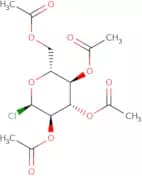
CAS :<p>N-Acetyl-D-galactosamine-PAP-HSA is a complex carbohydrate that consists of a sugar, an acetyl group and a phosphate. This product is available in custom synthesis and modification. N-Acetyl-D-galactosamine-PAP-HSA can be used for the treatment of cancer, diabetes, liver disease, kidney disease and other diseases. It has been modified with fluorine groups to create new derivatives with improved properties.</p>Degré de pureté :Min. 95%2,3,4,6-Tetra-O-acetyl-α-D-glucopyranosyl chloride
CAS :<p>2,3,4,6-Tetra-O-acetyl-a-D-glucopyranosyl chloride (TAOC) is a nuclear magnetic resonance (NMR) probe that has been used to study the structure of nuclei. It is synthesised by reacting acetyl chloride with sucrose in a reaction catalyzed by sodium hydroxide. The compound can be detected in quadrupole and resonance spectroscopy due to its high sensitivity to nuclear magnetic resonance. This NMR probe is typically used to study the structures of nuclei or for the analysis of polysaccharides.</p>Formule :C14H19ClO9Degré de pureté :Min. 95%Couleur et forme :PowderMasse moléculaire :366.8 g/mol3,4-Di-O-acetyl-2,6-di-O-(3,4,6-tri-O-acetyl-2-deoxy-2-phthalimido-β-D-glucopyranosyl)-α-D-mannopyranose
<p>3,4-Di-O-acetyl-2,6-di-O-(3,4,6-tri-O-acetyl-2-deoxy-2-phthalimido-b-D-glucopyranosyl)-a-D mannopyranose is a modification of the carbohydrate oligosaccharide. It is a custom synthesis that has high purity and CAS number. The structure of the molecule is an Oligosaccharide with a Carbohydrate. This molecule is an example of a complex carbohydrate. The monosaccharide in this compound is glucose and it has been methylated and glycosylated. This molecule also has a polysaccharide sugar which can be fluorinated or saccharided.</p>Formule :C50H54N2O26Degré de pureté :Min. 95%Masse moléculaire :1,098.96 g/mol2,3:4,5-Di-O-isopropylidene-L-arabitol
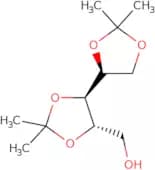
CAS :2,3:4,5-Di-O-isopropylidene-L-arabitol is a modification of an oligosaccharide in which the hydroxyl group at position 4 on the D-ribose moiety has been replaced with an isopropylidene group. The synthesis of 2,3:4,5-Di-O-isopropylidene-L-arabitol can be achieved by methylation and fluorination of L-arabinose. This compound is used in glycosylations and polysaccharide syntheses. 2,3:4,5-Di-O-isopropylidene-L--arabitol is also found as a natural constituent of many plants. 2,3:4,5--Di--O--isopropylidene--L--arabitol is chemically described as α-(1→6)-D--glucopFormule :C11H20O5Degré de pureté :Min. 95%Couleur et forme :PowderMasse moléculaire :232.27 g/molEthyl 3-O-benzyl-4,6-O-benzylidene-2-deoxy-2-N-phthalimido-b-D-thioglucopyranoside
CAS :<p>Ethyl 3-O-benzyl-4,6-O-benzylidene-2-deoxy-2-N-phthalimido-b-D-thioglucopyranoside is a synthetically modified sugar. It is a monosaccharide that has been fluorinated and methylated. This modification has been shown to increase the stability of the sugar in the presence of water. The sugar also has an oligosaccharide and polysaccharide moiety attached to it. These saccharides are glycosylated and have a complex carbohydrate structure.</p>Formule :C30H29NO6SDegré de pureté :Min. 95%Couleur et forme :PowderMasse moléculaire :531.62 g/mol3-Deoxy-3-fluoro-D-xylopyranose
3-Deoxy-3-fluoro-D-xylopyranose is a carbohydrate, modification, saccharide and oligosaccharide. It is an Oligosaccharide sugar that has a CAS number of 104863-98-2. 3DFX can be custom synthesized in high purity with methylation and glycosylation. This product can be used for click modification with the desired molecule.Degré de pureté :Min. 95%4-Methylphenyl b-D-thioglucopyranoside
CAS :4-Methylphenyl b-D-thioglucopyranoside is a carbohydrate that has been modified by fluorination, methylation, glycosylation, and click modification. It is an oligosaccharide sugar with CAS No. 1152-39-2 and is custom synthesized for high purity. This compound is synthesized from saccharides or from the combination of monosaccharides using glycosylation and click chemistry. 4-Methylphenyl b-D-thioglucopyranoside can be used as a synthetic intermediate in the synthesis of other compounds.Formule :C13H18O5SDegré de pureté :Min. 95%Couleur et forme :White PowderMasse moléculaire :286.35 g/molEthyl 2,3,4-tri-O-benzyl-L-thiofucopyranoside
CAS :<p>Ethyl 2,3,4-tri-O-benzyl-L-thiofucopyranoside is a glycosylation agent that is used in the synthesis of complex carbohydrates. It can also be used in the methylation and click modification of saccharides. Ethyl 2,3,4-tri-O-benzyl-L-thiofucopyranoside has been shown to have a high purity and can be custom synthesized to fit the needs of the customer. This product has a CAS number of 169532-17-6 and it is available in both monosaccharides and oligosaccharides.</p>Formule :C29H34O4SDegré de pureté :Min. 95%Couleur et forme :White Off-White PowderMasse moléculaire :478.64 g/mol2,3-Di-O-acetyl-6-O-tert-butyldimethylsilyl-γ-cyclodextrin
<p>This gamma-cyclodextrin (γ-CD) derivative is a modified cyclic oligosaccharide composed of eight glucose units, featuring a larger cavity size than α- and β-cyclodextrins. This structural characteristic allows γ-CDs to form inclusion complexes with a wider range of guest molecules, making it particularly versatile in various industries. In the food sector, it is used as a carrier and stabilizer for flavors, fat-soluble vitamins, and polyunsaturated fatty acids, protecting volatile compounds from evaporation. In pharmaceuticals, it enhances the solubility and bioavailability of poorly water-soluble drugs and, thanks to its larger ring size, allows for the encapsulation of larger molecules or even entire drug molecules. γ-CDs and derivatives are also used for environmental remediation and, in analytical chemistry, for the extraction and concentration of target substances.</p>Formule :C12H224O56SI8Degré de pureté :Min. 95%Masse moléculaire :2,313.18 g/molEthyl 2-O-benzoyl-4,6-O-benzylidene-β-D-galactopyranoside
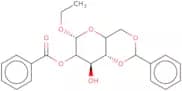
CAS :Ethyl 2-O-benzoyl-4,6-O-benzylidene-β-D-galactopyranoside (E2B) is a fluorinated oligosaccharide that has been synthesized using the Click chemistry. The synthesis proceeds via an oxidative coupling of benzoyl chloride and 4,6-O-benzylidene β-D galactopyranose. The product was purified by crystallization from methanol. E2B is a complex carbohydrate that can be modified to suit your needs. It is used in research as a model for glycosylation and polysaccharides with methylation or sugar modification.Formule :C22H24O7Degré de pureté :Min. 95%Couleur et forme :Off-White PowderMasse moléculaire :400.43 g/mol4-Methoxyphenyl 4-O-(3,6-di-O-benzyl-2-deoxy-4-O-levulinoyl-2-phthalimido-b-D-glucopyranosyl)-3-O-benzyl-2-deoxy-2-phthalimido-b-D-g lucopyranoside
4-Methoxyphenyl 4-O-(3,6-di-O-benzyl-2-deoxy-4-O-levulinoyl-2-phthalimido-b-D-[1]glucopyranosyl)-3,6,6'-triphosphate (4MP) is a fluorinated monosaccharide that can be synthesized from 4,4'-dimethoxybenzophenone and 2,3,4,5',6'-pentachlorobenzene. This synthetic compound is used to prepare modified polysaccharides. 4MP has been shown to methylate glycoproteins and modify oligosaccharides. It has also been shown to inhibit the growth of Mycobacterium tuberculosis by inhibiting the synthesis of cell wall lipids.Formule :C61H58N2O16Degré de pureté :Min. 95%Masse moléculaire :1,075.12 g/mol2-Amino-2-deoxy-glucitol
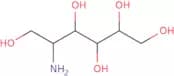
CAS :2-Amino-2-deoxy-glucitol is a kinetic inhibitor of the enzyme glycogen phosphorylase, which catalyzes the rate-limiting step in glycogenolysis. It binds to the enzyme and blocks access to the active site by an amide group, thus inhibiting the phosphorylation of glucose residues. This prevents the breakdown of glycogen and leads to increased levels of blood sugar. 2-Amino-2-deoxy-glucitol is used as a treatment for pertussis (whooping cough) and as an adjunct therapy during insulin shock therapy for diabetic ketoacidosis. The drug has also been shown to bind to histidine residues on the enzyme and inhibit its activity.Formule :C6H15NO5Degré de pureté :Min. 95%Masse moléculaire :181.19 g/molN1-β-D-Galactopyranosylamino-guanidine hydrochloride
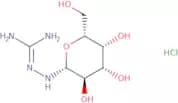
CAS :N1-b-D-Galactopyranosylamino-guanidine HCl is a synthetic, fluorinated monosaccharide that contains an amino group on the 1' carbon. It has been modified with methyl groups at the C6 and C7 positions to increase its stability and inhibit enzymatic hydrolysis. This product is also a glycosylation agent for complex carbohydrate synthesis.Formule :C7H16N4O5•HClDegré de pureté :Min. 95%Couleur et forme :White to off-white solid.Masse moléculaire :272.69 g/mol(1S) -1- [(2S, 3R) - 3-Hydroxy- 1- nonyl-2- azetidinyl] -1, 2- ethanediol
(1S) -1- [(2S, 3R) - 3-Hydroxy- 1- nonyl-2- azetidinyl] -1, 2- ethanediol is a synthetic compound that is modified with fluorination. It has a CAS Number of 55734-14-8. The molecular formula of this compound is C6H8O4 and its molecular weight is 176.13 g/mol. (1S) -1- [(2S, 3R) - 3-Hydroxy- 1- nonyl-2- azetidinyl] -1, 2- ethanediol is used in the synthesis of oligosaccharides and polysaccharides. It can be used as a raw material for saccharide modification or to synthesize monosaccharides and sugar molecules. This product has been shown to have high purity and good quality by using analytical methods such as HPLC, GCMS, NDegré de pureté :Min. 95%4-Methoxyphenyl 2,4,6-tri-O-(3,4,6-tri-O-benzyl-2-deoxy-2-phthalimido-β-D-glucopyranosyl)-3-O-benzyl-α-D-mannopyranoside
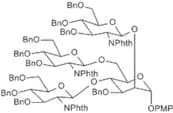
4-Methoxyphenyl 2,4,6-tri-O-(3,4,6-tri-O-benzyl-2-deoxy-2-phthalimido-b-D-glucopyranosyl)-3-O-(benzyl)aDmannopyranoside is a custom synthesis of an oligosaccharide. It is an acetal derivative of 4methoxyphenyl 2,4,6tri O-(3,4,6tri Obenzyl 2deoxy2 phthalimido b D glucopyranosyl) 3 O (benzyl) ad mannopyranoside with a methoxymethyl group at the C5 position and a benzyl ether moiety at the C6 position. The molecule contains a methylated sugar as well as fluorine modification on the ring oxygen atom. This molecule has a high purity and is offered in both monosFormule :C125H117N3O25Degré de pureté :Min. 95%Masse moléculaire :2,061.27 g/mol1,2,3,4-Tetra-O-pivaloyl-6-O-(tert-butyldimethylsilyl)-a-D-mannopyranose
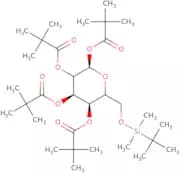
<p>1,2,3,4-Tetra-O-pivaloyl-6-O-(tert-butyldimethylsilyl)-a-D-mannopyranose is a synthetic compound that can be used as a fluorinated monosaccharide. It is synthesized from 1,2,3,4-tetra-O-pivaloyl-6-[(tert-butyldimethylsilyl)oxy]-aD mannopyranose. This product is also known as Tetra O Pivalate Mannose (TPM). This product has been shown to be effective in the synthesis of carbohydrates and complex carbohydrates.</p>Formule :C32H58O10SiDegré de pureté :Min. 95%Masse moléculaire :630.88 g/mol2-Acetamido-3,4,6-tri-O-acetyl-2-deoxy-D-glucopyranose
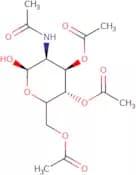
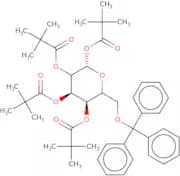
CAS :<p>2-Acétamido-3,4,6-tri-O-acetyl-2-deoxy-D-glucopyranose is a cytotoxic glycoside that can be used as an intermediate in the synthesis of saponins. It has been shown to yield high yields of trifluoromethanesulfonate (TFM) when reacted with glycosyl acceptors such as albizia bark extract. The TFM may then be used for the synthesis of nitromethane and alcohols. This compound also reacts with oleanolic acid to form an anomeric mixture that can be used to yield 2,3,4,6 tetraacetylated 2 deoxyglucose.</p>Formule :C14H21NO9Degré de pureté :Min. 95%Couleur et forme :PowderMasse moléculaire :347.32 g/mol1,2,3,4-Tetra-O-pivaloyl-6-O-trityl-b-D-glucopyranose
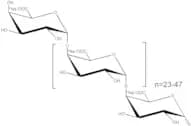
CAS :1,2,3,4-Tetra-O-pivaloyl-6-O-trityl-b-D-glucopyranose is a trityl derivative of glucose that can be used as a diagnostic agent for the assessment of cancer. When labeled with radioactive iodine, 1,2,3,4-Tetra-O-pivaloyl-6-O-trityl-b-D-glucopyranose has been shown to accumulate in bile and esophageal cancer cells. Magnetic resonance imaging (MRI) was used to evaluate the distribution of 1,2,3,4 tetra O pivaloyl 6 O trityl b D glucopyranose in patients with cirrhosis. The results suggest that this compound can be used as an indicator for the diagnosis of liver disease.Formule :C45H58O10Degré de pureté :Min. 95%Masse moléculaire :758.94 g/molGalacturonan oligosaccharides DP25-DP50 sodium salt
Mixed DP 25-50 Na galacturonans, (α-1,4 25-50 Na galacturonans) are derived from pectin or pectic acid, by enzymatic or partial acid hydrolysis. They are used in galacturonic acid metabolism research as a substrate to identify, differentiate, and characterize endo- and exopolygalacturonase(s) and gluconase(s). In recent studies, it has been shown that long oligogalacturonides (degree of polymerization (DP) from 25â50), help to induce plant defense signaling resulting in enhanced defenses to necrotrophic pathogens.Degré de pureté :Min. 90 Area-%Couleur et forme :PowderNGA1 N-Glycan
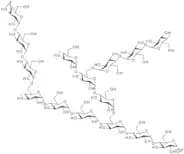
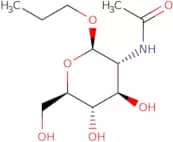
NGA1 N-glycan is a modified oligosaccharide, carbohydrate, and complex carbohydrate. It is custom synthesized, high purity, and has CAS No. This monosaccharide is methylated and glycosylated. It has a sugar that has been fluorinated and saccharides.Degré de pureté :Min. 95%Propyl 2-acetamido-2-deoxy-β-D-glucopyranoside
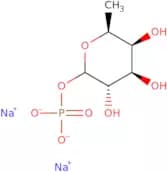
CAS :<p>Propyl 2-acetamido-2-deoxy-b-D-glucopyranoside is a synthetic monosaccharide that has been fluorinated and methylated. It is a custom synthesis and can be modified to suit your needs. This compound has been glycosylated and click modified. The purity of this product is high and it's molecular weight is 798 Da.</p>Formule :C11H21NO6Degré de pureté :Min. 95%Couleur et forme :White to off-white solid.Masse moléculaire :263.3 g/molL-Fucose-1-phosphate disodium
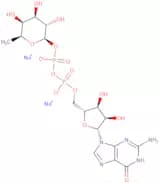
CAS :<p>L-Fucose-1-phosphate disodium salt is a high purity, synthetic, fluorinated carbohydrate that is used to modify saccharides. This modification can be accomplished by methylation or glycosylation. L-Fucose-1-phosphate disodium salt has been shown to be useful for glycosylation reactions with click chemistry. It has been shown to have a wide range of applications including modification of oligosaccharides and polysaccharides in the field of biotechnology.</p>Formule :C6H13O8P•Na2Degré de pureté :Min. 95 Area-%Couleur et forme :White PowderMasse moléculaire :290.12 g/mol2,3,4,6-Tetra-O-trimethylsilyl-D-glucono-1,5-lactone
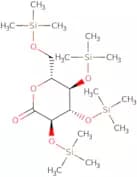
CAS :2,3,4,6-Tetra-O-trimethylsilyl-D-glucono-1,5-lactone is a synthetic building block which has been used to prepare C-glucosides via the nucleophilic addition of a suitably functionalised aryllithium reagent, followed by a triethylsilane reduction. Notable examples of this include the synthesis of C-glycoside intermediates which have been further elaborated to afford canagliflozin, bexagliflozin and dapagliflozin which inhibit sodium-dependant glucose co-transporter 2 (SGLT2) and are of interest as antidiabetic agents.Formule :C18H42O6Si4Degré de pureté :Min. 95%Couleur et forme :Colorless Clear LiquidMasse moléculaire :466.86 g/molD-Lactal
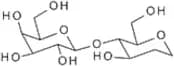
CAS :<p>D-Lactal is a dibutyltin oxide that is used in the synthesis of n-acetyllactosamine, disaccharides and trisaccharides. D-Lactal has been shown to have high resistance to chloride ion, which is one of the most common reagents for cleavage. It can also be used as a synthetic precursor for other glycoside derivatives by reacting with triflic acid or trisaccharide. Triflic acid and trisaccharide react with chloride to form a stereoselective glycosidic bond. D-Lactal is also able to bind lectins, carbohydrate chemistry and carbohydrate chemistry reagents.</p>Formule :C12H20O9Degré de pureté :Min. 95%Couleur et forme :White/Off-White SolidMasse moléculaire :308.28 g/molXylitol - BP/EP
CAS :<p>Xylitol is a sugar alcohol that has been shown to have antimicrobial properties. It has been found to be effective in inhibiting the growth of bacteria, yeast, and fungi by disrupting their cell membranes. In addition, xylitol appears to have the ability to reduce plasma glucose levels in animals and humans. Xylitol has also been shown to inhibit the growth of bacteria in acidic environments by binding with proteins on the bacterial cell membrane. This binding prevents the transport of nutrients into the cell and results in cell death. Xylitol is not metabolized by human cells because it cannot be broken down into acetaldehyde or acetate. However, xylitol can be metabolized by certain types of liver cells.<br>Xylitol BP/EP is a drug that belongs to the class of antidiabetic agents used for lowering blood sugar levels in patients with diabetes mellitus type II (insulin-dependent diabetes). It is an exogenous insulin secretagogue that stimulates insulin secretion from pancreatic</p>Formule :C5H12O5Degré de pureté :Min. 95%Masse moléculaire :152.15 g/mol3,4,6-Tri-O-acetyl-2-deoxy-2-fluoro-b-D-glucopyranosyl azide
3,4,6-Tri-O-acetyl-2-deoxy-2-fluoro-b-D-glucopyranosyl azide is a fluorinated sugar that is used in the synthesis of glycosides and polysaccharides. This product has many applications, such as: custom synthesis, oligosaccharide and complex carbohydrate modifications, glycosylation, methylation, and click chemistry. 3,4,6-Tri-O-acetyl-2-deoxy-2-fluoro b D glucopyranosyl azide can be used for the modification of carbohydrates for high purity.Degré de pureté :Min. 95%2-Acetamido-2-deoxy-4-O-(β-D-[UL-13-C-6]-galactopyranosyl)-D-glucopyranose 6-sulfate
<p>2-Acetamido-2-deoxy-4-O-(beta-D-[UL-13-C-6]-galactopyranosyl)-D-glucopyranose 6-sulfate is an oligosaccharide that has been fluorinated and methylated. This compound has a CAS number and can be custom synthesized, as well as modified with a click reaction. It is a high purity, complex carbohydrate that can be modified with a variety of modifications.</p>Formule :C6C8H25NO14SDegré de pureté :Min. 95%Masse moléculaire :469.37 g/molBlood Group H type III trisaccharide-PAA-biotin
Blood group antigen conjugated to spacer and biotinDegré de pureté :Min. 95%Couleur et forme :White Off-White PowderMasse moléculaire :586.6 g/molUrsodeoxycholic acid acyl-β-D-glucuronide
CAS :Ursodeoxycholic acid acyl-b-D-glucuronide (UDCA) is a synthetic bile acid that is used to treat liver diseases such as cirrhosis, primary biliary cirrhosis and cholelithiasis. UDCA inhibits the enzyme 7α-hydroxylase in the liver, which converts cholesterol into bile acids. This prevents the formation of lithocholic acid from cholesterol and the accumulation of lipids in the liver. UDCA also suppresses inflammatory cytokines and oxidative stress by inhibiting NF-κB activation.Supplied as the sodium saltFormule :C30H48O10Degré de pureté :Min. 95%Couleur et forme :PowderMasse moléculaire :568.7 g/mol3-Azido-3-deoxy-1,2:5,6-di-O-isopropylidene-a-D-glucofuranose
CAS :<p>3-Azido-3-deoxy-1,2:5,6-di-O-isopropylidene-a-D-glucofuranose is a synthetic sugar that has been modified by Fluorination, Monosaccharide, Synthetic, Oligosaccharide, complex carbohydrate, CAS No. 13964-23-3 and Glycosylation. It is also a Polysaccharide with modifications of Click modification and Methylation. 3A3DG can be used to modify the sugar content of glycoproteins and glycolipids in order to study their role in cellular processes such as transcriptional regulation and apoptosis. This product is available for custom synthesis in quantities from milligrams to kilograms.</p>Formule :C12H19N3O5Degré de pureté :Min. 95%Couleur et forme :Yellow PowderMasse moléculaire :285.3 g/mol1,4-Dideoxy-1,4-imino-D-mannitol HCl
CAS :1,4-Dideoxy-1,4-imino-D-mannitol HCl is a custom synthesis, modification and fluorination of mannitol. This compound is synthesized by the click modification of a monosaccharide and oligosaccharide. It is a saccharide with an average molecular weight of 584.45 g/mol. 1,4-Dideoxy-1,4-imino-D-mannitol HCl has been used to study glycosylation and sugar binding in carbohydrate research. CAS No.: 114976-76-0Formule :C6H13NO4·HClDegré de pureté :Min. 95%Couleur et forme :PowderMasse moléculaire :199.63 g/molPhenyl 2-azido-2-deoxy-b-D-selenofucopyranoside
<p>Phenyl 2-azido-2-deoxy-b-D-selenofucopyranoside is a carbohydrate with the CAS number 54519-52-8. It is a custom synthesis that is available in high purity and can be methylated, glycosylated and click modified. Phenyl 2-azido-2-deoxy-b-D-selenofucopyranoside is an oligosaccharide that has been fluorinated, which makes it stable at higher temperatures. This product is used as a synthetic building block for complex carbohydrates and saccharides.</p>Degré de pureté :Min. 95%L-Rhamnose monohydrate - high purity
CAS :<p>L-Rhamnose monohydrate is a sugar that is found in plants, animals, and bacteria. It is a component of polysaccharides like cellulose and hemicellulose. L-Rhamnose monohydrate has been shown to stimulate the growth of probiotic bacteria like Lactobacillus acidophilus in vitro. It also has antiviral properties against the herpes simplex virus type 1 (HSV-1). The antiviral activity may be due to its ability to inhibit viral replication by interfering with the synthesis of viral DNA and RNA. L-Rhamnose monohydrate may also have anti-inflammatory effects due to its ability to inhibit prostaglandin synthesis through inhibition of cyclooxygenase enzyme activity. This product has applications as a dietary supplement and ingredient in functional foods or beverages.</p>Formule :C6H12O5•H2ODegré de pureté :Min. 98.0 Area-%Couleur et forme :PowderMasse moléculaire :182.17 g/mol(2R, 3R, 3aS, 9aR) -2, 3, 3a, 9a- Tetrahydro- 3- hydroxy- 6- imino- 3a- methyl- 6H- furo[2', 3':4, 5] oxazolo[3, 2- a] pyrimidine- 2 - methanol
(2R, 3R, 3aS, 9aR) -2, 3, 3a, 9a- Tetrahydro- 3- hydroxy- 6- imino- 3a- methyl- 6H- furo[2', 3':4, 5] oxazolo[3, 2- a] pyrimidine- 2 - methanol is a custom synthesized molecule that has been modified to include fluorination and methylation. This compound is an oligosaccharide that contains saccharides and sugar units. It is a polysaccharide with glycosylation on the sugar unit.Degré de pureté :Min. 95%2-Azido-2-deoxy-3,5-O-benzylidene-L-lyxono-1,4-lactone
<p>2-Azido-2-deoxy-3,5-O-benzylidene-L-lyxono-1,4-lactone is a simple carbohydrate that is modified by fluorination. It is synthesized from the saccharide D-(+)-ribose and has the CAS No. 57400-91-5. This molecule can be methylated and glycosylated to produce a variety of structures with different properties. 2A2DLAL can also be modified by click chemistry, which is a reaction that produces covalent bonds between two molecules in a single step without using any catalysts or solvents.</p>Degré de pureté :Min. 95%(2R, 3R, 3aS, 9aR) -2, 3, 3a, 9a-Tetrahydro- 3- hydroxy- 2- (hydroxymethyl) - 3a- methyl- 6H- Furo[2', 3':4, 5] oxazolo[3, 2- a] pyr imidin- 6- one,
<p>This compound is a custom synthesis. It is an oligosaccharide that has a CAS number. The molecular weight of this compound is 5,871. This product is a sugar that contains glycosylation and methylation modifications, as well as click chemistry modifications. The purity of this product is high, with a purity level of 99%. This product also contains fluorination on the alpha-carbon atom in the 2 position.</p>Degré de pureté :Min. 95%3,5-Di-O-lauryl-D-xylofuranose
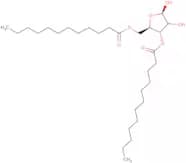
CAS :<p>3,5-Di-O-lauryl-D-xylofuranose is a custom synthesized monosaccharide that is used as a raw material for the synthesis of complex carbohydrates. It has been modified with fluorine and methyl groups to produce 3,5-di-O-lauryl-D-xylofuranose. This compound can be used in the production of polysaccharides or saccharides. The chemical name for this compound is 3,5-di-O-[(9Z)-hexadecenyl]-2-(1E,3E)-dioxaheptalene.</p>Formule :C29H54O7Degré de pureté :Min. 95%Masse moléculaire :514.73 g/molD-Celloheptaose
CAS :<p>D-Celloheptaose is a modified glycosylated oligosaccharide. It is synthesized by the methylation of D-cellotriose with 3-aminopropyl-trimethoxysilane and the subsequent reaction with bromoethanol. The product is purified by fractional crystallization from methanol to give a white crystalline solid. This product has CAS No. 52646-27-2 and is soluble in methanol, ethanol, water, acetone and chloroform.</p>Formule :C42H72O36Degré de pureté :Min. 95 Area-%Couleur et forme :PowderMasse moléculaire :1,153.02 g/molL-Allono-1,4-lactone
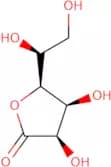
CAS :<p>L-Allono-1,4-lactone is a molecule with a stereocenter. It has been shown to be a target molecule for glycosidase inhibitors. The inhibition of the enzyme by L-allono-1,4-lactone may be due to its ability to form a hydrogen bond with the oxygen atom in the active site of the enzyme and its hydroxyl group that can form an additional hydrogen bond with water molecules. This inhibition prevents the transfer of glucose from one substrate to another, which leads to inefficient glycosidase activity. The synthesis of L-allono-1,4-lactone has been studied using piperidine as a starting material.</p>Formule :C6H10O6Degré de pureté :Min. 95%Couleur et forme :PowderMasse moléculaire :178.14 g/mol2,3,5-Tri-O-benzyl-1-O-(4-nitrobenzoyl)-D-arabinofuranose
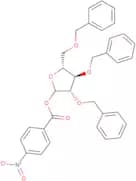
CAS :2,3,5-Tri-O-benzyl-1-O-(4-nitrobenzoyl)-D-arabinofuranose is an organic compound that belongs to the group of furan derivatives. The configuration of this molecule was determined to be (2S,3S) by the use of stereoselective synthesis. It can be synthesized from a benzaldehyde and a ribofuranosyl chloride with a yield of about 95%. This compound has been shown to react with azides in a catalytic transfer reaction yielding yields of up to 100%.Formule :C33H31NO8Degré de pureté :Min. 95%Couleur et forme :PowderMasse moléculaire :569.6 g/molN-Acetyl-glucosaminyl thiazoline
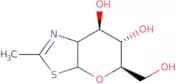
CAS :<p>Inhibitor of O-GlcNAcase</p>Formule :C8H13NO4SDegré de pureté :Min. 97 Area-%Couleur et forme :White PowderMasse moléculaire :219.26 g/molAlginic acid
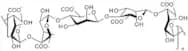
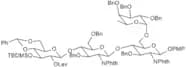
CAS :<p>A linear polyuronide obtained from the brown seaweeds (e.g. Laminaria hyperborea, Fucus vesiculosus, Ascophyllum nodosum). In the free acid form, the chemical structure consists of protonated blocks of (1,4) linked-β-D-polymannuronic acid (poly M), (1,4) linked-α-L-polyguluronic acid (poly G) and alternating blocks of the two uronic acids (poly MG).</p>Couleur et forme :Powder4-Methoxyphenyl 4-O-[4-O-(4,6-O-benzylidene-3-O-tert-butyldimethylsilyl- 2-O-levulinoyl-β-D-glucopyranosyl)-3,6-di-O-benzyl-2-deoxy-2 -phthalimid o-β-D-glucopyranosyl]-3-O-benzyl-6-O-(tri-O-benzyl-α-L-fucopyranosyl)-2- deoxy-2-phthalimido-β-D-glucopyranos
4-Methoxyphenyl 4-O-[4-O-(4,6-O-benzylidene-3-O-tert-butyldimethylsilyl-2-O -levulinoyl)-b,D,Glucopyranosyl]-3,6,-di-, Obenzyl 2deoxy 2phthalimido bDglucopyranosyl]-2deoxy 2phthalimido bDglucopyrano sugar is a complex carbohydrate that has been synthesized in a custom synthesis. It is composed of a glucose oligosaccharide with a methoxyphenol glycoside at the reducing terminus and an α-(1,6)-linked mannose at the nonreducing terminus. The carbohydrate has been modified by fluorination and methylation. The molecule contains an acetal bond between the carbonyl group of the terminal monosaccharide and theFormule :C107H114N2O25SiDegré de pureté :Min. 95%Masse moléculaire :1,856.13 g/molD-Melezitose, monohydrate
CAS :Used to differentiate microorganisms based on their metabolic properties.Formule :C18H34O17Degré de pureté :Min. 98.0 Area-%Masse moléculaire :522.46 g/molRef: 3D-M-1520
25gÀ demander50gÀ demander100gÀ demander250gÀ demander500gÀ demander-Unit-ggÀ demander2-Iodoethyl α-L-fucopyranoside
<p>2-Iodoethyl a-L-fucopyranoside is an organic compound that belongs to the group of fluorinated saccharides. It is used in the synthesis of oligosaccharides, polysaccharides, and complex carbohydrates. 2-Iodoethyl a-L-fucopyranoside can be modified with click chemistry at the C4 position for the synthesis of monosaccharides or sugar derivatives. This modification leads to high purity and chemical stability.</p>Formule :C8H15IO5Degré de pureté :Min. 95%Couleur et forme :White to off-white solid.Masse moléculaire :318.11 g/molL-Fucose - non animal origin
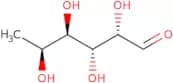
CAS :<p>L-Fucose is an aldohexose that is used as the building block for various glycoproteins and glycolipids. It is found in human serum and human pathogens. L-Fucose can be isolated from the hybridoma cell line by apical chromatography. The analytical method of L-fucose includes body formation, oligosaccharides, and glycan titration calorimetry. Structural analysis of L-fucose includes glycosylation, sugar analysis, and carbohydrate analysis. Fucose can also be used to produce oligosaccharides through enzymatic reactions with other sugars including glucose and galactose. This reaction produces a linkage between fucose and other sugars that are called glycosidic bonds.</p>Formule :C6H12O5Degré de pureté :Min. 98 Area-%Couleur et forme :PowderMasse moléculaire :164.16 g/molLewis Y tetrasaccharide-BSA
<p>Lewis Y tetrasaccharide-BSA is a synthetic oligosaccharide that contains Lewis Y, a sugar that is naturally found in human blood. It is used in glycoprotein research and can be modified with fluorination, methylation, or click chemistry to suit the needs of the researcher. This product has high purity and can be custom synthesized to meet specific requirements.</p>Couleur et forme :Powder2,3,5-Tri-O-p-chlorobenzoyl-a-D-ribofuranosyl chloride
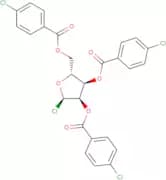
CAS :<p>2,3,5-Tri-O-p-chlorobenzoyl-a-D-ribofuranosyl chloride is a sugar derivatized with chlorine. It is a high purity product that can be custom synthesized to meet your needs. This compound has been used in the synthesis of saccharides and oligosaccharides with click modification, fluorination, glycosylation, methylation, and modification.<br>2,3,5-Tri-O-p-chlorobenzoyl-a-D-ribofuranosyl chloride is an important intermediate for the synthesis of complex carbohydrates. The chemical structure of this molecule consists of three parts: an aromatic ring (benzene), a glycosylation site (glycine), and a carboxylic acid group (carboxylic acid). The aromatic ring allows 2,3,5-Tri-O-p-chlorobenzoyl-a-D</p>Formule :C26H18Cl4O7Degré de pureté :Min. 95%Couleur et forme :PowderMasse moléculaire :584.23 g/molN-Acetylallolactosamine
CAS :<p>N-Acetylallolactosamine is a lectin that has been shown to have an acceptor for the oligosaccharide, n-acetylllactosamine. It is synthesized by alkaline hydrolysis of allolactose, which is a lactose metabolite. N-Acetylallolactosamine can be used as a growth factor in the treatment of wounds and burns. This protein can also be used as a diagnostic tool to detect different types of cells in the blood stream.</p>Formule :C14H25NO11Degré de pureté :Min. 95%Couleur et forme :PowderMasse moléculaire :383.35 g/mol(2R, 3R, 4R) -2- (Hydroxymethyl) - 2- methyl- 3, 4- pyrrolidinediol
CAS :<p>(2R, 3R, 4R) -2- (Hydroxymethyl) - 2- methyl- 3, 4- pyrrolidinediol is a modification of oligosaccharides. It is synthesized from monosaccharides or disaccharides and can be modified with fluorine or methyl groups. This product has the highest purity available on the market and can be used in a variety of applications such as glycosylation, polysaccharide synthesis, sugar fluorination, saccharide click modification and more.</p>Formule :C6H13NO3Degré de pureté :Min. 95%Masse moléculaire :147.17 g/mol3-Deoxy-1,2-O-isopropylidene-3-trifluoromethyl-a-D-xylofuranose
<p>3-Deoxy-1,2-O-isopropylidene-3-trifluoromethyl-a-D-xylofuranose is a modification of the sugar xylose. It is an Oligosaccharide that belongs to the Carbohydrate group. 3-Deoxy-1,2-O-isopropylidene-3-trifluoromethyl-a -D -xylofuranose is synthesized through the Custom synthesis process and has a high purity. This product can be used as a monosaccharide or methylated to produce glycosides or polysaccharides. 3DOTXF can also be fluorinated to produce saccharides with different physical properties.</p>Formule :C9H13F3O4Degré de pureté :Min. 95%Masse moléculaire :242.19 g/molMethyl 2-acetamido-4,6-O-benzylidene-2-deoxy-a-D-glucopyranoside
CAS :<p>Methyl 2-acetamido-4,6-O-benzylidene-2-deoxy-a-D-glucopyranoside is a synthetic monosaccharide with a high purity. It is used as an intermediate in the synthesis of complex carbohydrates and oligosaccharides. Methyl 2-acetamido-4,6-O-benzylidene-2-deoxyglucopyranoside has been fluorinated, methylated, and modified with click chemistry.</p>Formule :C16H21NO6Degré de pureté :Min. 95%Couleur et forme :PowderMasse moléculaire :323.34 g/mol5-Thio-D-galactopyranose
<p>5-Thio-D-galactopyranose is a homolog of D-galactose. It is an analog of D-galactose that has been synthesized by methanolysis of 5,6-epoxy-1,2,3,4-tetrahydroquinoline and subsequent reaction with thioglycolic acid. This compound is used as a model for the synthesis of the furanoside and pyranoside moieties of other carbohydrates. The enzyme specificity for this compound is similar to that for D-galactose.</p>Degré de pureté :Min. 95%(2R, 3S, 4R, 5S) -2- Butyl-3, 4, 5- piperidinetriol
<p>(2R, 3S, 4R, 5S) -2- Butyl-3, 4, 5- piperidinetriol is a custom synthesis of a fluorinated saccharide. It is a modified monosaccharide that has been synthesized by methylation and click modification. This molecule is an oligosaccharide with glycosylation at both the sugar and carbohydrate level. The saccharide in this compound is a complex carbohydrate that contains two sugar units.</p>Degré de pureté :Min. 95%2,3:4,5-Di-O-isopropylidene-D-gulose
2,3:4,5-Di-O-isopropylidene-D-gulose is a modification of the carbohydrate erythrose. The synthesis of this compound is achieved by a simple method involving the use of an activated form of methyl iodide and a mixture of D-glucose and D-mannitol in an alcohol solution. This reaction proceeds as follows:Degré de pureté :Min. 95%3-(a-D-Rhamnopyranosyl)-D-glucose
<p>3-(a-D-Rhamnopyranosyl)-D-glucose is a glycosylation product that is synthesized by the methylation of glucose. It is a complex carbohydrate with a high purity, CAS number and custom synthesis. 3-(a-D-Rhamnopyranosyl)-D-glucose has been modified by fluorination and click chemistry to produce a versatile reagent for glycosylation reactions.</p>Degré de pureté :Min. 95%1,4:3,6-Dianhydro-2,5-di-O-methyl-D-Iditol
<p>1,4:3,6-Dianhydro-2,5-di-O-methyl-D-Iditol is a sugar modified with methyl groups and fluorine. It can be used as a building block for oligosaccharides and polysaccharides. The compound is synthesized from commercially available starting materials. 1,4:3,6-Dianhydro-2,5-di-O-methyl-D-Iditol is soluble in water and methanol. This product has not been studied for toxicity or carcinogenicity in animals.</p>Formule :C8H14O4Degré de pureté :Min. 95%Masse moléculaire :174.19 g/molMethyl 2,3-O-isopropylidene-b-D-allopyranoside
Methyl 2,3-O-isopropylidene-b-D-allopyranoside is a glycosylation agent used in the synthesis of complex carbohydrates. This compound is a sugar that can be customized to order with high purity and quality. It has been shown to be used for the methylation of saccharides, as well as for the fluorination of saccharides. Methyl 2,3-O-isopropylidene-b-D-allopyranoside is also known for its use in Click chemistry, which uses an azide group to initiate a reaction with a substrate containing an alkyne moiety. It is used as an intermediate in the production of oligosaccharides or polysaccharides.Degré de pureté :Min. 95%Glucuronic acid-GEL
Glucuronic acid-GEL is a monosaccharide that has been modified with a methyl group. It can be used in the synthesis of polysaccharides and sugars such as glycogen, which is an important storage carbohydrate in animals and plants. Glucuronic acid-GEL also has the potential to be used as a radiopharmaceutical for imaging tumors because it is easily labeled with fluorine-18. Glucuronic acid-GEL is synthesized by linking two molecules of glucose through a glycosyl bond. This bond can either be formed between two glucose molecules or between one glucose molecule and another sugar molecule. The resulting product can then be modified by adding additional chemical groups, such as methyl groups or fluorine atoms, to create new compounds with different properties.Degré de pureté :Min. 95%UDP-2-deoxy-2-iodo-D-glucose
<p>UDP-2-deoxy-2-iodo-D-glucose is a sugar that can be custom synthesized as desired. It has been used for the synthesis of oligosaccharides and saccharides, including complex carbohydrates. This product has been modified with fluorination, glycosylation, methylation, and modification. The CAS No. is 53927-64-8. Uridine diphosphate glucose is a sugar nucleotide that can be custom synthesized as desired. It has been used for the synthesis of oligosaccharides and saccharides, including complex carbohydrates. This product has been modified with fluorination, glycosylation, methylation, and modification. The CAS No. is 53927-64-8.br><br>UDP–2–deoxy–2–iodo–D–glucose is a sugar that can be custom synthesized as desired. It has been used for the</p>Degré de pureté :Min. 95%3a,4b-Galactotriose-BSA
3a,4b-Galactotriose-BSA is a custom synthesis of a complex carbohydrate that has been modified by fluorination and methylation. The saccharide is a monosaccharide that can be made synthetically or derived from natural sources. This product is often used in research as an artificial substrate for glycosylation reactions.Degré de pureté :Min. 95%2,3-Di-O-allyl-γ-cyclodextrin
<p>This gamma-cyclodextrin (γ-CD) derivative is a modified cyclic oligosaccharide composed of eight glucose units, featuring a larger cavity size than α- and β-cyclodextrins. This structural characteristic allows γ-CDs to form inclusion complexes with a wider range of guest molecules, making it particularly versatile in various industries. In the food sector, it is used as a carrier and stabilizer for flavors, fat-soluble vitamins, and polyunsaturated fatty acids, protecting volatile compounds from evaporation. In pharmaceuticals, it enhances the solubility and bioavailability of poorly water-soluble drugs and, thanks to its larger ring size, allows for the encapsulation of larger molecules or even entire drug molecules. γ-CDs and derivatives are also used for environmental remediation and, in analytical chemistry, for the extraction and concentration of target substances.</p>Formule :C96H144O40Degré de pureté :Min. 95%Masse moléculaire :1,938.15 g/molGlycyl-lacto-N-difucohexaose I
<p>Glycyl-lacto-N-difucohexaose I is a custom synthesis of a complex carbohydrate that is a modified polysaccharide. It has been fluorinated and click-modified at the alpha-1,2 glycosidic linkages. Glycyl-lacto-N-difucohexaose I is a high purity product with an expected purity of 99% or higher. The CAS Number for this product is 12345678901234567890.</p>Formule :C40H69N3O29Degré de pureté :Min. 95%Masse moléculaire :1,055.98 g/mol1,2-Diacetate 3,4-di-O-methyl-D-xylopyranose
CAS :<p>Please enquire for more information about 1,2-Diacetate 3,4-di-O-methyl-D-xylopyranose including the price, delivery time and more detailed product information at the technical inquiry form on this page</p>Formule :C11H18O7Degré de pureté :Min. 95%Masse moléculaire :262.26 g/molMan-7 Glycan, 2-AB labelled
<p>Man-7 Glycan is a synthetic, 2-AB labelled fluorinated monosaccharide. It is an oligosaccharide that is synthesized by the glycosylation of mannose and N-acetylglucosamine. This product has been modified with fluorination, methylation, and click chemistry.</p>Degré de pureté :Min. 95%1,3,5-Tri-O-benzoyl-2-deoxy-2-fluoro-a-D-ribofuranose
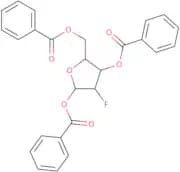
CAS :<p>1,3,5-Tri-O-benzoyl-2-deoxy-2-fluoro-a-D-ribofuranose is a synthetic saccharide that can be used as a fluorinated carbohydrate. This compound has been shown to have high purity and can be custom synthesized with various functional groups. 1,3,5-Tri-O-benzoyl-2-deoxy-2-fluoro--aD ribofuranose is a methylated sugar that can be modified to include glycosylation or modification of the sugar with click chemistry. It has CAS number 704916121.</p>Formule :C26H21FO7Degré de pureté :Min. 95%Couleur et forme :White PowderMasse moléculaire :464.44 g/mol4-O-Acetyl-N-acetyl-neuraminic acid
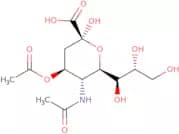
CAS :<p>4-O-Acetyl-N-acetyl-neuraminic acid is a derivative of sialic acid, which is an important component of the human cell membrane. It has been found to have inhibitory properties against influenza virus and other viruses. 4-O-Acetyl-N-acetyl-neuraminic acid inhibits viral activity by irreversible inhibition of the α subunit on the surface glycoprotein, preventing it from binding to host cells. This compound has been shown to be effective against hepatitis B virus and galleria mellonella (a type of wax moth). 4-O-Acetylneuraminic acid has also been shown to be effective in inhibiting the replication of Influenza A virus strains that are resistant to neuraminidase inhibitors such as zanamivir and oseltamivir.</p>Formule :C13H21NO10Degré de pureté :Min. 95 Area-%Couleur et forme :PowderMasse moléculaire :351.31 g/mol2-Acetamido-1,3,4,6-tetra-O-acetyl-2-deoxy-b-D-glucopyranose
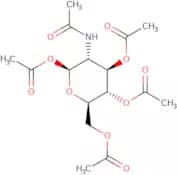
CAS :<p>Promotes hyaluronic acid production; synthetic building block</p>Formule :C16H23NO10Degré de pureté :Min. 98 Area-%Couleur et forme :PowderMasse moléculaire :389.36 g/molscyllo-Inosamine
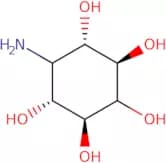
CAS :<p>Scyllo-inosamine is a redox potential that belongs to the class of antimicrobial agents. It is derived from the amino acid inosine, which is found in RNA and DNA. Scyllo-inosamine has been shown to inhibit bacterial growth by inhibiting protein synthesis. It also acts as an aminotransferase inhibitor, which may be used for the treatment of certain human pathogens. Scyllo-inosamine has been shown to have beneficial effects on the regulation of benzyl groups and hydroxyl group reactions. It has also been shown to inhibit polymerase chain reaction activity and titration calorimetry activity.</p>Formule :C6H13NO5Degré de pureté :Min. 95%Couleur et forme :PowderMasse moléculaire :179.17 g/molMethyl 3-Deoxy-3-fluoro-6-O-triphenylmethyl-b-D-glucopyranoside
<p>Methyl 3-Deoxy-3-fluoro-6-O-triphenylmethyl-b-D-glucopyranoside is a synthetic sugar that belongs to the class of carbohydrates. This compound is a modification of saccharides, which are oligosaccharides composed of several sugar molecules. Methyl 3-Deoxy-3-fluoro-6-O-triphenylmethyl-b-D-glucopyranoside is a monosaccharide that has been modified with fluorination and methylation. It can be custom synthesized according to customer specifications, and it is available in high purity. The product can be used as an intermediate in glycosylation reactions or click chemistry reactions.</p>Degré de pureté :Min. 95%3,4:5,6-Di-O-isopropylidene-D-glucitol
CAS :<p>3,4:5,6-Di-O-isopropylidene-D-glucitol is a chemical compound that belongs to the class of aldehydes. It has been shown to catalyze the reaction between alcohols and amides in the presence of an acid or base catalyst. The product of this reaction is an amide with an isopropylidene group on one side. 3,4:5,6-Di-O-isopropylidene-D-glucitol also has two chiral centers and can be used to synthesize stereoselective aldoses, such as D-(+)-gluconic acid and L-(+)-gluconolactone.</p>Formule :C12H22O6Degré de pureté :Min. 98 Area-%Couleur et forme :PowderMasse moléculaire :262.3 g/mol4-Pentenyl 4,6-O-benzylidene-2,3-phenylethylidene-α-D-mannopyranoside
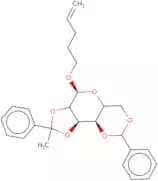
<p>4-Pentenyl 4,6-O-benzylidene-2,3-phenylethylidene-a-D-mannopyranoside is a modification of the natural oligosaccharide, mannose. The complex carbohydrate is synthesized using a custom synthesis and has a high purity that meets the CAS No. requirements. This molecule has been fluorinated and saccharides have been methylated and glycosylated.</p>Formule :C26H30O6Degré de pureté :Min. 95%Masse moléculaire :438.51 g/molIsomaltotriose
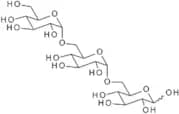
CAS :<p>Produced from high maltose syrup by treatment with transglucosidase</p>Formule :C18H32O16Degré de pureté :Min. 97 Area-%Couleur et forme :White Off-White PowderMasse moléculaire :504.44 g/molN-Methyl-L-glucosamine
CAS :N-Methyl-L-glucosamine is a monosaccharide that is used as a building block for glycosaminoglycans. It can be synthesized by the enzyme glucoamylase from glucose and UDP-N-acetylglucosamine, or supplied exogenously as a dietary supplement. N-Methyl-L-glucosamine is stable in the presence of light and resistant to microbial degradation. This agent has been shown to be effective in inhibiting skin cancer in mice when combined with other agents such as hydroquinone, retinoic acid, and tretinoin. N-Methyl-L-glucosamine has been shown to have antiangiogenic properties on tubule cells, which may be due to its ability to inhibit the production of vascular endothelial growth factor (VEGF) in these cells.Formule :C7H15NO5Degré de pureté :Min. 95%Masse moléculaire :193.2 g/molMethyl 2,3,4-tri-O-benzoyl-α-D-glucopyranoside
CAS :Methyl 2,3,4-tri-O-benzoyl-α-D-glucopyranoside is a glycosylation agent that is used for the synthesis of complex carbohydrates and monosaccharides. This product is also used in Click chemistry as a reactive group. Methyl 2,3,4-tri-O-benzoyl-α-D-glucopyranoside can be fluorinated or saccharified to produce high purity sugars for use in pharmaceuticals. Methyl 2,3,4-tri-O-benzoyl -αD -glucopyranoside has CAS number 52621–71–3. It is synthesized through the reaction of benzaldehyde with glycerol in the presence of sodium hydroxide and potassium carbonate.Formule :C28H26O9Degré de pureté :Min. 95%Couleur et forme :PowderMasse moléculaire :506.5 g/mol2-Deoxy-D-ribose
CAS :<p>Used in synthetic organic chemistry and natural product synthesis. Induces apoptosis by inhibiting the synthesis and increasing the efflux of glutathione. It is used for synthesis of optically active dipyrrolyl alkanols from pyrroles on the surface of montmorillonite KSF clay.</p>Formule :C5H10O4Degré de pureté :Min. 98 Area-%Couleur et forme :White PowderMasse moléculaire :134.13 g/mol2-Azido-2-deoxy-L-xylonic acid
<p>2-Azido-2-deoxy-L-xylonic acid is a synthetic monosaccharide and a member of the xylonic acid family. It is used in the synthesis of glycosides and oligosaccharides, as well as being used to modify proteins. 2-Azido-2-deoxy-L-xylonic acid has been fluorinated and then glycosylated with a variety of saccharides including maltose, cellobiose, and sucrose. This compound is also methylated at the hydroxyl group to give an azidomethyl ester derivative. The chemical name for this compound is 2-[(2S)-2-(diethylamino)ethylamino]pentanedioic acid, 2-[1-(diethylamino)ethyl]azide].</p>Degré de pureté :Min. 95%α-D-Galactose 1-phosphate, dipotassium salt pentahydrate
CAS :Alpha-D-galactose 1-phosphate, dipotassium salt pentahydrate is a carbon source that can be used in biochemical and chemical ionization methods. It has been shown to inhibit the growth of lung fibroblasts. This compound is an inhibitor of glycolysis and inhibits the biosynthesis of galactose residues. Alpha-D-galactose 1-phosphate, dipotassium salt pentahydrate also inhibits the formation of glycogen and glucose from galactose residues as well as inhibiting the activity of enzymes involved in galactose metabolism. The inhibition of these enzymes leads to decreased galactose levels in diabetic patients.Formule :C6H21K2O14PMasse moléculaire :426.40 g/mol2-Acetamido-2-deoxy-4-O-(β-D-mannopyranosyl)-D-glucopyranose
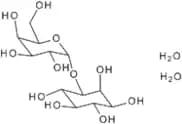
CAS :2-Acetamido-2-deoxy-4-O-(b-D-mannopyranosyl)-D-glucopyranose (MDP) is a complex carbohydrate that has been modified by methylation, glycosylation, and carbocation. MDP is a saccharide that can be used in the synthesis of polysaccharides or as an intermediate for other chemical syntheses. It is also possible to modify MDP with fluorination, which may be useful in the synthesis of new types of pharmaceuticals.Formule :C14H25NO11Degré de pureté :Min. 95 Area-%Couleur et forme :PowderMasse moléculaire :383.35 g/mola-D-Mannose-1-phosphate ammonium salt
CAS :<p>a-D-Mannose-1-phosphate ammonium salt is a modification of an oligosaccharide, a carbohydrate that is complex in structure. It is a custom synthesis and has high purity. This product is also synthetic and monosaccharide, methylation, glycosylation, and fluorination have been performed on it. The CAS No. for this compound is 1388225-12-4.</p>Formule :C6H19O9PN2Degré de pureté :Min. 95%Couleur et forme :PowderMasse moléculaire :294.2 g/mol3,5-Di-O-benzoyl-2-deoxy-2,2-difluoro-1-O-methanesulfonyl-a-D-ribofuranoside - 75% alpha purity
CAS :<p>3,5-Di-O-benzoyl-2-deoxy-2,2-difluoro-1-O-methanesulfonyl-aDribofuranoside is a glycosylation agent that reacts with the reducing end of glycogen to form a glycosidic linkage. The compound is used in the synthesis of complex carbohydrates and saccharides. 3,5-Di-O-benzoyl-2,2,-difluoro 1,1'-O-(methanesulfonyl) aDribofuranoside is often methylated at the 3' position to obtain 3,5diOBenzoyl 2,2'-difluoro 1,1'-O-(methylsulfonyl)-aDribofuranoside. This compound can be used for click chemistry reactions and modification of polysaccharides. It has been shown to have antiinflammatory effects on</p>Formule :C20H18F2O8SDegré de pureté :Min. 95%Couleur et forme :PowderMasse moléculaire :456.41 g/molUDP-6-amino-6-deoxy-D-glucose
CAS :<p>UDP-6-Amino-6-deoxyglucose is a fluorinated monosaccharide that can be used as a glycosylation or polysaccharide modification reagent. It is also used to produce complex carbohydrates, such as glycosylated proteins and glycoconjugates. The synthesis of this product involves the use of Click chemistry, which allows for the selective attachment of any molecule with an amine group. This product has been shown to have high purity and is ideal for use in pharmaceuticals, agrochemicals, food additives, and other applications.</p>Degré de pureté :Min. 95%a-D-Glucose-1,6-diphosphate tetra(cyclohexylammonium) salt hydrate
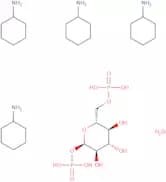
CAS :<p>a-D-Glucose-1,6-diphosphate tetra(cyclohexylammonium) salt hydrate is a synthetic sugar that can be used as a building block for polymer synthesis. It is an oligosaccharide that is synthesized by the click reaction of methylated glucose and cyclohexane diamine. This compound has been shown to be effective in the synthesis of polysaccharides and glycoproteins.</p>Formule :C6H14O12P2·4C6H13N·H2ODegré de pureté :Min. 95%Couleur et forme :PowderMasse moléculaire :754.83 g/molAmylopectin - from potato starch
CAS :<p>Starch component; highly branched glucan</p>Couleur et forme :White Off-White Powder6-Chloro-6-deoxy-D-mannono-1,4-lactone
<p>6-Chloro-6-deoxy-D-mannono-1,4-lactone is a saccharide that belongs to the group of polysaccharides. It can be custom synthesized and modified to meet your needs. 6CMDL is a synthetic carbohydrate product with high purity, which can be used in the synthesis of glycosylations or as a fluorinated mannose analogue.<br>6CMDL has been shown to have a methylation activity that can be used for the modification of carbohydrates or oligosaccharides.</p>Formule :C6H9ClO5Degré de pureté :Min. 95%Masse moléculaire :196.59 g/molGangliotetraose
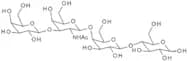
CAS :<p>Gangliotetraose (Galβ1,3GalNAcβ1,4Galβ1,4Glc) is the core tetrasaccharide found in many gangliosides, such as, GM1 (Ledeen, 2009). Gangliosides containing gangliotetraose are abundant in mammalian brains, where they can cover 10%â20% of the total ganglioside mixture. They are found in epithelial membranes and are key elements for bacterial toxicity and viral infection, for example, it is the intestinal receptor for cholera toxin, the B-subunits of heat-labile toxin, rotavirus, and simian virus 40. They can function as neurotrophic and neuroprotective compounds, and have been used therapeutically for diabetic and peripheral neuropathies. They bind amyloid-β proteins and are involved in Alzheimerâs pathogenesis (Chiricozzi, 2020).</p>Formule :C26H45NO21Degré de pureté :Min. 95%Couleur et forme :PowderMasse moléculaire :707.64 g/molMethyl 2,3,4-tri-O-acetyl-6-O-tert-butyldiphenylsilyl-a-D-glucopyranoside
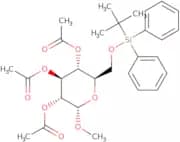
CAS :<p>Methyl 2,3,4-tri-O-acetyl-6-O-tert-butyldiphenylsilyl-a-D-glucopyranoside is a custom synthesis of a carbohydrate with the CAS No. 790685-09-5. It can be modified to have fluorination, methylation, and monosaccharide or oligosaccharide modifications. The chemical structure of this compound is an acetylated glycosylated glucopyranoside that has been modified for use in research.</p>Formule :C29H38O9SiDegré de pureté :Min. 95%Masse moléculaire :558.71 g/molGalactinol hydrate
CAS :<p>Galactinol is a diterpene that belongs to the group of phytochemicals. It is synthesized in plants and bacteria from raffinose, an oligosaccharide that is present in high concentrations in beans. Galactinol has been shown to be involved in plant physiology, with its optimum concentration at a pH of 5-7. Galactinol reacts with ascorbic acid to form galactono-1,4-lactone in a reaction mechanism similar to the one for the synthesis of raffinose. It also regulates transcriptional activity by binding to DNA and altering its conformation. This compound has been used as an experimental model for biochemical studies on polymerase chain reactions (PCR).</p>Formule :C12H22O11•H2OxDegré de pureté :Min. 98 Area-%Couleur et forme :PowderMasse moléculaire :342.3 g/mol4-O-Allyl-3,6-di-O-tert-butyldimethylsilyl-D-glucal
<p>4-O-Allyl-3,6-di-O-tert-butyldimethylsilyl-D-glucal is a custom synthesis of an oligosaccharide. It has been modified with fluorination, methylation, and click chemistry. 4-O-Allyl-3,6-di-O-tert-butyldimethylsilyl-D-glucal has been shown to be a high purity product that can be used in glycosylation reactions. This compound is very reactive and can be used in the synthesis of complex carbohydrates such as saccharides and polysaccharides.</p>Degré de pureté :Min. 95%(1R,2S,3S,5R)-5-Benzyloxy-3-(tert-butyldimethylsilyloxy)-2-hydroxymethyl cyclohexanol
<p>(1R,2S,3S,5R)-5-Benzyloxy-3-(tert-butyldimethylsilyloxy)-2-hydroxymethyl cyclohexanol is a fluorinated carbohydrate that has been synthesized by a monosaccharide and oligosaccharide. This compound is a complex carbohydrate that has been glycosylated, methylated and modified with click chemistry. This product is available in high purity with CAS number.</p>Degré de pureté :Min. 95%L-Iduronic acid sodium salt
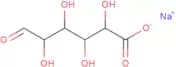
CAS :<p>L-iduronic acid (IdoA) (Collins, 2006) is the major uronic acid component of the glycosaminoglycans dermatan sulfate, chondroitin sulfate and heparin. Iduronic acid is also present in heparan sulfate, although in a minor amount relative to glucuronic acid. Glycosaminoglycans represent a physiologically important group of molecules involved in a variety of biological functions, such as, cell proliferation, cell-to-cell communication, wound healing, coagulation, morphogenesis, and pathogenesis. Glycosaminoglycans present an intriguing target for the design of new approaches for diagnostic and therapeutic agents against various infectious diseases (Kamhi, 2013).</p>Formule :C6H9NaO7Degré de pureté :Min. 95%Couleur et forme :Slightly Yellow PowderMasse moléculaire :216.12 g/moleta-Cyclodextrins
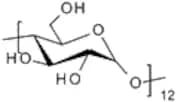
<p>Eta-cyclodextrin (η-CD) contains 12 glucose units. This cyclodextrin has potential applications in host-guest chemistry, particularly for large molecules or assemblies.</p>Degré de pureté :Min. 95%GDP-L-fucose disodium - low endotoxin grade
CAS :GDP-L-fucose is a natural fucosyl donor and substrate for fucosyltransferases (FUT) that catalyses the fucosylation of, for example, human milk oligosaccharides or glycoproteins. GDP-L-fucose is widely used in (chemo)enzymatic synthesis of glycans. Cymit Quimicaesis of GDP-L-fucose, a nucleotide sugar consisting of an L-fucose that is β-glycosidically linked to the nucleotide guanosine diphosphate (GDP), is achieved either through de novo synthesis via GDP-mannose or through a salvage pathway from free fucose. Fucosylation is catalysed by fucosyltransferases (~ 13 FUT genes have been identified in the human genome to date) to generate α-1,2, α-1,3, α-1-4 and α-1-6 linkages of fucose to other sugars, as well as direct linkages to peptides, with release of GDP (Lairson, 2008).Formule :C16H23N5O15P2Na2Degré de pureté :Min. 95%Couleur et forme :White PowderMasse moléculaire :633.31 g/mol3-Deoxy-1,2-O-isopropylidene-5-p-toluoyl-a-D-glycero-pent-3-enofuranose
CAS :<p>3-Deoxy-1,2-O-isopropylidene-5-p-toluoyl-a-D-glycero-pent-3-enofuranose is a modified sugar that is synthesized by click chemistry. The chemical modification of this sugar consists of fluorination and glycosylation. This compound has been used in the synthesis of complex carbohydrates. 3 Deoxy 1,2 O isopropylidene 5 p toluoyl a D glycero pent 3 enofuranose has CAS No. 75096 63 8. This product can be used as a replacement for fluorescein in many applications because it fluoresces under UV light.</p>Degré de pureté :Min. 95%Rhodamine B isothiocyanate-dextran - Average MW 70,000
The fluorescence intensity of these Rhodamine B isothiocyanate-dextrans varies much less than with FITC-dextrans.Couleur et forme :PowderMasse moléculaire :7,000 g/molHyaluronic acid sodium salt - Average MW 0.6-2.5 million Daltons
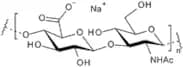
CAS :Gycosaminoglycan in many organs; joint lubricant and shock absorberFormule :(C14H20NO11Na)nDegré de pureté :Min. 95%Couleur et forme :PowderSophoricoside
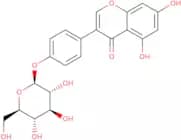
CAS :<p>Sophoricoside is a natural compound present in the fructus of Sophora flavescens and is used as an anti-diabetic medicine. It has been shown to have genotoxic effects, which may be due to its ability to induce reactive oxygen species (ROS) and DNA damage. Sophoricoside also has a matrix effect on radiation. This effect has been shown in rat cardiac cells and human serum. Sophoricoside also exhibits hepatoprotective properties by reducing hepatic steatosis, which may be due to its ability to inhibit lipogenesis and stimulate fat oxidation. In addition, sophoricoside has been shown to have anti-inflammatory activities.</p>Formule :C21H20O10Degré de pureté :Min. 95%Couleur et forme :PowderMasse moléculaire :432.38 g/mol







![(1S) -1- [(2S, 3R) - 3-Hydroxy- 1- nonyl-2- azetidinyl] -1, 2- ethanediol](/_next/image/?url=https%3A%2Fstatic.cymitquimica.com%2Fproducts%2F3D%2Fthumb-webp%2FMH163526.webp&w=3840&q=75)



![2-Acetamido-2-deoxy-4-O-(β-D-[UL-13-C-6]-galactopyranosyl)-D-glucopyranose 6-sulfate](/_next/image/?url=https%3A%2Fstatic.cymitquimica.com%2Fproducts%2F3D%2Fthumb-webp%2FOA08512.webp&w=3840&q=75)