Glycosciences
La glycosciences est l'étude des glucides et de leurs dérivés, ainsi que des interactions et des fonctions biologiques auxquelles ils participent. Ce domaine de recherche est crucial pour comprendre une grande variété de processus biologiques, y compris la reconnaissance cellulaire, la signalisation, la réponse immunitaire et le développement des maladies. La glycosciences a des applications importantes en biotechnologie, en médecine et dans le développement de nouveaux médicaments et thérapies. Chez CymitQuimica, nous proposons une large sélection de produits de haute qualité et pureté pour la recherche en glycosciences. Notre catalogue comprend des monosaccharides, des oligosaccharides, des polysaccharides, des glyconjugués et des réactifs spécifiques, conçus pour soutenir les chercheurs dans leurs études sur la structure, la fonction et les applications des glucides dans les systèmes biologiques. Ces ressources sont destinées à faciliter les découvertes scientifiques et les applications pratiques dans divers domaines des biosciences et de la médecine.
Sous-catégories appartenant à la catégorie "Glycosciences"
- Aminosucres(108 produits)
- Anticorps Glyco-Related(282 produits)
- Glycolipides(46 produits)
- Glycosaminoglycanes (GAGs)(55 produits)
- Glycosides(419 produits)
- Monosaccharides(6.624 produits)
- Oligosaccharides(3.682 produits)
- Polysaccharides(503 produits)
11046 produits trouvés pour "Glycosciences"
Trier par
Degré de pureté (%)
0
100
|
0
|
50
|
90
|
95
|
100
Xyloglucan octasaccharide
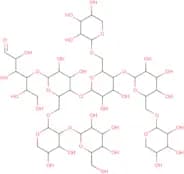
CAS :<p>Xyloglucan octasaccharide is a carbohydrate with eight monosaccharide units. The molecule has been shown to be capable of scavenging active oxygen, which is a reactive oxygen species that can lead to tissue damage. Xyloglucan octasaccharide has also been shown to stimulate the germination rate of wheat seeds.</p>Degré de pureté :Min. 95%1-Pyrenyl-2,3,4-tri-O-acetyl-b-D-glucuronide methyl ester
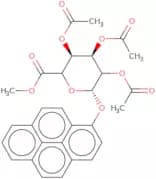
<p>1-Pyrenyl-2,3,4-tri-O-acetyl-b-D-glucuronide methyl ester is a custom synthesis product that can be used to modify oligosaccharides and polysaccharides. This product is a fluorinated sugar that has been modified with acetyl groups at the 1 and 4 positions of the pyrene ring. It is an Oligosaccharide, Polysaccharide, saccharide, Carbohydrate and Monosaccharide. The complex carbohydrate modification provides high purity and high quality. The 1-Pyrenyl-2,3,4-tri-O-acetyl-b-D-glucuronide methyl ester is useful in Click chemistry applications as well as in other chemical reactions such as polymerization and condensation reactions.</p>Formule :C29H26O10Degré de pureté :Min. 95%Masse moléculaire :534.51 g/mol1-Cyano-2-deoxy-3,5-di-O-toluoyl-D-ribofuranose
CAS :<p>1-Cyano-2-deoxy-3,5-di-O-toluoyl-D-ribofuranose is a monosaccharide that is used in the synthesis of oligosaccharides and polysaccharides. This product is custom synthesized to meet customer specifications. It has a CAS number of 406955-52-0. The purity of this product can be customized as well.</p>Degré de pureté :Min. 95%Phenyl a-L-thiorhamnopyranoside
CAS :<p>Phenyl a-L-thiorhamnopyranoside is a monosaccharide that is synthesized by the methylation of alpha-D-glucose. It is a custom synthesis that is used in the synthesis of oligosaccharides, polysaccharides, and sugar drugs. Phenyl a-L-thiorhamnopyranoside can be fluorinated to create an active form that has antibacterial activity. This compound has shown no signs of toxicity in animal studies and has been used as a food additive.</p>Formule :C12H16O4SDegré de pureté :Min. 95%Masse moléculaire :256.32 g/molL-Rhamnal
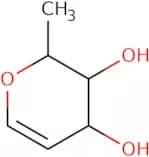
CAS :<p>L-Rhamnal is a sodium sulfide that is used in the synthesis of stereoselective compounds. It has been shown to have anti-leukemic properties and may be useful for the treatment of lymphocytic leukemia. L-Rhamnal has been shown to inhibit tumor growth and metastasis in animal models of cancer, as well as being cytotoxic to human leukemic cells. L-Rhamnal inhibits the proliferation of these cells by blocking DNA synthesis and preventing cell division. The hydroxymethyl group on L-rhamnal interacts with chloride ions to form a salt that can be degraded into hydrogen sulfide gas, which is known to be toxic to some organisms. The chloride ion also reacts with triterpene alcohols, glycosidic bonds, potassium phosphate, or borohydride reduction agents like sodium borohydride or lithium aluminum hydride. These reactions are used in carbohydrate chemistry and aldehyde</p>Formule :C6H10O3Degré de pureté :Min. 95%Masse moléculaire :130.14 g/molSennoside b calciumsalt
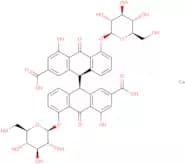
CAS :<p>Sennoside b is a natural compound found in the plant Senna obtusifolia and has been shown to have an effect on myeloma cells, as well as on enzyme activities and energy metabolism. Sennoside b has also been shown to inhibit phospholipase A2 (PLA2) activity and prostaglandin E2 (PGE2) levels in a mouse myeloma cell line. The pathogenic mechanism of sennoside b is unclear, but it may be due to its locomotor activity-reducing effects or due to its effect on gut motility. The optimum extraction process for sennoside b is not clear, but it should be carried out with care due to its chemical stability. Sennoside b has also been shown to have beneficial effects on hepatic steatosis and bowel disease, thus making it a potential treatment for these conditions. Multivariate logistic regression analysis was used to identify factors that may predict</p>Formule :C42H36CaO20Degré de pureté :Min. 95%Masse moléculaire :900.8 g/mol1,2:3,5-Di-O-isopropylidene-a-D-apiose
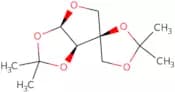
CAS :<p>1,2:3,5-Di-O-isopropylidene-a-D-apiose is a monosaccharide that is synthesized from D-apiose by methylation of the C1 hydroxyl group with formaldehyde and sodium methoxide in methanol. This carbohydrate has been shown to be a good substrate for glycosylation reactions and click chemistry.<br> 1,2:3,5-Di-O-isopropylidene-a-D-apiose is a white powder that can be dissolved in water or ethanol. It has no odor and is stable at pH 2 to pH 10. The compound does not react with other carbohydrates or proteins under normal conditions.</p>Formule :C11H18O5Degré de pureté :Min. 95%Couleur et forme :PowderMasse moléculaire :230.26 g/molNicotine-N-b-D-glucuronide-D3
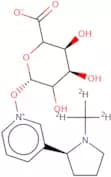
Produit contrôlé<p>Nicotine-N-b-D-glucuronide-D3 is a high purity custom synthesized sugar that can be modified with click chemistry, fluorination, glycosylation, and methylation. It is sold as a white powder and can be used in the synthesis of oligosaccharides, monosaccharides, saccharides, and complex carbohydrates. Nicotine-N-b-D-glucuronide D3 has CAS No. 43487-07-8 and an Oligosaccharide/Monosaccharide ratio of 1.0.</p>Formule :C16H19N2O7D3Degré de pureté :Min. 95%Masse moléculaire :357.37 g/molMethyl 3-acetamido-4,6-O-benzylidene-2,3-dideoxy-a-D-arabino-hexopyranoside
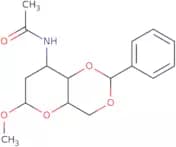
CAS :<p>Methyl 3-acetamido-4,6-O-benzylidene-2,3-dideoxy-a-D-arabino-hexopyranoside is a custom synthesis of an oligosaccharide with a complex carbohydrate structure. It is a high purity compound with methylation and glycosylation modifications. This compound has a fluoroination modification that makes it resistant to hydrolysis by esterases and glucuronidases. It can be used in the synthesis of saccharides and polysaccharides.</p>Formule :C16H21NO5Degré de pureté :Min. 95%Masse moléculaire :307.35 g/molMethyl 3,5-di-O-(p-chlorobenzyl)-2-deoxy-a-D-ribofuranoside
<p>Methyl 3,5-di-O-(p-chlorobenzyl)-2-deoxy-a-D-ribofuranoside is an oligosaccharide that is synthesized by the Click modification of a glycosylation reaction. It is a synthetic compound with a molecular weight of 524.87 Da and a CAS number of 71068-92-1. The chemical structure of this compound consists of two monosaccharides: D-arabinose and D-xylose, which are linked through alpha (1->4) glycosidic bonds. This product is used in the synthesis of complex carbohydrates.</p>Degré de pureté :Min. 95%Hyaluronate biotin - Molecular Weight - 1500kDa
<p>Hyaluronate biotin is a complex carbohydrate that is synthesized by the glycosylation of hyaluronic acid and biotin. It has a molecular weight of 1500 kDa. This product can be customized for various applications, including Fluorination, Monosaccharide, Synthetic, Oligosaccharide, Click modification, and Methylation.</p>Degré de pureté :Min. 95%1,2,3,4-Tetra-O-acetyl-β-D-glucuronic acid methyl ester
CAS :<p>1,2,3,4-Tetra-O-acetyl-beta-D-glucuronic acid methyl ester is a phosphatidylinositol (PtdIns) synthesis inhibitor. It inhibits the activation of the PtdIns 3 kinase enzyme by binding to its C2 domain. This inhibitor blocks the synthesis of PtdIns 3,4,5P3 and reduces the activity of protein kinases such as Akt and PKC. The structural analysis of this compound has been done on wild type virus and mouse tumor cells in vitro. One study showed that 1,2,3,4-Tetra-O-acetyl-beta-D-glucuronic acid methyl ester can inhibit hematopoietic progenitor cells and suppress wild type virus growth in vivo.1,2,3,4 Tetra-O-acetyl beta D glucuronic acid methyl ester may have potential as</p>Formule :C15H20O11Masse moléculaire :376.32 g/mol5-Azido-5-deoxy-D-fructose
CAS :5-Azido-5-deoxy-D-fructose is a chiral compound that has been synthesized by the catalytic hydrogenation of 5-azido-4,6-dideoxy-D-glucose. The kinetic and stereoselective synthesis of 5-azido-5-deoxy-D-fructose is achieved by using an acetylating agent to first generate the corresponding acetic acid derivative. The enantiomeric excess in this reaction was 88%. This compound can be used as a precursor for the synthesis of polyhydroxylated compounds, such as 3,4,5,6 tetrahydroxybenzoate.Formule :C6H11N3O5Degré de pureté :Min. 98 Area-%Couleur et forme :White PowderMasse moléculaire :205.17 g/mol3,4,6-Tri-O-benzyl-2-deoxy-D-glucopyranose
CAS :<p>3,4,6-Tri-O-benzyl-2-deoxy-D-glucopyranose is a sugar moiety that consists of 3,4 and 6 triacetate groups. It is used as a glycosylation agent to increase the stability of glycoprotein drugs and in the synthesis of chemical reagents such as perchlorate. In addition, it has been shown to be an effective catalyst for the synthesis of various alcohols. This sugar moiety also has high stereoselectivity and yields when used in reactions with acetyl or benzyl alcohols. Finally, this moiety may be substituted with other functional groups such as flavonoids or alcohols in order to change its characteristics.</p>Formule :C27H30O5Degré de pureté :Min. 95%Masse moléculaire :434.52 g/molN6-Benzyladenine-3-glucoside
CAS :<p>N6-Benzyladenine-3-glucoside is a carbohydrate that is modified with a click chemistry reaction. It is synthesized from D-mannose and 6-benzylaminopurine and has been glycosylated with 2,3,4,6-tetra-O-acetyl glucosamine. N6-Benzyladenine-3-glucoside is an important component of the bacterial cell wall. The compound consists of a single sugar chain and is fluorinated at the C2 position.</p>Formule :C18H21N5O5Degré de pureté :Min. 95%Couleur et forme :PowderMasse moléculaire :387.39 g/molEthyl a-D-fructofuranoside
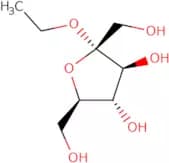
CAS :<p>Ethyl a-D-fructofuranoside is a carbohydrate found in the roots of orientalis that has been shown to have anti-allergic effects. Ethyl a-D-fructofuranoside is extracted from the root of orientalis and purified by column chromatography. It inhibits histamine release and reduces inflammation in mouse skin tests. The structure of ethyl a-D-fructofuranoside was determined using nuclear magnetic resonance (NMR) spectroscopy, gas chromatography, and mass spectroscopy. The biosynthesis of this compound is unknown but it may be synthesized from sucrose or methanol extract with the help of an enzyme called verbascose synthase.</p>Formule :C8H16O6Degré de pureté :Min. 95%Masse moléculaire :208.21 g/mol1,2,3,4-Tetra-O-benzoyl-L-fucopyranose
CAS :<p>Tetra-O-benzoyl-L-fucopyranose is a glycosylate nucleoside that is synthesized from the sugar L-fucose. It is an activated form of fucose, which can be used for the synthesis of guanosine diphosphate. Tetra-O-benzoyl-L-fucopyranose has been used to synthesize large amounts of guanosine diphosphate, which is a nucleoside that participates in the synthesis of DNA and RNA.</p>Formule :C34H28O9Degré de pureté :Min. 95%Masse moléculaire :580.58 g/molIsopropyl 2-amino-2-deoxy-b-D-glucopyranoside HCl
<p>Isopropyl 2-amino-2-deoxy-b-D-glucopyranoside HCl is a modification of the sugar glucose. It can be synthesized by reacting an amine with an aldehyde. Isopropyl 2-amino-2-deoxy-b-D-glucopyranoside HCl is a white solid that has a melting point of about 110°C and a molecular weight of 204.22 g/mol. This compound is used in the synthesis of oligosaccharides, carbohydrates, complex carbohydrates, and synthetic saccharides. Isopropyl 2-amino-2-deoxy-b-D-glucopyranoside HCl has high purity and CAS No., which are monosaccharides, methylation, glycosylation and polysaccharides that have been fluorinated or saccharides that have been modified with methyl groups or glycosyl</p>Degré de pureté :Min. 95%4-Methoxyphenyl 4,6-O-Benzylidene-b-D-galactopyranoside
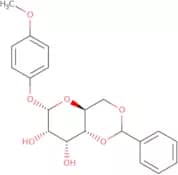
CAS :<p>4-Methoxyphenyl 4,6-O-Benzylidene-b-D-galactopyranoside is a diagnostic agent that reacts with the magnesium salt of 4,6-O-benzylidene b-D-galactopyranoside to form a bright red complex. The reaction of the complex with the magnesium oxide is rapid and highly specific for this substrate. The intensity of color can be measured spectrophotometrically at a wavelength of 420 nm. This product may be used in medical research to diagnose Alzheimer's Disease or other neurological disorders that are characterized by impaired cognition and memory.</p>Formule :C20H22O7Degré de pureté :Min. 95%Masse moléculaire :374.38 g/molGlycyl-lacto-N-fucopentaose I
Glycyl-lacto-N-fucopentaose I is an oligosaccharide that is a modified form of the carbohydrate, glycogen. It has been synthesized and its structure determined through the use of nuclear magnetic resonance spectroscopy. Glycyl-lacto-N-fucopentaose I is a complex carbohydrate with a molecular weight of 6,280 Da. The chemical formula for it is C194H290O60F6N8O6. This compound is soluble in water, ethanol, methanol, acetone and acetic acid. Glycyl-lacto-N-fucopentaose I has CAS No. 122959-00-5 and one monosaccharide unit methylated with one glycosylation site and one polysaccharide unit with two sugar units fluorinated.Formule :C34H59N3O25Degré de pureté :Min. 95%Masse moléculaire :909.84 g/molD-Gluconic acid sodium salt
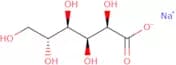
CAS :<p>D-Gluconic acid sodium salt - USP grade is a biochemical reagent that is used in the synthesis of nucleotides and various other biomolecules. It is also used as an antimicrobial agent, with broad-spectrum activity against bacteria, fungi, and viruses. In addition to its antimicrobial activity, D-gluconic acid has been shown to inhibit carcinoma cell lines in vitro. This inhibition may be due to the inhibition of enzymes involved in phosphorylation reactions such as adenylate kinase, glyceraldehyde 3-phosphate dehydrogenase (GAPDH) and hexokinase. X-ray diffraction data on wild-type strains of E. coli have shown that D-gluconic acid binds to the enzyme phosphogluconate dehydrogenase (PGD), which catalyzes a reaction between D-gluconic acid and NAD+ or NADP+. The matrix effect for this reaction was</p>Formule :C6H11NaO7Degré de pureté :Min. 95%Masse moléculaire :218.14 g/mol3-O-(2-Acetamido-2-deoxy-b-D-glucopyranosyl)-D-galactose
CAS :<p>3-O-(2-Acetamido-2-deoxy-b-D-glucopyranosyl)-D-galactose is a synthetic glycosylation of galactose and acetamide. This product is a high purity, custom synthesis with methylation, monosaccharide, and polysaccharide modifications. 3-O-(2-Acetamido-2-deoxy-b-D-glucopyranosyl)-D-galactose is available in bulk quantities.</p>Formule :C14H25NO11Degré de pureté :Min. 95%Couleur et forme :PowderMasse moléculaire :383.35 g/mol1-Deoxy-D-ribulose - 1.0M Aqueous solution
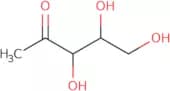
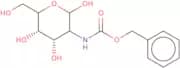
CAS :<p>1-Deoxy-D-ribulose is a ribose sugar that has been modified by the removal of one of the hydroxyl groups. It has a variety of uses, including as a flavouring agent in food and beverages and as an intermediate in the production of other chemicals. The flavour profile varies depending on its source, but can include caramel, toffee, <br>chocolate, dried fruit or molasses flavours.</p>Formule :C5H10O4Degré de pureté :Min. 95%Couleur et forme :PowderMasse moléculaire :134.13 g/mol2-(Benzyloxycarbonylamino)-2-deoxy-D-mannose
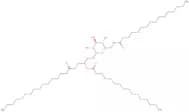
CAS :<p>2-(Benzyloxycarbonylamino)-2-deoxy-D-mannose is a sugar that is linked to other molecules through glycosylation. It is an important component of the complex carbohydrate called glycogen. This product can be used in methylation, click modification, polysaccharide, fluorination and saccharide modification reactions. 2-(Benzyloxycarbonylamino)-2-deoxy-D-mannose has CAS No. 1174233-24-9 and is available in high purity.</p>Formule :C14H19NO7Degré de pureté :Min. 95%Masse moléculaire :313.31 g/mol1,2-Dipalmitoyl-3-(N-palmitoyl-6'-amino-6'-deoxy-a-D-glucosyl)-sn-glycerol
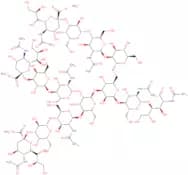
CAS :<p>Dipalmitoyl-3-(N-palmitoyl-6'-amino-6'-deoxy-a-D-glucosyl)-sn-glycerol is a marine glycoglycerolipid that has been shown to have potent inhibitory activity against human and bacterial enzymes. This molecule was synthesized using multistep, stereoselective synthetic methods. It is a lipid molecule with two domains: the first domain is palmitic acid and the second domain is a glycosylated amino acid. The first domain has been shown to inhibit human and bacterial enzyme activity.</p>Formule :C57H109NO10Degré de pureté :Min. 95%Masse moléculaire :968.48 g/molA3 N-Glycan
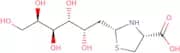
CAS :<p>A3 N-Glycan is a glycosylation profile marker that is specific for the cancer cells. It discriminates between healthy and cancerous cells, which has been shown by analyzing the A3 N-glycan profiles in human plasma samples. The A3 N-glycan marker is detected using high performance liquid chromatography (HPL) analysis. This assay can be used to diagnose cancer and monitor its progression.</p>Formule :C109H178N8O80Degré de pureté :Min. 95%Couleur et forme :PowderMasse moléculaire :2,880.59 g/mol2-(D-Galacto-pentylhydroxypentyl-4(R)-1,3-thiazolidine-4-carboxylic acid
CAS :<p>2-(D-Galacto-pentylhydroxypentyl)-4(R)-1,3-thiazolidine-4-carboxylic acid is a synthetic glycosylated polysaccharide that has been modified with fluorination and methylation. This compound is a sugar that can be modified to create an oligosaccharide or monosaccharide. 2-(D-Galacto-pentylhydroxypentyl)-4(R)-1,3-thiazolidine-4-carboxylic acid can be used in the synthesis of complex carbohydrates, including glycans and polysaccharides. The CAS number for this compound is 124650-46-0.</p>Formule :C10H19NO7SDegré de pureté :Min. 95%Masse moléculaire :297.4 g/molPerindopril acyl-a-D-glucuronide
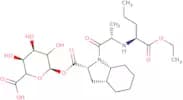
<p>Perindopril acyl-a-D-glucuronide is a synthetic small molecule that has been modified with fluorination, methylation, and click modification. It can be used for the synthesis of oligosaccharides and saccharides. Perindopril acyl-a-D-glucuronide is a highly reactive compound that is useful in glycosylation reactions, including Click chemistry. The CAS number for this compound is 217917-05-8. The molecular weight of perindopril acyl-a-D-glucuronide is 284.36 g/mol and the molecular formula is C14H24N2O6•C2H3O2•1/2 H2O.</p>Formule :C25H40N2O11Degré de pureté :Min. 95%Masse moléculaire :544.6 g/mol2,3,6,2',3',4',6'-Hepta-O-acetyl-b-maltosyl azide
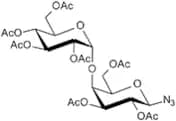
CAS :<p>2,3,6,2',3',4',6'-Hepta-O-acetyl-b-maltosyl azide is a glycosylation agent that can be used in organic synthesis. It is a custom synthesis and can be modified to meet the customer's needs. This product has a CAS number of 33012-49-6 and has high purity with a saccharide content of >99%.</p>Formule :C26H35N3O17Degré de pureté :Min. 95%Couleur et forme :White PowderMasse moléculaire :661.57 g/molb1-4-Galactosyl-Galactose-BSA
<p>b1-4-Galactosyl-Galactose-BSA is a carbohydrate, modification and saccharide that is an Oligosaccharide and sugar. It is custom synthesized and has high purity. This compound can be fluorinated, complexed, or methylated. It also contains glycosylation or click modification.</p>Degré de pureté :Min. 95%Benzyl N-acetyl-4,6-O-benzylidene-a-isomuramic acid
CAS :<p>Benzyl N-acetyl-4,6-O-benzylidene-a-isomuramic acid is a high purity custom synthesis. It is a sugar that has been modified by click chemistry, fluorination, glycosylation, and methylation. The modification of this compound includes the addition of an acetamide group to the hydroxyl group on carbon 2 and a benzylidene acetal at carbon 4. This compound has been synthesized to be used as a monosaccharide or an oligosaccharide in complex carbohydrates.</p>Formule :C25H29NO8Degré de pureté :Min. 95%Masse moléculaire :471.5 g/molprim-O-glucosylangelicain
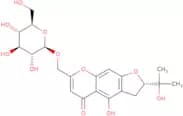
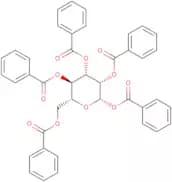
CAS :<p>Prim-O-glucosylangelicain is a complex carbohydrate that has been synthesized by custom synthesis and modification. Prim-O-glucosylangelicain is a monosaccharide that has been methylated and then click modified. It also contains an oligosaccharide with glycosylation. The prim-O-glucosylangelicain has been synthesized to have a saccharide chain consisting of glycosidic linkages with a polysaccharide. Click modification is the process of attaching reactive groups to the hydroxyl groups of sugars. This process can be used to replace the hydroxyl group with fluorine, which is done in this case to increase stability and reduce reactivity.</p>Degré de pureté :Min. 95%1,2,3,4,6-Penta-O-benzoyl-b-D-mannopyranose
CAS :<p>1,2,3,4,6-Penta-O-benzoyl-b-D-mannopyranose is a custom synthesis that can be modified with fluorination or methylation. It is a monosaccharide and a synthetic saccharide that can also be used as an oligosaccharide.</p>Formule :C41H32O11Degré de pureté :Min. 95%Masse moléculaire :700.7 g/molEthyl 2-acetamido-3,4,6-tri-O-acetyl-2-deoxy-D-thiogalactopyranoside
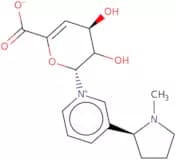
<p>Ethyl 2-acetamido-3,4,6-tri-O-acetyl-2-deoxy-D-thiogalactopyranoside is a custom synthesis of an oligosaccharide. It has a CAS No. and is a high purity synthetic product. Ethyl 2-acetamido-3,4,6-tri-O-acetyl-2-deoxy -D thiogalactopyranoside consists of monosaccharides with a sugar backbone that has been modified by fluorination and methylation for increased stability. The modification of the sugar backbone makes it resistant to degradation by enzymes in the human body, so it can be used as an oral drug. This product is also soluble in water and alcohol, making it useful in pharmaceutical applications.</p>Degré de pureté :Min. 95%Nicotine-N-(4-deoxy-4,5-didehydro)-b-D-glucuronide
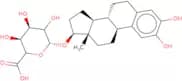
CAS :<p>Nicotine-N-(4-deoxy-4,5-didehydro)-b-D-glucuronide is a synthetic glycosylated nicotine derivative. It is a white to slightly yellow powder that is soluble in water and alcohol. Nicotine-N-(4-deoxy-4,5-didehydro)-b-D-glucuronide has been shown to be effective against methicillin resistant Staphylococcus aureus (MRSA) and Clostridium perfringens, although is not active against acid fast bacteria such as Mycobacterium tuberculosis or Mycobacterium avium complex. This product has been custom synthesized with the goal of providing high purity and modification.</p>Formule :C16H20N2O5Degré de pureté :Min. 95%Masse moléculaire :320.34 g/mol2-Hydroxyestradiol-17-O-b-D-glucuronide
CAS :<p>2-Hydroxyestradiol-17-O-b-D-glucuronide is a custom synthesis of an oligosaccharide and polysaccharide. It is modified with methylation, glycosylation, and carbamylation, and fluorinated to produce a high purity product. This product can be synthesized with a click modification or glycosylation, but is not available for purchase as a monosaccharide.</p>Formule :C24H32O9Degré de pureté :Min. 95%Masse moléculaire :464.51 g/mol6-O-Desmethyl donepezil b-D-glucuronide
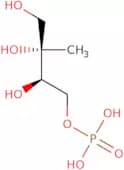
CAS :<p>6-O-Desmethyl donepezil b-D-glucuronide is a sugar that is synthesized by the reaction of 6-O-desmethyl donepezil with β-D-glucuronic acid. This compound is a metabolite of donepezil and has been shown to have similar properties to its parent compound. 6-O-Desmethyl donepezil b-D-glucuronide is useful for the treatment of Alzheimer's disease, as it prevents the breakdown of acetylcholine in the brain. It also binds to sigma receptors and has been shown to have antidepressant activity in mice.</p>Formule :C29H35NO9Degré de pureté :Min. 95%Masse moléculaire :541.59 g/mol2-C-Methyl-D-erythritol 4-phosphate
CAS :<p>2-C-Methyl-D-erythritol 4-phosphate is a natural product that can be found in plants. It has been used as a substrate molecule for kinetic study of phosphorolytic enzymes and as an antimicrobial agent in cell culture.</p>Degré de pureté :Min. 95%Di-a-D-galactosyl-mannopentaose
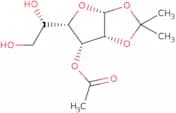
<p>Di-a-D-galactosyl-mannopentaose is a mannopentaose derivative that has been modified with a methyl group at the C2 position and fluorinated at the C6 position. This compound can be used as an intermediate in the production of oligosaccharides and polysaccharides, which are complex carbohydrates that contain many sugar molecules. The product is of high purity, with no detectable impurities. It was synthesized using a custom synthesis approach, which allows for modification of the chemical structure to produce desired properties. This product is stable when stored at room temperature and does not require refrigeration. It does not contain any organic solvents or volatile compounds and is free from endotoxins or heavy metals.</p>Degré de pureté :Min. 95%Masse moléculaire :1,153 g/mol3-O-Acetyl-1,2-O-isopropylidene-a-D-galactofuranose
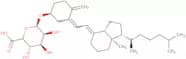
CAS :<p>3-O-Acetyl-1,2-O-isopropylidene-a-D-galactofuranose is a modification of the carbohydrate structure galactofuranose. It has been custom synthesized and is available in high purity with a monosaccharide content of >99%. 3-O-Acetyl-1,2-O-isopropylidene-a-D-galactofuranose can be methylated or glycosylated and is used as a building block for the synthesis of complex carbohydrates. 3-O-Acetyl-1,2,3,4,6,7,8,-octahydrobenzo[b]naphtho[2,1b][1]benzopyran (CAS No. 109680) is also known as 3-(acetamido)-1,2:3',4'-diisopropyl</p>Formule :C11H18O7Degré de pureté :Min. 95%Masse moléculaire :262.26 g/molVitamin D3 b-D-glucuronide
CAS :<p>Vitamin D3 b-D-glucuronide is a modified version of vitamin D3. It is a high purity chemical with a purity level of at least 99%. This product can be used in the synthesis of complex carbohydrates and saccharides.</p>Formule :C33H52O7Degré de pureté :Min. 95%Masse moléculaire :560.76 g/molEthyl 2,3,6-tri-O-acetyl-4-O-(2,3,4,6-tetra-O-acetyl-b-D-galactopyranosyl)-D-thioglucopyranoside
CAS :<p>Ethyl 2,3,6-tri-O-acetyl-4-O-(2,3,4,6-tetra-O-acetyl-b-D-galactopyranosyl)-D-thioglucopyranoside is a synthetic carbohydrate with a glycosylation and methylation modification. This compound is an oligosaccharide sugar that contains a complex carbohydrate backbone. It has CAS No. 434762 and was custom synthesized for high purity. The molecular weight of this compound is 605.14 g/mol and the purity is >99%.</p>Formule :C28H40O17SDegré de pureté :Min. 95%Couleur et forme :PowderMasse moléculaire :680.198623,6-Di-O-triisopropylsilyl-D-glucal
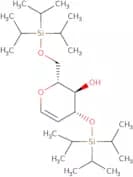
CAS :<p>3,6-Di-O-triisopropylsilyl-D-glucal is a synthetic monosaccharide. It has a molecular weight of 368.76 g/mol and chemical formula C14H22O8Si. 3,6-Di-O-triisopropylsilyl-D-glucal is soluble in water and ethanol.<br>It is used for the synthesis of oligosaccharides and polysaccharides, as well as for modification of sugar moieties on glycoproteins and glycolipids. 3,6-Di-O-triisopropylsilyl-D-glucal can be used for the preparation of complex carbohydrate structures by glycosylation or polysaccharide structures by methylation. 3,6-Di-O-triisopropylsilyl--D--glucal can also be used to synthesize sugar mo</p>Formule :C24H50O4Si2Degré de pureté :Min. 95%Masse moléculaire :458.82 g/molHydroxypropyl cellulose - Average MW 200,000
CAS :<p>In water, hydroxypropyl cellulose forms liquid crystals with many mesophases depending on concentration. These mesophases include isotropic, anisotropic, nematic and cholesteric, the latter resulting in many colors such as violet, green and red. Pharmaceutical applications include treatments for medical conditions such as dry eye syndrome (keratoconjunctivitis sicca), recurrent corneal erosions, decreased corneal sensitivity, exposure and neuroparalytic keratitis. It is also used as a binder in tablets. Hydroxypropylcellulose is also used as a thickener, a binder and emulsion stabiliser in foods with E number E463. HPC is used as a support matrix for DNA separations by capillary and microchip electrophoresis.</p>Couleur et forme :Powder(-)-1,4-Di-O-benzyl-L-threitol
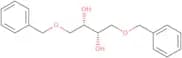
CAS :<p>(-)-1,4-Di-O-benzyl-L-threitol is an organic compound that belongs to the group of homochiral compounds. It can be synthesized from l-tartaric acid and benzaldehyde. The reaction starts with a base addition to the carbonyl group of the acid, followed by nucleophilic attack at the carbonyl carbon by a hydroxyl group on the benzaldehyde. This reaction is mechanistic, showing electron transfer as well as desymmetrization. (-)-1,4-Di-O-benzyl-L-threitol can be used for asymmetric synthesis of alkanes and tetrahydrofurans without requiring any chiral reagents or catalysts. It has also been shown to react with acetone and ethylene glycol in dioxolane and alkylation reactions.</p>Formule :C18H22O4Degré de pureté :Min. 95%Masse moléculaire :302.36 g/molGlycyl-lacto-N-fucopentaose II
<p>Glycyl-lacto-N-fucopentaose II is a synthetic glycosylation product. It has high purity and is easy to use in the synthesis of complex carbohydrates. This product can be fluorinated, methylated, or modified with click chemistry to generate a wide range of products. Glycyl-lacto-N-fucopentaose II is CAS No. 107834-53-2 and has a molecular weight of 707.5 Da.END>></p>Formule :C34H59N3O25Degré de pureté :Min. 95%Masse moléculaire :909.84 g/mol3-[(2,3,4,6-Tetra-O-acetyl-b-D-glucopyranosyl)thio]-propanoic acid
CAS :<p>3-[(2,3,4,6-Tetra-O-acetyl-b-D-glucopyranosyl)thio]-propanoic acid is a modification of an oligosaccharide. It is a complex carbohydrate that has been modified with methylation and glycosylation. This product is synthesized from the raw material, which is a high purity monosaccharide or polysaccharide. 3-[(2,3,4,6-Tetra-O-acetyl-b-D-glucopyranosyl)thio]-propanoic acid has CAS No. 325410 2 and Mw of 835.5 g/mol. The molecular weight and purity are determined by high performance liquid chromatography (HPLC). The product is soluble in water and ethanol.</p>Formule :C17H24O11SDegré de pureté :Min. 95%Masse moléculaire :436.43 g/mol3-Amino-2,3,6-trideoxy-β-L-lyxo-hexopyranose hydrochloride
CAS :<p>Please enquire for more information about 3-Amino-2,3,6-trideoxy-β-L-lyxo-hexopyranose hydrochloride including the price, delivery time and more detailed product information at the technical inquiry form on this page</p>Formule :C6H13NO3•HClDegré de pureté :Min. 95%Masse moléculaire :183.63 g/mol4,6-O-Benzylidene-2,3-di-O-(4-methoxybenzyl)-a-D-galactopyranosyl fluoride
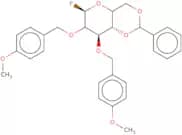
<p>4,6-O-Benzylidene-2,3-di-O-(4-methoxybenzyl)-a-D-galactopyranosyl fluoride is a glycosylation reagent that is used in the synthesis of complex carbohydrates. This product is a fluorinated sugar with a CAS number and a high purity. It can be custom synthesized to order.</p>Formule :C29H31FO7Degré de pureté :Min. 95%Masse moléculaire :510.55 g/molMethyl 6-O-benzyl-2,3-di-O-methyl-a-D-glucopyranoside
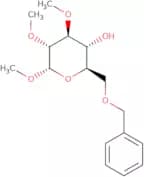
CAS :<p>Methyl 6-O-benzyl-2,3-di-O-methyl-a-D-glucopyranoside is a custom synthesis that is fluorinated and modified. This product is an oligosaccharide with a molecular weight of 906. It has CAS No. 106220-89-7 and can be used in the modification of saccharides, carbohydrates, and polysaccharides. Methyl 6-O-benzyl-2,3-di-O-methyl -a -D -glucopyranoside has a purity greater than 99%. It is composed of a single monosaccharide sugar that has been synthesized and modified.</p>Formule :C16H24O6Degré de pureté :Min. 95%Masse moléculaire :312.37 g/mol2,5-Anhydro-4-O-(a-L-idopyranosyluronic acid 2-sulfate)-D-mannofuranose 6-sulfate trisodium salt
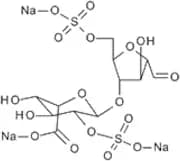
Methylation, Custom synthesis, Click modification, CAS No., Oligosaccharide, Polysaccharide, saccharide, Carbohydrate, Fluorination, complex carbohydrate, High purity, Modification. Monosaccharide sugar. Synthetic. 2-Anhydro-4-O-(a-L-idopyranosyluronic acid 2-sulfate)-D-mannofuranose 6-sulfate trisodium salt is a methylated and modified form of D-mannose. It is a monosaccharide with a molecular weight of 376.34 and a CAS number of 64459-77-5. This product can be used in the synthesis of oligosaccharides or polysaccharides as well as in the production of high purity mannose derivatives with modified linkages.Formule :C12H15O17S2·Na3Degré de pureté :Min. 95%Masse moléculaire :564.34 g/moltrans-Cinnamoyl b-D-glucoside
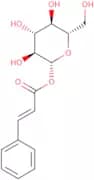
CAS :<p>Trans-Cinnamoyl b-D-glucoside is a plant tissue that can be used as a natural chemical transformation agent. Trans-Cinnamoyl b-D-glucoside is also a chemical catalyst in the synthesis of medicines. The structure of trans-Cinnamoyl b-D-glucoside has been shown to have a high degree of stereoselectivity and sensitivity to tissue culture conditions, which are due to its aldehydic group. This molecule is also able to form gels when combined with other molecules and exhibits endogenous activity.</p>Formule :C15H18O7Degré de pureté :Min. 95%Masse moléculaire :310.3 g/molBlood Group B type I linear trisaccharide
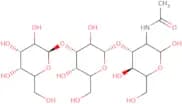
CAS :<p>Gala1-3Galb1-3GlcNac</p>Formule :C20H35NO16Degré de pureté :Min. 95%Masse moléculaire :545.49 g/mol(2R,4R)-2-[D-Xylo-tetrahydroxybut-1-yl]-1,3-thiazolidine-4-carboxylic acid
CAS :<p>(2R,4R)-2-[D-Xylo-tetrahydroxybut-1-yl]-1,3-thiazolidine-4-carboxylic acid is a methylated saccharide that has been modified by the click chemistry method. It is a synthetic product with high purity and good quality. This compound can be used for glycosylation and oligosaccharide synthesis. (2R,4R)-2-[D-Xylo-tetrahydroxybut-1-yl]-1,3-thiazolidine-4-carboxylic acid has CAS No. 110270-19-4 and can be found in complex carbohydrates in nature.</p>Formule :C8H15NO6SDegré de pureté :Min. 95%Masse moléculaire :253.27 g/mol1,2,4,6-Tetra-O-acetyl-a-D-mannopyranose
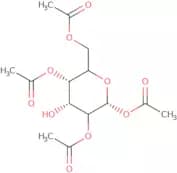
CAS :<p>1,2,4,6-Tetra-O-acetyl-a-D-mannopyranose is a high purity synthetic sugar with an acetyl group at the 1,2,4 and 6 positions. This sugar can be used in glycosylation reactions. The acetyl groups on this sugar can be fluorinated and methylated. It can also be modified with a click modification or glycosylation. This sugar is found in nature as a complex carbohydrate.</p>Formule :C14H20O10Degré de pureté :Min. 95%Masse moléculaire :348.3 g/mol2,3,4,6-Tetra-O-acetyl-b-D-glucopyranosyl salicylate
CAS :<p>2,3,4,6-Tetra-O-acetyl-b-D-glucopyranosyl salicylate is a synthetic oligosaccharide that can be custom synthesized with high purity. It is used in the glycosylation of polysaccharides and sugars to produce complex carbohydrates. The product is used as a Click modification substrate for methylating sugar moieties. It has CAS No. 32748-59-7 and can be purchased from Acros Organics.</p>Formule :C21H24O12Degré de pureté :Min. 95%Masse moléculaire :468.41 g/molMethyl (phenyl 2-O-benzoyl-3-O-benzyl-1-thio-a-L-idopyranosyluronate)
CAS :Methyl (phenyl 2-O-benzoyl-3-O-benzyl-1-thio-a-L-idopyranosyluronate) is a custom synthesis, which has been modified with fluorination, methylation and click modification. This product is a monosaccharide or oligosaccharide that can be used as a synthetic building block for the production of saccharides and polysaccharides in glycosylation reactions. Methyl (phenyl 2-O-benzoyl-3-O-benzyl-1-thio-a-L-idopyranosyluronate) is also a carbohydrate that contains an oxygen atom in the form of an ether bond to one of its hydroxyl groups. It has been shown to have antiinflammatory effects by inhibiting prostaglandin synthesis.Formule :C27H26O7SDegré de pureté :Min. 95%Masse moléculaire :494.56 g/molMan-3Xyl N-Glycan
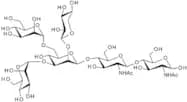
CAS :<p>Man-3Xyl N-Glycan is a high purity, custom synthesized, synthetic and fluorinated monosaccharide. It is an Oligosaccharide that contains 3 mannose sugar residues. Man-3Xyl N-Glycan is used for Glycosylation in the synthesis of complex carbohydrate polymers, such as glycoproteins and glycolipids. Click modification can be used to introduce methyl groups onto the sugar residues of Man-3Xyl N-Glycan. This monosaccharide has been shown to have high stability and resistance to oxidation.</p>Formule :C39H66N2O30Degré de pureté :Min. 95%Masse moléculaire :1,042.94 g/mol8-Ethoxycarbonylheptyl N,N'-di-O-acetyl-b-chitobioside
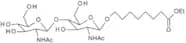
<p>8-Ethoxycarbonylheptyl N,N'-di-O-acetyl-b-chitobioside is a custom synthesis of an oligosaccharide. It is a complex carbohydrate that is composed of saccharides and has a CAS number. 8-Ethoxycarbonylheptyl N,N'-di-O-acetyl-b-chitobioside is modified with methylation, glycosylation and click modification. This product is also fluorinated. 8-Ethoxycarbonylheptyl N,N'-di-O-acetyl-b-chitobioside has high purity and can be used as a sugar in the synthesis of other compounds.</p>Formule :C26H46N2O13Degré de pureté :Min. 95%Masse moléculaire :594.65 g/molα-Methyl-γ-hydroxy-1,N2-propano-2’-deoxyguanosine
CAS :<p>α-Methyl-γ-hydroxy-1,N2-propano-2’-deoxyguanosine is a chemical that inhibits the production of reactive oxygen species (ROS) and prevents oxidative DNA damage. It has been shown to inhibit skin cancer in animal studies and to have an inhibitory effect on cancer gene therapy in human cell cultures. α-Methyl-γ-hydroxy-1,N2-propano-2’-deoxyguanosine has also been found to be genotoxic in humans, which may be due to its ability to induce repair genes.<br>α -Methyl -γ -hydroxy -1,N2 -propano -2 ‘deoxyguanosine is a carcinogen that has been shown to cause cancer in animals. It damages DNA by forming covalent bonds with it and alters the genetic information stored in the DNA. When this happens, cells cannot divide normally and grow out of</p>Formule :C14H19N5O5Degré de pureté :Min. 95%Masse moléculaire :337.33 g/molEthyl 2,3,4-tri-O-acetyl-6-azido-6-deoxy-a-D-thiomannopyranoside
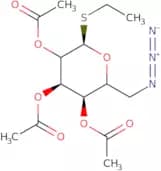
<p>Ethyl 2,3,4-tri-O-acetyl-6-azido-6-deoxy-a-D-thiomannopyranoside is a synthetic sugar that is fluorinated with trifluoromethanesulfonic acid. It has been used in glycosylation reactions, as well as modifications of complex carbohydrates and polysaccharides. This product can be custom synthesized to meet the needs of our customers. Ethyl 2,3,4-tri-O-acetyl-6-azido-6-deoxy -a D -thiomannopyranoside is a high purity chemical with CAS number 181454.</p>Formule :C14H21N3O7SDegré de pureté :Min. 95%Masse moléculaire :375.4 g/molSucrose 1,6,6'-tricarboxylic acid trimethyl ester
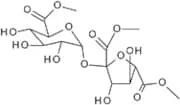
CAS :<p>Sucrose 1,6,6'-tricarboxylic acid trimethyl ester is a carbohydrate that has been fluorinated and methylated. It is a synthetic sugar that can be custom synthesized by our chemists to meet your specifications. This product is very pure and has a high degree of purity. It can be used as an oligosaccharide or as a monosaccharide in glycosylation or methylation reactions. Sucrose 1,6,6'-tricarboxylic acid trimethyl ester is also known as sucrose 3-fluoro-3-methylbutyrate, CAS No. 289711-92-8, or C12H18O7F3.</p>Formule :C15H22O14Degré de pureté :Min. 95%Masse moléculaire :426.33 g/mol6- Amino- 6- deoxy-D-allopyranose hydrochloride
CAS :<p>6-Amino-6-deoxy-D-allopyranose hydrochloride is a complex carbohydrate that can be modified with fluorination, methylation, glycosylation, and/or saccharide. It has a CAS number of 24384-96-1. We offer this product in high purity and custom synthesis.</p>Formule :C6H13NO5·HClDegré de pureté :Min. 95%Masse moléculaire :215.63 g/molD-Lyxo-5-hexulosonic acid
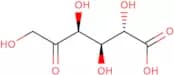
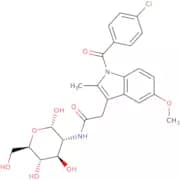
CAS :<p>D-Lyxo-5-hexulosonic acid is a substrate molecule and an intermediate in the synthesis of the pentose phosphate pathway, which provides NADPH and ribose-5-phosphate for biosynthesis. D-Lyxo-5-hexulosonic acid is also involved in the biosynthesis of galacturonic acid, which is a component of bacterial cell walls. This compound was found to be an inhibitor of corrosion, but it can also act as a stabilizer in foods, pharmaceuticals, and cosmetics. D-Lyxo-5-hexulosonic acid may be used as a growth factor for cells in culture and has been shown to inhibit the replication of bacteria such as Salmonella enterica serovar Typhi.</p>Formule :C6H10O7Degré de pureté :Min. 95%Masse moléculaire :194.14 g/mola-Glucametacin
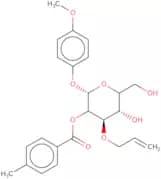
CAS :<p>a-Glucametacin is a methylation of glucosamine. It is a polysaccharide that consists of glycosylated and non-glycosylated saccharides. The glycosylation pattern can be customized to suit the needs of the customer, as well as being synthesized to have no glycosylation at all. This compound also has fluorination on its sugar ring, which may be beneficial for certain applications.</p>Formule :C25H27ClN2O8Degré de pureté :Min. 95%Masse moléculaire :518.94 g/mol4-Methoxyphenyl 3-O-allyl-2-O-toluoyl-b-D-galactopyranoside
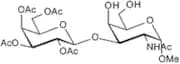
<p>4-Methoxyphenyl 3-O-allyl-2-O-toluoyl-b-D-galactopyranoside is a modified sugar. It is a white to off-white powder that is soluble in water and ethanol. This product has not been evaluated by the FDA, and the safety and efficacy have not been determined.</p>Formule :C24H28O8Degré de pureté :Min. 95%Masse moléculaire :444.49 g/molMethyl 2-acetamido-2-deoxy-3-O-(2,3,4,6-tetra-O-acetyl-b-D-galactopyranosyl)-a-D-galactopyranoside
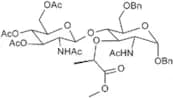
CAS :<p>Methyl 2-acetamido-2-deoxy-3-O-(2,3,4,6-tetra-O-acetyl-b-D-galactopyranosyl)-a-D-galactopyranoside is a modified saccharide with a fluorinated methyl group. It is used as an intermediate for the synthesis of oligosaccharides and complex carbohydrates.</p>Formule :C23H35NO15Degré de pureté :Min. 95%Masse moléculaire :565.52 g/mol4-O-(2-Acetamido-2-deoxy-3,4,6-tri-O-acetyl-b-D-glucopyranosyl)-1,6-di-O-benzyl-2-deoxy-a-D-muramic acid methyl ester
<p>4-O-(2-Acetamido-2-deoxy-3,4,6-tri-O-acetyl-b-D-glucopyranosyl)-1,6-di-O-benzyl-2-deoxy--aDmuramic acid methyl ester is a synthetic carbohydrate. It is a modification of an oligosaccharide and can be used as a starting material in the synthesis of complex carbohydrates. 4ODBGMEM is synthesized by acetylation of 1,6 di O benzyl 2 deoxy a D muramic acid methyl ester with acetic anhydride and triethylamine. The compound has been shown to be effective in fluoroquinolone resistance and methicillin resistance.</p>Formule :C40H52N2O16Degré de pureté :Min. 95%Masse moléculaire :816.84 g/molD-Tagatose-6-phosphate lithium salt
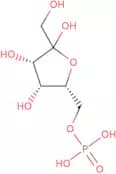
CAS :<p>D-Tagatose-6-phosphate lithium salt is a bacterial strain that belongs to the group of polyols. It is an epimerization product of D-tagatose, which is converted by the enzyme tagatose kinase to D-tagatose-6-phosphate. D-Tagatose-6-phosphate lithium salt can be used as a substrate for the enzymes galactitol dehydrogenase and galactitol 1,2-dioxygenase, which are involved in the metabolism of D-tagatose.</p>Formule :C6H13O9P·xLiDegré de pureté :Min. 95%Masse moléculaire :260.14 g/mol5-(Acetylamino)-2,6-anhydro-3,4,5-trideoxy-4-[[(1,1-dimethylethoxy)carbonyl]amino]-D-glycero-D-galacto-non-2-enonic acid
CAS :<p>5-(Acetylamino)-2,6-anhydro-3,4,5-trideoxy-4-[[(1,1-dimethylethoxy)carbonyl]amino]-D-glycero-D-galacto-non-2-enonic acid is an oligosaccharide sugar. It is a complex carbohydrate that contains a methylated glycosylation site and is fluorinated. The CAS number for 5-(Acetylamino)-2,6-anhydro-3,4,5-trideoxy-4-[(1,1dimethylethoxy)carbonyl]amino]-DglyceroDgalacto non 2 enonic acid is 16683074. This product can be custom synthesized to your specifications and has high purity.</p>Formule :C16H26N2O9Degré de pureté :Min. 95%Masse moléculaire :390.39 g/mol4,6-O-Benzylidene-N-Boc-1,5-imino-D-glucitol
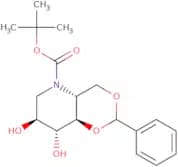
CAS :<p>Methylation is a chemical reaction that transfers a methyl group to an organic molecule. It is one of the most common modifications in organic chemistry and can be used to synthesize saccharides and oligosaccharides, as well as to modify polysaccharides. This compound is a glycosylated benzylidene-N-Boc-1,5-imino-D-glucitol, which has been modified by Click chemistry. It was synthesized from 4,6-O-benzylidene-N-Boc-1,5-imino-D-mannitol with a custom synthesis protocol. The final product has high purity and is available for purchase at CAS No. 133697-16-2.</p>Formule :C18H25NO6Degré de pureté :Min. 95%Masse moléculaire :351.39 g/mol7-Hydroxy coumarin 2,3,4-tri-O-acetyl-b-D-glucuronide methyl ester
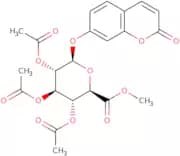
CAS :<p>7-Hydroxy coumarin 2,3,4-tri-O-acetyl-b-D-glucuronide methyl ester is a high purity custom synthesis sugar. The synthesis of this product is achieved by the Click modification, fluorination, and glycosylation. This product has a CAS number 168286-97-3. It is also a synthetic product that was created by methylation and modification. This product can be used in complex carbohydrate research as it is an oligosaccharide and monosaccharide saccharide.<br>END></p>Formule :C22H22O12Degré de pureté :Min. 95%Masse moléculaire :478.4 g/mol3-Deoxy-1,2:5,6-di-O-isopropylidene-a-D-xylo-hexofuranose
CAS :<p>3-Deoxy-1,2:5,6-di-O-isopropylidene-a-D-xylo-hexofuranose is a synthetic sugar that is used in the preparation of oligosaccharides. It can be modified with fluorine and methyl groups and has many applications in research. 3-Deoxy-1,2:5,6-di-O-isopropylidene-a-D-xylo hexofuranose has been shown to be a key intermediate in the synthesis of glycosides. This sugar can also be used as a starting material to prepare polysaccharides by glycosylation or complex carbohydrate by oligosaccharide modification.</p>Formule :C12H20O5Degré de pureté :Min. 95%Masse moléculaire :244.28 g/mol3,6-Di-O-acetyl-4-O-benzyl-D-galactal
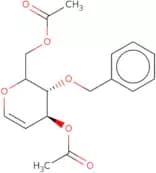
CAS :<p>3,6-Di-O-acetyl-4-O-benzyl-D-galactal is a custom synthesis of a polysaccharide. It is modified with fluorination, methylation, and click chemistry. The final product contains a glycosyl group that has been modified with an acetyl group. This modification occurs at the C3 position of the sugar unit. The CAS number for this compound is 165524-90-3.</p>Formule :C17H20O6Degré de pureté :Min. 95%Masse moléculaire :320.35 g/mol1,2,3-Tri-O-benzyl-4,6-O-benzylidene-a-D-mannopyranose
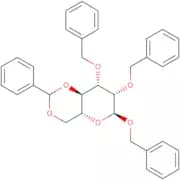
CAS :<p>1,2,3-Tri-O-benzyl-4,6-O-benzylidene-a-D-mannopyranose is a custom synthesis of a sugar. It is modified with fluorination, methylation and glycosylation. This sugar has an average molecular weight of 586.5 g/mol and is composed of three monosaccharides: D-(+)-mannose, D-(+)-glucose and D-(+)-galactose. 1,2,3-Tri-O-benzyl-4,6-O-benzylidene--a--D--mannopyranose can be used in the synthesis of oligosaccharides and polysaccharides.</p>Formule :C34H34O6Degré de pureté :Min. 95%Masse moléculaire :538.63 g/molMethyl 6-deoxy-3,4-O-isopropylidene-2-O-methyl-α-D-galactopyranoside
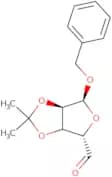
CAS :<p>Methyl 6-deoxy-3,4-O-isopropylidene-2-O-methyl-a-D-galactopyranoside is a custom synthesis that can be modified with fluorination, methylation, and monosaccharide modification. This product can also be used in click modification, oligosaccharide synthesis, saccharide modification, and glycosylation. Methyl 6-deoxy-3,4-O-isopropylidene-2-O-methyl-aD galactopyranoside is a CAS No. 7413523 2 and is a Polysaccharide. It has Carbohydrate properties and complex carbohydrate characteristics.</p>Formule :C11H20O5Degré de pureté :Min. 95%Masse moléculaire :232.28 g/molBenzyl 5-Aldo-2,3-O-isopropylidene-a-D-mannopentenofuranoside
CAS :Benzyl 5-Aldo-2,3-O-isopropylidene-a-D-mannopentenofuranoside is a synthetic carbohydrate that is a modification of the saccharide mannose. This product contains a methylated benzyl group and an acetal linkage to the D-mannopentenofuranose. The fluorination of the C5 position on this sugar provides an additional level of stability to this molecule. This product is custom synthesized and can be modified according to customers' specifications. It has been shown to be stable in water at pH levels between 2 and 12 and can be stored at room temperature for up to two years without degradation.Formule :C15H18O5Degré de pureté :Min. 95%Masse moléculaire :278.3 g/mol2,3,4-Tri-O-benzoyl-L-fucopyranose
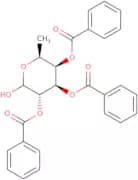
CAS :<p>2,3,4-Tri-O-benzoyl-L-fucopyranose is a sugar that belongs to the class of carbohydrates. It is a glycosylation product that has been modified by Click chemistry. This sugar has also been fluorinated and methylated. 2,3,4-Tri-O-benzoyl-L-fucopyranose can be used in the synthesis of oligosaccharides and monosaccharides.</p>Formule :C27H24O8Degré de pureté :Min. 95%Masse moléculaire :476.47 g/mol5-O-Benzyl-1-deoxy-D-xylulose
CAS :<p>5-O-Benzyl-1-deoxy-D-xylulose is a sugar which is obtained by the catalytic hydrogenolysis of 5-o-benzyl-1,5-pentanediol. It is an intermediate in the synthesis of xylitol from sorbitol and can be used in the production of benzaldehyde. The reaction mechanism involves aldol condensation with elimination of water to form hydroxyacetone, followed by chemoenzymatic dehydration to give 1,5 pentanediol. This compound is also used as an intermediate for the synthesis of D-xylulose.</p>Formule :C12H16O4Degré de pureté :Min. 95%Masse moléculaire :224.25 g/mol10,11-Dihydro-10-hydroxycarbamazepine O-b-D-glucuronide
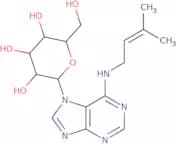
CAS :<p>10,11-Dihydro-10-hydroxycarbamazepine O-b-D-glucuronide is a sugar that is synthesized by the modification of 10,11-dihydrocarbamazepine. It has been shown to inhibit the growth of Mycobacterium tuberculosis in a dose dependent manner. This compound has also been shown to inhibit the synthesis of DNA and RNA in bacterial cells, which may be due to its ability to inhibit glycosylation and methylation reactions.</p>Formule :C21H22N2O8Degré de pureté :Min. 95%Masse moléculaire :430.41 g/molN6-Isopentenyladenine-7-glucoside
CAS :<p>N6-Isopentenyladenine-7-glucuronide is a synthetic monosaccharide that is used in the synthesis of complex carbohydrates. It is also a fluorinated compound that has been modified to form a glucuronide, which is an organic compound with a sugar and an alcohol group. N6-Isopentenyladenine-7-glucuronide can be used as a raw material for the production of oligosaccharides and polysaccharides, which are complex carbohydrates. This product can be custom synthesized to meet different requirements. It is available in high purity and the CAS number for this product is 59384-58-6.</p>Formule :C16H23N5O5Degré de pureté :Min. 95%Masse moléculaire :365.38 g/mol2.5-Dimethyl-4-hydroxy-3(2H)-furanone-b-D-glucoside-6'-malonate
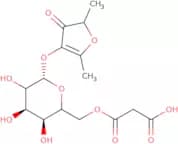
CAS :<p>2.5-Dimethyl-4-hydroxy-3(2H)-furanone-b-D-glucoside-6'-malonate is a methylated monosaccharide with a molecular formula of C8H10O3 and a molecular weight of 208.18 g/mol. It is synthesized by the reaction of 3,4,5-trimethoxybenzaldehyde with 2,5-dimethylhydroquinone in the presence of sodium carbonate and malonic acid under refluxing conditions. 2.5-Dimethyl-4-hydroxy-3(2H)-furanone-b-D glucoside 6'-malonate has been used in the synthesis of oligosaccharides and polysaccharides. This product is available for custom synthesis, click modification, fluorination and saccharide modification.</p>Formule :C15H20O11Degré de pureté :Min. 95%Masse moléculaire :376.31 g/molMethyl 2,3,6-tri-O-acetyl-4-deoxy-4-fluoro-a-D-galactopyranoside
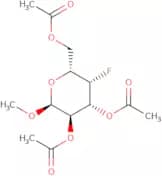
CAS :<p>Methyl 2,3,6-tri-O-acetyl-4-deoxy-4-fluoro-a-D-galactopyranoside is a modification of the naturally occurring carbohydrate, galactose. It is synthesized from 4-fluoro galactose and acetyl chloride in the presence of sodium methoxide. This compound can be used as an intermediate for the synthesis of oligosaccharides or polysaccharides. Methyl 2,3,6-tri-O-acetylgalactopyranoside is a monosaccharide that has been modified by methylation and glycosylation. It can also be fluorinated to form methyl 2,3,6,-tri-,O-(2'-deoxy)galactopyranoside.</p>Formule :C13H19FO8Degré de pureté :Min. 95%Masse moléculaire :322.28 g/molBenzyl 4- O- b- D- glucosaminyl-b- D- xylopyranoside
Benzyl 4- O- b- D- glucosaminyl-b- D- xylopyranoside is an oligosaccharide that is synthesized by the glycosylation of benzyl 4-O- b -D-glucosaminyl b -D -xylopyranoside with a monosaccharide. The synthesis of this compound is achieved through the modification of the parent compound with a fluorination, methylation, or glycosylation. Benzyl 4- O- b -D- glucosaminyl b -D -xylopyranoside can be found in complex carbohydrates, such as cellulose and starch.Degré de pureté :Min. 95%Monofucosyl-para-lacto-N-neohexaose IV
CAS :<p>Monofucosyl-para-lacto-N-neohexaose IV is a monofucosylated glycan consisting of a single pyranose ring. It is a synthetic oligosaccharide that has been modified with Click chemistry to introduce an alkyne group at the reducing end. The alkyne group can be further modified by nucleophilic substitution reactions, such as fluorination, or glycosylation. Monofucosyl-para-lacto-N-neohexaose IV is used in the synthesis of complex carbohydrates.</p>Formule :C46H78N2O35Degré de pureté :Min. 95%Masse moléculaire :1,219.1 g/molMirabegron O-glucuronide
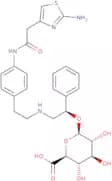
CAS :<p>Mirabegron is a drug that has been used to treat overactive bladder and urinary incontinence. Mirabegron is an agonist of the beta-3 adrenergic receptor and increases the levels of cAMP in cells by binding to this receptor. This leads to relaxation of smooth muscle tissue, which decreases resistance in the bladder and urethra and promotes urine storage. Mirabegron O-glucuronide is a metabolite of mirabegron that can be detected in urine using mass spectrometry methods. Mirabegron O-glucuronide has been found in human liver samples following oral administration, as well as in human blood samples after intravenous administration.</p>Degré de pureté :Min. 95%Curcumin b-D-glucuronide
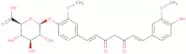
CAS :<p>Curcumin b-D-glucuronide is a glucuronide conjugate of the curcumin molecule. It has been shown to have anticancer activity in mouse tumor models and human metastatic colorectal cancer cell lines by inducing apoptosis. Curcumin b-D-glucuronide is metabolized by the liver microsomes of rats, and thus may be useful for the prevention of colon cancer. Curcumin b-D-glucuronide also has anti-inflammatory properties that are due to its inhibition of prostaglandin E2 (PGE2) levels in humans.</p>Formule :C27H28O12Degré de pureté :85%MinMasse moléculaire :544.15808Galα(1-3) N-Glycan
CAS :Galα(1-3) N-glycan is a glycoconjugate that is an oligosaccharide with a galactose residue at the nonreducing end of the glycan. It has been synthesized using Click chemistry to introduce fluorination and methylation. Galα(1-3) N-glycan is an important model for studying the biological function of glycosylations in humans. It has also been shown to have anti-inflammatory properties, which may be due to its ability to inhibit prostaglandin synthesis. This product is custom synthesis, high purity, and CAS No. 115973-45-0.Formule :C74H124N4O56Degré de pureté :Min. 95%Masse moléculaire :1,965.78 g/mol2,3-Di-O-benzyl-5-O-tert-butyldimethylsilyl-L-arabinofuranose
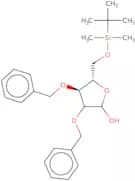
<p>2,3-Di-O-benzyl-5-O-tert-butyldimethylsilyl-L-arabinofuranose is a silyl ether of an arabinofuranose. It is a glycosylation that can be used in the synthesis of complex carbohydrates. This product has been modified with methylation and click chemistry to introduce fluorine atoms on the sugar ring. This compound can also be used for the synthesis of oligosaccharides or saccharides. The CAS number for this product is 104085-96-2.</p>Formule :C25H36O5SiDegré de pureté :Min. 95%Masse moléculaire :444.65 g/molMethyl-4,6-O-benzyliden-2-amino-b-D-mannopyranoside
<p>Methyl-4,6-O-benzyliden-2-amino-b-D-mannopyranoside is a synthetic glycosylation agent for the synthesis of oligosaccharides and polysaccharides. It has been modified with fluorination and methylation. Methyl 4,6-O-benzyliden amino b D mannopyranoside is used as a monomer in the preparation of complex carbohydrates. The chemical name for this compound is 1,3,5,7,-tetraoxaheptane 3,7,9,11 tetrahydroxybutyric acid methyl ester.</p>Degré de pureté :Min. 95%4-Methylphenyl 2,3,4-tri-O-benzyl-b-D-thioglucuronide
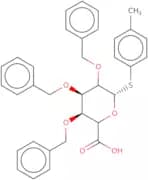
CAS :<p>4-Methylphenyl 2,3,4-tri-O-benzyl-b-D-thioglucuronide is a carbohydrate that has been modified with a methyl group and fluorine atom. This compound was synthesized using click chemistry to modify the hydroxyl groups of an oligosaccharide in order to create a new saccharide. The compound is also available as a high purity custom synthesis.</p>Formule :C34H34O6SDegré de pureté :Min. 95%Masse moléculaire :570.71 g/molMethyl 2-O-allyl-3-O-benzyl-4,6-O-benzylidene-a-D-mannopyranoside
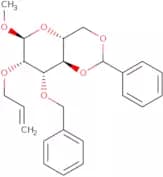
CAS :<p>Methyl 2-O-allyl-3-O-benzyl-4,6-O-benzylidene-a-D-mannopyranoside is a synthetic sugar that contains an aldose and a ketose. It has been used for the synthesis of oligosaccharides and monosaccharides. Methyl 2-O-allyl-3-O-benzyl -4,6 -O -benzylidene -a -D -mannopyranoside has been shown to have antiadhesive properties when used in combination with other sugars.</p>Formule :C24H28O6Degré de pureté :Min. 95%Masse moléculaire :412.48 g/molAmitriptilyne N-b-D-glucuronide
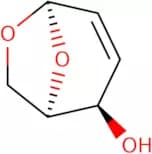
<p>Amitriptilyne N-b-D-glucuronide is a fluorinated, monosaccharide that is used in synthetic oligosaccharides and polysaccharides. This product can be custom synthesized to meet customer specifications. Amitriptilyne N-b-D-glucuronide is an oligosaccharide with a complex carbohydrate structure. It can be modified by glycosylation, methylation, and click chemistry. The CAS number for this product is 122470-06-8. The sugar content of this product ranges from 98% to 99%. The purity of this product is greater than 99%.</p>Degré de pureté :Min. 95%1,6-Anhydro-2,3-dideoxy-b-threo-hex-2-enopyranose
CAS :<p>1,6-Anhydro-2,3-dideoxy-b-threo-hex-2-enopyranose is a methylated saccharide. It can be used for the synthesis of 1,6-anhydro Oligosaccharides and glycosylation.</p>Formule :C6H8O3Degré de pureté :Min. 95%Masse moléculaire :128.13 g/molEthyl 4,6-O-benzylidene-D-thiomannopyranoside
CAS :<p>Ethyl 4,6-O-benzylidene-D-thiomannopyranoside is a synthetic monosaccharide with the molecular formula C 10 H 12 O 8 and a molecular weight of 340.24 g/mol. It is a white crystalline solid that is soluble in many organic solvents. Ethyl 4,6-O-benzylidene-D-thiomannopyranoside has the potential to be used as a building block for the synthesis of oligosaccharides and polysaccharides. This building block can be modified with fluorination, methylation, or click modification to produce other derivatives.</p>Formule :C15H20O5SDegré de pureté :Min. 95%Couleur et forme :PowderMasse moléculaire :312.38 g/molD-Fructose-1,6-diphosphate disodium salt
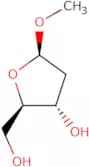
CAS :D-Fructose-1,6-diphosphate disodium salt is a custom synthesis of methylated D-fructose. D-Fructose is an oligosaccharide found in polysaccharides and saccharides. It can be modified by fluorination and click chemistry. D-Fructose has many applications including being a monosaccharide, polysaccharide, or carbohydrate in the synthesis of polymers and pharmaceuticals.Formule :C6H12O12P2·2NaDegré de pureté :Min. 95%Masse moléculaire :384.08 g/molMethyl 2-deoxy-b-D-ribofuranoside
CAS :<p>Methyl 2-deoxy-b-D-ribofuranoside is a methylglucoside that is used in the synthesis of thiourea. Methyl 2-deoxy-b-D-ribofuranoside inhibits the production of an atypical nucleotide, 5'-methylthioadenosine, which is used to synthesize thymine. It has been shown to be catalytic and may play a role in the biosynthesis of methionine and histidine. The chloride ion causes the reaction to proceed via an S N 2 mechanism. Methyl 2-deoxy-b-D-ribofuranoside can also be used in the synthesis of chloroacetic acid, azide, dimethylformamide, fluoride, anomeric alcohols, hydantoins and thionyl chloride. Methyl 2-deoxy-b-D-ribofuranoside can be chromatographically separated using silica</p>Formule :C6H12O4Degré de pureté :Min. 95%Masse moléculaire :148.16 g/molMethyl 2-deoxy-3,5-bis-O-(3,5-dichlorophenyl)-2E-(fluoromethylene)-a-D-erythro-pentofuranoside
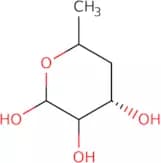
CAS :<p>Methyl 2-deoxy-3,5-bis-O-(3,5-dichlorophenyl)-2E-(fluoromethylene)-a-D-erythro-pentofuranoside is a high purity custom synthetic sugar with a molecular weight of 638.08 g/mol. It has been modified by Methylation and Click chemistry to give it the desired properties. This sugar is used in Glycosylation and Polysaccharide synthesis as an intermediate. It is also used in the synthesis of oligosaccharides and monosaccharides.</p>Formule :C19H15Cl4FO4Degré de pureté :Min. 95%Masse moléculaire :468.13 g/mol4-Deoxy-L-fucose
CAS :<p>4-Deoxy-l-fucose is a molecule that has been found to inhibit the synthesis of gangliosides. It is an acetylated derivative of l-fucose and can be synthesized from ethyl 4-deoxy-D-glucuronate with the help of a multivorans enzyme. This molecule is metabolically unstable and reacts with oxygen to form a divalent alcohol that can be identified by magnetic resonance spectroscopy. 4-Deoxy-l-fucose inhibits the biosynthesis of gangliosides, which are important molecules in cell signaling, through its ability to inhibit enzymes such as acetyltransferase.</p>Formule :C6H12O4Degré de pureté :Min. 95%Couleur et forme :White To Off-White SolidMasse moléculaire :148.16 g/mol3-Deoxy-D-ribose
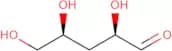
CAS :<p>3-Deoxy-D-ribose is a monosaccharide with a molecular formula of CH(OH)CO. It is the 3-deoxy form of ribose and its pyranose ring has an oxygen atom at the 3 position. 3-Deoxy-D-ribose can be synthesized by periodate treatment of glyceric acid in the presence of hydrochloric acid, followed by hydrolysis to produce sorbose and then reaction with glycolaldehyde to produce D-glycero-D-galactopyranosyl bromide. The final step is conversion to 3-deoxyribose by reaction with aqueous ammonia.<br>3-Deoxyribose inhibits ribulose synthesis, which prevents the formation of an intermediate molecule required for the synthesis of fatty acids and phospholipids.</p>Degré de pureté :Min. 95%











![3-[(2,3,4,6-Tetra-O-acetyl-b-D-glucopyranosyl)thio]-propanoic acid](/_next/image/?url=https%3A%2Fstatic.cymitquimica.com%2Fproducts%2F3D%2Fthumb-webp%2FMT01467.webp&w=3840&q=75)
![(2R,4R)-2-[D-Xylo-tetrahydroxybut-1-yl]-1,3-thiazolidine-4-carboxylic acid](/_next/image/?url=https%3A%2Fstatic.cymitquimica.com%2Fproducts%2F3D%2Fthumb-webp%2FMX01042.webp&w=3840&q=75)


![5-(Acetylamino)-2,6-anhydro-3,4,5-trideoxy-4-[[(1,1-dimethylethoxy)carbonyl]amino]-D-glycero-D-gal…](/_next/image/?url=https%3A%2Fstatic.cymitquimica.com%2Fproducts%2F3D%2Fthumb-webp%2FMA58736.webp&w=3840&q=75)