Glycosciences
La glycosciences est l'étude des glucides et de leurs dérivés, ainsi que des interactions et des fonctions biologiques auxquelles ils participent. Ce domaine de recherche est crucial pour comprendre une grande variété de processus biologiques, y compris la reconnaissance cellulaire, la signalisation, la réponse immunitaire et le développement des maladies. La glycosciences a des applications importantes en biotechnologie, en médecine et dans le développement de nouveaux médicaments et thérapies. Chez CymitQuimica, nous proposons une large sélection de produits de haute qualité et pureté pour la recherche en glycosciences. Notre catalogue comprend des monosaccharides, des oligosaccharides, des polysaccharides, des glyconjugués et des réactifs spécifiques, conçus pour soutenir les chercheurs dans leurs études sur la structure, la fonction et les applications des glucides dans les systèmes biologiques. Ces ressources sont destinées à faciliter les découvertes scientifiques et les applications pratiques dans divers domaines des biosciences et de la médecine.
Sous-catégories appartenant à la catégorie "Glycosciences"
- Aminosucres(108 produits)
- Anticorps Glyco-Related(282 produits)
- Glycolipides(46 produits)
- Glycosaminoglycanes (GAGs)(55 produits)
- Glycosides(419 produits)
- Monosaccharides(6.624 produits)
- Oligosaccharides(3.682 produits)
- Polysaccharides(503 produits)
11046 produits trouvés pour "Glycosciences"
Trier par
Degré de pureté (%)
0
100
|
0
|
50
|
90
|
95
|
100
1,3,4,6-Tetra-O-acetyl-2-[[2-(acetylthio)acetyl]amino]-2-deoxy-D-galactopyranose
CAS :1,3,4,6-Tetra-O-acetyl-2-[[2-(acetylthio)acetyl]amino]-2-deoxy-D-galactopyranose is a modified GalNAc analogueFormule :C18H25NO11SDegré de pureté :Min. 95%Couleur et forme :PowderMasse moléculaire :463.46 g/mol3-Azidopropyl 2-acetamido-2-deoxy-3,4,6-tri-O-acetyl-b-D-glucopyranoside
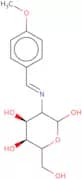
<p>3-Azidopropyl 2-acetamido-2-deoxy-3,4,6-tri-O-acetyl-b-D-glucopyranoside is a synthetic carbohydrate. It is a modification of the natural saccharide 3,4,6 tri O acetyl b D glucopyranoside. The modification in this case is the addition of an azide group to one of the hydroxyl groups on the sugar. This product has a CAS number and can be custom synthesized to meet your specific needs. It is available in high purity and can be modified by methylation or glycosylation.</p>Degré de pureté :Min. 95%2-Deoxy-2-(4-methoxybenzyliden)imino-D-glucose
CAS :<p>2-Deoxy-2-(4-methoxybenzyliden)imino-D-glucose is a modified carbohydrate that is used for the synthesis of oligosaccharides, polysaccharides, and glycosaminoglycans. This compound is also used as a substrate for methylation reactions. It can be synthesized from D-glucose by the addition of a 2-(4-methoxybenzylidene) group to the 2′ position of the carbon atom on the anomeric carbon. The structure of this compound has been determined by X-ray crystallography.</p>Formule :C14H19NO6Degré de pureté :Min. 95%Couleur et forme :White to off-white solid.Masse moléculaire :297.3 g/molN-Acetyl-D-glucosamine - plant source
CAS :<p>Please enquire for more information about N-Acetyl-D-glucosamine - plant source including the price, delivery time and more detailed product information at the technical inquiry form on this page</p>Formule :C8H15NO6Degré de pureté :Min. 98 Area-%Masse moléculaire :221.21 g/molN,N-Bis[3-D-gluconamidopropyl]cholamide
CAS :<p>N,N-Bis[3-D-gluconamidopropyl]cholamide is a potent inhibitor of the cytochrome P450 enzyme. It has been shown to bind to peptides and monoclonal antibodies. This drug also inhibits the acyl chain elongation in the chemical process that produces prostaglandins, leading to their depletion. N,N-Bis[3-D-gluconamidopropyl]cholamide is also an inhibitor of plant α subunit, which is involved in the synthesis of fatty acids and phytohormones. This agent has a high affinity for solanum tuberosum (potato) and can be used as a marker for this species. The kinetic energy of particles enhanced by N,N-bis[3-D-gluconamidopropyl]cholamide was found to be dependent on the fatty acid content of the molecule. The optimum</p>Formule :C42H75N3O16Degré de pureté :Min. 95%Couleur et forme :PowderMasse moléculaire :878.06 g/molN-Decanoyl-N-methylglucamine
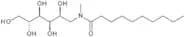
CAS :N-Decanoyl-N-methylglucamine is a fatty acid that is used as a cationic surfactant in detergents and cleaning products. It has been shown to have conformational properties that can be influenced by the acyl chain length. N-Decanoyl-N-methylglucamine has also been shown to bind to antibodies and other proteins, which may lead to antibody response or changes in their conformation. N-Decanoyl-N-methylglucamine binds to receptors on cells, triggering cell lysis and monoclonal antibody production. The optimum pH for this chemical is between 5 and 6, and it has been shown to undergo titration calorimetry at temperatures greater than 100°C.Formule :C17H35NO6Degré de pureté :Min. 95%Couleur et forme :White PowderMasse moléculaire :349.47 g/molRhamnolipids C14
CAS :<p>Rhamnose based 'green' surfactant</p>Formule :C32H58O13Degré de pureté :Min. 95%Couleur et forme :PowderMasse moléculaire :650.8 g/mol2-(N-Octylcarboamido)phenyl-2-acetamido-3,4,6-tri-O-acetyl-2-deoxy-b-D-glucopyranoside
<p>2-(N-Octylcarboamido)phenyl-2-acetamido-3,4,6-tri-O-acetyl-2-deoxy-b-D-glucopyranoside is a synthetic compound that is used in the modification of carbohydrates. It is a fluorinated saccharide with an acetamide substituent and an acetyl group on the sugar ring. 2-(N-Octylcarboamido)phenyl-2-acetamido-3,4,6-triOacetyl2deoxybDglucopyranoside has been shown to be useful for glycosylation reactions. This compound may be modified with methyl groups or other modifications such as click chemistry.</p>Formule :C29H42N2O11Degré de pureté :Min. 95%Masse moléculaire :594.65 g/molN-Methyl-N-octanoylglucamine
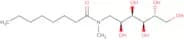
CAS :N-Methyl-N-octanoylglucamine is a chemical compound that inhibits the activity of the enzyme diacylglycerol lipase, which breaks down the lipid diacylglycerol. This leads to an accumulation of diacylglycerols in the cellular membrane and increased permeability of the cell, which results in physiological effects such as increased release of neurotransmitters. N-Methyl-N-octanoylglucamine has been shown to bind to peptides and inhibit their proteolytic degradation by peptidases. It also has been shown to have an effect on monoclonal antibodies with a high affinity for fatty acids. This compound is used for sample preparation prior to analysis by MALDI mass spectrometry.Formule :C15H31NO6Degré de pureté :Min. 95 Area-%Couleur et forme :White PowderMasse moléculaire :321.41 g/molDodecyl α-D-maltopyranoside
CAS :Dodecyl a-D-maltopyranoside is a solubilized fat that has an optimum pH of 11. It is soluble in chloroform, ethanol, and water. The molecular weight of dodecyl a-D-maltopyranoside is 587.87 g/mol. Dodecyl a-D-maltopyranoside can be used as an absorption marker for lipids in the human liver, wheat germ, and chloroplasts. Dodecyl a-D-maltopyranoside contains two monomers and four subunits. Dodecyl a-D-maltopyranoside can be used to measure the density of lipids in the cell membrane by nmr spectra.Formule :C24H46O11Degré de pureté :Min. 95%Couleur et forme :PowderMasse moléculaire :510.62 g/mol6-O-Desmethyl donepezil glucuronide sodium (Mixture of Diastereomers)
CAS :Please enquire for more information about 6-O-Desmethyl donepezil glucuronide sodium (Mixture of Diastereomers) including the price, delivery time and more detailed product information at the technical inquiry form on this pageFormule :C29H35NO9•NaDegré de pureté :Min. 95%Masse moléculaire :540.59 g/mol2-Hydroxypropyl-β-cyclodextrin
CAS :<p>Please enquire for more information about 2-Hydroxypropyl-β-cyclodextrin including the price, delivery time and more detailed product information at the technical inquiry form on this page</p>Formule :C42Hn)O35·(C3H7O)n7-Cyclohexylheptyl β-D-maltoside
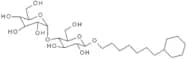
CAS :<p>Cyclohexylheptyl b-D-maltoside is a broad-spectrum antimicrobial that inhibits the growth of human pathogens and some cancers. It has been shown to bind to the active site of the enzyme DNA methyltransferase, thereby inhibiting DNA methylation. Cyclohexylheptyl b-D-maltoside also binds to basic fibroblast cells, which may be due to its ability to inhibit protein synthesis by preventing RNA polymerase from binding to ribosomes. Cyclohexylheptyl b-D-malto sugar also has an effect on human serum albumin, with x-ray diffraction data showing that it binds reversibly in a 1:1 stoichiometric ratio.</p>Formule :C25H46O11Degré de pureté :Min. 95%Couleur et forme :PowderMasse moléculaire :522.63 g/mol2-((4,4,5,5,5-Pentafluoropentyl)oxy)dodecanyl b-D-maltopyranoside
<p>2-((4,4,5,5,5-Pentafluoropentyl)oxy)dodecanyl ?-D-maltopyranoside is a fluorinated form of Dodecyl ?-D-maltopyranoside (DDM). Fluorinated detergents are extremely bulky and hydrophobic. These types of detergents are not necessarily suitable for membrane protein extraction, but can stabilize proteins during the purification stages and during crystallization.</p>Formule :C29F5H52O12Degré de pureté :Min. 95%Couleur et forme :SolidMasse moléculaire :687.71 g/molNonanoyl-D-glucopyranoside
CAS :<p>Nonanoyl-D-glucopyranoside is a custom-synthesized carbohydrate that functions as a glycosylation and fluorination agent. Nonanoyl-D-glucopyranoside can be used to modify oligosaccharides, carbohydrates, or polysaccharides. This product has CAS No. 191039-78-8, is synthesized with high purity, and is available in both monosaccharide and disaccharide forms.</p>Formule :C15H28O7Degré de pureté :Min. 95%Masse moléculaire :320.38 g/molNonyl β-D-glucopyranoside
CAS :<p>Nonyl β-D-glucopyranoside is an alkylglycoside non-ionic mild detergent used for cell lysis and membrane protein isolation. As it is uncharged it is unlikely to cause protein denaturation or refolding issues, allowing for the isolation of intact macromolecular complexes without affecting protein-protein interactions. Nonyl β-D-glucopyranoside is useful for the solubilization and crystallization of many biological membrane proteins and isolation of membrane-bound proteins. It has also been used for enantiomeric separation by capillary electrophoresis. Nonyl β-D-glucopyranoside is also known as B-Nonylglucoside or Nonyl D-glucoside and has an aggregation number of 133. It is dialyzable from membrane protein preparations and has a Critical Micelle Concentration (CMC) of 6.5mM.</p>Formule :C15H30O6Degré de pureté :Min. 95%Couleur et forme :PowderMasse moléculaire :306.4 g/molOctyl b-D-thiomaltopyranoside
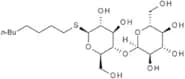
CAS :<p>Octyl b-D-thiomaltopyranoside is a colorless to yellow liquid with a sweet, malty odor. It is soluble in alcohol and ether. This product has been used as an analytical reagent in the analysis of sulfur compounds for GC/MS and LC/MS. It can be used to determine the concentration of dimethylsulfide (DMS) in marine systems. Octyl b-D-thiomaltopyranoside has also been used as a cycling agent for column chromatography, as well as an additive for animal injection compositions. Octyl b-D-thiomaltopyranoside is not toxic to animals at concentrations up to 2000 mg/kg body weight.</p>Formule :C20H38O10SDegré de pureté :Min. 95%Masse moléculaire :470.58 g/molDodecanoyl D-sucrose
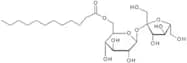
CAS :<p>Non-ionic detergent for solubilising membrane proteins; surfactant</p>Formule :C24H44O12Degré de pureté :Min. 95%Couleur et forme :White PowderMasse moléculaire :524.6 g/molDL-Glyceraldehyde 3-phosphate - 45-55 mg/mL aqueous solution
CAS :<p>Glyceraldehyde 3-phosphate (G3P) is an intermediate in the glycolytic pathway. It is also a component of polysaccharides and glycosaminoglycans. G3P is synthesized from glucose by the enzyme triose phosphate isomerase. The synthesis of G3P can be achieved by a number of methods, including methylation, fluorination, and click chemistry. This product contains 45-55 mg/mL of Glyceraldehyde 3-phosphate in water solution at pH 7.0 and at a temperature range of 2-8°C.</p>Formule :C3H7O6PDegré de pureté :Min. 95 Area-%Masse moléculaire :170.06 g/molPhenylethyl b-D-thiogalactopyranoside
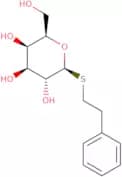
CAS :<p>?-galactosidase inhibitor</p>Formule :C14H20O5SCouleur et forme :PowderMasse moléculaire :300.37 g/molHexyl b-D-maltopyranoside
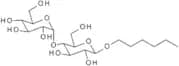
CAS :<p>Hexyl b-D-maltopyranoside is a biopharmaceutical that is used in drug development. It is used as a ligand for the μ-opioid receptor, which is a class of opioid receptors that are activated by morphine and endogenous peptides such as endorphins, dynorphins, and enkephalins. This ligand can be immobilized on a surface for use in immunoassays or other methods of detection. Hexyl b-D-maltopyranoside has been shown to have pharmacological effects in animal studies, although it has not yet been approved for clinical use in humans.</p>Formule :C18H34O11Degré de pureté :Min. 95%Couleur et forme :White PowderMasse moléculaire :426.46 g/molOctyl-b-D-glucuronide methyl ester
<p>Octyl-b-D-glucuronide methyl ester is a synthetic molecule that can be used for a variety of purposes, including modification, fluorination, methylation and monosaccharide synthesis. This product is also available in various concentrations. Click modification, oligosaccharides and polysaccharides are all possible uses for this product. Octyl-b-D-glucuronide methyl ester has been shown to have many applications, such as glycosylation and sugar synthesis. This product has been shown to be useful in the production of complex carbohydrates.</p>Degré de pureté :Min. 95%Octyl b-D-glucopyranoside
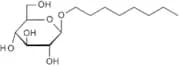
CAS :<p>Octyl beta-D-glucopyranoside (OG), also known as octyl glucoside or caprylyl glucoside, is an alkylglycoside non-ionic detergent that is one of the most commonly used reagents in membrane protein isolation. As it is uncharged, OG is unlikely to cause protein denaturation or refolding issues, allowing for the isolation of intact macromolecular complexes without affecting protein-protein interactions. It forms small, uniformed micelles and has an aggregation number of between 27-100. It is readily dialyzable from membrane protein preparations due to its high Critical Micelle Concentration (CMC) of 18-20 mM. Octyl beta-D-glucopyranoside has similar uses and properties to that of another frequently used surfactant, Octyl beta-D-thioglucopyranoside.</p>Formule :C14H28O6Degré de pureté :Min. 98 Area-%Couleur et forme :White PowderMasse moléculaire :292.37 g/mol1,6-Anhydro-N,N’-diacetylchitobiose
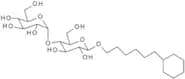
CAS :<p>1,6-Anhydro-N,N’-diacetylchitobiose is an anhydrosugar that can be used in the synthesis of oligosaccharides</p>Formule :C16H26N2O10Degré de pureté :Min. 95%Couleur et forme :PowderMasse moléculaire :406.39 g/mol6-Cyclohexylhexyl β-D-maltoside
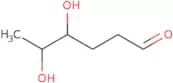
CAS :<p>6-Cyclohexylhexyl b-D-maltoside (6CHBM) is a monoclonal antibody that inhibits the acetylcholine receptor. It binds to the hydroxyl group on the acetylcholine receptor and blocks nicotinic acetylcholine binding, preventing activation of the receptor. 6CHBM is a hydrophobic molecule with a hydroxyl group that can interact with other hydrophobic molecules in the membrane bilayer, such as fatty acids. 6CHBM has been shown to be an allosteric inhibitor of acetylcholine receptors by binding to a site outside of the active site and altering conformational changes required for channel opening. 6CHBM has also been shown to inhibit cation channels.<br>6CHBM was developed from mouse antibodies and has shown no adverse effects in mice or rabbits.</p>Formule :C24H44O11Degré de pureté :Min. 95%Couleur et forme :PowderMasse moléculaire :508.6 g/mol(4R,5S)-4,5-Dihydroxyhexanal
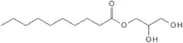
CAS :<p>(4R,5S)-4,5-Dihydroxyhexanal is a mutant of the parent strain Streptomyces lividans. It has been shown to produce glycosylations and inhibitory effects on tumor cells. This compound also has potent antitumor activity and antibacterial activity against Gram-positive bacteria. (4R,5S)-4,5-Dihydroxyhexanal has been shown to inhibit the proliferation of T cells in vitro.</p>Formule :C6H12O3Degré de pureté :Min. 95%Masse moléculaire :132.16 g/mol1-Decanoyl-rac-glycerol
CAS :<p>1-Decanoyl-rac-glycerol is a microbicide that has been shown to have a broad spectrum of activity against viruses and bacteria. It can be used in tissue culture as an antimicrobial agent, and inhibits the growth of human serum, hydroxyl group, and metal hydroxides. 1-Decanoyl-rac-glycerol has also been shown to cause cell lysis in cancer cells, but not normal cells. This drug is lipophilic and easily crosses biological membranes. In vivo models have shown that this compound is nontoxic to humans at doses up to 100 mg/kg body weight. In vitro tests have shown that 1-decanoyl-rac-glycerol does not inhibit the growth of bacteria or fungi at concentrations as high as 500 μg/mL.</p>Formule :C13H26O4Degré de pureté :Min. 95%Couleur et forme :PowderMasse moléculaire :246.34 g/molLactose oleate
CAS :<p>Lactose oleate is a fatty acid ester that can be used as an absorption enhancer. It has been shown to increase the absorption of drugs in both inorganic and organic forms. Lactose oleate can be used in assays to determine the profile and nucleophilic attack of fatty acids. Lactose oleate is lipophilic and biodegradable, making it suitable for use as an edible coating or as a membrane for cell culture. Lactose oleate can also be used as a substrate for immobilization studies, where it is immobilized on silica gel particles. This allows for its use in thermodynamic studies. Lastly, lactose oleate has been shown to have potential anti-inflammatory properties in caco-2 cells.</p>Formule :C18H34O2•(C12H22O11)xDegré de pureté :Min. 95%Couleur et forme :PowderMasse moléculaire :624.76 g/mol4-Aminophenyl b-D-cellobioside
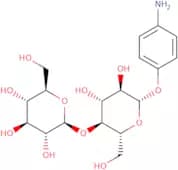
CAS :<p>4-Aminophenyl b-D-cellobioside is a cyclopentadienyl cellobioside. The ocean and the timings of polymerization, as well as the use of catalysts, are crucial for the production of this compound. 4-Aminophenyl b-D-cellobioside is an important chemical intermediate used in the production of pharmaceuticals and other products with applications in various industries such as textiles, plastics, coatings, dyes and pigments. Metal complexes are widely used catalysts for olefin polymerization reactions. Indian chemists have developed a new catalyst that has shown high activity in olefin polymerization. The indian scientists have also found a new way to recycle cyclopentadiene.</p>Formule :C18H27NO11Degré de pureté :Min. 95%Couleur et forme :Off-White PowderMasse moléculaire :433.41 g/molMaltotriose
CAS :<p>Used to differentiate microorganisms based on their metabolic properties.</p>Formule :C18H32O16Degré de pureté :Min. 95 Area-%Masse moléculaire :504.44 g/molD-Fructose-1,6-diphosphate
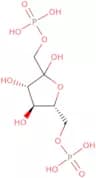
CAS :<p>D-Fructose-1,6-diphosphate is a chemical that is found in the cytosol of cells. It is an intermediate in the metabolism of fructose and also has an important role in the synthesis of fatty acids and phospholipids. D-Fructose-1,6-diphosphate is an effective inhibitor of sodium succinate dehydrogenase, which converts succinate to fumarate. D-Fructose-1,6-diphosphate has a neutral pH profile and is not affected by changes in pH levels. The optimum pH for this compound is between 6.5 and 7.5. D-Fructose-1,6-diphosphate binds to proteins with unsaturated alkyl chains such as creatine kinase and glutamate dehydrogenase. It has been shown to have hemolytic effects on erythrocytes (red blood cells) at high concentrations, which may be due to its ability to bind</p>Formule :C6H14O12P2Degré de pureté :(¹H-Nmr) Min. 95 Area-%Couleur et forme :White PowderMasse moléculaire :340.12 g/molN1-α-L-Arabinopyranosylamino-guanidine hydrochloride
CAS :<p>N1-a-L-Arabinopyranosylamino-guanidine HCl is a carbohydrate that belongs to the class of oligosaccharides. It is a synthetic compound, which is custom synthesized for use in research. This product has been shown to be high purity and is methylated, glycosylated, and click modified. The CAS number 109853-78-3 refers to the chemical name of this product. The molecular weight of N1-a-L-Arabinopyranosylamino-guanidine HCl is 597.14 g/mol with an empirical formula C8H23N2O6.</p>Formule :C6H14N4O4•HClDegré de pureté :Min. 95%Couleur et forme :White to off-white solid.Masse moléculaire :242.66 g/mol3-Aminopropyl 4,6-O-benzylidene-3-O-pivaloyl-b-D-galactopyranoside
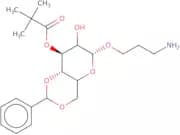
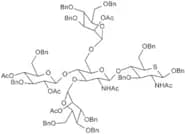
CAS :<p>3-Aminopropyl 4,6-O-benzylidene-3-O-pivaloyl-b-D-galactopyranoside is a glycosylated and fluorinated saccharide that is used as a building block for the synthesis of complex carbohydrates. It can be modified to produce glycans with desired properties, such as improved solubility or stability in high temperatures. This product is available in custom synthesis and high purity.</p>Formule :C21H31NO7Degré de pureté :Min. 95%Masse moléculaire :409.47 g/molBenzyl 2-acetamido-4-O-[2-acetamido-4-O-(2,4-di-O-acetyl-3,6-di-O-benzyl-b-D-glucopyranosyl)-3,6-di-O-(2-O-acetyl-3,4,6-tri-O-benzyl -a-D-mannopyranosyl)-2-deoxy-b-D-glucopyranosyl]-3,6-di-O-benzyl-2-deoxy-5-thio-b-D-glucopyranoside
<p>This compound is a custom synthesis for Modification, Fluorination, Methylation, Monosaccharide, Synthetic, Click modification, Oligosaccharide and saccharide. It has CAS No. and Polysaccharide as Carbohydrate. The molecular weight of this compound is</p>Formule :C119H132N2O29SDegré de pureté :Min. 95%Masse moléculaire :2,086.38 g/molN-Glycolylneuraminic acid dimer sodium salt
<p>N-Glycolylneuraminic acid dimer sodium salt is a synthetic sugar that is a glycosylat of N-glycolylneuraminic acid. It is soluble in water and has a CAS number of 1114-12-3. The product has been modified with methyl groups and is available for custom synthesis. It can be used as an intermediate for the synthesis of oligosaccharides, or it can be modified to form complex carbohydrates. This product has been fluorinated and is high purity, making it ideal for use in Click chemistry applications.</p>Degré de pureté :Min. 95%1,1,1,1-Kestohexose
CAS :<p>Non-reducing sucrose analog containing glucose and fructose</p>Formule :C36H62O31Degré de pureté :Min. 90%Couleur et forme :White PowderMasse moléculaire :990.86 g/molHyaluronic acid sodium salt - Low molecular weight 10,000 - 50,000
CAS :<p>Gycosaminoglycan in many organs; joint lubricant and shock absorber</p>Formule :(C14H20NO11Na)nDegré de pureté :Min. 95.0%Couleur et forme :Powder2,3,5-Tri-O-benzyl-L-xylofuranose
CAS :<p>2,3,5-Tri-O-benzyl-L-xylofuranose is a sugar molecule that has been modified to inhibit glycosidases. 2,3,5-Tri-O-benzyl-L-xylofuranose is an iminosugar that inhibits the enzyme β-glucosidase and α-galactosidase. The compound is not metabolized and it binds to the enzyme's active site. 2,3,5-Tri-O-benzyl L xylofuranose has been shown to be effective at inhibiting all of the glycosidases tested in this study with inhibition potencies ranging from 0.1 mM to 10 mM. This compound also inhibits epoxides and cyclic enzymes such as azido reductase and dihydropyrimidine dehydrogenase.</p>Formule :C26H28O5Degré de pureté :Min. 95%Couleur et forme :PowderMasse moléculaire :420.5 g/mol(Hydroxypropyl)methyl cellulose - Viscocity 2600-5600 cP
CAS :<p>Hydroxypropyl methylcellulose (HPMC or hypromellose) is a semisynthetic, inert and viscoelastic polymer that is used as eye drops and as semi-synthetic substitute for tear-films. When applied, a hypromellose solution acts to swell and absorb water, by increasing the thickness of the tear-film, resulting in decreased eye irritation. In addition to its use in ophthalmic liquids, hypromellose has been used as an excipient in oral tablet and capsule formulations, where, depending on the grade, it functions as controlled-release agent. It is also used as a binder and as a component of tablet coatings. Hypromellose in aqueous solution, unlike methylcellulose, exhibits thermal gelation properties. HPMC is approved as a food additive, emulsifier, thickening and suspending agent, and as an alternative to animal gelatin (Codex Alimentarius code (E number) is E464).</p>Couleur et forme :White Powder2,3-Dimethyl-6-tert-butyldimethylsilyl-a-cyclodextrin
<p>Alpha-cyclodextrin (α-CD) derivative with a hydrophilic exterior and lipophilic cavity (smaller than β-CDs and γ-CDs) to allocate certain guest molecules. This structural characteristic enables applications in molecular encapsulation, solubility enhancement, and stabilization across multiple industries. In pharmaceuticals, it serves as a drug delivery vehicle, enhancing the bioavailability and stability of active ingredients. The food industry utilizes it as a stabilizer for flavors, colors, and nutrients, as well as a functional ingredient for its effects on lipid metabolism. In cosmetics, it acts as a complex agent for fragrances and active components. Its applications extend to analytical chemistry for chiral separation and to materials science for developing smart materials and nanosystems.</p>Formule :C84H168O30Si6Degré de pureté :Min. 95%Masse moléculaire :1,826.73 g/mol1,2,3,4,6-Penta-O-acetyl-5-thio-b-D-galactopyranoside
<p>The 1,2,3,4,6-Penta-O-acetyl-5-thio-b-D-galactopyranoside is a custom synthesis. The compound is a complex carbohydrate that belongs to the group of Oligosaccharides. It is a saccharide with six hydroxyl groups and one acetate ester group. The CAS number for this compound is CID:270145-25-0. This compound has been modified by methylation and glycosylation. The 1,2,3,4,6-Penta-O-acetyl-5-thio-b-D-galactopyranoside can be used as an intermediate in the synthesis of other compounds with similar structures.</p>Degré de pureté :Min. 95%4-O-(6-O-[2-Acetamido-2-deoxy-b-D-glucopyranosyl]-b-D-galactopyranosyl)-D-glucopyranose
CAS :<p>Lacto-N-neotetraose is a trisaccharide composed of two galactose units and one glucose unit. It has been found to be an effective carbohydrate for the treatment of colostrum depletion in newborns. Lacto-N-neotetraose can be obtained through methanolysis, which is the hydrolysis of lactose by the addition of methanol to produce a mixture of sugars. This process is activated by ion exchange chromatography, and then hydrolyzed to produce oligosaccharides. Lacto-N-neotetraose can also be obtained from human or horse milk as 13C NMR spectroscopy shows that it is present in both species.</p>Formule :C20H35NO16Degré de pureté :Min. 98 Area-%Couleur et forme :PowderMasse moléculaire :545.49 g/mol3,4:5,6-Di-O-isopropylidene-D-idonic acid methyl ester
3,4:5,6-Di-O-isopropylidene-D-idonic acid methyl ester is a modified sugar. It is a complex carbohydrate which is synthesized from D-glyceraldehyde and D-ribose. This product can be used in the production of glycosylated proteins or as an intermediate for custom synthesis. 3,4:5,6-Di-O-isopropylidene-D-idonic acid methyl ester has high purity and can be ordered with custom synthesis. 3,4:5,6-Di-O-isopropylidene-D-idonic acid methyl ester is soluble in water and alcohols. It can be used as a reagent for click chemistry modification.Degré de pureté :Min. 95%D-Maltose monohydrate - Low endotoxin
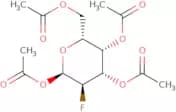
CAS :<p>D-Maltose monohydrate is a glycosylation product of maltose. It is a complex carbohydrate that has been methylated, fluorinated, and modified with Click chemistry. D-Maltose monohydrate has the CAS number of 3647-20-3 and can be custom synthesized to meet your specifications. This product is free from endotoxins and can be made in high purity.</p>Degré de pureté :Min. 95%1,3,4,6-Tetra-O-acetyl-2-deoxy-2-fluoro-D-galactopyranose
CAS :1,3,4,6-Tetra-O-acetyl-2-deoxy-2-fluoro-D-galactopyranose is a fluorinated sugar that is used in the synthesis of glycosides. It is a synthetic compound that is prepared by reacting 1,3,4,6-tetraacetyl galactose with potassium bifluoride and diethyl oxalate in presence of anhydrous sodium sulfate. The product obtained has the following structural formula: The chemical name for this compound is 1,3,4,6-Tetraacetyl -2-[(1R)-1-(ethoxycarbonyl)propyl]-2-(fluorooxymethyl) -D-galactopyranose. The CAS number for this compound is 83697–45–4.Formule :C14H19FO9Degré de pureté :(As Sum Of Anomers) Min. 98 Area-%Couleur et forme :White PowderMasse moléculaire :350.3 g/mol1,2,3,4-Tetra-O-acetyl-D-mannopyranose
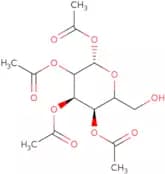
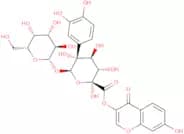
CAS :<p>1,2,3,4-Tetra-O-acetyl-D-mannopyranose is a modified monosaccharide that is synthesized by the Click reaction. This compound has been shown to be useful in the synthesis of oligosaccharides and polysaccharides. It can also be used for protein modification or the fluorination of saccharides. It is also a high purity product that can be used as an intermediate for custom synthesis.</p>Formule :C14H20O10Degré de pureté :Min. 95%Masse moléculaire :348.3 g/mol2-(3,4-Dihydroxyphenyl)-5,7-dihydroxy-4-oxo-4H-1-benzopyran-3-yl O-b-D-galactopyranosyl-b-D-glucopyranosiduronic acid
CAS :<p>This is a custom synthesis that is a complex carbohydrate. It has been modified, glycosylated, and methylated to create a saccharide with an Oligosaccharide and Polysaccharide. This product is fluorinated, custom synthesized, and has high purity. The CAS number for this product is 77154-70-2.</p>Formule :C27H28O18Degré de pureté :Min. 95%Masse moléculaire :640.5 g/molMethyl 2,3,4,6-tetra-O-benzyl-D-glucopyranoside
CAS :<p>Methyl 2,3,4,6-tetra-O-benzyl-D-glucopyranoside is a glucopyranoside that has been chemically modified with an allyl group and an azide group. It is also the anomeric form of methyl 2,3,4,6-tetra-O-benzyl-β-D-glucopyranoside. The modification of the sugar moiety offers a new approach to synthesize β-linked D-, L-, or D/L-(2,3,4,6)-linked glycosides. This chemical modification is unambiguously determined by nmr analysis and alkene formation.</p>Formule :C35H38O6Degré de pureté :Min. 95%Couleur et forme :Clear LiquidMasse moléculaire :554.67 g/mol(2S, 3S, 4S) -4- (Hydroxymethyl) - N- methyl- 3- (phenylmethoxy) - 1- (phenylmethyl) -2- azetidinecarboxamide
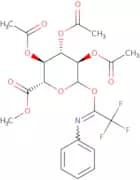
CAS :<p>(2S, 3S, 4S) -4- (Hydroxymethyl) - N- methyl- 3- (phenylmethoxy) - 1- (phenylmethyl) -2- azetidinecarboxamide is a synthetic glycosylinase inhibitor. It is an Oligosaccharide which contains a sugar and a saccharide. The synthesis of this product can be customized according to the customer's needs. This product has been fluorinated and custom synthesized. It is a high purity, complex carbohydrate with click modification.</p>Formule :C20H24N2O3Degré de pureté :Min. 95%Masse moléculaire :340.42 g/mol1-(2,2,2-Trifluoro-N-phenylethanimidate)-2,3,4-tri-O-acetyl-D-glucopyranuronic acid methyl ester
CAS :<p>1-(2,2,2-Trifluoro-N-phenylethanimidate)-2,3,4-tri-O-acetyl-D-glucopyranuronic acid methyl ester is a methylated variant of an oligosaccharide. It has been synthesized by the click modification of an oligosaccharide with a monosaccharide and a fluorinated saccharide. This compound has been shown to have antiviral activity against the influenza virus in vitro. The antiviral activity may be due to its ability to inhibit the viral polymerase and RNA synthesis or to prevent virus assembly and release.</p>Formule :C21H22F3NO10Degré de pureté :Min. 95%Masse moléculaire :505.4 g/mol
![1,3,4,6-Tetra-O-acetyl-2-[[2-(acetylthio)acetyl]amino]-2-deoxy-D-galactopyranose](/_next/image/?url=https%3A%2Fstatic.cymitquimica.com%2Fproducts%2F3D%2Fthumb-webp%2FMT145185.webp&w=3840&q=75)



![N,N-Bis[3-D-gluconamidopropyl]cholamide](/_next/image/?url=https%3A%2Fstatic.cymitquimica.com%2Fproducts%2F3D%2Fthumb-webp%2FDB18793.webp&w=3840&q=75)












![4-O-(6-O-[2-Acetamido-2-deoxy-b-D-glucopyranosyl]-b-D-galactopyranosyl)-D-glucopyranose](/_next/image/?url=https%3A%2Fstatic.cymitquimica.com%2Fproducts%2F3D%2Fthumb-webp%2FOA05021.webp&w=3840&q=75)