Glycosciences
La glycosciences est l'étude des glucides et de leurs dérivés, ainsi que des interactions et des fonctions biologiques auxquelles ils participent. Ce domaine de recherche est crucial pour comprendre une grande variété de processus biologiques, y compris la reconnaissance cellulaire, la signalisation, la réponse immunitaire et le développement des maladies. La glycosciences a des applications importantes en biotechnologie, en médecine et dans le développement de nouveaux médicaments et thérapies. Chez CymitQuimica, nous proposons une large sélection de produits de haute qualité et pureté pour la recherche en glycosciences. Notre catalogue comprend des monosaccharides, des oligosaccharides, des polysaccharides, des glyconjugués et des réactifs spécifiques, conçus pour soutenir les chercheurs dans leurs études sur la structure, la fonction et les applications des glucides dans les systèmes biologiques. Ces ressources sont destinées à faciliter les découvertes scientifiques et les applications pratiques dans divers domaines des biosciences et de la médecine.
Sous-catégories appartenant à la catégorie "Glycosciences"
- Aminosucres(108 produits)
- Anticorps Glyco-Related(282 produits)
- Glycolipides(46 produits)
- Glycosaminoglycanes (GAGs)(55 produits)
- Glycosides(419 produits)
- Monosaccharides(6.622 produits)
- Oligosaccharides(3.682 produits)
- Polysaccharides(503 produits)
11041 produits trouvés pour "Glycosciences"
Trier par
Degré de pureté (%)
0
100
|
0
|
50
|
90
|
95
|
100
Lactobionic acid
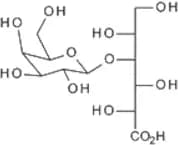
CAS :<p>Lactobionic acid is produced by oxidation of lactose. It is widely used in the food and in pharmaceutical field, due to its excellent biocompatibility, biodegradability, nontoxicity, chelating, amphiphilic and antioxidant properties. Lactobionic acid is produced as a white solid powder, freely soluble in water and slightly soluble in anhydrous ethanol and methanol.</p>Formule :C12H22O12Couleur et forme :White PowderMasse moléculaire :358.3 g/mol2,6-Dideoxy-D-arabino-hexose
CAS :<p>2,6-Dideoxy-D-arabino-hexose is a hydrogenolysis product of 2,6-dideoxy-D-ribo-hexose. It has been shown to have a solvolytic activity and can be used for the dehalogenation of several halogenated compounds. 2,6-Dideoxy-D-arabino-hexose is also stereoselective and can be used as an estimator in population genetics. This sugar is also regulatory, catalytic, and crystalline. It is found in many carbohydrates, including weighting disaccharides such as sucrose.</p>Degré de pureté :Min. 95%Cellobiitol
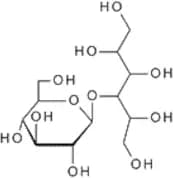
CAS :<p>Cellobiitol is produced by the borohydride reduction of cellobiose. Few publications discuss the chemistry of cellobiitol but applications in the food and pharmaceutical industries have been published.</p>Formule :C12H24O11Degré de pureté :Min. 95%Couleur et forme :PowderMasse moléculaire :344.31 g/mol3-(N-(3R, 4R) -3, 4-Dihydroxy- L- prolinyl)-propanoic acid
<p>3-(N-(3R, 4R) -3, 4-Dihydroxy- L- prolinyl)-propanoic acid is a synthetic compound. It is a sugar that can be modified with fluorination and methylation to produce 3-(N-(3R,4S)-3,4-dihydroxy-L-prolinyl)-propanoic acid. This product can be used for glycosylation of oligosaccharides or sugars. It has high purity and is available in bulk quantities.</p>Degré de pureté :Min. 95%4-Methoxyphenyl 2-deoxy-4,6-O-(4-methoxybenzylidene)-2-phthalimido-β-D-glucopyranoside
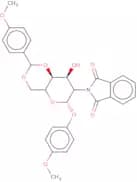
<p>4-Methoxyphenyl 2-deoxy-4,6-O-(4-methoxybenzylidene)-2-phthalimido-b-D-glucopyranoside is a complex carbohydrate that has been modified with methylation and glycosylation. This product can be used for custom synthesis and is a high purity product. It is soluble in water. The CAS number for this compound is 57810-97-0. The molecular weight of this product is 576. The chemical formula for this compound is C24H28N2O8F3O7, which corresponds to an empirical formula of C24H28N2O8F3O7.</p>Formule :C29H27NO9Degré de pureté :Min. 95%Masse moléculaire :533.53 g/mol3α,4β-Galactotriose
CAS :<p>Obtained by the partial acetolysis of lambda-carrageenan</p>Formule :C18H32O16Degré de pureté :Min. 95 Area-%Couleur et forme :White PowderMasse moléculaire :504.44 g/mol1,3,4,6-Tetra-O-acetyl-b-D-mannopyranose
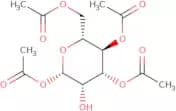
CAS :<p>1,3,4,6-Tetra-O-acetyl-b-D-mannopyranose is a radiopharmaceutical that is used to diagnose and evaluate malignant tumors. It is a diagnostic agent for the detection of cancerous cells in patients with suspected cancer. The molecule emits gamma radiation when it decays. This product has been tested in experimental studies on animals and humans with tumors. There are no known side effects or interactions with other drugs. 1,3,4,6-Tetra-O-acetyl-b-D-mannopyranose can be administered intravenously or orally and can be used to detect cancerous cells in the stomach and small intestine.</p>Formule :C14H20O10Degré de pureté :Min. 95%Couleur et forme :White PowderMasse moléculaire :348.3 g/mol4-Aminophenyl b-D-glucopyranoside
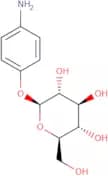
CAS :<p>4-Aminophenyl b-D-glucopyranoside is a membrane transport inhibitor that prevents the uptake of glucose by inhibiting the enzyme hexose transporter. It is used in biological treatment and has been shown to be effective against glutamicum. 4-Aminophenyl b-D-glucopyranoside can also be used in assays to identify bacteria based on their surface antigens. This compound was isolated from corynebacterium glutamicum and its metabolic pathway has been elucidated. 4-Aminophenyl b-D-glucopyranoside has also been shown to inhibit enzymatic activity, which may be due to inhibition of the enzyme dihydroorotate dehydrogenase.</p>Formule :C12H17NO6Degré de pureté :Min. 95%Couleur et forme :White PowderMasse moléculaire :271.27 g/molmeso-D-glycero-D-gulo-heptitol
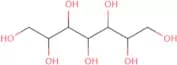
CAS :<p>Meso-D-glycero-D-gulo-heptitol is an enzyme inhibitor that is used in food composition. It has a redox potential of +0.5 V and can be used to inhibit the growth of metal hydroxides through chelation. This compound was found to have skin cell protective effects, as well as an ability to inhibit protein synthesis. Meso-D-glycero-D-gulo-heptitol is also a natural compound with physiological function, such as the prevention of dmannnoheptulose from being converted into D-mannitol. The hydrochloric acid or alcohol residue on this compound does not cause any adverse effects on human cells because it does not affect their redox potentials.</p>Formule :C7H16O7Degré de pureté :Min. 95%Masse moléculaire :212.2 g/molN,N',N''-Triacetylchitotriose
CAS :<p>N,N',N''-Triacetylchitotriose is a chiral compound that is formed from the acetylation of chitin. It has been shown to be an antigen for monoclonal antibodies and a model system for exploring the enzymatic hydrolysis of chitin. N,N',N''-Triacetylchitotriose can be used to investigate the catalytic mechanism of chitinase enzymes, which are involved in breaking down the polysaccharide chitin. It has also been shown to have bioactive properties, such as inhibiting lectins and binding with mannose receptors.</p>Formule :C24H41N3O16Degré de pureté :Min. 95 Area-%Couleur et forme :White PowderMasse moléculaire :627.59 g/mol1,2,3,4-Tetra-O-acetyl-b-D-glucuronide
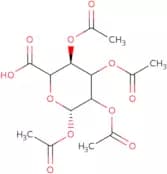
CAS :<p>1,2,3,4-Tetra-O-acetyl-b-D-glucuronide is a chemical compound that is used as an acetylating agent in organic synthesis. It is produced by the reaction of pyridine and acetic anhydride with sodium hydroxide as a catalyst. The acetylation process takes place in two steps: first, the pyridine reacts with the acetic anhydride to form 4-(pyridinium) acetate; second, this intermediate reacts with sodium hydroxide to form 1,2,3,4-tetra-O-acetyl-b-D-glucuronide. Acetylation reactions are important because they can be used to introduce functional groups onto molecules that would not otherwise have them. Acetylated compounds are also often more soluble in water than nonacetylated compounds. This product is used in medicines and other chemical processes.</p>Formule :C14H18O11Degré de pureté :Min. 95 Area-%Couleur et forme :White Clear LiquidMasse moléculaire :362.29 g/molMethyl α-L-acosamine
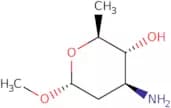
CAS :<p>Methyl a-L-acosamine is a glycosylation agent that can be used to modify complex carbohydrates. It can also be used in the methylation of saccharides, polysaccharides, and sugars. Methyl a-L-acosamine is made by reacting acetic anhydride with L-a-D-galactopyranosyl chloride. The CAS number for this product is 54623-23-3. This product can be custom synthesized to meet your specifications and has high purity.</p>Formule :C7H15NO3Degré de pureté :Min. 95%Couleur et forme :White To Off-White SolidMasse moléculaire :161.2 g/molO-(2,2',3,3',4',6,6'-Hepta-O-acetyl-b-D-maltosyl)-N-hydroxysuccinimide
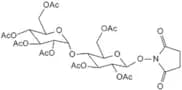
<p>O-(2,2',3,3',4',6,6'-Hepta-O-acetyl-b-D-maltosyl)-N-hydroxysuccinimide is a methylating reagent that is used in the synthesis of glycosides. It can be used to modify saccharides and polysaccharides with the desired sugar moiety.</p>Formule :C30H39NO20Degré de pureté :Min. 95%Masse moléculaire :733.64 g/molFucoidan, ecklonia
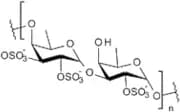
CAS :<p>A fucan sulphate found in brown marine algae (Phaeophyta-typically Fucus vesiculotus, Ecklonia (illustrated), Alaria and Cladosiphon) and has been shown to have anticoagulant activity. The main constituents are α-1,4 and α-1,2 linked L-fucose sulphates although galactose also occurs and there are many variations of the basic structure found in different species of Phaeophyta.<br>The fucose content of this fucan is approx. 19.0% and it also contains galactose (approx. 12.0%), uronic acid (approx. 25.5%) and sulfate (approx. 19.1%).<br>The image was kindly provided by Prof Mike Guiry from Cork who runs ‘The Seaweed Site’.</p>Degré de pureté :Min. 95%Couleur et forme :White Powder2-Allyloxycarbonylamino-2-deoxy-D-galactose
<p>2-Allyloxycarbonylamino-2-deoxy-D-galactose is a monosaccharide that is synthetically modified for use as a synthetic building block in the synthesis of complex carbohydrates and saccharides. This compound is fluorinated at the 2 position to increase its water solubility, which makes it useful for chemical modifications. It has been shown to be methylated and glycosylated.</p>Degré de pureté :Min. 95%Methyl 4,6-O-benzylidene-2-deoxy-a-D-allopyranoside
<p>Methyl 4,6-O-benzylidene-2-deoxy-a-D-allopyranoside is an oligosaccharide that has a complex carbohydrate structure with a fluorination modification. It is synthesized by the methylation of 4,6-O-benzylidene-2,3,4,6 tetra deoxy aldopyranose and the glycosylation with methylated glucose. Methyl 4,6-O-benzylidene-2-deoxy-a -D allopyranoside is used in research to study the synthesis of saccharides and glycoconjugates. Its CAS number is 6891–51–8. This product is available for custom synthesis.</p>Formule :C14H18O5Degré de pureté :Min. 95%Masse moléculaire :266.29 g/moltert-Butyl β-D-glucopyranoside
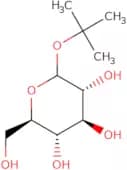
CAS :<p>tert-Butyl b-D-glucopyranoside is a monomer that belongs to the class of acrylic acid ester. It is used in polymer synthesis, as a photoinitiator and as a light stabilizer for polymers. The compound is resistant to heat and has a high degree of light transmittance. Tert-butyl b-D-glucopyranoside is soluble in chloroform and can be found in carbon tetrachloride solution with a transmittance of up to 83%. This compound can be used as an indexing agent for silicon wafers because it produces protrusions when immersed in chloroform.</p>Formule :C10H20O6Degré de pureté :Min. 95%Couleur et forme :PowderMasse moléculaire :236.26 g/molD-Xylose-5-phosphate disodium
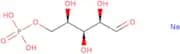
CAS :<p>D-Xylose-5-phosphate disodium salt is a Custom synthesis that has been fluorinated, methylated, and modified with a click reaction. D-Xylose-5-phosphate disodium salt is also an oligosaccharide and polysaccharide. The CAS No. for this compound is 1083083-57-1.</p>Formule :C5H11O8P•Na2Degré de pureté :(%) Min. 80%Couleur et forme :White/Off-White SolidMasse moléculaire :276.09 g/molBenzyl 4-O-a-D-glucosaminyl-b-D-xylopyranoside
<p>Benzyl 4-O-a-D-glucosaminyl-b-D-xylopyranoside is a methylated saccharide. It is a product of the Click modification of an oligosaccharide with benzyl alcohol. Benzyl 4-O-a-D-glucosaminyl-b-D-xylopyranoside is produced by glycosylation of D-(+)-glucose with glucuronic acid and galactose. The product can be used as a synthetic building block for complex carbohydrate synthesis, fluorination, or click modification.</p>Degré de pureté :Min. 95%1-Deoxy-2-fluoronojirimycin
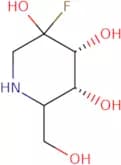
CAS :<p>1-Deoxy-2-fluoronojirimycin is a glycosylation inhibitor that was synthesized to inhibit the formation of complex carbohydrates. It has been shown to inhibit methyltransferases and glycosylation enzymes in vitro with IC50 values of 0.1 μM, 2 μM, and 4 μM, respectively. This compound has also been shown to inhibit the synthesis of saccharides by targeting sugar moieties. 1-Deoxy-2-fluoronojirimycin inhibits the addition of various sugars at their C1 position with IC50 values ranging from 0.3 μM to 6 μM. The modification of sugars at the C2 position is also inhibited with IC50 values ranging from 3 μM to 10 μM. 1-Deoxy-2-fluoronojirimycin is a custom synthesis that can be ordered in high purity as well as in bulk quantities for research purposes .</p>Formule :C6H12FNO4Degré de pureté :Min. 95%Couleur et forme :PowderMasse moléculaire :181.16 g/mol4-C-Methyl- 2, 3- O-isopropylidene -D- lyxono-1,5- lactone
<p>4-C-Methyl- 2, 3- O-isopropylidene -D- lyxono-1,5- lactone is a custom synthesis. It is a complex carbohydrate with the CAS number of 67903-96-6.<br>It has a molecular weight of 287.39 g/mol and a purity of >99%. 4CMMDL has been modified with methylation at the C4 position and glycosylation at the C2 position. The modification on this molecule is called Click chemistry.<br>This molecule contains a sugar group that is an oligosaccharide with 11 saccharides, which are all glucose molecules. This sugar group has been fluorinated at the C2 position to form 4CMMDLF (also known as Fluorogalactofuranose). <br>The chemical formula for 4CMMDLF is C12H8O11F2, and it has a molar mass of 5</p>Degré de pureté :Min. 95%5-Azido-2-C-(hydroxymethyl)-5-deoxy-2,3-O-isopropylidene-D-ribono-1.4-lactone
<p>5-Azido-2-C-(hydroxymethyl)-5-deoxy-2,3-O-isopropylidene-D-ribono-1.4-lactone is used as a modification agent in oligosaccharides and polysaccharides. It is used to modify the carbohydrate structure of these compounds through glycosylation and methylation. 5-Azido-2-C-(hydroxymethyl)-5-deoxy-2,3-O-isopropylidene--D--ribono--1.4--lactone has been shown to be highly pure with a CAS number of 82577–09–8. This compound can be synthesized by reacting the acid with 2,3,5,6,-tetraacetic acid in chloroform solution or by reacting the acid with sodium azide in methanol solution at 0°C for 12 hours.</p>Degré de pureté :Min. 95%Methyl 2,4-di-O-methyl-α-D-galactopyranoside
CAS :<p>Methyl 2,4-di-O-methyl-α-D-galactopyranoside is a synthetic saccharide that has been modified with methyl groups at the C2 and C4 positions.</p>Formule :C9H18O6Degré de pureté :Min. 95%Couleur et forme :PowderMasse moléculaire :222.24 g/molMurNAc-6-phosphate-GlcNAc
<p>MurNAc-6-phosphate-GlcNAc is a complex carbohydrate that is composed of a glycosylation, methylation, and fluorination. It is an important component in polysaccharides and oligosaccharides. This compound has been modified with Click chemistry to form a reactive site for incorporation of a variety of molecules such as fluorophores, biotin, or other small molecules. This compound can be synthesized using custom synthesis methods and has CAS number 106579-01-4. MurNAc-6-phosphate-GlcNAc is available in high purity and can be custom synthesized to specific needs.</p>Degré de pureté :Min. 95%Dimethyl (2S)-2-((4R)-3-O-benzyl-1,2-O-isopropylidene-D-threos-4-yl)succinate
<p>Dimethyl 2-((4R)-3-O-benzyl-1,2-O-isopropylidene-D-threos--4-yl)succinate is a glycosylate compound that is used in the synthesis of saccharides and oligosaccharides. This product can be custom synthesized to order as a monosaccharide or oligosaccharide and can be fluorinated or methylated. Dimethyl (2S)-2-(4R)-3-O-benzyl-1,2--O--isopropylidene D--threo--4--yl)succinate has CAS number 49627–08–0 and molecular weight of 334.24 g/mol. This product is not intended for therapeutic use.</p>Degré de pureté :Min. 95%7-O-Galloyl-D-sedoheptulose
<p>7-O-Galloyl-D-sedoheptulose is a synthetic immunosuppressant that is orally administered. It has been shown to be synergistic with pro-inflammatory factors and fructus in mice. 7-O-Galloyl-D-sedoheptulose inhibits the production of pro-inflammatory factors by binding to the receptor α, which prevents the activation of transcription factor NFκB. This drug also inhibits the synthesis of urea nitrogen and pro-apoptotic protein. 7-O-Galloyl-D -sedoheptulose has been shown to be more effective than cyclosporine A in suppressing immune responses in mice and rats with rheumatoid arthritis.</p>Degré de pureté :Min. 95%Maltotriose - Ultrapure
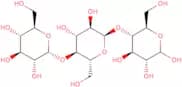
CAS :<p>linear a-(1,4) trisaccharide produced from starch by acid or enzyme hydrolysis</p>Formule :C18H32O16Degré de pureté :Min. 95.0 Area-%Couleur et forme :PowderMasse moléculaire :504.44 g/molUDP-2-deoxy-2-fluoro-D-galactose
CAS :<p>UDP-2-deoxy-2-fluoro-D-galactose is a methylated and fluorinated saccharide that is used in click chemistry. It is a synthetic compound that can be custom synthesized to create polysaccharides or oligosaccharides. This product has high purity and can be modified with glycosylation, methylation, and other modifications.</p>Formule :C15H23FN2O16P2Degré de pureté :Min. 98 Area-%Couleur et forme :PowderMasse moléculaire :568.29 g/molN-Methyl-L-glucosamine
CAS :<p>N-Methyl-L-glucosamine is a monosaccharide that is used as a building block for glycosaminoglycans. It can be synthesized by the enzyme glucoamylase from glucose and UDP-N-acetylglucosamine, or supplied exogenously as a dietary supplement. N-Methyl-L-glucosamine is stable in the presence of light and resistant to microbial degradation. This agent has been shown to be effective in inhibiting skin cancer in mice when combined with other agents such as hydroquinone, retinoic acid, and tretinoin. N-Methyl-L-glucosamine has been shown to have antiangiogenic properties on tubule cells, which may be due to its ability to inhibit the production of vascular endothelial growth factor (VEGF) in these cells.</p>Formule :C7H15NO5Degré de pureté :Min. 95%Masse moléculaire :193.2 g/mol6-Azido-6-deoxy-D-galactose
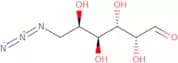
CAS :<p>6-Azido-6-deoxy-D-galactose is a mutagenic compound that is used as a carbon source in the synthesis of other compounds. It has been shown to have mutagenicity in TA100 cells and to be active against Staudinger's naphthol. The compound is synthesised by chemoenzymatic methods, which involve the use of alcohols and an acetyl group. 6-Azido-6-deoxy-D-galactose can be used as a mutagenic agent for the production of mutants with desired properties.</p>Formule :C6H11N3O5Degré de pureté :Min. 95%Couleur et forme :White PowderMasse moléculaire :205.17 g/molCalcium-D-galactonate hydrate
CAS :<p>Calcium-D-galactonate hydrate is a reagent that is used in organic synthesis as a complex compound. It can also be used as an intermediate for the synthesis of calcium-D-galactonate, which is a useful scaffold for the construction of bioactive molecules. Calcium-D-galactonate hydrate has been shown to have many uses in the pharmaceutical and fine chemical industries. This compound is also an important reactant in research, due to its versatility and usefulness in organic synthesis.</p>Formule :C12H22CaO14·5H2ODegré de pureté :Min. 98%Couleur et forme :White PowderMasse moléculaire :520.45 g/molUDP-2-ketopropyl-a-D-galactose
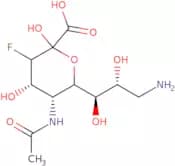
<p>UDP-2-ketopropyl-a-D-galactose is a synthetic compound that belongs to the group of oligosaccharides. It is an excellent candidate for glycosylation, methylation, and click modification. The product has a CAS number, which provides high purity and custom synthesis. The product is also a complex carbohydrate with a variety of modifications.</p>Degré de pureté :Min. 95%5-Acetamido-9-amino-3,5,9-trideoxy-3-fluoro-D-erythro-L-manno-2-nonulosonic acid
<p>5-Acetamido-9-amino-3,5,9-trideoxy-3-fluoro-D-erythro-L-manno-2-nonulosonic acid is a synthetic compound that is modified with saccharides and fluorine. This chemical is used in the synthesis of glycosylations and oligosaccharides. It has a CAS number of 65911-04-6.</p>Formule :C11H19FN2O8Degré de pureté :Min. 95%Couleur et forme :White PowderMasse moléculaire :326.28 g/mol2,3-Di-O-benzoyl-a-cyclodextrin
CAS :<p>Alpha-cyclodextrin (α-CD) derivative with a hydrophilic exterior and lipophilic cavity (smaller than β-CDs and γ-CDs) to allocate certain guest molecules. This structural characteristic enables applications in molecular encapsulation, solubility enhancement, and stabilization across multiple industries. In pharmaceuticals, it serves as a drug delivery vehicle, enhancing the bioavailability and stability of active ingredients. The food industry utilizes it as a stabilizer for flavors, colors, and nutrients, as well as a functional ingredient for its effects on lipid metabolism. In cosmetics, it acts as a complex agent for fragrances and active components. Its applications extend to analytical chemistry for chiral separation and to materials science for developing smart materials and nanosystems.</p>Formule :C120H108O42Degré de pureté :Min. 95%Masse moléculaire :2,222.12 g/mol1,2-Di-O-acetyl-3-O-benzyl-4-C-(methanesulfonyloxymethyl)-5-O-methanesulfonyl-D-ribofuranose
<p>1,2-Di-O-acetyl-3-O-benzyl-4-C-(methanesulfonyloxymethyl)-5-O-methanesulfonyl-D-ribofuranose is an oligosaccharide with a complex carbohydrate structure. The methylation of the sugar at position 1 and position 2 on the ribose sugar produces 1,2-di (O acetyl)-3,4 C (methylsulfanyloxymethyl) -5 O methanesulfonyl D ribofuranose. This modification creates a reactive site for click chemistry or other chemical reactions. The carbons in the sugar are fluorinated to produce 1,1′ F 2 COC 6 H 4 CH 2 OH.</p>Degré de pureté :Min. 95%N-Benzyl-3,5-dideoxy-3,5-imino-D-lyxofuranose
<p>N-Benzyl-3,5-dideoxy-3,5-imino-D-lyxofuranose is a fluorinated sugar with a complex carbohydrate. It is synthesized by glycosylation of N-benzylglycine and D-lyxofuranose. This compound can be used for the synthesis of glycoproteins, polysaccharides and other complex carbohydrates. It has been modified using methylation and click chemistry to produce a wide range of derivatives. The compound can be used for research purposes in glycobiology, biochemistry, and materials science.</p>Degré de pureté :Min. 95%3,6-Di-O-acetyl-5-S-acetyl-5-deoxy-1,2-O-isopropylidene-α-D-glucofuranose
CAS :<p>3,6-Di-O-acetyl-5-S-acetyl-5-deoxy-1,2-O-isopropylidene-a-D-glucofuranose is an acetal sugar. It is custom synthesized for research purposes. The sugar has a purity of >99% and was synthesized by click chemistry as well as fluorination and glycosylation. This product is offered in a variety of modifications including methylation, modification, and oligosaccharide. 3,6 Di O Acetyl 5 S Acetyl 5 Deoxy 1 2 O Isopropylidene A D Glucurono Furanose can be used to produce saccharides or complex carbohydrates in the laboratory setting.</p>Formule :C15H22O8SDegré de pureté :Min. 95%Couleur et forme :PowderMasse moléculaire :362.4 g/molLacto-N-neotetraose
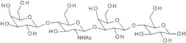
CAS :<p>Lacto-N-neotetraose (LNnT) is a neutral and abundant human milk oligosaccharide (HMO), composed of four sugar molecules. It supports the infant's gut microbiota development and provides protection against infectious diseases. LNnT like many other HMOs offers great interest for the studies of baby milk formula.</p>Formule :C26H45NO21Degré de pureté :Min. 95%Couleur et forme :White PowderMasse moléculaire :707.63 g/molDi-N-acetyl-D-lactosamine
<p>Di-N-acetyl-D-lactosamine (DNL) is a sugar that is found in the mammalian tissues and can be used as a lectin to specifically bind to glycoproteins. It has been shown to have specificities for enteritis, and can be used to detect or analyze the sequences of oligosaccharides. DNL has been immobilized on silica gel, which was then reacted with lectins, such as concanavalin A, wheat germ agglutinin, and soybean agglutinin. This process allows for the detection of high-mannose-type oligosaccharides.</p>Formule :C28H48N2O21Degré de pureté :Min. 95%Couleur et forme :PowderMasse moléculaire :748.68 g/mol5'-O-(2-Amino-2-deoxy-D-glucopyranosyl) cytidine
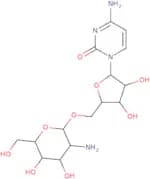
CAS :<p>5'-O-(2-Amino-2-deoxy-D-glucopyranosyl) cytidine is a synthetic carbohydrate, which can be modified in a variety of ways to create custom glycoproteins. This product can be used for glycosylation and polysaccharide synthesis. It has been fluorinated with trifluoromethanesulfonic acid to allow for click modifications, methylated, or sugar modified. The purity of this product is high and the CAS number is 631842-23-4.</p>Formule :C15H24N4O9Degré de pureté :Min. 95%Masse moléculaire :404.37 g/molGangliosides
<p>Sialic acid-containing glycosphingolipids-important component of neuronal cells</p>Degré de pureté :Min. 95 Area-%Couleur et forme :PowderSucrose distearate - 30% monostearate
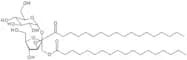
CAS :<p>The ‘tallowate’ esters are probably the best known derivatives of sucrose and many attempts have been made to commercialise them in order to exploit their excellent surfactant functionalities. The most functional products are the mono- and diesters of the tallow acids (stearic, palmitic, oleic) with hydrophile-lipophile balance (HLB) values that lend themselves to surfactant applications in foods and cosmetics. They also have other uses, for example in coating fruits with a semipermeable membrane that acts as a preservative. Manufacturing economics have prevented these products from mass production and they remain in niche applications.</p>Formule :C48H90O13Degré de pureté :Min. 95%Couleur et forme :PowderMasse moléculaire :875.24 g/molD-Galactal
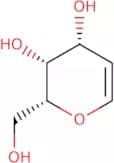
CAS :<p>Building block for oligosaccharide synthesis</p>Formule :C6H10O4Degré de pureté :Min. 98 Area-%Couleur et forme :White Off-White PowderMasse moléculaire :146.14 g/mol4-Pentenyl 4,6-O-benzylidene-2,3-phenylethylidene-α-D-mannopyranoside
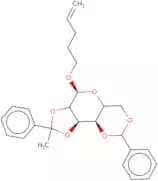
<p>4-Pentenyl 4,6-O-benzylidene-2,3-phenylethylidene-a-D-mannopyranoside is a modification of the natural oligosaccharide, mannose. The complex carbohydrate is synthesized using a custom synthesis and has a high purity that meets the CAS No. requirements. This molecule has been fluorinated and saccharides have been methylated and glycosylated.</p>Formule :C26H30O6Degré de pureté :Min. 95%Masse moléculaire :438.51 g/molIsomaltotriose
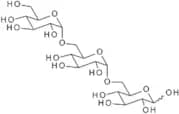
CAS :<p>Produced from high maltose syrup by treatment with transglucosidase</p>Formule :C18H32O16Degré de pureté :Min. 97 Area-%Couleur et forme :White Off-White PowderMasse moléculaire :504.44 g/mol6-Deoxy-3,5-O-[(R)-benzylidene]-L-gluconic acid g-lactone
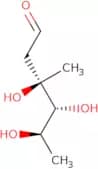
CAS :<p>6-Deoxy-3,5-O-[(R)-benzylidene]-L-gluconic acid g-lactone is a synthetic sugar that is used in the synthesis of complex carbohydrates. It can be modified with fluorination, glycosylation, and methylation reactions to produce other derivatives. 6-Deoxy-3,5-O-[(R)-benzylidene]-L-gluconic acid g-lactone has CAS No. 322726-64-7 and a molecular weight of 247.</p>Degré de pureté :Min. 95%NA4 Glycan, 2-AB labelled
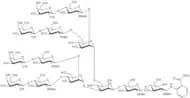
<p>NA4 Glycan, 2-AB labelled is a synthetic glycoconjugate. It is a glycosylation of an oligosaccharide and an amino acid residue with the modification of fluorination. NA4 Glycan, 2-AB labelled can be used for research purposes in methylation and Click chemistry. This product also has CAS No., which means it is custom synthesized to order. The purity of this product is high and it is synthetically produced, making it ideal for research purposes.</p>Degré de pureté :Min. 95%2,3,4,6-Tetra-O-benzyl-D-glucopyranose
CAS :<p>2,3,4,6-Tetra-O-benzyl-D-glucopyranose is a selectively protected intermediate, where the anomeric 1-O-hydroxyl group is free. This hemiacetal has been used successfully as an intermediate for glucosylation couplings, where it was converted into 2,3,4,6-tetra-O-benzyl-D-glucopyranose trichloroacetimidate using trichloroacetonitrile in the presence of a base such as potassium carbonate and DBU. Importantly, this imidate donor with no neighbouring participating groups is commonly used for the selective formation of α-glucosides. 2,3,4,6-tetra-O-benzyl-D-glucopyranose can also be oxidized to the lactone, or reduced to give the open chain form. Additionally, 2,3,4,6-tetra-O-benzyl-D-glucopyranose can be used for the preparation of glucono-1,5-lactone hydrazine, which was used, in-turn, to form a glucosylidene-spirocyclopropane.</p>Formule :C34H36O6Degré de pureté :Min. 98.0 Area-%Masse moléculaire :540.66 g/molRef: 3D-T-1900
1kgÀ demander50gÀ demander250gÀ demander500gÀ demander2500gÀ demander-Unit-ggÀ demander(2R, 4S) - 3- Fluoro- 1- (phenylmethyl) -2,4- azetidinedimethanol
<p>(2R, 4S) - 3- Fluoro- 1- (phenylmethyl) -2,4- azetidinedimethanol is a high purity custom synthesis. It is synthesized by Click modification, fluorination and glycosylation. It is used in the synthesis of oligosaccharides and saccharides. The CAS number for this compound is 43425-49-8.</p>Degré de pureté :Min. 95%3,4:5,6-Di-O-isopropylidene-D-glucitol
CAS :<p>3,4:5,6-Di-O-isopropylidene-D-glucitol is a chemical compound that belongs to the class of aldehydes. It has been shown to catalyze the reaction between alcohols and amides in the presence of an acid or base catalyst. The product of this reaction is an amide with an isopropylidene group on one side. 3,4:5,6-Di-O-isopropylidene-D-glucitol also has two chiral centers and can be used to synthesize stereoselective aldoses, such as D-(+)-gluconic acid and L-(+)-gluconolactone.</p>Formule :C12H22O6Degré de pureté :Min. 98 Area-%Couleur et forme :PowderMasse moléculaire :262.3 g/mol













![6-Deoxy-3,5-O-[(R)-benzylidene]-L-gluconic acid g-lactone](/_next/image/?url=https%3A%2Fstatic.cymitquimica.com%2Fproducts%2F3D%2Fthumb-webp%2FMD163973.webp&w=3840&q=75)