Antimicrobiens
Sous-catégories appartenant à la catégorie "Antimicrobiens"
- Antibiotiques(4.137 produits)
- Antifongiques(904 produits)
- Antiparasitaires(700 produits)
- Antiviraux(767 produits)
2432 produits trouvés pour "Antimicrobiens"
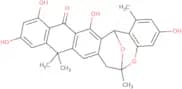
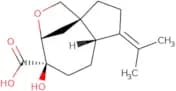
Aspterric acid
CAS :Plant growth regulatorFormule :C15H22O4Degré de pureté :Min. 95%Masse moléculaire :266.33 g/molPyrenophorin
CAS :Pyrenophorin is a polyketide metabolite, which is derived from certain fungi, specifically from the genus Pyrenophora. This compound demonstrates its biological efficacy through its unique mode of action as an antimicrobial agent, interfering with cellular processes in target microorganisms, leading to their inhibition or death.Formule :C16H20O6Degré de pureté :Min. 95%Masse moléculaire :308.33 g/molAtherosperminine
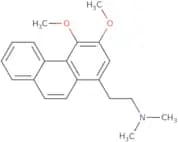
CAS :Produit contrôléAtherosperminine is an alkaloid compound, which is a bioactive chemical derived from plants. Specifically, it is sourced from members of the Lauraceae family, such as Atherosperma moschatum. This compound exhibits a range of pharmacological activities that are of significant interest to researchers. The mode of action of atherosperminine involves interactions with various biological pathways, potentially affecting physiological processes and exhibiting therapeutic effects.Formule :C20H23NO2Degré de pureté :Min. 95%Masse moléculaire :309.4 g/mol(E)-Cefotaxime
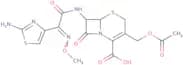
CAS :(E)-Cefotaxime is a third-generation cephalosporin antibiotic, which is derived from the actinomycete mold Acremonium. Its mode of action involves inhibiting bacterial cell wall synthesis by binding to penicillin-binding proteins, leading to cell lysis and death. This mechanism is highly effective against a wide range of Gram-positive and Gram-negative bacteria, including strains resistant to earlier cephalosporins and penicillins.Formule :C16H17N5O7S2Degré de pureté :Min. 95%Masse moléculaire :455.5 g/molContezolid
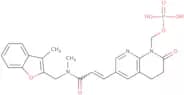
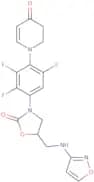
CAS :Contezolid is an oxazolidinone antibiotic, which is a class of synthetic compounds primarily derived through chemical synthesis. It functions by inhibiting bacterial protein synthesis, specifically by binding to the 50S subunit of the bacterial ribosome. This action prevents the formation of the initiation complex, thereby hindering the growth and replication of bacteria.Formule :C18H15F3N4O4Degré de pureté :Min. 95%Masse moléculaire :408.3 g/molHBV-IN-4
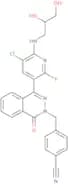
CAS :HBV-IN-4 is an antiviral compound that serves as a potent and selective inhibitor of hepatitis B virus (HBV). It is derived from chemical synthesis with a focus on targeting the viral replication machinery. The mode of action involves interrupting the HBV lifecycle by inhibiting the functioning of viral polymerase, thereby preventing the synthesis of viral DNA and subsequent viral propagation.
Formule :C24H19ClFN5O3Degré de pureté :Min. 95%Masse moléculaire :479.9 g/molAmpicillin amino-benzeneacetaldehyde
CAS :Ampicillin amino-benzeneacetaldehyde is a specialized biochemical compound, which is a derivative of the well-known antibiotic ampicillin. This compound serves as an advanced progenitor in the synthesis of tailored antibiotics, stemming from both natural and semi-synthetic sources. The primary mode of action for this derivative involves its transformation into active ampicillin forms, which then inhibit bacterial cell wall synthesis by binding to penicillin-binding proteins. This mechanism effectively compromises the structural integrity of bacterial cells, leading to their eventual lysis.Formule :C24H26N4O5SDegré de pureté :Min. 95%Masse moléculaire :482.6 g/molValidamycin E
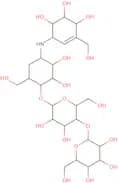
CAS :Validamycin E is an antifungal antibiotic, which is a secondary metabolite derived from the actinobacterium Streptomyces hygroscopicus. Its mode of action involves the inhibition of trehalase, an enzyme crucial for the hydrolysis of trehalose into glucose, disrupting essential energy pathways in fungi. By inhibiting trehalase, Validamycin E effectively interferes with the growth and development of fungal pathogens.Formule :C26H45NO18Degré de pureté :Min. 95%Masse moléculaire :659.6 g/mol7-epi-Clindamycin
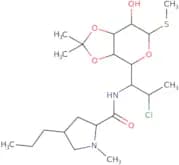
CAS :7-epi-Clindamycin is a clindamycin derivative, which is a semisynthetic antibiotic derived from the bacterium *Streptomyces lincolnensis*. Its mode of action involves binding to the 50S subunit of the bacterial ribosome, thereby inhibiting protein synthesis. This results in the suppression of bacterial growth, making it effective against certain Gram-positive bacteria and anaerobic species.Formule :C18H34Cl2N2O5SDegré de pureté :Min. 95%Couleur et forme :White To Off-White SolidMasse moléculaire :461.44 g/molFaldaprevir
CAS :Hepatitis C virus protease inhibitorFormule :C40H49BrN6O9SDegré de pureté :Min. 95%Couleur et forme :White PowderMasse moléculaire :869.82 g/molQuinthiophos
CAS :Quinthiophos is an organophosphate insecticide, which is synthesized chemically. Its mode of action involves the inhibition of the enzyme acetylcholinesterase, which is critical in nerve function. By disrupting this enzyme, quinthiophos causes an accumulation of acetylcholine at the synapses, leading to continual nerve signal transmission, paralysis, and eventual death of the targeted pests.
Formule :C17H16NO2PSDegré de pureté :Min. 95%Masse moléculaire :329.4 g/molABT-072
CAS :ABT-072 is a direct-acting antiviral (DAA) agent, specifically designed as an inhibitor of the hepatitis C virus (HCV) NS5B polymerase. This compound originates from advanced pharmaceutical research and development efforts aimed at targeting viral replication mechanisms. Being an NS5B polymerase inhibitor, ABT-072 functions by interfering with the viral RNA-dependent RNA polymerase. This enzyme plays a critical role in the replication cycle of the hepatitis C virus, facilitating the synthesis of new viral RNA strands. By inhibiting this enzyme, ABT-072 effectively halts viral replication.Formule :C24H27N3O5SDegré de pureté :Min. 95%Masse moléculaire :469.6 g/molCPFX2090
CAS :CPFX2090 is a sophisticated software platform designed for advanced data analytics and visualization, which is developed by a team of computational scientists utilizing cutting-edge algorithms and machine learning techniques. It operates through a dynamic interface that enables automated data processing, multidimensional analysis, and real-time visualization. The platform's mode of action involves ingesting large datasets, performing parallel computations, and visualizing results with interactive graphical tools.
Formule :C28H28ClNO6Degré de pureté :Min. 95%Masse moléculaire :510 g/molAscomycin
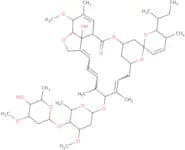
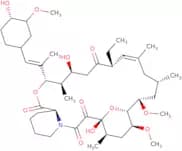
CAS :Ascomycin is an immunosuppressant macrolide lactone, which is derived from the soil bacterium *Streptomyces hygroscopicus*. It functions primarily by inhibiting the T-cell activation pathway. The mechanism involves binding to the immunophilin FKBP-12, forming a complex that inhibits the calcium-dependent phosphatase, calcineurin. This inhibition prevents the dephosphorylation and subsequent translocation of nuclear factor of activated T cells (NFAT), which is crucial for the transcription of interleukin-2 and other cytokines. Consequently, this suppresses the activation and proliferation of T-cells, which are essential components of the adaptive immune response.Formule :C43H69NO12Degré de pureté :Min. 95%Masse moléculaire :792.01 g/molNaftoxate
CAS :Naftoxate is a synthetic ester, which is synthesized chemically from raw materials such as fatty alcohols and carboxylic acids. With its ability to reduce surface tension, Naftoxate operates as a surfactant, facilitating emulsification and dispersion of hydrophobic substances within various aqueous systems. The compound achieves this by altering the interface between liquids, enabling them to mix more effectively.Formule :C19H14N2OS2Degré de pureté :Min. 95%Masse moléculaire :350.5 g/molCefazolin, Antibiotic for Culture Media Use Only
CAS :Cefazolin is a semi-synthetic, non-beta lactam antibiotic used for the treatment of a variety of bacterial infections. It inhibits cell wall synthesis by binding to one or more of penicillin-binding proteins (PBPs), which are bacterial transpeptidases that crosslink peptidoglycan strands. Cefazolin binds to PBPs present on the surface of all Gram-negative bacteria as well as many Gram-positive bacteria. It is not effective against methicillin-resistant staphylococcus and MRSA unless combined with another antibiotic such as vancomycin or flucloxacillin. A study showed that cefazolin can decrease inflammation and tumor necrosis factor-beta levels in pregnant women with systemic inflammatory disease. It has been tested in the development of an anti-inflammatory agent for use in patients with autoimmune diseases such as rheumatoid arthritis and lupus erythe.Formule :C14H14N8O4S3Masse moléculaire :454.51 g/molEnrofloxacin HCl
CAS :Enrofloxacin HCl is a fluoroquinolone antibiotic, which is a synthetic compound derived from chemical synthesis. Its mode of action involves the inhibition of bacterial DNA gyrase and topoisomerase IV, critical enzymes in bacterial DNA replication and transcription processes. This action disrupts bacterial cellular division and transcription, leading to cell death.Formule :C19H22FN3O3•HClDegré de pureté :Min. 95%Masse moléculaire :395.86 g/molLexithromycin
CAS :Please enquire for more information about Lexithromycin including the price, delivery time and more detailed product information at the technical inquiry form on this pageFormule :C38H70N2O13Degré de pureté :Min. 95%Masse moléculaire :762.97 g/mol3,4-Dihydro-2H,6H-pyrimido[1,2-c][1,3]benzothiazin-6-imine
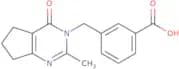
CAS :3,4-Dihydro-2H,6H-pyrimido[1,2-c][1,3]benzothiazin-6-imine is a chemical compound classified as a heterocyclic organic compound, which is synthesized through chemical processes in the laboratory. This compound belongs to a novel class of molecules with potential pharmacological applications, particularly in the realm of infectious diseases. Its mode of action involves the inhibition of specific enzymatic pathways essential for the survival of certain pathogenic organisms, such as Plasmodium species responsible for malaria.Formule :C11H11N3SDegré de pureté :Min. 95%Masse moléculaire :217.29 g/molAscomycin
CAS :Ascomycin is an immunosuppressive macrolide, which is a product derived from the fermentation of the bacterium *Streptomyces hygroscopicus*. Its mode of action involves binding to the intracellular protein FK506-binding protein (FKBP), inhibiting the calcium-dependent signal transduction pathway that is crucial for T-cell activation. This interference with the immune response is achieved through the inhibition of calcineurin, thus preventing the dephosphorylation and nuclear translocation of nuclear factor of activated T-cells (NF-AT), a necessary step in the activation of genes required for T-cell proliferation.Formule :C43H69NO12Degré de pureté :Min. 95%Masse moléculaire :792.01 g/molBecliconazole
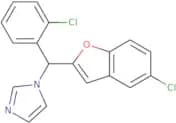
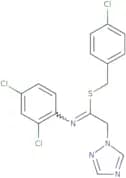
CAS :Please enquire for more information about Becliconazole including the price, delivery time and more detailed product information at the technical inquiry form on this pageFormule :C18H12Cl2N2ODegré de pureté :Min. 95%Masse moléculaire :343.2 g/molLTAS-IN-1
CAS :LTAS-IN-1 is a synthetic chemical compound designed as an advanced inhibitor, which is developed through a series of intricate chemical synthesis processes. The mode of action of LTAS-IN-1 involves the selective inhibition of specific enzyme targets, effectively modulating their biological pathways. This selective inhibition allows researchers to investigate the compound's effects on various cellular and molecular processes.Formule :C24H17N3O5Degré de pureté :Min. 95%Masse moléculaire :427.4 g/molLipoxamycin (hemisulfate)
CAS :Lipoxamycin (hemisulfate) is a complex polyketide acting as an antimicrobial and antitumor agent, derived from a specific strain of soil-derived Actinomycetes. Its mode of action centers on the disruption of protein synthesis, specifically targeting tumor cells by inhibiting key enzymes required for cell growth and replication. The compound's structure, featuring multiple heterocyclic rings and functional groups, allows it to effectively bind to its molecular targets, inducing apoptosis in malignant cells.Formule :C38H74N4O14SDegré de pureté :Min. 95%Masse moléculaire :843.1 g/molIndinavir monohydrate
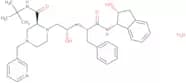
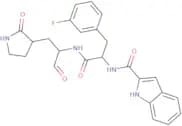
CAS :Indinavir monohydrate is an antiretroviral medication, which is a synthetic pharmaceutical compound, specifically a protease inhibitor, used in the treatment of HIV infection. It is derived from chemical synthesis processes that follow rigorous standards to produce a pharmacologically active compound. Indinavir functions by selectively inhibiting the HIV-1 protease enzyme, which is crucial for the viral replication cycle. By binding to the active site of the enzyme, indinavir prevents the cleavage of viral polypeptides, leading to the production of immature and non-infectious viral particles.Degré de pureté :Min. 95%8-epiAtazanavir
CAS :8-epiAtazanavir is a stereoisomer of the antiretroviral drug Atazanavir, which is derived from synthetic sources. It acts as an HIV-1 protease inhibitor, where it binds to the active site of the viral protease enzyme, thereby preventing the cleavage of precursor proteins required for the maturation of infectious viral particles. This interference with viral replication is achieved by the structural mimicry of the natural substrate of the protease, allowing it to competitively inhibit the enzyme's activity.Formule :C38H52N6O7Degré de pureté :Min. 95%Masse moléculaire :704.38975Manumycin B
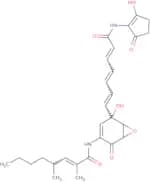
CAS :Manumycin B is a polyketide antibiotic, which is a secondary metabolite isolated from certain Streptomyces species. This compound is known for its complex biosynthetic origin involving iterative cycles of polyketide synthesis, leading to its characteristic structure. The mode of action of Manumycin B primarily involves the inhibition of farnesyltransferase, an enzyme critical for the post-translational modification of various proteins, including the Ras family of GTPases. By hindering this enzyme, Manumycin B disrupts the signaling pathways that are essential for tumor cell growth and proliferation.Formule :C28H34N2O7Degré de pureté :Min. 95%Masse moléculaire :510.6 g/mol1H-Indene-2-carboxylic acid
CAS :1H-Indene-2-carboxylic acid is an organic compound, which is primarily utilized in synthetic organic chemistry. This compound is a derivative of indene, a bicyclic hydrocarbon derived from the fusion of benzene and cyclopentene rings. It is most commonly sourced from petrochemical processes involving the polymerization or catalytic conversion of hydrocarbons.
Formule :C21H17ClF3N3O7Degré de pureté :Min. 95%Masse moléculaire :515.8 g/molPapyracillic acid
CAS :Papyracillic acid is a bioactive compound, classified as a secondary metabolite, which is isolated from certain species of fungi. This compound originates from the natural metabolic processes of these microorganisms, often cultured on specific media to optimize production levels. Its mode of action involves disrupting essential bacterial cellular functions, primarily by inhibiting the synthesis of key structural components, leading to compromised integrity and function of bacterial cells.
Formule :C11H14O5Degré de pureté :Min. 95%Masse moléculaire :226.23 g/molDesethyl chloroquine (diphosphate)
CAS :Desethyl chloroquine (diphosphate) is a pharmacological compound, which is a derivative and metabolite of chloroquine. Chloroquine itself is a synthetic drug originally derived from quinoline. The mode of action of Desethyl chloroquine involves the interference with heme polymerization in malaria parasites. This process disrupts the detoxification of heme, a byproduct of hemoglobin digestion, thereby exhibiting antimalarial effects.Formule :C16H28ClN3O8P2Degré de pureté :Min. 95%Masse moléculaire :487.8 g/molAqabamycin D
CAS :Aqabamycin D is a novel antibiotic compound, which is derived from marine bacteria, particularly from the genus Streptomyces collected from unique marine environments. This compound functions by interfering with bacterial cell wall synthesis, leading to the disruption of essential cellular processes. Aqabamycin D exhibits a broad spectrum of antibacterial activity, particularly against gram-positive bacteria, making it a valuable tool for tackling resistant bacterial strains.Formule :C16H9N3O8Degré de pureté :Min. 95%Masse moléculaire :371.26 g/molChlorhexidine acetate hydrate(1:2:X)
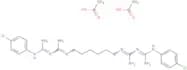
CAS :Produit contrôléChlorhexidine acetate hydrate (1:2:X) is a chemical compound used as a disinfectant and antiseptic. It is derived from chlorhexidine, a well-known antimicrobial agent frequently used in both medical and laboratory settings. The compound functions by disrupting microbial cell membranes, resulting in leakage of cellular components and subsequent cell death. This action makes it particularly effective against a wide range of bacteria, fungi, and some viruses.
Formule :C26H38Cl2N10O4Degré de pureté :Min. 95%Masse moléculaire :625.5 g/molAphidicolin
CAS :Aphidicolin is a tetracyclic diterpenoid that acts as a potent inhibitor of DNA polymerase. Derived from the fungus *Cephalosporium aphidicola*, it is primarily identified for its ability to impede DNA synthesis by targeting eukaryotic DNA polymerase α. This selective inhibition disrupts replication processes, making it a crucial tool for studying cell cycle dynamics.Formule :C20H34O4Degré de pureté :Min. 95%Masse moléculaire :338.48 g/mol9,11Beta-Dichloro-17,21-dihydroxy-16beta-methyl-pregna-1,4-diene-3,20-dione dipropionate
CAS :9,11Beta-Dichloro-17,21-dihydroxy-16beta-methyl-pregna-1,4-diene-3,20-dione dipropionate is a synthetic corticosteroid, which is derived from chemical synthesis in laboratories. It functions by mimicking the actions of naturally occurring corticosteroids in the body, modulating immune responses and suppressing inflammatory mediators at the cellular level.Formule :C28H36Cl2O6Degré de pureté :Min. 95%Masse moléculaire :539.50 g/mol(E)-Coniferin
CAS :(E)-Coniferin is a plant-derived glucoside, which is primarily associated with the lignification process in gymnosperms and angiosperms. It is biosynthesized from the phenylpropanoid pathway, specifically from coniferyl alcohol conjugated with glucose. This conjugation serves as a storage form and transport mechanism for coniferyl alcohol in plants.Formule :C16H22O8Degré de pureté :Min. 95%Masse moléculaire :342.34 g/molBenastatin A
CAS :Benastatin A is an antifungal compound, which is derived from marine-derived Streptomyces species. This bacterial genus, known for its prolific production of bioactive secondary metabolites, serves as a rich source for drug discovery and biosynthesis of unique compounds like Benastatin A. The mode of action of Benastatin A involves the disruption of fungal cell membranes, leading to leakage of vital cellular components and subsequent cell death. This interaction is crucial for understanding its efficacy and specificity against fungal pathogens.
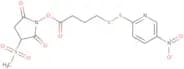
Formule :C30H28O7Degré de pureté :Min. 95%Masse moléculaire :500.50 g/mol3-(Methylsulfonyl)-2,5-dioxopyrrolidin-1-yl 4-((5-nitropyridin-2-yl)disulfanyl)butanoate
CAS :3-(Methylsulfonyl)-2,5-dioxopyrrolidin-1-yl 4-((5-nitropyridin-2-yl)disulfanyl)butanoate is a sophisticated biochemical compound used primarily in research settings. This compound, derived from synthetic sources, functions through its reactive disulfide linkage, enabling the modification of thiol groups in proteins or other biomolecules. This reactivity is crucial for applications involving targeted chemical modifications, serving as a useful tool in the investigation of biochemical pathways and interactions.Formule :C14H15N3O8S3Degré de pureté :Min. 95%Masse moléculaire :449.5 g/molCefepime dihydrochloride monohydrate, Antibiotic for Culture Media Use Only
CAS :Cefepime dihydrochloride monohydrate is a fourth-generation cephalosporin antibiotic utilized in scientific research, specifically formulated for culture media applications. It is derived from semi-synthetic processes, showcasing a broad spectrum of activity predominantly against Gram-positive and Gram-negative bacteria. The mode of action of cefepime involves the inhibition of bacterial cell wall synthesis by binding to penicillin-binding proteins, which interferes with peptidoglycan cross-linking, ultimately leading to cell lysis and death.Formule :C19H28Cl2N6O6S2Degré de pureté :Min. 98 Area-%Masse moléculaire :571.5 g/molImibenconazole
CAS :Imibenconazole is a systemic fungicide, which is a synthetic chemical compound known for its efficacy in controlling a wide spectrum of fungal pathogens. This fungicide operates by inhibiting the biosynthesis of ergosterol, a crucial component of fungal cell membranes, effectively disrupting the growth and spread of fungi. Its action involves the inhibition of the demethylation process in sterol biosynthesis, specifically targeting the cytochrome P450 14α-demethylase enzyme.
Formule :C17H13Cl3N4SDegré de pureté :Min. 95%Masse moléculaire :411.7 g/molAmoscanate
CAS :Amoscanate is an antischistosomal agent, which is a synthetic compound with a broad spectrum of activity against parasitic infections. Its mode of action involves the disruption of parasite metabolism and structure, ultimately leading to the elimination of schistosomes. Schistosomes are trematode worms responsible for schistosomiasis, a significant parasitic disease affecting millions of people worldwide.Formule :C13H9N3O2SDegré de pureté :Min. 95%Masse moléculaire :271.3 g/molAtramycin A
CAS :Atramycin A is an antibiotic, which is derived from the Streptomyces genus, a prolific source of bioactive compounds. Streptomyces species are renowned for their ability to produce a vast array of secondary metabolites with diverse pharmacological activities. Atramycin A operates primarily through the inhibition of bacterial protein synthesis. It achieves this by binding to bacterial ribosomal subunits, thus interfering with peptide chain elongation and effectively halting bacterial growth.Formule :C25H24O9Degré de pureté :Min. 95%Masse moléculaire :468.50 g/molSideroxylin
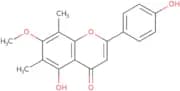
CAS :Sideroxylin is a C-methylated flavone with action as an antimicrobial agent against Staphylococcus aureus and is used for research on antimicrobial and anticancer properties.Formule :C18H16O5Degré de pureté :Min. 95%Masse moléculaire :312.3 g/molIclaprim
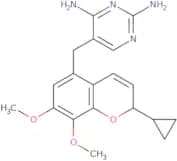
CAS :Iclaprim is an antibiotic, which is a synthetic diaminopyrimidine antimicrobial agent with a specific mechanism of action. It works by selectively inhibiting bacterial dihydrofolate reductase, a crucial enzyme in the bacterial folate synthesis pathway. This inhibition prevents the production of tetrahydrofolate, ultimately disrupting DNA, RNA, and protein synthesis in susceptible bacterial cells.Formule :C19H22N4O3Degré de pureté :Min. 95%Masse moléculaire :354.4 g/molPicloxidina
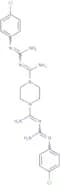
CAS :Picloxidina is a chlorhexidine-based antiseptic, which is a synthetic compound with broad-spectrum antimicrobial activity. Its mode of action involves disrupting microbial cell membranes, leading to leakage of cellular contents and subsequent cell death. Picloxidina has been utilized extensively in ophthalmology due to its effectiveness in controlling ocular infections.
Formule :C20H24Cl2N10Degré de pureté :Min. 95%Masse moléculaire :475.4 g/mol7-O-Demethyl rapamycin
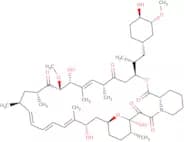
CAS :7-O-Demethyl rapamycin is a macrolide compound, which is a derivative of rapamycin, originally sourced from the bacterial species *Streptomyces hygroscopicus*. This compound operates by binding to the FK506-binding protein 12 (FKBP12), forming a complex that inhibits the mammalian target of rapamycin (mTOR) pathway. This inhibition interferes with cellular processes such as cell growth, proliferation, and survival by altering the phosphorylation state of downstream targets.
Formule :C50H77NO13Degré de pureté :80%MinMasse moléculaire :900.15 g/molGentamicin c1 sulfate
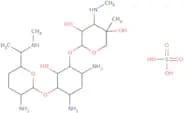
CAS :Gentamicin c1 sulfate is an aminoglycoside antibiotic, which is derived from the fermentation of the soil bacterium *Micromonospora purpurea*. Its mode of action involves binding to the 30S ribosomal subunit, disrupting protein synthesis by causing misreading of mRNA and inhibiting the initiation of translation. This mechanism is particularly effective against a broad spectrum of Gram-negative bacteria, including *Pseudomonas aeruginosa* and members of the Enterobacteriaceae family.Formule :C21H45N5O11SDegré de pureté :Min. 95%Masse moléculaire :575.7 g/molAvermectin a1a
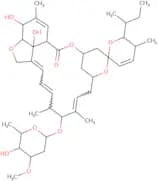
CAS :Avermectin A1a is a macrocyclic lactone used primarily as an anthelmintic and insecticide. It is derived from the fermentation of the soil bacterium *Streptomyces avermitilis*. The compound works through a neurotoxic mode of action, binding to glutamate-gated chloride channels in nerve and muscle cells of invertebrates, leading to paralysis and subsequent death of the parasites. This mechanism is highly specific, primarily affecting nematodes and arthropods.
Formule :C49H74O14Degré de pureté :90%Masse moléculaire :887.1 g/molAspartocin D
CAS :Aspartocin D is a peptide antibiotic, which is derived from microbial fermentation of certain actinomycetes. Its mode of action involves disrupting the integrity of fungal cell membranes, leading to increased permeability and eventual cell death. Aspartocin D is specifically effective against a range of fungal pathogens, making it a useful tool in the study and potential treatment of fungal infections.Formule :C57H89N13O20Degré de pureté :Min. 95%Masse moléculaire :1,276.40 g/molFenbuconazole-lactone B rh-9130
CAS :Fenbuconazole-lactone B rh-9130 is an azole fungicide, which is a chemically synthesized compound. It is derived from the lactone form of fenbuconazole, an established triazole fungicide, and designed to inhibit sterol biosynthesis. Its mode of action involves disrupting the synthesis of ergosterol, a critical component of fungal cell membranes, thereby impeding fungal growth and reproduction.Formule :C19H16ClN3O2Degré de pureté :Min. 95%Masse moléculaire :353.8 g/molTetracycline hydrochloride, Antibiotic for Culture Media Use Only
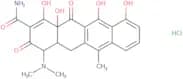
CAS :Tetracycline hydrochloride is a broad-spectrum antibiotic and is an electron transfer agent. It has been shown to be effective against bacterial infections in humans and has been used in cultures for the prevention of bacterial contamination. As an electron transfer agent, it is used in electron microscopy to study the surface of biological cells. Tetracycline hydrochloride enters bacterial cells by diffusion and interacts with the cytoplasmic membrane, where it induces a redox reaction that leads to cell death. The efficacy of tetracycline hydrochloride in treating candida albicans (yeast) was studied using in-vitro activity and showed that carboxymethyl chitosan nanoparticles were able to enhance the treatment efficiency.Formule :C22H25ClN2O8Degré de pureté :Min. 88.0 Area-%Masse moléculaire :480.90 g/molRef: 3D-T-1961
1kgÀ demander5kgÀ demander10kgÀ demander25kgÀ demander2500gÀ demander-Unit-kgkgÀ demanderDequalinium chloride
CAS :Dequalinium chloride is a novel, broad spectrum antimicrobial agent with a mechanism of action that inhibits the mitochondria-dependent respiratory chain. Studies have shown that it inhibits the growth of resistant microorganisms in cell-based experiments and in bacterial infections. Dequalinium chloride also has cytopathic effects on thp-1 cells, which are specific for Mycobacterium tuberculosis. In addition to inhibiting mitochondria-dependent respiration, this compound also increases acetylcholine receptor sensitivity in A549 lung cancer cells. Dequalinium chloride is a quaternary ammonium cation and has been shown to be effective against clinical isolates and inhibitory concentrations of a variety of virus species, including human rhinovirus (HRV) and Coxsackie virus type B4 (CoxB4).
Formule :C30H40Cl2N4Degré de pureté :Min. 95.0 Area-%Masse moléculaire :527.57 g/molFinafloxacin
CAS :Finafloxacin is a fluoroquinolone antibacterial agent, which is a synthetic compound derived from the quinolone family. It functions through the inhibition of bacterial DNA gyrase and topoisomerase IV, crucial enzymes in the replication, transcription, and repair of bacterial DNA. This mechanism leads to the prevention of bacterial cell division and ultimately results in cell death.Formule :C20H19FN4O4Degré de pureté :Min. 95%Masse moléculaire :398.39 g/mol8-Hydroxy-3,5,6,7,3',4'-hexamethoxyflavone
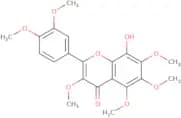
CAS :8-Hydroxy-3,5,6,7,3',4'-hexamethoxyflavone is a flavonoid compound, which is a naturally occurring polyphenolic substance found predominantly in various citrus fruits. As part of the flavone class of flavonoids, its structure is characterized by the presence of multiple methoxy and hydroxyl groups. These functional groups contribute to its biochemical properties, particularly its ability to act as an electron donor.Formule :C21H22O9Degré de pureté :Min. 95%Masse moléculaire :418.4 g/molFlorpyrauxifen
CAS :Florpyrauxifen is a synthetic auxin herbicide, which is derived from chemical synthesis. It functions by mimicking natural plant hormones called auxins, which regulate plant growth and development. The mode of action involves disrupting normal cellular function by causing uncontrolled growth, leading to plant death.
Formule :C13H8Cl2F2N2O3Degré de pureté :Min. 95%Masse moléculaire :349.11 g/molPuromycin aminonucleoside
CAS :Inducer of apoptosis; translational inhibitor; aminonucleoside antibioticFormule :C12H18N6O3Degré de pureté :Min. 95%Masse moléculaire :294.31 g/molIbafloxacin
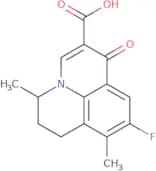
CAS :Ibafloxacin is an antibacterial agent, which is a synthetic fluoroquinolone derived from quinolone compounds. It functions by inhibiting bacterial DNA gyrase and topoisomerase IV, enzymes crucial for DNA replication and transcription in bacteria. By preventing the supercoiling and uncoiling of bacterial DNA, ibafloxacin disrupts essential DNA processes, leading to bacterial cell death.Formule :C15H14FNO3Degré de pureté :Min. 95%Masse moléculaire :275.27 g/mol4′-O-De(2,6-dideoxy-3-O-methyl-α-L-arabino-hexopyranosyl)-5-O-demethylavermectin A1a
CAS :4′-O-De(2,6-dideoxy-3-O-methyl-α-L-arabino-hexopyranosyl)-5-O-demethylavermectin A1a is a semi-synthetic derivative of avermectin, which is a naturally occurring compound isolated from the fermentation broth of the soil bacterium *Streptomyces avermitilis*. This compound exhibits potent antiparasitic activity by targeting the glutamate-gated chloride channels in the nervous systems of parasitic organisms. By binding and activating these channels, it increases the permeability of the cell membrane to chloride ions, resulting in paralysis and death of the parasite.Formule :C41H60O11Degré de pureté :Min. 95%Masse moléculaire :728.91 g/molDoxycycline hydrochloride hemiethanolate hemihydrate, Antibiotic for Culture Media Use Only
CAS :Doxycycline is an antibiotic that inhibits bacterial growth by inhibiting protein synthesis, respiratory chain, DNA gyrase, DNA topoisomerase IV. Doxycycline inhibits papaverine by blocking the expression of both cytochrome P450 and epoxide hydrolase. Doxycycline is commonly found in studies for bacterial infections, drug therapy, histopathological studies, cell culture and chemometric analysis.
Formule :C22H24N2O8·HClH2OC2H6ODegré de pureté :Min. 97.0 Area-%Masse moléculaire :512.90 g/molBaringolin
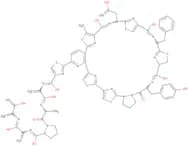
CAS :Baringolin is a peptide-based antibiotic, which is derived from marine sources, specifically linked to natural products obtained from marine microorganisms. Its mode of action involves the inhibition of bacterial protein synthesis, which is achieved by interfering with the bacterial ribosome. This inhibition disrupts the ability of bacteria to produce essential proteins, ultimately leading to cell death.Formule :C69H66N18O13S5Degré de pureté :Min. 95%Masse moléculaire :1,515.7 g/mol(-)-Anthrabenzoxocinone
CAS :(-)-Anthrabenzoxocinone is a type of polyketide compound, which is a natural product derived from microbial sources, specifically Streptomyces species. This compound is characterized by its complex aromatic structure, which is a hallmark of polyketides known for their diverse biological activities. The mode of action of (-)-anthrabenzoxocinone primarily involves the inhibition of bacterial RNA synthesis, reflecting its role as an antibiotic. Additionally, it exhibits potential antitumor activity, possibly through the inhibition of topoisomerase enzymes that are crucial for DNA replication and transcription.
Formule :C27H24O7Degré de pureté :Min. 95%Masse moléculaire :460.5 g/molSars-cov mpro-in-1
CAS :SARS-CoV Mpro-in-1 is a chemical compound that acts as a selective inhibitor of the main protease (Mpro) of the SARS coronavirus. This inhibitor is synthesized through chemical processes, leveraging medicinal chemistry techniques aimed at designing molecules that specifically target viral proteases. Its mode of action involves binding to the active site of the SARS-CoV main protease, thereby blocking the protease's enzymatic activity essential for viral replication. Inhibition occurs by preventing the cleavage of the viral polyprotein, an event crucial for producing the mature, functional proteins that the virus needs to proliferate within the host.Formule :C25H25FN4O4Degré de pureté :Min. 95%Masse moléculaire :464.5 g/molCarbazomycin B
CAS :Carbazomycin B is a bioactive compound which is an antibiotic derived from the soil bacterium Streptomyces. This compound exhibits its mode of action by interfering with the synthesis of bacterial cell walls, which ultimately restricts the growth and proliferation of bacterial cells. The unique chemical structure of Carbazomycin B allows it to target specific pathways within bacterial organisms, making it an important tool in combating resistant strains.
Formule :C15H15NO2Degré de pureté :Min. 95%Masse moléculaire :241.28 g/molVineomycin B2
CAS :Vineomycin B2 is an antitumor antibiotic, which is derived from the fermentation of Streptomyces bacteria. The compound functions through a DNA-binding mode of action, specifically intercalating into the DNA double helix, thus disrupting essential replication and transcription processes. This interference with DNA dynamics inhibits the proliferation of cancerous cells, making it a potent compound in oncology research.Formule :C49H58O18Degré de pureté :Min. 95%Masse moléculaire :935.00 g/molNojirimycin bisulfite
CAS :Nojirimycin bisulfite is a potent glycosidase inhibitor, which is a derivative of nojirimycin known for its significant impact on carbohydrate metabolism. This compound originates from microorganisms, primarily isolated from the bacterium *Streptomyces* species. The mechanism through which Nojirimycin bisulfite exerts its effects involves the inhibition of glycosidases, enzymes responsible for breaking down complex carbohydrates into simpler sugars. By interfering with these enzymes, Nojirimycin bisulfite disrupts the normal processing of carbohydrates.Formule :C6H13NO7SDegré de pureté :Min. 95%Masse moléculaire :243.24 g/molPyraoxystrobin
CAS :Pyraoxystrobin is a fungicidal compound, which is a chemically synthesized strobilurin derivative. It functions by disrupting the mitochondrial respiration in fungi. Specifically, pyraoxystrobin inhibits the cytochrome bc1 complex in the electron transport chain, effectively preventing adenosine triphosphate (ATP) synthesis.
Formule :C22H21ClN2O4Degré de pureté :Min. 95%Masse moléculaire :412.9 g/molFosmidomycin sodium
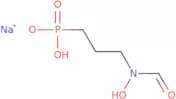
CAS :Fosmidomycin sodium is an antibiotic compound, which is derived from phosphonic acid. It functions as an inhibitor of the enzyme 1-deoxy-D-xylulose 5-phosphate reductoisomerase (DXR), crucial in the non-mevalonate pathway of isoprenoid biosynthesis. By targeting this enzyme, fosmidomycin sodium disrupts the production of isoprenoids, essential components for the growth and survival of certain bacteria and parasites.Formule :C4H9NNaO5PDegré de pureté :Min. 95%Masse moléculaire :205.08 g/mol3-(Dichloroacetyl)-2,2,5-trimethyloxazolidine
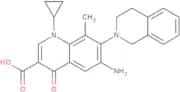
CAS :3-(Dichloroacetyl)-2,2,5-trimethyloxazolidine is an oxazolidine derivative, which is a synthetic compound primarily used in the agricultural industry. It is derived through a chemical synthesis process involving the condensation of dichloroacetic acid with trimethyloxazolidine under controlled conditions. This compound functions as a pre-emergent herbicide by inhibiting the biosynthesis of essential enzymes in target plant species.Formule :C8H13Cl2NO2Degré de pureté :Min. 95%Masse moléculaire :226.1 g/mol6-Amino-1-cyclopropyl-7-(3,4-dihydro-1H-isoquinolin-2-yl)-8-methyl-4-oxoquinoline-3-carboxylic acid
CAS :6-Amino-1-cyclopropyl-7-(3,4-dihydro-1H-isoquinolin-2-yl)-8-methyl-4-oxoquinoline-3-carboxylic acid is a synthetic quinolone antibiotic, which is derived from chemical synthesis processes designed to mimic the naturally occurring quinolone core structure. With a specific mechanism of action, it inhibits bacterial DNA gyrase and topoisomerase IV. These enzymes are critical for supercoiling and uncoiling DNA, meaning that their inhibition results in an inability of bacterial cells to properly replicate their DNA, ultimately leading to cell death.Formule :C23H23N3O3Degré de pureté :Min. 95%Masse moléculaire :389.4 g/molTobramycin sulfate
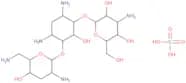
CAS :Tobramycin sulfate is an aminoglycoside antibiotic, which is derived from selected strains of Streptomyces tenebrarius. It functions by binding irreversibly to the 30S subunit of bacterial ribosomes, thereby inhibiting protein synthesis. This disruption in essential protein formation results in bactericidal activity, particularly against Gram-negative bacteria.Formule :C18H39N5O13SDegré de pureté :Min. 95%Masse moléculaire :565.6 g/molVineomycin A1
CAS :Vineomycin A1 is a cytotoxic antibiotic, which is isolated from the fermentation broth of certain Streptomyces species. This compound is a member of the anthracycline class of antibiotics, known for their potent antitumor activity. Vineomycin A1 exerts its effects by intercalating into DNA, disrupting the DNA replication process and ultimately inducing apoptosis in rapidly dividing cells. This mode of action makes it a valuable tool in studying cellular responses to DNA damage and has potential implications in cancer research. Leveraging its ability to target malignant cells, Vineomycin A1 is primarily examined for its therapeutic potential in oncology, particularly in treating certain types of cancers that are resistant to standard therapies. As a research chemical, it enables scientists to gain insights into the mechanisms of drug resistance and DNA repair pathways, contributing to the development of novel cancer treatment strategies.
Formule :C49H58O18Degré de pureté :Min. 95%Masse moléculaire :935.00 g/molHomoembelin
CAS :Homoembelin is a chemical compound that is classified as a natural product alkaloid, which is derived from specific plant sources, notably the fruit of the plant Embelia ribes. It operates through a variety of biochemical interactions at the molecular level, including the inhibition of specific enzymes and modulation of signaling pathways. This mode of action has garnered interest due to its potential effects in various therapeutic contexts.Formule :C15H22O4Degré de pureté :Min. 95%Masse moléculaire :266.33 g/molRSV-IN-1
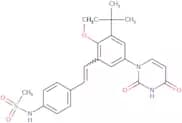
CAS :RSV-IN-1 is a small molecule inhibitor, which is a synthetic compound with potent antiviral activity against Respiratory Syncytial Virus (RSV). Its primary source is chemical synthesis, designed to specifically target and inhibit the function of RSV’s viral polymerase complex. The mode of action involves the interruption of viral RNA synthesis, thereby preventing the replication and proliferation of RSV within host cells.Formule :C20H21N5O4SDegré de pureté :Min. 95%Masse moléculaire :427.5 g/molSulfamethylphenazole
CAS :Sulfamethylphenazole is a synthetic antibacterial compound, which is derived from sulfonamides. It functions by inhibiting bacterial dihydropteroate synthase, an enzyme crucial for the synthesis of folate in bacteria. This inhibition leads to the depletion of folate coenzymes, which are essential for DNA synthesis and cell replication in bacteria. As a result, Sulfamethylphenazole effectively halts bacterial growth by exploiting the reliance of bacteria on folate synthesis, a pathway absent in human cells, thereby offering selective toxicity.Formule :C16H16N4O2SDegré de pureté :Min. 95%Masse moléculaire :328.4 g/molAzabon
CAS :Azabon is a synthetic terpenoid compound, which is derived from renewable natural sources through a series of hydrogenation and isomerization processes. Its mode of action involves inhibiting specific enzymatic pathways, potentially interfering with cellular processes that are dependent on those enzymes. Primarily, Azabon is investigated for its applications in biochemical research, particularly for its effects on metabolic pathways that involve terpenoid interactions.
Formule :C14H20N2O2SDegré de pureté :Min. 95%Masse moléculaire :280.39 g/molIohexol
CAS :Iohexol is a non-ionic, water-soluble radiopaque contrast agent, which is synthesized from iodinated organic compounds. With its high iodine content, Iohexol acts as an excellent medium for absorbing X-rays, thereby enhancing the contrast in radiographic images. The compound’s mode of action involves the attenuation of X-ray beams, with its iodine atoms providing the requisite density to create a contrast between different structures and fluids within the body.
Formule :C19H26I3N3O9Degré de pureté :Min. 98 Area-%Masse moléculaire :821.14 g/molValidamycin C
CAS :Validamycin C is an aminoglycoside antifungal antibiotic, which is derived from the soil bacterium Streptomyces hygroscopicus. It functions primarily by inhibiting the synthesis of trehalase, an enzyme crucial for the breakdown of trehalose into glucose monomers. This inhibition disrupts the cellular function of fungi, particularly affecting their osmotic balance and cellular integrity, ultimately leading to the control of fungal growth.Formule :C26H45NO18Degré de pureté :Min. 95%Masse moléculaire :659.6 g/molPyrasulfotole-desmethyl
CAS :Pyrasulfotole-desmethyl is a metabolite of pyrasulfotole, which is an herbicidal compound derived synthetically. It operates as a 4-hydroxyphenylpyruvate dioxygenase (HPPD) inhibitor, effectively disrupting the biosynthesis of carotenoids. This disruption leads to a depletion in essential pigments necessary for plant growth, ultimately causing chlorosis and plant death.
Formule :C13H11F3N2O4SDegré de pureté :Min. 95%Masse moléculaire :348.3 g/molDescarbamylnovobiocin
CAS :Descarbamylnovobiocin is a synthetic derivative of the antibiotic novobiocin, which is originally sourced from Streptomyces species. As a derivative, it modifies certain structural elements of the parent compound to potentially enhance or alter its antimicrobial properties. Its mode of action is primarily through the inhibition of bacterial DNA gyrase and topoisomerase IV, essential enzymes for DNA replication and cell division. By impeding these enzymes, descarbamylnovobiocin disrupts the supercoiling of bacterial DNA, thereby inhibiting bacterial growth and proliferation.
Formule :C30H35NO10Degré de pureté :Min. 95%Masse moléculaire :569.6 g/molOmadacycline hydrochloride
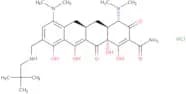
CAS :Omadacycline hydrochloride is a modern tetracycline-class antibiotic, which is a synthetic derivative sourced from tetracycline compounds. The mode of action involves binding to the bacterial 30S ribosomal subunit, thereby inhibiting protein synthesis, which ultimately interferes with bacterial growth. Omadacycline exhibits a broad spectrum of activity, showing efficacy against a range of Gram-positive and Gram-negative bacterial strains, including those resistant to other tetracyclines and antibiotics.Formule :C29H40N4O7·HClDegré de pureté :Min. 95%Masse moléculaire :593.11 g/molAfabicin
CAS :Afabicin is an antibiotic, which is a derivative of the natural product lipiarmycin. It acts by inhibiting the bacterial enzyme DNA-dependent RNA polymerase, crucial for bacterial growth and reproduction. This targeted action disrupts RNA synthesis, effectively halting the proliferation of susceptible bacterial strains.Formule :C23H24N3O7PDegré de pureté :Min. 95%Masse moléculaire :485.4 g/mol(10E)-3-O-De(a-L-cladinose)-10-dehydro-11-dehydroxy-6-O-methyl-erythromycin 2'-acetate
CAS :Erythromycin derivative
Formule :C32H55NO10Degré de pureté :Min. 95%Masse moléculaire :613.78 g/molRestanza
CAS :Restanza is an antibiotic, which is derived from novel sources to combat resistant bacterial strains. It functions through the inhibition of bacterial protein synthesis by binding to the 50S ribosomal subunit, effectively halting the translation process. This mechanism of action is designed to disrupt the proliferation of bacteria, making it a powerful tool in the fight against various infections.
Formule :C42H59N3O10Degré de pureté :Min. 95%Masse moléculaire :765.9 g/molCauloside A
CAS :Cauloside A is a steroidal saponin, a type of glycoside compound, which is primarily isolated from the plant Caulophyllum robustum or related species. Saponins are known for their diverse biological activities and the ability to interact with cell membranes due to their amphipathic nature, allowing them to disrupt lipid bilayers.Formule :C35H56O8Degré de pureté :Min. 95%Masse moléculaire :604.8 g/molTubulysin A
CAS :Tubulysin A is a natural cytotoxic agent, which is derived from myxobacteria. The compound originates from strains such as Archangium gephyra and Angiococcus disciformis, known for their prolific production of secondary metabolites. Tubulysin A exerts its mode of action by disrupting microtubule dynamics, which are essential for cell division and intracellular transport. It specifically binds to the microtubules and inhibits their polymerization, leading to cell cycle arrest and apoptosis in rapidly dividing cells.Formule :C43H65N5O10SDegré de pureté :Min. 95%Masse moléculaire :844.07 g/mol4-Epianhydrotetracycline hydrochloride
CAS :4-Epianhydrotetracycline hydrochloride is a chemically modified antibiotic derivative, originating from the structural transformation of tetracycline. It is derived through epimerization and dehydration processes, which alter the parent compound's structure.Formule :C22H23ClN2O7Degré de pureté :Min. 95%Masse moléculaire :462.9 g/molMacranthoside B
CAS :Macranthoside B is a natural iridoid glycoside, which is derived primarily from the roots of certain plants, such as Rehmannia species. This compound is known for its biological activity, which includes potential anti-inflammatory and antioxidant effects. The mode of action of macranthoside B involves modulation of various cellular pathways, possibly through the inhibition of inflammatory mediators and free radical scavenging.Formule :C53H86O22Degré de pureté :Min. 95%Masse moléculaire :1,075.24 g/molClindamycin 3,4-isopropylidene
CAS :Clindamycin 3,4-isopropylidene is a semi-synthetic antibiotic derivative of clindamycin, which is derived from the bacterial species Streptomyces lincolnensis. This compound is synthesized through chemical modification, specifically forming an isopropylidene group at positions 3 and 4 of the clindamycin molecule. The inclusion of the isopropylidene moiety alters its physicochemical properties, potentially enhancing its stability or spectrum of activity.
Formule :C21H37ClN2O5SDegré de pureté :Min. 95%Masse moléculaire :465 g/molTCMDC-135051
CAS :TCMDC-135051 is a synthetic ligand, which is derived from advanced combinatorial chemistry techniques. It operates as a potent modulator of specific receptor sites by selectively binding and altering their physiological activity. The source of TCMDC-135051's activity is its molecular architecture, designed to target epitopes with high affinity and precision. This targeted action makes TCMDC-135051 a valuable tool for probing cellular pathways and mechanisms, providing insights into complex biological processes.Formule :C29H33N3O3Degré de pureté :Min. 95%Masse moléculaire :471.6 g/molSilthiofam-des(trimethylsilyl)
CAS :Silthiofam-des(trimethylsilyl) is a synthetic fungicidal compound, serving as a crucial component in the agricultural sector. It originates as a derivative from organic chemistry processes, designed to enhance the fungicide silthiofam by modifying its chemical structure to improve its stability and activity.Formule :C10H13NOSDegré de pureté :Min. 95%Masse moléculaire :195.28 g/molent NAP 226-90
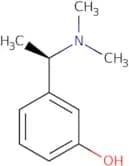
CAS :ent NAP 226-90 is an organic compound functioning as an antibacterial agent, which is derived from a biologically active natural product. Its mode of action involves the inhibition of essential bacterial enzymes, leading to the disruption of cellular processes within susceptible microorganisms. This compound is particularly effective against a broad spectrum of gram-positive bacteria, making it valuable in medical microbiology research for understanding bacterial resistance mechanisms.Formule :C10H15NODegré de pureté :Min. 95%Masse moléculaire :165.23 g/molMagnoloside A
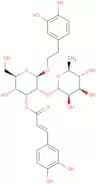
CAS :Magnoloside A is a bioactive compound, which is a natural product derived from the bark of the Magnolia plant. This compound is part of a group of phenolic glycosides that is extracted using advanced phytochemical techniques. Its mode of action primarily involves the inhibition of pro-inflammatory cytokines and modulation of various signaling pathways involved in inflammation and oxidative stress.
Formule :C29H36O15Degré de pureté :Min. 95%Masse moléculaire :624.6 g/molQuilseconazole
CAS :Please enquire for more information about Quilseconazole including the price, delivery time and more detailed product information at the technical inquiry form on this pageFormule :C22H14F7N5O2Degré de pureté :Min. 95%Masse moléculaire :513.4 g/molCefsulodin Sodium Salt Hydrate
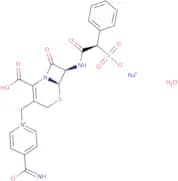
CAS :Cefsulodin Sodium Salt Hydrate is an antibiotic compound, which is derived from synthetic chemical processes, specifically designed as a third-generation cephalosporin. It exhibits a mode of action by inhibiting bacterial cell wall synthesis, effectively targeting certain Gram-negative bacteria, particularly Pseudomonas aeruginosa, through the binding of penicillin-binding proteins. This binding disrupts the transpeptidation process essential for peptidoglycan cross-linking, compromising bacterial cell wall integrity and leading to cell lysis.Formule :C22H19N4NaO8S2·xH2ODegré de pureté :Min. 95%Masse moléculaire :554.52 g/mol41-Oxo-rapamycin
CAS :41-Oxo-rapamycin is a synthetic derivative of rapamycin, which is a macrocyclic lactone. It is derived from Streptomyces hygroscopicus, a gram-positive bacterium known for producing various bioactive compounds. The mode of action of 41-Oxo-rapamycin involves binding to the FK506-binding protein (FKBP12), forming a complex that subsequently inhibits the mammalian target of rapamycin (mTOR) pathway. This inhibition results in the suppression of T-cell proliferation and modulation of immune responses.Formule :C51H77NO13Degré de pureté :Min. 95%Masse moléculaire :912.2 g/molPosizolid
CAS :Posizolid is an oxazolidinone antibiotic, which is a synthetic compound derived from chemical synthesis. It acts by inhibiting bacterial protein synthesis through binding to the 50S subunit of the bacterial ribosome, thereby interfering with the translation process essential for bacterial growth and reproduction.
Formule :C21H21F2N3O7Degré de pureté :Min. 95%Couleur et forme :SolidMasse moléculaire :465.4 g/molSSAA09E2
CAS :SSAA09E2 is a specialized chemical compound, which is a synthetic product used extensively in various industrial and research applications. This compound is derived from petrochemical sources, ensuring a high degree of purity and consistency. Its mode of action involves acting as a catalyst in chemical reactions, facilitating the transformation and modification of molecular structures without being consumed in the process.Formule :C16H20N4O2Degré de pureté :Min. 95%Masse moléculaire :300.36 g/mol6-Fluoro-1-(4-fluorophenyl)-4-oxo-7-piperazin-1-yl-1,8-naphthyridine-3-carboxylic acid
CAS :6-Fluoro-1-(4-fluorophenyl)-4-oxo-7-piperazin-1-yl-1,8-naphthyridine-3-carboxylic acid is a fluoroquinolone antibiotic, which is a synthetic product derived from naphthyridine. Its mode of action involves inhibiting bacterial DNA gyrase and topoisomerase IV, enzymes critical for DNA replication, transcription, and repair. This action results in the prevention of DNA supercoiling and introduces breaks within bacterial DNA, thereby leading to the death of the microorganism.
Formule :C19H16F2N4O3Degré de pureté :Min. 95%Masse moléculaire :386.4 g/molPentabromopseudilin
CAS :Pentabromopseudilin is a brominated natural product, which is isolated from marine bacteria, specifically the genus *Pseudomonas*. It operates by inhibiting the enoyl-acyl carrier protein reductase enzyme, interrupting fatty acid biosynthesis essential for bacterial and fungal cell membrane construction. As a halogenated phenol derivative, its unique mechanism of action makes it an interesting candidate for antimicrobial research.Formule :C10H4Br5NODegré de pureté :Min. 95%Masse moléculaire :553.7 g/molArylpyrazol
CAS :Arylpyrazol is an advanced class of pesticide, originating from meticulous chemical synthesis. These compounds are primarily derived from pyrazole and aryl substituents, forming a class of sophisticated chemical agents. The mode of action of arylpyrazols involves interfering with nervous system functions of pests, specifically targeting their gamma-aminobutyric acid (GABA) receptor sites. This disruption in GABA neurotransmission leads to hyperexcitation of the pests' nervous system, eventually resulting in paralysis and death.
Formule :C13H9Cl3F2N4O3Degré de pureté :Min. 95%Masse moléculaire :413.6 g/molChevalone E
CAS :Chevalone E is a specialized nematicide, which is derived from natural plant sources. Its mode of action is based on disrupting the normal physiological processes of nematodes, thereby inhibiting their ability to infect and damage host plants. Chevalone E is particularly valued for its ability to target a broad range of nematode species, making it an effective tool in integrated pest management strategies.
Formule :C26H38O4Degré de pureté :Min. 95%Masse moléculaire :414.6 g/molNeomycin B
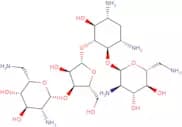
CAS :Neomycin B is an aminoglycoside antibiotic, which is derived from the bacterium *Streptomyces fradiae*. It exerts its antibacterial effects by binding to the 30S subunit of bacterial ribosomes, leading to the inhibition of protein synthesis. This binding disrupts the translation process, thereby preventing the growth and proliferation of bacteria. Neomycin B is effective against a wide range of Gram-negative and some Gram-positive bacteria, making it a valuable tool in both medical and research settings.
Formule :C23H46N6O13Degré de pureté :Min. 95%Masse moléculaire :614.64 g/mol





![3,4-Dihydro-2H,6H-pyrimido[1,2-c][1,3]benzothiazin-6-imine](/_next/image/?url=https%3A%2Fstatic.cymitquimica.com%2Fproducts%2F3D%2Fthumb-webp%2FXCA59674.webp&w=3840&q=75)