Flavonoïdes
Les flavonoïdes sont un groupe de métabolites végétaux dotés de propriétés antioxydantes qui contribuent à la couleur des fruits et des fleurs. Ils jouent un rôle important dans la protection des plantes contre les rayons UV et les pathogènes. Les flavonoïdes sont étudiés pour leurs potentiels bienfaits pour la santé, notamment des propriétés anti-inflammatoires, antivirales et anticancéreuses. Ils font l'objet de nombreuses recherches dans les domaines de la pharmacologie, de la nutrition et de la biologie moléculaire.
Sous-catégories appartenant à la catégorie "Flavonoïdes"
- Anthocyanidines(46 produits)
- Anthocyanine(46 produits)
- Catéchine(88 produits)
- Chalcones(237 produits)
- Pterocarpans(28 produits)
2408 produits trouvés pour "Flavonoïdes"
Trier par
Degré de pureté (%)
0
100
|
0
|
50
|
90
|
95
|
100
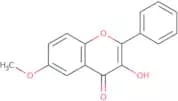
6-Methoxyflavonol
CAS :<p>6-Methoxyflavonol is a flavonoid compound, which is a type of polyphenolic substance commonly found in various plants. It is derived from natural sources such as fruits, vegetables, and certain herbs. Flavonoids like 6-Methoxyflavonol are known for their diverse biological activities, largely attributed to their antioxidant properties. The compound acts as an antioxidant by neutralizing free radicals, which helps to protect cells from oxidative stress and potential damage.</p>Formule :C16H12O4Degré de pureté :Min. 95%Couleur et forme :Off-White PowderMasse moléculaire :268.26 g/mol3-Hydroxy-7,3',4',5'-tetramethoxyflavone
CAS :3-Hydroxy-7,3',4',5'-tetramethoxyflavone is a specific type of polymethoxylated flavonoid, which is a bioactive compound extracted primarily from the plant Oroxylum indicum. This compound falls into a broader class of flavonoids, which are polyphenolic compounds known for a variety of biological activities. The source, Oroxylum indicum, is a tree widely used in traditional medicine, particularly in Ayurveda, for its rich concentration of phytochemicals.Formule :C19H18O7Degré de pureté :Min. 95%Masse moléculaire :358.34 g/molHerbacetin
CAS :<p>Herbacetin is a naturally occurring flavonoid, which is a type of polyphenolic compound extracted from plants, particularly from the leaves of the flax plant. It functions primarily by inhibiting the activity of various enzymes and signaling pathways that are involved in oxidative stress and inflammatory responses. The inhibition of these pathways can modulate cellular processes, making it a subject of interest in the study of disease mechanisms and potential treatments.</p>Formule :C15H10O7Degré de pureté :Min. 95%Couleur et forme :Off-White PowderMasse moléculaire :302.24 g/molKaempferol 7-O-neohesperidoside
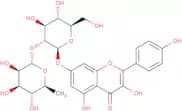
CAS :<p>Kaempferol 7-O-neohesperidoside is a flavonoid glycoside, which is commonly derived from various plant sources, including fruits, vegetables, and certain herbs. This compound is part of the broader flavonoid family, known for their bioactive properties, and can be extracted using advanced chromatographic techniques.</p>Formule :C27H30O15Degré de pureté :Min. 95 Area-%Couleur et forme :PowderMasse moléculaire :594.52 g/mol5,7,8-Trihydroxyflavone
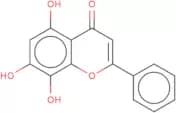
CAS :<p>5,7,8-Trihydroxyflavone is a flavonoid compound, which is a type of phytochemical derived from the structural class of polyphenols commonly found in various plants. This specific flavonoid is naturally occurring in certain botanicals and can be isolated through extraction processes. The mode of action of 5,7,8-Trihydroxyflavone involves its interaction with cellular pathways, primarily acting as an antioxidant. It mitigates oxidative stress by scavenging free radicals and upregulating the expression of antioxidant enzymes.</p>Formule :C15H10O5Degré de pureté :Min. 95%Couleur et forme :Yellow PowderMasse moléculaire :270.24 g/mol7,2',4'-Trimethoxyisoflavone
CAS :<p>7,2',4'-Trimethoxyisoflavone is a naturally occurring isoflavone, which is primarily found in certain plant species. As a derivative of the isoflavone family, it is sourced from botanical origins known for their rich content of phytoestrogens. The mode of action of 7,2',4'-Trimethoxyisoflavone is linked to its potential antioxidant properties, where it may interact with cellular mechanisms to mitigate oxidative stress by neutralizing free radicals.</p>Formule :C18H16O5Degré de pureté :Min. 95%Masse moléculaire :312.32 g/mol3,3',4',5,7-Pentamethoxyflavone
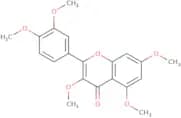
CAS :<p>3,3',4',5,7-Pentamethoxyflavone is a naturally occurring flavonoid compound, which is often extracted from specific plant sources. As a member of the flavonoid family, it is typically found in various plant extracts and contributes to the chemical diversity observed in phytochemistry.</p>Formule :C20H20O7Degré de pureté :Min. 98 Area-%Couleur et forme :Slightly Yellow PowderMasse moléculaire :372.37 g/molNeohesperidin
CAS :<p>Neohesperidin is a flavonoid-based natural sweetener, which is derived from the bitter orange and other citrus fruits. The mode of action of neohesperidin involves its conversion into neohesperidin dihydrochalcone (NHDC), which is an intensely sweet compound. This transformation occurs through hydrogenation, enhancing its sweetening properties. As a sweetener, NHDC exhibits around 1,500 to 1,800 times the sweetness of sucrose depending on the concentration and pH of the medium.</p>Formule :C28H34O15Degré de pureté :Min. 95 Area-%Couleur et forme :White PowderMasse moléculaire :610.56 g/mol5,6,7-Trihydroxyflavone
CAS :Baicalein is a natural compound found in Scutellaria baicalensis, a medicinal plant used in the Chinese traditional medicine. Baicalein has anti-tumoral properties as it was shown to interact with several molecular targets involved in tumour biology, such as Erk, ROS, MMP-2/-9, p53 and MAPK. Baicalein was also reported as a non-covalent, non-peptidomimetic inhibitors of the main protease Mpro (3CLpro) from SARS-CoV-2 with IC50 of 0.94 μM and EC50 of 1.69 μM.Formule :C15H10O5Degré de pureté :Min. 95%Couleur et forme :Yellow PowderMasse moléculaire :270.24 g/molRhamnetin 3-rhamnoside
CAS :<p>Rhamnetin 3-rhamnoside is a flavonoid glycoside, which is a type of polyphenolic compound typically found in plants. It is primarily derived from natural sources such as fruits, vegetables, and certain medicinal plants, where it often contributes to the plant's natural defense mechanisms. The compound acts as a potent antioxidant due to its capability to scavenge free radicals, thereby protecting cells from oxidative stress and potential damage.</p>Formule :C22H22O11Degré de pureté :Min. 95%Masse moléculaire :462.4 g/mol5,3',4'-Trihydroxyflavone
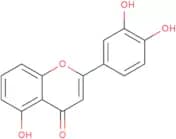
CAS :<p>5,3',4'-Trihydroxyflavone is a natural flavonoid compound often found in a variety of plants. This compound is derived from numerous botanical sources, including fruits and vegetables known to contain flavonoids, which are secondary metabolites widely distributed in the plant kingdom. The mode of action of 5,3',4'-Trihydroxyflavone involves its ability to interact with diverse biological pathways, often exhibiting antioxidant, anti-inflammatory, and potential anti-cancer effects. This interaction occurs through the modulation of enzyme activity and signaling pathways, as well as the scavenging of free radicals, thereby protecting cells from oxidative stress and damage.</p>Formule :C15H10O5Degré de pureté :Min. 95%Couleur et forme :Slightly Yellow PowderMasse moléculaire :270.24 g/molCampylosaurone
CAS :Campylosaurone is a synthetic antimicrobial compound, which is derived from chemical synthesis. Its mode of action involves the disruption of bacterial cell wall synthesis, ultimately leading to cell lysis and death. This compound exhibits broad-spectrum activity against a variety of gram-positive and gram-negative bacteria, making it versatile in combating resistant strains.Formule :C30H20O12Degré de pureté :Min. 95%Masse moléculaire :572.47 g/molDiosmetin
CAS :<p>Diosmetin is a flavonoid compound, which is derived from natural sources such as citrus fruits and certain herbs. As an aglycone of the flavonoid glycoside diosmin, it is primarily sourced through the metabolic transformation of diosmin in the body. Diosmetin functions through modulation of oxidative stress pathways and inhibition of pro-inflammatory enzymes. Its biochemical activity includes scavenging free radicals and reducing the activity of certain inflammatory mediators, which contributes to its potential therapeutic effects.</p>Formule :C16H12O6Degré de pureté :Min. 95%Couleur et forme :Yellow PowderMasse moléculaire :300.26 g/molAmentoflavone
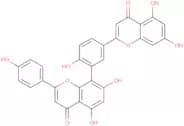
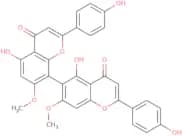
CAS :<p>Amentoflavone is a biflavonoid compound, which is a naturally occurring substance found in various plants such as Ginkgo biloba and Hypericum perforatum. Its molecular structure consists of two flavonoid units joined together, contributing to its unique biochemical characteristics. The source of amentoflavone spans across several medicinal plants, where it plays roles in the plants’ defense mechanisms.</p>Formule :C30H18O10Degré de pureté :Min. 95%Couleur et forme :White PowderMasse moléculaire :538.46 g/molPratol
CAS :<p>Pratol is a synthetic antiparasitic agent, which is chemically synthesized from readily available organic precursors. It functions by disrupting the vital metabolic pathways of the targeted parasites, specifically inhibiting certain enzymes vital for parasite survival. Pratol's mode of action involves binding to the active site of these enzymes, effectively halting the necessary biochemical transformations and leading to the death of the parasite.</p>Formule :C16H12O4Degré de pureté :Min. 95%Couleur et forme :PowderMasse moléculaire :268.26 g/mol6-Hydroxygenistein
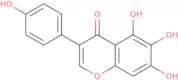
CAS :<p>6-Hydroxygenistein is a phytoestrogen, which is derived from soy-based isoflavones. Its source, primarily found in soybeans, is rich in naturally occurring compounds that exhibit estrogen-like activity. 6-Hydroxygenistein operates through various mechanisms, including acting as an antioxidant and interacting with estrogen receptors to modulate biological processes.</p>Formule :C15H10O6Degré de pureté :Min. 95%Couleur et forme :PowderMasse moléculaire :286.24 g/molCannflavin B
CAS :<p>Cannflavin B is a specialized flavonoid compound, which is a secondary metabolite derived from Cannabis sativa. It exhibits a distinct mode of action as a potent anti-inflammatory agent. Cannflavin B exerts its effects through the inhibition of pro-inflammatory mediators such as prostaglandins and leukotrienes. These biochemical pathways are typically linked with the cyclooxygenase (COX) and lipoxygenase (LOX) enzymes, and Cannflavin B effectively interferes with these enzymatic processes to reduce inflammation at the molecular level.</p>Formule :C21H20O6Degré de pureté :Min. 95 Area-%Couleur et forme :PowderMasse moléculaire :368.38 g/mol7,3',4',5'-Tetramethoxyflavanone
CAS :7,3',4',5'-Tetramethoxyflavanone is a flavanone derivative, which is a type of polyphenolic compound. These compounds are prevalent in various plant sources, particularly in citrus fruits and other flavonoid-rich botanicals. Flavanones, such as this compound, are synthesized through the methylation of hydroxy flavanones, which alters their solubility and bioactivity profiles.Formule :C19H20O6Degré de pureté :Min. 95%Couleur et forme :SolidMasse moléculaire :344.36 g/mol7,2'-Dibenzyloxy-4',5'-methylenedioxyisoflavone
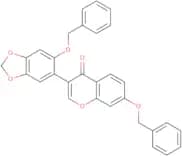
CAS :<p>7,2'-Dibenzyloxy-4',5'-methylenedioxyisoflavone is a synthetic compound derived from isoflavones, a class of naturally occurring organic compounds related to flavonoids. Isoflavones are typically found in plants, especially in legumes, and are known for their diverse biological activities. This particular derivative has been designed to explore advanced pharmacological properties through structural modification aimed at improving bioactivity and specificity.</p>Formule :C30H22O6Degré de pureté :Min. 95%Masse moléculaire :478.49 g/mol3-Hydroxy-7,3'-dimethoxyflavone
CAS :<p>3-Hydroxy-7,3'-dimethoxyflavone is a naturally occurring flavonoid, which is a subclass of polyphenolic compounds found in various plants. As a flavonoid, it is characterized by its polyphenolic structure and the presence of hydroxyl and methoxy groups, which are integral to its biological activity. Originating from diverse plant sources, these compounds are often isolated for their potential health benefits and biological activities.</p>Formule :C17H14O5Degré de pureté :Min. 95%Masse moléculaire :298.29 g/molQuercetagetin
CAS :<p>Quercetagetin is a flavonoid compound, which is naturally sourced from the marigold plant, *Tagetes* species. This flavonoid is structurally related to other polyphenols and is synthesized in plants through the phenylpropanoid pathway. Quercetagetin primarily exerts its biological effects through the scavenging of reactive oxygen species (ROS) and modulating various signaling pathways associated with oxidative stress.</p>Formule :C15H10O8Degré de pureté :Min. 95 Area-%Couleur et forme :PowderMasse moléculaire :318.24 g/mol6-O-Acetyldaidzin
CAS :<p>6-O-Acetyldaidzin is a chemical compound that serves as an isoflavone derivative, primarily obtained from the acetylation of daidzin. This compound is a naturally occurring glycoside found in soy products and other leguminous plants, acting as a bioactive constituent with diverse pharmacological properties.</p>Formule :C23H22O10Degré de pureté :Min. 95 Area-%Couleur et forme :White PowderMasse moléculaire :458.41 g/mol5-Hydroxy-3',4'-dimethoxyflavone
CAS :<p>5-Hydroxy-3',4'-dimethoxyflavone is a naturally occurring flavone, which is a type of polyphenolic compound found in various plants. It is derived from plant sources, specifically from certain species that are known for their rich phenolic content. The mode of action of this compound involves antioxidant activity, where it scavenges free radicals and reduces oxidative stress, which may contribute to its health-related properties.</p>Formule :C17H14O5Degré de pureté :Min. 95%Masse moléculaire :298.29 g/mol7,2'-Dimethoxyflavone
CAS :<p>7,2'-Dimethoxyflavone is a naturally occurring flavone compound, which is a type of phytochemical widely distributed in the plant kingdom. It is derived from various plant sources, particularly within species known for traditional medicinal uses. The compound exhibits multiple modes of action, primarily interacting with cellular pathways related to oxidative stress and enzyme modulation. It acts as an inhibitor of specific enzymatic processes, contributing to its potential therapeutic effects.</p>Formule :C17H14O4Degré de pureté :Min. 95%Couleur et forme :PowderMasse moléculaire :282.29 g/molDaidzein 7,4'-di-O-glucoside
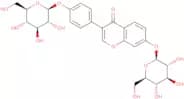
CAS :Daidzein 7,4'-di-O-glucoside is a naturally occurring isoflavone glycoside, which is a type of phytochemical commonly found in soybeans and other legumes. It derives from the plant family Fabaceae and is a derivative of daidzein, conjugated with glucose units. Isoflavones like daidzein 7,4'-di-O-glucoside are known for their potential estrogenic and antioxidant activities due to their structural similarity to estradiol, an estrogen hormone.Formule :C27H30O14Degré de pureté :Min. 95%Masse moléculaire :578.52 g/mol2'-Benzyloxy-7,4'-dimethoxyisoflavone
CAS :<p>2'-Benzyloxy-7,4'-dimethoxyisoflavone is a synthetic isoflavone, which is primarily derived from the benzyl ether of naturally occurring flavones. Isoflavones are typically sourced from plants, such as soybeans, and are known for their estrogenic activity and various biological effects. The modification to produce 2'-Benzyloxy-7,4'-dimethoxyisoflavone involves chemical synthesis that retains the core isoflavone structure while introducing specific substituents to enhance its biological properties.</p>Formule :C24H20O5Degré de pureté :Min. 95%Masse moléculaire :388.41 g/mol7,3-Dihydroxyflavone
CAS :<p>7,3-Dihydroxyflavone is a potent small-molecule flavonoid, which is a naturally occurring compound sourced primarily from plants. This compound functions as a selective agonist for the TrkB receptor, which is the high-affinity receptor for brain-derived neurotrophic factor (BDNF). By mimicking BDNF, 7,3-Dihydroxyflavone activates intracellular signaling pathways that are crucial for neuronal survival, differentiation, and synaptic plasticity.</p>Formule :C15H10O4Degré de pureté :Min. 95%Couleur et forme :PowderMasse moléculaire :254.24 g/molGossypetin-7-glucoside
CAS :<p>Gossypetin-7-glucoside is a flavonoid glycoside, which is a naturally occurring compound found primarily in plants. This substance is derived from the flavonoid gossypetin, which is a member of the flavonoid class of polyphenolic secondary metabolites in plants, predominantly sourced from cotton plants. The mode of action of gossypetin-7-glucoside is largely attributed to its antioxidant properties. It acts by scavenging free radicals, thereby reducing oxidative stress and potentially mitigating cellular damage.</p>Formule :C21H20O13Degré de pureté :(%) Min. 95%Couleur et forme :PowderMasse moléculaire :480.38 g/molIsorhamnetin
CAS :<p>Isorhamnetin is a naturally occurring flavonoid, which is isolated from various plant sources such as fruits, vegetables, and medicinal herbs like Ginkgo biloba. As a member of the flavonoid family, it is primarily derived from the glycosylation and methylation of quercetin. The mode of action of isorhamnetin is mainly attributed to its potent antioxidant capabilities. It scavenges reactive oxygen species and inhibits oxidative stress, which may lead to beneficial effects in preventing cellular damage.</p>Formule :C16H12O7Degré de pureté :Min. 95%Couleur et forme :Yellow PowderMasse moléculaire :316.26 g/mol7,2',4'-Tribenzyloxy-8-methoxyisoflavone
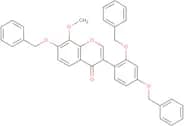
CAS :<p>7,2',4'-Tribenzyloxy-8-methoxyisoflavone is a synthetic isoflavone derivative, which is structurally modified for research purposes. It is typically derived from chemical manipulation of naturally occurring flavonoid compounds found in various plants. The compound is noted for its ability to modulate biochemical pathways due to its interaction with estrogen receptors and other cellular targets. This mode of action makes it particularly useful in the study of estrogenic activities and their implications in various biological processes.</p>Formule :C37H30O6Degré de pureté :Min. 95%Masse moléculaire :570.63 g/molPinocembrin
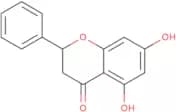
CAS :<p>Pinocembrin is a flavonoid compound, which is a type of polyphenolic molecule, extracted primarily from honey, propolis, and various plants. It is characterized by its unique structure allowing it to function effectively as an antioxidant. The mode of action of Pinocembrin involves scavenging free radicals and reducing oxidative stress, which contributes to its protective effects on cells and tissues.</p>Formule :C15H12O4Degré de pureté :Min. 98 Area-%Couleur et forme :White PowderMasse moléculaire :256.25 g/molAcacetin
CAS :<p>Anti-peroxidative; anti-inflammatory; anti-proliferative; induces apoptosis</p>Formule :C16H12O5Degré de pureté :Min. 97 Area-%Couleur et forme :Yellow PowderMasse moléculaire :284.26 g/mol7,3'-Dimethoxy-3-methylflavone
7,3'-Dimethoxy-3-methylflavone is a synthetic flavonoid compound, which is based on the structural class of flavones known for their diverse biological activities. Flavonoids are primarily found in plants, where they contribute to pigmentation, UV filtration, symbiotic nitrogen fixation, and plant growth regulation. This particular compound, however, is synthesized in laboratory settings to replicate and modify these natural attributes for specific research purposes.Formule :C18H16O4Degré de pureté :Min. 95%Masse moléculaire :296.32 g/mol7,8-Dihydroxyisoflavone
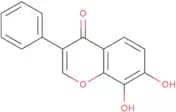
CAS :<p>7,8-Dihydroxyisoflavone is an isoflavone compound, which is a naturally derived product found predominantly in plants like Trifolium pratense, also known as red clover. It is classified as a selective tyrosine receptor kinase B (TrkB) agonist, which means it can mimic the action of brain-derived neurotrophic factor (BDNF), a protein crucial for neuronal survival, growth, and differentiation in the central nervous system.</p>Formule :C15H10O4Degré de pureté :Min. 95%Masse moléculaire :254.24 g/molConrauinone A
CAS :Conrauinone A is a naturally derived compound, which is a specialized natural product extracted from a specific plant source. This compound is known for its unique structural properties and potential biological activities. Conrauinone A functions primarily through a mode of action that involves interaction with specific cellular targets, leading to modulation of biochemical pathways that are crucial for certain cellular processes.Formule :C24H22O8Degré de pureté :Min. 95%Masse moléculaire :438.43 g/molEucomol
CAS :<p>Eucomol is a synthetic compound derived from plant-based sources, designed as an antioxidant agent. It functions by scavenging reactive oxygen species (ROS), thereby reducing oxidative stress in biological systems. Eucomol's mode of action involves donating electrons to neutralize free radicals, which prevents cellular damage and maintains cellular homeostasis.</p>Formule :C17H16O6Degré de pureté :Min. 95%Masse moléculaire :316.31 g/molHinokiflavone-7,7”,4”’-trimethyl ether
CAS :Hinokiflavone-7,7”,4”’-trimethyl ether is a specialized biflavonoid compound, which is a type of plant secondary metabolite. Derived primarily from certain species of the Cupressaceae family, it showcases the diverse capabilities of flavonoids in biochemical pathways. This compound functions by modulating enzyme activities, interacting with cellular receptors, and exhibiting antioxidant properties. It acts through mechanisms involving inhibition of specific kinases and other enzymes, thereby influencing cell signaling pathways and inflammatory responses.Formule :C33H24O10Degré de pureté :Min. 95%Masse moléculaire :580.54 g/mol6,7-Dimethoxy-3',4',5-trihydroxyflavone
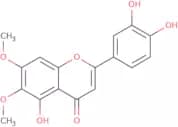
CAS :<p>6,7-Dimethoxy-3',4',5-trihydroxyflavone is a specialized flavonoid compound, which is commonly isolated from plant sources known for their rich polyphenolic content. These compounds are typically synthesized by plants as secondary metabolites, playing critical roles in plant defense and pigmentation. The mode of action of 6,7-Dimethoxy-3',4',5-trihydroxyflavone primarily involves its potent antioxidant activity, where it effectively scavenges free radicals and inhibits oxidative stress at the cellular level. This antioxidant property is attributed to its ability to donate hydrogen atoms or electrons, thereby neutralizing potentially damaging reactive oxygen species (ROS).</p>Formule :C17H14O7Degré de pureté :Min. 95%Couleur et forme :White PowderMasse moléculaire :330.29 g/mol5,7,4'-Trimethoxyisoflavone
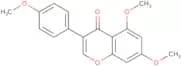
CAS :<p>5,7,4'-Trimethoxyisoflavone is a naturally occurring isoflavone compound, which is a type of phytochemical typically extracted from various plant sources, including legumes and certain medicinal herbs. Isoflavones are a class of phytoestrogens – plant-derived compounds with estrogenic activity – found predominantly in soy products.</p>Formule :C18H16O5Degré de pureté :Min. 98 Area-%Couleur et forme :PowderMasse moléculaire :312.32 g/molFicifolinol
CAS :<p>Ficifolinol is a bioactive compound, which is a naturally occurring phenolic compound derived from the plant genus *Eucalyptus*, particularly from the species known for their rich bioactive profiles. Ficifolinol acts primarily through its antioxidant mechanisms, scavenging free radicals and inhibiting oxidative stress, thereby contributing to cellular protection and stability.</p>Formule :C25H28O4Degré de pureté :Min. 95%Masse moléculaire :392.49 g/molEriodictyol-7-neohesperidoside
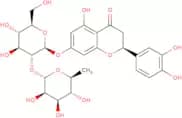
CAS :<p>Eriodictyol-7-neohesperidoside is a flavonoid glycoside, a type of compound that naturally occurs in certain plant species, notably within the genus Eriodictyon. This compound is a derivative of eriodictyol, which is found widely in citrus fruits. Its mode of action is primarily linked to its ability to interact with taste receptors, making it notable for its potential to modulate taste perceptions, specifically in the context of bitterness. This makes it of significant interest in the field of food science and technology.</p>Formule :C27H32O15Degré de pureté :Min. 95%Couleur et forme :PowderMasse moléculaire :596.53 g/mol3-Hydroxy-6,3',4',5'-tetramethoxyflavone
CAS :<p>3-Hydroxy-6,3',4',5'-tetramethoxyflavone is a naturally occurring flavonoid, which is derived from various plant sources, including certain species of the genus Chromolaena. It belongs to a class of polyphenolic compounds known for their potential biological activities. This flavonoid acts primarily through antioxidant mechanisms, where it scavenges free radicals and inhibits oxidative stress pathways. Additionally, it can modulate various signaling pathways, implicating roles in anti-inflammatory processes and cellular protection.</p>Formule :C19H18O7Degré de pureté :Min. 95%Masse moléculaire :358.34 g/molSwertiajaponin
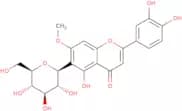
CAS :<p>Swertiajaponin is a natural bioactive compound, classified as a flavonoid glycoside, which is derived from the plant Swertia japonica. Swertia japonica, a member of the Gentianaceae family, is predominantly found in East Asia, where it has been traditionally used in herbal medicine. As with many bioactive compounds, swertiajaponin exhibits its pharmacological effects through various biochemical interactions, including antioxidant, anti-inflammatory, and hepatoprotective activities. It is known to modulate cellular pathways and free radical scavenging, contributing to its therapeutic potential.</p>Formule :C22H22O11Degré de pureté :Min. 98 Area-%Couleur et forme :PowderMasse moléculaire :462.4 g/mol3-Hydroxy-6,2',4'-trimethoxyflavone
CAS :<p>3-Hydroxy-6,2',4'-trimethoxyflavone is a naturally occurring flavonoid derivative, which is a type of secondary metabolite primarily found in various plant species. This compound is derived from the flavonoid family, known for their diverse biological activities and health-related benefits. The mode of action of 3-Hydroxy-6,2',4'-trimethoxyflavone involves its interaction with molecular pathways associated with antioxidant, anti-inflammatory, and potentially anti-cancer activities. It is thought to modulate signaling pathways that play crucial roles in cellular homeostasis, making it a compound of interest in pharmacological research.</p>Formule :C18H16O6Degré de pureté :Min. 95%Couleur et forme :PowderMasse moléculaire :328.32 g/molErythrisenegalone
CAS :<p>Please enquire for more information about Erythrisenegalone including the price, delivery time and more detailed product information at the technical inquiry form on this page</p>Formule :C25H26O5Degré de pureté :Min. 95%Masse moléculaire :406.47 g/molQuercetin 3-O-xyloside
CAS :Quercetin 3-O-xyloside is a flavonoid glycoside, which is typically isolated from various plant sources, such as fruits, vegetables, and herbs. This compound is characterized by the presence of a quercetin molecule attached to a xylose sugar moiety, influencing its solubility and biological activity.Formule :C20H18O11Degré de pureté :Min. 95%Couleur et forme :Off-White PowderMasse moléculaire :434.35 g/mol7-Hydroxy-2',4',5'-trimethoxyisoflavone
CAS :<p>7-Hydroxy-2',4',5'-trimethoxyisoflavone is a naturally occurring flavonoid, which is commonly isolated from various plant sources, including legumes and other flavonoid-rich botanical species. This compound exhibits a unique structural configuration characterized by hydroxyl and methoxy functional groups, contributing to its notable bioactivity.</p>Formule :C18H16O6Degré de pureté :Min. 95%Couleur et forme :PowderMasse moléculaire :328.32 g/molIsoliquiritin
CAS :Isoliquiritin is a bioactive compound, specifically a flavonoid, which is derived from the roots of Glycyrrhiza glabra, commonly known as licorice. It possesses diverse pharmacological properties with multiple modes of action, notably influencing pathways involved in oxidative stress and inflammation. Isoliquiritin acts as an antioxidant, scavenging free radicals and reducing oxidative damage at the cellular level. Additionally, it exhibits anti-inflammatory effects by modulating the expression of inflammatory cytokines and inhibiting specific signaling pathways like NF-κB.Formule :C21H22O9Degré de pureté :Min. 95%Couleur et forme :PowderMasse moléculaire :418.39 g/mol3,5,7,8,3',4'-Hexahydroxyflavone
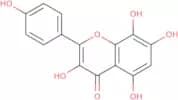
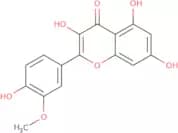
CAS :<p>3,5,7,8,3',4'-Hexahydroxyflavone is a specialized flavonoid, which is a type of polyphenolic compound found naturally in plants. This compound is derived from various botanical sources, particularly in leaves and peels where flavonoids are abundant. The presence of multiple hydroxyl groups contributes to its potent antioxidant activity, allowing it to scavenge free radicals effectively.</p>Formule :C15H10O8Degré de pureté :Min. 98 Area-%Couleur et forme :Yellow PowderMasse moléculaire :318.24 g/molAgathisflavone-7,7”-dimethyl ether
CAS :<p>Agathisflavone-7,7”-dimethyl ether is a methylated flavonoid, a type of natural compound belonging to the biflavonoid family. This compound is primarily derived from plant sources, particularly from the leaves and seeds of certain leguminous plants. It presents unique biochemical properties due to the dimethyl ether groups attached to its flavonoid structure.</p>Formule :C32H22O10Degré de pureté :Min. 95%Couleur et forme :solid.Masse moléculaire :566.51 g/molR,S-Equol
CAS :<p>R,S-Equol is a racemic mixture, classified as an isoflavandiol compound, which is synthesized from the metabolism of soy isoflavones, specifically daidzein, by gut microbiota. It acts as a selective estrogen receptor modulator (SERM) with a preference for estrogen receptor beta (ERβ). This compound demonstrates the ability to bind these receptors, mimicking the action of estrogen, but with selective modulation and lower activity than natural estrogen.</p>Formule :C15H14O3Degré de pureté :Min. 95%Couleur et forme :PowderMasse moléculaire :242.27 g/molVitexin
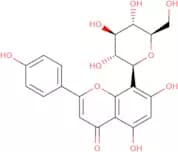
CAS :<p>Vitexin is a naturally occurring flavonoid, which is primarily extracted from plants such as the passionflower (Passiflora) and hawthorn (Crataegus). This bioactive compound is classified under the category of C-glycosyl flavones and is characterized by its unique structural features, including a glycosidic linkage that contributes to its stability and bioavailability.</p>Formule :C21H20O10Degré de pureté :Min. 95%Couleur et forme :PowderMasse moléculaire :432.38 g/molApigenin-7-diglucuronide
CAS :<p>Apigenin-7-diglucuronide is a naturally occurring flavonoid derivative compound, which is primarily derived from various plant sources such as parsley, chamomile, and celery. It represents a glucuronidation product of apigenin, a process involving enzymatic attachment of glucuronic acid to the molecule, enhancing its water solubility and bioavailability.</p>Formule :C27H26O17Degré de pureté :Min. 95 Area-%Couleur et forme :PowderMasse moléculaire :622.49 g/molLiquiritin apioside
CAS :<p>Liquiritin apioside is a flavonoid glycoside, which is predominantly derived from the root of Glycyrrhiza uralensis, commonly known as licorice. This compound acts primarily through its anti-inflammatory and antioxidant properties, which involve the modulation of various cellular pathways. Specifically, it influences the activity of inflammatory cytokines and oxidative stress markers, potentially inhibiting pathways such as nuclear factor-kappa B (NF-κB).</p>Formule :C26H30O13Degré de pureté :Min. 95%Couleur et forme :White PowderMasse moléculaire :550.51 g/molScutellarein 7-O-rutinoside
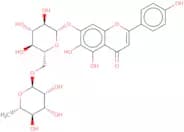
CAS :<p>Scutellarein 7-O-rutinoside is a flavonoid glycoside, which is a type of organic compound found predominantly in various plant species. This compound is mainly extracted from plants such as Scutellaria and Verbena, known for their rich flavonoid content. Its mode of action involves modulating various cellular pathways due to its antioxidant properties, which can scavenge free radicals and reduce oxidative stress in biological systems.</p>Formule :C27H30O15Degré de pureté :Min. 95%Masse moléculaire :594.52 g/mol2',3'-Dimethoxy-3-hydroxyflavone
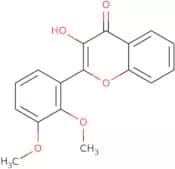
CAS :<p>2',3'-Dimethoxy-3-hydroxyflavone is a specialized flavonoid compound, which is synthesized and not typically found in natural sources. As a flavonoid derivative, this compound is formed through chemical modification of naturally occurring flavones, a class of polyphenolic compounds recognized for their diverse biological activities. With a structure characterized by methoxy and hydroxyl groups, this compound exhibits unique interactions at the molecular level.</p>Formule :C17H14O5Degré de pureté :Min. 95%Couleur et forme :PowderMasse moléculaire :298.29 g/molOnonin
CAS :<p>Ononin is an isoflavonoid glycoside, which is derived from various plant sources, including species of the genus Ononis. It is primarily sourced from the roots and aerial parts of these plants, where it occurs as a natural constituent. The mode of action of Ononin involves its hydrolysis to form its aglycone, formononetin, which is known to exhibit estrogenic activity due to its structural similarity to estrogenic compounds.</p>Formule :C22H22O9Degré de pureté :Min. 95%Couleur et forme :White PowderMasse moléculaire :430.4 g/molAcicerone
CAS :<p>Please enquire for more information about Acicerone including the price, delivery time and more detailed product information at the technical inquiry form on this page</p>Formule :C17H12O6Degré de pureté :Min. 95%Masse moléculaire :312.27 g/molWogonoside
CAS :<p>Wogonoside is a naturally occurring flavonoid glycoside, which is derived primarily from Scutellaria baicalensis, a traditional Chinese medicinal herb. It functions through its ability to modulate various biochemical pathways, demonstrating significant anti-inflammatory and anticancer properties. Wogonoside exerts its effects by inhibiting key enzymes and signaling pathways involved in inflammation, such as nuclear factor-kappa B (NF-κB), and inducing apoptosis in cancer cells through the activation of caspases and modulation of apoptosis-related proteins.</p>Formule :C22H20O11Degré de pureté :Min. 95%Couleur et forme :PowderMasse moléculaire :460.39 g/molQuercetin 3-O-b-D-glucuronide
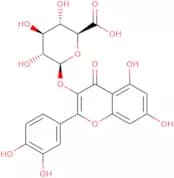
CAS :<p>Quercetin 3-O-b-D-glucuronide is a flavonoid compound, which is a metabolite of quercetin, found in various fruits and vegetables. This compound, specifically a glucuronide conjugate of quercetin, is derived from plant sources such as apples, onions, and berries. It is formed through phase II metabolism where quercetin is glucuronidated by the enzyme UDP-glucuronosyltransferase.</p>Formule :C21H18O13Degré de pureté :Min. 95%Couleur et forme :PowderMasse moléculaire :478.37 g/molNeoliquiritin
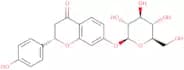
CAS :<p>Neoliquiritin is a flavonoid compound, which is derived from the root of the licorice plant, Glycyrrhiza glabra. This compound exhibits significant antioxidant properties through its ability to scavenge free radicals, thereby reducing oxidative stress within biological systems. Neoliquiritin is primarily utilized in scientific research to explore its potential therapeutic effects, particularly its anti-inflammatory and antioxidant activities. Its mode of action involves modulation of various cellular signaling pathways associated with inflammation and oxidative damage, making it a subject of interest in studies related to chronic diseases and skin conditions. Researchers investigate its potential in mitigating oxidative stress-related cellular damage, offering insights into its possible applications in pharmacology and dermatology.</p>Formule :C21H22O9Degré de pureté :Min. 95%Couleur et forme :PowderMasse moléculaire :418.39 g/molSchaftoside
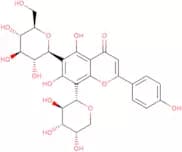
CAS :<p>Schaftoside is a naturally occurring flavonoid glycoside, which is derived from a variety of plant sources, particularly within the Leguminosae and Poaceae families. As a compound, it features a structural integration of apigenin linked to two units of glucose, establishing its classification within the group of C-glycosyl flavonoids. Its mode of action involves interactions with various molecular pathways, implying antioxidant and anti-inflammatory effects. This is attributed to its capacity to scavenge free radicals and modulate signal transduction processes involving cytokines and transcription factors.</p>Formule :C26H28O14Degré de pureté :Min. 98 Area-%Couleur et forme :PowderMasse moléculaire :564.49 g/molEupatorin 5-methyl ether
CAS :<p>Eupatorin 5-methyl ether is a bioactive compound, which is a naturally occurring flavonoid found in certain plant species. This compound is derived from various plants, including those in the Asteraceae family. Eupatorin 5-methyl ether functions primarily through modulating various biochemical pathways, exhibiting anti-inflammatory, antioxidant, and anticancer activities.</p>Formule :C19H18O7Degré de pureté :Min. 95%Couleur et forme :PowderMasse moléculaire :358.34 g/mol4'-Hydroxyflavanone
CAS :<p>4'-Hydroxyflavanone is a naturally occurring flavonoid compound, which is derived from plant sources, particularly citrus fruits and other types of vegetation. The compound is characterized by its phenolic structure, which plays a significant role in its biological activity. 4'-Hydroxyflavanone exhibits its mode of action primarily through antioxidant activity, which involves scavenging reactive oxygen species and thus protecting cells from oxidative stress.</p>Formule :C15H12O3Degré de pureté :Min. 95%Couleur et forme :PowderMasse moléculaire :240.25 g/mol8-O-Methylretusin
CAS :<p>8-O-Methylretusin is a naturally occurring O-methylated flavonoid, which is derived from various plant sources. This compound is notable for its potential bioactive properties, including antioxidative, anti-inflammatory, and anticancer activities. The mode of action of 8-O-Methylretusin primarily involves modulation of cellular signaling pathways, such as the inhibition of reactive oxygen species and modulation of key transcription factors that regulate inflammatory and apoptotic processes.</p>Formule :C17H14O5Degré de pureté :Min. 95%Masse moléculaire :298.29 g/mol3,7,2',4',5'-Pentamethoxyflavone
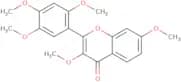
CAS :3,7,2',4',5'-Pentamethoxyflavone is a naturally occurring flavonoid compound, which is a type of polyphenolic product. It is commonly found in various plant species, serving potential protective and adaptive functions within these organisms. The mode of action of 3,7,2',4',5'-Pentamethoxyflavone involves interaction with multiple biological pathways, including modulation of enzyme activity and influence over cellular signaling pathways. Its biochemical interactions often result in antioxidant, anti-inflammatory, and possible antiproliferative effects.Formule :C20H20O7Degré de pureté :Min. 95%Masse moléculaire :372.37 g/molKaempferol 3-b-glucopyranoside
CAS :<p>Kaempferol 3-b-glucopyranoside is a flavonoid glycoside, which is a compound typically isolated from a variety of plants, including tea, broccoli, and fruits such as apples and grapes. It represents a crucial category of secondary metabolites prevalent in the plant kingdom, often serving roles in plant defense and pigmentation. The mode of action of Kaempferol 3-b-glucopyranoside is primarily attributed to its antioxidant properties, effectively scavenging free radicals and thereby mitigating oxidative stress. Furthermore, it is known to modulate various cellular signaling pathways, including those related to apoptosis and inflammation, by influencing kinase activity and gene expression.</p>Formule :C21H20O11Degré de pureté :Min. 95%Couleur et forme :PowderMasse moléculaire :448.38 g/molHerbacetin-8-glucoside-3-sophoroside
CAS :<p>Herbacetin-8-glucoside-3-sophoroside is a flavonoid glycoside derivative, which is a bioactive compound commonly found in plant sources, particularly within the flavonoid subclass. This compound is notable for its multifunctional biological activities and potential health benefits. It is primarily sourced from plant materials, where it can be extracted and isolated for further study and application.</p>Formule :C33H40O22Degré de pureté :Min. 95%Masse moléculaire :788.66 g/molRutin hydrate
CAS :<p>Capillary protectant; free radical scavenger; antioxidant</p>Formule :C27H30O16·3H2ODegré de pureté :Min. 95 Area-%Couleur et forme :Yellow PowderMasse moléculaire :664.56 g/mol7-Benzyloxy-2',4',5'-trimethoxyisoflavone
CAS :<p>7-Benzyloxy-2',4',5'-trimethoxyisoflavone is a specialized type of isoflavone, which is a class of naturally occurring organic compounds related to flavonoids. It is typically derived from plant sources, showcasing the vast chemical diversity and potential bioactivity present in botanicals. This compound operates through various biochemical pathways, often interacting with specific cellular receptors or enzymes to exert its effects. Its mode of action can include antioxidant activity or modulation of signaling pathways, which are crucial for maintaining cellular homeostasis and function. The applications of 7-Benzyloxy-2',4',5'-trimethoxyisoflavone are primarily in the realm of pharmacological research, where it is explored for its potential therapeutic uses. It may be investigated for its roles in combating oxidative stress or influencing pathways associated with inflammation and cellular growth. científicos pursue its study to uncover new medical insights and develop novel therapeutic strategies.</p>Formule :C25H22O6Degré de pureté :Min. 95%Masse moléculaire :418.44 g/mol3,7,4'-Trihydroxyflavone
CAS :<p>3,7,4'-Trihydroxyflavone is a flavonoid compound, which is a naturally occurring polyphenolic phytochemical. These compounds are commonly sourced from various plants, where they are present in fruits, vegetables, and certain herbs. Flavonoids such as 3,7,4'-Trihydroxyflavone are known for their role in plant pigmentation and protection against environmental stressors.</p>Formule :C15H10O5Degré de pureté :Min. 95%Couleur et forme :PowderMasse moléculaire :270.24 g/molLupinisoflavone A
CAS :<p>Lupinisoflavone A is a naturally occurring bioactive compound, specifically an isoflavone, which is extracted from the seeds and other parts of lupine plants. The lupine species are known for their rich phytochemical profile, which includes various bioactive compounds with potential health benefits. Lupinisoflavone A is structurally characterized by its isoflavone backbone, contributing to its diverse biological effects.</p>Formule :C20H16O6Degré de pureté :Min. 95%Masse moléculaire :352.34 g/molLuteolin 3'-O-β-D-glucuronide
CAS :<p>Luteolin 3'-O-β-D-glucuronide is a flavonoid glucuronide, which is primarily derived from various plant sources, including fruits, vegetables, and certain herbs. As a metabolite of luteolin, it is formed through the addition of a glucuronic acid moiety, enhancing its solubility and bioavailability in biological systems.</p>Formule :C21H18O12Degré de pureté :Min. 97 Area-%Couleur et forme :White PowderMasse moléculaire :462.36 g/mol8-Hydroxygenistein
CAS :<p>8-Hydroxygenistein is a naturally occurring isoflavone, which is a type of polyphenolic compound. It is derived primarily from plants, particularly soybeans and other legumes. This compound exhibits its mode of action through selective inhibition of tyrosine kinase enzymes, interference with the cell cycle, and modulation of signal transduction pathways. It also acts as a potent antioxidant, scavenging free radicals and reducing oxidative stress within cells.</p>Formule :C15H10O6Degré de pureté :Min. 95%Couleur et forme :Yellow PowderMasse moléculaire :286.24 g/molTheaflavin-3'-gallate (TF-3'-G)
CAS :<p>Induces cell death in human prostate cancer by disrupting mitochondria function</p>Formule :C36H28O16Degré de pureté :Min. 95%Couleur et forme :Red PowderMasse moléculaire :716.6 g/molIsorhamnetin-5-O-methyl ether-3-glucoside
CAS :<p>Isorhamnetin-5-O-methyl ether-3-glucoside is a flavonoid glycoside, which is a secondary metabolite typically found in various plant sources such as fruits, vegetables, and certain herbs. It is part of a larger class of compounds known as flavonoids, which are well-known for their diverse biological activities. The mode of action of Isorhamnetin-5-O-methyl ether-3-glucoside primarily involves its antioxidant properties, which allow it to neutralize free radicals and reduce oxidative stress.</p>Formule :C22H22O13Degré de pureté :Min. 95%Masse moléculaire :494.4 g/molLinarin
CAS :Linarin is a naturally occurring flavonoid compound, which is primarily extracted from plant sources such as the leaves of *Buddleja davidii* and *Mentha aquatica*. This flavonoid is notable for its biological activity, which is characterized by its interaction with various enzymes and receptors involved in cellular processes.Formule :C28H33O14Degré de pureté :Min. 95%Couleur et forme :PowderMasse moléculaire :593.55 g/mol4',5,7-Trimethoxyflavone
CAS :<p>4',5,7-Trimethoxyflavone is a polymethoxyflavone, which is a type of naturally occurring flavonoid compound. It is primarily sourced from various plants, notably within the Rutaceae family. These compounds are characterized by the presence of multiple methoxy groups attached to the flavone core structure.</p>Formule :C18H16O5Degré de pureté :Min. 95%Couleur et forme :White PowderMasse moléculaire :312.32 g/molZapotin
CAS :Zapotin is a natural compound, which is sourced from the seeds of the Sapote Blanco (Casimiroa edulis). This organic compound exhibits its mode of action primarily through its interaction with cancerous cells. Zapotin induces apoptosis in these cells by modulating key signaling pathways, thereby preventing cell proliferation and enhancing programmed cell death. This mechanism underscores its potential as a chemopreventive agent.Formule :C19H18O6Degré de pureté :Min. 95%Couleur et forme :PowderMasse moléculaire :342.34 g/mol5-Hydroxy-3',3,4',5',7-pentamethoxyflavone
CAS :<p>5-Hydroxy-3',3,4',5',7-pentamethoxyflavone is a naturally occurring flavone, which is a type of flavonoid found primarily in plants. These compounds often serve as plant secondary metabolites, with potential roles in various physiological and ecological functions. This particular flavone is primarily derived from certain species within the plant kingdom, where it acts as part of the plant’s defense mechanism against pathogens and herbivores.</p>Formule :C20H20O8Degré de pureté :Min. 95%Couleur et forme :PowderMasse moléculaire :388.37 g/molOrobol
CAS :<p>Please enquire for more information about Orobol including the price, delivery time and more detailed product information at the technical inquiry form on this page</p>Formule :C15H10O6Degré de pureté :Min. 95%Couleur et forme :Yellow PowderMasse moléculaire :286.24 g/mol7,4'-Dimethoxyflavone
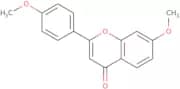
CAS :<p>7,4'-Dimethoxyflavone is a naturally occurring flavonoid derivative, which is found predominantly in certain plants, particularly within the citrus family. This compound is characterized by the presence of two methoxy groups attached to its flavone backbone. It functions by interacting with various biological pathways, including those involved in antioxidant and anti-inflammatory responses. Its molecular structure allows it to modulate enzyme activities and receptor interactions, although the exact mechanisms are still under study.</p>Formule :C17H14O4Degré de pureté :Min. 98 Area-%Couleur et forme :PowderMasse moléculaire :282.29 g/molQuercetin-3-O-beta-glucopyranoside
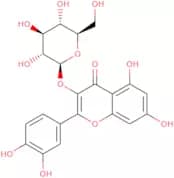
CAS :<p>Mitochondrial ATPase and phosphodiesterase inhibitor</p>Formule :C21H20O12Degré de pureté :Min. 90 Area-%Couleur et forme :PowderMasse moléculaire :464.38 g/molDihydromyricetin
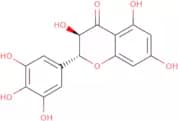
CAS :<p>Dihydromyricetin is a flavonoid compound, which is derived from the tree Hovenia dulcis. This plant, commonly known as the Japanese raisin tree, serves as the primary natural source for this bioactive substance. The mode of action of dihydromyricetin involves modulation of neurotransmitter receptors, particularly GABA_A receptors, wherein it contributes to alleviating alcohol-induced neuroinhibition. Additionally, it enhances the liver's ability to metabolize alcohol and reduces oxidative stress by acting as an antioxidant.</p>Formule :C15H12O8Degré de pureté :Min. 95%Couleur et forme :PowderMasse moléculaire :320.25 g/mol(±)-Eriodictyol
CAS :<p>(±)-Eriodictyol is a flavonoid compound, which is a type of bioactive polyphenol. It is derived primarily from certain plant sources, notably within the Ericaceae and Solanaceae families. The compound exhibits its mode of action through its potent antioxidant and anti-inflammatory activities, mechanisms that involve the scavenging of free radicals and the inhibition of pro-inflammatory pathways.</p>Formule :C15H12O6Degré de pureté :Min. 95%Couleur et forme :PowderMasse moléculaire :288.25 g/molDemethoxysudachitin
CAS :<p>Demethoxysudachitin is a flavonoid compound, which is naturally sourced from the peel of the sudachi fruit, a type of small citrus fruit native to Japan. This compound exhibits a mode of action primarily through its potent antioxidant activity, which involves scavenging free radicals and reducing oxidative stress within biological systems. It also plays a role in modulating various enzymatic pathways, contributing to its pharmacological properties.</p>Degré de pureté :Min. 95%7,8-Dimethoxyflavone
CAS :<p>7,8-Dimethoxyflavone is a synthetic flavonoid compound, which is derived from natural flavones found in various plant species. As a structurally modified version of naturally occurring flavonoids, it exhibits a range of biological activities. The mode of action of 7,8-Dimethoxyflavone involves interaction with various cellular pathways, including modulation of kinase and receptor activity, potentially impacting signal transduction processes.</p>Formule :C17H14O4Couleur et forme :PowderMasse moléculaire :282.29 g/molPinostrobin
CAS :<p>Pinostrobin is a natural flavonoid compound, which is derived primarily from the rhizomes of plants such as the fingerroot (Boesenbergia rotunda) and various species of the Pinus genus. Its mode of action involves potent antioxidant activity, where it scavenges free radicals, thus reducing oxidative stress. Additionally, Pinostrobin exhibits antimicrobial properties by disrupting microbial cell membranes and inhibiting essential microbial enzymes.</p>Formule :C16H14O4Couleur et forme :PowderMasse moléculaire :270.28 g/mol5,6-Dihydroxy-7-methoxyflavone
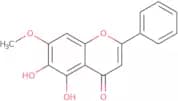
CAS :<p>5,6-Dihydroxy-7-methoxyflavone is a naturally occurring flavonoid compound, which is predominantly sourced from various plants, often found in the leaves, stems, or roots. This compound belongs to the broader class of flavonoids, which are known for their diverse biochemical activities. As a flavone derivative, its structure includes hydroxyl and methoxy functional groups that contribute to its biological activity.</p>Formule :C16H12O5Degré de pureté :Min. 95%Couleur et forme :Yellow PowderMasse moléculaire :284.26 g/molTilianin
CAS :Tilianin is a flavonoid glycoside, which is a natural compound derived from the plant **Dracocephalum moldavica**. It is primarily sourced from the leaves and flowers of this herbaceous plant, belonging to the Lamiaceae family. Tilianin exerts its effects through several biochemical pathways, most notably by inhibiting inflammatory mediators and modulating oxidative stress pathways. This mode of action suggests its potential as an anti-inflammatory and antioxidant agent.Formule :C22H22O10Degré de pureté :Min. 98 Area-%Couleur et forme :White Off-White PowderMasse moléculaire :446.4 g/molMyricetin
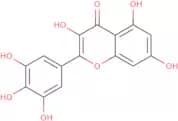
CAS :<p>Myricetin is a naturally occurring flavonoid, which is primarily sourced from various fruits, vegetables, teas, and medicinal plants. It is found abundantly in the bark of the Myrica species, as well as in grapes, onions, and berries. Myricetin functions as an antioxidant by scavenging free radicals, thus mitigating oxidative stress. It also exerts anti-inflammatory effects through modulation of signaling pathways, including the inhibition of nuclear factor-κB (NF-κB) and downregulation of pro-inflammatory cytokines.</p>Formule :C15H10O8Degré de pureté :Min. 95%Couleur et forme :Yellow Green PowderMasse moléculaire :318.24 g/mol2',4'-Dimethoxy-6-methylflavanol
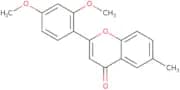
CAS :<p>2',4'-Dimethoxy-6-methylflavanol is a specialized flavonoid compound, which is a type of secondary metabolite primarily found in various plants. These compounds are often extracted from plants recognized for their rich phytochemical profiles, such as those in the Fabaceae or Rutaceae families. Flavonoids, including 2',4'-Dimethoxy-6-methylflavanol, are known for their diverse biological activities, including antioxidant, anti-inflammatory, and potential anti-cancer properties.</p>Formule :C18H16O4Degré de pureté :Min. 95%Masse moléculaire :296.32 g/molGenistein-5,4'-dimethyl ether
CAS :<p>Genistein-5,4'-dimethyl ether is a methylated isoflavone, which is a naturally occurring compound primarily extracted from various plant sources, particularly legumes. This bioactive compound is a derivative of the well-known isoflavone genistein, with methyl groups added at specific positions on the aromatic ring structure, altering its chemical properties and biological activity.</p>Formule :C17H14O5Degré de pureté :Min. 95%Masse moléculaire :298.29 g/mol5,7-Dimethoxy-4'-hydroxyflavanone
CAS :<p>5,7-Dimethoxy-4'-hydroxyflavanone is a synthetic flavonoid compound, which is derived from the structural modification of naturally occurring flavonoids found in plants. Alterations in its chemical structure provide enhanced properties for various scientific applications. The mode of action of this compound primarily involves its ability to act as a potent antioxidant. By scavenging free radicals, it protects biological systems from oxidative stress, thereby playing a pivotal role in cellular protection and homeostasis.</p>Formule :C17H16O5Degré de pureté :Min. 95%Couleur et forme :PowderMasse moléculaire :300.31 g/mol3-Hydroxy-6,2',4',5'-tetramethoxyflavone
CAS :3-Hydroxy-6,2',4',5'-tetramethoxyflavone is a naturally occurring flavone, which is a type of polyphenolic compound predominantly found in certain plants. This compound belongs to the broader class of flavonoids, often isolated from plant sources like tropical herbs and medicinal plants renowned for their rich bioactive profiles.Formule :C19H18O7Degré de pureté :Min. 95%Masse moléculaire :358.34 g/mol6-Methoxyflavanone
CAS :6-Methoxyflavanone is a naturally occurring flavonoid compound, which is typically derived from plant sources, particularly those high in flavonoids such as certain fruits and herbs. The compound is characterized by the presence of a methoxy group, which distinguishes it from other flavanones and may influence its bioactivity and solubility properties. Its mode of action often involves interactions with biological pathways that regulate inflammation, oxidative stress, and cellular metabolism, potentially through mechanisms such as enzyme inhibition or modulation of receptor activity.Formule :C16H14O3Degré de pureté :Min. 95%Couleur et forme :PowderMasse moléculaire :254.28 g/mol7-O-Prenyloxyflavanone
CAS :<p>7-O-Prenyloxyflavanone is a bioactive compound, specifically a flavanone, which is isolated from various plant sources known for their rich flavonoid content. The compound is characterized by the attachment of a prenyl group at the 7-O position of the flavanone structure, which imparts unique biological activities.</p>Formule :C20H20O3Degré de pureté :Min. 95%Masse moléculaire :308.37 g/mol4',7-Dihydroxyflavone
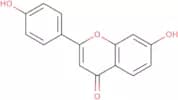
CAS :<p>4',7-Dihydroxyflavone is a flavonoid compound, which is naturally found in various plants. This compound is sourced predominantly from the plant kingdom, particularly in leaves and flowers, where it plays a crucial role in plant defense mechanisms. The mode of action of 4',7-dihydroxyflavone involves modulation of various signaling pathways, most notably its interaction with the tropomyosin receptor kinase B (TrkB), which is known for its involvement in neuronal survival and synaptic plasticity.</p>Formule :C15H10O4Degré de pureté :Min. 95%Couleur et forme :Yellow PowderMasse moléculaire :254.24 g/molSyringetin
CAS :<p>Syringetin is a flavonoid compound, which is derived from natural sources such as grapes and other plants. This compound belongs to the class of polyphenolic compounds known as flavonols, which are secondary metabolites found abundantly in nature. Syringetin exhibits its mode of action primarily through its strong antioxidant properties, which allow it to neutralize free radicals and reduce oxidative stress in biological systems. This activity can contribute to the protection of cells and biomolecules from oxidative damage, a process implicated in aging and various diseases.</p>Formule :C17H14O8Degré de pureté :Min. 95%Couleur et forme :PowderMasse moléculaire :346.29 g/mol6-Methylflavone
CAS :<p>6-Methylflavone is a synthetic flavonoid, which is derived from the structural modification of natural flavonoids commonly found in various plants. This compound has garnered interest due to its pharmacological potential, particularly as a modulator of the central nervous system. The mode of action of 6-Methylflavone involves its interaction with the GABA_A receptors, where it is believed to function as a positive allosteric modulator. This interaction enhances the inhibitory effects of GABA, a primary neurotransmitter in the brain, thereby potentially exerting anxiolytic (anxiety-reducing) effects.</p>Formule :C16H12O2Degré de pureté :Min. 95%Couleur et forme :PowderMasse moléculaire :236.27 g/mol