Nucléotides
Sous-catégories appartenant à la catégorie "Nucléotides"
2637 produits trouvés pour "Nucléotides"
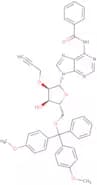
N4-Benzoyl-5'-O-DMT-2'-O-propargyl adenosine
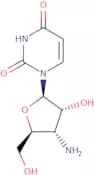
CAS :N4-Benzoyl-5'-O-DMT-2'-O-propargyl adenosine is a novel nucleoside that was synthesized by converting the ribonucleoside 5'-O-DMT to its deoxyribonucleoside form. N4-Benzoyl-5'-O-DMT-2'-O-propargyl adenosine is an antiviral and antiproliferative agent that inhibits DNA synthesis. It also has anticancer activity, but does not have any effect on RNA synthesis. This product is available in high quality and high purity with CAS No. 171486-51-4.Formule :C41H37N5O7Degré de pureté :Min. 95%Couleur et forme :PowderMasse moléculaire :711.76 g/mol3'-Amino-3'-deoxyuridine
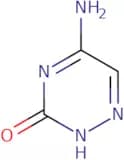
CAS :3'-Amino-3'-deoxyuridine is a nucleoside that is phosphoramidated to the 3' hydroxyl group of uridine. It has been shown to be detectable experimentally and has regiospecificity. The imidazole ring has been shown to be acidic, making it an excellent candidate for kinetics studies. 3'-Amino-3'-deoxyuridine is activated by cleavage of its phosphodiester bond by nucleophilic attack. This nucleotide can be used in the research of nucleic acids and imidazole derivatives.Formule :C9H13N3O5Degré de pureté :Min. 95%Couleur et forme :PowderMasse moléculaire :243.22 g/mol6-Azacytosine
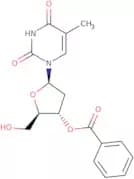
CAS :Nucleoside analogue; anti-viral; anti-tumoral agentFormule :C3H4N4ODegré de pureté :Min. 95%Couleur et forme :PowderMasse moléculaire :112.09 g/mol3'-O-Benzoylthymidine
CAS :3'-O-Benzoylthymidine is a nucleoside that is used in the synthesis of DNA. It is a monomeric compound that contains two deoxyribose sugars and one deoxyribonucleotide. 3'-O-Benzoylthymidine interacts with the phosphite triester, which stabilizes the nucleobase. This reaction leads to the formation of a glycosidic bond between the phosphate group and the 5' carbon atom in the sugar ring of 3'-O-benzoylthymidine. The chloride ion is then added to form an intermediate compound with a reactive electrophilic carbon center that can be used for subsequent reactions with other compounds or nucleobases. 3'-O-Benzoylthymidine can also be conjugated to other compounds through covalent bonds, such as phosphonates, to form more complex molecules.Formule :C17H18N2O6Degré de pureté :Min. 95%Couleur et forme :PowderMasse moléculaire :346.34 g/molUDP-N-azidoacetylgalactosamine triethylamine
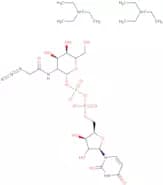
CAS :UDP-N-azidoacetylgalactosamine (UDP-GlcNAz) is an analogue of UDP-GalNAc, bearing an azido group on the N-acyl side chain. It acts as an unnatural substrate for the polypeptide N-R-acetylgalactosaminyltransferases (ppGalNAcTs) which are enzymes that play a role in mucin-type O-linked glycoprotein biosynthesis. UDP-GlcNAz is accepted as a nucleotide-sugar donor, appending an azidosugar onto its native substrates, which can then be detected using azide-reactive chemical probes. The azide group can be detected by the conjugation with phosphine probes via the Staudinger ligation, or alkyne probes via cycloaddition reactions.Formule :C17H26N6O17P2Degré de pureté :Min. 90 Area-%Couleur et forme :PowderMasse moléculaire :848.73 g/molAdenosine 5′-phosphosulfate sodium salt
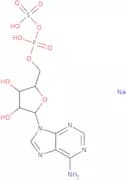
CAS :Adenosine 5′-phosphosulfate sodium salt has been used quantify pyrophosphate and in enzyme-linked bioluminescence assay for adenosine triphosphate (ATP)Formule :C10H14N5O10PSDegré de pureté :Min. 90 Area-%Couleur et forme :PowderMasse moléculaire :427.29 g/molAdenosine - Endotoxin level below 1000 EU/g
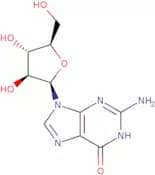
CAS :Adenosine is a naturally-occurring organic solvent found in the human body. It has been shown to inhibit fibroid growth and to have an anti-inflammatory effect on the uterus. Adenosine is also a potent endogenous vasodilator, which may be due to its ability to activate adenosine receptors. In addition, it has been demonstrated that adenosine inhibits the synthesis of target enzymes such as collagenase and hyaluronidase. The uptake of adenosine by cells is inhibited by nevirapine, which is an HIV protease inhibitor. This inhibition leads to increased extracellular levels of adenosine, which stimulates phosphorylation of extracellular-regulated kinases (ERKs) and decreases histamine release from mast cells. The ERKs are activated in response to many stimuli including cytokines, growth factors, and stressors such as UV light or heat shock.BR> In vitro studies using human tissue have shown that adFormule :C10H13N5O4Degré de pureté :(Titration) 99.0 To 101.0%Couleur et forme :White Off-White PowderMasse moléculaire :267.24 g/mol4-Amino-6-hydroxy-2-mercapto-5-nitrosopyrimidine ammonium
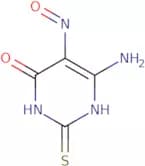
CAS :The 4-Amino-6-hydroxy-2-mercapto-5-nitrosopyrimidine ammonium salt is a solvent that has been used in the synthesis of various organic and inorganic compounds. It is a five membered ring compound with solvents, such as chlorides, and it can be found in diffraction patterns. 4-Amino-6-hydroxy-2-mercapto-5 nitrosopyrimidine ammonium salt can also act as a ligand in metal complexes. The molecule has carbonyl groups which chelate to the metal atom and form a ring with chlorine atoms.Formule :C4H4N4O2S•NH3Degré de pureté :Min. 95%Couleur et forme :PowderMasse moléculaire :189.2 g/mol6-Chloro-9-(2'-deoxy-β-D-ribofuranosyl)purine
CAS :6-Chloro-9-(2'-deoxy-b-D-ribofuranosyl)purine is a nucleoside analogue that inhibits the replication of the hepatitis C virus. It binds to the viral RNA polymerase and blocks the synthesis of viral RNA, thereby preventing infection. This drug also has antiviral activity against HIV and herpes simplex viruses. The antiviral effect is due to its ability to inhibit phosphatases and carboxylates, which are involved in the initiation of mRNA transcription and protein translation, respectively. 6-Chloro-9-(2'-deoxy-b-D-ribofuranosyl)purine is metabolized by deoxyadenosine kinase into 6-chloropurine ribonucleotide, which can be converted into other purines.Formule :C10H11ClN4O3Degré de pureté :Min. 95%Couleur et forme :PowderMasse moléculaire :270.68 g/molThymidine-5'-monophosphate disodium salt
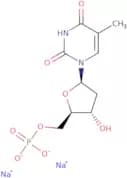
CAS :Thymidine-5'-monophosphate disodium salt is a nucleoside that is synthesized by reductive phosphorylation of thymidine. It is a substrate for nucleotide synthesis and can be used as a reagent in the synthesis of oligonucleotides. Thymidine-5'-monophosphate disodium salt can be reduced to form thymidine, which can then be converted to 5-thio-2'-deoxyuridylate or 5-thio-2'-deoxycytidylate. This conversion takes place through the cleavage reaction of the thymidine residue from the disodium salt.Formule :C10H13N2Na2O8PDegré de pureté :Min. 98 Area-%Couleur et forme :White PowderMasse moléculaire :366.17 g/mol9-(b-D-Arabinofuranosyl)guanine
CAS :9-(b-D-Arabinofuranosyl)guanine is an arabinoside derivative that has high affinity for DNA. 9-(b-D-Arabinofuranosyl)guanine binds to the phosphate groups in DNA and inhibits the synthesis of DNA. It is used in vitro assays to study molecular pathogenesis and in vivo as a drug against leukemia, lymphomas, and other cancers. 9-(b-D-Arabinofuranosyl)guanine also inhibits protein synthesis by binding to ribosomes. This drug can cause significant side effects such as gastrointestinal distress, diarrhea, nausea, vomiting, and abdominal pain. It can also cause blood dyscrasias and liver damage.Formule :C10H13N5O5Degré de pureté :Min. 97 Area-%Couleur et forme :White PowderMasse moléculaire :283.24 g/molN6-Acetyladenosine
CAS :N6-Acetyladenosine is a nucleoside that belongs to the group of N-acetylated adenosines. It is found in thermophilic organisms and has been shown to be involved in optimal growth. N6-Acetyladenosine has also been found to be an important part of the coding and population modifications of crenarchaeota, archaeal organisms that are phylogenetically related to methanogens. Unfractionated populations of methanogen contain both N6-acetyladenosine residues and other modified adenosines, with each organism differing in the types of modifications they contain. Transfer of these modified adenosines from one organism to another can lead to changes in their coding and population modifications.Formule :C12H15N5O5Degré de pureté :Area-% Min. 90 Area-%Couleur et forme :White PowderMasse moléculaire :309.28 g/mol2',3'-O-Isopropylideneuridine
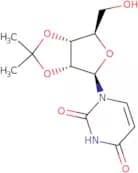
CAS :2′,3′-O-Isopropylideneuridine serves as a key intermediate in the chemical synthesis of N-benzoyl uridine derivatives and N3-substituted 2′,3′-O-isopropylideneuridines, which exhibit central nervous system (CNS) depressant propertiesFormule :C12H16N2O6Degré de pureté :Min. 95%Couleur et forme :White PowderMasse moléculaire :284.27 g/mol2'-Deoxy-5-formyluridine
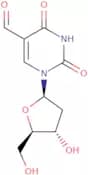
CAS :2'-Deoxy-5-formyluridine (2DFO) is a nucleobase analogue that inhibits the enzymatic activity of DNA glycosylases, which are enzymes that remove sugar residues from damaged DNA. 2DFO has been shown to induce apoptosis in cancer cells by inhibiting DNA synthesis and promoting oxidative damage to the cell's DNA. 2DFO has also been shown to inhibit the growth of DU-145 cells in vitro and in vivo models. This drug was found to be more effective at preventing metastasis of colorectal cancer when it was administered with a platinum-based chemotherapy drug.Formule :C10H12N2O6Degré de pureté :Min. 95 Area-%Couleur et forme :White Off-White PowderMasse moléculaire :256.21 g/mol2'-Deoxy-L-guanosine
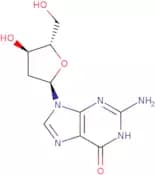
CAS :2'-Deoxy-L-guanosine is a nucleoside that is used as an antibiotic. It inhibits protein synthesis, which leads to cell death. This drug has a high level of resistance against bacteria and is effective in the treatment of gram-positive bacteria. 2'-Deoxy-L-guanosine binds to the ribose phosphate backbone of DNA, phosphorylating it and preventing the base pairing of adenosine with thymine. This inhibits the production of DNA and RNA, leading to cell death. 2'-Deoxy-L-guanosine has been shown to be active against Listeria monocytogenes and Mycobacterium tuberculosis. The enantiomer form is more potent than the racemic mixture, but both forms are effective antibiotics.
Formule :C10H13N5O4Degré de pureté :Min. 95%Couleur et forme :PowderMasse moléculaire :267.25 g/molS-Adenosyl-L-methionine p-toluenesulfonate
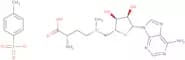
CAS :Methyl donor and a cofactor for enzyme-catalyzed methylationsFormule :C15H23N6O5S•C7H7O3SDegré de pureté :Min. 95%Couleur et forme :White PowderMasse moléculaire :570.64 g/mol5-(2-Amino-2-oxoethyl)-2-thiouridine
CAS :5-(2-Amino-2-oxoethyl)-2-thiouridine is a modified deoxyribonucleoside that is used as a phosphoramidite to synthesize oligonucleotides. 5-(2-Amino-2-oxoethyl)-2-thiouridine inhibits the synthesis of viral DNA and RNA, and its antiviral activity has been shown in vitro. It also may have anticancer activity due to its ability to inhibit DNA synthesis and cell proliferation. This compound has high quality, high purity, and novel properties.Formule :C11H15N3O6SDegré de pureté :Min. 95%Couleur et forme :PowderMasse moléculaire :317.32 g/mol5-Bromocytidine
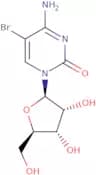
CAS :5-Bromocytidine is a pyrimidine nucleoside that has been shown to inhibit the replication of influenza virus in cell culture. It stabilizes the ribonucleotide reductase enzyme, which is responsible for converting ribonucleosides to deoxyribonucleosides. This inhibition prevents the production of viral RNA and protein synthesis, leading to inhibition of viral growth. 5-Bromocytidine has also been shown to have antiviral effects against HIV and herpes simplex virus type 1 (HSV1) in cell cultures.Formule :C9H12BrN3O5Degré de pureté :Min. 95%Couleur et forme :White PowderMasse moléculaire :322.11 g/molN4-Aminocytidine
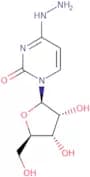
CAS :N4-Aminocytidine is an analog of uridine that can be used as an inhibitor of the growth of bacteria. It has been shown to inhibit the growth of Escherichia coli and Salmonella typhimurium in vitro. N4-Aminocytidine binds to the bacterial ribosome and inhibits protein synthesis, which results in cell death. This drug has also been found to act as a potent synthetic cannabinoid receptor agonist in vivo and inhibits uptake of cannabinoids into cells in culture. N4-Aminocytidine has also been shown to bind to dna duplexes and chemically react with them, altering their structure. This drug has not yet been tested for safety or efficacy in humans.Formule :C9H14N4O5Degré de pureté :Min. 95%Couleur et forme :PowderMasse moléculaire :258.23 g/mol3'-O-Aminothymidine
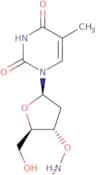
CAS :3'-O-Aminothymidine is an isomer of thymidine, a nucleoside that is found in DNA and RNA. It has a neutral charge and belongs to the category of nucleosides. 3'-O-Aminothymidine is synthesized by the coupling of an amino group with a hydroxyl group. This reaction is efficient and can be used to produce dimers. 3'-O-Aminothymidine can also be used as a precursor for other nucleotides or as a synthetic intermediate in other chemical reactions.Formule :C10H15N3O5Degré de pureté :Min. 95%Couleur et forme :PowderMasse moléculaire :257.24 g/molStearoyl coenzyme A lithium
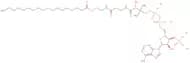
CAS :Stearoyl coenzyme A lithium is a novel modified ribonucleoside that is synthesized by enzymatic phosphorylation of 3'-deoxyribonucleosides. It has anticancer, antiviral, and antitumor activities. Stearoyl coenzyme A lithium is a monophosphate nucleotide which activates the transcription factors that regulate gene expression and replication. The drug also inhibits viral replication through competitive inhibition of the viral DNA polymerase.Formule :C39H70N7O17P3S·xLiDegré de pureté :90%Couleur et forme :PowderMasse moléculaire :1,034 g/mol2'-Deoxy-N2-isobutyrylguanosine
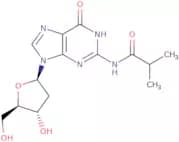
CAS :2'-Deoxy-N2-isobutyrylguanosine (2'-DIBG) is an inhibitor of bacterial translocation that has been shown to inhibit the growth of several bacterial species. This drug binds to fatty acids, which are important for maintaining the integrity of the cell membrane and preventing bacterial translocation. 2'-DIBG also inhibits the production of reactive oxygen species by bacteria, which contributes to its antimicrobial activity. Inflammation can be reduced by inhibiting prostaglandin synthesis with 2'-DIBG. The inhibition of prostaglandin synthesis may be due to its ability to form acid conjugates with fatty acids and dicarboxylic acids, which are precursors for prostaglandins. 2'-DIBG also inhibits the synthesis of adenosine triphosphate (ATP) in bacteria, leading to a decrease in bacterial growth rate.
Formule :C14H19N5O5Degré de pureté :Min. 95%Couleur et forme :White PowderMasse moléculaire :337.34 g/mol5-Aminoimidazole-4-carboxamide-1-b-D-ribofuranose 5'-monophosphate
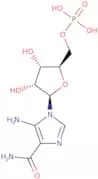
CAS :Produit contrôlé5-Aminoimidazole-4-carboxamide-1-b-D-ribofuranose 5'-monophosphate (AICAR) is an analogue of AMP that activates the AMPK pathway. It is a potent activator that increases the activity of this enzyme, which regulates cellular energy metabolism. AICAR has been shown to induce significant cytotoxicity in k562 cells and to increase the levels of ATP in these cells. This compound has also been shown to have potential use in metabolic disorders, such as type 2 diabetes, by increasing uptake and kinetic of glucose. AICAR has also been shown to activate the AMPK pathway in prostate cancer cells and increase cellular physiology.Formule :C9H15N4O8PDegré de pureté :Min. 95 Area-%Couleur et forme :White PowderMasse moléculaire :338.21 g/molMizoribine
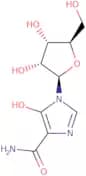
CAS :Inhibitor of heat shock protein Hsp60; immunosuppressant
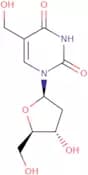
Formule :C9H13N3O6Degré de pureté :Min. 95%Couleur et forme :White PowderMasse moléculaire :259.22 g/mol2'-Deoxy-5-hydroxymethyluridine
CAS :2'-Deoxy-5-hydroxymethyluridine (DHMU) is a natural compound that has been shown to have inhibitory properties against bowel disease. DHMU inhibits the proliferation of wild-type strains of Salmonella enterica serovar Typhimurium and Escherichia coli by binding to their nuclear dna. It also prevents DNA synthesis in human polymorphonuclear leukocytes and synergizes with pharmacological agents, such as radiation or chemotherapeutic agents, to induce cell death. This agent can be used as an analytical method for the detection of nucleic acids.Formule :C10H14N2O6Degré de pureté :Min. 98.0 Area-%Couleur et forme :White PowderMasse moléculaire :258.23 g/molN6-Benzoyladenosine
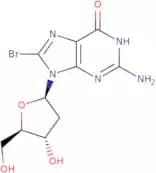
CAS :N6-Benzoyladenosine is a purine nucleoside that is synthesized from uridine and has a high resistance to phosphorylation. It is found in the mitochondrial matrix of rat hepatocytes and can be used as a specific agent for the treatment of symptoms related to Parkinson's disease. N6-Benzoyladenosine inhibits protein synthesis by inhibiting the catalytic subunit of guanine nucleotide-binding proteins, which are involved in cellular energy production. It also inhibits camp levels and camp concentrations in mitochondria, which may be due to its effects on the trimethylbenzodiazepine receptor.Formule :C17H17N5O5Degré de pureté :Min. 98 Area-%Couleur et forme :White PowderMasse moléculaire :371.35 g/mol8-Bromo-2'-deoxyguanosine
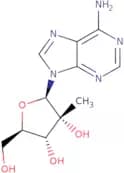
CAS :8-Bromo-2'-deoxyguanosine is a reactive brominated compound that has been shown to stabilize DNA strands. The effects of 8-bromo-2'-deoxyguanosine on the stability of DNA are due to the steric interactions between the bromine and amines in the DNA backbone, which prevent nucleophilic attack. 8-Bromo-2'-deoxyguanosine is an antihistamine, but it has also been used as a precursor for other drugs such as zidovudine, an antiviral drug used in HIV/AIDS therapy. It has also been proposed as a potential treatment for atherosclerosis.Formule :C10H12BrN5O4Degré de pureté :Min. 90 Area-%Couleur et forme :Off-White PowderMasse moléculaire :346.14 g/mol2'-C-Methyladenosine
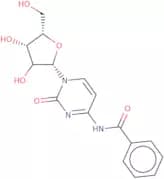
CAS :Antiviral compound; inhibitor of viral RNA replicationFormule :C11H15N5O4Degré de pureté :Min. 95%Couleur et forme :PowderMasse moléculaire :281.27 g/molN4-Benzoyl-L-cytidine
CAS :N4-Benzoyl-L-cytidine is an acid that is used as a building block in organic synthesis. It is a precursor to many biologically active compounds, including nucleosides and nucleotides. N4-Benzoyl-L-cytidine is an aminoacylated derivative of cytidine, which can be synthesized by reacting the benzoyl chloride with the corresponding amine. This reaction product can be purified by extraction into an organic solvent followed by washing with water and drying under vacuum. The compound can be converted to its hydrolysis products, benzoic acid and pyrrolidinone, through acidic hydrolysis. The synthesis of N4-benzoyl-L-cytidine can also be achieved using solid phase chemistry (SPS) to exploit the reactivity of amino acids and their derivatives.Formule :C16H17N3O6Degré de pureté :Min. 95%Couleur et forme :PowderMasse moléculaire :347.32 g/mol2'-Deoxycytidine-3'-monophosphate
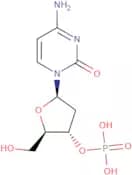
CAS :2'-Deoxycytidine-3'-monophosphate free acid is a nucleotide that is synthesized from deoxyadenosine triphosphate and deoxycytidine triphosphate in the presence of ribonucleotide reductase. It is the precursor to DNA synthesis, where it is converted to dCTP by thymidylate synthase. 2'-Deoxycytidine-3'-monophosphate free acid has low energy and vibrational levels, due to its glycosidic bond. This bond can be broken by chromatographic methods. The excised activated product uridine can be used for carcinogenesis studies, as well as for other molecular studies such as electron microscopy and crystallography. 2'-Deoxycytidine-3'-monophosphate free acid is an unstable molecule that can undergo dinucleotide rearrangements, electron transfer, or bond cleavage to form a metastable molecule withFormule :C9H14N3O7PDegré de pureté :Min. 95%Couleur et forme :PowderMasse moléculaire :307.2 g/mol3'-Amino-2',3'-dideoxyinosine
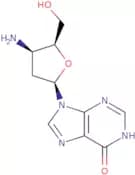
CAS :3'-Amino-2',3'-dideoxyinosine acts as a chain terminator in DNA synthesis due to the absence of a 3'-hydroxyl group. The 3'-amino group allows for the attachment of various molecules to the 3' end of oligonucleotides, and the inosine base introduces the potential for wobble base pairing, making it a specialized tool for research and potential diagnostic applications.Formule :C10H13N5O3Degré de pureté :Min. 95%Masse moléculaire :251.24 g/mol2',5'-Dideoxycytidine
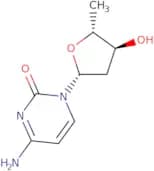
CAS :2',5'-Dideoxycytidine is a nucleoside for use in a variety of applications
Formule :C9H13N3O3Degré de pureté :Min. 95%Couleur et forme :White Off-White PowderMasse moléculaire :211.22 g/mol3'-Amino-3'-deoxyguanosine
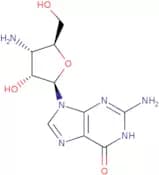
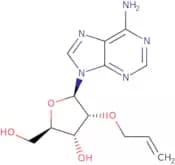
CAS :terminates RNA strand synthesis catalyzed by RNA polymerase.Formule :C10H14N6O4Degré de pureté :Min. 95%Couleur et forme :Off-White PowderMasse moléculaire :282.3 g/mol2'-O-Allyladenosine
CAS :2'-O-Allyladenosine is a synthetic nucleoside analog that has been shown to be a competitive inhibitor of the enzyme guanosine kinase. It has a high yield and can be used as a synthon for the preparation of 2'-deoxyribose nucleosides. The alkylation of allyl groups onto adenosines provides an efficient method for synthesizing allylated purines, which are analogs with increased stability and affinity for DNA sequences. 2'-O-Allyladenosine has been shown to bind to DNA, RNA, and proteins. Its interaction with DNA is stronger than that of unmodified adenosine, due to the presence of two allyl groups that can form hydrogen bonds with the phosphate backbone. This interaction may also lead to increased affinity for sequences containing G-C base pairs.Formule :C13H17N5O4Degré de pureté :Min. 95%Couleur et forme :PowderMasse moléculaire :307.31 g/molAcetyl coenzyme A lithium
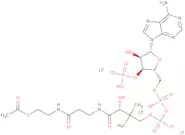
CAS :Acetyl coenzyme A lithium salt is a drug that inhibits the production of acetyl-CoA, which is an important molecule in the metabolism of fatty acids. This drug has been shown to be effective against cancerous cells by inhibiting the synthesis of lysine residues and carnitine. Acetyl coenzyme A lithium salt has also been shown to inhibit the growth of typhimurium, which may be due to its ability to inhibit NADPH-cytochrome p450 reductase. Acetyl coenzyme A lithium salt has not been shown to have any carcinogenic potential in humans, but it has been shown to have carcinogenic potential in animal models.Formule :C23H38N7O17P3S•LixDegré de pureté :Min. 85%Couleur et forme :PowderMasse moléculaire :809.57 g/mol7-Methylguanosine 5'-triphosphate sodium
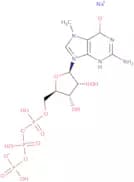
CAS :7-Methylguanosine 5'-triphosphate sodium salt is a Novel, High purity, Activator, High quality, Modified, Ribonucleosides. CAS No. 104809-18-9. Synthetic, DNA, Phosphoramidites. Anticancer, diphosphate. 7-Methylguanosine 5'-triphosphate sodium salt is an antiviral agent that blocks the synthesis of viral RNA or DNA by inhibiting the enzyme ribonucleotide reductase. It is a monophosphate analog of guanosine triphosphate and may be useful in the treatment of cancer or antiviral therapy because it inhibits cell proliferation and induces apoptosis in tumor cells.Formule :C11H18N5O14P3•NaxDegré de pureté :Min. 85 Area-%Couleur et forme :PowderMasse moléculaire :537.21 g/mol5'-O-Acetyladenosine
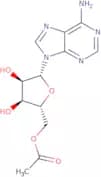
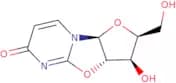
CAS :5'-O-Acetyladenosine is a labile nucleoside that can be converted to adenosine. It is a substrate for the enzyme ribonucleotide reductase, which converts it to adenosine monophosphate. 5'-O-Acetyladenosine has been shown to function as an equilibrating agent in the synthesis of guanosine and other pyrimidine nucleotides. In addition, it is a precursor for the synthesis of purines. 5'-O-Acetyladenosine can be synthesized from trimethyl phosphate and chloride gas yields acetaldehyde, which then reacts with phosphorus oxychloride to form 5'-O-acetyladeninol, which undergoes hydrolysis to yield 5'-O-acetyladenosine. The regioselectivity of this reaction depends on the concentration of reactants and solvents used in the reaction.Formule :C12H15N5O5Degré de pureté :Min. 95%Couleur et forme :White PowderMasse moléculaire :309.28 g/mol2,2'-Anhydrouridine
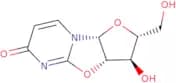
CAS :The nucleophilic opening of 2,2'-Anhydrouridine represents a novel synthetic approach for elaborating the ring of nucleosides. For example, compounds such as 2-amino-, 2-fluoro- and 2-phenylseleno-2-deoxyuridines are prepared from the nucleophilic opening of 2,2'-Anhydrouridine.Â2,2'-Anhydrouridine inhibits uridine phosphorylase, a key enzyme targeted by some antitumor drugs.
Formule :C9H10N2O5Degré de pureté :Min. 98 Area-%Couleur et forme :White Off-White PowderMasse moléculaire :226.19 g/mol5'-O-DMT-2'-O-methyl-N6-phenoxyacetyladenosine
CAS :5'-O-DMT-2'-O-methyl-N6-phenoxyacetyladenosine is a novel synthetic nucleoside with antiviral and anticancer activities. It is a phosphoramidite that can be used to synthesize oligonucleotides of any sequence. It is a nucleoside analogue that has been shown to inhibit the activity of DNA gyrase and topoisomerase IV, which are enzymes that maintain the integrity of bacterial DNA. 5'-O-DMT-2'-O-methyl-N6-phenoxyacetyladenosine is also an activator of viral transcription and replication. 5'-O-DMT-2'-O-methyl-N6-phenoxyacetyladenosine has been shown to be active against methicillin resistant Staphylococcus aureus (MRSA) and Clostridium perfringens, although it is not active against acid fast bacteria suchFormule :C40H39N5O8Degré de pureté :Min. 95 Area-%Couleur et forme :PowderMasse moléculaire :717.77 g/molAdenosine 5'-monophosphate monohydrate
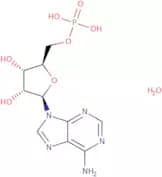
CAS :Adenosine 5'-monophosphate monohydrate (AMP) is a nucleotide that is released by cells in response to various stimuli. It is involved in the regulation of metabolic rate, cell death, and inflammatory responses. AMP may also act as a mediator of opioid-induced analgesia. AMP has been shown to inhibit the production of pro-inflammatory cytokines in activated macrophages and to reduce nociception at high doses. This drug also has an effect on blood pressure and may be used for the treatment of hypertension.Formule :C10H14N5O7P•H2ODegré de pureté :Min. 98 Area-%Couleur et forme :White PowderMasse moléculaire :365.24 g/mol2,2'-Anhydrothymidine
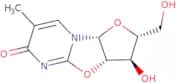
CAS :2,2'-Anhydrothymidine is an anhydro version of thymidine. As 2,2'-Anhydrothymidine is a modified version of thymidine it can help researchers understand what happens when DNA is changed or damaged. Other possible uses as in research related to antiviral drug creation.Formule :C10H12N2O5Degré de pureté :Min. 95%Couleur et forme :White Off-White PowderMasse moléculaire :240.21 g/mola-Adenosine
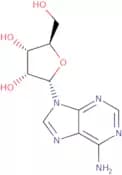
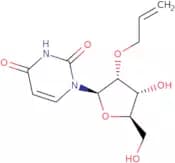
CAS :a-Adenosine is a nucleoside that has been shown to have anti-cancer properties. It inhibits the proliferation of squamous carcinoma cells by irreversibly inhibiting adenosine deaminase, which converts adenosine to inosine, as well as other enzymes such as DNA polymerase and ribonucleotide reductase. The reaction mechanism for this inhibition is not yet fully understood, but it may be related to the inhibition of camp levels or receptor activity. a-Adenosine has also been shown to have anti-microbial properties against bacteria, fungi and yeast. It inhibits the growth of these microorganisms by binding to their cell walls and preventing protein synthesis. This drug is rapidly hydrolyzed in vivo and has an antimicrobial effect at physiological concentrations. A more potent analog of a-adenosine (a-adenosinium) has been developed that can inhibit epidermal growth factor (EGF).Formule :C10H13N5O4Degré de pureté :Min. 95 Area-%Couleur et forme :PowderMasse moléculaire :267.24 g/mol2'-O-Allyluridine
CAS :2'-O-Allyluridine is a nucleoside analogue that contains a 2'-hydroxyl group and an allyl group. It is synthesized from the nucleoside uridine by the process of allylation. The regiospecificity of the allylation reaction has been analysed and it has been found that the amino function on the uridine reacts with an allylic hydrogen bond to form 2'-O-allyluridine. The synthesis of 2'-O-allyluridine was successful in laboratory conditions, but not under physiological conditions. Research into this compound is still ongoing as it may have potential applications in the treatment of various diseases, such as cancer.Formule :C12H16N2O6Degré de pureté :Min. 95%Couleur et forme :White PowderMasse moléculaire :284.27 g/mol2,2'-Anhydro-L-uridine
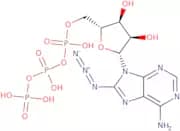
CAS :2,2'-Anhydro-L-uridine is a nucleoside used in for research purposes. It is of particular interest due to it being an L-isomer which is different from the D-form sugars used by the human body. It is useful to study these kinds of molecules for their use in medicine, especially as antiviralsFormule :C9H10N2O5Degré de pureté :Min. 95%Couleur et forme :PowderMasse moléculaire :226.19 g/mol8-azido-ATP sodium salt - 10mM aqueous solution
CAS :8-Azidoadenosine 3',5'-cyclic monophosphosphate is used for nucleotide labelling via a click reaction involving the azide moiety and a terminal alkyne conjugated to a label. The reaction generates a stable nucleotide labelled adduct containing a triazole link.
Formule :C10H12N8O13P3·Na3Degré de pureté :Min. 95 Area-%Couleur et forme :PowderMasse moléculaire :614.14 g/mol3'-Amino-2',3'-dideoxyadenosine
CAS :3'-Amino-2',3'-dideoxyadenosine's lack of a 3'-hydroxyl group makes it a chain terminator for DNA polymerase, a key application in Sanger sequencing. Additionally, the 3'-amino group serves as a functional handle for modifying the 3' end of oligonucleotides with various labels or conjugates, expanding their utility in research and diagnostics.Formule :C10H14N6O2Degré de pureté :Min. 98.0 Area-%Couleur et forme :White PowderMasse moléculaire :250.26 g/mol3'-O-tert-Butyldimethylsilyl-5'-O-DMT-N2-isobutyrylguanosine
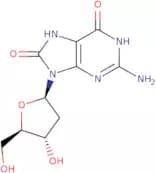
CAS :3'-O-tert-Butyldimethylsilyl-5'-O-DMT-N2-isobutyrylguanosine is a deoxyribonucleoside that is chemically modified to be resistant to nucleases. It is used as an antiviral agent and activates the immune system by inducing cytokines, chemokines, and interferons. 3'-O-tert-Butyldimethylsilyl-5'-O-DMT-N2-isobutyrylguanosine has been shown to have antidepressant effects in mice and rats. This drug also has been shown to inhibit the production of HIV viral particles in vitro.Formule :C41H51N5O8SiDegré de pureté :Min. 95%Couleur et forme :PowderMasse moléculaire :769.96 g/mol2'-Deoxy-8-oxoguanosine
CAS :2'-Deoxy-8-oxoguanosine (8-OHdG) is a product of oxidative DNA damage. The presence of 8-OHdG in urine has been used to detect and measure the degree of oxidative DNA damage in humans and animals, which may be linked to cancer and aging. When 8-OHdG is excreted into urine, it can react with other molecules such as protein or inorganic phosphorus, causing more oxidative DNA damage. 2'-Deoxy-8-oxoguanosine has also been shown to cause cell toxicity by damaging the cell's squamous epithelium, leading to cancer.For the 15N5 labelled version please check ND09970.
Formule :C10H13N5O5Degré de pureté :Min. 95 Area-%Couleur et forme :White PowderMasse moléculaire :283.25 g/molIsoguanosine hydrate
CAS :An isomer of guanosine, used as a synthesis intermediate.
Formule :C10H13N5O5·xH2ODegré de pureté :Min. 95%Couleur et forme :White PowderMasse moléculaire :283.24 g/mol2'-Deoxyadenosine-5'-monophosphate free acid
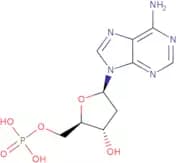
CAS :2'-Deoxyadenosine-5'-monophosphate free acid (2DAMP) is a nucleoside analogue that can be used as a fluorescent probe for detecting water vapor. 2DAMP has been shown to have cytotoxic activity against solid tumours in vitro, and may act by hydrogen bonding interactions with the active site of the enzyme form. 2DAMP is also an important cofactor in the polymerase chain reaction, and can inhibit cellular proliferation by inhibiting nuclear DNA synthesis. This drug has been used as an active antiretroviral therapy, where it inhibits HIV-1 reverse transcriptase. 2DAMP's mechanism of action involves the inhibition of p-nitrophenyl phosphate reductase (PNPPR), which is responsible for converting p-nitrophenyl phosphate into p-nitrophenol.Formule :C10H14N5O6PDegré de pureté :Min. 95%Couleur et forme :White PowderMasse moléculaire :331.23 g/mol