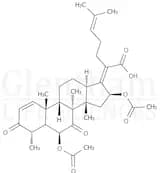
Toxines
Les toxines sont des substances toxiques produites par des organismes vivants qui peuvent causer des dommages à d'autres organismes. La recherche sur les toxines comprend l'étude de leurs mécanismes d'action, de leurs effets sur les systèmes biologiques et de leurs utilisations potentielles en médecine et en agriculture. Ce domaine implique également le développement d'antidotes et de traitements pour l'exposition aux toxines. Chez CymitQuimica, nous fournissons des composés toxiques de haute qualité pour soutenir la recherche en toxicologie, pharmacologie et domaines connexes, garantissant une manipulation précise et sûre dans vos expériences.
134 produits trouvés pour "Toxines"
Trier par
Degré de pureté (%)
0
100
|
0
|
50
|
90
|
95
|
100
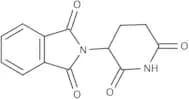
Thalidomide
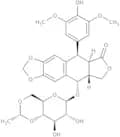
CAS :Formule :C13H10N2O4Degré de pureté :≤ 0.1%Couleur et forme :White to off-white powderMasse moléculaire :258.23Etoposide, USP grade
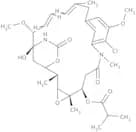
CAS :Formule :C29H32O13Degré de pureté :(anhydrous basis) 95.0 - 105.0 %Couleur et forme :White or almost white crystalline powderMasse moléculaire :588.56Ansamitocin P-3
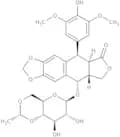
CAS :Formule :C32H43ClN2O9Degré de pureté :Ansamitocin P-3: ≥ 80.0%Couleur et forme :White to off-white powderMasse moléculaire :635.14Etoposide
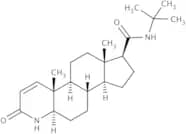
CAS :Formule :C29H32O13Degré de pureté :(HPLC) ≥ 98.0%Couleur et forme :White or almost white crystalline powderMasse moléculaire :588.56Finasteride
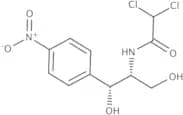
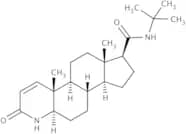
CAS :Formule :C23H36N2O2Degré de pureté :98.5 - 101.0 % (anhydrous basis)Couleur et forme :White to off-white crystalline powderMasse moléculaire :372.54Chloramphenicol, Ph. Eur. grade
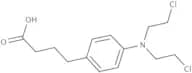
CAS :Formule :C11H12Cl2N2O5Degré de pureté :(dried basis) 98.0 - 102.0 %Couleur et forme :A white, greyish-white or yellowish-white, fine, crystalline powder or crystalsMasse moléculaire :323.14Chlorambucil
CAS :Formule :C14H19Cl2NO2Degré de pureté :≥ 98.0% (anhydrous)Couleur et forme :White to off-white crystalline powderMasse moléculaire :304.21Oxaliplatin
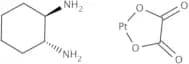
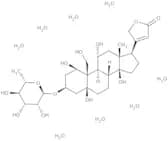
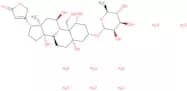
CAS :Formule :C8H14N2O4PtDegré de pureté :98.0 - 102.0 % (dried basis)Couleur et forme :White to almost white crystalline powderMasse moléculaire :397.29Ouabain octahydrate, 95%
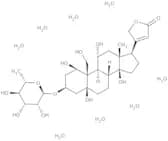
CAS :Formule :C29H44O12·8H2ODegré de pureté :≥ 95.0%Couleur et forme :White or off-white powderMasse moléculaire :728.78Isopimaric Acid
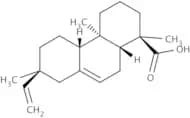
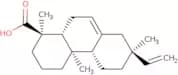
CAS :Formule :C20H30O2Degré de pureté :≥ 98.0%Couleur et forme :White to off-white powderMasse moléculaire :302.45Mycophenolate mofetil
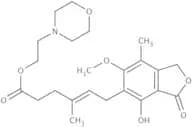
CAS :Degré de pureté :≥ 98.0%Couleur et forme :White or almost white crystalline powderMasse moléculaire :433.5Dacarbazine
CAS :Formule :C6H10N6ODegré de pureté :98.0 - 102.0 % (anhydrous substance)Couleur et forme :White to off-white or pale yellow crystalline powderMasse moléculaire :182.18Exemestane
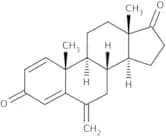
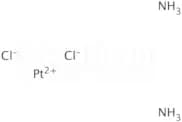
CAS :Formule :C20H24O2Degré de pureté :98.0 - 102.0 % (dried basis)Couleur et forme :White or almost white crystalline powderMasse moléculaire :296.40Cisplatin
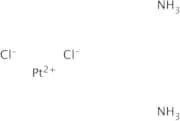
CAS :Formule :Cl2H6N2PtDegré de pureté :≥ 98.0% (anhydrous)Couleur et forme :Yellow to orange powderMasse moléculaire :300.06Finasteride, USP grade
CAS :Formule :C23H36N2O2Degré de pureté :≤ 0.5%Couleur et forme :White or almost white powderMasse moléculaire :372.54Chlorambucil, EP grade
CAS :Formule :C14H19Cl2NO2Degré de pureté :≤ 0.1% (HPLC)Couleur et forme :White or almost white crystalline powderMasse moléculaire :304.21Picrotoxin
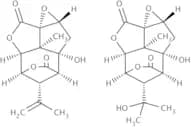
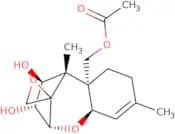
CAS :Formule :C30H34O13Degré de pureté :≥ 98.0%Couleur et forme :White to off-white powderMasse moléculaire :602.5815-Acetoxyscirpenol
CAS :Formule :C17H24O6Degré de pureté :≥ 97.0%Couleur et forme :White powderMasse moléculaire :324.37Topotecan
CAS :Formule :C23H23N3O5·xHCl·yH2ODegré de pureté :≥ 97%Couleur et forme :Off-white to yellow powder or solidMasse moléculaire :421.45 (anhydrous)Vinorelbine
CAS :Degré de pureté :≥ 98.0%Couleur et forme :White to off-white powderMasse moléculaire :778.93Azathioprine
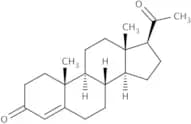
CAS :Formule :C9H7N7O2SDegré de pureté :≥ 98.0% (dried basis)Couleur et forme :Pale yellow to yellow-green powderMasse moléculaire :277.26Progesterone, EP grade
CAS :Formule :C21H30O2Degré de pureté :97.0 - 102.0 % (dried substance)Couleur et forme :White or almost white crystalline powder, or colourless crystalsMasse moléculaire :314.46Estradiol
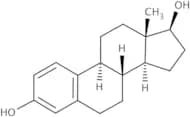
CAS :Formule :C18H24O2Degré de pureté :≥ 97.0% (dried basis)Couleur et forme :White to almost white powderMasse moléculaire :272.39Cisplatin, USP grade
CAS :Formule :Cl2H6N2PtDegré de pureté :≥ 4.5Couleur et forme :Yellow to orange powderMasse moléculaire :300.06Temozolomide
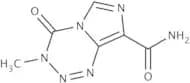
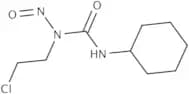
CAS :Formule :C6H6N6O2Degré de pureté :≥ 98.0%Couleur et forme :White to light-brown or pink powderMasse moléculaire :194.15Lomustine
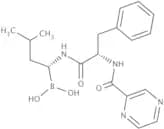
CAS :Formule :C9H16ClN3O2Degré de pureté :≥ 98.0%Couleur et forme :White to light-yellow powderMasse moléculaire :233.70Bortezomib
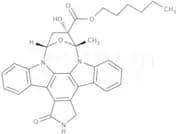
CAS :Formule :C19H25BN4O4Degré de pureté :≥ 98.0%Couleur et forme :White to off-white powder or solidMasse moléculaire :384.24KT 5720
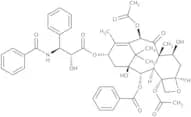
CAS :Formule :C32H31N3O5Degré de pureté :≥ 95.0%Couleur et forme :White powder or solidMasse moléculaire :537.61Paclitaxel
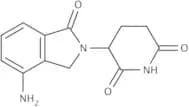
CAS :Formule :C47H51NO14Degré de pureté :97.0 - 102.0 % (anhydrous basis)Couleur et forme :White powderMasse moléculaire :853.91Lenalidomide
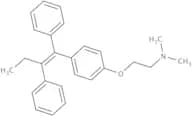
CAS :Formule :C13H13N3O3Degré de pureté :≥ 98.0%Couleur et forme :White to off-white or beige powderMasse moléculaire :259.26Tamoxifen
CAS :Formule :C26H29NODegré de pureté :≥ 99.0%Couleur et forme :White to off-white crystalline powderMasse moléculaire :371.52Finasteride, EP grade
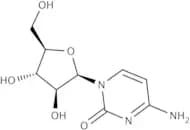
CAS :Formule :C23H36N2O2Degré de pureté :≤ 0.1%Couleur et forme :White to almost white crystalline powderMasse moléculaire :372.54Cytarabine
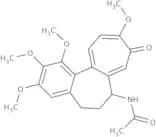
CAS :Formule :C9H13N3O5Degré de pureté :98.0 - 102.0 % (dried basis)Couleur et forme :White crystalline powderMasse moléculaire :243.22Colchicine
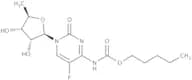
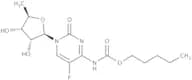
CAS :Formule :C22H25NO6Degré de pureté :≥ 95.0% (dried, solvent-free basis)Couleur et forme :White to yellow powderMasse moléculaire :399.44Capecitabine, EP grade
CAS :Formule :C15H22FN3O6Degré de pureté :98.0 - 102.0 % (anhydrous substance)Couleur et forme :White or almost white powderMasse moléculaire :359.35Busulfan
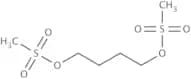
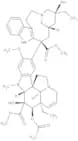
CAS :Formule :C6H14O6S2Degré de pureté :(Titration) 98.0 - 102.0 %Couleur et forme :White to off-white powderMasse moléculaire :246.29Vinblastine
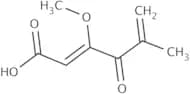
CAS :Formule :C46H58N4O9Degré de pureté :≥ 98.0%Couleur et forme :White to off-white powder or crystalsMasse moléculaire :810.97Penicillic acid
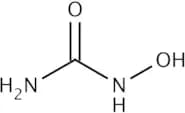
CAS :Formule :C8H10O4Degré de pureté :≥ 98%Couleur et forme :White to faint yellow powderMasse moléculaire :170.16Hydroxyurea
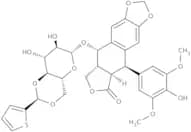
CAS :Formule :CH4N2O2Degré de pureté :98.0 - 102.0 % (anhydrous basis)Couleur et forme :White to off-white powderMasse moléculaire :76.06Teniposide
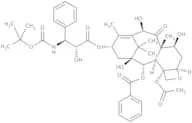
CAS :Formule :C32H32O13SDegré de pureté :≥ 98.0%Couleur et forme :White to off-white powderMasse moléculaire :656.65Docetaxel
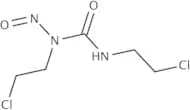
CAS :Formule :C43H53NO14·xH2ODegré de pureté :≤ 0.1%Couleur et forme :White to off-white crystalline powderMasse moléculaire :807.88 (anhydrous)Carmustine
CAS :Formule :C5H9Cl2N3O2Degré de pureté :≥ 95.0%Couleur et forme :Pale yellow to yellow-orange powder, amorphous solid or oily liquidMasse moléculaire :214.05Dutasteride
CAS :Formule :C27H30F6N2O2Degré de pureté :≥ 98.0%Couleur et forme :White to almost white crystalline powderMasse moléculaire :528.53Valrubicin
CAS :Formule :C34H36F3NO13Degré de pureté :95.0 - 103.0 % (dried basis)Couleur et forme :Orange to orange-red crystalline powderMasse moléculaire :723.64Pentostatin
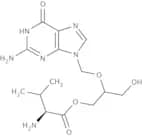
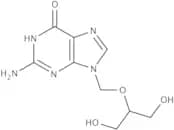
CAS :Formule :C11H16N4O4Degré de pureté :≥ 98.0% (anhydrous basis)Couleur et forme :White to off-white powderMasse moléculaire :268.27Ganciclovir
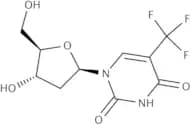
CAS :Formule :C9H13N5O4Degré de pureté :≤ 0.5%Couleur et forme :White to off-white powderMasse moléculaire :255.23Trifluridine
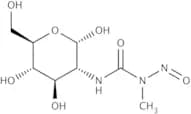
CAS :Formule :C10H11F3N2O5Degré de pureté :≥ 98.0%Couleur et forme :White or almost white powderMasse moléculaire :296.20Streptozocin
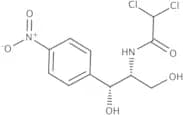
CAS :Formule :C8H15N3O7Degré de pureté :≥ 98.0%Couleur et forme :White to light-yellow powderMasse moléculaire :265.22Chloramphenicol
CAS :Formule :C11H12Cl2N2O5Degré de pureté :98.5 - 101.5 % (dried basis)Couleur et forme :White to light-yellow crystalline powderMasse moléculaire :323.14Ouabain octahydrate, EP grade
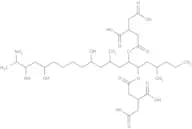
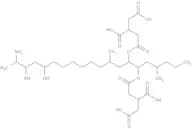
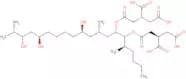
CAS :Formule :C29H44O12·8H2ODegré de pureté :≥ 96.0%Couleur et forme :A white or almost white, crystalline powder or colourless crystalsMasse moléculaire :728.78Fumonisin B1
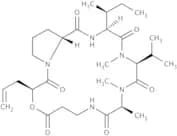
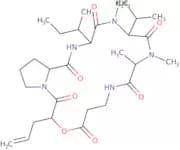
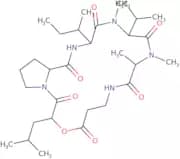
CAS :Formule :C34H59NO15Degré de pureté :≥ 95.0%Couleur et forme :White to beige or brown powderMasse moléculaire :721.83Destruxin A
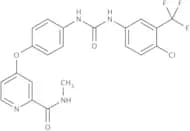
CAS :Formule :C29H47N5O7Degré de pureté :≥ 97.0%Couleur et forme :White, off-white or pale yellow powderMasse moléculaire :577.71Sorafenib
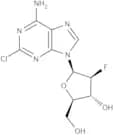
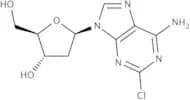
CAS :Formule :C21H16ClF3N4O3Degré de pureté :≥ 95.0%Couleur et forme :White, off-white or light-yellow solidMasse moléculaire :464.83Cladribine
CAS :Formule :C10H12ClN5O3Degré de pureté :≤ 0.1% (HPLC)Couleur et forme :White to off-white powderMasse moléculaire :285.69Floxuridine
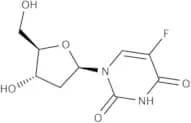
CAS :Formule :C9H11FN2O5Degré de pureté :(HPLC) ≥ 98.0%Couleur et forme :White to off-white powderMasse moléculaire :246.20Nafarelin
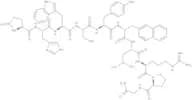
CAS :Formule :C68H89N17O16Degré de pureté :≥ 98.0%Couleur et forme :White to off-white solidMasse moléculaire :1400.54Capecitabine
CAS :Formule :C15H22FN3O6Degré de pureté :98.0 - 102.0 % (dried basis)Couleur et forme :White to off-white powderMasse moléculaire :359.35Progesterone
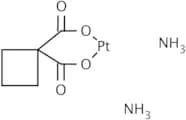
CAS :Formule :C21H30O2Degré de pureté :98.0 - 102.0 % (dried basis)Couleur et forme :White to off-white powderMasse moléculaire :314.46Carboplatin
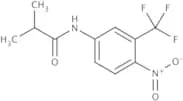
CAS :Formule :C6H12N2O4PtDegré de pureté :≥ 98.0% (anhydrous basis)Couleur et forme :White or almost white crystalline powderMasse moléculaire :371.25Flutamide
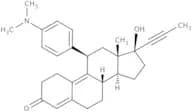
CAS :Formule :C11H11F3N2O3Degré de pureté :99.0 - 101.0 % (dried basis)Couleur et forme :Light-yellow to yellow powderMasse moléculaire :276.21Mifepristone
CAS :Formule :C29H35NO2Degré de pureté :≥ 98.0%Couleur et forme :Off-white to pale yellow or yellow powderMasse moléculaire :429.59Sunitinib malate
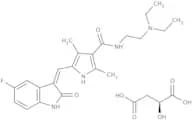
CAS :Formule :C22H27FN4O2·C4H6O5Degré de pureté :≥ 99.0% (dried basis)Couleur et forme :Yellow to orange powderMasse moléculaire :532.56Gemcitabine
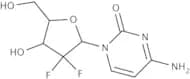
CAS :Formule :C9H11F2N3O4Degré de pureté :≥ 98.0% (dried basis)Couleur et forme :White or off-white crystalline powderMasse moléculaire :263.20Letrozole
CAS :Formule :C17H11N5Degré de pureté :≥ 98.0% (anhydrous basis)Couleur et forme :White to off-white powderMasse moléculaire :285.30orcinol
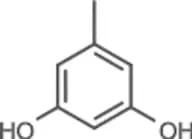
CAS :<p>orcinol (5-Methylresorcin) is anxiolytic agent without sedative effect.</p>Formule :C7H8O2Degré de pureté :99.86%Couleur et forme :Pink-Grey To Pink-Brown Cryst Powder Or CrystalsMasse moléculaire :124.14MS049
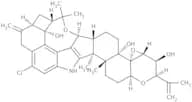
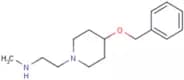
CAS :<p>MS 049 is a potent, selective, and cell-active dual inhibitor of PRMT4 and PRMT6 with IC 50 of 34 nM and 43 nM, respectively.</p>Formule :C15H24N2ODegré de pureté :98.91%Couleur et forme :SolidMasse moléculaire :248.36Verruculogen
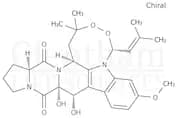
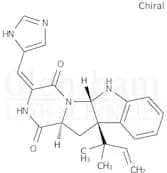
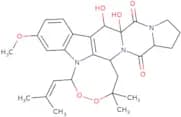
CAS :Formule :C27H33N3O7Degré de pureté :≥ 95.0%Couleur et forme :Off-white to brown solidMasse moléculaire :511.6Benzyl butyl phthalate
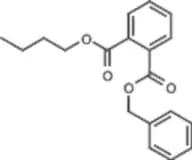
CAS :<p>Benzyl butyl phthalate (1,2-benzenedicarboxylic acid) is used as a plasticizer for PVC.</p>Formule :C19H20O4Degré de pureté :99.02%Couleur et forme :Colourless Liquid Oily LiquidMasse moléculaire :312.36Retro-2
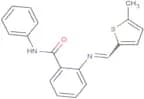
CAS :<p>Retro-2 (2-{[(5-methyl-2-thienyl)methylene]amino}) is a plant toxin ricin inhibitor, it protects HeLa cells against Ricin, Stx1 and Stx2.</p>Formule :C19H16N2OSDegré de pureté :98.15%Couleur et forme :SolidMasse moléculaire :320.41Bicalutamide
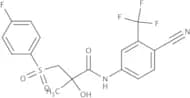
CAS :Formule :C18H14F4N2O4SDegré de pureté :≥ 98.0% (dried basis)Couleur et forme :White or almost white powderMasse moléculaire :430.37Spirostan-3-ol
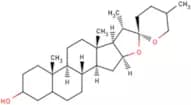
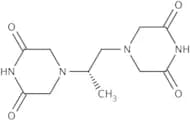
CAS :<p>Spirostan-3-ol, a saponin isolate with potential anti-cancer properties, is a Sarsasapogenin stereoisomer.</p>Formule :C27H44O3Degré de pureté :99.92%Couleur et forme :White Or Off-Withe PowderMasse moléculaire :416.64Dexrazoxane
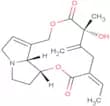
CAS :Formule :C11H16N4O4Degré de pureté :≥ 98.0% (dried basis)Couleur et forme :White to off-white, pale yellow or beige powder or crysalsMasse moléculaire :268.27Seneciphylline
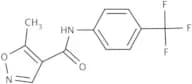
CAS :<p>Seneciphylline: hepatotoxic, mutagenic in Drosophila, passes into rat milk, affects key enzymes in rats.</p>Formule :C18H23NO5Degré de pureté :99.53% - 99.84%Couleur et forme :White PowderMasse moléculaire :333.38Leflunomide
CAS :Formule :C12H9F3N2O2Degré de pureté :≥ 98.0%Couleur et forme :White to off-white powderMasse moléculaire :270.21Deltamethrin
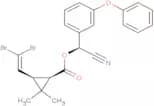
CAS :<p>Deltamethrin, a pyrethroid insecticide, causes reversible hind limb rigidity in rats and is used for crop protection and disease control.</p>Formule :C22H19Br2NO3Degré de pureté :99.25% - 99.85%Couleur et forme :White To Off-White Crystals Or PowderMasse moléculaire :505.20Mitoxantrone
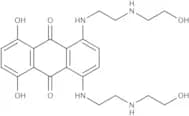
CAS :Formule :C22H28N4O6Degré de pureté :≥ 97.0%Couleur et forme :Blue to dark blue or dark blue-green powder or crystalsMasse moléculaire :444.48Melphalan, USP grade
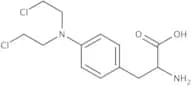
CAS :Formule :C13H18Cl2N2O2Degré de pureté :94.0 - 100.5 % (dried, ionisable chlorine-free basis)Couleur et forme :White to almost white powderMasse moléculaire :305.20Anastrozole
CAS :Formule :C17H19N5Degré de pureté :≥ 98.0%Couleur et forme :White to beige powder or crystalsMasse moléculaire :293.37Isopimaric acid
CAS :<p>Isopimaric acid is a natural diterpene resin acid, which is derived primarily from the oleoresin of coniferous trees, specifically from the genus Pinus. It is a constituent of the resin exuded by pine trees and is often obtained through the distillation or extraction of pine resin.</p>Formule :C20H30O2Degré de pureté :(%) Min. 98%Couleur et forme :PowderMasse moléculaire :302.45 g/molD-Tubocurarine chloride
CAS :<p>D-Tubocurarine chloride is a neuromuscular blocking agent, which is a naturally occurring alkaloid derived from the bark and stems of Chondrodendron tomentosum, a plant native to South America. This compound functions by competitively binding to nicotinic acetylcholine receptors at the neuromuscular junction, inhibiting acetylcholine from transmitting nerve impulses to muscles. The result is skeletal muscle relaxation, which is crucial during surgical procedures where muscle paralysis is required for intubation or to ensure the absence of movement.</p>Formule :C37H42Cl2N2O6Degré de pureté :Min. 95%Couleur et forme :PowderMasse moléculaire :681.64 g/molPicrotoxinin
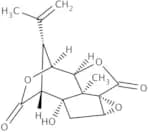
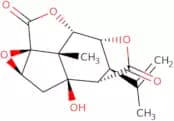
CAS :<p>Picrotoxinin is a sesquiterpene lactone, which is a naturally occurring compound derived from the seeds of plants in the Annonaceae family, specifically the species Anamirta cocculus. This compound plays a critical role as a non-competitive antagonist at the GABA_A receptor, interfering with the inhibitory effects of gamma-aminobutyric acid (GABA) in the central nervous system by blocking the associated chloride ion channel.</p>Formule :C15H16O6Degré de pureté :Min. 95%Couleur et forme :PowderMasse moléculaire :292.28 g/molPicrotoxin
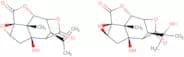
CAS :<p>GABA(A) channel blocker</p>Formule :C15H18O7•C15H16O6Degré de pureté :Min. 95%Couleur et forme :PowderMasse moléculaire :602.58 g/molJoro spider toxin
CAS :<p>Joro spider toxin is a neurotoxic peptide, which is derived from the venom of the Joro spider (Trichonephila clavata). This toxin specifically targets neuronal ion channels and acts by modifying their activity, which can lead to alterations in neurotransmission processes. The mode of action involves binding to specific ion channel sites, altering their conformation and function, thereby affecting ionic conductance across neuronal membranes.</p>Formule :C27H47N7O6Degré de pureté :Min. 95%Masse moléculaire :565.71 g/molHirudin from leeches
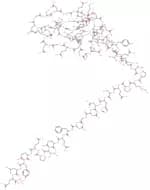
CAS :<p>Hirudin is a potent anticoagulant protein, which is a naturally occurring compound sourced from the salivary glands of medicinal leeches, specifically *Hirudo medicinalis*. It functions by directly inhibiting thrombin, a key enzyme in the blood coagulation process, thereby preventing fibrin formation and subsequent clot development. Hirudin achieves its effects by binding to both the active site and the exosite of thrombin, effectively neutralizing its coagulative activity.</p>Formule :C287H440N80O110S6Degré de pureté :Min. 95%Masse moléculaire :6 g/molDestruxin A
CAS :<p>Destruxin A is a cyclodepsipeptide, which is a specialized secondary metabolite originating from the entomopathogenic fungus, Metarhizium anisopliae. This bioactive compound exerts its effects through a multifaceted mode of action, primarily disrupting ion channels and perturbing cellular homeostasis within insect hosts. The interference with calcium and potassium ion fluxes leads to paralysis and ultimately death of the targeted pests, making it an effective biocontrol agent. Destruxin A holds significant potential in integrated pest management programs, particularly in agriculture, where it offers a sustainable alternative to synthetic chemical pesticides. Its specificity to insect physiology ensures minimal impacts on non-target organisms, promoting ecological balance. Studies continue to explore its application spectrum and effectiveness, seeking to optimize its deployment in various pest-infested environments, including crops and stored products.</p>Formule :C29H47N5O7Degré de pureté :Min. 95%Couleur et forme :PowderMasse moléculaire :577.71 g/molOuabain octahydrate
CAS :<p>Na+/K+-ATPase inhibitor</p>Formule :C29H44O12·8H2ODegré de pureté :Min. 95%Couleur et forme :White PowderMasse moléculaire :728.77 g/molFusarenon X
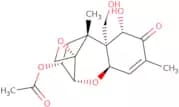
CAS :<p>Fusarenon X is a mycotoxin, which is a secondary metabolite produced by certain species of the Fusarium fungi. This compound is primarily derived from Fusarium graminearum and Fusarium crookwellense, which are fungi commonly found in various cereal grains, particularly in temperate regions.</p>Degré de pureté :Min. 95%Neosolaniol
CAS :<p>Neosolaniol is a type of trichothecene mycotoxin, which is a fungal metabolite primarily produced by certain Fusarium species. These fungi are prolific contaminants found in a variety of cereal grains and other crops worldwide. The mode of action of neosolaniol involves the inhibition of protein synthesis within eukaryotic cells by binding to ribosomes, thereby disrupting normal cellular function and leading to cytotoxic effects.</p>Degré de pureté :Min. 95%Fumonisin B3
CAS :<p>Fumonisin B3 is a mycotoxin compound, which is a secondary metabolite produced by molds, particularly those belonging to the Fusarium species. It is primarily found in cereal grains such as maize, where these fungi commonly thrive in specific environmental conditions. With a structure related to sphingoid bases, Fumonisin B3 interferes with sphingolipid metabolism by inhibiting the ceramide synthase enzyme. This disruption leads to the accumulation of sphinganine and a reduction in complex sphingolipids, affecting cell membrane integrity and signaling pathways.</p>Formule :C34H59NO14Degré de pureté :Min. 95%Couleur et forme :PowderMasse moléculaire :705.83 g/molMoniliformin
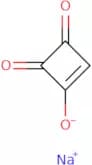
CAS :<p>Moniliformin is a mycotoxin, which is produced by certain Fusarium species, primarily Fusarium moniliforme and Fusarium proliferatum. This compound is a secondary metabolite, with a unique chemical structure characterized by a low-molecular-weight organic acid, having a cyclobutane ring. Moniliformin's mode of action involves the inhibition of key enzymes in cellular respiration, such as pyruvate dehydrogenase, which disrupts carbohydrate metabolism and affects energy production in cells. The toxin predominantly impacts cardiac muscle cells, leading to cardiotoxic effects, which may cause severe health issues in animals.</p>Degré de pureté :Min. 95%T2Tetraol
CAS :<p>T2Tetraol is a sesquiterpene derivative, which is a natural antifungal compound originating from wood-decay fungi. This compound is particularly isolated from species that predominantly break down lignin and cellulose in decaying wood. The mode of action of T2Tetraol involves the disruption of fungal cell membranes, subsequently inhibiting essential biological processes within the fungal cells and leading to cell death.</p>Degré de pureté :Min. 95%KT5720
CAS :<p>KT5720 is a selective protein kinase A (PKA) inhibitor, which is a synthetic chemical compound often utilized in laboratory research. The source of this compound stems from chemical synthesis processes used to investigate intracellular signaling pathways. Its mode of action involves competitive inhibition, where it binds to the ATP-binding site on the PKA enzyme, thereby obstructing the enzyme's activity and preventing the phosphorylation of target substrates.</p>Formule :C32H31N3O5Degré de pureté :Min. 98 Area-%Couleur et forme :PowderMasse moléculaire :537.61 g/molZearalanone
CAS :<p>Zearalanone is a mycotoxin that is produced by certain species of the Fusarium fungi. This compound is structurally related to the known mycotoxin zearalenone, and it exhibits similar functionalities. It is primarily found in grains such as maize, barley, oats, wheat, and rice that have been contaminated by these fungi. The mode of action of zearalanone involves its mimicry of estrogenic activity. It binds to estrogen receptors in various tissues, disrupting normal endocrine functions. This disruption can have significant implications in both human and animal health, leading to reproductive issues and developmental anomalies.</p>Degré de pureté :Min. 95%Gliotoxin
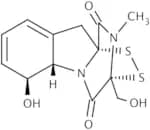
CAS :<p>Gliotoxin is a bioactive mycotoxin and antibiotic compound, which is primarily derived from various species of Aspergillus and Penicillium fungi. This epipolythiodioxopiperazine (ETP) toxin possesses a unique disulfide bridge that plays a pivotal role in its biological activity. Gliotoxin exerts its effects through the induction of oxidative stress by generating reactive oxygen species (ROS) and disrupting cellular redox balance. Additionally, it can inhibit the activation of crucial transcription factors like NF-κB, thereby modulating immune responses.</p>Formule :C13H14N2O4S2Degré de pureté :Min. 95%Masse moléculaire :326.03953-Acetyl-DON
CAS :<p>3-Acetyl-DON is a mycotoxin, specifically a trichothecene, which is primarily produced by Fusarium species. This compound is an acetylated derivative of deoxynivalenol (DON), often encountered in contaminated cereals and grains. Its source, Fusarium fungi, is prevalent in agricultural crops, especially during humid weather conditions.</p>Degré de pureté :Min. 95%Altenuene
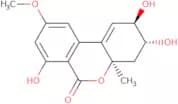
CAS :<p>Altenuene is a mycotoxin, which is a secondary metabolite produced by fungi, primarily belonging to the genus Alternaria. It is typically derived from fungal cultures that grow on plant material, especially in agricultural settings. Altenuene’s mode of action involves interacting with cellular components to disrupt normal cell function, demonstrating notable antifungal and phytotoxic effects.</p>Degré de pureté :Min. 95%Altertoxin l
CAS :<p>Altertoxin I is a mycotoxin, which is a type of toxic secondary metabolite produced by mold. It is synthesized by certain species of the *Alternaria* genus, commonly found in agricultural environments. This toxin belongs to the perylenequinone class of chemical compounds and is characterized by its potent toxicological effects on both plant and animal cells.</p>Degré de pureté :Min. 95%Aflatoxicol
CAS :<p>Aflatoxicol is a derivative of aflatoxin, which is a type of mycotoxin. It is derived from the biochemical transformation of aflatoxins, predominantly by metabolic reduction, often sourced from specific fungi such as *Aspergillus flavus* and *Aspergillus parasiticus*. The mode of action of aflatoxicol involves its interaction with cellular macromolecules, causing disruption and potentially leading to toxic effects, similar to its parent compound. It is known to cause DNA adduct formation, ultimately interfering with genetic integrity.</p>Degré de pureté :Min. 95%Andromedotoxin
CAS :<p>Andromedotoxin is a naturally occurring toxin derived from the plants of the genus Rhododendron, known for its potent effects on ion channels within biological systems. This compound, primarily sourced from certain species within the Ericaceae family, functions by binding to sodium channels in nerve cells. By altering the permeability of these channels, it disrupts normal neuronal activity, leading to potential neurotoxic outcomes.</p>Formule :C22H36O7Degré de pureté :Min. 95%Couleur et forme :PowderMasse moléculaire :412.52 g/molCitreoviridin
CAS :<p>Citreoviridin is a mycotoxin, which is derived from specific strains of the mold genera Penicillium and Aspergillus. This compound is classified as a yellow crystalline toxin and is known for its potent biological activity, particularly its role as an inhibitor of ATP synthase. Citreoviridin functions by interfering with ATP synthesis, a critical process in cellular energy metabolism. It binds to the F0 component of ATP synthase, disrupting proton translocation and thus inhibiting ATP production. This mode of action makes Citreoviridin a subject of interest in biochemical and physiological studies concerning energy metabolism and mitochondrial function.</p>Degré de pureté :Min. 95%Roquefortine C
CAS :<p>Roquefortine C is a mycotoxin, which is a secondary metabolite produced by certain fungal species. It primarily originates from Penicillium fungi, notably within the species used in the production of blue cheeses like Roquefort. As a neurotoxic compound, Roquefortine C functions by inhibiting certain neurotransmitter receptors and ion channels, potentially interfering with normal neuronal communication.</p>Degré de pureté :Min. 95%Penicillic Acid
CAS :<p>Penicillic Acid is a mycotoxin, which is derived primarily from molds of the Penicillium and Aspergillus species. This secondary metabolite is a concern due to its toxicological properties. The mode of action of Penicillic Acid involves the inhibition of key enzymes, affecting cellular metabolic processes which can result in cytotoxic effects observed in various biological systems.</p>Degré de pureté :Min. 95%Verruculogen
CAS :<p>Verruculogen is a mycotoxin, which is derived from certain species of fungi, primarily those in the genera Aspergillus and Penicillium. It is synthesized by these fungi during their secondary metabolic processes. As a chemical compound, verruculogen acts by inhibiting calcium channels in nerve cells, disrupts neurotransmitter release, and affects neuronal activity. This mode of action is crucial in understanding its role in toxicology and pharmacology.</p>Degré de pureté :Min. 95%Penitrem A
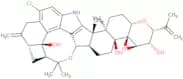
CAS :<p>Penitrem A is a potent mycotoxin, which is a secondary metabolite produced predominantly by the fungi of the genus *Penicillium*, particularly *Penicillium crustosum*. It operates primarily as a tremorgenic compound, affecting the neuromuscular systems through interference with neurotransmitter release mechanisms. Penitrem A achieves this by blocking calcium channels and modulating the function of neurotransmitter release sites at nerve terminals, leading to its characteristic effects on the nervous system.</p>Degré de pureté :Min. 95%Helvolic acid
CAS :<p>Helvolic acid is a fungal metabolite, which is derived from various species of the Aspergillus and Penicillium genera. It functions as an antifungal antibiotic, disrupting the cell membranes of target fungal cells. This action is primarily attributed to its ability to interfere with sterol synthesis—key components of fungal cell membranes—leading to compromised membrane integrity and subsequent cell death.</p>Degré de pureté :Min. 95%Destruxin B
CAS :<p>Destruxin B is a mycotoxin, which is a secondary metabolite derived from the fungus *Metarhizium anisopliae*. This compound acts as an insecticidal agent by disrupting calcium homeostasis in target insects, leading to paralysis and eventually death.</p>Degré de pureté :Min. 95%Fumonisin B2
CAS :<p>Fumonisin B2 is a mycotoxin, which is a naturally occurring toxin produced by certain species of fungi. Specifically, it is produced by Fusarium species, such as Fusarium verticillioides and Fusarium proliferatum, commonly found in cereal crops like corn. This mycotoxin disrupts cellular lipid metabolism, particularly the sphingolipid pathway, by inhibiting the enzyme ceramide synthase. This disruption can lead to cell dysfunction and contributes to the pathogenesis of animal diseases.</p>Degré de pureté :Min. 95%Fumonisin B1
CAS :<p>Inhibitor of ceramide synthase</p>Formule :C34H59NO15Degré de pureté :Min. 95%Couleur et forme :PowderMasse moléculaire :721.83 g/mol15Acetoxyscirpenol
CAS :<p>15Acetoxyscirpenol is a trichothecene mycotoxin, which is a secondary metabolite produced by certain species of fungi, particularly those within the Fusarium genus. This compound acts by inhibiting protein synthesis through its interaction with the ribosome, leading to cytotoxic effects on eukaryotic cells. This mode of action makes 15Acetoxyscirpenol a potent inhibitor of cellular proliferation, and it is often used in scientific research to investigate the mechanisms behind cell cycle regulation, apoptosis, and other cellular processes.</p>Formule :C17H24O5Degré de pureté :Min. 95%Masse moléculaire :324.37 g/molConvallatoxin
CAS :<p>Convallatoxin is a cardiac glycoside, which is derived from the plant Convallaria majalis, commonly known as lily of the valley. This compound operates by specifically inhibiting the Na+/K+-ATPase enzyme, a crucial membrane-bound ion pump that maintains the electrochemical gradients of sodium and potassium ions across the cell membrane. Inhibition of this enzyme leads to an increase in intracellular sodium levels, subsequently affecting calcium ion exchange and resulting in enhanced cardiac contractility.</p>Formule :C29H42O10Degré de pureté :Min. 95%Couleur et forme :PowderMasse moléculaire :550.64 g/molEnniatin A
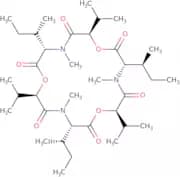
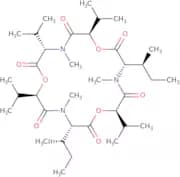
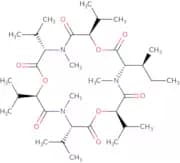
CAS :<p>Enniatin A is a cyclic depsipeptide, which is a secondary metabolite produced by certain Fusarium fungi. It functions as an ionophore, facilitating the transport of ions across cellular membranes. This activity stems from its ability to form complexes with metallic cations, disrupting ion gradients and membrane potential. As a result, Enniatin A can affect various cellular processes, including signal transduction and energy metabolism.</p>Degré de pureté :Min. 95%Enniatin A1
CAS :<p>Enniatin A1 is a cyclic hexadepsipeptide, which is a secondary metabolite produced by various Fusarium species. This compound is primarily derived from Fusarium fungi and exhibits notable bioactivity due to its ionophoric properties. The mode of action involves its ability to disrupt ion gradients across cellular membranes. Enniatin A1 functions by forming complexes with cations, particularly alkali and alkaline earth metal ions, facilitating their transport across lipid membranes and ultimately perturbing cellular homeostasis.</p>Degré de pureté :Min. 95%Enniatin B1
CAS :<p>Enniatin B1 is a cyclic depsipeptide, which is a type of mycotoxin produced by certain species of Fusarium fungi. It is characterized by its unique structural composition that includes alternating N-methylamino and hydroxy acid residues, forming a cyclic hexadepsipeptide. The source of Enniatin B1 primarily encompasses various Fusarium species, known for their ubiquitous presence in agricultural environments and propensity to contaminate cereal crops.</p>Degré de pureté :Min. 95%