Source botanique
1461 produits trouvés pour "Source botanique"
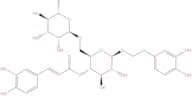
Forsythiaside
CAS :Forsythoside A possesses strong antibacterial, antiinflammatory, antioxidant and antiviral effects. it has the potential to prevent IBV infection in vitro, it can promote the expression of IFN-α and Mx1 significantly.Forsythoside A has inductive effects on the activities of CYP1A2 and CYP2C11, without affecting CYP2D1 and CYP3A1/2 activities.Formule :C29H36O15Degré de pureté :95%~99%Masse moléculaire :624.592Isomogroside V
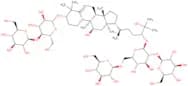
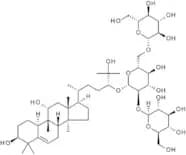
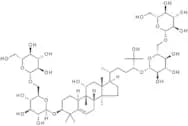
CAS :Isomogroside V is a natural non-caloric sweetener, which is extracted from the fruit of Siraitia grosvenorii, commonly known as monk fruit or luo han guo. This compound belongs to the family of mogrosides, which are glycosylated triterpenoids. The mode of action of Isomogroside V is primarily through its interaction with the sweet taste receptors on the human tongue, specifically the TAS1R2/TAS1R3 receptor complex, where it induces a perception of sweetness with a potency significantly higher than sucrose.Formule :C60H102O29Degré de pureté :Min. 95%Masse moléculaire :1,287.45 g/molKaempferol 3-O-gentiobioside
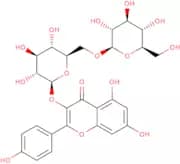
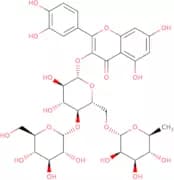
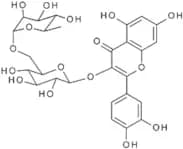
CAS :Kaempferol 3-O-gentiobioside is a flavonoid glycoside, which is a naturally occurring compound commonly found in a variety of plant sources, including fruits, vegetables, and herbs. It is specifically derived from plants such as the Ginkgo biloba and other botanical sources that synthesize kaempferol derivatives as secondary metabolites.
Formule :C27H30O16Degré de pureté :Min. 95%Couleur et forme :SolidMasse moléculaire :610.52 g/molChonglou Saponin VII
CAS :Chonglou Saponin VII is a bioactive glycoside, which is derived from the rhizomes of traditional Chinese medicinal plants, often sourced from the species Paris polyphylla. As a steroidal saponin, its mechanism of action involves altering cellular activities by interacting with cell membranes and signaling pathways, leading to a range of pharmacological effects.
Formule :C51H82O21Degré de pureté :Min. 95%Couleur et forme :PowderMasse moléculaire :1,031.18 g/molGinsenoside Rg6
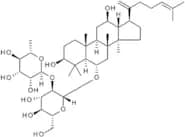
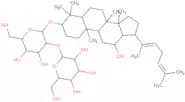
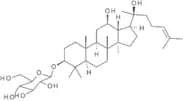
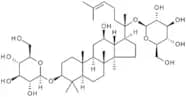
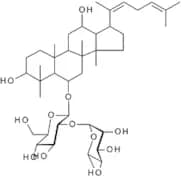
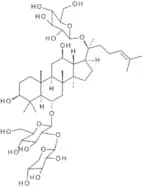
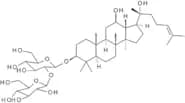
CAS :Ginsenoside Rg6 is a saponin compound, which is a naturally occurring glycoside found in the plant species Panax ginseng. Ginsenosides are the active pharmacological components of ginseng, recognized for their diverse bioactive properties. Ginsenoside Rg6 specifically acts by modulating multiple signaling pathways, exhibiting effects such as anti-inflammatory and antioxidant actions. It interacts with cellular mechanisms to inhibit the production of pro-inflammatory cytokines and reactive oxygen species.Formule :C42H70O12Degré de pureté :Min. 95%Couleur et forme :White PowderMasse moléculaire :767 g/mol5,6-O-Isopropylidene-phlorigidoside B
5,6-O-Isopropylidene-phlorigidoside B is a specialized phytochemical compound, which is a derivative of natural glycosides. This compound is typically sourced from certain plant species known for producing bioactive secondary metabolites. The synthesis of this compound involves the acetalization of hydroxyl groups, creating an isopropylidene protective group, which can influence its stability and solubility properties.Degré de pureté :Min. 95%Rebaudioside I
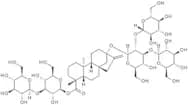
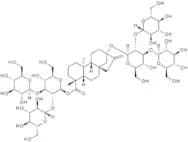
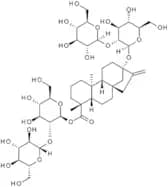
CAS :Rebaudioside I is a steviol glycoside, which is a high-intensity sweetener derived from the leaves of the Stevia rebaudiana plant. As a natural compound, it is extracted and purified through a water or alcohol-based process from the plant’s leaves, which have been traditionally used for their sweetening properties.
Formule :C50H80O28Degré de pureté :Min. 95%Couleur et forme :White PowderMasse moléculaire :1,129.15 g/mol(R)-Ginsenoside Rg2
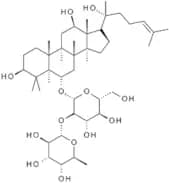
(R)-Ginsenoside Rg2 is a naturally occurring bioactive compound derived from the roots of the Panax ginseng plant. It is classified as a saponin, known for its significant pharmacological potential. The source of (R)-Ginsenoside Rg2 lies in the ginsenosides, specific triterpenoid saponins found in ginseng, which have been extensively studied for their health-promoting properties.
Degré de pureté :Min. 95%Rebaudioside M
CAS :Rebaudioside M is a high-potency sweetener, which is derived from the Stevia rebaudiana plant. It is one of the glycosides found in the leaves of this plant, often extracted and purified for use in a variety of applications. The mode of action for Rebaudioside M involves interacting with taste receptors on the tongue to produce a sweet sensation, without contributing calories or affecting blood glucose levels. This makes it particularly appealing for use in low-calorie and diabetic-friendly products.Formule :C56H90O33Degré de pureté :Min. 95%Couleur et forme :White PowderMasse moléculaire :1,291.29 g/molNaringin 4'-O-glucoside
Naringin 4'-O-glucoside is a flavonoid glucoside, which is a metabolite derived from citrus fruits, particularly grapefruit. It is characterized by the attachment of a glucose molecule to the naringin flavonoid structure, which enhances its water solubility and absorption in biological systems.Formule :C33H42O19Degré de pureté :Min. 95%Masse moléculaire :742.68 g/molEllagic acid
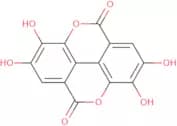
CAS :Derived from berries and grapes; antioxidant; antiproliferativeFormule :C14H6O8Degré de pureté :(Hplc) Min. 95.0%Couleur et forme :PowderMasse moléculaire :302.19 g/molStevioside - min 75%
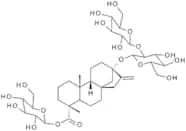
CAS :Stevioside - min 75% is a high-purity glycoside compound that functions as a natural sweetener. It is derived from the leaves of the Stevia rebaudiana plant, a member of the Asteraceae family, which is native to Paraguay and Brazil. This compound works by interacting with the sweet receptors on the tongue, specifically the TAS1R2 and TAS1R3 receptors, to provide a sweet taste sensation that is several hundred times sweeter than sucrose, without contributing to caloric intake.Formule :C38H60O18Degré de pureté :(%) Min. 75%Couleur et forme :White PowderMasse moléculaire :804.87 g/molGinsenoside Rg5
CAS :Ginsenoside Rg5 is a bioactive compound, which is a saponin extracted from Panax ginseng. This herbal source, particularly its root, has been used in traditional medicine for centuries. Ginsenoside Rg5 exhibits its mode of action primarily through modulating intracellular signaling pathways, enhancing antioxidant activity, and exerting anti-inflammatory effects. It has shown the ability to interact with cellular receptors and enzymes, impacting biological processes at the molecular level.Formule :C42H70O12Degré de pureté :Min. 95%Couleur et forme :White PowderMasse moléculaire :767 g/molPelargonidin-3-O-sophoroside
Pelargonidin-3-O-sophoroside is a specialized flavonoid glycoside, which is derived from certain plant sources. It is primarily isolated from various fruits and flowers where it contributes to pigmentation, specifically imparting hues such as red and pink. The compound functions through its role as a pigment by absorbing specific wavelengths of light, which can protect the plant tissues from excess UV radiation and attract pollinators.
Degré de pureté :Min. 95%Jujuboside B
CAS :Jujuboside B is a bioactive compound, which is a triterpenoid saponin derived from the seeds of Ziziphus jujuba, known as the jujube plant. This compound is primarily found in the plant’s seeds and is extracted using various chromatography techniques. Jujuboside B exhibits its mode of action through modulation of neurotransmitter systems and antioxidative defense mechanisms, which contribute to its neuroprotective and anxiolytic effects. Additionally, it influences the GABAergic system, enhancing gamma-aminobutyric acid (GABA) neurotransmission.
Formule :C52H84O21Degré de pureté :Min. 95%Couleur et forme :PowderMasse moléculaire :1,045.21 g/molGinsenoside Rb3
CAS :Ginsenoside Rb3 is a natural saponin compound, which is a type of ginsenoside derived from the root of Panax ginseng. The source of Ginsenoside Rb3, Panax ginseng, is a perennial plant widely utilized in traditional medicine for its pharmacological properties.
Formule :C53H90O22Degré de pureté :Min. 95%Couleur et forme :PowderMasse moléculaire :1,079.27 g/molHederacoside C
CAS :Hederacoside C is a bioactive triterpenoid saponin, which is isolated from the leaves of the common ivy plant, *Hedera helix*. These saponins have been a subject of scientific study due to their significant pharmacological properties. The mode of action of Hederacoside C involves its ability to reduce the viscosity of mucus, facilitating its expulsion from the respiratory tract. This is achieved through its expectorant properties, which stimulate bronchial secretions and improve mucociliary clearance, making it particularly valuable in the treatment of respiratory disorders.
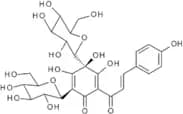
Formule :C59H96O26Degré de pureté :Min. 98 Area-%Couleur et forme :PowderMasse moléculaire :1,221.38 g/molHydroxysafflor yellow A
CAS :Anti-inflammatory; antioxidant; anti-cancer agent; neuroprotectiveFormule :C27H32O16Degré de pureté :Min. 95%Couleur et forme :PowderMasse moléculaire :612.53 g/molMomordin 1e
CAS :Momordin 1e is a triterpenoid saponin, which is an active biological compound, derived from the plant species Momordica charantia, commonly known as bitter melon. This compound is sourced primarily from the seeds and fruit of the plant and is known for its diverse biochemical activities. The mode of action of Momordin 1e involves the inhibition of viral replication, making it a subject of interest in antiviral research. It is hypothesized to disrupt viral RNA synthesis, which prevents the proliferation of the virus within host cells.Formule :C46H72O17Degré de pureté :Min. 95%Masse moléculaire :897.05 g/molPectolinarin
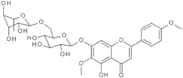
CAS :Pectolinarin is a flavonoid compound that can be classified as a natural bioactive molecule, which is derived primarily from specific plant sources, particularly within the Asteraceae family. This compound exhibits a range of biochemical activities through its mode of action as an antioxidant and anti-inflammatory agent. It effectively scavenges free radicals and inhibits inflammatory pathways, thereby reducing oxidative stress and inflammatory responses at the cellular level.
Formule :C29H34O15Degré de pureté :Min. 95%Couleur et forme :PowderMasse moléculaire :622.57 g/mol20(s)-Ginsenoside Rh2
CAS :20(s)-Ginsenoside Rh2 is a bioactive compound classified as a saponin, which is derived from the root of the Panax ginseng plant. This compound exhibits a wide range of pharmacological activities attributed to its ability to modulate cellular pathways. It exerts its mode of action primarily through the regulation of apoptosis, modulation of immune responses, and inhibition of tumor growth. Mechanistically, it interacts with cellular receptors and signaling molecules, influencing pathways such as NF-κB and MAPK, which are crucial in cell proliferation and apoptosis.Formule :C36H62O8Degré de pureté :Min. 98 Area-%Couleur et forme :PowderMasse moléculaire :622.89 g/molPlantamajoside
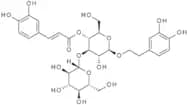
CAS :Plantamajoside is a phenylethanoid glycoside isolated primarily from Plantago asiatica, which is a perennial herb known for its pharmacological benefits. This compound functions through its anti-inflammatory and antioxidant properties, effectively modulating pathways such as the NF-κB signaling and scavenging reactive oxygen species (ROS). These mechanisms contribute to its potential therapeutic effects in managing inflammation and oxidative stress-related conditions.Formule :C29H36O16Degré de pureté :Min. 95%Couleur et forme :PowderMasse moléculaire :640.59 g/molGlycyrrhizin monoammonium
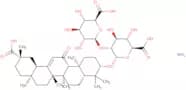
CAS :Glycyrrhizin is a natural triterpenoid and the main active ingredient of licorice. In humans, the main side effects are increasing blood pressure (hypertension) and of enhancing the risk of hypokalemia-induced disorders, i.e. caused by low potassium levels in blood (Omar, 2012). Used as a flavouring agent, glycyrrhizin is the triterpenoid compound behind the sweet taste of licorice. Glycyrrhizin is naturally present at concentrations up to 25% in the roots of the Glycyrrhiza glabra. In mice, rats, and human cancer cell lines, glycyrrhizin is an antioxidant and a DNA-protective agent with additional, multiple anticancer activities.Formule :C42H65NO16Degré de pureté :Min. 95%Couleur et forme :PowderMasse moléculaire :839.96 g/molPinoresinol diglucopyranoside
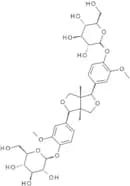
CAS :Pinoresinol diglucopyranoside is a lignan glycoside, which is a type of polyphenolic compound. It is predominantly sourced from various plant species, including flaxseeds, sesame seeds, and olives. This compound is distinguished by its intricate glycosidic linkages, which play a crucial role in its biological activity.Formule :C32H42O16Degré de pureté :Min. 95%Couleur et forme :White PowderMasse moléculaire :682.67 g/mol20-(S)-Ginsenoside F2
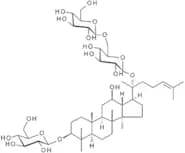
CAS :20-(S)-Ginsenoside F2 is a bioactive compound isolated from the roots of Panax ginseng, a plant renowned for its diverse pharmacological properties. As a saponin glycoside, it is derived through the enzymatic hydrolysis of major ginsenosides like Rb1. The compound functions primarily through modulating various cellular pathways, including apoptosis, autophagy, and inflammation via its interaction with membrane receptors and intracellular signaling molecules.Formule :C42H72O13Degré de pureté :Min. 95%Couleur et forme :White PowderMasse moléculaire :785.01 g/molMogroside III A1
CAS :Mogroside III A1 is a triterpene glycoside, which is derived from the fruit of Siraitia grosvenorii, commonly known as monk fruit. This compound is a significant component of the sweet profile associated with the fruit and is extracted through carefully controlled processes to maintain its structural integrity.Formule :C48H82O19Degré de pureté :Min. 95%Couleur et forme :White PowderMasse moléculaire :963.15 g/mol20(Z)-Ginsenoside F4
CAS :20(Z)-Ginsenoside F4 is a bioactive compound, which is derived from the traditional medicinal plant, Panax ginseng. This compound is isolated through advanced extraction techniques aimed at preserving its structural integrity. The mode of action of 20(Z)-Ginsenoside F4 involves interacting with cellular pathways, modulating specific signaling cascades, and exhibiting potential anti-inflammatory and anticancer properties.Formule :C42H70O12Degré de pureté :Min. 95%Masse moléculaire :767 g/mola-Glucosylrutin
CAS :a-Glucosylrutin is a flavonoid glycoside derivative, which is synthesized from rutin, a natural flavonoid extracted from plants such as buckwheat and citrus fruits, using an enzymatic glucosylation process. The incorporation of glucose enhances its stability and solubility compared to its parent compound, rutin.
Formule :C33H40O21Degré de pureté :70%MinCouleur et forme :PowderMasse moléculaire :772.66 g/molRebaudioside F
CAS :Rebaudioside F is a non-caloric sweetener, which is a glycoside isolated from the leaves of Stevia rebaudiana. This compound is categorized as a steviol glycoside, where the steviol backbone is modified through glycosylation, contributing to its sweetening properties. Rebaudioside F shares a similar structure with other steviol glycosides, including rebaudioside A, but exhibits slight differences in its glycosylation pattern, which can influence its taste profile and solubility.
Formule :C43H68O22Degré de pureté :Min. 95%Couleur et forme :PowderMasse moléculaire :936.99 g/molGinsenoside Ro
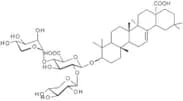
CAS :Ginsenoside Ro is a triterpenoid saponin, which is a secondary metabolite found primarily in Panax ginseng. This compound is isolated from the roots of the ginseng plant, a source well-documented for its rich array of bioactive constituents. Ginsenoside Ro functions through various biochemical pathways, including modulating inflammatory signaling cascades and exhibiting antioxidant activity. It interacts with molecular targets such as enzymes and receptors involved in the inflammatory response, thereby exerting its effects on cellular processes.Formule :C48H76O19Degré de pureté :Min. 95%Couleur et forme :PowderMasse moléculaire :957.13 g/molTyphaneoside
CAS :Typhaneoside is a flavonoid glycoside, which is a type of naturally occurring compound found primarily in plants such as those belonging to the genus Typha. Its structure includes a flavonoid backbone linked to one or more sugar molecules, which is typical of glycosides. The source of typhaneoside is generally botanical, deriving from specific plant extracts, particularly those used in traditional medicine.Formule :C34H42O20Degré de pureté :Min. 95%Couleur et forme :PowderMasse moléculaire :770.69 g/molTroxerutin
CAS :Troxerutin is a flavonoid compound, which is derived from the natural bioflavonoid rutin, typically sourced from plants such as Sophora japonica. Its mode of action is primarily through its vasoprotective, antioxidant, and anti-inflammatory properties. Troxerutin acts by stabilizing vascular endothelial cells, reducing capillary permeability, and enhancing microcirculation. It also scavenges free radicals and inhibits lipid peroxidation, which helps in mitigating oxidative stress.Formule :C33H42O19Degré de pureté :Min. 95%Couleur et forme :Yellow PowderMasse moléculaire :742.68 g/molCamelliaside A
CAS :Camelliaside A is a saponin compound, which is a type of secondary metabolite predominantly occurring in certain plant species. It is derived from the seeds of Camellia sinensis, commonly known as the tea plant. The molecular structure of Camelliaside A features a glycosidic linkage, contributing to its bioactive properties.
Formule :C33H40O20Degré de pureté :Min. 95%Couleur et forme :SolidMasse moléculaire :756.66 g/molNotoginsenoside R1
CAS :Notoginsenoside R1 is a saponin compound, which is a key bioactive ingredient derived from the roots of Panax notoginseng, a well-known traditional medicinal plant. This product is renowned for its diverse pharmacological activities, particularly its anti-inflammatory and antioxidant effects. The mode of action of Notoginsenoside R1 involves modulating various signaling pathways, including the NF-κB and MAPK pathways, which are pivotal in regulating the body's inflammatory response. Additionally, it exhibits the ability to scavenge free radicals, contributing to its antioxidative properties.
Formule :C47H80O18Degré de pureté :Min. 95%Couleur et forme :White PowderMasse moléculaire :933.15 g/molGinsenoside Rh1
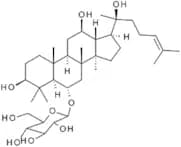
CAS :Ginsenoside Rh1 is a bioactive compound, which is a type of ginsenoside. It is derived from the root of Panax ginseng, a plant that has been used in traditional medicine for centuries. Ginsenoside Rh1 modulates various cellular pathways, including those involved in anti-inflammatory and antioxidative responses. This is achieved through its interaction with cellular receptors and enzymes, influencing signaling pathways that regulate cell function and stress responses.Formule :C36H62O9Degré de pureté :Min. 96 Area-%Couleur et forme :White PowderMasse moléculaire :638.89 g/molGypenoside XVII
CAS :Gypenoside XVII is a bioactive compound, which is a saponin derived from the plant Gynostemma pentaphyllum, commonly known as Jiaogulan. This compound is part of a broader category of plant-derived triterpenoid saponins that exhibit diverse biological activities. Gypenoside XVII functions primarily through its modulation of signaling pathways, including antioxidant, anti-inflammatory, and metabolic regulatory mechanisms. It affects key molecular targets and pathways, such as AMPK activation and nitric oxide production, offering potential therapeutic benefits.Formule :C48H82O18Degré de pureté :Min. 95%Couleur et forme :PowderMasse moléculaire :947.15 g/molVitexin-2-O-rhamnoside
CAS :Vitexin-2-O-rhamnoside is a naturally occurring flavonoid glycoside, which is primarily sourced from various medicinal plants, including certain species within the plant family Lamiaceae. This compound is known for its unique molecular structure, where the flavonoid vitexin is bound to a rhamnose sugar moiety at the 2-O position. Its mode of action involves antioxidative, anti-inflammatory, and potential cardioprotective properties, which are attributed to its ability to modulate signaling pathways, scavenge free radicals, and inhibit pro-inflammatory mediators.Formule :C27H30O14Degré de pureté :Min. 95%Couleur et forme :Yellow PowderMasse moléculaire :578.52 g/molRebaudioside E
CAS :Rebaudioside E is a high-intensity sweetener, which is a glycoside derived from the Stevia rebaudiana plant. This particular compound is among the numerous steviol glycosides present in stevia leaves, extracted through water or alcohol-based extraction and subsequent purification processes. Its mode of action involves binding to the sweet taste receptors on the tongue, similar to other intense sweeteners, yet it provides sweetness without caloric input.
Formule :C44H70O23Degré de pureté :Min. 95%Couleur et forme :PowderMasse moléculaire :967.01 g/molQuercetin 3-O-(4''-O-acetyl)-a -L-rhamnopyranoside
Quercetin 3-O-(4''-O-acetyl)-α-L-rhamnopyranoside is a specialized flavonoid glycoside, which is a derivative of the flavonoid quercetin. It is primarily sourced from various plant species known for their high flavonoid content. The compound is characterized by its unique glycosylation pattern, where an acetyl group is esterified to the 4'' position of the rhamnose moiety.
Degré de pureté :Min. 95%Mogroside IVa
CAS :Mogroside IVa is a triterpene glycoside, which is a type of natural sweetening compound, derived primarily from the fruit of Siraitia grosvenorii, commonly known as monk fruit. The compound is extracted from the fruit through a meticulous process that ensures the preservation of its natural properties. The mode of action of Mogroside IVa involves its interaction with taste receptors on the tongue, where it delivers intense sweetness, often several hundred times sweeter than sucrose, without providing caloric value. Additionally, studies suggest that this mogroside exhibits antioxidant activities, potentially neutralizing free radicals and protecting against cellular damage.Formule :C54H92O24Degré de pureté :Min. 95%Couleur et forme :White PowderMasse moléculaire :1,125.29 g/molPeonidin-3-O-rutinoside chloride
CAS :Peonidin-3-O-rutinoside chloride is an anthocyanin compound, which is a type of flavonoid pigment. This compound is naturally sourced from various plant species, prominently found in berries and flowers, contributing to their rich red and purple hues. The mode of action of Peonidin-3-O-rutinoside chloride involves its potent antioxidant capabilities, scavenging free radicals and reducing oxidative stress in biological systems. Additionally, it can modulate cell signaling pathways, influencing gene expression and enzyme activities related to inflammation and cancer progression.Formule :C28H33O15ClDegré de pureté :Min. 95%Couleur et forme :PowderMasse moléculaire :645.01 g/molNeamine hydrochloride
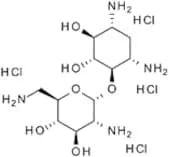
CAS :Neamine hydrochloride is a semisynthetic aminoglycoside antibiotic, which is derived from neomycin. It exerts its antibacterial effects by interacting with bacterial ribosomal RNA, leading to the inhibition of protein synthesis. This interference results in the disruption of vital cellular processes within susceptible bacteria, ultimately causing cell death.Formule :C12H26N4O6•(HCl)4Degré de pureté :Min. 80%Couleur et forme :PowderMasse moléculaire :468.2 g/molIsoliquiritin apioside
CAS :Isoliquiritin apioside is a flavonoid glycoside, which is a compound derived from licorice root (Glycyrrhiza species). It exhibits a range of biological activities by influencing various cellular and molecular pathways, often involving antioxidant and anti-inflammatory mechanisms. These effects are primarily mediated through its interaction with cellular signaling cascades, potentially modulating gene expression and enzyme activity.
Formule :C26H30O13Degré de pureté :Min. 95%Couleur et forme :PowderMasse moléculaire :550.51 g/mol(20R)-Ginsenoside Rg3
CAS :(20R)-Ginsenoside Rg3 is a triterpenoid saponin, which is a bioactive compound isolated from the root of Panax ginseng. This product is an integral part of traditional medicine and is now being extensively studied in modern pharmacological research. As a ginsenoside, Rg3 exerts its effects primarily by modulating cellular pathways, inhibiting angiogenesis, and inducing apoptosis in cancer cells.
Formule :C42H72O13Degré de pureté :Min. 95%Couleur et forme :PowderMasse moléculaire :785.01 g/molRutin
CAS :Capillary protectant; free radical scavenger; antioxidantFormule :C27H30O16Degré de pureté :Min. 95%Couleur et forme :Yellow PowderMasse moléculaire :610.52 g/molPhloretin 2'-O-xylosyl-glucoside
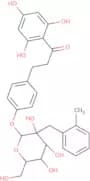
CAS :Phloretin 2'-O-xylosyl-glucoside is a natural glycoside compound, which is derived from the xylosylation and glucosylation of phloretin, commonly found in certain fruits like apples. It is a biochemical derivative formed through enzymatic reactions involving specific glycosyltransferases in plant tissues. The mode of action of this compound primarily involves its antioxidant properties, where it serves to neutralize free radicals and reduce oxidative stress within biological systems.
Formule :C26H32O14Degré de pureté :Min. 95%Masse moléculaire :568.52 g/molEmpagliflozin 6-O-b-D-glucuronide
Empagliflozin 6-O-β-D-glucuronide is a metabolite of the drug empagliflozin, which is a type of product known as a sodium-glucose co-transporter 2 (SGLT2) inhibitor. This compound is derived from the in vivo metabolism of empagliflozin, originally sourced from synthetic pathways designed to enhance the management of type 2 diabetes mellitus. Its mode of action involves the facilitation of glucose excretion through the kidneys by inhibiting renal reabsorption of glucose, thus lowering blood glucose levels.
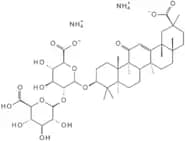
Formule :C29H35ClO13Degré de pureté :Min. 95%Masse moléculaire :627.03 g/molDiammonium glycyrrhizinate
CAS :Diammonium glycyrrhizinate is a bioactive compound, which is derived from the licorice root, Glycyrrhiza glabra. This product functions primarily as an anti-inflammatory agent by modulating the body's immune response and inhibiting enzymes that promote inflammation, such as cyclooxygenase and lipoxygenase. Its mode of action involves the suppression of pro-inflammatory cytokines, which can lead to reduced inflammation and relief from related symptoms.Formule :C42H68N2O16Degré de pureté :Min. 95%Couleur et forme :PowderMasse moléculaire :856.99 g/molMomordin 2e
CAS :Momordin 2e is a cucurbitane triterpenoid compound, which is derived from natural plant sources, particularly within the gourd family, Cucurbitaceae. This product has garnered attention due to its bioactive properties, primarily identified in plants such as bitter melon (Momordica charantia).
Formule :C52H82O22Degré de pureté :Min. 95%Masse moléculaire :1,059.19 g/mol