Monosaccharides
Sous-catégories appartenant à la catégorie "Monosaccharides"
- Alloses(11 produits)
- Arabinoses(21 produits)
- Erythroses(11 produits)
- Fructoses(9 produits)
- Fucoses(36 produits)
- Galactosamine(41 produits)
- Galactoses(262 produits)
- Glucoses(365 produits)
- Acides glucuroniques(52 produits)
- Glyco-substrats pour l'enzyme(78 produits)
- Guloses(6 produits)
- Idoses(4 produits)
- Inositols(15 produits)
- Lyxoses(4 produits)
- Mannoses(65 produits)
- O-Glycanes(48 produits)
- Psicoses(3 produits)
- Rhamnoses(10 produits)
- Ribos(61 produits)
- Acides sialiques(100 produits)
- Sorboses(4 produits)
- Sucres(174 produits)
- Tagatoses(4 produits)
- Taloses(8 produits)
- Xyloses(20 produits)
6138 produits trouvés pour "Monosaccharides"
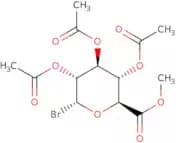
1-Bromo-2,3,4-tri-O-acetyl-a-D-glucuronide methyl ester - 1% CaCO3
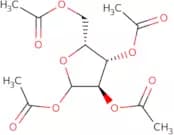
CAS :1-Bromo-2,3,4-tri-O-acetyl-a-D-glucuronide methyl ester is a protected D-glucoronic acid with an alpha bromide at the anomeric position ready to undergo glycosylation reactions with suitable glycoside acceptors. Pharmaceutically active compounds have been used as acceptors to form β-linked D-glucuronide prodrugs which can be used to modify pharmacokinetics, improve solubility and lower the toxicity of the drug.Formule :C13H17BrO9Degré de pureté :Min. 98 Area-%Couleur et forme :White Off-White PowderMasse moléculaire :397.17 g/mol1,2,3,5-Tetra-O-acetyl-D-xylofuranose
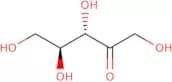
CAS :1,2,3,5-Tetra-O-acetyl-D-xylofuranose is a lectin that has been shown to have an affinity for bacterial cells. It has been shown to be effective against Gram-positive and Gram-negative bacteria, with the exception of mycobacteria. 1,2,3,5-Tetra-O-acetyl-D-xylofuranose binds to the terminal sugar of the cell wall carbohydrate chains of these cells by means of its oligosaccharide side chain. The binding causes conformational changes in the bacterial membrane and disrupts the ion gradient across it. This leads to an influx of water into the cell and subsequent death.Formule :C13H18O9Degré de pureté :Min. 95%Couleur et forme :Colorless PowderMasse moléculaire :318.28 g/molL-Ribulose
CAS :Valuable chiral building block; rare sugar applied in wood preservation
Formule :C5H10O5Degré de pureté :Min. 97 Area-%Couleur et forme :Slightly Yellow Clear LiquidMasse moléculaire :150.13 g/mol2-Amino-b-L-arabinofurano[1,2:4,5]oxazoline
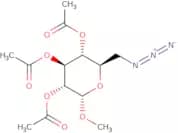
CAS :2-Amino-b-L-arabinofurano[1,2:4,5]oxazoline is a custom synthesis. It is a white to off-white powder with a molecular weight of 264.50 and a melting point of about 160°C. The purity of this compound is >98% by HPLC analysis. This product has been modified with glycosylation, methylation, click modification, fluorination, saccharide modification, sugar modification, and oligosaccharide modification.Formule :C6H10N2O4Degré de pureté :Min. 95%Couleur et forme :PowderMasse moléculaire :174.15 g/molMethyl 2,3,4-tri-O-acetyl-6-azido-6-deoxy-a-D-glucopyranoside
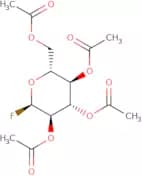
CAS :Methyl 2,3,4-tri-O-acetyl-6-azido-6-deoxy-a-D-glucopyranoside is a modification of the sugar glucose. It is a synthetically modified oligosaccharide that is used in the synthesis of complex carbohydrates and polysaccharides. Methyl 2,3,4-tri-O-acetyl-6-azido-6-deoxyglucopyranoside has been used for the fluorination and saccharide methylation reactions.Formule :C13H19N3O8Degré de pureté :Min. 95%Couleur et forme :White PowderMasse moléculaire :345.31 g/mol2,3,4,6-Tetra-O-acetyl-α-D-glucopyranosyl fluoride
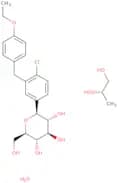
CAS :2,3,4,6-Tetra-O-acetyl-a-D-glucopyranosyl fluoride is a halide with the chemical formula of F. It has an axial conformation and is a crystalline solid at room temperature. 2,3,4,6-Tetra-O-acetyl-a-D-glucopyranosyl fluoride reacts with water to form hydrofluoric acid (HF). This compound is an important reagent in carbohydrate analysis because its presence or absence can be used to distinguish between the two anomers of maltose: α-(1→2) and β-(1→4). It also reacts with sodium chloride to give the chloride salt sodium tetrafluoroborate. The molecule has three substituents: a hydroxymethyl group (-OH), a glycosidic oxygen atom (O), and a glucosyl group (-CHO). Watanabe's numbering system forFormule :C14H19FO9Degré de pureté :Min. 95%Couleur et forme :PowderMasse moléculaire :350.29 g/molDapagliflozin propanediol monohydrate - Bio-X ™
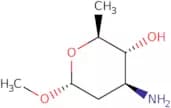
CAS :Dapagliflozin is a sodium-glucose cotransporter subtype 2 (SGLT2) inhibitor that can be used in the treatment of diabetes mellitus type 2. It inhibits glucose reabsorption in the proximal tubule of the nephron and results in glycosuria, which helps to improve glycaemic control. Also, Dapagliflozin is used to lower the risk of sustained eGFR decline, end-stage renal disease, cardiovascular death, and hospitalization for heart failure in patients with chronic kidney disease who are at risk of progression.Formule :C21H25ClO6•C3H8O2•H2ODegré de pureté :Min. 95%Couleur et forme :PowderMasse moléculaire :502.98 g/molMethyl α-L-acosamine
CAS :Methyl a-L-acosamine is a glycosylation agent that can be used to modify complex carbohydrates. It can also be used in the methylation of saccharides, polysaccharides, and sugars. Methyl a-L-acosamine is made by reacting acetic anhydride with L-a-D-galactopyranosyl chloride. The CAS number for this product is 54623-23-3. This product can be custom synthesized to meet your specifications and has high purity.Formule :C7H15NO3Degré de pureté :Min. 95%Couleur et forme :White To Off-White SolidMasse moléculaire :161.2 g/mol2,3,4-Tri-O-acetyl-a-D-xylopyranosyl bromide - Stabilised with 2.5% CaCO3
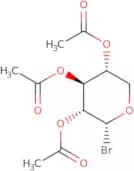
CAS :2,3,4-Tri-O-acetyl-a-D-xylopyranosyl bromide - Stabilised with 2.5% CaCO3 is a chiral compound that is a drug for the treatment of estrogen deficiency in postmenopausal women. It is synthesized from D-xylose and acetone by reductive elimination using an organotin catalyst. The resulting product has a nitro group at the 4 position and can be activated as a priming agent for DNA synthesis. This compound has been shown to be effective in treating intestinal disorders such as ulcerative colitis.
2,3,4-Tri-O-acetyl-a-D-xylopyranosyl bromide - Stabilised with 2.5% CaCO3 has been used to conjugate estrogens with various drugs to create new compounds that are more potent than free estrogens alone. Bioavailability of these conjugates hasFormule :C11H15BrO7Degré de pureté :(%) Min. 85%Couleur et forme :PowderMasse moléculaire :339.14 g/mol1,3,5-Tri-O-benzoyl-2-O-methyl-D-ribofuranose
CAS :1,3,5-Tri-O-benzoyl-2-O-methyl-D-ribofuranose is a modified sugar with three benzoyl groups. It has a molecular weight of 498.18 g/mol and the chemical formula C32H32F6N8O8. The compound is synthesized by the condensation of 2,3,4,5-tetraacetylpyridine with 2,3,4,5-tetraacetylthiophene in the presence of potassium fluoride and sodium hydroxide in aqueous methanol at room temperature. This product is used to study glycosylation reactions and to modify oligosaccharides for research purposes. 1,3,5-Tri-O-benzoyl-2-O-methyl--D--ribofuranose is soluble in water and ethanol but insoluble in ether or chloroform.This product hasFormule :C27H24O8Degré de pureté :Min. 85 Area-%Couleur et forme :White PowderMasse moléculaire :476.47 g/mol1,2,3-Tri-O-acetyl-4,6-O-benzylidene-b-D-galactopyranose
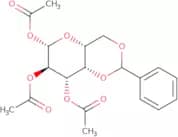
CAS :1,2,3-Tri-O-acetyl-4,6-O-benzylidene-b-D-galactopyranose is a high purity and custom synthesis sugar. This product has been modified with fluorination, glycosylation, methylation, and modifications. It is also known by the CAS number 78962-43-3. 1,2,3-Tri-O-acetyl-4,6-O-benzylidene b -D -galactopyranose is an oligosaccharide that can be used as a monosaccharide or saccharide. It is a complex carbohydrate that has many uses in the food industry.Formule :C19H22O9Degré de pureté :Min. 95%Couleur et forme :White PowderMasse moléculaire :394.37 g/mol2-Deoxy-L-ribose-anilide
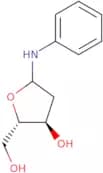
CAS :2-Deoxy-L-ribose-anilide is a chemical compound that has been patented for its use in the detection of magnetic fields. The patent claims that this compound can be used as an intermediate in the preparation of other compounds. 2DRA has different transition temperatures, depending on whether it is in the solid or liquid state. When 2DRA is heated, it changes from a colorless liquid to a yellow crystal at around 100°C and then becomes a white solid at around 150°C. The magnetic properties of 2DRA arise from its ability to form strong bonds with other molecules, which are broken by external magnetic fields.Formule :C11H15NO3Degré de pureté :Min. 98 Area-%Couleur et forme :PowderMasse moléculaire :209.12 g/mol2-(3,4-Dihydroxyphenyl)ethyl b-D-glucopyranoside
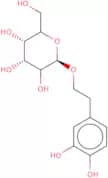
CAS :2-(3,4-Dihydroxyphenyl)ethyl b-D-glucopyranoside (2,3,4-DHPEB) is a naturally occurring phenolic acid. It has been shown to have antidepressant activity in mice and rats. 2,3,4-DHPEB inhibits the growth of Streptococcus faecalis by inhibiting fatty acid biosynthesis. This compound also has anti-inflammatory properties that may be due to its ability to inhibit prostaglandin synthesis. 2,3,4-DHPEB is a ligand for PPAR receptors and activates their transcriptional activity in cells. It has been shown to have chemopreventive effects against colon cancer cell lines and is able to induce apoptosis in tumor cells.Formule :C14H20O8Degré de pureté :Min. 95%Couleur et forme :PowderMasse moléculaire :316.3 g/molL-Lyxono-1,4-lactone
CAS :L-Lyxono-1,4-lactone is a dehydrogenase that synthesizes hydroxamic acids from aldonic acids. Hydroxamic acids are used as herbicides and insecticides. L-Lyxono-1,4-lactone has been shown to be active against ochrobactrum and branched-chain bacteria. The enzyme catalyzes the cleavage of an aldonic acid to form an alcohol and an alpha,beta unsaturated ketone. This reaction is stereoselective, with the product being the same chiral center in both cases. The enzyme also shows chemometric properties by being able to measure salinity levels in water samples.Formule :C5H8O5Degré de pureté :Min. 95%Couleur et forme :PowderMasse moléculaire :148.11 g/molDecyl glucoside
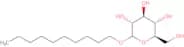
CAS :Decyl Glucoside is an alkylglycoside non-ionic surfactant and emulsifier. It is commonly used in foaming and cleansing products, often by natural personal care companies due to being plant derived and biodegradable. Decyl glucoside, also known as capryl/caprylyl glucoside, is derived from combination of coconut fatty alcohols and corn starch glucose.
Formule :C16H32O6Degré de pureté :Min. 95%Couleur et forme :Yellow Clear LiquidMasse moléculaire :320.42Calcium lactate gluconate
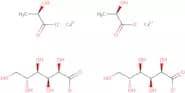
CAS :Calcium lactate gluconate is an antacid and a calcium supplement. It is a salt of calcium with lactic acid, which is often used to treat or prevent kidney stones and periodontal disease. Calcium lactate gluconate also helps to form new bone by stimulating osteoblasts, the cells responsible for bone formation. This drug can be used therapeutically to increase bone growth in people with osteoporosis or to repair bones after injury. It also helps heal fractures, relieves pain from arthritis, and treats cancer by preventing cell proliferation. Calcium lactate gluconate is a white powder that dissolves in water and can be mixed with other liquids such as fruit juice or milk.Formule :(C3H5O3)2Ca•(C6H11O7)2CaDegré de pureté :Min. 95%Couleur et forme :PowderMasse moléculaire :648.59 g/mol2,3,4,6-Tetra-O-acetyl-b-D-glucopyranosyl amine
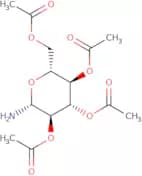
CAS :2,3,4,6-Tetra-O-acetyl-b-D-glucopyranosyl amine is an artificial carbohydrate with a fluorinated sugar. It is synthesized by reacting 2,3,4,6-tetra-O-acetyl-b-D-glucopyranosyl chloride with ammonia and methyl iodide. The compound can be used to modify the sugar residues of glycosides or polysaccharides. It has been shown to have high purity and can be used in the synthesis of complex carbohydrates.Formule :C14H21NO9Degré de pureté :Min. 98 Area-%Couleur et forme :White PowderMasse moléculaire :347.32 g/mol5,6-O-Isopropylidene-L-gulonic acid-1,4-lactone
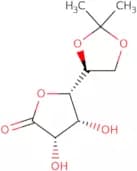
CAS :5,6-O-Isopropylidene-L-gulonic acid-1,4-lactone is a synthetic monosaccharide with the molecular formula C8H14O5. It has a CAS number of 94697-68-4 and is available for custom synthesis. The chemical structure of 5,6-O-Isopropylidene-L-gulonic acid-1,4-lactone consists of a methyl group attached to the hydroxyl at position 1 and a fluoro group attached to the hydroxyl at position 4. 5,6--O--Isopropylidene--L--gulonic acid--1,4--lactone is not naturally occurring and is made by modification of glycosides. This compound can be used in click chemistry or complex carbohydrate reactions.
Formule :C9H14O6Degré de pureté :Min. 99 Area-%Couleur et forme :White PowderMasse moléculaire :218.2 g/mol3,4-Di-O-methyl-D-glucose
CAS :3,4-Di-O-methyl-D-glucose is a partially protected glucose .It is found in the exudates of certain plants.Formule :C8H16O6Degré de pureté :Min. 95%Couleur et forme :PowderMasse moléculaire :208.21 g/molL(+)-Ascorbic acid sodium salt
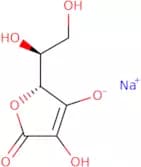
CAS :L(+)-Ascorbic acid sodium salt is the L-isomer of ascorbic acid. It is an essential nutrient for humans and animals, and a cofactor for many enzymes involved in cellular metabolism. Ascorbic acid is an effective metal chelator, which can be used to treat infectious diseases such as tuberculosis. L(+)-Ascorbic acid sodium salt has been shown to have antioxidant properties. It also has antineoplastic activity against skin tumors when used at optimum concentration.
Formule :C6H7NaO6Degré de pureté :Min. 97 Area-%Couleur et forme :White PowderMasse moléculaire :198.11 g/molBenzyl 3,4-O-(2',3'-dimethoxybutane-2',3'-diyl)-α-D-mannopyanoside
CAS :Benzyl 3,4-O-(2',3'-dimethoxybutane-2',3'-diyl)-a-D-mannopyanoside is a modification of an oligosaccharide. It is a complex carbohydrate that has been synthesized from a monosaccharide and methylated on the 3' hydroxyl group. This product is available as a custom synthesis and is offered in high purity. The CAS number for this compound is 1423035-45-3.
br>
Benzyl 3,4-O-(2',3'-dimethoxybutane-2',3'-diyl)-a-D-mannopyanoside can be used as a sugar or fluorinated saccharide in glycosylation reactions with other molecules. It can also be used to produce polysaccharides by glycosylation with other molecules such as glucose, mannose, or sucrose.Formule :C19H28O8Degré de pureté :Min. 95%Masse moléculaire :384.42 g/molD-Glucaric acid-1,4-lactone
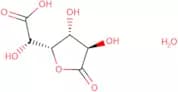
CAS :Inhibitor of β-glucuronidase enzyme; prevents cleavage of glucuronides.
Formule :C6H8O7·H2ODegré de pureté :(%) Min. 96%Couleur et forme :White PowderMasse moléculaire :210.14 g/mol2,3,5-Tri-O-benzyl-D-xylonic acid-1,4-lactone
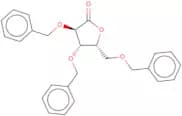
CAS :2,3,5-Tri-O-benzyl-D-xylonic acid-1,4-lactone is a complex carbohydrate that has been synthesized from saccharides. This compound is fluorinated and methylated at the 2, 3, and 5 positions of the xylan backbone. The lactone ring has been modified with a click chemistry reaction to introduce an alkyne group for glycosylation. This product can be custom synthesized to include any modification of your choice.Formule :C26H26O5Degré de pureté :Min. 98 Area-%Couleur et forme :PowderMasse moléculaire :418.48 g/molMethyl-2,3,4-tri-O-benzoyl-6-bromo-6-deoxy-alpha-D-glucopyranoside
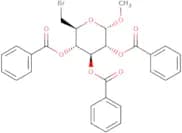
CAS :Methyl-2,3,4-tri-O-benzoyl-6-bromo-6-deoxy-alpha-D-glucopyranoside is a sugar that belongs to the group of monosaccharides. It is a custom synthesis product that can be synthesized and modified according to customer's requirements. Methylation, fluorination and saccharide modification are possible and highly pure methylated products can be produced with high purity.Formule :C28H25BrO8Degré de pureté :Min. 95%Masse moléculaire :569.4 g/molArabinonic acid potassium salt
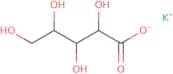
CAS :Arabinonic acid potassium salt is a fluorinated monosaccharide that is used as a building block for the synthesis of oligosaccharides and polysaccharides. Arabinonic acid potassium salt is chemically synthesized by the glycosylation of 2-deoxy-D-ribose with arabinonitrile followed by hydrolysis to form arabinonic acid. This chemical can also be modified with methyl groups, nitro groups, or other functional groups. It has CAS number 36232-89-0 and molecular weight of 176.17 g/mol. Arabinonic acid potassium salt is a high purity product with 98% minimum purity and no detectable impurities.Formule :C5H9KO6Degré de pureté :Min. 95%Couleur et forme :PowderMasse moléculaire :204.22 g/mol1,4:3,6-Dianhydro-D-glucitol
CAS :Isosorbide dinitrate is a drug that belongs to the class of nitrates. It is used in the treatment of angina pectoris, as well as congestive heart failure and chronic heart failure. Isosorbide dinitrate has been shown to cause caspase-independent cell death in human leukemia cells and breast cancer cells. This may be due to its ability to inhibit mitochondrial membrane potential and interfere with intracellular calcium mobilization. The optimum concentration for isosorbide dinitrate is 10 µM, which inhibits the growth of bacteria, including Mycobacterium tuberculosis and Salmonella enterica serovar Typhimurium. The drug also inhibits the production of proinflammatory cytokines such as IL-1β, IL-6, and TNF-α by inhibiting c-jun phosphorylation. Isosorbide dinitrate also has anti-inflammatory properties, which may be due to its ability to inhibit 4-hyd
Formule :C6H10O4Degré de pureté :(%) Min. 98%Couleur et forme :White Off-White PowderMasse moléculaire :146.14 g/molGalactosyl diglyceride - 10 mg/ml solution in chloroform/methanol
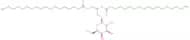
CAS :The galactosyl diglyceride (GalDG) is a lipid molecule that is found naturally in plants. The chemical formula for GalDG is C22H44O8 and it has a molecular weight of 464.36 g/mol. This lipid molecule is composed of two fatty acid chains, one glycerol molecule and one galactose molecule. It can be synthesized with the help of a transition metal catalyst and an oxidizing agent such as hydrogen peroxide or sodium hypochlorite. When heated to a temperature of about 200-250 degrees Celsius, the transformation process takes place which results in the conversion of the lamellar phase to the crystalline phase. The diffraction method was used to determine its crystal structure and it was found that this lipid molecule has a lamellar phase at room temperature but transforms into a crystalline phase when heated to 250 degrees Celsius. The diffraction pattern obtained from x-ray diffraction analysis indicated that thisFormule :C45H86O10Degré de pureté :Min. 95%Couleur et forme :Colourless to yellow liquid.Masse moléculaire :787.16 g/mol11-Dehydroxygrevilloside B
CAS :11-Dehydroxygrevilloside B is a natural glycoside compound, which is primarily isolated from the plant genus Grevillea. This genus is known for its rich diversity of secondary metabolites with various biological activities. The mode of action of 11-Dehydroxygrevilloside B involves interactions with specific molecular targets, potentially influencing biochemical pathways associated with inflammation, oxidative stress, or other cellular processes. Its exact mechanism is still under research, aiming to unravel its potential therapeutic or protective effects. Applications of 11-Dehydroxygrevilloside B are mainly within the realm of biochemical and pharmacological research, where it serves as a subject for in vitro or in vivo experiments to explore its efficacy and safety profile. Its study contributes to understanding how plant-derived compounds can be harnessed for medicinal purposes and augments the exploration of novel drug candidates from natural sources.Formule :C17H26O7Degré de pureté :Min. 95 Area-%Couleur et forme :PowderMasse moléculaire :342.38 g/molD-Glucuronic acid 3-phenylpropyl ester
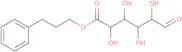
CAS :D-Glucuronic acid 3-phenylpropyl ester is a custom synthesis of a complex carbohydrate. It is an Oligosaccharide, Polysaccharide, Modification, saccharide with Methylation and Glycosylation modifications. It has a molecular weight of 785.32 g/mol and purity of 99%. D-Glucuronic acid 3-phenylpropyl ester is Fluorinated at the hydroxyl group on the C2 carbon atom. It has been shown to be effective in inhibiting the proliferation of vascular smooth muscle cells and cancer cells through modification of protein synthesis.Formule :C15H20O7Degré de pureté :Min. 95%Couleur et forme :White PowderMasse moléculaire :312.32 g/mol4,6-Di-O-methyl-D-glucose
CAS :A partially methylated glucose with the anomeric position freeFormule :C8H16O6Degré de pureté :Min. 95%Couleur et forme :PowderMasse moléculaire :208.21 g/mol9-(b-D-Galactopyranose)-nonanoic acid
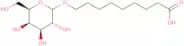
CAS :9-(b-D-Galactopyranose)-nonanoic acid is a custom synthesis, modification and fluorination of a methylated monosaccharide in the form of an oligosaccharide. This synthetic compound is polysaccharide with a carbohydrate group at one end, which can be modified to be glycosylated or saccharified. It has been shown to have anti-inflammatory properties, which may be due to its ability to inhibit prostaglandin synthesis.Formule :C15H28O8Degré de pureté :Min. 95%Couleur et forme :SolidMasse moléculaire :336.38 g/molPolysucrose 400
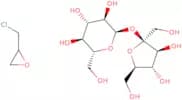
CAS :Water-soluble, nontoxic, enzyme-resistant polymer for biological applications
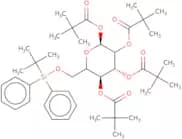
Couleur et forme :White PowderMasse moléculaire :400.01,2,3,4-Tetra-O-pivaloyl-6-O-(tert-butyldiphenylsilyl)-b-D-galactopyranose
CAS :1,2,3,4-Tetra-O-pivaloyl-6-O-(tert-butyldiphenylsilyl)-b-D-galactopyranose is a high purity custom synthesis of a sugar. It is a fluorinated tetra saccharide with an unusual 1,2,3,4 linkage that has been modified with methyl groups at the 2 and 6 positions. The modification of this compound with silylation has made it resistant to enzymatic degradation. This compound has shown anti-inflammatory activities in animal models and can be used as an adjuvant therapy for inflammatory bowel disease.Formule :C42H62O10SiDegré de pureté :Min. 95%Masse moléculaire :755.04 g/molOctyl D-glucuronic acid
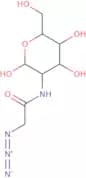
CAS :Octyl D-glucuronic acid is a glycosylation agent that can be used to modify the surface of proteins and polymers. It is an oligosaccharide that contains eight glucose molecules linked by beta 1-4 glycosidic bonds. Octyl D-glucuronic acid has been shown to have a high purity, with no detectable impurities or contaminants. The modification of proteins and polymers with this molecule has been shown to increase their stability and resistance to environmental factors such as moisture, heat, pH changes, and light exposure. It also increases the hydrophilicity of the modified material and can be used for click chemistry reactions using azide or alkyne functional groups. Octyl D-glucuronic acid is commercially available from Sigma Aldrich in different grades: Technical Grade (TG), Analytical Grade (AG), Pharmaceutical Grade (PG).Formule :C14H26O7Degré de pureté :Min. 95%Couleur et forme :PowderMasse moléculaire :306.36 g/molN-Azidoacetylmannosamine
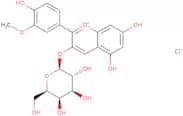
CAS :N-Azidoacetylmannosamine, also called ManNAz and 2-[(2-azidoacetyl)amino]-2-deoxy-D-mannose, is a click reagent for metabolic labelling of ManNAc. The azide is able to react with an alkyne in a 1,3-dipolar cycloaddition reaction (click chemistry) to enable linking to a fluorescent probe or a biotin. N-Azidoacetylmannosamine has been used in the chemical modification of glycoproteins to improve their in vivo efficacy and to label them for detection.Formule :C8H14N4O6Degré de pureté :Min. 90%Couleur et forme :White PowderMasse moléculaire :262.22 g/molPeonidin-3-O-galactoside chloride
CAS :Peonidin-3-O-galactoside chloride is a natural product that can be found in many plants, such as the genus Peonia, and is also commonly found in wine. It has been shown to inhibit pancreatic lipase in vitro and may have potential as a dietary supplement. The surface methodology used to study the interaction of protocatechuic acid with caco-2 cells was efficient and showed the ability of this compound to interact with fatty acids. This interaction could be related to its health effects, which have been studied using cell culture methods. The dietary intake of protocatechuic acid has been shown to reduce blood pressure in rats, but it is unclear if this effect would occur in humans because of the lack of a suitable animal model for human studies.Formule :C22H23O11·ClDegré de pureté :Min. 95%Couleur et forme :PowderMasse moléculaire :498.86 g/molN-Acetyl-5-bromo-3-indoxyl-2,3,4-tri-O-acetyl-β-D-glucuronic acid methyl ester
CAS :N-Acetyl-5-bromo-3-indoxyl-2,3,4-tri-O-acetyl-b-D-glucuronic acid methyl ester is a custom synthesis of an acetylated bromoglycoside. This compound is a synthetic modification of the natural product and has been shown to be effective against various bacteria. The synthesis of this compound can be achieved by the click reaction with methyl 2,2'-dithiopropionate and 5,5'-dimethoxytrityl chloride in the presence of trimethylsulfonium iodide. N—Acetyl—5—bromo—3—indoxyl—2,3,4—tri—O—acetyl--b--D--glucuronic acid methyl ester is also a monosaccharide sugar that is a carbohydrate with a high purity and modifies proteins at their active site. It also has
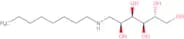
Formule :C23H24BrNO11Degré de pureté :Min. 95%Masse moléculaire :570.34 g/mol1-Octylamino-1-deoxy-D-glucitol
CAS :1-Octylamino-1-deoxy-D-glucitol is a natural product that is extracted from the bark of the tree Streptomyces griseorubens. It has been shown to have a diastereomeric ratio of 97:3 and an optical purity of 98%. The thermodynamic properties of this compound are determined by the reaction time, which can vary from 1 to 24 hours. The enantiomers are separated by chromatography or crystallization, and the solubility data is determined at 25°C.Formule :C14H31NO5Degré de pureté :Min. 95%Couleur et forme :PowderMasse moléculaire :293.4 g/molD-Lyxose
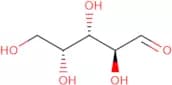
CAS :Starting material for chiral-pool based synthesis of modified nucleosides
Formule :C5H10O5Degré de pureté :Min. 99 Area-%Couleur et forme :White PowderMasse moléculaire :150.13 g/mol6-Azido-6-deoxy-D-fructose
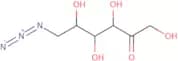
CAS :6-Azido-6-deoxy-D-fructose is a piperidine that condenses with glyceraldehyde in the presence of aldolase and produces D-glyceraldehyde. This reaction is stereospecifically catalyzed by aldolase, which converts the product to D-glyceraldehyde 3-phosphate. 6Azido-6deoxy-D-fructose has been shown to exhibit polyhydroxylated properties.
Formule :C6H11N3O5Degré de pureté :Min. 95%Couleur et forme :Clear LiquidMasse moléculaire :205.17 g/mol4-Acetamidophenyl b-D-glucuronide sodium salt
CAS :4-Acetamidophenyl b-D-glucuronide sodium salt is a pharmaceutical drug that is a metabolite of acetaminophen. It can be detected in the urine by biochips, which are microarrays that contain immobilized binding sites for specific analytes. The analysis of 4-acetamidophenyl b-D-glucuronide sodium salt in urine is used to screen for the use of acetaminophen and to identify cytochrome P450 2C19 (CYP2C19) activity. This drug can also be detected by spectrometric methods using biochemical assays on plates or hepatocytes and mass spectrometric detection methods using liquid chromatography/mass spectrometry (LC/MS). Acetaminophen has been shown to have toxic effects on the liver, kidneys, and lungs in humans, as well as on diode photoluminescence.Formule :C14H16NNaO8Degré de pureté :Min. 95%Couleur et forme :PowderMasse moléculaire :349.27 g/mol5-Thio-D-glucose-6-phosphate diammonium salt
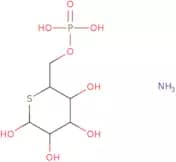
CAS :Glucose 6-phosphatase substrateFormule :C6H11O8PS·N2H8Degré de pureté :Min. 95%Couleur et forme :PowderMasse moléculaire :310.26 g/mol1,3,4,6-Tetra-O-acetyl-a-D-glucopyranose
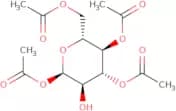
CAS :1,3,4,6-Tetra-O-acetyl-a-D-glucopyranose is a synthon that is used as a synthetic intermediate for the synthesis of other compounds. It is also a reactive compound that can be used to synthesize carboxylic acids and hydroxy ketones by reaction with water or alcohols. 1,3,4,6-Tetra-O-acetyl-a-D-glucopyranose can also be converted into esters by reaction with alcohols.Formule :C14H20O10Degré de pureté :Min. 93 Area-%Couleur et forme :White Off-White PowderMasse moléculaire :348.3 g/molD-Tagatose
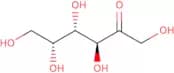
CAS :Low-calorie sweetener; additive in detergents, cosmetics, and pharmaceuticalsFormule :C6H12O6Degré de pureté :Min. 99 Area-%Couleur et forme :PowderMasse moléculaire :180.16 g/molPropyl b-D-glucuronide
CAS :Propyl b-D-glucuronide is a synthetic compound that belongs to the family of carbohydrates. It has a fluorinated hydroxyl group at the C3 position and an esterified carboxylic acid at the C1 position. This compound can be used as a building block for oligosaccharides and polysaccharides, which are complex carbohydrates. Propyl b-D-glucuronide is soluble in water and has a molecular weight of 176.Formule :C9H16O7Degré de pureté :Min. 95%Couleur et forme :Tan To Brown SolidMasse moléculaire :236.22 g/molL-Rhamnose diethyl mercaptal
CAS :L-Rhamnose diethyl mercaptal is an antiperspirant and deodorant that is used in combination with other ingredients to reduce or eliminate body odor. It is a supplement, often found in combinations with other compounds such as neodymium and radium. This compound works by preventing the formation of sweat from the apocrine glands, which reduces underarm wetness and body odor. L-Rhamnose diethyl mercaptal also has antimicrobial properties that help prevent bacterial growth on the skin surface.
Formule :C10H22O4S2Degré de pureté :Min. 95%Couleur et forme :PowderMasse moléculaire :270.41 g/mol1,2,3,4-Tetra-O-acetyl-6-O-tosyl-b-D-glucopyranose
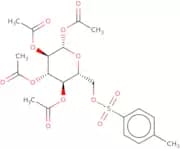
CAS :The tetra-acetyl-6-tosyl-b-D-glucopyranose is a modification of the natural 1,2,3,4-tetra-O-acetyl-6-O-tosyl--D glucopyranose. It is synthesized by reacting the 1,2,3,4 tetra acetyl b glucopyranose with tosyl chloride and anhydrous pyridine in dry dichloromethane. The product is purified by column chromatography on silica gel using a solvent system consisting of ethyl acetate and methanol. The yield of this reaction is about 60%. The molecular weight of this compound is 876.7 g/mol and its melting point is 253°C. The CAS No. for this compound is 661910-9 and its IUPAC name is (1R*, 2S*, 4R*)-1,2,Formule :C21H26O12SDegré de pureté :Min. 95%Couleur et forme :White PowderMasse moléculaire :502.49 g/molMethyl 4,6-O-benzylidene-a-D-mannopyranoside
CAS :Methyl 4,6-O-benzylidene-a-D-mannopyranoside is a hexadecanoic acid that is mediated by the target cell. It has been shown to inhibit the growth of bacteria and cancer cells in vitro. Methyl 4,6-O-benzylidene-a-D-mannopyranoside also possesses an antibacterial activity with a low mammalian toxicity. This compound is hydrolyzed by esterases or glucuronidases, oxidized by cytochrome P450 enzymes, reduced by glutathione reductase, or conjugated with glucuronic acid. The residue of this compound has been shown to be carcinogenic in vivo and in vitro. Anticancer activity of this compound may be due to its ability to disrupt DNA synthesis and induce apoptosis of cancer cells.Formule :C14H18O6Degré de pureté :Min. 95%Couleur et forme :PowderMasse moléculaire :282.29 g/mol1,2,3,4-Tetra-O-benzoyl-6-O-tert-butyldiphenylsilyl-b-D-galactopyranose
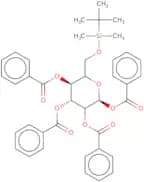
CAS :1,2,3,4-Tetra-O-benzoyl-6-O-tert-butyldiphenylsilyl-b-D-galactopyranose is a modified oligosaccharide that is synthesized and offered at high purity. The chemical name of this compound is 1,2,3,4 tetra O benzoyl 6 O tert butyldiphenylsilyl b D galactopyranose. This compound is fluorinated at the 2 position of the sugar molecule with a silyl group on the 3 position. It has CAS number 1222709-87 6.Formule :C40H42O10SiDegré de pureté :Min. 95%Masse moléculaire :710.86 g/mol1,3,5-Tri-O-benzoyl-2-deoxy-2-fluoro-a-D-arabinofuranose
CAS :Resource for the synthesis of Clofarabine and other bioactive arabinosidesFormule :C26H21FO7Degré de pureté :Min. 98 Area-%Couleur et forme :White Off-White PowderMasse moléculaire :464.44 g/mol

![2-Amino-b-L-arabinofurano[1,2:4,5]oxazoline](/_next/image/?url=https%3A%2Fstatic.cymitquimica.com%2Fproducts%2F3D%2Fthumb-webp%2FMA06535.webp&w=3840&q=75)