Peptides
Les peptides sont des chaînes courtes d'acides aminés liées par des liaisons peptidiques, jouant un rôle essentiel en tant que molécules biologiques dans divers processus cellulaires. Ils fonctionnent comme hormones, neurotransmetteurs et molécules de signalisation, et sont largement utilisés dans les applications thérapeutiques et diagnostiques. Les peptides sont également cruciaux dans la recherche pour étudier les interactions protéiques, les activités enzymatiques et les voies de signalisation cellulaire. Chez CymitQuimica, nous proposons une large sélection de peptides de haute qualité pour soutenir vos besoins en recherche et développement en biotechnologie et en pharmacie.
Sous-catégories appartenant à la catégorie "Peptides"
30315 produits trouvés pour "Peptides"
Trier par
Degré de pureté (%)
0
100
|
0
|
50
|
90
|
95
|
100
H-HHIYLGAVNYIY-OH
CAS :<p>Peptide H-HHIYLGAVNYIY-OH (Met-12 Peptide) is a Research Peptide with significant interest as a small peptide Fas receptor agonist which as been used study inflammation responses. This peptide is available for purchase at Cymit Quimica in multiple sizes and with a specification of your choice.</p>Formule :C71H99N17O17Masse moléculaire :1,462.65 g/molHIV - 1 MN ENV - 56
<p>Custom research peptide; min purity 95%. For different specs please use the Peptide Quote Tool</p>Masse moléculaire :1,622.9 g/molH-TTPTFFPK^-OH
<p>Peptide H-TTPTFFPK^-OH is a Research Peptide with significant interest within the field academic and medical research. This peptide is available for purchase at Cymit Quimica in multiple sizes and with a specification of your choice.</p>H-LADLQVPR^-OH
<p>Peptide H-LADLQVPR^-OH is a Research Peptide with significant interest within the field academic and medical research. This peptide is available for purchase at Cymit Quimica in multiple sizes and with a specification of your choice.</p>LCBiot-STHTLDLSR-OH
Peptide LCBiot-STHTLDLSR-OH is a Research Peptide with significant interest within the field academic and medical research. This peptide is available for purchase at Cymit Quimica in multiple sizes and with a specification of your choice.Tat-NR2Bct
CAS :<p>Custom research peptide; min purity 95%. For different specs please use the Peptide Quote Tool</p>Formule :C105H188N42O30Masse moléculaire :2,518.9 g/molH-FFVAPFPEVFGK^-OH
<p>Peptide H-FFVAPFPEVFGK^-OH is a Research Peptide with significant interest within the field academic and medical research. This peptide is available for purchase at Cymit Quimica in multiple sizes and with a specification of your choice.</p>C34, gp41 HIV Fragment
<p>Custom research peptide; min purity 95%. For different specs please use the Peptide Quote Tool</p>Formule :C184H280N50O64S1Masse moléculaire :4,248.8 g/molH-NLVPMVATV-NH2
<p>Peptide H-NLVPMVATV-NH2 is a Research Peptide with significant interest within the field academic and medical research. This peptide is available for purchase at Cymit Quimica in multiple sizes and with a specification of your choice.</p>H-AFAHAQWK^-OH
<p>Peptide H-AFAHAQWK^-OH is a Research Peptide with significant interest within the field academic and medical research. This peptide is available for purchase at Cymit Quimica in multiple sizes and with a specification of your choice.</p>H-APIIAVTR^-OH
Peptide H-APIIAVTR^-OH is a Research Peptide with significant interest within the field academic and medical research. This peptide is available for purchase at Cymit Quimica in multiple sizes and with a specification of your choice.Wang Resin (200-400 mesh) 1% DVB
<p>Wang Resin is a resin for peptide synthesis with a high loading capacity. Wang Resin is an unsubstituted polystyrene resin and has been used in peptide synthesis as a solid phase. It can be used as a building block to create other resins or as a solid phase support in peptide synthesis. Wang Resin is also used in the manufacture of pharmaceuticals, agrochemicals, and cosmetics.</p>Degré de pureté :Min. 95%Abz-Arg-Arg-Arg-Arg-Ser-Ala-Gly-Tyr(NO2)-NH2
<p>The peptide is a serine protease substrate and has been shown to inhibit the dengue virus NS3 serine protease. The peptide has been shown to inhibit the enzyme activity of human neutrophil elastase, cathepsin G, chymotrypsin, and trypsin. The peptide also inhibits the activity of various protein kinases such as PKC, ERK1/2, PKA and PI3K.</p>Formule :C48H77N23O13Degré de pureté :Min. 95%Masse moléculaire :1,184.3 g/molAc-Leu-Arg-Ser-Arg-AMC
<p>Interleukin-1 (IL-1) is a protein that is involved in the regulation of many aspects of the immune system. IL-1 is produced by macrophages and other cells, and it stimulates the production of other cytokines and has anti-inflammatory effects. IL-1 can also stimulate the release of certain enzymes such as elastase from neutrophils, which may have a role in chronic inflammatory diseases. Interleukin 1 has been shown to be an MALT1 substrate, a protein that regulates Mucosa Associated Lymphoid Tissue lymphoma translocation protein (MALT). The MALT1 enzyme is involved in regulating inflammation and immunity, as well as tumor progression.</p>Formule :C33H51N11O8Degré de pureté :Min. 95%Masse moléculaire :729.84 g/molLY2112688 trifluoroacetate
CAS :<p>Please enquire for more information about LY2112688 trifluoroacetate including the price, delivery time and more detailed product information at the technical inquiry form on this page</p>Formule :C51H70N18O11S2•(C2HF3O2)xDegré de pureté :Min. 95%Couleur et forme :PowderMasse moléculaire :1,175.35 g/molH-Val-Trp-OH
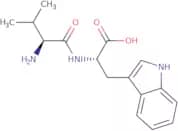
CAS :<p>H-Val-Trp-OH is a noncompetitive inhibitor of the enzyme tyrosinase, which plays a role in melanin production. It also has radical scavenging activities and can inhibit the activity of other enzymes such as glucose 6-phosphate dehydrogenase and acetylcholinesterase. The compound is stable in aqueous solution and can be used to study the effects of H-Val-Trp-OH on wheat germ cells. It is composed of an amino acid sequence that resembles tyrosine, with a carboxylate group attached to the hydroxyl group at position 3. H-Val-Trp-OH is most active against tyrosinase when it is in its activated form, but it can also act as an inhibitor when it is not activated. The compound inhibits the activity of tyrosinase by binding to its active site and blocking the binding or catalysis of substrate molecules. This inhibition occurs through competitive interactions with</p>Formule :C16H21N3O3Degré de pureté :Min. 95%Couleur et forme :PowderMasse moléculaire :303.36 g/molIDE Inhibitor 6bK
<p>The enzyme inhibitor 6bK is a peptide that inhibits the activity of insulin. It has been shown to inhibit the synthesis of protein, DNA, and RNA in cells. This inhibition has led to cell death by apoptosis. 6bK has also been shown to have anti-inflammatory effects.</p>Formule :C41H55N7O7Degré de pureté :Min. 95%Masse moléculaire :757.94 g/molAc-Ala-Ala-OH
CAS :Ac-Ala-Ala-OH is a compound that has been shown to bind to the receptor molecule, and is stable in the presence of proton. It also forms stable complexes with amide and teicoplanin. Ac-Ala-Ala-OH has a carbonyl group, which can be detected by magnetic resonance spectroscopy (MRS) at 1.8 ppm. The compound also has an nmr spectrum in which it can be seen that the trifluoroacetic acid does not affect the binding experiments. Ac-Ala-Ala-OH is used for binding experiments because it binds specifically to the receptor molecule and has a number of other properties that make it useful for research purposes.Formule :C8H14N2O4Degré de pureté :Min. 95%Couleur et forme :PowderMasse moléculaire :202.21 g/molH-Gly-Arg-AMC hydrochloride salt
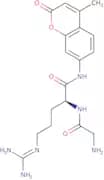
CAS :<p>H-Gly-Arg-AMC hydrochloride salt is a substrate for the enzymes cathepsins B, H, and L. This compound has been used to measure protease activity in cell culture and as a diagnostic substrate for peptidases. The enzyme reaction can be monitored by measuring changes in the fluorescence of the product at 340 nm. The pH optimum for this enzyme is 7.4.</p>Formule :C18H24N6O4•HClDegré de pureté :Min. 98 Area-%Couleur et forme :PowderMasse moléculaire :424.88 g/molBoc-Asp(OBzl)-Pro-Arg-AMC·HCl
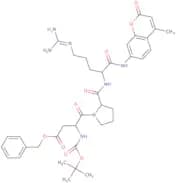
CAS :<p>Boc-Asp(OBzl)-Pro-Arg-AMC·HCl is a high quality, reagent, complex compound and useful intermediate. It is a fine chemical with the CAS Number 201849-39-0 that is used in research and development. Boc-Asp(OBzl)-Pro-Arg-AMC·HCl is also a versatile building block that can be used in reactions for the synthesis of other compounds.</p>Formule :C37H47N7O9·HClDegré de pureté :Min. 98 Area-%Couleur et forme :White PowderMasse moléculaire :770.27 g/molH-Orn-Hyp-Myristoil2 · 2HCl
<p>Please enquire for more information about H-Orn-Hyp-Myristoil2 · 2HCl including the price, delivery time and more detailed product information at the technical inquiry form on this page</p>Formule :C38H78N4O4Cl2Degré de pureté :Min. 95%Masse moléculaire :723.96 g/molZ-Val-Ala-Asn-AMC
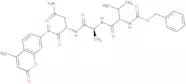
CAS :Z-Val-Ala-Asn-AMC is a reagent that is used in the synthesis of complex compounds. It is a versatile building block, which can be used to make a wide range of compounds. It has been shown that Z-Val-Ala-Asn-AMC is an excellent reaction component for the synthesis of several important bioactive compounds.Formule :C30H35N5O8Degré de pureté :Min. 98 Area-%Couleur et forme :PowderMasse moléculaire :593.63 g/molH-Asp-Phe-OH
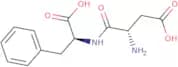
CAS :<p>H-Asp-Phe-OH is a diagnostic agent that contains the amino acid aspartame and a hydroxyl group. It is hydrolyzed in the body to form aspartic acid, phenylalanine, and methanol. The methyl ester of H-Asp-Phe-OH is hydrochloride. This compound has been used to study locomotor activity in mice and rats. Aspartame has also been shown to be an inhibitor of certain enzymes, such as fatty acid synthase, which is associated with human pathogens. The lc-ms/ms method has been used to detect H-Asp-Phe-OH metabolites in human serum samples. In addition, this compound can be used for the diagnosis of diseases such as diabetes mellitus type 2 and Alzheimer’s disease by measuring uptake into cells at enzyme activities.</p>Formule :C13H16N2O5Degré de pureté :Min. 95%Couleur et forme :White PowderMasse moléculaire :280.28 g/molGlutaryl-Gly-Arg-AMC hydrochloride salt
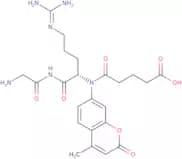
CAS :<p>Glutaryl-Gly-Arg-AMC hydrochloride salt is a high quality, fine chemical reagent that is useful as a building block, scaffold or intermediate. It has been used in the synthesis of other complex compounds and has been shown to have potential for use in drug discovery research. Glutaryl-Gly-Arg-AMC hydrochloride salt is a versatile building block that can be used in reactions that require the presence of an amine group, such as peptide coupling. This reagent can also be used to modify the functional groups on small molecules, such as aldehydes and carboxylic acids. Glutaryl-Gly-Arg-AMC hydrochloride salt is also useful as a reaction component in the synthesis of speciality chemicals, such as pharmaceuticals and agrochemicals.</p>Formule :C23H30N6O7•HClDegré de pureté :Min. 95 Area-%Couleur et forme :PowderMasse moléculaire :538.98 g/moln-Hexyltrioxyethylene
CAS :<p>n-Hexyltrioxyethylene is a glycol ether that belongs to the group of organic solvents. It is used in detergent compositions and as a polymerization initiator for polyester resins. This compound has been shown to have antibacterial properties and can be used as a cationic surfactant in liquid crystal compositions. n-Hexyltrioxyethylene also has functional groups that are reactive with esters and hydrocarbons, which can be used in reaction solutions to form ester linkages or hydrocarbon bonds. The average particle diameter of this substance is around 100 nm.</p>Formule :C12H26O4Degré de pureté :Min. 98 Area-%Couleur et forme :Clear LiquidMasse moléculaire :234.33 g/molTarantula Venom-Derived JzTx-V Peptide Analog
<p>A tarantula spider venom-derived JzTx-V Peptide analog that blocks histamine-induced pruritis in mice, following subcutaneious administration in a NaV1.7; dependent model. This product is sourced from the Tarantula and is available as a trifluoroacetate salt.</p>Formule :C155H236N47O41S6BrDegré de pureté :Min. 95%Masse moléculaire :3,686.19 g/mol(Des-Gly10,D-Ser4,D-Leu6,Pro-NHEt 9)-LHRH trifluoroacetate
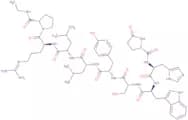
CAS :<p>Please enquire for more information about (Des-Gly10,D-Ser4,D-Leu6,Pro-NHEt 9)-LHRH trifluoroacetate including the price, delivery time and more detailed product information at the technical inquiry form on this page</p>Formule :C59H84N16O12•(C2HF3O2)xDegré de pureté :Min. 98 Area-%Couleur et forme :PowderMasse moléculaire :1,209.4 g/molGluten Exorphin B5 H-Tyr-Gly-Gly-Trp-Leu-OH
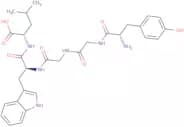
CAS :<p>Gluten Exorphin B5 H-Tyr-Gly-Gly-Trp-Leu-OH is a synthetic opioid peptide that has been shown in animal models to reduce food intake and body weight. This peptide is an analog of the endogenous opioid peptides Met-enkephalin and Leu-enkephalin, which have been implicated in the regulation of food intake and energy expenditure. Gluten exorphin B5 H-Tyr-Gly-Gly-Trp-Leu-OH binds to the μ opioid receptor, which is involved in drug safety. It also binds to the prolactin receptor, which plays a role in drug absorption and distribution.</p>Formule :C30H38N6O7Degré de pureté :Min. 95%Couleur et forme :White PowderMasse moléculaire :594.66 g/molH-Ser-Asp-OH
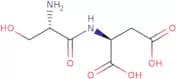
CAS :H-Ser-Asp-OH is a peptide that is the product of the prokaryotic gene, mycobacterium avium. It has been shown to inhibit the translation of mRNA into protein in mycobacteria. H-Ser-Asp-OH also has an anti-inflammatory effect on human cells by inhibiting the synthesis of prostaglandins. This peptide also has antiviral properties and can be used as a treatment for chronic kidney disease (CKD) and hepatitis C. The drug is not effective against HIV infection or hepatitis B virus, however, because it does not inhibit reverse transcriptase or bind to viral DNA.Formule :C7H12N2O6Degré de pureté :Min. 95 Area-%Couleur et forme :PowderMasse moléculaire :220.18 g/molD-Pen(p-Me-Bzl)
<p>As a metabolite of penicillin and a di-methly analog of cysteine, D-Penicillamine (D-Pen) has properties as a heavy metal chelator. In particular, D-Pen forms complexes with thiol groups of copper ions and so can help regulate conditions such as Wilson’s disease, contributing to the renal excretion of copper. Studies have suggested that D-Pen could be used in the treatment of Alzheimer’s disease due to a reduced activity of copper and zinc superoxide dismutases in the blood of Alzheimer’s disease patients. It can further be used to treat copper and lead poisoning cases. Although D-Pen is clinically relevant, it is important to distinguish it from its enantiomer L-Pen which has been found to be toxic and can result in neuritis and marrow damage.</p>Formule :C13H19NO2SDegré de pureté :Min. 95%Masse moléculaire :253.2 g/molH-Glu(Edans)-Pro-Leu-Phe-Ala-Glu-Arg-Lys(Dabcyl)-OH
<p>H-Glu(Edans)-Pro-Leu-Phe-Ala-Glu-Arg-Lys(Dabcyl)-OH is a peptide and biochemical that belongs to the group of enzyme substrates. It is a nonapeptide that contains an amidated lysine residue at the N terminus and the sequence H-Glu(Edans)-Pro-Leu is repeated. The amidated lysine residue facilitates the attachment of H-Glu(Edans)-Pro-Leu to an enzyme substrate, in this case calpain. H-Glu(Edans)-Pro-Leu binds to calpain by forming a covalent bond with a reactive cysteine residue on the enzyme's active site, thereby inhibiting its activity.</p>Formule :C72H97N17O16SDegré de pureté :Min. 95%Masse moléculaire :1,488.74 g/molH-Glu[Cyclo(Arg-Gly-Asp-D-Phe-Lys)]2
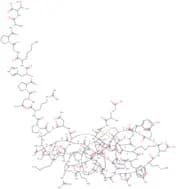
<p>H-Glu[Cyclo(Arg-Gly-Asp-D-Phe-Lys)]2 is a peptide macrocycle that is a biologically active peptide. The peptide was synthesized using the Fmoc/tBu strategy on Rink amide resin and deprotected with trifluoroacetic acid. H-Glu[Cyclo(Arg-Gly-Asp-D-Phe-Lys)]2 has been shown to have tumor necrosis factor antagonist activity, as well as inhibitory effects on integrins. It also inhibits the proliferation of cancer cells in vitro and in vivo. This peptide binds to the integrin alpha3beta1, which is expressed at high levels on many types of cancer cells, including prostate cancer cells.</p>Formule :C59H87N19O16Degré de pureté :Min. 95%Masse moléculaire :1,318.47 g/molGurmarin
CAS :Gurmarin is a polycyclic diterpene that can be found in the bark of the G. lucidum tree. It has been shown to bind to glutamate receptors, which are ion channels that allow ions such as calcium and sodium to pass through cell membranes. Gurmarin has been shown to activate these receptors in vitro, and knockout or over-expression of these receptors in cells can lead to changes in receptor activity. Gurmarin has also been shown to have specific binding affinity for a certain type of receptor cell, which are cells with cation channels that may be involved in taste perception. The receptor binding site on the gurmarin molecule is thought to correspond with the sweet taste sensation.Formule :C187H276N46O53S6Degré de pureté :Min. 95%Masse moléculaire :4,208.95 g/molGlutathione disulfide (GSSG) methyl ester
<p>Glutathione Disulfide (GSSG) Methyl Ester is a reactive molecule that is formed by the oxidation of glutathione. It is used in studies on oxidative stress and its role in tumorigenesis. GSSG Methyl Ester has been shown to bind to DNA and inhibit transcription. GSSG Methyl Ester is also used as a fluorescent probe for measuring intracellular glutathione levels. This compound has also been shown to have antioxidant properties, which may be due to its ability to scavenge reactive oxygen species and reduce cellular damage.</p>Formule :C24H40N6O12S2Degré de pureté :Min. 95%Masse moléculaire :668.75 g/molNesfatin-1 Like Peptide (Mouse)
<p>Nesfatin-1 Like Peptide (Mouse) is a peptide that regulates feeding behavior and insulin secretion. It is an insulinotropic peptide, which means it stimulates the release of insulin from pancreatic beta cells. Nesfatin-1 Like Peptide (Mouse) has been shown to be upregulated in the hypothalamus during fasting, thereby regulating feeding behavior. This peptide also has neurologic effects, such as stimulating locomotor activity, and may have antiinflammatory effects.</p>Formule :C382H599N107O128Degré de pureté :Min. 95%Masse moléculaire :8,738.67 g/molFmoc-Ile-Rink-Amide MBHA Resin
<p>Fmoc-Ile-Rink-Amide MBHA Resin is a resin that is used in the synthesis of peptides. It is composed of amino acid building blocks, which are connected to form polymers. The resin is insoluble in water and organic solvents, which makes it suitable for use in peptide synthesis and other applications. Fmoc-Ile-Rink-Amide MBHA Resin can be used as an alternative to polystyrene and polypropylene resins because it has a higher loading capacity and is more stable at high temperatures.</p>Degré de pureté :Min. 95%Cys-Ala-Thr-Lys-Val-Asn(NGA2)-Phe-Thr-Glu-Ala-Gln-Lys-Ala-Ala-Leu-Asp-Val
Please enquire for more information about Cys-Ala-Thr-Lys-Val-Asn(NGA2)-Phe-Thr-Glu-Ala-Gln-Lys-Ala-Ala-Leu-Asp-Val including the price, delivery time and more detailed product information at the technical inquiry form on this pageDegré de pureté :Min. 95%Couleur et forme :PowderSomatostatin-28
CAS :Somatostatin-28 is the 28 amino acid isoform of somatostatin and has similar activity to the 14 amino acid isoform. While the 14 amino acid form mainly acts in the brain, somatostatin-28 mainly operates in the gastrointestinal tract. Somatostatin is a peptide hormone that is widely expressed throughout the body for example in the gastrointestinal (GI) tract, hypothalamus, pancreas and the central nervous system. It has been found to inhibit pituitary growth hormone release as well as endocrine, pancreatic and GI secretions. In the central nervous system somatostatin plays a role in neurotransmission modification and it has also demonstrated to be effective against a number of cancers such as squamous carcinoma.Formule :C137H207N41O39S3Degré de pureté :Min. 95%Masse moléculaire :3,148.62 g/molFmoc-D-Leu-Wang Resin (100-200 mesh) 1% DVB
Fmoc-D-Leu-Wang Resin (100-200 mesh) is a research tool that is an activator, ligand, and receptor. It is used in the study of cell biology, antibody production, ion channels, and protein interactions. Fmoc-D-Leu-Wang Resin (100-200 mesh) can be used to make peptides or as a pharmacological inhibitor. This product is high purity and has CAS No.Degré de pureté :Min. 95%H-Met-2-ClTrt-Resin (100-200 mesh) 1% DVB
<p>H-Met-2-ClTrt-Resin (100-200 mesh) 1% DVB is a resin for peptide synthesis. It is a new, high yielding building block for the production of peptides by solid phase synthesis. The resin can be used as a building block for the synthesis of amines, alcohols, and thiols.</p>Degré de pureté :Min. 95%Boc-Asp(OBzl)-Pro-Arg-MCA
CAS :<p>Boc-Asp(OBzl)-Pro-Arg-MCA is a peptide that can activate the receptor GPRC6A. The peptide has been shown to activate the receptor by binding to it and activating the signal transduction pathway. This peptide is also an inhibitor of ion channels, such as voltage-gated potassium channels. Boc-Asp(OBzl)-Pro-Arg-MCA is a high purity product with CAS No. 113866-00-5.</p>Formule :C37H47N7O9Degré de pureté :Min. 95%Masse moléculaire :733.81 g/molAmino-dPEG®4-t-Butyl Ester
CAS :<p>Amino-dPEG®4-t-Butyl Ester is a PEG compound with two different functional groups (also known as heterobifunctional). Unlike homobifunctional PEG compounds (same functional group on both ends), this type of compounds are more versatile as have two different anchor points. Amino-dPEG®4-t-Butyl Ester is used as a linker and spacer to add a PEG moiety, via pegylation (a bioconjugation technique) to proteins, peptides, oligonucleotides, small molecules and nanoparticles.</p>Formule :C15H31NO6Degré de pureté :Min. 95%Masse moléculaire :321.41 g/molHis-A-D-A-Val-F-THR-A-Ala-Tyr-A-Arg-L-Arg-K-Gln-Me
CAS :<p>Custom research peptide; min purity 95%. For different specs please use the Peptide Quote Tool</p>Formule :C131H219N41O33S1Masse moléculaire :2,928.46 g/molAbz-Lys-Lys-Gln-Arg-Ala-Gly-Val-Leu-Tyr(NO2)-NH2
<p>Abz-Lys-Lys-Gln-Arg-Ala-Gly-Val-Leu-Tyr(NO2)-NH2 is a peptide that is used as an inhibitor of the Dengue Fever Virus protease. It has been shown to inhibit the activity of the nonstructural protein NS1, which is an enzyme that plays a role in the replication cycle of the virus. This peptide binds to the active site of serine proteases and prevents them from cleaving other proteins. It also inhibits HIV protease, cathepsin L, and trypsin.</p>Formule :C55H88N18O14Degré de pureté :Min. 95%Masse moléculaire :1,225.43 g/mol6-Alkynyl-L-fucose tetraacetate
CAS :<p>1,2,3,4-Tetra-O-acetyl-5-alkynyl-L-fucose is a per-O-acetylated version of 5-alkynyl-L-fucose, an inhibitor of the cellular fucosylation pathway. 1,2,3,4-Tetra-O-acetyl-5-alkynyl-L-fucose can pass through the eukaryotic cell membrane somewhat better than 5-alkynyl-L-fucose can itself, is deacetylated by cellular esterases and interferes with the biosynthesis of the fucosyl-donor and fucosyltransferase substrate GDP-Fuc, thus reducing fucosylation levels during glycoprotein biosynthesis.</p>Formule :C15H18O9Degré de pureté :Min. 95%Masse moléculaire :342.3 g/molGhrelin (Human)
CAS :<p>Ghrelin is a peptide hormone that has various effects on the body, including stimulating appetite, nutrient sensing and meal initiation. It has also been found to regulate insulin resistance, diabetes and obesity and asserts its functional affects through acting as an endogenous ligand for the growth hormone secretagogue receptor (GHS-R). Its wider functions such as glucose homeostasis, energy homeostasis, cardio-protective effects, its role in bone metabolism and its potential to be a target for cancer means that it can be used to develop therapies for a whole spectrum of diseases. This product is available in the trifluoroacetate salt form and as a 0.1mg vial.</p>Formule :C149H249N47O42Degré de pureté :Min. 95%Masse moléculaire :3,370.9 g/molDes-Acyl Ghrelin (Rat)
CAS :<p>Des-Acyl Ghrelin (Rat) is a Des-Octanoylated Ghrelin product available in the Trifluoroacetate Salt form and as a 0.1mg vial. Ghrelin is a peptide horone which plays a role in regulating energy balance, stimulating appetite, nutrient sensing and meal initiation. It influences bodily functions through associating with growth hormone secretagogue receptors (GHS-R) through its unique N-octanoyl group which is linked to its serine 3 residue covalently. It wider functions are in the regulation of insulin resistance, diabetes and obesity. On top of this Ghrelin is also found to be involved with glucose homeostasis, energy homeostasis, cardio-protective effects, bone metabolism and is a potential target for cancer. Therefore it can be used to develop therapies for a whole spectrum of diseases. This molecule is used as a research tool for studying cell biology and pharmacology.</p>Formule :C139H231N45O41Degré de pureté :Min. 95%Masse moléculaire :3,188.6 g/molTos-Lys-OMe.HCl
CAS :<p>Tos-Lys-OMe.HCl is a peptide substrate for the enzyme trypsin, which is an endopeptidase that cleaves proteins to smaller fragments. Tos-Lys-OMe.HCl is used in the study of proteolytic enzyme action and as a tool in biochemical research.</p>Formule :C14H22N2O4S•HCIDegré de pureté :Min. 95%Masse moléculaire :350.86 g/molH-Ser-Phe-Asn-Gly-Gly-Pro-NH2
CAS :<p>H-Ser-Phe-Asn-Gly-Gly-Pro-NH2 is a peptide that activates Protease Activated Receptor 1 (PAR1) and Protease Activated Receptor 3 (PAR3). It also has been shown to decrease blood pressure in mice, inhibit coagulation, and increase the breakdown of fibrin clots. This product is a ligand for PAR1 and PAR3. It has been shown to activate these receptors by binding to them through its amino acid sequence. HSPNP binds to proteases that cleave the peptide from the receptor, which leads to activation of the receptor. HSPNP can also bind to PAR3 and PAR4.</p>Formule :C25H36N8O8Degré de pureté :Min. 95%Masse moléculaire :576.61 g/molUrotensin II (Human) Antiserum
<p>Urotensin II (Human) Antiserum is a research tool for the study of ion channels and receptors. Urotensin II is a peptide that interacts with the G-protein coupled receptor, UTA1. The purified antibody can be used to detect the presence of this peptide in a sample by Western blotting or ELISA. This product is supplied in high purity and has not been shown to react with any other protein.</p>Degré de pureté :Min. 95%H-Arg-Arg-Leu-Ile-Glu-Asp-Ala-Glu-Tyr-Ala-Ala-Arg-Gly-NH2
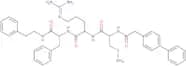
CAS :This peptide hormone is a member of the lipid-binding proteins. It is a basic protein that has been found to be expressed in human leukemia cells and may have an important function in cellular transformation. The hl-60 cells, treated with this agent, show changes in cell shape and motility. Epidermal growth factor (EGF) receptors are activated by this fatty acid, which leads to an increase in the production of EGF by the cells. This peptide hormone has been shown to bind to the epidermal growth factor receptor and stimulate the production of EGF. Monoclonal antibodies can be used to identify this peptide hormone. The binding sites for this peptide hormone are dinucleotide phosphate or cytosolic proteins. This peptide hormone has been associated with autoimmune diseases such as rheumatoid arthritis and psoriatic arthritis.Formule :C64H106N22O21Degré de pureté :Min. 95%Masse moléculaire :1,519.69 g/molN-(4-Biphenylacetyl)-Cys(Me)-D-Arg-Phe-N-Phenylethylamide
CAS :N-(4-Biphenylacetyl)-Cys(Me)-D-Arg-Phe-N-Phenylethylamide is an inhibitor of serine proteases. It prevents the breakdown of proteins, which may result in a number of pathologies. N-(4-Biphenylacetyl)-Cys(Me)-D-Arg-Phe-N-Phenylethylamide has been shown to prevent reperfusion injury and proteinuria in mice by inhibiting renal inflammation and oxidative stress. This compound has also been shown to be effective in preventing the development of cancer, for example prostate cancer, by inhibiting angiogenesis, leading to reduced vascularization.Formule :C41H49N7O4SDegré de pureté :Min. 95%Masse moléculaire :735.96 g/molMet-MCA
CAS :Met-MCA is a peptide that can be used as an activator, antibody, or receptor. CAS No. 94367-34-7. It is a high purity product with high quality and good stability in salt solution or in PBS (PH 7.4). It inhibits ion channels and has been shown to inhibit the interactions of proteins. Met-MCA can be used as a pharmacological tool for research on protein interactions and ligand/receptor binding.Formule :C15H18N2O3SDegré de pureté :Min. 95%Masse moléculaire :306.38 g/molH-Ser-Leu-Ile-Gly-Arg-Leu-OH
CAS :<p>H-Ser-Leu-Ile-Gly-Arg-Leu-OH is a peptide that is derived from the amino acid sequence of the Protease Activated Receptor (PAR) and has been shown to be an inhibitor of PAR4. It has been shown to inhibit coagulation, myocardial infarct, cytosolic Ca2+, and receptor activity in vitro. H-Ser-Leu-Ile-Gly-Arg-Leu-OH has also been shown to decrease blood pressure in mice by inhibiting cyclase activity and reducing vascular reactivity.</p>Formule :C29H55N9O8Degré de pureté :Min. 95%Masse moléculaire :657.82 g/molNeuromedin U8 (Porcine)
CAS :<p>Neuromedin U8 (Porcine) is a peptide that binds to the receptor for Neuromedins. It has been shown to inhibit cell proliferation and induce apoptosis in some cancer cells. Neuromedin U8 has also been shown to have a protective effect on the bowel by inhibiting inflammatory bowel disease. The peptide is also known to be active on other physiological functions and metabolic disorders, such as amide metabolism and hypertrophy, which are due to its conformational properties.</p>Formule :C54H78N16O10Degré de pureté :Min. 95%Masse moléculaire :1,111.32 g/molAntipain (Synthetic)
CAS :<p>Antipain (supplied as the HCl salt) is a cytosolic and bound form of antipain. It binds to ATP-binding cassette transporter proteins, which are involved in the transport of substances across cell membranes, and inhibits their enzymatic activity. Antipain 2HCI also has inhibitory properties on enzymes such as DNA polymerase II and pyruvate kinase. It has been shown to have an effect on biochemical properties such as protein synthesis, enzyme activities, and polymerase chain reactions. This drug has been shown to be effective in preventing myocardial infarcts and cellular apoptosis by inhibiting the release of cytochrome c from mitochondria. Antipain 2HCI may also have some anti-inflammatory effects due to its inhibition of prostaglandin synthesis.</p>Formule :C27H44N10O6·2HClDegré de pureté :Min. 95%Masse moléculaire :604.7 g/molOxyntomodulin, Glucagon-37 (Porcine)
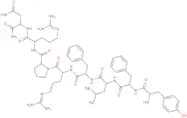
CAS :<p>Oxyntomodulin, a peptide hormone made up of 37 amino acids, is produced and released from gut endocrine L-cells. It has the ability to regulate gastric acids secretion in the gastric oxyntic glands. Oxyntomodulin, Glucagon-37 (Porcine) product is avaiable in the Trifluoroacetate salt form and can be used as an inhibitor of gastric acid secretion and pancreatic enzyme secretion. It has also been shown to reduce food intake and increase energy expenditure in humans. Central injection of oxyntomodulin reduces food intake and weight gain in rodents, suggesting that oxyntomodulin signals food ingestion to hypothalamic appetite-regulating circuits.</p>Formule :C192H295N59O60SDegré de pureté :Min. 95%Masse moléculaire :4,421.92 g/mol[Tyr0]-C-Peptide (Human)
CAS :<p>This product is a C-peptide derivative for use in radioimmunoassays. C-peptide is a peptide hormone that is cleaved from proinsulin in the pancreatic beta cells. During glycaemia C-peptide alongside insulin are released by the beta cells. Interestingly C-peptide is not immediately metabolised by the liver and it also has a relatively long half life compared to insulin. Therefore it can be a useful biomarker to monitor beta cell function. Increased levels of C-peptide occurring in patients with insulin resistant type 2 diabetes mellitus, have been associated with macrovascular complications and cardiovascular morbidity. Furthermore C-peptide has been found to prevent endothelial cell reactive oxygen species from being formed thus reducing oxidative stress. This also may lead to anti-inflammatory and anti-apoptotic responses.</p>Formule :C138H220N36O50Degré de pureté :Min. 95%Masse moléculaire :3,183.5 g/molExendin-4 TFA salt
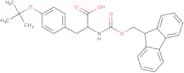
CAS :<p>Synthetic peptide whose sequence was originally isolated from venom derived from the modified salivary glands of the Gila monster (Heloderma suspectum). This product has the potential to be applied as a GLP-1 (Glucagon-Like Peptide-1) Receptor Agonist and is available in the trifluoroacetate salt form.</p>Formule :C184H282N50O60SDegré de pureté :Min. 95%Masse moléculaire :4,186.66 g/molFmoc-Tyr(tBu)-OH
CAS :<p>Fmoc-Tyr(tBu)-OH is a building block for the synthesis of peptides. It is reacted with tert-butyl alcohol and hydrochloric acid to produce the corresponding Fmoc-protected tyrosine. The Fmoc group can be removed by treatment with dicyclohexylcarbodiimide and tert-butyl alcohol, followed by saponification in aqueous base. The morphologies of the resulting free amino acids are determined by their solubility in organic solvents such as chloroform or ethyl acetate, as well as in water.</p>Formule :C28H29NO5Degré de pureté :Min. 98.0 Area-%Masse moléculaire :459.53 g/molDoxorubicin hydrochloride
CAS :Doxorubicin is a cytotoxic drug that belongs to the class of anthracyclines. It is used as an anticancer agent and in the treatment of various types of cancer. Doxorubicin has been shown to inhibit glucose uptake by cells, which may be due to its ability to form disulfide bonds with proteins. Doxorubicin also binds to iron-sulfur clusters, causing cell lysis, which may lead to tumor necrosis. In vitro assays have shown that doxorubicin inhibits drug transporter function, leading to reduced cellular uptake of drugs.Formule :C27H29NO11•HClDegré de pureté :Min. 95%Masse moléculaire :579.98 g/molBoc-D-Trp(CHO)-OH
CAS :<p>Boc-D-Trp(CHO)-OH is a synthetic peptide. It is an activator of ion channels and has been used to study the interactions between ligands and receptors. This product is suitable for life science, cell biology, pharmacology, and other research applications. Boc-D-Trp(CHO)-OH can be used as a research tool in studying protein interactions and receptor functions.</p>Formule :C17H20N2O5Degré de pureté :Min. 95%Masse moléculaire :332.35 g/molEchistatin
CAS :<p>Echistatin is a natural product isolated from the venom of the snake Echis carinatus. It is an inhibitor of protein synthesis that binds to the integrin receptor and blocks the binding of extracellular matrix proteins, leading to cell death. Echistatin has been shown to inhibit the proliferation of human osteosarcoma cells in vitro and induce neuronal death in vivo. In addition, it has been shown to be effective against human breast cancer cells that express high levels of integrins. The disulfide bond in echistatin may represent a potential anticancer agent due to its ability to form covalent bonds with other molecules such as DNA, RNA, or proteins.</p>Formule :C217H341N71O74S9Degré de pureté :Min. 95%Masse moléculaire :5,417.14 g/molFmoc-D-Glu(OtBu)-OH
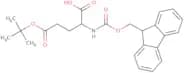
CAS :<p>Fmoc-D-Glu(OtBu)-OH is an amino acid that is used in peptide synthesis. It can be used as a building block or as a tool for peptide synthesis. Fmoc-D-Glu(OtBu)-OH has the following characteristics:</p>Formule :C24H27NO6Degré de pureté :Min. 95%Masse moléculaire :425.49 g/molANP (3-28) (Human, Porcine, Bovine)
CAS :<p>ANP (3-28) is a peptide that belongs to the class of activators. It is a ligand for the G protein-coupled receptor ANP receptor and also binds to the N-type calcium channel. ANP (3-28) has been shown to activate potassium channels in cell culture, and it has been used as a research tool for studying ion channels. This peptide has also been found to inhibit the growth of various types of cancer cells, including those from breast, prostate, and colon cancers.</p>Formule :C118H187N43O36S3Degré de pureté :Min. 95%Masse moléculaire :2,880.26 g/molHepcidin (Rat) (Bulk)
Consisting of the following disulfide Bonds: Cys7-Cys23, Cys10-Cys13, Cys11-Cys19, Cys14-Cys22, this product is a rat Hepcidin peptide hormone available as a Trifluoroacetate Salt. Hepcidin is a hormone that regulates iron homeostasis in mammals. It is synthesized by hepatocytes and released into the blood, where it binds to ferroportin, expressed on the surface of cells lining the small intestine. Through binding to ferroportin, Hepcidin inhibits ferroportin's function and prevents iron from being absorbed from the gut.Formule :C111H169N31O35S8Degré de pureté :Min. 95%Masse moléculaire :2,712.2 g/molH-Phe-Leu-Leu-Arg-Asn-OH
CAS :H-Phe-Leu-Leu-Arg-Asn-OH is a β-amino acid that has been shown to have antioxidant properties. It acts as a competitive inhibitor of the enzyme collagenase and has been shown to inhibit the development of atherosclerotic lesions in mice. The amide form of H-Phe-Leu-Leu-Arg-Asn has also been shown to have site specific activity on ventricular myocardium cells, which may be related to its ability to induce cytosolic calcium release. HPLR also has protease activity that can be inhibited by urea nitrogen and β amino acid. Basophilic leukemia cells produce HPLR at high levels and it is thought that this is due to an increased requirement for the production of collagen in these cells. HPLR has been shown to activate thrombin receptors, which are found on the surface of platelets and endothelial cells. Activated thrombinFormule :C31H51N9O7Degré de pureté :Min. 95%Masse moléculaire :661.81 g/molBz-L-Arg-pNA·HCl
CAS :Bz-L-Arg-pNA • HCl is a protease inhibitor. It is a competitive inhibitor of bovine pancreatic trypsin, chymotrypsin, and elastase. Bz-L-Arg-pNA • HCl has also been shown to inhibit the growth of cancer cells in culture and to induce apoptosis. Bz-L-Arg-pNA • HCl binds to the active site of cathepsin and thiol proteases, inhibiting their activity by blocking peptide bond hydrolysis. This drug has been shown to inhibit proteolytic activation of proinflammatory cytokines such as IL1β, IL6, IL8, and TNFα.Formule :C19H22N6O4•HCIDegré de pureté :Min. 95%Masse moléculaire :434.88 g/molPhosphoramidon
CAS :<p>Phosphoramidon is a phosphonate compound that inhibits the binding of two enzymes, cholinesterase and butyrylcholinesterase. It has been shown to cause a bronchoconstrictor response in mice, inhibit mesenteric enzyme activities, and inhibit cardiac enzyme activity in rats. Phosphoramidon is used as an experimental drug for treatment of myocardial infarcts. It also has an effect on the central nervous system by acting on neurokinin-1 receptors and kappa-opioid receptors.<br>Phosphoramidon is a monosodium salt with biochemical properties similar to those of other members of this class of drugs.</p>Formule :C23H32N3O10P•2Na•2H20Degré de pureté :Min. 95%Masse moléculaire :623.5 g/molOmega-Conotoxin MVIIC
CAS :<p>Omega-Conotoxin MVIIC is a peptide that binds to the nicotinic acetylcholine receptor and activates it, leading to inhibition of neurotransmitter release. It is used as a research tool for studying the pharmacology of ion channels and their ligands. Omega-Conotoxin MVIIC is purified from Conus magus venom. The peptide has been shown to be an inhibitor of potassium channels in rat cortical neurons. CONOTOXINS are small peptides that bind to the nicotinic acetylcholine receptor and activate it, leading to inhibition of neurotransmitter release. They are used as research tools for studying the pharmacology of ion channels and their ligands. CONOTOXINS are purified from Conus magus venom. The peptide has been shown to be an inhibitor of potassium channels in rat cortical neurons.END> END></p>Formule :C106H178N40O32S7Degré de pureté :Min. 95%Masse moléculaire :2,749.3 g/molBNP-45 (Rat)
CAS :<p>BNP-45 is a peptide that binds to the beta-subunit of the Na+/K+ ATPase, inhibiting its activity. It is a potent inhibitor of the enzyme and has been used in research as a tool to study ion channels and receptor activation.<br> BNP-45 has been shown to inhibit ion-channel activity by binding to the beta subunit of the Na+/K+ ATPase. This inhibition leads to an increase in intracellular sodium and calcium levels, which may result in a variety of physiological effects.</p>Formule :C213H349N71O65S3Degré de pureté :Min. 95%Masse moléculaire :5,040.7 g/molBoc-D-Leu-OH • H2O
CAS :<p>Boc-D-Leu-OH • H2O is an intramolecular hydrogen. It has a helical structure and forms hydrogen bonds with other molecules. Boc-D-Leu-OH • H2O is a cyclic peptide with a hydrophobic side chain and a hydrophilic head group. The peptide has been shown to have antimicrobial activity in the biliary and intestinal tract, as well as chronic pain relief properties. Boc-D-Leu-OH • H2O was found to be effective in animal studies for neuropathic pain, which may be due to its amide structure. A silico analysis revealed that the drug substance had a high binding affinity for the mu opioid receptor and could potentially be used to treat chronic pain caused by inflammation.</p>Formule :C11H21NO4•H2ODegré de pureté :Min. 95%Masse moléculaire :249.31 g/molZ-Leu-Leu-Glu-MCA
CAS :<p>L-Leu-Leu-Glu-MCA is a research tool that activates the receptor. It is a ligand that binds to the receptor, activating it. L-Leu-Leu-Glu-MCA is a small molecule that has been shown to be an antagonist of ion channels in cell biology. It has been shown to inhibit protein interactions and peptide synthesis by inhibiting the binding of ATP. L-Leu-Leu-Glu-MCA also acts as an inhibitor of ion channels and high purity protein interactions, which may be due to its competitive inhibition of ATP binding. Ligands are used in pharmacology for studying protein interactions or inhibiting enzyme activity. The CAS No. for this compound is 348086-66-8.</p>Formule :C35H44N4O9Degré de pureté :Min. 95%Masse moléculaire :664.75 g/molBoc-Asn-OH
CAS :<p>Boc-Asn-OH is a glycopeptide that has a basic structure. It is soluble in water and hydrochloric acid. Boc-Asn-OH has been shown to have antibacterial activity against methicillin-resistant Staphylococcus aureus (MRSA) and Clostridium perfringens, as well as good solubility in organic solvents such as chloroform and acetonitrile. Preparative high performance liquid chromatography (HPLC) of Boc-Asn-OH reveals an amide, toxicity studies, proton, oligosaccharides, disulfide bond, thp-1 cells, conformational properties, esters hydrochloride.</p>Formule :C10H19NO4Degré de pureté :Min. 95%Masse moléculaire :232.23 g/mol[D-Arg1,D-Phe5,D-Trp7,9,Leu11]-Substance P
CAS :Substance P is a neuropeptide that belongs to the Feeding Regulatory Peptides family. It is synthesized in the hypothalamus and secreted by neurons in the spinal cord, brainstem, and gut. Substance P has been shown to regulate feeding behavior through its interaction with opioid receptors and the release of other neurotransmitters. The synthetic form of this peptide has been shown to reduce body fat in animal models and increased sensitivity to insulin in diabetic patients. This peptide also reduces camp levels in rats, which may be due to its ability to stimulate secretion of camp from pancreatic cells.Formule :C79H109N19O12Degré de pureté :Min. 95%Masse moléculaire :1,516.87 g/molCamostat Mesilate
CAS :<p>Camostat mesilate is a prodrug that is metabolized to the active form, pemastatin. It is used for the treatment of bowel disease and squamous cell carcinoma. Camostat mesilate inhibits the TNF-α receptor by binding to its response element in vitro and in vivo. The biological properties of camostat mesilate are due to its ability to inhibit TNF-α production by binding to the TNF-α receptor, thereby preventing activation of transcription factors such as nuclear factor kappa B (NFκB). In vitro assays have shown that camostat mesilate induces apoptosis in human carcinoma cell lines through inhibition of growth factor-β1. This drug has also been shown to be effective in treating viral infections, including HIV and herpes zoster.</p>Formule :C20H22N4O5•CH3SO3HDegré de pureté :Min. 95%Masse moléculaire :494.5 g/molH-Val-Lys-Gly-Ile-Leu-Ser-NH2
CAS :<p>H-Val-Lys-Gly-Ile-Leu-Ser-NH2 is a biologically active peptide. It is a peptide that is derived from the amino acid sequence of protease activated receptor 2 (PAR2) and has been shown to induce coagulation. This peptide has also been shown to have cardiovascular effects, such as reducing blood pressure, and may be useful in the treatment of hypertension.</p>Formule :C28H54N8O7Degré de pureté :Min. 95%Masse moléculaire :614.79 g/molAc-Leu-Leu-Met-H (Aldehyde)
CAS :<p>Ac-Leu-Leu-Met-H (Aldehyde) is a tetrazolium dye that is used as a biological stain for the detection of bacteria in infectious diseases. It binds to toll-like receptor 4 on macrophages and other cells, which triggers a cascade of events leading to bacterial cell lysis. Aldehyde also has been shown to be an autophagy inducer and can cause neuronal death when administered in high doses.</p>Formule :C19H35N3O4SDegré de pureté :Min. 95%Masse moléculaire :401.57 g/molCGRP (Rat)
CAS :<p>CGRP (Rat) product with the disulfide Bonds: Cys2-Cys7 and available as a 0.1 mg vial. CGRP is the calcitonin gene-related peptide (CGRP), a neuropeptide that plays an important role in the regulation of vascular tone and blood flow, as well as pain perception, inflammation, and neurogenic inflammation. It is a potent vasodilator and has been implicated in a wide range of physiological and pathophysiological processes.<br>This product has the potential for use in the study of the physiological and pathological roles of CGRP and to investigate the effects of CGRP on blood vessels, neurons, and other tissues. It has also been used to develop models of migraine headaches and other conditions associated with CGRP dysfunction.</p>Formule :C162H262N50O52S2Degré de pureté :Min. 95%Masse moléculaire :3,806.2 g/mol[Arg8]-Vasopressin
CAS :<p>Vasopressin is a peptide antidiuretic hormone, originating from the hypothalamus, that regulates water balance in the body. It is also known as arginine vasopressin or antidiuretic hormone (ADH). The clinical efficacy of vasopressin has been evaluated using in vitro methods on mouse monoclonal antibody production cells, blood sampling, and microdialysis probes for monitoring blood pressure. This product is available in the salt form: Acetate.</p>Formule :C46H65N15O12S2Degré de pureté :Min. 95%Masse moléculaire :1,084.25 g/mol(3,5-Difluorophenylacetyl)-Ala-Phg-OtBu
CAS :<p>(3,5-Difluorophenylacetyl)-Ala-Phg-OtBu is a secretase inhibitor that inhibits the enzyme that cleaves amyloid precursor protein (APP) to release beta-amyloid. It has been shown to prevent the formation of plaques in the brain and may be used to treat Alzheimer's disease. (3,5-Difluorophenylacetyl)-Ala-Phg-OtBu has also been shown to inhibit the production of tumor necrosis factor alpha (TNFα), which is involved in inflammation and carcinogenesis. The drug has been shown to reduce myocardial infarct size by preventing cardiac cell death and reducing inflammation following a heart attack. It is also active against multiple types of cancer cells, including carcinoma cell lines and multidrug resistant cells.</p>Formule :C23H26N2O4F2Degré de pureté :Min. 95%Masse moléculaire :432.47 g/molAc-Leu-Leu-Nle-H (Aldehyde)
CAS :<p>Ac-Leu-Leu-Nle-H (Aldehyde) is a Toll-like receptor ligand that is active against bowel disease. Aldehyde has been shown to have chemotherapeutic effects in vitro and in vivo, even at low doses. It also inhibits the growth of certain cancer cells by inducing apoptosis, which may be due to its ability to activate the nuclear factor kappa B/Toll-like receptor pathway. This agent has been shown to bind to DNA, inhibit transcription, and induce programmed cell death. Aldehyde also binds to proteins that are involved in protein synthesis and cell division. These properties make it useful for the treatment of infectious diseases and cancer.</p>Formule :C20H37N3O4Degré de pureté :Min. 95%Masse moléculaire :383.54 g/molBoc-Lys(Z)-OH
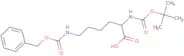
CAS :<p>Boc-Lys(Z)-OH is an amino acid that is used as a building block for peptide synthesis. It can be used to synthesize Boc-protected L-amino acids, which are useful in the chemical synthesis of peptides and proteins.</p>Formule :C19H28N2O6Degré de pureté :Min. 95%Masse moléculaire :380.44 g/molAc-Nle-Cyclo[Asp-His-D-Phe-Arg-Trp-Lys]-NH2
CAS :<p>Ac-Nle-Cyclo[Asp-His-D-Phe-Arg-Trp-Lys]-NH2, also known as cycloastragenol, is a synthetic cyclic peptide that inhibits the activity of adipose β3 adrenergic receptors, leading to reduced fat accumulation. Cycloastragenol has been shown to inhibit the formation of atherosclerotic lesions in mice and may have antiatherogenic effects. It also has been shown to inhibit tumor growth in some skin cancer models and has immunosuppressive effects.</p>Formule :C50H69N15O9Degré de pureté :Min. 95%Masse moléculaire :1,024.2 g/molFmoc-Phe-OH
CAS :<p>Fmoc-Phe-OH is a natural compound that has been shown to have antimicrobial properties. The biological properties of Fmoc-Phe-OH are not well understood, but it has been shown to have anticancer effects in some cases and to inhibit axonal growth when combined with the protein laminin. Fmoc-Phe-OH can be synthesized by the reaction of pheine with trifluoroacetic acid followed by treatment with h9c2 cells. The analytical method for determining the concentration of Fmoc-Phe-OH is based on intramolecular hydrogen exchange between hydrogen atoms on the amide group and hydrogens on neighboring methylene groups. This process releases heat, which is detected by a thermometer.<br>END></p>Formule :C24H21NO4Degré de pureté :Min. 98.0 Area-%Masse moléculaire :387.44 g/molIberiotoxin
CAS :<p>Iberiotoxin a synthetic scorpion toxin sourced from the Buthus tamulus scorpion, has disufide bonds formed between Cys7-Cys28, Cys13-Cys33, and Cys17-Cys35. This prodict can be used as a Ca2+-Activated K+ Channel Blocker (Maxi-K+ Channel Blocker). This peptide can be used in pharmacological studies to investigate the effects of Iberiotoxin on various ion channels and receptors.</p>Formule :C179H274N50O55S7Degré de pureté :Min. 95%Masse moléculaire :4,230.8 g/molBoc-D-Ile-OH • 1/2 H2O
CAS :<p>Boc-D-Ile-OH is a cyclohexanone that can be used in peptide synthesis. It has been shown to have affinity for the Tools for Peptide Synthesis and is able to activate primary tumors with metastasis. Boc-D-Ile-OH has been shown to have kinetic parameters, and its pharmacophores are characterized by an organic chemistry approach. This compound is a serine protease inhibitor that blocks the activity of other serine proteases such as chymotrypsin and trypsin.</p>Formule :C13H21NO4H2ODegré de pureté :Min. 95%Masse moléculaire :240.3 g/molCyclo(Arg-Ala-Asp-D-Phe-Cys)
CAS :<p>Cyclo(Arg-Ala-Asp-D-Phe-Cys) is a peptide macrocycle with the amino acid sequence Arg-Ala-Asp-D-Phe-Cys. RGD peptides are biologically active peptides that have been shown to be useful in the treatment of various conditions, including angiogenesis and cancer. Cyclo(Arg-Ala-Asp-D-Phe-Cys) is a cyclic peptide composed of nine amino acids, where each amino acid has one chiral center. This results in two possible stereoisomers (mirror images) for the molecule. The biological activity of this compound has yet to be fully determined.</p>Formule :C25H36N8O7SDegré de pureté :Min. 95%Masse moléculaire :592.67 g/molAcetyl-Myelin Basic Protein (Human, Porcine, Rat, 1-11)
CAS :<p>The myelin sheath which is located in both the Central Nervous System (CNS) and the Peripheral Nervous System is crucial for neural insulation and the salutatory conduction of nerve impulses. When this myelin sheath is destroyed neurodegeneration and conduction failure occur. This can be observed in demyelinating diseases in the CNS such as: acute disseminated encephalomyelitis and multiple sclerosis and within the PNS: Guillain–Barré syndrome and Charcot–Marie–Tooth disease.<br>Myelin Basic Protein (MBP) from which this product is derived is the second most abundant protein in myelin. It has been found to be an intrinsically disordered protein and depending on the environmental conditions it can change its conformation. It also folds into ⍺-helical structures which allow MBP to bind tightly to lipid bilayer surfaces. MBP also interacts with other proteins, namely cytoskeletal proteins and calmodulin and may be involved in signalling pathways.<br>Although more research needs to be carried out, it is thought that MBP significantly contributes to the pathogenesis of multiple sclerosis. As MBP is an autoantigen it can be recognized and cleaved by autoantibodies and is a substrate for the immunoproteasome. Additional research has found that post-translational modifications of MBP such as the removal of arginine are increased in and may be involved in the pathogenesis of multiple sclerosis. Therefore this protein derived from MBP can be used to mimic Neurodegenerative disease phenotypes in research and animal models.</p>Formule :C52H88N22O17Degré de pureté :Min. 95%Masse moléculaire :1,293.42 g/molLeupeptin hemisulphate salt monohydrate (Synthetic)
CAS :Leupeptin is a naturally occurring protease inhibitor that has been synthetically produced for use as an experimental tool. Leupeptin inhibits the activity of basic proteins and enzymes by binding to them at the active site, preventing their access to substrate. This inhibition can be reversed with reducing agents (e.g., dithiothreitol). Leupeptin has been shown to inhibit neuronal death during anoxia in experimental models and has also been shown to have neurotrophic effects, which may be due to its ability to prevent protein aggregation.Formule :C20H38N6O4•(H2SO4)0•H2ODegré de pureté :Min. 95%Masse moléculaire :493.61 g/molTAT (47-57) TFA salt
CAS :<p>Amino acids 47-57 of the Human Immunodeficiency Virus (HIV) viral coat trans-activator of transcription protein (TAT protein). TAT is a cell penetrating peptide meaning it has the ability to transport itself across cell membranes and into a cell's nucleus independently. Cell penetrating peptides (CPPs) can be used to carry other molecules into the cell and therefore can be used in many applications. Such applications may include: drug delivery, where small drug peptides or nucleic acids can be delivered into target cells or where CPPs are conjugated to imaging agents such as fluorescent dyes or radiolabeled molecules they can be used for in vivo or in vitro imaging in diagnostics. <br>This product is available as a trifluroacetate salt.</p>Formule :C64H118N32O14Degré de pureté :Min. 95%Masse moléculaire :1,559.86 g/molH-Ser-Phe-Leu-Leu-Arg-Asn-NH2
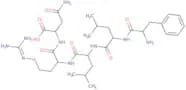
CAS :<p>This is a monoclonal antibody that binds to the alpha-integrin receptor. The alpha-integrin receptor is an integrin that is involved in cell adhesion and migration, as well as the activation of several signaling pathways. This antibody has been shown to inhibit the binding of alpha-integrins to phospholipid membranes, which may be due to inhibition of protein kinase C (PKC). This antibody also inhibits thrombin receptor activation and dextran sulfate-induced cytosolic calcium mobilization.</p>Formule :C34H57N11O8Degré de pureté :Min. 95%Masse moléculaire :747.9 g/molCpp-AAF-pAb
CAS :<p>Cpp-AAF-pAb is a synthetic peptide that corresponds to the amino acid sequence of the C terminus of human basic fibroblast growth factor (bFGF) and has been shown to have a variety of effects on cells. It has been used in cell culture studies to measure the effect of bFGF on renal blood flow, which is an important marker for kidney disease. In addition, this peptide inhibits tumor cell growth and has antinociceptive properties in rats. The inhibition of tumor cell growth may be due to its ability to inhibit metalloendopeptidases and polyclonal antibodies.</p>Formule :C32H36N4O7Degré de pureté :Min. 95%Masse moléculaire :588.67 g/molMOG (Rat, Mouse, 35-55)
CAS :<p>Amino acids 35-55 derived from the Immunogenic Myelin Oligodendrocyte protein (MOG). Produced by oligodendrocytes, MOG is an integral part of the oligodendrocyte surface membrane, located in the central nervous system (CNS) and plays an important role in the maintenance and disintegration of the myelin sheath. Unique within their immunoglobulin superfamily, MOG is composed of a transmembrane hydrophobic domain, an extracellular immunoglobulin variable (IgV) domain, a short cytoplasmic loop and within the membrane bilayer there is a second hydrophobic region and after this, a cytoplasmic end. In addition to 218 amino acids of the mature MOG protein, it contains a 29 amino acids long signal peptide.<br>MOG has not only been found to be expressed in the CNS but also at low levels in the peripheral nervous system. Generally MOG is expressed during myelination and functions to maintain the myelin sheath’s structurally integrity through mediating interactions between the myelin and the immune system. This is possible due to its adhesion characteristics and its external location which makes it accessible to antibodies and T-cells. Furthermore is has been suggested that MOG is involved in regulating oligodendrocyte microtubule stability and it can be used as a differentiation marker for oligodendrocyte maturation.Myelin forms a lipid layer around neurons which insulates them. MOG has immunodmainant epitopes: 1-22; 35-55 and 92-106 and this is located at the dimer interface which is formed by MOG IgV domains forming a dimer. These MOG epitopes are recognized by encepalitogenic T cells as foreign antigens. As a result demyelination occurs and this happens in the disease state of Multiple Sclerosis (MS).<br>As MOG is associated with inflammatory demyelinating diseases within the CNS such as neuromyelitis optica spectrum disorders and acute disseminated encephalomyelitis, this MOG (35-55) product can be used to induce these disease states in animal models.<br>One-Letter Formula: MEVGWYRSPFSRVVHLYRNGK</p>Formule :C118H177N35O29SDegré de pureté :Min. 95%Masse moléculaire :2,581.95 g/molMyelin Basic Protein (87-99)
CAS :<p>The myelin sheath which is located in both the Central Nervous System (CNS) and the Peripheral Nervous System is crucial for neural insulation and the salutatory conduction of nerve impulses. When this myelin sheath is destroyed neurodegeneration and conduction failure occur. This can be observed in demyelinating diseases in the CNS such as: acute disseminated encephalomyelitis and multiple sclerosis and within the PNS: Guillain–Barré syndrome and Charcot–Marie–Tooth disease.<br>Myelin Basic Protein (MBP) from which this product is derived is the second most abundant protein in myelin. It has been found to be an intrinsically disordered protein and depending on the environmental conditions it can change its conformation. It also folds into ⍺-helical structures which allow MBP to bind tightly to lipid bilayer surfaces. MBP also interacts with other proteins, namely cytoskeletal proteins and calmodulin and may be involved in signalling pathways.<br>Although more research needs to be carried out, it is thought that MBP significantly contributes to the pathogenesis of multiple sclerosis. As MBP is an autoantigen it can be recognized and cleaved by autoantibodies and is a substrate for the immunoproteasome. Additional research has found that post-translational modifications of MBP such as the removal of arginine are increased in and may be involved in the pathogenesis of multiple sclerosis. Therefore this protein derived from MBP can be used to mimic Neurodegenerative disease phenotypes in research and animal models.</p>Formule :C74H114N20O17Degré de pureté :Min. 95%Masse moléculaire :1,555.86 g/molSuc-Phe-Ala-Ala-Phe-pNA
CAS :<p>Suc-Phe-Ala-Ala-Phe-pNA is an amino acid that is a substrate for the serine protease myroilysin. It is used in biochemical research to investigate the physiological function of myroilysin. Suc-Phe-Ala-Ala-Phe-pNA has been shown to be an irreversible inhibitor of myroilysin and inhibits enzyme catalysis.</p>Formule :C34H38N6O9Degré de pureté :Min. 95%Masse moléculaire :674.70 g/molHepcidin-22 (Human)
CAS :<p>Hepcidin product containing the disulfide Bonds: Cys4-Cys20, Cys7-Cys10, Cys8-Cys16, and Cys11-Cys19 and available in the trifluoroacetate salt form. Hepcidin-22 is a variant of the peptide hormone hepcidin-25, which plays an important role in the regulation of iron metabolism in the body. Hepcidin is produced by the liver and is secreted into the bloodstream.<br>Hepcidin binds to ferroportin, a protein that facilitates the export of iron from cells into the bloodstream, and to inhibit its activity.<br>The biological significance of hepcidin-22 is still being studied, but it may play a role in the regulation of iron metabolism in certain situations, such as inflammation or certain disease states. Both hepcidin-22 and hepcidin-25 are targets for the development of treatments for iron-related disorders, such as anemia of chronic disease and hemochromatosis.</p>Formule :C99H151N29O25S9Degré de pureté :Min. 95%Masse moléculaire :2,436.06 g/molBQ-610
CAS :<p>BQ-610 is a drug that has been shown to improve brain functions and energy metabolism. It also inhibits the transmission of pain signals in the mesenteric region of rats by blocking voltage-dependent calcium channels. BQ-610 is found to suppress the production of endothelin-a receptor, which is an important regulator for many diseases such as infectious diseases, hypertension, and other cardiovascular disorders. The drug has also been shown to reduce oxidative stress by inhibiting cell nuclei and reducing inflammation by inhibiting basic protein synthesis. BQ-610 has been shown to be effective against congestive heart failure in rats by increasing blood flow and improving biochemical properties.</p>Formule :C36H44N6O6Degré de pureté :Min. 95%Masse moléculaire :656.79 g/molCGRP (Human)
CAS :<p>Human CGRP with a disulfide bond between Cys2-Cys7 and available as a 0.1mg vial. CGRP (calcitonin gene-related peptide) is a 37-amino acid neuropeptide that is found in humans and is widely distributed in the nervous system, particularly in sensory neurons, and is involved in the regulation of vascular tone, blood flow, pain perception, and inflammation. It is a potent vasodilator and has been implicated in the pathophysiology of several vascular disorders, including migraine headaches, cluster headaches, and hypertension.<br>In addition to its vascular effects, human CGRP also has neuroprotective properties and has been investigated as a potential therapeutic agent for various neurological disorders, such as Alzheimer's disease and Parkinson's disease.<br>Human CGRP has been extensively studied as a research tool to investigate its physiological and pathological roles in various tissues and diseases. It has also been targeted by pharmacological agents, such as CGRP antagonists and antibodies, for the treatment of migraine headaches and other conditions associated with CGRP dysfunction.</p>Formule :C163H267N51O49S2Degré de pureté :Min. 95%Masse moléculaire :3,789.3 g/molH-Ser-Leu-Ile-Gly-Lys-Val-OH
CAS :<p>H-Ser-Leu-Ile-Gly-Lys-Val-OH is a potent inhibitor of the enzyme soybean trypsin. It is a member of the class of chemical inhibitors that are active against enzymes that regulate cell signaling and inflammatory responses. H-Ser-Leu-Ile-Gly-Lys-Val-OH inhibits toll receptor signaling, which triggers an inflammatory response in cells. This compound has been shown to be effective in animal models for bowel disease and asthma. H Ser Leu Ile Gly Lys Val OH also has low potency, which may be due to its ability to form covalent bonds with other molecules, such as DNA polymerase.</p>Formule :C28H53N7O8Degré de pureté :Min. 95%Masse moléculaire :615.76 g/mol












![H-Glu[Cyclo(Arg-Gly-Asp-D-Phe-Lys)]2](/_next/image/?url=https%3A%2Fstatic.cymitquimica.com%2Fproducts%2F3D%2Fthumb-webp%2FPCI-3651-PI.webp&w=3840&q=75)













![[Tyr0]-C-Peptide (Human)](/_next/image/?url=https%3A%2Fstatic.cymitquimica.com%2Fproducts%2F3D%2Fthumb-webp%2FPCP-3724-PI.webp&w=3840&q=75)







![[D-Arg1,D-Phe5,D-Trp7,9,Leu11]-Substance P](/_next/image/?url=https%3A%2Fstatic.cymitquimica.com%2Fproducts%2F3D%2Fthumb-webp%2FPGH-3652-PI.webp&w=3840&q=75)


![[Arg8]-Vasopressin](/_next/image/?url=https%3A%2Fstatic.cymitquimica.com%2Fproducts%2F3D%2Fthumb-webp%2FVAS-3878-PI.webp&w=3840&q=75)


![Ac-Nle-Cyclo[Asp-His-D-Phe-Arg-Trp-Lys]-NH2](/_next/image/?url=https%3A%2Fstatic.cymitquimica.com%2Fproducts%2F3D%2Fthumb-webp%2FPMC-3683-PI.webp&w=3840&q=75)