Peptides
Les peptides sont des chaînes courtes d'acides aminés liées par des liaisons peptidiques, jouant un rôle essentiel en tant que molécules biologiques dans divers processus cellulaires. Ils fonctionnent comme hormones, neurotransmetteurs et molécules de signalisation, et sont largement utilisés dans les applications thérapeutiques et diagnostiques. Les peptides sont également cruciaux dans la recherche pour étudier les interactions protéiques, les activités enzymatiques et les voies de signalisation cellulaire. Chez CymitQuimica, nous proposons une large sélection de peptides de haute qualité pour soutenir vos besoins en recherche et développement en biotechnologie et en pharmacie.
Sous-catégories appartenant à la catégorie "Peptides"
30318 produits trouvés pour "Peptides"
Trier par
Degré de pureté (%)
0
100
|
0
|
50
|
90
|
95
|
100
Galanin Human
<p>Galanin is a neuropeptide synthesised and released by the brainstem locus coeruleus (LC). Galanin is expressed in most LC neurons in rodents and humans. Galanin has been shown to inhibit LC activity by hyperpolarising LC neurons, suppressing their spontaneous firing rate, and enhancing alpha2-adrenergic receptor-mediated negative feedback. Galanin is also a potent trophic and neuroprotective factor throughout the nervous system.Galanin is widely distributed from the central nervous system, peripheral regions and endocrine system. Galanin's overarching function is as an inhibitory, hyper-polarizing neuromodulator for classical neurotransmitters like acetylcholine and serotonin. Galanin interacts with 3 receptor subtypes GalR1-3 which are G protein-coupled receptors and are inserted into the plasma membrane. GalR1 is believed to activate a Gβγ pathway to regulate MAPK activation. GalR2 can also activate the MAPK pathway but unlike GalR1 there is detectable inositol phosphate production. GalR3 is associated with the Gα pathway, activation of the receptor leads to cellular influx of K+. Each receptor has been associated with neurological diseases such as GalR3 and epilepsy.Galanin protects against a variety of physiological insults in vitro, including excitotoxicity and β-amyloid toxicity. Changes in galanin have been widely studied in relation to Alzheimer's disease and galaninergic neurons have been shown to be spared in late-stage Alzheimer's relative to non-galaninergic neurones.</p>Masse moléculaire :3,157.41 g/molPTH (1-34) human
<p>PTH 1-34, is a biologically active peptide fragment of parathyroid hormone (PTH). PHT 1-34 has been shown to enhance bone fracture healing by promoting osteogenesis. PTH 1-34 also has chondrogenic properties.PTH is an 84-amino-acid polypeptide hormone (PTH 1-84) which is secreted by the parathyroid glands along with its fragments (such as PTH 1-34 and PTH 7-84). PTH increases calcium and decrease phosphate levels in the blood and the abundance of PTH-derived peptides is regulated by blood calcium levels. PTH inhibits the bone growth-promoting activity of osteoblasts and induces osteoclasts to resorb bone and release calcium and phosphate ions into the blood. PTH binds to and activates the receptor parathyroid hormone receptor 1 (PTHR1). PTHR1 is a G-protein-coupled receptor (GPCR) which regulates mineral ion homeostasis, bone turnover and skeletal development.</p>Couleur et forme :PowderMasse moléculaire :4,115.1 g/molUty HY Peptide (246-254) Mouse
<p>Graft versus host (GVH) rejection has been linked to the mismatch of minor histocompatibility (H) antigens even when matched for the major antigens of the major histocompatibility complex (MHC). The minor H antigens are encoded by autosomal and Y chromosome genes, they function as supports to MHC during synthesis. The prevention of GVH disease induced by minor H antigens is currently managed with immunosuppression. Using models and H antigen epitopes can provide research in to how GVH disease could be better managed by inducing tolerance. Mice are the preferred model for H antigen research due to their homogeneity apart from the Y chromosomal genes of the males. The peptide provided here is the T-cell epitope for the male-specific transplantation antigen (H-Y). It was derived from the mouse ubiquitously transcribed tetratricopeptide repeat gene on the Y chromosome (Uty) protein. Uty HY Peptide has been used to investigate transplantation tolerance of male to female grafts by inhibiting the effector CD4+ and CD8+ T-cell responses.</p>Masse moléculaire :1,194.5 g/molJelleine 1
<p>Jelleines are a family of very small (8-9 amino acid residues long) host defence peptides (HDPs) isolated from the royal jelly of honey bees (Apis mellifera). Jelleines do not present any similarity with other HDPs from other honeybees and are produced by the workers and secreted into Royal Jelly and provide abroad-spectrum protection of the bee hive against microbial infections. The Jelleines are not considered cytolytic or directly involved with inflammatory effects.Jelleine-I may be produced by tryptic digestion of MRJP-1 (produced in the hypopharyngeal glands of the worker honeybee and secreted into the royal jelly), followed by an exoproteinase action on N-terminal of the tryptic fragment. Jelleine-I is only 953.24-Da and exhibits excellent anti-microbial activity against both gram positive and gram negative bacteria and fungi. Jelleine-I increases the production of cellular ROS and binds with genomic DNA, which may contribute to its anti-fungal activity.PLEASE NOTE that in several published articles the sequence of Jelleine-I has been printed as PFKLSLHL -NH2, due to a mistake in the original reference: Fontana et al., (2004). The correct sequence, is PFKISIHL-NH2.</p>Masse moléculaire :952.6 g/molBDC2.5 mimotope 1040-51
<p>BDC2.5 mimotope 1040-51 is a mimotope of BDC2.5 T cells which can recognise glutamic acid decarboxylase epitopes.</p>Couleur et forme :PowderMasse moléculaire :1,297.7 g/mol[5-FAM]-beta-Amyloid (1-15) Human
<p>Fluorescein labelled amyloid β 1-15 (Aβ1-15 ). Aβ1-15 is one of many short Aβ species found in vivo and is formed by the cleavage of Aβ precursor protein by β- and alpha-secretase.Amyloid β-protein (Aβ) has been identified as the key subunit of the extracellular plaques found in the brains of patients with Alzheimer's disease (AD) and Down's syndrome (DS). Aβ has therefore been extensively studied as a potential target for treatment of AD.Aβ is formed from the cleavage of the large, transmembrane protein- APP (amyloid precursor protein). Cleavage of APP by β- and then γ-secretases results in the formation of Aβ. Aβ can aggregate to produce amyloid-β oligomers, which are thought to be highly neurotoxic. Over time Aβ can further aggregate to produce the characteristic senile plaques present in AD and DS. Aβ can be degraded by enzymes such as neprilysin, insulin degrading enzyme or endothelin converting enzyme. At physiological levels Aβ may be involved in controlling synaptic activity and neuronal survival.Fluorescein (FAM) is a hugely popular fluorescent tag due to its excellent fluorescence quantum yield and relatively high absorptivity as well as being highly water soluble.</p>Masse moléculaire :2,183.8 g/molHistone H2A (1-20)
<p>The histone H2A residues 1-20 are derived from histone 2A (H2A) which is one of the four core his-tones (H2A, H2B, H3 and H4) fundamental in compacting eukaryotic DNA into a structure known as the nucleosome. The nucleosome arises when 147 base pairs of DNA wrap around a H3-H4 tetramer and two H2A-H2B dimers, forming the histone octamer core.At the site of DNA entry on the outer nucleosome, the C-terminus of H2A is present and is able to interact with linker histones or other factors. This allows for variation and changes in nucleosome stability to occur. Furthermore Histone H2A has histone variants such as H2A.Z and H2A.X (which are present in all organisms) and these variants alter the organisation of the DNA.Due to histones containing a large number of lysine and arginine residues they have a positive net charge which interacts in an electrostatic manner with the negatively charged phosphate groups in DNA. The transcriptional activation or silencing of the chromatin is controlled by ATP-dependent chromatin remodelling factors and histone modifying enzymes which target histone proteins. Both processes function to alter to change the positioning of the nucleosome, allowing the DNA it to be either available to the transcription machinery or inaccessible.</p>Masse moléculaire :2,086.2 g/molNeurotensin
<p>Neurotensin (NT) is involved in food absorption in the gut as well as acting as a neurotransmitter in the central nervous system (CNS). In the intestine, NT increases fatty acid translocation, in part by increasing intestinal blood flow. In the CNS, NT regulates pathways associated with ghrelin and leptin which mediate satiety and food ingestion. NT is also involved in the regulation of Luteinizing hormone (LH) and Prolactin release and also plays a role in hypotension- analgesia- gut contraction- vascular permeability- maintaining energy homeostasis- fat storage and metabolic disorders. Higher plasma pro-NT levels are associated with obesity and insulin resistance. NT is therefore a potential target for treating obesity-related diseases.NT is secreted from neuroendocrine cells in the small intestine upon fat intake and exerts its physiological actions by binding three NT receptor (NTR) types- NTR1, NTR2, and NTR3.NTR1 is highly expressed in various tumour cells including- small cell carcinoma/small cell lung cancer (SCLC)- meningiomas- astrocytomas- glioblastoma- pancreatic and colonic carcinoma, and breast and prostate cancers. NTR1 is therefore a possible target for novel cancer therapy.</p>Masse moléculaire :1,801 g/molHLA-A*02:01 NY-ESO-1 (157-165)
<p>HLA-A*02 is a class I major histocompatibility complex (MHC) allele which is part of the HLA-A group of human major histocompatibility complex (MHC) leukocyte antigens (HLA). HLA-A is a human MHC class I cell surface receptor and is involved in presenting short polypeptides to the immune system. These polypeptides are typically 7-11 amino acids in length and originate from proteins being expressed by the cell. Cytotoxic T cells in the blood "read" the peptide presented by the complex and should only bind to non-self peptides. If binding occurs, a series of events is initiated culminating in cell death via apoptosis. New York oesophageal squamous cell carcinoma 1 (NY-ESO-1) is part of a well-characterized group of cancer/testis antigens (CTAs). Normally, NY-ESO-1 expression is restricted to germ cells and placental cells, however NY-ESO-1 is also expressed in several cancers including: neuroblastoma- myeloma- metastatic melanoma- synovial sarcoma as well as bladder- oesophageal- hepatocellular- head and neck- non-small cell lung- ovarian- prostate and breast cancers and is often associated with poor prognosis. NY-ESO-1 is also able to elicit a spontaneous immune response, being the most immunogenic among the CTA family members and is therefore the most promising CTA candidate target for cancer immunotherapy.NY-ESO-1 is coexpressed with melanoma antigen gene C1, a member of the MAGE family of CTAs which is involved in cell cycle progression and apoptosis.</p>Masse moléculaire :1,093.5 g/molApelin (65-76), human
<p>Apelin (65-76), human is derived from the apelin peptide which acts as a ligand for the apelin receptor (APJ) G protein coupled receptor and is a substrate for angiotensin converting enzyme 2. Preprapelin, encoded for by APLN located on Xq25-26.1, is cleaved to form either apelin 36 or apelin 17, 12 and 13. As a member of the adipokine hormone family, which are involved in processes such as vascular homeostasis and angiogenesis, the apelin is secreted from adipose tissue.Apelin has been found to be expressed in the spinal cord and the human brain and when performing immunohistochemistry it was observed that apelin-17 is significantly expressed in the human heart, brain, lungs and endothelial cells.Both apelin and the apelin receptor are widely distributed around the body thus apelin has been found to be associated with cardiovascular diseases, obesity, diabetes and cancer. Studies exploring myocardial infarction showed there to be greater apelin mRNA expression during human heart failure compared to in healthy tissue. Apelin protects against heart failure due to, the pyroglutamyl form of apelin, playing a role in decreasing infarct size of myocardial infarctions. Furthermore in rats with hypertension, the expression of apelin and APJ was decreased.</p>Masse moléculaire :1,402.8 g/molDystrophin (396-405)
<p>Forms of inherited muscular dystrophy such as Duchenne muscular dystrophy (DMD) and Becker muscular dystrophy (BMD) result from mutations targeting the dystrophin gene. These disorders are X-linked, progressive, and cause the gradual weakening of the muscles leading to respiratory failure and ultimately reduces the patient lifespan.In DMD, mutations lead to the production of premature stop codons and hence the truncated dystrophin protein product is vulnerable to nonsense mediated decay and degradation. Therefore, dystrophin production in muscle cells is reduced. On the other hand, nonsense mutations which also contribute to DMD, cause exon skipping in BMD and result in an internally truncated protein product which are partially functional. The symptoms of BMD are later onset compared with DMD which develop in patients between 2 to 7 years.Treatments of dystrophin disorders are in clinical trials including antisense oligonucleotide exon skipping and gene therapy. However, the efficacies of these treatments are not easily quantified. Currently levels of muscular dystrophin are quantified by western blot which can be unreliable. The peptide provided here, aligning residues dystrophin (396-405), has been shown to provide absolute quantification of dystrophin levels from biopsies using parallel reaction monitoring. This will hopefully allow better management of dystrophin disorders with better quantifications tools based on dystrophin (396-405). Further study with this dystrophin fragment could prove to be a vital step in the understanding and treatment of dystrophin disorders. Within our catalogue we also have other peptides tested for dystrophin quantification available plus the full-length dystrophin protein.</p>dodecapeptide AR71
<p>The dodecapeptide AR71 prevents melanoma inhibitory activity (MIA) dimerisation and hence inhibits (MIA). It therefore has the potential to be used as a therapeutic in melanoma.</p>Masse moléculaire :1,550.8 g/molCALP3 - Calcium like peptide 3
CAS :<p>Cell-permeable calmodulin (CaM) agonist that binds to the EF-hand/Ca2+-binding site and can activate phosphodiesterase in the absence of Ca2+ and inhibit Ca2+ mediated cytotoxicity and apoptosis.</p>Formule :C44H68N10O9Masse moléculaire :881.07 g/molCE dipeptide
<p>CE-acid is a dipeptide of glutamate and cysteine. CE-acid has a formal charge of 0 and a range of biological and chemical uses. EC-acid is also available in our catalogue.</p>Masse moléculaire :250.1 g/molGalanin (2-30) acid
<p>Galanin is predominantly an inhibitory neuropeptide expressed in humans and other mammals' brains, spinal cords, and gut. Galanin signalling occurs through three G protein-coupled receptors GalR1-3. Galanin has been implicated in many biologically diverse functions, including nociception, waking and sleep regulation, cognition, feeding, mood regulation and blood pressure regulation. Galanin appears to have neuroprotective activity as its biosynthesis is increased 2-10 fold upon axotomy and during seizure activity in peripheral tissues and the brain.The clinical relevance of galanin is related to several chronic neural disorders, including Alzheimer's disease, epilepsy, depression and cancer- those who suffer from type 2 diabetes mellitus, depression and Alzheimer's disease often express high levels of galanin. Conversely, intervention with galanin agonists (for example, M617, M1145 and M1153) were able to ameliorate disease symptoms such as Alzheimer's and have pro-nociceptive effects. Specifically, activation of GAL2 can alleviate such disease features in human and rodent models. This galanin (2-30) peptide has been used to characterise Galanin's binding sites and affinity for GALR receptors via competition binding analysis. Galanin (2-30) is a full agonist of the GALR2 receptor compared to its affinity for GALR1.</p>Masse moléculaire :3,098.5 g/molSARS-CoV-2 Nucleoprotein 2 (261-275)
<p>The coronavirus (CoV) nucleoprotein is the major component of CoV structural proteins. Also known as the nucleocapsid protein, it is an abundant RNA-binding protein critical for viral genome packaging. These factors make nucleoprotein a good target for developing new antiviral drugs. In addition, the identification of epitopes within the nucleoprotein sequence can help design more effective SARS-CoV-2 vaccines.Models have predicted epitopes exhibiting antigenicity, stability and interactions with MHC class-I and class-II molecules. Nucleoprotein (261-275) is an epitope candidate with various HLA restrictions. This epitope can be used to better vaccine design for more durable CD4+ and CD8+ T cell responses for long-lasting immunity.</p>Masse moléculaire :1,654.9 g/molTAT-AKAP79 (326-336) scrambled amide
<p>The activation of transient receptor potential cation channel subfamily V member 1 (TRPV1) is believed to play a role in hyperalgesia, asthma and hypertension. TRPV1 is important for neuronal pain detection as well as the detection of heat, capsaicin, protons and the neurotransmitter anandamide.- The scaffold protein AKAP79 targets kinases to phosphorylate TRPV1, however it has been shown that inflammatory intermediates prostaglandin-E2 or bradykinin can activate these kinases creating a route for inflammation to cause hyperalgesia.This product is composed of the TRPV1 interacting residues of AKAP79 reordered into a scrambled sequence and conjugated to the cell penetrating TAT domain at the N-terminus. The scrambled peptide was shown in vivo to have no effect on TRPV1 algesia and thus is a vital control for research work. This product is a vital tool for research into suitable TRPV1 antagonists. The scrambled-TAT peptide is available for purchase in both an acid and amide form, this is the C-terminal amide form.</p>Masse moléculaire :2,877.6 g/molTAT-CN21
<p>TatCN21 is an inhibitor peptide for the calcium/calmodulin-dependent protein kinase II (CaMKII), a ubiquitously-expressed multifunctional serine/threonine protein kinase. TatCN21 blocks both autonomous and stimulated CaMKII activity with high selectivity. CaMKII is highly expressed in brain tissue where it regulates several processes including: neurotransmitter synthesis/release, neuronal plasticity- excitability and calcium homeostasis. Glutamate clearance by astrocytes is an essential part of normal excitatory neurotransmission, and accumulation of glutamate in the central nervous system is associated with many neurodegenerative disorders. CaMKII regulates glutamate homeostasis: CaMKII inhibition results in diminished glutamate uptake, dysregulated calcium homeostasis, release of the gliotransmitter ATP and compromise neuronal survival. Loss of CaMKII signalling may be an important factor in excitotoxicity. Peptide was obtained by linking the 11 amino acid human HIV Tat transporter to a 21 amino acid sequence corresponding to the CN21.</p>Couleur et forme :PowderMasse moléculaire :3,986.4 g/molTAT - GluR23Y
<p>TAT-GluR23Y is a cell penetrating peptide that inhibits phosphorylation of AMPA receptor endocytosis.Recent studies have shown that AMPA receptor endocytosis, which is a cellular mechanism underlying the formation of LTD, plays a critical role in facilitating initial extinction of learned fear. Tat-Glur23Y can block regulated AMPA and thereby prevents long-term depression (LTD) in structures such as the nucleus accumbens and dorsal hippocampus.</p>Masse moléculaire :2,632.4 g/molDuck liver-derived peptide 3
<p>Duck liver-derived peptide 3 is a novel bioactive peptide with high antioxidant activity. The antioxidant activity is attributed to forming hydrogen bonds between their amino acid residues and free radical molecules. Duck liver-derived peptide 2 increases the activities and mRNA expression levels of intracellular antioxidant enzymes (SOD, CAT, and GSH-Px) in HepG2 oxidative damage cell models. Duck liver-derived peptide 3 can reduce the content of malondialdehyde (MDA) and reactive oxygen species (ROS) accumulation, thereby inhibiting intracellular oxidative damage. Duck liver-derived peptide 3 has the following activity: immunomodulation, ACE inhibitor, dipeptidyl peptidase IV inhibitor, and antioxidant. This peptide may be used in the research for food-derived bioactive peptides for modified-food development.Of the identified duck-liver derived peptides, this is the only peptide in this group that has a proposed site of action as a HLA class I histocompatibility antigen.</p>Masse moléculaire :722.5 g/molPhosphorylated Sakamototide
<p>Sakamototide is phosphorylated by members of the 5'-adenosine monophosphate-activated protein kinase (AMPK) family of kinases as is therefore ideal for use in kinase assays to test the activity of AMPK family members. The AMPK family includes- salt inducible kinases (SIKs), NUAK, sucrose non-fermenting (Snf1)-related kinase (SNRK), microtubule affinity regulating kinases (MARKs) and brain specific kinase/BR serine/threonine kinase (BRSK). The kinase activity of AMPK and AMPK-related kinases, is dependent on its phosphorylation at Thr175 by the upstream kinase LKB1 (also known as STK11).</p>Couleur et forme :PowderMasse moléculaire :1,818.9 g/molThyroglobulin (Tg-VIF)
<p>Thyroglobulin (Tg) is a widely used biomarker of various differentiated thyroid cancer (DTC)- Tg is a substrate for thyroid hormone production. Detection and quantification of serum thyroglobulin levels remain challenging due to Tg's size, heterogeneity, and thyroglobulin autoantibodies (TgAb). Immunoassays offer the opportunity to tailor DTC treatments, but many patients are TgAb positive, excluding them from analysis during regression.Liquid chromatography-tandem mass spectrometry (LC-MS/MS) can overcome immunoassay issues by digestion of Tg to a tryptic peptide removing the interference from TgAbs.</p>Masse moléculaire :1,270.7 g/mol14-3-3 zeta/delta (28-41)
<p>14-3-3 proteins are highly conserved from yeast to plants and mammals where they are found in various organs and tissues. 14-3-3 proteins regulate numerous signalling pathways via direct binding to proteins carrying phosphorylated 14-3-3-binding motifs, several hundred binding partners have been identified for 14-3-3 proteins. Their functions include a role in viral infections and innate immunity, protein trafficking, cell-cycle control, apoptosis, autophagy and other cell signal transduction pathways, as well as the associated mechanisms. There are seven 14-3-3 subtypes (alpha/β,γ, ε,η, σ, τ [also called θ] and ζ/δ) in mammals. 14-3-3 ζ has been shown to interact with Hepatitis B virus (HBV) protein X (HBx), E6 oncoprotein, Caspase-2: a protease involved in apoptosis, and to be is involved in the subcellular localisation of the FOXO forkhead transcription factor. 14-3-3 ζ acts as a molecular block that covers the DNA-binding site of FOXO4, thus blocking its interaction with the target DNA. 14-3-3 ζ also participates in the TLR3-TICAM-1 signalling pathway by promoting multimerization of TICAM-1 to form a signalosome. 14-3-3 ζ isoform may also be the target of SARS-CoV-2 in the nervous system.</p>Masse moléculaire :1,547.7 g/molP2-Hp-1935
<p>P2-Hp-1935 is an antimicrobial peptide isolated from the skin secretions of the Montevideo tree frog (Hypsiboas pulchellus). P2-Hp-1935 displays activity against Gram positive and negative bacteria.</p>Masse moléculaire :1,935.32 g/molSARS-CoV-2 Nucleoprotein (86-100)
<p>The coronavirus (CoV) nucleoprotein is the major component of CoV structural proteins. Also known as the nucleocapsid protein, it is an abundant RNA-binding protein critical for viral genome packaging. These factors make nucleoprotein a good target for developing new antiviral drugs. In addition, the identification of epitopes within the nucleoprotein sequence can help design more effective SARS-CoV-2 vaccines.Models have predicted epitopes exhibiting antigenicity, stability and interactions with MHC class-I and class-II molecules. Nucleoprotein (86-100) is an epitope candidate with various HLA restrictions. This epitope can be used to better vaccine design for more durable CD4+ and CD8+ T cell responses for long-lasting immunity.</p>Masse moléculaire :1,824 g/mol[5-FAM]-C7
<p>Selective peptide ligand for FRalpha, demonstrating specific binding to FRalpha expression cells and tumour targeting ability in vivo. It contains 5-carboxyfluorescein (5-FAM), a widely used green fluorescent tag.</p>Masse moléculaire :1,732.7 g/molMART-1 Fragment
<p>Tumour antigens recognised by cytotoxic T cells (CTLs) are a keen area of research to develop antigen-specific cancer therapies. However, hurdles are weak immunogenicity and high rates of degradation in vivo. In the search for a melanoma vaccine, the human tumour antigen Melan-A/MART-1 (27-35) has been used as a model to design peptides with improved characteristics for use in anti-tumour vaccines. The MART-1 fragment provided here has an alanine substituted at position one from MART-1 (27-35) this is a natural variant of MART-1 found in the population. Melan-A specific CTL assays showed this MART-1 fragment A27L to be a superagonist with higher affinity than the parent peptide. Also, the MART-1 fragment is a more stable complex with HLA-A*0201 than the parent peptide as determined by degradation experiments using a functional cytolytic assay. The superagonist activity of the MART-1 fragment and the stability of the peptide may be a considerable step towards an anti-melanoma vaccine.</p>Masse moléculaire :855.5 g/molCilengitide (Linear)
<p>Cilengitide is a cyclic arginine-glycine-aspartic acid (RGD) motif containing peptide that selectively inhibits the integrin alphav subunit. Integrins are cell adhesion molecules which mediate cell-cell and cell-matrix interactions and creating a scaffold for tissue organisation. Integrins also act to regulate cell attachment, proliferation, differentiation, apoptosis and motility.Integrin alphav can form heterodimers with integrin subunits subunits β1, β3, β5, β6, or β8. Cilengitide is a highly specific antagonist of alphavβ3 and alphavβ5 integrins. It also and shows anti-angiogenic effects and inhibits growth and promotes apoptosis of tumour cells that express integrins, such as glioblastoma.Cilengitide has gone on to phase II trials for cancers such as glioblastoma, melanoma, prostate, breast, lung and head and neck cancers.</p>Masse moléculaire :592.3 g/molIDR-1
<p>As an antimicrobial peptide (AMP), IDR-1 acts indirectly on pathogenic bacterial infections. IDR-1 is proposed to function by upregulating monocyte cytokines (interleukins) while also reducing a pro-inflammatory cytokine. IDR-1 has been tested for its ability to aid against the rise of multi-drug resistant bacteria. In mouse models, IDR-1 is protective against Gram-positive and Gram-negative pathogens. Supply of IDR-1 can also attenuate methicillin-resistant staphylococcus aureus (MRSA)-induced pneumonia. The IDR-1 sequence is being studied as a template to hopefully generate more potent synthetic versions.</p>Masse moléculaire :1,391.74 g/molPeptide5
<p>Connexin43 mimetic peptide which can reduce swelling, astrogliosis, neuroinflammation and neuronal cell death following spinal cord injury ex vivo and in vivo. Reduces mechanical pain hypersensitivity by specifically targeting the NLRP3 inflammasome in the spinal cord. Possesses analgesic effects in mouse neuropathic pain models.</p>Masse moléculaire :1,394.7 g/molhumanized anti-Tac (HAT) binding peptide
<p>Affinity chromatography and protein purification are more successful with highly selective ligands such as short peptides. Phage libraries have been utilised to identify novel peptides for target proteins. IgG1 monoclonal antibody is traditionally purified using protein A but is not ideal due to cost and methodology. EPIHRSTLTALL was found via phage library screening as the most selective ligand possible IgG1, and also highly stable. It binds to the constant region of IgG1 known as humanized anti-Tac (HAT). HAT is a humanized monoclonal antibody against the low-affinity p55 subunit of the interleukin IL-2 receptor.</p>Masse moléculaire :1,349.8 g/molACTH (1-24) Human
<p>Amino acids 1-24 of human adrenocorticotropic hormone (ACTH), induces glucocorticoid production by adrenal cells with the same potency as full length ACTH. ACTH, also known as corticotropin, is a tropic hormone produced and secreted by the anterior pituitary gland and member of the melanocortins peptide family. ACTH is cleaved from the precursor proopiomelanocortin (POMC). ACTH is an important component of the hypothalamic-pituitary-adrenal (HPA) axis and is often produced in response to biological stress. ACTH acts to increase the production and release of cortisol via its interaction with the ACTH receptor- ACTHR, also known as melanocortin type 2 receptor (MC2R). Receptor activation increases the intracellular concentration of cAMP via adenylyl cyclase.Abnormal ACTH levels in the body has been linked to primary adrenal insufficiency/Addison's disease, Cushing's disease and secondary adrenal insufficiency.</p>Masse moléculaire :2,933.44 g/molGalanin (3-13)-Biotin
<p>Galanin is a neuropeptide synthesised and released by the brainstem locus coeruleus (LC). Galanin is expressed in most LC neurons in rodents and humans. Galanin has been shown to inhibit LC activity by hyperpolarising LC neurons, suppressing their spontaneous firing rate, and enhancing alpha2-adrenergic receptor-mediated negative feedback. Galanin is also a potent trophic and neuroprotective factor throughout the nervous system.Galanin is widely distributed in the central nervous, peripheral, and endocrine systems. Galanin's overarching function is as an inhibitory, hyper-polarizing neuromodulator for classical neurotransmitters like acetylcholine and serotonin. Galanin interacts with 3 receptor subtypes, GalR1-3, which are G protein-coupled receptors inserted into the plasma membrane. GalR1 is believed to activate a Gβγ pathway to regulate MAPK activation. GalR2 can also activate the MAPK pathway, but unlike GalR1, there is detectable inositol phosphate production. GalR3 is associated with the Galphai/o pathway. Activation of the receptor leads to a cellular influx of K+. Each receptor has been associated with neurological diseases such as GalR3 and epilepsy.N-terminal fragments are naturally occurring in vivo but their relevance is not clear. Some N-terminal fragments reduce metabolic and functional disorders in experimental heart damage. Using N-terminal fragments such as galanin (3-13) can clarify the function of full-length galanin during myocardial ischemia and reperfusion injury. This may highlight new agonists/antagonists for the galanin GalR receptors that can be putative therapeutic targets.A C-terminal biotin tag for easy detection and purification has been added to the galanin (3-13) fragment. Cymit Quimica Laboratories Ltd is a custom peptide provider. If you desire an alternate tag, please contact us to request a custom synthesis.</p>Couleur et forme :PowderMasse moléculaire :1,372.7 g/molPhosphorylated CHKtide
<p>CHKtide is a synthetic peptide substrate for checkpoint-kinase-1 and 2 (CHK1/CHK2) as well as salt-inducible kinase (SIKs) for use in kinase assays. CHKtide has been derived from CDC25C which is phosphorylated by CHK1/CHK2 in one of the DNA repair pathways. SIKs are serine/threonine kinases that are part of a complex network that regulate sodium homeostasis and blood pressure.The serine residue at position 5 of this peptide has been phosphorylated.</p>Couleur et forme :PowderMasse moléculaire :2,779.4 g/molBiotin-Desmoglein-3 DSG3 (50-79)
<p>Desmoglein-3 DSG3 (50-79) is derived from the pemphigus vulgaris antigen DSG3 and is involved in cell-cell adhesion. It can exist as non-junctional and junctional and is one of the desmosomal cadherins. Within the epithelial cells non-junctional DSG3 takes part in E-cadherin signalling.The overexpression of DSG3 has been observed in squamous cell carcinoma and can be used as a biomarker for cervical sentinel lymph nodes. DSG3 in tumours is considered as being pro-metastatic through DSG3 ability to activate AP-1 and the PKC/Ezrin pathway.Biotin (B7) has been added to the N-terminus.</p>Couleur et forme :PowderMasse moléculaire :3,705.9 g/molTregitope 289
<p>T regulatory cell epitopes (Tregitopes) are a set of natural T cell epitopes derived from immunoglobulin G. These peptides are Treg-activating and show some promise in prophylactic and therapeutic studies in type 1 diabetes mellitus: which is associated with effector T cell (Teff) destruction of insulin-producing pancreatic β-islet cells. In non-diabetics, self-reactive T cells are deleted during thymic development, rendered anergic, or converted into natural regulatory T cells (Tregs) that suppress autoimmune responses.Tregitopes are processed and presented by MHC class II molecules. They can suppress effector T cell responses, and up-regulate Treg-associated cytokines and chemokines. Tregitopes help stimulate 'antigen-specific adaptive tolerance induction' (ASATI) to modulate antigen-specific transplant rejection and to reduce immune responses to allergens in vitro and in vivo.</p>Masse moléculaire :2,564.3 g/molMelittin [Cy5]
<p>Melittin is a 26-residue cationic, haemolytic peptide isolated from honeybee venom. Melittin lowers the surface tension at the plasma membrane and causes cell lysis. It also exhibits potent anti-inflammatory and antimicrobial activity. Melittin has been extensively used as a model peptide for observing membrane lipid-protein interaction. In Melittin [Cy5] the fluorophore Cy5, a member of the Cy-Dye fluorescent molecule group which are most commonly used in DNA-related applications is added to the melittin peptide.</p>Couleur et forme :PowderMasse moléculaire :3,712 g/molMOCAc-Pro-Cha-Gly-Nva-His-Ala-Dap(Dnp)-NH2
<p>MOCAc-Pro-Cha-Gly-Nva-His-Ala-Dap(Dnp)-NH2 is a peptide that inhibits the activity of various proteases, including collagenase, MMPs and stromelysin. It has been shown to inhibit cancer cells in vitro and to reduce tumor growth in vivo. MOCAc-Pro-Cha-Gly-Nva-His-Ala-Dap(Dnp)-NH2 may be useful for the treatment of angiogenesis and metastasis, which are hallmarks of cancer.<br>MOCAc is an inhibitor of matrix metalloproteinases (MMPs), which are enzymes that break down the extracellular matrix and basement membrane during tissue remodeling. MOCAc inhibits both type I (collagenases) and type II (gelatinases) collagenase activity, as well as other proteolytic activities such as stromelysin or elast</p>Formule :C51H65N8O13Degré de pureté :Min. 95%Masse moléculaire :1,100.16 g/molRetatrutide trifluoroacetate
CAS :Retatrutide is a 39 amino acid single peptide with triple agonist activity at the glucagon receptor (GCGR), glucosedependent insulinotropic polypeptide receptor (GIPR), and glucagon-like peptide-1 receptor (GLP-1R). The backbone is conjugated to a C20 fatty diacid moiety at position 17. Retatrutide has a Glucose-dependent insulinotropic polypeptide (GIP) peptide backbone, which then contains three non-coded amino acids. Aib2 (α-amino isobutyric acid) residues at positions 2 and 20 provide stability against Dipeptidyl Peptidase 4 (DPP4) cleavage and contribute to GIP activity. αMeL13 (α-methyl-L-leucine)at position 20 also contributes to GIP and glucagon activity. Retatrutide can be used for the research of obesity obesity, diabetes, and fatty liver disease. It is a works in three ways: stimulating insulin release, suppressing appetite, and promoting fat breakdown.Formule :C221H342N46O68xC2HF3O2Degré de pureté :Min. 95%Couleur et forme :PowderMasse moléculaire :4,731.33 g/molH-Phe-2-ClTrt-Resin (100-200 mesh) 1% DVB
<p>H-Phe-2-ClTrt-Resin (100-200 mesh) 1% DVB is a building block that is used in peptide synthesis. It has been shown to react with amines and thiols, as well as alcohols, yielding a resin that can be used for the protection of amino acids during peptide synthesis. This product is supplied as a dry powder containing 1% DVB, 100 to 200 mesh.</p>Degré de pureté :Min. 95%Fmoc-Asp(OtBu)-Rink-Amide MBHA Resin
<p>Fmoc-Asp(OtBu)-Rink-Amide MBHA Resin is a building block for peptides. It is an acid labile resin that can be cleaved with TFA to provide amine-protected dipeptides and tripeptides. This product is used as a building block for peptide synthesis.</p>Degré de pureté :Min. 95%Abz-Ser-Pro-Tyr(NO2)-OH
<p>Abz-Ser-Pro-Tyr(NO2)-OH is a peptide that has been shown to be an angiotensin I converting enzyme II (ACE) substrate and an inhibitor of ACE. It also inhibits the release of renin from the juxtaglomerular apparatus, which is needed for the production of angiotensin II. This peptide is used in biochemical research and as a standard for measuring enzymatic activity.</p>Formule :C24H27N5O9Degré de pureté :Min. 95%Masse moléculaire :529.51 g/molPurotoxin-1
CAS :<p>Purotoxin-1 is a peptide that belongs to the group of activators. It is an inhibitor of potassium channels which are involved in the regulation of excitability and repolarization of cells. Purotoxin-1 has been shown to block the binding of calcium ions to the N-type voltage-gated calcium channels, leading to decreased intracellular calcium levels and reduced neurotransmitter release. Purotoxin-1 has been shown to inhibit tumor growth in vivo, which may be due to its ability to inhibit protein interactions with cell surface receptors.</p>Formule :C155H248N50O48S8Degré de pureté :Min. 95%Masse moléculaire :3,836.5 g/molβ-Ala-Lys(AMCA)
CAS :<p>β-Ala-Lys(AMCA) is a peptide that can inhibit the interactions of proteins. β-Ala-Lys(AMCA) is an inhibitor of protein interactions and can be used as a research tool to study the interactions between proteins. β-Ala-Lys(AMCA) has been shown to activate certain receptors, such as the receptor for angiotensin II, and can be used to increase or decrease the activity of ligands. This drug also has a high purity level, which makes it suitable for use in life science research.</p>Formule :C21H28N4O6Degré de pureté :Min. 95%Masse moléculaire :432.47 g/molH-Asp(2-ClTrt-Resin)-OtBu (α Ester)
<p>H-Asp(2-ClTrt-Resin)-OtBu (α Ester) is a building block that is used in peptide synthesis. It can be resubstituted with the amino acid, aspartic acid, and used in the formation of peptides. This resin is insoluble in water and soluble in dichloromethane and dimethylformamide. The H-Asp(2-ClTrt-Resin)-OtBu (α Ester) can also be used to form disulfides or thioethers.</p>Degré de pureté :Min. 95%Thymosin β10 trifluoroacetate
CAS :<p>Please enquire for more information about Thymosin β10 trifluoroacetate including the price, delivery time and more detailed product information at the technical inquiry form on this page</p>Formule :C211H353N57O76S•(C2HF3O2)xDegré de pureté :Min. 95%Couleur et forme :PowderCecropin A (1-7)-Melittin A (2-9) amide trifluoroacetate salt
CAS :Cecropin A (1-7)-Melittin A (2-9) amide trifluoroacetate salt is a cecropin-melittin hybrid peptide that has been immobilized on cellulose nanofibers for use as an antimicrobial. It has been shown to have strong antimicrobial activity against bacillus subtilis, and the immobilization process ensures that the peptide is not released from the surface of the material. The process of coating with nanopaper and then applying the peptides provides a stable surface with high antimicrobial activity. The synthetic peptides are synthesized by solid phase synthesis using Fmoc chemistry and purified by preparative HPLC.Formule :C89H152N22O15Degré de pureté :Min. 95%Couleur et forme :PowderMasse moléculaire :1,770.3 g/molSubstance P acetate salt
CAS :<p>The Substance P acetate salt is a white or off-white crystalline powder. It is soluble in ethanol and methanol, sparingly soluble in water, and insoluble in ether. The Substance P acetate salt has been widely used as a research chemical and building block for the synthesis of complex compounds. The CAS number for the substance is 137348-11-9.</p>Formule :C63H98N18O13S·C2H4O2Degré de pureté :Min. 95 Area-%Couleur et forme :PowderMasse moléculaire :1,407.68 g/molZ-Val-Ala-DL-Asp-fluoromethylketone
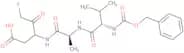
CAS :Z-Val-Ala-DL-Asp-fluoromethylketone is a drug that is used for the treatment of cancer. It can be used in combination with other chemotherapeutic drugs, such as z-vad-fmk, to induce apoptosis in cancer cells. Z-Val-Ala-DL-Asp-fluoromethylketone also inhibits autophagy and neuronal death by inhibiting caspase activation, which prevents the release of proapoptotic proteins from mitochondria into the cytosol. This drug has been shown to have antiinflammatory effects on IL2 receptor signaling pathways and inhibits the production of proinflammatory cytokines by binding to IL2.Formule :C21H28FN3O7Degré de pureté :Min. 95%Couleur et forme :PowderMasse moléculaire :453.46 g/mol1-Acetyl-5-bromo-6-chloro-1H-indol-3-ol
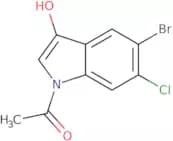
CAS :<p>Please enquire for more information about 1-Acetyl-5-bromo-6-chloro-1H-indol-3-ol including the price, delivery time and more detailed product information at the technical inquiry form on this page</p>Formule :C10H7BrClNO2Degré de pureté :Min. 95 Area-%Couleur et forme :PowderMasse moléculaire :288.52 g/molH-Phe-Pro-OH
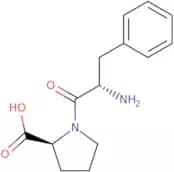
CAS :<p>H-Phe-Pro-OH is a cyclic peptide that is a structural mimic of the natural amino acid gamma-aminobutyric acid (GABA) and has been shown to be an effective inhibitor of the p450 enzymes responsible for carcinogen activation. The peptide binds to response elements in DNA and RNA, which prevents transcription of genes that are involved in cancer development. H-Phe-Pro-OH also inhibits collagen production and has hemolytic activity due to hydrogen bonding with erythrocytes. This peptide can be used as an antimicrobial agent against Gram negative bacteria, including Pseudomonas aeruginosa, Klebsiella pneumoniae, Escherichia coli, and Salmonella typhimurium. In addition, it has been shown to inhibit the growth of Gram positive bacteria such as Staphylococcus aureus and Clostridium perfringens. The mechanism by which this compound inhibits bacterial growth is</p>Formule :C14H18N2O3Degré de pureté :Min. 95%Couleur et forme :PowderMasse moléculaire :262.3 g/molEpitope2-S133-A145-A
<p>Research peptide matching Epitope2-S133-A145-A</p>Formule :C76H114N20O23SCouleur et forme :PowderMasse moléculaire :1,725.92 g/molRetatrutide
CAS :<p>GLP-1, GIP, and GCGR2 mimic; Obesity research</p>Formule :C221H342N46O68Degré de pureté :Min. 99 Area-%Masse moléculaire :4,731.33 g/molH3 native 6-peptide mixture
<p>H-STQAAIDQINGK-OHH-STQAAIDQISGK-OHH-SDAPIGK-OHH-DEALNNR-OHH-EFSEVEGR-OHH-TITNDR-OHPeptide purity: >98%AAA: Concentration - Duplicate100 aliquots/pack total to equal 1nmol/peptide/vial dry aliquots</p>BTN2A1 Blocking Peptide
<p>A synthetic peptide for use as a blocking control in assays to test for specificity of BTN2A1 antibody, catalog no. 70R-7238</p>Degré de pureté :Min. 95%TREM2 Blocking Peptide
A synthetic peptide for use as a blocking control in assays to test for specificity of TREM2 antibody, catalog no. 70R-4485Degré de pureté :Min. 95%PGP 9.5 Blocking Peptide
<p>A synthetic peptide for use as a blocking control in assays to test for specificity of PGP 9.5 antibody, catalog no. 20R-PG011</p>Degré de pureté :Min. 95%AHSG Blocking Peptide
A synthetic peptide for use as a blocking control in assays to test for specificity of AHSG antibody, catalog no. 70R-5916H-Lys-Val-Pro-Arg-Asn-Gln-Asp-Trp-Leu-OH
<p>H-Lys-Val-Pro-Arg-Asn-Gln-Asp-Trp-Leu-OH is a peptide that was derived from the human HGP1 protein. The peptide, which is MHC class I restricted, has been shown to have an epitope that is recognized by CD8+ T cells in mice. This peptide has also been shown to be biologically active and heteroclitic.</p>Formule :C52H82N16O14Degré de pureté :Min. 95%Masse moléculaire :1,155.33 g/molAF488 Plectin-1-targeting peptide
<p>Plectin is a large protein found in nearly all mammalian cells and it acts as a link between the three main components of the cytoskeleton: actin microfilaments- microtubules and intermediate filaments. Plectin also links the cytoskeleton to junctions found in the plasma membrane that structurally connect different cells. Therefore plectin plays an important role in maintaining the mechanical integrity and viscoelastic properties of tissues.In cardiac muscle and skeletal muscle, plectin is localised to specialised entities known as Z-discs. Plectin binds several proteins including: vinculin, DES, actin, fodrin, microtubule-associating proteins, nuclear laminin B, SPTAN1, vimentin and ITGB4. Mutations in PLEC have been associated with epidermolysis bullosa simplex with muscular dystrophy. Plectin has been proposed as a biomarker for pancreatic cancer. Alexa Fluor 488 dye is a bright, green-fluorescent dye with excitation maxima around 490 and emission maxima around 525. Alexa Fluor 488 dye is pH-insensitive over a wide molar range.</p>Degré de pureté :Min. 95%Couleur et forme :PowderMasse moléculaire :1,857.7 g/molBrazzein (1-54)
<p>Brazzein (1-54) is a peptide that belongs to the group of activators. It has been shown to activate potassium channels, which are protein structures that allow potassium ions to pass through the membrane. Brazzein (1-54) also binds to and activates a number of receptors, including nicotinic acetylcholine receptor, serotonin receptor, and vanilloid receptor. This peptide has been shown to inhibit the activity of ion channels in cell culture studies. It has also been shown that brazzein (1-54) is an excellent antibody mimic.</p>Degré de pureté :Min. 95%Fmoc-Leu-Wang Resin (100-200 mesh) 1% DVB
<p>Fmoc-Leu-Wang Resin is a research tool that can be used to synthesize peptides. It is used as an activator and ligand in the production of antibodies, ion channels, and cell biology. The resin has a high purity and can be used for a variety of purposes such as pharmacology, protein interactions, and peptide synthesis. Fmoc-Leu-Wang Resin has been shown to inhibit the binding of many different proteins to their receptors.</p>Degré de pureté :Min. 95%CMV pp65 pool
CMV pp65 is a pool of peptides which covers the complete sequence of the pp65 protein of human cytomegalovirus. It induces in vitro stimulation of antigen-specific CD4 and CD8 T cells.Spike Omicron pool
<p>Overlaping peptide library of Spike Omicron mutant. 15 amino acids per peptide with offset 11. Purity crude. All peptides are pooled in a single tube.</p>Abz-LFK(Dnp)-OH trifluoroacetate
CAS :<p>Angiotensin Converting Enzyme (ACE) fluorescent peptide substrate</p>Formule :C34H41N7O9(C2HF3O2)xDegré de pureté :Min. 95%Couleur et forme :PowderMasse moléculaire :691.73 g/molH-Glu(2-ClTrt-Resin)-OtBu (α Ester)
<p>H-Glu(2-ClTrt-Resin)-OtBu α Ester is an amine building block that is used in the synthesis of peptides. It is a resin that contains thiols and amines. H-Glu(2-ClTrt-Resin)-OtBu α Ester can be used as a building block for the synthesis of pepetides by reacting with an acid chloride or acid anhydride. When reacted with an acid chloride, H-Glu(2-ClTrt-Resin)-OtBu α Ester forms the corresponding ester, which reacts with a thiol to form a thioester. This product can also be used as a building block for the synthesis of polymers by reacting with alcohols to form esters.</p>Degré de pureté :Min. 95%H-Phe-2-ClTrt-Resin (200-400 mesh) 1% DVB
<p>H-Phe-2-ClTrt-Resin (200-400 mesh) 1% DVB is a resin for peptide synthesis. It can be used in the synthesis of thiols, building blocks, alcohols and amines with 1% DVB.</p>Degré de pureté :Min. 95%Fmoc-Gly-Pro-OH
CAS :<p>This is a vivitide catalogue product. Please send your vivitide product enquiry to sales@vivitide.com for an up-to-date price and availability.</p>Formule :C22H22N2O5Degré de pureté :Min. 95%Masse moléculaire :394.43 g/molRGD Peptide GRGDSPK
CAS :<p>GRGDSPK is the sequence found in cell binding region of fibronectin and many other proteins. The sequence, referred to as RGD, is critical for facilitating cell adhesion.-RGD peptide is an adhesive peptide which can be used in a biomaterial context to attach cells to a range of materials. RGD has many applications including as an antigen for integrin adhesion of thymocytes to thymic epithelial cells. RGD can be used as a blocking peptide to study bacteria and fibronectin. RGD can also be used on collagen-coated plates for study of integrins' role in progenitor cell differentiation. Delivery of RGD peptide inhibits bone mineralization in a dose-dependent manner so GRGDSPK is used to study the role of integrins in bone formation. The presence of RGD peptide dramatically alters bone morphology, with a disruption of osteoblast and mineralized matrix organisation. RGD is a vital research tool in bone formation and integrin.</p>Formule :C28H49N11O11Degré de pureté :Min. 95%Couleur et forme :PowderMasse moléculaire :715.4 g/molProTx-II
CAS :<p>A spider venom-derived peptide whose sequence is derived from the Tarantula, Thrixopelma pruriens which can be applied as a Na+ Channel (Especially Nav1.7) / Ca2+ Ion Channel Blocker (Gating Modifier). This product has disulfide bonds between Cys2-Cys16, Cys9-Cys21, and Cys15-Cys25 and is available as a trifluoroacetate salt. For a smaller quantity in acetate form, see PTX-4450-S.</p>Formule :C168H250N46O41S8Degré de pureté :Min. 95%Masse moléculaire :3,826.66 g/molChloromethylated Polystyrene Resin (100-200 mesh) 1% DVB
CAS :Chloromethylated polystyrene resin (CMSR) is a chemical that is used in the synthesis of organic chemicals. It has been shown to have a higher reactivity than polystyrene resin, which leads to shorter reaction times and increased yields. Reaction solution containing CMSR and hydrogen fluoride are used for the synthesis of amides from nitrobenzene, aniline, formaldehyde, and ammonia. This chemical also has been shown to be effective against cancer cells in tissue culture studies. Chloromethylated polystyrene resin reacts with redox potentials such as pyrazole rings or fluorescence probes to produce a fluorescent product. This type of reaction can be used in vitro assays or biological studies as well as other applications.Degré de pureté :Min. 95%Fmoc-Ala-Gly-OH
CAS :<p>Fmoc-Ala-Gly-OH is a building block for peptide synthesis and Fmoc protected l-amino acid. It is an amino acid that belongs to the group of Fmoc protected l-amino acids. This amino acid can be used as a building block for peptide synthesis, which is a technique for the chemical synthesis of peptides. The general method involves the activation of carboxyl groups on one end of the growing peptide chain with an activating agent such as dicyclohexylcarbodiimide or diisopropylcarbodiimide. The activated carboxyl group reacts with an amine (or ammonia) to form an amide bond, linking the new molecule to the preceding one in the chain. This reaction produces a molecule with a free carboxyl group at one end, which can then repeat the process.</p>Formule :C20H20N2O5Degré de pureté :Min. 95%Masse moléculaire :368.39 g/molAbz-Ala-Phe-Arg-Phe-Ser-Gln-EDDnp
CAS :Abz-Ala-Phe-Arg-Phe-Ser-Gln-EDDnp is a peptide that belongs to the group of picolinic acid. It has been shown to cause neuronal death and synergistic cell lysis in vitro. Abz-Ala-Phe-Arg-Phe-Ser-Gln-EDDnp inhibits the mitochondrial membrane potential, which leads to cytochrome c release, caspase activation, and subsequent apoptosis. Abz also inhibits basic protein synthesis and causes proteolytic degradation of cellular proteins.Formule :C50H63N15O13Degré de pureté :Min. 95%Masse moléculaire :1,082.15 g/molAc-Trp-Glu-His-Asp-H (aldehyde)
CAS :<p>Ac-Trp-Glu-His-Asp-H (aldehyde) is a synthetic peptide that is used as a research tool for pharmacology. It is an activator of ion channels and has been shown to inhibit the activity of protein interactions. Ac-Trp-Glu-His-Asp-H (aldehyde) also shows high purity and no detectable impurities in the final product.</p>Formule :C28H33N7O9Degré de pureté :Min. 95%Masse moléculaire :611.6 g/molH-Ser-Phe-Leu-Leu-Arg-Asn-OH
CAS :<p>H-Ser-Phe-Leu-Leu-Arg-Asn-OH is a biocompatible polymer that has been shown to have strong antioxidative properties. This polymer has been used in the development of a new class of drug for the treatment of inflammatory bowel disease, which may be due to its ability to inhibit toll-like receptor activity. H-Ser-Phe-Leu-Leu-Arg-Asn-OH also has potent immunosuppressive and antiinflammatory activities, and is stable at doses up to 200mg/kg. These properties make this polymer an attractive candidate for use as a therapeutic agent in treating bowel disease.</p>Formule :C34H56N10O9Degré de pureté :Min. 95%Masse moléculaire :748.87 g/molLiraglutide
CAS :<p>Liraglutide is a glucagon-like peptide-1 analog that has been shown to be an effective treatment for obesity. Liraglutide targets the adipose tissue and reduces the amount of glucose in the blood by increasing insulin sensitivity, lowering food intake, and reducing appetite. In addition, Liraglutide has been shown to suppress postprandial hyperglycemia and lower plasma glucose levels in patients with type 2 diabetes mellitus. Liraglutide also inhibits neuronal death induced by apoptotic stimuli, which may have potential use as a model system for neurodegenerative diseases such as Parkinson's disease. Liraglutide has also been shown to be an effective therapy for infectious diseases including Crohn's disease and ulcerative colitis. This drug has shown some effectiveness against atherosclerosis in animal models by inducing apoptosis in macrophages that are associated with lesions. It has also been found to have beneficial</p>Formule :C17H265N43O51Degré de pureté :Min. 95%Masse moléculaire :3,751.29 g/molDnp-Pro-Leu-Gly-Leu-Trp-Ala-D-Arg-NH2
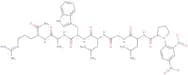
CAS :<p>Dnp-Pro-Leu-Gly-Leu-Trp-Ala-D-Arg-NH2 is a synthetic substrate for the enzyme sodium citrate synthase. Dnp is an inhibitor of the citrate synthase enzyme, which prevents the conversion of oxaloacetate to citrate and the formation of acetyl CoA. The use of deuterium has shown that this compound binds in a manner similar to but more stable than acetic acid. Polyclonal antibodies were raised against this synthetic substrate and found to be effective in inhibiting epidermal growth factor (EGF) synthesis by blocking the activation of EGF receptors on cell surfaces. This process reduces ulceration and cell proliferation in cell culture systems. The antibody also inhibits atherosclerotic lesion development in animal models, as well as collagen production by cells. This protein's tryptophan fluorescence indicates that it is a neutral peptide with a high degree of hydrophob</p>Formule :C45H64N14O11Degré de pureté :Min. 95%Masse moléculaire :977.1 g/molFmoc-D-Asn(Trt)-OH
CAS :<p>Fmoc-D-Asn(Trt)-OH is a Fmoc-protected amino acid that can be used in peptide synthesis. It is an unusual Fmoc-protected amino acid and is a building block for the synthesis of peptides. Fmoc-D-Asn(Trt)-OH is also an intermediate in the synthesis of other, more complicated, compounds.</p>Formule :C38H32N2O5Degré de pureté :Min. 95%Masse moléculaire :596.69 g/molBoc-Cys(MBzl)-OH
CAS :<p>Boc-Cys(MBzl)-OH is a peptide that inhibits cellular protein interactions. It is an inhibitor of the enzyme acetylcholinesterase and prevents the breakdown of the neurotransmitter acetylcholine. Boc-Cys(MBzl)-OH also has been shown to be an activator of the Ligand-gated ion channels, which are involved in regulating neuronal activity. This peptide can be used as a research tool for studying ion channels and their receptors.</p>Formule :C16H23NO5SDegré de pureté :Min. 95%Masse moléculaire :341.43 g/mol[Gly14]-Humanin
CAS :<p>Humanin is an endogenous peptide which is encoded for by mitochondrial DNA. It has been described as a rescue factor due to it demonstrating the capabilities of abolishing neuronal cell death, therefore is can be used to as a potential treatment of Alzheimer’s disease. Another function of Humanin is it can inhibit mitochondira-dependent apoptosis through preventing the formation of apoptotic bodies and the release of Cytochrome C.<br>Humanin has been found to be related to aging related cardiovascular disease (ACVDs) due to evidence of Humanin serum levels as age increases. Furthermore Humanin increases the expression of antioxidant defense system proteins and impedes complexes I and III from their activity in the electron transport chain in myocardial cells and mitochondria, therefore decreasing oxidative stress damage caused by H2O2. Humanin further reduces reactive oxygen species production and protects cardiomyocytes and fibroblasts, from oxidative stress.<br>Overall Humanin has a variety of protective functions such as mitochondrial homeostasis and redox systems regulation, anti-aging, prevention of myocardial fibrosis, anti-inflammation, metabolism improvement and autophagy promotion. It has also been found to improve beta-cell survival and thus can be used as a diabetes treatment due to it improving insulin secretion and resistance.<br>This Humanin product has had the serine at position 14 on the amino acid chain replaced with a Glycine. This modification has been known to enhance the cytoprotective activity of Humanin by 1000 fold and proves to be highly anti-apoptotic. Therefore this product is of scientific interest for research laboratories. It is available as a 0.5mg vial.</p>Formule :C118H202N34O31S2Degré de pureté :Min. 95%Masse moléculaire :2,657.2 g/molFmoc-Lys(Fmoc)-OH
CAS :<p>Fmoc-Lys(Fmoc)-OH is an antibacterial agent that can be synthesized from a number of precursors. It has been shown to inhibit the uptake of mannose by staphylococcus cells and its subsequent use in the synthesis of bacterial cell walls. Fmoc-Lys(Fmoc)-OH also inhibits the growth of viruses, such as HIV, and human immunodeficiency virus type 1 (HIV-1), by binding to mannose receptors on the surface of macrophage-like cells. Intramolecular hydrogen bonds stabilise this complex, which prevents it from breaking down. This allows Fmoc-Lys(Fmoc)-OH to remain in the body for a longer period of time than other antibiotics that are broken down by enzymes. Fmoc-Lys(Fmoc)-OH has also been shown to be an effective antibacterial agent against Staphylococcus a</p>Formule :C36H34N2O6Degré de pureté :Min. 98.0 Area-%Masse moléculaire :590.67 g/molBoc-Arg(Tos)-OH
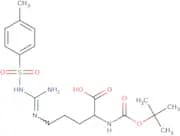
CAS :<p>Boc-Arg(Tos)-OH is a building block used in the synthesis of peptides. It is a solid-phase synthesis that can be used as a catalyst for transfer hydrogenation and transfer chemistry. Boc-Arg(Tos)-OH is typically used to produce lactam, amide, and dermorphin. This molecule is acetylated before use in the synthesis of peptides or proteins.</p>Formule :C18H28N4O5SDegré de pureté :Min. 95%Masse moléculaire :428.5 g/molH-Gly-Arg-Gly-Asp-Asn-Pro-OH
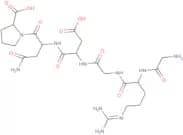
CAS :<p>H-Gly-Arg-Gly-Asp-Asn-Pro-OH is a peptide that is used in the detection of damaged tissue. This peptide has been shown to have significant cytotoxicity, with an EC50 at around 100 nM. H-Gly-Arg-Gly-Asp-Asn-Pro-OH has also been shown to be reactive with integrin receptors, which are found on the surface of pluripotent cells and are involved in cell adhesion. The fluorescence intensity of this peptide increases when it binds to the integrin receptor, indicating that it may be useful for measuring changes in cellular calcium levels.</p>Formule :C23H38N10O10Degré de pureté :Min. 95%Masse moléculaire :614.62 g/molOrexin-A (Human)
CAS :<p>This Orexin A (Human) product has disulfide bonds between Cys6-Cys12 and Cys7-Cys14, is sourced from: rat, mouse, bovine and is available as a 0.1mg vial. Orexin A is an isoform of orexin and is a neuropeptide produced in the cells of the hypothalamus. Orexins are involved in sleep cycles through exciting neurons and affecting acetylcholine, histamine, dopamine and norepinephrine systems.</p>Formule :C152H243N47O44S4Degré de pureté :Min. 95%Masse moléculaire :3,561.1 g/molAprotinin
CAS :<p>Aprotinin is a pharmacological agent that inhibits the activity of enzymes such as plasmin, kallikrein, and trypsin. It is used to prevent or reduce the severity of ischemia-reperfusion injury in heart surgery. Aprotinin also inhibits platelet aggregation and promotes blood coagulation. The drug has been shown to inhibit the activity of x-ray crystallographic inhibitor molecules that are involved in intermolecular hydrogen bonding and multivariate logistic regression. Aprotinin has been shown to have effects on eosinophil cationic protein (ECP), which may be related to its anti-inflammatory properties.</p>Formule :C284H432N84O79S7Degré de pureté :Min. 95%Masse moléculaire :6,511.53 g/molFmoc-Acc-OH
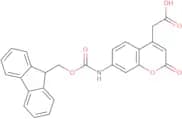
CAS :<p>Fmoc-Acc-OH is a proteolytic amino acid with an apical profile. It is used as a building block for peptide synthesis and as a tool for the synthesis of peptides, proteins, and other biomolecules. Fmoc-Acc-OH has been shown to induce apoptosis in cancer cells and viruses. This amino acid also has biochemical properties that include reversine-treated apoptotic signaling and anti-inflammatory activities.</p>Formule :C26H19NO6Degré de pureté :Min. 95%Masse moléculaire :441.44 g/molInsulin (Human)
CAS :<p>Human insulin is a peptide hormone produced by beta cells in the pancreas. The insulin receptor is found on the surface of liver, fat, and muscle cells. When binding to its receptor, insulin opens ion channels allowing potassium ions to flow into the cell and sodium ions to flow out of the cell. This change in ion concentration causes an electrical potential across the membrane that triggers an influx of calcium ions from outside the cell. These changes result in an increase in glucose uptake by tissues and inhibition of glucose production by the liver. Insulin also binds to a secondary receptor called IGF-1R (insulin-like growth factor) which activates intracellular signaling pathways involving PI3K and Akt kinase. Insulin can be used as a research tool for studying protein-protein interactions or as a pharmacological agent for diabetes treatment. <br>This product is enzymatically derived from Porcine Insulin A-chain, available as a 0.5mg vial and contains disulfide bonds between CysA6-CysA11,CysA7-CysB7, and CysA20-CysB19.</p>Formule :C257H383N65O77S6Degré de pureté :Min. 95%Masse moléculaire :5,807.6 g/molFmoc-Pra-OH
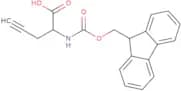
CAS :<p>Fmoc-Pra-OH is a bioconjugate used in Click Chemistry. Click Chemistry is a chemical reaction that joins two components together by forming an amide bond between the carboxyl group of one component and the amino group on the other component. Fmoc-Pra-OH was synthesized by reacting the epidermal growth factor (EGF) with a cyclic peptide containing an acid moiety, which was conjugated to the azide group of an azidopropargyl linker. This bioconjugate has been shown to have proliferative activity in vitro and structural studies have been performed to understand its reactivity.</p>Formule :C20H17NO4Degré de pureté :Min. 98.0 Area-%Masse moléculaire :335.36 g/molChymostatin
CAS :<p>Chymostatin is a protein that inhibits the polymerase chain reaction (PCR) by binding to the DNA polymerase. It has been shown to have a hypoglycemic effect in mice with myocardial infarcts and can also induce apoptosis in inflammatory lesions. Chymostatin binds to intracellular targets, such as cell factor and pro-apoptotic protein, which are involved in energy metabolism and inflammatory lesion. The inhibition of these targets may be due to its chemical biology properties, which include the formation of disulfide bonds and basic proteins. Chymostatin is not active against bacterial cells but can inhibit enzyme activities in mammalian cells.</p>Formule :C31H42N6O7Degré de pureté :Min. 95%Masse moléculaire :610.71 g/molH-Ala-Ala-Ala-pNA • HCl
CAS :<p>H-Ala-Ala-Ala-pNA • HCl is a porcine pancreatic elastase inhibitor. It is a chromogenic substrate that inhibits the proteolytic activity of elastase by binding to the active site and blocking its access to the peptide bond. H-Ala-Ala-Ala-pNA • HCl is used as an enzyme inhibitor in biochemistry and molecular biology research, and has been shown to inhibit enzymatic activity of human leukocyte elastase. The peptide is also a substrate for astacin, which cleaves it at the Cys residue.</p>Formule :C15H21N5O5•HClDegré de pureté :Min. 95%Masse moléculaire :387.83 g/molChemotactic Peptide
CAS :<p>As a chemotactic peptide, For-Met-Leu-Phe (FMLP) has chemotactic properties, which means it can attract cells. For example it is a chemoattractant for phagocytic leukocytes and neutrophils. Neutrophils which have seven transmembrane G-protein coupled receptors are activated during the acute inflammatory response by FMLP and other chemotactic factors which bind to its surface receptors. This results in the activate of NF- κB, MAPK and PI3K pathways. In particular FMLP is known to induce Interleukin-8 (IL-8) which is responsible for both tissue damage and the pathogenesis of inflammatory processes resulting from neutrophils. Chemotactic peptide have been used to study the function of polymorphonuclear leukocytes and other white blood cells in inflammation. Chemotactic peptides are often used as fluorescent probes to measure intracellular metabolic responses to chemoattractant stimulation.<br>This product is available as a 0.5mg vial.</p>Formule :C21H31N3O5SDegré de pureté :Min. 95%Masse moléculaire :437.55 g/molBoc-Cys(4-CH3Bzl)-OH
CAS :<p>Boc-Cys(4-CH3Bzl)-OH is a building block for the synthesis of peptides and other biologically active molecules. It is a protected amino acid that can be used in peptide synthesis, and it is commonly used as a building block for the synthesis of Boc-protected L-amino acids.</p>Formule :C16H23NO4SDegré de pureté :Min. 95%Masse moléculaire :325.42 g/molAc-Leu-Pro-Phe-Phe-Asp-NH2
CAS :<p>Ac-Leu-Pro-Phe-Phe-Asp-NH2 is a potential therapeutic for Alzheimer's disease. It has been shown to reduce the production of reactive oxygen species and inhibit the formation of amyloid beta oligomers. Ac-Leu-Pro-Phe-Phe-Asp-NH2 also reduces the frequency of protofibrils, which are aggregates that may play a role in Alzheimer's disease pathology. This peptide has been shown to have a protective effect on cell populations, which may lead to therapeutics that can delay or prevent Alzheimer's disease. Ac-Leu-Pro-Phe-Phe-Asp NH2 is an inhibitor of amyloid beta peptides and modulates their aggregation into protofibrils.</p>Formule :C35H46N6O8Degré de pureté :Min. 95%Masse moléculaire :678.89 g/molCyclo(Arg-Gly-Asp-D-Phe-Cys)
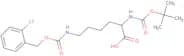
CAS :<p>Cyclo(Arg-Gly-Asp-D-Phe-Cys) is a cyclic peptide that can form stable complexes with platinum. It has been shown to have anticancer activity against cervical cancer cells in tissue culture. Cyclo(Arg-Gly-Asp-D-Phe-Cys) binds to the integrin receptor on the surface of cancer cells, which leads to changes in redox potential, leading to cell death by apoptosis or necrosis. Cyclo(Arg-Gly-Asp-D-Phe-Cys) also has pharmacological properties that make it a good candidate for treatment of cancer.</p>Formule :C24H34N8O7SDegré de pureté :Min. 95%Masse moléculaire :578.65 g/molBoc-Lys(Cl-Z)-OH
CAS :<p>Boc-Lys(Cl-Z)-OH is a research tool that belongs to the group of peptides. It is an inhibitor of ion channels and can be used as a pharmacological agent. Boc-Lys(Cl-Z)-OH is an agonist of G protein coupled receptors, which are found on cell membranes. It may also be used to activate receptor tyrosine kinases. Boc-Lys(Cl-Z)-OH is a high purity product with > 99% purity.</p>Formule :C19H27N2O6ClDegré de pureté :Min. 95%Masse moléculaire :414.88 g/molZ-Leu-Leu-Leu-H (aldehyde)
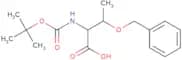
CAS :<p>Z-Leu-Leu-Leu-H (aldehyde) is an inhibitor that binds to a receptor and prevents the binding of a ligand. This competitive inhibition is reversible and can be used as a research tool to study protein interactions. The high purity of this product makes it ideal for use in pharmacology, cell biology, and life science research.</p>Formule :C26H41N3O5Degré de pureté :Min. 95%Masse moléculaire :475.62 g/molBoc-D-Thr(Bzl)-OH
CAS :<p>Boc-D-Thr(Bzl)-OH is a peptide that is used as an activator or inhibitor of ion channels. It has been shown to inhibit the activity of L-type voltage dependent calcium channels and N-type voltage dependent sodium channels, as well as potassium channels. This peptide binds to the receptor site on the channel and blocks ion transport through the channel. Boc-D-Thr(Bzl)-OH can also be used to study protein interactions with receptors and ligands, as well as pharmacology.</p>Formule :C16H23NO5Degré de pureté :Min. 95%Masse moléculaire :309.36 g/molH-Thr-Phe-Leu-Leu-Arg-NH2
CAS :<p>The endothelium is a layer of cells that lines the inner surface of blood vessels and lymphatic vessels, forming a barrier between circulating blood or lymph and the rest of the body. It is involved in maintaining vascular homeostasis as well as in inflammation. The endothelium regulates vascular tone and blood pressure through release of nitric oxide (NO) and other substances, such as prostacyclin, vasoactive peptides, endothelin-1, tumor necrosis factor-α, interleukin-1β, and thromboxane A2. Endothelial cells are activated by various means such as increased intracellular Ca2+ concentration or basic fibroblast growth factor (bFGF). This activation can be inhibited by receptor antagonists such as neurokinin-1 receptor antagonists.</p>Formule :C31H53N9O6Degré de pureté :Min. 95%Masse moléculaire :647.81 g/mol







![[5-FAM]-beta-Amyloid (1-15) Human](/_next/image/?url=https%3A%2Fstatic.cymitquimica.com%2Fproducts%2F3D%2Fthumb-webp%2FCRB1100839.webp&w=3840&q=75)




















![[5-FAM]-C7](/_next/image/?url=https%3A%2Fstatic.cymitquimica.com%2Fproducts%2F3D%2Fthumb-webp%2FCRB1101183.webp&w=3840&q=75)










![Melittin [Cy5]](/_next/image/?url=https%3A%2Fstatic.cymitquimica.com%2Fproducts%2F3D%2Fthumb-webp%2FCRB1130465.webp&w=3840&q=75)



























![[Gly14]-Humanin](/_next/image/?url=https%3A%2Fstatic.cymitquimica.com%2Fproducts%2F3D%2Fthumb-webp%2FPHN-4385-V.webp&w=3840&q=75)