


Peptides
Sous-catégories appartenant à la catégorie "Peptides"
29634 produits trouvés pour "Peptides"
β-Defensin-4, human
β-Defensin-4 is a human defensin that belongs to the class of β-defensins. It has been found in a wide range of tissues, such as the skin and respiratory tract. β-Defensin-4 is a small, cationic peptide with an amphipathic structure. It binds to cell membranes and forms ion channels that allow ions to flow into the cell. The channel formed by β-defensin-4 is selective for monovalent cations such as Na+, K+, and Ca2+. β-Defensin-4 has been shown to be an activator of G protein coupled receptors and may play a role in inflammatory responses.Formule :C180H295N63O52S6Degré de pureté :Min. 95%Masse moléculaire :4,366 g/molBis-dPEG®21-Acid
CAS :Bis-dPEG®21-Acid is a PEG polymer categorised as homobifunctional PEG (X-PEG X). Used as a linker, bis-dPEG®21-Acid is used to attached PEG to proteins, peptides, oligonucleotides, nanoparticles and small molecules via pegylation, a bioconjugation technique.Formule :C46H90O25Degré de pureté :Min. 95%Masse moléculaire :1,043.19 g/molGreen Fluorescent Protein Recombinant
The Green Fluorescent Protein Recombinant is a highly versatile product that offers a wide range of applications in the field of proteomics. This PEG-linked peptide is designed to enhance the stability and solubility of proteins, making it an ideal choice for various research purposes. With its unique PEG-protected structure, this recombinant protein ensures optimal performance and long-lasting results. Whether you're conducting protein-protein interaction studies or investigating protein localization, this PEGylated peptide will provide you with accurate and reliable data. Trust in the exceptional quality of this product to advance your research and unlock new insights in the world of proteomics.
Degré de pureté :Min. 95%Amylin (Human)
CAS :Amylin is a peptide hormone that is found in the pancreas. It regulates blood glucose levels and plays an important role in diabetes. Amylin is also used as a research tool for studying the function of ion channels, cell biology, protein interactions, and pharmacology.Formule :C165H261N51O55S2Degré de pureté :Min. 95%Masse moléculaire :3,903.3 g/molBiotin-dPEG®12-TFP Ester
Biotin-dPEG®12-TFP Ester is a PEG compound with two different functional groups (also known as heterobifunctional). Unlike homobifunctional PEG compounds (same functional group on both ends), this type of compounds are more versatile as have two different anchor points. Biotin-dPEG®12-TFP Ester is used as a linker and spacer to add a PEG moiety, via pegylation (a bioconjugation technique) to proteins, peptides, oligonucleotides, small molecules and nanoparticles.Formule :C43H69F4N3O16SDegré de pureté :Min. 95%Masse moléculaire :992.08 g/molUrinary Trypsin Inhibitor-Ulinastatin Human
Urinary Trypsin Inhibitor-Ulinastatin Human is a protein that is found in human urine. This protein was originally identified as an autoantigen in patients with the tripartite syndrome, which consists of nephrotic syndrome, skin lesions and lymphocytic infiltration. The protein is also found to be involved in the development of type 1 diabetes and other autoimmune disorders. Urinary Trypsin Inhibitor-Ulinastatin Human may be a ribonucleoprotein or a proteinase inhibitor. It has been shown to inhibit trypsin activity on Escherichia coli cells.
Degré de pureté :Min. 95%m-dPEG®24-Amido-dPEG®24-TFP Ester
m-dPEG®24-Amido-dPEG®24-TFP Ester is a PEG compound with two different functional groups (also known as heterobifunctional). Unlike homobifunctional PEG compounds (same functional group on both ends), this type of compounds are more versatile as have two different anchor points. m-dPEG®24-Amido-dPEG®24-TFP Ester is used as a linker and spacer to add a PEG moiety, via pegylation (a bioconjugation technique) to proteins, peptides, oligonucleotides, small molecules and nanoparticles.Formule :C107H201F4NO51Degré de pureté :Min. 95%Masse moléculaire :2,393.71 g/molMagainin 1
Magainin 1 is a research tool that belongs to the class of activators. It binds to receptor and ligand, which are proteins in cells. Magainin 1 is used as a tool in cell biology to study protein interactions and pharmacology, as well as for the study of ion channels. It has high purity and can be used with other reagents, such as antibodies or peptides, in research.
Degré de pureté :Min. 95%m-dPEG®8-Lipoamide
CAS :m-dPEG®8-Lipoamide is a PEG molecule conjugated with a lipid moiety. m-dPEG®8-Lipoamide, conjugated to this lipid constituent, is very important especially in drug delivery and vaccine development as it helps improve the stability and circulation time of lipid nanoparticles (LNPs) and liposomes.
Formule :C19H35NO7S2Degré de pureté :Min. 95%Masse moléculaire :453.61 g/molScyllatoxin
CAS :This Scyllatoxin product is a synthetic scorpion (Leiurus quinquestriatus hebraeus) toxin with disulfide bonds between Cys3-Cys21, Cys8-Cys26, and Cys12-Cys28. It can be used as a small conductance Ca2+-activated K+ channel blocker and may assist in pharmacology receptor studies. This product is available as a 0.1mg vial.Formule :C142H237N45O39S7Degré de pureté :Min. 95%Masse moléculaire :3,423.1 g/molAnti EGF, Human Serum
Anti-EGFR (Epidermal Growth Factor Receptor) is a monoclonal antibody that binds to the epidermal growth factor receptor (EGFR). The EGFR is a transmembrane tyrosine kinase receptor that plays an important role in cell proliferation, differentiation, and survival. Anti-EGFR can be used as a research tool for studying protein interactions, such as the interaction of peptides with receptors or ligands. It can also be used for pharmacological studies and can be used to isolate proteins from cells. This product is available in high purity, which means it has been purified by chromatography to have less than 0.1% other proteins than the product. This product is also available in a form of an antibody conjugate, which means that it has been linked to an antibody molecule that recognizes the target antigen specifically. Anti-EGFR is available in CAS No., which stands for Chemical Abstracts Service Number.
Degré de pureté :Min. 95%Big Endothelin-3 (Human, 22-41 Amide) Antiserum
Big Endothelin-3 (Human, 22-41 Amide) Antiserum is an antibody that can be used to inhibit the activity of Big Endothelin-3. It is a monoclonal antibody that has been raised against Big Endothelin-3 and is specific to this protein. The antibody recognizes the epitope on the human form of Big Endothelin-3 which is located between amino acids 22 and 41. This antibody can also be used to detect peptides in cell lysates or tissue sections.Degré de pureté :Min. 95%MPS (NHS-3-Maleimidopropionate)
CAS :MPS is a compound that is used in peptide synthesis. It is a maleimidopropionate reagent that reacts with primary amines to form stable amides. MPS can be used as a building block for the synthesis of polymers, and it contains an N-hydroxysuccinimide ester group that can react with thiols to form stable disulfides. This product is available for purchase from Quanta BioDesign.Formule :C13H24O7SDegré de pureté :Min. 95%Masse moléculaire :324.39 g/molPLTX-II
A synthetic spider toxin, sourced from the spider, Plectreurys tristes. It can be applied as a presynaptic Ca2+ channel blocker. The disulfide bonds are undetermined.Formule :C208H313N61O70S10Degré de pureté :Min. 95%Masse moléculaire :5,108.7 g/molPolystyrene M NH2 (5 µm)
Polystyrene is a thermoplastic polymer that is used in the production of polystyrene resins, which are used as building blocks for peptide synthesis. New England Peptide offers a variety of polystyrene resin products including particle resins and Rapp Polymere resins. The particle size of the resin ranges from 5-100 µm. Polymers can be synthesized using various methods including solid-phase synthesis and solution phase synthesis, which both require polystyrene resins. This product is available with a variety of functionalities, such as amine, hydroxyl and carboxyl groups.
Degré de pureté :Min. 95%Tertiapin
CAS :Tertiapin is a synthetic bee venom peptide (Honey Bee, Apis mellifera) containing disulfide bonds between Cys3-Cys14 and Cys5-Cys18. It is an inward rectifier K+ channel blocker and also blocks the activity of calcium activated large conductance potassium channels. The pain and inflammation symptoms experienced after a bee sting is caused by this peptide eventhough bee venom also has the potential to treat pain and inflammation in conditions such as rheumatoid arthritis and multiple sclerosis. This product is available as a 0.1mg vial.Formule :C106H176N34O23S5Degré de pureté :Min. 95%Masse moléculaire :2,455.1 g/molParathyroid Hormone (Human, 69-84)
CAS :Parathyroid Hormone (Human, 69-84) is a peptide hormone that regulates the levels of calcium and phosphate in the blood. It regulates bone formation and remodeling by targeting bone mineralization. Parathyroid hormone binds to to the G-protein coupled receptor type 1 PTH receptor, which activates adenylate cyclase or phospholipase C thus activating pathways involved in the mediation of bone resorption and bone formation. This product is suitable for life science applications and is available has a 0.5mg vial.Formule :C72H125N21O27Degré de pureté :Min. 95%Masse moléculaire :1,716.9 g/molBiotin-dPEG®4-amido-dPEG®24-amido-dPEG®24-DSPE
Biotin-dPEG®4-amido-dPEG®24-amido-dPEG®24-DSPE is a PEG compound with two different functional groups (also known as heterobifunctional). Unlike homobifunctional PEG compounds (same functional group on both ends), this type of compounds are more versatile as have two different anchor points. Biotin-dPEG®4-amido-dPEG®24-amido-dPEG®24-DSPE is used as a linker and spacer to add a PEG moiety, via pegylation (a bioconjugation technique) to proteins, peptides, oligonucleotides, small molecules and nanoparticles.Degré de pureté :Min. 95%Masse moléculaire :3,478.33 g/mol[Tyr8]-Bradykinin
CAS :[Tyr8]-Bradykinin is a peptide that is an activator of the B2 receptor. It has been shown to have high purity, and can be used as a research tool. This product is also an inhibitor of ion channels, and has been shown to bind to antibody.Formule :C50H73N15O12Degré de pureté :Min. 95%Masse moléculaire :1,076.2 g/molTentaGel® MB RAM, particle size: 200 - 250 µm
Please enquire for more information about TentaGel® MB RAM, particle size: 200 - 250 µm including the price, delivery time and more detailed product information at the technical inquiry form on this page
Degré de pureté :Min. 95%TentaGel® HL HMBA Resin
TentaGel® HL HMBA Resin is a polystyrene-based solid support that is used for peptide synthesis and building blocks. It provides reactive sites for the attachment of side chains and has an average particle size of 3.5 µm. TentaGel® HL HMBA Resin can be used in crosslinked or non-crosslinked form.Degré de pureté :Min. 95%CCK-33 (Human)
CAS :CCK-33 is a synthetic peptide that is used as a research tool. It binds to the CCK2 receptor and activates it, triggering the release of the neurotransmitter acetylcholine. CCK-33 is also an inhibitor of voltage-gated potassium channels, which are important for neuronal communication. CCK-33 can be used to identify other ligands for this receptor, or as an antibody epitope tag in cell biology studies.Formule :C167H263N51O52S4Degré de pureté :Min. 95%Masse moléculaire :3,945.4 g/molIL 7 Human
IL-7 is a colony-stimulating factor that is expressed in the stromal cells of human cells. IL-7 has been shown to have modulatory effects on neutrophils and myeloid cells, which are important for immune responses. IL-7 stimulates phagocytosis and the production of reactive oxygen species by neutrophils and myeloids. IL-7 also has autocrine and paracrine effects on lymphoblasts and amplifies their proliferation. This protein may be used as a tumor marker for some malignant tumors because it can be detected in autocrine loops and in the circulation of patients with cancer.Degré de pureté :Min. 95%Glu17,Gla21,24-Osteocalcin, human
CAS :Glu17,Gla21,24-Osteocalcin is a peptide that is used as a research tool to study ion channels and receptor interactions. It has been shown to bind to the human insulin receptor and act as an agonist. Glu17,Gla21,24-Osteocalcin also binds to the calcitonin receptor with high affinity. This peptide can be used in pharmacology studies as an inhibitor of insulin-mediated glucose uptake or as an activator of calcium release from intracellular stores.
Formule :C268H381N67O80S2Degré de pureté :Min. 95%Masse moléculaire :5,885.4 g/molC5 MS Calibrator-5 (25nmol)
C5 MS Calibrator-5 is a tryptic peptide calibration standard for mass spectrometry. It contains a C5, CO5, and protein. The peptide calibrator is useful as a molecular weight marker in proteomics experiments.Degré de pureté :Min. 95%m-dPEG®24-MAL
CAS :m-dPEG®24-MAL is a PEG compound with two different functional groups (also known as heterobifunctional). Unlike homobifunctional PEG compounds (same functional group on both ends), this type of compounds are more versatile as have two different anchor points. m-dPEG®24-MAL is used as a linker and spacer to add a PEG moiety, via pegylation (a bioconjugation technique) to proteins, peptides, oligonucleotides, small molecules and nanoparticles.
Formule :C22H39F3N4O7SDegré de pureté :Min. 95%Masse moléculaire :560.63 g/molT4 DNA Ligase (recombinant)
T4 DNA Ligase is a recombinant protein that catalyzes the formation of DNA molecules from complementary single-stranded DNA. T4 DNA Ligase is used as a research tool in cell biology and biochemistry to study the interactions between proteins and peptides. It is also used to produce recombinant proteins, such as antibodies. T4 DNA Ligase binds to its substrate by an ionic interaction with adenosine triphosphate (ATP) and to the complementary strand by hydrogen bonding. The enzyme cleaves the phosphate backbone of both strands at the junction point, forming two new phosphodiester bonds. This enzyme has been shown to bind to other proteins and peptides, such as receptor tyrosine kinases, which are involved in signal transduction pathways that regulate cell growth and differentiation.Degré de pureté :Min. 95%PTH-rP (Human,1-34 Amide)
CAS :PTH-rP is a peptide that has been used as a research tool for the study of ion channels, protein interactions, and receptor signaling. It is an inhibitor of PTH/PTH-related protein receptor. PTH-rP is a ligand for the PTH/PTH-related protein receptor and can be used to identify novel receptors or ligands. This compound has been shown to have the ability to inhibit cellular proliferation and induce apoptosis in certain cell lines.Formule :C180H288N58O47Degré de pureté :Min. 95%Masse moléculaire :4,016.6 g/molMelanoma Antigen Family A, 3, human, recombinant
Melanoma Antigen Family A, 3, human, recombinant is a recombinant human protein. It has an inhibitory effect on the activity of ion channels. It is a high purity reagent for use in immunohistochemistry and other research applications. This protein interacts with a variety of proteins such as activators, ligands and receptors.Degré de pureté :Min. 95%Peptide YY (Human)-EIA Kit (1ea)
Peptide YY (Human)-EIA Kit (1ea) is an EIA kit for the quantitative analysis of human peptide YY. Peptide YY is a neuropeptide with a role in the regulation of food intake and energy expenditure. The kit contains one vial each of peptide YY antiserum, peptide YY antibody, and standard reference material. The assay can be used to detect the level of peptide YY in tissue samples or cell culture supernatants.
Degré de pureté :Min. 95%Chikungunya E2 Recombinant
Chikungunya E2 Recombinant is a peptide that activates the ion channels. It is derived from the Chikungunya virus, and has been shown to inhibit the binding of ligands to their receptors. The recombinant protein can be used as a research tool in cell biology and pharmacology. Chikungunya E2 Recombinant also binds to antibodies and can be used in immunohistochemistry, Western blotting, and ELISA.Degré de pureté :Min. 95%IL 12 Human
IL-12 is a proinflammatory cytokine that is produced by activated T cells and natural killer (NK) cells. IL-12 activates macrophages, which then produce tumor necrosis factor alpha (TNFα), inducible nitric oxide synthase (iNOS), and other inflammatory mediators. IL-12 has also been shown to increase the expression of major histocompatibility complex class II molecules on antigen presenting cells, which may be important for activating CD4+ T helper cells. IL-12 is a receptor activator that binds to its receptor with high affinity and specificity. It has been found to inhibit voltage-gated ion channels, ligand binding, and antibody binding in vitro.Degré de pureté :Min. 95%MOCAc-Gly-Lys-Pro-Ile-Leu-Phe-Phe-Arg-Leu-Lys(Dnp)-D-Arg-NH₂
CAS :MOCAc-Gly-Lys-Pro-Ile-Leu-Phe-Phe-Arg-Leu-Lys(Dnp)-D-Arg is a peptide with ion channel activity. It is a potent activator of potassium channels and has been used in research as a tool for studying ion channel function. MOCAc is not an inhibitor of voltage sensitive sodium channels but does inhibit calcium currents. MOCAc also has been shown to be a ligand for the nicotinic acetylcholine receptor and is able to bind to the beta subunit of this receptor. This peptide binds to the alpha subunit of the calcium channel, leading to inhibition of calcium currents and activation of potassium channels.
Formule :C85H122N22O19Degré de pureté :Min. 95%Masse moléculaire :1,756 g/molAzido-dPEG®36-Alcohol
CAS :Azido-dPEG®36-Alcohol is a PEG polymer categorised as monofunctional (OH-PEG-X). Used as a linker, azido-dPEG®36-Alcohol is used to attached PEG to proteins, peptides, oligonucleotides, nanoparticles and small molecules via pegylation, a bioconjugation technique.
Degré de pureté :Min. 95%Masse moléculaire :1,628.92 g/molAnti Basic-FGF (1-9), human Serum
Anti Basic-FGF (1-9) is a peptide that has been shown to inhibit the growth of cancer cells in vitro. It is an activator of the receptor tyrosine kinase FGF receptor and has been used as a research tool for studying the interactions between proteins. The antibody against Anti Basic-FGF (1-9) can be used in immunohistochemistry and Western blot analysis to identify this peptide in tissue samples. This peptide is also an inhibitor of the ion channel protein, TRPM4, and has been shown to block its activity at low concentrations.Degré de pureté :Min. 95%Prosaposin, human, recombinant
Prosaposin is a human, recombinant secretory protein that is produced by the freeze-drying of a lysosomal extract. It is used to treat cerebrospinal fluid that has been depleted of prosaposin. This protein functions as a linker and interacts with choline, glycosphingolipids, and phospholipids to form the myelin sheath in the central nervous system. Prosaposin can also be reconstituted with deionized water and aliquots containing 1 mg/mL of this protein are available for purchase.
Degré de pureté :Min. 95%FRETS-25Trp (1 umol) (1umol)
FRETS-25Trp is a peptide that is used as a research tool for the study of protein interactions. It is an activator of ion channels and has been shown to bind to the receptor site of protein. FRETS-25Trp has also been shown to inhibit the interaction between ligands and receptors, which may be due to its ability to mimic the natural ligand or compete with it for binding sites. FRETS-25Trp is synthesized by solid phase peptide synthesis on a resin, which provides high purity and yields of up to 1 umol per reaction. FRETS-25Trp (1 umol) (1umol) is CAS No. 120106-03-5 and Reagent No. F2204.Degré de pureté :Min. 95%TentaGel® H RAM
TentaGel H RAM is a building block for peptide synthesis and a resin for peptide synthesis. It is made of 3-hydroxypropyl methacrylate (HPM) and bis-acrylamide (BAM) in a ratio of 1:1. TentaGel H RAM is used as an alternative to polystyrene, which has been used as the base resin for peptide synthesis.Degré de pureté :Min. 95%TentaGel® R NH2 Resin (90 um)
This resin is specially designed for difficult and long sequences. TentaGel is a gelatinous resin, an important support for solid phase synthesis. TentaGel resins are constructed with a backbone of low crosslinked polystyrene grafted with polyoxyethylene (polyethylene glycol) as shown below. The typical chain length of POE (n) is approximately 68 ethylene oxide units or an average MW of 3000. This long chain creates a spacer that effectively separates the reactive site (X) from the crosslinked backbone matrix. Particle size 90 µm; capacity: 0.18-0.22 meq/g. Substiution Functional Group: -O-CH2-CH2-NH2Degré de pureté :Min. 95%Pyr-Pro-Val-pNA
CAS :Pyr-Pro-Val-pNA is a research tool that can be used to study protein interactions. It is an activator ligand that binds to the receptor and can activate ion channels. Pyr-Pro-Val-pNA has been shown to inhibit the binding of antibodies to their antigen. This ligand can be used as a pharmacological agent for the treatment of various diseases, including cancer.Formule :C21H27N5O6Degré de pureté :Min. 95%Masse moléculaire :445.47 g/molAmino-dPEG®12-ODMT
CAS :Amino-dPEG®12-ODMT is a PEG compound with two different functional groups (also known as heterobifunctional). Unlike homobifunctional PEG compounds (same functional group on both ends), this type of compounds are more versatile as have two different anchor points. Amino-dPEG®12-ODMT is used as a linker and spacer to add a PEG moiety, via pegylation (a bioconjugation technique) to proteins, peptides, oligonucleotides, small molecules and nanoparticles.
Formule :C10H20O5Degré de pureté :Min. 95%Masse moléculaire :220.26 g/molGlucagon-like Peptide 1 (Human 7-37)
CAS :GLP-1 is a peptide hormone that is released by the pancreas in response to food intake. This hormone activates receptors on the L cells of the ileum and duodenum, which causes increased production of insulin and decreased production of glucagon. GLP-1 also decreases appetite, slows gastric emptying, and reduces blood glucose levels by increasing the uptake of glucose into muscle cells. GLP-1 has been shown to be effective in reducing body weight, lowering blood pressure and cholesterol levels, improving glycemic control, and preventing diabetes. The GLP-1 receptor is found in ion channels and cell biology as well as pharmacology.Formule :C151H228N40O47Degré de pureté :Min. 95%Masse moléculaire :3,355.7 g/molAnti Angiostatin (128-141) (Mouse) Serum
Anti Angiostatin (128-141) (Mouse) Serum is a peptide that is able to inhibit the activity of angiostatin, a protein that has been implicated in the process of blood vessel growth. This serum is a research tool for use in cell biology and biochemistry.Degré de pureté :Min. 95%CA-125 Heavy Tryptic Peptide Standard (4nmol)
Cancer antigen 125 (CA 125) heavy tryptic peptide standard for proteomics studies. CA 125 is an antigenic tumor marker which can be used to diagnose epithelial ovarian cancers. It is expressed by epithelial ovarian neoplasms and cells lining the fallopian tubes, endometrium, pericardium, peritoneum and pleura.Degré de pureté :Min. 95%Bz-Arg-AMC
CAS :Bz-Arg-AMC is a fluorescent probe that binds to the nicotinic acetylcholine receptor (nAChR) in the presence of calcium ions and emits light when excited by ultraviolet light. It can be used to study the activation of nAChRs, as well as their interactions with other proteins such as peptides. Bz-Arg-AMC has a molecular weight of 551.9 g/mol, with a purity of > 98% and an optical purity of > 99%. This product can be used for research purposes only, not for diagnostic or therapeutic purposes.
Formule :C23H25N5O4Degré de pureté :Min. 95%Masse moléculaire :435.48 g/molBiotin-dPEG®23-Lipoamide
Biotin-dPEG®23-Lipoamide is a PEG compound with two different functional groups (also known as heterobifunctional). Unlike homobifunctional PEG compounds (same functional group on both ends), this type of compounds are more versatile as have two different anchor points. Biotin-dPEG®23-Lipoamide is used as a linker and spacer to add a PEG moiety, via pegylation (a bioconjugation technique) to proteins, peptides, oligonucleotides, small molecules and nanoparticles.Formule :C66H126N4O26S3Degré de pureté :Min. 95%Masse moléculaire :1,487.92 g/molEGF Mouse
Epidermal Growth Factor, Mouse sequence. Produced recombinantly in E.Coli. 53 amino acids (6 kDa) including 3 intramolecular disulfide-bonds.Degré de pureté :Min. 95%Met-Met
CAS :Met-Met is a dipeptide that is synthesized from the amino acids methionine and methyltetrahydrofolate. It is used in the synthesis of peptides and biochemicals, as well as in pharmacological treatments for diseases including bacterial infections. Met-Met has significant interactions with dopamine, catechol-o-methyltransferase, and energy metabolism. The enzyme catechol-o-methyltransferase catalyzes the conversion of dopamine to 3,4-dihydroxyphenylacetic acid (DOPAC), which may lead to a decrease in dopamine levels. Met-Met also inhibits the metabolism of catecholamines, leading to an increase in cellular levels of catecholamines such as dopamine and norepinephrine. This inhibition may be responsible for metabolic disorders such as obesity or low body mass index (BMI)
Formule :C10H20N2O3S2Degré de pureté :Min. 95%Masse moléculaire :280.41 g/molAzido-dPEG®4-NHS ester
CAS :Azido-dPEG®4-NHS ester is a PEG compound with two different functional groups (also known as heterobifunctional). Unlike homobifunctional PEG compounds (same functional group on both ends), this type of compounds are more versatile as have two different anchor points. Azido-dPEG®4-NHS ester is used as a linker and spacer to add a PEG moiety, via pegylation (a bioconjugation technique) to proteins, peptides, oligonucleotides, small molecules and nanoparticles.
Formule :C27H53N3O14Degré de pureté :Min. 95%Masse moléculaire :643.72 g/molCarboxyl-dPEG®4-(m-dPEG®11)3
Carboxyl-dPEG®4-(m-dPEG®11)3 is a PEG compound with two different functional groups (also known as heterobifunctional). Unlike homobifunctional PEG compounds (same functional group on both ends), this type of compounds are more versatile as have two different anchor points. Carboxyl-dPEG®4-(m-dPEG®11)3 is used as a linker and spacer to add a PEG moiety, via pegylation (a bioconjugation technique) to proteins, peptides, oligonucleotides, small molecules and nanoparticles.Formule :C98H191F4N5O47Degré de pureté :Min. 95%Masse moléculaire :2,191.57 g/molGalanin (Rat) Antiserum
Galanin is a peptide that is involved in the regulation of many physiological processes, including the regulation of food intake, water balance, and pain perception. The rat galanin antiserum reacts with both human and rat galanin. Galanin is a member of the family of G protein-coupled receptors (GPCRs).Degré de pureté :Min. 95%MAL-dPEG®4-Glu(OH)-NH-m-dPEG®24
MAL-dPEG®4-Glu(OH)-NH-m-dPEG®24 is a peptide containing polyethylene glycol (PEG) as spacer to alter their pharmacokinetic properties and pharmodynamics.
Formule :C72H134N4O35Degré de pureté :Min. 95%Masse moléculaire :1,615.84 g/molMOCAc-Asp-Glu-Val-Asp-Ala-Pro-Lys(Dnp)-NH₂
MOCAc-Asp-Glu-Val-Asp-Ala-Pro-Lys(Dnp)-NH₂ is a peptide that can be used as a research tool to study protein interactions and receptor function. MOCAc-Asp-Glu-Val-Asp-Ala-Pro-Lys(Dnp)-NH₂ inhibits the ion channels, which are involved in the transmission of nerve impulses. The peptide has been shown to bind with high affinity to the nicotinic acetylcholine receptor (nAChR) and may be used as a ligand for this receptor.Formule :C50H63N11O21Degré de pureté :Min. 95%Masse moléculaire :1,154.1 g/molGlucagon-HS ELISA (Kit) (1ea)
The Glucagon-HS ELISA (Kit) is a sandwich ELISA for the quantitative measurement of human glucagon in serum. The kit contains an antibody specific to human glucagon, and a detection antibody that has been pre-coated onto the wells of the microtiter plate. Standards are provided in order to generate a standard curve. A sample is added to each well and any human glucagon present will bind to the antibody. After incubation and washing, a substrate solution is added which will react with the bound human glucagon, resulting in a color change proportional to the amount of human glucagon present in the sample. The color change is measured by absorbance at 450 nm and compared against known concentrations of human glucagon on a standard curve. br>br> The Glucagon-HS ELISA (Kit) provides an accurate means for measuring serum levels of human glucagon in clinical, research, or veterinary settings. It can be used as a diagnostic aidDegré de pureté :Min. 95%DOTA-tris(Acid)-Amido-dPEG®23-Maleimide
DOTA-tris(Acid)-Amido-dPEG®23-Maleimide is a PEG compound with two different functional groups (also known as heterobifunctional). Unlike homobifunctional PEG compounds (same functional group on both ends), this type of compounds are more versatile as have two different anchor points. DOTA-tris(Acid)-Amido-dPEG®23-Maleimide is used as a linker and spacer to add a PEG moiety, via pegylation (a bioconjugation technique) to proteins, peptides, oligonucleotides, small molecules and nanoparticles.Degré de pureté :Min. 95%Masse moléculaire :1,838.88 g/molTTR MS Calibrator (1ea)
TTR MS Calibrator is a research tool that is used to calibrate the mass spectrometer for TTR peptide analysis. It has an excellent purity and is provided as a lyophilized powder. This calibrator contains high-quality TTR peptides with a low level of impurities. The product can be used for pharmacological or proteomic studies, as well as other research applications.Degré de pureté :Min. 95%(3,5-Difluorophenylacetyl)-Ala-Phg-OtBu
CAS :(3,5-Difluorophenylacetyl)-Ala-Phg-OtBu is a peptide that is an inhibitor of Protein interactions. It blocks the binding of the enzyme to its substrate and prevents the conversion of substrate to product. This peptide was used as a research tool for studying protein interactions in cell biology and as an activator for Ligands. This peptide can be used as a reagent for antibody production. The purity of this peptide is high and it has been shown to have no adverse effects in animal research studies.Formule :C23H26N2O4F2Degré de pureté :Min. 95%Masse moléculaire :432.46 g/molAmylin (Rat)
CAS :Produit contrôléAmylin is a peptide that belongs to the group of activators. It has been shown to be an inhibitor of ion channels, and has also been demonstrated to activate cell signaling pathways. Amylin can be used as a research tool for studying protein interactions, receptor ligands, and pharmacology. Amylin can be used in antibody production or as a high-purity reagent for life science or cell biology applications.
Formule :C167H272N52O53S2Degré de pureté :Min. 95%Masse moléculaire :3,920.4 g/molAdenylate Kinase 4, human, recombinant
Adenylate kinase 4 (AK4) is a protein that in humans is encoded by the AK4 gene. AK4 catalyzes the conversion of adenosine triphosphate (ATP) to adenosine monophosphate (AMP). The enzyme has been shown to play an important role in the regulation of cell proliferation and survival, as well as in the regulation of ion channels, neurotransmitter release, and other biological processes. AK4 is also an activator of G-protein coupled receptors and a ligand for certain nuclear receptors. It can also function as an inhibitory receptor for certain G-protein coupled receptors.Degré de pureté :Min. 95%Bis-Maleimide Amine, TFA Salt
CAS :Bis-Maleimide Amine, TFA Salt is a pharmacological research tool that is used to study protein interactions. It is also used as an inhibitor and activator of proteins, specifically ion channels. This product has a CAS number of 62921-76-0, which can be found on the Chemical Abstracts Services website. This product is high purity and is used in life science research. The salt form of this product is used as a ligand for receptor binding studies.Formule :C16H26O7SDegré de pureté :Min. 95%Masse moléculaire :362.44 g/molCalcitonin (Human)
CAS :Calcitonin is a hormone produced by the C cells (also known as parafollicular cells) in the thyroid gland. Its main function is to regulate the levels of calcium and phosphate in the blood. Calcitonin works by inhibiting the activity of osteoclasts, which are cells that break down bone tissue and release calcium and phosphate into the bloodstream. This leads to a decrease in the amount of calcium and phosphate in the blood. Calcitonin is released in response to high levels of calcium in the blood, and it acts to reduce these levels by increasing the excretion of calcium by the kidneys and inhibiting the absorption of calcium by the intestines. It also promotes the storage of calcium in the bones, which helps to maintain their strength and density. Calcitonin may be used therapeutically to treat conditions such as osteoporosis and hypercalcemia (high levels of calcium in the blood) or even diagnostically as a marker for tumors in medullary thyroid cancer. This product has a disulfide bond between Cys1-Cys7 and is available as a 0.5mg vial.Formule :C151H226N40O45S3Degré de pureté :Min. 95%Masse moléculaire :3,417.8 g/molAmastatin
CAS :Amastatin is a natural protease inhibitor that has been shown to bind to the active site of serine proteases, such as trypsin and chymotrypsin. It also binds to other peptide substrates, such as angiotensin II, vasopressin and bradykinin. Amastatin is used in research as a tool for the study of protein interactions, receptor-ligand binding and ion channel activity. Amastatin is an activator of the high-affinity state of the beta-adrenergic receptor.Formule :C21H38N4O8Degré de pureté :Min. 95%Masse moléculaire :474.55 g/molAc-Val-Glu-Ile-Asp-H (aldehyde)
CAS :Ac-Val-Glu-Ile-Asp-H (aldehyde) is a synthetic peptide that is used as an inhibitor to study the effects of protein interactions. Ac-Val-Glu-Ile-Asp-H (aldehyde) binds to the active site of the enzyme, which prevents the enzyme from functioning and can be used as a research tool. Ac-Val-Glu-Ile-Asp-H (aldehyde) has been shown to activate some receptors and ligands, such as ion channels and antibodies.Formule :C22H36N4O9Degré de pureté :Min. 95%Masse moléculaire :500.54 g/molZ-Gly-Phe-NH2
CAS :Z-Gly-Phe-NH2 is a peptide that inhibits protein synthesis by binding to the ribosome. It has been shown to inhibit enzyme preparations containing peptides and proteins, such as hydrogen bond formation, phase transition temperature, uptake, and inhibitory effect. This molecule may be used in biochemical or molecular studies of protein synthesis. The uptake of Z-Gly-Phe-NH2 can be inhibited by ouabain binding. Z-Gly-Phe-NH2 also has a ca2+ response when calcium ionophores are applied to Xenopus oocytes.
Formule :C19H20N2O5Degré de pureté :Min. 95%Masse moléculaire :355.39 g/molOrexin-B (Human)
CAS :Orexin B, also known as hypocretin-2, is a neuropeptide that is produced by a small group of neurons in the hypothalamus, a region of the brain that plays a critical role in regulating various physiological functions, including sleep, appetite, and energy balance. Orexin B plays a role in promoting wakefulness and arousal and studies have shown that disruptions in the orexin system are associated with various sleep disorders, including narcolepsy and insomnia. In addition, orexin B has been shown to be involved in the regulation of appetite and energy metabolism, and is being explored as a potential target for the treatment of obesity and other metabolic disorders. Therefore, orexin B is an important neuropeptide and is an active area of research in neuroscience and medicine. This product is available as a 0.1mg vialFormule :C123H212N44O35SDegré de pureté :Min. 95%Masse moléculaire :2,899.3 g/molNHS-dPEG®24-Biotin
CAS :NHS-dPEG®24-Biotin is a PEG compound with two different functional groups (also known as heterobifunctional). Unlike homobifunctional PEG compounds (same functional group on both ends), this type of compounds are more versatile as have two different anchor points. NHS-dPEG®24-Biotin is used as a linker and spacer to add a PEG moiety, via pegylation (a bioconjugation technique) to proteins, peptides, oligonucleotides, small molecules and nanoparticles.Formule :C9H20O4SDegré de pureté :Min. 95%Masse moléculaire :224.32 g/molFibronectin Active Fragment (RGDS)
CAS :Fibronectin is an extracellular matrix protein that plays a critical role in cell adhesion, migration, and differentiation. Fibronectin subunits are composed of repeating units of three types of modules: type I, type II, and type III. The active fragment of fibronectin refers to a small peptide sequence within the type III modules of fibronectin that has been shown to have potent biological activity.
The fibronectin active fragment, also known as the cell-binding domain or RGD domain, is a short peptide sequence consisting of the amino acid sequence Arg-Gly-Asp (RGD). This peptide sequence interacts with cell surface receptors known as integrins, which are important for mediating cell adhesion, migration, and signaling.
The fibronectin active fragment has been extensively studied as a research tool to investigate the mechanisms of cell adhesion and migration. It has also been used in tissue engineering applications to promote cell attachment and proliferation on synthetic biomaterials.Formule :C15H27N7O8CH3COOH•2H2ODegré de pureté :Min. 95%Masse moléculaire :499.48 g/molUrotensin II (Human)
CAS :A potent vasoconstrictor, available in the hydrochloride form with disulfide bonds between Cys5-Cys10 and as a 0.5mg vial. Urotensin II (UT-II) is a peptide that is found in humans and other vertebrates and is involved in biological systems such as the nervous, endocrine, cardiovascular and renal. Like that of urotensin II-related peptide, urotensin II contains the hexapeptide -CYS-TYR-LYS-TRP-PHE-CYS- known as the core and this is crucial to its biological function. Urotensin II can also increase the concentration of intercellular calcium through binding to its G protein coupled receptor: urotensin-II receptor which causes the activation of Protein kinase C followed by the activation of Phospholipase C. UT-II is widely distributed throughout the body, with highest concentrations found in the cardiovascular system, particularly in the heart and blood vessels. UT-II has been shown to have a wide range of physiological effects in humans, including vasoconstriction, modulation of blood pressure, and stimulation of the release of aldosterone and vasopressin. In addition to its physiological effects, UT-II has also been implicated in the pathogenesis of various cardiovascular and metabolic disorders, including hypertension, heart failure, and diabetes. Inhibition of UT-II signaling has been suggested as a potential therapeutic target for these conditions.Formule :C64H85N13O18S2Degré de pureté :Min. 95%Masse moléculaire :1,388.6 g/molNeuromedin S (Rat)
CAS :Neuromedin S (Rat) is a peptide that is a potent inhibitor of protein interactions. It binds to the extracellular domain of the receptor and blocks its interaction with the ligand. This can be used as a research tool for studying the role of proteins in cell biology, pharmacology, or ion channels. Neuromedin S (Rat) is a high-purity peptide with CAS No. 843782-19-4 that has been shown to inhibit ligand binding to receptors in vitro and in vivo. Neuromedin S (Rat) also inhibits agonist-induced activation of ion channels at micromolar concentrations and blocks voltage-gated sodium currents at nanomolar concentrations. It has been used to study the role of neurexins in transmission at synapses between neurons by blocking their interaction with neuroligins.Formule :C193H307N57O49SDegré de pureté :Min. 95%Masse moléculaire :4,241.9 g/molAdrenomedullin (Human, 22-52)
CAS :This product is an antagonist of adrenomedulin which is a vasodilator peptide hormone and also plays a role in the stimulation of angiogenesis which can be seen as a negative to human health as it helps tumors to extend their blood supply. This product is available as a 0.5mg vial.Formule :C159H252N46O48Degré de pureté :Min. 95%Masse moléculaire :3,576 g/molAzido-dPEG®12-acid
CAS :Azido-dPEG®12-acid is a PEG compound with two different functional groups (also known as heterobifunctional). Unlike homobifunctional PEG compounds (same functional group on both ends), this type of compounds are more versatile as have two different anchor points. Azido-dPEG®12-acid is used as a linker and spacer to add a PEG moiety, via pegylation (a bioconjugation technique) to proteins, peptides, oligonucleotides, small molecules and nanoparticles.Formule :C73H147N3O36Degré de pureté :Min. 95%Masse moléculaire :1,642.95 g/molNHS-dPEG®4-Biotinidase Resistant Biotin
CAS :NHS-dPEG®4-Biotinidase Resistant Biotin is a PEG compound with two different functional groups (also known as heterobifunctional). Unlike homobifunctional PEG compounds (same functional group on both ends), this type of compounds are more versatile as have two different anchor points. NHS-dPEG®4-Biotinidase Resistant Biotin is used as a linker and spacer to add a PEG moiety, via pegylation (a bioconjugation technique) to proteins, peptides, oligonucleotides, small molecules and nanoparticles.Formule :C15H32N2O5Degré de pureté :Min. 95%Masse moléculaire :160.21 g/molm-dPEG®7-Tosylate
CAS :m-dPEG®7-Tosylate is a PEG compound with two different functional groups (also known as heterobifunctional). Unlike homobifunctional PEG compounds (same functional group on both ends), this type of compounds are more versatile as have two different anchor points. m-dPEG®7-Tosylate is used as a linker and spacer to add a PEG moiety, via pegylation (a bioconjugation technique) to proteins, peptides, oligonucleotides, small molecules and nanoparticles.
Formule :C27H45NO12Degré de pureté :Min. 95%Masse moléculaire :575.65 g/molBis-dPEG®25-NHS Ester
CAS :Bis-dPEG®25-NHS Ester is a PEG polymer categorised as homobifunctional PEG (X-PEG X). Used as a linker, bis-dPEG®25-NHS Ester is used to attached PEG to proteins, peptides, oligonucleotides, nanoparticles and small molecules via pegylation, a bioconjugation technique.Formule :C62H112N2O33Degré de pureté :Min. 95%Masse moléculaire :1,413.55 g/molProlactin-Releasing Peptide (Rat)
CAS :Prolactin-Releasing Peptide (Rat) is a cyclic 18-amino acid peptide that is an inhibitor of the prolactin releasing hormone. It has been shown to have a high specificity for the prolactin releasing hormone receptor and has been used as a research tool in cell biology and pharmacology. This peptide can be used to study protein interactions, which may be due to its ability to act as an activator or ligand for receptors. Prolactin-Releasing Peptide (Rat) is also able to inhibit ion channels, such as voltage-gated potassium channels and calcium channels. This peptide can also be used to generate antibodies against the prolactin releasing hormone receptor.
Formule :C156H242N54O43SDegré de pureté :Min. 95%Masse moléculaire :3,594 g/molBis-dPEG®7-PFP Ester
CAS :Bis-dPEG®7-PFP Ester is a PEG polymer categorised as homobifunctional PEG (X-PEG X). Used as a linker, bis-dPEG®7-PFP Ester is used to attached PEG to proteins, peptides, oligonucleotides, nanoparticles and small molecules via pegylation, a bioconjugation technique.
Formule :C30H32F10O11Degré de pureté :Min. 95%Masse moléculaire :758.55 g/molCRF (Ovine)
CAS :Corticotropin Releasing Factor (CRF) is a peptide hormone involved in the regulation of the neuroendocrine system, the hypothalamic-pituitary-adrenal (HPA) axis. The hypothalamus releases CRF during stress and in turn CRF stimulates the production of stress hormones such as glucocorticoids and adrenocorticotropin (ACTH). A negative feedback loop is created as glucocorticoids then prevents further endocrine activity exhibited by the pituitary gland and hypothalamus. Interestingly in patients with depression, it has been found that the hypothalamic-pituitary adrenal axis is over stimulated thus increased production of CRF occurs resulting in depression symptoms. Furthermore studies have shown the expression of CRF receptors in glial cells and T-cells and elevated levels of CRF and glucocorticoids prevent T-cell proliferation. During stress cytokines can also stimulate the secretion of CRF. However CRF can also regulate these cytokines. CRF has the potential to be used in the research into depression treatments.
This product is available as a 0.1mg vial.Formule :C205H339N59O63SDegré de pureté :Min. 95%Masse moléculaire :4,670.3 g/molNojirimycin Bisulfite
CAS :Nojirimycin Bisulfite is a potent inhibitor of protein synthesis. It is a receptor-selective ligand that binds to the extracellular domain of the epidermal growth factor (EGF) receptor, thereby inhibiting receptor signaling. Nojirimycin Bisulfite has also been shown to inhibit ion channels and ligand-gated ion channels. Nojirimycin Bisulfite has been shown to bind to both peptides and antibodies, which makes it a useful research tool for studying protein interactions.
Formule :C6H13NO7SDegré de pureté :Min. 95%Masse moléculaire :243.23 g/molGIP (Human)
CAS :GIP is a peptide that is produced by the cells of the small intestine. GIP has been shown to be an inhibitor of insulin secretion and, in turn, may help regulate glucose levels. It also regulates growth hormone release in response to food intake. GIP acts as a ligand for the receptor known as the “gastric inhibitory polypeptide receptor” which is found on pancreatic beta cells and duodenal L-cells. This protein has been shown to activate ion channels and regulate their activity. The GIP receptor is also expressed on certain types of cancer cells, including breast cancer and colorectal cancer. Antibodies have been generated against this protein for use in research tools such as Western blotting or immunohistochemistry.Formule :C226H338N60O66SDegré de pureté :Min. 95%Masse moléculaire :4,983.5 g/molIL 1 α Human
IL-1α is a cytokine protein that has been shown to be involved in the immune system. IL-1α is an activator of the receptor and is also a ligand for it. The protein has been shown to activate ion channels, which are proteins that allow ions to pass through either by diffusion or by facilitated transport. This activation causes cells to produce more hydrogen ions, which leads to an increase in the acidity of the cell. IL-1α has also been shown to inhibit cell proliferation and induce apoptosis.
Degré de pureté :Min. 95%Suc-Ala-Ala-Ala-pNA
CAS :Suc-Ala-Ala-Ala-pNA is a peptide that binds to the acetylcholine receptor and activates it. This peptide has been shown to have potential as a research tool for studying the pharmacology of acetylcholine receptors in vitro. It has also been used as an inhibitor of neuronal ion channels, such as potassium channels, that are involved in the transmission of nerve impulses. Suc-Ala-Ala-Ala-pNA is not suitable for use in humans because it would be broken down by proteases before it could reach its target, but this peptide has applications in cell biology and neuroscience.Formule :C19H25N5O8Degré de pureté :Min. 95%Masse moléculaire :451.43 g/molMAL-dPEG®4-Acid
CAS :MAL-dPEG®4-Acid is a PEG compound with two different functional groups (also known as heterobifunctional). Unlike homobifunctional PEG compounds (same functional group on both ends), this type of compounds are more versatile as have two different anchor points. MAL-dPEG®4-Acid is used as a linker and spacer to add a PEG moiety, via pegylation (a bioconjugation technique) to proteins, peptides, oligonucleotides, small molecules and nanoparticles.
Formule :C18H28N2O9Degré de pureté :Min. 95%Masse moléculaire :315.39 g/molLys-AMC
CAS :Lys-AMC is a potent and selective activator of the TRPM2 ion channel. It binds to the extracellular loop of the TRPM2 receptor, which is located in the membrane of cells. Lys-AMC activates TRPM2 by binding to its extracellular loop and opening it, allowing calcium ions to enter the cell. This leads to a change in cellular activity, such as increased production of reactive oxygen species or altered gene expression. Lys-AMC can be used for research purposes or as an inhibitor of TRPM2 channels.br>br> Lys-AMC is a high purity product with a CAS number of 92605-76-0. It has been shown to bind specifically and selectively to TRPM2 receptors without any cross reactivity with other proteins, making it an ideal tool for research purposes. Lys-AMC can be used as an antibody or cell biology reagent that can inhibit TRPM2 channels.br>br>Formule :C16H21N3O3Degré de pureté :Min. 95%Masse moléculaire :303.36 g/molAmino-dPEG®36-t-Butyl Ester
CAS :Amino-dPEG®36-t-Butyl Ester is a PEG compound with two different functional groups (also known as heterobifunctional). Unlike homobifunctional PEG compounds (same functional group on both ends), this type of compounds are more versatile as have two different anchor points. Amino-dPEG®36-t-Butyl Ester is used as a linker and spacer to add a PEG moiety, via pegylation (a bioconjugation technique) to proteins, peptides, oligonucleotides, small molecules and nanoparticles.Formule :C79H159NO38Degré de pureté :Min. 95%Masse moléculaire :1,731.09 g/molAc-Arg-OMe • HCl
CAS :Ac-Arg-OMe • HCl is a labile peptide that has been shown to be homologous to the human Arg-Gly-Asp (RGD) sequence. Ac-Arg-OMe • HCl is activated by trypsin and trypsin-like proteases, but inactivated by hemolytic activity and conformation. Ac-Arg-OMe • HCl is an enzyme substrate for peptidases such as trypsin and trypsin like proteases. It has been shown to be a molecule that interacts with various proteins, including hemoglobin.
Formule :C9H18N4O3•HCIDegré de pureté :Min. 95%Masse moléculaire :266.72 g/molAc-Phe-OEt
CAS :Ac-Phe-OEt is a covalently conjugated bifunctional peptide that has been synthesized by linking the amino acid phenylalanine to the amino acid ethyl ester of oleic acid. Ac-Phe-OEt exhibits a high affinity for bacterial serine proteases (Km=0.1 μM) and lysine residues (Ki=4 μM). This peptide also binds to immobilized cytochalasin, which prevents the formation of amyloid fibrils. Ac-Phe-OEt can be used in enzyme catalysis as an inhibitor or competitive inhibitor, as well as being immobilized on surfaces. The kinetic data suggests that Ac-Phe-OEt competes with lysine residues for binding to bacterial serine proteases and inhibits their activity.Formule :C13H17NO3Degré de pureté :Min. 95%Masse moléculaire :235.28 g/molApelin-36 (Human)
CAS :Apelin-36 is a peptide hormone that is derived from a larger precursor protein. It is a member of the apelin peptide family, which is involved in regulating cardiovascular and metabolic functions. Apelin-36 binds to a G protein-coupled receptor called APJ (apelin receptor), which is widely expressed in various tissues. The interaction between apelin-36 and APJ receptor leads to a range of physiological effects, such as cardiac contractility stimulation and blood pressure suppression as well as lowering body weight and improving glucose homeostasis. Research has shown that apelin-36 may have therapeutic potential in the treatment of cardiovascular diseases, such as hypertension and heart failure, as well as metabolic disorders, such as obesity and diabetes. Apelin-36 has also been implicated in other physiological processes, including inflammation, angiogenesis, and cancer progression. This product is available as a 0.1 mg vial.Formule :C184H297N69O43SDegré de pureté :Min. 95%Masse moléculaire :4,195.8 g/molBis-dPEG®3-Acid
CAS :Bis-dPEG®3-Acid is a PEG polymer categorised as homobifunctional PEG (X-PEG X). Used as a linker, bis-dPEG®3-Acid is used to attached PEG to proteins, peptides, oligonucleotides, nanoparticles and small molecules via pegylation, a bioconjugation technique.Formule :C45H55F4NO11Degré de pureté :Min. 95%Masse moléculaire :861.92 g/molTyrosyl-CRF (Human, Rat)
CAS :Tyrosyl-CRF is a protein-based activator of the catecholamine receptor. It can be used as a research tool to study the function of the catecholamine receptor and ion channels, or as an inhibitor of these receptors. Tyrosyl-CRF binds to the alpha subunit of the catecholamine receptor. This binding causes conformational changes in the receptor that activate it when tyrosine residues are present in the cytoplasmic domain. Tyrosyl-CRF is also able to bind to other proteins such as peptides and antibodies, which may have therapeutic potential for use in diseases such as cancer, Alzheimer's disease, and Parkinson's disease.Formule :C217H353N61O65S2Degré de pureté :Min. 95%Masse moléculaire :4,920.6 g/molMethionine-Enkephalin (Human, Porcine, Bovine, Rat, Mouse)
CAS :Methionine-Enkephalin (ME) is a peptide that has been shown to bind to the opioid receptor and inhibit the production of pro-inflammatory cytokines. ME has been shown to have an inhibitory effect on human liver cells, as well as on cultured human epidermal cells. ME may also have a role in epidermal growth factor receptors, which could be related to its anti-inflammatory effects.
Formule :C27H35N5O7S•H2ODegré de pureté :Min. 95%Masse moléculaire :591.68 g/molSPDP-dPEG®36-NHS Ester
CAS :SPDP-dPEG®36-NHS Ester is a PEG compound with two different functional groups (also known as heterobifunctional). Unlike homobifunctional PEG compounds (same functional group on both ends), this type of compounds are more versatile as have two different anchor points. SPDP-dPEG®36-NHS Ester is used as a linker and spacer to add a PEG moiety, via pegylation (a bioconjugation technique) to proteins, peptides, oligonucleotides, small molecules and nanoparticles.Formule :C87H161N3O41S2Degré de pureté :Min. 95%Masse moléculaire :1,969.33 g/molm-dPEG®24-Amine
CAS :m-dPEG®24-Amine is a PEG compound with two different functional groups (also known as heterobifunctional). Unlike homobifunctional PEG compounds (same functional group on both ends), this type of compounds are more versatile as have two different anchor points. m-dPEG®24-Amine is used as a linker and spacer to add a PEG moiety, via pegylation (a bioconjugation technique) to proteins, peptides, oligonucleotides, small molecules and nanoparticles.Degré de pureté :Min. 95%Masse moléculaire :1,088.32 g/molAc-Tyr-Val-Lys-Asp-H (aldehyde)
CAS :Ac-Tyr-Val-Lys-Asp-H (aldehyde) is a peptide that is used as a research tool in cell biology and pharmacology. Ac-Tyr-Val-Lys-Asp-H (aldehyde) is an inhibitor of the ion channels TRPV1 and TRPA1, which are involved in pain perception. Ac-Tyr-Val-Lys-Asp-H (aldehyde) also binds to the receptor for bradykinin, which is involved in inflammatory reactions. Ac-Tyr-Val-Lys-Asp-H (aldehyde) has been shown to inhibit protein interactions with the receptors for acetylcholine, serotonin, histamine, dopamine, and other neurotransmitters. The CAS number for this compound is 178603–78–6Formule :C26H39N5O8Degré de pureté :Min. 95%ANP (Human, 1-28)
CAS :ANP (Human, 1-28) is a peptide with the sequence of amino acids 1-28 of the human atrial natriuretic peptide. ANP (Human, 1-28) is an activator of the receptor for ANP which belongs to the G protein coupled receptor superfamily. This peptide has been shown to inhibit ion channels and ligands and can be used as a research tool in cell biology, such as cell culture and immunohistochemistry.Degré de pureté :Min. 95%Magainin I
Magainins, also known as PGS (peptide glycine serine) are anti-microbial peptides originally isolated from the skin of the African clawed frog Xenopus laevis, they belong to a large family of amphibian amphipathic alpha-helical cationic anti-microbial peptides (CAMPs). Magainin I is active against a wide spectrum of pathogens including Gram-positive and Gram-negative bacteria, fungi and protozoa and has anti-viral properties against HIV and herpes simplex virus. Magainins also displays anti-tumour activities and are known to facilitate wound closure and to reduce inflammation.Magainin peptides act by first binding to and then causing eventual collapse of the membrane. Magainins, carry several positive charges, and interact best with membranes with a negative surface charge, such as bacteria or tumour cells. However they are non-toxic to healthy eukaryotic cells which are charge-neutral at their outer membrane. The physical mode of action of these peptides reduces the ability of target organisms to develop resistance to them, suggesting good therapeutic potential.Couleur et forme :PowderMasse moléculaire :2,321.3 g/molCRAMP (6-39)
Amino acids 6-39 of the cathelicidin-related anti-microbial peptide (CRAMP), the mouse homologue of the human LL-37 anti-microbial peptide.CRAMP possesses potent anti-bacterial activity against Gram-positive and Gram-negative bacterial strains with no haemolytic activity. As well as displaying direct anti-microbial activity, CRAMP also binds to lipopolysaccharide (LPS) to neutralise its activity.CRAMP is a cationic peptide, encoded for by the Camp gene and is highly expressed in bone marrow. Its expression is up-regulated by infectious and inflammatory signals and it is secreted by cells such as neutrophils-epithelial cells-and macrophages.Masse moléculaire :3,878.61 g/molAmino-dPEG®12-Tris (dPEG®12-Tris (m-dPEG®11)3)3
CAS :Amino-dPEG®12-Tris (dPEG®12-Tris (m-dPEG®11)3)3 is a PEG compound with two different functional groups (also known as heterobifunctional). Unlike homobifunctional PEG compounds (same functional group on both ends), this type of compounds are more versatile as have two different anchor points. Amino-dPEG®12-Tris (dPEG®12-Tris (m-dPEG®11)3)3 is used as a linker and spacer to add a PEG moiety, via pegylation (a bioconjugation technique) to proteins, peptides, oligonucleotides, small molecules and nanoparticles.Formule :C3H5NDegré de pureté :Min. 95%Masse moléculaire :55.08 g/molAmino-dPEG®6-acid
CAS :Amino-dPEG®6-acid is a PEG compound with two different functional groups (also known as heterobifunctional). Unlike homobifunctional PEG compounds (same functional group on both ends), this type of compounds are more versatile as have two different anchor points. Amino-dPEG®6-acid is used as a linker and spacer to add a PEG moiety, via pegylation (a bioconjugation technique) to proteins, peptides, oligonucleotides, small molecules and nanoparticles.
Formule :C15H31NO8Degré de pureté :Min. 95%Masse moléculaire :353.41 g/mol[Cys(AF647)]-Jak2/3 substrate
This peptide is phosphorylated by Janus kinase 2 and 3 (JAK2 and JAK3) and is an ideal substrate for use in kinase assays. The JAK family of kinases is essential for the signalling of a host of immune modulators in tumour, stromal, and immune cells where they are highly expressed. JAK family proteins mediate the signalling of the interferon (IFN), IL-6, and IL-2 families of cytokines.JAK kinases are associated with cytokine receptors. Cytokine binding to these receptors results in activation of JAK kinases and receptor phosphorylation. Phosphorylated cytokine receptors recruit STAT proteins, which are then phosphorylated by the activated JAK kinases. Phosphorylated STAT proteins form homo- and hetero-dimers that translocate into the nucleus and function as transcription factors.This peptide contains an N-terminal Alexa Fluor 647 florescent dye. A cysteine residue has been added to the N-terminus for conjugation of the dye via the cysteine thiol moiety. AF647 is a bright, far-red-fluorescent dye with excitation between 594 nm and 633 nm, and is pH-insensitive over a wide molar range.m-dPEG®4-OH
CAS :m-dPEG®4-OH is a PEG polymer categorised as monofunctional (OH-PEG-X). Used as a linker, m-dPEG®4-OH is used to attached PEG to proteins, peptides, oligonucleotides, nanoparticles and small molecules via pegylation, a bioconjugation technique.
Formule :C19H30N2O7S2Degré de pureté :Min. 95%Masse moléculaire :462.58 g/molXenin-25 (Human)
CAS :Xenin-25 is a peptide that is an activator of ion channels. It is used as a research tool and in antibody production to study the binding of antibodies to their receptors. Xenin-25 can be used to inhibit protein interactions, such as receptor-ligand or enzyme-substrate interactions. It has been shown to have pharmacological effects on ligand binding and ion channel activation, which may be due to its ability to bind to proteins with high affinity and specificity.
Formule :C139H224N38O32SDegré de pureté :Min. 95%Masse moléculaire :2,971.6 g/molBis-dPEG®3-PFP Ester
CAS :Bis-dPEG®3-PFP Ester is a PEG polymer categorised as homobifunctional PEG (X-PEG X). Used as a linker, bis-dPEG®3-PFP Ester is used to attached PEG to proteins, peptides, oligonucleotides, nanoparticles and small molecules via pegylation, a bioconjugation technique.Formule :C22H16F10O7Degré de pureté :Min. 95%Masse moléculaire :582.34 g/molElastatinal
CAS :Elastatinal is a research tool that is used to activate cells by binding to a receptor on the cell surface. Elastatinal belongs to the Ligand class of compounds and has been shown to bind to various ion channels and receptors, including cell surface receptors. This ligand binds with high affinity to the α-adrenergic receptor (α-AR) and activates cells that express this receptor. It also inhibits the binding of other ligands, such as bradykinin, which may be useful in pharmacology. Elastatinal is an inhibitor of protein interactions, which can be used in Cell Biology studies.Formule :C21H36N8O7Degré de pureté :Min. 95%Masse moléculaire :512.56 g/molGlucagon-like Peptide 1 (Human, 7-36 Amide)
CAS :Glucagon-like peptide 1 (GLP-1) is a peptide hormone that belongs to the glucagon family. It is a 36 amino acid polypeptide and is naturally synthesized in the ileum of humans, pigs, and cows. GLP-1 is an activator of ion channels, which are protein structures that regulate the flow of ions across cell membranes. This hormone also has been shown to inhibit the activity of protein interactions at the cell membrane or ligand binding to receptors.Formule :C149H226N40O45Degré de pureté :Min. 95%Masse moléculaire :3,297.6 g/molNPY (Human, Rat)
CAS :NPY is a potent inhibitor of the ion channel TRPM2. This protein has been shown to be involved in a variety of physiological functions, including regulation of body weight and food intake, sleep-wake cycles, and pain perception. It is also an important regulator of neuronal excitability. NPY (Human) can be used as a research tool for studying protein interactions or investigating the function of ion channels in cellular systems. NPY (Rat) can be used as an antibody for immunohistochemistry or Western blotting experiments.Formule :C189H285N55O57SDegré de pureté :Min. 95%Masse moléculaire :4,271.7 g/molSubstance P (Human, Bovine, Rat, Mouse)
CAS :Substance P is a member of the tachykinin neuropeptide family which is produced in the central nervous system (CNS) and acts through its specific receptor neurokinin 1 receptor (NK-1R). NK-1R is present in neurons and on glial cell types. Substance P is involved in: pain perceptions as a neurotransmitter; gut motility; increased inflammation in the lungs, gastrointestinal tract and the skin and neuroinflammation. Interestingly the levels of Substance P are raised in inflammatory bowel diseases and through its involvement in cytokine release, it contributes to asthma pathology. These diverse selection of functions makes substance P a target for therapeutic research. This product is available as a 0.5 mg vial.Formule :C63H98N18O13SDegré de pureté :Min. 95%Masse moléculaire :1,347.6 g/molNHS-dPEG®4-Biotin
CAS :NHS-dPEG®4-Biotin is a PEG compound with two different functional groups (also known as heterobifunctional). Unlike homobifunctional PEG compounds (same functional group on both ends), this type of compounds are more versatile as have two different anchor points. NHS-dPEG®4-Biotin is used as a linker and spacer to add a PEG moiety, via pegylation (a bioconjugation technique) to proteins, peptides, oligonucleotides, small molecules and nanoparticles.
Formule :C22H32N2O13Degré de pureté :(%) Min. 98%Masse moléculaire :532.5 g/molBis-dPEG®21-PFP Ester
CAS :Bis-dPEG®21-PFP Ester is a PEG polymer categorised as homobifunctional PEG (X-PEG X). Used as a linker, bis-dPEG®21-PFP Ester is used to attached PEG to proteins, peptides, oligonucleotides, nanoparticles and small molecules via pegylation, a bioconjugation technique.Formule :C58H88F10O25Degré de pureté :Min. 95%Masse moléculaire :1,375.29 g/molBiotin-dPEG®7-Azide
CAS :Biotin-dPEG®7-Azide is a PEG compound with two different functional groups (also known as heterobifunctional). Unlike homobifunctional PEG compounds (same functional group on both ends), this type of compounds are more versatile as have two different anchor points. Biotin-dPEG®7-Azide is used as a linker and spacer to add a PEG moiety, via pegylation (a bioconjugation technique) to proteins, peptides, oligonucleotides, small molecules and nanoparticles.Formule :C26H48N6O9SDegré de pureté :Min. 95%Masse moléculaire :620.32 g/molRelaxin-2 (Human)
CAS :Relaxin-2 is a peptide hormone that belongs to the insulin family of hormones. It is produced by the corpus luteum and placenta. The relaxin-2 receptor is a G protein coupled receptor belonging to the superfamily of class A receptors, which are known as rhodopsin-like receptors. Relaxin-2 has been shown to activate ion channels in cells, leading to an increase in intracellular calcium levels. This hormone has also been shown to inhibit protein interactions and regulate cell growth and differentiation through its interaction with the receptor. The pharmacological effects of relaxin-2 are mediated by binding to the ligand-binding domain on the receptor, which leads to activation of a number of intracellular signaling pathways.Formule :C256H408N74O74S8Degré de pureté :Min. 95%Masse moléculaire :5,963 g/molt-boc-N-EDA
CAS :N-Ethyl-2,6-dimethylbenzene-1,4-diamine (EDA) is a building block in the synthesis of peptides. N-Ethyl-2,6-dimethylbenzene-1,4-diamine is used to prepare dPEG�� by reacting with ethylene diamine. The product is purified by vacuum distillation and used for reagents.Formule :C13H27NO6Degré de pureté :Min. 95%Masse moléculaire :293.36 g/mol2-Deoxy-2-Phthalimido-3,4,6-Tri-O-Acetyl-α-D-Galactopyranosyl Fluoride
CAS :2-Deoxy-2-Phthalimido-3,4,6-Tri-O-Acetyl-α-D-Galactopyranosyl Fluoride is a glycosyl. It is a building block for the synthesis of peptides and other biochemicals. This compound is used in the preparation of fluorinated analogs of carbohydrates and glycosides to study their properties. 2DGTF has been shown to inhibit the activity of many enzymes, including DNA polymerase, topoisomerase II, protein kinase C, phospholipase A2, mitochondrial ATP synthase and proteases.
Formule :C20H20NO9FDegré de pureté :Min. 95%Masse moléculaire :437.37 g/molChymostatin (0.5 mg vial)
CAS :Chymostatin is a protein-based inhibitor that binds to the receptor site of amyloid beta peptides, preventing them from aggregating and thereby inhibiting the formation of amyloid plaques. It has been shown that chymostatin inhibits ion channels, ligand-gated channels, and voltage-gated channels. Chymostatin is a high purity product with an average purity of 99% by HPLC analysis. It is also available in a variety of concentrations (0.5 mg vial).Formule :C31H42N6O7Degré de pureté :Min. 95%Masse moléculaire :610.72 g/molE-64
CAS :E-64 is a research tool that is used to study protein interactions. It has been shown to inhibit ion channels, such as the nicotinic acetylcholine receptor and the voltage-gated calcium channel. E-64 binds to receptors in the cell membrane, blocking ion channels and altering intracellular signaling pathways. E-64 has been shown to inhibit nitric oxide synthase, which may account for its anti-inflammatory properties. E-64 also inhibits an enzyme called protein tyrosine phosphatase 1B (PTP1B), which is involved in insulin resistance and type 2 diabetes mellitus.
Formule :C15H27N5O5Degré de pureté :Min. 95%Masse moléculaire :357.41 g/molStresscopin-Related Peptide (Human)
CAS :Stresscopin-Related Peptide (Human) is a protein that belongs to the class of peptides. The peptide is an activator of receptor for glucocorticoids, and it also can bind with other receptors. Stresscopin-Related Peptide (Human) has been shown to interact with ion channels and ligands, such as antibodies, in the human body. This product is purified to ≥98% and available in a research grade form. It is not intended for use in humans or animals.Formule :C205H358N68O57Degré de pureté :Min. 95%Masse moléculaire :4,687.5 g/molm-dPEG®Acid (MW = 148)
CAS :m-dPEG®Acid (MW = 148) is a PEG compound with two different functional groups (also known as heterobifunctional). Unlike homobifunctional PEG compounds (same functional group on both ends), this type of compounds are more versatile as have two different anchor points. m-dPEG®Acid (MW = 148) is used as a linker and spacer to add a PEG moiety, via pegylation (a bioconjugation technique) to proteins, peptides, oligonucleotides, small molecules and nanoparticles.Degré de pureté :Min. 95%Masse moléculaire :148.16 g/molBoc-Ile-Glu-Gly-Arg-AMC
CAS :Boc-Ile-Glu-Gly-Arg-AMC is a cell permeable inhibitor of protein interactions that binds to the peptide sequences of the extracellular domain of the epidermal growth factor receptor (EGFR). Boc-Ile-Glu-Gly-Arg-AMC can be used as a research tool to study protein interactions, as well as an inhibitor for EGFR. It is soluble in DMSO and water. This product has been shown to inhibit the activity of ion channels such as voltage dependent calcium channels, potassium channels, and sodium channels. Boc-Ile-Glu-Gly-Arg-AMC also inhibits antibody binding to its antigen.Formule :C34H50N8O10Degré de pureté :Min. 95%Masse moléculaire :730.81 g/molAmyloid Beta-Protein (Human, 1-43)
CAS :Amyloid beta (Aβ) is a peptide that is associated with the development of Alzheimer's disease. It is used as a research tool in cell biology, pharmacology and neuroscience. Amyloid beta-protein has been shown to activate certain receptors on the surface of cells, including ion channels. This protein also binds to antibodies that are specific for Aβ and can be used in immunohistochemistry experiments.
Formule :C207H318N56O62SDegré de pureté :Min. 95%Masse moléculaire :4,615.1 g/molZ-Phe-Arg-AMC
CAS :sold as the HCl salt
Formule :C33H36N6O6Degré de pureté :Min. 95%Masse moléculaire :612.68 g/molBig Endothelin-1 (Human, 1-38)
CAS :This product has disulfide bonds between Cys1-Cys15 and Cys3-Cys11 and is available as a 0.5mg vial. Big Endothelin-1 (Human, 1-38) is a peptide that is a member of the endothelin family and is part of the 39 amino acids of Big Endothelin-1 which is a precursor of Endothelin-1 (ET-1). ET-1 exhibits vasoconstrictive properties and is an activator of endothelin G-protein coupled receptors. Furthermore ET-1 is produced when inflammation, vascular stress or hypoxia occurs. In vivo Big Endothelin-1 has a greater half life compared to ET-1 and therefore makes it useful to study secretory activity in the endothelial system. Overall Big Endothelin-1 (Human, 1-38) can be used as a research tool for studying protein interactions, receptor activation and function, and ligand binding. This peptide is also used in pharmacology to study the effects of therapeutic agents on receptor activity and expression.Formule :C189H282N48O56S5Degré de pureté :Min. 95%Masse moléculaire :4,282.9 g/molPentosidine
CAS :A Pentosidine product which can be used as a biomarker for Advanced Glycation End Products (known as AGEs) and for Glycation-Oxidative stress which is seen in diabetes mellitus type 2. It is available in the Trifluoroacetate Salt form and as a 0.1mg vial.Formule :C17H26N6O4Degré de pureté :Min. 95%Masse moléculaire :378.43 g/molm-dPEG®36-Azide (Azido-m-dPEG®36)
CAS :m-dPEG®36-Azide (Azido-m-dPEG®36) is a PEG compound with two different functional groups (also known as heterobifunctional). Unlike homobifunctional PEG compounds (same functional group on both ends), this type of compounds are more versatile as have two different anchor points. m-dPEG®36-Azide (Azido-m-dPEG®36) is used as a linker and spacer to add a PEG moiety, via pegylation (a bioconjugation technique) to proteins, peptides, oligonucleotides, small molecules and nanoparticles.Formule :C48H97N3O24Degré de pureté :Min. 95%Masse moléculaire :1,100.29 g/molLipoamido-dPEG®36-TFP Ester
CAS :Lipoamido-dPEG®36-TFP Ester is a PEG molecule conjugated with a lipid moiety. Lipoamido-dPEG®36-TFP Ester, conjugated to this lipid constituent, is very important especially in drug delivery and vaccine development as it helps improve the stability and circulation time of lipid nanoparticles (LNPs) and liposomes.Formule :C16H20N2O10Degré de pureté :Min. 95%Masse moléculaire :400.34 g/mol[Ala11, D-Leu15]-Orexin B (Human)
CAS :Orexin B is a peptide that belongs to the orexin family and is used in research. It has been shown to bind to orexin receptors, which are G-protein coupled receptors. Orexin B activates these receptors and is an activator of Ligand-gated ion channels such as NMDA (N-methyl-D-aspartate) receptors. It also binds with high affinity to the human M1 muscarinic acetylcholine receptor and inhibits Ca2+ currents in neuronal cells. Orexin B is also a ligand for the L1 class of immunoglobulin superfamily cell adhesion molecules, which are involved in cell biology.Formule :C120H206N44O35SDegré de pureté :Min. 95%Masse moléculaire :2,857.3 g/molAbz-Glu-Pro-Phe-Trp-Glu-Asp-Gln-EDDnp
CAS :Abz-Glu-Pro-Phe-Trp-Glu-Asp-Gln-EDDnp is a peptide that is used as a research tool for the study of protein interactions, receptor activation, and ion channels. It has shown to be an activator of receptors and ion channels. The Abz-Glu-Pro-Phe-Trp-Glu-Asp-Gln is a cyclic peptide which can bind to the GluR2 receptor on the postsynaptic membrane. This binding causes an influx of calcium ions and depolarization of the postsynaptic cell membrane.Formule :C59H68N14O19Degré de pureté :Min. 95%Masse moléculaire :1,277.25 g/molAdjuvant Peptide
CAS :Adjuvant Peptide is a glycol ether that has been shown to have biological properties. It is used in the production of Immunoassays and other biochemicals. Adjuvant Peptide is an experimental model for immunity, as it stimulates cellular responses and alters the immune system's response to antigens. It shows potential for use in treating bowel diseases, such as ulcerative colitis, because of its ability to stimulate macrophage activity and induce cytokine production.
Formule :C19H32N4O11•2H2ODegré de pureté :Min. 95%Masse moléculaire :528.51 g/molCBZ-N-Amido-dPEG®36-Acid
CAS :CBZ-N-Amido-dPEG®36-Acid is a PEG compound with two different functional groups (also known as heterobifunctional). Unlike homobifunctional PEG compounds (same functional group on both ends), this type of compounds are more versatile as have two different anchor points. CBZ-N-Amido-dPEG®36-Acid is used as a linker and spacer to add a PEG moiety, via pegylation (a bioconjugation technique) to proteins, peptides, oligonucleotides, small molecules and nanoparticles.Formule :C83H157NO40Degré de pureté :Min. 95%Masse moléculaire :1,809.12 g/molAmyloid β-Protein (Human, 1-28)
CAS :Amyloid β-Protein (Human, 1-28) is a peptide that belongs to the group of research tools. It is an activator of ion channels and can be used as a research tool for Life Science, Cell Biology, and Pharmacology. Amyloid β-Protein (Human, 1-28) has been shown to regulate the interactions between proteins with its receptor or ligand. This protein has also been shown to inhibit the activity of ion channels and may be useful in treating diseases such as Alzheimer's disease. The chemical formula for this peptide is C17H22N4O2 and its molecular weight is 368.4 g/mol.Formule :C145H209N41O46Degré de pureté :Min. 95%Masse moléculaire :3,262.5 g/molSalusin-α (Human)
CAS :Salusin-Alpha is a human protein that belongs to the peptide family. It has the ability to activate a receptor and is used in research as a pharmacology and cell biology tool. Salusin-Alpha binds to ion channels and inhibits their function, which may be due to its ability to inhibit ligand binding. Salusin-Alpha is used in research as an inhibitor of peptides and antibodies, which are used in research as receptor ligands. This product has been shown to have high purity, with no detectable contaminants such as proteases, lipases, or nucleases. The CAS number for this product is 624735-22-4.Formule :C114H192N40O30Degré de pureté :Min. 95%Masse moléculaire :2,603 g/molAc-Val-Glu-Ile-Asp-AMC
CAS :Ac-Val-Glu-Ile-Asp-AMC is a peptide that binds to the acetylcholine receptor, which is a protein that plays an important role in the transmission of nerve signals. Ac-Val-Glu-Ile-Asp-AMC is used as a research tool to study the binding of ligands and receptors. It can be purchased from Sigma Aldrich with purity greater than 98%.Formule :C32H43N5O11Degré de pureté :Min. 95%Masse moléculaire :673.71 g/molMAL-dPEG®6-NHS Ester
CAS :MAL-dPEG®6-NHS Ester is a PEG compound with two different functional groups (also known as heterobifunctional). Unlike homobifunctional PEG compounds (same functional group on both ends), this type of compounds are more versatile as have two different anchor points. MAL-dPEG®6-NHS Ester is used as a linker and spacer to add a PEG moiety, via pegylation (a bioconjugation technique) to proteins, peptides, oligonucleotides, small molecules and nanoparticles.
Formule :C26H39N3O13Degré de pureté :Min. 95%Masse moléculaire :601.6 g/molCyclo(Pro-Thr) (Bulk)
CAS :Cyclo(Thr-Pro) is a flavonol glycoside that has been shown to have neuroprotective activity. Cyclo(Thr-Pro) binds to the mitochondrial membrane potential, which is important in the regulation of the cell's life and death. Cyclo(Thr-Pro) has also been shown to inhibit tumor growth and induce apoptosis in cancer cells. Cyclo(Thr-Pro) has been shown to be reactive with gamma-aminobutyric acid (GABA), an inhibitor of neurotransmitter release from neurons, which may contribute to its anti-inflammatory properties. Cyclo(Thr-Pro) is found in the genus Fusarium, and its natural compounds profile includes caffeine.
Formule :C9H14N2O3Degré de pureté :Min. 95%Masse moléculaire :198.22 g/molGly-Gly-Gly
CAS :Gly-Gly-Gly is a fluorescent probe that has been shown to be cytotoxic, with a 1:1 ratio of glycolic acid and glyoxylic acid. Gly-Gly-Gly is an ester hydrochloride that can be used as a fluorescence probe in electrochemical impedance spectroscopy. It has been shown to have biological properties and to be structurally similar to the group P2 polymerase chain reaction (PCR) primer. Gly-Gly-Gly is able to inhibit the polymerase chain reaction by binding to the template DNA strands, inhibiting the formation of the hydrogen bonds required for DNA replication. This inhibition leads to strand breakage, preventing duplication of genetic material.Formule :C6H11N3O4Degré de pureté :Min. 95%Masse moléculaire :189.17 g/molPyr-Phe-Leu-pNA
CAS :Pyr-Phe-Leu-pNA is a proteolytic enzyme that can be used as a pharmaceutical drug. It has been shown to have insecticidal activity against the Anopheles mosquito and other insects, as well as antimicrobial activity against bacteria and fungi. Pyr-Phe-Leu-pNA is activated by tryptophan fluorescence, which is why it is suitable for use in peptide mapping. This enzyme also has an important physiological function in the zymogen activation pathway, which enables it to act as an enzyme substrate. Pyr-Phe-Leu-pNA will also degrade proteins that contain sequences of leishmania protease activity or signal peptide.Formule :C26H31N5O6Degré de pureté :Min. 95%Masse moléculaire :509.55 g/molAmino-dPEG®36-OH
CAS :Amino-dPEG®36-OH is a PEG polymer categorised as monofunctional (OH-PEG-X). Used as a linker, amino-dPEG®36-OH is used to attached PEG to proteins, peptides, oligonucleotides, nanoparticles and small molecules via pegylation, a bioconjugation technique.Formule :C72H147NO36Degré de pureté :Min. 95%Masse moléculaire :1,602.92 g/molDOTA(tBu)3-OH
CAS :DOTA(tBu)3-OH is a Building Block that is used in peptide synthesis. It can be used as a condensation reagent or as a building block for the synthesis of peptides and antibodies. DOTA(tBu)3-OH is also an additive for labelling and building blocks for peptide synthesis. DOTA(tBu)3-OH is stable and not toxic to cells, making it useful in cell culture applications. It has been shown to react with the side chain amino groups of lysine residues on proteins, including antibody molecules.Formule :C28H52N4O8Degré de pureté :Min. 95%Masse moléculaire :572.73 g/molMethyl (Methyl 5-Acetamido-4,7,8,9-Tetra-O-Acetyl-3,5-Dideoxy-2-Thio-D-Glycero-D-Galacto-2-Nonulopyranosid)onate
CAS :Methyl 5-acetamido-4,7,8,9-tetra-O-acetyl-3,5-dideoxy-2-thio-D-glycero-D-galacto-2-nonulopyranoside is a glycosyl compound that is used in the synthesis of peptides and other biochemicals. Methyl 5-(acetamido)-4,7,8,9 tetra O acetyl 3,5 dideoxy 2 thioglycoside has been shown to inhibit bacterial growth by binding to the enzyme beta lactamase. This product is also used as an intermediate for the synthesis of other compounds.Formule :C21H31NO12SDegré de pureté :Min. 95%Masse moléculaire :521.54 g/molDes-Pro2-Bradykinin
CAS :Des-Pro2-Bradykinin is a synthetic peptide that has been shown to be an activator of ion channels, which are proteins that regulate the flow of ions across the cell membrane. Des-Pro2-Bradykinin can also inhibit the binding of ligands (e.g., neurotransmitters) to their receptors and can activate certain G protein coupled receptors. The inhibition of these interactions may have therapeutic potential for a variety of disorders, including pain and inflammation. Des-Pro2-Bradykinin is also an inhibitor of protein interactions with antibodies or ligands and is a pharmacological tool for research in cell biology, pharmacology, and life science.
Formule :C45H66N14O10Degré de pureté :Min. 95%Masse moléculaire :963.09 g/molZ-Gly-Leu-NH2
CAS :Z-Gly-Leu-NH2 is a peptide that has been shown to have specificities against the bacteria Staphylococcus. It was obtained by the synthesis of a synthetic peptide with a sequence corresponding to the amino acid sequence of casein, which is a protein found in milk. The peptide contains four amino acids and has been shown to induce cytopathic effect in staphylococci, which are rod-shaped bacteria. This peptide also has high thermostability, which means it can be heated up to 100°C for 10 minutes without changing its activity. Z-Gly-Leu-NH2 is stable at pH 5 and is resistant to proteolytic degradation by subtilisin, making it an ideal candidate for use as a food additive.
Formule :C16H23N3O4Degré de pureté :Min. 95%Masse moléculaire :321.37 g/molTyrosyl-Bradykinin
CAS :Tyrosyl-Bradykinin is a peptide that is used as a research tool. It can activate an antibody or receptor and is used in the study of protein interactions. Tyrosyl-Bradykinin has been shown to be an inhibitor of ion channels and can block the activity of ligands and receptors. This peptide has also shown pharmacological properties, such as preventing platelet aggregation and inhibiting the release of histamine from mast cells.
Formule :C59H82N16O13Degré de pureté :Min. 95%Masse moléculaire :1,223.4 g/molSuc-Gly-Pro-AMC
CAS :Suc-Gly-Pro-AMC is a research tool that is used to measure the activation of receptors. It binds to the receptor, which changes its conformation and leads to an ion channel opening. The change in ion concentration alters the voltage across the cell membrane, which can be measured. Suc-Gly-Pro-AMC has been shown to inhibit peptide binding to cells that are sensitive to the peptides, such as those with autoimmune diseases.Formule :C21H23N3O7Degré de pureté :Min. 95%Masse moléculaire :429.42 g/mol[5-FAM]-Collagen alpha-1(I)-(5-TAMRA)
Collagens are the most abundant family of extra cellular matrix (ECM) proteins, accounting for two-thirds of the dry mass of adult articular cartilage. Several subtypes have been identified including types II, IX, X, XI, VI, XII, and XIV collagen, however 80 to 90% of the collagen in the body consists of types I, II, and III. Collagen is a long thin protein which consists of three coiled subunits: two α1(I) chains and one α2(I). Type 1 collagen forms part of the major structure of the bone, and mutations in the α1(I) or α2(I) genes lead to-osteogenesis imperfecta, or brittle-bone disease.Collagen is cleaved by mammalian tolloid (mTld) and its splice variant- bone morphogenetic protein 1 (BMP1), a metalloprotease and member of the peptidase M12A family enzymes.This peptide contains a FRET (fluorescence or Fö-rster resonance energy transfer) pair. N-terminal 5-Carboxyfluorescein (5-FAM), a widely used green fluorescent tag which excites at 495 nm and emits at 517 nm, and a 5-Carboxytetramethylrhodamine-(5-TAMRA), present on the side chain of a C-terminal lysine which has been added to the peptide. 5-TAMRA is a widely used fluorescent dye which excites at 546 nm and emits at 579 nm. In the intact peptide TAMRA quenches the fluorescence of 5-FAM, however upon cleavage of the peptide by a protease such as BMP1, the fluorescence of 5-FAM is recovered and can be monitored.Masse moléculaire :2,738.1 g/molNma-Gly-Gly-Val-Val-Ile-Ala-Thr-Val-Lys(Dnp)-D-Arg-D-Arg-D-Arg-NH₂
CAS :Nma-Gly-Gly-Val-Val-Ile-Ala-Thr-Val-Lys(Dnp)-D-Arg-D-Arg-D-Arg NH₂ is a peptide that can be used as a research tool to study ion channels. It is an inhibitor of the chloride channel, and it can also inhibit other ion channels. This peptide has been shown to bind to the receptor site of the nicotinic acetylcholine receptor, which is found in muscle and nerve cells. When bound to this receptor, Nma Gly Gly Val Val Ile Ala Thr Val Lys (Dnp) D Arg D Arg D Arg NH2 blocks the passage of ions through the membrane.Formule :C70H116N26O18Degré de pureté :Min. 95%Masse moléculaire :1,609.8 g/molCoV-2 S1 (319-529)
CoV-2 S1 (319-529) is a recombinant peptide that was derived from the CoV-2 S1 protein. It is an activator of ion channels and can be used as a research tool in pharmacology and cell biology. This peptide has been shown to bind to the Na+ channel, which is involved in the generation and propagation of nerve impulses, and to modulate its gating properties. It can also inhibit voltage-gated K+ channels, which are involved in the regulation of neuron excitability. CoV-2 S1 (319-529) is purified at > 98% purity and has a CAS number.
Degré de pureté :Min. 95%Parathyroid Hormone (Human, 13-34)
CAS :Amino acids 13-34 of the Parathyroid Hormone (PTH) which is a peptide hormone that is secreted from the parathyroid gland in the event of abnormal serum calcium levels and it ultimately regulates calcium and phosphate levels in the body. The PTH exerts its activity through binding to the G-protein coupled receptor type 1 PTH receptor, which activates adenylate cyclase or phospholipase C thus activating pathways involved in the mediation of bone resorption and bone formation. This product is suitable for life science applications and is available as a 0.5mg vial.
Formule :C125H199N39O33SDegré de pureté :Min. 95%Masse moléculaire :2,808.2 g/molBiotin BRC4 (1517-1551)
Human BRCA2 is a key contributor to DNA damage repair and thus genomic integrity. Along with RAD51, BRCA2 ensures accurate and timely progression of homologous recombination (HR) at sites of double strand breaks to facilitate repair. BRCA2 also has an important additional function at the replication fork. BRCA2 therefore has anti-tumour properties and mutations in human BRCA2 protein cause a predisposition to breast and ovarian cancers and increase susceptibility to other tumorigenic conditions.BRCA2 interacts with RAD51 through a series of eight motifs called BRC repeats and a separate binding site located in the C-terminal region. Among eight BRC repeats involved in RAD51 binding, BRC4 displays the highest affinity for RAD51. The BRC4-RAD51 interaction may inhibit RAD51 oligomerization. Low concentrations of BRC4 enhance RAD51 binding to single stranded DNA and stimulate RAD51-mediated strand exchange, high concentrations of BRC4 disrupt RAD51 filament formation. Contains an N-terminal biotin tag for easy detection and purification.Masse moléculaire :4,293.4 g/molm-dPEG®4-Lipoamide
CAS :m-dPEG®4-Lipoamide is a PEG molecule conjugated with a lipid moiety. m-dPEG®4-Lipoamide, conjugated to this lipid constituent, is very important especially in drug delivery and vaccine development as it helps improve the stability and circulation time of lipid nanoparticles (LNPs) and liposomes.Formule :C41H72N4O18SDegré de pureté :Min. 95%Masse moléculaire :941.09 g/molm-dPEG®36-MAL
CAS :m-dPEG®36-MAL is a PEG compound with two different functional groups (also known as heterobifunctional). Unlike homobifunctional PEG compounds (same functional group on both ends), this type of compounds are more versatile as have two different anchor points. m-dPEG®36-MAL is used as a linker and spacer to add a PEG moiety, via pegylation (a bioconjugation technique) to proteins, peptides, oligonucleotides, small molecules and nanoparticles.
Formule :C80H154N2O39Degré de pureté :Min. 95%Masse moléculaire :1,768.07 g/molFMRF-Amide
CAS :A molluscan cardioexcitatory neuropeptide which has the potential to be used itn cell biology, pharmacological, and protein-protein interaction studies.
Formule :C29H42N8O4SCH3COOH•2H2ODegré de pureté :Min. 95%Masse moléculaire :598.8 g/molm-dPEG®12-Azide (Azido-m-dPEG®12)
CAS :m-dPEG®12-Azide (Azido-m-dPEG®12) is a PEG compound with two different functional groups (also known as heterobifunctional). Unlike homobifunctional PEG compounds (same functional group on both ends), this type of compounds are more versatile as have two different anchor points. m-dPEG®12-Azide (Azido-m-dPEG®12) is used as a linker and spacer to add a PEG moiety, via pegylation (a bioconjugation technique) to proteins, peptides, oligonucleotides, small molecules and nanoparticles.
Formule :C24H28F4N2O9Degré de pureté :Min. 95%Masse moléculaire :564.48 g/molNHS-dPEG®4-( m-dPEG®24)3-Ester
CAS :NHS-dPEG®4-( m-dPEG®24)3-Ester is a PEG compound with two different functional groups (also known as heterobifunctional). Unlike homobifunctional PEG compounds (same functional group on both ends), this type of compounds are more versatile as have two different anchor points. NHS-dPEG®4-( m-dPEG®24)3-Ester is used as a linker and spacer to add a PEG moiety, via pegylation (a bioconjugation technique) to proteins, peptides, oligonucleotides, small molecules and nanoparticles.
Formule :C15H24N4O8Degré de pureté :Min. 95%Masse moléculaire :388.37 g/molPhysalaemin
CAS :Physalaemin is a peptide that has been found to be an activator of the G-protein coupled receptor. Physalaemin has been shown to inhibit ion channels, such as potassium channels and calcium channels. Physalaemin may also inhibit the activity of certain ligands, such as bradykinin and substance P. This peptide can also act as a research tool for pharmacology and cell biology.
Formule :C58H84N14O16SDegré de pureté :Min. 95%Masse moléculaire :1,265.4 g/molt-boc-N-Amido-dPEG®36-Acid
CAS :t-boc-N-Amido-dPEG®36-Acid is a PEG compound with two different functional groups (also known as heterobifunctional). Unlike homobifunctional PEG compounds (same functional group on both ends), this type of compounds are more versatile as have two different anchor points. t-boc-N-Amido-dPEG®36-Acid is used as a linker and spacer to add a PEG moiety, via pegylation (a bioconjugation technique) to proteins, peptides, oligonucleotides, small molecules and nanoparticles.Formule :C80H159NO40Degré de pureté :Min. 95%Masse moléculaire :1,775.1 g/molLipoamido-dPEG®4-TFP Ester
CAS :Lipoamido-dPEG®4-TFP Ester is a PEG molecule conjugated with a lipid moiety. Lipoamido-dPEG®4-TFP Ester, conjugated to this lipid constituent, is very important especially in drug delivery and vaccine development as it helps improve the stability and circulation time of lipid nanoparticles (LNPs) and liposomes.Formule :C31H62O15Degré de pureté :Min. 95%Masse moléculaire :674.81 g/molSuc(OMe)-Ala-Ala-Pro-Val-AMC
CAS :Suc(OMe)-Ala-Ala-Pro-Val-AMC is an activator ligand that binds to the receptor. It is a research tool and is used in cell biology, antibody production, ion channels and pharmacology. This compound can be used as an inhibitor for protein interactions. Suc(OMe)-Ala-Ala-Pro-Val-AMC has high purity and is a peptide. The CAS number of this compound is 72252-90-5.Formule :C31H41N5O9Degré de pureté :Min. 95%Masse moléculaire :627.69 g/molAzido-dPEG® 8-NHS ester
CAS :Azido-dPEG® 8-NHS ester is a PEG compound with two different functional groups (also known as heterobifunctional). Unlike homobifunctional PEG compounds (same functional group on both ends), this type of compounds are more versatile as have two different anchor points. Azido-dPEG® 8-NHS ester is used as a linker and spacer to add a PEG moiety, via pegylation (a bioconjugation technique) to proteins, peptides, oligonucleotides, small molecules and nanoparticles.Degré de pureté :Min. 95%Masse moléculaire :564.58 g/molAmino-dPEG®4-t-boc-hydrazide
CAS :Amino-dPEG®4-t-boc-hydrazide is a PEG compound with two different functional groups (also known as heterobifunctional). Unlike homobifunctional PEG compounds (same functional group on both ends), this type of compounds are more versatile as have two different anchor points. Amino-dPEG®4-t-boc-hydrazide is used as a linker and spacer to add a PEG moiety, via pegylation (a bioconjugation technique) to proteins, peptides, oligonucleotides, small molecules and nanoparticles.Formule :C16H33N3O7Degré de pureté :Min. 95%Masse moléculaire :379.45 g/mol[D-Ala2,Met5]-Enkephalin
CAS :[D-Ala2,Met5]-Enkephalin is a peptide. It is a potent and specific activator of opioid receptors. It has been used to study the effects of opioid peptides on ion channels and receptor interactions, as well as for research into protein interactions and pharmacology.Formule :C28H37N5O7SDegré de pureté :Min. 95%Masse moléculaire :587.69 g/molAmino-dPEG®2-t-butyl ester
CAS :Amino-dPEG®2-t-butyl ester is a PEG compound with two different functional groups (also known as heterobifunctional). Unlike homobifunctional PEG compounds (same functional group on both ends), this type of compounds are more versatile as have two different anchor points. Amino-dPEG®2-t-butyl ester is used as a linker and spacer to add a PEG moiety, via pegylation (a bioconjugation technique) to proteins, peptides, oligonucleotides, small molecules and nanoparticles.Formule :C42H65NO16Degré de pureté :Min. 95%Masse moléculaire :839.96 g/molCbz-N-Amido-dPEG®12-Acid
CAS :Cbz-N-Amido-dPEG®12-Acid is a PEG compound with two different functional groups (also known as heterobifunctional). Unlike homobifunctional PEG compounds (same functional group on both ends), this type of compounds are more versatile as have two different anchor points. Cbz-N-Amido-dPEG®12-Acid is used as a linker and spacer to add a PEG moiety, via pegylation (a bioconjugation technique) to proteins, peptides, oligonucleotides, small molecules and nanoparticles.
Degré de pureté :Min. 95%Masse moléculaire :751.86 g/molCellulose synthase 7
Cellulose synthase is a crucial enzyme involved in the synthesis of cellulose. Cellulose is an aggregation of unbranched polymer chains made of β-(1-4)-linked glucose residues, and is a component of primary and secondary cell walls - functioning to primarily maintain strength and shape in cells.Cellulose is synthesised by large cellulose synthase complexes (CSCs), which consist of synthase protein isoforms (CesA) that are arranged into a unique hexagonal structure.Specifically the isoform cellulose synthase 7 takes part in secondary cell wall cellulose synthesis.
Masse moléculaire :1,084.6 g/mol[Met(O)12]-ANP (Human, 1-28)
CAS :[Met(O)12]-ANP (Human, 1-28) is a peptide that activates the guanylate cyclase. It has been shown to bind to the receptor for ANP, which is present in many cell types. The binding of [Met(O)12]-ANP (Human, 1-28) to its receptor leads to an increase in intracellular cGMP levels and consequently an increase in intracellular cAMP levels. This product is a research tool for protein interactions and can be used as an inhibitor or activator. The purity of this product is >98%.
Formule :C127H203N45O40S3Degré de pureté :Min. 95%Masse moléculaire :3,096.4 g/molm-dPEG®12-Lipoamide
CAS :m-dPEG®12-Lipoamide is a PEG molecule conjugated with a lipid moiety. m-dPEG®12-Lipoamide, conjugated to this lipid constituent, is very important especially in drug delivery and vaccine development as it helps improve the stability and circulation time of lipid nanoparticles (LNPs) and liposomes.Degré de pureté :Min. 95%[Nle8,18,Tyr34]-Parathyroid Hormone (Human, 1-34)
CAS :Peptide product related to the 1-34 amino acids of the Parathyroid Hormone (PTH) and available as a 0.5mg vial. PTH is a peptide hormone that is secreted from the parathyroid gland in the event of abnormal serum calcium levels and it ultimately regulates calcium and phosphate levels in the body. The PTH exerts its activity through binding to the G-protein coupled receptor type 1 PTH receptor, which activates adenylate cyclase or phospholipase C thus activating pathways involved in the mediation of bone resorption and bone formation. This product is suitable for life science applications.Formule :C183H295N55O52Degré de pureté :Min. 95%Masse moléculaire :4,097.6 g/molBNP-32 (Rat)
CAS :BNP-32 is a peptide that is an activator of the B2 receptor. It has been shown to inhibit the ion channels in cells, which may be due to its binding to the ligand-binding site on the receptor. BNP-32 has also been shown to bind to antibodies and can be used as a research tool for cell biology or other areas of life science. BNP-32 is a high purity product with CAS No. 123337-89-3.
Formule :C146H239N47O44S3Degré de pureté :Min. 95%Masse moléculaire :3,452.9 g/molBradykinin-Potentiator B
CAS :Bradykinin-potentiator B is a peptide that belongs to the group of activators. It has been shown to activate ion channels and is used as a research tool for studying protein interactions, receptor pharmacology, and ligand binding. Bradykinin-potentiator B can be used in cell biology for studying protein interactions with antibodies or receptors. Bradykinin potentiator B binds to the receptor site and activates it by changing its conformation. This leads to changes in the cell's behavior, such as increased secretion of hormones or neurotransmitters.Formule :C56H91N15O13Degré de pureté :Min. 95%Masse moléculaire :1,182.4 g/molE-64-c
CAS :E-64-c is a research tool that is used to activate the receptor of a cell. This ligand can bind to the receptor and form a complex, which will then be able to interact with other proteins in the cell. This process can lead to changes in ion channel activity, protein synthesis, or gene expression. E-64-c has been shown to inhibit the activity of ion channels such as calcium channels and potassium channels, as well as protein synthesis. It also binds to antibodies and blocks their binding sites on cells.br>
E-64-c is a high purity ligand that can be used for studying protein interactions or pharmacological purposes. The potency of this ligand has been tested by measuring its ability to inhibit the binding of various peptides such as vasopressin and angiotensin II.Formule :C15H26N2O5Degré de pureté :Min. 95%Masse moléculaire :314.38 g/molm-dPEG®8-Thiol
CAS :m-dPEG®8-Thiol is a PEG compound with two different functional groups (also known as heterobifunctional). Unlike homobifunctional PEG compounds (same functional group on both ends), this type of compounds are more versatile as have two different anchor points. m-dPEG®8-Thiol is used as a linker and spacer to add a PEG moiety, via pegylation (a bioconjugation technique) to proteins, peptides, oligonucleotides, small molecules and nanoparticles.Formule :C34H66N4O13SDegré de pureté :Min. 95%Masse moléculaire :770.97 g/molm-dPEG®15-Amine
CAS :m-dPEG®15-Amine is a PEG compound with two different functional groups (also known as heterobifunctional). Unlike homobifunctional PEG compounds (same functional group on both ends), this type of compounds are more versatile as have two different anchor points. m-dPEG®15-Amine is used as a linker and spacer to add a PEG moiety, via pegylation (a bioconjugation technique) to proteins, peptides, oligonucleotides, small molecules and nanoparticles.Formule :C59H109NO28Degré de pureté :Min. 95%Masse moléculaire :1,280.49 g/molFmoc-MeDbz
CAS :Fmoc-MeDbz is an antimicrobial peptide that has been synthesized using solid-phase synthesis. The peptide is composed of the unusual amino acids Fmoc-Me and Dbz. It is a cyclic peptide with an amide bond at its C-terminus. Fmoc-MeDbz has a neutral ph value and can be activated using chemical ligation and modifications to improve its stability. Synthetic analogs of this peptide have also been developed to improve its antibacterial activity against various bacterial strains such as methicillin resistant Staphylococcus aureus (MRSA).
Formule :C23H20N2O4Degré de pureté :Min. 95%Masse moléculaire :388.42 g/molAlpha-MSH (Human, Porcine, Bovine, Rat, Mouse)
CAS :Alpha-MSH is a peptide that binds to the Melanocortin 1 receptor. Alpha-MSH is a peptide hormone and neurotransmitter that is involved in the regulation of numerous physiological processes, including appetite, sexual desire, immune response, and skin pigmentation. In addition to its role as a natural hormone, it has been studied as a potential drug for the treatment of obesity and other diseases. The product can also be used as an antibody probe for Western blotting or immunohistochemistry. The product is produced synthetically.Formule :C77H109N21O19SDegré de pureté :Min. 95%Masse moléculaire :1,664.9 g/molAzido-dPEG®8-Acid
CAS :Azido-dPEG®8-Acid is a PEG compound with two different functional groups (also known as heterobifunctional). Unlike homobifunctional PEG compounds (same functional group on both ends), this type of compounds are more versatile as have two different anchor points. Azido-dPEG®8-Acid is used as a linker and spacer to add a PEG moiety, via pegylation (a bioconjugation technique) to proteins, peptides, oligonucleotides, small molecules and nanoparticles.Degré de pureté :Min. 95%Masse moléculaire :467.51 g/molAngiotensin IV acetate
CAS :Angiotensin IV (human) is an active analogue of the chemoattractant protein, angiotensin. It is a potent anti-inflammatory cytokine that inhibits the production of pro-inflammatory cytokines, such as IL-10. Angiotensin IV (human) has been shown to significantly reduce the production of pro-inflammatory cytokines in mice with chronic inflammation and can be used to treat autoimmune diseases. The biological properties of this protein have been studied using polymerase chain reactions and cytosolic calcium assays. It has been shown to inhibit binding to both the angiotensin receptor and angiotensin converting enzyme. Angiotensin IV (human) also has locomotor activity.Formule :C40H54N8O8Degré de pureté :Min. 95%Masse moléculaire :774.91 g/molFmoc-N-Amido-dPEG®4-t-boc-Hydrazide
CAS :Fmoc-N-Amido-dPEG®4-t-boc-Hydrazide is a PEG compound with two different functional groups (also known as heterobifunctional). Unlike homobifunctional PEG compounds (same functional group on both ends), this type of compounds are more versatile as have two different anchor points. Fmoc-N-Amido-dPEG®4-t-boc-Hydrazide is used as a linker and spacer to add a PEG moiety, via pegylation (a bioconjugation technique) to proteins, peptides, oligonucleotides, small molecules and nanoparticles.Formule :C31H43N3O9Degré de pureté :Min. 95%Masse moléculaire :601.69 g/molFmoc-N-Amido-dPEG®12-NHS Ester
CAS :Fmoc-N-Amido-dPEG®12-NHS Ester is a PEG compound with two different functional groups (also known as heterobifunctional). Unlike homobifunctional PEG compounds (same functional group on both ends), this type of compounds are more versatile as have two different anchor points. Fmoc-N-Amido-dPEG®12-NHS Ester is used as a linker and spacer to add a PEG moiety, via pegylation (a bioconjugation technique) to proteins, peptides, oligonucleotides, small molecules and nanoparticles.Formule :C46H68N2O18Degré de pureté :Min. 95%Masse moléculaire :937.03 g/molAF647 RGD peptide
The RGD peptide is an adhesive peptide present in extracellular matrix proteins allowing them to attach to a range of biological materials. It is labelled with Alexa Fluor 647.Masse moléculaire :1,432.2 g/molAlyteserin-1d
Alyerserin-1b is a C-terminally α-amidated 23 residue Cationic anti-microbial peptide (AMP). Anti-microbial peptides (AMPs) are produced by the innate immune system and are expressed when the host is challenged by a pathogen. The Alyerserin family of peptides was first identified in norepinephrine-stimulated skin secretions of the midwife toad-Alytes obstetricans-(Alytidae). Alyteserin-1 peptides have limited structural similarity to the ascaphins from the skins of frogs of the Leiopelmatidae family. Alyteserin-1 peptides are selective at inhibiting growth activity of Gram-negative bacteria-such as Escherichia coli and show weak haemolytic activity against human erythrocytes.Alyteserin contain at least 50% hydrophobic amino acids. Hydrophobic residues contribute to the insertion of the peptide into the hydrophobic membrane core which results in membrane disruption and death of the pathogen. Due to their mechanism of action it is thought to be less likely for resistance to develop towards these peptides compared to conventional antibiotics.
Couleur et forme :PowderMasse moléculaire :2,334.4 g/mol[Sar1,Ile8]-Angiotensin II
CAS :Sar1,Ile8]-Angiotensin II is a peptide that acts as an inhibitor of angiotensin II. It interacts with protein targets in the cell and blocks their function. Sar1,Ile8]-Angiotensin II is a research tool that can be used to study the interactions between proteins and inhibitors. Sar1,Ile8]-Angiotensin II has high purity and is not radioactive. It is also an antibody that can be used in life science research.Formule :C46H73N13O10Degré de pureté :Min. 95%Masse moléculaire :968.15 g/molGPRPK pentapeptide
Fibrinogen is a vital biopharmaceutical, but purification has remained problematic. GPRPK pentapeptide is a synthetic ligand designed to bind fibrinogen, it can be immobilised on Fractogel and used over 50 times without losing capacity and achieving over 95% protein purity. Fibrin fragments can also be purified from plasma due to the recognition of the GPR residues. This has been clinically applied to help atherosclerosis patients by removing fibrinogen from the plasma, reducing the viscosity, and thus improving microcirculation blood flow. A batchwise process of fibrinogen production has been superseded in efficiency by the generation of GPRPK bound to a novel sucrose-based polymer (SUBPOL) for affinity chromatography.Masse moléculaire :553.3 g/molCIGB 300
CIGB-300 is an anti-casein kinase 2 (CK2) peptide. CK2 is a serine-threonine protein kinase with more than 300 substrates which plays a role in several cellular processes including cell growth and proliferation, cell viability, and apoptosis. CK2 is also frequently dysregulated in many human tumours phosphorylation by CK2 is a biochemical event involved in human oncogenesis. CIGB-300 binds to the phospho-acceptor domain of CK2 substrates, impairing the correct phosphorylation by the enzyme, thus reducing tumour cell adhesion, migration and invasion. CIGB-300 therefore has potential as a cancer therapy. P15 is fused to the cell-penetrating peptide derived from the HIV-Tat protein that has been extensively used for delivering peptides cargoes within cells. P15-Tat induces apoptosis in a variety of tumour cell lines.Masse moléculaire :3,058.6 g/molFmoc-N-Amido-dPEG®12-Acid
CAS :Fmoc-N-Amido-dPEG®12-Acid is a PEG compound with two different functional groups (also known as heterobifunctional). Unlike homobifunctional PEG compounds (same functional group on both ends), this type of compounds are more versatile as have two different anchor points. Fmoc-N-Amido-dPEG®12-Acid is used as a linker and spacer to add a PEG moiety, via pegylation (a bioconjugation technique) to proteins, peptides, oligonucleotides, small molecules and nanoparticles.Degré de pureté :Min. 95%Masse moléculaire :839.96 g/molSuc-Ala-Ala-Pro-Phe-AMC
CAS :Suc-Ala-Ala-Pro-Phe-AMC is a peptide that is an activator of the acetylcholine receptor. Suc-Ala-Ala-Pro-Phe-AMC has been shown to inhibit the binding of the ligand to the receptor and also prevent activation of ion channels. It has been used as a research tool for studying protein interactions, as well as, antibody production and cell biology. This peptide can also be used as a pharmacological agent, which may be useful in treating diseases such as Alzheimer's disease.
Formule :C34H39N5O9Degré de pureté :Min. 95%Masse moléculaire :661.7 g/molAnti Secretin (Human) Serum (50 ul)
CAS :Anti-Secretin (Human) Serum is a purified protein that inhibits the activity of secretin, a peptide hormone. It is used as a research tool to study the effects of secretin on various cells and tissues. It can also be used as an inhibitor in receptor binding experiments. Anti-Secretin (Human) Serum has been shown to inhibit the activity of ion channels such as calcium channels and potassium channels. This product is highly purified and has a purity level of > 98%.Formule :C29H42N8O8Degré de pureté :Min. 95%Masse moléculaire :630.69 g/molMethionyl-Lysyl-Bradykinin (Human, Bovine)
CAS :Methionyl-Lysyl-Bradykinin is a peptide inhibitor that has been shown to inhibit the activity of protein kinase C (PKC). PKC is involved in a number of cellular functions, including the regulation of ion channels and the activation of other enzymes. Methionyl-Lysyl-Bradykinin can be used as an inhibitor in research tool experiments. It can also be used as an activator or ligand in receptor binding experiments. The high purity and specificity of this product make it suitable for use as a research reagent.Formule :C61H94N18O13SDegré de pureté :Min. 95%Masse moléculaire :1,319.6 g/molAzido-dPEG®12-NHS ester
CAS :Azido-dPEG®12-NHS ester is a PEG compound with two different functional groups (also known as heterobifunctional). Unlike homobifunctional PEG compounds (same functional group on both ends), this type of compounds are more versatile as have two different anchor points. Azido-dPEG®12-NHS ester is used as a linker and spacer to add a PEG moiety, via pegylation (a bioconjugation technique) to proteins, peptides, oligonucleotides, small molecules and nanoparticles.Formule :C16H34N4O7Degré de pureté :Min. 95%Masse moléculaire :394.46 g/molm-dPEG®23-OH
CAS :m-dPEG®23-OH is a PEG polymer categorised as monofunctional (OH-PEG-X). Used as a linker, m-dPEG®23-OH is used to attached PEG to proteins, peptides, oligonucleotides, nanoparticles and small molecules via pegylation, a bioconjugation technique.
Formule :C47H96O24Degré de pureté :Min. 95%Masse moléculaire :1,045.25 g/molNeurokinin B (Human, Porcine, Bovine, Rat, Mouse)
CAS :As a member of the tachykinin neuropeptide family, Neurokinin B is involved in the dilation of blood vessels, the contraction of smooth muscles and the excitation of neurons. This product can be applied as a NK3 receptors selective agonist and is available as a 0.5mg vial.
Formule :C55H79N13O14S2Degré de pureté :Min. 95%Masse moléculaire :1,210.4 g/molCoV-2 N (196 a.a)
A human infecting coronavirus (viral pneumonia) called 2019 novel coronavirus, 2019-nCoV was found in the fish market at the city of Wuhan, Hubei province of China on December 2019. The 2019-nCoV shares an 87% identity to the 2 bat-derived severe acute respiratory syndrome 2018 SARS-CoV-2 located in Zhoushan of eastern China. 2019-nCoV has an analogous receptor-BD-structure to that of 2018 SARS-CoV, even though there is a.a. diversity so thus the 2019-nCoV might bind to ACE2 receptor protein (angiotensin-converting enzyme 2) in humans. While bats are possibly the host of 2019-nCoV, researchers suspect that animal from the ocean sold at the seafood market was an intermediate host. RSCU analysis proposes that the 2019-nCoV is a recombinant within the viral spike glycoprotein between the bat coronavirus and an unknown coronavirus. The E. coli derived recombinant protein contains the Coronavirus 2019 middle region 196 a.a. from the nucleocapsid protein and fused to GST-6xHis tag at N-terminal and having a M.W. Of 48.4 kDa. It has been purified using PNTA Sepharose-Affinity Purification. The CoV-2 Nucleocapsid protein solution is supplied in 50mM Tris-HCl pH 8, 1M Urea, and 50% Glycerol.Degré de pureté :Min. 95%CBZ-N-Amido-dPEG®3-Amine
CAS :CBZ-N-Amido-dPEG®3-Amine is a PEG compound with two different functional groups (also known as heterobifunctional). Unlike homobifunctional PEG compounds (same functional group on both ends), this type of compounds are more versatile as have two different anchor points. CBZ-N-Amido-dPEG®3-Amine is used as a linker and spacer to add a PEG moiety, via pegylation (a bioconjugation technique) to proteins, peptides, oligonucleotides, small molecules and nanoparticles.Formule :C25H53NO12Degré de pureté :Min. 95%Masse moléculaire :559.69 g/molm-dPEG®4-Tosylate
CAS :m-dPEG®4-Tosylate is a PEG compound with two different functional groups (also known as heterobifunctional). Unlike homobifunctional PEG compounds (same functional group on both ends), this type of compounds are more versatile as have two different anchor points. m-dPEG®4-Tosylate is used as a linker and spacer to add a PEG moiety, via pegylation (a bioconjugation technique) to proteins, peptides, oligonucleotides, small molecules and nanoparticles.Formule :C26H44N2O13Degré de pureté :Min. 95%Masse moléculaire :592.63 g/molNociceptin (Human)
CAS :Nociceptin is a peptide that binds to the NOP receptor and activates it, which inhibits neuronal activity. It has been shown to inhibit protein interactions by acting as an inhibitor of the enzyme proteasome. Nociceptin activates the Ligand-gated ion channels, which are involved in pain perception. Nociceptin also has been used as a research tool for investigating protein interactions and antibody production.
Formule :C79H129N27O22Degré de pureté :Min. 95%Masse moléculaire :1,809 g/molZ-Leu-Leu-Nva-H (aldehyde)
CAS :Z-Leu-Leu-Nva-H (aldehyde) is a peptide that has been used as an activator and an inhibitor of ion channels. It binds to the receptor site on the ion channel, which changes the flow of ions through the channel. This peptide has been shown to inhibit ligand binding and protein interactions. Z-Leu-Leu-Nva-H (aldehyde) is a high purity product that is available in bulk amounts.
Formule :C25H39N3O5Degré de pureté :Min. 95%Masse moléculaire :461.60 g/molPoly-L-Glutamic Acid Sodium Salt
CAS :Poly-L-glutamic acid sodium salt (PGA) is a biodegradable polymer that can be used as a tissue sealant or to deliver drugs to specific sites in the body. It is also used in wound healing and in the treatment of inflammatory skin conditions such as psoriasis. PGA has been shown to stimulate antibody production, which may be due to its ability to act as an adjuvant for the formation of antibodies. This polymer has been shown to have a positive effect on diastolic and systolic blood pressure levels. PGA has also been shown to have a role in improving disease activity, with some evidence suggesting it may play a role in atrial fibrillation and cardiac function.Formule :(C5H9NO4)x·XNaDegré de pureté :Min. 95%SARS-CoV-2 Spike (996-1004)
The SARS-CoV-2 spike protein is present on the outside of the virus particles and can bind to angiotensin-converting enzyme II (ACE2) present on the host cells. The C-terminal receptor binding domain (RBD) of the spike protein binds to the N-terminal peptidase M2 domain of ACE2. This receptor binding results in the internalisation of the virus-receptor complex and is, therefore the mechanism of entry of SARS-CoV-2 into host cells.The spike protein residues LITGRLQSL (996-1004) from C have been identified as a T-cell epitope with a predicted HLA restriction. Immune targeting of confirmed epitopes may potentially offer protection against SARS-CoV-2 and help the development of vaccines for long-lasting immunity.Masse moléculaire :999.6 g/molTyrosyl-CNP-22 (Human)
CAS :Tyrosyl-CNP-22 is a peptide that binds to the C-terminal domain of the human N-methyl-D-aspartate receptor (NMDAR) and inhibits its function. It can be used as a pharmacological tool for research. Tyrosyl-CNP-22 is also an activator of the NMDAR, which may have therapeutic applications in conditions such as epilepsy. The peptide has been shown to bind specifically to the NMDAR and inhibit the function of this receptor. This inhibition can be reversed by adding excess glutamate or glycine, which are neurotransmitters that are released from neurons during synaptic transmission. Tyrosyl-CNP-22 has been shown to activate the NMDAR and promote neuronal survival in acute brain injury models, which may have therapeutic implications for conditions such as epilepsy.Formule :C102H166N28O30S3Degré de pureté :Min. 95%Masse moléculaire :2,360.8 g/molCalcitonin (Human)
CAS :Calcitonin is a hormone produced by the C cells (also known as parafollicular cells) in the thyroid gland. Its main function is to regulate the levels of calcium and phosphate in the blood. Calcitonin works by inhibiting the activity of osteoclasts, which are cells that break down bone tissue and release calcium and phosphate into the bloodstream. This leads to a decrease in the amount of calcium and phosphate in the blood. Calcitonin is released in response to high levels of calcium in the blood, and it acts to reduce these levels by increasing the excretion of calcium by the kidneys and inhibiting the absorption of calcium by the intestines. It also promotes the storage of calcium in the bones, which helps to maintain their strength and density. Calcitonin may be used therapeutically to treat conditions such as osteoporosis and hypercalcemia (high levels of calcium in the blood) or even diagnostically as a marker for tumors in medullary thyroid cancer. This product has a disulfide bond between Cys1-Cys7 and is available as a 0.1mg vial.Formule :C151H226N40O45S3Degré de pureté :Min. 95%Masse moléculaire :3,417.8 g/molAc-Trp-OEt
CAS :Ac-Trp-OEt is a tryptophan derivative that contains an acetyl group, a trityl group, and oleic acid. It is used as a substrate for enzyme assays to investigate the activation energies of enzymes such as chymotrypsin and chymotrypsin-like proteases. Ac-Trp-OEt is fluorescent in the presence of ultraviolet light, which can be detected using spectrophotometry. Ac-Trp-OEt has been used to study the activity of serine proteases such as neurokinin-1 receptor and collagenase. Ac-Trp-OEt also binds to chloride ions with high affinity, which can be used to study ion binding by ion exchange chromatography.Formule :C15H18N2O3Degré de pureté :Min. 95%Masse moléculaire :274.32 g/molBoc-Leu-Arg-Arg-AMC
CAS :Boc-Leu-Arg-Arg-AMC is a synthetic, nonpeptide antagonist of the CGRP receptor. It has been shown to inhibit the binding of peptides to the CGRP receptor and is used as a research tool for studying the pharmacology and protein interactions of this receptor. Boc-Leu-Arg-Arg-AMC has been shown to stimulate ion channel activity in vitro. This compound also has an affinity for antibodies that are specific for CGRP receptors, which can be used as a ligand in immunoassays.Formule :C33H52N10O7Degré de pureté :Min. 95%Masse moléculaire :700.83 g/mol[Pmp1, Tyr(Me)2]-Arg8-Vasopressin
CAS :[Pmp1, Tyr(Me)2]-Arg8-vasopressin is a peptide that has been shown to activate the V2 receptor and inhibit vasopressin-induced water retention. It has also been shown to inhibit the binding of vasopressin to its receptor. The peptide is an excellent research tool for studying the interaction between the V2 receptor and vasopressin. The peptide is supplied at high purity in lyophilized form and can be reconstituted with water or buffer before use.Formule :C52H75N14O12S2Degré de pureté :Min. 95%Masse moléculaire :1,152.4 g/mol






![[Tyr8]-Bradykinin](/_next/image/?url=https%3A%2Fstatic.cymitquimica.com%2Fproducts%2F3D%2Fthumb-webp%2FPBK-4075-V.webp&w=3840&q=75)












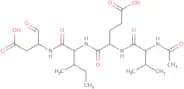


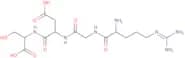












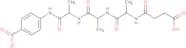

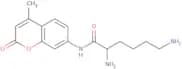


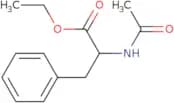


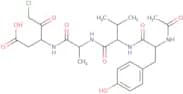





![[Cys(AF647)]-Jak2/3 substrate](/_next/image/?url=https%3A%2Fstatic.cymitquimica.com%2Fproducts%2F3D%2Fthumb-webp%2FCRB1110313.webp&w=3840&q=75)


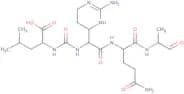


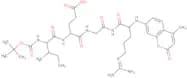

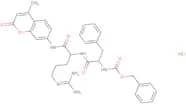

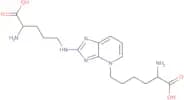


![[Ala11, D-Leu15]-Orexin B (Human)](/_next/image/?url=https%3A%2Fstatic.cymitquimica.com%2Fproducts%2F3D%2Fthumb-webp%2FPOR-4483-S.webp&w=3840&q=75)

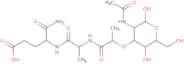


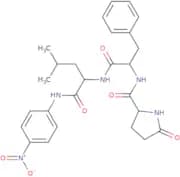


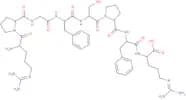

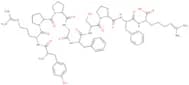
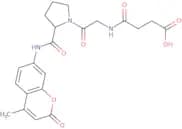
![[5-FAM]-Collagen alpha-1(I)-(5-TAMRA)](/_next/image/?url=https%3A%2Fstatic.cymitquimica.com%2Fproducts%2F3D%2Fthumb-webp%2FCRB1100323.webp&w=3840&q=75)





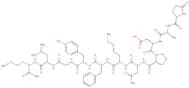


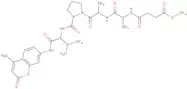


![[D-Ala2,Met5]-Enkephalin](/_next/image/?url=https%3A%2Fstatic.cymitquimica.com%2Fproducts%2F3D%2Fthumb-webp%2FPEK-4116-V.webp&w=3840&q=75)



![[Met(O)12]-ANP (Human, 1-28)](/_next/image/?url=https%3A%2Fstatic.cymitquimica.com%2Fproducts%2F3D%2Fthumb-webp%2FPAF-4145-V.webp&w=3840&q=75)

![[Nle8,18,Tyr34]-Parathyroid Hormone (Human, 1-34)](/_next/image/?url=https%3A%2Fstatic.cymitquimica.com%2Fproducts%2F3D%2Fthumb-webp%2FPTH-4129-V.webp&w=3840&q=75)

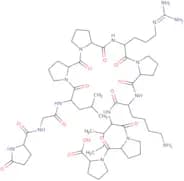
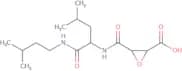




![[Sar1,Ile8]-Angiotensin II](/_next/image/?url=https%3A%2Fstatic.cymitquimica.com%2Fproducts%2F3D%2Fthumb-webp%2FPAN-4016-V.webp&w=3840&q=75)




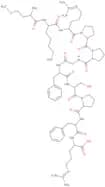








![[Pmp1, Tyr(Me)2]-Arg8-Vasopressin](/_next/image/?url=https%3A%2Fstatic.cymitquimica.com%2Fproducts%2F3D%2Fthumb-webp%2FPVP-4203-V.webp&w=3840&q=75)