Substrats d'enzymes
Les substrats enzymatiques sont des molécules sur lesquelles les enzymes agissent pour catalyser des réactions chimiques. Le substrat se lie au site actif de l'enzyme, où il subit une transformation spécifique pour former le produit de la réaction. Les substrats enzymatiques sont des outils essentiels dans la recherche pour étudier la cinétique enzymatique, la spécificité et le mécanisme d'action. Ils sont également utilisés dans les essais diagnostiques et les études biochimiques. Chez CymitQuimica, nous offrons une sélection diversifiée de substrats enzymatiques de haute qualité pour soutenir vos recherches en enzymologie et biochimie.
Sous-catégories appartenant à la catégorie "Substrats d'enzymes"
1527 produits trouvés pour "Substrats d'enzymes"
Trier par
Degré de pureté (%)
0
100
|
0
|
50
|
90
|
95
|
100
Bronze-Gal
<p>Bronze-Gal (Bronze-beta-D-galactopyranoside) is a chromogenic indicator for beta-galactosidase activity. The colorless product is cleaved by lactose-utilizing bacteria in liquid media or on agar plates and yields a bronze colored precipitate. Bronze-Gal can also be used as detecting agent for beta-galactosidase activity in reporter gene assays or for identification of positive transformants on agar plates when using the α-complementation approach. Read more in the Application Notes.</p>Masse moléculaire :443.57 g/mol6-Chloro-3-indoxyl butyrate
CAS :<p>6-Chloro-3-indoxyl butyrate is a chemiluminescent substrate that is used in diagnostics and research. It has been shown to be an excellent ligand for the detection of DNA and protein. 6-Chloro-3-indoxyl butyrate can also be used as a chromogenic substrate for the detection of alkaline phosphatase, acid phosphatase, or beta-galactosidase. This product is also used in food testing, enzyme substrates, and fluorogenic substrates.</p>Formule :C12H12ClNO2Degré de pureté :Min. 99.0 Area-%Masse moléculaire :237.69 g/molAquaSpark® caprylate, 10 mM in DMSO, Ramot at Tel-Aviv University Ltd. Patent family WO 2017/130191
CAS :<p>Esterases and lipases enzymes are widespread in all living cells, serving as important players in energy metabolism and in the recycling of cellular components. In microbiology C8-esterase activity can be used to detect Salmonella strains and more specifically, it also allows to distinguish them from other enteric bacteria. Likewise, Pseudomonas species can be detected as these organisms produce extracellular lipases. AquaSpark™ caprylate is a dioxetane-based chemiluminescent substrate forC8-esterase (C8E) and lipase activity. Upon hydrolytic cleavage byC8-esterase or lipase, AquaSpark™ caprylate spontaneously emits a strong green light. AquaSpark™ caprylate (A-8167_P00) is the firstsingle-compound chemiluminescent substrate commercially available for highly sensitive esterase and lipase assays in vitro and in vivo. The AquaSpark™ probes are superior probes for research and diagnostic applications. They offer unique advantages as they can work as single agents, they have a higher efficiency and sensitivity, and they do not need expensive additive when used in water.</p>Formule :C36H43ClO8Masse moléculaire :639.18 g/molFLsharp™ - Phosphate, disodium salt
CAS :<p>FLsharp™ - Phosphate, disodium salt is a fluorogenic water soluble substrate for phosphatase enzymes. After cleavage of the substrate by phosphatase activity an insoluble product is formed that is highly fluorescent in the solid state. Upon UV irradiation this very stable fluorophore emits green light in the 530 nm range for an extended period of time. FLsharp™ - Phosphate is a unique substrate - optimized for the detection of phosphatase activity in solid matrices such as agar media, tissuesections or microscopic preparations. FLsharp™ - Phosphate, disodium salt is used in microbiology as asubstrate for bacterial phosphatases. The substrate is suitable to detect the specific phosphatase activity of S. aureus or C. perfringensin food samples or clinical samples. Colonies growing on plating media supplemented with FLsharp™ emit green light upon UV light excitation(Excitation max: 365 nm; emission max: 530 nm). The enzyme product formed from FLsharp™ in agar plating media enables high precision for the localization of the relevant colonies on the plate. As a result small bacteria colonies of phosphatase-positive bacteria can be detected already after a short incubation time. In cytochemical and histochemical imaging FLsharp™ - Phosphate, disodiumsalt can be used as a substrate for Alkaline Phosphatase (AP)-coupled antibodies. The fluorophore that is released from FLsharp™ - Phosphateby phosphatase activity will precipitate. This insoluble fluorophoreen ables a precise localization of the antibody-bound epitope in cells or tissues under a fluorescence microscope or fluorescence imaging system. The green fluorescence of FLsharp™ can be clearly differentiated from autofluorescence or counterstainings such as (blue) DAPI or (red) Alexafluorophores.</p>Formule :C14H7Cl2N2Na2O5PDegré de pureté :Min. 95.0 Area-%Masse moléculaire :431.08 g/mol4-(Hydroxymethyl)phenyl-α-D-galactopyranoside tetraacetate
CAS :<p>4-(Hydroxymethyl)phenyl-alpha-D-galactopyranoside tetraacetate is a substrate for enzymes that catalyze the hydroxylation of carbohydrates. It can be used as a substrate for peroxidase and beta-glucosidase, which are important in the production of natural products such as resveratrol, catechins, and lignin. 4-(Hydroxymethyl)phenyl-alpha-D-galactopyranoside tetraacetate is also a chromogenic substrate for chemiluminescence reactions. The product is available as a powder and can be used in diagnostic kits to detect the presence of enzymes or other substances in food or environmental samples.</p>Formule :C21H26O11Masse moléculaire :454.43 g/mol5-Bromo-3-indoxyl caprylate
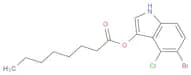
CAS :<p>5-Bromo-3-indoxyl caprylate is a fluorogenic substrate that can be used for the detection of β-galactosidase. It is an enzyme substrate that can be used to measure β-galactosidase activity in cell culture media. It has a high purity and high quality. 5-Bromo-3-indoxyl caprylate is also used as a chromogenic substrate for the detection of β-galactosidase. This product has a CAS number of 133950-69-3.</p>Formule :C16H20BrNO2Degré de pureté :Min. 99 Area-%Masse moléculaire :338.24 g/molAc-DEVD-6-amino-D-luciferin
<p>Ac-DEVD-6-amino-D-luciferin is a bioluminescence substrate for protease enzymes (eg caspase-3 protease).</p>Formule :C31H37N7O13S2Degré de pureté :Min. 95%Couleur et forme :PowderMasse moléculaire :779.79 g/molAquaSpark® H2S probe, TFA salt, Ramot at Tel-Aviv University Ltd. Patent family WO 2017/130191
<p>AquaSpark® H2S probe is a chemiluminescent probe for the detection of hydrogen sulfide (H2S), with excellent selectivity for sulfide over thiols. The AquaSpark® H2S probe is ~760-fold more selective for Na2S than to L-cysteine, and ~380-fold more selective for Na2S than for glutathione. AquaSpark® H2S probe was used in a study identifying antibiotic-resistant bacterial strains by detecting the beta-lactamase-driven hydrolysis of beta-lactam antibiotics, where hydrogen sulfide is a biodegradation metabolite (Popat Gholap et al, 2021).</p>Formule :C35H31ClF3NO9SSeDegré de pureté :Min. 85 Area-%Masse moléculaire :813.1 g/mol3-Indoxyl choline phosphate
CAS :<p>Please enquire for more information about 3-Indoxyl choline phosphate including the price, delivery time and more detailed product information at the technical inquiry form on this page</p>Formule :C13H19N2O4PDegré de pureté :Min. 99 Area-%Masse moléculaire :298.28 g/molRef: 3D-I-5696
1gÀ demander5gÀ demander10gÀ demander500mgÀ demander2500mgÀ demander-Unit-ggÀ demanderAquaSpark® 510 acetate, 10 mM in DMSO, Ramot at Tel-Aviv University Ltd. Patent family WO 2017/130191
CAS :<p>AquaSpark® 510 acetate is a dioxetane-based luminogenic substrate for C2-esterase (acetyl esterase) activity. Upon hydrolytic cleavage by the enzyme AquaSpark® 510 acetate spontaneously emits green light. Esterases occur in all domains of life and fulfill important tasks in energy metabolism and recycling of cellular components. In microbiology C2-esterase activity can be used to detect specific microorganisms such as Bacillus cereus, Pseudomonas aeruginosa, Campylobacter jejuni and Candida albicans.</p>Formule :C30H31ClO8Masse moléculaire :554.17 g/mol5-Bromo-4-chloro-3-indoxyl-β-D-galactopyranoside
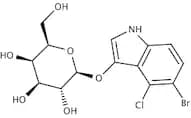
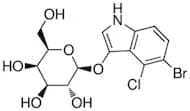
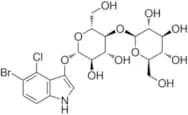
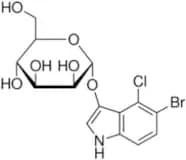
CAS :<p>X-Gal is a chromogenic substrate for β-galactosidase, yielding a blue precipitate. X-Gal is an indicator for coliforms in culture media, as well as for the detection of coliforms (E. coli) in municipal water supplies and food products. X-Gal can be used in conjunction with the inducer IPTG, which binds and inhibits the lac repressor thus inducing β-galactosidase expression. X-Gal is the substrate of choice for blue-white selection of recombinant bacterial colonies with the lac+ genotype.<br>Upon hydrolysis, X-Gal yields a localized, insoluble, blue precipitate, making it exceptionally useful in blotting, immunocytochemical, and ELISA assays. 5-Bromo-4-chloro-3-indoxyl-beta-D-galactopyranoside (X-beta-D-galactoside, X-Gal) is a chromogenic indicator for beta-galactosidase activity. The colorless product is cleaved by lactose-utilizing bacteria in liquid media or on agar plates and yields a blue-green colored precipitate.<br>X-Gal can also be used as a detecting agent for beta-galactosidase activity in reporter gene assays or for identification of positive transformants on agar plates when using the &alpha;-complementation approach. Color formation is due to dimerization and oxidation of 5-bromo-4-chloro-3-hydroxyindole which results from enzymatic cleavage of X-Gal. The reaction proceeds only in the presence of oxygen, i.e. in aerobic cultures. Well detectable color bacterial colonies or liquid cultures is obtained within 16-48 h. In the presence of purified beta-galactosidase, color develops within minutes to a few hours.</p>Formule :C14H15BrClNO6Degré de pureté :Min. 99.0 Area-%Masse moléculaire :408.64 g/molAquaSpark® β-D-galactoside, 10 mM in DMSO, Ramot at Tel-Aviv University Ltd. Patent family WO 2017/130191
CAS :<p>AquaSpark™ β-D-galactoside is a dioxetane-based luminogenic substrate for β-galactosidase activity. β-galactosidase assays are frequently used in molecular biology as reporter gene assays. AquaSpark™beta-D-galactoside can be used to replace X-gal (Cymit Quimica Cat. No.B-7150) that is frequently used in genetically modified bacteria, in the yeast two-hybrid system, or in mouse models to indicate lacZ gene activity. Furthermore, native β-galactosidase activity can be used to detect coliform bacteria, which is important in microbial diagnostics and hygiene monitoring.</p>Formule :C34H39ClO12Masse moléculaire :675.12 g/molAquaSpark® 510 Calibration Probe, Ramot at Tel-Aviv University Ltd. Patent family WO 2017/130191
CAS :<p>AquaSpark® Calibration Probe is a water-soluble dioxetane-based chemiluminescent probe. Deprotonation of the free phenol group of the calibration probe under mild basic conditions results in an emissive decomposition process. No addition of enhancer or sensitizing agent is required to produce the bright green light emission in aqueous solutions.<br>AquaSpark® Calibration Probe is used for:</p>Formule :C21H23ClO6Degré de pureté :Min. 95.0 Area-%Masse moléculaire :406.12 g/mol5-Bromo-4-chloro-3-indoxyl choline phosphate
CAS :<p>5-Bromo-4-chloro-3-indoxyl choline phosphate is a synthetic enzyme substrate for detecting phosphatidylcholine-specific phospholipase C.</p>Formule :C13H17BrClN2O4PDegré de pureté :Min. 99 Area-%Masse moléculaire :411.63 g/mol6-Chloro-3-indoxyl-α-D-mannopyranoside
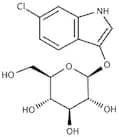
CAS :<p>Chromogenic substrate for α-mannosidase yielding a salmon colored precipitate upon cleavage.</p>Formule :C14H16ClNO6Degré de pureté :Min. 98.0 Area-%Masse moléculaire :329.74 g/mol5-Bromo-6-chloro-3-indoxyl phosphate, disodium salt monohydrate
CAS :<p>5-Bromo-6-chloro-3-indoxyl phosphate, disodium salt monohydrate is a substrate used to visualize phosphatase activity via showing magenta colored end product when used with Nitroblue Tetrazolium.</p>Formule :C8H6BrClNNa2O5PDegré de pureté :Min. 99.0 Area-%Masse moléculaire :388.45 g/molAquaSpark® α-L-idopyranosiduronic acid, Ramot at Tel-Aviv University Ltd. Patent family WO 2017/130191
<p>AquaSpark is a high-quality chemiluminescent substrate for the detection of bacterial, yeast, and fungal cells. It is a fluorogenic substrate that is used in diagnostic applications such as bacterial identification. The product has been tested for quality and purity, and it is suitable for use in culture media, food testing, and enzyme substrates. AquaSpark can be used in conjunction with a wide range of ligands to produce chemiluminescence. AquaSpark has been shown to have a superior performance when compared with other fluorogenic substrates used in the detection of bacteria. AquaSpark® alpha-L-idopyranosiduronic acid is an organic compound that belongs to the group of sugars. This product was designed by Ramot at Tel-Aviv University Ltd., Israel Patent family WO 2017/130191. It can be used as an analytical reagent to detect organisms such as bacteria, yeast, and fungi</p>Formule :C34H36ClNaO13Degré de pureté :Min. 75 Area-%Masse moléculaire :711.09 g/mol4-Chloro-1-naphthol
CAS :<p>Substrate for horseradish peroxidase (HRP). HRP catalyzes oxidation of 4-chloro-1-naphthol in the presence of peroxide to the blue insoluble product 4-chloro-1-naphthon. It is used for both blotting and immunohistochemical staining but is less sensitive than other precipitating HRP substrates.</p>Formule :C10H7ClODegré de pureté :Min. 97.0 Area-%Masse moléculaire :178.62 g/molRef: 3D-C-5180
1kgÀ demander100gÀ demander250gÀ demander500gÀ demander2500gÀ demander-Unit-ggÀ demander5-Bromo-4-chloro-3-indoxyl-β-L-fucopyranoside
CAS :<p>This product is a chromogenic substrate that is used in the detection of alkaline phosphatase and other enzymes. It is also used in food testing, staining, and diagnostics. This product has high purity with a CAS number of 125328-84-9.</p>Formule :C14H15BrClNO5Degré de pureté :Min. 99 Area-%Masse moléculaire :392.63 g/molRef: 3D-B-7138
10mgÀ demander25mgÀ demander50mgÀ demander100mgÀ demander250mgÀ demander-Unit-ggÀ demanderAquaSpark® β-D-apiofuranoside, Ramot at Tel-Aviv University Ltd. Patent family WO 2017/130191
<p>AquaSpark® beta-D-apiofuranoside is a chemiluminescent substrate that can be used in the detection of various proteins, such as immunoglobulins, enzymes and hormones. The detection of these proteins can be done by the use of AquaSpark® beta-D-apiofuranoside conjugated with antibodies or enzymes. AquaSpark® beta-D-apiofuranoside is a substrate for the luciferase enzyme and it produces light when activated by a luciferin. This product has been tested for purity, quality and activity in various culture media. The product is also free from any detectable impurities and has passed all environmental testing requirements.</p>Formule :C33H37ClO11Masse moléculaire :645.1 g/mol5-Bromo-4-chloro-3-indoxyl butyrate
CAS :<p>Chromogenic substrate for carboxylesterase yielding a blue precipitate upon cleavage. It has been proposed for the rapid detection of Branhamella catarrhalis in a strip test because unlike most other members of the family Neisseriaceae, Branhamella catarrhalis produces a butyrateesterase.</p>Formule :C12H11BrClNO2Degré de pureté :Min. 98.0 Area-%Masse moléculaire :316.59 g/molAldol® 355 fluorescence enhancer
CAS :<p>Aldol® 355 fluorescence enhancer is an enhancer of fluorescence signals of the Aldol® fluorogenic substrates. Aldol® 355 fluorescence enhancer allows concentrations of fluorogenic Aldol® substrates in media to reduce up to 6 times. Aldol® 355 fluorescence enhancer can be combined with Aldol® substrates, releasing water-insoluble dyes upon enzymatic cleavage, such as Aldol® 470 range, Aldol® 495 range, Aldol® 518 range, and Aldol®515 range of fluorogenic enzyme substrates.</p>Formule :C39H52N2O2Degré de pureté :Min. 95.0 Area-%Masse moléculaire :580.84 g/molAldol® 495 β-D-glucuronic acid, Biosynth Patent: EP 2427431 and US 8940909
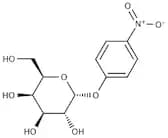
CAS :<p>Aldol® 495 beta-D-glucuronic acid is a chromogenic and fluorogenic enzyme substrate used for detection of beta-glucuronidase activity. The living cells of Escherichia coli can be reliably detected in growth media containing Aldol® 495 beta-D-glucuronic acid, as beta-glucuronidase occurs almost exclusively in E. coli. Aldol® 495 beta-D-glucuronic acid can also be in GUS reporter assays. Aldol® 495 beta-D-glucuronic acid can be used in liquid culture and solid media, and is suitable for use under aerobic and anaerobic conditions. Upon exposure to active beta-glucuronidase, Aldol® 495 beta-D-glucuronic acid develops orange colour and green fluorescence.</p>Formule :C26H23ClN2O8Degré de pureté :Min. 95.0 Area-%Masse moléculaire :526.93 g/molAquaSpark® H2S/-SH probe, TFA salt, Ramot at Tel-Aviv University Ltd. Patent family WO 2017/130191
<p>AquaSpark® H2S/-SH is a chemiluminescent probe for the detection of sulfides and thiols. The chemiluminescence obtained through sulfide is 3-5 fold higher than chemiluminescence obtained through thiols. AquaSpark® H2S/-SH probe was used in a study identifying antibiotic-resistant bacterial strains by detecting the beta-lactamase-driven hydrolysis of beta-lactam antibiotics, where hydrogen sulfide is a biodegradation metabolite (Popat Gholap et al, 2021).</p>Formule :C35H31ClF3NO9S2Degré de pureté :Min. 90 Area-%Masse moléculaire :766.2 g/molAquaSpark® Broad Range Phosphatase Substrate, 2 mM in DMSO, Ramot at Tel-Aviv University Ltd. Patent family WO 2017/130191
CAS :<p>AquaSpark® Broad Range Phosphatase Substrate is a chemiluminescent substrate for a variety of phosphatase enzymes including bacterial phosphatases and (calf intenstine) alkaline phosphatase (AP) commonly used in immuno-assays.</p>Formule :C28H30ClO10PMasse moléculaire :592.13 g/molAldol® 455 β-D-galactopyranoside, Biosynth Patent: EP 2427431 and US 8940909
CAS :<p>Aldol® 455 beta-D-galactopyranoside is a chromogenic substrate for the enzyme β-galactosidase. It is used to detect the activity of β-galactosidase in cell culture, and has been shown to be highly purified and of high quality. This product can be used as a ligand for receptor binding studies or as an agent in enzyme substrates in fluorescence and chemiluminescence reactions.</p>Formule :C27H24ClNO7Degré de pureté :Min. 93.0 Area-%Masse moléculaire :509.94 g/mol3,4-Cyclohexenoesculetine-N-acetyl-glucosamine
<p>Please enquire for more information about 3,4-Cyclohexenoesculetine-N-acetyl-glucosamine including the price, delivery time and more detailed product information at the technical inquiry form on this page</p>Degré de pureté :Min. 95%3,4-Cyclohexenoesculetine phosphate disodium
<p>Chromogenic substrate for phosphatase</p>Degré de pureté :Min. 95%Aldol® 470 L-alanine amide, acetate salt, Biosynth Patent: EP 2427431 and US 8940909
CAS :Produit contrôlé<p>Aldol® 470 L-alanine amide is a chromogenic and fluorogenic enzyme substrate used for detection of L-alanine aminopeptidase activity. The colorless enzyme substrate is cleaved by L-alanine aminopeptidase, yielding orange-yellow coloration. In addition, green fluorescence is generated when Aldol® 355 fluorescence enhancer or a suitable matrix is present. Aldol® 470 L-alanine amide can also be used in enzymatic assays or within live bacterial cultures. Aldol® 470 L-alanine amide is suitable for use in liquid and solid media, under aerobic as well as anaerobic conditions.</p>Formule :C28H29N3O6Degré de pureté :Min. 95.0 Area-%Masse moléculaire :503.55 g/molAldol® 495 inositol-phosphate, ammonium salt, Biosynth Patent: EP 2427431 and US 8940909
CAS :<p>Aldol® 495 inositol-phosphate is a chromogenic and fluorogenic enzyme substrate used for detection of phosphatidylinositol specific phospholipase C activity (PI-PLC, EC 4.6.1.13). The colorless enzyme substrate is cleaved by PI-PLC or PI-PLC-positive microorganisms in liquid or solid media, yielding orange color. In addition, green fluorescence is generated when a suitable matrix is present, e.g. PE-Pellets or cellulose acetate filter. Aldol® 495 inositol-phosphate is suitable for use in liquid and solid media, under aerobic as well as anaerobic conditions.</p>Formule :C26H29ClN3O10PDegré de pureté :Min. 95.0 Area-%Masse moléculaire :609.95 g/mol6-Chloro-3-indoxyl-β-D-glucuronic acid, cyclohexylammonium salt
CAS :<p>6-Chloro-3-indoxyl-beta-D-glucuronic acid (cyclohexylammonium salt) is a chromogenic substrate for beta-glucuronidase yielding a salmon colored precipitate upon cleavage.</p>Formule :C20H27ClN2O7Degré de pureté :Min. 98.0 Area-%Masse moléculaire :442.90 g/mol5-Bromo-4-chloro-3-indoxyl-α-D-N-acetylneuraminic acid, sodium salt
CAS :<p>Chromogenic substrate for neuraminidase yielding a blue precipitate upon cleavage.</p>Formule :C19H21BrClN2NaO9Degré de pureté :Min. 98.0 Area-%Masse moléculaire :559.74 g/molAldol® 518 β-D-glucopyranoside, Biosynth Patent: EP 2427431 and US 8940909
CAS :<p>Aldol® 518 beta-D-glucopyranoside is a chromogenic and fluorogenic enzyme substrate used for detection of beta-glucosidase activity. The colorless enzyme substrate is cleaved by beta-glucosidase-producing bacteria in liquid or solid media, yielding intense red color and red fluorescence. Aldol® 518 beta-D-glucopyranoside can be used under aerobic and anaerobic conditions.</p>Formule :C29H29ClN2O7Degré de pureté :Min. 95.0 Area-%Masse moléculaire :553 g/mol5-Iodo-3-indoxyl-β-D-galactopyranoside
CAS :<p>5-Iodo-3-indoxyl-beta-D-galactopyranoside is a chromogenic substrate for beta-galactosidase.</p>Formule :C14H16INO6Degré de pureté :Min. 99 Area-%Masse moléculaire :421.19 g/molL-Glutamic acid γ-(4-nitroanilide) monohydrochloride
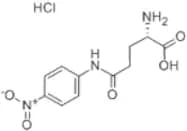
CAS :<p>L-Glutamic acid gamma-(4-nitroanilide) monohydrochloride is a fluorescent substrate for various enzymes. It is used in the detection of aminopeptidase and dipeptidase activity, as well as in the determination of ATPase activity. L-Glutamic acid gamma-(4-nitroanilide) monohydrochloride is also used in fluorogenic assays for the detection of phosphate, pyruvate, pyrophosphate and sulfite. This product has been tested by both enzyme and cell culture methods to ensure high purity and quality.<br>L-Glutamic acid gamma-(4-nitroanilide) monohydrochloride is not intended for use in diagnostics, food testing or bioluminescence reactions.</p>Formule :C11H14ClN3O5Degré de pureté :Min. 98 Area-%Masse moléculaire :303.70 g/molGlutaryl-glycyl-L-arginine 7-amido-4-methylcoumarin hydrochloride
CAS :<p>Glutaryl-glycyl-L-arginine 7-amido-4-methylcoumarin hydrochloride is a chromogenic substrate that can be used in the detection of enzymes and other proteins. It is a fluorogenic substrate that can be used in chemiluminescence to detect and measure free radicals. Glutaryl-glycyl-L-arginine 7-amido-4-methylcoumarin hydrochloride is stable at pH 7, and has a high purity with a CAS number of 103213-40-7. This product is suitable for use as an enzyme substrate or ligand, as well as for staining and diagnostics.</p>Formule :C23H31ClN6O7Masse moléculaire :538.98 g/molRef: 3D-G-3950
1gÀ demander25mgÀ demander100mgÀ demander250mgÀ demander500mgÀ demander-Unit-ggÀ demander7-((4'-L-Alaninamido)-rac-3'-hydroxybutyloxy) coumarin hydrochloride
<p>This Clips-O substrate 7-((4'-L-Alaninamido)-rac-3'-hydroxybutyloxy) coumarin allows the detection of single and dual enzymatic activity (L-alanine aminopetidase and oxidation of 4-amino-3-hydroxybutyloxy spacer either enzymatically or by exposure to sodium periodate) with a single substrate resulting in a fluorescent signal. The main virtues of Clips-O substrates are an increased stability towards non-enzymatic hydrolysis that results in a reduced background and high sensitivity.</p>Formule :C16H21ClN2O5Masse moléculaire :356.8 g/mol5-Bromo-6-chloro-3-indoxyl-β-D-glucopyranoside
CAS :<p>Chromogenic substrate for β-D-glucosidase yielding a magenta precipitate. Differentiation of Salmonella spp. (negative) from other Enterobacteriaceae.</p>Formule :C14H15BrClNO6Degré de pureté :Min. 99 Area-%Masse moléculaire :408.64 g/mol3-Indoxyl phosphate disodium salt
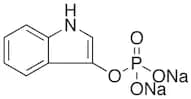
CAS :Produit contrôlé<p>Histochemical substrate for alkaline phosphatase; Dark-blue color</p>Degré de pureté :Min. 98 Area-%Couleur et forme :PowderMasse moléculaire :257.09 g/mol4-Methylumbelliferyl-α-L-arabinofuranoside
CAS :<p>4-Methylumbelliferyl-alpha-L-arabinofuranoside is a nucleic acid molecule that has an average diameter of 10 nm. It is used as a tracer in electron microscopy to detect the presence of nucleic acid molecules in cells. This compound is also used to study the interactions between DNA and RNA molecules by labeling the DNA strand with 4-methylumbelliferyl-alpha-L-arabinofuranoside, which contains an alpha-(2,4,6) arabinofuranosyl group. The recombinant expression of this compound can be carried out in corynebacterium glutamicum, and it has a bulk density that ranges from 1.7 to 2.1 g/cm3 and an average particle diameter ranging from 0.5 to 1 micron. It is not soluble in water or alcohol but is soluble in acetone or chloroform.</p>Formule :C15H16O7Degré de pureté :Min. 98 Area-%Masse moléculaire :308.29 g/molRef: 3D-M-5509
1gÀ demander100mgÀ demander250mgÀ demander500mgÀ demander2500mgÀ demander-Unit-ggÀ demander5-Bromo-3-indoxyl-β-D-galactopyranoside
CAS :<p>Chromogenic substrate for beta-D-galactosidase yielding a lapis colored precipitate. 5-Bromo-3-indoxyl-beta-D-galactopyranoside can be used in conjunction with isopropyl-beta-D-thiogalactopyranoside as an alternative to 5-bromo-4-chloro-3-indolyl-beta-D-galactopyranoside (X-gal), producing a darker blue color for detection of beta-galactosidase activity in bacterial colonies in a colorimetric assay to detect recombinants (white) from non-recombinants (blue). 5-Bromo-3-indoxyl-beta-D-galactopyranoside is also used in histochemistry to demonstrate beta-galactosidase activity in tissues.</p>Formule :C14H16BrNO6Degré de pureté :Min. 99.0 Area-%Masse moléculaire :374.20 g/molIsopropyl-β-D-thiogalactopyranoside, approx. 15.0% dioxane
CAS :<p>A non-metabolizable allolactose analogue, widely used in molecular biology for overexpression of recombinant proteins from inducible systems under the control of lac promoter. IPTG binds to the LacI repressor and causes its release from the lac operator, allowing gene expression to take place. Present in vectors of pGEX, pGEM-T, pET, pRSET, pMAL class and others.</p>Formule :C9H18O5SMasse moléculaire :238.30 g/molChlorophenol red-b-D-galactopyranoside sodium salt
CAS :<p>Chlorophenol red-b-D-galactopyranoside sodium salt is the salt from of CPRG (chlorophenol red-b-D-galactopyranoside), that has a higher solubility. It is a chromogenic substrate for beta-galactosidases that, after enzymatic cleavage, releases chlorophenol red, a dark red compound quantified by absorbance at 570 nm.</p>Formule :C25H21Cl2O10SNaDegré de pureté :Min. 96 Area-%Couleur et forme :PowderMasse moléculaire :607.4 g/mol4-Nitrophenyl-N-acetyl-β-D-glucosaminide
CAS :<p>Chromogenic β-glucosaminidase substrate yielding a yellow solution upon cleavage, used particularly in yeasts and molds.</p>Formule :C14H18N2O8Degré de pureté :Min. 99.0 Area-%Masse moléculaire :342.31 g/molD-Luciferin 1-(4,5-dimethoxy-2-nitrophenyl)ethyl ester
CAS :<p>DMNPE-caged Luciferin is a photoactivatable probe that can easily penetrate the cell membrane, and by exposure to UV light it undergoes a photochemical decomposition liberating a Luciferin molecule. Once exposed to Luciferase enzyme expressed by the cells, Luciferin emits visible (and measurable) light. Using_x000D_this technique, imaging of luciferase activity was performed both in living cells and in mouse tumor xenograft, by intraperitoneal injection of the caged DMNPE luciferin (Chem. Commun., 2009, 0, 4028-4030).</p>Formule :C21H19N3O7S2Degré de pureté :Min. 98 Area-%Masse moléculaire :489.53 g/mol4-Nitrophenyl-N-acetyl-β-D-galactosaminide
CAS :<p>4-Nitrophenyl-N-acetyl-beta-D-galactosaminide is a synthetic substrate that is used in enzyme kinetics. It is a beta-galactosidase substrate that reacts with the enzyme to form a product. The rate of reaction can be measured by following the change in absorbance over time. This product will react with an acceptor, such as chondroitin sulfate, to produce an observable reaction product. 4NPBGA has been shown to be an effective carbon source for plant physiology studies and has been shown to have optimal activity at pH 6.5.</p>Formule :C14H18N2O8Degré de pureté :Min. 98 Area-%Masse moléculaire :342.31 g/mol5-Nitro-3-indoxyl-β-D-galactopyranoside
<p>Please enquire for more information about 5-Nitro-3-indoxyl-β-D-galactopyranoside including the price, delivery time and more detailed product information at the technical inquiry form on this page</p>Formule :C14H16N2O8Degré de pureté :Min. 95%Masse moléculaire :340.29 g/molAldol® 515 L-pyroglutamic acid amide, Biosynth Patent: EP 2427431 and US 8940909
<p>A chromogenic and fluorogenic substrate, used for detection of esterase activity.</p>Formule :C28H26N4O3Degré de pureté :Min. 95.0 Area-%Masse moléculaire :466.54 g/molAquaSpark® α-D-galactoside, lyophilized, Patent WO 2017/130191
<p>Chemiluminescence beta-galactosidase substrate</p>Formule :C34H39ClO12Degré de pureté :Min. 90 Area-%Masse moléculaire :675.12 g/mol5-Bromo-4-chloro-3-indoxyl-α-L-fucopyranoside
CAS :<p>Chromogenic substrate for α-D-Fucosidase yielding a blue precipitate.</p>Formule :C14H15BrClNO5Degré de pureté :Min. 98.0 Area-%Masse moléculaire :392.64 g/mol4-Methylumbelliferyl-α-L-arabinopyranoside
CAS :<p>Fluorogenic substrate for α-L-arabinosidase yielding a blue fluorescent solution upon cleavage.</p>Formule :C15H16O7Degré de pureté :Min. 98.0 Area-%Masse moléculaire :308.29 g/mol4-Nitrophenyl-α-D-mannopyranoside
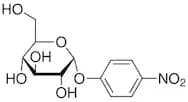
CAS :<p>Chromogenic α-mannosidase substrate yielding a absorbent solution upon cleavage. Also used for studies of the crystal structure of the complexes of concanavalin A and binding studies with concanavalin A.</p>Formule :C12H15NO8Degré de pureté :Min. 99 Area-%Masse moléculaire :301.26 g/mol6-Fluoro-3-indoxyl-β-D-galactopyranoside
CAS :<p>6-Fluoro-3-indoxyl-beta-D-galactopyranoside is a fluorescent chromogenic substrate that is commonly used for the detection and quantification of beta-galactosidase activity. When this substrate is hydrolyzed by beta-galactosidase, it produces a fluorescent blue product that can be easily detected and measured using a fluorometer or spectrophotometer. This substrate is often used in microbiology and molecular biology research to study gene expression and enzyme kinetics, and is also used in medical diagnostics as a marker for specific diseases and conditions.</p>Formule :C14H16FNO6Degré de pureté :Min. 98.0 Area-%Masse moléculaire :313.29 g/mol3-Indoxyl phosphate, p-toluidine salt
CAS :Produit contrôlé<p>3-Indoxyl phosphate, p-toluidine salt is a fluorogenic substrate that can be used for the detection of β-galactosidase. 3-Indoxyl phosphate, p-toluidine salt is a highly active chromogenic substrate that can be used as a diagnostic tool in the food industry to determine whether or not milk has been adulterated with animal milk. This product is also used in environmental testing to detect bacteria and fungi. 3-Indoxyl phosphate, p-toluidine salt is a high purity, high quality conjugate that can be used for the detection of β-galactosidase.</p>Formule :C8H8NO4P·C7H9NDegré de pureté :Min. 98 Area-%Masse moléculaire :320.28 g/molAldol® 470 choline phosphate, Biosynth Patent: EP 2427431 and US 8940909
CAS :<p>Aldol® 470 choline phosphate is a chromogenic and fluorogenic enzyme substrate used for detection of phosphatidyl-choline specific phospholipase C (PC-PLC, EC 3.1.4.3) activity. The colorless product is cleaved by PC-PLC positive microorganisms in liquid or solid media, yielding a yellow color and green fluorescence. Aldol® 470 choline phosphate therefore, enables the detection and identification of PC-PLC positive pathogenic bacteria, such as, Clostridium perfringens, Pseudomonas aeruginosa, Helicobacter pylori, Legionella pneumophila, Bacillus cereus, Bacillus anthracis, Listeria monocytogenes, and others. Aldol® 470 choline phosphate can be used under aerobic and anaerobic conditions.</p>Formule :C28H31N2O7PDegré de pureté :Min. 95 Area-%Masse moléculaire :538.53 g/mol4-Nitrophenyl-α-L-arabinofuranoside
CAS :<p>Chromogenic substrate for α-L-arabinofuranosidase yielding a yellow solution upon cleavage.</p>Formule :C11H13NO7Degré de pureté :Min. 99.0 Area-%Masse moléculaire :271.22 g/mol4-Methylumbelliferyl-α-L-idopyranosiduronic acid, sodium salt
CAS :<p>4MU-alpha-L-idopyranosiduronic acid is a fluorogenic substrate for alpha-L-iduronidase. Active alpha-L-iduronidase cleaves the MU moiety from the synthetic substrate, which results in release of a fluorescent signal (Ex 360 nm / Em 455 nm). The reaction is stopped by the addition of sodium carbonate. 4MU-alpha-L-idopyranosiduronic acid is used in alpha-L-iduronidase assays in the context of biochemical characterisation of samples from patients affected by lysosomal storage disease mucopolysaccharidosis I (MPS I).</p>Formule :C16H15NaO9Degré de pureté :Min. 98.0 Area-%Masse moléculaire :374.27 g/molResorufin-α-D-glucopyranoside
CAS :<p>Please enquire for more information about Resorufin-alpha-D-glucopyranoside including the price, delivery time and more detailed product information at the technical inquiry form on this page</p>Formule :C18H17NO8Degré de pureté :(Hplc-Ms) Min. 70 Area-%Masse moléculaire :375.33 g/molTrimethyl phosphonoacetate
CAS :<p>Please enquire for more information about Trimethyl phosphonoacetate including the price, delivery time and more detailed product information at the technical inquiry form on this page</p>Formule :C5H11O5PMasse moléculaire :182.11 g/molL-Leucine-PAB-resorufin
CAS :<p>L-Leucine-PAB-resorufin is a substrate for enzymes such as β-glucuronidase, α-glucosidase, and β-galactosidase. It is used in the diagnosis of bacterial infections and the detection of certain bacteria in urine and stool samples. L-Leucine-PAB-resorufin can be used to detect the presence of bacteria that produce β-galactosidase and/or β-glucuronidase by releasing resorufin from the substrate. This reaction produces a blue color in the presence of a fluorogenic substrate like fluorescein diacetate or fluorescein isothiocyanate. L-Leucine-PAB-resorufin is also used to detect bacteria that produce α-glucosidase by releasing fluorescamine from the substrate. This reaction produces a green color in the presence of a chrom</p>Formule :C25H25N3O4Degré de pureté :(Hplc-Ms) Min. 70 Area-%Masse moléculaire :431.48 g/mol6-Aminocoumarin HCl
CAS :<p>Use as a positive control when detecting nitroreductase activity</p>Formule :C9H7NO2·HClDegré de pureté :Min. 95%Masse moléculaire :197.62 g/molAquaSpark® β-D-glucuronide, lyophilized, Patent WO 2017/130191
<p>A substrate for beta-glucuronidase.</p>Formule :C34H37ClO13Degré de pureté :Min. 90 Area-%Masse moléculaire :688.19 g/mol6-Nitrocoumarin
CAS :<p>Substrate to study the nitroreductase activity in the pathogenic fungus Sporothrix schenckii, a thermal dimorphic pathogenic fungus causing a subcutaneous mycosis.</p>Formule :C9H5NO4Degré de pureté :Min. 95%Couleur et forme :PowderMasse moléculaire :191.14 g/molNaphthol AS-BI
CAS :<p>Chromogenic substrate for alkaline and acid phosphatase</p>Formule :C18H14BrNO3Degré de pureté :Min. 95%Masse moléculaire :372.21 g/mol3,3'-Diaminobenzidine tetrahydrochloride hydrate
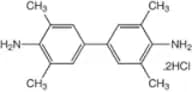
CAS :<p>3,3'-Diaminobenzidine (DAB) is an organic compound derived from benzidine. DAB is water-soluble as the tetrahydrochloride salt and is used in immunohistochemical staining of nucleic acids and proteins. Within research in Alzheimer's disease, Aβ protein amyloid plaques are targeted by a primary antibody, and subsequently by a secondary antibody, which is conjugated with a peroxidase enzyme. This will bind DAB as a substrate and oxidize it, producing an easily observable brown colour. 3,3’-Diaminobenzidine tetrahydrochloride hydrate is also available as the tetrahydrochloride salt and as the free base.</p>Formule :C12H14N4·4HCl·xH2ODegré de pureté :Min. 97 Area-%Couleur et forme :PowderMasse moléculaire :360.11 g/mol6'-(Diethylamino)spiro[isobenzofuran-1(3H),9'-[9H]xanthen]-3'-yl b-D-galactopyranoside
CAS :<p>6'-(Diethylamino)spiro[isobenzofuran-1(3H),9'-[9H]xanthen]-3'-yl b-D-galactopyranoside is a chemiluminescent substrate for the detection of ATP. It reacts with the luciferase enzyme to produce light, which can be detected by a luminometer. 6'-(Diethylamino)spiro[isobenzofuran-1(3H),9'-[9H]xanthen]-3'-yl b-D-galactopyranoside is used in a variety of applications, including diagnostics, food testing, and environmental monitoring.</p>Degré de pureté :Min. 95%Masse moléculaire :535.58 g/mol4-Methylumbelliferyl 2-acetamido-3-O-(b-D-galactopyranosyl)-a-D-galactopyranoside
CAS :<p>4-Methylumbelliferyl 2-acetamido-3-O-(beta-D-galactopyranosyl)-alpha-D-galactopyranoside is a fluorogenic substrate for alpha-N-acetylgalactosaminidase. After enzymatic cleaveage, free 4-methylumbelliferone (also known as hymecromone) is released, exhibiting blue fluorescence upon excitation with UV light. The strongest fluorescence of 4-methylumbelliferone requires deprotonation of the hydroxyl group (thus requires alkaline pH), with a maximal fluorescence intensity obtained with excitation at 350 to 370 nm and emission at 440 to 470 nm. The use of 4-methylumbelliferyl 2-acetamido-3-O-(beta-D-galactopyranosyl)-alpha-D-galactopyranosideas a substrate for measuring the alpha-N-acetylgalactosaminidase activity is used for Fabry disease diagnosis and Schindler disease screening.</p>Formule :C24H31NO13Degré de pureté :Min. 95%Couleur et forme :White PowderMasse moléculaire :541.5 g/mol4-Fluoro-2-nitrophenyl b-D-galactopyranoside
CAS :<p>4-Fluoro-2-nitrophenyl beta-D-galactopyranoside, a fluorinated analog of ONPG, is a chromogenic enzyme substrate specifically used to detect beta-galactosidase in bacterial media. 4-Fluoro-2-nitrophenyl beta-D-galactopyranoside is used in Lactose intolerance screening, bacterial beta-galactosidase detection (E. coli)</p>Degré de pureté :Min. 95%Couleur et forme :PowderMasse moléculaire :319.24 g/mol5-Bromo-4-chloro-3-indolyl N-acetyl-a-D-neuraminic acid ammonium salt
CAS :<p>5-Bromo-4-chloro-3-indolyl N-acetyl-a-D-neuraminic acid ammonium salt is a substrate used to detect and quantify sialidase activity. Sialidases are enzymes that cleave sialic acid residues from glycoconjugates, and their activity is important in various cellular processes. The substrate is commonly used in research aimed at understanding the role of sialidases in diseases such as influenza and cancer.</p>Formule :C19H22BrClN2O9·NH3·2H2ODegré de pureté :Min. 95%Couleur et forme :PowderMasse moléculaire :590.8 g/molBenzyl [13C6] 2-acetamido-3,4,6-tri-O-acetyl-2-deoxy-a-D-galactopyranoside
<p>Benzyl [13C6] 2-acetamido-3,4,6-tri-O-acetyl-2-deoxy-a-D-galactopyranoside is a synthetic monosaccharide with a galactose backbone. The glycosylation of this molecule is the result of enzymatic modification by a glycosylase enzyme that specifically recognizes and removes the terminal glucose residue. This glycosylation process is called click chemistry because it occurs in one step, forming a covalent bond between the sugar and an acetamido group on the benzyl moiety.</p>Degré de pureté :Min. 95%Couleur et forme :White To Off-White SolidMasse moléculaire :443.4 g/mol3,4-Cyclohexenoesculetin β-D-galactopyranoside
CAS :<p>Chromogenic substrate for beta-galactosidase</p>Formule :C19H22O9Degré de pureté :Min. 95 Area-%Couleur et forme :PowderMasse moléculaire :394.37 g/molPhenolphthalein b-D-glucuronide sodium salt monohydrate
CAS :<p>Monohydrate; beta-glucuronidase substrate; yellow/pink color<br>Beta-glucuronidase activity can be measured in a colorimetric assay with phenolphthalein beta-D-glucuronide as substrate. Starting assay conditions can include 30 µg of enzyme-containing material, 0.6 mM phenolphthalein beta-D-glucuronide in 100 mM sodium phosphate buffer in a total volume of 100 µL and monitoring absorbance changes at 540 nm. Temperature incubation can be used to promote the enzymatic activity (Galindo, 2012).</p>Formule :C26H23NaO11Degré de pureté :Min. 95%Couleur et forme :Off-White PowderMasse moléculaire :534.45 g/mol4-Methylumbelliferyl pyrophosphate diester disodium salt
CAS :<p>4-Methylumbelliferyl pyrophosphate diester disodium salt is a fluorogenic substrate for pyrophosphatases or diphosphatases. After enzymatic cleaveage, free 4-methylumbelliferone (also known as hymecromone) is released, exhibiting blue fluorescence upon excitation with UV light. The strongest fluorescence of 4-methylumbelliferone requires deprotonation of the hydroxyl group (thus requires alkaline pH), with a maximal fluorescence intensity obtained with excitation at 350 to 370 nm and emission at 440 to 470 nm. The use of 4-methylumbelliferyl pyrophosphate diester disodium saltas a substrate for measuring the pyrophosphatases or diphosphatases activity is used for monitoring and diagnosis of pyrophosphatase deficiency and bone metabolism disorder.</p>Formule :C20H14Na2O11P2Degré de pureté :Min. 95%Couleur et forme :White PowderMasse moléculaire :538.25 g/molAldol® 470 nonanoate, Biosynth Patent: EP 2427431 and US 8940909
CAS :Produit contrôlé<p>Aldol® 470 nonanoate is a chemiluminescent substrate that can be used as a ligand for the detection of C8/C9-esterases, lipases activity, to result in an orange/green color. Aldol® 470 nonanoate has been shown to be active with horseradish peroxidase in a number of different assay systems. The purity and quality of Aldol® 470 nonanoate has been tested with culture media, environmental testing, bioluminescence, staining, fluorogenic substrate, chromogenic substrate, enzyme substrate, food testing and conjugates.</p>Formule :C32H35NO5Degré de pureté :Min. 95%Couleur et forme :PowderMasse moléculaire :513.62 g/mol4-Methylumbelliferyl b-D-cellotetraoside
CAS :<p>A fluorogenic MOSCERDAM® substrate targeting cellulases</p>Formule :C34H48O23Degré de pureté :Min. 95%Couleur et forme :PowderMasse moléculaire :824.73 g/mol6,8-Difluoro-4-methylumbelliferyl 2-acetamido-3-O-(b-D-galactopyranosyl)-a-D-galactopyranoside
<p>6,8-Difluoro-4-methylumbelliferyl 2-acetamido-3-O-(b-D-galactopyranosyl)-a-D-galactopyranoside is a chemiluminescent substrate that reacts with oxygen in the presence of luciferase to produce light. This product is an excellent replacement for luminol, especially in applications where aqueous solvents are not suitable. 6,8-Difluoro-4-methylumbelliferyl 2-acetamido-3-O-(b-D-galactopyranosyl)-a-D-galactopyranoside has been extensively tested and shown to be nonhazardous in a variety of different culture media. It is also nonhazardous to the environment, as it can be easily degraded by microorganisms.</p>Degré de pureté :Min. 95%Aldol® 470 β-D-galactopyranoside, Biosynth Patent: EP 2427431 and US 8940909
CAS :<p>Aldol® 470 beta-D-galactopyranoside is a chromogenic and fluorogenic enzyme substrate used for detection of beta-galactosidase activity. The colorless enzyme substrate is cleaved by lactose-utilizing bacteria grown in liquid or solid media, yielding yellow coloration and green fluorescence. Aldol® 470 beta-D-galactopyranoside can also be used in beta-galactosidase gene reporter assays or immunoassay applications (ELISA). Aldol® 470 beta-D-galactopyranoside can be used under aerobic and anaerobic conditions.</p>Formule :C29H29NO9Degré de pureté :Min. 95 Area-%Couleur et forme :PowderMasse moléculaire :535.54 g/mol2,4-Dinitrophenyl 2-deoxy-2-fluoro-b-D-glucopyranoside
CAS :<p>2,4-Dinitrophenyl 2-deoxy-2-fluoro-β-D-glucopyranoside, sometimes referred as 2F-DNPG, is an enzyme substrate for measuring beta-glucosidase activity. It is a mechanism-based inactivator of glycosidases, including beta-glucocerebrosidase (Gcase), a lysosomal enzyme encoded by the GBA1 gene responsible for breaking down glucosylceramide into ceramide and glucose. The use of 2,4-dinitrophenyl 2-deoxy-2-fluoro-β-D-glucopyranoside as an enzyme substrate permits the study of the catalytic mechanism and reaction intermediate of these enzymes.</p>Formule :C12H13FN2O9Degré de pureté :Min. 98 Area-%Couleur et forme :PowderMasse moléculaire :348.24 g/mol4-Nitrophenyl 6-O-(a-D-glucopyranosyl)-b-D-glucopyranoside
CAS :<p>4-Nitrophenyl 6-O-(alpha-D-glucopyranosyl)-beta-D-glucopyranoside is a chromogenic substrate for beta-glucosidase. Upon hydrolysis, para-nitrophenol is released yielding a yellowish colour. 4-Nitrophenyl 6-O-(alpha-D-glucopyranosyl)-beta-D-glucopyranoside is used in different applications such as the Cellulose metabolism research, biofuel production</p>Degré de pureté :Min. 95%Couleur et forme :PowderMasse moléculaire :463.39 g/mol4-Methylumbelliferyl β-D-lactoside
CAS :<p>Fluorogenic substrate for beta-galactosidase</p>Formule :C22H28O13Degré de pureté :Min. 98 Area-%Couleur et forme :White PowderMasse moléculaire :500.45 g/mol5-Bromo-4-chloro-3-indolyl b-D-mannopyranoside
CAS :<p>5-Bromo-4-Chloro-3-Indolyl b-D-Mannopyranoside, also known as X-Man, is an enzyme substrate commonly used for detecting mannosidase enzymes. Upon hydrolysis by the enzyme, it produces a blue-green colored compound that can be detected visually or measured spectrophotometrically. This substrate is useful in characterizing the activity of mannosidases involved in glycoprotein processing and quality control.</p>Formule :C14H15BrClNO6Couleur et forme :White Off-White PowderMasse moléculaire :408.63 g/mol4-Methylumbelliferyl 2-acetamido-2-deoxy-b-D-galactopyranoside-4-sulfate sodium salt
<p>4-Methylumbelliferyl 2-acetamido-2-deoxy-beta-D-galactopyranoside-4-sulfate sodium salt is a fluorogenic substrate for N-acetylgalactosamine-4-sulfatase. After enzymatic cleaveage, free 4-methylumbelliferone (also known as hymecromone) is released, exhibiting blue fluorescence upon excitation with UV light. The strongest fluorescence of 4-methylumbelliferone requires deprotonation of the hydroxyl group (thus requires alkaline pH), with a maximal fluorescence intensity obtained with excitation at 350 to 370 nm and emission at 440 to 470 nm. The use of 4-methylumbelliferyl 2-acetamido-2-deoxy-beta-D-galactopyranoside-4-sulfate sodium saltas a substrate for measuring the N-acetylgalactosamine-4-sulfatase activity is used for diagnosis of Mucopolysaccharidosis VI (MPS VI) (a rare lysosomal storage disorder) and Maroteaux-Lamy syndrome screening.</p>Degré de pureté :Min. 95%Couleur et forme :White PowderMasse moléculaire :481.41 g/mol5-Bromo-3-indolyl phosphate disodium salt
CAS :<p>5-Bromo-3-indolyl phosphate disodium salt is a chemiluminescent substrate that is used for the detection of bacterial activity. It reacts with oxygen to produce light, which can be measured using a luminometer. It is also used as a chromogenic substrate for detection of bacterial activity in culture media. The enzyme reaction produces an intense blue fluorescence and is used for diagnostic purposes in food testing and medical diagnostics. 5-Bromo-3-indolyl phosphate disodium salt has been shown to be effective against many bacteria and fungi, including Staphylococcus aureus, Streptococcus pyogenes, Escherichia coli, Pseudomonas aeruginosa, Candida albicans and Aspergillus niger. This product is chemically stable at room temperature but should be stored at 4°C or below.</p>Formule :C8H5BrNO4PNa2Degré de pureté :Min. 95%Couleur et forme :PowderMasse moléculaire :335.99 g/mol4-Methylumbelliferyl-β-D-GlcNAc-6-phosphocholine
<p>4-Methylumbelliferyl-beta-D-GlcNAc-6-phosphocholine is a fluorogenic substrate for phosphodiesterase. After enzymatic cleaveage, free 4-methylumbelliferone (also known as hymecromone) is released, exhibiting blue fluorescence upon excitation with UV light. The strongest fluorescence of 4-methylumbelliferone requires deprotonation of the hydroxyl group (thus requires alkaline pH), with a maximal fluorescence intensity obtained with excitation at 350 to 370 nm and emission at 440 to 470 nm. The use of 4-methylumbelliferyl-beta-D-GlcNAc-6-phosphocholineas a substrate for measuring the phosphodiesterase activity is used for Niemann-Pick disease diagnostic assays. It is also used for sphingomyelin metabolism disorder screening.</p>Degré de pureté :Min. 95%Masse moléculaire :544.49 g/molFluorescein mono-b-D-galactopyranoside
CAS :<p>Fluorescein mono-b-D-galactopyranoside or FMG is a fluorogenic substrate for beta-galactosidase. The fluorophore fluorescein is released after enzymatic cleavage, exhibiting a greenish fluorescent. This substrate is particularly valuable in gene expression studies (e.g., lacZ reporter assays) and as a probe for cell-based assays for real-time monitoring.</p>Degré de pureté :Min. 95%Couleur et forme :PowderMasse moléculaire :494.45 g/molIsopropyl-β-D-thiogalactopyranoside, approx. 15.0% dioxane
CAS :<p>A non-metabolizable allolactose analogue, widely used in molecular biology for overexpression of recombinant proteins from inducible systems under the control of lac promoter. IPTG binds to the LacI repressor and causes its release from the lac operator, allowing gene expression to take place. Present in vectors of pGEX, pGEM-T, pET, pRSET, pMAL class and others.</p>Formule :C9H18O5SDegré de pureté :Min. 95%Couleur et forme :PowderMasse moléculaire :238.30 g/mol4-Nitrophenyl 2-O-(β-D-glucopyranosyl)-β-D-glucopyranoside
CAS :<p>4-Nitrophenyl 2-O-(beta-D-glucopyranosyl)-beta-D-glucopyranoside is a chromogenic substrate for beta-glucosidase. Upon hydrolysis, para-nitrophenol is released yielding a yellowish colour. 4-Nitrophenyl 2-O-(beta-D-glucopyranosyl)-beta-D-glucopyranoside is used in different applications such as the Cellulose degradation studies, biofuel research</p>Formule :C18H25NO13Degré de pureté :Min. 95%Couleur et forme :White solid.Masse moléculaire :463.39 g/mol4-Methylumbelliferyl a-D-mannopyranoside 6-sulfate sodium salt
<p>4-Methylumbelliferyl alpha-D-mannopyranoside 6-sulfate sodium salt is a fluorogenic substrate for sulfatase. After enzymatic cleaveage, free 4-methylumbelliferone (also known as hymecromone) is released, exhibiting blue fluorescence upon excitation with UV light. The strongest fluorescence of 4-methylumbelliferone requires deprotonation of the hydroxyl group (thus requires alkaline pH), with a maximal fluorescence intensity obtained with excitation at 350 to 370 nm and emission at 440 to 470 nm. The use of 4-methylumbelliferyl alpha-D-mannopyranoside 6-sulfate sodium saltas a substrate for measuring the sulfatase activity is used for Mucopolysaccharidosis (MPS) screening and other lysosomal storage disorder diagnosis.</p>Formule :C16H17O11SNaDegré de pureté :Min. 98 Area-%Couleur et forme :White PowderMasse moléculaire :440.36 g/molResorufin b-D-glucuronide sodium salt
CAS :<p>Resorufin b-D-glucuronide sodium salt is used as a fluorogenic substrate for beta-glucuronidase (GUS) to study drug metabolism.</p>Degré de pureté :Min. 95%Couleur et forme :Brown Orange Red PowderMasse moléculaire :411.29 g/mol4-Nitrophenyl 4,6-benzylidene-α-D-glucopyranoside
CAS :<p>4-Nitrophenyl 4,6-benzylidene-alpha-D-glucopyranoside is a chromogenic substrate for alpha-glucosidase. Upon hydrolysis, para-nitrophenol is released yielding a yellowish colour. 4-Nitrophenyl 4,6-benzylidene-alpha-D-glucopyranoside is used in different applications such as the Pompe disease diagnosis, glycogen metabolism research</p>Formule :C19H19NO8Degré de pureté :Min. 95%Couleur et forme :PowderMasse moléculaire :389.36 g/mola-Naphthyl phosphate disodium salt hydrate
CAS :<p>a-Naphthyl phosphate disodium salt hydrate is a highly water-soluble chromogenic substrate used to determine phosphatase activity in research and analytical applications, particularly for staining and differentiating acid and alkaline phosphatases.</p>Degré de pureté :Min. 95%Couleur et forme :White PowderMasse moléculaire :268.11 g/mol4-Nitrophenyl 6-O-(a-D-mannopyranosyl)-a-D-mannopyranoside
CAS :<p>4-Nitrophenyl 6-O-(alpha-D-mannopyranosyl)-alpha-D-mannopyranoside is a chromogenic substrate for alpha-mannosidase. Upon hydrolysis, para-nitrophenol is released yielding a yellowish colour. 4-Nitrophenyl 6-O-(alpha-D-mannopyranosyl)-alpha-D-mannopyranoside is used in different applications such as the Lysosomal storage disorder diagnosis (e.g., alpha-mannosidosis)</p>Degré de pureté :Min. 95%Couleur et forme :PowderMasse moléculaire :463.39 g/mol4-Nitrophenyl 2-acetamido-2-deoxy-4-O-(β-D-galactopyranosyl)-β-D-glucopyranoside
CAS :<p>4-Nitrophenyl 2-acetamido-2-deoxy-4-O-(b-D-galactopyranosyl)-b-D-glucopyranoside is an efficient chromogenic pNP enzyme substrate ideal for monitoring enzyme activity and understanding carbohydrate metabolism. This galacto-glucoside compound is designed specifically for use with glycosidases such as hexosaminidases and delivers unparalleled performance in your enzymatic assays.</p>Formule :C20H28N2O13Degré de pureté :Min. 95%Couleur et forme :White PowderMasse moléculaire :504.44 g/molγ-L-Glutamic acid 7-amido-4-methylcoumarin trifluoroacetic acid
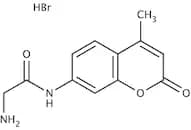
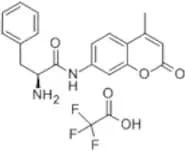
CAS :<p>Substrate for aminopeptidase A</p>Formule :C15H16N2O5•C2F3O2HDegré de pureté :Min. 98 Area-%Couleur et forme :White PowderMasse moléculaire :418.4 g/mol4-Nitrophenyl 6-O-(b-D-galactopyranosyl)-b-D-galactopyranoside
CAS :<p>4-Nitrophenyl 6-O-(b-D-galactopyranosyl)-b-D-galactopyranoside is a fluorescent substrate that is used in diagnostics and culture media. It can be used to detect the presence of aminoglycoside antibiotics, such as gentamicin, by using the fluorogenic or chromogenic reaction. 4NP6BG has been shown to bind to the beta subunit of RNA polymerase and inhibit transcription, which can be useful for testing environmental samples for the presence of aminoglycosides.</p>Degré de pureté :Min. 95%4-Nitrophenyl-β-D-maltopyranoside
CAS :<p>Chromogenic beta-maltosidase substrate</p>Formule :C18H25NO13Degré de pureté :Min. 95%Couleur et forme :White PowderMasse moléculaire :463.39 g/mol6-Hexadecanoylamino-4-methylumbelliferyl b-D-galactopyranoside - Moscerdam™ biochemical purity
CAS :<p>Hexadecanoylamino-4-methylumbelliferyl b-D-galactopyranoside is a substrate used for the diagnosis of Krabbe disease. Krabbe disease (globoid cell leukodystrophy/ galactosylceramide lipidosis), is a rare and often fatal lysosomal storage disease that results in progressive damage to the nervous system. It is inherited in an autosomal recessive pattern and involves dysfunctional metabolism of sphingolipids (MG44866 b-D-Galactosylsphingosine - Synthetic)</p>Formule :C32H49NO9Degré de pureté :Min. 95 Area-%Couleur et forme :White PowderMasse moléculaire :591.73 g/mol5-Bromo-6-chloro-3-indolyl 2-acetamido-2-deoxy-b-D-glucopyranoside
CAS :<p>5-Bromo-6-chloro-3-indolyl 2-acetamido-2-deoxy-b-D-glucopyranoside is a chromogenic substrate that yields a magenta-colored product after cleavage. The chromophore 5-bromo-6-chloro-indoxyl is released, generating the observable color. It is used in mucopolysaccharidosis screening.</p>Formule :C16H18BrClN2O6Degré de pureté :Min. 97 Area-%Couleur et forme :PowderMasse moléculaire :449.68 g/mol4-Nitrophenyl 4,6-ethylidene-a-D-maltoheptaoside
CAS :<p>4-Nitrophenyl 4,6-ethylidene-?-D-maltoheptaoside is a substrate used in a reference measurement method for ?-amylase activity in the diagnosis of acute pancreatitis, approved by the International Federation of Clinical Chemistry (IFCC). The substrate is hydrolysed by serum ?-amylase into shorter 4-nitrophenylated oligosaccharides and their free counterparts. These reaction products are channeled into an indicator reaction with ?-glucosidase and are degraded into glucose and the chromophore, 4-nitrophenol.</p>Formule :C50H77NO38Degré de pureté :Min. 90%Couleur et forme :Off-White Yellow PowderMasse moléculaire :1,300.13 g/mol3-Indolyl 2-acetamido-2-deoxy-b-D-galactopyranoside
<p>3-Indolyl 2-acetamido-2-deoxy-b-D-galactopyranoside is a fluorogenic substrate that reacts with the enzyme β-galactosidase to produce a blue product. This product can be used to diagnose the presence of β-galactosidase in culture media, as well as in food and environmental testing. 3IAG is also a chromogenic substrate that can be used for detection of β-galactosidase activity.</p>Degré de pureté :Min. 95%Masse moléculaire :336.34 g/mol