Eterocicli con azoto (N)
Sottocategorie di "Eterocicli con azoto (N)"
- Azepan(436 prodotti)
- Benzotriazoli(438 prodotti)
- Diazepine(335 prodotti)
- Imidazoli(4.028 prodotti)
- Imidazoline(385 prodotti)
- Isossazolo(1.088 prodotti)
- Piperazine(3.755 prodotti)
- Piperidine(8.442 prodotti)
- Pirazine(1.304 prodotti)
- Pirazolo(5.959 prodotti)
- Pirazolidina(21 prodotti)
- Pirazolina(143 prodotti)
- Piridazina(860 prodotti)
- Piridine(22.001 prodotti)
- Pirimidina(6.084 prodotti)
- Pirroli(2.448 prodotti)
- Pirrolidine(5.840 prodotti)
- Pirrolina(48 prodotti)
- Pirrolo[1,2-b]piridazina(10 prodotti)
- Tetrazolo(531 prodotti)
- Triazine(465 prodotti)
- Triazoli(1.689 prodotti)
Trovati 17861 prodotti di "Eterocicli con azoto (N)"
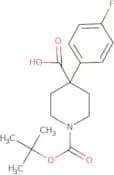
Boc-4-(4-fluorophenyl)-piperidine-4-carboxylic acid
CAS:Please enquire for more information about Boc-4-(4-fluorophenyl)-piperidine-4-carboxylic acid including the price, delivery time and more detailed product information at the technical inquiry form on this page
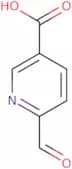
Formula:C17H22FNO4Purezza:Min. 95%Peso molecolare:323.36 g/mol6-Formylpyridine-3-carboxylic acid
CAS:Please enquire for more information about 6-Formylpyridine-3-carboxylic acid including the price, delivery time and more detailed product information at the technical inquiry form on this page
Formula:C7H5NO3Purezza:Min. 95%Peso molecolare:151.12 g/mol1-[(4-Chlorophenyl)phenylmethyl]piperazine
CAS:Prodotto controllato1-[(4-Chlorophenyl)phenylmethyl]piperazine is an analytical reagent that is used in the determination of meclozine, a drug used for the treatment of nausea and vomiting. 1-[(4-Chlorophenyl)phenylmethyl]piperazine is a nucleophile, which means that it can donate electrons to other molecules. It can be used as a catalyst to increase the rate of chemical reactions. 1-[(4-Chlorophenyl)phenylmethyl]piperazine may also be used in wastewater treatment because it has been shown to have phospholipidosis inhibiting properties. The levorotatory form (1R-enantiomer) of this compound has been shown to inhibit protein synthesis in vitro and is an amine oxidase inhibitor that binds to proteins with nitrogen atoms. This nucleophilic compound may also be converted into an n-oxide or dinucleotide phosphate by hydrochloric acid and
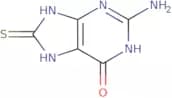
Formula:C17H19ClN2Purezza:Min. 95%Peso molecolare:286.8 g/mol2-Amino-6-hydroxy-8-mercaptopurine
CAS:2-Amino-6-hydroxy-8-mercaptopurine is an antimicrobial agent that inhibits the growth of bacteria by binding to their ribosomes. It has been shown to have a cytotoxic effect in vivo on cancer cells and intestinal parasites, as well as a protective effect against infectious diseases. 2-Amino-6-hydroxy-8-mercaptopurine has also been shown to inhibit the synthesis of proteins in vitro, which may be due to its ability to bind to the ribosomal subunit and inhibit protein synthesis. 2-Amino-6-hydroxy-8-mercaptopurine inhibits bacterial growth by binding to DNA dependent RNA polymerase, thereby preventing transcription and replication. The high frequency of human activity has been shown using a patch clamp technique on human erythrocytes. This active form is metabolized through a number of metabolic transformations, including hydrolysis by esterases or gluc
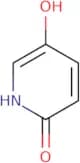
Formula:C5H5N5OSPurezza:Min. 95%Colore e forma:PowderPeso molecolare:183.19 g/molPyridine-2,5-diol
CAS:Pyridine-2,5-diol is a bacterial metabolite that is the product of the enzyme pyridoxal 5'-phosphate oxidase. This enzyme has been shown to be involved in microbial metabolism and enzymatic reactions, such as the conversion of picolinic acid to pyridine-2,5-diol. Pyridine-2,5-diol has been found to be expressed in wild type strains but not in mutant strains. The gene product for this enzyme has also been identified as maleate dehydrogenase.
Formula:C5H5NO2Purezza:Min. 95%Peso molecolare:111.1 g/mol4-(Hydroxymethyl)-2(1H)-quinolinone
CAS:Please enquire for more information about 4-(Hydroxymethyl)-2(1H)-quinolinone including the price, delivery time and more detailed product information at the technical inquiry form on this page
Formula:C10H9NO2Purezza:Min. 95%Peso molecolare:175.18 g/mol7-Chlorothieno[3,2-B]Pyridine
CAS:7-Chlorothieno[3,2-B]pyridine is a nucleophilic compound that is used as an inhibitor of the tyrosine kinase enzyme. It binds to the ATP binding site and blocks the enzymatic activity of the enzyme, preventing cell proliferation. 7-Chlorothieno[3,2-B]pyridine has been shown to inhibit growth in tumour cell lines and has been shown to be effective against tyrosine kinase receptor positive cancer cells. This drug also shows a cytotoxic activity against tumour cells in vivo, which may be due to its ability to inhibit factor receptor and receptor tyrosine.
Formula:C7H4ClNSPurezza:Min. 95%Peso molecolare:169.63 g/mol1-[(2-Pyridyl)methyl]piperazine
CAS:Prodotto controllato1-[(2-Pyridyl)methyl]piperazine is a fluorescent organic solvent. It is a piperazine derivative with low detection limit, which can be used for the detection of metal ions. 1-[(2-Pyridyl)methyl]piperazine has also been shown to be a hyperpolarizing agent in organic solvents and has been used as an optical sensor for 4-chloro-7-nitrobenzofurazan, which is a compound that exhibits fluorescence properties. 1-[(2-Pyridyl)methyl]piperazine can be used as a linker in microscopy techniques to immobilize biomolecules on the surface of glass slides.
Formula:C10H15N3Purezza:Min. 95%Peso molecolare:177.25 g/molRef: 3D-FP156984
Prodotto fuori produzione4-Amino-3-bromo-1-(tert-butyl)-1H-pyrazolo[3,4-d]pyrimidine
CAS:4-Amino-3-bromo-1-(tert-butyl)-1H-pyrazolo[3,4-d]pyrimidine is a drug that inhibits the growth of tumour cells by binding to and inhibiting kinases. It has been shown to have a significant inhibitory effect on lung cancer cells and pyridazine derivatives in vitro. 4-Amino-3-bromo-1-(tert-butyl)-1H-pyrazolo[3,4-d]pyrimidine has been shown to be effective against lung cancer cells in vivo. This drug may be useful for the treatment of cancer.
Formula:C9H12BrN5Purezza:Min. 95%Peso molecolare:270.13 g/molN,N-Dimethyl-2-(1-(1-(pyridin-2-yl)ethyl)-1H-inden-2-yl)ethan-1-amine hydrochloride
CAS:Please enquire for more information about N,N-Dimethyl-2-(1-(1-(pyridin-2-yl)ethyl)-1H-inden-2-yl)ethan-1-amine hydrochloride including the price, delivery time and more detailed product information at the technical inquiry form on this page
Formula:C20H24N2•(HCl)2Purezza:Min. 95%Peso molecolare:365.34 g/molRef: 3D-FD183759
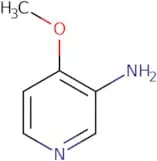
Prodotto fuori produzione3-Amino-4-methoxypyridine
CAS:3-Amino-4-methoxypyridine is a molecule that has been shown to have anesthetic activity. It has been shown to inhibit the uptake of glycogen by glioblastoma cells and decrease the rate of glycogen synthesis in these cells. 3-Amino-4-methoxypyridine also inhibits the production of ATP in cardiac muscle cells, which may be due to its ability to inhibit glycogen synthase kinase-3 (GSK3) and glycogen synthase. This drug also inhibits cancer cell growth by inhibiting protein synthesis, as well as inflammatory disease progression by inhibiting NFκB activation and cytokine production. 3-Amino-4-methoxypyridine can be synthesized from aminopyridines such as isonicotinic acid or nicotinic acid, which are oxidized with hydrogen peroxide and sodium nitrite in the presence of a base catalyst.
Formula:C6H8N2OPurezza:Min. 95%Peso molecolare:124.14 g/molRef: 3D-FA46267
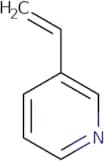
Prodotto fuori produzione3-Vinylpyridine
CAS:3-Vinylpyridine, also known as vinylpyridine, is a colorless, crystalline solid that forms hydroxide solutions. It has been shown to have antifungal activity in the presence of fatty acids and can be used for the treatment of urinary tract infections caused by Candida albicans. The chemical ionization technique was used to analyze 3-vinylpyridine in urine samples from nonsmokers and smokers. Long-term exposure to 3-vinylpyridine may lead to surface-enhanced Raman spectroscopy signals on the surface of metal oxides due to alkoxy radical formation. The crystallization process of 3-vinylpyridine can take place at a temperature range between 135°C and 150°C with an addition of polyethylene glycol or sulfuric acid. Reaction intermediates are formed during this process which are important for the formation of 3-vinylpyridinium ions.
Formula:C7H7NPurezza:Min. 95%Peso molecolare:105.14 g/molRef: 3D-FV28710
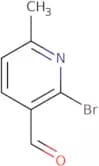
Prodotto fuori produzione2-Bromo-6-methylpyridine-3-carboxaldehyde
CAS:2-Bromo-6-methylpyridine-3-carboxaldehyde (BMPCA) is a pharmacological agent that belongs to the group of antagonists. It has been shown to be a potent antagonist at the NMDA receptor and may be used for treating neuropathic pain. BMPCA also has been shown to have competitive inhibition at the naphthyridine receptor, which may allow it to act as an antagonist or an agonist depending on its binding site. The regioisomeric analogs of BMPCA are 2-(2,5-dichloropyridyl)-6-methylpyridine-3-carboxaldehyde and 2-(2,5-dimethylpyridyl)-6-methylpyridine-3-carboxaldehyde. These analogs have been shown to inhibit the growth of tumor cells in vitro and in vivo.
Formula:C7H6BrNOPurezza:Min. 95%Peso molecolare:200.03 g/molRef: 3D-FB146929
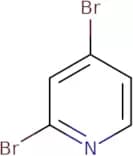
Prodotto fuori produzione2,4-Dibromopyridine
CAS:2,4-Dibromopyridine is a brominated derivative of pyridine. It is synthesized through the substitution of two bromine atoms for two hydrogens on the pyridine ring. This synthesis can be achieved by disubstitution or cross-coupling reactions. The reaction products are nucleophilic and react with electrophiles to produce substitution products. The reaction mechanism is thought to involve a six-membered transition state, which has been observed using X-ray absorption spectroscopy.
Formula:C5H3Br2NPurezza:Min. 95%Colore e forma:White To Off-White SolidPeso molecolare:236.89 g/mol5,7-Dimethyl-[1,2,4]triazolo[1,5-a]pyrimidine-2-carboxylic acid
CAS:Please enquire for more information about 5,7-Dimethyl-[1,2,4]triazolo[1,5-a]pyrimidine-2-carboxylic acid including the price, delivery time and more detailed product information at the technical inquiry form on this page
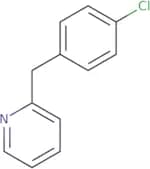
Formula:C8H8N4O2Purezza:Min. 95%Peso molecolare:192.17 g/mol2-(4-Chlorobenzyl)pyridine
CAS:2-(4-Chlorobenzyl)pyridine is a synthetic pyridine compound that has been shown to have anti-cancer properties. It is also a potent inducer of the enzyme methane monooxygenase and has been shown to interact with other compounds, such as maleates and sulfoxides, which are also used in this type of experiment. The catalytic mechanism for 2-(4-chlorobenzyl)pyridine is not yet known, but it may involve an acidic chlorine atom or a hydrochloric acid catalyst. 2-(4-Chlorobenzyl)pyridine has been found to be effective at inhibiting the growth of cancer cells in vitro without toxic effects on healthy cells. It has also been shown to inhibit the proliferation of human leukemia cells in vivo.
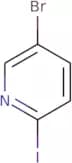
Formula:C12H10ClNPurezza:Min. 95%Peso molecolare:203.67 g/mol5-Bromo-2-iodopyridine
CAS:5-Bromo-2-iodopyridine is an antibiotic that is used to treat bacterial infections. It has been shown to inhibit the growth of bacteria by binding to the 50S ribosomal subunit. This drug also has a toxic effect on respiratory system cells, which may be due to its ability to induce apoptosis. 5-Bromo-2-iodopyridine interacts with DNA in a triazine ring and inhibits bacterial growth by inhibiting protein synthesis. The drug binds to the 50S ribosomal subunit at a site that is different from that of rifampin and other antibiotics. The reaction is catalyzed by palladium at high temperatures and takes place in organic solvents such as chloroform or benzene. This synthetic process can be made more efficient by using inexpensive starting materials, such as bromine, iodine, and acetone, rather than expensive starting materials like platinum or gold salts.
Formula:C5H3BrINPurezza:Min. 95%Colore e forma:Slightly Yellow PowderPeso molecolare:283.89 g/mol2-Amino-6-chloropyrimidin-4(3h)-one
CAS:2-Amino-6-chloropyrimidin-4(3H)-one (ACPP) is a betaine that has been shown to exhibit potent activity against clinical isolates of methicillin-resistant Staphylococcus aureus (MRSA). It is a mesomeric molecule, which means that it can exist as two different tautomers. The frequency of the absorption bands in the FTIR spectra for ACPP are characteristic of the carbenes and ethanolamine tautomers. The presence of these tautomers may be due to stabilization from the nucleophilic character of the nitrogen atom in betaines. Betaines are also able to form polymersized chains by reacting with themselves or other molecules, such as ethanolamine.
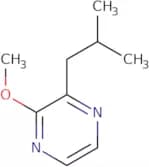
Formula:C4H4ClN3OPurezza:Min. 95%Colore e forma:PowderPeso molecolare:145.55 g/mol2-Isobutyl-3-methoxypyrazine
CAS:2-Isobutyl-3-methoxypyrazine is a hydrophobic compound that is not soluble in water. It has a bound form and can be titrated with calorimetry. 2-Isobutyl-3-methoxypyrazine is synthesized by reacting 2,2,4-trimethylpentane with methoxyacetone in the presence of sodium methylate. The compound has been detected as an odorant in numerous plant species and is believed to play a role in plant physiology. 2-Isobutyl-3-methoxypyrazine has been shown to have potent antiviral activity against infectious diseases such as HIV, herpes simplex virus type 1 (HSV1), and varicella zoster virus (VZV). This specific antiviral activity may be due to its ability to bind fatty acids by hydrogen bonds, which may interfere with the synthesis of viral membranes.
Formula:C9H14N2OPurezza:Min. 95%Peso molecolare:166.22 g/molRef: 3D-FI63381
Prodotto fuori produzione1-(4,4'-Difluorobenzhydry)piperazine
CAS:1-(4,4'-Difluorobenzhydry)piperazine (1-DFBP) is a potential antitumor agent that has been shown to inhibit the growth of leukemia cells. It may be an inhibitor of apoptotic cell death, as it has been shown to induce hydrogen bond formation with coumarin derivatives. 1-DFBP has also been shown to have inhibitory activities against leukemia HL-60 cells, and is a competitive inhibitor of cinnarizine. The catalytic mechanism for 1-DFBP is not known, although kinetic data suggest that it involves hydrogen bonding and/or pi stacking interactions.
Formula:C17H18F2N2Purezza:Min. 95%Peso molecolare:288.34 g/molRef: 3D-FD55069
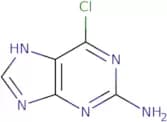
Prodotto fuori produzione2-Amino-6-chloropurine
CAS:2-Amino-6-chloropurine is a nucleophilic substituent that is used in the synthesis of 2-amino-6-chloropurine. It reacts with hydroxyl groups to form a palladium-catalyzed coupling reaction solution, which is then treated with hydrochloric acid and trifluoroacetic acid. The product is purified by crystallization and recrystallization. This compound has potent antitumor activity against carcinoma cell lines, but it has not been shown to have any effect against Mycobacterium tuberculosis.
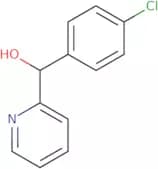
Formula:C5H4ClN5Purezza:Min. 95%Colore e forma:Off-White PowderPeso molecolare:169.57 g/mol4-Chlorophenyl-2-pyridinylmethanol
CAS:Please enquire for more information about 4-Chlorophenyl-2-pyridinylmethanol including the price, delivery time and more detailed product information at the technical inquiry form on this page
Formula:C12H10ClNOPurezza:Min. 95%Peso molecolare:219.67 g/mol(2E)-1-[5,6-Dihydro-3-(trifluoromethyl)-1,2,4-triazolo[4,3-a]pyrazin-7(8H)-yl]-4-(2,4,5-trifluorophenyl)-2-buten-1-one
CAS:Please enquire for more information about (2E)-1-[5,6-Dihydro-3-(trifluoromethyl)-1,2,4-triazolo[4,3-a]pyrazin-7(8H)-yl]-4-(2,4,5-trifluorophenyl)-2-buten-1-one including the price, delivery time and more detailed product information at the technical inquiry form on this page
Formula:C16H12F6N4OPurezza:95%NmrPeso molecolare:390.28 g/mol11-(1-Piperazinyl)-dibenzo[b,f][1,4]thiazepine dihydrochloride
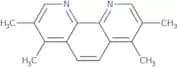
CAS:11-(1-Piperazinyl)-dibenzo[b,f][1,4]thiazepine dihydrochloride is a long-acting drug that has been synthesized as an analog of diazepam. The compound is characterized by high diffraction, interaction and evaporation constants and low molecular weight. It is soluble in water and methanol. 11-(1-Piperazinyl)-dibenzo[b,f][1,4]thiazepine dihydrochloride has been shown to have a constant pharmacokinetic profile and high chemical stability in vivo.Formula:C17H17N3S·2HClPurezza:Min. 98 Area-%Colore e forma:White Off-White PowderPeso molecolare:368.32 g/mol3,4,7,8-Tetramethyl-1,10-phenanthroline
CAS:Metal-chelating agent
Formula:C16H16N2Purezza:Min. 98 Area-%Colore e forma:White PowderPeso molecolare:236.31 g/mol4-Bromopyridine hydrochloride
CAS:4-Bromopyridine HCl is a chemical compound with the molecular formula C6H5BrN. It is an aromatic heterocycle and is used in organic synthesis as a coupling partner in cross-coupling reactions. The bromine atom of 4-bromopyridine is replaced by chloride, resulting in 4-chloropyridine. The chlorination reaction can be conducted using either hydrochloric acid or thionyl chloride. This process can be done on an industrial scale and the chlorinated product has been used in the manufacture of pharmaceuticals, dyes, and pesticides. The reaction mechanism for this substitution reaction involves a nucleophilic attack by chlorine on the pyridine ring at carbon atom 2 followed by displacement of hydrogen from the adjacent position on nitrogen atom 3. Acylation reactions are oxidation processes that involve conversion of carboxylic acids to acyl halides or acyl chlorides through treatment with acidified halogenating agents such
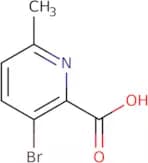
Formula:C5H4BrN•HClPurezza:Min. 95%Colore e forma:White PowderPeso molecolare:194.46 g/mol3-Bromo-6-methylpicolinic acid
CAS:Please enquire for more information about 3-Bromo-6-methylpicolinic acid including the price, delivery time and more detailed product information at the technical inquiry form on this page
Formula:C7H6BrNO2Purezza:Min. 95%Peso molecolare:252.49 g/molRef: 3D-FB46394
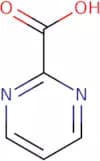
Prodotto fuori produzione2-Pyrimidine-carboxylic acid
CAS:2-Pyrimidine-carboxylic acid is a biologically active molecule that can be found in the human body. It is a derivative of pyrimidine, which belongs to the group of purines. 2-Pyrimidine-carboxylic acid has been shown to inhibit the nicotinic acetylcholine receptor and α7 nicotinic acetylcholine receptor, which are receptors for acetylcholine. This molecule also has antihypertensive activity and has been shown to have therapeutic effects in psychotic disorders. 2-Pyrimidine-carboxylic acid binds to picolinic acid, which is an important intermediate in the metabolism of tryptophan, and hydroxyl group, which is essential for many biological functions. It also reacts with copper ions and forms a complex that is x-ray crystal structure confirmed. This complex may be used as a herbicide resistance inducer or as a chemical species for receptor binding studies or chemical reactions.
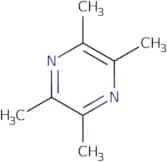
Formula:C5H4N2O2Purezza:Min. 95%Colore e forma:PowderPeso molecolare:124.1 g/mol2,3,5,6-Tetra-methyl-pyrazine
CAS:2,3,5,6-Tetra-methyl-pyrazine is a chemical compound that is structurally similar to ATP. It has been shown to inhibit the mitochondrial membrane potential and induce apoptosis in rat heart cells. 2,3,5,6-Tetra-methyl-pyrazine has also been shown to inhibit ATP synthase activity and increase lactate levels in the presence of glucose. This compound inhibits cyclase activity and increases microdialysis probe signal pathways. 2,3,5,6-Tetra-methyl-pyrazine may be useful for the treatment of myocardial infarcts.
Formula:C8H12N2Purezza:Min. 95%Peso molecolare:136.19 g/molRef: 3D-FT04172
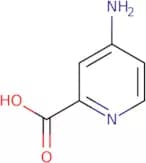
Prodotto fuori produzione4-Aminopicolinic acid
CAS:4-Aminopicolinic acid is a synthetic amine that has been shown to activate plant science. 4-Aminopicolinic acid is a cyclic peptide with two subunits, one of which is 4-amino-3-pyridinecarboxylic acid. This compound has been synthesized from picolinic acid, an agriculturally important compound that is found in plant and animal tissues. The synthesis of 4-aminopicolinic acid involves the reaction of picolinic acid with nitrous oxide, followed by hydrolysis and oxidation to form the desired product. Hplc analyses have confirmed the presence of picolinic acid in extracts from various plants containing this compound.
Formula:C6H6N2O2Purezza:Min. 95%Colore e forma:White To Beige Or Pink To Light Brown SolidPeso molecolare:138.12 g/mol5-Bromo-2-(methylthio)pyrimidine
CAS:5-Bromo-2-(methylthio)pyrimidine is a synthetic compound that has been used to synthesize palladium complexes. It can also be used in the synthesis of vitamin B1, which is an essential nutrient for humans and animals. 5-Bromo-2-(methylthio)pyrimidine binds with magnesium and reacts with sulfoxide, nucleophilic attack and electronegativity. 5-Bromo-2-(methylthio)pyrimidine is activated by 2-chlorobenzothiazole and hydrogen chloride, which leads to nucleophilic attack on the electrophilic carbon atom. This causes a displacement reaction with the elimination of chlorine gas and production of dihydro.
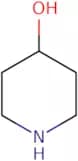
Formula:C5H5BrN2SPurezza:Min. 95%Peso molecolare:205.08 g/mol4-Hydroxypiperidine
CAS:4-Hydroxypiperidine is a molecule with a carbonyl group. It is the most active and selective CCR5 receptor antagonist that has been studied to date. 4-Hydroxypiperidine inhibits HIV infection by preventing the binding of HIV to its receptor on the surface of white blood cells, thereby preventing it from entering these cells. 4-Hydroxypiperidine also acts as an anti-inflammatory agent in chronic bronchitis patients, due to its ability to inhibit prostaglandin synthesis. The chemical ionization mass spectra of this molecule show peaks for methyl ethyl, malic acid, and hydroxyl groups. These properties make 4-hydroxypiperidine a useful candidate for drug development against inflammatory diseases and several cancers.
Formula:C5H11NOPurezza:Min. 95%Peso molecolare:101.15 g/mol4,5-Dihydro-1H-imidazol-2-amine hydrochloride
CAS:Please enquire for more information about 4,5-Dihydro-1H-imidazol-2-amine hydrochloride including the price, delivery time and more detailed product information at the technical inquiry form on this page
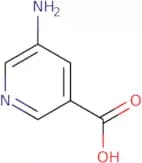
Formula:C3H7N3•HClPurezza:Min. 95%Peso molecolare:121.57 g/mol5-Aminopyridine-3-carboxylic acid
CAS:5-Aminopyridine-3-carboxylic acid (5APC) is a structural analog of nicotinic acid that has been shown to have anti-inflammatory effects. 5APC inhibits the production of inflammatory cytokines, such as IL-10 and IL-17, by inhibiting the activation of NFκB and MAPK pathways. This drug also has significant inhibitory activities against dextran sulfate sodium (DSS)-induced acute colitis in experimental models. 5APC is thought to act by interrupting the assembly of p38 mitogen activated protein kinase (MAPK) and nuclear factor kappa B (NFκB) signaling complexes.
Formula:C6H6N2O2Purezza:Min. 95%Peso molecolare:138.12 g/molRef: 3D-FA66664
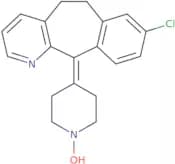
Prodotto fuori produzioneDesloratadine N-hydroxypiperidine
CAS:Desloratadine N-hydroxypiperidine is a drug that is used to treat allergic rhinitis and urticaria. It belongs to the class of antihistamines, which block the activity of histamine in the body. Desloratadine N-hydroxypiperidine is a prodrug that has a piperidine moiety attached to its side chain. This prodrug is metabolized into desloratadine, its active form, by esterase enzymes in the liver and blood plasma. The onset of action is rapid after oral administration and the duration of action is 12 hours or more. Desloratadine N-hydroxypiperidine has shown linearity over a wide range of pH values (pH 1 to 10) and ionic strengths (0.1 M to 0.5 M). Optimization was achieved by adjusting elution time, ion-pairing agent, mobile phase composition, organic modifier concentration and column particle
Formula:C19H19ClN2OPurezza:Min. 95%Peso molecolare:326.82 g/mol4-[(4-chlorophenyl)-2-pyridinylmethoxy]-1-piperidinecarboxylic acid ethylester
CAS:Please enquire for more information about 4-[(4-chlorophenyl)-2-pyridinylmethoxy]-1-piperidinecarboxylic acid ethylester including the price, delivery time and more detailed product information at the technical inquiry form on this pageFormula:C20H23ClN2O3Purezza:Min. 95%Peso molecolare:374.86 g/molChlorpheniramine N-oxide
CAS:Please enquire for more information about Chlorpheniramine N-oxide including the price, delivery time and more detailed product information at the technical inquiry form on this page
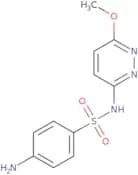
Formula:C16H19ClN2OPurezza:Min. 95%Peso molecolare:290.79 g/molSulfamethoxypyridazine
CAS:Sulfamethoxypyridazine is a sulfa drug that inhibits bacterial growth by inhibiting the synthesis of folic acid, which is essential for DNA and RNA production. It has been shown to be effective in the treatment of urinary infections and infectious diseases. Sulfamethoxypyridazine interacts with other drugs, such as oral contraceptives, to increase their blood levels. This drug also has a matrix effect on urine samples, which can be used to detect the presence of bacteria. The matrix effect is due to its hydrophobic nature and ability to form aggregates with other compounds. Sulfamethoxypyridazine is used in wastewater treatment plants as an analytical method for nitrogen atoms.
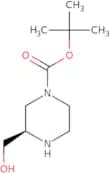
Formula:C11H12N4O3SPurezza:Min. 95%Peso molecolare:280.3 g/mol(R)-4-N-Boc-2-hydroxymethyl-piperazine
CAS:Please enquire for more information about (R)-4-N-Boc-2-hydroxymethyl-piperazine including the price, delivery time and more detailed product information at the technical inquiry form on this page
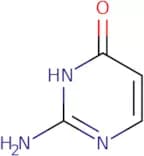
Formula:C10H20N2O3Purezza:Min. 95%Peso molecolare:216.28 g/molIsocytosine
CAS:Isocytosine is a prodrug that has been synthesized with the intramolecular hydrogen on the nitrogen atoms, which makes it more chemically stable. Isocytosine is a reactive molecule, and can react with tautomers to form isocytosine derivatives. Isocytosine contains three hydrogen atoms that are transferable through reactions to other molecules. The chemical stability of isocytosine allows for its use in wastewater treatment. It also has metabolic effects, such as the inhibition of colorectal adenocarcinoma and metabolic disorders. Isocytosine can be used as a model system for studying transfer reactions and reaction mechanisms.
Formula:C4H5N3OPurezza:Min. 95%Colore e forma:PowderPeso molecolare:111.1 g/molRef: 3D-FI07235
Prodotto fuori produzionetert-Butyl 2-amino-6,7-dihydrothiazolo[5,4-c]pyridine-5(4H)-carboxylate
CAS:Please enquire for more information about tert-Butyl 2-amino-6,7-dihydrothiazolo[5,4-c]pyridine-5(4H)-carboxylate including the price, delivery time and more detailed product information at the technical inquiry form on this page
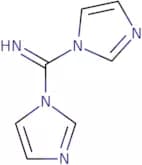
Purezza:Min. 95%1,1'-Carbonimidoylbis-1H-imidazole
CAS:1,1'-Carbonimidoylbis-1H-imidazole is a ligand that binds to amines and isosteres. It can be activated with electrophilic reagents to form an activated linker. This ligand has been shown to inhibit the growth of xenograft tumor cells in mice by binding to functional groups on the cell surface. This drug also has been shown to bind to the receptor for advanced glycation end products (RAGE) and inhibit its function. 1,1'-Carbonimidoylbis-1H-imidazole has also been evaluated as a cancer therapeutic agent in animal models.
Formula:C7H7N5Purezza:Min. 95%Colore e forma:White PowderPeso molecolare:161.16 g/mol3-Hydroxy-5-methylpyridine
CAS:3-Hydroxy-5-methylpyridine (3HMP) is a chemical substance that has been classified as an amine. It is a product of the metabolism of purines, which are nitrogenous bases found in DNA and RNA. 3HMP is produced by aerogenic bacteria (such as Enterobacter), and can be used to estimate the number of these bacteria present in water samples. 3HMP has been shown to have antiviral properties against influenza virus, and can be used as a biomarker for the presence of other viruses in animals. 3HMP also has mineralization properties, which have been studied extensively, particularly with regards to pancreatic disease.
Formula:C6H7NOPurezza:Min. 95%Colore e forma:PowderPeso molecolare:109.13 g/molRef: 3D-FH16174
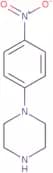
Prodotto fuori produzione1-(4-Nitrophenyl)piperazine
CAS:1-(4-Nitrophenyl)piperazine is a nitro compound with a molecular weight of 147.2. It is soluble in DMSO and ethanol, but not in water. 1-(4-Nitrophenyl)piperazine has the ability to absorb ultraviolet radiation (UV) and it can be used as a UV-absorbing agent in plastics. 1-(4-Nitrophenyl)piperazine can also be used as an intermediate for the synthesis of triazole antifungal agents. The molecule has been shown to have high values at magnetic resonance spectroscopy (NMR). The crystal structure of 1-(4-nitrophenyl)piperazine was determined by x-ray diffraction data and molecular modeling techniques. This molecule's melting point was determined by titration calorimetry, which showed that its melting point is around 195 degrees Celsius.br> 1-(4-Nitrophenyl)piper
Formula:C10H13N3O2Purezza:Min. 95%Peso molecolare:207.23 g/moltert-Butyl6-[(1e)-2-[4-(4-fluorophenyl)-6-(1-methylethyl)-2-[methyl(methylsulfonyl)amino]-5-pyrimidinyl]ethenyl]-2,2-dimethyl-1,3-di oxane-4-acetate
CAS:Please enquire for more information about tert-Butyl6-[(1e)-2-[4-(4-fluorophenyl)-6-(1-methylethyl)-2-[methyl(methylsulfonyl)amino]-5-pyrimidinyl]ethenyl]-2,2-dimethyl-1,3-di oxane-4-acetate including the price, delivery time and more detailed product information at the technical inquiry form on this page
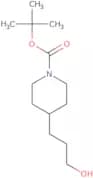
Formula:C29H40FN3O6SPurezza:Min. 95%Peso molecolare:577.71 g/molTert-butyl 4-(3-hydroxypropyl)tetrahydro-1(2H)-pyridinecarboxylate
CAS:Please enquire for more information about Tert-butyl 4-(3-hydroxypropyl)tetrahydro-1(2H)-pyridinecarboxylate including the price, delivery time and more detailed product information at the technical inquiry form on this pageFormula:C13H25NO3Purezza:Min. 95%Peso molecolare:243.34 g/molCoproporphyrin III
CAS:Please enquire for more information about Coproporphyrin III including the price, delivery time and more detailed product information at the technical inquiry form on this page
Formula:C36H38N4O8Purezza:Min. 95%Peso molecolare:654.71 g/mol3-Boc-amino-2,6-dioxopiperidine
CAS:Please enquire for more information about 3-Boc-amino-2,6-dioxopiperidine including the price, delivery time and more detailed product information at the technical inquiry form on this page
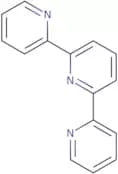
Formula:C10H16N2O4Purezza:Min. 95%Peso molecolare:228.25 g/mol2,2', 2'' -Terpyridine
CAS:2,2', 2'' -Terpyridine is a chelate ligand that is used in wastewater treatment. It can be synthesized by reacting 2-aminopyridine with ethylene diamine and 2,4-dichloro-1,3-dithiolane. The x-ray crystal structures of the ligand show that it has a coordination geometry of octahedral and its reaction mechanism is an oxidation. The chelate ligand binds to the metal ion in the same way as other ligands and stabilizes it by forming hydrogen bonds. This compound has significant cytotoxicity against carcinoma cell lines and also inhibits the mitochondrial membrane potential (MMP). 2,2', 2'' -Terpyridine is classified as group p2 due to its redox potentials and cytotoxicity.
Formula:C15H11N3Purezza:Min. 95%Peso molecolare:233.27 g/mol2,4-Dichloropyrido [2,3-D] pyrimidine
CAS:2,4-Dichloropyrido [2,3-D] pyrimidine is a regioselective chlorination agent that can be used for the synthesis of various organic compounds. It is often used in cross-coupling reactions to form carbon-carbon bonds. 2,4-Dichloropyrido [2,3-D] pyrimidine has been shown to give high yields and is selective for disubstituted or monosubstituted substrates. This compound is also useful for the functionalization of C-H bonds via palladium-catalyzed coupling reactions.
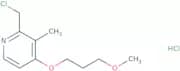
Formula:C7H3Cl2N3Purezza:Min. 95%Colore e forma:White PowderPeso molecolare:200.02 g/mol2-Chloromethyl-4-(3-methoxypropoxy)-3-methylpyridine hydrochloride
CAS:Please enquire for more information about 2-Chloromethyl-4-(3-methoxypropoxy)-3-methylpyridine hydrochloride including the price, delivery time and more detailed product information at the technical inquiry form on this page
Formula:C11H17Cl2NO2Purezza:Min. 95%Peso molecolare:266.16 g/mol6-Bromo-pyrazolo[1,5-a]pyrimidine
CAS:6-Bromo-pyrazolo[1,5-a]pyrimidine is a bone morphogenetic protein (BMP) inhibitor. It has been shown to be a potent inhibitor of the tyrosine kinase activity of BMP receptors and may be useful for the development of new strategies for the treatment of osteoporosis. 6-Bromo-pyrazolo[1,5-a]pyrimidine is also an effective inhibitor of the proliferation and survival of cancer cells. It inhibits cell growth by interfering with cellular signaling pathways that regulate these processes. 6-Bromo-pyrazolo[1,5-a]pyrimidine was also found to inhibit the production of bone morphogenetic protein 2 (BMP2) in mouse calvaria cells without affecting other bone metabolism markers such as alkaline phosphatase or osteocalcin.
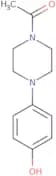
Formula:C6H4BrN3Purezza:Min. 95%Colore e forma:PowderPeso molecolare:198.02 g/mol1-Acetyl-4-(4-hydroxyphenyl)piperazine
CAS:1-Acetyl-4-(4-hydroxyphenyl)piperazine is a triazole antifungal that inhibits the synthesis and activity of nitric oxide. It binds to the N1 atom of the molecule, which is the site of nitrite ion, and prevents it from reacting with chloride ions. This binding also prevents nucleophilic attack on imine bonds in proteins and DNA. The photophysical properties of 1-acetyl-4-(4-hydroxyphenyl)piperazine are determined by its coumarin derivatives, which absorb light at wavelengths between 400 and 500 nm. The compound has been found to be specific for fungi, but not bacteria or yeast. 1-Acetyl-4-(4-hydroxyphenyl)piperazine has been shown to be effective against Candida albicans and other strains of yeast when used as an oral or topical treatment.
Formula:C12H16N2O2Purezza:Min. 95%Peso molecolare:220.27 g/mol8-Chloroimidazo[1,2-a]pyrazine
CAS:Please enquire for more information about 8-Chloroimidazo[1,2-a]pyrazine including the price, delivery time and more detailed product information at the technical inquiry form on this page
Formula:C6H4ClN3Purezza:Min. 95%Peso molecolare:153.57 g/mol2-Bromopyrazine
CAS:2-Bromopyrazine is a heterocyclic chemical compound that inhibits the activity of enzymes such as kinases. It has been shown to have anti-tumor properties in clinical studies and has been used in cancer research. 2-Bromopyrazine binds to nicotinic acetylcholine receptors, which are found on the surface of tumor cells. The binding of 2-bromopyrazine to these receptors causes an increase in ion flow across the membrane and leads to cell death. This drug also inhibits kinase activity, leading to decreased protein synthesis, which may account for its anti-tumor properties. 2-Bromopyrazine is soluble in organic solvents and insoluble in water. 2-Bromopyrazine is stable under acidic conditions but undergoes hydrolysis by hydrochloric acid, forming a salt and hydrogen bromide gas.
Formula:C4H3BrN2Purezza:Min. 95%Colore e forma:Colorless Clear LiquidPeso molecolare:158.98 g/molH-Ala-Ala-Pro-OH trifluoroacetate
CAS:Please enquire for more information about H-Ala-Ala-Pro-OH trifluoroacetate including the price, delivery time and more detailed product information at the technical inquiry form on this page
Formula:C11H19N3O4•C2HF3O2Purezza:Min. 95%Peso molecolare:371.31 g/molRef: 3D-FA183453
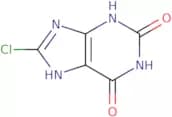
Prodotto fuori produzione8-Chloro-3,7-dihydro-1H-purine-2,6-dione
CAS:8-Chloro-3,7-dihydro-1H-purine-2,6-dione is a reactive molecule that binds to the active site of bacterial cyclic nucleotide phosphodiesterases and inhibits their activity. This inhibition prevents the breakdown of cAMP and cGMP, which are important second messengers in eukaryotic cells. 8-Chloro-3,7-dihydro-1H-purine-2,6-dione is also a potent inhibitor of protein synthesis and has been used in research studies on wheat leaves.
Formula:C5H3N4O2ClPurezza:Min. 95%Colore e forma:PowderPeso molecolare:186.56 g/molRef: 3D-FC09024
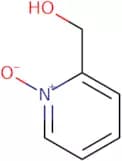
Prodotto fuori produzione2-(Hydroxymethyl)pyridine N-oxide
CAS:2-(Hydroxymethyl)pyridine N-oxide is a model system that was originally synthesized to study the mechanism of perchlorate and amine degradation in vivo. It has been shown to be an excellent model for studying the oxidative decomposition of n-oxides with metal ions, as well as their transformation into monomers. 2-(Hydroxymethyl)pyridine N-oxide reacts with chloride ion to form 2-(hydroxymethyl)pyridine N-oxide chloride. The reaction of 2-(hydroxymethyl)pyridine N-oxide with a sulfoxide produces an adduct that can be used to study hydrogen bonding. 2-(Hydroxymethyl)pyridine N-oxide has biological properties and is a potential drug candidate for the treatment of cancer.
Formula:C6H7NO2Purezza:Min. 95%Peso molecolare:125.13 g/mol4-Amino-6-mercaptopyrazolo[3,4-d]pyrimidine
CAS:Please enquire for more information about 4-Amino-6-mercaptopyrazolo[3,4-d]pyrimidine including the price, delivery time and more detailed product information at the technical inquiry form on this page
Formula:C5H5N5SPurezza:Min. 95%Peso molecolare:167.19 g/molRef: 3D-FA17663
Prodotto fuori produzione1-Acetylpiperazine
CAS:1-Acetylpiperazine is a growth factor that has been shown to stimulate the proliferation of keratinocytes and dermal fibroblasts. It also inhibits the production of proinflammatory cytokines, such as tumor necrosis factor alpha (TNF-α) and interleukin-1 beta (IL-1β), in immune cells. 1-Acetylpiperazine has been shown to have antimicrobial properties against Gram-positive bacteria, including methicillin resistant Staphylococcus aureus and Clostridium perfringens. The compound binds to the receptor for epidermal growth factor in cancer cells, which may be responsible for its anticancer effects. 1-Acetylpiperazine has also been shown to inhibit the binding of imatinib to its receptor, which may be responsible for its anticancer effects.
Formula:C6H12N2OPurezza:Min. 95%Peso molecolare:128.18 g/molRef: 3D-FA10288
Prodotto fuori produzioneMacaridine
CAS:Please enquire for more information about Macaridine including the price, delivery time and more detailed product information at the technical inquiry form on this page
Formula:C13H13NO2Purezza:Min. 95%Peso molecolare:215.25 g/molRef: 3D-FM183770
Prodotto fuori produzione

![1-[(4-Chlorophenyl)phenylmethyl]piperazine](/_next/image/?url=https%3A%2Fstatic.cymitquimica.com%2Fproducts%2F3D%2Fthumb-webp%2FFC20350.webp&w=3840&q=75)

![7-Chlorothieno[3,2-B]Pyridine](/_next/image/?url=https%3A%2Fstatic.cymitquimica.com%2Fproducts%2F3D%2Fthumb-webp%2FFC53344.webp&w=3840&q=75)
![1-[(2-Pyridyl)methyl]piperazine](/_next/image/?url=https%3A%2Fstatic.cymitquimica.com%2Fproducts%2F3D%2Fthumb-webp%2FFP156984.webp&w=3840&q=75)
![4-Amino-3-bromo-1-(tert-butyl)-1H-pyrazolo[3,4-d]pyrimidine](/_next/image/?url=https%3A%2Fstatic.cymitquimica.com%2Fproducts%2F3D%2Fthumb-webp%2FFA168683.webp&w=3840&q=75)

![5,7-Dimethyl-[1,2,4]triazolo[1,5-a]pyrimidine-2-carboxylic acid](/_next/image/?url=https%3A%2Fstatic.cymitquimica.com%2Fproducts%2F3D%2Fthumb-webp%2FFD12883.webp&w=3840&q=75)


![(2E)-1-[5,6-Dihydro-3-(trifluoromethyl)-1,2,4-triazolo[4,3-a]pyrazin-7(8H)-yl]-4-(2,4,5-trifluorop…](/_next/image/?url=https%3A%2Fstatic.cymitquimica.com%2Fproducts%2F3D%2Fthumb-webp%2FFD103313.webp&w=3840&q=75)
![11-(1-Piperazinyl)-dibenzo[b,f][1,4]thiazepine dihydrochloride](/_next/image/?url=https%3A%2Fstatic.cymitquimica.com%2Fproducts%2F3D%2Fthumb-webp%2FFP32447.webp&w=3840&q=75)



![4-[(4-chlorophenyl)-2-pyridinylmethoxy]-1-piperidinecarboxylic acid ethylester](/_next/image/?url=https%3A%2Fstatic.cymitquimica.com%2Fproducts%2F3D%2Fthumb-webp%2FFP152183.webp&w=3840&q=75)

![tert-Butyl 2-amino-6,7-dihydrothiazolo[5,4-c]pyridine-5(4H)-carboxylate](/_next/image/?url=https%3A%2Fstatic.cymitquimica.com%2Fproducts%2F3D%2Fthumb-webp%2FFB143127.webp&w=3840&q=75)

![tert-Butyl6-[(1e)-2-[4-(4-fluorophenyl)-6-(1-methylethyl)-2-[methyl(methylsulfonyl)amino]-5-pyrimi…](/_next/image/?url=https%3A%2Fstatic.cymitquimica.com%2Fproducts%2F3D%2Fthumb-webp%2FFB148489.webp&w=3840&q=75)


![2,4-Dichloropyrido [2,3-D] pyrimidine](/_next/image/?url=https%3A%2Fstatic.cymitquimica.com%2Fproducts%2F3D%2Fthumb-webp%2FFD31600.webp&w=3840&q=75)
![6-Bromo-pyrazolo[1,5-a]pyrimidine](/_next/image/?url=https%3A%2Fstatic.cymitquimica.com%2Fproducts%2F3D%2Fthumb-webp%2FFB140359.webp&w=3840&q=75)
![8-Chloroimidazo[1,2-a]pyrazine](/_next/image/?url=https%3A%2Fstatic.cymitquimica.com%2Fproducts%2F3D%2Fthumb-webp%2FFC125475.webp&w=3840&q=75)


![4-Amino-6-mercaptopyrazolo[3,4-d]pyrimidine](/_next/image/?url=https%3A%2Fstatic.cymitquimica.com%2Fproducts%2F3D%2Fthumb-webp%2FFA17663.webp&w=3840&q=75)