Building Blocks
Sottocategorie di "Building Blocks"
- Acidi boronici e derivati dell'acido boronico(5.780 prodotti)
- Building Blocks Chirali(1.239 prodotti)
- Building Blocks Idrocarburici(6.100 prodotti)
- Building Blocks organici(61.005 prodotti)
Trovati 205234 prodotti di "Building Blocks"
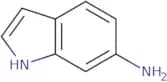
6-Aminoindole
CAS:6-Aminoindole is a model complex that can be used for studying the interactions of primary amines with acidic molecules in bioinorganic chemistry. The molecule was synthesized by electropolymerization, which involves the oxidation of aniline with bifunctional oxidases. 6-Aminoindole has been shown to have protonation and salicylaldehyde properties. It reacts with metal surfaces to form a molecular target.
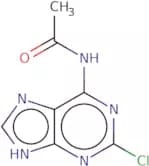
Formula:C8H8N2Purezza:Min. 97 Area-%Colore e forma:PowderPeso molecolare:132.16 g/mol2-Acetamido-6-chloropurine
CAS:2-Acetamido-6-chloropurine (2ACAP) is a nucleophilic agent that inhibits cancer cells by binding to the enzyme cholinesterase. It is used in the treatment of T-cell leukemia and herpes simplex virus. 2ACAP binds to the amine group of cholinesterase, which prevents it from breaking down acetylcholine. This inhibition leads to accumulation of acetylcholine, which has been shown to induce apoptosis in k562 cells. The molecular modeling study showed that 2ACAP binds to both chlorine atom and benzyl groups in the active site of cholinesterase. 2ACAP also has a potent inhibitory effect on cancer cell proliferation and can be used as an anti-cancer agent for many types of cancers including colon, breast, and prostate cancer.
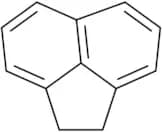
Formula:C7H6ClN5OPurezza:Min. 97 Area-%Colore e forma:Yellow PowderPeso molecolare:211.61 g/molAcenaphthene
CAS:Acenaphthylene is a natural compound that has anti-inflammatory activity. It has been shown to inhibit the growth of skin cancer cells and wild-type strains of Escherichia coli. Acenaphthylene is synthesized by thermal degradation of acenaphthene and can be found in wastewater. Acenaphthylene can be extracted from these samples using solid phase microextraction (SPME). Acenaphthene can also be used as an indicator for the presence of other compounds in a reaction solution or analytical method. Acenaphthylene reacts with hydrogen peroxide to form a fluorescent derivative, which can be detected using UV light. The injection solution used for this reaction is acetone, methanol, and distilled water.
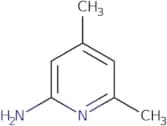
Formula:C12H10Purezza:Min. 99 Area-%Colore e forma:PowderPeso molecolare:154.21 g/mol2-Amino-4,6-dimethylpyridine
CAS:2-Amino-4,6-dimethylpyridine is a nonsteroidal anti-inflammatory drug that inhibits the production of prostaglandins and leukotrienes. 2-Amino-4,6-dimethylpyridine binds to the cyclooxygenase enzyme and blocks its conversion of arachidonic acid to prostaglandin H2. This compound has been shown to have potent inhibitory effects against Leishmania, with high values in reactive compounds. The molecular modeling of this compound shows that it has an unpaired amino function and an amide.
Formula:C7H10N2Purezza:Min. 97%Colore e forma:PowderPeso molecolare:122.17 g/mol2-Azido-ethanol
CAS:2-Azido-ethanol is a chemical compound that is used to synthesize ethylene diamine. It can be produced by reacting ethanol with sodium azide in the presence of an acid catalyst. 2-Azido-ethanol is stable under most conditions and has minimal toxicity, which makes it an attractive option for ethylene diamine production. The compound reacts with a variety of substrates, including diazido, amide, and β-unsaturated ketone compounds. Magnetic resonance spectroscopy (MRS) studies have shown that 2-azido-ethanol binds to water molecules at the site of its β-unsaturated ketone group and creates a new carbon source. This product also exhibits ft-ir spectroscopy properties, which can be used to measure the transport properties and photoelectron emission from the π* orbitals of its carbon atoms.
Formula:C2H5N3OPurezza:Min. 95%Colore e forma:Colorless Slightly Yellow Clear LiquidPeso molecolare:87.08 g/mol2-Amino-5-iodopyridine
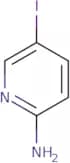
CAS:2-Amino-5-iodopyridine (2-AI) is a water molecule that has been shown to have vibrational and optical properties. 2-AI is an orange pigment that is found in methyl ketones, such as 2,4,6-trimethylheptanone and 3,4,5-trimethylhexanone. 2-AI has also been used as a dye for wool in the past. 2-AI is not found naturally but can be synthesized from an aryl halide and ammonia or ammonium hydroxide. The synthesis of this compound involves the reaction of an aromatic amine and nitrous acid or diazonium salt. 2-AI can be used as an antimicrobial agent against bacteria by interfering with the nicotinic acetylcholine receptor on the bacterial cell membrane. FTIR spectroscopy can be used to identify its chemical structure.
Formula:C5H5IN2Purezza:Min. 98 Area-%Colore e forma:White PowderPeso molecolare:220.01 g/mol2-Aminopurine
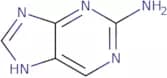
CAS:Purine analog; fluorescent probe; kinase inhibitor; mutagenic
Formula:C5H5N5Purezza:Min. 95%Colore e forma:White PowderPeso molecolare:135.13 g/molAMP
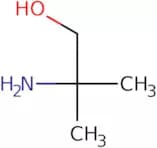
CAS:AMP, also known as 2-Amino-2-methyl-1-propanol, is a buffering agent with an optimal pH range of 9.0-10.5 and a pKa of 9.7. It is used in biochemical assays, enzyme activity tests, and cosmetic formulations.
Formula:C4H11NOPurezza:Min. 95%Colore e forma:Colorless Clear LiquidPeso molecolare:89.14 g/molRef: 3D-FA09404
Prodotto fuori produzione4-Aminopyridine N-oxide
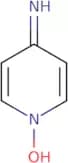
CAS:4-Aminopyridine N-oxide is a white, crystalline solid that is soluble in water and alcohol. It has a molecular weight of 128.2 and formula weight of 135.2. 4-Aminopyridine N-oxide reacts with acid solutions to produce nitrous acid and ammonia gas. The rate of the reaction depends on the concentration of aminopyridine and aniline, as well as the pH of the solution. The acetylation, diazotisation, and kinetics have also been studied extensively for this compound. Nitrous acid can react with amides to form azulene, which can then react with amines to form a molecule containing nitrogen, oxygen, carbon, hydrogen and one other element or compound from each group (e.g., NHCOCH). This reaction is reversible when solvents are present.br> 4-Aminopyridine N-oxide may be used as a precursor for other organic
Formula:C5H6N2OPurezza:Min. 95%Colore e forma:Slightly Yellow PowderPeso molecolare:110.11 g/molRef: 3D-FA17842
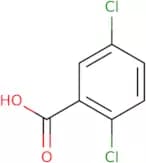
Prodotto fuori produzione2,5-Dichlorobenzoic acid
CAS:2,5-Dichlorobenzoic acid is a hydrogen-bonding agent that interacts with other molecules by forming hydrogen bonds. It reacts with benzoate to form 2,5-dichlorobenzoate, which is an intermediate in the synthesis of phenylbenzene and biphenyl. 2,5-Dichlorobenzoic acid has been shown to inhibit the growth of bacteria such as Stenotrophomonas maltophilia and Pseudomonas aeruginosa. The compound also lowers cholesterol levels in rats and humans.
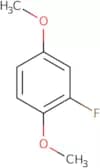
2,5-Dichlorobenzoic acid has a redox potential of -0.25 V and can be used to reduce sodium hydroxide solution or hydroxide solution. This chemical's structure allows it to be taken up by cells through passive diffusion and active transport mechanisms.Formula:C7H4Cl2O2Purezza:Min. 95%Colore e forma:White PowderPeso molecolare:191.01 g/mol1,4-Dimethoxy-2-fluorobenzene
CAS:1,4-Dimethoxy-2-fluorobenzene is a synthetic molecule that belongs to the class of halides. It is used as a ligand in X-ray crystallography and has been shown to have anti-cancer properties. 1,4-Dimethoxy-2-fluorobenzene can be prepared by reacting primary amines with chloroformates in the presence of bases at temperatures between -20 °C and 100 °C. This method is efficient and produces high yields. The synthesis of 1,4-dimethoxy 2-fluorobenzene can be optimized by using strategies such as preparative scale techniques or temperature changes.
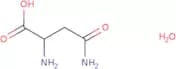
Formula:C8H9FO2Purezza:Min. 95%Colore e forma:PowderPeso molecolare:156.15 g/molDL-Asparagine monohydrate
CAS:DL-Asparagine monohydrate is a low potency amino acid that can be used as a biomarker for wastewater treatment. It has been shown to inhibit the activity of enzymes such as guanine nucleotide-binding proteins, toll-like receptors, and response elements. Asparagine also has inhibitory properties against tumour cells in solid tumours.
Formula:C4H10N2O4Colore e forma:PowderPeso molecolare:150.14 g/mol6-Azido-hexan-1-ol
CAS:6-Azido-hexan-1-ol is an organic compound with the chemical formula CH3CH2OCH2CH2N3. It is a colorless liquid that boils at 29°C and has a melting point of -60°C. 6-Azido-hexan-1-ol has been shown to be a reactive site in polymerization kinetics, with a kinetic rate constant of 2.0x10^5 M^(-1)s^(-1). This compound also exhibits high reactivity when used as a substrate for ring opening polymerization, which may be due to its hydroxy group and functional groups. 6-Azido-hexan-1-ol can be synthesized by reacting 4 vinylbenzyl alcohol with hydrazine hydrate in the presence of an acid catalyst, such as sulfuric acid or pyridine. The reaction can be monitored using matrix assisted laser desorption ionization time of flight (MALDI
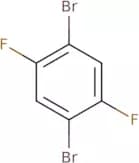
Formula:C6H13N3OPurezza:Min. 95%Colore e forma:Clear LiquidPeso molecolare:143.19 g/mol1,4-Dibromo-2,5-difluorobenzene
CAS:1,4-Dibromo-2,5-difluorobenzene is a synthetic compound that is used as a building block for the synthesis of polymers. It is also a natural product that can be isolated from plant material and has been shown to have antimicrobial properties. 1,4-Dibromo-2,5-difluorobenzene has been shown to have an acceptor group and it polymerizes in the presence of free radicals. This compound has been studied using gel permeation chromatography, x-ray structures, and microscopy studies. It is a nonpolar solvent at room temperature and its fluoro group makes it reactive with other polar solvents such as water.
Formula:C6H2Br2F2Purezza:Min. 95%Colore e forma:PowderPeso molecolare:271.88 g/molRef: 3D-FD11144
Prodotto fuori produzione1-Acetyl-3-indolecarboxaldehyde
CAS:1-Acetyl-3-indolecarboxaldehyde is a ligand that binds to the cannabinoid receptor 1 (CB1). It has been shown to bind to the CB1 receptor with high affinity and selectivity. In addition, it has been demonstrated to inhibit the proliferation of human breast cancer cells in vitro. The compound is used as a fluorescent probe for cb1 receptor binding. Data obtained from molecular modelling studies have suggested that the hydroxyl group might be involved in binding to the CB1 receptor. 1-Acetyl-3-indolecarboxaldehyde also binds carotenoids, which are molecules responsible for giving plants and other photosynthetic organisms their coloration. This compound can be found in many different plants, such as carrots and bananas, where it acts as an antioxidant.
Formula:C11H9NO2Purezza:Min. 95%Colore e forma:PowderPeso molecolare:187.19 g/molRef: 3D-FA30363
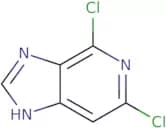
Prodotto fuori produzione2,6-Dichloro-3-deazapurine
CAS:2,6-Dichloro-3-deazapurine is an isomer of the nucleoside guanosine. It has been shown to inhibit the synthesis of viruses in cell cultures and may be useful in the treatment of leukemia. The synthesis of 2,6-dichloro-3-deazapurine can be achieved through a solid-phase synthesis that uses synthons as starting materials. The molecular modelling studies have shown that this molecule has a potential to bind to adenosine receptor subtypes A2a, A2b, and A3.
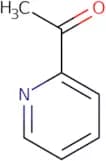
Formula:C6H3Cl2N3Purezza:Min. 95%Colore e forma:Off-White PowderPeso molecolare:188.02 g/mol2-Acetylpyridine
CAS:2-Acetylpyridine is a compound that can be used to study the biological properties of molybdenum. It has been shown to have redox potentials that are similar to the corresponding pyridine compounds. The compound has been shown to be an antimicrobial agent that is active against bacteria and fungi, and it also has antioxidative properties. 2-Acetylpyridine binds to dinucleotide phosphate by hydrogen bonding interactions in human serum, which may be related to its ability as an oxidant. This chemical also has a high surface area and can be used for surface methodology experiments as well as x-ray crystal structures.
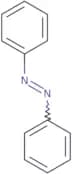
Formula:C7H7NOPurezza:Min. 95%Colore e forma:PowderPeso molecolare:121.14 g/molAzobenzene
CAS:Azobenzene is an azobenzene that binds to the actin filaments and inhibits their polymerization. It has been shown to inhibit the polymerization of actin filaments in human serum, which may be due to its ability to react with the nitrogen atoms in actin. Azobenzene has also been shown to have a thermal expansion coefficient of 0.015x10⁻⁵/°C, which is much larger than that of most other compounds. The molecular geometry of azobenzene is planar and symmetrical, with two hydrogen atoms on each nitrogen atom on both sides of the molecule. This symmetry leads to a low intramolecular hydrogen bonding energy. The molecule’s photochemical properties are also interesting because it has a long lifetime and can be excited by wavelengths between 400-500 nm.
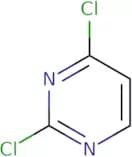
Formula:C12H10N2Purezza:Min. 97.5 Area-%Colore e forma:PowderPeso molecolare:182.22 g/mol2,4-Dichloropyrimidine
CAS:2,4-Dichloropyrimidine is a compound with an antiproliferation activity that has been shown to inhibit replication of viruses such as HIV. It inhibits the activity of enzymes involved in the replication of viral DNA, including the enzyme human telomerase reverse transcriptase (hTERT), which is essential for viral replication. The effects of 2,4-dichloropyrimidine on wild-type HIV are not clear because it does not have a significant effect on HIV-1 strains that have acquired resistance to erythromycin and tetracycline. However, this drug may be effective against other viruses that have not yet developed resistance. 2,4-Dichloropyrimidine also has antiinflammatory properties due to its ability to inhibit the production of epidermal growth factor and nitrogenous compounds from inflammatory cells.
Formula:C4H2N2CI2Purezza:Min. 95%Colore e forma:Off-White PowderPeso molecolare:148.98 g/molD-Penicillamine
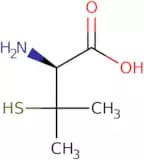
CAS:D-Penicillamine is a nonsteroidal anti-inflammatory drug that is used to treat bowel disease, including ulcerative colitis and Crohn's disease. It has also been used as a treatment for schizophrenia that is unresponsive to other treatments. D-Penicillamine binds covalently to reactive oxygen species (ROS), thereby preventing their interaction with proteins and DNA. The binding of ROS by D-penicillamine can be monitored using electrochemical impedance spectroscopy (EIS). The compound has also been shown to reduce the expression of bcl-2 protein in human cells, which may result in increased oxidative injury and rates of cell proliferation. D-Penicillamine has been shown to have therapeutic benefits for patients with primary sclerosing cholangitis, myocardial infarcts, or preparative high performance liquid chromatography (HPLC) analysis.
Formula:C5H11NO2SPurezza:Min 97%Colore e forma:White PowderPeso molecolare:149.21 g/mol4,5-Dicyanoimidazole
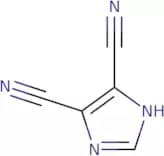
CAS:Please enquire for more information about 4,5-Dicyanoimidazole including the price, delivery time and more detailed product information at the technical inquiry form on this page
Formula:C5H2N4Purezza:Min. 98 Area-%Colore e forma:White Off-White PowderPeso molecolare:118.1 g/mol3,4-Dihydroxybenzoic acid ethyl ester
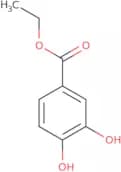
CAS:3,4-Dihydroxybenzoic acid ethyl ester (3,4-DHBA) is a phenolic compound that is used in the treatment of hepatic steatosis. 3,4-DHBA has been shown to be effective in inhibiting autophagy and may also be useful in the treatment of her2+ breast cancer. This drug has antioxidative properties and may also have a protective effect against myocardial infarct. 3,4-DHBA binds to iron ions and prevents their oxidation, thereby preventing oxidative stress. It has been shown to have low potency due to its short half-life in vivo. 3,4-DHBA can inhibit the mitochondrial membrane potential and lead to apoptosis of primary cells and tissue culture cells.
Formula:C9H10O4Purezza:Min. 95%Colore e forma:White PowderPeso molecolare:182.17 g/mol5-Chloro-2-methoxybenzoic methyl ester
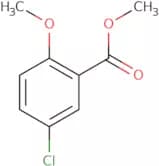
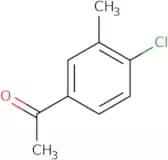
CAS:5-Chloro-2-methoxybenzoic methyl ester is a versatile building block commonly used in the synthesis of various compounds. It serves as an acid methyl ester, making it suitable for use in medicinal chemistry and other synthetic applications. This compound can be obtained through pyrolysis or by reacting 5-chloro-2-methoxybenzoic acid with methanol under appropriate conditions.Formula:C9H9ClO3Purezza:Min. 95%Colore e forma:PowderPeso molecolare:200.62 g/mol4'-Chloro-3'-methylacetophenone, 75%
CAS:4'-Chloro-3'-methylacetophenone is a colorless liquid with a fruity odor. It belongs to the group of acetophenones and is used in the synthesis of triflates. This product may be toxic by inhalation, ingestion, or skin contact.
Formula:C9H9ClOPurezza:(%) Min. 75%Colore e forma:Clear LiquidPeso molecolare:168.62 g/molRef: 3D-FC70679
Prodotto fuori produzione5-Carboxyvanillin
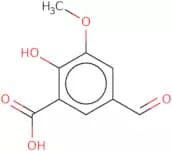
CAS:5-Carboxyvanillin is the oxidation product of isoeugenol and p-hydroxybenzoic acid. It can be produced by reacting these two compounds with a peroxide in an oxidizing reaction. The reaction products include 5-carboxyvanillic acid, which can be hydrolyzed to vanillin. 5-Carboxyvanillin is a white crystalline solid with a chemical nature similar to that of vanillin. It has been shown to have antimicrobial properties against tissues, such as guinea pig ileum and rat liver, but not against bacterial cultures. This compound may also be used in pulping processes for the production of paper or cellulose fibers.
Formula:C9H8O5Purezza:Min. 95%Colore e forma:PowderPeso molecolare:196.16 g/mol4-Chloro-3-hydroxybenzoic acid
CAS:4-Chloro-3-hydroxybenzoic acid (4-CHB) is a reactive compound that can be used for the detection of bacteria. 4-CHB reacts with peroxyl radicals in solution to form a chlorobenzoic acid derivative, which emits light when excited by radiation. 4-CHB is also capable of dehalogenating chlorobenzene, and can be used as a bioluminescent probe for the detection of bacteria. The reactions are efficient at low concentrations and are detectable with an ultraviolet or visible spectrophotometer.
Formula:C7H5ClO3Purezza:Min. 95%Colore e forma:PowderPeso molecolare:172.57 g/mol5-Benzylthio-1H-tetrazole
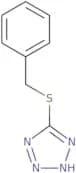
CAS:5-Benzylthio-1H-tetrazole is a tetrazole derivative that is used as a reactant in bioconjugate chemistry. This compound reacts with nucleophiles to form covalent bonds and can be immobilized on solid supports for use in stepwise synthesis of peptides or other molecules. 5-Benzylthio-1H-tetrazole also has the ability to bind to DNA and RNA, which makes it useful in the study of hydrogen bonding interactions. In addition, this molecule has been shown to enhance the sensitivity of uv absorption measurements. Other uses include the development of model systems for chemical biology and the study of cellular processes.
Formula:C8H8N4SPurezza:Min. 98 Area-%Colore e forma:White PowderPeso molecolare:192.24 g/molBenzylamine
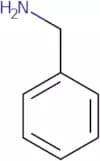
CAS:Substrate of benzylamine oxidase and monoamine oxidase B
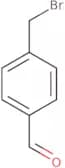
Formula:C7H9NPurezza:Min. 98.0 Area-%Colore e forma:Colorless Slightly Yellow Clear LiquidPeso molecolare:107.15 g/mol4-(Bromomethyl)benzaldehyde
CAS:4-(Bromomethyl)benzaldehyde is a chemical compound that can be synthesized by the reaction of benzaldehyde with bromine in the presence of a base. This compound has been shown to bind to human immunoglobulin G, formyl group and photophysical properties. 4-(Bromomethyl)benzaldehyde has also been used as a model for cancer studies because it binds to DNA and forms an imine bond with thymine. It has been used as a reagent for analytical methods such as phosphotungstic acid, which is a reagent used to detect proteins. The mechanism of this compound is not yet fully understood, but it may involve the formation of an imine bond with thymine in DNA.
Formula:C8H7BrOPurezza:Min. 95%Colore e forma:PowderPeso molecolare:199.04 g/molRef: 3D-FB10749
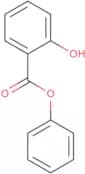
Prodotto fuori produzionePhenyl salicylate
CAS:Phenyl salicylate is a phenolic compound that is used as an antipyretic and analgesic. It has the ability to inhibit prostaglandin synthesis, which can lead to reduced inflammation in the body. Phenyl salicylate has been shown to bind to specific receptors on cells, which leads to inhibition of prostaglandin synthesis. This receptor binding may also be responsible for its anti-inflammatory properties. Phenyl salicylate is metabolized in the liver and excreted through the kidneys.
Formula:C13H10O3Purezza:Min. 98%Colore e forma:White PowderPeso molecolare:214.22 g/molRef: 3D-FP34589
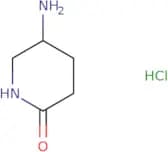
Prodotto fuori produzione5-Amino-piperidin-2-one hydrochloride
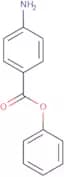
CAS:5-Amino-piperidin-2-one hydrochloride is an enantiomerically pure chiral molecule. It is a white solid with a molecular weight of 138.12 that has been shown to exhibit anti-inflammatory properties in experiments conducted on mice. This drug also has the ability to inhibit the enzyme cyclooxygenase, which plays an important role in the production of prostaglandins. 5-Amino-piperidin-2-one hydrochloride binds to the active site of cyclooxygenase and prevents its conversion of arachadonic acid into prostaglandins. 5-Amino-piperidin-2-one hydrochloride has been shown to be effective against many bacteria, including methicillin resistant Staphylococcus aureus (MRSA) and Mycobacterium tuberculosis, but not against Mycobacterium avium complex.Formula:C5H11ClN2OPurezza:Min. 95%Peso molecolare:150.61 g/molPhenyl 4-aminobenzoate
CAS:Phenyl 4-aminobenzoate is an amide that can be polymerized to form a polymer. It is synthesised from the reaction of ethyl esters of phenyl 4-aminobenzoate with trifluoroacetic acid and chlorides in the presence of activated phosphorus oxychloride. Phenyl 4-aminobenzoate has substituent effects on its physical properties, such as gel permeation chromatography and optical properties. The amide group can be replaced by sulfoxide or anions, which leads to different physical properties.
Formula:C13H11NO2Purezza:Min. 95%Colore e forma:PowderPeso molecolare:213.23 g/molRef: 3D-FP70487
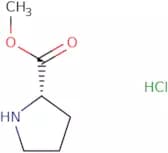
Prodotto fuori produzioneL-Proline methyl ester hydrochloride
CAS:L-Proline methyl ester hydrochloride is an organic compound that is classified as a trifluoroacetic acid ester. It has significant antiproliferative activity and induces apoptotic cell death in colorectal carcinoma cells. L-Proline methyl ester hydrochloride also inhibits the proliferation of lymphocytes by inhibiting protein synthesis, which may be due to its conformational properties. L-Proline methyl ester hydrochloride is synthesized by reacting L-proline with trifluoroacetic acid and subsequently hydrolyzing the resulting ester with hydrochloric acid. The synthesis can be carried out in two steps: first, a chloride ion is added to the protonated form of the amine; second, the protonated form of the amine reacts with hydrophobic compounds such as dodecyl amines or ethyl acetate to form an alkyl group. This reaction can also be carried out using
Formula:C6H12ClNO2Colore e forma:White PowderPeso molecolare:165.62 g/mol3-Methylbenzaldehyde oxime
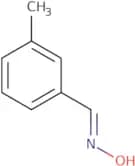
CAS:3-Methylbenzaldehyde oxime is a fine chemical that can be used as a versatile building block. It has the CAS No. 41977-54-2 and is also known as benzoic acid, 3-methyl-, oxime. 3-Methylbenzaldehyde oxime is a complex compound that can be used in research chemicals and reagents. The chemical has been found to have high quality and is useful for making speciality chemicals and useful intermediates. The compound is also a reaction component for use in synthesis of other compounds. 3-Methylbenzaldehyde oxime can be used as a scaffold for drug design and development.
Formula:C8H9NOPurezza:Min. 95%Colore e forma:Off-White PowderPeso molecolare:135.16 g/molRef: 3D-FM69804
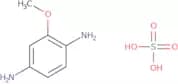
Prodotto fuori produzione2-Methoxybenzene-1,4-diamine sulfate
CAS:2-Methoxybenzene-1,4-diamine sulfate (2MBDS) is a chemical that inhibits the synthesis of quinolines and dyes. 2MBDS is used as a control in animal experiments to maintain the level of sulfate in the blood. It is injected into animals and then measured using assays to measure the concentration of sulfate in the blood. 2MBDS has been shown to cause genetic damage and death in animals, as well as brittleness of muscle cells. The effects of 2MBDS on DNA replication and cell division have been studied by observing its effect on meiosis in mice. This chemical also simplifies chromosome structure and reduces chromosome number during meiosis, which may lead to chromosomal aberrations.
Formula:C7H10N2O·H2O4SPurezza:Min. 95%Colore e forma:Off-White PowderPeso molecolare:236.25 g/molRef: 3D-FM30843
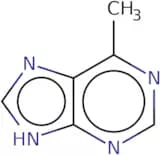
Prodotto fuori produzione6-Methylpurine
CAS:6-Methylpurine is a product of the nucleotide metabolism in E. coli, which is a model organism for protein synthesis. 6-Methylpurine inhibits protein synthesis and exerts significant cytotoxicity. It has been shown to inhibit the enzyme activities of DNA polymerase alpha, DNA ligase, and RNA polymerase, as well as other enzymes involved in nitrogen metabolism. 6-Methylpurine has been shown to be an analog of adenine and has a similar reaction mechanism. The uptake of 6-methyl purine by cells is mediated by hydrogen bonds with amino acid residues on the cell membrane surface. This molecule also forms glycosidic bonds with ribose sugar groups on cellular surfaces. 6-Methylpurine plays an important role in energy metabolism through its incorporation into glucose and glycogen molecules.
Formula:C6H6N4Purezza:Min. 98 Area-%Colore e forma:White PowderPeso molecolare:134.14 g/molN-Nitroso-3-azabicyclo[3.3.0]octane
CAS:N-Nitroso-3-azabicyclo[3.3.0]octane is a nitrosating agent that can be used for the determination of gliclazide in pharmaceuticals and other applications. It is synthesized by reacting 3-azabicyclo[3.3.0]octane with sodium nitrite in an alkaline environment, followed by hydrolysis with hydrochloric acid. Nitrosation reactions are usually slow, but N-nitroso-3-azabicyclo[3.3.0]octane has been shown to have a fast reaction kinetics, which makes it useful for the determination of gliclazide in pharmaceuticals and other applications. The product is analyzed using chromatographic techniques such as high performance liquid chromatography (HPLC) or gas chromatography/mass spectrometry (GC/MS). The product was found to be linear over the range of 0–
Formula:C7H12N2OPurezza:Min. 95%Colore e forma:Colorless PowderPeso molecolare:140.18 g/molRef: 3D-FN166610
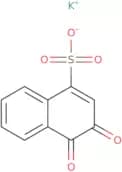
Prodotto fuori produzione1,2-Naphthoquinone-4-sulfonic acid potassium salt
CAS:1,2-Naphthoquinone-4-sulfonic acid potassium salt is a pesticide that has been shown to be active against many types of insects. It is used as an insecticide and acaricide in agriculture, horticulture, and forestry. The compound is stable and does not hydrolyze in water, making it easy to handle. This product is also a natural product that can be synthesized from cyanamide and amines, which are both commercially available. 1,2-Naphthoquinone-4-sulfonic acid potassium salt has been found to be effective at killing insects when injected into their bodies with the use of a syringe or when sprayed on the surface where they live. GC–MS analysis has shown that this compound contains no reactive functional groups or substances that would cause harm to humans or animals. Research has shown this product to be safe for use in food crops and animal feed.
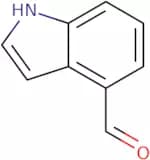
Formula:C10H5O5SKPurezza:Min. 98 Area-%Colore e forma:Orange PowderPeso molecolare:276.31 g/molIndole-4-carboxaldehyde
CAS:Indole-4-carboxaldehyde is a natural compound that can be found in the acetate extract of the roots of Scopolia japonica. It has been shown to have an inhibitory effect on locomotor activity and may also have an inhibitory effect on protein synthesis. The mechanism of this inhibition is not yet known, but it may be due to an intramolecular hydrogen bond or other interactions with proteins. Indole-4-carboxaldehyde has also been shown to induce apoptotic cell death in 3T3-L1 preadipocytes by inducing mitochondrial dysfunction and oxidative stress.
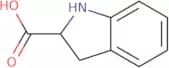
Formula:C9H7NOColore e forma:Off-White PowderPeso molecolare:145.16 g/molIndoline-2-carboxylic acid
CAS:Indoline-2-carboxylic acid is a photophysical molecule with an absorption maximum at 518 nm. It has been shown to inhibit the activity of enzymes such as cyclooxygenase, lipoxygenase, and monoamine oxidases. This compound has been found to be effective in the treatment of cancer cells. Indoline-2-carboxylic acid is also used in pharmaceutical preparations, where it binds to enantiomers of other molecules and inhibits their biological activity. Indoline-2-carboxylic acid reacts with hydrochloric acid to form allyl carbonate and amide.
Formula:C9H9NO2Purezza:Min. 97 Area-%Colore e forma:PowderPeso molecolare:163.17 g/mol3-Nitrobenzamide
CAS:3-Nitrobenzamide is a substance that inhibits the replication of some viruses. It has been shown to inhibit the polymerase chain reaction and to be active against hepatitis B virus. 3-Nitrobenzamide was also observed to have inhibitory properties against herpes simplex virus type 1 (HSV-1) and HSV-2. The solid form of this compound is stable at room temperature, but may undergo hydrolysis in solution. 3-Nitrobenzamide reacts with water to form nitrous acid, which may cause corrosion of metal surfaces.
Formula:C7H6N2O3Purezza:Min. 95%Colore e forma:PowderPeso molecolare:166.13 g/molRef: 3D-FN70933
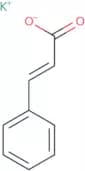
Prodotto fuori produzionePotassium cinnamate
CAS:Potassium cinnamate is a white crystalline solid that is soluble in water, ethanol and acetone. It has been shown to be effective for wastewater treatment and can be used as a reducing agent. Potassium cinnamate has been shown to have high values of hydroxide solution, which are often used in the manufacturing of polymers. Potassium cinnamate also exhibits enzyme activities, such as being able to catalyze the oxidation of propionate. This product has been shown to have anti-oxidant properties and can be used for radiation protection. The polymerization of potassium cinnamate leads to polymaleic acid, which is used in the production of plastics.
Formula:C9H7KO2Purezza:Min. 98 Area-%Colore e forma:White PowderPeso molecolare:186.25 g/molPivalonitrile
CAS:Solvent and labile ligand in coordination chemistry
Formula:C5H9NPurezza:Min. 98 Area-%Colore e forma:Clear LiquidPeso molecolare:83.13 g/mol(2R)-4-Methyl-2-[2-oxo-2-[(phenylmethoxy)amino]ethyl]pentanoic acid
CAS:Please enquire for more information about (2R)-4-Methyl-2-[2-oxo-2-[(phenylmethoxy)amino]ethyl]pentanoic acid including the price, delivery time and more detailed product information at the technical inquiry form on this page
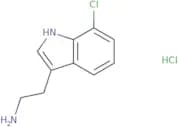
Formula:C15H21NO4Peso molecolare:279.33 g/mol2-(7-Chloro-1H-indol-3-yl)ethanamine hydrochloride
CAS:Prodotto controllato2-(7-Chloro-1H-indol-3-yl)ethanamine hydrochloride is a versatile building block that can be used in the synthesis of complex compounds. It is a high quality, useful intermediate and reaction component in the synthesis of speciality chemicals and research chemicals. 2-(7-Chloro-1H-indol-3-yl)ethanamine hydrochloride has been shown to be a useful scaffold for the synthesis of pharmaceuticals and agrochemicals.Formula:C10H12Cl2N2Purezza:Min. 95%Colore e forma:PowderPeso molecolare:231.12 g/molRef: 3D-GDA86813
Prodotto fuori produzioneThieno[3,2,-b]thiophene-2-carbaldehyde
CAS:Thieno[3,2,-b]thiophene-2-carbaldehyde is a molecule that can be used in supramolecular chemistry. It has processability and pharmacokinetic properties as well as a good morphology. This molecule has been shown to be an excellent chemosensor. Thieno[3,2,-b]thiophene-2-carbaldehyde has also been shown to enhance the optical properties of semiconducting nanocrystals. The supramolecular chemistry of this molecule will allow for it to be analyzed with simulations and the optical properties will provide for its enhancement.
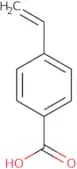
Formula:C7H4OS2Purezza:Min. 95%Colore e forma:PowderPeso molecolare:168.24 g/mol4-Vinylbenzoic acid
CAS:4-Vinylbenzoic acid is a water-insoluble polymer that has been shown to have bacteriostatic and fungistatic properties. 4-Vinylbenzoic acid inhibits bacterial growth by binding to the enzyme diphenolase, which is involved in the synthesis of cell wall precursors. This polymer also binds to cationic surfactants and is soluble in organic solvents such as ethanol and acetone. The mechanism of inhibition of fungal growth is not known, but it may be due to hydrogen bonding interactions with the cell membrane.
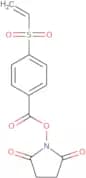
4-Vinylbenzoic acid has been shown to be effective against human serum, although it does not inhibit bacterial growth in this medium.Formula:C9H8O2Purezza:Min. 95%Colore e forma:White PowderPeso molecolare:148.16 g/mol4-(Ethenylsulfonyl)benzoic acid 2,5-dioxo-1-pyrrolidinyl ester
CAS:4-(Ethenylsulfonyl)benzoic acid 2,5-dioxo-1-pyrrolidinyl ester is a fine chemical that is a useful scaffold for the synthesis of complex compounds. It can be used as a versatile building block in the production of research chemicals and pharmaceuticals, as well as a reaction component in speciality chemicals. The CAS Number for 4-(Ethenylsulfonyl)benzoic acid 2,5-dioxo-1-pyrrolidinyl ester is 343934-41-8.
Formula:C13H11NO6SPurezza:Min. 95%Colore e forma:White PowderPeso molecolare:309.3 g/molRef: 3D-FE22859
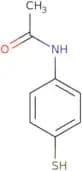
Prodotto fuori produzione4-Acetamidothiophenol
CAS:4-Acetamidothiophenol (4AAT) is an organic compound that has been used in the treatment of inflammatory bowel disease. It has a chemical structure that resembles 5-hydroxytryptamine (5-HT), which is a neurotransmitter and hormone involved in regulating mood and appetite. 4AAT is also used as a reagent in the treatment of wastewater, where it reacts with sulfide to form thiosulfate. In acidic environments, 4AAT undergoes chemical ligation reactions to form covalent bonds with other molecules. Surface-enhanced Raman spectroscopy was used to study the adsorption mechanism of 4AAT on polystyrene particles. This technique revealed that 4AAT binds to the surface of polystyrene particles through hydrophobic interactions and hydrogen bonding with functional groups on the particle surface. The inhibition study showed that 4AAT inhibits 5-hydroxytryptamine receptors.br>
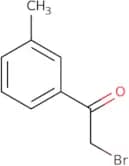
Formula:C8H9NOSPurezza:Min. 95%Colore e forma:PowderPeso molecolare:167.23 g/mol2-Bromo-1-(m-tolyl)ethanone
CAS:2-Bromo-1-(m-tolyl)ethanone is a ketone that can be used as an oxidant. It is synthesized by the reaction of 2-bromoethanol and m-tolylmagnesium bromide in ether. The bromoethane reacts with the magnesium to form a Grignard reagent, which then reacts with the alcohol to produce the ketone. This chemical can also be used as a reagent for synthesizing biomolecules such as alkenes or solvents. 2-Bromo-1-(m-tolyl)ethanone is soluble in nonpolar solvents, making it an ideal solvent for reactions involving alkenes and other unsaturated compounds. The sequence of the synthesis involves:
Formula:C9H9BrOPurezza:Min. 95%Colore e forma:PowderPeso molecolare:213.07 g/mol5-Bromo-1H-pyrrolo[2,3-b]pyridine-2-carboxylic acid
CAS:5-Bromo-1H-pyrrolo[2,3-b]pyridine-2-carboxylic acid is a chemical compound with the molecular formula C6H4BrNO2. It is used as a reaction component and reagent in organic synthesis. This compound has been shown to have high quality and can be used for research purposes. 5-Bromo-1H-pyrrolo[2,3-b]pyridine-2-carboxylic acid is a versatile building block that can be used as an intermediate or building block in the synthesis of complex compounds. This compound is also a fine chemical that can be used in the production of pharmaceuticals and other commercial products.
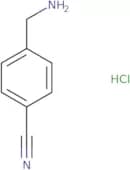
Formula:C8H5BrN2O2Purezza:Min. 95%Peso molecolare:241.04 g/mol4-Cyanobenzylamine HCl
CAS:4-Cyanobenzylamine HCl is a degradable polymer that has been shown to inhibit colonic adenocarcinoma in mice. This compound was synthesized by the reaction of 4-cyanobenzylamine with 3-mercaptopropionic acid and was characterized using IR, 1H NMR, and 13C NMR spectroscopy. It also showed an inhibitory effect on the proliferation of human colon cancer cells. The polymer was found to gel when mixed with different concentrations of acrylamide and methylene bisacrylamide. Gelation occurred at a lower concentration of acrylamide than the amount used in previous studies. This may be due to its functional groups and morphology, which could have contributed to the inhibition of cell growth.
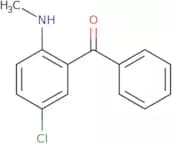
Formula:C8H8N2·HClPurezza:Min. 95%Colore e forma:PowderPeso molecolare:168.62 g/mol5-Chloro-2-methylaminobenzophenone
CAS:5-Chloro-2-methylaminobenzophenone is an intermediate in the synthesis of 2,4-dichlorophenoxyacetic acid. 5-Chloro-2-methylaminobenzophenone is a reactive intermediate that can be used for wastewater treatment and for the production of chemicals that are used in the manufacture of other substances. It is also a reaction intermediate in chemical ionization. It has been shown to have chronic toxicity as well as carcinogenic effects when it is present in urine samples or human serum. In addition, 5-Chloro-2-methylaminobenzophenone has been found to cause light sensitivity and skin irritation when it is exposed to UV light. This chemical reacts with hydrochloric acid and pyridoxine hydrochloride to form 2,4,-dichlorophenoxyacetic acid. The activation energies for this process are between 30 and 60 kJ/mol.
Formula:C14H12NOClPurezza:Min. 95%Colore e forma:PowderPeso molecolare:245.7 g/molRef: 3D-FC38184
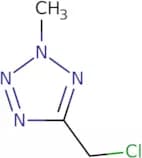
Prodotto fuori produzione5-(Chloromethyl)-2-methyl-2H-1,2,3,4-tetrazole
CAS:5-(Chloromethyl)-2-methyl-2H-1,2,3,4-tetrazole is a fine chemical that is used as a versatile building block for research and industrial purposes. It is an intermediate in the synthesis of other compounds and is also used as a reaction component. The quality of this compound is high and it has been shown to be useful in the synthesis of various complex compounds. 5-(Chloromethyl)-2-methyl-2H-1,2,3,4-tetrazole can be used as a reagent for research or manufacturing purposes due to its versatility.Formula:C3H5ClN4Purezza:Min. 95%Colore e forma:PowderPeso molecolare:132.55 g/molMethyl 4-iodosalicylate
CAS:Methyl 4-iodosalicylate is a redox potential molecule that can be used in the treatment of HIV infections. Studies have shown that methyl 4-iodosalicylate is able to enhance the activity of antiretroviral therapies, and is also able to increase the light emission from fluorophores when combined with sodium triflate. This compound has been shown to have pharmacokinetic properties that are similar to those of salicylic acid. Methyl 4-iodosalicylate has been shown to transport into human erythrocytes, and fluoresce when excited by light with a wavelength of 365 nm.
Methyl 4-iodosalicylate has been studied as a possible therapy for various conditions including cancer, arthritis, and heart disease. It may also be useful for improving skin health or for use as a topical antimicrobial agent.Formula:C8H7IO3Purezza:Min. 95%Colore e forma:PowderPeso molecolare:278.04 g/molRef: 3D-FM69811
Prodotto fuori produzione6-Formyl-2-methyl-4H-thieno[3,2-b]pyrrole-5-carboxylic acid
CAS:Versatile small molecule scaffold
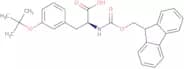
Formula:C9H7NO3SPurezza:Min. 95%Peso molecolare:209.22 g/molFmoc-L-m-Tyrosine(tBu)-OH
CAS:Fmoc-L-m-Tyrosine is a reagent that is used in organic synthesis. It is a complex compound that can be synthesized from m-tyrosine and t-butyl bromoacetate. Fmoc-L-m-Tyrosine is also a useful intermediate for the preparation of other compounds, such as pharmaceuticals and agrochemicals. It has been shown to be a fine chemical that has a wide range of applications in the field of biotechnology and pharmaceuticals. Fmoc-L-m Tyrosine is also a versatile building block with many possible reactions, making it an excellent candidate for research chemicals, including speciality chemicals. The CAS number for this compound is 204384-71-4 and it's molecular weight is 262.3 g/mol.br>
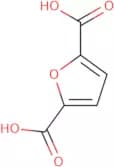
Formula:C28H29NO5Purezza:Min. 97 Area-%Colore e forma:Off-White PowderPeso molecolare:459.53 g/mol2,5-Furandicarboxylic acid
CAS:Interest in renewable based polymers has led to 2,5-furandicarboxylic acid being proposed as a green, sustainable alternative to the widely used petroleum-based terephthalic acid in the synthesis of polyesters. 2,5-Furandicarboxylic acid is produced from oxidation of 5-hydroxymethylfurfural (HMF) which is obtained from the dehydration of bio-based sugars such as fructose.
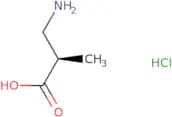
Formula:C6H4O5Purezza:Min. 98 Area-%Colore e forma:White Clear LiquidPeso molecolare:156.09 g/mol(R)-3-Amino-2-methylpropanoic acid hydrochloride
CAS:(R)-3-Amino-2-methylpropanoic acid hydrochloride is a versatile building block that can be used in the synthesis of complex compounds and research chemicals. This chemical is used to produce a wide range of products, including pharmaceuticals, agrochemicals, flavors, fragrances, dyes and pigments. (R)-3-Amino-2-methylpropanoic acid hydrochloride is also an important reagent for research in organic chemistry. It has been used as a building block in the synthesis of new chemical entities with interesting biological properties. The compound is also useful as a scaffold for the development of new drugs or other chemical compounds.Formula:C4H9NO2·HClPurezza:Min. 95%Colore e forma:PowderPeso molecolare:139.58 g/molRef: 3D-HFA60598
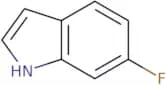
Prodotto fuori produzione6-Fluoroindole
CAS:6-Fluoroindole is an aromatic organic compound that has been shown to have anti-inflammatory and antioxidant properties in vitro and in vivo. 6-Fluoroindole is a 5-methoxyindole and can be synthesized from the amino acid tryptophan, which is a precursor of serotonin. 6-Fluoroindole has also been shown to be active against plant pathogens, human protein, and human pathogens. It can produce hemolytic activity at high concentrations and its chemical stability was tested by incubating it with various acids such as hydrochloric acid or acetic acid. 6-Fluoroindole showed no reaction with either of these acids. The vibrational spectra of 6-fluoroindole was measured using dipolar coupling constants and found to have a dipole moment of 0.01 D for the molecule.
Formula:C8H6FNPurezza:Min. 98 Area-%Colore e forma:White Yellow PowderPeso molecolare:135.14 g/molRef: 3D-FF00132
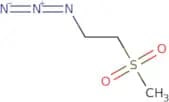
Prodotto fuori produzione1-Azido-2-(methylsulfonyl)ethane solution in dichloromethane
CAS:Versatile small molecule scaffold
Formula:C3H7N3O2SPurezza:Min. 95%Colore e forma:Clear LiquidPeso molecolare:149.17 g/mol1,2,4,5-Tetrabromobenzene
CAS:1,2,4,5-Tetrabromobenzene is a brominated organic compound that forms a palladium complex. It has been studied by chemical ionization with an atmospheric pressure photoionization detector (APPI) and molecular modeling. The debromination reaction of 1,2,4,5-tetrabromobenzene was observed to take place in the liquid phase at room temperature. The detection limit for this reaction was found to be between 0.1 and 5 ppm. The most common form of 1,2,4,5-tetrabromobenzene is the monoclinic polymorph; however it can also exist as a trigonal system or as a hexagonal system when heated above its phase transition temperature. This compound is soluble in water and mercury chloride solutions but insoluble in ethers or chloroform.
Formula:C6H2Br4Purezza:Min. 95%Colore e forma:White PowderPeso molecolare:393.7 g/molRef: 3D-FT12104
Prodotto fuori produzione5-(2-Phenylethyl)-1H-1,2,3,4-tetrazole
CAS:Versatile small molecule scaffold
Formula:C9H10N4Purezza:Min. 95%Colore e forma:PowderPeso molecolare:174.2 g/molL-Valine
CAS:Amino acid
Formula:C5H11NO2Purezza:min 98%Colore e forma:White PowderPeso molecolare:117.15 g/mol4-Vinylpyridine, stabilized with 100ppm Hydroquinone
CAS:4-Vinylpyridine, stabilized with 100ppm Hydroquinone is a chemical compound that belongs to the class of pyridines. It has been shown to be stable in aqueous solution and to have a high water permeability. The reaction mechanism is not known, but it is thought that the quaternization of the vinyl group may be involved. 4-Vinylpyridine has been used as a component for the synthesis of polymers and can also be used in palladium-catalyzed coupling reactions.
Formula:C7H7NPurezza:Min. 97 Area-%Colore e forma:Colorless Clear LiquidPeso molecolare:105.14 g/mol2-[4-(Aminomethyl)phenyl]ethan-1-ol
CAS:Versatile small molecule scaffold
Formula:C9H13NOPurezza:Min. 95%Peso molecolare:151.21 g/mol2-(2-Methoxyethoxy)ethanol
CAS:2-(2-Methoxyethoxy)ethanol is a sodium salt that has a synergic effect with other solvents. It is used in the preparation of samples for analytical purposes and in the reaction solution of various glycol ethers. 2-(2-Methoxyethoxy)ethanol also has an effect on thermal expansion, which can be utilized to monitor this parameter during sample preparation. The presence of nitrogen atoms in its structure makes it possible to use it as a reagent for the synthesis of styryl dyes. 2-(2-Methoxyethoxy)ethanol is an antirheumatic drug that belongs to the class of glycol esters and benzalkonium chloride.
Formula:C5H12O3Purezza:Min. 95%Colore e forma:Colorless Clear LiquidPeso molecolare:120.15 g/molRef: 3D-FM37064
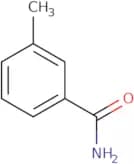
Prodotto fuori produzione3-Methylbenzamide
CAS:3-Methylbenzamide is an organic compound that belongs to the class of benzamides. It has been shown to cause a decrease in blood pressure and a decrease in viscosity, as well as an increase in blood flow to the testes. 3-Methylbenzamide has also been shown to inhibit the enzyme that catalyzes the conversion of tyrosine into dopamine and may be used for the treatment of Parkinson's disease with mild symptoms. The chemical ionization technique was used to study the binding of 3-methylbenzamide with rat plasma proteins and showed that this molecule binds with high affinity to albumin and alpha 1-acid glycoprotein. This binding was found to be reversible, which suggests that 3-methylbenzamide may not be metabolized by liver enzymes.
Formula:C8H9NOPurezza:Min. 95%Colore e forma:White PowderPeso molecolare:135.16 g/molRef: 3D-FM37057
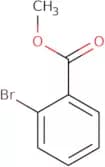
Prodotto fuori produzioneMethyl 2-bromobenzoate
CAS:Methyl 2-bromobenzoate is a chemical compound that can be used as a light emitting material. It is also used as a component of organic electrochemical cells (OECs) for the conversion of solar energy to electricity and can be used in the treatment of hepatitis. The reaction product is generated from the reaction of the halide with benzoate and light, which leads to an emission spectrum in the visible region. Methyl 2-bromobenzoate has been shown to be an efficient catalyst for Friedel-Crafts reactions, and it's pharmacokinetic properties have been studied in rats.
Methyl 2-bromobenzoate can also be used as a solid catalyst for the synthesis of bicyclic heterocycles.Formula:C8H7BrO2Purezza:Min. 95%Colore e forma:Colorless Clear LiquidPeso molecolare:215.04 g/molRef: 3D-FM36905
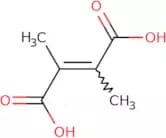
Prodotto fuori produzione(2E)-Dimethylbut-2-enedioic acid
CAS:Dimethylbutanedioic acid is a fatty acid that is found in the human body. Dimethylbutanedioic acid has been shown to have immunomodulatory effects, which are mediated by its ability to inhibit the synthesis of proinflammatory cytokines, such as tumor necrosis factor-α and interleukin-6. Dimethylbutanedioic acid is a potent inhibitor of the proliferation of various types of cells, including hyperproliferative cells. It has been shown to inhibit the diameter of these cells and reduce their number. This agent also inhibits allergic reactions and inorganic particles from reaching the lungs.
Formula:C6H8O4Purezza:Min. 95%Peso molecolare:144.12 g/mol4,4'-Dipyridyl
CAS:Please enquire for more information about 4,4'-Dipyridyl including the price, delivery time and more detailed product information at the technical inquiry form on this page
Formula:C10H8N2Peso molecolare:156.19 g/moltert-Butyl N-{3-azabicyclo[4.1.0]heptan-6-yl}carbamate
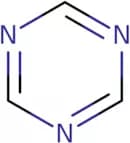
CAS:tert-Butyl N-{3-azabicyclo[4.1.0]heptan-6-yl}carbamate is a high quality reagent that is used as a complex compound and is useful as an intermediate in the production of fine chemicals. It has CAS No. 880545-32-4 and can be used as a building block for synthesizing other compounds, such as speciality chemicals and research chemicals. Tert-butyl N-[3-(azabicyclo[4.1.0]heptan-6-yl)carbamate is also versatile and can be used in reactions to make reaction components, such as versatile building blocks or scaffolds for making other compounds.Formula:C11H20N2O2Purezza:Min. 95%Colore e forma:Clear LiquidPeso molecolare:212.29 g/mol1,3,5-Triazine
CAS:1,3,5-Triazine is a nitrogen-containing heterocyclic compound that is used as a precursor for the synthesis of other compounds. It has been shown to inhibit the polymerase chain reaction and to bind to the enzyme DNA polymerase. This binding prevents the formation of an enzyme-substrate complex required for DNA replication. 1,3,5-Triazine also inhibits oxidative injury in experimental models and inhibits cellular physiology by decreasing the production of growth factor-β1. 1,3,5-Triazine has been shown to be a natural compound with inhibitory properties against growth factors and cell proliferation. This chemical also exhibits antioxidant effects by scavenging reactive oxygen species or inhibiting lipid peroxidation.END>
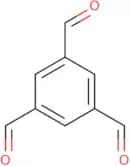
Formula:C3H3N3Purezza:Min. 95%Colore e forma:White PowderPeso molecolare:81.08 g/molBenzene-1,3,5-tricarbaldehyde
CAS:Trifluoroacetic acid is a nonsteroidal anti-inflammatory drug that belongs to the group of carboxylic acids. Benzene-1,3,5-tricarbaldehyde is used as an intermediate in the synthesis of trifluoroacetic acid and has been shown to be effective against microbial infections. It has been shown to inhibit the growth of bacteria such as Staphylococcus aureus and Bacillus cereus by disrupting their DNA replication. Benzene-1,3,5-tricarbaldehyde also inhibits the production of inflammatory cytokines and reduces inflammation. The compound has chemical stability and does not react with human serum or other biological fluids.
Formula:C9H6O3Purezza:Min. 95%Colore e forma:PowderPeso molecolare:162.15 g/mol1,6-Anhydrochitobiose hydrochloride
Please enquire for more information about 1,6-Anhydrochitobiose hydrochloride including the price, delivery time and more detailed product information at the technical inquiry form on this page
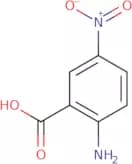
Formula:C12H22N2O8•(HCl)xPurezza:Min. 95%Colore e forma:PowderPeso molecolare:322.31 g/mol2-Amino-5-nitrobenzoic acid
CAS:2-Amino-5-nitrobenzoic acid is a plant metabolite that contains a nitro group. It has been found to be an effective inhibitor of glutamate dehydrogenase, one of the enzymes involved in the metabolism of amino acids. 2-Amino-5-nitrobenzoic acid has also been shown to have no effect on other enzyme activities such as amines and nitrosamines. This natural product has been shown to be useful as a model system for understanding how hydrochloric acid interacts with plants, by inhibiting their growth.
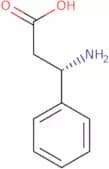
Formula:C7H6N2O4Purezza:Min. 97.5%Colore e forma:Yellow PowderPeso molecolare:182.13 g/mol(S)-3-Amino-3-phenylpropionic acid
CAS:3-Amino-3-phenylpropionic acid is a β-amino acid that is used in the industrial production of acrylate esters. The acylation reaction of the carboxylic acid group with an alcohol, usually naphthalene or phenol, yields an ester hydrochloride. This is then hydrolyzed to the corresponding amide, which can be further reacted to produce a variety of other compounds. 3-Amino-3-phenylpropionic acid has pharmacokinetic properties that are similar to those of glycine and alanine, but it does not undergo transamination. It also has a very high chloride content and is often used as a reagent for the synthesis of organic chloride salts.
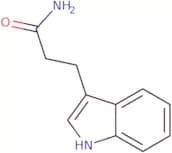
Formula:C9H11NO2Purezza:Min. 95%Colore e forma:White PowderPeso molecolare:165.19 g/molIndole-3-propionamide
CAS:Indole-3-propionamide is a synthetic molecule that has been shown to have preventative effects against autoimmune diseases. It inhibits the production of IL-2, an important cytokine in the immune system, and also has an inhibitory effect on energy metabolism. Indole-3-propionamide has been shown to be neuroprotective in animal models and clinical studies have shown it to be safe for use in humans. Studies have also revealed its ability to bind to the IL2 receptor and inhibit cell proliferation.
Formula:C11H12N2OPurezza:Min. 98 Area-%Colore e forma:PowderPeso molecolare:188.23 g/molRef: 3D-FI30476
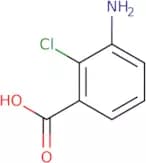
Prodotto fuori produzione3-Amino-2-chlorobenzoic acid
CAS:3-Amino-2-chlorobenzoic acid is a molecule that belongs to the group of acidic compounds. It has been shown to induce apoptosis and inhibit cell proliferation in human immunodeficient virus (HIV) cells, as well as inhibit the growth of cancer cells. 3-Amino-2-chlorobenzoic acid also inhibits histone deacetylase, which is an enzyme that controls gene expression by removing acetyl groups from lysine residues on the N-terminal tails of histones. This inhibition may be responsible for its anticancer activity. 3-Amino-2-chlorobenzoic acid is metabolized by oxidation to chlorinated derivatives and excreted via the kidneys. It has been shown to have a pharmacokinetic profile in rats similar to that observed with other triazines such as atrazine and simazine. The elimination half-life of 3-amino-2-chlorob
Formula:C7H6ClNO2Purezza:Min. 95%Colore e forma:Off-White PowderPeso molecolare:171.58 g/molRef: 3D-FA55281
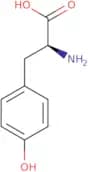
Prodotto fuori produzioneL-Tyrosine - non-animal origin
CAS:Amino acid; precursor to neurotransmitters, hormones, pigments, natural phenols
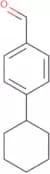
Formula:C9H11NO3Colore e forma:White Off-White PowderPeso molecolare:181.19 g/mol4-Cyclohexylbenzaldehyde
CAS:4-Cyclohexylbenzaldehyde is a molecule that has been disrupted and formylated. It binds to the signal transducer, which activates the transcription of genes. 4-Cyclohexylbenzaldehyde has also been shown to bind to DNA and inhibit the synthesis of RNA in bacteria cells. In addition, this molecule can bind with formylating agents such as hydrogen fluoride or trifluoride, which are used in agrochemicals. This compound is an isomerizing agent that can isomerize cyclohexenyl compounds into cyclohexyltrifluoride. 4-Cyclohexylbenzaldehyde has cytosolic activity and can bind to binder molecules in the cytosol.
Formula:C13H16OPurezza:Min. 95%Colore e forma:PowderPeso molecolare:188.27 g/molRef: 3D-CBA63489
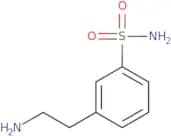
Prodotto fuori produzione3-(2-Aminoethyl)benzenesulfonamide
CAS:3-(2-Aminoethyl)benzenesulfonamide (AEEBS) is a pyridine derivative that can be used as a reagent, speciality chemical, or in the synthesis of other compounds. AEEBS is an amine building block and has been used in the preparation of a variety of complex organic compounds, such as pharmaceuticals. This product is also useful for research purposes and can be used to synthesize different organic compounds.
Formula:C8H12N2O2SPurezza:Min. 95%Colore e forma:PowderPeso molecolare:200.26 g/mol6,7-Dimethoxy-1-methyl-1,2,3,4-tetrahydro-isoquinoline
CAS:6,7-Dimethoxy-1-methyl-1,2,3,4-tetrahydroisoquinoline is a trifluoroacetic acid derivative that inhibits the synthesis of dopamine by inhibiting the enzyme tyrosine hydroxylase. It has been shown to be an inhibitor of tissue culture cells and natural compounds. The compound was synthesized from allyl carbonate and pueraria lobata in an asymmetric synthesis with a magnesium salt as a catalyst.
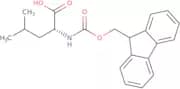
Formula:C12H17NO2Purezza:Min. 90%Colore e forma:PowderPeso molecolare:207.27 g/molFmoc-D-Leu-OH
CAS:Fmoc-D-Leu-OH is a disulfide bond containing molecule with an intracellular Ca2+ chelating activity. It has been shown to have cytoprotective effects against oxidative stress and cell death, and has also been found to have antiinflammatory properties. Fmoc-D-Leu-OH can inhibit the activities of various enzymes such as cyclooxygenase, lipoxygenase, phospholipases, and diamine oxidase. This molecule also exhibits cytotoxic activity against bladder cancer cells in vitro. The pharmacokinetic properties of Fmoc-D-Leu-OH are similar to other molecules that are used as antibiotics.
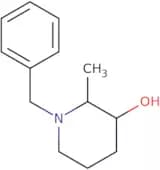
Fmoc-D-Leu-OH is a cyclic peptide with antimicrobial peptide (AMP) activity that inhibits bacterial growth by disrupting their cell membranes or inhibiting protein synthesis. It binds to bacterial 16S ribosomal RNA and inhibits protein synthesis, leadingFormula:C21H23NO4Purezza:Min. 98 Area-%Colore e forma:White PowderPeso molecolare:353.41 g/mol1-Benzyl-2-methylpiperidin-3-ol
CAS:Versatile small molecule scaffold
Formula:C13H19NOPurezza:Min. 95%Colore e forma:PowderPeso molecolare:205.3 g/molD-Valine
CAS:D-Valine is a non-essential amino acid that is synthesized from 2-oxoglutarate and glutamine. D-Valine has been shown to be an intermediate in microbial metabolism, where it is converted to L-valine by the enzyme d-amino acid oxidase. It has also been shown to have antihypertensive properties in rat models of hypertension. The synthesis of D-valine from glucose can occur through two different pathways: one involves the conversion of L-glutamic acid to L-alanine then to pyruvic acid, which is then converted to L-lactate and then d-malic acid; the other pathway involves the conversion of L-glutamate to citric acid, which can then be converted into succinic acid and eventually d-malic acid. Structural analysis has revealed that D-valine contains a hydrogen bond between its carboxyl group and nitrogen atom in a neighboring molecule. This hydrogen
Formula:C5H11NO2Purezza:Min. 95%Colore e forma:White PowderPeso molecolare:117.15 g/mol7-Hydroxy-4-methyl-3-coumarinylacetic acid
CAS:7-Hydroxy-4-methyl-3-coumarinylacetic acid (7HMCA) is an analog of 7-amino-4-methylcoumarin. It is a fluorescent material that can be used as a dye in analytical chemistry. The fluorescence of 7HMCA depends on the pH and temperature, as well as the presence of reactive oxygen species such as gadolinium or carbostyril. 7HMCA binds to the molecule's amino group, which has been shown to contribute to its stability and reactivity.
Formula:C12H10O5Purezza:Min. 95%Colore e forma:PowderPeso molecolare:234.20 g/molRef: 3D-FAA85210
Prodotto fuori produzioneEthyl (E)-cinnamate
CAS:Ethyl (E)-cinnamate is a cinnamic acid derivative that belongs to the class of phenylpropenoids. It has been shown to have biological properties, such as enzyme activities and antioxidative properties. Ethyl (E)-cinnamate has also been shown to be a potent photosynthetic activator in vitro. This compound can be used as a precursor for the synthesis of cinnamic acid, which is important in the metabolism of energy production and locomotor activity.
Formula:C11H12O2Purezza:Min. 95%Colore e forma:Clear LiquidPeso molecolare:176.21 g/molRef: 3D-EAA19277
Prodotto fuori produzione2-[4-(Aminomethyl)phenyl]acetonitrile
CAS:Versatile small molecule scaffold
Formula:C9H10N2Purezza:Min. 95%Colore e forma:PowderPeso molecolare:146.19 g/mol4-Ethenyl-1,2-dimethylbenzene
CAS:4-Ethenyl-1,2-dimethylbenzene is a volatile oil that has been found in plants and is a metabolite of styrene. It is classified as a vinyl group, which are compounds with the general formula CH=CH2. 4-Ethenyl-1,2-dimethylbenzene is also a volatile substance, meaning that it evaporates easily from surfaces or materials. This compound may be used as an intermediate for other organic chemicals.
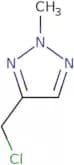
Formula:C10H12Purezza:Min. 95%Colore e forma:Clear LiquidPeso molecolare:132.2 g/mol4-(Chloromethyl)-2-methyl-2H-1,2,3-triazole
CAS:4-(Chloromethyl)-2-methyl-2H-1,2,3-triazole is a useful intermediate and building block in organic synthesis. It is also used as a reagent for the synthesis of other compounds. 4-(Chloromethyl)-2-methyl-2H-1,2,3-triazole has been reported to be an effective inhibitor of protein tyrosine phosphatase 1B (PTP1B), which is involved in insulin signal transduction. This compound has been shown to inhibit the activity of PTP1B with an IC50 value of 5 μM. 4-(Chloromethyl)-2-methyl-2H-1,2,3-triazole can also be used as an additive in pharmaceutical preparations for its ability to prevent aggregation of proteins.Formula:C4H6ClN3Purezza:Min. 95%Colore e forma:Clear LiquidPeso molecolare:131.56 g/mol6,7-Dihydro-5H-pyrrolo[1,2-a]imidazole
CAS:6,7-Dihydro-5H-pyrrolo[1,2-a]imidazole is a drug target that belongs to the class of anesthetics. It has been shown to have a protective effect against CNS damage in rats with experimental stroke. 6,7-Dihydro-5H-pyrrolo[1,2-a]imidazole also has a wide range of other effects including antiarrhythmic, antihypertensive, and antianginal properties. It can be used as an anticonvulsant or muscle relaxant and as a diuretic agent for edema and hypertension. 6,7-Dihydro-5H-pyrrolo[1,2-a]imidazole binds to the chlorine atom in the active site of the enzyme skeletal muscle chloride channel (CLC). This prevents the channel from opening and chloride ions from passing through it
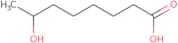
Formula:C6H8N2Purezza:Min. 95%Peso molecolare:108.14 g/mol7-Hydroxyoctanoic acid
CAS:7-Hydroxyloctanoic acid is a fatty acid that is naturally present in the human body. It is also found in dairy products and some vegetables. 7-Hydroxyoctanoic acid can be converted to isocaproic acid by the enzyme 3-hydroxyacyl coenzyme A dehydrogenase (HAD). HAD deficiency can lead to the accumulation of 7-hydroxyloctanoic acid, which may cause symptoms such as fatigue, dizziness, and mental confusion. The conversion of 7-hydroxyloctanoic acid to isocaproic acid is important for the production of energy from fats, so an HAD deficiency can lead to low levels of energy production.
Formula:C8H16O3Purezza:Min. 95%Colore e forma:Clear LiquidPeso molecolare:160.21 g/mol2,5-Dimethoxybenzonitrile
CAS:2,5-Dimethoxybenzonitrile is a polymerized organic compound that belongs to the class of benzene compounds. It is a monomer with two methyl groups on either side of the benzene ring. 2,5-Dimethoxybenzonitrile has been studied in terms of its transition and optimization properties using techniques such as IR and NMR spectroscopy. The frequencies of the chemical bonds have been analyzed, and it has been found that the molecule is centrosymmetric. 2,5-Dimethoxybenzonitrile can also be used to form polymers with other molecules by linking them together through covalent bonds.
Formula:C9H9NO2Purezza:Min. 95%Colore e forma:PowderPeso molecolare:163.17 g/molPutrescine dihydrochloride
CAS:Putrescine is a polyamine plant growth regulator affecting the synthesis of macromolecules. Promotes adventitious root formation. Precursor of spermidine.
Formula:C4H14Cl2N2Purezza:Min. 98.0 Area-%Peso molecolare:161.08 g/mol5H,6H,7H-Cyclopenta[b]pyridin-2-amine
CAS:5H,6H,7H-Cyclopenta[b]pyridin-2-amine is a fine chemical that can be used as a building block in organic synthesis. It is also useful as a reagent and speciality chemical. 5H,6H,7H-Cyclopenta[b]pyridin-2-amine has been shown to be an effective intermediate for the production of complex compounds with versatile scaffolds. This compound is also a useful reactant in organic reactions. 5H,6H,7H-Cyclopenta[b]pyridin-2-amine has a molecular weight of 200.28 g/mol and CAS number 146331-19-3.
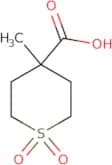
Formula:C8H10N2Purezza:Min. 95%Colore e forma:PowderPeso molecolare:134.18 g/molTetrahydro-4-methyl-2H-thiopyran-4-carboxylic acid 1,1-dioxide
CAS:Tetrahydro-4-methyl-2H-thiopyran-4-carboxylic acid 1,1-dioxide (THTPD) is a useful scaffold that can be used as a building block in organic synthesis. It is also a versatile intermediate and research chemical that can be used as a reaction component in the synthesis of complex compounds. THTPD has been shown to have high purity and quality. Tetrahydro-4-methyl-2H-thiopyran-4-carboxylic acid 1,1 - dioxide can be used as a reagent for the preparation of other compounds. CAS No.: 1713163-23-5.
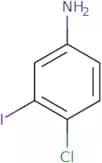
Formula:C7H12O4SPurezza:Min. 95%Colore e forma:PowderPeso molecolare:192.24 g/mol4-Chloro-3-iodoaniline
CAS:Versatile small molecule scaffold
Formula:C6H5ClINPurezza:Min. 95%Peso molecolare:253.47 g/molRef: 3D-YXA76431
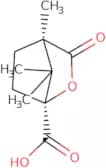
Prodotto fuori produzione(1S)-(-)-Camphanic acid
CAS:A chiral auxiliary for the separation of racemates
Formula:C10H14O4Purezza:Min. 95%Colore e forma:White PowderPeso molecolare:198.22 g/molRef: 3D-FC46445
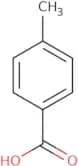
Prodotto fuori produzione4-Toluic acid
CAS:4-Toluic acid is a chemical compound with the molecular formula CH3C6H2O2. It is a white solid that is soluble in water and alcohol. 4-Toluic acid can be produced by oxidation of benzoate, which is a reaction catalyzed by light or by using a catalyst such as trifluoroacetic acid. The reaction mechanism begins with the formation of the intramolecular hydrogen and subsequent oxidation to form an organic radical. This organic radical then reacts with oxygen to produce 4-toluic acid. 4-Toluic acid has been shown to have biochemical properties such as enzyme inhibition, DNA cleavage, and protein denaturation. The coordination geometry for this molecule is octahedral, and its redox potentials are -0.27 V (in acidic solution) and -1.06 V (in alkaline solution).
Formula:C8H8O2Purezza:Min. 98 Area-%Colore e forma:White PowderPeso molecolare:136.15 g/mol





![N-Nitroso-3-azabicyclo[3.3.0]octane](/_next/image/?url=https%3A%2Fstatic.cymitquimica.com%2Fproducts%2F3D%2Fthumb-webp%2FFN166610.webp&w=3840&q=75)


![(2R)-4-Methyl-2-[2-oxo-2-[(phenylmethoxy)amino]ethyl]pentanoic acid](/_next/image/?url=https%3A%2Fstatic.cymitquimica.com%2Fproducts%2F3D%2Fthumb-webp%2FB-9970.webp&w=3840&q=75)
![Thieno[3,2,-b]thiophene-2-carbaldehyde](/_next/image/?url=https%3A%2Fstatic.cymitquimica.com%2Fproducts%2F3D%2Fthumb-webp%2FFT33133.webp&w=3840&q=75)
![5-Bromo-1H-pyrrolo[2,3-b]pyridine-2-carboxylic acid](/_next/image/?url=https%3A%2Fstatic.cymitquimica.com%2Fproducts%2F3D%2Fthumb-webp%2FXYB17520.webp&w=3840&q=75)

![6-Formyl-2-methyl-4H-thieno[3,2-b]pyrrole-5-carboxylic acid](/_next/image/?url=https%3A%2Fstatic.cymitquimica.com%2Fproducts%2F3D%2Fthumb-webp%2FSIB11266.webp&w=3840&q=75)


![2-[4-(Aminomethyl)phenyl]ethan-1-ol](/_next/image/?url=https%3A%2Fstatic.cymitquimica.com%2Fproducts%2F3D%2Fthumb-webp%2FLFA08118.webp&w=3840&q=75)


![tert-Butyl N-{3-azabicyclo[4.1.0]heptan-6-yl}carbamate](/_next/image/?url=https%3A%2Fstatic.cymitquimica.com%2Fproducts%2F3D%2Fthumb-webp%2FFKB54532.webp&w=3840&q=75)




![2-[4-(Aminomethyl)phenyl]acetonitrile](/_next/image/?url=https%3A%2Fstatic.cymitquimica.com%2Fproducts%2F3D%2Fthumb-webp%2FJWC78525.webp&w=3840&q=75)

![6,7-Dihydro-5H-pyrrolo[1,2-a]imidazole](/_next/image/?url=https%3A%2Fstatic.cymitquimica.com%2Fproducts%2F3D%2Fthumb-webp%2FJCA64616.webp&w=3840&q=75)


![5H,6H,7H-Cyclopenta[b]pyridin-2-amine](/_next/image/?url=https%3A%2Fstatic.cymitquimica.com%2Fproducts%2F3D%2Fthumb-webp%2FWFA33119.webp&w=3840&q=75)