Alcoli
Sottocategorie di "Alcoli"
Trovati 5817 prodotti di "Alcoli"
5-Nitroisoquinoline
CAS:5-Nitroisoquinoline is a nitro compound that has been shown to be a potential biomarker for liver disease. 5-Nitroisoquinoline is synthesized from the reaction of hydroxylamine, sodium carbonate, and nitric acid. This chemical can also be found in human liver tissue. The titration calorimetry experiments performed on 5-nitroisoquinoline showed that the compound has a high heat of formation (194.1 kJ/mol) and low enthalpy of formation (-19.6 kJ/mol). Vibrational analysis revealed that there are four nitrogens in the molecule and two nitrogen atoms per molecule. X-ray crystal structures were obtained for 5-nitroisoquinoline with different solvents and hydrogen bonding was observed in all cases. Molecular modeling showed that there are five nitro groups, which would explain the name "5-nitro." The five nitrogen atoms coordinate to form a trigonal bip
Formula:C9H6N2O2Purezza:Min. 95%Colore e forma:PowderPeso molecolare:174.16 g/mol(R)-2-Amino-1-phenylethanol
CAS:(R)-2-Amino-1-phenylethanol is a molecule that has antimicrobial activity. It binds to the active site of bacterial enzymes, such as those involved in the synthesis of cell walls, and inhibits the growth of bacteria through competitive inhibition. This molecule also has a dihedral angle that is similar to that of other molecules with antibacterial activity. (R)-2-Amino-1-phenylethanol is an enantiomer, which means it can be synthesized from either (S)- or (R)-1-phenylethanol. The racemic form is more active than any individual enantiomer.
Formula:C8H11NOPurezza:Min. 95%Colore e forma:PowderPeso molecolare:137.18 g/molo-Fluorobenzyl alcohol
CAS:O-Fluorobenzyl alcohol is a compound with the chemical formula of C6H5FO. It is a colorless liquid with a sweet odor and tastes like ether. This compound is soluble in water, ethanol, and acetone. O-Fluorobenzyl alcohol has been used as an analytical reagent for the determination of protonated molecules such as phenols or carbohydrates. It also has cytotoxic properties, which have been shown to be effective against cancer cells. O-Fluorobenzyl alcohol acts as a γ-secretase inhibitor by binding to the catalytic site of the enzyme, preventing proteolytic cleavage of amyloid precursor protein (APP) and subsequent production of amyloid β peptide (Aβ).
Formula:C7H7FOPurezza:Min. 95%Colore e forma:Clear LiquidPeso molecolare:126.13 g/mol2-(4-Nitrophenoxy)ethanol
CAS:2-(4-Nitrophenoxy)ethanol (NPEO) is a water soluble, synthetic compound that has been shown to have anti-tumor properties. NPEO was found to be toxic to tumor cells in vitro and inhibits the growth of tumor cells in vivo. NPEO also inhibits the synthesis of DNA and RNA, which are important for cell division. This inhibitory effect may lead to the death of cancer cells by interfering with their ability to grow and divide.
Formula:C8H9NO4Purezza:Min. 95%Colore e forma:PowderPeso molecolare:183.16 g/molQuinolin-4-ylboronic acid
CAS:Quinolin-4-ylboronic acid is a heterocyclic compound with two nitrogen atoms that are attached to the ring by means of carbonyl groups. This compound is a precursor in the synthesis of the drug dorsomorphin, which is used for pain relief. It also has an important role in pharmacokinetics because it can be used as a marker for estimating blood levels of other drugs. Quinolin-4-ylboronic acid yields an active form, quinolin-4-yl boronic acid, when reacted with piperazine in basic conditions. The drug ldn-193189 is a derivative of this active form and has been evaluated as a potential drug for treating osteoporosis and cancer.
Formula:C9H8BNO2Purezza:Min. 95 Area-%Colore e forma:PowderPeso molecolare:172.98 g/mol3-Nitrophenol
CAS:3-Nitrophenol is an organic compound that is used in wastewater treatment, specifically to remove nitrogenous compounds from the water. It reacts with a hydroxyl group and a nitro group to form a molecule with three nitro groups. The presence of this molecule in wastewater can lead to population growth, which may be reduced by thermal expansion. 3-Nitrophenol is also used as an electrode for gravimetric analysis of metals and as a reagent for the detection of sodium ions. This compound has been shown to have a ph optimum of 7.5, but will react with hydrogen bonds at any ph value.
Formula:C6H5NO3Purezza:Min. 95%Colore e forma:PowderPeso molecolare:139.11 g/mol7-Chloro-4-hydroxyquinoline-3-carboxylic acid
CAS:7-Chloro-4-hydroxyquinoline-3-carboxylic acid is a chemical compound that has antioxidative activity and is used in the production of various organic substances. It is synthesized by reacting ammonium nitrate with a hydroxy group, an organic solvent, and phenoxy. The resulting product can be heated to form 7-chloro-4-hydroxyquinoline, which undergoes a series of reactions to produce 7-chloro-4-(2,2,2,-trichloroethoxy)quinoline. This reaction system produces a quinoline derivative that has been shown to be expressed at high levels in phosphatidylcholine (PC) and alpha-tocopherol (a vitamin E derivative). The final product is then purified by triethyl orthoformate (TEO), which removes the sulfoxide group.
Formula:C10H6ClNO3Purezza:Min. 95%Colore e forma:PowderPeso molecolare:223.61 g/molcis-13-Docosenol
CAS:cis-13-Docosenol is a fatty acid that is biodegradable and is used in the production of film-forming polymers. It has been shown to have disinfectant properties, which may be due to its ability to break down hydrogen chloride. The molecular formula for cis-13-docosenol is C18H38O2. cis-13-Docosenol has not been assigned an IUPAC name and has a viscosity of 0.3 mPa·s at 25°C.
Formula:C22H44OPurezza:Min. 95%Colore e forma:PowderPeso molecolare:324.58 g/molTriglycerol
CAS:Triglycerides are a type of lipid that is composed of glycerol and three fatty acids. They are the main component of animal fats, vegetable oils, and butter. Triglycerids can be made by the reaction of glycerol with three molecules of fatty acid in the presence or absence of a catalyst. Triglycerols are also found naturally in many foods such as milk, meat, and eggs. The toxicity studies on triglycerides have shown that they are not toxic when ingested orally or intravenously at doses up to 500 mg/kg body weight. The reaction mechanism for the production of monolaurate from triglycerides is not well understood but it may involve the addition of hydroxyl groups to the fatty acid chains. This reaction is catalyzed by enzymes such as lipase, esterase, and alcohol oxidase. Triglycerides serve as an important source of energy for humans because they contain more than twice as much energy per gram than carbohydrates or proteins
Formula:C9H20O7Purezza:Min. 60 Area-%Colore e forma:Clear LiquidPeso molecolare:240.25 g/mol4-(Trifluoromethylthio)benzyl alcohol
CAS:4-(Trifluoromethylthio)benzyl alcohol (4TFABA) is a chemical that is used as a reagent in organic synthesis. It can be used to synthesize a variety of compounds, including pharmaceuticals and agrochemicals. 4TFABA has been found to be an excellent building block for the synthesis of complex molecules. It is also widely used as a reaction component in high-quality research chemicals, such as chiral ligands and heteroaryl ligands.
Formula:C8H7F3OSPurezza:Min. 95%Colore e forma:PowderPeso molecolare:208.2 g/molXylenol orange tetrasodium salt
CAS:Xylenol orange tetrasodium salt is a fluorescent dye that can be used to measure the degree of mineralization in animal tissue. The dye is composed of xylenol, which is a fatty acid, and sodium chloride. Xylenol orange tetrasodium salt is used for measuring the rate of enzyme reactions by incubating it with the enzyme and measuring the formation rate. It has been shown to have damaging effects on mitochondria and tissues when exposed to an acidic environment. Xylenol orange tetrasodium salt binds to the membrane potential of cells in order to measure reactive oxygen species (ROS) production. This dye can also be used as a marker for autofluorescence of mitochondria and lipase activity.
Formula:C31H28Na4O13SN2Colore e forma:PowderPeso molecolare:760.58 g/molL-Homocysteine thiolactone hydrochloride
CAS:L-Homocysteine thiolactone hydrochloride is a synthetic radiotracer. It has been used as a positron emission tomography (PET) radiopharmaceutical to image brain tumors and other cancers. L-homocysteine thiolactone hydrochloride is synthesized from L-cysteine and aluminium chloride. The yield of this reaction is usually low, but can be increased by addition of sodium hydroxide or tetrabutylammonium bromide. L-homocysteine thiolactone hydrochloride has been shown to be an effective radiotracer for the detection of cancerous tissue in the brain, breast, and prostate.
Formula:C4H7NOS•HClPurezza:Min. 95%Colore e forma:PowderPeso molecolare:153.63 g/mol2-Iminothiolane hydrochloride
CAS:2-Iminothiolane hydrochloride is an amine that reacts with free thiol groups in proteins. It can be used to generate models of protein structures, as well as to study the effects of disulfide bonds on protein stability and function. 2-Iminothiolane hydrochloride has been shown to inhibit HIV infection by blocking the uptake of all-trans retinoic acid into cells. This drug also has minimal toxicity and can be used for cancer therapy. The drug was shown to have minimal toxicity in vitro, but it has not yet been tested in vivo.
Formula:C4H8ClNSPurezza:Min. 95%Colore e forma:White Off-White PowderPeso molecolare:137.63 g/molall-trans-Anhydro retinol
CAS:All-trans-Anhydro retinol is a retinoid that is biologically active as an antioxidant, with reactive properties. It has been shown to be photodecomposable in the presence of light, and it reacts rapidly with nucleophiles. All-trans-Anhydro retinol can be used as a model system for biological studies on the mechanisms of mitochondrial membrane potential and transfer reactions. All-trans-Anhydro retinol has been shown to decrease mitochondrial membrane potential in rat liver microsomes and inhibit fatty acid synthesis in liver cells, while also being a synthetic analog of all-trans retinoic acid.
Formula:C20H28Purezza:Min. 90%Colore e forma:Yellow To Light (Or Pale) Orange SolidPeso molecolare:268.44 g/mol3-Amino-1-adamantanol
CAS:Intermediate in the synthesis of vildagliptin
Purezza:Min. 95%Colore e forma:PowderPeso molecolare:167.25 g/mol5-Methoxyresorcinol
CAS:5-Methoxyresorcinol is a plant product that has been shown to inhibit protein synthesis. It was found to have a second-order rate constant of 0.079 M-1s-1 at pH 7, which is much lower than the first order rate constant for urea hydrolysis (0.71 M-1s-1). 5-Methoxyresorcinol has also been shown to demethylate methyl glycosides and synthesize cell cultures. This product inhibits the replication of herpes simplex virus by inhibiting the synthesis of viral proteins in infected cells and blocking the maturation of progeny virus particles.
Formula:C7H8O3Purezza:Min. 95%Colore e forma:Slightly Yellow PowderPeso molecolare:140.14 g/molRef: 3D-FM61771
Prodotto fuori produzione1,1,1-Trifluoro-2-propanol
CAS:1,1,1-Trifluoro-2-propanol (TFHP) is a molecule that contains three hydrogen atoms and two fluorine atoms. It has a frequency shift of 0.00116 cm−1 in the infrared spectrum due to the conformational properties of its hydroxyl group, which causes the OH stretching vibration to be shifted. TFHP is a weak acid that reacts with sodium trifluoroacetate to form trifluoroacetic acid and hydroxyl ions. TFHP has been shown to have biological properties in bacteria, such as inhibiting bacterial growth and suppressing protein synthesis. The molecular structure of TFHP is made up of a hydrogen atom on each nitrogen atom, which is then bonded to an intramolecular hydrogen bond and an intermolecular hydrogen bond with other TFHP molecules. The deuterium isotope can also be found in this compound, which will cause a shift in IR frequency from 0.00116 cm
Formula:C3H5F3OPurezza:Min. 95%Colore e forma:Clear LiquidPeso molecolare:114.07 g/mol4-Fluorophenol
CAS:4-Fluorophenol is the organic compound with the formula CHFOH. It is a phenolic compound and has been used in the manufacture of other chemicals such as trifluoroacetic acid, sodium carbonate and creatinine sulfate. The hydroxyl group of 4-Fluorophenol is capable of donating a proton to hydrogen fluoride to form the intramolecular hydrogen bond, which is an important factor in its chemical reactivity. This reaction mechanism can be seen using electrochemical impedance spectroscopy on bacterial strains.
4-Fluorophenol has been shown to be effective for wastewater treatment due to its ability to react with oxygen nucleophiles such as creatinine sulfate and p-hydroxybenzoic acid.Formula:C6H5FOPurezza:Min. 95%Colore e forma:White PowderPeso molecolare:112.1 g/molRef: 3D-FF31943
Prodotto fuori produzione(R)-(+)-3-Butyn-2-ol
CAS:(R)-(+)-3-Butyn-2-ol is a chiral alcohol that can be used as a substrate for the synthesis of antibiotics. It has been shown to inhibit phosphatases in vivo and can be used as an inhibitor for phosphatases. (R)-(+)-3-Butyn-2-ol can also be used to synthesize glyoxylate, which is an intermediate for the production of antibiotics. This compound has been shown to have optical activity and stereoselectivity. The synthesis of (R)-(+)-3-butyn-2-ol starts with the alkylation reaction between acetylene and formaldehyde, followed by a cross-coupling reaction with bromoethane and lithium aluminum hydride. The final step is the hydrolysis of furfural using water or lipase, yielding (R)-(+)-3-butyn-2-ol.
Formula:C4H6OPurezza:Min. 98 Area-%Colore e forma:Clear LiquidPeso molecolare:70.09 g/molRef: 3D-FB05622
Prodotto fuori produzione2-Amino-α,α-dimethylbenzyl alcohol
CAS:2-Amino-α,α-dimethylbenzyl alcohol is a reagent that is useful in the synthesis of complex compounds. It is also a fine chemical and can be used as an intermediate for other compounds. 2-Amino-α,α-dimethylbenzyl alcohol has been shown to be reactive and can be used as a speciality chemical. This chemical is used as a reaction component for chemical reactions, such as Heck reactions, Suzuki couplings, and Sonogashira couplings. 2-Amino-α,α-dimethylbenzyl alcohol is versatile and can be used in many different reactions due to its high quality.
Formula:C9H13NOPurezza:Min. 95%Colore e forma:Clear LiquidPeso molecolare:151.21 g/molRef: 3D-FA66431
Prodotto fuori produzione4-Chlorodiphenylcarbinol
CAS:The asymmetric synthesis of 4-chlorodiphenylcarbinol is an efficient method that uses a simple, inexpensive, and environmentally friendly reagent. The reaction proceeds in the presence of hydrochloric acid and sodium hydroxide solution. The reaction mechanism is the same as for the preparation of other chiral alcohols. The stereoselective preparation method is based on the use of glycol esters or trifluoroacetic acid to produce enantiomerically pure 4-chlorodiphenylcarbinol, which can be used as a precursor for pharmaceuticals, pesticides, and dyes.
Formula:C13H11ClOPurezza:Min. 95%Colore e forma:PowderPeso molecolare:218.68 g/mol4-Amino-3-chlorophenol hydrochloride
CAS:Intermediate in the synthesis of lenvatinibFormula:C6H7Cl2NOPurezza:Min. 95%Colore e forma:PowderPeso molecolare:180.03 g/mol3-Chloro-4-methylbenzyl alcohol - Technical grade
CAS:3-Chloro-4-methylbenzyl alcohol is a building block chemical that is used in the synthesis of a variety of organic compounds. It is a versatile chemical that can be used as a reagent, reaction component, and intermediate. 3-Chloro-4-methylbenzyl alcohol has been found to be useful in the synthesis of complex compounds, such as 4-chloromethoxybenzoic acid and 3-(3,5-dimethoxyphenyl)acetic acid. This chemical can also be used to produce speciality chemicals, such as 3-(2-(2,4-dichlorophenoxy)ethyl)benzonitrile.
Formula:C8H9ClOPurezza:Min. 95%Colore e forma:Colorless PowderPeso molecolare:156.61 g/molRef: 3D-FC70227
Prodotto fuori produzione2,5-Dimethylresorcinol
CAS:2,5-Dimethylresorcinol is a natural organic compound that has been shown to have the ability to inhibit the formation of reactive oxygen species. It is used in wastewater treatment and as an antioxidant. 2,5-Dimethylresorcinol has been shown to exhibit an inhibitory effect on lipid hydroperoxides and hydroxyl group binding. This compound can also be used as a substrate or product in catalytic domains. 2,5-Dimethylresorcinol is found in the form of usnic acid and orsellinic acid. The use of this compound as a catalyst for oxidation reactions has been studied extensively. It has also been shown to be an effective inhibitor for catalytic domains with a range of different metal ions.
Formula:C8H10O2Purezza:Min. 95%Colore e forma:PowderPeso molecolare:138.16 g/mol6-Aminopyrimidin-4-ol
CAS:6-Aminopyrimidin-4-ol is an intermediate in the synthesis of orotic acid. It is also a precursor to 6-chloropurine, which is used in the manufacture of orotic acid and 6-aminopurine. 6-Aminopyrimidin-4-ol can be prepared by benzannulation of phosphorus oxychloride with orotic acid or by hydrolysis of 6-chloropurine with thiourea. The latter method is preferred because it results in less waste.
6-Aminopyrimidin-4-ol is labile and must be stored under an inert gas at low temperature to prevent decomposition. It undergoes inactivating reactions with strong oxidizing agents, such as chlorine dioxide, peracetic acid, hydrogen peroxide, and potassium permanganate.
It also reacts with nucleophiles such as ammonia or amines to form stable tautFormula:C4H5N3OPurezza:Min. 95%Colore e forma:PowderPeso molecolare:111.1 g/mol(S)-(-)-1,2,4-Butanetriol
CAS:Prodotto controllatoTriphenylphosphonium is a reactive phosphonium salt that is used as an intermediate in the synthesis of 1,2,4-butanetriol. The synthesis of the triphenylphosphonium salt from the sodium salt of butyric acid and ferrocene is shown in this scheme. This synthetic route provides for planar chirality and an asymmetric synthesis. The byproduct, butyric acid, can be converted to its conjugate base with ammonium hydroxide or sodium hydroxide to provide cholic acid. Cholic acid is a hepatoprotective agent that has been used in the treatment of liver disease.
Formula:C4H10O3Purezza:Min. 95%Colore e forma:Clear LiquidPeso molecolare:106.12 g/molAllylestrenol
CAS:Prodotto controllatoAllylestrenol is a synthetic steroid hormone that is used as a contraceptive. It works by preventing ovulation and thickening the cervical mucus to prevent sperm from reaching the egg. Allylestrenol has been shown to have a statistically significant effect on infectious diseases of the ovary, such as endometritis, pelvic inflammatory disease, and salpingitis. Allylestrenol also inhibits ovarian enzyme activity, which may lead to autoimmune diseases. This drug has not been studied for its toxicity or pharmacokinetics in humans, but it has been found to be highly toxic in animals with levels of allylestrenol that are 100 times higher than those found in humans. A polymer composition was developed to control the release of allylestrenol in vivo.
Formula:C21H32OPurezza:Min. 95%Colore e forma:White To Off-White SolidPeso molecolare:300.48 g/molRef: 3D-FA55289
Prodotto fuori produzioneAllopurinol
CAS:Allopurinol is a drug that is used in the treatment of gout and other disorders caused by excessive production of uric acid. It functions as an inhibitor of xanthine oxidase, which is the enzyme responsible for converting hypoxanthine to xanthine, and xanthine to uric acid. Allopurinol blocks the conversion of these compounds, thereby reducing the formation of uric acid. Allopurinol has been shown to be effective for treating inflammatory bowel disease such as ulcerative colitis and Crohn's disease. This drug also inhibits nuclear DNA synthesis, antioxidant vitamins (e.g., vitamin E), and brain functions. Allopurinol has been shown to be effective in protecting neurons against oxidative injury that may lead to neurodegenerative diseases such as Parkinson's disease.
Formula:C5H4N4OPurezza:Min. 95%Colore e forma:White PowderPeso molecolare:136.11 g/mol2,4,6-Tribromo-3-methoxyphenol
CAS:2,4,6-Tribromo-3-methoxyphenol is a high quality reagent that is used as an intermediate in the production of many fine chemicals. It is also a useful building block for the synthesis of speciality chemicals and research chemicals. This chemical can be used as a versatile building block for reactions with other compounds. 2,4,6-Tribromo-3-methoxyphenol has CAS number 24967-79-1 and can be found at Chemical & Laboratory Equipment.
Formula:C7H5Br3O2Purezza:Min. 95%Peso molecolare:360.83 g/molRef: 3D-FT67256
Prodotto fuori produzione1-(4-Nitrophenyl)glycerol
CAS:1-(4-Nitrophenyl)glycerol has been shown to inhibit the growth of Gram-positive bacteria, including Streptococcus faecalis, and Gram-negative bacteria, including Pseudomonas aeruginosa. It is also used as a sample preparation for antimicrobial resistance testing.
Formula:C9H11NO5Purezza:Min. 97 Area-%Colore e forma:Off-White PowderPeso molecolare:213.19 g/mol1,7-Heptanediol
CAS:1,7-Heptanediol is a fatty acid that is used as a solvent and coating agent. It has been shown to inhibit leukemia cells in vitro. 1,7-Heptanediol has been shown to bind to the dna binding domains of transcription factors in vitro and may act as an anticancer agent by inhibiting the synthesis of proteins involved in biochemical pathways. 1,7-Heptanediol also inhibits tumor xenografts in vivo and induces apoptosis through hydrogen bond formation with DNA. It has been demonstrated to have detergent properties and can be used for biochemical reactions, such as the synthesis of chemical substances.
Formula:C7H16O2Purezza:min 98%Colore e forma:Colorless Clear LiquidPeso molecolare:132.2 g/mol1-Palmitoyl-2-oleoyl-rac-glycerol
CAS:1-Palmitoyl-2-oleoyl-rac-glycerol is a fatty acid that is made in the mitochondria and is an intermediate in the production of diacylglycerol. It has been shown to have a linear response with cellular protein levels, and it has been shown to be involved in the genetic mechanisms of cells. 1-Palmitoyl-2-oleoyl-rac-glycerol has been found to have a number of protein targets, including phosphatidylinositide 3 kinase, PKC, and Akt. This molecule also has been used as an analytical method for measuring fatty acids in tissue samples and has been shown to alter enzyme levels, such as those found in prostaglandin synthase 2. 1-Palmitoyl-2-oleoyl-rac-glycerol can be synthesized by laser ablation or chromatographic science methods.
Formula:C37H70O5Purezza:Min. 95%Colore e forma:Solidified MassPeso molecolare:594.95 g/molRef: 3D-FP159222
Prodotto fuori produzione2,4,6-Triformylphloroglucinol
CAS:2,4,6-Triformylphloroglucinol is a highly functionalised and symmetrical building block. 2,4,6-Triformylphloroglucinol contains 3 aldehyde groups which can react with nucleophiles, such as amines or anilines, to make β-ketoenamines. When the nucleophile contains more than one amine group, microporous polymers can be formed. These microporous polymers find a wide range of applications, including carbon dioxide capture.
Formula:C9H6O6Purezza:Min. 97 Area-%Colore e forma:Orange PowderPeso molecolare:210.14 g/molAMPD
CAS:AMPD, also known as 2-Amino-2-methyl-1,3-propanediol, is a buffer solution with a pH range of 7.8-9.7 and a pKa of 8.8. This chemical buffer is used in molecular biology, protein studies, enzyme assays, and separation techniques such as isatachophoresis (ITP) and SDS-gradient gel electrophoresis.
Formula:C4H11NO2Purezza:Min. 95%Colore e forma:PowderPeso molecolare:105.14 g/mol2,6-Dichlorophenylmethyl carbinol
CAS:2,6-Dichlorophenylmethyl carbinol is a synthetic oxidant that can be used in the oxidation of alcohols. It is used to convert alcohols into aldehydes and ketones with magnesium as a catalyst. 2,6-Dichlorophenylmethyl carbinol has been shown to be effective in the oxidation of cyclohexanone and styrene. It also has been shown to undergo homologation reactions, which are useful for the synthesis of natural products.
!--Formula:C8H8Cl2OPurezza:Min. 95%Colore e forma:PowderPeso molecolare:191.05 g/mol4-Fluoro-1-piperidineethanol
CAS:Please enquire for more information about 4-Fluoro-1-piperidineethanol including the price, delivery time and more detailed product information at the technical inquiry form on this page
Formula:C7H14FNOPurezza:Min. 95%Peso molecolare:147.19 g/molRef: 3D-FF79022
Prodotto fuori produzioneMycophenolic acid
CAS:Mycophenolic acid is a guanosine monophosphate synthesis pathway blocker. It selectively inhibits inosine monophosphate dehydrogenase (IMPDH) which blocks the conversion of inosine-5-phosphate and xanthine-5-phosphate to guanosine-5-phosphate. This drug inhibits de novo purine biosynthesis. Mycophenolic acid is an immunosuppressant metabolite present in drug formulations that are used to prevent rejections after organ transplants. It has also shown to have antibacterial and antifungal properties.
Formula:C17H20O6Purezza:Min. 95%Colore e forma:PowderPeso molecolare:320.34 g/mol3,4-Dimethyl-1H-pyrazol-5-ol
CAS:3,4-Dimethyl-1H-pyrazol-5-ol is a fine chemical that belongs to the category of research chemicals. It has many uses as a reagent and as a speciality chemical. 3,4-Dimethyl-1H-pyrazol-5-ol is also a versatile building block and can be used as an intermediate or scaffold in complex reactions. The CAS number for this compound is 4344-72-3.
Formula:C5H8N2OPurezza:Min. 95%Colore e forma:PowderPeso molecolare:112.13 g/molSumaresinolic acid
CAS:Prodotto controllatoSumaresinolic acid is a naturally occurring triterpenoid compound, which is typically isolated from certain plant species, such as those belonging to the Sumac (Rhus) family. This compound is characterized by its complex molecular structure that endows it with various biochemical activities. Sumaresinolic acid acts primarily through anti-inflammatory and antioxidant pathways, influencing cellular signaling and modulating enzymatic activity related to inflammation and oxidative stress.
Formula:C30H48O4Purezza:Min. 95 Area-%Colore e forma:PowderPeso molecolare:472.7 g/mol4-Chlorobenzyl diphenyl carbinol
CAS:4-Chlorobenzyl diphenyl carbinol is an organic compound that is used as a reagent, intermediate, and building block in the synthesis of other compounds. The product is a white, crystalline solid and has a molecular weight of 243.3 g/mol. It can be used as a scaffold for the synthesis of new chemical compounds or as a building block to create speciality chemicals. 4-Chlorobenzyl diphenyl carbinol has been shown to react with a variety of functional groups and can be used in both research and industrial contexts.
Formula:C20H17ClOPurezza:Min. 95%Colore e forma:PowderPeso molecolare:308.8 g/molCoconut diethanolamide
CAS:Prodotto controllatoCoconut diethanolamide is a chemical substance that is used as a test compound in carcinogenesis studies. It is a fatty acid and a fatty alcohol, and it has been shown to promote the growth of cancer cells. Coconut diethanolamide has not been found to be an allergen, but it has shown carcinogenic potential. The bioassay for long-term exposure to coconut diethanolamide showed epidermal hyperplasia in mice.
Colore e forma:Brown Yellow Clear Viscous LiquidPhenol red sodium salt
CAS:Phenol red is a pH indicator that finds broad applications from chemistry to microbiology. Colour varies from yellow at pH<6.8 (lmax 443nm) through to light red/pink at 6.8<pH<8.2 (lmax 570 nm) to vivid purple/red at pH>8.2. It is widely used in cell culture to monitor pH and for colorimetric titration. For example, phenol red can be used to quantify Br- content in sea or fresh water. It is added to VTM as pH indicator, at the concentration of 10mg/ml, maintaining a pink colour at neutral pH.
Formula:C19H13NaO5SColore e forma:Slightly Brown Red PowderPeso molecolare:376.36 g/mol4-Phenylazophenol
CAS:4-Phenylazophenol is an organic azobenzene that has a specific treatment for the degradation of amines and mineralization. It has been shown to reduce the levels of phenols, fatty acids, and amines in wastewater. 4-Phenylazophenol is also used as an enzyme inhibitor in reactions with hydrogen bond formation and as a receptor α ligand. The natural compounds found in 4-phenylazophenol have borohydride reduction properties.
Formula:C12H10N2OPurezza:(Uv) Min. 98%Colore e forma:PowderPeso molecolare:198.22 g/mol5-Pyridin-4-yl-1,3,4-thiadiazole-2-thiol
CAS:5-Pyridin-4-yl-1,3,4-thiadiazole-2-thiol is a molecule that is used as an immunosuppressant. It inhibits the production of cytokines and chemokines by inhibiting the activation of nuclear factor kappa B (NF-κB). This leads to less inflammation and a decrease in the ability of immune cells to proliferate. 5-Pyridin-4-yl-1,3,4-thiadiazole-2-thiol has been shown to have synergistic effects with other drugs, such as antifungal agents.
Formula:C7H5N3S2Purezza:Min. 95%Colore e forma:PowderPeso molecolare:195.27 g/molRef: 3D-FP123556
Prodotto fuori produzioneTretoquinol
CAS:Prodotto controllatoTretoquinol is a bronchodilator, which is synthesized from specific chemical reactions involving quinoline derivatives. It functions primarily as a beta-adrenergic agonist, stimulating beta-2 adrenergic receptors. This activation leads to the relaxation of bronchial smooth muscle, resulting in widened air passages and improved airflow. Tretoquinol's mechanism of action involves enhancing cyclic adenosine monophosphate (cAMP) levels, which then promotes the relaxation of the bronchial and vascular musculature.
Formula:C19H23NO5Purezza:Min. 95%Peso molecolare:345.39 g/mol5α-Pregnan-3β-ol-20-one 3β-acetate
CAS:Prodotto controllato5α-Pregnan-3β-ol-20-one 3β-acetate is a synthetic steroid that is used to treat various neurological disorders, including dystonias, depression, and dyskinesias. It is an agonist of the GABA receptor and has been shown to have antidepressant effects in hamsters. 5α-Pregnan-3β-ol-20-one 3β-acetate has also been shown to have antiaggressive effects in mice and to decrease hormone levels in animals. The drug has been found to be safe for use in humans and does not affect fertility. 5α-Pregnan-3β-ol-20-one 3βacetate has been shown to be effective only when administered at high doses, which may be due to its poor oral bioavailability.
Formula:C23H36O3Purezza:Min. 95%Colore e forma:White PowderPeso molecolare:360.53 g/molRef: 3D-FP67983
Prodotto fuori produzione4-benzyl-5-(2-thienyl)-1,2,4-triazole-3-thiol
CAS:4-Benzyl-5-(2-thienyl)-1,2,4-triazole-3-thiol (BTT) is a molecule that belongs to the class of thiourea derivatives. It has been used as an anti-inflammatory agent in animal models and has shown promising results for the treatment of human inflammatory diseases. BTT is a thiol which can reversibly bind to proteins by forming a covalent bond with the sulfur atom. This interaction inhibits the production of proinflammatory cytokines such as IL-6 and TNFα by inhibiting NFκB activation. The functional theory for BTT is based on its ability to prevent the formation of reactive oxygen species by inhibiting lipid peroxidation induced by ROS. In addition, BTT may suppress inflammation through inhibition of histamine release from mast cells.
Purezza:Min. 95%Biotinyl-6-aminoquinoline
CAS:Biotinyl-6-aminoquinoline is a synthetic chemical that has been shown to inhibit the growth of cancer cells in laboratory mice. It was synthesized to be a substrate for the enzyme quinolinate synthase, which is involved in the synthesis of nicotinic acid. Biotinyl-6-aminoquinoline is an analytical method that has been used in urinary samples from patients with bladder cancer as well as healthy individuals. The sequences of each individual were determined and analyzed using an algorithm that performs logistic regression, which can predict whether or not the patient has bladder cancer.
Formula:C19H22N4O2SPurezza:Min. 95 Area-%Colore e forma:PowderPeso molecolare:370.47 g/mol3-Phenethyl-phenol
CAS:3-Phenethylphenol is a hydrophobic, sterically-interacting compound that binds to molybdenum. It has been shown to inhibit the growth of fungi such as Poria and Coriolus. 3-Phenethylphenol also has functionalities such as peroxide, acetonitrile, and nature. This compound is not soluble in water and must be dissolved in solvents such as acetonitrile or polyvinyl acetate before use. 3-Phenethylphenol has been shown to have chromatographic properties, allowing it to be used as an adsorbent for the separation of organic compounds.
Formula:C14H14OPurezza:Min. 95%Colore e forma:PowderPeso molecolare:198.26 g/mol5-Thiazolemethanol
CAS:5-Thiazolemethanol is a synthetic compound that is used as an antimicrobial agent. It inhibits bacterial growth by disrupting the cell membrane and interfering with protein synthesis. 5-Thiazolemethanol has been shown to be effective against Escherichia coli, Salmonella enterica, Pseudomonas aeruginosa, Staphylococcus aureus, and other bacteria. 5-Thiazolemethanol is not toxic to humans and does not cause irritation or sensitization. The material has been classified as a low level of toxicity in animal studies. This chemical has also been found to have no mutagenic effects on human erythrocytes.
Formula:C4H5NOSPurezza:Min. 95%Colore e forma:Clear LiquidPeso molecolare:115.15 g/mol5β-Pregnan-3α,6α-diol-20-one
CAS:Prodotto controllato5β-Pregnan-3α,6α-diol-20-one is an anticoagulant that inhibits the action of thrombin. It has been shown to inhibit the inflammatory response in a number of autoimmune diseases and inflammatory disorders. This drug also has a nitro group, which can be reduced to an hydroxyl group by reaction with sodium nitrite or other reducing agents. The antimicrobial properties of 5β-pregnan-3α,6α-diol-20-one are thought to be due to its ability to form particle aggregates with magnetic particles. These aggregates have an inhibitory effect on bacterial growth.Formula:C21H34O3Purezza:Min. 95%Colore e forma:PowderPeso molecolare:334.49 g/mol2-Aminophenol
CAS:2-Aminophenol is a water soluble redox catalyst that is used in wastewater treatment. It has been shown to be a potent antimicrobial agent against bacteria, fungi, and viruses. 2-Aminophenol is active against the Gram-positive bacteria Staphylococcus aureus and Enterococcus faecalis. The mechanism of the reaction of 2-aminophenol with picolinic acid is believed to be due to intramolecular hydrogen bonding between nitrogen atoms (N) and amines (NH). The binding site for this reaction is not well understood, but it may involve an electrochemical mechanism such as constant pressure or electrochemical impedance spectroscopy. 2-Aminophenol also participates in electron transfer reactions involving NAD+/NADH or cytochrome c/cytochrome c oxidase.
Formula:C6H7NOPurezza:Min. 98 Area-%Colore e forma:Brown White PowderPeso molecolare:109.13 g/molRef: 3D-FA71182
Prodotto fuori produzioneSodium O-ethyl isopropylphosphonothiolate
CAS:Prodotto controllatoPlease enquire for more information about Sodium O-ethyl isopropylphosphonothiolate including the price, delivery time and more detailed product information at the technical inquiry form on this page
Formula:C5H12O2PS·NaPurezza:Min. 95%1H,1H,2H,2H-Heptadecafluoro-1-decanol
CAS:Prodotto controllatoHeptadecafluoro-1-decanol is a chemical substance that has been used in wastewater treatment and as an odorant. It is also found naturally in human liver, heart tissue, and adrenocortical carcinoma. Heptadecafluoro-1-decanol can be chemically synthesized by the reaction of 1H,1H,2H,2H-heptadecafluorodecane with hydrogen fluoride. This chemical substance is known for its ability to bind to fatty acids and other organic compounds on the surface of water droplets. The hydroxyl groups on this molecule are able to form hydrogen bonds with water molecules, which may lead to increased surface tension. Heptadecafluoro-1-decanol has been shown to have anti-inflammatory properties in humans.
Formula:C10H5F17OPurezza:Min. 95%Colore e forma:White To Light (Or Pale) Yellow SolidPeso molecolare:464.12 g/mol5-Aminoquinoline
CAS:5-Aminoquinoline (5-AQ) is a chemical compound that was originally synthesized in the 1930s. 5-AQ is a trifluoroacetic acid derivative of quinoline, which has been used as a photographic developer and an agent for the removal of silver from photographic film. This molecule also has a fluorescence property, which can be seen when irradiated by light with a wavelength greater than 350 nm. A hydrogen bond exists between the hydroxyl group and the nitrogen atom of the amine group in 5-AQ. The reaction mechanism for 5-AQ is believed to involve the diazonium salt intermediate, which reacts with silver ions to form silver diazonide and free ammonia.
5-AQ is insoluble in water but soluble in organic solvents such as acetone or alcohol. It reacts with trifluoroacetic acid to form a precipitate, which may be removed by filtFormula:C9H8N2Purezza:Min. 95%Colore e forma:PowderPeso molecolare:144.17 g/molRef: 3D-FA15583
Prodotto fuori produzione5-Bromopentan-1-ol
CAS:5-Bromopentan-1-ol is a chemical that is used in the synthesis of other organic compounds. It has been found to be a good solvent for many organic substances, and it is also used as an intermediate in organic synthesis. 5-Bromopentan-1-ol can be acetylated with acetic anhydride, which leads to the formation of 1,5-diacetoxybutane. The reaction between 5-bromopentan-1-ol and copper oxide in chlorine gas leads to the formation of 1,5 dibromohexane. This reaction product can then be hydrolyzed to produce malonic acid.
The structural formula for 5-bromopentan-1-ol consists of two carbon atoms connected by a single bond and three hydrogen atoms bonded to one carbon atom. The other carbon atom is bonded to two oxygen atoms (one by a double bond) and one hydrogen atom. TheFormula:C5H11BrOPurezza:Min. 95%Colore e forma:Clear LiquidPeso molecolare:167.04 g/molMyrtenol
CAS:Myrtenol is a natural compound that contains a hydroxyl group. It has been shown to have anti-oxidative effects and can be used as an antimicrobial agent against some infectious diseases, such as chronic arthritis. Myrtenol's mechanism of action is based on its ability to react with the fatty acids in lipids and proteins in the bacterial cell wall, inhibiting their synthesis and causing cell death. Myrtenol has also been shown to inhibit the growth of bacteria by binding to the enzyme α-pinene synthase, which is involved in the production of terpenes. Myrtenol can be found in ganoderma lucidum, which is a mushroom that grows in China and Japan.
Formula:C10H16OPurezza:Min. 90%Colore e forma:Colorless Clear LiquidPeso molecolare:152.23 g/molAmodiaquine
CAS:Amodiaquine is a drug that belongs to the class of antimalarial agents. It is used for the treatment and prevention of malaria caused by erythrocytic forms of Plasmodium falciparum. Amodiaquine has shown synergistic effects with other drugs, such as sulfadoxine and pyrimethamine, for the treatment of malaria due to P. falciparum. The mechanism of action of amodiaquine is not well understood, but it may involve inhibition of the Toll-like receptor. Amodiaquine has been shown to inhibit polymerase chain reaction in a concentration-dependent manner and also inhibits polymorphonuclear leucocytes, which are important in innate immunity. In addition, amodiaquine is a hypoglycemic agent and can be used for the treatment of bowel disease.
Formula:C20H22ClN3OPurezza:Min. 95%Colore e forma:Off-White PowderPeso molecolare:355.86 g/molSenkyunolide A
CAS:Senkyunolide A is a bioactive compound, which is a type of phthalide derived from the roots of Ligusticum chuanxiong, a plant commonly used in traditional Chinese medicine. This compound is notable for its antioxidant and anti-inflammatory properties, which are believed to arise from its ability to scavenge free radicals and modulate inflammatory pathways.
Formula:C12H16O2Purezza:Min. 95%Colore e forma:PowderPeso molecolare:192.25 g/mol5-Methyl-2-nitrophenol
CAS:5-Methyl-2-nitrophenol is a phytotoxic chemical that is used as a synthetic intermediate in organic chemistry. It has been shown to have a high bioconcentration factor and can be found in wastewater. The major use of 5-methyl-2-nitrophenol is the synthesis of 2,4,6-trinitrophenylhydrazine (TNP) which is used as an analytical reagent for the determination of nitrates. The reaction mechanism of 5-methyl-2-nitrophenol involves intramolecular hydrogen transfer from the methylene group to the nitro group and subsequent elimination of HCl. This reaction product can be found by using analytical methods such as gas chromatography, mass spectrometry, or nuclear magnetic resonance spectroscopy. Functional groups on the reactant include phenols and nitro groups with the following endpoints: hydrochloric acid (HCl), kinetic method, and vapor pressure
Formula:C7H7NO3Purezza:Min. 95%Colore e forma:PowderPeso molecolare:153.14 g/molRef: 3D-FM70455
Prodotto fuori produzione1-(3-Methylphenyl)ethanol
CAS:1-(3-Methylphenyl)ethanol is an organic compound that has a hydroxyl group, homochiral carbonyl group, and aromatic hydrocarbon. It is a product of the catalysed reaction between a hydroxyl compound and an alkyne molecule. The reaction mechanism begins with the formation of an imine intermediate. This intermediate then undergoes a double displacement to form the desired product and regenerate the catalyst. 1-(3-Methylphenyl)ethanol can be used as a building block for other organic compounds, such as epoxides or esters.
Formula:C9H12OPurezza:Min. 95%Colore e forma:Clear LiquidPeso molecolare:136.19 g/molRef: 3D-FM66949
Prodotto fuori produzioneIsohexanol
CAS:Isohexanol is a chemical cross-linking agent that reacts with amines to form amide bonds. It is used in the synthesis of polyvinylpyrrolidone, which is an important component of pharmaceutical preparations. Isohexanol has been shown to react with glycol ethers to form ether adducts and has been used as a kinetic study reagent. The chemical reactions of isohexanol depend on its pH level, which can range from acidic (pH 2) to neutral (pH 7). At lower pH ranges, isohexanol will undergo side-chain cleavage to form methyl myristate, which is a fatty acid. Higher pH levels result in the formation of methyl ethyl and other volatile products.
Formula:C6H14OPurezza:Min. 97%Colore e forma:Colorless Clear LiquidPeso molecolare:102.17 g/mol4-[[4-(4-Chlorophenyl)-2-thiazolyl]amino]phenol
CAS:4-[[4-(4-Chlorophenyl)-2-thiazolyl]amino]phenol is a chemical that has been used in analytical and in vitro methods to study the cellular physiology of cells. It was found to inhibit sphingosine kinase, which is an enzyme that is involved in the synthesis of sphingosine. The inhibition of this enzyme leads to decreased levels of sphingosine and the effect on the cell. 4-[[4-(4-Chlorophenyl)-2-thiazolyl]amino]phenol can also affect mitochondrial membrane potential and cyclase activity, which may be useful for treating hyperproliferative diseases such as breast cancer.Formula:C15H11ClN2OSPurezza:Min. 95%Peso molecolare:302.78 g/mol3-Buten-3-ethyl-1-ol
CAS:3-Buten-3-ethyl-1-ol is a versatile building block that can be used as a reagent for chemical synthesis. It is a complex compound that can be used as a reaction component or intermediate in organic synthesis. 3-Buten-3-ethyl-1-ol has been shown to have antiinflammatory properties, which may be due to the inhibition of prostaglandin synthesis.
Formula:C6H12OPurezza:Min. 95%Colore e forma:Clear LiquidPeso molecolare:100.16 g/mola-[2-(Methylamino)ethyl]benzyl alcohol
CAS:a-[2-(Methylamino)ethyl]benzyl alcohol is a zwitterion that forms an imine when reacted with piperazine. It has been shown to have antibacterial activity in subcritical water extraction and HPLC analysis. This compound also has a profile of impurities, including β-unsaturated aldehydes and pseudoephedrine.
Formula:C10H15NOPurezza:Min. 95%Colore e forma:PowderPeso molecolare:165.23 g/molRef: 3D-FM02610
Prodotto fuori produzione3-Benzyloxybenzyl alcohol
CAS:3-Benzyloxybenzyl alcohol is a condensation product of benzaldehyde and acetone. Hydration leads to the formation of an intramolecular hydrogen bond between the carbonyl group and the hydroxyl group. The ammonium salt is formed by reaction with ammonium chloride in water, which then undergoes a cyclization to form bicyclic ring system. 3-Benzyloxybenzyl alcohol has been shown to have antihistamine properties, as it inhibits histamine release from mast cells.
Formula:C14H14O2Purezza:Min. 98 Area-%Colore e forma:PowderPeso molecolare:214.26 g/mol17-epi-Ethynyl estradiol
CAS:17-epi-ethynyl estradiol is an estrogen that has osmotic effects on the blood vessels. It is a potent inhibitor of platelet aggregation and haemostasis. 17-Epi-ethynyl estradiol has been shown to increase the risk of venous thrombosis by increasing the plasma concentrations of coagulation factors II, VII, IX and X. It also decreases blood pressure. 17-epi-ethynyl estradiol can interact with other drugs such as felodipine and may lead to increased levels of coagulation proteins in the blood. The drug can be found in wastewater and may have negative effects on the environment by causing atherogenesis. 17-epi-Ethynyl estradiol can be analyzed using high performance liquid chromatography (HPLC).
Formula:C20H24O2Purezza:Min. 95%Colore e forma:White Off-White PowderPeso molecolare:296.4 g/molRef: 3D-FE22726
Prodotto fuori produzionePhloroglucinol
CAS:Phloroglucinol is a group P2 compound that has been shown to have significant cytotoxicity. It binds to the response element of phloroglucinol-induced chronic cough in vitro and in vivo, and inhibits the synthesis of DNA. Phloroglucinol is a dinucleotide phosphate that reacts with hydrogen bonding interactions. The chemical biology of phloroglucinol includes its ability to cause synchronous fluorescence at high concentrations. Phloroglucinol also possesses sodium citrate-dependent intermolecular hydrogen bonding properties.
Formula:C6H6O3Purezza:Min. 98 Area-%Colore e forma:PowderPeso molecolare:126.11 g/mol1,10-Decanediol
CAS:1,10-Decanediol is an organic compound that belongs to the group of glycols. It has a melting point of 117°C and a boiling point of 285°C. 1,10-Decanediol is an asymmetric molecule with two different stereoisomers: cis-1,10-decanediol and trans-1,10-decanediol. The melting point for cis-1,10-decanediol is higher than that for trans-1,10-decanediol. This indicates that the cis form is more stable at room temperature than the trans form. 1,10-Decanediol can be used in the synthesis of fatty acids and dna duplexes. It has also been shown to inhibit the replication of HIV by binding to its reverse transcriptase enzyme and preventing it from functioning properly.
Formula:C10H22O2Purezza:Min. 98 Area-%Colore e forma:White PowderPeso molecolare:174.28 g/mol1,6-Hexanediol diglycidylether
CAS:1,6-Hexanediol diglycidylether is a reactive functional group that has been used in the production of polyurethane elastomers. It is also used as a cross-linking agent and polymerization initiator. The reactive functional group has been shown to form intramolecular hydrogen bonds, which are important for the formation of polyurethanes. 1,6-Hexanediol diglycidylether is an exothermic compound that reacts with deionized water, forming carbon dioxide and hydrogen gas. This product has been shown to cause allergic reactions in clinical studies.
Formula:C12H22O4Colore e forma:Clear LiquidPeso molecolare:230.3 g/molEstradiol 17-butyrate
CAS:Estradiol 17-butyrate is a fine chemical that can be used as a versatile building block or in the synthesis of complex compounds. This product is a research chemical, but it can also be used as a reagent or a CAS No. 18069-79-9. It has many applications in the field of chemistry, including being useful as an intermediate in organic synthesis and as a reaction component. Estradiol 17-butyrate is also useful for use as a scaffold for the preparation of other chemicals with similar properties.
Formula:C22H30O3Purezza:Min. 95%Colore e forma:PowderPeso molecolare:342.47 g/mol2,6-Dimethoxybenzyl alcohol
CAS:2,6-Dimethoxybenzyl alcohol is a synthetic compound that is a peroxidase substrate. It is used as an alternative for papaverine in the synthesis of penicillin and cephalosporin antibiotics. 2,6-Dimethoxybenzyl alcohol reacts with Mn2+ ions to form hydronium and hydrogen peroxide. This reaction has been shown to be more efficient than the decomposition of hydrogen peroxide by catalases or superoxide dismutases. 2,6-Dimethoxybenzyl alcohol also forms a reactive congener with erythrocytes and plasma proteins that can cause vasoconstriction in the blood vessels. The dimethoxybenzyl group (DMB) is a monosubstituted phenol group that binds to the active site of enzymes such as cytochrome P450s and glutathione reductase.
Formula:C9H12O3Purezza:Min. 95%Peso molecolare:168.19 g/molRef: 3D-FD67333
Prodotto fuori produzione4,5-Dimethylresorcinol
CAS:4,5-Dimethylresorcinol is a decarboxylated form of resorcinol that has been extracted from the acetate extract of an endophytic fungus. It has been shown to have anti-inflammatory properties and can be used for the treatment of symptoms such as diarrhea. 4,5-Dimethylresorcinol is produced by a series of enzymatic reactions in which resorcinol is first decarboxylated and then hydroxylated to produce 4,5-dimethylresorcinol. There are two isomers of this compound: the alpha-isomer and beta-isomer. The alpha-isomer has been shown to have more potent anti-inflammatory activity than the beta-isomer. 4,5-Dimethylresorcinol has also been found to be effective in treating intestinal disorders such as Crohn's disease and ulcerative colitis in clinical trials.
Formula:C8H10O2Purezza:Min. 95%Colore e forma:PowderPeso molecolare:138.16 g/mol8-Fluoroquinoline
CAS:8-Fluoroquinoline is a quinoline derivative that has been shown to have in vitro anticancer activity against colon adenocarcinoma cells. It is a chiral molecule that can exist as two stereoisomers, (R)-8-fluoroquinoline and (S)-8-fluoroquinoline. These isomers may have different interactions with the tumorigenic cells, but both of them have anticancer activity. 8-Fluoroquinoline also interacts with cytochrome P450 enzymes, enhancing their ability to metabolize carcinogens.
Formula:C9H6FNPurezza:Min. 95%Peso molecolare:147.15 g/molRef: 3D-FF54377
Prodotto fuori produzione(1-Benzyl-4-piperidyl)methanol
CAS:1-Benzyl-4-piperidyl)methanol is a linker molecule that can be used to connect a variety of heterocycles with the ability to modulate their biological activities. This molecule has been shown to be a potent inhibitor of 5-HT receptor activity and has been used in molecular modeling studies. 1-Benzyl-4-piperidyl)methanol also has the potential for use as an environmental pollutant, which may be due to its reactivity with naphthalene compounds. The modifications that are possible on this molecule include introducing substituents on the benzene ring or amide groups, which can provide potent inhibitory activity.
Formula:C13H19NOPurezza:Min. 95 Area-%Colore e forma:Clear LiquidPeso molecolare:205.3 g/molRef: 3D-FB71821
Prodotto fuori produzionePhosphoenolpyruvate monosodium salt hydrate
CAS:PEP is a "high-energy phosphate" compound playing a vital role in enzymatic phosphate-transfer reactions involved in ATP synthesis. It is used in conjunction with pyruvate kinase as a phosphorylating agent for ATP generation. Substrate for phosphoenolpyruvate carboxylase. Reagent for determination of glycerol.
Formula:C3H4NaO6P·xH2OPurezza:Min. 95%Colore e forma:PowderPeso molecolare:190.02 g/molRef: 3D-FP29995
Prodotto fuori produzione4-Butoxybenzyl alcohol
CAS:4-Butoxybenzyl alcohol is a primary alcohol that is used as a solvent and reagent. It has been shown to disrupt the architecture of bacterial cell walls by destabilizing the molybdenum cofactor, which is essential for the enzyme xylose reductase. The destabilization of this cofactor leads to inhibition of cell wall synthesis and subsequent death of bacteria. 4-Butoxybenzyl alcohol also has antibacterial properties and can be used to inhibit the growth of Gram-positive bacteria such as Staphylococcus aureus and Enterococcus faecalis. This compound may also act by inhibiting amide formation or by binding to magnesium, aluminium, or amides in the bacterial cell wall.
Formula:C11H16O2Purezza:Min. 95%Colore e forma:PowderPeso molecolare:180.24 g/molRef: 3D-FB64450
Prodotto fuori produzioneDeoxypyridinoline chloride 3HCl
CAS:Deoxypyridinoline chloride 3HCl is a fine chemical that is used as a building block in the synthesis of organic compounds. Deoxypyridinoline chloride 3HCl can be used as a reagent and speciality chemical in research laboratories, as well as in the manufacture of pharmaceuticals and other organic molecules. Deoxypyridinoline chloride 3HCl is also versatile, serving as an intermediate to produce other chemicals, or as a reaction component to produce complex products with specialized properties. The compound has been registered by the Chemical Abstracts Service (CAS) under CAS No. 204074-56-6.
Formula:C18H32Cl4N4O7Purezza:Min. 95%Colore e forma:PowderPeso molecolare:558.28 g/molRef: 3D-FD21063
Prodotto fuori produzione1,4-Dibromo-2,3-butandiol
CAS:1,4-Dibromo-2,3-butandiol is a halogenated butandiol.
Formula:C4H8Br2O2Purezza:Min. 95%Colore e forma:PowderPeso molecolare:248.11 g/molRef: 3D-FD04539
Prodotto fuori produzione2-(3-Chlorophenyl)ethanol
CAS:2-(3-Chlorophenyl)ethanol (CLPE) is an agonist of the beta-adrenergic receptor. It is used in the treatment of asthma and other pulmonary diseases. CLPE binds to the beta-adrenergic receptor, which increases airway opening by relaxing bronchial smooth muscle. The drug also has a backup effect on the alpha-adrenergic receptors in the lungs, which helps to overcome any adverse effects caused by beta-blockers. CLPE has been shown to be effective in treating asthma attacks that are resistant to inhaled corticosteroids and long-acting β2-agonists. It may be used as an alternative treatment for patients who cannot tolerate or have not responded well to first line treatments such as long acting β2 agonists or inhaled corticosteroids.
Formula:C8H9ClOPurezza:Min. 95%Colore e forma:Clear LiquidPeso molecolare:156.61 g/molRef: 3D-FC64475
Prodotto fuori produzione2,4-Diaminophenoxyethanol 2HCl
CAS:2,4-Diaminophenoxyethanol 2HCl is a cross-linking agent that is used in the production of emulsions. It has been shown to bind to fatty acids and form an insoluble precipitate with calcium ions. This product is also effective as an adsorbent for crystal violet, which can be used for the purification of fatty acids. The adsorption kinetics of this product have been studied using a diode at different wavelengths with a wavelength of 700 nm being the most suitable for this application. 2,4-Diaminophenoxyethanol 2HCl has shown to be able to reduce weight in animals by binding water molecules and forming crystals in the body, which may contribute to its anti-obesity effects.
Formula:C8H12N2O2•(HCl)2Purezza:Min. 95%Colore e forma:PowderPeso molecolare:241.11 g/molRef: 3D-FD38978
Prodotto fuori produzione(-)-Bis(pinanediolato)diboron
CAS:(-)-Bis(pinanediolato)diboron is a reactive component that can be used as a reagent. It reacts with alkenes to form pinacolboronates, which are useful for the synthesis of complex compounds. (-)-Bis(pinanediolato)diboron is also an intermediate in the synthesis of diboronic acid and pinacolborane. This compound has broad utility as a building block, scaffold, or intermediate in organic synthesis.
-Pinanediolato boron is also a versatile building block that can be used to synthesize many other chemical compounds. For example, it can be used as an intermediate to synthesize (-)-pinanediol and 3-hydroxy-1-methylpyridinium iodide (3HMPI), which are speciality chemicals.
-Pinanediolato boron is also an excellent building block for organic synthesis due to its abilityFormula:C20H32B2O4Purezza:Min. 95%Colore e forma:White SolidPeso molecolare:358.09 g/molRef: 3D-FB76423
Prodotto fuori produzione3-Phenyl-2-propen-1-ol
CAS:3-Phenyl-2-propen-1-ol is a cinnamyl compound that is found in plants, such as cinnamon and cassia. It has been shown to have an inhibitory effect on the enzyme activities of sorbitol dehydrogenase, which is involved in the synthesis of polysaccharides. 3-Phenyl-2-propen-1-ol also has a transcriptional regulatory effect on genes that encode enzymes involved in the synthesis of polymers. The reaction mechanism for this reaction has been proposed to be through an initial nucleophilic attack by the hydroxyl group on the electrophilic carbonyl carbon atom followed by protonation and elimination of water.
3-Phenyl-2-propen-1-ol has also been shown to be a signal peptide, which is used to identify proteins for transport within cells. This polymerase chain reaction (PCR) model system can be used to determineFormula:C9H10OPurezza:Min. 95%Colore e forma:PowderPeso molecolare:134.18 g/molRef: 3D-FP159401
Prodotto fuori produzione(S)-(-)-2-Amino-1,1-diphenyl-1-propanol
CAS:L-2-Amino-1,1-diphenyl-1-propanol is a chiral, catalytic reagent that is used in organic chemistry for the asymmetric synthesis of alcohols and other molecules. The L form of this compound can be prepared from phenylacetic acid by an alkylation reaction with propanolamine in the presence of palladium catalyst. This substance has been shown to have anthelminthic properties. It has also been shown to have a strong interaction with aminoalcohols. L-2-Amino-1,1-diphenyl-1-propanol can alkylate aromatic ketones and vicinal diols by utilizing its catalytic activity. Elemental analysis indicates that this substance contains only carbon, hydrogen, nitrogen and oxygen.
Formula:C15H17NOPurezza:Min. 95%Colore e forma:White PowderPeso molecolare:227.3 g/molRef: 3D-FA74897
Prodotto fuori produzione4-Amino-3,5-dichlorophenol
CAS:4-Amino-3,5-dichlorophenol is a decoupling agent that has been shown to have acute toxicities in cultures. It is also used as a regulatory control for the analysis of hydroxyl groups and for broad-spectrum antimicrobial agents. 4-Amino-3,5-dichlorophenol reacts with hydrochloric acid to form chlorohydrin, which can be detected by an electrochemical detector. This reaction mechanism has been proposed as the basis for the use of this chemical as a decoupling agent in analytical chemistry. Its use as an antimicrobial agent is based on its ability to inhibit bacterial growth by reacting with thiol groups in enzymes or proteins and blocking their activity.
Formula:C6H5Cl2NOPurezza:Min. 95%Colore e forma:PowderPeso molecolare:178.02 g/mol6-Methoxy-1H-indol-5-ol
CAS:6-Methoxy-1H-indol-5-ol, also known as 5-hydroxytryptophan (5HTP) is a natural amino acid that is found in the human body. It is converted into serotonin by the enzyme tryptophan hydroxylase and becomes an intermediate in the metabolic pathway of serotonin (5HT). Serotonin affects mood and behavior and is used to treat depression. 6-Methoxy-1H-indol-5-ol has been shown to be effective in treating depression and obesity. This drug has a number of side effects, including nausea, vomiting, diarrhea, dizziness, anxiety, agitation, headache, insomnia, tachycardia (fast heartbeat), high blood pressure, mania or psychosis.
Formula:C9H9NO2Purezza:Min. 95%Peso molecolare:163.17 g/mol4-Aminobenzyl alcohol hydrochloride
CAS:4-Aminobenzyl alcohol hydrochloride is a fine chemical that is used as a building block for research chemicals, reagents, and specialty chemicals. It can be used as a versatile building block in the synthesis of many complex compounds. 4-Aminobenzyl alcohol hydrochloride is also an intermediate for the synthesis of pharmaceuticals and other useful compounds. CAS No. 170926-25-7Formula:C7H10ClNOPurezza:Min. 95%Colore e forma:PowderPeso molecolare:159.61 g/mol2,3,5-Trichlorobenzyl alcohol
CAS:2,3,5-Trichlorobenzyl alcohol is a chemical compound with the chemical formula CHClBrO. It is a colorless liquid that has a sweet odor and can be used as a research chemical or as a reagent. 2,3,5-Trichlorobenzyl alcohol is also used as an intermediate in organic synthesis and as a building block for complex compounds. The CAS number of this chemical is 4681-17-8.
Formula:C7H5Cl3OPurezza:Min. 95%Peso molecolare:211.47 g/molPalmitoleyl alcohol
CAS:Palmitoleyl alcohol is a natural compound that is found in the human body and in palm oil. Palmitoleyl alcohol has been shown to have anti-inflammatory properties and may be useful for the treatment of cancer, inflammation, and other diseases. It is a cationic surfactant that is used in detergent compositions and pharmaceutical preparations. Palmitoleyl alcohol also has a reactive group that can be detected with chemical ionization. This reactive group can undergo biodegradation in the body due to its biocompatibility and hydrophilicity.
Formula:C16H32OPurezza:Min. 95%Colore e forma:Colorless PowderPeso molecolare:240.42 g/mol1-Ethylcyclohexanol
CAS:1-Ethylcyclohexanol is a palladium complex that is used to crosslink polymers. It has been shown to be an effective cross-linking agent for hyaluronic acid, spartina, and ammonium nitrate. This agent can also be used as a ligand in organic synthesis reactions involving hydrosilanes. 1-Ethylcyclohexanol has been shown to react with silicon surfaces at room temperature and at elevated temperatures, forming stable silicon complexes with alkyl substituents. 1-Ethylcyclohexanol reacts with allyl ligands in acetonitrile or tetrahydrofuran solution to form oxoalkyls.
Formula:C8H16OPurezza:Min. 95%Colore e forma:LiquidPeso molecolare:128.21 g/molRef: 3D-FE155027
Prodotto fuori produzioneEuphadienol
CAS:Prodotto controllatoEuphadienol is a cyclic peptide that has been shown to have anti-inflammatory and pro-apoptotic properties, which may be due to its ability to bind and activate response elements in cells. It also has the potential to be used as a drug target and an oligonucleotide for the treatment of infectious diseases. The toxicological studies conducted on euphadienol show that it is not toxic at doses up to 100mg/kg body weight when given orally or intraperitoneally. Euphadienol also showed activity against various disease models, including dextran sulfate sodium-induced colitis, which is an experimental model for inflammatory bowel disease.
Formula:C30H50OPurezza:Min. 98 Area-%Colore e forma:White PowderPeso molecolare:426.72 g/molRef: 3D-FE73997
Prodotto fuori produzione1-Boc-azetidine-3-yl-methanol
CAS:Stable under physiological and chemical conditions, 1-Boc-azetidine-3-yl-methanol is a linker that forms permanent bonds in conjugates, particularly in antibody-drug conjugates (ADCs) and as a linker in PROTAC (PROteolysis TArgeting Chimera) molecules for targeted protein degradation. It is also a versatile chemical intermediate used to synthesize complex organic molecules, particularly in pharmaceuticals, agrochemicals, and research chemicals.
Formula:C9H17NO3Purezza:Min. 95%Colore e forma:White PowderPeso molecolare:187.24 g/molRef: 3D-FB11553
Prodotto fuori produzione2-Aminoethanethiol HCl
CAS:2-Aminoethanethiol HCl is an organosulfur compound used in the treatment of cystinosis. Cystinosis is a rare autosomal recessive metabolic disorder that leads to the accumulation of cysteine and other amino acids in the lysosomes of cells. 2-Aminoethanethiol HCl is also used for the treatment of enteritidis, a disease caused by infection with bacteria such as Salmonella typhi, Shigella dysenteriae, or Escherichia coli. It has been shown to inhibit protein synthesis in vitro and in experimental models. The mechanism of 2-aminoethanethiol HCl's inhibition may be due to its ability to reduce mitochondrial membrane potential, thereby inhibiting ATP production and inhibiting cellular respiration.
2-Aminoethanethiol HCl has been found to be effective against many strains of bacteria that are resistant to standard antibiotics (eFormula:C2H7NS·HClPurezza:Min. 95%Colore e forma:White PowderPeso molecolare:113.61 g/molRef: 3D-FA08270
Prodotto fuori produzione(S)-3-Amino-3-phenylpropan-1-ol
CAS:The enantiopure (S)-3-Amino-3-phenylpropan-1-ol is a chiral and optically pure amino alcohol compound. It is an antibiotic that inhibits the bacterial enzyme acylase, which catalyzes the hydrolysis of ester bonds in fatty acids. This drug is also an inhibitor of drug substance, as well as an active form of dapoxetine hydrochloride. The (S)-3-Amino-3-phenylpropan-1-ol has been shown to be effective against both Gram positive and Gram negative bacteria, including methicillin resistant Staphylococcus aureus (MRSA) and Mycobacterium tuberculosis.
Formula:C9H13NOPurezza:Min. 95%Colore e forma:Off-White PowderPeso molecolare:151.21 g/molRef: 3D-FA139652
Prodotto fuori produzione2-Mesitylethanol
CAS:Formula:C11H16OPurezza:>98.0%(GC)Colore e forma:White to Almost white powder to crystalPeso molecolare:164.251-Methyl-1,2,3,4-tetrahydroquinolin-7-amine hydrochloride
CAS:1-Methyl-1,2,3,4-tetrahydroquinolin-7-amine hydrochloride (MQ) is a fluorescent probe that has been used to study the photostability of cisplatin in real time. MQ was synthesized by reacting 3-(2'-bromoacetyl)-7-methoxy-1,2,3,4-tetrahydroquinolin with 7-aminoquinaldine. The emission spectrum of MQ peaks at 615 nm and has an extinction coefficient at 615 nm of 12.5 mM/cm. This probe has been shown to be photostable for long periods of time and can be used to visualize DNA polymerase activity in living cells.Formula:C10H15ClN2Purezza:Min. 95%Colore e forma:Off-White PowderPeso molecolare:198.69 g/molRef: 3D-FM117303
Prodotto fuori produzione(S)-Pyroglutaminol
CAS:(S)-Pyroglutaminol is a chiral auxiliary that can be used to synthesize enantiopure amino acid derivatives. It is used in the synthesis of various drugs, such as antivirals and antifungals. The hydroxy group on one side of the molecule reacts with the enolate of an alpha-amino acid or a beta-keto acid to form an ester. The hydroxyl group on the other side of the molecule reacts with ethylene diamine to form an amide. Pyroglutaminol has been shown to reduce carbonyl groups in organic compounds, which may be due to its ability to act as an enantioselective catalyst for asymmetric synthesis.
Formula:C5H9NO2Purezza:Min. 95%Colore e forma:White PowderPeso molecolare:115.13 g/molRef: 3D-FP27350
Prodotto fuori produzione2-Methoxy-2-phenylethanol
CAS:2-Methoxy-2-phenylethanol is a molecule that has been found to be a good catalyst for the ring-opening of epoxides. It is also used as a solid catalyst in kinetic studies and as an additive in organic syntheses. 2-Methoxy-2-phenylethanol is soluble in water and reacts with fatty acids to form acetylated products. This molecule has been shown to have an inhibitory effect on human liver alcohol dehydrogenase, which may be due to it's ability to bind to the enzyme's active site.
Formula:C9H12O2Purezza:Min. 95%Colore e forma:Colorless Clear LiquidPeso molecolare:152.19 g/molRef: 3D-FM154645
Prodotto fuori produzioneIsoquinoline-6-carbaldehyde
CAS:Isoquinoline-6-carbaldehyde is a fine chemical that belongs to the group of research chemicals. It can be used as a reagent for organic synthesis, a speciality chemical, or a building block in complex organic molecules. Isoquinoline-6-carbaldehyde is also an intermediate for the synthesis of many pharmaceuticals and other useful compounds. Isoquinoline-6-carbaldehyde has been shown to react with 2-aminoethanol to form (2E)-3-(4-(1,1'-biphenyl)-2-yl)butanal, which is an important reaction component in the synthesis of nitroaromatics. Isoquinoline-6-carbaldehyde is also a versatile scaffold for the synthesis of other fine chemicals.
Formula:C10H7NOPurezza:Min. 95%Colore e forma:SolidPeso molecolare:157.17 g/mol(±)-Dihydroactinidiolide
CAS:Dihydroactinidiolide is a naturally occurring carotenoid that is found in the plant genus Dactylis. It has been shown to have neuroprotective effects and anticarcinogenic properties. However, it also has genotoxic effects. Dihydroactinidiolide increases the activity of two enzymes, polymerase chain reaction (PCR) and ethyl decanoate, which are involved in DNA replication and lipid synthesis. The first enzyme is important for DNA synthesis, while the second enzyme is important for cell membrane formation. In addition to these cellular processes, dihydroactinidiolide also inhibits cell death in neuronal cells by inhibiting apoptosis-inducing factor (AIF) and caspase 3 activities. Primary cells were used to measure the effects of dihydroactinidiolide on AIF activity.
Formula:C11H16O2Purezza:Min. 95%Colore e forma:White PowderPeso molecolare:180.24 g/molRef: 3D-FD158201
Prodotto fuori produzione2,2,4-Trimethyl-1,2-dihydroquinolin-6-ol
CAS:2,2,4-Trimethyl-1,2-dihydroquinolin-6-ol (TQ) is a naturally occurring phenolic compound that has been shown to inhibit lipid peroxidation in animal and human cells. TQ is an antioxidant that protects against oxidative damage by scavenging free radicals. This compound can act as a nitroxyl radical trap and inhibits the dimerization of quinones and other reactive oxygen species. TQ also has been found to have anti-inflammatory effects, which may be due to its ability to reduce the production of inflammatory cytokines.
A new study shows that TQ can inhibit the production of reactive oxygen species in quantum yields up to 10%. It is thought that this effect may be due to TQ’s ability to stabilize different forms of reduced glutathione.Formula:C12H15NOPurezza:Min. 95%Colore e forma:PowderPeso molecolare:189.25 g/molRef: 3D-FT125514
Prodotto fuori produzione((8-Quinolylamino)methylene)methane-1,1-dicarbonitrile
CAS:Please enquire for more information about ((8-Quinolylamino)methylene)methane-1,1-dicarbonitrile including the price, delivery time and more detailed product information at the technical inquiry form on this page
Formula:C13H8N4Purezza:Min. 95%Colore e forma:PowderPeso molecolare:220.23 g/molRef: 3D-FQ169911
Prodotto fuori produzioneAmino-1,2,3,4-tetrahydroquinol-1-ylmethane-1-thione
CAS:Please enquire for more information about Amino-1,2,3,4-tetrahydroquinol-1-ylmethane-1-thione including the price, delivery time and more detailed product information at the technical inquiry form on this pagePurezza:Min. 95%Ref: 3D-FA169182
Prodotto fuori produzione3-Chloro-2-(2-methyl(8-quinolyloxy))-5-(trifluoromethyl)pyridine
CAS:Please enquire for more information about 3-Chloro-2-(2-methyl(8-quinolyloxy))-5-(trifluoromethyl)pyridine including the price, delivery time and more detailed product information at the technical inquiry form on this page
Formula:C16H10ClF3N2OPurezza:Min. 95%Colore e forma:PowderPeso molecolare:338.71 g/molRef: 3D-FC169546
Prodotto fuori produzione4,5-Diphenyl-4H-1,2,4-triazole-3-thiol
CAS:4,5-Diphenyl-4H-1,2,4-triazole-3-thiol is a thione that has potent antibacterial activity against Gram positive bacteria. It is also used as a building block in the synthesis of polymers for medical use and other applications. 4,5-Diphenyl-4H-1,2,4-triazole-3-thiol has been shown to be photostable in the presence of oxygen. It is not active against Gram negative bacteria and does not show any effect on coccidiosis or cancer. 4,5-Diphenyl-4H-1,2,4-triazole-3-thiol has been shown to have a potent inhibitory effect on human adenocarcinoma cells (A549) at concentrations of 0.25 mM and higher.
Formula:C14H11N3SPurezza:Min. 95%Peso molecolare:253.32 g/mol2H-1,2,3-Triazol-4-ylmethanol
CAS:2H-1,2,3-Triazol-4-ylmethanol is an aliphatic hydrocarbon that can be synthesized by reacting chlorine with a hydroxy group. It has been shown to have insecticidal activity against flies and mosquitoes. 2H-1,2,3-Triazol-4-ylmethanol is also used as a precursor for the synthesis of triazole derivatives. These compounds are used in the production of pharmaceuticals and pesticides. 2H-1,2,3-Triazol-4-ylmethanol also has neurodegenerative disease activities. This compound may be useful in treating diseases such as Alzheimer's disease or Parkinson's disease because it inhibits the formation of beta amyloid proteins that are linked to these conditions.
Formula:C3H5N3OPurezza:Min. 95%Peso molecolare:99.09 g/mol2-(2-Aminoethoxy)ethanol
CAS:2-(2-Aminoethoxy)ethanol (2-AE) is a natural compound that has been synthesized from ethanol and 2-aminoethanol. It has been shown to react with sodium carbonate to form stable complexes that are resistant to hydrolysis by amines. The stability of the complex is attributed to the formation of an intermolecular hydrogen bond between the hydroxyl group on the 2-AE molecule and the carboxylate group on the sodium carbonate molecule. 2-AE reacts with benzalkonium chloride, a quaternary ammonium salt, in water vapor to produce an alcohol and a fatty acid, which is then hydrolyzed by glycol ethers into glycolates. This mechanism is similar to that of other reactions involving quaternary ammonium salts, such as those in fatty acids or glycol ethers.
Formula:C4H11NO2Purezza:Min. 95%Peso molecolare:105.14 g/molrac 1,2-Bis-palmitoyl-3-chloropropanediol-D5
CAS:Prodotto controllatoRac-1,2-Bis-palmitoyl-3-chloropropanediol (rac1,2BPC) is a dispersive compound that has been used in the experimental phase of extraction. It has been shown to be efficient in the quantification and screening of fatty acids. Rac1,2BPC has also been used as a spiking agent for food samples to identify contaminants. The recoveries have been validated and linearity has been demonstrated. Rac1,2BPC is an anion that can be quantified by liquid chromatography with wavelength detection at 202 nm.
Formula:C35H62D5ClO4Purezza:Min. 95%Peso molecolare:592.38 g/molRef: 3D-FB171239
Prodotto fuori produzioneQuinoline-6-sulfonyl chloride
CAS:Please enquire for more information about Quinoline-6-sulfonyl chloride including the price, delivery time and more detailed product information at the technical inquiry form on this page
Formula:C9H6ClNO2SPurezza:Min. 95%Peso molecolare:227.67 g/molEupalinolide A
CAS:Eupalinolide A is a sesquiterpene lactone that is extracted from Eupatorium. It has been shown to have anti-inflammatory and antioxidant properties, as well as the ability to activate caspase-9 in cells. This drug also inhibits the production of reactive oxygen species (ROS) by inhibiting mitochondrial membrane potential, which leads to cell death. Eupalinolide A also has the ability to inhibit collagen synthesis and can be used for the treatment of chronic bronchitis, hepatitis, and liver cirrhosis.
Formula:C24H30O9Purezza:Min. 95%Peso molecolare:462.49 g/mol2-Morpholinoethanol
CAS:2-Morpholinoethanol is a potent inhibitor of the enzyme nitric oxide synthase, which is involved in the synthesis of nitric oxide. Nitric oxide is an important molecule that regulates many physiological processes, such as inflammation and blood flow. 2-Morpholinoethanol has been shown to have high resistance to thermal expansion, due to its intramolecular hydrogen bonding. It also inhibits the activity of amine oxidases, which are enzymes that catalyze reactions involving amines and oxygen. The mechanism of action of 2-morpholinoethanol has been studied by using group P2 fatty acids and amines as substrates for nitric oxide synthase.
Formula:C6H13NO2Purezza:Min. 95%Peso molecolare:131.17 g/molRef: 3D-FM140549
Prodotto fuori produzioneMethyl linoleate
CAS:Methyl linoleate is a fatty acid that is naturally found in human and animal cells. It has been shown to inhibit the growth of bacteria through its antimicrobial properties. Methyl linoleate also has antioxidative properties, which may be due to its ability to chelate metal ions such as iron and copper. This fatty acid also has anti-inflammatory activity, which may be due to its ability to inhibit prostaglandin synthesis by blocking cyclooxygenase (COX) enzymes.
Formula:C19H34O2Purezza:Min. 95%Colore e forma:Colorless Clear LiquidPeso molecolare:294.47 g/mol3-Quinuclidinol HCl
CAS:Prodotto controllato3-Quinuclidinol HCl is a cholinergic drug that inhibits the enzyme acetylcholinesterase. This action prevents the breakdown of the neurotransmitter acetylcholine, which causes an increase in its concentration in the synaptic cleft. 3-Quinuclidinol HCl has been shown to have a dose-dependent effect on increasing acetylcholine levels, which is believed to be due to its ability to inhibit butyrylcholinesterase. In addition, this drug has been shown to have pharmacokinetic properties that are consistent with those of other cholinergic drugs. 3-Quinuclidinol HCl also interacts with other substances and can block nicotinic receptors at high doses.
Formula:C7H13NO·HClPurezza:Min. 95%Peso molecolare:163.64 g/mol2-(Trimethylsily)ethanol
CAS:2- (Trimethylsily)ethanol is a hdac inhibitor that is used in the synthesis of other chemical substances. It inhibits HDAC activity by binding to the hydroxyl group on the histone and prevents acetylation of lysine residues, preventing gene transcription. 2-(Trimethylsily)ethanol has been shown to inhibit oxidation reactions in biological systems, such as those caused by trifluoroacetic acid or trichloroacetic acid. In addition, this reagent can be used to prepare functional groups through a synthetic method with an activation energy of 15 kcal/mol and a reaction rate constant of 0.04 M-1 s-1. 2-(Trimethylsily)ethanol has also been used for preparative methods with cleavage products including sulfamoyl chloride.
Formula:C5H14OSiPurezza:95%NmrColore e forma:PowderPeso molecolare:118.25 g/mol5-Benzofuranol
CAS:5-Benzofuranol is a potent cytotoxic natural product that has been isolated from the fungus Cryptococcus neoformans. It possesses a terminal alkyne group and a sulfonic acid group, which are both important for its cytotoxicity. 5-Benzofuranol inhibits the growth of cells in vitro by inhibiting their ability to synthesize DNA. 5-Benzofuranol shows significant cytotoxicity against various cancer cell lines, as well as potent inhibition against Candida albicans, Aspergillus niger, and Saccharomyces cerevisiae strains in vitro. This compound's functional groups make it an effective antifungal agent.
Formula:C8H6O2Purezza:Min. 95%Peso molecolare:134.13 g/mol1,2,3,4-Tetrahydro-4,6-dihydroxy-2-methyl-isoquinoline
CAS:1,2,3,4-Tetrahydro-4,6-dihydroxy-2-methyl-isoquinoline is a useful building block in the synthesis of various compounds such as pharmaceuticals and pesticides. It is an intermediate for the preparation of other valuable chemicals such as the antihistamine diphenhydramine, which is used to treat allergies. Tetrahydroisoquinoline can also be used as a reagent to synthesize other chemical compounds. This compound has been used in research as well as commercial applications. Tetrahydroisoquinoline is also a versatile scaffold that can be modified to produce different derivatives with different properties.
Formula:C10H13NO2Purezza:Min. 95%Colore e forma:White PowderPeso molecolare:179.22 g/molTriethanolamine hydrochloride
CAS:Prodotto controllatoTriethanolamine hydrochloride, widely known as TEA-HCl, is a buffer used in biochemistry to maintain a stable pH in the range of 7.3 to 8.3 during processes like protein extraction and purification. They are also used in enzyme assays.
Formula:C6H15NO3·HClPurezza:Min. 95%Colore e forma:PowderPeso molecolare:185.65 g/mol(3β,5β,17α)-19-Norpregnane-3,17-diol
CAS:Prodotto controllatoPlease enquire for more information about (3β,5β,17α)-19-Norpregnane-3,17-diol including the price, delivery time and more detailed product information at the technical inquiry form on this page
Formula:C20H34O2Purezza:Min. 95%Colore e forma:PowderPeso molecolare:306.48 g/molRef: 3D-FN26473
Prodotto fuori produzione3-[(4-Aminopiperidin-1-yl)methyl]phenol
CAS:Please enquire for more information about 3-[(4-Aminopiperidin-1-yl)methyl]phenol including the price, delivery time and more detailed product information at the technical inquiry form on this page
Formula:C12H18N2OPurezza:Min. 95%Peso molecolare:206.28 g/molRef: 3D-FA116167
Prodotto fuori produzione2-[(4-Methylbenzenesulfonyl)oxy]ethan-1-ol
CAS:2-[(4-Methylbenzenesulfonyl)oxy]ethan-1-ol is a compound that contains a benzene ring and an ethyl chain. It has the following chemical structure: It is structurally related to benzodiazepine, but with an amide group instead of a diazepine ring. 2-[(4-Methylbenzenesulfonyl)oxy]ethan-1-ol is a membrane stabilizer that inhibits thrombin and can be used as an anticoagulant. This compound also has growth factor activity and can be used in the synthesis of heterocyclic compounds.
Formula:C9H12O4SPurezza:Min. 95%Colore e forma:Clear LiquidPeso molecolare:216.26 g/mol2-Heptanol
CAS:2-Heptanol is a colorless liquid with a pungent odor. It is soluble in water and has a high boiling point. 2-Heptanol is an intermediate in the synthesis of fatty acids, which are used for the production of soaps, lubricants, and waxes. 2-Heptanol reacts with potassium hydroxide to produce potassium 2-heptoxide, which is soluble in water. The reaction products are caproic acid and hydroxy group. The transport properties of this compound are not well known.
Formula:C7H16OPurezza:Min. 95%Colore e forma:Clear LiquidPeso molecolare:116.2 g/mol3-(2-Methyl-1H-imidazol-1-yl)propan-1-ol hydrochloride
CAS:Please enquire for more information about 3-(2-Methyl-1H-imidazol-1-yl)propan-1-ol hydrochloride including the price, delivery time and more detailed product information at the technical inquiry form on this page
Formula:C7H12N2OPurezza:Min. 95%Peso molecolare:140.18 g/mol4-(Butoxymethyl)-2-methoxyphenol
CAS:4-(Butoxymethyl)-2-methoxyphenol is an antimicrobial agent that has been shown to be effective against Candida glabrata. It is a non-ionic surfactant with a C8 alkyl chain, which is derived from the reaction of butyl alcohol and phenol. 4-(Butoxymethyl)-2-methoxyphenol can be used in oral care products such as toothpaste or mouthwash. This product also has a control analysis for sodium citrate and root powder, which may be due to its fatty acid and magnesium salt content.
Formula:C12H18O3Purezza:Min. 95%Peso molecolare:210.27 g/molRef: 3D-FB140503
Prodotto fuori produzione3-Acetoxyphenol
CAS:3-Acetoxyphenol is a cholinergic. It can be used in analytical chemistry to measure the concentration of an alkanoic acid, such as hydrochloric acid, in a sample. It is also used in detergent compositions as an agent that helps break down fatty acids and proteins. 3-Acetoxyphenol has also been shown to have anti-inflammatory properties and can be used to treat skin cells for inflammatory diseases or other skin conditions.
Formula:C8H8O3Purezza:Min. 95%Colore e forma:Red Clear LiquidPeso molecolare:152.15 g/molRef: 3D-FA71057
Prodotto fuori produzione1-Phenylcyclohexanol
CAS:Prodotto controllato1-Phenylcyclohexanol (1-PC) is an organic compound that is used as a reagent in the synthesis of other compounds. It is a colorless liquid with a pleasant odor. 1-PC has been shown to have synergic effects when reacted with various types of oxidizing agents, such as magnesium and boron trichloride. The reaction products are cyclohexanol, dehydration, and modifiers. When 1-PC reacts with phenylcyclohexene, it forms the antigen hemiketal.
Formula:C12H16OPurezza:Min. 95%Peso molecolare:176.25 g/molRef: 3D-FP132052
Prodotto fuori produzione1-Undecanethiol
CAS:1-Undecanethiol is a carboxylic acid that inhibits the cell cycle and induces cell death in cancer cells. It is a potent inhibitor of cell growth and prevents protein synthesis. 1-Undecanethiol has been shown to inhibit the proliferation of breast cancer cells in cell culture. This compound also induces apoptosis by binding to the protein p53, which stabilizes it and reduces its ability to bind to DNA, preventing transcriptional activation of various genes that are involved in apoptosis.
Formula:C11H24SPurezza:Min. 95%Peso molecolare:188.37 g/molRef: 3D-FU36224
Prodotto fuori produzione4-Phenylphenol
CAS:4-Phenylphenol is a phenolic compound that is used in the synthesis of other compounds. 4-Phenylphenol was found to react with rat liver microsomes and showed a hydroxyl group as its reactive site. 4-Phenylphenol also inhibited the activities of enzymes such as diazonium salt, sodium carbonate, monoclonal antibodies, analytical methods, light emission and p-hydroxybenzoic acid. The reaction mechanism of 4-Phenylphenol involves hydrogen bonding with human serum biphenyl.
Formula:C12H10OPurezza:Min. 95%Colore e forma:PowderPeso molecolare:170.21 g/molRef: 3D-FP62585
Prodotto fuori produzione1,4-Butanediol biscrylate - Hydroquinone as inhibitor
CAS:Prodotto controllato1,4-Butanediol biscrylate - Hydroquinone as inhibitor is a glycol ester that is used in the process of laser ablation. It has been shown to be a biocompatible polymer that can be used for surface methodology. This polymer is synthesized by reacting monosodium salt of butanediol with hydroquinone and sodium carbonate in aqueous solution. 1,4-Butanediol biscrylate - Hydroquinone as inhibitor has been tested using cervical cancer cells and it was found to have a cytotoxic effect on these cells.
Formula:C10H14O4Purezza:Min. 95%Peso molecolare:198.22 g/molRef: 3D-FB30663
Prodotto fuori produzione(20R)-Pregn-4-ene-3,17,20-triol
CAS:Prodotto controllatoPlease enquire for more information about (20R)-Pregn-4-ene-3,17,20-triol including the price, delivery time and more detailed product information at the technical inquiry form on this page
Formula:C21H34O3Purezza:Min. 95%Peso molecolare:334.49 g/molR-(-)-3-Quinuclininol HCl
CAS:Prodotto controllatoPlease enquire for more information about R-(-)-3-Quinuclininol HCl including the price, delivery time and more detailed product information at the technical inquiry form on this page
Purezza:Min. 95%Ref: 3D-FQ03212
Prodotto fuori produzione(17a)-13-Ethyl-3-methoxy-18,19-dinorpregna-3,5-dien-20-yn-17-ol
CAS:Prodotto controllatoPlease enquire for more information about (17a)-13-Ethyl-3-methoxy-18,19-dinorpregna-3,5-dien-20-yn-17-ol including the price, delivery time and more detailed product information at the technical inquiry form on this pageFormula:C22H30O2Purezza:Min. 95%Peso molecolare:326.47 g/mol2-(2-Methoxyphenoxy)ethanol
CAS:2-(2-Methoxyphenoxy)ethanol (2-MPE) is a metabolite of propanediol, which is a precursor in the synthesis of polyurethanes. 2-MPE can be oxidized by monooxygenases to form syringyl and other reactive metabolites. Basic hydrolysis may also produce monomers such as phenols, alcohols, and carboxylic acids. Syringyl is one of the metabolic products of 2-MPE, which has been shown to be resistant to degradation by basidiomycete fungi.
Formula:C9H12O3Purezza:Min. 95%Peso molecolare:168.19 g/mol2-Valeryl-17'-estradiol 17-valerate
CAS:Prodotto controllatoPlease enquire for more information about 2-Valeryl-17'-estradiol 17-valerate including the price, delivery time and more detailed product information at the technical inquiry form on this page
Formula:CHOPurezza:Min. 95%Ref: 3D-FV165157
Prodotto fuori produzioneDes(isopropylamino) atenolol diol
CAS:Des(isopropylamino) atenolol diol is a synthetic, high-performance liquid chromatography (HPLC) analyte with an absorbance maximum of 254 nm. It is a white/off-white solid that is soluble in water and has a molecular weight of 187.5 g/mol. This compound can be analyzed using multichannel or liquid chromatographic techniques. Des(isopropylamino) atenolol diol can be used to measure the concentration of various compounds, such as impurities, by elution from the column. The elution profile has been shown to be dependent on the type of sample and technique used for analysis.
Formula:C11H15NO4Purezza:Min. 95%Peso molecolare:225.24 g/mol2-Isopropylphenol
CAS:2-Isopropylphenol is a chemical compound that contains a hydroxy group and a benzene ring. It has been shown to have an inhibitory effect on the growth of plants by interfering with the synthesis of plant hormones like gibberellic acid, indoleacetic acid, and ethylene. 2-Isopropylphenol also inhibits the production of gamma-aminobutyric acid (GABA) in mammalian nervous tissue. The specific agonists for 2-isopropylphenol are esters, which are formed through the reaction of hydroxy groups with acids or alcohols. 2-Isopropylphenol can be used as an industrial chemical and is found in products such as adhesives, paints, and plastics.
Formula:C9H12OPurezza:98.0%Peso molecolare:136.19 g/molRef: 3D-FI35506
Prodotto fuori produzionePyridine-2,5-diol
CAS:Pyridine-2,5-diol is a bacterial metabolite that is the product of the enzyme pyridoxal 5'-phosphate oxidase. This enzyme has been shown to be involved in microbial metabolism and enzymatic reactions, such as the conversion of picolinic acid to pyridine-2,5-diol. Pyridine-2,5-diol has been found to be expressed in wild type strains but not in mutant strains. The gene product for this enzyme has also been identified as maleate dehydrogenase.
Formula:C5H5NO2Purezza:Min. 95%Peso molecolare:111.1 g/molrac 1,2-dioleoyl-3-chloropropanediol
CAS:Rac-1,2-dioleoyl-3-chloropropanediol is a fatty acid and can be used for the preparation of isotopically labelled fatty acids. Rac-1,2-dioleoyl-3-chloropropanediol has been used as an internal standard in the quantification of fatty acid esters in plant oils. The use of rac 1,2-dioleoyl-3-chloropropanediol was found to be appropriate for calibrating liquid chromatography with a quadrupole mass spectrometer.
Formula:C39H71ClO4Purezza:Min. 95%Peso molecolare:639.43 g/molTriisopropanolamine Borate
CAS:Triisopropanolamine borate is an organic compound with the formula (CH3)3N(CH2)3OH. It is a colorless liquid with a sweet, amine-like odor. Triisopropanolamine borate is widely used as a cross-linking agent in coatings, and as a reactive functional group in polycarboxylic acid synthesis and cationic polymerization. It also has been used as a blood pressure lowering agent and to treat high calcium levels in the blood. The chemical structure of triisopropanolamine borate can be seen below: Triisopropanolamine Borate, Chemical Structure The chemical formula for triisopropanolamine borate is CH3N(CH2)3OH. Triisopropanolamine borate has many applications due to its reactive functional groups, including cross-linking agents for coatings and polycarboxylic acid synthesis
Formula:C9H18BNO3Purezza:Min. 95%Peso molecolare:199.06 g/molRef: 3D-FT159810
Prodotto fuori produzione2-Hydroxy-4-methylquinoline
CAS:2-Hydroxy-4-methylquinoline is an organic compound that has a chelate ring. It is soluble in deionized water and reacts with metal ions to form a fluorescent product. The molecule also has antibacterial activity, which may be due to its ability to inhibit the growth of bacteria by acting as a metal ion chelator. 2-Hydroxy-4-methylquinoline can react with halides and ammonium persulfate to form isomeric products, such as 4,5-dihydroxyquinoline, which have been shown to have antimicrobial properties. 2-Hydroxy-4-methylquinoline can also react with phosphorus oxychloride and alkylating agents such as chloroethane or chloroform to form substituted derivatives.
Formula:C10H9NOPurezza:Min. 95%Colore e forma:PowderPeso molecolare:159.18 g/mol7-Methylquinoline
CAS:7-Methylquinoline is an organic compound that can be used to synthesize antimalarial drugs. It is a quinoline derivative with a methyl group at the 7th position. The structure of 7-methylquinoline contains a nitrogen atom and hydrogen atoms, which are bonded to fluorine, chlorine, and bromine atoms. This molecule has been shown to be stable in the presence of Friedel-Crafts catalysts and chloride ions. The reaction mechanism for 7-methylquinoline is intramolecular hydrogen transfer from the chloroform molecule to the quinoline ring system. The formation rate for this compound is slow because it requires two steps: nucleophilic substitution and electrophilic addition reactions.
Formula:C10H9NPurezza:Min. 95%Peso molecolare:143.19 g/mol3-Acetyl-1-propanol
CAS:3-Acetyl-1-propanol is a chemical substance that contains a hydroxy group and a hydrogen chloride molecule. The kinetic data for the reaction of 3-acetyl-1-propanol with water vapor has been found to be constant. This reaction is a nucleophilic attack on the C=O bond, which is followed by an intramolecular hydrogen transfer from one of the OH groups to the other. The product of this reaction is 3-hydroxypropanoic acid, which can be converted back to 3-acetyl propanol by hydrolysis. Hydrochloric acid is used as a catalyst in this process.
Formula:C5H10O2Purezza:Min. 95%Colore e forma:Colourless To Light (Or Pale) Yellow To Red-Brown LiquidPeso molecolare:102.13 g/molRef: 3D-FA04138
Prodotto fuori produzione8-(N,N-Diethylamino)octan-1-ol
CAS:Please enquire for more information about 8-(N,N-Diethylamino)octan-1-ol including the price, delivery time and more detailed product information at the technical inquiry form on this page
Formula:C12H27NOPurezza:Min. 95%Peso molecolare:201.35 g/mol(7a,17beta)-7-(9-Bromononyl)estra-1,3,5(10)-triene-3,17-diol
CAS:Prodotto controllatoPlease enquire for more information about (7a,17beta)-7-(9-Bromononyl)estra-1,3,5(10)-triene-3,17-diol including the price, delivery time and more detailed product information at the technical inquiry form on this page
Formula:C27H41BrO2Purezza:Min. 95%Peso molecolare:477.52 g/molRef: 3D-FB152400
Prodotto fuori produzione2-(1H-1,2,4-Triazol-1-yl)ethanol
CAS:2-(1H-1,2,4-Triazol-1-yl)ethanol is a synthetic molecule that has been expressed in cyanoalkyl and validated. This molecule can be used as a fluconazole prodrug. The electron density analysis of this compound has shown that it is highly hydrophilic and may be able to penetrate the cell membrane. 2-(1H-1,2,4-Triazol-1-yl)ethanol is bioanalytically equivalent to fluconazole and has shown growth regulating properties. 2-(1H-1,2,4-Triazol-1-yl)ethanol binds to the receptor molecule at low light levels and inhibits the synthesis of DNA by inhibiting RNA polymerase activity.
Formula:C4H7N3OPurezza:Min. 95%Peso molecolare:113.12 g/molPHenoxy terminated carbonate oligomer of tetrabispHenol A
CAS:Prodotto controllatoPhenoxy-terminated carbonate oligomer of tetrabispHenol A (PCO-TBA) is a chemical that has been used as an additive in the food industry. It is a colorless, odorless solid. PCO-TBA has been shown to be toxic to humans by causing organ damage and cancer. The toxicity of PCO-TBA may be due to its ability to form polyhalogenated dibenzodioxins or biphenyls when heated at high temperatures. PCO-TBA also reacts with human serum, forming diphenyl ethers. This chemical is a potential carcinogen and, although used as a food additive, should not be consumed on a regular basis.
Purezza:Min. 95%Colore e forma:PowderPeso molecolare:736.90 g/molRef: 3D-FP39597
Prodotto fuori produzione4-Nitro-1H-imidazole-1-ethanol
CAS:Please enquire for more information about 4-Nitro-1H-imidazole-1-ethanol including the price, delivery time and more detailed product information at the technical inquiry form on this page
Formula:C5H7N3O3Purezza:Min. 95%Colore e forma:Beige PowderPeso molecolare:157.13 g/molSodium linoleate
CAS:Sodium linoleate is a model system for studying the effect of radiation on tumorigenesis. Sodium linoleate is used to study the relationship between light exposure and cancer. It has been shown to inhibit Cox-2 expression in carcinoma cell lines, which may be due to its ability to inhibit cox-2 activity by preventing the production of prostaglandins E2 (PGE2). The increased levels of PGE2 can lead to an increase in inflammation and cancer growth. Sodium linoleate has also been shown to have a synergic effect with sodium carbonate in inhibiting tumour growth, which is due to the inhibition of nuclear DNA transcription and protein synthesis.
Formula:C18H32O2·NaPurezza:Min. 95%Colore e forma:PowderPeso molecolare:303.44 g/mol(R)-1-Phenylethanol
CAS:(R)-1-Phenylethanol is an organic compound that belongs to the class of aldehydes. It has an optimal redox potential and is used as a reactive intermediate in surface methodology. The kinetic data for this compound have been reported, including its reaction solution, kinetic, and stereoselective properties. (R)-1-Phenylethanol can be used to synthesize aromatic hydrocarbons with acyl chains or amines, using enzymatic reactions. It can also be used as an asymmetric synthesis reagent for the preparation of chiral alcohols and amines.
Formula:C8H10OPurezza:Min. 95%Colore e forma:Colourless To Yellow LiquidPeso molecolare:122.16 g/molRef: 3D-FP32250
Prodotto fuori produzione7-Bromo-3-O-acetyl pregnenolone
CAS:Prodotto controllatoPlease enquire for more information about 7-Bromo-3-O-acetyl pregnenolone including the price, delivery time and more detailed product information at the technical inquiry form on this page
Formula:C23H33BrO3Purezza:Min. 95%Peso molecolare:437.41 g/mol2-Methyl-3-buten-2-ol
CAS:2-Methyl-3-buten-2-ol is a reactive oxygenated compound that can be found in the environment. It is produced by the oxidation of glyoxal, glycolaldehyde, and other simple sugars. 2-Methyl-3-buten-2-ol has been found to have toxic effects on wild type strains of Escherichia coli, including inhibition of growth and induction of cell death. In addition, 2-methyl-3 buten 2 ol has been shown to react with other molecules in the environment to produce epoxides. This compound can also be found in some foods and beverages as a result of its presence as a natural component or from contamination during processing. !-- END-->
Formula:C5H10OPurezza:Max. 98%Peso molecolare:86.13 g/mol(6S)-5,6,7,8-Tetrahydro-6-(propylamino)-1-naphthalenol
CAS:Prodotto controllatoRotigotine is a drug that is used to treat Parkinson's disease. It is a dopamine agonist that stimulates the release of dopamine in the brain. Rotigotine has been shown to be effective in controlling symptoms of Parkinson's disease, such as tremors and stiffness, and improving motor skills. This drug has also been shown to have a good tolerability profile, with few side effects reported. Rotigotine is rapidly absorbed from the gastrointestinal tract and metabolized by CYP2D6 into desalkyl rotigotine, which are pharmacologically inactive compounds. The mean terminal half-life for rotigotine is about 2 hours.
Formula:C13H19NOPurezza:Min. 95%Peso molecolare:205.3 g/mol(2-Iodophenyl)(2,3,6,7-tetrahydro-1H,5H-benzo[ij]quinolizin-9-yl)methanone
2-Iodophenyl)(2,3,6,7-tetrahydro-1H,5H-benzo[ij]quinolizin-9-yl)methanone is a high quality reagent that can be used as a useful intermediate and building block in the synthesis of complex compounds.
Formula:C19H18INOPurezza:Min. 95 Area-%Peso molecolare:403.26 g/mol2,3,4-Trifluorophenol
CAS:2,3,4-Trifluorophenol is a chemical control agent that is used as an intermediate in the synthesis of organic compounds. It reacts with hydroxyl groups to form 2,3,4-trifluoroacetophenone from a proton. The compound has low light and x-ray absorption properties and is typically used in liquid crystal compositions. Chemical ionization experiments have shown that 2,3,4-trifluorophenol binds to copper oxide and forms copper trifluoride. This compound also has been found to be conjugated with neutral ph phenols and chlorinated with chlorine atom.
Formula:C6H3F3OPurezza:Min. 95%Colore e forma:PowderPeso molecolare:148.08 g/mol2,4-Difluorobenzenethiol
CAS:2,4-Difluorobenzenethiol is a chemical with the molecular formula CHClF2SH. It has a high yield and can be used in the production of medicines and chemicals. Industrially, 2,4-difluorobenzenethiol is used as a raw material for the manufacture of dyes, perfumes and other products. The synthesis of this chemical involves treating 2-fluoroaniline with sulfuric acid. This process produces 2,4-difluorobenzenethiol as a byproduct.
Formula:C6H4F2SPurezza:Min. 95%Peso molecolare:146.16 g/molRef: 3D-FD61254
Prodotto fuori produzione2-Diethylamino)ethanol hydrochloride
CAS:Prodotto controllato2-Diethylamino)ethanol hydrochloride is a chemical compound that is used in analytical chemistry as a stationary phase for thin layer chromatography. Sephadex G-100 was developed by Pharmacia & Upjohn Company and marketed in the 1970s. It has been shown to be useful in plasma mass spectrometry experiments, which measure the molecular weight of proteins and other compounds. The solubility of 2-diethylamino)ethanol hydrochloride has been studied using experimental solubility data, electrochemical impedance spectroscopy, and amines. The reaction mechanism of 2-diethylamino)ethanol hydrochloride is not well understood but it appears to involve potassium dichromate, hydrochloric acid, fluoroacetic acid, benzalkonium chloride and other chemicals.
Formula:C6H16ClNOPurezza:Min. 95%Peso molecolare:153.65 g/molRef: 3D-FD21828
Prodotto fuori produzionetrans-Decahydroquinoline
CAS:Trans-decahydroquinoline is a chiral compound that can be synthesized by an asymmetric synthesis. It is an amide with a carbonyl group and a dialkylamino group. Trans-decahydroquinoline can be used to synthesize different compounds, such as enantiopure drugs, pharmaceuticals, and agrochemicals. The synthesis of trans-decahydroquinoline can be accomplished through the aldol cyclization or the addition of an acid to the carbonyl group. The magnetic resonance spectroscopy (NMR) and molecular modeling techniques have been used to study its structure and properties.
Formula:C9H17NPurezza:Min. 95%Peso molecolare:139.24 g/molAllopurinol-d2
CAS:Allopurinol-d2 is an inhibitor of xanthine oxidase, which is an enzyme that catalyzes the conversion of hypoxanthine to xanthine and then to uric acid. Allopurinol-d2 is used for the treatment of gout and hyperuricemia. The compound was expressed in Escherichia coli and purified by electrospray ionization mass spectrometry. It has been shown to inhibit methyltransferase activity, thereby decreasing the production of urate. Allopurinol-d2 has also been shown to decrease disease activity in animal models of colitis and ulcerative colitis.
Formula:C5H2D2N4OPurezza:Min. 95%Peso molecolare:138.12 g/molRef: 3D-FA162226
Prodotto fuori produzione(S)-1-Benzyl-pyrrolidin-3-ol
CAS:(S)-1-Benzyl-pyrrolidin-3-ol is an enantiopure chiral drug that is used as a reagent for the synthesis of sodium salts. It is also used in environmental pollution studies, where it was found to inhibit the reaction between sulfate and sodium salts. (S)-1-Benzyl-pyrrolidin-3-ol has been shown to be stereoselective and has been used for the analysis of sulfate fractions in environmental samples. The compound can also be alkylated with various alcohols to form compounds with different properties, such as antiviral properties. (S)-1-Benzyl-pyrrolidin-3-ol is a chiral molecule that exists as two enantiomers: capitatum and helicatum. When analyzed by HPLC, these two forms can be distinguished by their retention times on a sds polyacrylamide gel electrophoresis system.
Formula:C11H15NOPurezza:Min. 95%Peso molecolare:177.24 g/molRef: 3D-FB31246
Prodotto fuori produzioneAzetidin-3-ol
CAS:Azetidin-3-ol is an amide. It can be synthesized by the acylation reaction of 3-hydroxypropanoic acid with an amine. Azetidin-3-ol is a chiral molecule and has two enantiomers. The maleate salt of azetidin-3-ol is used as a drug to treat Parkinson's disease. Azetidin-3-ol has been shown to have potent inhibition against the wild type strain of Clostridium botulinum, but not against its intermolecular hydrogen bonding mutant.
Formula:C3H7NOPurezza:Min. 95%Peso molecolare:73.09 g/mol3-Methyl-1-pentyn-3-ol
CAS:Prodotto controllato3-Methyl-1-pentyn-3-ol is a chemical that has been shown to have interactive effects on the metabolism of urea nitrogen and low light. 3-Methyl-1-pentyn-3-ol has been shown to produce a depressant effect in animals, which may be due to its ability to inhibit the production of acetylcholine by blocking the enzyme cholinesterase. This chemical has also been shown to react with hydroxyl groups, producing a pharmacological agent. The reaction mechanism for 3-methyl pentynol is via hydrolysis by hydrochloric acid or pentobarbital sodium.
Formula:C6H10OPurezza:Min. 95%Peso molecolare:98.14 g/molRef: 3D-FM35088
Prodotto fuori produzione1H-Pyrazol-4-ol
CAS:1H-Pyrazol-4-ol is a molecule that has been shown to have antibacterial properties by inhibiting the growth of bacteria. It was also found to be effective in inhibiting the activity of dopamine β-hydroxylase, which is an enzyme that catalyzes the conversion of dopamine to norepinephrine. 1H-Pyrazol-4-ol has been shown to inhibit nitrite ion reductase, which converts nitrite ions into nitric oxide. Nitric oxide is a potent vasodilator and can cause hypotension. 1H-Pyrazol-4-ol also inhibits the formation of nitro groups from diazonium salts, which are used in many industrial processes, including dyeing and photography. 1H-Pyrazol-4-ol is activated by UV light and reacts with epididymal adipose tissue (fatty tissue) in rats to generate pyrazole derivatives with cytotoxic effects on liver
Formula:C3H4N2OPurezza:Min. 95%Peso molecolare:84.08 g/mol1,4-Pentanediol
CAS:1,4-Pentanediol is a diol that is used in the manufacture of polyurethanes and other organic compounds. It is produced by the oxidation of benzene with oxygen in the presence of a catalyst such as manganese dioxide. 1,4-Pentanediol can also be prepared from levulinic acid or glycol ethers. 1,4-Pentanediol reacts with an aromatic hydrocarbon in the presence of a homogeneous catalyst to produce viscosity and polycarboxylic acids. The reaction mechanism for this process begins with the addition of water to form hydrogen peroxide and acetaldehyde. Hydrogen peroxide then reacts with an aromatic hydrocarbon to produce glycol ether and hydroxy group. The hydroxyl group then reacts with another aromatic hydrocarbon to produce viscosity and polycarboxylic acid. The reaction products are isolated by distillation or vacuum evaporation, after which they are purified by recrystall
Formula:C5H12O2Purezza:Min. 95%Colore e forma:Colorless Clear LiquidPeso molecolare:104.15 g/molRef: 3D-FP46066
Prodotto fuori produzioneButynediol sulfopropyl ethersodium
CAS:Prodotto controllatoPlease enquire for more information about Butynediol sulfopropyl ethersodium including the price, delivery time and more detailed product information at the technical inquiry form on this page
Formula:C7H11NaO5SPurezza:Min. 95%Peso molecolare:230.22 g/molTetrahydroabietyl alcohol
CAS:Prodotto controllatoTetrahydroabietyl alcohol is a colorless liquid that is soluble in water and has a molecular weight of 150. It belongs to the group of hydroxy-substituted monomers. Tetrahydroabietyl alcohol can be used as a raw material for polyesters, polyurethanes, and other industrial chemicals. It can be produced by the reaction of an aromatic hydrocarbon with phosphite followed by hydrolysis. The product can also be synthesized from hexane fatty alcohols or acid catalysts, such as monocarboxylic acids. This compound is used for stabilizing ester compounds and terpene esters. Tetrahydroabietyl alcohol can also be obtained by hydrogenation of terpenes and their derivatives under high pressure and temperature conditions in the presence of metal catalysts, such as palladium or platinum.
Formula:C20H36OPurezza:Min. 95%Peso molecolare:292.5 g/molRef: 3D-FT162576
Prodotto fuori produzioneNaphthalen-2-ethanol
CAS:Naphthalen-2-ethanol is a primary alcohol that has been synthesized and immobilized onto boron nitride. It can be used as a synthetic reaction rate indicator. Naphthalen-2-ethanol is soluble in organic solvents such as methanol, which can be used to determine the concentration of methanol in solution by observing the change in absorbance at 230 nm. This compound has functional groups such as carbinols, which are characterized by their high reactivity and ability to form esters, ethers, amides, or nitriles. Naphthalen-2-ethanol also reacts with lipases to produce polyamines and with chromatography to produce substitutive nomenclature.
Formula:C12H12OPurezza:Min. 95%Peso molecolare:172.22 g/molall-trans-Retro retinol
CAS:All-trans-retinol is a form of vitamin A that is found in many animal tissues and some plant oils. It acts as a hormone, binding to the retinoic acid receptors (RARs) in the nucleus and activating gene transcription. All-trans-retinol has been shown to be effective against hyperproliferative diseases such as cancer, both by inducing apoptosis and by inhibiting cell growth. All-trans-retinol may also have therapeutic potential for other diseases, such as intestinal cancers and prostatic hypertrophy. This compound has been shown to induce messenger RNA (mRNA) production in cells that express RARs.
Formula:C20H30OPurezza:Min. 95%Peso molecolare:286.45 g/molRef: 3D-FR59825
Prodotto fuori produzione2-Chloro-5-(trifluoromethyl)pyridin-4-ol
CAS:Please enquire for more information about 2-Chloro-5-(trifluoromethyl)pyridin-4-ol including the price, delivery time and more detailed product information at the technical inquiry form on this page
Formula:C6H3ClF3NOPurezza:Min. 95%Peso molecolare:197.54 g/mol4-[(2,4-Dimethylbenzyl)oxy]butan-1-ol
CAS:Prodotto controllatoPlease enquire for more information about 4-[(2,4-Dimethylbenzyl)oxy]butan-1-ol including the price, delivery time and more detailed product information at the technical inquiry form on this page
Formula:C13H20O2Purezza:Min. 95%Peso molecolare:208.3 g/molRef: 3D-FD131280
Prodotto fuori produzionea-Butylpiperonyl alcohol
CAS:Prodotto controllatoa-Butylpiperonyl alcohol is a chiral molecule that is used in the synthesis of esters. It can be produced by microbial fermentation and low-temperature chemical reactions. This compound has been shown to inhibit the growth of Gram-positive bacteria, such as Staphylococcus aureus and Streptococcus pneumoniae. The biosynthetic pathway for a-butylpiperonyl alcohol is not yet well understood, but it has been hypothesized that this compound is synthesized from an intermediate, acetic acid. The enzyme responsible for this conversion is unknown, but it may be catalysed by an acylase or acetate kinase. A study on the genome sequence of Coelicolor revealed that this organism produces a-butylpiperonyl alcohol from the intermediate 3-hydroxypropanoic acid.
Formula:C12H16O3Purezza:Min. 95%Peso molecolare:208.25 g/mol2-Amino-1-(2,3-dihydro-benzofuran-5-yl)-ethanol
CAS:Prodotto controllatoPlease enquire for more information about 2-Amino-1-(2,3-dihydro-benzofuran-5-yl)-ethanol including the price, delivery time and more detailed product information at the technical inquiry form on this pageFormula:C10H13NO2Purezza:Min. 95%Peso molecolare:179.22 g/mol(1S,2R)-2-Aminocyclohexanol hydrochloride
CAS:Please enquire for more information about (1S,2R)-2-Aminocyclohexanol hydrochloride including the price, delivery time and more detailed product information at the technical inquiry form on this page
Formula:C6H14ClNOPurezza:Min. 95%Peso molecolare:151.63 g/molRef: 3D-FA140431
Prodotto fuori produzioneL-Phenylglycinol
CAS:L-phenylglycinol is a chiral compound that is synthesized by the reaction of phenylglycinol with hydroxide solution in the presence of an asymmetric synthesis catalyst. It is used as a precursor to chiral amides and aziridines, which are important for addressing the need for enantiopure compounds. The reaction mechanism involves nucleophilic substitution at the amino function, which can be catalyzed by copper complexes in solution. This reaction can also be monitored using liquid chromatography methods.
Formula:C8H11NOPurezza:Min. 95%Colore e forma:White PowderPeso molecolare:137.18 g/molRITA
CAS:RITA is a novel compound that has been shown to have anticancer activity in vivo in a rat model. RITA is a small molecule with high potency and low toxicity. It binds selectively to the α subunit of the enzyme topoisomerase II, which is involved in DNA replication and repair. RITA has been shown to induce apoptosis in cancer cells by pro-apoptotic proteins such as Bax and Bak. These proteins are known for their ability to induce apoptosis by increasing mitochondrial membrane permeability, inhibiting mitochondrial functions, or destabilizing the mitochondrial membrane potential. The compound class of RITA is not yet known, but it has been shown to be chemically stable at physiological pH levels and does not require metabolic activation for its cytotoxicity. The pharmacokinetics of this drug have also been studied in human liver cells and humans, indicating that this drug may be able to cross the blood-brain barrier.
Formula:C14H12O3S2Purezza:Min. 95%Peso molecolare:292.38 g/mol3-Phenyl-1-propanol
CAS:3-Phenyl-1-propanol is an organic compound that belongs to the class of trifluoroacetic acids. It has a molecular weight of 134.24 and a molecular formula of C8H12O2F3. 3-Phenyl-1-propanol is a reactive compound that reacts with germinating seeds, causing them to stop growing. The reaction products are fatty acid esters, which may be responsible for the inhibition of seed germination. 3-Phenyl-1-propanol can be prepared by reacting phenylacetaldehyde with trifluoroacetic acid in the presence of potassium hydroxide at high temperature and pressure. This method also produces 4-vinylbenzyl alcohol as a side product, which is used in the production of polymers and plastics.
Formula:C9H12OPurezza:Min. 95%Peso molecolare:136.19 g/mol11-Heneicosanol
CAS:Please enquire for more information about 11-Heneicosanol including the price, delivery time and more detailed product information at the technical inquiry form on this page
Formula:C21H44OPurezza:Min. 95%Peso molecolare:312.57 g/mol(S)-(+)-2-Butanol
CAS:Prodotto controllatoThe compound (S)-(+)-2-Butanol is a chiral molecule that is used in the synthesis of benzodiazepines. The (+) enantiomer of 2-butanol has been shown to bind to the GABA receptor and has an inhibitory effect on benzodiazepine binding. It is also a competitive inhibitor for the enzyme dehydrogenase, which converts 2-butanol to acetaldehyde. The (-) enantiomer of 2-butanol does not have any effect on the GABA receptor or dehydrogenase activity. This means that the (+) enantiomer is responsible for the activation energy and stereoselectivity of this reaction. The activation energy for this reaction can be calculated by measuring the amount of heat released during the reaction. This process can be done through vibrational spectroscopy or by running control experiments with a known concentration of reactants and products. There are many ways to determine whether this reaction follows an elimination or dehydration mechanism,
Formula:C4H10OPurezza:Min. 95%Colore e forma:Clear LiquidPeso molecolare:74.12 g/mol6b-Hydroxy triamcinolone acetonide
CAS:Please enquire for more information about 6b-Hydroxy triamcinolone acetonide including the price, delivery time and more detailed product information at the technical inquiry form on this page
Formula:C24H31FO7Purezza:(%) Min. 95%Colore e forma:White Off-White PowderPeso molecolare:450.5 g/molRef: 3D-FH24149
Prodotto fuori produzione(1S,2S)-(+)-2-Amino-1-phenyl-1,3-propanediol
CAS:(1S,2S)-(+)-2-Amino-1-phenyl-1,3-propanediol is a synthetic compound that has been synthesized and studied as an amide. It has a hydroxy group on the skeleton of the molecule. The enantiomer of this compound is (1R,2R)-(-)-2-amino-1-phenyl-1,3-propanediol. This compound contains two chiral centers and four stereoisomers. These stereoisomers are not mirror images of each other. (1S,2S)-(+)-2-Amino-1-phenyl-1,3-propanediol has been shown to be effective against cryptococcus neoformans in cell culture experiments.
Formula:C9H13NO2Purezza:Min. 95%Peso molecolare:167.21 g/molRef: 3D-FA37317
Prodotto fuori produzionePotassium methoxide, 25% w/w in methanol
CAS:Potassium methoxide is a strong base that reacts with methanol to produce potassium metal and methanol. It has been used as a model system for studying the reaction mechanism of metal carbonyls. The reaction solution is heated to produce glycol esters, which are catalyzed by the potassium metal. This process can be used to synthesize biologically active molecules, such as anti-inflammatory drugs, which are difficult to make using conventional methods. Potassium methoxide has also been shown to have protective effects against metabolic disorders in mice and has biological properties that may be useful in the treatment of infectious diseases.Formula:CH3OKPurezza:Min. 95%Colore e forma:Clear LiquidPeso molecolare:70.13 g/moltrans-4-Aminocyclohexanol
CAS:Trans-4-aminocyclohexanol is a cell signaling molecule that belongs to the class of heterocyclic compounds. It has been shown to have an anti-inflammatory effect and inhibit the production of pro-inflammatory cytokines in vitro. Trans-4-aminocyclohexanol also inhibits cyclooxygenase (COX) activity, which is responsible for the conversion of arachidonic acid into prostaglandins. This inhibition leads to decreased inflammation and pain. Trans-4-aminocyclohexanol is orally bioavailable and can be detected in the blood plasma within one hour after administration. The compound has been shown to bind to the enzyme protein kinase C, which is involved in cell signaling pathways, and inhibit its activity.
Formula:C6H13NOPurezza:Min. 95%Colore e forma:PowderPeso molecolare:115.17 g/molRef: 3D-FA14743
Prodotto fuori produzione4-Aminobicyclo[2.2.2]octan-1-ol hydrochloride
CAS:Please enquire for more information about 4-Aminobicyclo[2.2.2]octan-1-ol hydrochloride including the price, delivery time and more detailed product information at the technical inquiry form on this page
Formula:C8H15NO•HClPurezza:Min. 95%Peso molecolare:177.67 g/mol(S)-3',5'-Bis(trifluoromethyl)-1-phenethanol
CAS:(S)-3',5'-Bis(trifluoromethyl)-1-phenethanol is a choline derivative that is used in the treatment of liver cancer. It has been shown to increase the permeability of cell membranes and to suppress the growth of tumor cells by inhibiting protein synthesis. (S)-3',5'-Bis(trifluoromethyl)-1-phenethanol can be used as a surfactant and a hydrophobic solvent for optimization of reaction parameters. This chemical also has been shown to be active against Gram-positive bacteria such as Staphylococcus aureus and Enterococcus faecalis, but not against Gram-negative bacteria such as Escherichia coli or Pseudomonas aeruginosa. The mechanism of this effect is mediated by chloride ions that act as bioreductive agents on cellular membranes, leading to increased permeability and cell death.
Formula:C10H8F6OPurezza:Min. 95%Peso molecolare:258.16 g/molRef: 3D-FB18756
Prodotto fuori produzionerac-5,6,7,8-tetrahydro-6-(propylamino)-1-naphthalenol
CAS:Prodotto controllatoRotigotine is a substance that belongs to the class of active compounds. It has been shown to have optical activity, but this property is not well understood. Rotigotine is a racemic mixture with two enantiomers, which are mirror images of each other. The optical rotation of rac-5,6,7,8-tetrahydro-6-(propylamino)-1-naphthalenol is given as +28°. This property can be determined by measuring the angle of rotation when light passes through the substance in solution in contact with a polarizer and analyzer.Formula:C13H19NOPurezza:Min. 95%Peso molecolare:205.3 g/mol2-Indanol
CAS:2-Indanol is a hydroxy compound that has a human immunodeficiency virus (HIV) replication inhibitor, antiviral activity, and structural formula. It has been shown to have anti-HIV activity in vitro at concentrations of 0.1 μM and 1 μM. 2-Indanol inhibits the process of reverse transcription by specifically binding to the hydroxyl group of the viral RNA polymerase and preventing it from making a hydrogen bond with the viral DNA template strand. 2-Indanol also slows down HIV replication by inhibiting protein synthesis. This inhibition is due to its ability to inhibit phosphorylation and dephosphorylation reactions in the host cell's ribosome machinery, which are required for protein synthesis. 2-Indanol has been shown to be active against covid-19 pandemic influenza viruses and has been used as an antiviral agent in mice infected with these viruses.
Formula:C9H10OPurezza:Min. 95%Peso molecolare:134.18 g/molDL-Panthenol
CAS:DL-Panthenol is a form of pantothenic acid. It is used in combination with sodium citrate and calcium pantothenate to prevent cisplatin-induced nephrotoxicity. DL-Panthenol has been shown to protect against cisplatin-induced nephrotoxicity. DL-Panthenol has also been shown to be effective in solid tumours, where it exerts its anticancer effects by regulating signal pathways and inhibiting the growth of cancer cells via benzalkonium chloride. DL-Panthenol is an antimicrobial agent that can be used as an experimental model for bowel disease. This drug also exhibits anti-inflammatory properties, which are due to its ability to inhibit gsh-px activities and laser ablation in an experimental model.
Formula:C9H10NO4Purezza:Min. 95%Peso molecolare:196.18 g/molRef: 3D-FD170517
Prodotto fuori produzione(R)-1,2-Butanediol
CAS:(R)-1,2-Butanediol is a chemical compound that is classified as a diol. It has two hydroxyl groups and is an active substance. The (R)-1,2-Butanediol molecule consists of two asymmetric carbon atoms. In the presence of oxygen, it can form a ternary complex with copper and the hydroxyl group. This ternary complex catalyzes the conversion of various substrates such as L-xylulose to its corresponding ketones or L-arabinose to its corresponding acetals. The reaction proceeds via substrate binding to the active site on the ternary complex and subsequent functional group participation in the reaction.
Formula:C4H10O2Purezza:Min. 95%Peso molecolare:90.12 g/molCloprednol
CAS:Prodotto controllatoCloprednol is an anti-infective agent that belongs to the group of aziridine derivatives. It is a synthetic analog of prednisolone, which has been shown to inhibit the inflammatory response in the intestine. Cloprednol has been shown to be highly biocompatible and its long-term efficacy against microbial infection has been demonstrated by kinetic data. This drug also inhibits choroidal neovascularization, which is a major cause of blindness in patients with age-related macular degeneration. Cloprednol is used for the treatment of bowel diseases such as Crohn’s disease and ulcerative colitis. It also has been shown to be effective in treating autoimmune diseases such as psoriasis, rheumatoid arthritis, and systemic lupus erythematosus.
Formula:C21H25ClO5Purezza:Min. 95%Peso molecolare:392.87 g/molRef: 3D-FC20516
Prodotto fuori produzione2-Ethynylphenol
CAS:2-Ethynylphenol is an optical and fluorescence probe that is used in the determination of nucleophilic or electrophilic reactions. It has been shown to inhibit the ring-opening polymerization of benzofuran derivatives, and has potent inhibitory activity against trifluoroacetic acid. 2-Ethynylphenol does not react with amines, halides, or hydrogen bonds, but can be used as a chiral hydrogen bond donor. 2-Ethynylphenol reacts with nucleophiles to form reaction products that are useful for determining the presence of an amine or a halide. 2-Ethynylphenol reacts with nucleophiles to form reaction products that are useful for determining the presence of an amine or a halide.
Formula:C8H6OPurezza:Min. 95%Peso molecolare:118.13 g/molRef: 3D-FE10608
Prodotto fuori produzioneSodium benzyloxide solution - 1.0 M in benzyl alcohol
CAS:Sodium benzyloxide is an alkanoic acid with the chemical formula CH3C6H2O2. It is used as a matrix metalloproteinase inhibitor in the synthesis of bicyclic heterocycles. It is also used in asymmetric synthesis and as a substrate for enzyme inhibitors. Sodium benzyloxide has been shown to be effective against herpes simplex virus by preventing viral replication and inducing apoptosis.
Formula:C6H5CH2ONaColore e forma:Clear LiquidPeso molecolare:130.12 g/molRef: 3D-FS165047
Prodotto fuori produzione2-[2-[2-(2-Azidoethoxy)ethoxy]ethoxy]ethanol
CAS:2-[2-[2-(2-Azidoethoxy)ethoxy]ethoxy]ethanol is a PEG polymer categorised as monofunctional (OH-PEG-X). Used as a linker, 2-[2-[2-(2-azidoethoxy)ethoxy]ethoxy]ethanol is used to attached PEG to proteins, peptides, oligonucleotides, nanoparticles and small molecules via pegylation, a bioconjugation technique.
Formula:C8H17N3O4Purezza:Min. 95%Colore e forma:Colorless PowderPeso molecolare:219.24 g/molCampestanol
CAS:Prodotto controllatoPlease enquire for more information about Campestanol including the price, delivery time and more detailed product information at the technical inquiry form on this page
Formula:C28H50OPurezza:Min. 95%Peso molecolare:402.7 g/molRef: 3D-FC19642
Prodotto fuori produzionep-Xylene-α,α'-diol
CAS:p-Xylene-α,α'-diol is a water-soluble polymer that can be prepared by the reaction of ethylene diamine with sodium citrate. The resulting product has a low molecular weight and high viscosity. The polymer is insoluble in water at pH values higher than 9.5 and soluble in acidic solutions. p-Xylene-α,α'-diol has been shown to exhibit good chemical stability and thermal expansion properties when exposed to temperatures of up to 300 °C. The polymer is soluble in organic solvents such as benzene, chloroform, acetone, ether, and carbon tetrachloride. The polymer has been shown to have transport properties for some drugs, such as ketoprofen and ibuprofen, with good kinetic data at various concentrations.
Formula:C8H10O2Purezza:Min. 98 Area-%Colore e forma:White PowderPeso molecolare:138.16 g/molAndrostanolone acetate
CAS:Prodotto controllatoAndrostanolone acetate is a synthetic androgen that has been shown to stimulate the production of testosterone in the testes. Androstanolone acetate has been shown to be effective in treating symptoms of male hypogonadism, as well as erectile dysfunction. The drug also has an antigenic effect, which stimulates the production of antibodies against it. Androstanolone acetate binds to cell specific antigens and stimulates cell proliferation. It has been used in cancer prevention studies, where it was found that it could suppress estrogen-induced endometrial cancer in animals. In addition, Androstanolone acetate is capable of stimulating light emission when incubated with cells and can be detected using chromatographic methods.
Formula:C21H32O3Purezza:Min. 95%Colore e forma:PowderPeso molecolare:332.48 g/molTrichloroethanol
CAS:Trichloroethanol is an alkanoic acid that is used as a solvent and a laboratory reagent. It is also a potential bioactive compound. Trichloroethanol has been shown to have neurotoxic effects in rats, causing histological changes in the trigeminal nerve, which may be due to its inhibition of mitochondrial energy metabolism. Trichloroethanol has been shown to inhibit the activity of matrix metalloproteinase-9 (MMP-9) in human serum and the α1 subunit of Toll-like receptor (TLR) 4 in human monocytes. This compound has also been shown to be toxic to rat liver microsomes at high concentrations.
Formula:C2H3Cl3OPurezza:Min. 98.5%Colore e forma:Clear LiquidPeso molecolare:149.4 g/molD-Threoninol
CAS:Please enquire for more information about D-Threoninol including the price, delivery time and more detailed product information at the technical inquiry form on this page
Formula:C4H11NO2Purezza:Min. 95%Peso molecolare:105.14 g/mol(S)-3-Pyrrolidinol
CAS:3-Pyrrolidinol is a synthetic chemical that binds to the nicotinic acetylcholine receptor. It has been shown to inhibit cell growth in vitro, and may be used as an anti-cancer drug. 3-Pyrrolidinol has also been shown to have inhibitory effects on the replication of DNA in cells. The chemical reacts with hydrochloric acid to form a hydrogen bond, which enhances its ability to bind to the receptor. This reaction can be reversed by adding an acetate extract, which removes the hydrogen bond and causes the chemical to dissociate from the receptor. 3-Pyrrolidinol has a lactam ring with three functional groups (an amine group, a hydroxyl group, and a ketone group), which makes it more soluble in water than other compounds with only two functional groups. Its potential use is mainly for treating cancer or inhibiting bacterial growth.
Formula:C4H9NOPurezza:Min. 95%Peso molecolare:87.12 g/mol4-Chlorophenyl-2-pyridinylmethanol
CAS:Please enquire for more information about 4-Chlorophenyl-2-pyridinylmethanol including the price, delivery time and more detailed product information at the technical inquiry form on this page
Formula:C12H10ClNOPurezza:Min. 95%Peso molecolare:219.67 g/mol(-)-Corey lactone diol
CAS:(-)-Corey lactone diol is a synthetic compound that is soluble in organic solvents. It is used for the synthesis of carbocyclic nucleosides, which are analogs of pyrimidine nucleosides. (-)-Corey lactone diol has been shown to inhibit cholesterol synthesis and the synthesis of alkene. (-)-Corey lactone diol also shows anti-inflammatory properties, which may be due to its inhibition of prostaglandin synthesis.
Formula:C8H12O4Purezza:Min. 95%Peso molecolare:172.18 g/molOctreotide trifluoroacetate salt (Dimer, Parallel) (
Please enquire for more information about Octreotide trifluoroacetate salt (Dimer, Parallel) ( including the price, delivery time and more detailed product information at the technical inquiry form on this page
Formula:C98H132N20O20S4Purezza:Min. 95%Peso molecolare:2,038.48 g/molMethallyl alcohol
CAS:Methallyl alcohol is a reactive hydroxide solution that is used as an intermediate in the industrial synthesis of polycarboxylic acids, glycol ethers, and other compounds. It reacts with hydrogen chloride to form methallyl chloride, which can be used to produce polymers. Methallyl alcohol can also be used as a reagent for the synthesis of various esters, amides, and other organic compounds. The enzyme inhibitors it produces inhibit reactions involving fatty acid and aliphatic hydrocarbon oxidation. Methallyl alcohol is produced by the reaction of methanol with allyl chloride. This reaction occurs in vivo under acidic conditions.
Formula:C4H8OPurezza:Min. 98 Area-%Colore e forma:Colorless Clear LiquidPeso molecolare:72.11 g/mol


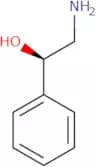
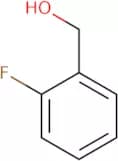
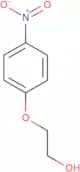
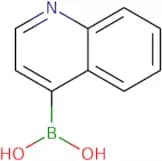
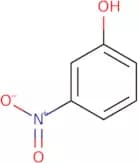
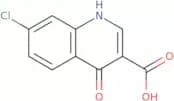
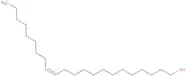

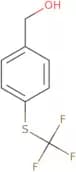
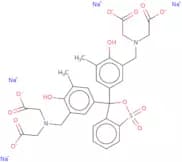
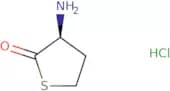
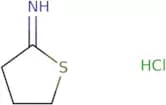
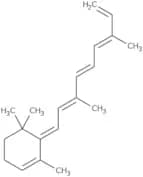
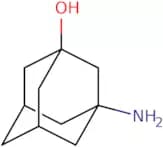
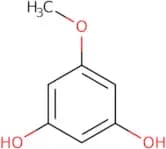
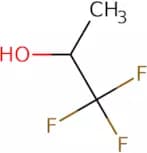
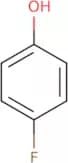
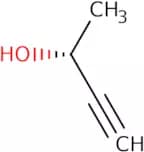
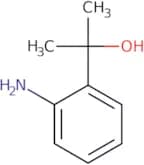
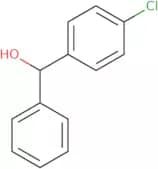
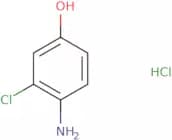
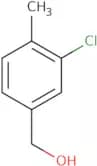
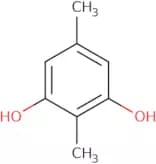
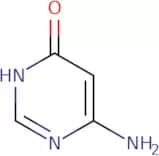
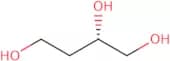
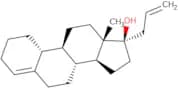
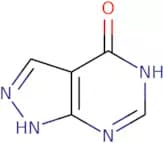

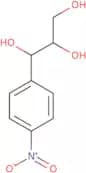


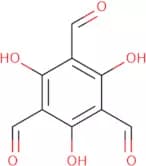
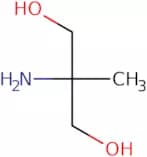
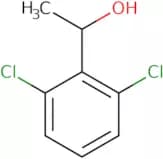
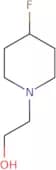
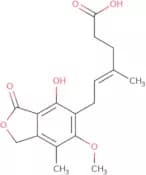
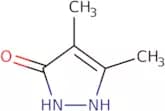
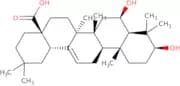
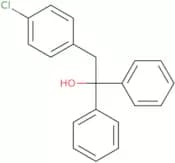
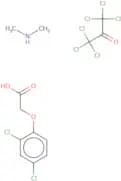

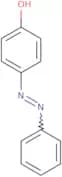
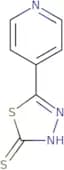
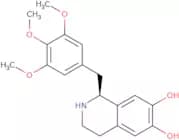
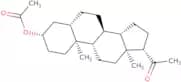
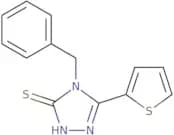
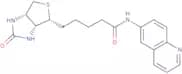
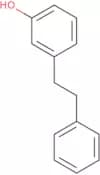
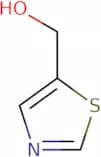
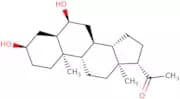
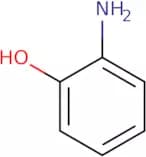
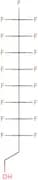
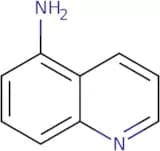

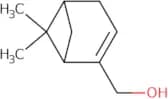

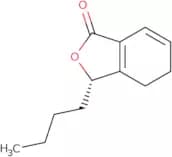
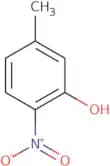

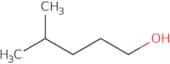
![4-[[4-(4-Chlorophenyl)-2-thiazolyl]amino]phenol](/_next/image/?url=https%3A%2Fstatic.cymitquimica.com%2Fproducts%2F3D%2Fthumb-webp%2FFC137468.webp&w=3840&q=75)
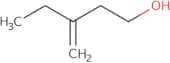
![a-[2-(Methylamino)ethyl]benzyl alcohol](/_next/image/?url=https%3A%2Fstatic.cymitquimica.com%2Fproducts%2F3D%2Fthumb-webp%2FFM02610.webp&w=3840&q=75)
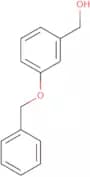
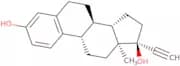
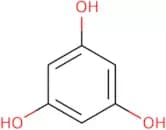

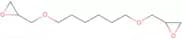
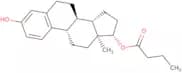
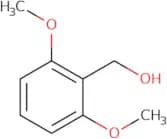
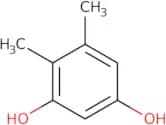
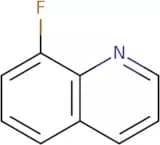
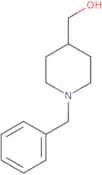
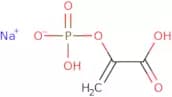
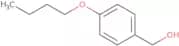
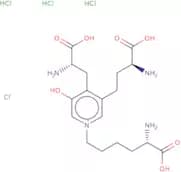
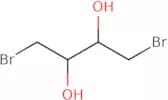
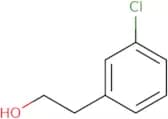
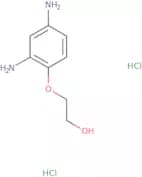
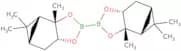
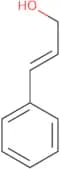
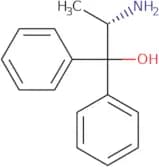
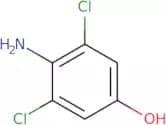

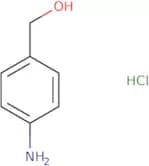
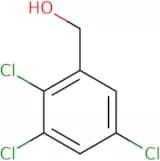
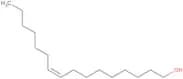
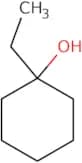
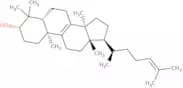
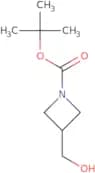
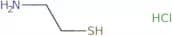



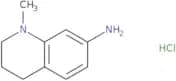
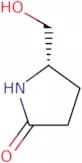
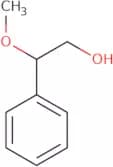
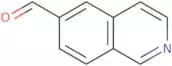
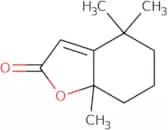

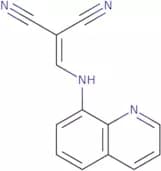
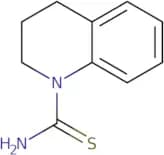
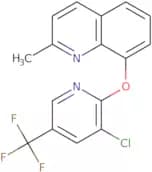
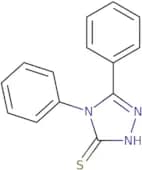
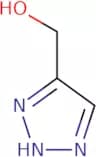


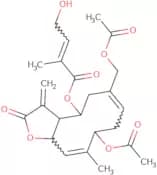
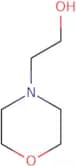
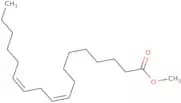
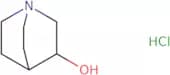
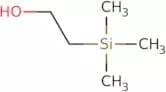
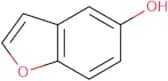
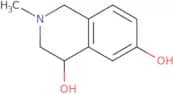
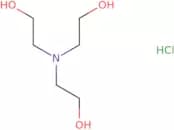
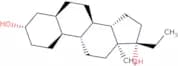
![3-[(4-Aminopiperidin-1-yl)methyl]phenol](/_next/image/?url=https%3A%2Fstatic.cymitquimica.com%2Fproducts%2F3D%2Fthumb-webp%2FFA116167.webp&w=3840&q=75)
![2-[(4-Methylbenzenesulfonyl)oxy]ethan-1-ol](/_next/image/?url=https%3A%2Fstatic.cymitquimica.com%2Fproducts%2F3D%2Fthumb-webp%2FFM171828.webp&w=3840&q=75)
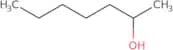
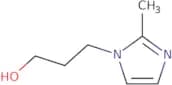
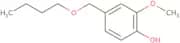
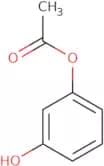


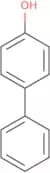
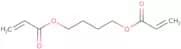

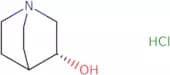
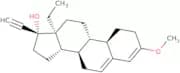
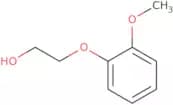
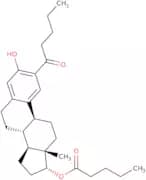
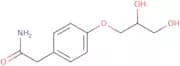
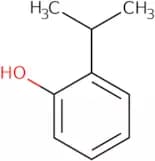
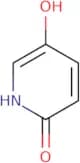

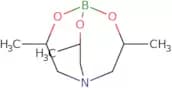
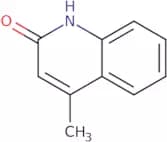
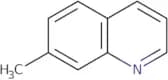
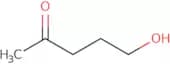
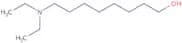
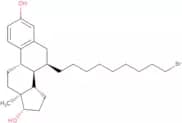
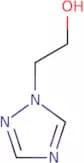
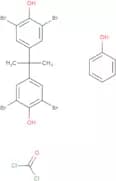
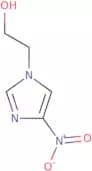
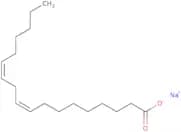
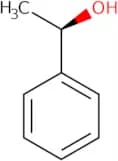
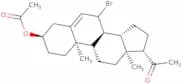
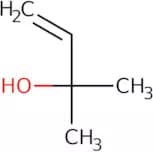
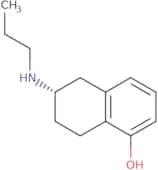
![(2-Iodophenyl)(2,3,6,7-tetrahydro-1H,5H-benzo[ij]quinolizin-9-yl)methanone](/_next/image/?url=https%3A%2Fstatic.cymitquimica.com%2Fproducts%2F3D%2Fthumb-webp%2FI-7660.webp&w=3840&q=75)
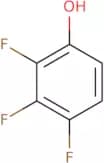
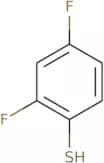

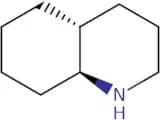

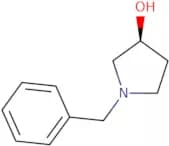
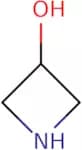
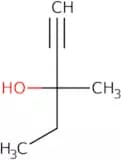
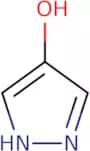
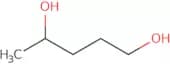

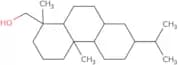

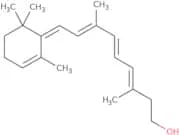
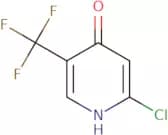
![4-[(2,4-Dimethylbenzyl)oxy]butan-1-ol](/_next/image/?url=https%3A%2Fstatic.cymitquimica.com%2Fproducts%2F3D%2Fthumb-webp%2FFD131280.webp&w=3840&q=75)
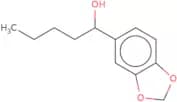


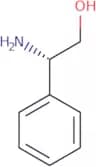
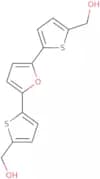
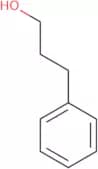

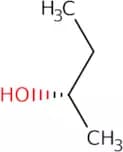
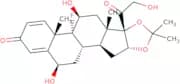
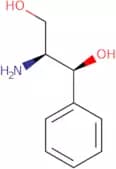


![4-Aminobicyclo[2.2.2]octan-1-ol hydrochloride](/_next/image/?url=https%3A%2Fstatic.cymitquimica.com%2Fproducts%2F3D%2Fthumb-webp%2FFA63102.webp&w=3840&q=75)
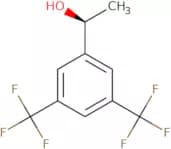
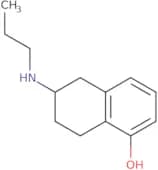
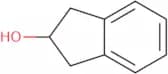
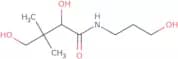
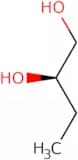
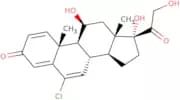
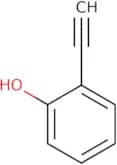
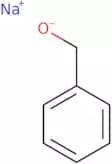
![2-[2-[2-(2-Azidoethoxy)ethoxy]ethoxy]ethanol](/_next/image/?url=https%3A%2Fstatic.cymitquimica.com%2Fproducts%2F3D%2Fthumb-webp%2FFA09300.webp&w=3840&q=75)