


Glicoscienza
La glicosienza è lo studio dei carboidrati e dei loro derivati, nonché delle interazioni e delle funzioni biologiche a cui partecipano. Questo campo di ricerca è cruciale per comprendere una vasta gamma di processi biologici, tra cui il riconoscimento cellulare, la segnalazione, la risposta immunitaria e lo sviluppo delle malattie. La glicosienza ha importanti applicazioni nella biotecnologia, nella medicina e nello sviluppo di nuovi farmaci e terapie. Presso CymitQuimica, offriamo un'ampia selezione di prodotti di alta qualità e purezza per la ricerca in glicosienza. Il nostro catalogo comprende monosaccaridi, oligosaccaridi, polisaccaridi, glicoconiugati e reagenti specifici, progettati per supportare i ricercatori nei loro studi sulla struttura, funzione e applicazioni dei carboidrati nei sistemi biologici. Queste risorse sono destinate a facilitare scoperte scientifiche e applicazioni pratiche in vari ambiti delle bioscienze e della medicina.
Sottocategorie di "Glicoscienza"
- Amminozucchero(108 prodotti)
- Glico-anticorpi(282 prodotti)
- Glicolipidi(46 prodotti)
- Glicosaminoglicani (GAGs)(55 prodotti)
- Glicosidi(419 prodotti)
- Monosaccaridi(6.624 prodotti)
- Oligosaccaridi(3.682 prodotti)
- Polisaccaridi(503 prodotti)
Trovati 11046 prodotti di "Glicoscienza"
Ordinare per
Purezza (%)
0
100
|
0
|
50
|
90
|
95
|
100
1,3,4,6-Tetra-O-acetyl-N-azidoacetylmannosamine
CAS:<p>1,3,4,6-Tetra-O-acetyl-N-azidoacetylmannosamine, also called ManNAz tetraacetate, 1,3,4,6-tetra-O-acetyl-N-azidoacetyl-D-mannosamine and Ac4ManNAz, is an azide-containing metabolic glycoprotein labelling reagent that can be incorporated into the sialic acid biosynthesis pathway. The azide is able to react with an alkyne in a 1,3-dipolar cycloaddition reaction (click chemistry) to enable linking to a fluorescent probe or a biotin.</p>Formula:C16H22N4O10Purezza:Min. 95%Colore e forma:PowderPeso molecolare:430.37 g/mol(2S, 3S, 4S) -2- (Hydroxymethyl) - 2- methyl- 3, 4- pyrrolidinediol
CAS:The product is a Carbohydrate, Modification, saccharide, Oligosaccharide. It is an artificial sugar that has been synthesized and modified for use in the food industry. The material is a complex carbohydrate with a high purity level and custom synthesis. It can be used in the production of sweeteners or as a flavor enhancer. The product is fluorinated to slow down its rate of degradation, which allows it to be used as an ingredient in processed foods. The product also has glycosylation sites that can be methylated or click-modified.Formula:C6H13NO3Purezza:Min. 95%Peso molecolare:147.17 g/molCarboxymethyl-dextran sodium salt - Average MW 4,000
CAS:<p>Sodium carboxymethyl dextran is a white, odourless and tasteless powder, which is freely soluble in water or electrolyte solutions. Applications that have been described for carboxymethyl dextran include carriers of paramagnetic contrast agents, preparation of conjugates of pharmacologically active compounds and carboxymethyl dextrans in biosensors. A number of other uses in cosmetics, agriculture, foods, paints and textiles have been the subject of patent applications.</p>Colore e forma:PowderDi-mannuronic acid sodium salt
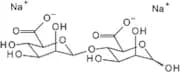
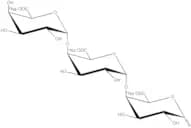
Di-mannuronic acid sodium salt (β-1,4-linked sodium mannuronobiose) is one of a number of oligosaccharides obtained from alginate which is a polysaccharide in brown seaweeds containing: blocks of repeating mannuronic acid sequences (M-M-M-M etc), repeating guluronic acid sequences (G-G-G-G etc), and alternating M-G-M-G sequences.These oligosaccharides can be released using several methods (Lua, 2015; Yanga, 2004) and claims have been published that mannuronic acid oligosaccharides for example, can be effective in the prophylaxis and treatment of Alzheimer's disease, or for the prophylaxis and treatment of diabetes (USP 8835403B2, 2014).Formula:C12H16O13Na2Purezza:Min. 98 Area-%Colore e forma:White Off-White PowderPeso molecolare:414.23 g/mol2,3-Di-O-benzyl-4,6-O-ethylidene-D-glucopyranose
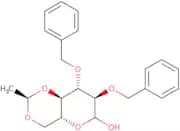
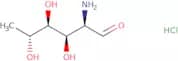
CAS:2,3-Di-O-benzyl-4,6-O-ethylidene-D-glucopyranose is a synthetic oligosaccharide that can be used as a starting material for the synthesis of glycosylated polysaccharides. It is custom synthesized to your specifications and is available in high purity.Formula:C22H26O6Purezza:Min. 95%Colore e forma:PowderPeso molecolare:386.44 g/molL-Glucosamine hydrochloride
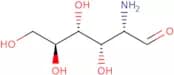
CAS:<p>L-Glucosamine hydrochloride is a fluorescent derivative of L-glucosamine, which is an amino sugar that occurs naturally in the human body. L-glucosamine hydrochloride can be used to measure the uptake of glucose by cells and tissues. The hydroxyl group on the glucosamine molecule is responsible for this activity. L-glucosamine hydrochloride has been shown to have anticancer activity against leukemia cells in tissue cultures and it may be useful as a cancer treatment. It is also capable of inducing cytokine responses when it binds to antigen sites on T cells, which may lead to its use as an immunotherapy agent.</p>Formula:C6H13NO5•HClPurezza:Min. 95%Colore e forma:PowderPeso molecolare:215.63 g/mol1-O-Acetyl-2,3,5-tri-O-benzoyl-b-D-ribofuranose
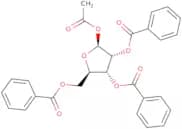
CAS:<p>1-O-Acetyl-2,3,5-tri-O-benzoyl-b-D-ribofuranose is an intermediate used to access a variety of ribonucleoside analogues. The ribosylation of substituted purines and pyrimidines with 1-O-Acetyl-2,3,5-tri-O-benzoyl-b-D-ribofuranose affords ribonucleoside analogues with the potential for biological and medicinal activity. Ribosylation requires the use of a catalyst such as trimethylsilyl trifluoromethane sulfonate and N,O-Bis(trimethylsilyl)trifluoroacetamide.</p>Formula:C28H24O9Purezza:Min. 98 Area-%Colore e forma:White PowderPeso molecolare:504.48 g/molMethyl protodioscin
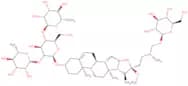
CAS:<p>Methyl protodioscin is a natural compound that has been shown to have a promising therapeutic effect on autoimmune diseases. Methyl protodioscin is derived from soybean extract and it is known to inhibit the translocation of bacteria across the gut wall, which could be due to its ability to regulate mucin gene expression. In vitro assays show that methyl protodioscin has an effect on mitochondrial membrane potential, which may be related to its anti-inflammatory properties. The effects of methyl protodioscin on mitochondrial functions were studied in C. glabrata, and it was shown that this compound can be used as a therapeutic agent for balloon injury.<br>Methyl protodioscin also inhibits the growth of Candida albicans and other fungi in vivo, suggesting that this compound might have antifungal activity.</p>Formula:C52H86O22Purezza:Min. 95%Peso molecolare:1,063.23 g/mol1,2,3,4,6-Penta-O-galloyl-D-glucopyranose
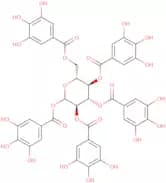
CAS:<p>1,2,3,4,6-Penta-O-galloyl-D-glucopyranose (PGG) is a naturally occurring compound that has been shown to be involved in the transport of glucose across cell membranes. It increases the blood glucose levels in animals and is an inhibitor of phosphatase. PGG has also been shown to have potential therapeutic properties for diabetes. Studies have shown that PGG inhibits the enzymes involved in glycogen synthesis and glycogenolysis, which are important for maintaining normal blood glucose levels. This inhibition may be due to its affinity for receptor binding sites or its ability to act as a competitive inhibitor of these enzymes.</p>Formula:C41H32O26Purezza:Min. 95%Peso molecolare:940.68 g/mol2-Acetamido-3,4,6-tri-O-acetyl-2-deoxy-α-D-galactopyranosyl-Fmoc serine
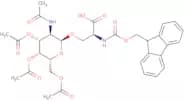
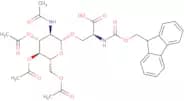
CAS:2-Acetamido-3,4,6-tri-O-acetyl-2-deoxy-α-D-galactopyranosyl-Fmoc serine is an amino sugar that has been shown to be a supplement for soybean cultivars. It is a basic compound that is obtained from the condensation of glycine and acetamidodeoxygalactose. This amino sugar can be used as a matrix in genetic engineering and tissue culture experiments with soybean plants. Transgenic soybeans have been created using 2AAGFS as the source of galactose for glycoprotein synthesis. Soybean plants with transgenes are also able to synthesize high levels of seed protein, which may increase the quality of soybean products.Formula:C32H36N2O13Purezza:Min. 95 Area-%Colore e forma:White PowderPeso molecolare:656.63 g/molmyo-Inositol
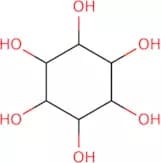
CAS:<p>Vitamin added to plant cell culture medium to promote growth. Used to differentiate microorganisms based on their metabolic properties.</p>Formula:C6H12O6Purezza:Min. 99.0 Area-%Peso molecolare:180.16 g/molFucosyl GM1 oligosaccharide
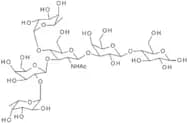
Oligosaccharide domain of monosialylated glycosphingolipid GM1 with an α1,2-fucosylated galactose at the nonreducing end. The moluecule is minimally expressed in healthy tissues but has high prevalence in some tumours such as small cell lung cancer (SCLC). Fucosyl-GM1 ganglioside is a potential tumour marker for SCLC and a potential antigen target for immunotherapy.Formula:C43H71N2O33NaPurezza:Min. 90%Colore e forma:White PowderPeso molecolare:1,167.01 g/molAcarviosin
CAS:<p>Acarviosin is a chemical compound that is structurally related to the antimicrobial peptide Ac-LLL-Nal-OH. It is an antidiabetic agent that has been shown to be effective for the treatment of type 2 diabetes and associated cardiovascular risk factors. Acarviosin was originally isolated from a bacterial strain and has been chemically synthesized for use in the treatment of diabetes. Acarviosin inhibits both glycan synthesis and enzyme activities, leading to reduced levels of glucose in blood plasma. This drug also exhibits pharmacokinetic properties with a half-life of approximately 15 hours, which allows it to be taken once daily. Acarviosin can also be used as an analytical method for identifying disaccharides by cleaving them at the glycosidic bond, releasing monosaccharides as products.</p>Formula:C14H25NO8Purezza:Min. 95%Colore e forma:PowderPeso molecolare:335.35 g/mol2N-Boc-amino-2- deoxy- b- D- galactopyranosylamine
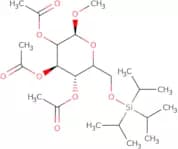
<p>2N-Boc-amino-2-deoxy-b-D-galactopyranosylamine is a synthetic sugar that can be used in the synthesis of oligosaccharides and glycosylations. It is a modification of galactose, which is an important saccharide in the synthesis of polysaccharides. 2N-Boc-amino-2-deoxy-b-D-galactopyranosylamine is also an excellent fluorinating agent that can be used for complex carbohydrate syntheses.</p>Formula:C11H22N2O6Purezza:Min. 95%Peso molecolare:278.3 g/molMethyl 2,3,4-tri-O-acetyl-6-O-triisopropylsilyl-a-D-galactopyranoside
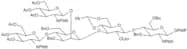
CAS:<p>Methyl 2,3,4-tri-O-acetyl-6-O-triisopropylsilyl-a-D-galactopyranoside is a synthetic glycoside. It is used as a building block for the synthesis of complex carbohydrates. This compound has been shown to have high purity with a purity of 99% by mass. It has not been evaluated by the Food and Drug Administration (FDA) and therefore cannot be sold in the United States.</p>Formula:C22H40O9SiPurezza:Min. 95%Peso molecolare:476.64 g/mol4-Methoxyphenyl 4-O-{4-O-[[2-O-Ac-3-O-[2,4-di-O-(3,4,6-tri-O-Ac-2-PhthN-β-D-Glc)-3,6-di-O-Bn-α-D-Man]-4,6-O-benzylidene-β-D-Man]]-3, 6-di-O-Bn-2-PhthN-β-D-Glc}-3-O-Bn-6-O-(tri-O-Bn-α-L-Fuc)-2-PhthN-β-D-Glc
<p>4-Methoxyphenyl 4-O-{4-O-[[2-O-Ac-3-O-[2,4-di-O-(3,4,6-tri-O-Ac-2-PhthNbDGlc)-3,6--Di--O--Bn--aDMan]-4,6--O--Benzylidene--bDMan]]} -3, 6--Di--Obn2PhthNbDGlc} -2 PhthNbDGlc is a sugar that has been modified by methylation. It also contains saccharide and polysaccharides. This product is CAS No. 899891–14–8 and can be purchased through custom synthesis. The purity of this product is high and the modification is fluorination.</p>Formula:C158H156N4O47Purezza:Min. 95%Peso molecolare:2,862.93 g/mol2,3,4,5,6-Penta-O-acetyl-D-galactononitrile
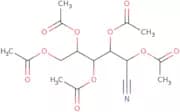
CAS:<p>2,3,4,5,6-Penta-O-acetyl-D-galactononitrile is a synthetic chemical compound that can be used in glycosylation reactions. It has been synthesized by the click modification of 2,3,4,5-tetra-O-acetyl-D-galactose with pentaerythritol tri(nitrile) followed by fluorination. The saccharide was then converted to the methyl ester and acetylated using acetic anhydride. This product is highly pure and can be custom synthesized according to your needs.<br>2,3,4,5,6-Penta-O-acetyl-D-galactononitrile has a molecular weight of 434.2 g/mol and its CAS number is 35439-42-0.</p>Formula:C16H21NO10Purezza:Min. 95%Peso molecolare:387.34 g/molGalacturonan DP3 sodium salt
<p>Sodium Trigalacturonate (α-1,4 sodium galacturonotriose) is derived from pectin or pectic acid, by enzymatic or partial acid hydrolysis (Combo, 2012). It is used inâ¯galacturonic acidâ¯metabolism research as a substrate to identify, differentiate, and characterize endo- and exopolygalacturonase(s), and gluconase(s) (Jayani, 2005). The addition of very short fragments of homogalacturonan, tri-galacturonate, and tetra-galacturonate oligosaccharides, restore development in dark-grown, de-etiolated seedling mutants, suggesting that they are unable to generate de-methylesterified pectin fragments. A model of spatiotemporally separated photoreceptive and signal-responsive cell types has been proposed, that contains overlapping subsets of the regulatory network of light-dependent seedling development (Sinclair, 2017).</p>Purezza:Min. 75 Area-%Colore e forma:PowderChloramphenicol-β-D-galactopyranoside
CAS:Chloramphenicol-beta-D-galactopyranoside is a carbohydrate that can be used in the synthesis of various carbohydrates. This product is fluorinated at the beta-position and has a saccharide modification. It is also an oligosaccharide with a high purity, methylated, glycosylated, and click modified.Formula:C17H22Cl2N2O10Peso molecolare:485.27 g/molRef: 3D-C-3310
10mgPrezzo su richiesta25mgPrezzo su richiesta50mgPrezzo su richiesta100mgPrezzo su richiesta250mgPrezzo su richiesta-Unit-ggPrezzo su richiesta2-Azido-2-deoxy-3,5-O-benzylidene-L-xylono-1,4-lactone
<p>2-Azido-2-deoxy-3,5-O-benzylidene-L-xylono-1,4-lactone is a sugar compound that can be custom synthesized. It has been shown to be a methylation product of 2,3,4,6-tetraacetylgalactose and is an oligosaccharide with a saccharide chain that includes glucose and xylose. The chemical formula for this compound is C11H13NO7. This compound has a CAS Number of 73028-81-2 and can be purchased from various vendors at high purity levels. 2Azido2deoxy3,5ObenzylideneLxylono1,4lactone is used as a reagent in the synthesis of complex carbohydrates. It can also be used to modify monosaccharides and sugar compounds with fluorination or modification reactions.</p>Purezza:Min. 95%2-Acetamido-4-O-[2-acetamido-4-O-(β-D-glucopyranosyl)-3,6-di-O-(α-D-mannopyranosyl)-2-deoxy-β-D-glucopyranosyl]-2-deoxy-β-D-thiogluc opyranoside
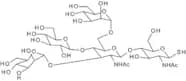
2-Acetamido-4-O-[2-acetamido-4-O-(b-D-glucopyranosyl)-3,6-di-O-(a-D-mannopyranosyl)-2,6-di-O-(a,b,c,d)-D mannopyranosyl]-2,6-di-O-(a,b,c,d)-D mannopyranosyl]-2 deoxy -b D thioglucopyranose is a carbohydrate that belongs to the class of saccharides. This compound is modified with fluorination and methylation and can be custom synthesized. It has high purity and can be glycosylated or click modified.Formula:C34H58N2O25SPurezza:Min. 95%Colore e forma:SolidPeso molecolare:926.89 g/mol2-Acetamido-6-O-(α-2-N-acetylneuraminyl)-2-deoxy-α-D-galactopyranosyl N-acetylserine
CAS:<p>2-Acetamido-6-O-(a-2-N-acetylneuraminyl)-2-deoxy-a-D-galactopyranosyl N-acetylserine is a synthetic glycosyl amino acid.</p>Formula:C24H39N3O17Purezza:Min. 95%Colore e forma:PowderPeso molecolare:641.58 g/mol1,3,4,6-Tetra-O-acetyl-2-azido-2-deoxy-a-D-galactopyranose
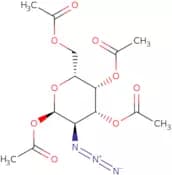
CAS:1,3,4,6-Tetra-O-acetyl-2-azido-2-deoxy-a-D-galactopyranose is an azide sugar that is resistant to the activity of sulfide and can be used as a probe for sulfide in the distal colon. It has been shown that this sugar binds to recombinant human erythrocyte enzymes and inhibits their activities. The hydrolysis of this sugar by pancreatic enzymes has been shown to be dependent on the conformational state of the enzyme. This sugar also inhibits salivary amylase and intestinal sucrase activities.Formula:C14H19N3O9Purezza:Min. 95%Colore e forma:White PowderPeso molecolare:373.32 g/mol5-Chloro-8-hydroxyquinoline b-D-glucuronide
CAS:<p>Chromogenic substrate targeting beta-glucuronidase</p>Formula:C15H14ClNO7Purezza:Min. 98 Area-%Colore e forma:White PowderPeso molecolare:355.73 g/mol3-O-Benzyl-1,2,4-tri-O-acetyl-D-xylopyranoside
<p>3-O-Benzyl-1,2,4-tri-O-acetyl-D-xylopyranoside is a methylated saccharide that has been modified with the click chemistry. This product can be used for the synthesis of complex carbohydrates and glycosylations. This product is available in high purity and custom synthesis. It is soluble in water or aqueous solutions, making it ideal for use in biological applications. 3-O-Benzyl-1,2,4-tri-O-acetyl-D-xylopyranoside can be used as an intermediate for the synthesis of oligosaccharides and glycoconjugates. It has CAS number 69936–76–5.</p>Purezza:Min. 95%Polysucrose 400
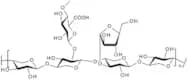
CAS:<p>Water-soluble, nontoxic, enzyme-resistant polymer for biological applications</p>Colore e forma:White PowderPeso molecolare:400.0Arabinoxylan
CAS:<p>Arabinoxylans consist of α-L-arabinofuranose residues attached as branch-points to β-(1,4)-linked D-xylopyranose main chains. These may be 2- or 3-substituted or 2- and 3- di-substituted. The arabinose residues may also be linked to other groups attached such as glucuronic acid residues, ferulic acid cross links and acetyl groups. Arabinoxylans generally consist of between 1500 - 5000 residues.</p>Purezza:Min. 95%Colore e forma:Powder1,3,5-Tri-O-benzoyl-a-L-ribofuranose
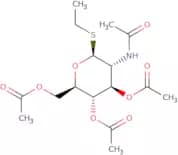
CAS:<p>1,3,5-Tri-O-benzoyl-a-L-ribofuranose is a synthetic sugar with a complex carbohydrate structure. It is synthesized by the sequential addition of benzoyl groups to the alditol acetal of ribose. The molecular weight of this compound is 598.6 g/mol and its CAS number is 171866-30-1. 1,3,5-Tri-O-benzoyl-a-L-ribofuranose has been shown to be an excellent substrate for glycosylation and methylation reactions due to the presence of three reactive hydroxyl groups that can react with nucleophiles such as amines or thiols. Methylation reactions are typically carried out in the presence of sodium methoxide in methanol at room temperature for several hours. Glycosylation reactions require the use of activated glycosyl donors such as UDP glucose, UDP galactose</p>Formula:C26H22O8Purezza:Min. 97 Area-%Colore e forma:PowderPeso molecolare:462.45 g/molEthyl 2-acetamido-3,4,6-tri-O-acetyl-2-deoxy-b-D-thioglucopyranoside
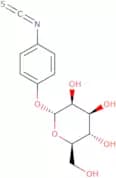
CAS:<p>Ethyl 2-acetamido-3,4,6-tri-O-acetyl-2-deoxy-b-D-thioglucopyranoside is a modified carbohydrate that has been synthesized by the click modification of an acetylated triose. This chemical was synthesized by reacting ethyl 2-(2'-deoxy-(1->4)-beta--D--glucopyranoside) with trimethylsilylacetamide and copper(I) chloride in dry tetrahydrofuran. This product has high purity and is used as a research tool for glycobiology.</p>Formula:C16H25NO8SPurezza:Min. 95%Colore e forma:White PowderPeso molecolare:391.44 g/mol4-Isothiocyanatophenyl-a-D-mannopyranoside
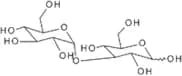
CAS:4-Isothiocyanatophenyl-a-D-mannopyranoside is a synthetic molecule that is used for the modification of saccharides and polysaccharides. It is used in glycosylation reactions to introduce an alpha-N-acetylgalactosamine residue with a methyl group at position 6 of the pyranose ring to produce N,O-linked glycans. This product can be custom synthesized to meet specific customer requirements. It has high purity, excellent solubility in water, and does not contain any toxic impurities.Formula:C13H15NO6SPurezza:Min. 95 Area-%Colore e forma:Off-White PowderPeso molecolare:313.33 g/molNigerose
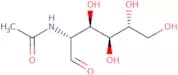
CAS:<p>Nigerose is a chemical compound that belongs to the group of oligosaccharides. It is a glycan with a basic structure and has inhibitory properties. Nigerose is an important intermediate in the synthesis of high-mannose-type oligosaccharides, which are used as vaccines against infectious diseases. Nigerose has been shown to be an inhibitor of glycosyltransferases and can be used for wastewater treatment. This compound reacts with water to produce hydrogen gas, which can be harnessed for energy production. Nigerose also reacts with base solution in a titration calorimetry experiment to produce heat, indicating that it has a basic structure.</p>Formula:C12H22O11Purezza:Min. 93 Area-%Colore e forma:White PowderPeso molecolare:342.3 g/molN-Acetyl-D-glucosamine
CAS:<p>N-acetyl D-glucosamine (GlcNAc) is an aldohexose (2-acetamido-2-deoxyglucose) in which the hydroxyl group at position 2 is replaced by NHAc (Collins, 2006). N-acetyl D-glucosamine forms the exoskeletons of molluscs and insects as the building block of the polysaccharide chitin (Rudrapatnam, 2003). N-acetyl D-glucosamine is a key component of N- and O-linked glycans, present in glycolipids and the glycosaminoglycan hyaluronic acid (Fallacara, 2018). A recent study has suggested that N-acetyl D-glucosamine may have therapeutic potential for COVID-19 as it affects the spike protein-ACE2 receptor interaction during the infection with SARS-CoV-2 virus (Baysal, 2021).</p>Formula:C8H15NO6Purezza:Min. 98 Area-%Colore e forma:PowderPeso molecolare:221.21 g/mol6-Amino-6-deoxy-b-cyclodextrin hydrochloride
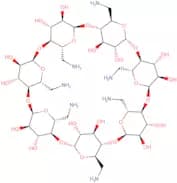
CAS:<p>This beta-cyclodextrin (β-CD) derivative is a functionalized cyclic oligosaccharide composed of seven glucose units, characterized by a hydrophilic exterior and a lipophilic cavity (bigger than α-CD and smaller than γ-CDs), which allows it to encapsulate various guest molecules. This structural feature facilitates its use in multiple applications, including pharmaceuticals, food enhancement, and cosmetics. In the pharmaceutical industry, it enhances the solubility and stability of poorly water-soluble drugs, improving their bioavailability and efficacy while also masking unpleasant tastes. The food sector utilizes it as a stabilizer for flavors, colors, and nutrients, extending shelf life by protecting sensitive ingredients from degradation. In cosmetics, it serves as a complexing agent for fragrances and active components, ensuring their stability and controlled release. Its use expands to many other fields, including nanotechnology for drug delivery systems, environmental remediation for extracting organic pollutants, textiles for slow-release fragrances, and analytical chemistry for chiral separation.</p>Formula:C42H77N7O28·7HClPurezza:Min. 95%Colore e forma:White Slightly Yellow PowderPeso molecolare:1,383.32 g/mol1-O-Acetyl-2,3,4,6-tetra-O-benzyl-b-D-galactopyranose
CAS:<p>Synthetic building block</p>Formula:C36H38O7Purezza:Min. 98 Area-%Colore e forma:White PowderPeso molecolare:582.68 g/mol2,5-Anhydro- 3- deoxy-D- ribo- hexonic acid
<p>2,5-Anhydro-3-deoxy-D-ribohexonic acid is a fluorinated monosaccharide. It is synthesized by the modification of 2,5-anhydro-3-deoxyglucose with N-(2'-fluoroethyl)trimethoxysilane (FETS). This synthetic compound can be used as a glycosylation or polysaccharide building block in the synthesis of complex carbohydrates. The FETS modification allows for the introduction of various functional groups on C1 and C2 while maintaining the high purity.</p>Purezza:Min. 95%2, 3:5, 6- Di- O- isopropylidene- D- mannofuranose
2, 3:5, 6-Di-O-isopropylidene-D-mannofuranose is a fluorinated monosaccharide that is used in glycosylation and polysaccharide modification. This compound has an O-methyl group on the hydroxyl group of the C2 position and a methyl group on the hydroxyl group of the C3 position. It is a white to off-white powder with a molecular weight of 332.37 g/mol. 2, 3:5, 6-Di-O-isopropylidene-D-mannofuranose has been shown to be stable at high temperatures and pH levels. It has a CAS number of 8061-93-0.Purezza:Min. 95%Levan - from Erwinia herbicola
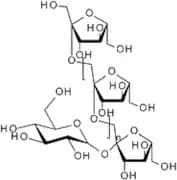
CAS:Levan is a (2,6)-linked fructan produced by Erwinia herbicola. The polysaccharide contains branches every 10-12 fructose residues linked (1,2) and is reported to have a molecular weight in excess of 1000 KDa. Potential industrial applications of levan have been proposed as an emulsifier, formulation aid, stabilizer and thickener, surface-finishing agent, encapsulating agent, and carrier for flavor and fragrances. In addition, levan is promising in medicine as a plasma substitute, drug activity prolongator and antihyperlipidemic agent.Purezza:Min. 95%Colore e forma:Powder(1R) -1- [(2S, 3R,4R) -4-(Acetylamino)methyl-N-butyl-3- hydroxy- 1- azetidinyl] -1, 2- ethanediol
<p>(1R) -1- [(2S, 3R,4R) -4-(Acetylamino)methyl-N-butyl-3- hydroxy- 1- azetidinyl] -1, 2- ethanediol is a Glycosylation that is synthesized by the Click modification of a polysaccharide. It is custom synthesis with high purity and CAS No.</p>Purezza:Min. 95%(2R, 3S, 4S) -4- (Azidomethyl) - 3- fluoro- 1- (phenylmethyl) -2- azetidinecarboxylic acid methyl ester
CAS:(2R, 3S, 4S) -4- (Azidomethyl) - 3- fluoro- 1- (phenylmethyl) -2- azetidinecarboxylic acid methyl ester is a synthetic saccharide which is used in the synthesis of oligosaccharides and monosaccharides. It has been shown to be useful for glycosylation reactions and click chemistry. This compound is also fluorinated and has a purity of 98%.Formula:C13H15FN4O2Purezza:Min. 95%Peso molecolare:278.28 g/mol6-Deoxy-D-gulono(L-mannono)-1.4-lactone
6-Deoxy-D-gulono(L-mannono)-1.4-lactone is a custom synthesis of an oligosaccharide. It is a polysaccharide that is glycosylated with a sugar or carbohydrate. This molecule can be modified in the following ways: fluorination, methylation, and click modification. The CAS number for this compound is 73226-08-2.Purezza:Min. 95%Hyaluronate fluorescein - Molecular Weight - 500kDa
<p>Hyaluronate fluorescein is a complex carbohydrate with the molecular weight of 500kDa. It is a Glycosylation, Methylation, Click modification, Polysaccharide, Fluorination, saccharide and Modification product. The CAS No. for this product is not available. This product can be Custom synthesized to order for high purity.</p>Purezza:Min. 95%Colore e forma:Powder2,3,4-Tri-O-benzyl-L-rhamnopyranose
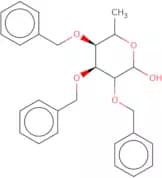
CAS:<p>2,3,4-Tri-O-benzyl-L-rhamnopyranose is a chemical compound that belongs to the family of carbohydrates known as rhamnopyranoses. It is a derivative of L-rhamnose, which is a naturally occurring aldohexose sugar. The compound is often used as a glycosyl donor in the synthesis of oligosaccharides and glycoconjugates. The three benzyl groups in the molecule provide protection for the hydroxyl groups, allowing for selective deprotection and glycosylation. 2,3,4-Tri-O-benzyl-L-rhamnopyranose is also used as a precursor in the synthesis of various natural products.</p>Formula:C27H30O5Purezza:Min. 95%Colore e forma:PowderPeso molecolare:434.52 g/molHeparin
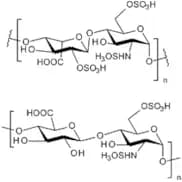
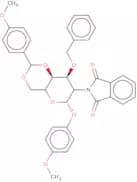
CAS:Heparin is a glycosaminoglycan which occurs in many mammalian tissues and has important anticoagulant and thrombolytic properties. The chemical structure is composed mainly of two disaccharide repeating units A and B. A is L-iduronic acid 2-suplhate linked α-(1,4) to 2-deoxy-2-sulfamido-D-galactose 6-sulphate while B is D-glucuronic acid β-(1,4) linked to 2-deoxy-2-sulfamido-D-glucose 6-sulphate.Formula:C26H42N2O37S5Purezza:Min. 95%Colore e forma:PowderPeso molecolare:1,134.9 g/mol4-Methoxyphenyl 2-deoxy-3-benzyl-4,6-O-(4-methoxybenzylidene)-2-phthalimido-β-D-glucopyranoside
<p>4-Methoxyphenyl 2-deoxy-3-benzyl-4,6-O-(4-methoxybenzylidene)-2-phthalimido-b-D-glucopyranoside is a custom synthesis that has been modified with fluorination and carbamoylation. This product is an oligosaccharide that belongs to the group of polysaccharides. It is a complex carbohydrate that has been synthesized from monosaccharides and sugar. 4MPBGP is soluble in water and has high purity levels.<br>*The following content was automatically generated by eCommerce software:</p>Formula:C36H33NO9Purezza:Min. 95%Peso molecolare:623.65 g/molThermopsoside
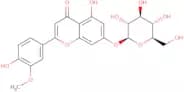
CAS:<p>Thermopsoside is an organic acid that has been isolated from the plant species Vitex agnus-castus. Thermopsoside has shown antibacterial activity against a variety of bacteria and fungi, including Escherichia coli, Staphylococcus aureus, and Candida albicans. It is thought to act by inhibiting the synthesis of fatty acids and vitexin in the bacterial cell membrane or by binding to the bacterial ribosome. Thermopsoside also shows anti-inflammatory effects on skin cells and is used in some cosmetic products as an ingredient in skin-conditioning lotions.<br>Thermopside inhibits prostaglandin production by blocking cyclooxygenase (COX) enzymes.</p>Formula:C22H22O11Purezza:Min. 98 Area-%Colore e forma:PowderPeso molecolare:462.4 g/molN-Acetylneuraminic acid
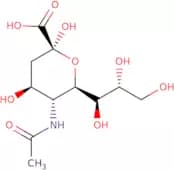
CAS:N-Acetylneuraminic acid (NANA or Neu5Ac), as the most common sialic acid, is a nine-carbon monosaccharide whose amino group is acetylated (Collins, 2006). Sialic acid is found across the animal kingdom and some prokaryotes. Sialic acid occurs as a component of oligosaccharides (N- and O-linked glycoproteins, glycolipids, human milk, blood groups), bacterial polysaccharides and glycoconjugates. Sialic acid is also found in free form in body fluids (Schauer, 1997).Formula:C11H19NO9Purezza:Min. 98 Area-%Colore e forma:White PowderPeso molecolare:309.27 g/mol1,3,4,6-Tetra-O-acetyl-N-propanoyl-D-mannosamine
CAS:<p>1,3,4,6-Tetra-O-acetyl-N-propanoyl-D-mannosamine is a sugar that is used for the synthesis of novel glycosides. It is prepared by the methylation of D-mannose with acetic anhydride in the presence of sodium methoxide. This reaction can also be carried out on a variety of other sugars and carbohydrates, such as D-galactose, D-xylose, or L-arabinose. 1,3,4,6-Tetra-O-acetyl-N-propanoyl-D-mannosamine has been shown to react with 4-(pyridinium)butanoic acid to produce 4-(pyridinium)butanal (1), which reacts with glycine to produce 1-(pyridinium)butanediamide (2). The carbonyl group in 2 can</p>Formula:C17H25NO10Purezza:Min. 95%Peso molecolare:403.38 g/mol6-Aminohexyl 2-deoxy-5-O-DMT-a-D-riboside
6-Aminohexyl 2-deoxy-5-O-DMT-a-D-riboside is a glycosylation agent that can be used in synthetic approaches that require the incorporation of oligosaccharides. This product is also useful for fluoroalkylation reactions and methylations involving saccharides. It can be used to synthesize complex carbohydrates, such as polysaccharides or saccharide complexes, with high purity and CAS number. 6-Aminohexyl 2-deoxy-5-O-DMT-a-D-riboside has been modified using Click chemistry for click modification of proteins and peptides.Formula:C32H41N06Purezza:Min. 95%Peso molecolare:509.71 g/mol1,2-a-1,2-a-L-Rhamnotriose
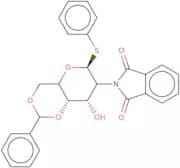
<p>1,2-a-1,2-a-L-Rhamnotriose is a carbohydrate that can be modified to suit your needs. It has a CAS number of 57749-83-5. This oligosaccharide is a sugar made up of two monosaccharides joined by an alpha 1,2 glycosidic bond. The product can be custom synthesized and its purity is high. It can be fluorinated or methylated and it can also be glycosylated. Click modification is also possible with this product.</p>Formula:C18H32O13Purezza:Min. 95%Colore e forma:White PowderPeso molecolare:456.44 g/molPhenyl 4,6-O-benzylidene-2-deoxy-2-phthalimido-b-D-thioglucopyranoside
CAS:Phenyl 4,6-O-benzylidene-2-deoxy-2-phthalimido-b-D-thioglucopyranoside is a custom synthesis sugar that has been modified with fluorination, glycosylation, and carbamoylation. It is an oligosaccharide that contains a saccharide at the reducing end of the molecule. The CAS number for this compound is 79528-51-1.Formula:C27H23NO6SPurezza:Min. 95%Colore e forma:White PowderPeso molecolare:489.54 g/molD-Quinovosamine hydrochloride
CAS:<p>Quinovosamine hydrochloride (QNH) is a fatty acid that belongs to the group of galacturonic acid. It has been shown to be biologically active in wild-type strains and in some bacterial strains, including Pseudomonas aeruginosa. QNH has also been used for preparation of monoclonal antibodies directed against receptor activity, which are activated by QNH.</p>Formula:C6H13NO4·HClPurezza:Min. 95%Colore e forma:PowderPeso molecolare:199.63 g/mol1,2,4,6-Tetra-O-acetyl-3-O-benzyl-D-glucopyranose
CAS:<p>This is a Custom Synthesis of a 1,2,4,6-Tetra-O-acetyl-3-O-benzyl-D-glucopyranose. The desired product is an Oligosaccharide with a complex carbohydrate structure. It has been Fluorinated and Methylated in order to create the desired product. Modification and Click Modification have also been performed on this molecule.</p>Formula:C21H26O10Purezza:Min. 95%Colore e forma:PowderPeso molecolare:438.43 g/mol3-Deoxy-3-fluoro-1,2-O-isopropylidene-a-D-xylofuranose
<p>3-Deoxy-3-fluoro-1,2-O-isopropylidene-a-D-xylofuranose is a custom synthesis that has been modified by substitution of the hydroxyl group with fluorine. It is an oligosaccharide with a glycosylation site at C3. This product has been synthesized by a click modification reaction, which is followed by methylation to produce the desired product. 3-Deoxy-3-fluoro-1,2-O-isopropylidene-a-D-xylofuranose is soluble in water and has high purity.</p>Purezza:Min. 95%(1R) -1- [(2R, 3S) - 3- Hydroxy- 1- (phenylmethyl) - 2- azetidinyl] -1, 2- ethanediol
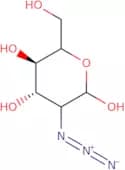
CAS:<p>(1R) -1- [(2R, 3S) - 3- hydroxy- 1- (phenylmethyl) - 2- azetidinyl] -1, 2- ethanediol is a glycoconjugate that is synthesized by the conjugation of a saccharide and an azetidinone. It is modified with fluorine and methyl groups to produce a versatile molecule for use in various fields such as glycosylation, complex carbohydrate, Methylation, Click modification, Polysaccharide, Fluorination, saccharide, Modification and sugar. The compound has CAS No. 1338054-16-2 and molecular formula C14H18FNO4. This product can be custom synthesized to meet customers' needs.</p>Formula:C12H17NO3Purezza:Min. 95%Peso molecolare:223.27 g/mol2-Azido-2-deoxy-D-galactose
CAS:<p>2-Azido-2-deoxy-D-galactose is a disaccharide that is synthesized by the enzymatic addition of galactose to 2-azido-2-deoxyglucose. It has been shown to be antigenic in the test tube and is reactive with hydroxy groups. 2-Azido-2-deoxygalactose can be glycosylated by glycopeptides, which are glycoproteins containing one or more oligosaccharide chains covalently linked to a protein core. The hydrophilic nature of this sugar makes it an ideal candidate for conjugation with hydrophobic drugs such as antibiotics. This disaccharide was used in the synthesis of glycoconjugates, which are carbohydrate molecules attached to proteins or lipids, and can be found in bacteria such as Corynebacterium glutamicum. 2-Azido-2-deoxygalactose</p>Formula:C6H11N3O5Purezza:Min. 98 Area-%Colore e forma:White PowderPeso molecolare:205.17 g/mol4-Methoxyphenyl 4-O-{3-O-[2,4-di-O-(3,4 ,6-tri-O-acetyl-2-deoxy-2-phthalimido-β-D-glucopyranosyl)-3 ,6-di-O-benzyl-β-D-mannopyranosyl]-4 ,6-O-benzylidene-2-O-levulinoyl-β-D-glucopyranosyl}-3 ,6-di-O-benzyl-2-deoxy-2-phthalimido-β-D-glucopyranoside
4-Methoxyphenyl 4-O-{3-O-[2,4-di-O-(3,4,6-tri-O-acetyl-2-deoxy-2-phthalimido -bDglucopyranosyl)-3,6-di-ObenzylbDmannopyranosyl] -4,6-- Obenzylidene--2-- Olevulinoyl-- bDglucopyranosyl} -3,6-- diOBenzyl 2-- deoxy 2-- phthalimido bDglucopyranoside is an oligosaccharide with a sugar backbone. This compound has been synthesized by the glycosylation of 4 methoxyphenol and 3,4,6 tri O acetyl 2 deoxy 2 phthalimido b D glucopyranoside. The glycosidic bond was formed between C 1Formula:C113H113N3O38Purezza:Min. 95%Peso molecolare:2,121.1 g/molLentinan
CAS:<p>The polysaccharide Lentinan is isolated from the mushroom L. edodes (shitake mushroom). The primary structure is a β-(1–3)-glucose backbone with two (1–6)-β-glucose branches for each five glucose resiodues. Lentinan is clinically used for cancer treatment both in China and Japan. According to the clinical studies published in and outside of China, lentinan-based drugs are used for the treatment of various cancers, including lung, gastric, colorectal and other cancers. In addition, lentinan-based drugs are also used for treating HIV, hepatitis and malignant pleural effusion.</p>Colore e forma:Brown Powderb-Cyclodextrin sulfobutyl ether sodium salt
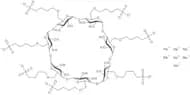
CAS:Beta-cyclodextrin sulfobutyl ether is an excipient compound incorporating a chemically modified cyclodextrin with a structure that optimizes the solubility and stability of active pharmaceuticals and their properties. It is a highly water-soluble anionic cyclodextrin derivative. It can easily form non-covalent inclusion complexes with drug molecules and therefore reduce drug toxicity and haemolysis as well as control drug release rate. Its complexing properties also make it suitable for masking unpleasant odors and tastes of pharmaceutical products. It is used as an excipient in injection, oral, nasal, and eye medication.Formula:C70H119Na7O56S7Purezza:95 To 105%Colore e forma:White PowderPeso molecolare:2,242.05 g/mol1,3-α-1,6-α-D-Mannotriose
CAS:<p>Intermediate for synthesis of N-acetyllactosaminic glycans</p>Formula:C18H32O16Purezza:Min. 95 Area-%Colore e forma:White Off-White PowderPeso molecolare:504.44 g/molL-Glycero-L-galacto-heptose
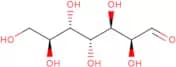
CAS:<p>L-Glycero-L-galacto-heptose is a cyclitol that is structurally similar to glycerol and galactose. It has been found in the Australian sea urchin Strongylocentrotus franciscanus. L-Glycero-L-galacto-heptose can be synthesized by reacting methyl glycosides with calcium ions. This reaction produces an electrophoretic mobility that is greater than that of glycerol, which may be due to the greater degree of hydrogen bonding between methyl glycosides and calcium ions. The presence of hydroxyl groups on the sugar residue allows for the formation of hydrogen bonds with neighboring molecules. These interactions lead to a conformation that is different from other cyclitols, such as D-glycero-D-galactopyranose, which has no hydroxyl group on its sugar residue.</p>Formula:C7H14O7Purezza:Min. 95%Peso molecolare:210.2 g/molN,N',N'',N''',N'''',N'''''-Hexaacetylchitohexaose
CAS:<p>Hexaacetylchitohexaose is a hexamer of N-acetylgucosamine subunits which are linked by β-(1,4)-glucosidic bonds. N-acetylgucosamine is the monomeric unit of the natural polymer chitin which is degraded by chitinases, in mammals, to form smaller fragments that can induce an immune response. Like chitin and some of its derivatives, hexaacetylchitohexaose is a substrate of lysozymes. Hexaacetylchitohexaose has been shown to significantly inhibit tumour growth in mice by the activation of innate and adaptive immune cells.</p>Formula:C48H80N6O31Purezza:Min. 90 Area-%Colore e forma:White PowderPeso molecolare:1,237.2 g/mol(+)-syringaresinol-4,4'-bis-O-b-D-glucopyranoside
<p>(+)-syringaresinol-4,4'-bis-O-b-D-glucopyranoside is a synthetic compound that is fluorinated with (2,2,2-trifluoroethyl)trimethylsilane. It is a sugar molecule that is an oligosaccharide. This compound has been synthesized from syringic acid and (+)-syringaresinol by glycosylation and methylation. It is insoluble in water and has a melting point of 129°C. The CAS number for this compound is 73987-07-8.</p>Purezza:Min. 95%L-Tagatose
CAS:<p>Low-calorie sweetener; additive in detergents, cosmetics, and pharmaceuticals</p>Formula:C6H12O6Purezza:Min. 98 Area-%Colore e forma:White PowderPeso molecolare:180.16 g/mol1-O-Sinapoyl-b-D-glucose
CAS:A synthetically produced glucoside. It is also a natural product found in the Swertia Japonica.Formula:C17H22O10Purezza:Min. 95 Area-%Colore e forma:PowderPeso molecolare:386.35 g/mol2,3,5-Tri-O-acetyl-L-arabinofuranosyl fluoride
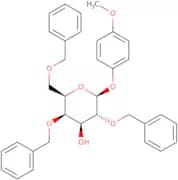
2,3,5-Tri-O-acetyl-L-arabinofuranosyl fluoride is a monosaccharide sugar that has been fluorinated. It is a custom synthesis of methylation and click modification. The CAS number for this product is 565-64-8. This product has been modified to make it more resistant to degradation by enzymes such as alpha amylase and beta amylase. It is also used for polysaccharide synthesis and saccharides with higher purity than other products on the market. This product is synthesized from natural sources, making it high in purity and suitable for use in food production.END>Formula:C11H15FO7Purezza:Min. 95%Colore e forma:Colourless To Yellow LiquidPeso molecolare:278.23 g/mol4-Methoxyphenyl 2,4,6-tri-O-benzyl-b-D-galactopyranoside
CAS:<p>4-Methoxyphenyl 2,4,6-tri-O-benzyl-b-D-galactopyranoside is a custom synthesis that belongs to the group of complex carbohydrates. It is an Oligosaccharide with CAS No. 247027-79-8 and Polysaccharide. 4MPG has been modified by Methylation, Glycosylation, Carbohydrate, Click modification, sugar, High purity, Fluorination and Synthetic methods. This product is available in high purity and can be used for research purposes.</p>Formula:C34H36O7Purezza:Min. 97 Area-%Colore e forma:PowderPeso molecolare:556.65 g/molMonofucosyl (1-3)-iso-lacto-N-octaose
CAS:Monofucosyl (1-3)-iso-lacto-N-octaose is an HMO oligosaccharide.Formula:C60H101N3O45Purezza:Min. 95%Colore e forma:PowderPeso molecolare:1,584.44 g/molMethyl-b-cyclodextrin - 3 to 9 degree of substitution
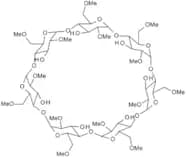
CAS:This beta-cyclodextrin (β-CD) derivative is a functionalized cyclic oligosaccharide composed of seven glucose units, characterized by a hydrophilic exterior and a lipophilic cavity (bigger than α-CD and smaller than γ-CDs), which allows it to encapsulate various guest molecules. This structural feature facilitates its use in multiple applications, including pharmaceuticals, food enhancement, and cosmetics. In the pharmaceutical industry, it enhances the solubility and stability of poorly water-soluble drugs, improving their bioavailability and efficacy while also masking unpleasant tastes. The food sector utilizes it as a stabilizer for flavors, colors, and nutrients, extending shelf life by protecting sensitive ingredients from degradation. In cosmetics, it serves as a complexing agent for fragrances and active components, ensuring their stability and controlled release. Its use expands to many other fields, including nanotechnology for drug delivery systems, environmental remediation for extracting organic pollutants, textiles for slow-release fragrances, and analytical chemistry for chiral separation.Formula:C56H98O35Colore e forma:White PowderPeso molecolare:1331.364-Methoxyphenyl 3,4-di-O-benzyl-α-D-mannopyranoside
<p>4-Methoxyphenyl 3,4-di-O-benzyl-a-D-mannopyranoside is a glycosylated, complex carbohydrate with a methylated and fluorinated saccharide. This product is available for custom synthesis and can be ordered in high purity.</p>Purezza:Min. 95%Methyl 2-O-(a-D-mannopyranosyl)-b-D-mannopyranoside
Methyl 2-O-(a-D-mannopyranosyl)-b-D-mannopyranoside is a glycosylation product of mannose and glucose. It is an intermediate in the synthesis of the complex carbohydrate, methylated mannan. This compound is also an intermediate in the synthesis of saccharides with a fluorinated sugar moiety. Methyl 2-O-(a-D-mannopyranosyl)-b-D-mannopyranoside can be custom synthesized to meet your needs.Formula:C13H24O11Purezza:Min. 95%Peso molecolare:356.32 g/molBlood Group H type II trisaccharide, spacer-biotin conjugate
CAS:<p>Blood group H type II trisaccharide is a carbohydrate that is modified with a spacer-biotin conjugate. It can be used in the synthesis of oligosaccharides and saccharides. This product has been fluorinated, has high purity, and is custom synthesized to order. The product also has methylation, glycosylation, and click modification.</p>Formula:C39H67N5O18SPurezza:Min. 95%Colore e forma:PowderPeso molecolare:926.04 g/molMethyl 3,4:5,6-di-O-isopropylidene-D-gluconate
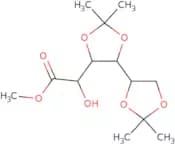
CAS:<p>Methyl 3,4:5,6-di-O-isopropylidene-D-gluconate is a modification of the oligosaccharide, carbohydrate. It is a complex carbohydrate that has been custom synthesized and is available in high purity. This product can be used as a monosaccharide or as a methylated glycosylated saccharide. Methyl 3,4:5,6-di-O-isopropylidene-D-gluconate can be found under CAS No. 114743-85-0 and has the molecular formula C12H22O11.</p>Formula:C13H22O7Purezza:Min. 98 Area-%Colore e forma:Colorless PowderPeso molecolare:290.31 g/mol2-Acetamido-3,4,6-tri-O-acetyl-2-deoxy-β-D-glucopyranosyl-Fmoc serine
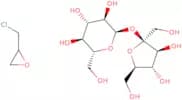
CAS:<p>2-Acetamido-3,4,6-tri-O-acetyl-2-deoxy-β-D-glucopyranosyl Fmoc serine is a modified sugar that is synthesized by the glycosylation of 2,3,4,6-tetra‑O‑acetyl‑2‑deoxy‑α‑D‑glucopyranose with an amino acid. It is used in peptide synthesis and as a building block for other oligosaccharides and saccharides. This compound has been shown to be useful in the production of complex carbohydrates.</p>Formula:C32H36N2O13Purezza:Min. 95 Area-%Colore e forma:White To Off-White SolidPeso molecolare:656.63 g/molSucrose 6'-monophosphate dipotassium
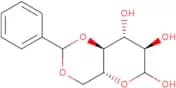
CAS:Sucrose 6'-monophosphate dipotassium salt is a high purity, custom synthesis sugar. Click modification and fluorination of sucrose with potassium fluoride yields an oligosaccharide. Glycosylation and methylation of the saccharide with sodium methoxide yields a monosaccharide. Carbohydrates are defined as polyhydroxy aldehydes or ketones that contain either aldoses or ketoses. Complex carbohydrates are sugars that consist of two or more simple sugars linked together. Sucrose has six carbon atoms, 12 hydrogen atoms, six oxygen atoms, and two sulfur atoms in its molecular structure. The molecular formula for sucrose is C12H22O11S2K2O4P. The CAS number for sucrose is 36064-19-4. Molecular weight: 342.3 g/molFormula:C12H23O14P•K2Purezza:Min. 95%Colore e forma:PowderPeso molecolare:500.47 g/mol4,6-O-Benzylidene-D-glucose
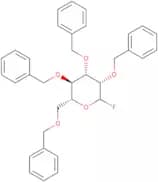
CAS:<p>4,6-O-Benzylidene-D-glucose is a potent inhibitor of the enzyme dibutyltin oxide, which is involved in the synthesis of energy. It has been shown to have clinical activity in rat cardiomyocytes and has been tested in clinical studies. 4,6-O-Benzylidene-D-glucose inhibits enzymes by forming hydrogen bonds with their substrates. This compound also interacts with hydrochloric acid to form a stable complex that prevents it from interacting with other molecules. 4,6-O-Benzylidene-D-glucose is rapidly broken down into glucose and benzaldehyde when it reacts with carbonyl groups or amines. The asymmetric synthesis of this compound can be achieved using an intramolecular hydrogen transfer reaction. <br>4,6-O-Benzylidene glucose is derived from D-mannose derivatives and contains a hydroxyl group on the central carbon</p>Formula:C13H16O6Purezza:Min. 98 Area-%Colore e forma:White PowderPeso molecolare:268.26 g/mol2,3,4,6-Tetra-O-benzyl-D-mannopyranosyl fluoride
CAS:2,3,4,6-Tetra-O-benzyl-D-mannopyranosyl fluoride is a glycosylamine that has been synthesized from l-threonine. The chemical structure of this compound can be classified as a pyranose sugar with an O-methylated benzyl group at the C2 position. This sugar is synthesized by reductive cleavage of the methyl ether and subsequent reaction with sodium borohydride. The conformational analysis of the molecule was performed using molecular mechanics calculations and quantum mechanical simulations. In addition, electron paramagnetic resonance (EPR) experiments were conducted to determine the chemical shift in the 1H NMR spectrum and to identify the acceptor or donor in the molecule. Trichloroacetimidates are used as monomers for this type of synthesis because they provide good yields and can be easily prepared by reacting chloroacetic acid with chloral hydrate.Formula:C34H35FO5Purezza:Min. 95%Colore e forma:Yellow PowderPeso molecolare:542.64 g/mola-D-Maltose octaacetate
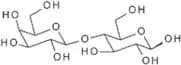
CAS:<p>Starch breakdown product; sweetening agent; fermentable intermediate in brewing</p>Formula:C28H38O19Purezza:Min. 95%Peso molecolare:678.59 g/molLactose - anhydrous
CAS:<p>Anhydrous lactose is an excipient, filler, diluent, and bulking agent in a wide variety of pharmaceutical tablets, capsules, powders and other preparations. It also has applications as a nutrient and multi-functional ingredient in infant formulae, geriatric, dietetic and health foods and may be used as an ingredient in culture media.</p>Formula:C12H22O11Purezza:Min. 98 Area-%Colore e forma:PowderPeso molecolare:342.3 g/molIsomaltol
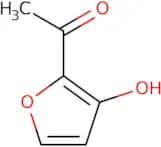
CAS:<p>Isomaltol is a sugar alcohol that is used as a food additive. It is a white, crystalline powder that is soluble in water and has an intense sweet taste. Isomaltol is produced by hydrogenating the reducing ends of sucrose to form maltose, which then undergoes hydrolysis to form maltitol. Isomaltol can be used as a replacement for sugar in foods and drinks. Isomaltol has been shown to inhibit tyrosinase activity, which may be beneficial for skin care products. It also has antimicrobial properties due to its ability to react with aluminium ions.</p>Formula:C6H6O3Purezza:Min. 95%Peso molecolare:126.11 g/mol2-Acetamido-2-deoxy-β-D-glucopyranosyl amine
CAS:2-Acetamido-2-deoxy-beta-D-glucopyranosyl amine (A2DG) is a diagnostic marker for juvenile idiopathic polyarteritis nodosa. This molecule is an intermediate in the synthesis of the carbohydrate, heparin. The A2DG assay measures concentrations of this metabolite in plasma samples and can be used to diagnose vasculitis and other inflammatory diseases. Novartis has developed a metabolite profiling technique that uses mass spectrometry to identify molecules present in cell culture or plasma samples. This technique has been used to measure levels of A2DG metabolites in patients with vasculitis, including juvenile idiopathic polyarteritis nodosa.Formula:C8H16N2O5Purezza:Min. 95.0 Area-%Peso molecolare:220.22 g/molRef: 3D-W-202730
1gPrezzo su richiesta100mgPrezzo su richiesta250mgPrezzo su richiesta500mgPrezzo su richiesta-Unit-ggPrezzo su richiesta2,6-Dimethyl-beta-cyclodextrin
CAS:<p>This beta-cyclodextrin (β-CD) derivative is a functionalized cyclic oligosaccharide composed of seven glucose units, characterized by a hydrophilic exterior and a lipophilic cavity (bigger than α-CD and smaller than γ-CDs), which allows it to encapsulate various guest molecules. This structural feature facilitates its use in multiple applications, including pharmaceuticals, food enhancement, and cosmetics. In the pharmaceutical industry, it enhances the solubility and stability of poorly water-soluble drugs, improving their bioavailability and efficacy while also masking unpleasant tastes. The food sector utilizes it as a stabilizer for flavors, colors, and nutrients, extending shelf life by protecting sensitive ingredients from degradation. In cosmetics, it serves as a complexing agent for fragrances and active components, ensuring their stability and controlled release. Its use expands to many other fields, including nanotechnology for drug delivery systems, environmental remediation for extracting organic pollutants, textiles for slow-release fragrances, and analytical chemistry for chiral separation.</p>Formula:C56H98O35Purezza:Min. 98%Colore e forma:White PowderPeso molecolare:1,331.36 g/molParomamine 3HCl
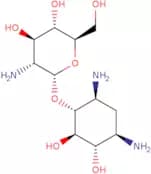
CAS:Paromamine is a chemical compound that inhibits protein synthesis by enzymatic inactivation. It has been shown to have a broad spectrum of antibacterial activity against Gram-positive and Gram-negative bacteria. Paromamine also has the ability to inhibit bacterial growth at high salt concentrations, making it an attractive candidate for development as an oral antibiotic drug. Paromamine is synthesized from natural products, such as salicylaldehyde or phenylhydrazine, which are readily available and inexpensive. The reaction mechanism for the formation of paromamine starts with dehydration of the hydroxyl group on the hydrazine to form a carbonyl group. This carbonyl group reacts with sephadex g-100 to form a cyanohydrin. The cyanohydrin reacts with ammonia to form an amide bond between the two nitrogen atoms in the molecule, which forms paromamine.Formula:C12H25N3O7·3HClPurezza:Min. 95%Peso molecolare:323.34 g/molLaminaran - from Laminaria cloustoni
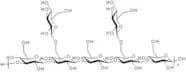
CAS:<p>Laminaran is a polysaccharide that co-occurs with fucoidan and alginate in brown seaweeds such as Laminaria digitata, Laminaria cloustoni, Eisenia bicyclis and Thallus laminariae. It is a β-1,3-linked glucan which it is claimed stimulates the immune system in mammals and fish.<br>The image was kindly provided by Prof Mike Guiry from Cork who runs ‘The Seaweed Site’.</p>Purezza:Min. 95%Colore e forma:PowderMethyl (phenyl 2,3-di-O-benzyl-1-thio-b-D-glucopyranoside)uronate
CAS:Methyl (phenyl 2,3-di-O-benzyl-1-thio-b-D-glucopyranoside)uronate is a synthetic glycosylation product. It is the methyl ester of 2,3,4,6-tetra-O-benzylated glucuronic acid. This product can be used for the modification of polysaccharides and saccharides with click chemistry. The synthesis of this compound can be customized to meet your needs.Purezza:Min. 95%Lacto-N-difucohexaose I
CAS:<p>Fucosyloligosaccharide present in human milk and colostrum</p>Formula:C38H65NO29Purezza:Min. 95 Area-%Colore e forma:White PowderPeso molecolare:999.91 g/molCellulase inhibitor PG 7145185
<p>Inhibitor that targets cellulase enzymes engaged in the degradation of cellulose.</p>Formula:C13H21O11F3Purezza:Min. 95%Colore e forma:White/Off-White SolidPeso molecolare:410.29 g/molFucoidan - Ascophyllum nodosum, analytical grade
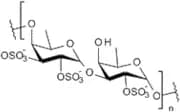
CAS:<p>A fucan sulphate found in brown marine algae (Phaeophyta-typically Fucus vesiculotus, Ascophyllum nodosum (illustrated), Alaria and Cladosiphon) and has been shown to have anticoagulant activity. The main constituents are α-1,4 and α-1,2 linked L-fucose sulphates although galactose also occurs and there are many variations of the basic structure found in different species of Phaeophyta.Molecular weight cut off at 300kDa.The image was kindly provided by Prof Mike Guiry from Cork who runs ‘The Seaweed Site’.</p>Colore e forma:Powder2,3-O-Isopropylidene-D-erythronolactone
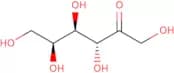
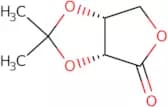
CAS:<p>2,3-O-Isopropylidene-D-erythronolactone is a chromophore that has been synthesised. It is a chiral heterocycle with an anion linker and a boron trifluoride etherate group. The carbon chain of 2,3-O-isopropylidene-D-erythronolactone has been found to be essential for its antibacterial activity against tuberculosis. This compound binds to the adenosine receptor in the bacterial cell membrane and inhibits bacterial growth.</p>Formula:C7H10O4Purezza:Area-% Min. 95 Area-%Colore e forma:PowderPeso molecolare:158.15 g/molD-Erythrulose - Aqueous solution
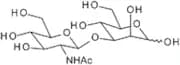
CAS:D-Erythrulose is a sugar that can be synthesized from the chemical structures of glycolaldehyde and carbonyl group. It can also be produced by hydrolysis of erythritol, which is found in plant cell walls. D-Erythrulose has been used as an alternative to glucose for fermentation processes because it does not inhibit the growth of most bacteria. D-Erythrulose has been shown to increase ATP levels in Escherichia coli K-12 cells and to affect the activities of enzymes involved in glycolysis, such as glyceraldehyde 3-phosphate dehydrogenase, phosphoglycerate kinase, and enolase. The metabolic pathways that produce D-erythrulose are found in many organisms, including Corynebacterium glutamicum, Brucella melitensis, and Brucella suis.Formula:C4H8O4Purezza:Min. 95%Colore e forma:Colorless PowderPeso molecolare:120.1 g/mol3-O-(2-Acetamido-2-deoxy-b-D-glucopyranosyl)-D-mannopyranose
CAS:<p>3-O-(2-Acetamido-2-deoxy-b-D-glucopyranosyl)-D-mannopyranose is a disaccharide that is part of the glycosaminoglycan family. It has an antigenic epitope that is recognized by antibodies, which are found in patients with rheumatoid arthritis and other autoimmune diseases. 3-O-(2-Acetamido-2-deoxy-b-D-glucopyranosyl)-D-mannopyranose is also known as glucosamine.</p>Formula:C14H25NO11Purezza:Min. 95 Area-%Colore e forma:PowderPeso molecolare:383.35 g/molFleetamine
<p>Fleetamine is a piperidine compound that has been shown to be an inhibitor of the enzyme glycosylation. Inhibitors of glycosylation are useful for treating diseases such as diabetes and Alzheimer's disease. It is thought that Fleetamine may inhibit human glycosylating enzymes, such as glucosyl transferase, which catalyzes the addition of a glucose molecule to a protein. This inhibition prevents the formation of oligosaccharides and glycoconjugates, which are necessary for proper functioning of cells.</p>Purezza:Min. 95%2-Amino-b-L-arabinofurano[1,2:4,5]oxazoline
CAS:<p>2-Amino-b-L-arabinofurano[1,2:4,5]oxazoline is a custom synthesis. It is a white to off-white powder with a molecular weight of 264.50 and a melting point of about 160°C. The purity of this compound is >98% by HPLC analysis. This product has been modified with glycosylation, methylation, click modification, fluorination, saccharide modification, sugar modification, and oligosaccharide modification.</p>Formula:C6H10N2O4Purezza:Min. 95%Colore e forma:PowderPeso molecolare:174.15 g/mol2-Deoxy-2-fluoro-D-glucose 6-phosphate dipotassium
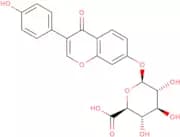
CAS:2-Deoxy-2-fluoro-D-glucose 6-phosphate dipotassium is a fluorinated sugar that is used as a building block in the synthesis of complex carbohydrates. 2-Deoxy-2-fluoro-D-glucose 6-phosphate dipotassium can be modified to produce glycosylations, methylations, and click chemistry modifications. This product is sold as a custom synthesis and can be used for any desired modification.Formula:C6H10FK2O8PPurezza:Min. 95 Area-%Colore e forma:PowderPeso molecolare:338.31 g/molFormononetin-β-D-glucuronide sodium
CAS:<p>Formononetin-b-D-glucuronide sodium salt is a synthetic compound that is commonly used as a building block in the synthesis of oligosaccharides and polysaccharides. Formononetin-b-D-glucuronide sodium salt is also known to be an inhibitor of human DNA polymerase alpha, which has been shown to inhibit the replication of human immunodeficiency virus (HIV) and herpes simplex virus type 1 (HSV1). Formononetin-b-D-glucuronide sodium salt has high purity, with a purity level of >99%.</p>Formula:C22H19O10NaPurezza:Min. 95%Colore e forma:White To Off-White SolidPeso molecolare:466.37 g/molN-Acetylneuraminic acid sodium salt
CAS:<p>N-Acetylneuraminic acid sodium salt is present in various natural sources, including glycoproteins and glycolipids found in animal tissues. As a sialic acid, N-Acetylneuraminic acid sodium salt plays a critical role in cellular recognition processes due to its involvement in the terminal position of glycan chains. This position allows it to participate in cellular communication, influencing processes like cell adhesion and pathogen interactions.The compound is extensively utilized in the fields of biochemistry and molecular biology, primarily for studies concerning cell surface glycoconjugates. Its ability to modulate interactions at the cell surface makes it invaluable for research into mechanisms of infection, immunity, and cell signaling. Additionally, N-Acetylneuraminic acid sodium salt finds applications in pharmaceutical research, particularly in the development of antiviral drugs where modulation of sialic acid interactions is key. The compound’s biochemical properties enable scientists to explore and elucidate complex biological phenomena, contributing to advances in therapeutic strategies and molecular pathology.</p>Formula:C11H18NO9NaPurezza:Min. 95%Peso molecolare:331.25 g/mol2,3,5-Tri-O-benzyl-L-ribonic acid-1,4-lactone
2,3,5-Tri-O-benzyl-L-ribonic acid-1,4-lactone (2,3,5-TRBA) is a fluorinated monosaccharide that is synthesized from D-ribose and hexafluoroisopropanol. It is also an oligosaccharide that can be custom synthesized for the synthesis of complex carbohydrates. 2,3,5-TRBA can be modified with methylation or glycosylation to yield a range of desired products. The CAS number for this compound is 103514-06-1. This compound has a purity of >98%.Formula:C26H26O5Purezza:Min. 95%Colore e forma:PowderPeso molecolare:418.48 g/mol4,6-O-Benzylidene-D-galactose
CAS:<p>4,6-O-Benzylidene-D-galactose is an anomer of D-galactose. It is a lectin that has been shown to inhibit the binding of amyloid beta to the cerebroside in the brain tissue. This activity may be due to its ability to form an amide bond with galactose, which is present in amyloid beta. 4,6-O-Benzylidene-D-galactose also has a coronary heart disease prevention effect and can help reduce cholesterol levels. Furthermore, it has been found to have anti-cancer properties and can help prevent the growth of cancerous cells by inhibiting protein synthesis. In addition, 4,6-O-Benzylidene-D-galactose can be used as a cationic surfactant or detergent composition for cleaning or treating surfaces.</p>Formula:C13H16O6Purezza:Min. 95%Colore e forma:White To Off-White SolidPeso molecolare:268.26 g/molDextran 750 - MW: 500,000 to 1,000,000
CAS:<p>Dextran is a polysaccharide that is used as an antimicrobial agent and as a volume expander in the treatment of bowel disease, myocardial infarct, and other diseases. Dextran sulfate is a linear polymer with a molecular weight of 500,000 to 1,000,000. It has minimal toxicity and does not interfere with iron homeostasis or cause fluid overload. Dextran sulfate can be used for the treatment of bowel disease because it has been shown to have anti-inflammatory effects in experimental models. The mechanism by which dextran sulfate inhibits inflammation is unknown, but may involve its ability to bind to macrophages and neutrophils in the gut wall. Dextran sulfate also binds to bacteria and prevents their growth. This binding may prevent bacterial penetration into epithelial cells or block bacterial attachment to cell surfaces. The efficacy of dextran sulfate against pathogenic mechanisms such as inflammation has been demonstrated in experimental models.</p>Purezza:Min. 95%Colore e forma:White PowderHexahydro- 1, 2, 8- trihydroxy- [1S- (1a, 2a, 8a, 8ab) ]-5(1H) -indolizinone
CAS:<p>Hexahydro-1,2,8-trihydroxy-[1S-(1a,2a,8a,8ab)]-5(1H)-indolizinone is a custom synthesis of a complex carbohydrate. It is an Oligosaccharide and Polysaccharide. The saccharide Methylation and Glycosylation are the Modification of this molecule. This product has CAS No. 96625-36-4 and Click modification is Carbohydrate sugar. This product is highly pure with Fluorination Synthetic</p>Formula:C8H13NO4Purezza:Min. 95%Peso molecolare:187.19 g/mol4-Methylphenyl 2-O-acetyl-3-O-benzyl-4-O-levulinoyl-b-D-thioglucuronide methyl ester
4-Methylphenyl 2-O-acetyl-3-O-benzyl-4-O-levulinoyl-b-D-thioglucuronide methyl ester is a high purity, custom synthesis, sugar modified, Click modification, fluorination, glycosylation, synthetic compound. CAS No. is 8072159–1. It is an Oligosaccharide, Monosaccharide and Carbohydrate with complex carbohydrate structure.Formula:C28H32O9SPurezza:Min. 95%Peso molecolare:544.62 g/mol








![(1R) -1- [(2S, 3R,4R) -4-(Acetylamino)methyl-N-butyl-3- hydroxy- 1- azetidinyl] -1, 2- ethanediol](/_next/image/?url=https%3A%2Fstatic.cymitquimica.com%2Fproducts%2F3D%2Fthumb-webp%2FMA163407.webp&w=3840&q=75)





![(1R) -1- [(2R, 3S) - 3- Hydroxy- 1- (phenylmethyl) - 2- azetidinyl] -1, 2- ethanediol](/_next/image/?url=https%3A%2Fstatic.cymitquimica.com%2Fproducts%2F3D%2Fthumb-webp%2FMH163551.webp&w=3840&q=75)













![2-Amino-b-L-arabinofurano[1,2:4,5]oxazoline](/_next/image/?url=https%3A%2Fstatic.cymitquimica.com%2Fproducts%2F3D%2Fthumb-webp%2FMA06535.webp&w=3840&q=75)
![Hexahydro- 1, 2, 8- trihydroxy- [1S- (1a, 2a, 8a, 8ab) ]-5(1H) -indolizinone](/_next/image/?url=https%3A%2Fstatic.cymitquimica.com%2Fproducts%2F3D%2Fthumb-webp%2FMH163920.webp&w=3840&q=75)
