Glicoscienza
La glicosienza è lo studio dei carboidrati e dei loro derivati, nonché delle interazioni e delle funzioni biologiche a cui partecipano. Questo campo di ricerca è cruciale per comprendere una vasta gamma di processi biologici, tra cui il riconoscimento cellulare, la segnalazione, la risposta immunitaria e lo sviluppo delle malattie. La glicosienza ha importanti applicazioni nella biotecnologia, nella medicina e nello sviluppo di nuovi farmaci e terapie. Presso CymitQuimica, offriamo un'ampia selezione di prodotti di alta qualità e purezza per la ricerca in glicosienza. Il nostro catalogo comprende monosaccaridi, oligosaccaridi, polisaccaridi, glicoconiugati e reagenti specifici, progettati per supportare i ricercatori nei loro studi sulla struttura, funzione e applicazioni dei carboidrati nei sistemi biologici. Queste risorse sono destinate a facilitare scoperte scientifiche e applicazioni pratiche in vari ambiti delle bioscienze e della medicina.
Sottocategorie di "Glicoscienza"
- Amminozucchero(108 prodotti)
- Glico-anticorpi(282 prodotti)
- Glicolipidi(46 prodotti)
- Glicosaminoglicani (GAGs)(55 prodotti)
- Glicosidi(419 prodotti)
- Monosaccaridi(6.624 prodotti)
- Oligosaccaridi(3.682 prodotti)
- Polisaccaridi(503 prodotti)
Trovati 11046 prodotti di "Glicoscienza"
Ordinare per
Purezza (%)
0
100
|
0
|
50
|
90
|
95
|
100
1,6-anhydrochitobiose
<p>1,6-Anhydrochitobiose is an anhydosugar that can be used in the synthesis of oligosaccharides and polysaccharides</p>Formula:C12H22N2O8Peso molecolare:322.39 g/mol6-Cyclohexylhexyl β-D-maltoside
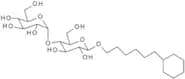
CAS:<p>6-Cyclohexylhexyl b-D-maltoside (6CHBM) is a monoclonal antibody that inhibits the acetylcholine receptor. It binds to the hydroxyl group on the acetylcholine receptor and blocks nicotinic acetylcholine binding, preventing activation of the receptor. 6CHBM is a hydrophobic molecule with a hydroxyl group that can interact with other hydrophobic molecules in the membrane bilayer, such as fatty acids. 6CHBM has been shown to be an allosteric inhibitor of acetylcholine receptors by binding to a site outside of the active site and altering conformational changes required for channel opening. 6CHBM has also been shown to inhibit cation channels.<br>6CHBM was developed from mouse antibodies and has shown no adverse effects in mice or rabbits.</p>Formula:C24H44O11Purezza:Min. 95%Colore e forma:PowderPeso molecolare:508.6 g/molOctyl α-D-thioglucopyranoside
CAS:<p>Octyl α-D-thioglucopyranoside is a custom synthesis that belongs to the group of saccharides. It is a synthetic compound that can be modified with methylation, fluorination, and monosaccharide or oligosaccharide additions. Octyl α-D-thioglucopyranoside has been shown to have complex carbohydrate properties due to its glycosylation and sugar additions.</p>Formula:C14H28O5SPurezza:Min. 98 Area-%Colore e forma:PowderPeso molecolare:308.43 g/molOctyl α-D-galactopyranoside
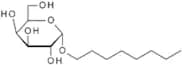
CAS:<p>Octyl α-D-galactopyranoside is a synthetic, complex carbohydrate. It is an oligosaccharide that has been fluorinated and modified with a methyl group at the C-2 position. This product is custom synthesized and can be glycosylated, polysaccharides, or modified with other chemical groups. It has high purity and is available in small quantities.</p>Formula:C14H28O6Purezza:Min. 98 Area-%Colore e forma:PowderPeso molecolare:292.37 g/mol2,6-Dichloro-9-(2-deoxy-3,5,DI-O-(4-methylbenzoyl-β-D-erythropentofuranosyl)-9H-purine)
CAS:<p>Fluorinated 2,6-dichloro-9-(2-deoxy-3,5,DI-O-(4-methylbenzoyl)-beta-D-erythropentofuranosyl) 9H-purine is a synthetic monosaccharide with a fluorinated methyl group attached to the sugar. It has been used in the synthesis of complex carbohydrates and oligosaccharides. Fluorinated 2,6-dichloro-9-(2-deoxy-3,5,DI-O-(4-methylbenzoyl)-beta-D-erythropentofuranosyl) 9H-purine can be obtained by Custom Synthesis or Click Modification. This compound is also known as CAS No. 3892580 3.</p>Formula:C26H22Cl2N4O5Purezza:Min. 95%Peso molecolare:541.4 g/molMyristoyl-DL-carnitine chloride
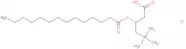
CAS:<p>Myristoyl-DL-carnitine chloride (MC) is a prodrug that is hydrolyzed to form L-carnitine and myristic acid. The drug has been shown to be absorbed intranasally, and its absorption kinetics are enhanced by the presence of lipids. MC was found to increase the level of human growth hormone in Sprague-Dawley rats. It also decreased the amount of chloride excreted in the urine by inhibiting intestinal epithelial cells from absorbing chloride ions. This drug may be used as a nasal spray for treatment of gastrointestinal disorders such as chronic constipation.</p>Formula:C21H42ClNO4Purezza:Min. 95%Colore e forma:PowderPeso molecolare:408.02 g/molTetradecyl b-D-glucopyranoside
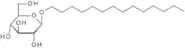
<p>Tetradecyl b-D-glucopyranoside is a glycosylated, fluorinated, modified monosaccharide that is synthesized by fusing the tetradecyl moiety to the hydroxyl group of a-D-glucopyranose. The synthesis is accomplished by click chemistry, which involves copper catalysis and an azide/alkyne cycloaddition. Tetradecyl b-D-glucopyranoside has been shown to inhibit the growth of Gram-positive bacteria when used in combination with antibiotics such as ampicillin and vancomycin. This compound also has been shown to have antimicrobial properties against mycobacterium tuberculosis.<br>Tetradecyl b-D-glucopyranoside is an excellent substrate for glycosylation reactions with various saccharides including glucose, maltose, lactose, galactose, and trehalose. It can also</p>Formula:C20H40O6Purezza:Min. 95%Colore e forma:PowderPeso molecolare:376.53 g/molβ-D-Glucopyranuronic Acid Methyl Ester 2,3,4-Triacetate 1-(4-Nitrophenyl Carbonate)
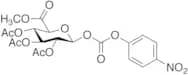
CAS:Prodotto controllato<p>Applications Intermediate used in the addition of protected Glucopyranuronic Acid.<br></p>Formula:C20H21NO14Colore e forma:NeatPeso molecolare:499.383-O-(a-D-Galactopyranosyl)-D-galactose
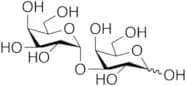
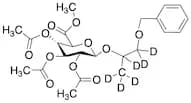
CAS:<p>Stability Hygroscopic<br>Applications 3-O-(α-D-Galactopyranosyl)-D-galactose (cas# 13168-24-6) is a compound useful in organic synthesis.<br>References Abramenko, I.V., et al.: Tsitologiya, 35 (5), 91 (1993), Kelly, R.F., et al.: Mol. Microbiol., 10 (3), 615 (1993), Stortz, C.A., et al.: J. Carbohydr. Chem., 13 (2), 235 (1994), Neethling, F.A., et al.: Transplantation, 57 (6), 959 (1994)<br></p>Formula:C12H22O11Colore e forma:NeatPeso molecolare:342.30Propylene Glycol β-D-Glucopyranosiduronic Acid Benzyl Ester 2,3,4-Triacetate-d6
Prodotto controllato<p>Applications Propylene Glycol β-D-Glucopyranosiduronic Acid Benzyl Ester 2,3,4-Triacetate-d6 s an intermediate in the synthesis of Isotope labelled Propylene Glycol 2-Glucuronide which is a metabolite of propylene glycol, used in the synthesis of N-terminal kinase inhibitors with cellular activity. Acts as a solvent for various pharmaceutical compounds.<br>References Szczepankiewicz, B. et al.: J. Med. Chem., 49, 3563 (2006); Mateus, R. et al.: Int. J. Pharm., 444, 106 (2013);<br></p>Formula:C23H24D6O11Colore e forma:NeatPeso molecolare:488.512-Acetamido-2-deoxy-N-[N-(benzyloxycarbonyl)-ε-aminocaproyl]-β-D-glucopyranosylamine
CAS:Prodotto controllato<p>Applications 2-Acetamido-2-deoxy-N-[N-(benzyloxycarbonyl)-ε-aminocaproyl]-β-D-glucopyranosylamine (cas# 56146-89-5) is a compound useful in organic synthesis.<br></p>Formula:C22H33N3O8Colore e forma:NeatPeso molecolare:467.512-Acetamido-2-deoxy-D-gluconhydroximo-1,5-lactone 1,3,4,6-tetraacetate
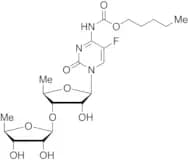
CAS:Prodotto controllato<p>Stability Temperature Sensitive, Hygroscopic - Store Refridgerated<br>Applications An intermediate in the synthesis of PugNAc (Cat. No. A15725), an inhibitor of glucosamidase.<br>References Beer, D., et al.: Helv. Chim. Acta., 73, 1918 (1990), Horsch, M., et al.: Eur. J. Biochem., 197, 815 (1991), Horsch, M., et al.: J. Enzyme Inhib., 7, 47 (1993),Horsch, M., et al.: Eur. J. Biochem., 237, 476 (1996),<br></p>Formula:C16H22N2O10Colore e forma:NeatPeso molecolare:402.353’-O-(5’-Deoxy-β-D-ribofuranosyl) Capecitabine
CAS:Prodotto controllato<p>Impurity Capecitabine 3-O-BDR Impurity (USP)<br>Applications Capecitabine (C175650) impurity. Capecitabine 3-O-BDR Impurity (USP).<br></p>Formula:C20H30FN3O9Colore e forma:NeatPeso molecolare:475.47Spiramycin Embonate
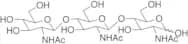
CAS:Prodotto controllato<p>Applications Spiramycin Embonate is an antibiotic that is used in biological studies in the role of multidrug resistance of Strenotrophomonas maltophilia.<br>References Huang, Y., et al.: J. Antimicrob. Chemother., 68, 1987 (2013); Poole, K., et al.: Mol. Microbiol., 21, 713 (1996)<br></p>Formula:C66H90N2O20Colore e forma:NeatPeso molecolare:1231.42N,N’,N’’-Triacetyl Chitotriose
CAS:Prodotto controllato<p>Applications N,N’,N’’-Triacetyl Chitotriose is a multivalent glycosides with strong crosslinking activity for lectin as a specific coagulant.<br>References Bhattacharyya, L., et al.: Biochemistry, 29, 7523 (1990), Sacchettini, J., et al.: Biochemistry, 40, 3009 (2001), Maierhofer, C., et al.: Bioorg. Med. Chem., 15, 7661 (2007),<br></p>Formula:C24H41N3O16Colore e forma:NeatPeso molecolare:627.60D-Fucose
CAS:Prodotto controllato<p>Applications D-Fucose is a hexose deoxy sugar found on N-linked glycans that appears on the cell surface of mammalian and plant cells. D-Fucose is also the building block of fucoidan polysaccharide, an sulfated polysaccharide found in various species of brown algae.<br>References Becker, D.J., et al.: Glycobiol., 13, 41 (2003); Denkova, R., et al.: Food. Environ. Safe., 11, 5 (2012); Janathan, M.C., et al.: Carb. Poly., 93, 232 (2013);<br></p>Formula:C6H12O5Colore e forma:NeatPeso molecolare:164.164,6-O-Benzylidene-N-acetyl-D-galactosamine
CAS:Prodotto controllato<p>Applications 4,6-O-Benzylidene-N-acetyl-D-galactosamine (cas# 420118-03-2) is a compound useful in organic synthesis.<br></p>Formula:C15H19NO6Colore e forma:NeatPeso molecolare:309.31Trigalacturonic Acid (>90%)
CAS:Prodotto controllato<p>Applications Trigalacturonic Acid, is the product of polygalacturonic acid degradation. The mixture of Oligogalacturonic Acids has shown to have shoot growth in cockscomb (Celosia argentea L.) seedlings.<br>References Suzuki, T., et al.: J. Plant Growth Reg., 21, 209 (2003);<br></p>Formula:C18H26O19Purezza:>90%Colore e forma:NeatPeso molecolare:546.39Polysorbate 20
CAS:<p>Polysorbate 20 is a sodium salt of polyoxyethylene sorbitan monolaurate, which is a biocompatible polymer. It is used as an emulsifier in pharmaceuticals, foods, cosmetics, and other personal care products. Polysorbate 20 has been shown to be effective against the production of proprotein convertase subtilisin/kexin type 9 (PCSK9), a protein that regulates the levels of low-density lipoprotein cholesterol (LDL-C) in the blood. This drug has also been shown to enhance the production of monoclonal antibodies by human serum cells. Polysorbate 20 can be used for cell lysis and biological sample handling due to its ability to dissolve proteins, including biological samples such as tissue sections or blood smears.</p>Colore e forma:Slightly Yellow Slightly Brown Clear LiquidG418 Disulfate
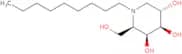
CAS:Formula:C20H40N4O10·2H2SO4Purezza:>90.0%(HPLC)(N)Colore e forma:White to Almost white powder to crystalPeso molecolare:692.70N-Nonyldeoxygalactonojirimycin
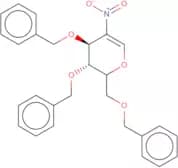
CAS:<p>N-Nonyldeoxygalactonojirimycin (NDGJ) is a novel antiviral agent that inhibits the activity of viral enzymes, such as polymerase chain reaction and reverse transcriptase. NDGJ has been shown to inhibit the replication of hepatitis viruses in primary cells and human macrophages. The drug also inhibits the replication of human pathogens, such as HIV-1, herpes simplex virus type 1, and cytomegalovirus in cell culture. NDGJ has an effect on hydrophobic amino acids in protein synthesis by binding to them and preventing their attachment to the ribosomal surface. This leads to cell lysis through a process called osmotic shock.</p>Formula:C15H31NO4Purezza:Min. 95 Area-%Colore e forma:White Off-White PowderPeso molecolare:289.41 g/mol3,4,6-Tri-O-benzyl-2-nitro-D-galactal
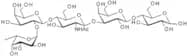
CAS:3,4,6-Tri-O-benzyl-2-nitro-D-galactal is a nitro compound that is used in the synthesis of glycopeptide antibiotics. It reacts with threonine, forming an intramolecular hydrogen bond to yield the corresponding methyl ester. The nitrate ion can also be used as a nucleophile to form an ether with alcohols or amines. This reaction is stereoselective and yields the desired product in high yields.Formula:C27H27NO6Purezza:Min. 98 Area-%Colore e forma:PowderPeso molecolare:461.51 g/molBlood group H pentaose type II
CAS:Blood group H pentaose type II is a carbohydrate. It is a saccharide with the molecular formula C5H11O4. The saccharide can be modified, for example by fluorination, methylation and glycosylation. The CAS number for this compound is 30517-76-1. This product is custom synthesized and has high purity and good quality.Formula:C32H55NO25Purezza:Min. 90%Colore e forma:PowderPeso molecolare:853.77 g/molLacto-N-fucopentaose I-BSA
Lacto-N-fucopentaose I-BSA is a Glycosylation, Oligosaccharide, sugar, Synthetic, Fluorination, Custom synthesis, Methylation, Monosaccharide, Polysaccharide, saccharide.Purezza:Min. 95%Maltooctaose hexacosaacetate
CAS:<p>CO2-philic compound; used in pharmaceuticals and CO2-based processes</p>Formula:C100H134O67Purezza:Min. 95%Colore e forma:PowderPeso molecolare:2,408.09 g/molSugammadex
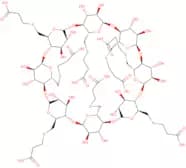
CAS:<p>Sugammadex is a modified gamma-cyclodextrin specifically designed to reverse the effects of steroidal non-depolarizing neuromuscular blocking drugs, particularly rocuronium and vecuronium. In anesthesiology, it offers a novel approach to neuromuscular blockade reversal by directly encapsulating and inactivating these muscle relaxants. Sugammadex forms tight 1:1 complexes with free plasma rocuronium or vecuronium molecules, rapidly reducing their concentration at the neuromuscular junction. This mechanism allows for fast and predictable reversal of neuromuscular blockade, even from deep levels, without the need for anticholinesterases or antimuscarinic agents. Sugammadex has also shown promise in special populations, including pregnancy, pediatrics, and patients with renal or hepatic impairment.</p>Formula:C72H112O48S8Purezza:Min. 95%Peso molecolare:2,002.16 g/mol1-Chloro-2-deoxy-3,5-di-O-toluoyl-L-ribofuranose
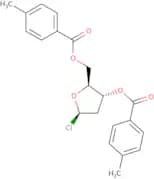
CAS:1-Chloro-2-deoxy-3,5-di-O-toluoyl-L-ribofuranose is a synthetic glycosylation agent with high purity and custom synthesis. It is a monosaccharide that can be used for the modification of complex carbohydrates, such as saccharides and polysaccharides. 1-Chloro-2-deoxyribofuranose is also known to react with other types of sugars to form glycosylated products. This product can be fluorinated or methylated to create new derivatives.Formula:C21H21ClO5Purezza:(Argentometric Titration) Min 90%Colore e forma:PowderPeso molecolare:388.84 g/molBenzyl α-D-mannopyranoside
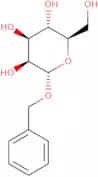
CAS:<p>Benzyl a-D-mannopyranoside is a pharmaceutical dosage form of the drug benzyl a-D-mannopyranoside, which is used to control analysis of silver trifluoromethanesulfonate. It is administered orally as a monosodium salt, which is the only form that has been studied in humans. This combination therapy group was found to be more effective than benzyl groups or systematically administered drugs when used as monotherapy. Benzyl a-D-mannopyranoside may be glycosidated by cells in culture and this process may cause symptoms such as nausea and vomiting. However, glycosidation does not occur in humans.</p>Formula:C13H18O6Purezza:Min. 95%Colore e forma:PowderPeso molecolare:270.28 g/molChondroitin sulfate A sodium salt - Average MW 10,000 - 50,000
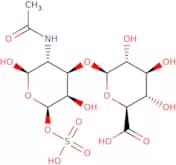
CAS:Chondroitin sulfate A sodium salt is a glycosaminoglycan that is derived from chondroitin. It is a complex carbohydrate with a high molecular weight and an average MW of 10,000 to 50,000 Da. The synthesis of the monosaccharide units in chondroitin sulfate A sodium salt occurs by Methylation, Click modification, Polysaccharide, or Fluorination. Chondroitin sulfate A sodium salt can be custom synthesized according to customer specifications and can be ordered as a CAS No. 39455-18-0 with high purity.Purezza:Min. 95%Colore e forma:White Off-White PowderMannide monooleate
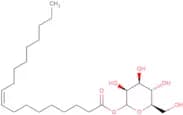
CAS:Mannide monooleate is a naturally occurring fatty acid that is found in the lipid bilayer of cell membranes. It has shown to be effective in the treatment of a number of chronic inflammatory diseases, such as arthritis and inflammatory bowel disease. Mannide monooleate is also being explored as an adjuvant for vaccines, and has shown efficacy against leishmania infection.Formula:C24H44O6Purezza:Min. 95%Colore e forma:PowderPeso molecolare:428.61 g/mol1,6-Anhydro-2-deoxy-2-thio-β-D-glucopyranose
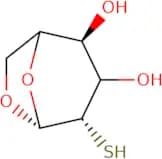
CAS:<p>An anhydro thio sugar</p>Formula:C6H10O4SPurezza:Min. 95%Peso molecolare:178.21 g/mol3-O-Benzyl-1,2-O-isopropylidene-a-D-glucofuranose
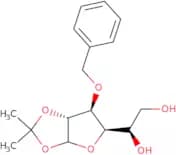
CAS:<p>3-O-Benzyl-1,2-O-isopropylidene-a-D-glucofuranose (3BZIPF) is an oligosaccharide with a molecular weight of 477.6 g/mol. It is soluble in alcohol and water. 3BZIPF can be used as a sugar substitute or in the food industry. The product can be custom synthesized to meet your requirements.</p>Formula:C16H22O6Purezza:Min. 95%Colore e forma:Yellow PowderPeso molecolare:310.34 g/molN-(7-Oxa-9,9,9-trifluorononyl)deoxynojirimycin
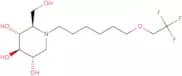
CAS:<p>N-(7-Oxa-9,9,9-trifluorononyl)deoxynojirimycin is a carbohydrate that belongs to the group of saccharides. It is an oligosaccharide with a complex structure containing seven monosaccharides and nine oxygens. N-(7-Oxa-9,9,9-trifluorononyl)deoxynojirimycin has been custom synthesized for use in click chemistry applications. This carbohydrate is freely soluble in water and has a high purity level. The product can be methylated, glycosylated, or modified with other functional groups.</p>Formula:C14H26F3NO5Purezza:Min. 95%Colore e forma:PowderPeso molecolare:345.36 g/molEthyl 2,3,4,6-tetra-O-benzoyl-b-D-thiogalactopyranoside
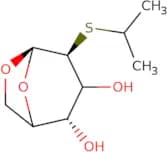
CAS:<p>Ethyl 2,3,4,6-tetra-O-benzoyl-b-D-thiogalactopyranoside is a glycosylation reagent that is synthesized by reacting ethyl 2,3,4,6-tetra-O-benzoyl-b-D-thioglucopyranoside with sodium borohydride in ethanol. The product can be used to modify complex carbohydrates such as oligosaccharides and polysaccharides. Ethyl 2,3,4,6-tetra-O-benzoyl-b-D--thiogalactopyranoside has a CAS number of 138661–53–7.</p>Formula:C36H32O9SPurezza:Min. 95%Peso molecolare:640.70 g/mol1,6-Anhydro-2-deoxy-2-isopropylthio-β-D-glucopyranose
<p>An anhydro thio sugar</p>Formula:C9H16O4SPurezza:Min. 95%Peso molecolare:220.29 g/molEthyl cellulose
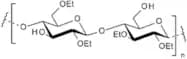
CAS:Ethyl cellulose is similar in structure to methyl cellulose with ethyl replacing the methyl groups. It is approved for use in regulated markets such as food and pharmaceuticals. In pharmaceuticals it can mask the taste of bitter actives, enhance the strength and appearance of tablets and capsules, and enable controlled release formulations. In food products it functions as a binder, film former and flavour fixative.Purezza:Min. 95%Colore e forma:White Yellow Powder4-Hydroxypropofol 1-O-b-D-glucuronide sodium salt
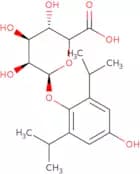
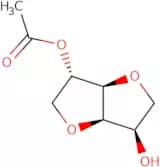
CAS:<p>4-Hydroxypropofol 1-O-b-D-glucuronide is a metabolite of propofol that is found in human urine. It can be detected by chromatography and UV spectroscopy. 4-Hydroxypropofol 1-O-b-D-glucuronide has been shown to have radical scavenging activity and can be used as an analytical reagent for the validation of analytical methods. This compound has also been analysed for its cytotoxic and antiinflammatory effects on the cytosol of cultured cells, with promising results.</p>Formula:C18H25NaO8Purezza:Min. 95%Colore e forma:PowderPeso molecolare:392.38 g/mol1,4:3,6-Dianhydro-2-O-acetyl-D-glucitol
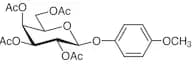
CAS:<p>1,4:3,6-Dianhydro-2-O-acetyl-D-glucitol is an isosorbide intermediate</p>Formula:C8H12O5Purezza:Min. 95%Colore e forma:PowderPeso molecolare:188.18 g/mol4-Methoxyphenyl 2,3,4,6-Tetra-O-acetyl-β-D-galactopyranoside
CAS:Formula:C21H26O11Purezza:>98.0%(HPLC)Colore e forma:White to Almost white powder to crystalPeso molecolare:454.436-Aminomethyl-6-deoxy-a-cyclodextrin
<p>Alpha-cyclodextrin (α-CD) derivative with a hydrophilic exterior and lipophilic cavity (smaller than β-CDs and γ-CDs) to allocate certain guest molecules. This structural characteristic enables applications in molecular encapsulation, solubility enhancement, and stabilization across multiple industries. In pharmaceuticals, it serves as a drug delivery vehicle, enhancing the bioavailability and stability of active ingredients. The food industry utilizes it as a stabilizer for flavors, colors, and nutrients, as well as a functional ingredient for its effects on lipid metabolism. In cosmetics, it acts as a complex agent for fragrances and active components. Its applications extend to analytical chemistry for chiral separation and to materials science for developing smart materials and nanosystems.</p>Formula:C42H78N6O24Purezza:Min. 95%Peso molecolare:1,051.09 g/molRengasin-4'-O-glucoside
<p>Rengasin-4'-O-glucoside (RG4G) is a natural glycoside that belongs to the category of sugar derivatives. It has versatile uses and can be used as a building block for complex compounds, as well as in research chemicals, pharmaceuticals, and cosmetics. RG4G also has many applications in chemistry, including being used as a reagent or speciality chemical. RG4G is also an important intermediate in organic synthesis, which can be used to synthesize many useful compounds. The compound is often used as a scaffold for larger molecules.</p>Purezza:Min. 95%D-(+)-Melibiose Monohydrate
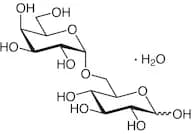
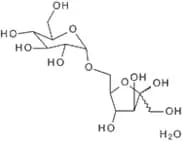
CAS:Formula:C12H22O11·H2OPurezza:>99.0%(HPLC)Colore e forma:White to Almost white powder to crystalPeso molecolare:360.322-O-α-D-Galactopyranosyl-1-deoxynojirimycin
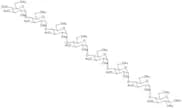
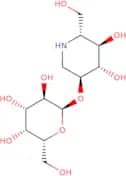
CAS:<p>2-O-a-D-Galactopyranosyl-1-deoxynojirimycin is a monosaccharide derivative of deoxynojirimycin. It is synthesized by the methylation of the natural product, followed by the addition of a click modification and the fluorination of one sugar. This compound has been shown to have anti-inflammatory properties, as well as inhibitory effects on bacterial growth.</p>Formula:C12H23NO9Purezza:90%Colore e forma:PowderPeso molecolare:325.31 g/molFructodecasaccharide
<p>Fructodecasaccharide is a methylated, custom-synthesized oligosaccharide that is a polysaccharide with the molecular formula C10H17O11. Fructodecasaccharide is a complex carbohydrate that consists of a monosaccharide and two disaccharides. It has been modified to include fluorine atoms in the glycosidic linkages between the sugar residues. This modification can alter the physical properties of fructodecasaccharide, such as increasing its solubility and stabilizing its structure. Fructodecasaccharide is used in many industries as a high-purity, synthetic product for use in medical applications, including pharmaceuticals and cosmetics.</p>Formula:C60H102O51Purezza:Min. 95%Colore e forma:PowderPeso molecolare:1,639.42 g/mol1,2-O-Isopropylidene-3-deoxy-α-D-allofuranose
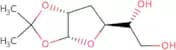
CAS:1,2-O-Isopropylidene-3-deoxy-a-D-allofuranose is a custom synthesis that is a complex carbohydrate. It has been modified by methylation and glycosylation. The product is an Oligosaccharide, Polysaccharide and Modification of saccharide. The product has high purity with a CAS No. 4494-96-6.Formula:C9H16O5Purezza:Min. 95%Colore e forma:Off-White PowderPeso molecolare:204.22 g/molL-Fucose - mycoplasma free, suitable for cell culture
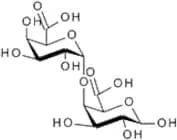
CAS:L-fucose is used in cell culture to supplement the cell culture medium and provide a building block for cellular processes like fucosylation. When cells take up L-fucose they convert it to GDP-L-fucose MG01912 which is then used for adding fucose residues to glycoproteins. This is useful for studying metabolic pathways, correcting fucosylation deficiencies, or enhancing cellular functions.Our material is extensively purified in our Swiss manufacturing site to ensure it is mycoplasma free and low endotoxin.Formula:C6H12O5Purezza:Min. 98 Area-%Peso molecolare:164.16 g/molDigalacturonic acid
CAS:<p>Digalacturonic acid (DGA) (α-1,4 galacturonobiose), is derived from pectin or pectic acid, by enzymatic or partial acid hydrolysis. It is used in the co-crystallization of enzymes such as proteinase K. It is also used in galacturonic acid metabolism research as a substrate to identify, differentiate, and characterized endo- and exopolygalacturonase(s), and gluconase(s).</p>Formula:C12H18O13Purezza:Min. 95%Colore e forma:White PowderPeso molecolare:370.26 g/molα-D-Lactose 1-phosphate barium salt
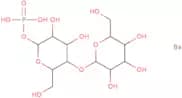
CAS:<p>a-D-Lactose 1-phosphate barium salt is a modification of a D-lactose monosaccharide. It is a complex carbohydrate that has been synthesized using the polyol method. The CAS number for this product is 103404-65-5. This product is available in high purity and the molecular weight of this compound is 576. a-D-Lactose 1-phosphate barium salt can be used as an ingredient in pharmaceuticals, food products, and cosmetics. It has been shown to have anticariogenic activities and may be used as a substitute for sucrose in food products.</p>Formula:C12H21O14P·BaPurezza:Min. 95%Colore e forma:PowderPeso molecolare:557.59 g/molN-Acetyl-β-D-glucosaminyl-(1→4)-N-acetylmuramoyl-L-alanyl-D-isoglutamine
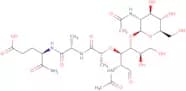
CAS:<p>Please enquire for more information about N-Acetyl-β-D-glucosaminyl-(1→4)-N-acetylmuramoyl-L-alanyl-D-isoglutamine including the price, delivery time and more detailed product information at the technical inquiry form on this page</p>Formula:C27H45N5O16Purezza:Min. 95%Colore e forma:PowderPeso molecolare:695.67 g/molN-Glycolylneuraminic acid-spacer-BSA
<p>N-Glycolylneuraminic acid-spacer-BSA is a synthetic, monosaccharide oligosaccharide, complex carbohydrate. The glycosylation of BSA with N-glycolylneuraminic acid has been shown to be an effective method for the protection of biomolecules against fluoroquinolones. Glycosylation with N-glycolylneuraminic acid can be used as a method for the protection of biomolecules from fluoroquinolone antibiotics and other chemical reagents that are known to react with sugars.</p>Purezza:Min. 95%Colore e forma:PowderSolasodine 3-glucoside
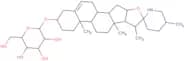
CAS:<p>Solasodine 3-glucoside is a sugar that belongs to the group of oligosaccharides. It has been synthetically modified by fluorination, methylation, and click chemistry. Solasodine 3-glucoside is synthesized from sucrose in a glycosylation reaction with glucuronic acid and an aminoglycoside antibiotic. The sugar analogs are then converted to the desired saccharide structure by monosaccharide synthesis or polysaccharide synthesis. This product is custom synthesized to order for customers and can be modified to suit their needs with click chemistry and other modifications.</p>Formula:C33H53NO7Purezza:Min. 95%Peso molecolare:575.8 g/mol1-(3-Dimethylaminopropyl)-3-ethylcarbodiimide
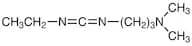
CAS:Formula:C8H17N3Purezza:>98.0%(GC)(T)Colore e forma:Colorless to Yellow clear liquidPeso molecolare:155.254-Methoxyphenyl 2-Amino-3,6-di-O-benzyl-2-deoxy-β-D-glucopyranoside
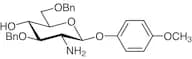
CAS:Formula:C27H31NO6Colore e forma:White to Almost white powder to crystalPeso molecolare:465.55Phenyl 2,3,4,6-tetra-O-acetyl-b-D-galactopyranoside
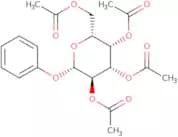
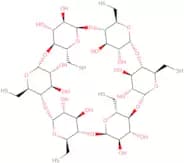
CAS:Phenyl 2,3,4,6-tetra-O-acetyl-b-D-galactopyranoside (TTA) is a synthetic monosaccharide that is used in the synthesis of complex carbohydrates. TTA is also known as Fluorination, Monosaccharide, Synthetic, Oligosaccharide, complex carbohydrate and has CAS No. 2872-72-2. TTA can be custom synthesized for research purposes or for commercial use and can be glycosylated to form polysaccharides. TTA is modified through methylation or click chemistry and can be used to modify sugar molecules or other carbohydrates. It is also high purity with less than 1% impurities.Formula:C20H24O10Purezza:Min. 95%Colore e forma:PowderPeso molecolare:424.4 g/mol6-Deoxy-6-thio-a-cyclodextrin
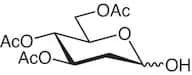
CAS:Alpha-cyclodextrin (α-CD) derivative with a hydrophilic exterior and lipophilic cavity (smaller than β-CDs and γ-CDs) to allocate certain guest molecules. This structural characteristic enables applications in molecular encapsulation, solubility enhancement, and stabilization across multiple industries. In pharmaceuticals, it serves as a drug delivery vehicle, enhancing the bioavailability and stability of active ingredients. The food industry utilizes it as a stabilizer for flavors, colors, and nutrients, as well as a functional ingredient for its effects on lipid metabolism. In cosmetics, it acts as a complex agent for fragrances and active components. Its applications extend to analytical chemistry for chiral separation and to materials science for developing smart materials and nanosystems.Formula:C36H60O24S6Purezza:Min. 95%Peso molecolare:1,069.24 g/mol3,4,6-Tri-O-acetyl-2-deoxy-D-glucopyranose
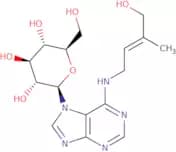
CAS:Formula:C12H18O8Purezza:>98.0%(GC)Colore e forma:White to Almost white powder to crystalPeso molecolare:290.27trans-Zeatin-7-glucoside
CAS:<p>Trans-zeatin-7-glucoside is an abscisic acid (ABA) metabolite that can be found in plant tissue. It is used as a natural product to regulate growth and development. Trans-zeatin-7-glucoside has been shown to inhibit the biosynthesis of gibberellins, which are plant hormones that promote cell elongation. This compound is purified from plant tissues by chromatographic methods, such as reversed phase HPLC or ion exchange chromatography. The sample preparation involves extraction with a solvent such as methanol or chloroform followed by purification on an analytical column. Immunoaffinity chromatography is also used for sample preparation, which involves binding to antibody molecules on the surface of a solid support material. Trans-zeatin-7-glucoside can be detected using analytical methods such as gas chromatography or liquid chromatography coupled with mass spectrometry. Trans-zeatin-7-</p>Formula:C16H23N5O6Purezza:Min. 95 Area-%Colore e forma:PowderPeso molecolare:381.38 g/mol1,3-α-1,6-α-D-Mannotriose 1-O-propylamine acetate
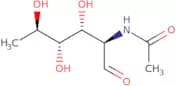
<p>1,3-a-1,6-a-D-Mannotriose 1-O-propylamine acetate salt is a modified oligosaccharide. It has been synthesized by the reaction of 1,3-a-1,6-a-D-mannopyranosyl bromide with proline amine acetate. This product is 98% pure and can be used as a complex carbohydrate in research or as a food additive. The CAS number for this product is 712092-14-8.</p>Formula:C23H43O18NPurezza:Min. 95%Colore e forma:PowderPeso molecolare:621.58 g/molN-Acetyl-D-quinovosamine
CAS:<p>N-Acetyl-D-quinovosamine is a chemical compound that belongs to the group of quinovosamines. It is an acidic molecule with a pKa of 3.5 and is soluble in water, methanol, and acetic acid. N-Acetyl-D-quinovosamine has been shown to inhibit the growth of P. aeruginosa strains, which are human pathogens. This drug binds to the bacterial cell wall by competitive inhibition and prevents the formation of an antibiotic-inhibitor complex with the enzyme cell wall synthesis that is required for cell wall biosynthesis, inhibiting protein synthesis and cell division. N-Acetyl-D-quinovosamine also inhibits the production of hydrogen fluoride (HF) by bacteria as well as their ability to produce ammonia from nitrite or nitrate ions.</p>Formula:C8H15NO5Purezza:Min. 95%Colore e forma:PowderPeso molecolare:205.21 g/molCarboxymethyl-a-cyclodextrin sodium salt
<p>Alpha-cyclodextrin (α-CD) derivative with a hydrophilic exterior and lipophilic cavity (smaller than β-CDs and γ-CDs) to allocate certain guest molecules. This structural characteristic enables applications in molecular encapsulation, solubility enhancement, and stabilization across multiple industries. In pharmaceuticals, it serves as a drug delivery vehicle, enhancing the bioavailability and stability of active ingredients. The food industry utilizes it as a stabilizer for flavors, colors, and nutrients, as well as a functional ingredient for its effects on lipid metabolism. In cosmetics, it acts as a complex agent for fragrances and active components. Its applications extend to analytical chemistry for chiral separation and to materials science for developing smart materials and nanosystems.</p>Formula:C43H64O37·xNaPurezza:Min. 95%Peso molecolare:1,172.95 g/mol2,6-Di-O-methyl-β-cyclodextrin
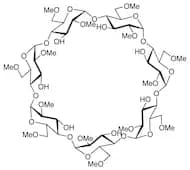
CAS:Formula:C56H98O35Purezza:>95.0%(HPLC)Colore e forma:White to Light yellow powder to crystalPeso molecolare:1,331.37Methyl b-L-fucopyranoside
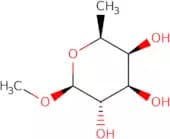
CAS:Methyl b-L-fucopyranoside is a glycosylating agent that is used to modify saccharides and oligosaccharides. It can be used for the synthesis of complex carbohydrates, such as polysaccharides and glycoconjugates. Methyl b-L-fucopyranoside is also useful for the synthesis of glycosylated proteins, which are proteins with sugar chains attached to them. The product is a white solid that is soluble in water.Formula:C7H14O5Purezza:Min. 95%Colore e forma:White PowderPeso molecolare:178.18 g/molD-Glycero-D-talo-heptitol
CAS:D-Glycero-D-talo-heptitol is a natural product that is found in plants and bacteria. It is an alditol, which is created by the glycosidic bond of a carbohydrate and a hydroxyl group. D-Glycero-D-talo-heptitol has shown to inhibit the activity of enzymes involved in fatty acid synthesis, such as 3-hydroxyacyl coenzyme A dehydrogenase, and carbohydrate synthesis, such as fructose 1,6 bisphosphatase. This compound also inhibits the borohydride reduction of glycan precursors. This may be due to its hydrophilic interactions with water molecules and its hydrophobic interactions with other lipid molecules.Formula:C7H16O7Purezza:Min. 95%Colore e forma:White Off-White PowderPeso molecolare:212.2 g/molBacterial alginate - from fermentation of Azotobacter vinelandii or Pseudomonas mendocina
An alginate-like polysaccharide produced by the fermentation of Azotobacter vinelandii or Pseudomonas mendocina. The chemical structure consists of blocks of (1,4) linked-β-D-polymannuronic acid (poly M), (1,4) linked-α-L-polyguluronic acid (poly G) and alternating blocks of the two uronic acids (poly MG). Unlike the alginate from seaweed, this polysaccharide is partially acetylated.Colore e forma:PowderPeso molecolare:~100KDaOctyl D-galactofuranoside
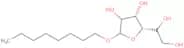
CAS:<p>Octyl D-galactofuranoside is a disaccharide that is found in the plant Gossypium hirsutum. It has been shown to have antibacterial activity and can be used as an alternative to antibiotics. Octyl D-galactofuranoside has been shown to inhibit the growth of bacteria by binding to chloride ions and inhibiting bacterial cell wall synthesis. It also acts synergistically with other antibiotics, such as penicillin, ampicillin, sulfonamides, tetracycline, erythromycin, and cefadroxil. This compound has been shown to be biodegradable and o-glycosylated. Octyl D-galactofuranoside also has anti-leishmanial activity.</p>Formula:C14H28O6Purezza:Min. 95%Colore e forma:White PowderPeso molecolare:292.37 g/molNeu5Acα(2-3)Galβ(1-4)Glc-β-pNP
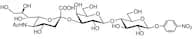
CAS:Formula:C29H42N2O21Purezza:>97.0%(HPLC)Colore e forma:White to Light yellow to Green powder to crystalinePeso molecolare:754.65Cellulose - Arbocel
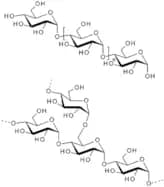
CAS:<p>Cellulose is a linear polysaccharide of β 1-4 linked glucose residues. The polysaccharide chains are bundled as microfibrils in cell walls and provide the essential structural components within growing plants. Each microfibril exhibits a high degree of three-dimensional internal bonding resulting in a crystalline structure that is insoluble in water, resistant to reagents and very strong.</p>Colore e forma:Powder3-Deoxy-3-fluorosucrose
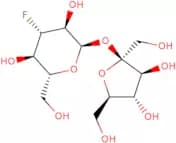
CAS:<p>3-Deoxy-3-fluorosucrose is a noncompetitive inhibitor of leuconostoc mesenteroides glucosyltransferases. It inhibits the enzyme by binding to the active site and preventing the transfer of glucose from the sugar transport to the acceptor. 3-Deoxy-3-fluorosucrose has been shown to inhibit the synthesis of pro-inflammatory cytokines, such as TNF-α and IL1β, in vitro. This inhibition is thought to be due to its ability to inhibit sugar transport and thus prevent glycosylation reactions that are required for protein synthesis.</p>Formula:C12H21FO10Purezza:Min. 95%Peso molecolare:344.29 g/molCapsaicin β-D-Glucopyranoside
CAS:Formula:C24H37NO8Purezza:>90.0%(HPLC)Colore e forma:White to Almost white powder to crystalPeso molecolare:467.56d5-Ethyl b-D-glucuronide
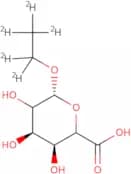
CAS:Prodotto controllatoEthyl b-D-glucuronide is a modification of the carbohydrate. It is used in the synthesis of oligosaccharides, polysaccharides, and other complex carbohydrates with high purity. This compound can be synthesized by methylation and glycosylation, or by fluorination and saccharide.Formula:C8H9D5O7Purezza:Min. 95%Colore e forma:PowderPeso molecolare:227.22 g/molCellulose, particle size 20μm
CAS:Cellulose with a particle size of 20μm is an industrial biomass material that has various applications. It is commonly used in the production of paper, textiles, and biofuels. Cellulose is a complex carbohydrate that provides structural support to plant cell walls. It can also be used as an excipient in pharmaceutical formulations, such as in the production of tablets.Purezza:Min. 95%Colore e forma:PowderDextran sulfate sodium - MW 5,000-8,000
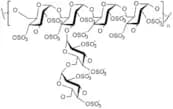
CAS:<p>Dextran sulphate is a dextran derivative whose ulcer (colitis) -causing properties were first reported in hamsters and extrapolated a few years later to mice and rats. The exact mechanisms through which dextran sulphate induces intestinal inflammation are unclear but may be the result of direct damage of the monolayer of epithelial cells in the colon, leading to the crossing of intestinal contents (for e.g. commensal bacteria and their products) into underlying tissue and therefore induction of inflammation. The dextran sulphate sodium induced ulceration model in laboratory animals has some advantages, when compared to other animal models of colitis, due to its simplicity and similarities to human inflammatory bowel disease.</p>Formula:(C6H7Na3O14S3)nPurezza:Min. 95%Colore e forma:Powder3,4,6-Tri-O-benzyl-D-glucal
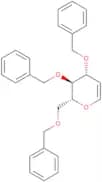
CAS:<p>3,4,6-Tri-O-benzyl-D-glucal is a benzyl protected, 2,3 unsaturated glucal used as a chiral intermediate. The C2-C3 double bond of the pyranose ring can be modified via a variety of reactions including: hydrogenation, oxidation, hydroxylation, and aminohydroxylation, to generate structural complexity. 3,4,6-Tri-O-benzyl-D-glucal also minimizes tedious protecting-group strategies required for fully oxygenated sugars. The products of 2,3 unsaturated glycosides as chiral intermediates have played a role in the synthesis of many biologically active compounds, such as, nucleosides and modified sugar derivatives.</p>Formula:C27H28O4Purezza:Min. 98 Area-%Colore e forma:White PowderPeso molecolare:416.51 g/molL-Psicose
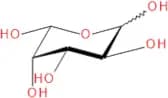
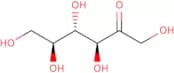
CAS:<p>L-Psicose is a monosaccharide that is the only metabolite of D-fructose. It is found in many living organisms, such as bacteria and fungi. L-Psicose has been shown to inhibit ribitol dehydrogenase, an enzyme involved in the production of ribitol, which catalyzes the conversion of ribitol to ribulose 5-phosphate. Ribulose 5-phosphate is an important precursor molecule for glycolysis and pentose phosphate pathways. In addition, L-psicose has been shown to bind to proteins through hydrogen bonding, which may prevent the protein from folding properly or interacting with other molecules. This binding can lead to cell death if it inhibits essential cellular functions.</p>Formula:C6H12O6Purezza:Min. 95%Colore e forma:White PowderPeso molecolare:180.16 g/molGM2-Ganglioside
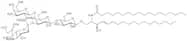
CAS:GM2 ganglioside (sodium salt) has a core trisaccharide structure (GalNAcβ1,4Galβ1,4Glc) with sialic acid linked α2,3 to the central galactose residue and ceramide linked β to position 1 on the reducing terminal glucose residue (Ledeen, 2009). GM2 ganglioside is present on neuronal cells and plays a key role in the regulation of dendritogenesis in cortical pyramidal neurons. In lysosomal storage disorders, such as, Tay-Sachs and Sandhoff disease, where hexosaminases A and B are deficient, GM2 ganglioside accumulates in the nervous system (Cachon-Gonzalez, 2018). GM2 ganglioside is also overexpressed in melanomas and other tumours of neuro-ecto origin (Yoshida, 2020). Moreover, the sugar moiety of the GM2 ganglioside is a receptor allowing the viral infection of cells with reovirus and rotavirus (Zhu, 2018).Purezza:Min. 96%Colore e forma:PowderDifucosyllacto-N-hexaose (b)
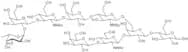
CAS:Neutral octasasaccharide naturally present in human breast milk.Formula:C52H88N2O39Purezza:Min. 90 Area-%Colore e forma:PowderPeso molecolare:1,365.25 g/mol6-Tert-butyldimethylsilyl-b-cyclodextrin
CAS:<p>This beta-cyclodextrin (β-CD) derivative is a functionalized cyclic oligosaccharide composed of seven glucose units, characterized by a hydrophilic exterior and a lipophilic cavity (bigger than α-CD and smaller than γ-CDs), which allows it to encapsulate various guest molecules. This structural feature facilitates its use in multiple applications, including pharmaceuticals, food enhancement, and cosmetics. In the pharmaceutical industry, it enhances the solubility and stability of poorly water-soluble drugs, improving their bioavailability and efficacy while also masking unpleasant tastes. The food sector utilizes it as a stabilizer for flavors, colors, and nutrients, extending shelf life by protecting sensitive ingredients from degradation. In cosmetics, it serves as a complexing agent for fragrances and active components, ensuring their stability and controlled release. Its use expands to many other fields, including nanotechnology for drug delivery systems, environmental remediation for extracting organic pollutants, textiles for slow-release fragrances, and analytical chemistry for chiral separation.</p>Formula:C84H168O35Si7Purezza:Min. 95%Peso molecolare:1,934.81 g/molMonofucosyl (1-2)-iso-lacto-N-octaose I
<p>Monofucosyl (1-2)-iso-lacto-N-octaose I is an oligosaccharide found in human milk</p>Purezza:Min. 95%Gala1-3Galb1-3GlcNAc-HSA
<p>Gala1-3Galb1-3GlcNAc-HSA is a synthetic glycosylation product of Galactose, Glucose and Galactosamine with Hexose. It is a complex carbohydrate that can be used to modify proteins with the sugar group. The sugar group is synthesized by the Click modification of a monosaccharide and then methylated. The sugar group is attached to HSA via an N-acetylhexosamine linker. This product has been shown to have high purity and can be used in many applications such as fluorination, methylation, click modification, or complex carbohydrate research.</p>Purezza:Min. 95%Puerarin
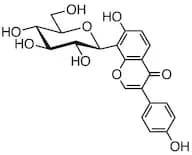
CAS:Formula:C21H20O9Purezza:>98.0%(T)(HPLC)Colore e forma:White to Almost white powder to crystalPeso molecolare:416.383,4,5,6-Tetra-O-benzyl-myo-inositol
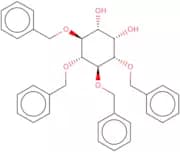
CAS:<p>3,4,5,6-Tetra-O-benzyl-myo-inositol is a chiral molecule that is synthesised by the reaction of 3,4,5,6-tetra-O-benzylglycerol with myo-inositol. It has been used as an optical probe to study the function of biomolecules such as membranes and reticulum. The compound was also shown to inhibit the phosphorylation of myosin light chain kinase.</p>Formula:C34H36O6Purezza:Min. 95%Colore e forma:PowderPeso molecolare:540.65 g/molIsomaltulose
CAS:<p>Occurs by epimerisation of maltose and transglucosylation</p>Formula:C12H22O11Purezza:Min. 95%Colore e forma:White PowderPeso molecolare:342.3 g/molD-Maltitol
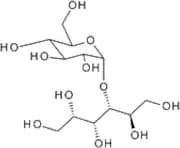
CAS:<p>Bulk sweetener; viscosity/bodying agent; humectant; cryoprotectant</p>Formula:C12H24O11Purezza:Min. 95%Colore e forma:White PowderPeso molecolare:344.31 g/molN-Acetylneuraminic acid tetramer sodium salt
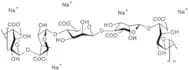
N-Acetylneuraminic acid tetramer sodium salt is a synthetic carbohydrate that belongs to the group of complex carbohydrates. It is a glycosylation product of N-acetylneuraminic acid and has been modified with fluorine, methylation, and click chemistry. N-Acetylneuraminic acid tetramer sodium salt is used as a reagent in the synthesis of oligosaccharides and has been shown to be useful for structural analysis. The CAS number for this compound is:Formula:C44H66N4O33Na4Purezza:Min. 95%Colore e forma:PowderPeso molecolare:1,270.96 g/molL-Sorbose-1-phosphate potassium salt
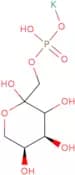
CAS:L-Sorbose-1-phosphate potassium salt is a sugar phosphateFormula:C6H12KO9PPurezza:Min. 95%Peso molecolare:298.23 g/molN-Acetyl-D-[2-¹³C]neuraminic acid
CAS:N-Acetyl-D-[2-13C]neuraminic acid is a glycan that is found in human serum. The chemical structure of N-acetyl-D-[2-13C]neuraminic acid has been analyzed using nuclear magnetic resonance (NMR) and mass spectrometry, showing that it contains two 13C atoms. N-acetyl--D-[2-13C]neuraminic acid is a sialic acid that is bound to a protein called surface glycoprotein. It may be involved in the transport of adenosine triphosphate (ATP) across the membrane by an ATP-dependent transport system. It also acts as an enzyme inhibitor for glycoside hydrolases, which are enzymes that break down glycans. N-acetyl--D-[2-13C]neuraminic acid has been shown to have properties similar to those of other sialic acids and can beFormula:CC10H19NO9Purezza:Min. 95%Peso molecolare:310.26 g/molFerrous gluconate dihydrate
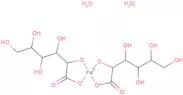
CAS:Ferrous gluconate dihydrate is a fine chemical that has many applications in research and development. It is a versatile building block that can be used as a starting material for the synthesis of complex compounds, such as drugs, pesticides, and perfumes. Ferrous gluconate dihydrate can also be used as a reaction component to produce speciality chemicals, such as benzyl alcohols. In addition to its usefulness in research, ferrous gluconate dihydrate is an important reagent for the production of high-quality pharmaceuticals.Formula:C12H22FeO14·2H2OPurezza:Min. 95%Colore e forma:PowderPeso molecolare:482.17 g/molFlavanone rhamnoglucoside
<p>Flavanone rhamnoglucoside is a specialized flavonoid compound, which is derived from various natural sources such as fruits, vegetables, and certain medicinal plants. It functions primarily as an antioxidant by scavenging free radicals, thereby protecting cells from oxidative stress. Additionally, it exhibits anti-inflammatory properties by modulating pathways involved in inflammation, such as NF-kB and COX-2.</p>Purezza:Min. 95%1,2-O-Isopropylideneglycerol
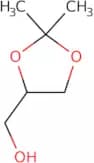
CAS:1,2-O-Isopropylideneglycerol is an inhibitor of glycerin and glycerol dehydrogenase. It is a colorless liquid that has been shown to have a kinetic inhibitory effect on the enzyme activities of glycerin and glycerol dehydrogenase in vitro. 1,2-O-Isopropylideneglycerol has also been shown to react with light at wavelengths of 250 nm or less. This reaction produces reactive oxygen species that may lead to the degradation of the enzyme's active site. In vivo, 1,2-O-isopropylideneglycerol is converted into an acidic metabolite that can accumulate in cells. This metabolite can react with other molecules such as proteins and nucleic acids, which may result in structural changes and/or modification of their function.Formula:C6H12O3Purezza:Min. 95%Colore e forma:Clear LiquidPeso molecolare:132.16 g/molHeptakis(2,3,6-tri-O-ethyl)cyclomaltoheptaose
CAS:This beta-cyclodextrin (β-CD) derivative is a functionalized cyclic oligosaccharide composed of seven glucose units, characterized by a hydrophilic exterior and a lipophilic cavity (bigger than α-CD and smaller than γ-CDs), which allows it to encapsulate various guest molecules. This structural feature facilitates its use in multiple applications, including pharmaceuticals, food enhancement, and cosmetics. In the pharmaceutical industry, it enhances the solubility and stability of poorly water-soluble drugs, improving their bioavailability and efficacy while also masking unpleasant tastes. The food sector utilizes it as a stabilizer for flavors, colors, and nutrients, extending shelf life by protecting sensitive ingredients from degradation. In cosmetics, it serves as a complexing agent for fragrances and active components, ensuring their stability and controlled release. Its use expands to many other fields, including nanotechnology for drug delivery systems, environmental remediation for extracting organic pollutants, textiles for slow-release fragrances, and analytical chemistry for chiral separation.Formula:C84H154O35Purezza:Min. 95%Peso molecolare:1,724.1 g/molDextran 150 - MW: 135,000 to 165,000
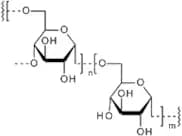
CAS:Complex glucan (a 1-6) from Leuconostoc spp.; extender in blood transfusionsColore e forma:Powder1-O-Methyl-α-D-galactopyranoside monohydrate - Crude
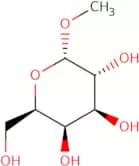
CAS:Inhibitor of Gal-dependent lectin binding; used for synthesis of galactosesFormula:C7H16O7Purezza:Min. 95%Colore e forma:PowderPeso molecolare:212.2 g/molBenzyl 2-azido-3,6-di-O-benzyl-2-deoxy-β-D-glucopyranoside
CAS:<p>Please enquire for more information about Benzyl 2-azido-3,6-di-O-benzyl-2-deoxy-β-D-glucopyranoside including the price, delivery time and more detailed product information at the technical inquiry form on this page</p>Formula:C27H29N3O5Peso molecolare:475.54 g/molWheat starch
CAS:Starch is an energy storing polysaccharide produced by higher plants and some algae. Pure starch is a white, tasteless and odorless powder that is insoluble in cold water or alcohol. It consists of two types of polysaccharide: the linear and helical amylose (α-1,4-linked glucose) and the branched amylopectin (α-1,4 and α-1,6-linked glucose). Depending on the plant, starch generally contains 20 to 25% amylose and 75 to 80% amylopectin by weight.Purezza:Min. 95%Colore e forma:Powder2-O-a-D-Glucopyranosyl-L-ascorbic acid
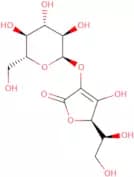
CAS:<p>2-O-a-D-Glucopyranosyl-L-ascorbic acid is a potent antioxidant compound found in the human body. It is produced by the enzyme tyrosinase from L-ascorbic acid and has been shown to have anti-apoptotic effects on skin cells. 2-O-a-D-Glucopyranosyl-L-ascorbic acid has also been shown to enhance mitochondrial membrane potential and increase the proliferation of skin cells in vitro. The compound has been tested for its ability to prevent radiation damage in mice and was found to be more effective than vitamin C at preventing cell death.<br>2OAGA can be used as a topical treatment for skin conditions, such as acne or wrinkles, by reducing inflammation and stimulating cellular growth.</p>Formula:C12H18O11Purezza:Min. 98.0 Area-%Colore e forma:White PowderPeso molecolare:338.26 g/molUDP-N-acetyl-D-mannosamine
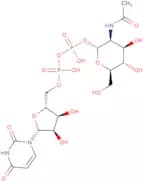
CAS:UDP-N-acetyl-D-mannosamine is a precursor of the sugar nucleotide UDP-N-acetylglucosamine. It is synthesized in the cytoplasm by the enzyme UDP-N-acetylglucosamine 2-epimerase, which converts UDP-N-acetylglucosamine to UDP-N-acetylmannosamine. This enzyme also catalyzes the conversion of UDP-N-[3′,5′]-diacetamido mannosamine to UDP-[3′,5′]-diacetamido glucuronic acid. The enzyme has been found in Streptococcus spp., including Streptococcus pneumoniae and Streptococcus pyogenes serogroup A (group A streptococci). It has also been detected in other bacteria, including Neisseria meningitidis and Staphylococcus aureus.Formula:C17H27N3O17P2Purezza:Min. 95%Peso molecolare:607.35 g/molMonofucosyl-para-lacto-N-hexaose IV
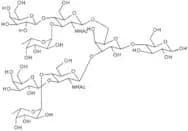
CAS:<p>Monofucosyl-para-lacto-N-hexaose IV is a trisaccharide that belongs to the group of blood group antigens. It is found in human milk and can be used as an indicator for infant nutrition. Monofucosyl-para-lacto-N-hexaose IV is found in the cells of streptococcus, lactobacillus, and clostridium. It has been shown to be a potential biomarker for inflammatory bowel disease (IBD). This molecule has been used as an antigen in immunological assays. The sequences of monofucosyl-para-lacto-N-hexaose IV have been determined using chromatograms and profiles.</p>Formula:C46H78N2O35Purezza:Min. 95%Colore e forma:PowderPeso molecolare:1,219.11 g/molGlycosaminoglycans
CAS:Glycosaminoglycans (GAGs) are polysaccharides that are found in the extracellular matrix and on the surface of cells. GAGs consist of a linear chain of repeating disaccharide units, with one or more sugar molecules linked by a glycosidic bond. They have been shown to be important for the function and structure of tissues, including those in the gastrointestinal tract. GAGs have been shown to stimulate cellular growth, regulate inflammatory responses, and promote wound healing. They have also been shown to inhibit activity of polymorphonuclear leucocytes (PMN), which play an important role in inflammation. One type of GAG is dextran sulfate, which has been used as a biological scaffold for tissue engineering applications. Glycosaminoglycans may also play a role in regulating immune responses through interaction with toll-like receptor 4 (TLR4).Purezza:Min. 95%2,3-Di-O-acetyl-b-cyclodextrin
<p>This beta-cyclodextrin (β-CD) derivative is a functionalized cyclic oligosaccharide composed of seven glucose units, characterized by a hydrophilic exterior and a lipophilic cavity (bigger than α-CD and smaller than γ-CDs), which allows it to encapsulate various guest molecules. This structural feature facilitates its use in multiple applications, including pharmaceuticals, food enhancement, and cosmetics. In the pharmaceutical industry, it enhances the solubility and stability of poorly water-soluble drugs, improving their bioavailability and efficacy while also masking unpleasant tastes. The food sector utilizes it as a stabilizer for flavors, colors, and nutrients, extending shelf life by protecting sensitive ingredients from degradation. In cosmetics, it serves as a complexing agent for fragrances and active components, ensuring their stability and controlled release. Its use expands to many other fields, including nanotechnology for drug delivery systems, environmental remediation for extracting organic pollutants, textiles for slow-release fragrances, and analytical chemistry for chiral separation.</p>Formula:C70H98O49Purezza:Min. 95%Peso molecolare:1,723.5 g/mol1,2,3,4-Tetra-O-acetyl-5-alkynyl-L-fucose
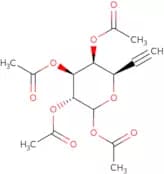
CAS:<p>1,2,3,4-Tetra-O-acetyl-5-alkynyl-L-fucose is a per-O-acetylated version of 5-alkynyl-L-fucose, an inhibitor of the cellular fucosylation pathway. 1,2,3,4-Tetra-O-acetyl-5-alkynyl-L-fucose can pass through the eukaryotic cell membrane somewhat better than 5-alkynyl-L-fucose can itself, is deacetylated by cellular esterases and interferes with the biosynthesis of the fucosyl-donor and fucosyltransferase substrate GDP-Fuc, thus reducing fucosylation levels during glycoprotein biosynthesis (Dekkers, 2016).</p>Formula:C15H18O9Purezza:Min. 95%Colore e forma:Colorless Clear LiquidPeso molecolare:342.3 g/mol



![2-Acetamido-2-deoxy-N-[N-(benzyloxycarbonyl)-ε-aminocaproyl]-β-D-glucopyranosylamine](/_next/image/?url=https%3A%2Fstatic.cymitquimica.com%2Fproducts%2FTR%2Fthumb-webp%2FA151050.webp&w=3840&q=75)











![N-Acetyl-D-[2-¹³C]neuraminic acid](/_next/image/?url=https%3A%2Fstatic.cymitquimica.com%2Fproducts%2F3D%2Fthumb-webp%2FMA15585.webp&w=3840&q=75)