Glicoscienza
La glicosienza è lo studio dei carboidrati e dei loro derivati, nonché delle interazioni e delle funzioni biologiche a cui partecipano. Questo campo di ricerca è cruciale per comprendere una vasta gamma di processi biologici, tra cui il riconoscimento cellulare, la segnalazione, la risposta immunitaria e lo sviluppo delle malattie. La glicosienza ha importanti applicazioni nella biotecnologia, nella medicina e nello sviluppo di nuovi farmaci e terapie. Presso CymitQuimica, offriamo un'ampia selezione di prodotti di alta qualità e purezza per la ricerca in glicosienza. Il nostro catalogo comprende monosaccaridi, oligosaccaridi, polisaccaridi, glicoconiugati e reagenti specifici, progettati per supportare i ricercatori nei loro studi sulla struttura, funzione e applicazioni dei carboidrati nei sistemi biologici. Queste risorse sono destinate a facilitare scoperte scientifiche e applicazioni pratiche in vari ambiti delle bioscienze e della medicina.
Sottocategorie di "Glicoscienza"
- Amminozucchero(108 prodotti)
- Glico-anticorpi(282 prodotti)
- Glicolipidi(46 prodotti)
- Glicosaminoglicani (GAGs)(55 prodotti)
- Glicosidi(419 prodotti)
- Monosaccaridi(6.624 prodotti)
- Oligosaccaridi(3.682 prodotti)
- Polisaccaridi(503 prodotti)
Trovati 11046 prodotti di "Glicoscienza"
Ordinare per
Purezza (%)
0
100
|
0
|
50
|
90
|
95
|
100
N-Acetyl-L-xylosamine
<p>N-Acetyl-L-xylosamine is a custom synthesis of a glycosylation product that contains an acetyl group and a xylosamine. It is used as a building block for the synthesis of complex carbohydrates. N-Acetyl-L-xylosamine can be modified with fluorination, saccharide, modification, sugar, or oligosaccharide to create custom products.</p>Formula:C7H13NO5Purezza:Min. 95%Colore e forma:Yellow PowderPeso molecolare:191.18 g/mol2,3,4,6-Tetra-O-acetyl-a-D-galactopyranosyl bromide - 2% CaCO3
CAS:<p>Donor for Koenigs-Knorr type galactosylation and other anomeric substitutions</p>Formula:C14H19BrO9Purezza:One SpotColore e forma:PowderPeso molecolare:411.2 g/molMaltodextrin, dextrose equivalent 10-15
CAS:<p>Ex starch-partial hydrolysis,food ingredient, moderatly sweet, easily digested</p>Colore e forma:PowderChondroitin disaccharide di-diSD trisodium salt
CAS:<p>Chondroitin disaccharide di-diSD trisodium salt is a synthetic, high purity chondroitin sulfate with a molecular weight of about 1 million. It is custom synthesized and modified to include a Click modification on the sugar, fluorination, glycosylation and methylation. The CAS number for this product is 149368-03-6. This product can be used as an ingredient in pharmaceuticals or in cosmetics.</p>Formula:C14H18NO17S2Na3Purezza:Min. 95%Colore e forma:PowderPeso molecolare:605.39 g/molDextran 250 - MW: 225,000 to 275,000
CAS:<p>Complex glucan (a 1-6) from Leuconostoc spp.; extender in blood transfusions</p>Colore e forma:Powder(2S,3S,4R)-2,4-bis(hydroxymethyl)pyrrolidine-3,4-diol
CAS:<p>(2S,3S,4R)-2,4-bis(hydroxymethyl)pyrrolidine-3,4-diol is a synthetic glycosylation product with a purity of 99% or higher. It is a white powder that can be used in the synthesis of complex carbohydrates and polysaccharides. (2S,3S,4R)-2,4-bis(hydroxymethyl)pyrrolidine-3,4-diol has been modified to include fluorination and saccharide modification. Its CAS number is 1322748-90-2. This product can be custom synthesized to meet your specifications.</p>Formula:C6H13NO4Purezza:Min. 95%Peso molecolare:163.17 g/mol2, 4- Anhydro- N-benzyl-3,5-O-[(R)-benzylidene]- 6-deoxy-D- mannonamide
<p>2, 4-Anhydro-N-benzyl-3,5-O-[(R)-benzylidene]-6-deoxy-D-mannonamide is a sugar. It has high purity and can be custom synthesized to suit your needs. This sugar can be modified with a click modification or fluorination. It can also be glycosylated or methylated for your desired outcome. The CAS number for this sugar is 29098-86-2. The molecular weight of this sugar is 359.8 g/mol and the chemical formula is C14H27NO4. The Oligosaccharide content for this sugar is between 1% and 10%. The Monosaccharide content for this sugar is between 100% and 90%. This product has been classified as complex carbohydrate by the IUPAC nomenclature system.</p>Purezza:Min. 95%Glupentaacetate
Glupentaacetate is a synthetic, fluorinated sugar that is used in the synthesis of complex carbohydrates. It has been shown to be a useful tool for the modification of glycosylations, polysaccharides and saccharides. Glupentaacetate has been modified with a methyl group at the C-2 position. This modification leads to increased reactivity and stability, in addition to being useful for click chemistry. Glupentaacetate is also stable under acidic conditions, making it an excellent choice for use in organic synthesis.Purezza:Min. 95%2-Allyloxycarbonylamino-1,6-anhydro-2-deoxy-b-D-glucopyranose
<p>2-Allyloxycarbonylamino-1,6-anhydro-2-deoxy-b-D-glucopyranose is a synthetic saccharide that has been modified with 2,5-difluoroacetophenone. This modification generates a fluorine atom at the C2 position of the glucose ring. The synthesis of this compound is performed by custom synthesis for Click chemistry. The desired reaction product is obtained in high purity and with good yield. The chemical formula for 2,5-difluoroacetophenone is C8H7F3O2 and the molecular weight is 191.19 g/mol.<br>2,5-Difluoroacetophenone has been shown to be an efficient reagent in glycosylation reactions because it can react selectively with primary alcohols and amines without affecting other functional groups present in the molecule. In addition, 2,5-difluoroacetophenone</p>Purezza:Min. 95%3-Azido-3-deoxy-4-hydroxymethyl-1,2-O-isopropylidene-a-D-ribofuranose
CAS:<p>Carbohydrate building block</p>Formula:C9H15N3O5Purezza:Min. 95%Colore e forma:PowderPeso molecolare:245.23 g/mol2,6-Dideoxy-2-fluoro-L-mannose
<p>2,6-Dideoxy-2-fluoro-L-mannose is a monosaccharide that is a fluorinated glycosylate. It is used in the synthesis of oligosaccharides and has been shown to be useful for click modification of proteins. This compound is also used as a substrate for methylation reactions. 2,6-Dideoxy-2-fluoro-L-mannose contains an oxygen atom at the C1 position and two hydroxyl groups at the C3 and C4 positions on the ring. The molecular weight of this compound is 180.16 g/mol.</p>Purezza:Min. 95%5-Deoxy-1,2-O-isopropylidene-5-[(2R-phenylpyrrolidine)-1-yl]-a-D-xylofuranose
CAS:<p>5-Deoxy-1,2-O-isopropylidene-5-[(2R-phenylpyrrolidine)-1-yl]-a-D-xylofuranose is a sugar that is used in the synthesis of oligosaccharides and monosaccharides. It is also used to modify saccharides and carbohydrates. 5DIOX can be synthesized from deoxyribose phosphate, 2-(2′,4′,6′,8'-tetraoxohexyl)benzaldehyde, and 2-(2′,4′,6′,8'-tetraoxohexyl)pyrrole. The CAS number for 5DIOX is 1014404-86-4.</p>Formula:C18H25NO4Purezza:Min. 95%Peso molecolare:319.4 g/molArthrobacter viscosus exopolysaccharide
<p>The polysaccharide has a linear structure and consists predominantly of repeating trisaccharide units, -O-(3-D-mannuronic acid-(1,4)-O-(3-D-glucopyranosyl-(1,4)-D-galactose. 50% of the hydroxyl groups are acetylated. Extracted from a gram negative non pathogenic bacteria and then synthetic manipulation.</p>Purezza:Min. 95%Colore e forma:PowderGD1a-Oligosaccharide
CAS:<p>GD1a oligosaccharide is the carbohydrate moiety from the disialylated glycosphingolipid GD1a of the a-series (shown in the sodium form), a major ganglioside found in neuronal and glial membranes. GD1a oligosaccharide has a core tetrasaccharide structure (Galβ1,3GalNAcβ1,4Galβ1,4Glc) with sialic acids linked α2,3/α2,8 to the inner galactose residue, α2,3 to the outer galactose residue (Ledeen, 2009). GD1a ganglioside interacts with myelin-associated glycoprotein (MAG) and is essential for long-term axon-myelin stability. GD1a ganglioside plays a role in viral infection as it is a receptor for viral glycoproteins in rotavirus and paramyxovirus 1. The hexasaccharide GD1a moiety was also found on a glycoprotein that acts as a receptor for adenovirus type 37. Additionally, GD1a ganglioside interacts with botulinum neurotoxin (BoNT) and is crucial for its entry into cells (Kolter, 2012).</p>Formula:C48H79N3O37Purezza:Min. 95%Colore e forma:PowderPeso molecolare:1,290.14 g/molDabigatran 3-acyl glucuronide
<p>Dabigatran 3-acyl glucuronide is a glycosylation product of the anti-coagulant drug dabigatran. It is synthesized by the reaction of an ester, such as acetyl chloride, with a sugar, typically glucose. Dabigatran 3-acyl glucuronide has been shown to have a high purity and no detectable impurities. The CAS number for this compound is 1073498-74-4.</p>Purezza:Min. 95%Ethyl cellulose viscosity 20cP
CAS:<p>Ethyl cellulose is an organic compound that is soluble in alcohols, acetone and ethers. It is a viscous liquid that can be dissolved in water to form a gel. Ethyl cellulose can be modified with oligosaccharides, carbohydrates, complex carbohydrates, and other substances. Ethyl cellulose has been used for the production of edible films, as well as capsules and tablets. The viscosity of ethyl cellulose can be changed by adding different substances to it. This modification allows ethyl cellulose to be customized for various purposes such as creating high purity products or glycosylation.</p>Purezza:Min. 95%Colore e forma:PowderPhosphatidyl inositol - 10mg/ml solution in chloroform:methanol(4:1)
<p>Phosphatidyl inositol-10mg/ml solution in chloroform:methanol(4:1) is a carbohydrate that is a complex carbohydrate. It is synthesized by the modification of the phosphatidyl inositol molecule with fluorination and methylation. The CAS number for this compound is 91228-52-5. This product can be custom synthesized as per customer's requirements. It has a high purity and excellent quality, and is available at competitive prices.</p>Formula:C47H83O13PPurezza:Min. 95%Colore e forma:PowderPeso molecolare:887.13 g/molD-Xylonic-1,4-lactone
CAS:<p>D-Xylonic acid-1,4-lactone is a substrate that participates in the synthesis of glyceric acid. It has been shown to be a synthetic substrate for benzyl groups and leukemia HL-60 cells. D-Xylonic acid-1,4-lactone can react with chloride ions to form D-xylose. The product of this reaction is an epimerization reaction that occurs when the hydroxyl group on the carbon atom adjacent to the carbonyl group (C1) reacts with a proton from water to form a double bond at C2. This conversion produces xylonic acid and lactone.</p>Formula:C5H8O5Purezza:Min. 97 Area-%Colore e forma:White PowderPeso molecolare:148.11 g/molMethyl 6-O-acetyl-3-O-benzyl-2-benzyloxycarbonylamino-2-deoxy-a-D-glucopyranoside
CAS:<p>Methyl 6-O-acetyl-3-O-benzyl-2-benzyloxycarbonylamino-2-deoxy-a-Dglucopyranoside is a synthetic sugar with an acetyl group at the 6th position and a benzyloxycarbonyl group at the 3rd position. This sugar has been modified to produce complex carbohydrates, oligosaccharides, and polysaccharides. Methyl 6-O-acetyl 3 -O -benzyl 2 -benzyloxycarbonylamino 2 -deoxy a D glucopyranoside is used in the synthesis of glycosylates, which are sugars that have been modified by the addition of other molecules. This molecule is also used in click chemistry as it can be modified by adding fluorine atoms to its structure. Methyl 6 -O -acetyl 3 -O -benzyl 2 -benzyloxycarbonylam</p>Formula:C24H29NO8Purezza:Min. 95%Peso molecolare:459.49 g/mol(2R, 3R, 4R, 5R) -3, 4-Dihydroxy- 2, 5- bis(hydroxymethyl) -1- pyrrolidinepropanoic acid tert butyl ester
<p>This is a custom synthesis. It can be used as a sugar, click modification, fluorination, glycosylation, and synthetic. This product is CAS No. 634-74-8 with many modifications to make it work for your needs. We have oligosaccharides and monosaccharides that can be modified to create complex carbohydrates.</p>Purezza:Min. 95%3, 4:5, 6- Di- O-isopropylidene -D- gluconic acid methyl ester
3, 4:5, 6- Di- O-isopropylidene -D- gluconic acid methyl ester is a modification of the natural product D-glucose. It is an oligosaccharide with a complex carbohydrate structure. This product can be custom synthesized to meet your requirements and specifications. In addition, it has high purity and CAS No.Purezza:Min. 95%Methyl 3,5-di-O-(p-chlorobenzoyl)-α-D-ribofuranoside
Methyl 3,5-di-O-(p-chlorobenzoyl)-a-D-ribofuranoside is an organic compound. It is a synthetic product that is used in the synthesis of saccharides and polysaccharides. This chemical can be modified with Click chemistry to create a glycosylate or fluorinated complex carbohydrate. The compound has CAS number 62700-92-3 and can be custom synthesized to meet customer specifications.Purezza:Min. 95%Hyaluronic acid tetrasaccharide
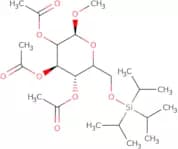
CAS:<p>Hyaluronic acid is a polysaccharide containing repeating disaccharide units of 1,3-N-acetyl glucosamine and 1, 4-glucuronic acid. This tetrasaccharide and other enzymatically produced polymer homologs have been of value in the study of hyaluronic acid metabolism in both healthy and diseased tissues (Hascall, 2019).</p>Formula:C28H44N2O23Purezza:Min. 95%Colore e forma:White PowderPeso molecolare:776.65 g/molMethyl 2,3,4-tri-O-benzyl-6-O-triisopropylsilyl-a-D-galactopyranoside
CAS:Methyl 2,3,4-tri-O-benzyl-6-O-triisopropylsilyl-a-D-galactopyranoside is a synthetic oligosaccharide that has been modified with fluorination and methylation. It belongs to the class of carbohydrates and is used in custom synthesis. This product can be used to modify glycosylated proteins and nucleic acids.Formula:C37H52O6SiPurezza:Min. 95%Peso molecolare:620.89 g/mol2a,3b,19a-trihydroxyurs-12-en-28-oic acid 28-b-D-glucopyranosyl ester
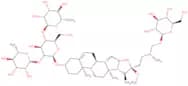
<p>2a,3b,19a-trihydroxyurs-12-en-28-oic acid 28-b-D-glucopyranosyl ester is a glycosylated complex carbohydrate that can be methylated, fluorinated, or custom synthesized. It is typically used as an intermediate in the synthesis of polysaccharides, saccharides and oligosaccharides.</p>Purezza:Min. 95%1,3:1,4-b-Glucotetraose (B)
CAS:<p>1,3:1,4-b-Glucotetraose (B) is a high purity, custom synthesis sugar. It can be modified with a click modification, fluorination, glycosylation, or methylation. This compound has CAS No. 58484-02-9 and is a Modification of the carbohydrate saccharide group. 1,3:1,4-b-Glucotetraose (B) is an Oligosaccharide that consists of Monosaccharides and Carbohydrates. It is a complex carbohydrate that can be used as a medicine for diabetes mellitus type 2.</p>Formula:C24H42O21Purezza:Min. 95%Colore e forma:White PowderPeso molecolare:666.58 g/mol1-Deoxyfuconojirimycin HCl
CAS:<p>Specific, potent and competitive inhibitor of α-L-fucosidase with Ki of 10 nM. In human breast cancer cells, it causes increase of fucosylation on cell surface molecules such as Lewis X antigen (CD15) and CD44 glycoprotein. The 1-deoxyfuconojirimycin treatment increases invasiveness of cancer cells.</p>Formula:C6H13NO3·HClPurezza:Min. 95%Colore e forma:Off-White PowderPeso molecolare:183.63 g/molGlycogen, ex oyster
CAS:Please enquire for more information about Glycogen, ex oyster including the price, delivery time and more detailed product information at the technical inquiry form on this pageFormula:(C6H10O5)nHyaluronic acid potassium, from bacteria
CAS:Please enquire for more information about Hyaluronic acid potassium, from bacteria including the price, delivery time and more detailed product information at the technical inquiry form on this pageD-myo-Inositol-1,3,6-triphosphate
<p>1,3-Diphosphoglycerate is a glycosylation product of D-glyceraldehyde 3-phosphate and was first described in 1957. It is a key intermediate in the glycolytic pathway and is also found in the synthesis of polysaccharides. D-myo-Inositol-1,3,6-triphosphate (IP3) is an intracellular second messenger that regulates calcium release from intracellular stores. IP3 binds to the IP3 receptor on the endoplasmic reticulum to activate protein kinase C (PKC). PKC then phosphorylates downstream proteins involved in cell growth and proliferation. IP3 can be modified by methylation, glycosylation, or fluorination to produce modified forms with different biological activities.</p>Formula:C6H15O15P3Purezza:Min. 95%Peso molecolare:420.1 g/mol(2R, 3R, 4R, 5S) -3, 4- Dihydroxy- 5- (hydroxymethyl) - N- methyl-2- pyrrolidinecarboxami de
CAS:<p>Methylation of a saccharide with a methyl group is called methylation. The process is used in the synthesis of many important molecules, including biomedically-relevant compounds such as drugs and natural products. Methylation can be achieved by using various methods, such as by using an organometallic (e.g., Grignard reagent) or electrophilic reagent (e.g., dimethyl sulfate).</p>Purezza:Min. 95%3’-Sialyl lewis A intermediate
<p>It is a protected tetrasaccharide intermediate of 3-sialyl-lewis (3'-SLa or sLeA), a tumor-associated carbohydrate antigen.</p>Formula:C80H112N2O26Si2Peso molecolare:1,573.91 g/molN-Butyl-1-deoxy-2-fluoronojirimycin
CAS:<p>N-Butyl-1-deoxy-2-fluoronojirimycin is a high purity, custom synthesis, sugar modified, fluorination and glycosylation compound. It is a synthetic compound that has been shown to have potential as a cancer therapeutic agent. It is also used as a reagent in the synthesis of glycosides and oligosaccharides. N-Butyl-1-deoxy-2-fluoronojirimycin's CAS number is 2200278-70-0.</p>Formula:C10H20FNO4Purezza:Min. 95%Colore e forma:PowderPeso molecolare:237.27 g/mol6-O-(α-D-Galactopyranosyl)-D-galactopyranose
CAS:<p>Used as enzyme substrates, analytical standards and for in vitro diagnostics</p>Formula:C12H22O11Purezza:Min. 95%Colore e forma:PowderPeso molecolare:342.3 g/molCarboxymethyl-dextran sodium salt 20-30% COOH - Average molecular weight 40000
CAS:<p>Drug carrier for cancer therapy & imaging, biocompatible, soluble, biodegradable</p>Colore e forma:PowderD-Mannosamine HCl
CAS:Resource for synthesis of non-natural ManNAc analogs and mannosaminyl donorsFormula:C6H13NO5·HClPurezza:Min. 98 Area-%Colore e forma:White PowderPeso molecolare:215.63 g/molPhenyl β-D-thiogalactopyranoside
CAS:Phenyl β-D-thiogalactopyranoside is a selective inhibitor of galectin-3, which mediates the growth and metastasis of cancer cells. Phenyl β-D-thiogalactopyranoside has been shown to inhibit the binding of galectin-3 to its receptor on cancer cells, thereby blocking the activation of signaling pathways that promote cell proliferation and survival. The crystalline form can be used as a reagent for the determination of glucose in aqueous solutions.Formula:C12H16O5SPurezza:Min. 95%Colore e forma:White Off-White PowderPeso molecolare:272.32 g/mol2,3,4,6-Tetra-O-pivaloyl-D-glucopyranosyl azide
CAS:2,3,4,6-Tetra-O-pivaloyl-D-glucopyranosyl azide is an oligosaccharide that has been modified for use in the synthesis of complex carbohydrates. It is synthesized through a methylation reaction and then click chemistry. The resulting product is a high purity chemical that can be used to modify saccharides or sugars. 2,3,4,6-Tetra-O-pivaloyl-D-glucopyranosyl azide is a white crystalline solid with CAS No. 1251910-91-4.Formula:C26H43N3O9Purezza:Min. 95%Colore e forma:White SolidPeso molecolare:541.63 g/molN-[2-(2'-Hydroxyphenylacetonitrile)]-2,3,4,6-tetra-O-pivaloyl-D-glucopyranoside
CAS:<p>N-[2-(2'-Hydroxyphenylacetonitrile)]-2,3,4,6-tetra-O-pivaloyl-D-glucopyranoside is a custom synthesis that is a complex carbohydrate. It has CAS No. 55580-06-8. This is an Oligosaccharide that has been modified with saccharides and methylated with glycosylation. Carbohydrate modification includes click modification of sugar and fluorination of synthetic sugars. High purity of this product ensures it will not inhibit reactions in downstream applications as well as be free from contaminants such as endotoxins or heavy metals.</p>Formula:C34H50N4O10Purezza:Min. 95%Peso molecolare:674.78 g/molL-Glucono-1,5-lactone
CAS:<p>L-Glucono-1,5-lactone is a crystalline compound that is used in structural biology and as a growth factor. It has been shown to inhibit the transfer of phosphate from ATP to protein substrates, binding to receptor sites and inhibiting the activity of enzymes such as protein kinase C. L-Glucono-1,5-lactone has also been shown to bind to an aluminum ion with a constant of 0.5 M. This binding inhibits the enzymatic activity of phosphatases that hydrolyze phosphate esters which are important for cellular metabolism.</p>Formula:C6H10O6Purezza:Min. 85 Area-%Colore e forma:White Off-White PowderPeso molecolare:178.14 g/mol1,3,4,6-Tetra-O-acetyl-N-azidoacetylgalactosamine
CAS:1,3,4,6-Tetra-O-acetyl-N-azidoacetylgalactosamine is an azido-tagged analogue of N-acetylgalactosamine. It features azide functionality on the N-acyl side chain and is acetylated to aid in cell membrane permeation. It is metabolised by mammalian cells and incorporated into mucin-type-O-linked glycoproteins. The azide functionality is exploited as a biorthogonal functional group that can be reacted with phosphine probes by the Staudinger ligation.Formula:C16H22N4O10Purezza:Min. 95 Area-%Colore e forma:White Off-White PowderPeso molecolare:430.37 g/molEthyl 3,4-di-O-acetyl-2-O-benzyl-1-thio-b-L-fucopyranoside
CAS:<p>Ethyl 3,4-di-O-acetyl-2-O-benzyl-1-thio-β-L-fucopyranoside is an oligosaccharide that can be used as a sugar in the food industry. It has been custom synthesized for use in the synthesis of complex carbohydrates with high purity and monosaccharides. This product is also a methylated glycoside derived from fucose, which has been fluorinated to produce a saccharide. This product contains CAS No. 254444-59-2 and has been made synthetically.</p>Purezza:Min. 95%Ethyl 2,3,4,6-tetra-O-acetyl-a-D-thiogalactopyranoside
CAS:Ethyl 2,3,4,6-tetra-O-acetyl-a-D-thiogalactopyranoside is a compound that belongs to the group of natural products. It has been shown to be an inhibitor of retrotransposons and retroviruses. This effect may be due to its ability to inhibit the enzymatic activity of reverse transcriptase, which is needed for the synthesis of viral RNA. The compound also inhibits stoloniferum, a plant pathogen that causes phytophthora root rot. Ethyl 2,3,4,6-tetra-O-acetyl-a-D-thiogalactopyranoside can induce epigenetic modifications in human malignant cells and may have potential as a chemotherapeutic agent for malignant melanoma cells.Formula:C16H24O9SPurezza:Min. 95%Colore e forma:PowderPeso molecolare:392.42 g/molHyaluronate rhodamine - Molecular Weight - 10kDa
<p>Hyaluronate rhodamine is a fluorescent dye that is used in molecular biology to visualize the distribution of intracellular glycoconjugates. It is a water-soluble, cationic dye that binds to negatively charged saccharides and glycosaminoglycans. The dye fluoresces when bound to these molecules, making it useful for detecting the distribution of glycoproteins in cells. Hyaluronate rhodamine can be used as a marker for carbohydrate-rich tissues such as cartilage, synovial fluid, and vitreous humor. This dye can also be used to detect glycoconjugates on the surface of cells and in extracellular spaces.</p>Purezza:Min. 95%Fucoidan, fucus serratus
CAS:<p>A fucan sulphate found in brown marine algae (Phaeophyta-typically Fucus serratus, Ascophyllum nodosum (illustrated), Laminaria japonica and Macrocystis pyrifyra) and has been shown to have anticoagulant activity. The main constituents are α-1,4 and α-1,2 linked L-fucose sulphates although galactose also occurs and there are many variations of the basic structure found in different species of Phaeophyta.<br>The image was kindly provided by Prof Mike Guiry from Cork who runs ‘The Seaweed Site’.</p>Purezza:Min. 95%Colore e forma:White Powdertert-Butyl 2-acetamido-3,4,6-tri-O-acetyl-2-deoxy-b-D-glucopyranoside
CAS:<p>Tert-butyl 2-acetamido-3,4,6-tri-O-acetyl-2-deoxy-b-D-glucopyranoside is a modification of the natural carbohydrate tertiary butyl 2,3,4,6 tetraacetyl beta D glucopyranoside. It is synthesized by the addition of acetamide to the 3 and 4 position on the glucose molecule. This product can be used as a reagent for glycosylation reactions. Tert-butyl 2 acetamido 3,4,6 tri O acetyl 2 deoxy b D glucopyranoside is an oligosaccharide with a molecular weight of 522.5 Da. The monomeric units are alpha glucose and beta glucose linked by glycosidic bonds. This product is also methylated at the 6 position on the glucose molecule and then fluorinated to create a hydrocarbon chain with one hydroxyl</p>Formula:C18H29NO9Purezza:Min. 95%Peso molecolare:403.42 g/mol2-Acetamido-3,4,6-tri-O-acetyl-2-deoxy-b-D-glucopyranosyl isothiocyanate
CAS:<p>2-Acetamido-3,4,6-tri-O-acetyl-2-deoxy-b-D-glucopyranosyl isothiocyanate is a synthetic glycosylating agent that has been shown to be effective in the synthesis of complex carbohydrates. It is used for the modification of saccharides and polysaccharides with click chemistry. Click chemistry is an organic reaction that synthesizes carbon–carbon bonds by the addition of a copper catalyst at room temperature without the need for high energy input. 2AATIGI can also be used to modify oligosaccharides and glycosylates proteins. For example, this compound was found to be effective in modifying a protein with a carbohydrate moiety that was derived from 2′,3′,5′ triacetylhexaose (2T3H).</p>Formula:C15H20N2O8SPurezza:Min. 95%Colore e forma:Off-White PowderPeso molecolare:388.39 g/mol6-O-(α-D-Galactopyranosyl)-β-D-thioglucopyranose
<p>6-O-(a-D-Galactopyranosyl)-b-D-thioglucopyranose is a complex carbohydrate that is used in the synthesis of oligosaccharides and polysaccharides. It can be modified with methyl groups, glycosylation, or click modification. This product has been fluorinated and is available in high purity.</p>Formula:C12H22O10SPurezza:Min. 95%Colore e forma:PowderPeso molecolare:358.36 g/mol2-Acetamido-3,4,6-tri-O-acetyl-2-deoxy-β-D-glucopyranosyl-Fmoc-asparagine
CAS:<p>2-Acetamido-3,4,6-tri-O-acetyl-2-deoxy-β-D-glucopyranosyl-Fmoc-asparagine is a synthetic oligosaccharide that has been modified with a fluorine atom at the 6 position. The acetamido group has been methylated and the sugar moiety is attached to an Fmoc group. The molecular weight of this compound is 1,000. It can be used for the synthesis of saccharides and polysaccharides by click chemistry or as a monosaccharide in carbohydrate research. 2AATGFFmocAsp can also be used for modification purposes with different reagents such as hydrazine, NIS, and TEMPO.</p>Formula:C33H37N3O13Purezza:Min. 95 Area-%Colore e forma:PowderPeso molecolare:683.66 g/mola-Lactose monohydrate
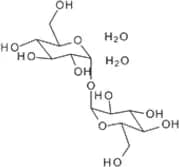
CAS:<p>An α-anomer, obtained by crystallization at low temperature, can be dehydrated to stable form above 130°C or an unstable (hygroscopic) form at lower temperatures. An example of the applications for α-Lactose monohydrate is in dry powder inhalers. These are devices that deliver medication to the lung in the form of a dry powder generating an aerosol directly from the drug powder or mixture, using an excipient such as lactose monohydrate.</p>Formula:C12H22O11·H2OPurezza:(%) Min. 95%Colore e forma:PowderPeso molecolare:360.31 g/mol1,2,3,4,6-Penta-O-trimethylsilyl-a-D-galactopyranose
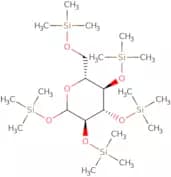
CAS:1,2,3,4,6-Penta-O-trimethylsilyl-a-D-galactopyranose is a modification of the sugar galactose. It is a complex carbohydrate and an oligosaccharide that has been custom synthesized. The molecular weight of 1,2,3,4,6-Penta-O-trimethylsilyl-a-D-galactopyranose is 592.77 g/mol. The purity of this compound is >99%. This compound has been fluorinated and saccharide methylated.Formula:C21H52O6Si5Purezza:Min. 95%Peso molecolare:541.07 g/molPhenyl b-D-thioglucuronide
CAS:<p>Phenyl b-D-thioglucuronide is a synthetic molecule that has been used in studies of the carotid, abdominal and symmetric techniques. It can be used to study water absorption and squamous cell growth. Phenyl b-D-thioglucuronide has been used as a crosslinking agent for optical imaging techniques, such as fluorescence microscopy and confocal microscopy. The basic protein form of phenyl b-D-thioglucuronide is found in the human brain and spinal cord. There have been reports that phenyl b-D-thioglucuronide causes death and teratomas in mice when injected into the sigmoid colon or teratoma. Phenyl b-D-thioglucuronide also causes neuroinflammation, which may be due to its ability to induce matrix metalloproteinase production.</p>Formula:C12H14O6SPurezza:(%) Min. 95%Peso molecolare:286.3 g/molD-Ribose-5-phosphate barium salt hexahydrate
CAS:D-Ribose-5-phosphate barium salt hexahydrate is a Modification, Oligosaccharide, Carbohydrate, complex carbohydrate. It is a Custom synthesis, Synthetic, High purity, Monosaccharide, Methylation, Glycosylation and Polysaccharide. D-Ribose-5-phosphate barium salt hexahydrate has CAS No. 15673-79-7 and Fluorination. It is an saccharide sugar.Formula:C5H9BaO8P·6H2OPurezza:Min. 95%Colore e forma:White PowderPeso molecolare:473.51 g/mol(5R, 8S, 9S) -8- [(4R) - 2, 2- Dimethyl- 1, 3- dioxolan- 4- yl] - 9- hydroxy- 2, 2- dimethyl- 1, 3, 7- trioxaspiro[4.4] nonan- 6- on e
<p>(5R, 8S, 9S) -8- [(4R)-2,2-Dimethyl-1,3-dioxolan-4-yl] -9-hydroxy-2, 2-dimethyl-1,3, 7-trioxaspiro[4.4] nonan-6-on e is a synthetic compound that is used in the synthesis of oligosaccharides and glycosylations. It can be used as a building block for modification of saccharides and polysaccharides with click chemistry and fluorination. This product has high purity and is suitable for custom synthesis.</p>Purezza:Min. 95%6-Deoxy-L-altritol
<p>6-Deoxy-L-altritol is a carbohydrate that belongs to the class of saccharides. It is a synthetic carbohydrate, and its structure is similar to that of D-mannitol. 6-Deoxy-L-altritol can be used for medical purposes as it inhibits bacterial growth and is an anti-inflammatory agent. 6-Deoxy-L-altritol has been modified with fluorine atoms to give it potent antibacterial activity against Gram negative bacteria, such as Salmonella typhi, Escherichia coli, and Pseudomonas aeruginosa. This modification also makes 6-deoxy L-altritol stable at high temperatures and resistant to acid hydrolysis.</p>Purezza:Min. 95%1,2,5-Tri-O-benzoyl-3-methyl-D-xylofuranose
CAS:1,2,5-Tri-O-benzoyl-3-methyl-D-xylofuranose is a triol that is a methyl glycoside of 3,4,6-trihydroxybenzoic acid. It is an important building block in the synthesis of various saccharides and oligosaccharides. This product is often used as a precursor in the modification of saccharides to produce new products with different properties. This molecule has been shown to be resistant to degradation by enzymes such as glycosidases and oxidases. 1,2,5-Tri-O-benzoyl-3-methyl-D-xylofuranose can also be fluorinated or modified with other chemical groups. 1,2,5-Tri -O -benzoyl -3 -methyl -D -xylofuranose may be available from one or more custom synthesis providers.Formula:C27H24O7Purezza:Min. 95%Peso molecolare:460.48 g/molMethyl 4,6-O-(4-methoxybenzylidene)-2,3-di-O-pivaloyl-a-D-glucopyranoside
<p>Methyl 4,6-O-(4-methoxybenzylidene)-2,3-di-O-pivaloyl-a-D-glucopyranoside is a methylated saccharide that is used as an intermediate in the synthesis of other saccharides. It is a custom synthesis that can be synthesized to high purity and with low cost. Methyl 4,6-O-(4-methoxybenzylidene)-2,3-di-O-pivaloyl-a-D-glucopyranoside has been modified with click chemistry to provide a variety of functional groups. This modification allows for the production of complex carbohydrates such as oligosaccharides and glycosylation products.</p>Formula:C25H36O9Purezza:Min. 95%Peso molecolare:480.56 g/molGalacturonan DP7/DP8 sodium
Mixed DP 7/8 Na galacturonans (α-1,4 galacturonoheptoses and octaoses), are derived from pectin or pectic acid, by enzymatic or partial acid hydrolysis. They are used in galacturonic acid metabolism research as a substrate to identify, differentiate, and characterized endo- and exopolygalacturonase(s), and gluconase(s). The addition of very short fragments of homogalacturonan oligosaccharides, restores development in dark-grown, de-etiolated seedling mutants, suggesting that they are unable to generate de-methylesterified pectin fragments. A model of spatiotemporally separated photoreceptive and signal-responsive cell types has been proposed, that contains overlapping subsets of the regulatory network of light-dependent seedling development.Purezza:Min. 95%Colore e forma:Powder2-(2,3,6-Tri-O-acetyl-4-O-[(2,3,4,6-tetra-O-acetyl-a-D-glucopyranosyl)]-b-D-glucopyranosyl) thiopseudourea
<p>2-(2,3,6-Tri-O-acetyl-4-O-[(2,3,4,6-tetra-O-acetyl-a-D-glucopyranosyl)]-b-D-glucopyranosyl) thiopseudourea is a glycosylated oligosaccharide that has been modified using methylation and click chemistry. This compound has been used in the synthesis of various complex carbohydrates. The CAS number for this compound is 905835-79-8 and it can be custom synthesized to meet your needs.</p>Formula:C27H38N2O17SPurezza:Min. 95%Peso molecolare:694.66 g/mol(Z)-3-Hexen-1-yl b-D-glucopyranoside
CAS:The chemical profile of the methyl ester (Z)-3-hexen-1-yl b-D-glucopyranoside has been determined using high performance liquid chromatography. The compound is an anti-fungal agent and its main pharmacological effects are related to radical scavenging activity. It shows possible neuropharmacological activity, but further studies are required to confirm this. The chemical profile of Z)-3-hexen-1-yl b-D-glucopyranoside was found to be different from that of other compounds in the genus. This compound belongs to a group of compounds called aldehydes, which is characterized by methoxy and dimethoxy substitutions on the benzene ring. The compound is used in traditional Chinese medicine for the treatment of scopolin or codonopsis radix, which are two types of chinese medicinal herbs.Formula:C12H22O6Purezza:Min. 95%Colore e forma:PowderPeso molecolare:262.30 g/mol3,5-Dideoxy-N-(1-hexyl)-3,5-imino-D-xylopentitol
<p>3,5-Dideoxy-N-(1-hexyl)-3,5-imino-D-xylopentitol is a synthetic monosaccharide that is used in the production of complex carbohydrates. It can be modified with fluorination and methylation to produce 3,5-dideoxy-N-(1-hexyl)-3,5-[(2-[(2,6-difluoro phenoxy)methyl]phenyl]imino)D-xylopentitol. The compound has been shown to have antiviral properties and has been used in the synthesis of glycosaminoglycans.</p>Purezza:Min. 95%b-D-Galactopyranosyl azide
CAS:b-D-Galactopyranosyl azide is a fluorescent probe that can be used to identify the presence of beta-glucosidase in muscle tissue. This compound is hydrolyzed by alpha-galactosidase and it is detectable under UV light, yielding a green fluorescence. The b-D-Galactopyranosyl azide has been shown to be able to differentiate between alpha-galactosidase and beta-glucosidase, which are both glycosidases, by measuring the rate of hydrolysis of the probe. This chemical can also be used as an indicator for detecting muscle glycogen in homogenates.Formula:C6H11N3O5Purezza:Min. 95%Colore e forma:PowderPeso molecolare:205.17 g/mol3,5-Di-O-benzoyl-2-deoxy-2-fluoro-2C-methyl-D-ribono-1,4-lactone
CAS:3,5-Di-O-benzoyl-2-deoxy-2-fluoro-2C-methyl-D-ribono-1,4-lactone is a synthetic compound with the molecular formula C6H12F6O8. It has a molecular weight of 536.14 and an empirical formula of C24H32F6O8. 3,5-Di-O-benzoyl -2,3,4,5,-tetra-, 2C-, methyl -D-, ribo-, 1,4-, lactone is soluble in water and it can be synthesized from D-(+)-glucose and methyl 4-(trifluoromethyl)benzoate in three steps. The structure of 3,5 Di O benzoic acid was first determined by XRD analysis. The compound is a white crystalline solid with melting point at 180°C to 181°C and boilingFormula:C20H17FO6Purezza:Min. 97 Area-%Colore e forma:White Off-White PowderPeso molecolare:372.34 g/molL-Galactono-1,4-lactone
CAS:<p>L-Galactono-1,4-lactone is a biochemical compound that is found in plants and some living cells. It is an intermediate in the Krebs cycle and can be used as a nutrient solution for plant science research. L-Galactono-1,4-lactone has been shown to have enzyme activities on chronic exposure to sephadex g-100. This compound also has an optimum pH of 5.2 and shows acid formation with titration calorimetry. L-Galactono-1,4-lactone is also used in vitro assays for polymerase chain reactions (PCR).</p>Formula:C6H10O6Purezza:Min. 98%Colore e forma:White Off-White PowderPeso molecolare:178.14 g/molEthyl b-D-fructopyranoside
CAS:<p>Salidroside is a phenylpropanoid, a type of secondary metabolite. It is found in the plant family Ranunculaceae and can be extracted from the roots of Rhodiola rosea (golden root) and other plants in this family. Salidroside has been shown to have anti-inflammatory properties, which may be due to its inhibition of prostaglandin synthesis. Salidroside also has strong antioxidant properties, which may be due to its ability to scavenge free radicals. Salidroside can be used as an additive for foods such as breads and pastries because it inhibits the formation of phthalic acid that is produced by baking.</p>Formula:C8H16O6Purezza:Min. 95%Peso molecolare:208.21 g/molIsopropyl 2,3,4,6-tetra-O-acetyl-b-D-thiogalactopyranoside
CAS:Isopropyl 2,3,4,6-tetra-O-acetyl-b-D-thiogalactopyranoside is a carbohydrate that is a modification of the sugar galactose. It is a synthetic monosaccharide with a high purity and custom synthesis. The chemical modification includes fluorination and methylation. This compound has been shown to be effective in inhibiting bacterial growth and is used in the treatment of tuberculosis.Purezza:Min. 95%2,5-Di-O-acetyl-3-deoxy-D-threo-pentono-1,4-lactone
CAS:2,5-Di-O-acetyl-3-deoxy-D-threo-pentono-1,4-lactone is a monosaccharide with the molecular formula C5H8O4. It is a carbohydrate that can be found in natural products such as honey and sugar cane. 2,5-Di-O-acetyl-3,6,-dideoxyhexose can be custom synthesized to order. Carbohydrates are polymers of glycosidic bonds between monosaccharides. Glycosylation refers to the attachment of a sugar molecule (glycosyl donor) to another molecule (glycosyl acceptor). This process is often catalyzed by enzymes called glycosyltransferases. The modification of carbohydrates can be achieved through glycosylation, which results in the formation of an oligosaccharide or a complex carbohydrate. 2,5 Di-O acetyl 3,6 -Formula:C9H12O6Purezza:Min. 95%Peso molecolare:216.19 g/molBenzyl 2-acetamido-2-deoxy-3-O-(b-D-galactopyranosyl)-a-D-glucopyranoside
CAS:<p>Benzyl 2-acetamido-2-deoxy-3-O-(b-D-galactopyranosyl)-a-D-glucopyranoside is a synthetic substrate that is used in the synthesis of disaccharides. It is catalytic and has an efficient method for the preparation of acetonitrile, which can be eluted with acetic acid. It is a reagent that reacts with halides to form equimolar acetates. Acetylated benzyl 2-acetamido-2 deoxy 3 O-(b D galactopyranosyl) a D glucopyranoside can be obtained by reacting benzyl 2 acetamido 2 deoxy 3 O-(b D galactopyranosyl) a D glucopyranoside with acetic anhydride.</p>Formula:C21H31NO11Purezza:Min. 95%Colore e forma:PowderPeso molecolare:473.47 g/molSuccinyl-gamma-cyclodextrin
<p>This gamma-cyclodextrin (γ-CD) derivative (Suc-γ-CD) is a modified cyclic oligosaccharide composed of eight glucose units, featuring a larger cavity size than α- and β-cyclodextrins. This structural characteristic allows γ-CDs to form inclusion complexes with a wider range of guest molecules, making it particularly versatile in various industries. In the food sector, it is used as a carrier and stabilizer for flavors, fat-soluble vitamins, and polyunsaturated fatty acids, protecting volatile compounds from evaporation. In pharmaceuticals, it enhances the solubility and bioavailability of poorly water-soluble drugs and, thanks to its larger ring size, allows for the encapsulation of larger molecules or even entire drug molecules. γ-CDs and derivatives are also used for environmental remediation and, in analytical chemistry, for the extraction and concentration of target substances.</p>Formula:C48H80nO40•(C4H5O3)nPurezza:Min. 95%Colore e forma:PowderPeso molecolare:1,297.2 g/mol2,7-Anhydro-D-sedoheptulose-2,3,4,5,6,7-13C6
<p>2,7-Anhydro-D-sedoheptulose-2,3,4,5,6,7-13C6 is a custom synthesis of a complex carbohydrate. It is an oligosaccharide that is modified with methylation and glycosylation. This compound has been synthesized by Click modification and fluorination. 2,7-Anhydro-D-sedoheptulose-2,3,4,5,6,7-13C6 is water soluble and has a high purity. It is used as a research tool in the field of saccharides and carbohydrates.</p>Purezza:Min. 95%Disialyllacto-N-tetraose
CAS:Disialyllacto-N-tetraose is a medicinal compound that has shown promising anticancer properties. It is an analog of a human urinary glycoprotein and has been found to induce apoptosis in cancer cells. Disialyllacto-N-tetraose acts as a tumor inhibitor by blocking the activity of certain protein kinases, which are enzymes that play a role in cell growth and division. This compound has been studied extensively in Chinese medicine and has shown potential as an effective anticancer agent. Its unique structure and mechanism of action make it a promising candidate for further research into cancer treatment.Formula:C48H79N3O37Purezza:Min. 85%Peso molecolare:1,290.16 g/mol1,5-Anhydro-D-mannitol
CAS:<p>1,5-Anhydro-D-mannitol is a monosaccharide that is used as an active ingredient in many pharmaceuticals. It is synthesized by the reaction of benzyl chloride with galactose. The compound has been shown to have radical scavenging activities and to inhibit the formation of carbonyl groups and hydroxyl radicals. 1,5-Anhydro-D-mannitol has also been shown to be effective against dendrobium candidum. This substance is tasteless and has a sweet taste at high concentrations.br><br>1,5-Anhydro-D-mannitol is a molecule that consists of two hydroxyl groups and one deuterium atom. The molecule has a basic ph and can exist in six different forms depending on the orientation of the hydrogen atoms on the hydroxyl group. In addition, it contains one acidic ph because it contains a carboxylic acid group on one side.</p>Formula:C6H12O5Purezza:Min. 97 Area-%Colore e forma:PowderPeso molecolare:164.16 g/molMono-6-O-(p-toluenesulfonyl)-a-cyclodextrin
CAS:<p>Alpha-cyclodextrin (α-CD) derivative with a hydrophilic exterior and lipophilic cavity (smaller than β-CDs and γ-CDs) to allocate certain guest molecules. This structural characteristic enables applications in molecular encapsulation, solubility enhancement, and stabilization across multiple industries. In pharmaceuticals, it serves as a drug delivery vehicle, enhancing the bioavailability and stability of active ingredients. The food industry utilizes it as a stabilizer for flavors, colors, and nutrients, as well as a functional ingredient for its effects on lipid metabolism. In cosmetics, it acts as a complex agent for fragrances and active components. Its applications extend to analytical chemistry for chiral separation and to materials science for developing smart materials and nanosystems.</p>Formula:C43H66O32SPurezza:Min. 95%Colore e forma:White PowderPeso molecolare:1,127.03 g/molb-L-Arabinopyranose
CAS:<p>b-L-Arabinopyranose is a monosaccharide that is found in exudates, melibiose, and radiation hydrolysate. It has been shown to be hydrolyzed by intestinal enzymes and to have an optimum pH of 5.5. b-L-Arabinopyranose also has a high degree of polymerization (DP) and can form five-membered rings with galactans as well as terminal residues that are resistant to hydrolysis by carbon tetrachloride.</p>Formula:C5H10O5Purezza:Min. 95%Peso molecolare:150.1 g/molNeoagarobiose
CAS:<p>Agarose is a polysaccharide found in red algae, typically Gelidium and Gracilaria. It is a strictly alternating polysaccharide of α-1,3 linked D-galactose and β-1,4 linked L-3,6 anhydrogalactose, with occasional sulfation at position 6 of the anhydrogalactose residue. Agaro-oligosaccharides result from cleavage at galactose residues and neoagaro-oligosaccharides from cleavage at 3,6-anhydro residues. Neoagarobiose is reported to exhibit skin moisturising and whitening properties.</p>Formula:C12H20O10Purezza:Min. 98 Area-%Colore e forma:PowderPeso molecolare:324.28 g/molCyanomethyl 2,3-O-isopropylidene-5-O-trityl-D-ribofuranoside
Cyanomethyl 2,3-O-isopropylidene-5-O-trityl-D-ribofuranoside is a carbohydrate that is used as a building block for the synthesis of oligosaccharides and polysaccharides. It is synthesized from D-ribose and methyl 2,3-O-(1,2,4)triazole by the reaction of the glycosyl donor 2,3,5-triacetoxybenzaldehyde with methyl iodide followed by reaction with sodium methoxide. This product has not been tested for microbial contamination or endotoxins.Formula:C29H29NO5Purezza:Min. 95%Peso molecolare:471.54 g/molMethyl 4,6-O-benzylidene-2-benzyloxycarbonylamino-2-deoxy-a-D-glucopyranose
CAS:<p>Methyl 4,6-O-benzylidene-2-benzyloxycarbonylamino-2-deoxy-a-D-glucopyranose is a custom synthesized compound. It is a polysaccharide that is modified with fluorine and methyl groups. The chemical structure of this compound includes a glucose molecule with an amino group at the C1 position and an acetyl group at the C4 position. This modification increases the solubility and stability of this compound. Methyl 4,6-O-benzylidene-2-benzyloxycarbonylamino-2-deoxy--A D glucopyranose has been used in research as a model for glycosylation.</p>Formula:C22H25NO7Purezza:Min. 95%Peso molecolare:415.44 g/molDextran sulfate sodium, MW 100,000
CAS:<p>Dextran sulphate is a dextran derivative whose ulcer (colitis) -causing properties were first reported in hamsters and extrapolated a few years later to mice and rats. The exact mechanisms through which dextran sulphate induces intestinal inflammation are unclear but may be the result of direct damage of the monolayer of epithelial cells in the colon, leading to the crossing of intestinal contents (for e.g. commensal bacteria and their products) into underlying tissue and therefore induction of inflammation. The dextran sulphate sodium induced ulceration model in laboratory animals has some advantages, when compared to other animal models of colitis, due to its simplicity and similarities to human inflammatory bowel disease.</p>Colore e forma:Powder2,3,4,6-Tetra-O-acetyl-β-D-glucopyranosyl azide
CAS:<p>2,3,4,6-Tetra-O-acetyl-β-D-glucopyranosyl azide is a chemical compound that has been synthesized and studied by X-ray crystallography. It is an azide derivative of β-D-glucopyranosyl acetate. The structure of this compound was solved using x-ray crystallographic techniques.</p>Formula:C14H19N3O9Purezza:Min. 95%Colore e forma:White PowderPeso molecolare:373.32 g/molN-[2-(4'-Methylphenylacetonitrile)]-2,3,4,6-tetra-O-pivaloyl-D-glucopyranoside
CAS:<p>Ramipril is a drug used for the treatment of high blood pressure and congestive heart failure. It belongs to the group of ACE inhibitors, which inhibit the enzyme angiotensin-converting enzyme (ACE). Ramipril is not active in its prodrug form, but is converted in vivo to enalaprilat, its active metabolite. This conversion takes place mainly in the liver. Enalaprilat prevents the conversion of angiotensin I to angiotensin II, reducing vasoconstriction. Ramipril also improves mental function by enhancing memory and cognition and may have an effect on improving learning ability. The effective dose for ramipril is 5-20 mg/kg per day, with captopril being an alternative medication that has similar effects.</p>Formula:C35H52N2O9Purezza:Min. 95%Peso molecolare:644.8 g/molFucoidan, fucus vesiculosus
CAS:A fucan sulphate found in brown marine algae (Phaeophyta-typically fucus vesiculosus (illustrated), Ascophyllum nodosum, Alaria and Macrocystis pyrifyra and has been shown to have anticoagulant activity. The main constituents are α-1,4 and α-1,2 linked L-fucose sulphates although galactose also occurs and there are many variations of the basic structure found in different species of Phaeophyta. The image was kindly provided by Prof Mike Guiry from Cork who runs ‘The Seaweed Site’.Purezza:Min. 95%Colore e forma:White PowderA2F N-Glycan
CAS:<p>A2F N-Glycan is an oligosaccharide that is found in the human body. It is a glycan that has been shown to be involved in a number of biological processes, including effector functions, site specific recognition, diagnosis, and biopharmaceutical production. A2F N-glycan has also been shown to have potential as a biomarker for autoimmune diseases and cancer. The A2F N-glycan profile may differ between patients with different cancers or autoimmune disorders. This difference in the A2F N-glycan profile may contribute to the development of personalized medicine by helping to diagnose these conditions and predict their prognosis.</p>Formula:C90H148N6O66Purezza:Min. 90 Area-%Colore e forma:PowderPeso molecolare:2,370.14 g/mol3-Deoxy-3-fluoro-D-glucose
CAS:<p>Fluorinated glucose analog</p>Formula:C6H11FO5Purezza:Min. 95%Colore e forma:White PowderPeso molecolare:182.15 g/molCyclohexylmethyl-4-O-(a-D-glucopyranosyl)-b-D-glucopyranoside
CAS:Detergent used for the solubilization of membrane proteins. Important for the solubilization is the detergent-to-protein ratio. At low ratios (1:10) the membranes are lysed and large complexes of are formed containing protein, detergent, and membrane lipids. With progressively larger ratios smaller complexes are obtained. Finally, at ratios of 10:1 to 20:1 individual detergent-protein complexes are formed free of membrane lipids. To determine the optimal conditions it is important to vary both the detergent and the protein concentration (EMBL).Formula:C19H34O11Purezza:Min. 95%Colore e forma:PowderPeso molecolare:438.47 g/molN-Butyldeoxygalactonojirimycin
CAS:<p>Competitive inhibitor of glucosylceramidase (GlcCer), which catalyses the first step in glycosphingolipid (GSL) synthesis. This compound is a promising candidate for substrate reduction therapy in Sandhoff disease, where it decreases the rate of GSL biosynthesis and counterbalances the impaired rate of ganglioside catabolism.</p>Formula:C10H21NO4Purezza:Min. 95%Colore e forma:PowderPeso molecolare:219.28 g/mol(1S) -1- [(2S, 3R) - 3-Hydroxy- 1- (phenylmethyl) - 2- azetidinyl] -1, 2- Ethanediol
(1S) -1- [(2S, 3R) - 3-Hydroxy- 1- (phenylmethyl) - 2- azetidinyl] -1, 2- Ethanediol is a custom synthesis that is a glycosylated, fluorinated and methylated sugar. It is an oligosaccharide with four monosaccharides and one disaccharide repeating unit. This molecule has been modified with Click chemistry and the use of polysaccharides. The CAS number for this compound is 1009076-81-2 and it can be purchased in high purity.Purezza:Min. 95%2,3,4,6,1',3',4',6'-Octa-O-benzoyl-D-sucrose
CAS:<p>Sucrose octabenzoate is a practically colorless, odorless, transparent, glass-like material which is compatible with a number of synthetic resins, such as polyvinyl chloride, vinyl chloride-vinyl acetate copolymer, polyvinyl acetate and cellulose acetate. Sucrose octabenzoate improves the hardness and gloss of these products and has also been found to be useful as a component of inks, adhesives, coatings and plastic objects.</p>Formula:C68H54O19Purezza:Min. 95%Colore e forma:White/Off-White SolidPeso molecolare:1,175.14 g/molMethyl 6-deoxy-β-D-glucopyranoside
CAS:<p>Methyl 6-deoxy-b-D-glucopyranoside is a custom synthesis that produces methylated sugars. It is a high purity, complex carbohydrate with a molecular weight of 312.06 g/mol and CAS No. 6340-52-9. Methyl 6-deoxy-b-D-glucopyranoside is produced by the click modification of glucose, which is an oligosaccharide composed of six molecules of glucose linked together. This product has been used in the synthesis of polysaccharides and saccharides.</p>Formula:C7H14O5Purezza:Min. 95%Colore e forma:PowderPeso molecolare:178.18 g/molD-Glucose - anhydrous
CAS:Glucose (Glu) is the most common carbohydrate on the planet, found in all living organisms and is the major source of metabolic energy for plants and animals. Glucose is a building block in numerous oligosaccharides and polysaccharides. It is present in blood and milk, in gangliosides and in N- and O-linked glycans (Collins, 2006). Glucose is wrongly called a simple sugar because in solution it exists in five forms: two six membered rings (α/β), two five membered rings (α/β) and a straight chain form, a system known as mutarotation (Robyt, 2012). The proportions of different glucose forms are dictated by temperature and pH. D-Glucose is optically active (dextrorotary) and L-Glucose is its enantiomer (Levorotary). Its hydroxyl groups are all equatorial, providing maximum stability, according to Hudsons rules (Hudson, 1948).Formula:C6H12O6Purezza:Min. 96 Area-%Colore e forma:White PowderPeso molecolare:180.16 g/mol1,3,5-Tri-O-benzoyl-a-D-ribofuranose
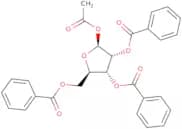
CAS:<p>1,3,5-Tri-O-benzoyl-a-D-ribofuranose is a modified carbohydrate. It is synthesized by the methylation of 1,3,5-tri-O-benzoyl-a-D-arabinopyranose followed by glycosylation with 3,6-dideoxyhexose. This compound has been used as a substrate in enzymatic studies to investigate the modification of carbohydrates by glycosylation and methylation and can be used for the synthesis of other saccharides.</p>Formula:C26H22O8Purezza:Min. 95%Colore e forma:White PowderPeso molecolare:462.45 g/mol(4R)-3-O-Benzyl-1,2-O-isopropylidene-4-(2,6-piperidinedione-4-yl)-D-threose
<p>(4R)-3-O-Benzyl-1,2-O-isopropylidene-4-(2,6-piperidinedione-4-yl)-D-threose is a methylated sugar. It is synthesized by the modification of a natural sugar molecule with a fluorinated group. This product can be used in the synthesis of complex carbohydrates and pharmaceuticals. (4R)-3-O-Benzyl-1,2-O-isopropylidene-4-(2,6 piperidinedione) -D -threose has high purity and can be modified to have a range of different properties. It is an important synthetic intermediate for monosaccharides and oligosaccharides.</p>Purezza:Min. 95%Dextran sulfate sodium salt - MW 9,000-11,000 - from Leuconostoc spp
CAS:Dextran sulphate is a dextran derivative whose ulcer (colitis) -causing properties were first reported in hamsters and extrapolated a few years later to mice and rats. The exact mechanisms through which dextran sulphate induces intestinal inflammation are unclear but may be the result of direct damage of the monolayer of epithelial cells in the colon, leading to the crossing of intestinal contents (for e.g. commensal bacteria and their products) into underlying tissue and therefore induction of inflammation. The dextran sulphate sodium induced ulceration model in laboratory animals has some advantages, when compared to other animal models of colitis, due to its simplicity and similarities to human inflammatory bowel disease.Purezza:Min. 95%Colore e forma:PowderArabinonic acid potassium salt
CAS:Arabinonic acid potassium salt is a fluorinated monosaccharide that is used as a building block for the synthesis of oligosaccharides and polysaccharides. Arabinonic acid potassium salt is chemically synthesized by the glycosylation of 2-deoxy-D-ribose with arabinonitrile followed by hydrolysis to form arabinonic acid. This chemical can also be modified with methyl groups, nitro groups, or other functional groups. It has CAS number 36232-89-0 and molecular weight of 176.17 g/mol. Arabinonic acid potassium salt is a high purity product with 98% minimum purity and no detectable impurities.Formula:C5H9KO6Purezza:Min. 95%Colore e forma:PowderPeso molecolare:204.22 g/mol(1S) -1- [(2S, 3R) - N-Butyl-3- hydroxy- 1- azetidinyl] -1, 2- ethanediol
<p>(1S) -1- [(2S, 3R) - N-Butyl-3- hydroxy- 1- azetidinyl] -1, 2- ethanediol is a synthetic carbamate which is a modification of the sugar D-glucose. It has been fluorinated at the C4 position and glycosylated at the C2 position. This compound is also methylated at the C3 position. (1S) -1- [(2S, 3R) - N-Butyl-3- hydroxy- 1- azetidinyl] -1, 2- ethanediol has CAS number 7145636 and has been custom synthesized to be high purity and with custom synthesis modifications.</p>Purezza:Min. 95%(2S, 3S, 4R) -1Benzyl-2- [(1S) - 1, 2- dihydroxyethyl] - 3, 4- pyrrolidinediol
(2S, 3S, 4R) -1Benzyl-2- [(1S) - 1, 2- dihydroxyethyl] - 3, 4- pyrrolidinediol is a synthetic sugar that has been fluorinated on the C4 position. It can be custom synthesized to suit any specification and can be glycosylated or polysaccharided. This compound has a CAS number and is available in high purity.Purezza:Min. 95%UDP-3-O-(R-3-hydroxydecanoyl)-GlcNAc sodium salt
CAS:<p>Substrate for UDP-3-O-acyl-GlcNAc deacetylase</p>Formula:C27H43N3O19P2·xNaPurezza:Min. 90 Area-%Colore e forma:White Off-White Solidified MassPeso molecolare:777.6 g/mol2,3:5,6-Di-O-isopropylidene-α-D-mannofuranose
CAS:<p>2,3:5,6-Di-O-isopropylidene-a-D-mannofuranose is a nutrient solution that can be used in tissue culture. It is a complex sugar with an active hydroxyl group and a hydrogen bond. This compound has been shown to have antiviral activity against HIV in the laboratory. 2,3:5,6-Di-O-isopropylidene-a-D-mannofuranose is also able to inhibit the growth of liver cells and can be used for diagnostic purposes.</p>Formula:C12H20O6Purezza:Min. 95%Colore e forma:PowderPeso molecolare:260.28 g/mol1,3,4,6-Tetra-O-acetyl-b-D-glucosamine HCl
CAS:1,3,4,6-Tetra-O-acetyl-b-D-glucosamine HCl is a compound that can be used in the production of bacterial cellulose. It is a white powder with a molecular weight of 536.2. 1,3,4,6-Tetra-O-acetyl-b-D-glucosamine HCl has been shown to be effective in the cultivation of microorganisms such as bacteria and fungi. This product is also an additive for deionized water and deionized sucrose solutions. Tetraacetylated glucosamine hydrochloride is used to produce bacterial cellulose through the action of cellulase enzymes on sucrose solutions containing NaOH. In addition, this product has been shown to inhibit the proliferation of fibroblasts and epithelial cells when cultured in vitro.Formula:C14H21NO9·HClPurezza:Min. 95.0 Area-%Colore e forma:PowderPeso molecolare:383.78 g/mol6-Amino-6-deoxy-D-lactose
<p>6-Amino-6-deoxy-D-lactose is a high purity, custom synthesis sugar that has been fluorinated and glycosylated. It can be used in the synthesis of oligosaccharides, monosaccharides, saccharides or complex carbohydrates. 6-Amino-6-deoxy-D-lactose can be found under CAS No. 5892-84-7.</p>Purezza:Min. 95%N-Butyldeoxymannojirimycin HCl
CAS:<p>N-Butyldeoxymannojirimycin HCl is a custom synthesis, complex carbohydrate that is synthesized from Oligosaccharides and Polysaccharides. This product is modified with Methylation, Glycosylation, and Carbohydrate. It has the CAS No. 155501-85-2 and it is high purity and fluorinated. The product can be used in Synthetic applications such as Click modification, sugar, or Fluorination.</p>Formula:C10H21NO4·HClPurezza:Min. 95%Colore e forma:SolidPeso molecolare:255.74 g/molD-Fructose-1,6-diphosphate tetra(cyclohexylammonium) salt
CAS:<p>D-Fructose-1,6-diphosphate tetra(cyclohexylammonium) salt is a white to off-white crystalline powder. It is soluble in water and ethanol and insoluble in ether, chloroform, and benzene. D-Fructose-1,6-diphosphate tetra(cyclohexylammonium) salt is used as a raw material for the production of mono and oligosaccharides by click chemistry or glycosylation. The chemical formula for this substance is CHNO4.H2O4C8H11N.</p>Formula:C6H14O12P2·4C6H13NPurezza:Min. 95%Peso molecolare:736.81 g/molThiocellotetraose
<p>Thiocellotetraose is a glycosylation product of cellulose. It is a complex carbohydrate that is similar to other saccharides. Thiocellotetraose can be obtained by methylation, click modification, and fluorination. The monosaccharide units in thiocellotetraose are glucose and mannose. This product can be custom synthesized to meet your specific requirements for purity and CAS number.</p>Formula:C24H42O18S3Purezza:Min. 95%Peso molecolare:714.78 g/mol2,6-Anhydro-D-glycero-D-ido-heptonamide
CAS:<p>2,6-Anhydro-D-glycero-D-ido-heptonamide is a fluorinated carbohydrate that can be synthesized by the reaction of 2,6-anhydro-D-glycero-D-heptonic acid with N,N'-dicyclohexylcarbodiimide and ethyl bromoacetate. This compound is then modified with a methyl group at the C2 position or an acetyl group at the C3 position. The resulting product can be used in a wide variety of applications including biopharmaceuticals, diagnostic reagents, and inorganic chemicals.</p>Purezza:Min. 95%2,3:4,6-Di-O-isopropylidene-2-keto-L-gulonic acid
CAS:<p>2,3:4,6-Di-O-isopropylidene-2-keto-L-gulonic acid is a mediator that is used in the synthesis of epoxides. It is obtained by the reaction of hydrogen peroxide with 2,3:4,6-di-o-isopropylidene-2-keto-l-gulonic acid monohydrate. This product can be used as an intermediate in organic synthesis to produce chiral epoxides. The stereochemistry of the epoxides depends on the chirality of the substrate and the stereoselectivity for this process is high. The epoxides are then recycled and reused to make more 2,3:4,6--di--isopropylidene--2--keto--l--gulonic acid monohydrate.</p>Purezza:Min. 95%3,6-Dideoxy-3,6-imino-4,5-O-isopropylidene-D-mannitol
<p>3,6-Dideoxy-3,6-imino-4,5-O-isopropylidene-D-mannitol is a complex carbohydrate that is a sugar. It is an oligosaccharide and has CAS No. 123725-27-8. 3,6-Dideoxy-3,6-imino-4,5-O-isopropylidene D mannitol is a saccharide and it can be modified with methylation or glycosylation. 3,6-Dideoxy D mannitol can be fluorinated in the presence of elemental fluorine to produce 3,6 difluoro 2,5 dihydroxyhexanoic acid. 3,6 Dideoxy D mannitol is synthesized from 2 acetylacetone and tetrachloroethanol as starting materials.</p>Purezza:Min. 95%Neocarratetraose 4¹, 4³-disulfate disodium salt
CAS:<p>Neocarratetraose 4,4-disulfate disodium salt is a synthetic, fluorinated carbohydrate that is synthesized from neopentyl glycol and 1,2-dichloroethane. It has been used as a substrate for the glycosylation of saccharides. Neocarratetraose 4,4-disulfate disodium salt is a white to off-white powder with a molecular weight of 538.</p>Formula:C24H36Na2O25S2Purezza:(%) Min. 95%Colore e forma:White Off-White PowderPeso molecolare:834.64 g/molMonosialyl, monofucosyl-(1-3)-lacto-N-hexaose
Monosialyl, monofucosyl-(1-3)-lacto-N-hexaose is a high purity oligosaccharide that is custom synthesized for use in glycosylation studies. It can be modified with methylation, fluorination, or Click chemistry to create a variety of sugar derivatives. Monosialyl, monofucosyl-(1-3)-lacto-N-hexaose has been shown to have complex carbohydrate properties and can be used as an α1→6 glycosidic linker in the synthesis of polysaccharides.Purezza:Min. 95%2-C-Azidomethyl-2,3-di-O-benzhydryloxybis(trimethylsilyloxy)silyl-1-O-tert-butyldimethylsilyl-D-erythritol
<p>2-C-Azidomethyl-2,3-di-O-benzhydryloxybis(trimethylsilyloxy)silyl-1-O-tert-butyldimethylsilyl-D-erythritol is a synthetic compound that can be used as a methylating agent and sugar donor in the glycosylation of oligosaccharides. This compound has been shown to methylate saccharides with high purity and can be used for the preparation of complex carbohydrates.</p>Purezza:Min. 95%2,5-Anhydro-1-O-trityl-D-mannitol
CAS:<p>2,5-Anhydro-1-O-trityl-D-mannitol is a complex carbohydrate with the molecular formula C6H14O6 that has been modified for use in glycosylation reactions. It is a type of sugar that can be modified to create desired properties and can be used as an alternative to other sugars such as glucose. 2,5-Anhydro-1-O-trityl-D-mannitol can be used in the synthesis of oligosaccharides and monosaccharides. This product is available in high purity and has a CAS number of 68774-48-1.</p>Formula:C25H26O5Purezza:Min. 95%Peso molecolare:406.48 g/mol2,6-Di-O-tert-butyldimethylsilyl)-b-cyclodextrin
CAS:<p>This beta-cyclodextrin (β-CD) derivative is a functionalized cyclic oligosaccharide composed of seven glucose units, characterized by a hydrophilic exterior and a lipophilic cavity (bigger than α-CD and smaller than γ-CDs), which allows it to encapsulate various guest molecules. This structural feature facilitates its use in multiple applications, including pharmaceuticals, food enhancement, and cosmetics. In the pharmaceutical industry, it enhances the solubility and stability of poorly water-soluble drugs, improving their bioavailability and efficacy while also masking unpleasant tastes. The food sector utilizes it as a stabilizer for flavors, colors, and nutrients, extending shelf life by protecting sensitive ingredients from degradation. In cosmetics, it serves as a complexing agent for fragrances and active components, ensuring their stability and controlled release. Its use expands to many other fields, including nanotechnology for drug delivery systems, environmental remediation for extracting organic pollutants, textiles for slow-release fragrances, and analytical chemistry for chiral separation.</p>Formula:C126H266O35Si14Purezza:Min. 95%Peso molecolare:2,734.64 g/molMan-5 N-Glycan
CAS:<p>Man-5 N-glycan is a glycan that is synthesized by the enzyme mannosyltransferase. This glycan contains five mannose residues, one galactose residue, and one N-acetylglucosamine residue. The Man-5 N-glycan is found in eukaryotes, which are organisms whose cells have nuclei and membrane bound organelles. It is often found on the surface of cells or in secretions such as mucus or saliva. Man-5 N-Glycans are involved in cell signaling and may play a role in bladder cancer development. They are also used to generate monoclonal antibodies for diagnostic purposes.</p>Formula:C46H78N2O36Purezza:Min. 90.00%Colore e forma:PowderPeso molecolare:1,235.1 g/mol2-Acetamido-2-deoxy-4-O-([4-O-b-D-galactopyranosyl]-b-D-galactopyranosyl)-D-glucopyranose
CAS:<p>2-Acetamido-2-deoxy-4-O-[(4-O-[b-(D)-galactopyranosyl]-b-(D)-galactopyranosyl)-D-glucopyranosyl]-D-glucopyranose is a trisaccharide that has been shown to be an inhibitor of the bacterial enzyme UDP-N-acetylglucosamine pyrophosphorylase, which is involved in the synthesis of UDP-N-acetylglucosamine. This inhibition leads to a decrease in D-mannose production, which decreases the ability of bacteria to produce cell walls. 2ACPDG has also been shown to inhibit the growth of Mycobacterium tuberculosis and Mycobacterium avium complex.</p>Formula:C20H35NO16Purezza:Min. 95%Peso molecolare:545.5 g/mol2,3,6-Tri-O-acetyl-4-O-[2,3,6-tri-O-acetyl-4-O-(2,3,6-tri-O-acetyl-4-O-(2,3,4,6-tetra-O-acetyl-b-D-galactopyranosyl)-b-D-glucopyrano syl)-b-D-glucopyranosyl]-a-D-glucopyranosyl bromide
<p>2,3,6-Tri-O-acetyl-4-O-[2,3,6-tri-O-acetyl-4-O-(2,3,6-tri-O-acetyl-4-O-(2,3,4,6-tetra-O-acetyl bDgalactopyranosyl)-bDglucopyranosyl]-aDglucopyranosyl bromide (TTA) is an acetylated oligosaccharide with a degree of polymerization of 5. It has a molecular weight of 1312. The compound is a methylated saccharide which is synthesized from 2,3,6 tri O acetyl 4 O methyl 2 3 6 tetra O acetyl b D galactopyranosy 1</p>Formula:C50H67BrO33Purezza:Min. 95%Peso molecolare:1,275.95 g/mol1,2,3-Tri-O-acetyl-5-deoxy-b-D-ribofuranose
CAS:1,2,3-Tri-O-acetyl-5-deoxy-b-D-ribofuranose is a fluoropyrimidine prodrug. It can be converted to 5-fluorocytosine in vivo and has been shown to have antitumor properties. The positron emission from 1,2,3-triacetyl-5-deoxyribofuranose is used as a radiotracer for colorectal cancer.Formula:C11H16O7Purezza:Min. 95%Colore e forma:White PowderPeso molecolare:260.24 g/mol1,2,3,4-Tetra-O-benzoyl-6-O-trityl-a-D-mannopyranose
CAS:<p>1,2,3,4-Tetra-O-benzoyl-6-O-trityl-a-D-mannopyranose is a methylated saccharide. It is a synthetic product that can be used for the modification of oligosaccharides and polysaccharides. This product has been fluorinated and can be used in the synthesis of complex carbohydrates. It can also be used for the synthesis of monosaccharides or sugars.</p>Formula:C53H42O10Purezza:Min. 95%Peso molecolare:838.89 g/molMethyl 3-O-(2-acetamido-2-deoxy-b-D-glucopyranosyl)-b-D-galactopyranoside
CAS:<p>Substrate for b-6-GlcNAc-transferase</p>Formula:C15H27NO11Purezza:Min. 97 Area-%Colore e forma:White PowderPeso molecolare:397.38 g/molGalacturonan DP5 sodium salt
<p>Sodium Pentagalacturonate, (β-1,4 sodium Pentagalacturonate) is derived from pectin or pectic acid, by enzymatic or partial acid hydrolysis (Combo, 2012). It is used inâ¯galacturonic acidâ¯metabolism research as a substrate to identify, differentiate, and characterize endo- and exopolygalacturonase(s), and gluconase(s) (Jayani, 2005). The addition of very short fragments of homogalacturonan, tri-galacturonate, tetra-galacturonate, and penta-galacturonate oligosaccharides, restore development in dark-grown, de-etiolated seedling mutants, suggesting that they are unable to generate de-methylesterified pectin fragments. A model of spatiotemporally separated photoreceptive and signal-responsive cell types has been proposed, that contains overlapping subsets of the regulatory network of light-dependent seedling development (Sinclair, 2017).</p>Purezza:(Hpaec-Pad) Min. 65%Colore e forma:Powder3, 4- O- [(R) -Benzylidene] -2-O-trifluormethansulfonyl-D- ribonic acid d- lactone
<p>3, 4- O- [(R) -Benzylidene] -2-O-trifluormethansulfonyl-D- ribonic acid d- lactone is a sugar derivative that is used as a reagent in organic synthesis. It has been used as a building block for the preparation of acetonitrile derivatives, which are useful for the synthesis of heterocycles. 3, 4- O- [(R) -Benzylidene] -2-O-trifluormethansulfonyl-D- ribonic acid d- lactone has also been shown to be an active site for catalyzing the reaction between nitroglycerin and trinitrate with dioxane as solvent. This compound can also be used to synthesize the antihypertensive drug hydroxypropanolamine by reacting with hydroxylamine and acetone in acidic conditions.</p>Purezza:Min. 95%2,3,6-Tri-O-benzoyl-γ-cyclodextrin
<p>This gamma-cyclodextrin (γ-CD) derivative is a modified cyclic oligosaccharide composed of eight glucose units, featuring a larger cavity size than α- and β-cyclodextrins. This structural characteristic allows γ-CDs to form inclusion complexes with a wider range of guest molecules, making it particularly versatile in various industries. In the food sector, it is used as a carrier and stabilizer for flavors, fat-soluble vitamins, and polyunsaturated fatty acids, protecting volatile compounds from evaporation. In pharmaceuticals, it enhances the solubility and bioavailability of poorly water-soluble drugs and, thanks to its larger ring size, allows for the encapsulation of larger molecules or even entire drug molecules. γ-CDs and derivatives are also used for environmental remediation and, in analytical chemistry, for the extraction and concentration of target substances.</p>Formula:C216H176O64Purezza:Min. 95%Peso molecolare:3,795.67 g/mol[UL-2H7glc]Lactose monohydrate
<p>Custom synthesis, Modification, Fluorination, Methylation, Monosaccharide, Synthetic, Click modification.<br>Oligosaccharide. Saccharide. CAS No. Polysaccharide. Glycosylation. Sugar. Carbohydrate complex carbohydrate<br>Custom synthesis, Modification, Fluorination, Methylation, Monosaccharide Synthetic Click modification Oligosaccharide saccharide CAS No Polysaccharide Glycosylation sugar Carbohydrate complex carbohydrate</p>Purezza:Min. 95%Medicagenic acid 3,28-di-O-glucoside
CAS:<p>Medicagenic acid 3,28-di-O-glucoside is a synthetic compound that is the product of a custom synthesis. It is a sugar with 1,2-linked glucose units. Medicagenic acid 3,28-di-O-glucoside is an intermediate in the synthesis of glycoconjugates. Medicagenic acid 3,28-di-O-glucoside can be modified to produce saccharides with various properties and functions. This compound has been modified by fluorination, methylation and click chemistry to produce medicagenic acid 3,28-di-O-[(2-(4′-[N′-(3′,5′'-dimethoxytrityl)-3H]thiophenyl)carbonyl]-6′-(4′-[N′-(3',5'-dimethoxytrityl)-3H]thiophenyl)methyl] glucopyranoside.</p>Formula:C42H66O16Purezza:Min. 95%Peso molecolare:826.96 g/mol2-Allyloxycarbonylamino-2-deoxy-D-galactose
<p>2-Allyloxycarbonylamino-2-deoxy-D-galactose is a monosaccharide that is synthetically modified for use as a synthetic building block in the synthesis of complex carbohydrates and saccharides. This compound is fluorinated at the 2 position to increase its water solubility, which makes it useful for chemical modifications. It has been shown to be methylated and glycosylated.</p>Purezza:Min. 95%L-Xylose
CAS:<p>Chiral-pool resource for organic synthesis</p>Formula:C5H10O5Purezza:Min. 99 Area-%Colore e forma:White PowderPeso molecolare:150.13 g/mol2-Deoxy-D-ribonic acid-1,4-lactone
CAS:<p>2-Deoxy-D-ribonic acid-1,4-lactone (2DRA) is a chemical compound with physiological effects. 2DRA is an irreversible inhibitor of DNA polymerase that has been shown to be a potent inhibitor of nuclear DNA synthesis in vitro and in vivo. The 2DRA inhibits the transfer reactions that are required for the replication of DNA. 2DRA binds to the nuclease domain of the enzyme and prevents it from cutting the phosphodiester bonds, leading to inhibition of DNA synthesis. This compound also has genotoxic effects and can cause mutation in cells through radiation or chemical treatment.</p>Formula:C5H8O4Purezza:Min. 95%Colore e forma:Colorless Yellow PowderPeso molecolare:132.12 g/molPropofol-4-Hydroxy-1-D-glucuronide
<p>Propofol-4-Hydroxy-1-D-glucuronide is a modification of propofol, which is commonly used as an intravenous anesthetic. It is a synthetic compound that can be custom synthesized by adding the sugar group to propofol. Propofol-4-Hydroxy-1-D-glucuronide has been shown to be a high purity and pure oligosaccharide with a CAS number. It also contains methylated and glycosylated saccharides.</p>Formula:C18H26O8Purezza:Min. 95%Peso molecolare:370.39 g/molEthyl 2,3-di-O-benzyl-4,6-O-benzylidene-b-D-thioglucopyranoside
CAS:Ethyl 2,3-di-O-benzyl-4,6-O-benzylidene-b-D-thioglucopyranoside is a glycosylated monosaccharide. It is synthesized by the reaction of 1,2,3,4,6-pentaacetyl bromohexose with benzaldehyde and thioglycolic acid. The product is purified by recrystallization. This compound has a CAS number of 141263-01-6 and can be custom synthesized to meet your needs.Formula:C29H32O5SPurezza:Min. 95%Colore e forma:PowderPeso molecolare:492.63 g/molAmylose
CAS:<p>Starch consists of two polysaccharides, amylose and amylopectin and represents approximately 20-25% of the total polysaccharide content in starch. Amylose molecules consist of single mostly unbranched chains of 500-20,000 α-(1->4)-D-glucose residues dependent on source (e.g. wheat, rice, potato, tapioca, etc). Amylose can form an extended shape (hydrodynamic radius 7-22 nm) but generally tends to wind up into a rather stiff left-handed single helix or form even stiffer parallel left-handed double helical junction zones. Hydrogen bonding between aligned chains causes retrogradation and releases some of the bound water (syneresis). The aligned chains may then form double stranded crystallites that are resistant to amylases. These possess extensive inter- and intra-strand hydrogen bonding, resulting in a fairly hydrophobic structure of low solubility. The amylose content of starches is thus the major cause of resistant starch formation.</p>Formula:(C6H10O5)nColore e forma:White Off-White PowderD-Talitol
CAS:<p>D-Talitol is a drug that is used to treat eye disorders and chronic pulmonary diseases. It belongs to the class of drugs called xylitol dehydrogenase inhibitors. D-Talitol inhibits the enzyme xylitol dehydrogenase, which converts xylitol into a different sugar called sorbitol. Sorbitol accumulates in certain parts of cells, such as the mitochondria, and can disrupt cellular processes by inhibiting oxidative phosphorylation and glycolysis. In addition, there are other effects of sorbitol accumulation that may lead to mitochondrial dysfunction, including inhibition of protein synthesis, induction of apoptosis (cell death), and inhibition of cell proliferation. D-Talitol has been shown to inhibit the growth of chronic kidney cells in culture by interfering with cellular metabolism in mitochondria.<br>A kinetic study has also shown that D-Talitol inhibits b-raf activity at concentrations that are not cytotoxic. This suggests that D-Talitol may be useful for</p>Formula:C6H14O6Purezza:Min. 98 Area-%Colore e forma:White PowderPeso molecolare:182.17 g/mol2-Acetamido-1,3,6-tri-O-acetyl-6-azido-2,6-dideoxy-D-galactopyranose
CAS:<p>The 2-Acetamido-1,3,6-tri-O-acetyl-6-azido-2,6-dideoxy-D-galactopyranose is a complex carbohydrate which is synthesized through the modification of the sugar. The synthesis of this compound starts with the methylation and glycosylation of D-galactose, followed by the fluorination of the acetamido group. This process leads to a custom synthesis that has a high purity and good stability in most solvents. The CAS Number for this compound is 657363-19-4.</p>Purezza:Min. 95%(4S,9R)-4-Benzyloxy-N-benzyloxycarbonyl-8-oxo-9-methoxy-octahydro-pyrano[4,3-b]pyrrole
<p>The compound is a fluorinated, glycosylated, polysaccharide-linked, custom-synthesized and modified natural product. The compound is of high purity and has been shown to have a range of biological activities including:<br>1) Antibacterial activity against Gram (+) bacteria such as Staphylococcus aureus and Streptococcus pyogenes.<br>2) Anti-inflammatory activity in the carrageenan-induced paw edema model of inflammation in rats.<br>3) Antifungal activity against Candida albicans.<br>4) Inhibition of bacterial biofilm formation and cellular adhesion to surfaces.<br>5) Inhibition of HIV replication in vitro and inhibition of HIV integrase function in vitro.<br>6) Inhibition of TNF-α production by LPS activated macrophages. <br>7) Protection from phototoxicity induced by UVB irradiation in human skin cells.<br>8) Protection from</p>Purezza:Min. 95%N-Propanoyl mannosamine
CAS:<p>N-Propanoyl mannosamine is a biochemical that belongs to the group of glycoconjugates. It is an intracellular messenger that modulates the concentration of intracellular calcium and controls the release of gamma-aminobutyric acid (GABA). N-Propanoyl mannosamine has been shown to stimulate axonal growth in cell culture, which is mediated by the polysialic acid receptor. This molecule also has a role in human osteoblast differentiation and bone formation.<br>N-Propanoyl mannosamine can be synthesized from dopamine and erythrose via a series of reactions involving acidification, oxidation, reduction, and decarboxylation. The synthesis of this molecule requires blood group O as an acceptor.</p>Formula:C9H17NO6Purezza:Min. 95%Colore e forma:White To Off-White SolidPeso molecolare:235.23 g/mol4-Methoxyphenyl β-D-glucopyranoside
CAS:<p>Bearberry has been used for centuries to treat various disorders of the urinary tract and prostate. The active ingredient in bearberry is a flavonol glycoside called arbutin, which is converted to hydroquinone during metabolism. As an antioxidant, hydroquinone inhibits the oxidation of LDL cholesterol and may reduce the risk of atherosclerosis. Hydroquinone has also been shown to have anti-inflammatory properties in rat liver microsomes and tissue culture, inhibiting prostaglandin synthesis by blocking cyclooxygenase activity. In vitro, bearberry extracts have been shown to inhibit bacterial growth on agar plates with pH levels from 4-7 and at concentrations between 0.1-1%. It was found that bearberry extracts were most effective against Pseudomonas aeruginosa strains, with MIC values ranging from 2-4 mg/mL. Bearberry extract was observed to be more effective than ampicillin against these strains in a chromatographic assay.</p>Formula:C13H18O7Purezza:Min. 95%Colore e forma:PowderPeso molecolare:286.28 g/mol2-Methylphenyl 4-O-benzyl-a-L-thiorhamnopyranoside
<p>2-Methylphenyl 4-O-benzyl-a-L-thiorhamnopyranoside is a custom synthesis that can be modified to suit the needs of the customer. It is a fluorinated oligosaccharide with a complex carbohydrate structure. The product has been shown to have high purity and will be synthesized according to customer specifications. 2-Methylphenyl 4-O-benzyl-a-L-thiorhamnopyranoside is an oligosaccharide that contains a saccharide and monosaccharide unit, which are linked together by glycosidic bonds. This product is also known as methylated thioretinamide or MTT.</p>Purezza:Min. 95%6-Deoxy-6-thio-b-cyclodextrin
CAS:<p>This beta-cyclodextrin (β-CD) derivative is a functionalized cyclic oligosaccharide composed of seven glucose units, characterized by a hydrophilic exterior and a lipophilic cavity (bigger than α-CD and smaller than γ-CDs), which allows it to encapsulate various guest molecules. This structural feature facilitates its use in multiple applications, including pharmaceuticals, food enhancement, and cosmetics. In the pharmaceutical industry, it enhances the solubility and stability of poorly water-soluble drugs, improving their bioavailability and efficacy while also masking unpleasant tastes. The food sector utilizes it as a stabilizer for flavors, colors, and nutrients, extending shelf life by protecting sensitive ingredients from degradation. In cosmetics, it serves as a complexing agent for fragrances and active components, ensuring their stability and controlled release. Its use expands to many other fields, including nanotechnology for drug delivery systems, environmental remediation for extracting organic pollutants, textiles for slow-release fragrances, and analytical chemistry for chiral separation.</p>Formula:C42H70O28S7Purezza:Min. 95%Colore e forma:PowderPeso molecolare:1,247.45 g/mola,a-D-Trehalose dihydrate endotoxin free
CAS:Trehalose is a non-reducing sugar that is naturally found in some plants and animals. It is a disaccharide formed by two glucose molecules linked together with an alpha,alpha glycosidic bond. Trehalose has been shown to inhibit the growth of bacteria through the inhibition of fatty acid biosynthesis and the production of lactic acid. Trehalose has also been shown to have excipients that are used as lubricants or suspending agents in pharmaceuticals, cosmetics, food products, and animal feed. Trehalose can be used as a substitute for propionate in order to create endotoxin-free aqueous solutions.Formula:C12H22O11·2H2OPurezza:Min. 98 Area-%Colore e forma:White PowderPeso molecolare:378.33 g/molLacto-N-fucopentaose II
CAS:Major milk pentasaccharide; reduces respiratory and gastrointestinal pathologiesFormula:C32H55NO25Purezza:Min. 95 Area-%Colore e forma:White PowderPeso molecolare:853.77 g/molL-Gluconic acid calcium
CAS:<p>L-Gluconic acid calcium salt is a white crystalline powder. It is soluble in water and slightly soluble in alcohol. The structure of this compound has not been fully elucidated, but it is known to be a modification of L-gluconic acid, which is a monosaccharide. This product can be used as a biochemical reagent for the synthesis of oligosaccharides and polysaccharides.</p>Formula:(C6H12O7)2•CaPurezza:Min. 95%Colore e forma:PowderPeso molecolare:432.39 g/molChitobiose octaacetate
CAS:Octacetylated chitobiose derivativeFormula:C28H40N2O17Purezza:Min. 95%Colore e forma:White PowderPeso molecolare:676.62 g/molGalactan, from potato
CAS:<p>A linear β-(1,4)-galactan from potato tubers. Other linear β-(1,4)-galactans have been isolated from lemon peel, potato tubers and Norwegian acacia gum.</p>Colore e forma:White Powder2-Acetamido-2-deoxy-3-O-(a-D-galactopyranosyl)-D-galactopyranose
CAS:2-Acetamido-2-deoxy-3-O-(a-D-galactopyranosyl)-D-galactopyranose is a high purity, custom synthesis sugar that is modified with fluorination, glycosylation, and methylation. It has the CAS number 60283-31-0 and can be used in the modification of oligosaccharides and monosaccharides. This carbohydrate can be found in complex carbohydrates.Formula:C14H25NO11Purezza:Min. 95%Colore e forma:White PowderPeso molecolare:383.35 g/molMethyl 4-O-(a-D-mannopyranosyl)-b-D-mannopyranoside
Methyl 4-O-(a-D-mannopyranosyl)-b-D-mannopyranoside is a synthetic glycosylated oligosaccharide, which is a polysaccharide composed of various monosaccharides. Methyl 4-O-(a-D-mannopyranosyl)-b-D-mannopyranoside is a mannosylated derivative of the sugar, methyl 4-O-(a -D-mannopyranosyl) b -D -mannopyranoside. This sugar can be used as an intermediate in the synthesis of other sugars and carbohydrates. It has also been used to synthesize glycoproteins for use in immunology research.Formula:C13H24O11Purezza:Min. 95%Peso molecolare:356.32 g/mol2,3,4,6-Tetra-O-pivaloyl-D-mannopyranosyl fluoride
CAS:<p>2,3,4,6-Tetra-O-pivaloyl-D-mannopyranosyl fluoride is a carbohydrate that is synthesized by the modification of D-mannose with 4,6-dichlorohexanoic acid. It is a white powder with a melting point of 170°C. 2,3,4,6-Tetra-O-pivaloyl-D-mannopyranosyl fluoride can be used as a monosaccharide for glycosylation reactions or as an intermediate for custom synthesis. This product has been methylated and glycosylated before the final purification process. It has a high purity level and can be used in Click chemistry reactions.</p>Formula:C26H43FO9Purezza:Min. 95%Colore e forma:White PowderPeso molecolare:518.61 g/mol2-(3,4-Dihydroxyphenyl)ethyl b-D-glucopyranoside
CAS:2-(3,4-Dihydroxyphenyl)ethyl b-D-glucopyranoside (2,3,4-DHPEB) is a naturally occurring phenolic acid. It has been shown to have antidepressant activity in mice and rats. 2,3,4-DHPEB inhibits the growth of Streptococcus faecalis by inhibiting fatty acid biosynthesis. This compound also has anti-inflammatory properties that may be due to its ability to inhibit prostaglandin synthesis. 2,3,4-DHPEB is a ligand for PPAR receptors and activates their transcriptional activity in cells. It has been shown to have chemopreventive effects against colon cancer cell lines and is able to induce apoptosis in tumor cells.Formula:C14H20O8Purezza:Min. 95%Colore e forma:PowderPeso molecolare:316.3 g/molGlycyl-Oligosaccharidesmannose 1
<p>Glycyl-Oligosaccharidesmannose 1 is a monosaccharide that has been modified with methylation, glycosylation, and fluorination. It is a complex carbohydrate that is synthesized to produce high purity, custom synthesis, and synthetic. It is also a sugar. Glycyl-Oligosaccharidesmannose 1 has CAS No. 1022-98-8 and is found in the Monosaccharide category of Glycosylations (CAS No. 1022-98-8). It also comes under the Carbohydrate classification of Polysaccharides (CAS No. 1022-98-8).</p>Formula:C24H42N4O16Purezza:Min. 95%Peso molecolare:642.61 g/mol2,3,4,6-Tetra-O-benzyl-1-deoxynojirimycin hydrochloric acid salt
CAS:2,3,4,6-Tetra-O-benzyl-1-deoxynojirimycin hydrochloric acid salt is a synthetic monosaccharide. It was originally synthesized by the methylation of a native oligosaccharide before being subjected to click chemistry. The resulting product is a complex carbohydrate with an aromatic ring in place of the sugar alcohol moiety. 2,3,4,6-Tetra-O-benzyl-1-deoxynojirimycin hydrochloric acid salt has CAS number 72983-76-7 and is soluble in water. This product is also available as a custom synthesis service and can be modified to meet your needs.Formula:C34H38ClNO4Purezza:Min. 95 Area-%Colore e forma:PowderPeso molecolare:560.12 g/molBenzyl-2-acetamido-2-deoxy-3,4,6-tri-O-acetyl-a-D-glucopyranoside
CAS:<p>Benzyl-2-acetamido-2-deoxy-3,4,6-tri-O-acetyl-a-D-glucopyranoside is an acetamido sugar molecule that has been synthesized by the reaction of benzyl alcohol with a glucoside. This compound has been shown to have potential antihistamine and anticancer activities, as well as being a potential building block for the synthesis of nucleosides. The benzyl group in this sugar molecule is vicinal and the hydroxyl groups are anilines. The conformation of this molecule is determined by lysine and arginine residues on the 3' end of the sugar chain. In order to synthesize this compound, anhydrous DMSO was used as a solvent. This chemical's properties were measured using NMR spectroscopy.</p>Purezza:Min. 95%Cerebroside sulfate
CAS:<p>Myelin component; opioid receptor</p>Formula:C42H80NNaO11SPurezza:Min. 95%Colore e forma:White PowderPeso molecolare:830.14 g/molN-Acetyl-D-glucosamine-6-phosphate disodium
CAS:<p>Intracellular form of GlcNAc; substrate for GlcNAc-phosphate deacetylase</p>Formula:C8H16NO9P•Na2Purezza:Min. 98 Area-%Colore e forma:White Off-White PowderPeso molecolare:347.17 g/mol2,3,6,2',3',4',6'-Hepta-O-acetyl-a-D-lactosyl bromide
CAS:<p>2,3,6,2',3',4',6'-Hepta-O-acetyl-a-D-lactosyl bromide is a chemical substance that absorbs infrared radiation and reflects light. It is used as an infrared reflector in India to improve the efficiency of solar panels.</p>Formula:C26H35BrO17Colore e forma:White Off-White PowderPeso molecolare:699.45 g/molMethyl 2,4-di-O-methyl-α-D-glucopyranoside
CAS:Methyl 2,4-di-O-methyl-α-D-glucopyranoside is a selectively protected glucose glycosideFormula:C9H18O6Purezza:Min. 95%Colore e forma:PowderPeso molecolare:224.24 g/molMethyl 2,3,4-tri-O-pivaloyl-6-O-triisopropylsilyl-a-D-glucopyranoside
<p>Methyl 2,3,4-tri-O-pivaloyl-6-O-triisopropylsilyl-a-D-glucopyranoside is a synthetic, fluorinated monosaccharide that belongs to the group of oligosaccharides. It is used in the synthesis of complex carbohydrates. Methyl 2,3,4-tri-O-pivaloyl-6-O-triisopropylsilyl-a-D-glucopyranoside is a custom synthesis and can be modified with methylation or click chemistry. Methyl 2,3,4 - tri - O - pivaloyl - 6 - O - triisopropylsilyl - a - D - glucopyranoside has CAS number <br>Methyl 2,3,4 – tri – O – pivaloyl – 6 – O – triisopropylsily</p>Formula:C31H58O9SiPurezza:Min. 95%Peso molecolare:602.89 g/molN-Azidoacetylglucosamine
CAS:Click reagent for metabolic labeling of GlcNAcFormula:C8H14N4O6Purezza:Min. 95%Colore e forma:PowderPeso molecolare:262.22 g/molTara gum
CAS:Tara gum is a galactomannan that is obtained from the seeds of the tara shrub Caesalpinia spinosa which is a native of the northern regions of Africa and South America. The gum is described as having a backbone of (1,4)-linked β-D-mannopyranosyl units one third of which possess a single unit side chain of (1,6)-linked α-D-galactopyranose. The gum forms gels with carrageenan and xanthan in a similar manner to guar and locust bean gum. Currently, only small quantities of tara gum are sold for use as food thickeners and stabilisers.Purezza:Min. 95%Colore e forma:PowderValiolamine
CAS:<p>Inhibitor of alpha-glucosidase</p>Formula:C7H15NO5Purezza:Min. 95%Colore e forma:White PowderPeso molecolare:193.2 g/molLactodifucotetraose
CAS:Human milk oligosaccharide; attenuates inflammatory cytokine releaseFormula:C24H42O19Purezza:Min. 90%Colore e forma:White PowderPeso molecolare:634.58 g/molMethyl 6-O-tert-butyldiphenylsilyl-2,3,4-tri-O-pivaloyl-a-D-galactopyranoside
Methyl 6-O-tert-butyldiphenylsilyl-2,3,4-tri-O-pivaloyl-a-D-galactopyranoside is a high purity custom synthesis sugar. The methyl group on the sugar prevents it from being hydrolyzed by esterases and glucuronidases. This product can be used in glycosylation and sialylation reactions to create saccharides with a modified oligosaccharide. This product is synthesized in lab conditions, which includes fluorination, glycosylation, methylation, and modification steps. It has CAS number 1314897-28-5 and molecular weight of 454. Methyl 6-O-tert-butyldiphenylsilyl -2,3,4 -tri - O -pivaloyl -a - D -galactopyranoside is an oligosaccharFormula:C38H56O9SiPurezza:Min. 95%Peso molecolare:684.95 g/molEthyl 2,3,4,6-tetra-O-benzyl-β-D-thiogalactopyranoside
CAS:<p>Synthetic building block</p>Formula:C36H40O5SPurezza:Min. 95%Colore e forma:White PowderPeso molecolare:584.77 g/molBenzyl 2-acetamido-2-deoxy-4-O-(b-D-galactopyranosyl)-b-D-glucopyranoside
CAS:Benzyl 2-acetamido-2-deoxy-4-O-(b-D-galactopyranosyl)-b-D-glucopyranoside is an oligosaccharide that is synthesized from D-(+)-galactose, D-(+)-glucose and benzyl alcohol. This product can be used for the modification of saccharides and has been shown to have a high purity. It has been fluorinated at the alpha position and glycosylated with acetamidobenzoyl group. The molecular weight of this product is 378.12 g/mol. CAS No.: 53167-38-7Formula:C21H31NO11Purezza:Min. 95%Colore e forma:White PowderPeso molecolare:473.47 g/mol(1S) -1- [(2R, 3S) -3- Hydroxy- 1- azetidinyl] -1, 2- ethanediol hydrochloride
<p>The tetrasaccharide 1,2-ethanediol is a synthetic compound that is used in pharmaceuticals and as an intermediate for other compounds. This product is a high purity custom synthesis that can be used for methylation or glycosylation reactions. The CAS number for this product is 615-86-1.</p>Purezza:Min. 95%(1R) -1- [(2R, 3S,4S) -4-Hydroxymethyl-3- hydroxy- 1- azetidinyl] -1, 2- ethanediol
<p>1-Azetidinecarboxylic acid, 3-[(2R,3S,4S)-4-hydroxymethyl-3- hydroxy-1-azetidinyl]-, (1R) -1- [(2R, 3S,4S) -4-hydroxymethyl-3- hydroxy-1-azetidinyl] -1, 2-ethanediol is a complex carbohydrate that belongs to the group of polysaccharides. It has been modified by methylation and glycosylation. This product has high purity and is fluorinated for solubility.</p>Purezza:Min. 95%N-Methyl-D-glucamine HCl
CAS:N-Methyl-D-glucamine HCl is a salt of N-methylglucamine and hydrochloric acid. It is used as a buffer to maintain the pH of solutions at a desired level. N-Methyl-D-glucamine HCl has an inhibition constant (Ki) of 0.5 mM for glutamate, which can be used to measure the concentration of glutamate in tissue samples or reaction mixtures. This compound also inhibits locomotor activity, and its effect on blood pressure may be due to its ability to inhibit amines. The Ki for chloride is approximately 2 mM, and it can be used to measure the concentration of chloride in solution.Formula:C7H17NO5·HClColore e forma:PowderPeso molecolare:231.67 g/mola,a-D-Trehalose dihydrate
CAS:Trehalose is a naturally occurring disaccharide found in many organisms. Its role in nature is as versatile as its applications in the laboratory. Trehalose is synthesised by cells in response to stress and helps retaining the cellular integrity under tough conditions. An important function of trehalose is to stabilise protein structures and to prevent proteins from their degradation. Researchers use trehalose for instance as a carbon source in selective microbiological media, as desiccation protectant and for cryoprotection.Formula:C12H22O11·2H2OPurezza:(%) Min. 98%Colore e forma:White PowderPeso molecolare:378.33 g/mol3,6-Anhydro-D-galactose - 10% aqueous solution
CAS:<p>3,6-Anhydro-D-galactose is a monosaccharide of D-galactose where the 3 and 6 positions are cyclised in an ether link. 3,6-Anhydro-D-galactose is found naturally occurring in Rhodophyta (Red Algae) and is a constituent of the sulphated polysaccharide PLS, which has shown anti-inflammation activity and anti-nociceptive effects. In addition, sulphated polysaccharide is capable of inhibiting the in vitro replication of Herpes simplex virus type 1 (HSV-1) and HIV-1.<br>Our 10% aqueous solution is a 10% wt/wt solution of 3,6-Anhydro-D-galactose in water. 10 mg MA07897 contains 1 mg 3,6-Anhydro-D-galactose.<br>We also offer the same product in a non-aqueous solution, MA05223.</p>Formula:C6H10O5Purezza:Min. 95%Colore e forma:Colorless Clear LiquidPeso molecolare:162.14 g/mol3'-Sialyllacto-N-neotetraose sodium
CAS:Component of human milk; antimicrobial activity against bacterial pathogensFormula:C37H61N2O29NaPurezza:Min. 90%Colore e forma:PowderPeso molecolare:1,020.86 g/molb-Chloralose
CAS:b-Chloralose is a general anesthetic that is used to induce and maintain anesthesia. It has been shown to decrease the heart rate, respiratory rate, and blood pressure in patients. It also causes a reduction of the glomerular filtration rate and delays the recovery of consciousness. Although b-chloralose has been shown to have negative effects on the cardiovascular system, it can be administered safely in combination with other anesthetics because it does not alter their effects. The use of b-chloralose is limited by its short duration of action and by adverse reactions such as nausea, vomiting, and convulsions.Formula:C8H11Cl3O6Purezza:Min. 95%Colore e forma:PowderPeso molecolare:309.53 g/molN-Acetyl-D-mannosamine-6-phosphate disodium salt
CAS:Precursor of N-acetylneuraminic acidFormula:C8H14NO9P·2NaPurezza:Min. 95%Colore e forma:White PowderPeso molecolare:345.15 g/mol1,2-Di-O-acetyl-3,4,6-tri-O-benzyl-b-D-galactopyranoside
CAS:<p>1,2-Di-O-acetyl-3,4,6-tri-O-benzyl-b-D-galactopyranoside is a synthetic glycosylate sugar. It is a high purity material that can be custom synthesized to meet your needs. This product has been modified with a fluorine atom at the 3' position of the sugar. It is an Oligosaccharide that is useful in the synthesis of complex carbohydrates. It is also used in Click chemistry and can be methylated or acetylated.</p>Formula:C31H34O8Purezza:Min. 95%Colore e forma:White PowderPeso molecolare:534.6 g/molPhenyl 2,3,4,6-tetra-O-acetyl-β-D-thioglucopyranoside
CAS:<p>Phenyl 2,3,4,6-tetra-O-acetyl-β-D-thioglucopyranoside (PTATG) is a synthetic sugar that is used as a building block in the synthesis of complex carbohydrates. It can be fluorinated to form phenyl 2,3,4,6-tetrafluoro-β-D-thioglucopyranoside (PTFFTG). PTATG and PTFFTG are potential anticancer drugs.</p>Formula:C20H24O9SPurezza:Min. 95%Colore e forma:PowderPeso molecolare:440.47 g/mol4-Methylphenyl b-D-galactopyranoside
CAS:<p>4-Methylphenyl b-D-galactopyranoside is a custom synthesis, modification, fluorination, methylation and monosaccharide. It is also an oligosaccharide and polysaccharide. The CAS number for this compound is 3150-22-9. 4-Methylphenyl b-D-galactopyranoside has a molecular weight of 534.37 g/mol and a chemical formula of C14H14O6. This compound is used in the production of complex carbohydrates with saccharides.</p>Formula:C13H18O6Purezza:Min. 95%Colore e forma:PowderPeso molecolare:270.28 g/mol2,3,4,6-Tetra-O-benzyl-D-galactopyranose
CAS:<p>2,3,4,6-Tetra-O-benzyl-D-galactopyranose is a building block which can be used as both a galactosyl donor and acceptor in the synthesis of saccharides. The benzyl protecting groups can be readily and selectively cleaved but are stable to a variety of reaction conditions allowing chemical manipulations to be carried out on the rest of the saccharide. 2,3,4,6-Tetra-O-benzyl-D-galactopyranose has been used in the synthesis of potential cholera toxin inhibitors, analogues of α-galactosyl ceramide (iNKT agonist) and more recently in the synthesis of Scleropentaside A.</p>Formula:C34H36O6Purezza:Min. 98 Area-%Colore e forma:White PowderPeso molecolare:540.65 g/mol5-Deoxy-L-arabinose
CAS:<p>5-Deoxy-L-arabinose is a tetramethylurea derivative that has been synthesized for the treatment of hyperphenylalaninemia, an atypical form of phenylketonuria. It is an analog of 5-deoxy-l-ribose and can be used to generate molybdate from ammonium molybdate. This product also has antiviral activity and can be used to inhibit the growth of filamentous fungi, such as Verticillium dahliae. 5-Deoxy-L-arabinose can be used as a phase separator in chromatography. It is stereoselective and does not react with acid catalysts.</p>Formula:C5H10O4Purezza:Min. 95%Colore e forma:Slightly Yellow Clear Viscous LiquidPeso molecolare:134.13 g/mol(3R, 5R) -1-Benzyl-3, 4, 5- piperidinetriol hydrochloride
(3R, 5R) -1-Benzyl-3, 4, 5- piperidinetriol hydrochloride is a synthetic compound that is used for the production of oligosaccharides and saccharides. This molecule is a part of the glycosylation reaction and has been modified to produce a variety of carbohydrate products. The CAS number for this compound is 6078-73-5 and it can be synthesized in various lengths. The chemical name for this compound is (3R, 5R)-1-(benzyloxycarbonyl)-3,4,5-piperidinetriol hydrochloride.Purezza:Min. 95%Anthrose - ethylene diamine-N6-hydroxylhexanoic acid linker
<p>Anthrose is a high purity, custom synthesis, and oligosaccharide. It can be modified with fluorination, glycosylation, and methylation. Anthrose is used for the synthesis of complex carbohydrate.</p>Purezza:Min. 95%5-O-Benzyl-D-ribose
CAS:<p>5-O-Benzyl-D-ribose is an enantiomer of D-ribose. It has been used as an antiperspirant, although it does not stop the formation of sweat, but rather reduces the amount of perspiration. 5-O-Benzyl-D-ribose is also used in the synthesis of deodorants and enantiomers for optically active pharmaceuticals. The configurations are determined by the configuration of the substituents on the benzene ring and can be either R or S. The configurations can be separated into two groups:</p>Formula:C12H16O5Purezza:Min. 95%Colore e forma:PowderPeso molecolare:240.25 g/mol3-C-Methyl- 5, 6- O- isopropylidene)-D- mannonic acid g- lactone
<p>3-C-Methyl- 5, 6- O- isopropylidene)-D- mannonic acid g- lactone is a modification of the natural sugar D-mannonic acid. It can be used as an intermediate for the synthesis of oligosaccharides and complex carbohydrates. 3-C-Methyl-5,6 -O-isopropylidene)-D -mannonic acid g -lactone is synthesized by methylation and glycosylation. This product is available in high purity and CAS No.</p>Purezza:Min. 95%4,6-O-Benzylidene-D-maltose
CAS:<p>4,6-O-Benzylidene-D-maltose is an oligosaccharide that is a high purity custom synthesis. It has a Click modification and can be synthesized using the Fluorination and Glycosylation reaction. 4,6-O-Benzylidene-D-maltose is soluble in water and ethanol, but insoluble in ether. This product is listed as CAS No. 93417-41-5 and has a Methylation modification. 4,6-O-Benzylidene-D-maltose is also found in saccharides, carbohydrates, and complex carbohydrates.</p>Formula:C19H26O11Purezza:Min. 95%Colore e forma:PowderPeso molecolare:430.4 g/mol1-Deoxy-1-nitro-D-galactitol
CAS:1-Deoxy-1-nitro-D-galactitol is a methoxide that exhibits mutagenic activity. It reacts with nitromethane to form an intermediate, which then reacts with sodium methoxide to produce the final product. This product can be used as a precursor for other compounds.Formula:C6H13NO7Purezza:Min. 95%Peso molecolare:211.17 g/mol6'-α-Sialyl-N-acetyllactosamine-sp-biotin
CAS:<p>6'-a-Sialyl-N-acetyllactosamine-sp-biotin is a recombinant modified oligosaccharide. It is an Oligosaccharide that is synthesized by the methylation of 6'-sialyllactose with acetic anhydride and triethylamine in DMF. It has a molecular weight of 805.00 Da and a CAS number of 1038746-08-5. 6'-a-Sialyl-N-acetyllactosamine-sp-biotin may be used as a monomer for click chemistry, as well as for other applications in carbohydrate chemistry, such as the synthesis of polysaccharides and complex carbohydrates. This product has high purity and can be custom synthesized to order.</p>Formula:C44H74N6O22SPurezza:Min. 95%Colore e forma:White PowderPeso molecolare:1,071.15 g/molMaltodextrin - dextrose equivalent 16.5-19.5
CAS:Produced from starch by partial hydrolysis. White hygroscopic spray-dried powder, easily digestible, either moderately sweet or almost flavorless (depending on the degree of polymerisation).Colore e forma:White PowderHeparin sulfate NS-oligosaccharide NS
<p>Heparin sulfate NS-oligosaccharide NS is a high purity, custom synthesis, sugar-based heparin. Heparin sulfate NS-oligosaccharide NS is designed for use in glycosylation reactions and provides the opportunity to introduce a variety of functional groups including Click modification, fluorination, methylation, and glycosylation. This product contains no animal derived ingredients. Heparin sulfate NS-oligosaccharide NS can be used in a range of applications such as pharmaceuticals, agrochemicals, and food additives.</p>Purezza:Min. 95%k-Carrahexaitol trisulfate trisodium salt
<p>k-carrageenan derived hexasaccharide alcohol trisulfate+(3-6 anhydrogalactose)</p>Formula:C36H55O37S3Na3Purezza:Min. 95%Peso molecolare:1,244.97 g/mol5-O-tert-Butyldimethylsilyl-2,3-O-isopropylidene-L-ribono-1,4-lactone
CAS:<p>5-O-tert-Butyldimethylsilyl-2,3-O-isopropylidene-L-ribono-1,4-lactone is a high purity custom synthesis and custom synthesis of complex carbohydrates. 5-O-tert-Butyldimethylsilyl-2,3-O-isopropylidene-L-ribono--1,4--lactone is a fluorination and an oligosaccharide that contains methylated sugar. It is a polysaccharide with a click modification that can be used for glycosylation and methylation. This product has been shown to be effective in the synthesis of oligosaccharides.</p>Formula:C15H28O5SiPurezza:Min. 95%Peso molecolare:316.47 g/mol1,2,3,4-Tetra-O-acetyl-6-diphenylphosphoryl-b-D-mannopyranose
CAS:This product is custom synthesized. The synthesis of this product was accomplished by modification, fluorination, methylation and monosaccharide synthesis. It is a synthetic oligosaccharide that has been modified with click chemistry. This product is made up of saccharides in a glycosylation configuration. It is a complex carbohydrate that contains sugar units in various configurations. This product has high purity and can be used as an intermediate for the synthesis of other products.Formula:C26H29O13PPurezza:Min. 95%Colore e forma:White PowderPeso molecolare:580.47 g/mol1,2,3,4,6-Penta-O-trimethylsilyl-D-glucopyranose
CAS:<p>1,2,3,4,6-Penta-O-trimethylsilyl-D-glucopyranose is a high purity product custom synthesized for research purposes. It is a sugar that has been modified by the Click modification and fluorination. 1,2,3,4,6-Penta-O-trimethylsilyl-D-glucopyranose is an oligosaccharide with a complex carbohydrate structure that can be used in glycosylation reactions. This product is a saccharide with a CAS number of 19126-99-9.</p>Formula:C21H52O6Si5Purezza:Min. 95%Colore e forma:Colorless PowderPeso molecolare:541.07 g/mol1-O-Acetyl-2,3,5-tri-O-benzoyl-b-D-ribofuranose
CAS:<p>1-O-Acetyl-2,3,5-tri-O-benzoyl-b-D-ribofuranose is an intermediate used to access a variety of ribonucleoside analogues. The ribosylation of substituted purines and pyrimidines with 1-O-Acetyl-2,3,5-tri-O-benzoyl-b-D-ribofuranose affords ribonucleoside analogues with the potential for biological and medicinal activity. Ribosylation requires the use of a catalyst such as trimethylsilyl trifluoromethane sulfonate and N,O-Bis(trimethylsilyl)trifluoroacetamide.</p>Formula:C28H24O9Purezza:Min. 98 Area-%Colore e forma:White PowderPeso molecolare:504.48 g/molMethyl protodioscin
CAS:<p>Methyl protodioscin is a natural compound that has been shown to have a promising therapeutic effect on autoimmune diseases. Methyl protodioscin is derived from soybean extract and it is known to inhibit the translocation of bacteria across the gut wall, which could be due to its ability to regulate mucin gene expression. In vitro assays show that methyl protodioscin has an effect on mitochondrial membrane potential, which may be related to its anti-inflammatory properties. The effects of methyl protodioscin on mitochondrial functions were studied in C. glabrata, and it was shown that this compound can be used as a therapeutic agent for balloon injury.<br>Methyl protodioscin also inhibits the growth of Candida albicans and other fungi in vivo, suggesting that this compound might have antifungal activity.</p>Formula:C52H86O22Purezza:Min. 95%Peso molecolare:1,063.23 g/molUDP-GlcNAc disodium salt
CAS:<p>Substrate for N-acetylglucosaminyltransferases</p>Formula:C17H25N3O17P2Na2Purezza:Min. 98 Area-%Colore e forma:White PowderPeso molecolare:651.32 g/mol3,4-Di-O-acetyl-D-arabinal
CAS:<p>3,4-Di-O-acetyl-D-arabinal is a spiroketal monofluoride that is known to be an efficient method for the synthesis of β-unsaturated aldehydes. It can be prepared by the hydration of enantiopure allyl chloroformate followed by reductive elimination with triflic acid and acidic hydrolysis. 3,4-Di-O-acetyl-D-arabinal has been used in the synthesis of biologically active molecules such as polyketides, peptides and natural products.</p>Formula:C9H12O5Purezza:Min. 97 Area-%Colore e forma:Colorless Clear LiquidPeso molecolare:200.19 g/mol6-Azido- 6- deoxy- D- glycero- L- gulo- heptitol
CAS:<p>6-Azido-6-deoxy-D-glycero-L-gulo-heptitol is a methylated, saccharide, polysaccharide, click modification, and modification of oligosaccharides. The chemical name for the compound is 6-[(1S)-1-(2-aminoethyl)propyl]-2,4 -dioxopentanedioic acid. It has CAS No. 1458063-96-1 and has a molecular weight of 374.5 g/mol. This product can be custom synthesized with high purity and it is a carbohydrate sugar that is synthetic.</p>Formula:C7H15N3O6Purezza:Min. 95%Peso molecolare:237.21 g/mol5-Thio-D-glucose-6-phosphate diammonium salt
CAS:Glucose 6-phosphatase substrateFormula:C6H11O8PS·N2H8Purezza:Min. 95%Colore e forma:PowderPeso molecolare:310.26 g/mol5-Azido-5-deoxy-2,3-O-isopropylidene-L-lyxono-1.4-lactone
<p>5-Azido-5-deoxy-2,3-O-isopropylidene-L-lyxono-1.4-lactone is a carbohydrate that is a modification of the saccharide, oligosaccharide, sugar, and fluorinated complex carbohydrate group. It is synthesized from 5-(azidomethyl)-5'-deoxyfuranose by methylation and glycosylation followed by click modification. 5-(Azidomethyl)-5'-deoxyfuranose can be synthesized from L-(+)-glyceraldehyde and methyl azide in the presence of sodium hydride via a sequence of reactions involving hydrolysis, reduction, and hydrogenation.</p>Purezza:Min. 95%Blood Group A tetrasaccharide type V
CAS:<p>Core antigen fragment in ABO blood group system</p>Formula:C26H45NO20Purezza:Min. 90%Colore e forma:White PowderPeso molecolare:691.63 g/molBenzyl 2-acetamido-2-deoxy-3,4,6-tri-O-acetyl-β-D-glucopyranoside
CAS:<p>Benzyl 2-acetamido-2-deoxy-3,4,6-tri-O-acetyl-b-D-glucopyranoside is a synthetic sugar that is used as a glycosylation reagent for the synthesis of oligosaccharides and polysaccharides. It reacts with saccharides in the presence of 1,3-dicyclohexylcarbodiimide (DCC) and 4-(dimethylamino)pyridine (DMAP). The benzyl group can be modified to include fluorine atoms or methyl groups. This compound is an important building block for the synthesis of complex carbohydrates.</p>Formula:C21H27NO9Purezza:Min. 95%Colore e forma:White To Off-White SolidPeso molecolare:437.44 g/mol2N-Boc-amino-2- deoxy- b- D- galactopyranosylamine
<p>2N-Boc-amino-2-deoxy-b-D-galactopyranosylamine is a synthetic sugar that can be used in the synthesis of oligosaccharides and glycosylations. It is a modification of galactose, which is an important saccharide in the synthesis of polysaccharides. 2N-Boc-amino-2-deoxy-b-D-galactopyranosylamine is also an excellent fluorinating agent that can be used for complex carbohydrate syntheses.</p>Formula:C11H22N2O6Purezza:Min. 95%Peso molecolare:278.3 g/mol1,6-Anhydro-N,N’-diacetylchitobiose
CAS:<p>1,6-Anhydro-N,N’-diacetylchitobiose is an anhydrosugar that can be used in the synthesis of oligosaccharides</p>Formula:C16H26N2O10Purezza:Min. 95%Colore e forma:PowderPeso molecolare:406.39 g/molMethyl 2,3,4-tri-O-acetyl-6-O-triisopropylsilyl-a-D-galactopyranoside
CAS:<p>Methyl 2,3,4-tri-O-acetyl-6-O-triisopropylsilyl-a-D-galactopyranoside is a synthetic glycoside. It is used as a building block for the synthesis of complex carbohydrates. This compound has been shown to have high purity with a purity of 99% by mass. It has not been evaluated by the Food and Drug Administration (FDA) and therefore cannot be sold in the United States.</p>Formula:C22H40O9SiPurezza:Min. 95%Peso molecolare:476.64 g/molMethyl 2-deoxy-3,5-di-O-toluoyl-D-ribofuranoside
CAS:Methyl 2-deoxy-3,5-di-O-toluoyl-D-ribofuranoside is a carbohydrate compound that is a modification of the saccharide and oligosaccharide. It is fluorinated at the 3' position. The monosaccharide is synthesized from D-ribose and methylated at the 2' and 5' positions. Methyl 2-deoxy-3,5-di-O-toluoyl-D-ribofuranoside is a synthetic sugar that has been modified with glycosylation and Click chemistry.Formula:C22H24O6Purezza:Min. 95%Colore e forma:PowderPeso molecolare:384.42 g/molGalacturonan DP3 sodium salt
<p>Sodium Trigalacturonate (α-1,4 sodium galacturonotriose) is derived from pectin or pectic acid, by enzymatic or partial acid hydrolysis (Combo, 2012). It is used inâ¯galacturonic acidâ¯metabolism research as a substrate to identify, differentiate, and characterize endo- and exopolygalacturonase(s), and gluconase(s) (Jayani, 2005). The addition of very short fragments of homogalacturonan, tri-galacturonate, and tetra-galacturonate oligosaccharides, restore development in dark-grown, de-etiolated seedling mutants, suggesting that they are unable to generate de-methylesterified pectin fragments. A model of spatiotemporally separated photoreceptive and signal-responsive cell types has been proposed, that contains overlapping subsets of the regulatory network of light-dependent seedling development (Sinclair, 2017).</p>Purezza:Min. 75 Area-%Colore e forma:PowderL-Arabinose
CAS:<p>The aldopentose L-arabinose (Ara) is, after xylose, the second most abundant pentose in nature. It is found in plant cell walls as a component of polysaccharides, including: hemicelluloses, pectin, arabinogalactan-protein complexes and in exudate plant gums, such as: Gum Arabic (Fehér, 2018). L-arabinose is an important component of the mycobacterial cell wall and is involved in the synthesis of arabinogalactan and lipoarabinomannan, which suggests that it can modulate cell wall permeability and drug resistance. Mycobacterium smegmatis is a useful tool for research into Mycobacteria due to it being a "fast grower" and non-pathogenic (Zhou, 2019).</p>Formula:C5H10O5Purezza:Min. 99 Area-%Peso molecolare:150.13 g/molRef: 3D-A-8240
1kgPrezzo su richiesta25gPrezzo su richiesta250gPrezzo su richiesta500gPrezzo su richiesta2500gPrezzo su richiesta-Unit-kgkgPrezzo su richiesta1,2:3,4-Di-O-isopropylidene-6-deoxy-6-C-(2-pyridyl)-D-galactopyranose
<p>This product is a high purity, custom synthesis, sugar. It is Click modification, fluorination, glycosylation and synthetic. This product has CAS No. and Oligosaccharide, Monosaccharide, saccharide and Carbohydrate. This product also has complex carbohydrate.</p>Formula:C17H23NO5Purezza:Min. 95%Peso molecolare:321.34 g/mol

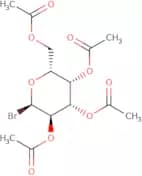
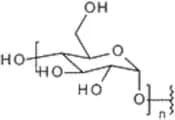
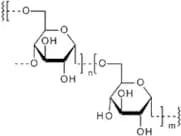
![2, 4- Anhydro- N-benzyl-3,5-O-[(R)-benzylidene]- 6-deoxy-D- mannonamide](/_next/image/?url=https%3A%2Fstatic.cymitquimica.com%2Fproducts%2F3D%2Fthumb-webp%2FMA163977.webp&w=3840&q=75)
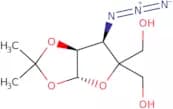
![5-Deoxy-1,2-O-isopropylidene-5-[(2R-phenylpyrrolidine)-1-yl]-a-D-xylofuranose](/_next/image/?url=https%3A%2Fstatic.cymitquimica.com%2Fproducts%2F3D%2Fthumb-webp%2FMD07486.webp&w=3840&q=75)
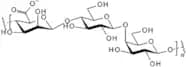

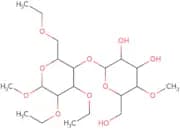
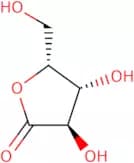



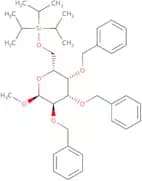
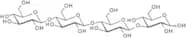
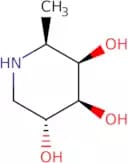

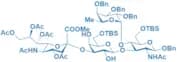
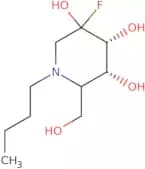
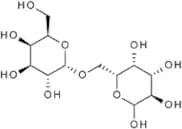

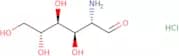
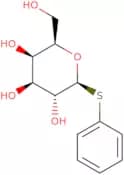

![N-[2-(2'-Hydroxyphenylacetonitrile)]-2,3,4,6-tetra-O-pivaloyl-D-glucopyranoside](/_next/image/?url=https%3A%2Fstatic.cymitquimica.com%2Fproducts%2F3D%2Fthumb-webp%2FMH08452.webp&w=3840&q=75)
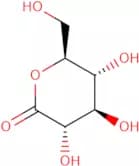
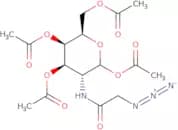
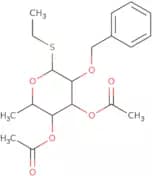
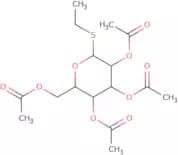


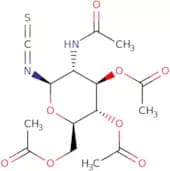
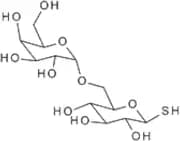
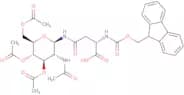
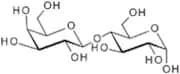
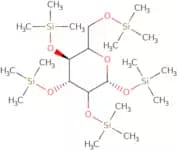
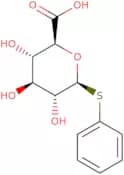
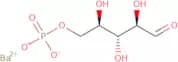
![(5R, 8S, 9S) -8- [(4R) - 2, 2- Dimethyl- 1, 3- dioxolan- 4- yl] - 9- hydroxy- 2, 2- dimethyl- 1, 3…](/_next/image/?url=https%3A%2Fstatic.cymitquimica.com%2Fproducts%2F3D%2Fthumb-webp%2FMD170675.webp&w=3840&q=75)
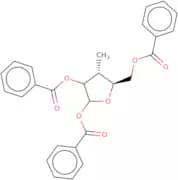
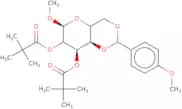

![2-(2,3,6-Tri-O-acetyl-4-O-[(2,3,4,6-tetra-O-acetyl-a-D-glucopyranosyl)]-b-D-glucopyranosyl) thiops…](/_next/image/?url=https%3A%2Fstatic.cymitquimica.com%2Fproducts%2F3D%2Fthumb-webp%2FOT10963.webp&w=3840&q=75)
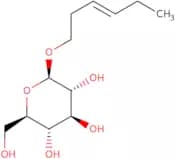
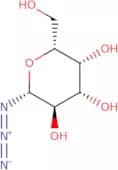
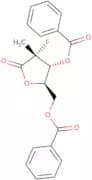

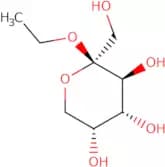
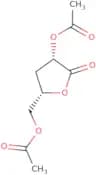
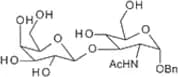
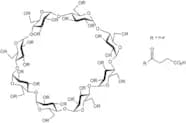

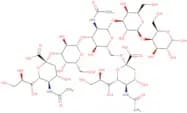
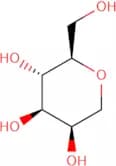
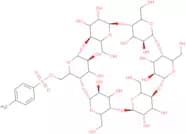
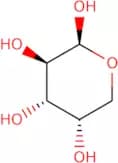
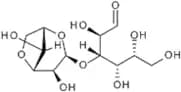

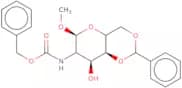
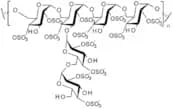
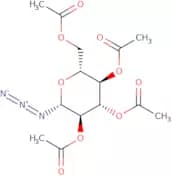
![N-[2-(4'-Methylphenylacetonitrile)]-2,3,4,6-tetra-O-pivaloyl-D-glucopyranoside](/_next/image/?url=https%3A%2Fstatic.cymitquimica.com%2Fproducts%2F3D%2Fthumb-webp%2FMM08499.webp&w=3840&q=75)
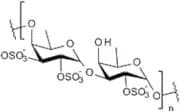
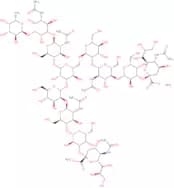
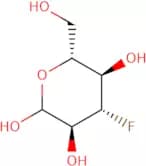
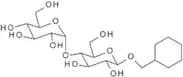
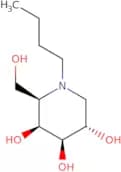
![(1S) -1- [(2S, 3R) - 3-Hydroxy- 1- (phenylmethyl) - 2- azetidinyl] -1, 2- Ethanediol](/_next/image/?url=https%3A%2Fstatic.cymitquimica.com%2Fproducts%2F3D%2Fthumb-webp%2FMH163419.webp&w=3840&q=75)
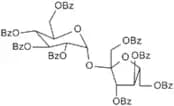
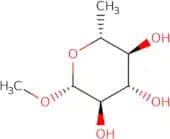
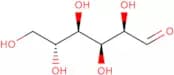
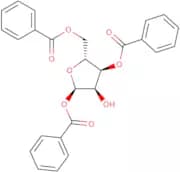
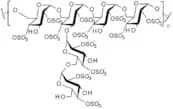
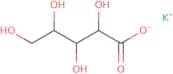
![(1S) -1- [(2S, 3R) - N-Butyl-3- hydroxy- 1- azetidinyl] -1, 2- ethanediol](/_next/image/?url=https%3A%2Fstatic.cymitquimica.com%2Fproducts%2F3D%2Fthumb-webp%2FMB163416.webp&w=3840&q=75)
![(2S, 3S, 4R) -1Benzyl-2- [(1S) - 1, 2- dihydroxyethyl] - 3, 4- pyrrolidinediol](/_next/image/?url=https%3A%2Fstatic.cymitquimica.com%2Fproducts%2F3D%2Fthumb-webp%2FMB168718.webp&w=3840&q=75)
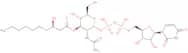

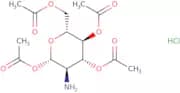
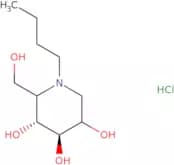
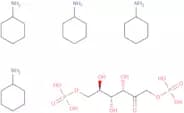

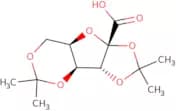

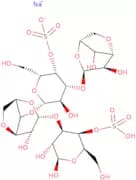

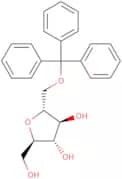


![2-Acetamido-2-deoxy-4-O-([4-O-b-D-galactopyranosyl]-b-D-galactopyranosyl)-D-glucopyranose](/_next/image/?url=https%3A%2Fstatic.cymitquimica.com%2Fproducts%2F3D%2Fthumb-webp%2FOA07925.webp&w=3840&q=75)
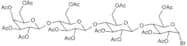
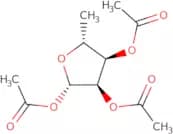
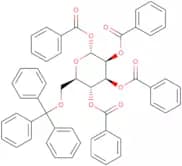
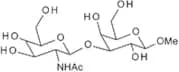
![3, 4- O- [(R) -Benzylidene] -2-O-trifluormethansulfonyl-D- ribonic acid d- lactone](/_next/image/?url=https%3A%2Fstatic.cymitquimica.com%2Fproducts%2F3D%2Fthumb-webp%2FMB163971.webp&w=3840&q=75)

![[UL-2H7glc]Lactose monohydrate](/_next/image/?url=https%3A%2Fstatic.cymitquimica.com%2Fproducts%2F3D%2Fthumb-webp%2FOL16276.webp&w=3840&q=75)
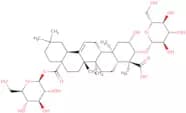

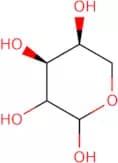
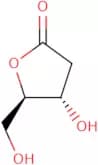

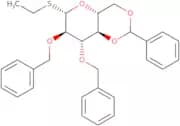
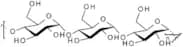
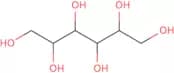
![(4S,9R)-4-Benzyloxy-N-benzyloxycarbonyl-8-oxo-9-methoxy-octahydro-pyrano[4,3-b]pyrrole](/_next/image/?url=https%3A%2Fstatic.cymitquimica.com%2Fproducts%2F3D%2Fthumb-webp%2FMB164009.webp&w=3840&q=75)

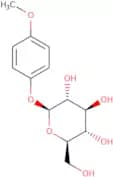

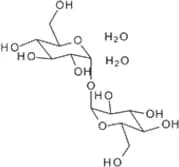
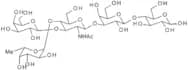



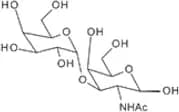
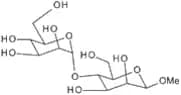
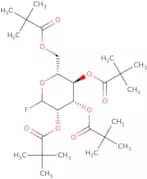
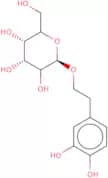
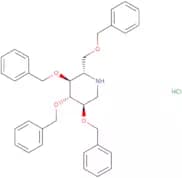
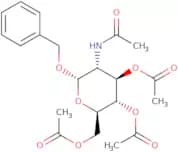

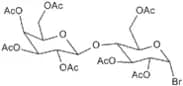

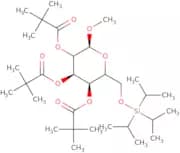

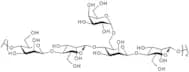

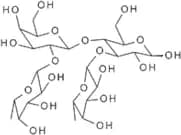
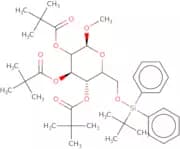
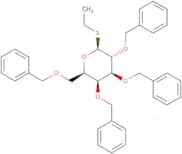
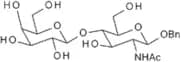
![(1S) -1- [(2R, 3S) -3- Hydroxy- 1- azetidinyl] -1, 2- ethanediol hydrochloride](/_next/image/?url=https%3A%2Fstatic.cymitquimica.com%2Fproducts%2F3D%2Fthumb-webp%2FMH163386.webp&w=3840&q=75)
![(1R) -1- [(2R, 3S,4S) -4-Hydroxymethyl-3- hydroxy- 1- azetidinyl] -1, 2- ethanediol](/_next/image/?url=https%3A%2Fstatic.cymitquimica.com%2Fproducts%2F3D%2Fthumb-webp%2FMH163381.webp&w=3840&q=75)