Glicoscienza
La glicosienza è lo studio dei carboidrati e dei loro derivati, nonché delle interazioni e delle funzioni biologiche a cui partecipano. Questo campo di ricerca è cruciale per comprendere una vasta gamma di processi biologici, tra cui il riconoscimento cellulare, la segnalazione, la risposta immunitaria e lo sviluppo delle malattie. La glicosienza ha importanti applicazioni nella biotecnologia, nella medicina e nello sviluppo di nuovi farmaci e terapie. Presso CymitQuimica, offriamo un'ampia selezione di prodotti di alta qualità e purezza per la ricerca in glicosienza. Il nostro catalogo comprende monosaccaridi, oligosaccaridi, polisaccaridi, glicoconiugati e reagenti specifici, progettati per supportare i ricercatori nei loro studi sulla struttura, funzione e applicazioni dei carboidrati nei sistemi biologici. Queste risorse sono destinate a facilitare scoperte scientifiche e applicazioni pratiche in vari ambiti delle bioscienze e della medicina.
Sottocategorie di "Glicoscienza"
- Amminozucchero(108 prodotti)
- Glico-anticorpi(282 prodotti)
- Glicolipidi(46 prodotti)
- Glicosaminoglicani (GAGs)(55 prodotti)
- Glicosidi(419 prodotti)
- Monosaccaridi(6.624 prodotti)
- Oligosaccaridi(3.682 prodotti)
- Polisaccaridi(503 prodotti)
Trovati 11046 prodotti di "Glicoscienza"
Ordinare per
Purezza (%)
0
100
|
0
|
50
|
90
|
95
|
100
Allyl 2-acetamido-3,4-di-O-acetyl-6-azido-2-deoxy-D-galactopyranoside
<p>Allyl 2-acetamido-3,4-di-O-acetyl-6-azido-2-deoxy-D-galactopyranoside is a carbohydrate that belongs to the group of sugars. It is a complex carbohydrate with a CAS number. This compound has fluorination and methylation modifications. Allyl 2-acetamido-3,4-di-O-acetyl-6-azido-2,6 -dideoxygalactopyranoside is synthesized from allyl 2,3,4,6 -tetraacetate by reaction with acetamide and sodium azide in an acetone/water mixture. The product contains high purity and custom synthesis.</p>Purezza:Min. 95%Methyl 2,3,4-tri-O-benzoyl-6-O-trityl-a-D-galactopyranoside
CAS:<p>Methyl 2,3,4-tri-O-benzoyl-6-O-trityl-a-D-galactopyranoside is an oligosaccharide. It is a highly pure and custom synthesis of methylated saccharides. The modification is done by Click chemistry, which is a reaction between an azide and an alkyne in the presence of copper catalyst. This modification helps to introduce fluorine atoms into the saccharide chain. The glycosylation process is then carried out on the modified saccharides to form the desired oligosaccharides. Methyl 2,3,4-tri-O-benzoyl-6-O-trityl-a-D galactopyranoside can be used as a raw material for various applications such as pharmaceuticals, agrochemicals and food additives.</p>Formula:C47H40O9Purezza:Min. 95%Peso molecolare:748.84 g/mol4-O-(2-Acetamido-2-deoxy-β-D-glucopyranosyl)ribitol
CAS:<p>4-O-(2-Acetamido-2-deoxy-b-D-glucopyranosyl)ribitol is a disaccharide that is antigenic and has been shown to elicit an antibody response in rabbits. The carbohydrate is a determinant for the staphylococcus group A antigen and is an epitope for the S. aureus group D antigen. 4-O-(2-Acetamido-2-deoxy-b-D-glucopyranosyl)ribitol also shows inhibitory activity against bacterial growth, including Staphylococcus aureus and Staphylococcus.</p>Formula:C13H25NO10Purezza:Min. 95%Peso molecolare:355.34 g/molMethyl 3,4,6-tri-O-acetyl-2-deoxy-2-phthalimido-β-D-glucopyranoside
CAS:<p>Methyl 3,4,6-tri-O-acetyl-2-deoxy-2-phthalimido-b-D-glucopyranoside is a high purity natural carbohydrate. It is an oligosaccharide that can be custom synthesized to meet your requirements. Methyl 3,4,6-tri-O-acetyl-2-deoxy-2-phthalimido b D glucopyranoside has many modifications including click and fluorination. Its CAS number is 76101 13 8. This product can be used for modification, glycosylation and fluorination in the synthesis of complex carbohydrates.<br>!-- <br>--><br>!-- <br>--></p>Formula:C21H23NO10Purezza:Min. 95%Colore e forma:White to off-white solid.Peso molecolare:449.41 g/mol2,3:5,6-Bis-O-(1-methylethylidene)- D-gulonic acid g-lactone
CAS:<p>2,3:5,6-Bis-O-(1-methylethylidene)-D-gulonic acid g-lactone is a synthetic sugar with a molecular weight of 588. It is used in the synthesis of oligosaccharides and saccharides. 2,3:5,6-Bis-O-(1-methylethylidene)-D-gulonic acid g-lactone can be fluorinated for use in click chemistry applications. This product has been shown to have high purity and custom synthesis capabilities.</p>Purezza:Min. 95%Methyl 2-acetamido-2-deoxy-3-O-(a-D-galactopyranosyl)-a-D-galactopyranoside
<p>Methyl 2-acetamido-2-deoxy-3-O-(a-D-galactopyranosyl)-a-D-galactopyranoside is a synthetic, fluorinated glycoside that is used as a building block for the synthesis of complex carbohydrates. Methyl 2-acetamido-2-deoxy-3-O-(a-D-galactopyranosyl)-a-D-galactopyranoside can be used in either Click or Fluorination reactions to synthesize oligosaccharides and monosaccharides. It has been shown to react with ethylene glycol to form methyl 2,6 -O-[(3,4,5,6 -tetra‑O‑acetyl‑β‑D‑galactopyranosyl)α -L‑idopyranosyl]-α -L‑idopyranose. Methyl 2,6 -</p>Purezza:Min. 95%(2S, 3S, 4S, 5S) -2- ((tertButylsilyloxy)methyl) - 3-O-benzoyl-4-O-tert butyldimethylsilyl-5- methyl-3, 4- pyrrolidinediol
<p>(2S, 3S, 4S, 5S) -2- ((tertButylsilyloxy)methyl) - 3-O-benzoyl-4-O-tert butyldimethylsilyl-5- methyl-3, 4- pyrrolidinediol is a glycoconjugate that can be used as a drug to treat cancer. It consists of a glycosylation site on the 2 position of the pyrrole ring and an oligosaccharide chain with a terminal glucose molecule on the 5 position. This product is custom synthesized and is available in high purity.</p>Purezza:Min. 95%(2R,3S,4R)-4-C-((2R,3S)-N-Benzyl-3-tert.butylsilyloxy-2-azetidinyl)-3-O-tert.butyldimethylsilyl-2,3,4-trihydroxybutanoic acid methyl ester
(2R,3S,4R)-4-C-((2R,3S)-N-Benzyl-3-tert.butylsilyloxy-2-azetidinyl)-3-O-tert.butyldimethylsilyl-2,3,4-trihydroxybutanoic acid methyl ester is a synthetic glycosylation that has been modified with fluorination and custom synthesis. It is a high purity product at CAS No. 90132-76-6 that can be modified with click chemistry. The product is sold by the gram and has a purity of >98%.Purezza:Min. 95%5-O-Benzoyl-3-deoxy-1,2-O-isopropylidene-3C-methyl-a-D-ribofuranose
CAS:<p>5-O-Benzoyl-3-deoxy-1,2-O-isopropylidene-3C-methyl-a-D-ribofuranose is a methylated sugar that has been modified with a click modification. It has been synthesized from D-(+)-ribose and 5′,5′′′-(1,2,3,4,5,6) -O-(benzoyl)-D-(+)-glycero 3C -methyluridine. This compound is soluble in water and can be used to modify polysaccharides.</p>Purezza:Min. 95%Benzyl 3,4-O-(2',3'-dimethoxybutane-2',3'-diyl)-a-D-mannopyanoside
CAS:<p>Benzyl 3,4-O-(2',3'-dimethoxybutane-2',3'-diyl)-a-D-mannopyanoside is a modification of an oligosaccharide. It is a complex carbohydrate that has been synthesized from a monosaccharide and methylated on the 3' hydroxyl group. This product is available as a custom synthesis and is offered in high purity. The CAS number for this compound is 1423035-45-3.<br>br><br>Benzyl 3,4-O-(2',3'-dimethoxybutane-2',3'-diyl)-a-D-mannopyanoside can be used as a sugar or fluorinated saccharide in glycosylation reactions with other molecules. It can also be used to produce polysaccharides by glycosylation with other molecules such as glucose, mannose, or sucrose.</p>Formula:C19H28O8Purezza:Min. 95%Peso molecolare:384.42 g/molMethyl 2,3,4-tri-O-acetyl-6-O-trityl-a-D-mannopyranoside
CAS:<p>Methyl 2,3,4-tri-O-acetyl-6-O-trityl-a-D-mannopyranoside is a custom synthesis that is fluorinated and acetylated. It is an oligosaccharide with a complex carbohydrate structure. Methyl 2,3,4-tri-O-acetyl-6-O-trityl -a D mannopyranoside has been modified to include fluorine atoms as well as acetyl groups. This compound is intended for use in click chemistry reactions to modify proteins.</p>Formula:C32H34O9Purezza:Min. 95%Peso molecolare:562.62 g/molMethyl-5-O-benzoyl-2-chloro-2,3-dideoxy-3-fluoro-D-ribofuranoside
<p>Methyl-5-O-benzoyl-2-chloro-2,3-dideoxy-3-fluoro-D-ribofuranoside is a custom synthesis of Methylation. It is also known as methyl 5-(benzoyl)furanosyl 2,3-dideoxyfuroate. This compound is used in the preparation of oligosaccharides and polysaccharides. It has a CAS number of 90627-95-6 and an Oligosaccharide molecular weight of 380.<br>Methylation is the addition of a methyl group to a molecule. The result is an alkyl group with one less hydrogen atom (CH3). Methyl groups are often used in organic chemistry to modify other molecules, such as sugars or carbohydrates, by adding them to the molecule's structure. <br>Methylation occurs most often in two ways:<br>1) In chemical synthesis, for example</p>Formula:C13H14ClFO4Purezza:Min. 95%Peso molecolare:288.7 g/molMethyl 2,3,4-tri-O-benzyl-6-O-triisopropylsilyl-a-D-glucopyranoside
<p>Methyl 2,3,4-tri-O-benzyl-6-O-triisopropylsilyl-a-D-glucopyranoside is an oligosaccharide that is synthesized by the process of fluorination and glycosylation. It can be used as a synthetic building block to produce complex carbohydrates and polysaccharides. This compound is a monosaccharide that has been modified with methyl groups on the 2, 3, 4, and 6 positions. Methyl 2,3,4-tri-O-benzyl-6-O-triisopropylsilyl glucopyranoside can be used for click modification reactions. The CAS number for this compound is</p>Formula:C37H52O6SiPurezza:Min. 95%Peso molecolare:620.91 g/molN-ω-(2-Acetamido-3,4,6-tri-O-benzyl-2-deoxy-b-D-glucopyranosyl)-N-a-Boc-L-asparagine benzyl ester
CAS:N-omega-(2-Acetamido-3,4,6-tri-O-benzyl-2-deoxy-b-D-glucopyranosyl)-N-aBocL asparagine benzyl ester is a high purity synthetic compound that is used in the synthesis of complex carbohydrates. It has been custom synthesized for research purposes and is available for purchase. This product can be used in glycosylation, methylation, and modification reactions. N-(2 Acetamido 3,4,6 tri O benzyl 2 deoxy b D glucopyranosyl)N alpha Boc L Asparagine Benzyl Ester is a sugar with Click modification, fluorination and glycosylation. It has CAS No. 219968 28 2.Formula:C45H53N3O10Purezza:Min. 95%Colore e forma:White PowderPeso molecolare:795.92 g/molMethyl [(R)-4,6-O-benzylidene-]-2,3-di-O-toluensulfonyl-a-D-glucopyranoside
CAS:Methyl [(R)-4,6-O-benzylidene-]-2,3-di-O-toluensulfonyl-a-D-glucopyranoside is a complex carbohydrate compound that is composed of a sugar molecule and a methoxy group. It has been custom synthesized for use in glycosylation reactions, which are used to produce oligosaccharides and polysaccharides. This compound is also useful in the production of therapeutic drugs and other chemical compounds due to its high purity.Formula:C28H30O10S2Purezza:Min. 95%Peso molecolare:590.66 g/molN-Acetyl-2-O-propargyl-a-neuraminic acid
CAS:N-Acetyl-2-O-propargyl-a-neuraminic acid is a glycosylated, fluorinated saccharide. This compound is prepared by the modification of 2-deoxy-N,N'-diacetylneuraminic acid with propargylamine. N,N'-Diacetylneuraminic acid is synthesized from glucose and sialic acid. The resultant product has been shown to have antiviral activity against influenza A virus.Formula:C14H21NO9Purezza:Min. 95%Peso molecolare:347.32 g/molBlue dextran (MW 2000000) - from Leuconostoc spp
CAS:Blue dextran is a high molecular weight (MW 2000000) polymer that has been used as a model compound in experimental studies of transport and control. It is an oxidant, which can be used to make hydroquinone in the presence of other chemicals. Blue dextran has also been used to study the environment, for mathematical modeling and chromatographic experiments. This polymer has been shown to have antimicrobial activity against some microorganisms. Experiments with blue dextran have shown that it can inhibit the growth of Lactobacillus acidophilus and other bacteria.Colore e forma:Powder4-Methoxyphenyl 6-azido-2,3,4-tri-O-benzyl-6-deoxy-a-D-mannopyranoside
<p>4-Methoxyphenyl 6-azido-2,3,4-tri-O-benzyl-6-deoxy-a-D-mannopyranoside is a synthetic sugar molecule that has been modified to contain a benzyl ether moiety. This product can be custom synthesized and is available in high purity.</p>Formula:C34H35N3O6Purezza:Min. 95%Peso molecolare:581.66 g/mol1-Bromo-2,3,4-tri-O-acetyl-a-D-glucuronide methyl ester - 1% CaCO3
CAS:<p>1-Bromo-2,3,4-tri-O-acetyl-a-D-glucuronide methyl ester is a protected D-glucoronic acid with an alpha bromide at the anomeric position ready to undergo glycosylation reactions with suitable glycoside acceptors. Pharmaceutically active compounds have been used as acceptors to form β-linked D-glucuronide prodrugs which can be used to modify pharmacokinetics, improve solubility and lower the toxicity of the drug.</p>Formula:C13H17BrO9Purezza:Min. 98 Area-%Colore e forma:White Off-White PowderPeso molecolare:397.17 g/molMethyl 4,6-O-benzylidene-2,3-di-O-pivaloyl-a-D-galactopyranoside
<p>Methyl 4,6-O-benzylidene-2,3-di-O-pivaloyl-a-D-galactopyranoside is a custom synthesis of methyl 4,6-O-benzylidene-2,3-di-O-(pivaloyl)-a-D galactopyranoside. It can be used in glycosylation to produce a sugar or an oligosaccharide. The methyl group on the sugar can be modified to create methyl 4,6 O-(1'-acetoxyethoxy) -2,3 -di O-(pivaloyl)-a D galactopyranoside. This product has CAS No. and is listed as an oligosaccharide.</p>Formula:C24H34O8Purezza:Min. 95%Peso molecolare:450.53 g/molMethyl β-D-mannopyranoside isopropylate
CAS:Prodotto controllato<p>Methyl b-D-mannopyranoside isopropylate is a high purity synthetic oligosaccharide. It has been custom synthesized and fluorinated with methyl groups on the sugar ring. It can be used for glycosylation, modification, and synthesis of saccharides. This product can also be used as a complex carbohydrate in the food industry.</p>Formula:C7H14O6•C3H8OPurezza:Min. 95%Colore e forma:White PowderPeso molecolare:254.28 g/mol3-O-Benzyl-1,2:5,6-di-O-isopropylidene-a-D-glucofuranose
CAS:<p>3-O-Benzyl-1,2:5,6-di-O-isopropylidene-a-D-glucofuranose is a custom synthesis for use in the methylation of oligosaccharides and polysaccharides. It has been used in the Click modification of saccharide derivatives, as well as in the fluorination of complex carbohydrates. 3-O-Benzyl-1,2:5,6-di-O-isopropylidene-a-D-glucofuranose is a monosaccharide that can be used to synthesize sugar. This chemical is also able to modify carbohydrate molecules with various functional groups. 3BzGluFur is a high purity product that can be used to create monosaccharides and sugars with various modifications.</p>Formula:C19H26O6Purezza:Min. 95%Colore e forma:Slightly Yellow Clear LiquidPeso molecolare:350.41 g/mol(1R) -1- [(2R, 3S) -3- Hydroxy- 1- azetidinyl] -1, 2- ethanediol
CAS:<p>The compound is a custom synthesis of (1R) -1- [(2R, 3S) -3- Hydroxy- 1- azetidinyl] -1, 2- ethanediol. The compound has been modified with fluorination and methylation. This modification has been confirmed by high resolution mass spectrometry and nuclear magnetic resonance spectroscopy. The fluorinated compound is synthesized from the monosaccharide or oligosaccharide starting materials.<br>The modification process includes Click chemistry that is used to introduce saccharide groups onto the oligosaccharides or polysaccharides for glycosylation reactions. This process results in a sugar or complex carbohydrate product with high purity.</p>Formula:C5H11NO3Purezza:Min. 95%Peso molecolare:133.15 g/molDaidzein-D3-7-O-b-D-glucopyranoside
CAS:Prodotto controllato<p>Daidzein-D3-7-O-b-D-glucopyranoside is a fluorinated, monosaccharide, synthetic oligosaccharide, carbohydrate complex carbohydrate. Daidzein has been modified with glycosylation and methylation. It is a custom synthesis that can be ordered in different quantities. It is also available in high purity.</p>Formula:C22H19O8D3Purezza:Min. 95%Peso molecolare:417.43 g/molEthyl 3,4-di-O-acetyl-2-O-benzyl-1-thio-a-L-fucopyranoside
<p>Ethyl 3,4-di-O-acetyl-2-O-benzyl-1-thio-a-L-fucopyranoside is a synthetic sugar that has been fluorinated at the C2 position. It is a monosaccharide with an Oligosaccharide chain. The sugar is synthesized by glycosylation of furanose and fucose with 2,3,4,6 tetra acetyl glucal. The synthesis of this compound requires a custom order and takes up to 10 days to complete. The purity of this product is over 99% and it can be used in polysaccharide modification studies.</p>Purezza:Min. 95%Monosialyl, monofucosyllacto-N-neohexaose
<p>Please enquire for more information about Monosialyl, monofucosyllacto-N-neohexaose including the price, delivery time and more detailed product information at the technical inquiry form on this page</p>Formula:C57H95N3O43Purezza:Min. 95%Peso molecolare:1,510.36 g/molα-D-Cellobiose octaacetate
CAS:<p>Fully acetylated cellohexoses, part of a polymer homologous series of oligosaccharides isolated from cellulose by acetolysis followed by chromatography.</p>Formula:C28H38O19Purezza:Min. 98 Area-%Peso molecolare:678.60 g/mol4-Aminophenyl a-D-glucopyranoside
CAS:<p>4-Aminophenyl a-D-glucopyranoside is an alkoxycarbonyl analog that can be used in the preparation of antigens. It is a small, water-soluble molecule that can be used to induce antibody production and to identify antigenic determinants. 4-Aminophenyl a-D-glucopyranoside has been shown to react with glutamicum and corynebacterium cells in vitro. The compound binds to the bacterial cell surface by reacting with amino groups, inducing the production of acid molecules, which leads to bacterial death. 4-Aminophenyl a-D-glucopyranoside also reacts with methoxy residues on the ribosomal RNA molecule and corynebacterium DNA molecules. This allows it to be used as an expression vector for proteins and nucleic acids in Corynebacterium glutamicum (a bacterium commonly found in soil). Spectrosc</p>Formula:C12H17NO6Purezza:Min. 95%Colore e forma:PowderPeso molecolare:271.27 g/molN,N-Bis[3-D-gluconamidopropyl]cholamide
CAS:<p>N,N-Bis[3-D-gluconamidopropyl]cholamide is a potent inhibitor of the cytochrome P450 enzyme. It has been shown to bind to peptides and monoclonal antibodies. This drug also inhibits the acyl chain elongation in the chemical process that produces prostaglandins, leading to their depletion. N,N-Bis[3-D-gluconamidopropyl]cholamide is also an inhibitor of plant α subunit, which is involved in the synthesis of fatty acids and phytohormones. This agent has a high affinity for solanum tuberosum (potato) and can be used as a marker for this species. The kinetic energy of particles enhanced by N,N-bis[3-D-gluconamidopropyl]cholamide was found to be dependent on the fatty acid content of the molecule. The optimum</p>Formula:C42H75N3O16Purezza:Min. 95%Colore e forma:PowderPeso molecolare:878.06 g/mol2-(N-Octylcarboamido)phenyl-2-acetamido-3,4,6-tri-O-acetyl-2-deoxy-b-D-glucopyranoside
<p>2-(N-Octylcarboamido)phenyl-2-acetamido-3,4,6-tri-O-acetyl-2-deoxy-b-D-glucopyranoside is a synthetic compound that is used in the modification of carbohydrates. It is a fluorinated saccharide with an acetamide substituent and an acetyl group on the sugar ring. 2-(N-Octylcarboamido)phenyl-2-acetamido-3,4,6-triOacetyl2deoxybDglucopyranoside has been shown to be useful for glycosylation reactions. This compound may be modified with methyl groups or other modifications such as click chemistry.</p>Formula:C29H42N2O11Purezza:Min. 95%Peso molecolare:594.65 g/molHexadecyl 2-acetamido-2-deoxy-b-D-glucopyranoside
CAS:<p>Hexadecyl 2-acetamido-2-deoxy-b-D-glucopyranoside is a monosaccharide that is mediated by the enzyme 2,3-bisphosphoglycerate (2,3BPG) synthase. It is a key intermediate in the synthesis of glycerol 3 phosphate, which is a precursor for glycerol and phosphoglycerides in plants. Hexadecyl 2-acetamido-2-deoxy-b-D-glucopyranoside can be found in chloroplasts and leaves. This compound is also used as a spacer in liposomes, as well as to clone DNA sequences.</p>Formula:C24H47NO6Purezza:Min. 95%Peso molecolare:445.63 g/molN,N-Dimethyldodecylamine N-oxide
CAS:<p>N,N-Dimethyldodecylamine N-oxide, also known as lauryldimethylamine oxide (LDAO), is an amine oxide nonionic surfactant with a C12 alkyl chain used widely in cosmetics, washing, cleaning and personal care products. LDAO has antimicrobial properties and is effective against common bacteria such as S. aureus and E. coli.</p>Formula:C14H31NOPurezza:Min. 98%Colore e forma:White Off-White PowderPeso molecolare:229.4 g/molDecyl maltose neopentyl glycol
CAS:<p>Decyl maltose neopentyl glycol is a model system for studying the interaction of light with carotenoids. The decyl maltose neopentyl glycol molecule has been shown to react with light to produce reactive molecules, such as singlet oxygen and superoxide, which are responsible for tissue damage caused by exposure to sunlight. Decyl maltose neopentyl glycol is also a non-heme iron compound that can be used in x-ray crystal structures to study protein-ligase interactions. Decyl maltose neopentyl glycol is synthesized from fatty acids, which are present in the membrane of cells and play an important role in their interactions with proteins. Decyl maltose neopentyl glycol is used as a model system for plant physiology and sample preparation and has been shown to inhibit protein synthesis in vitro.</p>Formula:C43H80O22Purezza:Min. 95 Area-%Colore e forma:PowderPeso molecolare:949.08 g/molCYMAL-7 neopentyl glycol
CAS:<p>CYMAL-7 neopentyl glycol is a custom synthesis and is not commercially available. It is a complex carbohydrate that has been modified by methylation, glycosylation, and carbamate formation. CYMAL-7 neopentyl glycol has been modified with a fluorination reaction to give it high purity. This product has CAS No. 1423310-08-0 and is classified as an Oligosaccharide or Polysaccharide.</p>Formula:C49H88O22Purezza:Min. 98 Area-%Colore e forma:PowderPeso molecolare:1,029.21 g/molDodecyl b-D-galactopyranoside
<p>Dodecyl b-D-galactopyranoside is a methylated sugar that can be used to modify glycoproteins and polysaccharides. Dodecyl b-D-galactopyranoside has been shown to be useful for the synthesis of complex carbohydrate oligosaccharides, as well as for click chemistry, which involves the use of copper (II) ions. This product is available in custom synthesis, high purity, and fluorination.</p>Formula:C18H36O6Purezza:Min. 95%Peso molecolare:348.48 g/mol2-((4,4,5,5,5-Pentafluoropentyl)oxy)dodecanyl b-D-maltopyranoside
2-((4,4,5,5,5-Pentafluoropentyl)oxy)dodecanyl ?-D-maltopyranoside is a fluorinated form of Dodecyl ?-D-maltopyranoside (DDM). Fluorinated detergents are extremely bulky and hydrophobic. These types of detergents are not necessarily suitable for membrane protein extraction, but can stabilize proteins during the purification stages and during crystallization.Formula:C29F5H52O12Purezza:Min. 95%Colore e forma:SolidPeso molecolare:687.71 g/molOctyl b-D-glucopyranoside
CAS:<p>Octyl beta-D-glucopyranoside (OG), also known as octyl glucoside or caprylyl glucoside, is an alkylglycoside non-ionic detergent that is one of the most commonly used reagents in membrane protein isolation. As it is uncharged, OG is unlikely to cause protein denaturation or refolding issues, allowing for the isolation of intact macromolecular complexes without affecting protein-protein interactions. It forms small, uniformed micelles and has an aggregation number of between 27-100. It is readily dialyzable from membrane protein preparations due to its high Critical Micelle Concentration (CMC) of 18-20 mM. Octyl beta-D-glucopyranoside has similar uses and properties to that of another frequently used surfactant, Octyl beta-D-thioglucopyranoside.</p>Formula:C14H28O6Purezza:Min. 98 Area-%Colore e forma:White PowderPeso molecolare:292.37 g/mol1,6-anhydrochitobiose
<p>1,6-Anhydrochitobiose is an anhydosugar that can be used in the synthesis of oligosaccharides and polysaccharides</p>Formula:C12H22N2O8Peso molecolare:322.39 g/mol4-Aminophenyl b-D-lactopyranoside
CAS:<p>4-Aminophenyl b-D-lactopyranoside is a chemical compound that has been used to optimize the production of human immunoglobulin. It has been shown to have diagnostic value for several viruses, including Epstein-Barr virus and cytomegalovirus. Electron microscopic studies have revealed organisms agglutinated by 4-aminophenyl b-D-lactopyranoside. The receptor binding properties and antigen concentration of this compound have been determined using agglutinin and lectin techniques. This molecule also has inhibitory potency on the synthesis of polypeptides, which are essential for the growth of certain organisms.</p>Formula:C18H27NO11Purezza:Min. 95%Colore e forma:Off-White PowderPeso molecolare:433.41 g/molTetradecyl b-D-glucopyranoside
<p>Tetradecyl b-D-glucopyranoside is a glycosylated, fluorinated, modified monosaccharide that is synthesized by fusing the tetradecyl moiety to the hydroxyl group of a-D-glucopyranose. The synthesis is accomplished by click chemistry, which involves copper catalysis and an azide/alkyne cycloaddition. Tetradecyl b-D-glucopyranoside has been shown to inhibit the growth of Gram-positive bacteria when used in combination with antibiotics such as ampicillin and vancomycin. This compound also has been shown to have antimicrobial properties against mycobacterium tuberculosis.<br>Tetradecyl b-D-glucopyranoside is an excellent substrate for glycosylation reactions with various saccharides including glucose, maltose, lactose, galactose, and trehalose. It can also</p>Formula:C20H40O6Purezza:Min. 95%Colore e forma:PowderPeso molecolare:376.53 g/mol(2R, 3S, 4R, 5S) -2-acetoxymethyl-4-acetoxy - 5- azido- 1,3-di-O-benzyl- piperidine
CAS:<p>(2R, 3S, 4R, 5S) -2-acetoxymethyl-4-acetoxy - 5- azido- 1,3-di-O-benzyl- piperidine is a synthetic carbohydrate modified with fluorination and methylation. It is an oligosaccharide that exhibits a complex carbohydrate structure. This substance is a monosaccharide with high purity and custom synthesis. It has been glycosylated and click modification has been performed on it.</p>Formula:C24H28N4O5Purezza:Min. 95%Peso molecolare:452.5 g/mol1-Bromo-2,3,4,6-tetra-O-acetyl-α-D-galactopyranoside
CAS:Donor for Koenigs-Knorr type galactosylation and other anomeric substitutionsFormula:C14H19BrO9Peso molecolare:411.21 g/molRef: 3D-B-8975
1kgPrezzo su richiesta100gPrezzo su richiesta250gPrezzo su richiesta500gPrezzo su richiesta2500gPrezzo su richiesta-Unit-ggPrezzo su richiesta6-Chloro-6-deoxy-b-cyclodextrin
<p>This beta-cyclodextrin (β-CD) derivative is a functionalized cyclic oligosaccharide composed of seven glucose units, characterized by a hydrophilic exterior and a lipophilic cavity (bigger than α-CD and smaller than γ-CDs), which allows it to encapsulate various guest molecules. This structural feature facilitates its use in multiple applications, including pharmaceuticals, food enhancement, and cosmetics. In the pharmaceutical industry, it enhances the solubility and stability of poorly water-soluble drugs, improving their bioavailability and efficacy while also masking unpleasant tastes. The food sector utilizes it as a stabilizer for flavors, colors, and nutrients, extending shelf life by protecting sensitive ingredients from degradation. In cosmetics, it serves as a complexing agent for fragrances and active components, ensuring their stability and controlled release. Its use expands to many other fields, including nanotechnology for drug delivery systems, environmental remediation for extracting organic pollutants, textiles for slow-release fragrances, and analytical chemistry for chiral separation.</p>Formula:C42H63Cl7O28Purezza:Min. 95%Peso molecolare:1,264.1 g/molPhenyl 3,4,6-tri-O-acetyl-2-deoxy-2-phthalimido-b-D-selenoglucopyranoside
CAS:<p>Phenyl 3,4,6-tri-O-acetyl-2-deoxy-2-phthalimido b-D-selenoglucopyranoside is a chemical compound that is used in the synthesis of saccharides and oligosaccharides. It has been modified with the Click reaction to give it a reactive group. This modification can be used for glycosylation or for incorporation into polysaccharides such as starch. Phenyl 3,4,6-tri-O-acetyl-2-deoxy b -D selenoglucopyranoside is a high purity synthetic compound that is available in custom synthesis quantities.</p>Formula:C26H25NO9SePurezza:Min. 95%Peso molecolare:574.44 g/molN1-β-D-Arabinopyranosylamino-guanidine hydrochloride
CAS:<p>N1-b-D-arabinopyranosylamino-guanidine HCl is a modified carbohydrate. It is a synthetic monosaccharide that is custom synthesized by methylation and glycosylation. This product has high purity and can be used for modification of saccharides or oligosaccharides to create new carbohydrates with desired properties.</p>Formula:C6H14N4O4•HClPurezza:Min. 95%Colore e forma:White to light beige solid.Peso molecolare:242.66 g/molMethyl a-L-fucopyranoside
CAS:<p>Methyl a-L-fucopyranoside is a natural product that has been shown to have many biological effects, including antioxidant and anti-inflammatory properties. It has been shown to inhibit the growth of bacteria by binding to the ribosome, preventing protein synthesis and cell division. The compound has also been shown to have anti-inflammatory effects in mice with inflammatory bowel disease. Methyl a-L-fucopyranoside inhibits the production of pro-inflammatory cytokines, such as interferon alfa-2b (IFNα2β), which is induced by IFNγ. This inhibition of IFNα2β activity may be due to methyl a-L-fucopyranoside's ability to bind to cytosolic calcium and inhibit its transport into the nucleus. Methyl a-L-fucopyranoside also blocks the production of antimicrobial peptides, such as defensins or cathelicidins.</p>Formula:C7H14O5Purezza:Min. 98 Area-%Colore e forma:White PowderPeso molecolare:178.18 g/molBlood Group B trisaccharide-(CH2)5COOH derivative
Blood group antigen with spacer armFormula:C24H42O17Purezza:Min. 95%Colore e forma:Brown LiquidPeso molecolare:602.58 g/molGalacto-PUGNAc
CAS:<p>Galacto-PUGNAc is an oligosaccharide with a complex carbohydrate structure. It is synthesized from galactose and pyranose, which are sugars that belong to the group of carbohydrates. Galacto-PUGNAc is modified by methylation, glycosylation, and fluorination. The chemical modification of this compound provides it with high purity and fluorescence properties. Click chemistry is also used in its synthesis, which involves the use of reactive species that contain azides or alkyne groups. This modification increases the stability of the compound, making it a useful tool for molecular biology and biochemistry research.</p>Formula:C15H19N3O7Purezza:Min. 75 Area-%Colore e forma:PowderPeso molecolare:353.33 g/mol4-Methoxyphenyl 2,4,6-tri-O-benzoyl-a-D-mannopyranoside
<p>4-Methoxyphenyl 2,4,6-tri-O-benzoyl-a-D-mannopyranoside is a glycosylation product of mannose with 4-methoxybenzoic acid. It is a complex carbohydrate that has been modified by methylation and click modification. The fluorination increases the reactivity of the hydroxyl groups on the sugar ring. This product can be synthesized in high purity and custom synthesis.</p>Formula:C34H30O10Purezza:Min. 95%Peso molecolare:598.6 g/molGD3-Ganglioside sodium
CAS:<p>GD3 (shown as sodium salt) has a core disaccharide structure (Galβ1,4Glc) with two sialic acids linked α2,3/α2,8 to the non-reducing galactose residue and ceramide linked β to position 1 on the reducing terminal glucose residue (Ledeen, 2009). GD3 is a minor ganglioside in most normal tissues but plays a crucial role in the development of the brain; it is significantly reduced in adults. However, expression of GD3 is increased in pathological conditions, such as, cancers and neurodegenerative disorders (Malisan, 2002). GD3 was the first cancer-associated ganglioside discovered that promotes adhesion and invasion of cancers. GD3 and GD2 are highly expressed in a various malignant tumours and have become potential targets for next-generation cancer therapy (Liu, 2018).</p>Formula:C70H125N3O29·xNaPurezza:One SpotColore e forma:White/Off-White SolidPeso molecolare:1,472.74 g/molD-Ribose-5-phosphate barium salt hexahydrate
CAS:D-Ribose-5-phosphate barium salt hexahydrate is a Modification, Oligosaccharide, Carbohydrate, complex carbohydrate. It is a Custom synthesis, Synthetic, High purity, Monosaccharide, Methylation, Glycosylation and Polysaccharide. D-Ribose-5-phosphate barium salt hexahydrate has CAS No. 15673-79-7 and Fluorination. It is an saccharide sugar.Formula:C5H9BaO8P·6H2OPurezza:Min. 95%Colore e forma:White PowderPeso molecolare:473.51 g/molD-Glucose - anhydrous
CAS:Glucose (Glu) is the most common carbohydrate on the planet, found in all living organisms and is the major source of metabolic energy for plants and animals. Glucose is a building block in numerous oligosaccharides and polysaccharides. It is present in blood and milk, in gangliosides and in N- and O-linked glycans (Collins, 2006). Glucose is wrongly called a simple sugar because in solution it exists in five forms: two six membered rings (α/β), two five membered rings (α/β) and a straight chain form, a system known as mutarotation (Robyt, 2012). The proportions of different glucose forms are dictated by temperature and pH. D-Glucose is optically active (dextrorotary) and L-Glucose is its enantiomer (Levorotary). Its hydroxyl groups are all equatorial, providing maximum stability, according to Hudsons rules (Hudson, 1948).Formula:C6H12O6Purezza:Min. 96 Area-%Colore e forma:White PowderPeso molecolare:180.16 g/molCerebroside sulfate
CAS:<p>Myelin component; opioid receptor</p>Formula:C42H80NNaO11SPurezza:Min. 95%Colore e forma:White PowderPeso molecolare:830.14 g/molHyaluronic acid sodium salt - Low molecular weight 40,000 - 50,000
CAS:Gycosaminoglycan in many organs; joint lubricant and shock absorberFormula:(C14H20NO11Na)nPurezza:Min. 90 Area-%Colore e forma:PowderL-Xylonic acid-1,4-lactone
CAS:<p>L-Xylonic acid-1,4-lactone is an enzyme that functions as a glycolytic enzyme. It catalyzes the conversion of D-xylose to L-xylonic acid and L-xylonic acid-1,4-lactone. This enzyme is expressed in leukemia HL60 cells and is activated by acidic conditions. L-Xylonic acid-1,4-lactone has been shown to be catabolized by the enzyme xylanase. The kinetic properties of this reaction have been studied using mass spectrometric techniques and biochemical methods. The rate of the reaction was found to be dependent on the presence of divalent cations (Mg2+ or Ca2+) or monovalent ions (Na+ or K+). L-Xylonic acid 1,4 lactone also catabolizes glucose with a similar rate constant.</p>Formula:C5H8O5Purezza:Min. 95 Area-%Colore e forma:White PowderPeso molecolare:148.11 g/molα-D-Mannopyranosyl L-threonine
CAS:a-D-Mannopyranosyl L-threonine is a carbohydrate with the molecular formula C6H14O5. It is a white crystalline powder that has a sweet taste. This product can be used as an ingredient in food and beverage products, such as confectionery products, soft drinks, dairy products, baked goods, and chewing gum. It may also be used in pharmaceuticals, such as chewable tablets or capsules for oral use.Formula:C10H19NO8Purezza:Min. 95%Colore e forma:PowderPeso molecolare:281.26 g/mol(2R,3S,4R)-2-Benzylamino-2-methyl-3,4-dihydroxypyrrolidine
<p>(2R,3S,4R)-2-Benzylamino-2-methyl-3,4-dihydroxypyrrolidine is a synthetic compound that can be used as a research tool for the study of protein glycosylation. It has been shown to be an efficient glycosylant and can be used in the synthesis of oligosaccharides and saccharides. The compound was first synthesized by adding two methyl groups to the amino group at the nitrogen atom in position 2 of pyrrolidine. This modification allows for the attachment of sugar molecules through an amide bond. (2R,3S,4R)-2-Benzylamino-2-methyl-3,4-dihydroxypyrrolidine is not currently used in any commercial products.</p>Purezza:Min. 95%L-Xylose
CAS:<p>L-Xylose is a monosaccharide that is found in many plants. It is used as a sweetener, and also has been shown to be beneficial in the treatment of diabetic neuropathy. L-Xylose can be metabolized by the enzyme xylitol dehydrogenase to produce energy for the cell. The enzyme catalyzes the conversion of xylitol to D-xylulose and then D-xylulose 1-phosphate, which can be converted into ATP for use by cells. L-Xylose is not metabolized by bacterial enzymes and does not affect blood sugar levels. L-Xylose has been shown to have an effect on taste perception, with a sweet taste at concentrations of 10 milligrams per liter (mg/L). This sweet taste is due to its hydroxymethyl group on the C2 position, which reacts with sodium ions in the mouth. The optimum pH for L-xylose</p>Formula:C5H10O5Purezza:Min. 99.0 Area-%Peso molecolare:150.13 g/molRef: 3D-X-8000
50gPrezzo su richiesta100gPrezzo su richiesta250gPrezzo su richiesta500gPrezzo su richiesta-Unit-ggPrezzo su richiestaHeptyl b-D-glucopyranoside
CAS:<p>Heptyl b-D-glucopyranoside is a natural product that belongs to the class of 5HT agonists. It was originally isolated from plants and has been shown to have antiinflammatory activity. It has also been observed to have effects on human serum, lymphocyte transformation, high salt, polymerase chain reaction (PCR), and kinetic energy. Heptyl b-D-glucopyranoside is synthesized by reacting heptanol with 5-hydroxybenzaldehyde in the presence of an acid catalyst.</p>Formula:C13H26O6Purezza:Min. 95%Colore e forma:White PowderPeso molecolare:278.34 g/molGeranyl b-D-glucoside
CAS:<p>Geranyl b-D-glucoside is a supramolecular amphiphile that can be used as a biofuel. It is made up of two molecules: geranyl and glucose. Geranyl b-D-glucoside has been shown to form micelles in water with the help of ions, which are complex aggregates of many molecules that have a hydrophobic interior and hydrophilic exterior. The micelles are able to stabilize the fuel and protect it from degradation by sunlight or other environmental factors. The thermodynamics of the system can be quantified through the parameters of this supramolecular amphiphile, which will allow for predictive modelling.</p>Formula:C16H28O6Purezza:Min. 95 Area-%Colore e forma:White PowderPeso molecolare:316.39 g/molAgaroheptaose
CAS:<p>Agarose is a polysaccharide found in red algae, typically Gelidium and Gracilaria. It is a strictly alternating polysaccharide of α-1,3 linked D-galactose and β-1,4 linked L-3,6 anhydrogalactose with occasional sulfation at position 6 of the anhydrogalactose residue. Agaro-oligosaccharides result from cleavage at galactose residues and neoagaro-oligosaccharides from cleavage at 3,6-anhydro residues. A number of publications have suggested that agaroheptaose has properties that include: anti-microbial, antiviral, prebiotic, anti-tumoral, immunomodulatory, anti-inflammatory, glucosidase inhibitory, and hepatoprotective properties.</p>Formula:C42H66O33Purezza:Min. 97 Area-%Colore e forma:White Off-White PowderPeso molecolare:1,098.95 g/mol1,3,4,6-Tetra-O-acetyl-a-D-galactopyranose
CAS:<p>1,3,4,6-Tetra-O-acetyl-a-D-galactopyranose is a custom synthesis of 1,3,4,6-tetra-O-acetyl-a-D-galactopyranose. It is used in the modification of saccharides and polysaccharides. The modification is done by Click chemistry with the incorporation of fluorine in the sugar ring. This product is available as a white powder and has a CAS number of 19186-40-4.</p>Formula:C14H20O10Purezza:Min. 95%Colore e forma:White PowderPeso molecolare:348.3 g/mol1,2:3,5-Di-O-Isopropylidene-α-L-xylofuranose
CAS:<p>1,2:3,5-Di-O-Isopropylidene-a-L-xylofuranose is a fluorinated sugar that is used as a building block in the synthesis of complex carbohydrates and oligosaccharides. It has a CAS number of 131156-47-3. 1,2:3,5-Di-O-Isopropylidene-a-L-xylofuranose is an active component in the modification of saccharide and polysaccharide structures by click chemistry. It can be modified with various functional groups such as methylation or monosaccharide to produce specific compounds. This product is available for custom synthesis.</p>Formula:C11H18O5Purezza:Min. 95%Colore e forma:PowderPeso molecolare:230.26 g/mol3'-Sialylgalactose sodium salt
CAS:<p>Sialylated oligosaccharide with the ability to inhibit angiogenesis and tumour development by binding to the vascular endothelial growth factor receptor VEGFR-2. Moreover, sialylated N-glycans in intestinal epithelium of chickens were found to carry terminal sialylgalactose, which interacts with influenza viruses during early stages of infection.</p>Formula:C17H28NO14·NaPurezza:Min. 95%Colore e forma:White PowderPeso molecolare:493.39 g/molPolymannuronic acid sodium salt - Average MW < 5000 Da
CAS:<p>Polymannuronic acid is produced from alginates by partial hydrolysis and chromatography of brown algae such as Laminaria digitata, Ascophyllum nodosum and Fucus spp.<br>The image was kindly provided by Prof Mike Guiry from Cork who runs ‘The Seaweed Site’.</p>Colore e forma:PowderMycophenolic acid acyl-b-D-glucuronide
CAS:<p>Mycophenolic acid acyl-b-D-glucuronide is a prodrug of mycophenolic acid that is metabolized by esterases to its active form. This compound has been shown to inhibit the activity of drug receptors, including those for immunosuppressants and anticonvulsants. Mycophenolic acid acyl-b-D-glucuronide has also been found to have a matrix effect on the concentration–time curve of other drugs in human serum. This drug is used for the treatment of bowel disease, autoimmune diseases, and for the prevention of organ transplant rejection. It can be administered orally or intravenously and has been shown to be well tolerated with few adverse effects.</p>Formula:C23H28O12Purezza:Min. 90%Colore e forma:PowderPeso molecolare:496.47 g/molMethyl 2,3,4-tri-O-benzoyl-6-O-trityl-a-D-mannopyranoside
CAS:<p>Methyl 2,3,4-tri-O-benzoyl-6-O-trityl-a-D-mannopyranoside is an oligosaccharide that has been modified with fluorine. It is synthesized from a monosaccharide and a disaccharide. The synthesis starts with the methylation of the glycosyl hydroxyl group on the disaccharide followed by the addition of an activated methyl group onto the 3' hydroxyl group on the monosaccharide. The reaction is completed with a glycosylation to form Methyl 2,3,4-tri-O-benzoyl-6-O-trityl-a-D mannopyranoside. This product can be used for research purposes in carbohydrate chemistry and biochemistry.</p>Formula:C47H40O9Purezza:Min. 95%Peso molecolare:748.84 g/molN-(Succinyl)-O-b-D-maltosylhydroxylamine
<p>N-Succinyl-O-b-D-maltosylhydroxylamine is a glycosylation reagent used in the synthesis of complex carbohydrates. Its CAS number is 87217-14-5.<br>N-Succinyl-O-b-D-maltosylhydroxylamine is a white to off-white crystalline powder with the molecular formula C4H8N2O6S and a molecular weight of 244.22. It has a melting point of 189°C. This product is soluble in water, ethanol, and chloroform. It does not dissolve in ether or hexane.</p>Purezza:Min. 95%2-Acetamido-3-O-(2-acetamido-2-deoxy-a-D-galactopyranosyl)-2-deoxy-D-galactopyranose
CAS:2-Acetamido-3-O-(2-acetamido-2-deoxy-a-D-galactopyranosyl)-2-deoxy-D-galactopyranose is a glycan that is found in human serum and maternal blood. The wild type strain of 2,3,4,6,7,8 diacetylgalactosaminyltransferase (GnTIII) gene has been shown to be essential for the synthesis of this glycan. This glycan is also found in the carcinoma cell lines HT1080 and SW480. Structural analysis of the glycan has revealed that it contains a hydroxyl group on the C1 position and an acetamido group on the C2 position. Glycans are polymers that play roles in many biological functions such as cell recognition, immune responses, and carbohydrate metabolism. The structure of this glycan was studied using titration calorimFormula:C16H28N2O11Purezza:Min. 95%Colore e forma:PowderPeso molecolare:424.40 g/mol3-O-[2-(Acetamino)-2-deoxy-D-galactopyranosyl]-D-mannopyranose
CAS:3-O-[2-(Acetamino)-2-deoxy-D-galactopyranosyl]-D-mannopyranose is a synthetic, fluorinated, methylated, monosaccharide that is used in the synthesis of complex carbohydrates.Formula:C14H25NO11Purezza:Min. 95%Peso molecolare:383.35 g/mol1-O-Benzyl-2C-methyl-3,4-isopropylidine-D-ribopyranoside
CAS:<p>1-O-Benzyl-2C-methyl-3,4-isopropylidine-D-ribopyranoside (1) is a fluorinated monosaccharide that is used as an intermediate in the synthesis of oligosaccharides. 1 can be used for glycosylation and polysaccharide modification. It has been shown to be useful as a building block in the synthesis of complex carbohydrates and it can also be methylated (2). 1 is a high purity chemical with a CAS number of 569661-37-6.</p>Formula:C16H22O5Purezza:Min. 95%Peso molecolare:294.35 g/mol2-Acetamido- 2- deoxy- 3, 4, 6- tri- O- methyl-D- glucose
CAS:2-Acetamido-2-deoxy-3,4,6-tri-O-methyl-D-glucose is a modified sugar. It can be used as a feedstock in glycosylation reactions. This compound has been shown to be resistant to proteolytic degradation and hydrolysis by aminoglycosides.Formula:C11H21NO6Purezza:Min. 95%Peso molecolare:263.29 g/mol[2R- (2a, 3a, 4b, 5b) ] -1-Benzyl- 3,4-O-isopropylidene-2-methyl- 3, 4, 5- piperidinetriol
<p>This product is a custom synthesis. It is an oligosaccharide that has been modified with fluorine and methylation. This product is glycosylated, which means it has a complex carbohydrate attached to the sugar. It can be used as a monosaccharide or an oligosaccharide, depending on how it will be used in a reaction. This product is synthetic and can be ordered for high purity.</p>Purezza:Min. 95%Dodecyl b-D-thiomaltopyranoside
CAS:<p>Dodecyl b-D-thiomaltopyranoside is a surfactant that is used in the formulation of multilayer tablets. It is a glycosidic surfactant and an adsorbent. Dodecyl b-D-thiomaltopyranoside has been shown to form micelles in solution and on electrodes, with the size of the micelle depending on the concentration. The surface area of micelles can be increased by increasing the concentration of electrolytes. Dodecyl b-D-thiomaltopyranoside may also form monolayers at low concentrations, which are less effective for adsorption than micelles.</p>Formula:C24H46O10SPurezza:Min. 95%Colore e forma:PowderPeso molecolare:526.68 g/mol5-Azido-5-deoxy-6,7-O-isopropylidene-D-glycero-L-gluco-heptono-1.4-lactone
5-Azido-5-deoxy-6,7-O-isopropylidene-D-glycero-L-gluco-heptono-1.4-lactone is a methylated glycoside that can be used in the synthesis of complex carbohydrates. The compound has a CAS number of 66827–16–0 and can also be found under the name 5-[3-(2,3,4,6,7,8,-Hexahydrobenzo[b]thiophenium Sulfonyl)propyl]-5′-[3-(2,3,4,6,7,8,-Hexahydrobenzo[b]thiophenium Sulfonyl)propyl]-5′-[(2S)-1-(hydroxymethyl)piperidinium]dithiocarbamate. 5‑Azido‑5‑deoxy‑Purezza:Min. 95%2-Azido- 2- deoxy- 2- C- methyl- 3, 5- O-benzylidene -D- ribonic acid γ-lactone
<p>2-Azido-2-deoxy-2-C-methyl-3,5-O-benzylidene -D-ribonic acid gamma-lactone is a custom synthesis of an oligosaccharide with a complex carbohydrate. It has CAS No. and is listed as Polysaccharide in the Modification section. This chemical is modified by methylation, glycosylation, and click modification. 2-Azido -2-deoxy -2 C -methyl 3, 5 O benzylidene D ribonic acid gamma lactone is a sugar that has been fluorinated and synthesized. The chemical has high purity and can be used in glycobiology research.br></p>Purezza:Min. 95%Lewis X-PAA-biotin
<p>PAA is poly[N-(2-hydroxyethyl)acrylamide], flexible polymer chain serves as an additional spacer. Mr approx. 30 kDa (according to gel-filtration, proteins as Mr markers). Carbohydrate content is 20% mol.</p>Purezza:Min. 95%Colore e forma:White PowderPeso molecolare:586.6 g/mol1,2,3,4-Tetra-O-acetyl-6-azido-6-deoxy-D-galactopyranose
CAS:<p>Synthetic carbohydrate building block</p>Formula:C14H19N3O9Purezza:Min. 95%Peso molecolare:373.32 g/molN-Acetyl-2,3-dehydro-2-deoxyneuraminic acid sodium
CAS:<p>Inhibitor of viral, bacterial and animal sialidase</p>Formula:C11H16NNaO8Purezza:Min. 95%Colore e forma:White PowderPeso molecolare:313.24 g/molConduritol D
CAS:<p>Conduritol D (CD) is a natural product that has been isolated from the pancreas of rats. It is homochiral, and it has been shown to be active in the treatment of diabetic patients. CD has a hydroxy group at C-4' and an alcohol group at C-5'. The functional groups are acetylated at C-3', which may make this compound more potent than other similar compounds with different functional groups. It is also synthesized stereoselectively, making it a selective molecule. CD has been shown to have pharmacokinetic properties that may be beneficial for treating diabetes.</p>Formula:C6H10O4Purezza:Min. 95 Area-%Colore e forma:Clear LiquidPeso molecolare:146.14 g/mol4-Methoxyphenyl 3,4,6-tri-O-acetyl-2-deoxy-2-phthalimido-b-D-glucopyranoside
CAS:<p>4-Methoxyphenyl 3,4,6-tri-O-acetyl-2-deoxy-2-phthalimido-b-D-glucopyranoside (MPEG) is a monoclonal antibody that binds to the glycoprotein MART1 on melanoma cells. It is used in the diagnosis of cancer and has been shown to be effective in reducing tumor size in patients with metastatic melanoma. MPEG has also been shown to have a therapeutic effect against chronic lymphocytic leukemia (CLL). In addition, it may be used as a complement dependent cytotoxicity agent for the treatment of leukemia and other cancers.</p>Formula:C27H27NO11Purezza:Min. 95%Peso molecolare:541.52 g/molMethyl 4,6-O-benzylidene-2,3-di-O-methanesulfonyl-a-D-glucopyranoside
CAS:<p>Methyl 4,6-O-benzylidene-2,3-di-O-methanesulfonyl-a-D-glucopyranoside is a glycosylation product that can be used in the synthesis of complex carbohydrates. It is also useful in the synthesis of saccharides, oligosaccharides, and monosaccharides. This product is custom synthesized to order and is available in high purity.</p>Formula:C16H22O10S2Purezza:Min. 95%Peso molecolare:438.47 g/mol2,4,7,8,9-Penta-O-acetyl-N-acetyl-3-fluoro-b-D-neuraminic acid methyl ester
CAS:<p>Inhibitor of sialyltransferases</p>Formula:C36H54N18O24Purezza:Min. 90 Area-%Colore e forma:White PowderPeso molecolare:551.47 g/mol(2S,3R,4R,5S)-5-Acetylamino-3,4-dihydroxy-2-formylpiperidine
<p>(2S,3R,4R,5S)-5-Acetylamino-3,4-dihydroxy-2-formylpiperidine is a custom synthesis that can be modified to meet your needs. It is a fluorinated complex carbohydrate and has been shown to have high purity. The modification process of this chemical is simple and can be done in either the lab or in the field. (2S,3R,4R,5S)-5-Acetylamino-3,4-dihydroxy-2-formylpiperidine is synthesized by methylation of 5-(acetylamino)piperidinone with diazomethane followed by protection of the amine group with an acetyl group. This chemical also has Oligosaccharide and Polysaccharide properties.</p>Purezza:Min. 95%Dextran 70 - MW 64,000 to 76,000
CAS:Dextran is α-(1,6)-linked α-D-glucan with α-(1,3)-linked glucose branch points produced by fermentation of Leuconostoc mesenteroides via the action of the enzyme dextransucrase on sucrose. The main use for native dextran is as an extender in blood transfusions and products having a range of sharp cut-off molecular weights are produced commercially for this and other applications. A complex of Iiron with dextran, known as iron dextran, is used as a source of iron for baby piglets which are often anaemic at birth.Colore e forma:White Off-White Powderε-Cyclodextrin
CAS:<p>Epsilon-cyclodextrin (ε-CD) consists of 10 glucose units. Its larger cavity size offers potential for encapsulating larger guest molecules or forming more complex inclusion compounds.</p>Formula:C60H100O50Purezza:Min. 95%Peso molecolare:1,621.41 g/mol6-O-Malonylglycitin
CAS:<p>6-O-Malonylglycitin is a glycosylated flavonoid that belongs to the group of isoflavones. It is found in a variety of plants, including soybeans and fava beans. 6-O-Malonylglycitin has been shown to be an effective inhibitor of β-glucosidase activity at temperatures below 37°C, which overlaps with the range of temperatures where it inhibits glycitein production. This inhibition may be due to its pleiotropic effects on various treatments, such as its ability to inhibit cancer cell growth by inhibiting protein synthesis and inducing apoptosis. 6-O-Malonylglycitin also has synergistic effects when used concomitantly with chromatographic markers, such as high performance liquid chromatography (HPLC), which can be used to analyze the levels of endogenous compounds in human blood samples.</p>Formula:C25H24O13Purezza:Min. 95%Colore e forma:PowderPeso molecolare:532.45 g/mol(5R, 6R, 7S, 8R) -5, 6, 7, 8-Tetrahydro- 5- methyl- tetrazolo[1, 5- a] pyridine- 6, 7, 8- triol
CAS:<p>Tetrahydro-5-methyl-tetrazolo[1,5-a]pyridine-6,7,8-triol is an organic compound that has been synthesized from a sugar. Tetrahydro-5-methyl-tetrazolo[1,5-a]pyridine-6,7,8-triol is soluble in water and formic acid. It is used as a synthetic intermediate for the production of oligosaccharides and saccharides. Tetrahydro-5-methyl-tetrazolo[1,5-a]pyridine-6,7,8-triol can be used to produce glycosylation or methylation in the laboratory. It is also used as a chemical reagent in complex carbohydrate synthesis.</p>Formula:C6H10N4O3Purezza:Min. 95%Peso molecolare:186.17 g/molXanthan gum
CAS:<p>Xanthan gum is a polysaccharide produced by the Gram negative bacteria Xanthomonas campestris. It has unique rheological and gel forming properties and finds many applications particularly in the food and oil industries. Recently, it has been shown that ternary mixtures of konjac glucomannan, xanthan gum and sodium alginate can form a non-covalently linked complex which exhibits enhanced rheological properties of value in, for example, functional foods. The structure of xanthan is based on a cellulosic backbone of β-(1,4)-linked glucose units which have a trisaccharide side chain of mannose-glucuronic acid-mannose linked to every second glucose unit in the main chain. Some terminal mannose units are pyruvylated and some of the inner mannose units are acetylated.</p>Purezza:Min. 95%Colore e forma:Powder6-Mono-tert-butyldimethylsilyl-a-cyclodextrin
CAS:<p>Alpha-cyclodextrin (α-CD) derivative with a hydrophilic exterior and lipophilic cavity (smaller than β-CDs and γ-CDs) to allocate certain guest molecules. This structural characteristic enables applications in molecular encapsulation, solubility enhancement, and stabilization across multiple industries. In pharmaceuticals, it serves as a drug delivery vehicle, enhancing the bioavailability and stability of active ingredients. The food industry utilizes it as a stabilizer for flavors, colors, and nutrients, as well as a functional ingredient for its effects on lipid metabolism. In cosmetics, it acts as a complex agent for fragrances and active components. Its applications extend to analytical chemistry for chiral separation and to materials science for developing smart materials and nanosystems.</p>Formula:C42H74O30SiPurezza:Min. 95%Peso molecolare:1,087.1 g/mol4-Aminobutyl 6-O-(a-D-mannopyranosyl)-a-D-mannopyranoside
<p>4-Aminobutyl 6-O-(a-D-mannopyranosyl)-a-D-mannopyranoside is a synthetic saccharide that can be used as a substituent in the synthesis of complex carbohydrates. It is an aminobutyric acid methyl ester derivative of D-mannose with a pyranose ring. 4-Aminobutyl 6-O-(a-D-mannopyranosyl)-a-D-mannopyranoside has been shown to react with acetic anhydride and diazomethane to yield methylated derivatives of D-glucal, D-sorbitol, and DMPG. It is also used for the synthesis of oligosaccharides, glycosylations, and fluorinations.</p>Purezza:Min. 95%6-Deoxy-D-lactosylamine
<p>6-Deoxy-D-lactosylamine (6DLA) is a carbohydrate that belongs to the group of oligosaccharides. It is an N-substituted glycosylated sugar with a methyl ester at the 6 position. The chemical name for 6DLA is 6-deoxy-N,N′,N″-(2,3,4,6-tetra-O-acetyl)-β--galactopyranosyl-(1→4)-β--glucopyranoside and it has CAS number 59225-12-5. This product can be custom synthesized and offers high purity. It can also be modified in different ways to create new products such as fluorination or methylation.</p>Purezza:Min. 95%1,2,3,4,6-Penta-O-benzoyl-α-D-mannopyranose
CAS:<p>1,2,3,4,6-Penta-O-benzoyl-alpha-D-mannopyranose is a monosaccharide that can be synthesized by modification of the corresponding mannose. This sugar has been shown to form a complex carbohydrate with an oligosaccharide or saccharide. It can also be used in click chemistry as a linker between two amino acids or peptides. The chemical name for 1,2,3,4,6-Penta-O-benzoyl-alpha-D-mannopyranose is 1,2:3,4:6:1′′′′′′′″:5′″:8:1″″″″″″"’5″'8″1 (2R)-2-(3'-chloroacetyl)pentaerythritol 2,4'-diyl dianhydride.</p>Formula:C41H32O11Peso molecolare:700.69 g/mol4-Methoxyphenyl 4-O-{4-O-[[2-O-Ac-3-O-[2,4-di-O-(3,4 ,6-tri-O-Ac-2-PhthN-β-D-Glc)-3,6-di-O-Bn-α-D-Man]-6-O-[3,4-di-O-Ac-2 ,6-di-O-(3,4 ,6-tri-O-Ac-2-PhthN-β-D-Glc)-α-D-Man]-β-D-Man]]-3,6-di-O-Bn -2-PhthN-β-D-Glc}-3-O-Bn-6-O-(tri-O-Bn-α-L-Fuc)-2-PhthN-β-D-
CAS:<p>This compound is a synthetic glycosylation reagent that is used for the modification of proteins and polysaccharides. It can be used to introduce various sugars and oligosaccharides to proteins, such as Methylation, Click modification, Polysaccharide, Fluorination, saccharide, Modification, sugar, Oligosaccharide. The compound has a CAS No. 946164-26-7 and is available for custom synthesis with high purity.</p>Formula:C201H204N6O72Purezza:Min. 95%Peso molecolare:3,855.77 g/molSucrose octasulfate sodium salt
CAS:<p>This compound is generally known as sucralfates and are medications primarily taken to treat active duodenal ulcers. They are also used for the treatment of gastroesophageal reflux disease (GERD) and stress ulcers. Sucralfate is a sucrose sulfate-aluminium complex that binds to the ulcer, creating a physical barrier that protects the gastrointestinal tract from stomach acid and prevents the degradation of mucus. It also promotes bicarbonate production and acts like an acid buffer with cytoprotective properties.</p>Formula:C12H14Na8O35S8Purezza:Min. 98 Area-%Colore e forma:White PowderPeso molecolare:1,158.66 g/mol1,2,3,4-Tetra-O-acetyl-6-O-(tert-butyldimethylsilyl)-b-D-galactopyranose
<p>1,2,3,4-Tetra-O-acetyl-6-O-(tert-butyldimethylsilyl)-b-D-galactopyranose is a custom synthesis with methylation and click modification. It is a high purity compound that is available for purchase. This compound has been fluorinated to create 1,2,3,4-Tetra-O-acetyl-6-[(trifluoromethyl)oxy]-b-D-galactopyranose. The chemical formula is C14H27F3O7. It can be used in the synthesis of oligosaccharides and polysaccharides.</p>Formula:C20H34O10SiPurezza:Min. 95%Peso molecolare:462.57 g/mol1,2:5,6-Di-O-cyclohexylidene-a-D-ribo-hexofuranos-3-ulose hydrate
CAS:<p>1,2:5,6-Di-O-cyclohexylidene-a-D-ribo-hexofuranos-3-ulose hydrate is a modified sugar that contains an oxygen atom in the furan ring. It has been shown to be stable and soluble in water, which is important for its applications in food and pharmaceuticals. This product can be used as a substitute for sucrose or glucose in foods. 1,2:5,6-Di-O-cyclohexylidene-a-D-ribo-hexofuranos 3 ulose hydrate has also been synthesized with methyl groups at the C1 position of the glycosyl residue. This modification yields a new molecule that exhibits increased stability and solubility.</p>Formula:C18H28O7Purezza:Min. 95%Peso molecolare:356.41 g/mol2-Azido-2-deoxy-3,4-O-isopropylidene-L-gulonic acid methyl ester
<p>2-Azido-2-deoxy-3,4-O-isopropylidene-L-gulonic acid methyl ester is a custom synthesis that is a complex carbohydrate. It has CAS No., and can be modified with saccharide, methylation, glycosylation, and click modification. The product is of high purity and can be synthesized with fluorination or other modifications.</p>Purezza:Min. 95%Ethyl 2-O-benzoyl-3-O-benzyl-4-O-Fmoc-b-D-thioglucopyranoside
<p>Ethyl 2-O-benzoyl-3-O-benzyl-4-O-Fmoc-b-D-thioglucopyranoside is a sugar that belongs to the class of carbohydrates. It is a synthetic compound and can be used as a building block for oligosaccharides, monosaccharides, and saccharides. This product has been shown to have high purity, custom synthesis, and fluoroquinolone resistance.</p>Purezza:Min. 95%1-Chloro-1-deoxythreitol
<p>1-Chloro-1-deoxyribitol is a methylating agent that can be used for the synthesis of complex carbohydrates, such as oligosaccharides and polysaccharides. It is also used in click chemistry to modify saccharides with fluoride or other reagents. 1-Chloro-1-deoxyribitol is highly pure and stable, and is available in monosaccharide form. This compound is a synthetic sugar that has been modified to contain chlorine atoms at both the hydroxyl groups.</p>Formula:C4H9ClO3Purezza:Min. 95%Peso molecolare:140.57 g/mol3,5-O-Isopropylidene-a-L-xylofuranose
<p>3,5-O-Isopropylidene-a-L-xylofuranose is a Custom synthesis, modification, fluorination and methylation of a monosaccharide. 3,5-O-Isopropylidene-a-L-xylofuranose is a synthetic oligosaccharide that has been modified by click chemistry with the addition of an acetate group.</p>Formula:C8H14O5Purezza:Min. 95%Peso molecolare:190.19 g/molGlucosylsphingosine
CAS:<p>Glucosylsphingosine is a modified carbohydrate that belongs to the group of complex carbohydrates. It is a custom synthesis and has high purity with no detectable impurities. Glucosylsphingosine is an oligosaccharide, which is a polysaccharide composed of three or more monosaccharides. This compound can be methylated, glycosylated, or fluorinated in order to change its properties. Glucosylsphingosine has been synthesized from glucose and sphinganine, which are both monosaccharides. Glucose can be synthesized by the reduction of glucose-6-phosphate using glucose-6-phosphate dehydrogenase or it can be obtained from hydrolysis of starch. Sphinganine can be obtained by hydrolysis of sphingomyelin, which is a phospholipid found in cell membranes or by deacylation of N-acetyl</p>Formula:C24H47NO7Purezza:Min. 95%Peso molecolare:461.63 g/molMethyl 3,5-di-O-(2,4-dichlorobenzyl)-a-D-ribofuranoside
CAS:<p>Methyl 3,5-di-O-(2,4-dichlorobenzyl)-a-D-ribofuranoside is a custom synthesis that has been fluorinated and methylated. This compound is a monosaccharide with an aldehyde group at the C3 position. It is synthetically made and can be modified to form oligosaccharides or polysaccharides. The CAS number for this compound is 168427-35-8.</p>Formula:C20H20Cl4O5Purezza:Min. 90 Area-%Colore e forma:Yellow PowderPeso molecolare:482.18 g/molTetracycline 10-O-β-D-galactopyranoside
CAS:<p>Tetracycline 10-O-b-D-galactopyranoside is a tetracycline antibiotic that has been modified with a fluorinating agent to increase its water solubility. Tetracycline 10-O-b-D-galactopyranoside is the most active of the tetracyclines for the treatment of infections caused by mycoplasmas, rickettsias, and chlamydiae. It inhibits protein synthesis in these bacteria by binding to ribosomes. This drug also has an inhibitory effect on the growth of Mycobacterium tuberculosis and Mycobacterium avium complex.</p>Formula:C28H34N2O13Purezza:Min. 95%Colore e forma:Dark red solid.Peso molecolare:606.58 g/molMethyl 2-acetamido-3,4,6-tri-O-acetyl-2-deoxy-β-D-glucopyranoside
CAS:<p>Methyl 2-acetamido-3,4,6-tri-O-acetyl-2-deoxy-β-D-glucopyranoside is an Oligosaccharide that is used in the preparation of complex carbohydrates. It has a CAS number of 2771-48-4 and can be synthesized using a custom synthesis. This product is available in high purity and monosaccharide form. It has been glycosylated and methylated as well as fluorinated and saccharified.</p>Formula:C15H23NO9Purezza:Min. 95%Colore e forma:White Off-White PowderPeso molecolare:361.34 g/molPregelatinized starch
CAS:<p>Starch is a two component polysaccharide mixture of amylose and amylopectin. Amylose is a linear polysaccharide of α (1,4)-linked glucose residues and averages 20 to 30% of the total in most native starches. Amylopectin is a highly branced glucan containing both a (1,4) and a (1,6) linkages. The number of glucose residues in a single starch molecule can vary from five hundred to several hundred thousand, depending on the type of starch. Starch is the major storage form of energy in plants, just as glycogen is the storage form of energy for animals. The plant directs the starch molecules to the amyloplasts, where they are deposited to form granules. Thus, both in plants and in the extracted concentrate, starch exists as granules varying in diameter from 2 to 130 μm.</p>Purezza:Min. 95%Colore e forma:PowderMethyl 2,3,4-tri-O-benzoyl-6-O-tert-butyldimethylsilyl-a-D-galactopyranoside
<p>Methyl 2,3,4-tri-O-benzoyl-6-O-tert-butyldimethylsilyl-a-D-galactopyranoside is an oligosaccharide that is used as a synthetic intermediate for the synthesis of other glycosylated compounds. This compound is fluorinated at the C2 position to provide a reactive site for further modification. Methyl 2,3,4-tri-O-benzoyl-6-O-(tert butyldimethylsilyl)-a D galactopyranoside can be modified with click chemistry to introduce new functional groups such as hydroxyl and amine groups. The methyl group on this compound can also be removed using methanolysis to produce methyl 2,3,4 tri - O benzoyl - 6 - O tert butyldimethylsilyl - a D galactopyranoside.</p>Formula:C34H40O9SiPurezza:Min. 95%Peso molecolare:620.78 g/mol5'-O-(2-Azido-2-deoxy-D-mannopyranosyl)-uridine
CAS:<p>5'-O-(2-Azido-2-deoxy-D-mannopyranosyl)-uridine is a complex carbohydrate that is used in the synthesis of oligosaccharides, polysaccharides, and other glycosylated molecules. This compound can be modified with methylation, click modification, fluorination, or saccharide moieties. It is a synthetic molecule that has CAS 635293-07-1 and has been custom synthesized to achieve high purity.</p>Formula:C15H21N5O10Purezza:Min. 95%Peso molecolare:431.35 g/mol2,3,5-Tri-O-benzyl-L-xylofuranose
CAS:<p>2,3,5-Tri-O-benzyl-L-xylofuranose is a sugar molecule that has been modified to inhibit glycosidases. 2,3,5-Tri-O-benzyl-L-xylofuranose is an iminosugar that inhibits the enzyme β-glucosidase and α-galactosidase. The compound is not metabolized and it binds to the enzyme's active site. 2,3,5-Tri-O-benzyl L xylofuranose has been shown to be effective at inhibiting all of the glycosidases tested in this study with inhibition potencies ranging from 0.1 mM to 10 mM. This compound also inhibits epoxides and cyclic enzymes such as azido reductase and dihydropyrimidine dehydrogenase.</p>Formula:C26H28O5Purezza:Min. 95%Colore e forma:PowderPeso molecolare:420.5 g/mol1,3,4,6-Tetra-O-acetyl-2-deoxy-2-fluoro-D-galactopyranose
CAS:1,3,4,6-Tetra-O-acetyl-2-deoxy-2-fluoro-D-galactopyranose is a fluorinated sugar that is used in the synthesis of glycosides. It is a synthetic compound that is prepared by reacting 1,3,4,6-tetraacetyl galactose with potassium bifluoride and diethyl oxalate in presence of anhydrous sodium sulfate. The product obtained has the following structural formula: The chemical name for this compound is 1,3,4,6-Tetraacetyl -2-[(1R)-1-(ethoxycarbonyl)propyl]-2-(fluorooxymethyl) -D-galactopyranose. The CAS number for this compound is 83697–45–4.Formula:C14H19FO9Purezza:(As Sum Of Anomers) Min. 98 Area-%Colore e forma:White PowderPeso molecolare:350.3 g/molChondroitin sulfate A sodium salt - Average MW 20,000 - 30,000
CAS:<p>The disaccharide repeating unit of chondroitin sulphate consists of N-acetyl galactosamine sulphate linked β1,4 to glucuronic acid. Each monosaccharide may be left unsulphated, sulphated once, or sulphated twice. The most common pattern is that the hydroxyl groups of the 4 and 6 positions of the N-acetyl-galactosamine are sulphated, with some chains having the position 2 of the glucuronic acid sulphated.</p>Purezza:Min. 90 Area-%Colore e forma:White Powder6’-Sulfated-N-acetyllactosamine
<p>6’-Sulfated-N-acetyllactosamine (6SA) is a complex carbohydrate that is a glycosylation product of lactose. It is methylated at the hydroxyl group and then click-modified by the addition of sulfate groups. 6SA has been shown to inhibit the activity of bacterial cell wall synthesis and may be effective in treating infections caused by Gram-positive bacteria, such as Staphylococcus aureus. 6SA also has antifungal properties and is effective against Candida albicans, including drug-resistant strains. This compound can be custom synthesized or purchased from commercial suppliers.</p>Formula:C14H25NO14SPurezza:Min. 95%Colore e forma:PowderPeso molecolare:463.41 g/mol2-Azido-((R)-3,5-O-benzylidene)-2,6-dideoxy-L-glucono-1.4-lactone
<p>2-Azido-((R)-3,5-O-benzylidene)-2,6-dideoxy-L-glucono-1.4-lactone is a sugar and sugar derivative. It is a synthetic product that has been modified with methylation, fluorination and click chemistry. 2-Azido-(R)-3,5-O-benzylidene)-2,6-dideoxy--L--glucono--1.4--lactone is a carbohydrate with a saccharide at the end of its chain. This product is synthesized in high purity and without any contaminants, as it has been custom synthesized for your company's needs.</p>Purezza:Min. 95%N-Benzyl-3,5-dideoxy-3,5-imino-1,2-O-isopropylidene-a-D-gluco(b-L-ido)furanose
<p>N-Benzyl-3,5-dideoxy-3,5-imino-1,2-O-isopropylidene-a-D-gluco(b-L-ido)furanose is a methylated saccharide that is used in the synthesis of complex carbohydrates. This synthetic compound is classified as a sugar and can be modified with a variety of chemical reactions. The carbonyl group on the C6 position can be fluorinated to produce N-(2,4,6'-trifluoroacetyl)-benzyl--3,5-dideoxy--3,5--imino--1,2--O--isopropylidene--a-(D)--gluco(b)--L--ido)furanose. This compound has CAS Number 58424–52–0 and is available for custom synthesis.</p>Purezza:Min. 95%Methyl 3,4-di-O-benzyl-2-deoxy-a-D-glucopyranoside
<p>Methyl 3,4-di-O-benzyl-2-deoxy-a-D-glucopyranoside (MBG) is a synthetic compound that is modified at the C3 position with a benzyl group. MBG is an oligosaccharide and polysaccharide that has been shown to have potential as a drug for the treatment of cancer. It has been shown to inhibit tumor growth in animals and human cells by inhibiting DNA synthesis and protein synthesis. Additionally, it can be used for the prevention of postoperative adhesions by inhibiting collagen formation.</p>Formula:C21H26O5Purezza:Min. 95%Peso molecolare:358.43 g/mol2,3,4,6-Tetra-O-benzyl-D-glucopyranose
CAS:<p>2,3,4,6-Tetra-O-benzyl-D-glucopyranose is a selectively protected intermediate, where the anomeric 1-O-hydroxyl group is free. This hemiacetal has been used successfully as an intermediate for glucosylation couplings, where it was converted into 2,3,4,6-tetra-O-benzyl-D-glucopyranose trichloroacetimidate using trichloroacetonitrile in the presence of a base such as potassium carbonate and DBU. Importantly, this imidate donor with no neighbouring participating groups is commonly used for the selective formation of α-glucosides. 2,3,4,6-tetra-O-benzyl-D-glucopyranose can also be oxidized to the lactone, or reduced to give the open chain form. Additionally, 2,3,4,6-tetra-O-benzyl-D-glucopyranose can be used for the preparation of glucono-1,5-lactone hydrazine, which was used, in-turn, to form a glucosylidene-spirocyclopropane.</p>Formula:C34H36O6Purezza:Min. 98.0 Area-%Peso molecolare:540.66 g/molRef: 3D-T-1900
1kgPrezzo su richiesta50gPrezzo su richiesta250gPrezzo su richiesta500gPrezzo su richiesta2500gPrezzo su richiesta-Unit-ggPrezzo su richiestaLactobionic acid
CAS:<p>Lactobionic acid is produced by oxidation of lactose. It is widely used in the food and in pharmaceutical field, due to its excellent biocompatibility, biodegradability, nontoxicity, chelating, amphiphilic and antioxidant properties. Lactobionic acid is produced as a white solid powder, freely soluble in water and slightly soluble in anhydrous ethanol and methanol.</p>Formula:C12H22O12Colore e forma:White PowderPeso molecolare:358.3 g/molD-Sorbitol hexaacetate
CAS:<p>Sorbitol hexaacetate is a low-energy compound that has a hydroxyl group and a phenolic acid. It is used as an intermediate in the production of detergents, surfactants, and other industrial chemicals. In addition to this, sorbitol hexaacetate can be used as a radiation shield and an effective dose for radiation therapy. Sorbitol hexaacetate is also used as an ingredient in lipolytic enzymes. It has been shown to inhibit the activity of lipolytic enzymes by forming hydrogen bonds with the enzyme active site. Magnetic resonance spectroscopy studies have revealed that sorbitol hexaacetate has a cavity that can be filled with water molecules, which may explain its ability to act as an optical polarizer.</p>Formula:C18H26O12Purezza:Min. 97 Area-%Colore e forma:White PowderPeso molecolare:434.39 g/mol3-O-Benzyl-4,6-O-benzylidene-a-D-glucopyranose
<p>3-O-Benzyl-4,6-O-benzylidene-a-D-glucopyranose is a custom synthesis of a complex carbohydrate. This product has CAS No. and can be found under Polysaccharide in the listing of Modified saccharides. It is modified by Methylation, Glycosylation, Click modification and Carbohydrate. The product is synthesized using Fluorination and Synthetic methods. It is high purity, with a purity level of 99%.</p>Purezza:Min. 95%Isomaltotetraose
CAS:<p>Produced from high maltose syrup by treatment with transglucosidase</p>Formula:C24H42O21Purezza:Min. 95%Colore e forma:White PowderPeso molecolare:666.58 g/mol1,6-b-Galactotriose
CAS:<p>1,6-b-Galactotriose is a glycosylation product of 1,6-galactose. It is a complex carbohydrate that is found in nature and can be used for modification of saccharides, sugar, oligosaccharides, or other monosaccharides. The product is also used as a building block for the synthesis of custom polysaccharides. It can be fluorinated or methylated and click modified to produce a desired saccharide structure.</p>Formula:C18H32O16Purezza:Min. 95%Peso molecolare:504.44 g/molCarboxymethyl-dextran sodium 20-30% COOH, average molecular weight 150000
CAS:<p>Drug carrier for cancer therapy & imaging, biocompatible, soluble, biodegradable</p>Colore e forma:PowderN-Acetyl-D-lactosamine heptaacetate
CAS:<p>N-Acetyl-D-lactosamine heptaacetate is a synthetically produced, fluorinated monosaccharide that is used in the production of glycosylations and polysaccharides. N-Acetyl-D-lactosamine heptaacetate can be custom synthesized to meet your needs. This compound is a high purity product.</p>Formula:C28H39NO18Purezza:Min. 95%Colore e forma:PowderPeso molecolare:677.61 g/mol3,4-Di-O-benzyl-D-glucose
<p>3,4-Di-O-benzyl-D-glucose is a monosaccharide that is synthetically modified with an O-benzyl group at the 3' and 4' positions. It is a custom synthesis and has a CAS number. This sugar can be used as a building block for polysaccharides or oligosaccharides with the addition of other sugars. 3,4-Di-O-benzyl-D-glucose is highly pure and can be modified with fluorine to make it more stable for use in click chemistry reactions. This sugar is soluble in water, ethanol, DMSO, DMF, and acetonitrile. It has been shown to inhibit the growth of bacteria such as Staphylococcus aureus and Mycobacterium tuberculosis.</p>Purezza:Min. 95%(2R,3S,4R)-4-C-((2R,3S)-N-Benzyl-3-tert.butylsilyloxy-2-azetidinyl)-3-O-tert.butyldimethylsilyl-2,3,4-trihydroxybutanoic acid
<p>(2R,3S,4R)-4-C-((2R,3S)-N-Benzyl-3-tert.butylsilyloxy-2-azetidinyl)-3-O-tert.butyldimethylsilyl-2,3,4-trihydroxybutanoic acid is a methylated and fluorinated oligosaccharide with a high purity. It is a complex carbohydrate that can be modified to include saccharides and monosaccharides. This product is synthesized using Click chemistry and has been shown to have antiallergic activities.</p>Purezza:Min. 95%Ethyl 6-azido-6-deoxy-a-D-thiomannopyranoside
Ethyl 6-azido-6-deoxy-a-D-thiomannopyranoside is a custom synthesis of a complex carbohydrate that is used in the modification of saccharides and glycosylations. It can be modified with methylation, fluorination, or click chemistry to create new derivatives. The chemical name for this product is Ethyl 6-azido-6-deoxymannopyranoside. This product has CAS Number 141459-18-4 and molecular weight of 308.86 g/mol. It is available in high purity with 98% yield.Formula:C8H15N3O4SPurezza:Min. 95%Peso molecolare:249.29 g/molLewis B tetrasaccharide
CAS:<p>Lewis B tetrasaccharide (LBT) is a glycosylated oligosaccharide that is found in the outer membrane of human pathogens, such as Helicobacter pylori. LBT has been shown to inhibit the growth of cancer cells and may be used as a potential therapeutic agent for cancer treatment. It has also been shown to have structural features similar to those found in inflammatory bowel disease patients, suggesting that it may play a role in regulating bowel inflammation. LBT is recognized by monoclonal antibodies and can be used to detect H. pylori in biological samples. Lewis B tetrasaccharide binds with methyl glycosides on human erythrocytes, which inhibits the polymerase chain reaction (PCR). This inhibition leads to reduced DNA synthesis and a decrease in bacterial replication, making it an effective antimicrobial agent.</p>Formula:C26H45NO19Purezza:Min. 90%Colore e forma:White PowderPeso molecolare:675.63 g/mol1-Deoxy- 3, 4- O- isopropylidene-D- erythro- 2- pentulofuranose
<p>1-Deoxy- 3, 4- O- isopropylidene-D-erythro-2 pentulofuranose is a mannitol derivative. It is a carbohydrate that has been modified by fluorination and methylation and glycosylation. It can be synthesized from erythritol and 2,3,4-trihydroxybenzaldehyde. This product can be custom synthesized to order with high purity in quantities of 10 grams or more.</p>Purezza:Min. 95%4-Methoxyphenyl 6-O-tert-butyldimethylsilyl-2-deoxy-2-(2,2,2-trichloroethoxyformamido)-b-D-glucopyranoside
<p>4-Methoxyphenyl 6-O-tert-butyldimethylsilyl-2-deoxy-2-(2,2,2-trichloroethoxyformamido)-b-D-glucopyranoside is a synthetic oligosaccharide that is used as an intermediate in the synthesis of glycosylation products. This product can be custom synthesized and is provided with high purity. The CAS number for this product is 56874-06-1.</p>Purezza:Min. 95%Hyaluronic acid sodium - Average MW 1.8 - 2.5 million Da
CAS:Gycosaminoglycan in many organs; joint lubricant and shock absorberFormula:(C14H20NO11Na)nPurezza:Min. 95%Colore e forma:PowderThiodigalactoside - Bio-X ™
CAS:This product is part of our Bio-X ™ Range. These products are aimed at life science researchers who need high quality ready-to-use products for assay development, screening or other R&D work. With a solubility datasheet and convenient vials, all of our Bio-X ™ products are in stock across our global warehouses for rapid delivery and ease of use.Formula:C12H22O10SPurezza:Min. 95%Colore e forma:PowderPeso molecolare:358.36 g/molDapagliflozin propanediol monohydrate - Bio-X ™
CAS:Dapagliflozin is a sodium-glucose cotransporter subtype 2 (SGLT2) inhibitor that can be used in the treatment of diabetes mellitus type 2. It inhibits glucose reabsorption in the proximal tubule of the nephron and results in glycosuria, which helps to improve glycaemic control. Also, Dapagliflozin is used to lower the risk of sustained eGFR decline, end-stage renal disease, cardiovascular death, and hospitalization for heart failure in patients with chronic kidney disease who are at risk of progression.Formula:C21H25ClO6•C3H8O2•H2OPurezza:Min. 95%Colore e forma:PowderPeso molecolare:502.98 g/mol3,5-Dideoxy-3,5-imino-1,2-O-isopropylidene-N-methyl-L-xylofuranose
3,5-Dideoxy-3,5-imino-1,2-O-isopropylidene-N-methyl-L-xylofuranose (3,5DDIMX) is a custom synthesis that belongs to the group of oligosaccharides. It is a fluorinated saccharide and has a high purity. 3,5DDIMX is a monosaccharide sugar with an O-methylation at the C6 position. This modification leads to high reactivity and selectivity in chemical reactions. The methylation also increases the stability of the molecule and prevents unwanted side reactions from occurring.Purezza:Min. 95%Lactobionic acid ethyl ester
<p>Lactobionic acid ethyl ester is a custom synthesis of an oligosaccharide that is modified by fluorination, methylation, and click modification. Lactobionic acid ethyl ester is synthesized from the sugar D-glucose and the monosaccharide D-galactose. This product can be used as a substitute for sucrose in food products as it has similar taste, texture and sweetness. It also has many other applications such as being used in the manufacture of polysaccharides and complex carbohydrates.</p>Purezza:Min. 95%a-Cyclodextrin octadecaacetate
CAS:<p>Alpha-cyclodextrin (α-CD) derivative with a hydrophilic exterior and lipophilic cavity (smaller than β-CDs and γ-CDs) to allocate certain guest molecules. This structural characteristic enables applications in molecular encapsulation, solubility enhancement, and stabilization across multiple industries. In pharmaceuticals, it serves as a drug delivery vehicle, enhancing the bioavailability and stability of active ingredients. The food industry utilizes it as a stabilizer for flavors, colors, and nutrients, as well as a functional ingredient for its effects on lipid metabolism. In cosmetics, it acts as a complex agent for fragrances and active components. Its applications extend to analytical chemistry for chiral separation and to materials science for developing smart materials and nanosystems.</p>Formula:C72H96O48Purezza:Min. 95%Peso molecolare:1,729.5 g/mol2,3:4,5-Di-O-isopropylidene-D-talitol (altritol)
<p>2,3:4,5-Di-O-isopropylidene-D-talitol (altritol) is a complex carbohydrate that can be used as a monosaccharide. It is a glycosylation product of D-talitol and it has been shown to have Methylation, Click modification and Polysaccharide modification. 2,3:4,5-Di-O-isopropylidene-D-talitol (altritol) is fluorinated at the C2 position and is soluble in water. It has CAS number 51617-94-7 and can be synthesized with high purity.</p>Purezza:Min. 95%Lewis Y pentasaccharide-sp-biotin
<p>Lewis Y pentasaccharide-sp-biotin is a custom synthesis of an oligosaccharide with a complex carbohydrate. It can be produced by Click modification, fluorination, glycosylation, or methylation and has CAS No. 447-19-1. Lewis Y pentasaccharide-sp-biotin is a high purity product that can be used in research applications such as the study of Lewis Y antigen and its role in human immunity and cancer.</p>Formula:C55H92N8O29SPurezza:Min. 95%Colore e forma:PowderPeso molecolare:1,361.42 g/molFucoidan, laminaria digitata
CAS:<p>A fucan sulphate found in brown marine algae (Phaeophyta-typically Fucus serratus, Ascophyllum nodosum, Laminaria digitata (illustrated) and Macrocystis pyrifyra) and has been shown to have anticoagulant activity. The main constituents are α-1,4 and α-1,2 linked L-fucose sulphates although galactose also occurs and there are many variations of the basic structure found in different species of Phaeophyta.<br>The image was kindly provided by Prof Mike Guiry from Cork who runs ‘The Seaweed Site’.</p>Colore e forma:Powder3-Epialexine
CAS:<p>3-Epialexine is a novel small molecule that inhibits sucrase, the enzyme responsible for cleaving glucose from sucrose. 3-Epialexine binds to the active site of this enzyme, preventing d-glucose from binding and being broken down. This leads to an accumulation of d-glucose in the intestinal lumen and could be used as a lead compound for the development of drugs to treat diabetes. The diversity of microorganisms can be screened for sucrase activity by using 3-epialexine as a lead compound.</p>Purezza:Min. 95%Blood Group A pentasaccharide type I
<p>A antigen pentasaccharide Type I, possible use in antiviral development</p>Formula:C34H58N2O25Purezza:Min. 85%Colore e forma:PowderPeso molecolare:894.82 g/mol2,6-di-O-n-pentyl-3-O-n-butyryl-γ-cyclodextrin
<p>This gamma-cyclodextrin (γ-CD) derivative is a modified cyclic oligosaccharide composed of eight glucose units, featuring a larger cavity size than α- and β-cyclodextrins. This structural characteristic allows γ-CDs to form inclusion complexes with a wider range of guest molecules, making it particularly versatile in various industries. In the food sector, it is used as a carrier and stabilizer for flavors, fat-soluble vitamins, and polyunsaturated fatty acids, protecting volatile compounds from evaporation. In pharmaceuticals, it enhances the solubility and bioavailability of poorly water-soluble drugs and, thanks to its larger ring size, allows for the encapsulation of larger molecules or even entire drug molecules. γ-CDs and derivatives are also used for environmental remediation and, in analytical chemistry, for the extraction and concentration of target substances.</p>Formula:C160H288O48Purezza:Min. 95%Peso molecolare:2,979.97 g/mol3, 5- O-Isopropylidene - D- lyxonic acid γ-lactone
3,5-O-Isopropylidene-D-lyxonic acid gamma-lactone is a sugar that belongs to the group of carbohydrates. It is synthesized by the chemical modification of D-lyxonic acid and has been shown to inhibit the growth of bacteria. 3,5-O-Isopropylidene - D-lyxonic acid gamma-lactone inhibits bacterial growth by binding to the enzyme beta - galactosidase, which is involved in glycosylation and glycosyltransferase activity. This compound also inhibits protein synthesis in bacteria and has been shown to have antiinflammatory properties. 3,5-O-Isopropylidene - D-lyxonic acid gamma-lactone may be used as an alternative sweetener or food additive.Purezza:Min. 95%2,6-di-O-n-pentyl-3-O-trifluroacetyl-γ-cyclodextrin
<p>This gamma-cyclodextrin (γ-CD) derivative is a modified cyclic oligosaccharide composed of eight glucose units, featuring a larger cavity size than α- and β-cyclodextrins. This structural characteristic allows γ-CDs to form inclusion complexes with a wider range of guest molecules, making it particularly versatile in various industries. In the food sector, it is used as a carrier and stabilizer for flavors, fat-soluble vitamins, and polyunsaturated fatty acids, protecting volatile compounds from evaporation. In pharmaceuticals, it enhances the solubility and bioavailability of poorly water-soluble drugs and, thanks to its larger ring size, allows for the encapsulation of larger molecules or even entire drug molecules. γ-CDs and derivatives are also used for environmental remediation and, in analytical chemistry, for the extraction and concentration of target substances.</p>Formula:C144H232F24O48Purezza:Min. 95%Peso molecolare:3,187.32 g/mol5-Deoxy-L-ribose phenylhydrazone
CAS:<p>Intermediate in the synthesis of L-Primapterin</p>Formula:C11H16N2O3Purezza:Min. 95%Peso molecolare:224.26 g/mol2-Acetamido-6-O-(a-2-N-acetylneuraminyl)-2-deoxy-a-D-galactopyranosyl threonine
<p>2-Acetamido-6-O-(a-2-N-acetylneuraminyl)-2-deoxy-a-D-galactopyranosyl threonine is a carbohydrate antigen that is expressed on the surface of cancer cells. The antigen has been shown to be an efficient target for antibody conjugates and electrochemical impedance spectroscopy. 2A6T is a synthetic derivative of the natural sugar N-acetylgalactosamine and it can be synthesized by modifying the natural pathway in order to produce more of this antigen. This compound has been shown to be an excellent candidate for targeting prostate carcinoma, which is one of the most common cancers in men.</p>Formula:C23H39N3O16Purezza:Min. 95%Peso molecolare:613.57 g/mol1,2,3,4,6-Penta-O-galloyl-a-D-glucopyranose
CAS:1,2,3,4,6-Penta-O-galloyl-a-D-glucopyranose is a natural compound that inhibits the Cox-2 enzyme and has anti-cancer properties. It induces cell death by increasing oxidative injury and suppressing autophagy. 1,2,3,4,6-Penta-O-galloyl-a-D-glucopyranose has been shown to reduce xenograft tumor growth in mice while causing no observable toxic effects on normal tissues. This compound also inhibits the proapoptotic protein Bax and promotes the expression of Bcl2 in 3T3L1 preadipocytes. The mechanism of action may be related to its ability to inhibit basic fibroblast proliferation and induce apoptosis in k562 cells.Formula:C41H32O26Purezza:Min. 95%Colore e forma:Off-White PowderPeso molecolare:940.68 g/mol4-Deoxy-4-fluoro-D-glucose
CAS:<p>4-Deoxy-4-fluoro-D-glucose is a biochemical compound that is used to bind to the carbon source in target tissues. It has a fluorine atom and two hydroxy groups, which are responsible for its biological properties. 4-Deoxy-4-fluoro-D-glucose binds to the 6 phosphate in bacterial enzymes and inhibits their activity, leading to cell death. It also binds to the hydroxyl group of proteins and alters their function. 4-Deoxy-4-fluoro-D-glucose is an inhibitor of bacterial enzymes, but has no effect on eukaryotic cells due to its inability to bind with these types of enzymes.</p>Formula:C6H11FO5Purezza:Min. 95%Colore e forma:PowderPeso molecolare:182.15 g/mol6- Deoxy- 1, 2:3, 5- bis- isopropylidene-D- ido-heptitol
<p>6- Deoxy- 1, 2:3, 5- bis- isopropylidene-D- ido-heptitol is a modified oligosaccharide that is used as a reagent in the synthesis of complex carbohydrates. It has been shown to inhibit bacterial growth by binding to ribose and other sugars. 6-Deoxy-1,2:3,5-bis-isopropylidene-D-idoheptitol can be used to produce glycosides or methylated saccharides. This compound has been shown to have high purity and the CAS number for this product is 107738-94 -7.</p>Purezza:Min. 95%Lacto-N-fucopentaose I
CAS:<p>Milk oligosaccharide; expressed on human induced pluripotent cells</p>Formula:C32H55NO25Purezza:Min. 95%Colore e forma:White PowderPeso molecolare:853.77 g/molN-(Benzyl malonoate-1-yl)-2-amino-2-deoxy-3,5:6,7-di-O-isopropylidene-D-glycero-D-ido-heptono-1.4-lactone
<p>N-(Benzyl malonoate-1-yl)-2-amino-2-deoxy-3,5:6,7-di-O-isopropylidene-D-glycero-D-idoheptono -1.4 -lactone is a synthetic compound that has been modified with fluorination and methylation. It is a monosaccharide that has been synthesized through a click modification and glycosylation. The CAS number for this compound is not available but it is classified as an oligosaccharide and saccharide. This carbohydrate has an average molecular weight of 647.1 g/mol and the structure contains 16 carbons, 36 hydrogens, 1 oxygen, and 2 nitrogens.</p>Purezza:Min. 95%GD1a-Ganglioside sodium
CAS:<p>GD1a (shown as sodium salt) is one of the major gangliosides in neuronal and glial membranes. It has a core tetrasaccharide structure (Galβ1,3GalNAcβ1,4Galβ1,4Glc) with sialic acids linked α2,3/α2,8 to the inner galactose residue, α2,3 to the outer galactose residue and ceramide linked β to position 1 on the reducing terminal glucose residue (Ledeen, 2009). It interacts with myelin-associated glycoprotein (MAG) and is essential for long-term axon-myelin stability. It plays a role in viral infection as it is a receptor for viral glycoproteins in rotavirus and paramyxovirus 1. The hexasaccharide GD1a moiety was also found on a glycoprotein that acts as a receptor for adenovirus type 37. GD1a ganglioside also interacts with botulinum neurotoxin and is crucial for its entry into cells (Kolter, 2012).</p>Formula:C84H148N4O39·xNaPurezza:Min. 95%Colore e forma:White PowderPeso molecolare:1,838.08 g/molBlood group H type II trisaccharide
CAS:Core antigen fragment in ABO blood group systemFormula:C20H35NO15Purezza:Min. 95%Colore e forma:White PowderPeso molecolare:529.5 g/mol(2S, 3S, 4S) -1-Butyl-4- (hydroxymethyl) - 3- (phenylmethoxy) - 2- azetidinecarboxylic acid, methyl ester
(2S, 3S, 4S) -1-Butyl-4- (hydroxymethyl) - 3- (phenylmethoxy) - 2- azetidinecarboxylic acid, methyl ester is a product that can be custom synthesized. It can be used for the modification of complex carbohydrates, for example oligosaccharides and polysaccharides. This product has been fluorinated to improve its stability and modify saccharide linkages. The hydroxy methyl group at C2 position in this product is capable of being modified with Click chemistry.Purezza:Min. 95%D-Allono-1,4-lactone
CAS:<p>D-Allono-1,4-lactone is a biochemical compound that has been shown to have immunosuppressant properties. D-Allono-1,4-lactone is an inhibitor of maltase, an enzyme involved in the digestion of starch and glycogen. D-Allono-1,4-lactone also inhibits transglucosylase, an enzyme involved in the conversion of sucrose into glucose. It binds to sulfur transfer proteins and has been shown to be effective against mutants with altered biochemical properties.</p>Formula:C6H10O6Purezza:Min. 95%Colore e forma:PowderPeso molecolare:178.14 g/molD-Xylonic-1,4-lactone
CAS:<p>D-Xylonic acid-1,4-lactone is a substrate that participates in the synthesis of glyceric acid. It has been shown to be a synthetic substrate for benzyl groups and leukemia HL-60 cells. D-Xylonic acid-1,4-lactone can react with chloride ions to form D-xylose. The product of this reaction is an epimerization reaction that occurs when the hydroxyl group on the carbon atom adjacent to the carbonyl group (C1) reacts with a proton from water to form a double bond at C2. This conversion produces xylonic acid and lactone.</p>Formula:C5H8O5Purezza:Min. 97 Area-%Colore e forma:White PowderPeso molecolare:148.11 g/molBenzyl 2-acetamido-2-deoxy-4-O-(b-D-galactopyranosyl)-a-D-galactopyranoside
CAS:<p>Benzyl 2-acetamido-2-deoxy-4-O-(b-D-galactopyranosyl)-a-D-galactopyranoside is a synthetic saccharide. The chemical structure of this material has been modified by fluorination, methylation, and click modification. This product is soluble in water and can be used as a starting material for the synthesis of polysaccharides.</p>Formula:C21H31NO11Purezza:Min. 95%Peso molecolare:473.47 g/molTragacanth gum
CAS:Gum tragacanth is an exudate gum from species of Astragalus trees mainly grown in Iran and Turkey. Tragacanth finds applications as an effective emulsifying and thickening agent in the food and pharmaceutical industries. The gum is a slightly acidic salt consisting of two fractions namely the water soluble tragacanthin and the fraction bassorin which swells in water to form a gel. Water soluble tragacanthin is reported as a branched arabiogalactan which is soluble in 70% ethanol. The acidic bassorin has a chain of (1,4)-linked a-D-galacturonic acid units some of which are substituted at O-3 with β-D-xylopyranosyl units and some of these being terminated with galactose or fucose.Colore e forma:White Powder2,3,4,6-Tetra-O-acetyl-1-deoxy-D-arabino-hex-1-enopyranose
CAS:Tetra-O-acetyl-1-deoxy-D-arabinohexopyranose is a boron trifluoride etherate method for the synthesis of tetraacetylated 1-deoxyhexopyranoses. The yield of this reaction is dependent on the formamide concentration and the hydrogenation time. When formamide is used, the yields are greater than when it is not. This product can be used in a variety of reactions such as the synthesis of 2,3,4,6-tetraiodo-, 2,3,4,6-tetrahalogeno-, or 2,3,4,-trihalogeno hexoses by substitution with iodine or chlorine. Tetraacetylated 1-deoxyhexopyranoses can also be used to synthesize ethanethiols and other alcohols by elimination reactions.Formula:C14H18O9Colore e forma:White PowderPeso molecolare:330.29 g/molMethyl 2,3:4,6-di-O-isopropylidene-D-mannopyranoside
CAS:<p>Methyl 2,3:4,6-di-O-isopropylidene-D-mannopyranoside is a synthetic glycosylate sugar that has been modified with fluorination. It is a monosaccharide that is used in the synthesis of complex carbohydrates. Click modification of this molecule has been performed to yield high purity and desired modifications. CAS number 50705-56-1.</p>Formula:C13H22O6Purezza:Min. 95%Colore e forma:PowderPeso molecolare:274.31 g/mol5-Azido-6-benzylamino-N-benzyloxycarbonyl-5,6-dideoxy-1,2-O-isopropylidene-a-L-idofuranose
<p>5-Azido-6-benzylamino-N-benzyloxycarbonyl-5,6-dideoxy-1,2-O-isopropylidene-a-L-idofuranose (5ABB) is a methylated and fluorinated oligosaccharide. This compound is a synthetic monosaccharide that can be used in the modification of complex carbohydrate structures. 5ABB is an excellent choice for the synthesis of oligosaccharides because it offers high purity and quality.</p>Purezza:Min. 95%2-O-Benzyl-2,4-di-C-methyl-L-arabinopyranose
<p>2-O-Benzyl-2,4-di-C-methyl-L-arabinopyranose is a high purity, complex carbohydrate that is custom synthesized for use in glycosylation reactions. It is a synthetic compound that is sold by the CAS number. 2-O-Benzyl-2,4-di-C-methyl-L-arabinopyranose is a carbohydrate that has been modified with fluorination and methylation to provide an active site for glycosylation reactions. This product can be used to synthesize oligosaccharides and polysaccharides.</p>Purezza:Min. 95%Methyl 4,6-O-benzylidene-2-benzyloxycarbonylamino-2-deoxy-a-D-glucopyranose
CAS:<p>Methyl 4,6-O-benzylidene-2-benzyloxycarbonylamino-2-deoxy-a-D-glucopyranose is a custom synthesized compound. It is a polysaccharide that is modified with fluorine and methyl groups. The chemical structure of this compound includes a glucose molecule with an amino group at the C1 position and an acetyl group at the C4 position. This modification increases the solubility and stability of this compound. Methyl 4,6-O-benzylidene-2-benzyloxycarbonylamino-2-deoxy--A D glucopyranose has been used in research as a model for glycosylation.</p>Formula:C22H25NO7Purezza:Min. 95%Peso molecolare:415.44 g/molD-Ribose, 99.0%+
CAS:D-Ribose is a pentose sugar that is the ribose sugar of D-arabinose. It is an inhibitor of bacterial growth and has been shown to inhibit binding of adenine nucleotides to their receptors in the human erythrocyte membrane. Ribose plays a vital role in energy metabolism, as it is a component of ATP and NADH. It also participates in the synthesis of DNA and RNA. Ribose can be found in many foods, such as pears, apples, potatoes, and rice. D-ribose has been shown to have significant cytotoxicity against cancer cells that are dependent on glycolysis for their energy needs. D-Ribose may also be used as a polymerase chain reaction (PCR) substrate to determine the presence of infectious diseases such as HIV or hepatitis C virus in human serum samples.Formula:C5H10O5Purezza:Min. 99.0 Area-%Peso molecolare:150.13 g/molRef: 3D-R-5495
1kgPrezzo su richiesta100gPrezzo su richiesta250gPrezzo su richiesta500gPrezzo su richiesta2500gPrezzo su richiesta-Unit-kgkgPrezzo su richiestaBlood group B hexasaccharide type II
<p>Core antigen fragment in ABO blood group system</p>Formula:C38H65NO30Purezza:Min. 90%Colore e forma:PowderPeso molecolare:1,015.93 g/mol4-Formylphenyl b-D-allopyranoside
CAS:<p>4-Formylphenyl b-D-allopyranoside is a natural drug that has been shown to have biological properties. It has shown to inhibit the transcriptional regulation of genes via the matrix effect and p-hydroxybenzoic acid, which may be due to its ability to form stable complexes with DNA. The stability of these complexes may be due in part to their interaction with the surface methodology. 4-Formylphenyl b-D-allopyranoside has also been shown to increase locomotor activity in mice, as well as inducing secretion from gland cells in human serum.</p>Formula:C13H16O7Purezza:Min. 95%Colore e forma:PowderPeso molecolare:284.26 g/mol4-Methoxyphenyl 3-O-(2,3,4,6-Tetra-O-acetyl-b-D-galactopyranosyl)-2-azido-4,6-O-benzylidene-2-deoxy-b-D-galactopyranoside
<p>4-Methoxyphenyl 3-O-(2,3,4,6-Tetra-O-acetyl-b-D-galactopyranosyl)-2-azido-4,6-O-benzylidene-2-deoxy-b -D -galactopyranoside is a sugar that can be methylated or modified with other saccharides. It has CAS No. 91485 and can be synthesized by Click chemistry. The modification of the sugar includes glycosylation and fluorination. This compound is a complex carbohydrate that is used in synthetic chemistry.</p>Purezza:Min. 95%2-Aminophenyl 2,3,4-tri-O-acetyl-β-D-glucuronide methyl ester
CAS:2-Aminophenyl 2,3,4-tri-O-acetyl-b-D-glucuronide methyl ester is a glycosylation reagent and can be used in synthesis of oligosaccharides and sugar. This chemical has been modified with fluorination, methylation and monosaccharide modification to provide a high purity product. It is also available in complex carbohydrate form.Formula:C19H23NO10Purezza:Min. 95%Colore e forma:White to off-white solid.Peso molecolare:425.39 g/mol2,3,6,2',3',4',6'-Hepta-O-acetyl-a-D-lactosyl bromide
CAS:<p>2,3,6,2',3',4',6'-Hepta-O-acetyl-a-D-lactosyl bromide is a chemical substance that absorbs infrared radiation and reflects light. It is used as an infrared reflector in India to improve the efficiency of solar panels.</p>Formula:C26H35BrO17Colore e forma:White Off-White PowderPeso molecolare:699.45 g/molGlycogen - from rabbit liver
CAS:Glycogen is a highly branched polysaccharide of glucose that serves as a form of energy storage in animals and fungi. It is the main storage form of glucose in the body. In humans, glycogen is made and stored primarily in liver and muscle cells and functions as the second most important energy storage molecule to fat, which is held in adipose tissue. Glycogen is analogous to starch and has a structure similar to amylopectin, but is more extensively branched and compact than starch. It occurs as granules in the cytosol/cytoplasm in many cell types, and plays an important role in the glucose cycle.Formula:C24H42O21Purezza:Min. 85%Colore e forma:White PowderPeso molecolare:666.6 g/molMaltodextrin - dextrose equivalent 16.5-19.5
CAS:Produced from starch by partial hydrolysis. White hygroscopic spray-dried powder, easily digestible, either moderately sweet or almost flavorless (depending on the degree of polymerisation).Colore e forma:White PowderN-(5-Carboxypentyl)-deoxymannojirimycin hydrochloride
CAS:<p>N-(5-Carboxypentyl)-deoxymannojirimycin hydrochloride is a high purity, custom synthesis, CAS No. 104154-10-1. It is a sugar that contains the Click modification, fluorination, glycosylation, and synthetic modifications. It contains methylation, modification and oligosaccharide or monosaccharide saccharides. This compound has been modified by Carbohydrate Complex.</p>Formula:C12H23NO6·HClPurezza:Min. 95%Colore e forma:PowderPeso molecolare:313.77 g/mol4-O-(2-Acetamido-2-deoxy-a-D-glucopyranosyl)-D-galactopyranose
CAS:<p>4-O-(2-Acetamido-2-deoxy-a-D-glucopyranosyl)-D-galactopyranose is a disaccharide that contains two acetamido groups. It is an acceptor for the receptor activity and has been shown to have biological properties. This compound can be synthesized using lactam and glycosylation with the use of sodium cyanoborohydride. 4-O-(2-Acetamido-2-deoxy-a-D-glucopyranosyl)-D-galactopyranose can also be used in the synthesis of oligosaccharides, which are important for cellular function. 4O-(2 Acetamido 2 deoxy a D glucopyranosyl) D galactopyranose shows high affinity for pertussis bacteria and bordetella pertussis. It binds to the surface of these bacteria,</p>Formula:C14H25NO11Purezza:Min. 95 Area-%Colore e forma:PowderPeso molecolare:383.35 g/mol2-Azido-((R)-3,5-O-benzylidene)-2,6-dideoxy- L-manno-hexitol
<p>2-Azido-((R)-3,5-O-benzylidene)-2,6-dideoxy-L-manno-hexitol is a methylated sugar that can be custom synthesized. It has CAS number of 4783-79-8. The chemical formula for this compound is C12H22N2O11 and the molecular weight is 538.3 g/mol. This product is a white to off white crystalline powder with a melting point of 200 degrees Celsius and an assay of 98%. This product is not soluble in water or alcohol. In addition, this product does not contain any heavy metals or toxic residues.</p>Purezza:Min. 95%Heptakis-(6-azido-6-deoxy)-b-cyclodextrin
CAS:<p>This beta-cyclodextrin (β-CD) derivative is an azido-functionalized cyclic oligosaccharide composed of seven glucose units, characterized by a hydrophilic exterior and a lipophilic cavity (bigger than α-CD and smaller than γ-CDs), which allows it to encapsulate various guest molecules. This structural feature facilitates its use in multiple applications, including pharmaceuticals, food enhancement, and cosmetics. In the pharmaceutical industry, it enhances the solubility and stability of poorly water-soluble drugs, improving their bioavailability and efficacy while also masking unpleasant tastes. The food sector utilizes it as a stabilizer for flavors, colors, and nutrients, extending shelf life by protecting sensitive ingredients from degradation. In cosmetics, it serves as a complexing agent for fragrances and active components, ensuring their stability and controlled release. Its use expands to many other fields, including nanotechnology for drug delivery systems, environmental remediation for extracting organic pollutants, textiles for slow-release fragrances, and analytical chemistry for chiral separation.</p>Formula:C42H63N21O28Purezza:Min. 95%Colore e forma:White PowderPeso molecolare:1,310.07 g/mol1,1,1,1,1-Kestoheptaose
CAS:<p>Kestoheptaose is a long-chain inulin with a molecular weight of 1,000 Da. It is found in the plant family Asteraceae and is the only natural polysaccharide with seven glucose units. Kestoheptaose has been shown to be involved in the regulation of muscle glycogen levels and can be used as a supplement for athletes or those who are active. The biochemical functions of Kestoheptaose have been validated using an oral ethanol extract, which was shown to increase muscle glycogen levels by up to 132%. This extract also decreased malondialdehyde concentrations by up to 41% and increased urea nitrogen levels by up to 89%.</p>Formula:C42H72O36Purezza:Min. 75 Area-%Colore e forma:White PowderPeso molecolare:1,153 g/mol5-Thio-D-glucose-6-phosphate diammonium salt
CAS:Glucose 6-phosphatase substrateFormula:C6H11O8PS·N2H8Purezza:Min. 95%Colore e forma:PowderPeso molecolare:310.26 g/molHyaluronate fluorescein - MW - 800kDa
<p>Hyaluronic acid, a polysaccharide with alternating β (1,3) glucuronide and β (1,4) glucosamine residues labelled with 5-amino-fluorescein gives a yellow fibrous product, which is soluble in both water and electrolytes. Fluorescein-labelled hyaluronic acid can be used as a probe to follow the fate of hyaluronan in vitro and greatly enhances the visualisation of the permeation of substrates through skin and other tissues. Other applications of fluorescein-labelled hyaluronic acid have been reported in cancer research.</p>Purezza:(%) Min. 95%Colore e forma:Yellow Orange Powder3,5-((R)-Benzylidene)-6-deoxy-L-glucono-1,4-lactone
<p>3,5-((R)-Benzylidene)-6-deoxy-L-glucono-1,4-lactone is a synthesized sugar that can be modified to include fluorination, glycosylation, methylation and other modifications. It is an oligosaccharide with a saccharide backbone made up of glucose units. The monosaccharides are galactose and glucuronic acid. 3,5-(R) Benzylidene)-6-deoxy-L-glucono-1,4-lactone is used in the synthesis of complex carbohydrates for research purposes.</p>Purezza:Min. 95%4-Methoxyphenyl 4-O-[3-O-(2,3,4,6-O-acetyl-α-D-mannopyranosyl)-4,6-O-benzylidene-2-O-levulinoyl-β-D-glucopyranosyl]-3,6-di-O-benzyl- 2-deoxy-2-phthalimido-β-D-glucopyranoside
This product is a synthetic, high purity, and custom-synthesized molecule that belongs to the group of saccharide polymers. It is synthesized by methylation of 4-methoxyphenyl 4-O-[3-O-(2,3,4,6-O-acetyl-a-D-mannopyranosyl)-4,6-O-benzylidene-2-O-levulinoyl]-b-Dglucopyranoside and Click modification. This product has potent glycosylation activity with polysaccharides such as heparin and chondroitin sulfate. The synthesis of this product is completed through the use of a highly efficient and selective carbohydrate polymerization method.Formula:C67H71NO24Purezza:Min. 95%Peso molecolare:1,274.27 g/mol2-Methoxycarbonylphenyl 2-acetamido-2-deoxy-β-D-glucopyranoside
CAS:<p>2-Methoxycarbonylphenyl 2-acetamido-2-deoxy-b-D-glucopyranoside is a fluorinated monosaccharide that can be used as a glycosylation and polysaccharide modification agent. It has been shown to be useful for the synthesis of complex carbohydrates. This product is available in high purity, custom synthesis, and CAS No. 1093406-94-0.</p>Formula:C16H21NO8Purezza:Min. 95%Peso molecolare:355.34 g/molMethyl 3,6-di-O-benzyl-2-deoxy-a-D-glucopyranoside
<p>Methyl 3,6-di-O-benzyl-2-deoxy-a-D-glucopyranoside is a sugar derived from the natural carbohydrate sucrose. It is custom synthesized and glycosylated with an oligosaccharide. Methyl 3,6-di-O-benzyl-2-deoxy-a-D-glucopyranoside can be used in the synthesis of polysaccharides and other carbohydrates. This product has been modified using click chemistry to attach a methyl group at the C3 position of the glucose moiety. This modification is useful for glycosylation reactions that require a specific location on the sugar for attachment of an amino acid or peptide. Methyl 3,6-, di-, O-, benzyl--2, deoxy--A--D--glucopyranoside has CAS number 51139–03–5 and is available in high purity.</p>Formula:C21H26O5Purezza:Min. 95%Peso molecolare:358.43 g/mol2-Deoxy-L-ribose
CAS:<p>Suppresses tumor angiogenesis; pro-apoptotic</p>Formula:C5H10O4Purezza:Min. 98 Area-%Colore e forma:White PowderPeso molecolare:134.13 g/molStachyose - 70%
CAS:<p>Non-reducing storage and transport sugar in woody plants; used as a sweetener</p>Formula:C24H42O21Purezza:Min. 70 Area-%Colore e forma:White PowderPeso molecolare:666.59 g/molMethyl 2, 3- anhydro- 4, 6- O- [(R) - benzylidene] -a- D- allopyranoside
CAS:<p>Methyl 2, 3-anhydro-4, 6-O-[(R)-benzylidene]-a-D-allopyranoside is a glycosylation product of methyl 4, 6-O-[(R)-benzylidene]-a-D-allopyranoside. It is a complex carbohydrate that is fluorinated and saccharified. Methyl 2, 3-anhydro-4, 6-(R)-benzylidene]-a-D-allopyranoside is custom synthesized to high purity and quality.</p>Purezza:Min. 95%4-O-(β-D-Glucopyranosyl)-α-D-thioglucopyranose
<p>4-O-(b-D-Glucopyranosyl)-a-D-thioglucopyranose is a synthetic sugar that is used in the synthesis of glycosides and carbohydrates. This product is available as a custom synthesis, but can also be found in the form of an oligosaccharide or monosaccharide. It has a high purity and can be used to produce fluorinated sugars.</p>Formula:C12H22O10SPurezza:Min. 95%Peso molecolare:358.36 g/mol(1S) -1- [(2S, 3R) - 3- Hydroxy- 1- (phenylmethyl) - 2- azetidinyl] -1, 2- ethanediol
CAS:<p>(1S) -1- [(2S, 3R) - 3- Hydroxy- 1- (phenylmethyl) - 2- azetidinyl] -1, 2- ethanediol is an enantiomerically pure sugar with a CAS number of 1322748-34-4. It is a synthetic sugar that contains a saccharide. The sugar has been modified to contain an azetidinyl and an ethanediol group. This modification gives the sugar a glycosylation and methylation pattern. The product was synthesized in the lab, unlike natural sugars which are derived from plants or animals.</p>Formula:C12H17NO3Purezza:Min. 95%Peso molecolare:223.27 g/molGA1-Ganglioside
CAS:<p>GA1-ganglioside is also known as asialo-GM1 ganglioside. Autoimmune responses to GA1 ganglioside and high titers of anti-GA1 antibodies have been associated with neuromotor disorders, such as, motor neuron disease, multifocal motor neuropathy, and Guillain-Barré syndrome (Kolter, 2006). Anti-GA1 antibodies are also associated withâ¯Borrelia burgdorferiâ¯infection and Lyme disease (Djellaoui, 2016).</p>Formula:C62H114N2O23Purezza:Min. 95%Colore e forma:PowderPeso molecolare:1,255.57 g/mol1,2,3,5-Tetra-O-acetyl-D-xylofuranose
CAS:<p>1,2,3,5-Tetra-O-acetyl-D-xylofuranose is a lectin that has been shown to have an affinity for bacterial cells. It has been shown to be effective against Gram-positive and Gram-negative bacteria, with the exception of mycobacteria. 1,2,3,5-Tetra-O-acetyl-D-xylofuranose binds to the terminal sugar of the cell wall carbohydrate chains of these cells by means of its oligosaccharide side chain. The binding causes conformational changes in the bacterial membrane and disrupts the ion gradient across it. This leads to an influx of water into the cell and subsequent death.</p>Formula:C13H18O9Purezza:Min. 95%Colore e forma:Colorless PowderPeso molecolare:318.28 g/mol1,2,3,4-Tetra-O-pivaloyl-6-O-(tert-butyldiphenylsilyl)-a-D-mannopyranose
1,2,3,4-Tetra-O-pivaloyl-6-O-(tert-butyldiphenylsilyl)-a-D-mannopyranose is a glycosylated sugar that can be methylated and fluorinated. It has high purity and is custom synthesized for the synthesis of oligosaccharides. This sugar has CAS number 29091-01-9 and is used in the synthesis of polysaccharides.Formula:C42H62O10SiPurezza:Min. 95%Peso molecolare:755.02 g/mol3,4-O-Isopropylidene-2-C-methyl-D-arabinopyranose
<p>3,4-O-Isopropylidene-2-C-methyl-D-arabinopyranose is a glycosylation reagent that is synthesized by the fluorination of D-arabinose. It is an oligosaccharide sugar with a high purity and can be used for synthesis of complex carbohydrates.</p>Purezza:Min. 95%1-Deoxy-3,4-O-isopropylidene-L-tagatose
1-Deoxy-3,4-O-isopropylidene-L-tagatose is a synthetic sugar that is modified by the addition of a fluorine atom at the 1 position. This modification prevents the enzyme glycosidase from cleaving this sugar and releasing glucose. 1DILT can be used to produce glycans with different structures, including complex carbohydrates. The CAS number for this product is 7062-93-5.Purezza:Min. 95%Laminaritriose hendecaacetate
Fully acetylated laminaritrioseFormula:C40H54O27Purezza:Min. 95%Peso molecolare:966.84 g/molTridecyl β-D-maltopyranoside
CAS:<p>Tridecyl beta-D-maltopyranoside is a synthetic saccharide that has been modified with fluorination and methylation. The carbohydrate can be used in the synthesis of glycosylated proteins. The product is available for custom synthesis, and it is offered in high purity form.</p>Formula:C25H48O11Purezza:Min. 97 Area-%Peso molecolare:524.64 g/molRef: 3D-W-204093
1gPrezzo su richiesta5gPrezzo su richiesta10gPrezzo su richiesta2500mgPrezzo su richiesta-Unit-ggPrezzo su richiesta2-Acetamido- 2- deoxy- 3, 6- di- O- methyl-D- glucose
CAS:2-Acetamido- 2- deoxy- 3, 6- di- O- methyl-D- glucose is a carbohydrate that has been modified with fluorine. The molecular weight of the compound is 348.14 g/mol. This product was synthesized by custom synthesis and has high purity. It can be used in glycosylation and click chemistry to modify saccharides, oligosaccharides, monosaccharides, or polysaccharides. Methylation of this product can also be done using reductive amination. Click modification is a reaction between an azide group on one molecule and an alkyne group on another molecule, which produces a 1,3,5 triazole ring containing two new chemical bonds. Polysaccharide refers to carbohydrates that are long chains of monosaccharides linked together by glycosidic bonds.Formula:C10H19NO6Purezza:Min. 95%Peso molecolare:249.26 g/molMethyl-β-D-thiogalactopyranoside
CAS:<p>Methyl-beta-D-thiogalactopyranoside is a monosaccharide that is a member of the galactose family. It can be found in some foods, such as dairy products or soybean milk. Methyl-beta-D-thiogalactopyranoside has been shown to promote lactose transport in cells. This compound is also used as a diagnostic marker for certain types of cancers and can be used to study sugar transport in cells. Methyl-beta-D-thiogalactopyranoside has been shown to inhibit the enzyme activity of phosphatases and may be used for research purposes as a control for other experiments.</p>Formula:C7H14O5SPurezza:Min. 98.0 Area-%Peso molecolare:210.25 g/molRef: 3D-M-4440
5gPrezzo su richiesta10gPrezzo su richiesta25gPrezzo su richiesta50gPrezzo su richiesta2500mgPrezzo su richiesta-Unit-ggPrezzo su richiesta4-Methylphenyl 2-O-acetyl-3-O-benzyl-b-D-thioglucuronide
<p>4-Methylphenyl 2-O-acetyl-3-O-benzyl-β-D-thioglucuronide is a modification of the oligosaccharide, carbohydrate complex carbohydrate. It is synthesized by custom synthesis. This product has CAS No. and is a monosaccharide, methylation and glycosylation. The molecular weight of this product is 676.4 Da and it contains no other functional groups except for a fluorine atom in its structure.</p>Formula:C22H24O7SPurezza:Min. 95%Peso molecolare:432.49 g/molL(+)-Ascorbic acid sodium salt
CAS:<p>L(+)-Ascorbic acid sodium salt is the L-isomer of ascorbic acid. It is an essential nutrient for humans and animals, and a cofactor for many enzymes involved in cellular metabolism. Ascorbic acid is an effective metal chelator, which can be used to treat infectious diseases such as tuberculosis. L(+)-Ascorbic acid sodium salt has been shown to have antioxidant properties. It also has antineoplastic activity against skin tumors when used at optimum concentration.</p>Formula:C6H7NaO6Purezza:Min. 97 Area-%Colore e forma:White PowderPeso molecolare:198.11 g/mol1,2,3-Tri-O-benzoyl-4,6-O-benzylidene-b-D-glucopyranose
CAS:<p>1,2,3-Tri-O-benzyl-4,6-O-benzylidene-b-D-glucopyranose is a synthetic compound that is used for glycosylation and modification of complex carbohydrates. It is a sugar that can be custom synthesized by coupling benzoyl chloride with 1,2,3,4,5,6-hexamethoxybenzene. The product is a white to off white solid in crystalline form. This compound has CAS No. 113544-56-2 and molecular weight of 533.</p>Formula:C34H28O9Purezza:Min. 95%Peso molecolare:580.58 g/mol1-Kestose
CAS:<p>1-Kestose is a trisaccharide composed of fructose and sucrose molecules (Collins, 2006) and occurs in sugar cane, honey, and maple syrup, where it is formed by enzymatic action. As the main group of fructooligosaccharides, kestoses share similar physiological effects with other fructooligosaccharides. Kestoses have shown potential in promoting the growth of probiotics including Faecalibacterium prausnitzii and Bifidobacterium to a higher degree than other fructooligosaccharides. Thus, the production of kestoses using food-grade microorganisms may be beneficial to their application in the food industry (Ni, 2021).</p>Formula:C18H32O16Purezza:Min. 98 Area-%Colore e forma:White Yellow PowderPeso molecolare:504.44 g/molUDP-6-deoxy-6-fluoro-D-glucose
CAS:<p>UDP-6-deoxy-6-fluoro-D-glucose is a chemical compound that is an intermediate in glucosyltransferase and 4 epimerase reactions. UDP-6-deoxy-6-fluoro-D-glucose is used in the enzymatic synthesis of oligosaccharides, which are important to the biology of E. coli. The structure of this compound has been determined by X ray crystallography, revealing that it is a beta anomer. UDP-6 deoxy 6 fluoro D glucose also shows promiscuity with other enzymes, such as kinases, and can be used as a substrate for profiling.</p>Purezza:Min. 95%


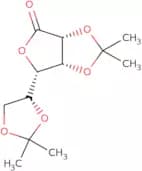
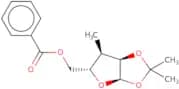

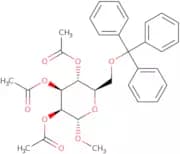

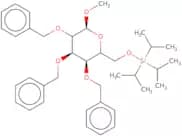

![Methyl [(R)-4,6-O-benzylidene-]-2,3-di-O-toluensulfonyl-a-D-glucopyranoside](/_next/image/?url=https%3A%2Fstatic.cymitquimica.com%2Fproducts%2F3D%2Fthumb-webp%2FMM163567.webp&w=3840&q=75)
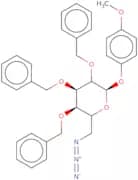
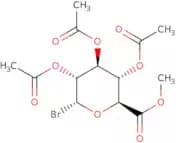
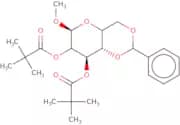
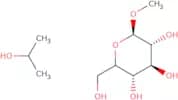

![(1R) -1- [(2R, 3S) -3- Hydroxy- 1- azetidinyl] -1, 2- ethanediol](/_next/image/?url=https%3A%2Fstatic.cymitquimica.com%2Fproducts%2F3D%2Fthumb-webp%2FMH163408.webp&w=3840&q=75)
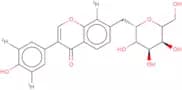

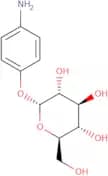
![N,N-Bis[3-D-gluconamidopropyl]cholamide](/_next/image/?url=https%3A%2Fstatic.cymitquimica.com%2Fproducts%2F3D%2Fthumb-webp%2FDB18793.webp&w=3840&q=75)

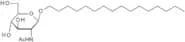


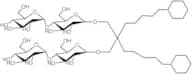
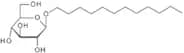

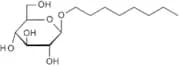
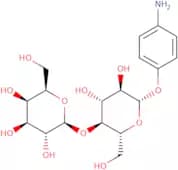
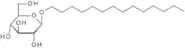

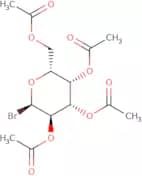
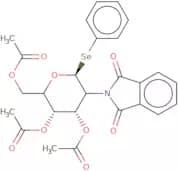
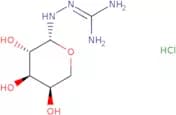
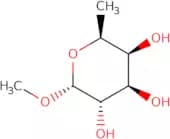
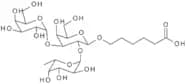
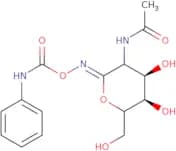


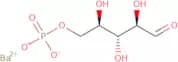
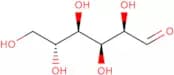


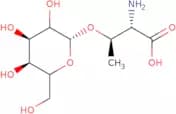

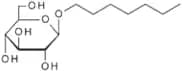
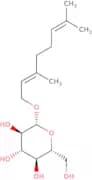
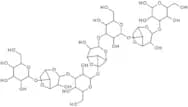
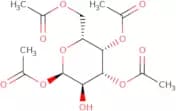

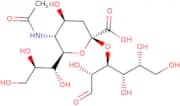

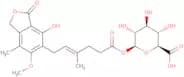
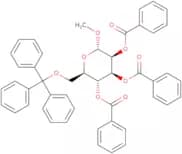
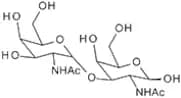
![3-O-[2-(Acetamino)-2-deoxy-D-galactopyranosyl]-D-mannopyranose](/_next/image/?url=https%3A%2Fstatic.cymitquimica.com%2Fproducts%2F3D%2Fthumb-webp%2FOA139084.webp&w=3840&q=75)

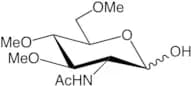
![[2R- (2a, 3a, 4b, 5b) ] -1-Benzyl- 3,4-O-isopropylidene-2-methyl- 3, 4, 5- piperidinetriol](/_next/image/?url=https%3A%2Fstatic.cymitquimica.com%2Fproducts%2F3D%2Fthumb-webp%2FMB163318.webp&w=3840&q=75)
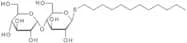


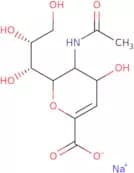

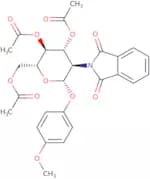

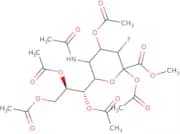

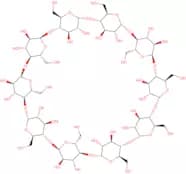
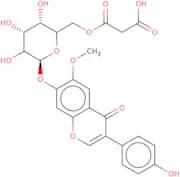
![(5R, 6R, 7S, 8R) -5, 6, 7, 8-Tetrahydro- 5- methyl- tetrazolo[1, 5- a] pyridine- 6, 7, 8- triol](/_next/image/?url=https%3A%2Fstatic.cymitquimica.com%2Fproducts%2F3D%2Fthumb-webp%2FMT163943.webp&w=3840&q=75)
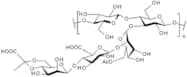

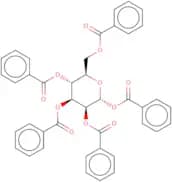
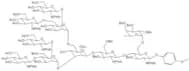
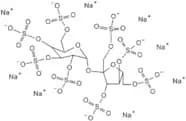
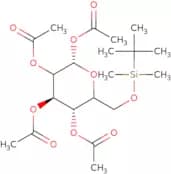
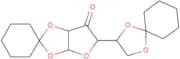
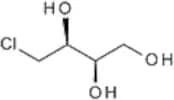
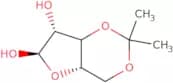
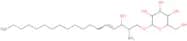
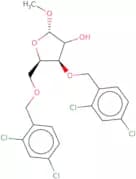
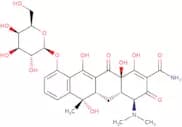
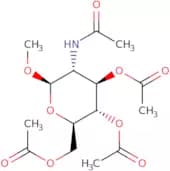
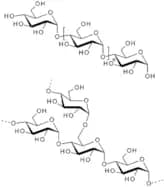

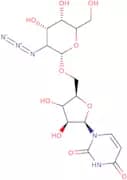

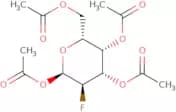
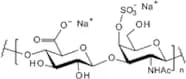
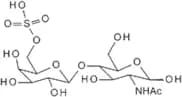
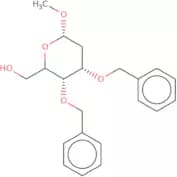

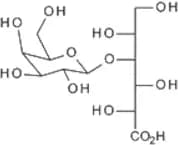
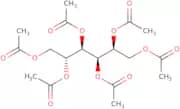


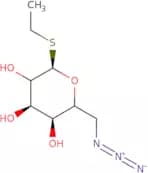
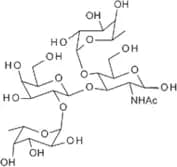


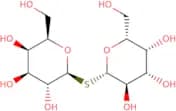
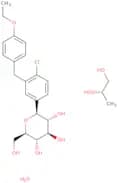


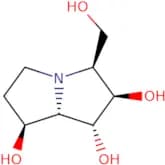
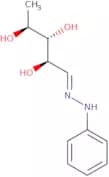
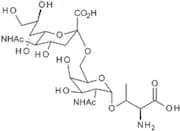

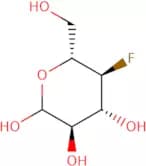

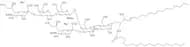
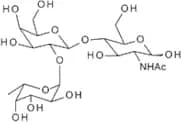
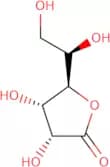
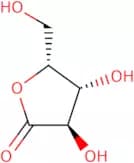
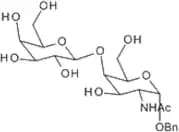

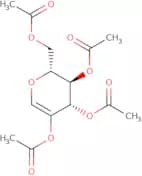
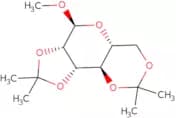
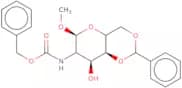


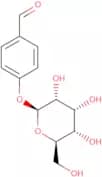
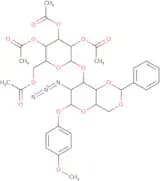

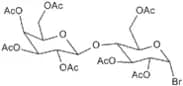
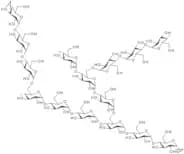
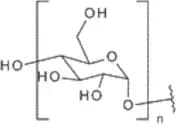
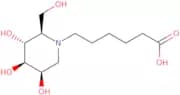
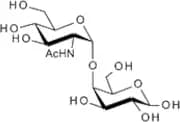


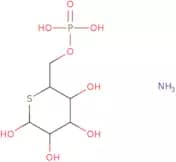


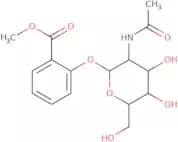
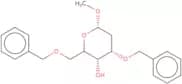
![Methyl 2, 3- anhydro- 4, 6- O- [(R) - benzylidene] -a- D- allopyranoside](/_next/image/?url=https%3A%2Fstatic.cymitquimica.com%2Fproducts%2F3D%2Fthumb-webp%2FMM163569.webp&w=3840&q=75)
![(1S) -1- [(2S, 3R) - 3- Hydroxy- 1- (phenylmethyl) - 2- azetidinyl] -1, 2- ethanediol](/_next/image/?url=https%3A%2Fstatic.cymitquimica.com%2Fproducts%2F3D%2Fthumb-webp%2FMH163545.webp&w=3840&q=75)